Skip to content
When you hold a great plush doll, the first thing you notice is how the face looks clean and smooth, the body feels cloud-soft, and the outfit tells a story without scratching or shedding. None of this is random. It’s the result of intentional fabric choices, disciplined finishing, and repeatable QC. As Amanda from Kinwin, I’ll walk you through the materials we trust in real production: what core fabrics to use, how popular options compare, which fiber blends fight pilling, how safety rules shape finishes, the eco choices that scale, and how to match fabrics to age grades and use-cases. I’ll keep the language simple, the paragraphs rich with factory detail, and include a table in every section so you can copy the specs straight into RFQs and SOPs.
What core fabrics are used in high-quality plush dolls?
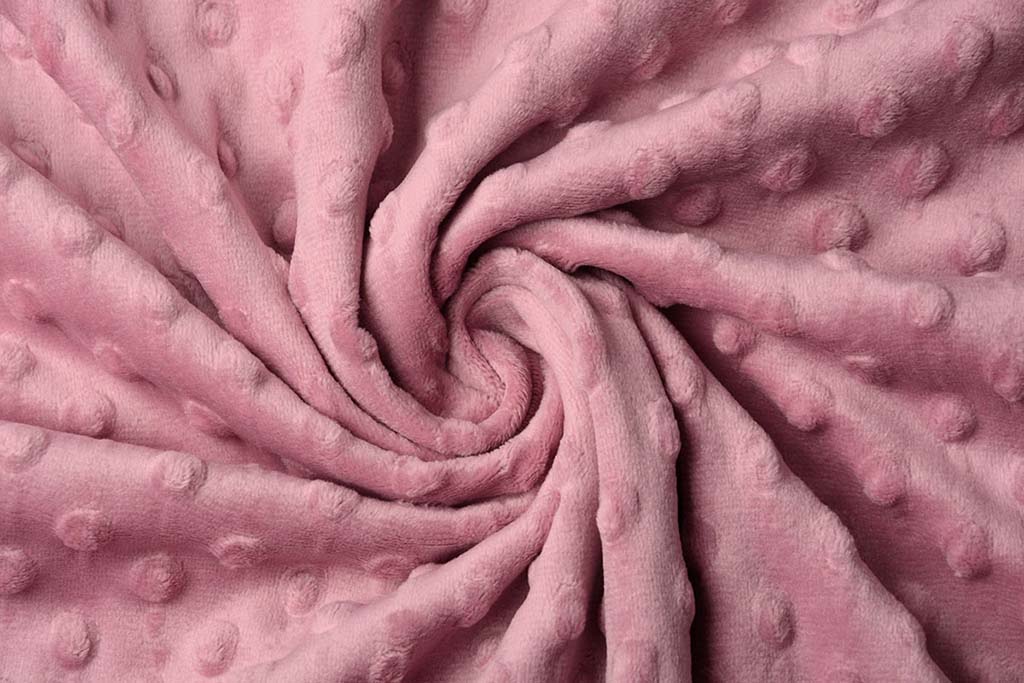
A high-quality plush doll usually combines three material zones that work together: (1) a face/skin fabric that embroiders cleanly and photographs well, (2) a body fabric that delivers softness and volume without shedding, and (3) wardrobe fabrics that add shape and style but still pass toy tests. For the face, short plush/velboa in 1.5–2.5 mm pile with a firm tricot backing keeps embroidery sharp and avoids fuzzy edges. We often slide a thin batting sheet between face fabric and filling to remove micro-lumps and prevent the “stitch sink” that can distort smiles or eyes. For the body, minky (3–5 mm) or well-finished microfleece gives that “buttery” hand that customers love, while staying stable in seams if the allowance is slightly wider on curves (0.5–0.7 cm). For clothing, cotton/spandex jersey is friendly for dressing/undressing and poly/cotton poplin/twill holds silhouettes for dresses, jackets, and collars. Every roll is checked for shade under daylight, nap direction, grammage tolerance, and lint level—and we standardize it in a simple fabric map that engineers, cutters, and QC all follow.
Table 1 — Core fabric map for plush dolls (fast RFQ helper)
| Doll Zone | Recommended Fabric | Reference Spec | Why We Choose It | Production Notes |
|---|---|---|---|---|
| Face / skin | Short plush / velboa | 1.5–2.5 mm pile; 220–280 gsm; tight tricot backing | Crisp embroidery; smooth camera look | Add thin batting under face; test darkest tone first |
| Body (cuddle) | Minky | 3–5 mm pile; 260–360 gsm; microfiber | Cloud-soft; premium handfeel | Mark nap arrows; 0.5–0.7 cm seam allowance on curves |
| Body (lightweight) | Microfleece | 180–260 gsm | Warm yet breathable; matte look | Anti-pilling grade; verify shade stability |
| Hair (stylized) | Felt / flocked plush / yarn | — | Form control; low fray | Pull-test braids/fringe; colorfastness check |
| Knit outfit | Cotton/spandex jersey | 160–220 gsm; 95/5 or 92/8 | Stretch comfort; easy dressing | Pre-shrink; set stitch density by fabric stretch |
| Woven outfit | Poly/cotton poplin / twill | 120–200 gsm; 65/35 or 80/20 | Shape retention; crisp pleats | Reinforce micro-trims; run seam pull test |
How do minky, velboa, fleece, and faux fur compare?

Each surface behaves differently in hand and on the line. Minky gives an immediate “wow” softness and rich shadows; it’s fantastic for bodies and cuddle zones, but needs careful seam management to avoid bulk on tight curves. Velboa (short plush) is the face champion: flat, matte, and embroidery-friendly, with excellent wash performance. Microfleece creates a warm, minimal look and is forgiving during sewing—good for lightweight bodies, pajamas, or cost-sensitive markets. Faux fur adds drama and winter charm, but requires nap grooming and precise cutting to keep edges clean; we use it for coats, trims, seasonal capsules, or statement pieces rather than full bodies for younger ages.
Table 2 — Side-by-side: minky vs. velboa vs. microfleece vs. faux fur
| Fabric | Hand-Feel & Aesthetic | Sewability & Embroidery | Durability & Care | Best Doll Uses | Watch-Outs & Fixes |
|---|---|---|---|---|---|
| Minky (3–5 mm) | Buttery soft; cozy shadows | Sews well; edges bulk on tight curves | Gentle wash; air dry; low lint if finished well | Main body; cuddle zones | Wider seam allowance; mark nap; light steam finish |
| Velboa / Short Plush (1.5–2.5 mm) | Matte; “skin-like” clarity | Embroidery is crisp; trims clean | Excellent wash; fast dry; very low lint | Face panels; small parts | Add thin batting under face to hide fill texture |
| Microfleece | Soft, warm; low sheen | Easy handling; flat seams | Good anti-pilling grades available | Lightweight body; pajamas/outfits | Choose ≥4 anti-pill; confirm colorfastness |
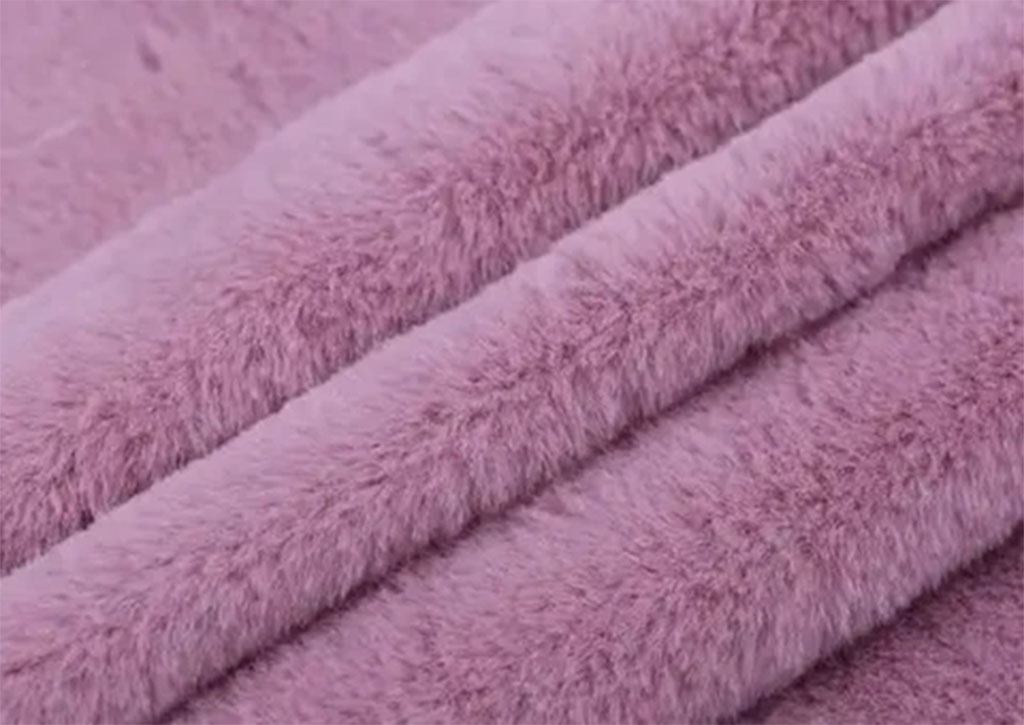
| Faux Fur (6–25 mm) | Lux depth; dramatic texture | Harder on curves; needs grooming | Spot clean preferred | Coats, trims, seasonal editions | Trim seam allowances; brush after stitching |
What fiber blends optimize softness, durability, and pilling resistance?

The winning recipe is usually polyester-dominant for colorfastness and durability, with microfiber when premium handfeel matters. Microfiber means more, finer filaments touch the skin, so the surface feels silky. But microfiber must be balanced with proper finishing (raising/sueding + heat setting) to keep lint low and pilling controlled. For outfits, cotton/spandex offers comfort and stretch, while poly/cotton wovens keep shape and crease nicely for mini tailoring. For faux fur, we specify microfilament polyester with stable pile binding to avoid shedding.
Table 3 — Fiber-blend playbook (softness vs. pilling vs. stability)
| Fabric Type | Typical Fiber Blend | Softness | Pilling Resistance | Wash/Color Stability | Where We Use It | Notes |
|---|---|---|---|---|---|---|
| Short plush / velboa | 100% polyester (2–5 dpf) | High | Very high | Excellent | Face/skin panels | Tight backing = crisp embroidery |
| Minky (micro-minky) | Polyester microfiber (<1 dpf) | Very high (“buttery”) | High with good finish | Excellent | Body/cuddle zones | Control lint with finishing + QC |
| Microfleece | 100% PES or PES/viscose | High | High in anti-pill grades | Very good | Lightweight bodies/outfits | Choose ≥4 Martindale anti-pill |
| Faux fur | Microfilament PES | Very high | Medium–High (by construction) | Very good | Coats/trims | Groom post-sew; store carefully |
| Jersey knit | Cotton/Spandex (95/5 or 92/8) | Natural soft | Medium | Good (pre-shrink) | Tees/leggings | Bio-wash; measure growth/shrink |
| Woven outfit | Poly/Cotton (65/35, 80/20) | Medium-High | High | Very good | Dresses/jackets | Holds pleats; fewer wrinkles |
How do safety standards impact fabric selection and chemical finishes?

Toy safety is not only about the final doll—it’s also about dye systems, auxiliaries, binders, and finishes on fabrics. We design for EN 71 (EU), ASTM F963 (US), and CPSIA from the sourcing stage: select approved dyestuffs, avoid restricted substances, and validate care labels with real wash trials. Dark shades and saturated reds/blues are the first to test for saliva/sweat fastness. Where retailers demand low odor, we specify low-VOC auxiliaries and keep a finish SDS pack on file. For baby-leaning SKUs, we simplify finishes and avoid heavy softeners or scented agents.
Table 4 — Safety & finishing matrix (what to lock, what to test)
| Safety/Finish Topic | Why It Matters | Factory Practice | Buyer Checklist |
|---|---|---|---|
| EN 71-3 / CPSIA chemicals | Prevents heavy metal/phthalate issues | Approved dyes; batch COAs | Third-party lab per color/lot |
| Colorfastness to saliva/sweat | Stops dye transfer | Test darkest tones first | Include results in tech pack |
| Formaldehyde / VOC | Limits odor/irritation | Low-formaldehyde binders; low-VOC | Request SDS + VOC declaration |
| Flammability (EN 71-2 / ASTM) | Fabric behavior near flame | Composite test (fabric + fill) | Keep per season/colorway |
| Anti-pilling finish | Surface durability | Mechanical/chemical anti-pill | Validate after 3× wash cycle |
| Care label truth | Avoid misleading claims | Real wash-bag trials | Photos + report archived |
Key rule: If a fabric only survives surface clean, the label must not promise machine wash. We always print what we can prove.
Which eco-friendly materials suit recycled, bio-based, or low-VOC requirements?

Sustainability needs scale and paperwork. The most pragmatic choice today is rPET polyester (recycled bottles) for short plush, minky, and even batting. It delivers familiar performance with a recycled story, provided you keep GRS/transaction certificates linked to roll IDs. Dope-dyed polyester (solution-dyed) reduces water/chemicals and boosts fastness—great for core colors if you can meet MOQs. For outfits, organic cotton or BCI cotton adds a natural angle; pre-shrink and bio-wash are essential to control pilling and size change. Across the board, low-VOC auxiliaries and water-based prints help meet retailer “clean chemistry” lists.
Table 5 — Practical eco options (with real trade-offs)
| Eco Option | Where It Fits | Benefits | Considerations | Factory Tip |
|---|---|---|---|---|
| rPET short plush / minky | Face/body fabrics | Recycled content; similar feel | Need GRS + trace chain | Pre-approve color sets; lint test |
| rPET batting | Under face & body fill | Recycled story | Rebound varies by grade | Pilot grams-per-part to match hand |
| Dope-dyed polyester | Core colors | Water/chemicals saved; fastness ↑ | MOQ/color limits | Use for black/grey/navy foundations |
| Organic/BCI cotton jersey | Knit outfits | Natural fiber story | Shrinkage/pilling risk | Bio-wash + stabilize before sewing |
| Recycled cotton blends | Woven looks | Waste reduction | Color variance | Use for textured, rustic styles |
| Low-VOC chemistry | All plush zones | Lower odor profile | Supplier discipline | Get VOC statement per batch |
Sustainability only works when auditable: we map roll IDs → lots → cartons → tracking labels, and keep the certificate trail complete for distributor audits.
How should manufacturers match fabrics to age grading and use-cases?
Age and use define the risk profile and user experience. For 0–3 years, the safest choice is short pile, low lint, embroidered faces, and simple outfits with no small trims. For 4–8 years, durability and washability matter; we choose anti-pilling microfleece or sturdy minky for bodies, and reinforced knit/woven outfits with secure fasteners. For teen/adult décor or gifting, handfeel and aesthetics come first—minky bodies, faux-fur accents, matte faces—and we can allow more delicate trims with the right labeling. For comfort/therapeutic dolls, we prioritize soft minky bodies, balanced density, and (if required) sealed, tacked liners for gentle weight.
Table 6 — Fabric selection matrix by age & scenario
| Age / Use-Case | Face Fabric | Body Fabric | Outfit Fabric | Why It Works | Compliance Focus |
|---|---|---|---|---|---|
| 0–3 years (baby-leaning) | Velboa/short plush 1.5–2 mm | Lint-tested micro-minky 3 mm | One-piece jersey; no small trims | Low lint; safe seams; easy care | EN 71 / ASTM F963 small-parts; care label truth |
| 4–8 years (play) | Short plush 2 mm + batting | Minky 3–4 mm or anti-pill microfleece | Jersey + poplin (reinforced) | Huggable + robust + washable | Drop test; seam pull; colorfastness |
| 9–14 years (style/collect) | Matte short plush | Minky 4–5 mm (photogenic) | Fashion wovens; seasonal outerwear | Trend styling; camera-ready | Trim strength; labeling clarity |
| 15+ décor/gift | Short plush face (crisp) | Minky/faux fur accents | Premium twill/poplin; ribbons | High perceived value | Surface-clean if trims are delicate |
| Comfort/therapeutic | Short plush face | Minky 3–5 mm + balanced density | Soft knit or removable cover | Soothing hand + sit stability | Weighted liners sealed; tack points validated |
Execution playbook (Kinwin):
- Put nap arrows on every marker; align shade in daylight.
- Keep 0.5–0.7 cm seam allowance on curves for minky/faux fur.
- Add a thin batting sheet under face to keep embroidery flat.
- Record grams-per-part so every batch feels identical in hand.
- Validate care icons with a wash-bag test (30 °C, gentle, low heat/air dry), especially for darkest colors.
Conclusion
The right plush doll material turns a good design into a product customers truly love. Your face fabric makes expressions crisp, your body fabric delivers the hug, and your outfit fabric builds the story. When fiber blends, finishes, care claims, and compliance are aligned—and when the factory documents a clear fabric map + density map—you get soft, consistent dolls that pass tests and look premium online and on shelves.
At Kinwin, we help global buyers lock the material system end-to-end: approved fabrics (including rPET and dope-dyed options), grams-per-part for repeatable handfeel, small-parts safety on trims, and real wash validation so labels match reality. If you want a plush doll that feels amazing, photographs beautifully, and clears compliance without drama, we’re ready to build it with you.
Contact: [email protected] | kinwintoys.com