
OEM & ODM Plush Toy Manufacturer for Custom Plush Toys
If you are looking for a reliable plush manufacturer that supports both OEM and ODM development, we help turn your ideas, characters, and brand concepts into high-quality custom plush toys. From design support and plush toy sampling to stable mass production, our factory helps brands launch custom stuffed animals faster while reducing development risks and supply chain uncertainty.
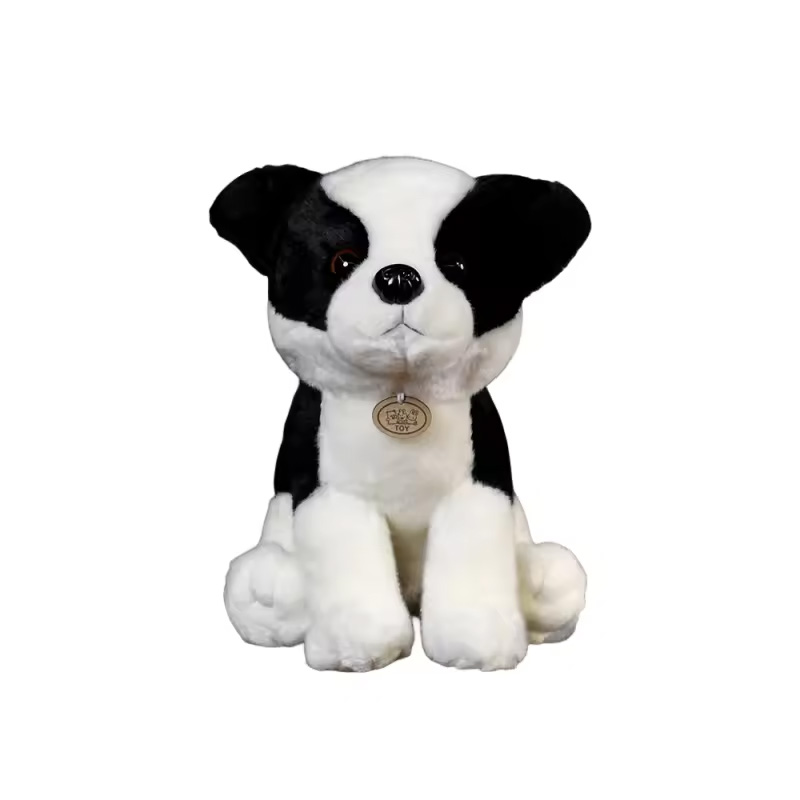
Understanding OEM & ODM Plush Toy Manufacturing for Brands
When sourcing custom plush toys, many brands encounter terms like OEM plush toys, ODM plush toy manufacturer, and custom stuffed animals production. Understanding what these manufacturing models mean helps you choose the right development path for your plush products. Whether you already have a finished design or only an idea, the right plush manufacturer can support your project from concept to stable mass production.
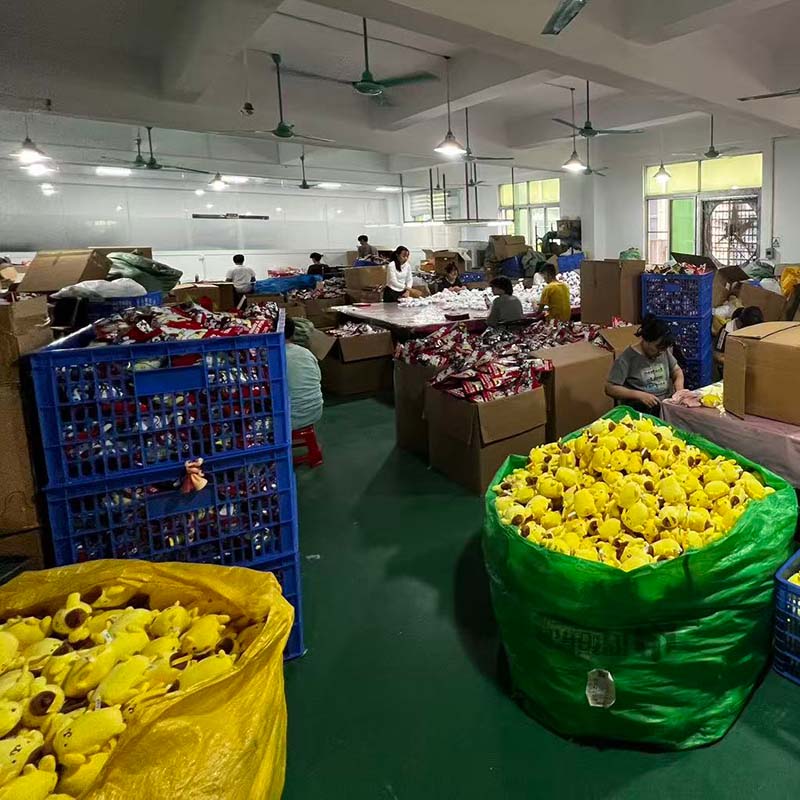
OEM Plush Toy Manufacturing
OEM plush toys are produced based on the design provided by the client. You supply the artwork, 3D drawing, or reference sample, and the plush toy manufacturer turns your design into production-ready custom stuffed animals. This model is widely used by brands that already have their own character designs, mascots, or licensed IP projects.
ODM Plush Toy Development
An ODM plush toy manufacturer helps develop plush products based on your concept or idea. Even if you only have a rough sketch or inspiration, the factory design team can support character shaping, proportion adjustment, and plush toy structure development. This makes it easier for new brands or startups to launch custom stuffed animals without building an in-house design team.
Custom Plush Toy Production
Custom plush toy production focuses on turning unique ideas into real plush products. From fabric selection and embroidery details to size, accessories, and packaging, every element of the stuffed animal can be customized. This allows brands to create distinctive plush toys that match their brand identity, product line, or promotional campaign.
Brand-Ready Plush Manufacturing
Professional plush toy manufacturers do more than just produce stuffed animals. They help brands build reliable product lines with stable quality, consistent production standards, and global safety compliance. With the right OEM and ODM manufacturing support, your plush toys can move smoothly from development to large-scale market distribution.
If you are planning to develop custom plush toys for your brand, choosing the right OEM and ODM plush manufacturer can make the entire development process faster, safer, and more predictable.
Custom Plush Toy Options: What You Can Customize in Stuffed Animals
Custom plush toys allow brands to create products that perfectly match their character design, brand identity, and market positioning. A professional plush toy manufacturer can customize almost every element of a stuffed animal, from the overall shape and size to the materials, facial details, accessories, and branding elements. This level of customization allows brands to develop unique plush products that stand out in retail stores, online marketplaces, theme parks, and promotional campaigns. By working with an experienced plush manufacturer, you gain the flexibility to control design, materials, and production details, ensuring that your custom stuffed animals meet both market expectations and safety standards.
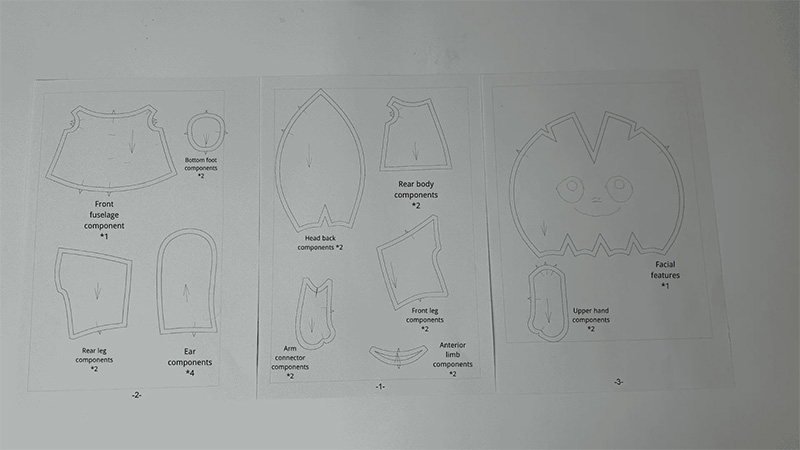
Character & Shape Customization
The overall shape and character design of a plush toy are the most important elements that define its identity. Whether your brand is developing animal plush toys, mascots, or licensed character products, the structure and proportions of the toy must be carefully designed to ensure both visual appeal and manufacturing feasibility. A professional plush toy manufacturer will convert sketches, artwork, or reference images into production-ready patterns, adjusting proportions, balance, and stitching structure to ensure the toy keeps its shape during mass production. This process helps brands transform creative ideas into realistic custom stuffed animals that are attractive, durable, and consistent across production batches.
Animal plush toys
Cartoon character plush
Brand mascot plush toys
Licensed IP plush toys
Standing plush toys
Sitting plush toys
Fabric & Material Selection
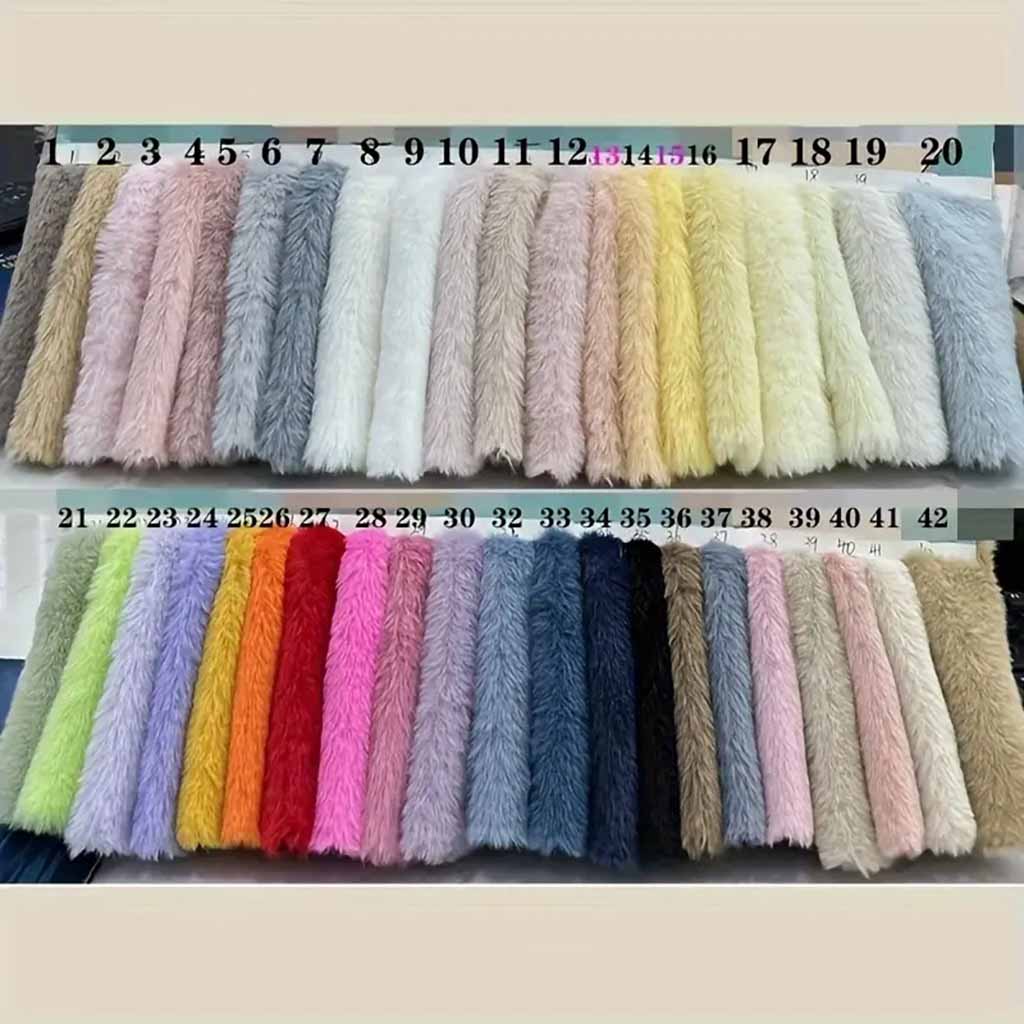
The fabric and materials used in plush toys play a critical role in determining the softness, appearance, durability, and safety of the final product. Different plush fabrics create different textures and visual effects, while the right filling material ensures that the stuffed animal maintains its shape and comfort during long-term use. A professional plush toy factory will recommend suitable materials based on the target market, product positioning, and safety requirements. For example, soft fabrics are often used for baby plush toys, while longer pile fabrics may be chosen for decorative or premium plush products. By selecting the right materials, brands can ensure their plush toys feel comfortable, look attractive, and meet global safety standards.
Minky fabric
Velboa plush fabric
Long pile faux fur
Crystal super soft fabric
Eco-friendly RPET plush fabric
PP cotton filling
Recycled fiber filling
Size & Structure Customization
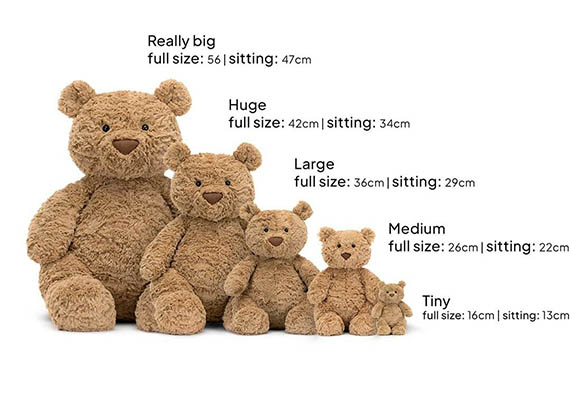
Plush toys can be produced in a wide range of sizes and structures depending on their purpose and market positioning. Smaller plush toys are often used as promotional items or keychains, while medium-sized stuffed animals are common in retail stores and e-commerce markets. Larger plush toys are frequently used as display items, collectible products, or gift items. In addition to size, the internal structure of the toy can also be customized to improve stability and durability. For example, weighted bases can help the toy sit upright, while reinforced stitching can improve durability for long-term use. These structural adjustments ensure the plush toy performs well in both appearance and functionality.
Plush keychains
Small plush toys
Medium stuffed animals
Large plush toys
Giant plush toys
Weighted plush toys
Face & Detail Customization
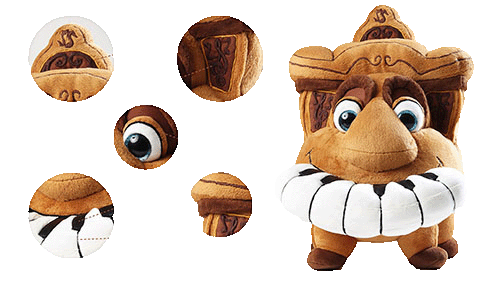
The facial expression and detailed design of a plush toy strongly influence how customers emotionally connect with the product. Elements such as the eyes, nose, mouth, and decorative accessories can significantly change the personality of a stuffed animal. Professional plush manufacturers offer multiple decoration techniques such as embroidery, printing, and appliqué to achieve different visual effects. These details help transform a simple plush toy into a memorable product that customers recognize and love. In many cases, the difference between an average plush toy and a premium plush product lies in the precision and quality of these small details.
Embroidered eyes
Printed facial details
Appliqué embroidery
3D nose and mouth
Decorative accessories
Clothing and costumes
Branding & Packaging Customization
For many brands, plush toys are not only products but also important tools for brand promotion and recognition. By integrating branding elements directly into the toy design and packaging, companies can strengthen their brand identity and improve product visibility in the market. A professional plush toy manufacturer can help incorporate logo embroidery, custom labels, branded packaging, and other brand elements into the product. These features help transform a simple stuffed animal into a recognizable brand product that supports marketing campaigns, retail displays, and customer engagement.
Logo embroidery
Woven labels
Custom hang tags
Branded packaging boxes
Printed care labels
Custom gift packaging
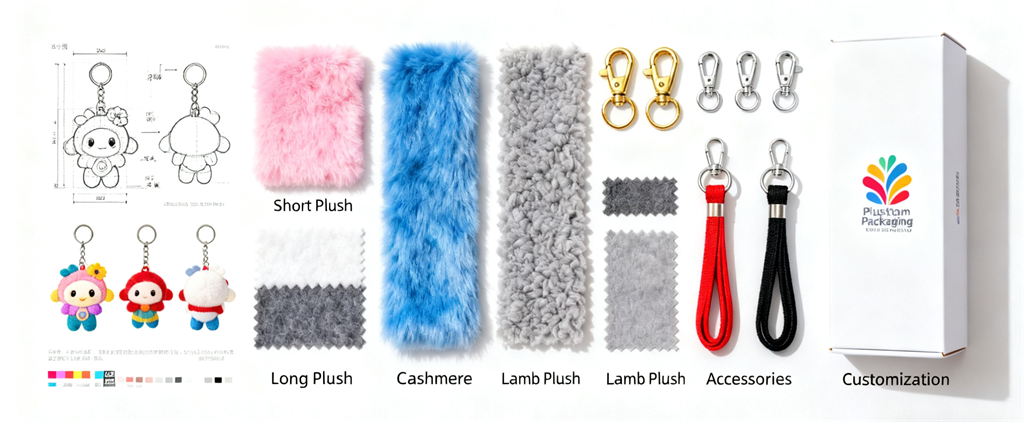
If you are planning to develop custom stuffed animals for your brand, understanding the full range of plush toy customization options helps you create products that are unique, recognizable, and ready for the global market.
Custom Plush Toys We Manufacture for Global Brands
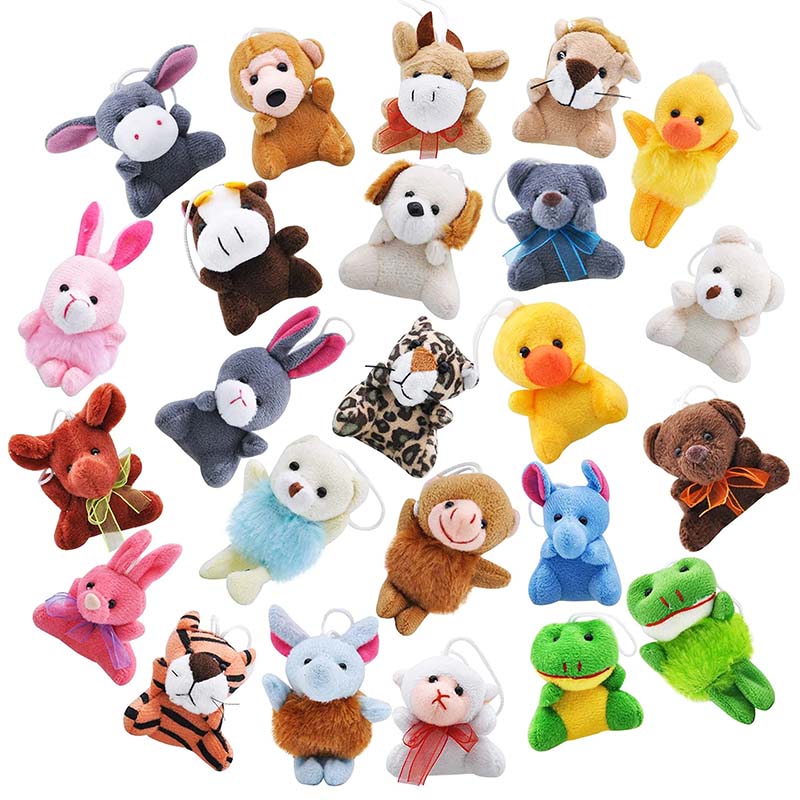
A professional plush manufacturer can produce a wide variety of custom stuffed animals for different industries and markets. From retail plush toys and mascot characters to promotional plush products and collectible plush dolls, custom plush toys can be developed to match different brand concepts and product strategies. Below are some of the most common types of plush toys that brands develop with an OEM & ODM plush toy manufacturer.
Animal Plush Toys
Classic stuffed animals such as dogs, cats, rabbits, and bears are always popular in toy stores and gift markets.
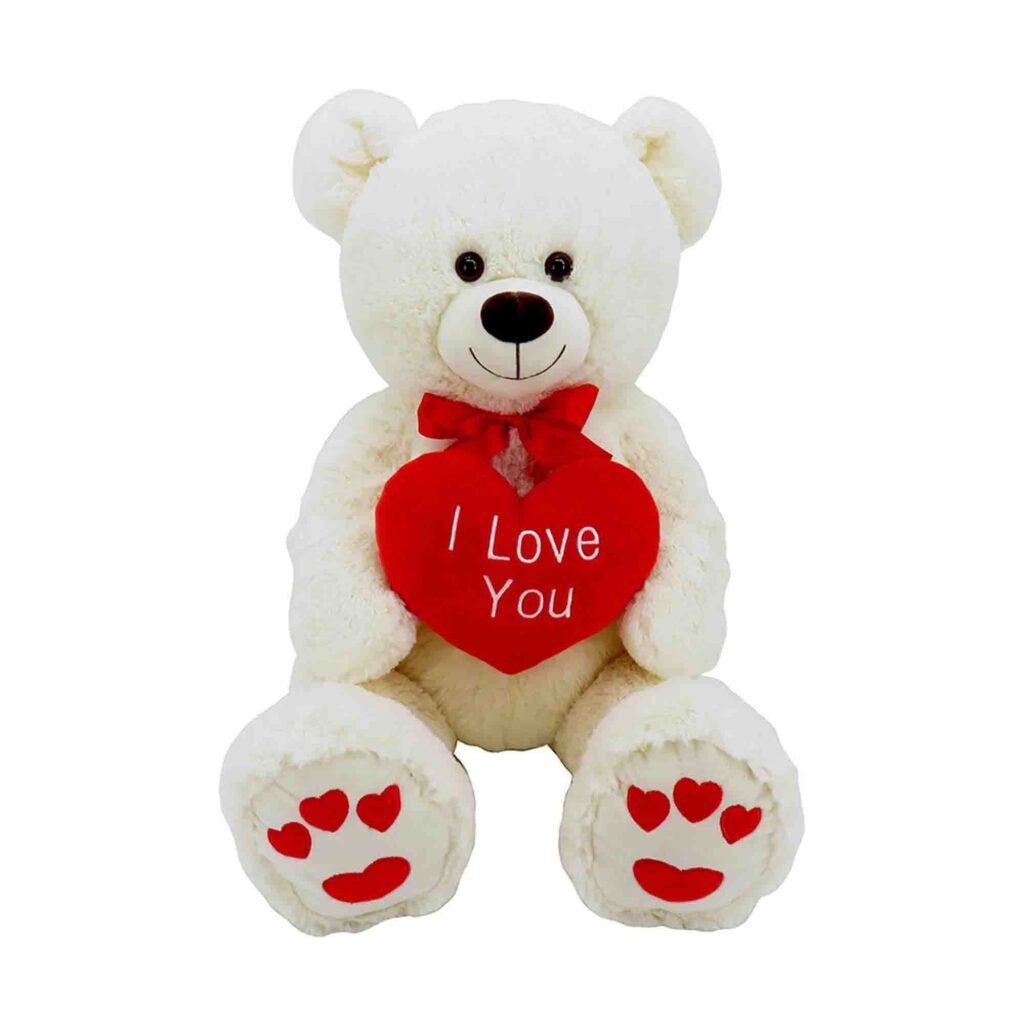
Teddy Bear Plush Toys
Teddy bears are timeless plush toys widely used for gifts, promotions, and brand merchandise.
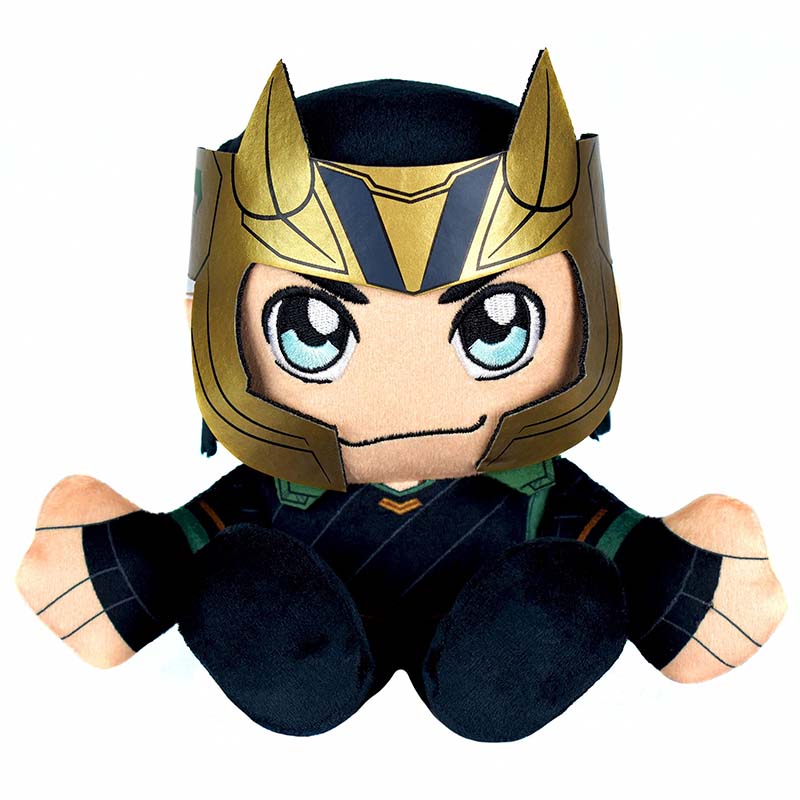
Cartoon Character Plush
Cartoon plush toys are designed based on animation characters or brand mascots.
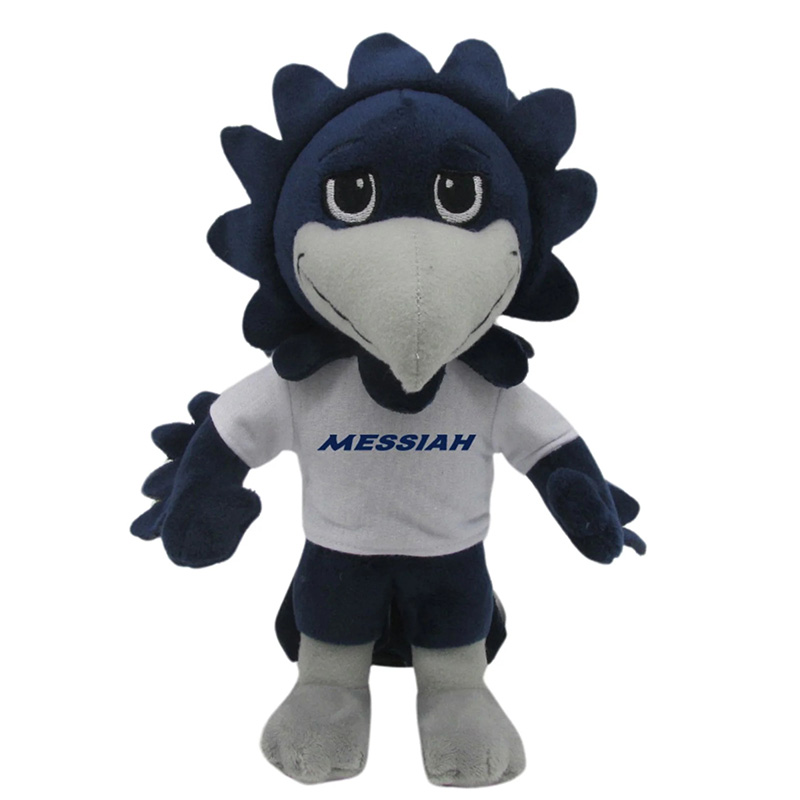
Mascot Plush Toys
Many brands create mascot plush toys to strengthen brand identity and recognition.
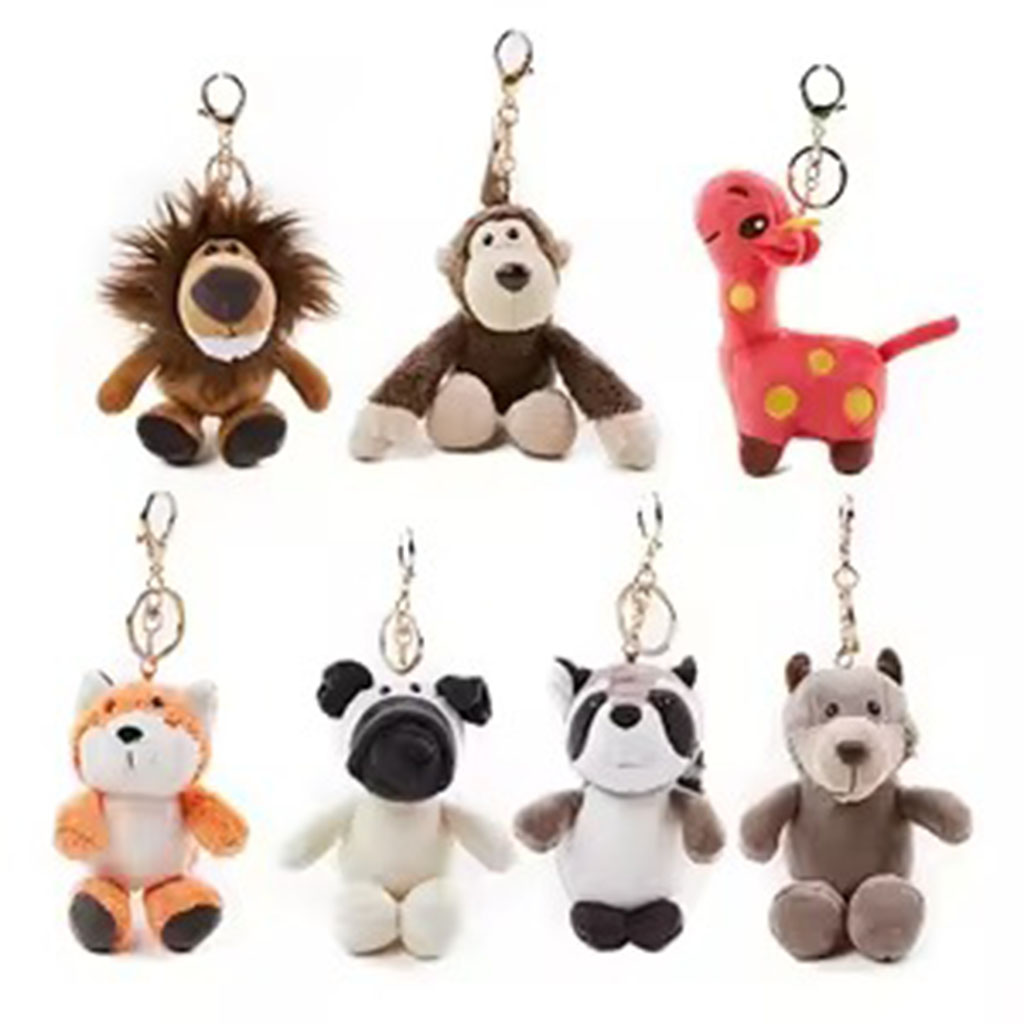
Plush Keychains
Small plush keychains are popular promotional items and retail accessories.
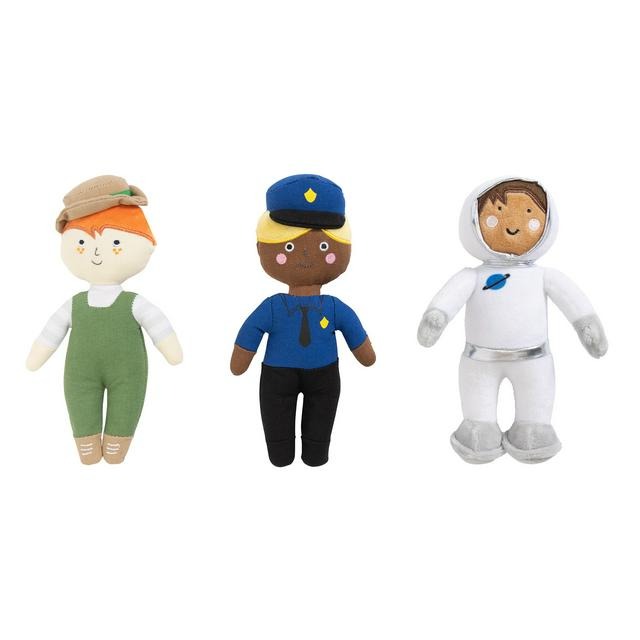
Plush Dolls
Plush dolls are often designed for character toys, fashion dolls, or storybook characters.
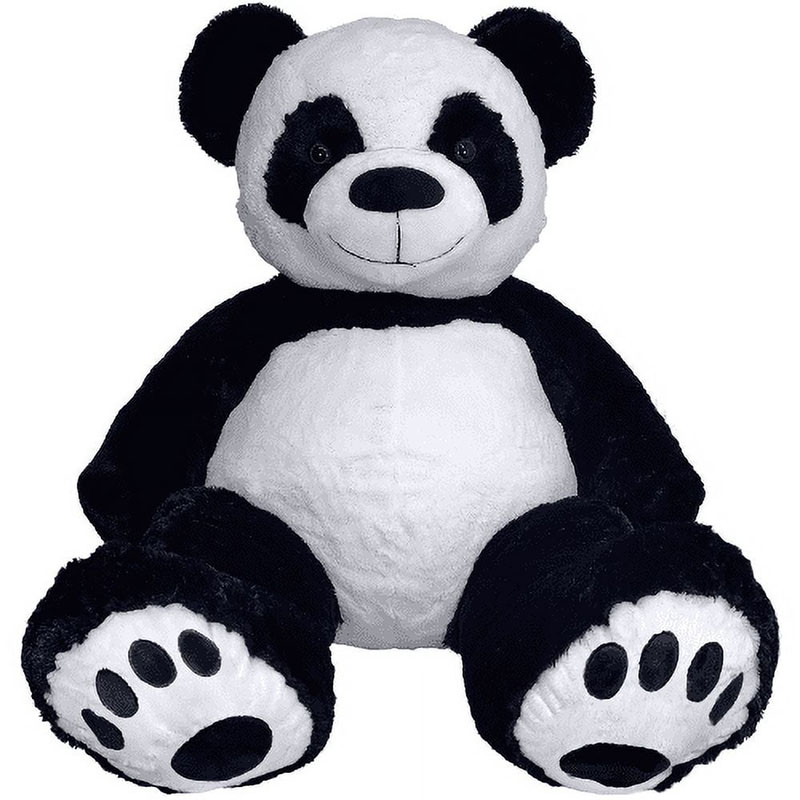
Giant Plush Toys
Large plush toys are popular for gift markets, retail displays, and amusement parks.
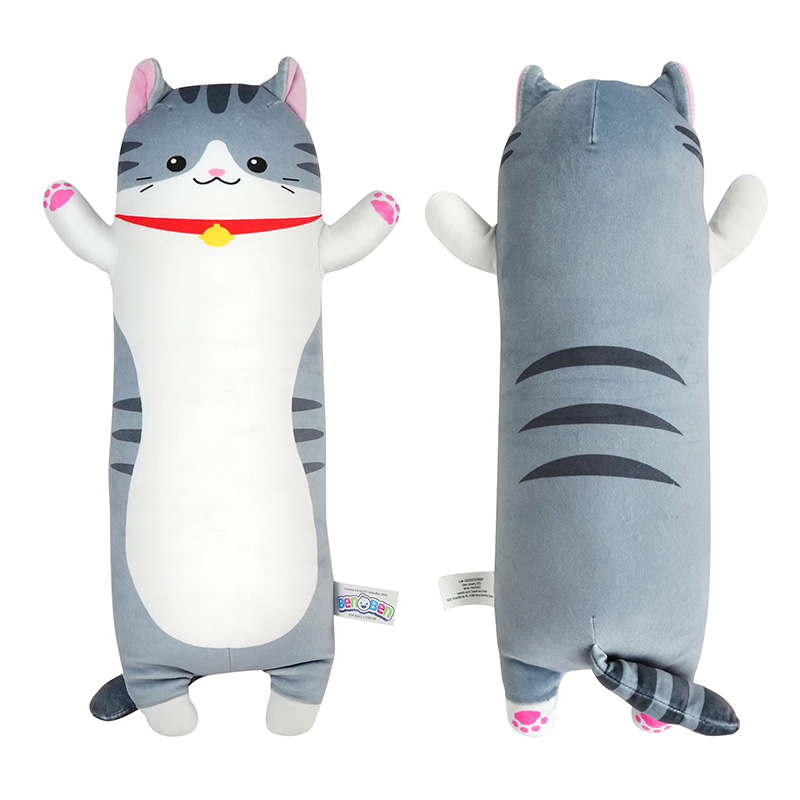
Plush Pillows
Plush pillows combine the softness of plush fabric with functional home decor products.
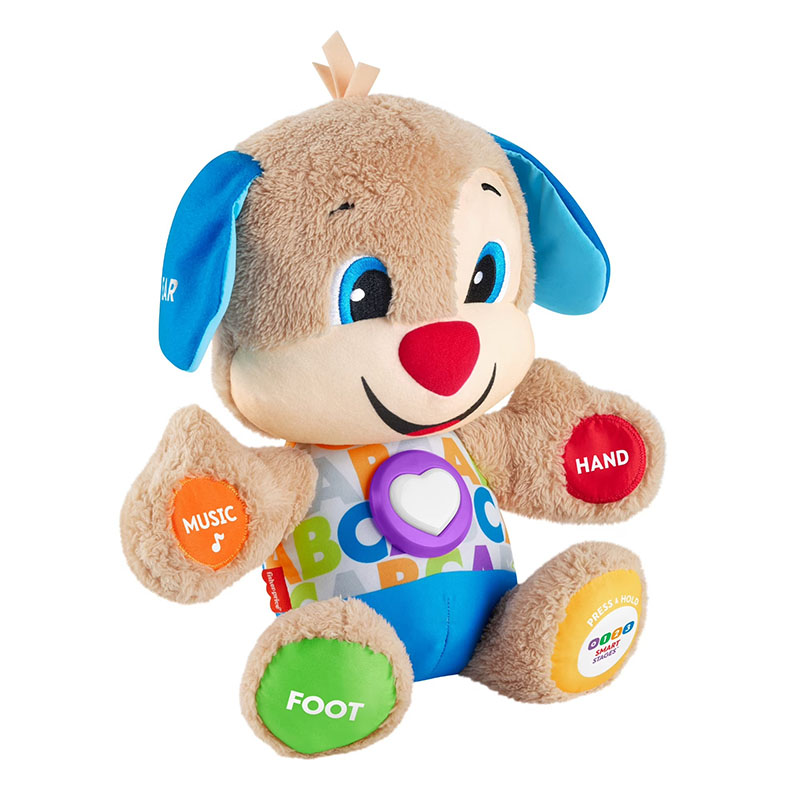
Baby Plush Toys
Baby plush toys use soft fabrics and safe materials designed for infants and toddlers.
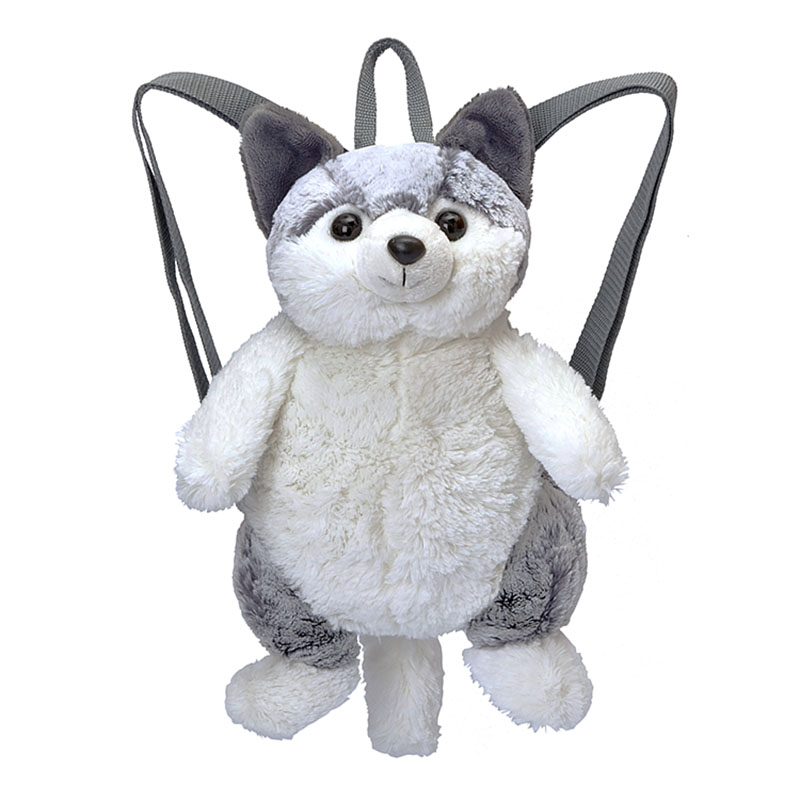
Plush Backpack Toys
Plush backpacks combine toy design with practical storage functions for children.
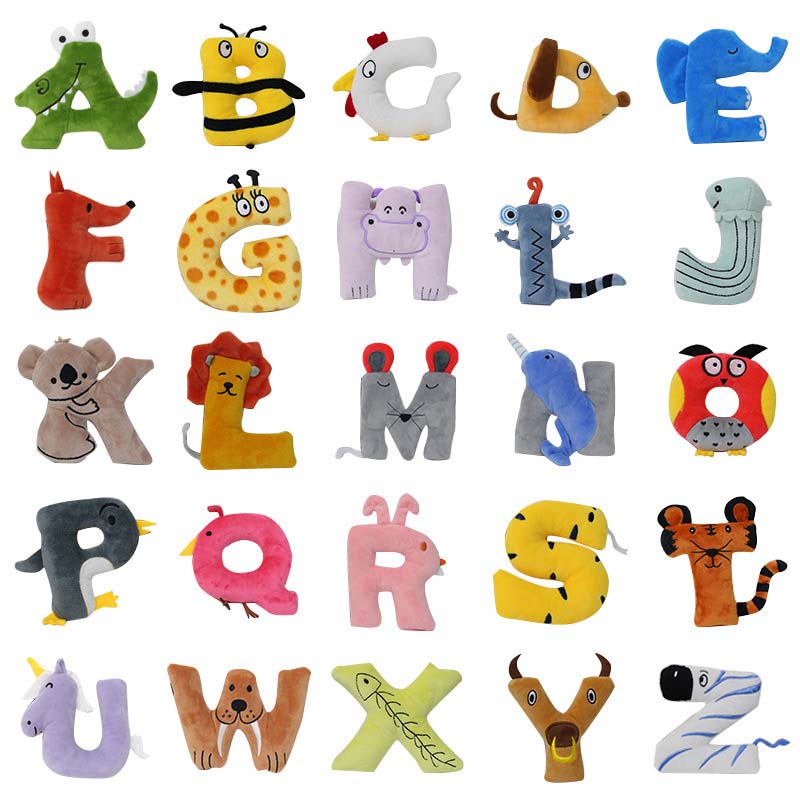
Educational Plush Toys
Educational plush toys are designed to help children learn through interactive play.
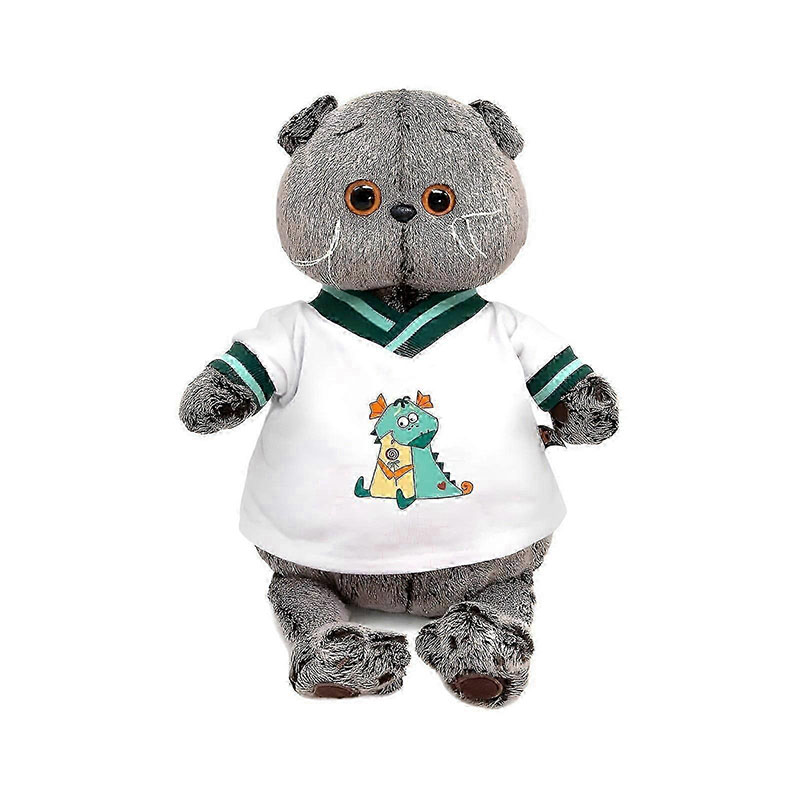
Plush Animal Sets
Some brands develop plush toy collections with multiple characters in a series.
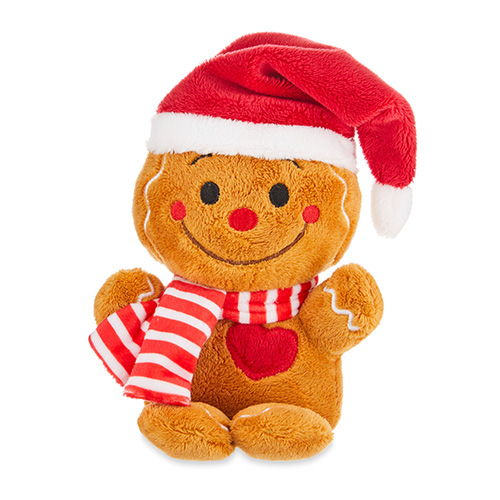
Holiday Plush Toys
Holiday-themed plush toys are designed for Christmas, Easter, and other seasonal events.
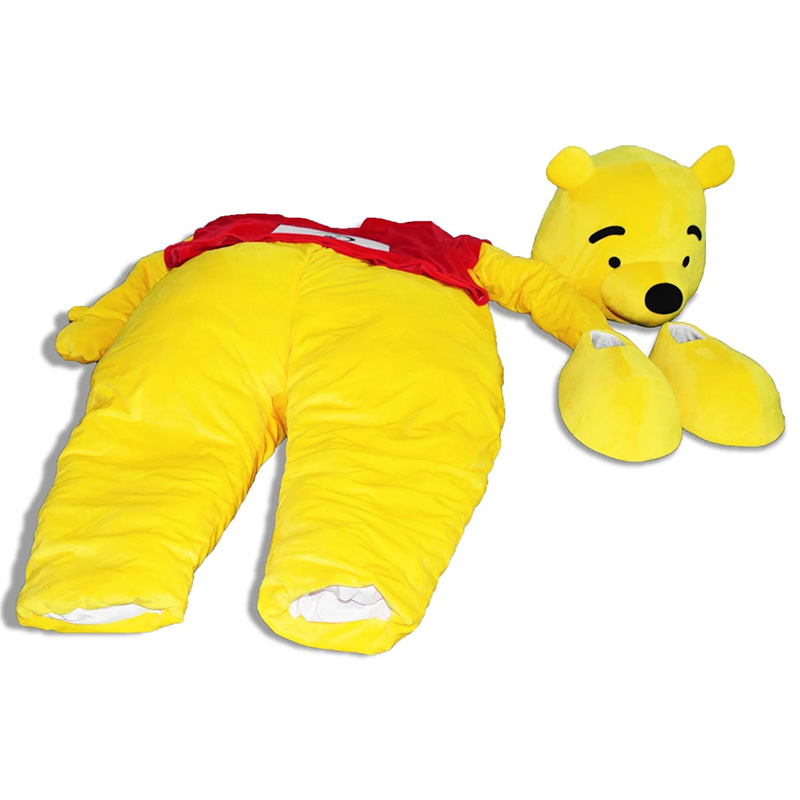
Plush Mascot Costumes
Mascot costumes are large plush suits used for brand events and marketing activities.
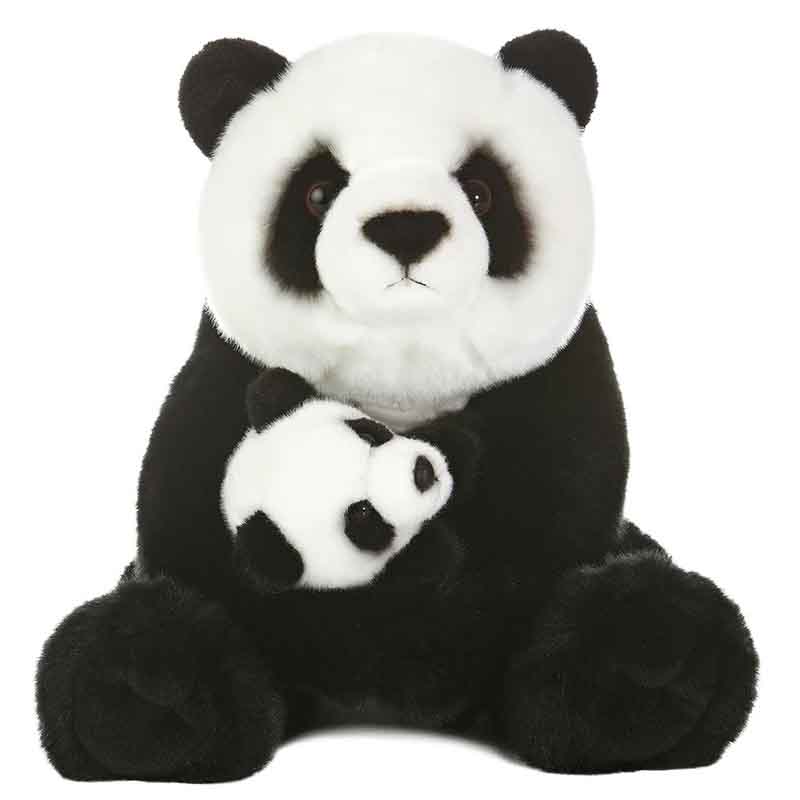
Plush Collectible Toys
Collectible plush toys are often produced in limited editions for fans and collectors.
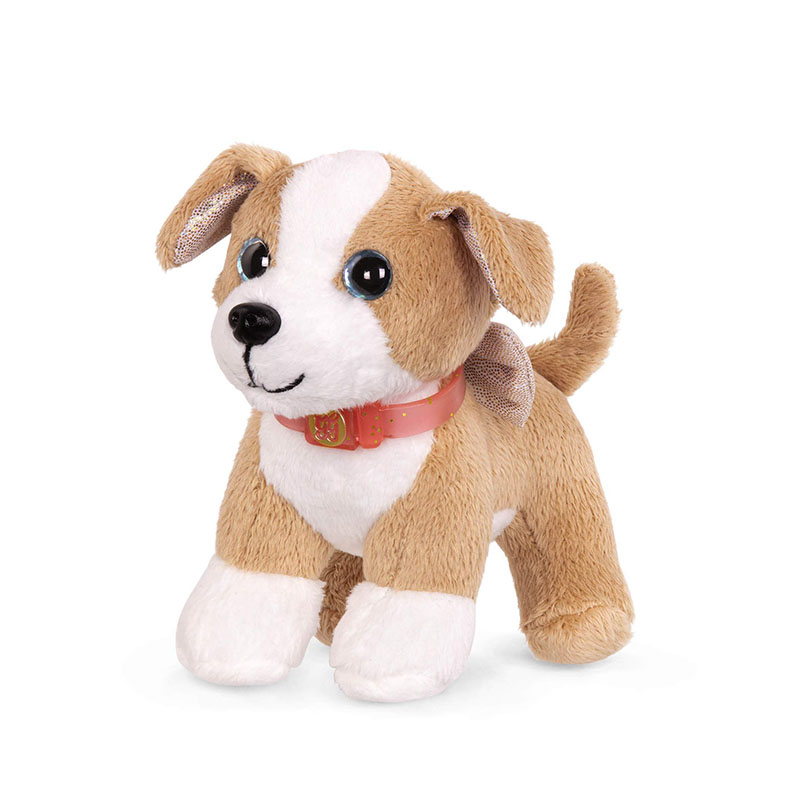
Plush Pet Toys
Soft plush pet toys are designed for pets to chew, play, and interact safely.
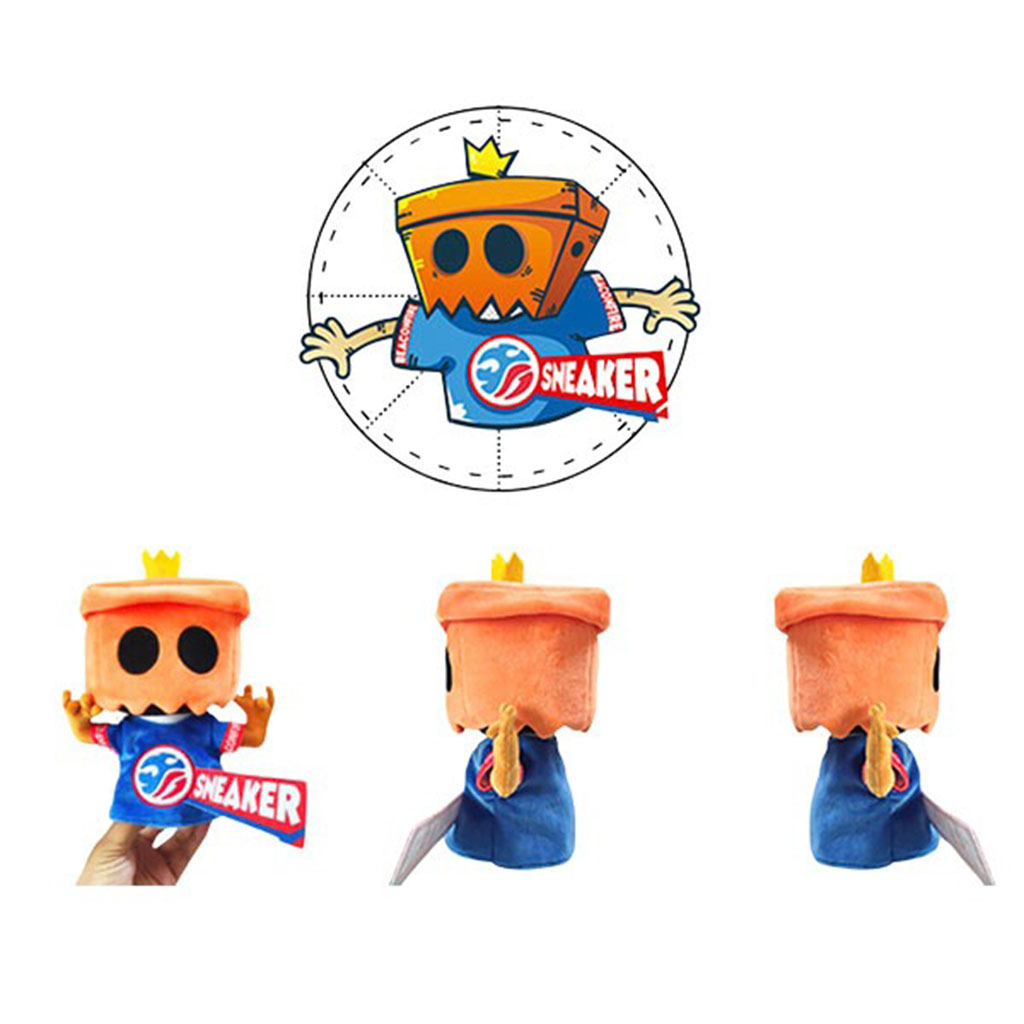
Promotional Plush Toys
Promotional plush toys are used by companies for marketing campaigns and giveaways.
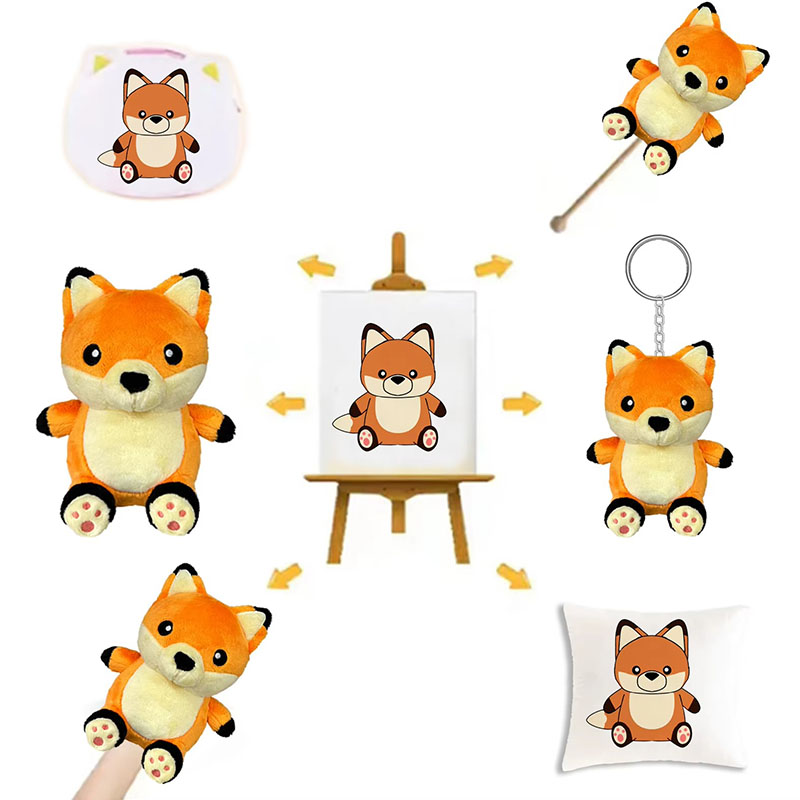
Plush Character Merchandise
Many entertainment brands create plush merchandise based on their characters.
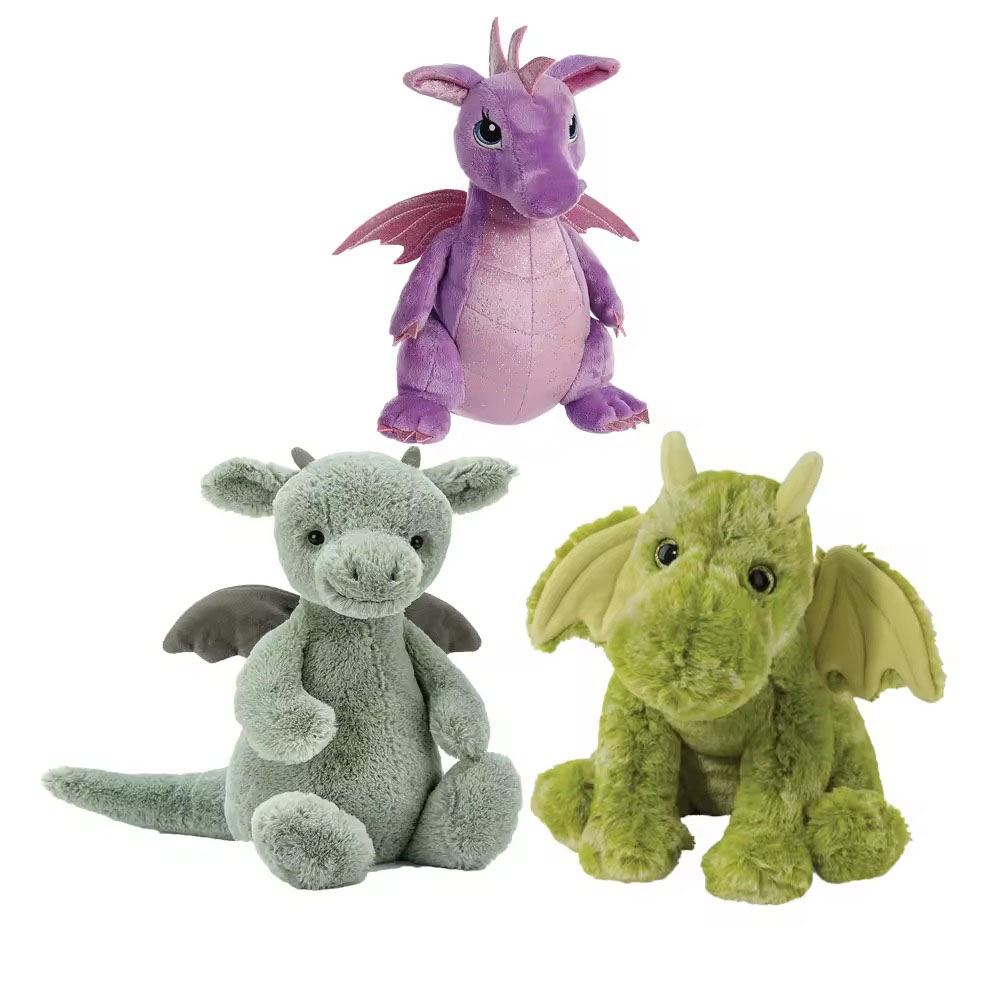
Plush Gift Toys
Plush toys are widely used as gift products in retail and seasonal promotions.
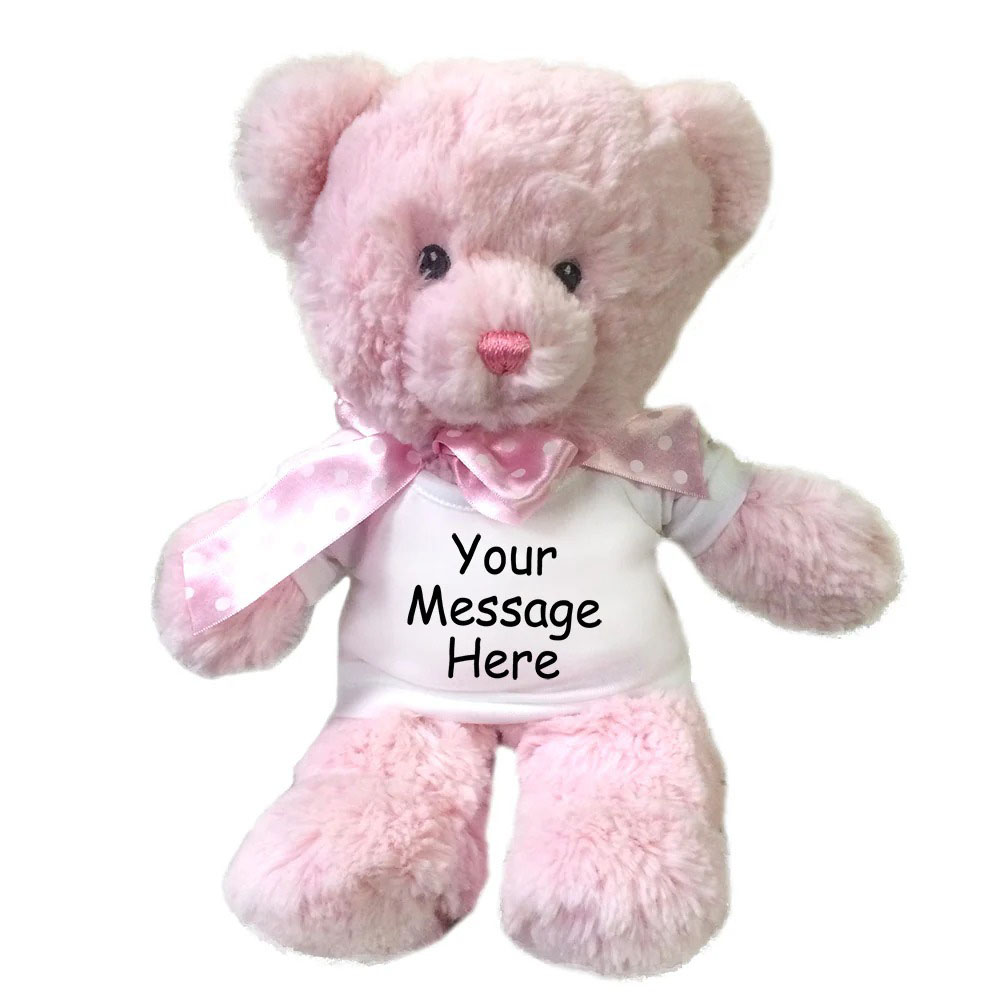
Custom Plush Toys for Brands
Many companies develop custom stuffed animals to represent their brand identity.
OEM & ODM Plush Toy Development Process from Idea to Mass Production
Developing custom plush toys requires a structured process to ensure accuracy, efficiency, and stable production results. A professional plush manufacturer follows a clear plush toy development workflow that connects design review, sampling, material confirmation, and mass production. This process helps reduce unnecessary revisions, improve plush toy sampling accuracy, and ensure that the final stuffed animals remain consistent across bulk production.
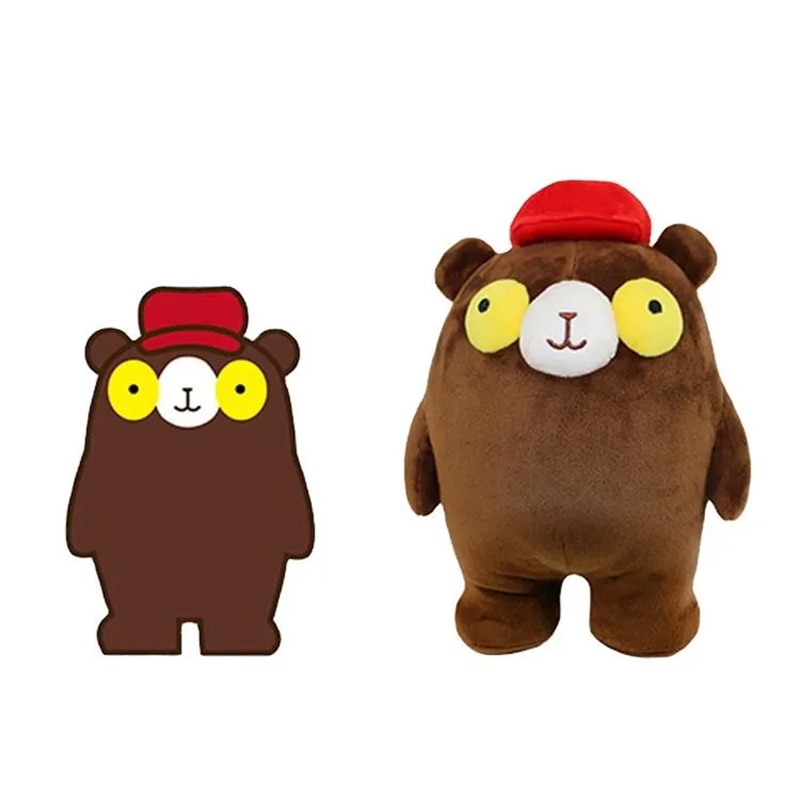
Concept & Design Review
At the beginning of the plush toy development process, we review your design concept, artwork, or reference samples. Key elements such as character proportions, structure feasibility, facial details, and size are carefully evaluated to ensure the design can be manufactured correctly. This early review helps prevent design misunderstandings and reduces revisions later in the plush toy sampling stage.
Pattern Making & Prototype
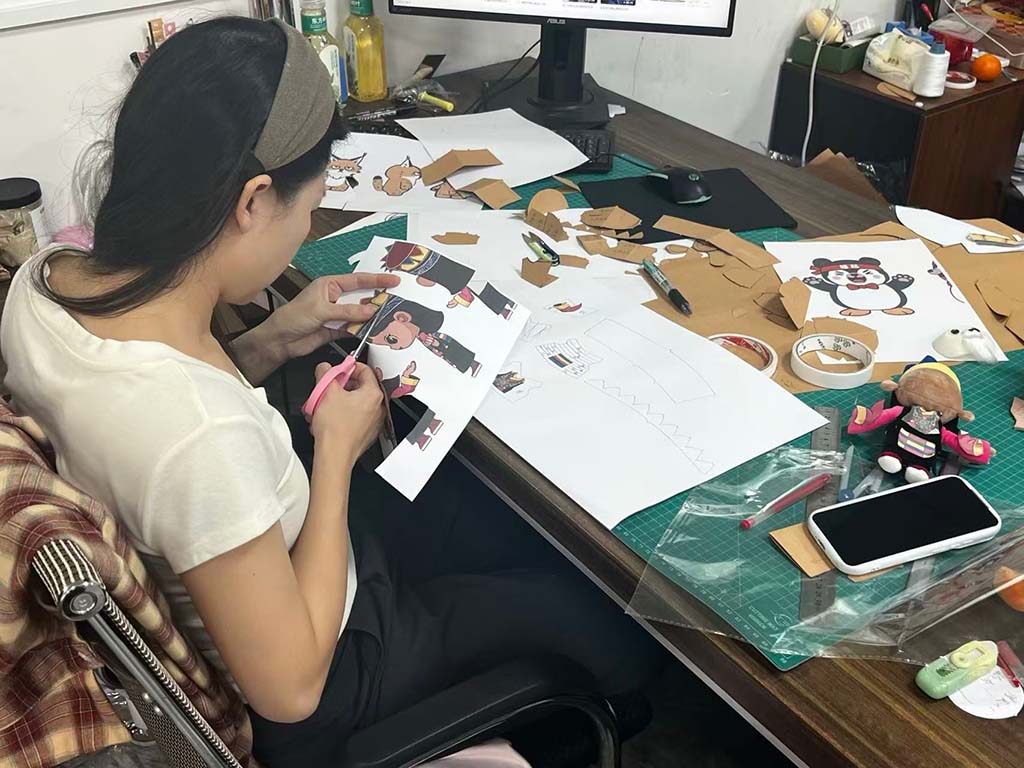
Once the design is confirmed, our development team creates the plush toy pattern and internal structure. Pattern making determines the shape, balance, and assembly of the stuffed animal. A well-developed prototype ensures the toy keeps its intended appearance while remaining practical for mass production.
Plush Toy Sampling
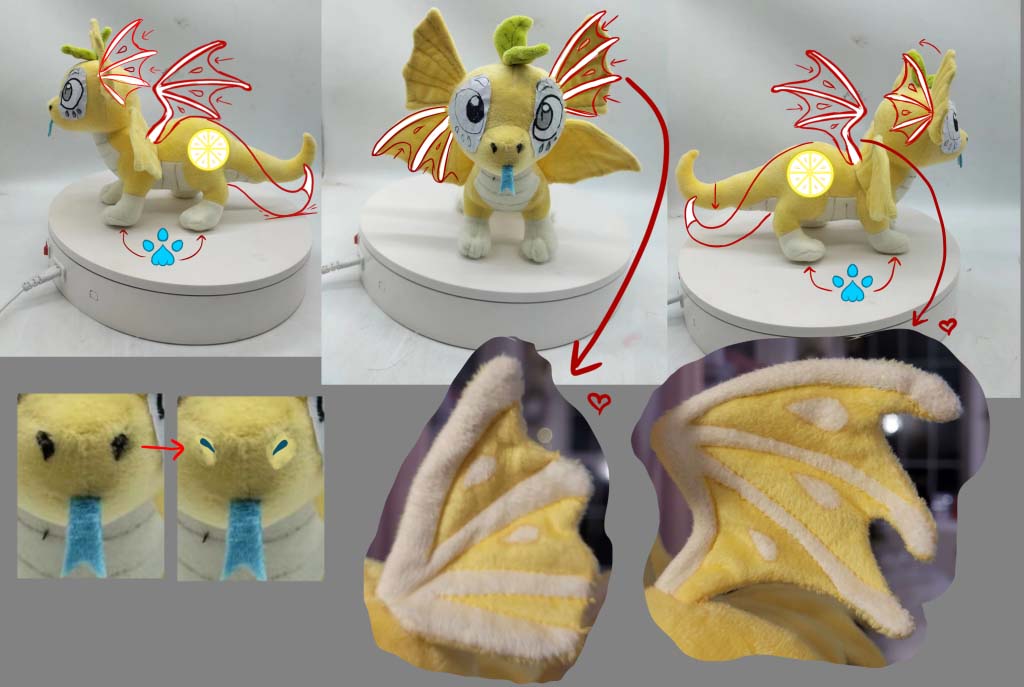
During the plush toy sampling stage, the first physical sample of the stuffed animal is produced based on the approved pattern and design details. This stage allows brands to evaluate the toy’s appearance, softness, facial details, and overall structure. Accurate sampling helps brands confirm product quality early and reduce the risk of major changes later.
Material Confirmation
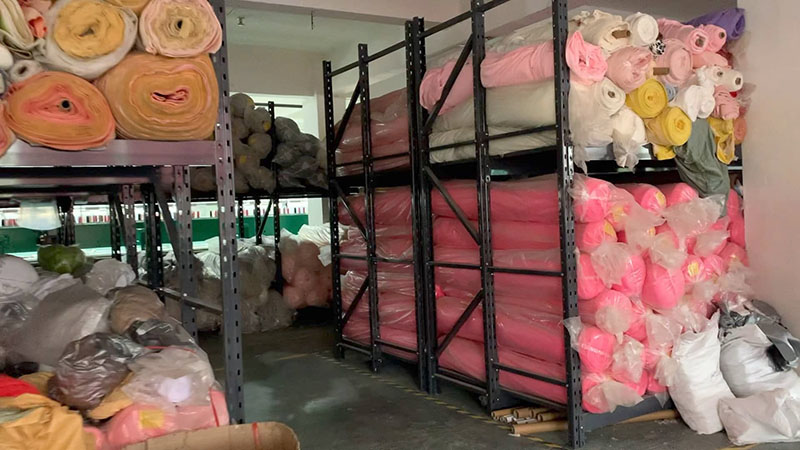
Before mass production begins, all materials used in the plush toy must be confirmed. This includes plush fabric, filling materials, embroidery details, labels, accessories, and packaging components. Confirming materials in advance helps ensure consistency between the approved sample and the final production batches.
Mass Production
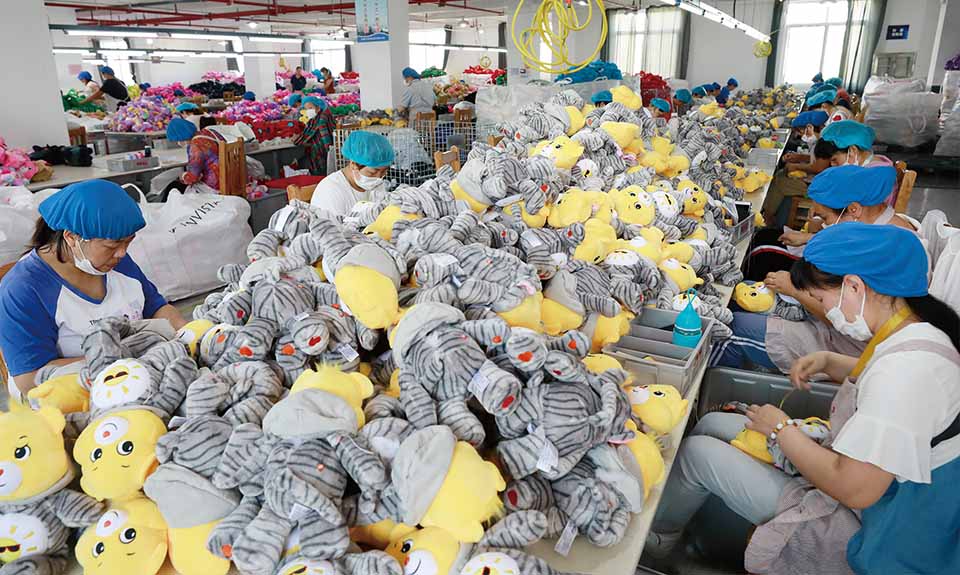
After the sample and materials are approved, the project moves into mass production. The stuffed toy manufacturing process includes fabric cutting, embroidery, sewing, filling, shaping, and finishing. With standardized production procedures, brands can receive stable plush toy quality across large production volumes.
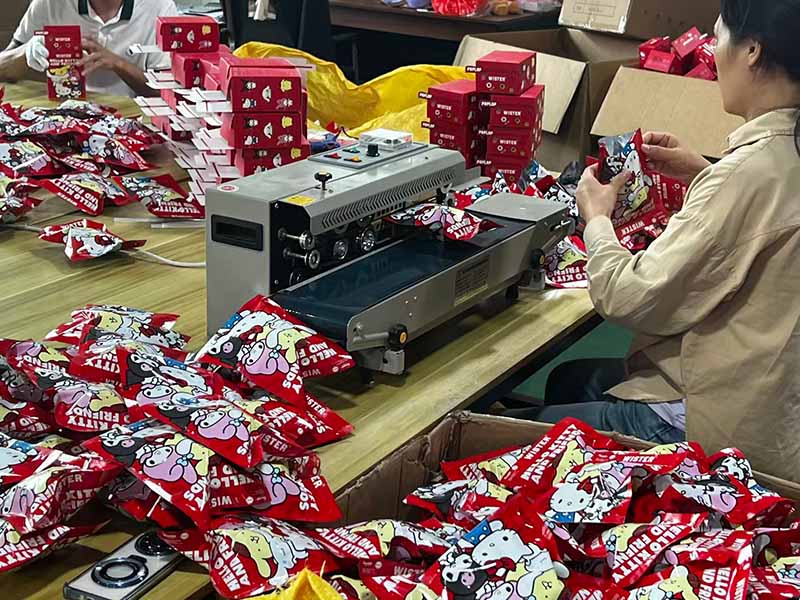
Quality Inspection & Packing
Before shipment, finished plush toys go through final quality inspection to ensure they meet product specifications and safety requirements. Inspection focuses on stitching quality, appearance consistency, material safety, and packaging accuracy. After passing inspection, the plush toys are packed and prepared for shipment.
A clear plush toy development process helps brands move from concept to market more efficiently, with fewer revisions, more accurate samples, and more reliable production results.
Common Plush Toy Manufacturing Problems We Help You Prevent
Developing custom plush toys can bring many challenges, especially when the supplier lacks experience in quality control, sampling accuracy, material management, and production planning. A professional plush toy manufacturer not only produces products but also helps brands prevent manufacturing problems before they turn into delays, complaints, or lost sales. Below are common issues brands face in custom stuffed animal development and how we help reduce those risks.
Inaccurate Plush Samples
Problem: The sample does not match your design idea, proportions, or expected visual effect.
Why it happens: Factories may not fully understand plush structure, sewing limits, or how to convert flat artwork into a 3D stuffed toy.
How we solve it: We review designs before sampling, confirm dimensions, embroidery details, and structure, and adjust patterns using plush manufacturing logic to improve sample accuracy.
Poor Fabric Selection
Problem: The plush toy looks different from the intended design or feels less premium.
Why it happens: Some suppliers choose materials only by cost without understanding how fabric affects texture, color depth, durability, or compliance.
How we solve it: We recommend fabrics based on product style, softness requirements, safety standards, and budget to match your market positioning.
Sample Does Not Match Mass Production
Problem: The approved sample looks good but bulk production shows differences.
Why it happens: Lack of golden sample control, weak process documentation, and poor coordination between sampling and production teams.
How we solve it: We lock the approved sample as the production reference and define production standards to maintain consistency across batches.
Unstable Sewing Quality
Problem: Plush toys may show uneven seams, loose stitching, or distorted shapes.
Why it happens: Sewing specifications are unclear and quality checkpoints are missing during production.
How we solve it: We standardize seam allowance, reinforcement points, and inspect key sewing stages to maintain structural stability.
Communication Delays and Misunderstandings
Problem: Development moves slowly and product details are misunderstood.
Why it happens: Project records are unclear and communication is not structured.
How we solve it: We document specifications, confirm details at each stage, and keep communication organized to reduce errors.
Delivery Delays
Problem: Late production affects launches, seasonal sales, and marketing campaigns.
Why it happens: Weak scheduling, material delays, and poor capacity planning.
How we solve it: We track production milestones, confirm timelines early, and coordinate materials and capacity to support reliable delivery.
Avoiding plush toy manufacturing problems starts with choosing a supplier that understands not only how to make plush toys, but also how to control risk throughout development and production. A stronger process means fewer surprises, faster decisions, and more reliable product results for your brand.
Common Plush Toy Fabrics and Filling Materials Used in Manufacturing
The materials used in plush toys directly affect the softness, appearance, durability, and safety of the final product. Choosing the right plush fabric and filling material is an important step in custom plush toy development. Different fabrics create different textures and visual styles, while filling materials determine how soft, supportive, and long-lasting the stuffed animal will be. A professional plush toy manufacturer will recommend suitable materials based on the product design, target market, and safety requirements.
Plush Toy Fabrics
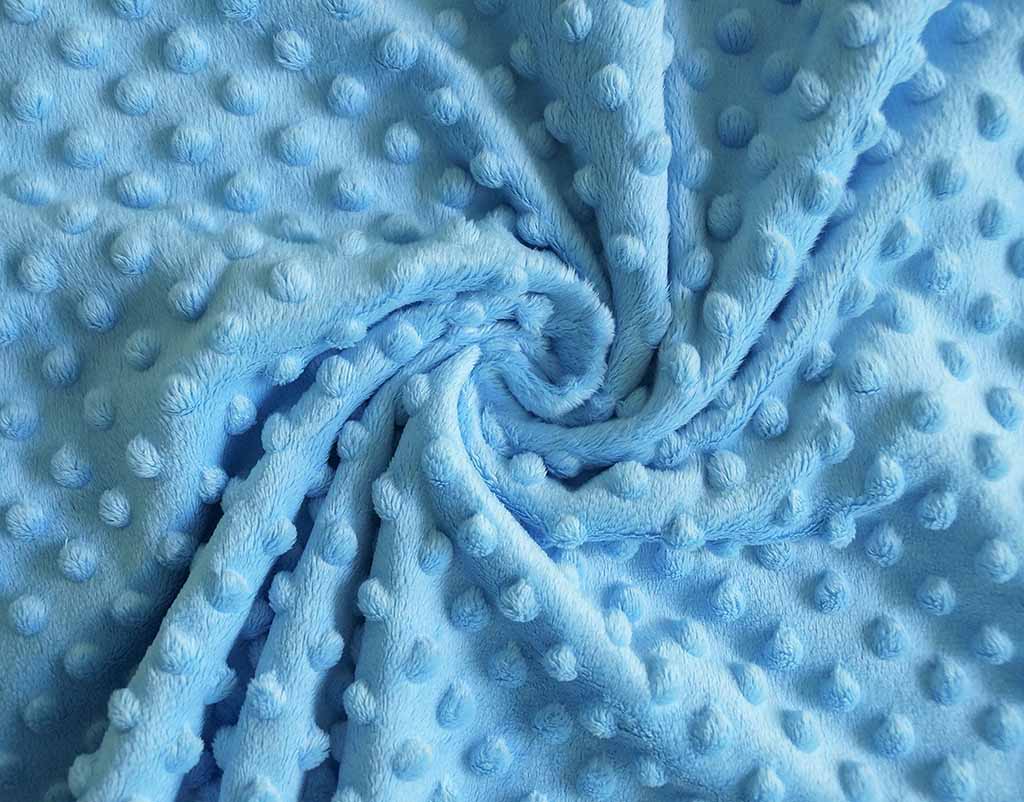 Minky Fabric
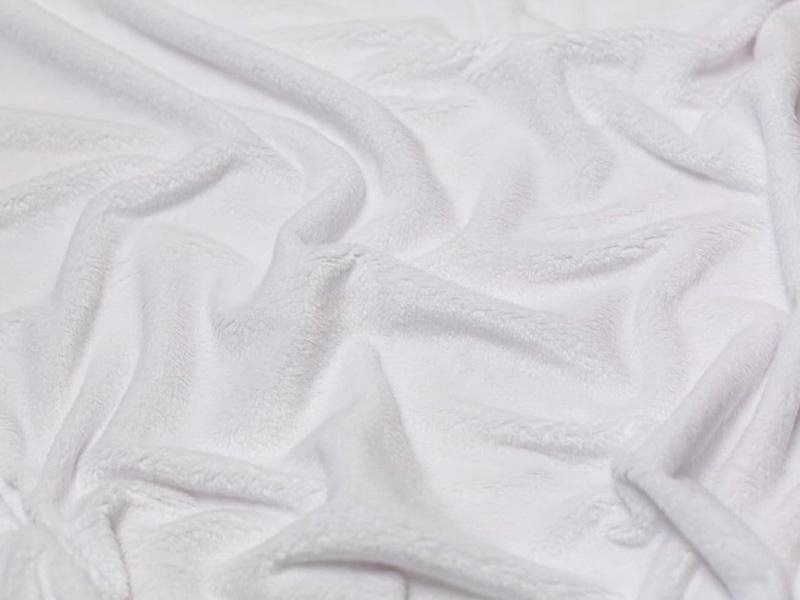 Velboa Fabric
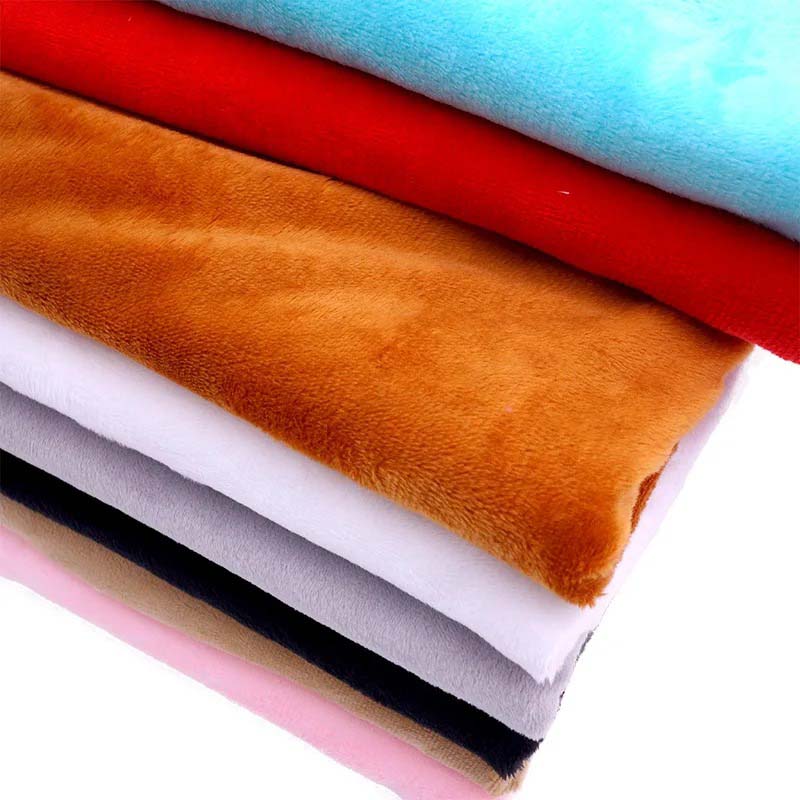 Crystal Super Soft Fabric
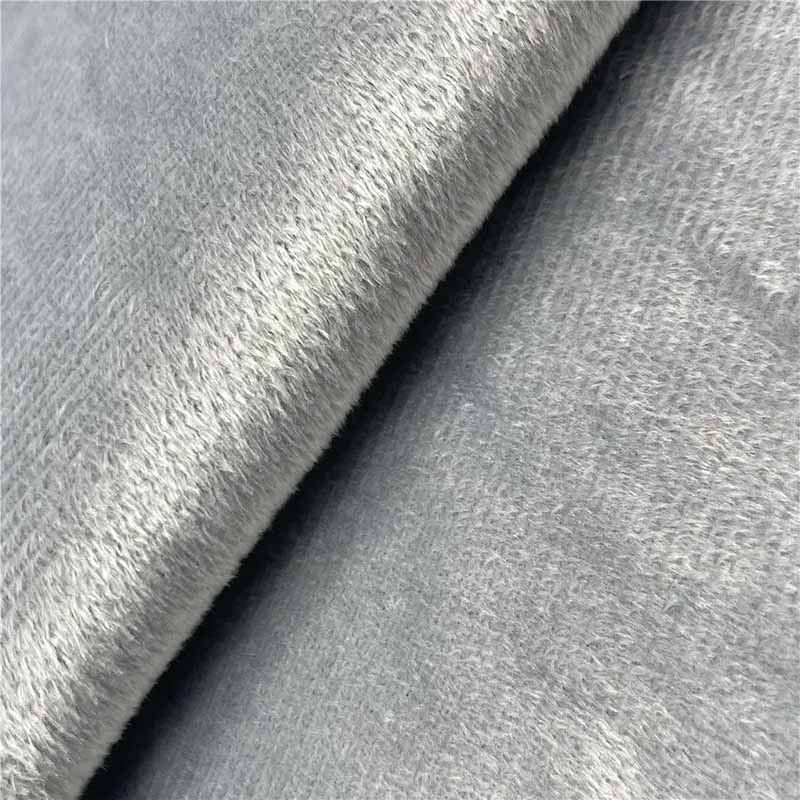 Short Plush Fabric
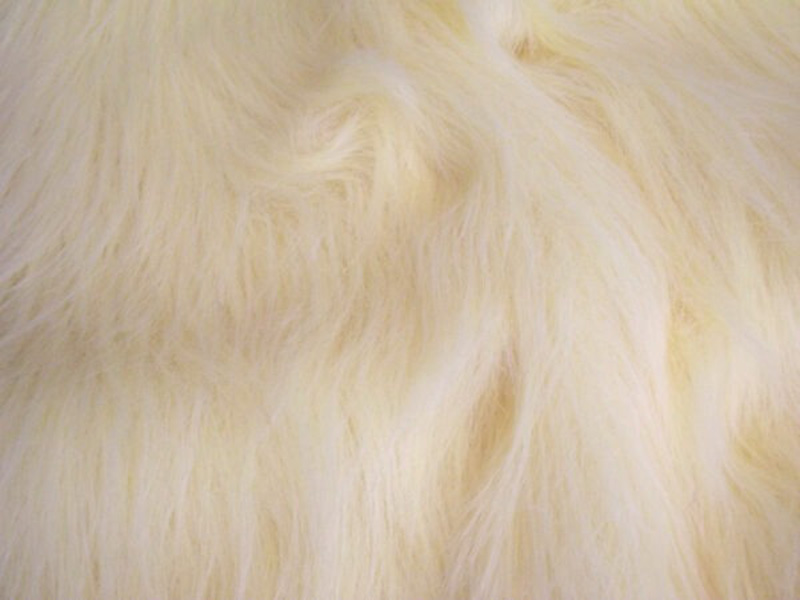 Long Pile Faux Fur
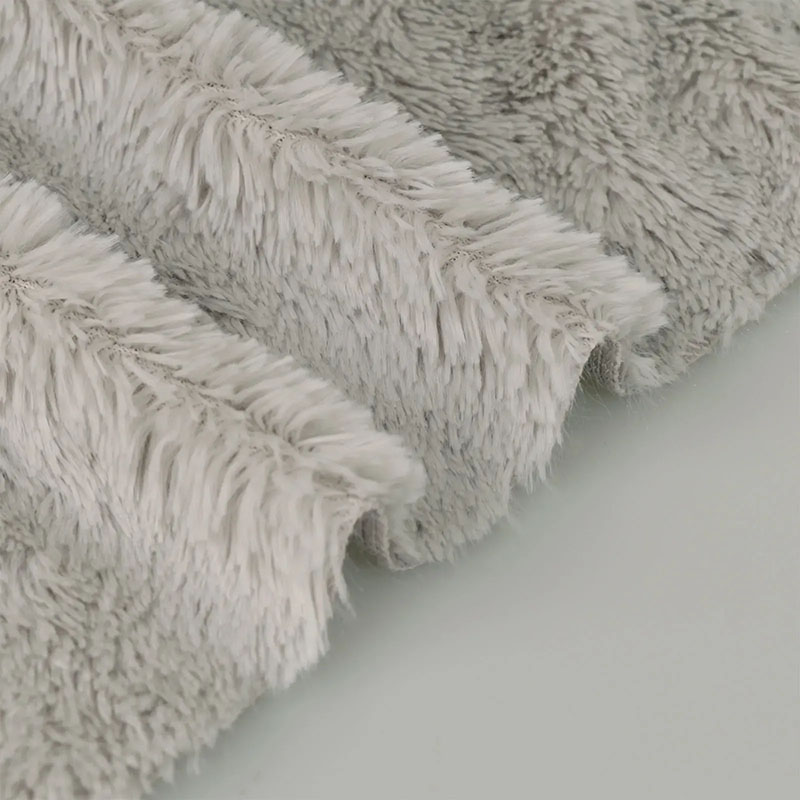 PV Plush Fabric
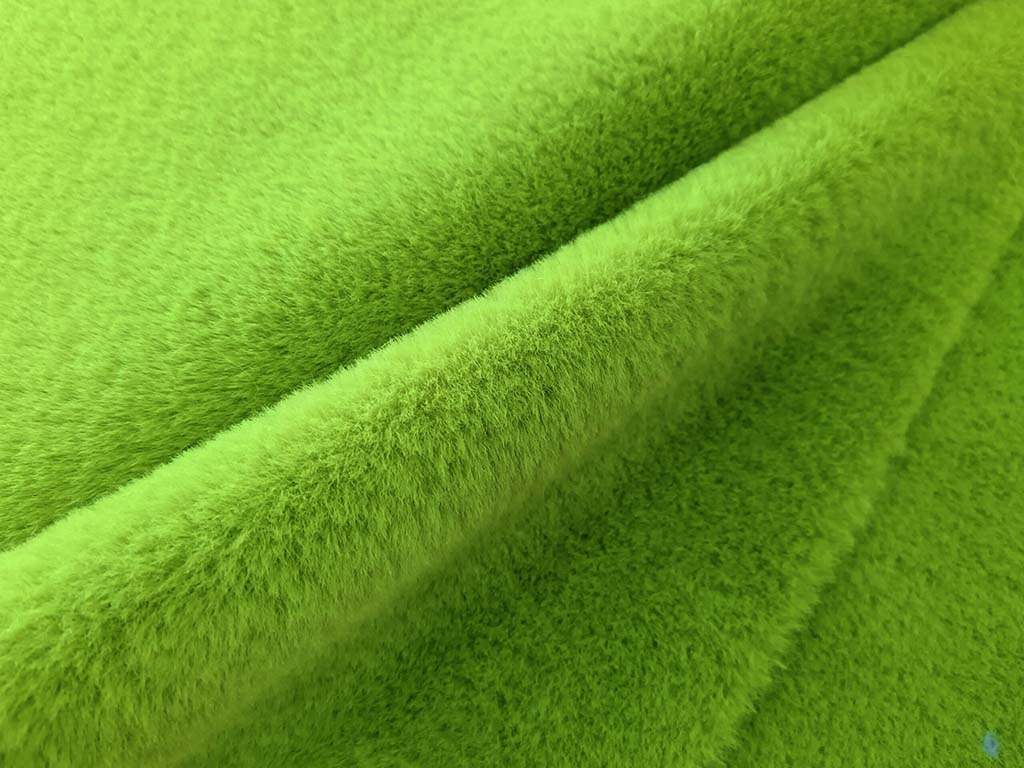 Faux Rabbit Fur Fabric
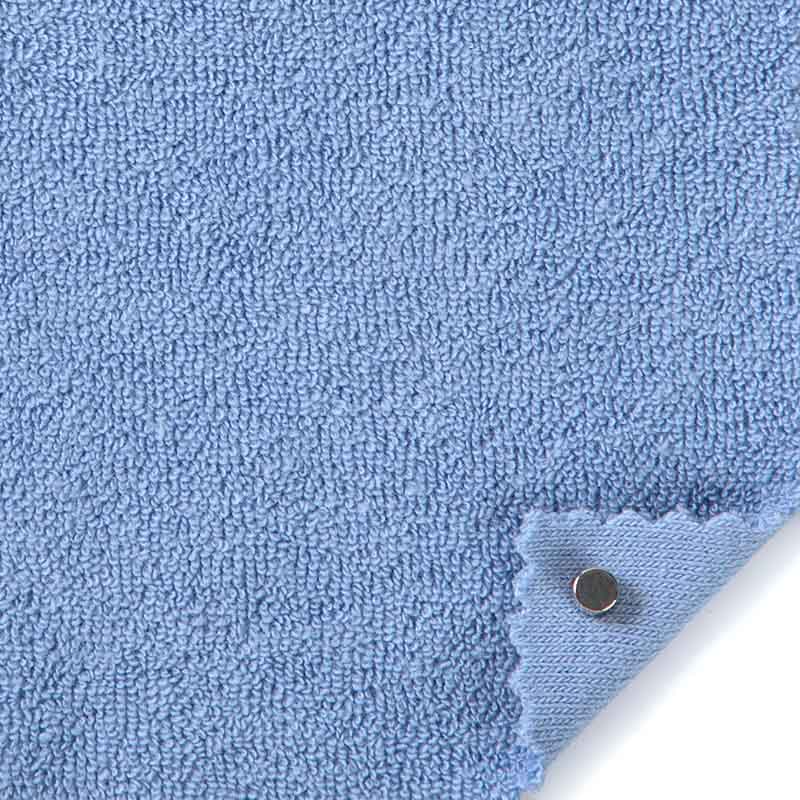 Terry Plush Fabric
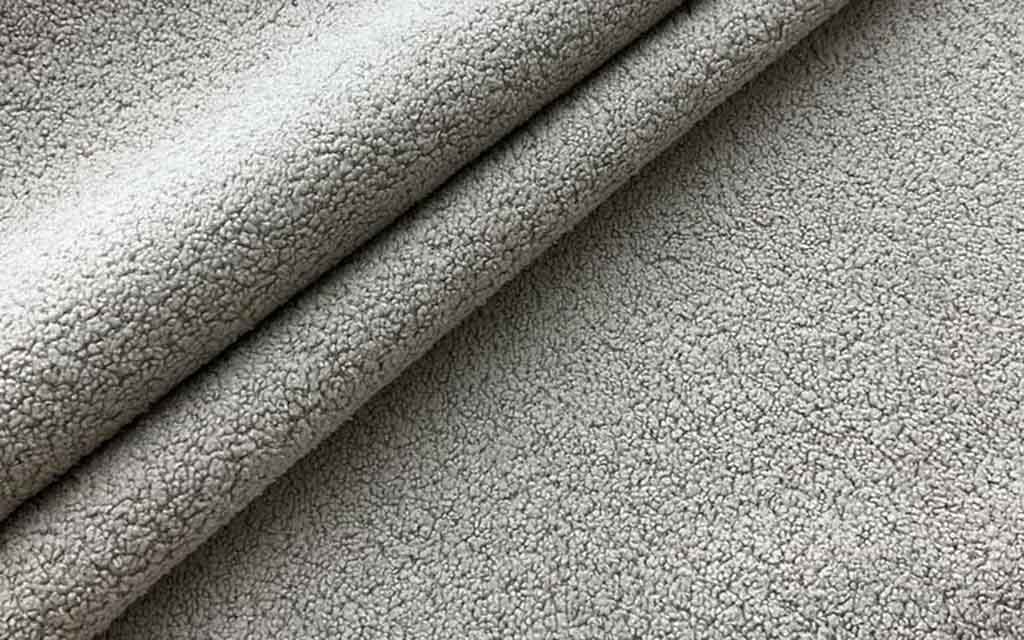 Sherpa Plush Fabric
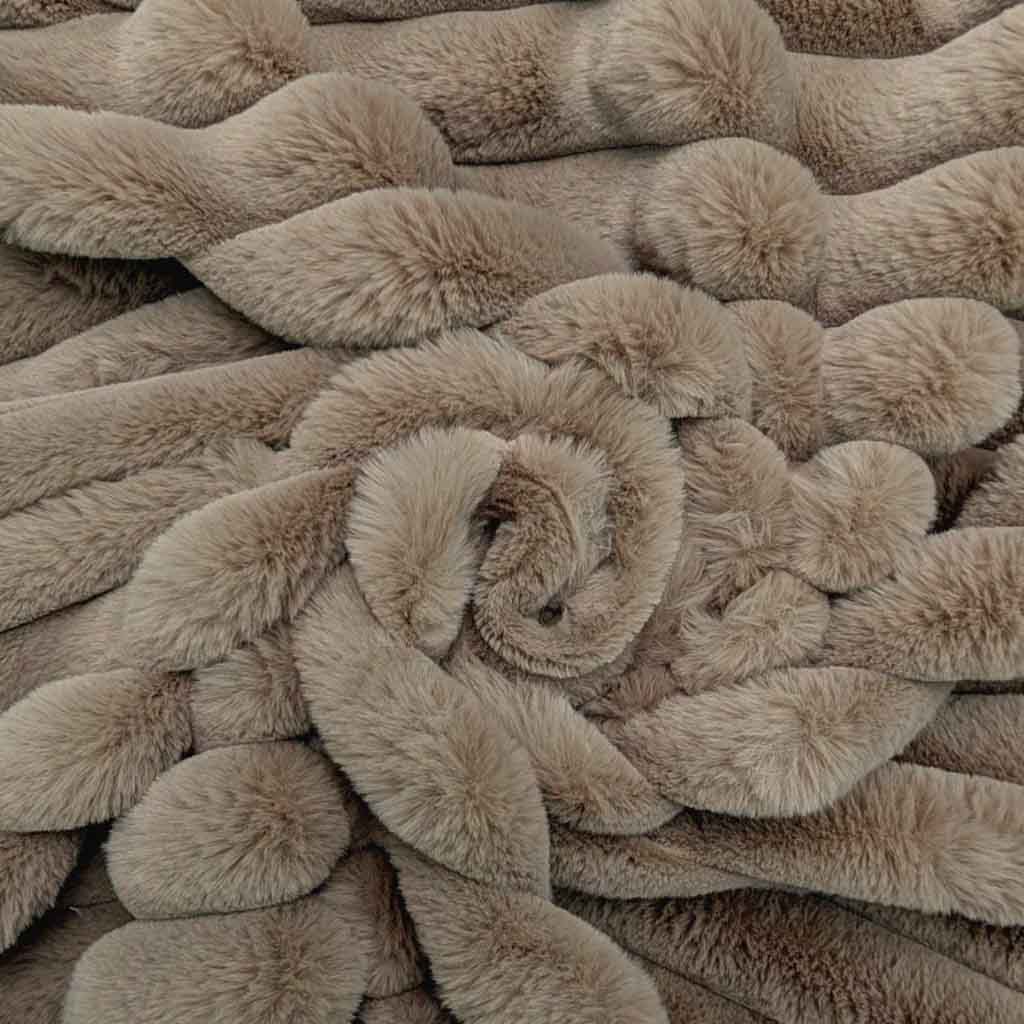 Corduroy Plush Fabric
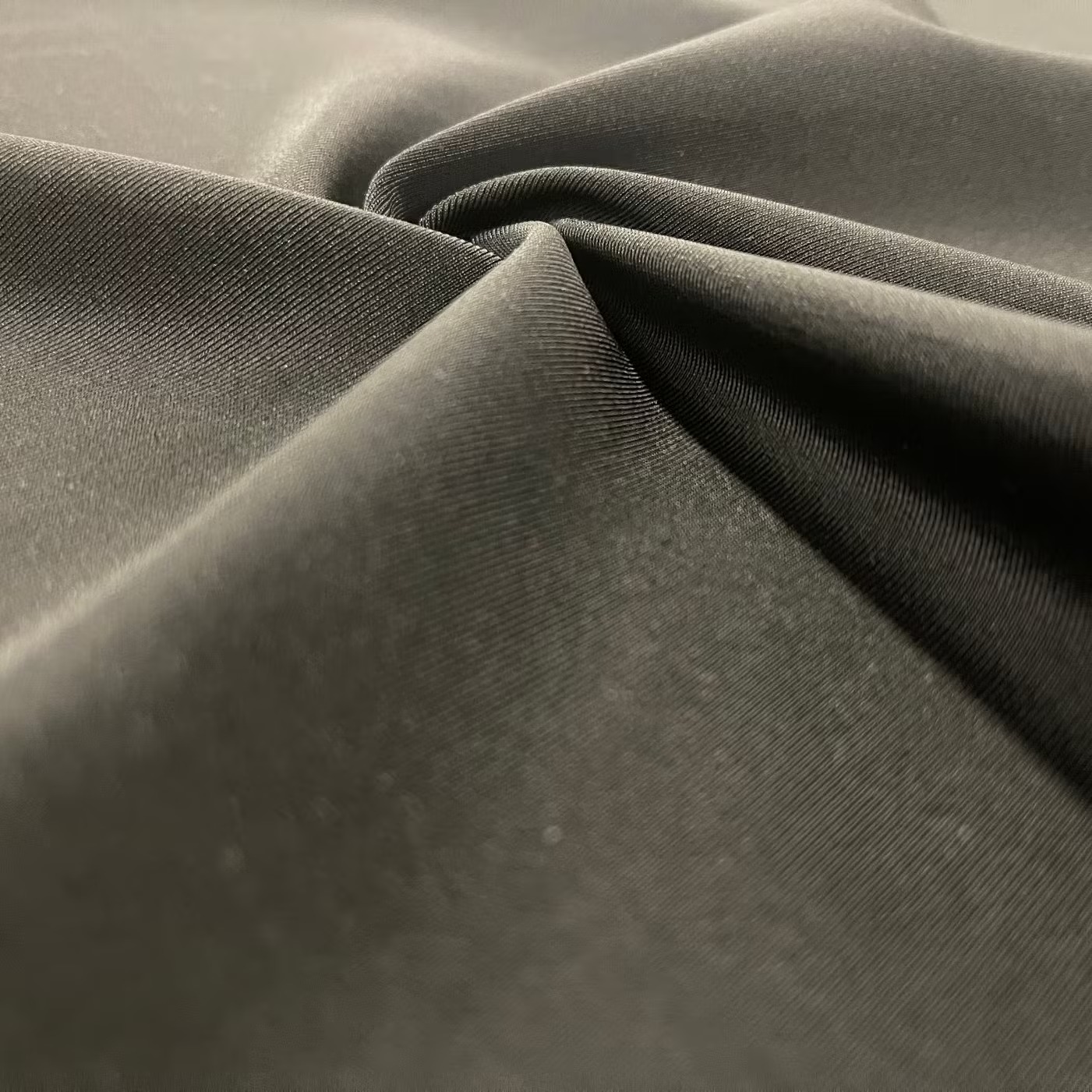 Eco-Friendly RPET Plush Fabric
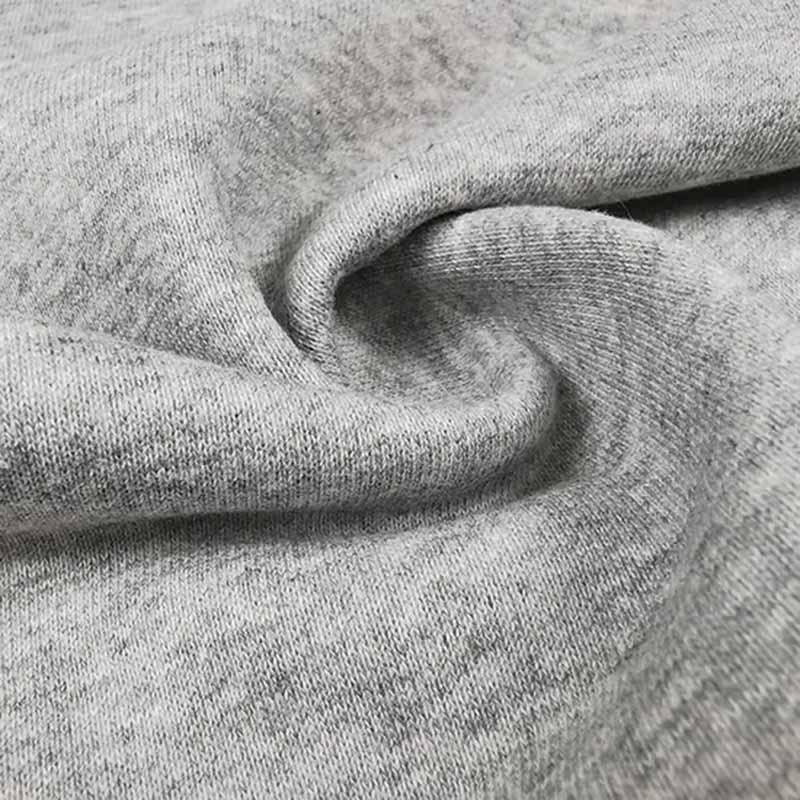 Organic Cotton Plush Fabric
Plush Toy Filling Materials
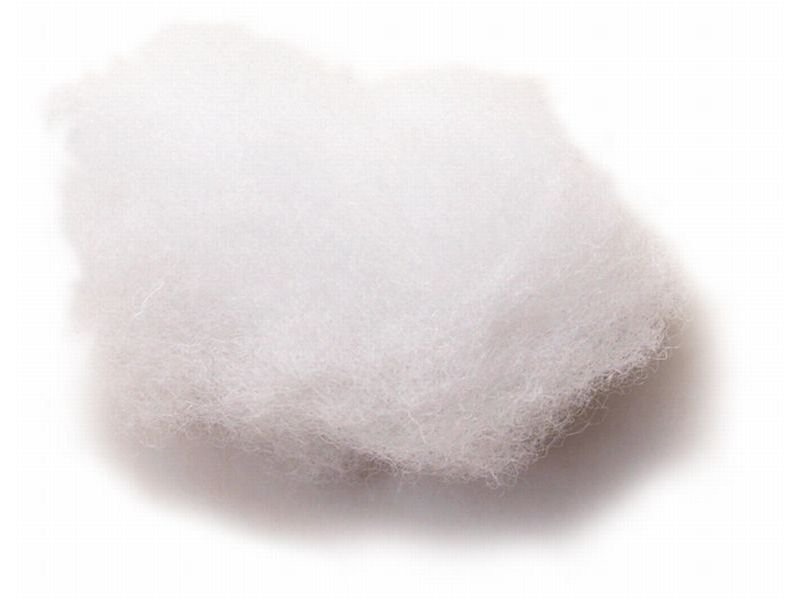 PP Cotton Fiberfill
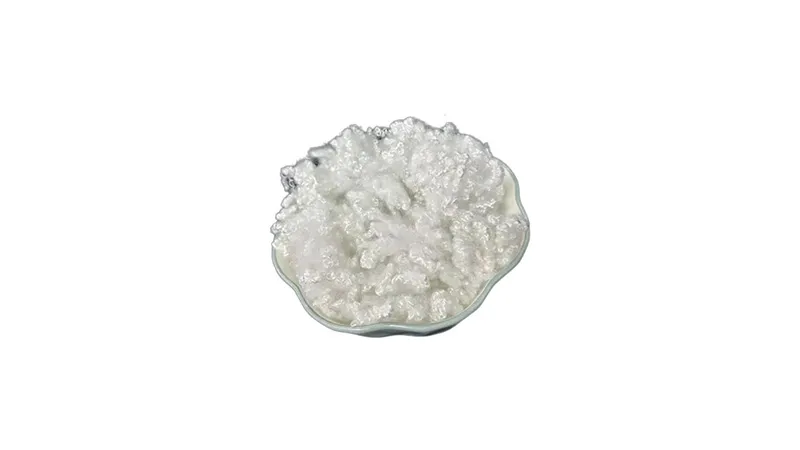 Recycled Polyester Fiberfill
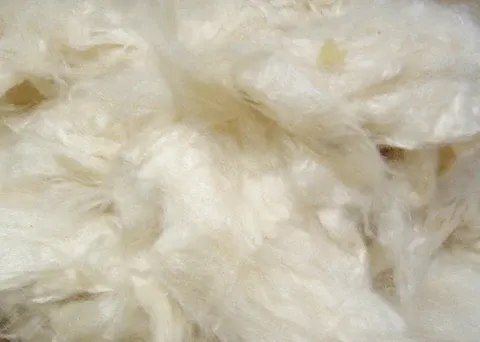 Cotton Filling
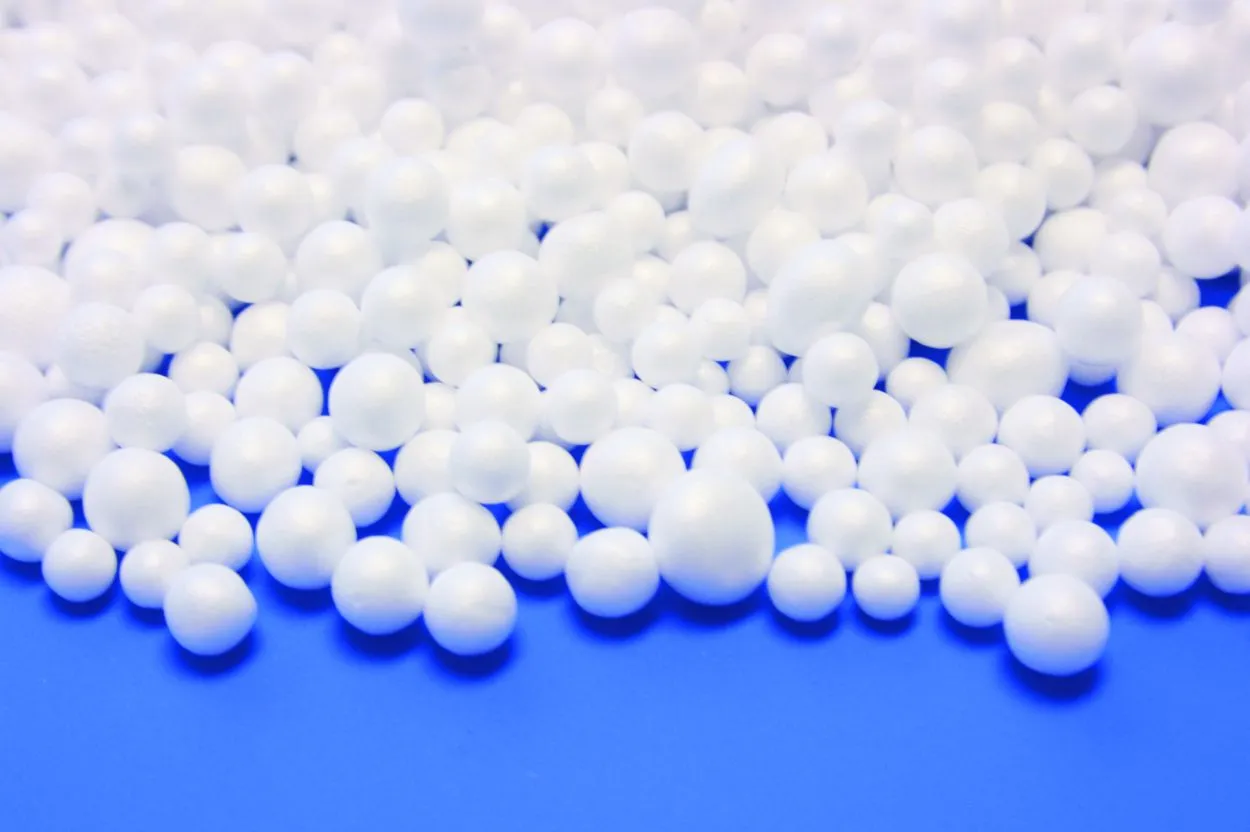 Foam Beads
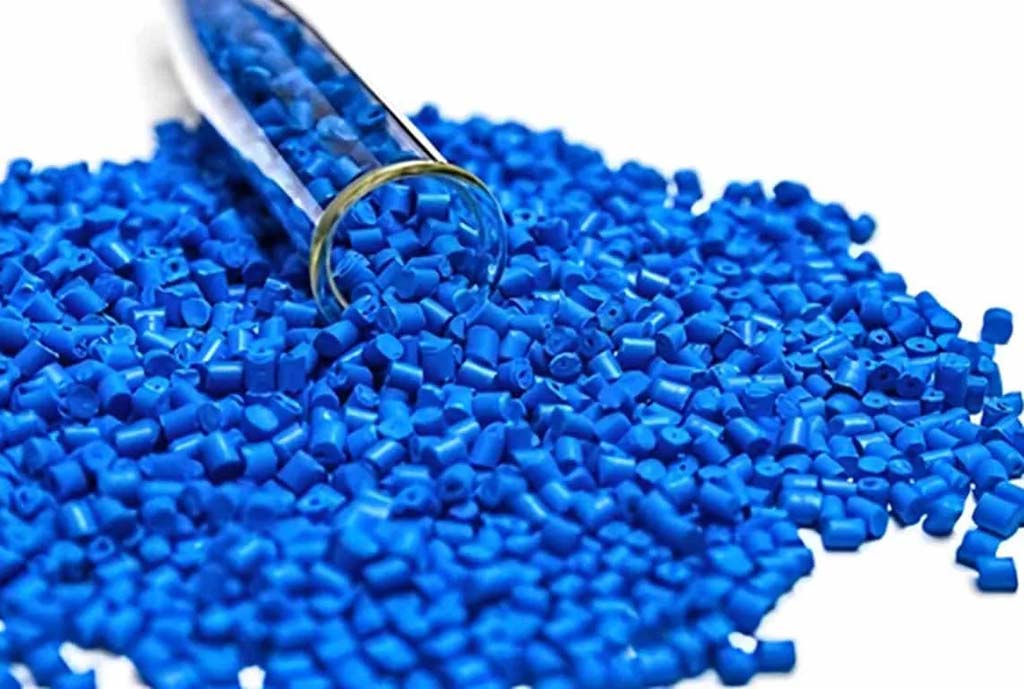 Plastic Pellets
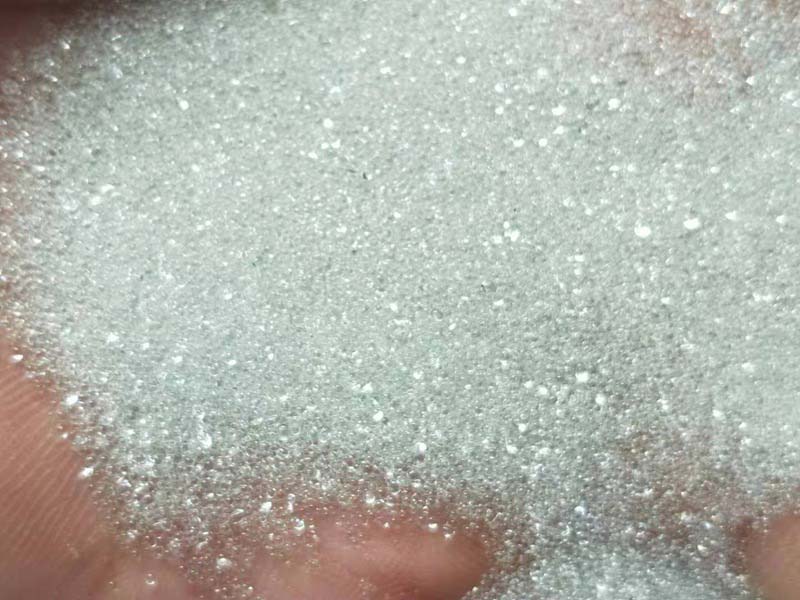 Weighted Glass Beads
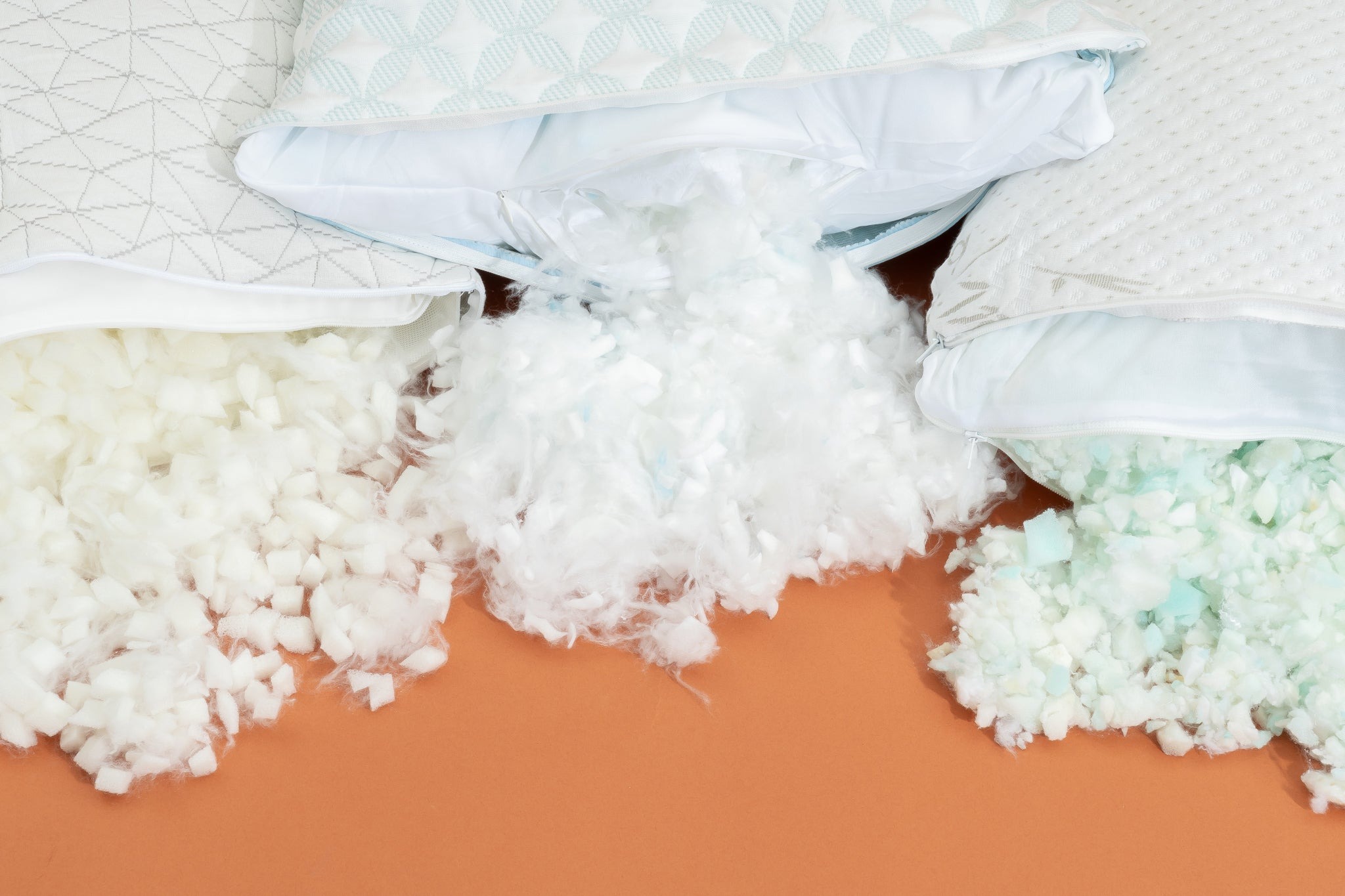 Memory Foam Filling
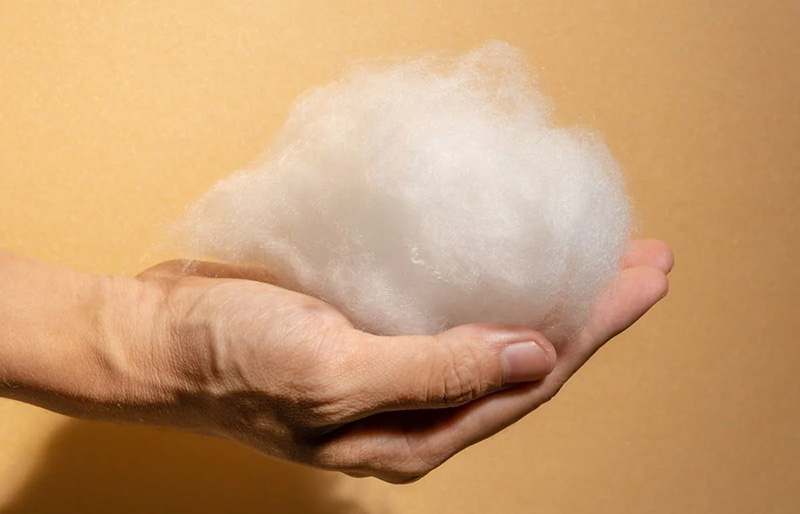 Down Alternative Filling
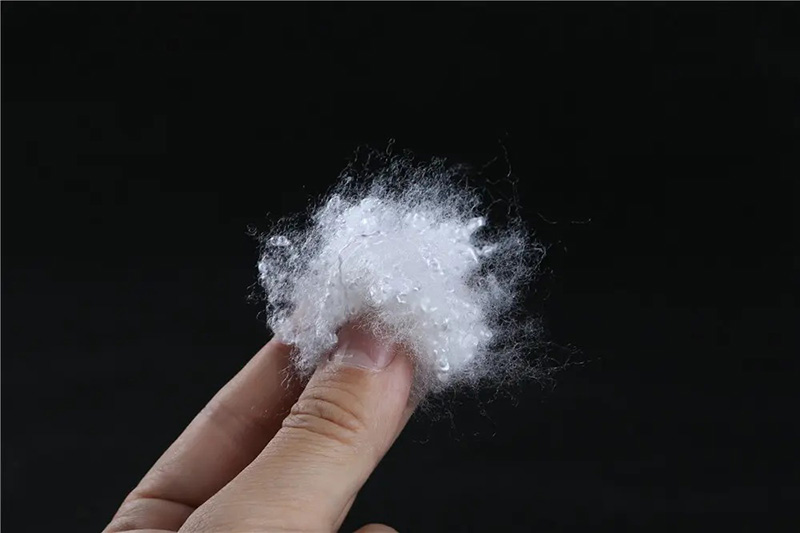 Microfiber Filling
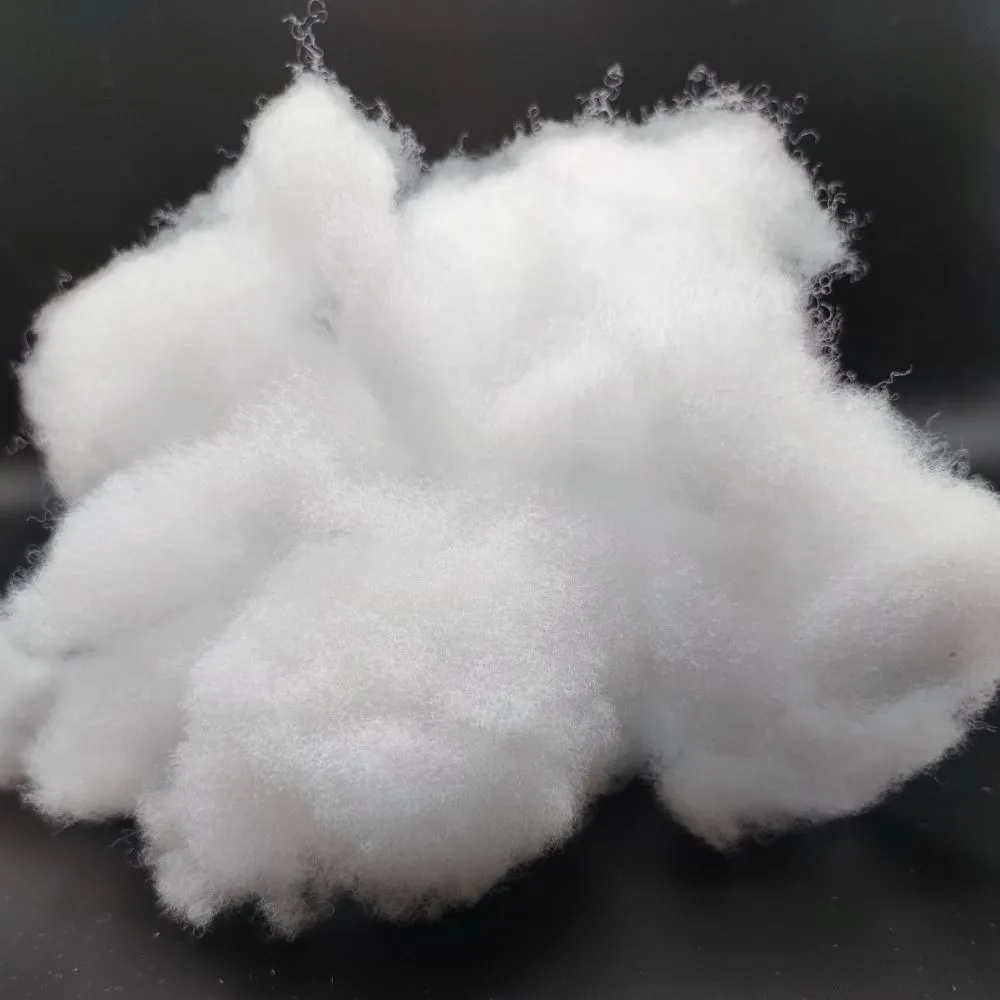 Eco-Friendly Recycled Filling
Choosing the right fabric and filling combination helps ensure that your custom stuffed animals look attractive, feel soft, and remain durable throughout their lifecycle.
International Plush Toy Safety Standards for Global Markets
When plush toys are sold in international markets, they must meet strict safety and compliance requirements. Different regions have their own toy safety regulations that control materials, physical safety, chemical limits, and labeling standards. A professional plush toy manufacturer understands these requirements and helps ensure that custom stuffed animals meet the necessary certifications before entering the market. This helps brands reduce compliance risks and confidently sell plush toys in global markets.
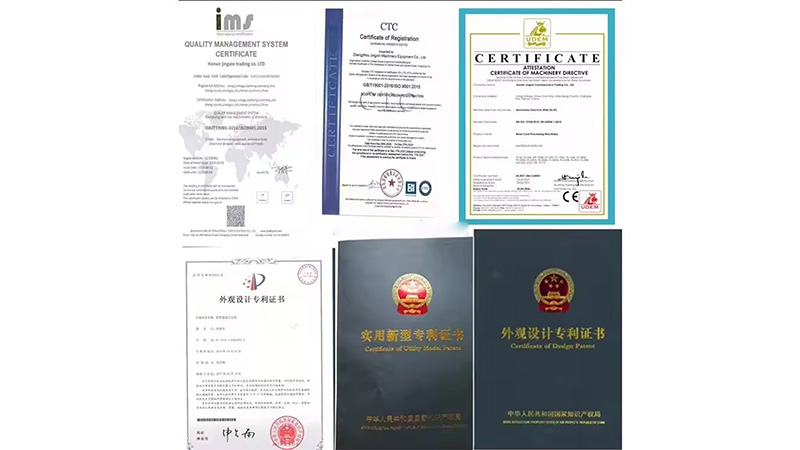
EN71 Safety Standard (Europe)
EN71 is the primary toy safety standard required for selling plush toys in the European market. It includes multiple testing requirements such as mechanical safety, flammability, and chemical safety. These tests ensure that stuffed animals are safe for children and meet the strict safety expectations of European retailers and distributors.
ASTM F963 Safety Standard (United States)
ASTM F963 is the major toy safety regulation in the United States. It covers product safety areas such as physical structure, small parts testing, sharp edges, and material safety. Plush toys exported to the US market must meet ASTM F963 requirements to ensure they are safe for children’s use.
CPSIA Compliance (United States)
CPSIA is a US regulation that focuses on limiting harmful substances in children’s products, especially lead content and phthalates. Plush toy manufacturers must ensure that fabrics, dyes, and accessories meet CPSIA requirements before selling products in the American market.
REACH Chemical Safety Regulation (Europe)
REACH is a European regulation that controls the use of chemicals in products. For plush toys, this means that fabrics, dyes, and accessories must meet strict chemical safety limits to prevent harmful substances from affecting consumers. Compliance with REACH helps ensure that plush toys are safe for both children and the environment.
Plush Toy Quality Control System for Consistent Stuffed Animal Production
Maintaining consistent quality is one of the most important parts of plush toy manufacturing. A reliable plush toy quality control system ensures that every stuffed animal meets the same standards for materials, stitching, appearance, and safety. Professional plush manufacturers use structured inspection stages throughout production to prevent defects and maintain consistent plush toy batches. This systematic approach helps brands receive stable product quality while meeting export quality control and global safety compliance requirements.
IQC – Incoming Material Quality Control
IQC focuses on inspecting all incoming materials before production begins. Fabrics, filling materials, embroidery threads, labels, and accessories are checked to ensure they meet required specifications and safety standards. Proper material inspection helps prevent problems later in the stuffed toy manufacturing process and supports global safety compliance.
IPQC – In-Process Quality Control
IPQC takes place during the production process. Key steps such as fabric cutting, embroidery placement, sewing accuracy, and stuffing consistency are inspected to ensure the plush toy structure remains correct. Continuous monitoring during production helps maintain consistent plush toy batches and reduces the chance of defects.
FQC – Final Quality Control
FQC is performed once the plush toys are fully assembled. Inspectors check overall appearance, stitching quality, symmetry, color consistency, and finishing details. This step ensures that each stuffed animal meets the required product standards before packaging begins.
OQC – Outgoing Quality Control
OQC is the final inspection before shipment. This stage focuses on confirming packaging accuracy, product quantity, labeling requirements, and overall export readiness. By verifying these details, manufacturers help ensure that the products meet export quality control standards and are ready for international delivery.
With a complete plush toy quality control system, brands can receive stable product quality, consistent production batches, and greater confidence when selling plush toys in global markets.
Who This OEM & ODM Plush Manufacturer Is Best For
Our OEM & ODM plush manufacturing services support many types of businesses that need custom stuffed animals for retail, branding, entertainment, or promotional use. Whether you are launching a new plush product line or expanding an existing brand collection, working with a professional plush toy manufacturer helps simplify development, improve quality consistency, and support long-term production stability.
If your business needs custom plush toys with reliable OEM or ODM manufacturing support, working with an experienced plush manufacturer helps ensure your product development and production process runs smoothly from concept to delivery.
Trusted by Leading Global Brands
Strong partnerships prove strong capabilities. Over the years, Kinwin has worked with world-leading brands and retailers to deliver interactive plush toys that meet the highest standards of creativity, safety, and quality. By choosing us, you gain a supplier that is trusted by top companies worldwide—and the same reliability is available to your brand.



Why Brands Choose an OEM & ODM Plush Toy Manufacturer
For brands developing custom plush toys, choosing a manufacturer with both OEM and ODM capabilities provides more flexibility and efficiency throughout the product development process. Instead of managing multiple suppliers, brands can work with a single plush manufacturer that supports design development, sampling, and mass production. This helps simplify project management while improving product quality and long-term supply chain stability.
Faster Product Development
An OEM & ODM plush manufacturer can support both design refinement and production planning in one place. This shortens the development cycle and helps brands move from concept to market faster when launching new plush toy products.
Lower Development Risk
Experienced plush manufacturers understand plush toy structures, materials, and production processes. This helps identify potential design or manufacturing issues early, reducing costly revisions and minimizing development risks.
Stable Plush Toy Quality
A structured plush toy quality control system helps maintain consistency across production batches. By controlling materials, sewing standards, and inspection procedures, brands can receive more reliable product quality.
Reliable Production Capacity
A professional plush toy manufacturer has dedicated production lines, trained workers, and organized production planning. This ensures that orders can be produced on schedule, even during busy seasons.
Explore Our Custom Plush Toy Series
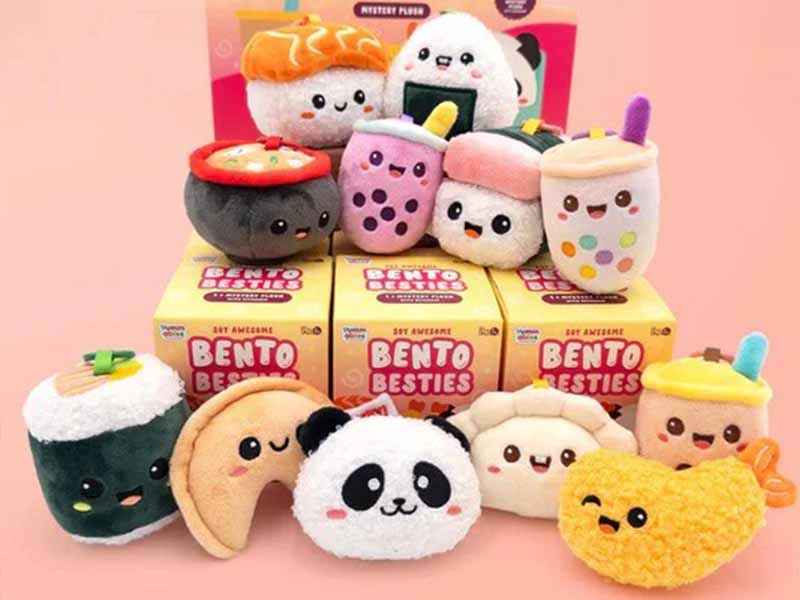
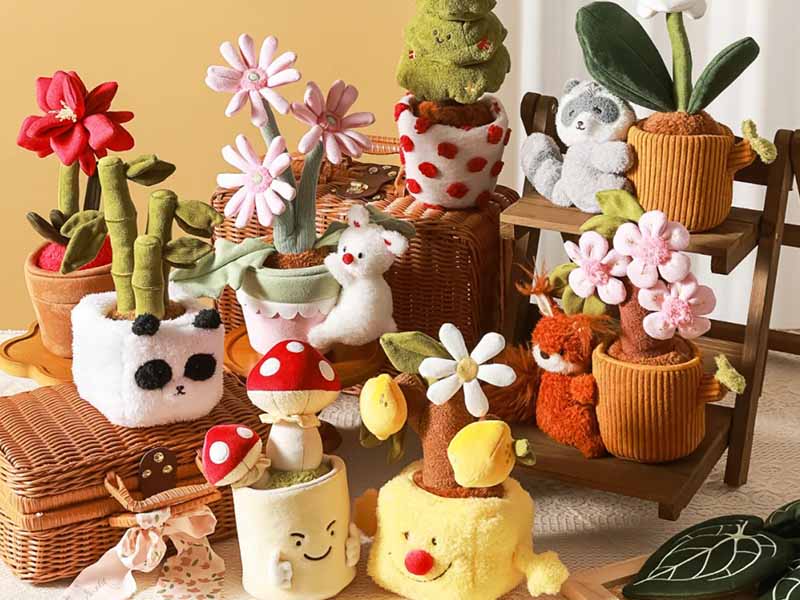
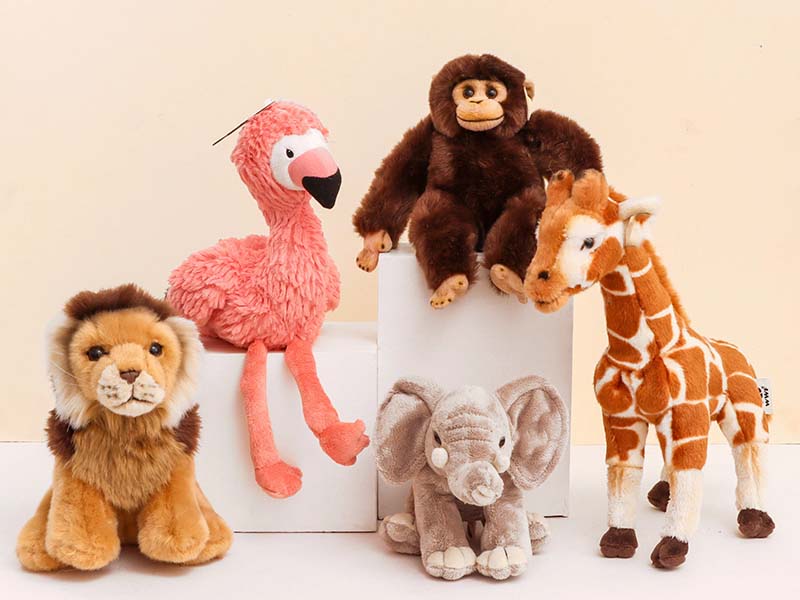
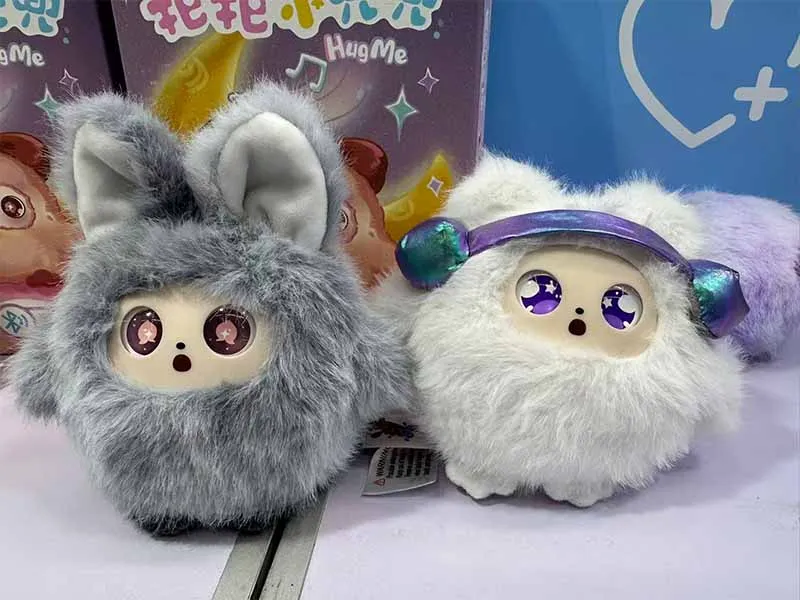
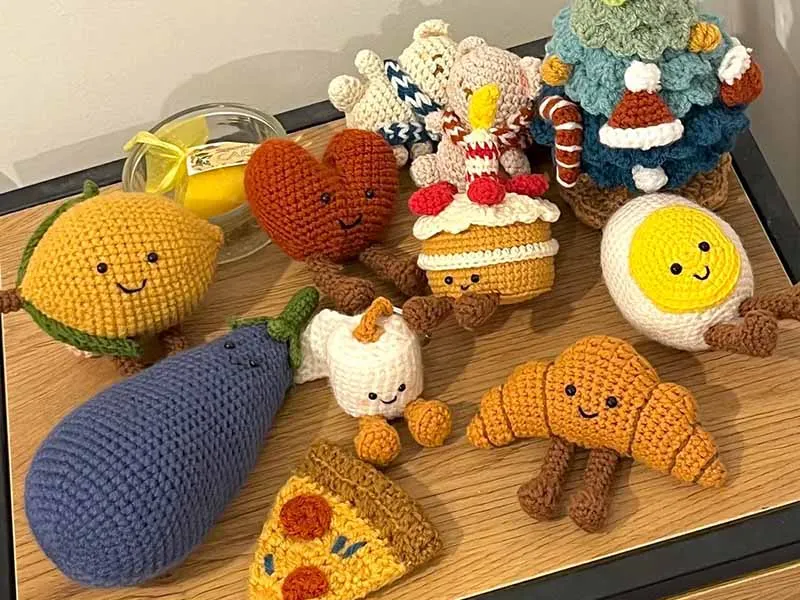
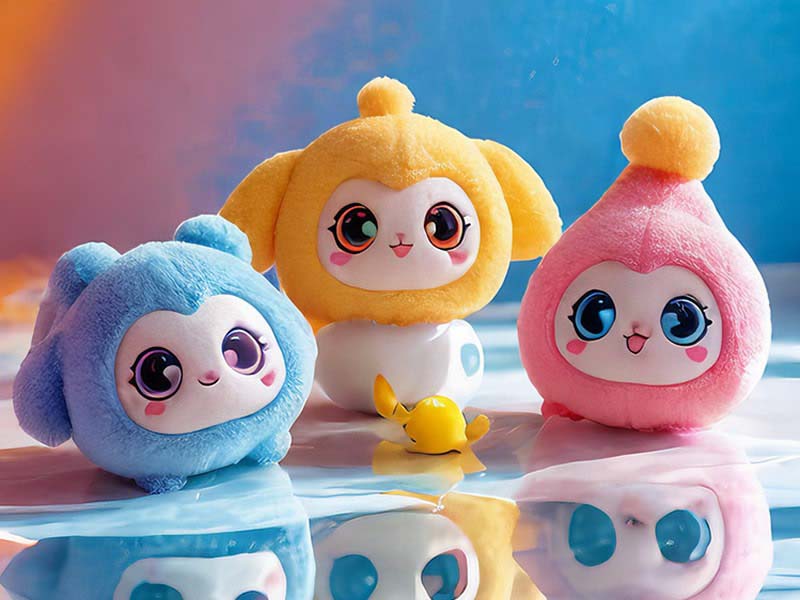
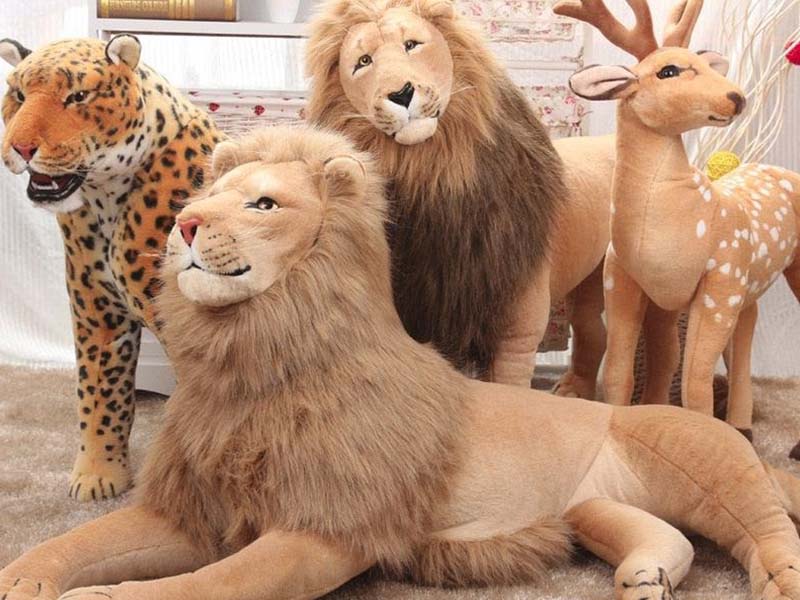
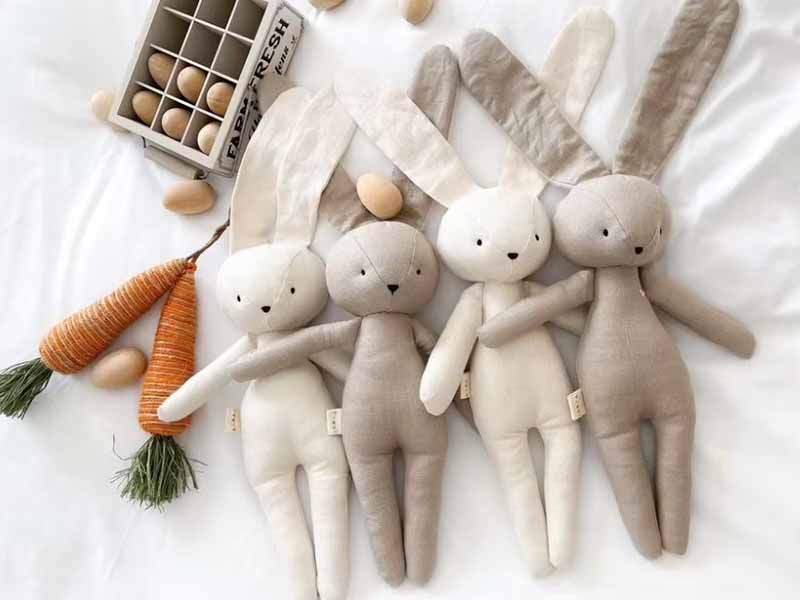
We offer a wide selection of plush toys to meet different business needs. From baby-safe stuffed animals to collectible plush dolls, our product lines are designed for global brands, retailers, e-commerce, and promotional projects.
Start Your Custom Plush Toy Project with a Reliable OEM & ODM Manufacturer
Developing custom plush toys for your brand requires more than just a factory that can produce stuffed animals. You need a manufacturing partner that understands plush toy development, sampling accuracy, material selection, quality control, and global safety standards. With the right OEM & ODM plush manufacturer, your ideas can move smoothly from concept to finished product while reducing development risks and production delays.
Whether you are launching a new plush toy product line, developing branded merchandise, or producing licensed character plush toys, working with an experienced plush manufacturer helps ensure that every stage of the project is well managed. From early design review and plush toy sampling to stable mass production and export quality control, a structured process helps you achieve better results with fewer revisions and more predictable delivery timelines.
Our team works with global brands, retailers, e-commerce sellers, and IP licensing projects to develop custom stuffed animals that meet both market expectations and safety standards. By combining design support, plush toy development expertise, and reliable production capacity, we help brands build long-term plush product lines with confidence.
If you are planning to develop custom plush toys, the right manufacturing partner can make the process faster, safer, and easier to manage. Start your plush toy project today and turn your ideas into high-quality stuffed animals ready for global markets.
Frequently Asked Questions
1. What functions can AI plush toys include?What is the difference between OEM and ODM plush toys?
OEM plush toys are produced based on a design provided by the customer. The brand supplies the artwork, character design, or product specifications, and the plush toy manufacturer produces the stuffed animals according to those requirements. ODM plush toys are developed with the help of the manufacturer’s design team. In this case, the factory helps refine the concept, adjust the structure, and create a product design that can be efficiently manufactured. For many brands, ODM support is useful when they have an idea but need professional assistance turning it into a production-ready plush toy.
2. What is the minimum order quantity for custom plush toys?
The minimum order quantity (MOQ) for custom plush toys usually depends on the product size, materials, and production complexity. For most standard plush toys, the MOQ commonly ranges from 500 to 1000 pieces per design. Smaller promotional plush items or plush keychains may have slightly lower minimum quantities. Working with an experienced plush manufacturer can help optimize materials and production planning to make the project feasible within your target order quantity.
3. How long does plush toy sampling usually take?
Plush toy sampling normally takes around 5 to 10 working days depending on the complexity of the design. During this stage, the manufacturer develops the pattern, selects suitable materials, and produces the first physical sample for review. If adjustments are required, additional revisions may take a few more days. Accurate sampling is important because it ensures the final product meets design expectations before moving to mass production.
4. How do you ensure plush toy quality during production?
Quality control in plush toy manufacturing usually follows a structured inspection system. This includes incoming material inspection (IQC), in-process quality control (IPQC), final product inspection (FQC), and outgoing inspection before shipment (OQC). Each stage checks different aspects of production such as materials, stitching accuracy, structural consistency, and final appearance. This system helps ensure that every batch of stuffed animals meets consistent quality standards.
5.What fabrics are commonly used in plush toys?
Common plush toy fabrics include minky fabric, velboa fabric, crystal super soft fabric, faux fur, and short plush materials. Each fabric has different characteristics in terms of softness, durability, and visual appearance. The choice of fabric depends on the product design, market positioning, and safety requirements. A professional plush manufacturer will recommend the most suitable materials based on the intended use of the toy.
6. How do you ensure the sample matches mass production?
Ensuring consistency between the approved sample and mass production requires clear production standards. Manufacturers normally use the confirmed sample as the reference for bulk production and define key specifications such as fabric type, embroidery position, panel cutting, and sewing techniques. By controlling these details throughout production, factories can maintain consistency across production batches.
7.Can you produce licensed character plush toys?
Yes, plush toy manufacturers often work with brands that have licensed characters or intellectual property. However, the brand must have proper authorization or licensing rights for the character design. Once the licensing documentation is confirmed, the manufacturer can develop plush toys that accurately follow the character’s design guidelines and brand requirements.
8.What safety certifications do plush toys need?
The required safety certifications depend on the market where the plush toys will be sold. For example, the European market requires EN71 compliance, while the United States requires ASTM F963 and CPSIA compliance. Some projects may also require REACH chemical testing or additional safety tests depending on the product type and target age group.
9.How long does mass production of plush toys take?
Mass production time for plush toys usually ranges from 30 to 45 days after the sample is approved and materials are confirmed. The exact timeline depends on the order quantity, product complexity, and production schedule. Planning production in advance helps ensure that orders are delivered on time, especially during busy seasons.
10.Can you help develop a plush toy from just an idea?
Yes. Many OEM & ODM plush manufacturers provide design support for brands that only have an idea or rough concept. The development team can assist with character shaping, size planning, fabric selection, and structural design to turn the concept into a production-ready plush toy. This makes it easier for brands to launch new plush products even without an in-house design team.
If You Can lmagine lt,We Will Create lt!
1.Tell Us What You Need
Tell us as specific as possible of your needs and share your idea.
2.Get Solution & Quote
We will work on the best solution according to yourrequirements,the specific quote will be provided within 24 hours.
3.Approve for Mass Production
We will start mass production after getting your approval.