 Skip to content
OEM Custom Plush Toy Factory for Custom Stuffed Animals
Looking for a reliable OEM custom plush toys factory to turn your ideas into real products? Professional custom plush toy manufacturing helps brands develop unique stuffed animals with stable quality, safe materials, and scalable production. From plush toy sampling to mass production, your project moves faster, with fewer revisions and consistent results that support long-term product lines.
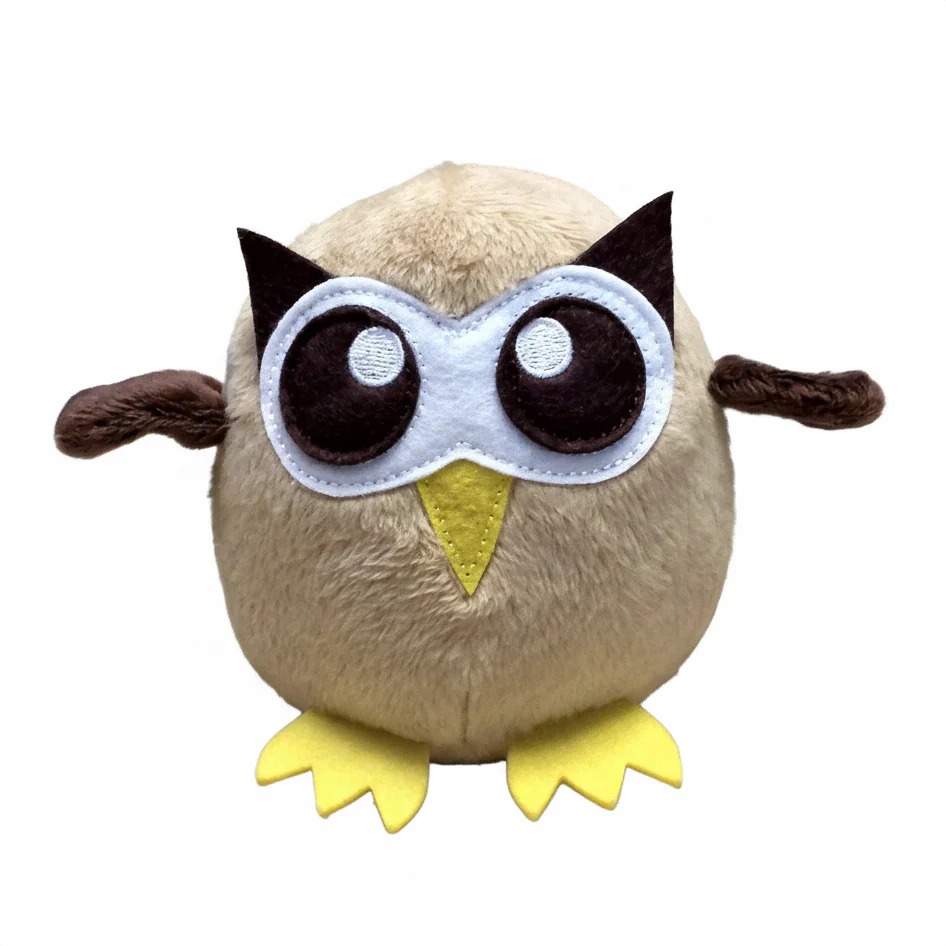
OEM Custom Plush Toy Manufacturing Services Explained
Working with a professional OEM plush toy manufacturer allows brands to develop unique plush products without building their own production system. A reliable custom stuffed animal manufacturer provides complete plush toy factory services, from design support to large-scale manufacturing. Through structured stuffed animal OEM production, brands gain faster development, consistent product quality, and a more stable supply chain for long-term product lines.
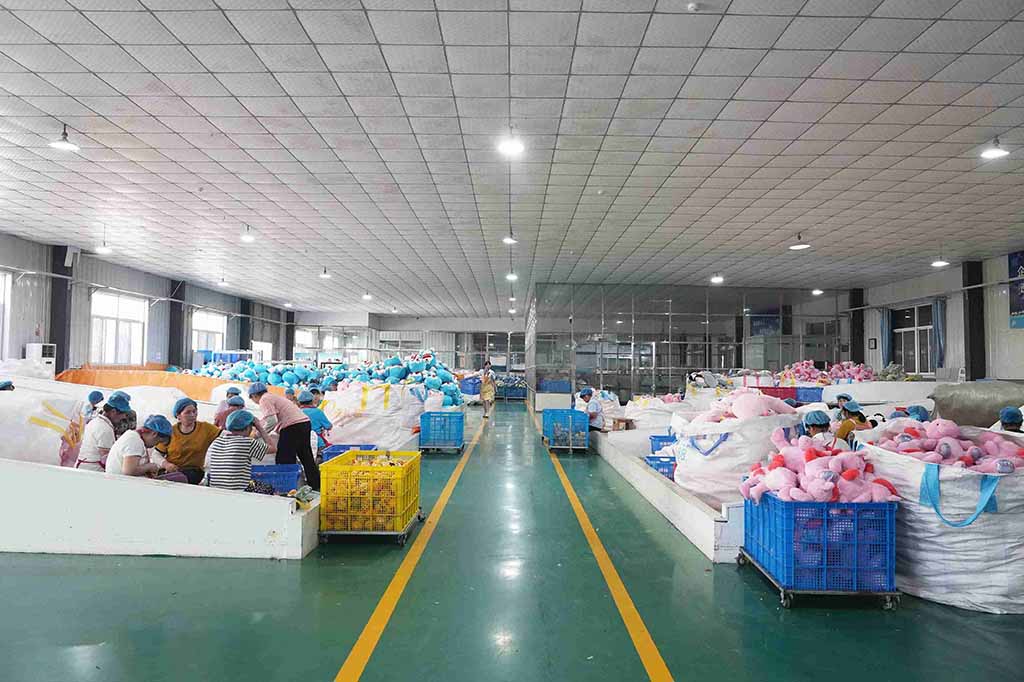
Custom Plush Toy Design Support
An experienced custom stuffed animal manufacturer helps transform sketches, character designs, or brand ideas into manufacturable plush toys. Professional design support improves structure, proportions, and sewing feasibility, helping brands develop plush products that are both visually appealing and production-ready.
Plush Toy Sample Development
Sample development allows brands to review structure, materials, and appearance before production begins. Accurate plush toy sampling helps reduce revisions, align design expectations, and ensure the final product matches the approved prototype.
Material Sourcing & Safety Selection
A professional OEM plush toy manufacturer manages fabric sourcing, filling materials, and accessories to ensure product durability and safety. Proper material selection supports product comfort, long-term shape retention, and compliance with global toy safety requirements.
Stable Mass Production System
Efficient stuffed animal OEM production ensures consistent quality across bulk orders. With standardized sewing processes, quality checkpoints, and production planning, brands receive plush toys that maintain the same shape, detail placement, and structural balance in every batch.
Export Packaging & Global Delivery
Professional plush toy factory services also include export packaging and logistics coordination. Proper packing methods protect plush toys during transportation while helping brands deliver products safely to global markets.
If you are planning to develop a new plush toy product line, partnering with an experienced OEM manufacturer helps your brand move from concept to finished product faster, with fewer risks and more predictable results.
Why Brands Use OEM Custom Plush Toys to Build Stronger Product Lines
Custom plush toys have become a powerful product category for many industries. Through professional custom stuffed animal production, brands can develop unique plush products that strengthen brand identity, support merchandising strategies, and create memorable customer experiences. Working with an experienced manufacturer for OEM stuffed animals allows companies to launch custom plush toys for brands and private label plush toys with stable quality, flexible design options, and reliable production support.
Create Unique Products for Your Brand
With custom plush toys for brands, companies can transform characters, mascots, or product concepts into physical plush products. Unique plush toys help brands stand out in crowded markets while offering customers something memorable and emotionally engaging.
Strengthen Brand Recognition
Well-designed private label plush toys help reinforce brand identity through recognizable shapes, colors, and design elements. Plush products can become strong visual symbols that customers associate directly with a brand.
Support IP Merchandising and Licensing Projects
Many companies develop OEM stuffed animals based on licensed characters, mascots, or digital IP. Plush toys are highly popular merchandise products that allow brands and IP owners to expand their product ecosystems.
Expand Gift and Promotional Product Lines
Custom plush toys are widely used in promotional campaigns, seasonal gifts, and branded merchandise. Through custom stuffed animal production, brands can create memorable giveaway products that increase customer engagement and brand loyalty.
Maintain Consistent Product Quality
Working with a professional OEM manufacturer allows brands to maintain consistent quality across every production batch. Structured production processes and material standards ensure plush toys meet brand expectations and market requirements.
Flexible Customization for Different Markets
OEM manufacturing provides flexible customization options including size, materials, colors, embroidery, accessories, and packaging. This allows brands to adapt plush products for different markets, campaigns, or product collections.
If you are planning to develop custom plush toys for your brand, working with an experienced OEM factory helps transform creative ideas into reliable products that support long-term brand growth.
Popular Custom Plush Toys We Manufacture for Brands
A professional OEM custom plush toy factory can produce a wide variety of plush products for different industries and markets. Through flexible custom stuffed animal production, brands can create unique plush toys for retail, IP merchandising, promotional products, and themed collections. Below are some of the most common custom plush toys for brands developed through OEM stuffed animals manufacturing.
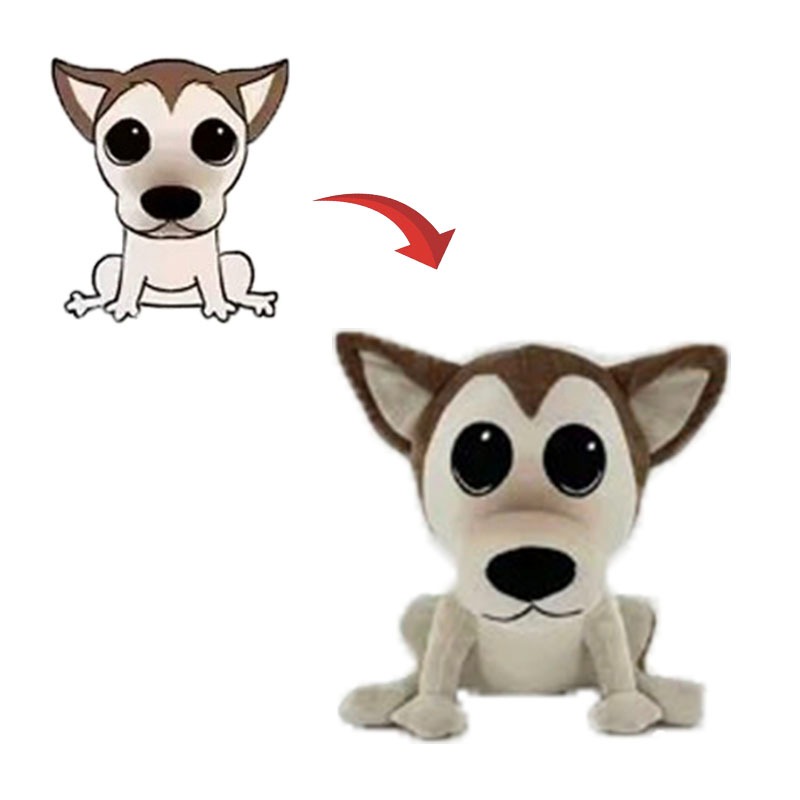
Custom Animal Plush Toys
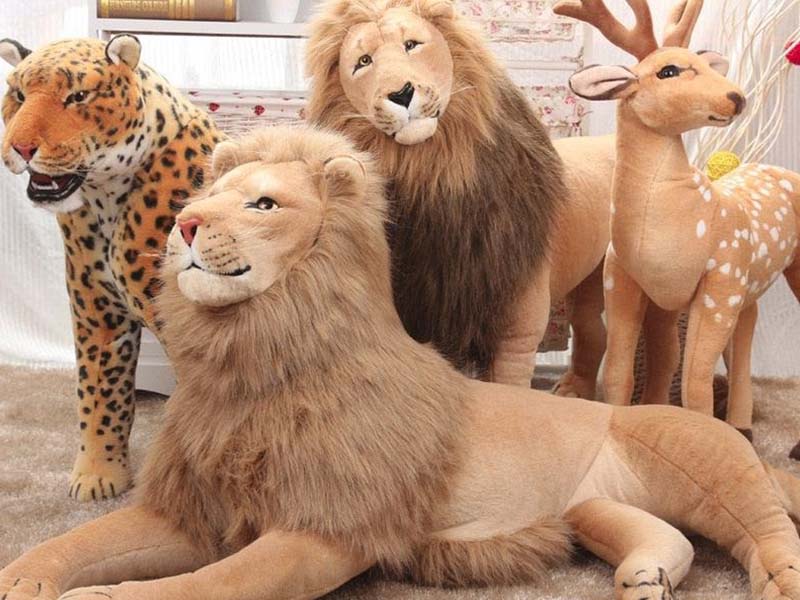
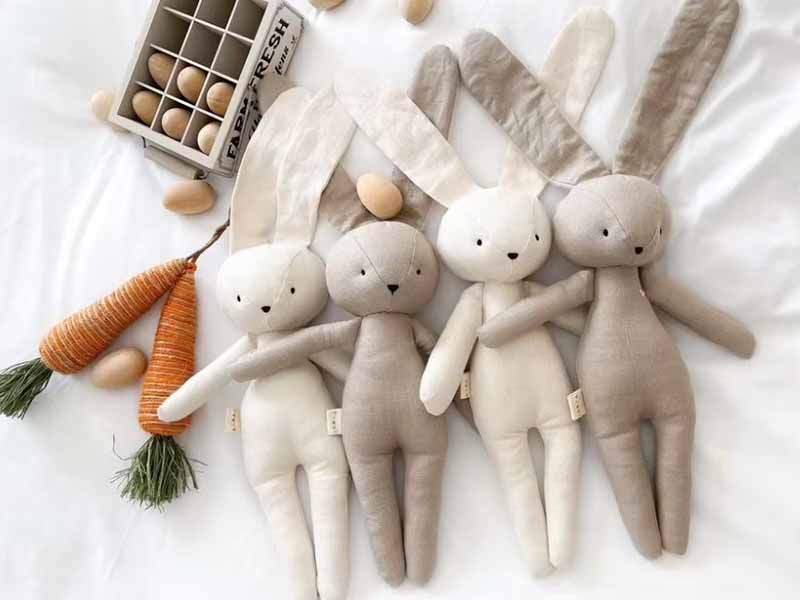
Animal plush toys are one of the most popular stuffed toy categories. Brands often create custom bears, rabbits, cats, dogs, or wild animals for retail collections or themed products.
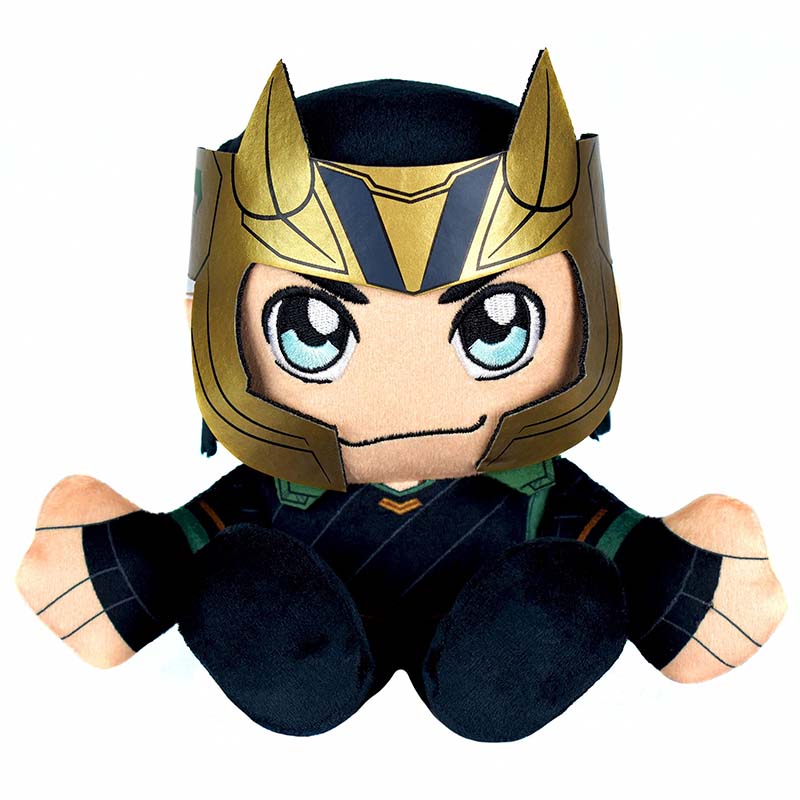
Cartoon Character Plush Toys
Cartoon plush toys are widely used in brand mascots, animation merchandise, and children’s entertainment products.
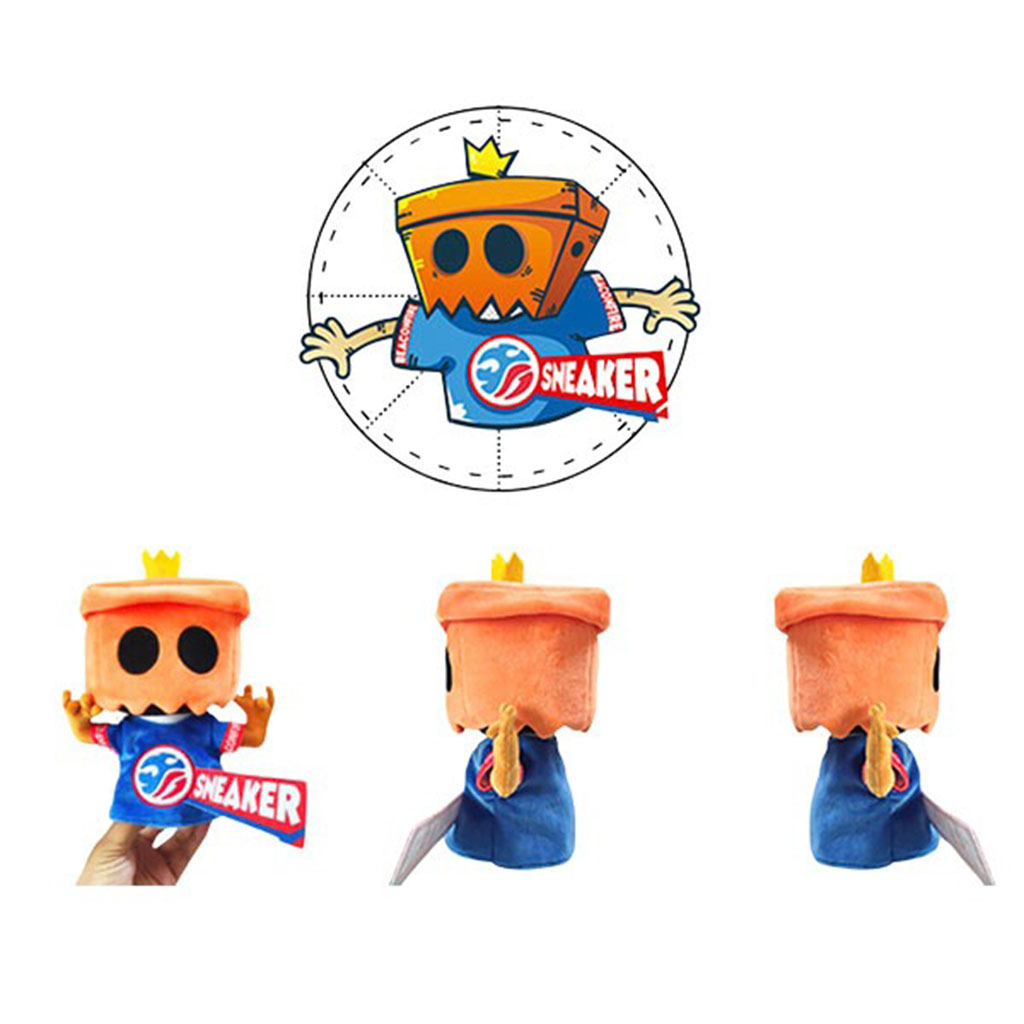
Mascot Plush Toys
Companies often turn their brand mascots into plush toys for promotional campaigns and brand recognition.
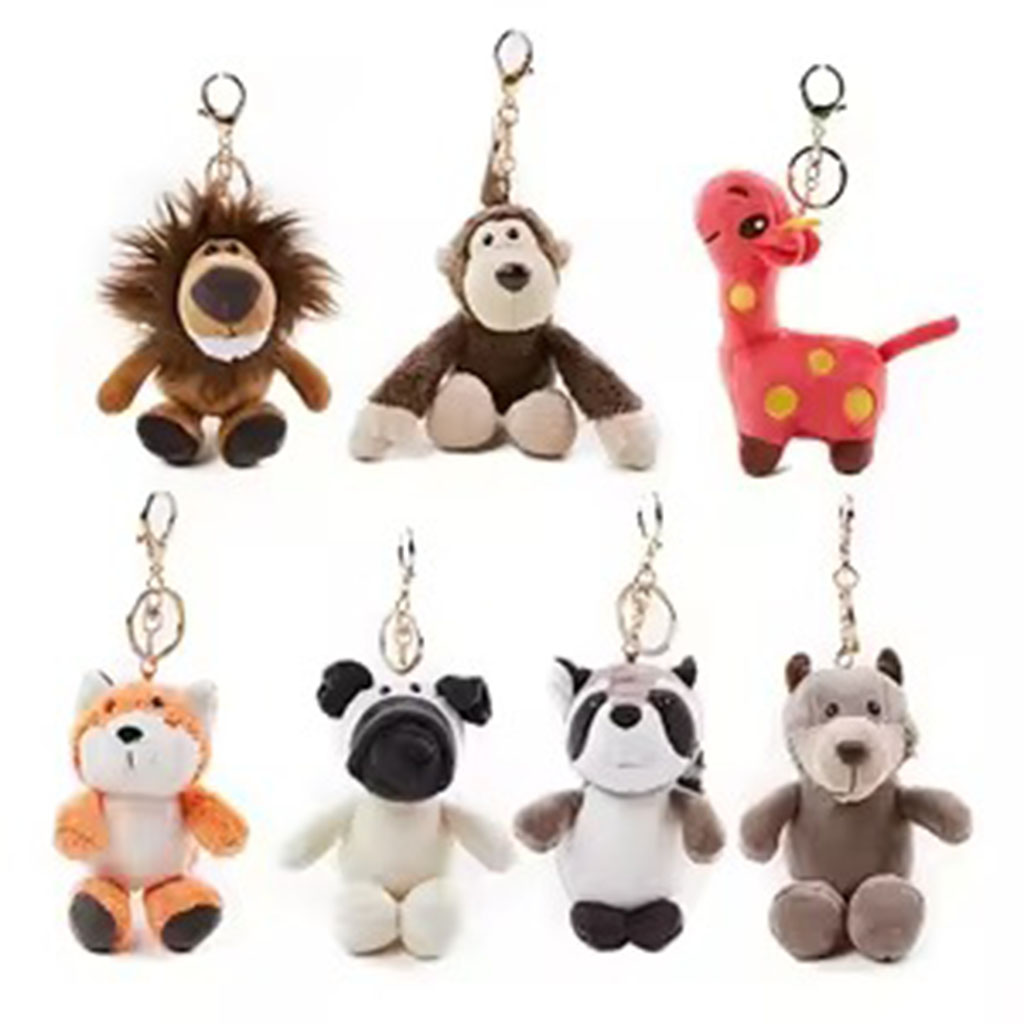
Custom Plush Keychains
Mini plush keychains are popular for retail accessories, souvenir products, and promotional giveaways.
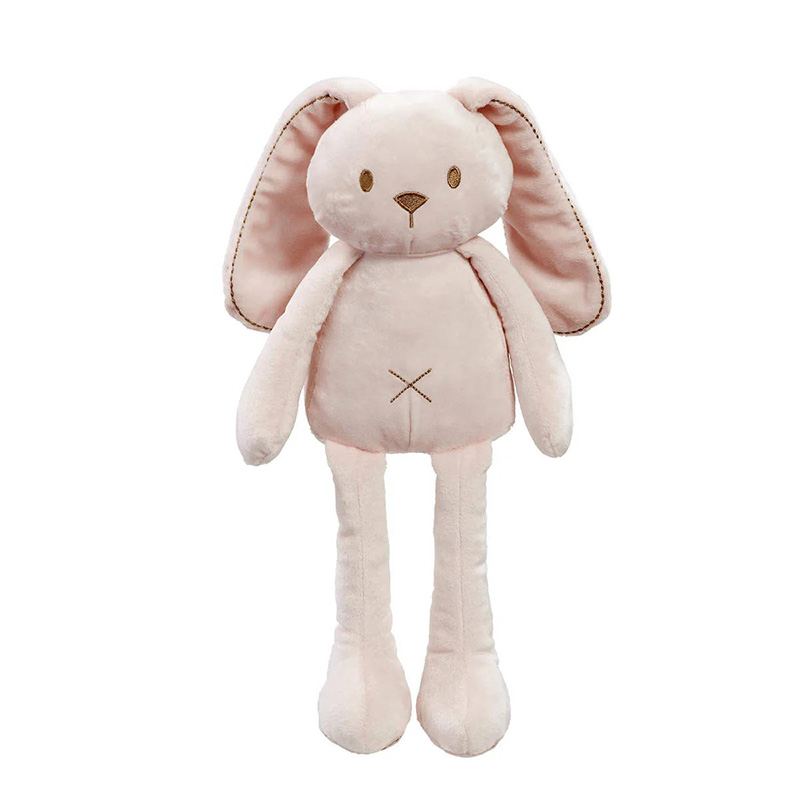
Baby Safe Plush Toys
Designed with soft fabrics and embroidered details, baby plush toys meet safety standards for infant products.
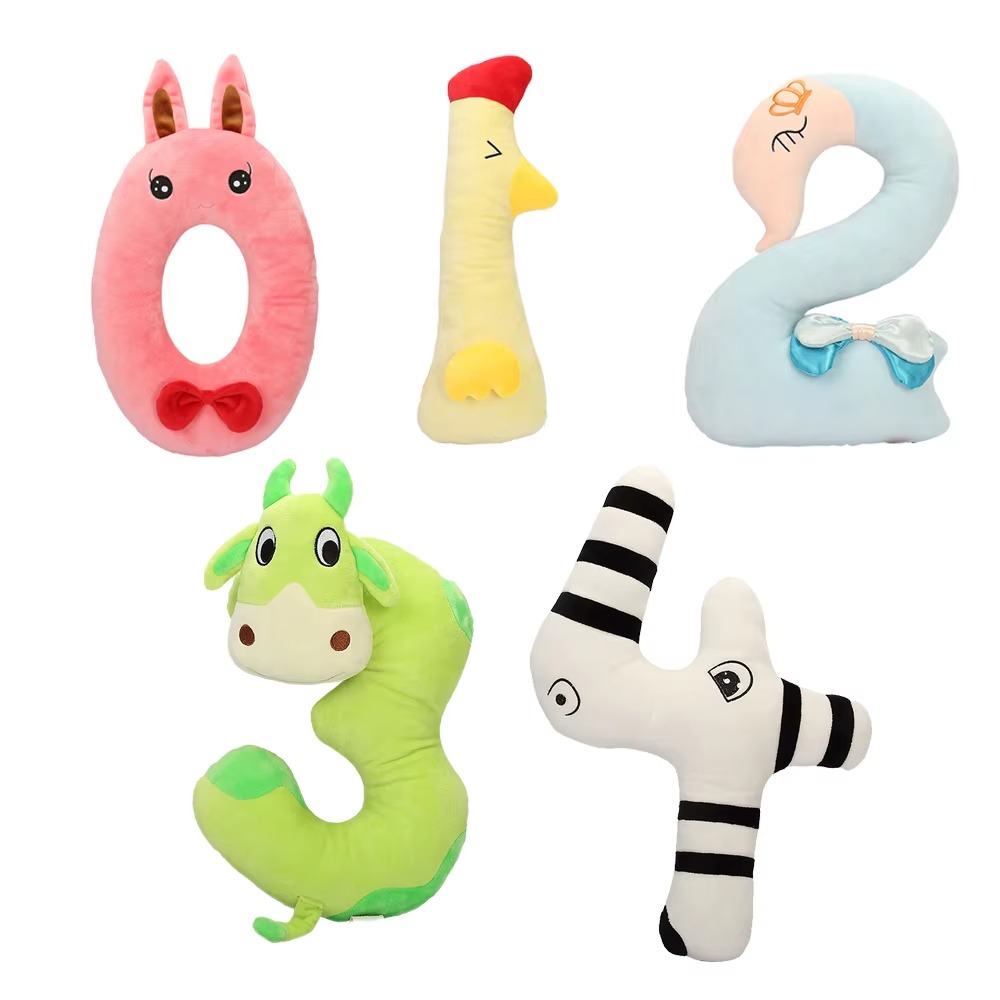
Educational Plush Toys
Educational plush toys help children learn shapes, animals, or characters while providing a soft and friendly toy experience.
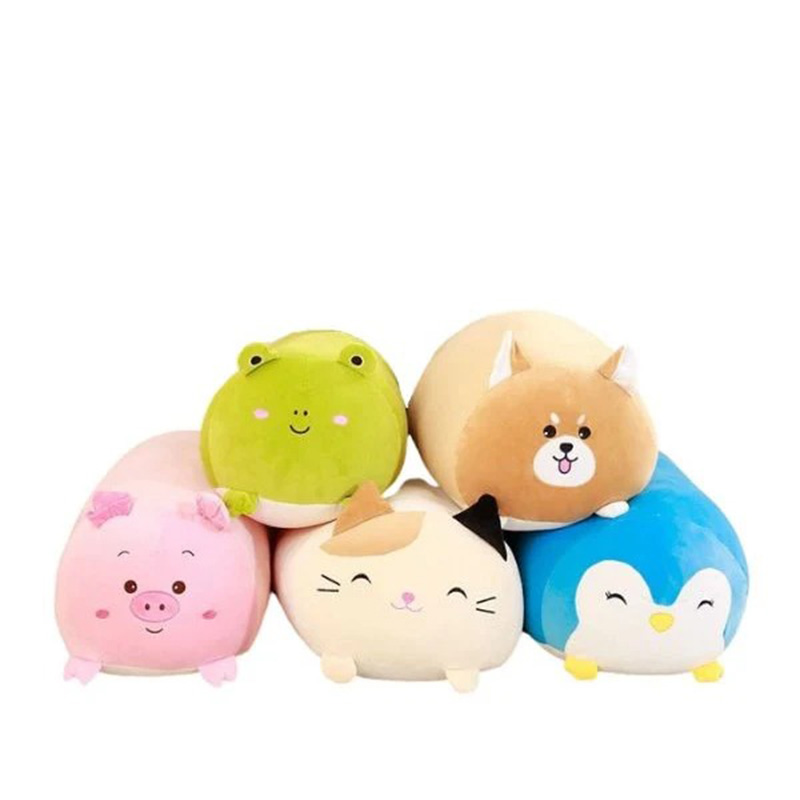
Plush Toy Pillows
Plush pillows combine comfort and play value, making them popular home decor and gift items.
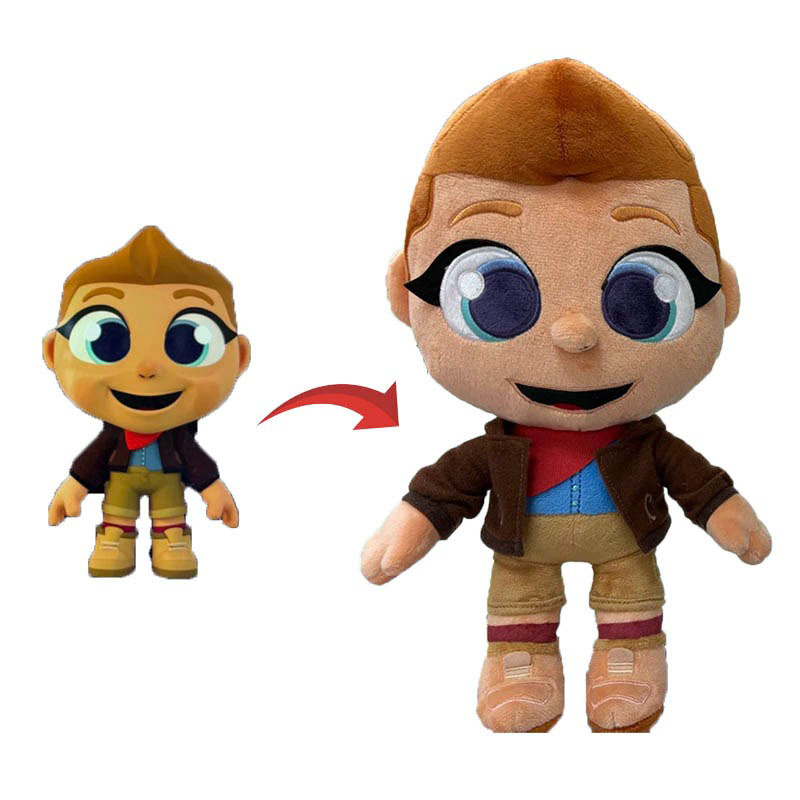
Plush Dolls
Custom plush dolls are often used for character merchandise, fashion dolls, and storytelling toys.
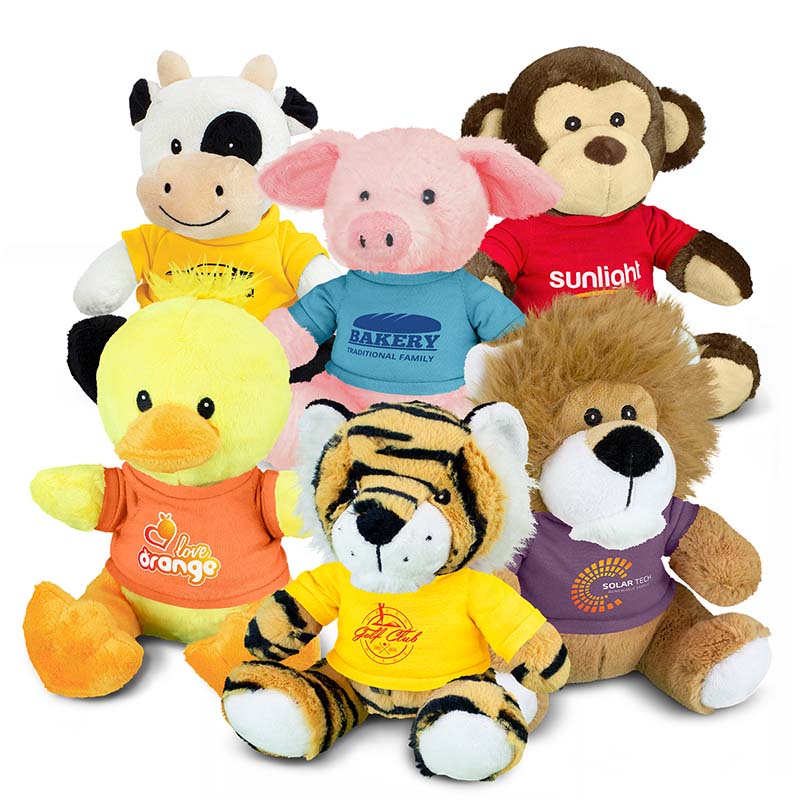
Promotional Plush Toys
Brands create promotional plush toys for marketing campaigns, exhibitions, and product launches.
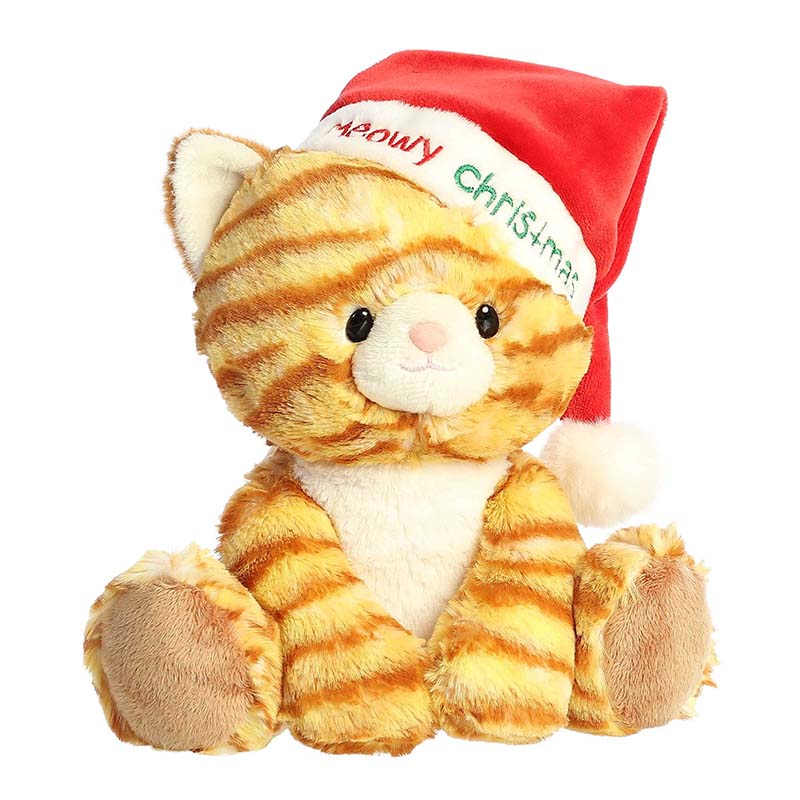
Seasonal Plush Toys
Seasonal plush toys are designed for holidays such as Christmas, Halloween, Easter, and Valentine’s Day.
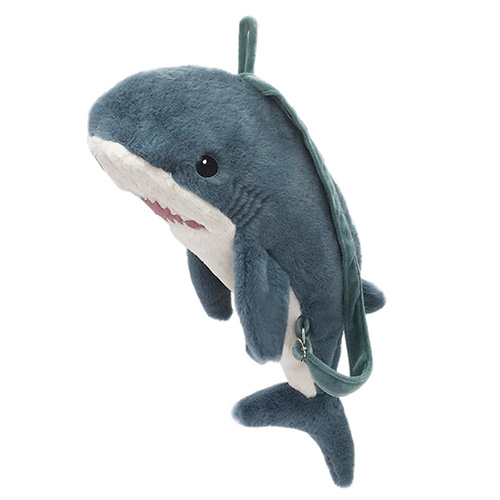
Plush Toy Backpacks
Plush backpacks combine toy design with functional storage, making them popular among children’s products.
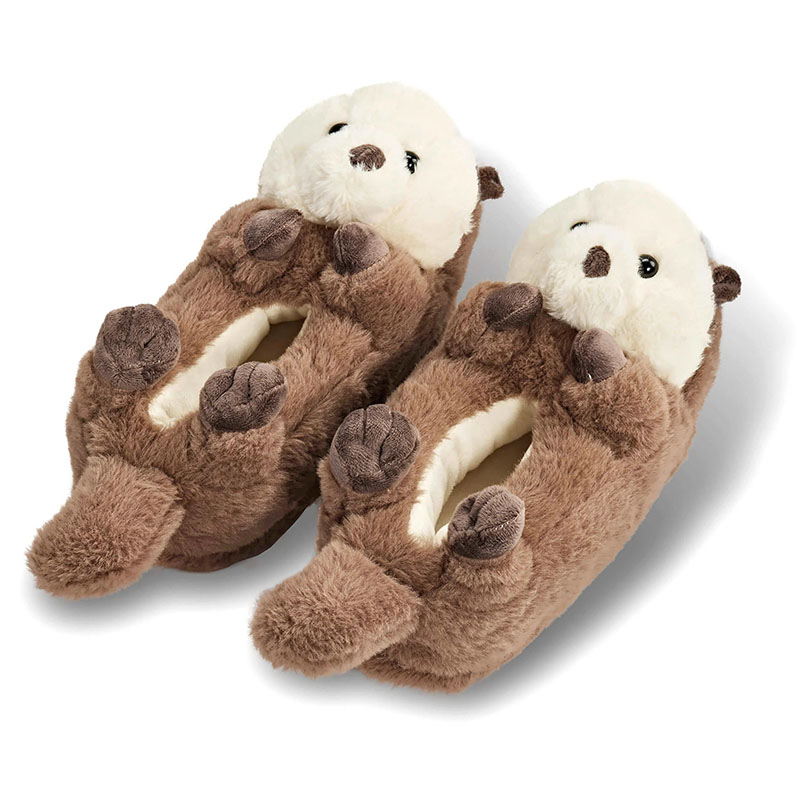
Plush Slippers
Soft plush slippers shaped like animals or characters are widely used in lifestyle and gift markets.
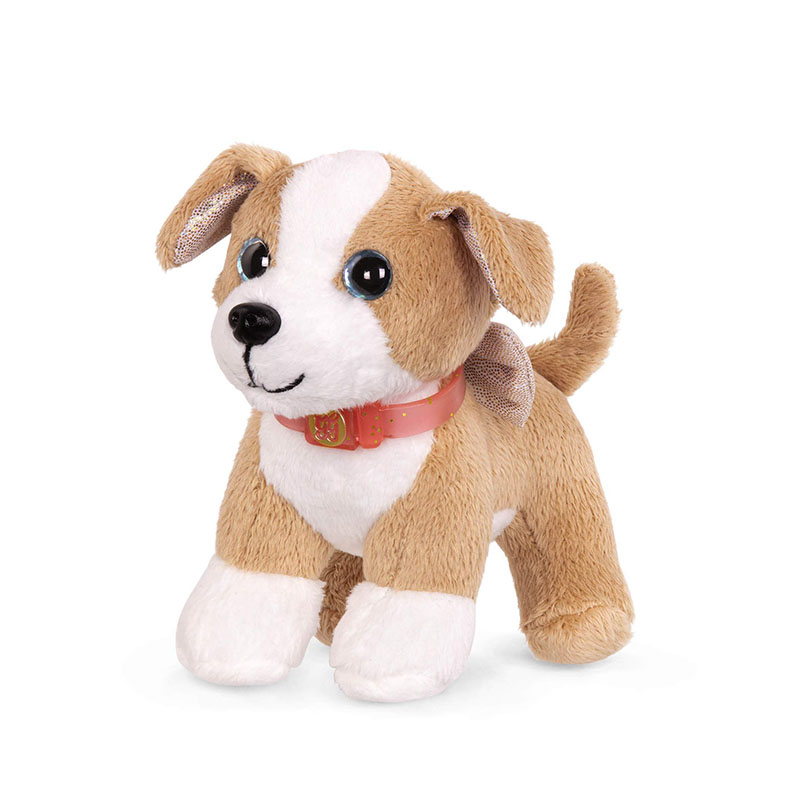
Plush Pet Toys
Pet plush toys are designed for cats and dogs, combining soft materials with durable structures.
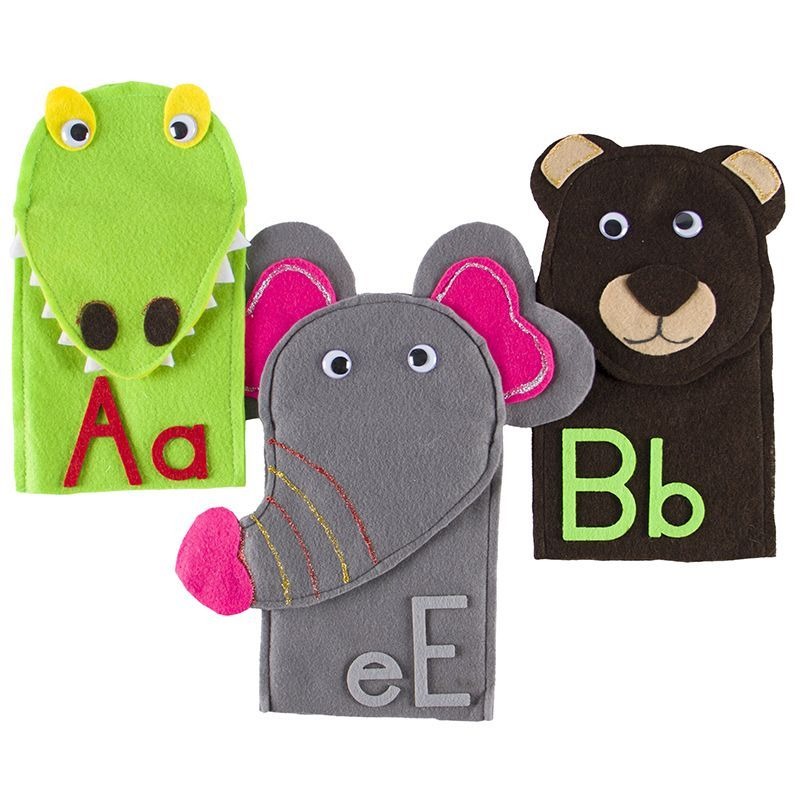
Plush Toy Hand Puppets
Hand puppet plush toys are used for storytelling, education, and interactive play.
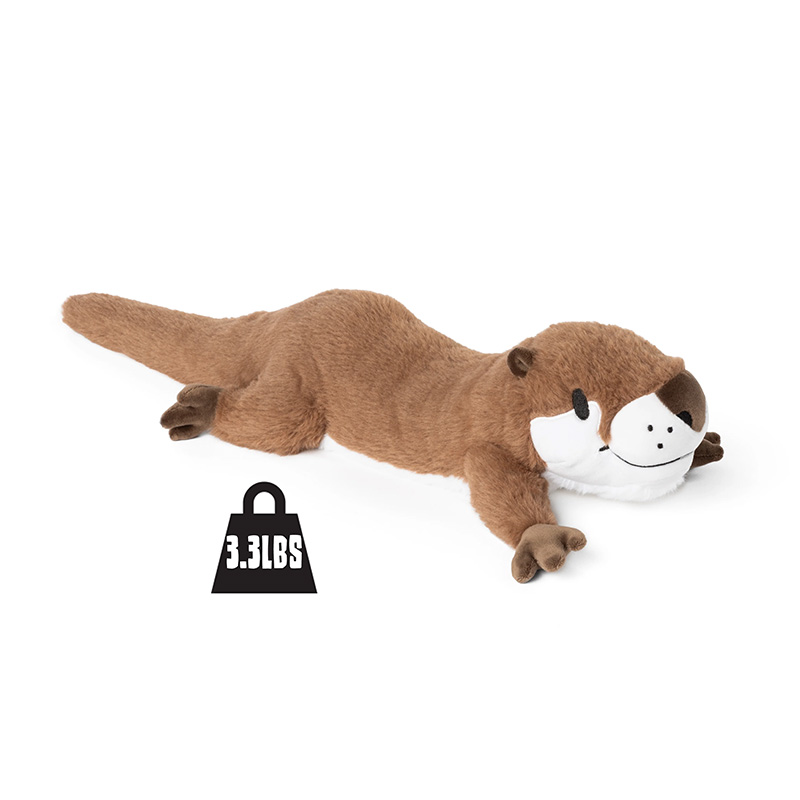
Weighted Plush Toys
Weighted plush toys provide comfort and sensory benefits, making them popular in relaxation and therapy products.
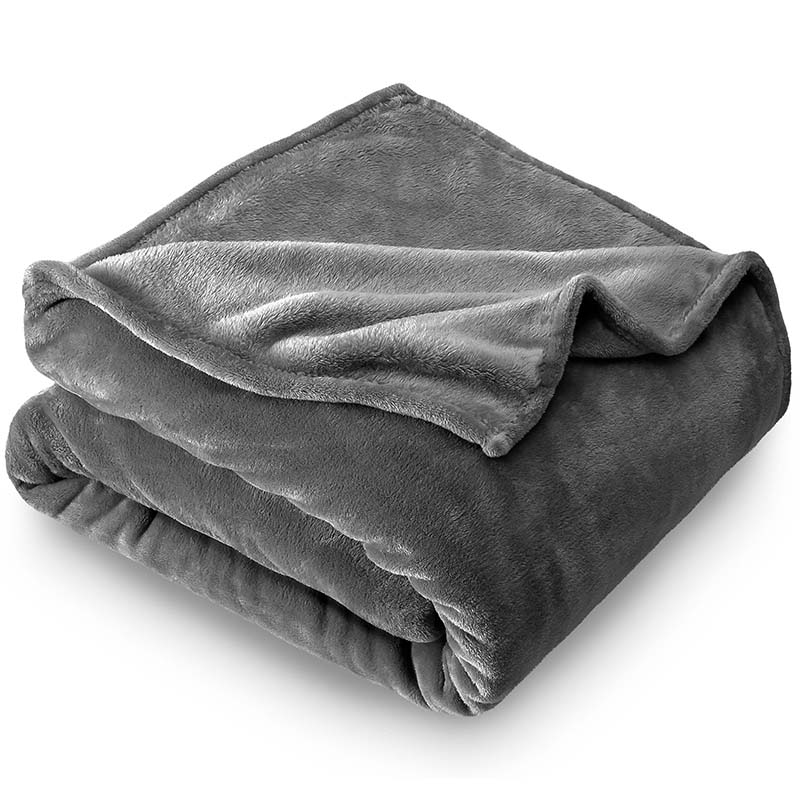
Plush Toy Blankets
Plush blankets combine soft fabric comfort with toy designs, often used in baby and gift products.
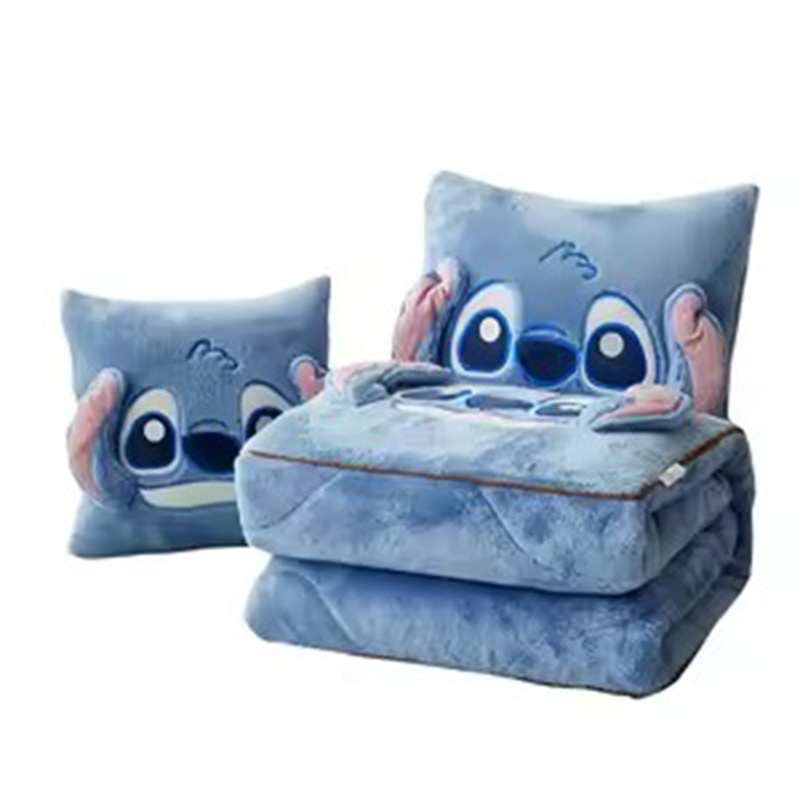
Plush Toy Cushions
Animal-shaped cushions are widely used as decorative plush products for homes and kids’ rooms.
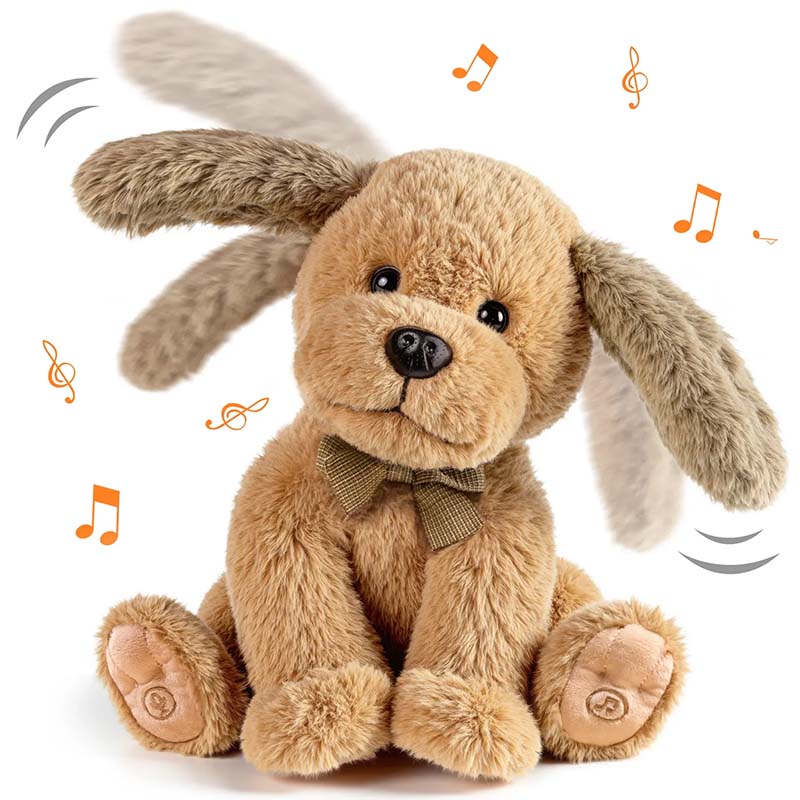
Interactive Plush Toys
Interactive plush toys may include sound modules, movement, or electronic features to enhance play value.
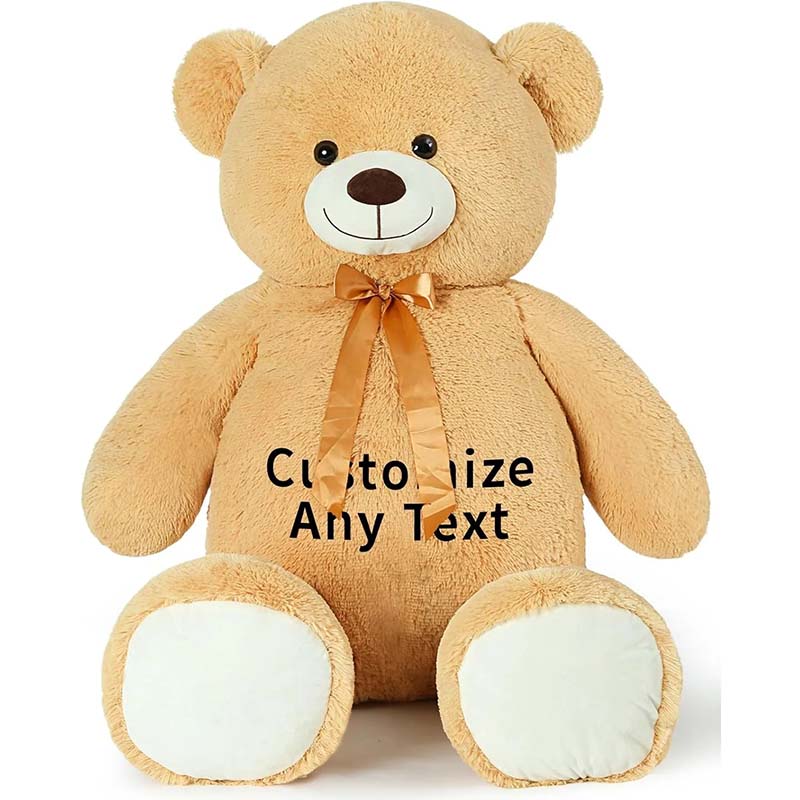
Giant Plush Toys
Oversized plush toys are popular for retail displays, gifts, and themed attractions.
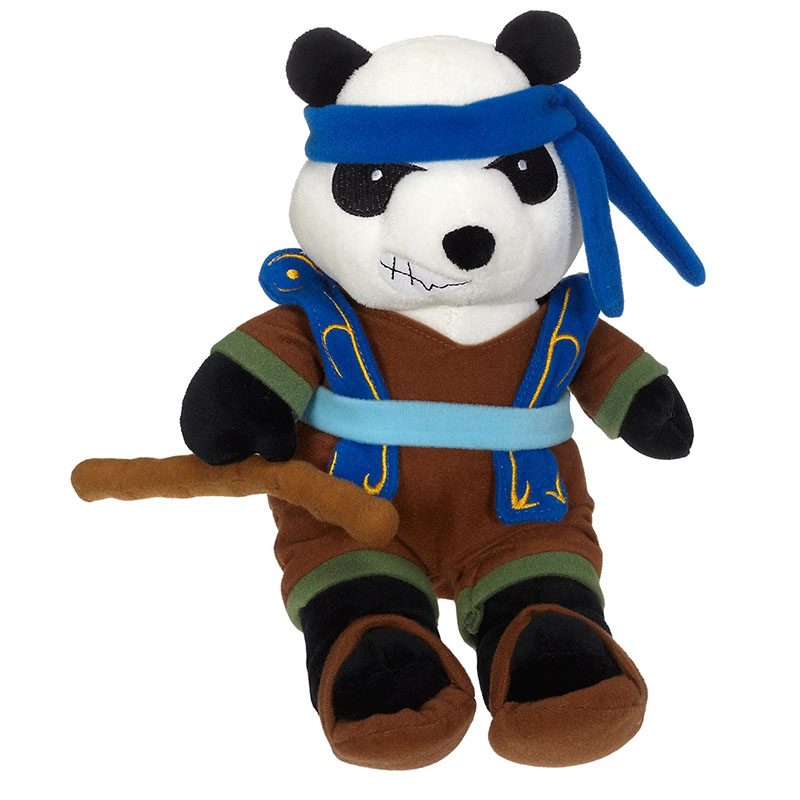
Custom Plush Collectibles
Limited-edition plush toys are often created for brand collections, fan merchandise, or special releases.
Custom Plush Toy Sampling: From Design to Prototype
Before moving into mass production, plush toy sampling plays a critical role in turning creative ideas into real products. A structured plush toy sample development process allows brands to review materials, proportions, embroidery details, and construction methods. Through professional custom plush prototype development, brands receive accurate prototype stuffed animal samples that reduce revisions and help products move faster toward stable production.
Pattern Development for Plush Toy Structure
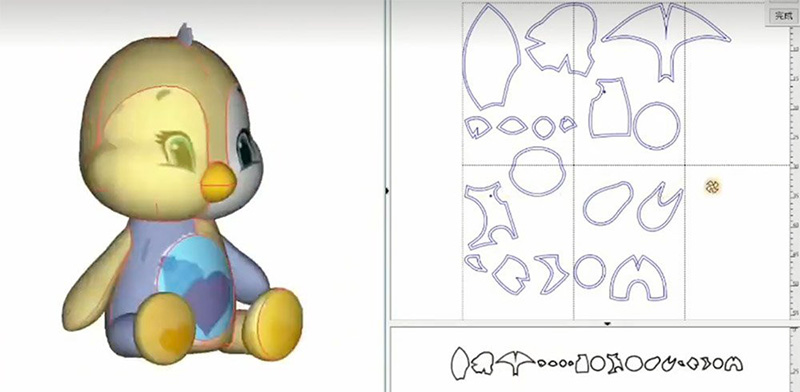
The first step of plush toy sample development is creating accurate patterns based on the design concept. Pattern makers translate drawings or 3D ideas into sewing panels, ensuring the plush toy maintains correct proportions and balanced structure once assembled.
Material Matching and Fabric Selection
Material selection directly affects the softness, appearance, and durability of the plush toy. During plush toy sampling, different fabrics, fillings, and accessories are tested to find the best match for the product design and target market.
Embroidery and Detail Testing
Embroidery placement, facial expressions, and printed patterns are carefully tested during the custom plush prototype stage. These details are adjusted to ensure the final plush toy matches the intended character style and brand identity.
Sample Structure Adjustment
After the first prototype stuffed animal is completed, structural adjustments may be made to improve shape stability, stuffing balance, and sewing strength. These refinements help ensure the approved sample can be reproduced consistently during mass production.
Accurate sampling allows brands to confirm every detail before production begins. This reduces development risks, shortens product launch timelines, and helps create plush toys that match both design expectations and market needs.
OEM Plush Toy Customization Options for Brand Development
One of the biggest advantages of working with an experienced OEM plush toy manufacturer is the ability to create products that fully match your brand identity and market positioning. Through professional custom stuffed animal production, every detail of the plush toy can be adjusted—from size and materials to facial expression, functionality, and packaging. This level of customization allows brands to develop distinctive products that are visually recognizable, emotionally engaging, and suitable for different retail environments or promotional campaigns. Flexible plush toy customization also makes it easier to adapt designs for different markets, seasonal promotions, and product collections while maintaining stable production quality.
Plush Toy Size & Character Shape Customization
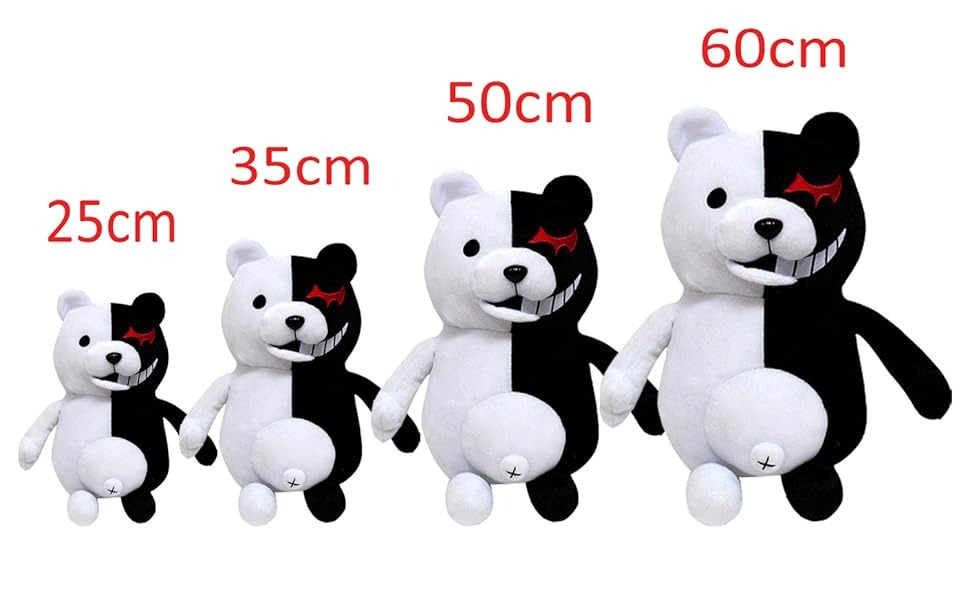
Plush toys come in many shapes and sizes depending on the product purpose. Retail plush toys may require medium sizes that are easy to display and carry, while promotional plush toys may focus on compact designs such as keychains. In contrast, theme parks or retail stores sometimes use oversized plush toys as eye-catching display items. Through OEM manufacturing, brands can customize body proportions, head size, limb length, and overall character silhouette to match their mascot or character design. Adjusting the plush toy structure during development helps ensure the toy looks balanced, maintains its shape during production, and achieves the intended visual impact for customers.
Customizable Options
Custom plush toy sizes
Mini plush toys
Standard plush toys
Large plush toys
Giant plush toys
Custom body proportions
Custom character silhouettes
Plush Toy Fabric & Filling Material Customization
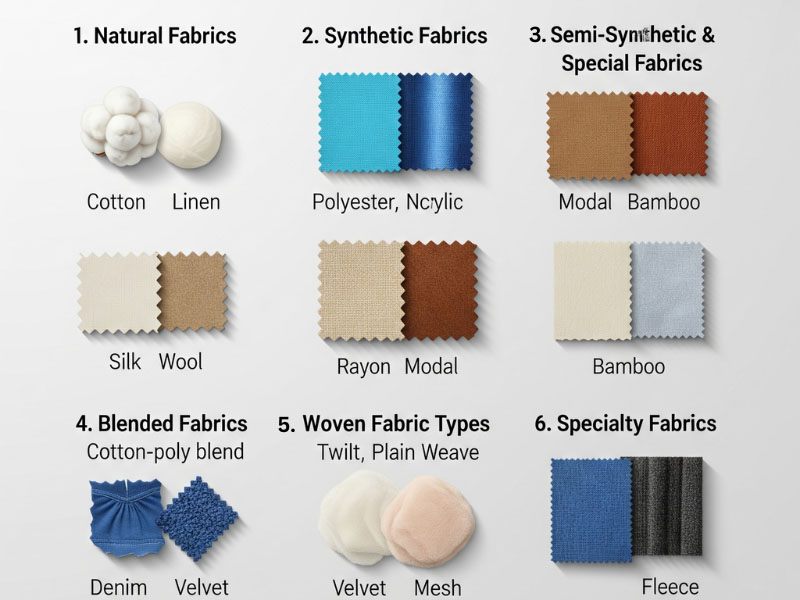
The fabric and filling used in a plush toy determine how soft, durable, and visually appealing the product will be. Different plush fabrics create different textures, from ultra-soft premium materials used in high-end retail plush toys to durable fabrics designed for pet toys or promotional items. During custom stuffed animal production, manufacturers help brands choose fabrics that balance softness, durability, and cost efficiency. Filling materials can also be adjusted to achieve different weight, shape retention, and comfort levels. Selecting the right material combination ensures that plush toys not only look attractive but also maintain long-term product quality.
Customizable Options
Velboa fabric
Minky fabric
Crystal super soft fabric
Faux fur fabric
Short plush fabric
Organic cotton fabric
Recycled RPET fabric
PP cotton filling
Recycled polyester fiberfill
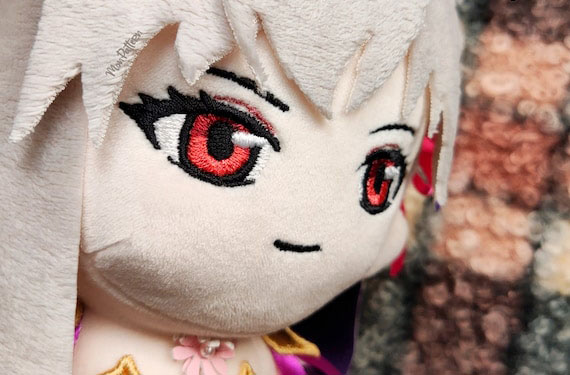
Plush Toy Facial Expressions & Decorative Details
Facial expression is one of the most important elements that gives a plush toy its personality and emotional appeal. Small changes in eye shape, embroidery style, or mouth expression can significantly influence how customers perceive the character. During the development stage, designers adjust embroidery placement, printed patterns, and decorative details to match the intended character style. Decorative features such as clothing, accessories, or patches can also be added to create stronger brand storytelling. These design elements help transform a simple plush toy into a recognizable character product that customers remember.
Customizable Options
Embroidered eyes
Printed facial expressions
Applique decorations
Custom plush clothing
Character accessories
Brand embroidery logos
Decorative patches
Plush Toy Functional Feature Customization
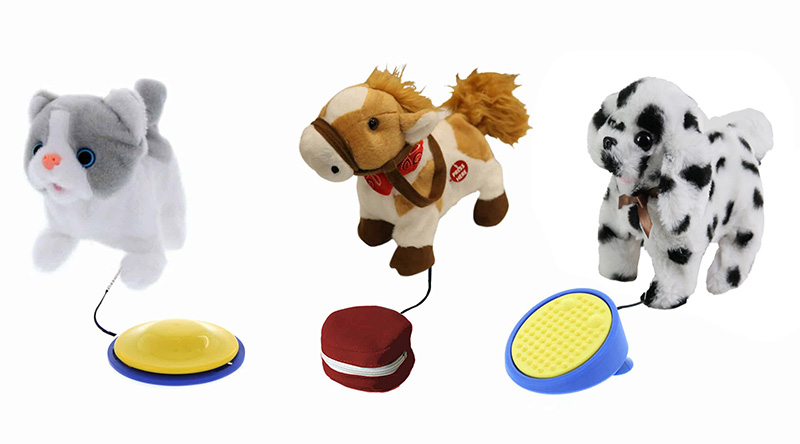
Many modern plush toys include additional features that enhance play value or product uniqueness. Functional customization allows plush toys to serve different roles, such as interactive toys, promotional items, or comfort products. For example, sound modules can play music or recorded messages, while weighted filling can provide a calming sensory effect. Some plush toys include hidden pockets or magnetic hands to create interactive play experiences. These features make plush toys more engaging and can significantly increase their appeal in retail markets.
Customizable Options
Sound modules
Music boxes
Squeakers
Weighted plush filling
Magnetic hands
Hidden zipper pockets
LED light modules
Plush Toy Packaging & Brand Presentation Customization
Packaging is often the first thing customers notice when they encounter a product. Custom packaging helps strengthen brand identity while improving product presentation in retail environments. A well-designed package can also enhance the perceived value of the plush toy and create a memorable unboxing experience. OEM factories can provide a variety of packaging options that match different sales channels, including retail stores, online platforms, and promotional events. Eco-friendly packaging solutions are also becoming increasingly popular as brands focus on sustainability.
Customizable Options
Custom hang tags
Woven labels
Printed brand labels
Gift boxes
Vacuum packaging
Retail display boxes
Eco-friendly packaging

Flexible customization allows brands to transform creative ideas into distinctive plush products. With the support of an experienced OEM factory, brands can develop plush toys that match their identity, connect with customers emotionally, and perform successfully in global markets.
Common Sourcing Problems When Ordering Plush Toys
When brands source products from a plush toy manufacturer, several challenges can arise during development and production. Without a clear process and experienced manufacturing partner, small issues in sampling, materials, or production management can lead to delays, quality inconsistencies, or unexpected costs. Understanding these common sourcing risks helps brands avoid mistakes and choose a reliable custom stuffed animal manufacturer for long-term cooperation.
Inaccurate Plush Toy Samples
One common issue in plush toy sampling is that the sample does not fully match the original design. Differences in proportions, facial expression placement, or fabric selection can lead to repeated revisions. This slows down development and increases communication costs between the brand and the factory.
Inconsistent Mass Production Quality
Even when the approved sample looks correct, some factories struggle to maintain the same quality during bulk production. Variations in sewing tension, stuffing levels, or embroidery placement can cause plush toys to look slightly different across batches.
Material Substitution Without Notice
Another risk in stuffed animal manufacturing is material substitution. If materials such as fabric, filling, or accessories are changed without approval, the final product may not meet the brand’s quality expectations or safety requirements.
Delivery Delays and Poor Production Planning
Production delays often occur when factories lack proper scheduling or capacity planning. Without a stable production system, orders may take longer than expected, especially during peak seasons. This can disrupt product launches or retail schedules.
Plush Toy Manufacturing Process from Design to Bulk Production
A professional plush toy factory production system ensures that every product moves smoothly from materials to finished plush toys. A structured plush toy production process helps brands maintain consistent quality, stable production, and predictable delivery timelines. Through organized stuffed animal manufacturing, each step is controlled to ensure plush toys match approved samples and meet market expectations.
Fabric Cutting
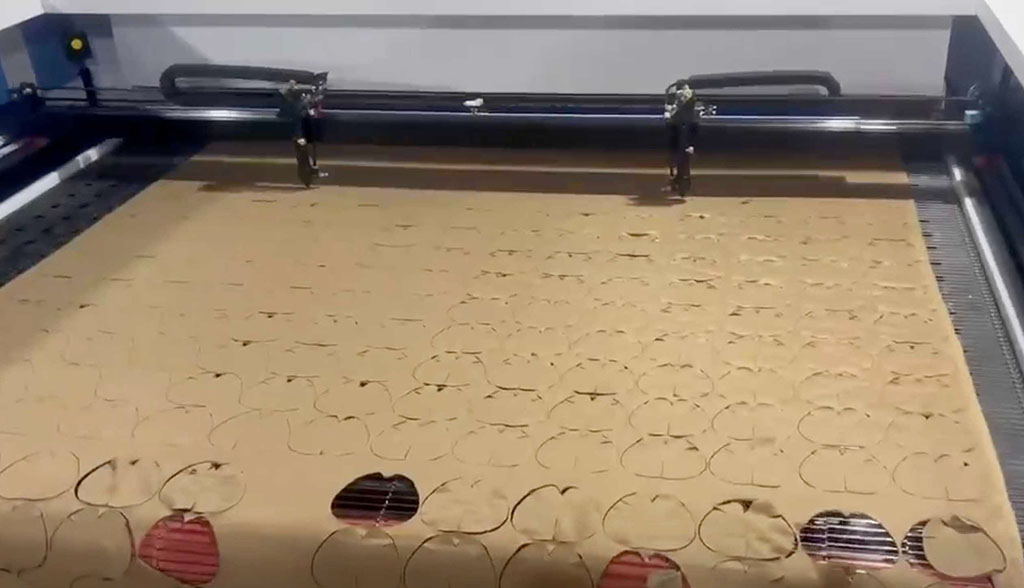
The production process begins with fabric cutting. Based on approved patterns, fabrics are precisely cut into panels that will form the plush toy body parts. Accurate cutting ensures correct proportions and helps maintain consistency during large-scale production.
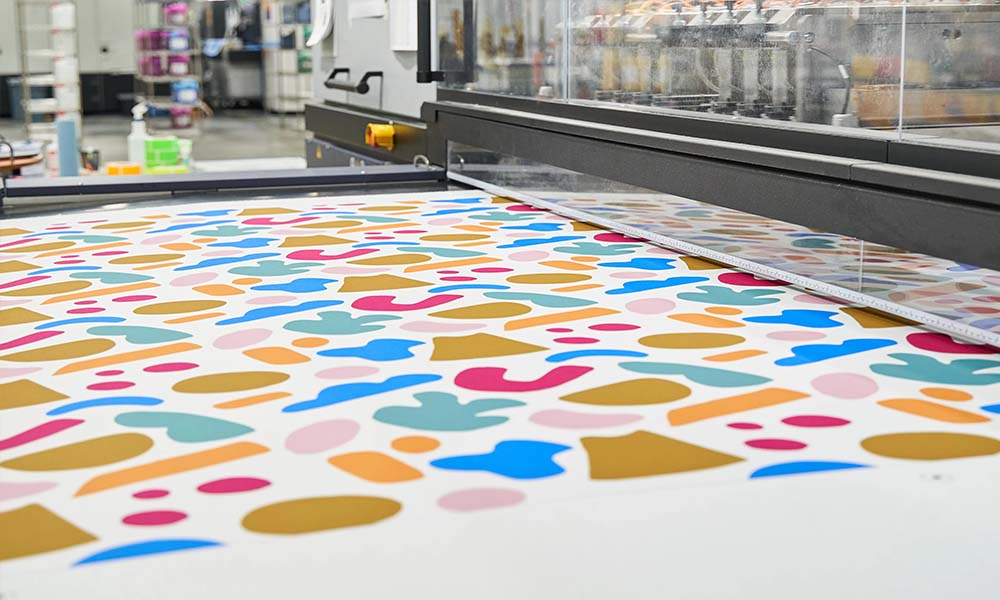
Embroidery & Printing
Embroidery and printing are applied to create facial expressions, logos, and decorative patterns. These details give plush toys their character and visual identity while ensuring the design matches the approved sample.
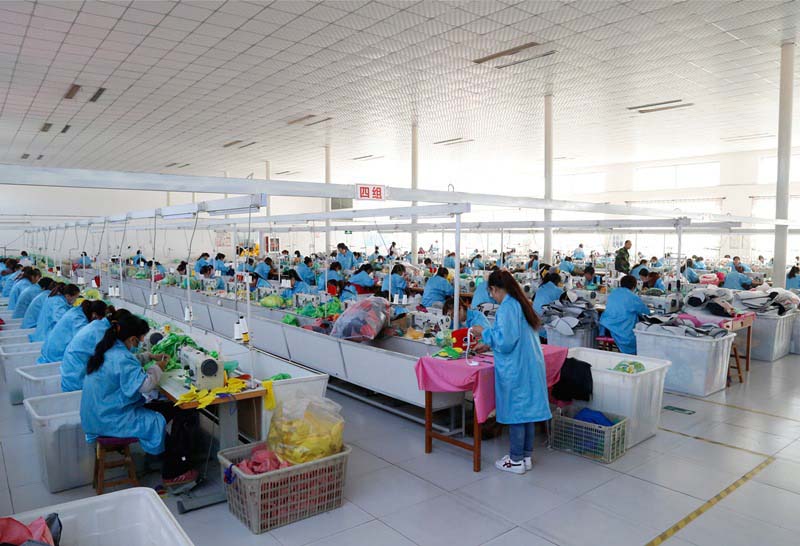
Sewing Assembly
During the sewing stage, fabric panels are stitched together to form the main structure of the plush toy. Skilled sewing ensures strong seams and balanced construction, which helps the toy maintain its shape during use.
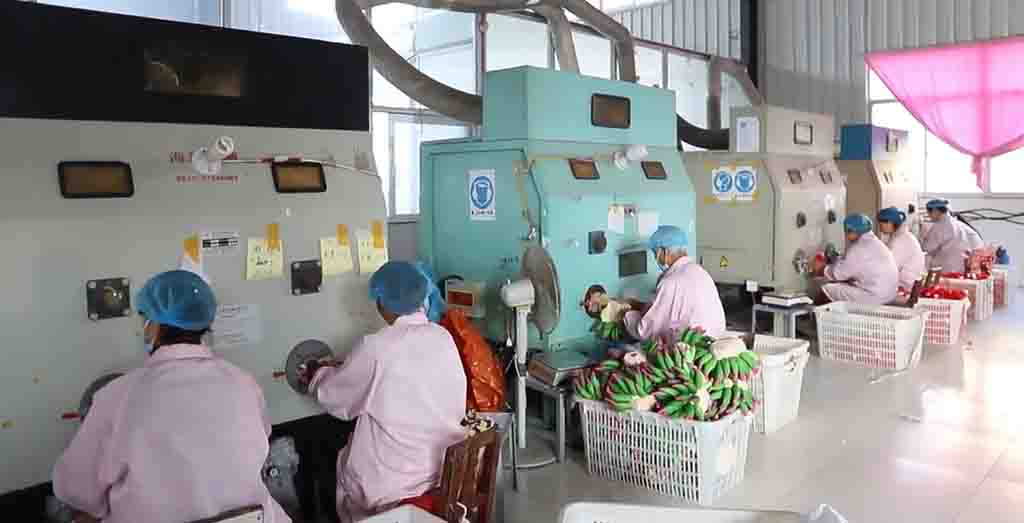
Stuffing & Internal Structure
Once the shell is assembled, the plush toy is filled with fiber material such as PP cotton. Proper stuffing ensures softness, balanced weight distribution, and a smooth appearance.
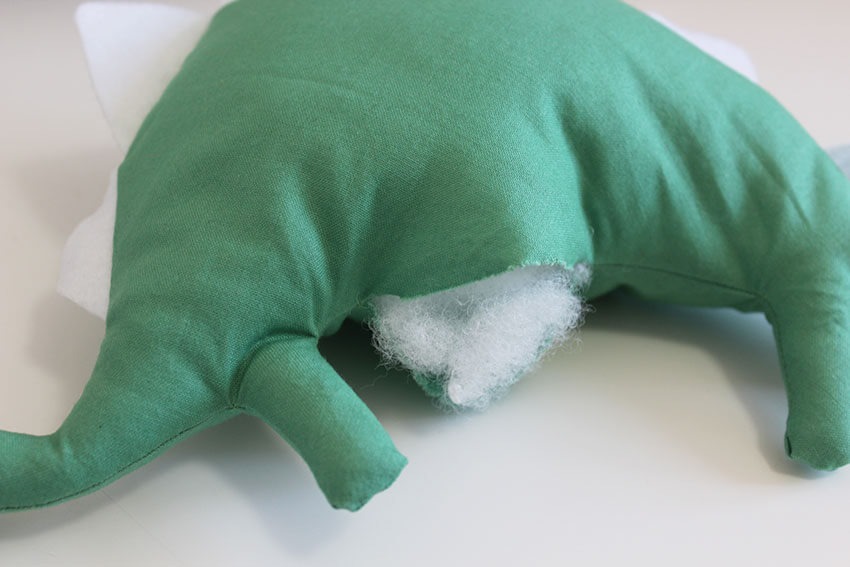
Shaping & Finishing
After stuffing, workers adjust the plush toy shape and finalize details such as accessories or decorative elements. This step ensures the toy closely matches the approved sample and maintains a clean appearance.

Inspection & Packaging
Before shipment, finished plush toys go through quality inspection to check stitching, appearance, and safety details. Approved products are then packed using suitable packaging methods to protect them during transportation.
A well-structured manufacturing process allows brands to receive plush toys with stable quality, consistent appearance, and reliable delivery schedules. This ensures products are ready for retail launch or promotional campaigns without unexpected delays.
Plush Toy Quality Control System for Consistent Production
Consistent quality is one of the most important factors when producing custom stuffed animals. A structured toy factory QC system ensures that every stage of plush toy manufacturing is monitored and controlled. Through professional plush toy quality control and systematic stuffed animal quality inspection, potential problems can be identified early, reducing production risks and ensuring that every batch of plush toys meets the same quality standard.
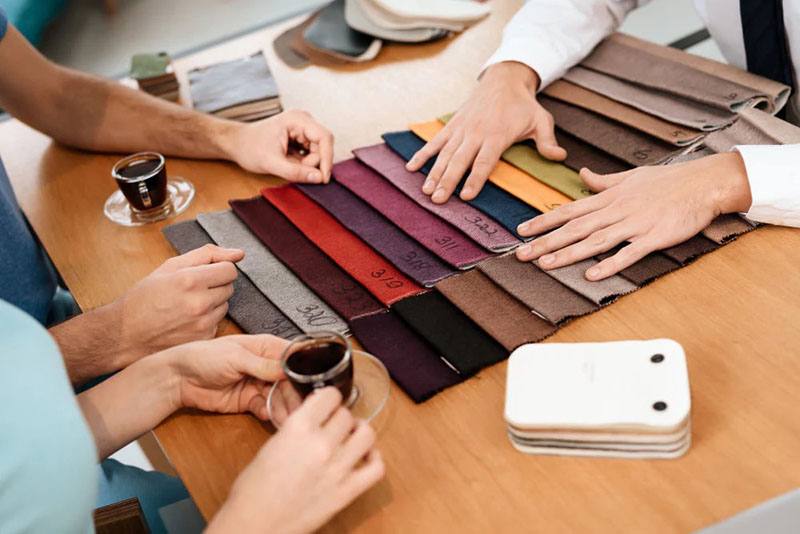
IQC – Incoming Material Inspection
The first step in plush toy quality control is inspecting all incoming materials. Fabrics, filling materials, accessories, and packaging components are checked to ensure they meet the required specifications. This step prevents defective or unsuitable materials from entering the production process.
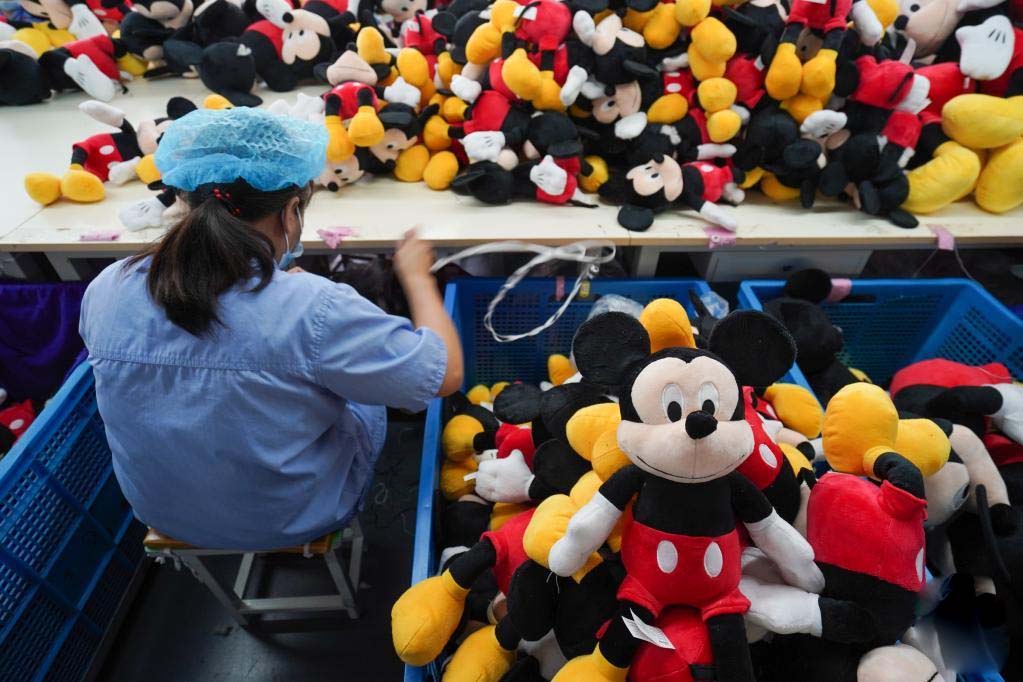
IPQC – In-Line Production Inspection
During production, stuffed animal quality inspection is carried out at key stages such as sewing, embroidery, and stuffing. Inspectors check product dimensions, stitching quality, and structural consistency to ensure each plush toy follows the approved sample standards.
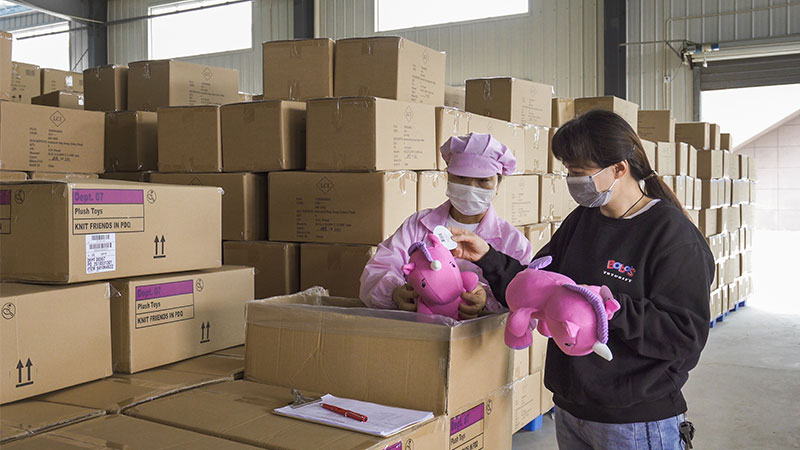
FQC – Final Product Inspection
After production is completed, finished plush toys undergo a comprehensive quality inspection. Inspectors review appearance, stitching, stuffing balance, and decorative details to ensure the products meet design and quality expectations.
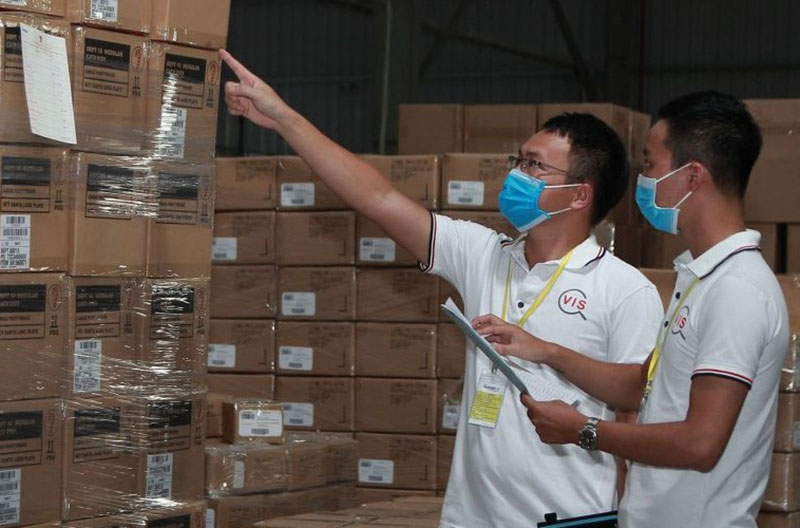
OQC – Pre-Shipment Inspection
Before shipment, a final pre-shipment inspection confirms that the order quantity, packaging, labeling, and product quality meet export standards. This final step helps ensure the products delivered to customers match the approved samples and order specifications.
A strong toy factory QC system allows brands to reduce quality risks, maintain consistent product standards, and receive reliable production results for every order.
Global Safety Standards for Plush Toys in International Markets
When selling plush toys in global markets, meeting international plush toy safety standards is essential. Different regions such as Europe and the United States have strict regulations for stuffed animal manufacturing, covering materials, chemical safety, and physical performance. A professional manufacturer familiar with ASTM F963 plush toys, EN71 stuffed animals, and CPSIA plush toys helps brands ensure their products meet regulatory requirements before entering the market. This reduces compliance risks and allows plush toys to be sold confidently in international retail channels.
CE Certification for European Markets
CE certification indicates that plush toys meet safety requirements for products sold in the European Economic Area. This certification involves compliance with multiple European safety directives and helps ensure plush toys are safe for children and suitable for distribution in European markets.
EN71 Toy Safety Standard
EN71 is one of the most important plush toy safety standards for the European market. It evaluates aspects such as mechanical safety, flammability, and chemical content to ensure toys are safe for children during normal use.
ASTM F963 Safety Standard for the United States
ASTM F963 is a key safety standard for toys sold in the United States. It includes requirements for mechanical strength, material safety, and product performance. Plush toys must comply with this standard before entering the U.S. retail market.
CPSIA Compliance for Children’s Products
CPSIA regulations apply to children’s products sold in the United States. These regulations limit lead content and certain chemicals while also requiring testing and certification from approved laboratories.
REACH Chemical Safety Compliance
REACH regulations in Europe control the use of certain chemicals in consumer products. For plush toys, compliance ensures that fabrics, dyes, and other materials do not contain harmful substances.
Working with a manufacturer familiar with international toy regulations helps brands enter global markets with confidence. Proper compliance reduces legal risks and ensures plush toys meet the safety expectations of retailers and consumers worldwide.
Who This OEM Custom Plush Toy Factory Is Best For
An experienced OEM plush toy manufacturer works with a wide range of clients who need reliable custom stuffed animal production. From established brands to growing businesses, professional plush toy factory services help companies develop high-quality plush products with stable manufacturing, flexible customization, and global safety compliance. If your business needs custom plush toys for retail, promotional products, or branded merchandise, partnering with a professional factory can help you launch products faster and maintain consistent quality.
If your business is planning to launch a new plush toy product line, working with an experienced OEM factory can help transform ideas into reliable products with stable production and scalable supply.
Trusted by Leading Global Brands
Strong partnerships prove strong capabilities. Over the years, Kinwin has worked with world-leading brands and retailers to deliver interactive plush toys that meet the highest standards of creativity, safety, and quality. By choosing us, you gain a supplier that is trusted by top companies worldwide—and the same reliability is available to your brand.



Benefits of Working with a Professional OEM Plush Toy Manufacturer
Choosing an experienced OEM plush toy manufacturer gives brands more than just production capacity. A professional factory provides structured development processes, stable manufacturing systems, and reliable supply chain support. Through professional custom stuffed animal production, brands can launch products faster, reduce production risks, and maintain consistent quality across every order.
Faster Sampling and Product Development
A professional factory has experienced pattern makers and sampling teams who can quickly transform design concepts into accurate plush prototypes. Faster plush toy sampling helps brands review products earlier, reduce development time, and move new items into production more efficiently.
Stable Quality Across Every Production Batch
A reliable plush toy factory production system ensures that every batch of products matches the approved sample. Standardized sewing processes, quality checkpoints, and trained production teams help maintain consistent appearance and structural quality.
Reliable Supply Chain and Production Capacity
Working with an established custom stuffed animal manufacturer provides access to stable material sourcing and organized production planning. This helps brands maintain consistent supply even during busy seasons or large orders.
Long-Term Manufacturing Partnership
A professional OEM factory focuses on long-term partnerships rather than one-time orders. As cooperation grows, factories better understand brand standards, product details, and market requirements, making future product development faster and more efficient.
Explore Our Custom Plush Toy Series
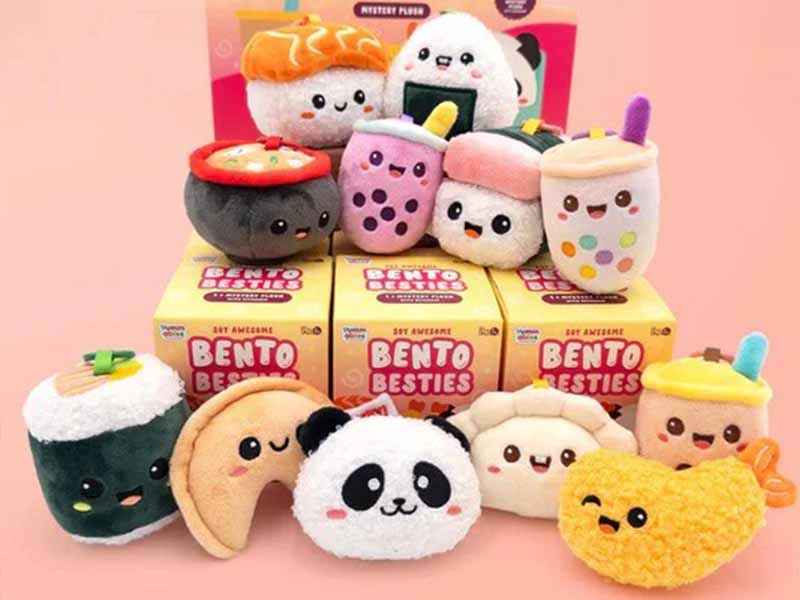
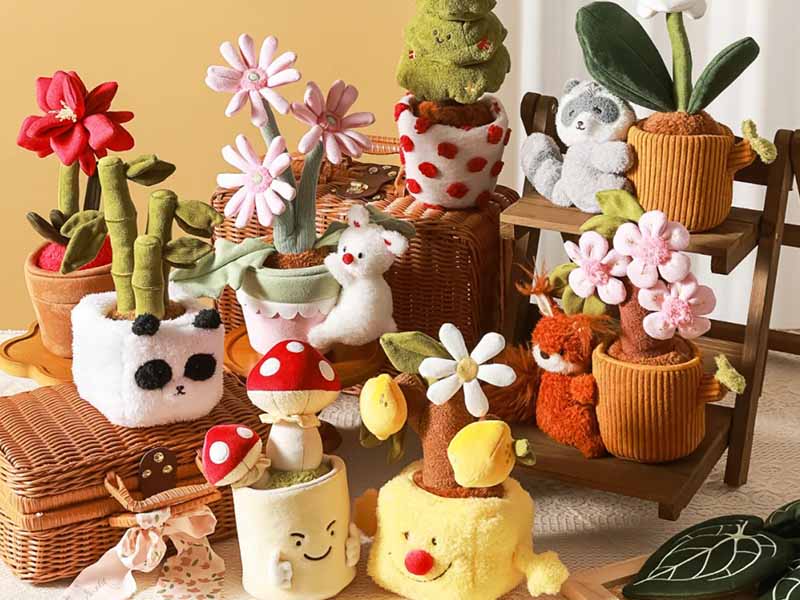
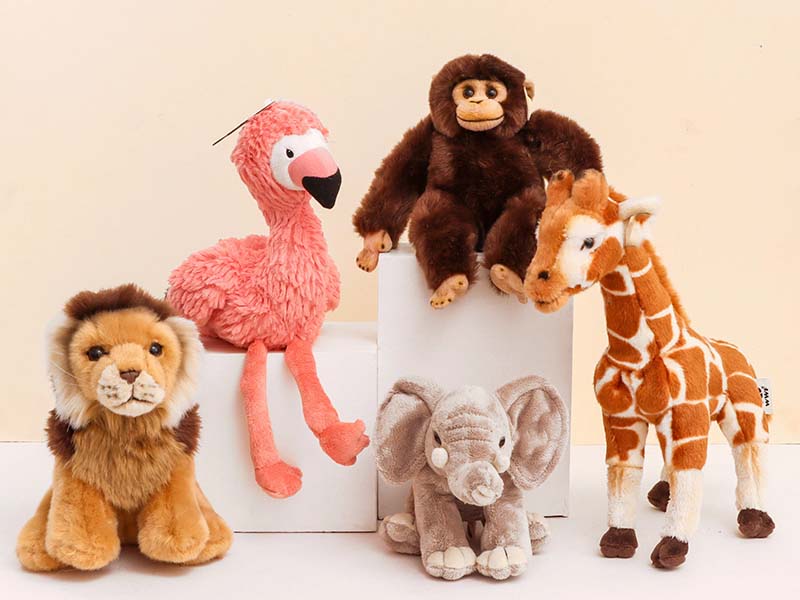
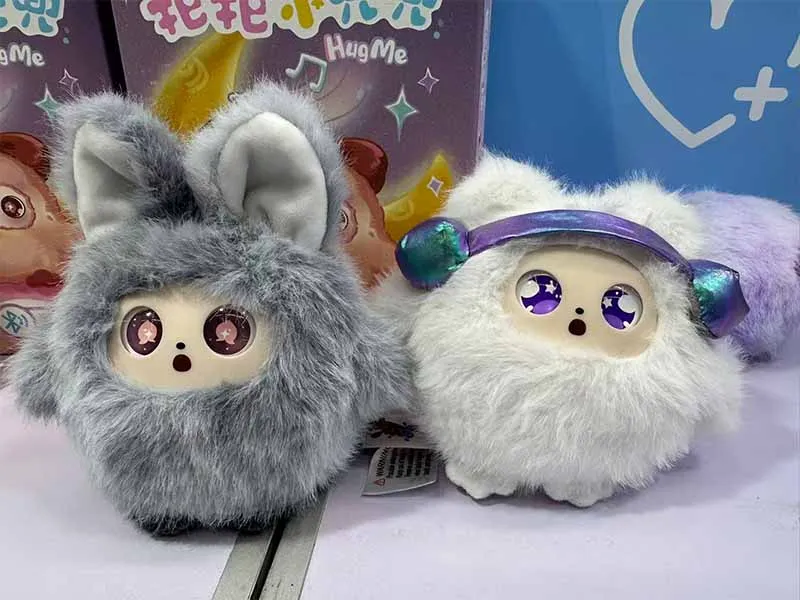
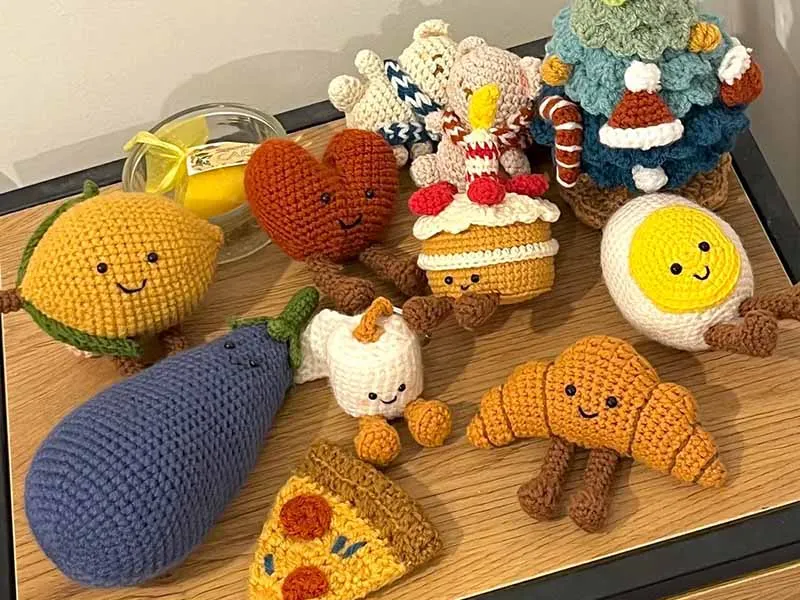
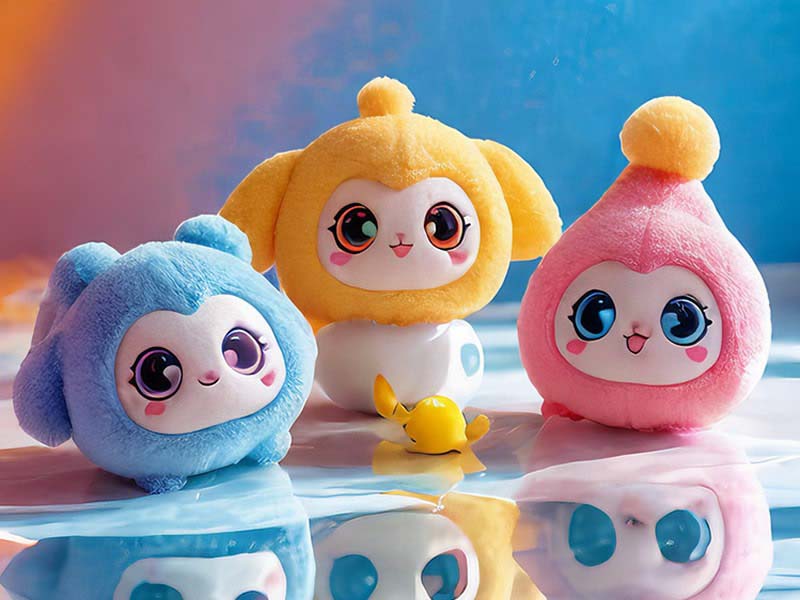
We offer a wide selection of plush toys to meet different business needs. From baby-safe stuffed animals to collectible plush dolls, our product lines are designed for global brands, retailers, e-commerce, and promotional projects.
Start Your OEM Custom Plush Toy Project with Confidence
Developing a successful plush toy product requires more than just a design idea. It requires a reliable OEM plush toy manufacturer that understands sampling accuracy, material selection, quality control, and large-scale production. With the right manufacturing partner, your brand can transform creative concepts into high-quality custom stuffed animals that are ready for global markets.
Working with an experienced factory also helps simplify the development process. Instead of dealing with multiple suppliers, you gain a structured production system that supports plush toy sampling, custom material sourcing, mass production, and export packaging. This allows your team to focus on product design, brand marketing, and market expansion while the manufacturing process remains stable and predictable.
Whether you are developing a brand mascot, launching a retail plush toy collection, or creating promotional merchandise, a professional factory helps reduce risks and improve efficiency. With clear communication, stable production capacity, and global safety compliance, your plush toy products can move from concept to market faster and with greater confidence.
If you are planning your next plush toy project, working with an experienced OEM manufacturing partner ensures that every step—from concept design to final production—is handled professionally and efficiently.
Frequently Asked Questions
1. What is an OEM plush toy manufacturer?
An OEM plush toy manufacturer produces plush toys based on a client’s design, brand requirements, or intellectual property. Instead of selling standard toys, the factory manufactures custom stuffed animals according to specifications such as size, materials, embroidery, accessories, and packaging. This allows brands to launch their own plush toy products while maintaining full control over product design and brand identity.
2. What information is needed to develop a custom plush toy?
To start custom stuffed animal production, manufacturers usually need design references such as sketches, character illustrations, or photos. Additional information such as target size, fabric preference, embroidery details, accessories, and packaging requirements will also help the factory create an accurate sample. Clear information allows the plush toy sampling process to move faster and reduces the number of revisions.
3. How long does plush toy sample development take?
The plush toy sample development process usually takes around 10-15 days depending on the complexity of the design. Simple plush toys may require less time, while complex characters with multiple fabrics or accessories may take longer. Accurate communication during sampling helps speed up the process and ensures the sample matches the intended design.
4. What is the minimum order quantity for OEM plush toys?
Our standard MOQ is 500 pieces. For orders below this quantity, please consult with our project manager. We may offer flexible solutions depending on the product size, complexity, and customization requirements.
5.How do you ensure plush toys match the approved sample?
A professional factory uses a structured plush toy quality control system. Once a sample is approved, it becomes the reference standard for production. During manufacturing, inspectors check sewing quality, embroidery placement, stuffing levels, and overall appearance to ensure consistency with the sample.
6.What materials are commonly used in plush toy manufacturing?
Common plush toy fabrics include velboa, minky, crystal super soft fabric, and faux fur. Filling materials are typically PP cotton or recycled polyester fiberfill. The final material choice depends on the product style, softness requirements, and target market positioning.
7.Can plush toys meet international safety standards?
Yes. Professional plush toy factories produce toys according to global plush toy safety standards such as EN71, ASTM F963, CPSIA, and REACH. These regulations ensure toys meet safety requirements related to materials, chemicals, and physical performance before entering international markets.
8. Can you customize plush toy packaging and branding?
Yes. OEM manufacturers offer multiple packaging options such as custom hang tags, woven labels, gift boxes, and retail packaging. Branding elements like embroidered logos or printed labels can also be added to reinforce brand identity.
9.How long does plush toy mass production take?
Mass production usually takes around 30–45 days after sample approval and order confirmation. Production time may vary depending on order quantity, product complexity, and factory capacity.
10.Why choose an experienced OEM plush toy factory?
An experienced factory offers structured development processes, stable production capacity, and strict quality control. This ensures plush toys are produced efficiently, meet international safety standards, and maintain consistent quality across every order.
If You Can lmagine lt,We Will Create lt!
1.Tell Us What You Need
Tell us as specific as possible of your needs and share your idea.
2.Get Solution & Quote
We will work on the best solution according to yourrequirements,the specific quote will be provided within 24 hours.
3.Approve for Mass Production
We will start mass production after getting your approval.
