 Skip to content
ODM Custom Plush Toys Supplier for Custom Stuffed Animals and Plush Toy Development
Developing unique plush toys can be difficult without the right manufacturing partner. A professional ODM custom plush toys supplier helps transform your ideas into real products faster and with fewer risks. From design optimization and fabric selection to prototype development and large-scale production, your plush toy project can move forward smoothly. Whether you are launching a new character toy, expanding a merchandise product line, or building a branded plush collection, working with an experienced plush toy manufacturer helps ensure stable quality, efficient development, and reliable global supply.
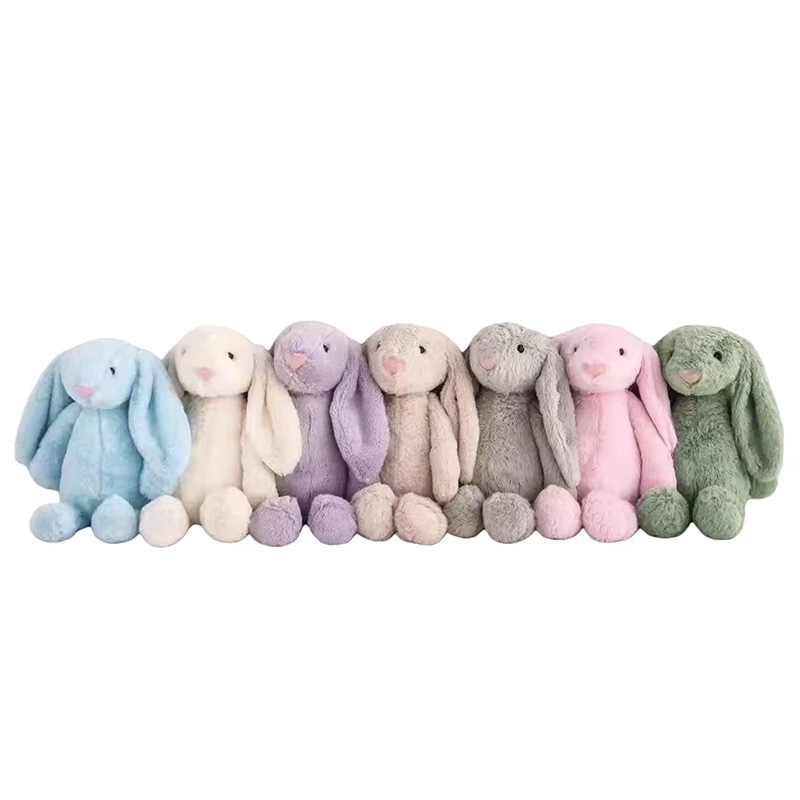
What Does an ODM Custom Plush Toys Supplier Do for Your Plush Toy Development?
Many brands choose to work with an experienced ODM plush toy manufacturer when developing new plush toys. An ODM custom plush toys supplier provides not only production but also design support and product development guidance. This helps brands launch plush toys faster while reducing development risks.
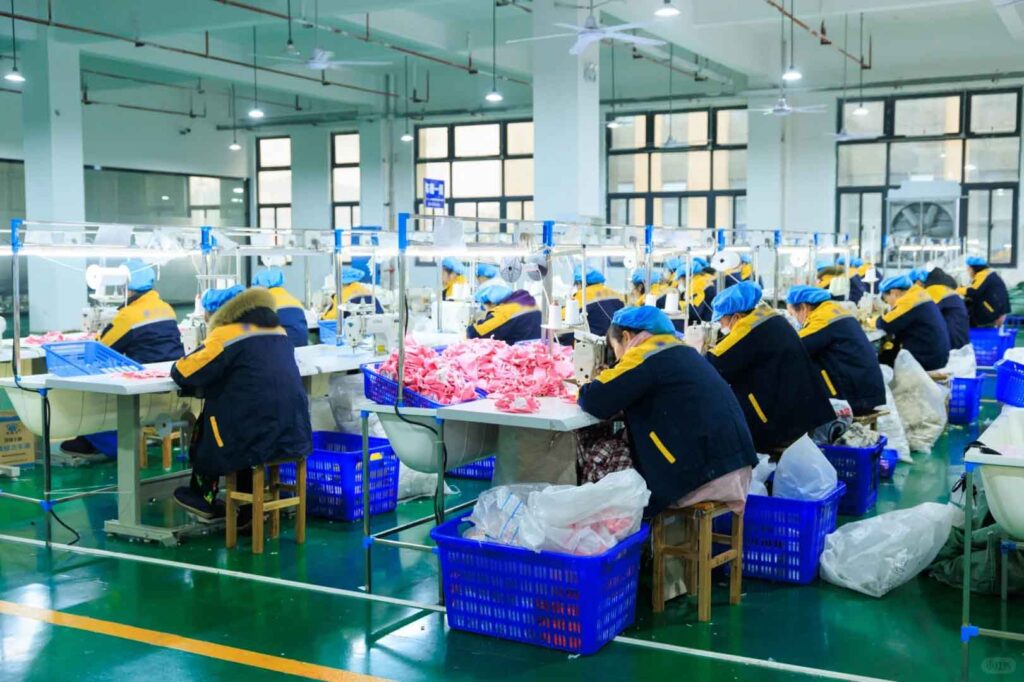
ODM Includes Product Design and Development Support
An ODM stuffed animal manufacturer helps optimize plush toy structure, proportions, and materials during development. This ensures the design is suitable for real manufacturing and large-scale production.
ODM Helps Brands Launch Plush Toys Faster
Working with a professional custom plush toys supplier allows ideas or sketches to be quickly turned into prototypes. This shortens the sampling cycle and speeds up product launch.
ODM Reduces Product Development Risks
An experienced ODM plush toy manufacturer reviews design feasibility before production. This helps avoid structural problems, material mismatches, and costly revisions later.
ODM Is Different from OEM Manufacturing
OEM factories produce based only on the customer’s finished design. ODM suppliers also support product design, development, and optimization during the project.
ODM Is Ideal for Brands Developing New Plush Toy Lines
Toy brands, retailers, and e-commerce sellers often work with an ODM stuffed animal manufacturer when creating new plush toy collections. This helps ensure stable product quality and smoother production.
Working with a reliable ODM custom plush toys supplier helps simplify plush toy development and improves production efficiency. Your brand can focus on product strategy while the manufacturer supports design and manufacturing.
Why More Brands Choose ODM Plush Toy Manufacturing for Custom Stuffed Animals
Many brands today prefer ODM plush toys manufacturing when developing new products. Instead of building everything from the beginning, working with an experienced supplier allows brands to develop custom stuffed animals more efficiently. With professional support in design, sampling, and production, your brand can reduce development risks while launching new plush toy products faster.
Faster Product Launch for New Plush Toy Collections
Working with an experienced ODM supplier helps shorten product development cycles. Because the manufacturer already understands plush toy structure, fabrics, and production methods, your ideas can quickly become prototypes and ready-to-produce designs.
Lower Development Costs for Custom Stuffed Animals
Developing plush toys independently can require significant design and engineering resources. With custom stuffed animals manufacturing, ODM suppliers help optimize materials and structures early in the process, reducing unnecessary development costs.
Professional Design Support from Plush Toy Experts
ODM manufacturers often have experienced design and development teams. They can help improve character proportions, embroidery placement, fabric selection, and structural stability so the plush toy works well in real production.
Stable Supply Chain for Large Production Orders
An established ODM plush toy manufacturer usually has reliable material suppliers and stable production systems. This ensures your plush toys can be produced consistently and delivered on schedule.
Smoother Sample Development and Production Process
Because ODM suppliers manage both development and production, communication between design and manufacturing teams is more efficient. This helps reduce repeated revisions and speeds up the sampling process.
Long-Term Support for Growing Plush Toy Brands
As your product line expands, an experienced custom stuffed animals manufacturing partner can continue supporting new designs, repeat orders, and product upgrades. This helps brands build stable plush toy product lines over time.
Choosing ODM plush toys manufacturing allows brands to develop custom plush products more efficiently while maintaining stable quality and supply. With the right manufacturing partner, your brand can grow its plush toy product line with confidence.
What Types of Custom Plush Toys Can Be Developed by an ODM Plush Toy Manufacturer?
A professional ODM plush toy manufacturer can support the development of many different plush toy products for brands, retailers, and promotional projects. From character toys to branded merchandise, custom plush toys can be designed to match different markets, audiences, and product strategies. Choosing the right type of plush product helps your brand create memorable and marketable items.
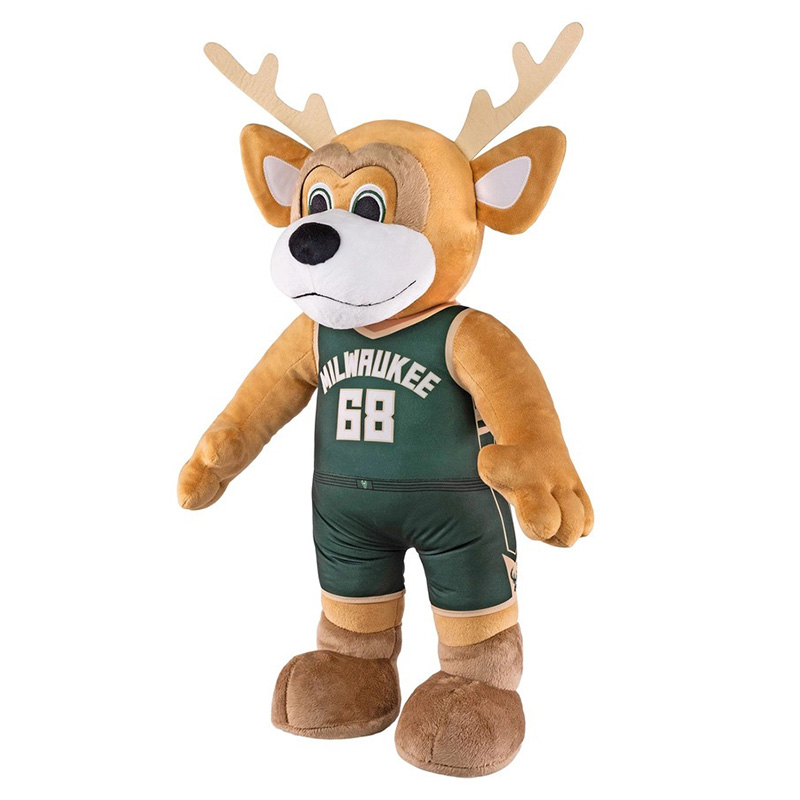
Mascot Plush Toys
Mascot plush toys are commonly used by brands, sports teams, and companies to represent their identity. A custom mascot plush toy helps strengthen brand recognition and can be used for marketing campaigns, merchandise, or promotional events.
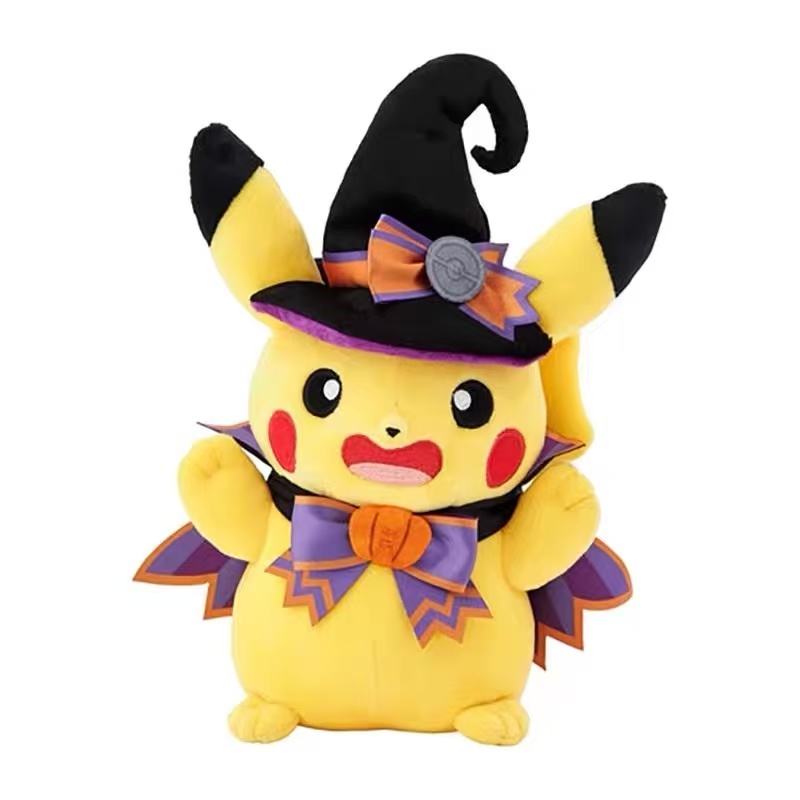
Anime Plush Dolls
Anime plush dolls are popular among collectors and fans of animation, games, and entertainment brands. These plush toys usually focus on accurate character design, detailed embroidery, and recognizable facial expressions.
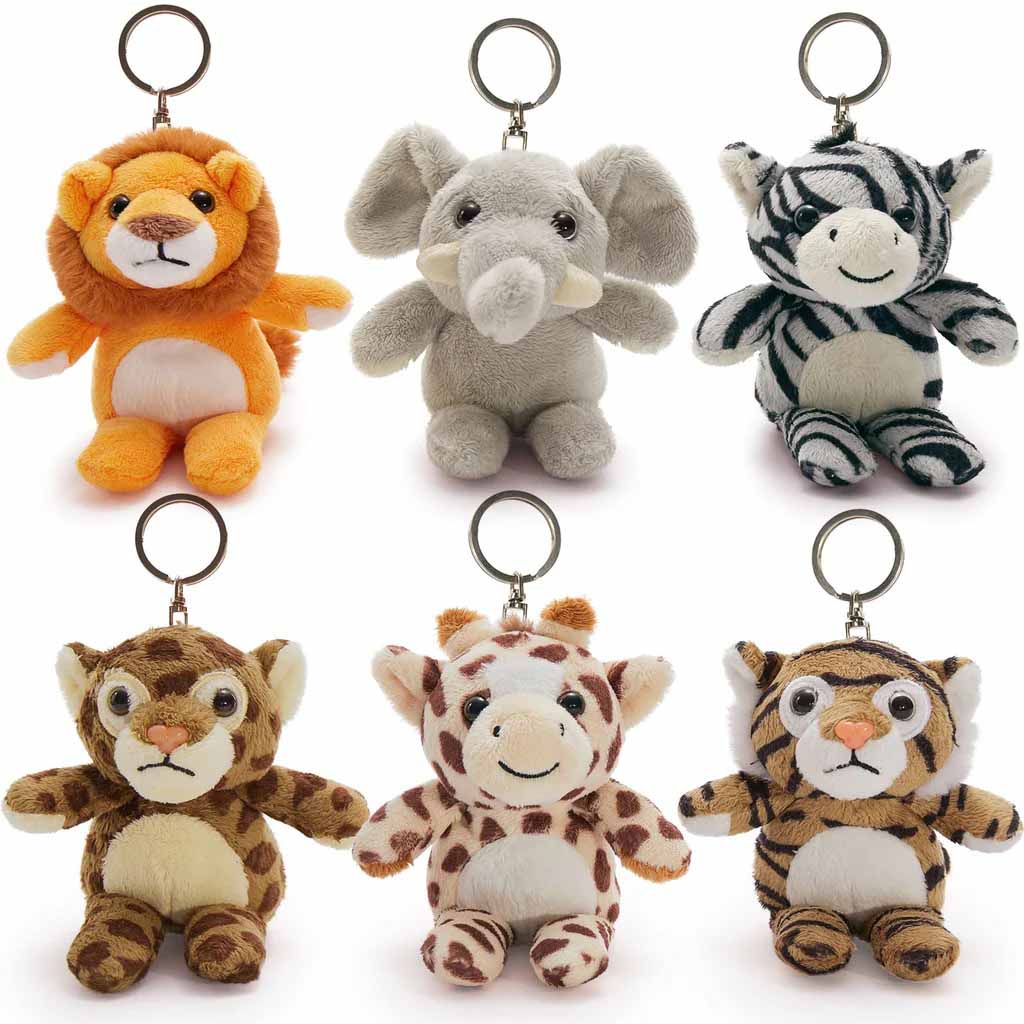
Plush Toy Keychains
Plush toy keychains are compact plush products that are easy to carry and suitable for retail and promotional use. They are often used as brand merchandise, souvenir items, or small collectible toys.

Promotional Plush Toys
Promotional plush toys are widely used by companies to support marketing campaigns and product launches. Custom plush toys with logos or brand elements can help increase brand exposure and customer engagement.
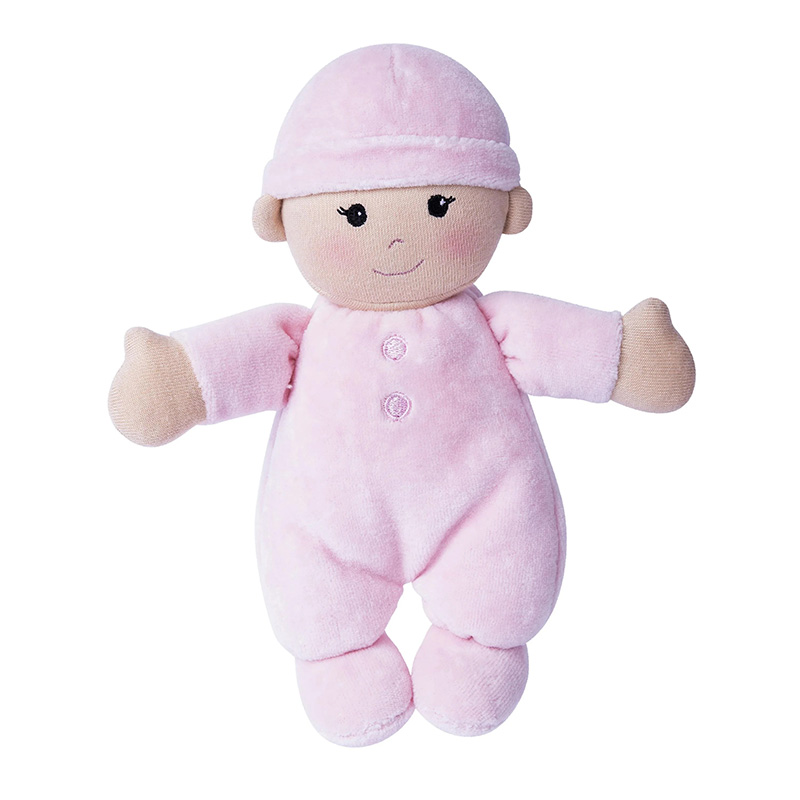
Baby Plush Toys
Baby plush toys are designed with soft materials and safety considerations for infants and toddlers. These toys usually use embroidered details and safe fabrics to meet strict toy safety standards.
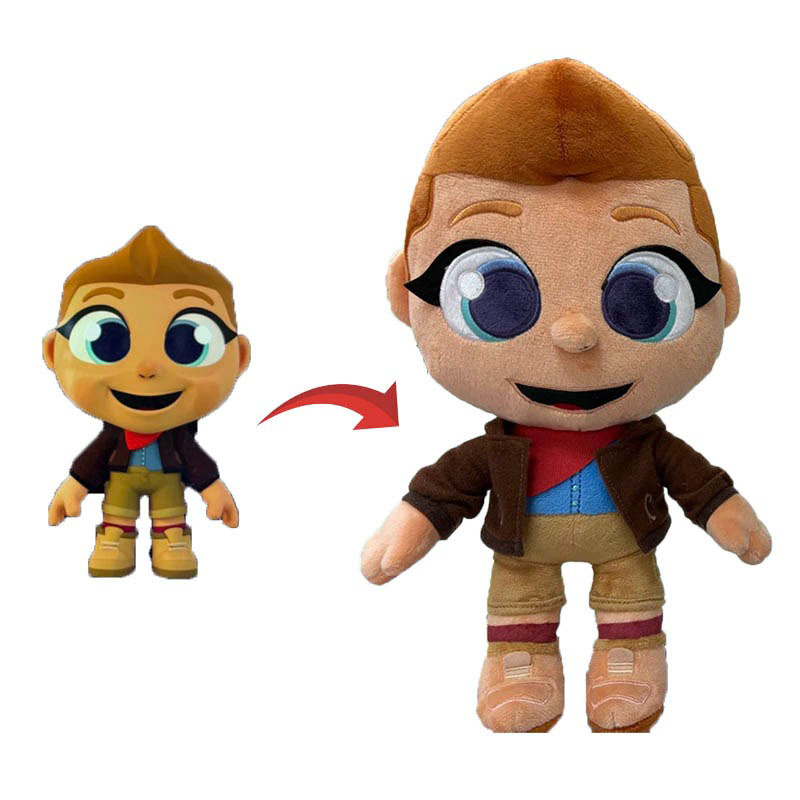
Character Plush Toys
Character plush toys are commonly used for IP licensing, cartoons, games, and brand characters. They help bring fictional or branded characters into physical plush products that fans can collect or display.
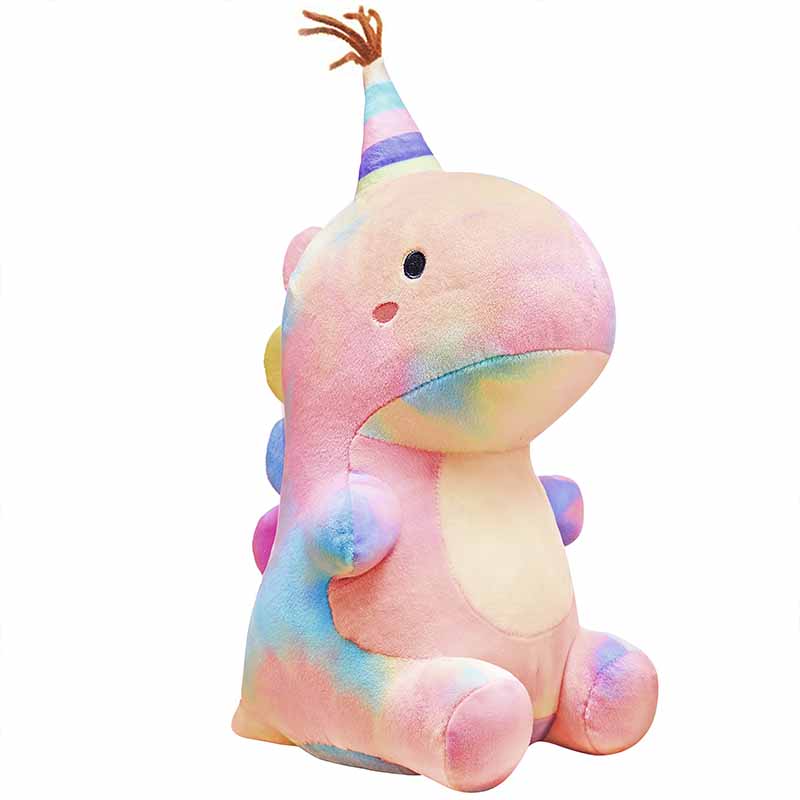
Plush Toy Gifts
Plush toy gifts are popular for holidays, special events, and gift markets. These toys are often designed with cute styles and soft textures, making them ideal as gift items for different age groups.
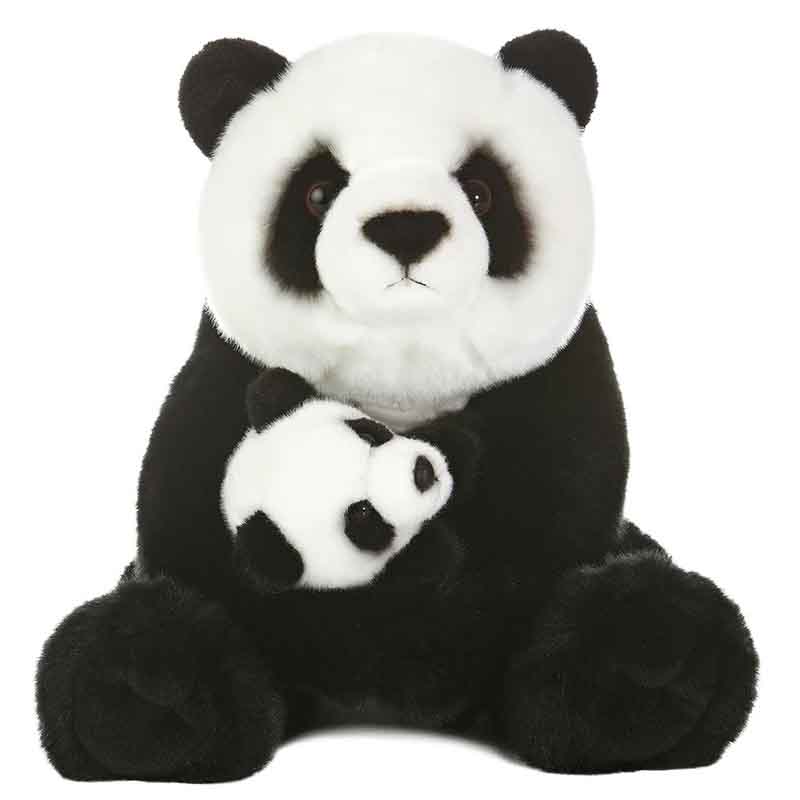
Collectible Plush Toys
Collectible plush toys are designed for collectors and fans who enjoy limited edition or themed products. These plush toys often feature unique designs, character themes, or seasonal releases.
Professional Plush Toy Design Support for Custom Stuffed Animal Development
When developing custom plush toys, design support plays a critical role in turning ideas into products that can be manufactured efficiently. An experienced ODM plush toy manufacturer provides professional design guidance to help optimize structure, materials, and details before sampling begins. This ensures your plush toy not only looks good but also works well in real production.
Character Proportion Optimization
During development, designers help adjust the proportions of the plush toy to ensure the character looks balanced and visually appealing. Proper proportion optimization also helps improve stability and shape retention during production.
Embroidery Layout Planning
Facial expressions and decorative elements are often created using embroidery. Professional planning of embroidery placement ensures that the plush toy maintains clear character features while avoiding production difficulties.
Plush Structure and Fabric Matching Suggestions
Different plush fabrics create different textures and visual effects. Design teams recommend suitable fabric combinations and adjust internal structures so the plush toy achieves the desired softness and appearance.
Production Feasibility Review
Before sampling begins, engineers review the design to ensure it can be produced efficiently. This includes evaluating sewing complexity, accessory placement, and structural stability to prevent problems during mass production.
Professional design support helps ensure your custom plush toys are visually attractive, structurally stable, and suitable for large-scale manufacturing. With expert guidance during the development stage, your plush toy project can move from concept to production more smoothly.
How Plush Toy Samples Are Developed Before Mass Production
Before moving into bulk manufacturing, plush toy sampling is an important step in custom plush toy development. A professional custom plush toys supplier follows a structured sampling process to ensure the product design, materials, and construction are correct. This stage helps confirm the appearance, structure, and quality of the plush toy before mass production begins.
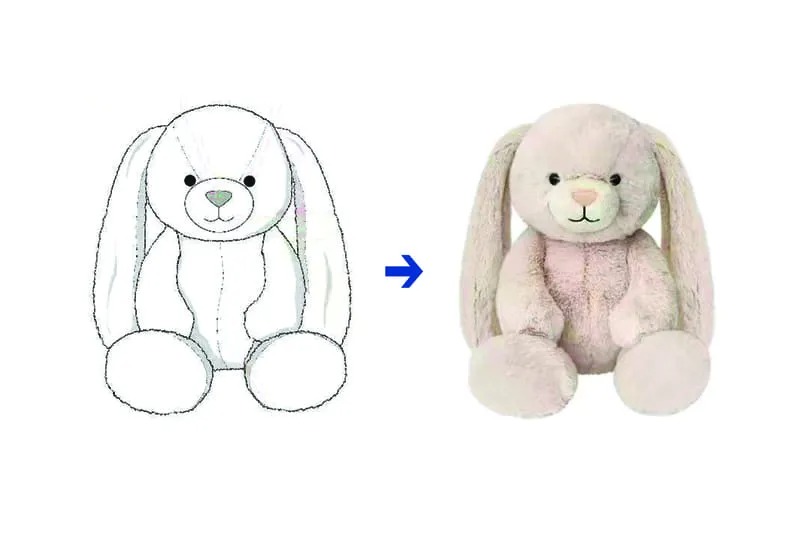
Sample Development Based on Design Concepts
The first step of plush toy sample development is creating a prototype based on the provided design, sketch, or reference images. Designers and sample makers transform the concept into a physical plush toy that reflects the intended character and structure.
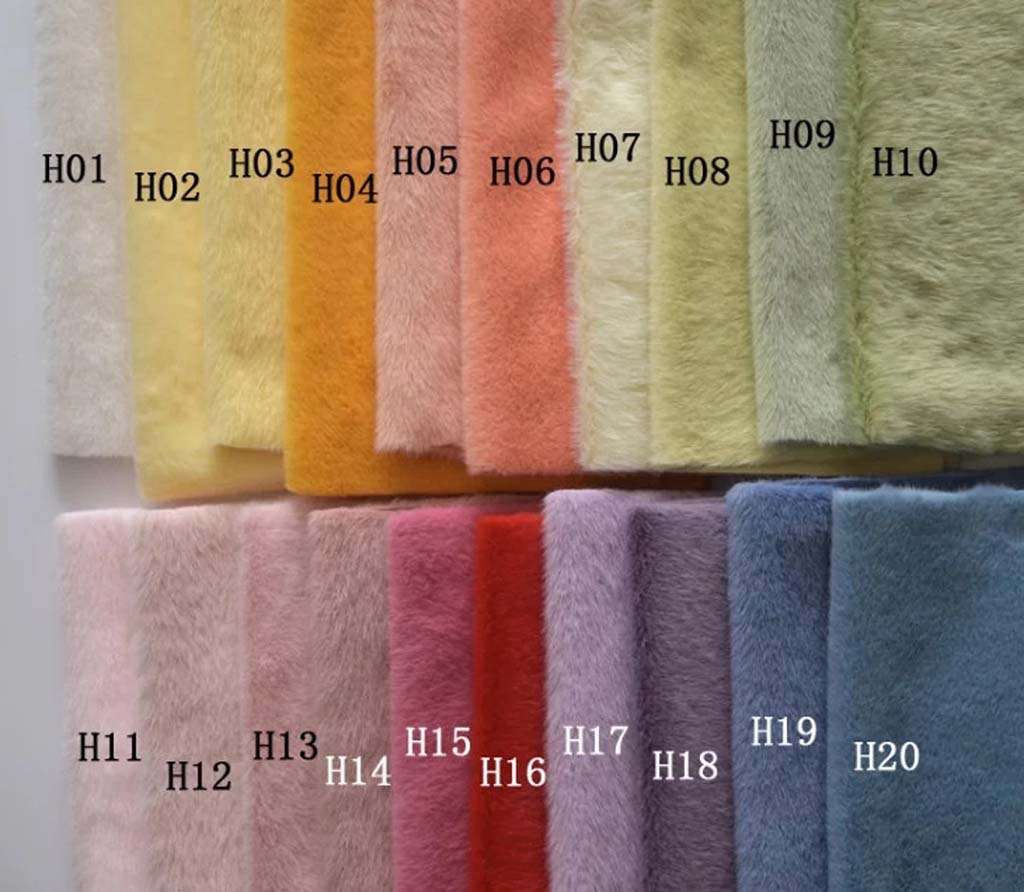
Material and Fabric Confirmation During Sampling
During the sampling stage, the factory selects suitable fabrics, filling materials, and accessories. This ensures the plush toy achieves the desired softness, appearance, and durability.
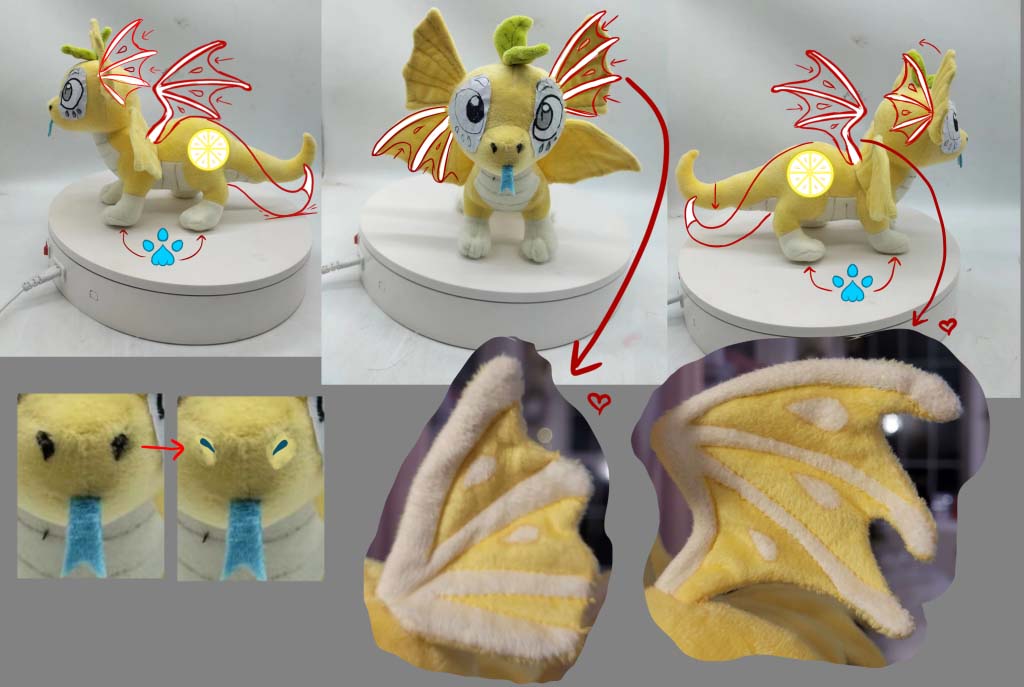
Sample Revision and Detail Adjustment
After reviewing the prototype, adjustments may be made to improve details such as embroidery placement, proportions, or structure. Controlled sample revisions help refine the design while keeping production feasibility in mind.
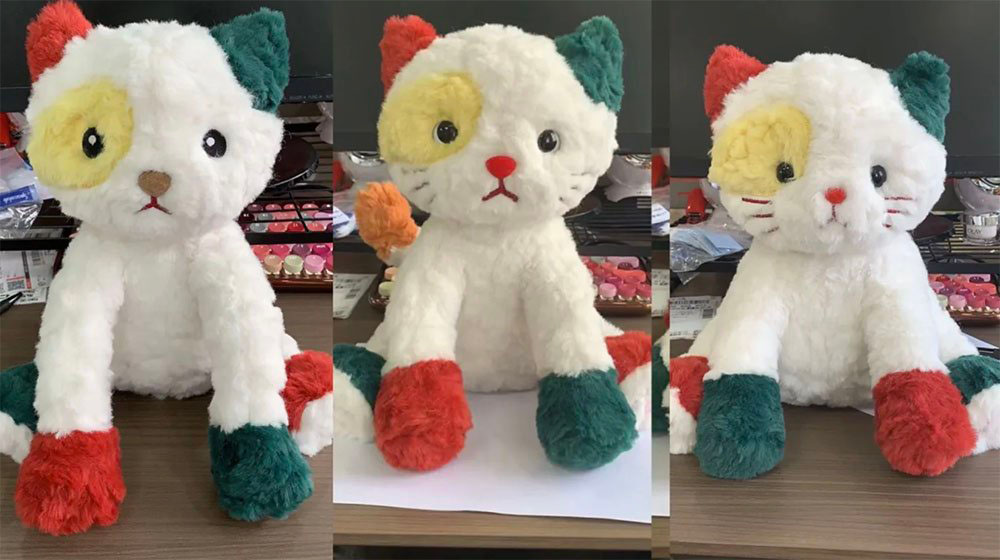
Golden Sample Approval for Production Reference
Once the final sample meets the design and quality expectations, it becomes the golden sample. This approved sample serves as the standard reference for mass production to maintain consistency.
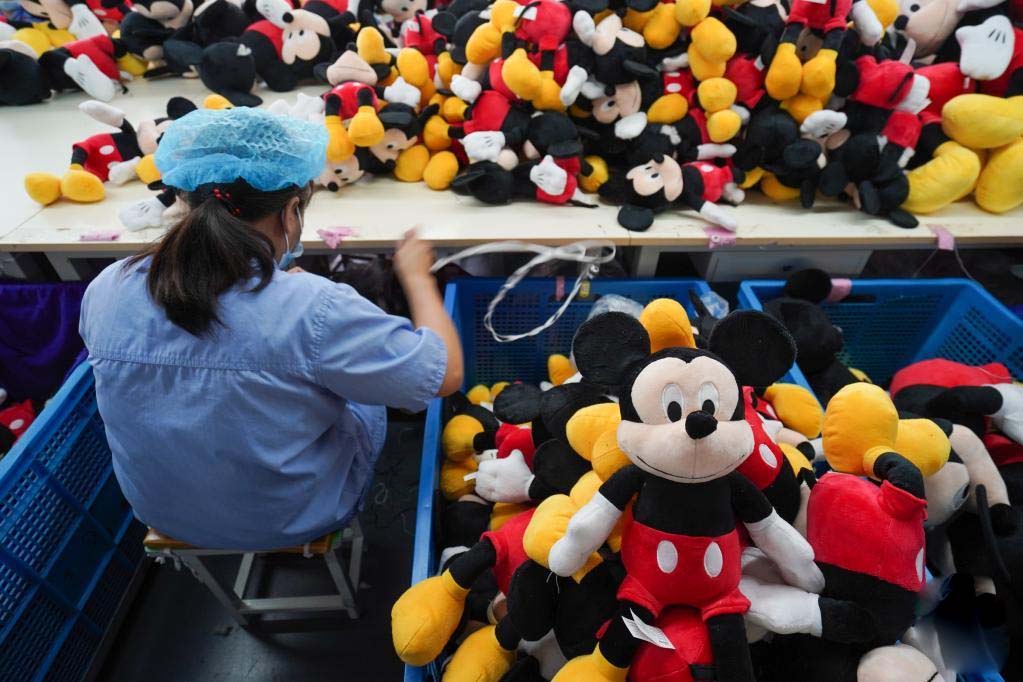
Preparing Sampling Data for Mass Production
After the golden sample is approved, production specifications such as fabric codes, embroidery files, and sewing guidelines are finalized. These details ensure the plush toys produced in bulk match the approved sample.
A structured plush toy sampling process helps ensure your custom plush toy design is accurate before production begins. With careful sample development and golden sample approval, your brand can move into mass manufacturing with greater confidence.
How We Ensure Sample to Mass Production Consistency in Plush Toy Manufacturing
One common concern when developing custom plush toys is whether the final production will match the approved sample. In professional plush toy manufacturing, several control systems are used to ensure the bulk products follow the same structure, materials, and appearance as the confirmed sample. This helps brands maintain stable quality across large orders.
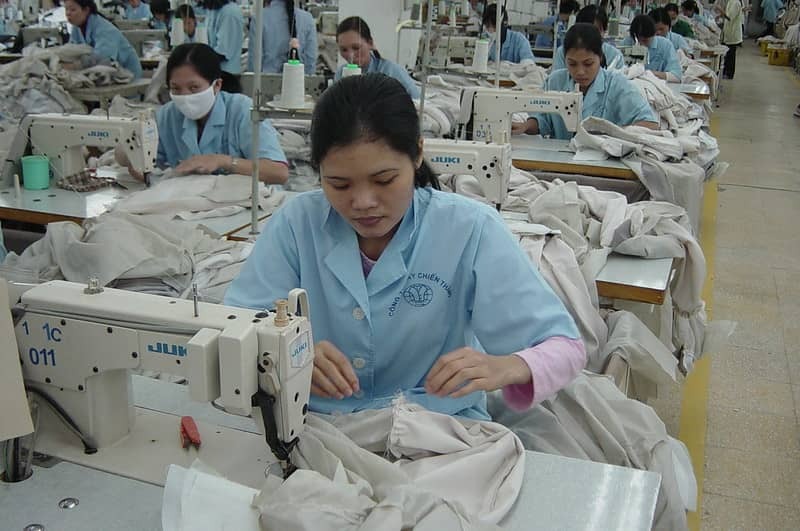
Pre-Production Sample Confirmation
Before mass production begins, a pre-production sample is reviewed and confirmed. This sample reflects the exact materials, embroidery, and construction planned for the production run, ensuring all teams follow the same standard.
Material Verification Before Production
All fabrics, fillings, and accessories are checked before manufacturing starts. This material verification process ensures the same materials used in the approved sample are applied in bulk production.
Standardized Sewing Specifications
Clear sewing specifications are established based on the approved sample. These include seam allowance, stitch density, and reinforcement points to maintain the plush toy’s shape and durability.
Quality Control Checkpoints During Production
Multiple QC checkpoints are set during production to monitor product consistency. Inspectors check structure, embroidery, fabric alignment, and overall appearance to ensure each batch meets the approved sample standard.
Common Fabrics and Filling Materials Used in Custom Plush Toys
Choosing the right plush toy fabrics and filling materials plays an important role in the appearance, softness, and durability of custom plush toys. A professional custom plush toys supplier will recommend suitable materials based on product design, target market, and safety standards. Different fabrics create different textures and visual effects, while filling materials affect the softness and shape of the stuffed animal.
Plush Toy Fabrics
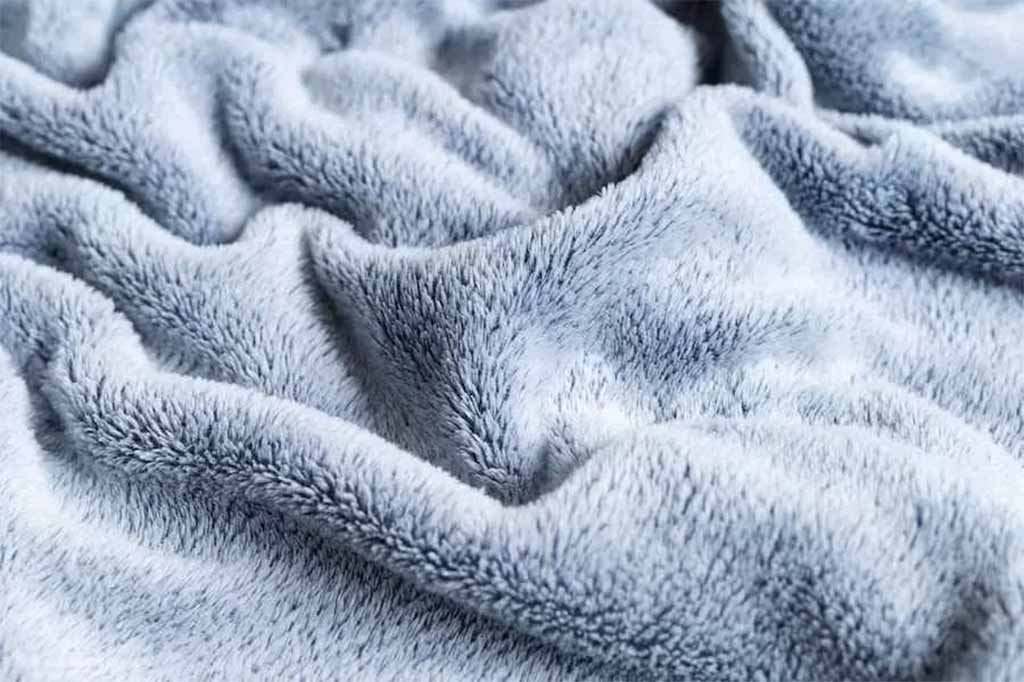
Velboa Fabric
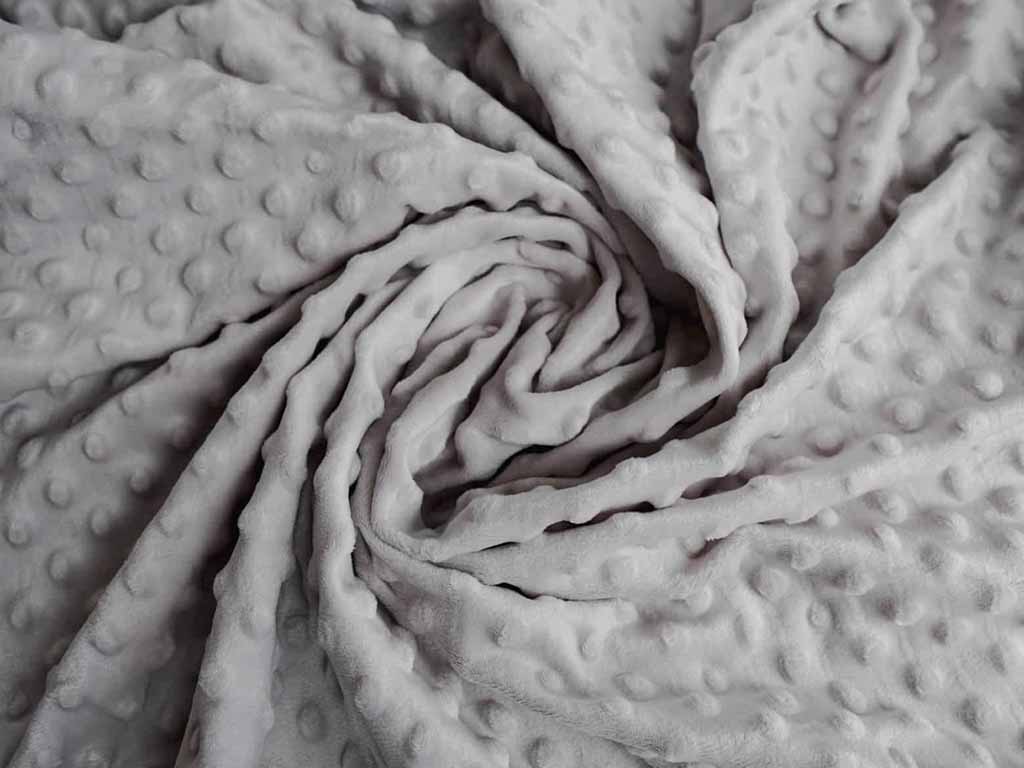
Minky Plush Fabric
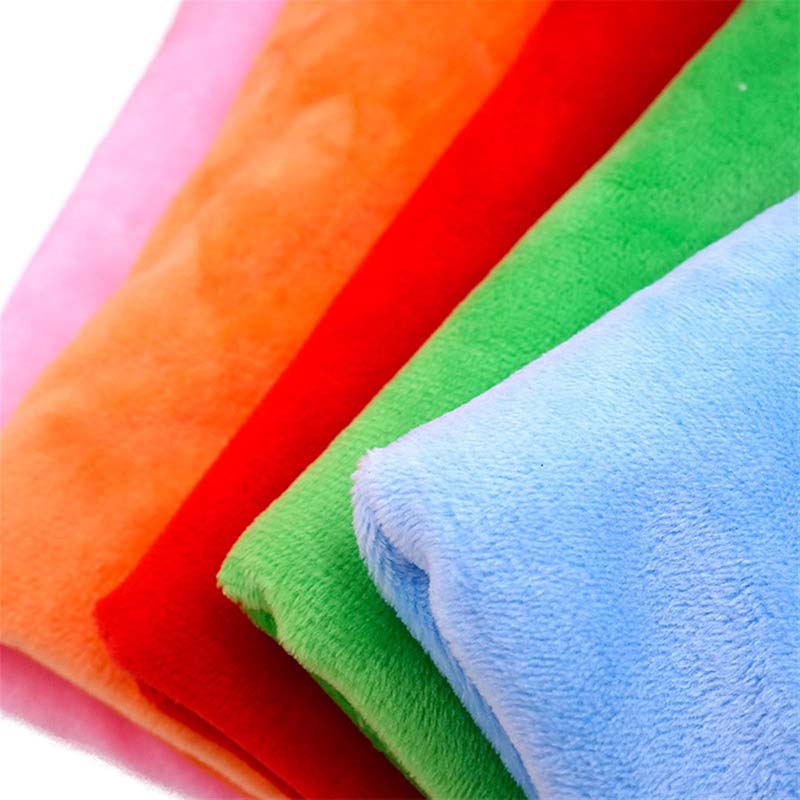
Crystal Super Soft Fabric
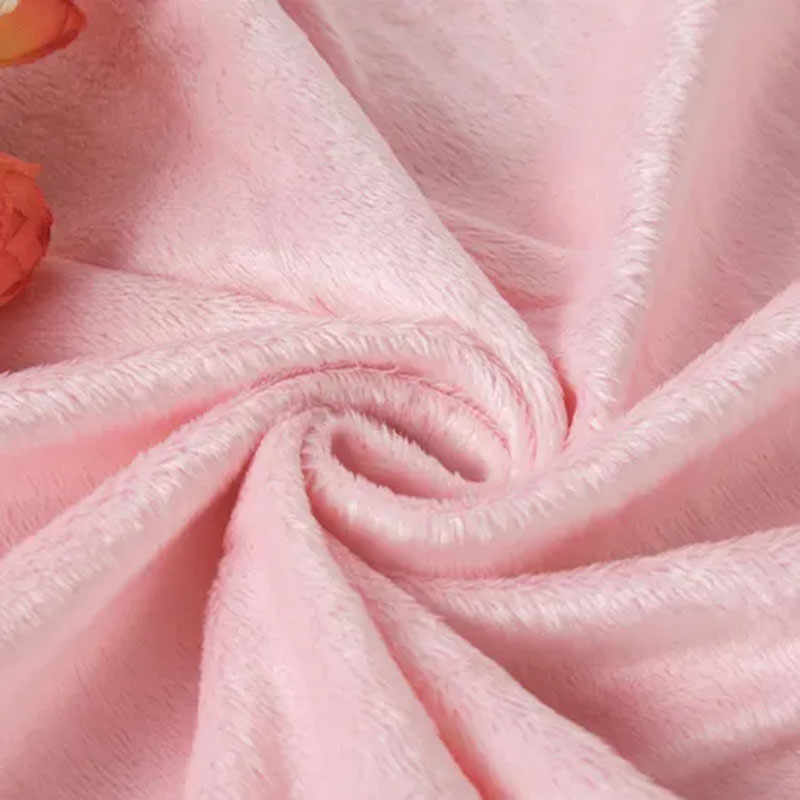
Short Plush Fabric
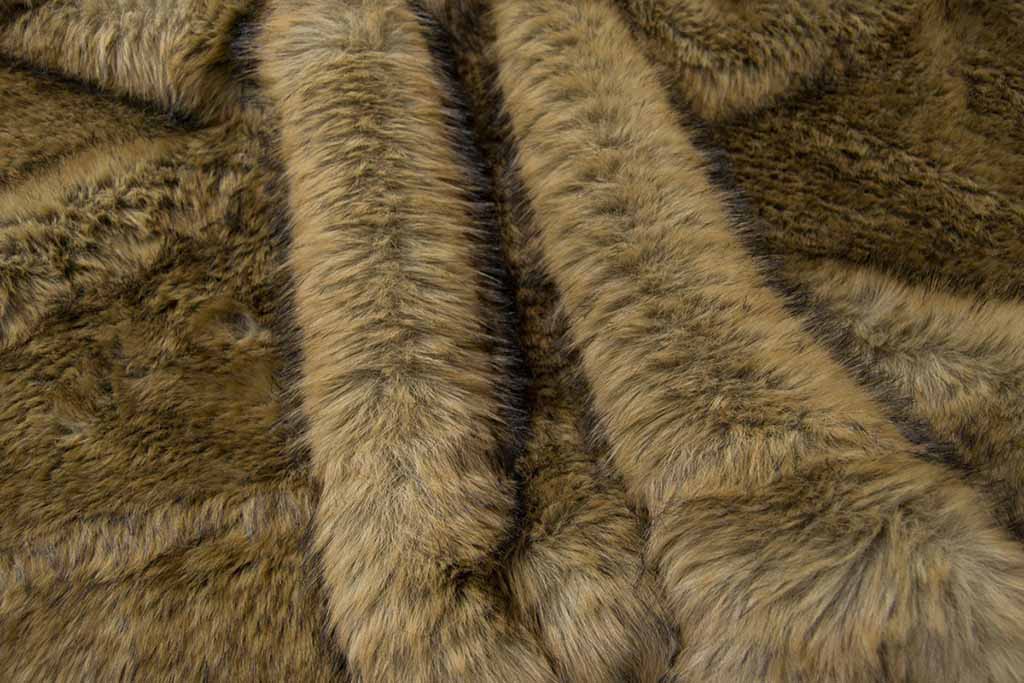
Faux Fur Fabric
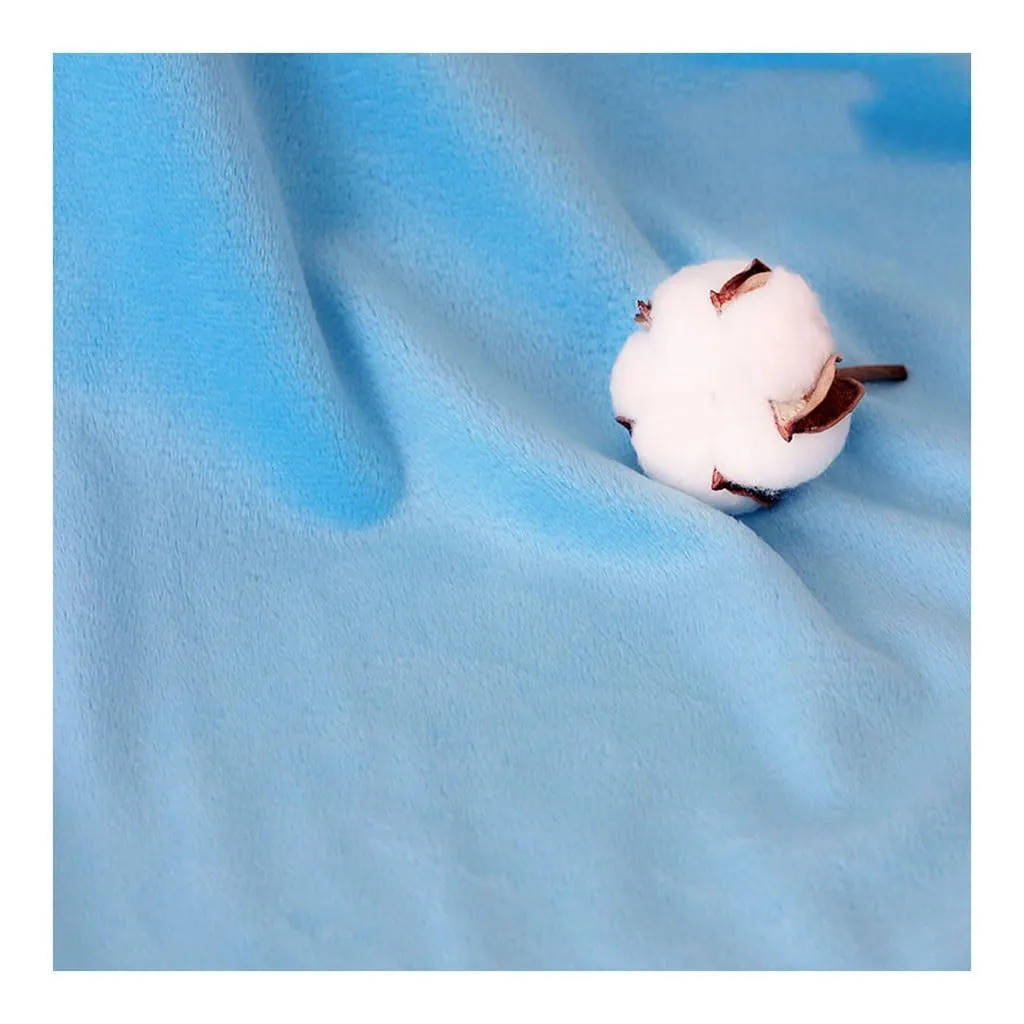
Cotton Plush Fabric
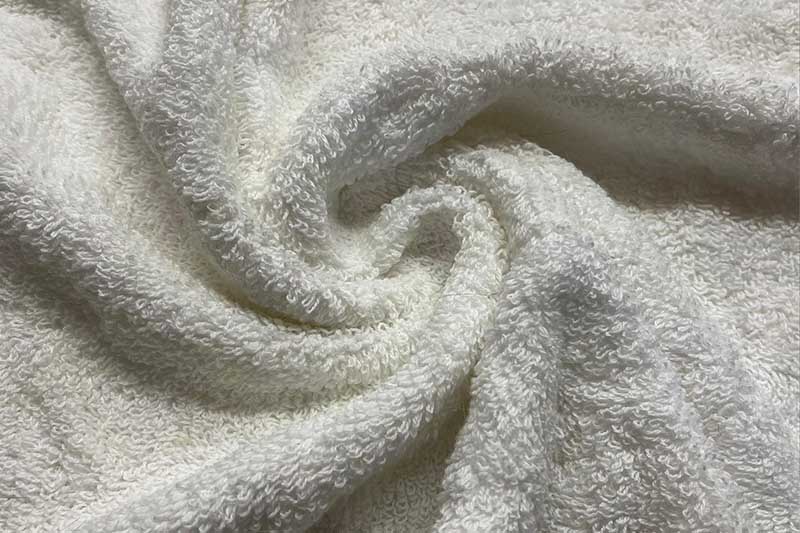
Organic Cotton Plush
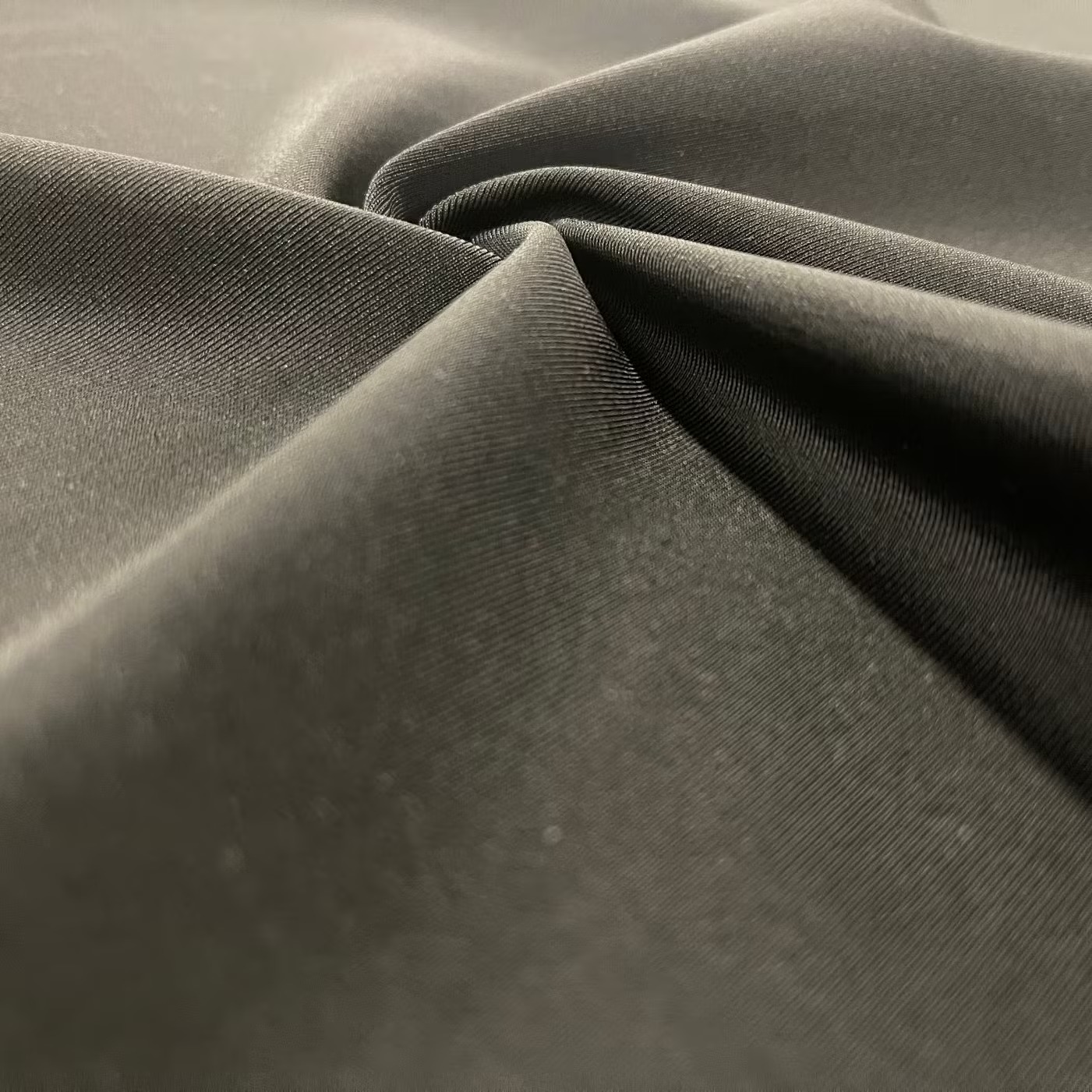
Recycled RPET Plush Fabric
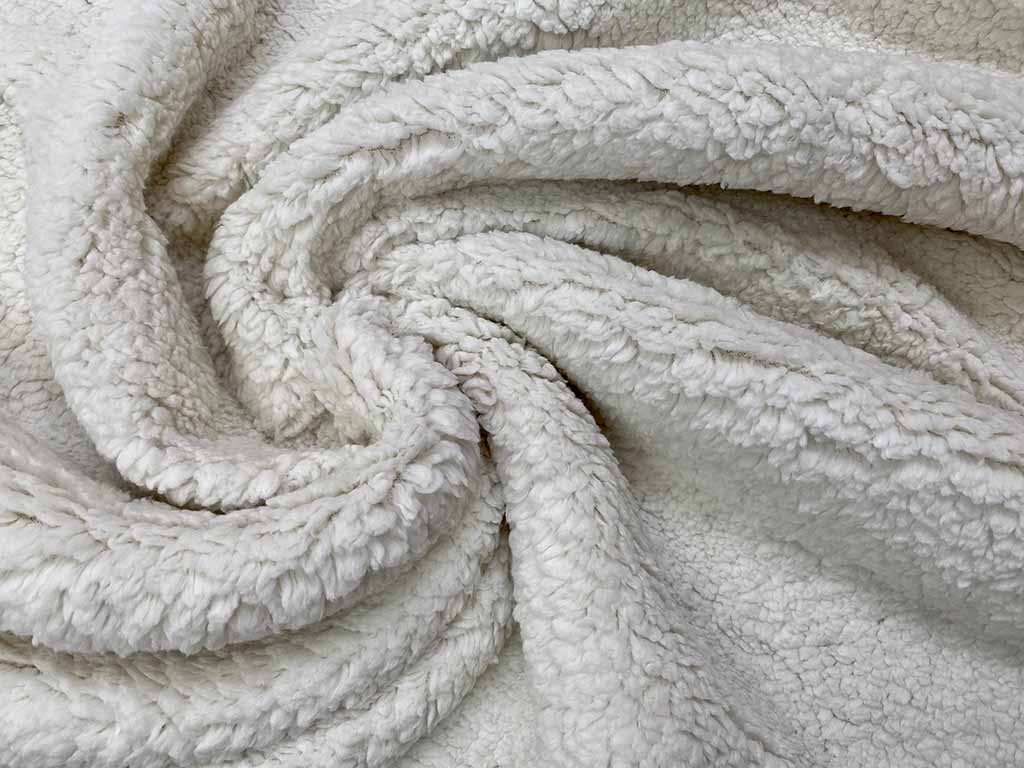
Sherpa Plush Fabric
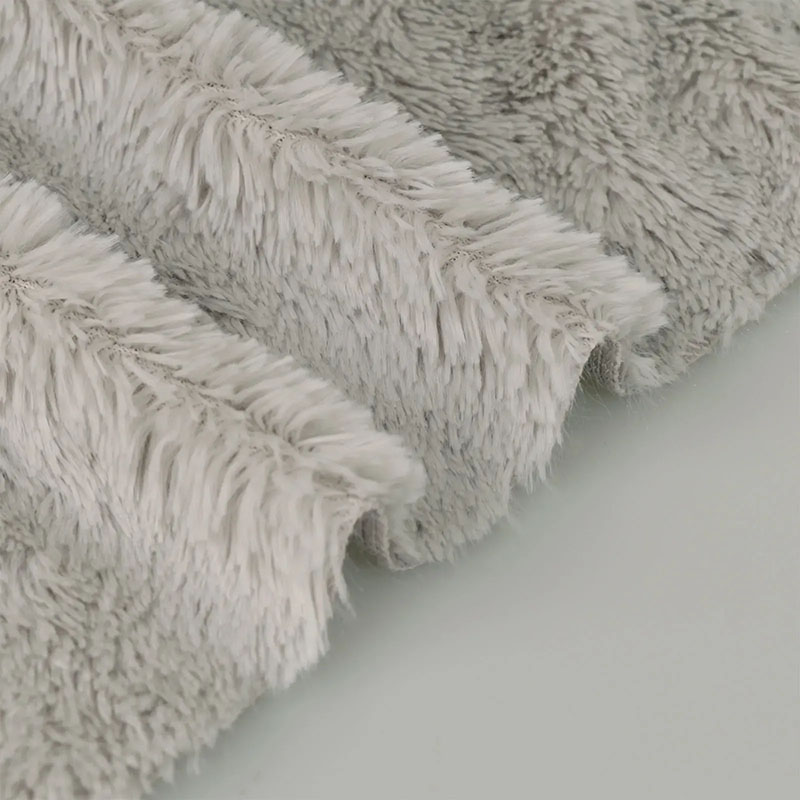
PV Plush Fabric
Plush Toy Filling Materials
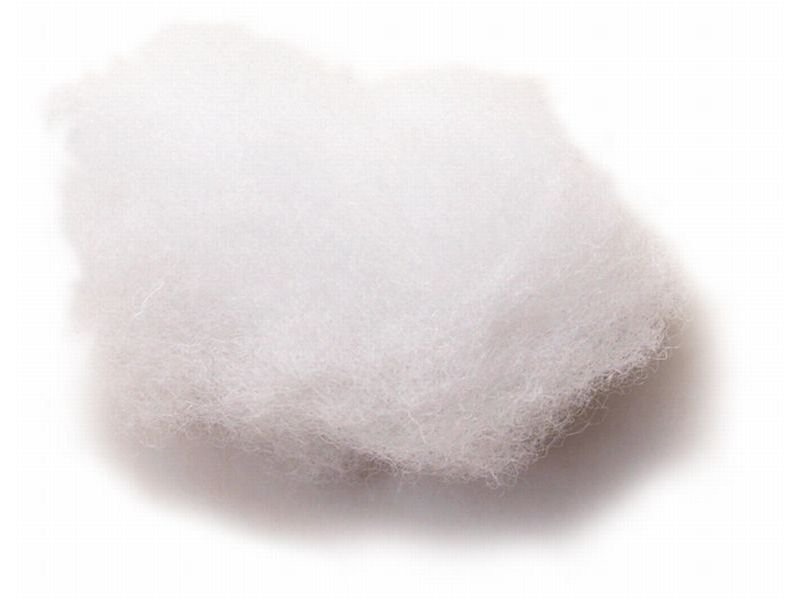
PP Cotton Fiberfill

Recycled Polyester Fiberfill
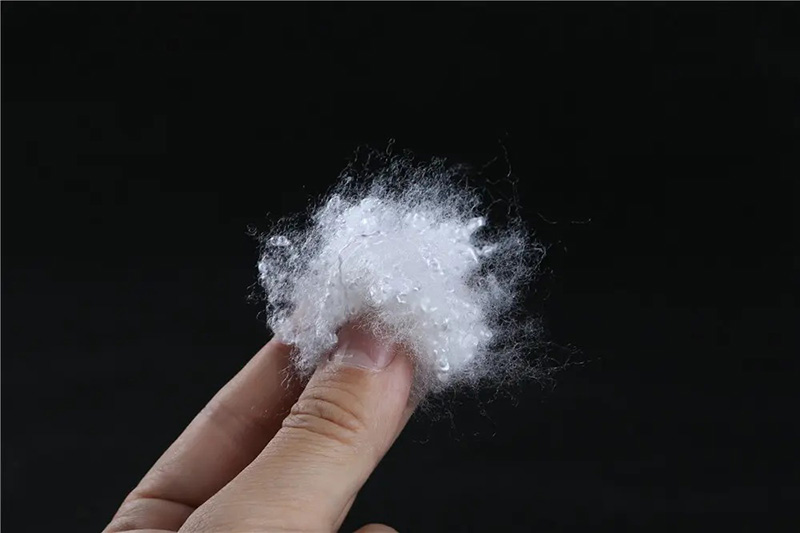
Microfiber Filling
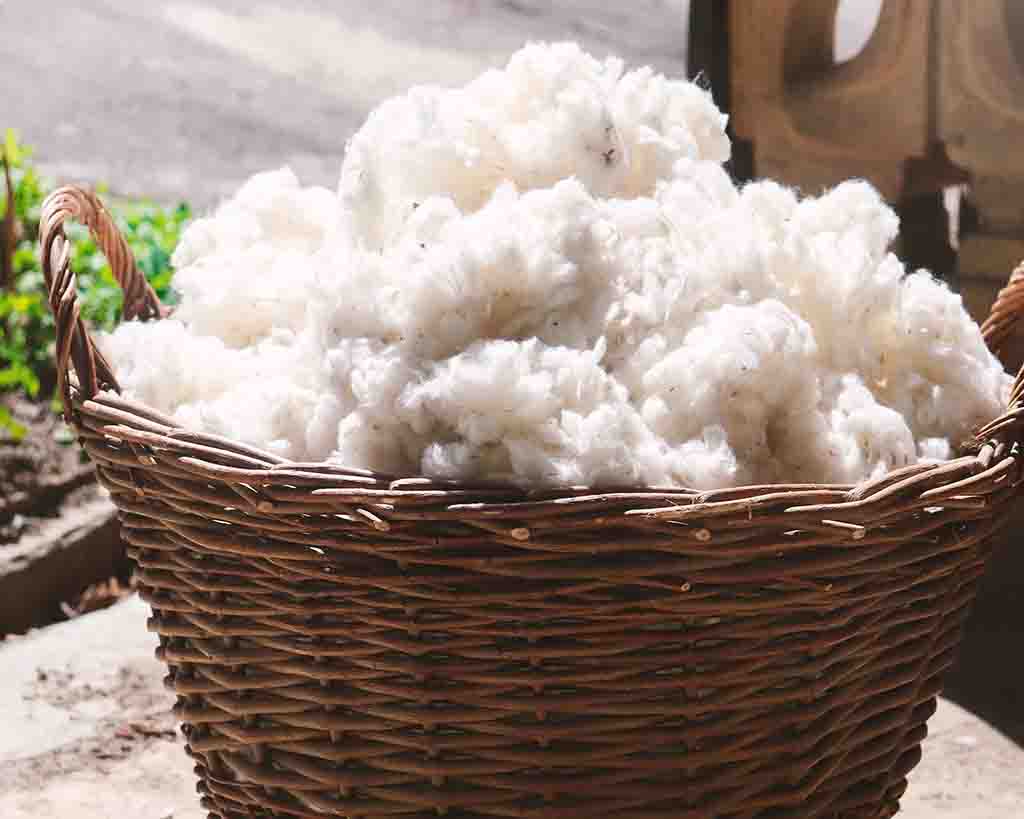
Cotton Filling

Foam Beads
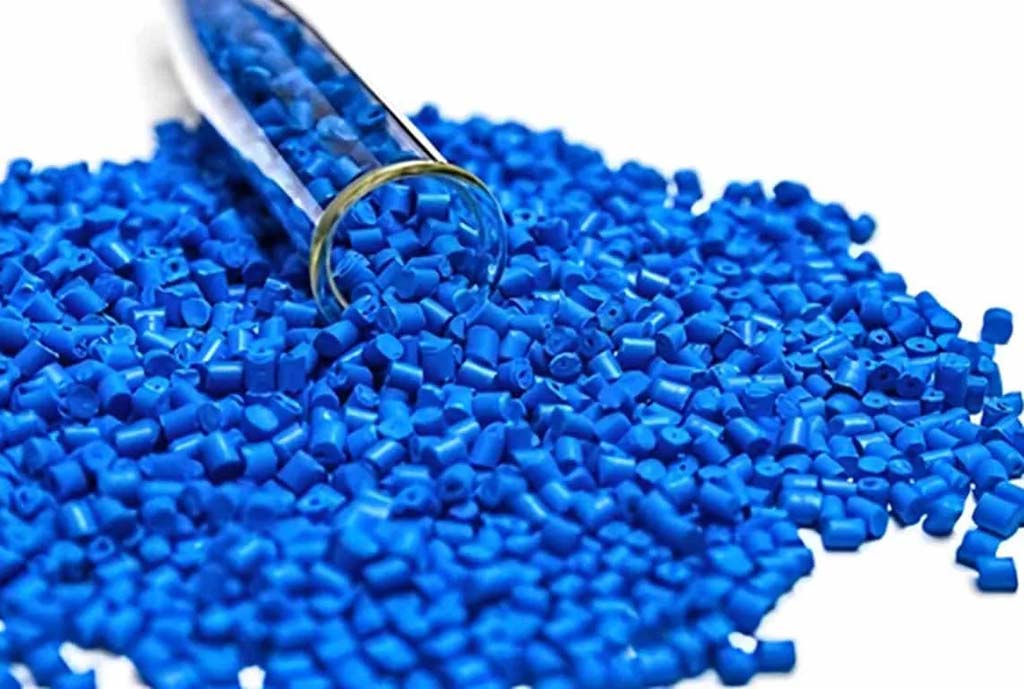
Plastic Pellets
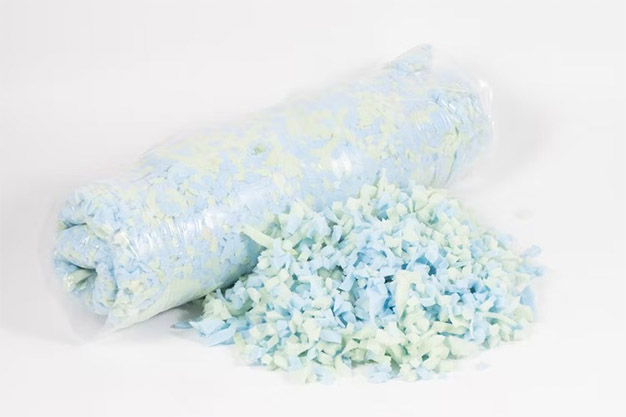
Memory Foam Filling

Weighted Beads Filling
Selecting the right combination of plush fabrics and filling materials helps achieve the ideal softness, appearance, and durability for your custom plush toys. With professional guidance from an experienced manufacturer, your product can meet both design expectations and production requirements.
What Parts of Custom Plush Toys Can Be Fully Customized
When developing custom plush toys, many parts of the product can be customized to match your brand, character design, and product concept. A professional custom plush toys supplier can support a wide range of customization options, helping you create unique plush products that stand out in the market.

Plush Toy Appearance Customization
- Character shape design
- Character size and proportions
- Color combinations
- Facial expression design
- Embroidery details
- Printed graphics
- Plush surface textures
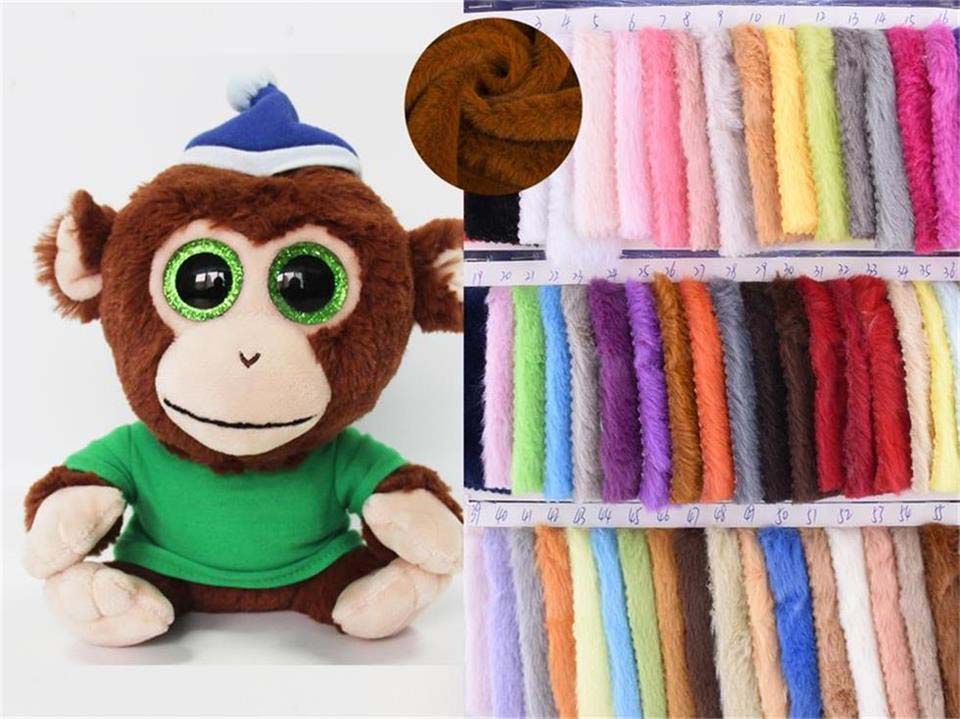
Plush Toy Materials Customization
- Velboa plush fabric
- Minky plush fabric
- Crystal super soft fabric
- Organic cotton plush fabric
- Recycled RPET plush fabric
- Different filling materials
- Weighted filling options
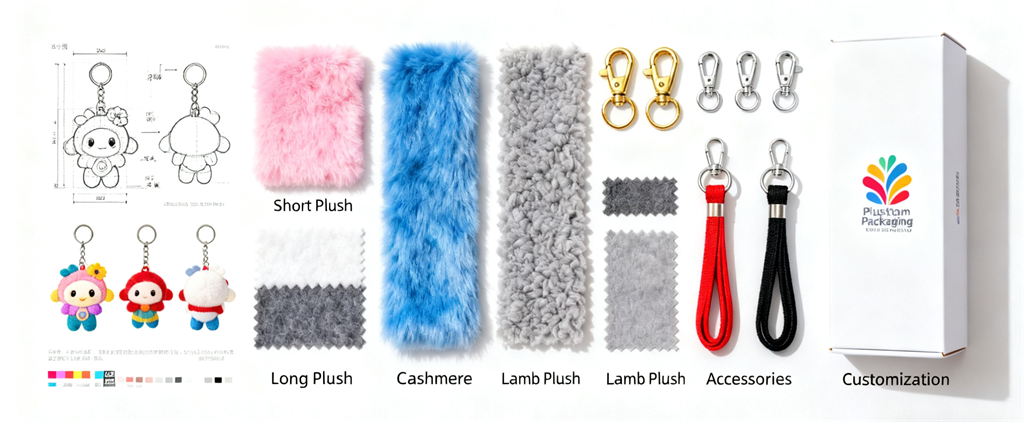
Plush Toy Accessories Customization
- Clothing accessories
- Custom hats and costumes
- Sound modules
- Woven labels
- Printed labels
- Keychain attachments
- Zippers and functional parts
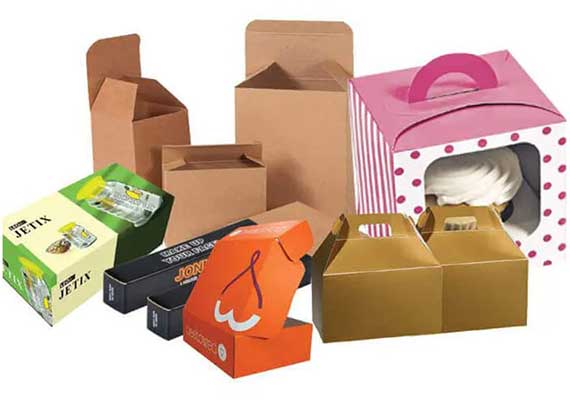
Plush Toy Packaging Customization
- Custom poly bags
- Printed packaging bags
- Gift boxes
- Display boxes
- Retail packaging
- Brand labels
- Hang tags
With flexible custom plush toy manufacturing, brands can personalize many aspects of a plush toy to match their product strategy. From materials and appearance to accessories and packaging, full customization helps create plush toys that better represent your brand.
How We Reduce Global Sourcing Risks in Custom Plush Toy Manufacturing
Global buyers often face hidden risks when sourcing custom plush toys overseas. The biggest problems usually happen after sampling—when bulk production starts, when materials are replaced, or when compliance and timelines are not controlled well. A reliable ODM plush toy manufacturer reduces these risks with clear standards, verified materials, structured communication, and production checkpoints.
Quality Drift
Problem: Bulk plush toys look different from the approved sample, with changes in shape, stitching, embroidery, or filling feel.
Cause: Production specifications are not standardized, operators sew differently, and in-line inspections are weak.
Solution: We lock the approved sample as the production reference and define sewing standards such as seam allowance, stitch density, reinforcement points, and measurement checkpoints. In-line QC helps correct issues early.
Material Substitution
Problem: The fabric or filling used in production does not match the approved sample.
Cause: Material codes are unclear, suppliers change lots, or purchasing replaces materials to save cost or speed delivery.
Solution: Fabric and filling materials are confirmed with clear codes and BOM records. IQC verifies incoming materials and only approved materials enter production.
Compliance Mismatch
Problem: Plush toys fail safety standards such as ASTM F963, EN71, CPSIA, or REACH.
Cause: Safety requirements were not defined early or risky design elements were used.
Solution: Target market regulations are confirmed at the start. We recommend compliant materials, safer construction methods, and support testing coordination.
Delivery Delays
Problem: Production misses deadlines, especially during peak seasons.
Cause: Poor scheduling, material delays, unclear approvals, or unexpected production rework.
Solution: Production schedules, milestone tracking, and capacity reservation help maintain stable delivery timelines.
Communication Gaps
Problem: Important details get lost between design, sampling, and production teams.
Cause: Communication is undocumented and specifications are scattered.
Solution: Structured communication using spec sheets, revision records, and written confirmations keeps all teams aligned.
Sample ≠ Production Risk
Problem: The approved sample looks correct but bulk production shows inconsistencies.
Cause: Samples are handmade while mass production involves multiple operators.
Solution: Pre-production samples, golden sample locking, and IPQC inspections ensure bulk production follows the approved standard.
Reducing sourcing risk is not only about choosing a factory—it is about choosing a supplier with systems. With verified materials, locked production standards, and clear checkpoints, your custom plush toys can be produced with stable quality, reliable delivery, and lower compliance risk.
Who This ODM Plush Toy Supplier Is Best For
An experienced ODM plush toy supplier can support many types of businesses that need custom plush toy products. Whether you are launching a new character line, expanding branded merchandise, or developing promotional products, professional custom plush toy manufacturing helps bring ideas into real products with stable quality and efficient production.
If your business needs custom plush toys, working with a professional ODM supplier helps simplify product development and ensures stable manufacturing. With the right partner, your brand can build unique plush toy collections while maintaining reliable production and global supply.
Trusted by Leading Global Brands
Strong partnerships prove strong capabilities. Over the years, Kinwin has worked with world-leading brands and retailers to deliver interactive plush toys that meet the highest standards of creativity, safety, and quality. By choosing us, you gain a supplier that is trusted by top companies worldwide—and the same reliability is available to your brand.


How the Right Plush Toy Supplier Helps Your Brand Grow
Choosing the right custom plush toys supplier is not only about manufacturing capacity. A reliable partner helps your brand build a stable product line, maintain consistent quality, and support long-term product development. With professional plush toy manufacturing systems, brands can scale their plush toy business with greater confidence.
Build a Stable Plush Toy Product Line
A reliable supplier helps maintain consistent product quality across different production batches. This stability allows brands to build long-term plush toy collections that customers can recognize and trust.
Maintain Supply Chain Stability
An experienced plush toy manufacturer works with verified material suppliers and organized production planning. This helps ensure materials, production capacity, and delivery schedules remain consistent.
Ensure Reliable Repeat Orders
When product specifications and production standards are clearly defined, repeat orders can be produced with consistent results. This allows brands to reorder products with confidence.
Support Long-Term Product Development
A long-term supplier partnership allows brands to continuously develop new plush toys while improving existing products. This helps brands expand their product range and stay competitive in the market.
Explore Our Custom Plush Toy Series
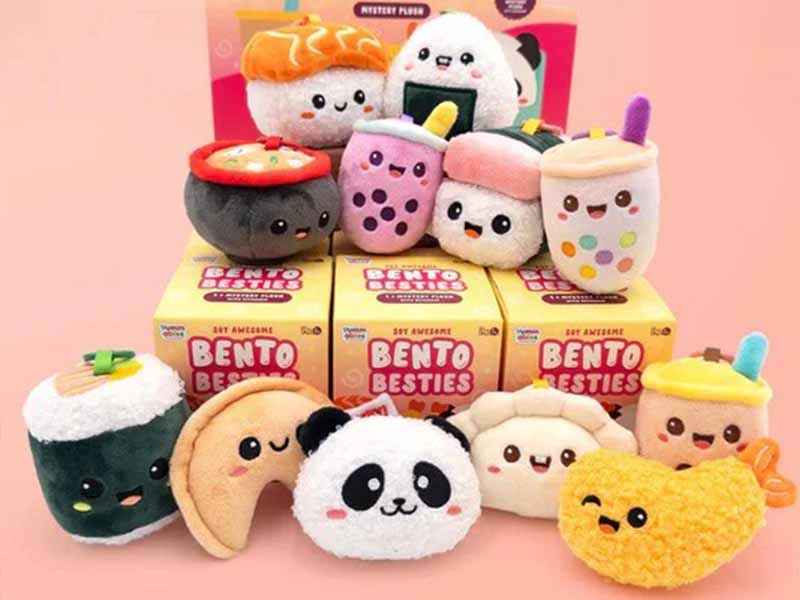
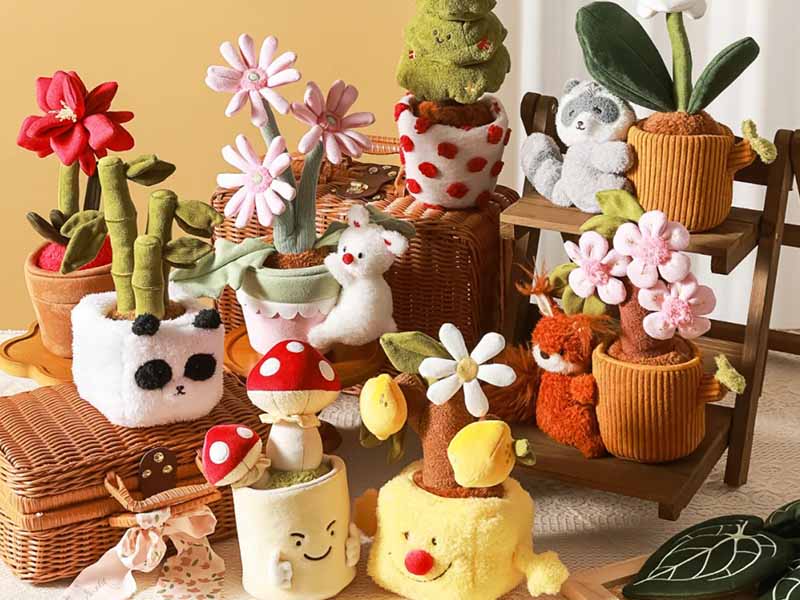
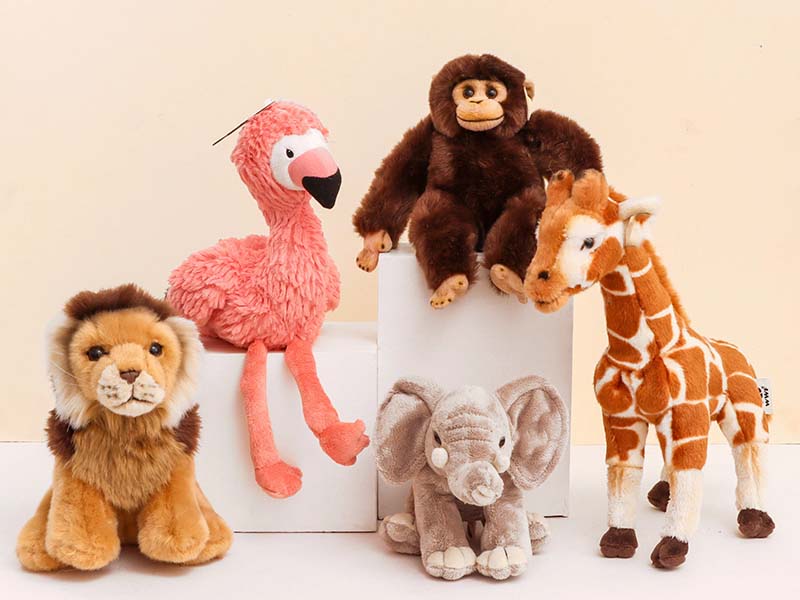
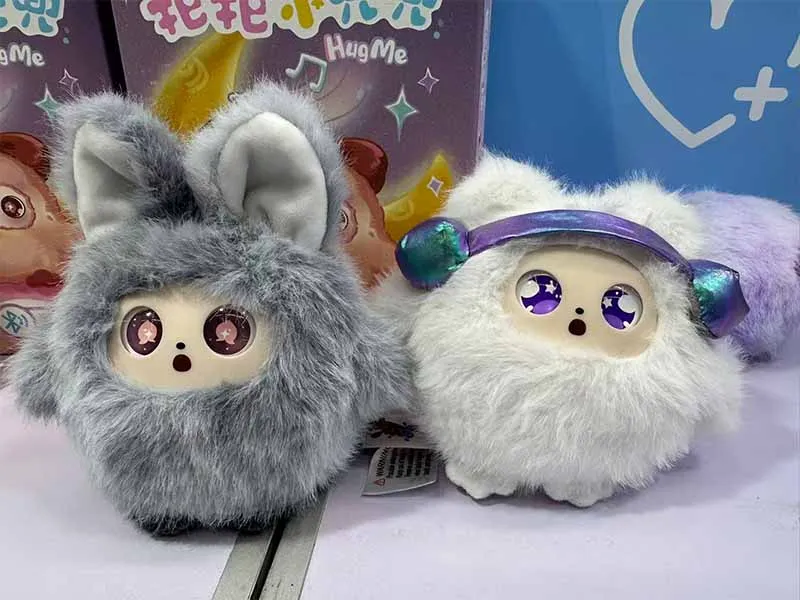
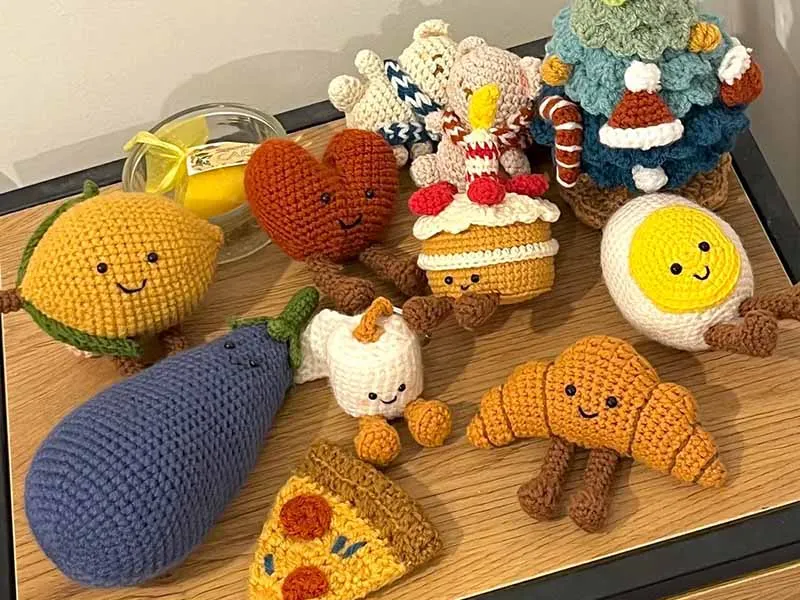
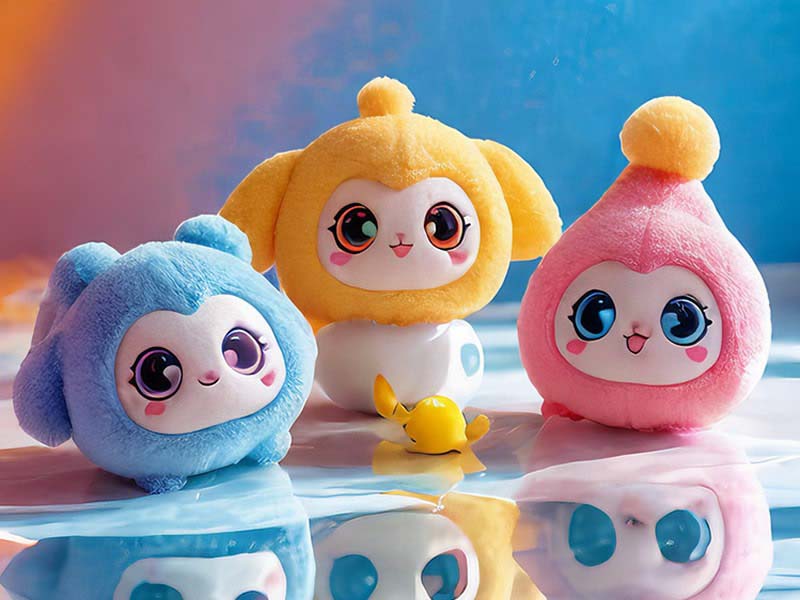
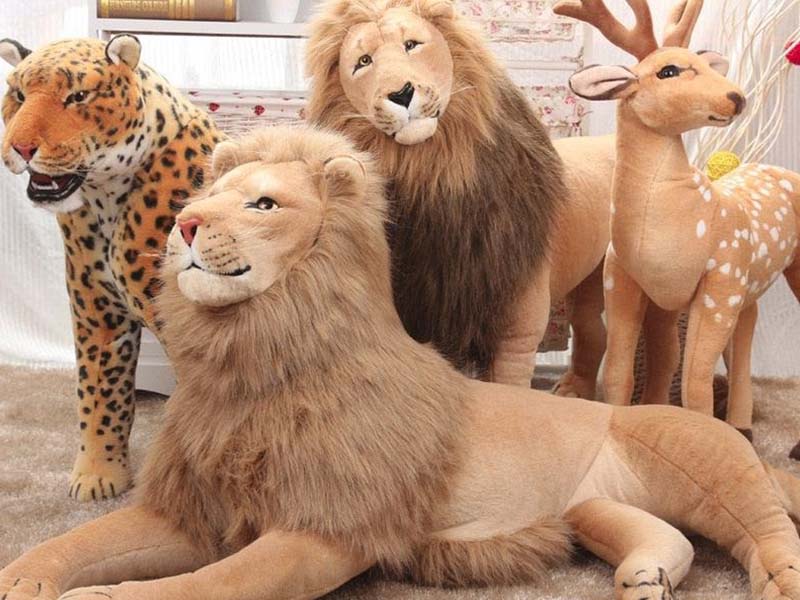
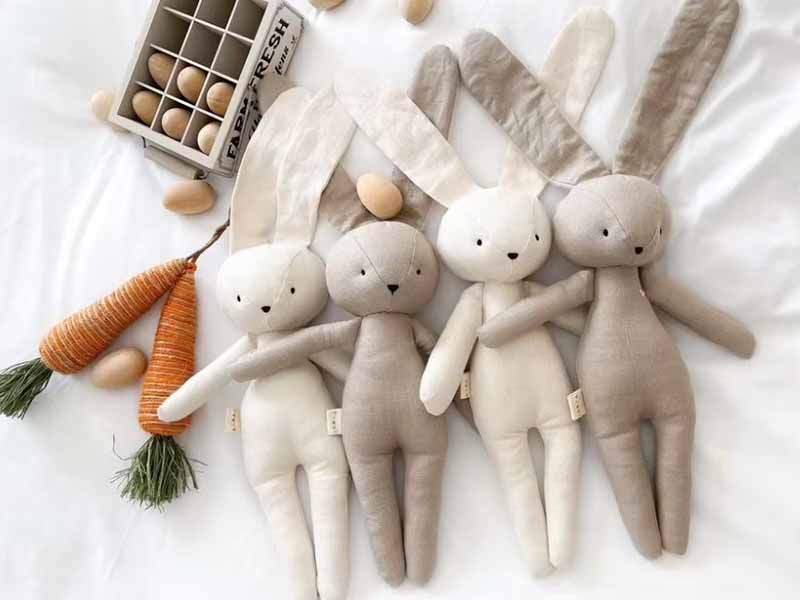
We offer a wide selection of plush toys to meet different business needs. From baby-safe stuffed animals to collectible plush dolls, our product lines are designed for global brands, retailers, e-commerce, and promotional projects.
Start Your ODM Custom Plush Toy Project with Confidence
Developing a successful plush toy product requires more than just manufacturing. You need a reliable ODM plush toy supplier who understands product development, material selection, safety standards, and large-scale production management. From the early concept stage to sampling and mass production, professional support helps reduce development risks and improves efficiency.
If you are planning to create custom plush toys, stuffed animals, mascot plush toys, or branded plush merchandise, working with an experienced manufacturer can make the entire process smoother. With stable quality control systems, reliable material sourcing, and organized production planning, your plush toy project can move from idea to finished product with greater confidence.
Whether you are launching a new toy brand, expanding a character product line, or developing promotional plush toys, a professional ODM partner can help you turn creative ideas into market-ready products while maintaining consistent quality and dependable delivery.
Frequently Asked Questions
1. What does ODM mean in plush toy manufacturing?
ODM stands for Original Design Manufacturing. In plush toy manufacturing, this means the supplier supports both product development and production. An ODM plush toy manufacturer can help improve character proportions, suggest suitable fabrics, optimize structures, and prepare the toy for large-scale manufacturing. This approach allows brands to turn ideas or sketches into real products without needing a full internal development team.
2. What is the difference between ODM and OEM plush toy manufacturing?
In OEM manufacturing, the factory produces products strictly according to the customer’s finished design and specifications. In ODM manufacturing, the supplier also provides design support and product development guidance. For many brands—especially start-ups or companies launching new plush toy collections—ODM cooperation is often more efficient because the manufacturer contributes development experience.
3. What is the typical MOQ for custom plush toys?
Our standard MOQ is 500 pieces. For orders below this quantity, please consult with our project manager. We may offer flexible solutions depending on the product size, complexity, and customization requirements.
4. How long does plush toy sample development take?
Sample development for custom plush toys usually takes 7–15 working days, depending on the design complexity and material availability. During this process, the sample team creates a prototype, tests fabrics and filling materials, and adjusts details such as embroidery placement or structure. After the sample is approved, it becomes the reference for mass production.
5.How do you ensure plush toy quality during mass production?
Professional plush toy manufacturers follow structured quality control systems during production. This typically includes incoming material inspection (IQC), in-line production checks (IPQC), final inspection (FQC), and pre-shipment inspection (OQC). These checkpoints ensure each batch of plush toys matches the approved sample in terms of structure, materials, and appearance.
6. What materials are commonly used for plush toys?
Common materials for plush toys include fabrics such as velboa, minky plush, crystal super soft fabric, faux fur, and organic cotton plush. Filling materials typically include PP cotton fiberfill, recycled polyester filling, and microfiber filling. The final material selection depends on product design, softness requirements, and safety standards for the target market.
7.Can custom plush toys meet international safety standards?
Yes. Professional plush toy manufacturers design and produce products according to international toy safety standards. Common requirements include EN71 (Europe), ASTM F963 (USA), CPSIA regulations, and REACH chemical safety standards. Materials, stitching strength, and accessory safety are all evaluated to ensure compliance.
8. How long does plush toy mass production take?
Mass production lead time for plush toys usually ranges from 30 to 45 days, depending on order quantity, product complexity, and production scheduling. Once materials are confirmed and the pre-production sample is approved, the factory arranges cutting, embroidery, sewing, stuffing, and final inspection before shipment.
9.What factors affect custom plush toy pricing?
Several factors influence the price of custom plush toys, including toy size, fabric type, embroidery complexity, accessories, packaging requirements, and order quantity. Larger toys or designs with complex embroidery and multiple accessories generally cost more to produce.
10.How can I start a custom plush toy project?
To start a custom plush toy project, you can provide reference images, sketches, or character designs along with basic information such as size, quantity, and target market. The manufacturer will review the concept, recommend materials, and begin the sampling process. From there, the project moves through sample approval and mass production preparation.
If You Can lmagine lt,We Will Create lt!
1.Tell Us What You Need
Tell us as specific as possible of your needs and share your idea.
2.Get Solution & Quote
We will work on the best solution according to yourrequirements,the specific quote will be provided within 24 hours.
3.Approve for Mass Production
We will start mass production after getting your approval.
