 Skip to content
Mini Plush Toys — Pocket Companions, Collectible Series & Accessory-Format Characters
Mini Plush Toys — Pocket Companions, Collectible Series & Accessory-Format Characters
5–15cm Format · Collectible Series Design · Clip & Charm Attachments · Blind Box Ready · CE/ASTM · MOQ 500 pcs
Mini plush toys are a category defined by what their small size makes possible, not by what it limits. At 5-15cm, a plush character stops being primarily a toy to be played with and becomes an accessory to be carried — clipped to a bag, attached to a keychain, displayed on a desk, collected in a set, traded with friends, kept in a pocket. The mini format unlocks behaviors — collecting, accessorizing, trading, gifting in multiples — that standard-size plush does not naturally invite. Designing for mini format means designing for these behaviors specifically, not simply shrinking a standard character.
KINWIN manufactures custom mini plush toys for collectible series brands, blind box programs, accessory and fashion brands, anime and gaming merchandise, subscription boxes, and character IP holders building multi-format product lines. This page focuses on what makes the mini format a distinct design and commercial category — not a smaller version of standard plush, but its own product type with its own rules.
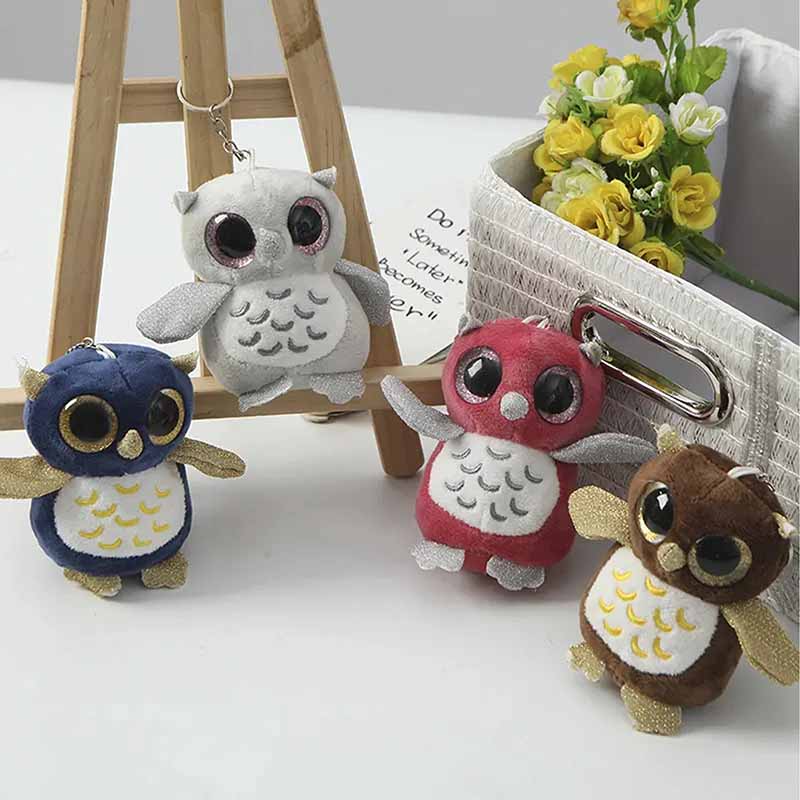
What Makes Mini Plush a Distinct Category — Not Just a Smaller Size
7 Behaviors the Mini Format Enables — And Their Design Implications
The defining characteristic of mini plush is not its dimensions — it is the behaviors and use contexts the small size enables. Understanding these behaviors should inform every design decision, from character concept through packaging.
Carrying / Attaching to Bags
Why size enables it: Light enough and small enough to clip without burden
Design implication: Secure attachment point engineering; lightweight fill
Collecting Full Sets
Why size enables it: Low individual footprint makes owning many feasible
Design implication: Series design with strong visual family resemblance
Trading with Peers
Why size enables it: Low replacement cost makes trading low-stakes
Design implication: Distinctive individual characters within a series
Desk / Shelf Display in Groups
Why size enables it: Multiple units displayed together without space conflict
Design implication: Consistent base/standing design across the series
Blind Box / Surprise Mechanics
Why size enables it: Small size keeps packaging and shipping cost low enough for the format to work
Design implication: Consistent weight across variants to maintain surprise
Gifting in Multiples
Why size enables it: Affordable enough to give several at once
Design implication: Strong individual character identity even at small scale
Pocket / Personal Carry
Why size enables it: Fits in pockets, pencil cases, small bags
Design implication: Durable construction for frequent handling and friction
Mini Plush Format Taxonomy
6 Mini Plush Formats — Size, Attachment Method and Use Pattern
Within the 5-15cm range, different specific formats serve different purposes and attachment methods. Choosing the right format for your program depends on how the mini plush will be used and carried.
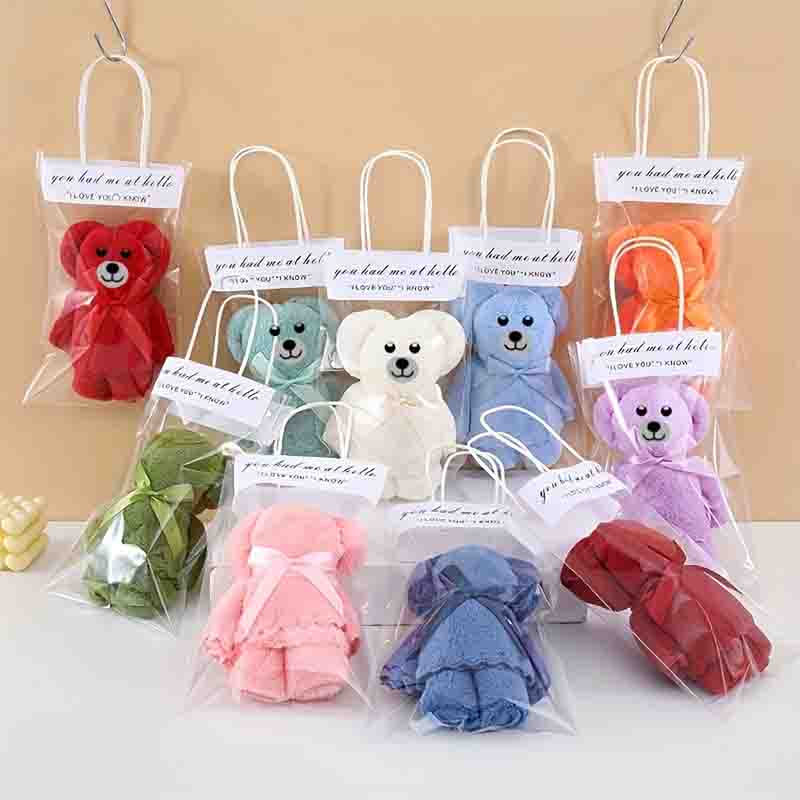
Charm / Clip Plush
Size: 5–8cm · Attachment: Metal clasp or carabiner clip
Use pattern: Bag accessory, backpack decoration
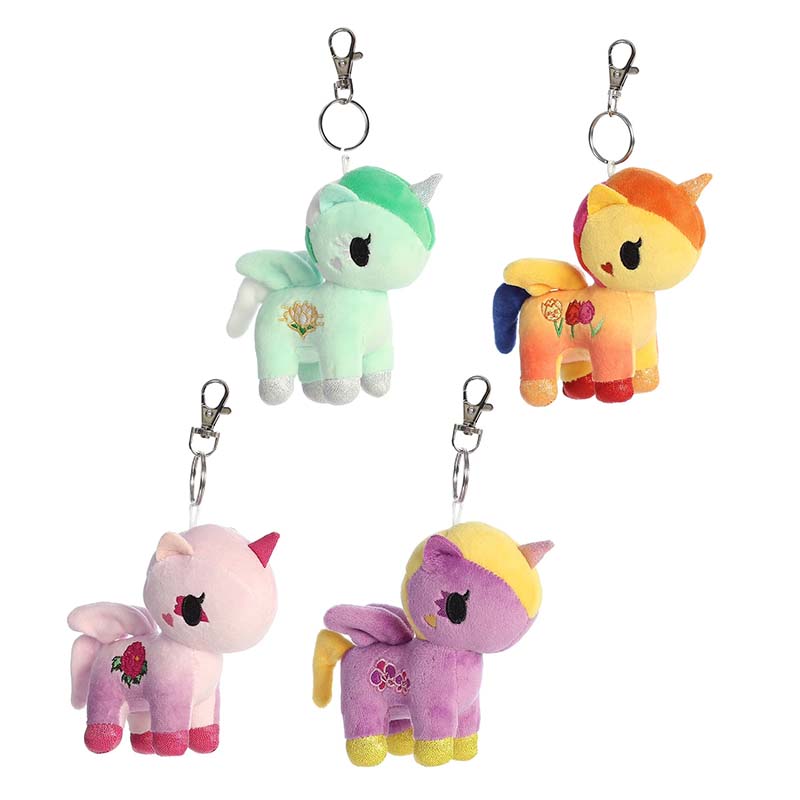
Keychain Plush
Size: 8–12cm · Attachment: Keyring attachment with reinforced loop
Use pattern: Keys, bag zipper pull, everyday carry
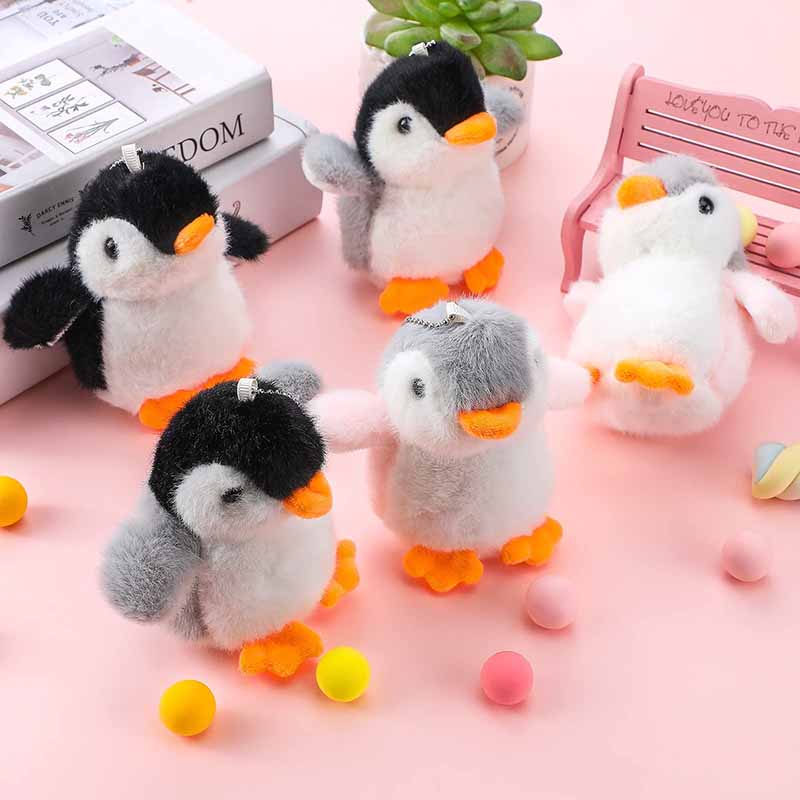
Mascot Mini (No Attachment)
Size: 10–15cm · Attachment: Freestanding — no attachment hardware
Use pattern: Desk display, shelf collection, pocket carry
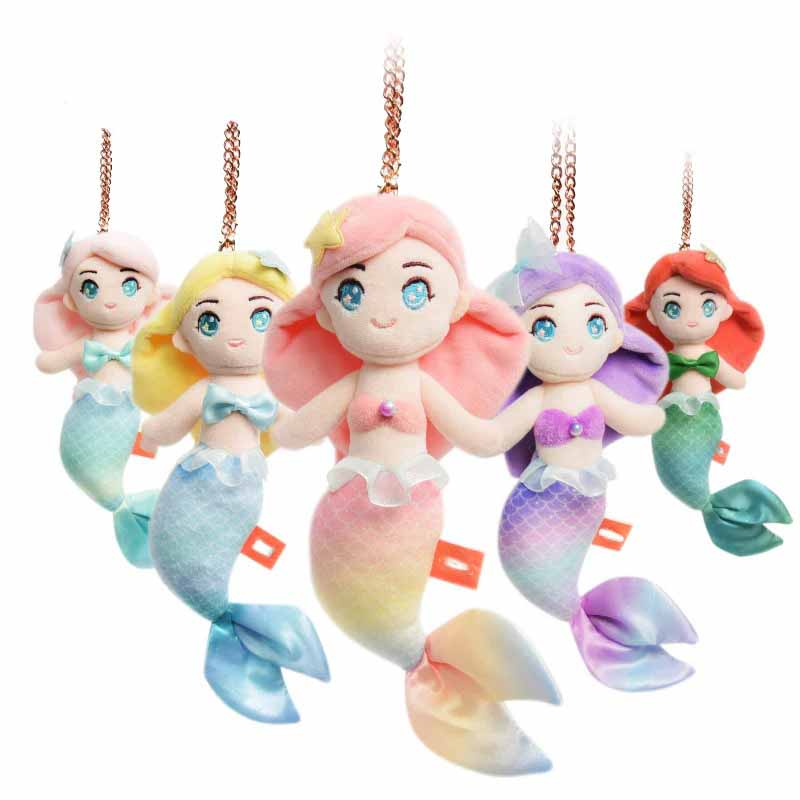
Strap / Phone Charm Plush
Size: 5–10cm · Attachment: Cord or strap loop
Use pattern: Phone case attachment, lanyard accessory
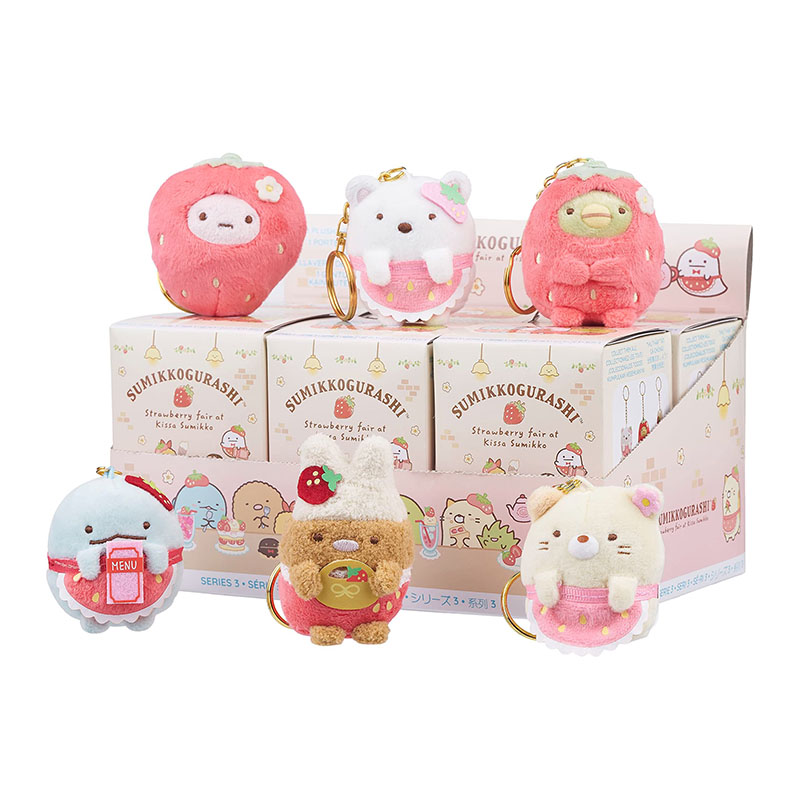
Blind Box Mini
Size: 8–13cm · Attachment: Usually freestanding; sometimes keychain variant offered
Use pattern: Surprise collectible — series completion
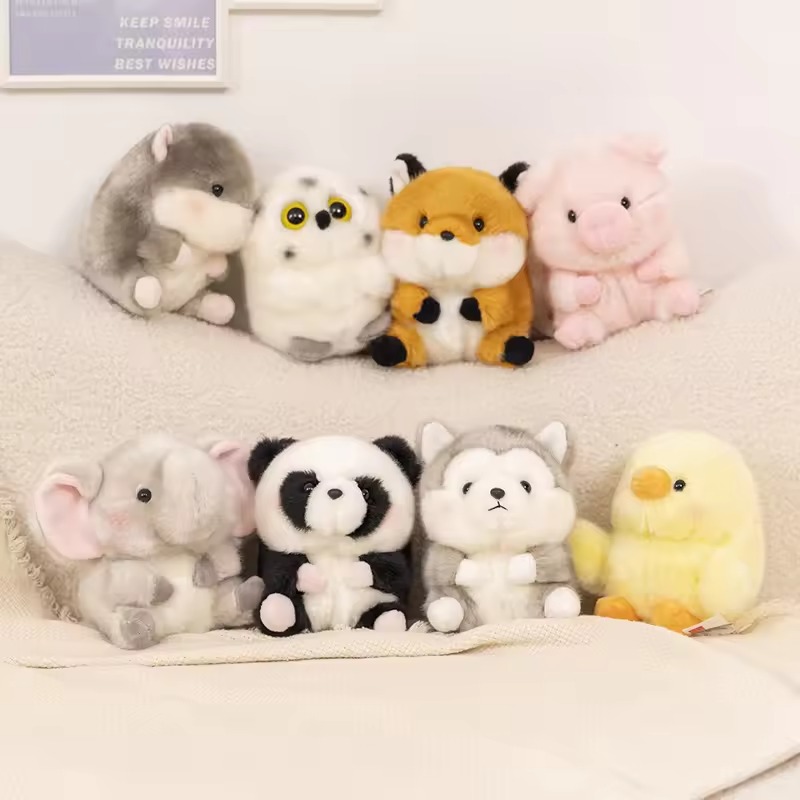
Magnet-Back Mini
Size: 8–12cm · Attachment: Embedded magnet in base
Use pattern: Refrigerator, locker, magnetic surface display
Construction Engineering Specific to Mini Plush
4 Engineering Challenges That Separate Well-Made Mini Plush from Miniaturized Failures
Face and Feature Execution at Minimum Scale
Face and Feature Execution at Minimum Scale
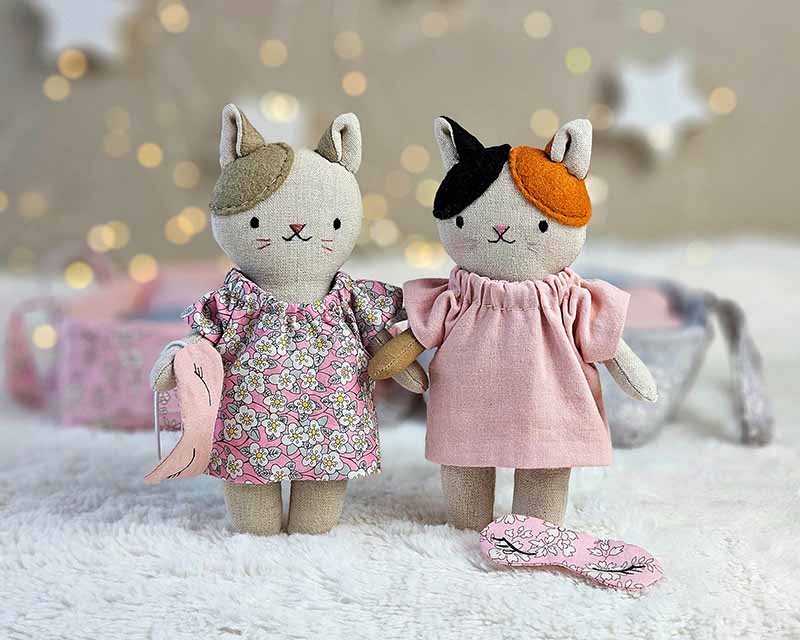
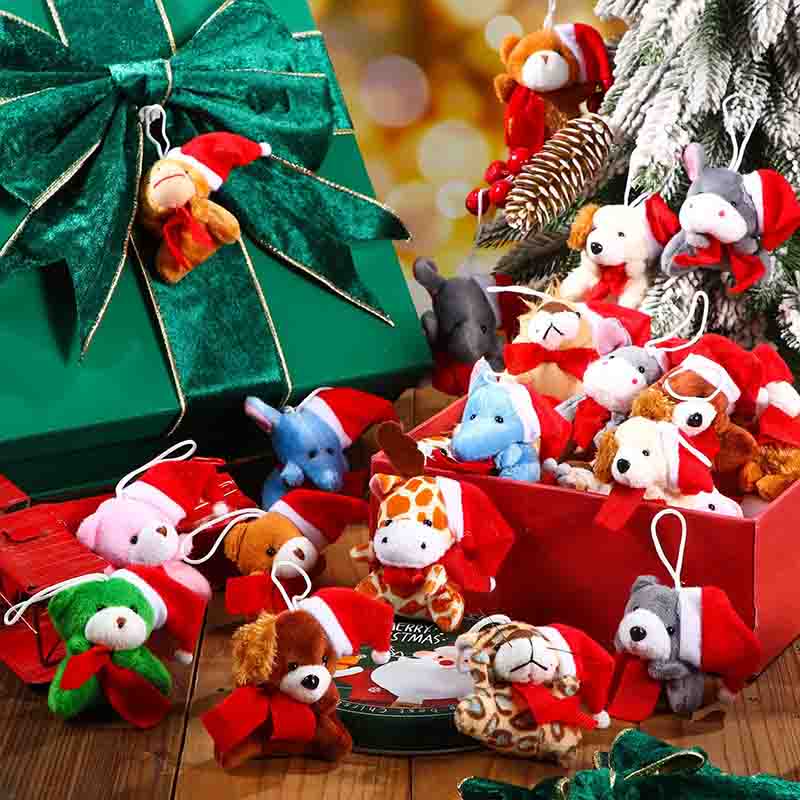
At 8-12cm, a character’s entire face may be only 2-3cm wide. The reliable minimum embroidery feature size of approximately 3mm means that fine facial detail simply cannot be replicated at this scale — it must be redesigned for legibility.
- KINWIN’s approach: reduce facial detail to its essential emotional signal (eye shape and size, a simple mouth line, optional cheek color) rather than attempting to compress a detailed face design into an impossibly small space
- A character that reads clearly and emotionally at 10cm with three simple features will outperform a character that attempts five detailed features and reads as a blur
Attachment Point Engineering
Attachment Point Engineering
For keychain, charm, and clip formats, the attachment point is a structural element that must withstand repeated stress over the product’s life — being pulled, swung against bags, caught on objects, and subjected to the EN71 / ASTM pull force testing required for safety certification.
- KINWIN reinforces attachment points with increased stitch density and, for metal ring or clip attachments, a fabric loop reinforced with interfacing or doubled fabric layers at the connection point
- A failed attachment point is the most common source of mini plush product failure and negative reviews — engineering it correctly is a priority, not an afterthought
Seam Allowance and Stress Distribution
Seam Allowance and Stress Distribution
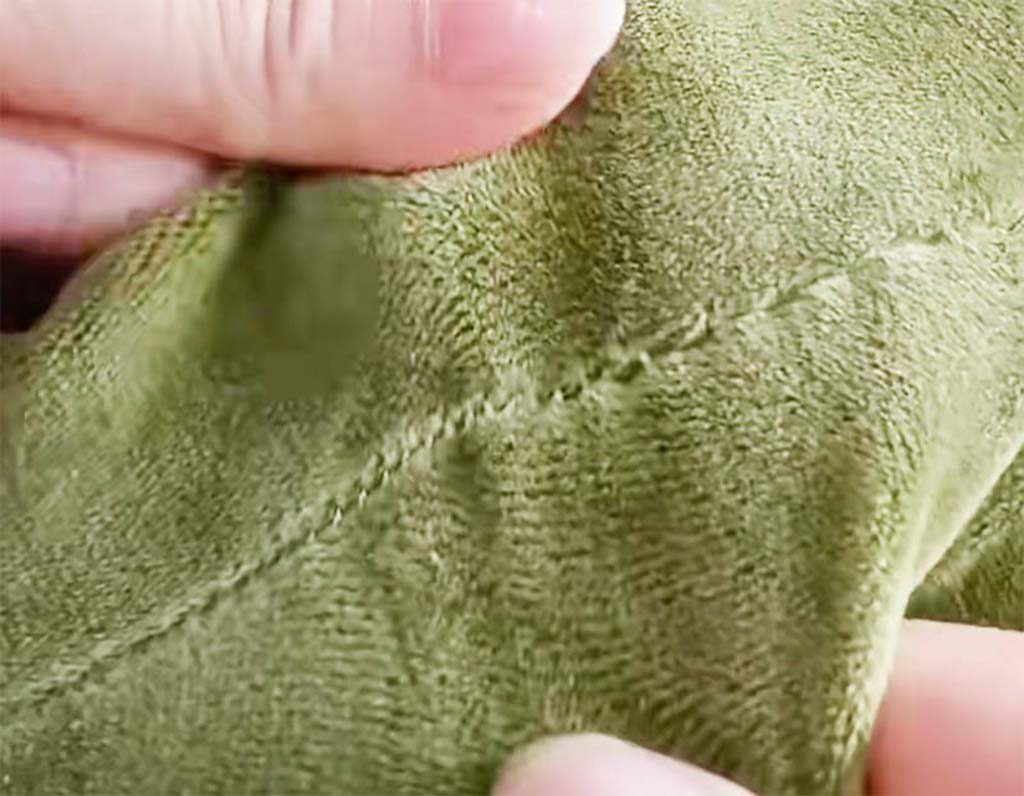
Mini plush has proportionally smaller seam allowances than standard plush, which concentrates stress at a smaller total seam area.
- KINWIN compensates with tighter stitch density specifically calibrated for mini format construction — more stitches per centimeter than standard plush uses
- Distributing load across more contact points along a shorter seam length
Component Selection at Mini Scale
Component Selection at Mini Scale
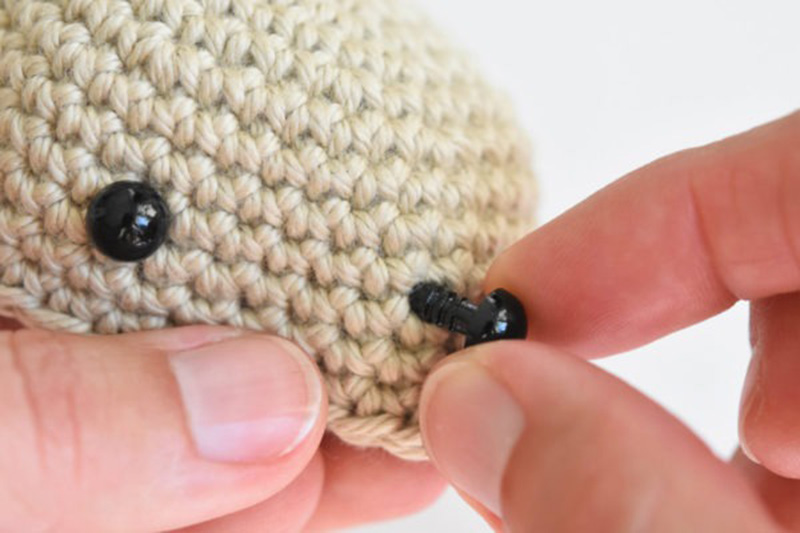
Standard plush components — safety eyes, nose pieces — are sized for standard toy dimensions and become visually disproportionate at mini scale, often dominating a small face inappropriately.
- KINWIN uses mini-scale safety eye components specifically sized for the format, or moves to fully embroidered features where even mini components would be too large relative to the face
- The choice depends on the character’s aesthetic requirements and target age grade — embroidered features are the safer default for any mini plush that may reach children under 3
Designing a Mini Plush Collectible Series
Series Architecture Decisions — 6 Planning Decisions That Single Characters Don't Require
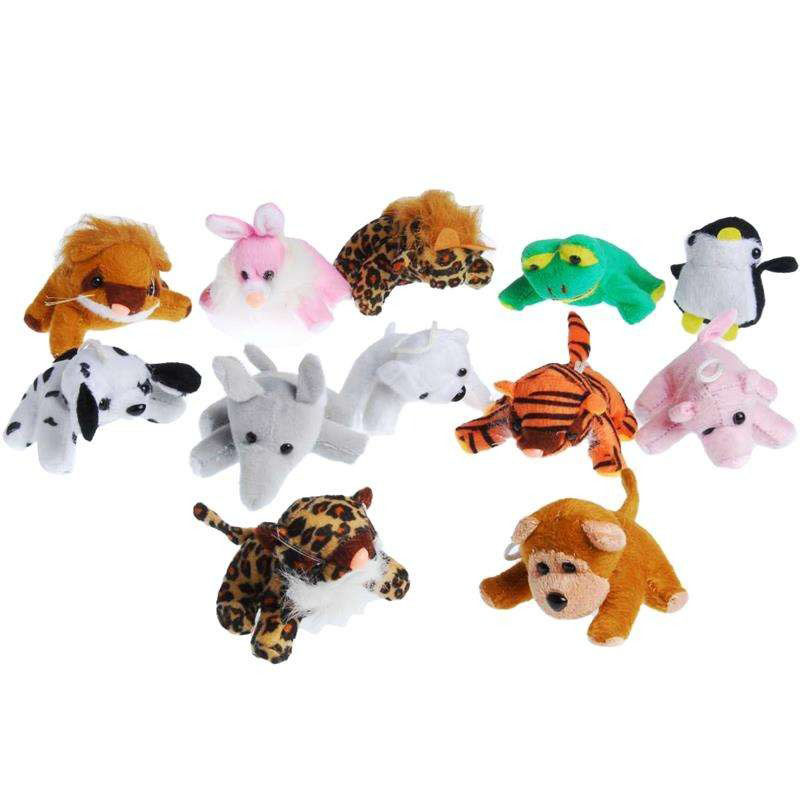
Most commercially successful mini plush programs are series, not single characters — the format’s collecting and trading behaviors are activated by having multiple characters to pursue. Series design requires planning decisions that single-character programs do not.
- Series size: 4-8 characters is the most common range for a launch series — enough to create genuine collecting motivation, not so many that completing a set feels unreachable
- Shared visual language: all characters in the series should share consistent proportions, a consistent base/standing design, and a recognizable family resemblance — so they read as a coherent set even when displayed individually
- Individual distinctiveness within constraints: each character must be unmistakably itself within the shared format — achieved through color, a single distinctive feature, or accessory variation rather than completely different construction
- Consistent weight across variants: for blind box or surprise formats, all characters in the series should weigh approximately the same so that weight cannot be used to identify the contents before purchase
- Chase / rare variant planning: a low-frequency rare variant (a different colorway, a gold or special edition version) drives outsized collector enthusiasm — plan the chase ratio and production quantity deliberately
- Numbering and identification: each character benefits from a name and number within the series — supports collector completion tracking and community discussion
Packaging for Mini Plush Series
5 Packaging Formats — Function and Best Application
Packaging serves different functions across mini plush use cases — display appeal for retail, concealment for blind box, and protection for shipping all create different requirements.
Hang Tag Only (No Box)
Function: Minimal cost, maximum display visibility
Best for: Keychain/clip format, peg hook retail display
Small Window Box
Function: Premium display, protects during shipping
Best for: Gift-positioned mini plush, subscription box inclusion
Opaque Blind Box / Bag
Function: Conceals identity until opened
Best for: Blind box collectible series
Capsule / Ball Packaging
Function: Novelty unboxing, gashapon-style
Best for: Vending machine, novelty retail, gachapon-style programs
Card-Backed Poly Bag
Function: Low cost, barcode-ready, peg hook compatible
Best for: Mass retail mini plush
Safety Compliance for Mini Plush
Safety Compliance — Small Size Introduces Specific Considerations
Mini plush toys are regulated identically to standard-size plush under EN71 and ASTM F963 — and the small size introduces specific compliance considerations that require deliberate design attention.
- Small parts risk: at mini scale, the entire toy itself may approach or fall within small parts cylinder dimensions for certain age grades — age grading and construction must specifically account for this
- Attachment hardware: metal clips, carabiners, and keyrings must pass pull force testing as attached components — and the attachment point construction must support the forces applied
- Magnet safety: magnet-back mini plush require specific magnet strength assessment — small powerful magnets present an ingestion hazard distinct from standard small parts risk, with specific regulatory attention in the US (CPSC) and other markets
- Cord and strap length: phone charm and lanyard-attached mini plush must comply with cord length restrictions — particularly relevant for products that may reach children under 3
- OEKO-TEX Standard 100: KINWIN’s standard fabric certification applies identically regardless of product size
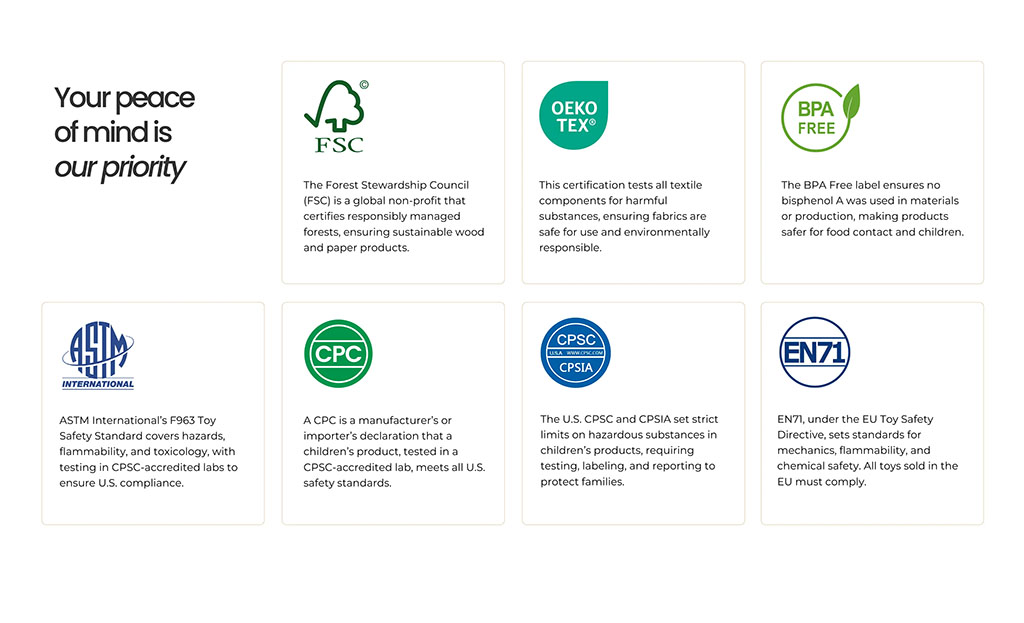
For mini plush intended for distribution contexts where recipient age cannot be controlled — blind box retail, gachapon machines, general gift shop sale — KINWIN recommends designing to under-3 safe construction as the default: embroidered features, no detachable small components, and secure attachment hardware tested to the stricter pull force standard.
Commercial Use Cases for Mini Plush
7 Use Cases — Mini Format Role and Key Design Priority
Anime / Gaming Merchandise Series
Mini format role: Collectible character roster — chibi format standard
Key design priority: Character accuracy at minimum scale; series consistency
Blind Box / Gachapon Programs
Mini format role: Surprise collectible — drives repeat purchase
Key design priority: Consistent weight; concealment packaging; chase variant
Subscription Box Inclusions
Mini format role: Monthly surprise element within a themed box
Key design priority: Compact size for box economics; thematic relevance to box
Fashion / Accessory Brand Collabs
Mini format role: Bag charm or accessory extending brand into plush
Key design priority: Secure clip attachment; brand aesthetic alignment
Corporate / Event Giveaway
Mini format role: Low-cost branded takeaway at scale
Key design priority: Fast production; simple branding application
Retail Impulse Purchase (Peg Hook)
Mini format role: Low-commitment purchase near checkout
Key design priority: Strong visual read at small scale from a display hook
Charity / Fundraising Micro-Donation Tier
Mini format role: Entry-level giving incentive
Key design priority: Cause character recognizable even at mini scale
Why Brands Choose KINWIN for Mini Plush Programs
Why Brands Choose KINWIN for Mini Plush Programs
✓ Mini-scale embroidery specialization: face and feature design specifically calibrated for legibility at 3mm+ minimum feature size
✓ Reinforced attachment point engineering: keychain, clip, and charm hardware tested to required pull force standards
✓ Mini-scale stitch density calibration: tighter construction specifically for the proportionally smaller seam allowances at mini format
✓ Full collectible series coordination: shared visual language development, chase variant planning, consistent weight engineering for blind box
✓ Magnet-back and specialty attachment formats: clip, keyring, strap, magnet-back all manufactured in-house
✓ Blind box and concealment packaging formats available
✓ CE, EN71, ASTM F963 certified at mini scale — including magnet safety assessment where relevant
✓ Under-3 safe construction available as standard for uncontrolled-distribution mini plush programs
✓ OEKO-TEX Class I fabric standard regardless of product size
✓ 7-day standard sampling — fast iteration for series and seasonal mini plush programs
✓ MOQ 500 pieces per design; combined series pricing across multiple characters
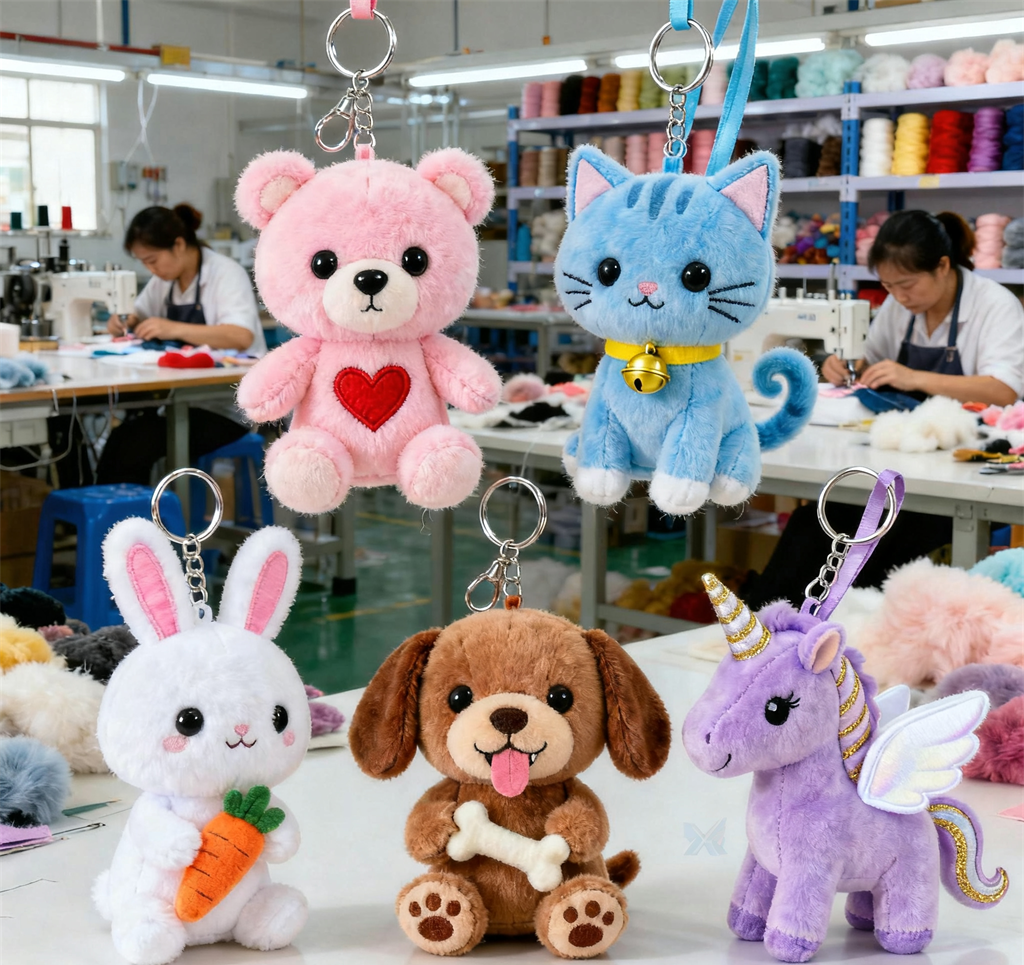
A mini plush toy carries an outsized job for its size — it must be carried, collected, and loved in a fraction of the space. KINWIN engineers it to earn that space.
Frequently Asked Questions — Mini Plush Toys
Frequently Asked Questions — Mini Plush Toys
Q1. How many characters should a mini plush collectible series include?
Four to eight characters is the range that performs most reliably for a launch collectible series. Below four characters, the collecting motivation is weak — there is not enough to pursue, and the set feels more like a small product line than a collection. Above eight to ten characters in a single launch series, completing the set starts to feel unreachable for casual collectors, which can suppress purchase rather than encourage it (though larger series work well as an ongoing program released in waves rather than all at once). The most successful approach KINWIN sees across client programs: launch with five to six characters, observe sell-through and collector engagement, then expand the universe with subsequent waves of three to four additional characters released over following seasons. This staged approach builds anticipation for new releases while keeping the initial completion goal achievable.
Q2. How do you keep all the characters in a blind box series weighing the same so buyers can't guess the contents by feel?
Weight consistency across blind box variants is achieved through deliberate fill and component balancing during pattern development — not by accident. KINWIN’s approach: each character in the series is designed with the same overall fabric and fill volume even when the silhouettes differ, fill density is adjusted character-by-character to compensate for shape differences (a character with thinner limbs receives slightly higher density fill in the body to equalize total weight), and any hardware components (keyring, clip) are standardized to the same weight across all variants. During development, KINWIN weighs each character’s prototype and adjusts fill specifications until all characters in the series fall within a tight weight tolerance — typically within a few grams of each other. This weight matching is verified again during production through routine sampling checks, since fill consistency must be maintained at scale, not just in the prototype.
Q3. Are magnet-back mini plush toys safe, and what regulations apply?
Magnet-back mini plush can be manufactured safely, but small magnets carry a specific regulatory profile distinct from standard small parts risk — small, strong magnets are an ingestion hazard that can cause serious internal injury if multiple magnets are swallowed and attract each other through intestinal tissue. In the US, the CPSC has specific requirements for magnet strength and size in children’s products; in the EU, magnet safety is assessed under EN71 Part 1’s specific magnet provisions. For magnet-back mini plush, KINWIN: securely encases the magnet within a sealed fabric compartment that is tested under abuse testing to confirm the magnet cannot become accessible, selects magnet strength and size appropriate for the product’s age grade, and provides specific magnet safety documentation as part of the compliance package. For products intended for children under 8, KINWIN recommends discussing magnet inclusion carefully — depending on the specific market and intended distribution, an alternative attachment method (clip or keyring rather than magnet) may be the safer and simpler choice.
Q4. Can mini plush characters have the same level of detail as larger format characters from the same series?
Not at full fidelity, and the right approach is to redesign for legibility rather than attempt to compress full detail into a smaller space. When KINWIN develops a mini format companion to a larger character (a 10cm keychain version of a 25cm flagship character, for example), the design process treats the mini version as its own design exercise rather than a direct scale-down. The character’s most identity-defining 2-3 features (a signature color, a distinctive silhouette element, a characteristic facial expression) are preserved and emphasized; secondary details (fine costume elements, subtle shading, minor accessories) are simplified or omitted. The goal is that the mini version is immediately recognizable as the same character despite having meaningfully less detail — recognition through essential features, not through detail-for-detail reproduction. This approach consistently produces better commercial results than attempting full detail fidelity at a scale where it cannot be executed reliably.
Q5. What is the minimum order for a multi-character mini plush series?
KINWIN’s minimum order quantity is 500 pieces per character design — applicable to mini plush as it is to any format. For a series of five characters, this means 500 pieces minimum per character, 2,500 pieces total for the series. Combined series volume determines the pricing tier, so the full 2,500-piece program receives volume pricing rather than each character being priced individually at the 500-piece tier. For blind box programs specifically, the chase or rare variant within a series is often produced at a lower quantity than the standard characters — this requires specific discussion with KINWIN about production planning, since very low-quantity single SKUs have their own setup considerations. Brands planning a mini plush series should approach KINWIN with the full series concept at the brief stage, even if launching characters in waves, so that shared visual language and production planning can be coordinated from the start rather than developed character-by-character in isolation.
If You Can lmagine lt,We Will Create lt!
1.Tell Us What You Need
Tell us as specific as possible of your needs and share your idea.
2.Get Solution & Quote
We will work on the best solution according to yourrequirements,the specific quote will be provided within 24 hours.
3.Approve for Mass Production
We will start mass production after getting your approval.
