 Skip to content
LICENSED PLUSH TOY MANUFACTURER
Licensed Plush Toy Manufacturer
Licensed plush toy manufacturing support for IP owners, brand licensors, character teams, entertainment companies, retailers, and approved merchandise programs.
Licensed plush toys carry more responsibility than ordinary stuffed animals. They must protect the value of a character, match approved artwork, follow brand guidelines, meet buyer expectations, and be produced consistently across bulk orders. For IP owners, licensors, retailers, and merchandise teams, the right manufacturer must understand both plush production and character approval requirements.
KINWIN supports licensed plush toy projects from artwork review and sample development to material planning, embroidery execution, production documentation, quality control, packaging, and shipment preparation. We help convert approved characters, mascots, animation figures, game characters, book characters, and brand icons into manufacturable plush products.
This page explains what buyers should evaluate when choosing a licensed plush toy manufacturer, how character accuracy is handled, why approval samples matter, and how KINWIN helps licensed plush projects move from design assets to controlled bulk production.
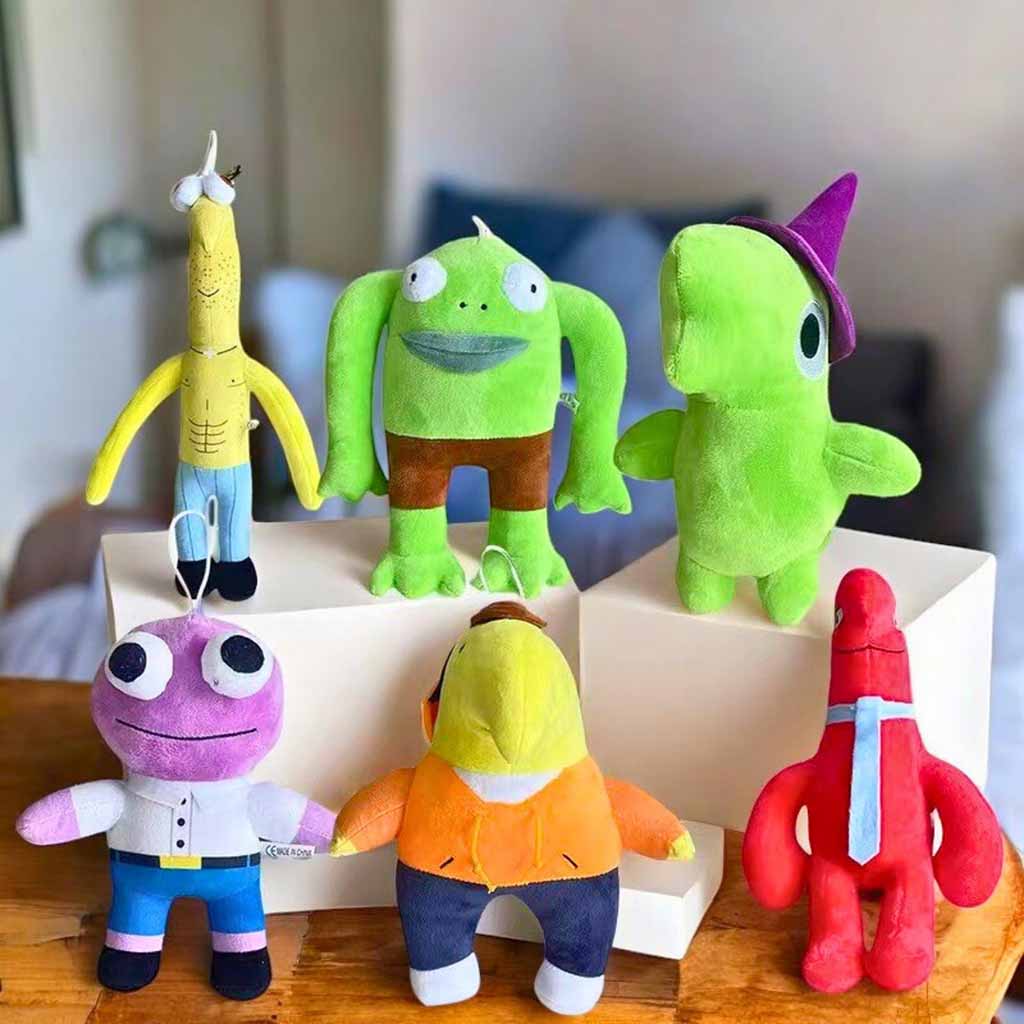
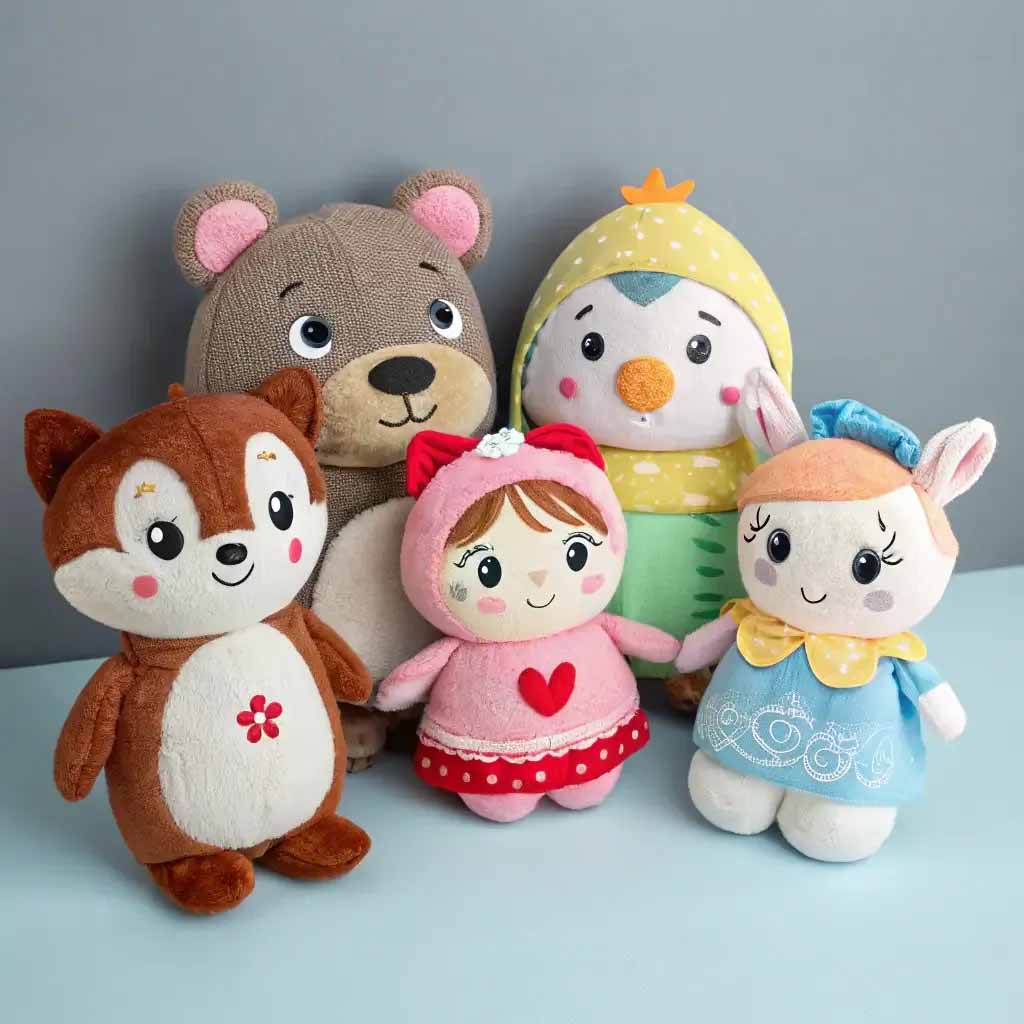
LICENSED PLUSH POSITIONING
Licensed Plush Manufacturing Is Different from Ordinary Plush Production
A licensed plush toy is not only a soft toy. It is a physical representation of an IP asset, brand identity, entertainment character, mascot, or approved retail program. The product must respect the character's face, color, body shape, expression, costume, accessories, and overall personality.
In ordinary plush production, small visual differences may be acceptable. In licensed plush manufacturing, small differences can become approval issues. Eye position, mouth shape, head volume, color tone, logo placement, clothing detail, or body proportion may affect whether the product is accepted by the licensor or brand team.
KINWIN treats licensed plush manufacturing as a controlled development process. We review the artwork, identify production risks, develop samples for approval, document the confirmed standard, and support bulk production according to the approved sample.
Buyer decision point: licensed plush manufacturing must protect character accuracy while still making the product practical to produce.
BUYER USE CASES
Who Needs a Licensed Plush Toy Manufacturer
Licensed plush projects can serve many buyer types, but they usually share one requirement: the plush must follow approved brand or character assets.
IP Owners and Licensors
Companies that own characters, entertainment properties, animation brands, game IP, book characters, or mascot programs and need reliable plush merchandise.
Retailers and Licensees
Retail buyers or licensees that have approval rights to produce character plush for stores, online channels, seasonal programs, or promotional campaigns.
Entertainment and Media Teams
Animation studios, film teams, game studios, publishers, YouTube brands, and content creators turning characters into physical plush products.
Brand Mascot Programs
Companies that need a plush version of a mascot for brand stores, exhibitions, corporate gifts, fan merchandise, or customer engagement.
CHARACTER ACCURACY
Character Accuracy and Brand Guideline Review
Character accuracy begins before sampling. KINWIN reviews style guides, artwork, character sheets, approved colors, logo files, facial references, costume details, accessory drawings, and previous merchandise samples when available.
The goal is to identify which elements are essential to character recognition. Some details must be preserved exactly, while others may need practical adjustment for fabric, embroidery, sewing, stuffing, or safety reasons. Clear review prevents surprises after the first sample is made.
For licensed plush, the face is usually the highest-priority area. Eye size, eye distance, mouth curve, eyebrow angle, cheek volume, muzzle shape, and head proportion can strongly affect whether the plush feels like the original character.
Buyer decision point: a licensed plush supplier should know which character details are flexible and which must not be changed.
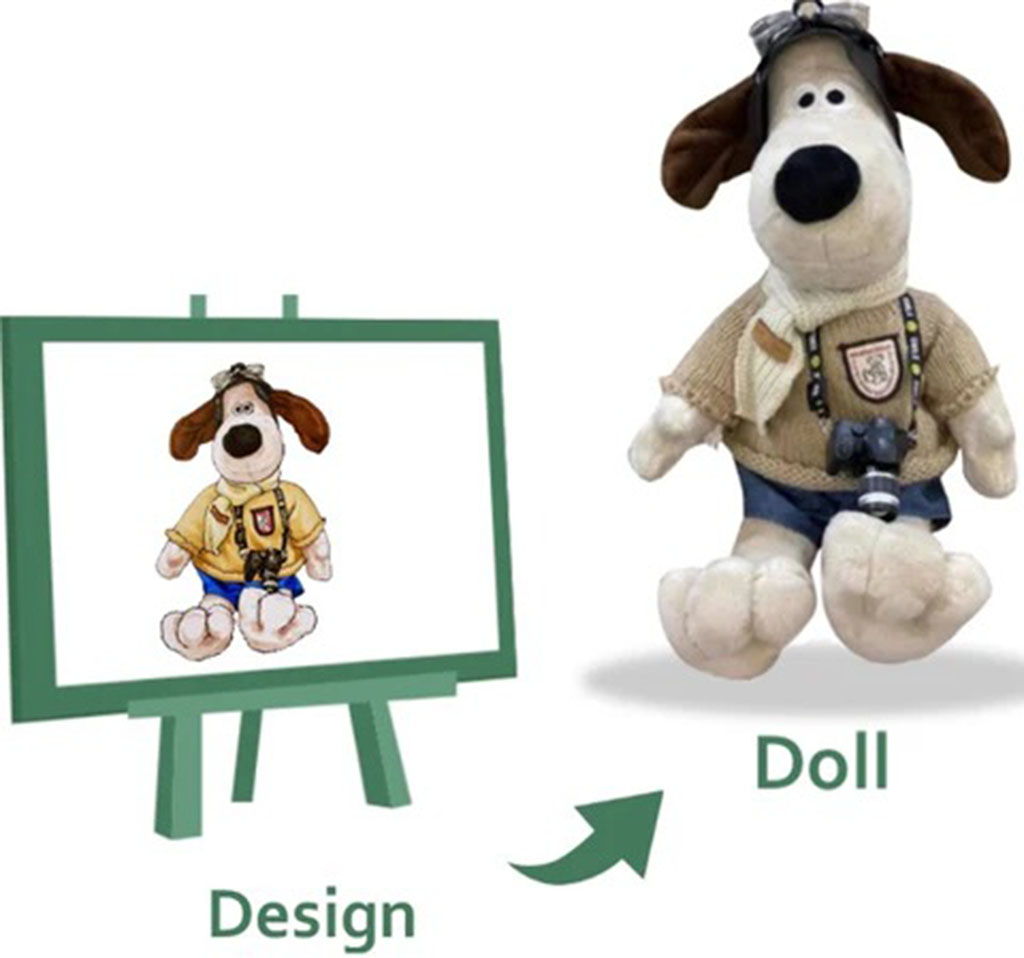
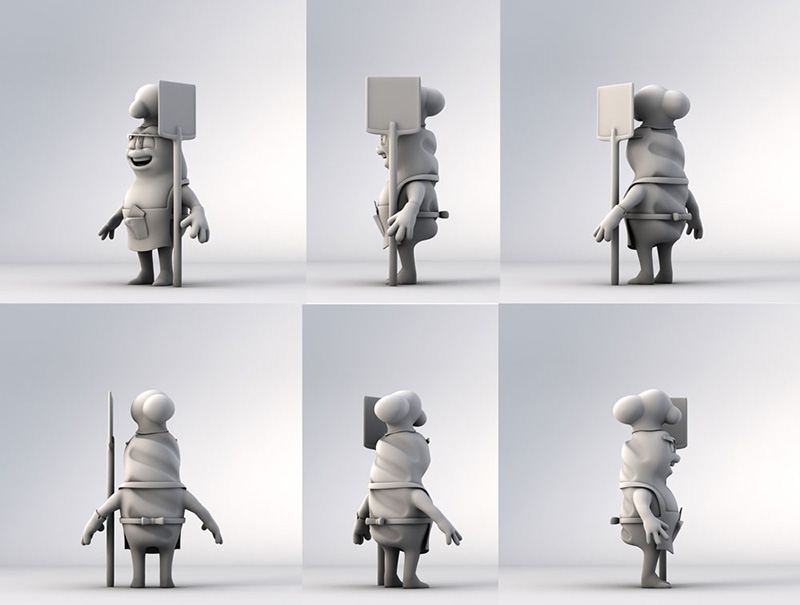
2D TO 3D PLUSH TRANSLATION
From 2D Character Artwork to 3D Plush Form
Most licensed characters are first created as 2D artwork, animation models, or digital illustrations. Turning that design into a plush toy requires translation into a soft three-dimensional structure. A flat drawing may not show fabric thickness, seam positions, stuffing pressure, or how the toy will look from the side and back.
KINWIN evaluates how the character should be shaped as a plush product. We consider head-to-body ratio, body posture, limb length, ear or horn support, tail structure, clothing construction, accessory attachment, and whether the product should sit, stand, hang, hug, or display.
This translation stage is especially important for characters with sharp shapes, thin limbs, complex costumes, large heads, exaggerated expressions, or very small decorative elements. The goal is to keep the character recognizable while making the plush stable, soft, safe, and producible.
Buyer decision point: good licensed plush development translates the character, not just copies the drawing.
SAMPLE APPROVAL PROCESS
Sample Development and Licensor Approval Process
Licensed plush projects often require a more structured sample approval process than ordinary custom plush orders.
Artwork and Requirement Review
KINWIN reviews artwork, style guides, size requirements, target users, market destination, packaging expectations, and approval rules before sampling.
First Plush Sample
The first sample is used to check character shape, proportion, face expression, material direction, embroidery, color, filling, and construction feasibility.
Buyer and Licensor Feedback
Feedback is organized into specific corrections, such as eye adjustment, color change, costume detail revision, logo placement, or shape improvement.
Approval Sample Standard
After final approval, the sample becomes the physical standard for bulk production, quality control, packaging review, and future repeat orders.
MATERIAL SELECTION
Material Selection for Licensed Character Plush
Material selection affects character appearance, handfeel, durability, safety, cost, and approval results.

Fabric Appearance
Short plush, minky, velboa, long plush, faux fur, fleece, sherpa, cotton fabric, and printed fabric each create a different visual style. The right fabric should match the character world and retail positioning.

Handfeel and Structure
A character plush may need to feel premium, cute, firm, soft, collectible, or child-friendly. Fabric stretch and filling response must support the intended shape.
Color and Repeat Supply
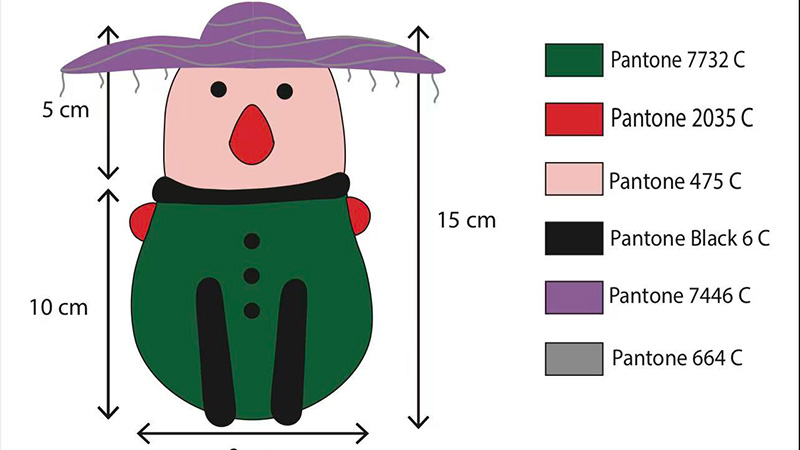
Licensed characters often require stable color matching. KINWIN reviews available colors, custom dyeing needs, batch consistency, MOQ, and repeat-order supply risk.
DETAIL EXECUTION
Embroidery, Printing, Applique, and Logo Execution
Licensed plush details must be attractive, durable, safe, and close to the approved character assets.
Facial Embroidery
Eyes, eyebrows, mouths, noses, lashes, and expression lines may require precise embroidery placement and thread color control.
Printed Details
Printing can support patterns, gradients, costume graphics, character marks, or details that are too complex for embroidery.
Applique and Logos
Applique, woven labels, sewn patches, costume panels, and logo placements are reviewed for alignment, durability, brand accuracy, and safety.
SAFETY AND COMPLIANCE
Safety and Compliance Planning for Licensed Plush Toys
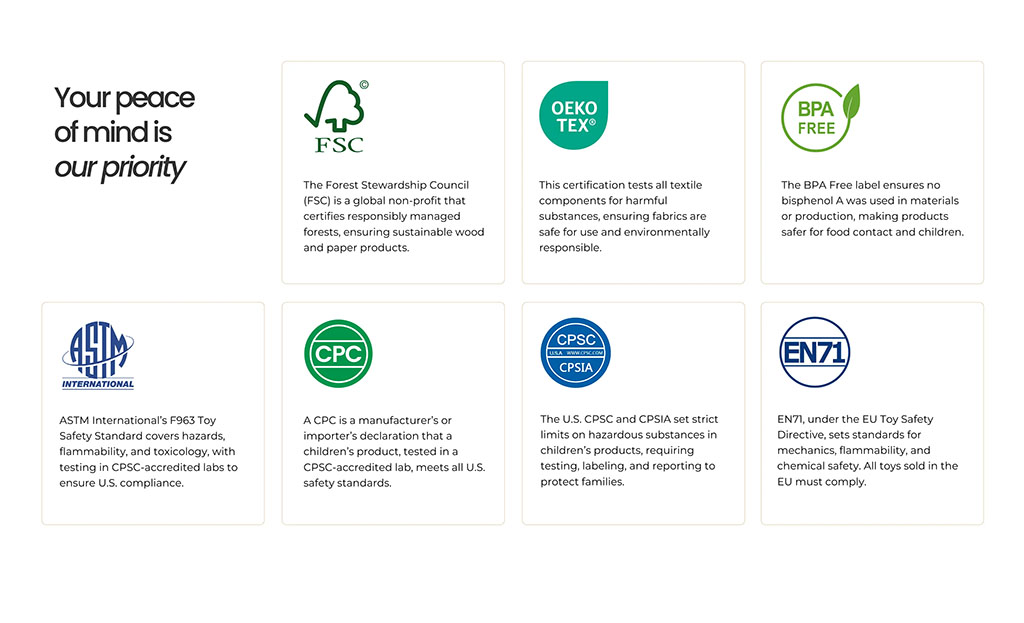
Licensed plush toys are often sold through retail, online stores, theme parks, museums, schools, entertainment programs, or brand channels. Depending on the market and target age group, safety and compliance planning may be required from the design stage.
KINWIN reviews small parts, plastic accessories, embroidery options, seam strength, stuffing material, labels, age grading, packaging warnings, and functional components. If a detail may create risk, we can suggest safer construction alternatives before bulk production.
Safety planning is especially important when the plush is intended for children, baby comfort, education, licensed retail shelves, or markets with stricter toy safety expectations. Early review helps reduce later testing problems and approval delays.
Buyer decision point: licensed plush safety should be planned before the approval sample is finalized.
PACKAGING AND LABELS
Packaging, Labels, and Licensed Retail Presentation
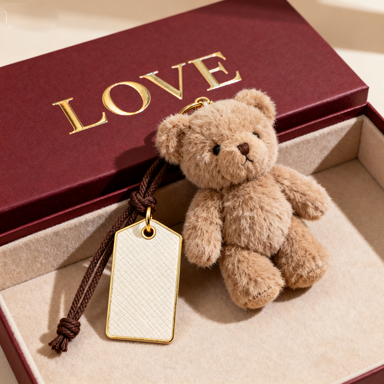
Packaging for licensed plush toys is part of the brand experience. A character plush may require approved hangtags, logo tags, care labels, story cards, barcode labels, display boxes, window boxes, belly bands, gift packaging, or shelf-ready packaging.
KINWIN helps buyers connect plush manufacturing with packaging execution. Packaging should protect the product, support retail display, communicate brand value, and follow licensor requirements when specific artwork or legal text is required.
If packaging is discussed early, the plush size, pose, accessory structure, label placement, and carton plan can be developed more efficiently. This helps reduce last-minute packaging redesign and shipping inefficiency.
Buyer decision point: licensed plush packaging should support both brand approval and retail performance.
BULK PRODUCTION CONTROL
Bulk Production Control After Approval
After the approval sample is confirmed, the manufacturing challenge becomes consistency.
Production Standard
The approved sample, patterns, embroidery files, material records, color references, sewing notes, labels, and packaging details are organized as the production standard.
Manufacturing Execution
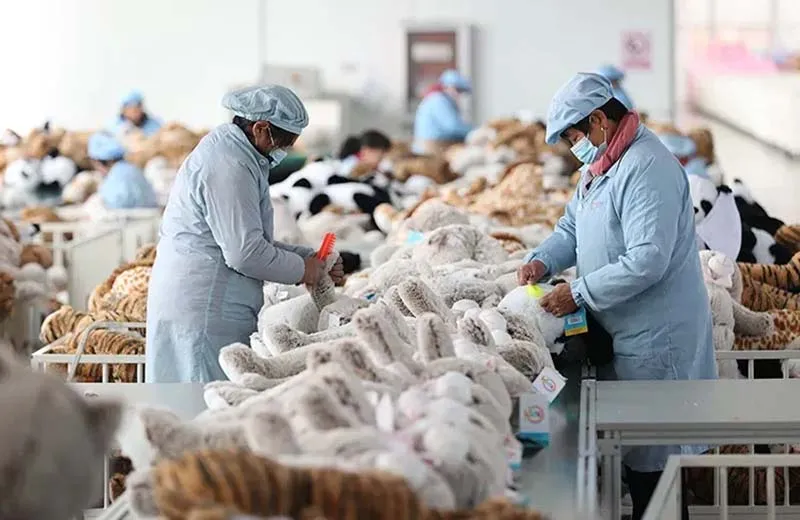
KINWIN coordinates cutting, embroidery, printing, sewing, stuffing, closing, finishing, inspection, packing, and shipment preparation for the bulk order.
Consistency Review
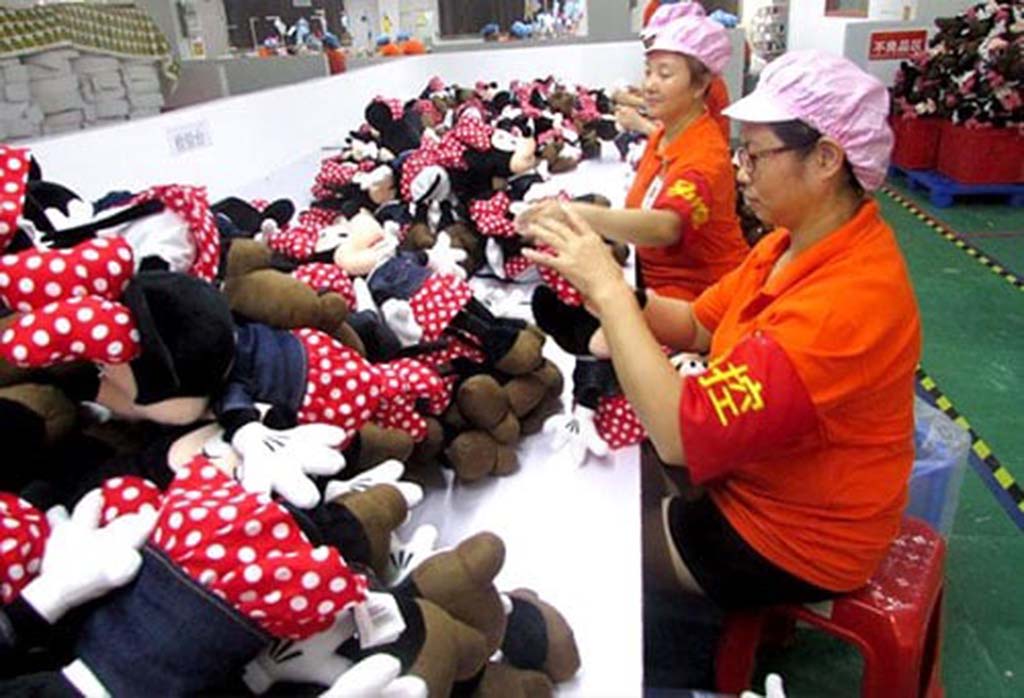
Key points such as face alignment, color match, stuffing balance, accessory placement, label position, cleanliness, and packaging are checked against the approved sample.
LICENSED PLUSH QC
Quality Control for Licensed Plush Manufacturing
Quality control for licensed plush toys must protect both product quality and character value. A technically well-sewn plush can still fail if the face expression, color, or logo placement does not match the approved standard.
KINWIN focuses on visual accuracy, material consistency, sewing quality, embroidery placement, stuffing control, accessory attachment, cleanliness, label correctness, and packaging condition. These points help keep the bulk order aligned with the approval sample.
For repeat orders, clear records are important. Pattern files, material references, embroidery settings, packaging details, and QC notes help maintain consistency when the same licensed plush is reordered or expanded into a product series.
Buyer decision point: licensed plush QC should compare bulk goods against the approved sample, not only against general sewing standards.
OEM AND ODM SUPPORT
OEM and ODM Support for Licensed Plush Projects
KINWIN can support different project types depending on how much design and manufacturing support the buyer needs.
OEM Licensed Plush Manufacturing
Suitable for buyers with approved artwork, clear specifications, brand guidelines, and sample requirements who need a factory to produce consistently.
ODM Licensed Plush Development
Suitable for buyers with a character or IP direction who need help with plush translation, material suggestions, sampling, and production planning.
Private Label Character Plush
Suitable for retailers and brands developing approved character plush under their own label, packaging, collection structure, and sales channel.
PROBLEM SOLVING
Common Problems in Licensed Plush Toy Development
Licensed plush development often involves solving detail-level problems before approval and production.
The plush does not look like the character
KINWIN checks face proportion, eye position, head shape, embroidery size, body volume, fabric pile, and missing character features.
The approval team requests repeated revisions
We help organize feedback into clear production actions so each revision has a defined purpose and does not create new issues.
The design is too complex for the target cost
We review materials, part count, embroidery coverage, accessories, packaging, size, and sewing steps to suggest practical cost-control options.
Bulk goods differ from the approved sample
KINWIN uses production documentation, QC checkpoints, material records, and approved sample comparison to improve bulk consistency.
QUOTATION PREPARATION
What Buyers Should Prepare Before Quotation
Complete project information helps KINWIN review feasibility, estimate cost, and plan sampling more accurately.
Character Assets
Approved artwork, style guides, front and side views, facial references, costume references, logo files, Pantone colors, and existing merchandise references.
Product Requirements
Target size, order quantity, user age group, sales market, packaging direction, label requirements, material preference, and expected approval process.
Commercial Requirements
Target price range, launch schedule, shipping plan, retail channel, compliance expectations, and whether the product is for one-time launch or repeat order.
WHY KINWIN
Why Work with KINWIN as Your Licensed Plush Toy Manufacturer
KINWIN is suitable for buyers who need licensed plush manufacturing support that connects character approval with practical production execution.
Character-to-Production Thinking
We review licensed artwork through the lens of plush pattern making, materials, embroidery, safety, cost, packaging, and bulk consistency.
Sample Approval Support
KINWIN helps develop samples, organize revision points, and prepare approved sample standards for production.
Manufacturing and QC Execution
We support material preparation, production coordination, inspection planning, packaging execution, and shipment preparation.
MOQ for Custom Licensed Plush
KINWIN's standard MOQ for custom plush projects starts from 500 pcs, depending on design, materials, size, accessories, and packaging requirements.
START YOUR LICENSED PLUSH PROJECT
Start Your Licensed Plush Toy Project with KINWIN
If you are developing licensed plush toys for an IP, brand mascot, character program, retail collection, entertainment property, or approved merchandise project, KINWIN can help you review the design and plan the manufacturing process.
Send us your artwork, style guide, character references, target size, expected quantity, packaging direction, market destination, and approval requirements. Our team can help you understand what can be produced, what may need adjustment, and how to move toward approved sample and bulk production.
- Licensed plush manufacturing for IP owners, brands, retailers, and approved merchandise programs
- Character artwork review, sample development, approval revision, and bulk production planning
- Material, embroidery, packaging, quality control, and repeat-order support
- Standard MOQ for custom plush projects starts from 500 pcs
FREQUENTLY ASKED QUESTIONS
FAQ: Licensed Plush Toy Manufacturer
Can KINWIN manufacture licensed character plush toys?
Yes. KINWIN can manufacture licensed plush toys based on approved artwork, character references, style guides, buyer requirements, and sample approval standards.
Can you help turn a 2D character into a plush toy?
Yes. KINWIN can review 2D artwork and suggest how to translate the character into a soft 3D plush structure with practical patterns, materials, embroidery, and construction.
Do you support sample revisions for licensor approval?
Yes. Sample revision is common in licensed plush projects. KINWIN can adjust shape, face expression, color, embroidery, accessories, clothing details, and packaging based on approval feedback.
What is the MOQ for licensed plush toys?
KINWIN's standard MOQ for custom plush projects starts from 500 pcs. Final feasibility depends on size, material, design complexity, accessories, and packaging requirements.
Can packaging and labels follow licensed brand requirements?
Yes. KINWIN can support custom hangtags, woven labels, care labels, story cards, barcode labels, display boxes, gift boxes, and packaging details according to buyer requirements.
Can KINWIN help control cost without damaging character value?
Yes. We can suggest practical adjustments to size, fabric, embroidery, accessories, structure, or packaging while protecting the main character recognition points.
Can you support repeat orders for licensed plush?
Yes. Approved samples, pattern files, material records, embroidery settings, packaging details, and QC notes help support repeat orders and product series expansion.
What should I send before starting a licensed plush project?
You can send artwork, style guides, character references, target size, quantity, market destination, user age group, packaging needs, approval process, and compliance expectations.
If You Can lmagine lt,We Will Create lt!
1.Tell Us What You Need
Tell us as specific as possible of your needs and share your idea.
2.Get Solution & Quote
We will work on the best solution according to yourrequirements,the specific quote will be provided within 24 hours.
3.Approve for Mass Production
We will start mass production after getting your approval.
