 Skip to content
ISO9001 PLUSH TOY FACTORY
ISO9001 Plush Toy Factory
ISO 9001 quality management support for custom plush toy manufacturing, sample approval, bulk production control, inspection records, corrective actions, and repeat-order consistency.
An ISO9001 plush toy factory should do more than produce soft toys. For serious buyers, ISO 9001 represents a more disciplined approach to quality management: clear processes, documented standards, inspection checkpoints, corrective actions, production records, and repeatable manufacturing control.
KINWIN supports custom plush toy projects with quality-management thinking from sample development to bulk production. We help buyers connect approved samples, material records, production instructions, sewing standards, inspection requirements, packaging details, and shipment preparation into one controlled workflow.
This page explains what buyers should expect from an ISO9001 plush toy factory, how quality management affects plush production, and how KINWIN helps custom plush projects move from design approval to consistent bulk manufacturing.
WHAT ISO 9001 MEANS FOR PLUSH TOY BUYERS
What ISO 9001 Means for Plush Toy Buyers
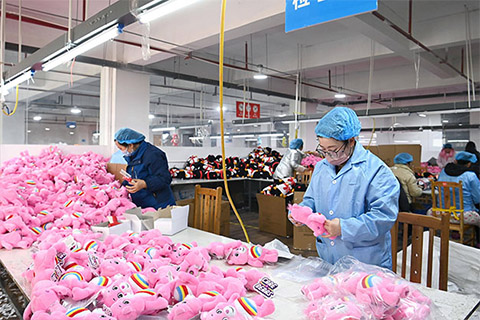
ISO 9001 is a quality management system standard. For plush toy buyers, its practical value is not just the certificate itself, but the way a factory manages requirements, documents processes, controls production, handles inspection, and improves when problems are found.
A plush toy order includes many details: pattern, fabric, embroidery, filling, sewing, labels, accessories, packaging, carton information, and shipment requirements. Without a controlled process, small differences can appear between the approved sample and bulk goods.
KINWIN uses quality management thinking to help buyers reduce avoidable uncertainty. The goal is to make each project easier to review, easier to produce, easier to inspect, and easier to repeat when the buyer places future orders.
Buyer decision point: ISO 9001 should be evaluated through the factory’s actual quality control behavior, not only through a logo on a page.
ISO9001 IS ABOUT QUALITY MANAGEMENT NOT PR
ISO9001 Is About Quality Management, Not Product Safety Testing
Buyers sometimes confuse ISO 9001 with toy safety certification. ISO 9001 focuses on quality management systems, while toy safety testing focuses on whether a specific product meets standards for a target market or age group.
A plush toy may still need testing for markets such as the United States, Europe, or other destination countries, depending on materials, user age, small parts, labeling, and buyer requirements. ISO 9001 does not replace those product-specific tests.
However, a quality management system can support safer and more consistent production because it encourages clearer documentation, better process control, organized inspection, and corrective action when nonconformities are found.
Buyer decision point: ISO 9001 helps manage production quality, while product safety compliance must still be reviewed according to the target market.
WHY QUALITY MANAGEMENT MATTERS IN CUSTOM P
Why Quality Management Matters in Custom Plush Manufacturing
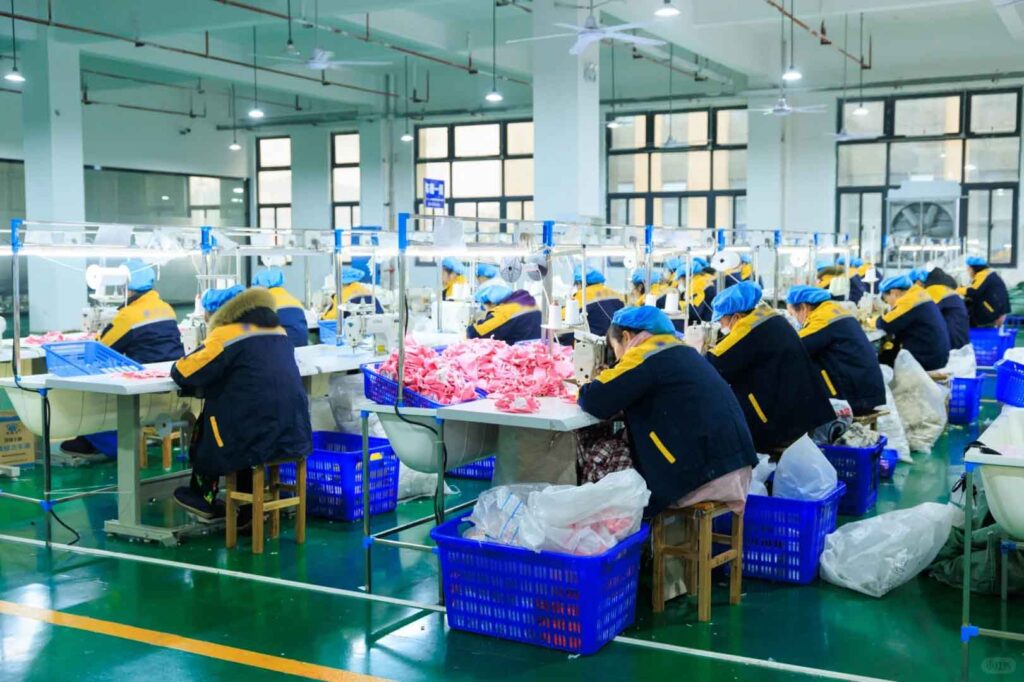
Custom plush toys are detail-sensitive products. Quality management helps keep those details under control from sample to shipment.
Sample-to-Bulk Consistency
The approved sample should become a clear production reference for pattern, fabric, embroidery, filling, labels, accessories, and packaging.
Material and Color Control
Fabric type, color, pile direction, stuffing, thread, printed parts, and trims should be controlled so bulk goods match the approved direction.
Inspection Records
Inspection records help buyers understand what was checked, what issues were found, and how the factory handled them.
Repeat Order Stability
Good records make repeat orders more stable because previous standards, material references, and QC points can be reused.
DOCUMENTED REQUIREMENTS BEFORE PLUSH PRODU
Documented Requirements Before Plush Production
Before production begins, project requirements should be documented clearly. This includes the approved sample, size, fabric, color, embroidery files, printed details, filling level, label placement, packaging method, carton marks, and any buyer-specific inspection requirements.
When requirements are not documented, production teams may rely on memory or verbal communication. That increases the risk of misunderstanding, especially when the product includes custom characters, special materials, embroidered logos, licensed artwork, sound modules, or private label packaging.
KINWIN organizes key production information so the project can be communicated clearly between sampling, purchasing, cutting, embroidery, sewing, stuffing, finishing, inspection, packing, and shipment teams.
Buyer decision point: clear documentation is one of the simplest ways to reduce production mistakes.
APPROVED SAMPLE AS THE QUALITY STANDARD
Approved Sample as the Quality Standard
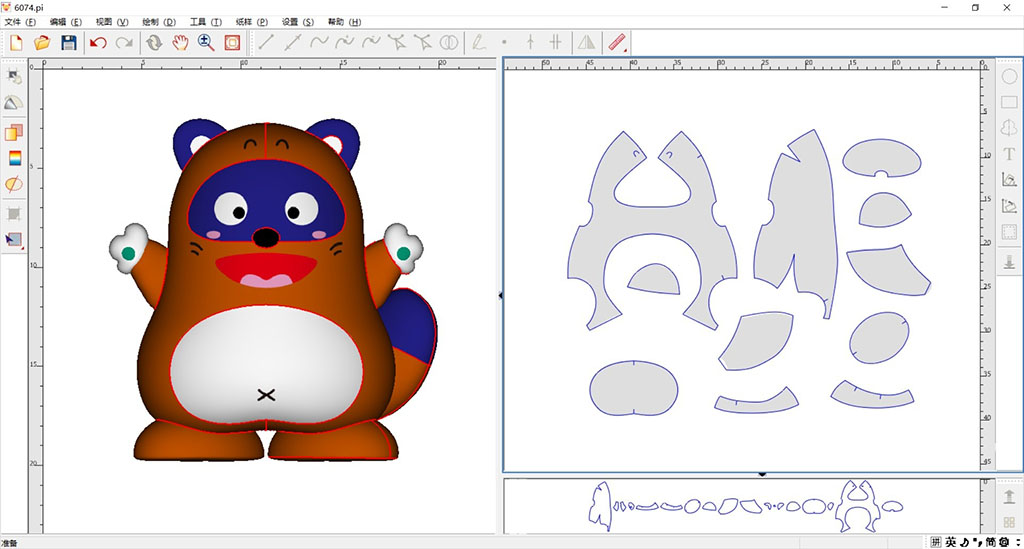
For custom plush toys, the approved sample is one of the most important quality references. It shows the buyer-approved shape, fabric, embroidery, expression, color, filling, handfeel, labels, accessories, and packaging direction.
An ISO9001-style quality approach treats the approved sample as a controlled reference, not just a photo. Production and inspection should compare bulk goods against the approved sample and related production notes.
If a detail changes after approval, the change should be reviewed. A different fabric, thread color, logo size, accessory material, packaging method, or filling density can affect cost, schedule, product performance, and customer acceptance.
Buyer decision point: a sample is only useful as a quality standard when the factory also records the details behind it.
MATERIAL CONTROL IN A PLUSH TOY FACTORY
Material Control in a Plush Toy Factory
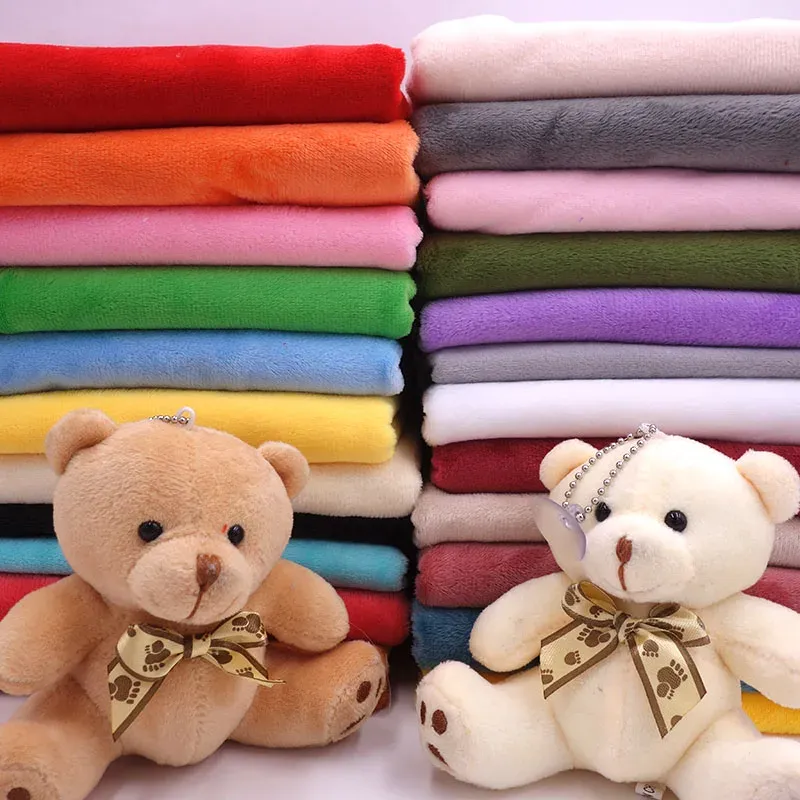
Material control is essential because fabric, stuffing, thread, and accessories directly affect the final plush quality.
Fabric Verification
Fabric type, color, pile direction, handfeel, stretch, and availability should be checked before production. Wrong fabric can change the entire product appearance.
Stuffing and Thread Control
Stuffing quality and thread selection affect softness, shape, seam strength, and durability. These materials should match the approved sample and product purpose.
Accessories and Labels
Plastic eyes, sound modules, embroidered patches, woven labels, hangtags, care labels, and packaging parts should be checked against order requirements.
PROCESS CONTROL FROM CUTTING TO PACKING
Process Control from Cutting to Packing
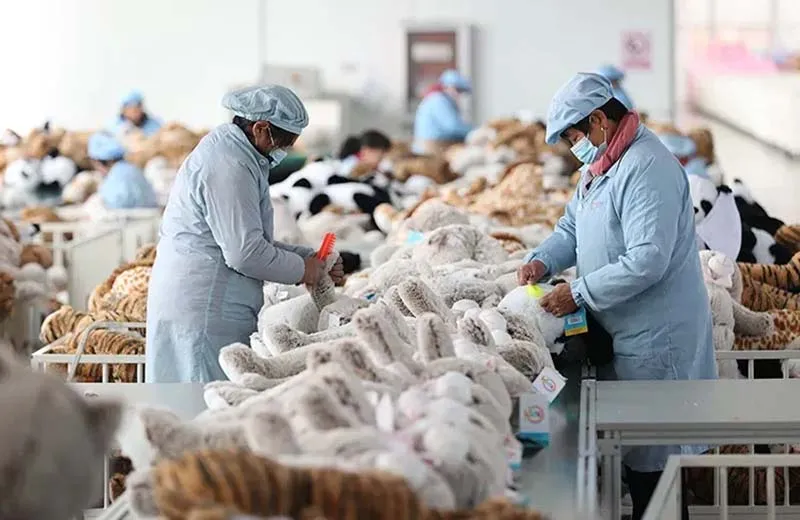
A plush toy passes through many production steps. Process control helps prevent small mistakes from becoming bulk order problems.
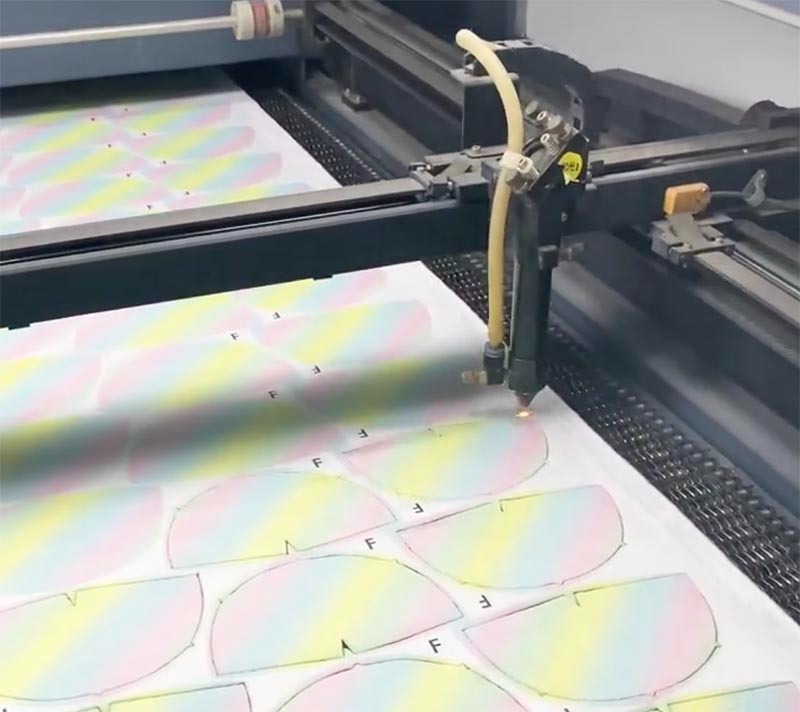
Cutting Control
Pattern pieces should be cut accurately according to the approved pattern, fabric direction, and size requirements.
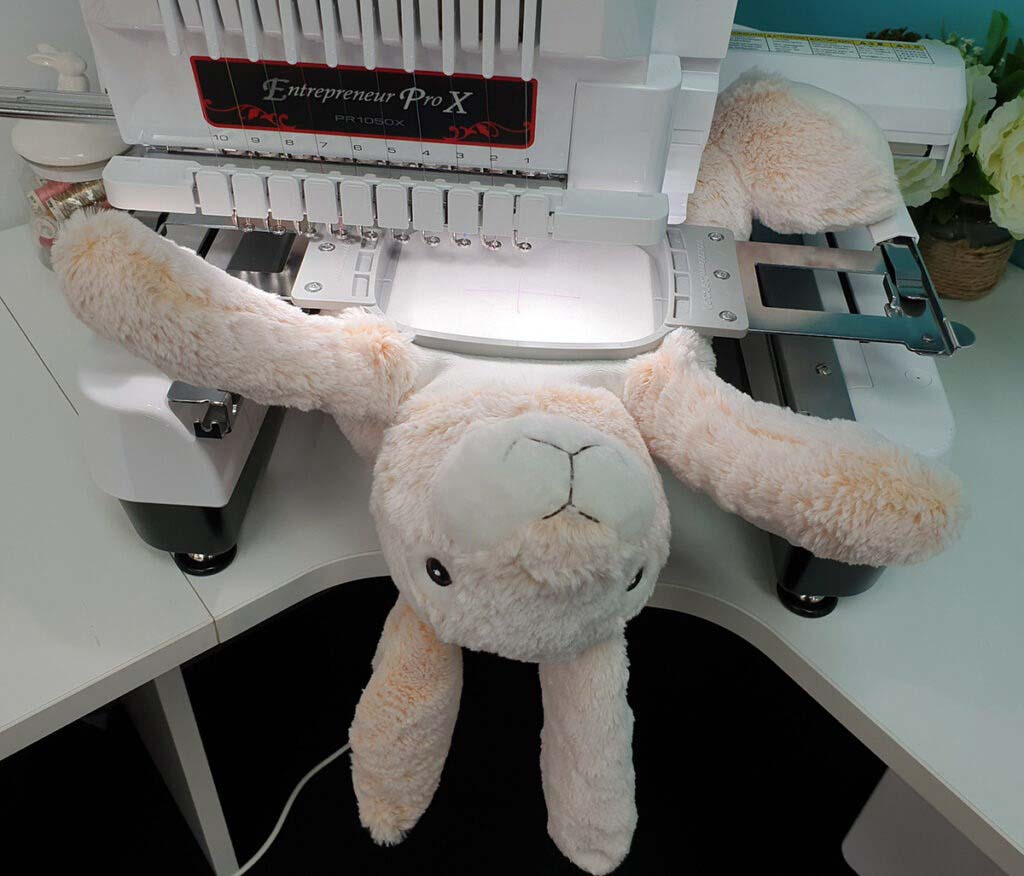
Embroidery and Printing Control
Embroidery position, thread color, stitch clarity, printed details, and logo placement should be checked before sewing continues.

Sewing and Stuffing Control
Seam quality, shape balance, filling density, closure strength, and overall appearance should be monitored during assembly.
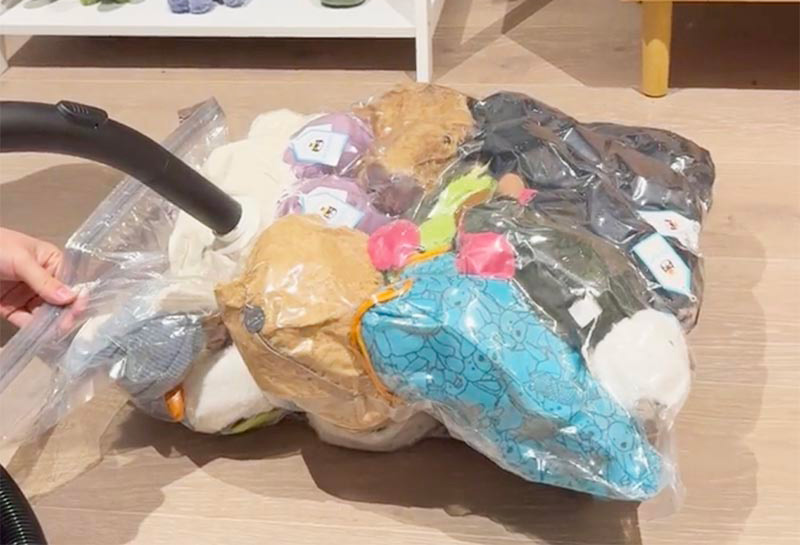
Final Packing Control
Finished goods should be checked for cleanliness, labels, packaging, carton information, quantity, and buyer-specific requirements.
INSPECTION PLANNING FOR CUSTOM PLUSH ORDER
Inspection Planning for Custom Plush Orders
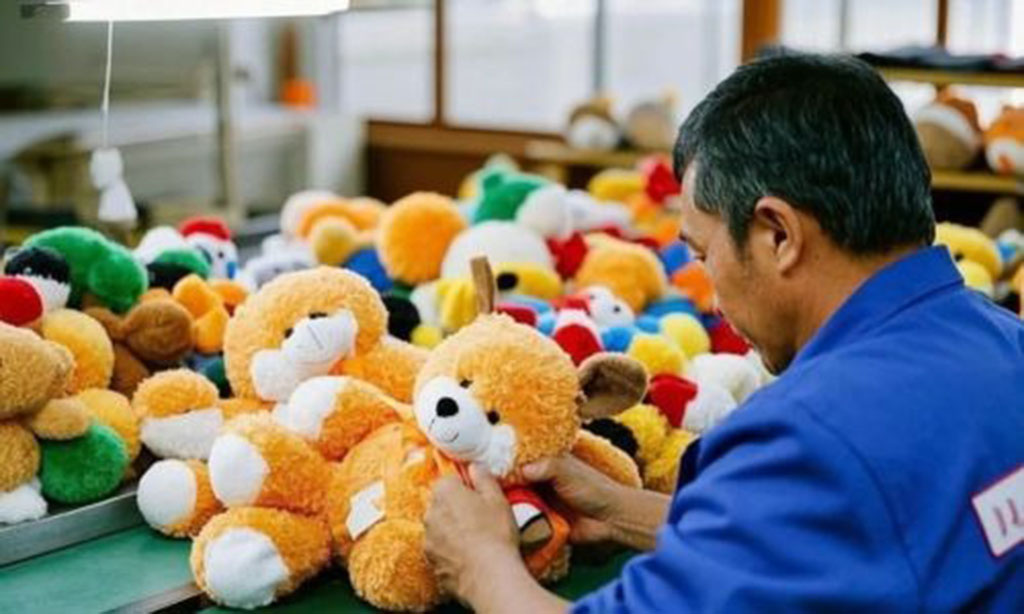
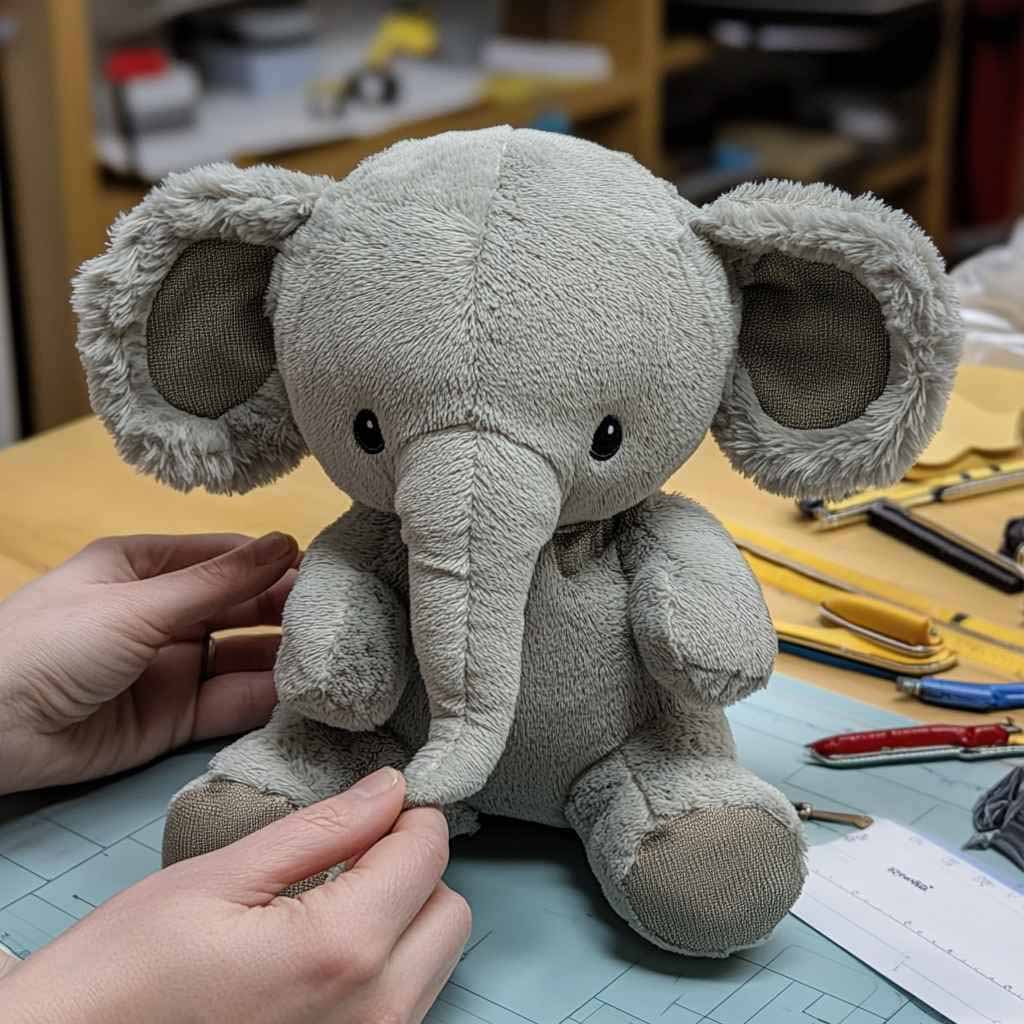
Inspection planning should match the product risk. A simple promotional plush may need different inspection focus from a baby plush, licensed character plush, musical plush, embroidered logo plush, or complex private label collection.
KINWIN reviews key inspection points such as size, appearance, embroidery, seams, stuffing, cleanliness, labels, accessories, function, packaging, and carton information. When the product has special features, inspection points should be adjusted accordingly.
Good inspection planning helps buyers avoid vague quality discussions. Instead of saying a product looks wrong, the buyer and factory can compare it against specific standards such as approved sample, size tolerance, color reference, embroidery position, and packaging requirements.
Buyer decision point: inspection should be designed around the product, not applied as the same checklist for every plush order.
CORRECTIVE ACTION WHEN QUALITY ISSUES ARE
Corrective Action When Quality Issues Are Found
A strong quality system does not mean problems never happen. It means the factory can identify problems, analyze causes, correct the issue, prevent repetition, and communicate clearly with the buyer.
In plush production, quality issues may come from material variation, cutting deviation, embroidery position, sewing tension, stuffing amount, label mistakes, packaging confusion, or unclear project requirements. Each problem needs a practical response.
KINWIN uses corrective-action thinking when issues are found. The goal is not only to repair the current product, but also to reduce the chance of the same issue happening again in the same order or future repeat orders.
Buyer decision point: ask how a factory responds to quality issues, not only whether it claims to inspect products.
TRACEABILITY AND PRODUCTION RECORDS
Traceability and Production Records
Production records help buyers and factories understand how an order was made and how future orders should be repeated.
Material Records
Fabric references, thread colors, stuffing type, accessories, labels, and packaging materials should be recorded when they affect product consistency.
Production Notes
Pattern details, embroidery files, sewing instructions, filling notes, special handling requirements, and packaging instructions support production control.
QC Records
Inspection results, issue records, corrective actions, and shipment checks create useful references for buyer communication and repeat orders.
SUPPLIER EVALUATION FOR ISO9001 PLUSH TOY
Supplier Evaluation for ISO9001 Plush Toy Factory Selection
When buyers evaluate a plush toy factory, they should look beyond price and ask how the factory controls the order from requirement review to shipment.
Does the factory document requirements clearly?
Clear production requirements reduce misunderstanding between buyer, sales, sampling, purchasing, production, QC, and packing teams.
Does the factory use approved samples as standards?
Approved samples should guide production and inspection, especially for custom plush toys with unique designs.
Does the factory keep inspection and issue records?
Records make quality communication more objective and help support future repeat orders.
Does the factory improve after quality problems?
Corrective action shows whether the factory can learn from issues instead of only repairing individual products.
HOW ISO9001 THINKING SUPPORTS DIFFERENT PL
How ISO9001 Thinking Supports Different Plush Projects
Quality management is useful across many plush categories because each category has different risks and control points.
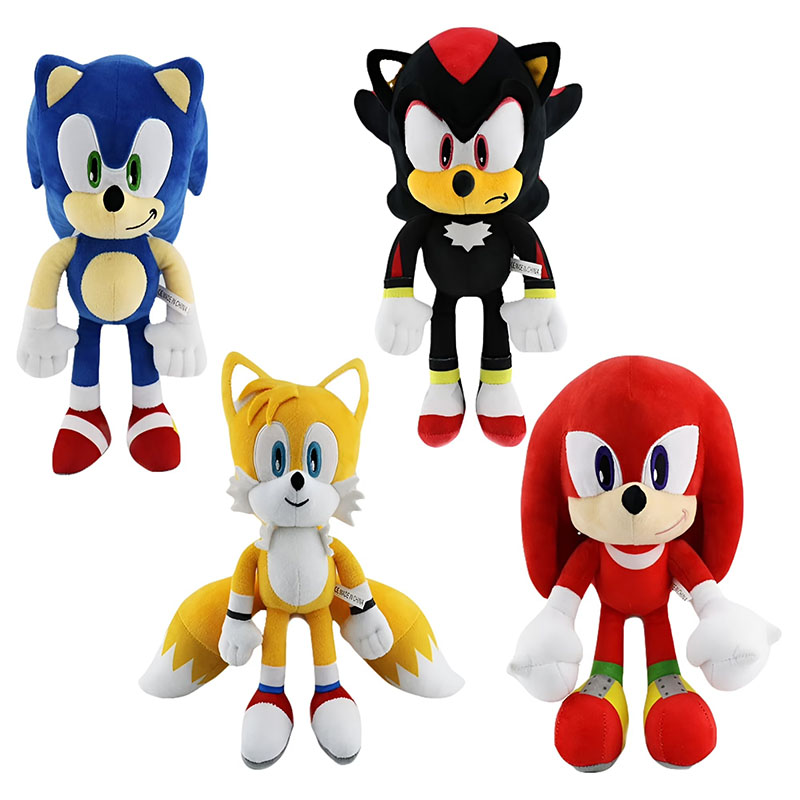
Character and Licensed Plush
Character accuracy, color, facial expression, embroidery, accessories, and approval sample consistency are key control points.
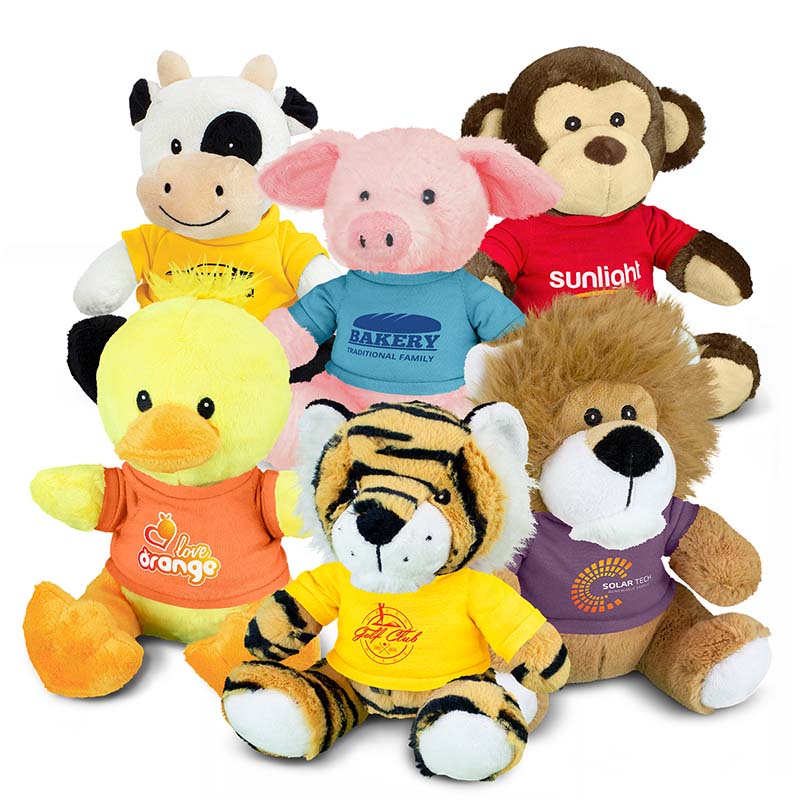
Promotional and Logo Plush
Logo placement, embroidery clarity, packaging information, order quantity, and delivery consistency are important.
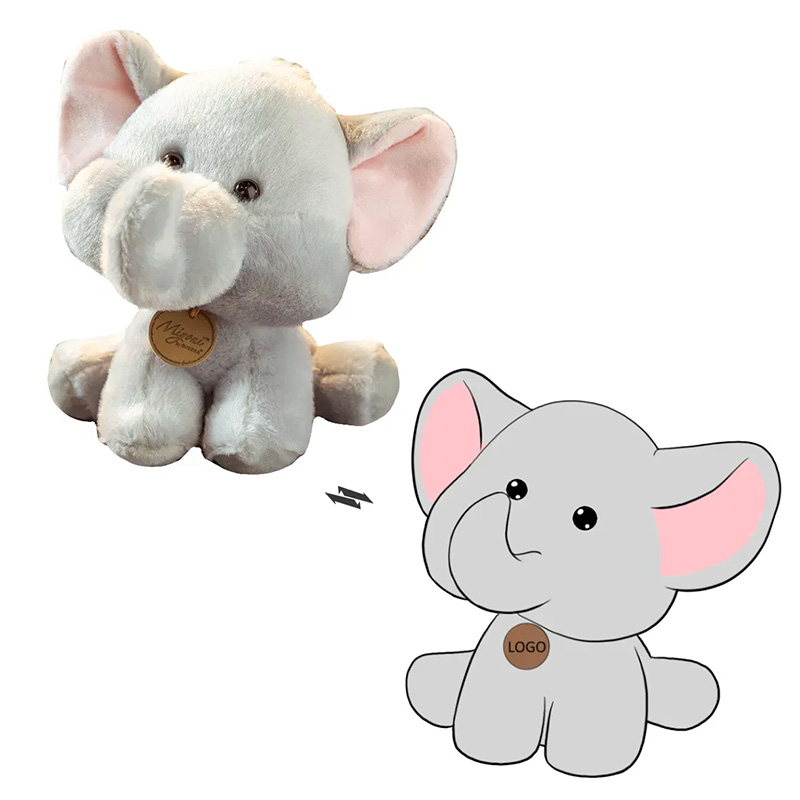
Baby and Comfort Plush
Softness, seam strength, small part risk, fabric selection, labels, and safety-related details need careful review.
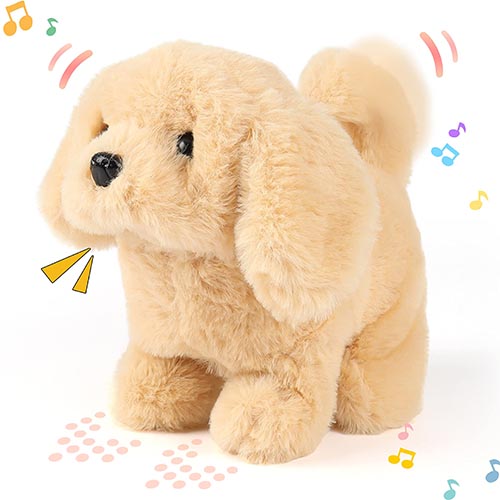
Functional Plush
Sound modules, LED parts, removable accessories, packaging instructions, and function testing require additional checkpoints.
PACKAGING AND SHIPMENT CONTROL
Packaging and Shipment Control
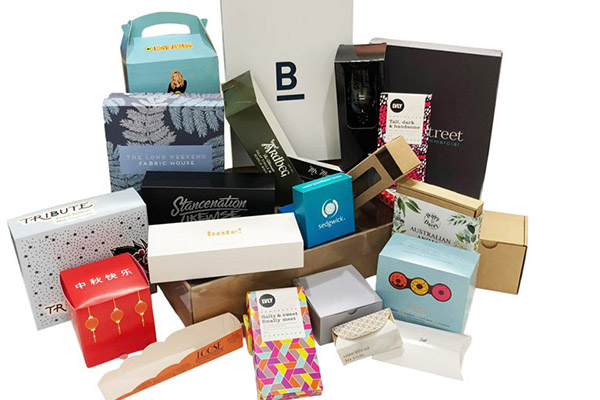
Packaging is part of quality control because it affects product protection, retail presentation, labeling, barcode scanning, carton handling, and customer experience. A well-made plush toy can still create problems if the packaging is wrong.
KINWIN reviews packaging requirements such as polybags, display boxes, gift boxes, hangtags, woven labels, care labels, warning labels, carton marks, carton quantity, and shipping destination requirements.
Shipment control also matters for large or shaped plush toys that may be compressed, deformed, or damaged if packed poorly. Packaging should protect the product while matching buyer cost and shipping requirements.
Buyer decision point: quality control should continue until the product is packed correctly and ready for shipment.
COMMON QUALITY PROBLEMS IN PLUSH TOY PRODU
Common Quality Problems in Plush Toy Production
A quality-focused plush factory should know how to prevent, identify, and respond to common production problems.
Bulk goods differ from approved sample
This may come from material changes, unclear production notes, filling differences, pattern deviation, or insufficient sample comparison.
Embroidery or printing is misplaced
Position control, pre-sewing checks, embroidery file confirmation, and operator instructions help reduce alignment issues.
Plush shape is inconsistent
Cutting accuracy, sewing tension, stuffing amount, pattern control, and finishing process all affect final shape.
Packaging or label errors occur
Care labels, hangtags, barcodes, carton marks, and packing quantities should be checked against documented requirements.
QUOTATION PREPARATION
What Buyers Should Prepare Before Quotation
Complete information helps KINWIN review project feasibility and prepare a more controlled production plan.
Product Design Information
Artwork, reference samples, size requirements, material preference, color references, embroidery files, and special construction notes.
Quality and Market Requirements
Target market, user age group, safety expectations, inspection requirements, labeling needs, and any buyer-specific quality standards.
Commercial and Packaging Details
Expected quantity, target price range, packaging method, carton requirements, launch schedule, shipping destination, and repeat-order plan.
WHY WORK WITH KINWIN AS AN ISO9001 PLUSH T
Why Work with KINWIN as an ISO9001 Plush Toy Factory
KINWIN is suitable for buyers who need custom plush manufacturing with clearer process control, documentation, inspection, and repeat-order support.
Quality Management Thinking
We connect sample approval, production documentation, material control, process inspection, final QC, packaging, and shipment preparation.
Custom Plush Manufacturing Experience
KINWIN supports character plush, baby plush, logo plush, musical plush, retail plush, promotional plush, and private label plush projects.
Bulk Production Consistency
Approved samples, material records, embroidery files, pattern notes, and QC points help keep bulk orders consistent.
MOQ for Custom Plush Projects
KINWIN's standard MOQ for custom plush projects starts from 500 pcs, depending on design, materials, size, packaging, and quality requirements.
START YOUR ISO9001 PLUSH TOY FACTORY PROJE
Start Your ISO9001 Plush Toy Factory Project with KINWIN
If you need a plush toy factory with stronger quality management thinking for a custom plush project, KINWIN can help you review the design, confirm the sample, prepare production documentation, and plan inspection checkpoints.
Send us your artwork, target size, material requirements, expected quantity, packaging needs, market destination, and quality expectations. Our team can help you understand what should be controlled before sampling, production, and shipment.
- Custom plush toy manufacturing with ISO9001 quality management thinking
- Sample approval, production documentation, material control, process inspection, and final QC
- Support for character plush, baby plush, logo plush, musical plush, retail plush, and private label projects
- Standard MOQ for custom plush projects starts from 500 pcs
FAQ ISO9001 PLUSH TOY FACTORY
FAQ: ISO9001 Plush Toy Factory
What does ISO9001 mean for a plush toy factory?
ISO 9001 relates to quality management systems. For plush buyers, it means the factory should use clearer processes, documentation, inspection, corrective actions, and production control.
Does ISO9001 replace toy safety testing?
No. ISO 9001 is not the same as product safety testing. Plush toys may still need market-specific safety testing depending on destination, age group, materials, and buyer requirements.
Can KINWIN support custom plush toy production with quality control?
Yes. KINWIN supports custom plush projects with sample approval, material review, production documentation, process control, final inspection, packaging review, and shipment preparation.
What quality details are checked in plush production?
Common checks include size, shape, fabric, color, embroidery, seams, filling, cleanliness, labels, accessories, function, packaging, carton marks, and order quantity.
How does the approved sample support quality control?
The approved sample becomes a physical reference for production and inspection. It helps the factory compare bulk goods against the buyer-approved standard.
Can ISO9001-style records help repeat orders?
Yes. Material records, pattern notes, embroidery files, packaging details, and QC records can help future repeat orders remain closer to the original approved standard.
What should buyers prepare before requesting a quote?
Buyers should prepare artwork, size, material preference, target quantity, market destination, age group, quality requirements, packaging needs, and any inspection or compliance expectations.
What is the MOQ for custom plush projects?
KINWIN's standard MOQ for custom plush projects starts from 500 pcs. Final feasibility depends on design, materials, size, production complexity, packaging, and quality requirements.
If You Can lmagine lt,We Will Create lt!
1.Tell Us What You Need
Tell us as specific as possible of your needs and share your idea.
2.Get Solution & Quote
We will work on the best solution according to yourrequirements,the specific quote will be provided within 24 hours.
3.Approve for Mass Production
We will start mass production after getting your approval.
