 Skip to content
Plush Toy Manufacturer Compliant with EU & US Toy Safety Standards
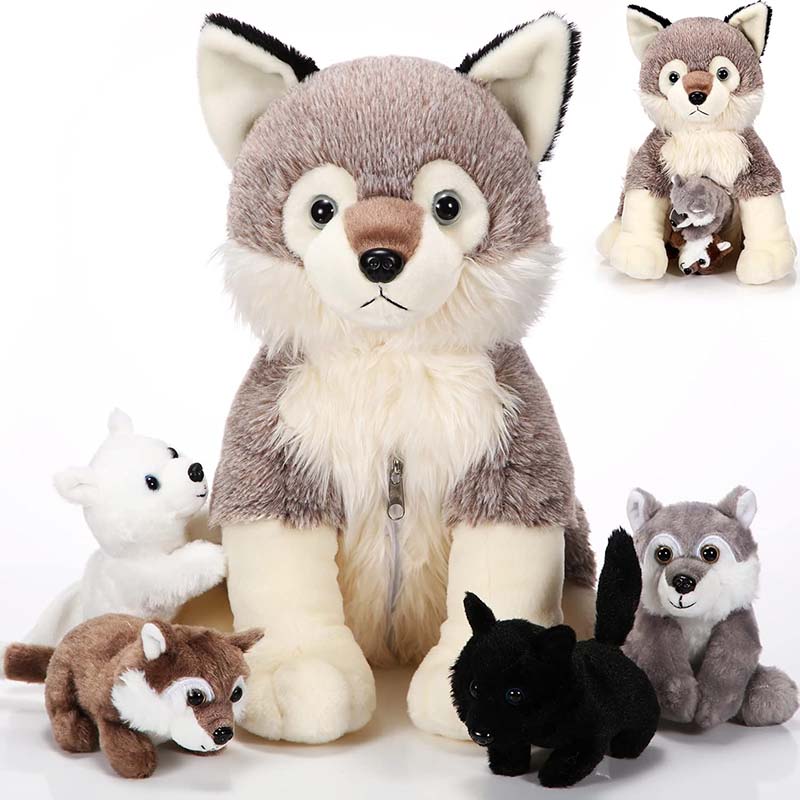
Selling plush toys in the United States and Europe requires strict compliance with toy safety regulations. Standards such as EN71, ASTM F963, CPSIA, and REACH are essential for entering major retail channels and online marketplaces. Working with a manufacturer that understands these requirements helps reduce compliance risks, avoid testing delays, and launch safe plush products faster. Kinwin manufactures plush toys designed for EU and US market compliance. From material selection and safety design to quality control and export documentation, you receive a manufacturing partner focused on safety, reliability, and smooth global market entry.
Why EU & US Toy Safety Compliance Matters for Plush Toy Brands
Selling plush toys in the United States and Europe requires strict toy safety compliance. Regulations such as the EU Toy Safety Directive and US toy safety standards ensure that toys are safe for children and meet market requirements. Working with a manufacturer familiar with plush toy regulations helps reduce compliance risks, avoid testing delays, and prepare products for smooth entry into global markets.
Retailers Require Verified Toy Safety Compliance
Major retailers in the US and Europe require suppliers to meet toy safety compliance before products can be sold. Standards such as EN71 and ASTM F963 are commonly required for plush toys entering retail channels. Compliance ensures your products can be accepted by large retailers and distributors.
Amazon and Online Marketplaces Require Safety Certificates
Online marketplaces often require safety documentation for children's products. Platforms like Amazon may request CPSIA certificates and testing reports based on US toy safety standards. Compliance-ready products reduce listing risks and help sellers launch faster.
Import Inspection Risks for Non-Compliant Plush Toys
Customs authorities in the EU and US may inspect toy shipments to verify compliance with plush toy regulations. Products without proper documentation may face delays or additional inspection. Compliance during manufacturing helps ensure smoother import procedures.
Product Safety Protects Brand Reputation
Toy safety compliance helps protect both consumers and brand reputation. Products that fail safety standards may lead to recalls or legal risks. Manufacturing according to EU toy safety directive and US toy safety standards helps build long-term trust with buyers and retailers.
Compliance Helps Brands Enter Major Global Markets
Meeting toy safety compliance requirements makes it easier for plush toys to enter major markets. Certified products are more widely accepted by retailers, distributors, and online platforms. This helps brands expand internationally with lower regulatory risk.
Working with a manufacturer experienced in EU and US toy safety compliance helps you reduce regulatory risks while preparing your plush toys for global distribution.
Key EU & US Safety Standards for Plush Toys and Stuffed Animals
To sell plush toys in the European and US markets, products must comply with specific toy safety regulations. Standards such as EN71, ASTM F963, CPSIA, and REACH define the safety requirements for stuffed animals, including mechanical safety, chemical limits, and labeling rules. Understanding these standards helps brands develop plush toys that meet market regulations and pass product testing smoothly.
EN71 Safety Standard for Stuffed Animals
EN71 is the primary toy safety standard required for plush toys sold in the European Union. It covers mechanical safety, flammability testing, and chemical safety requirements for stuffed animals. EN71 stuffed animals must pass strict testing to ensure the toy is safe for children and suitable for sale in EU markets.
ASTM F963 Safety Standard for Plush Toys
ASTM F963 is the main toy safety standard in the United States for children’s products, including plush toys. It defines safety requirements related to physical hazards, small parts, and product durability. Plush toys that comply with ASTM F963 are better prepared for distribution through US retailers and toy markets.
CPSIA Requirements for Plush Toys in the United States
CPSIA (Consumer Product Safety Improvement Act) regulates children’s product safety in the US market. CPSIA plush toys must meet limits on lead content, phthalates, and labeling requirements. Compliance with CPSIA helps ensure plush toys meet legal safety requirements for children’s products.
REACH Compliance for Plush Toy Materials
REACH is a European regulation that controls the use of chemical substances in consumer products. REACH compliance for plush toys focuses on the safety of materials, dyes, and accessories used in production. Meeting REACH requirements helps ensure that plush toys are safe for consumers and compliant with EU market regulations.
Understanding these key safety standards helps brands develop compliant plush toys that can enter both EU and US markets with lower regulatory risk and smoother product approval.
Plush Toy Product Categories We Manufacture
Our plush toy factory manufactures a wide range of plush toys for different brands, markets, and applications. From classic stuffed animals to interactive toys and promotional plush products, you can develop custom plush toys designed for retail, gifts, education, and branding projects.
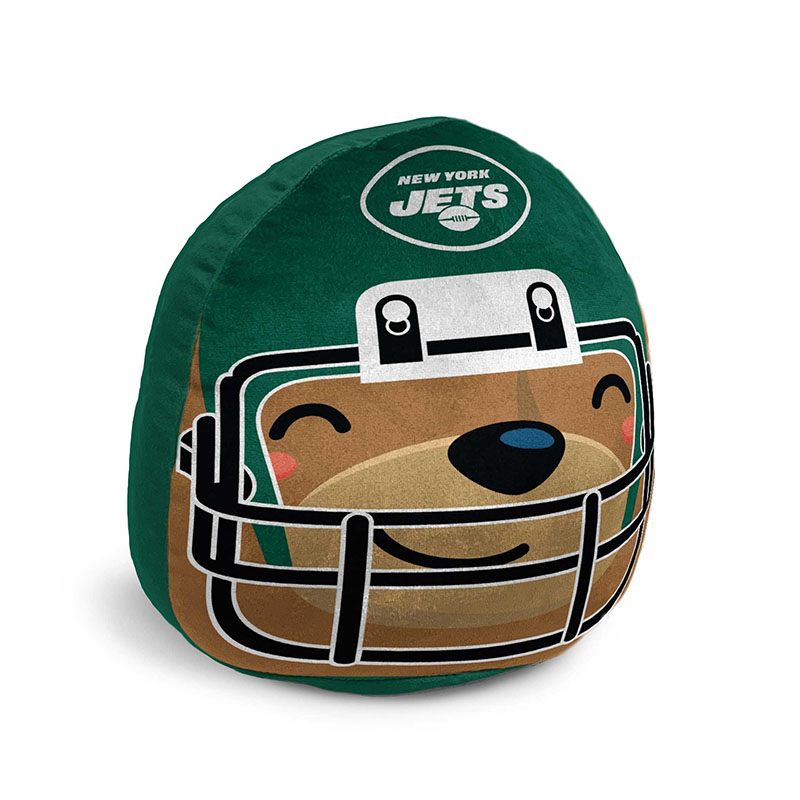
Mascot Plush Toys
Custom mascot plush toys are widely used by brands, sports teams, and promotional campaigns to create recognizable brand characters.
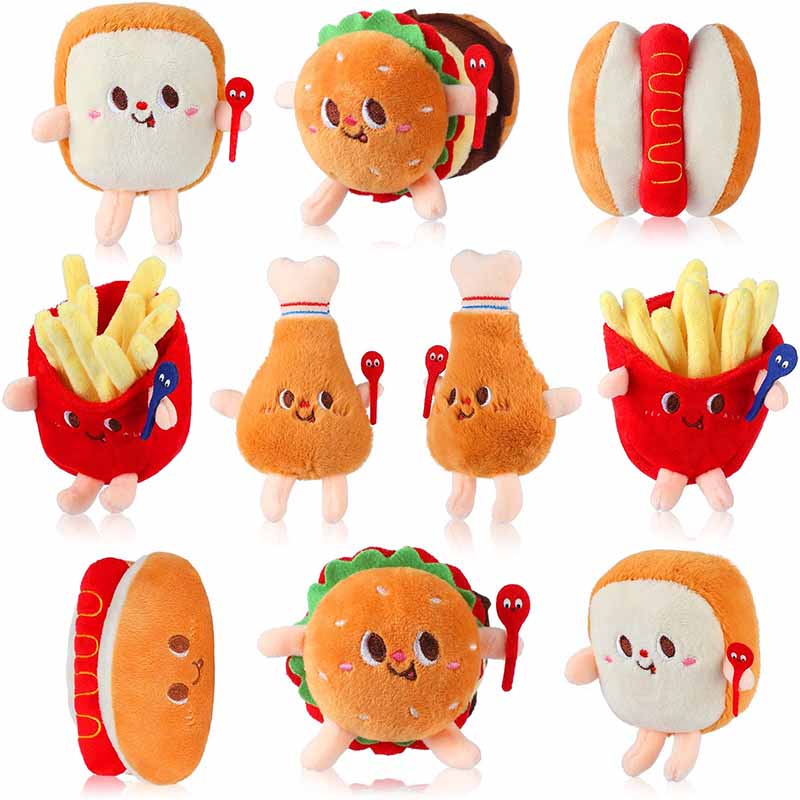
Food Plush Toys
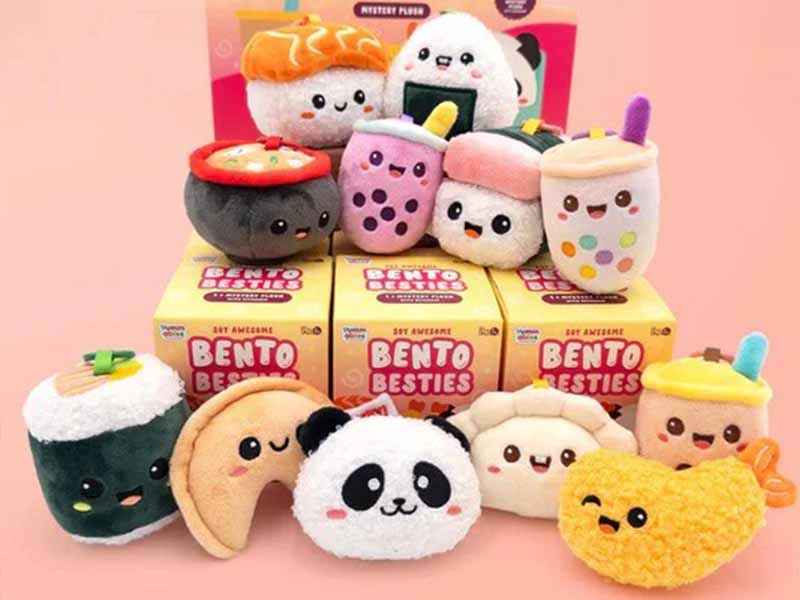
Food-themed plush toys such as burgers, sushi, and desserts are popular for retail stores, gift shops, and novelty toy collections.
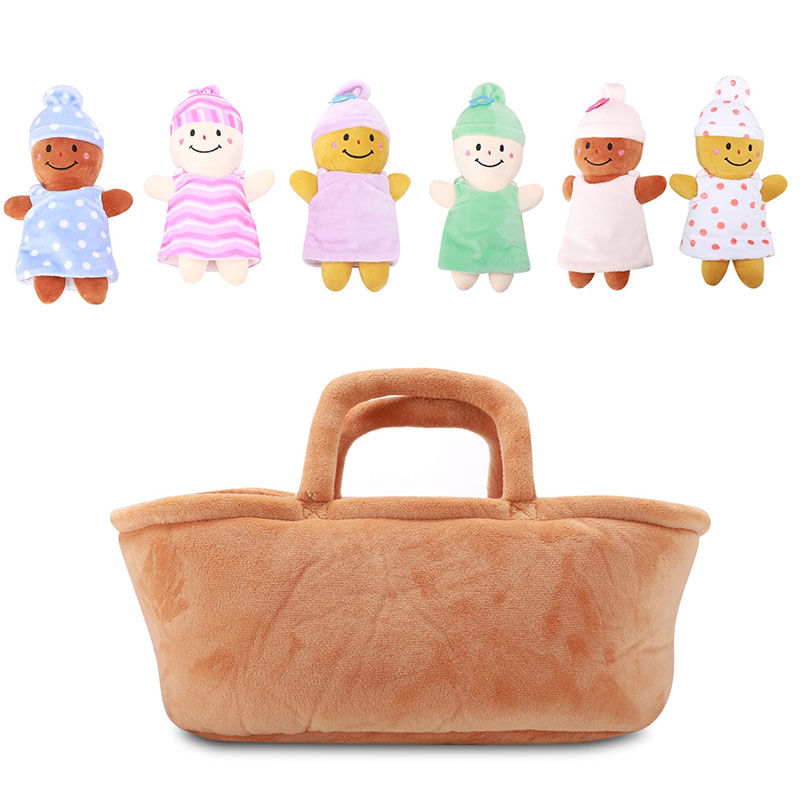
Baby Plush Toys
Baby plush toys are designed with soft fabrics, safe structures, and child-friendly materials suitable for infants and toddlers.
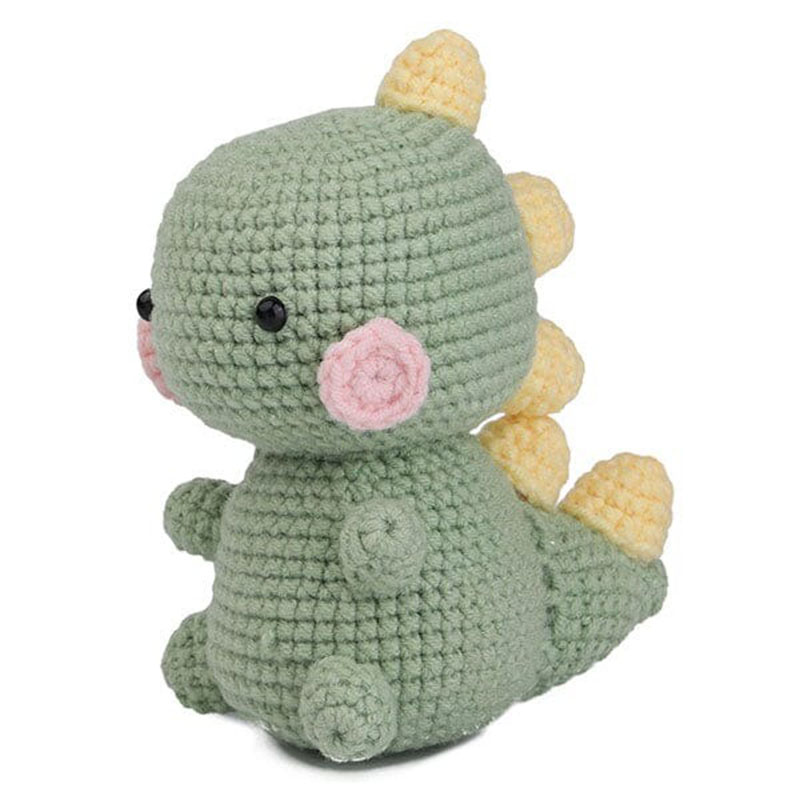
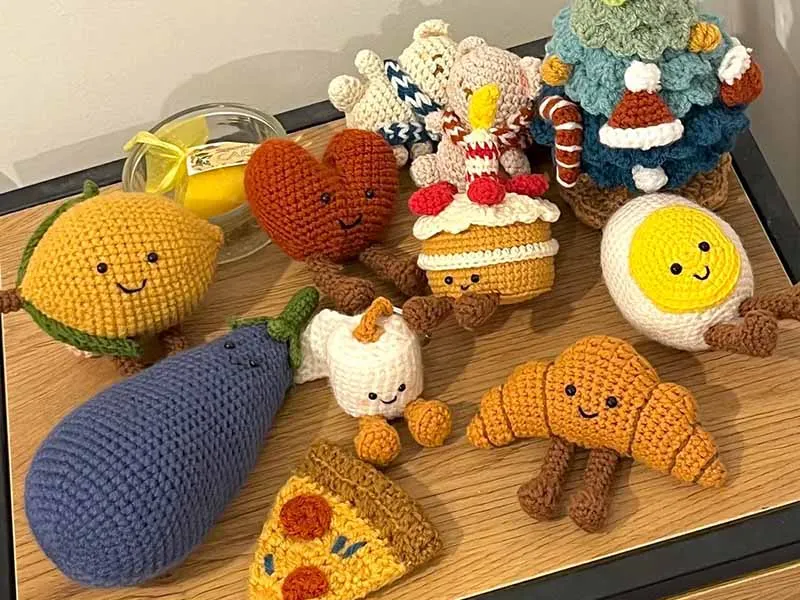
Crochet Plush Toys
Crochet plush toys feature handmade-style textures and are often used for boutique brands and creative plush collections.
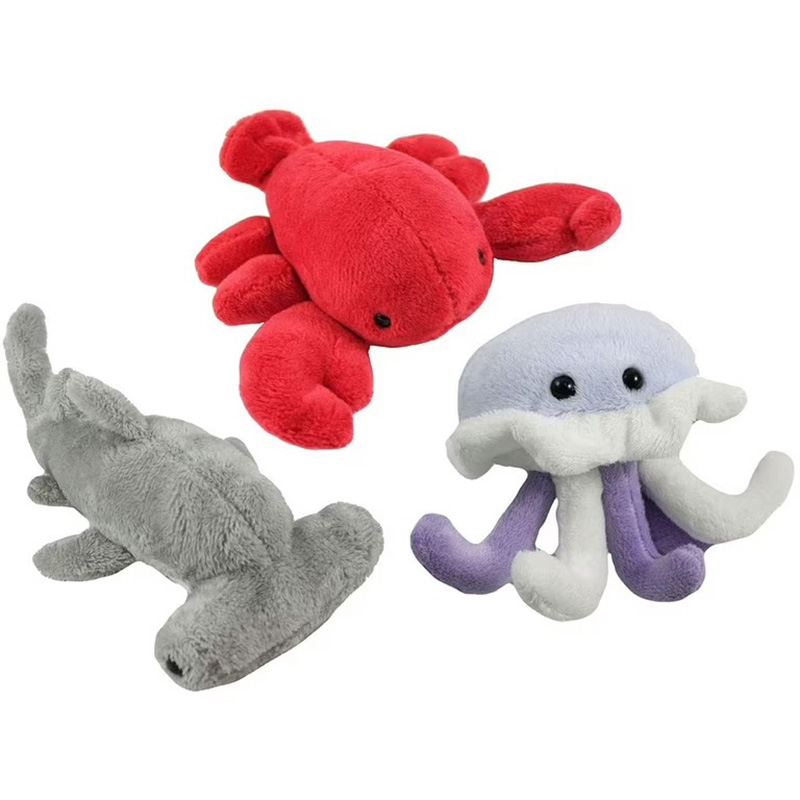
Ocean Animal Plush Toys
Ocean-themed plush toys include whales, dolphins, turtles, and octopus designs popular for marine-themed product lines.

Fruit Plush Toys
Fruit plush toys such as strawberries, bananas, and pineapples are widely used for cute plush collections and gift products.
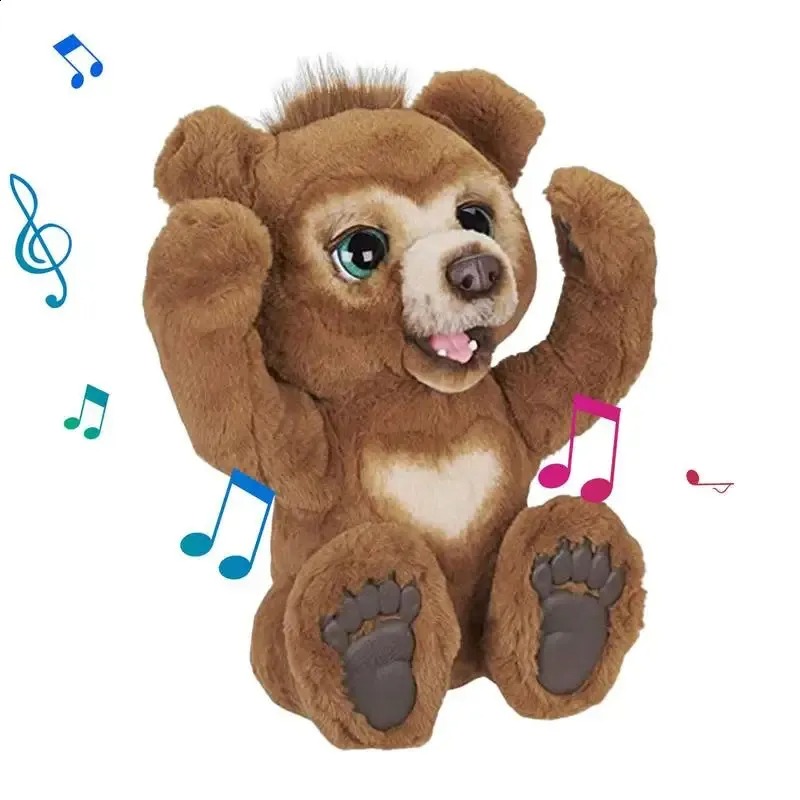
Interactive Plush Toys
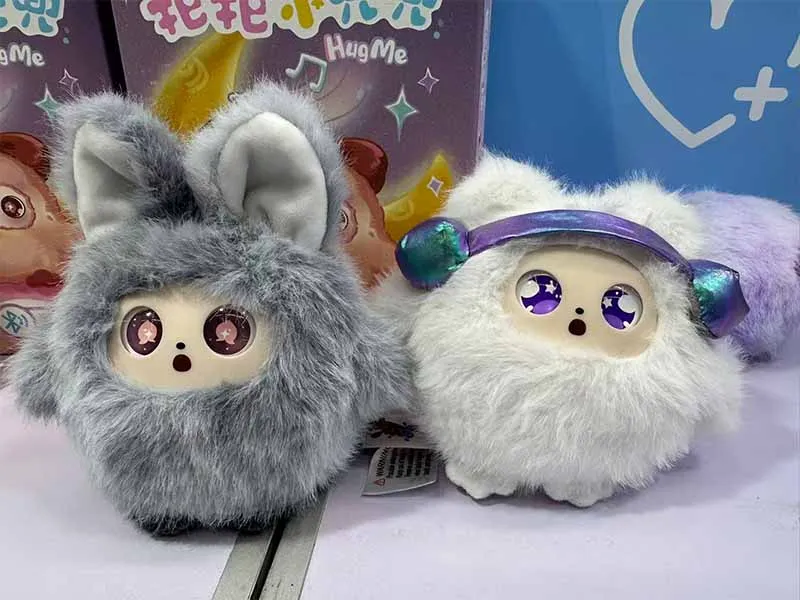
Interactive plush toys can include sound modules, movement mechanisms, or touch responses to create engaging toy experiences.
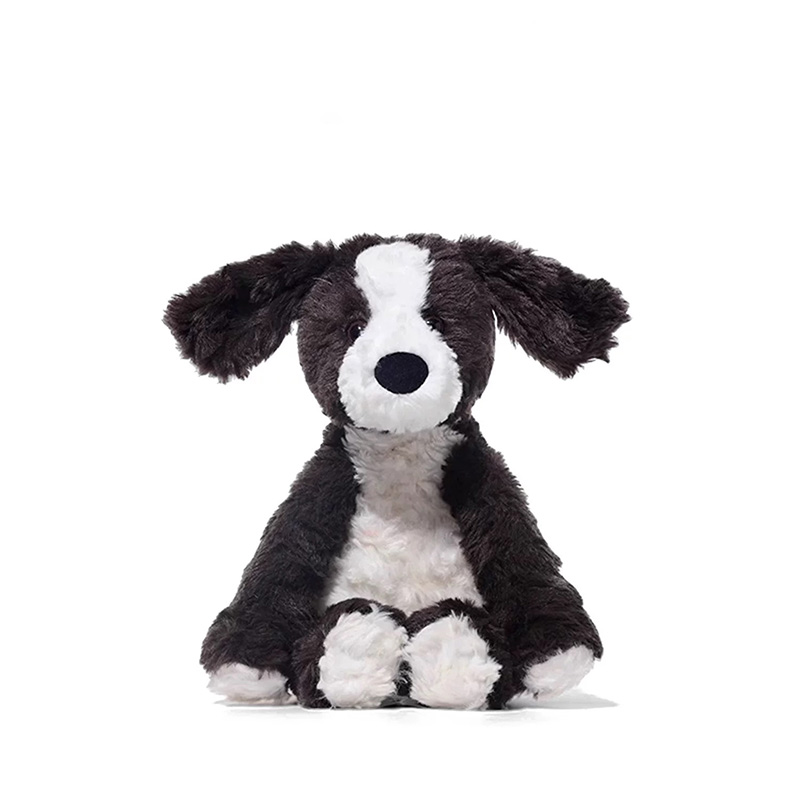
Weighted Plush Toys
Weighted plush toys use internal weight beads to provide a calming sensory experience and are popular in comfort plush products.
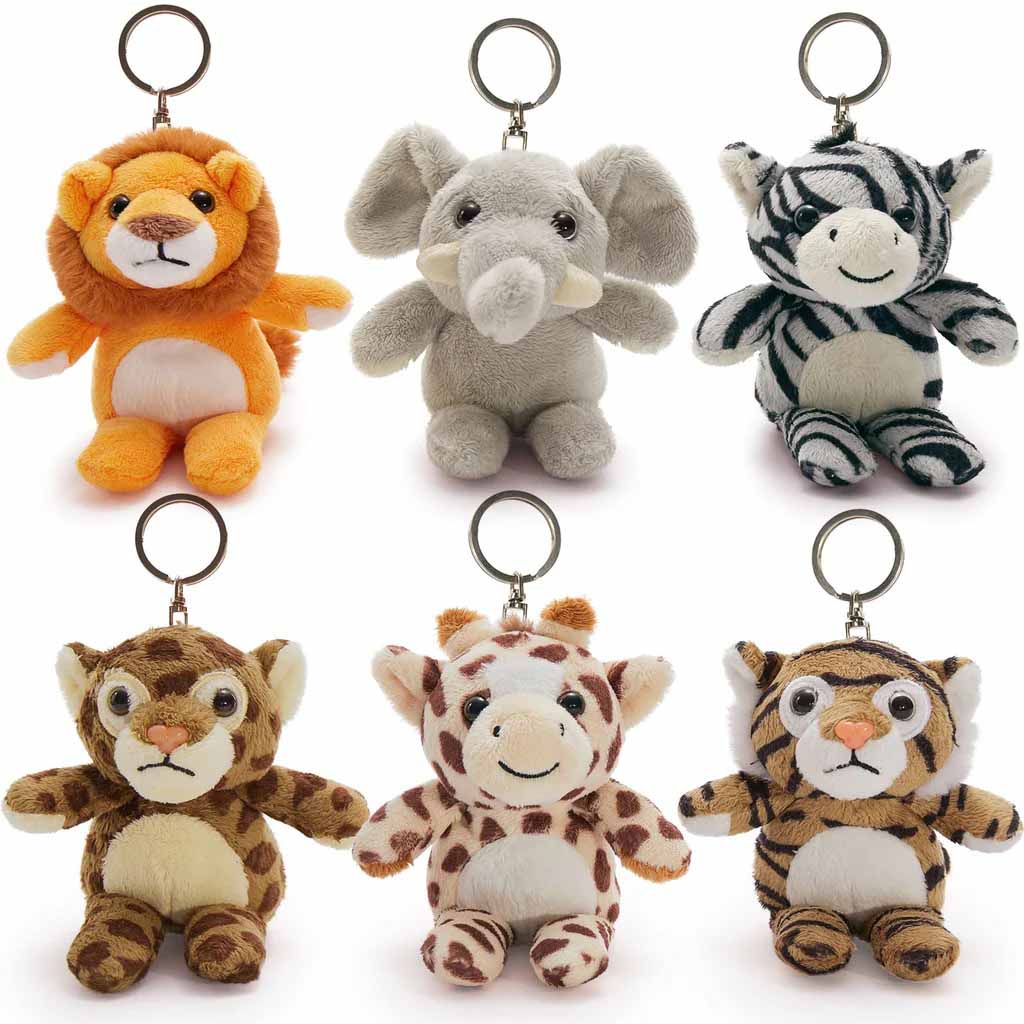
Keychain Plush Toys
Plush keychains are compact plush toys designed for bags, accessories, and promotional giveaways.
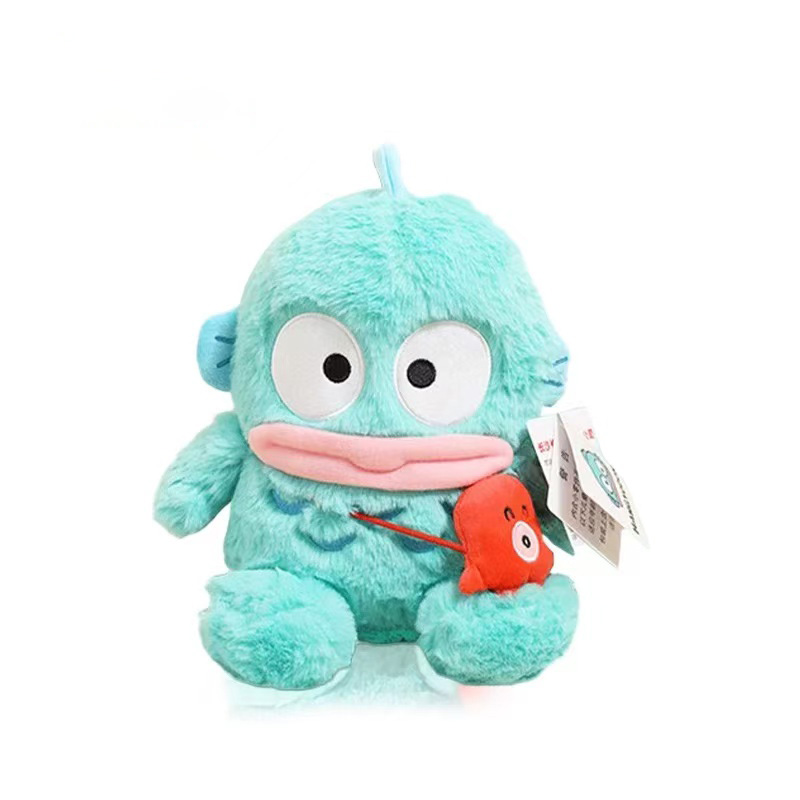
Plush Backpack Toys
Plush backpack toys combine soft toy designs with small backpacks, making them popular for children and character merchandise.
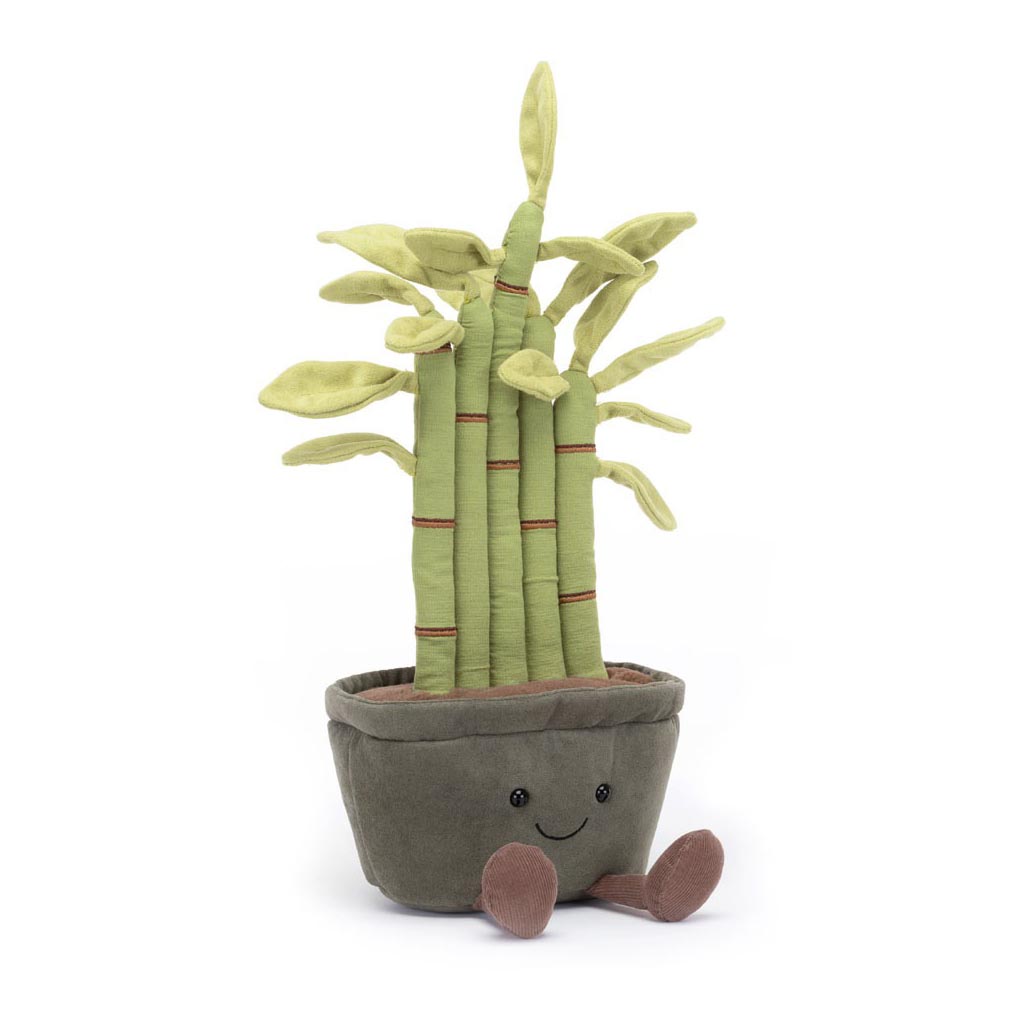
Plant Plush Toys
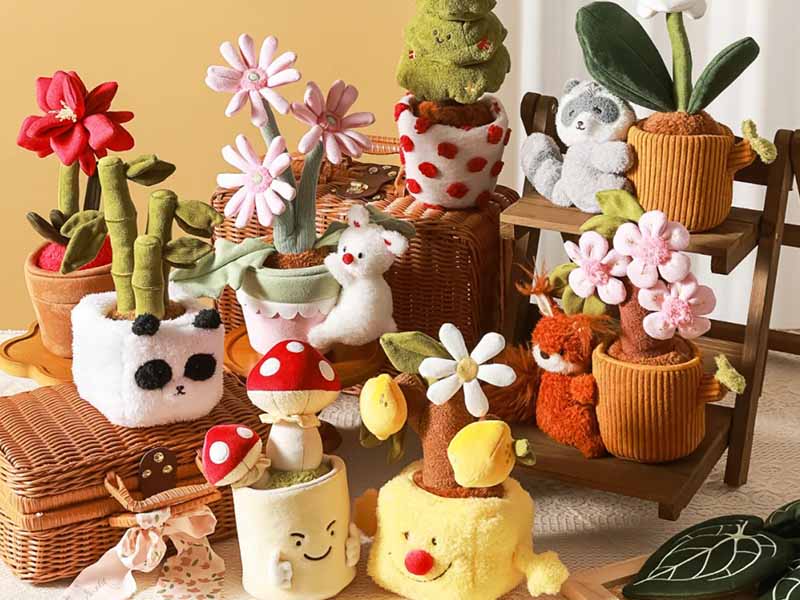
Plant-themed plush toys such as cactus, mushrooms, and flowers offer creative and decorative plush toy designs.
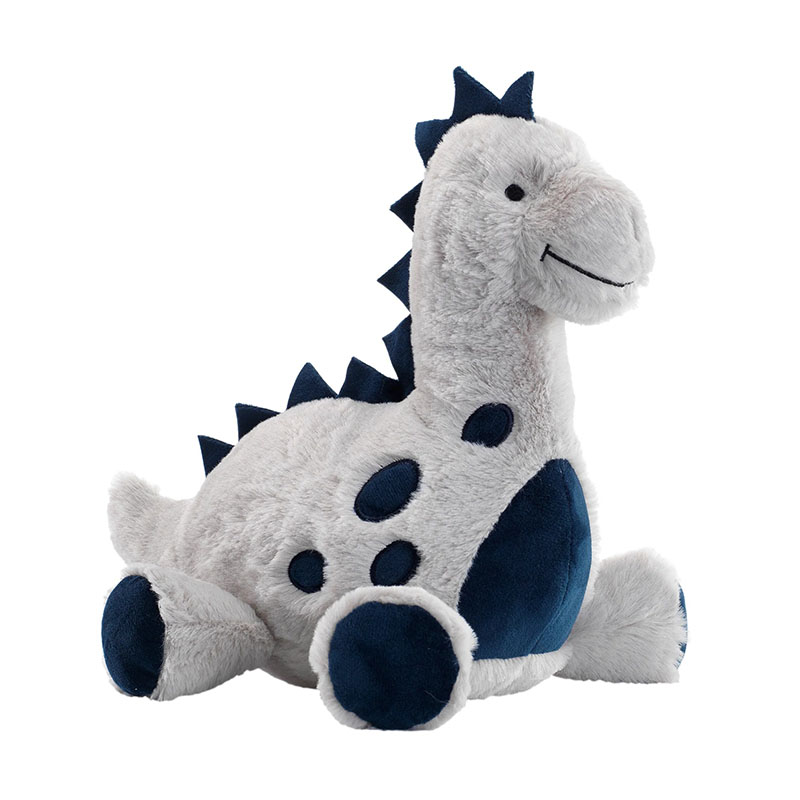
Dinosaur Plush Toys
Dinosaur plush toys are classic children’s toys and are widely used for educational and themed plush collections.
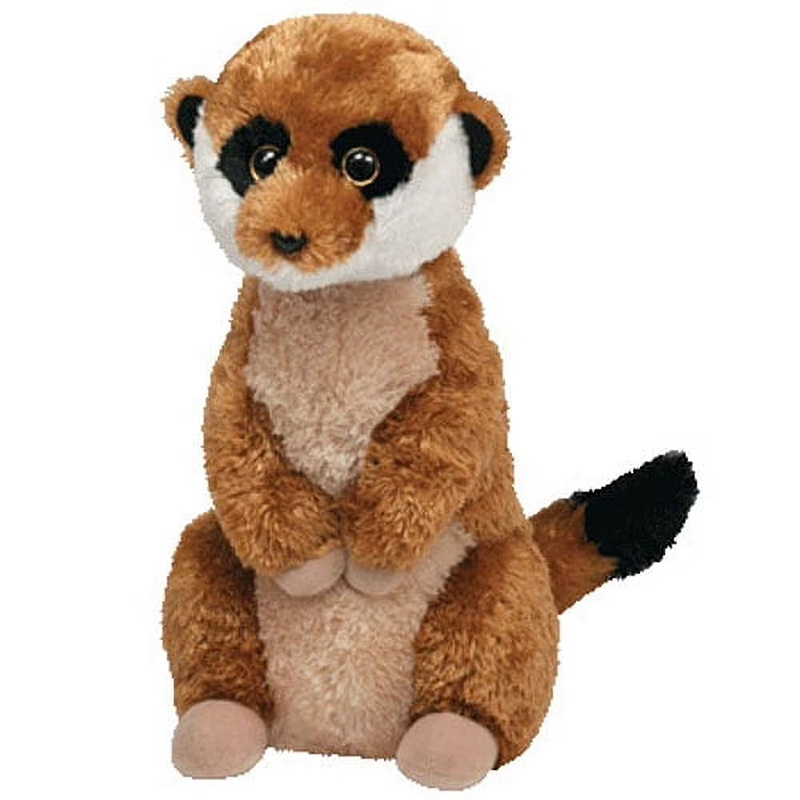
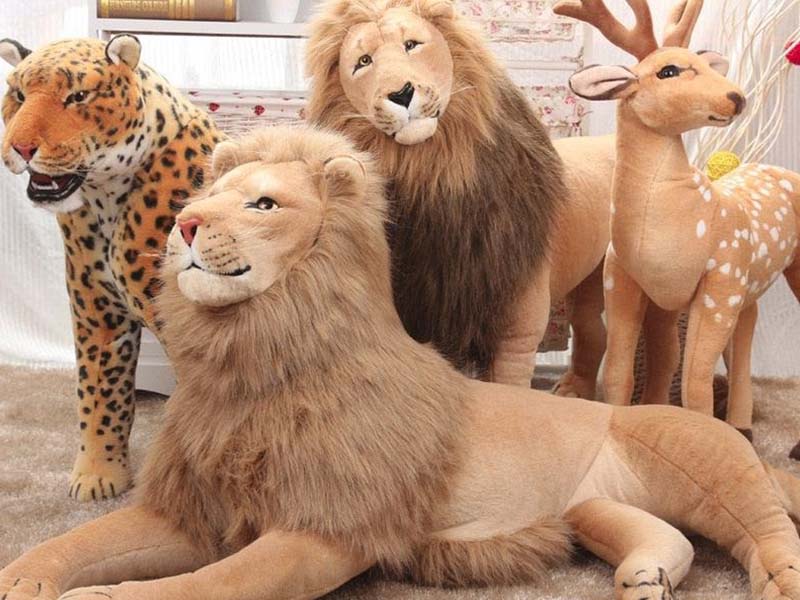
Realistic Animal Plush Toys
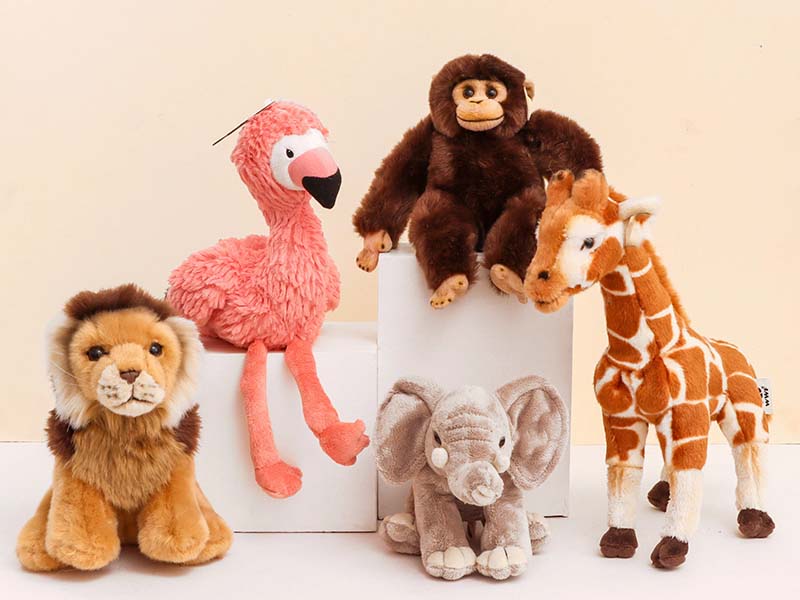
Realistic plush animals focus on detailed shapes and textures to resemble real wildlife and animals.
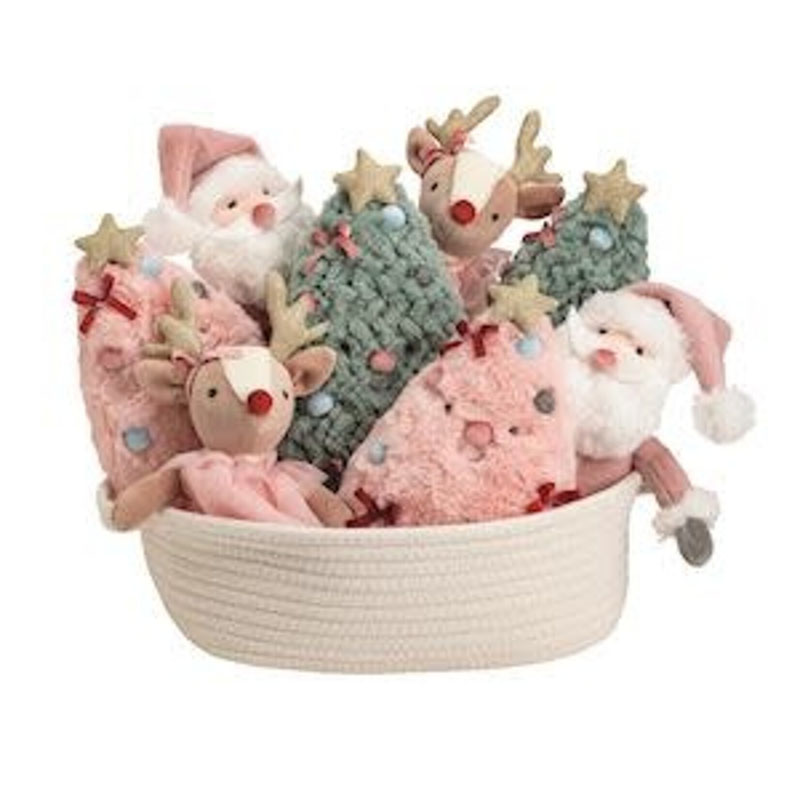
Holiday Plush Toys
Holiday plush toys include seasonal designs for Christmas, Halloween, Easter, and Valentine’s Day promotions.
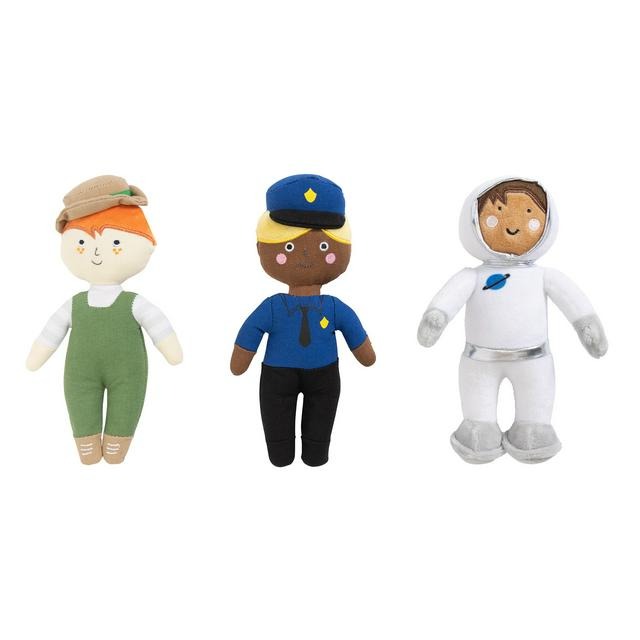
Plush Dolls
Plush dolls are often used for character toys, brand mascots, and licensed plush toy projects.
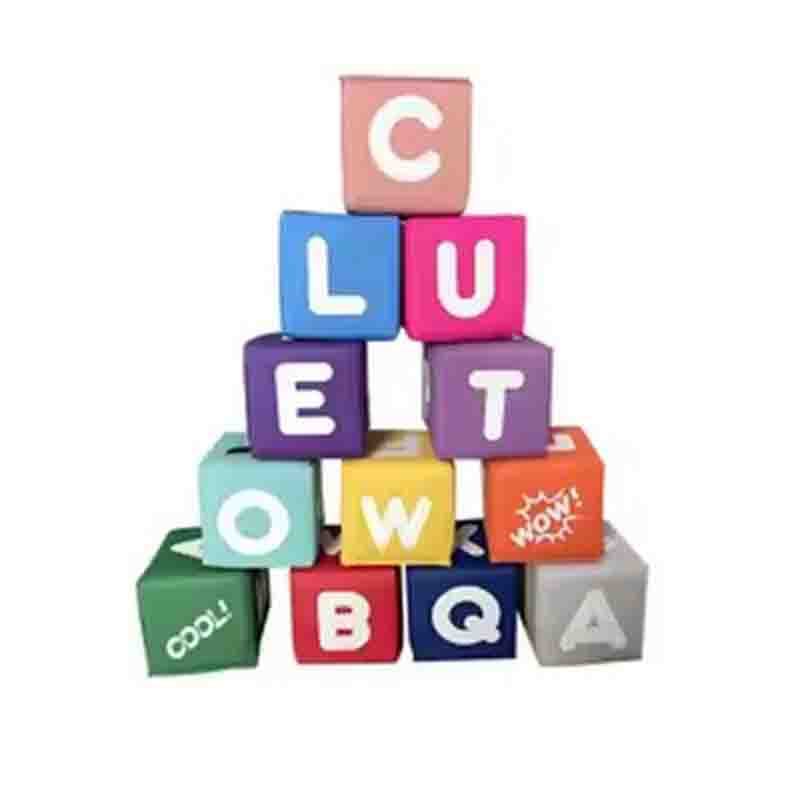
Educational Plush Toys
Educational plush toys help children learn about animals, nature, and basic concepts through playful toy designs.

Hand Puppet Plush Toys
Hand puppet plush toys are used for storytelling, educational activities, and children’s interactive play.
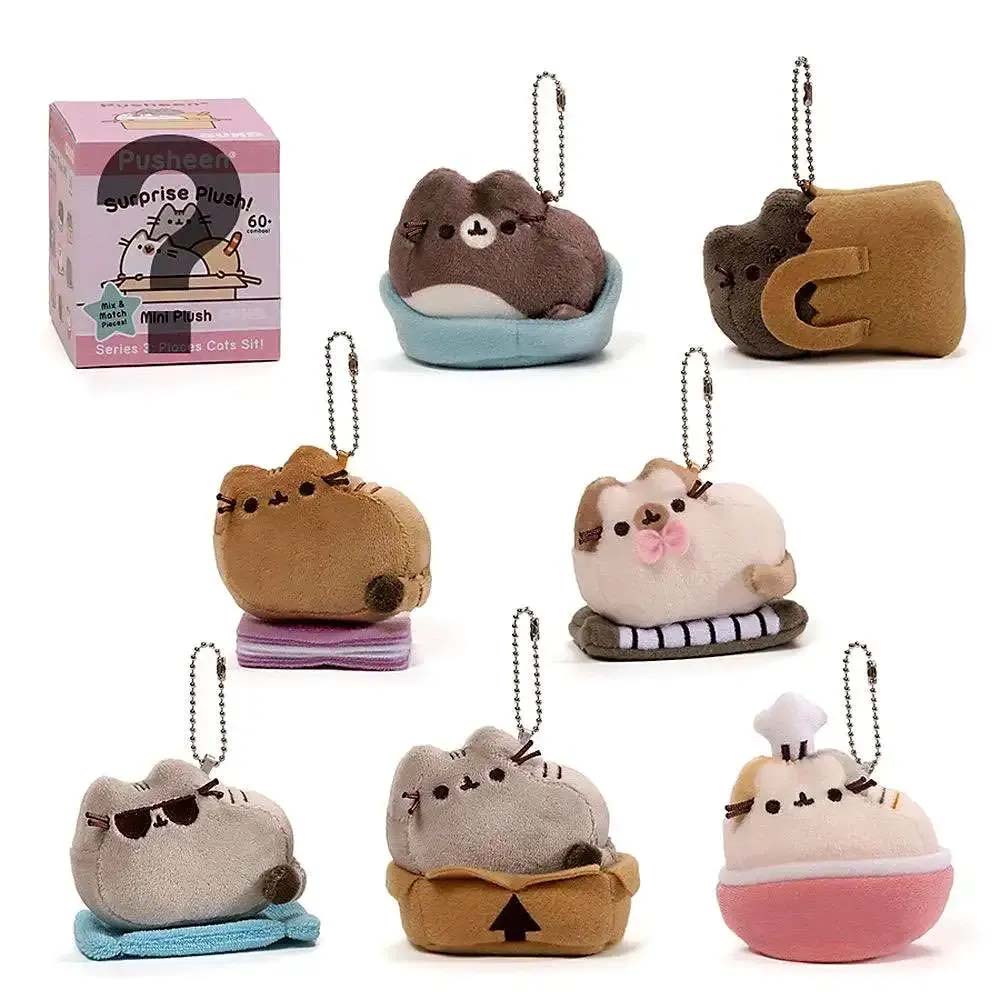
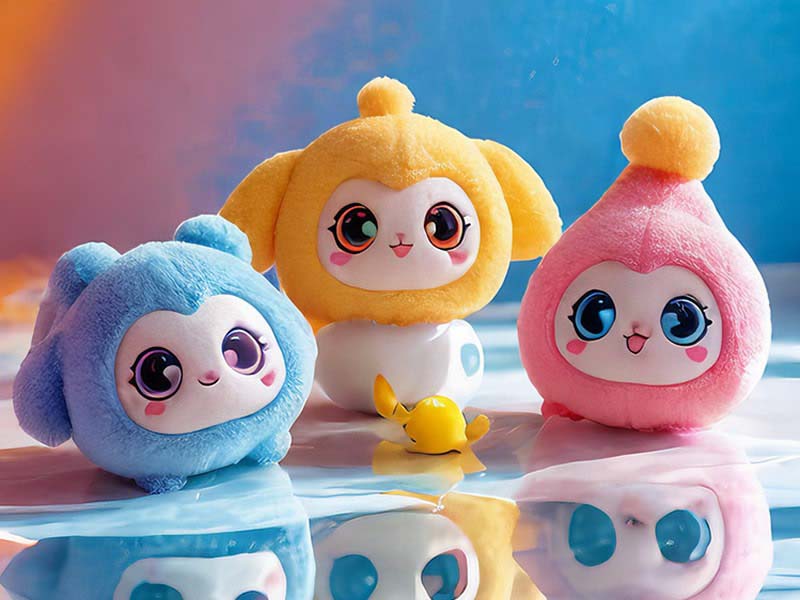
Blind Box Plush Toys
Blind box plush toys create collectible experiences and are widely used in designer toy and collectible plush markets.
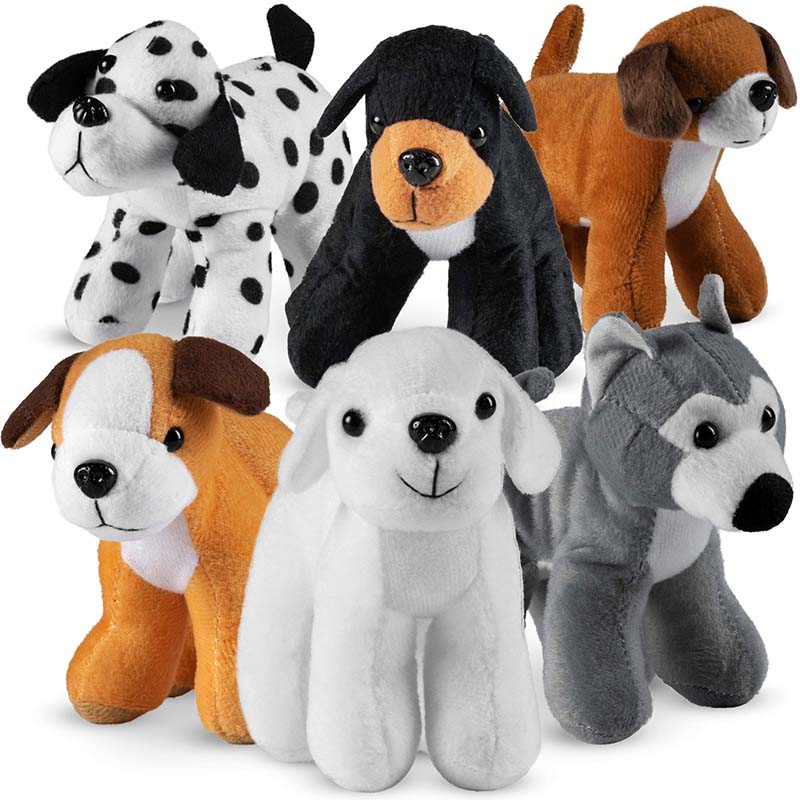
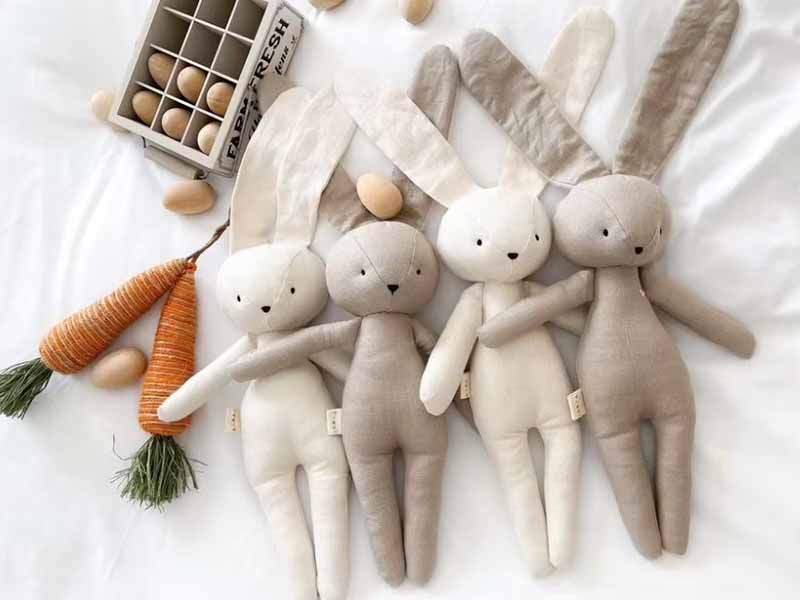
Animal Plush Toys
Animal plush toys are the most classic stuffed toys and include bears, rabbits, dogs, cats, and many other animals.
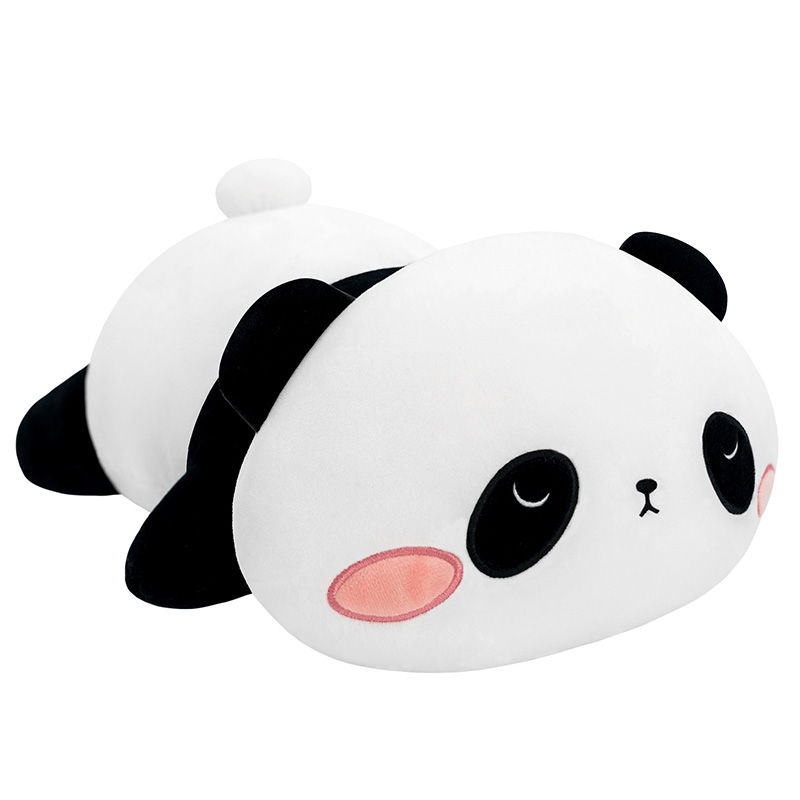
Plush Cushions & Pillow Toys
Plush cushions combine toy design with functional pillows, making them suitable for home décor and gift products.
Safe Plush Toy Materials for EU & US Toy Safety Compliance
Material safety is one of the most important factors in plush toy manufacturing. To meet EU and US toy safety standards, plush toys must be produced using safe plush materials that meet strict regulations. From baby safe plush fabric to certified plush toy raw materials, selecting the right materials helps ensure products are safe for children and compliant with global toy safety requirements.
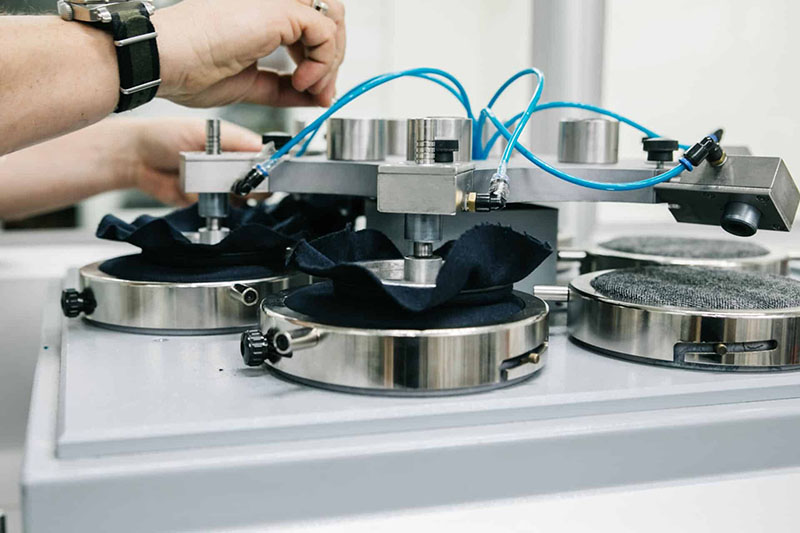
Fabric Safety for Plush Toys
Plush toys designed for global markets must use safe plush materials that meet toy safety standards. Common fabrics include velboa, minky, and plush fleece that are tested for chemical safety and durability. Using baby safe plush fabric helps ensure the toy surface is soft, safe, and suitable for children’s products.
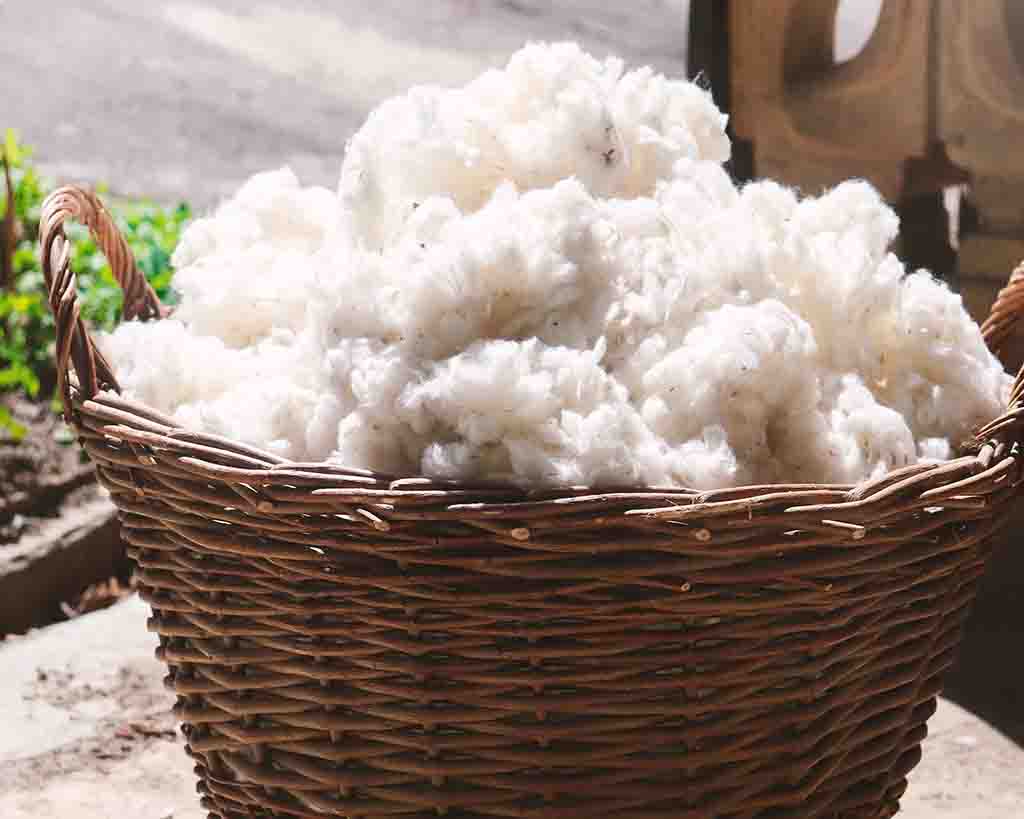
Filling Material Safety
Filling materials play a critical role in plush toy safety. High-quality PP cotton and certified fiberfill are commonly used to produce non toxic plush toys. These materials are tested to ensure they meet safety regulations for children’s products and maintain product durability during use.
Dyes and Printing Safety
Color dyes and printing processes used in plush toys must comply with chemical safety regulations. Non toxic dyes and child-safe printing inks are required to ensure plush toy raw materials meet EU and US safety requirements. Safe coloring processes help prevent harmful chemical exposure.
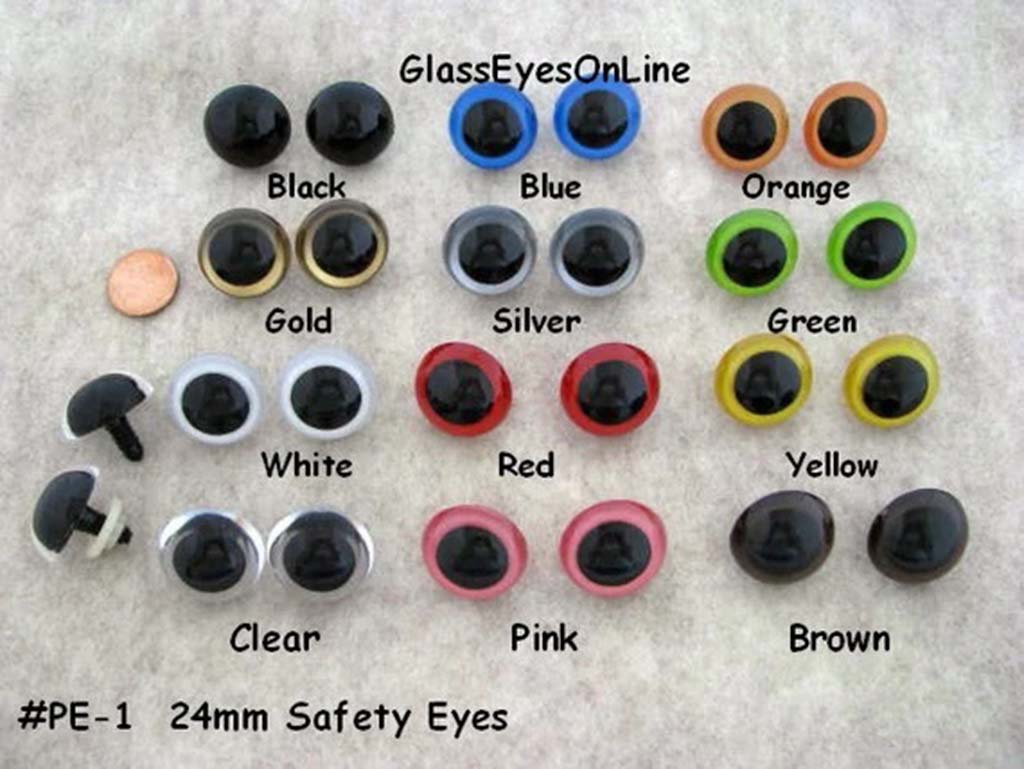
Accessory Safety for Plush Toys
Accessories such as safety eyes, embroidery details, and decorative elements must meet strict toy safety regulations. Securely attached parts help prevent choking hazards and improve overall product safety. Choosing compliant plush toy raw materials for accessories ensures safer toys for children.
Using child-safe materials during plush toy manufacturing helps brands reduce compliance risks and lower potential product liability. Safe materials make it easier for plush toys to pass safety testing and enter global markets with confidence.
Common Plush Toy Fabrics and Filling Materials
Choosing the right fabrics and filling materials is essential for plush toy quality, comfort, and safety. Different plush toy designs require different textures, durability levels, and safety features. Using suitable plush toy raw materials helps ensure soft touch, product durability, and compliance with toy safety standards in global markets.
Plush Toy Fabrics
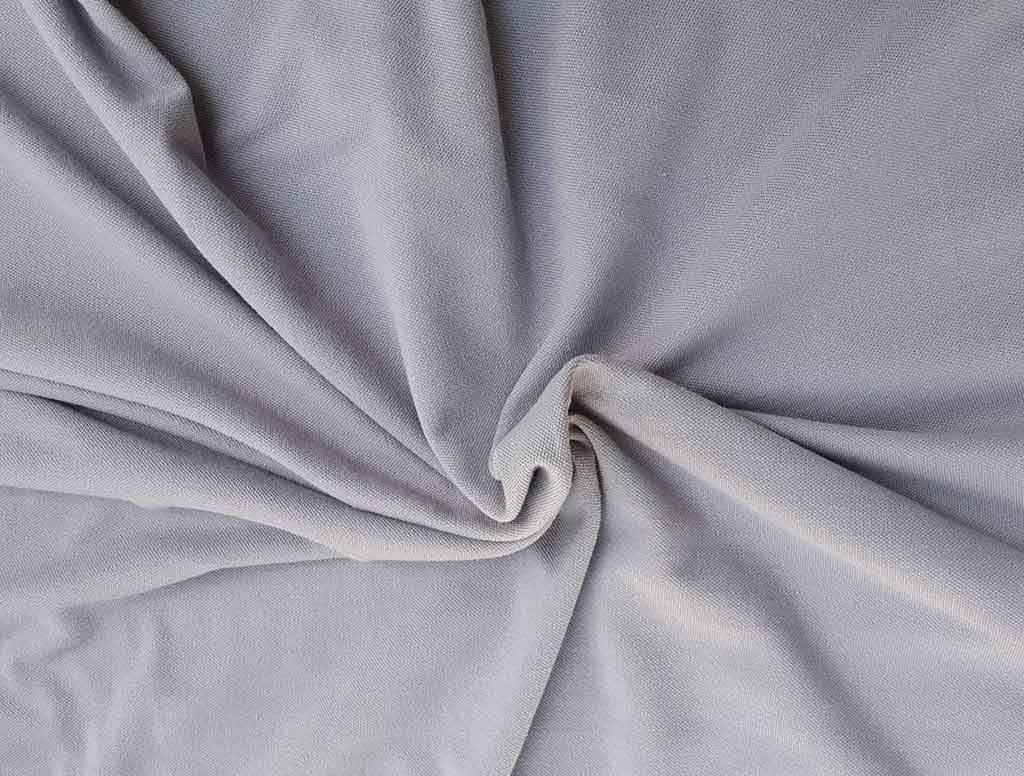 Velboa
 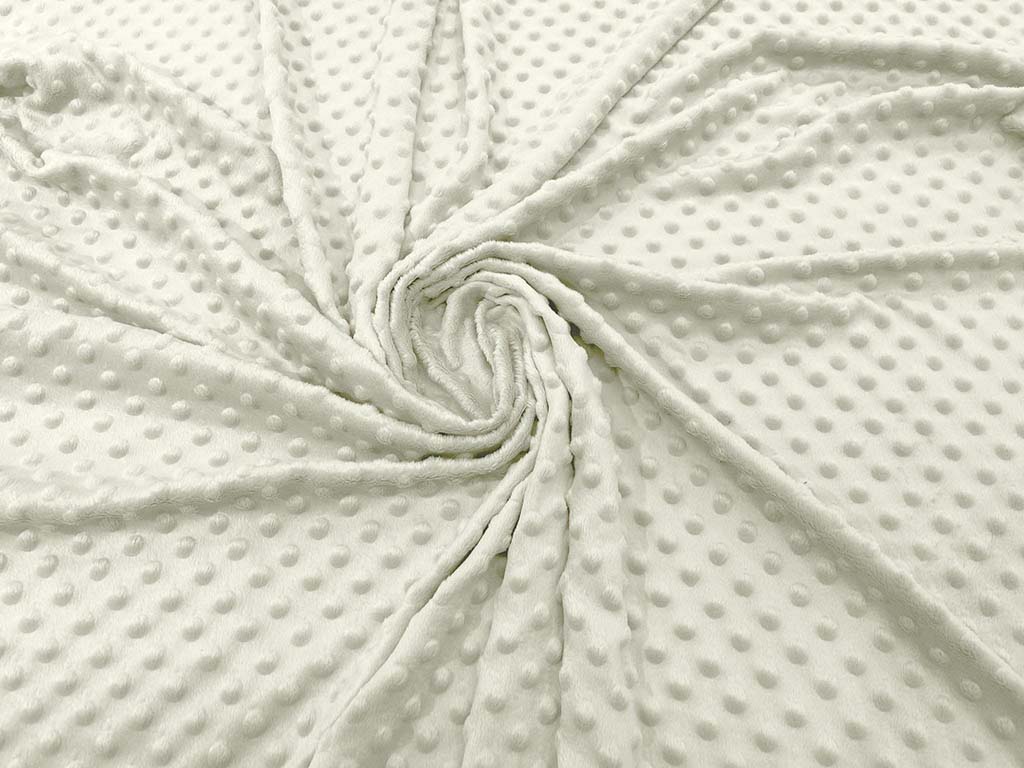 Minky Fabric
 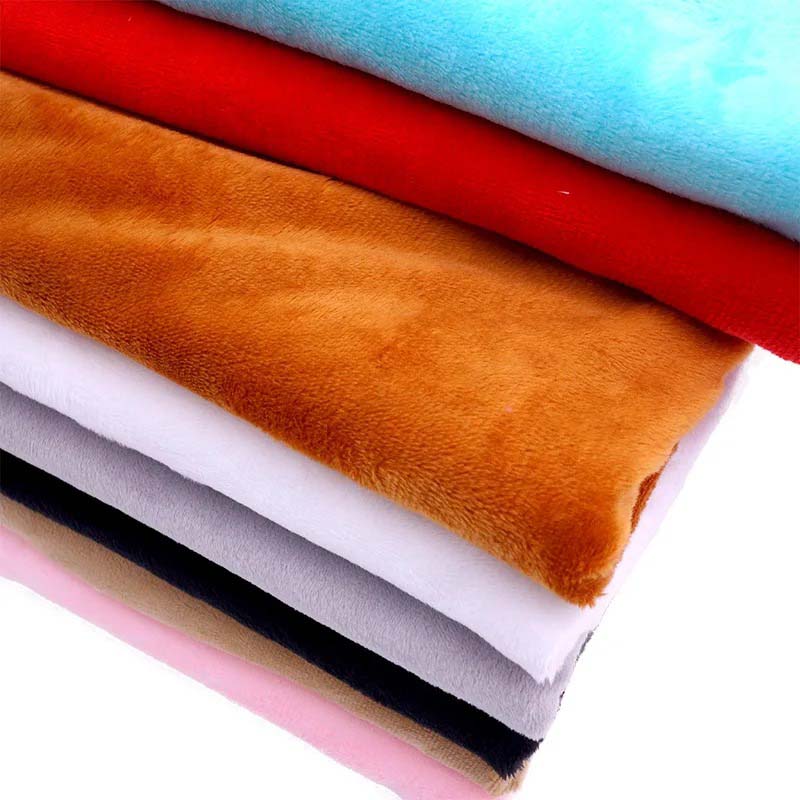 Crystal Super Soft Fabric
 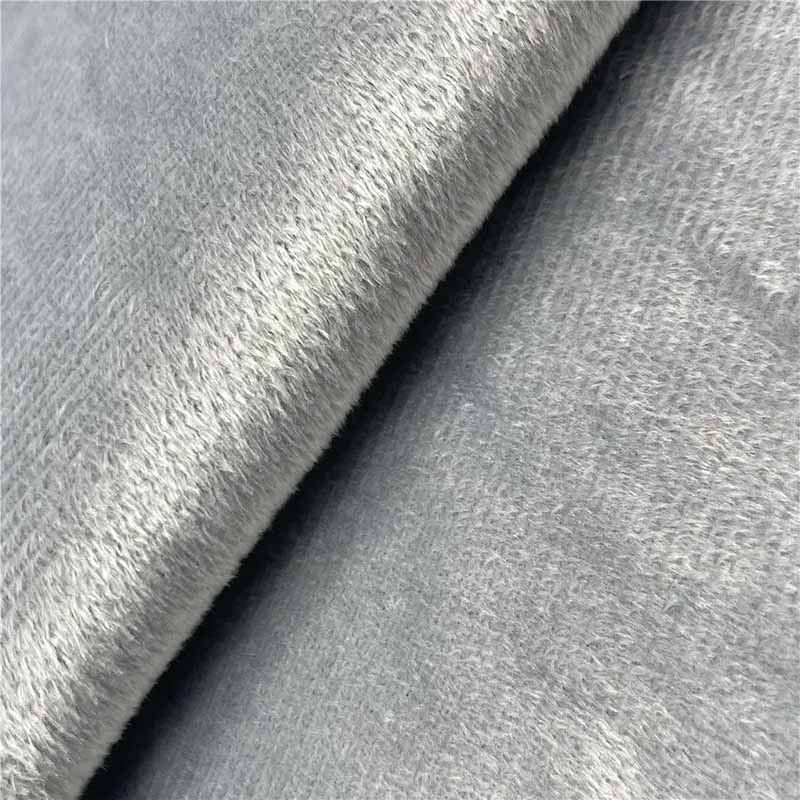 Short Plush Fabric
 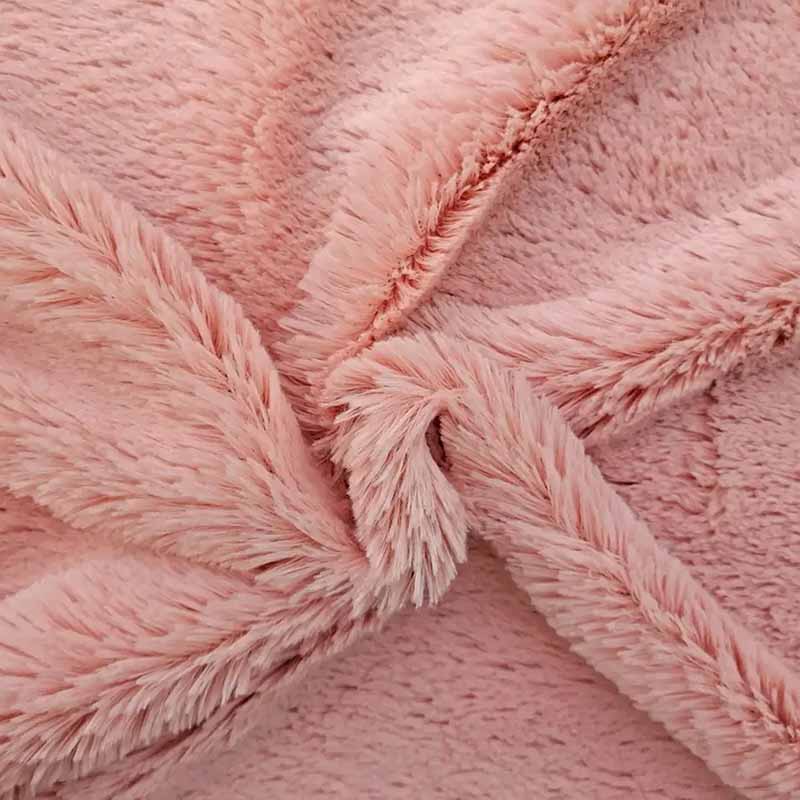 Long Pile Plush Fabric
 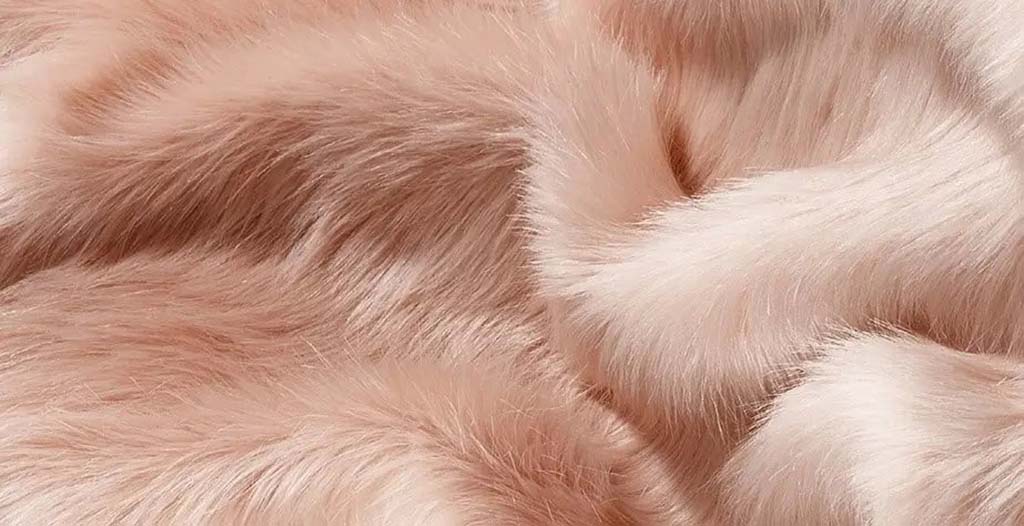 Faux Fur Fabric
 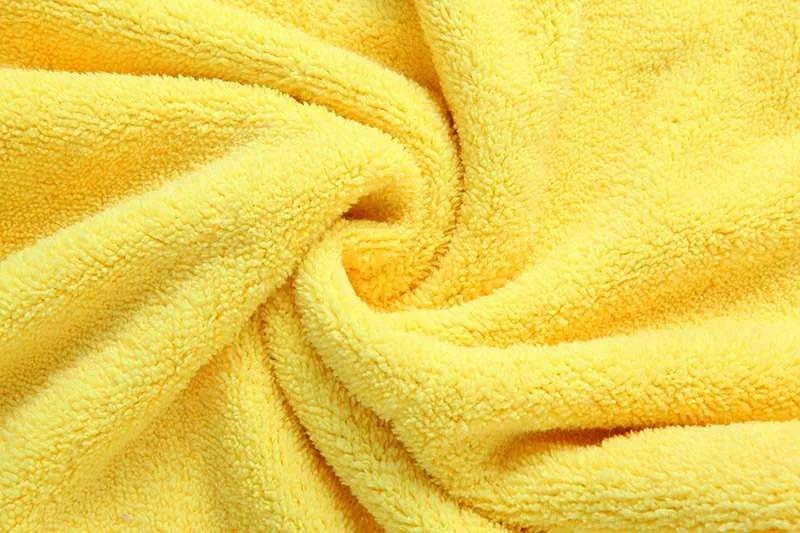 Coral Fleece Fabric
 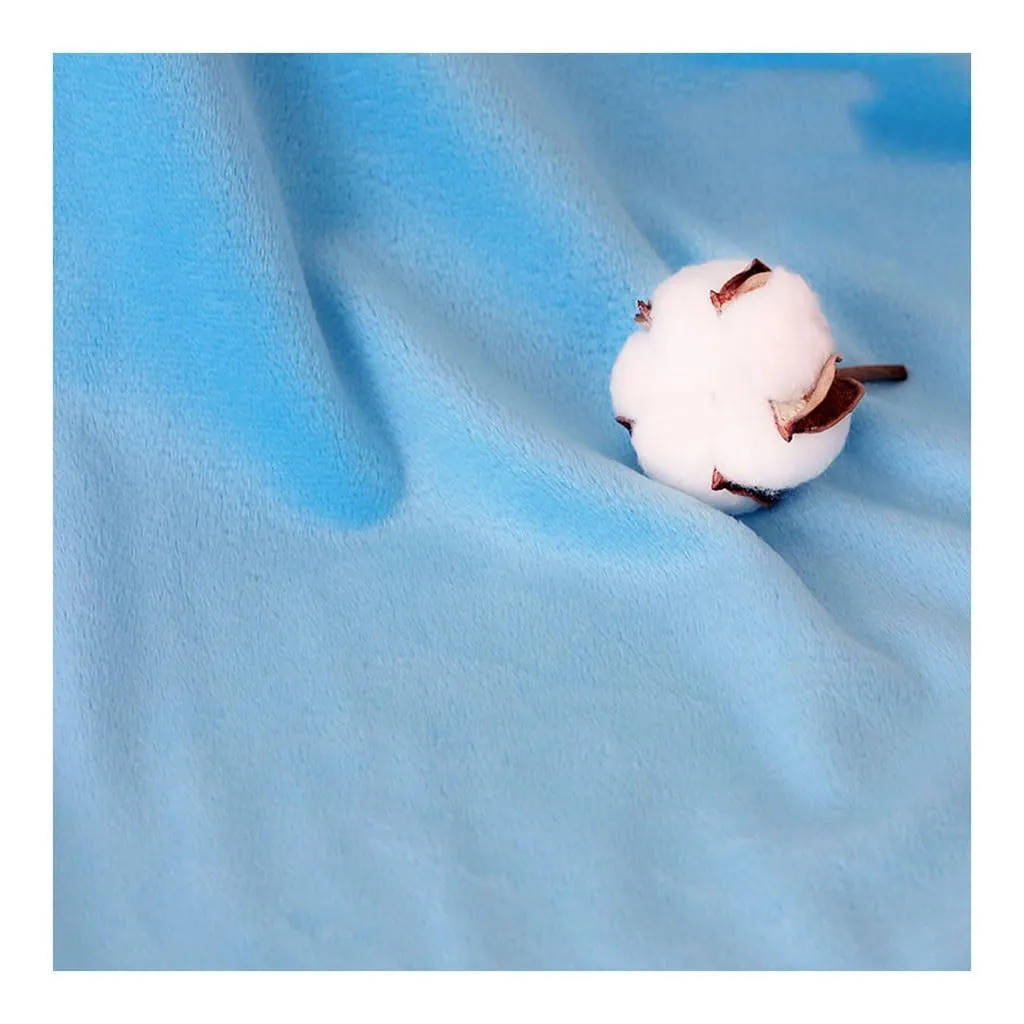 Cotton Plush Fabric
 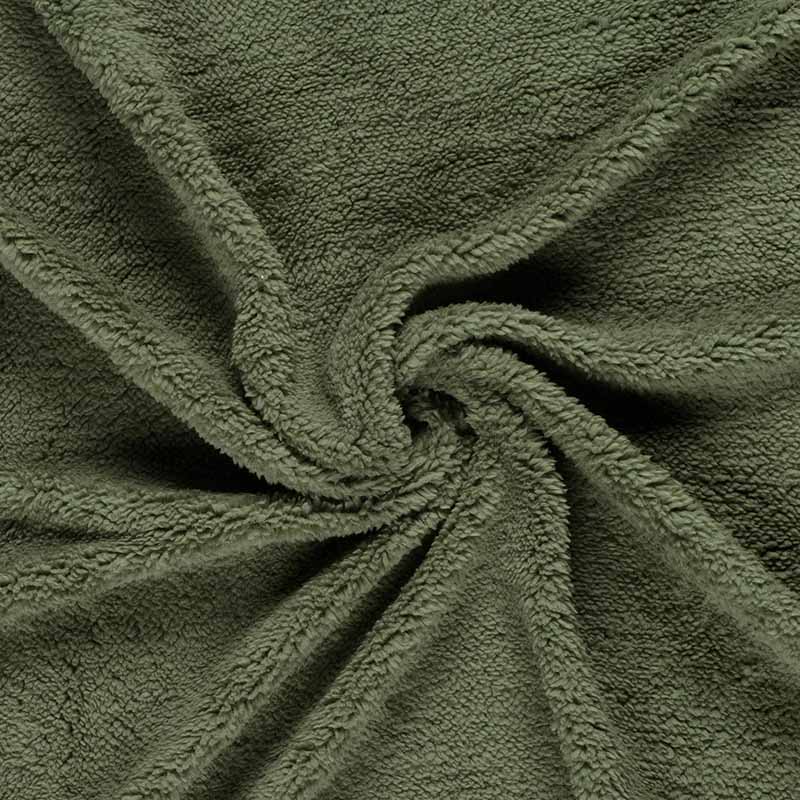 Sherpa Fleece Fabric
 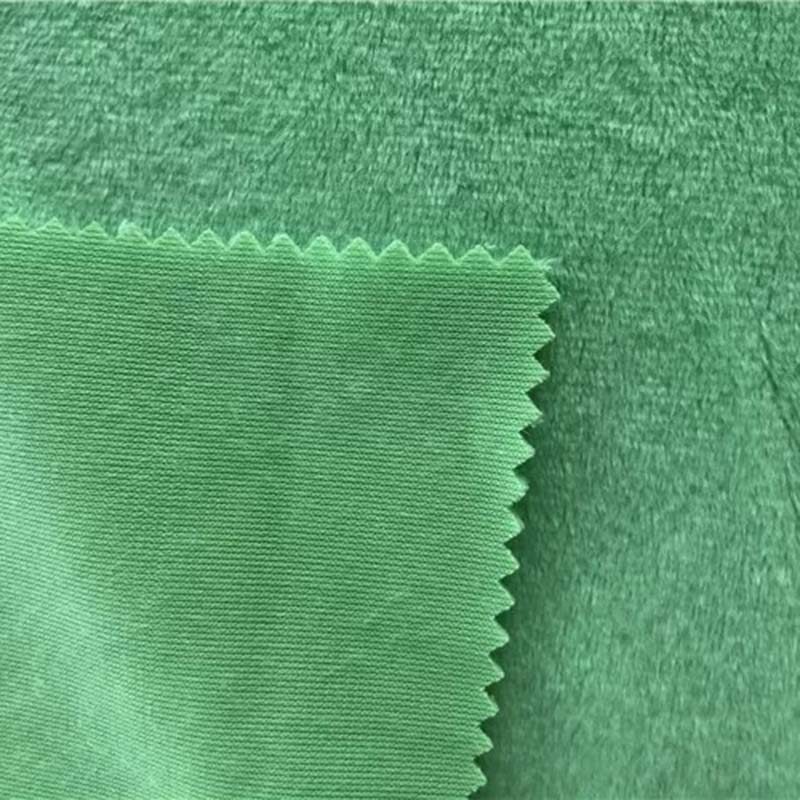 Knitted Plush Fabric
 Plush Toy Filling Materials
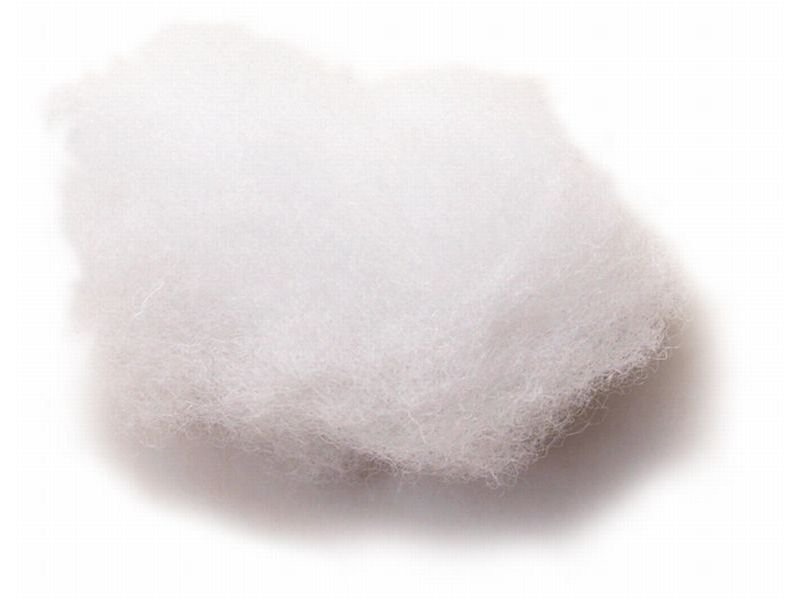 PP Cotton Fiberfill
  Recycled Polyester Fiberfill
 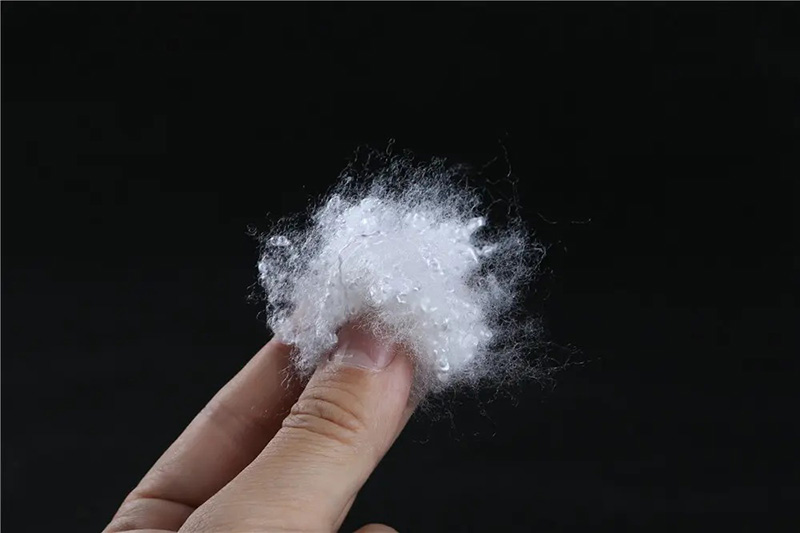 Microfiber Filling
 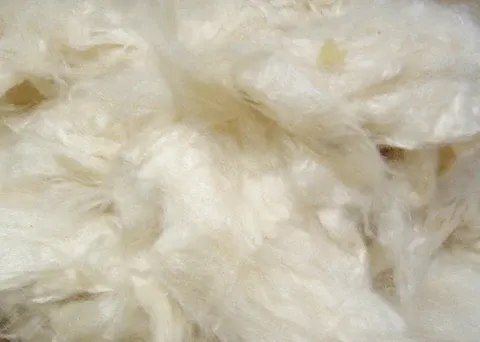 Cotton Filling
 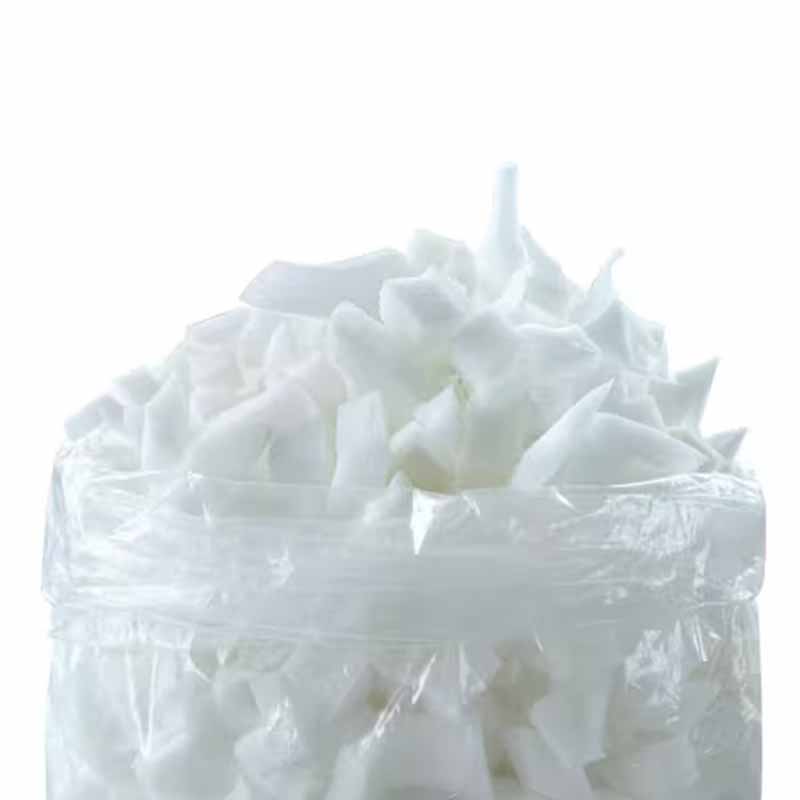 Memory Foam Filling
 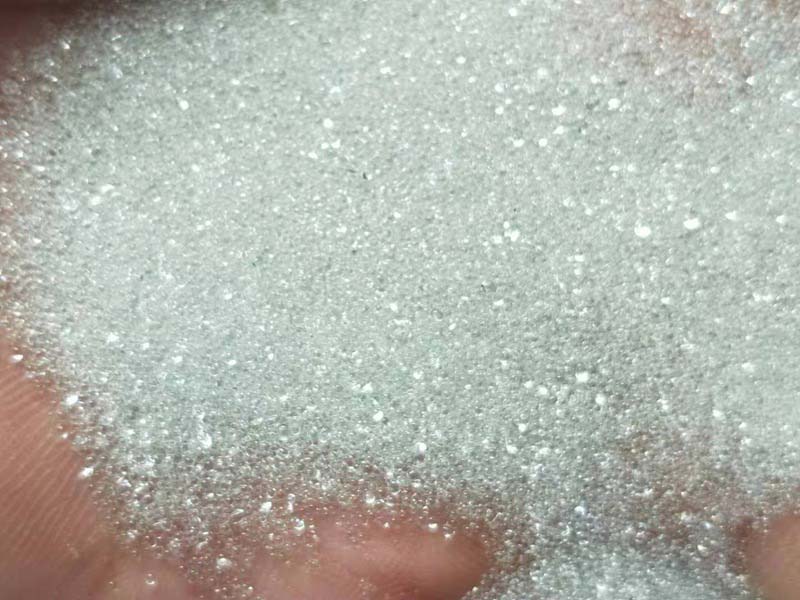 Weighted Glass Beads
 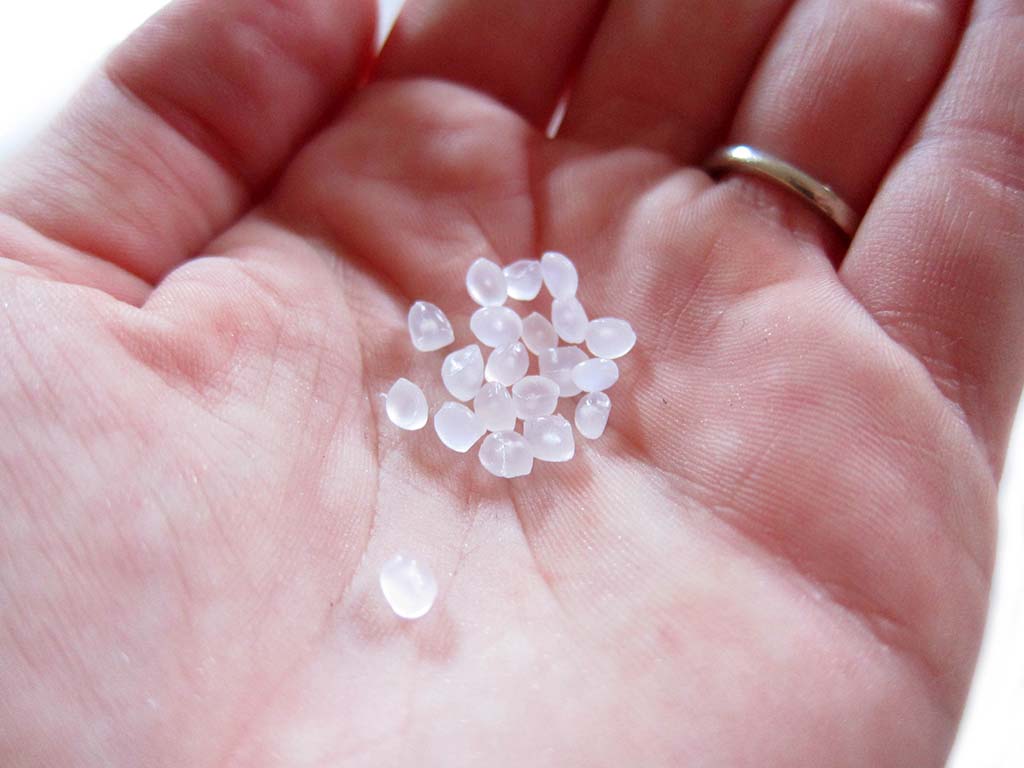 Plastic Poly Pellets
 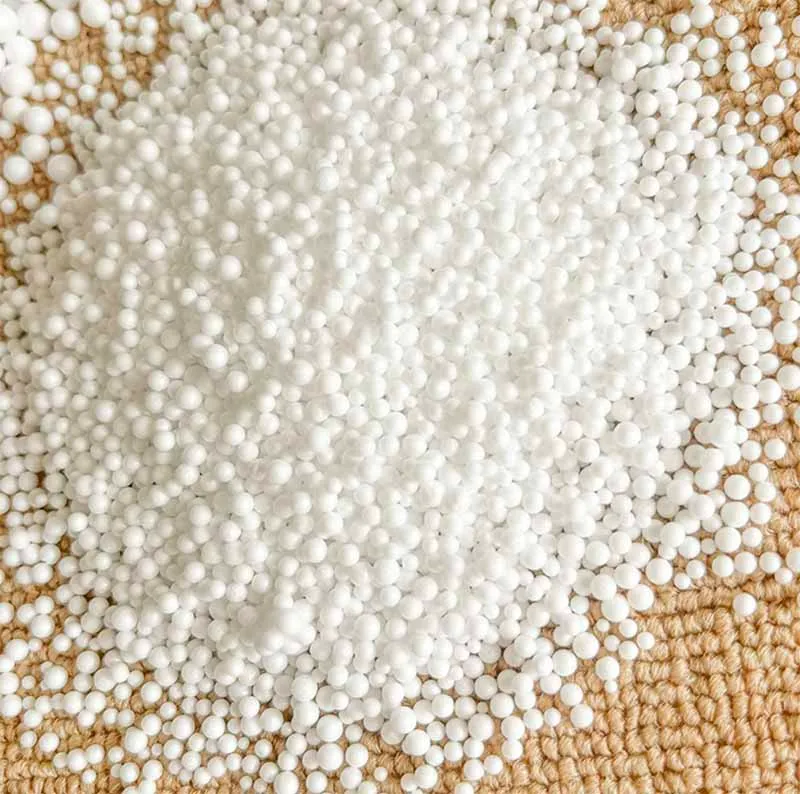 Foam Bead Filling
 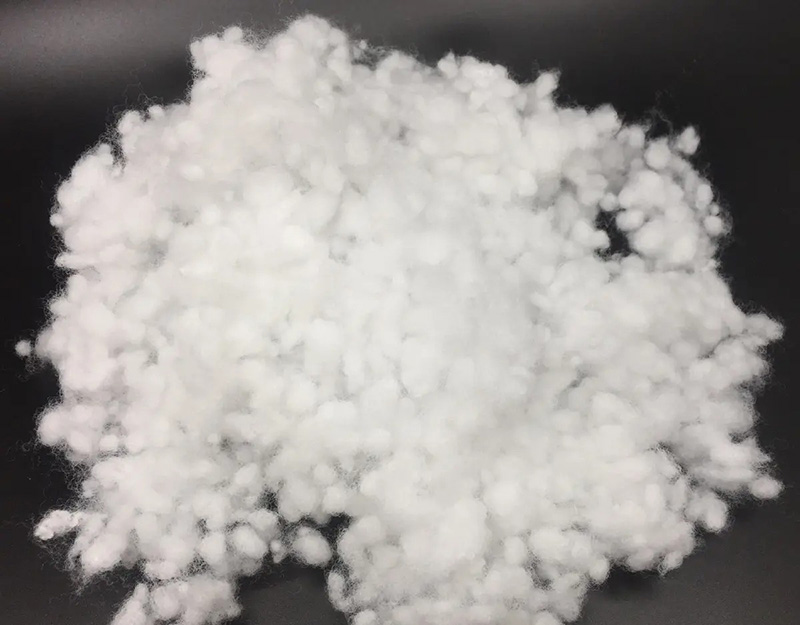 Organic Cotton Filling
 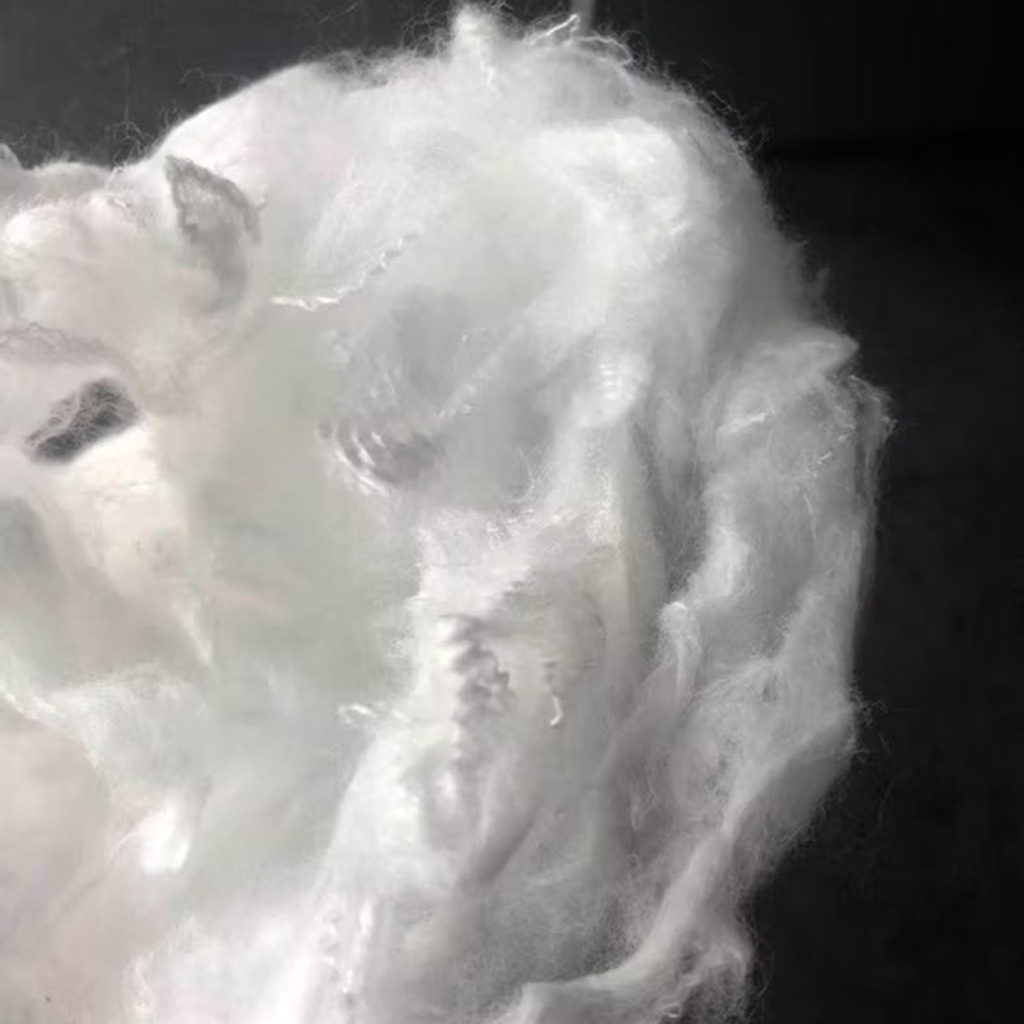 Corn Fiber Filling
 Using high-quality fabrics and certified filling materials helps ensure plush toys are soft, durable, and safe for children. Proper material selection also supports compliance with EU and US toy safety standards.
Plush Toy Safety Testing Requirements for EU & US Compliance
Plush toy testing is an essential part of entering the EU and US markets. Safety regulations do not only focus on how a plush toy looks. They also examine how the product performs during use, whether small parts can become loose, whether fabrics and accessories are safe, and whether the materials contain restricted substances. By understanding stuffed animal safety testing and toy safety laboratory tests, brands can reduce compliance risks, avoid product recalls, and prepare plush toys for smoother market entry.
Mechanical Testing for Plush Toy Structure Safety
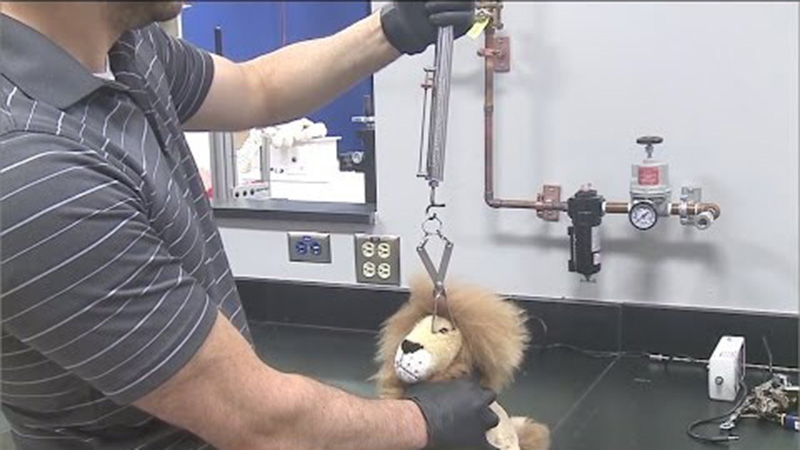
Mechanical testing checks whether a plush toy can remain safe during normal use and foreseeable misuse. This type of plush toy testing reviews seams, shape, edges, attached parts, and overall construction to make sure the toy does not create injury risks during pulling, squeezing, dropping, or repeated handling. These tests exist because children do not use toys gently all the time. A toy must stay structurally safe even under active daily use. For brands, this means better product safety, fewer complaint risks, and a more reliable product for retail markets.
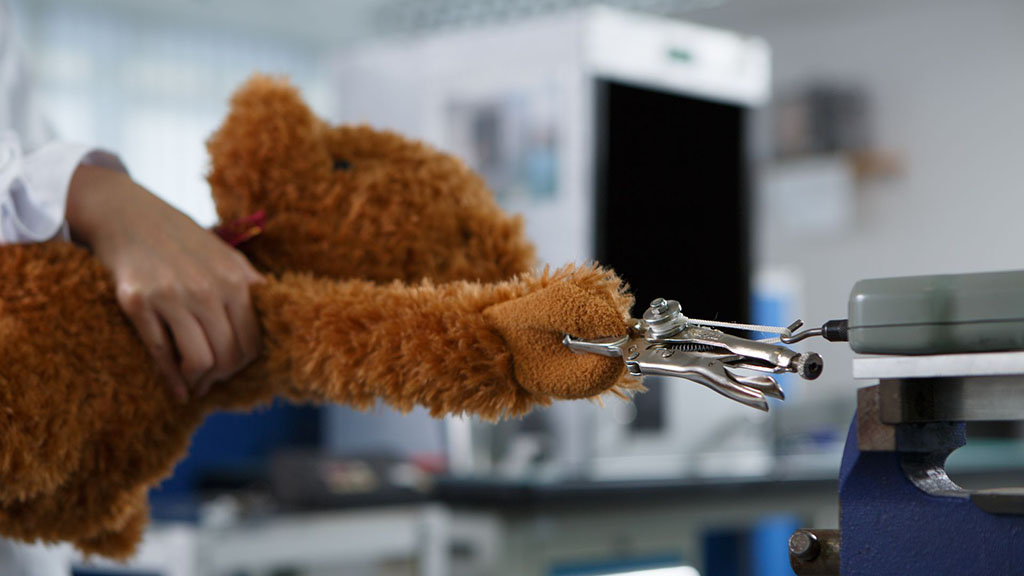

Tensile Strength Testing for Seams and Attachments
Tensile strength testing is used to check how firmly parts of the plush toy are attached. It often focuses on seams, embroidery areas, accessories, labels, and other connected components that may be pulled during use. This stuffed animal safety testing exists to reduce the risk of separation or breakage, especially in products intended for children. If a seam opens or an accessory comes loose, the toy may fail safety standards or create hazard concerns. Strong attachment performance helps your plush toys pass safety reviews more easily and supports more consistent quality in mass production.
Small Parts Testing for Child Safety Protection
Small parts testing checks whether any detachable or broken component could become a choking risk for children. This includes eyes, noses, buttons, decorative pieces, and any small accessory that may come off during use or after stress testing. These toy safety laboratory tests exist because young children, especially those in lower age grades, may place objects in their mouths. A plush toy that looks safe on the surface may still fail compliance if small parts are not properly controlled. For brands, good small parts control helps reduce product liability risk and makes the product safer for age-appropriate markets.
Flammability Testing for Fabric and Filling Safety
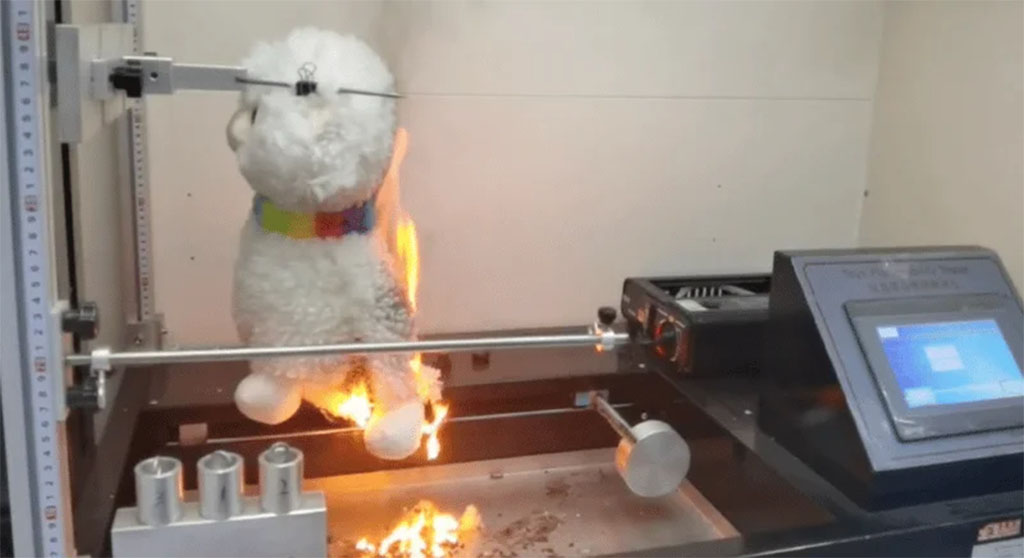
Flammability testing evaluates how fabrics, fillings, and plush toy surfaces react to fire-related exposure under regulated conditions. The purpose is not because plush toys are expected to be used near fire, but because safety standards aim to reduce the speed and severity of flame spread if accidental exposure happens. This is especially important for products made with soft textiles, fur-like materials, or thick fillings. These tests help confirm that the materials used in the toy meet required safety limits. For buyers and brands, this adds another layer of protection before products enter the EU and US markets.
Chemical Testing for Restricted Substance Compliance
Chemical testing checks whether plush toy raw materials contain restricted substances that are not allowed under EU and US toy safety regulations. This may include testing for lead, phthalates, harmful dyes, and other regulated chemicals in fabrics, prints, fillings, and accessories. These plush toy testing requirements exist because children have direct and frequent contact with toys, and unsafe substances may create long-term health concerns. Chemical compliance is one of the most important parts of stuffed animal safety testing. For your brand, safe chemical performance helps reduce recall risks, supports customs clearance, and improves trust with retailers and platforms.
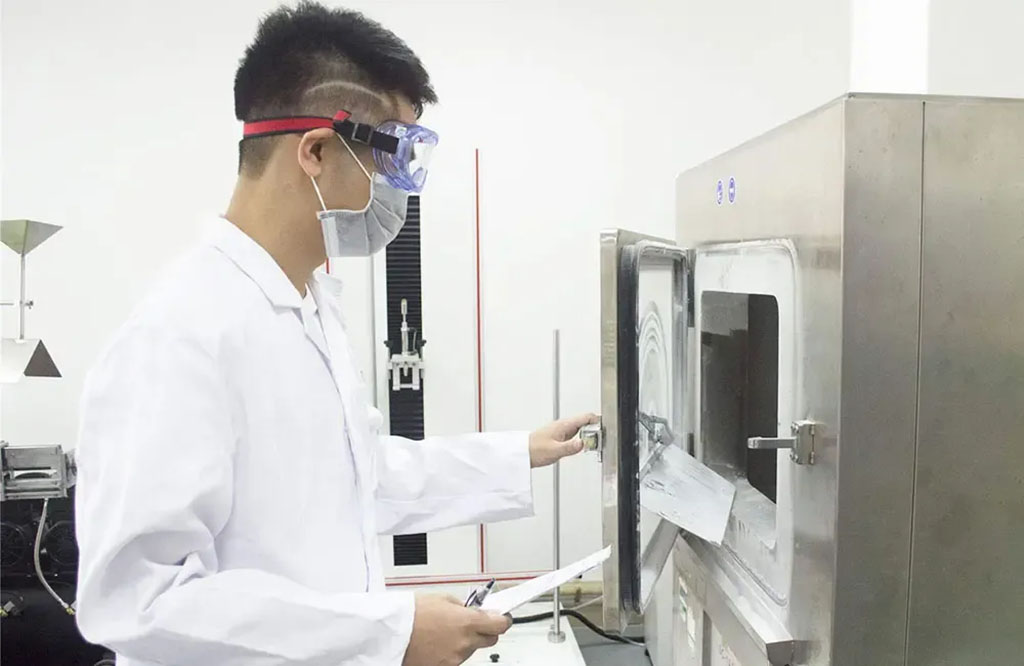
Understanding why these tests exist helps brands build safer plush toys from the start, not only after development is finished. When plush toy testing is considered early in design, material selection, and production planning, you can reduce compliance delays, lower product liability risk, and improve the chances of smooth approval in EU and US markets.
Plush Toy Quality Control System for EU & US Compliance
A strong plush toy quality control system is essential for producing compliant products for EU and US markets. Safety testing alone is not enough if production quality is inconsistent. A structured plush toy factory QC process ensures that materials, workmanship, and finished products meet safety and quality standards throughout manufacturing. Through systematic stuffed toy inspection at every stage, brands receive consistent plush toy batches and reliable export quality control for international markets.
IQC – Incoming Quality Control for Raw Materials
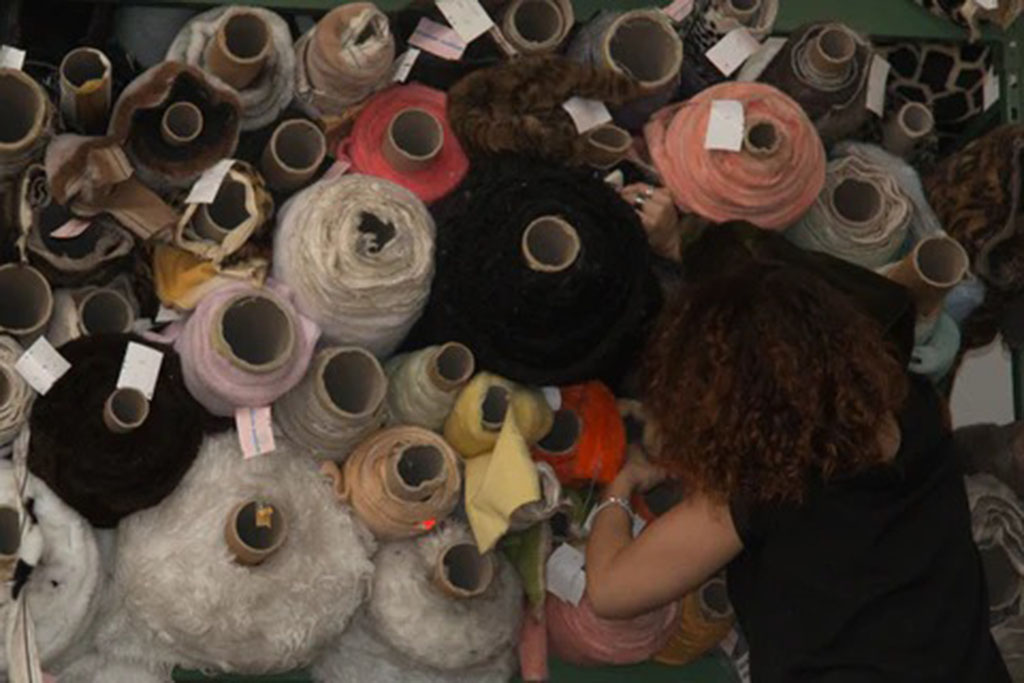
Incoming Quality Control focuses on checking plush toy raw materials before they enter production. Fabrics, filling materials, accessories, and labels are inspected to ensure they match approved specifications and safety requirements. This early stage of plush toy quality control helps prevent non-compliant materials from entering the production process and reduces quality risks later in manufacturing.
IPQC – In-Process Quality Control During Production
In-Process Quality Control monitors key steps during plush toy manufacturing. This includes checking sewing quality, structure alignment, component attachment, and workmanship consistency. Continuous stuffed toy inspection during production helps identify problems early and ensures each batch maintains the same product standards.
FQC – Final Quality Control Before Packaging
Final Quality Control is performed once plush toys are completed but before packaging. Inspectors review appearance, structure, measurements, and workmanship to ensure the product matches approved samples and quality requirements. This stage of plush toy factory QC helps confirm that finished products are ready for shipment and compliant with export standards.
OQC – Outgoing Quality Control for Shipment
Outgoing Quality Control verifies the final product batch before shipment. Packaging, labeling, quantity, and overall product condition are checked to ensure everything meets order specifications. This final stuffed toy inspection stage helps ensure consistent plush toy batches and supports smooth international shipping.
Our Plush Toy Production Process
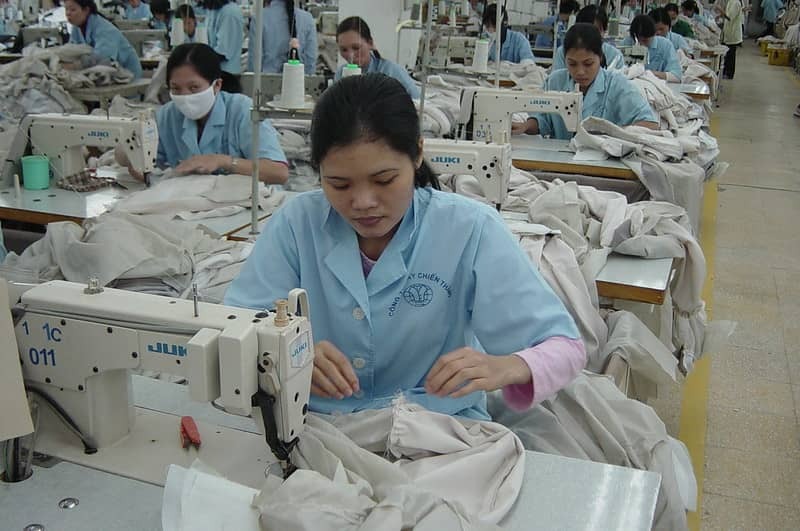
A clear plush toy production process helps ensure product quality, safety, and consistency. From design review to final inspection, every step in stuffed animal manufacturing is carefully managed. A structured production workflow allows brands to develop plush toys efficiently while maintaining stable quality and reliable delivery.
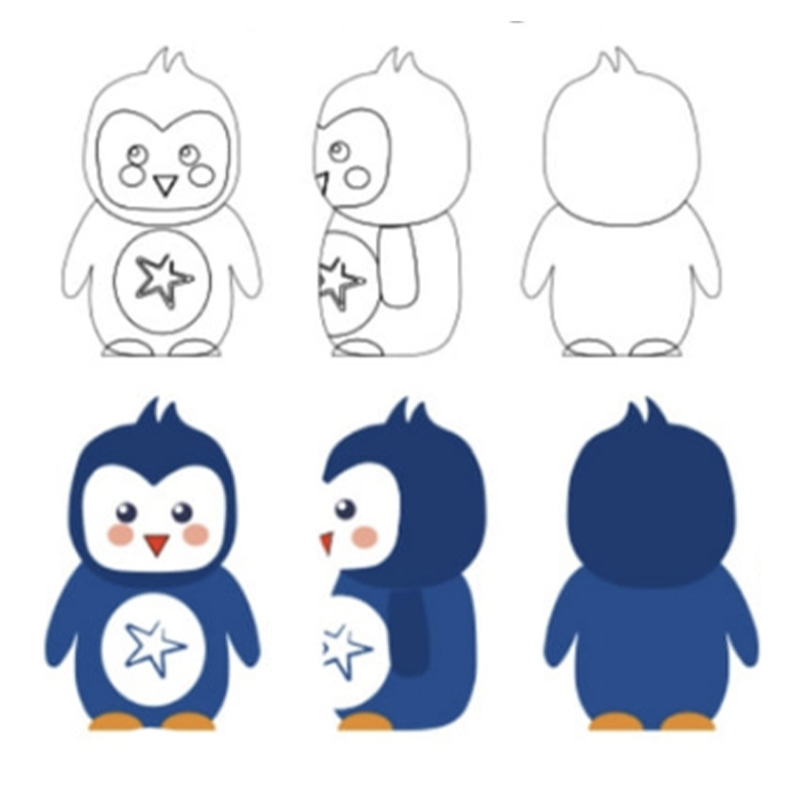
Design Review and Project Planning
The process begins with reviewing the plush toy design, dimensions, structure, and safety requirements. This stage ensures the product can be manufactured efficiently while meeting toy safety and quality standards.
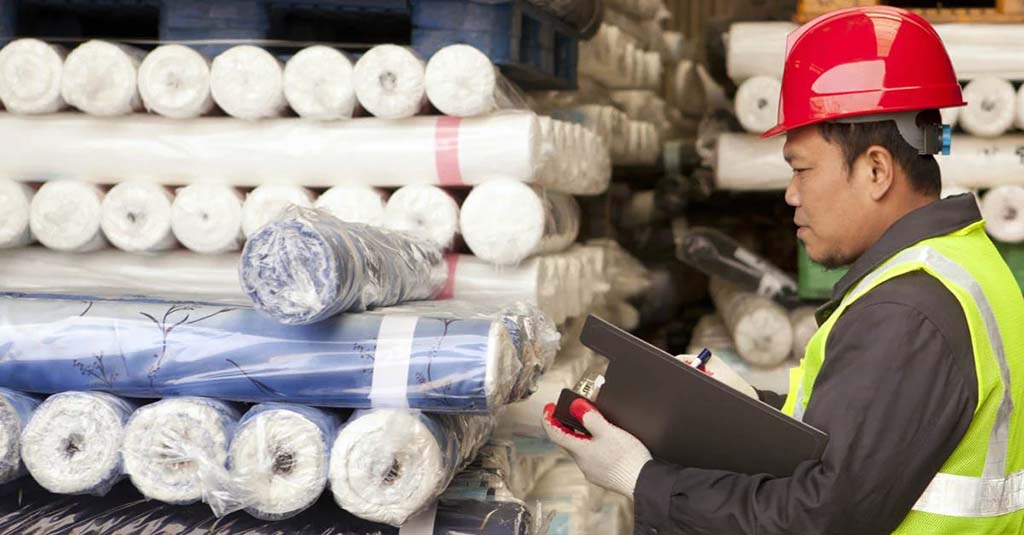
Material Selection and Preparation
Suitable fabrics, filling materials, and accessories are selected according to the approved design. All plush toy raw materials are prepared and checked before entering the production line.
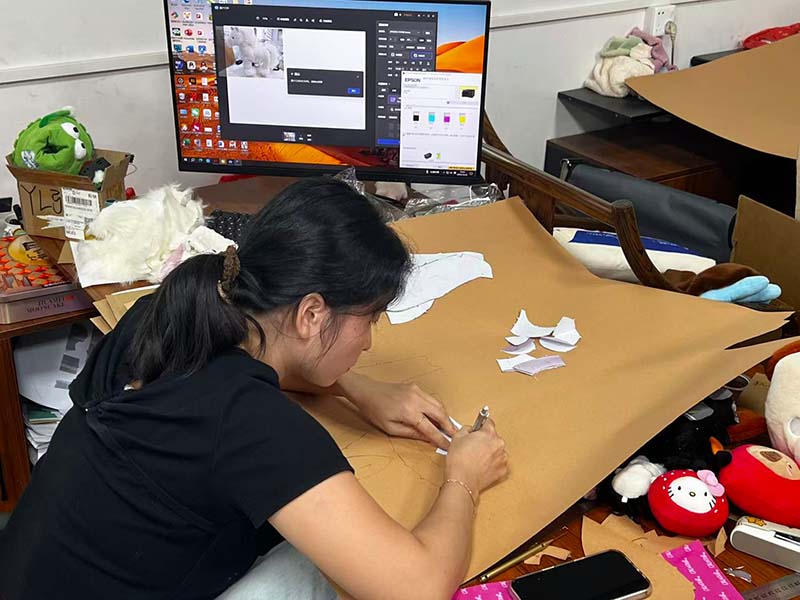
Sampling and Prototype Development
A prototype plush toy sample is produced to verify the design, materials, and structure. This stage helps confirm the appearance and construction before mass production begins.
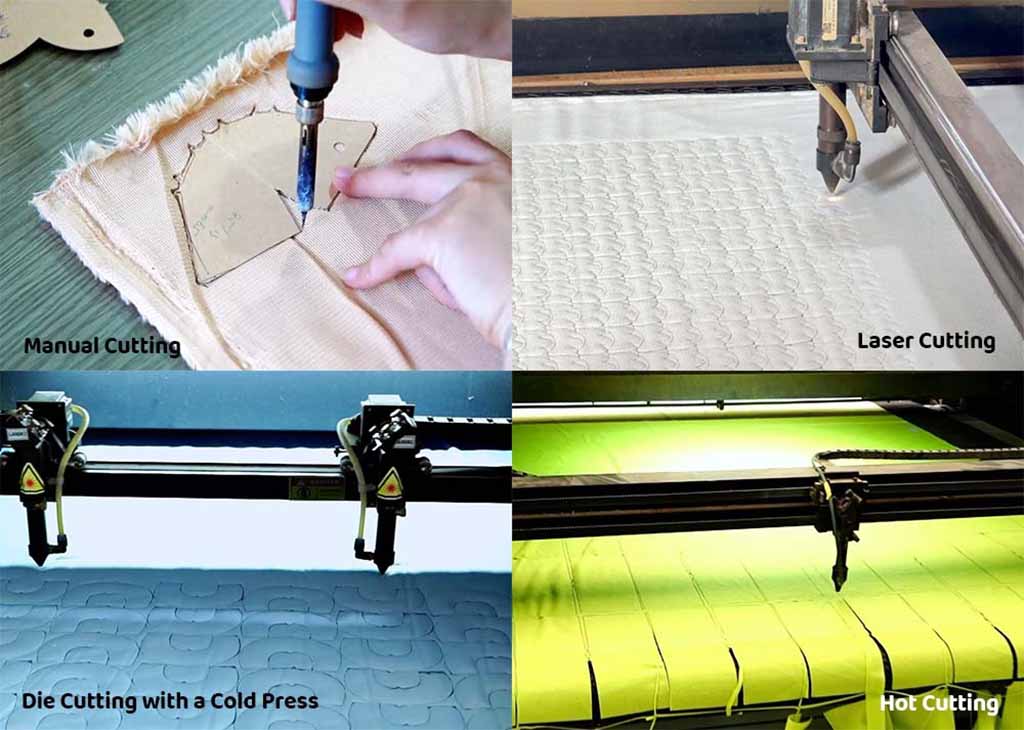
Cutting, Sewing, and Assembly
Fabric panels are cut based on production patterns and then sewn together to form the plush toy body. During this stage, components such as eyes, embroidery, and accessories are assembled.
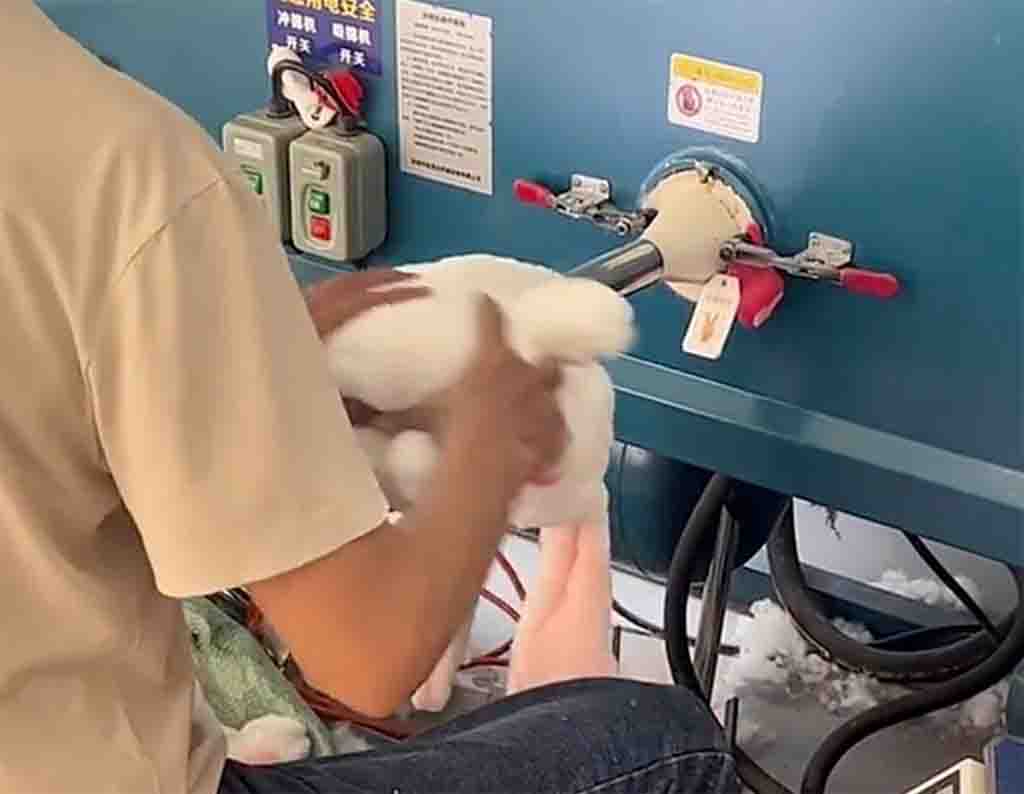
Stuffing and Shape Finishing
The plush toy is filled with fiberfill or other approved filling materials to achieve the desired shape and softness. Workers adjust the shape to ensure consistent appearance and structure.
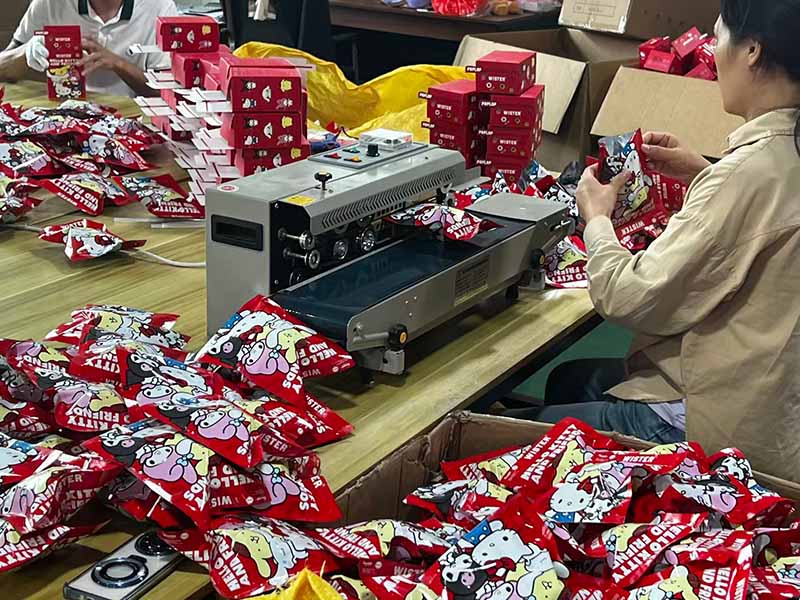
Final Inspection and Packaging
Before shipment, each batch undergoes final inspection to verify product quality, appearance, and packaging requirements. Only approved products proceed to packaging and export.
A structured plush toy manufacturing process helps brands maintain consistent product quality and ensure reliable delivery for global markets.
Common Compliance Risks in Plush Toy Manufacturing
Compliance problems in plush toy manufacturing usually do not come from one single mistake. In most cases, they happen when materials, production control, testing preparation, and documentation are not aligned. For brands selling to the EU and US markets, these risks can lead to failed testing, shipment delays, customs issues, platform restrictions, or even product recalls. Understanding the common compliance risks early helps you reduce avoidable problems and build safer, more stable plush toy projects from the beginning.
Material Substitution
Problem: Approved materials are changed during production without proper confirmation, which may affect toy safety compliance.
Cause: This often happens when material control is weak, backup materials are used without review, or suppliers provide similar-looking options that do not match the original approved standard. In plush toy manufacturing, even a small material change in fabric, filling, print, or accessory can affect chemical safety, appearance, softness, or testing results.
Solution: A controlled material approval process helps reduce this risk. Raw materials should be checked against approved samples and specifications before production starts. With proper IQC and supplier management, you can keep plush toy raw materials consistent and avoid hidden compliance problems.
Certification Mismatch
Problem: The testing report or certificate does not fully match the actual plush toy being produced or shipped.
Cause: This can happen when the sample submitted for testing is different from the final production version, or when materials, accessories, labeling, or construction details are adjusted after testing. Some factories focus only on getting a report, but do not control whether the shipped product truly matches the tested version.
Solution: Compliance management must connect sample approval, testing submission, and mass production control. The tested sample should be clearly recorded, and all production details should follow the same approved version. This helps ensure your compliance documents support the actual goods entering the EU and US markets.
Quality Drift
Problem: The approved sample is acceptable, but bulk production becomes inconsistent over time.
Cause: Quality drift usually happens when sewing standards, stuffing levels, shape control, attachment positions, or workmanship vary between operators or production batches. Even if the toy still looks similar, inconsistency can affect safety performance, appearance quality, and retailer acceptance. This is especially risky for repeat orders and export projects that require stable plush toy batches.
Solution: A structured plush toy factory QC system helps control this risk. IPQC, FQC, and clear workmanship standards help keep batch quality stable. With sample-based production control and regular inspection checkpoints, brands receive more consistent plush toy batches with lower compliance risk.
Testing Failures
Problem: The plush toy fails one or more toy safety laboratory tests required for EU or US market entry.
Cause: Testing failures may come from unsafe materials, weak seams, loose accessories, poor structure design, incorrect age grading, or missing compliance preparation. In many cases, problems are not discovered until the product is already sampled or ready for shipment, which increases both cost and delay.
Solution: Testing requirements should be considered early, not only at the final stage. A compliance-focused development process reviews materials, structure, accessories, and intended age group before mass production. This helps reduce rework, shorten approval time, and improve the chance of passing plush toy testing more smoothly.
Accessory Safety Risks
Problem: Accessories such as eyes, noses, buttons, ribbons, sound modules, or decorative parts create safety concerns.
Cause: Accessories may become risky when they are too small, not firmly attached, made from unsuitable materials, or added without considering age grading. In plush toys for younger children, detachable or weakly fixed parts may increase choking or injury risks. Decorative design choices that look attractive may still create compliance problems if safety is not fully evaluated.
Solution: Accessory safety should be reviewed during both design and production. Where possible, safer options such as embroidery can replace detachable hard parts. Attachment strength, size suitability, and material compliance should all be checked before approval. This helps create safer plush toys and lowers product liability risk.
Labeling Issues
Problem: Product labeling does not meet market requirements or does not match the actual product information.
Cause: Labeling problems may include missing age grading, incomplete warning statements, incorrect material information, missing tracking details, or inconsistent packaging labels. These issues are often overlooked because they seem minor compared with product testing, but incorrect labeling can still cause customs delays, platform rejection, or non-compliance findings.
Solution: Label review should be part of the compliance process, not an afterthought. Product labels, hangtags, packaging labels, and carton marks should all be checked against EU and US market requirements before mass production and shipment. Clear label control helps support smoother customs inspection and more reliable retail compliance.
Reducing compliance risk in plush toy manufacturing requires more than final testing. It depends on stable materials, accurate sample control, structured quality inspection, and clear compliance management throughout the project. When these areas are managed well, your plush toys are more likely to pass testing, move through customs smoothly, and enter EU and US markets with fewer delays.
Who Needs an EU & US Compliant Plush Toy Manufacturer
Brands that plan to sell plush toys in the United States and European markets must meet strict toy safety regulations. Retailers, e-commerce platforms, and distributors often require safety certificates, testing reports, and compliant production processes before products can be sold. Working with a plush toy manufacturer experienced in EU and US compliance helps reduce regulatory risks, improve product approval success, and ensure smoother market entry.
If your plush toys are intended for EU and US markets, compliance should be built into the project from the beginning. Working with an experienced plush toy manufacturer helps ensure materials, design, production, and testing are aligned with toy safety requirements, allowing your products to move into retail and online markets with greater confidence.
Trusted by Leading Global Brands
Strong partnerships prove strong capabilities. Over the years, Kinwin has worked with world-leading brands and retailers to deliver interactive plush toys that meet the highest standards of creativity, safety, and quality. By choosing us, you gain a supplier that is trusted by top companies worldwide—and the same reliability is available to your brand.



Why Brands Choose a Compliance-Focused Plush Toy Manufacturer
For brands selling plush toys in the EU and US markets, compliance is not just a testing step. It must be built into material selection, product design, production control, and documentation. Working with a compliance-focused plush toy manufacturer helps reduce regulatory risks, improve approval success, and ensure products are ready for global markets.
Stable Compliance for Global Markets
A compliance-focused manufacturer understands EU and US toy safety regulations and integrates these requirements into the production process. This helps ensure materials, structure, and manufacturing standards consistently meet regulatory expectations.
Lower Legal and Product Liability Risk
Producing plush toys with compliant materials, safe structures, and proper documentation helps reduce the risk of product recalls or legal issues. This protects your brand reputation and ensures safer products for the market.
Faster Product Launch and Approval
When compliance is considered early in development, products are more likely to pass testing and certification smoothly. This helps shorten approval timelines and allows brands to launch products faster.
Reliable and Consistent Production Batches
Structured quality control and compliance management help maintain consistent plush toy batches. This ensures repeat orders meet the same safety and quality standards required by retailers and global markets.
Explore Our Custom Plush Toy Series
We offer a wide selection of plush toys to meet different business needs. From baby-safe stuffed animals to collectible plush dolls, our product lines are designed for global brands, retailers, e-commerce, and promotional projects.
Start Your EU & US Compliant Plush Toy Project
Developing plush toys for the EU and US markets requires more than just creative design. Safety regulations, testing requirements, compliant materials, and structured production management must all work together to ensure your products meet international toy safety standards. Working with an experienced plush toy manufacturer helps you reduce compliance risks, avoid costly delays, and bring safe products to market faster.
From early design evaluation to material selection, plush toy testing preparation, and export-ready production control, a compliance-focused manufacturing partner helps ensure every step of the project is aligned with EU and US toy safety regulations. This allows your plush toys to move smoothly through product testing, customs inspection, and retail approval processes.
If you are planning to develop plush toys for retail stores, e-commerce platforms, promotional campaigns, or licensed character projects, working with a manufacturer experienced in EU and US compliance will help you build safer products, maintain stable production batches, and reduce regulatory uncertainty for your brand.
Frequently Asked Questions
1. What safety standards must plush toys meet for EU and US markets?
Plush toys sold in the European and US markets must comply with specific toy safety regulations designed to protect children. In the EU, plush toys generally need to meet the EN71 toy safety standard and comply with the EU Toy Safety Directive. In the United States, plush toys must follow ASTM F963 requirements and the CPSIA (Consumer Product Safety Improvement Act). In addition, chemical regulations such as REACH in Europe may apply to materials used in fabrics, dyes, and accessories. Meeting these standards ensures that the plush toy is safe for children and legally allowed to enter these markets.
2. Why is plush toy testing required before selling in EU and US markets?
Plush toy testing is required to confirm that the product meets safety requirements related to structure, materials, and potential hazards. Toy safety laboratory tests evaluate areas such as seam strength, small parts safety, chemical substance limits, and flammability performance. These tests exist because children interact closely with toys, and unsafe products may create choking, injury, or chemical exposure risks. Testing helps ensure the product is safe before it reaches consumers.
3. What materials are considered safe for plush toys?
Safe plush toy materials typically include tested fabrics such as velboa, minky, or plush fleece, as well as certified filling materials like PP cotton fiberfill. These materials must meet safety requirements related to chemical substances and physical performance. Dyes, printing inks, and accessories must also comply with regulations to ensure the toy does not contain restricted chemicals. Using certified materials helps reduce compliance risks and improves the chance of passing safety tests.
4. How long does plush toy safety testing usually take?
The time required for plush toy safety testing depends on the number of tests and the laboratory schedule. In general, toy safety laboratory tests may take around one to two weeks after the laboratory receives the samples. If additional testing is required, the timeline may be longer. Preparing materials and product documentation correctly before testing can help reduce delays and improve the testing process.
5. Can plush toys pass both EU and US safety regulations at the same time?
Yes, many plush toys are designed to meet both EU and US safety requirements. Manufacturers often develop products using materials and structures that comply with both EN71 and ASTM F963 standards. When a plush toy is designed with global compliance in mind, it becomes easier to enter multiple markets without redesigning the product.
6. What documents are needed to sell plush toys in EU or US markets?
Common documents may include safety testing reports, product specifications, compliance declarations, and labeling information. For the US market, CPSIA documentation and tracking labels are often required. For the EU market, compliance with the Toy Safety Directive and supporting documentation may be necessary. Proper documentation helps confirm that the product meets regulatory requirements.
7. Why is quality control important for plush toy compliance?
Quality control helps ensure that mass production matches the approved sample and tested product. Without proper plush toy quality control, variations in materials, sewing, or accessories may lead to compliance problems. Structured inspection systems such as IQC, IPQC, FQC, and OQC help maintain consistent product quality during manufacturing.
8. What are the most common compliance risks in plush toy manufacturing?
Common compliance risks include material substitution, inconsistent product batches, accessory safety issues, incorrect labeling, and testing failures. These problems usually occur when production control, compliance management, or documentation processes are not properly aligned. Identifying these risks early helps reduce the chances of product rejection or regulatory issues.
9. How can brands reduce compliance risks when developing plush toys?
Brands can reduce compliance risks by considering safety standards early in product development. This includes selecting compliant materials, designing safer product structures, preparing for safety testing, and working with experienced manufacturers. Early planning helps avoid redesigns and testing delays later in the project.
10. Why work with a manufacturer experienced in EU & US plush toy compliance?
A manufacturer familiar with EU and US toy safety regulations understands how materials, product design, testing requirements, and quality control systems work together. This experience helps reduce compliance risks, improve product approval success, and ensure smoother entry into global markets. For brands, this means safer products and more reliable production.
If You Can lmagine lt,We Will Create lt!
1.Tell Us What You Need
Tell us as specific as possible of your needs and share your idea.
2.Get Solution & Quote
We will work on the best solution according to yourrequirements,the specific quote will be provided within 24 hours.
3.Approve for Mass Production
We will start mass production after getting your approval.
