
EN71 PLUSH TOYS
EN71 Plush Toys
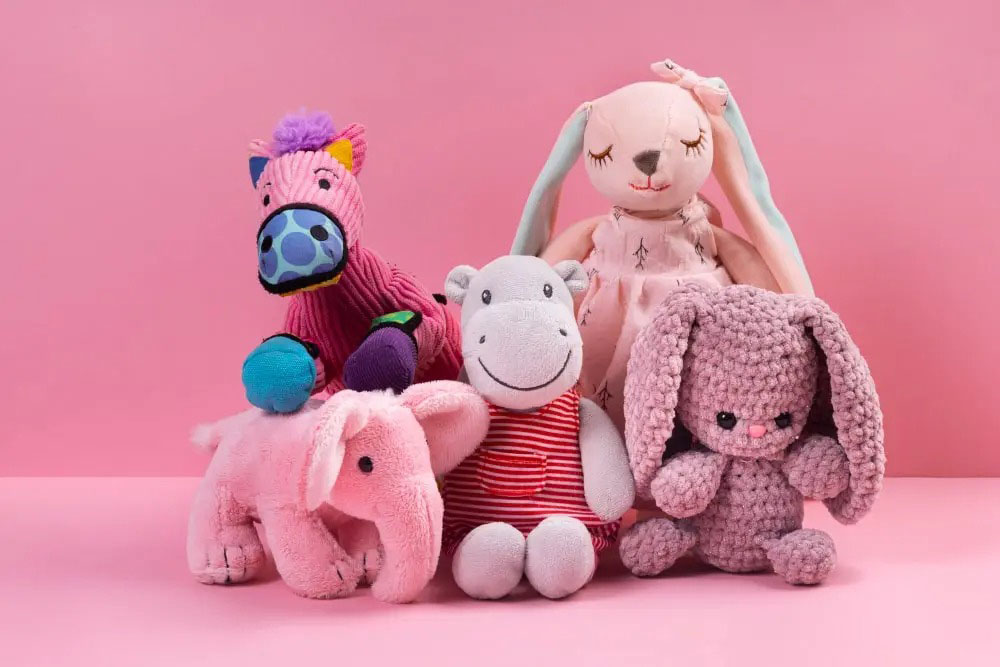
Custom plush toy manufacturing support for buyers who need EN71-focused product safety review, material planning, sample testing coordination, labeling preparation, quality control, and EU-market shipment readiness.
EN71 plush toys are not only soft and attractive; they must also be planned with European toy safety expectations in mind. For brands, retailers, importers, schools, museums, event buyers, and private label companies selling into Europe, EN71-related review helps reduce safety, labeling, testing, and shipment risks before bulk production begins.
KINWIN supports custom plush toy projects with EN71-focused development thinking, including material review, age-grade discussion, small-part risk, seam and stuffing control, label preparation, sample testing coordination, quality inspection, and packaging planning. We help buyers connect product design with practical compliance preparation.
This page explains what EN71 means for plush toy buyers, which parts are commonly relevant to stuffed animals, why every product must be reviewed individually, and how KINWIN helps custom plush projects move from design concept to safer EU-market production readiness.
EN71 BUYER OVERVIEW
What EN71 Means for Plush Toy Buyers
EN71 refers to a series of European toy safety standards used to evaluate different safety aspects of toys. For plush toy buyers, EN71 is important because stuffed animals may be sold to children, placed in retail stores, used in promotional programs, or distributed by brands that must manage product safety expectations in the European market.
A plush toy order can involve fabric, stuffing, embroidery, plastic eyes, noses, labels, hangtags, clothing, accessories, sound modules, LED parts, packaging, and carton information. Each detail may affect which safety checks or documents should be considered.
KINWIN helps buyers approach EN71 plush toy projects from the beginning of development. Instead of waiting until the finished sample is already made, we review product structure, materials, age positioning, and testing expectations earlier so potential issues can be reduced before bulk production.
Buyer decision point: EN71 planning should begin during design and sampling, not only after the plush toy is ready to ship.
PRODUCT TESTING VS FACTORY CERTIFICATE
EN71 Is Product Safety Review, Not a Factory Certificate
Buyers sometimes ask for an EN71 factory certificate, but EN71 is generally related to product testing and toy safety standards, not a factory management certification. A factory may have quality or social audit certifications, but EN71 test results should normally be reviewed at the product or material level.
This distinction is important. A plush toy with different fabric, different filling, different accessories, different age group, or different function may need a different review from another plush toy made in the same factory. One previous test report should not automatically be treated as proof for every future product.
KINWIN helps buyers prepare the right product information for testing discussion. We can coordinate sample development, material records, construction details, and testing communication, while buyers should confirm final market obligations with their testing laboratory, importer, compliance consultant, or legal team.
Buyer decision point: ask whether the report applies to the exact product design, material, age grade, and market requirement, not only whether a supplier has tested something before.
COMMON EN71 REVIEW AREAS
Common EN71 Parts Relevant to Plush Toys
Not every part of EN71 applies to every plush toy. The applicable review depends on product design, age group, materials, and functions.
EN71-1: Mechanical and Physical Properties
This part is often important for stuffed animals because it can relate to small parts, seams, attachments, cords, accessible components, stuffing access, shape, and foreseeable use by children. Plush toys for younger age groups require especially careful review.
EN71-2: Flammability
Plush fabric, long pile material, clothing, ribbons, hair, tails, and decorative fabric parts may need flammability consideration. Material selection and product design can influence how this risk is reviewed.
EN71-3: Migration of Certain Elements
Chemical migration review may be relevant to fabrics, printed parts, coatings, plastic components, paints, accessories, and other accessible materials. Buyers should discuss testing scope with a qualified laboratory based on the final product.
EN IEC 62115 for Electric Toy Features
If the plush toy includes sound modules, LED lights, batteries, switches, sensors, or other electrical functions, electric toy safety review may also be relevant in addition to EN71 considerations.
DESIGN REVIEW BEFORE SAMPLING
Design Review Before EN71 Plush Toy Sampling
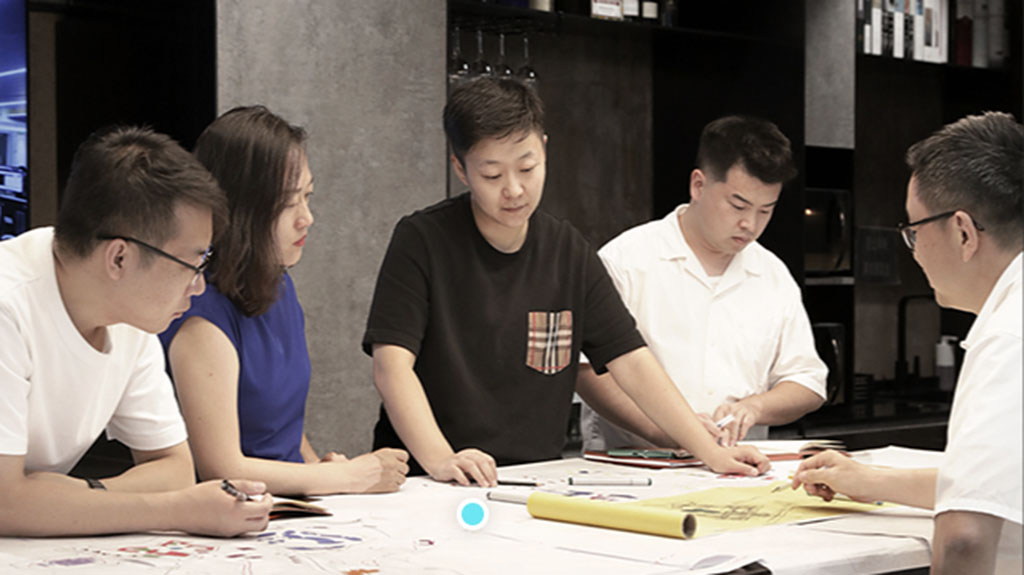
The best time to think about EN71 is before sampling. Once the plush toy has already been patterned, embroidered, sewn, stuffed, accessorized, and packed, design changes can become slower and more expensive. Early review helps buyers avoid obvious safety conflicts before money is spent on repeated samples.
KINWIN reviews the plush concept from a manufacturing and safety-preparation perspective. We look at intended user age, product size, fabric type, accessory design, attachment method, embroidery details, plastic parts, clothing, sound or light features, and packaging direction.
This does not replace laboratory testing. Instead, it helps create a more test-ready sample. A better-prepared sample can make the testing discussion clearer and reduce the chance that simple design decisions create avoidable compliance problems.
Buyer decision point: test readiness starts with design choices, not only with laboratory submission.
AGE GRADE PLANNING
Age Grade Planning for EN71 Stuffed Animals
Age positioning affects design, testing discussion, warning labels, and how strictly certain risks should be reviewed.
Under 36 Months Consideration
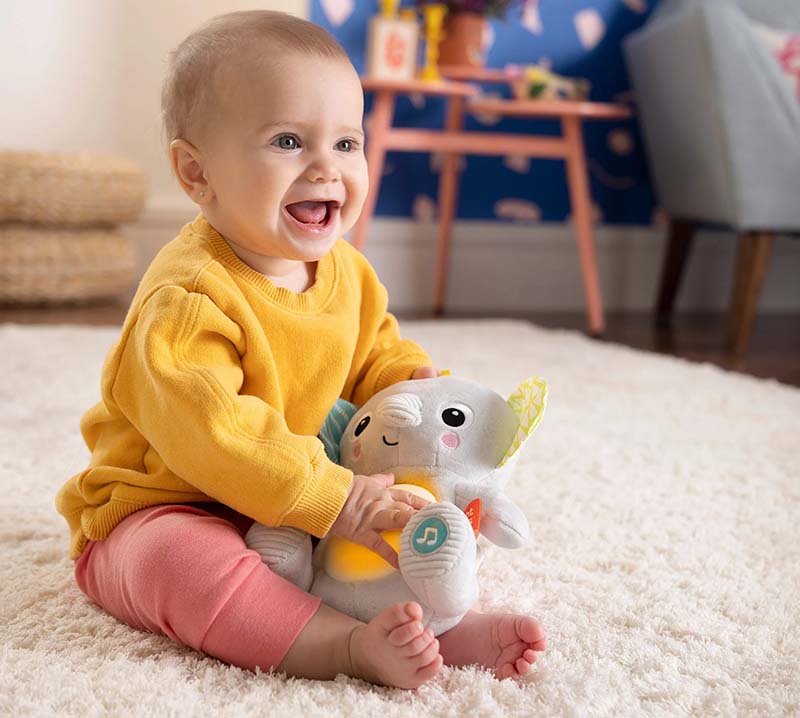
Plush toys intended for younger children usually require more careful attention to small parts, seam strength, stuffing access, detachable components, cords, labels, and foreseeable mouthing or pulling behavior.
General Children’s Plush
For general children's plush toys, buyers still need to review mechanical safety, fabric choices, accessories, labels, packaging, and market requirements, but the specific risk focus may differ from infant plush.
Collectible or Decorative Plush
Even collectible or decorative plush may still be treated as toys if marketed for play. Buyers should be careful with age statements, packaging language, product positioning, and sales channel requirements.
MATERIAL SELECTION
Material Selection for EN71 Plush Toy Projects
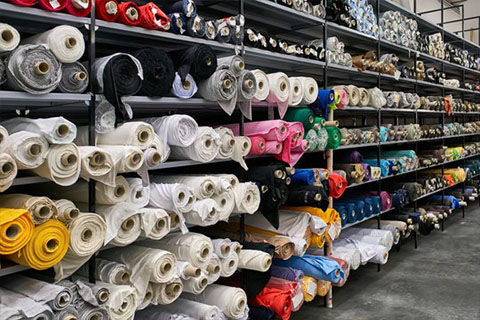
Material selection has a direct effect on EN71 planning. Plush fabric, short pile fabric, long pile fabric, felt, printed fabric, embroidery thread, stuffing, plastic eyes, noses, buttons, ribbons, labels, and packaging materials may each create different review points.
KINWIN helps buyers consider material choice before the sample is finalized. For example, long pile fabric may affect flammability discussion, printed parts may affect chemical review, and plastic components may affect small-part and migration considerations.
Good material records also help with repeat orders. If a plush toy passes testing and enters bulk production, buyers need the factory to keep material references, supplier information, color details, and production notes so future orders can stay closer to the approved standard.
Buyer decision point: a low-cost material change can create a new compliance review need if it changes safety-related characteristics.
MECHANICAL SAFETY DETAILS
Small Parts, Attachments, and Seam Strength
Mechanical safety is often one of the most important review areas for plush toys, especially for younger children.
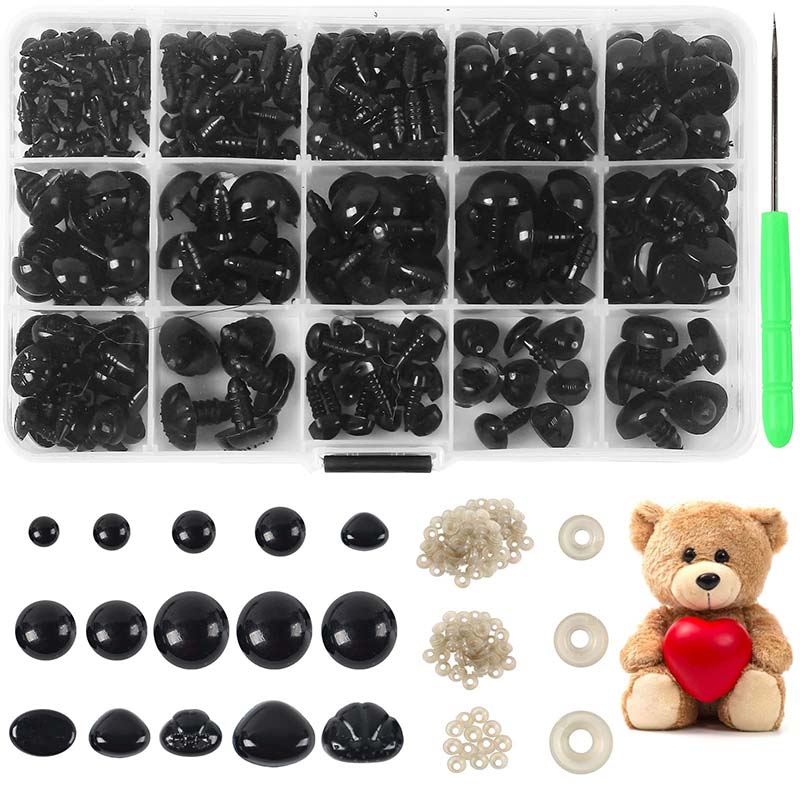
Plastic Eyes and Noses
Plastic eyes, noses, buttons, and decorative parts should be reviewed for attachment strength, accessibility, and age suitability. Embroidered features may be a better option for some baby or comfort plush designs.
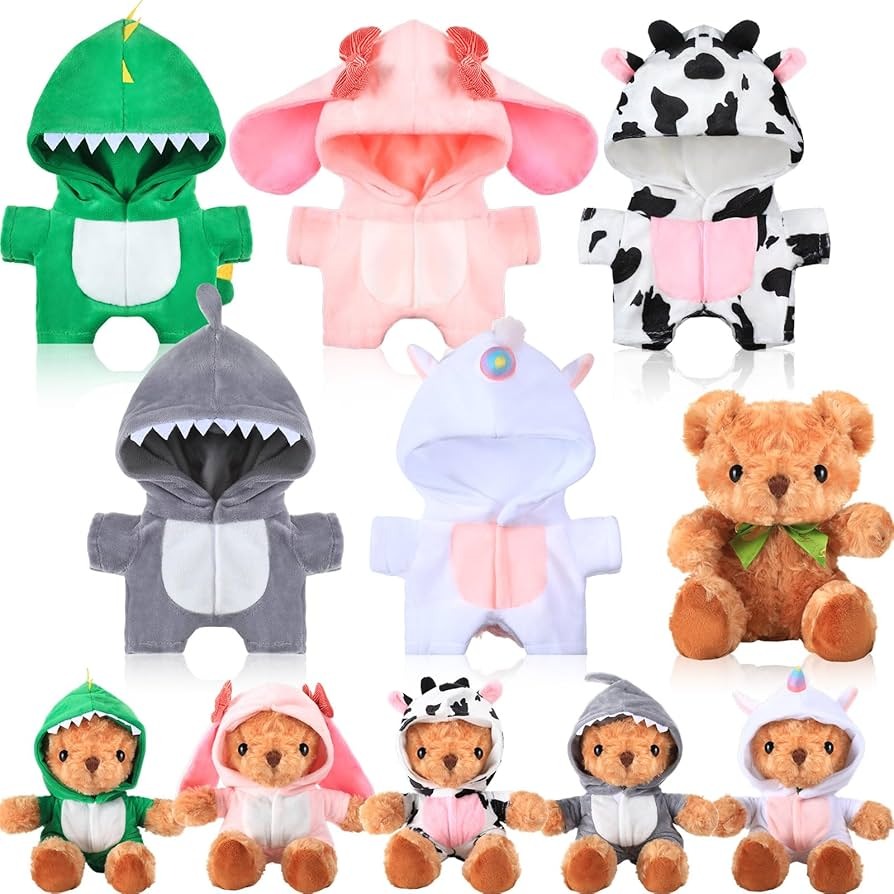
Bows, Clothing, and Accessories
Ribbons, bows, clothing, hats, bags, wings, tails, scarves, and removable accessories may create pulling, choking, entanglement, or detachment concerns if not designed carefully.
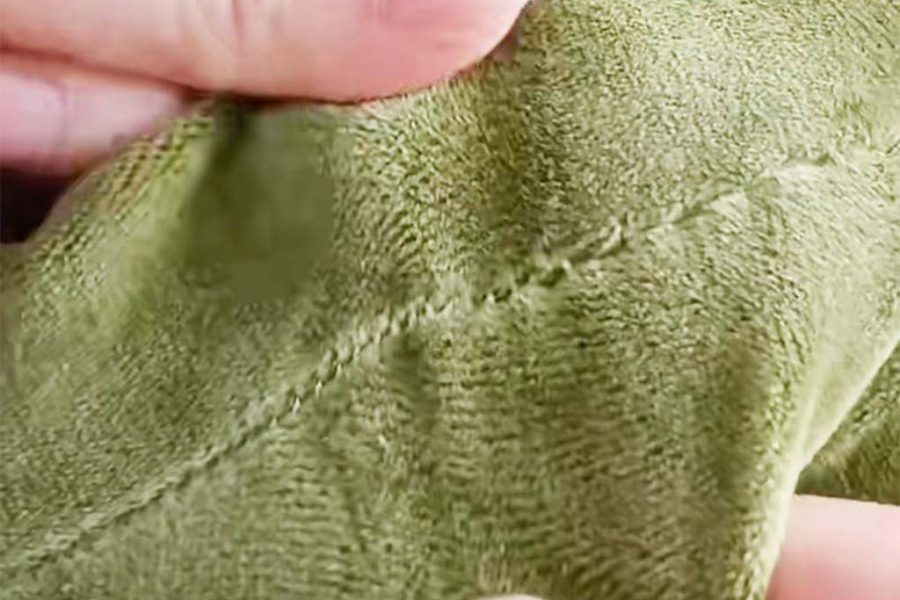
Seams and Stuffing Access
Seam quality matters because weak seams may expose stuffing or internal components. Production teams should understand the approved sewing standard and inspection points before bulk production.
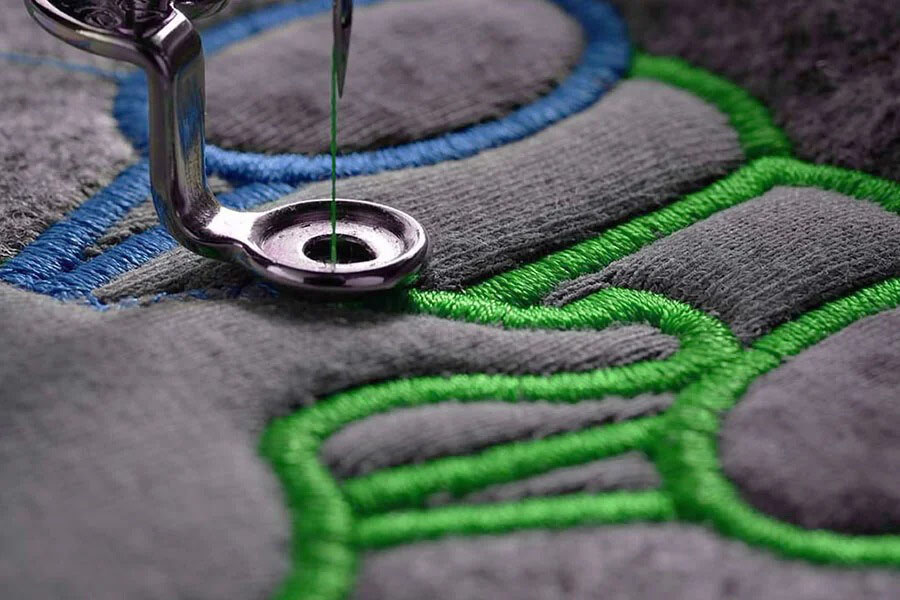
Embroidery and Printed Details
Embroidery can reduce small-part risk compared with hard components, but stitch density, thread quality, fabric support, and placement should still be reviewed for durability and appearance.

BABY PLUSH SAFETY PREPARATION
EN71 Considerations for Baby Plush and Comfort Toys
Baby plush and comfort toys require especially careful development because users may pull, chew, sleep near, or carry the product for long periods. Softness alone is not enough; the product must also be reviewed for construction, attachments, labels, materials, and foreseeable use.
For this category, buyers often prefer embroidered eyes, simple shapes, secure seams, soft fabrics, clean stuffing, minimal hard accessories, and careful label placement. Packaging and warning language should also be reviewed according to the target market and product positioning.
KINWIN helps buyers develop baby plush with safety-preparation thinking from the beginning. We can discuss design simplification, material options, attachment reduction, sample testing coordination, and inspection requirements before bulk production.
Buyer decision point: baby plush should be designed for safety review first, then styled around that safer structure.
FUNCTIONAL PLUSH REVIEW
EN71 Planning for Functional Plush Toys
Functional plush toys need additional review because electronic, sound, light, or removable features can create new safety and documentation needs.
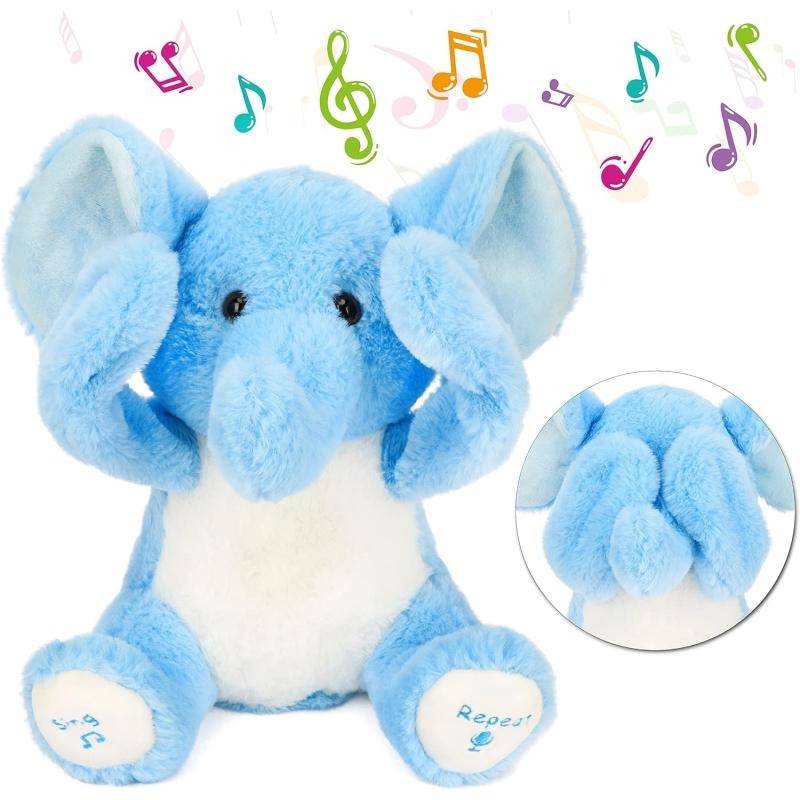
Musical Plush
Sound modules require review of module placement, speaker opening, battery access, activation method, volume expectations, removable parts, and care label instructions.
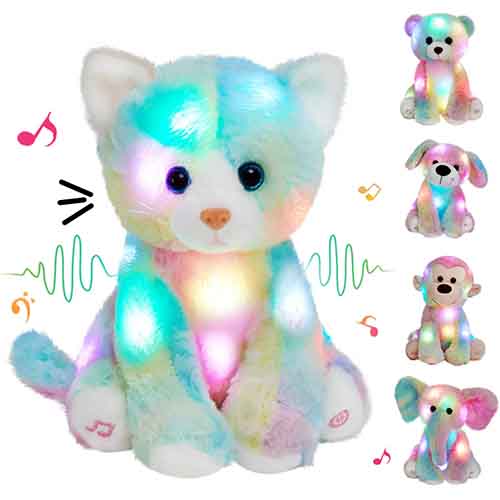
LED Plush
LED plush may require review of electrical parts, battery box design, wire protection, switch position, heat considerations, and whether the product should follow additional electric toy safety requirements.
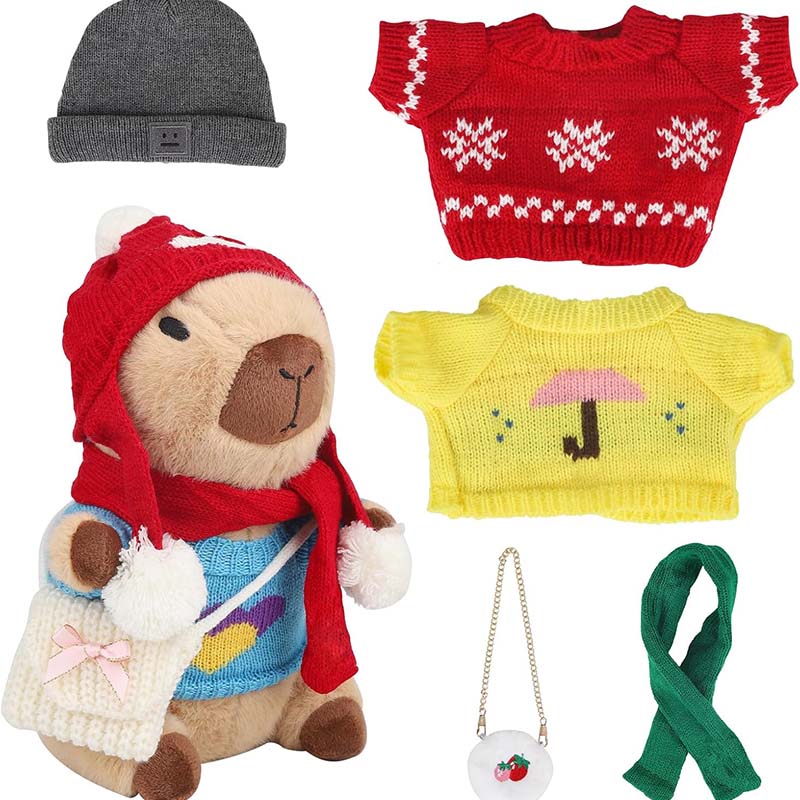
Removable Accessories
Accessories such as clothing, bags, hats, clips, keychains, or detachable decorations should be reviewed for age suitability, attachment strength, small-part risk, and packaging instructions.
TESTING COORDINATION
Testing Coordination for EN71 Plush Toy Samples
Testing coordination works best when the buyer, factory, and laboratory understand the exact product version being reviewed.
Confirm the Final Sample Version
The tested sample should reflect the final design, material, accessories, labels, packaging direction, and intended user age as closely as possible.
Prepare Product Information
Artwork, bill of materials, material descriptions, age grade, product size, function description, packaging information, and target market details help the laboratory define the testing scope.
Coordinate Sample Quantity and Timing
Testing may require multiple samples and enough time for submission, testing, review, and possible correction. This should be planned before the production schedule becomes too tight.
Review Results Before Bulk Production
If the test result shows a concern, the product design, material, accessory, label, or packaging may need adjustment before bulk production begins.
EU LABEL AND CE PREPARATION
Labeling, CE Marking, and EU Market Preparation
EN71 review is often connected with broader EU toy market preparation. Buyers may need to prepare product labels, age information, warning statements, importer information, traceability details, care labels, packaging text, and CE marking documentation depending on their role and sales channel.
The factory can support label placement, physical label production, packaging artwork review, barcode placement, and carton information, but the buyer or importer should confirm legal responsibility for final EU market compliance. Requirements may also change as EU toy safety rules transition over time.
KINWIN helps buyers organize the production-side information needed for label and packaging preparation. We recommend confirming final wording, icons, CE-related responsibilities, and importer information with a qualified compliance partner before bulk printing.
Buyer decision point: label artwork should be treated as compliance information, not only packaging decoration.
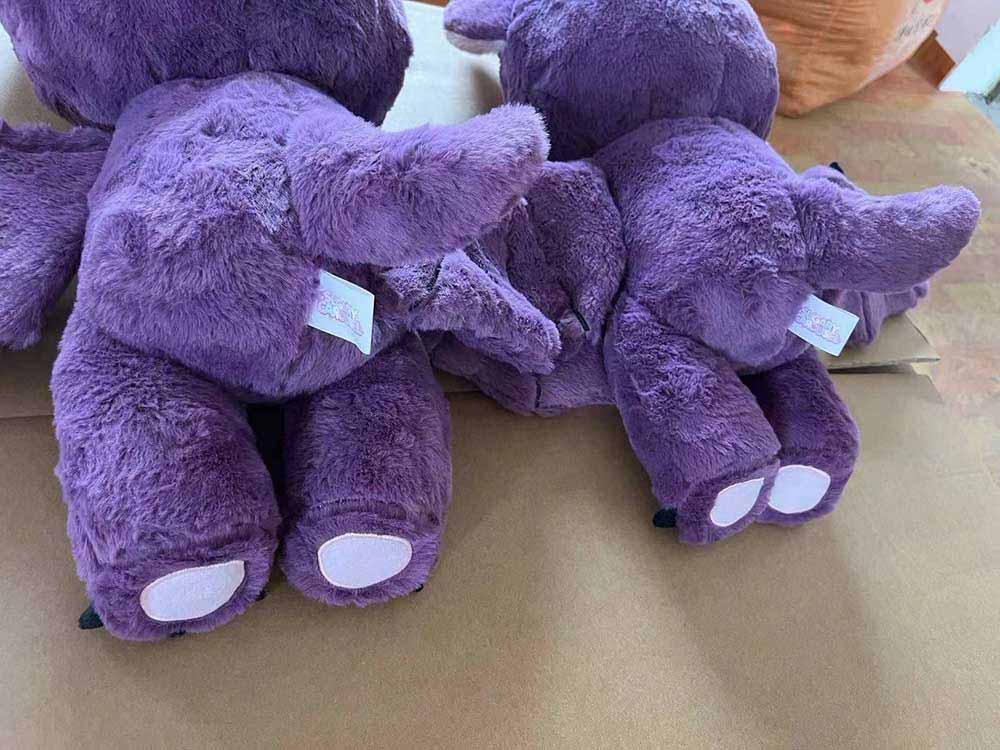
BULK PRODUCTION QC
Quality Control for EN71 Plush Toy Production
A test-ready sample is not enough. Bulk production must stay consistent with the approved sample and tested direction.
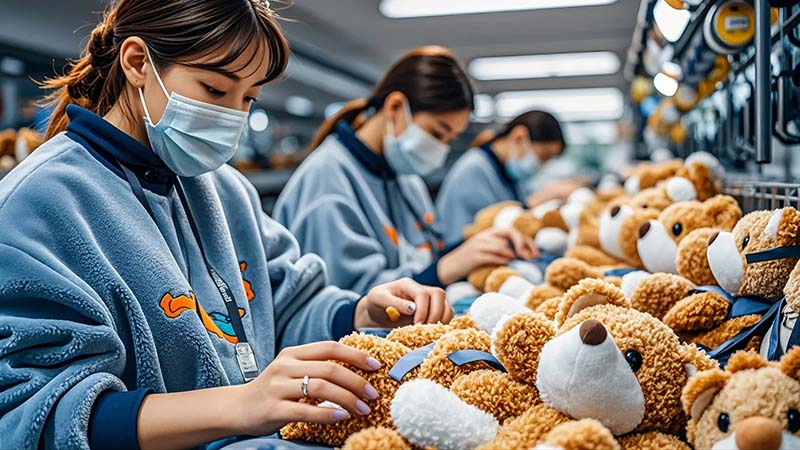
Material Consistency
Fabric, stuffing, thread, plastic parts, labels, accessories, and packaging materials should stay aligned with approved references. Unapproved substitution may create new safety or quality concerns.
Process Inspection
Cutting, embroidery, sewing, stuffing, closing, finishing, and packing should follow documented instructions so production remains closer to the approved sample.
Attachment and Seam Checks
QC should pay attention to plastic parts, accessories, seams, labels, and stuffing access because these details are often important for plush toy safety and durability.
Final Packing Review
Before shipment, packing should be checked for cleanliness, label accuracy, carton marks, quantity, retail packaging condition, and buyer-specific requirements.
COMMON DEVELOPMENT RISKS
Common EN71 Plush Toy Development Problems
Many EN71-related problems can be reduced when they are considered before the sample is finalized.
Hard Accessories Added Too Late
Adding plastic charms, buttons, clips, keychains, or decorative parts after sample approval can create new small-part or attachment concerns.
Age Grade Is Not Discussed Early
If the buyer does not clarify the intended age group, the factory may develop a design that later needs major adjustment for younger users.
Material Changed After Testing
Changing fabric, stuffing, plastic components, printing, coating, or accessories after testing may require additional review or retesting depending on the change.
Packaging Claims Are Not Checked
Age statements, warning text, CE-related information, product descriptions, and marketing claims should be reviewed before bulk packaging is printed.
BUYER QUOTE PREPARATION
What Buyers Should Prepare for an EN71 Plush Toy Quote
Complete project information helps KINWIN review feasibility, cost, development risk, and testing preparation more accurately.
Product Design Files
Provide artwork, reference photos, size target, character details, embroidery files, accessory ideas, clothing design, and any functional features.
Market and Age Information
Provide destination market, intended age group, sales channel, retailer requirements, and whether the product is for baby, children, promotional, retail, or collectible use.
Compliance Expectations
Share required EN71 scope if known, CE marking expectations, testing laboratory preference, label requirements, and any importer or retailer compliance checklist.
Commercial and Delivery Details
Provide target quantity, expected launch date, packaging needs, shipment destination, budget direction, and repeat-order plan so production and testing timing can be planned together.
WHY KINWIN
Why Work with KINWIN for EN71 Plush Toys
KINWIN is suitable for buyers who need custom plush manufacturing with stronger safety-preparation awareness for European market projects.
EN71-Focused Development Support
We help buyers review plush design, materials, age positioning, accessories, labels, testing preparation, and production consistency before bulk manufacturing.
Custom Plush Manufacturing Capability
KINWIN supports baby plush, character plush, mascot plush, logo plush, musical plush, LED plush, promotional plush, retail plush, and private label stuffed animal projects.
Testing Coordination and Documentation
We can help prepare product samples, material information, construction details, label files, inspection notes, packing information, and communication with the buyer's selected testing partner.
Bulk Production Quality Control
Approved samples, material references, sewing standards, QC checkpoints, and packing instructions help keep production aligned with the tested and approved direction.
MOQ for Custom Plush Projects
KINWIN's standard MOQ for custom plush toy projects starts from 500 pcs, depending on design, materials, size, testing expectations, packaging, and production complexity.
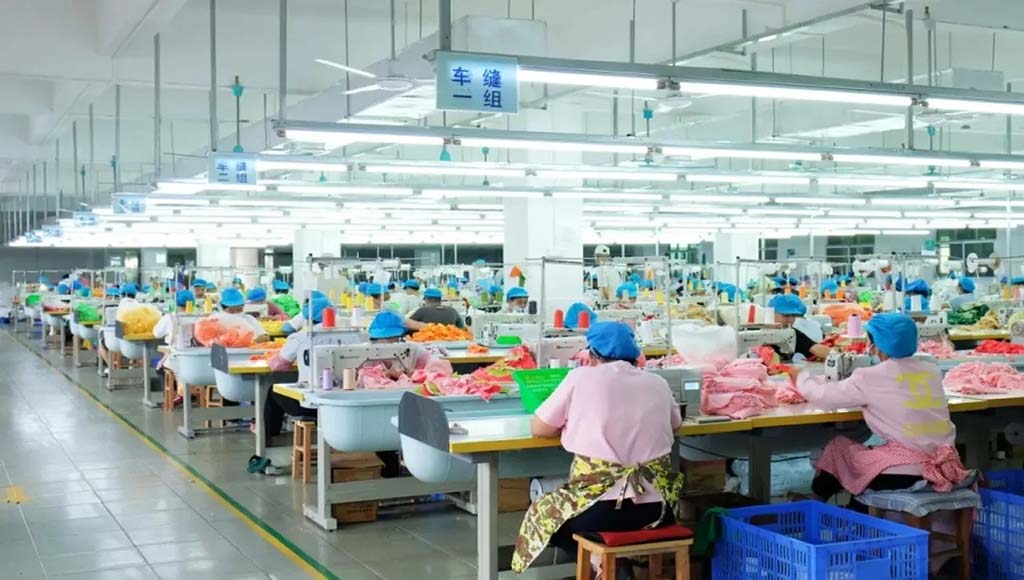
START YOUR EN71 PLUSH PROJECT
Start Your EN71 Plush Toy Project with KINWIN
If you need custom plush toys for the European market and want to prepare for EN71-related review from the beginning, KINWIN can help you evaluate the design, materials, age positioning, sample preparation, labeling, inspection, packaging, and bulk production plan.
Send us your artwork, target size, material preference, expected quantity, destination market, age group, packaging needs, and compliance requirements. Our team can help you build a more test-ready and production-ready custom plush solution.
- EN71-focused custom plush development for EU-market buyers
- Support for material review, age-grade discussion, sample preparation, and testing coordination
- Quality control for seams, attachments, labels, packing, and bulk production consistency
- Standard MOQ for custom plush toy projects starts from 500 pcs
FREQUENTLY ASKED QUESTIONS
FAQ: EN71 Plush Toys
What are EN71 plush toys?
EN71 plush toys are stuffed animals developed or tested with European toy safety standards in mind. The exact testing scope depends on product design, materials, age group, functions, and destination market requirements.
Is EN71 a factory certificate?
No. EN71 is related to toy product safety standards and testing, not a factory management certification. Buyers should review whether the test report applies to the exact product being ordered.
Which EN71 parts are usually relevant to plush toys?
EN71-1, EN71-2, and EN71-3 are commonly considered for many plush toys, while electric toy requirements may also be relevant if the plush includes sound, lights, batteries, or other electronic features.
Can KINWIN help coordinate EN71 testing?
KINWIN can support sample preparation, material information, construction details, label files, and communication with the buyer’s selected testing laboratory. Final compliance confirmation should be made by the buyer’s qualified testing or compliance partner.
Do all plush toys need the same EN71 tests?
No. Different plush toys may require different review because materials, accessories, user age, construction, and functions can change the applicable testing scope.
Should EN71 be considered before or after sampling?
EN71 should be considered before and during sampling. Early review helps reduce avoidable design changes, material changes, and testing delays before bulk production.
Can one EN71 report cover multiple plush toy designs?
Only a qualified testing or compliance partner can confirm report coverage. In general, material, construction, accessory, size, function, or age-grade differences may affect whether a report applies.
What is the MOQ for custom EN71 plush toy projects?
KINWIN’s standard MOQ for custom plush toy projects starts from 500 pcs. Final feasibility depends on design, materials, size, testing expectations, packaging, and production complexity.
If You Can lmagine lt,We Will Create lt!
1.Tell Us What You Need
Tell us as specific as possible of your needs and share your idea.
2.Get Solution & Quote
We will work on the best solution according to yourrequirements,the specific quote will be provided within 24 hours.
3.Approve for Mass Production
We will start mass production after getting your approval.