 Skip to content
Eco-Friendly Plush Toys — Sustainable Manufacturing with GRS, OEKO-TEX & FSC Certification
Eco-Friendly Plush Toys — Sustainable Manufacturing with GRS, OEKO-TEX & FSC Certification
RPET Recycled Fabric · GRS Certified · OEKO-TEX Class I · FSC Packaging · Recycled Fiber Fill · CE/ASTM · MOQ 500 pcs
Eco-friendly plush toys are no longer a niche request — they are becoming a baseline expectation from retailers, consumers, and regulators alike. Brands positioning themselves around sustainability need more than a green logo on the hang tag: they need verifiable, certified materials, transparent supply chains, and manufacturing partners who can substantiate every environmental claim with documentation that withstands scrutiny.
KINWIN manufactures eco-friendly plush toys using GRS-certified RPET fabric made from recycled plastic bottles, GRS-certified recycled fiber filling, OEKO-TEX Standard 100 certified materials throughout, and FSC-certified packaging. Every eco claim KINWIN supports is backed by a certificate — not a marketing assertion.
What ‘Eco-Friendly Plush Toy’ Actually Means — Beyond the Marketing Term
Four Dimensions of Environmental Credential — Each Independently Certifiable
The term ‘eco-friendly’ is unregulated and frequently used loosely. For a plush toy to make a substantiated environmental claim, the claim needs to be tied to a specific, certifiable attribute of the product. KINWIN works across four distinct dimensions of environmental credential — each independently certifiable and independently meaningful.
Recycled Material Content
What it means: Fabric/filling made from post-consumer recycled plastic
Certification: GRS (Global Recycled Standard)
Consumer-facing claim: ‘Made from X recycled plastic bottles’
Chemical Safety
What it means: Free from 100+ harmful substances
Certification: OEKO-TEX Standard 100
Consumer-facing claim: ‘Certified free from harmful chemicals’
Responsible Packaging Sourcing
What it means: Paper/cardboard from responsibly managed forests
Certification: FSC (Forest Stewardship Council)
Consumer-facing claim: ‘FSC certified packaging’
Organic Raw Material
What it means: Cotton grown without synthetic pesticides/fertilizers
Certification: GOTS (Global Organic Textile Standard)
Consumer-facing claim: ‘Made with organic cotton’
A plush toy can carry one, several, or all of these credentials depending on its construction. A fully eco plush toy — RPET pile fabric, GRS recycled filling, FSC packaging, OEKO-TEX certified throughout — represents the most comprehensive sustainability profile achievable in current plush toy manufacturing.
RPET Fabric — Plush Made from Recycled Plastic Bottles
The RPET Production Chain
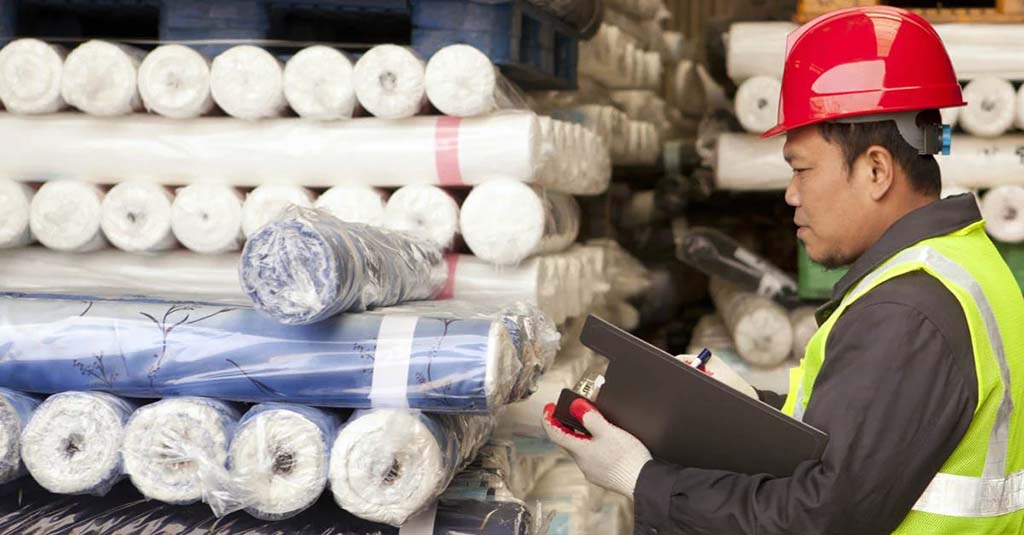
RPET (Recycled Polyethylene Terephthalate) is the most significant material innovation in eco-friendly plush manufacturing. Post-consumer PET plastic bottles are collected, cleaned, shredded into flakes, melted, and extruded into polyester fiber — which is then knitted or woven into pile fabric indistinguishable in feel and appearance from virgin polyester pile.
- Collection: post-consumer PET bottles collected through recycling programs
- Sorting and cleaning: bottles sorted by color and polymer type, washed to remove contaminants
- Shredding: clean bottles shredded into small plastic flakes
- Melting and extrusion: flakes melted and extruded into continuous polyester filament
- Spinning: filament spun into yarn suitable for pile fabric knitting
- Knitting and finishing: yarn knitted into pile fabric base, then sheared and finished to the target pile height and texture
RPET Fabric Performance vs Virgin Polyester
RPET Fabric Performance vs Virgin Polyester — 7-Point Comparison
The functional equivalence is the key point for brands considering RPET: switching to RPET fabric does not require any compromise in the finished product’s softness, color range, durability, or safety certification. The difference is entirely in the fiber’s origin — and that difference is exactly what sustainability-conscious customers are looking for.
Softness / Hand Feel
RPET pile fabric: Equivalent at matched specifications
Virgin polyester: Baseline
Color Vibrancy
RPET pile fabric: Equivalent — dyeing process unchanged
Virgin polyester: Baseline
Durability
RPET pile fabric: Equivalent — fiber structure comparable
Virgin polyester: Baseline
Pile Height Range
RPET pile fabric: Same range available (short to long pile)
Virgin polyester: Same range
OEKO-TEX Certifiable
RPET pile fabric: Yes — Standard 100 Class I available
Virgin polyester: Yes
Cost
RPET pile fabric: Comparable to slightly higher depending on volume
Virgin polyester: Baseline
Bottle Equivalence (20-25cm plush)
RPET pile fabric: Approximately 4-6 recycled bottles per unit
Virgin polyester: N/A
GRS Certification — Verifying Recycled Content Claims
GRS Certification — Verifying Recycled Content Across the Supply Chain
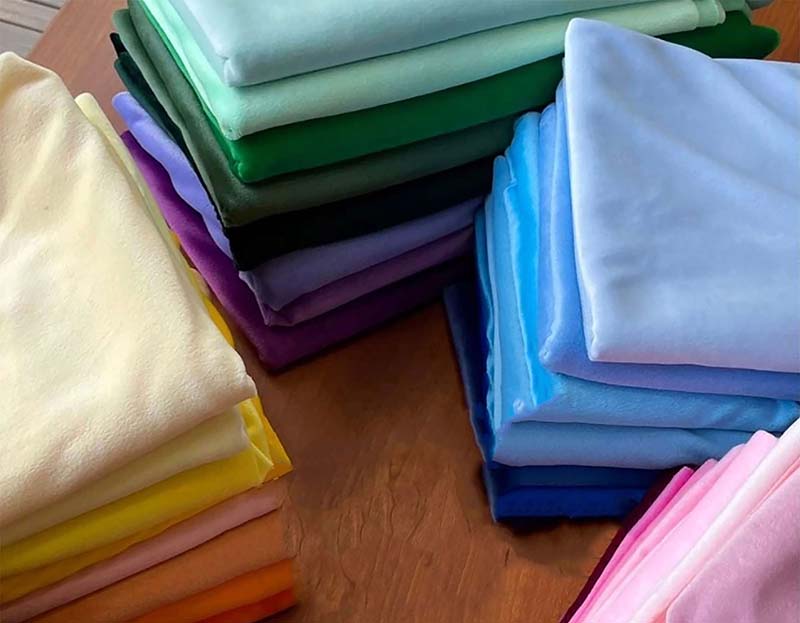
The Global Recycled Standard (GRS) is the leading third-party certification for verifying recycled material content in textile products. GRS certification covers the entire supply chain — not just the final fabric — ensuring that recycled content claims are traceable back to the original recycled material source.
What GRS Certification Covers
- Chain of custody: every entity handling the material from recycled input to finished product must hold GRS certification — recycler, spinner, knitter, dyer, and final manufacturer
- Recycled content verification: minimum 50% recycled material required for GRS certification; KINWIN’s RPET fabric typically exceeds 90% recycled content
- Chemical compliance: GRS includes restricted substance requirements aligned with OEKO-TEX and REACH
- Social and environmental criteria: GRS-certified facilities must meet environmental management and social compliance criteria at each stage
- Transaction certificates: each shipment of GRS-certified material is accompanied by a transaction certificate documenting the certified content — KINWIN provides these to brands for substantiating recycled content claims
Why Chain of Custody Matters
A fabric supplier could claim ‘recycled content’ without meaningful verification — but GRS certification requires every link in the supply chain to be independently audited and certified.
This means a GRS transaction certificate for KINWIN’s RPET fabric is traceable: the recycler who processed the bottles, the spinner who made the yarn, the knitter who made the fabric, and KINWIN as the manufacturer are all part of a certified chain.
This traceability is what allows brands to make recycled content claims that withstand scrutiny from regulators, retailers, and increasingly sophisticated consumers.
Recycled Fiber Filling — The Inside Matters Too
Recycled Fiber Filling — Specifications vs Standard PP Cotton
Filling material represents a significant proportion of a plush toy’s total material mass — often 40-60% by weight for a standard character. Eco-friendly plush programs that address fabric but not filling are addressing less than half the material story.
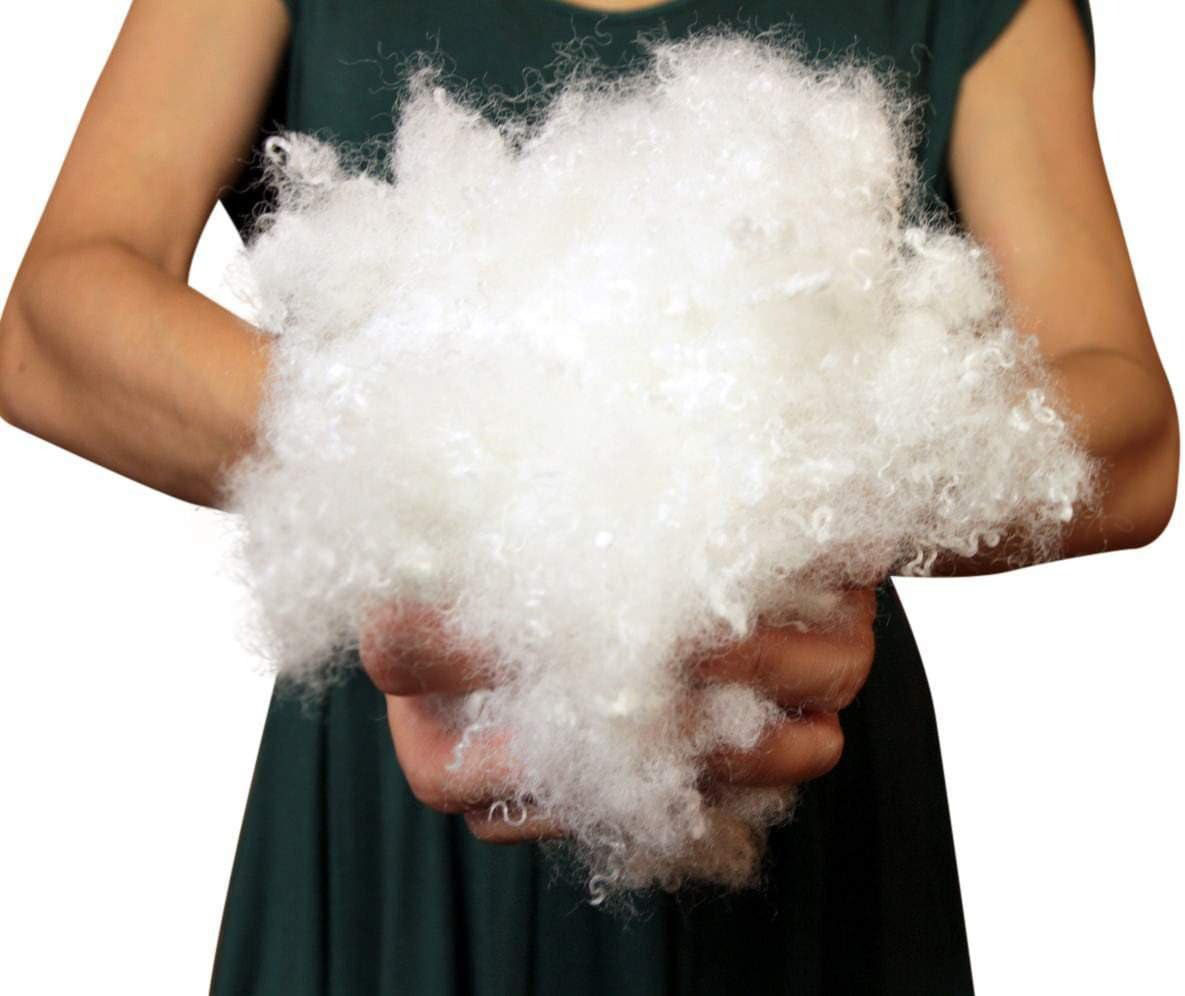
KINWIN offers GRS-certified recycled polyester fiber filling — functionally equivalent to standard PP cotton filling in terms of softness, loft, resilience, and washability, but derived from recycled PET sources rather than virgin polyester. The filling carries the same OEKO-TEX safety certification as virgin filling, meeting all safety requirements for children’s products including under-3 age grades.
- Material source — Recycled fiber: Recycled PET (GRS certified) · Standard: Virgin polypropylene/polyester
- Softness — Recycled fiber: Equivalent · Standard: Baseline
- Loft recovery after compression — Recycled fiber: Equivalent · Standard: Baseline
- Washability — Recycled fiber: Equivalent — machine washable · Standard: Machine washable
- OEKO-TEX Class I certifiable — Recycled fiber: Yes · Standard: Yes
- Hypoallergenic — Recycled fiber: Yes — same as standard fill · Standard: Yes
- Cost differential — Recycled fiber: Slight premium, typically 5-12% · Standard: Baseline
FSC-Certified Packaging — Responsible Sourcing for the First Brand Touchpoint
FSC-Certified Packaging — Responsible Sourcing for the First Brand Touchpoint
Packaging is often the first physical brand interaction a customer has with an eco-positioned product — and an inconsistency between an eco product and non-certified packaging undermines the entire sustainability message. FSC (Forest Stewardship Council) certification verifies that paper and cardboard packaging originates from responsibly managed forests.
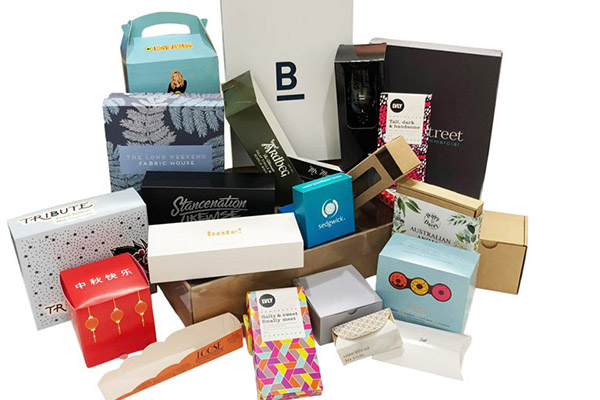
- Gift boxes: FSC-certified cardboard available for all gift box formats
- Hang tags: FSC-certified paper stock for hang tags and inserts
- Header cards and window boxes: FSC-certified board for retail display packaging
- Mailer boxes: FSC-certified corrugate for DTC shipping packaging
FSC certification on packaging is generally the lowest-cost element of an eco plush program — typically adding only 2-5% to packaging cost — making it one of the most cost-effective sustainability credentials to add to any program, eco-focused or not.
Building a Fully Eco-Friendly Plush Program
Building a Fully Eco-Friendly Plush Program — Component by Component
A fully eco plush toy combines certified materials across every component — fabric, filling, thread, and packaging — to create a product where the entire bill of materials carries verifiable sustainability credentials.
Pile Fabric
Eco option: RPET recycled polyester
Certification: GRS
Cost impact vs standard: 0-8% premium
Filling
Eco option: Recycled polyester fiber
Certification: GRS
Cost impact vs standard: 5-12% premium
Embroidery Thread
Eco option: Recycled polyester thread (where available)
Certification: GRS (thread-specific)
Cost impact vs standard: Minimal
Woven Label
Eco option: Recycled or organic cotton label
Certification: GRS / GOTS
Cost impact vs standard: Minimal
Gift Box / Hang Tag
Eco option: FSC certified paper/board
Certification: FSC
Cost impact vs standard: 2-5% premium
Poly Bag (if used)
Eco option: Recycled content poly bag (where available)
Certification: GRS
Cost impact vs standard: Minimal to moderate
Overall Product
Eco option: All-eco bill of materials
Certification: GRS + OEKO-TEX + FSC
Cost impact vs standard: Typically 8-15% total premium
An 8-15% total cost premium for a fully certified eco plush program is a modest investment relative to the marketing and positioning value it unlocks — particularly for brands targeting environmentally conscious demographics, retail channels with sustainability sourcing requirements, or markets with extended producer responsibility regulations that increasingly favor recycled-content products.
Making Substantiated Environmental Claims — What You Can and Cannot Say
Substantiated Environmental Claims — Requirements by Claim Type
Environmental marketing claims are subject to increasing regulatory scrutiny in major markets — the EU’s Green Claims Directive, the FTC’s Green Guides in the US, and the UK’s Green Claims Code all require that environmental claims be accurate, specific, and substantiated. Certification documentation from KINWIN is what allows your claims to meet these standards.
'Made from recycled materials'
Substantiation required: GRS certificate showing recycled content percentage
KINWIN provides: GRS transaction certificate per shipment
'X recycled plastic bottles per toy'
Substantiation required: Calculation based on verified material weight and recycled content
KINWIN provides: Material weight data + GRS recycled content percentage
'Free from harmful chemicals'
Substantiation required: OEKO-TEX Standard 100 certificate
KINWIN provides: OEKO-TEX certificates for all fabrics used
'Sustainably sourced packaging'
Substantiation required: FSC chain of custody certificate
KINWIN provides: FSC certificate for packaging materials
'Carbon neutral' / 'Zero waste'
Substantiation required: Requires separate, comprehensive lifecycle assessment — not covered by material certifications alone
KINWIN provides: Not provided — consult a sustainability consultancy for full LCA claims
KINWIN advises brands to make claims that are precisely scoped to what the certifications actually demonstrate. ‘This plush toy is made from GRS-certified recycled materials, diverting approximately 5 plastic bottles from landfill’ is a precise, defensible claim. ‘This product is environmentally friendly’ without specifics is increasingly viewed by regulators as a vague claim that risks greenwashing accusations — even when the underlying materials are genuinely certified.
Safety Certification for Eco Plush Toys — No Compromise
Safety Certification for Eco Plush Toys — No Compromise
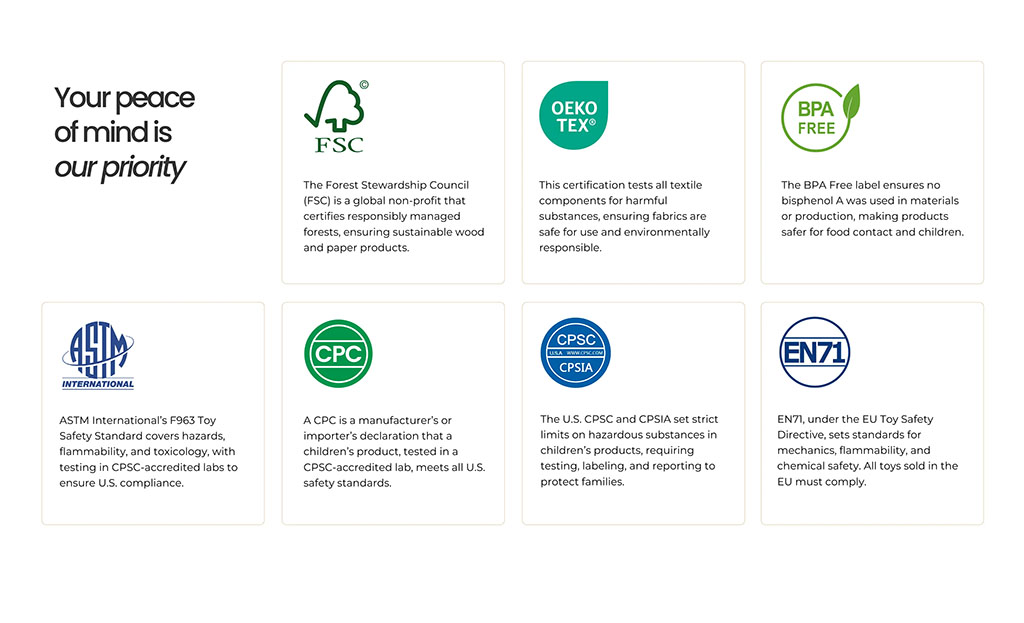
A common misconception is that eco materials involve a tradeoff with safety certification. This is not the case. RPET fabric and recycled filling undergo exactly the same OEKO-TEX Standard 100 testing as virgin materials — testing for the same 100+ substances at the same limits. CE/EN71 and ASTM F963/CPSC toy safety testing applies identically regardless of whether the fabric is virgin or recycled polyester.
- OEKO-TEX Standard 100 Class I: available for RPET fabric and recycled filling — the same standard applied to virgin materials for under-3 products
- CE / EN71 Parts 1-3: full testing applies identically to eco-material plush toys
- ASTM F963 / CPSC: full testing applies identically to eco-material plush toys
- Color fastness and flammability: RPET fabric undergoes the same pre-screening as virgin fabric at KINWIN
An eco plush toy from KINWIN carries the complete safety certification package as any standard plush toy — sustainability and compliance are not in tension.
Why Brands Choose KINWIN for Eco-Friendly Plush Toys
Why Brands Choose KINWIN for Eco-Friendly Plush Toys
Eco-friendly should mean something you can prove, not just something you can say. KINWIN manufactures plush toys with the certificates to back every claim.
✓ GRS-certified RPET fabric across the full pile fabric range — short, medium, and long pile
✓ GRS-certified recycled fiber filling — functionally equivalent to standard PP cotton
✓ OEKO-TEX Standard 100 Class I on all materials including recycled fabrics
✓ FSC-certified packaging available for all formats — gift boxes, hang tags, mailers
✓ Full chain-of-custody documentation and transaction certificates for substantiated marketing claims
✓ Full CE, EN71, ASTM F963 safety certification — identical to standard materials
✓ Typically 8-15% total cost premium for a fully certified eco program — modest relative to positioning value
✓ 17+ years manufacturing experience, 1,000+ brands, 30+ countries
✓ MOQ 500 pieces — eco programs accessible at launch scale
✓ Disney FAMA, ISO 9001, BSCI, SMETA — full ethical and quality manufacturing credentials alongside environmental certification
Frequently Asked Questions — Eco-Friendly Plush Toys
Frequently Asked Questions — Eco-Friendly Plush Toys
Q1. Does RPET fabric feel or look different from regular plush fabric?
No — RPET pile fabric is functionally and visually equivalent to virgin polyester pile fabric at matched specifications. The recycled PET is processed into polyester fiber through the same spinning, knitting, and finishing processes as virgin fiber, producing fabric with the same softness, color range, pile height options, and durability. Customers handling a finished RPET plush toy cannot distinguish it from a virgin polyester equivalent without being told. The difference is entirely in the material’s origin, which is communicated through hang tag messaging and certification documentation rather than through any perceptible difference in the product itself. This equivalence is precisely what makes RPET a practical sustainability upgrade — brands do not need to compromise on product quality, customer experience, or design flexibility to make a genuine environmental improvement.
Q2. How many recycled plastic bottles does a typical plush toy use?
The number depends on the toy’s size, fabric pile height, and filling weight — both of which use recycled PET in a fully eco program. As a general guide: a standard 20-25cm character plush with RPET pile fabric and recycled fiber filling uses the equivalent of approximately 4-6 standard 500ml PET bottles, accounting for both the fabric and the filling. Larger toys (35-45cm) typically use 8-12 bottle equivalents. KINWIN can provide a precise bottle-equivalent calculation for your specific product specification based on the material weight and GRS-certified recycled content percentage — this calculation is what allows brands to make specific, substantiated claims like ‘each toy diverts X plastic bottles from landfill’ on hang tags and marketing materials.
Q3. Can I get GRS certification for my specific product, or only for the raw materials?
GRS certification operates at the supply chain level, not as a per-product certificate issued to your brand directly. What you receive is a transaction certificate for each shipment of GRS-certified material (fabric and/or filling) used in your order, documenting the certified recycled content percentage and the chain of custody. Your brand does not need to hold GRS certification yourself to make recycled content claims — you reference the transaction certificate as your substantiation. If your brand wants to display the GRS logo directly on packaging or marketing materials, that requires your company to become a GRS-certified entity in the chain of custody, which involves a separate certification process through a GRS-accredited certification body. Most brands making recycled content claims rely on the transaction certificate as substantiation without becoming GRS-certified entities themselves — this is standard practice and fully defensible for marketing claims.
Q4. Is there a minimum order quantity for eco-friendly plush toys, or is it higher than standard orders?
The minimum order quantity for eco-friendly plush toys is the same as KINWIN’s standard MOQ: 500 pieces per design. RPET fabric and GRS-certified recycled filling are stocked materials available at standard order volumes — there is no minimum volume threshold specific to eco materials that would require a larger commitment than a standard program. This makes eco-friendly plush toys accessible to brands at launch stage, not just established brands with large-volume programs. If your program combines eco materials with other customizations (original character development, custom packaging), the standard 500-piece minimum applies per design as with any KINWIN order.
Q5. Can an existing plush toy design be converted to eco materials without redesigning the character?
Yes — converting an existing design to eco materials is a material substitution, not a design change, in most cases. If your existing plush toy uses standard pile fabric and PP cotton filling, KINWIN can substitute GRS-certified RPET fabric in the same color and pile height, and GRS-certified recycled fiber filling at the same density specification — without altering the pattern, construction, or appearance of the character. The golden sample would be re-confirmed with the new materials to verify color match and tactile equivalence, but the character design itself remains unchanged. This makes an eco material conversion a relatively low-friction upgrade path for brands with existing successful characters who want to add sustainability credentials to their product line without the cost and risk of a full redesign.
If You Can lmagine lt,We Will Create lt!
1.Tell Us What You Need
Tell us as specific as possible of your needs and share your idea.
2.Get Solution & Quote
We will work on the best solution according to yourrequirements,the specific quote will be provided within 24 hours.
3.Approve for Mass Production
We will start mass production after getting your approval.
