 Skip to content
CUSTOM STUFFED ANIMAL BACKPACK
Custom Stuffed Animal Backpack
Custom stuffed animal backpack manufacturing for brands, toy companies, children’s retailers, theme parks, gift programs, and licensed character projects.
A custom stuffed animal backpack is more than a soft toy with straps. It must work as a character product, a children’s accessory, a gift item, and a functional bag at the same time.
KINWIN helps buyers develop plush animal backpacks with balanced body shape, comfortable carrying structure, usable storage space, durable stitching, safe trims, brand-ready appearance, and production consistency.
This page explains what buyers should consider before developing a stuffed animal backpack, from character design and pocket engineering to sampling, testing, packaging, and bulk order control.

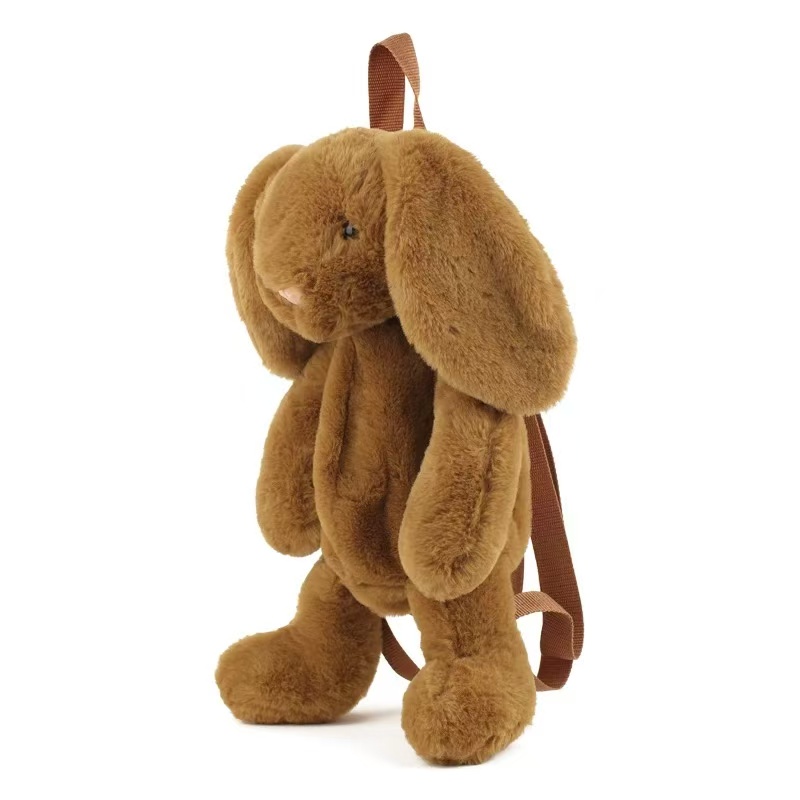
PLUSH BACKPACK VS PLUSH TOY
What Makes a Stuffed Animal Backpack Different from a Plush Toy
A stuffed animal backpack has two product responsibilities. It needs to look like a lovable plush character, but it also needs to carry small belongings safely and comfortably. If the body is designed only as a toy, the storage space may be too small, the zipper may sit awkwardly, or the straps may pull against weak seams.
For buyers, this means the project should be reviewed as a hybrid product. The plush body, lining, zipper, shoulder straps, webbing, handle, back panel, stuffing level, and pocket opening all need to work together. A cute design is important, but the finished product also needs to survive normal use by children.
KINWIN develops stuffed animal backpacks with both appearance and function in mind. We help buyers adjust pattern structure, stuffing distribution, pocket placement, and attachment strength before moving into bulk production.
Buyer decision point: choose a supplier that understands plush construction and backpack function, not only one side of the product.
POPULAR BACKPACK FORMATS
Common Custom Stuffed Animal Backpack Styles
Different markets need different backpack formats. A theme park souvenir, preschool backpack, retail animal bag, and character merchandise item may look similar at first, but their use cases and design priorities are not the same.
Animal Character Backpack
Animal character backpacks use recognizable shapes such as bears, rabbits, dogs, cats, pandas, dinosaurs, unicorns, or brand mascots. The challenge is keeping the animal form charming while still creating enough flat or semi-flat structure for the back panel and storage pocket.
Mini Plush Backpack
Mini plush backpacks are suitable for toddlers, gift sets, theme stores, and promotional programs. They usually carry lightweight items such as snacks, small toys, tissues, or accessories, so the key is comfort, cuteness, and safe construction rather than large capacity.
Full-Body Stuffed Animal Backpack
Full-body designs look close to a plush toy from the front, with a zipper pocket hidden in the back or belly. This style is visually strong, but it requires careful pocket engineering so the backpack does not lose its animal shape when filled.
Licensed Character Backpack
Licensed character backpacks require stronger control over face proportions, fabric colors, embroidery details, labels, and approval samples. Buyers often need multiple sample rounds to align the plush form with brand style guides.
Retail Plush Bag Series
Retail series may include multiple animals in the same size and price range. The supplier needs to standardize the pocket structure, strap length, zipper opening, and packaging size while allowing each animal to keep its own character expression.
STORAGE STRUCTURE PLANNING
Backpack Structure and Storage Planning
Storage planning should begin before the plush pattern is finalized. If the pocket is added after the animal shape is already fixed, the opening may become too narrow, the lining may wrinkle, or the filled body may press into the usable space.
A good stuffed animal backpack normally needs a practical pocket opening, stable lining, enough internal depth, and a back panel that keeps the bag comfortable against the body. For small children’s backpacks, the capacity does not need to be large, but it should be honest and usable.
KINWIN can help buyers review pocket dimensions, zipper placement, lining material, seam allowance, and stuffing zones. We aim to keep the backpack cute from the outside while making the storage space realistic for the target user.
Buyer decision point: confirm what the backpack must carry before confirming the plush shape.

STRAP AND COMFORT DETAILS
Shoulder Straps, Webbing, and Carrying Comfort
The shoulder strap system is one of the most important differences between a decorative plush and a usable stuffed animal backpack.
Strap Width and Length
Strap width and length should match the target age group. A toddler backpack, preschool backpack, and youth novelty backpack require different strap proportions. Adjustable straps can improve usability, but the buckle choice must be reviewed for safety, strength, and appearance.
Attachment Strength
The stress point where the strap joins the plush body needs reinforcement. This area may require additional fabric layers, stronger stitching, bar-tack style reinforcement, or an adjusted seam path so the load is not carried only by soft plush fabric.
Back Panel Comfort
The back panel should feel soft but stable. Too much stuffing can make the bag bulky and unstable, while too little support can make the product look flat. The supplier should balance plush softness with carrying comfort.
Top Handle Option
A small top handle can make the product easier to display, hang, and carry by hand. For retail programs, handle placement also affects packaging, shelf presentation, and how the backpack is photographed for online listings.
ZIPPER AND POCKET ENGINEERING
Zipper, Pocket Opening, and Lining Details
The zipper area affects both function and appearance. A poorly placed zipper can damage the animal expression, reduce capacity, or make the backpack difficult for children to use.

Back Zipper Pocket
A back zipper pocket is common because it keeps the animal face clean and allows the front to remain decorative. The zipper length should be tested with the actual items the buyer expects users to carry.
Belly Pocket Opening
A belly pocket can be visually playful, but it needs careful placement so the animal does not look distorted. This style may suit novelty retail, theme stores, or gift programs where visual interest matters.
Lining Material
The lining should be smooth enough for easy use and strong enough for repeated opening. Buyers may choose polyester lining, printed lining, contrast-color lining, or brand-color lining depending on the target market.
Puller and Trim Safety
Zipper pullers, decorative charms, and other trims should be reviewed for age grading and market safety requirements. For children’s products, small parts and detachable decorations need special attention.
CUSTOM CHARACTER DEVELOPMENT
Custom Character Design for Plush Backpack Projects
A stuffed animal backpack must be recognizable quickly. Buyers may provide a mascot, brand character, animal concept, sketch, reference photo, or licensed style guide. The supplier then needs to translate that idea into a three-dimensional plush backpack without losing the character identity.
Important design decisions include face expression, ear size, body depth, limb placement, tail position, color blocking, embroidery density, and how the pocket opening is hidden or integrated. These details determine whether the backpack looks like a finished character product or just a soft bag with animal features.
KINWIN can support design refinement from sketches, artwork, tech packs, or reference samples. We help buyers adjust the design for manufacturability while keeping the character cute, brand-appropriate, and practical for carrying.
Buyer decision point: character design should be adjusted around the backpack function, not separated from it.
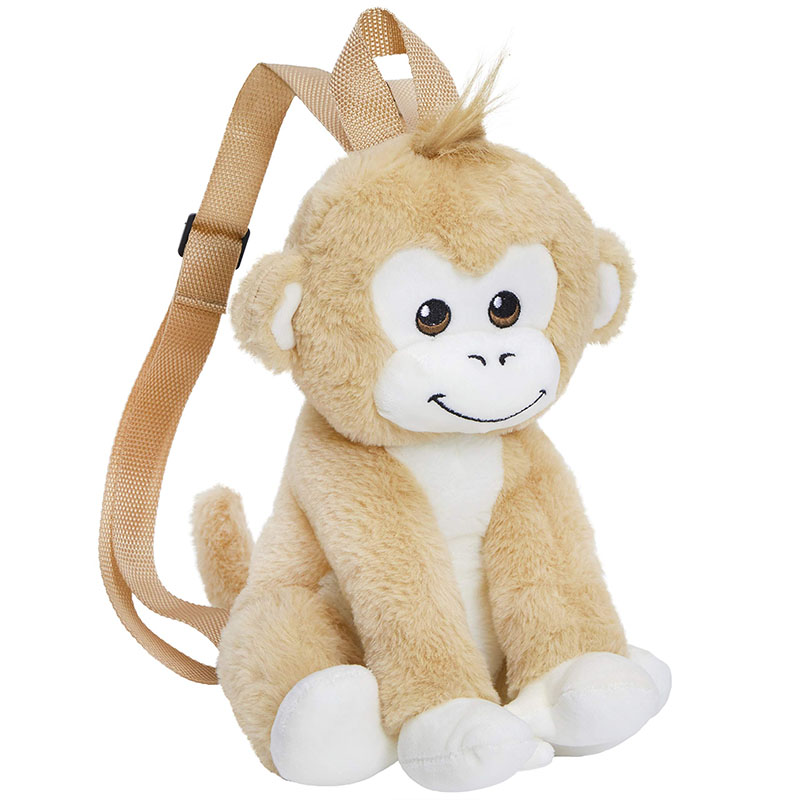
MATERIAL AND TRIM OPTIONS
Materials for Custom Plush Animal Backpacks
Material selection affects softness, durability, price, color accuracy, testing, and user experience. A backpack is handled more often than a display plush, so material choices should consider wear and repeated contact.
Plush Fabric
Short plush, super soft plush, minky, rabbit-like plush, sherpa, or textured plush can be selected based on the animal style and target price. The fabric should support both the character look and the required durability.
Back Panel Fabric
The back panel may use plush, non-woven reinforcement, polyester fabric, or a more stable woven material depending on comfort and strength requirements. Some projects need a softer child-friendly back, while others need a more structured panel.
Stuffing and Padding
Stuffing controls body shape, softness, and internal space. The supplier should avoid overfilling around the pocket because it can reduce capacity and make the zipper difficult to close.
Webbing and Hardware
Webbing, sliders, buckles, zipper teeth, and pullers should match the product’s age grade, target market, and brand style. Color matching and hardware feel can change the perceived quality of the final product.
Embroidery and Applique
Embroidery is often used for eyes, noses, mouths, logos, and character details. Applique can add color blocks or design depth, but both need to be positioned away from heavy strap stress areas when possible.

CHILDREN'S SAFETY PLANNING
Safety Planning for Children’s Stuffed Animal Backpacks
Many stuffed animal backpacks are sold for children, so safety planning should begin at the design stage. The project may need review for small parts, sharp points, strap length, detachable trims, zipper pullers, seam strength, labeling, and material requirements according to the target market.
The exact testing path depends on product classification, sales region, age grading, and buyer requirements. A plush backpack may be treated differently from a simple plush toy because it includes bag functions, straps, zippers, and carrying hardware.
KINWIN helps buyers prepare samples with safety in mind. We can support material review, structure review, label planning, and coordination with buyer-specified testing requirements before production.
Buyer decision point: confirm the target age group and sales market before finalizing trims, straps, and decorative parts.
SAMPLE DEVELOPMENT WORKFLOW
Prototype Development and Sample Review
A custom stuffed animal backpack should be sampled carefully because the first sample often reveals issues that drawings cannot show.
Design and Function Review
Before sampling, KINWIN reviews the target size, animal shape, pocket position, strap requirements, materials, embroidery, labels, and packaging expectations. This helps reduce avoidable sample revisions.
First Prototype Sample
The first prototype checks the overall look and core function. Buyers should review whether the backpack opens easily, carries comfortably, keeps the animal shape, and matches the intended character identity.
Revision Sample
Revision may include changes to strap length, zipper opening, stuffing amount, embroidery scale, face placement, pocket depth, or fabric selection. For licensed projects, revisions may also follow brand approval comments.
Pre-Production Sample
The pre-production sample should represent bulk production materials, colors, trims, labels, and construction. It becomes the reference for production, QC, and final approval.
SIZE AND AGE-GRADE PLANNING
Size, Capacity, and Age Group Planning
The right size depends on the user, sales channel, and product purpose. A backpack that looks cute in photos may still fail if the size, capacity, or strap proportion does not match the child.

Toddler Size
Toddler backpacks should be lightweight, soft, and simple to use. The product may only need to hold small items, but the straps and trims must be planned carefully for safety and comfort.
Preschool Size
Preschool backpacks can offer slightly more capacity for snacks, small books, toys, or accessories. The body needs enough shape stability so the plush character does not collapse when used.
Novelty Retail Size
Novelty retail backpacks may target older children, teens, or collectors. These projects may prioritize character appeal, styling, and retail display while still needing functional carrying details.
Promotional Size
Promotional backpacks often need controlled cost, compact packaging, and clear brand exposure. Buyers may simplify materials or structure while keeping the design visually memorable.
BRANDING OPTIONS
Branding Options for Plush Animal Backpacks
Branding should be integrated into the product naturally. A stuffed animal backpack can carry brand value through character design, labels, embroidery, hangtags, lining, and retail packaging.
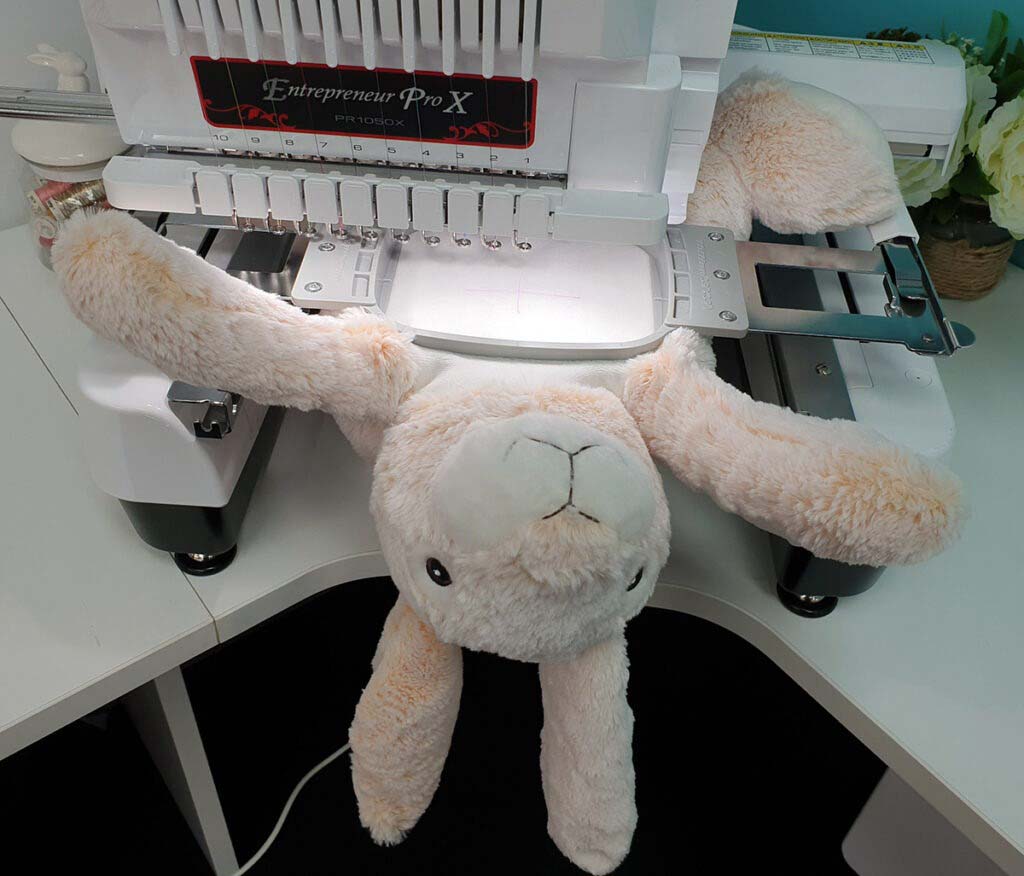
Custom Logo Embroidery
Logo embroidery can be placed on the pocket, strap, foot, belly, hangtag area, or a separate fabric patch. The size and thread color should be tested so the logo stays clear on plush fabric.
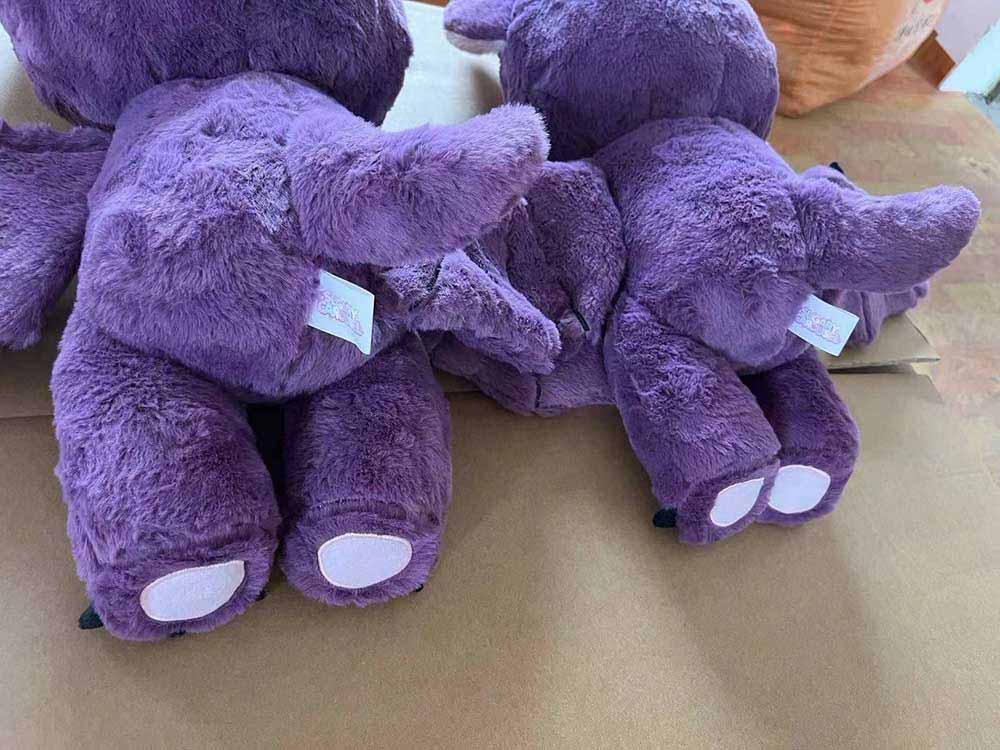
Woven Label and Care Label
Woven labels, care labels, and brand tags help make the product retail-ready. Label placement should avoid scratching the user or interfering with the backpack pocket.
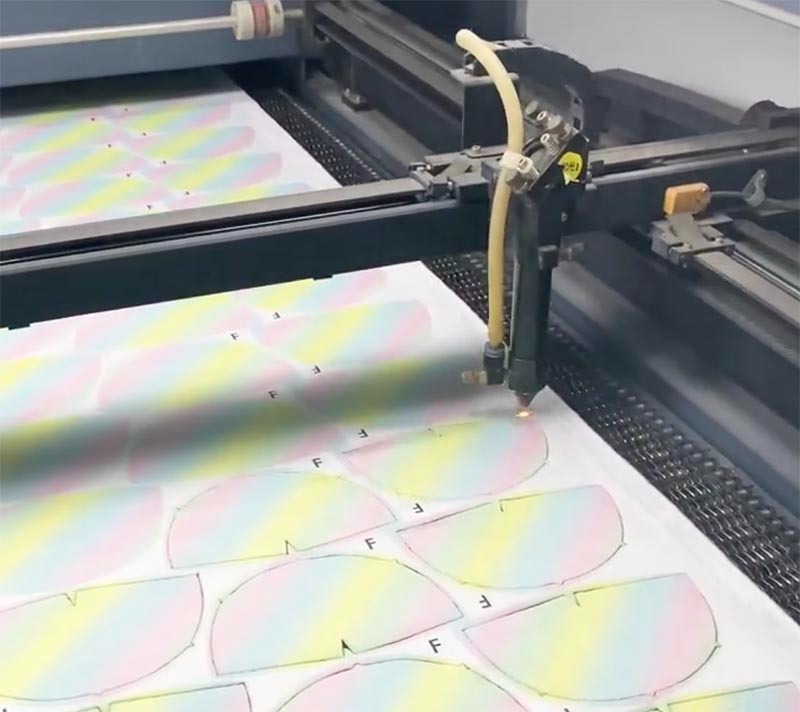
Custom Lining Print
Printed lining can add brand detail inside the backpack. This option is useful for premium retail lines, licensed programs, and gift sets where the buyer wants a stronger unboxing experience.
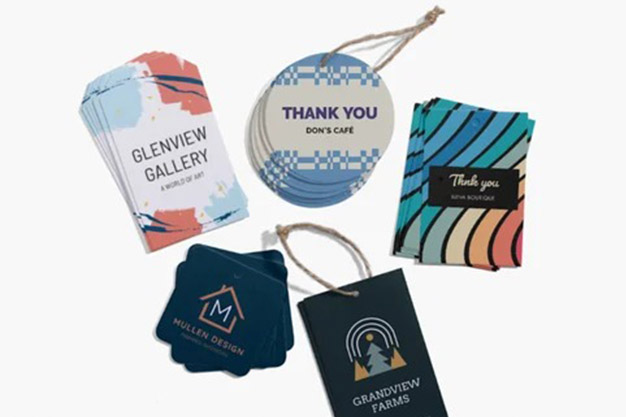
Hangtag and Packaging Design
Hangtags and packaging can explain the character story, brand message, age recommendation, care instructions, and safety information. Good packaging helps buyers present the product clearly in retail and online channels.
BACKPACK PRODUCTION QC
Quality Control for Stuffed Animal Backpack Production
Quality control for stuffed animal backpacks should check both plush appearance and bag function. A product can look cute but still fail if the zipper jams, strap attachment is weak, or the pocket size is inconsistent.
Appearance Consistency
QC should check face placement, embroidery alignment, ear position, limb symmetry, fabric direction, stuffing balance, and overall character expression against the approved sample.
Zipper and Pocket Function
Each production batch should check zipper opening, zipper smoothness, pocket depth, lining security, and whether the backpack can hold the intended lightweight items without distortion.
Strap and Handle Strength
Strap and handle areas should be inspected for stitching quality, reinforcement, symmetry, and pulling resistance based on buyer requirements. These are critical use points for a backpack product.
Label and Packaging Accuracy
Care labels, warning labels, hangtags, barcode stickers, polybags, cartons, and shipping marks should match buyer artwork and market requirements before shipment.
PACKAGING OPTIONS
Packaging Options for Custom Stuffed Animal Backpacks
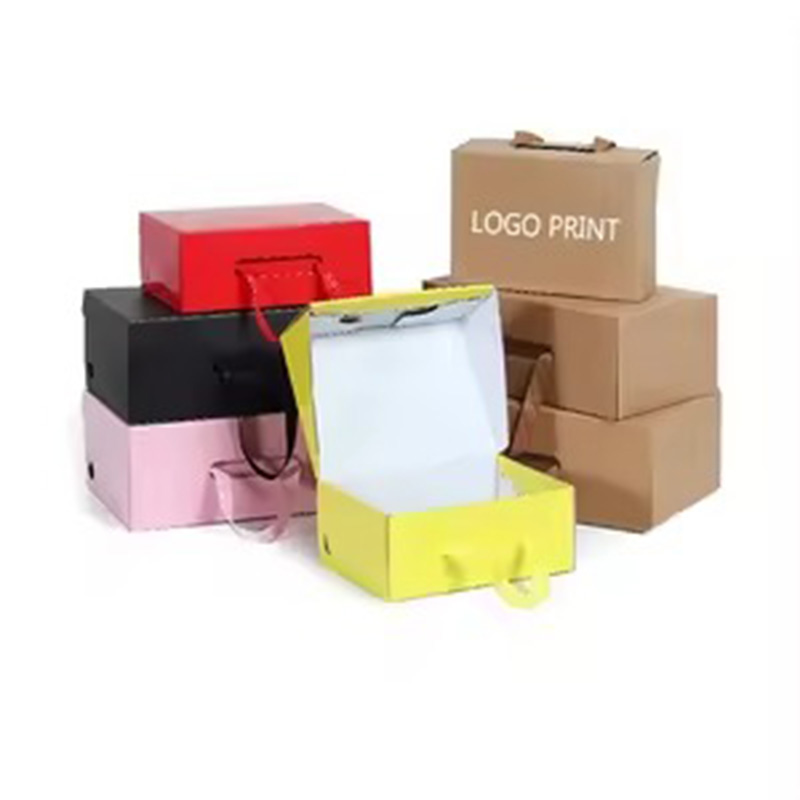
Packaging should protect the plush shape, keep straps tidy, and support the buyer’s sales channel. A backpack may be sold in a gift shop, toy store, online marketplace, museum shop, theme park store, or brand campaign, and each channel may need a different packing method.
Common options include individual polybag packing, hangtag display, header card, belly band, dust bag, carton packing, compressed packing for cost control, or retail-ready packaging for branded programs. The right choice depends on price point, display method, shipping cost, and brand presentation.
KINWIN can help buyers plan carton quantity, strap positioning, tag placement, and packing method so the backpack arrives clean, recognizable, and ready for sale or distribution.
Buyer decision point: packaging should be chosen after confirming sales channel, display method, and shipping budget.
WHOLESALE ORDER SUPPORT
Wholesale and Bulk Order Support
Custom stuffed animal backpacks often serve retail programs, seasonal campaigns, licensed merchandise, children’s gift lines, school events, theme parks, and promotional orders. Bulk production requires stable materials, approved samples, clear packaging instructions, and consistent QC standards.
Before production, buyers should confirm product size, fabric colors, embroidery files, strap details, zipper type, lining, labels, packaging, carton marks, testing requirements, delivery schedule, and inspection standards. Clear confirmation at this stage helps prevent delays and inconsistent results.
KINWIN supports both custom development and bulk order execution. We can help buyers move from concept review and prototype sampling to production planning, quality control, packing, and shipment preparation.
Buyer decision point: bulk orders should not begin until the functional sample and production details are fully approved.
QUOTE PREPARATION
What Buyers Should Prepare Before Quotation
The more complete the project brief, the more accurate the quotation and development advice will be.
Design Reference
Provide artwork, sketches, product photos, mascot files, reference samples, or a licensed character guide. If no final design exists, provide the desired animal type, mood, color direction, and target audience.
Target Size and Use
Confirm whether the backpack is for toddlers, preschool children, retail novelty, promotions, or collectors. Also explain what items the backpack should hold.
Material and Branding Requirements
Share preferred plush fabric, lining, strap color, zipper color, logo method, labels, hangtags, and packaging expectations. If material is flexible, KINWIN can recommend options based on budget and market.
Market and Testing Requirements
Tell us the sales region, buyer standards, target age group, and any required tests or certifications. This helps the sample and material plan align with your market from the beginning.
Order Quantity and Timeline
Share estimated quantity, launch date, approval schedule, and shipping destination. These details help us evaluate sampling time, material availability, production capacity, and delivery planning.
WHY KINWIN
Why Work with KINWIN for Custom Stuffed Animal Backpacks
KINWIN combines plush toy development experience with the practical details needed for functional plush backpack manufacturing.
Plush Character Development
We can help translate animals, mascots, drawings, or brand characters into manufacturable stuffed animal backpack designs.
Functional Construction Review
We review pocket space, zipper placement, strap attachment, back panel comfort, lining, and stuffing distribution before bulk production.
Custom Branding Support
We support embroidery, woven labels, printed labels, hangtags, lining options, packaging, and brand-specific presentation requirements.
Sample-to-Bulk Control
We help buyers move from first prototype to approved sample, pre-production sample, bulk production, QC, packing, and shipment preparation.
Flexible Market Support
We can support projects for children’s retailers, toy brands, gift companies, school programs, theme parks, promotional campaigns, and licensed merchandise buyers.

START YOUR BACKPACK PROJECT
Start Your Custom Stuffed Animal Backpack Project
If you are developing a custom stuffed animal backpack for retail, licensing, gifts, events, schools, theme parks, or brand merchandise, KINWIN can help you review the design, structure, materials, sampling plan, packaging, and bulk production details.
Send us your design idea, reference image, target size, required function, quantity, and market requirements. We will help evaluate how to turn the concept into a practical, cute, and production-ready plush animal backpack.
- Custom animal and mascot backpack development
- Plush body, pocket, zipper, lining, and strap planning
- Embroidery, labels, hangtags, and private label support
- Prototype sampling, revision, bulk production, QC, and packing
FREQUENTLY ASKED QUESTIONS
FAQ: Custom Stuffed Animal Backpack
Can KINWIN make a stuffed animal backpack from my drawing or mascot?
Yes. Buyers can provide sketches, mascot files, reference images, brand artwork, or licensed character guides. KINWIN can help convert the design into a plush backpack structure with pocket, straps, lining, and production details.
Can the backpack really hold items?
Yes, but capacity depends on the design size, pocket structure, zipper opening, stuffing level, and lining. We recommend confirming what the backpack should carry before sampling.
Can you make adjustable shoulder straps?
Yes. Adjustable straps can be developed depending on the target age group and safety requirements. Strap width, buckle style, webbing color, and attachment reinforcement should be confirmed during sampling.
What materials can be used for a plush animal backpack?
Common materials include short plush, super soft plush, minky, sherpa, polyester lining, webbing, zipper hardware, embroidery thread, applique fabric, stuffing, and optional reinforcement materials for the back panel or strap points.
Can you support safety testing requirements?
KINWIN can prepare samples and production details according to buyer requirements and target market expectations. The exact testing path depends on age grade, sales region, product classification, and buyer standards.
Can the backpack include a logo or private label?
Yes. We can support embroidery logos, woven labels, care labels, printed tags, hangtags, custom lining, barcode stickers, and packaging according to your brand requirements.
Is this product suitable for retail and promotional orders?
Yes. Custom stuffed animal backpacks are suitable for toy retail, gift shops, school programs, museums, theme parks, brand promotions, seasonal campaigns, and licensed merchandise programs.
If You Can lmagine lt,We Will Create lt!
1.Tell Us What You Need
Tell us as specific as possible of your needs and share your idea.
2.Get Solution & Quote
We will work on the best solution according to yourrequirements,the specific quote will be provided within 24 hours.
3.Approve for Mass Production
We will start mass production after getting your approval.
