
From character ideas, sketches, photos, mascots, and brand concepts to production-ready plush toy designs.
Custom Plush Toy Design Service
Custom plush toy design | Plush design service | Character plush development | Mascot plush design | Plush prototype support | OEM/ODM plush toys | MOQ 500 pcs | KINWIN
A custom plush toy design service is for buyers who have an idea but do not yet have a production-ready plush product. You may have a sketch, mascot, brand character, cartoon image, children’s book character, game concept, company IP, or only a written description. The design still needs to be translated into a soft, sewable, safe, and commercially practical plush toy.
KINWIN helps brands, designers, toy startups, education teams, event planners, licensing teams, retailers, and promotional buyers turn early creative ideas into practical plush design directions. We support shape interpretation, fabric suggestions, embroidery planning, accessory review, size planning, sample development, packaging direction, and mass production preparation.
This page explains how a plush design project should be planned before sampling, what design information buyers should prepare, which details affect cost and safety, and how KINWIN helps connect creative design with real manufacturing requirements.
DESIGN SERVICE POSITIONING
What a Custom Plush Toy Design Service Really Means
Many buyers think plush design is only about making a toy look cute. In reality, a successful plush design must solve several questions at the same time: can the character be recognized, can the shape be sewn, can the material express the right feeling, can the details survive production, and can the final product meet the buyer’s budget, packaging, testing, and delivery needs?
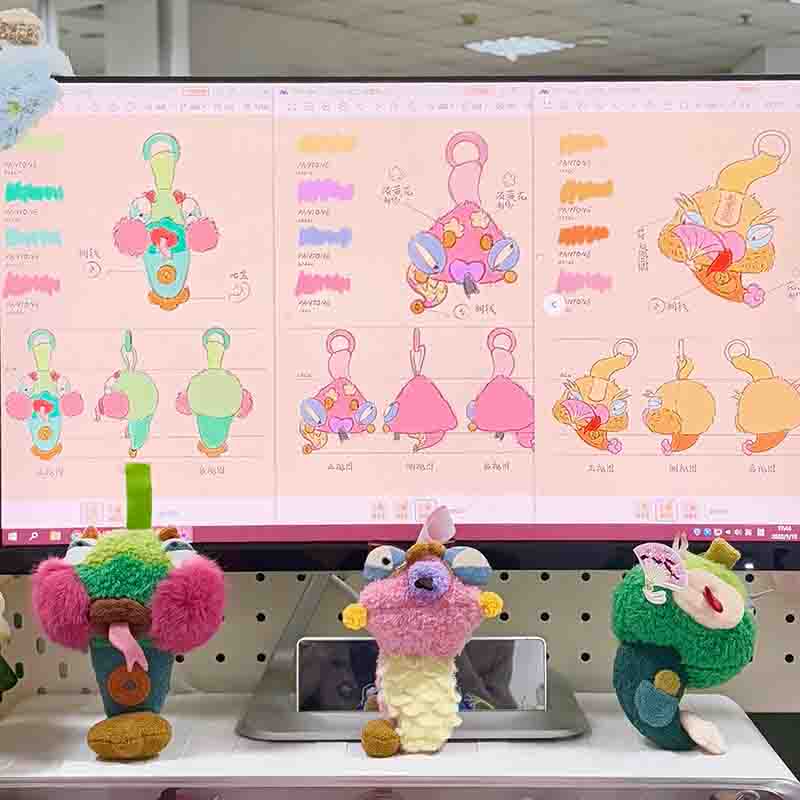
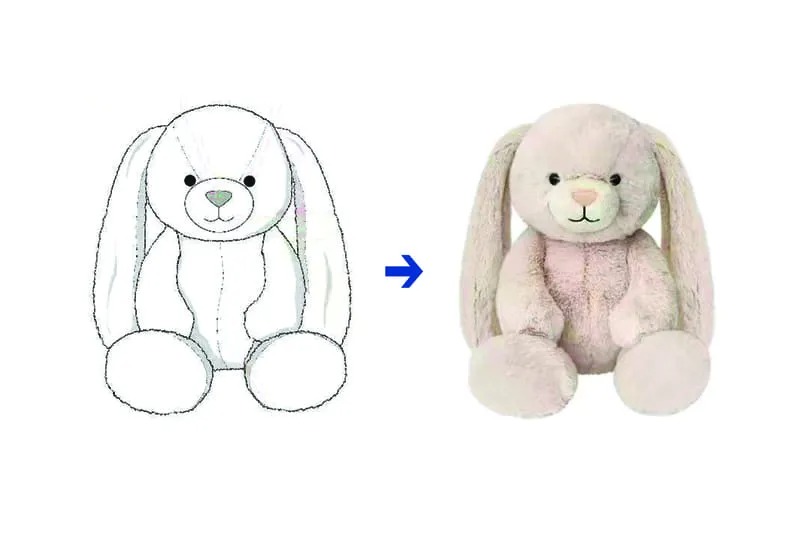
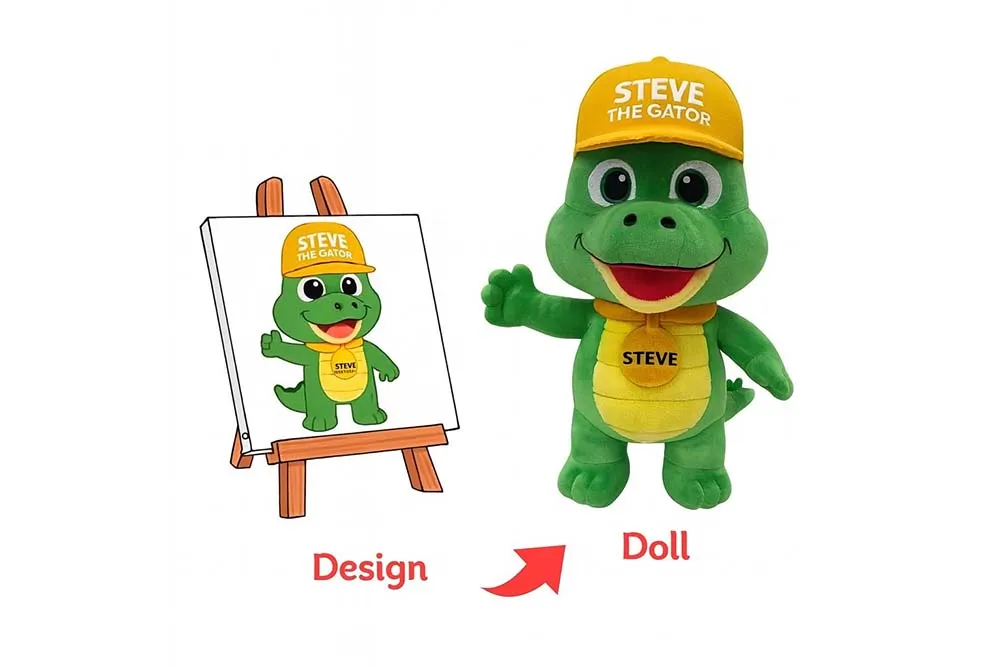
A flat drawing often cannot be copied directly into plush. Eyes may need to become embroidery. Thin arms may need to be adjusted for stuffing. Complex hair, horns, wings, clothing, shoes, or accessories may need simplification. A design service helps the buyer protect the character identity while making the product realistic for sampling and bulk production.
KINWIN’s role is to help buyers move from creative direction to manufacturable plush decisions. We do not only ask what the character looks like. We also discuss purpose, audience, size, materials, softness, safety-sensitive details, packaging, budget, and production quantity.
Buyer decision point: use a plush design service when the project is not yet production-ready and needs help translating a creative idea into a sewable plush product.
WHO THIS SERVICE HELPS
Who Needs Plush Toy Design Support
Different buyers come to KINWIN with different starting points. Some already have polished character artwork. Some only have a rough sketch, a mascot photo, a logo, or a product idea. A design service is useful whenever the buyer needs professional help turning that starting point into a plush sample plan.
Brand teams developing mascot plush, company IP plush, campaign characters, or retail character merchandise.
Illustrators, artists, and designers who want to turn a 2D character into a 3D plush toy.
Toy startups and product teams that need design feedback before investing in sampling and production.
Education brands, schools, and publishers creating story characters, classroom mascots, or reading program plush.
Event, sports, and entertainment buyers creating limited-edition plush for campaigns, fan products, or souvenirs.
Retail and private label buyers who need a plush concept refined for cost, packaging, and repeat production.
2D TO 3D PLUSH TRANSLATION
From 2D Artwork to 3D Plush Character
One of the hardest parts of plush design is translating flat artwork into a soft object. A drawing may look clear from one front view, but a plush toy needs side volume, back shape, seam direction, filling balance, stable proportions, and details that can be recognized from multiple angles.
Character Shape Interpretation
KINWIN reviews the head shape, body proportion, ears, arms, legs, tail, pose, clothing, and key identity features. We look for the parts that must stay recognizable and the parts that can be adjusted for plush construction.
Front, Side, and Back Thinking
A plush toy is not only a front-view product. Buyers should consider whether the character needs a defined side profile, back details, tail placement, hair shape, clothing seams, or accessories that remain attractive when the toy is displayed or photographed.
Simplification Without Losing Identity
Some artwork details are too thin, sharp, small, or complex for plush production. KINWIN helps simplify these details while keeping the character’s expression, personality, and brand recognition.
PLUSH DESIGN FEASIBILITY
Design Decisions That Affect Plush Feasibility
A plush design can look simple, but many small choices affect sampling cost, production stability, safety review, and final appearance. These decisions should be discussed before the first sample, not after multiple expensive revisions.
Size and Proportion
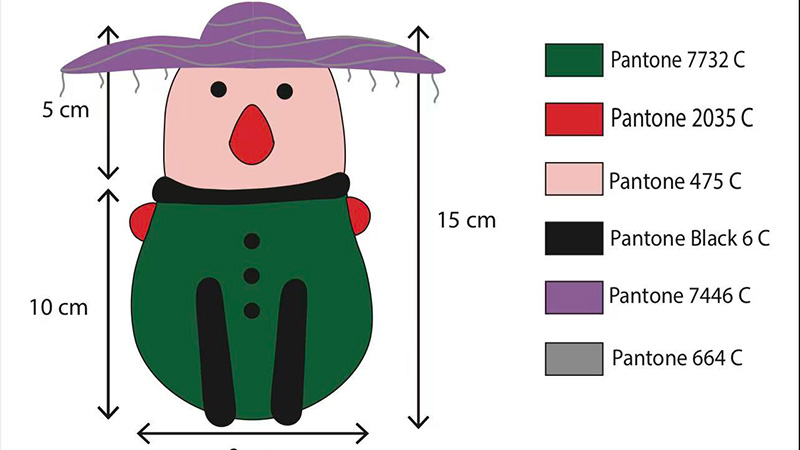
Very small plush toys cannot carry the same details as larger plush. Oversized heads, thin limbs, long tails, or heavy accessories may need adjustment so the plush can stand, sit, hang, or display correctly.
Fabric and Hand Feel
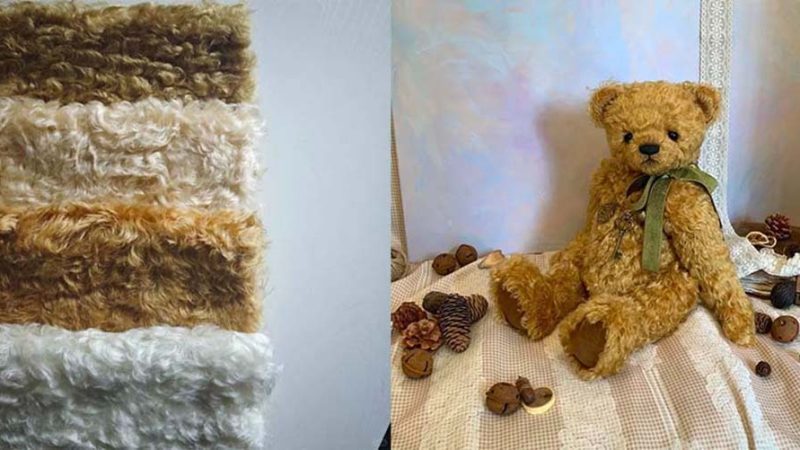
Short plush, long pile plush, minky fabric, sherpa, fleece, velvet, printed fabric, and RPET fabric all create different effects. Fabric choice affects color, softness, price, detail clarity, and perceived value.
Embroidery, Printing, and Accessories
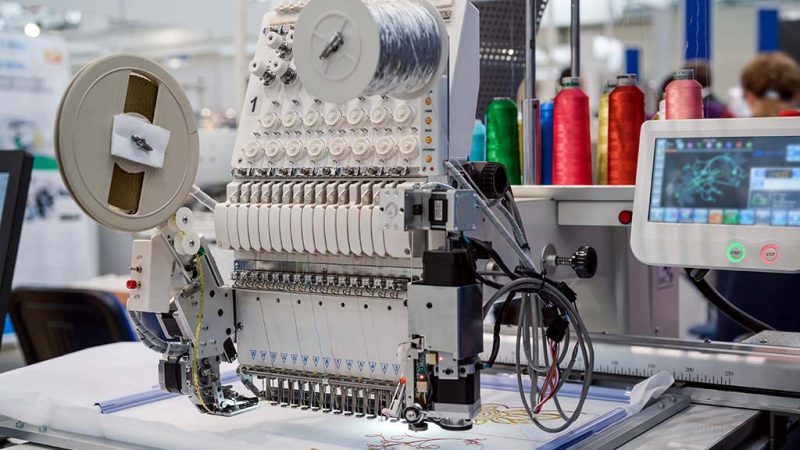
Facial details, logos, clothing patterns, and small decorations can be handled through embroidery, printing, fabric applique, woven labels, hang tags, or separate accessories. Each method has different cost and durability implications.
Safety-Sensitive Details
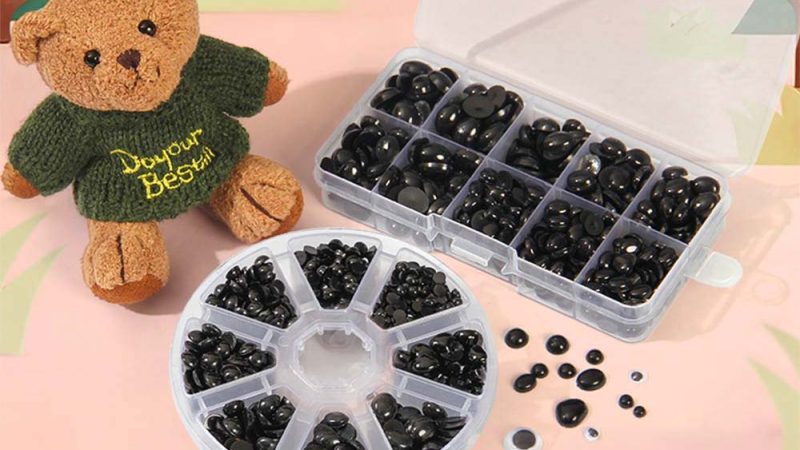
Plastic eyes, buttons, bells, magnets, keychains, suction cups, battery boxes, cords, and removable parts should be reviewed carefully, especially for children’s plush or retail products.
DESIGN TO SAMPLE WORKFLOW
KINWIN Plush Design Service Workflow
A clear design workflow helps buyers control cost, timing, and sample quality. KINWIN's process connects creative review with manufacturing feasibility, so the project can move from idea to approved sample more efficiently.
1. Share Creative Materials
Send character artwork, sketches, photos, mascot files, brand guidelines, size ideas, target users, quantity, deadline, and any reference plush styles.
2. Review Design Feasibility
KINWIN reviews shape, proportion, fabric options, embroidery, printing, accessories, safety-sensitive details, packaging direction, and cost-sensitive construction points.
3. Confirm Plush Direction
We help define the plush size, character expression, key materials, logo method, accessory plan, color direction, and sample requirements before development begins.
4. Develop the First Sample
A sample is produced so the buyer can review shape accuracy, hand feel, color, embroidery, filling balance, details, and overall character recognition.
5. Revise and Approve
Comments are organized into practical revisions. The goal is to improve appearance while keeping production cost, safety, material availability, and timeline realistic.
6. Prepare for Bulk Production
After sample approval, KINWIN supports specifications, packaging details, production communication, quality checks, carton information, inspection coordination, and shipment preparation.
DESIGN REVIEW CHECKLIST
What Buyers Should Prepare Before Design Review
The more clearly the buyer explains the creative idea and business goal, the more accurate the design review will be. If some details are not ready, KINWIN can still help discuss options, but the following materials are useful.
- Character artwork, sketches, logo files, mascot references, photos, or written character descriptions.
- Target user group, such as children, fans, students, retail customers, employees, collectors, or event visitors.
- Planned use case, such as retail sale, promotional gift, school program, brand campaign, licensed merchandise, or corporate mascot.
- Preferred size, quantity, target budget, packaging needs, delivery deadline, and shipping destination.
- Brand guidelines, Pantone colors, logo placement rules, character expression rules, or approval requirements.
- Safety, testing, labeling, material, or market requirements for the product’s target age group and sales region.
SERVICE OPTIONS
Design Service Options KINWIN Can Support
Custom plush design support can start from many different creative materials. KINWIN helps buyers choose the right service direction based on how complete the idea already is.
Plush design from a drawing or character illustration.
Plush design from a photo, object, pet, mascot costume, or reference product.
Mascot plush design for brands, schools, sports teams, companies, and events.
Retail plush design for private label, gift shops, bookstores, and character merchandise programs.
Promotional plush design for marketing campaigns, trade shows, corporate gifts, and fan events.
Packaging-supported plush design with hang tags, care labels, gift boxes, display boxes, or retail-ready packaging.
DESIGN RISKS TO AVOID
Common Design Mistakes to Avoid
Many sample problems can be avoided if design risks are discussed early. These mistakes often cause extra revisions, higher cost, delayed approval, or a plush sample that does not match the buyer’s expectations.
Trying to Keep Every 2D Detail
A plush toy cannot always reproduce every line from the artwork. Keeping too many small details may make the sample messy, expensive, or hard to produce consistently.
Choosing Size Too Late
Size affects detail level, stuffing, fabric consumption, packaging, shipping cost, and price. It should be discussed before sampling rather than after the design is finished.
Ignoring Safety and Use Case
A plush for toddlers, collectors, corporate gifts, retail shelves, and pet-themed promotions may need different construction decisions. The end user should guide design choices.
Treating Packaging as an Afterthought
Packaging affects retail presentation, shipping volume, labeling, barcode placement, and buyer approval. It should be considered while the plush size and use case are being planned.
START YOUR PLUSH DESIGN PROJECT
Start Your Custom Plush Toy Design Project
If you have a character idea, sketch, mascot, logo, photo, or brand concept that needs to become a plush toy, send it to KINWIN. We can help review the design direction, suggest materials, plan size and construction, discuss packaging, and prepare the project for sampling and production.
The earlier the design feasibility is discussed, the easier it is to control sample quality, cost, safety details, and production timing.
- Send artwork, sketches, photos, brand files, character notes, target users, quantity, and deadline.
- Tell us whether the plush is for retail, gifts, licensing, schools, events, promotion, or brand merchandise.
- Share any size, material, packaging, testing, budget, or approval requirements.
- Request support for design review, sample development, revision, packaging, production, and export coordination.
FREQUENTLY ASKED QUESTIONS
FAQ: Custom Plush Toy Design Service
Can KINWIN design a plush toy from a sketch or drawing?
Yes. KINWIN can review sketches, illustrations, mascot artwork, photos, or written concepts and help translate them into a plush toy direction suitable for sampling.
Do I need a complete technical drawing before contacting KINWIN?
No. A complete technical drawing is helpful but not required. You can start with reference images, character descriptions, logo files, or rough sketches.
Can you help simplify a complex character for plush production?
Yes. KINWIN can review complex details and suggest which parts should be embroidered, printed, simplified, resized, or adjusted for plush construction.
What is the MOQ for custom plush toy design and production?
KINWIN’s standard MOQ for custom plush projects starts from 500 pcs. Final feasibility depends on size, materials, accessories, packaging, and design complexity.
Can the design service include packaging suggestions?
Yes. KINWIN can discuss hang tags, care labels, polybags, gift boxes, display boxes, barcode labels, carton marks, and retail-ready packaging based on the sales channel.
Can you support plush design for licensed characters or brand IP?
Yes. KINWIN can support licensed-style and brand IP plush projects when the buyer provides proper artwork, approval requirements, and usage authorization.
How many sample revisions are usually needed?
It depends on the artwork complexity and approval process. Clear artwork, size direction, material preference, and feedback can reduce the number of revisions.
Can you help with safety or testing planning during design?
Yes. KINWIN can discuss safety-sensitive details such as small parts, accessories, labels, materials, and potential CE, EN71, ASTM F963, CPSIA, or buyer-specific requirements.
If You Can lmagine lt,We Will Create lt!
1.Tell Us What You Need
Tell us as specific as possible of your needs and share your idea.
2.Get Solution & Quote
We will work on the best solution according to yourrequirements,the specific quote will be provided within 24 hours.
3.Approve for Mass Production
We will start mass production after getting your approval.