Custom Plush Animals Manufacturer | OEM & ODM Stuffed Animal Factory from China

We help brands, IP owners, and retailers turn ideas into high-quality custom plush animals that are ready for global markets. From material selection and accurate sampling to stable bulk production, you get a reliable OEM & ODM stuffed animal factory that supports fast launch, consistent quality, and scalable supply — without adding unnecessary cost or risk.

Streamlined Execution System for Custom Plush Animals — From Design to Global Delivery

A smooth plush toy project depends on more than good ideas. It requires a clear system that controls time, quality, and cost at every stage. Our execution workflow is built to help you move from concept to bulk shipment efficiently, with fewer revisions, faster decisions, and predictable results — especially for custom plush animals made for international markets.

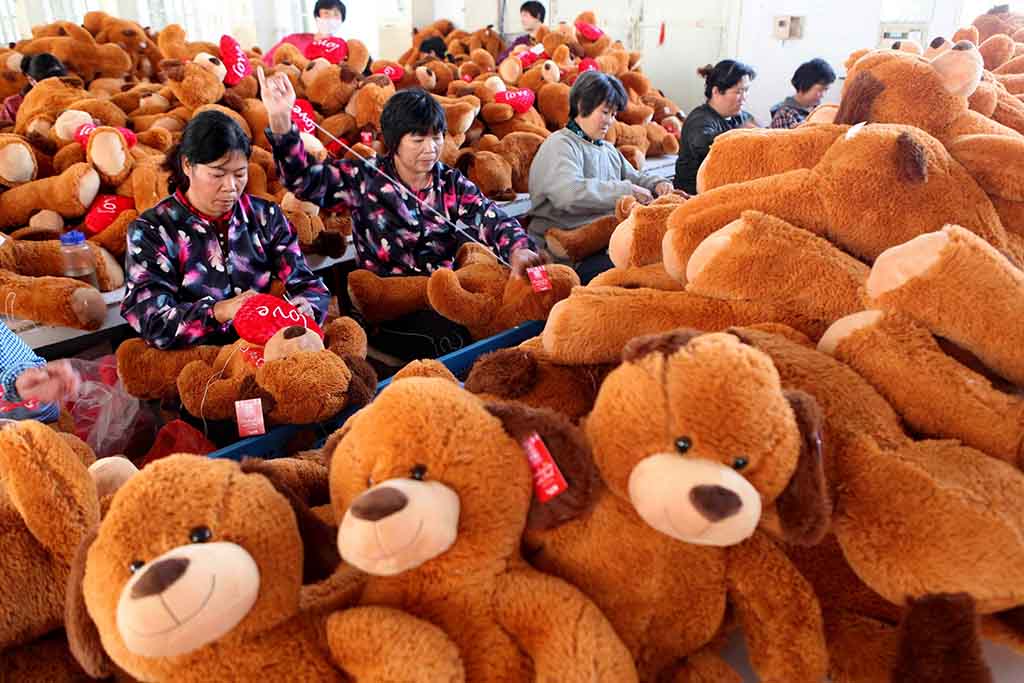
Workers in a plush toy factory sewing and assembling large brown teddy bears, surrounded by piles of stuffed bears in a production area.

Design Review & Feasibility Check

Your artwork or concept is reviewed for structure, proportions, and plush manufacturability, helping avoid design issues before sampling begins.

Material & Craft Confirmation

Fabrics, fillings, embroidery methods, and accessories are confirmed early to ensure consistency between samples and mass production.

Accurate Sampling & Revision Control

Structured sampling reduces trial rounds and shortens development time while keeping the final plush animal close to the approved design.

Bulk Production Scheduling & QC Control

Production is arranged by process sequence with in-line quality checks to keep output stable and delivery on schedule.

Packaging, Inspection & Export Preparation

Finished products go through final inspection, packing confirmation, and export-ready preparation for global shipment.

This execution system is designed to give you clarity, speed, and confidence — so your custom plush animals reach the market on time, with consistent quality and fewer surprises.

How We Achieve 95% Replication Accuracy in Custom Plush Animals

High replication accuracy is one of the biggest concerns for brands when developing custom plush animals. A small deviation in shape, facial expression, or proportion can change how the product is perceived in the market. Our 95% replication accuracy is achieved through a controlled system that focuses on design understanding, pattern precision, material behavior, and sampling discipline—so what you approve is what you receive in bulk production.

Deep Design Interpretation Before Sampling

Your design is carefully analyzed before sampling begins, including proportions, silhouette, facial structure, and sewing logic. This early-stage interpretation helps prevent misunderstandings and ensures the plush animal is built with the right structure from the first sample.

Precise Pattern Making Based on Plush Structure

Pattern making is adjusted specifically for plush materials, not flat illustrations. Seam allowances, fabric stretch, and filling volume are calculated to maintain the intended shape once the toy is stuffed and finished.

Material Behavior Testing During Sampling

Different fabrics and fillings behave differently after cutting, sewing, and stuffing. We test how materials react during sampling to ensure texture, thickness, and elasticity support accurate shape reproduction.

Controlled Revision Process to Lock Final Details

Each revision is documented and adjusted step by step, preventing random changes during production. Once the final sample is approved, all specifications are locked to protect consistency in bulk manufacturing.

This accuracy-focused process helps your custom plush animals look right, feel right, and stay consistent—so your brand can scale with confidence and avoid costly rework.

Precision Replication Accuracy

This video compares the original design with the finished plush product to clearly demonstrate replication accuracy. Key elements such as proportions, facial details, embroidery placement, color matching, and overall structure closely follow the approved design. With a replication accuracy of up to 95%+, this visual comparison proves our ability to turn designs into production-ready plush toys with minimal deviation.

Custom Plush Animals Product Showcase

Our wholesale custom plush animals cover proven product styles widely used by brands, retailers, and promotional buyers. Each plush toy type below supports full OEM & ODM customization, helping you target different price levels, sales channels, and consumer scenarios with stable quality and scalable production.

Realistic Plush Toys

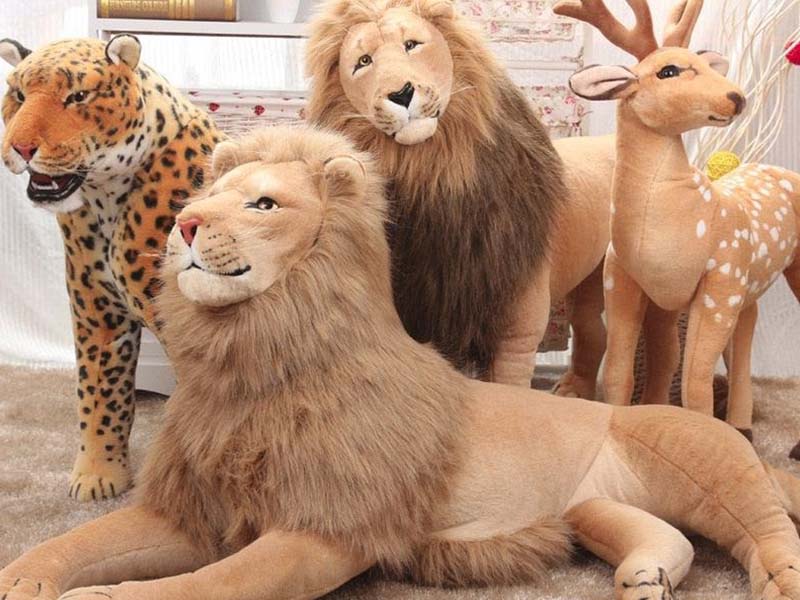
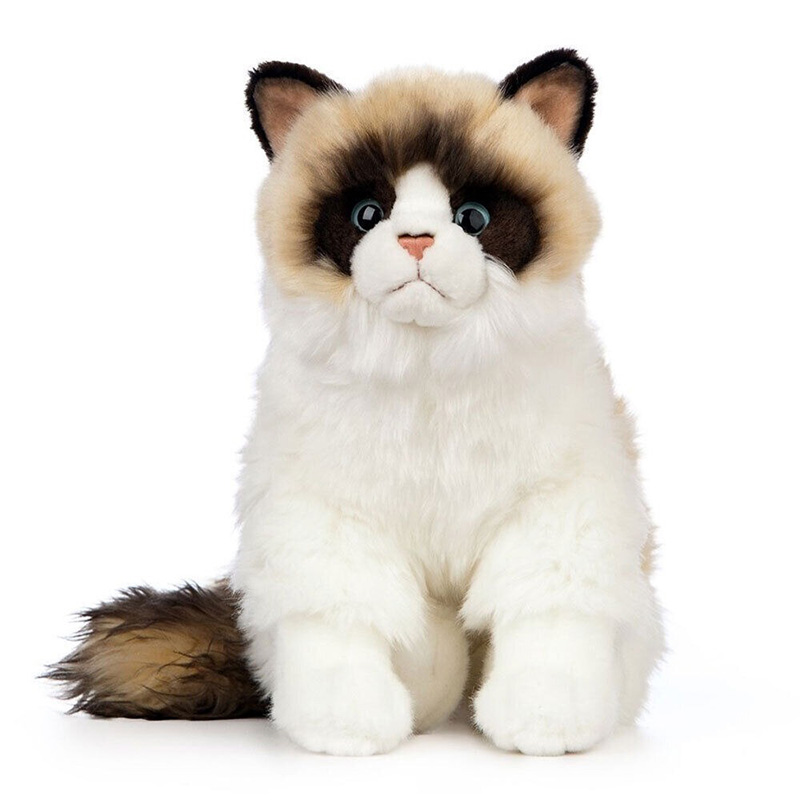
Plush animals designed with lifelike proportions and textures, suitable for premium collections and display-focused markets.

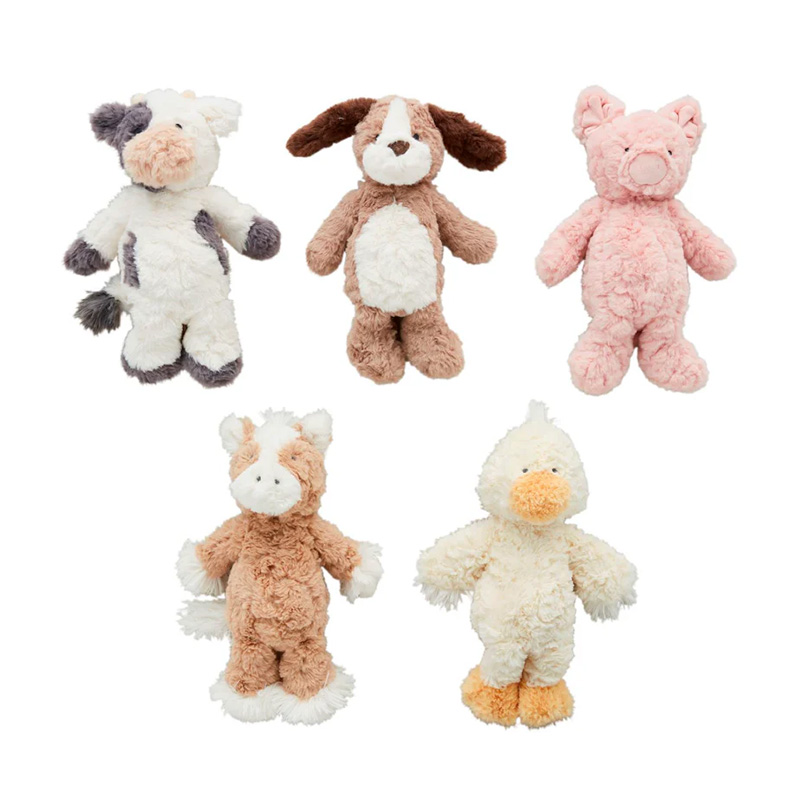
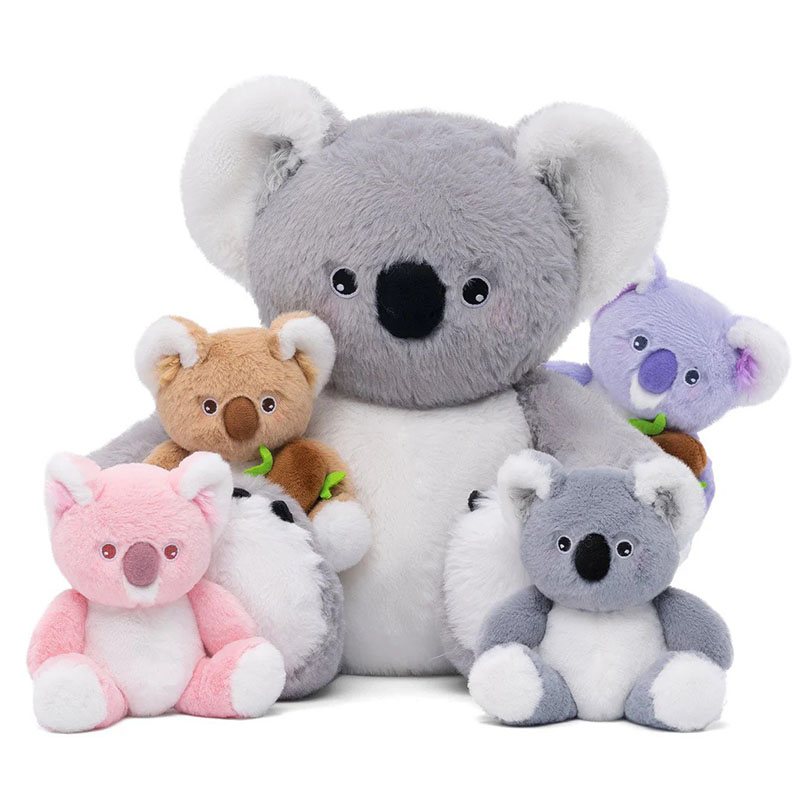
Animal Plush Toys

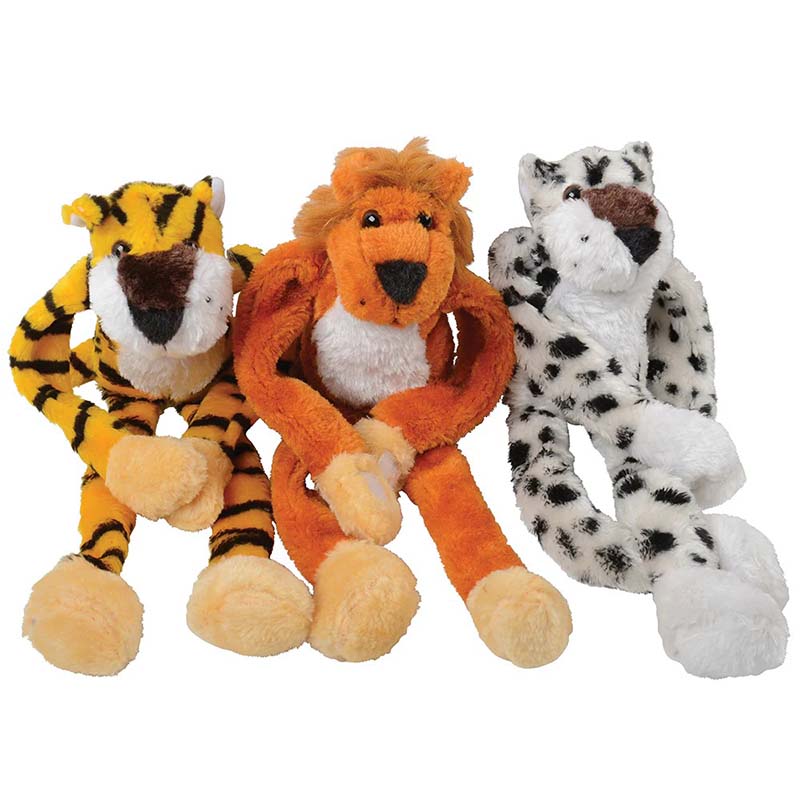
Classic animal designs covering popular species for retail and gift-oriented product lines.

Food Plush Toys

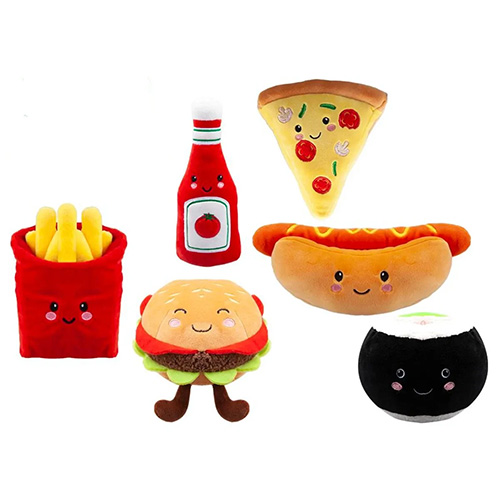
Creative plush designs inspired by food shapes, widely used for novelty gifts and branding campaigns.

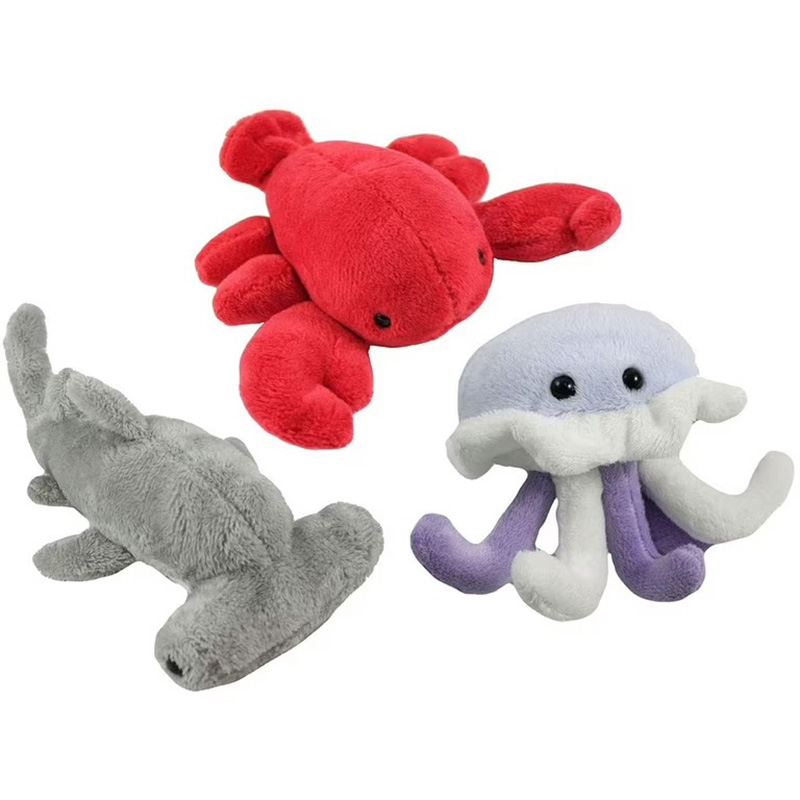
Ocean Plush Toys

Marine-themed plush animals developed for aquariums, tourism retail, and themed merchandise.

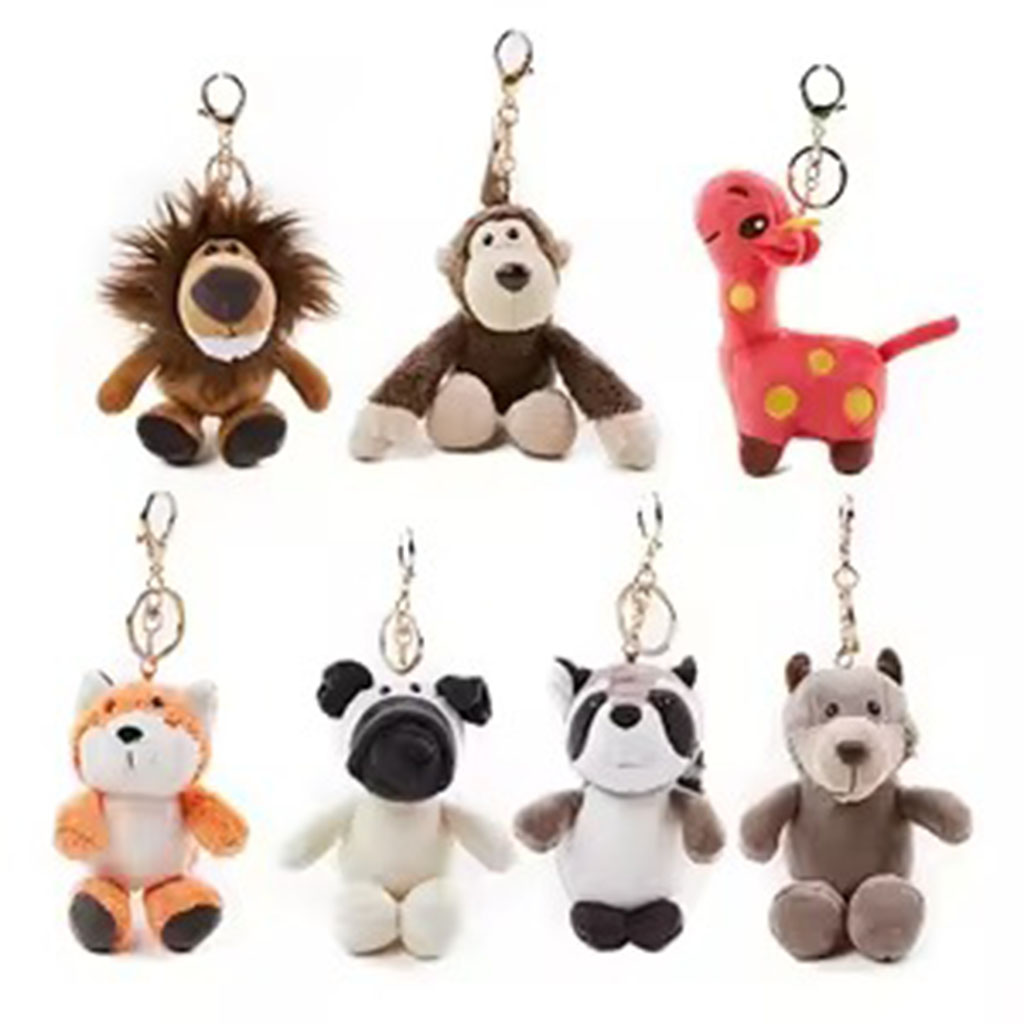
Set of cute plush animal keychains featuring lion, monkey, giraffe, fox, pug, raccoon, and bear designs on a white background.

Plush Keychains

Small-size plush toys designed for keychains and accessories, ideal for giveaways and impulse sales.

Scented Plush Toys

Plush toys combined with light fragrance elements for lifestyle and gift markets.

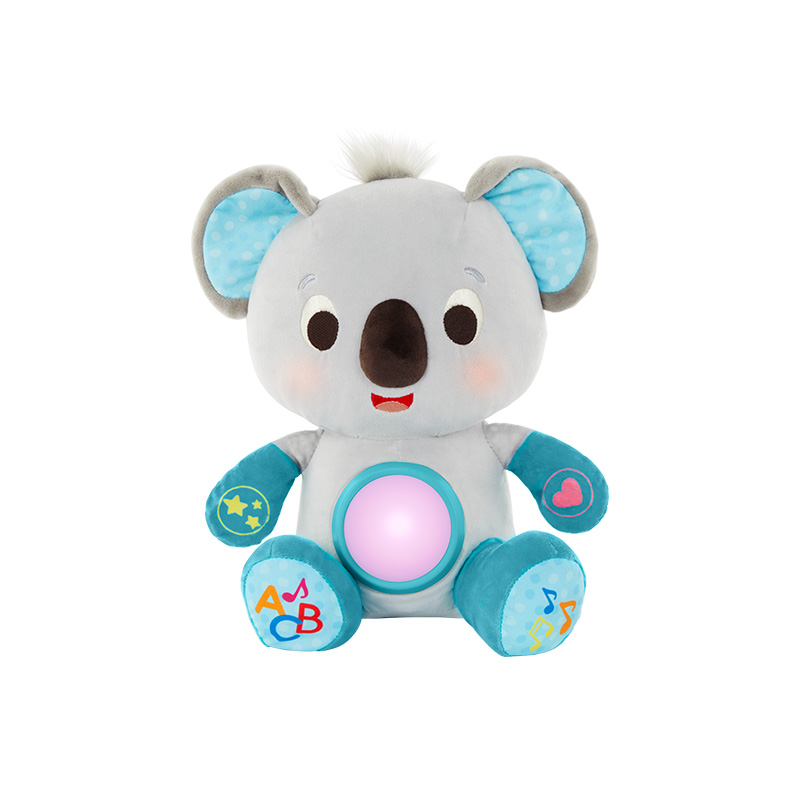
Interactive Plush Toys

Plush animals featuring sound, movement, or interactive structures to enhance engagement.

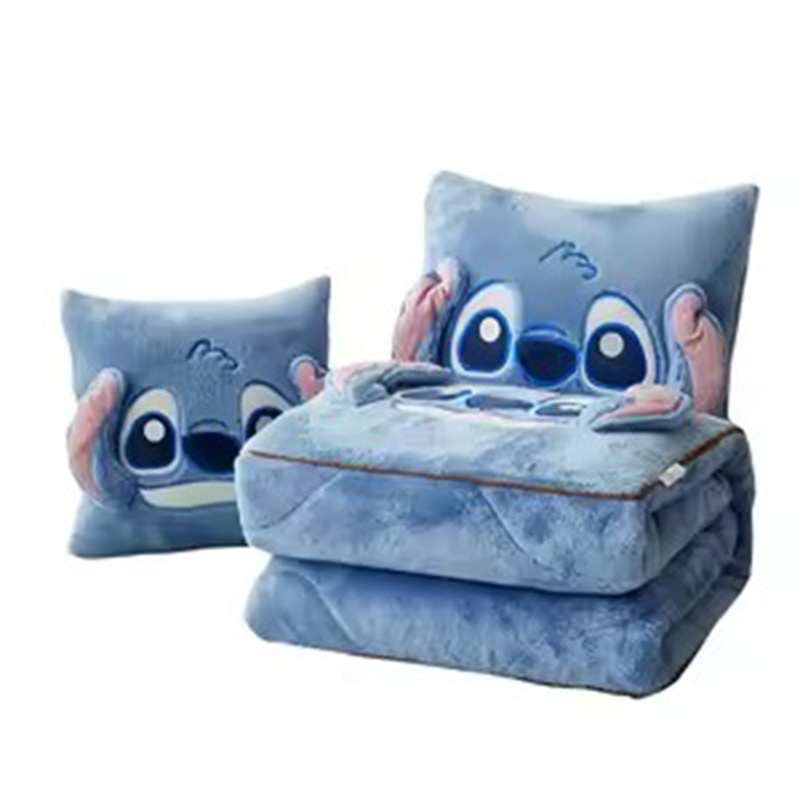
Plush Pillows

Soft plush cushions designed for comfort, decoration, and home-use scenarios.

Baby Plush Toys

Plush toys developed with soft fabrics and baby-safe construction for infant markets.

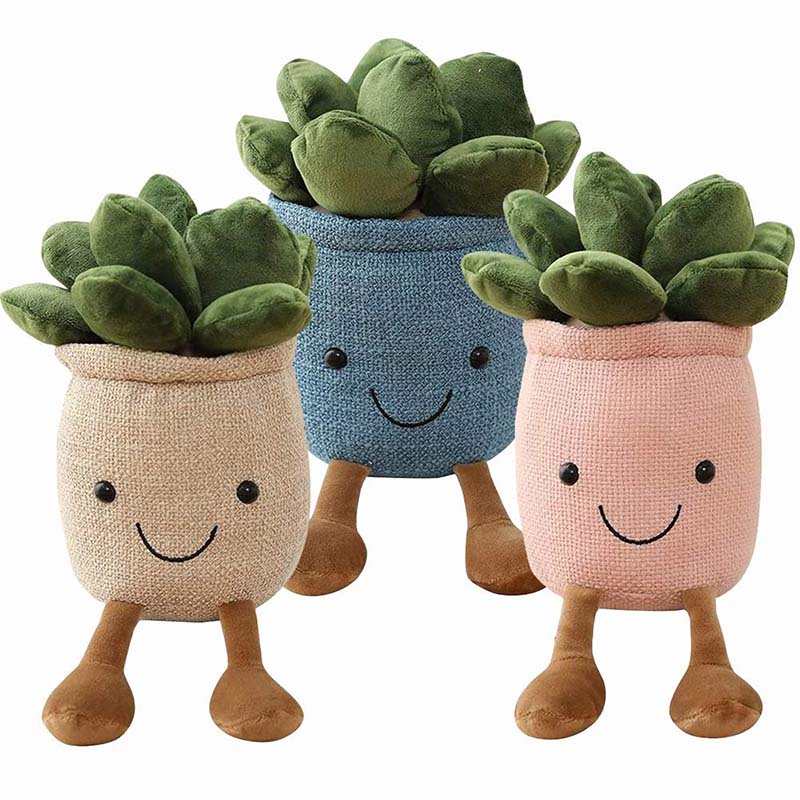
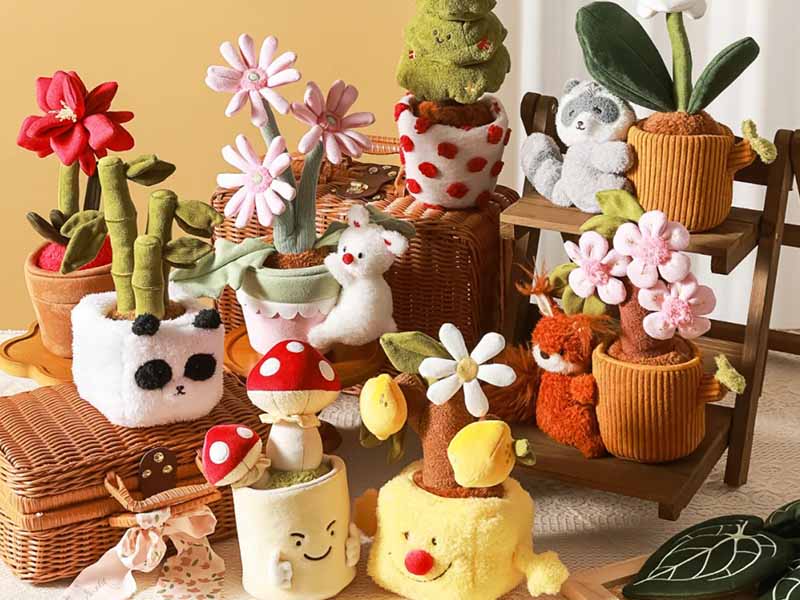
Plant Plush Toys

Plush designs inspired by plants and flowers, often used for decorative and novelty collections.

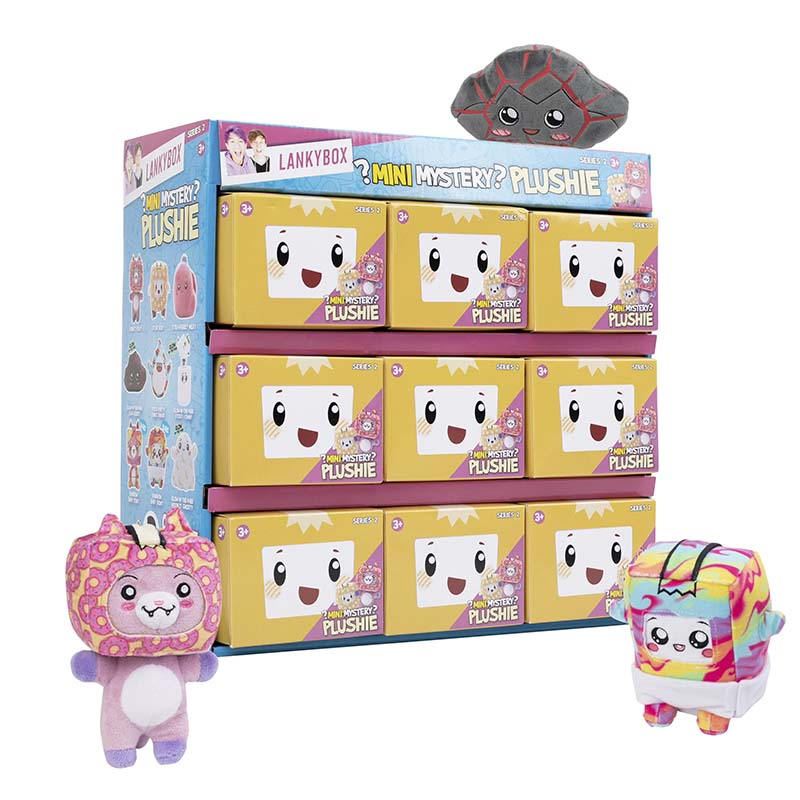
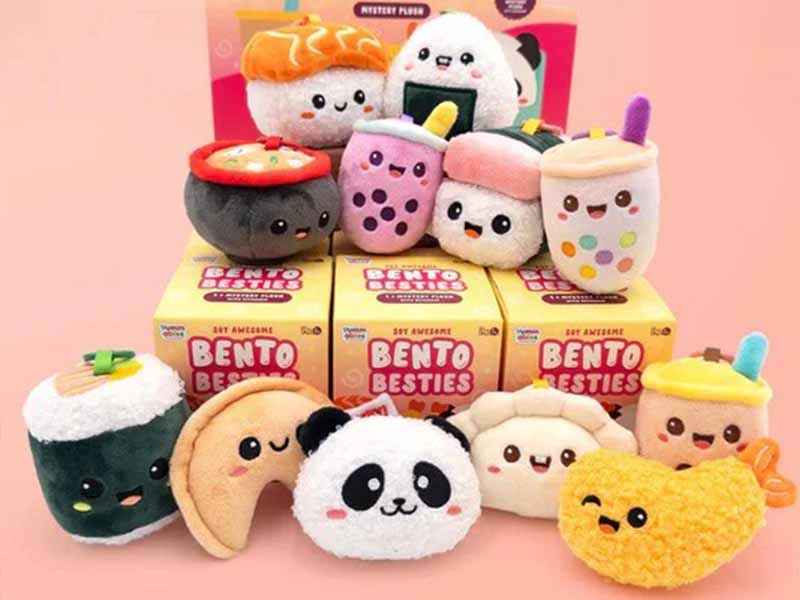
Blind Box Plush Toys

Small collectible plush toys designed for blind box and surprise-based sales models.

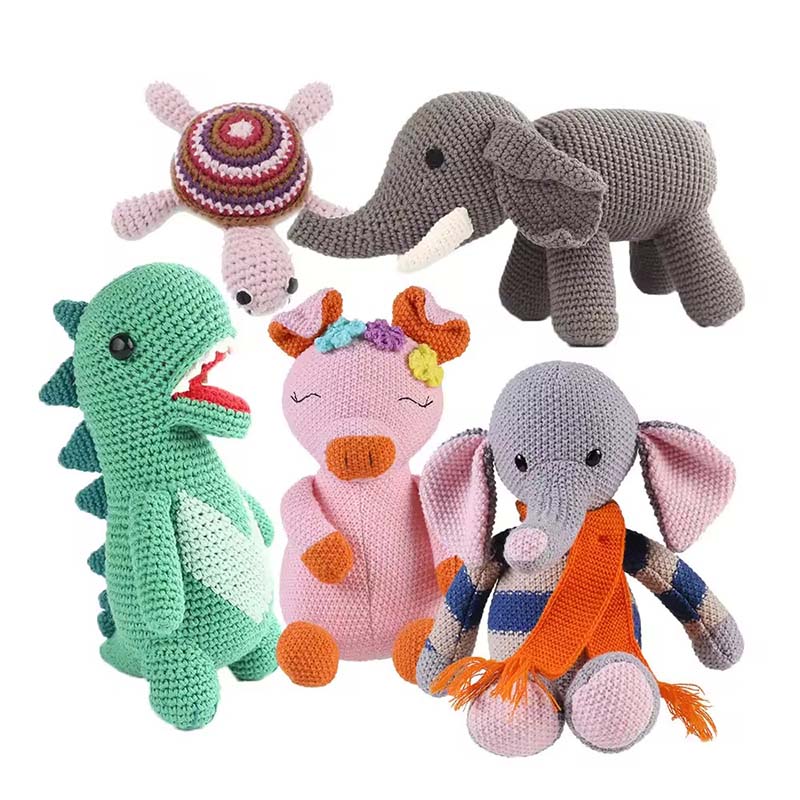
Knitted Plush Toys

Plush toys featuring knitted textures or handmade-style appearance.

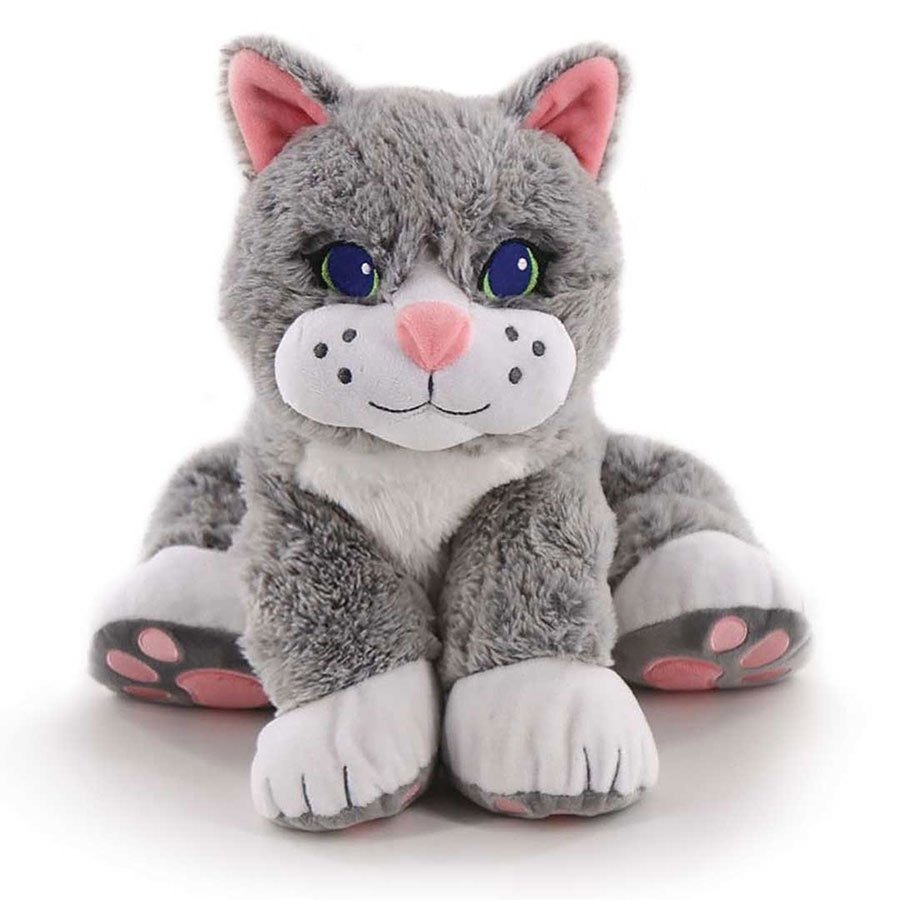
Gray plush cat toy with blue eyes and pink paws.

Weighted Plush Toys

Plush toys designed with added weight for comfort and calming purposes.

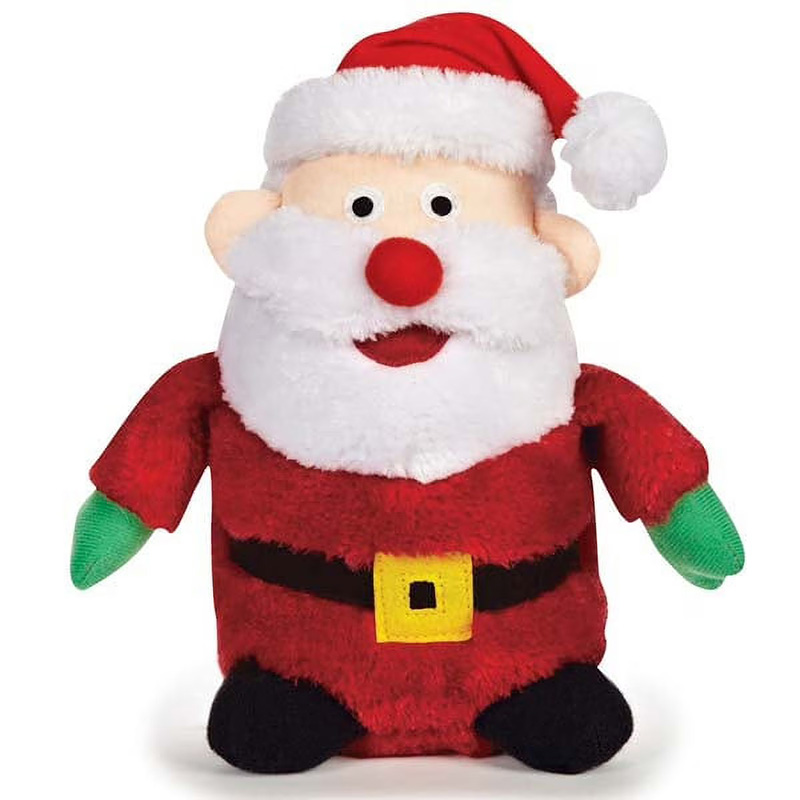
Seasonal Plush Toys

Holiday-themed plush toys developed for Christmas, Halloween, and seasonal promotions.

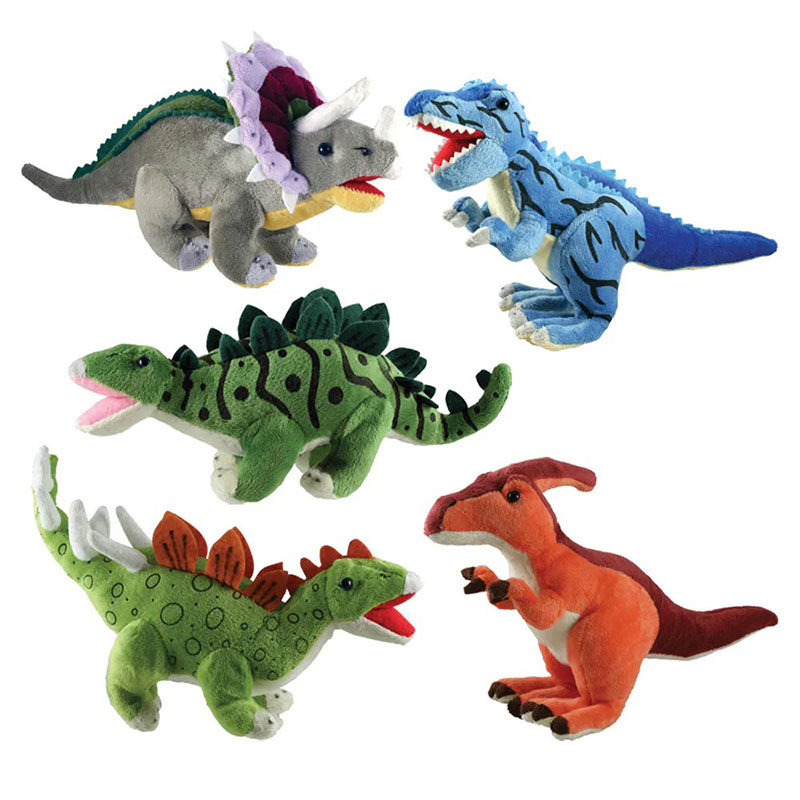
Dinosaur Plush Toys

Dinosaur-themed plush animals popular with children and themed product collections.

Plush Backpacks

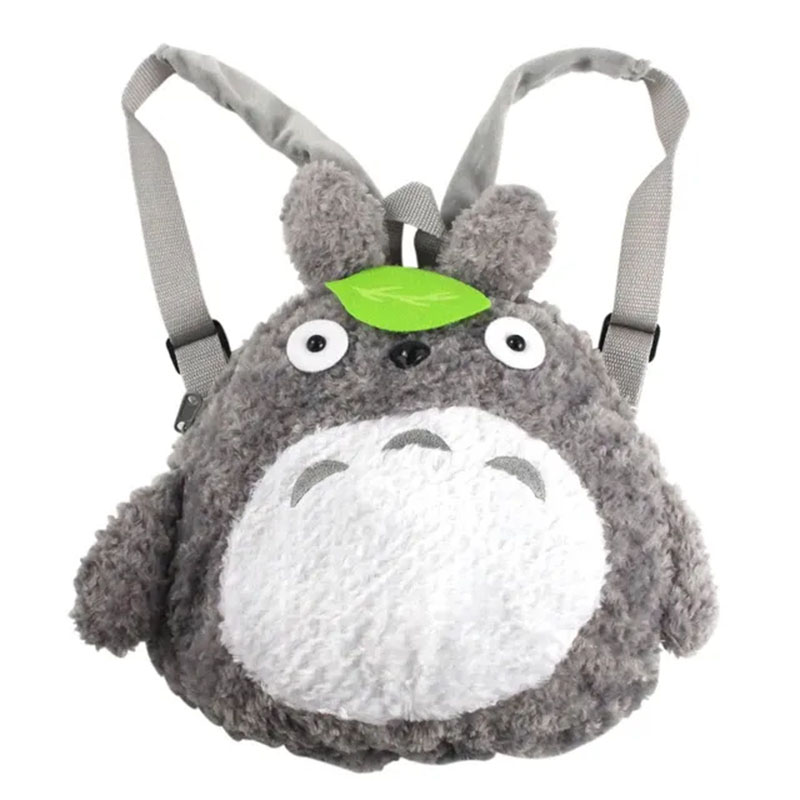
Functional plush products combining soft toys with backpack structures.

Common Custom Plush Toy Mistakes — And How to Avoid Costly Production Risks

In custom plush toy projects, small mistakes made early often lead to delays, higher costs, and unstable quality later. Below are the most common issues brands face when developing custom plush animals, and how a structured manufacturing system helps avoid them.

01

Design Files Not Suitable for Plush Production

Designs created mainly for visual presentation often ignore plush structure, seam placement, fabric stretch, and stuffing behavior, which can cause distorted shapes and unexpected results during sampling. We review all design files from a plush manufacturing perspective before sampling, adjusting proportions, construction logic, and sewing details so the design can be accurately and consistently translated into a stable three-dimensional plush toy.

02

Unclear Material and Craft Requirements

When fabrics, fillings, and surface techniques are not clearly defined at the early stage, samples may appear acceptable while bulk production shows visible differences in texture and shape. We confirm fabric type, pile length, filling density, and embroidery or printing methods upfront, creating a clear production reference that keeps sampling and mass production aligned.

03

Overlooking Sampling Accuracy and Revision Control

Rushing through sampling or allowing frequent, unstructured changes often leads to extended timelines and increased development costs. We control revisions step by step, documenting each adjustment clearly and guiding changes with purpose, so accuracy improves steadily without unnecessary repetition or confusion.

04

Ignoring Size, Proportion, and Weight Balance

A plush toy may look correct visually but feel uncomfortable or unstable when handled if size and weight distribution are not properly considered. We evaluate proportions, filling volume, and overall balance during sampling to ensure the plush animal feels natural in hand and performs well in real usage scenarios.

05

Lack of Quality Control Planning Before Production

Relying only on final inspection increases the risk of defects being discovered too late, leading to rework and shipment delays. We integrate quality checks into key stages such as cutting, sewing, stuffing, and finishing to identify and correct issues early.

06

Unclear Packaging and Shipping Preparation

When packaging and shipping decisions are made too late, products may face damage, compliance issues, or increased logistics costs. We confirm packaging methods, labeling details, and export requirements early to ensure custom plush toys are protected and ready for smooth international delivery.

By identifying these common mistakes early and addressing them with a structured OEM & ODM system, you reduce uncertainty across design, sampling, and mass production. This helps your custom plush animals reach the market faster, maintain consistent quality, and scale smoothly without unnecessary cost or risk.

Why Sampling Determines 80% of Custom Plush Toy Project Success

In custom plush toy development, sampling is not just a visual confirmation step — it is where design accuracy, material behavior, cost structure, and production feasibility are truly tested. Decisions made during sampling directly shape the final product quality, timeline, and scalability. Below are the key reasons why the sampling stage determines the majority of a project’s success.

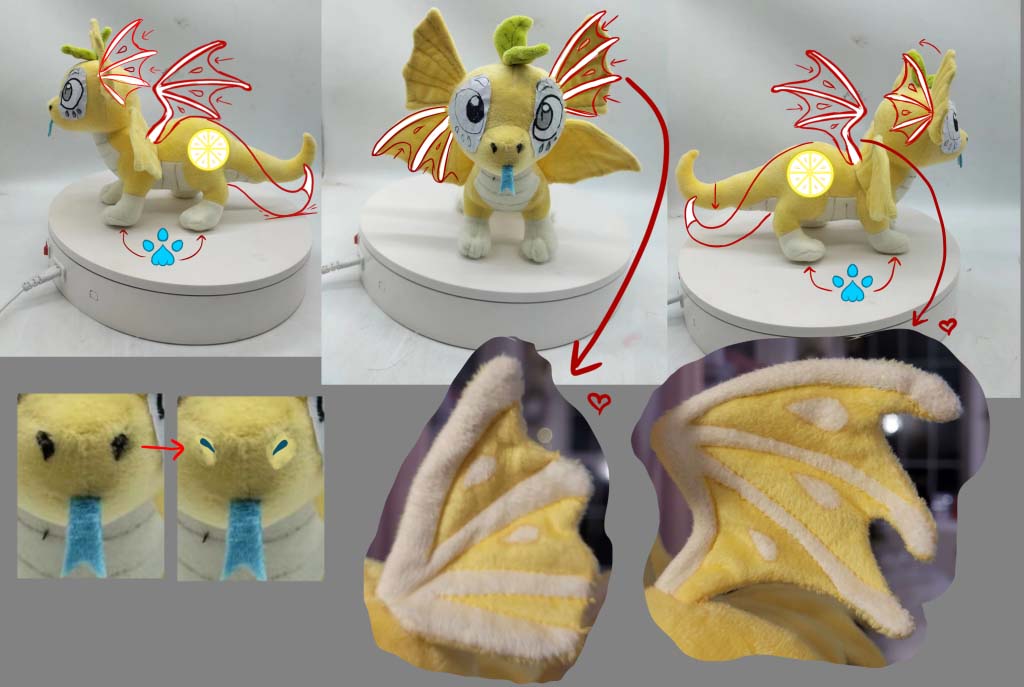
Yellow dragon plush toy with detailed revision notes highlighting wing shape, tail curve, and nose embroidery adjustments for improved design accuracy.

Sampling Defines Final Shape and Proportion

During sampling, two-dimensional designs are transformed into three-dimensional plush forms, revealing how proportions, facial expressions, and structural balance truly work in fabric. Issues identified at this stage can be corrected with minimal cost, while problems discovered later in bulk production often require rework or compromise.

Sampling Confirms Material Behavior and Touch

Fabrics and fillings may look similar on paper but behave very differently once cut, sewn, and stuffed. Sampling allows testing fabric stretch, pile direction, filling density, and surface finish to ensure the plush toy feels right in hand and matches market expectations.

Sampling Locks Cost Structure and Production Feasibility

Details confirmed during sampling — such as material usage, labor complexity, and craft methods — directly determine unit cost and production efficiency. A well-controlled sample helps avoid hidden costs and ensures the design can be produced consistently at scale.

Sampling Aligns Expectations Before Mass Production

Sampling serves as a shared reference between brand and factory, aligning expectations on appearance, quality level, and acceptable tolerance. This alignment reduces miscommunication and prevents disputes when moving into bulk production.

Precision Plush Sample Making

This video shows how plush toy samples are made to true production standards. From pattern confirmation and material selection to sewing, stuffing, and final detailing, every step focuses on accuracy, structure, and repeatability. Our sample-making process ensures the approved sample can be reliably reproduced in bulk production.

Common Fabrics & Fillings Used in Custom Plush Animals

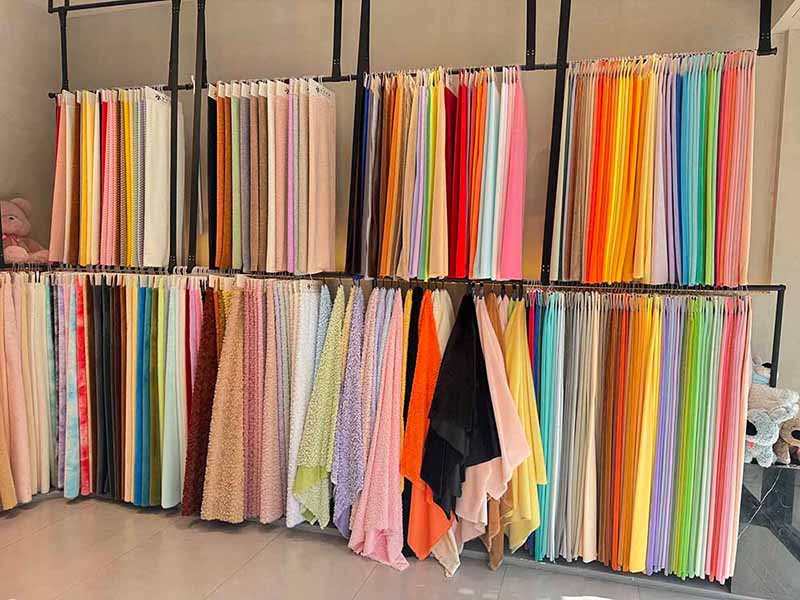
Choosing the right fabric and filling is critical to how a custom plush animal looks, feels, and performs in the market. Different materials directly affect softness, durability, safety compliance, cost control, and customer perception. Below are the most commonly used fabrics and fillings in custom plush toy production, selected to support stable quality and scalable manufacturing.

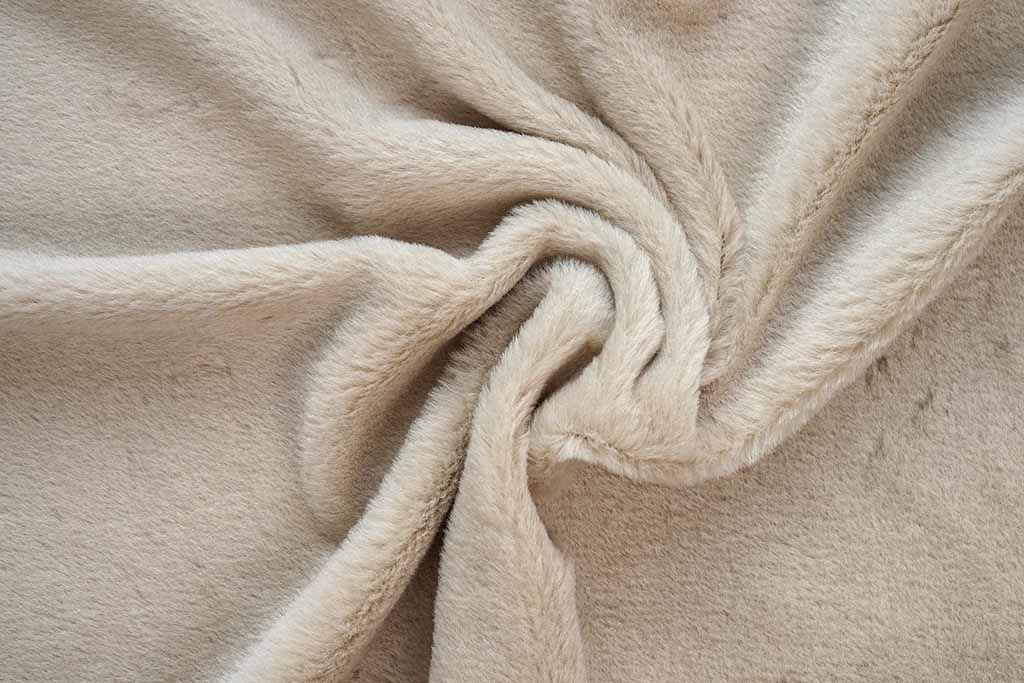
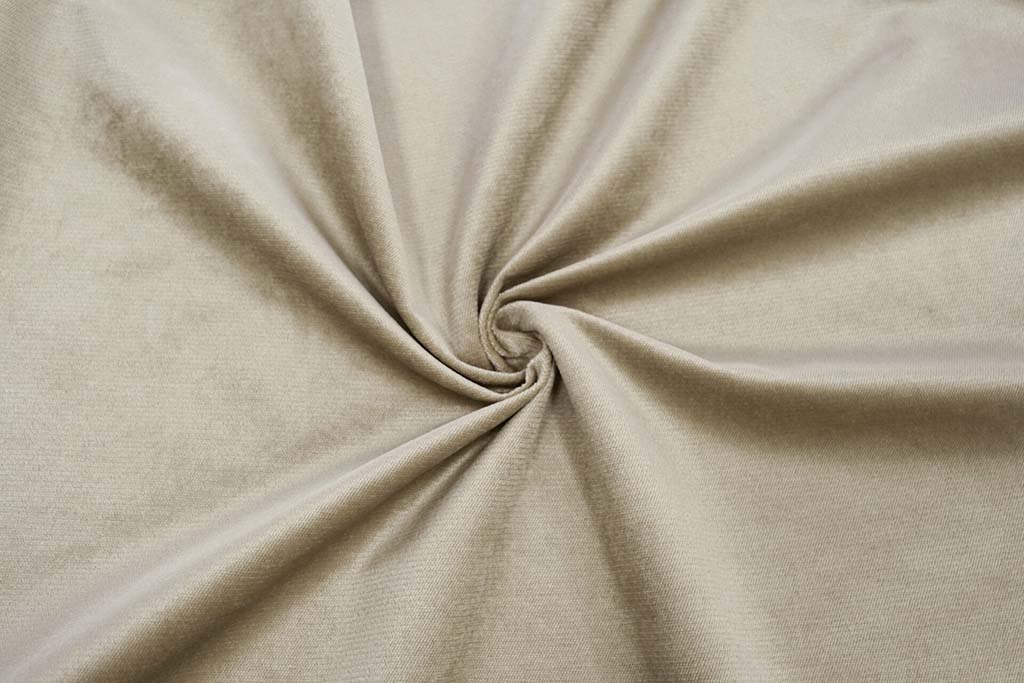
Beige short-pile plush fabric with smooth velvety texture, shown twisted to highlight its softness and dense fiber surface.

Short Pile Plush Fabric

A widely used fabric with a smooth surface and fine pile, suitable for detailed shapes and facial embroidery. It offers good color consistency and is easy to control during mass production.

Long Pile Plush Fabric

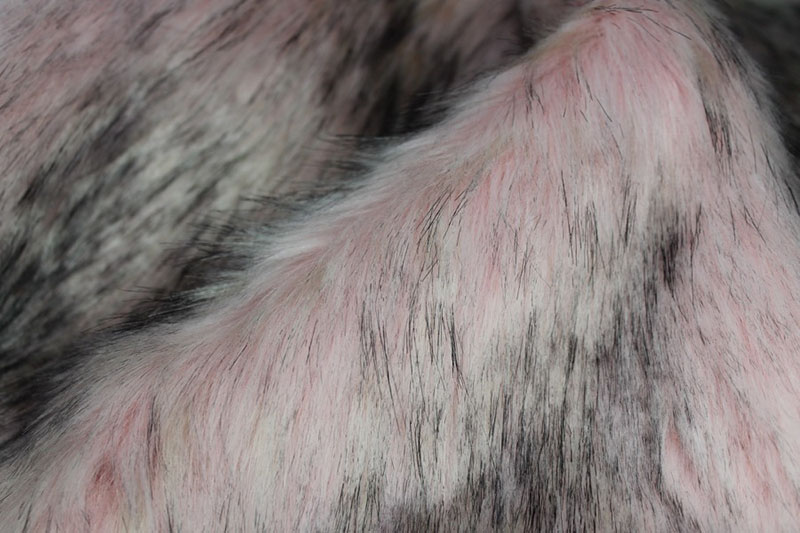
Features longer fibers that create a fluffy and premium appearance. Often used for character plush toys and decorative designs that require strong visual impact.

Close-up of beige velboa fabric showing its smooth, short-pile surface with gentle sheen, commonly used for plush toys and upholstery.

Velboa Fabric

A dense and durable fabric with a soft touch, commonly used for animal faces and baby-safe plush toys due to its stability and low lint shedding.

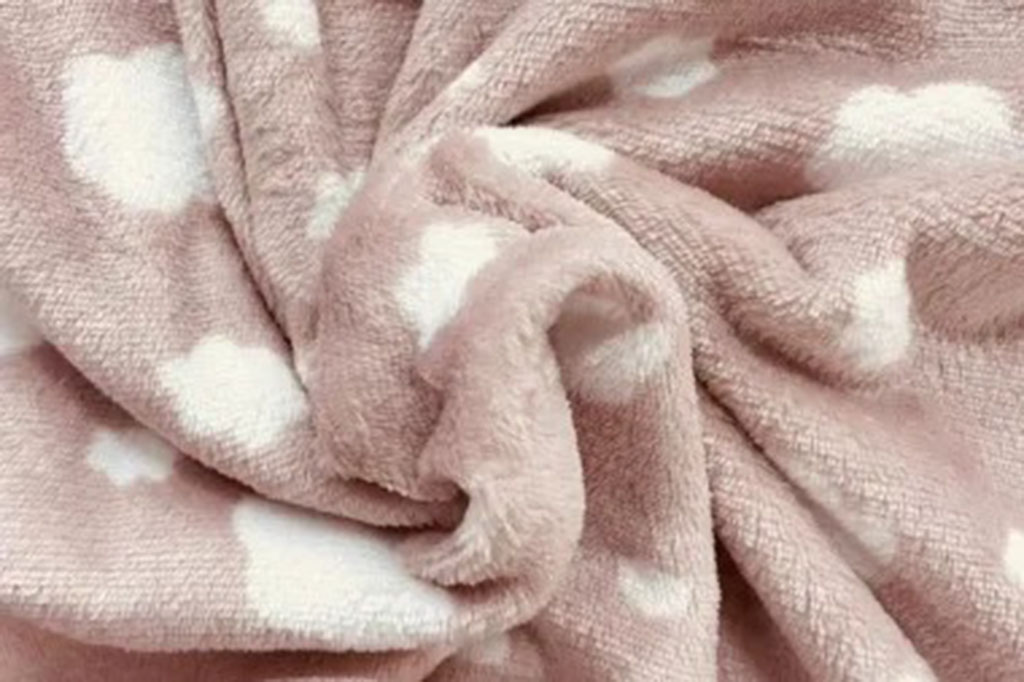
Soft pink fleece fabric featuring white cloud designs, ideal for baby blankets or plush toys.

Fleece Fabric

Lightweight and warm fabric suitable for simple shapes, accessories, and cost-sensitive plush designs.

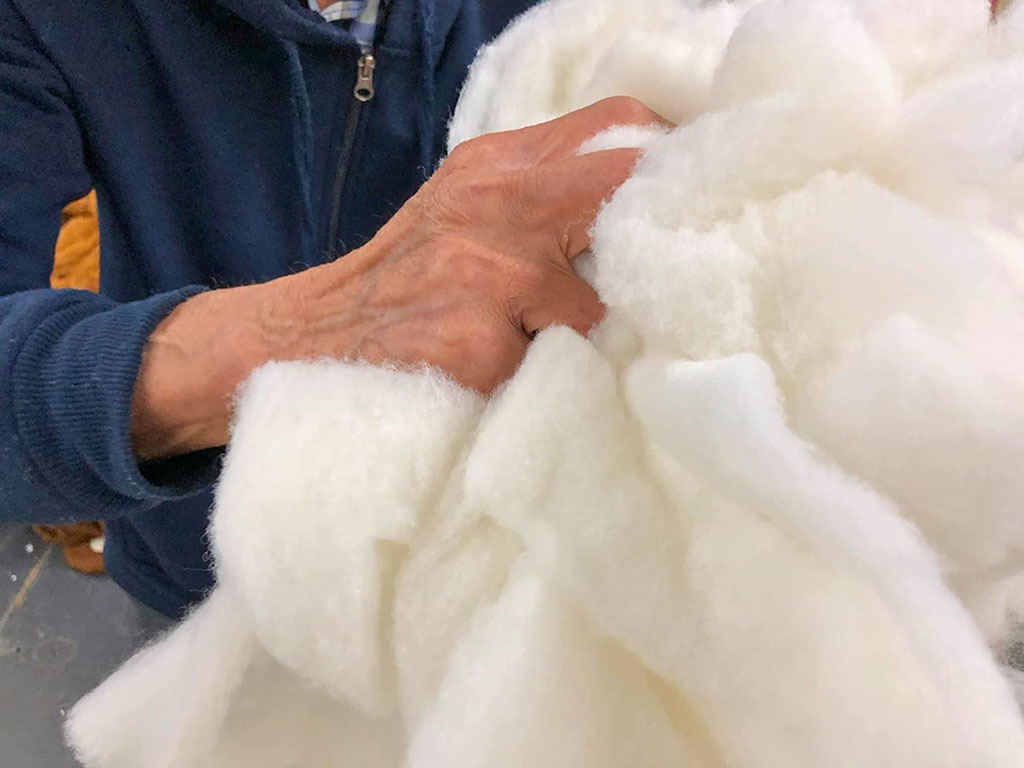
Person holding soft, white polyester fiber stuffing used for filling plush toys and cushions.

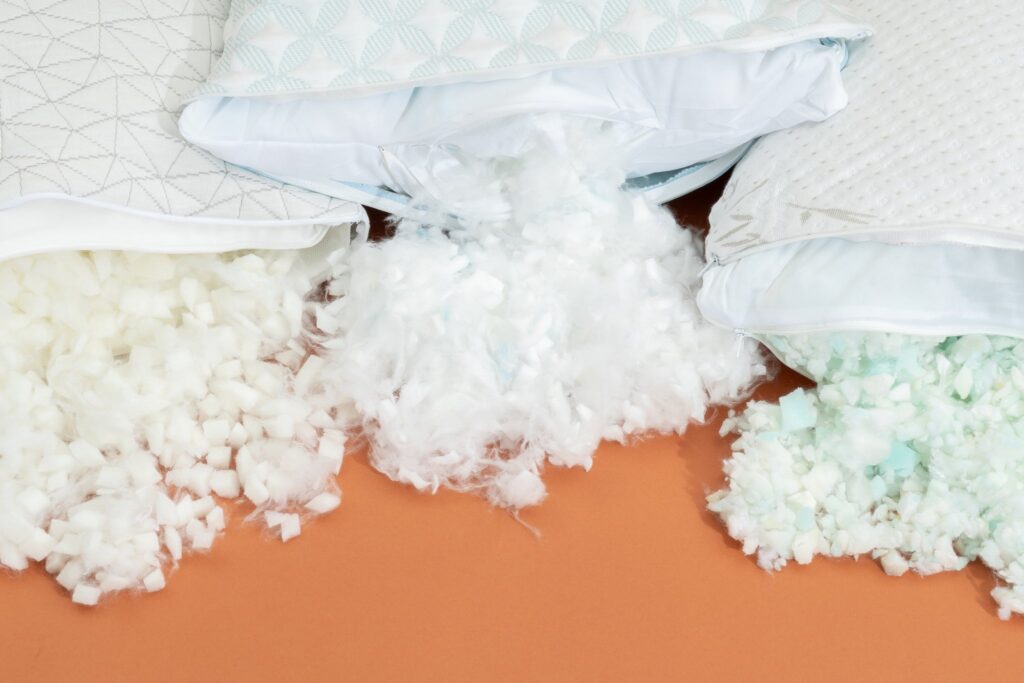
Polyester Fiber Filling

The most common filling material, offering good elasticity, lightweight feel, and stable shape retention. Suitable for most custom plush animals.

Recycled Polyester Filling

Made from recycled materials, providing similar performance to standard fiber filling while supporting sustainability goals.

Memory Foam Filling

Provides a denser feel and slow rebound effect, often used in premium or comfort-focused plush products.

Weighted Filling Materials

Added pellets or weighted inserts used to create calming or sensory-focused plush toys.

By selecting fabrics and fillings that match your product positioning and market needs, you gain better control over quality, cost, and customer experience from sampling to bulk production.

Plush Toy Filling Comparison: How Different Fillings Affect Quality & Performance

Filling materials play a critical role in how a custom plush animal feels, holds its shape, and performs over time. The right filling choice affects softness, weight, durability, cost, and even customer perception. Below is a detailed comparison of two commonly used plush toy fillings to help you choose the best option for your product positioning and target market.
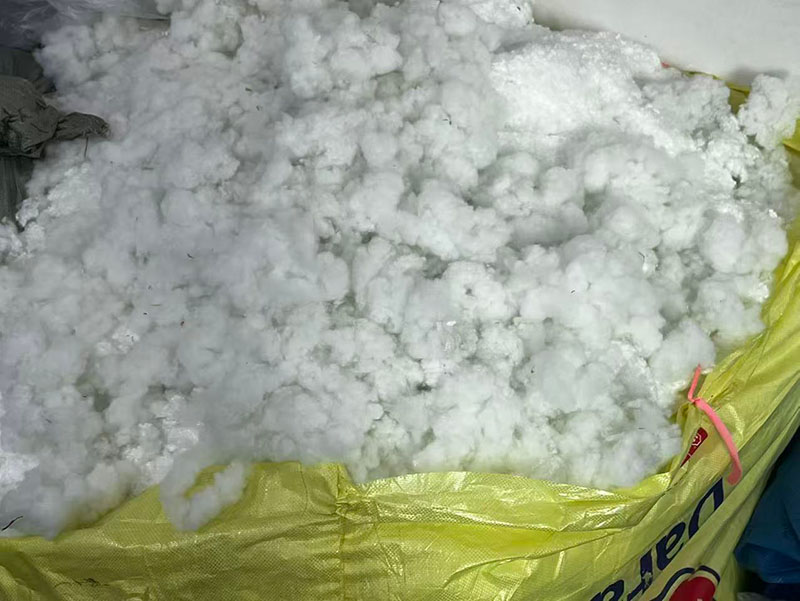
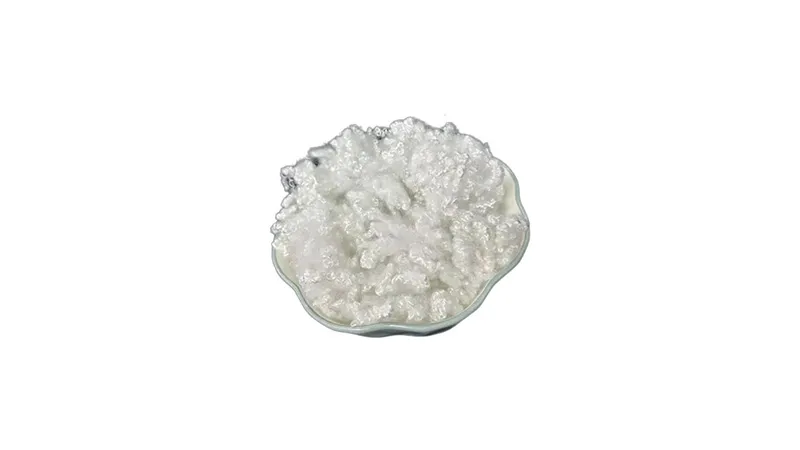
Polyester fiber PP cotton plush toy filling

Polyester Fiber Filling (PP Cotton)

This is the most widely used filling material in custom plush animals due to its light weight, good elasticity, and stable shape retention. It allows plush toys to feel soft while maintaining volume after repeated squeezing.

PP cotton is easy to control during mass production, supports consistent quality across batches, and works well for a wide range of designs—from small plush toys to large character mascots. It is also cost-effective, making it ideal for retail, promotional, and wholesale plush toy projects that require scalability.
VS
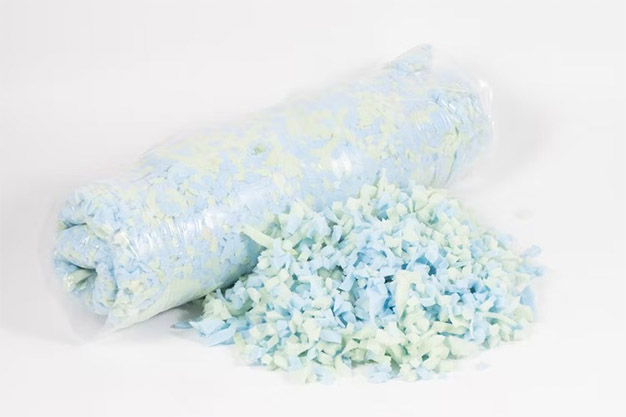
Memory foam filling for premium plush toys

Memory Foam Filling

Memory foam offers a denser feel and slow-rebound effect, creating a more premium and supportive touch experience. Plush toys filled with memory foam tend to feel heavier and more substantial, which is often preferred for comfort-focused, decorative, or high-end gift products.

While memory foam increases material and processing costs, it adds perceived value and differentiation, making it suitable for premium plush animals or products designed for relaxation and emotional comfort.
Choosing the right filling helps your custom plush animals meet both functional expectations and market positioning. By understanding how different fillings perform, you can balance comfort, durability, and cost more effectively.

Fabric & Accessory Safety Standards for Custom Plush Animals

For custom plush animals, fabric and accessory safety directly determines whether a product can enter the market smoothly and maintain long-term brand trust. Especially for children’s products and international wholesale projects, safety standards, durability, and material consistency must be controlled from the source. Below are the core safety and quality measures applied to fabrics and accessories throughout our production process.

Certified Fabric Safety Compliance

All plush fabrics are selected according to the target market’s safety regulations, such as EN71, ASTM F963, CPSIA, and other applicable standards. Beyond certification, we focus on practical performance, including colorfastness to washing and rubbing, fiber shedding control, and chemical content limits. This ensures fabrics remain safe, stable, and visually consistent throughout the product’s lifecycle.

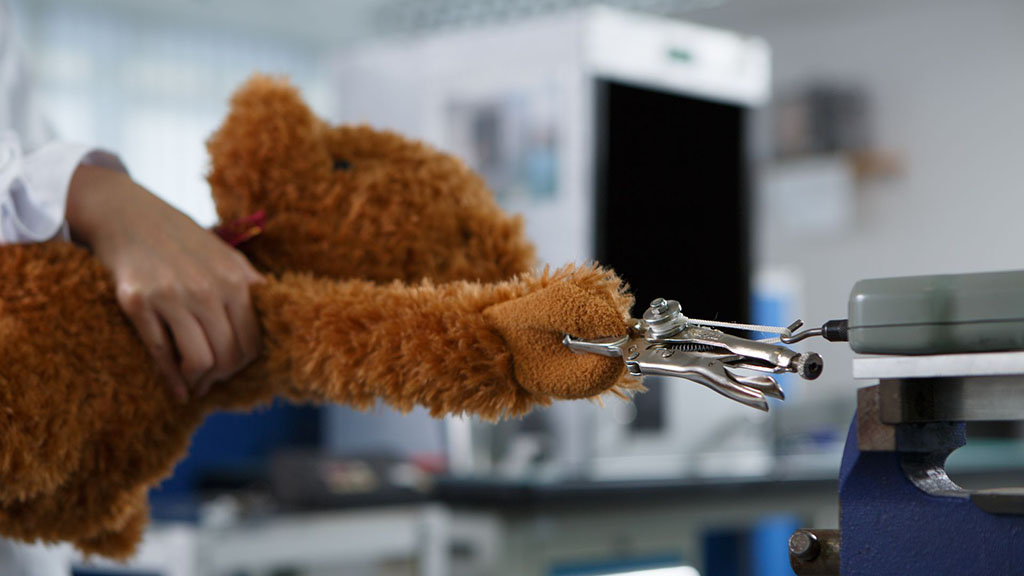
Laboratory technician testing a teddy bear’s durability and seam strength using clamps to ensure toy safety compliance.

Secure Attachment and Strength Testing for Accessories

Accessories such as plastic eyes, noses, buttons, and decorative elements are carefully evaluated for pull strength and attachment security. We apply mechanical testing based on usage scenarios to reduce the risk of detachment, breakage, or choking hazards, especially for products designed for children or frequent handling.

Embroidery and Soft-Surface Priority for Baby Products

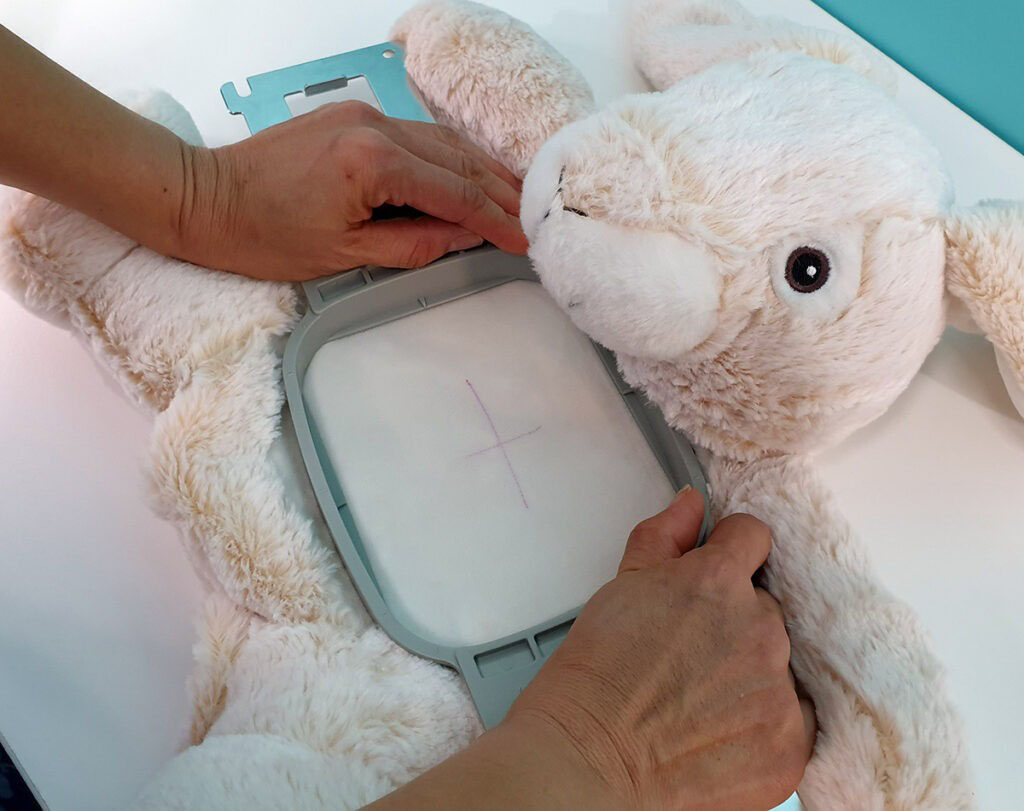
For infant and baby plush toys, we prioritize embroidery and soft-surface techniques over hard accessories. Facial features and decorative details are created using embroidery or fabric applications to eliminate rigid components, improving both safety level and comfort for early-age users.

Hands positioning an embroidery hoop on the belly of a plush teddy bear, preparing the fabric surface for embroidery or stitching.

Incoming Material Inspection and Batch Traceability

All fabrics and accessories undergo incoming quality inspection before entering production, including visual checks, specification verification, and sample testing when necessary. Batch traceability is maintained throughout the process, ensuring material consistency and enabling fast issue identification if adjustments are required.

With detailed safety standards and strict quality control applied to fabrics and accessories, your custom plush animals can meet compliance requirements, maintain durability, and deliver a safer experience across different markets.

Our Customization Scope for Custom Plush Animals

Our customization scope is designed to give brands full control over how their custom plush animals look, feel, and perform in the market. Whether you are developing a brand mascot, retail product, or licensed character, each customization option below helps you align the final plush toy with your positioning, budget, and sales channels.

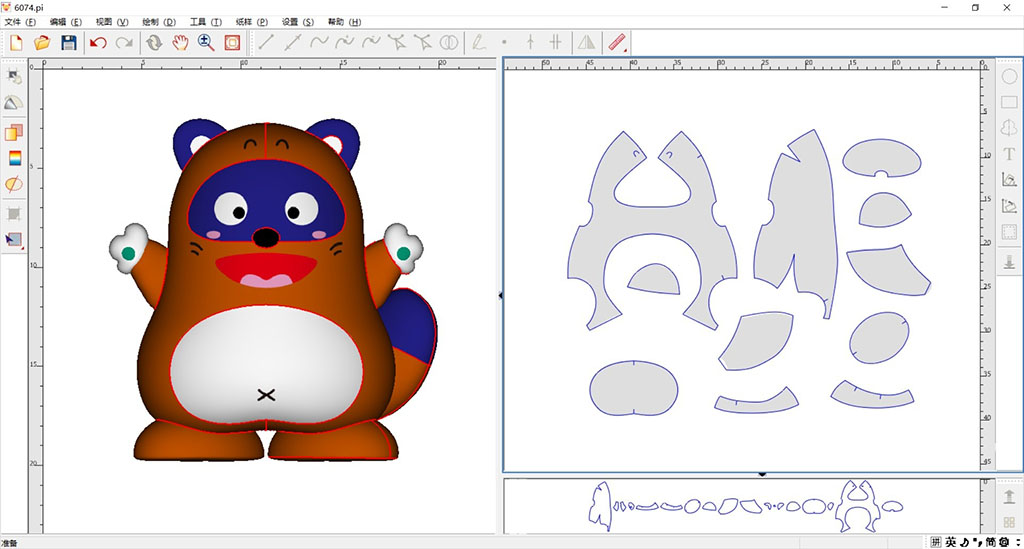
Digital plush toy design software interface showing a colorful raccoon character on the left and its corresponding flat sewing pattern pieces on the right, demonstrating 2D-to-3D plush pattern creation.

Design & Shape Customization

We customize plush toy shapes based on your artwork, sketches, reference images, or concepts, adjusting proportions, expressions, and structure to ensure the design is suitable for plush manufacturing and mass production.

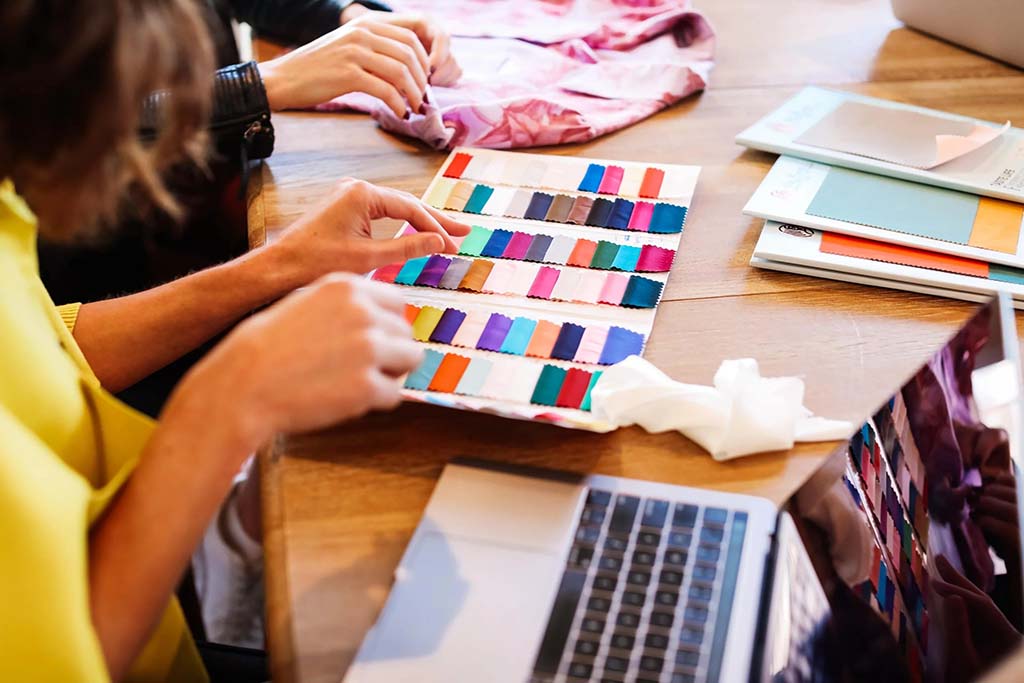
Two people reviewing a fabric color swatch book at a table, comparing textile samples for product design, with a laptop and notebooks nearby during a material selection discussion.

Fabric, Filling & Touch Customization

Different fabrics and fillings are selected based on softness, durability, safety standards, and target market needs, allowing you to control hand feel, weight, and overall product quality.

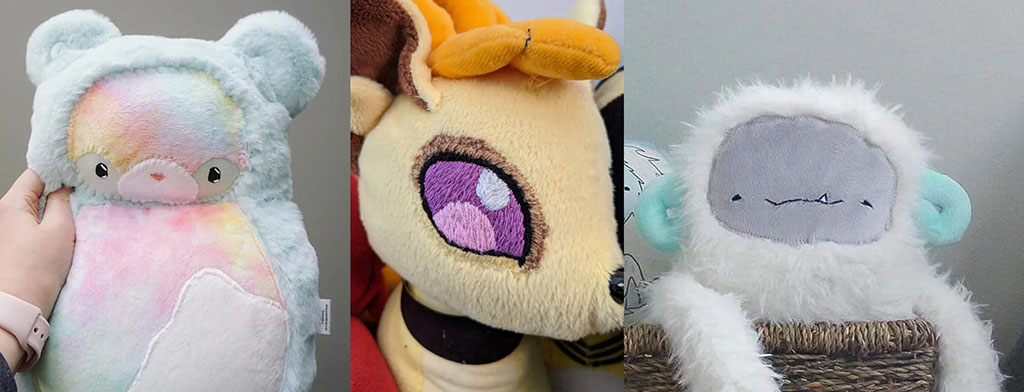
Close-up collage of three plush toys showing different embroidery styles, including a pastel bear, a character with embroidered eyes, and a fluffy yeti with stitched facial features.

Craft, Details & Accessories Customization

Surface techniques such as embroidery, printing, patches, and accessories are customized to enhance visual identity while maintaining consistency and production stability.

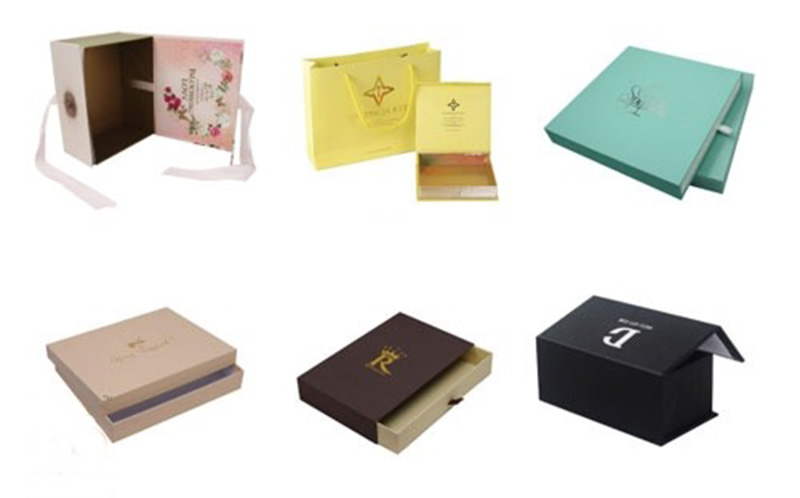
Packaging & Branding Customization

Packaging options including individual bags, gift boxes, hang tags, and labels can be customized to meet retail, promotional, and shipping requirements.

With a clear and flexible customization scope, you can develop custom plush animals that are ready to scale, easy to manage, and aligned with your brand goals.

Custom Plush Animals Production Process

A clear and well-controlled production process is essential for delivering consistent quality in custom plush animals. Each step below is designed to reduce risk, improve efficiency, and ensure that what you approve at the sample stage can be accurately repeated in bulk production.

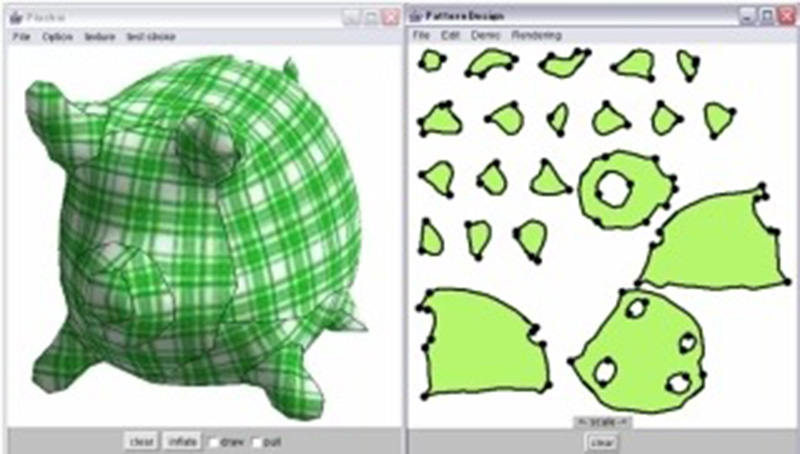
Side-by-side display of a 3D green plaid plush model and its automatically generated flat pattern pieces in design software

Design Review & Material Confirmation

All design files are reviewed for plush manufacturability, while fabrics, fillings, colors, and surface techniques are confirmed to avoid misunderstandings before production begins.

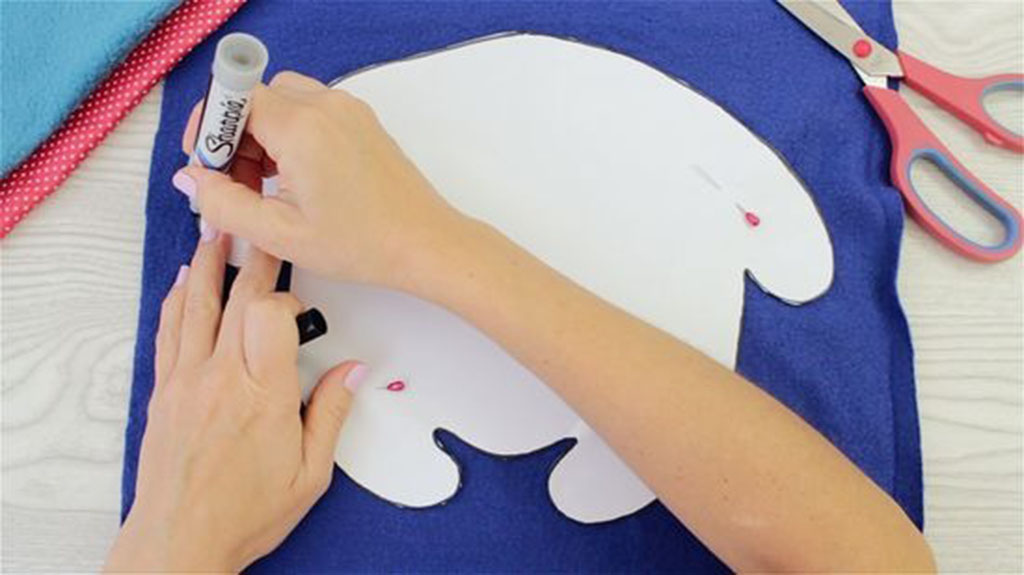
Hands tracing a stuffed animal pattern onto blue fabric using a marker, with scissors and sewing materials beside it—showing the first step of making a plush toy.

Pattern Making & Sample Approval Reference

Patterns are created based on approved samples, ensuring cutting and sewing follow the same structure and proportions used during sampling.

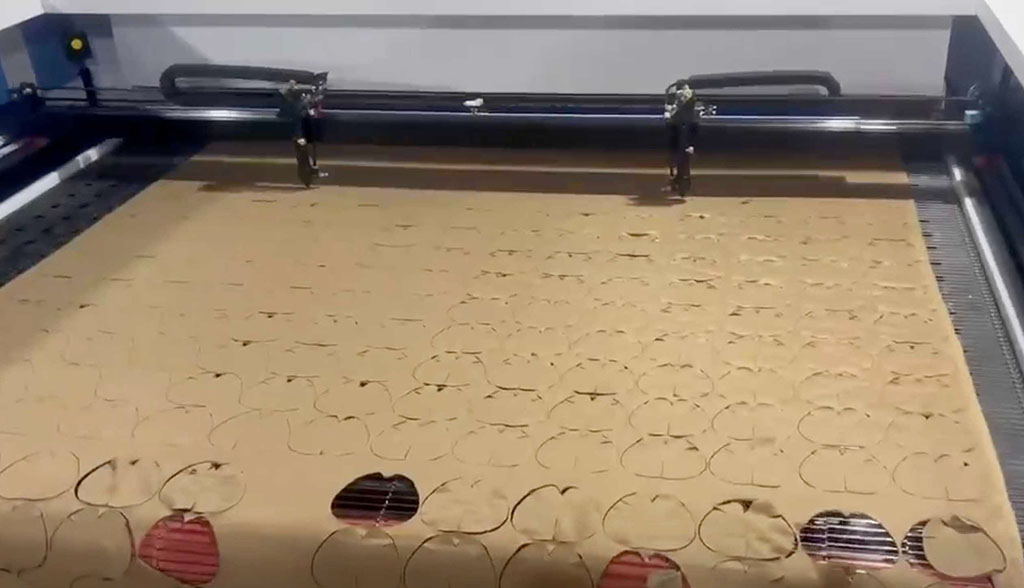
Automated laser cutting machine precisely shaping plush toy fabric patterns on a large sheet for mass production.

Fabric Cutting & Preparation

Fabrics are cut according to approved patterns, with attention to pile direction, color consistency, and material usage efficiency.

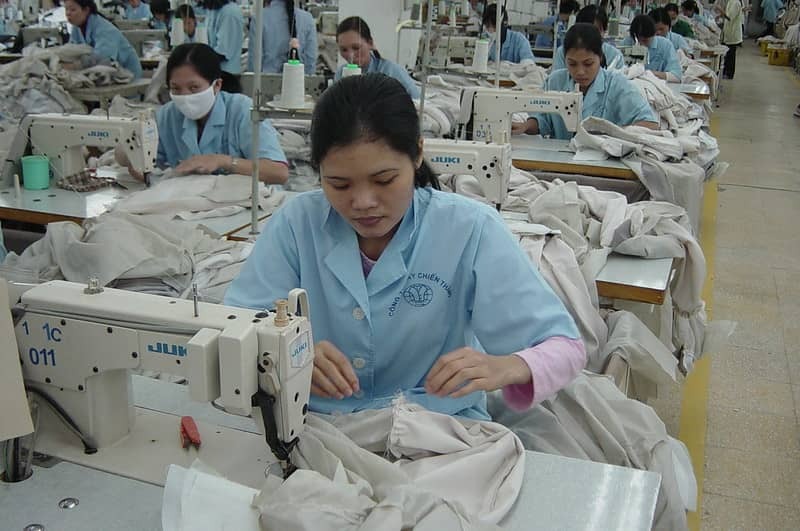
Workers in a garment factory using industrial sewing machines to stitch fabric pieces.

Sewing, Embroidery & Assembly

Plush parts are sewn, embroidered, and assembled following defined workmanship standards to maintain shape accuracy and appearance quality.

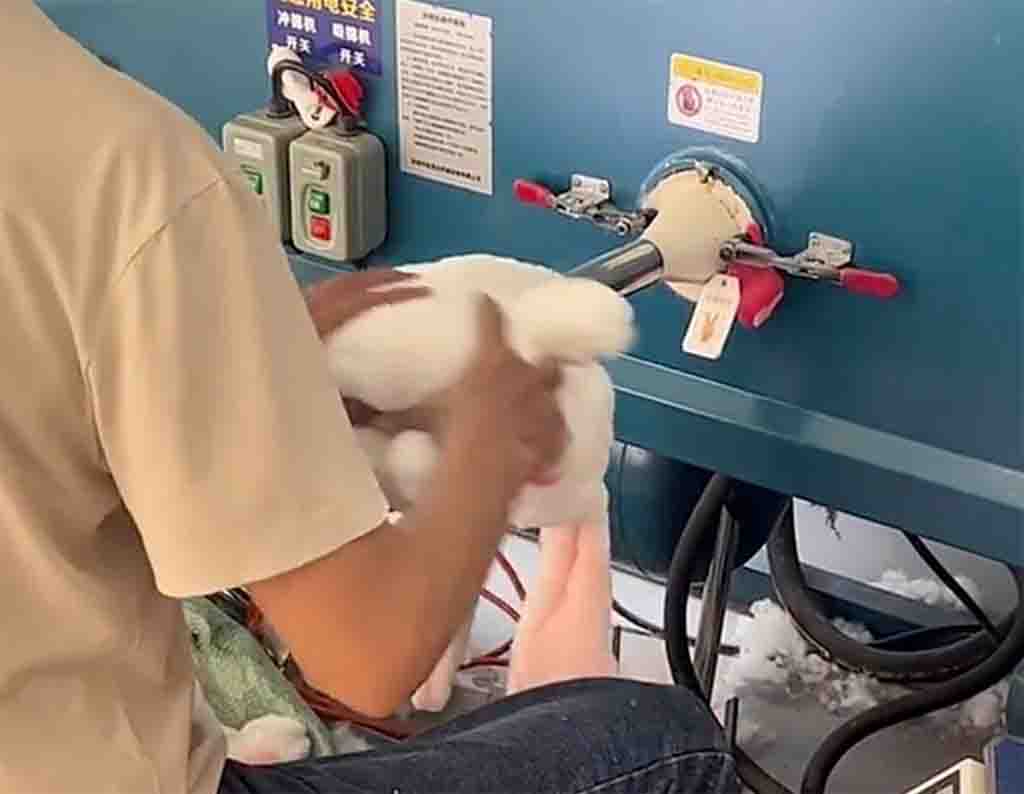
Stuffing & Shape Adjustment

Fillings are added based on specified weight and density, with manual adjustment to ensure balanced shape and comfortable hand feel.

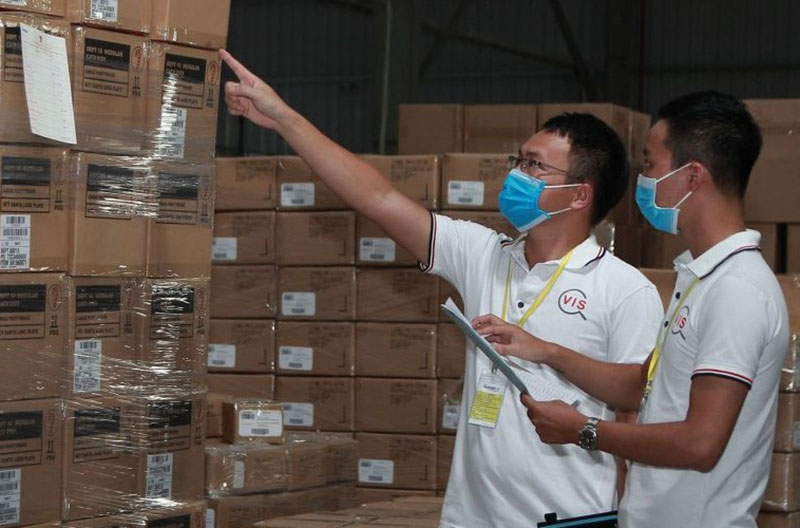
Final Inspection, Packaging & Shipment

Finished products go through final inspection, packaging confirmation, and export preparation before shipment.

This structured production process helps ensure your custom plush animals are produced efficiently, consistently, and ready for global delivery.

Precision Sewing & Stuffing Execution

This video shows how precise sewing and controlled stuffing work together to shape the final plush toy. Clean stitching ensures structural stability and durability, while balanced stuffing defines softness, weight, and form. By standardizing both steps, we achieve consistent appearance and hand feel from samples to bulk production.

Trusted by Leading Global Brands

Strong partnerships prove strong capabilities. Over the years, Kinwin has worked with world-leading brands and retailers to deliver interactive plush toys that meet the highest standards of creativity, safety, and quality. By choosing us, you gain a supplier that is trusted by top companies worldwide—and the same reliability is available to your brand.

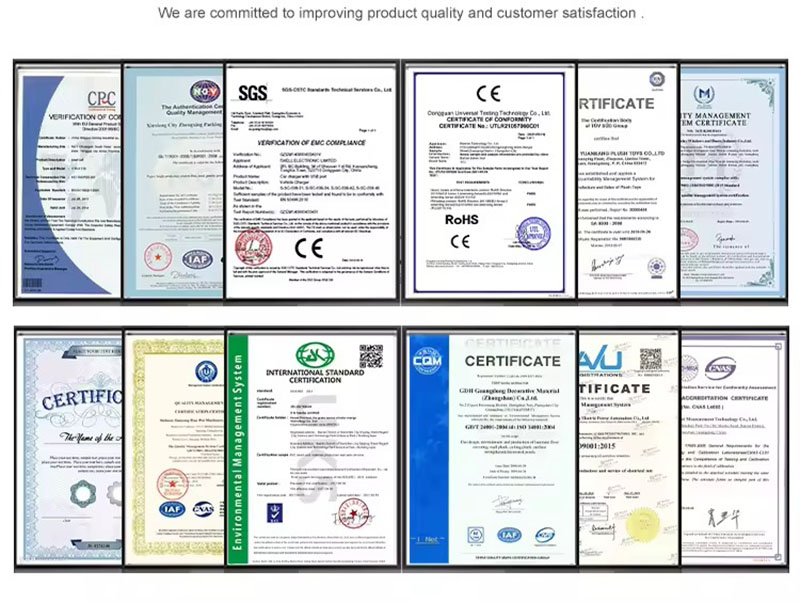
International Certifications That Support Global Plush Toy Compliance

International certifications are not just documents — they are proof that your custom plush animals can legally enter global markets and meet buyer expectations. Our certification system is built to support brands, retailers, and importers by reducing compliance risk and ensuring long-term product reliability across different regions.
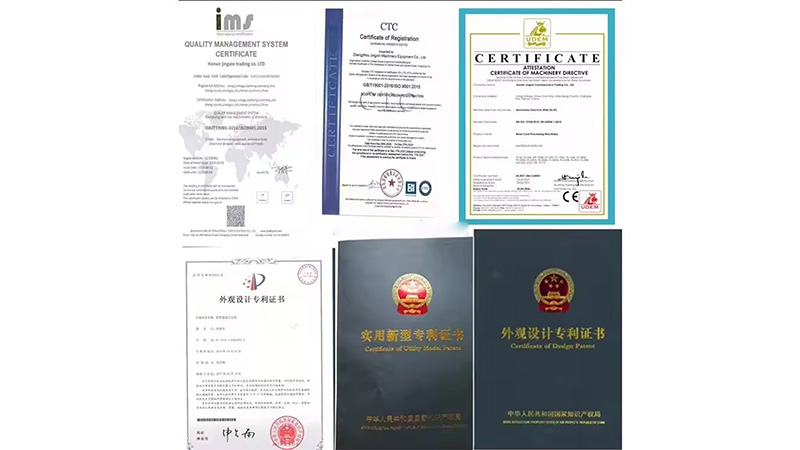
International certifications for plush toy compliance

EN71 Compliance for the European Market

EN71 certification ensures that plush toys sold in Europe meet strict safety requirements related to mechanical properties, chemical content, and flammability. By designing and producing plush animals according to EN71 standards from the beginning, products can pass testing more smoothly and avoid delays or rejection at the import stage.

ASTM F963 for the U.S. Market

ASTM F963 is the primary safety standard for plush toys sold in the United States. It focuses on physical safety, material toxicity, and durability under normal use. Following ASTM requirements during material selection and production helps ensure smooth entry into the U.S. retail and wholesale market.

CPSIA & Chemical Safety Control

CPSIA regulates lead content, phthalates, and other restricted substances in children’s products. We control chemical safety from raw materials to finished products, helping buyers meet regulatory requirements and protect brand reputation.

Factory Audits and Social Compliance

In addition to product certifications, factory audits such as BSCI or similar social compliance standards demonstrate responsible manufacturing practices. This supports brand trust, retailer requirements, and long-term supply chain stability.
With a clear and structured certification system, your custom plush animals are better prepared for global distribution, regulatory approval, and long-term market growth.

Ready to Start Your Custom Plush Animals Project?

If you are planning to develop custom plush animals for retail, promotion, or licensed projects, the next step is choosing a manufacturing partner that understands both production details and global compliance requirements. By working with an experienced OEM & ODM plush toy factory, you reduce communication gaps, avoid costly revisions, and gain clearer control over quality, cost, and delivery timelines.
Whether you already have finalized artwork or are still refining your concept, early discussion helps align expectations, confirm feasibility, and speed up the overall development process. Our team supports you from sampling strategy to bulk production planning, helping your plush toys launch smoothly and scale with confidence in international markets.

Explore Our Custom Plush Toy Series

We offer a wide selection of plush toys to meet different business needs. From baby-safe stuffed animals to collectible plush dolls, our product lines are designed for global brands, retailers, e-commerce, and promotional projects.

Frequently Asked Questions

1. What is your minimum order quantity (MOQ) for custom plush animals?

Our standard MOQ is 500 pieces. For orders below this quantity, please consult with our project manager. We may offer flexible solutions depending on the product size, complexity, and customization requirements.

Yes. We can develop custom plush animals from sketches, reference images, or even simple concepts. Our team reviews feasibility, optimizes proportions and structure, and converts ideas into production-ready plush designs.

Sampling typically takes 10–15 working days, depending on design complexity and revision rounds. Clear design information and timely feedback help shorten the sampling timeline.

Yes. Approved samples serve as the production reference for bulk orders. We lock materials, patterns, and workmanship details after sample approval to ensure consistency during mass production.

Our plush toys can be produced to comply with EN71, ASTM F963, CPSIA, and other required standards based on your target market. Safety compliance is considered from material selection to final inspection.

Yes. We offer eco-friendly fabric and recycled filling options for brands focused on sustainability. These materials can meet performance and safety requirements while supporting environmental goals.

Quality control is integrated throughout production, including incoming material inspection, in-process checks, and final inspection. This approach helps detect issues early and maintain stable quality across batches.

With structured production planning and experienced teams, we can support urgent timelines and scale production for large-volume orders, provided requirements are confirmed clearly at an early stage.

We provide various packaging options including OPP bags, gift boxes, hang tags, and custom packaging. Packaging can be tailored to retail, promotional, or shipping needs.

You can start by sharing your design files, reference images, or ideas. Our team will review feasibility, provide guidance on materials and sampling, and outline the next steps clearly.

If You Can lmagine lt,We Will Create lt!

1.Tell Us What You Need
Tell us as specific as possible of your needs and share your idea.

2.Get Solution & Quote
We will work on the best solution according to yourrequirements,the specific quote will be provided within 24 hours.

3.Approve for Mass Production
We will start mass production after getting your approval.

Ask For A Quick Quote

We will contact you within 24 Hours, please pay attention to the email with the suffix“@kinwinco.com”

For all inquiries, please feel free to reach out at:

(+86)13631795102

Ask For A Quick Quote

We will contact you within 24 Hours, please pay attention to the email with the suffix“@kinwinco.com”

Ask For A Quick Quote

We will contact you within 24 Hours, please pay attention to the email with the suffix“@kinwinco.com”

For all inquiries, please feel free to reach out at:
email:[email protected]  phone numbe:  0086 13631795102