
Charity Plush Toys — Custom Manufacturing for Non-Profits, Fundraising & Cause Programs
Charity Plush Toys — Custom Manufacturing for Non-Profits, Fundraising & Cause Programs
Cause Character Development · Fundraising Products · Eco Materials · OEKO-TEX Certified · CE/ASTM · Low MOQ · MOQ 500 pcs
A charity plush toy does something that a donation receipt cannot: it gives a supporter something tangible to hold, display, and share — something that communicates what the charity stands for in an emotionally resonant, visible form. The best charity plush toys function simultaneously as a fundraising product, a donor recognition gift, an awareness tool, and an ongoing brand ambassador for the cause — generating impressions and conversations long after the initial donation that funded them.
KINWIN manufactures custom plush toys for charities, non-profit organizations, foundations, cause-marketing programs, and corporate social responsibility initiatives across 30+ countries. From conservation organizations needing wildlife-accurate endangered species plush to children’s charities needing comfort toys for vulnerable young people — we provide the product quality, ethical manufacturing credentials, and supply reliability that serious charity programs require.
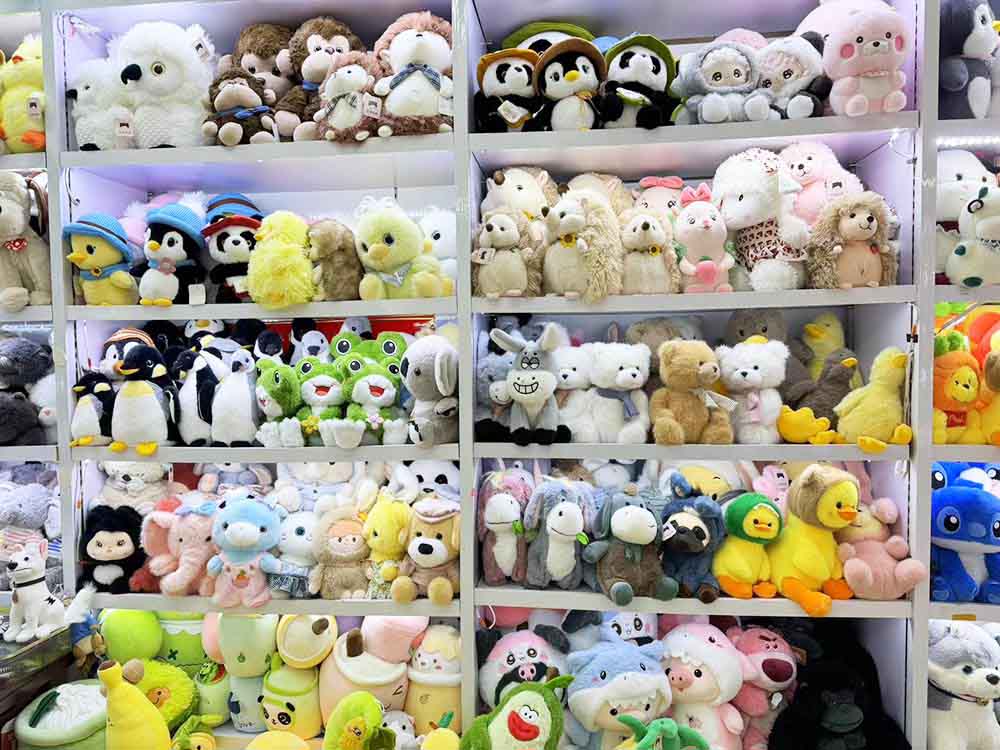
The Multiple Roles of Charity Plush Toys
The Multiple Roles of Charity Plush Toys
A well-designed charity plush toy is one of the most multi-functional products a non-profit can produce — each unit serves several strategic purposes simultaneously.
Fundraising Product
How: Sold in charity shop, online, events — direct revenue
Benefit: Recurring revenue beyond one-time donations
Donor Recognition
How: Given as gift at donation threshold — tangible appreciation
Benefit: Encourages giving; increases average donation
Awareness Ambassador
How: Displayed in homes and offices — ongoing visibility
Benefit: Passive brand impression generation
Social Media Catalyst
How: Photographed, shared, unboxed online
Benefit: Organic reach amplification
Mission Communicator
How: Character embodies cause story
Benefit: Emotional connection to cause
Community Builder
How: Collectors series creates supporter community
Benefit: Long-term supporter engagement
Types of Charity Plush Programs
Types of Charity Plush Programs
Wildlife Conservation Plush
Wildlife Conservation Plush
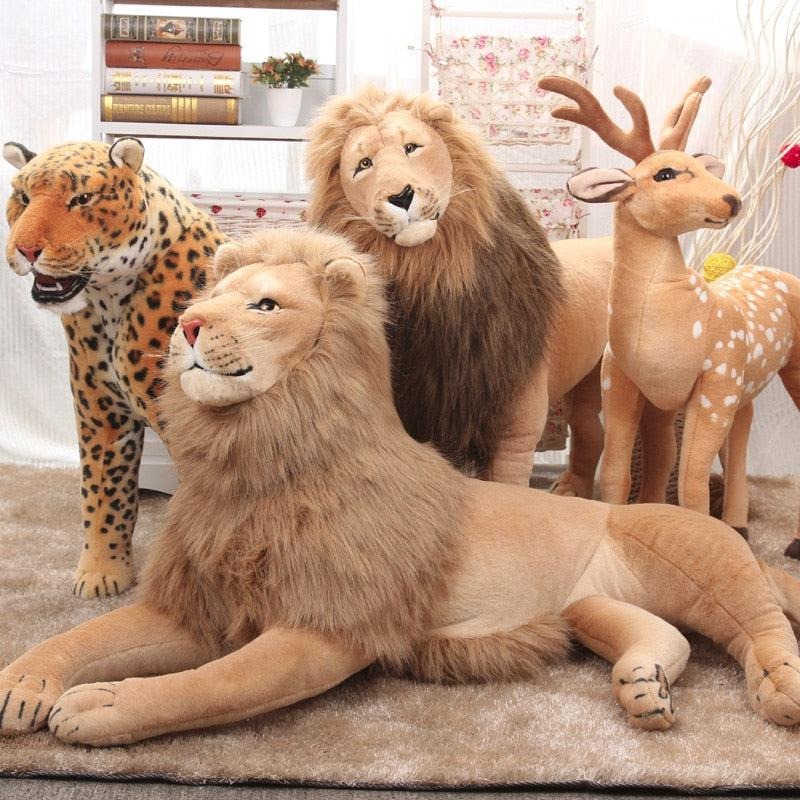
Conservation charities have the most natural alignment with plush toys — animals that are at risk deserve both protection and representation. Conservation plush programs work most powerfully when the plush animal creates a personal emotional connection between the donor and the species they are helping to protect. A donor who has a beautiful, species-accurate plush panda on their desk is permanently reminded of their contribution and more likely to give again.
- Species-accurate design: realistic proportions, correct coloring, and characteristic features of the specific endangered species
- Adoption program tie-in: each plush comes with a certificate connecting the donor to a specific conservation initiative
- Eco materials alignment: RPET fabric and GRS recycled filling — reinforcing sustainability messaging
- Species series: multiple animals from the same ecosystem or threat category — drives collection and repeat donation
- Funded wildlife research message on hang tag: connecting each purchase to measurable conservation impact
Children’s Charity Plush
Children's Charity Plush
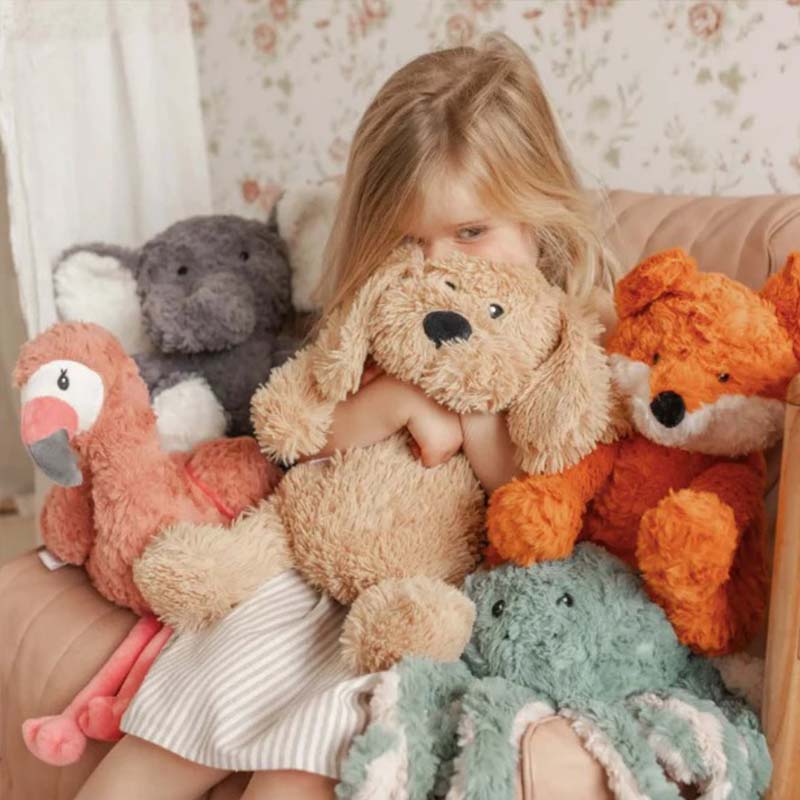
Children’s charities — those serving vulnerable young people in poverty, crisis, or healthcare need — use plush toys in two distinct ways: as fundraising products sold to supporters, and as comfort gifts distributed directly to the children they serve. Both require the highest safety standards. For direct distribution to children, KINWIN applies OEKO-TEX Product Class I and under-3 safety certification as the non-negotiable baseline.
- Charity mascot fundraising plush: character representing the charity’s mission — sold to raise funds
- Comfort distribution program: plush given directly to children in care, crisis accommodation, or healthcare
- Birthday and milestone gifts: charities that celebrate beneficiary birthdays use plush as the memorable gift
Animal Welfare Charity Plush
Animal Welfare Charity Plush
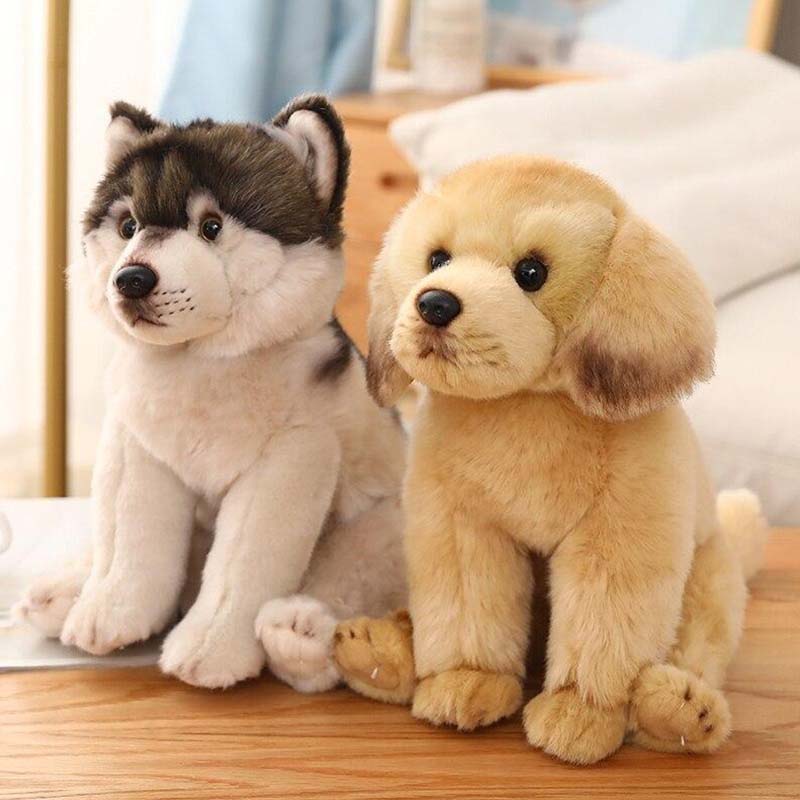
Animal welfare charities — rescue organizations, shelter networks, veterinary charities — use plush toy programs primarily as fundraising products. The emotional connection between supporters and animal characters is strong: people who care about animal welfare are predisposed to respond to well-designed animal plush as both a charitable purchase and a personal comfort object.
- Rescue animal characters: plush versions of famous rescue animals or representative shelter animals with adoption stories
- Breed-specific series: popular dog or cat breed plush for breed-specific rescue organizations
- ‘Adopt a plush’ programs: each plush sold corresponds to a specific shelter animal’s care
Environmental & Climate Charity Plush
Environmental & Climate Charity Plush
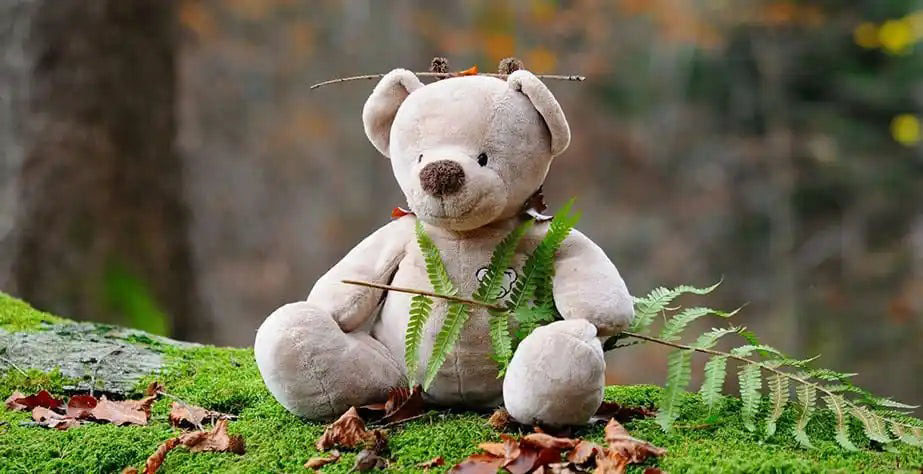
Environmental charities and climate organizations use plush toys to connect supporters emotionally to threatened ecosystems and species. The most effective environmental charity plush communicates the stakes visually and emotionally — a polar bear plush for a climate charity, a coral-colored character for an ocean conservation program — creating a tangible symbol of what is being protected.
- Threatened species characters: visually striking, emotionally resonant representations of at-risk species
- Eco-materials requirement: environmental charity plush should use RPET/GRS certified materials wherever possible — practice what the charity preaches
- ‘X bottles of plastic’ messaging: RPET plush with specific recycled content data on hang tag
Corporate CSR & Cause Marketing Plush
Corporate CSR & Cause Marketing Plush
Corporations align their CSR initiatives with charity plush through cause-marketing programs — purchasing custom plush where a portion of proceeds funds a charity partner, or commissioning charity-branded plush for employee or customer gifting programs. These programs allow companies to communicate their values through a product that has genuine emotional appeal and remains visible in the recipient’s environment.
- Percentage-of-sale donation: each plush sold generates a donation to a charity partner — messaging on hang tag
- Employee giving campaign plush: charity-branded plush as recognition gift in annual employee giving drives
- Corporate charity partner mascot: co-branded plush representing both the company and charity partnership
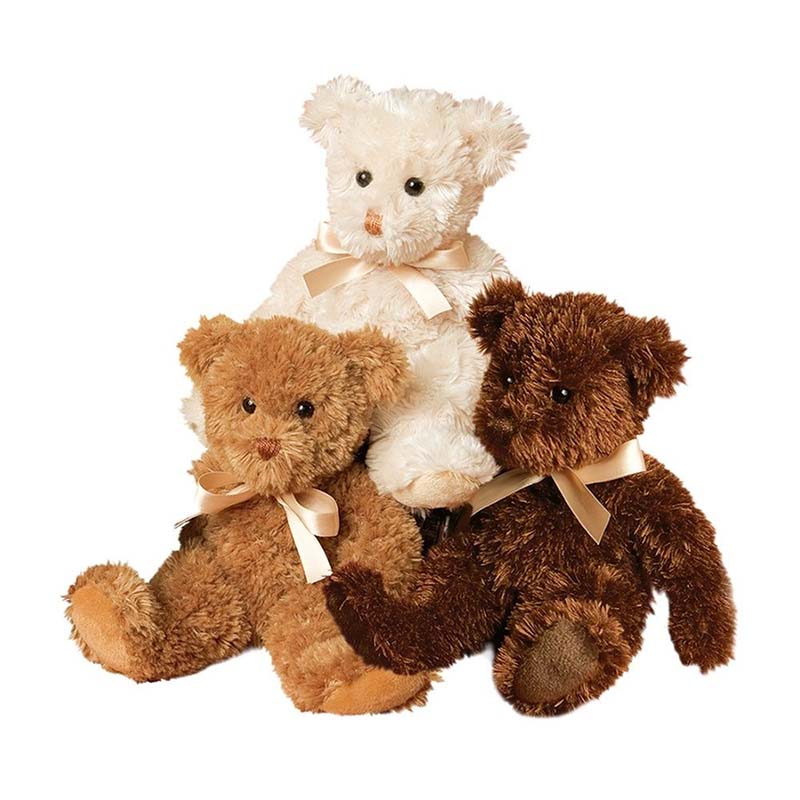
Eco Materials for Conservation and Environmental Charity Plush
Eco Materials — Aligning Product with Cause Values
For conservation, wildlife, and environmental charities, the choice of materials is not just a production decision — it is a values alignment decision. Supporters of environmental causes notice when a conservation charity’s fundraising product uses virgin plastic materials. KINWIN offers a complete range of certified eco materials for charity plush programs.
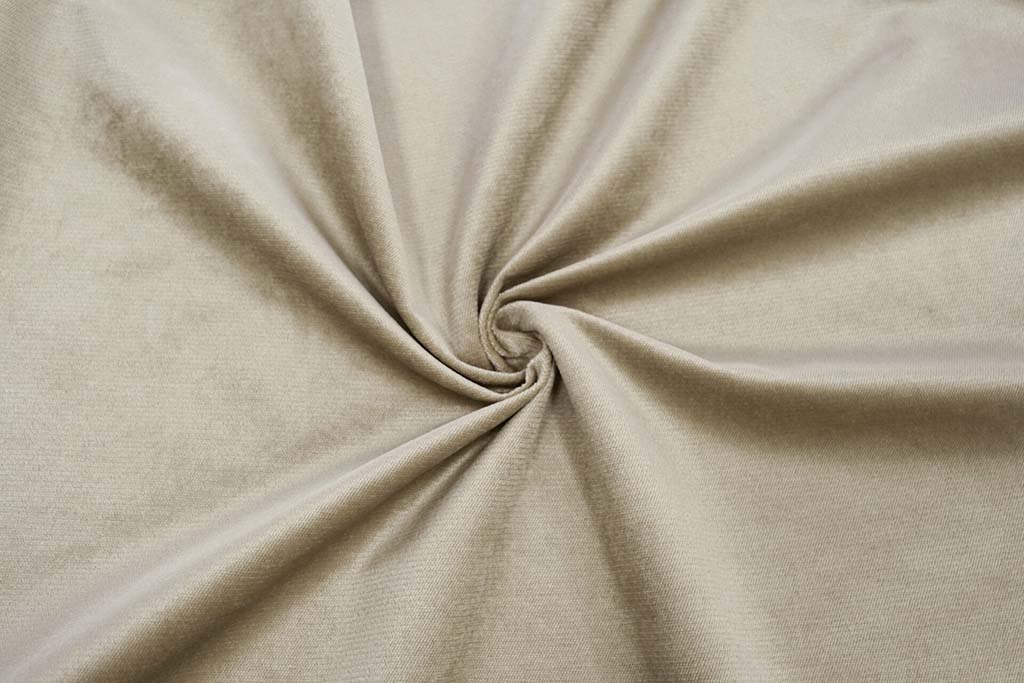
RPET Pile Fabric
Certification: GRS (Global Recycled Standard)
What it is: Fabric made from recycled PET plastic bottles
Marketing claim: ‘Made from recycled plastic bottles’
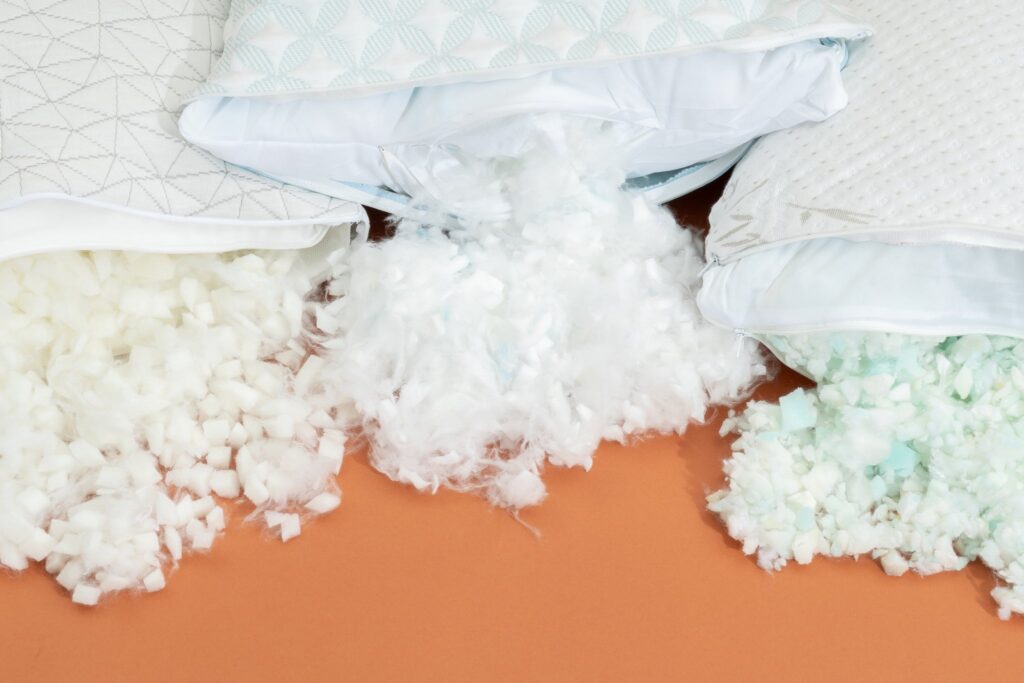
Recycled Fiber Filling
Certification: GRS certified
What it is: PP cotton equivalent from post-consumer recycled materials
Marketing claim: ‘100% recycled filling’
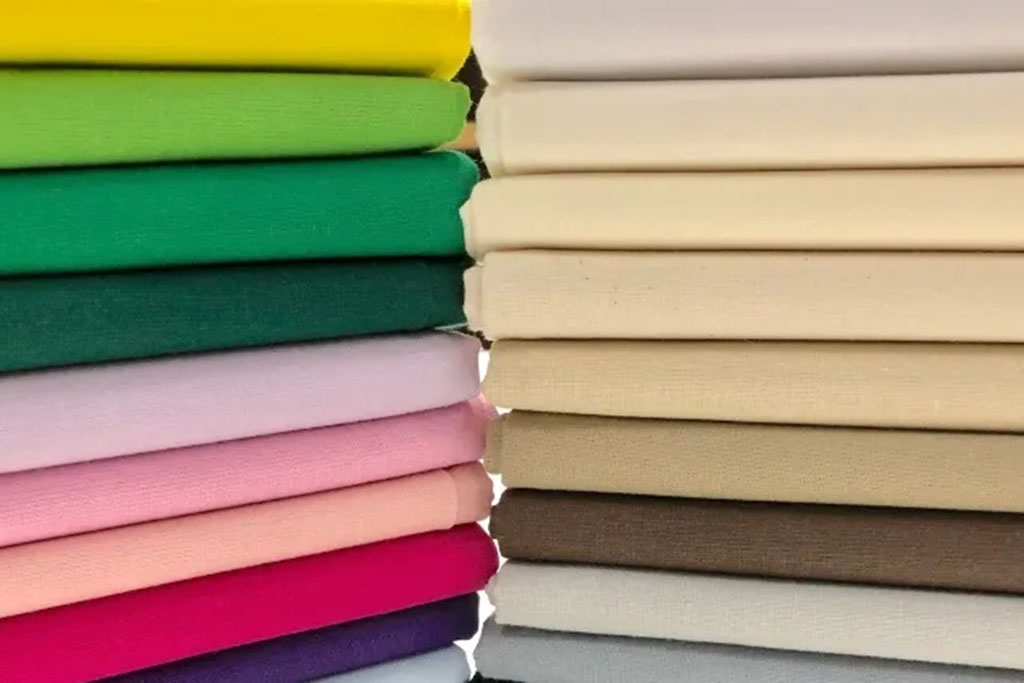
OEKO-TEX Class I Fabric
Certification: OEKO-TEX Standard 100
What it is: Fabric tested for 100+ harmful substances
Marketing claim: ‘Certified free from harmful substances’
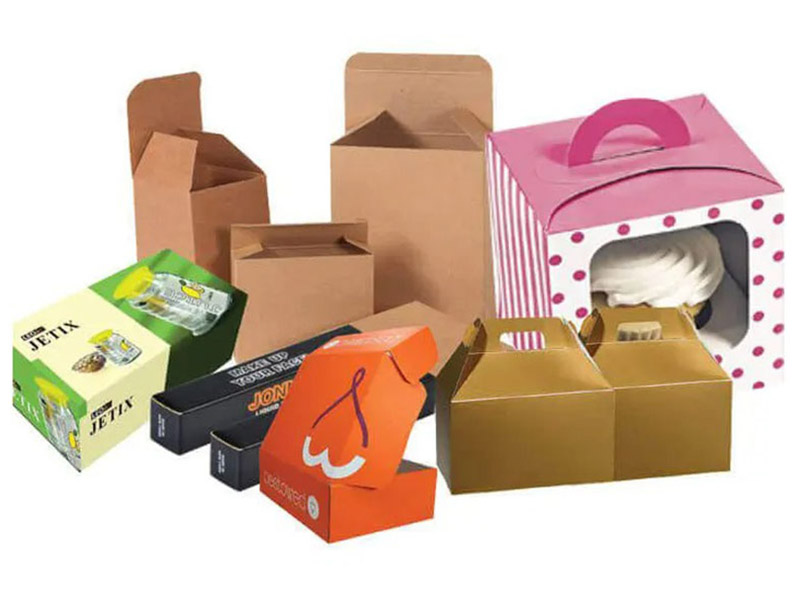
FSC Certified Packaging
Certification: Forest Stewardship Council
What it is: Paper packaging from responsible forests
Marketing claim: ‘FSC certified packaging’
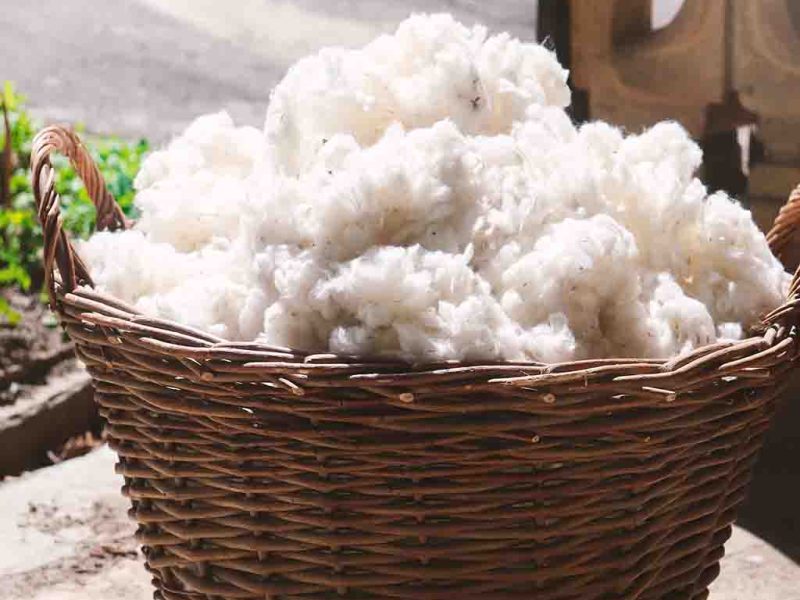
Organic Cotton (where applicable)
Certification: GOTS
What it is: Organic cotton fabric for specific products
Marketing claim: ‘Made with organic cotton’
A fully eco charity plush — RPET fabric, recycled fiber filling, FSC packaging — with OEKO-TEX certification and GRS certification allows a conservation charity to legitimately market: ‘Our plush toys are made entirely from recycled materials, certified by GRS. Each toy diverts approximately 5 recycled plastic bottles from landfill.’ This messaging authentically aligns product and cause.
Designing an Effective Cause Character
Designing an Effective Cause Character
A charity plush toy’s character design must simultaneously communicate the charity’s mission, appeal emotionally to the supporter demographic, and work commercially as a fundraising product. These three goals inform every design decision.
Mission Communication Through Design
The character should visibly embody the cause. A conservation charity protecting rainforests should consider characters featuring rainforest species. An ocean charity should consider marine characters. A children’s literacy charity might develop an animal character associated with books or learning. The connection between the character and the mission should be immediately apparent to a supporter who knows the charity — strengthening the emotional association between gift and cause.
Character Appeal Across Supporter Demographics
Charity plush buyers span a wide demographic — children who receive them as gifts, adults who buy them as donations, corporate partners who give them in bulk. A successful cause character must appeal across this range. The most universally effective design principle: a character that is recognizable as the cause’s species or mission representative, rendered in the ‘cute’ design formula (larger eyes, round proportions, soft coloring) that has broad demographic appeal without being specifically child-targeted.
The Hang Tag as Mission Carrier
The hang tag is the most underutilized design element in charity plush — and one of the most valuable. A well-designed charity hang tag transforms a plush toy purchase from a transactional moment into a story experience. It can carry: the character’s name and backstory, the specific conservation or social impact the purchase funds, measurable impact statements (‘your purchase funds X days of Y’), a QR code linking to more information, and a dedication message space for gifting.
Safety and Compliance for Charity Plush Programs
Safety and Compliance — No Exemption for Charitable Status
Charity organizations have the same legal obligations for product safety as commercial toy manufacturers. A plush toy sold or distributed by a charity must meet all applicable toy safety regulations — this is not an area where charitable status provides exemption.
- EU/UK fundraising plush: CE marking and EN71 Parts 1-3 required if distributed to children or sold in toy/gift context
- US fundraising plush: ASTM F963 and CPSC CPC required if sold or distributed as children’s products
- Direct distribution to children: under-3 safety certification as standard for vulnerable children programs
- OEKO-TEX Class I: required for all charity plush intended for children — KINWIN’s standard
- Charity procurement requirements: many corporate donors and foundation funders require ESG-compliant manufacturing documentation from charities they support — KINWIN’s BSCI/SMETA certifications provide this
KINWIN provides the complete compliance documentation package with all charity plush programs — formatted for charity procurement requirements, retail sale compliance, and donor reporting.
Collector Series Programs for Charity — Turning One Purchase into Many
Collector Series Programs — The Most Financially Powerful Charity Plush Model
The most financially powerful charity plush model is a collector series — multiple characters from the same cause universe, released in sequence, designed to be collected as a set. Collector behavior converts one-time supporters into repeat donors and creates a community of engaged advocates around the cause.
- Annual series: one new character per year — creates anniversary purchasing occasions and long-term supporter engagement
- Ecosystem series: all species from a specific threatened ecosystem — Amazon rainforest, Great Barrier Reef, Arctic — drives educational engagement alongside fundraising
- Seasonal series: characters in seasonal outfits or seasonal cause-relevant themes — Christmas edition polar bear for Arctic fund, summer edition sea turtle for ocean charity
- Chase/limited variant: a rare limited-edition variant within a series — 1-in-X ratio — drives outsized enthusiasm and social sharing among collectors
- Numbered certificates: individually numbered certificates of authenticity for limited edition charity plush — increases perceived value and collector appeal
Why Charities Choose KINWIN for Their Plush Programs
Why Charities Choose KINWIN for Their Plush Programs
✓ 17+ years supplying charity and non-profit plush programs globally
✓ Certified eco materials: RPET fabric, GRS recycled filling, FSC packaging — for conservation-aligned charities
✓ OEKO-TEX Product Class I on all fabrics — essential for child-focused charity programs
✓ Ethical manufacturing credentials: BSCI, SMETA, ISO 9001 — supports charity ESG reporting
✓ Full safety certification: CE, EN71, ASTM F963 — charity fundraising products fully compliant
✓ Low MOQ: 500 pieces — accessible for smaller charities and pilot fundraising programs
✓ Character design support: cause characters developed from charity brief — no external design agency needed
✓ Collector series planning: KINWIN coordinates multi-character series on annual production calendars
✓ Hang tag design guidance: supporting the story and impact messaging that makes charity plush compelling
✓ NDA protection for charity IP — your cause character is protected
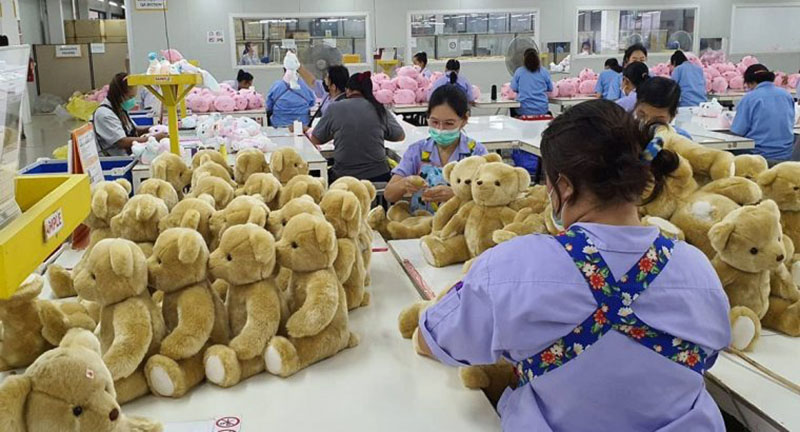
A charity plush toy is a cause in soft form — something a supporter can hold, share, and display. KINWIN manufactures the product worthy of the cause.
Frequently Asked Questions — Charity Plush Toys
Frequently Asked Questions — Charity Plush Toys
Q1. Can KINWIN manufacture plush toys entirely from recycled materials for conservation charities?
Yes. KINWIN offers a fully recycled materials plush option: GRS-certified RPET fabric (made from recycled PET plastic bottles), GRS-certified recycled fiber filling (post-consumer recycled materials), and FSC-certified paper packaging. All components carry their respective certifications, enabling charities to make verifiable sustainability claims. A standard 20-25cm RPET plush toy uses approximately 4-6 recycled plastic bottles in its fabric and filling — specific to the design and density specifications. KINWIN provides the GRS chain-of-custody certificates and transaction certificates with RPET orders, which charities can use to substantiate recycled content claims in fundraising materials and donor communications. The appearance and feel of RPET plush is functionally equivalent to standard plush at comparable specifications.
Q2. How does a donation-linked plush program work — where part of the sale price goes to the charity?
A donation-linked plush program — where a portion of each sale is donated to a charity partner — can be structured in several ways: (1) Charity as the seller: the charity itself sells the plush and keeps all proceeds minus manufacturing cost; (2) Corporate cause-marketing: a commercial brand sells the plush and donates a percentage to a charity partner — KINWIN manufactures the plush for the commercial brand, which manages the charity relationship; (3) Co-branded fundraiser: the charity and a corporate partner jointly market a co-branded plush — KINWIN manufactures it for whichever party is responsible for the order. KINWIN’s role is manufacturing the product to specification — we are not involved in the commercial arrangement between the charity and any commercial partner, but we can advise on hang tag messaging and labeling that correctly represents the donation relationship to consumers. All donation-linked charity plush receives the same full safety certification as standard KINWIN production.
Q3. What is the minimum order for charity plush and can smaller charities afford it?
KINWIN’s minimum order quantity is 500 pieces per design. For smaller charities, 500 pieces is typically achievable within a fundraising program’s first season if the product is priced correctly and distributed through the right channels. Guidance: a charity plush priced at $20-$25 selling 500 pieces generates $10,000-$12,500 in gross revenue before manufacturing costs — a meaningful fundraising contribution for most small charities. The key is realistic demand assessment before committing to the order. Channels that work for small charity 500-piece programs: charity website online shop (the most accessible), fundraising events (galas, charity runs, community events), charity shop retail, and major donor gift programs where the plush triggers significant donations. For charities genuinely unable to commit to 500 pieces from a new design, KINWIN’s ODM designs (existing character shapes with charity branding) may offer more accessible entry points — contact our team to discuss.
Q4. How should a charity brief KINWIN for a cause character that communicates the mission effectively?
An effective cause character brief for KINWIN includes: (1) Mission clarity — what is the specific cause the character should represent? (endangered species, vulnerable children, climate impact, animal welfare); (2) Target supporter profile — who is buying this? Children who receive it as a gift? Adults who donate? Corporate partners giving in bulk? The character must appeal to the actual buyer; (3) Existing brand identity — charity colors, fonts, existing mascots, visual style guide if available; (4) Character direction — animal, human, abstract? Realistic or cute/stylized? Any specific species or concept? (5) Storytelling intent — what story should the character tell? What emotion should supporting the cause feel like through this object? (6) Practical requirements — where will it be sold or distributed? What price point must it support? Any specific sizing, packaging, or material requirements? With these six elements, KINWIN’s design team can develop a character concept that genuinely represents the cause and functions commercially.
Q5. Can KINWIN help a charity understand what plush format will raise the most money for their cause?
Yes — KINWIN can provide product format and pricing guidance based on our experience with charity plush programs across multiple cause categories and markets. Our general guidance: the standard character format (20-25cm) at a $20-$35 price point generates the best combination of volume, margin, and accessibility for most charity fundraising programs. Mini keychain formats at lower price points drive volume but lower per-unit fundraising value; premium formats at $50+ drive higher per-unit value but lower volume. The most financially powerful strategy for established charities: a collector series with multiple characters, where the first character launches the community and subsequent releases drive return purchases from engaged supporters. For donor recognition programs rather than fundraising retail, premium Minky fabric in gift box packaging consistently generates the highest donation-to-cost ratio by triggering larger donations than the plush cost. We are happy to advise on your specific program structure based on your cause, supporter profile, and distribution channels.
If You Can lmagine lt,We Will Create lt!
1.Tell Us What You Need
Tell us as specific as possible of your needs and share your idea.
2.Get Solution & Quote
We will work on the best solution according to yourrequirements,the specific quote will be provided within 24 hours.
3.Approve for Mass Production
We will start mass production after getting your approval.