
Best Stuffed Animals Manufacturer | Custom & Wholesale Stuffed Toys Factory In China
High-quality stuffed animals start with a factory that understands design accuracy, material safety, and scalable production. Here, brands, retailers, and IP owners get custom and wholesale stuffed toys built for real markets—clear communication, stable quality, and reliable delivery from China. From idea to mass production, every project is managed to reduce risk, shorten timelines, and support long-term growth.
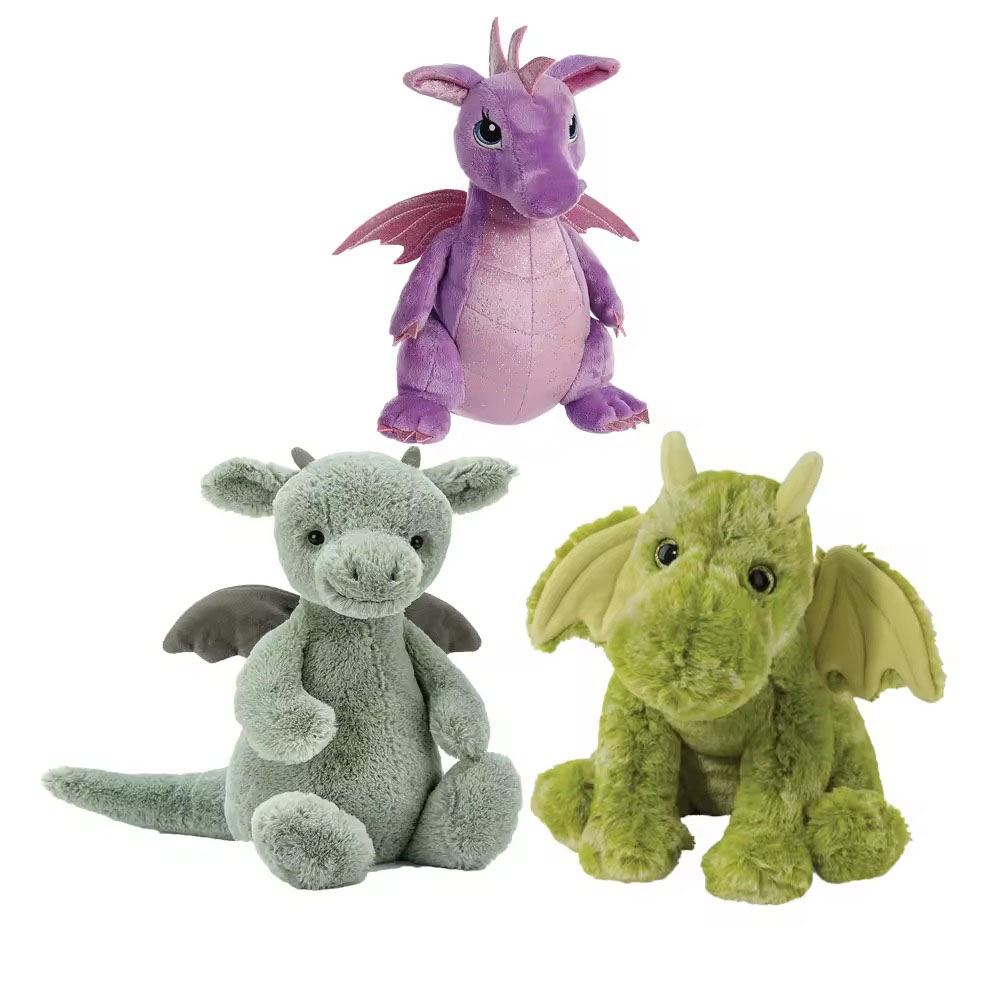
Factory-Direct Stuffed Toy Manufacturing: Save Up to 30% on Costs
Working directly with a stuffed toy factory removes unnecessary layers in pricing and communication. Factory-direct supply helps brands control costs, speed up decisions, and keep product quality consistent from sample to bulk orders—especially for custom and wholesale stuffed animals.
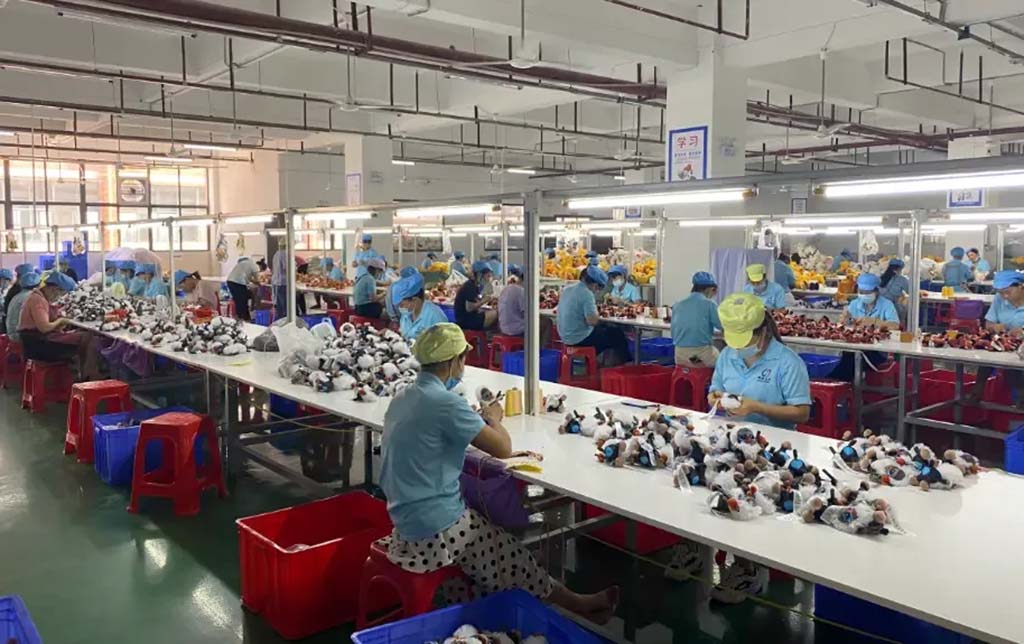
No Distributor Markups
Factory-direct pricing avoids agent and distributor margins, helping lower unit costs without reducing material or workmanship quality.
Direct Communication with Production Teams
Faster feedback between design, sampling, and production reduces mistakes and rework, saving both time and cost.
Better Cost Control from the Start
Early input on materials, structure, and processes helps optimize costs before production begins.
Flexible Order Planning
Direct factories support flexible quantities, packaging options, and production scheduling to avoid overstock and waste.
Stable Quality at Lower Total Cost
Standardized processes and in-house QC ensure consistent quality, reducing after-sales issues and hidden expenses.
Factory-direct sourcing means clearer pricing, faster execution, and more predictable outcomes.
Multi-Stage Quality Control System for Stuffed Toy Manufacturing (IQC / PQC / OQC)
Consistent quality is achieved through a structured quality control system applied at every critical stage of stuffed animal manufacturing. Instead of relying on final inspection alone, quality is managed from incoming materials to in-process production and final shipment. This multi-stage approach helps prevent defects early, reduce rework, and ensure every order meets approved standards.
Incoming Quality Control (IQC)
IQC focuses on inspecting all raw materials before they enter production, including fabrics, fillings, threads, and accessories. Checks cover material specifications, color accuracy, hand feel consistency, and basic safety requirements. Controlling quality at this early stage helps prevent hidden risks from affecting later production and ensures a stable foundation for mass manufacturing.
Process Quality Control (PQC)
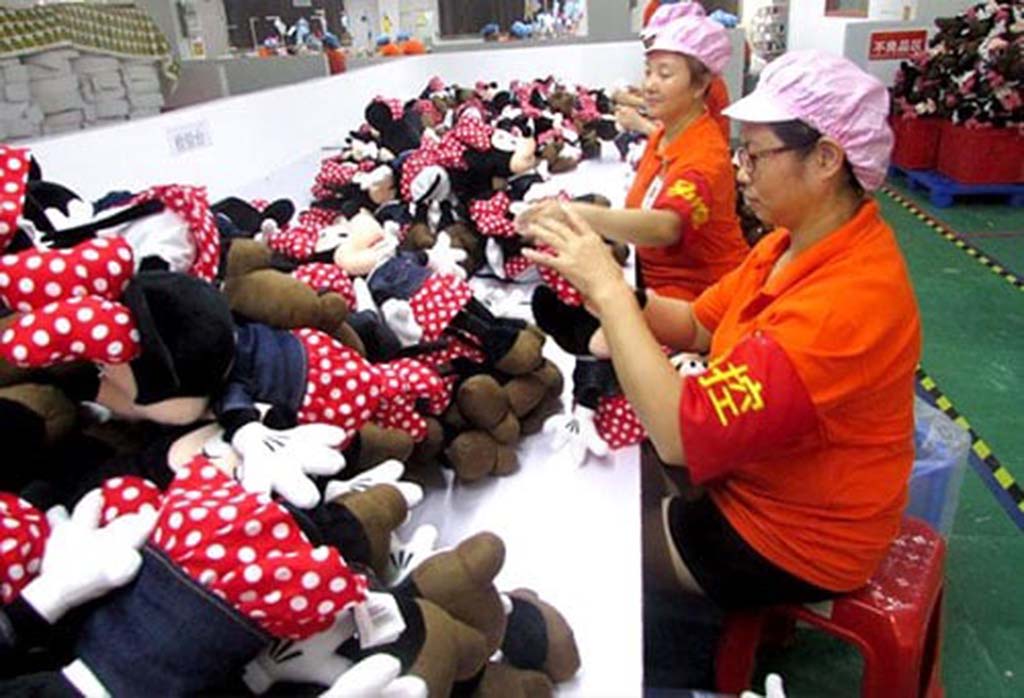
PQC is applied during the production process, covering cutting, sewing, assembly, and stuffing stages. Inspectors monitor workmanship, stitching strength, shape accuracy, and process consistency. Issues identified at this stage can be corrected immediately, preventing defects from reaching the final product stage and improving overall efficiency.
Outgoing Quality Control (OQC)
OQC is conducted before shipment to ensure finished stuffed animals match approved samples and specifications. This includes checks on appearance, function, packaging accuracy, and quantity. Only products that pass all OQC standards are approved for delivery, reducing the risk of customer complaints or returns.
A structured IQC–PQC–OQC system ensures quality remains controlled, predictable, and repeatable across every order.
Best-Selling Stuffed Animal Styles for Custom & Wholesale
These stuffed animal designs are proven performers across global markets. Each style focuses on one clear animal category, making it easier for brands to plan product lines, control development costs, and scale successful designs. Whether for retail, promotions, licensed programs, or long-term collections, these stuffed animals are frequently selected for custom and wholesale production.
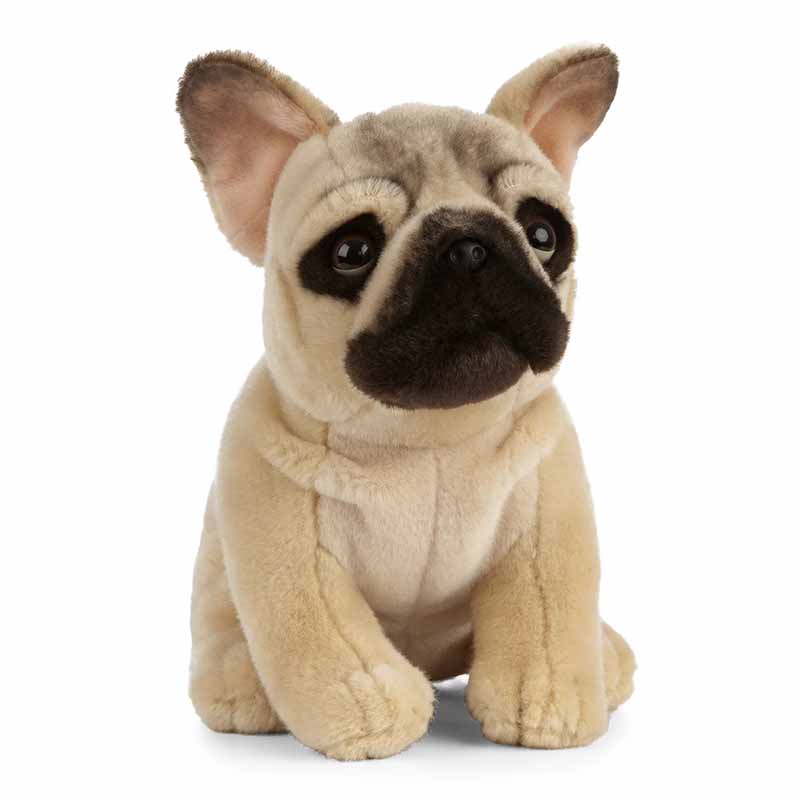
Dog Stuffed Animal
One of the most demanded stuffed animals worldwide, suitable for retail, promotions, and brand mascots.
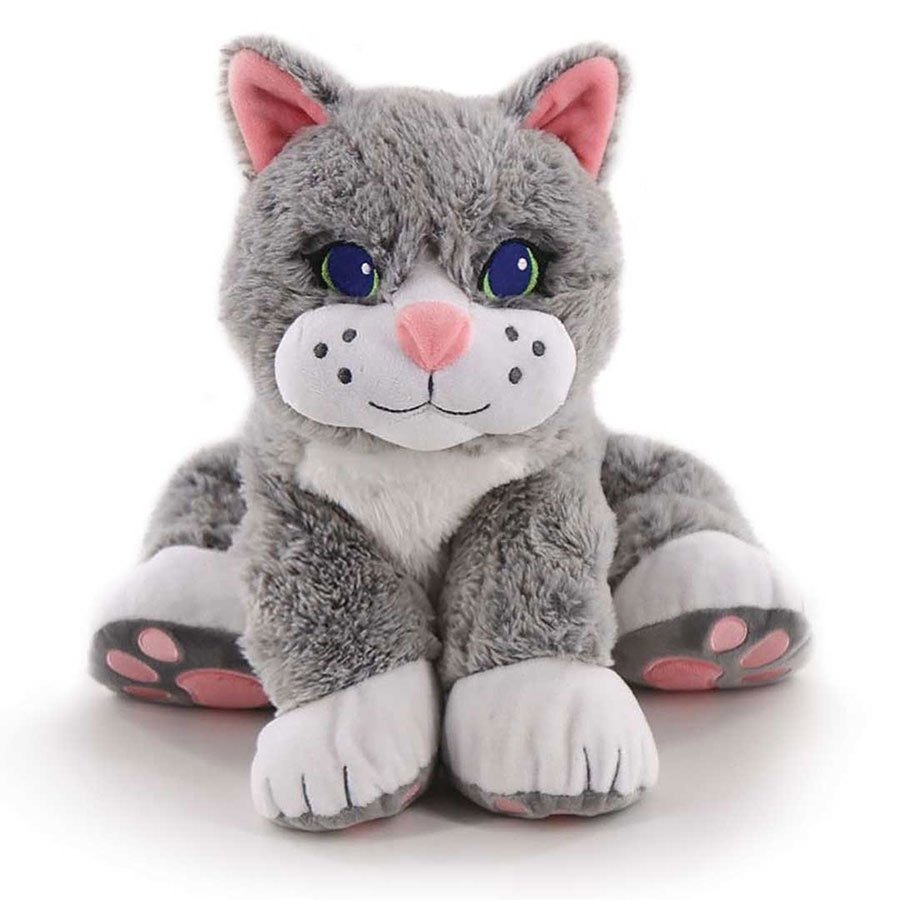
Cat Stuffed Animal
Soft and comforting designs popular with pet lovers and lifestyle brands.
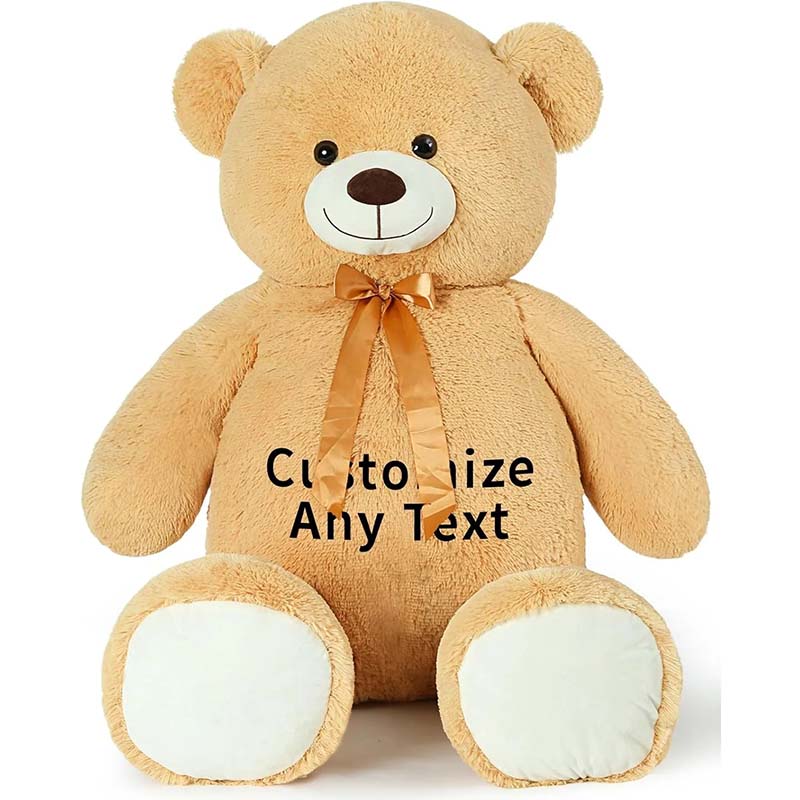
Teddy Bear Stuffed Animal
A classic stuffed animal widely used for gifts, events, and long-term collections.
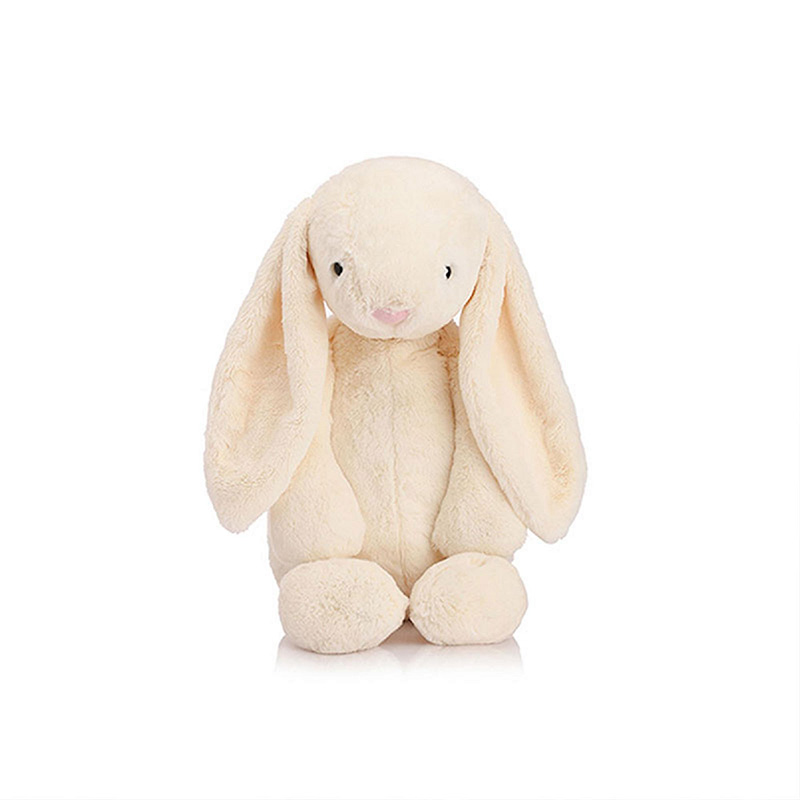
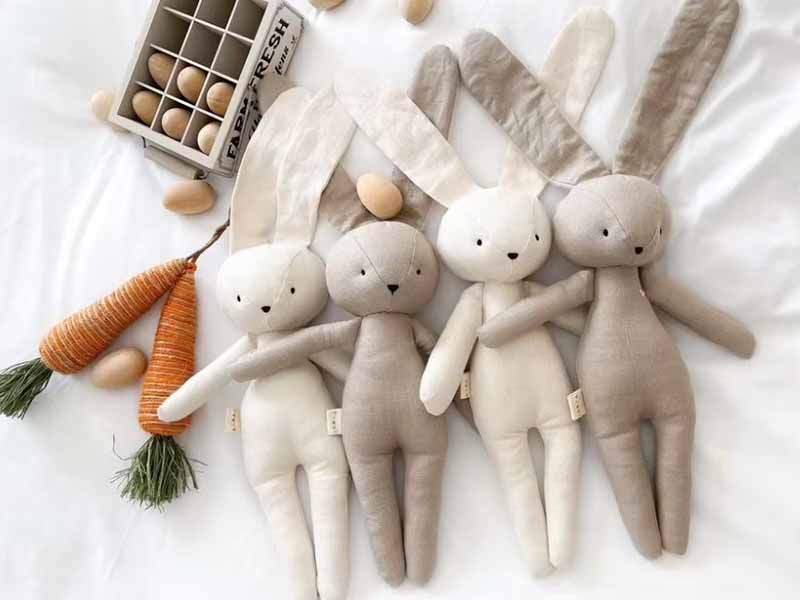
Rabbit Stuffed Animal
Cute and gentle shapes ideal for children’s products and seasonal promotions.
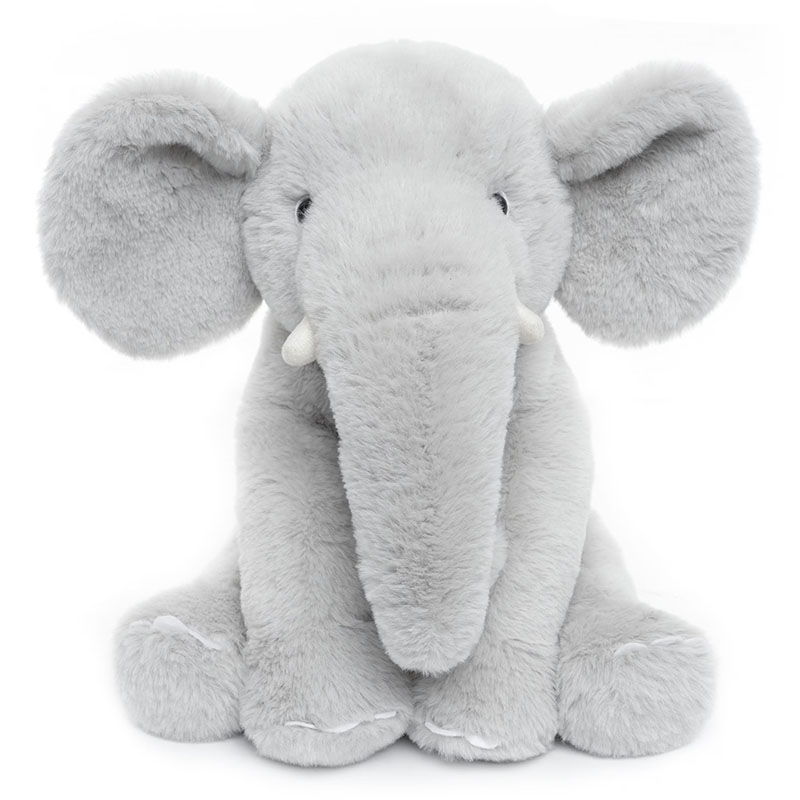
Elephant Stuffed Animal
Friendly and recognizable design often used for educational and gift markets.
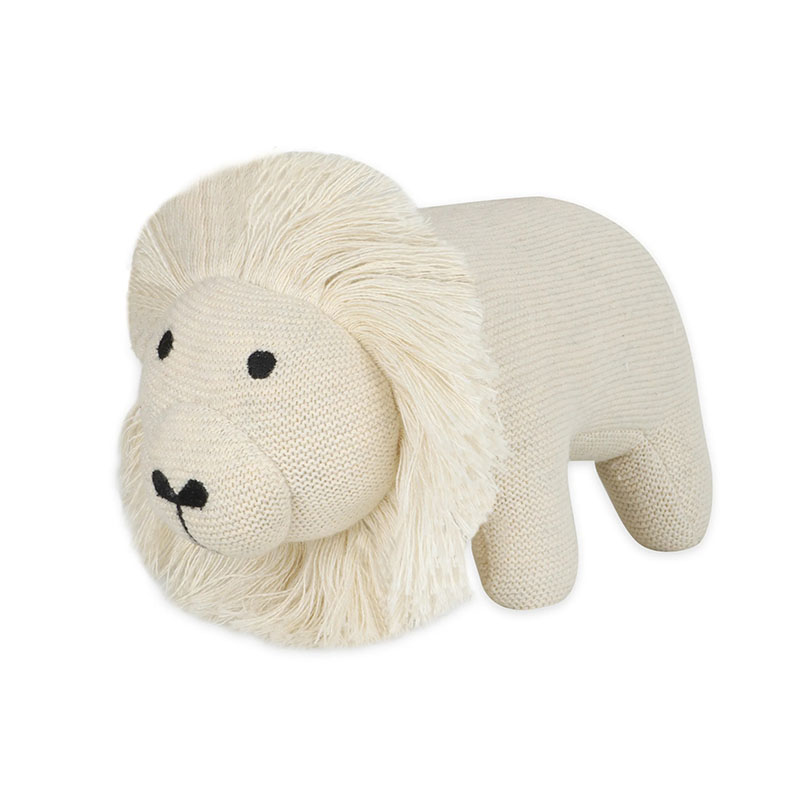
Lion Stuffed Animal
Strong visual identity, suitable for themed collections and zoo retail channels.
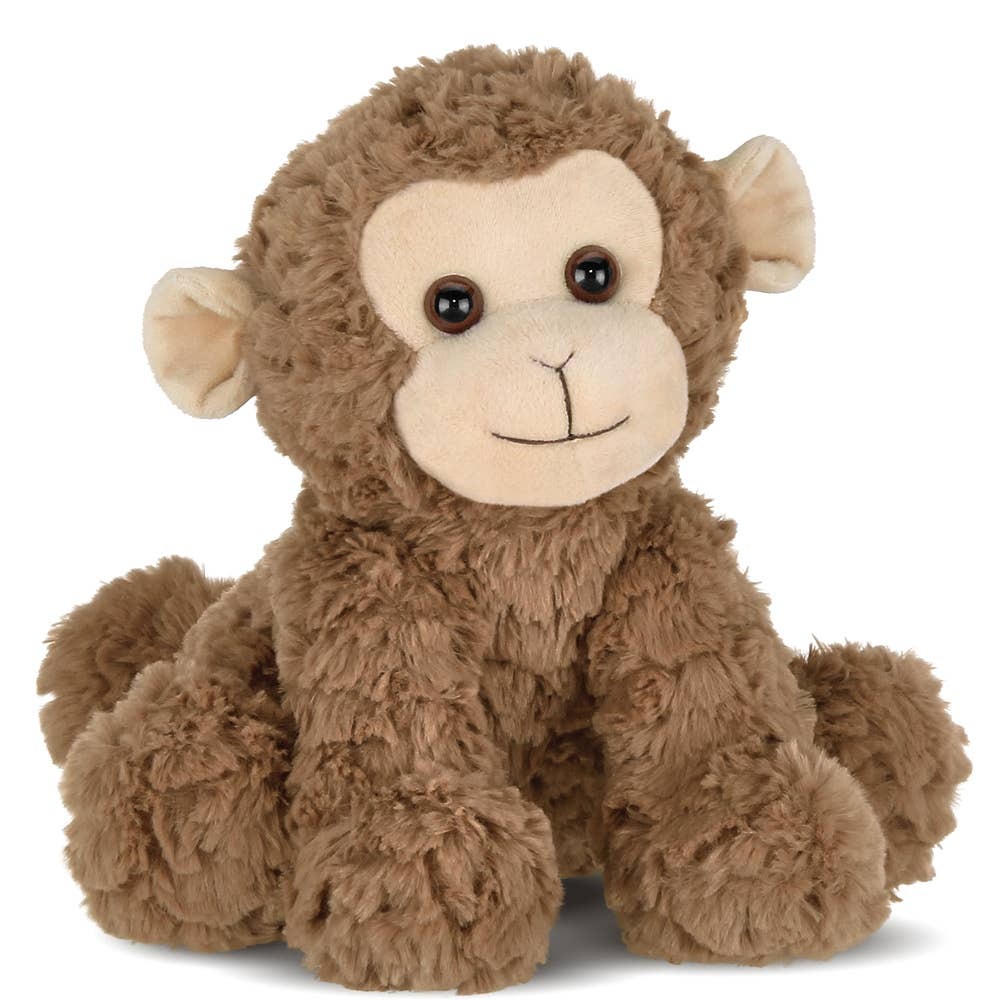
Monkey Stuffed Animal
Playful and expressive styles favored in youth-focused and interactive products.
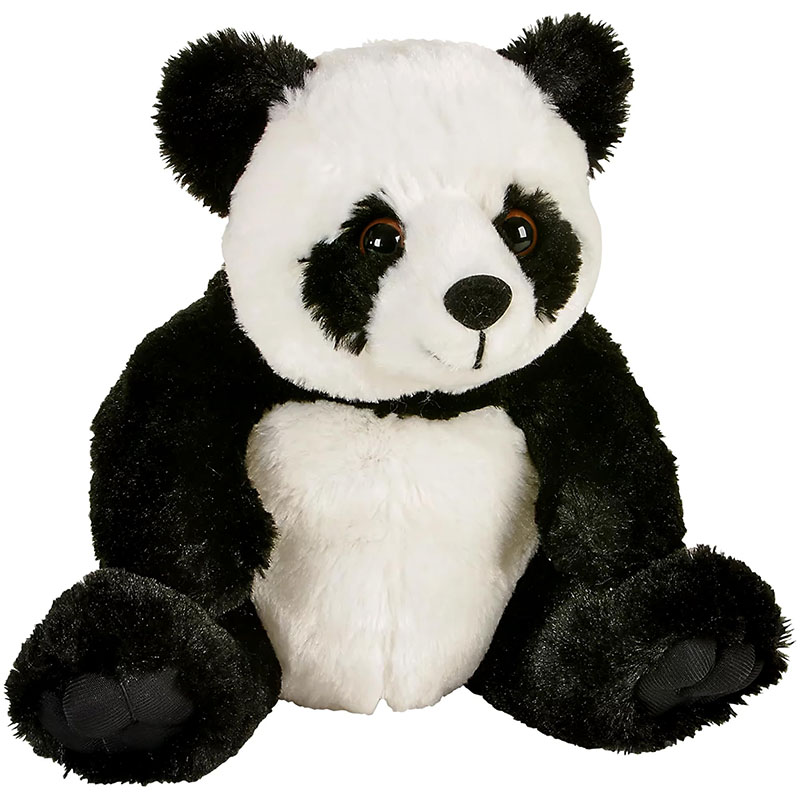
Panda Stuffed Animal
Globally loved animal with strong appeal in gift and IP-based programs.
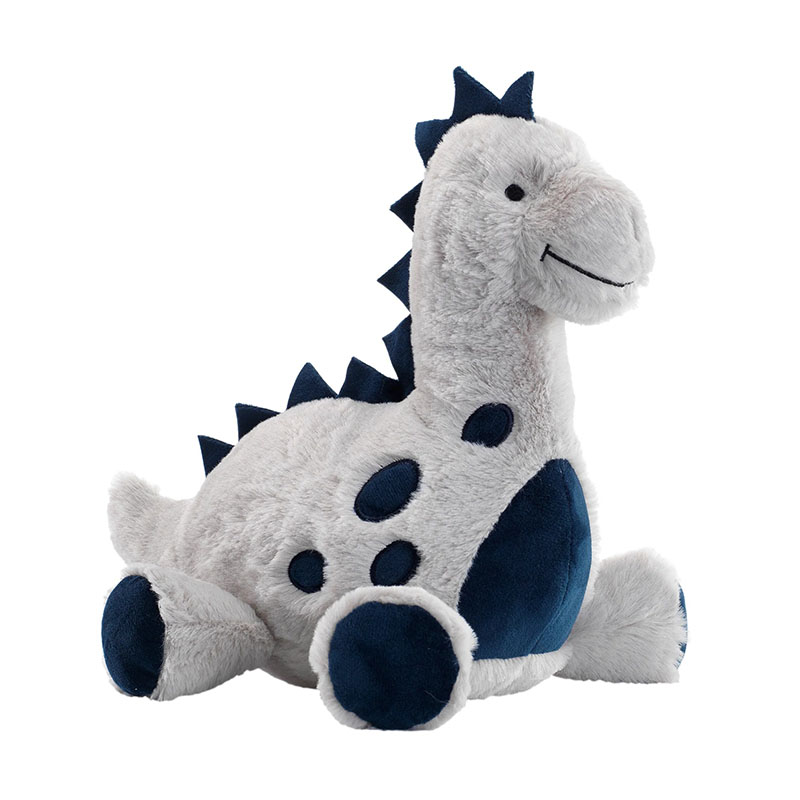
Dinosaur Stuffed Animal
Eye-catching designs popular in children’s and novelty markets.
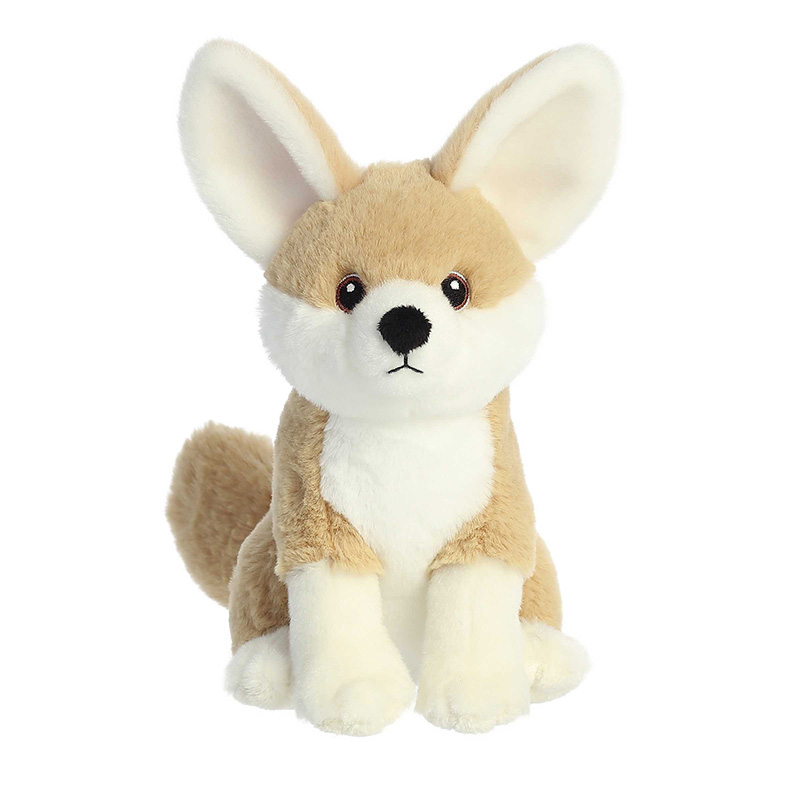
Fox Stuffed Animal
Modern and stylish animal design used by boutique and lifestyle brands.
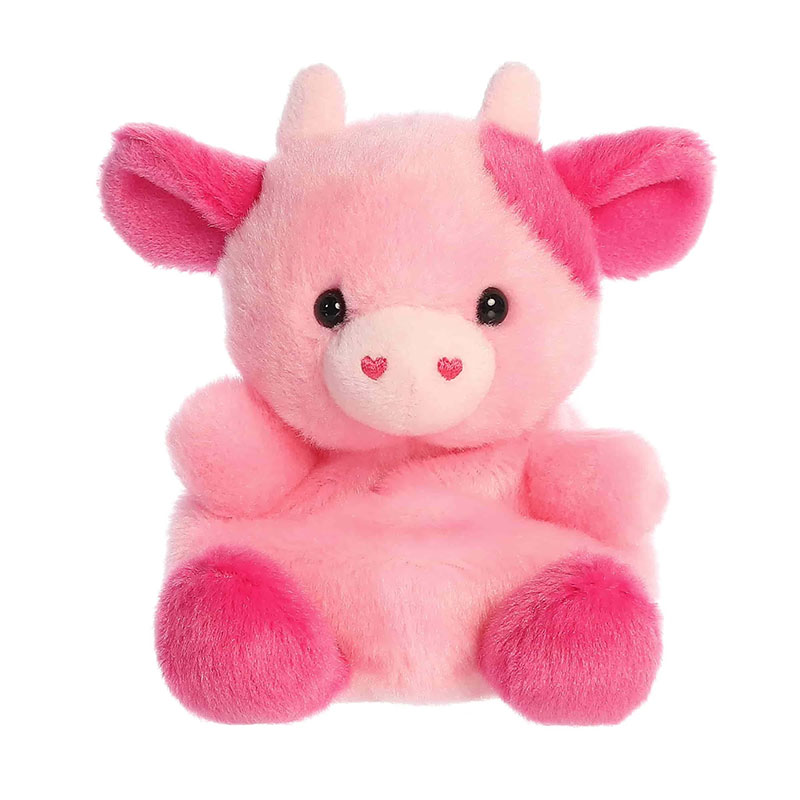
Cow Stuffed Animal
Friendly farm animal style used for early education and gift sets.
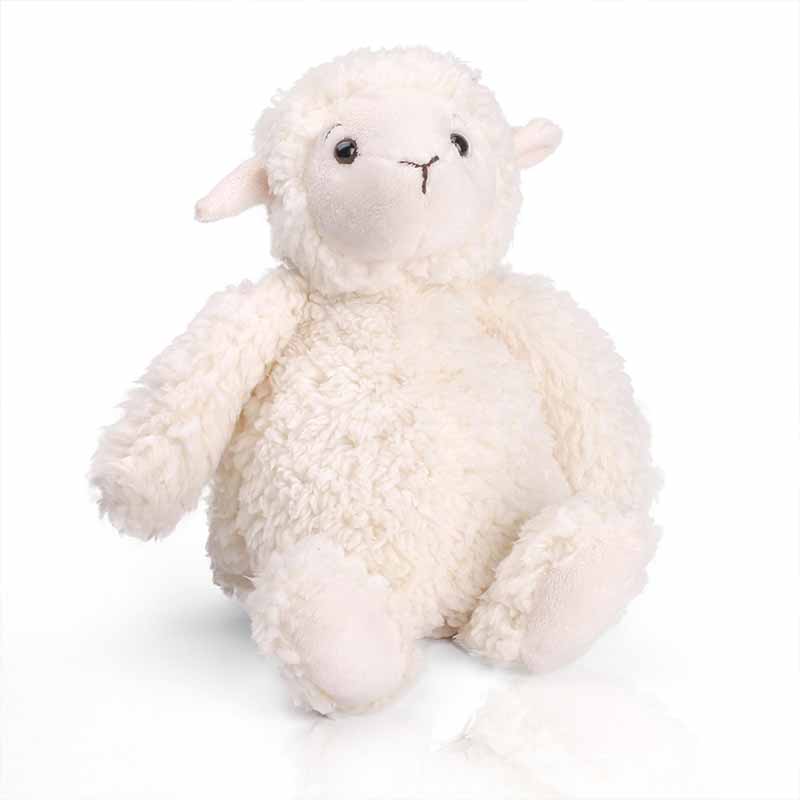
Sheep Stuffed Animal
Soft and calming design ideal for baby and comfort-oriented products.
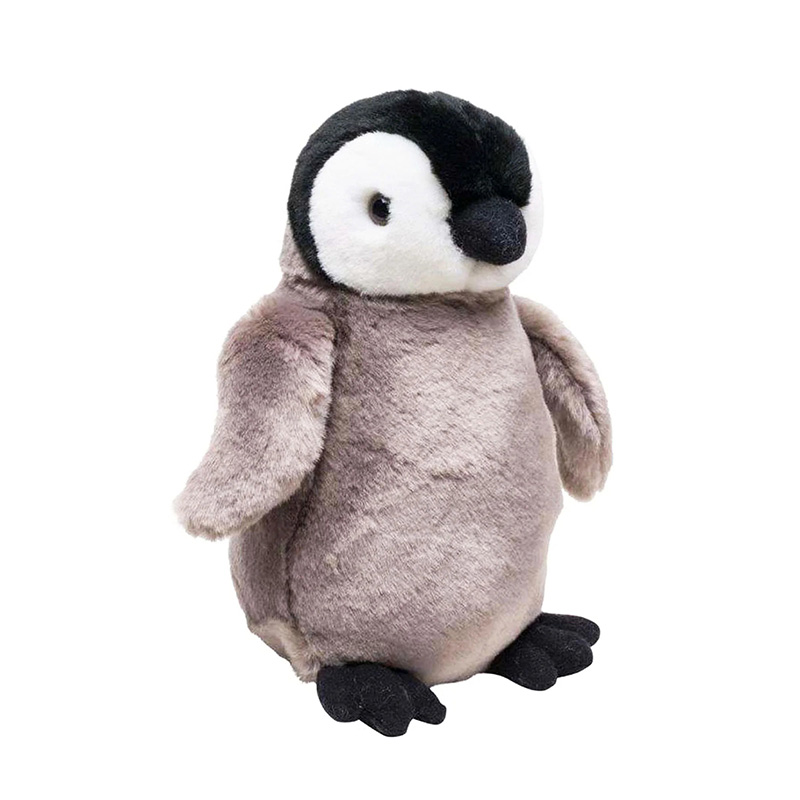
Penguin Stuffed Animal
Cute and compact shape popular in souvenir and gift shops.
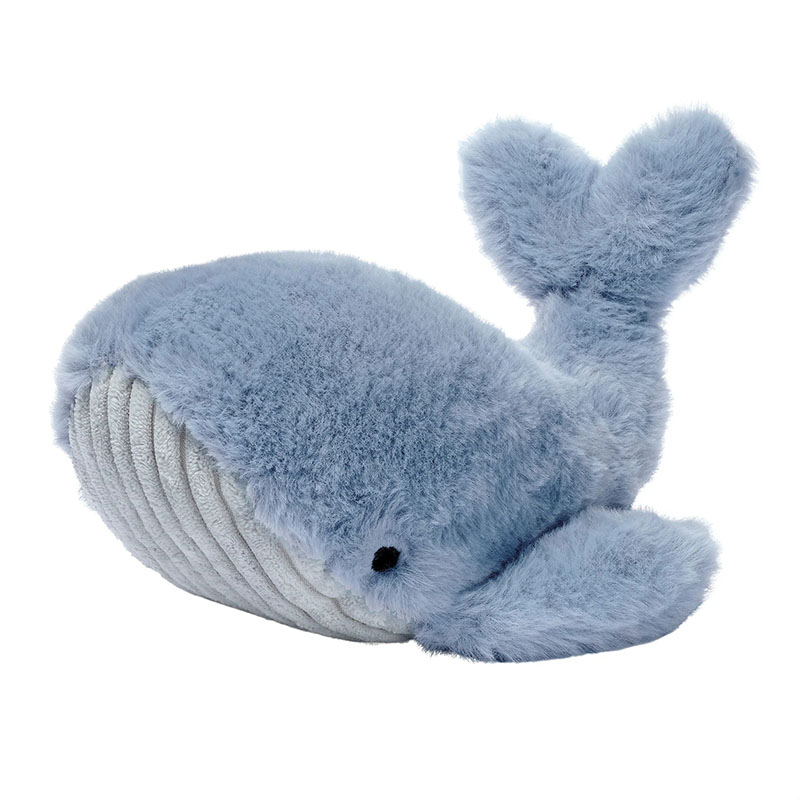
Whale Stuffed Animal
Ocean-themed stuffed animal used in educational and lifestyle collections.
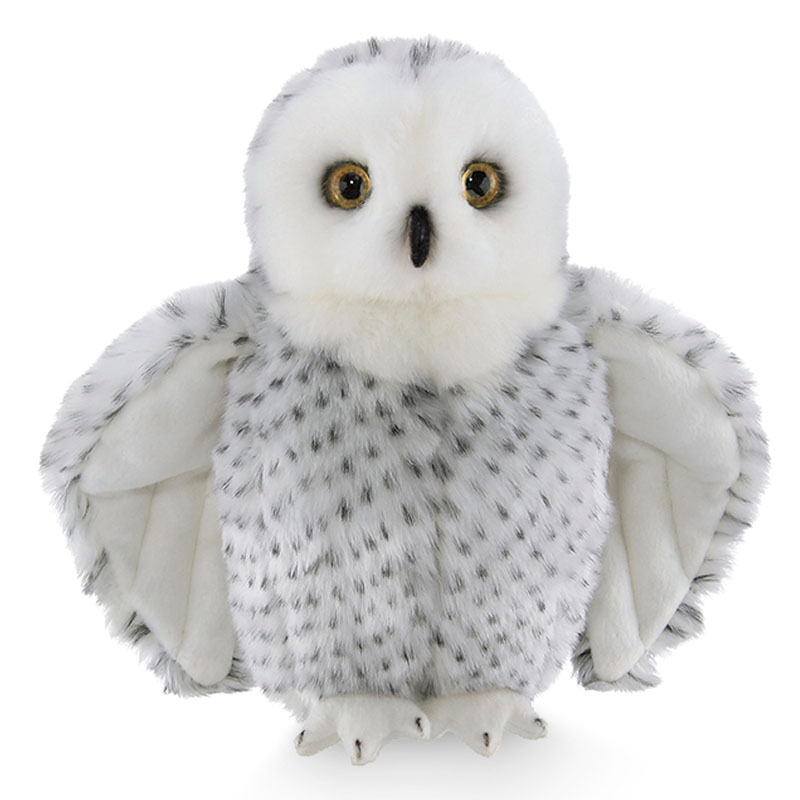
Owl Stuffed Animal
Distinctive animal design often used for learning and decorative products.
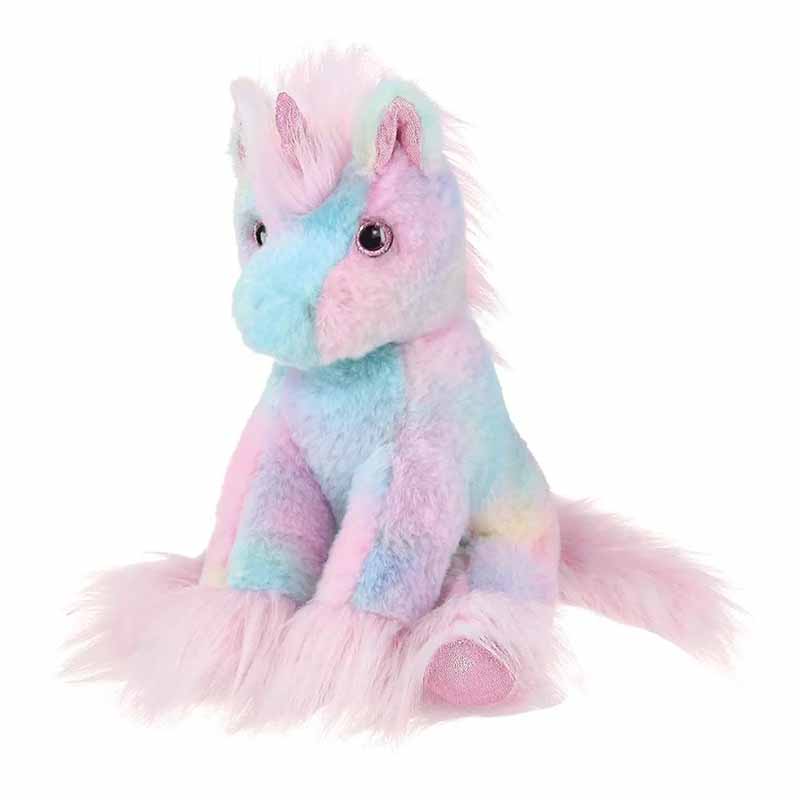
Unicorn Stuffed Animal
Fantasy-inspired stuffed animal with strong appeal in trend-driven markets.
Precision Plush Sample Room Showcase
This video gives a real look inside our plush sample room, where completed samples from different projects are carefully displayed. Each sample reflects proven development experience across various structures, materials, and design requirements. The sample room demonstrates our ability to consistently turn ideas into production-ready plush toys with stable quality.
Common Mistakes in Custom Stuffed Animals — And How to Fix Them
Custom stuffed animals can look simple, but many projects run into delays, extra costs, or inconsistent quality because of avoidable mistakes. Below are the most common issues we see in custom and wholesale development—plus clear solutions that help brands move faster, reduce risk, and get results that match approved samples.
Providing Artwork Without Production Details
Problem: Many buyers send only a front-view image or simple artwork without size, side/back views, seam lines, embroidery placement, or accessory notes. This creates repeated questions, unclear expectations, and multiple sampling rounds, delaying launch and increasing costs.
Solution: Provide a simple spec pack: target size, 2–3 view angles (front/side/back), key dimensions, color references (Pantone if possible), embroidery/printing notes, and accessory placement. If you only have a concept, a structured design review and a quick feasibility checklist can turn it into production-ready specs.
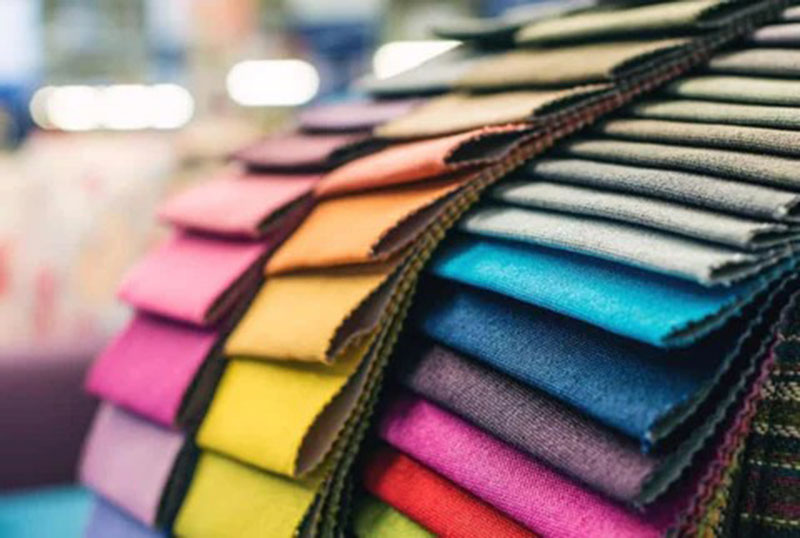
Choosing Fabric by “Look” Instead of Performance
Problem: Selecting materials only based on appearance can cause unexpected issues—pilling, color migration, weak seams, or a feel that doesn’t match the market定位 (baby-safe vs. gift vs. promotional). Wrong fabric also increases defect rates in sewing and makes bulk quality inconsistent.
Solution: Decide materials based on use-case and market rules: age grade, softness level, durability requirements, wash needs, and compliance. Confirm fabric type (short pile, long pile, velboa, faux fur) plus GSM/weight, colorfastness expectations, and test plan before sampling.
Ignoring Structure and Pattern Feasibility
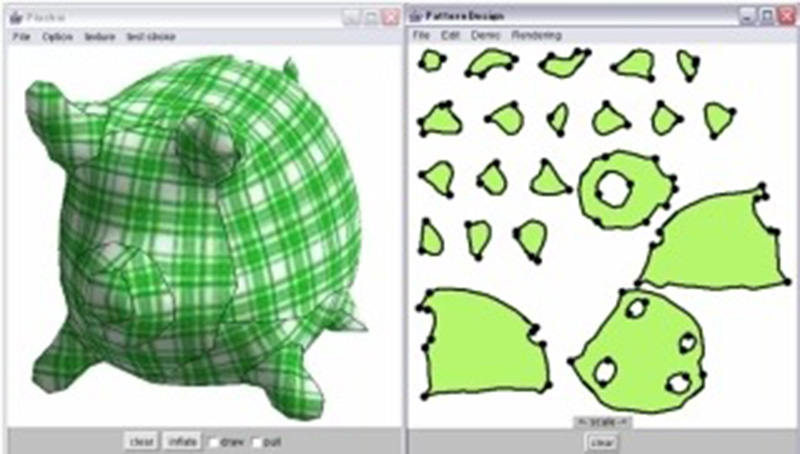
Problem: Some designs look great in 2D but fail in 3D plush form—thin limbs collapse, heads cannot hold shape, or proportions change after stuffing. When structure is not engineered early, samples require major pattern changes and repeated approvals.
Solution: Do early structure engineering: define internal seam strategy, gussets, darts, and reinforcement points. For complex shapes, use pattern mockups and clear tolerance ranges (e.g., ±5mm) so sampling focuses on controllable corrections instead of full redesign.
Unclear Quality Standard: “Like the Sample” Isn’t Enough
Problem: Many buyers approve samples visually but do not define measurable standards. In bulk orders, small differences (stitch density, embroidery size, firmness) become disputes, causing rework, delayed shipping, or claims.
Solution: Turn “approved sample” into written standards: key dimensions, weight range, filling firmness, embroidery size tolerance, stitch density, accessory pull strength expectations, and packing requirements. Align these with IQC/PQC/OQC checkpoints to make bulk output predictable.
Underestimating Accessories and Safety Risks
Problem: Eyes, magnets, zippers, hangtags, and sound modules add complexity. Without early safety planning, projects face redesigns (e.g., changing plastic eyes to embroidery), failed tests, or delays for compliance documentation.
Solution: Confirm accessory list early with target age grade and market rules. Use safer alternatives where needed (embroidered eyes for baby products), define pull force requirements, and plan compliance testing (EN71/ASTM/CE) before mass production.
Communication Gaps Cause Revisions and Delays
Problem: Slow response, unclear feedback, or mixed instructions across emails and chats often create sampling loops. Small misunderstandings accumulate into big delays, especially when multiple stakeholders approve designs.
Solution: Use one clear feedback channel and a revision checklist. Provide “must-change” items vs. “nice-to-have” items, confirm the latest version number, and approve changes in a structured way. A dedicated project manager and weekly progress updates help keep timelines under control.
OEM vs ODM for Stuffed Animals: How to Choose the Right Customization Model
Choosing between OEM and ODM is a strategic decision that affects development speed, cost structure, brand control, and long-term scalability. Understanding the differences helps brands select the most suitable customization model based on their current stage, resources, and market goals.
OEM is best suited for brands that already have clear designs, technical drawings, or licensed IP assets. You provide artwork, specifications, size details, and branding requirements, and production is executed strictly according to your instructions.
This model gives you full control over product appearance, brand identity, and intellectual property ownership. OEM is ideal for established brands, IP collaborations, or companies with in-house design teams that require high consistency across different batches, markets, and long-term product lines.
ODM is a practical choice for brands that want to shorten development time or reduce early investment. Based on proven stuffed animal structures and existing design libraries, customization focuses on size, fabric, color, accessories, and branding elements.
This approach lowers development risk, speeds up sampling, and helps brands enter the market faster. ODM works well for startups, seasonal collections, promotional projects, or test launches where efficiency and cost control are priorities.
The right choice depends on how much control, speed, and flexibility your brand needs at its current stage.
Turn Your Artwork into Custom Stuffed Animals
Artwork-based customization allows brands to turn ideas, sketches, or reference images into market-ready stuffed animals with clear direction and faster execution. This approach is ideal for brands that want strong design control while keeping development efficient and predictable.
Accepts Multiple File Types
Images, sketches, PDFs, or simple reference photos can all be used as starting points for customization.
Design Feasibility Review
Artwork is reviewed from a production perspective to ensure shapes and details are suitable for plush manufacturing.
Structure & Size Optimization
Proportions and internal structures are adjusted to keep the stuffed animal stable and well-shaped.
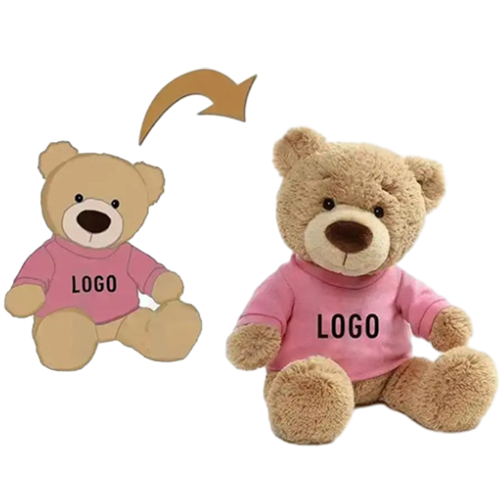
Material & Color Matching
Fabrics and colors are selected to closely match the artwork while meeting safety and durability needs.
Sampling Before Mass Production
Physical samples are made for review and approval before moving to bulk production.
Scalable for Wholesale Orders
Once approved, designs can be easily scaled for repeat or large-volume orders.
Clear artwork input helps shorten development time and improve final accuracy.
Precision Replication Accuracy
This video compares the original design with the finished plush product to clearly demonstrate replication accuracy. Key elements such as proportions, facial details, embroidery placement, color matching, and overall structure closely follow the approved design. With a replication accuracy of up to 95%+, this visual comparison proves our ability to turn designs into production-ready plush toys with minimal deviation.
Common Fabrics & Fillings for Stuffed Animal Manufacturing
Choosing the right fabric and filling combination helps balance touch, durability, safety compliance, and cost control. Below are the most commonly used materials for custom and wholesale stuffed animals, suitable for different markets, age groups, and product positioning.
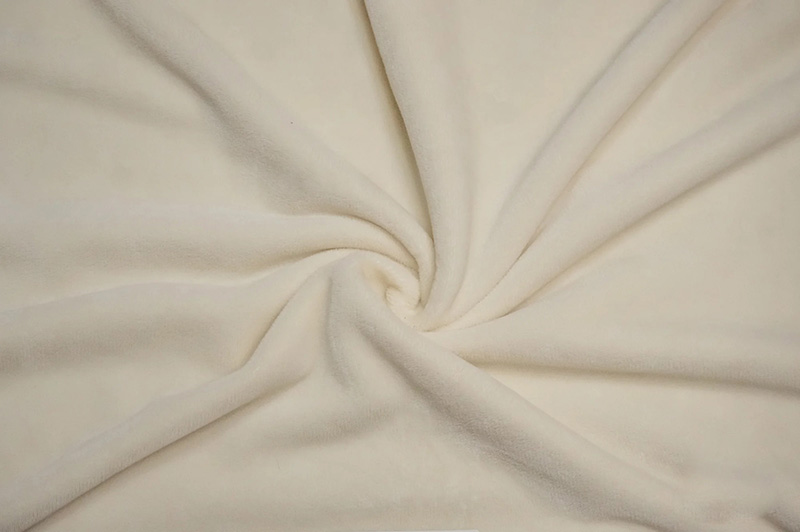
Short Pile Plush Fabric
A smooth surface with clear shape definition, easy to sew and maintain. Commonly used for cartoon-style stuffed animals, promotional toys, and licensed characters.
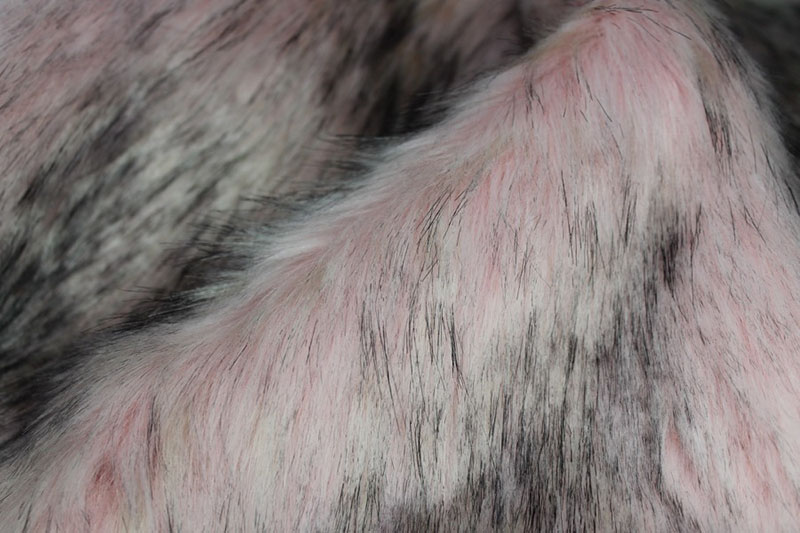
Long Pile Plush Fabric
Fluffy and soft with strong visual impact, ideal for comfort-oriented products such as teddy bears and gift stuffed animals.
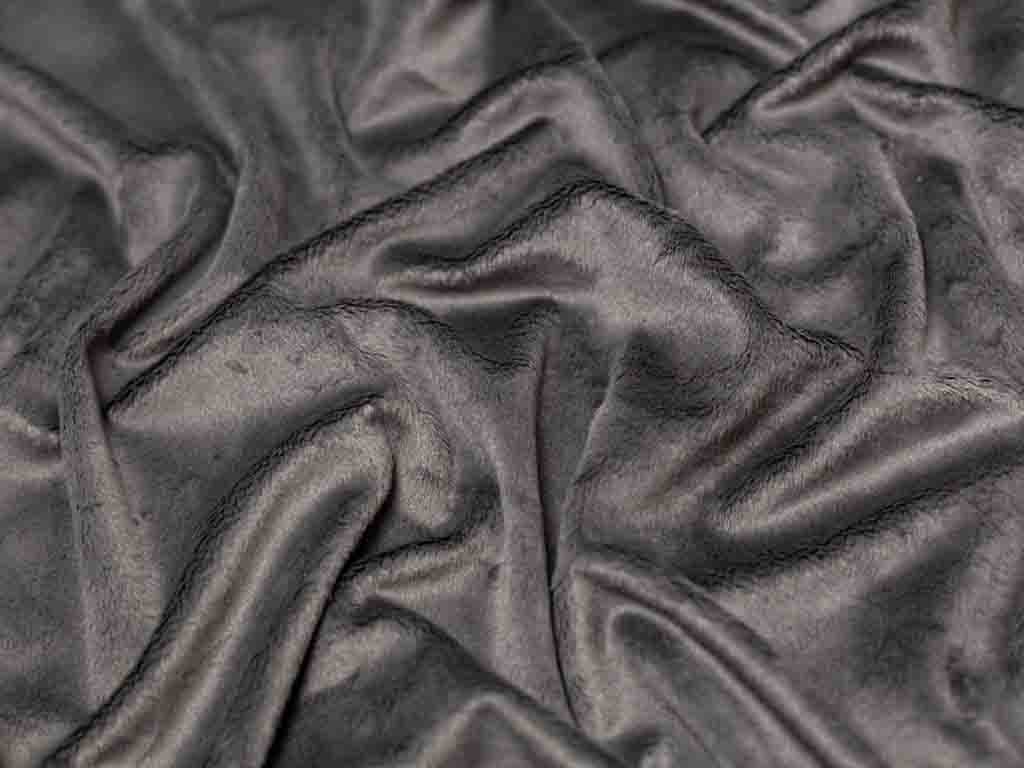
Velboa Fabric
Fine texture and stable color performance, suitable for detailed shapes, printed patterns, and animal textures.
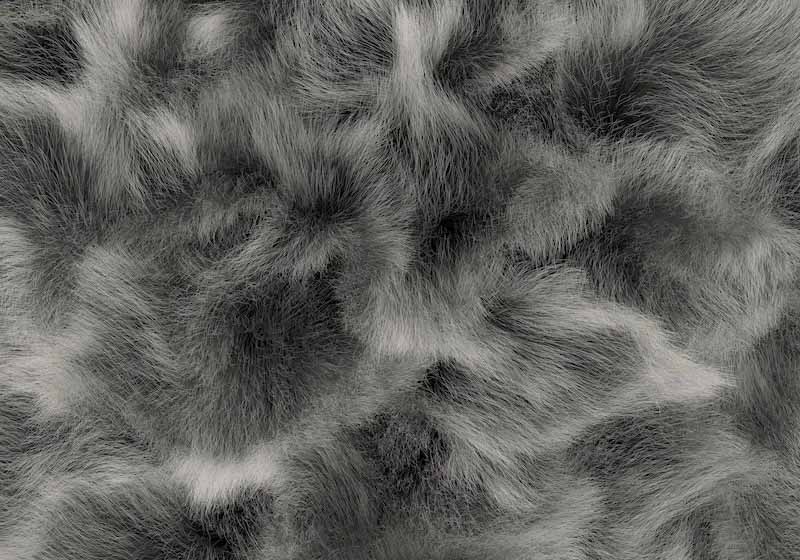
Faux Fur Fabric
Provides a realistic fur look and richer texture, often used for premium or realistic animal stuffed toys.
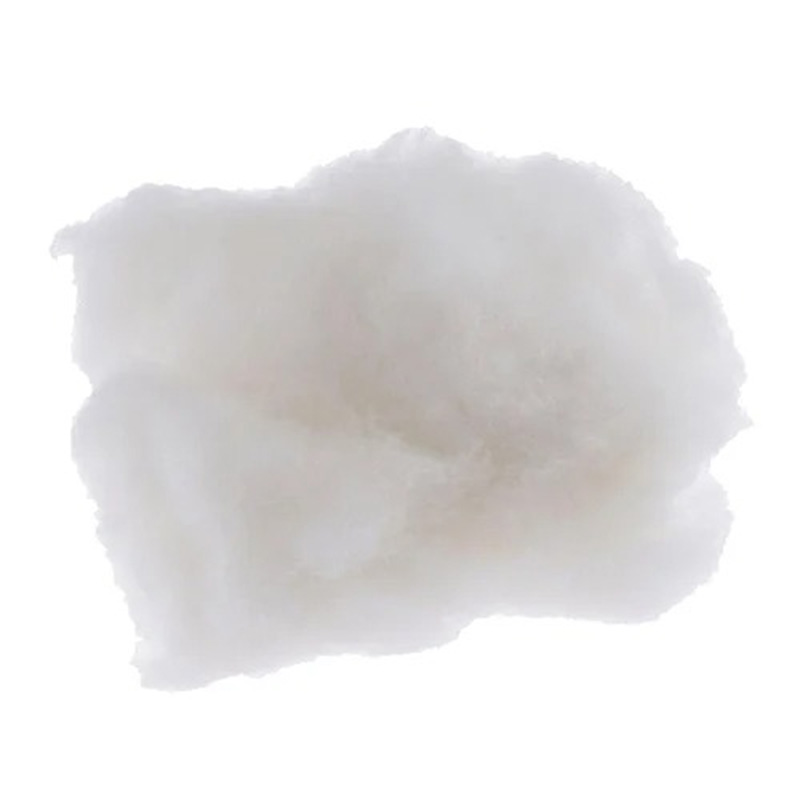
PP Cotton Filling
Lightweight, soft, and resilient, widely used for most stuffed animals to maintain shape and comfort over time.
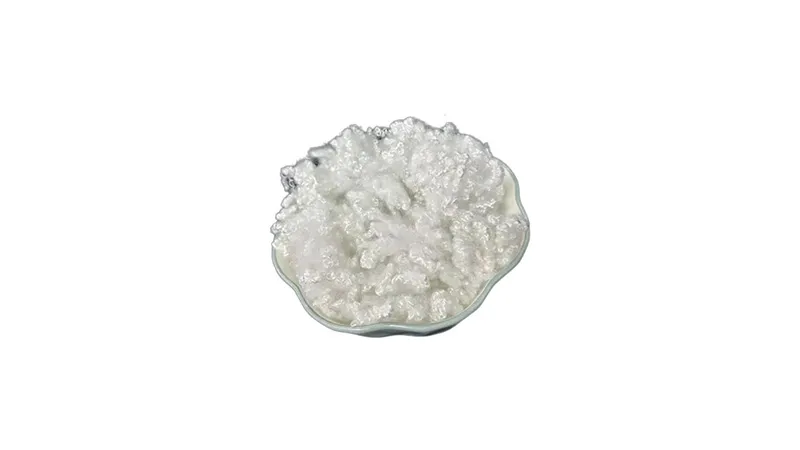
Recycled Polyester Filling
Eco-friendly filling option made from recycled materials, suitable for sustainable and green product lines.
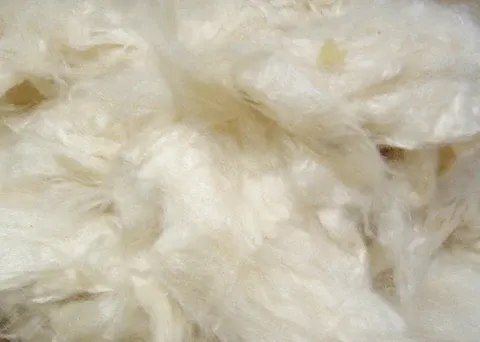
High-Density Cotton Filling
Provides firmer support and structure, often used for large stuffed animals or display-focused products.
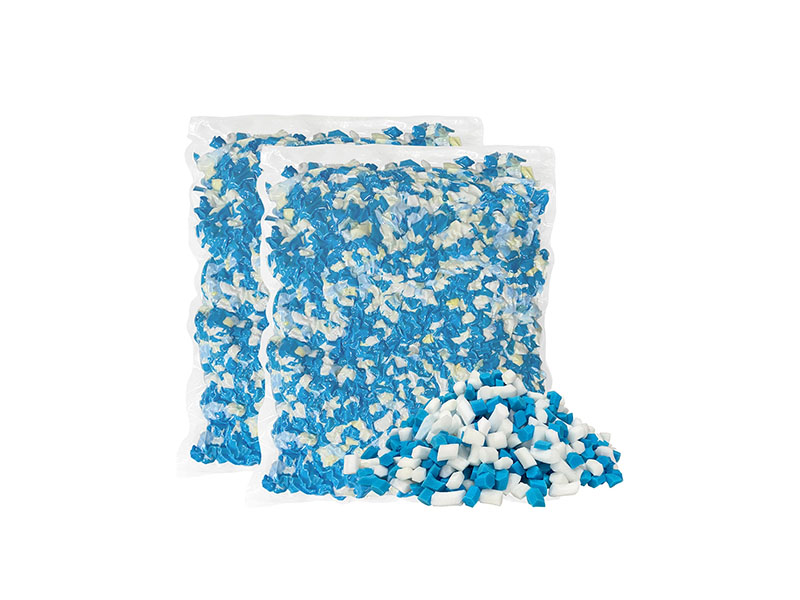
Memory Fiber Filling
Offers enhanced softness and recovery, commonly used in premium or comfort-focused stuffed animals.
Choosing suitable materials early helps reduce development revisions, improve safety compliance, and ensure consistent quality from samples to bulk production.
Our Customization Scope for Stuffed Animals
A clear customization scope helps brands turn ideas into sellable stuffed animals with less risk and better efficiency. From appearance to functional details, customization is structured to support different markets, brand styles, and sales channels—while staying scalable for wholesale production.
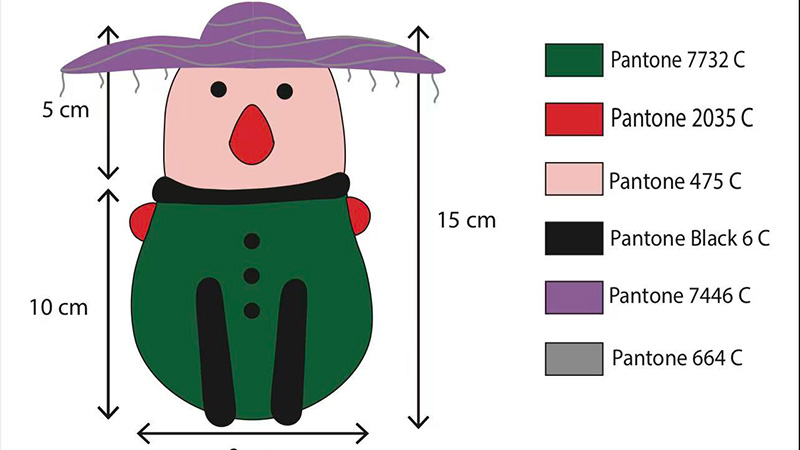
Animal Design & Appearance Customization
Animal shape, proportions, facial expression, color palette, and overall style can be customized to match brand identity, target audience, and market preferences.
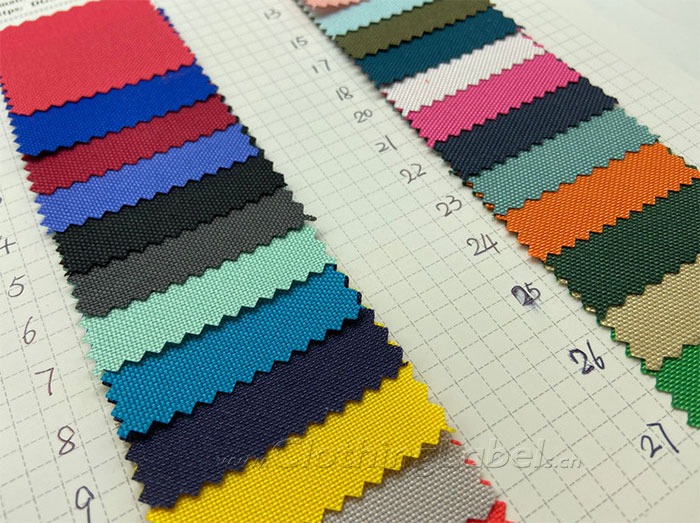
Material & Filling Customization
Fabrics and fillings can be selected or adjusted based on softness, durability, safety standards, sustainability goals, and cost targets.
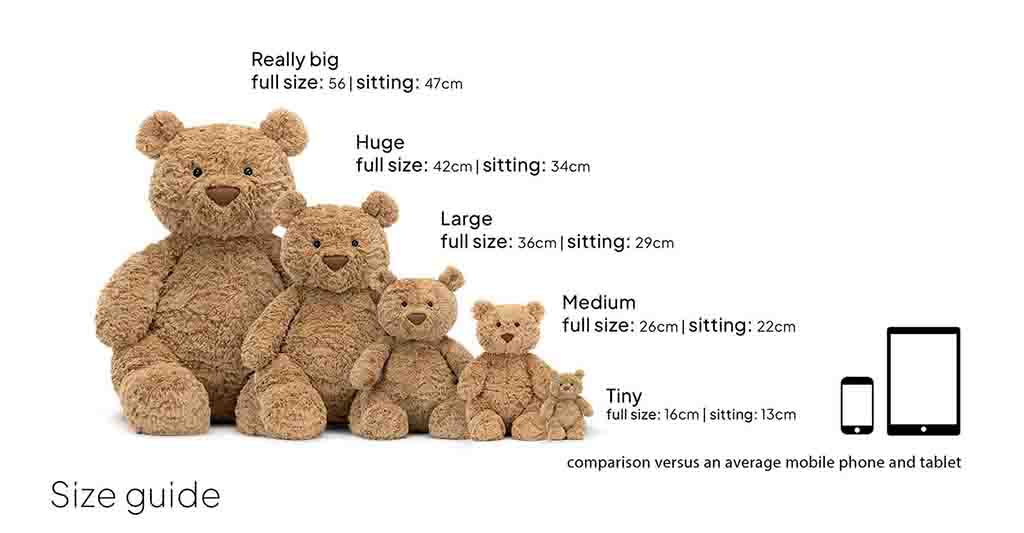
Size, Structure & Function Customization
Stuffed animals can be customized in size, internal structure, firmness, and functional elements to suit different usage scenarios and age groups.
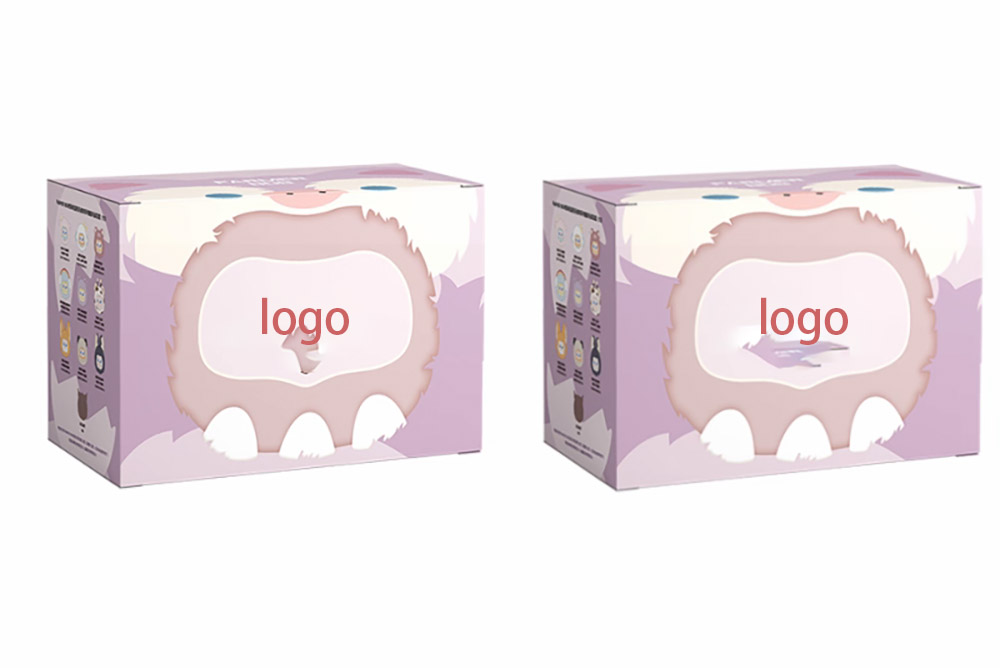
Branding & Packaging Customization
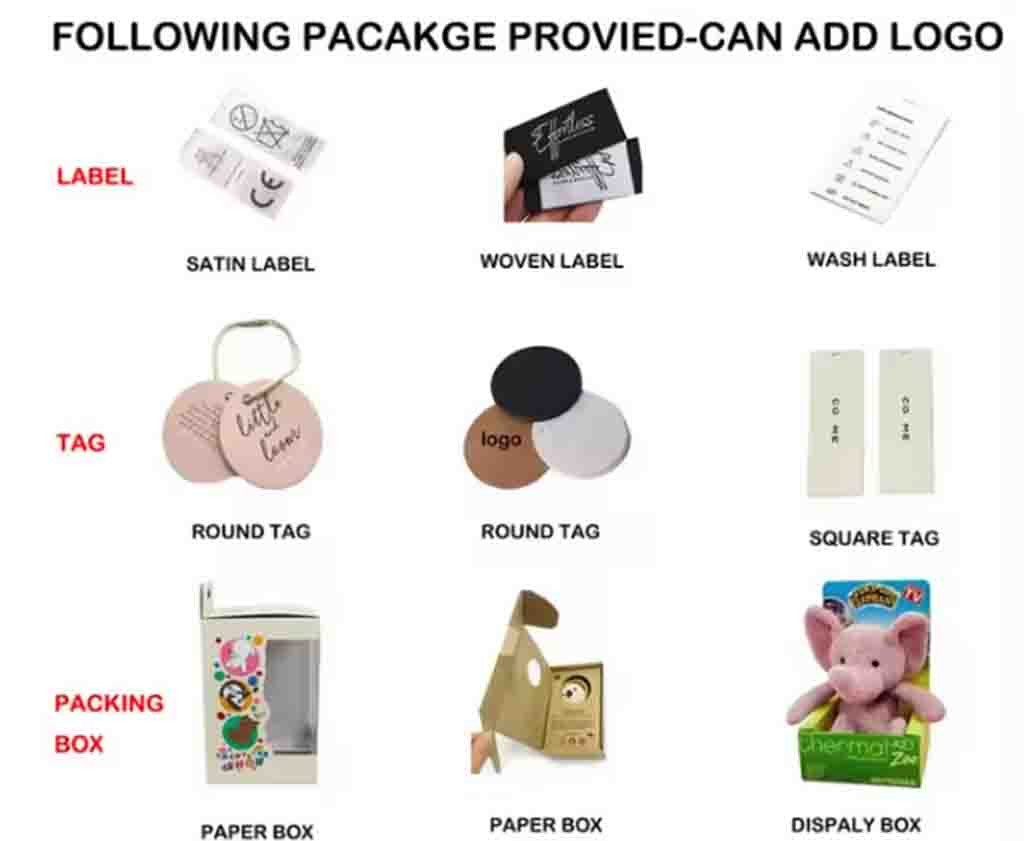
Logos, embroidery, labels, hangtags, and packaging options can be customized to strengthen brand recognition and retail presentation.
A well-defined customization scope makes development more predictable and easier to scale.
How Custom Packaging Increases the Perceived Value of Stuffed Animals
Packaging plays a much bigger role than simple protection. It directly affects how stuffed animals are perceived in terms of quality, brand value, and price positioning. Well-planned custom packaging helps products stand out in competitive markets, improves shelf performance, and creates a stronger emotional connection before customers even touch the toy.
Custom Printed Gift Boxes
Custom printed gift boxes significantly increase the perceived value of stuffed animals. Rigid or semi-rigid boxes allow brands to communicate story, character background, and usage scenarios through graphics and text. This type of packaging enhances the unboxing experience, making the product feel intentional and premium. It is especially effective for gift-focused markets, IP collaborations, and holiday collections where presentation strongly influences purchasing decisions and price acceptance.
Branded Polybags with Header Cards
Branded polybags combined with header cards offer a balance between cost control and professional presentation. The transparent bag allows customers to see the stuffed animal clearly, while the header card carries branding, product highlights, and compliance information. This packaging format works well for high-volume retail programs, supermarkets, and promotional products, helping maintain a clean brand image without significantly increasing unit cost.
Eco-Friendly Paper Packaging
Eco-friendly paper packaging made from recyclable or certified materials positions stuffed animals as responsible and forward-thinking products. This type of packaging appeals strongly to environmentally conscious consumers and retailers. Beyond sustainability, paper packaging can also deliver a clean and refined aesthetic, helping brands communicate values while meeting the growing environmental requirements of global markets.
Vacuum Packaging with Branded Outer Boxes
Vacuum packaging helps reduce shipping volume while keeping stuffed animals clean and protected. When combined with branded outer boxes, it allows brands to control logistics costs without sacrificing presentation. This approach is commonly used for cross-border shipments and large-sized plush toys, ensuring efficient transport and a neat, premium unboxing experience upon arrival.
Custom Display-Ready Packaging
Display-ready packaging allows stuffed animals to go directly from carton to shelf. Window boxes, open displays, or countertop units increase visibility and encourage impulse purchases. This type of packaging is ideal for retail stores, gift shops, and seasonal campaigns, helping products attract attention quickly and improving sell-through without additional display setup.
Thoughtful packaging decisions help increase perceived value, support higher pricing, and strengthen brand positioning without changing the product itself.If you share your target market, sales channel, and budget range, packaging solutions can be planned more accurately from the start.
Standardized Production Process for Custom Stuffed Animals
A standardized production process helps ensure stable quality, predictable timelines, and smooth coordination from samples to bulk orders. Each step focuses on reducing errors, improving consistency, and making large-scale production more controllable for custom and wholesale stuffed animals.

Design Review & Specification Confirmation
Design files, target size, materials, colors, and construction details are reviewed and confirmed before production begins. This step helps align expectations, clarify requirements, and prevent misunderstandings that could cause delays later.
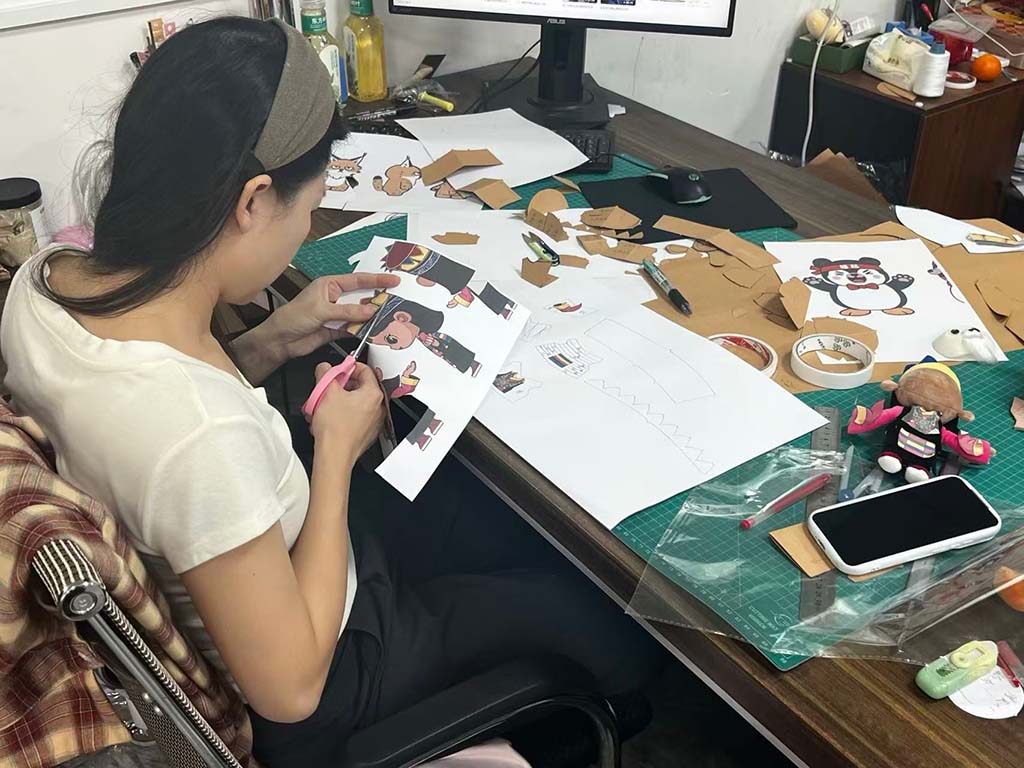
Pattern Making & Sampling
Patterns are created based on confirmed designs, followed by sample production to verify structure, proportions, and appearance. Approved samples serve as the reference standard for bulk production.
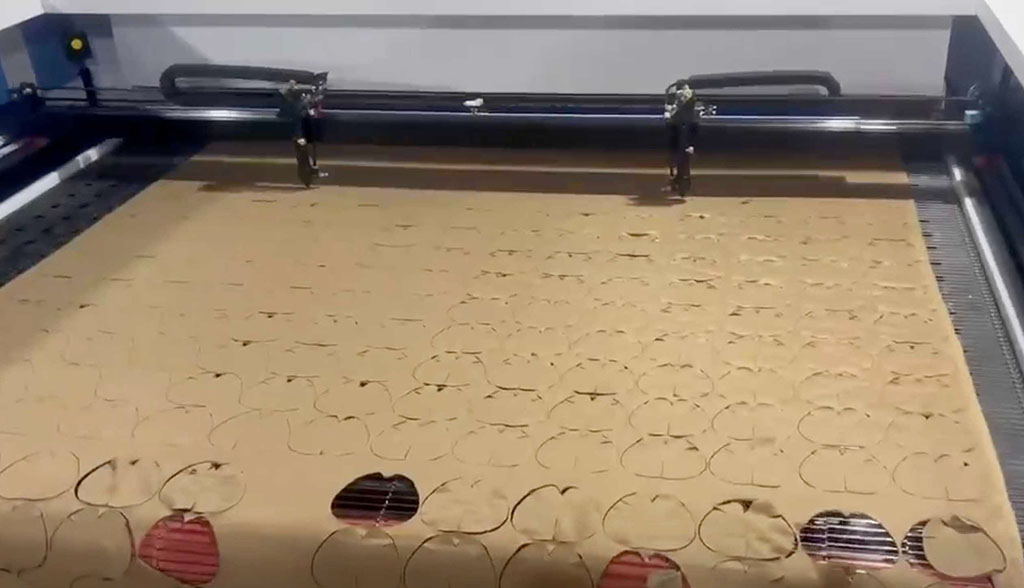
Material Preparation & Cutting
Approved fabrics, fillings, and accessories are prepared and cut according to patterns. Consistent cutting accuracy helps maintain uniform size and shape across all products.
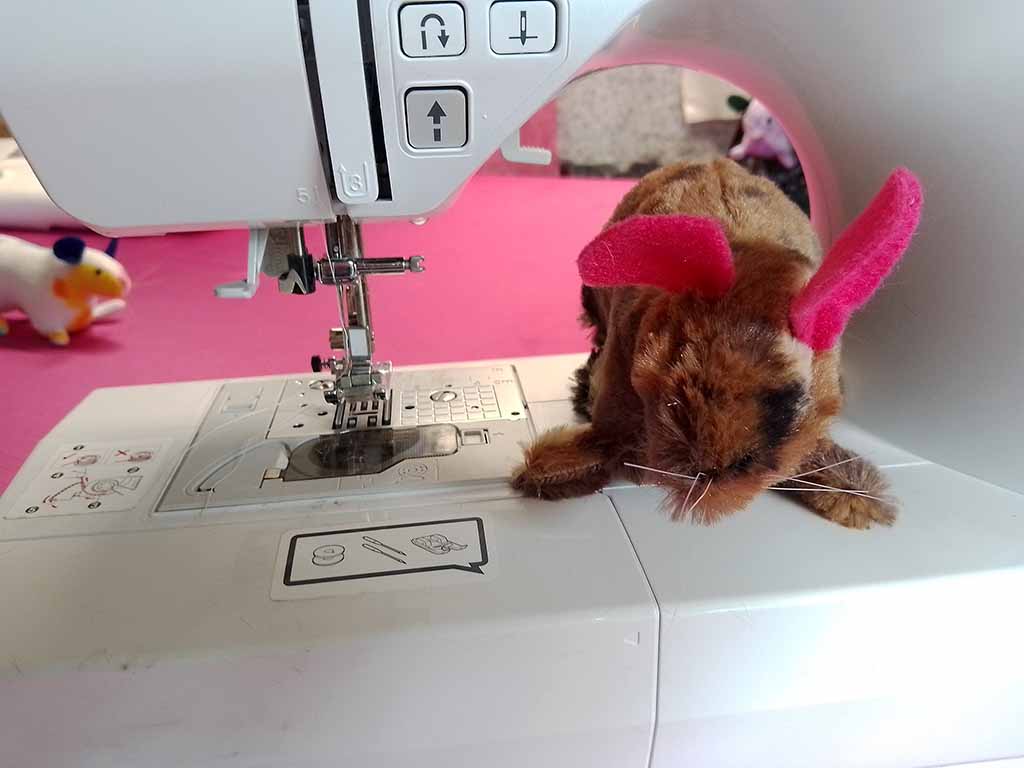
Sewing & Assembly
Cut components are sewn and assembled following standardized procedures. Stitching quality and alignment are controlled to ensure durability and stable appearance.
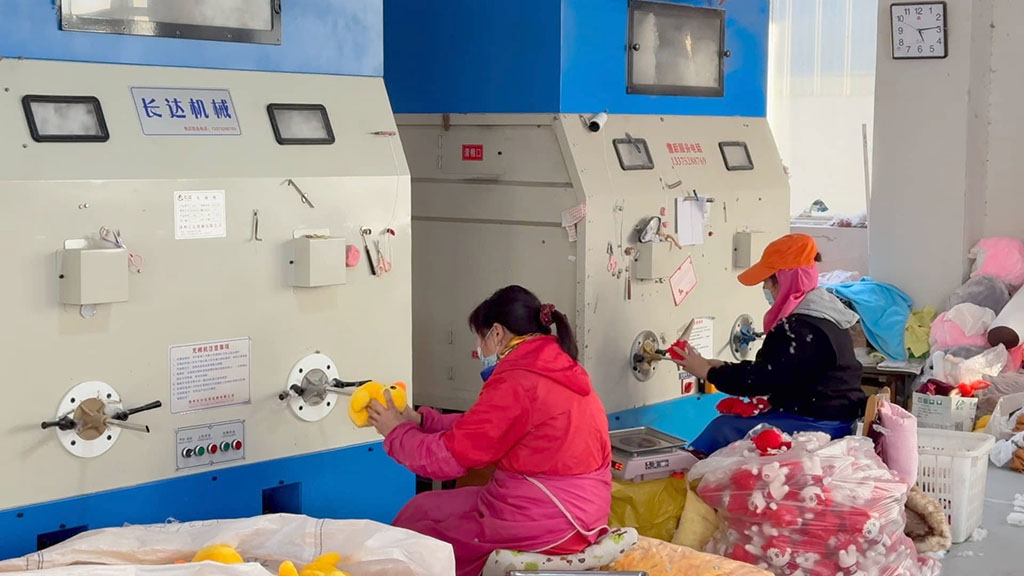
Stuffing & Shaping
Stuffed animals are filled and shaped to achieve the desired softness, balance, and final form. Proper filling ensures comfort while maintaining shape integrity.
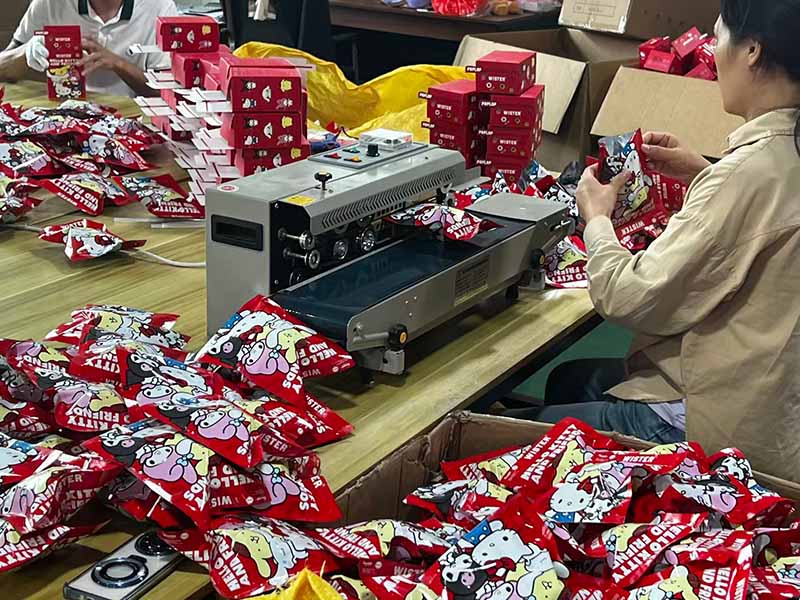
Final Inspection & Packing
Finished products are inspected for appearance, workmanship, and packaging accuracy before packing and shipment preparation.
A well-structured production process helps reduce risks, improve efficiency, and deliver consistent results at scale.
Precision Vacuum Packaging Process
This video shows how plush toys are vacuum packed before shipment to reduce volume and protect product shape during transportation. By precisely controlling compression levels and sealing methods, we ensure products remain clean, secure, and easy to restore after unpacking. Vacuum packaging helps brands significantly lower shipping costs while maintaining product quality for bulk and long-distance delivery.
Trusted by Leading Global Brands
Strong partnerships prove strong capabilities. Over the years, Kinwin has worked with world-leading brands and retailers to deliver interactive plush toys that meet the highest standards of creativity, safety, and quality. By choosing us, you gain a supplier that is trusted by top companies worldwide—and the same reliability is available to your brand.


Our Mission to Support Brands Through Reliable Stuffed Animal Production
Our mission and vision define how we work with brands, manage production, and deliver stuffed animals to global markets. These principles focus on long-term value, practical execution, and building products that perform beyond samples.
Deliver Market-Ready Stuffed Animals
Focus on producing stuffed animals that meet real market needs, including safety standards, durability, cost structure, and retail presentation—so products are ready to sell, not just ready to sample.
Support Brand Growth Through Scalable Customization
Provide clear, structured customization that helps brands develop products that can be repeated, expanded, and scaled into long-term collections.
Maintain Consistent Quality Across Every Order
Apply standardized processes and quality controls to ensure consistency from first sample to repeat bulk orders, reducing uncertainty and risk.
Build Long-Term, Trust-Based Partnerships
Prioritize transparent communication, realistic timelines, and reliable execution to support long-term cooperation rather than short-term transactions.
Move Toward Responsible & Sustainable Manufacturing
Gradually adopt more responsible materials and production practices that align with global sustainability trends and buyer expectations.
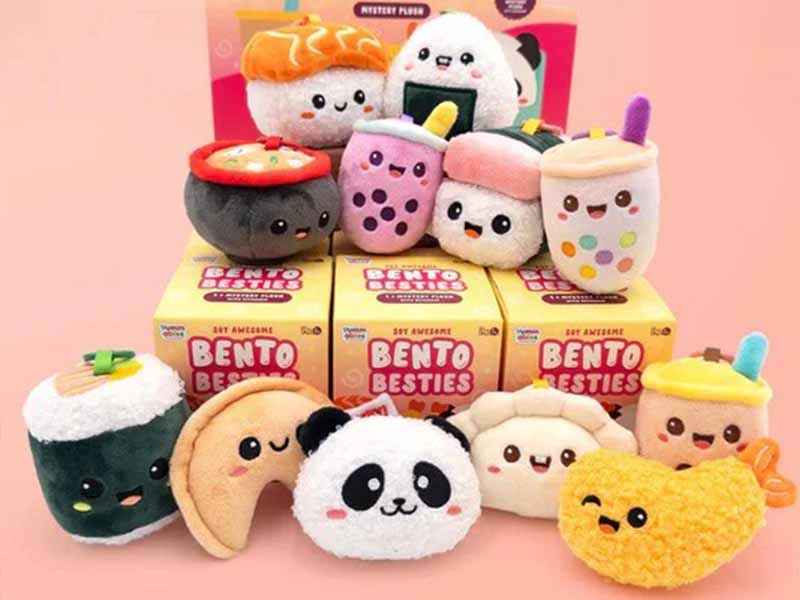
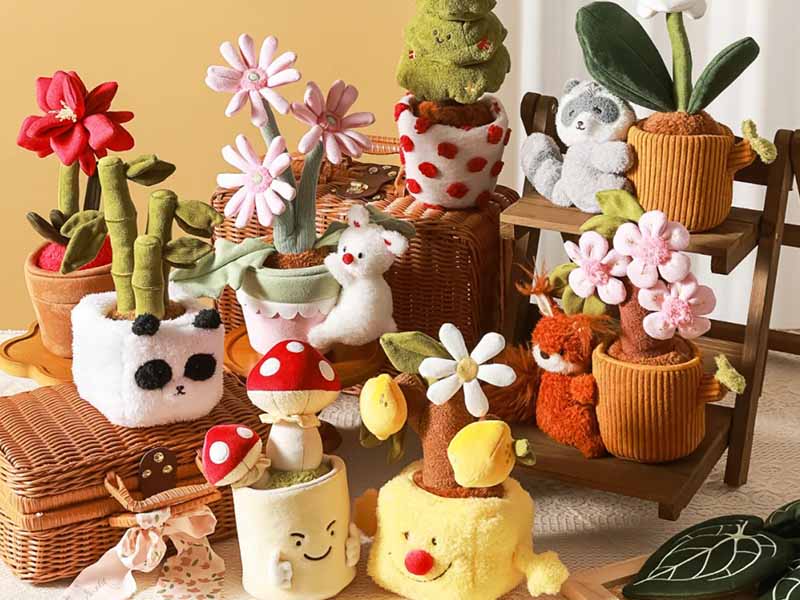
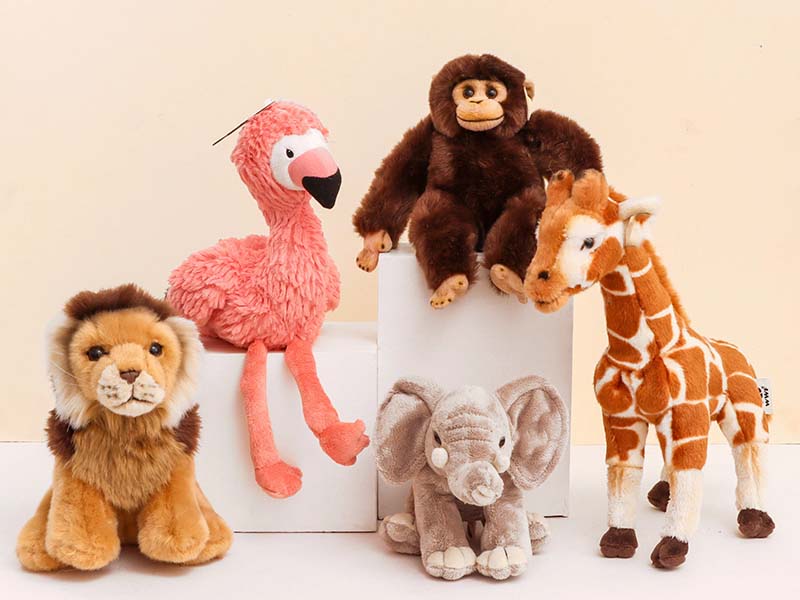
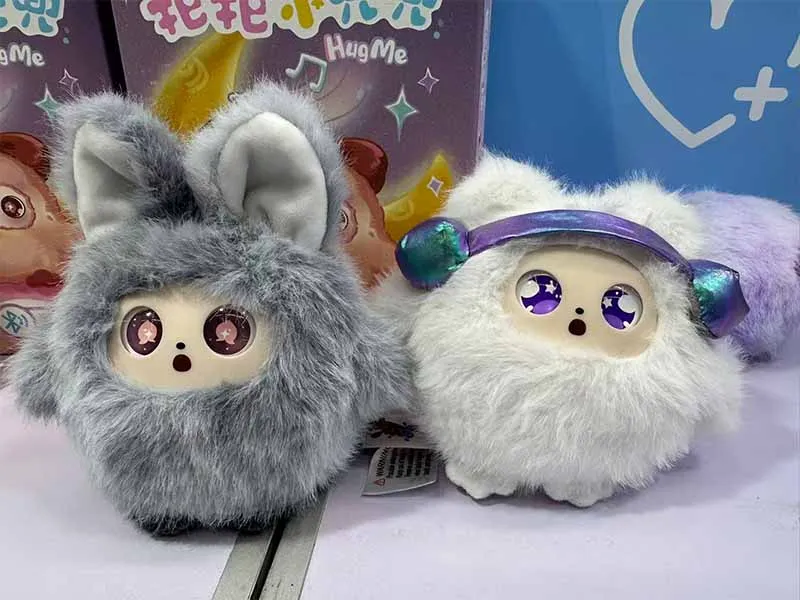
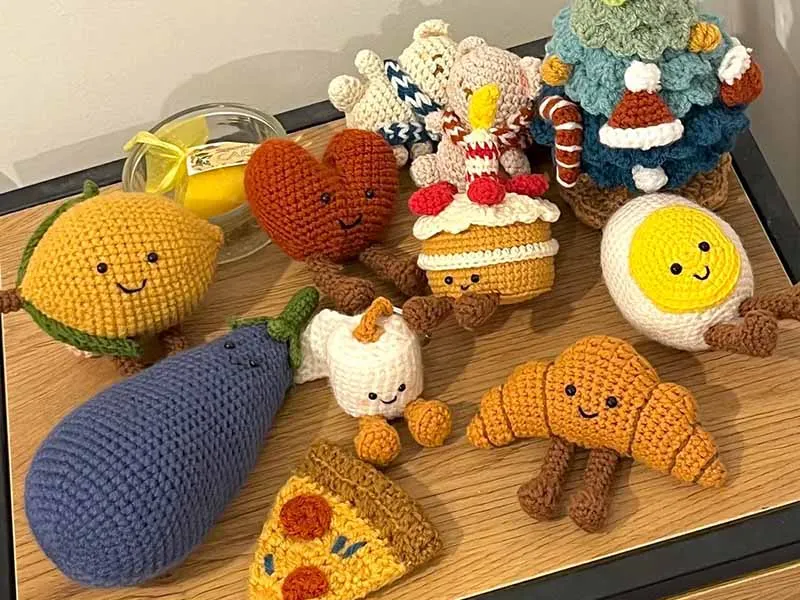
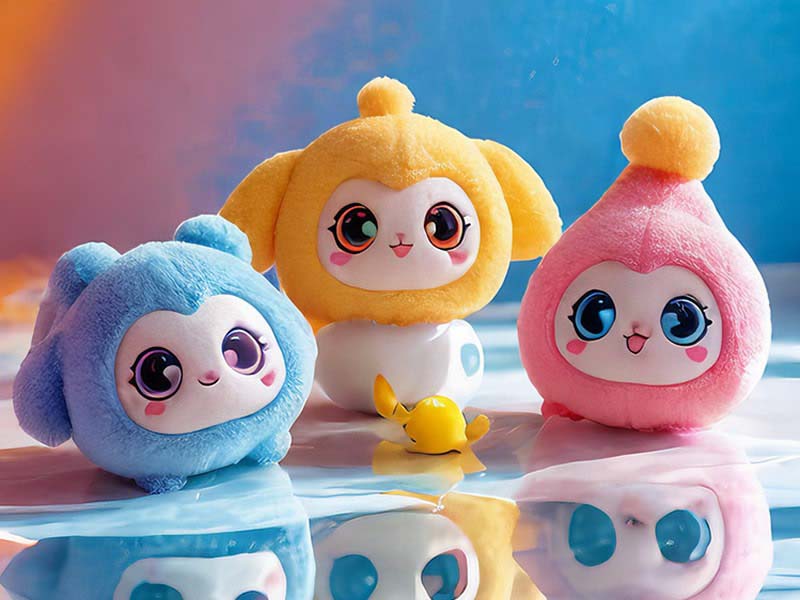
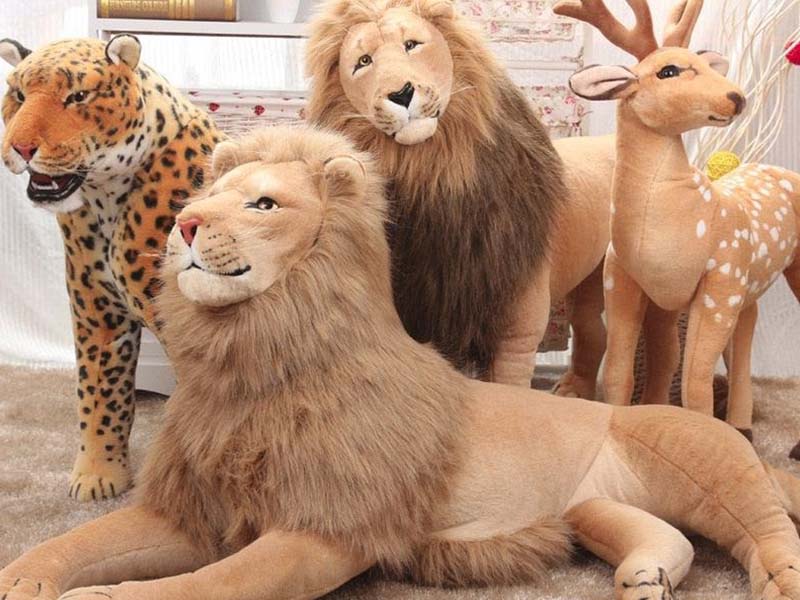
Explore Our Custom Plush Toy Series
We offer a wide selection of plush toys to meet different business needs. From baby-safe stuffed animals to collectible plush dolls, our product lines are designed for global brands, retailers, e-commerce, and promotional projects.
Ready to Build a Reliable Stuffed Animal Supply for Your Brand?
Whether you are launching a new stuffed animal line, upgrading existing products, or looking for a more reliable manufacturing partner, the right cooperation model makes a clear difference. With structured customization, controlled production processes, and consistent quality standards, projects become easier to manage, timelines become more predictable, and risks are reduced at every stage.
If you already have designs, reference samples, or clear requirements, the next steps can move quickly and efficiently. If you are still exploring ideas or market positioning, professional guidance can help clarify direction, avoid costly trial and error, and plan a scalable product roadmap from the start.
Starting the conversation early allows better planning on materials, costs, timelines, and compliance—making every decision more informed and every outcome more controllable.
Frequently Asked Questions
1.What is the typical MOQ for custom stuffed animals?
Our standard MOQ is 500 pieces. For orders below this quantity, please consult with our project manager. We may offer flexible solutions depending on the product size, complexity, and customization requirements.
2. How long does it take from design to mass production?How long does it take from design to mass production?
The timeline usually includes design review, sampling, revisions, and production scheduling. Clear artwork and early material confirmation help shorten development time. A structured process allows most projects to move smoothly from sample approval to bulk production.
3. Can you help optimize designs for mass production?
Yes. Designs are reviewed from a manufacturing perspective to improve structure stability, stitching feasibility, and material efficiency. This helps reduce sampling rounds and avoids issues during bulk production.
4. What safety standards can stuffed animals comply with?
Safety standards depend on the target market and age group. Common requirements include EN71, ASTM F963, and CE. Testing scope is planned based on sales regions and retailer expectations.
5.Can materials be customized for different markets?
Yes. Fabrics and fillings can be selected or adjusted based on safety requirements, softness, durability, sustainability goals, and cost targets for different regions.
6.How is quality kept consistent in bulk orders?
Quality consistency is maintained through standardized processes, in-process inspections, and final quality checks. Approved samples and specifications are used as benchmarks throughout production.
7.Do you support licensed or IP-based stuffed animal projects?
Yes. Licensed and IP projects follow strict confidentiality, approval workflows, and specification controls to protect brand assets and design accuracy.
8. Can packaging be customized together with the product?
Yes. Packaging options can be customized based on brand positioning, sales channels, and logistics needs, helping improve presentation and shipping efficiency.
9.How are costs controlled during development?
Costs are managed through early design optimization, material planning, and production efficiency analysis. Clear planning helps avoid unnecessary revisions and unexpected expenses.
10.What information is needed to start a custom project?
Basic information includes target market, approximate size, reference images or ideas, expected quantity, and timeline. Clear initial input helps ensure smoother development.
If You Can lmagine lt,We Will Create lt!
1.Tell Us What You Need
Tell us as specific as possible of your needs and share your idea.
2.Get Solution & Quote
We will work on the best solution according to yourrequirements,the specific quote will be provided within 24 hours.
3.Approve for Mass Production
We will start mass production after getting your approval.