
Best Plush Toy Manufacturer for Custom Projects & OEM ODM Production
We specialize in custom plush toy manufacturing for brands, IP owners, and complex OEM & ODM projects that require precision, safety, and scalability. Whether you start with a finished design, reference images, or just a concept, you gain engineering support, material expertise, and controlled production workflows. This helps your custom plush toys achieve high sample accuracy, stable mass production, and full compliance with global toy safety standards—while keeping timelines predictable and costs manageable.
What Defines the Best Plush Toy Manufacturer for Custom Projects
Not every plush toy factory is equipped for complex custom work. True custom plush manufacturing requires technical evaluation, material engineering, precise prototyping, and built-in safety compliance. The right manufacturing partner helps you develop plush toys that are accurate, compliant, and ready for scalable production—without unnecessary delays or risk.
Design-to-Manufacturing Capability
A qualified custom plush toy manufacturer transforms ideas into production-ready designs. By reviewing structure, proportions, stitching methods, and construction details early, your plush toy development stays aligned with real manufacturing conditions and long-term production stability.
Custom Material & Fabric Engineering
Material choices directly affect safety, durability, and product positioning. Professional custom plush manufacturing includes fabric and filling engineering support, helping you select suitable materials that meet plush toy safety standards while maintaining the desired look and feel.
Sampling Accuracy & Iteration Speed
Effective plush toy prototyping balances accuracy with efficiency. A structured sampling process allows custom plush toys to reach high visual and structural consistency quickly, while streamlined revisions reduce development time and improve decision-making.
Compliance with Global Toy Safety Standards
Safety must be integrated into every custom project. Reliable plush toy manufacturers embed plush toy safety standards into material sourcing, construction methods, and testing procedures to meet CE, ASTM, EN71, and CPSIA requirements for global markets.
Scalability from Sample to Mass Production
Custom plush toy development should always consider scale. Prototypes designed with mass production in mind ensure smoother transitions to bulk manufacturing, consistent quality output, and controlled costs as volumes increase.
Selecting the right custom plush manufacturing partner ensures your project moves forward with clarity, safety, and production confidence.
Precision Plush Sampling Workflow
This video shows the complete plush toy sampling workflow, from design clarification and pattern making to sewing, stuffing, and final sample review. Every step is carried out with mass-production feasibility in mind, ensuring the approved sample can be accurately and consistently reproduced in bulk. A structured sampling workflow helps brands reduce revisions and move faster toward production.
OEM vs ODM: Choosing the Right Model for Custom Plush Projects
When planning custom plush toys, the manufacturing model you choose plays a critical role in product quality, development speed, and overall project risk. OEM and ODM services are designed for different levels of project readiness. Selecting the right approach helps ensure smoother plush toy development, clearer communication, and more predictable outcomes from sampling to mass production.
OEM: Ideal for Brands with Ready Designs
OEM custom plush manufacturing is suitable for brands that already have completed designs, detailed specifications, or approved reference samples. In this model, your plush toy manufacturer focuses on precise execution rather than concept creation. Design details such as size, shape, stitching, materials, and colors are carefully followed to ensure consistency across samples and bulk orders. OEM plush projects allow for better cost control, clearer production planning, and easier quality management, making them an efficient choice for established brands, private label plush toys, and repeat production programs.
ODM: Best for Concept-Driven or IP-Based Projects
ODM plush toy development supports clients who begin with ideas, character concepts, or licensed IP but do not yet have production-ready designs. The manufacturer becomes involved early in the development process, offering design engineering, structural optimization, material recommendations, and plush toy prototyping support. This collaborative approach reduces development complexity, shortens decision cycles, and helps avoid common production issues. ODM is especially suitable for startups, IP owners, and brands launching new plush toy lines that require guidance from concept to scalable manufacturing.
Understanding the difference between OEM and ODM ensures your custom plush project follows a development path that matches your resources, timeline, and long-term business goals.
Custom Plush Product Showcase
Custom plush projects come in many forms, from simple promotional items to complex character-driven collections. A capable plush toy manufacturer should support a wide range of plush categories, materials, and structures. The following examples highlight common custom plush toy types that can be developed, adapted, and scaled to match different brand needs, target markets, and sales channels.
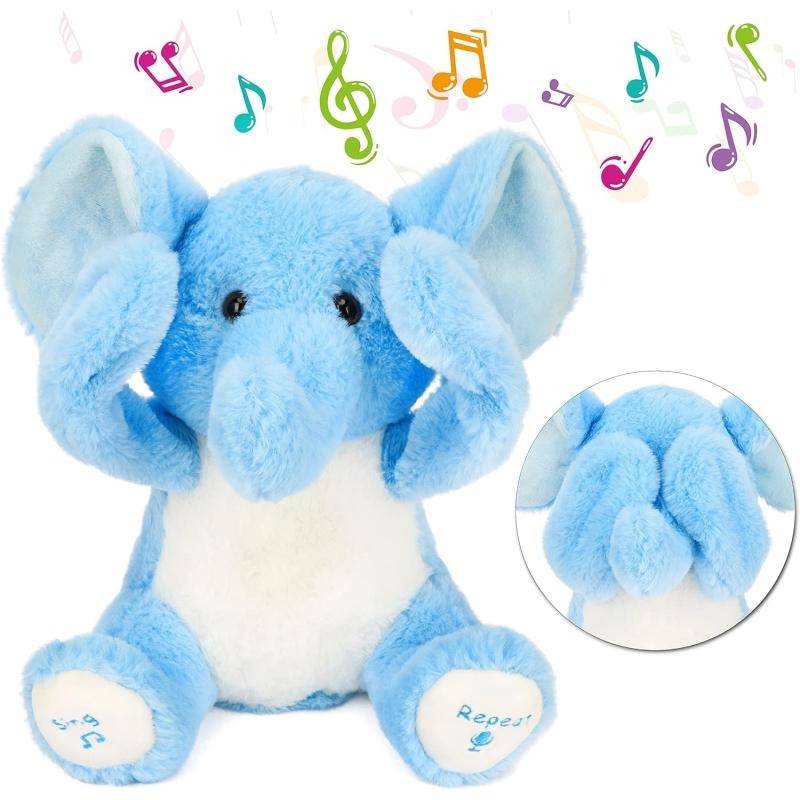
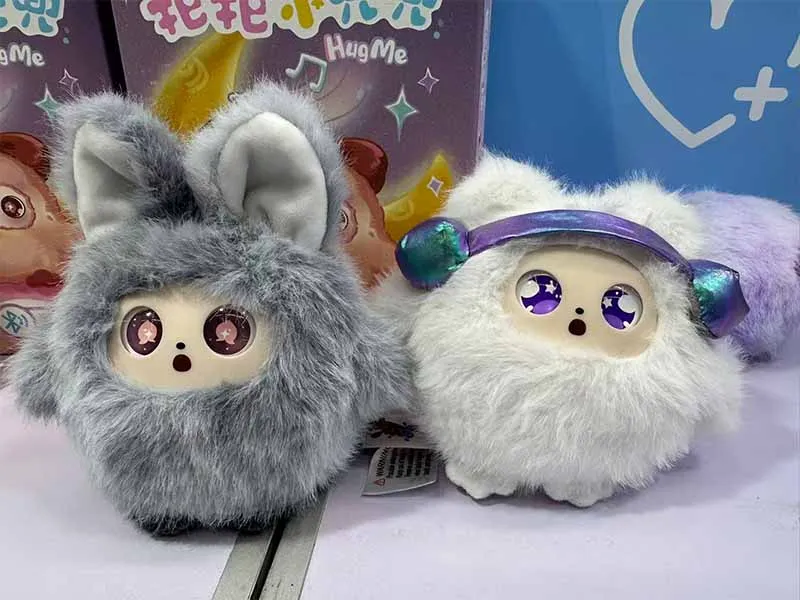
Interactive Plush Toys
Designed with sound modules or simple interactive features to increase engagement and play value.
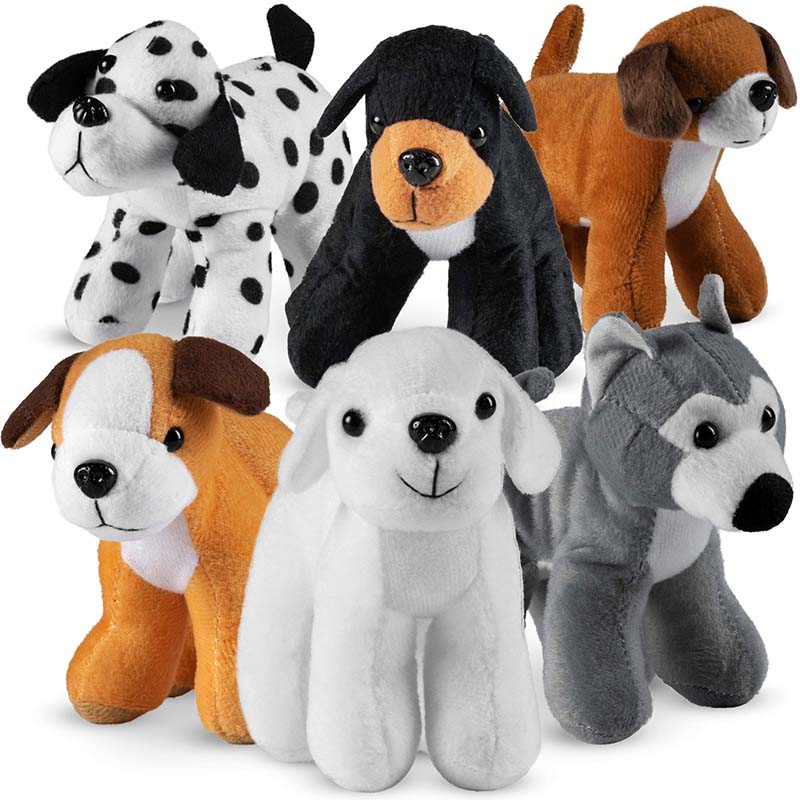
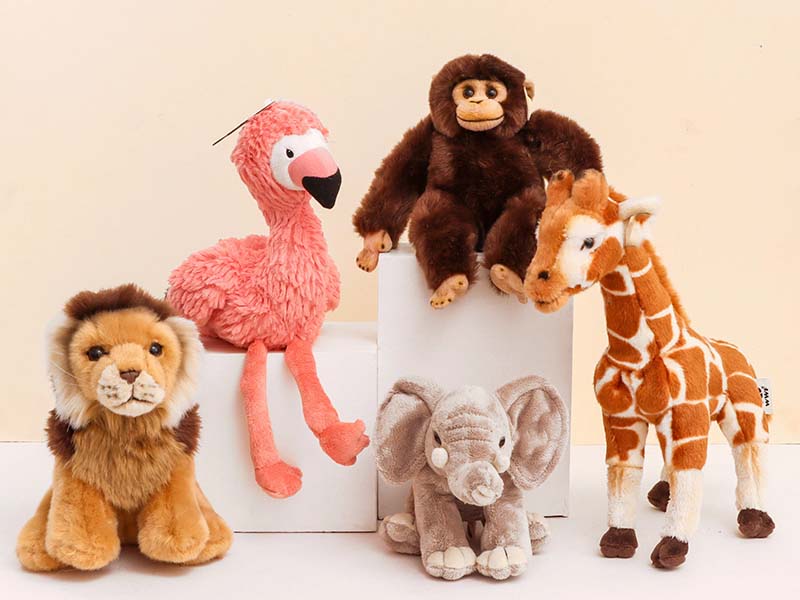
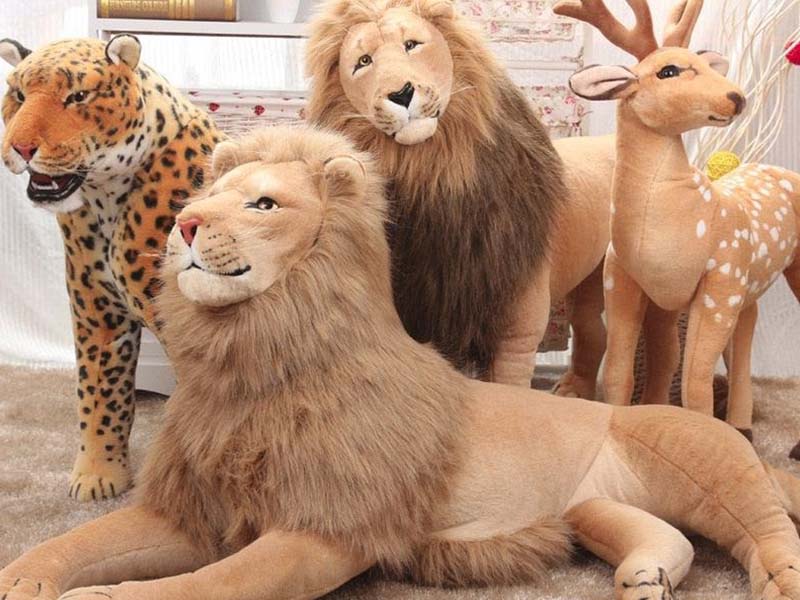
Animal Plush Toys
From classic pets to wild animals, suitable for branding, storytelling, and character development.
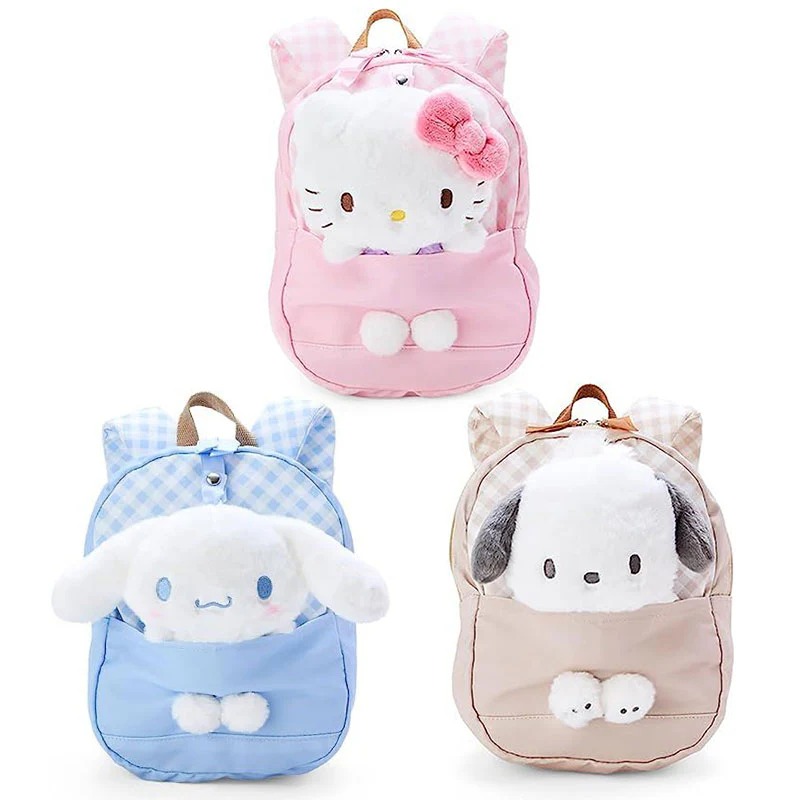
Plush Backpacks
Combining plush design with functional storage, ideal for kids’ brands and promotional use.
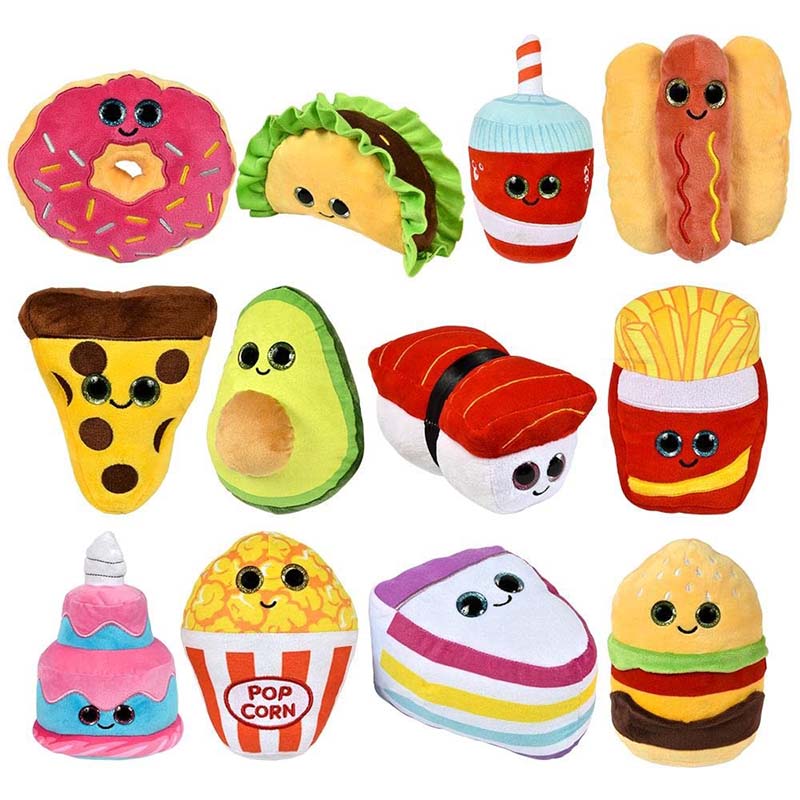
Food Plush Toys
Creative plush designs inspired by snacks, desserts, and meals, popular for gifts and retail.
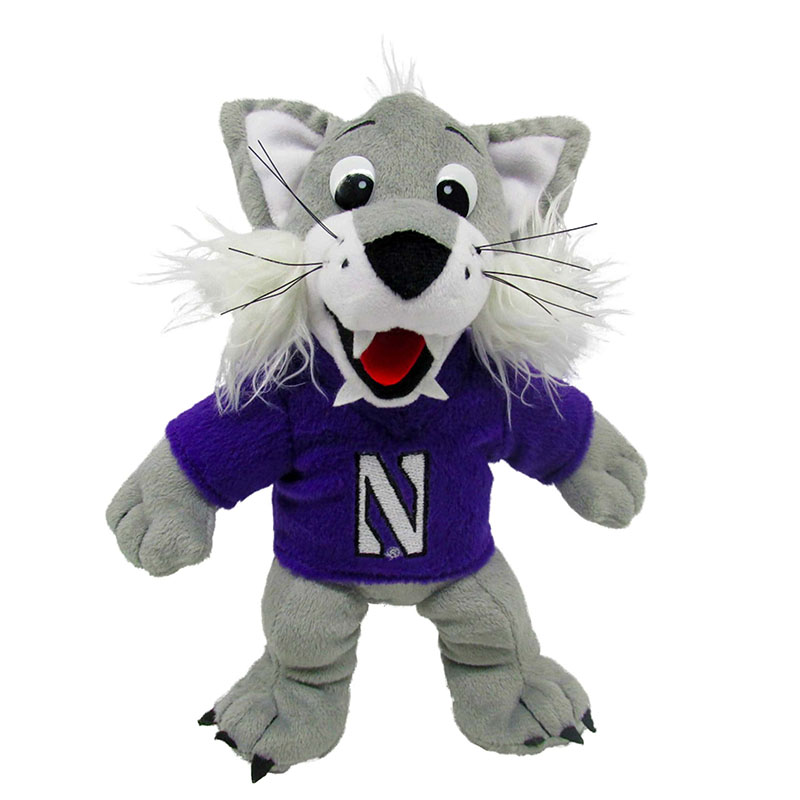
Mascot Plush Toys
Custom mascots developed to represent brands, events, or organizations with strong visual identity.

Weighted Plush Toys
Plush toys with added weight for calming comfort, widely used in wellness and special needs markets.
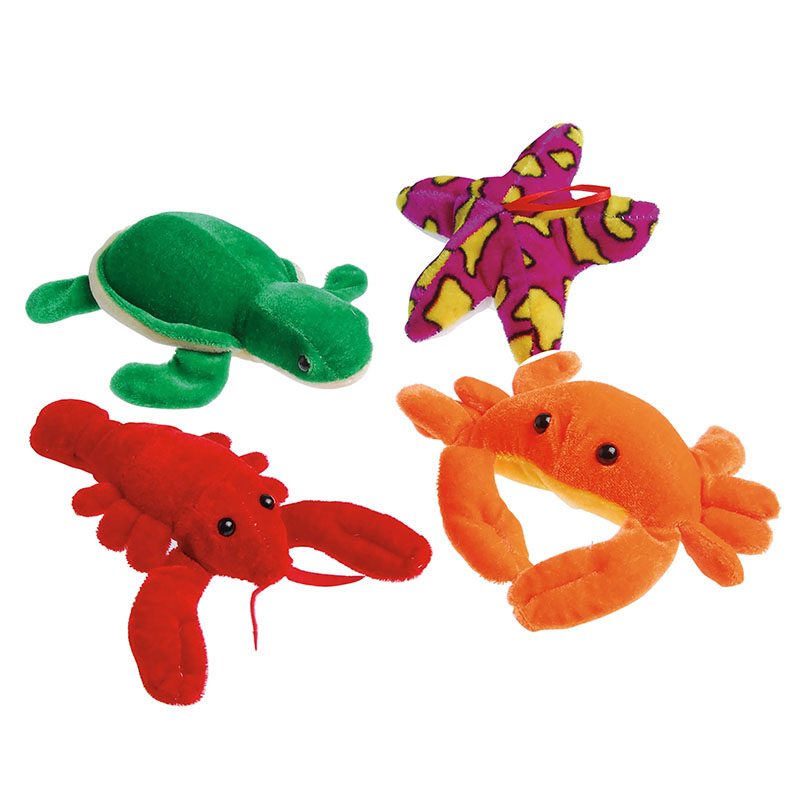
Ocean Plush Toys
Inspired by marine life such as whales, sharks, and sea creatures, suitable for education and gifts.
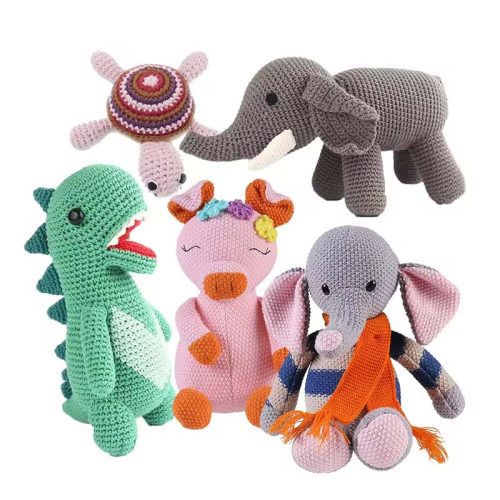
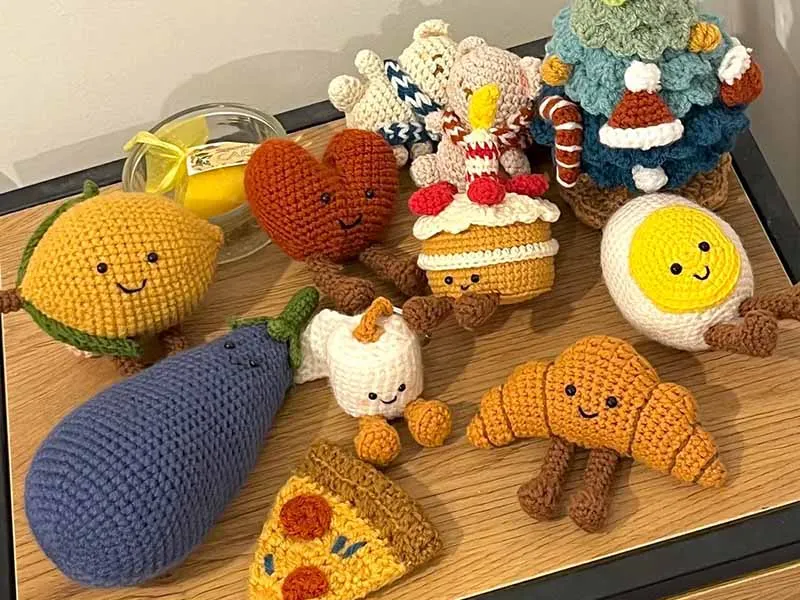
Crochet Plush Toys
Handcrafted-style plush toys offering a unique texture and artisanal appearance.
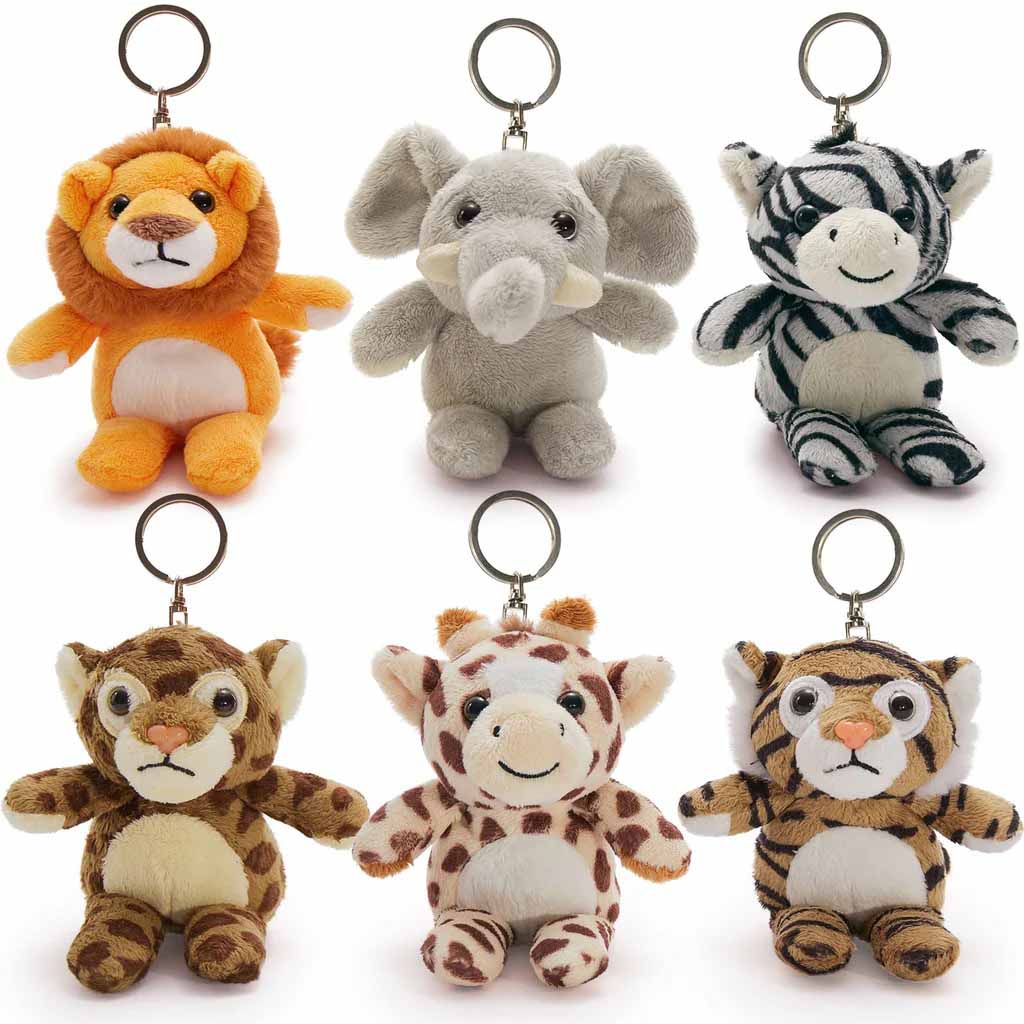
Plush Keychains
Compact plush designs optimized for accessories, promotions, and impulse purchases.
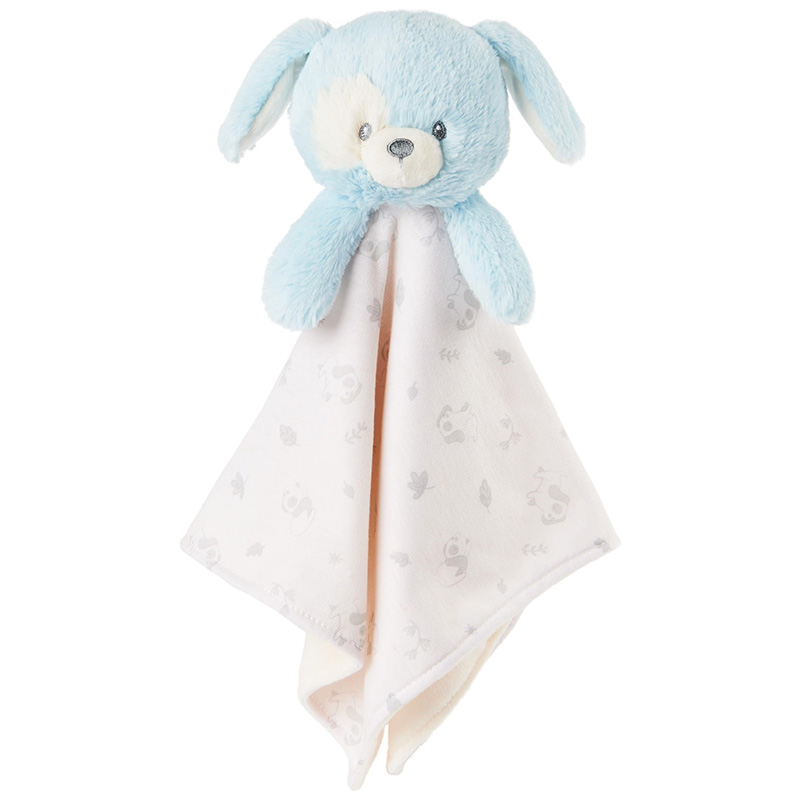
Baby Plush Toys
Soft, safe plush toys developed with gentle materials for infant and toddler use.
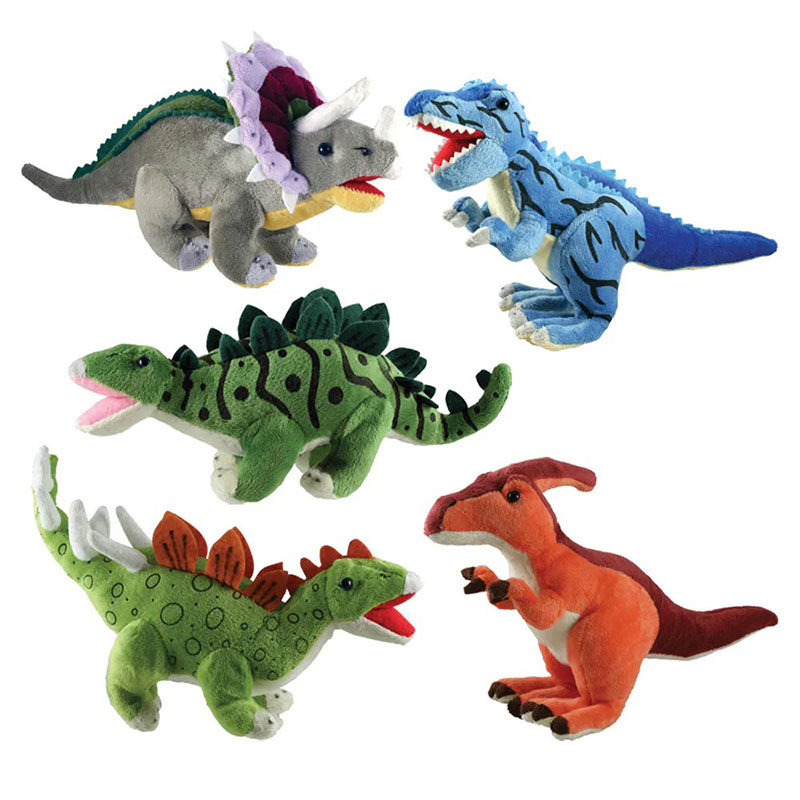
Dinosaur Plush Toys
Popular character-style and realistic dinosaur plush toys for kids and collectors.
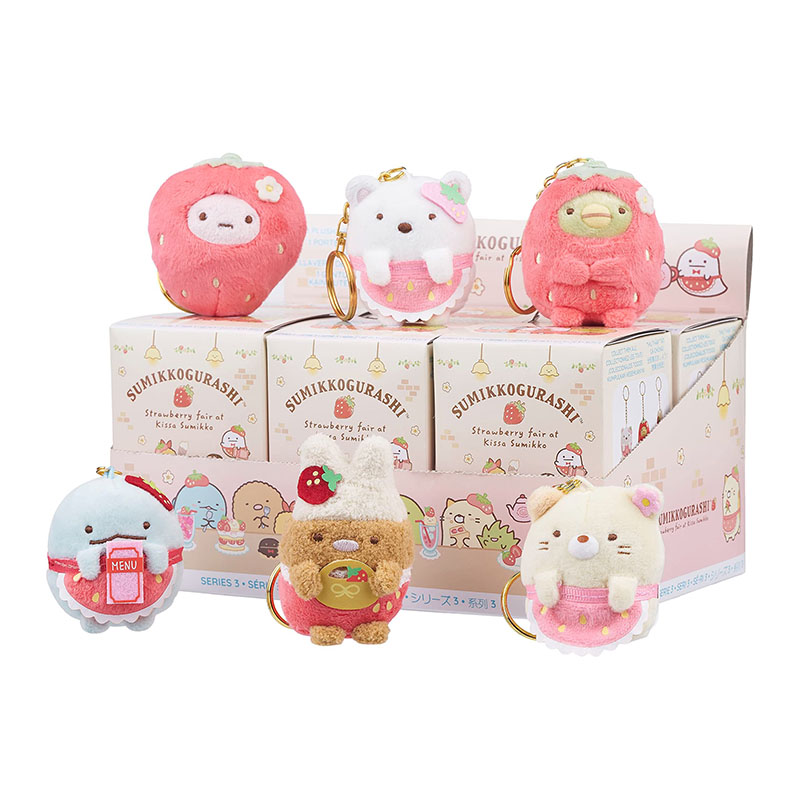
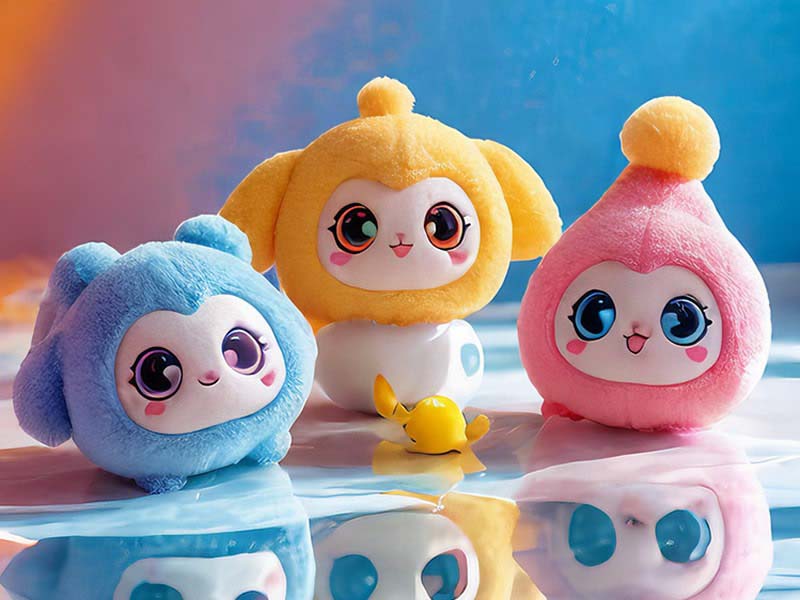
Blind Box Plush Toys
Designed for collectible series with surprise elements, ideal for repeat purchases.
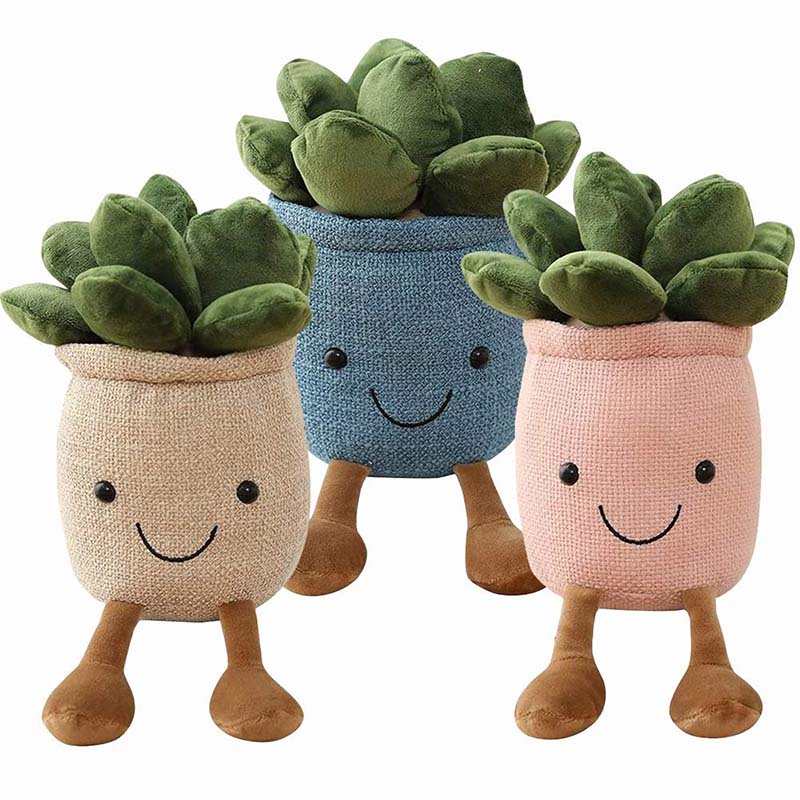
Plant Plush Toys
Cute plush designs inspired by plants and greenery, popular for lifestyle and décor brands.
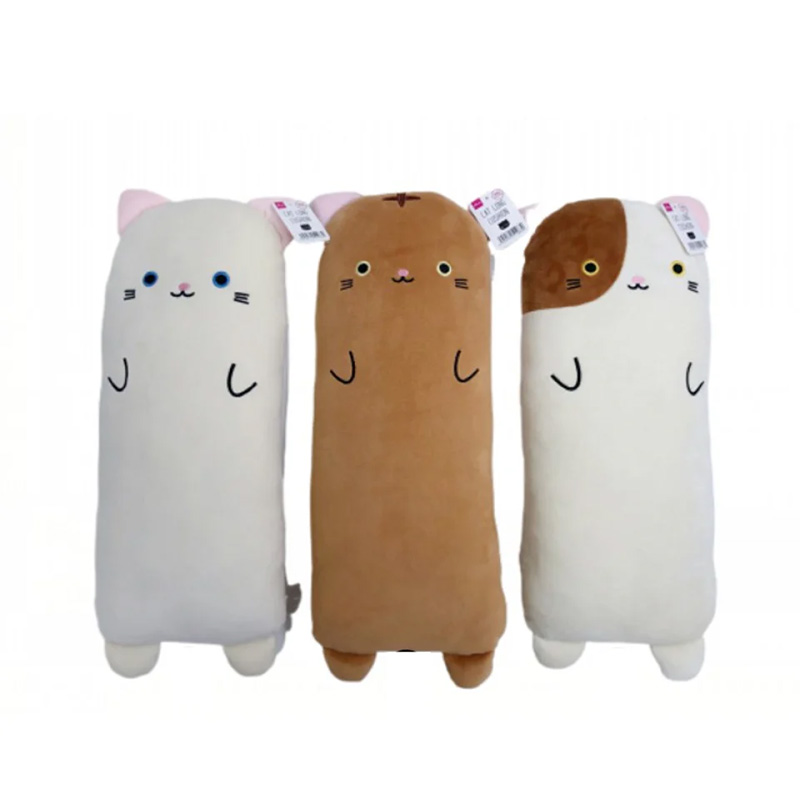
Plush Pillows
Functional plush items combining comfort and decorative appeal.
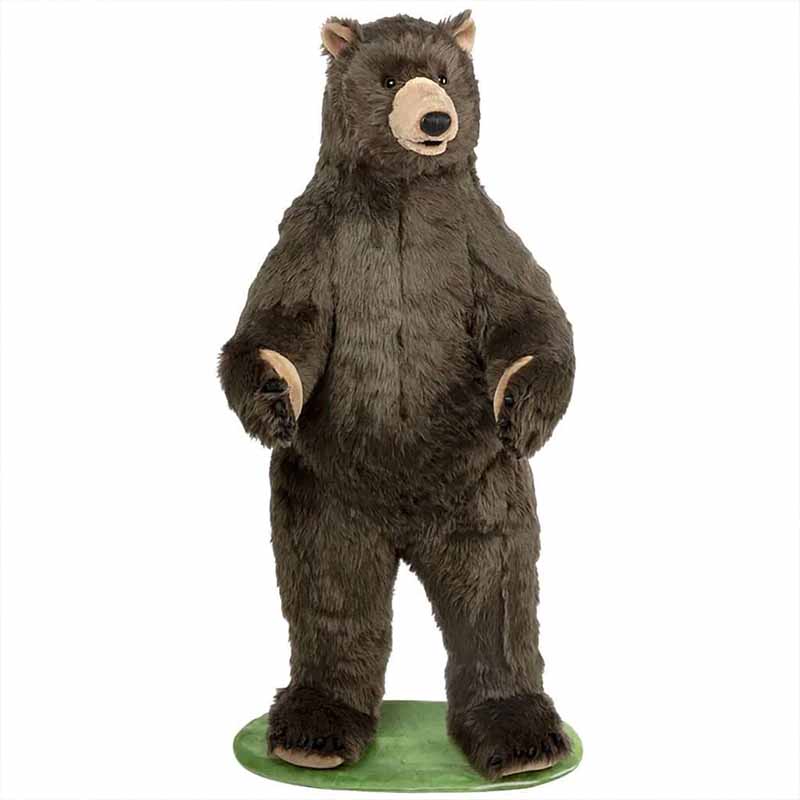
Realistic Plush Toys
Highly detailed plush designs focusing on lifelike shapes, colors, and textures.
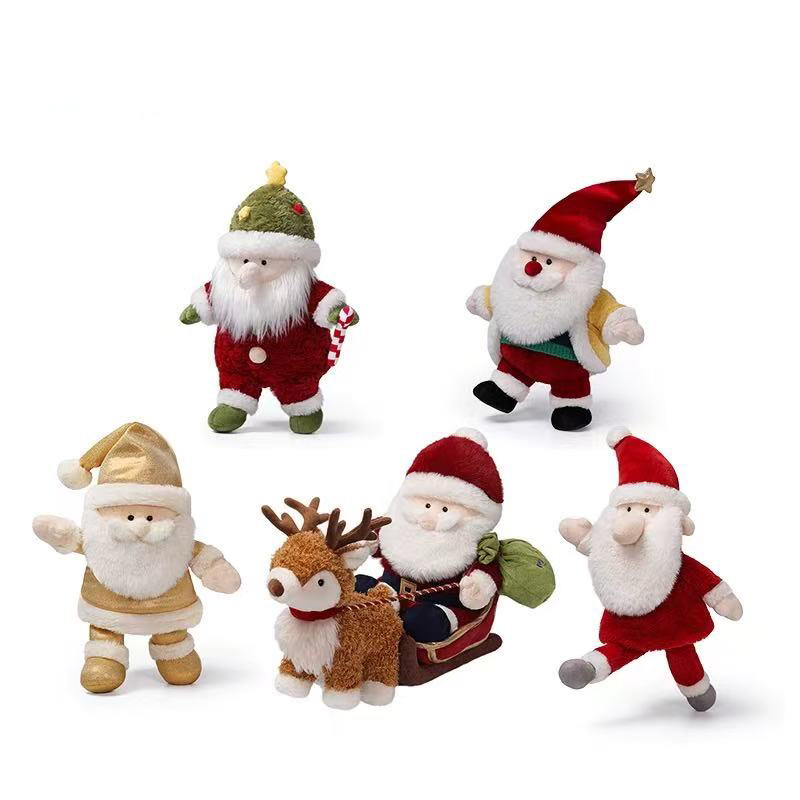
Holiday Plush Toys
Seasonal plush toys created for festive promotions and limited-edition campaigns.
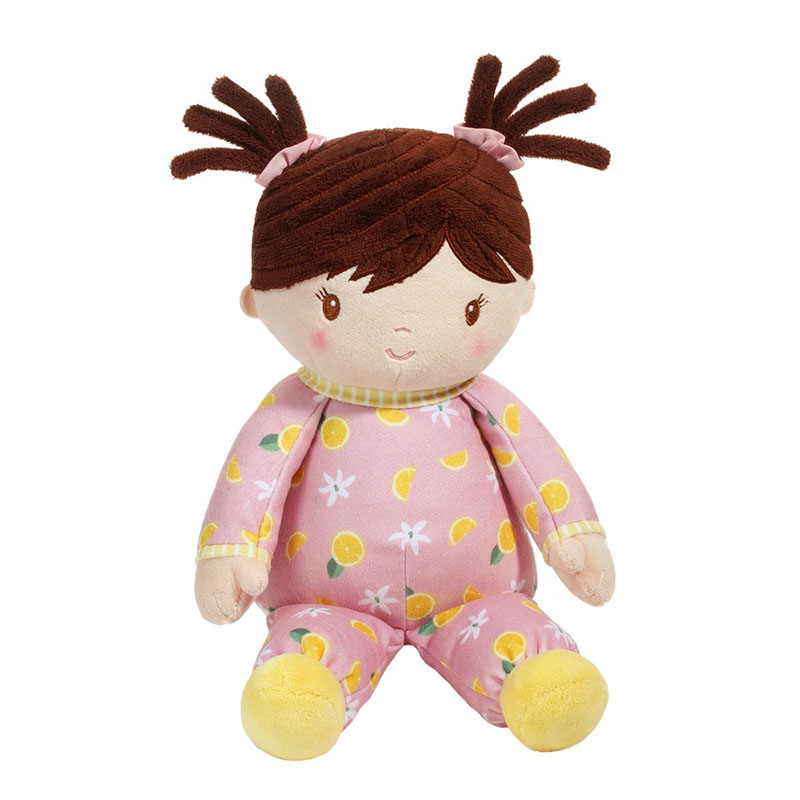
Doll Plush Toys
Custom human-style plush dolls for brands, storytelling, and character-based products.
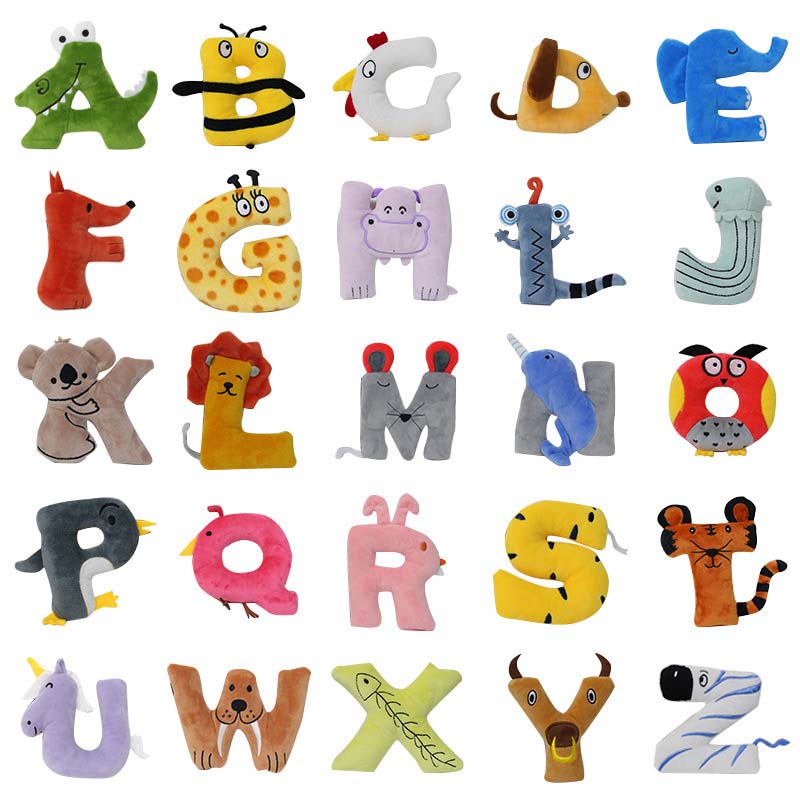
Educational Plush Toys
Plush toys designed to support learning, emotional development, or teaching concepts.
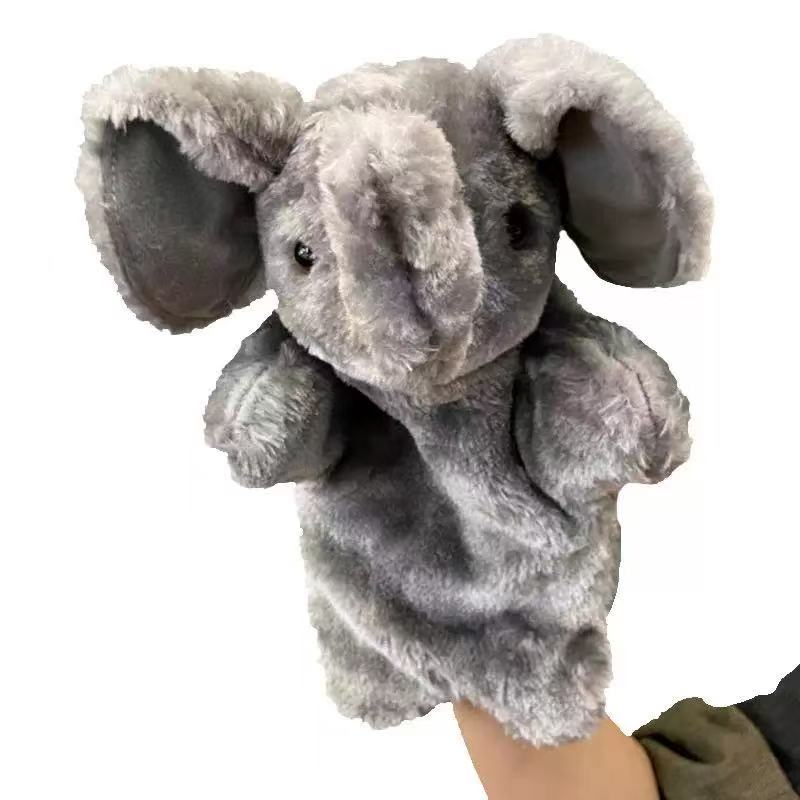
Plush Toys
Plush puppets developed for interactive play, education, and storytelling.
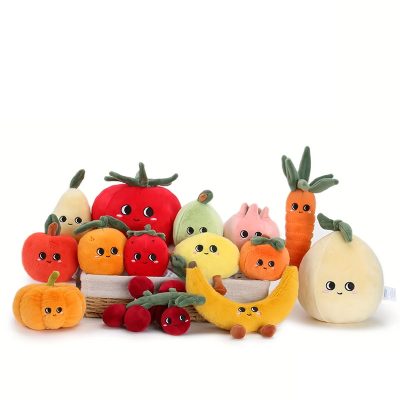
Fruit Plush Toys
Bright and playful fruit-inspired plush toys, suitable for gifts, promotions, and kids’ collections.
These product examples demonstrate the flexibility of custom plush manufacturing. Whether your project focuses on branding, education, comfort, or collectibles, the right manufacturing partner helps transform ideas into safe, scalable plush products.
How We Achieve 95% Accuracy in Custom Plush Toy Replication
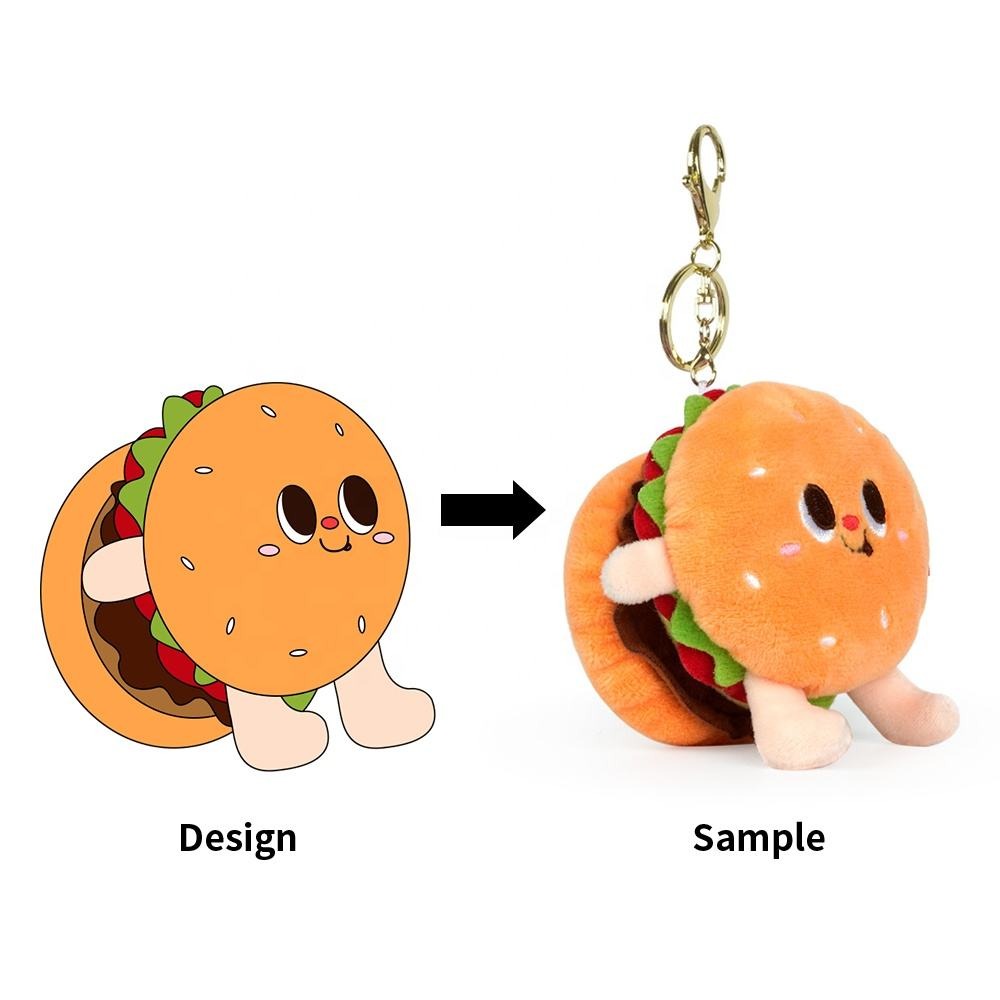
Achieving a 95% replication accuracy in custom plush projects is not accidental. It is the result of structured development methods, experienced pattern engineering, and controlled sampling workflows. High accuracy means fewer revisions, faster approvals, and smoother mass production—helping your custom plush toys reach the market with confidence.
Manufacturing-Oriented Design Review
Every custom plush project begins with a design evaluation from a manufacturing perspective. Shapes, proportions, seam placement, and structure are carefully reviewed to ensure the design can be accurately translated into plush form without compromising appearance or durability.
Experienced Pattern Engineering
High replication accuracy depends on pattern quality. Skilled pattern makers convert designs into precise cutting patterns, adjusting dimensions and curves to maintain visual balance and structural stability in plush toy prototyping.
Material Matching & Texture Control
Fabric type, pile length, elasticity, and filling density all affect final appearance. Careful material matching ensures the plush toy’s texture, softness, and visual depth stay as close as possible to the original concept or reference.
Facial & Detail Optimization
Small details define overall accuracy. Embroidery, printing, eye placement, and stitching density are refined during sampling to ensure facial expressions and key features closely match the intended design.
Structured Sampling & Feedback Loops
Replication accuracy improves through controlled iteration. Each sample round focuses on specific improvements, reducing random changes and helping custom plush toys reach stable accuracy in fewer revisions.
Production-Ready Engineering Adjustments
Before final approval, designs are optimized for mass production. These adjustments ensure that the approved sample can be consistently reproduced at scale without loss of detail or quality.
High replication accuracy reduces development risks and shortens time to market. A structured approach ensures your custom plush toys look right, feel right, and scale smoothly.
Precision Replication Accuracy Comparison
This video compares the approved design with the finished plush product to clearly demonstrate replication accuracy. Key details—including proportions, facial features, embroidery placement, color matching, and overall structure—closely follow the original design. With replication accuracy reaching up to 95%+, this visual comparison proves our ability to turn designs into production-ready plush toys with minimal deviation.
International Certifications & Compliance Standards
For custom plush projects, international certifications are more than formal requirements—they are essential safeguards for market access, brand reputation, and product safety. Working with a certified plush toy manufacturer helps ensure your products meet regulatory expectations across different countries and sales channels.
CE Certification (European Market Compliance)
CE certification confirms that plush toys meet essential EU safety, health, and environmental requirements. It supports smooth entry into European markets and demonstrates that materials, construction, and testing align with recognized safety standards.
EN71 Testing (European Toy Safety Standard)
EN71 focuses specifically on toy safety, including mechanical properties, flammability, and chemical restrictions. Compliance ensures custom plush toys are suitable for children and meet strict European regulatory expectations.
ASTM F963 (U.S. Toy Safety Standard)
ASTM F963 is the primary toy safety standard for the U.S. market. It covers physical, mechanical, and chemical safety requirements, helping custom plush toys comply with retailer and regulatory expectations in North America.
CPSIA Compliance (U.S. Consumer Product Safety)
CPSIA sets limits on lead content, phthalates, and labeling requirements for children’s products. Compliance supports safe distribution in the U.S. market and reinforces consumer trust in product safety.
Certified manufacturing processes help reduce compliance risks and simplify global distribution. Proper certification allows your custom plush toys to move confidently across international markets.
Our Custom Plush Manufacturing Capabilities
True customization is not about offering isolated options. It is about understanding your product goals, development stage, and target market, then turning those requirements into a manufacturable plush solution. Strong custom plush manufacturing capability means your project stays flexible in design, controlled in execution, and stable in mass production—no matter how complex the idea is.
DeConcept & Design Customization
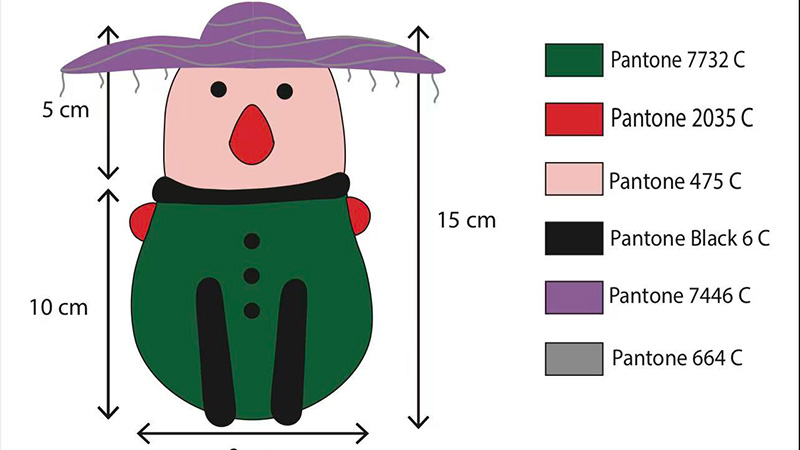
Custom plush projects often begin with ideas that are not yet production-ready. Design customization focuses on translating concepts into plush-friendly structures while preserving the original character and visual intent. This stage helps clarify proportions, shapes, and construction methods early, reducing miscommunication and avoiding costly revisions later in the process. It ensures your plush toy development moves forward with clear direction and manufacturable logic.
Customizable elements include:
Design sketches or rough drawings
Reference images or inspiration samples
Character proportions and silhouettes
Facial expressions and style direction
Design optimization for plush production
Materials, Fabrics & Fillings Customization
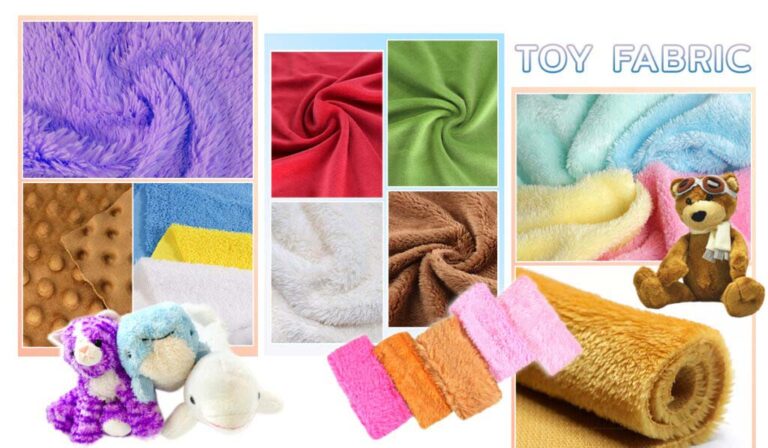
Material selection directly affects product safety, durability, appearance, and cost. Custom plush manufacturing supports a wide range of fabric and filling options, with engineering guidance to match different markets and age groups. Proper material customization ensures your plush toys feel right in hand, perform well over time, and comply with plush toy safety standards across regions.
Customizable elements include:
Plush fabric types and pile length
Eco-friendly or recycled materials
Filling types and softness levels
Weighted or standard filling options
Color matching and surface finish
Structure, Size & Functional Customization
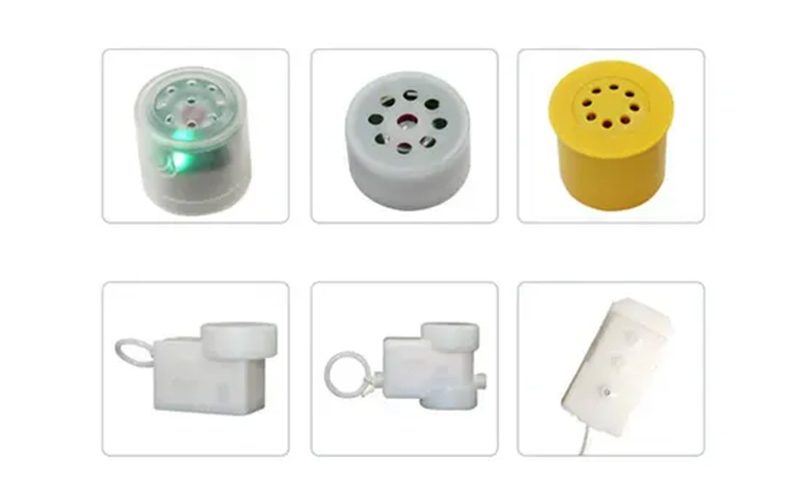
Plush toys serve different purposes depending on their structure and function. Structural customization ensures that plush toys maintain shape, balance, and comfort throughout use. By adjusting internal construction, size, and functionality, products can be optimized for display, play, gifting, or promotional use while remaining suitable for mass production.
Customizable elements include:
Overall size and dimensions
Internal structure and reinforcement
Weighted or comfort-focused construction
Functional elements and attachments
Durability adjustments for repeated use
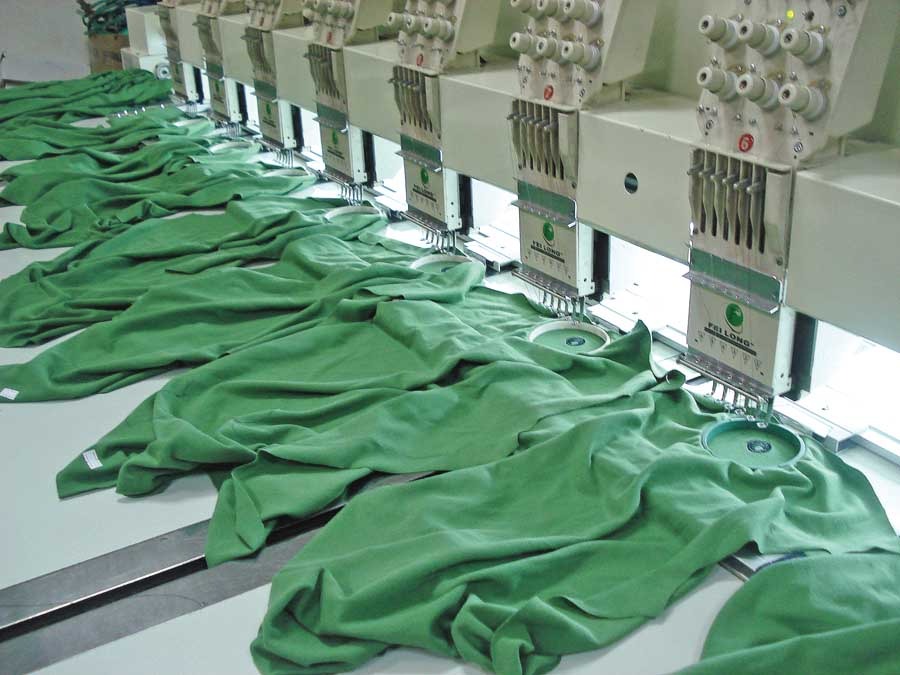
Details, Features & Craftsmanship Customization
Details define perceived quality. Feature customization focuses on refining visual and tactile elements that shape how customers experience the product. Careful control of craftsmanship ensures that facial features, decorative elements, and finishing techniques remain consistent from sample to bulk production.
Customizable elements include:
Embroidery and stitching styles
Printed or woven decorative elements
Eye types and attachment methods
Accessory and trim integration
Surface texture and detail refinement
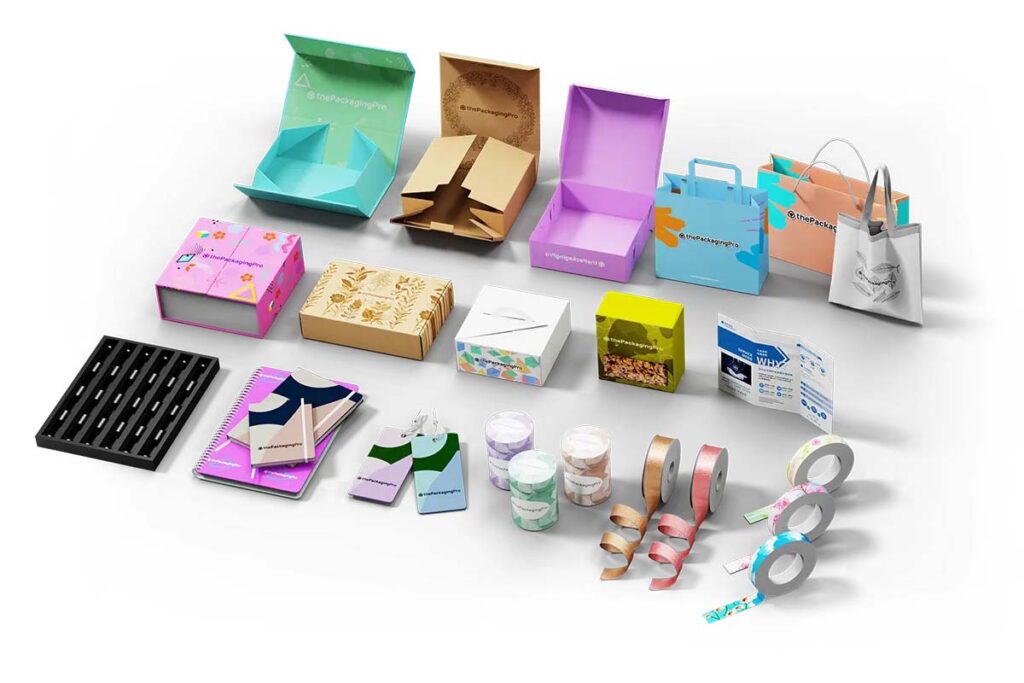
Packaging & Branding Customization
Packaging plays an important role in product presentation and brand perception. Customization at this stage ensures your plush toys arrive ready for retail, gifting, or direct-to-consumer channels. Well-planned packaging also supports logistics efficiency and compliance requirements.
Customizable elements include:
Custom hang tags and labels
Retail-ready packaging formats
Branded inserts and information cards
Vacuum or space-saving packing options
Compliance labeling for target markets
Comprehensive customization capability allows your plush project to move forward with fewer compromises. From design and materials to structure and branding, the right manufacturing partner helps turn complex ideas into reliable, scalable products.
Common Plush Fabrics & Fillings for Custom Plush Manufacturing
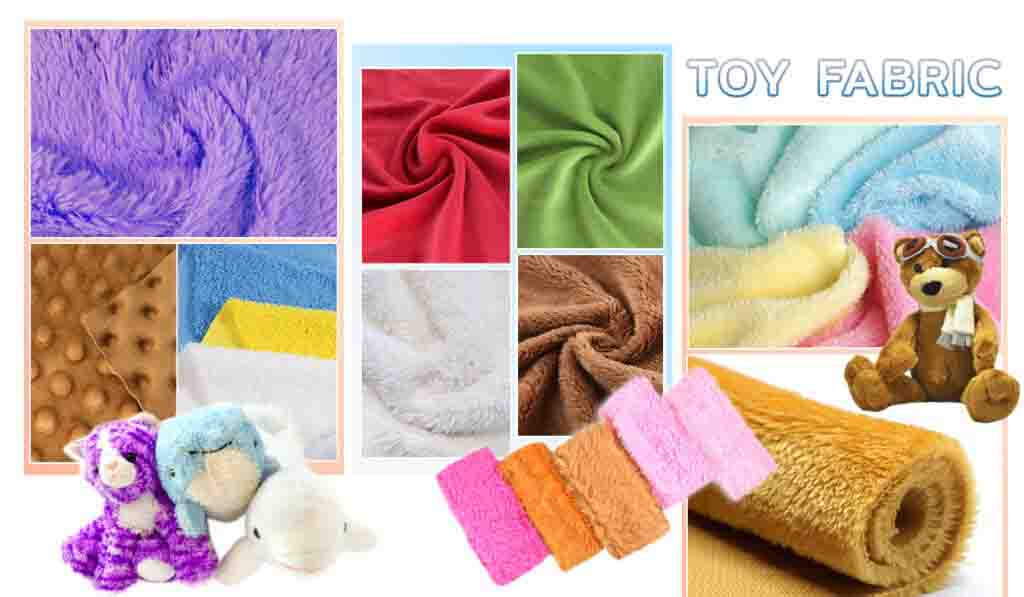
Material selection is a key part of custom plush manufacturing. Different fabrics and fillings are chosen based on product positioning, target market, safety requirements, and cost expectations. Below are commonly used plush fabrics and fillings that support a wide range of custom plush toy applications.
Common Plush Fabrics
Velboa Fabric
Minky Fabric (Short Pile / Long Pile)
PV Plush Fabric
Crystal Super Soft Fabric
Coral Fleece Fabric
Faux Fur Fabric
Sherpa / Teddy Fleece
Chenille Fabric
Knitted Plush Fabric
Organic Cotton Fabric
RPET Recycled Polyester Fabric
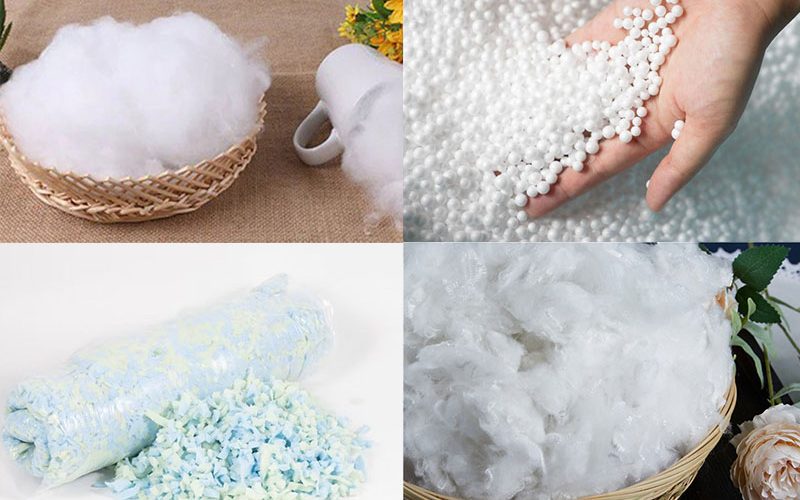
Common Fillings
PP Cotton
Polyester Fiber Filling
Memory Foam Filling
Weighted Glass Beads
Plastic Pellets
Recycled Fiber Filling
Selecting the right combination of fabric and filling helps ensure comfort, durability, safety compliance, and consistent production results for custom plush toys.
Custom Plush Toy Production Process: From Design to Mass Production
A clear and controlled production process is essential for successful custom plush projects. Each step is designed to reduce uncertainty, improve accuracy, and ensure consistent quality from the first sample to bulk production. A structured workflow helps your project stay on schedule and meet safety and quality expectations.
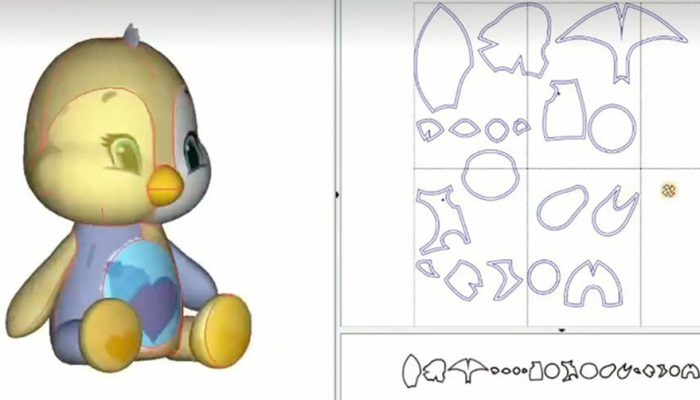
Design Review & Engineering
Project requirements are reviewed to confirm structure, proportions, and manufacturability before development begins.
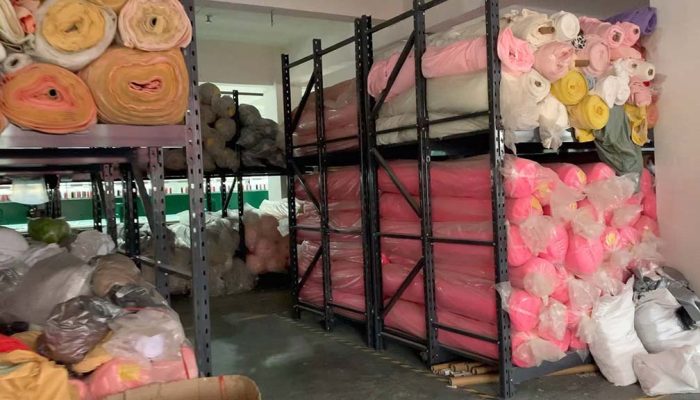
Material Selection & Confirmation
Fabrics and fillings are selected and verified to match safety standards, appearance, and performance needs.
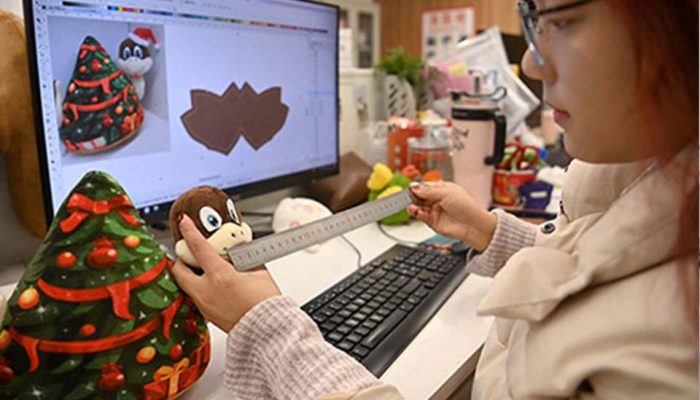
Sampling & Prototype Development
Initial samples are produced to test design accuracy, structure, and overall feel before approval.
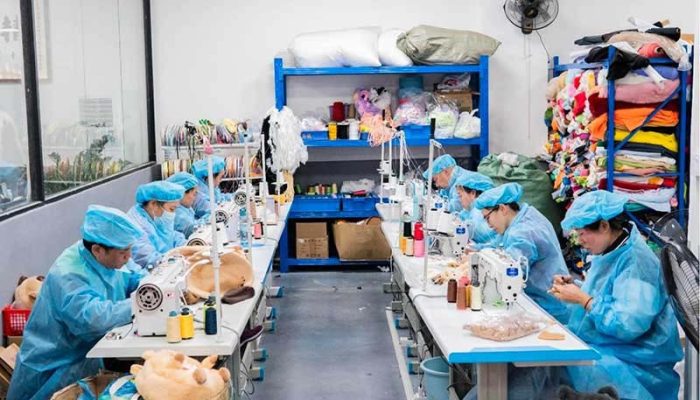
Pre-Production Approval
Final adjustments are confirmed to ensure the approved sample is ready for stable mass production.
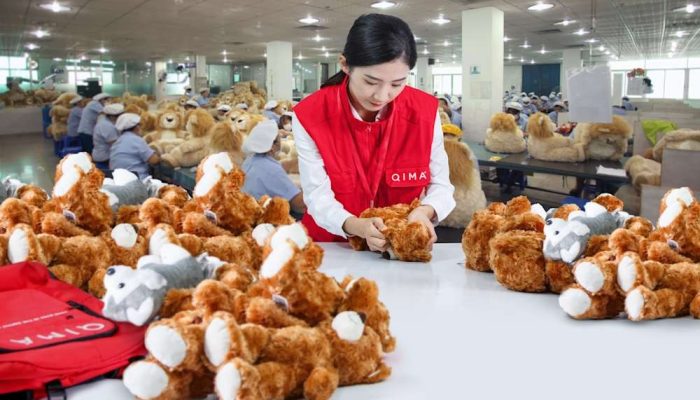
Mass Production & Quality Control
Bulk production follows standardized procedures with ongoing quality checks at each stage.
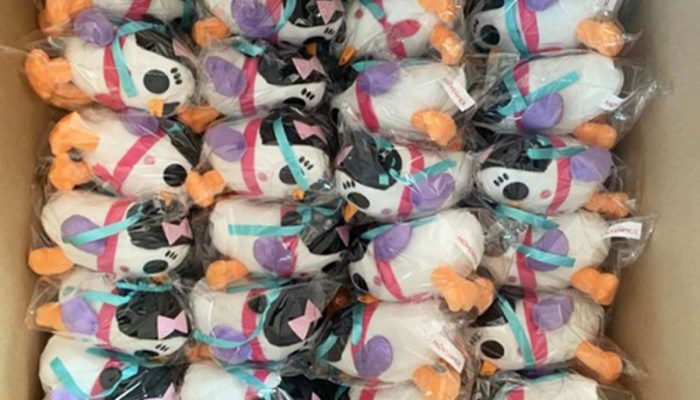
Packaging & Shipment Preparation
Finished plush toys are packed, labeled, and prepared for safe global delivery.
A transparent production process gives you better visibility, fewer surprises, and more predictable results for custom plush manufacturing.
Precision Plush Manufacturing Workflow
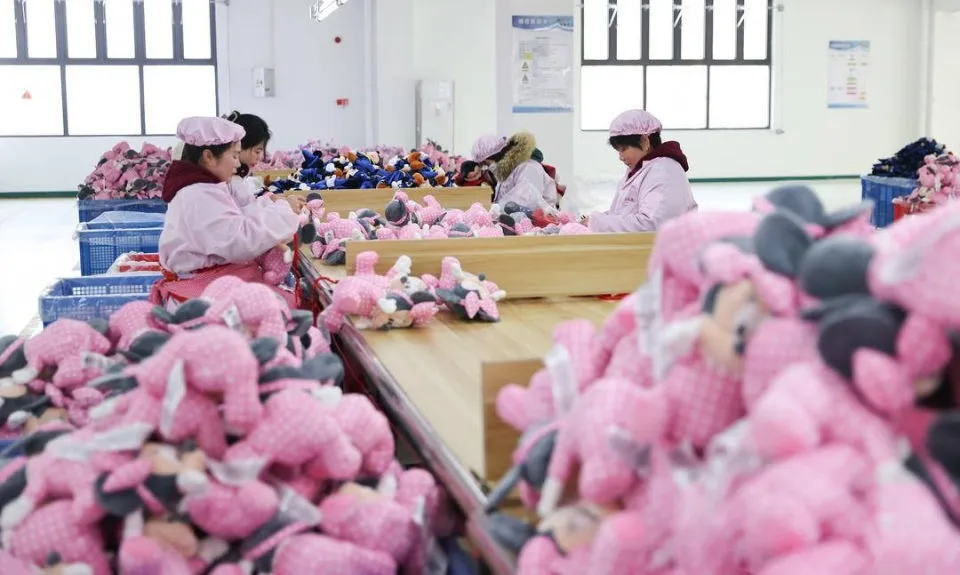
This video presents the complete plush toy manufacturing workflow inside our factory, from material preparation and cutting to sewing, stuffing, quality inspection, and final packing. Each stage follows standardized operating procedures to ensure consistent quality, efficient execution, and reliable delivery from approved samples to bulk production. This workflow clearly demonstrates our capacity to handle custom plush projects at scale.
Quality Control & Safety Standards for Custom Plush Manufacturing
Quality and safety are critical for every custom plush project, especially when products are developed for children, retail markets, or international distribution. A structured quality control system ensures that each plush toy meets design expectations, safety requirements, and long-term durability standards—while reducing production risk and compliance issues.
Fabric & Material Safety Testing
All fabrics and fillings are checked to ensure they meet applicable plush toy safety standards before entering production. This step helps prevent chemical, flammability, or material-related risks and ensures suitability for the target age group and market.
Stitching Strength & Structural Integrity
Stitching quality directly affects durability and safety. Plush toys are evaluated for seam strength and construction stability to ensure they can withstand normal use, pulling, and handling without structural failure.
Color Fastness & Wash Resistance
Color stability testing ensures fabrics maintain appearance after washing or prolonged use. This helps prevent fading, bleeding, or staining, especially for plush toys intended for frequent handling or cleaning.
Small Parts & Accessory Safety Checks
Eyes, noses, accessories, and decorative elements are carefully inspected and tested to reduce choking or detachment risks. Secure attachment methods are verified throughout the production process.
Needle Detection & Foreign Object Control
Needle detection is applied to identify and remove any metal fragments before packaging. This step is essential for preventing hidden hazards and maintaining product safety standards.
Final Inspection & Random Sampling
Before shipment, finished plush toys undergo final inspections and random sampling checks. This ensures consistency in appearance, workmanship, and safety across bulk production.
A comprehensive quality control system protects your brand, your customers, and your market access. Consistent safety standards help custom plush toys meet global expectations with confidence.
Who We Serve: Clients for Custom Plush Manufacturing
Custom plush projects serve different markets and business models. A capable plush toy manufacturer supports a wide range of clients, each with unique design goals, production requirements, and compliance needs. The following client groups commonly rely on custom plush manufacturing for reliable, scalable results.
Toy Brands
IP Owners & License Holders
Private Label Brands
Startups & New Product Teams
Retailers & Chain Stores
E-commerce Brands
Promotional & Gift Companies
Educational Product Developers
Event Organizers & Campaign Agencies
Wholesalers & Importers
Non-Profit & Educational Organizations
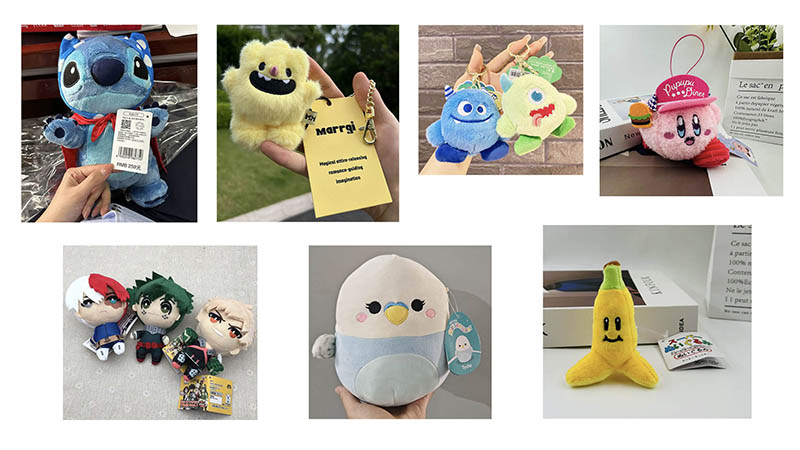
Serving diverse client types allows custom plush manufacturing to adapt to different project needs, timelines, and market expectations.
Trusted by Leading Global Brands
Strong partnerships prove strong capabilities. Over the years, Kinwin has worked with world-leading brands and retailers to deliver interactive plush toys that meet the highest standards of creativity, safety, and quality. By choosing us, you gain a supplier that is trusted by top companies worldwide—and the same reliability is available to your brand.


Why Brands Choose Us for Custom Plush Projects
Choosing the right plush toy manufacturer can significantly impact product quality, development efficiency, and market success. Brands select partners who can reduce uncertainty, protect brand value, and deliver consistent results. The following reasons explain why clients trust us for complex custom plush manufacturing projects.
Higher Sample Accuracy from the Start
Projects benefit from structured design evaluation, experienced pattern engineering, and controlled sampling workflows. This approach helps custom plush toys reach high visual and structural accuracy early, reducing revision cycles and accelerating decision-making.
Lower Production Risk & Better Control
Clear processes, documented standards, and staged confirmations reduce unexpected issues during development and mass production. This gives brands better visibility into progress and fewer surprises throughout the manufacturing cycle.
Stronger Safety & Compliance Assurance
Safety and compliance are built into every stage, from material selection to final inspection. This ensures custom plush toys meet global safety expectations and helps brands avoid regulatory delays or market access issues.
Scalable Manufacturing for Long-Term Growth
Custom plush projects are developed with future production in mind. This allows brands to scale from initial orders to larger volumes while maintaining consistent quality, stable lead times, and predictable costs.
Start Your Custom Plush Project with Confidence
Launching a custom plush project involves many decisions—from design feasibility and material selection to safety compliance and production planning. Taking time at the beginning to evaluate these factors can prevent delays, unexpected costs, and quality issues later. A professional project assessment helps clarify whether your idea is suitable for plush manufacturing, how it can be optimized for better accuracy and safety, and what to expect in terms of timeline and scalability. This early-stage guidance allows your team to move forward with clearer direction, fewer revisions, and greater confidence throughout the entire development and production process.
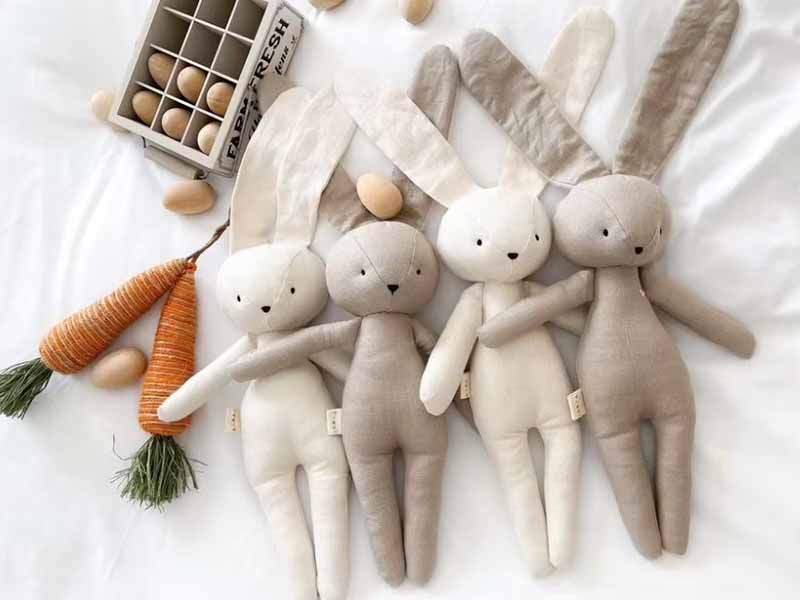
Explore Our Custom Plush Toy Series
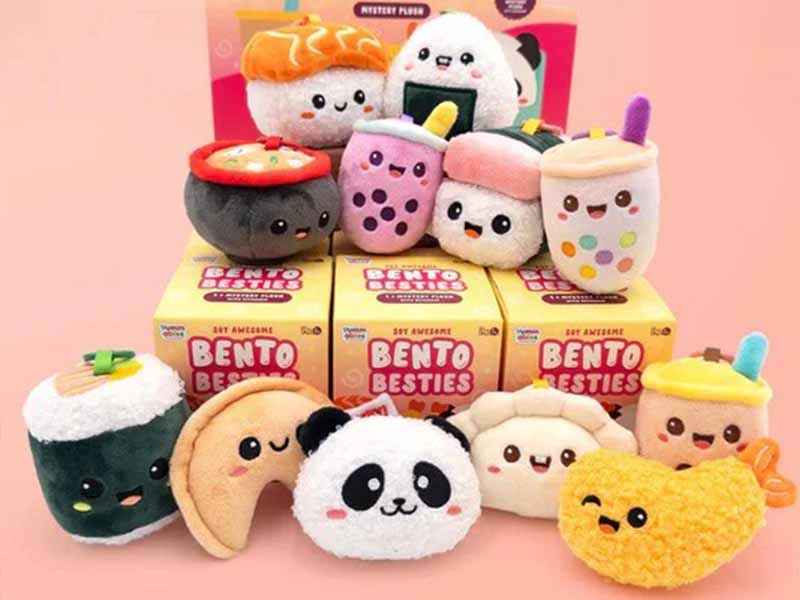
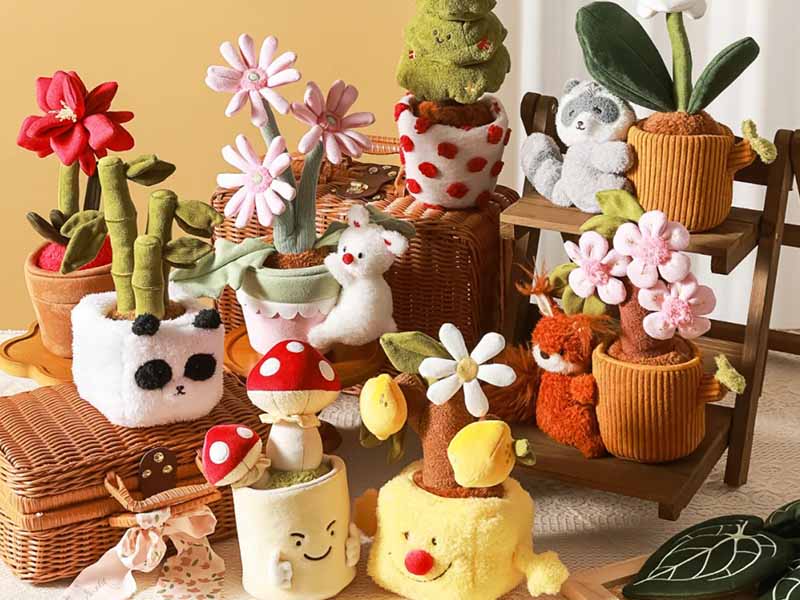
We offer a wide selection of plush toys to meet different business needs. From baby-safe stuffed animals to collectible plush dolls, our product lines are designed for global brands, retailers, e-commerce, and promotional projects.
Frequently Asked Questions
1. What is the typical MOQ for custom plush toys?
Our standard MOQ is 500 pieces. For orders below this quantity, please consult with our project manager. We may offer flexible solutions depending on the product size, complexity, and customization requirements.
2. How long does custom plush toy sampling take?
Sampling usually takes 7–15 working days after design details, materials, and requirements are confirmed. Projects with complex structures, multiple revisions, or new materials may require additional time. A clear design brief and timely feedback can significantly shorten the sampling cycle.
3. Can you work from sketches, images, or just an idea?
Yes. Custom plush development can start from finished designs, hand sketches, reference photos, or even basic concepts. During early evaluation, designs are reviewed and adjusted to ensure they are suitable for plush manufacturing while maintaining the original visual intent.
4. How do you ensure high accuracy between samples and mass production?
Accuracy is achieved through structured design review, precise pattern engineering, controlled material matching, and production-ready adjustments during sampling. Approved samples are documented and used as the production benchmark to ensure consistency throughout bulk manufacturing.
5. What safety standards can custom plush toys comply with?
Custom plush toys can be produced to meet major international safety standards, including CE, EN71, ASTM F963, and CPSIA. Safety considerations are integrated from material selection to construction and final inspection, depending on the target market and age group.
6. Can materials and fillings be customized for different markets?
Yes. Fabrics, fillings, and accessories can be adjusted based on regional regulations, age requirements, cost targets, and product positioning. This flexibility allows plush toys to meet both safety expectations and market preferences in different countries.
7. How are quality control and inspections handled during production?
Quality control is conducted at multiple stages, including material inspection, in-process checks, and final inspection. Stitching strength, appearance consistency, accessory security, and safety requirements are verified to ensure bulk orders match approved standards.
8. What is the typical production lead time after sample approval?
Mass production usually takes 25–45 days, depending on order quantity, design complexity, and material availability. Production timelines are confirmed before manufacturing begins to help with planning and scheduling.
9. Can packaging and branding be customized?
Yes. Packaging options can include custom tags, labels, retail-ready packaging, and branded inserts. Packaging solutions can also be optimized for shipping efficiency and compliance with destination market requirements.
10. How do you protect designs and IP during custom projects?
Design confidentiality is taken seriously. Project information, designs, and samples are handled under strict internal controls, and non-disclosure agreements can be provided when required to protect your intellectual property.
If You Can lmagine lt,We Will Create lt!
1.Tell Us What You Need
Tell us as specific as possible of your needs and share your idea.
2.Get Solution & Quote
We will work on the best solution according to yourrequirements,the specific quote will be provided within 24 hours.
3.Approve for Mass Production
We will start mass production after getting your approval.