 Skip to content
Best Plush Animals Manufacturer | Custom & Wholesale Stuffed Animals from China
High-quality plush animals start with a manufacturer that understands design accuracy, material safety, and scalable production. Here, brands, retailers, and IP owners get custom and wholesale stuffed animals built for real markets—stable quality, clear communication, and on-time global delivery. From concept to mass production, every plush animal is developed to meet international safety standards and commercial expectations.
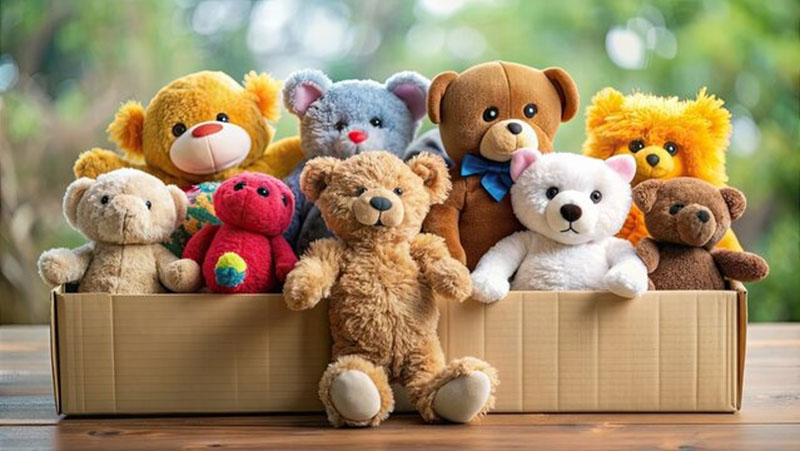
One-Stop Custom & Wholesale Plush Animal Manufacturing
A complete plush manufacturing solution designed to reduce complexity and risk. By integrating design, production, inspection, and shipping into one workflow, brands can save time, avoid miscommunication, and achieve stable results across every order. This one-stop model is ideal for custom and wholesale plush animals that require consistency, compliance, and reliable delivery.
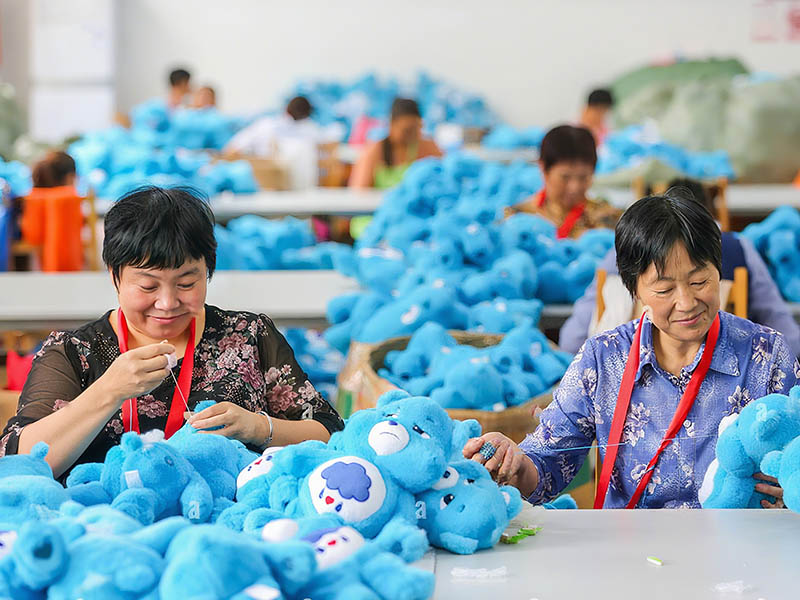
Design & Development
Designs are reviewed and optimized for plush animal production, including shape structure, size proportion, fabric selection, and stitching methods. This step helps prevent sampling errors and ensures designs are practical for mass production.
Mass Production
Organized production lines support custom and wholesale plush animals with controlled processes, helping maintain consistent quality, efficient output, and predictable lead times.
Quality Inspection & Testing
Each production stage follows inspection procedures aligned with international toy safety standards, helping reduce defects and improve overall product reliability.
Packaging & Global Shipping
Packaging options and export arrangements are handled with global delivery in mind, helping orders move smoothly from factory to destination markets.
Looking for a simpler and more reliable way to manage plush animal production?
How Kinwin Shortens Plush Animal Development Cycles by 30%
Reducing development time is not about rushing production, but about removing unnecessary trial-and-error. By structuring every stage of plush animal development—from design review to sampling and production handover—projects move faster with fewer revisions. This approach helps brands, retailers, and IP owners launch plush animals earlier while keeping quality, safety, and cost under control.
Early Design Feasibility Review
Design files are reviewed at the earliest stage with a manufacturing mindset. Structure stability, fabric behavior, stitching difficulty, and size proportions are checked in advance. By identifying production risks before sampling starts, design changes are handled once instead of multiple rounds, significantly shortening the overall development timeline.
Standardized Sampling Workflow
Sampling follows a clear and repeatable process, with defined checkpoints for pattern making, material confirmation, and construction approval. This structure reduces waiting time between steps and avoids confusion caused by unclear responsibilities, allowing samples to be delivered faster with higher accuracy.
Material & Accessory Pre-Selection
Frequently used fabrics, fillings, and accessories are pre-qualified for plush animal production. These materials have already been tested for safety, durability, and appearance, allowing projects to move forward immediately without repeated sourcing, testing, or approval delays.
Cross-Department Production Coordination
Design, sampling, production, and quality teams work within the same workflow system. Information flows smoothly between departments, decisions are made faster, and handovers are clearer, preventing delays that often occur when teams work separately.
Shorter development cycles are not just about speed—they create more room for testing, marketing preparation, and smoother market entry. By reducing development time by 30%, brands gain flexibility to adjust designs, control costs, and respond faster to market trends without added pressure or risk. This structured approach helps every plush animal project move forward with confidence and predictability.
Precision Plush Sample Making Process
This video shows how plush toy samples are made with real production standards—not conceptual trials. From pattern confirmation and material selection to sewing, stuffing, and final finishing, each step focuses on accuracy, structure, and repeatability. Our sample-making process ensures the approved sample can be reliably reproduced in bulk production.
Best-Selling Plush Animal Styles for Custom & Wholesale
These plush animal styles are proven performers across global markets. Each animal is developed as a clear, single-category product, making it easier for brands to plan collections, control costs, and scale best-selling designs. Whether for retail, promotions, licensed programs, or long-term product lines, these plush animals are commonly selected for custom and wholesale production.
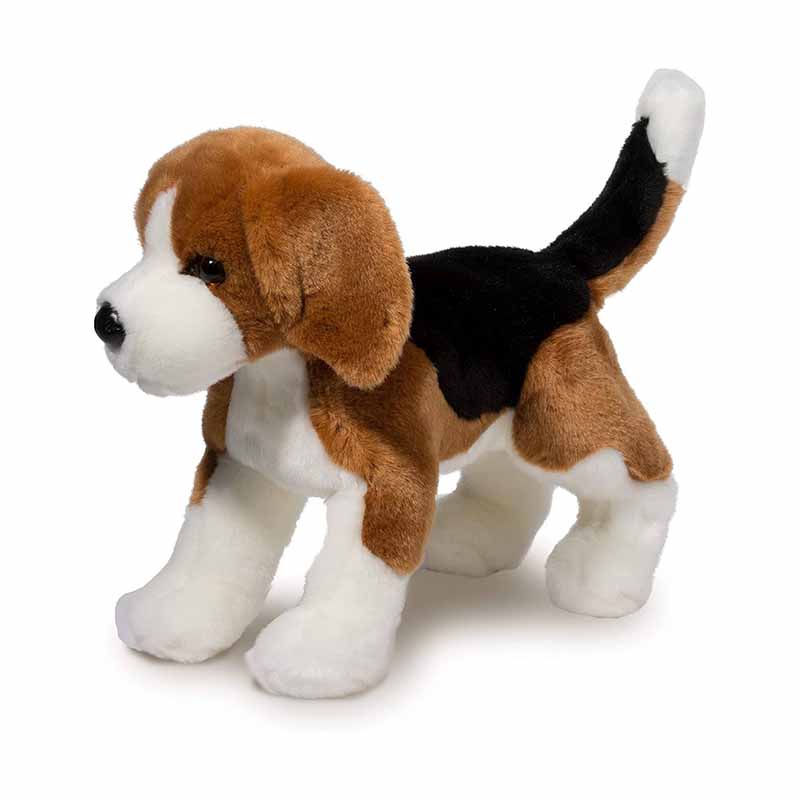
Dog Plush Toy
A consistently high-demand plush animal, suitable for retail, promotions, and brand mascots across global markets.
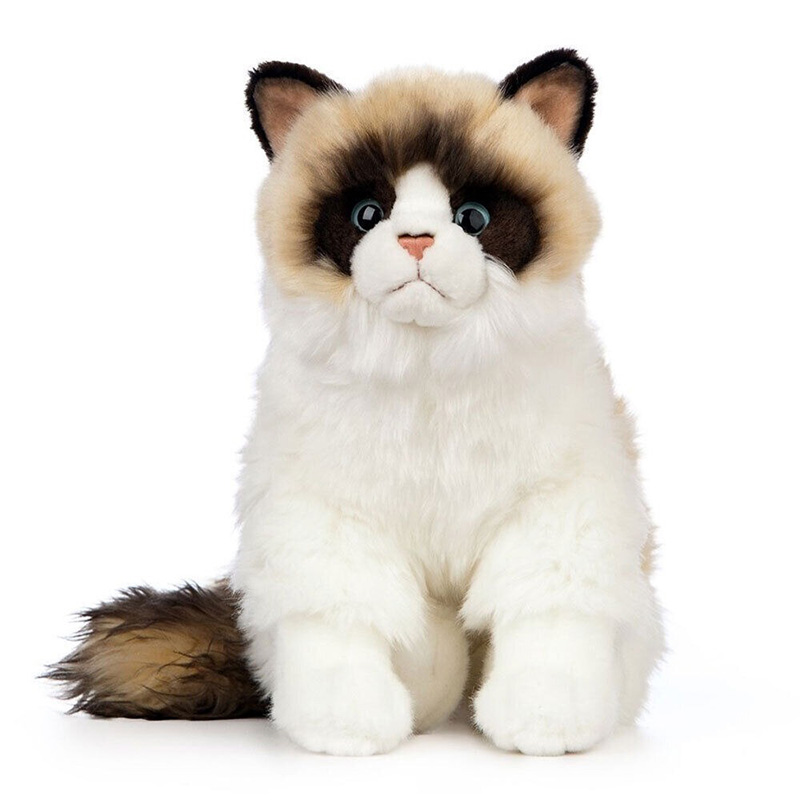
Cat Plush Toy
Soft and comforting designs favored by pet lovers and lifestyle brands.
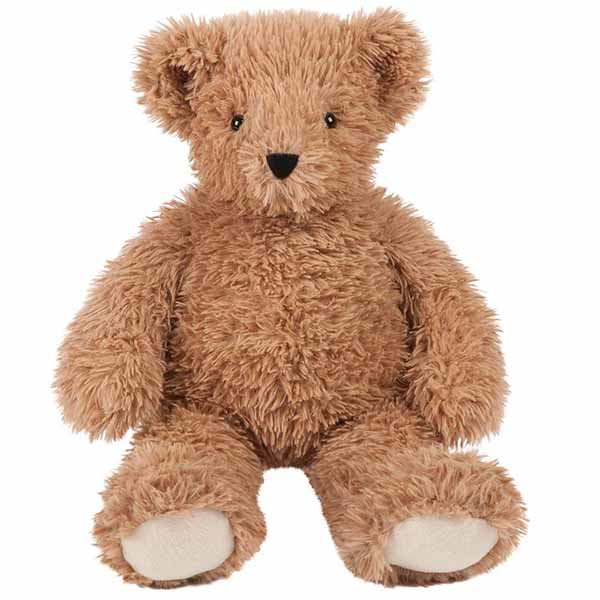
Teddy Bear Plush
A timeless classic plush animal used for gifts, events, and long-term collections.
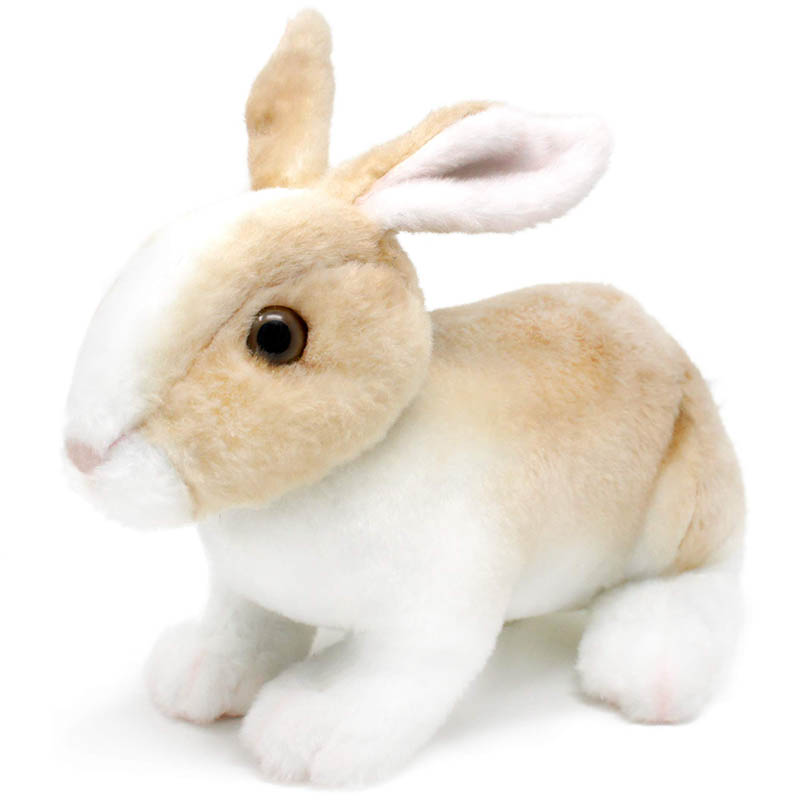
Rabbit Plush Toy
Cute and gentle shapes often chosen for kids’ products and seasonal promotions.
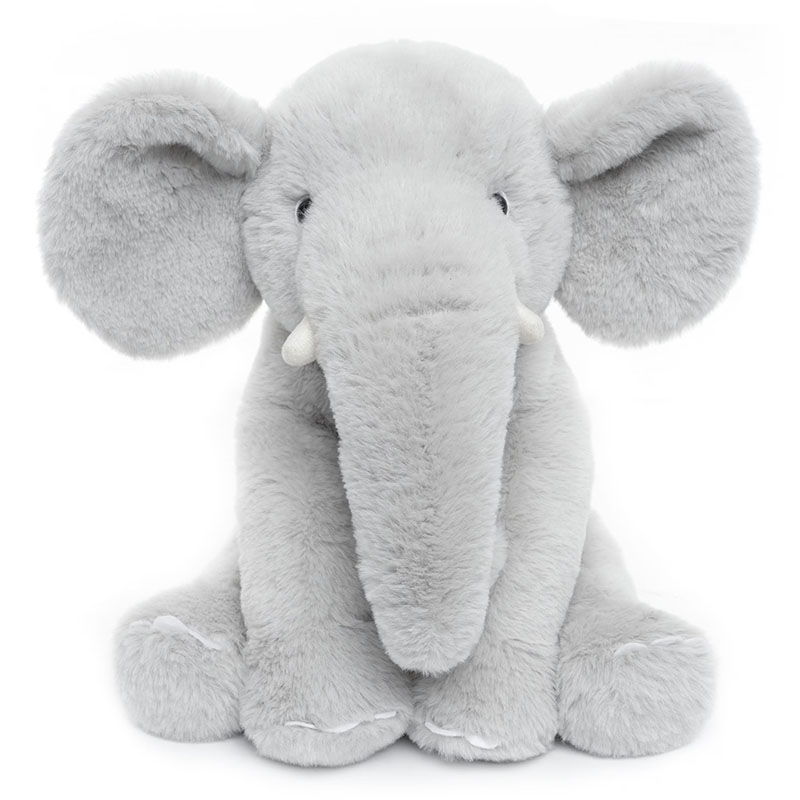
Elephant Plush Toy
Large, friendly forms ideal for educational toys and gift markets.
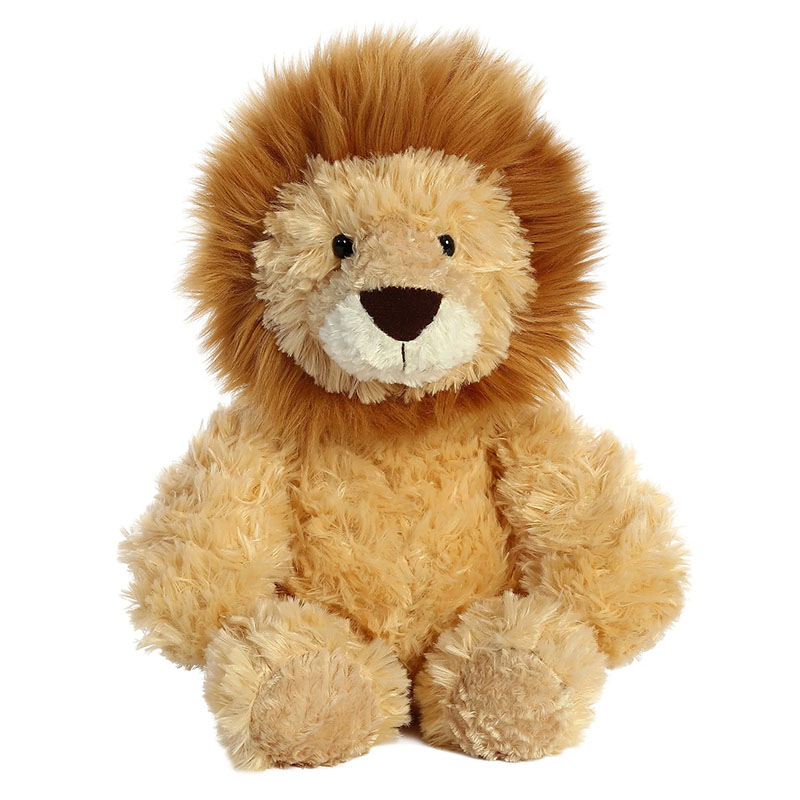
Lion Plush Toy
Bold and recognizable designs popular for themed collections and zoo retail.
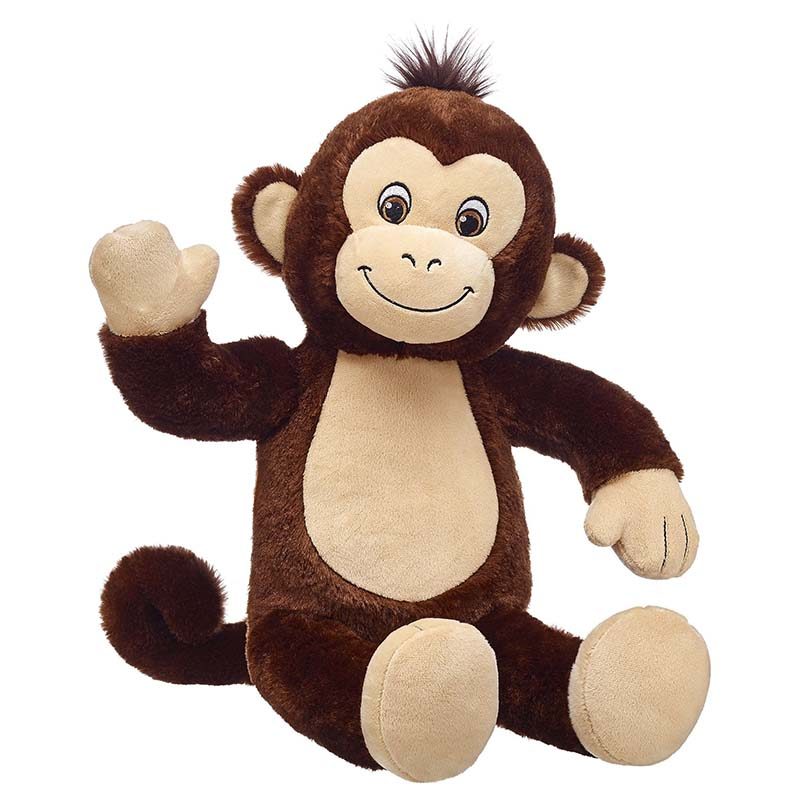
Monkey Plush Toy
Playful and expressive styles suitable for interactive and youth-focused products.
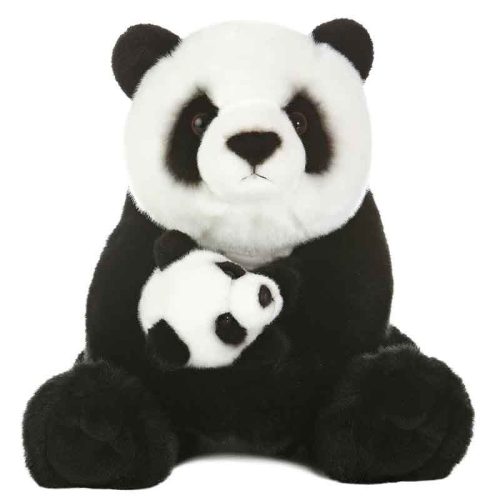
Panda Plush Toy
A globally loved plush animal with strong appeal in gift and IP programs.
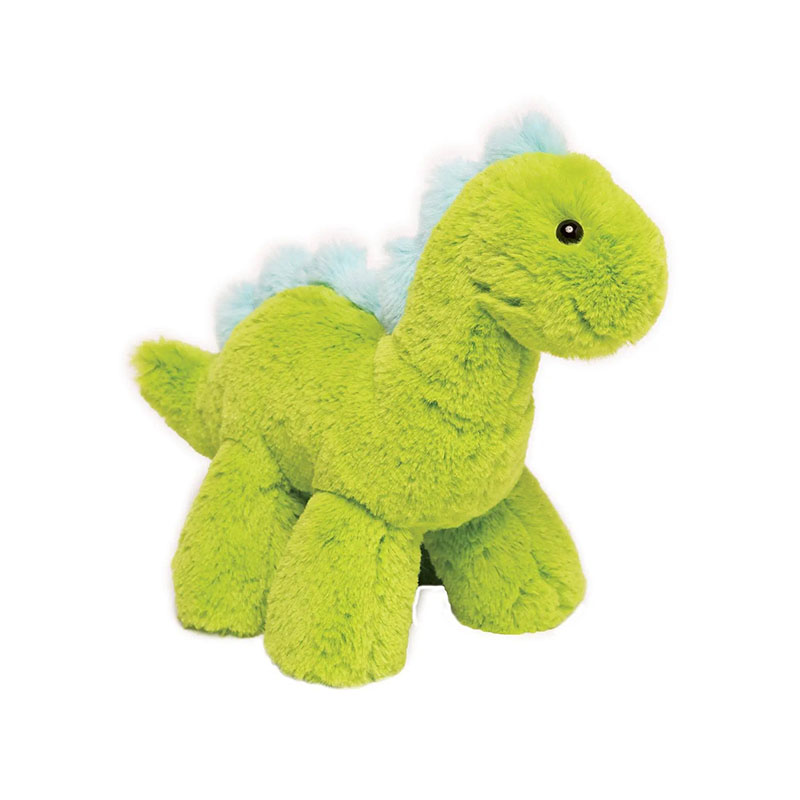
Dinosaur Plush Toy
Eye-catching shapes that perform well in children’s and novelty markets.
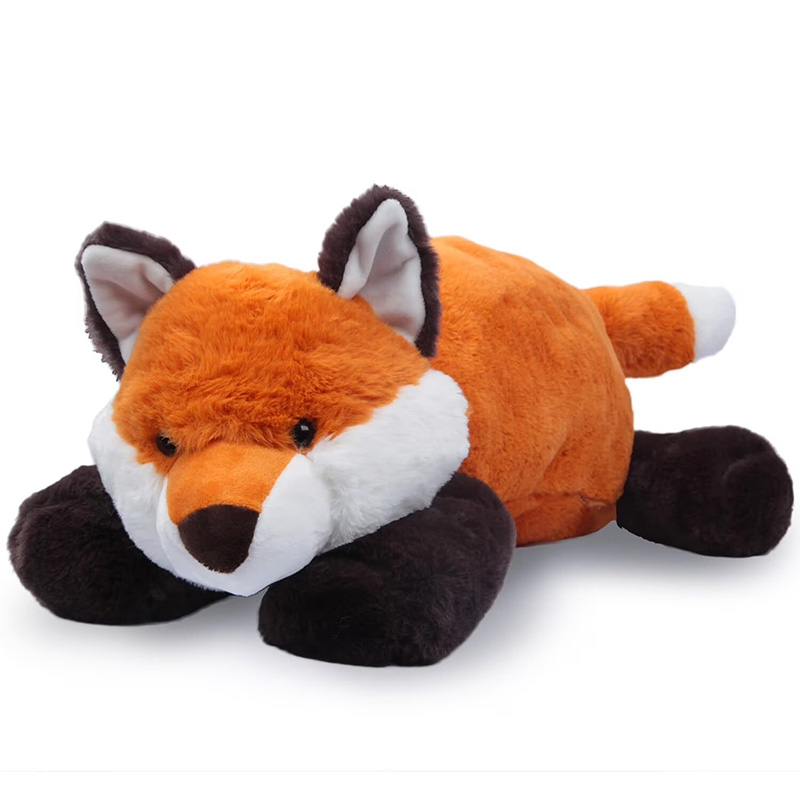
Fox Plush Toy
Stylish and modern animal designs favored by boutique and lifestyle brands.
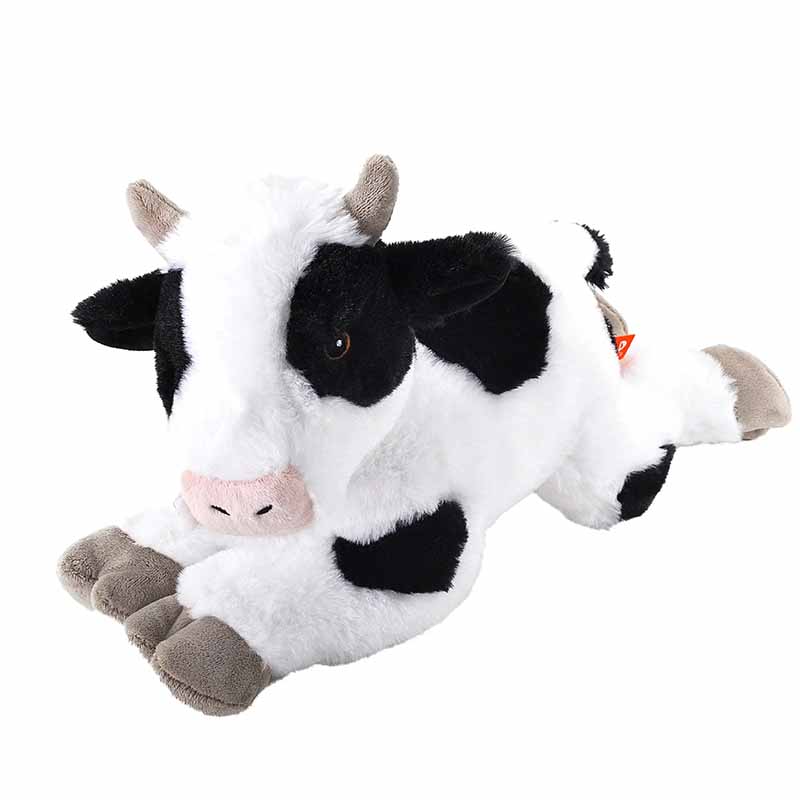
Cow Plush Toy
Friendly farm animal styles used for early education and gift sets.
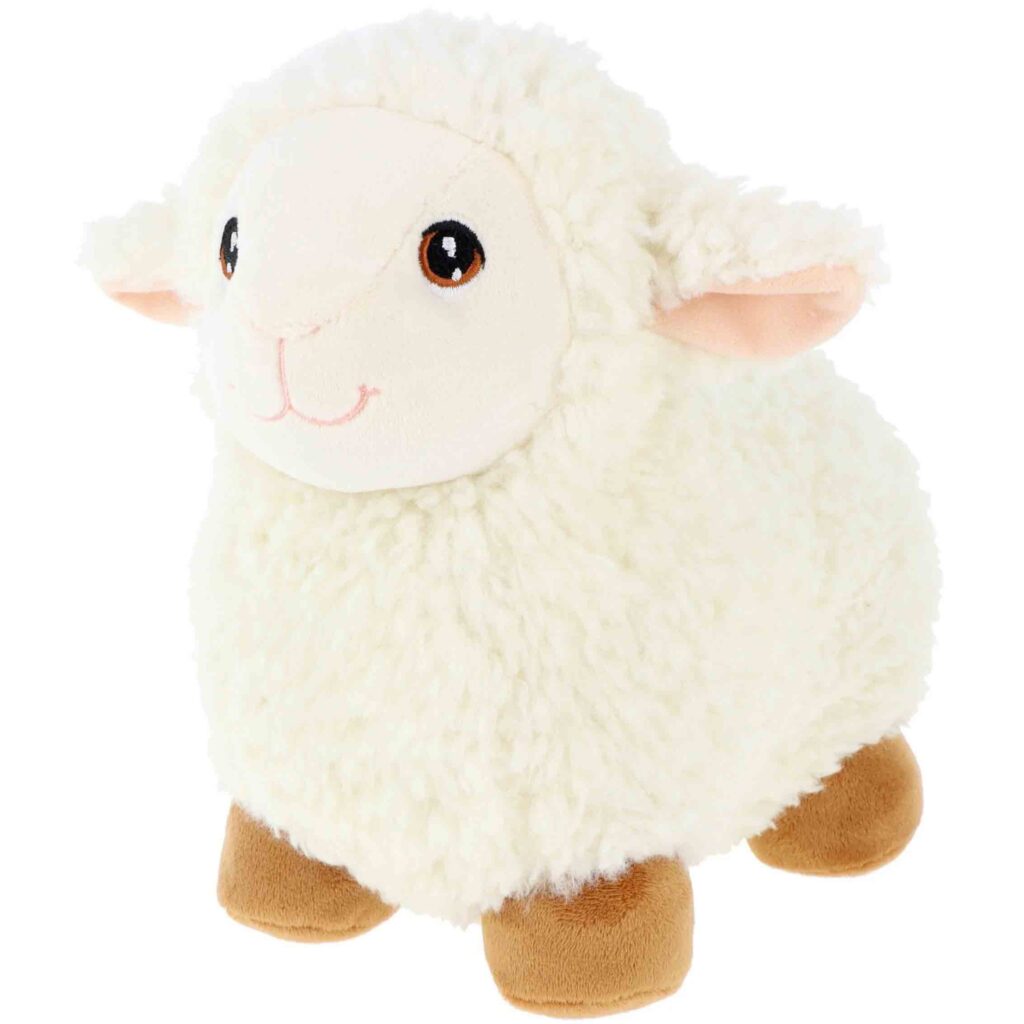
Sheep Plush Toy
Soft and calming designs ideal for baby and comfort-focused products.
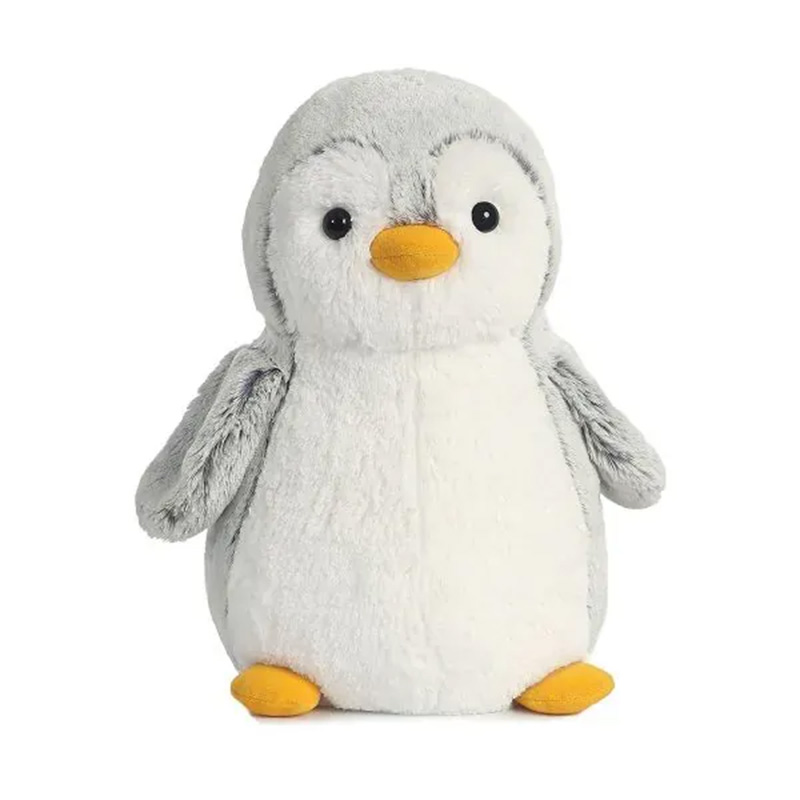
Penguin Plush Toy
Cute and compact animal shapes popular in gift shops and souvenirs.
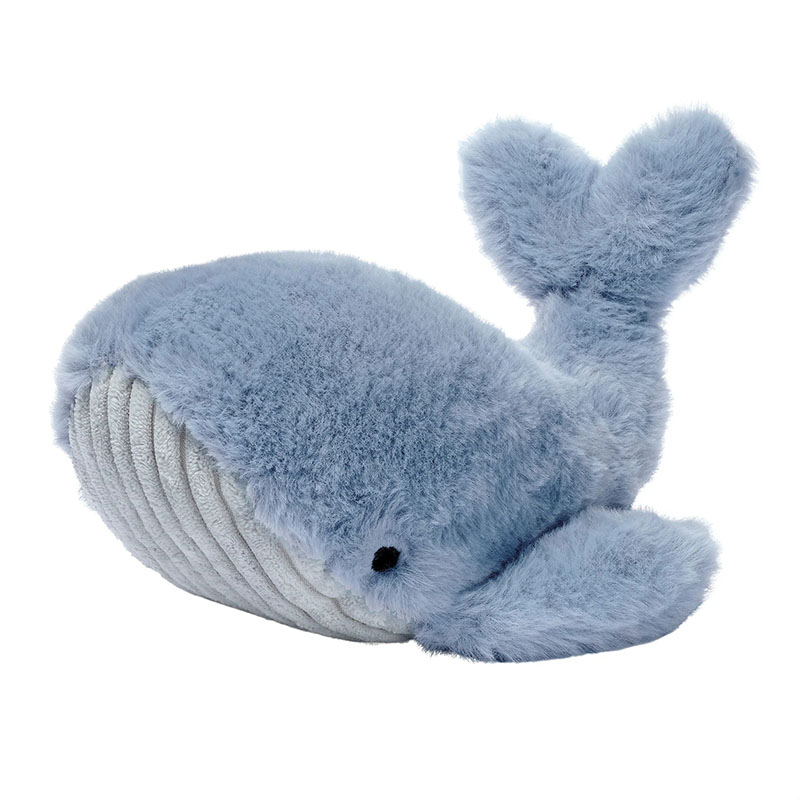
Whale Plush Toy
Ocean-themed plush animals used for educational and lifestyle collections.
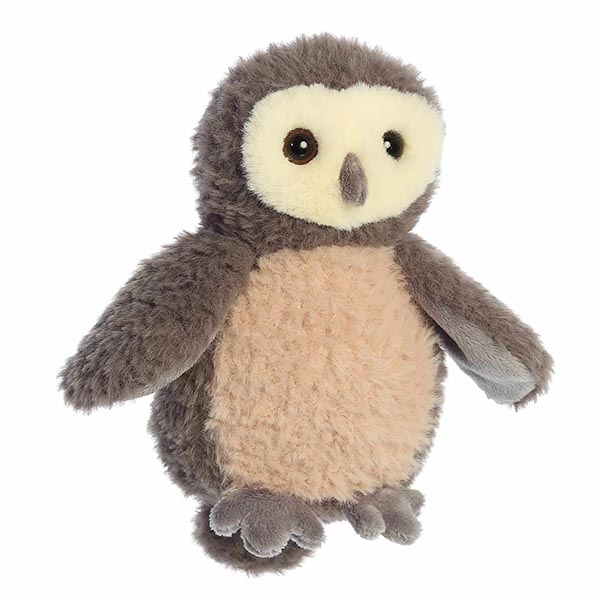
Owl Plush Toy
Distinctive animal designs often used for learning and decorative products.
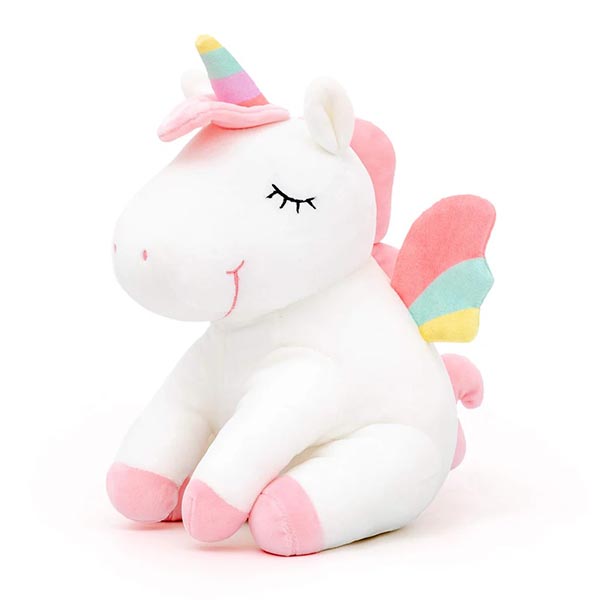
Unicorn Plush Toy
Fantasy-inspired plush animals with strong appeal in trend-driven markets.
Dedicated Support Programs for Long-Term Plush Manufacturing Partners
Building long-term cooperation is not just about repeat orders—it’s about creating a stable, efficient, and scalable system that supports continuous growth. For long-term partners, a dedicated support mechanism is designed to reduce operational pressure, improve consistency, and help brands develop plush animal programs with greater confidence and predictability.
Dedicated Project Managemente
Each long-term client is assigned a fixed project manager who fully understands product history, quality expectations, communication habits, and approval standards. This continuity avoids repeated explanations, reduces misunderstandings, and allows projects to move faster with clearer decisions and smoother coordination.
Priority Sampling & Production Scheduling
Long-term projects receive priority access during sampling and production planning stages. This helps reduce waiting time during peak seasons, ensures smoother capacity allocation, and keeps development and bulk production schedules more predictable.
Stable Material & Craft Standards
Based on previous successful orders, material selections, fillings, and construction methods are standardized. This consistency minimizes re-testing, reduces development uncertainty, and helps maintain uniform quality across different batches and product series.
Cost Optimization & Order Planning Support
Historical production data is used to suggest cost optimization strategies, including material choices, packaging adjustments, and quantity planning. This helps partners control budgets while maintaining target quality and market positioning.
Faster Communication & Issue Resolution
Established workflows and clear escalation channels allow issues to be identified and resolved quickly. Faster response reduces downtime, prevents small problems from escalating, and keeps projects on schedule.
Long-Term Product Development Guidance
Support extends beyond individual orders. Long-term partners receive guidance on product line planning, animal style selection, and seasonal development strategies to build sustainable and scalable plush programs.
A structured long-term partnership brings higher efficiency, stronger consistency, and lower overall risk.
OEM vs ODM for Plush Animals: Which Customization Model Fits Your Brand?
Choosing between OEM and ODM is not just a production decision—it directly affects cost control, development speed, brand ownership, and long-term scalability. Understanding how each model works helps brands select the right customization path based on their resources, market position, and growth strategy.
OEM (Original Equipment Manufacturing)
OEM is best suited for brands that already have clear designs, detailed specifications, or licensed IP assets. You provide the design files, reference samples, and technical requirements, and production follows your instructions strictly. This model gives full control over product appearance, brand identity, and intellectual property ownership. It is ideal for established brands, IP collaborations, and companies with internal design teams that require high consistency across different batches and markets.
ODM (Original Design Manufacturing)
ODM is a practical choice for brands that want to shorten development time or reduce early-stage investment. Based on existing plush animal structures and proven designs, customization focuses on size, fabric, color, accessories, and branding elements. This model lowers development risk and allows faster market entry, making it suitable for startups, seasonal programs, and market testing projects.
Both methods are flexible in different ways. Artwork-based customization offers speed and clarity, while concept development provides creative depth and scalability. The best option depends on where your brand is today and how you plan to grow tomorrow.
International Certifications That Support Global Plush Animal Sales
International certifications play a critical role in helping plush animals enter global markets smoothly and sustainably. They are not only required by regulations, but also widely used by brands, retailers, and distributors as a baseline for supplier evaluation. A complete certification system helps reduce market entry risks, speeds up approval processes, and ensures that product safety and quality remain consistent from sampling to mass production and repeat orders.
CE Certification (EU Market Compliance)
CE certification demonstrates that plush animals comply with essential European requirements related to product safety, health, and labeling. It is commonly required by EU importers and retailers before products can be listed or distributed. CE helps reduce customs clearance issues, supports smoother onboarding with European partners, and ensures that plush animals meet baseline expectations for regulated EU markets.
ASTM F963 Certification (U.S. Toy Safety Standard)
ASTM F963 is the primary toy safety standard referenced in the United States. It evaluates plush animals based on construction strength, material performance, flammability-related risks, and general product safety. Compliance with ASTM F963 helps brands reduce legal exposure, lowers the likelihood of recalls, and improves readiness for audits from U.S. retailers and marketplaces.
EN71 Certification (European Toy Safety Standard)
EN71 focuses on mechanical, physical, and chemical safety requirements for toys sold in Europe. It is especially important for plush animals intended for children, as many retailers require EN71 compliance before distribution. This certification helps ensure that products meet strict child-safety expectations and align with European consumer protection standards.

ISO Systems & Factory Compliance Audits
ISO-based quality management systems and factory audits help maintain consistent production processes, documentation, and traceability. These systems support stable quality control from raw materials to finished products, giving buyers confidence that bulk production will match approved samples and remain reliable over long-term cooperation.
If you share your target markets and sales channels, the certification scope and testing strategy can be planned more efficiently.
Common Fabrics & Fillings Used in Plush Animal Manufacturing
The right fabrics and fillings help plush animals achieve better softness, shape stability, and safety performance. Material selection also affects production efficiency and cost control, making it a key part of custom and wholesale plush development.
Common Plush Fabrics
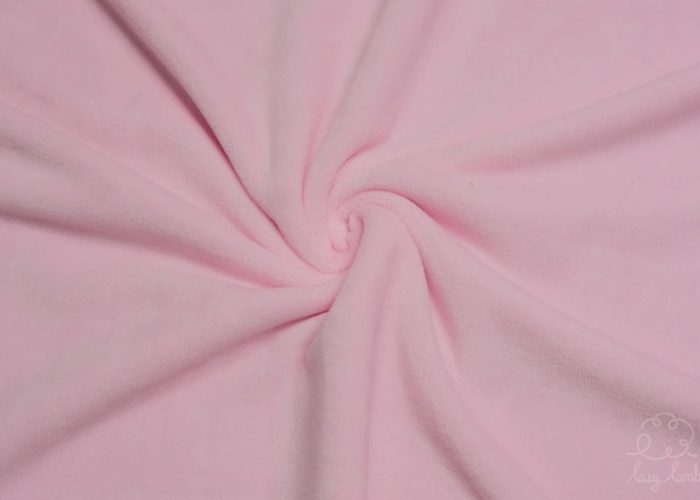
Short Pile Plush
A smooth surface with clear shapes, commonly used for cartoon styles and promotional plush animals.
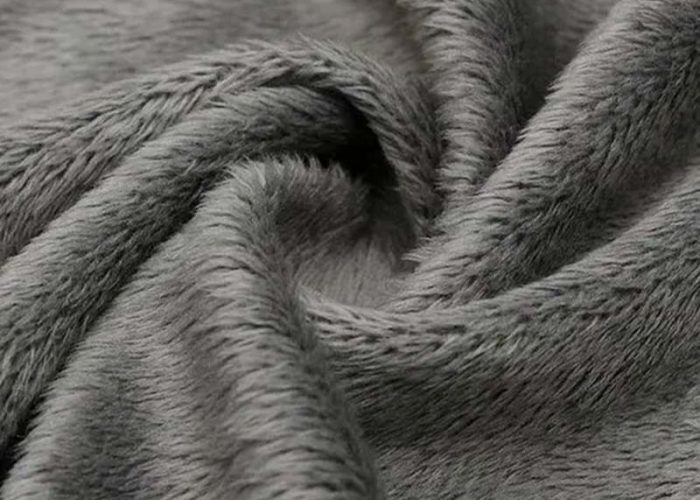
Velboa Fabric
Fine texture and stable colors, ideal for printed designs and detailed plush animals.
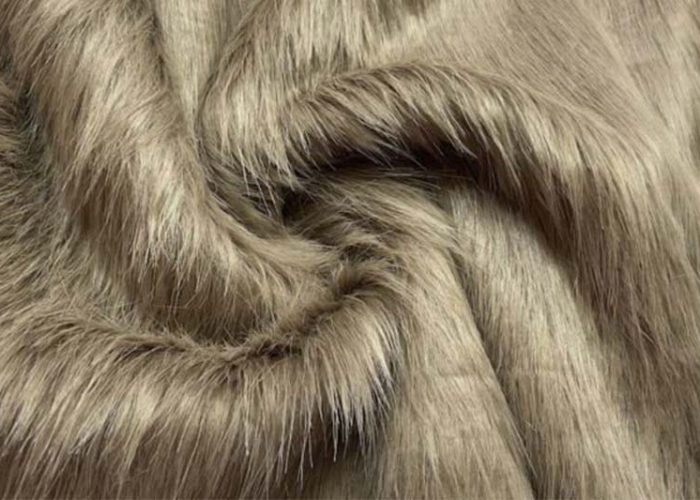
Long Pile Plush
Soft and fluffy with strong visual appeal, suitable for teddy bears and comfort-focused designs
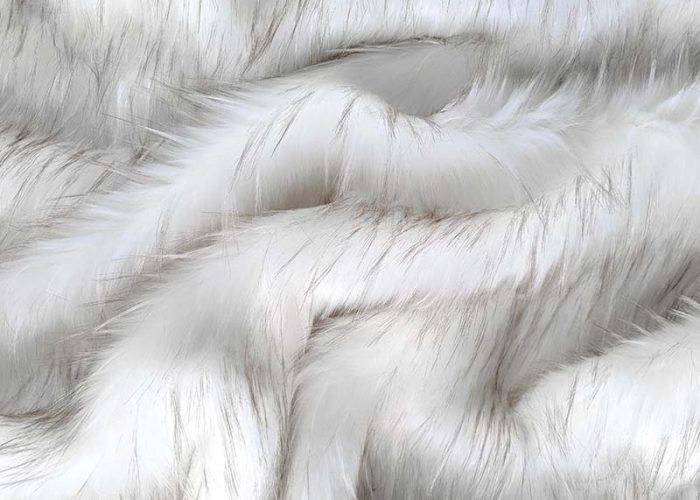
Faux Fur Fabric
Creates a realistic fur look, often used for premium or realistic animal styles.
Common Plush Accessories
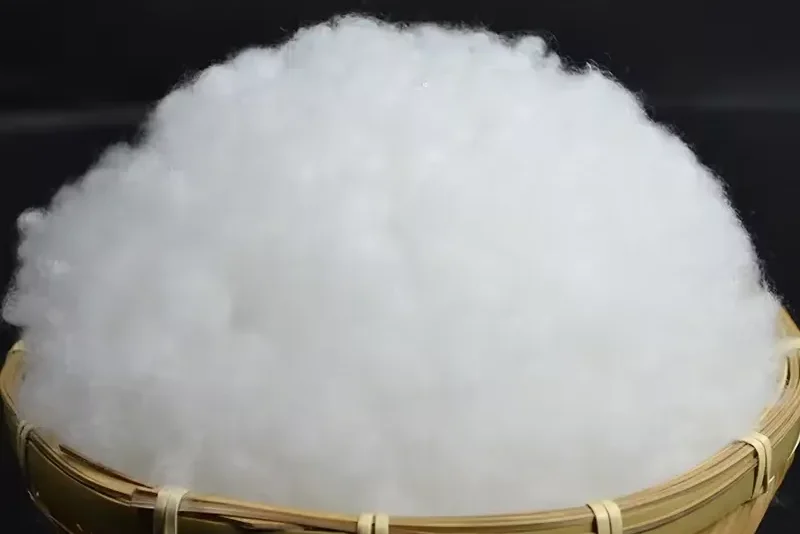
PP Cotton
Lightweight and resilient filling that maintains shape and softness over time.
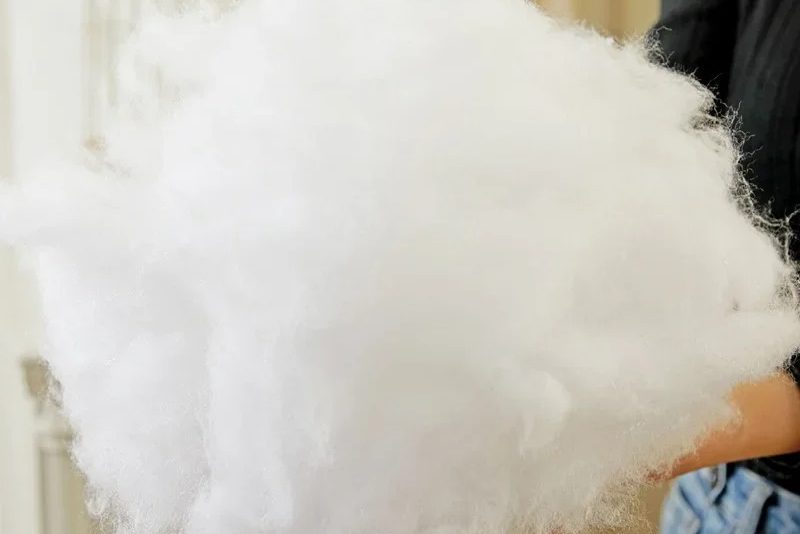
Polyester Fiber
Provides consistent volume and stable shape, ideal for standardized mass production.
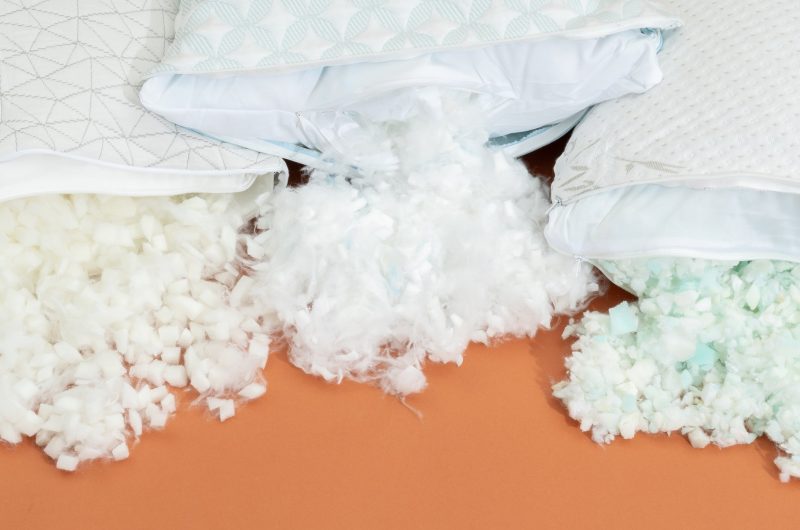
Memory Fiber Filling
Offers enhanced comfort and recovery, used in premium plush products.
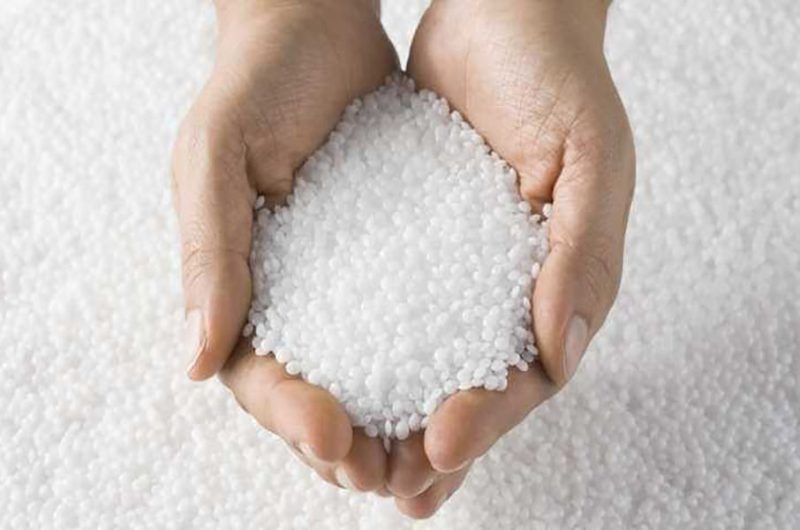
Weighted Filling
Used to create weight or structure in specific plush designs, enhancing sensory or functional features.
Choosing the right fabrics and fillings is not only about touch and appearance, but also about production stability, safety compliance, and long-term cost control. Different markets, age groups, and sales channels may require different material strategies. By selecting suitable combinations early in development, brands can reduce revision cycles, avoid compliance risks, and achieve more consistent quality across sampling and bulk production.
Our Customization Scope for Plush Animal Projects
A flexible customization scope allows brands to adapt plush animals to different markets, audiences, and sales channels. From visual style to functional details, customization is structured to stay efficient, controllable, and scalable for both custom and wholesale programs.
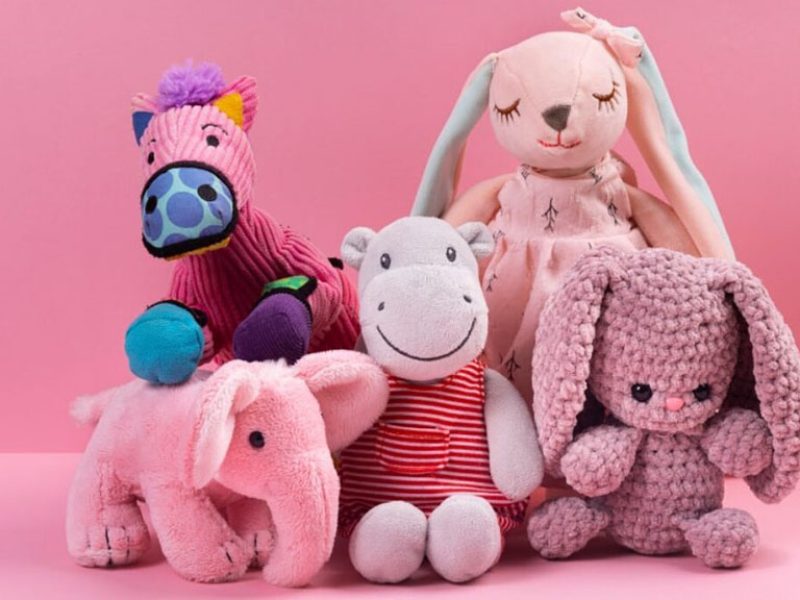
Animal Design & Appearance
Animal shape, facial expression, color, and overall style can be customized to match brand identity and target markets.
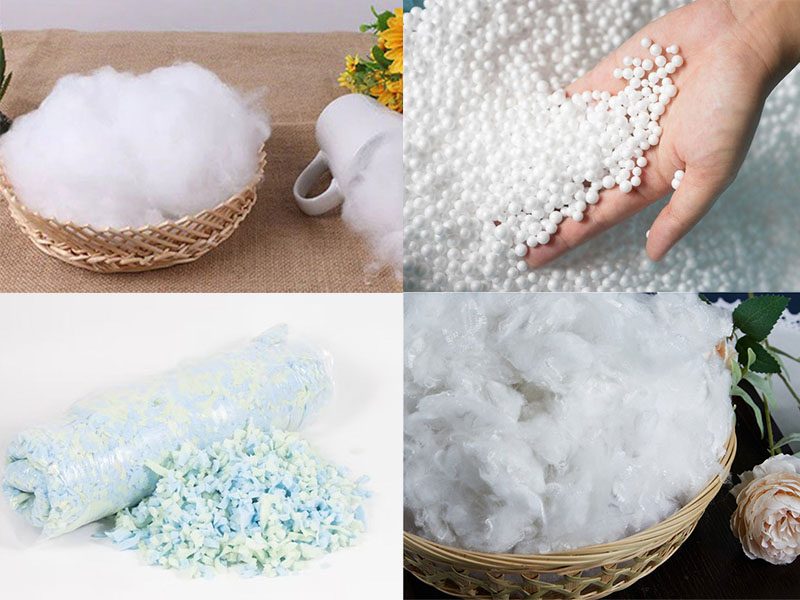
Materials & Fillings
Fabric and filling options are adjusted based on softness, safety standards, and product positioning.
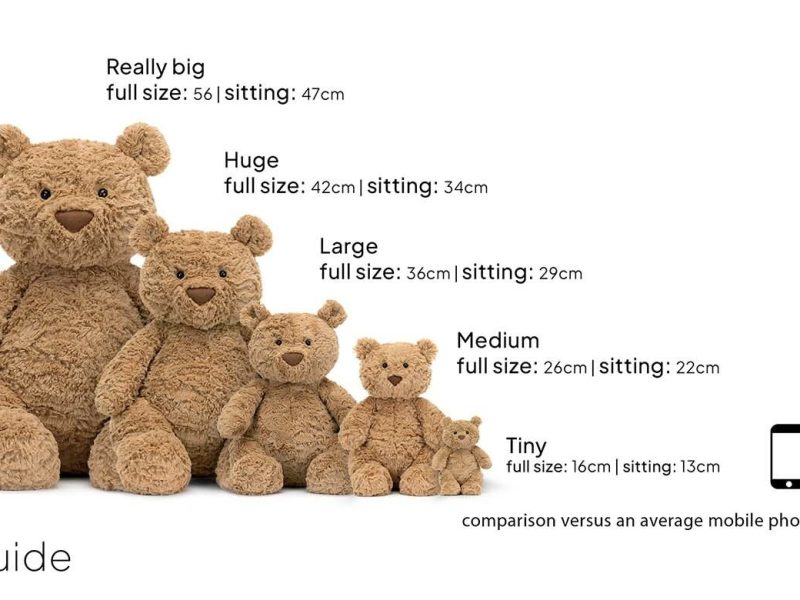
Size & Structure
Size, internal structure, and firmness can be customized to fit different usage scenarios and age groups.
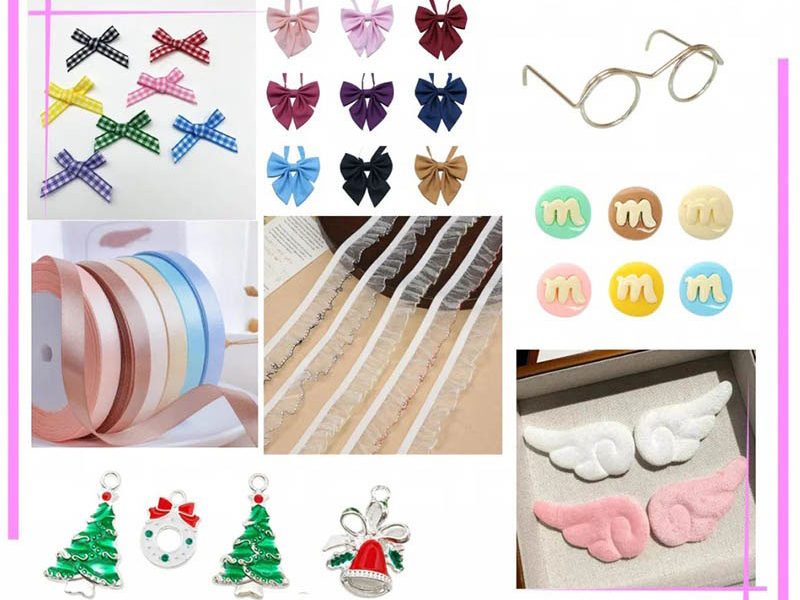
Branding & Accessories
Logos, embroidery, labels, and accessories can be added to support brand recognition.
A clear and well-defined customization scope makes plush development more predictable and cost-efficient. When key details are confirmed early, brands can shorten development cycles, reduce revisions, and keep quality consistent from samples to bulk production. This structured approach also makes it easier to scale successful designs into long-term product lines.
Precision Embroidery Craftsmanship
This video highlights our embroidery craftsmanship used for facial expressions, logos, and fine decorative details on plush toys. By precisely controlling stitch density, thread tension, color accuracy, and placement, we achieve clean lines and stable results that can be consistently reproduced from samples to bulk production. High-quality embroidery enhances visual appeal, durability, and brand recognition.
Standardized Plush Animal Production Process
A clear and standardized production process helps ensure stable quality, predictable timelines, and smooth transitions from samples to bulk orders. Each step is designed to reduce errors, improve efficiency, and keep products aligned with approved specifications and safety standards.
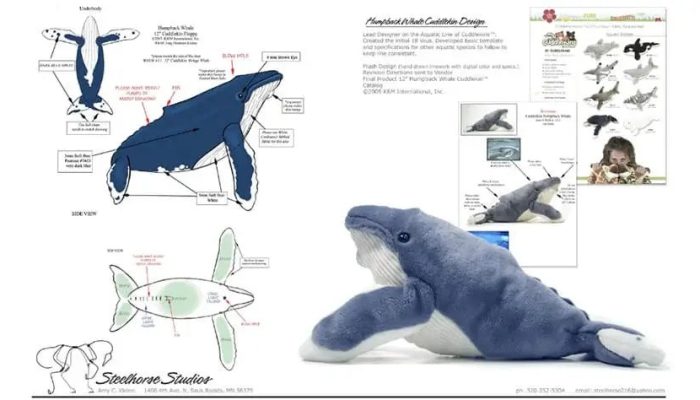
Design Review & Specification Confirmation
All designs, sizes, materials, and construction details are reviewed and confirmed before production begins, ensuring every requirement is clear and production-ready.
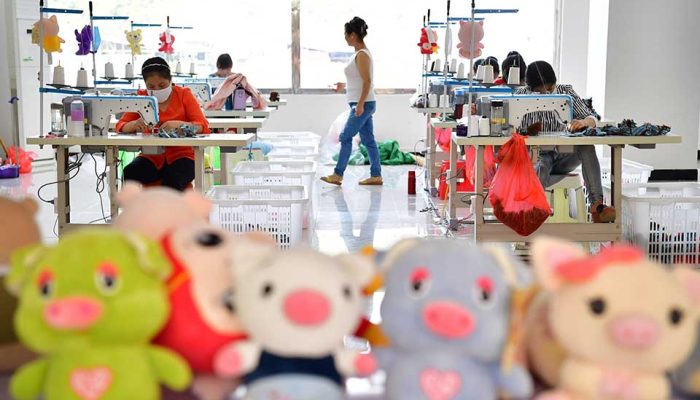
Pattern Making & Sample Development
Patterns are created and samples are produced to verify structure, proportions, and appearance before mass production approval.
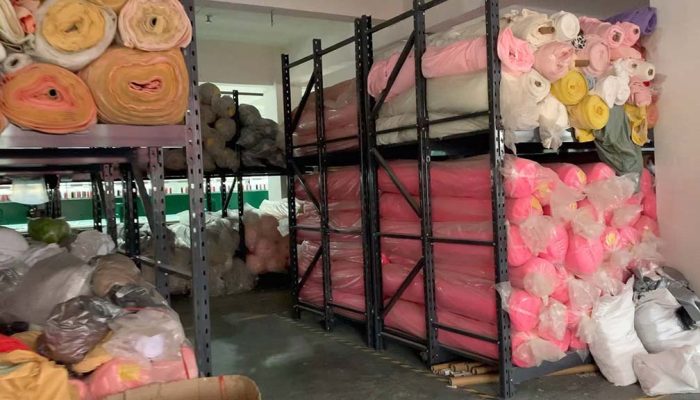
Material Preparation & Cutting
Approved fabrics and fillings are prepared and cut according to patterns, ensuring consistency and efficient material usage.
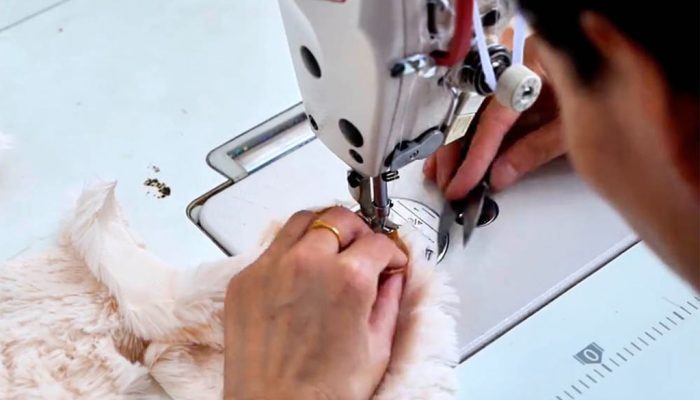
Sewing & Assembly
Components are sewn and assembled following standardized procedures to maintain shape accuracy and durability.
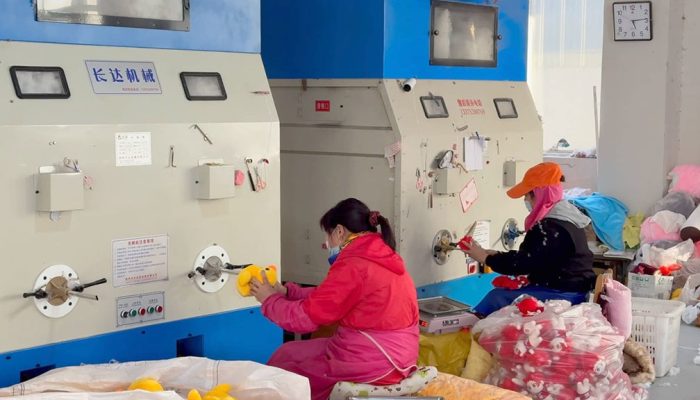
Stuffing & Shaping
Plush animals are filled and shaped to achieve the desired softness, balance, and appearance.
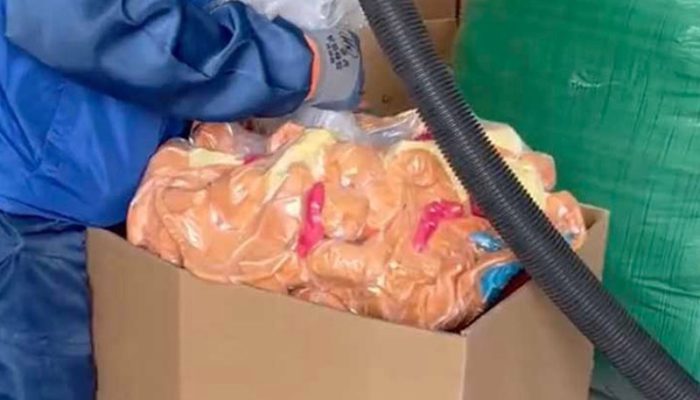
Final Inspection & Packaging
Finished products undergo final inspection before packaging and preparation for shipment.
A transparent production process helps reduce risks and ensures consistent results at every stage.
Quality Control Checkpoints During Plush Animal Production
Quality control is not a single step, but a continuous system applied throughout the entire plush animal production process. By setting clear inspection checkpoints at each key stage, potential issues can be identified early, corrected quickly, and prevented from affecting bulk production. This multi-layer quality control approach helps brands maintain consistent standards, reduce risk, and protect long-term market reputation.
Incoming Material Inspection (IQC)
All fabrics, fillings, and accessories are inspected before entering production. This includes checking material specifications, color accuracy, hand feel consistency, and basic safety compliance. Early control at the material stage helps prevent quality deviation and ensures production starts on a reliable foundation.
Pattern & Cutting Accuracy Check
During the cutting process, patterns, dimensions, and fabric alignment are carefully verified. This step ensures that all pieces match approved specifications, preventing size inconsistencies, shape distortion, and alignment errors that could affect final assembly.
In-Process Sewing Inspection (IPQC)
Sewing quality is monitored throughout assembly. Inspectors check stitch density, seam strength, thread tension, and alignment during production, allowing issues to be corrected immediately instead of after the product is completed.
Stuffing & Shape Control Check
During filling, inspectors monitor stuffing weight, distribution balance, and overall shape. Proper control at this stage ensures consistent softness, stable structure, and a uniform appearance across all plush animals.
Accessory & Detail Safety Inspection
All decorative and functional details, such as embroidery, labels, eyes, and accessories, are inspected for placement accuracy, firmness, and safety. This helps prevent detachment risks and improves overall product reliability.
Final Quality Inspection (FQC)
Before shipment, finished plush animals undergo a comprehensive inspection covering appearance, function, workmanship, and packaging accuracy. Only products that meet all approved standards are cleared for delivery.
A well-structured quality control system helps ensure every plush animal meets expectations from sample approval to bulk delivery.
Precision Plush Production Workflow
This video presents the complete plush toy production workflow inside our factory, from material preparation and cutting to sewing, stuffing, quality inspection, and final packing. Every step follows standardized operating procedures to ensure stable quality, efficient execution, and consistent results from approved samples to bulk production. This clear workflow gives brands confidence in quality control, capacity, and on-time delivery.
Trusted by Leading Global Brands
Strong partnerships prove strong capabilities. Over the years, Kinwin has worked with world-leading brands and retailers to deliver interactive plush toys that meet the highest standards of creativity, safety, and quality. By choosing us, you gain a supplier that is trusted by top companies worldwide—and the same reliability is available to your brand.




Plush Toy Trends That Influence Future Product Success
Understanding future trends helps brands plan product lines with longer life cycles and stronger market fit. The following directions are shaping how plush toys are designed, produced, and positioned in global markets.
Sustainable & Eco-Friendly Materials
More brands are adopting recycled fabrics, eco fillings, and certified materials to meet sustainability goals and consumer expectations.
Emotional & Comfort-Oriented Design
Plush toys are increasingly positioned as comfort products, focusing on softness, tactile experience, and emotional connection.
Customization & Brand Differentiation
Brands seek deeper customization in shape, details, and storytelling to build stronger identity and long-term recognition.
Safety, Compliance & Market Readiness
Stricter regulations and retailer standards push plush toys toward higher safety, testing, and documentation levels.
Ready to Build Your Next Best-Selling Plush Animals?
Whether you are developing a new plush animal line, expanding an existing collection, or testing a new market, having the right manufacturing partner makes the process clearer and more controllable. From design support and material selection to production planning and quality control, every step can be aligned to your goals, budget, and target market. A structured approach helps reduce uncertainty, shorten timelines, and ensure your plush products are ready for real commercial success.
If you already have sketches, reference samples, or a clear idea, the next step can move quickly. If you are still exploring concepts, professional guidance can help refine direction and avoid costly trial and error. Either way, starting the conversation early makes planning easier and outcomes more predictable.
Explore Our Custom Plush Toy Series
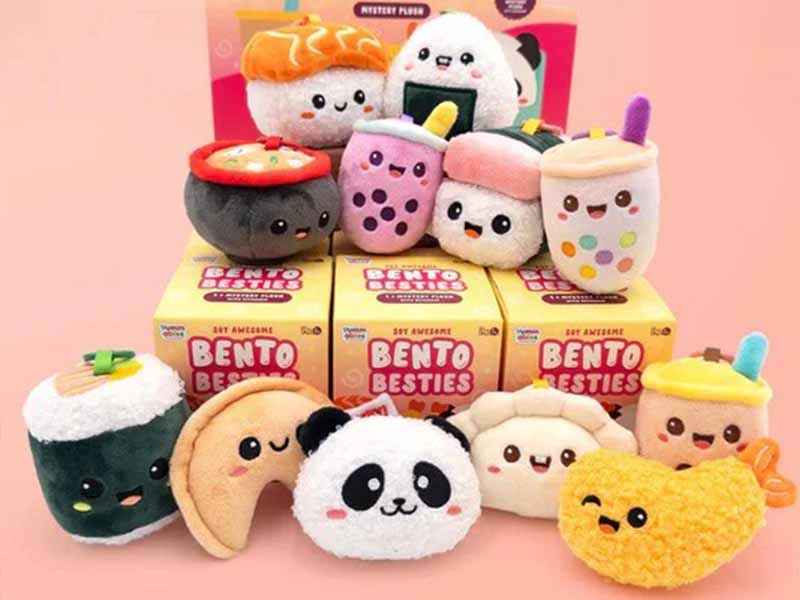
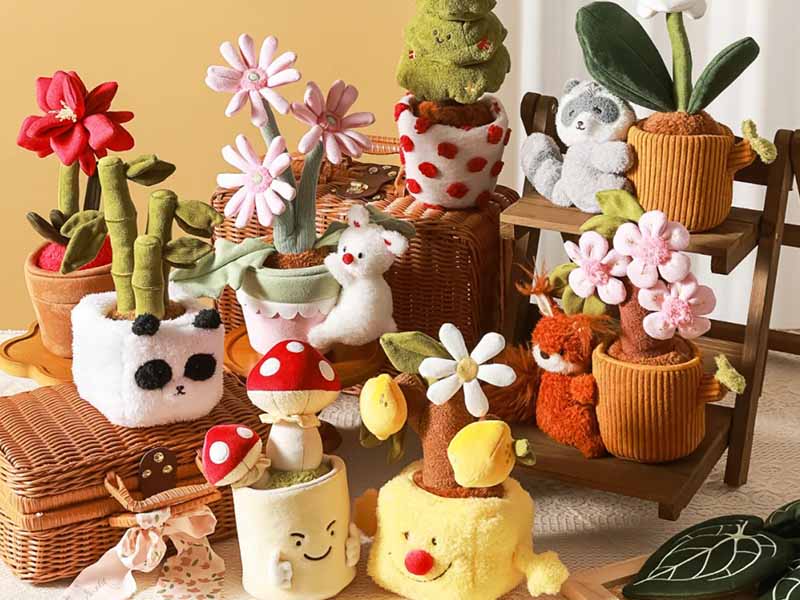
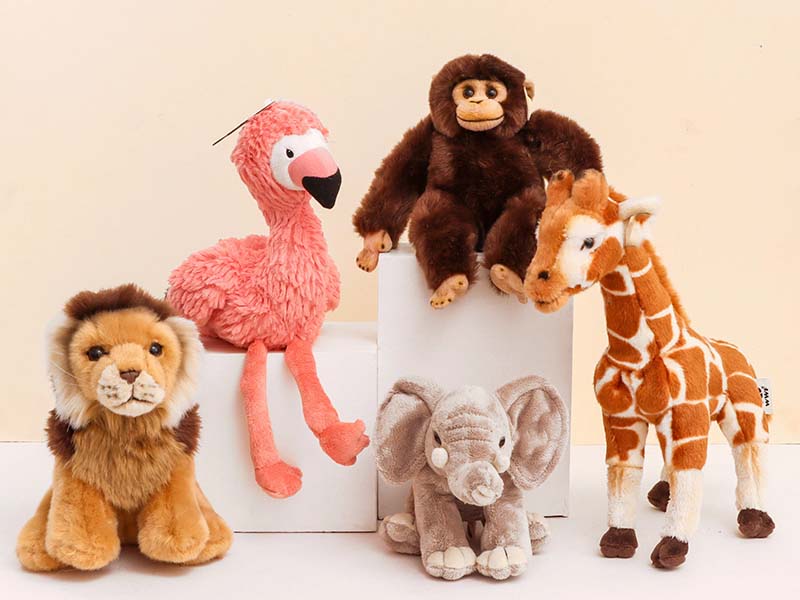
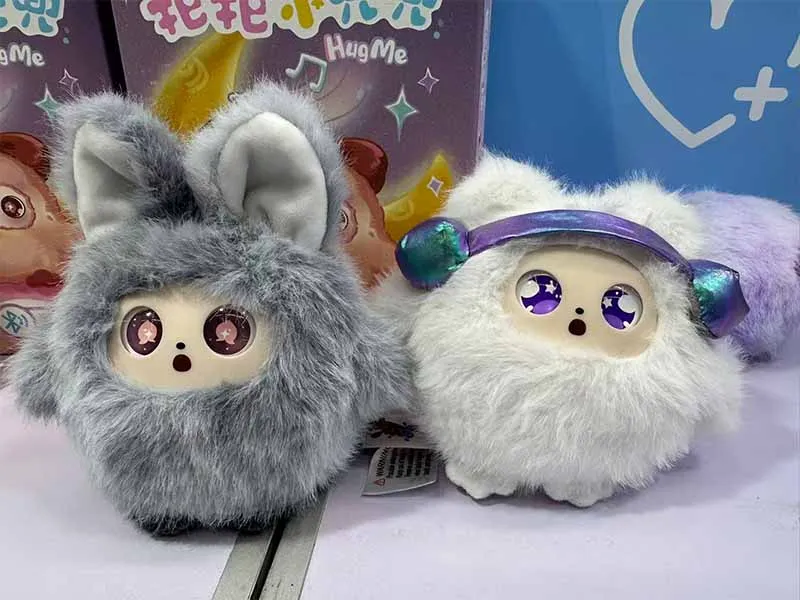
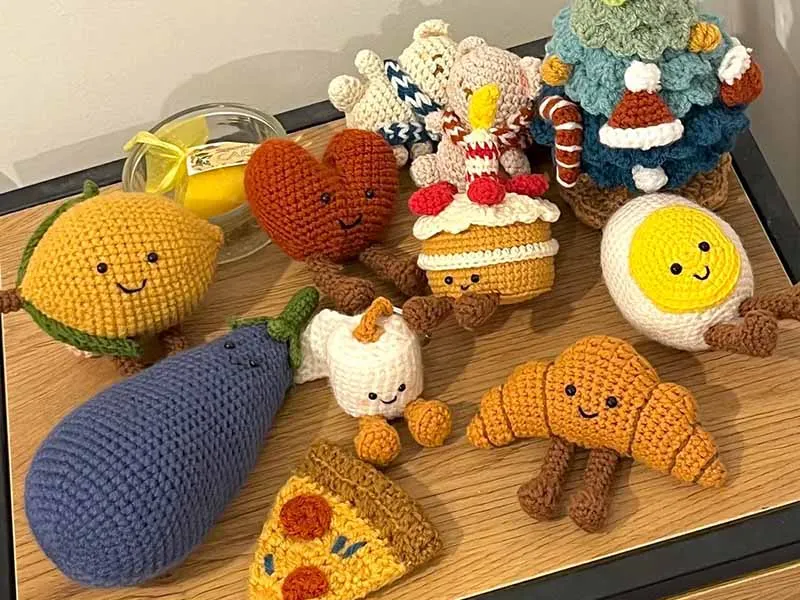
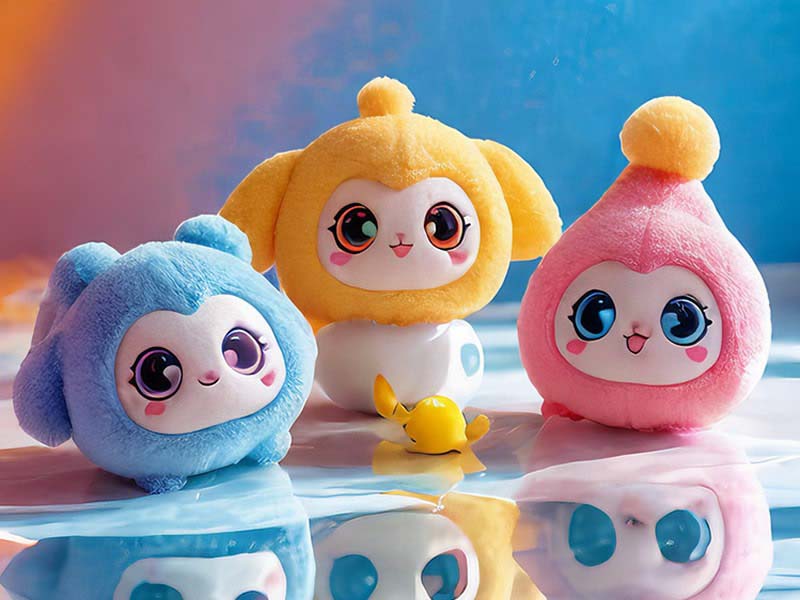
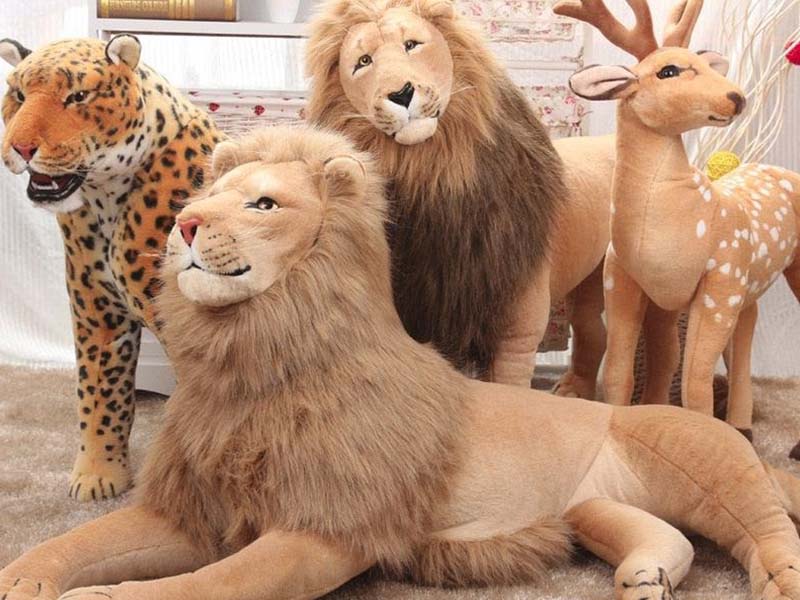
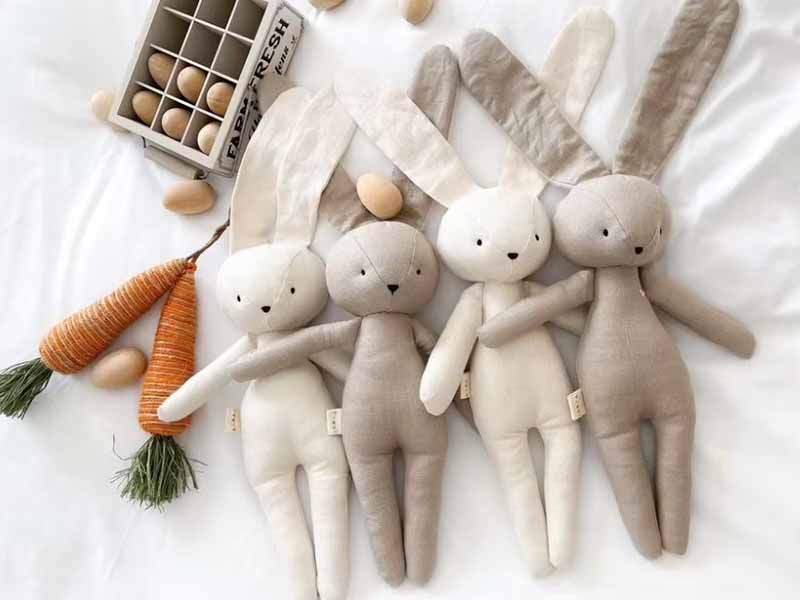
We offer a wide selection of plush toys to meet different business needs. From baby-safe stuffed animals to collectible plush dolls, our product lines are designed for global brands, retailers, e-commerce, and promotional projects.
Frequently Asked Questions
1. What is the minimum order quantity (MOQ) for custom plush animals?
Our standard MOQ is 500 pieces. For orders below this quantity, please consult with our project manager. We may offer flexible solutions depending on the product size, complexity, and customization requirements.
2. How long does it take to develop a plush animal from concept to production?
Development time typically includes design review, sampling, revisions, and production preparation. Clear designs and confirmed materials help shorten timelines. A structured workflow allows most projects to move efficiently from concept to mass production.
3. Can you help optimize designs for mass production?
Yes. Designs are reviewed from a manufacturing perspective to improve structure stability, stitching feasibility, and material usage. This helps reduce sampling revisions and avoids issues during bulk production.
4. What safety standards do plush animals need to meet?
Safety standards depend on the target market and age group. Common requirements include CE, EN71, ASTM F963, and other applicable regulations. Testing scope is planned according to sales regions and channels.
5. Can materials be customized to meet specific market requirements?
Yes. Fabric and filling options can be adjusted based on safety standards, softness, durability, sustainability goals, and cost targets to suit different markets.
6. How do you ensure consistent quality in bulk production?
Quality consistency is maintained through standardized processes, in-line inspections, and final quality checks. Approved samples and specifications are used as benchmarks throughout production.
7. Can you handle licensed or IP-based plush projects?
Yes. Licensed and IP-based plush projects follow strict design confidentiality, approval procedures, and specification controls to protect brand assets and ensure accuracy.
8. Do you support packaging customization and export preparation?
Yes. Packaging options can be customized based on brand needs and shipping requirements. Export-ready processes help ensure smooth international delivery.
9. How are costs controlled during plush development?
Cost is managed through early design optimization, material planning, and production efficiency analysis. Clear planning helps avoid unnecessary revisions and unexpected expenses.
10. What information is needed to start a plush project?
Basic requirements include target market, approximate size, reference designs or ideas, quantity expectations, and timeline goals. The clearer the initial input, the smoother the development process.
If You Can lmagine lt,We Will Create lt!
1.Tell Us What You Need
Tell us as specific as possible of your needs and share your idea.
2.Get Solution & Quote
We will work on the best solution according to yourrequirements,the specific quote will be provided within 24 hours.
3.Approve for Mass Production
We will start mass production after getting your approval.
