 Skip to content
ASTM PLUSH TOYS MANUFACTURER
ASTM Plush Toys Manufacturer
Custom plush toy manufacturing support for brands, importers, retailers, and licensed programs preparing plush products for the U.S. market and ASTM F963 toy safety expectations.
An ASTM plush toys manufacturer should help buyers prepare safer products for the U.S. market, not simply say that a plush toy can pass testing.
For plush toys, ASTM planning can involve material selection, small parts review, seam strength, stuffing quality, labeling, age grading, functional features, sample control, and production consistency.
KINWIN supports custom plush toy projects for brands, importers, retailers, gift companies, and licensed character buyers that need U.S. market safety preparation from design to bulk shipment.
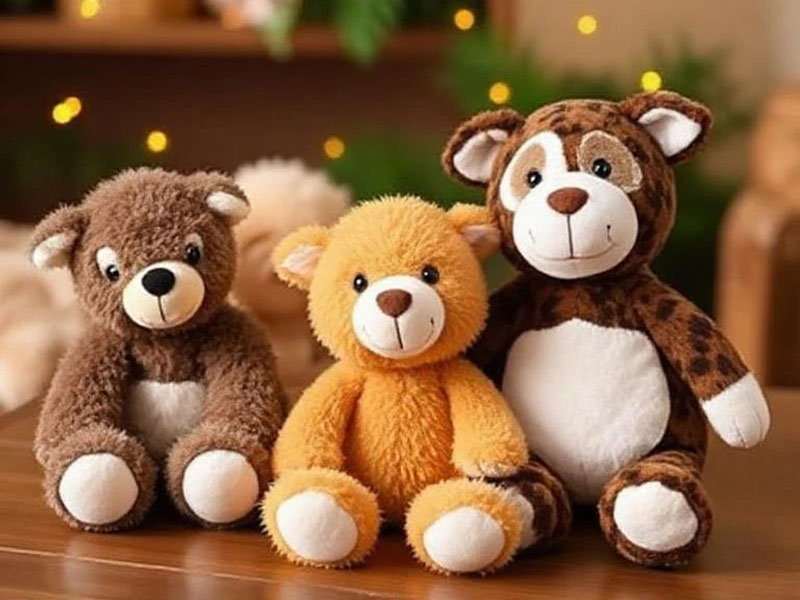
ASTM BUYER OVERVIEW
What ASTM Means for Plush Toy Buyers
ASTM F963 is commonly referenced for toys sold in the United States. For buyers, the practical question is not whether a supplier can write ASTM on a webpage, but whether the supplier can help the product design, materials, attachments, labels, and production details align with the requirements that may apply to the final toy.
A plush toy can look simple, but details such as plastic eyes, sound modules, embroidered parts, ribbons, suction cups, battery boxes, small accessories, or long cords can change the safety review. The earlier these details are evaluated, the easier it is to avoid expensive sample failures and production delays.
KINWIN helps buyers treat ASTM preparation as a product development process. We review the plush structure before sampling, support material and trim selection, prepare production samples carefully, and coordinate with buyer-specified testing expectations.
Buyer decision point: ASTM preparation should start before sampling, not after the plush toy is already finished.
PRODUCT TESTING VS FACTORY CERTIFICATE
ASTM Is Product Safety Review, Not a Factory Certificate
Many buyers search for an ASTM plush toys manufacturer, but ASTM is not a simple factory certificate. It is a toy safety standard applied to specific products and product features. A factory may have experience with ASTM projects, but the final test result depends on the actual toy design, materials, trims, construction, age grading, labeling, and production sample.
This distinction is important for SEO and for real buyers. If a supplier only says ASTM certified factory, the statement may be unclear. A more professional supplier explains how it supports ASTM-related product development, what information the buyer should provide, and why each new custom plush toy may need its own review.
KINWIN can support ASTM-related plush toy projects by preparing samples and production details according to buyer requirements. We also help buyers understand which design features may require extra attention before samples are sent for testing.
Buyer decision point: ask how the supplier supports ASTM preparation for your specific plush toy, not only whether it has handled ASTM projects before.
U.S. COMPLIANCE CONTEXT
ASTM, CPSC, and CPSIA: What Buyers Should Understand
For plush toys sold in the United States, buyers often hear ASTM, CPSC, and CPSIA in the same conversation. ASTM F963 is the toy safety standard commonly used for toy products, while CPSC is the U.S. Consumer Product Safety Commission, and CPSIA introduced important requirements such as third-party testing for children’s products, certificates, tracking labels, and limits for certain materials.
For a brand or importer, these terms are not just paperwork. They influence how a plush toy should be designed, sampled, documented, labeled, and produced. If the buyer only focuses on the final test report, important upstream decisions may be missed, such as age grade, small parts, labeling format, material control, and whether the production sample truly represents bulk goods.
KINWIN supports buyers by preparing plush projects with this wider compliance context in mind. We help organize the product information that buyers, importers, testing labs, and retailers may ask for, while keeping the manufacturing process practical and production-ready.
Buyer decision point: ASTM preparation is strongest when design, testing, labeling, and production are planned together.
COMMON ASTM REVIEW POINTS
Common ASTM-Related Review Points for Plush Toys
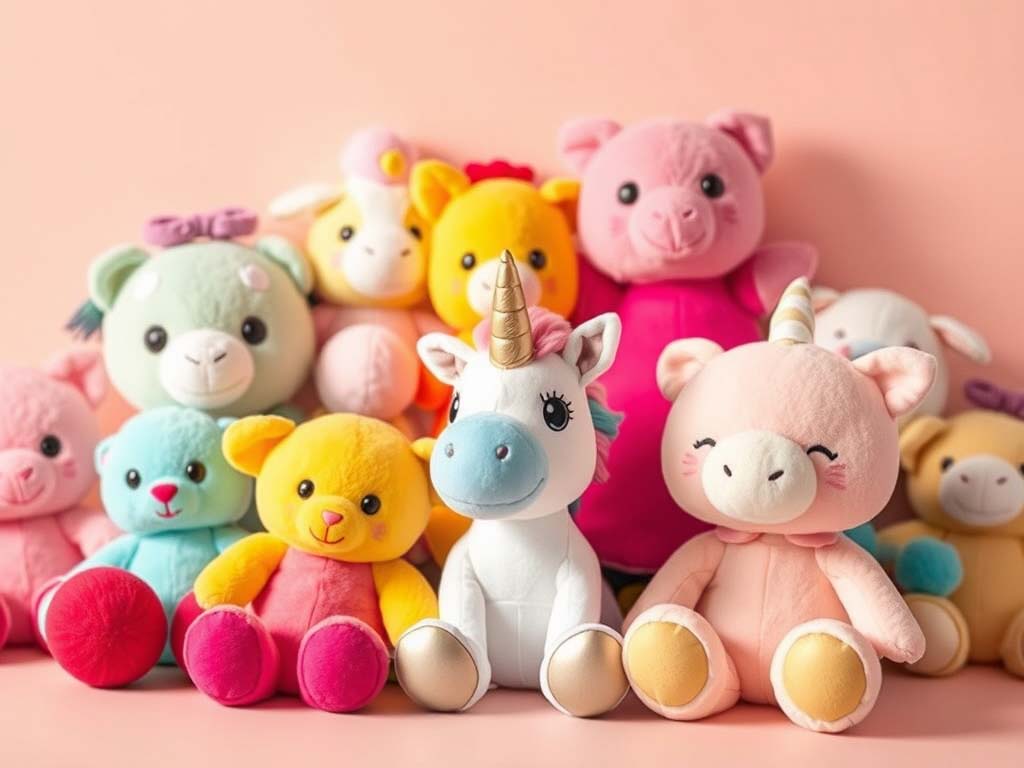
The exact applicable requirements depend on product design and market classification, but plush toy buyers often need to pay attention to several recurring risk areas.
Small Parts and Detachable Components
Plastic eyes, noses, buttons, charms, zipper pullers, suction cups, accessories, and decorative pieces should be reviewed carefully, especially for products intended for younger children.
Seam Strength and Stuffing Security
Seams should help keep filling and internal components secure during normal use. Weak stitching, narrow seam allowance, or overstuffed areas can increase failure risk.
Sharp Points and Edges
Hard plastic parts, metal accessories, internal frames, battery compartments, and electronic modules should be checked so they do not create sharp points or uncomfortable pressure areas.
Cords, Loops, and Straps
Long cords, hanging loops, shoulder straps, pacifier clips, and decorative ribbons may require additional review depending on age grade and product use.
Accessible Fillings and Cleanliness
Stuffing quality, fiber cleanliness, internal bags, pellets, beads, and mixed materials should be controlled so the final plush toy remains consistent and appropriate for the buyer’s requirements.
Functional Features
Sound modules, LED lights, heat packs, vibration parts, battery boxes, and removable accessories can change the safety review and should be planned early.
DESIGN REVIEW BEFORE SAMPLING
Design Review Before ASTM Plush Toy Sampling
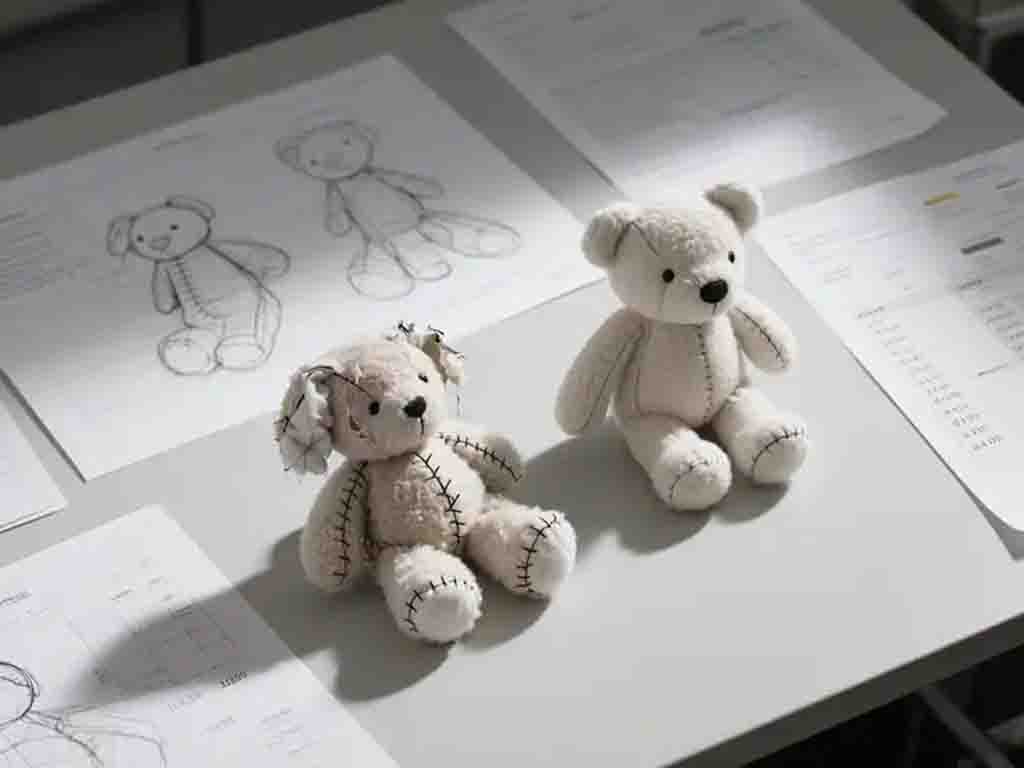
Design review is the first practical step for an ASTM plush toy project. Buyers should not wait until a beautiful sample is finished before asking whether the plastic eyes, ribbons, accessories, embroidery, or electronics are suitable for the target market.
KINWIN can review drawings, tech packs, reference samples, mascot files, and licensed style guides before pattern development. We look at attachment methods, stitch lines, stuffing distribution, material choices, and whether certain decorative features may need adjustment for age grade or safety expectations.
A strong design review does not remove creativity. It protects the design by making sure the cute appearance can survive real sampling, testing, production, and shipment requirements.
Buyer decision point: design approval should include both appearance and safety feasibility.
MATERIAL SELECTION
Material Selection for ASTM Plush Toy Projects
Material selection affects softness, color, durability, chemical review, sewing stability, and final testing preparation.
Plush Fabric
Short plush, super soft plush, minky, sherpa, velboa, and special textured fabrics can be used depending on the product style. Fabric should be selected with colorfastness, shedding, handfeel, and sewing stability in mind.
Embroidery Thread
Embroidery is often preferred for eyes, noses, mouths, and logos because it can reduce reliance on hard small parts. Thread color, density, backing, and placement should be tested on the chosen plush fabric.
Plastic and Metal Parts
Hard parts such as eyes, noses, rings, clips, keychains, magnets, and battery compartments require careful selection and attachment planning.
Stuffing and Pellets
PP cotton, recycled filling, weighted pellets, sound modules, and internal bags should be selected based on product purpose, age grade, and buyer standards.
Labels and Packaging Materials
Care labels, tracking labels, warning labels, hangtags, polybags, and cartons should be planned together with compliance and retail needs.
MECHANICAL SAFETY DETAILS
Mechanical Safety Details in Plush Toy Construction
Mechanical safety is often where custom plush toys need the most practical factory input. The risk may come from a tiny trim, weak seam, loose accessory, or decorative feature that looks harmless in artwork.
Attachment Method
Eyes, noses, buttons, ribbons, bows, badges, plastic parts, metal charms, and removable accessories should be attached with a method suitable for the target age and use. Sewing, embroidery, sonic welding, inner washers, or reinforced stitching may be considered depending on the component.
Seam Allowance and Stitch Density
A plush toy can fail because the seam allowance is too narrow, the stitch density is unsuitable, or a high-stress area is not reinforced. This is especially important for large stuffed animals, animal backpacks, weighted plush, and toys with hard components inside.
Access to Internal Components
Internal components such as sound modules, battery boxes, pellet bags, squeakers, and frames should not become easily accessible through weak seams or oversized openings. Pattern and stuffing design should protect these internal areas.
Shape Stability
Poor stuffing balance can make the product twist, collapse, or expose stress points. Stable shape is not only an appearance issue; it can also affect seams, attachments, packaging, and user handling.
CHEMICAL AND MATERIAL CONTROL
Chemical and Material Considerations for U.S. Plush Projects
Material compliance is not limited to fabric softness. Buyers may need to consider lead content, phthalates, surface coatings, printed inks, dyed fabrics, plastic parts, metal trims, packaging materials, and any special component used in the plush toy. The exact scope depends on the product and buyer requirements.
For custom plush projects, material substitution can create new review questions. A change from embroidered eyes to plastic eyes, from standard fabric to printed fabric, or from normal stuffing to weighted pellets can affect the information needed for testing and documentation.
KINWIN helps buyers keep material decisions traceable. We can organize material references, confirm colors and trims before sampling, and keep production aligned with the approved sample so the final goods do not drift from the reviewed version.
Buyer decision point: every major material or trim change should be reviewed before approval, especially after a test sample has been prepared.
COMMON SAMPLE REVISION REASONS
Common Reasons ASTM Plush Toy Samples Need Revision
Many ASTM-related problems can be reduced before formal testing if the supplier reviews the sample like a production and safety product, not only a visual prototype.
Hard Parts Are Not Suitable for the Age Grade
Plastic eyes, noses, buttons, clips, and charms may need redesign or replacement with embroidery when the target age group is younger or the buyer wants a more conservative structure.
The Product Has Too Many Loose Decorations
Decorative ribbons, small clothing pieces, removable tags, and hanging accessories can make the plush look attractive, but they may create extra review points for children’s products.
Internal Components Are Poorly Positioned
Sound boxes, LED wires, batteries, magnets, squeakers, and pellet bags should be positioned so they do not create hard pressure areas, weak seams, or uneven product shape.
Labels and Warnings Are Considered Too Late
If labels, warnings, age statements, tracking information, and packaging copy are not planned until the end, the buyer may need last-minute artwork and packaging changes.
AGE GRADE PLANNING
Age Grading and U.S. Market Positioning
Age grading influences design choices, warning labels, test planning, packaging, and buyer communication. A plush toy for infants, toddlers, preschool children, older children, collectors, or promotional adults may require different safety assumptions.
A product should not be treated as low-risk only because it is soft. If the plush includes small accessories, long ribbons, batteries, sound modules, removable clothing, or weighted materials, age grading becomes even more important.
KINWIN helps buyers consider age grade early so product design and sample preparation are aligned with the intended market from the beginning.
Buyer decision point: confirm target age before finalizing accessories, labels, and packaging.
FUNCTIONAL PLUSH REVIEW
ASTM Planning for Functional Plush Toys
Functional plush toys often need additional review because added features can change product risk and test planning.
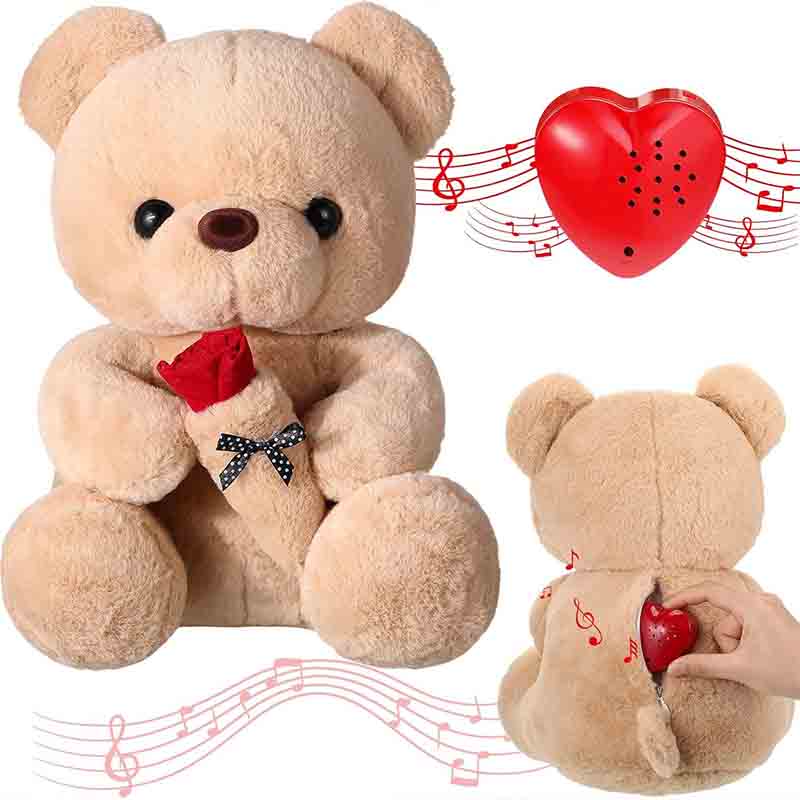
Plush Toys with Sound
Sound modules, speaker placement, activation buttons, battery boxes, and access pockets should be reviewed before sampling.
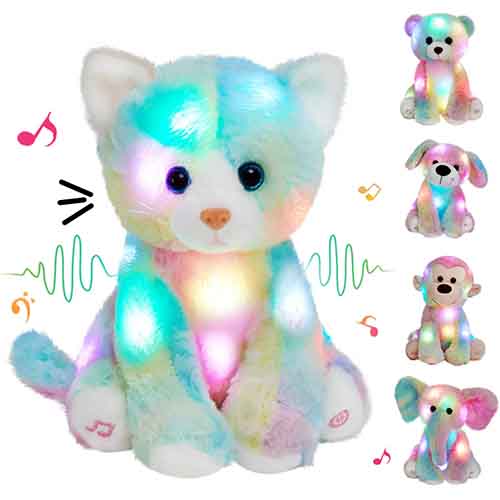
Plush Toys with LED Lights
LED components, wiring, battery access, switch placement, and internal protection should be planned so the product remains comfortable and durable.
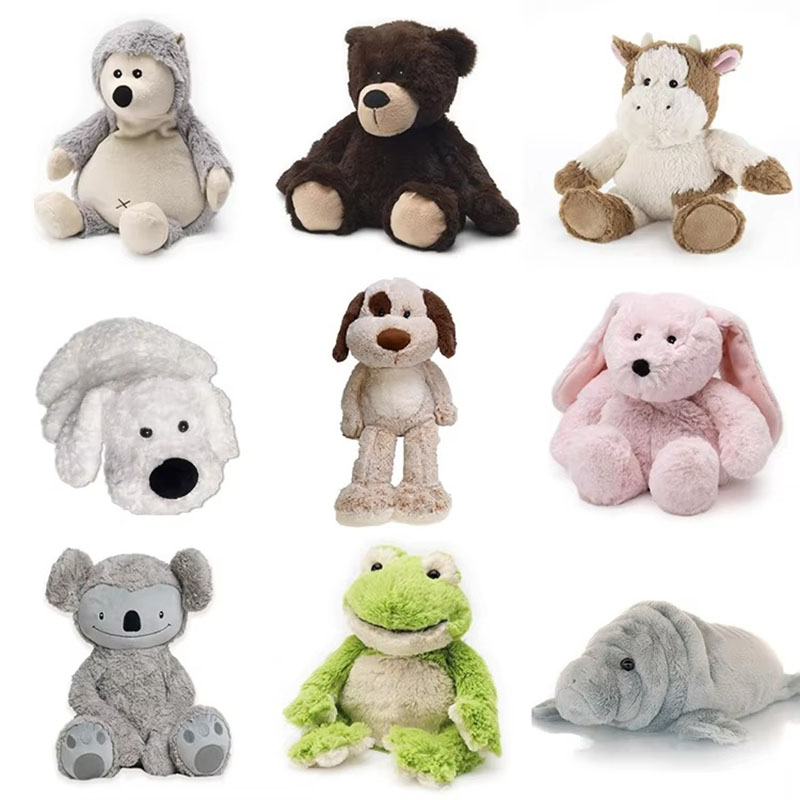
Weighted Stuffed Animals
Weighted pellets or internal bags require attention to distribution, containment, seam strength, and product labeling.
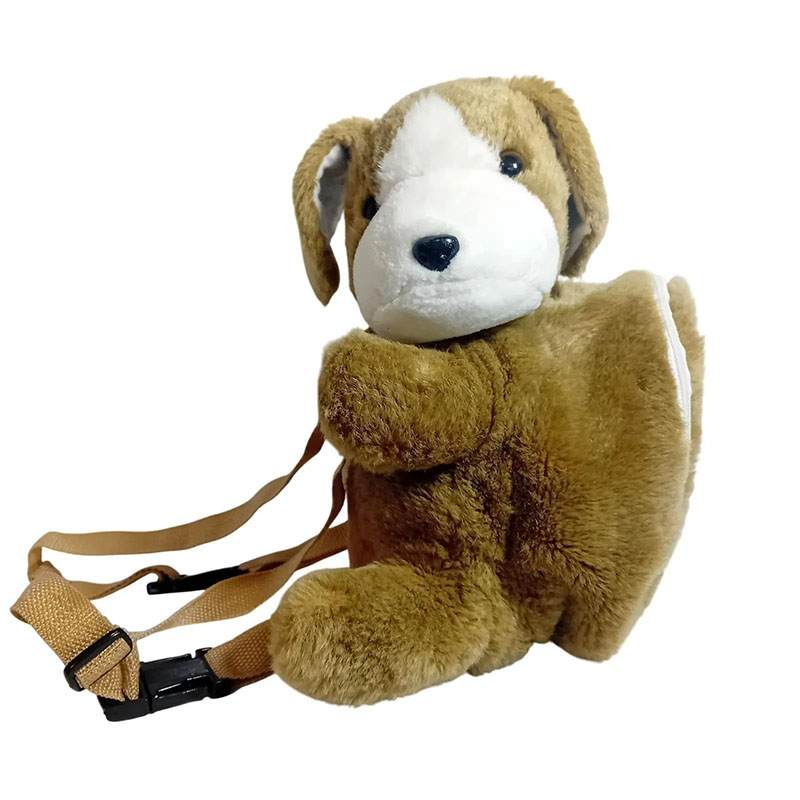
Plush Backpacks and Bags
Straps, zippers, handles, lining, and pockets add bag-like functions that should be reviewed alongside plush toy requirements.
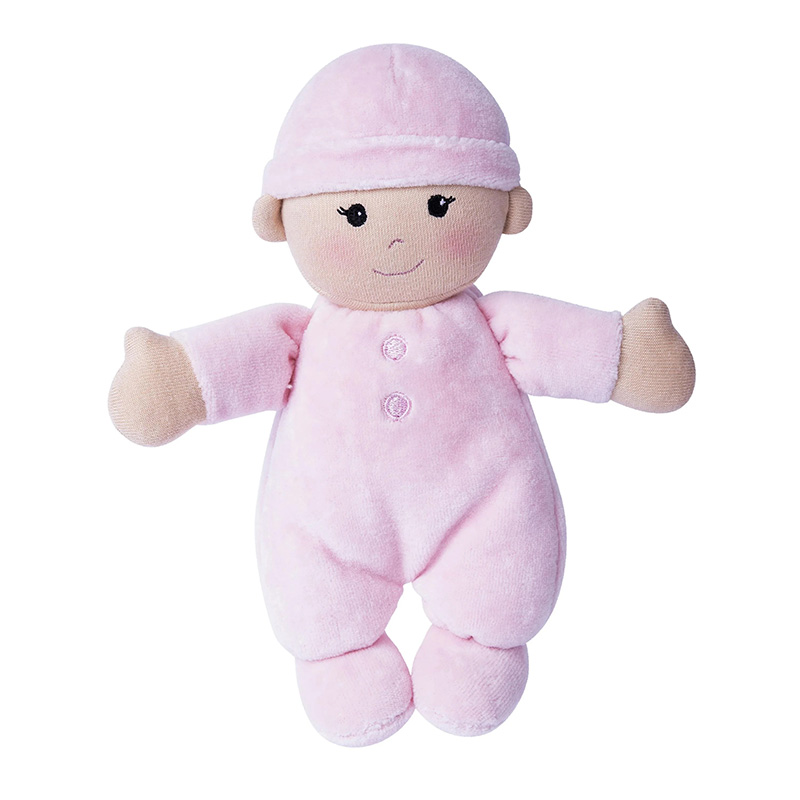
Baby Comfort Plush
Baby plush and comfort toys require conservative design decisions around loose parts, fabric, stuffing, labels, and washability.
SAMPLE DEVELOPMENT WORKFLOW
Sample Development for ASTM Plush Toys
Sampling should prove both the appearance and the safety-related construction of the plush toy.
Concept Review
KINWIN reviews artwork, dimensions, target age, market, material direction, accessories, and functional features before pattern development.
Prototype Sample
The first sample checks character proportion, fabric choice, embroidery, stuffing level, seams, accessories, and function placement.
Revision and Risk Adjustment
Sample revisions may adjust small parts, seam strength, embroidery instead of hard trims, cord length, labels, or internal module placement.
Pre-Production Sample
The pre-production sample should represent bulk materials, colors, trims, labels, packaging, and construction for production and testing coordination.
TESTING AND DOCUMENTATION
Testing Coordination and Documentation Support
For U.S. market plush toy projects, buyers may need product samples, material information, bill of materials, labels, packaging files, factory details, production dates, and other information requested by the buyer or testing lab.
KINWIN can coordinate with buyer-specified labs and testing requirements by preparing representative samples and relevant production details. We do not treat testing as a last-minute paperwork step; it must be connected to design, materials, and sample approval.
Clear documentation helps importers and brands manage communication with retailers, labs, compliance teams, and internal approval departments.
Buyer decision point: testing samples should match the final production plan as closely as possible.
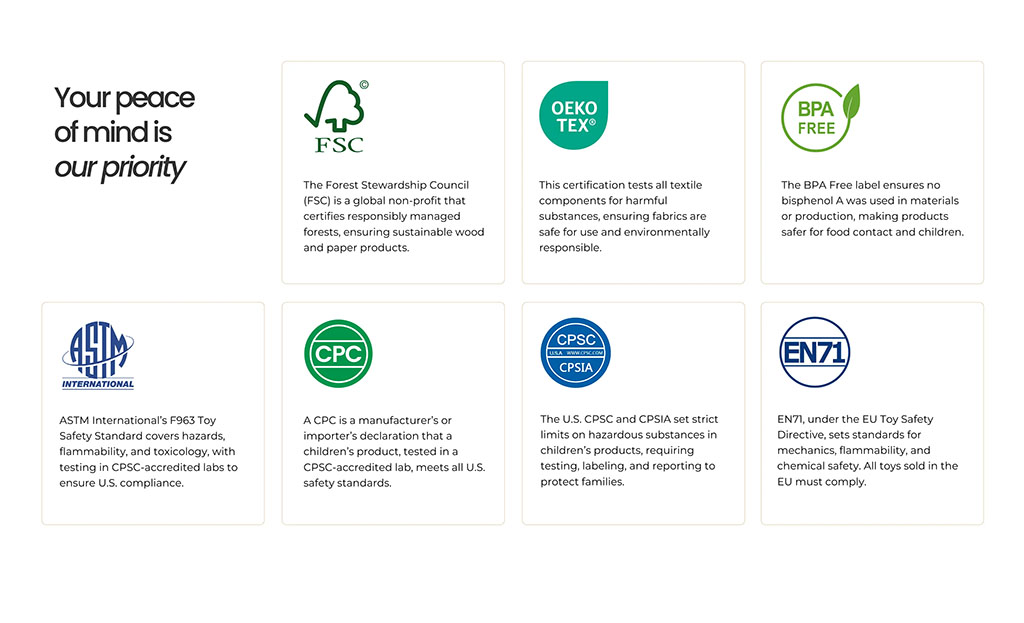
BULK PRODUCTION QC
Quality Control for ASTM Plush Toy Production
Passing a sample review is not enough. Bulk production must maintain the approved construction consistently.
Incoming Material Check
Fabric, stuffing, trims, accessories, labels, and packaging materials should be checked against approved specifications before production.
In-Line Sewing Control
Sewing quality, seam allowance, reinforcement, embroidery position, and attachment methods should be monitored during production.
Functional Feature Check
Sound, light, battery access, removable parts, magnets, straps, and zippers should be checked if the product includes functional components.
Final Inspection
Final inspection should review appearance, size, labels, packaging, carton marks, loose threads, deformation, stains, and sample consistency.
U.S. LABEL AND PACKAGING
Labeling and Packaging for U.S. Plush Toy Orders
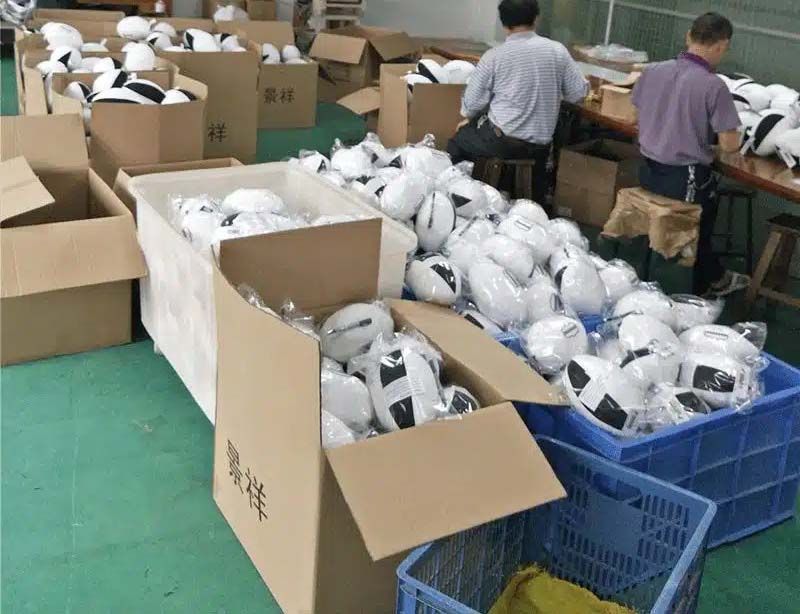
Labels and packaging are part of U.S. market preparation. Depending on the product and buyer requirements, plush toys may need care labels, tracking labels, age statements, warning information, hangtags, barcode stickers, polybags, carton labels, and retail packaging artwork.
Packaging must also support product condition. Plush toys can be compressed, deformed, stained, or mixed during shipping if packing is not planned properly. For retail products, the package must also help the toy display well online and offline.
KINWIN helps buyers align label placement, packaging method, carton quantity, and shipping marks with product type and buyer requirements.
Buyer decision point: confirm label and packaging requirements before bulk material purchasing.
ASTM PLUSH CATEGORIES
Plush Product Categories KINWIN Can Support for ASTM Projects
Different plush categories need different safety and manufacturing attention. KINWIN can support a wide range of custom plush products for U.S. market buyers.
Custom Stuffed Animals
Classic animals, mascots, character plush, holiday plush, and retail plush lines can be developed with fabric, embroidery, stuffing, label, and packaging planning.
Baby and Comfort Plush
Baby comfort toys need conservative design choices, soft materials, secure seams, limited loose parts, and careful label placement.
Functional Plush Toys
Sound plush, light-up plush, musical stuffed animals, weighted plush, and sensory plush require early review of internal components and user interaction.
Promotional and Event Plush
Promotional plush often has cost, schedule, branding, and distribution requirements. ASTM planning helps keep fast projects from overlooking key design details.
Licensed Character Plush
Licensed plush requires tight control over character accuracy, color, embroidery, material consistency, approval samples, and production repeatability.
SOURCING WORKFLOW
How ASTM Preparation Fits into the Buyer’s Sourcing Workflow
For professional buyers, ASTM preparation should be part of sourcing, not a separate issue handled after production is finished.
Supplier Screening
Before placing a sample order, buyers should ask whether the factory has experience with U.S. market plush projects, functional plush, age-grade planning, and testing coordination.
Design and Material Brief
The buyer should share product drawings, intended use, market, target age, material preference, accessories, labels, and any retailer compliance requirements.
Prototype and Risk Review
The first sample should be reviewed not only for cuteness, but also for seam strength, small parts, internal components, labels, and practical manufacturing stability.
Testing Sample Confirmation
Before sending samples for testing, the buyer and supplier should confirm that the materials, trims, labels, and structure represent the intended production version.
Bulk Production Control
After sample approval, production must maintain the reviewed version through material control, sewing control, final inspection, packaging, and shipment preparation.
QUOTE PREPARATION
What Buyers Should Prepare Before Quotation
A complete ASTM plush toy brief helps the supplier quote more accurately and identify safety-related questions earlier.
Product Design
Provide artwork, drawings, reference samples, mascot files, or licensed character guides with target size and intended product use.
Target Market
Confirm that the product is intended for the U.S. market and share retailer, importer, or brand compliance requirements if available.
Age Grade
Tell the supplier the intended age group, especially if the product is for infants, toddlers, or preschool children.
Material and Function Details
Share preferred fabrics, stuffing, accessories, sound or light modules, battery requirements, embroidery, labels, and packaging expectations.
Testing and Timeline
Share required testing, approval schedule, order quantity, delivery date, and shipping destination so the supplier can plan sampling and production realistically.
WHY KINWIN
Why Work with KINWIN as Your ASTM Plush Toys Manufacturer
KINWIN supports custom plush projects with practical manufacturing experience and U.S. market preparation awareness.
Design-to-Sample Review
We help review plush toy designs before sampling so appearance, material, attachment, and safety feasibility are considered together.
Material and Trim Planning
We support fabric, stuffing, embroidery, hard parts, labels, and packaging selection based on product type and buyer requirements.
Functional Plush Experience
We can support plush toys with sound, lights, backpacks, embroidery logos, weighted features, baby comfort use, and licensed characters.
Testing Coordination Support
We can prepare representative samples and production information for buyer-specified ASTM-related testing coordination.
Bulk Production Control
We help maintain approved materials, construction, labels, packaging, QC points, and shipment preparation during bulk production.
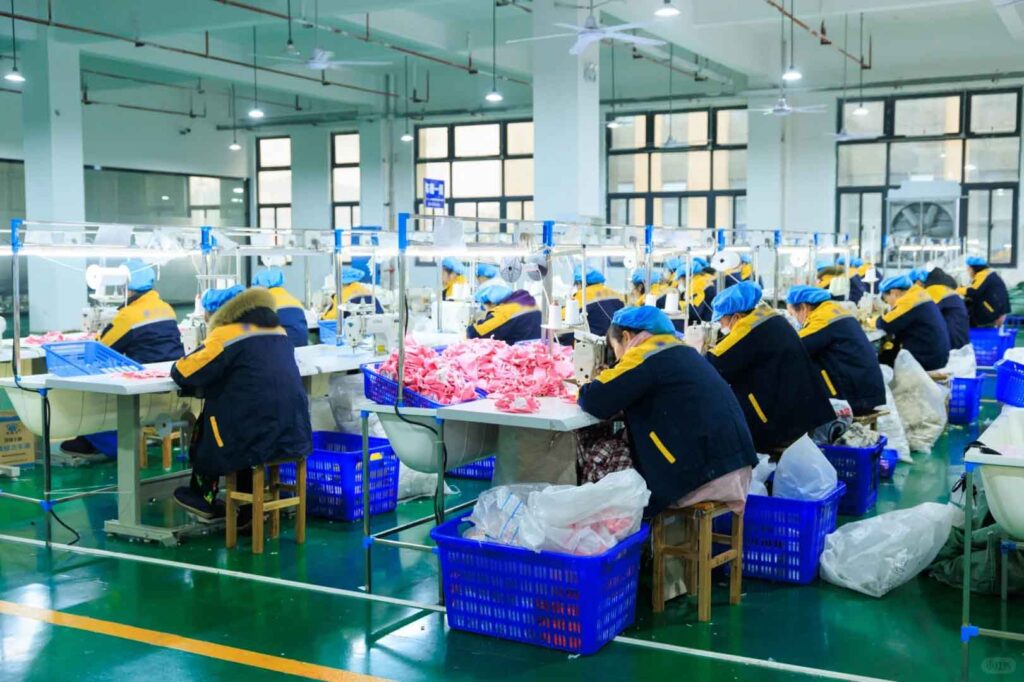
START YOUR ASTM PLUSH PROJECT
Start Your ASTM Plush Toy Project with KINWIN
If you are developing custom plush toys for the U.S. market, KINWIN can help you review design feasibility, material options, small parts, seam strength, age grade, labels, packaging, samples, and bulk production details.
Send your plush toy concept, artwork, target age, market requirements, quantity, and expected timeline. We will help evaluate the project and prepare a practical development path for sampling and production.
- ASTM-related plush toy development support
- Design, material, trim, and age-grade review
- Sample preparation and testing coordination support
- Bulk production, QC, labeling, packaging, and shipment preparation
FREQUENTLY ASKED QUESTIONS
FAQ: ASTM Plush Toys Manufacturer
Is ASTM a factory certificate?
No. ASTM F963 is a toy safety standard applied to products and product features. A manufacturer can have ASTM project experience, but each custom plush toy should still be reviewed according to its own design, materials, age grade, and market requirements.
Can KINWIN make plush toys for the U.S. market?
Yes. KINWIN can support custom plush toy development for U.S. market projects, including design review, sample development, material planning, labeling, packaging, testing coordination, and bulk production control.
Do all plush toys need the same ASTM review?
No. The review depends on product design, age grade, materials, accessories, functional features, and buyer requirements. A simple embroidered plush and a battery-operated sound plush may require different preparation.
Can you help replace hard parts with embroidery?
Yes. In many plush projects, embroidery can be used for eyes, noses, mouths, and logos to reduce reliance on hard small parts. The final choice depends on design, cost, appearance, and buyer requirements.
Can KINWIN coordinate with testing labs?
KINWIN can prepare samples and production details for buyer-specified testing coordination. The buyer or importer usually confirms the exact testing requirements, lab, and compliance documentation path.
What information should I send for an ASTM plush toy quote?
Send product artwork, target size, age grade, U.S. market requirements, materials, accessories, functional features, quantity, packaging needs, and timeline. The more complete the brief, the more accurate the quote and development advice.
If You Can lmagine lt,We Will Create lt!
1.Tell Us What You Need
Tell us as specific as possible of your needs and share your idea.
2.Get Solution & Quote
We will work on the best solution according to yourrequirements,the specific quote will be provided within 24 hours.
3.Approve for Mass Production
We will start mass production after getting your approval.
