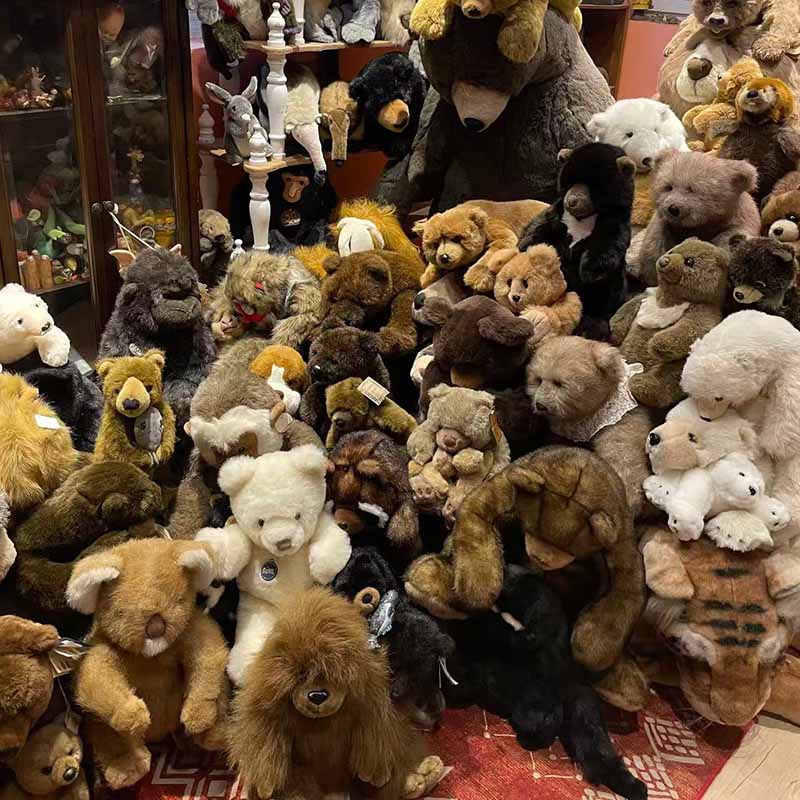
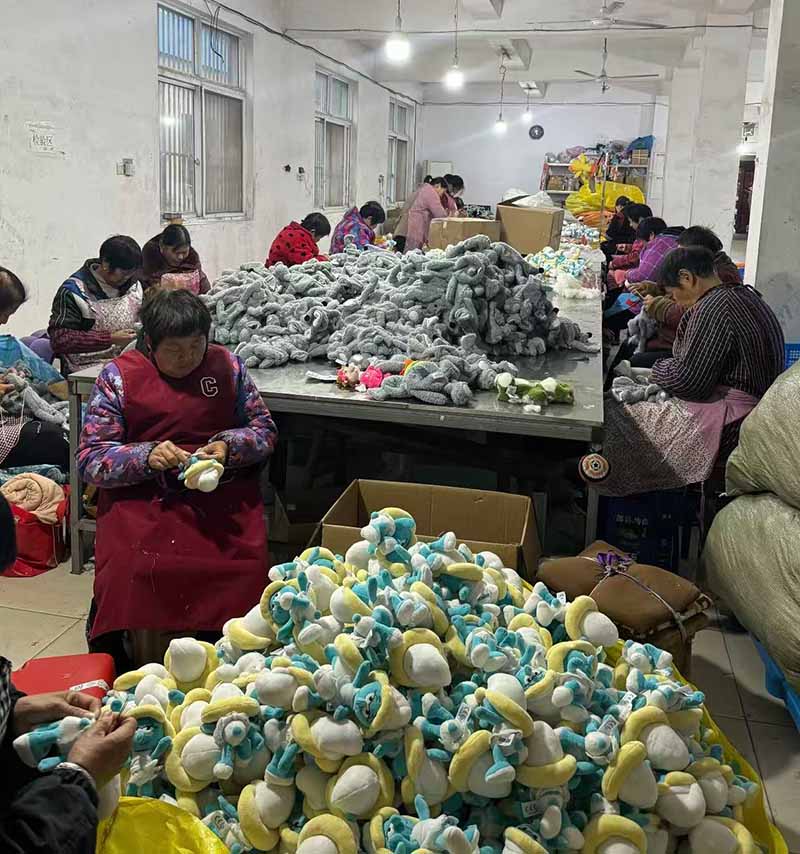
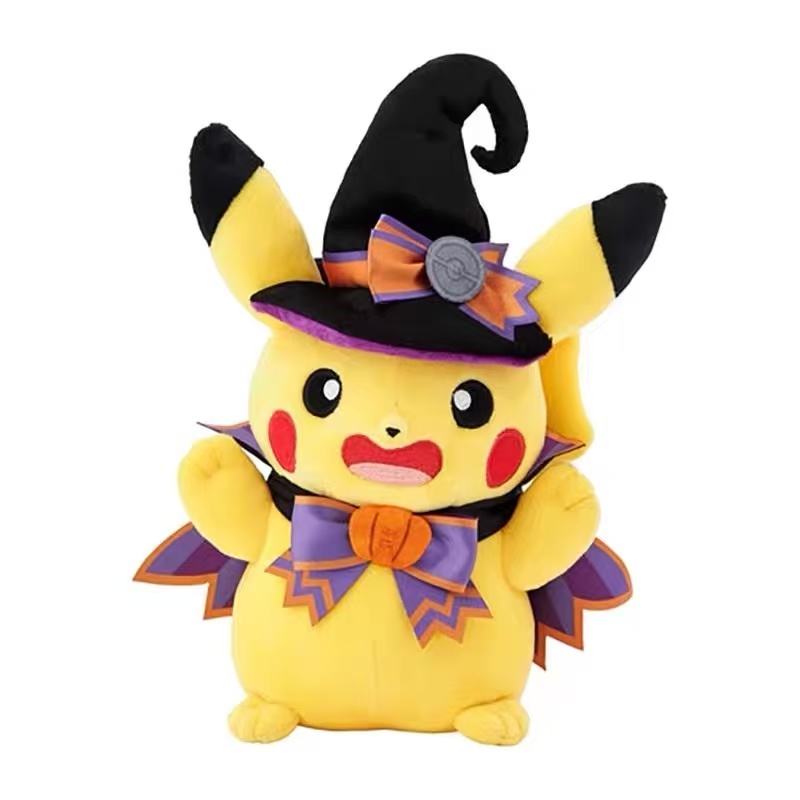
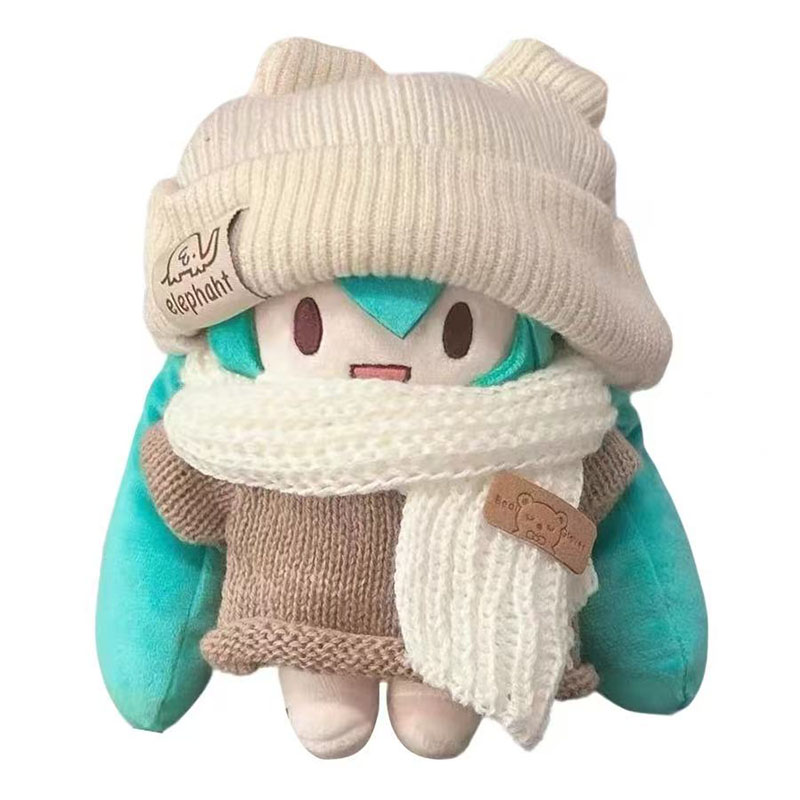
Leading Custom Plush Dolls Manufacturer | Trusted OEM & ODM Plush Factory in China
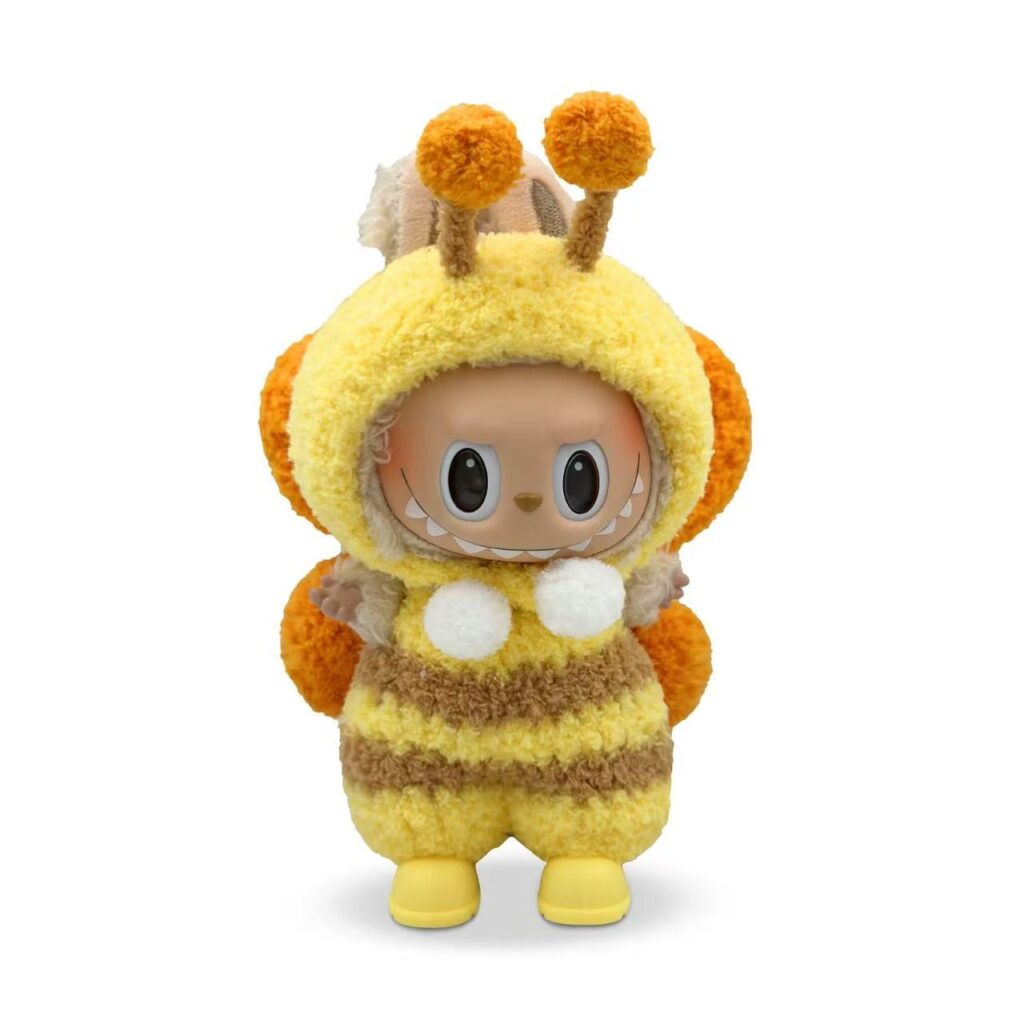
Bring your character, brand, or idea to life with Kinwin — a professional plush doll manufacturer in China specializing in custom plush dolls, personalized stuffed figures, and OEM & ODM plush toy projects. Whether you’re a designer, brand owner, or retailer, you’ll find our full-service production, certified materials, and expert craftsmanship make your ideas soft, safe, and ready for the market.
How Kinwin Helps You Cut Development Time by 30%
In the fast-paced toy market, time-to-market defines success. At Kinwin, we help global brands and creators bring custom plush dolls from concept to sample faster—without sacrificing quality or creativity. Our integrated OEM & ODM system allows every stage, from design approval to mass production, to move seamlessly.
In-house Design & Pattern Team
With over 30 skilled designers and pattern makers, we transform sketches or digital files into production-ready plush prototypes in as little as 7–10 days.
Rapid Sampling System
Our sampling department runs independently with specialized sewing and embroidery lines, ensuring your custom plush dolls can be tested and refined quickly before mass production.
Streamlined Material Sourcing
Kinwin keeps an extensive inventory of premium plush fabrics, fillings, and accessories—reducing waiting time for material procurement by up to 40%.
Digital Communication & Real-time Feedback
You’ll receive photo or video updates during every stage of the development process, so revisions happen instantly without project delays.
Speed doesn’t have to mean compromise. With Kinwin, your ideas move from concept to plush reality faster, smarter, and smoother—helping you launch your next collection right on schedule.
Free Design Support: We Help You Perfect Your Character & Plush Structure
Behind every successful custom plush doll is a design that balances creativity and production practicality. At Kinwin, our experienced design team provides free professional support to help you refine your plush character before sampling. From improving proportions to strengthening structure, we make sure your idea not only looks perfect on paper—but also works flawlessly in real production.
We look at your project from both an artistic and an engineering angle — protecting the soul of your character while making sure the final plush can be produced efficiently, safely, and consistently at scale.
1. Character Refinement & Artistic Adjustment
We carefully analyze your character’s visual identity—facial expressions, body proportions, posture, and signature details—to ensure it maintains its recognizable charm when turned into a plush doll. Our designers adapt digital or hand-drawn concepts to plush-friendly forms, preventing distortion or flattening during sewing. This means your mascot, game character, or brand figure will stay true to its original style, while gaining the softness and warmth of plush.
2. Structural Optimization & Pattern Engineering
A plush doll’s beauty depends on its internal pattern structure. Kinwin’s pattern engineers optimize panel balance, joint placement, seam curvature, and turning allowance to make sure each plush stands firmly, keeps its intended posture, and has smooth transitions between body parts. We also simulate weight distribution and filling density for stability—reducing issues like uneven shapes or deformation during stuffing.
3. Proportion, Size & Softness Guidance
Choosing the right proportion determines both the cuteness and functionality of your plush doll. We evaluate the target age group, market positioning, and usage scenario to recommend the ideal height, size ratio, and stuffing weight. This ensures your product feels right—soft enough for cuddling yet firm enough to hold its shape.
4. Material & Craft Recommendation
From ultra-soft minky and short-pile velboa to textured corduroy or eco-friendly RPET plush, our experts suggest the best fabrics for your design. We’ll also match embroidery types, stitching techniques, and accessories—like buttons, zippers, or clothing—to enhance every detail. This ensures your plush doll looks premium, feels soft, and stands out in both quality and craftsmanship.
Our goal is to help you reduce revisions, speed up sampling, and achieve a perfect plush design ready for mass production. With Kinwin’s free design support, every character you imagine can be turned into a soft, high-quality reality.
Single Plush Product Showcase
This video focuses on one finished plush toy, allowing buyers to clearly evaluate design accuracy, fabric texture, stitching quality, and overall shape. By presenting a single product instead of multiple styles, every detail becomes visible—from proportions and surface finishing to hand feel and structure. This level of transparency helps brands confidently assess quality before moving forward with custom development or bulk production.
Custom Plush Dolls Collection | Explore Our OEM Plush Creations
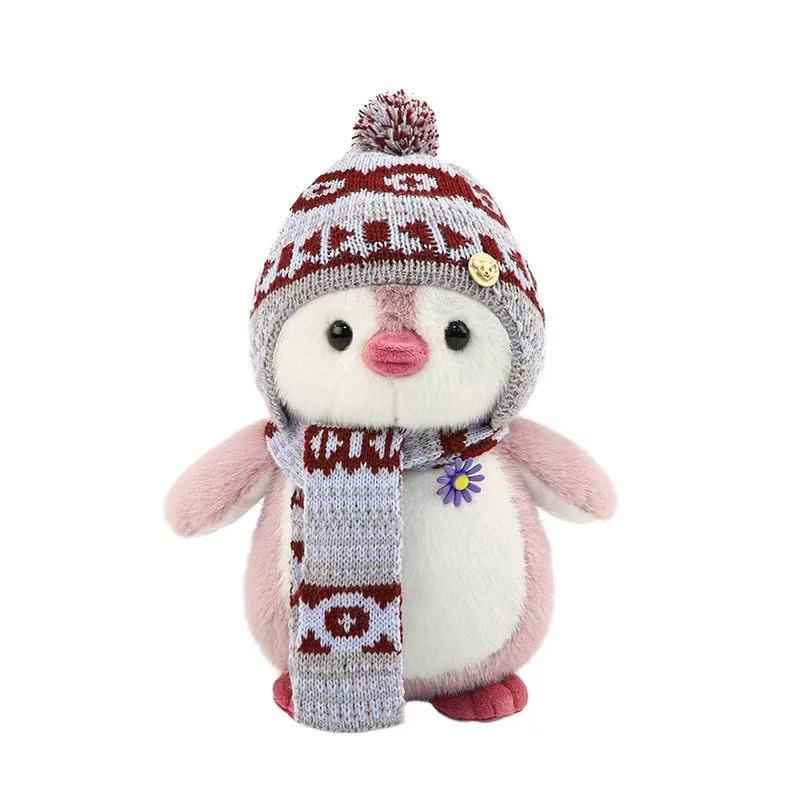
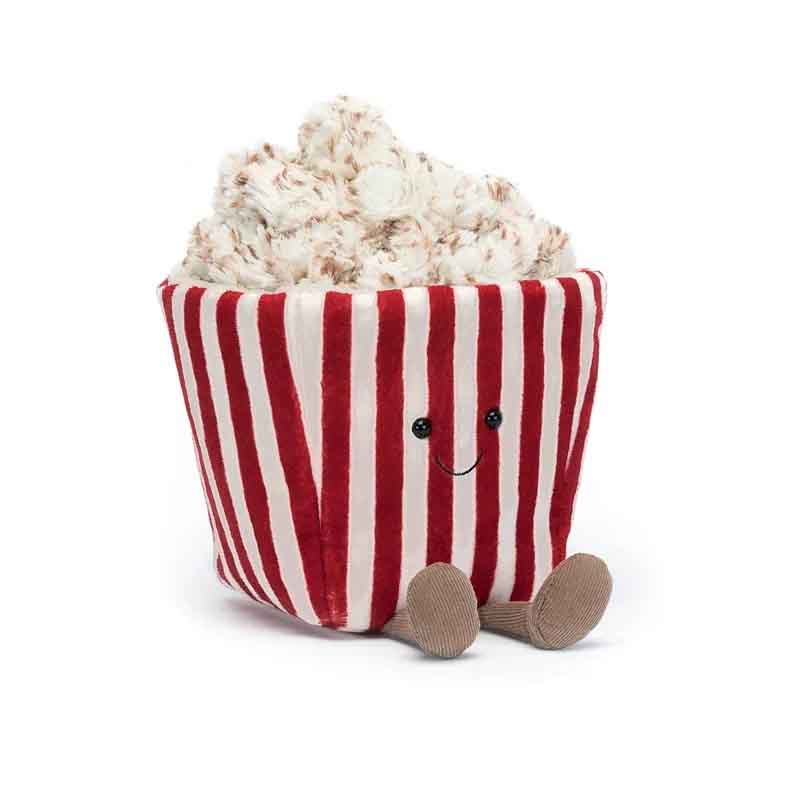
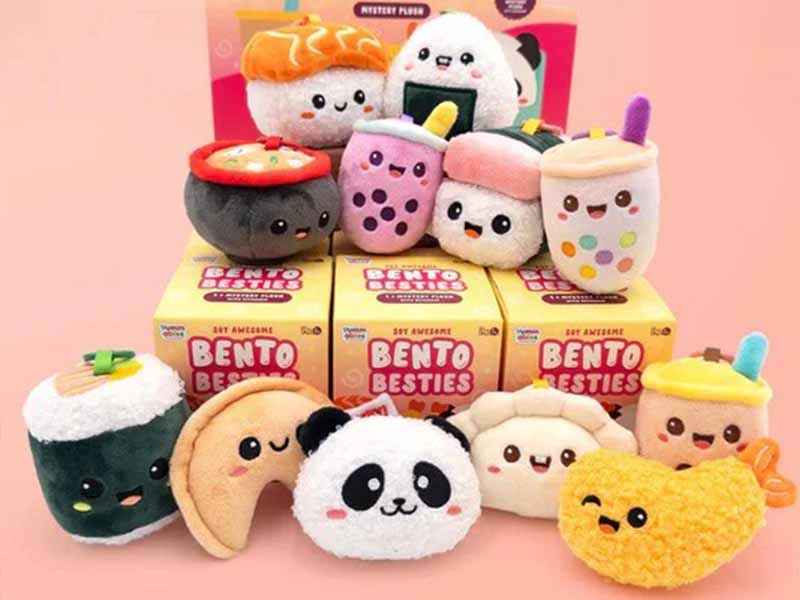
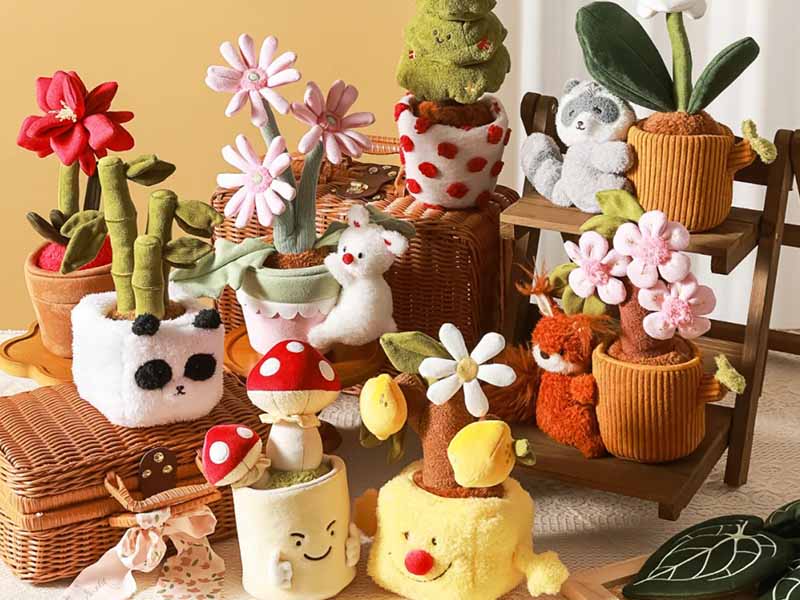
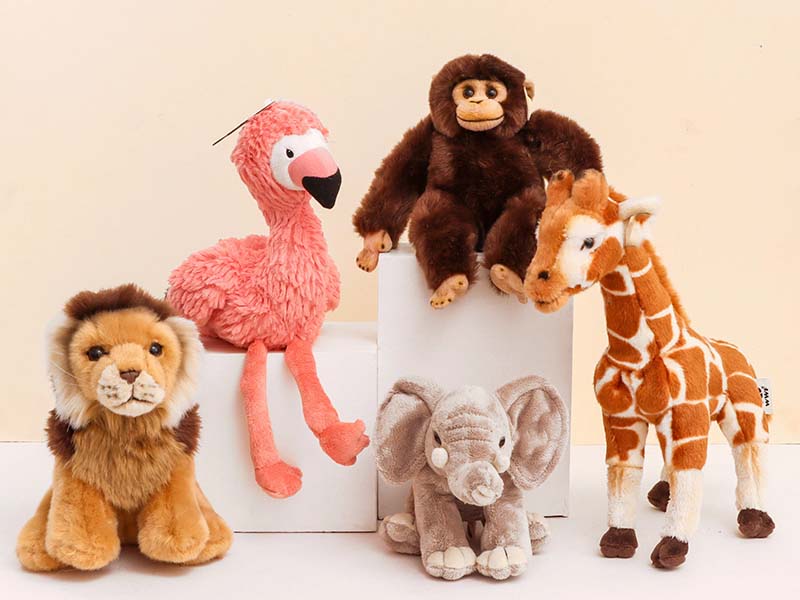
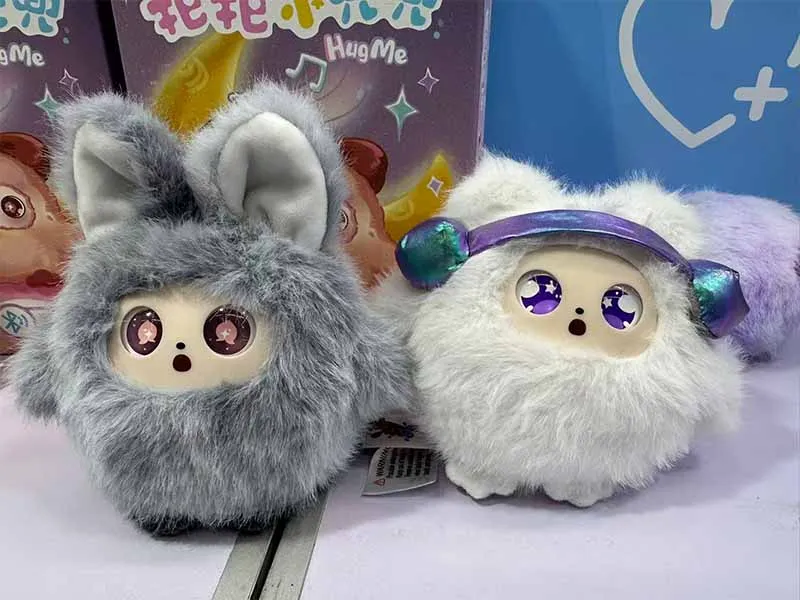
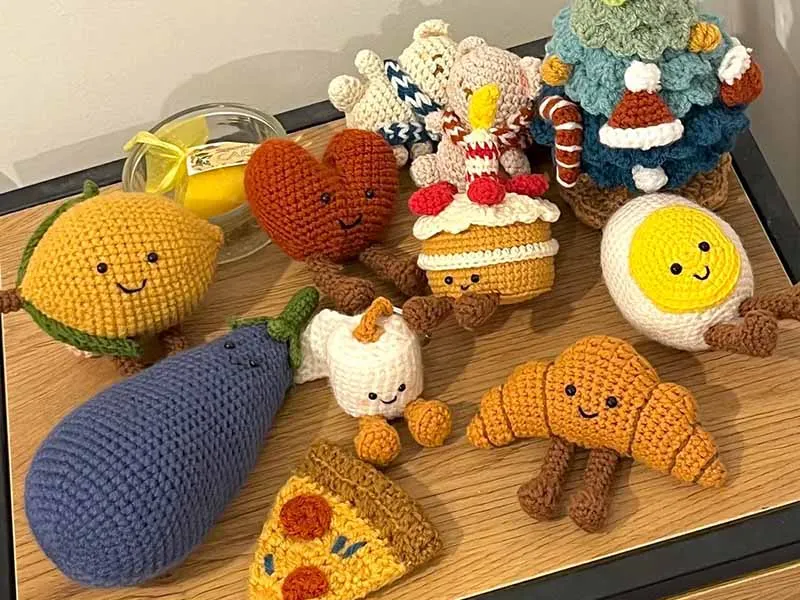
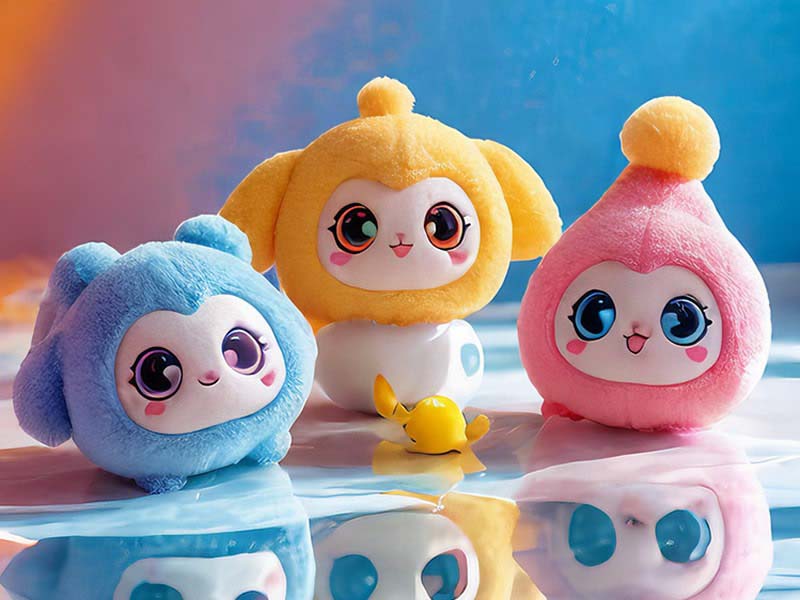
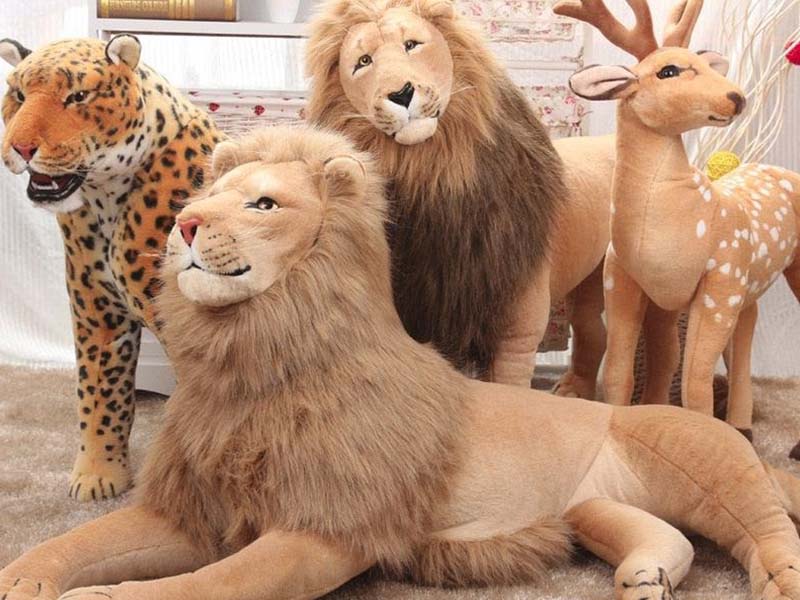
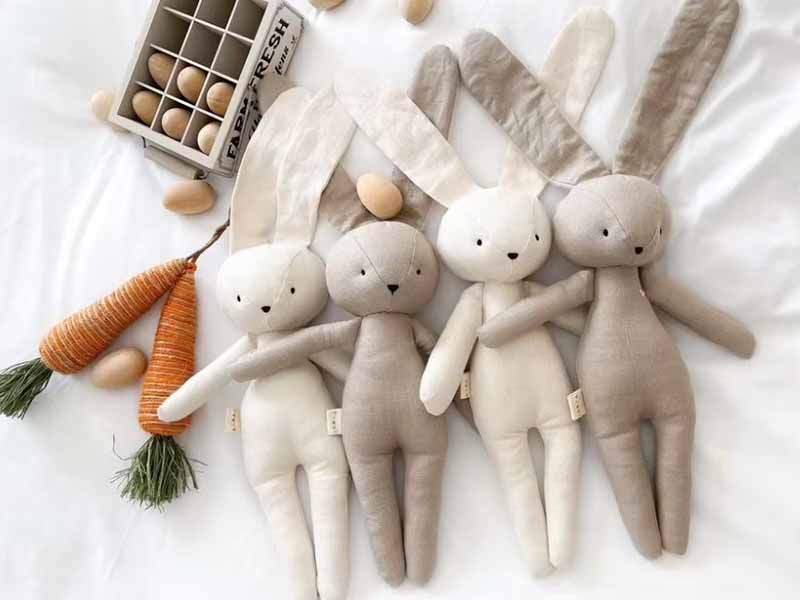
Explore our diverse range of custom plush dolls, each crafted with soft, high-quality fabrics and detailed stitching. From anime characters to wedding-themed dolls, every piece is designed to reflect creativity, comfort, and craftsmanship.
Anime Character Plush Doll
Bring 2D anime characters to life with precise color matching, expressive embroidery, and ultra-soft plush fabrics.
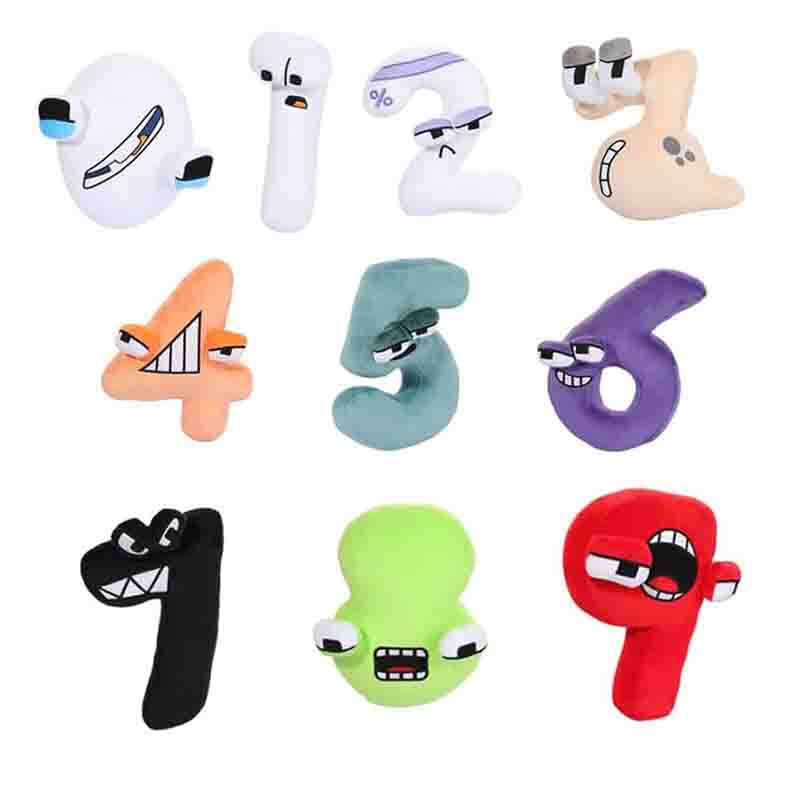
Game Character Plush Doll
Transform digital heroes or monsters into collectible plush figures—perfect for merchandising and fan gifts.
Mascot Plush Doll
Ideal for brands and events, with logo embroidery and outfit customization that enhance brand recognition.
Human & Celebrity Plush Doll
Capture facial features, outfits, and accessories to create realistic plush versions of real people or influencers.
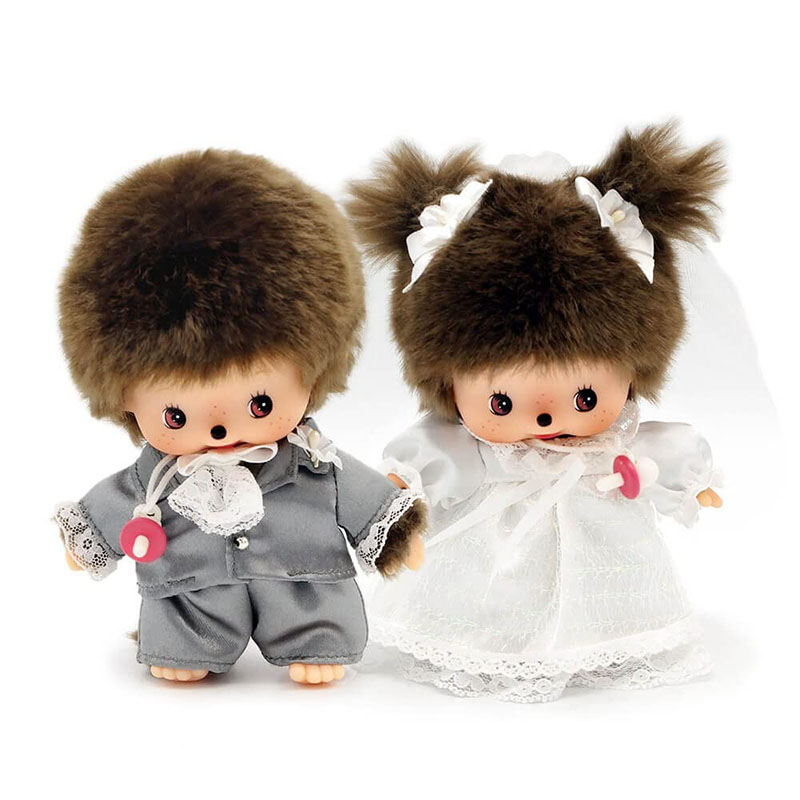
Wedding Plush Doll
Customized bride and groom plush dolls make perfect wedding gifts or event souvenirs.
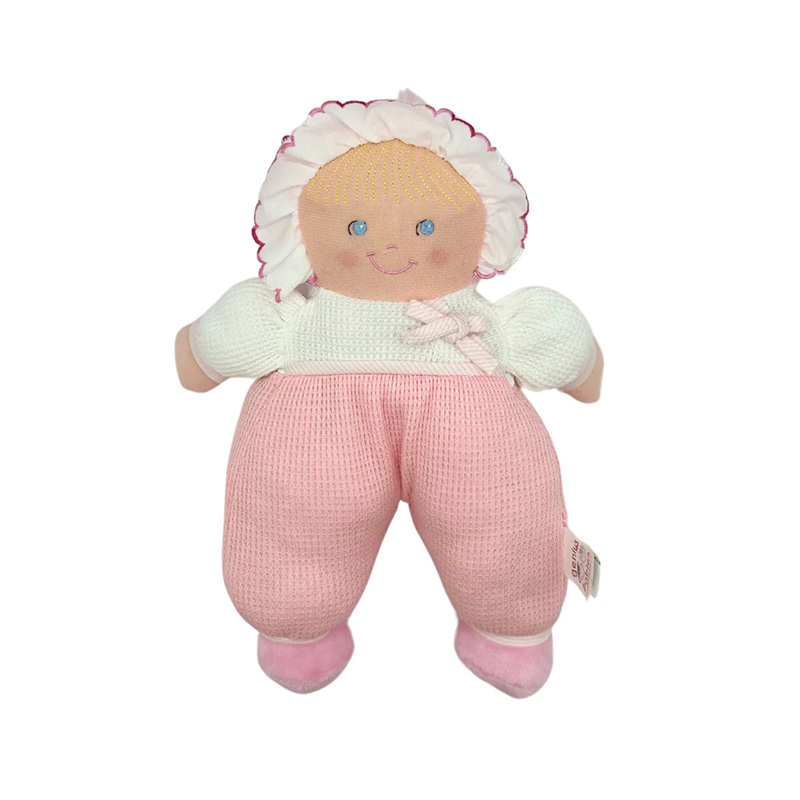
Baby Plush Doll
Soft-touch, baby-safe materials with CE/ASTM certifications—gentle, washable, and perfect for infants.
Educational Plush Doll
Designed to teach emotions, professions, and daily routines through interactive storytelling plush dolls.
Holiday Plush Doll
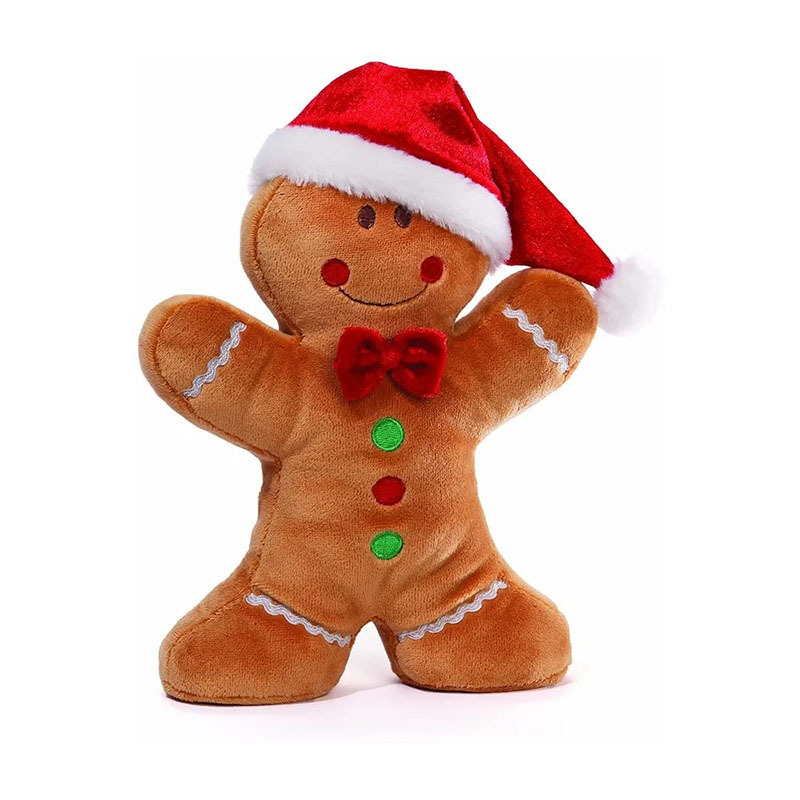
Seasonal plush dolls for Christmas, Halloween, Easter, and Valentine’s Day collections.
Cultural Plush Doll
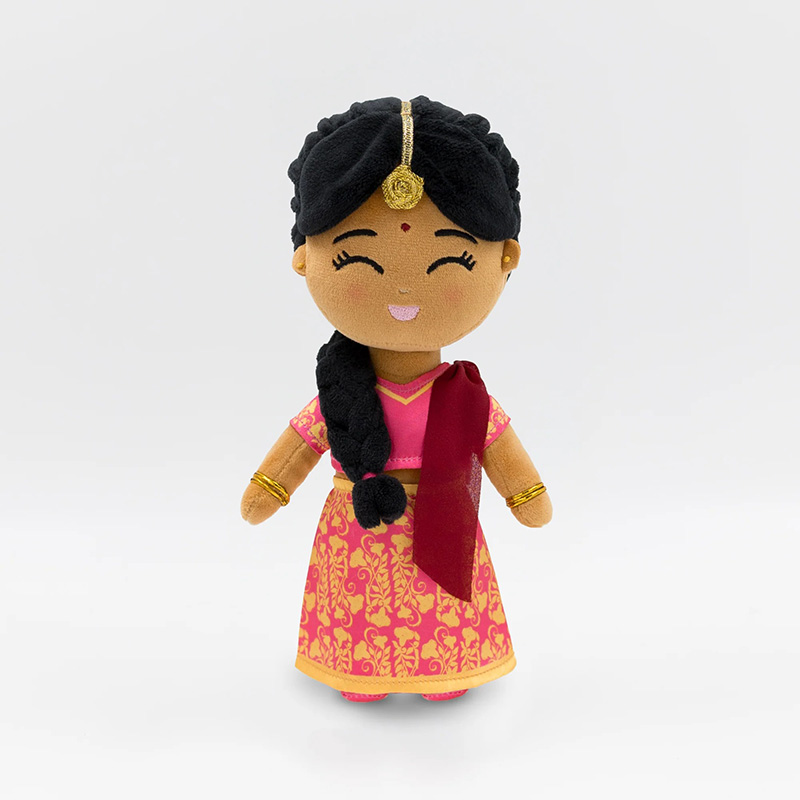
Celebrate traditional costumes or national icons with authentic fabric details and embroidery patterns.
Fashion Plush Doll
Featuring trendy outfits, removable accessories, and stylish packaging—perfect for boutique collections.
Mini Plush Doll Keychain
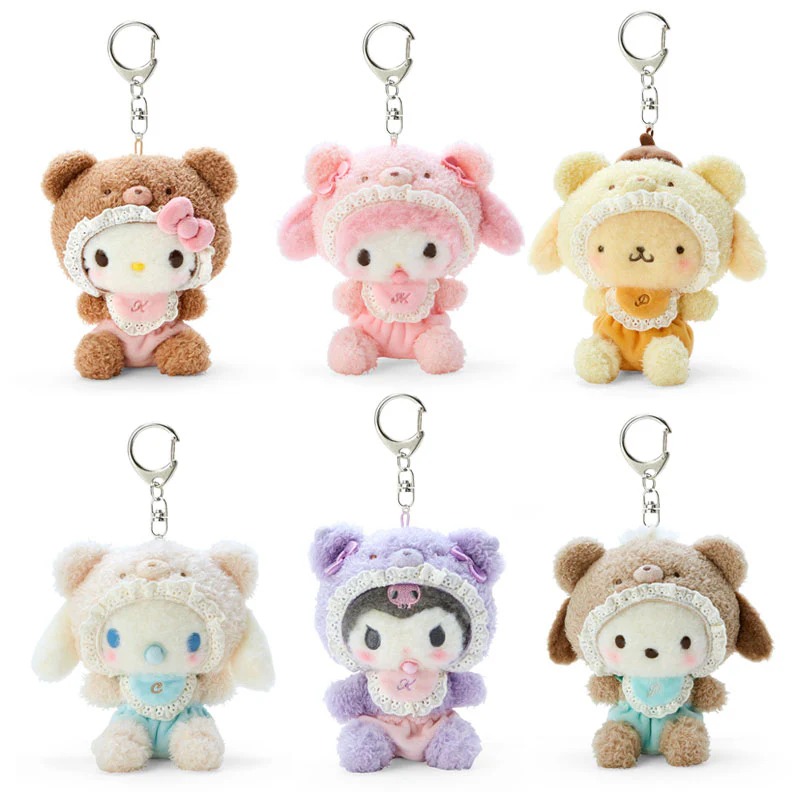
Pocket-size plush dolls with metal keyrings—great for gifts, giveaways, or retail displays.
Designer Plush Doll
Collaborate with artists to turn original characters into premium collectible plush art pieces.
Common Mistakes in Custom Plush Doll Projects and How to Avoid Them
Developing a custom plush doll involves creativity, precision, and teamwork — but even experienced buyers can face unexpected challenges during the process. Minor design or communication issues often lead to sample delays, cost increases, or quality inconsistencies. At Kinwin, our OEM team has worked with hundreds of brands and IP owners worldwide. We’ve summarized the most frequent mistakes and how we help our clients avoid them through proactive communication, technical support, and strict quality management.
❌ 1. Incomplete or Ambiguous Design Information
Problem
Many projects start with only a single image or rough drawing. Without detailed 3-view sketches (front, side, and back), pattern makers can misinterpret proportions, resulting in distorted shapes or missing details. This usually causes multiple sample revisions, extending the overall timeline.
Solution
Kinwin provides free design refinement before sampling. Our professional designers convert sketches, 3D models, or concept images into production-ready drafts, complete with proper angles and annotations. We ensure your plush doll’s features, colors, and proportions are precisely translated into a manufacturable version — saving you time, cost, and communication effort later.
❌ 2. Overly Complex Designs That Can’t Be Mass-Produced
Problem
Some designs look beautiful in concept but contain tiny limbs, overlapping accessories, or thin parts that are hard to sew or turn inside-out during production. These add complexity, increase rejection rates, and make bulk consistency difficult to control.
Solution
Our engineering team performs a mass-production feasibility analysis for each new design. We simplify pattern segmentation, adjust seam curvature, and reinforce weak areas — ensuring that your plush doll keeps its look but is easier and safer to produce. If needed, we’ll recommend alternative materials (e.g., switching from felt to embroidery or from thin limbs to jointed plush) to balance visual appeal and production stability.
❌ 3. Ignoring Fabric Behavior and Compatibility
Problem
Different plush fabrics react differently during cutting, sewing, and washing. Some stretch too much, others shrink after cleaning. Choosing the wrong pile length or texture may lead to inconsistent shapes or color differences between batches.
Solution
Kinwin keeps a comprehensive material library with over 200 certified fabrics including minky, velboa, coral fleece, faux fur, corduroy, and RPET eco-friendly plush. Our technicians test stretch rate, colorfastness, and pile direction before sampling. We also suggest optimal combinations — e.g., short-pile for small dolls, long-pile for mascots — so your plush retains shape, softness, and consistency.
❌ 4. Undefined Size, Weight, and Filling Ratio
Problem
Without precise measurements and filling density instructions, samples may feel too heavy, too soft, or lose balance when standing. This inconsistency can create quality issues during mass production.
Solution
Kinwin uses data-based stuffing plans for every sample. We define exact size tolerance (±1cm), filling materials (PP cotton, pearl cotton, glass beads, or weighted pellets), and internal partitioning to achieve the perfect touch and posture. Clients can request firmness adjustments to match different market needs— from cuddly nursery plush to firm decorative dolls.
❌ 5. Rushing Without Sample Approval & QC Alignment
Problem
Some buyers skip detailed review or fail to document approved samples before moving to mass production. This causes confusion about stitching, embroidery, or fabric tone—leading to disputes or rework.
Solution
Kinwin enforces a strict sample approval protocol. Before bulk production, clients receive high-resolution photos, videos, and physical samples for confirmation. Once approved, the sample is sealed and used as a master reference by our QC team. This guarantees that every plush doll in production matches your approved standard in color, touch, and structure.
Every challenge in plush manufacturing can be solved with the right process and communication. With Kinwin’s structured workflow, in-house design team, and full technical support, you’ll avoid costly mistakes and enjoy a smooth, efficient journey from concept to delivery.
How Automation Upgrades Improve Efficiency in Plush Doll Manufacturing
At Kinwin, we continuously invest in factory automation and digital management systems to ensure higher efficiency, faster turnaround, and stable quality for all custom plush doll projects. By integrating smart technologies into every stage — from cutting and sewing to inspection and packaging — we help clients reduce lead times by up to 25% while keeping full consistency across every batch.
Automated Fabric Cutting for Precision and Speed
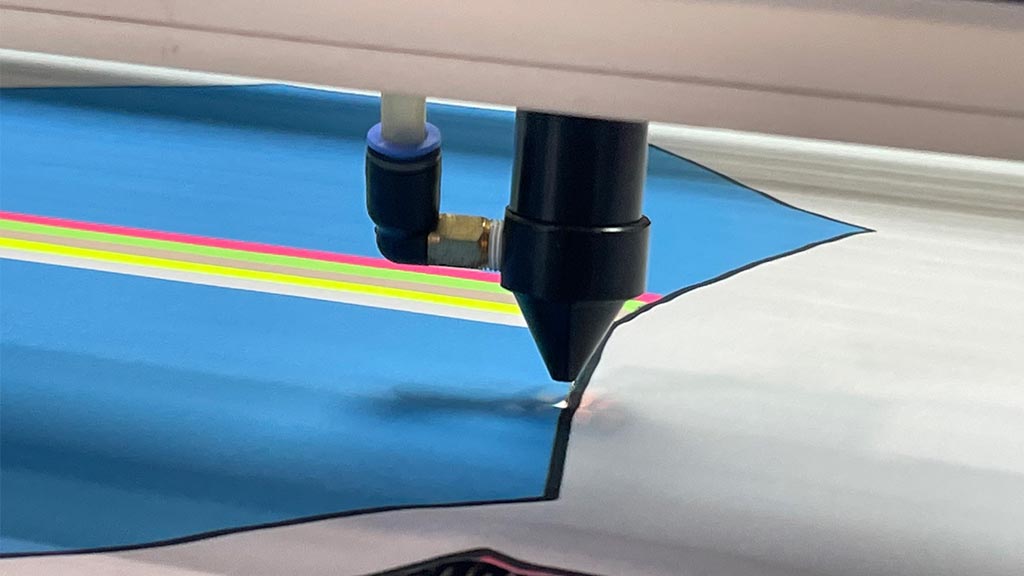
Traditional manual cutting can lead to uneven edges and wasted materials. Kinwin’s automated cutting machines use digital pattern input and laser positioning to achieve millimeter-level accuracy. Multiple layers of fabric can be cut at once, reducing labor time by 60% and improving pattern consistency across large orders.
Semi-Automated Sewing Systems for Consistent Quality
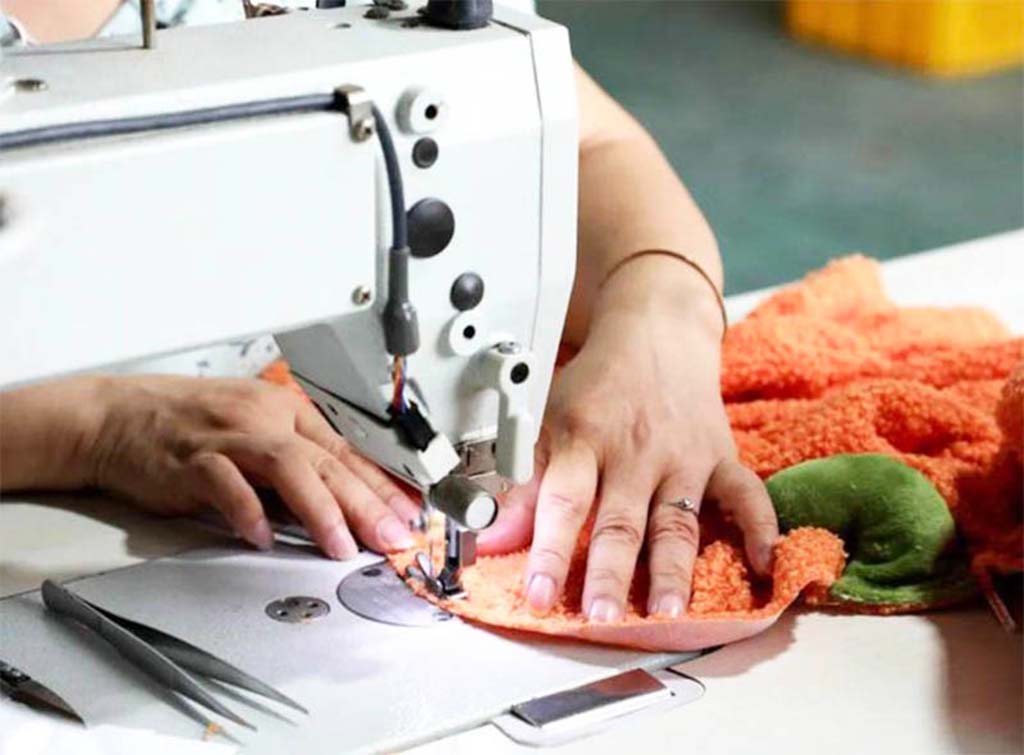
Hand sewing requires skill and attention, but maintaining consistency in high-volume production can be challenging. Our semi-automated sewing lines combine programmable sewing machines with skilled operators, ensuring even stitching tension and clean seams. This setup shortens each production cycle and minimizes rework caused by human error.
Smart Quality Control & Data Tracking
Instead of relying solely on manual inspection, Kinwin uses digital QC tracking to record and analyze every batch. Cameras and sensors monitor key points — seam strength, color accuracy, and stuffing density — while the system automatically flags deviations for review. This proactive approach increases inspection efficiency by 40% and ensures stable quality from sample to shipment.
Automated Packaging & Workflow Integration
Our packing lines are equipped with labeling printers, vacuum sealers, and sorting conveyors — enabling faster packaging and accurate SKU management. The entire workflow is linked through a real-time ERP system, allowing instant order tracking, material allocation, and shipment updates. This automation minimizes downtime and keeps production flow continuous.
Automation doesn’t replace craftsmanship — it enhances it. By combining technology with our 17 years of plush manufacturing experience, Kinwin ensures that every custom plush doll is produced efficiently, safely, and consistently — ready to meet global demand at scale.
Precision Plush Sampling Process
This video shows the real plush toy sampling process from design confirmation to finished prototype. Every step—pattern making, cutting, sewing, stuffing, and detailing—is carefully controlled to ensure the sample accurately reflects the approved design. A precise sampling process helps brands evaluate feasibility, reduce revisions, and move smoothly toward bulk production.
Washable vs Non-Washable Plush Dolls: What You Should Know Before Production
Before producing a custom plush doll, one crucial decision is whether it should be washable or non-washable. This choice affects everything from fabric selection and stitching methods to internal fillings and packaging. At Kinwin, we guide every client through these technical differences to ensure the final product is safe, durable, and aligned with its intended use.
Washable Plush Dolls (English)
Washable plush dolls are designed for frequent handling and cleaning — perfect for baby toys, educational plush, or daily companions. They require special water-resistant construction and wash-durable materials to remain safe and soft after multiple washes.
Fabric Choice: Made with short-pile minky, velboa, or polyester plush that resists color fading and shrinking. Fabrics are pre-shrunk and tested for detergent tolerance.
Filling & Construction: Filled with hydrophobic PP cotton or washable pearl cotton, evenly distributed and firmly sealed to prevent clumping after washing.
Stitching & Embroidery: Tight-density stitching and sealed seams minimize fiber leakage. Embroidery replaces plastic parts to enhance safety for children.
Maintenance Advantage: Machine-washable at 30°C or hand-wash safe, making it ideal for families, schools, and hospitals.
Non-Washable Plush Dolls (English)
Non-washable plush dolls are typically display-oriented or made from materials unsuitable for water contact. They prioritize visual aesthetics, texture richness, and collectible value over frequent handling or cleaning.
Fabric Choice: Includes long-pile faux fur, suede, corduroy, velvet, and mixed textiles that deliver premium texture but may lose shape or color when wet.
Filling & Structure: Stuffed with standard PP cotton, beads, or foam blocks that are lightweight yet moisture-sensitive. Open seams allow better shaping but lower wash resistance.
Surface Details: Often features decorative fabrics, ribbons, or metal accessories that enhance appearance but cannot withstand washing or high temperatures.
Maintenance Advice: Clean only with dry cloth or low-moisture wipes. Store in a dry environment to avoid color fading and mold.
Choosing between washable and non-washable plush dolls depends on your target users and sales purpose. Kinwin’s team evaluates every project’s design, fabric, and filling combination to ensure optimal durability, safety, and appearance — from kid-friendly washable toys to high-end collectible pieces.
Global Toy Safety Standards Update: How Kinwin Ensures Compliance
The global toy industry is undergoing stricter safety supervision. As custom plush dolls become increasingly popular among children, new regulations emphasize chemical safety, durability, and age-specific testing. At Kinwin, we track every regulatory update from Europe, the U.S., and Asia — ensuring every plush doll we produce complies with the most recent standards and gives your brand full market access.
-
🧩 Core 1 Global Trend
Global Trend: Stricter Toy Safety Regulations
In recent years, governments have tightened toy safety laws to enhance consumer protection and environmental responsibility. The focus has shifted toward eco-friendly materials, allergen reduction, and improved traceability. For plush dolls, this means every component — from thread to stuffing — must now pass formal laboratory testing.
Regions such as the EU and U.S. require complete material disclosure, banning certain dyes, plasticizers, and heavy metals. Sustainable production and transparency have become not just ethical choices but also legal requirements.
-
⚖️ Core 2 Key Standards
Key Standard Updates: EN71, ASTM F963 & ISO 8124
The world’s three main toy safety standards — EN71 (EU), ASTM F963 (US), and ISO 8124 (International) — were all updated between 2022–2024. The changes focus on chemical migration limits, mechanical safety, and flammability testing.
EN71-3:
Adds stricter limits for nickel, chromium, and allergenic fragrances. Toys for infants now require saliva and sweat resistance testing.
ASTM F963-23:
Expands mechanical testing, requiring plush dolls to pass seam strength, stuffing security, and impact tests.
ISO 8124:
Introduces new labeling requirements and electrical safety protocols for plush dolls containing sound or light modules.
-
🧪 Core 3 Execution
Compliance Execution: How Kinwin Guarantees Safety
Kinwin’s compliance strategy begins at material sourcing and continues through every production stage.
Certified Materials:
Only OEKO-TEX, GRS, and EN71-approved fabrics and fillings are used.
In-House Testing:
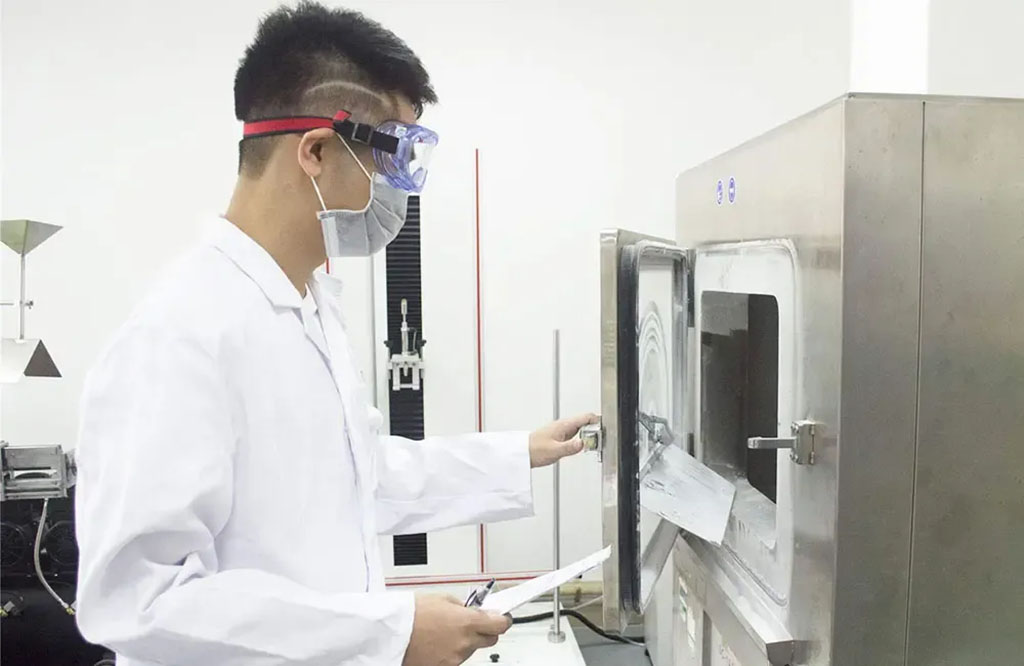
QC teams test seam strength, needle detection, colorfastness, and washability before mass production.
Third-Party Verification:
Partner labs such as SGS, BV, and Intertek issue official EN71 and ASTM F963 test reports for export documentation.
Regulation Monitoring:
Our compliance specialists update test procedures quarterly based on international regulatory notices.
-
🌱 Core 4 Brand Impact
Why Compliance Matters for Your Brand
Safety compliance isn’t just about passing a test — it defines your brand’s credibility. Retailers and distributors increasingly require documented proof of EN71 or ASTM certification before listing products.
By ensuring each custom plush doll meets these standards, you avoid shipment delays, customs holds, and legal risks. More importantly, you build lasting trust with consumers and global partners who value quality and responsibility.
At Kinwin, every plush toy is designed and produced with global safety compliance in mind. From baby-safe materials to certified testing, we make sure your brand stays compliant, competitive, and trusted worldwide.
From Design to Delivery: Our Plush Doll Production Process
Behind every custom plush doll is a carefully managed production system that ensures precision, safety, and consistency. At Kinwin, our 17 years of OEM experience have shaped a seamless process — from design confirmation to mass production and packaging. Every step follows strict quality standards and international compliance to guarantee the best results for your brand.
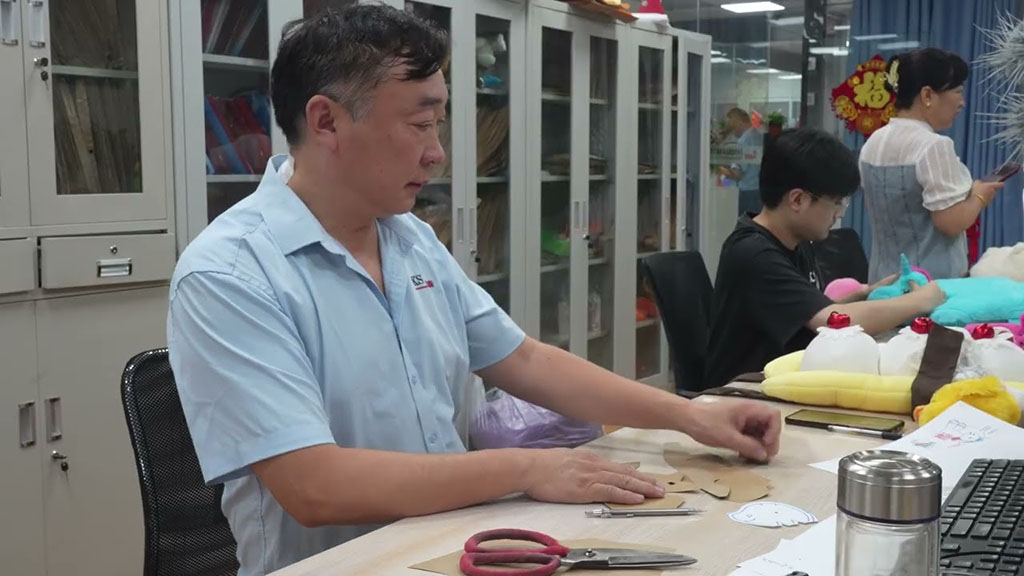
🧩 Step 1 — Design Review & Pattern Making
Once your design files or sketches are received, our design engineers begin analyzing structure, size, and material feasibility. Using digital pattern software, we translate creative concepts into accurate paper patterns ready for prototype development. This stage ensures all proportions, seams, and embroidery details are manufacturable before sample creation.
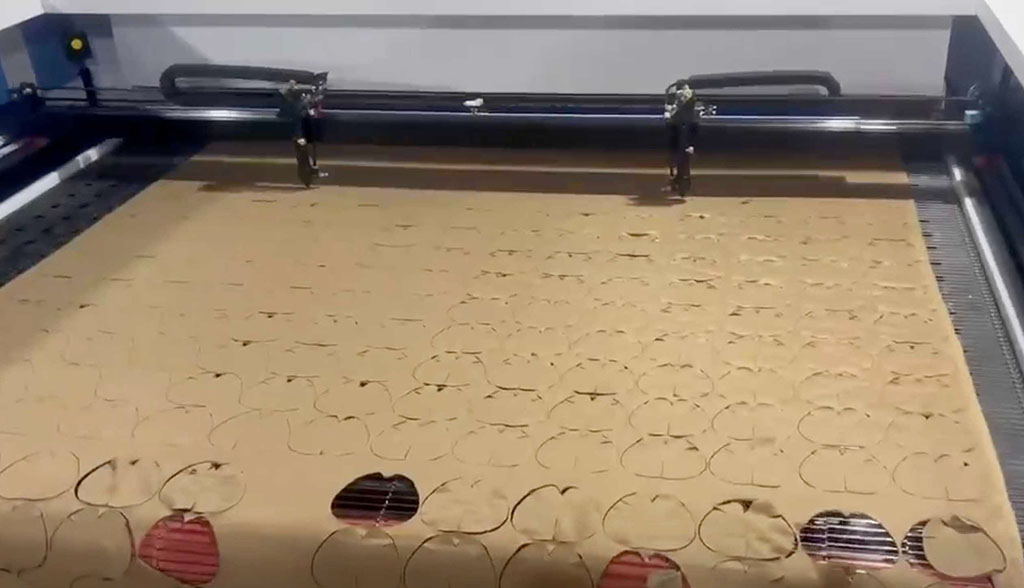
✂️ Step 2 — Fabric Cutting & Embroidery
Approved fabrics are digitally cut using automated cutting machines for precision and reduced material waste. Logos, facial expressions, or character patterns are embroidered or printed at this stage. All embroidery threads are color-matched and tested for durability to prevent fading or tearing during production.
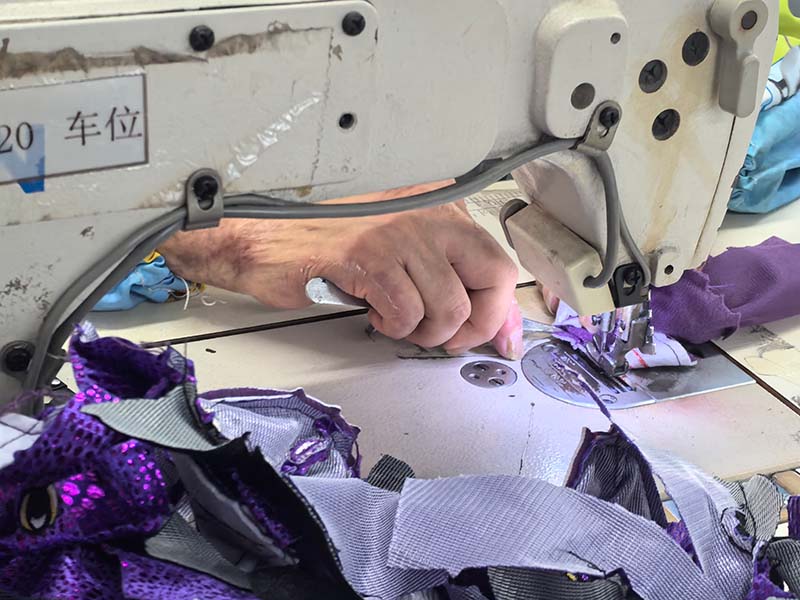
🧵 Step 3 — Sewing & Assembly
Each plush component is stitched by experienced seamstresses or semi-automated sewing systems. Smaller parts such as ears, limbs, or accessories are assembled separately, then joined into the main body. This method guarantees stable structure, clean seams, and precise alignment for every doll produced.
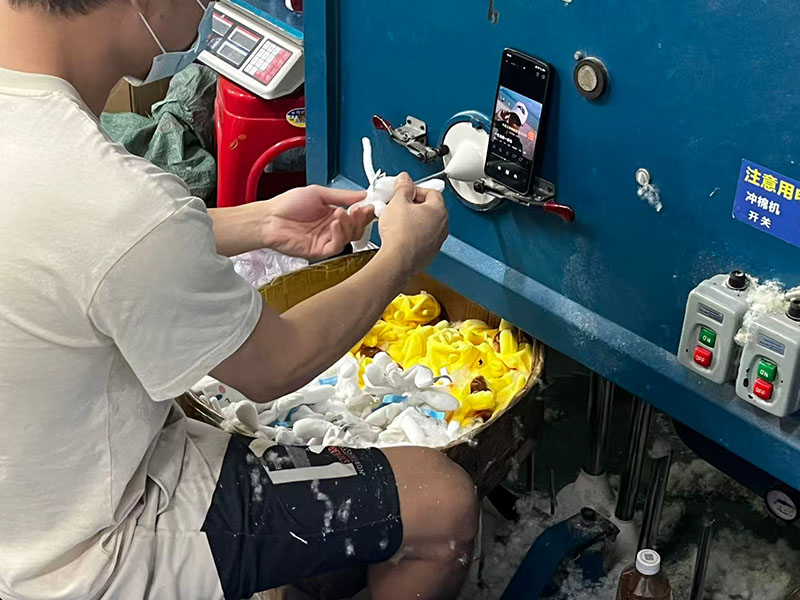
☁️ Step 4 — Stuffing & Shaping
Soft fillings such as PP cotton, pearl cotton, or weighted beads are evenly injected into each section. Automated filling systems ensure balanced softness while maintaining the intended body shape. Our team performs manual shaping afterward to refine the doll’s posture and contour before closing seams.
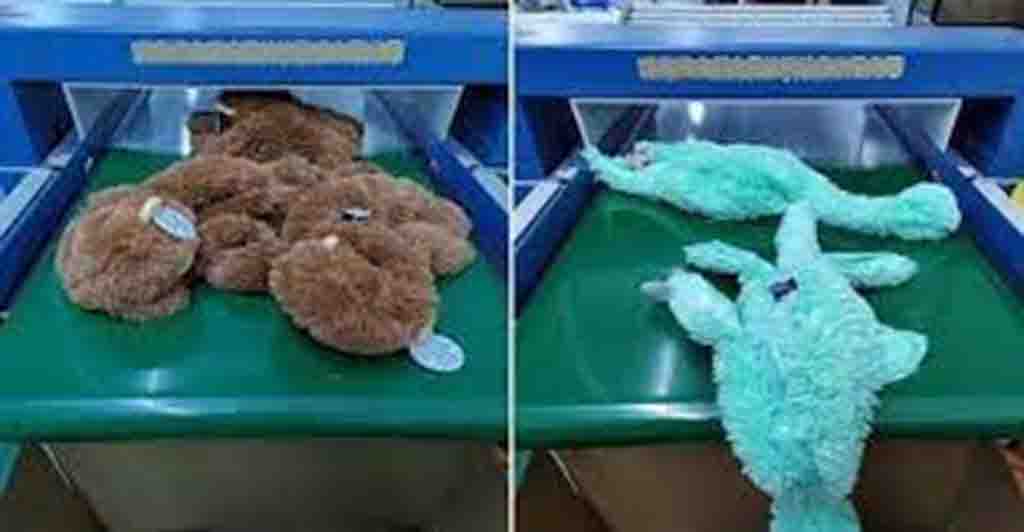
🔍 Step 5 — Quality Inspection & Needle Detection
Every plush doll undergoes multi-stage inspections covering seam strength, shape accuracy, embroidery quality, and color consistency. All finished dolls are then passed through needle detection machines to ensure no metal fragments remain. Only 100% safe and defect-free dolls move to packaging.
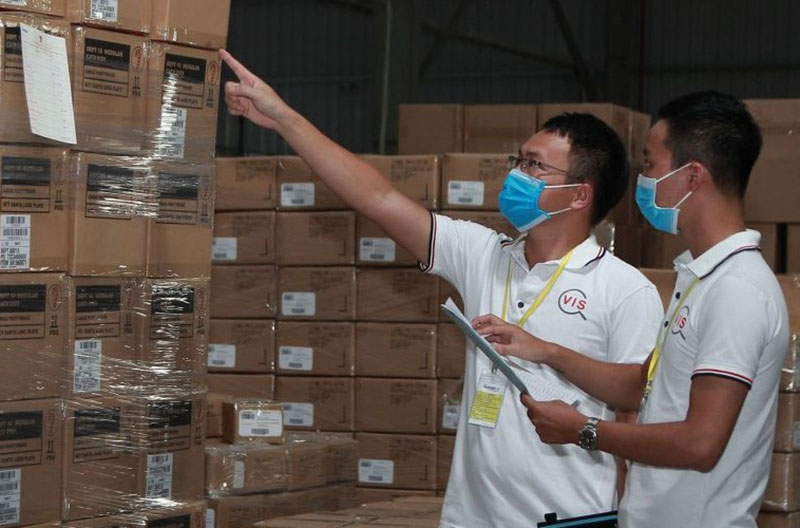
📦 Step 6 — Packaging & Final Delivery
Depending on your requirements, we provide customized packaging options — from OPP bags and vacuum packing to canvas bags or FSC-certified boxes. Each shipment is labeled with SKU, batch number, and carton details for easy tracking. Before loading, our QC team conducts final inspections and photo verification for full transparency.
A transparent and standardized process builds trust and ensures quality. With Kinwin’s full in-house production and strict inspection system, your custom plush dolls are delivered efficiently, safely, and exactly as designed — from the first sketch to the final shipment.
From Design to Reality with Precision
This video shows how an original design is transformed into a finished plush toy with high accuracy. By carefully translating shapes, proportions, facial expressions, colors, and materials from the approved artwork into a real product, we ensure the final plush closely matches the original concept. This process gives brands confidence that what they design is exactly what gets produced.
Creative & Sustainable Packaging Solutions for Plush Dolls
Packaging is more than protection — it’s the first emotional connection between your plush doll and your customer. At Kinwin, we design and produce a variety of custom toy packaging solutions that combine creativity, sustainability, and functionality. From eco-friendly boxes to collectible display cases, our packaging not only protects your product but also strengthens your brand’s story.
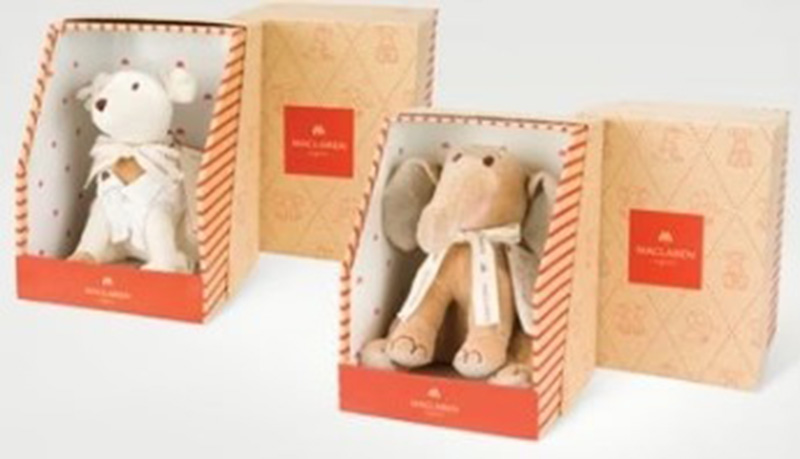
Eco-Friendly
💡 Eco-Friendly & Recyclable Packaging
Sustainability is now a global priority. Our FSC-certified paper boxes and biodegradable OPP bags reduce environmental impact while keeping your plush dolls secure. For export clients, lightweight corrugated materials minimize shipping costs without sacrificing durability.
We also offer recyclable hang tags and woven labels made from RPET yarn for a consistent eco-friendly brand image.
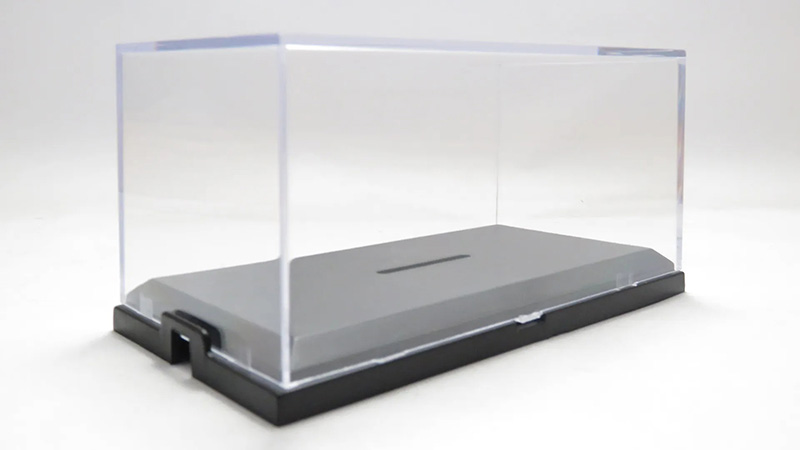
Collectible
✨ Collectible Display Packaging
For limited-edition or high-value plush dolls, packaging becomes part of the product. Our magnetic-lid boxes, acrylic display cases, and transparent window boxes transform each doll into a collectible. Optional LED inserts or printed backgrounds enhance presentation, making the unboxing experience memorable and shareable.
Compact
🧳 Compact & Vacuum-Sealed Packaging
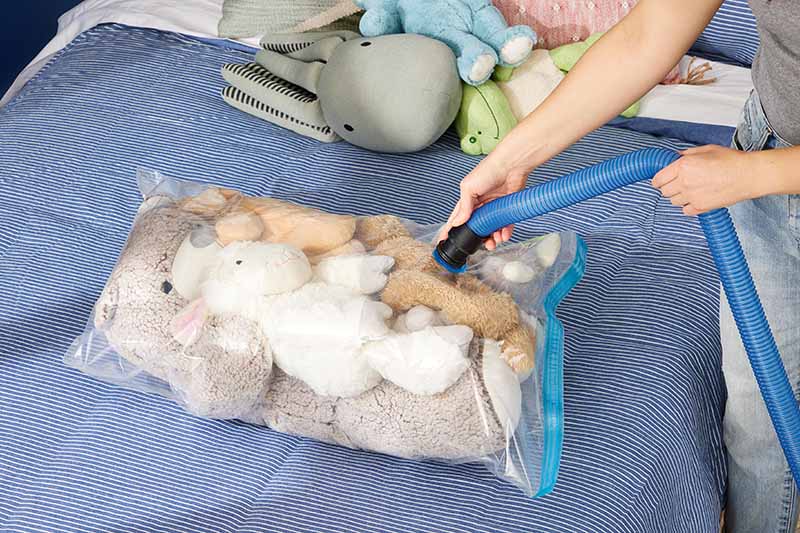
When shipping in bulk, space efficiency matters. Our vacuum-sealed packing reduces product volume by up to 50%, lowering logistics costs while keeping plush dolls clean and hygienic. Each vacuum bag is made with food-grade material and tested for air retention and transparency.
Upon unpacking, the plush doll quickly regains its full shape with a light shake.
Reusable
🧺 Reusable & Thematic Packaging
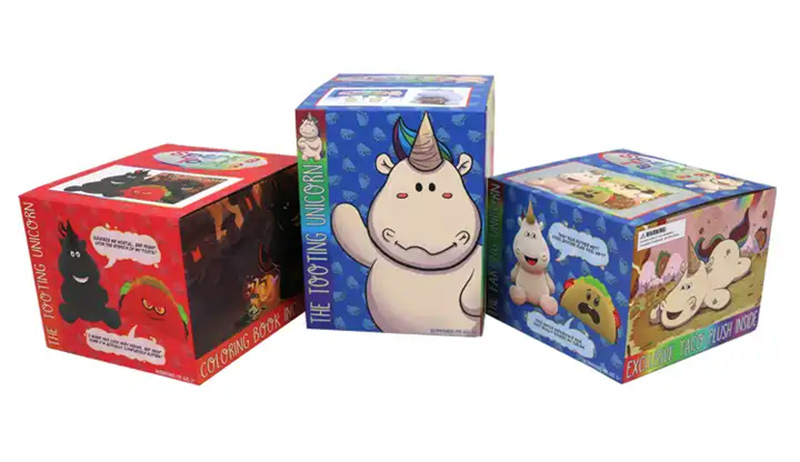
Add value beyond the shelf. We design reusable fabric bags, tote-style packaging, and zip pouches that customers can use again, turning packaging into a lifestyle item. For IP or seasonal collections, we create custom-themed packaging — from Christmas gift boxes to Valentine’s Day drawstring bags — making every product launch feel special.
Creative packaging elevates the value of your plush dolls and enhances the customer experience. With Kinwin’s OEM expertise, you can combine design, sustainability, and practicality to create packaging that delights buyers and strengthens your brand identity.

RISK BRIEFING Free Sample Traps in Plush Doll Manufacturing: 6 Hidden Risks You Should Know
Free samples may sound attractive, but in the OEM plush toy industry, they often come with hidden costs and quality compromises. While some suppliers use free samples to attract new clients, experienced brands understand that nothing is truly “free.” A rushed or low-cost sample can lead to production delays, material inconsistencies, and long-term losses. Here are six common risks you should know before accepting a “free sample” offer.
① Low-Quality Materials & Shortcuts
To cut costs, some factories use cheaper fabrics, thin threads, or low-density stuffing in free samples. While the appearance may seem fine in photos, the actual product feels rough, loses shape quickly, and fails quality tests later.
② Hidden Charges During Production
Some suppliers promote “free samples” but later charge extra for molds, embroidery files, or packaging setup during bulk orders. These hidden fees can raise your total cost by 10–20%.
③ No IP or Design Protection
Without a proper NDA (Non-Disclosure Agreement), your character design or plush prototype could be copied or reused by other suppliers. Some factories use free samples as a way to collect creative ideas from potential clients.
④ Inaccurate Sampling vs Real Production
A free sample is often produced by a senior sample maker under ideal conditions, but bulk production may be handled by a lower-cost team using different materials. The final mass product may not match the approved sample.
⑤ Delays Caused by Uncommitted Suppliers
Some “free sample” factories accept too many small requests at once. As a result, sample development is delayed, communication is slow, and project timelines are unpredictable.
⑥ No After-Sales Responsibility
If problems arise, low-cost suppliers offering free samples may avoid accountability — claiming the project was only a “trial.” Without a formal contract or payment record, it’s difficult to demand corrections or compensation.
A professional factory never hides costs — it delivers value, transparency, and quality. At Kinwin, our sample fees are fully deductible from bulk orders, ensuring accountability and consistent results from the first sample to the final shipment.
Trusted by Leading Global Brands
Strong partnerships prove strong capabilities. Over the years, Kinwin has worked with world-leading brands and retailers to deliver interactive plush toys that meet the highest standards of creativity, safety, and quality. By choosing us, you gain a supplier that is trusted by top companies worldwide—and the same reliability is available to your brand.


How to Communicate Effectively with Chinese Plush Toy Manufacturers
Good communication is the foundation of every successful OEM plush toy project. Working with Chinese factories can bring excellent results, but cultural and linguistic differences sometimes lead to misunderstandings or delays. At Kinwin, we’ve supported hundreds of global clients and summarized the most effective communication habits that ensure smoother cooperation, faster production, and better final results.
🧩 Tip 1 — Be Clear and Visual With Your Design Requirements
Chinese factories work best when instructions are visual and specific. Provide detailed drawings, 3D models, or reference photos, including exact size, color codes (Pantone), and fabric preferences. Avoid ambiguous words like “soft,” “medium,” or “cute” — instead, show what you mean through images.
Result: Reduces misinterpretation and speeds up the sample approval process.
🧾 Tip 2 — Confirm Every Detail in Writing
Verbal discussions can be friendly but easily forgotten. Always confirm specifications, delivery dates, and pricing in written form (email or message). This creates a clear record both sides can reference.
Result: Avoids confusion and ensures accountability throughout the project.
⏱ Tip 3 — Set Realistic Timelines and Follow Up Regularly
Always discuss your deadlines early and ask for production timelines that include sample making, material sourcing, and quality inspection. During production, check in once a week for photos or videos instead of waiting until the end.
Result: Keeps the project on schedule and reduces last-minute surprises.
🧶 Tip 4 — Understand Cultural Communication Styles
In Chinese business culture, people often avoid direct rejection to maintain harmony. If a supplier says “we’ll try” or “no problem,” it may mean the issue isn’t fully solved yet. Learn to read between the lines and politely double-confirm critical points.
Result: Builds mutual understanding and avoids hidden miscommunications.
🧵 Tip 5 — Use Reference Samples Whenever Possible
If you’ve produced similar plush dolls before, send a reference sample or photos. Factories rely on tactile and visual cues — seeing your preferred firmness, stitching, or embroidery quality helps them replicate your expectations accurately.
Result: Improves product consistency and reduces revision rounds.
🪡 Tip 6 — Maintain Respectful and Solution-Focused Communication
Cultural differences can lead to frustration, but maintaining a calm, respectful tone builds long-term trust. When issues arise, focus on solutions rather than blame. A professional attitude encourages factories to prioritize your orders and deliver their best performance.
Result: Creates a long-term partnership based on trust and respect.
Clear communication doesn’t just save time — it saves projects. At Kinwin, we provide professional bilingual support and transparent updates at every stage, ensuring your custom plush doll project runs smoothly from design to delivery.
Start Your Custom Plush Doll Project with Confidence
Your idea deserves more than just a factory — it needs a professional partner who understands creativity, quality, and brand value. At Kinwin, we transform your sketches, characters, and stories into beautifully crafted custom plush dolls. From design assistance and material sourcing to OEM production and packaging, our team ensures every detail matches your vision.
No matter where you are in your project — concept, sampling, or mass production — our specialists are ready to support you with transparent communication, fast response, and reliable delivery. Let’s make your plush idea come to life, together.
Explore Our Custom Plush Toy Series
We offer a wide selection of plush toys to meet different business needs. From baby-safe stuffed animals to collectible plush dolls, our product lines are designed for global brands, retailers, e-commerce, and promotional projects.
Frequently Asked Questions
1. How can I start my custom plush doll project with Kinwin?
Simply share your design concept, sketches, or character images with us. Our design team will review your idea, confirm materials and size, and provide a quotation. Once you approve the quote, we’ll create a prototype for confirmation before moving to bulk production.
2. What is your minimum order quantity (MOQ)?
Our standard MOQ is 500 pieces. For orders below this quantity, please consult with our project manager. We may offer flexible solutions depending on the product size, complexity, and customization requirements.
3. How long does it take to make samples and start mass production?
Sample development usually takes 10–15 days depending on complexity. After sample approval, mass production takes 25–35 days, plus shipping time based on your destination.
4. Can you use eco-friendly or recycled materials for my plush dolls?
Yes. We offer RPET plush, organic cotton, recycled stuffing, and FSC-certified packaging options. Our team helps you choose sustainable materials that meet both your design needs and environmental goals.
5. Are your plush dolls tested and certified for safety?
Yes. All plush dolls can be tested according to EN71, ASTM F963, and CE standards. We work with international labs such as SGS, BV, and Intertek to ensure compliance and provide official reports for each project.
6. What types of customization can Kinwin provide?
We offer full OEM & ODM services, including shape design, fabric selection, embroidery, logo labels, packaging, and accessories. Whether you have an idea, a drawing, or a prototype, we can turn it into mass production.
7. Can you help improve my existing plush doll design?
Of course. Our designers can adjust proportions, recommend better fabrics, and optimize structure for mass production without changing your original style. This helps improve quality while reducing cost and defects.
8. What packaging options are available for plush dolls?
We provide OPP bags, vacuum-sealed packaging, canvas bags, and FSC-certified boxes. Custom printing and labeling are also available to match your brand style.
9. How do you ensure product quality before shipping?
Each order goes through multiple QC checkpoints — fabric inspection, stitching review, metal detection, and final packing verification. You’ll receive photo or video updates before shipment for full transparency.
10. Can you handle international shipping and documentation?
Yes. We can arrange sea, air, or courier shipping and provide all export documents including invoices, packing lists, and certificates of origin. We ship to over 30 countries worldwide.
If You Can lmagine lt,We Will Create lt!
1.Tell Us What You Need
Tell us as specific as possible of your needs and share your idea.
2.Get Solution & Quote
We will work on the best solution according to yourrequirements,the specific quote will be provided within 24 hours.
3.Approve for Mass Production
We will start mass production after getting your approval.