Skip to content
When people pick up a plushie, they can instantly tell if it feels “right.”
That soft, airy, springy texture that makes you want to keep hugging it isn’t just luck — it’s engineering.
The inside of a plush toy decides 70% of how it feels in the hand and how long it stays that way.
As a professional plush manufacturer, we at Kinwin spend a huge part of product development testing different fillings to achieve the perfect “cloud hug.”
In this detailed guide, I’ll show you what really makes a great stuffing, how common materials compare, how safety and eco-friendly trends shape choices, and how factories like ours match the right fill to each toy design.
You’ll get both theory and actionable methods you can apply to sampling or bulk production right away.
What makes a stuffing material ideal for plushies?
A perfect stuffing should feel soft yet supportive, hold its shape after thousands of squeezes, and stay clean and safe through production, shipping, and play.
From a factory point of view, we look at six measurable qualities: softness, elasticity, shape retention, washability, safety, and cost stability.
Softness comes from fiber fineness and surface smoothness. Elasticity is controlled by crimp and fiber structure.
Shape retention depends on density and how evenly the filling is layered.
For brands, consistency is critical — one plush that feels denser than the next can make the whole batch look off.
That’s why we record exact grams of stuffing per body part for every SKU and keep those numbers fixed in production SOPs.
Table 1 — The 6 qualities of great plush stuffing
| Quality | What It Means in Handfeel | How We Check It in Factory | Buyer Tip |
|---|---|---|---|
| Softness | Smooth, cushion-like touch | Palm or cheek test | Choose fine-denier polyester |
| Elasticity | Recovers quickly after pressure | 3× press test | Avoid “dead” or stiff fibers |
| Shape retention | Holds silhouette | 24 h shelf test | Add small inner core if needed |
| Washability | Keeps loft after washing | Wash-bag trial | Align care label to lab test |
| Safety/Cleanliness | No lint, odor, moisture | Random bag checks | Request COA & odor report |
| Cost stability | Predictable supply | Supplier history review | Lock spec + backup vendor |
The right fill makes a plush feel balanced — firm enough to sit well, soft enough to squeeze, light enough to ship affordably.
How do PP cotton, pearl cotton, memory foam, and microbeads compare in feel and structure?
These four are the backbone of modern plush production.
Each has its own tactile signature, rebound speed, and cost range.
Many plushies combine two or more to achieve that “just right” balance between fluffiness and structure.
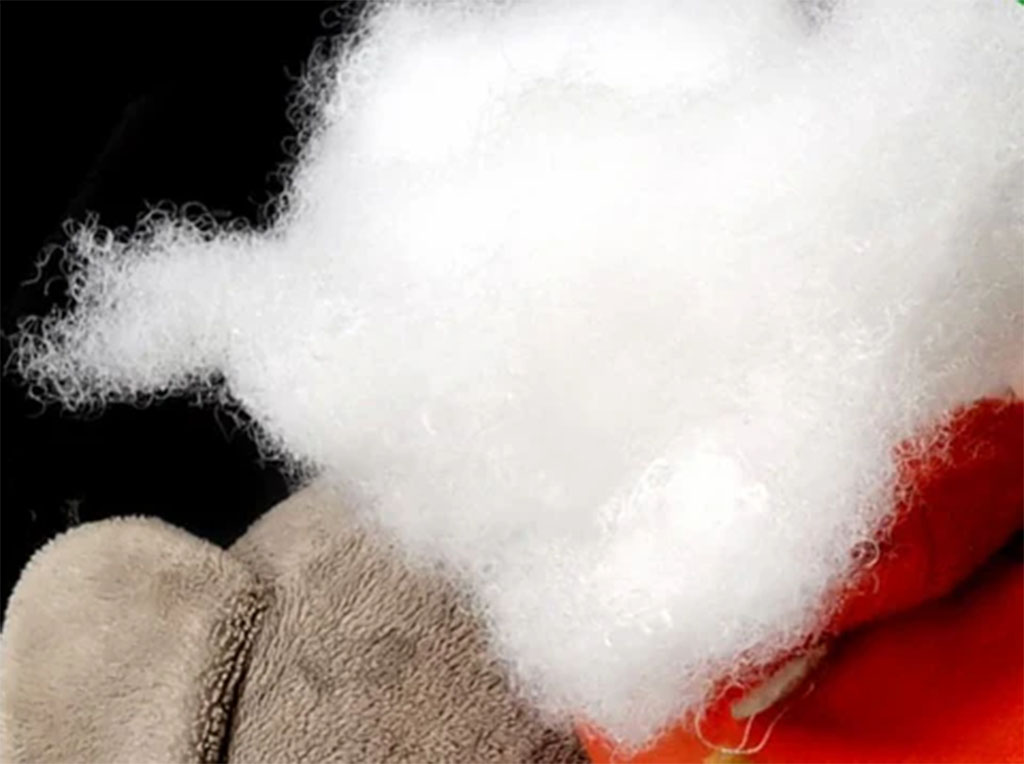
PP cotton (polyester fiberfill) is the industry standard: ultra-light, airy, and hypoallergenic.
It gives a natural huggable feel and recovers fast after pressing.
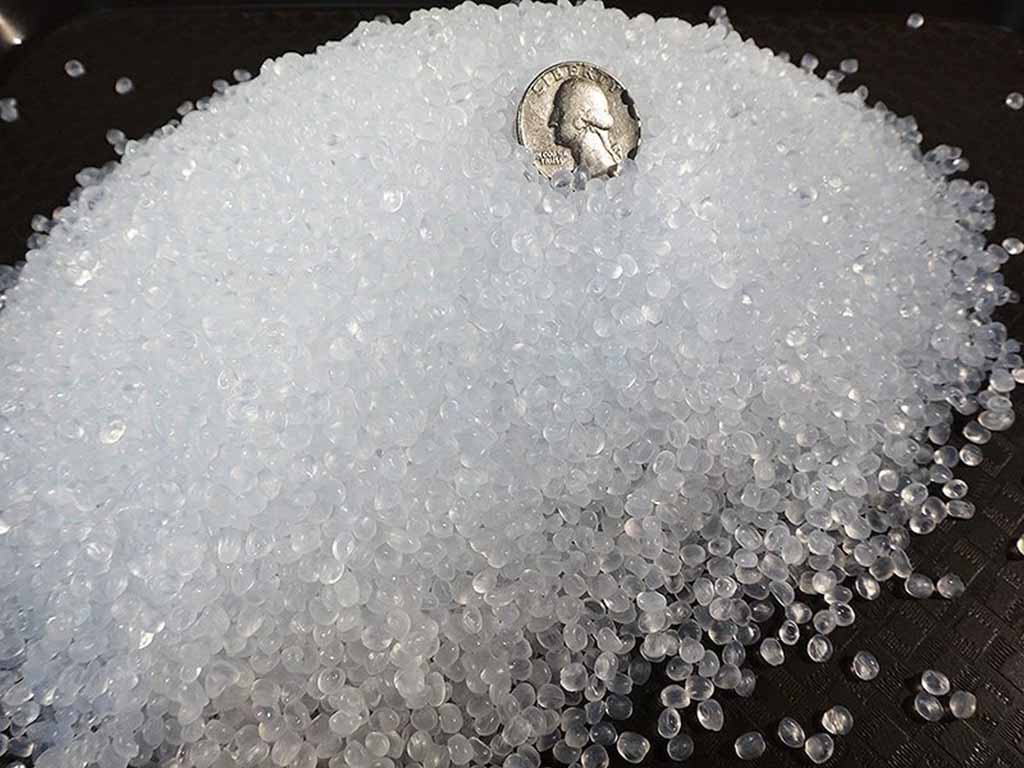
Pearl cotton (densely curled polyester balls) adds body and spring, perfect for plushies that must stand upright.
Memory foam crumbs bring a luxurious, dense feel but increase weight — great for cushions or oversized plush.
And microbeads (EPS or EPP pellets) create a smooth, flowing sensation inside the toy’s base, helping it sit evenly.
Table 2 — Core fillings side-by-side
| Filling | Handfeel | Structure / Shape Hold | Rebound | Washability | Best Use | Notes |
|---|---|---|---|---|---|---|
| PP cotton | Ultra-soft, airy | Medium | Fast | Excellent | Body & head | Low cost, safe |
| Pearl cotton | Medium-firm, springy | High | Fast | Excellent | Torso or core | Keeps posture |
| Memory foam crumbs | Dense-plush | Very high (localized) | Slow | Spot clean | Cushions / big plush | Heavy; breathable liner |
| Microbeads (EPS/EPP) | Flowing, weighted | None (free flow) | N/A | Hand wash | Base stability | Must use sewn liner |
Practical blending examples
- Cloud hug: PP cotton 100 % light–medium density.
- Soft + structured: PP cotton outer + small pearl core in torso/head.
- Premium feel: Thin microfiber layer over PP cotton + mini pearl core.
- Stable sitter: PP cotton + microbead liner in belly; liner tacked to inner seam.
The blend approach gives flexibility — you can adjust volume and resilience per part without changing main materials.
What factors influence softness, elasticity, and shape retention in plush stuffing?
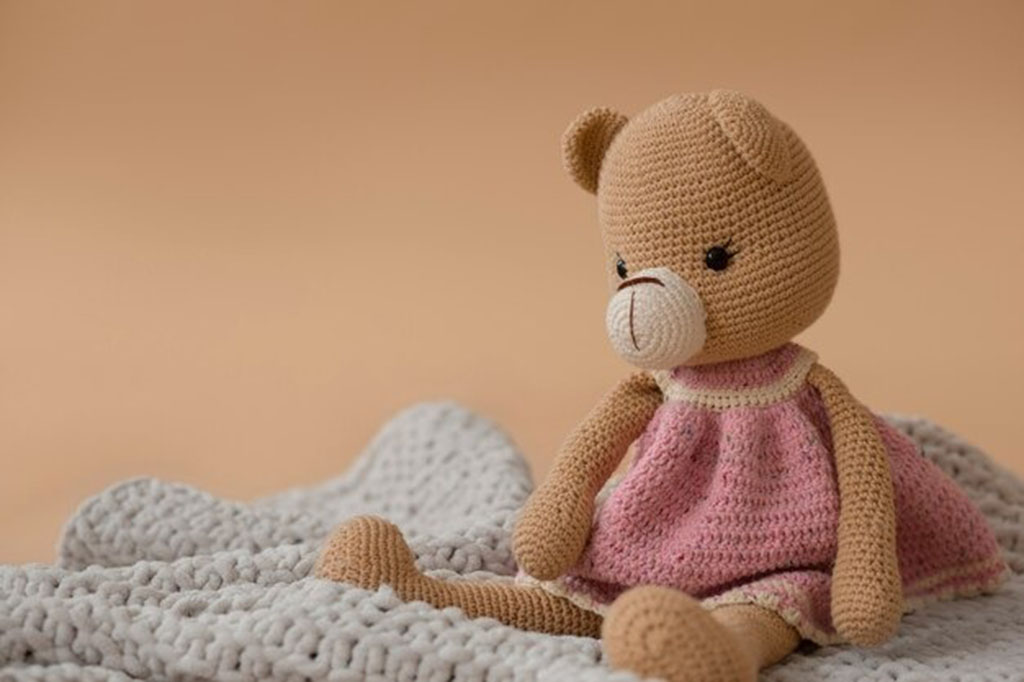
Inside every plush toy, physics and fiber geometry work together.
Softness comes from fiber fineness and crimp; elasticity depends on how those fibers spring back; and long-term shape retention depends on how filling density is mapped inside the pattern.
Fine fibers (< 1 denier) trap more air and feel smoother, but if too fine they may create lint.
Heavier fill density increases support but can make the toy hard at seams.
That’s why we design a density map — specifying how many grams of stuffing go into each body zone.
Table 3 — Engineering the feel: factors you can tune
| Factor | To Increase Softness / Loft | To Increase Structure / Firmness | Control Tip |
|---|---|---|---|
| Fiber fineness | Use < 1 dpf microfibers | Use 3–5 dpf standard | Balance softness vs lint |
| Crimp level | Higher crimp = airy volume | Lower = sleek face | Match to fabric type |
| Filling density | Light for cuddly | Medium for shape | Record grams/part |
| Pearl core | None for all-soft | Small center for hold | Keep < 10 % of total weight |
| Bead pouch | None for toddlers | Add low for sitting | Sew pouch securely |
| Batting under face | Smooths details | — | Use thin, even layer |
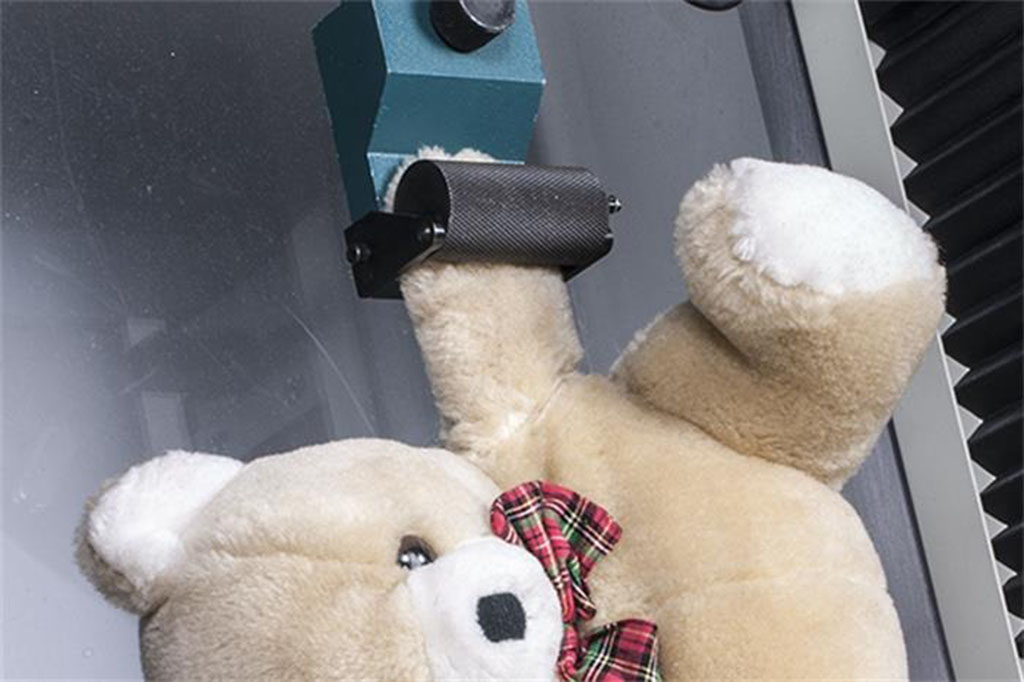
A quick in-house test: compress the toy five seconds, release, repeat × 3 — if it rebounds evenly and stays symmetrical, the internal balance is right.
How do safety and certification standards affect stuffing selection?
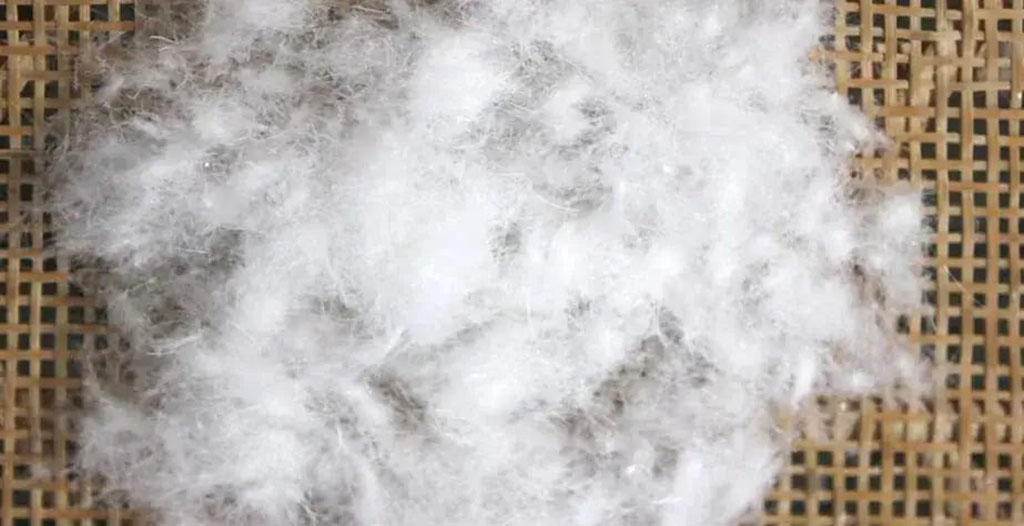
No matter how soft a plush feels, it must also be safe.
Filling materials are covered under global toy safety standards because they directly contact the fabric and sometimes small children’s skin.
Testing is usually done on the finished toy, but choosing certified stuffing saves both cost and time.
At Kinwin, every batch of filling comes with a Certificate of Analysis (COA) stating fiber content, cleanliness, and moisture rate.
We also test colorfastness, odour, and flammability on composite samples (fabric + fill).
Table 4 — Compliance checklist for fillings
| Checkpoint | Purpose | Required Documentation |
|---|---|---|
| Material COA per lot | Traceability | Fiber type, batch #, supplier stamp |
| Cleanliness & odour | Hygiene | Random bag checks + odour log |
| Mechanical integrity | Seam + liner safety | Liner spec + needle spacing |
| Chemical compliance | EN71-3 / CPSIA / REACH | Certified lab report |
| Flammability | Toy fabric + fill reaction | EN71-2 / ASTM F963 |
| Care label validation | Accurate consumer info | Wash-bag test proof |
Having a clean documentation chain helps customs clearance and reassures distributors that your product meets CE / ASTM / CPSIA standards globally.
Which eco-friendly fillings are trending in modern plush manufacturing?
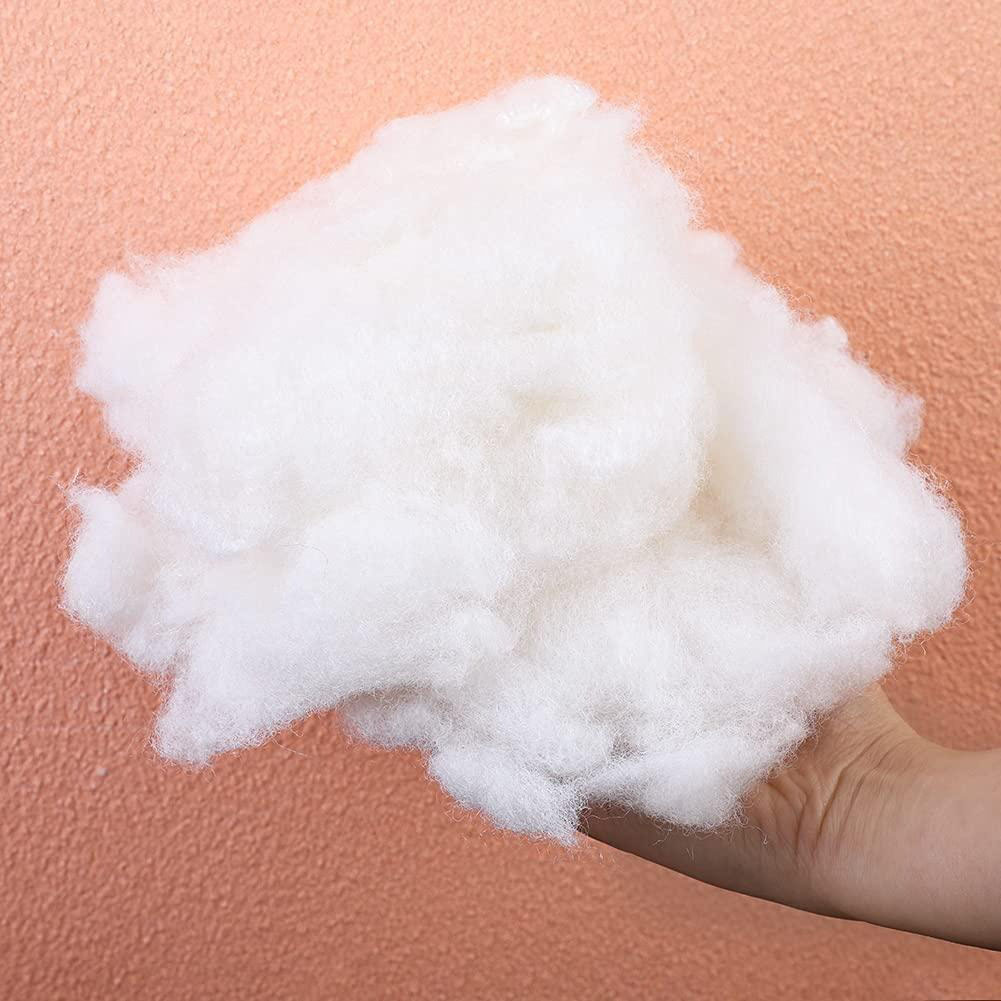
Sustainability is changing how toy factories source and market fillings.
The most practical green solution is rPET fiberfill, made from recycled water bottles.
It looks and feels almost identical to virgin PP cotton but carries a smaller carbon footprint and supports brand storytelling.
For higher-end plush, recycled microfiber offers a silky hand, and clean scrap-fiber blends reuse factory waste efficiently.
Some niche brands experiment with wool or bio-based foam, but these need careful testing for wash durability and smell control.
Table 5 — Eco filling options and trade-offs
| Filling | Sustainability Angle | Handfeel | Washability | Market Reality | Notes |
|---|---|---|---|---|---|
| rPET fiberfill | Recycled bottles | Same as PP cotton | Easy | High availability | Ask for GRS cert. |
| Recycled microfiber | Recycled fine PET | Silky, premium | Easy | Mid availability | Test lint/shed |
| Clean scrap fiber | Factory off-cut reuse | Varies | Moderate | Variable | Define odour limits |
| Wool roving | Renewable | Warm, soft | Hand wash | Niche | Mothproof check |
| Bio-based foam | Plant-based polymer | Springy | Varies | Early-stage | Pilot before mass |
Why it matters to buyers
Large retailers now include sustainability clauses in supplier scorecards.
Offering plushies with certified rPET filling can strengthen your brand story and improve search visibility on e-commerce platforms.
How do manufacturers match stuffing types to different plush toy designs?
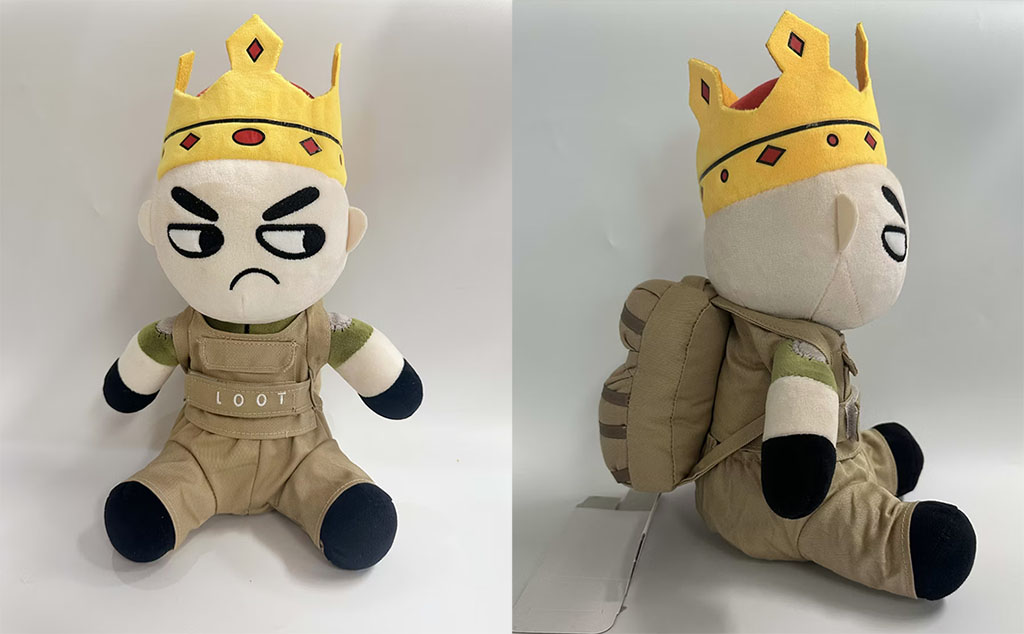
Each plush design has a purpose — cuddle toy, collectible, display piece, or baby-grade gift — and the stuffing must fit that purpose.
At Kinwin, our design team starts every sample by defining the target feel (soft, firm, weighted) and size range, then we choose a fill recipe that fits both the look and production cost.
Table 6 — Stuffing recipes matched to design intent
| Design Intent | Base Fill | Structure Add-ons | Face Treatment | Why It Works |
|---|---|---|---|---|
| Baby soft (0+ months) | PP cotton light density | None | Thin batting under short plush | Feathery feel, safe weight |
| Everyday retail plush (20–35 cm) | PP cotton medium density | Small pearl core | Batting under face | Balanced hug + neat look |
| Stable sitter toy | PP cotton medium density | Bead liner in belly | Batting under face | Upright posture, less sag |
| Premium gift plush | PP + microfiber blend | Mini pearl core | Smooth batting layer | Silky hand, full silhouette |
| Large display plush | PP cotton medium | Foam or pearl mix | Reinforced seams | Maintains shape over time |
| Eco collection | rPET PP cotton | Optional pearl core | rPET batting | Sustainable story + softness |
Factory SOP you can copy
- Pre-weigh stuffing per part (grams).
- Fill limbs first, then torso; insert core or liner; tack securely.
- Add batting under face; check embroidery alignment.
- Close seam with ladder stitch; brush pile; light steam.
- QC check: compression, rebound, symmetry, and weight.
By standardizing these micro-steps, we keep every plush consistent — the same softness and silhouette from sample to container.
Conclusion
Great plush toys start from the inside.
The stuffing decides how soft the hug feels, how the face keeps its charm, and how long the toy lasts.
At Kinwin, we help global buyers choose, blend, and test fillings — from PP cotton to pearl cores, microbead liners, and sustainable rPET fibers — then lock those specs with strict QC gates so every plush meets your exact target.
Contact us at [email protected] or visit kinwintoys.com to discuss your next plush project and see how our factory can support your success.