I’m Amanda from Kinwin in China. I help brands plan plush assortments that feel premium, pass compliance, and sell through across age groups. Parents and buyers often ask me: “When do kids stop liking plushies?” There is no hard stop. Interest usually changes form—from soothing and pretend play toward display, collecting, décor, and comfort. Below, I explain how age, culture, school, peers, and personal needs shape the curve, and how brands can design lines that stay relevant from toddler to teen without confusing age grading or safety rules.
What developmental stages and attachment patterns signal when plush interest typically declines by age group?
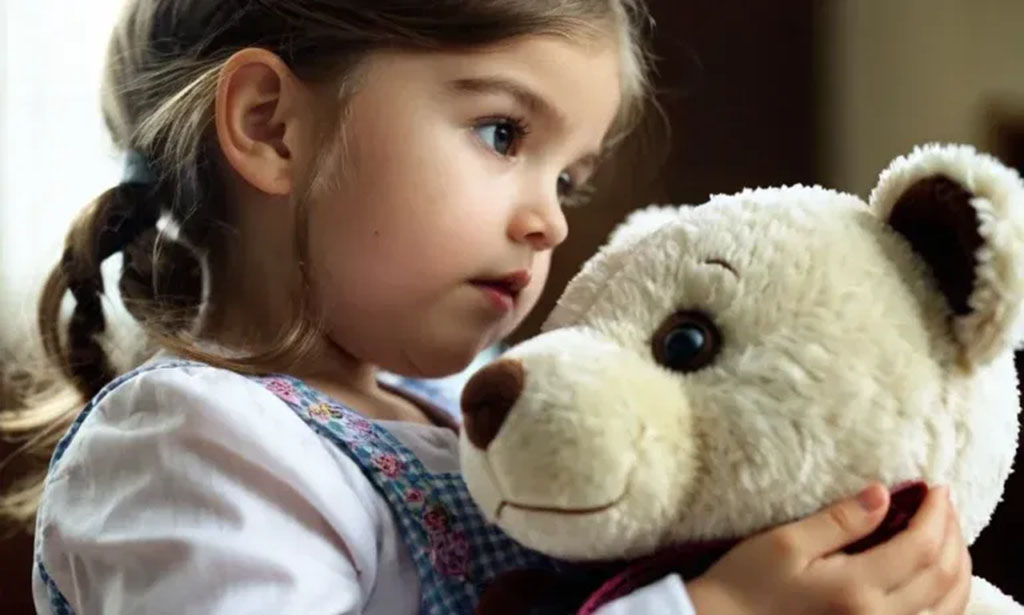
Across development, plush shifts from sensory regulation to symbolic play, then into identity and display. In infancy and toddlerhood, a soft toy often acts as a transitional object—a reliable cue that bridges separation, sleep, and unfamiliar places. In preschool, children name plushies and assign roles; the toy becomes a cast member in stories. In early school years, collections start. Kids compare sizes and features, trade minis, and care about sets. From the pre-tween phase onward, social context begins to matter: children may keep favorite pieces on beds or desks but use them more as companions or room accents than as constant playthings. The visible “decline” is less a loss of interest than a reclassification of purpose.
By 9–12, many kids curate small groups of plush that fit their room palette or interests (wildlife, team colors, characters). Teens who still love plush usually fold it into fandom, décor, or stress relief routines. Neurodiverse or sensory-seeking users may keep steady, intentional relationships with soft textures much longer, which is normal and healthy. These patterns guide product choices: build soft, washable 0+ lines; durable, story-ready 3+ lines; and aesthetic or collectible options for older users.
Table 1 — Developmental Stages & Typical Plush Engagement
| Age band | Primary need | Plush role | Visible shift signal | Design implications |
|---|---|---|---|---|
| 0–2 (Infant/Toddler) | Soothing, routine | Sleep buddy; transitional object | Self-soothing habits form | Short-pile minky/velboa; embroidery-only |
| 3–5 (Preschool) | Imaginative play | Named characters in stories | Role-play & sets emerge | Durable seams; simple accessories; 3+ trims |
| 6–8 (Early School) | Rules, collecting | Minis, series, favorites | Trading/show-and-tell | Clip-ons; checklists; lint-resistant shells |
| 9–12 (Tween) | Identity, aesthetics | Desk/bed décor; gifts | Room curation | Tonal palettes; limited editions |
| 13–15 (Teen) | Fandom, expression | Collectible display | Shelf “shelfies”; drops | Edition tags; premium packaging |
| 16+ (Young adult) | Comfort, nostalgia | Weighted/décor plush | Study/desk routines | Neutral tones; care cards; ethical copy |
How do cultural norms, schooling milestones, and peer influence reshape plush engagement after early childhood?
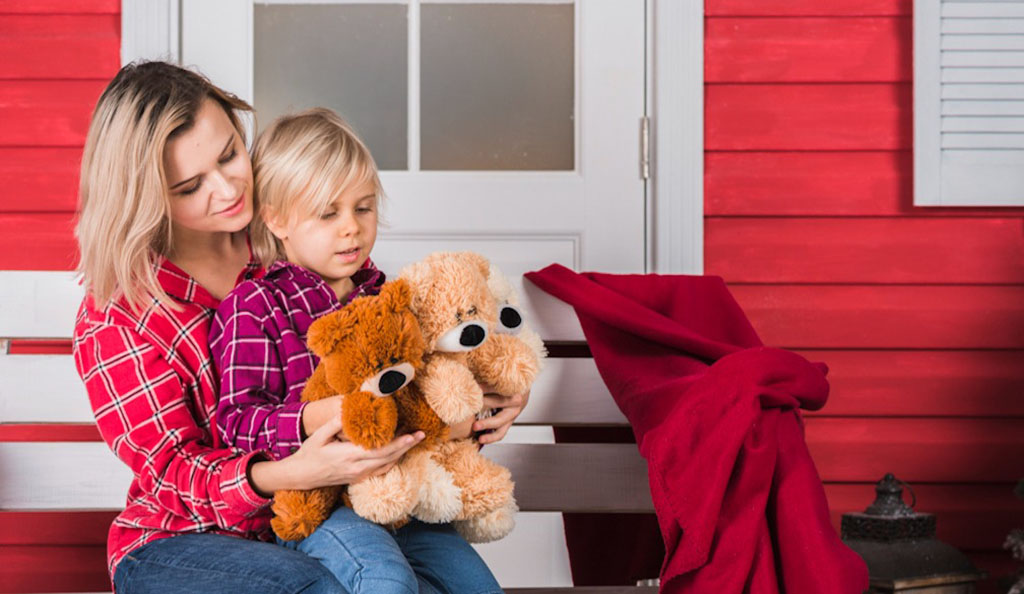
Culture sets the public rules of what is “age appropriate,” and school makes those rules practical. In some regions, kids bring plush to kindergarten or even early primary classrooms. Elsewhere, toys are discouraged on campus, pushing plush toward private spaces like bedrooms and cars. Uniforms, lockers, and bus rides add peer visibility, which can nudge kids to hide or reframe plush as décor or collectibles. After about age seven, many children learn to navigate peer approval; a favorite plush might move from backpack to bedside to avoid comments, yet the relationship persists.
Family gifting traditions also matter. Households that exchange plush at holidays sustain demand through late childhood, even as daily play falls. Media trends—anime, games, streaming franchises—can keep plush relevant for tweens who want character-driven room styling rather than pretend play. Practical limits, like homework and clubs, reduce free play time but increase demand for quick joy: minis, clip-ons, and small, photo-ready pieces that fit a desk, shelf, or bag. Brands that align with school calendars (back-to-school, recitals, camp, travel) can meet older children where they are—busy, social, and style-aware—without implying the product is babyish.
Table 2 — Context Shifts That Reframe Plush Use
| Context factor | After ~6 years | Effect on behavior | Brand response |
|---|---|---|---|
| School rules | Less tolerance for toys in class | Home/private use ↑ | Minis/charms suitable for bags |
| Peer visibility | Social approval counts | Décor beats public cuddling | Tonal, subtle designs; small logos |
| Time pressure | Activities, homework ↑ | Short play windows | Quick-joy SKUs; desk minis |
| Gifting culture | Holidays/birthdays persist | Occasion-led purchases | Seasonal capsules; gift-ready boxes |
| Room identity | Personal décor grows | Palette-matched curation | Size ladder; styled PDP photos |
Which transitions—from imaginative play to décor or collectible display—extend plush relevance into tween/teen years?
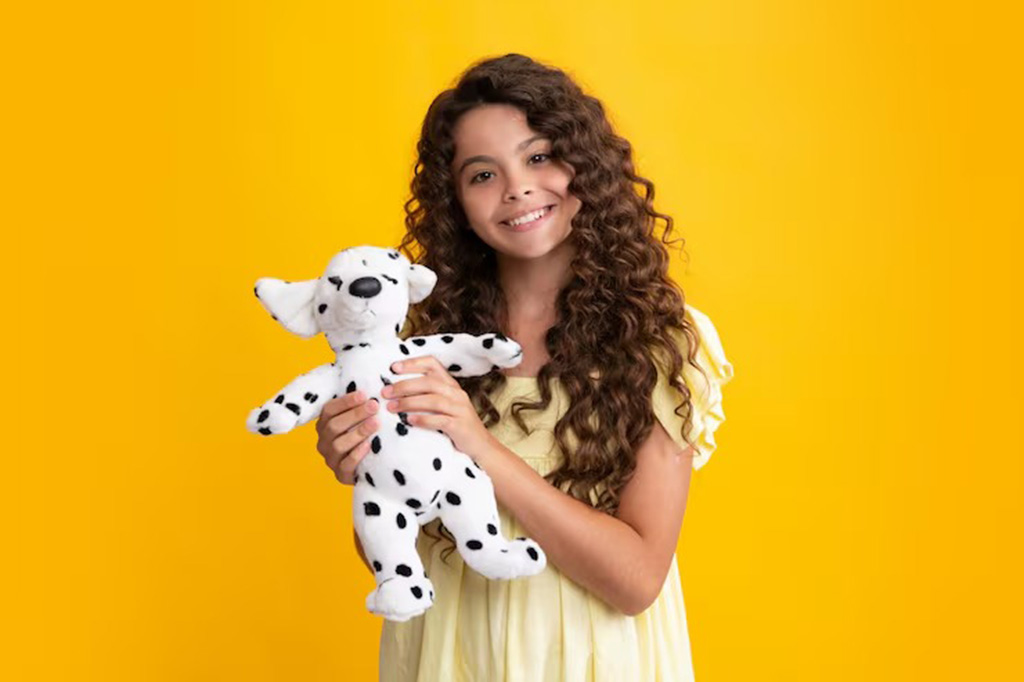
The bridge to tween/teen retention is presentation. Around nine and up, many kids move from imaginative scenarios to curated display: arranging plush by color, size, or theme; posting shelf photos; and maintaining sets. Licensed or artist-collab pieces with edition numbers or story cards feel legitimate and shareable. Décor-first plush—clean silhouettes, neutral fabrics, and sit-stable bodies—lets a teen keep one or two visible pieces without feeling “young.” Keychains turn plush into a small social signal, acceptable even in stricter school settings. A weighted base makes a desk companion that doubles as a focus object during study.
Drops and limited colorways create return visits and safe inventory risk. A mini plus a matching larger size gives teens a way to “collect and anchor” the look. Above all, photos do the work: styled room shots, scale-in-hand, and texture macros show that a plush can be design, not just a toy. This is where messaging shifts from “playtime” to “your space, your style,” with hints of comfort. When that language is honest and non-judgmental, older kids keep plush in their world without discomfort.
Table 3 — Transition Modes That Keep Older Users Engaged
| Mode | User behavior | Product traits | Content & merchandising |
|---|---|---|---|
| Décor/room styling | Curates 2–4 pieces | Neutral/tonal colors; sit-stable | Styled bedroom/desk photos |
| Collectible display | Builds sets; hunts variants | Edition tag; numbered runs | Checklists; drop calendars |
| Wearable/portable | Low-key social cue | Minis; durable clips; velboa | Peg hooks; POS impulse |
| Fandom shelf | Canon accuracy | Crisp embroidery; exact colors | Licensor approvals; collabs |
| Weighted comfort | Study breaks, wind-down | Double-pouched pellets; soft face | Care cards; no medical claims |
How do gender, neurodiversity, and sensory-regulation needs alter the age curve for plush preferences?
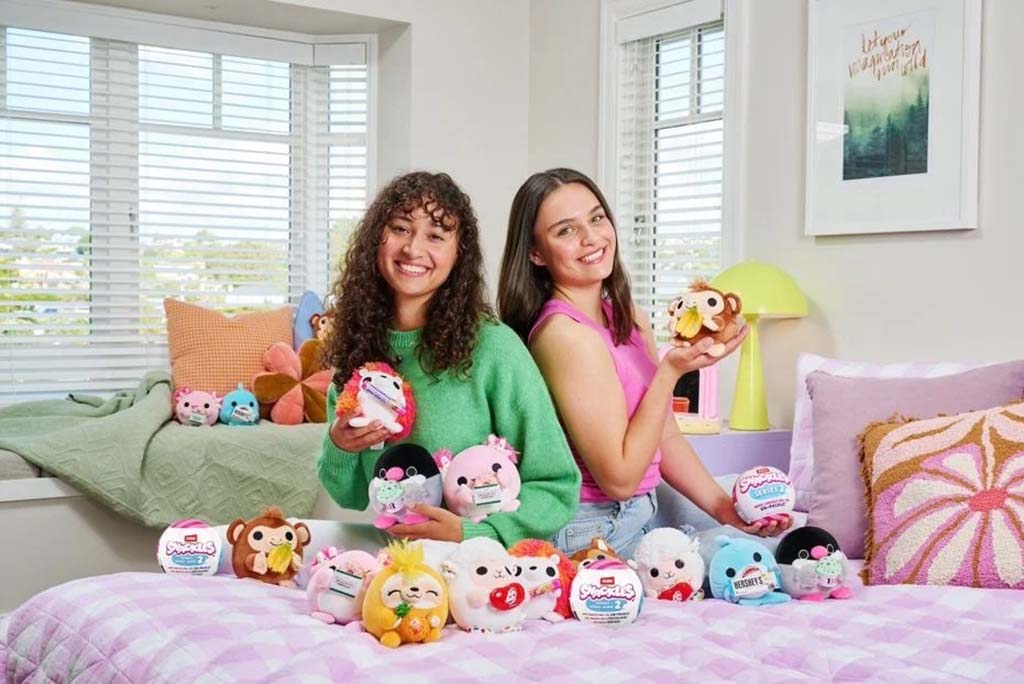
There is wide variation. Boys and girls both keep plush longer when aesthetic or fandom cues are strong. Neurodiverse users may rely on predictable textures or weight for self-regulation; that preference can persist well into adolescence and adulthood. Weighted bases and consistent short-pile fabrics offer grounding without stigma. Some kids prefer unscented plush; others respond to a mild, removable sachet (clearly labeled). The goal is to normalize diversity: plush can be a tool for calm, a piece of décor, a symbol of taste, or a character link—none of these demands an age limit.
Product choices follow the user, not a stereotype. Neutral palettes and minimalist shapes speak to teens of any gender. For sensory seekers, avoid scratchy trims, dangling hardware, or inconsistent pile zones on the face. Offer a soft face panel even on faux-fur bodies so expressions remain readable and the touchpoint feels smooth. Provide truthful care instructions and avoid heavy fragrance. When the product respects different needs, older kids and young adults feel comfortable keeping plush in daily routines—on a bed, a chair, or a backpack—without social friction.
Table 4 — Personas That Extend the Plush Curve
| Persona | Primary driver | Helpful features | Messaging tone |
|---|---|---|---|
| Sensory seeker | Calm, consistency | Short-pile face; weighted base; even fill | “Comfort you can feel” |
| Aesthetic curator | Room harmony | Neutral tones; sculpted silhouettes | “Style your space” |
| Fandom collector | Canon accuracy | Licensed colors; edition tag | “Official, limited, authentic” |
| On-the-go kid | Small signal | Sturdy clip; lint-resistant velboa | “Take it anywhere” |
| Quiet gifter | Safe, thoughtful gift | Gift-ready box; common themes | “Ready to give” |
What do retail sales, gifting occasions, and cohort data indicate about plush purchase frequency by age?
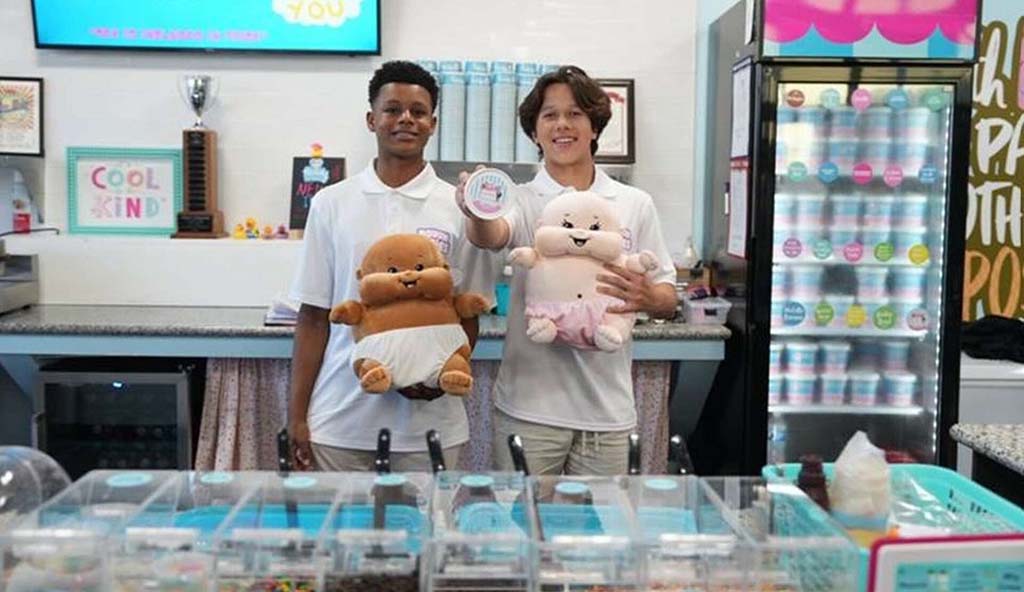
In most markets, plush purchasing starts high in early childhood, then tapers and stabilizes at lower—but steady—levels through tween and teen years. Triggers change: from daily play to birthdays, holidays, travel souvenirs, exam-season comfort, and online drops. As basket size shifts toward key occasions, units may fall but AOV can hold or rise—especially with gift packaging, limited colorways, and weighted features. Teens and adults add a quiet baseline of self-purchase tied to décor, fandom, and stress relief. For planning, that means maintaining a cuddle core while launching occasional spikes keyed to calendars and communities.
Use your own sell-through data to refine the curve: analyze size ladders (mini/standard/jumbo), color performance (neutrals vs. brights), and repeat rates on minis. Track returns tagged “smaller than expected” and fix with scale-in-hand photos and clear measurements. Watch regional calendars: school starts, national holidays, exam periods, graduation, and college move-in. These moments create demand for giftable plush that feels age-appropriate, photographable, and easy to carry.
Table 5 — Directional Purchase Triggers by Cohort
| Cohort | Main triggers | Frequency trend | Winning formats |
|---|---|---|---|
| 0–5 | Gifts, replacements | High | 0+ plush; soft dolls |
| 6–8 | Birthdays, sets | Medium–high | Minis; animals; licensed |
| 9–12 | Holidays, décor refresh | Medium | Décor plush; limited colorways |
| 13–15 | Drops, collabs, friend gifts | Medium–low | Collectibles; keychains |
| 16+ | Self-care, fandom, room styling | Medium–low | Weighted; pillows; IP capsules |
How should brands adapt assortments, messaging, and age grading to retain older kids without alienating younger audiences?
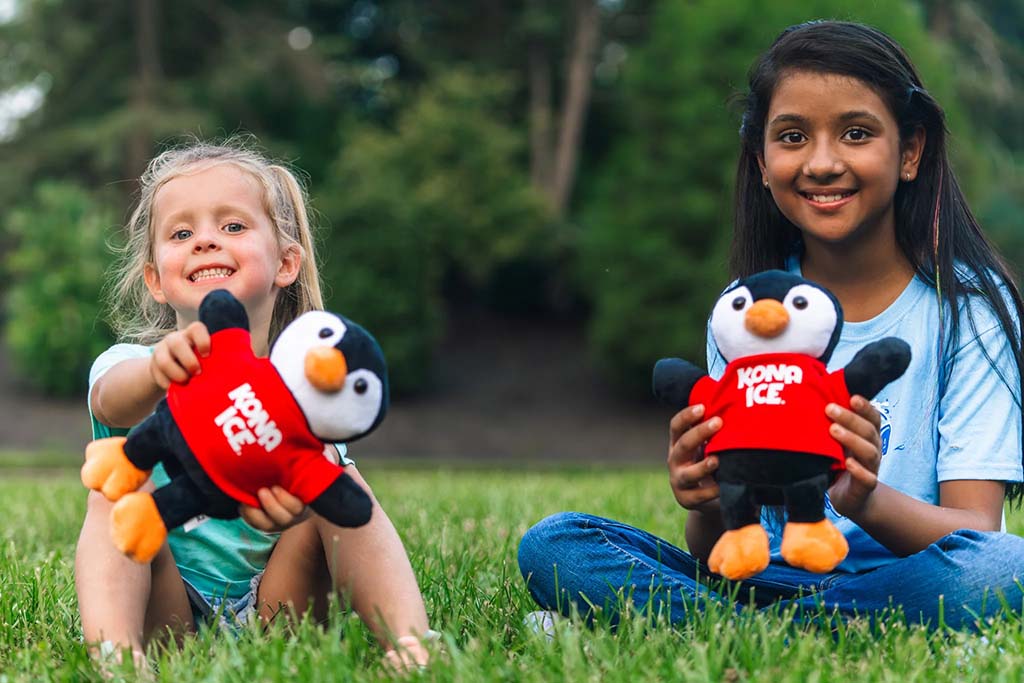
The safest strategy is a two-track line. Keep a dependable cuddle core for younger buyers (short-pile, embroidered faces, washable, bright but tasteful colors). Build a style/collector track for older buyers (tonal palettes, sit-stable silhouettes, optional weighted bases, licensed or artist-collab drops). Make sure age grading and trims are consistent: 0+ lines avoid detachable parts; 3+ lines may use safety eyes/noses with tested tensile strength and formal small-parts checks. For 14+ collectibles, couture trims, magnets, or poseable armatures can appear with clear labeling.
Messaging should never shame play. Shift tone instead: from “snuggle buddy” to “style your space,” “limited drop,” or “study-break comfort.” Use photography that shows plush in rooms—on a bed, shelf, or desk—along with texture macros and scale-in-hand shots. Offer a size ladder and gift-ready packaging for older cohorts. Finally, keep compliance tied to lots, re-test on dye-lot and trim changes, and align copy to what testing supports. This lowers friction with retailers and reduces post-launch edits.
Table 6 — Assortment & Messaging Levers That Work
| Lever | Do | Don’t | Why it works |
|---|---|---|---|
| Line structure | Two tracks: cuddle core + style/collector | Single track for all ages | Clear positioning; cleaner tests |
| Titles & SEO | Region nouns in titles; “plush” in bullets | One noun for all markets | Matches search behavior |
| Trims | Embroidery (0+); qualified trims (3+) | Mix trims without age logic | Pass audits first time |
| Palettes | Neutrals/tonals for older users | Only infant brights | Fits rooms; broad appeal |
| Content | Styled rooms + macros + size-in-hand | Studio cutouts only | Sets expectations; cuts returns |
| Packaging | Gift-ready boxes for older SKUs | Polybag for all | Lifts AOV; display value |
Implementation Playbook (you can run this month)
- Map your curve: maintain 3–5 evergreen cuddle animals (20–35 cm), then add minis and 1–2 style/collector drops per quarter.
- Write specs by age: 0+ = short-pile minky/velboa, embroidery-only; 3+ = safety eyes/noses with tensile pass; weighted bases double-pouched.
- Size ladder: mini clip-on → standard plush → décor pillow.
- Calendar: align drops to school terms, holidays, and fandom events; publish a simple checklist for collectors.
- Photography: texture macro, scale-in-hand, seated stability, and room styling shots on every PDP.
- Testing & docs: EN71-1/2/3 (EU/UK), ASTM F963 + CPSIA (U.S.), CPC/DoC, tracking labels; tie to actual lots and re-test on material changes.
- Customer care: concise copy on wash method (gentle machine vs surface clean) and any brush-after-wash note for faux fur.
Conclusion
Kids rarely stop liking plushies—they evolve from cuddle and pretend play toward display, décor, collecting, and comfort. If you maintain a cuddle core for younger users and layer style/collector options for older ones—while keeping age grading and trims clean—you’ll protect compliance, reduce returns, and grow lifetime value. At Kinwin, my team can turn this plan into sealed PPS and on-time mass runs with plush that looks premium on camera and feels right in hand. Email [email protected] or visit kinwintoys.com to shape your next cross-age plush line.