 Skip to content
PLUSH MATERIAL SELECTION GUIDE
Plush Toy Materials Guide
A practical guide to plush fabrics, filling, components, cost and safety planning for custom toy production.
Material selection is one of the most important decisions in custom plush toy manufacturing. Fabric, filling, embroidery thread, printed panels, accessories, labels and packaging all affect how the final product looks, feels, performs, costs and passes safety requirements.
For buyers, choosing a material is not only about softness. A plush toy material must match the character design, target market, user age, product size, brand positioning, budget, testing requirements and expected production quantity. A fabric that looks premium may be too expensive for a promotional order. A low-cost fabric may weaken the character's appearance or fail to deliver the expected hand feel.
KINWIN helps brands, IP owners, e-commerce sellers, promotional companies and product developers compare material options before sampling. This guide explains the main plush toy materials and the practical decisions buyers should consider before confirming a custom plush project.
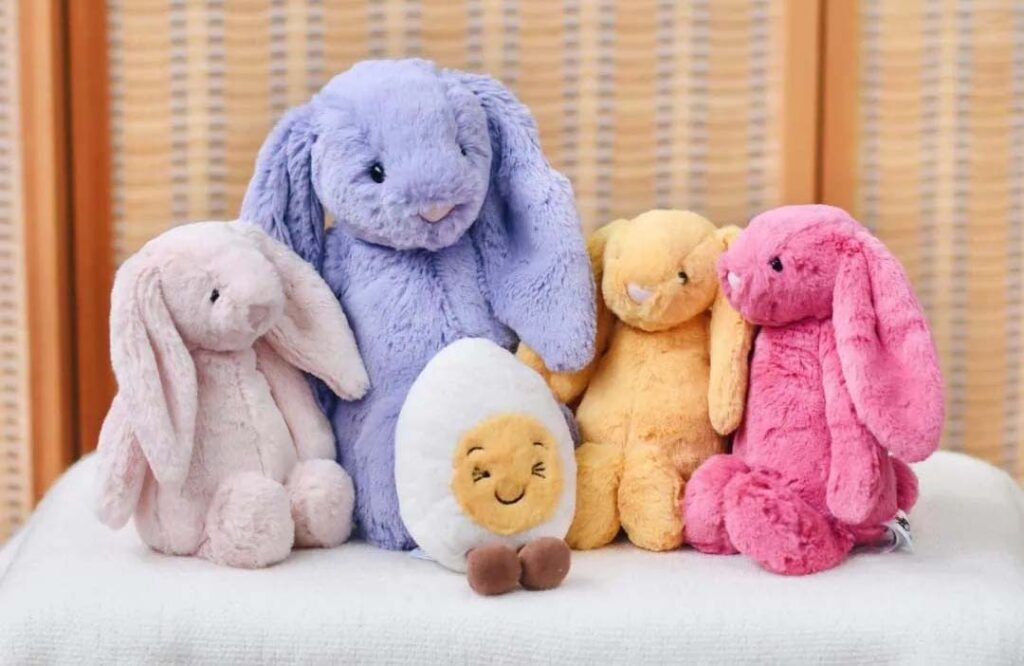
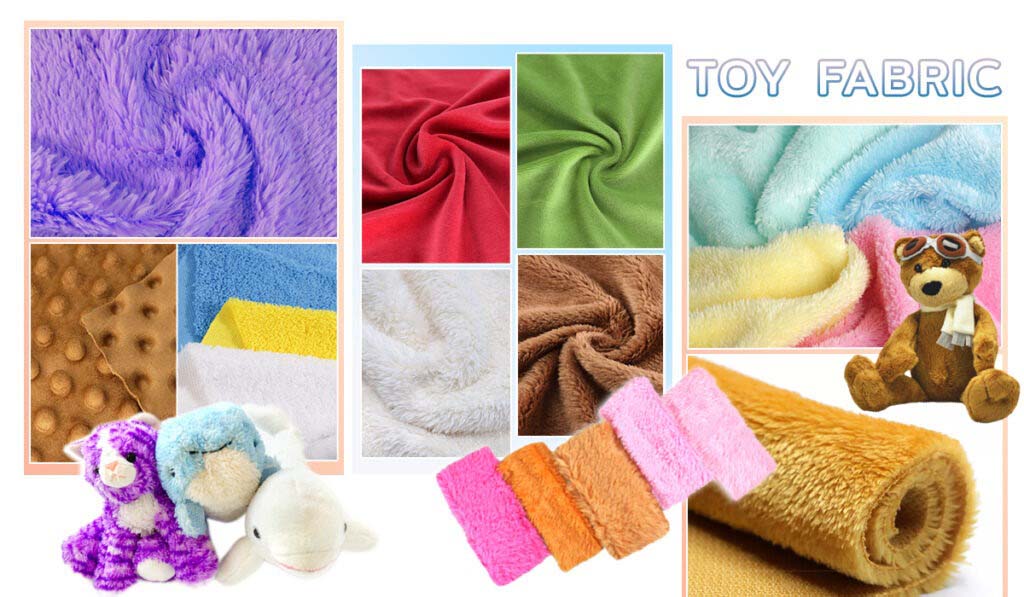
MATERIAL DEVELOPMENT LOGIC
Why Material Selection Matters in Plush Toy Development
The same plush toy design can produce very different results depending on fabric pile length, fabric density, color performance, filling volume and finishing method. Material selection affects the toy's silhouette, facial expression, softness, weight, durability, perceived value and production stability.
A small mascot may need short plush because embroidery details must remain clear. A premium comfort toy may need softer minky or longer pile fabric to create stronger tactile value. A baby product may require stricter material review, simpler accessories and testing support. A prize plush or campaign giveaway may need a more cost-controlled material plan.
This is why professional plush manufacturers should review material choices before prototype development, not after the first sample fails. Early material planning can reduce sample revisions, control cost and improve the final product's commercial feasibility.
COMMON PLUSH FABRICS
Common Plush Fabrics Used in Stuffed Toy Production
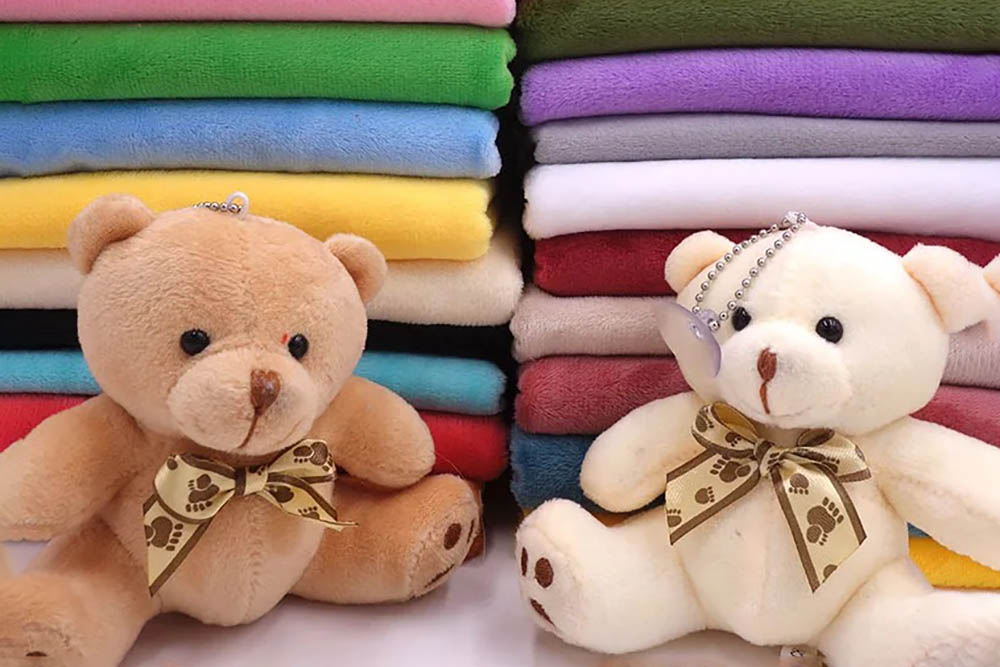
Different fabrics create different visual effects, hand feel and production results. Buyers should choose fabric based on the product purpose rather than only the appearance in a material photo.
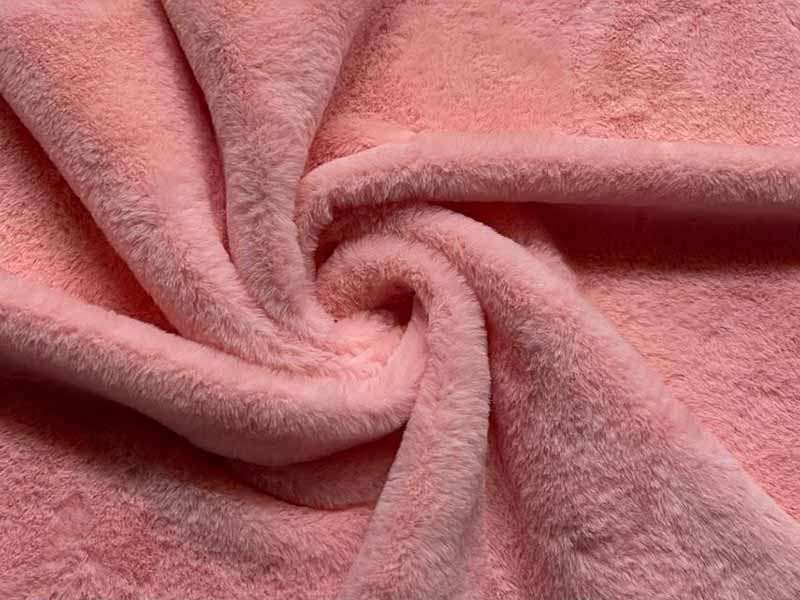
Short Plush
Short plush has a clean surface and controlled pile, making it suitable for mascot toys, small plush products, detailed embroidery and designs that need clear outlines.
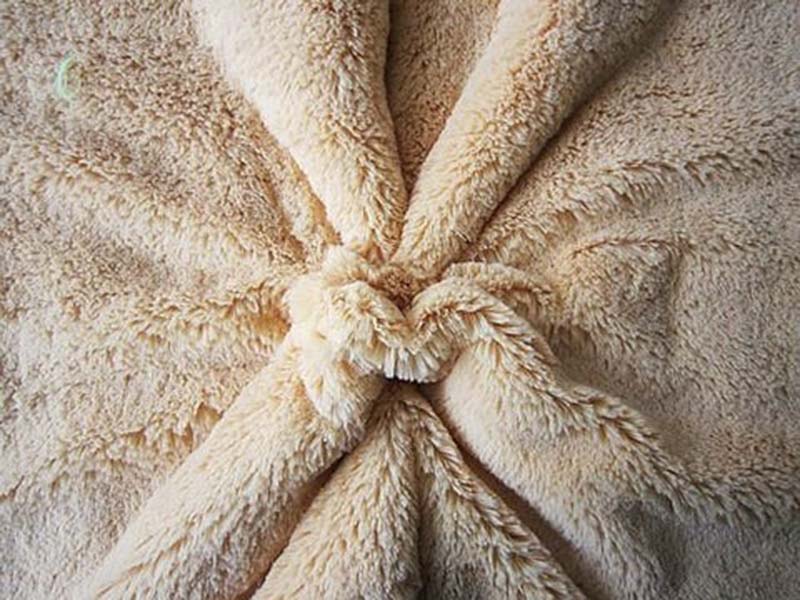
Long Plush
Long plush creates a soft and fluffy appearance. It is often used for animals, comfort toys and premium plush designs, but it can hide small details if the pile is too long.
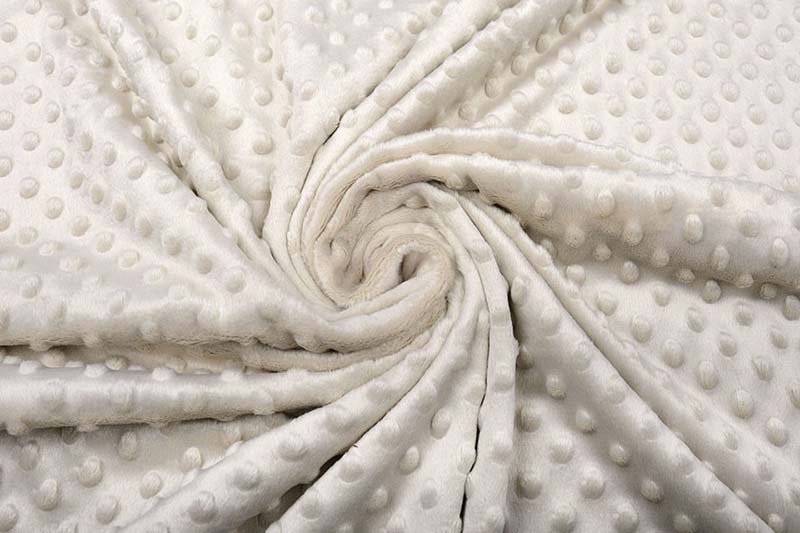
Minky Fabric
Minky is smooth, soft and commonly used for baby-oriented plush toys, comfort products, blankets and soft-touch character products.
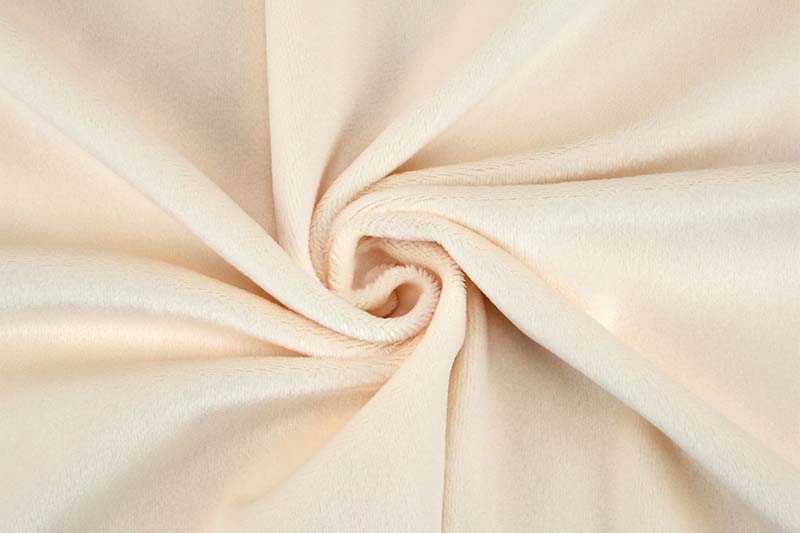
Velboa
Velboa has a shorter, dense pile and can provide good color consistency. It is useful for structured plush designs, dolls and promotional products.
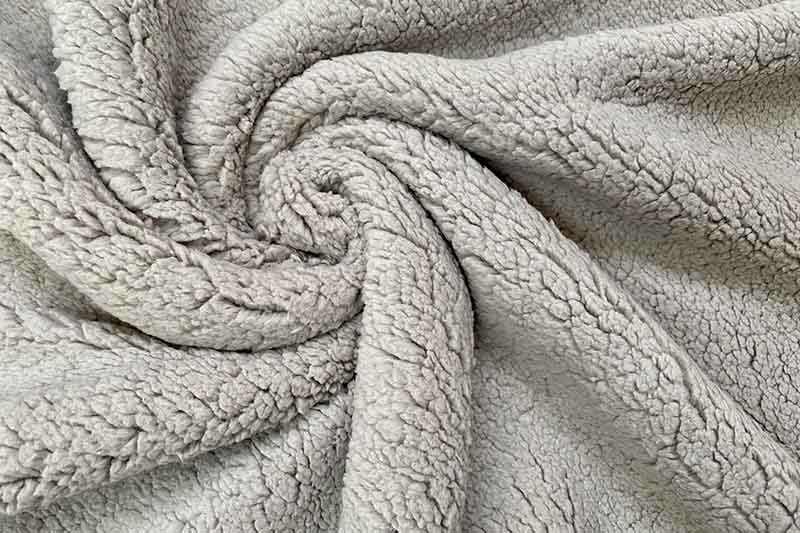
Fleece
Fleece creates a warm and casual texture. It is useful for soft dolls, seasonal plush toys, clothing details and cozy character styles.
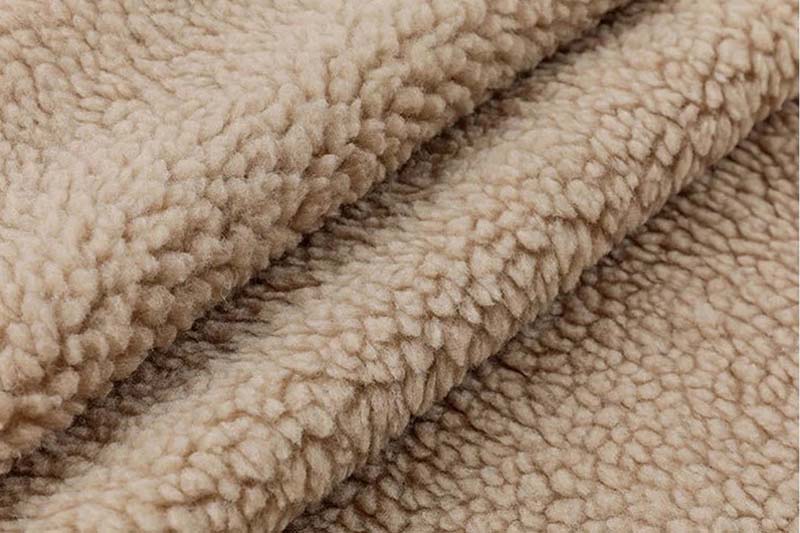
Sherpa and Faux Lamb Fabric
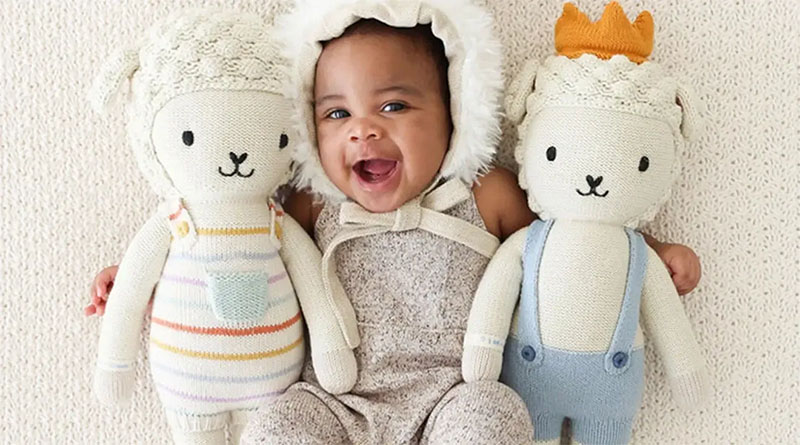
Sherpa-style materials create a warm, wool-like texture. They work well for sheep, winter themes, nursery products and lifestyle plush designs.
PILE LENGTH EFFECTS
How Pile Length Changes the Final Plush Toy
The right pile length depends on the character structure, product size, visual style, target price and use scenario. KINWIN can compare fabric options during development so buyers can balance softness, shape clarity and cost.
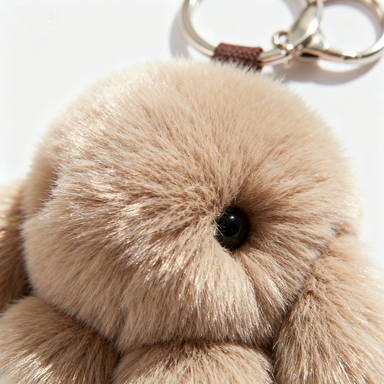
Pile length refers to the height of the fabric fibers on the plush surface. It strongly affects how a toy looks and feels. Short pile fabric usually gives cleaner lines and better detail visibility. Long pile fabric creates stronger softness and volume, but it may make the toy look less precise.
For character plush toys, pile length must be selected carefully. A face with small embroidery details, color blocks or shaped features may lose definition if the fabric is too fluffy. For animals, comfort toys or soft decorative plush, longer pile can create a warmer and more premium impression.
FABRIC PERFORMANCE FACTORS
Fabric Density, Backing and Stretch Control
Material quality is not determined only by surface softness. Fabric density, backing strength and stretch behavior affect production stability and long-term use.
Fabric Density
Higher density fabrics usually provide better coverage and a fuller feel, while low-density fabrics may expose backing or look weak after filling.
Backing Strength
The fabric backing must support cutting, sewing, filling and repeated handling without tearing or distorting easily.
Stretch Direction
Stretch can help shape soft curves, but uncontrolled stretch may cause inconsistent size, twisted parts or unstable facial placement.
Cutting Stability
Some fabrics shift or shed during cutting. This affects production speed, sewing cleanliness and final appearance.
Sewing Performance
Thick, slippery or high-pile fabrics may require adjusted sewing methods to maintain seam strength and clean edges.
Bulk Consistency
A fabric must be stable enough for repeat production, especially when a buyer needs the same product across multiple orders.
FILLING SELECTION
Choosing Filling Material for Plush Toys
KINWIN reviews filling volume during sample development and adjusts it according to the product type. Comfort toys, baby plush, mascot plush, sitting animals, keychains and oversized plush products may each require a different filling strategy.
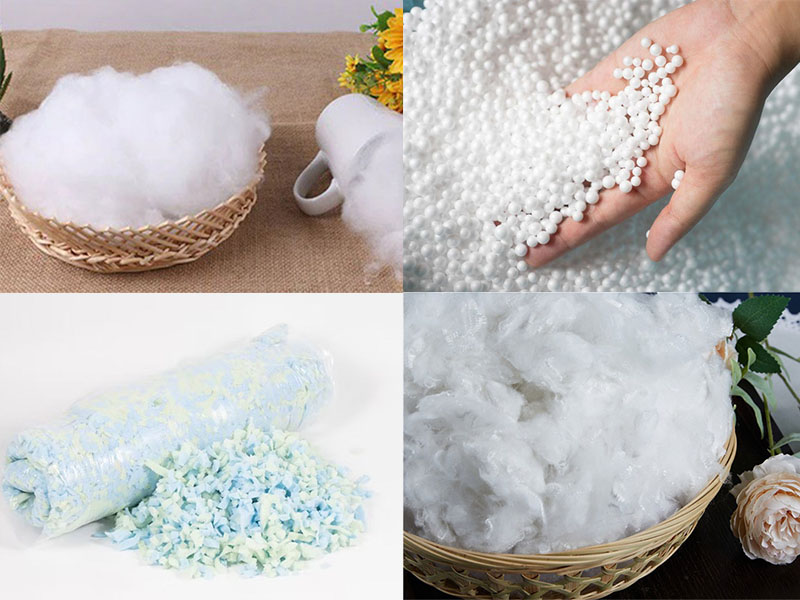
Filling determines the toy's weight, softness, recovery and shape retention. Most plush toys use polyester fiber filling because it is lightweight, soft, widely available and suitable for mass production. However, fiber quality and filling method still matter.
A toy with too little filling may collapse, wrinkle or fail to hold its designed shape. A toy with too much filling may feel hard, distort the pattern or look less cuddly. Different parts of the same toy may need different filling density. For example, the head may need more support, while arms and legs may need softer flexibility.
FILLING OPTIONS
Filling Options and Their Practical Uses
The filling plan should match product structure, hand feel, safety requirements and shipping considerations.
Standard Polyester Fiber
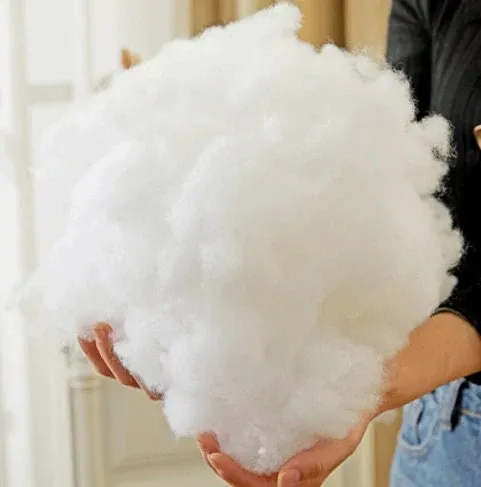
The most common filling option for plush toys, suitable for general stuffed animals, dolls, mascots and promotional plush products.
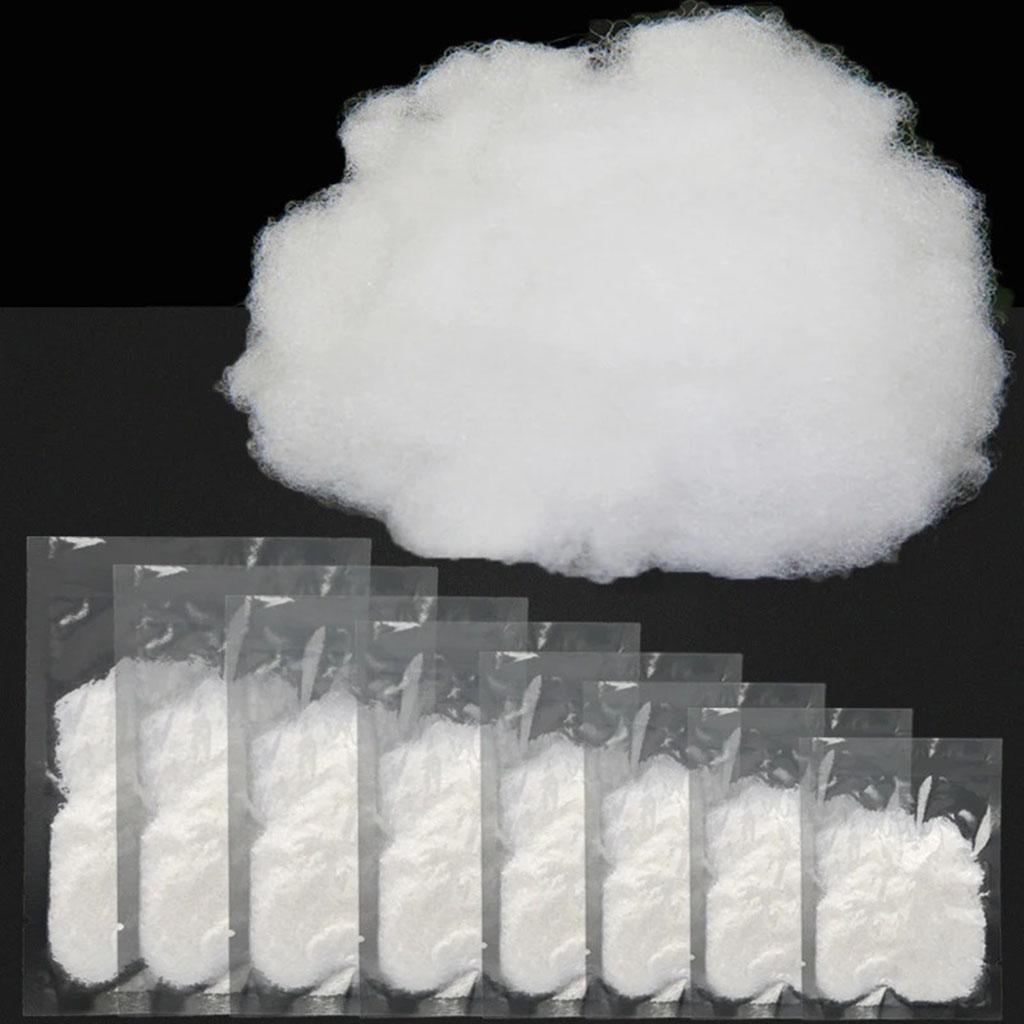
High-Elastic Polyester Fiber
Provides better recovery and a fuller feel. It is useful for premium plush toys, pillows, comfort products and larger plush designs.
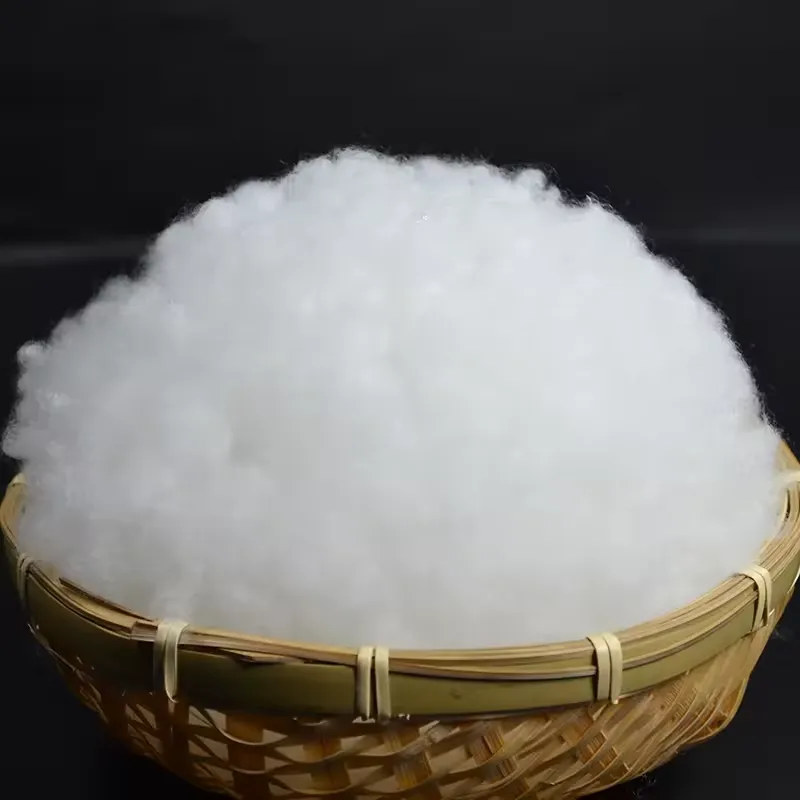
PP Cotton
A common soft filling term used in the plush industry. It is lightweight, soft and suitable for many custom stuffed products.
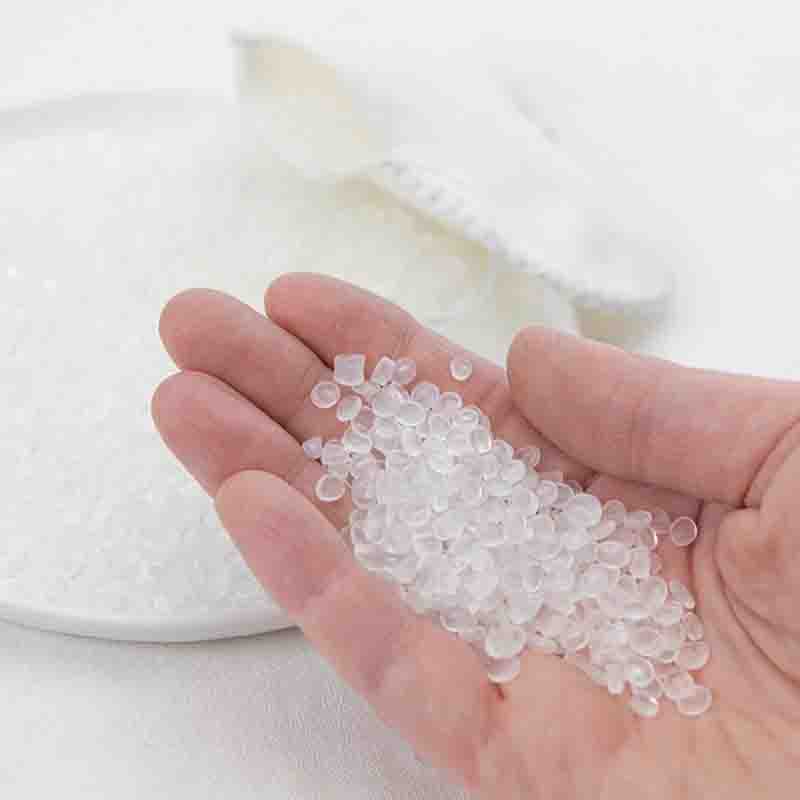
Weighted Filling Components
Used for selected products that need sitting stability or a weighted feel, but must be reviewed carefully for safety and target market requirements.
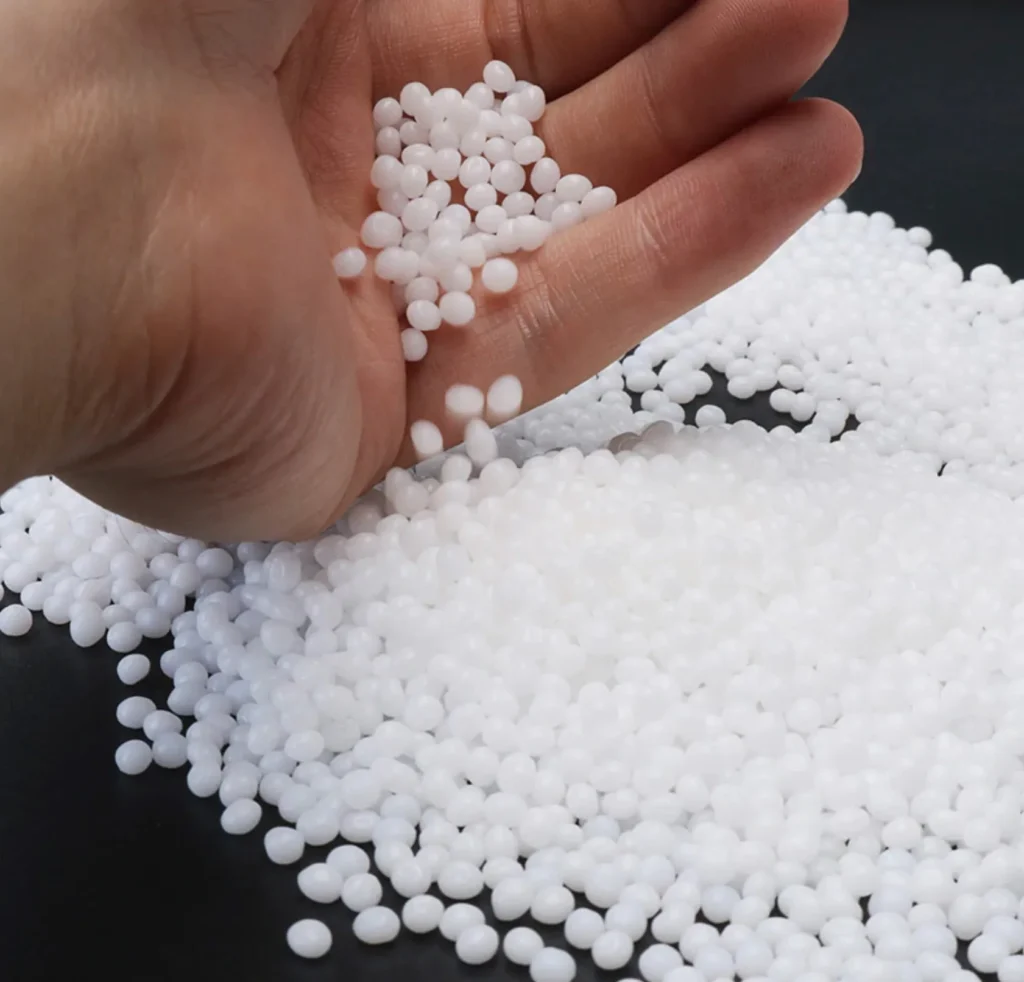
Bean Bags or Pellets
Can support sitting posture or tactile function, but material, containment and age grading need careful evaluation.
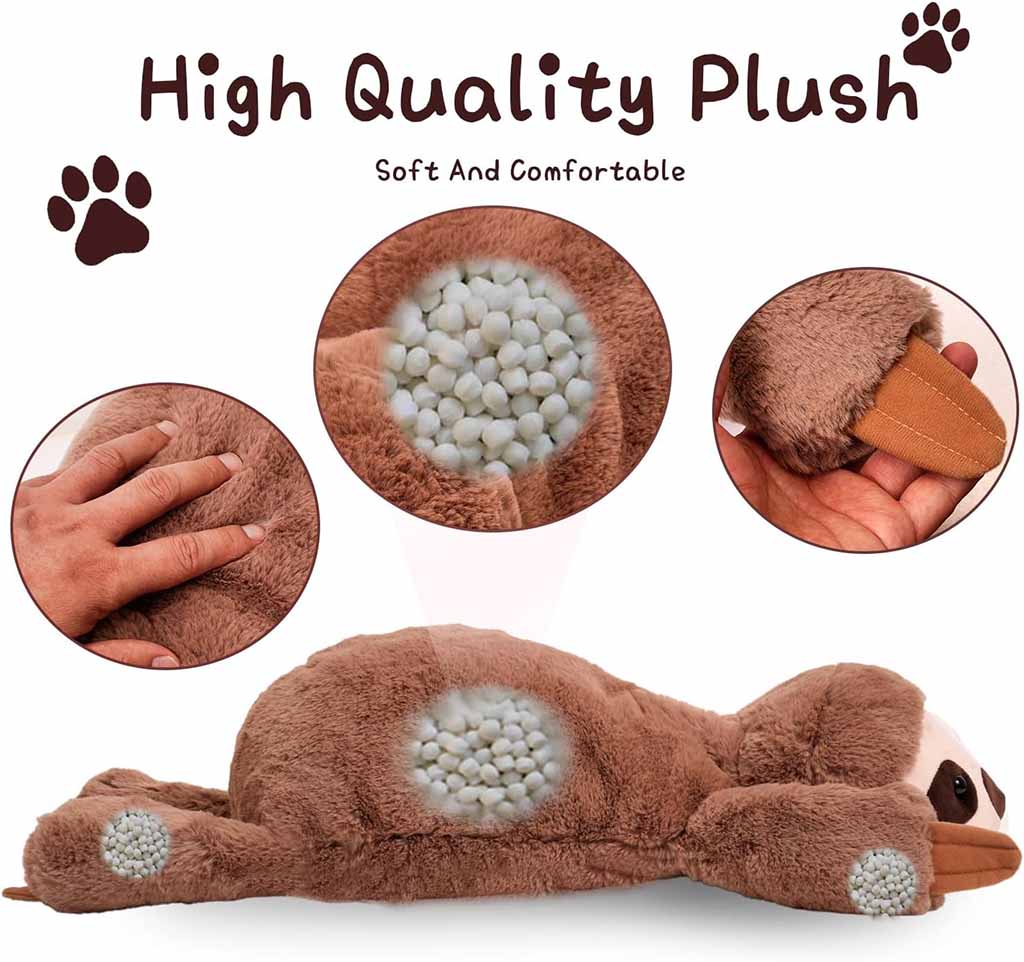
Partial Filling Control
Different body parts can be filled differently to improve posture, softness, shape and handling experience.
BABY PLUSH MATERIALS
Materials for Baby Plush Toys and Comfort Products
Baby plush toys and comfort products require more conservative material decisions. Buyers should consider softness, shedding, small parts, fabric safety, embroidery quality, filling containment, washing requirements and market testing standards.
For baby-oriented products, many buyers prefer minky, short plush, velboa or other soft low-sheen materials. Embroidered facial features are often preferred over plastic eyes or hard accessories. Labels, ribbons, teethers and fabric attachments must be reviewed carefully according to the intended age group.
If the product will be sold or distributed to babies or young children, testing requirements such as EN71, ASTM F963 or CPSIA-related standards may apply depending on the destination market. Material selection should therefore be reviewed together with safety and compliance planning.
SURFACE DECORATION MATERIALS
Embroidery, Printing and Applique Materials
Surface decoration materials affect character accuracy, logo presentation, durability and production cost.

Embroidery Thread
Used for eyes, mouths, logos, patterns and small details. Thread color, density and stitch direction affect the final expression and detail clarity.
Printed Fabric Panels
Useful for gradients, complex graphics, clothing patterns and details that are difficult to embroider. Printing must be tested on the selected fabric.
Applique Fabric
Layered fabric pieces can create bold shapes, clothing details, patches and decorative areas with stronger visual separation.
Heat Transfer Details
Can be used for selected graphics, but durability, fabric compatibility and target market requirements should be reviewed.
Woven Labels
Useful for branding, care labels, collection marks and subtle identity details on plush toys or accessories.
Thread and Fabric Color Matching
Embroidery, printing and applique colors should be reviewed together with the base fabric to avoid visual mismatch.
ACCESSORY COMPONENTS
Accessories and Components Used in Plush Toys
Accessories can improve design value, but they also affect safety, cost, production complexity and testing requirements.
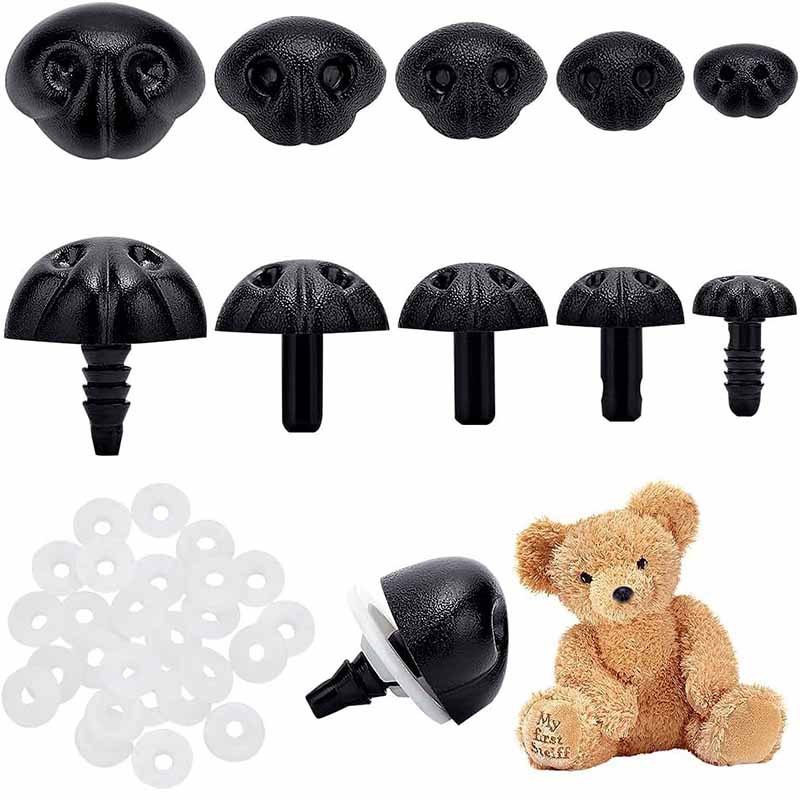
Plastic Eyes and Noses
Can create a classic toy look, but attachment strength, age grading and market requirements must be evaluated carefully.
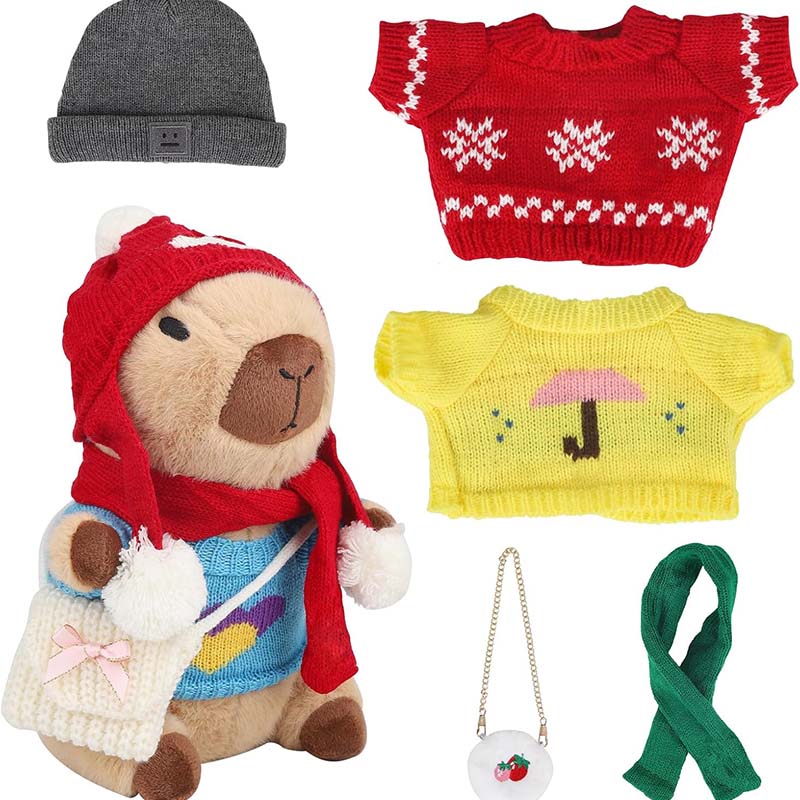
Fabric Accessories
Scarves, hats, clothing, bows, wings, ears, tails and decorative parts can add character depth while keeping the product soft.
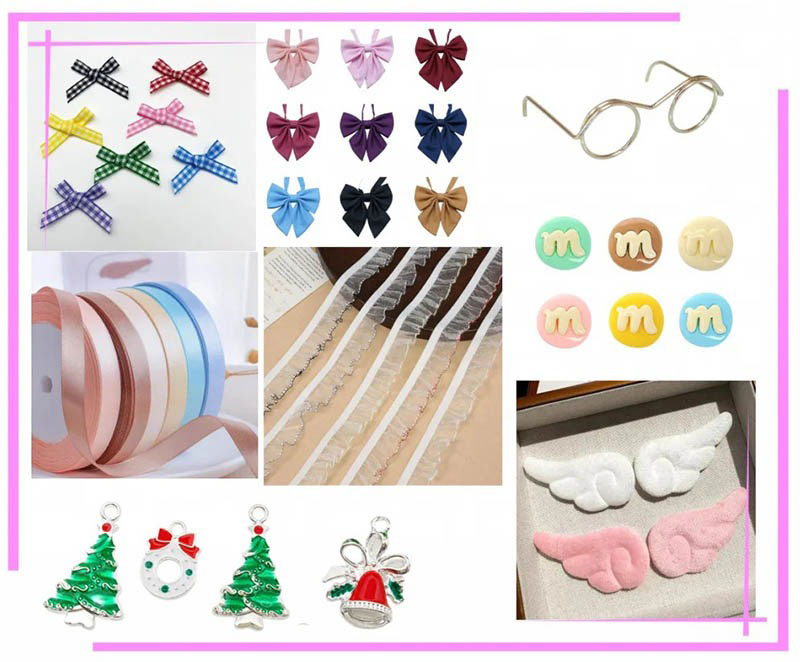
Ribbons and Tags
Common for baby products, gift plush and branded merchandise, but attachment and material safety must be reviewed.
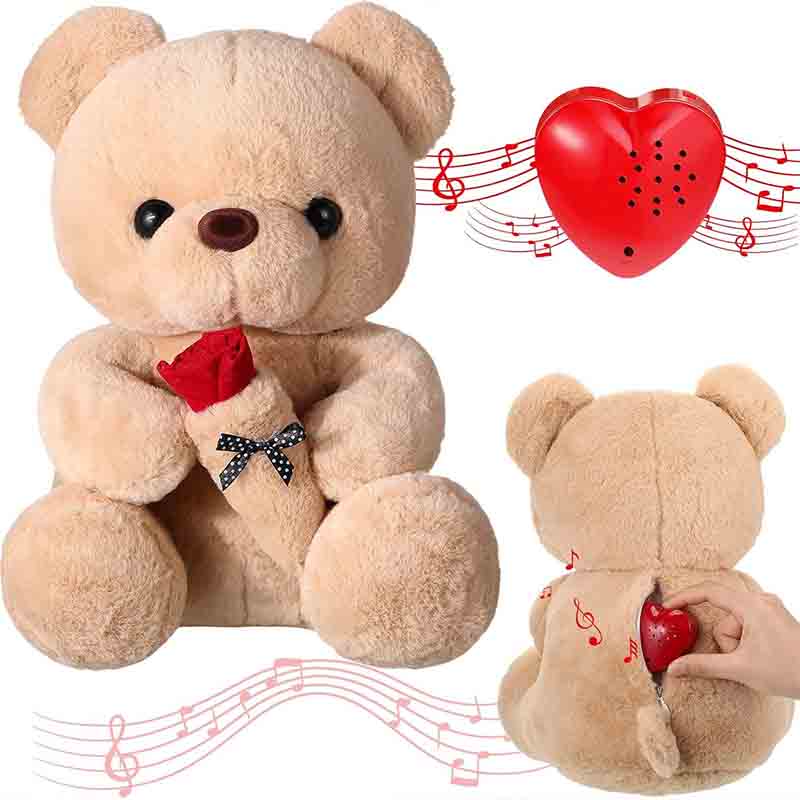
Sound Modules
Used for musical or talking plush toys. They require additional planning for module size, battery access, safety and testing.
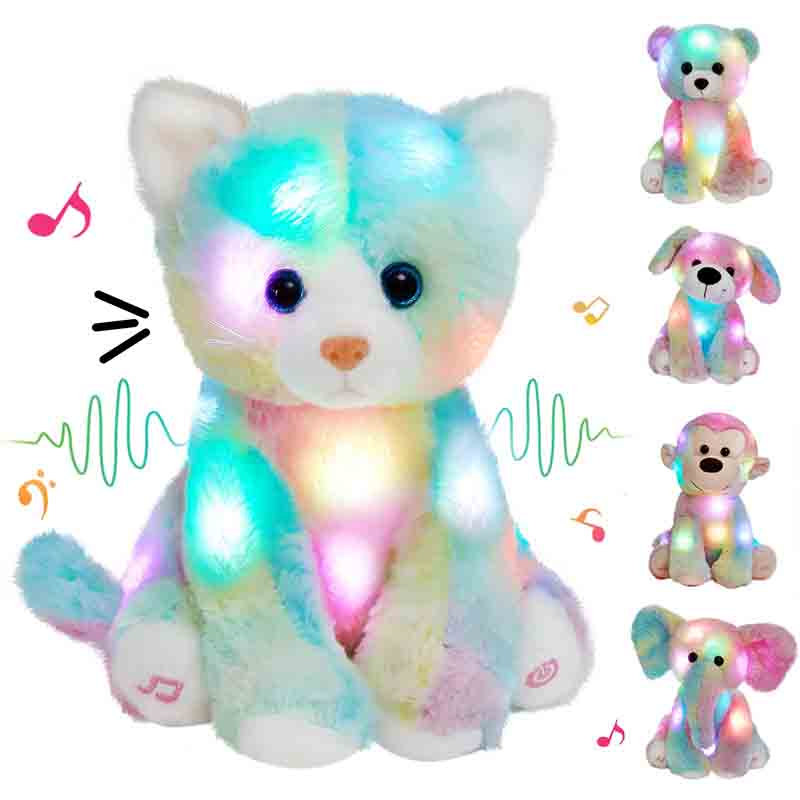
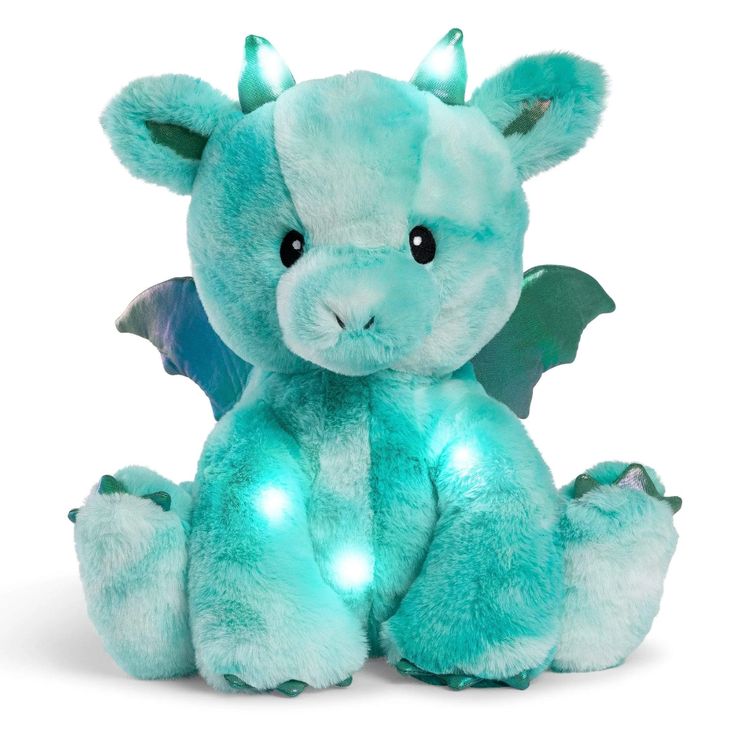
LED Components
Used for light-up plush toys, requiring electronic component review, battery safety planning and compliance support.
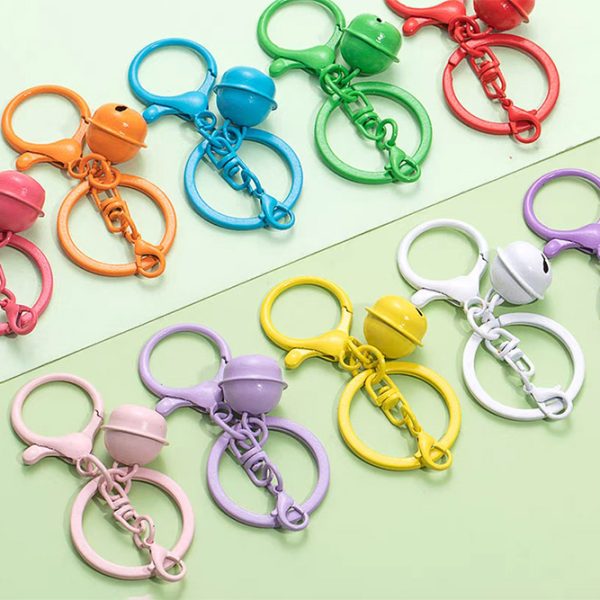
Keychain Hardware
Metal rings, chains, clips and clasps must match product size, durability requirements and target user expectations.
MATERIAL COST FACTORS
How Material Choice Affects Cost
Material cost is influenced by fabric type, pile length, density, color, minimum fabric order quantity, dyeing requirements, filling quality, accessories, packaging and testing needs. A small change in fabric or decoration method can significantly affect total unit price.
Longer pile, higher density, custom-dyed fabric, special texture materials, multiple fabric colors, heavy embroidery, printed panels and complex accessories usually increase cost. Simpler fabric choices, fewer color blocks and production-friendly construction can help control budget.
KINWIN can provide alternative material recommendations when buyers have a target price. The goal is not always to choose the cheapest material. The right decision is to balance product appearance, market positioning, safety requirements, order quantity and commercial feasibility.
PRODUCT TYPE MATERIALS
Material Selection by Product Type
Different plush product categories require different material priorities.
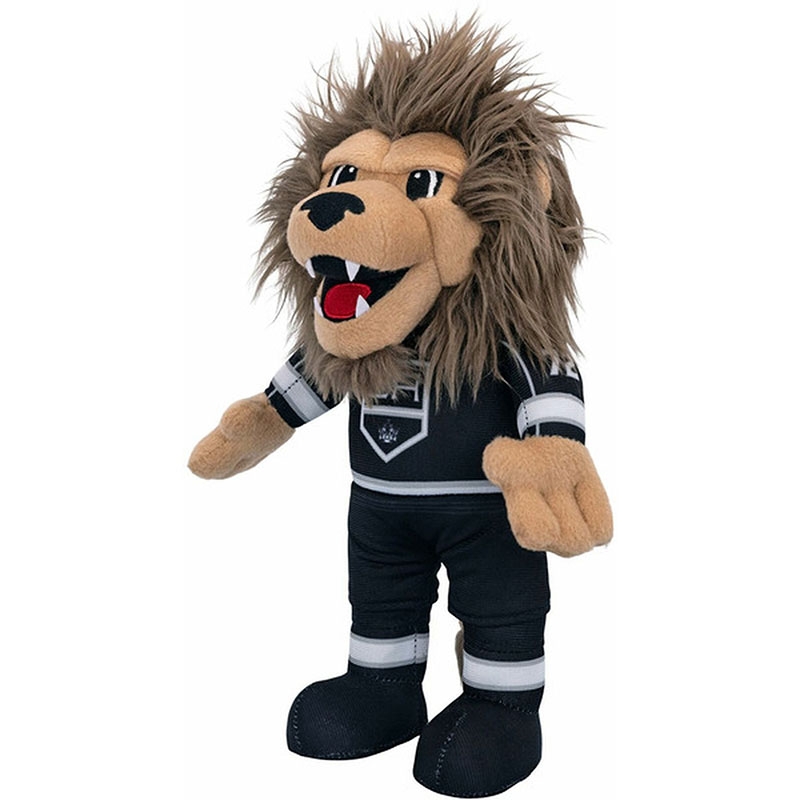
Mascot Plush Toys
Usually need clear facial details, stable shape and accurate color matching. Short plush, velboa or controlled-pile fabrics often work well.
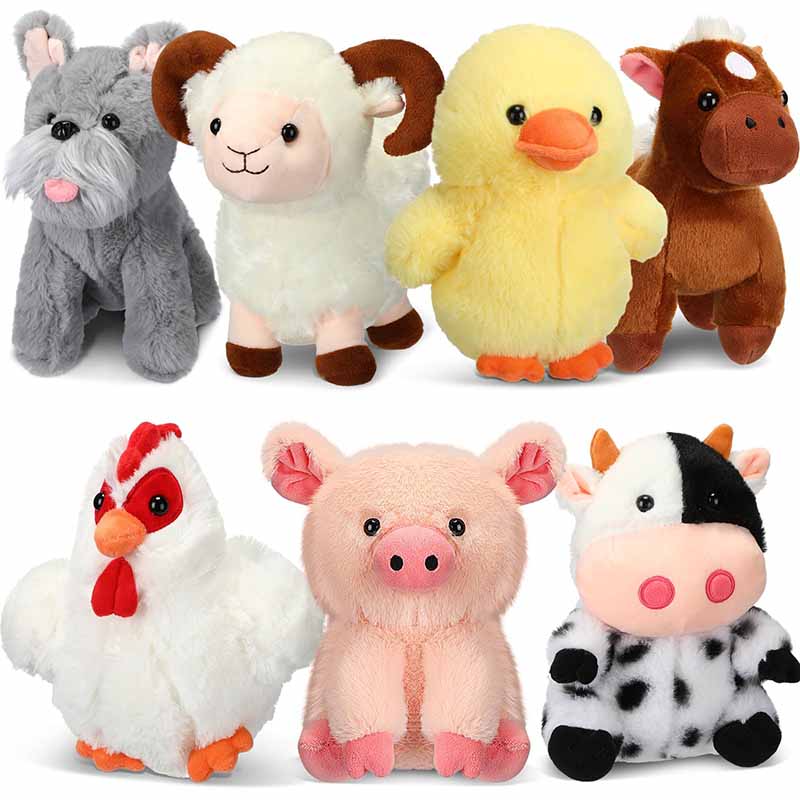
Premium Stuffed Animals
May use softer, denser or longer pile fabrics to create stronger perceived value and better hand feel.
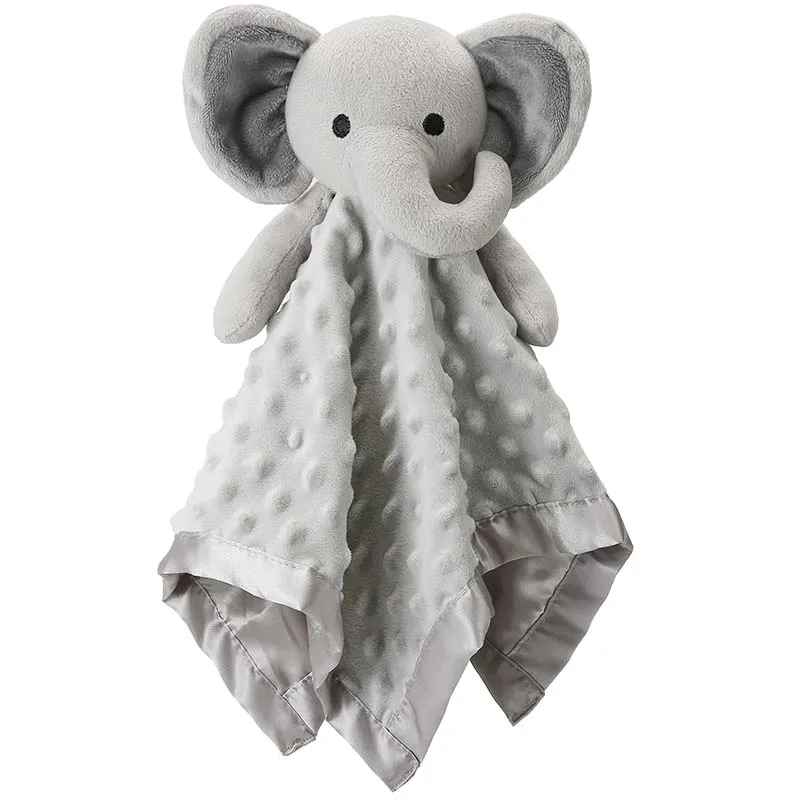
Baby Comfort Plush
Should prioritize soft, safe, low-sheen materials, embroidered features and conservative accessory choices.
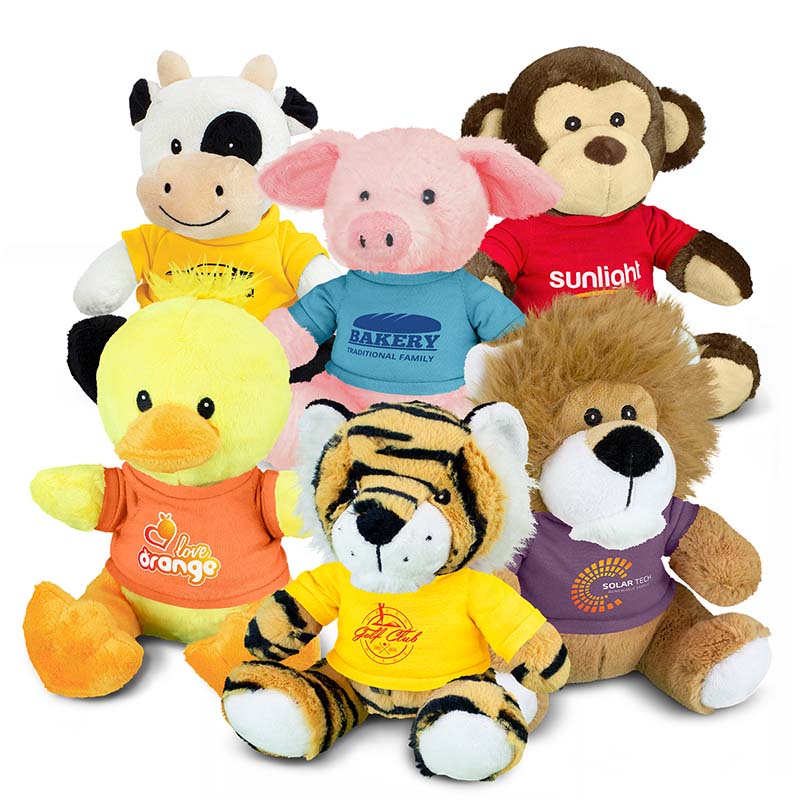
Prize Plush Toys
Often require cost-controlled fabrics, stable bulk production and durable construction for amusement or promotional channels.
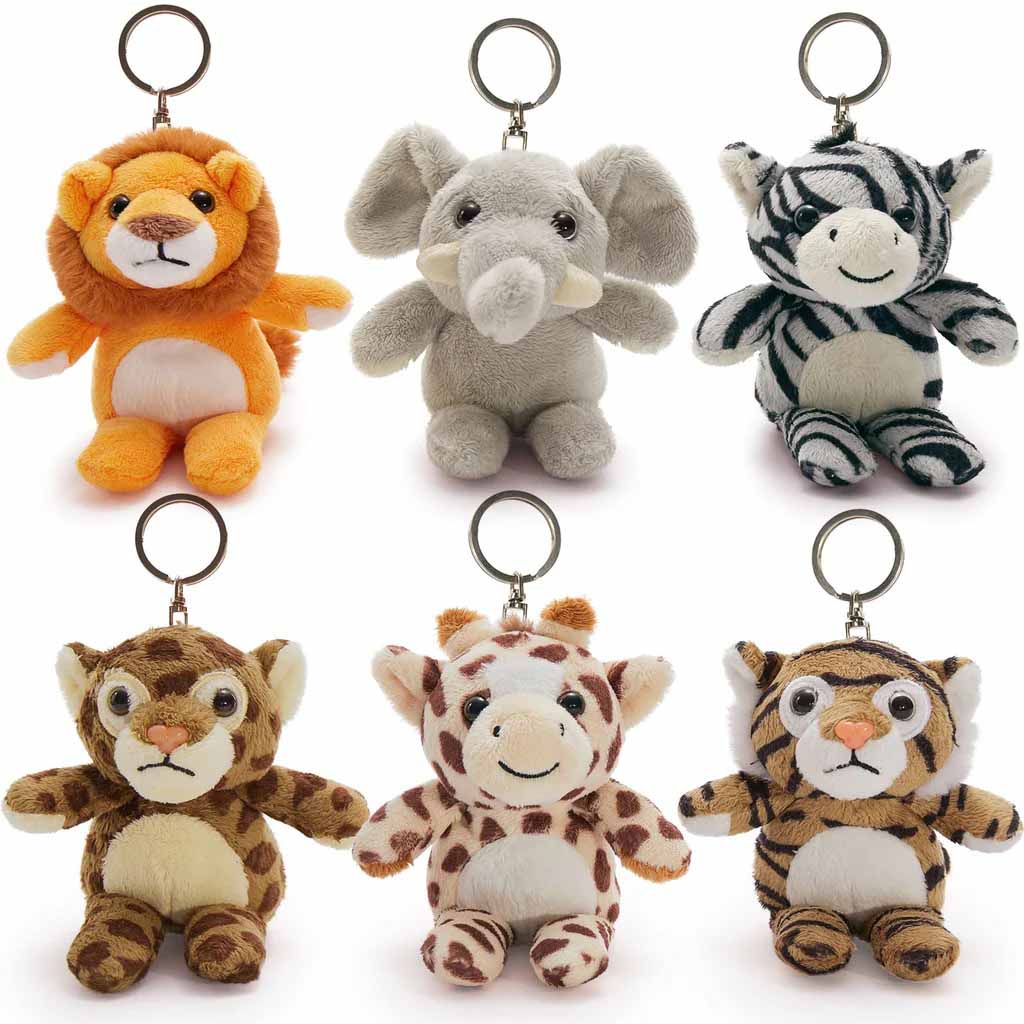
Plush Keychains
Need fabrics that work well at small scale, with clear details and strong attachment to hardware.
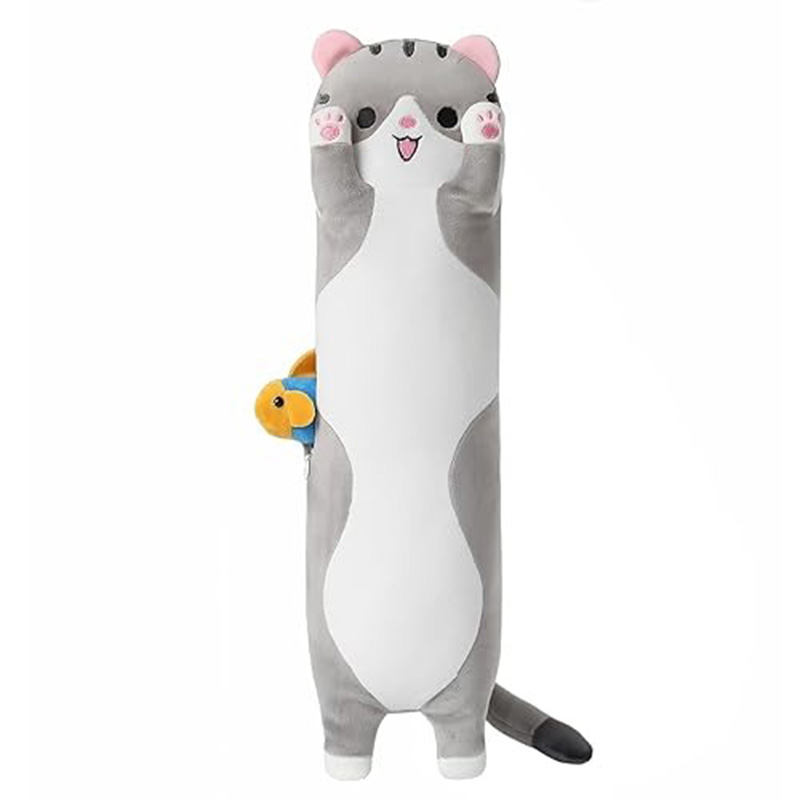
Pillow and Cushion Plush
Require soft outer fabric, suitable filling recovery and shape stability after compression and shipment.
TESTING AND COMPLIANCE
Material Testing and Compliance Considerations
KINWIN can support testing coordination according to the buyer's requirements. Clear information about target market, intended age group, product function and distribution channel helps us recommend a more suitable material and testing plan.
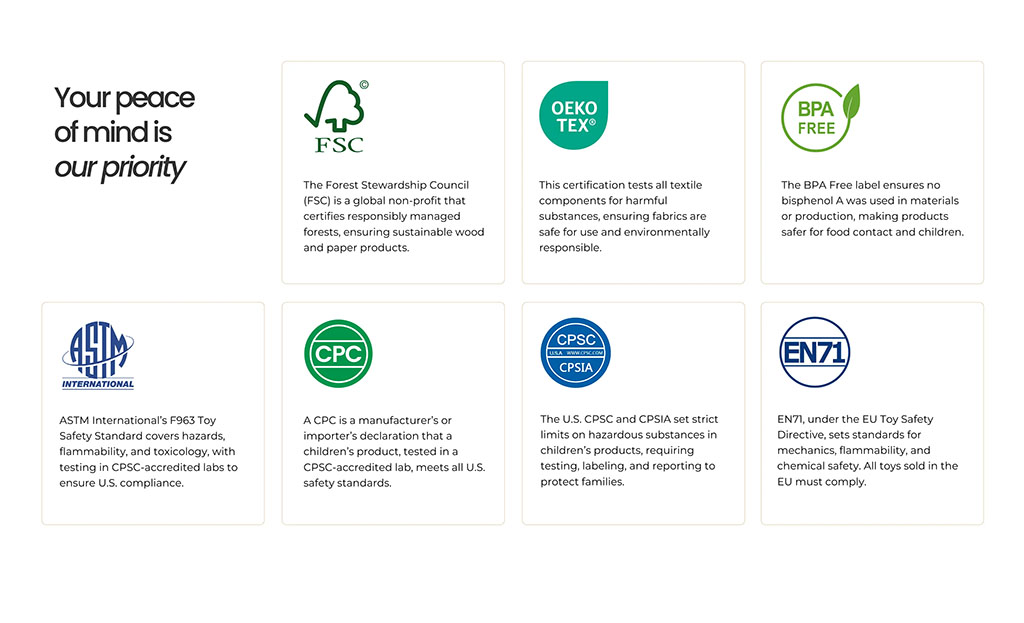
Plush toy materials may need to meet safety requirements depending on destination market, age group and product function. Buyers should not treat testing as a final step after production if the product has strict market requirements. Material and component decisions should be reviewed before bulk manufacturing.
Common testing considerations may include flammability, physical and mechanical safety, small parts, sharp points, chemical limits, heavy metals, phthalates and labeling requirements. Standards such as EN71, ASTM F963 and CPSIA-related requirements may apply depending on where the product will be sold.
MATERIAL SELECTION RISKS
Common Material Selection Mistakes Buyers Should Avoid
Most material problems can be reduced if buyers review the product goal and production constraints before sampling.
Choosing Only by Softness
The softest fabric is not always the best choice. It may hide details, increase cost or weaken shape stability.
Ignoring Product Size
A fabric that works for a large toy may not work for a small keychain or detailed mascot face.
Confirming Color Only on Screen
Digital color references can be misleading. Actual fabric samples or Pantone references are better for color decisions.
Adding Too Many Materials
Multiple fabrics and accessories may improve appearance but can increase cost, lead time and production complexity.
Forgetting Safety Requirements
Age grading, small parts, chemical requirements and destination-market testing should be reviewed early.
Approving a Sample Without Material Notes
Approved samples should include confirmed fabric, filling, decoration, accessory and packaging details for bulk production control.
QUOTE PREPARATION
Information Buyers Should Provide for Material Recommendations
Clear project information helps the factory recommend realistic materials instead of generic options.
Product Design or Reference
Share drawings, photos, 3D artwork, character sheets or physical references so the material can match the design.
Target Size
Product size affects fabric choice, filling plan, detail method and cost.
Target Market
Tell us the destination market and user age group so testing and material restrictions can be considered.
Expected Hand Feel
Describe whether the product should feel soft, firm, fluffy, smooth, premium, lightweight or structured.
Budget Range
A target price helps us recommend fabrics and components that fit commercial expectations.
Order Quantity
Quantity affects material sourcing, color options, custom dyeing feasibility and unit cost.
Brand or Color Requirements
Provide Pantone numbers, brand guidelines or fabric references if color matching is important.
Packaging and Shipping Needs
Compression, carton size, retail packaging and storage requirements may affect material and filling decisions.
MATERIAL WORKFLOW
KINWIN Material Selection Workflow
A structured material workflow helps buyers avoid sampling uncertainty and production inconsistency.
1. Design Review
We review the character, product category, target size, use scenario and visual requirements.
2. Material Direction
Suitable fabric, filling, decoration and accessory options are recommended according to product goals.
3. Cost and Feasibility Check
We compare material appearance, production complexity, MOQ, testing needs and target cost.
4. Prototype Development
A physical sample is made with the selected material direction for buyer review.
5. Sample Revision
Material, filling, color, embroidery, printing or accessory details can be adjusted according to confirmed feedback.
6. Final Material Confirmation
Approved material specifications are recorded for bulk production control.
7. Bulk Production and QC
Production follows the approved sample and material notes, with checks for fabric, color, filling, workmanship and packing.
START MATERIAL REVIEW
Get Material Recommendations for Your Plush Toy Project
If you are unsure which fabric, filling or component option is suitable for your custom plush toy, KINWIN can help review your design and recommend practical material solutions before sampling.
Send us your artwork, target size, expected hand feel, order quantity, destination market, budget range and packaging needs. Our team will evaluate the project and provide material suggestions based on appearance, cost, safety, production feasibility and bulk quality control.
If You Can lmagine lt,We Will Create lt!
1.Tell Us What You Need
Tell us as specific as possible of your needs and share your idea.
2.Get Solution & Quote
We will work on the best solution according to yourrequirements,the specific quote will be provided within 24 hours.
3.Approve for Mass Production
We will start mass production after getting your approval.
