 Skip to content
PLUSH TOYS WITH SOUND
Plush Toys with Sound
Custom plush toys with sound modules for brands, retailers, baby products, mascot programs, educational projects, promotional campaigns, private label collections, and interactive stuffed animal product lines.
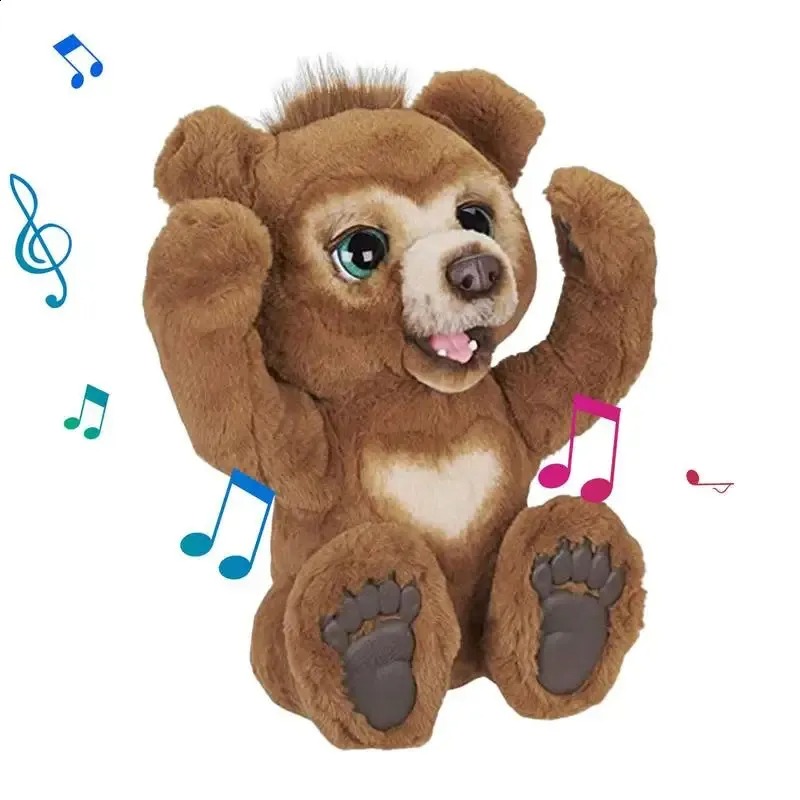
Plush toys with sound turn a soft stuffed animal into a more interactive product. A voice message, animal sound, lullaby, brand jingle, educational phrase, mascot greeting, or recorded message can make the plush more memorable, more emotional, and more useful for retail, gifting, baby comfort, education, events, and brand campaigns.
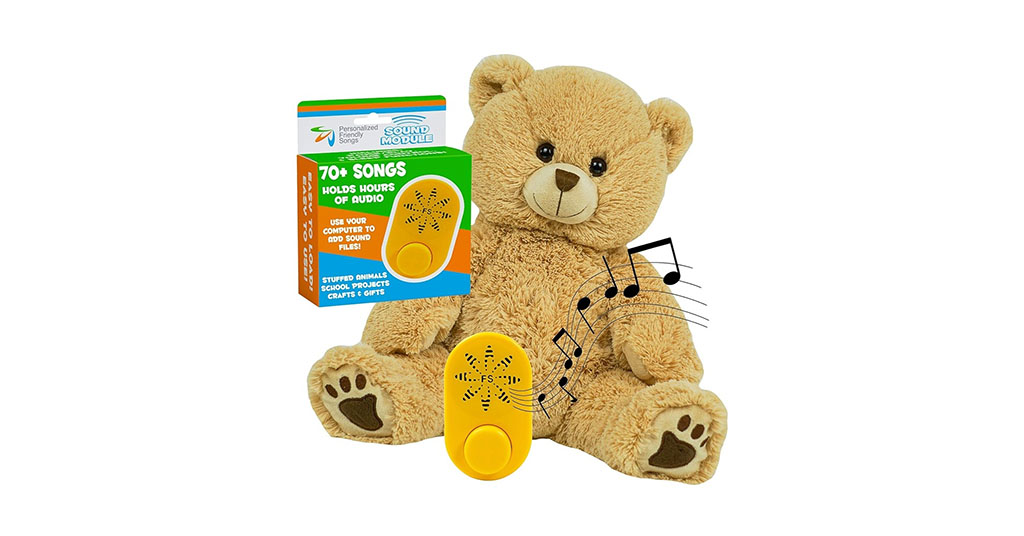
KINWIN supports custom plush toys with built-in sound modules, including press-to-play plush, talking plush, recordable plush, musical plush, voice-message plush, baby sound plush, event mascot plush, and branded promotional stuffed animals. We help buyers plan the audio content, module type, activation method, speaker position, battery access, internal structure, and bulk production testing process.
This page explains how to develop plush toys with sound, what buyers should prepare before sampling, which technical decisions affect cost and quality, and how KINWIN helps sound plush projects move from concept to tested sample, controlled production, inspection, packing, and shipment.
WHY SOUND FEATURES MATTER
Why Add Sound to a Plush Toy
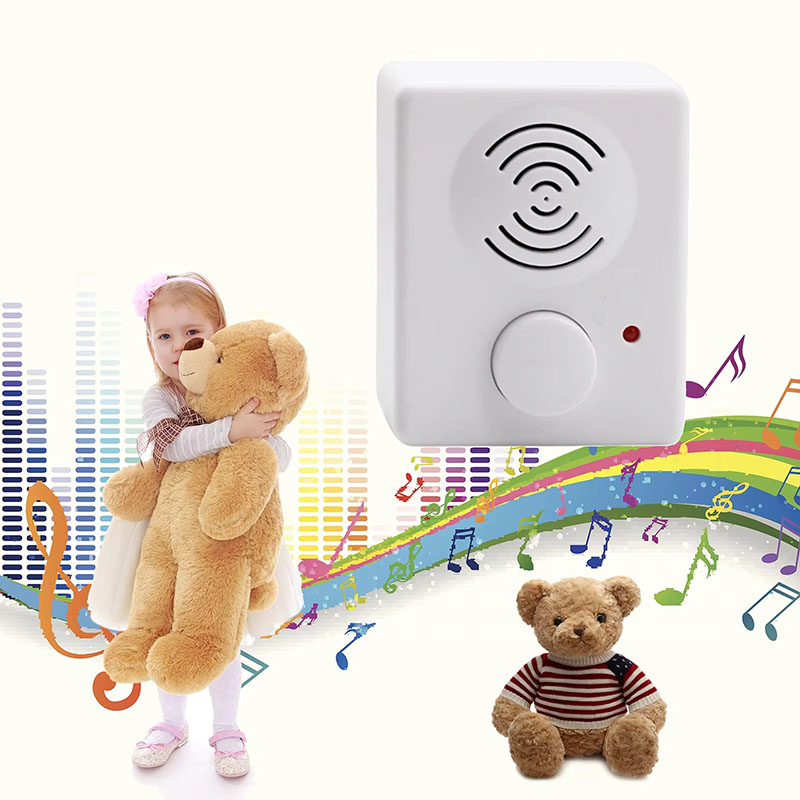
Sound gives a plush toy another layer of personality. A normal stuffed animal may be cute, but a sound plush can speak, sing, comfort, teach, entertain, or deliver a brand message. This makes it useful for buyers who want the product to do more than sit on a shelf.
For retail brands, sound can increase perceived value and product differentiation. For baby and comfort products, soft music or calming sounds can support bedtime and emotional attachment. For educational projects, recorded phrases can reinforce learning. For events and mascot programs, a custom greeting can make the plush feel more connected to the campaign.
However, adding sound also increases the technical responsibility of the project. The buyer must consider audio quality, activation method, battery access, module placement, washability, safety expectations, packaging instructions, function testing, and long-term user experience.
Buyer decision point: sound should support the purpose of the plush toy, not be added only as a novelty feature.
SOUND PLUSH TYPES
Common Types of Sound Plush Toys
Different sound plush products need different modules, structures, and testing plans.
Press-to-Play Sound Plush
A built-in button or pressure point activates a preloaded sound. This is common for animal sounds, short greetings, brand slogans, laugh sounds, and simple interactive plush toys.
Talking Plush Toys
Talking plush toys use voice recordings, character phrases, story lines, educational words, or mascot scripts. Voice clarity, speaker placement, and content length are important.
Recordable Plush Toys
Recordable plush allows a buyer or end user to record a custom message. This is suitable for gifts, memorial products, family messages, and personalized plush programs.
Musical Plush Toys
Musical plush may play lullabies, songs, brand jingles, theme music, or calming sounds. Audio duration, sound loop, volume, and battery life should be reviewed before sampling.
Educational Sound Plush
Educational sound plush can teach words, numbers, letters, safety messages, language learning phrases, or classroom content. Content accuracy and button mapping must be planned carefully.
SOUND MODULE OPTIONS
Sound Module Options for Custom Plush Toys
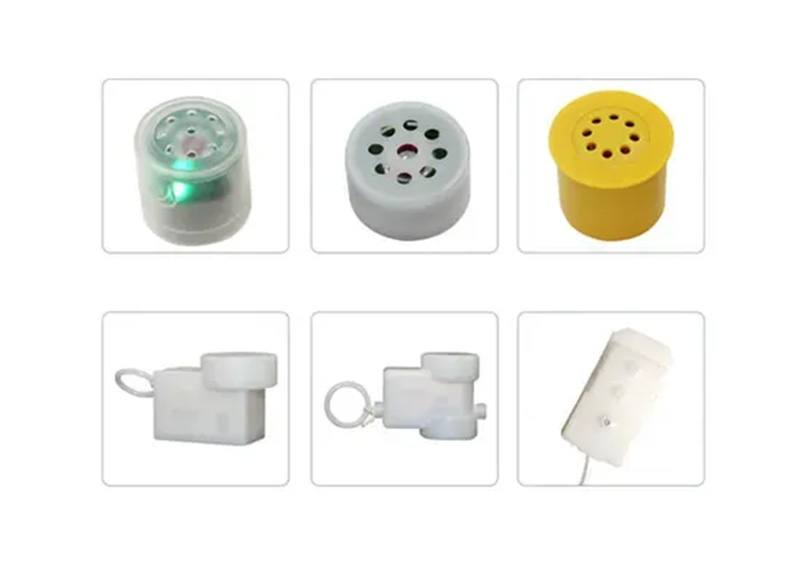
The sound module determines how the toy plays audio, how users activate it, how long the audio can be, and how the plush should be constructed around the electronics.
Preloaded Sound Module
A preloaded module plays one or more fixed audio files. It is suitable for brand messages, character voices, animal sounds, songs, and educational phrases that do not need to change after production.
Recordable Module
A recordable module allows users to record a personal message. It may require a microphone opening, recording button, playback button, clear user instructions, and more careful packaging communication.
Multi-Sound Module
A multi-sound module can play several audio clips through one or more buttons. This is useful for educational plush, interactive characters, language learning toys, and story-based plush products.
Removable Sound Module
A removable module can help with cleaning, battery replacement, or product maintenance. It requires a secure access pocket, closure method, user instruction, and safety review.
AUDIO CONTENT PLANNING
Audio Content Planning Before Sampling
Audio content should be prepared before sampling whenever possible. The factory needs to understand how many sound clips the plush should play, how long each clip is, whether the sound loops, whether the volume should be soft or loud, and whether the audio is music, voice, animal sound, or a special effect.
Poor audio planning can delay the sample process. If the buyer changes from one short sound to multiple long clips after the module has been selected, the module cost, battery demand, button mapping, and internal structure may need to change.
KINWIN recommends preparing final or near-final audio files early. If the buyer only has a script, our team can still review the expected number of clips, language, tone, duration, and activation logic before confirming the module direction.
Buyer decision point: audio length and activation logic should be confirmed before the sound module is selected.
ACTIVATION DESIGN
Activation Methods for Plush Toys with Sound
The activation method affects user experience, product structure, cost, durability, and safety review.
Press Button Inside the Plush
A hidden press button is common for simple sound plush. The button position should be easy to find, comfortable to press, and not damage the appearance of the plush.
Hand, Paw, Belly, or Ear Activation
The sound can be triggered by pressing a paw, belly, hand, ear, or accessory. The chosen area should match the character design and internal module placement.
Pull String or Squeeze Mechanism
Some sound plush products use a pull or squeeze mechanism. This may fit baby, novelty, or retro-style plush, but the structure needs careful durability review.
Multiple Buttons for Multiple Sounds
Educational or interactive plush may need several buttons. Each button should be mapped clearly to the correct audio clip and tested during sample approval.
SPEAKER PLACEMENT
Speaker Placement and Sound Clarity
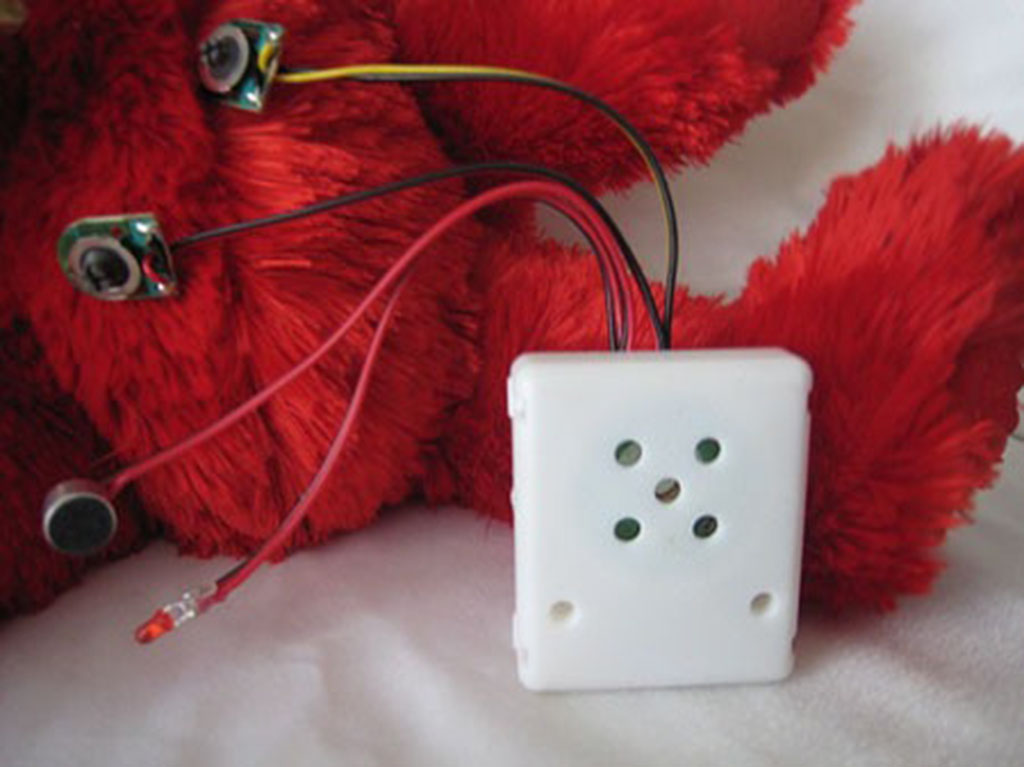
Speaker placement is one of the most important decisions in a sound plush toy. If the speaker is buried too deeply inside the stuffing, the sound may become muffled. If it is placed too close to the surface without protection, it may affect handfeel or create durability concerns.
The best position depends on the plush size, body shape, fabric thickness, stuffing density, module size, and user interaction. A belly speaker may work well for one character, while another design may need the speaker closer to the chest, back, paw, or accessory.
KINWIN reviews speaker placement during sampling. We check whether the sound is clear, whether the module can stay in position, whether the plush still feels soft, and whether the design allows enough protection around the electronic part.
Buyer decision point: sound clarity should be evaluated from a real sample, not only from the module before it is inserted into the plush.
BATTERY ACCESS DESIGN
Battery Box, Access Pocket, and Replacement Design
Battery access must be planned carefully because it affects safety, maintenance, washability, user convenience, and product appearance. Some projects use sealed sound modules, while others require replaceable batteries or removable modules.
If batteries are replaceable, the access point should be secure and easy to understand. The design may need a zipper, hook-and-loop closure, sewn pocket, inner pouch, screw-secured battery box, or hidden opening depending on the product type and safety requirements.
KINWIN helps buyers plan the access design before the pattern is finalized. A well-designed access pocket keeps the sound module stable, protects the plush shape, supports battery replacement when required, and helps users operate the product correctly.
Buyer decision point: battery access should be designed as part of the plush structure, not added as an afterthought.

SAFETY PLANNING
Safety Planning for Sound Plush Toys
Sound plush toys combine soft goods and electronic components, so safety planning must cover both toy construction and module integration.
Age Group Review
The intended user age affects module access, small-part concerns, seams, battery box requirements, labels, and testing expectations.
Secure Module Placement
The sound module should stay in place during normal use. Internal pockets, stitching, padding, and access closures should be reviewed during sampling.
Battery and Electrical Review
Battery-powered plush may require additional review of battery box structure, screws, wires, switches, heat, user access, and market-specific electric toy requirements.
Volume and User Comfort
Sound volume should match the product purpose. Baby and comfort plush may need softer sound, while event or promotional plush may need clearer and more noticeable playback.
CARE LABEL PLANNING
Washability and Care Label Considerations
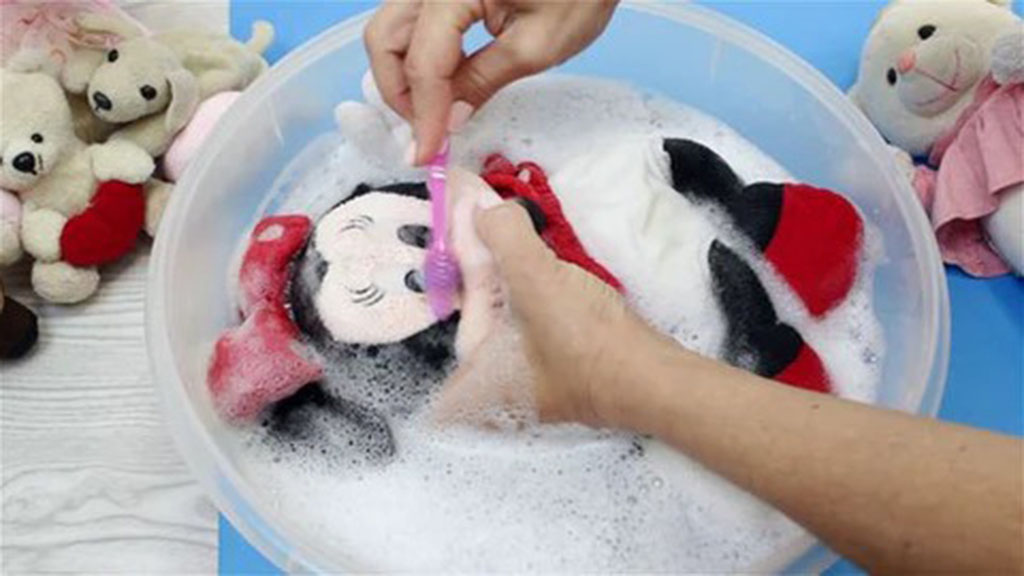
Washability is more complex when a plush toy contains a sound module. A regular stuffed animal may be washable, but a plush with electronics may need surface cleaning only, removable modules, special care instructions, or packaging warnings.
Buyers should decide early whether the sound module is sealed, removable, or replaceable. If the product is intended for babies, children, hospitals, classrooms, or repeated handling, cleaning expectations should be discussed before sampling.
KINWIN helps buyers plan care label wording, module access, cleaning instructions, and packaging communication. This reduces the risk that end users damage the product by washing it incorrectly.
Buyer decision point: cleaning instructions should be planned before the sound module structure is approved.
FUNCTIONAL SAMPLE DEVELOPMENT
Sample Development for Plush Toys with Sound
Sampling should test both the plush design and the sound function together.
Confirm Product and Audio Brief
Before sampling, confirm plush size, character shape, fabric direction, audio content, number of clips, activation method, module type, and target user age.
Build the First Functional Sample
The first sample should show the plush appearance and include the sound module so the buyer can review sound clarity, button position, handfeel, and structure.
Revise Sound and Structure Together
If the audio is too quiet, button is hard to find, module is too bulky, or speaker position is unclear, the plush pattern or internal pocket may need adjustment.
Approve Function and Appearance
The final sample should confirm appearance, fabric, embroidery, stuffing, sound performance, activation method, module access, labels, and packaging direction.
SOUND PLUSH QC
Quality Control for Sound Plush Production
Bulk production must control both plush quality and electronic function.
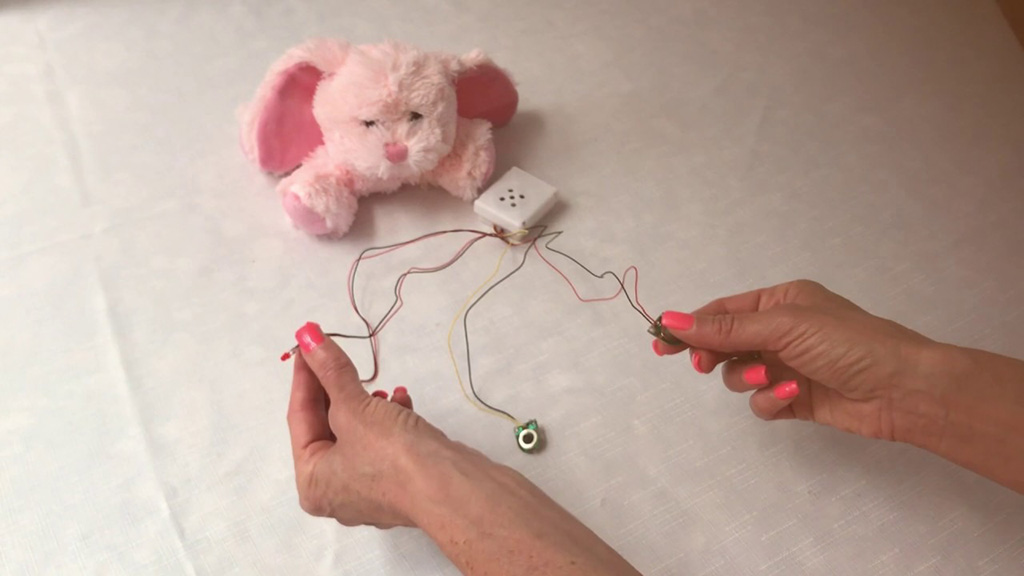
Incoming Module Check
Sound modules should be checked for correct audio, volume, playback order, battery condition, wires, buttons, and visible defects before assembly.

In-Process Function Test
During production, workers should confirm that the module is placed correctly, the button can be pressed easily, and the speaker is not blocked by stuffing.
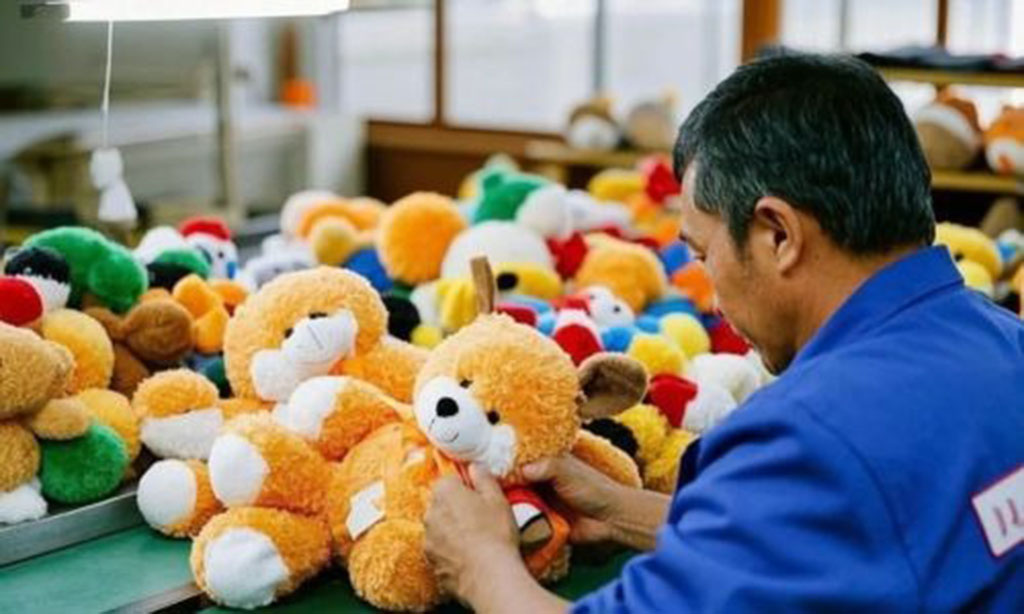
Final Sound Test
Finished goods should be tested for playback, volume, activation, audio order, battery access, appearance, seams, cleanliness, labels, and packaging.
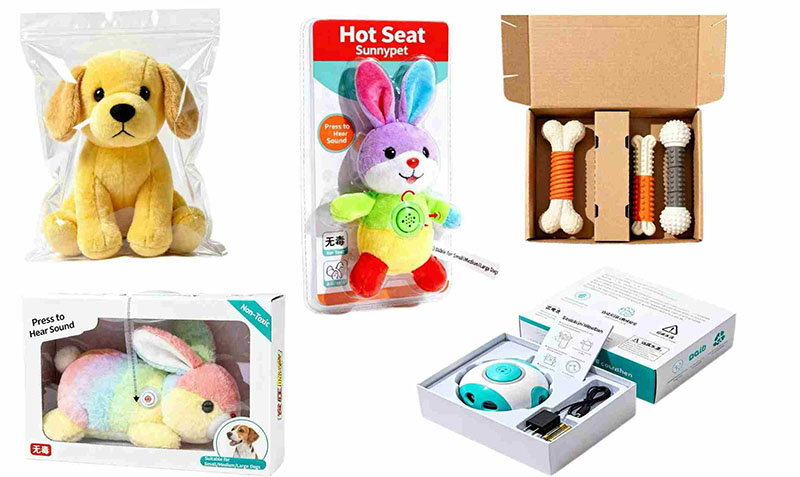
Packing Protection
Packaging should protect the plush shape and avoid pressing the activation area accidentally during storage or shipment.
PACKAGING FOR SOUND FEATURES
Packaging for Plush Toys with Sound
Packaging for sound plush should protect the toy and explain the function. Buyers may need hangtags, instruction cards, try-me windows, battery information, warning labels, barcode labels, or retail boxes depending on the sales channel.
If the product is sold in retail, the package should make the sound feature easy to understand without causing accidental activation during shipping. If the product is a gift or private label item, packaging should communicate care instructions and battery information clearly.
KINWIN helps buyers review packaging structure, carton quantity, label placement, instruction content, and shipment protection. Good packaging reduces returns, customer confusion, and damage during delivery.
Buyer decision point: packaging should explain how the sound works and protect the activation area during shipment.
COMMON DEVELOPMENT PROBLEMS
Common Problems in Sound Plush Development
Most sound plush problems can be reduced when audio, module, structure, and packaging are planned together.
Sound Is Too Quiet
This may happen when the speaker is blocked by stuffing, placed too deeply, or matched with unsuitable fabric thickness. Speaker position should be tested in the real sample.
Button Is Hard to Find
If the activation point is not obvious, users may not understand how to play the sound. Embroidery, tags, packaging, or subtle shaping can help guide the user.
Module Changes the Plush Shape
A bulky module can create a hard area or distort the plush body. The internal pocket and stuffing plan should be adjusted during sampling.
Battery Access Is Unclear
If users cannot understand whether batteries are replaceable, care and after-sales issues may increase. Packaging and care labels should explain the product clearly.
QUOTATION PREPARATION
What Buyers Should Prepare Before Quotation
Complete information helps KINWIN review technical feasibility and quote the sound plush project more accurately.
Plush Design Information
Provide artwork, reference photos, target size, fabric preference, color references, embroidery files, accessory details, and packaging direction.
Audio Requirements
Provide audio files or scripts, number of clips, duration, language, playback order, loop requirement, volume preference, and whether recording is needed.
Module and Function Expectations
Share the preferred activation method, battery replacement expectation, removable module need, washability expectation, and any special user instructions.
Market and Quantity Details
Provide target market, user age group, testing expectations, expected quantity, target price direction, delivery date, and shipment destination.
WHY KINWIN
Why Work with KINWIN for Plush Toys with Sound
KINWIN supports sound plush projects with both plush manufacturing experience and practical module-integration planning.
Custom Sound Plush Development
We help buyers develop talking plush, musical plush, recordable plush, educational sound plush, baby sound plush, mascot plush, and branded promotional sound plush.
Module and Structure Planning
We review module type, activation method, speaker placement, battery access, removable structure, stuffing plan, and sample testing requirements.
Quality Control for Bulk Production
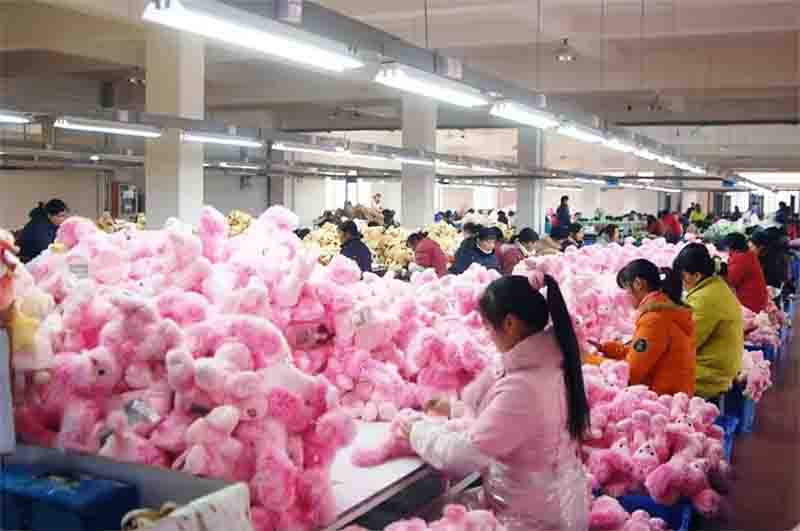
We support module checks, in-process function tests, final sound tests, appearance inspection, packing review, and shipment preparation.
MOQ for Custom Plush Projects
KINWIN's standard MOQ for custom plush toy projects starts from 500 pcs, depending on design, module type, materials, size, packaging, testing expectations, and production complexity.
START YOUR SOUND PLUSH PROJECT
Start Your Plush Toys with Sound Project with KINWIN
If you need custom plush toys with sound for a retail line, baby product, educational program, mascot campaign, corporate gift, private label collection, or interactive plush project, KINWIN can help you review the design, audio content, module structure, sample plan, safety preparation, quality control, and shipment requirements.
Send us your artwork, target size, audio files or scripts, activation idea, module expectations, quantity, target market, packaging needs, and delivery schedule. Our team can help you turn the idea into a manufacturable and test-ready sound plush product.
- Custom plush toys with preloaded sound, talking voice, music, recording, or educational audio
- Support for sound module selection, activation design, speaker placement, and battery access
- Functional sample development, safety preparation, QC testing, packing, and shipment support
- Standard MOQ for custom plush toy projects starts from 500 pcs
FREQUENTLY ASKED QUESTIONS
FAQ: Plush Toys with Sound
What are plush toys with sound?
Plush toys with sound are stuffed animals that include a sound module to play voice, music, animal sounds, educational phrases, brand messages, or recorded audio when activated.
Can KINWIN make custom talking plush toys?
Yes. KINWIN can support custom talking plush toys with preloaded voice clips, character phrases, mascot greetings, educational content, or buyer-provided audio files.
Can the sound module be removable?
Yes, a removable sound module can be developed when the product needs cleaning, battery replacement, or maintenance access. The structure must be reviewed for safety, usability, and appearance.
What audio files should buyers provide?
Buyers should provide final or near-final audio files when possible, including clip count, duration, language, playback order, volume preference, and whether looping or recording is required.
Can sound plush toys be washed?
Washability depends on the module structure. Some sound plush toys are surface-clean only, while others may use removable modules. Care instructions should be planned before sampling.
How is sound quality checked in production?
Sound quality is checked through module inspection, speaker placement review, in-process function testing, and final playback testing before packing.
Do sound plush toys need safety testing?
Depending on the target market, age group, batteries, electronics, materials, and product structure, sound plush toys may need toy safety and electric toy review. Buyers should confirm requirements with a qualified testing partner.
What is the MOQ for custom plush toys with sound?
KINWIN's standard MOQ for custom plush toy projects starts from 500 pcs. Final feasibility depends on design, sound module type, materials, size, packaging, testing expectations, and production complexity.
If You Can lmagine lt,We Will Create lt!
1.Tell Us What You Need
Tell us as specific as possible of your needs and share your idea.
2.Get Solution & Quote
We will work on the best solution according to yourrequirements,the specific quote will be provided within 24 hours.
3.Approve for Mass Production
We will start mass production after getting your approval.
