 Skip to content
PLUSH SAMPLE DEVELOPMENT
Plush Toy Sample Development
Custom plush toy sample development for brands, designers, retailers, licensed character teams, gift companies, education programs, and private label plush projects.
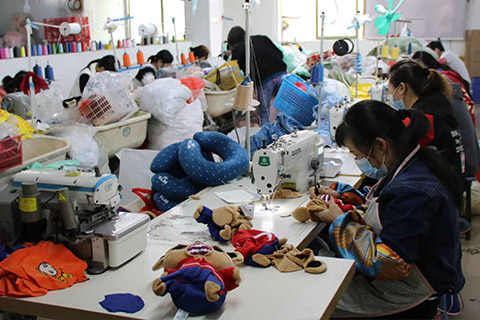
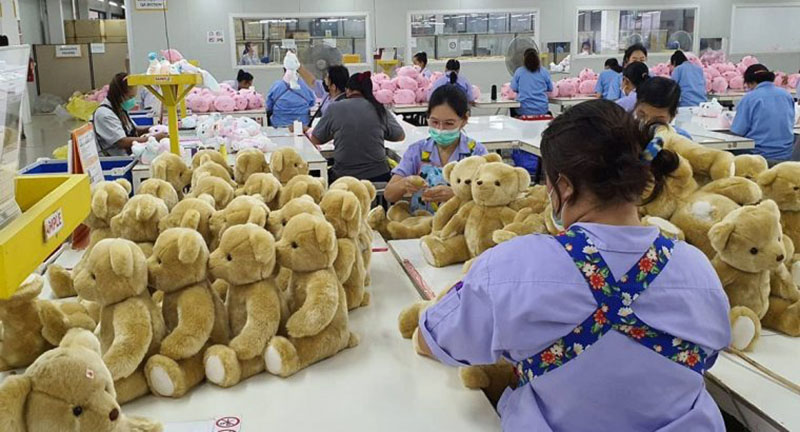
Plush toy sample development is the stage where an idea becomes a real product that can be touched, reviewed, corrected, priced, tested, and prepared for bulk production. For a custom plush project, the sample is not only a visual preview. It is the first physical proof of shape, proportion, fabric, color, embroidery, filling, sewing structure, safety details, packaging direction, and production feasibility.
KINWIN helps buyers turn artwork, character drawings, brand mascots, photos, reference toys, product briefs, or early creative concepts into manufacturable plush samples. Our sample development work connects design thinking with factory execution, so buyers can understand what will look good, what can be produced consistently, what may increase cost, and what should be adjusted before mass production begins.
This page explains how plush toy sample development works, what information buyers should prepare, how KINWIN reviews materials and construction, how sample revisions are handled, and how an approved plush sample becomes the standard for bulk production.
WHY SAMPLING MATTERS
Why Plush Toy Sample Development Matters Before Bulk Production
A plush toy may look simple from the outside, but many details must work together before it can become a reliable commercial product. The head shape, body proportion, fabric direction, facial expression, embroidery size, filling density, seam position, accessory attachment, label placement, and packaging method all affect the final result. Sample development gives the buyer and factory a controlled stage to review these details before bulk production risk becomes expensive.
Without a sample, buyers may approve a design based only on a flat drawing or digital mockup. That can lead to problems once production starts: the face may not match the character, the body may not sit properly, the chosen fabric may change the shape, small details may be difficult to sew, or the final cost may exceed the target price. A physical sample makes those problems visible early.
For KINWIN, sample development is also the beginning of production planning. During sampling, we check whether the plush can be sewn consistently, whether the selected materials are suitable, whether the details are safe for the intended age group, and whether the design can be repeated in bulk with stable quality.
Buyer decision point: a good plush sample should not only look close to the design; it should prove that the product can be manufactured safely, consistently, and within a realistic cost range.
SAMPLE TYPES
What KINWIN Can Develop as a Plush Toy Sample
Different buyers need different sample directions. Some projects focus on character accuracy, some focus on retail shelf appeal, some focus on baby safety, and some focus on promotional budget control. KINWIN develops samples according to the product purpose, not only the shape.

Character Plush Samples
Samples based on original characters, animation figures, mascots, game characters, book characters, or illustrated IP concepts.

Animal and Nature Plush Samples
Samples for realistic, semi-realistic, or cute animal plush lines, including wildlife, pets, birds, sea animals, insects, and fantasy animals.

Retail and Gift Plush Samples
Samples designed for store shelves, gift shops, seasonal programs, souvenir ranges, private label collections, and online retail products.

Baby and Comfort Plush Samples
Soft plush samples that require more careful review of fabric handfeel, stitching, stuffing, age suitability, small parts, and safety standards.

Promotional Plush Samples
Samples for brand campaigns, event gifts, advertising programs, sports teams, education kits, and corporate merchandise.

Functional Plush Samples
Samples with added functions such as sound modules, LED lights, keychains, clips, pillows, bags, blankets, costumes, or removable accessories.
BUYER PREPARATION
Information Buyers Should Prepare Before Sampling
The more complete the project information is, the more accurate the sample can be. Buyers do not need to prepare everything perfectly, but clear references help reduce misunderstanding, shorten revision time, and improve quotation accuracy.
Note: If the buyer only has a rough idea, KINWIN can still review the concept and suggest what information should be clarified before sample development begins.
Artwork, front and side views, character sheets, logo files, color references, or photos of the product idea.
Target size, expected order quantity, sales channel, target users, and whether the plush is for children, adults, pets, gifts, or display.
Preferred fabric style, handfeel expectation, filling preference, embroidery or printing requirements, and packaging direction.
Required standards, market destination, age grade, labeling needs, brand tag requirements, and any testing or compliance expectations.
ARTWORK TO MANUFACTURING
From Artwork to a Manufacturable Plush Design
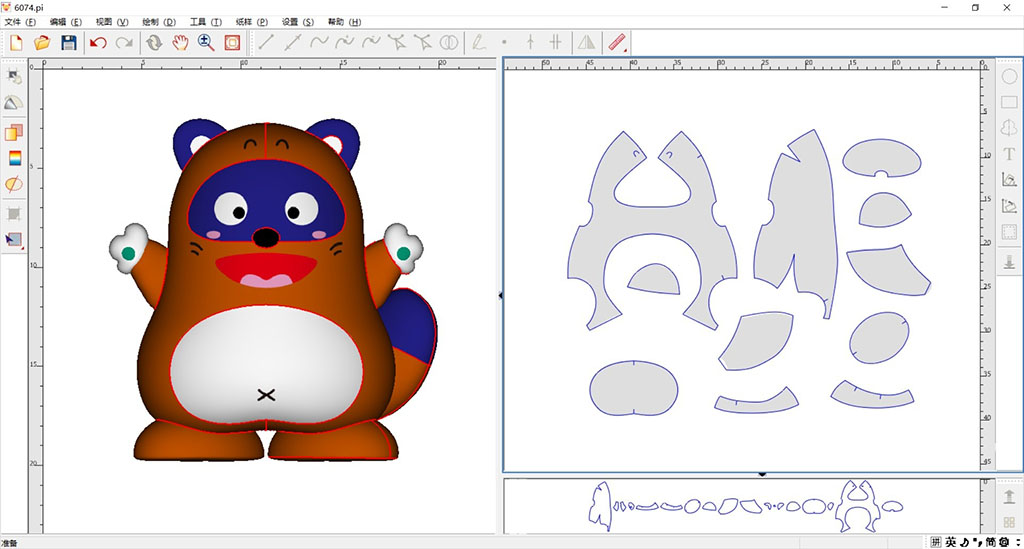
A flat artwork does not automatically become a good plush toy. Plush design requires translation from two-dimensional visual language into three-dimensional soft structure. A character’s face may need adjusted embroidery size, a rounder head pattern, stronger cheek volume, or simplified line details. A body may need internal proportion changes so the toy can sit, stand, or hold its shape after filling.
KINWIN reviews artwork with production feasibility in mind. We look at which details should be sewn, which should be embroidered, which can be printed, which may need applique, and which details may be too small or fragile for the intended size. This review protects both the design effect and the production result.
For buyers, this stage is valuable because it prevents unrealistic design expectations. A plush toy can be highly expressive, but it must still respect fabric thickness, seam allowance, stuffing pressure, needlework limits, safety requirements, and production repeatability.
Buyer decision point: when a factory explains how artwork must change for plush production, it is not reducing creativity; it is making the design possible to manufacture.
PATTERN AND SHAPE ENGINEERING
Plush Pattern Making and Shape Engineering
Pattern making is one of the most important parts of plush toy sample development. It decides how the flat fabric pieces become a three-dimensional object after sewing and filling.
Head and Face Structure
The head often controls the emotional value of a plush toy. Pattern shape affects forehead height, cheek volume, muzzle projection, eye position, nose placement, and overall expression. A small change in pattern curve can make the toy look friendlier, younger, more accurate, or more balanced.
Body Balance and Posture
The body pattern controls whether the plush can sit, stand, lie down, hug, or display correctly. KINWIN considers center of gravity, leg angle, arm length, belly volume, tail support, and filling distribution so the sample matches the intended use.
Complex Parts and Attachments
Ears, horns, wings, tails, clothes, bows, pockets, accessories, and special shapes require practical construction planning. During sampling, we check whether these parts can be sewn strongly, positioned accurately, and repeated consistently in bulk production.
FABRIC SELECTION
Fabric Selection During Plush Sample Development
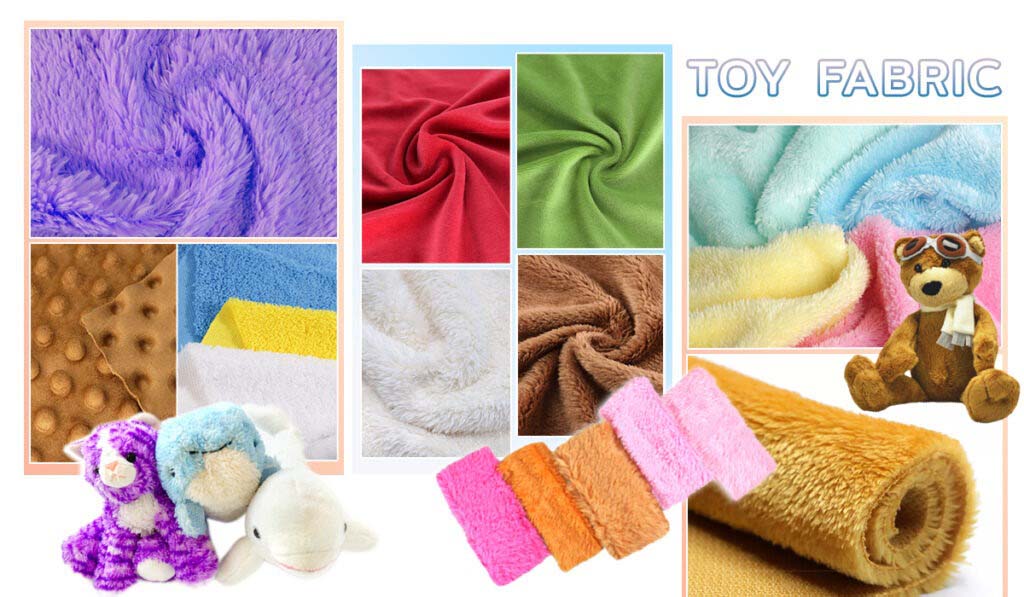
Fabric choice changes the appearance, handfeel, cost, production difficulty, and even the final shape of a plush toy. A design that works in short plush may look very different in long-pile fabric.
Appearance and Texture
Short plush, long plush, minky, velboa, faux fur, sherpa, fleece, cotton fabric, and printed fabric each create a different visual effect. During sampling, KINWIN helps buyers compare whether the fabric supports the character style, target price, and product positioning.
Handfeel and Filling Response
Some fabrics feel smoother, some feel warmer, and some stretch more during filling. The same amount of stuffing can produce different firmness depending on fabric elasticity and pile thickness. Sampling allows buyers to feel and adjust the product before approval.
Cost and Availability
A fabric may look ideal but may not fit the budget, MOQ, color requirement, or production schedule. KINWIN can suggest alternative materials when a buyer needs a similar effect with better cost control or easier repeat supply.
DETAIL TESTING
Embroidery, Printing, Applique, and Detail Testing
Details give plush toys personality, but they also create technical decisions. The sample stage is where KINWIN tests how details should be made so the result is attractive, durable, safe, and realistic for production.
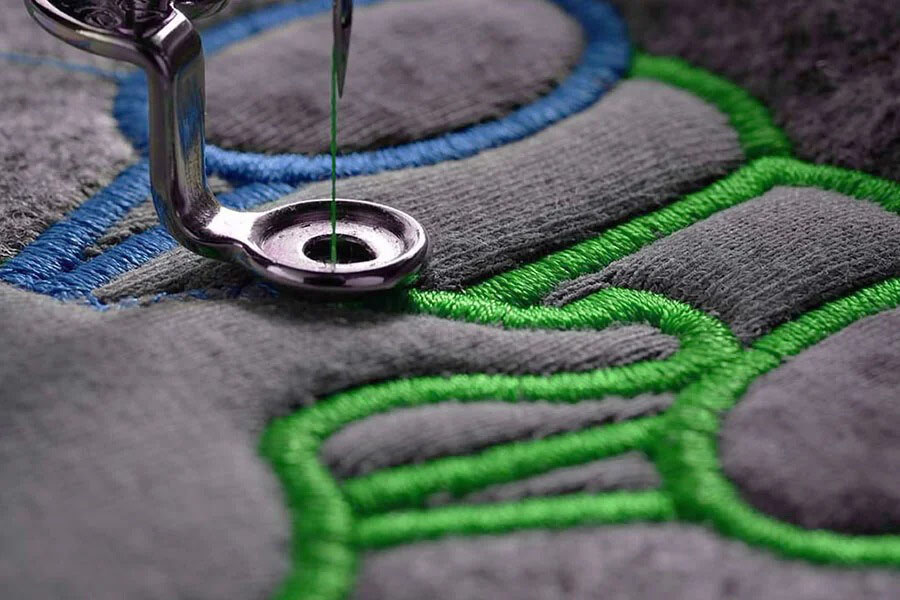
Embroidery
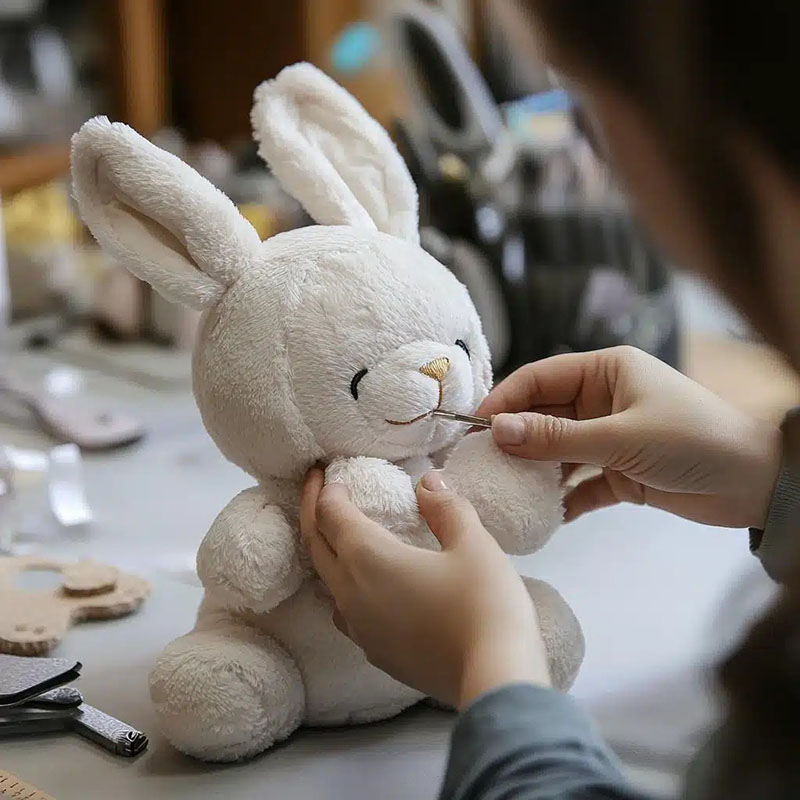
Embroidery is commonly used for eyes, mouths, noses, eyebrows, logos, small icons, and character features. During sample development, we review thread color, stitch density, size, placement, and whether the embroidery changes the softness or expression of the plush.
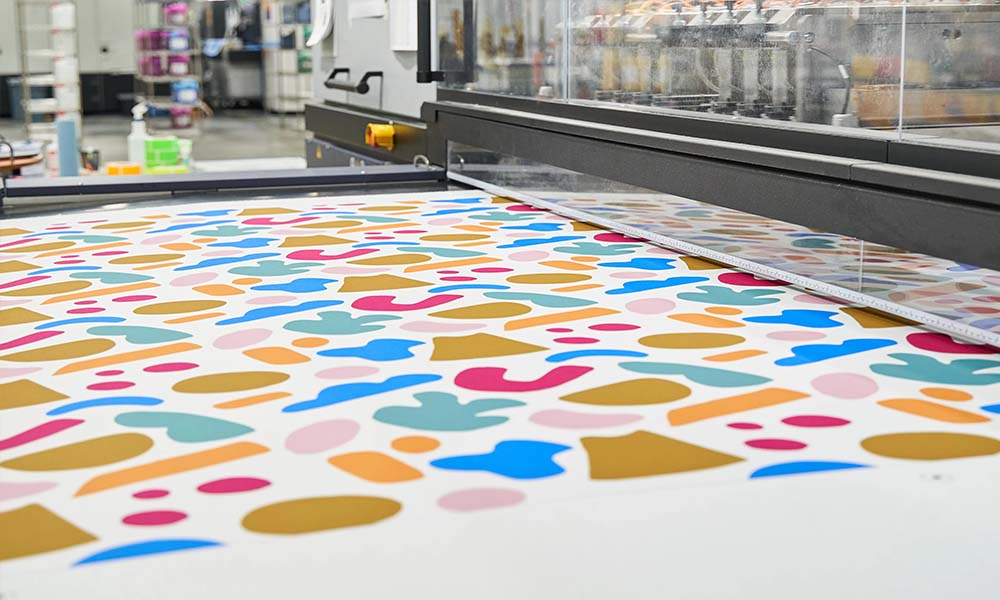
Printing
Printing can be useful for detailed patterns, gradients, clothing graphics, character marks, or repeated motifs. KINWIN checks whether printing works on the selected fabric and whether the result matches the buyer’s visual expectation.
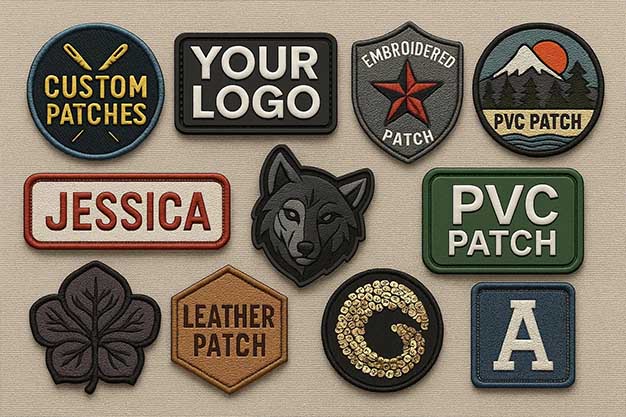
Applique and Sewn Details
Applique, fabric layering, sewn patches, felt parts, and shaped fabric details can create strong visual definition. Sampling helps confirm edge finishing, seam strength, alignment, and whether the part is suitable for the intended age group.
COLOR ACCURACY
Color Matching and Visual Accuracy
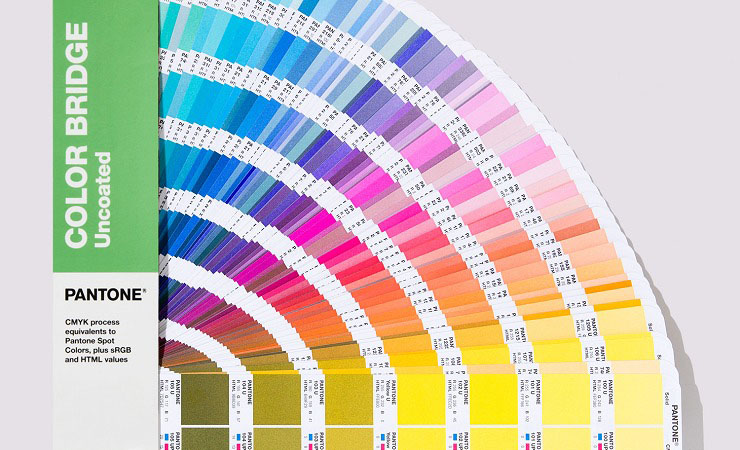
Color is one of the most common points of revision in plush toy sample development. Digital artwork, printed references, Pantone numbers, fabric swatches, and finished plush samples may all look slightly different because screens, lighting, pile direction, and fabric texture affect color perception.
KINWIN reviews color requirements early so buyers can understand what can be matched with available fabrics, what may require custom dyeing, and what may need an alternative color approach. For characters and brand mascots, color consistency can be especially important because the plush must match existing brand assets.
During sample review, buyers should check the sample under neutral lighting and compare it with the approved reference. If a color needs adjustment, it is better to confirm that change before bulk material purchase begins.
Buyer decision point: color approval should be based on real fabric and sample review, not only digital artwork.
SIZE AND HANDFEEL
Size, Filling, Weight, and Handfeel Adjustment
A plush sample must be reviewed by hand, not only by photo. Size, weight, filling density, and softness all affect how the buyer and end user experience the product.
Size Accuracy
A 20 cm plush and a 40 cm plush cannot always use the same detail structure. Small plush may need simplified embroidery and fewer separate parts, while larger plush may need stronger body balance, more filling control, and better display posture.
Filling Density
Too much filling can make the plush hard, distorted, or heavy. Too little filling can make it weak, wrinkled, or unable to hold shape. Sample development helps find the right balance for softness, shape, safety, and shipping efficiency.
Handfeel Target
Some plush toys need a premium soft touch, some need stronger support for display, and some need a lighter promotional feel. KINWIN can adjust fabric, filling, internal construction, and pattern shape to match the intended product positioning.
SAFETY REVIEW
Safety Review During Plush Toy Sample Development
Safety should be considered during sample development, not only after production. A plush toy intended for children may need special attention to small parts, accessory attachment, seam strength, embroidery instead of plastic eyes, age labeling, stuffing cleanliness, and market-specific testing expectations.
KINWIN reviews safety-related details according to the buyer’s market, target user, and product design. If a small accessory, button, bead, zipper pull, bell, battery module, or decorative part may create risk, we can discuss safer construction alternatives during the sample stage.
This is especially important for baby comfort plush, educational plush, licensed character plush, school products, and retail plush sold in markets with stricter toy safety requirements. A safer sample design helps reduce later testing risk and production delays.
Buyer decision point: safety planning during sampling can save time, testing cost, and redesign work later.
LICENSED CHARACTER SAMPLING
Sample Development for Licensed and Brand Character Plush
Licensed characters and brand mascots require a higher level of visual accuracy because the plush must protect the character identity. The face, expression, color, body proportion, logo placement, clothing details, and recognizable silhouette must be reviewed carefully.
During sample development, KINWIN can work from style guides, character sheets, reference images, approval comments, and brand requirements. We help translate brand assets into plush production language while keeping the sample review process clear for the buyer or license approval team.
If a design contains complex character features, KINWIN may recommend staged review: first confirming shape and proportion, then checking embroidery and color, then reviewing final accessories and packaging. This helps avoid too many changes being mixed into one sample revision.
Buyer decision point: for licensed plush, sample approval should focus on both character accuracy and production feasibility.
REVISION PROCESS
Prototype Review and Sample Revision Process
Sample development is a collaborative process. The first sample is rarely the final production standard for complex custom plush projects. KINWIN helps buyers review the sample logically so revisions are clear and useful.
Step 1: First Sample Review
The buyer reviews overall shape, proportion, expression, fabric, color, softness, details, and whether the sample matches the original project goal.
Step 2: Feedback Organization
Feedback should be specific. Instead of saying the sample is not cute enough, it is better to identify whether the eyes, mouth, head shape, cheek volume, body proportion, or fabric texture needs adjustment.
Step 3: Revised Sample or Pre-production Sample
KINWIN makes corrections based on approved feedback. For some projects, a second sample may be enough. For complex licensed or functional plush, additional revisions may be required.
Step 4: Final Approval Standard
Once the buyer approves the final sample, the approved version becomes the production reference for pattern, materials, colors, embroidery, filling, labels, accessories, and packaging.
COST CONTROL
How Sampling Helps Control Cost Before Production
Sample development is not only about making the product look good. It is also one of the best stages to control cost before bulk production. A design may contain many beautiful details, but some of those details may increase labor time, material waste, embroidery cost, packaging size, or testing risk.
KINWIN can review the sample and suggest cost-aware adjustments that protect the product’s main value. For example, a tiny sewn part may be changed to embroidery, a complex fabric panel may be simplified, a rare material may be replaced with an available alternative, or the size may be adjusted to improve shipping efficiency.
This does not mean making the plush cheaper in a way that damages quality. It means using sample development to decide which details truly matter to the customer experience and which details can be optimized for better production balance.
Buyer decision point: the sample stage is the right time to balance design value, production difficulty, target price, and bulk order feasibility.
PACKAGING REVIEW
Packaging and Presentation Review During Sampling
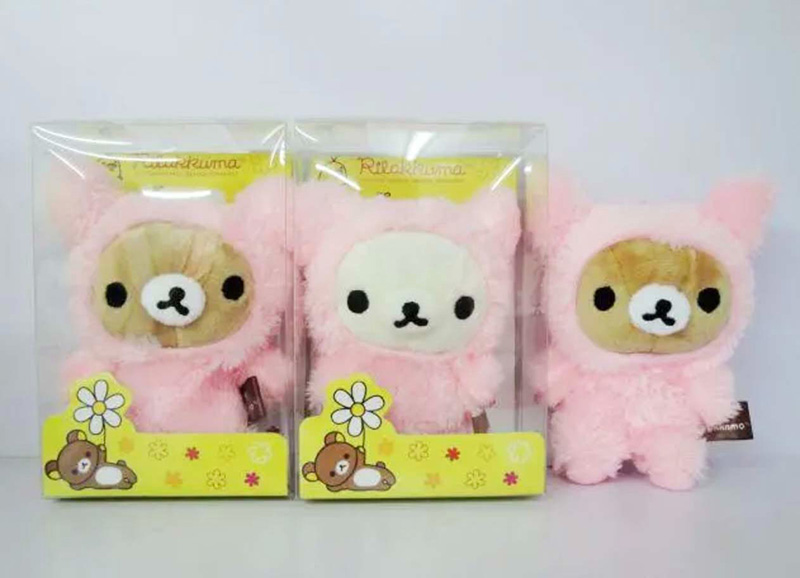
Packaging should not be left until the end if the plush will be sold as a retail product, gift item, licensed product, or promotional set. The sample stage can help confirm how the product will be presented, protected, labeled, and shipped.
Hangtag and Brand Label
Buyers can review logo position, hangtag size, woven label placement, care label content, barcode needs, and brand presentation.
Retail Packaging
For retail shelves, KINWIN can discuss polybag, display box, window box, header card, belly band, gift box, or shelf-ready packaging options.
Shipping Protection
Sampling can also reveal whether the plush may be compressed, deformed, or damaged during shipment, especially for large plush, shaped plush, or plush with accessories.
APPROVED SAMPLE STANDARD
From Approved Sample to Bulk Production Standard
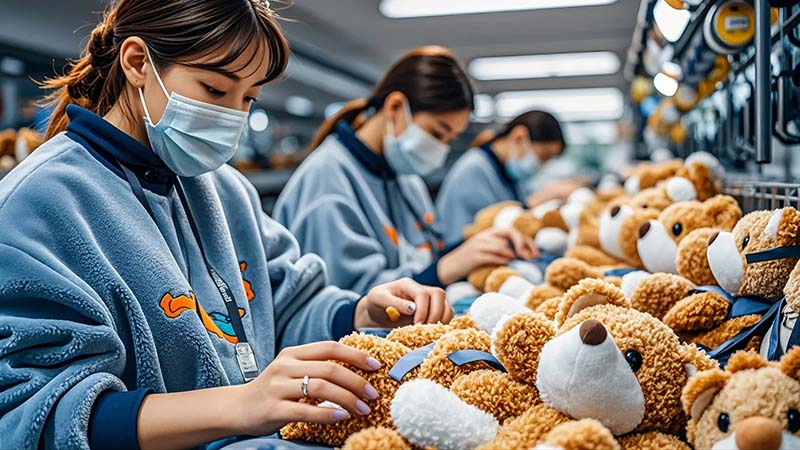
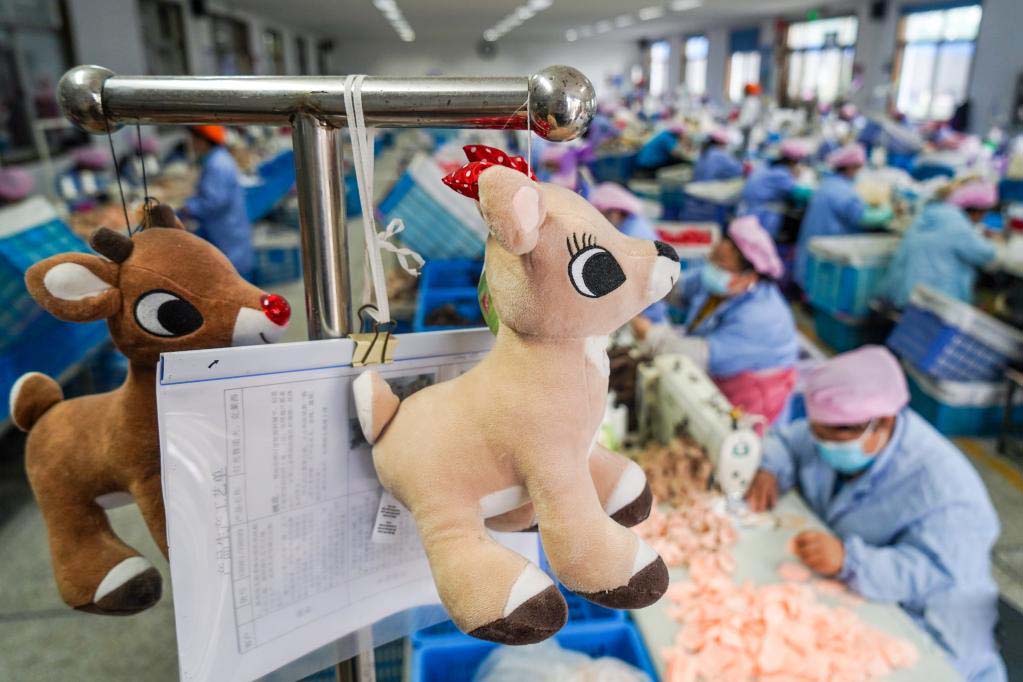
An approved sample becomes much more than a reference toy. It becomes the physical standard for production. KINWIN uses the approved sample together with pattern files, material records, embroidery files, color references, sewing instructions, filling notes, label requirements, and packaging details to prepare bulk production.
Before production begins, the important details should be locked: final size, fabric type, color, embroidery, printed details, accessories, stuffing level, seam method, labels, tags, packaging, and quality requirements. If any detail changes after approval, it should be reviewed again because it may affect cost, schedule, or quality.
The goal is to make bulk production match the approved sample as closely as possible. A well-developed sample helps the factory team, QC team, and buyer communicate with the same physical reference.
Buyer decision point: once the sample is approved, every production detail should be documented clearly so the bulk order can follow the same standard.
SAMPLING PROBLEM SOLVING
Common Plush Sampling Problems and How KINWIN Solves Them
Many sampling problems are normal in custom plush development. What matters is whether the factory can identify the cause and suggest practical solutions.
The plush does not look like the artwork
KINWIN checks whether the issue comes from pattern shape, embroidery placement, head proportion, fabric pile direction, or missing character features.
The face expression feels wrong
Small changes to eye position, mouth curve, nose size, cheek volume, or eyebrow angle can significantly change the expression.
The sample is too hard or too soft
We can adjust stuffing amount, fabric type, internal construction, or pattern volume to improve softness and shape support.
Small details are difficult to produce
Tiny parts can often be changed to embroidery, printing, applique, simplified shapes, or larger scale details.
The cost is higher than expected
KINWIN reviews materials, labor steps, size, packaging, embroidery coverage, and part complexity to find cost optimization options.
The plush cannot sit or stand properly
We review body balance, base shape, filling distribution, leg angle, tail support, and whether internal structure is needed.
QUALITY CONTROL PLANNING
Quality Control Planning Starts at the Sample Stage
Quality control is easier when the sample is clear. During sample development, KINWIN begins identifying the measurable standards that will later guide production inspection. These may include size tolerance, embroidery position, seam quality, stuffing level, color reference, label placement, accessory strength, and packaging method.
A vague sample approval can create confusion later. If the buyer approves only by photo without confirming physical details, production teams may not know which details are critical. That is why the approved sample, production notes, and QC points should work together.
For repeat orders, clear sample and QC records are especially valuable. They help the buyer maintain product consistency when reordering the same plush design or expanding into a related product series.
Buyer decision point: a sample should create a quality standard, not just a visual impression.
DEVELOPMENT TIMELINE
Plush Toy Sample Development Timeline
The timeline for plush toy sample development depends on the complexity of the design, material availability, embroidery requirements, functional components, revision scope, and buyer feedback speed. A simple plush sample can usually move faster than a licensed character plush, baby comfort plush, LED plush, sound plush, or multi-material design.
Before sampling begins, KINWIN reviews the project information and explains what may affect the timeline. Custom fabric, special colors, unusual accessories, complex embroidery, structural challenges, or multiple approval departments can extend development time.
For buyers with launch deadlines, it is better to start sample development early. Enough time should be reserved for first sample creation, sample delivery, review, revision, final approval, material preparation, and bulk production.
Buyer decision point: sampling time should be planned as part of the full product launch schedule, not treated as a last-minute step.
WHY KINWIN
Why Work with KINWIN for Plush Toy Sample Development
KINWIN supports buyers who need more than a factory that simply follows a drawing. We help review the design from a manufacturing point of view and guide the project toward a sample that can become a stable production product.
Design-to-Production Thinking
We review artwork, materials, structure, safety, cost, and production repeatability together instead of treating sampling as a simple sewing task.
Experience with Different Plush Categories
KINWIN can support character plush, animal plush, baby plush, gift plush, promotional plush, functional plush, retail plush, and private label collections.
Clear Revision Communication
We help buyers organize sample feedback into practical changes, making the revision process easier to understand and easier to execute.
Bulk Production Connection
The approved sample is connected with pattern, material, embroidery, sewing, packaging, and QC information so production can follow a clear standard.
START YOUR SAMPLE PROJECT
Start Your Plush Toy Sample Development Project with KINWIN
If you have a plush toy idea, character artwork, product reference, brand mascot, retail concept, or early design brief, KINWIN can help you review the project and plan the sample development process.
Send us your design information, target size, expected quantity, market destination, material preference, and any special requirements. Our team can help you understand what can be sampled, what may need adjustment, and how to prepare the project for bulk production.
- Custom plush sample development from artwork, photos, references, or ideas
- Pattern making, material review, embroidery planning, and sample revision support
- Production-focused sample development for bulk order preparation
- Standard MOQ for custom plush projects starts from 500 pcs
FREQUENTLY ASKED QUESTIONS
FAQ: Plush Toy Sample Development
Can KINWIN make a plush toy sample from only a drawing?
Yes. KINWIN can review a drawing, character artwork, reference photo, or design brief and suggest how to convert it into a plush sample. If the information is incomplete, we will explain what details should be clarified before sampling.
How long does plush toy sample development take?
The timeline depends on design complexity, materials, embroidery, accessories, functional parts, and revision needs. Simple samples are usually faster, while licensed characters, baby plush, LED plush, sound plush, or complex shaped plush may need more time.
Can I revise the sample after receiving it?
Yes. Sample revision is a normal part of custom plush development. Buyers can review shape, expression, fabric, color, embroidery, filling, accessories, and packaging, then provide clear feedback for adjustment.
Does the approved sample become the bulk production standard?
Yes. Once approved, the sample becomes the physical reference for bulk production, together with pattern files, material records, embroidery files, color references, sewing notes, labels, packaging, and QC requirements.
Can KINWIN help improve the design for production?
Yes. KINWIN can suggest changes to fabric, structure, embroidery, size, accessories, filling, and packaging when a design needs better production feasibility, cost control, or safety performance.
What if I only have an idea but no finished artwork?
KINWIN can still discuss the project direction and help identify what references are needed. However, clear artwork, size information, target market, and product positioning will make sample development more accurate.
Can the sample stage help reduce production cost?
Yes. Sampling can reveal where cost is coming from, such as complex sewing, expensive fabric, large embroidery areas, many small parts, oversized packaging, or difficult structure. KINWIN can suggest practical optimization options.
What happens after the plush sample is approved?
After approval, KINWIN confirms production details, materials, packaging, labels, QC points, and order information. Then the project can move toward bulk production preparation based on the approved sample standard.
If You Can lmagine lt,We Will Create lt!
1.Tell Us What You Need
Tell us as specific as possible of your needs and share your idea.
2.Get Solution & Quote
We will work on the best solution according to yourrequirements,the specific quote will be provided within 24 hours.
3.Approve for Mass Production
We will start mass production after getting your approval.
