 Skip to content
Plush Toys for Hospitals — Comfort, Compliance and Care
Plush Toys for Hospitals — Comfort, Compliance and Care
Pediatric Safe · OEKO-TEX Class I · CE/EN71 Certified · Washable Options · Custom Branding · Bulk Supply · MOQ 500 pcs
A plush toy given to a child in a hospital setting does something that medical equipment cannot: it provides emotional comfort. It gives a frightened child something familiar to hold, something soft to press against, something that communicates care in a language that transcends medical complexity. The role of plush toys in pediatric healthcare settings is well-documented — they reduce procedural anxiety, improve patient cooperation, and create lasting positive associations between young patients and the healthcare providers who gave them the toy.
KINWIN manufactures plush toys for hospitals, pediatric clinics, children’s healthcare charities, medical equipment companies, pharmaceutical brands, and healthcare foundations — programs that range from branded comfort toys distributed to young patients on admission, to charity fundraising plush, to medical professional recognition gifts. Every hospital plush program from KINWIN is built on the strictest safety standards — because the stakes in pediatric healthcare are higher than anywhere else.
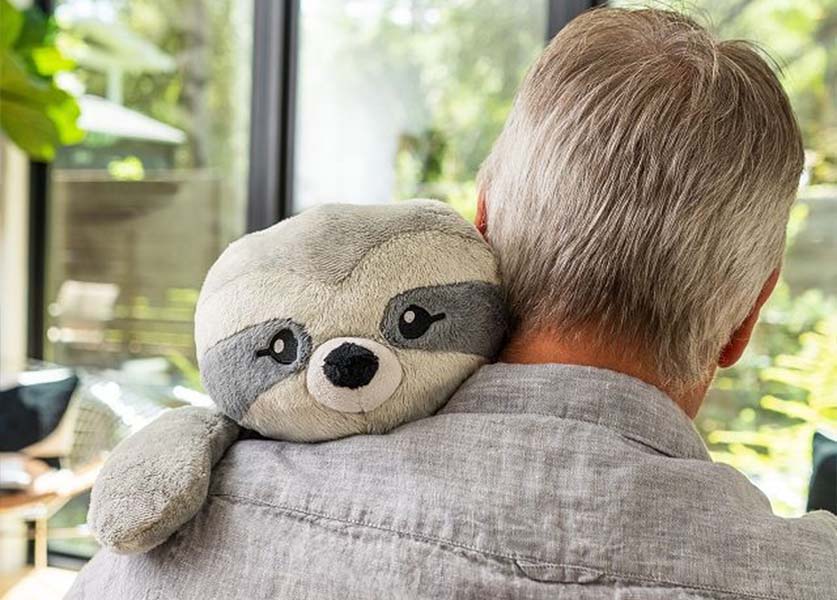
Why Plush Toys Work in Hospital Settings
Why Plush Toys Work in Hospital Settings — The Evidence Base
Procedural Anxiety Reduction
Medical procedures — injections, blood tests, scans, dressing changes — generate significant anxiety in young children. Research consistently shows that distraction tools, including comfort objects like plush toys, measurably reduce both self-reported pain and observable distress behaviors during medical procedures. A child who is holding a familiar, comforting plush toy during an injection is physiologically and behaviorally calmer than one who is not — which benefits both the child and the medical staff performing the procedure.
Trust Building and Positive Association
Young children form strong associations between experiences and the objects present during those experiences. A plush toy given by a nurse or doctor before a procedure creates a positive association between the healthcare provider and the comfort object. This association can reduce future healthcare avoidance behavior — a significant public health benefit. Children who associate healthcare settings with positive experiences (including receiving a gift) are more likely to engage with preventive care as they grow.
Family Stress Reduction
A child’s hospitalization is stressful for the entire family — parents in particular experience significant anxiety and helplessness during their child’s treatment. A plush toy program that gives parents something comforting to give their child reduces this helplessness and strengthens the parent-child emotional connection during a difficult period. The positive experience of receiving a branded plush toy also creates goodwill toward the healthcare provider among families — which affects patient satisfaction scores, repeat preference, and community reputation.
Safety Requirements for Hospital Plush Toys — Why the Standards Are Different
Safety Requirements — Why Hospital Standards Are Higher
Plush toys distributed in pediatric healthcare settings must meet the same toy safety regulations as retail toys — and frequently additional hygiene and material purity requirements specific to healthcare environments. The most vulnerable users — very young children, immunocompromised patients — require the most stringent material safety.
OEKO-TEX Product Class I — The Non-Negotiable Baseline
- pH value: 4.0–7.5 (skin-neutral) — Critical for sensitive/compromised skin
- Formaldehyde: ≤ 20 mg/kg — Respiratory sensitizer; critical for ventilated patients
- Azo dyes: Not detectable — Highest cancer risk category
- Heavy metals (extractable): Strictest per-element limits — Systemic toxicity; developmental harm
- Pesticide residues: 100+ compounds tested — Critical for chemotherapy patients
- Allergenic disperse dyes: Not detectable — Skin contact allergic reaction
- Color fastness to saliva: Grade 4 minimum — Children who mouth objects in hospital
Under-3 Safety Requirements — Default for All Pediatric Programs
If plush toys may be given to infants or children under 36 months — a common scenario in neonatal units, pediatric wards, and general pediatric clinics — the strictest toy safety requirements apply: no small parts (even after abuse testing), no accessible cords longer than 220mm, and materials must meet under-3 chemical limits. KINWIN designs hospital plush toys for under-3 safety by default when the program involves pediatric settings where very young children may be present.
Washability and Hygiene — Hospital-Grade Construction
Washability and Hygiene — Hospital-Grade Construction
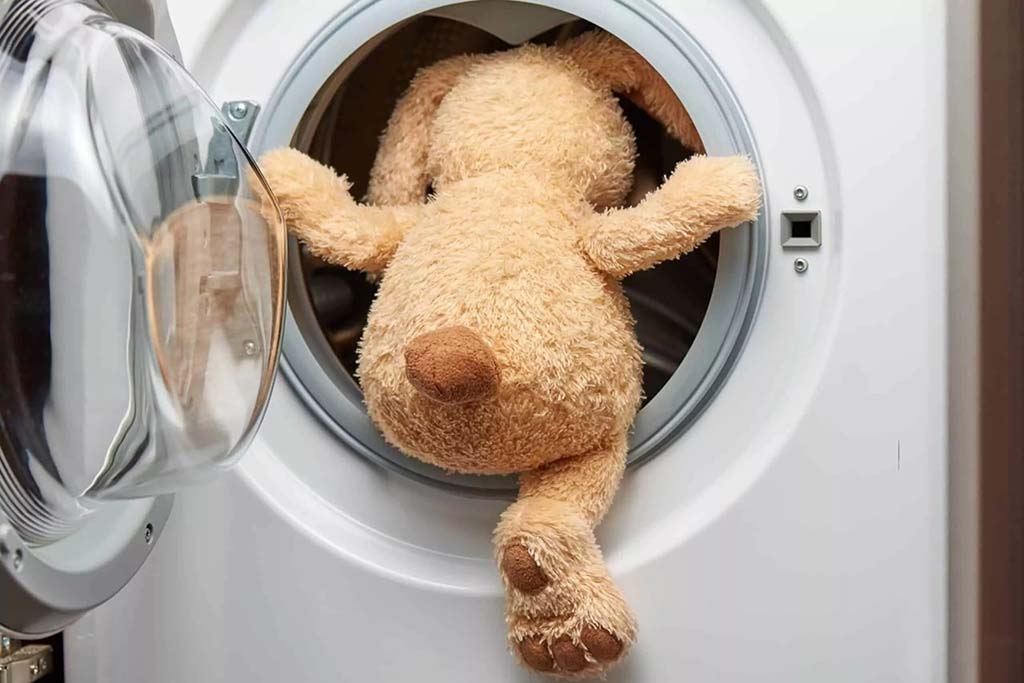
Healthcare environments may require plush toys to be laundered between uses — particularly for toys used across multiple patients or in environments where infection control is a priority. KINWIN manufactures washable plush toys specifically for hospital programs.
- Reinforced seams: higher stitch density and stronger thread for repeated washing cycles
- Color fastness: Grade 4 minimum for washing fastness — appropriate for machine washing at 30-40°C
- Fabric selection: maintains appearance through multiple washes
- Removable-cover options: for toys used extensively between multiple patients
- Filling material: premium PP cotton — hypoallergenic; retains shape after washing
Important: washability must be specified at the product design stage — inform KINWIN at the brief stage so washability is designed in from the beginning rather than attempted retrospectively. A standard retail plush and a hospital-grade washable plush are different products with different construction specifications.
Hospital Plush Toy Program Types
Hospital Plush Toy Program Types
Healthcare plush toy programs serve multiple distinct purposes — each with different procurement drivers, distribution logistics, and product specifications.
Patient Comfort Programs
Plush toys given directly to young patients on admission, during procedures, or as part of recovery — the most direct therapeutic application. These are typically funded by the hospital, children’s healthcare foundation, or corporate sponsor, and given without expectation of return.
- Admission comfort toy: given on ward admission to reduce initial fear response
- Procedure companion: held during injections, blood draws, or scans to provide distraction and comfort
- Recovery milestone toy: given at discharge or on completion of a treatment course as a positive milestone marker
- Long-stay ward toys: given to children on extended stays — oncology, cardiac, rehabilitation
Healthcare Brand & Pharmaceutical Programs
Pharmaceutical companies, medical device manufacturers, and healthcare brands use branded plush toys as marketing tools in pediatric healthcare contexts — building positive brand associations through meaningful, functional gifts to patients.
- Vaccine program companion toys: given during vaccination programs — reduces needle anxiety, builds positive immunization associations
- Medical device branded plush: soft versions of medical characters or animals as branded companions for pediatric medical device users
- Formula/nutrition brand programs: branded comfort plush given with infant formula or nutrition product sampling
Healthcare Charity & Fundraising Plush
Children’s hospitals, pediatric research foundations, and healthcare charities use custom plush toys as fundraising products — sold in hospital gift shops, charity events, or online to support programs for young patients.
- Hospital mascot charity plush: the hospital’s character mascot as a fundraising product — builds community identity
- Cause character: original character designed to represent the charity’s specific mission
- Limited edition fundraising: annual or seasonal limited editions that drive collector behavior among supporters
Healthcare Professional Recognition
Branded plush toys for healthcare professional recognition — nursing awards, physician appreciation, staff wellbeing programs — use the emotional warmth of plush to communicate genuine appreciation in a memorable, lasting form.
- Premium Minky or Sherpa fabric to reflect significance of the recognition
- Gift box presentation aligned with institutional brand aesthetic
- Custom embroidery with award name, department, and hospital identity
Recommended Product Specifications for Hospital Plush Programs
Recommended Product Specifications for Hospital Plush Programs
Hospital plush toys have specific product requirements that differ from retail plush. These specifications are KINWIN’s recommended baseline for all healthcare programs.
Fabric
OEKO-TEX Class I short pile or Minky
Reason: Cleanest surface; lowest contamination risk
Pile Length
Short pile (2-8mm) preferred for procedure/ward use
Reason: Easier to clean; less fiber shedding
Filling
Premium PP cotton — washable-grade
Reason: Hypoallergenic; retains shape after washing
Size
20-30cm sitting height
Reason: Child-appropriate; not impractical in bed
Eyes
Embroidered eyes preferred over safety eyes
Reason: Zero detachment risk; safest for young patients
Seam Construction
Reinforced seams for washability
Reason: Maintains integrity through multiple wash cycles
Color Fastness
Grade 4+ all categories including saliva
Reason: Prevents dye transfer to skin and bedding
Chemical Compliance
EN71 Part 3 + OEKO-TEX I + REACH
Reason: Most stringent available — non-negotiable
Age Compliance
Under-3 certification for all pediatric programs
Reason: Children of any age may receive; safest baseline
Labeling
Minimal labeling on product; full compliance on packaging
Reason: Labels can irritate sensitive skin
Branding Options for Hospital Plush Programs
Branding Options for Hospital Plush Programs
Branding on hospital plush toys should be present but not dominant — the primary experience for the child is the comfort object, and the brand should be a gentle, positive presence rather than a prominent commercial statement.
- Embroidered hospital logo or mascot name: subtle, permanent — on foot pad or back
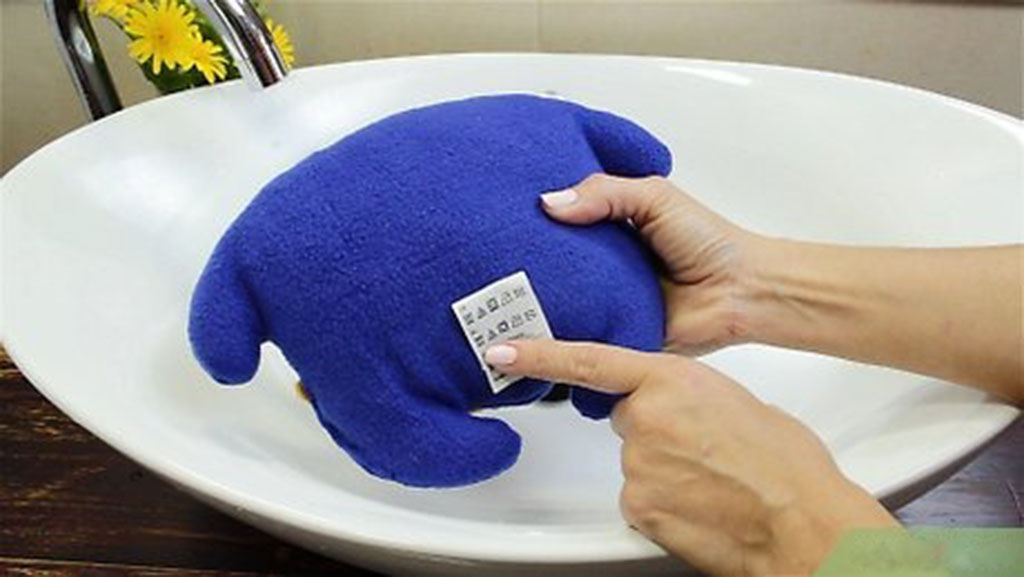
- Woven care label: brand name, wash instructions, material content, origin
- Custom hang tag: program name, character story, care information — can include charity messaging
- Corporate sponsor acknowledgment: sponsor name on hang tag or separate enclosure card
- QR code linking to charity page or program information
For pharmaceutical and medical brand programs, branding must comply with applicable medical marketing regulations in your market. KINWIN advises on branding placement that is compliant with typical healthcare marketing guidelines — keeping the primary product experience therapeutic rather than overtly promotional.
Bulk Supply for Hospital Programs — Scale Reference
Bulk Supply for Hospital Programs — Scale Reference
Hospital and healthcare programs require reliable bulk supply — consistent quality across every unit is more critical in a healthcare setting than in any retail context. Every toy given to a patient must meet the same standard as every other.
Small Clinic
Annual volume: 500–1,000 pcs/year
Typical program: Local pediatric practice, vaccination program
KINWIN service: Standard order
Regional Hospital
Annual volume: 1,000–5,000 pcs/year
Typical program: Children’s ward comfort program
KINWIN service: Scheduled annual supply
Children's Hospital
Annual volume: 5,000–20,000 pcs/year
Typical program: Full patient comfort program
KINWIN service: Annual production calendar
National Charity
Annual volume: 10,000–50,000 pcs/year
Typical program: Nationwide patient gift program
KINWIN service: Priority program account
Pharma Brand Program
Annual volume: 20,000–100,000+ pcs/year
Typical program: Vaccine or product launch companion toy
KINWIN service: Enterprise account management
For healthcare programs requiring ongoing supply, KINWIN recommends establishing an annual production calendar — confirming scheduled production runs in advance to ensure consistent availability without supply gaps. Hospital programs cannot tolerate stockouts: if a comfort toy program runs out of supply, the therapeutic benefit gap is real and immediate.
Why Healthcare Programs Choose KINWIN
Why Healthcare Programs Choose KINWIN
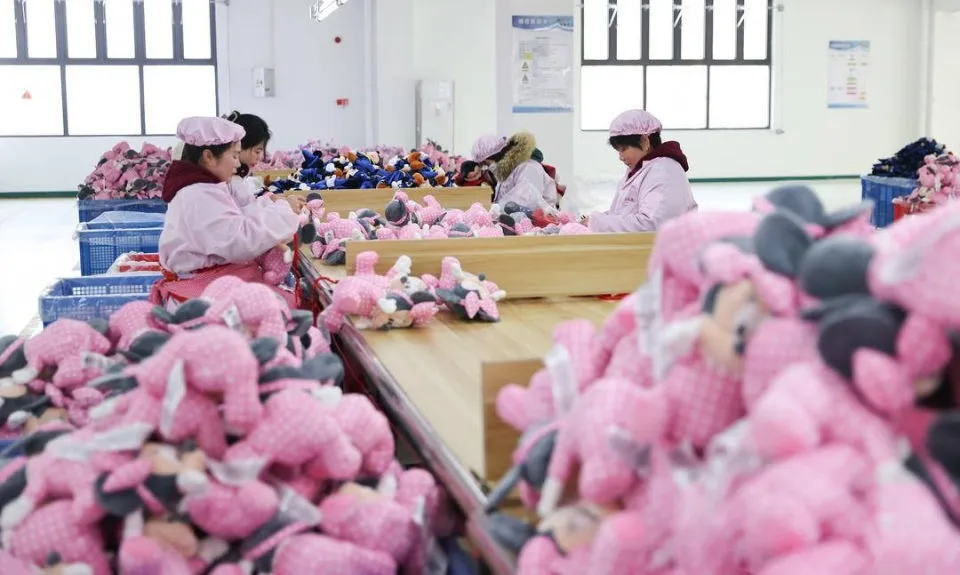
A plush toy in a hospital is not merchandise — it is medicine in soft form. KINWIN builds it to the standard that role deserves.
✓ Custom hospital mascot development — original character for your institution
✓ Bulk supply reliability — annual program planning ensures consistent availability
✓ Complete compliance documentation — formatted for healthcare procurement requirements
✓ 17+ years manufacturing experience — trusted by healthcare programs across 30+ countries
✓ MOQ 500 pieces — accessible for smaller clinic programs as well as large hospital networks
✓ OEKO-TEX Standard 100 Product Class I on all fabrics — the most stringent textile safety for the most vulnerable patients
✓ Under-3 safety certification as standard for all pediatric programs — zero compromise on the youngest patients
✓ EN71 / CE and ASTM F963 / CPSC full certification — compliant for all major markets
✓ Embroidered eye options — eliminating small parts risk for hospital distribution
✓ Washable construction on request — reinforced seams, appropriate color fastness
Frequently Asked Questions — Plush Toys for Hospitals
Frequently Asked Questions — Plush Toys for Hospitals
Q1. What safety certifications does a plush toy need for hospital distribution to children?
Plush toys distributed to children in hospital settings are regulated as toys — full toy safety certification applies. For EU/UK hospital programs: CE marking and EN71 Parts 1, 2, and 3 test reports are required. For US hospital programs: ASTM F963 testing and CPSC Children’s Product Certificate are required. For all hospital programs regardless of market: OEKO-TEX Standard 100 Product Class I fabric certification is KINWIN’s non-negotiable standard — it tests for 100+ harmful substances with the strictest limits calibrated for infant skin contact. For toys that may be given to children under 36 months — which is common in pediatric wards and neonatal settings — the strictest under-3 toy safety requirements apply, including no small parts after abuse testing and strict chemical limits. KINWIN provides the complete certification package with all hospital plush programs and advises on any additional local requirements specific to your healthcare jurisdiction.
Q2. Can hospital plush toys be machine washed for infection control purposes?
Yes — KINWIN manufactures washable plush toys specifically for hospital and healthcare programs. Washability engineering includes: reinforced seam construction using higher stitch density and stronger thread to withstand repeated washing; fabric and thread color fastness specifications appropriate for machine washing at 30-40°C (Grade 4 minimum for washing fastness); filling material selection that retains its shape and loft after multiple wash cycles; and removable cover options for toys that will be laundered between patients. It is important to note that washing requirements must be specified at the product design stage — a standard retail plush and a hospital-grade washable plush are different products with different construction specifications. If your hospital program requires laundering between patients, inform KINWIN at the brief stage so washability is designed in from the beginning rather than attempted retrospectively.
Q3. Can a pharmaceutical company brand a plush toy for distribution in pediatric healthcare settings?
Yes, pharmaceutical branded plush programs for healthcare settings are a legitimate and established category of medical marketing. However, branding must comply with applicable healthcare marketing regulations in your market — which vary by country and product category. Common regulatory considerations: the branded plush must not constitute direct promotion to patients in jurisdictions where direct-to-consumer pharmaceutical advertising is restricted; the primary function of the product must be patient comfort, not marketing; and the branding should be present but not dominant. KINWIN advises on branding placement and labeling approaches that support compliance with typical healthcare marketing guidelines — keeping the branding subtle enough to serve a therapeutic function rather than functioning primarily as an advertisement. All pharmaceutical brand hospital plush programs receive the same full safety certification as any other hospital plush program.
Q4. How do I develop a custom hospital mascot character for a children's hospital program?
Developing a hospital mascot character follows the same process as any OEM character development at KINWIN, with additional attention to the therapeutic and emotional context. The development process: (1) brief consultation — share your hospital’s values, the age range of your patients, the primary therapeutic goals of the program, any existing visual identity guidelines, and character direction preferences; (2) character concept development — KINWIN’s design team proposes character concepts specifically designed for the therapeutic context: faces that communicate safety and warmth rather than excitement, shapes that are gentle and comforting, colors that are calming rather than overstimulating; (3) design alignment and approval — all design decisions confirmed before sampling; (4) prototype and revision — until the character truly represents your hospital’s care values; (5) production with full safety certification. KINWIN has experience developing healthcare characters specifically and can provide design guidance informed by what works therapeutically as well as commercially.
Q5. Can a children's hospital gift shop and patient comfort program source from the same KINWIN order?
Yes — and combining gift shop retail and patient comfort program needs into a single production run is one of the most economical approaches for hospital programs. A single design (your hospital mascot, for example) can be ordered in a combined quantity that satisfies both needs simultaneously: some units packaged for gift shop retail (with retail packaging, barcode, retail pricing), and some units packaged differently for patient comfort distribution (simple packaging, no barcode, lower-cost presentation). Both types come from the same production run, share the same safety certification, and benefit from the combined volume pricing. KINWIN coordinates multi-packaging programs from single production runs regularly — specify your retail packaging requirements and your patient distribution packaging requirements at the brief stage, and we design both packaging formats to come from the same order.
If You Can lmagine lt,We Will Create lt!
1.Tell Us What You Need
Tell us as specific as possible of your needs and share your idea.
2.Get Solution & Quote
We will work on the best solution according to yourrequirements,the specific quote will be provided within 24 hours.
3.Approve for Mass Production
We will start mass production after getting your approval.
