 Skip to content
Choosing Fabric for High-End Plush Toys
Choosing Fabric for High-End Plush Toys
Pile Type · Hand Feel · Photography Performance · Safety Certification · Color Matching · Eco Options
The fabric you choose for your plush toy determines everything: how it feels in the customer’s hands, how it looks in product photography, how it performs over months of use, whether it passes safety certification, and — critically — how it positions your brand. A toy sewn from the wrong fabric can look cheap, photograph poorly, lose its shape in FBA compression, and fail OEKO-TEX testing. Getting the fabric right is not a detail decision. It is the foundation of your product.
KINWIN’s pattern-making and material sourcing team has been selecting fabrics for custom plush toys for 17+ years across all price segments — from budget promotional giveaways to premium DTC brand characters retailing at $80+. This guide shares what we have learned about choosing the right fabric for high-end plush toys specifically.

The 4 Dimensions of High-End Plush Toy Fabric Selection
The 4 Dimensions of High-End Plush Toy Fabric Selection
Before choosing a specific fabric, evaluate every option across four dimensions. A fabric that excels in three but fails in one can undermine the entire product.
1
Hand Feel — The First Physical Impression
For premium plush toys, hand feel is the most immediate quality signal. The moment a customer picks up your toy, before they look at the face, before they read the label — they feel the fabric. A toy that feels soft, dense, and luxurious communicates premium quality without a single word. A toy that feels rough, thin, or synthetic communicates cheapness instantly. High-end plush toys require fabrics with consistent, high-density pile that feels genuinely luxurious — not the coarse, scratchy pile common in lower-cost products.
2
Photography Performance — Your Primary Sales Tool
For DTC brands and Amazon sellers, the product photo is the first — and often only — thing that drives a purchase decision. Fabric choice has an enormous impact on how a plush toy photographs. Long-pile fabrics create rich, three-dimensional texture that reads as luxurious even at thumbnail size. Short-pile fabrics are cleaner and sharper but can look flat if the pile density is insufficient. Fabrics with strong textural contrast — like Sherpa or teddy — create dramatic, lifestyle-friendly images. Choosing fabric with photography performance in mind is not vanity — it is a commercial decision that directly affects conversion rate.
3
Safety Certification Compatibility
Not every fabric passes toy safety testing. High-end plush toys sold in regulated markets (EU, US, UK) require fabrics that comply with OEKO-TEX Standard 100 (harmful substance testing), EN71 Part 2 (flammability), EN71 Part 3 (chemical element migration), and REACH (restricted chemical substances). Fabrics with non-certified dyes, high formaldehyde content, or flammability profiles that fall outside acceptable limits will fail testing — regardless of how good they look or feel. Sourcing fabrics from OEKO-TEX certified suppliers eliminates this risk.
4
Shape Retention & Durability
Premium plush toys are expected to last — not just look good on day one. Fabric choice determines whether a toy retains its shape after being squeezed, carried, sat on, compressed in FBA packaging, or washed. Low-density pile fabrics mat and flatten with use; high-quality fabrics spring back. For weighted plush toys, fabric must also withstand the continuous internal pressure of glass bead or microbead filling without distorting. Long-pile fabrics require additional attention to pile direction consistency — inconsistent pile direction creates a patchy appearance that photographs poorly and feels uneven.
Plush Toy Fabric Types — In-Depth Guide
Plush Toy Fabric Types — In-Depth Guide
KINWIN works with all major plush toy fabric types. Here is a complete breakdown of each type, its performance properties, and when to choose it for high-end products.
1. Long Pile Plush
Pile length: 15–35 mm. The most premium-looking and most photographically versatile plush fabric. Long pile creates rich, fluffy texture that communicates luxury immediately — whether in a lifestyle photo, a TikTok unboxing, or held in hand.
Performance Ratings
- Hand Feel Premium: ★★★★★ Exceptional
- Photography Performance: ★★★★★ Exceptional
- Shape Retention: ★★★★☆ Very Good
- Durability: ★★★☆☆ Moderate
- FBA Compression Recovery: ★★★☆☆ Moderate
Best For
Premium DTC characters, lifestyle gift plush, collectible series flagship characters, brand mascots for high-end programs. Long pile is the default choice for brands that want their toy to look undeniably premium in photography.
⚠ Caution:
Long pile requires careful attention to pile direction during pattern cutting and construction. All panels must be cut with consistent pile direction — inconsistent pile direction is the most common quality issue with long pile plush and is immediately visible in product photography.
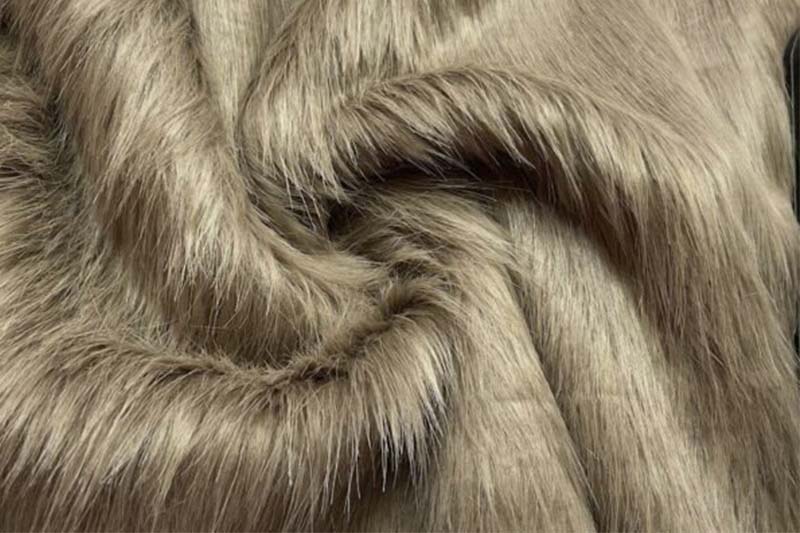
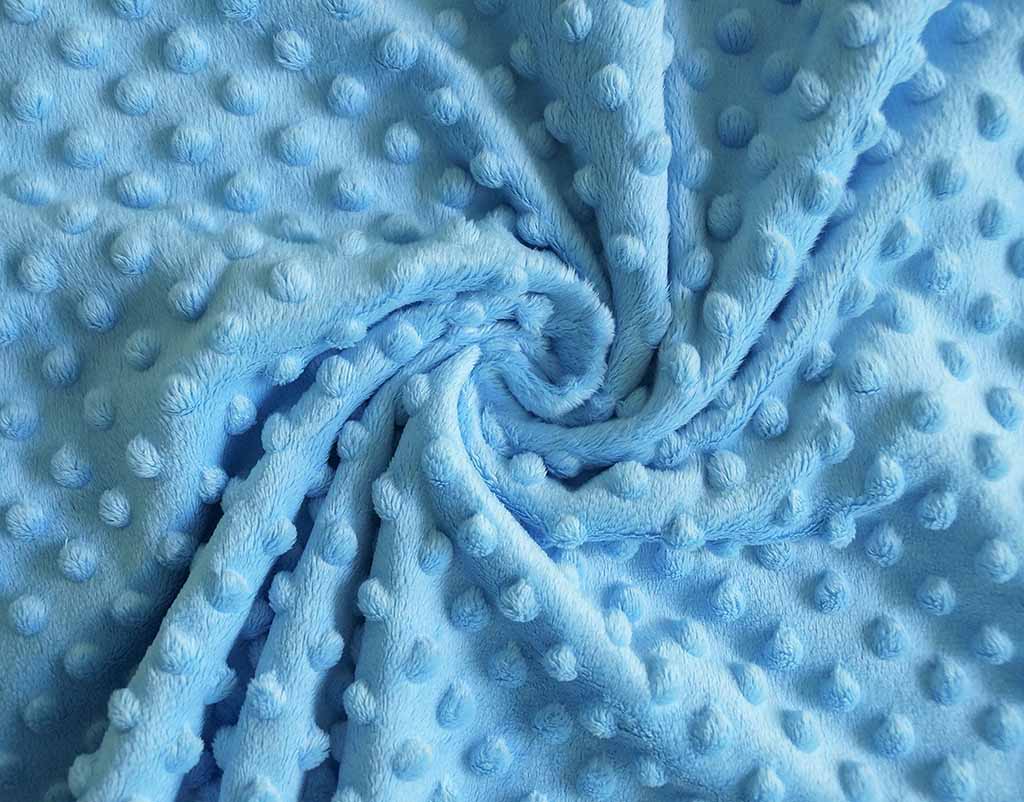
2. Minky / Crystal Super Soft Velboa
Pile length:1–3 mm. The ultimate premium short-pile fabric — exceptionally soft, with a fine, velvety texture that feels genuinely luxurious against skin. Minky is the fabric of choice for ultra-premium plush toys, high-end weighted blanket companions, and babies’ first plush toys where skin contact safety is paramount.
Performance Ratings
- Hand Feel Premium: ★★★★★ Exceptional
- Photography Performance: ★★★★☆ Very Good
- Shape Retention: ★★★★★ Exceptional
- Durability: ★★★★★ Exceptional
- FBA Compression Recovery: ★★★★★ Exceptional
Best For
Babies’ and toddlers’ first plush toys, ultra-premium DTC products at high price points ($50+), therapeutic and weighted plush toys, products where shape retention after FBA compression is critical.
⚠ Caution:
Minky’s fine pile picks up lint and pet hair easily, which can affect product appearance in lifestyle photography. Recommend photographing on neutral, clean surfaces.
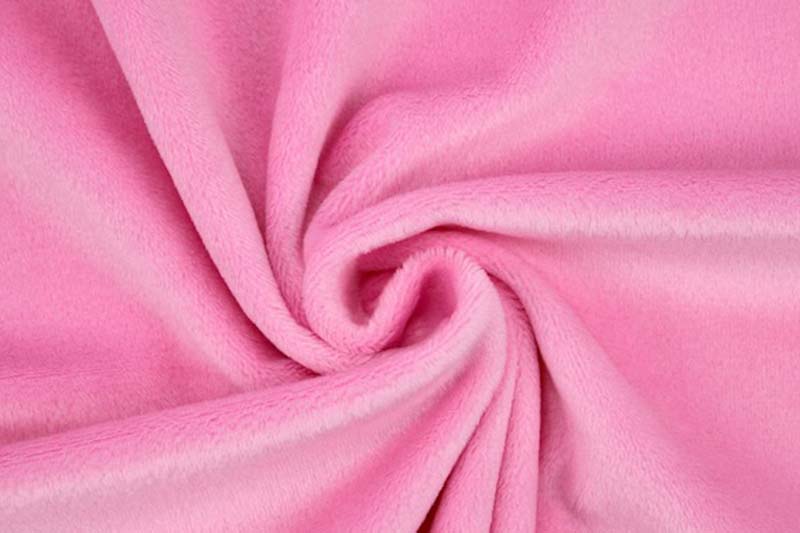
3. Short Pile Plush / Velboa
Pile length: 2–5 mm. The workhorse of the plush toy industry — versatile, affordable, photogenic when density is right, and safety-certified with ease. The default for most standard character plush toys, children’s toys, and retail-priced products.
Performance Ratings
- Hand Feel Premium: ★★★☆☆ Good
- Photography Performance: ★★★★☆ Very Good
- Shape Retention: ★★★★★ Exceptional
- Durability: ★★★★★ Exceptional
- FBA Compression Recovery: ★★★★★ Exceptional
Best For
Children’s toys (ages 3+), Amazon FBA listings where compression recovery is critical, character plush where facial embroidery detail needs a clean smooth surface, promotional branded plush at mid-price points.
⚠ For premium positioning:upgrade from standard Velboa to Crystal Super Soft Velboa or increase pile density specification. The difference in feel between standard and premium short pile is immediately perceptible.
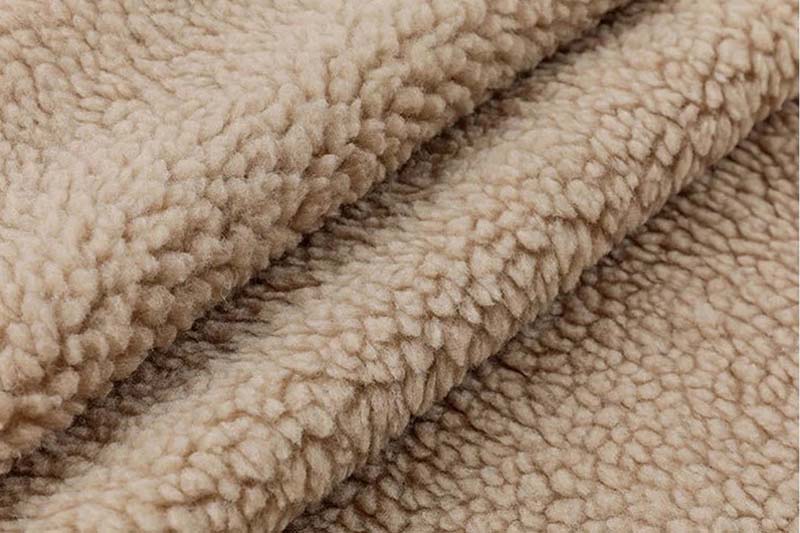
4. Sherpa / Teddy Fabric
A looped, textured fabric that mimics natural sheep fleece or teddy bear fur. Sherpa has a warm, cozy, lifestyle-aligned aesthetic that performs exceptionally well with DTC wellness, self-care, and gifting audiences. Its irregular looped texture creates dramatic shadow and depth in photography.
Performance Ratings
- Hand Feel Premium: ★★★★★ Exceptional
- Photography Performance: ★★★★★ Exceptional
- Shape Retention: ★★★★☆ Very Good
- Durability: ★★★★☆ Very Good
- FBA Compression Recovery: ★★★☆☆ Moderate
Best For
Premium teddy bears, wellness and therapeutic plush, holiday gift editions (Christmas is the natural season for Sherpa), lifestyle DTC brand products, products photographed in home/bedroom settings.
⚠ Caution:
Sherpa is harder to achieve precise Pantone color matching on because of its textured surface. It also requires vacuum compression testing before FBA shipment — compressed Sherpa toys need to be verified for full shape and texture recovery.
5. RPET Recycled Fabric (GRS Certified)
RPET (Recycled Polyethylene Terephthalate) fabric is made from recycled plastic bottles — each standard plush toy uses approximately 3–8 recycled PET bottles depending on size. GRS (Global Recycled Standard) certification verifies the recycled content and supply chain integrity. For eco-conscious brands, RPET is no longer a compromise — quality RPET fabrics are now genuinely soft, color-accurate, and certification-compliant.
Performance Ratings
- Hand Feel Premium: ★★★★☆ Very Good
- Photography Performance: ★★★★☆ Very Good
- Shape Retention: ★★★★☆ Very Good
- Durability: ★★★★☆ Very Good
- Eco Credentials: ★★★★★ Exceptional
Best For
Sustainability-positioned DTC brands, eco gifting programs, brands targeting Gen Z and Millennial consumers who value environmental credentials, nature and conservation-themed brands (zoo gift shops, wildlife charities), corporate gifting programs with ESG commitments.
⚠ Marketing value:
RPET fabric allows quantifiable sustainability claims — ‘3 recycled plastic bottles per toy’, ‘GRS certified recycled content’ — that resonate strongly with eco-conscious consumers and are verifiable through GRS certification documentation.
6. Corduroy / Linen / Canvas
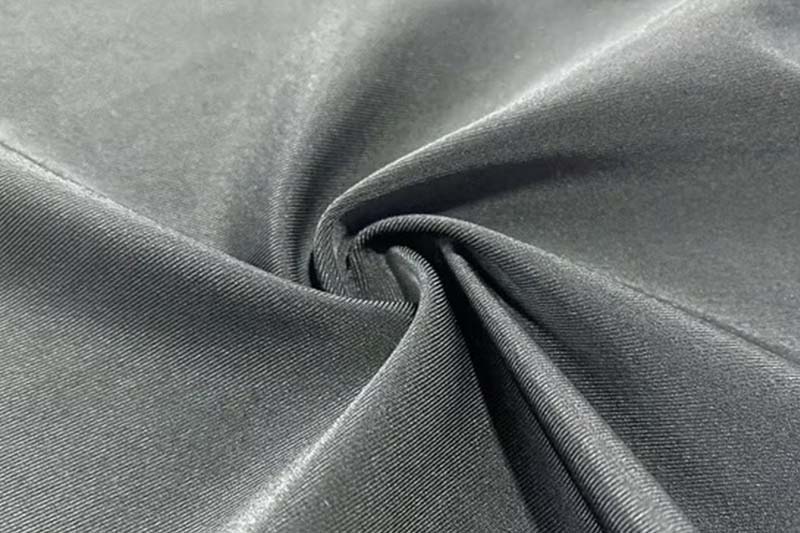
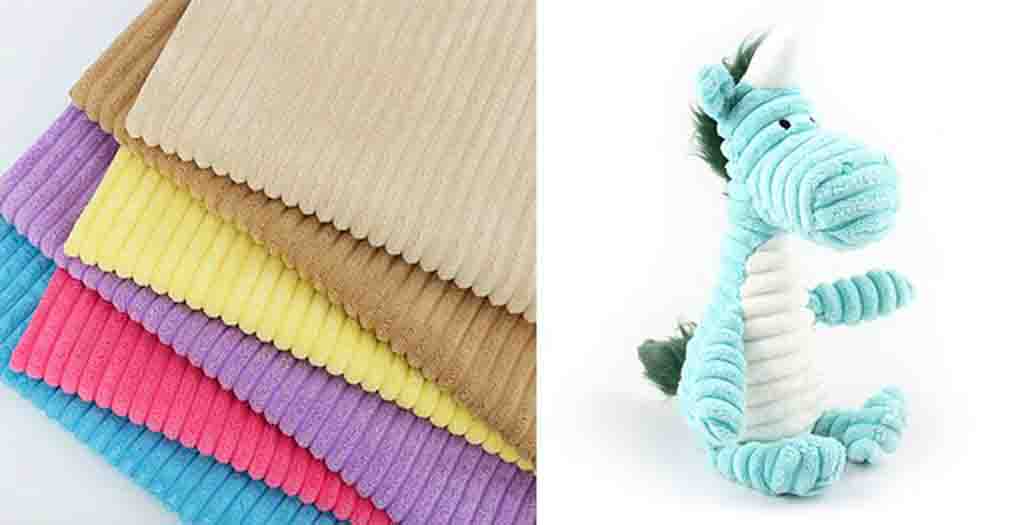
Non-pile fabric options that create a distinctly different aesthetic from standard plush — more artisan, lifestyle, and design-forward. Increasingly popular for premium DTC brands, Japandi-aesthetic plush toys, and adult-targeted lifestyle and décor products.
Performance Ratings
- Aesthetic Uniqueness: ★★★★★ Exceptional
- Photography Performance: ★★★★★ Exceptional
- Hand Feel Premium: ★★★☆☆ Distinctive
- Shape Retention: ★★★★★ Exceptional
- Market Differentiation: ★★★★★ Exceptional
Best For
Best for: Premium adult-targeted lifestyle plush (desk companions, home décor objects), artisan-aesthetic DTC brands, shelf-display plush collectibles, brands seeking strong market differentiation from standard fluffy plush.
⚠ Note:
Corduroy and linen plush toys are not suitable for young children (ages 0–3) due to fabric texture and potential fiber loosening. These fabrics are best positioned for adult collector and lifestyle products, or children aged 3 and above.
7. Knitted / Crochet-Style Fabric
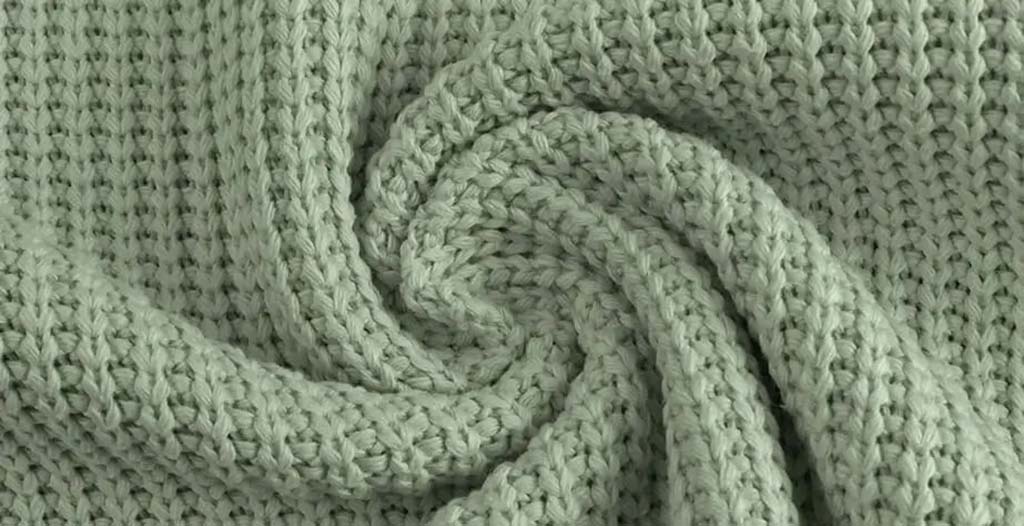
Open-loop knitted fabrics that create the handmade crochet aesthetic at factory scale. Extremely popular in the artisan plush market — the aesthetic appeal of hand-crocheted toys with the production consistency and safety certification of factory manufacturing. Crochet-style plush toys photograph beautifully, command premium pricing, and attract a dedicated collector audience.
Performance Ratings
- Aesthetic Uniqueness: ★★★★★ Exceptional
- Photography Performance: ★★★★★ Exceptional
- Hand Feel Premium: ★★★★☆ Very Good
- Shape Retention: ★★★★☆ Very Good
- Market Differentiation: ★★★★★ Exceptional
Best For
Artisan and craft-aesthetic DTC brands, Etsy-origin brands scaling into factory production, premium gift market, Gen Z and Millennial collectors, Instagram and Pinterest-focused brands.
Fabric Recommendations by Product Application
Fabric Recommendations by Product Application
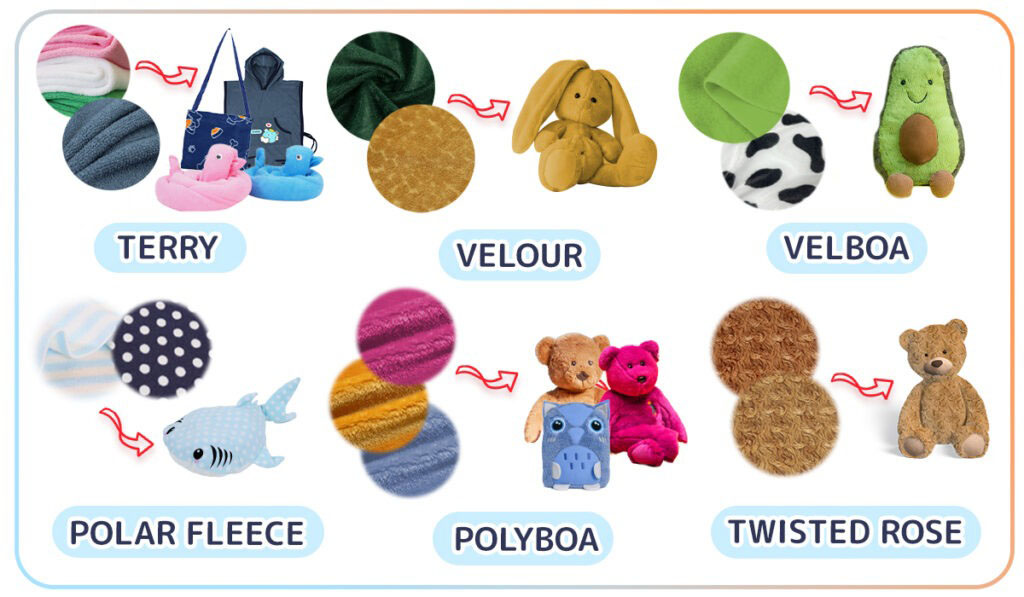
Use this quick reference to identify the right fabric type for your specific product and channel.
- Premium DTC Character Plush → Long Pile Plush — maximum photography impact and luxury hand feel
- Ultra-Premium / Baby Safe → Minky / Crystal Super Soft — softest feel, best shape retention, ideal for skin contact
- Amazon FBA Toys → Short Pile Plush (high density) — best FBA compression recovery, consistent embroidery surface
- Holiday / Gift Plush → Sherpa / Teddy — warm seasonal aesthetic, premium gifting perception
- Weighted Plush → Minky or Short Pile — withstands bead pressure, maintains shape under weight
- Eco / Sustainable Brands → RPET Fabric (GRS certified) — quantifiable sustainability claims, premium eco positioning
- Lifestyle / Décor Plush → Corduroy / Linen — maximum aesthetic differentiation, design-forward appeal
- Artisan / Crochet Aesthetic → Knitted / Crochet Fabric — handmade appearance at factory consistency
- Pet Plush Toys → Short Pile / Sherpa (OEKO-TEX) — safe for animal contact, durable for pet play
Color Matching for High-End Plush Toys
Color Matching for High-End Plush Toys
Color accuracy is non-negotiable for high-end plush toy brands. Your character’s colors are part of its identity — and color inconsistency between batches destroys brand trust and creates costly returns.
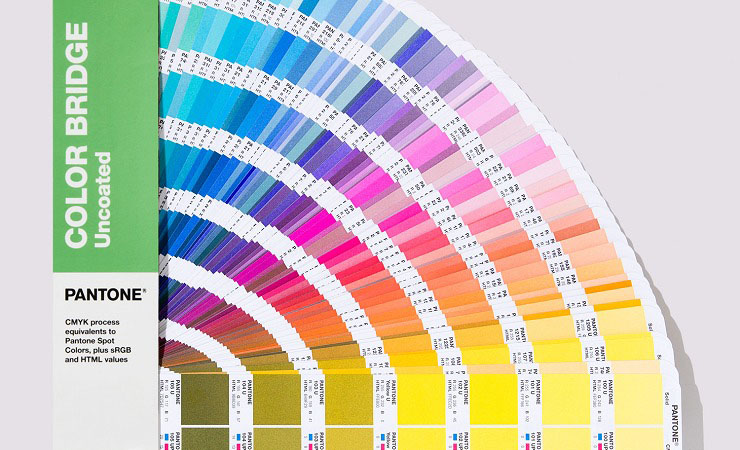
Pantone Color System for Plush Fabrics
KINWIN uses the Pantone TPX (Textile Paper Extended) system for all plush toy fabric color specifications. When specifying colors for your character design, provide Pantone TPX references rather than hex codes or CMYK values — the TPX system is calibrated for physical fabric dyes and provides the most accurate cross-reference between your digital artwork and the physical material.
Fabric-Specific Color Notes
- Long pile fabrics: color accuracy is excellent but pile direction affects perceived color depth — ensure swatches are evaluated with pile running in the same direction
- Sherpa and textured fabrics: color matching is more challenging due to irregular surface — allow for slight variation and request color swatches before committing to production
- RPET fabrics: color accuracy has improved significantly — premium RPET fabrics now achieve excellent Pantone matching
- Embroidery thread colors: always specify separately using Pantone references — embroidery thread dye systems differ from fabric dye systems
KINWIN Color Matching Process
- Pantone TPX reference required from client for all fabric colors
- Physical color swatches produced and submitted for client approval before sampling begins
- Embroidery color confirmation samples submitted separately before sampling
- Color reference records retained for all approved production runs — ensuring batch-to-batch consistency on repeat orders
- For IP licensing: direct reference to IP holder’s approved color specifications
Common Fabric Selection Mistakes for High-End Plush Toys
Common Fabric Selection Mistakes for High-End Plush Toys
After 17+ years of fabric consultation with plush toy brands, KINWIN has identified the mistakes that most consistently downgrade a toy from premium to commodity.
⚠ Choosing fabric based on price per meter alone — the cheapest fabric per meter often results in the most expensive product in terms of returns, review damage, and resampling costs
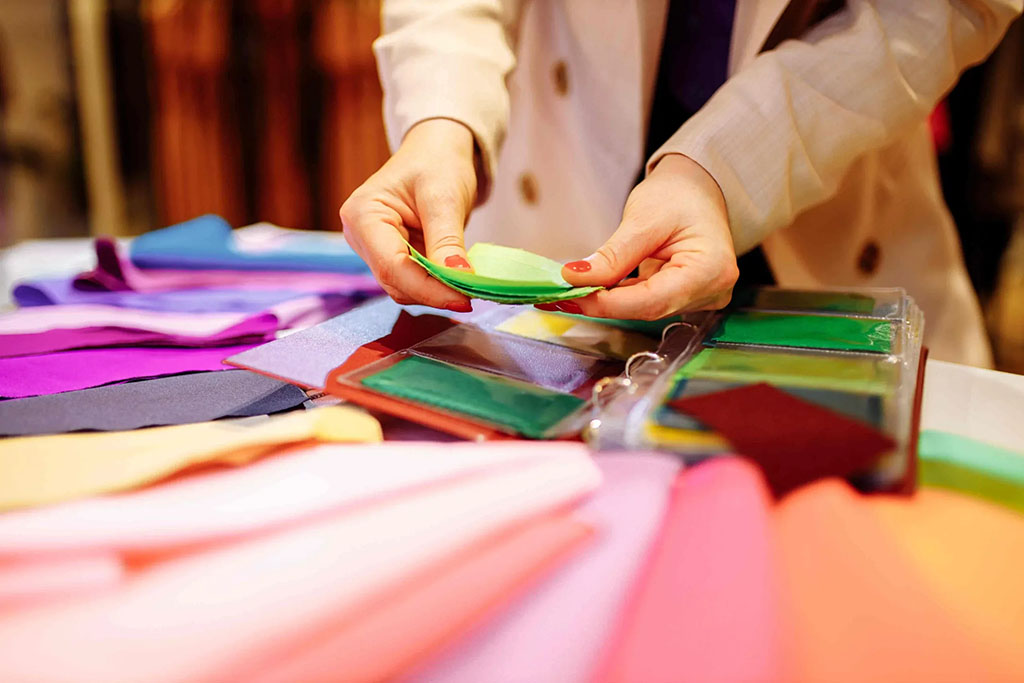
⚠ Not requesting physical swatches before sampling — digital color swatches and fabric descriptions cannot substitute for feeling and viewing a physical swatch under your photography lighting
⚠ Using standard-density short pile when Minky or high-density short pile is required — the hand feel difference is immediately obvious to consumers and reflects directly on perceived product value
⚠ Not specifying pile direction in the tech pack — pile direction inconsistency across panels creates a visible ‘patchwork’ appearance and is one of the most common causes of first-sample rejection
⚠ Choosing long pile without testing FBA compression recovery — long pile plush toys need vacuum compression testing before committing to FBA shipment
⚠ Not requesting OEKO-TEX certification documentation from fabric suppliers — assuming compliance without documentation is a risk that can fail testing at significant cost
⚠ Using Sherpa or long pile for products targeting children under 3 — these fabrics are harder to pass flammability testing and raise small fiber safety concerns
Why KINWIN’s Material Expertise Matters for Your Brand
Why KINWIN's Material Expertise Matters for Your Brand
Fabric selection for a custom plush toy is not just a sourcing decision — it is a product strategy decision. KINWIN’s material team brings 17+ years of accumulated expertise to every fabric recommendation.
✓ Access to full range of premium and specialty plush fabrics from certified suppliers
✓ OEKO-TEX certified fabric sourcing for all materials used in children’s products
✓ GRS-certified RPET fabrics available with full recycled content documentation
✓ Physical fabric swatches submitted for client approval before sampling begins
✓ Pantone TPX color matching across all fabric types with color confirmation samples
✓ Fabric recommendation tailored to target market, sales channel, and price positioning
✓ FBA compression testing for long pile and Sherpa fabrics before confirming packaging method
✓ 17+ years of accumulated fabric selection expertise across all price segments
The right fabric does not just make your plush toy look good — it makes your brand credible.
Frequently Asked Questions — Choosing Fabric for High-End Plush Toys
Frequently Asked Questions — Choosing Fabric for High-End Plush Toys
Q1. What is the single most important fabric property for a premium DTC plush toy?
For DTC brands where photography drives sales, the answer is photography performance — specifically, the ability to create rich, three-dimensional texture that reads as premium at thumbnail size. Long pile plush and Sherpa/teddy fabrics are the strongest performers in this regard. However, photography performance alone is not sufficient — the fabric must also feel as premium as it looks when the customer receives it. Long pile plush achieves both most consistently.
Q2. Does RPET recycled fabric look and feel as good as virgin polyester plush fabric?
For premium-grade RPET fabric — yes. The quality gap between RPET and virgin polyester plush fabric has narrowed significantly over the past 5 years. High-grade RPET fabrics now achieve hand feel, color accuracy, and pile consistency that is genuinely comparable to premium virgin polyester equivalents. There are still lower-grade RPET fabrics that feel coarser and show color inconsistency — the quality variation within RPET is significant. KINWIN sources exclusively from GRS-certified RPET suppliers who consistently deliver premium-grade material. Always request a physical swatch before committing to RPET for a premium product.
Q3. How do I specify the correct pile length for my plush toy design?
Pile length selection should be guided by three factors: the character’s visual aesthetic, the target age group, and the sales channel. For large, fluffy character designs with a cozy or luxurious aesthetic — go longer (20–35 mm). For precise character designs where embroidery detail and facial accuracy matter more than fluffiness — go shorter (3–8 mm). For babies and very young children (under 3 years) — stay below 10 mm to minimize loose fiber risk. For Amazon FBA products — consider short pile for better compression recovery. KINWIN recommends specifying pile length in your tech pack and requesting a physical swatch confirmation before sampling begins.
Q4. Can I mix different fabrics on the same plush toy character?
Yes, and this is a powerful technique for premium plush toys. Multi-fabric construction — for example, a character with a short pile plush body and Sherpa facial features, or a corduroy body with Minky inner ear panels — creates visual and tactile contrast that reads as premium craftsmanship. This technique is commonly used in high-end teddy bears, artisan plush toys, and premium DTC products. KINWIN’s pattern makers are experienced with multi-fabric plush toy construction across all material combinations.
Q5. How does fabric choice affect safety certification testing outcomes?
Fabric choice is one of the most significant factors in safety testing outcomes for plush toys. The most common fabric-related test failures are: flammability failures (fabrics with low flame resistance — particularly long pile and Sherpa in some compositions), chemical failures (non-certified dyes containing azo dyes, heavy metals, or formaldehyde), and pile/fiber release failures (loose fibers that fail the fiber release test for young children’s products). KINWIN mitigates all of these by sourcing exclusively from OEKO-TEX certified fabric suppliers, specifying only fabrics with documented flammability performance, and testing fabric samples before confirming them for production.
If You Can lmagine lt,We Will Create lt!
1.Tell Us What You Need
Tell us as specific as possible of your needs and share your idea.
2.Get Solution & Quote
We will work on the best solution according to yourrequirements,the specific quote will be provided within 24 hours.
3.Approve for Mass Production
We will start mass production after getting your approval.
