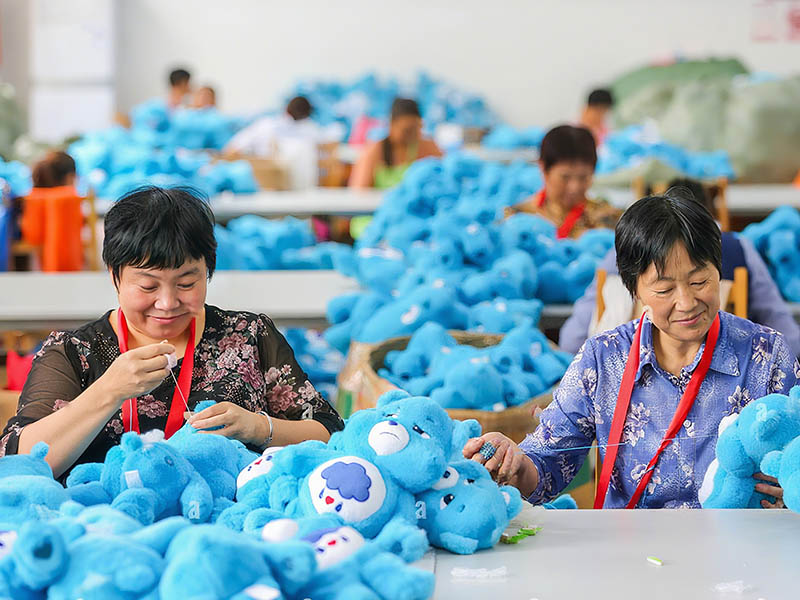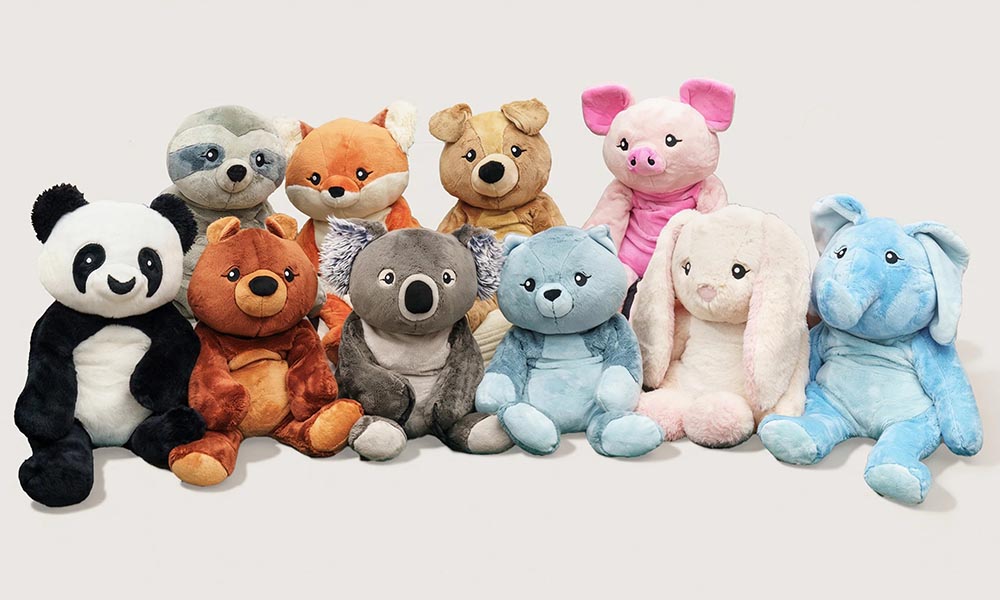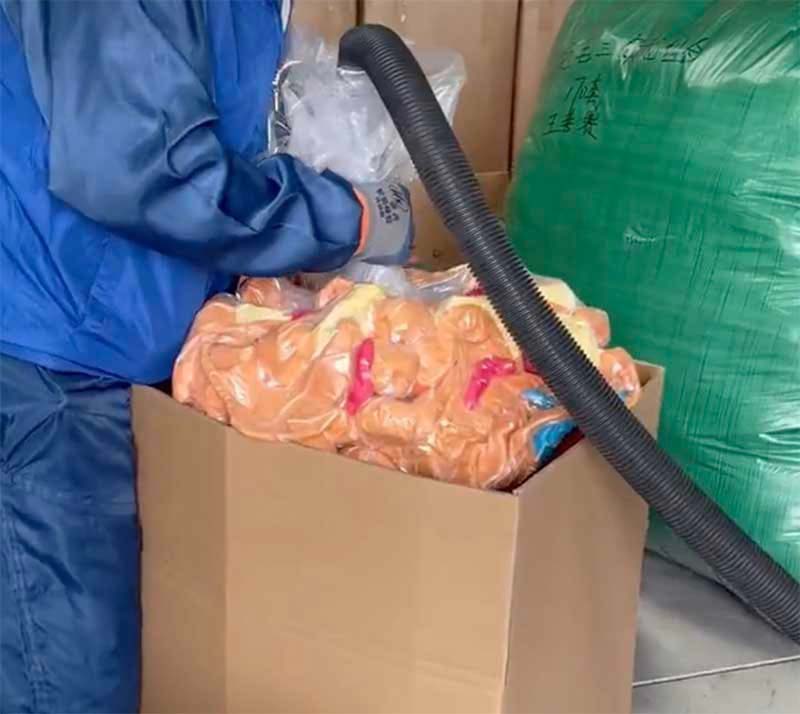
The sample approval workflow is the structured process that takes a plush toy from design concept to a confirmed, signed-off prototype that the factory can use as the definitive reference for mass production. It is not simply the act of reviewing a package that arrives from the factory and deciding whether you like it. It is a multi-stage process with defined inputs, specific evaluation criteria, structured communication protocols, and formal confirmation steps — each of which serves a purpose in ensuring that what gets approved is genuinely production-ready.
When the sample approval workflow is managed well, it produces three things that every successful bulk production run requires: a physical product that accurately represents the design intent, a documented quality standard that the factory can apply consistently across thousands of units, and shared confidence between the buyer and the manufacturer that the production commitment being made is based on a fully verified, mutually understood reference.
When it is managed poorly — rushed, under-documented, evaluated impressionistically rather than systematically — it produces something that looks like an approval but is not. The buyer signs off on a sample they are not entirely certain about. The factory proceeds to production without a fully verified standard. And the problems that should have been caught and resolved during the approval process appear instead in the bulk order — at ten times the cost and with far fewer options for resolution.
This guide explains the complete sample approval workflow in the sequence it actually happens — what needs to be done at each stage, who is responsible for it, and what the most common failure modes are and how to prevent them.
What Is the Plush Toy Sample Approval Workflow and Why Does It Matter?

The plush toy sample approval workflow is the complete sequence of steps — from design brief submission through formal sample sign-off — that establishes the confirmed production standard for a custom plush product. It encompasses everything that happens between submitting a design intent to the factory and authorizing mass production to begin, and it involves active participation from both the buyer and the manufacturer at defined stages throughout the process.
The sample approval workflow matters because it is the only mechanism available to buyers for verifying — before any significant production investment is made — that the factory can accurately execute the design to the required standard, that the materials selected meet the quality and compliance requirements, and that the production reference standard established by the approved sample is specific enough to be reproduced consistently across the full production run. Every element of bulk production quality depends on how thoroughly and how accurately this workflow is executed.
Here is an overview of the complete workflow with its key stages, outputs, and quality implications:
| Workflow Stage | Primary Output | Quality Implication | Risk if Skipped |
|---|---|---|---|
| Brief preparation | Complete, actionable design brief | Determines first-sample accuracy | Factory makes assumptions causing excessive revisions |
| Factory design review | Feasibility confirmation and material proposal | Identifies risks before sampling investment | Design problems discovered expensively mid-development |
| Pattern making | Production-ready cutting templates | Determines shape and proportion accuracy | Incorrect form that cannot be corrected without full rebuild |
| Material sourcing | Confirmed, compliant material set | Determines quality and compliance baseline | Non-compliant or wrong materials built into product |
| First sample construction | Physical prototype | First evidence of factory capability | N/A — core workflow stage |
| Internal factory QC | Pre-dispatch quality check | Catches obvious issues before buyer receives sample | Easily preventable problems generate unnecessary revisions |
| Buyer evaluation | Structured revision feedback | Determines revision efficiency | Vague feedback produces inaccurate corrections |
| Revision rounds | Converging sample quality | Moves product toward production standard | Circular revisions, cost overruns, extended timeline |
| Formal sign-off | Confirmed production reference | Establishes legal and quality standard for bulk | No objective basis for assessing bulk quality |
| Counter sample | Pre-production verification | Confirms production environment can replicate standard | Sample-to-bulk inconsistency in finished goods |
| Tech pack finalization | Complete production documentation | Enables consistent bulk production | Production decisions made by interpretation |
The Workflow as a Risk Management System
One way to understand the sample approval workflow is as a structured risk management system — a series of checkpoints designed to catch specific types of problems at the point in the development process where they are cheapest to fix. A design problem caught during brief review costs nothing to address. The same problem caught during pattern making costs one to two weeks of delay. Caught during first sample construction, it costs a sampling fee and several weeks. Caught during bulk production, it costs a complete rework or batch rejection.
The workflow’s stages are not bureaucratic formality — they are the mechanism by which risk is managed progressively throughout the development process, with each stage catching the problems that the previous stage was not designed to identify. Buyers who understand this logic are better positioned to invest appropriately in each stage rather than treating earlier stages as obstacles between them and the final approval.
How Should Buyers Prepare Before the Sample Approval Process Begins?
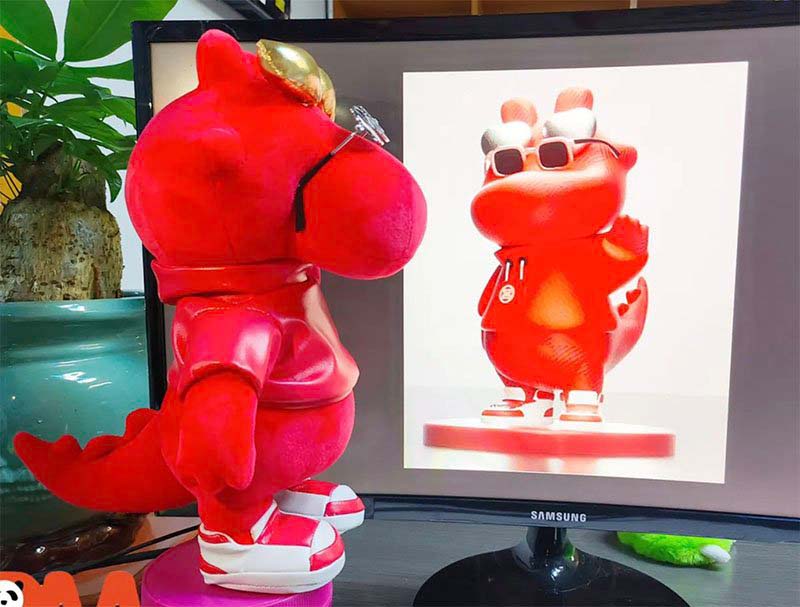
Sample approval preparation is the stage that most directly determines the efficiency of everything that follows — and the stage most frequently underinvested in by buyers who are eager to get to the physical prototype. The quality of the design brief submitted to the factory determines the accuracy of the first sample. The accuracy of the first sample determines the number of revision rounds required. The number of revision rounds determines the total time and cost of reaching approval. Every hour invested in preparation before the brief is submitted saves multiple hours of revision management after the first sample arrives.
Before the sample approval process begins, buyers should complete three preparation activities: internal design alignment, complete brief documentation, and physical reference preparation. Each of these activities addresses a specific category of sampling inefficiency that consistently delays approval and inflates development cost when it is not completed before briefing begins.
Internal Design Alignment
Internal design alignment means ensuring that every stakeholder who has input into the product’s design — brand managers, product developers, sales teams, retail partners — has reviewed and agreed on the design direction before any brief is submitted to the factory. This sounds obvious, but it is one of the most commonly violated principles in product development — and the consequences of violating it are severe.
When a brief is submitted before internal alignment is complete, the factory produces a first sample based on partial requirements. The sample arrives, additional stakeholders review it for the first time, and new requirements emerge — not because the factory made errors but because the buyer’s requirements were not yet fully defined when the brief was written. The resulting revisions are not corrections to factory errors — they are completion of a specification process that should have been finished before sampling began.
Here is a pre-brief internal alignment checklist:
| Alignment Area | Questions to Resolve | Who Needs to Agree |
|---|---|---|
| Overall design direction | Is the character concept finalized? | All creative stakeholders |
| Target size and proportions | Are dimensions confirmed for the intended use case? | Product and commercial teams |
| Material direction | Are quality level and compliance requirements agreed? | Product and compliance teams |
| Color palette | Are all colors confirmed with Pantone references? | Brand and design teams |
| Accessories and details | Are all attached elements confirmed? | Design and product teams |
| Packaging requirements | Is packaging direction decided? | Brand and commercial teams |
| Compliance requirements | Are target markets and applicable standards confirmed? | Compliance and commercial teams |
Complete Brief Documentation
A complete brief is one that contains every piece of information the factory needs to build an accurate first sample without making assumptions. The list of what a complete brief includes is extensive — and every missing element is an assumption the factory will make independently.
Here is what a complete plush toy design brief must include:
| Brief Element | Specification Format | Why It Is Essential |
|---|---|---|
| Multi-view design reference | Front, back, side, and 3/4 angle illustrations | Eliminates shape interpretation errors |
| Full dimension table | All measurements in centimeters with tolerances | Prevents size deviations |
| Pantone color references | TPX or TPG codes for every color area | Eliminates color interpretation |
| Fabric specification | Type, pile height, density with physical swatch | Ensures correct material sourced |
| Filling specification | Type, target density or compression standard | Ensures correct feel and shape |
| Embroidery artwork file | Digital file with thread color codes | Ensures accurate facial feature reproduction |
| Embroidery placement guide | Annotated diagram with position coordinates | Ensures correct feature positioning |
| Accessory specification | All items with dimensions and attachment method | Prevents accessory sourcing errors |
| Construction notes | Seam type, closure method, stuffing approach | Standardizes production technique |
| Label requirements | Care, brand, and compliance label content | Ensures regulatory compliance |
| Packaging specification | Type, dimensions, insert, barcode, label | Prepares packaging development |
| Compliance statement | Target market and applicable standards | Ensures correct materials sourced |
Physical Reference Preparation
Written specifications communicate objective properties precisely. Physical reference materials communicate sensory properties — the softness of a specific fabric, the firmness of a target stuffing density, the weight of a design reference product — that written descriptions cannot adequately convey. Sending physical references to the factory alongside the written brief is one of the highest-impact preparation investments available.
Physical references to prepare include fabric swatches representing the desired texture and quality level, a compression or stuffing reference demonstrating target firmness, Pantone swatch cards for critical color areas where digital references may be insufficient, and any market reference products that represent the quality standard targeted. Each physical reference eliminates a category of interpretation ambiguity that would otherwise generate a revision round.
What Happens at Each Stage of the Factory’s Internal Sample Development?
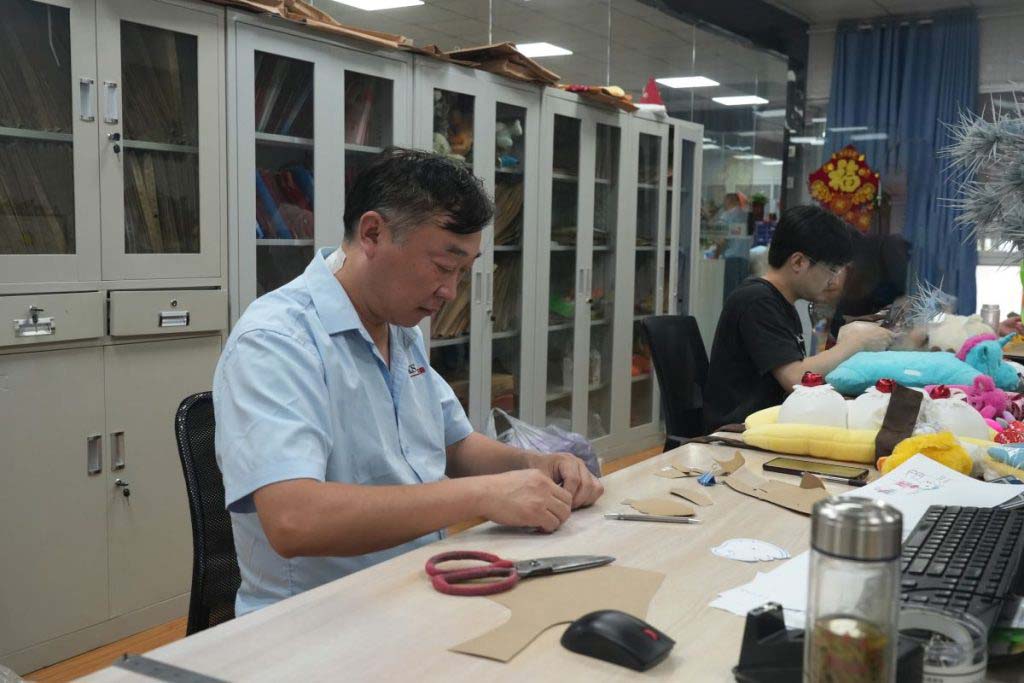
For buyers waiting for their first sample, the two weeks between brief submission and sample dispatch are a black box. Understanding what is happening inside the factory during this period — who is doing what, in what sequence, with what quality checks — helps buyers write better briefs, ask more targeted questions during the development period, and interpret the sample that arrives with more accuracy and analytical precision.
The factory’s internal sample development process consists of five sequential activities — design review, pattern making, material sourcing, prototype construction, and internal QC review — each handled by different personnel with different skills, each directly affecting the quality of the sample that is ultimately dispatched to the buyer.
Stage 1: Design Review and Feasibility Assessment
The first internal stage is the factory development team’s review of the submitted brief. This is not a passive acceptance of instructions — it is a technical assessment of whether the brief is complete, whether the design is producible as specified, and whether any elements require clarification or modification before pattern making begins.
A professional factory’s design review produces three outputs: a list of clarifying questions for any ambiguous brief elements, a feasibility assessment identifying any design or material elements that would create production difficulties, and a material proposal confirming which specific materials the factory plans to source for the sample.
The quality of this review is itself a strong indicator of factory capability. A factory that accepts every brief without questions or comments — regardless of its completeness or technical complexity — is not reviewing it carefully. A factory that asks specific, technically informed questions about ambiguous elements and flags potential production challenges is demonstrating the development expertise that will produce more accurate samples and fewer revision rounds.
Stage 2: Pattern Making
Pattern making is the most technically demanding stage of internal sample development and the one that most directly determines the accuracy of the first sample’s shape and proportion. A pattern maker working on a custom plush design is solving a three-dimensional engineering problem — how to create a set of two-dimensional fabric panels that, when cut, sewn together, and stuffed, produce the correct three-dimensional shape with the intended visual character.
| Pattern Making Task | Technical Challenge | Quality Impact |
|---|---|---|
| Panel boundary determination | Identifying where fabric joins should sit | Seam placement affects visual appearance |
| Grain line specification | Ensuring pile direction is correct for each panel | Incorrect grain produces shading inconsistency |
| Seam allowance calculation | Accounting for fabric thickness in 3D form | Incorrect allowances produce size deviations |
| Proportion engineering | Adjusting 2D template for 3D stuffed form | Determines whether product matches design proportions |
| Embroidery placement marking | Positioning embroidery reference points on pattern | Determines embroidery accuracy in finished product |
The experience level of the factory’s pattern making team is the single most important capability factor in first-sample accuracy. An experienced pattern maker who has engineered similar shapes repeatedly develops intuitive solutions that less experienced colleagues will miss — producing more accurate first samples that require fewer revision rounds to reach the approval standard.
Stage 3: Material Sourcing
Material sourcing happens in parallel with pattern making, with the purchasing team sourcing all materials specified in the brief and confirmed in the design review. For a professional factory, this is not simply ordering from existing stock — it involves verifying that the sourced materials match the brief specification, confirming compliance documentation for materials intended for regulated markets, and sometimes physically comparing sourced materials against reference samples provided by the buyer before committing to use them in the prototype.
Materials that are not sourced correctly at this stage produce revision rounds that are not about the design — they are about the material. A fabric that is slightly wrong in pile height or color, a filling that does not achieve the specified density, an accessory that is the wrong size — these are all material sourcing errors that a rigorous internal review process catches before they reach the buyer as a sample problem.
Stage 4: Prototype Construction
Prototype construction is the physical building of the first sample — the stage where patterns, materials, and factory skill combine to produce the physical product. In a factory with dedicated sampling infrastructure, this stage is handled by experienced sample sewers who work exclusively on prototype development and whose performance is evaluated on accuracy rather than speed.
The quality difference between prototype construction handled by dedicated sample sewers and prototype construction handled by production line workers pulled from their regular duties is significant and consistently visible in the resulting sample quality. Dedicated sample sewers apply craft-level attention to each detail — precise seam alignment, careful stuffing distribution, accurate embroidery positioning — that production workers under output pressure cannot reliably replicate.
Stage 5: Internal Factory QC Review
Before a professional factory dispatches a sample to the buyer, the completed prototype is reviewed by the factory’s QC team against the design brief. This internal review catches the most obvious problems — a color that does not match the Pantone reference, a proportion that is visibly off, an accessory that is incorrectly positioned — before they reach the buyer and generate a revision round.
The internal QC review also produces the deviation documentation that should accompany every dispatched sample — a specific list of any ways in which the sample deviates from the brief, with explanations of why the deviation occurred and what the factory proposes to address it in the next revision. Buyers who receive samples accompanied by this documentation can integrate it directly into their evaluation, understanding immediately which elements to focus their attention on and which elements the factory has already identified as requiring correction.
How Should Buyers Conduct a Systematic Sample Evaluation Upon Arrival?

Sample evaluation is a skill with a specific methodology — and the difference between systematic evaluation and impressionistic evaluation is the difference between revision feedback that efficiently converges on approval and revision feedback that circles the same issues across multiple rounds without resolving them.
Systematic sample evaluation means working through a defined checklist of quality dimensions in a specific sequence, documenting every deviation with specific measurements or annotated photographs, and completing the evaluation before compiling any feedback for the factory. Impressionistic evaluation means looking at the sample, forming general impressions, and sending whatever feedback comes to mind — which reliably misses issues and under-specifies corrections.
Here is the complete systematic evaluation process buyers should follow:
Step 1: Prepare the Evaluation Environment
Before the sample is physically inspected, the evaluation environment must be correctly set up. Color assessment — the most subjective and most commonly disputed dimension of sample quality — requires D65 standardized lighting. Evaluating color under warm incandescent, cool fluorescent, or natural daylight produces different color readings of the same fabric, creating disputes between buyer and factory that are not about the fabric itself but about different lighting conditions.
The evaluation should also be conducted against the design brief and Pantone reference materials — not from memory of what the product should look like. Having the brief, the Pantone swatches, the approved material references, and any physical limit samples available during evaluation ensures that every assessment is made against an objective standard rather than a recalled impression.
Step 2: Work Through the Evaluation Checklist
| Evaluation Category | Specific Assessment Points | Documentation Method |
|---|---|---|
| Dimensions | Measure height, width, and key proportions against spec | Measurement table with deviations in millimeters |
| Shape accuracy | Compare silhouette against design reference from front, back, and side | Annotated photos with markup showing deviations |
| Color accuracy | Compare all color areas to Pantone references under D65 | Annotated photos with Pantone code annotations |
| Fabric quality | Assess pile height, density, surface consistency, sheen | Written notes with close-up photos |
| Stuffing density | Compress and release — assess firmness and shape recovery | Written description compared to target standard |
| Facial feature accuracy | Measure embroidery position against coordinate standard | Annotated photo with millimeter measurements |
| Embroidery quality | Assess thread tension, color accuracy, line consistency | Close-up photos from multiple angles |
| Seam quality | Inspect all seams — tension, alignment, stitch consistency | Photos of any visible seam concerns |
| Accessory attachment | Apply manual pull force to all eyes, buttons, and trims | Written result per accessory tested |
| Finishing standard | Check for loose threads, surface marks, panel alignment | Annotated photos of any defects found |
| Label content | Verify care symbols, brand content, compliance label | Photo with content verification notes |
| Packaging | If applicable, verify packaging against specification | Annotated photos of any deviations |
Step 3: Consolidate All Stakeholder Input
After the primary evaluation is complete, all stakeholders who have review input — brand managers, sales teams, compliance reviewers — should review the sample and submit their feedback before any communication is sent to the factory. Establishing a firm internal rule that all stakeholder feedback is consolidated into a single document before any factory communication is sent prevents the most avoidable source of additional revision rounds — fragmented feedback that forces multiple factory response cycles rather than one comprehensive correction.
The feedback consolidation process should include a conflict resolution step — where conflicting inputs from different stakeholders are resolved internally before the document is finalized. A factory that receives contradictory instructions from different people within the same buyer organization cannot address them all, and the resulting confusion generates additional communication cycles that delay the revision.
Step 4: Prioritize and Classify Revision Items
Before the feedback document is compiled for the factory, every identified issue should be classified by priority — critical issues that must be resolved before approval, major issues that significantly affect quality or appearance, and minor issues that improve the product but are not blockers. This classification helps the factory understand where to focus their attention first and ensures that the most important corrections are not obscured by a long list of minor items.
How Are Revision Rounds Structured to Move Efficiently Toward Approval?

Revision rounds are the iterative correction cycles between buyer feedback and updated factory samples that converge the prototype toward the approved standard. Each revision round has a cost — a sampling fee and a timeline delay — which means that minimizing revision rounds without compromising the quality of the final approval is the central efficiency challenge of the sample approval workflow.
Efficient revision rounds are structured around three principles: comprehensive feedback that addresses all open issues in a single document, confirmed understanding by the factory before revision work begins, and systematic tracking of all changes across rounds to prevent regression of previously resolved items. Each of these principles addresses a specific pattern of revision inefficiency that commonly extends development timelines unnecessarily.
Writing Revision Notes That Factories Can Execute Accurately
The quality of revision notes has a direct and measurable impact on revision accuracy. Vague feedback generates inaccurate corrections. Specific, measurable feedback generates accurate corrections. This relationship is not a matter of factory capability — it is a matter of information quality. A factory cannot make a correction they do not fully understand.
Here is the difference between ineffective and effective revision note formats:
| Issue | Ineffective Note | Effective Note |
|---|---|---|
| Eye position wrong | “The eyes look too low” | “Left eye center point is 4mm below the approved coordinate. Right eye position is correct. Please raise left eye 4mm only.” |
| Color deviation | “The blue is wrong” | “Body fabric color reads approximately Pantone 2935C under D65 — approved reference is Pantone 2727C. Please resample with 2727C or equivalent.” |
| Stuffing too soft | “The stuffing feels too soft” | “Compression test at body midpoint reads approximately 60% of approved reference sample resistance. Please increase filling density by 15–20% and confirm with weight measurement.” |
| Embroidery off | “The nose is in the wrong place” | “Nose center is 3mm too low and 2mm left of the approved coordinate. Please adjust to match the annotated photo attached.” |
The Revision Action Confirmation Step
Before revision work begins, the factory should be asked to produce a revision action list — a written summary of every change they plan to make based on the buyer’s feedback document. Reviewing and confirming this action list before work begins serves two critical functions: it confirms that the factory has understood every requested change correctly, and it creates a shared record of what is being addressed in the current revision round.
When the revised sample arrives, the action list provides the buyer with a structured checklist for evaluating the revision — confirming that every item on the list has been addressed rather than reviewing the revised sample as a fresh evaluation. This structured approach catches any items that were not correctly addressed in the revision round before they are overlooked and carried forward as unresolved issues.
Managing the Change Log Across Multiple Rounds
For samples that require more than two revision rounds, maintaining a cumulative change log — a document that tracks the status of every identified issue across every round — becomes essential for preventing two common multi-round problems. The first is regression — a previously approved element appears to have changed in a subsequent round, triggering a new discussion about whether it actually changed or whether it appeared different because the evaluation conditions varied. The second is omission — an issue raised in round one was not fully addressed in round two and has been forgotten because the round three evaluation focused on the most recent round’s feedback.
A change log that records each issue with the round in which it was raised, the correction requested, the factory’s action taken, and the approval status eliminates both regression and omission. Every round starts from a verified baseline, and every issue is tracked until it is formally approved rather than allowed to fall out of active attention.
What Is the Formal Sample Sign-Off Process and What Does It Confirm?
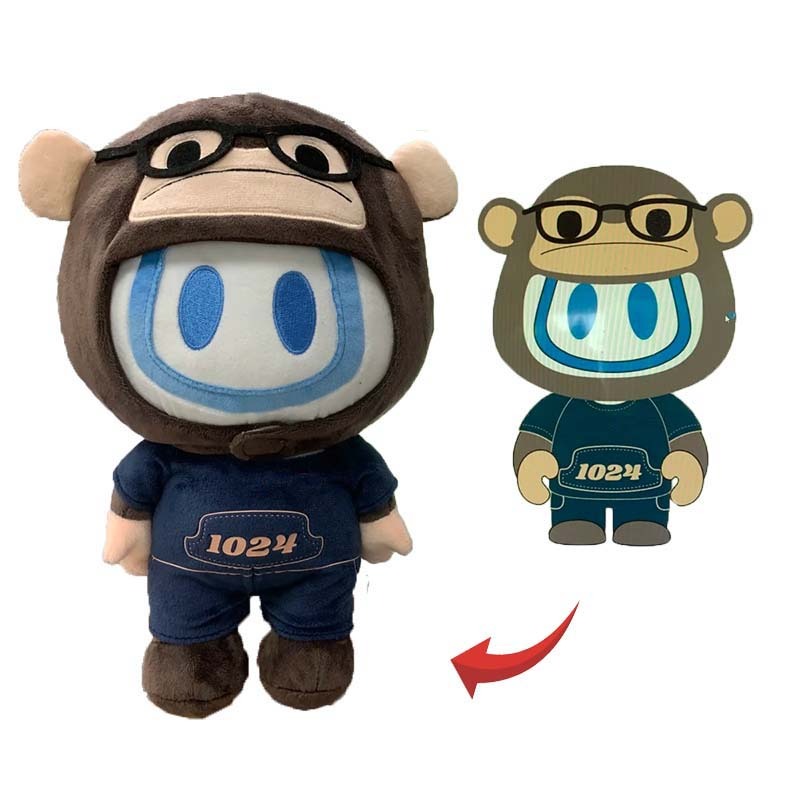
The formal sample sign-off is the most important step in the entire approval workflow — and the most frequently treated as a formality rather than a substantive confirmation. A genuine formal sign-off is not a verbal agreement, an email that says “looks good,” or a mental decision to proceed. It is a documented confirmation that establishes the signed-off sample as the legally and commercially binding production reference standard for the bulk order.
The formal sample sign-off process confirms several specific things simultaneously: that the physical sample being signed off meets the buyer’s design and quality requirements, that the materials used in the sample are approved for use in bulk production, that the dimensions and quality standards documented in the tech pack are accurate and agreed, and that bulk production will be assessed against the signed-off sample as the definitive reference. Without this formal confirmation, none of these things are legally established — and disputes about whether bulk production meets the agreed standard become subjective arguments rather than objective assessments.
Here is what a complete formal sign-off process includes:
| Sign-Off Element | What It Confirms | Documentation Required |
|---|---|---|
| Physical sample approval | This specific sample represents the approved production standard | Signed approval form or email with sample photos |
| Material confirmation | All materials in the signed-off sample are approved for bulk | Material specification sheet with confirmed items |
| Dimension approval | All dimensions in the tech pack are confirmed as accurate | Signed tech pack with measurement table |
| Quality standard confirmation | AQL level and defect definitions for bulk inspection are agreed | Written quality agreement or purchase order annex |
| Production reference designation | This sample is retained as the factory production reference | Factory retention confirmation |
| Buyer sample retention | Buyer retains an identical sample as independent reference | Buyer’s sample retention protocol |
The Importance of Retaining Physical Reference Samples
One of the most practically important elements of the sign-off process is ensuring that both the buyer and the factory retain physical copies of the approved sample. These retained samples serve different purposes that are each commercially significant.
The factory’s retained sample is the production reference standard — the physical object against which first-off inspection results and in-process QC checks are compared throughout the bulk production run. A factory that does not retain a physical approved sample must rely entirely on written specifications for production quality guidance — which is inherently less accurate than direct comparison against a physical reference.
The buyer’s retained sample is the independent verification standard — the object against which bulk delivery quality can be objectively assessed if disputes arise. If a buyer retains no physical approved sample and relies only on memory or photographs of what the product should look like, their ability to objectively document and argue a quality deviation in bulk delivery is significantly weakened. A buyer who retains the physical approved sample and can place it beside a bulk production unit for direct comparison has the clearest possible evidence of whether the production standard was met.
What the Sign-Off Does Not Confirm
Understanding the limits of a sample sign-off is as important as understanding what it confirms. A sign-off based on a development sample — built under controlled sampling conditions with hand-selected materials and skilled prototype sewers — does not confirm that bulk production built under production line conditions will replicate the approved standard. This is precisely why the counter sample stage exists and why it is a critical additional step rather than an optional one.
The development sample sign-off confirms that the design is correct and that the factory understands the required standard. The counter sample confirms that the production environment can reproduce that standard. Both confirmations are necessary for a complete and reliable approval workflow.
How Does an Approved Sample Translate Into a Production Quality Standard?
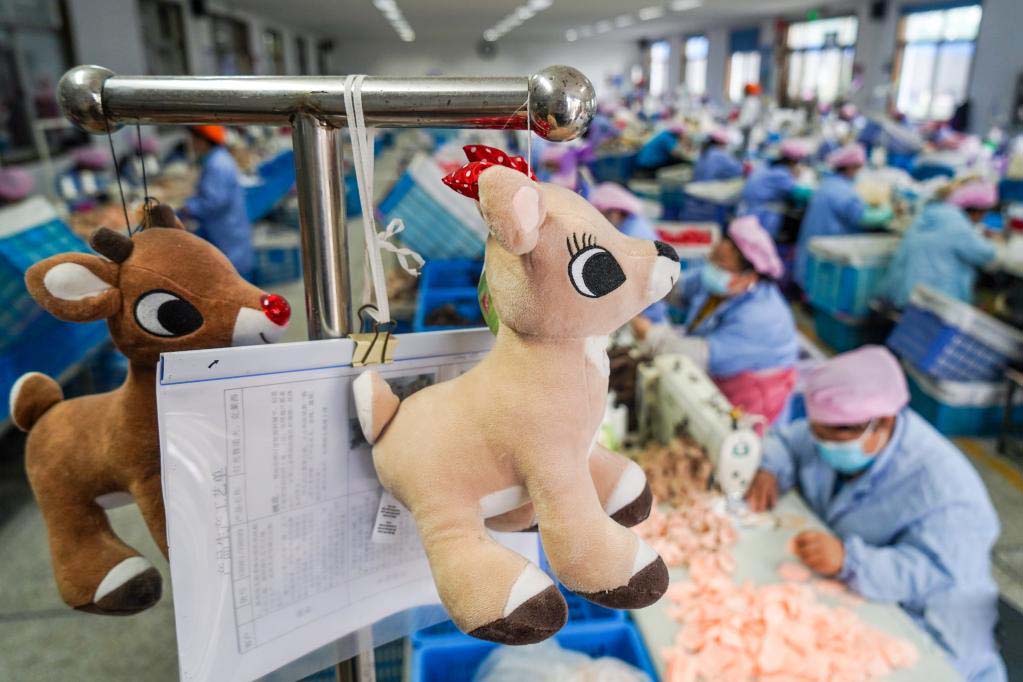
The moment a sample is formally approved, it takes on a second role — it becomes the production quality standard that will govern the entire bulk production run. This transition from approved prototype to production reference standard is not automatic. It requires deliberate actions to translate the physical sample into documented specifications, distribute those specifications to all relevant production departments, and establish the quality checkpoints that will verify adherence to those specifications throughout production.
An approved sample translates into a production quality standard through four parallel mechanisms: the tech pack that documents all specifications in measurable terms, the physical approved sample retained at the factory as a visual and tactile reference, the product-specific work instructions distributed to production operators, and the quality control criteria that define the inspection standard for IQC, IPQC, and FQC checkpoints. Together, these mechanisms close the gap between the approved standard and the production execution.
The Tech Pack as the Production Blueprint
The tech pack is the primary document through which an approved sample’s standards are translated into measurable, objective production criteria. A complete tech pack developed from the approved sample should specify every quality dimension of the product in terms that are measurable without requiring subjective judgment — dimensions with tolerances, color references with Pantone codes, stuffing density with a target weight or compression standard, embroidery positions with coordinate specifications, and seam strength requirements with measurable thresholds.
Here is what a complete tech pack derived from an approved sample should contain:
| Tech Pack Section | Content | Format |
|---|---|---|
| Product overview | Product name, SKU, target market, age grade | Header information |
| Dimension table | All key measurements with tolerances | Measurement table in centimeters |
| Material specification | Fabric type, pile height, filling type and density, accessories | Written spec with confirmed materials |
| Color reference table | Pantone codes for every color area | Color reference with code and visual |
| Embroidery specification | Artwork file reference, thread colors, placement coordinates | Annotated diagram with coordinates |
| Construction notes | Seam type, stitch density, stuffing approach, closure method | Written technical notes |
| QC criteria | Pass/fail standards for each inspection checkpoint | Inspection standard table |
| Packaging specification | Box type, insert, labeling, barcode | Dieline reference and specifications |
| Compliance notes | Applicable standards, certification requirements | Written statement |
| Revision history | All changes from brief to approved standard | Dated change log |
Product-Specific Work Instructions
Work instructions translate the tech pack’s quality criteria into the specific actions that production operators must take at each production stage. Where the tech pack specifies what the quality standard is, work instructions specify how to achieve it — the specific techniques for aligning panels, the sequence for stuffing different product sections, the method for positioning accessories before attachment, the process for finishing and thread trimming.
Work instructions are most valuable for the production steps where operator interpretation introduces the most quality variability — and for products being produced for the first time in a factory’s production system. For experienced operators working on a design they have produced many times, detailed work instructions add less value. For new designs, new production techniques, or operators who are newly assigned to a product, specific work instructions significantly reduce the interpretation variation that produces quality inconsistency.
The Counter Sample as Production Readiness Confirmation
Before bulk production begins, the most important quality action available to buyers and manufacturers is the production of a counter sample — a prototype built under actual bulk production conditions using the real bulk production materials, the finalized production patterns, and the regular production line operators and equipment.
The counter sample confirms specifically that:
The bulk fabric batch matches the approved sample fabric in color, pile height, and texture — because fabric sourced in production quantities often comes from a different dye lot than the development sample fabric, and subtle differences that are invisible in a swatch become apparent in a finished product.
The stuffing equipment achieves the target density specified in the tech pack — because the calibrated settings on the stuffing machine may produce different density results from the hand stuffing used in prototype construction.
The production pattern replicates the approved shape and proportion — because patterns that worked perfectly in the sampling room sometimes require minor adjustment when transferred to the production cutting system.
Each of these confirmations is only possible in a counter sample — they cannot be provided by the development sample, no matter how precisely it was approved.
What Common Workflow Breakdowns Cause Sample Approval to Stall or Fail?
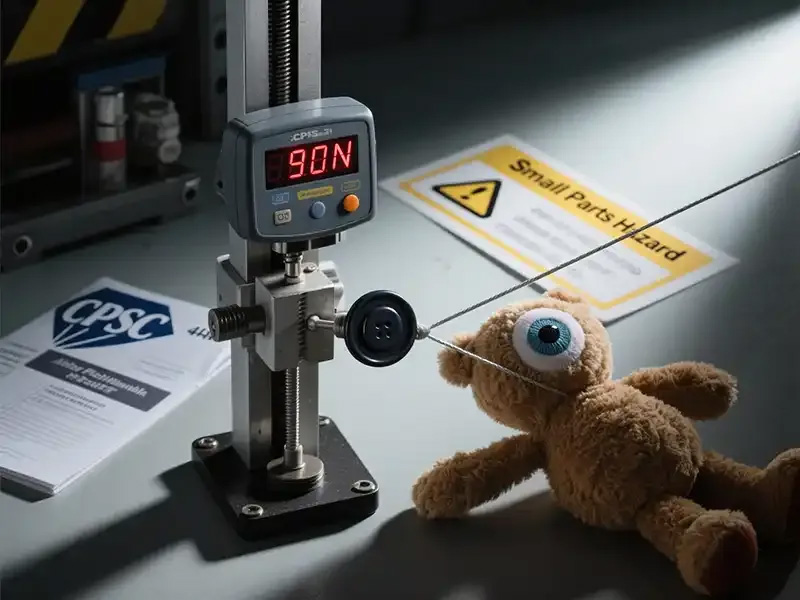
The sample approval workflow is a process with many steps, multiple participants, and significant potential for breakdown at any stage. Understanding the most common workflow failures — and why they occur — is the most practical tool available for preventing them. Most of these failures follow predictable patterns that repeat across different buyers and different factories because they reflect consistent human and organizational tendencies rather than random events.
Breakdown 1: Incomplete Brief Causing Misinterpretation Cascade
The most common and most costly workflow breakdown begins before the first sample is even built — when an incomplete design brief forces the factory to make assumptions that do not align with the buyer’s intent. The cascade of problems this triggers is predictable: the first sample reflects the factory’s assumptions rather than the buyer’s design, multiple revision rounds are required to correct misinterpretations rather than to refine an accurately interpreted design, each round delays the approval timeline, and the total development cost significantly exceeds what a well-briefed project would have required.
Prevention is straightforward in principle — complete the brief fully before submission — but requires discipline to execute, particularly under timeline pressure when the temptation to submit an incomplete brief and iterate through sampling is strong. The analytical framing that helps is the revision round cost calculation: every revision round generated by brief inadequacy costs a sampling fee, shipping costs, and one to three weeks of timeline. The time invested in completing the brief before submission is always a fraction of the time that would otherwise be spent on avoidable revision rounds.
Breakdown 2: Fragmented Stakeholder Feedback Generating Multiple Factory Contacts
A pattern that consistently generates additional revision rounds is feedback submitted in multiple instalments by different stakeholders — an initial feedback document from the primary buyer contact, followed by additional requests from a brand manager, followed by further items from a retail partner. Each additional communication requires the factory to integrate new requirements into a revision that may already be underway or complete, creating confusion about what is being changed, rework of already-completed corrections, and additional revision rounds that could have been prevented by consolidating all feedback before any communication was sent.
The prevention is a firm internal protocol: all stakeholders complete their evaluation and submit feedback to a single internal coordinator who compiles, reconciles, and finalizes a single feedback document before any communication with the factory begins. This protocol must be enforced even when it feels slower than sending feedback immediately — because the delay of a day or two in feedback consolidation is always shorter than the delay of an additional revision round.
Breakdown 3: Vague Approval Creating Ambiguous Production Standard
A workflow breakdown that does not manifest until bulk production reveals its consequences is the vague approval — a sign-off based on general satisfaction with the sample rather than systematic verification of every quality dimension. When approval is vague, the production standard is ambiguous. When the production standard is ambiguous, bulk production decisions are made by interpretation. When decisions are made by interpretation, production quality varies.
The specific consequence of a vague approval appears during bulk delivery assessment — when the buyer perceives a quality difference between the approved sample and the bulk goods, but the factory has documentation showing that the bulk goods fall within the range they interpreted as approved, and the buyer has no objective specification to reference. The dispute is irresolvable without an objective standard, and the buyer’s position is significantly weaker than it would have been if a complete, signed tech pack had been established as the approval standard.
Breakdown 4: Counter Sample Stage Skipped to Save Time
The single most commonly skipped step in the approval workflow — and the one whose omission most directly causes sample-to-bulk inconsistency — is the counter sample. Buyers who skip the counter sample to accelerate the timeline consistently encounter quality deviations in bulk production that the counter sample would have identified and prevented.
The logic of skipping the counter sample appears sound in isolation — the development sample has been approved, the tech pack is complete, why build another prototype? The answer is that the development sample was built under conditions — hand-selected materials, skilled prototype sewers, careful individual attention — that do not replicate the bulk production environment. The counter sample is the only mechanism that confirms whether the bulk production environment can reproduce the approved standard before the full production run commits to it.
At Kinwin, the counter sample is a standard and non-negotiable step in our production process for all bulk orders. Our clients who have experienced quality issues at other factories — sample-to-bulk inconsistency, unexpected color deviations, density differences — consistently identify the absence of a counter sample stage as the most direct preventable cause of those problems. The counter sample investment — typically one to two weeks of timeline and a standard sampling fee — is the most cost-effective quality investment available at the pre-production stage.
If you want to understand how our complete sample approval workflow operates in practice — including our brief review process, sampling timeline, revision management approach, counter sample policy, and tech pack documentation standard — we would be glad to walk through it with you directly.
Reach out to our team at [email protected] or visit kinwintoys.com to start that conversation.
Conclusion
The sample approval workflow is the foundation on which every successful bulk plush production run is built. When it is executed well — with a complete brief, a systematic evaluation approach, precise revision communication, formal sign-off documentation, and counter sample confirmation — it produces a production standard that the factory can replicate confidently and the buyer can verify objectively. When it is executed poorly — rushed, under-documented, approved on general impression rather than systematic verification — it produces a production reference that is ambiguous at best and misleading at worst.
The investment required to execute the sample approval workflow well is not exceptional. It is a matter of preparation discipline before briefing, evaluation rigor when the sample arrives, communication precision in revision feedback, and the patience to complete counter sample confirmation before authorizing production. Each of these investments pays returns that are measurable in reduced revision rounds, fewer bulk quality disputes, and more consistent production outcomes.
At Kinwin, the sample approval workflow is the stage where our development expertise, material sourcing discipline, QC infrastructure, and communication standards are most directly visible to buyers. We invest in every step of this process because we understand that the quality of the approved sample is the ceiling of the bulk production quality — and that ceiling is only as high as the care taken to establish it.
FAQ
Q1: How should buyers handle a situation where they need to approve a sample remotely without being able to physically handle it?
Remote sample approval is increasingly common for buyers who cannot receive physical samples quickly due to international logistics or time constraints. For a genuine remote approval — rather than a provisional one pending physical receipt — buyers should request a structured video evaluation session with the factory, during which the factory representative demonstrates the sample under D65 lighting, measures key dimensions on camera, demonstrates stuffing density through compression, and conducts pull force testing on accessories with visible force indication. High-resolution photography against a neutral background under controlled lighting supplements video evaluation for color and surface quality assessment. The critical limitation of remote approval is that it cannot assess tactile properties — stuffing density feel, fabric softness, overall weight and handle — that are essential quality attributes for many plush products. For these properties, remote evaluation should be treated as provisional, with final approval conditional on receipt of the physical sample confirming the tactile qualities that cannot be assessed remotely.
Q2: Can the same approved sample be used as the production reference for multiple production runs of the same design, or does a new approval need to be established for each order?
A single approved sample can and should serve as the production reference for all subsequent orders of the same design, provided that no material changes have been made to the product specification between orders. The approved sample combined with the finalized tech pack constitutes the complete production standard — and this standard remains valid as long as the product remains unchanged. When reordering, the most important quality action is bulk material approval — verifying that the fabric, filling, and accessories sourced for the new production run match the materials documented in the tech pack and visually consistent with the retained approved sample. If any material from a new source or batch shows visible deviation from the approved standard, a new counter sample should be produced before bulk production begins, using the approved original sample as the comparison standard. A new full approval cycle is only required when the product design or specifications change materially between orders.
Q3: What should buyers do if they realize after formal sign-off that a design element needs to change?
Design changes after formal sign-off are commercially and operationally significant events that should be handled through a defined process rather than informally. The first step is to assess whether the change is genuinely necessary — because post-sign-off changes reset aspects of the approval workflow and add cost and timeline — or whether it reflects a preference that can be incorporated into the next product iteration rather than the current order. If the change is necessary, the factory should be notified immediately in writing, the nature and scope of the change should be specified precisely, and the implications for the sampling requirement — whether a full revision sample or a targeted change verification sample is needed — should be agreed before any production work begins that might be affected by the change. The sign-off document should be updated to reflect the revised approval standard, and the tech pack should be formally amended. Post-sign-off changes that are communicated clearly and documented completely can be managed effectively. Those that are communicated informally or incompletely create the ambiguity that leads to the bulk production disputes described throughout this guide.
Q4: How many copies of the approved sample should be retained, and who should retain them?
For most standard production relationships, three copies of the approved sample serve the complete reference function across all parties. The factory retains one copy as the production floor reference standard — displayed at the QC inspection station and accessible to supervisors and QC inspectors throughout the production run. The buyer retains one copy as the independent verification standard — the physical reference against which bulk delivery quality can be objectively assessed if any dispute arises. A third copy — often the counter sample rather than the development sample — may be retained in the factory’s QC records as a documented production reference for future reorder consistency verification. For products with licensed character or significant IP sensitivity, some buyers also retain a copy at their own facility as part of the design IP documentation rather than solely for production reference purposes. The key principle is that both the buyer and the manufacturer have independent access to a physical reference — so that any quality assessment can be made by comparing production output directly to the agreed standard rather than by relying on written descriptions or recalled impressions.
Q5: What is the recommended process for transitioning an existing ready-made product to a custom design through the sample approval workflow?
Transitioning from a ready-made product to a custom version follows the same approval workflow as any custom development — but with the significant advantage of a physical reference point that both parties already understand. The ready-made product serves as a reference for the quality level, material feel, and general construction approach — giving the factory a concrete baseline for material sourcing and the buyer a concrete reference for evaluating the first custom sample against a known quality standard. The custom brief should specify all the ways in which the custom version differs from the ready-made reference — new proportions, different materials, custom character features, modified accessories — with the ready-made product explicitly referenced as the baseline for any elements being retained unchanged. This approach significantly reduces the number of assumptions the factory needs to make during the first sample development, typically producing a more accurate first sample and a shorter overall approval timeline than starting a custom development from no physical reference point.