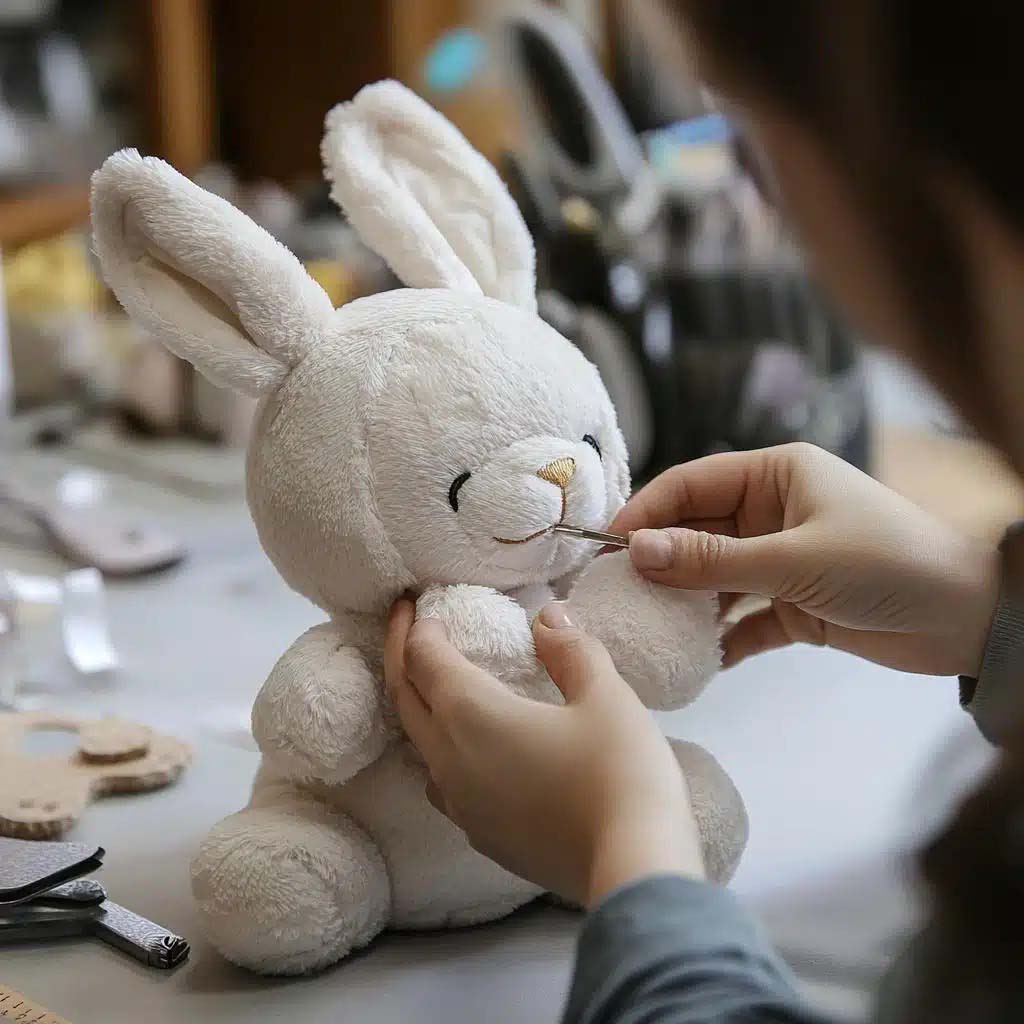
Reliability is the quality that every buyer says they are looking for in a plush toy manufacturer — and the one that is hardest to assess before placing a first order. A factory’s website, product catalog, and sales communication are all designed to project confidence and capability. The real picture of how reliable a manufacturer actually is only becomes visible under the conditions that test it: a tight production deadline, a material shortage, a quality deviation discovered mid-production, a design that is more complex than anticipated.
By the time those conditions arise, the order is already placed. The deposit has been paid. The production timeline is running. And the buyer discovers — sometimes gradually, sometimes all at once — whether the manufacturer they chose is genuinely reliable or merely convincing in presentation.
The goal of this guide is to help buyers identify genuine manufacturer reliability before that first order, not after. Reliability is not invisible — it is expressed in the systems a factory has built, the processes it follows consistently, the way it communicates when things are difficult, and the track record it has developed across many client relationships over time. Knowing what to look for — and how to verify it — is what separates buyers who build stable, productive manufacturing relationships from those who cycle through suppliers looking for one that finally delivers what they promised.
What Does “Reliability” Actually Mean When Evaluating a Plush Toy Manufacturer?
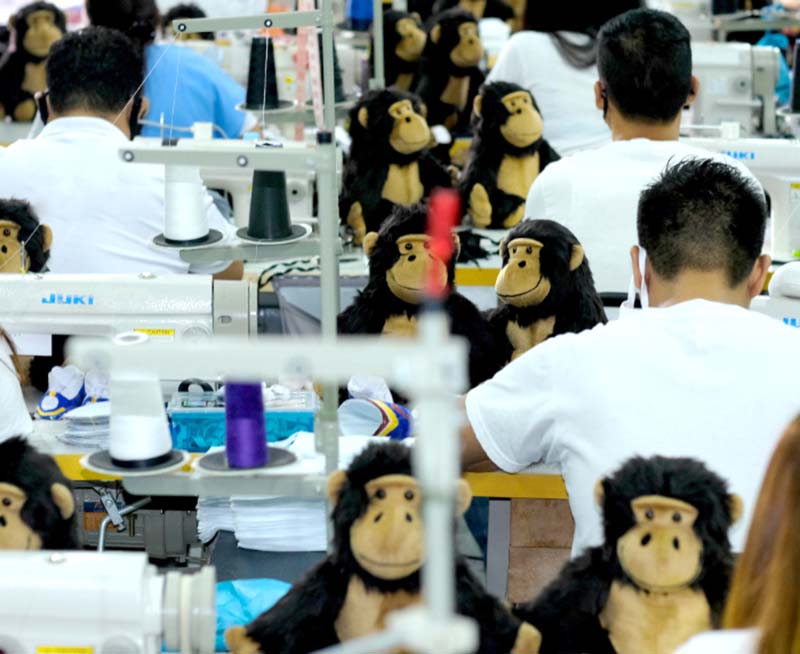
Reliability in manufacturing is a word that covers a lot of ground. Different buyers mean different things when they use it. For some, reliability is primarily about delivery timing — does the factory ship on the confirmed date? For others, it is about quality consistency — does the bulk order match the approved sample? For others still, it is about communication — does the factory keep them informed, and do they respond when it matters?
All of these are valid dimensions of reliability — but none of them alone is sufficient. A factory that always ships on time but with inconsistent quality is not reliably serving its buyers. A factory that produces excellent quality but communicates poorly and surprises buyers with problems they could have been warned about is not reliably supporting its buyers’ businesses. Genuine manufacturing reliability is multi-dimensional — it requires consistent performance across quality, delivery, communication, compliance, and problem-handling simultaneously, not excellence in one dimension at the expense of others.
A reliable plush toy manufacturer is one that consistently delivers on its commitments across all dimensions that matter to the buyer’s business — producing quality that matches agreed standards, shipping within confirmed timelines, maintaining proactive and transparent communication, supporting compliance requirements, and handling problems constructively when they arise. This consistent, multi-dimensional performance is what makes a supplier genuinely valuable rather than merely functional.
Here is a framework for understanding the full scope of manufacturing reliability:
| Reliability Dimension | What It Covers | How It Is Tested | Commercial Impact |
|---|---|---|---|
| Quality consistency | Bulk output matches approved sample | Every production run | Customer satisfaction, return rates |
| Timeline reliability | Production and shipment on confirmed schedule | Every order | Inventory planning, cash flow |
| Communication quality | Proactive, clear, accurate information | Throughout production | Buyer’s ability to plan and respond |
| Compliance integrity | Products meet applicable safety standards | Every market entry | Legal risk, platform access |
| Problem handling | Constructive response when issues arise | When challenges occur | Relationship trust, dispute resolution |
| Process consistency | Same standards applied on every order | Across multiple orders | Reorder confidence, scalability |
| Commitment follow-through | Promises made during sales are delivered in production | Every order | Trust foundation of relationship |
Why Reliability Is Revealed Over Time, Not in a Single Order
One of the most important things to understand about manufacturer reliability is that it is a pattern of behavior across multiple orders — not a characteristic that can be fully assessed from a single production run. A factory can perform well on a first order for many reasons that have nothing to do with structural reliability: a slow production period that allows extra attention to the new client, exceptional care taken to win the relationship, or favorable conditions that simply did not test the factory’s problem-handling capability.
Genuine reliability is revealed when conditions are not ideal — when a material is delayed, when a design revision creates unexpected complexity, when production capacity is under pressure from multiple clients simultaneously. How the factory behaves in these conditions is the truest measure of its reliability. Buyers who can access information about how a factory has performed across multiple orders — through reference checks, long-term client feedback, or third-party audit history — are in a much stronger position to assess genuine reliability than those evaluating based on a single interaction.
How Does Production Capability Reflect a Manufacturer’s Long-Term Reliability?
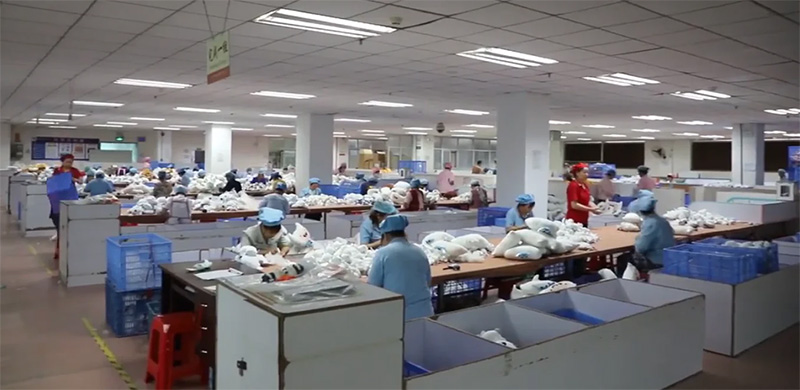
Production capability and reliability are closely connected — but they are not the same thing. A factory can have strong technical capability and still be unreliable if that capability is not organized, documented, and managed in a way that produces consistent output across multiple production runs. The distinction matters because buyers sometimes choose factories based on impressive equipment or large facility size, and then discover that the capability they observed does not translate reliably into consistent production performance.
Production capability reflects long-term manufacturing reliability through the combination of technical infrastructure, workforce skill, process documentation, and capacity management that determines whether a factory can deliver consistent results not just on a single well-managed order but across every order under varying conditions. A factory whose capability is genuine — built on documented processes, experienced personnel, and well-maintained equipment — is inherently more reliable than one whose capability depends on favorable conditions or exceptional individual effort.
Here is a framework for evaluating how production capability connects to reliability:
| Capability Element | Reliability Indicator | How to Assess | Reliability Risk if Absent |
|---|---|---|---|
| Equipment condition | Well-maintained machines produce consistent output | Factory visit or video, ask about maintenance schedule | Machine failures causing delays and quality issues |
| Workforce experience | Experienced operators produce more consistent quality | Ask about average tenure, specialization by task | High variation from skill differences between operators |
| Process documentation | Documented processes reduce reliance on individual judgment | Ask to see work instruction examples | Quality dependent on individual memory, high variation |
| Capacity management | Realistic capacity allocation prevents overcommitment | Ask about current utilization rate | Rushed production, quality shortcuts under pressure |
| Development infrastructure | Dedicated sampling team produces reliable prototypes | Ask about sampling team structure | Slow, inaccurate sampling driven by production pressure |
| Specialization depth | Relevant product expertise reduces learning curve | Ask for portfolio examples in your product category | Higher revision rounds, slower development |
The Capacity Utilization Question
One of the most revealing — and least commonly asked — production capability questions is about current capacity utilization. A factory that is running at 90 to 95 percent of its maximum capacity has very little room to absorb unexpected production challenges without either compromising quality or delaying delivery. A factory running at 60 to 70 percent has more flexibility to manage the inevitable variability of production without those pressures cascading into client-facing problems.
Factories that claim to always have available capacity regardless of timing should be viewed with appropriate skepticism. Either they are not as busy as a genuinely capable and competitive factory typically is, or they are overstating their available capacity in order to win the order — and will manage the actual capacity constraint at the buyer’s expense later in the production process.
Specialization as a Reliability Amplifier
A factory that specializes in plush toy production — rather than producing plush toys as one category among many — develops the specific institutional knowledge, process optimization, and quality management depth that makes performance in this category more consistent and reliable. The pattern makers have solved the engineering challenges of plush toy shapes repeatedly and have developed intuitive solutions. The QC team knows which quality attributes are most critical for plush toy buyers in different markets. The material sourcing team has established relationships with fabric and filling suppliers that support faster response and better consistency.
This specialization creates reliability advantages that are difficult to replicate in a factory where plush toy production competes with other product categories for attention, equipment, and skilled personnel. Buyers evaluating manufacturer reliability should always confirm the depth of a factory’s specific plush toy experience — not just their general manufacturing capability.
What Quality Control Systems Define a Truly Reliable Plush Manufacturer?
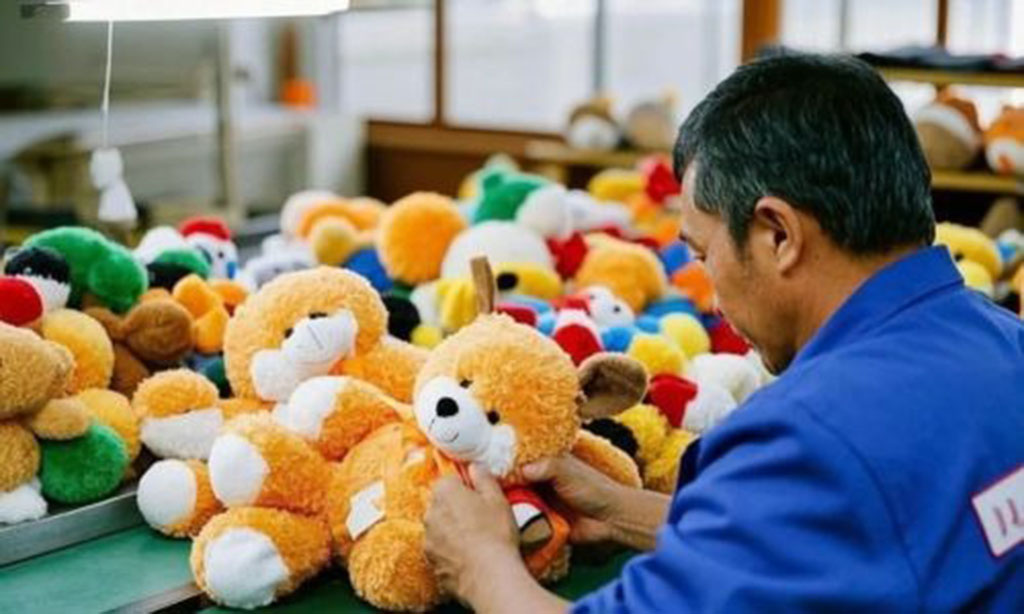
Quality control is the most direct operational expression of manufacturing reliability. A factory that has built and maintains a comprehensive quality control system — one that is documented, applied consistently, and staffed by personnel who operate independently from production — is making a structural commitment to consistent output that a factory without these systems simply cannot match.
A truly reliable plush manufacturer operates a documented, three-stage quality control system covering IQC, IPQC, and FQC, staffed by a QC team that operates independently from production management and uses calibrated testing equipment against defined product specifications. This system is not reactive — it does not wait for problems to appear in finished goods — it is preventive, identifying and addressing potential quality issues at the earliest and least costly point in the production process.
Here is what a comprehensive plush toy QC system looks like across all three stages:
| QC Stage | Timing | Scope | Independence Requirement | Documentation |
|---|---|---|---|---|
| IQC — Incoming Quality Control | Before any cutting begins | Fabric, filling, accessories, thread, labels | QC team, not purchasing or production | Incoming inspection report per material batch |
| Pre-production check | After cutting, before sewing | Panel dimensions, color, pile direction | QC team | Cut piece verification record |
| First-off inspection | First completed units from production line | Full product against approved sample | QC team + production supervisor | First-off report with photos |
| IPQC — In-Process Quality Control | Every 1–4 hours during production | Random unit sample from active line | QC team, independent of line supervisor | In-process inspection log |
| Pre-packing check | Before units enter packaging | Appearance, accessories, finishing | QC team | Pre-pack inspection record |
| FQC — Final Quality Control | On completed packed goods | AQL sampling of full batch | QC team, ideally with third-party option | Final inspection report |
The Independence Requirement — Why It Matters
The structural independence of the QC team from the production team is one of the clearest indicators of a factory’s genuine quality commitment. When QC personnel report to the production floor manager — who is measured on output volume and production efficiency — there is an inherent conflict of interest that consistently produces compromised quality decisions under production pressure.
An independent QC team, reporting directly to factory management rather than to production, is structured to make objective quality decisions regardless of the production schedule implications. This independence is what allows a QC inspector to reject a batch of incoming fabric without worrying about the production delay this causes, or to halt a production line section for recalibration without needing authorization from the production supervisor whose daily target the halt will affect.
Asking a potential manufacturer to describe their QC organizational structure — specifically, who the QC team reports to — is one of the most direct and revealing questions available in a factory evaluation conversation. A factory where QC reports independently to management has a genuinely different quality culture from one where QC is part of the production department.
Documentation as a Reliability Commitment
The quality of a factory’s QC documentation is itself an indicator of reliability. A factory with mature QC systems maintains organized, accessible records for every production batch — incoming inspection results, first-off findings, in-process check logs, and final inspection reports. These records serve two purposes simultaneously: they provide real-time quality management information during production, and they create a traceable quality history that can be reviewed by buyers, auditors, or regulatory authorities.
A factory that can produce organized, complete QC records for recent production runs — on request, without significant delay — is demonstrating that these records are a routine operational output rather than a compliance performance created for external review. A factory that cannot produce records, produces them slowly, or produces records that are inconsistent and incomplete is revealing that documented quality management is not an operational reality in their facility.
How Do Material Sourcing Standards Reveal a Manufacturer’s Commitment to Consistency?
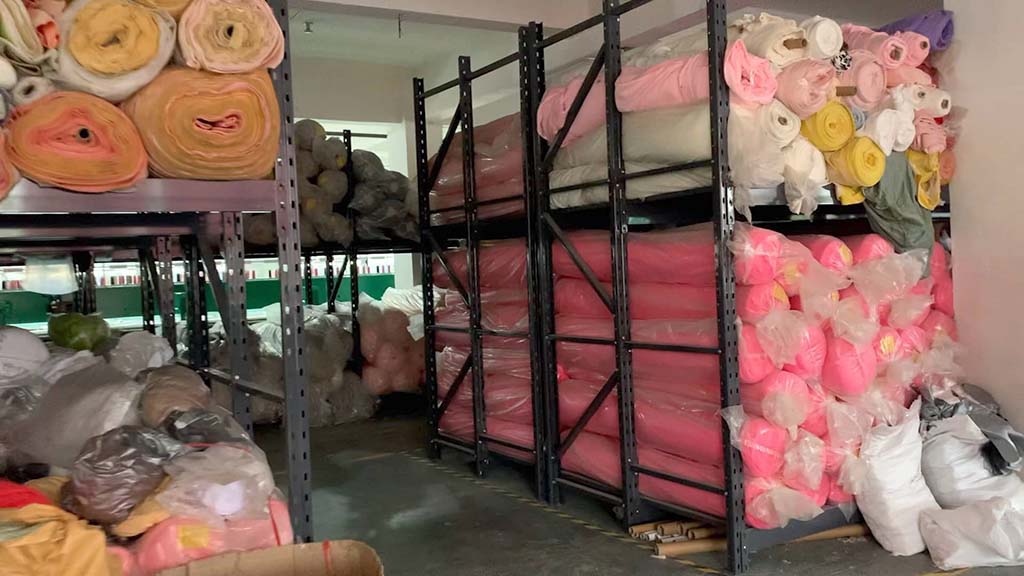
Material sourcing is where quality consistency either begins or fails. The materials entering a factory determine the baseline quality characteristics of every unit produced from them. A manufacturer that maintains rigorous material sourcing standards — using approved supplier lists, verifying incoming materials against specifications, and requiring compliance documentation from all material suppliers — is building quality into the product from the very first input. A manufacturer that sources materials opportunistically, based primarily on price and availability, is introducing variability at the foundation of every production run.
Material sourcing standards reveal a manufacturer’s commitment to consistency because the decisions made about which suppliers to use, which material specifications to enforce, and how incoming materials are verified before production begins directly determine how consistent the finished product will be across production runs. A factory whose material sourcing is disciplined and documented will deliver more consistent bulk quality than one whose sourcing is flexible and primarily price-driven.
Here is a framework for evaluating material sourcing standards:
| Sourcing Standard | What It Involves | Reliability Benefit | How to Verify |
|---|---|---|---|
| Approved supplier list | Using only vetted, qualified material suppliers | Baseline material quality consistency | Ask for supplier qualification process |
| IQC against specification | Verifying every incoming material batch against spec | Catches batch variation before production | Review IQC records for recent batches |
| Compliance documentation | Requiring test reports from all material suppliers | Ensures chemical compliance of materials | Request material test reports |
| Batch tracking | Recording which material batch was used in each production run | Enables root cause analysis of quality issues | Ask about material traceability system |
| Approval before substitution | Requiring buyer approval for any material change | Prevents unauthorized substitution | Confirm policy in writing before order |
| Consistent supplier relationships | Working with established suppliers rather than spot sourcing | Reduces batch-to-batch variation | Ask about supplier relationship length |
The Unauthorized Material Substitution Risk
One of the most damaging reliability failures in plush toy manufacturing — and one that buyers often do not discover until quality problems appear in bulk production — is unauthorized material substitution. This occurs when a factory changes the fabric, filling, or accessory supplier without informing the buyer, typically because the approved material becomes unavailable or because a cheaper alternative is identified.
The substitute material may appear similar to the approved material and may even meet the same general specifications. But subtle differences in color, texture, density, or chemical composition create quality differences in the finished product that range from barely noticeable to commercially significant. The buyer receives a bulk order that looks different from the approved sample, and the factory may initially attribute the difference to normal production variation rather than disclosing the material change.
A reliable manufacturer has an explicit policy — ideally confirmed in writing as part of the purchase agreement — that any material change requires buyer approval before implementation. A factory that agrees to this policy and follows it consistently is demonstrating a fundamental commitment to transparency. One that resists the policy or agrees in writing but substitutes informally in practice is revealing a reliability gap that will eventually surface in a quality problem.
The Link Between Compliance-First Sourcing and Reliability
Manufacturers that source materials from certified suppliers — fabrics with OEKO-TEX certification, accessories from suppliers with REACH compliance documentation, filling materials with chemical safety test reports — are simultaneously addressing compliance risk and quality consistency risk. Certified materials come from suppliers with more mature quality management systems, more consistent production processes, and more reliable supply chain performance than uncertified alternatives.
This means that compliance-first sourcing is not just a regulatory precaution — it is a quality consistency strategy. The discipline required to maintain certified supplier relationships, verify compliance documentation, and enforce consistent sourcing standards creates a material supply chain that is inherently more reliable than one managed primarily on price.
How Does Communication Quality Predict Manufacturing Reliability?
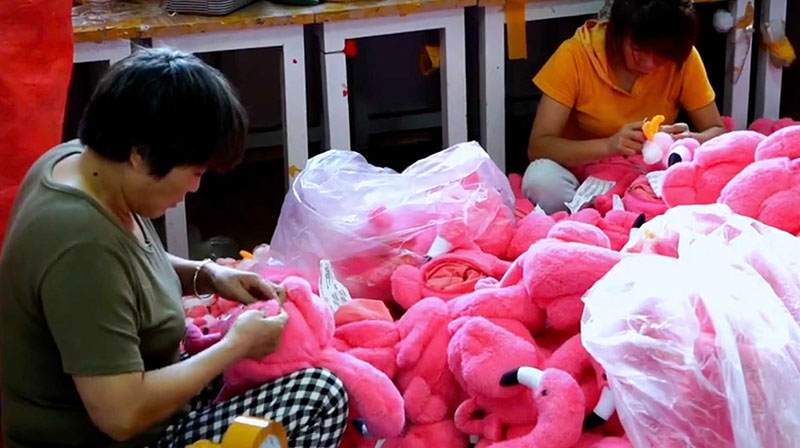
Communication quality is one of the most reliable leading indicators of manufacturing reliability — and one of the most underweighted in buyer evaluation processes. Buyers tend to focus primarily on production capability and pricing when evaluating factories, treating communication as a secondary consideration. This is a strategic mistake, because how a manufacturer communicates during the evaluation and sales process is a highly accurate predictor of how they will communicate during production — when the stakes are higher and the consequences of poor communication are more significant.
Communication quality predicts manufacturing reliability because the patterns that emerge in pre-order communication — response speed, specificity of answers, proactive information sharing, transparency about limitations — reflect the underlying organizational culture and systems that will govern every interaction throughout the production relationship. A factory with strong communication systems and a transparency-oriented culture communicates well before and after the order is placed. A factory that communicates well only during the sales process but becomes vague and reactive once the order is confirmed is revealing exactly the communication reality the buyer will experience during production.
Here is a framework for evaluating communication quality as a reliability indicator:
| Communication Indicator | What It Reveals | Strong Signal | Weak Signal |
|---|---|---|---|
| Response time to inquiries | Organizational responsiveness | Consistently within 24 hours | Multiple days, inconsistent |
| Specificity of technical answers | Depth of manufacturing knowledge | Detailed, specific, accurate | Vague, general, or evasive |
| Proactive information sharing | Transparency orientation | Shares relevant information without prompting | Provides only minimum required information |
| Accuracy of information | Organizational reliability | Information is consistently accurate | Inconsistencies appear between communications |
| Problem acknowledgment | Accountability culture | Acknowledges challenges honestly | Dismisses or minimizes concerns |
| Communication consistency | Organizational stability | Same quality regardless of topic or timing | Good initially, deteriorates over time |
| Named contact assignment | Account management structure | Specific named contact from the beginning | Anonymous team responses |
The Pre-Order Communication Test
One of the most practical ways to assess a factory’s communication quality before placing an order is to run what might be called a pre-order communication test — a structured series of interactions designed to reveal communication patterns under different conditions.
This involves asking a specific technical question and noting the specificity and accuracy of the response. Then asking about a potential challenge — such as a tight timeline or a complex design element — and observing whether the factory responds honestly about the constraints or gives an unconditionally positive answer regardless of the real situation. Then asking for documentation — a test report, an audit result, a reference contact — and noting how quickly and completely it is provided.
Each of these interactions reveals something different about the factory’s communication culture. The technical question tests knowledge depth. The challenge question tests honesty and transparency. The documentation request tests organizational systems and willingness to share evidence of performance. Together, these three interactions provide a far more complete picture of communication reliability than a general positive impression formed from initial sales communications.
Proactive Communication as a Reliability Differentiator
The most important distinction in manufacturing communication quality is not between fast and slow response — it is between reactive and proactive communication. A factory that responds quickly when contacted is providing adequate communication. A factory that proactively communicates — sharing production updates at defined milestones, flagging potential issues before they become problems, sharing QC results without being asked — is providing genuinely valuable communication that allows buyers to manage their businesses with confidence.
Proactive communication requires a more mature organizational structure than reactive communication. It requires defined communication protocols, production milestone tracking, and a culture of transparency that overcomes the natural organizational tendency to withhold bad news or uncertain information. Factories that communicate proactively have made deliberate organizational investments in transparency — and those investments are visible in the quality of the communication relationship throughout the production lifecycle.
What Role Do Certifications and Compliance Infrastructure Play in Manufacturer Reliability?
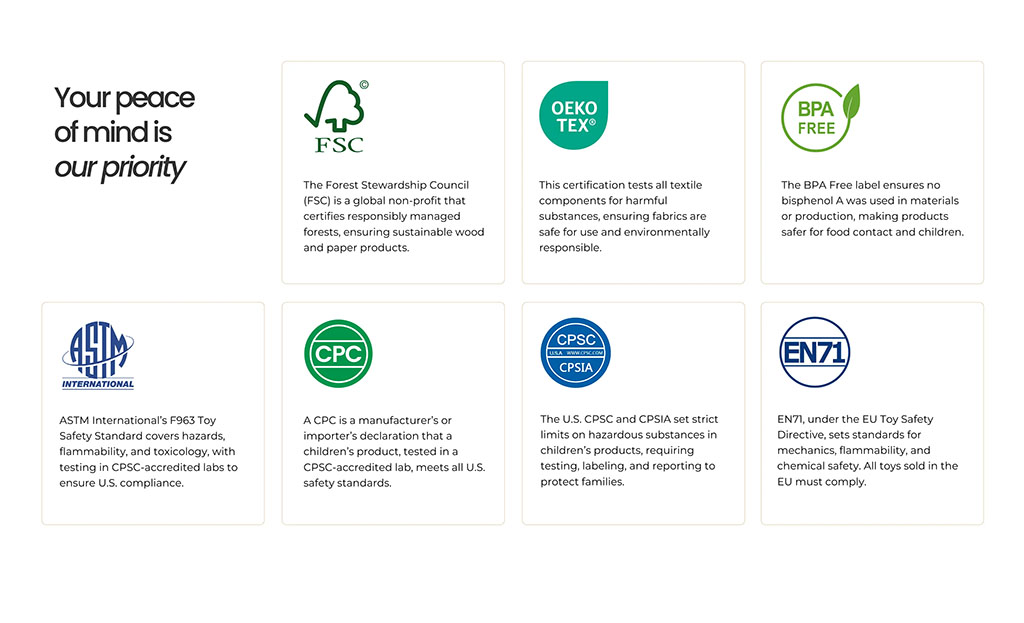
Certifications and compliance infrastructure are often treated as checkboxes in manufacturer evaluation — either a factory has them or it does not. In reality, the certifications a manufacturer holds and how they maintain their compliance infrastructure reveal important information about the seriousness and sustainability of their quality management systems.
Certifications and compliance infrastructure contribute to manufacturer reliability by providing independently verified evidence of quality management maturity, social compliance standards, and product safety capability. A factory that maintains active certifications — ISO 9001, BSCI, relevant product safety accreditations — has been independently assessed against defined standards and found to meet them. This independent verification is more reliable than self-reported capability and provides buyers with a baseline of confidence that does not depend entirely on their own assessment.
Here is an overview of the key certifications and compliance elements relevant to plush toy manufacturer reliability:
| Certification / Compliance Element | What It Verifies | Issuing Body | Reliability Value |
|---|---|---|---|
| ISO 9001 | Quality management system maturity | Third-party certification body | High — systematic QMS verified |
| BSCI audit | Social compliance, labor standards, working conditions | Business Social Compliance Initiative | High — relevant for EU buyers |
| SEDEX / SMETA | Ethical trade, labor practices, environmental management | Sedex | High — widely recognized |
| SGS / Intertek factory audit | General manufacturing capability and QC systems | SGS, Intertek | High — comprehensive assessment |
| ASTM F963 product test reports | US toy safety compliance | CPSC-accepted laboratory | Essential for US market |
| EN71 product test reports | EU toy safety compliance | Accredited laboratory | Essential for EU market |
| OEKO-TEX material certification | Fabric chemical safety | OEKO-TEX Association | Strong material reliability indicator |
What Certifications Cannot Tell You
While certifications provide valuable independent verification, they have important limitations that buyers should understand. Certifications reflect the factory’s status at the time of assessment — which may be months or years in the past. A factory that passed a BSCI audit 18 months ago may have experienced significant changes since then. A factory with ISO 9001 certification has demonstrated a functioning quality management system but has not been independently verified to deliver consistently on any specific buyer’s product requirements.
This is why certifications are most valuable as baseline qualification evidence — the foundation of a broader evaluation rather than sufficient evidence on their own. A factory with current, relevant certifications from credible organizations starts from a higher confidence baseline than one without them. But that baseline still needs to be confirmed through direct verification — factory visits or video audits, sample evaluation, reference checks, and production track record assessment.
Compliance Infrastructure as an Ongoing Commitment
The most reliable indicator of compliance sustainability is not the certifications a factory currently holds — it is the infrastructure and processes they have built to maintain compliance as an ongoing operational reality rather than a periodic documentation exercise.
A factory with genuine compliance infrastructure has a dedicated compliance function — either a specific person or team — responsible for staying current with regulatory changes in their clients’ target markets, maintaining relationships with accredited testing laboratories, updating material sourcing requirements when standards change, and ensuring that new products are assessed for compliance requirements before production begins. This ongoing compliance management capability is what ensures that a factory’s compliance credentials remain relevant and current rather than becoming stale documentation from a previous assessment cycle.
How Do Reliable Manufacturers Handle Problems When They Arise?
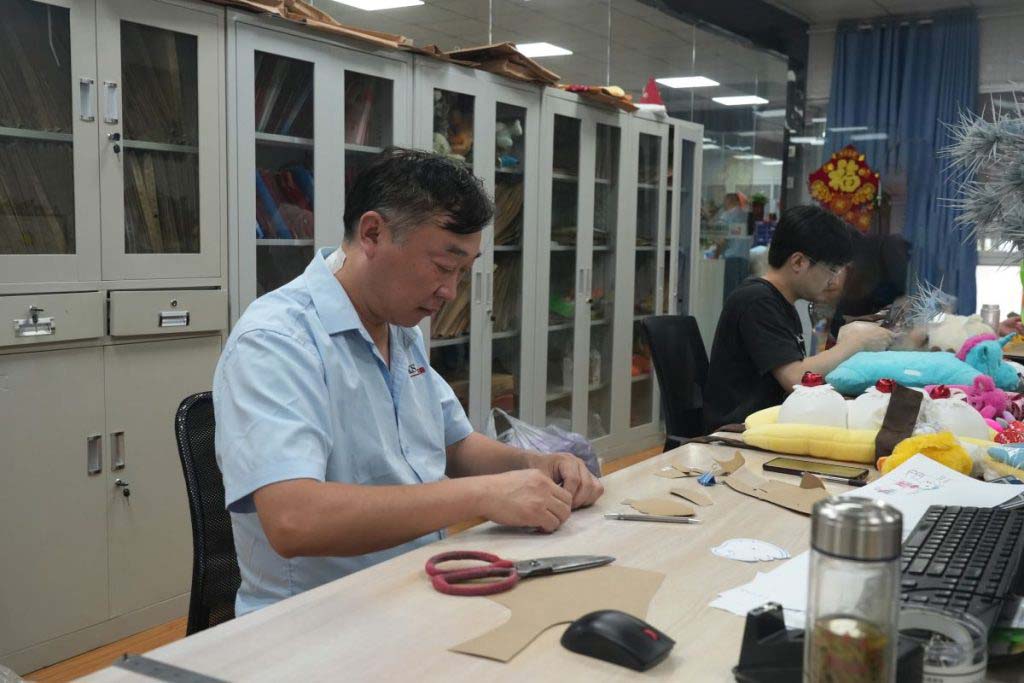
Problem handling is the ultimate test of manufacturing reliability — and it is the dimension that most clearly separates manufacturers who are genuinely reliable from those who are merely reliable when conditions are favorable. Every manufacturer performs reasonably well when production goes smoothly. The real measure of reliability is what happens when something goes wrong: a material fails incoming inspection, a production line produces a batch with a quality deviation, a shipment is delayed by circumstances outside the factory’s control.
Reliable manufacturers handle problems by communicating them proactively as soon as they are identified, presenting a proposed solution alongside the problem notification rather than simply reporting a problem, taking clear accountability for issues within their operational control, and following through on their proposed resolution commitments. This pattern of behavior — proactive, solution-oriented, accountable, and follow-through oriented — is what defines genuine reliability in the face of adversity.
Here is a comparison of how reliable and unreliable manufacturers typically handle common production problems:
| Problem Scenario | Reliable Manufacturer Response | Unreliable Manufacturer Response |
|---|---|---|
| Material fails IQC | Proactive notification, alternative material proposed, timeline impact communicated | Silent substitution or minimization of the issue |
| Production delay identified | Early notification with revised timeline and cause explanation | Late notification or no notification until asked |
| Quality deviation found mid-production | Production halted, buyer notified, resolution options presented | Production continues, issue minimized in communication |
| Sample-to-bulk difference discovered in FQC | FQC report shared, resolution proposed before balance payment requested | Balance payment requested before issue is raised |
| Shipping delay due to external factors | Proactive notification with updated ETD and documentation | Buyer discovers delay independently |
| Compliance question raised by buyer | Immediate, specific response with supporting documentation | Vague reassurance without documentation |
The Accountability Culture Test
One of the clearest ways to assess a manufacturer’s problem-handling culture before placing an order is to ask them directly about a production problem they have experienced and how they resolved it. This question — “Tell me about a quality issue you encountered with a client’s order and how you handled it” — reveals more about problem-handling culture than any amount of positive self-description.
A manufacturer with a genuine accountability culture will describe a specific situation, explain what went wrong, what they communicated to the client and when, what solution they proposed, and how the situation was ultimately resolved. The ability to recall specific examples — and to describe their own role honestly, including any mistakes made — indicates a culture that learns from problems rather than avoiding acknowledgment of them.
A manufacturer that cannot recall any quality issues, responds with generic reassurance about their quality systems, or describes situations exclusively as external factors beyond their control is revealing a problem-handling culture that is unlikely to serve buyers well when real challenges arise.
Why Solution-First Communication Matters
The most valuable aspect of a reliable manufacturer’s problem communication is not just that they communicate problems promptly — it is that they communicate solutions alongside the problem. A factory that calls a buyer to say “we have a material issue that will delay production by one week” is providing useful information. A factory that calls to say “we have a material issue — we have identified an alternative certified supplier who can deliver in three days, which means we can maintain your original ship date with a one-day buffer” is providing both information and relief.
Solution-first communication requires that the factory has already analyzed the problem and identified options before communicating with the buyer — rather than presenting the problem and waiting for the buyer to solve it. This level of proactive problem management is a hallmark of organizational maturity that develops over years of managing complex production relationships and genuinely prioritizing client outcomes.
How Can Buyers Verify Manufacturer Reliability Before Placing a First Order?
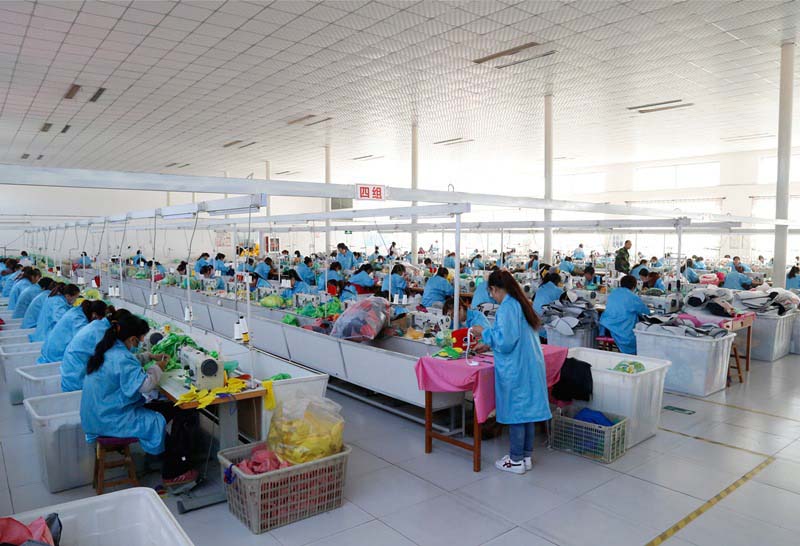
The challenge of verifying manufacturer reliability before a first order is that the most reliable evidence — a consistent performance track record across multiple orders — is only available after the relationship is established. However, there are specific verification methods that provide meaningful reliability evidence before any production commitment is made, and combining these methods systematically produces a significantly more reliable assessment than any single approach.
Buyers can verify plush manufacturer reliability before a first order through a structured combination of documentation review, factory video audit, sample evaluation, reference checks from existing clients, third-party audit reports, and targeted communication assessment. Each method reveals different dimensions of reliability, and using them together provides a composite picture that is far more accurate than any single data point.
Here is a practical verification plan organized by method and reliability dimension assessed:
| Verification Method | Reliability Dimensions Assessed | Accessible Remotely | Recommended Timing |
|---|---|---|---|
| Documentation review | Compliance, certifications, QC records | Yes | Before detailed engagement |
| Communication assessment | Communication quality, technical depth, transparency | Yes | Throughout evaluation |
| Video factory audit | Production capability, QC infrastructure, workforce | Yes | Before sample order |
| Sample evaluation | Development quality, material standards, construction | Yes — sample shipped | Before bulk order |
| Reference checks | Track record, problem handling, communication reality | Yes — email or call | Before bulk order |
| Third-party audit report | Independent capability and compliance verification | Yes — report provided | Before large orders |
| Production update monitoring | Ongoing communication and transparency during production | Yes — active order | During first production run |
Making Reference Checks Work
Reference checks are one of the most underutilized verification tools available to buyers — and one of the most informative when conducted effectively. The key is asking questions that reveal reliability-specific information rather than general satisfaction.
Effective reference questions cover: Has the factory consistently delivered bulk production that matched the approved sample quality? How has the factory communicated when production challenges arose? Has the factory ever made material or design changes without your prior approval? How did the factory handle the most significant quality problem you experienced? Would you recommend this factory specifically for a product similar to mine?
These questions generate information that no factory presentation or self-assessment can provide — the real experience of a buyer who has lived through both the successes and the challenges of working with this manufacturer.
The First Order as a Reliability Assessment
For buyers who cannot fully verify reliability before the first order, structuring the first order to maximize the information gathered — while limiting the exposure if reliability gaps are discovered — is a practical approach. Placing a smaller-than-typical first order allows reliability to be assessed across the full production cycle, from sampling through delivery, with lower financial exposure than a large opening order.
Including specific reliability checks in the first order protocol — requesting production milestone updates at defined stages, commissioning a third-party pre-shipment inspection, reviewing QC documentation before approving the balance payment — creates a structured assessment framework that generates reliable performance evidence while protecting against the consequences of any reliability gaps that emerge.
At Kinwin, we welcome this kind of structured first-order assessment process — because we are confident that our production quality, communication standards, and problem-handling culture will demonstrate exactly the reliability that buyers are looking for. We actively support third-party inspections, share production documentation proactively, and make our quality systems and compliance infrastructure transparent to clients at every stage of the relationship.
If you are evaluating plush toy manufacturers and want to understand how our reliability can be verified — not just represented — we would be glad to walk you through our documentation, connect you with existing clients for reference conversations, and structure a first engagement that gives you the evidence you need to build confidence in a long-term partnership.
Reach out to our team at [email protected] or visit kinwintoys.com to start that conversation.
Conclusion
Manufacturer reliability is not a characteristic that can be identified from a website, a product catalog, or a sales call. It is built from specific, verifiable operational elements — quality control systems, material sourcing standards, communication infrastructure, compliance capability, and problem-handling culture — that either exist and function consistently or do not.
The buyers who consistently source from reliable manufacturers are not those who have developed an instinct for identifying trustworthy suppliers. They are the ones who have developed a systematic approach to verifying the specific operational elements that make a manufacturer genuinely reliable — and who apply that approach rigorously before every significant sourcing relationship, not just when a previous supplier has let them down.
Reliability, properly assessed, is not elusive. It is expressed in the systems a factory has built, the documentation it maintains, the way it communicates under pressure, and the track record it has established across many client relationships over time. Finding it requires asking the right questions and knowing what the answers reveal.
At Kinwin, we have built our operation around the elements that define genuine manufacturing reliability — documented quality systems, compliance-first material sourcing, proactive communication, and a problem-handling culture built on accountability and follow-through. We do not ask buyers to take our word for it — we invite them to verify it, because we believe that the most productive manufacturing partnerships begin with well-grounded confidence rather than hope.
FAQ
Q1: How many orders should I place with a new manufacturer before treating the relationship as established and reducing verification intensity?
There is no universal threshold, but most experienced sourcing professionals consider three to five production orders — across different seasons and potentially different product types — to constitute a meaningful reliability track record. This volume of orders exposes the relationship to enough variation in conditions, product complexity, and production pressure to reveal how the manufacturer performs when circumstances are not ideal. During this establishment period, maintaining structured verification practices — third-party inspection on larger orders, proactive requests for production documentation, regular communication check-ins — protects the buyer while the track record is being built. Once consistent performance has been demonstrated across multiple orders, verification intensity can reasonably be reduced without increasing risk meaningfully.
Q2: Is it possible for a factory to be reliable for one type of plush product but not for another?
Yes — and this is more common than buyers typically expect. A factory that is highly reliable for simple, standardized plush designs may perform significantly less reliably when presented with complex character designs requiring specialized pattern making, multi-fabric construction, or functional elements outside their primary experience. Reliability is partly category-specific, and the most important verification question is not whether the factory is generally reliable but whether it is reliable for products of similar complexity, construction approach, and compliance requirement to yours. Requesting portfolio examples of directly comparable product types — and conducting reference checks with clients who have produced similar products — provides much more relevant reliability evidence than general reputation or volume.
Q3: What contractual protections are most effective for managing manufacturer reliability risk?
The most effective contractual protections address reliability risk at the three stages where it most commonly materializes: before production, during production, and at delivery. Before production, a detailed product specification document — referenced in the purchase agreement — establishes the objective quality standard against which bulk production will be assessed. During production, a right-to-inspect clause — allowing third-party inspection at the buyer’s request at any production stage — provides leverage to identify and address quality issues before shipment. At delivery, a payment structure that retains the balance until after satisfactory inspection report is received — rather than releasing it based on shipment confirmation alone — provides financial leverage that motivates the factory to resolve any identified issues before the transaction is complete.
Q4: How should buyers handle it if a manufacturer’s reliability declines after several initially successful orders?
A pattern of declining reliability — where quality or communication standards deteriorate after an initially positive relationship period — is one of the most frustrating sourcing experiences and one that requires a structured response. The first step is to identify whether the decline reflects a specific, addressable operational problem — a key quality control person leaving the factory, a change in material supplier, a capacity overcommitment — or a broader cultural pattern of reducing investment in client relationships as they become established. Specific operational problems can often be addressed through direct conversation and agreement on corrective measures. Broader cultural patterns typically do not improve without significant management attention and are more difficult to resolve. Having an honest, direct conversation with factory management — presenting specific evidence of the decline and requesting a specific corrective action plan with defined timelines — is the appropriate first response. If that conversation does not produce meaningful change within a defined period, beginning parallel supplier development to create an alternative option is the responsible commercial response.
Q5: Are there industry databases or platforms where buyers can check a manufacturer’s reliability track record before engaging?
Several platforms and resources provide partial reliability information that can supplement direct verification. Alibaba’s supplier assessment system includes transaction history, response rate data, and buyer feedback — though this information is most useful as a preliminary filter rather than a definitive assessment, since it reflects platform-specific metrics rather than comprehensive production performance. Third-party audit databases maintained by organizations like Sedex allow buyers who are members to access audit reports for factories that have undergone SMETA assessments. Some industry associations in the toy sector maintain member directories with basic compliance verification. None of these resources provides the comprehensive, product-specific reliability assessment that direct verification methods — sample evaluation, reference checks, video audits, and documentation review — deliver. They are most useful as initial screening tools that help prioritize which factories to engage more deeply, rather than as substitutes for the verification process itself.