Custom Animal Plush & Stuffed Animal Manufacturer for Brands

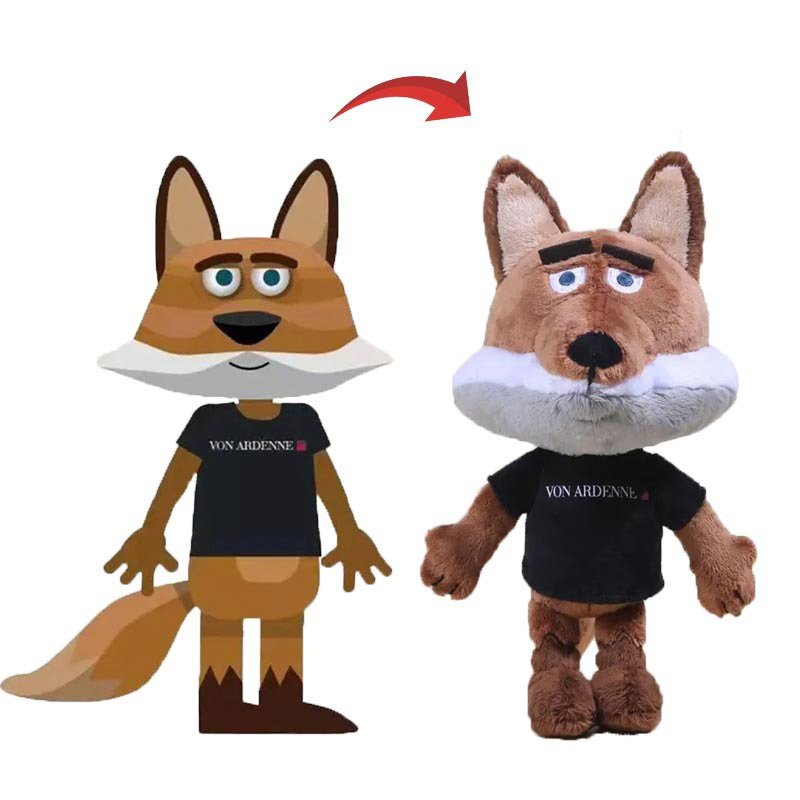
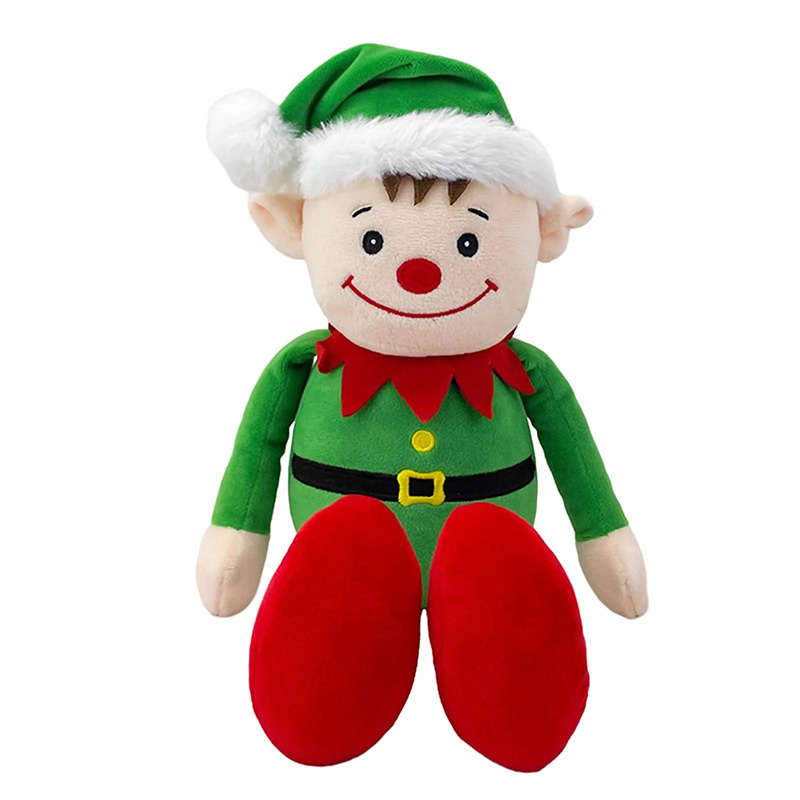
Custom animal plush toys help brands create memorable products, mascots, and retail collections. From custom stuffed animals for brand merchandise to mascot plush toys for marketing campaigns, reliable plush toy manufacturers provide soft fabrics, safe materials, and consistent production quality. With professional plush toy development, accurate sampling, and stable manufacturing capacity, animal plush designs can be transformed into high-quality products ready for global markets, retail shelves, and promotional programs.

Why Brands Choose a Professional Custom Animal Plush Manufacturer

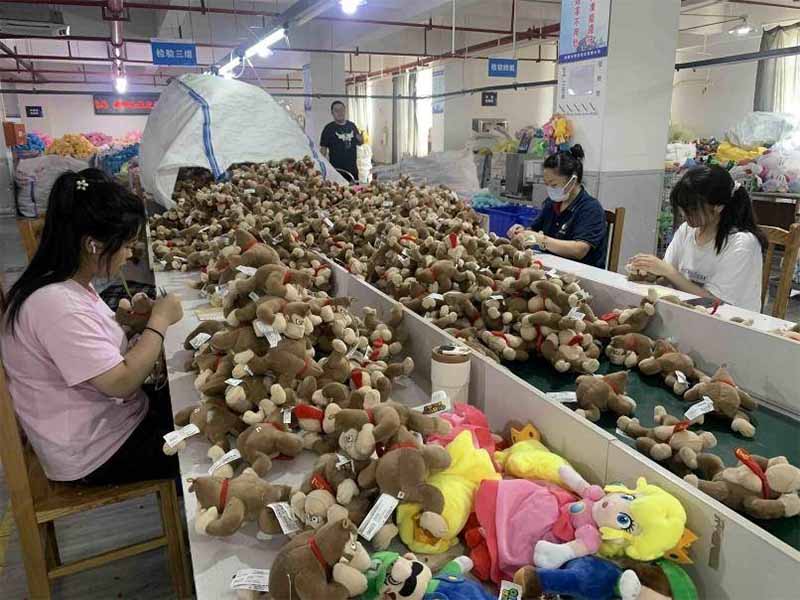
Custom animal plush toys are widely used in retail products, brand mascots, promotional merchandise, and character licensing projects. When developing custom stuffed animals, brands need a reliable stuffed animal manufacturer that can turn creative ideas into real products. A professional plush toy factory provides safe materials, accurate samples, and stable production capacity, helping brands launch plush toys with confidence.

Reliable Development for Custom Animal Plush

A professional stuffed animal manufacturer understands plush toy development. Designs can be evaluated early, fabrics can be selected properly, and structures can be optimized so custom animal plush products look good and remain durable during production.

Stable Quality for Custom Stuffed Animals

A reliable plush toy factory follows standardized production processes and quality control systems. This ensures that custom stuffed animals remain consistent from sample to mass production, helping brands maintain product quality and reputation.

Safe Materials for Plush Toys

Custom animal plush toys require safe fabrics and filling materials. A professional manufacturer selects compliant materials that can meet international standards such as EN71, ASTM F963, and CPSIA.

Scalable Plush Toy Production Capacity

A capable plush toy manufacturer can support both small development orders and large production runs. Stable manufacturing capacity allows brands to grow product lines and handle seasonal demand.

Professional OEM Plush Toy Manufacturing

Many brands need OEM plush toys with custom designs, logos, and packaging. An experienced plush toy factory can manage sampling, production, and export processes, making product development more efficient.

If you are planning to develop custom animal plush toys, working with an experienced stuffed animal manufacturer helps reduce risks and ensures stable product quality.

Free Design Support for Custom Animal Plush Character & Structure Optimization

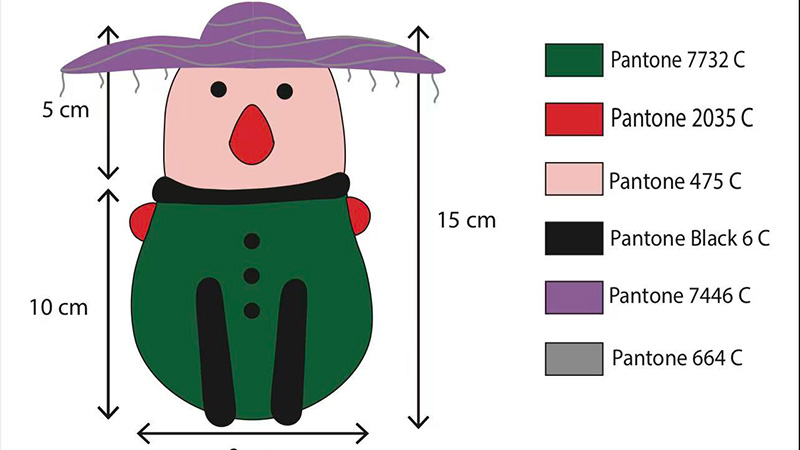
A well-designed plush toy is easier to produce and delivers better results in mass production. During the development of custom animal plush and custom stuffed animals, design details such as proportions, sewing structure, fabric selection, and embroidery placement all affect the final product. Professional plush toy manufacturers provide design support to help refine characters, improve structure, and ensure the plush toy can be produced efficiently with stable quality.

Character Shape Optimization

When developing custom animal plush toys, simple and balanced shapes often produce better results. Plush toy designers help refine proportions, adjust head and body size, and simplify complex elements so the stuffed animal looks closer to the original concept while remaining easy to manufacture.

Structural Design for Plush Manufacturing

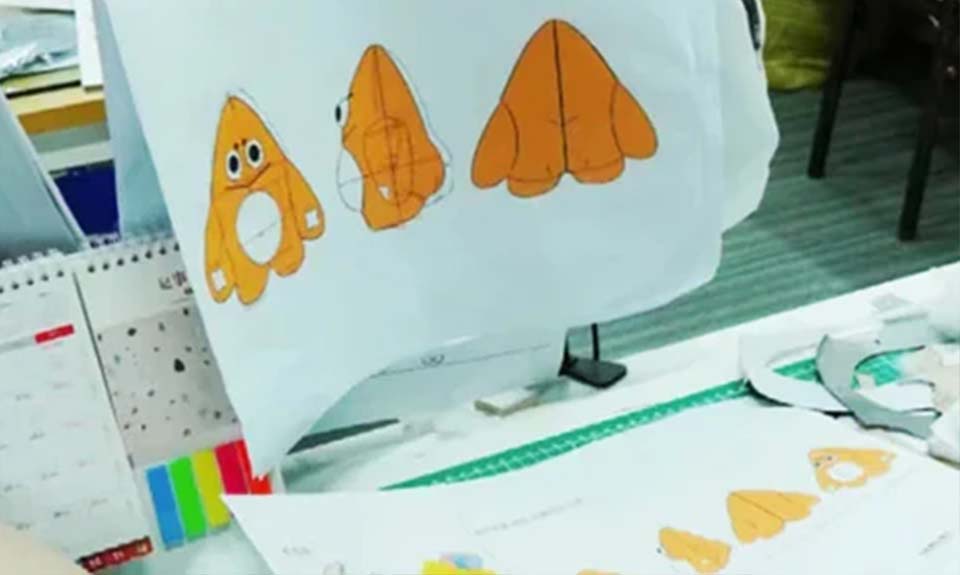
Plush toy structures affect sewing difficulty and production stability. Experienced stuffed animal manufacturers can adjust pattern structures, seam placement, and stuffing areas so the plush toy maintains its shape and durability during mass production.

Fabric and Material Recommendations

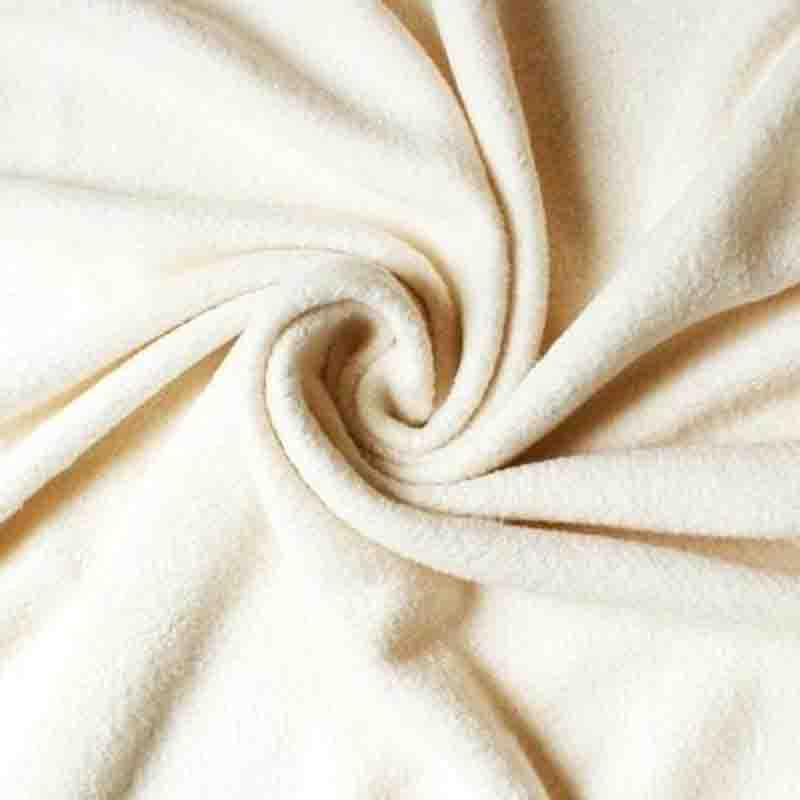
Different plush fabrics create different textures and visual effects. A professional plush toy factory can recommend suitable materials such as velboa, minky plush, or short plush to match the character style while ensuring softness, durability, and safety.

Production-Friendly Detail Adjustment

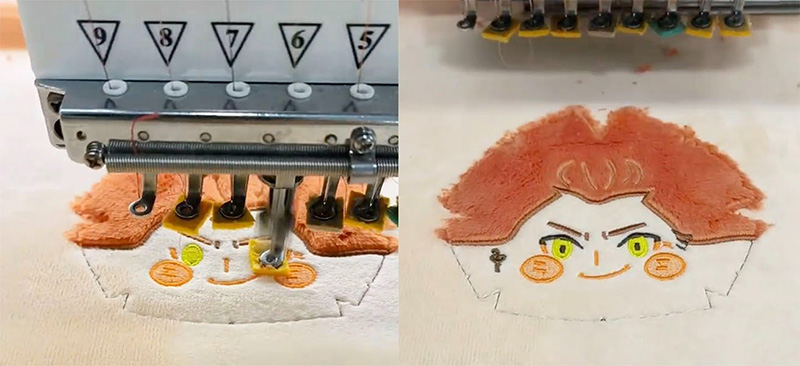
Small design adjustments can greatly improve production results. Elements such as embroidery size, accessory placement, and fabric color combinations can be refined so custom stuffed animals look cleaner and more consistent during large-scale manufacturing.

Good design support helps custom plush toys move smoothly from concept to production. With optimized characters and structures, brands can develop plush products faster and with fewer revisions.

Popular Custom Animal Plush Products for Brands & Retail Collections

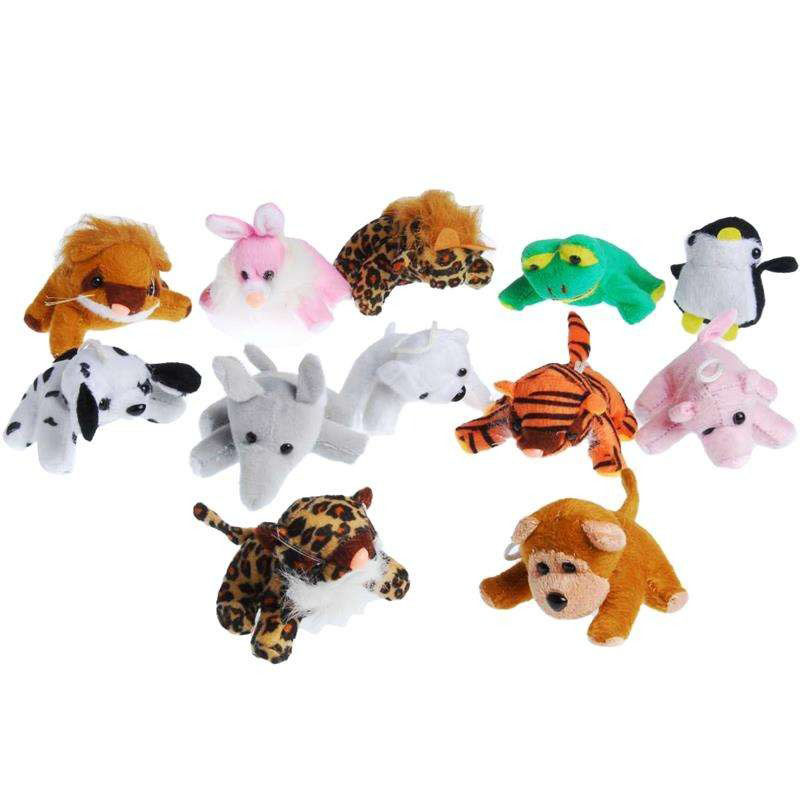
Custom animal plush toys can be developed in many styles to match different brands, retail markets, and promotional campaigns. From character mascots to plush keychains and educational toys, custom stuffed animals can be designed in various sizes, fabrics, and structures. A professional plush toy manufacturer can support different product categories to help brands build unique plush collections and expand product lines.

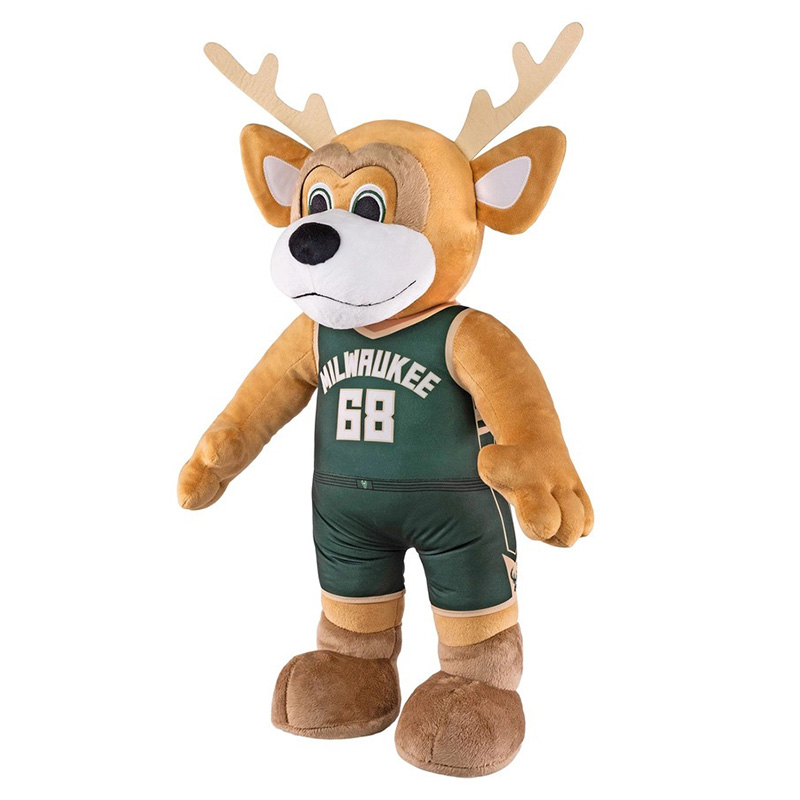
Mascot Plush Toys

Custom mascot plush toys are widely used by brands, sports teams, and promotional campaigns. Character mascots can strengthen brand identity and create memorable merchandise products.

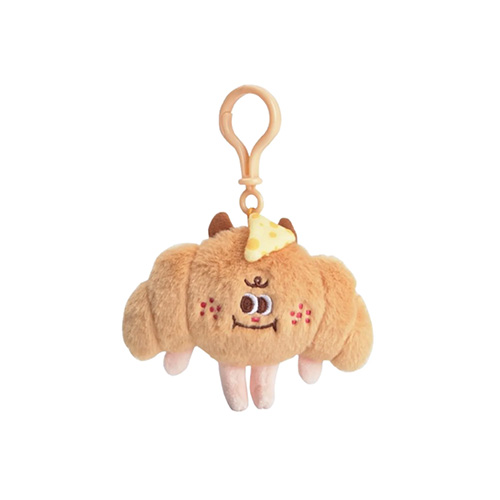
Plush Keychains

Small plush keychains are popular promotional products and retail accessories. Compact custom stuffed animals can easily be attached to bags, keys, or backpacks.

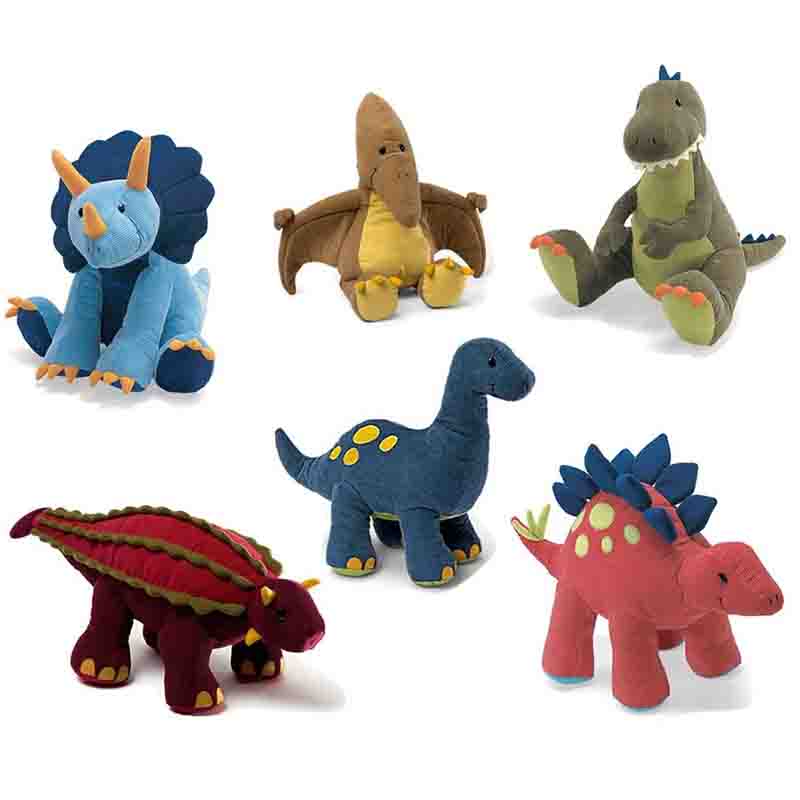
Dinosaur Plush Toys

Dinosaur plush toys are popular among children’s toy brands and educational collections. Different dinosaur species can be designed with soft fabrics and friendly shapes.

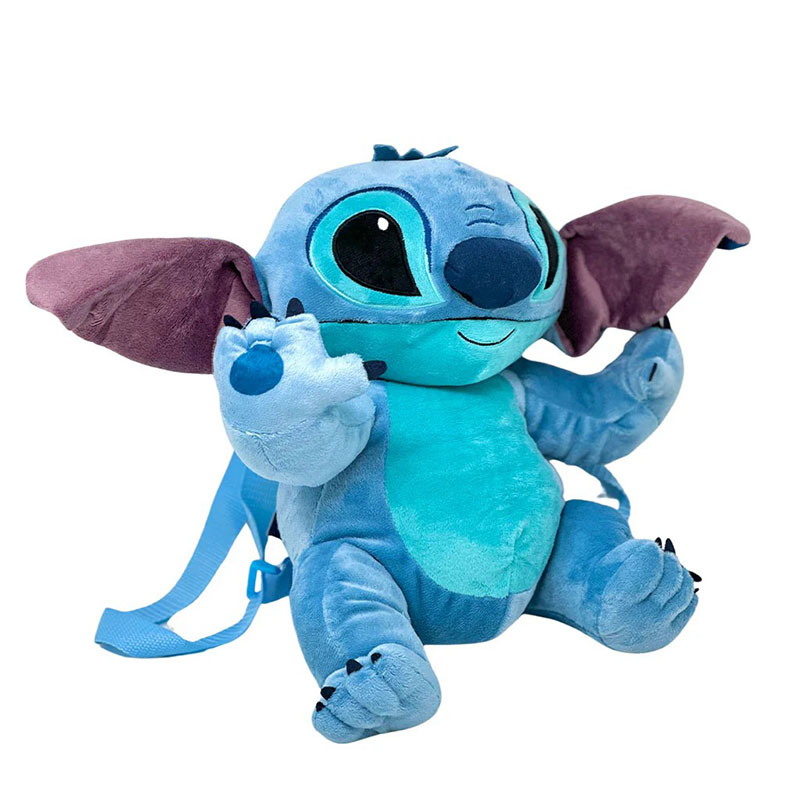
Plush Backpack Toys

Plush backpacks combine toy and practical use. Animal plush backpacks are popular for kids and gift markets, offering both decoration and storage functions.

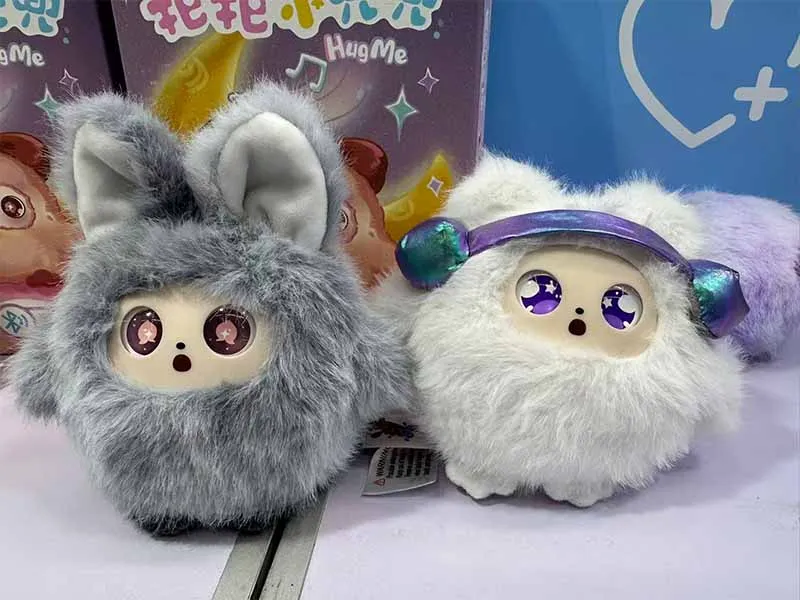
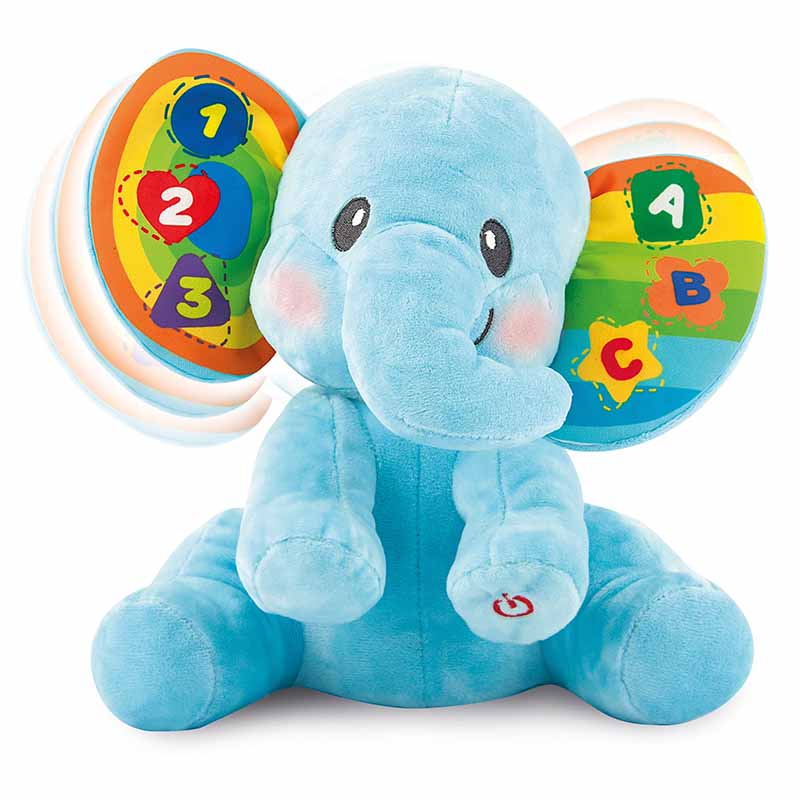
Interactive Plush Toys

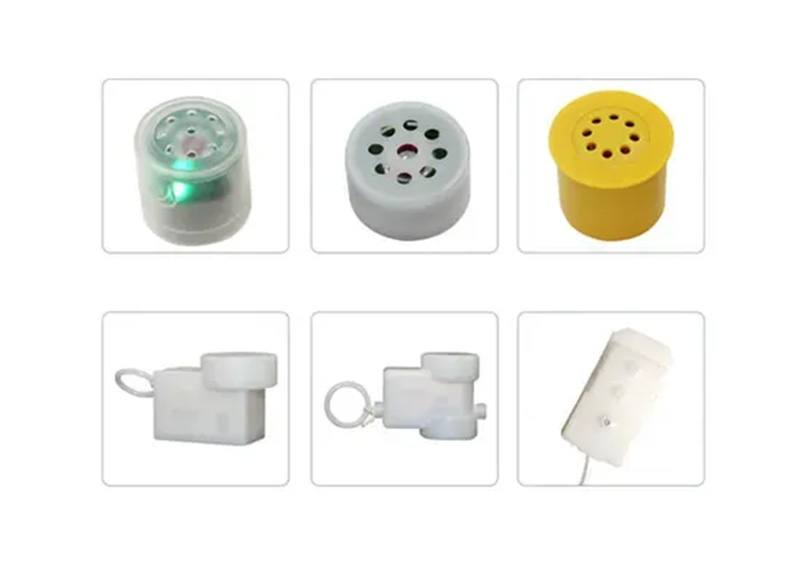
Interactive plush toys may include sound modules, movement components, or sensory features that create engaging play experiences for children.

Weighted Plush Toys

Weighted plush toys contain weighted beads or filling materials that create a calming and comforting feel. They are commonly used for relaxation and stress relief.

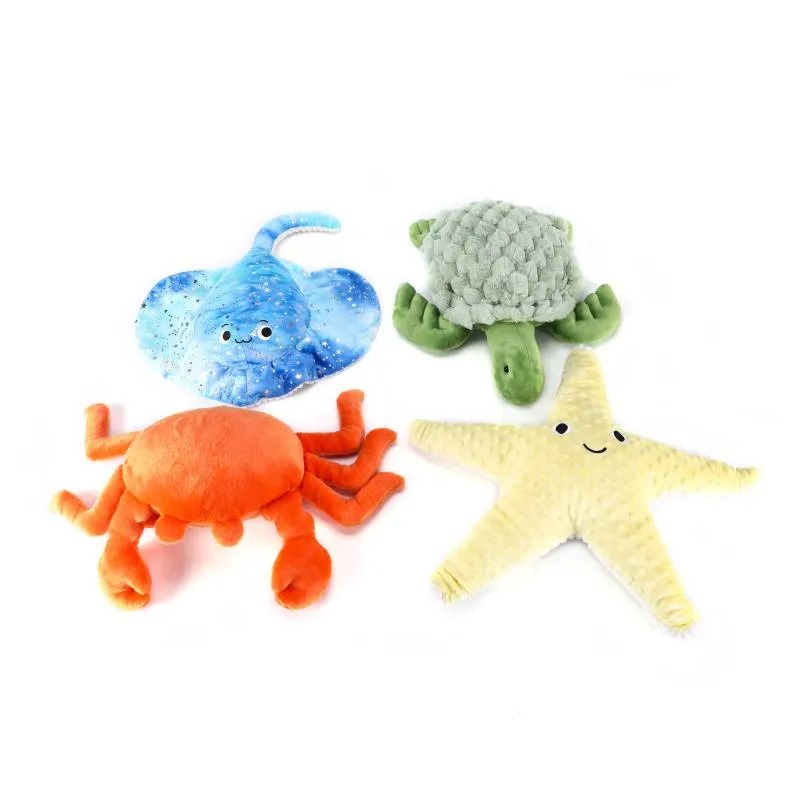
Ocean Animal Plush Toys

Ocean animal plush toys include whales, dolphins, sharks, and sea turtles. These designs are popular in marine-themed collections and educational toy lines.

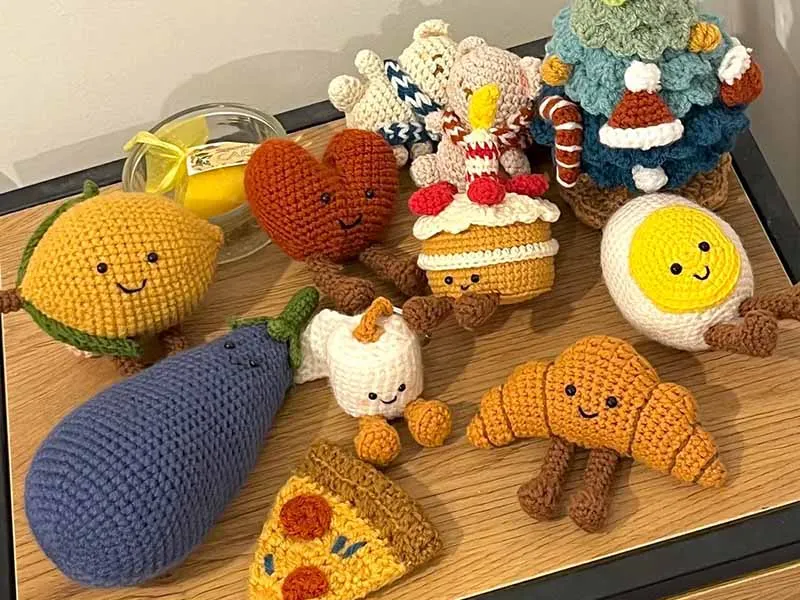
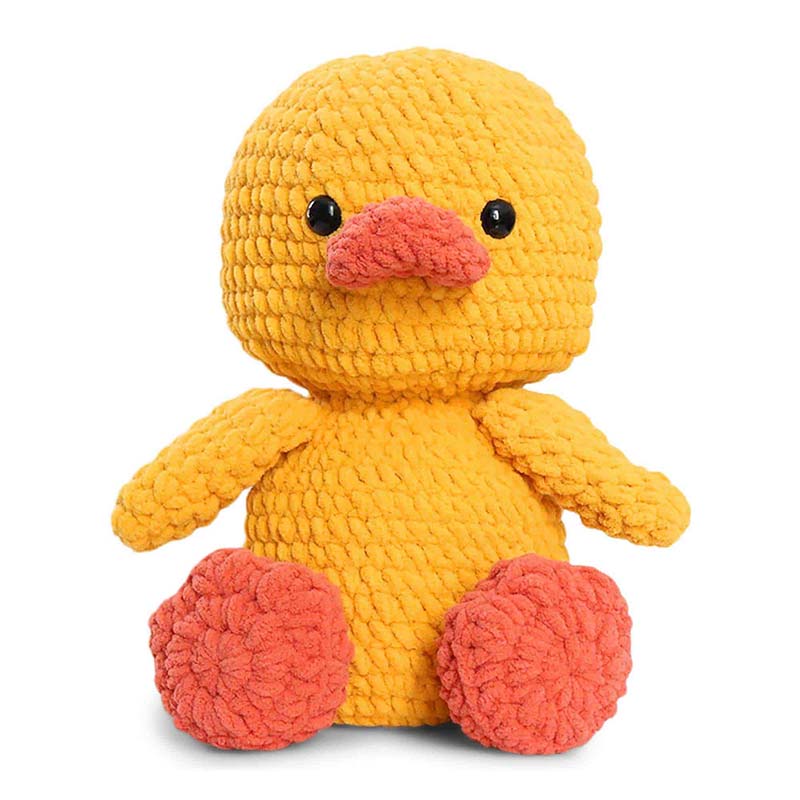
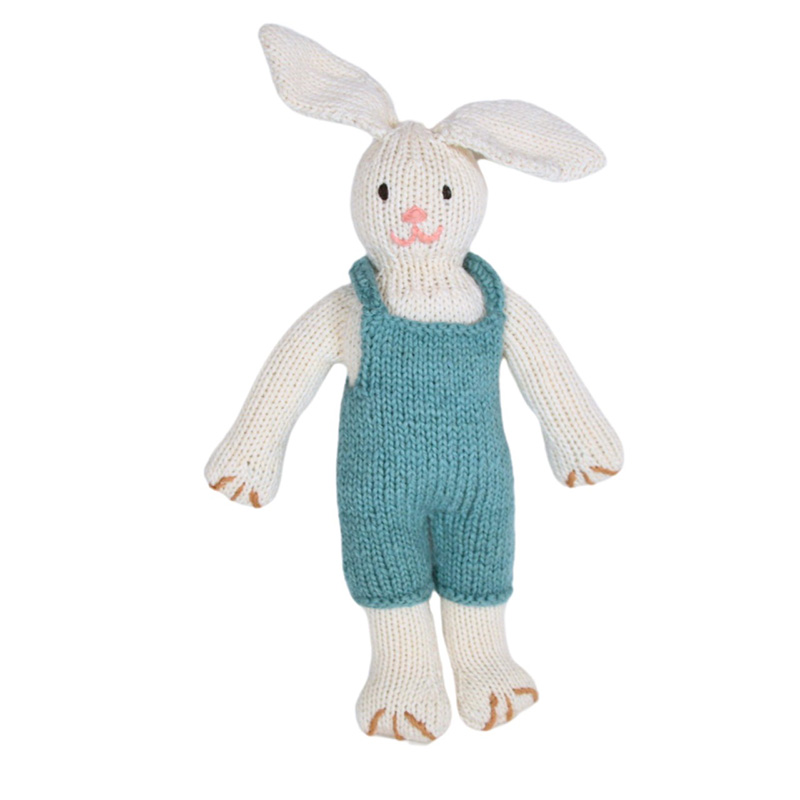
Crochet Plush Toys

Crochet plush toys feature handmade textures and unique craft styles. They are often used for boutique toy brands and artisan-style collections.

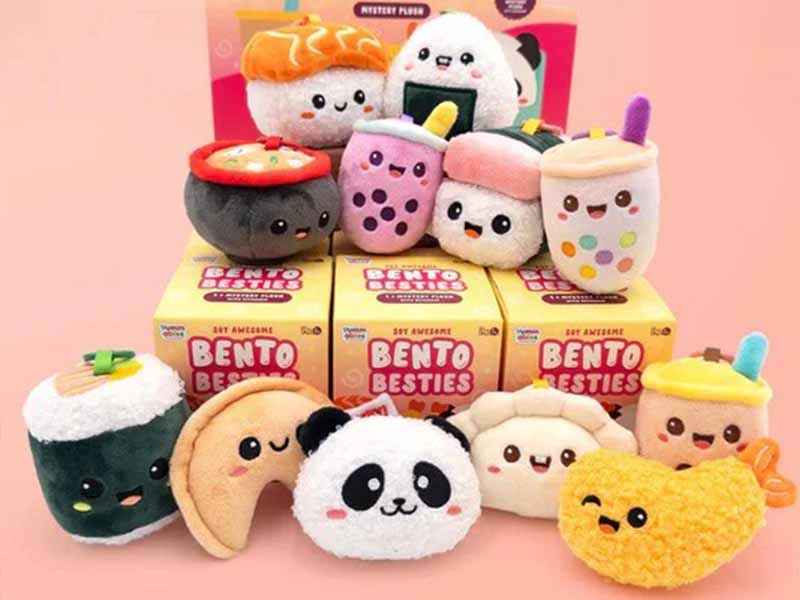
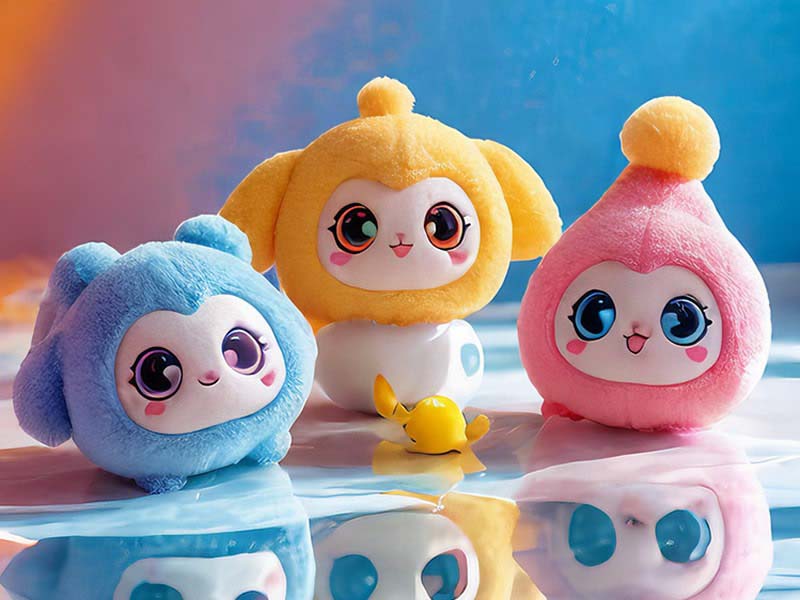
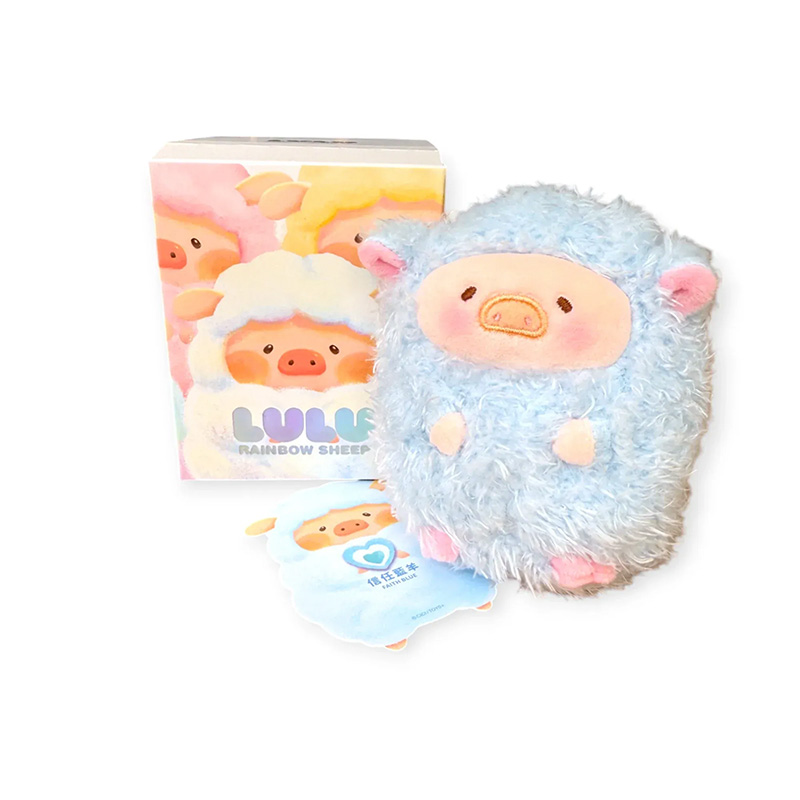
Plush Blind Box Toys

Blind box plush toys are popular collectible items. Multiple animal characters can be designed in series to encourage repeat purchases and collector engagement.

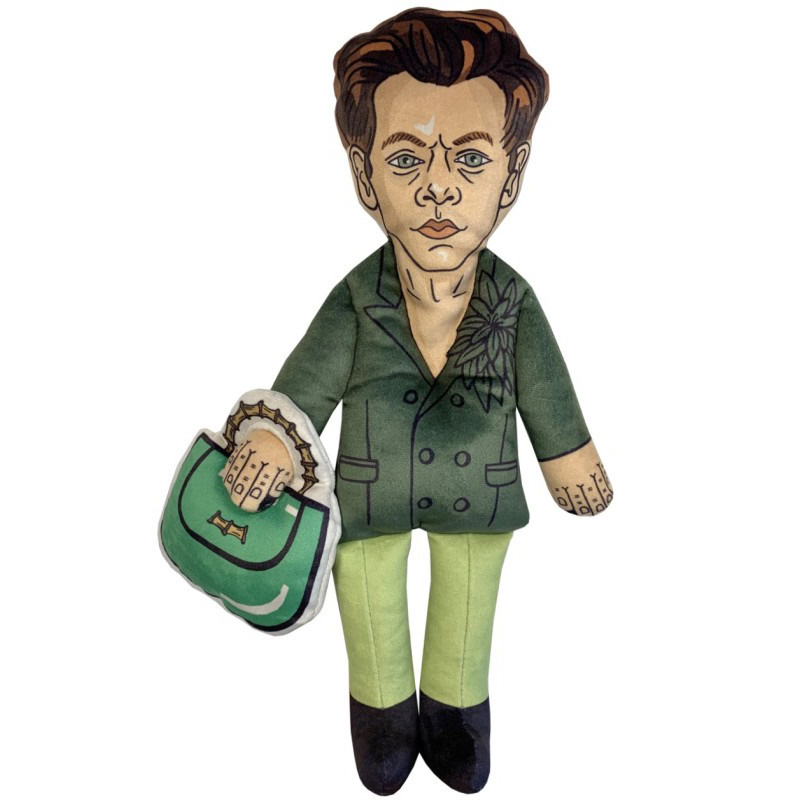
Plush Doll Characters

Plush dolls represent characters, mascots, or brand figures. These toys are commonly used for character licensing and brand merchandise collections.

Baby Plush Toys

Baby plush toys are designed with ultra-soft fabrics and safe materials. These toys are made for infants and toddlers with gentle textures and simple shapes.

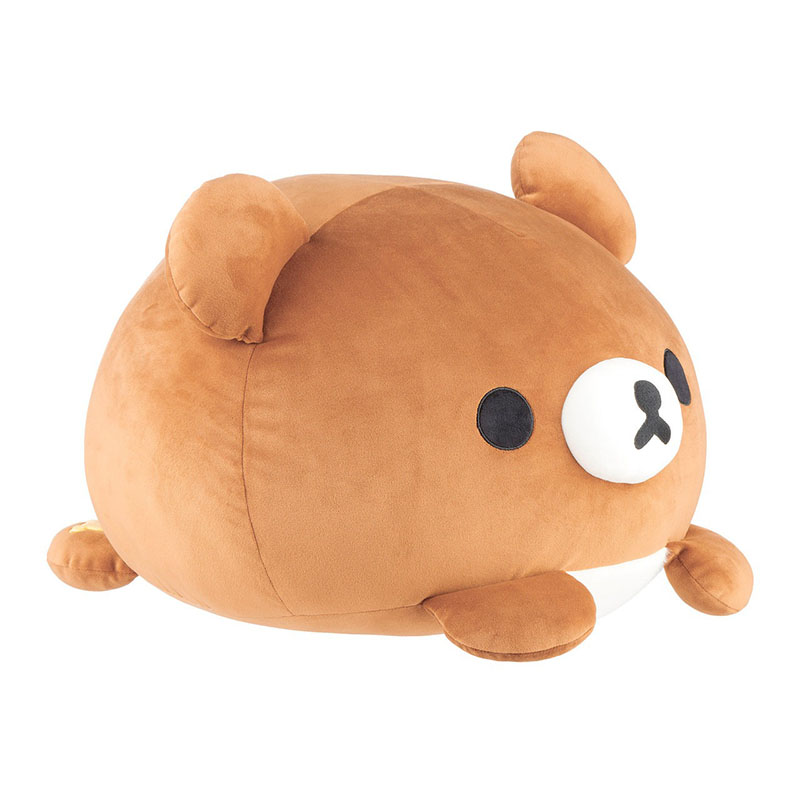
Plush Pillow Toys

Plush pillow toys combine the softness of plush toys with the comfort of pillows. They are often used as decorative cushions for bedrooms and sofas.

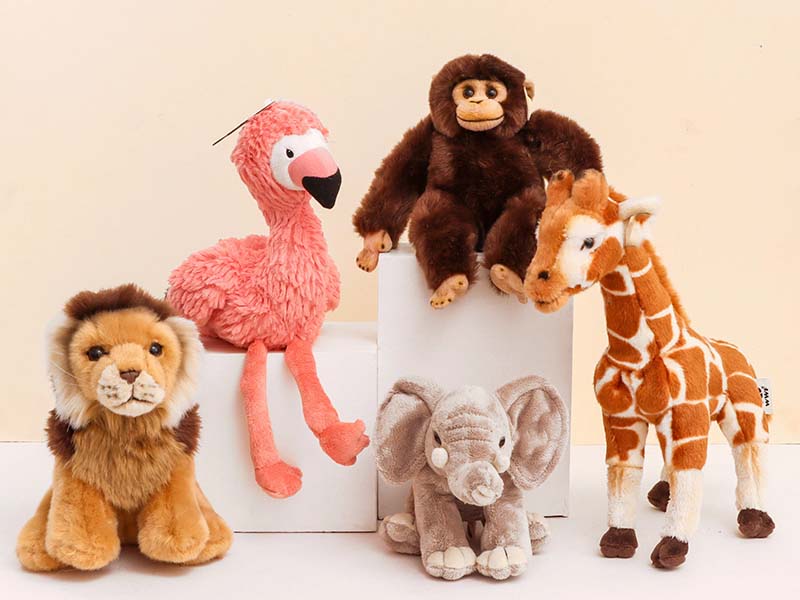
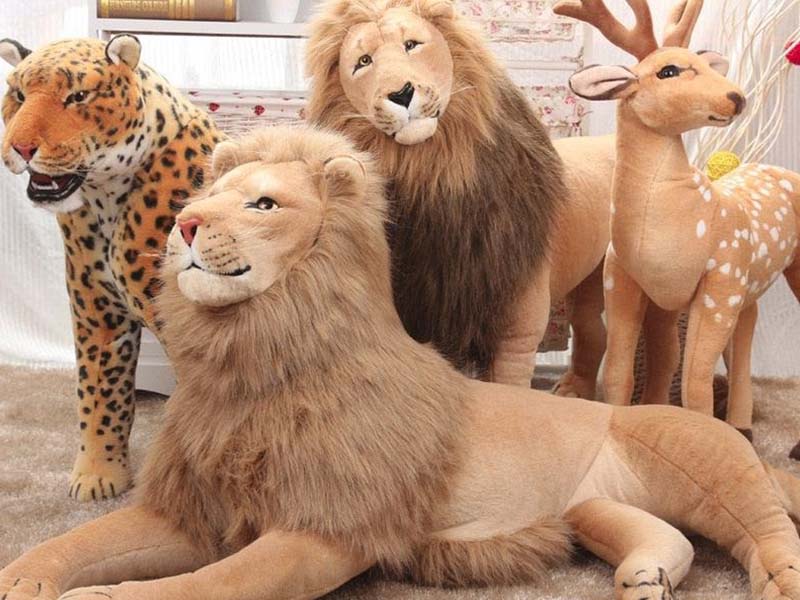
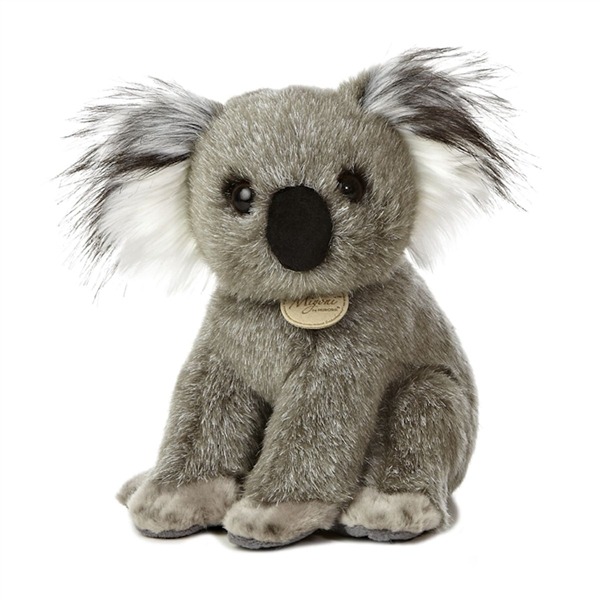
Realistic Animal Plush Toys

Realistic plush animals are designed to resemble real animals with accurate shapes, colors, and textures. They are popular for educational or wildlife-themed products.

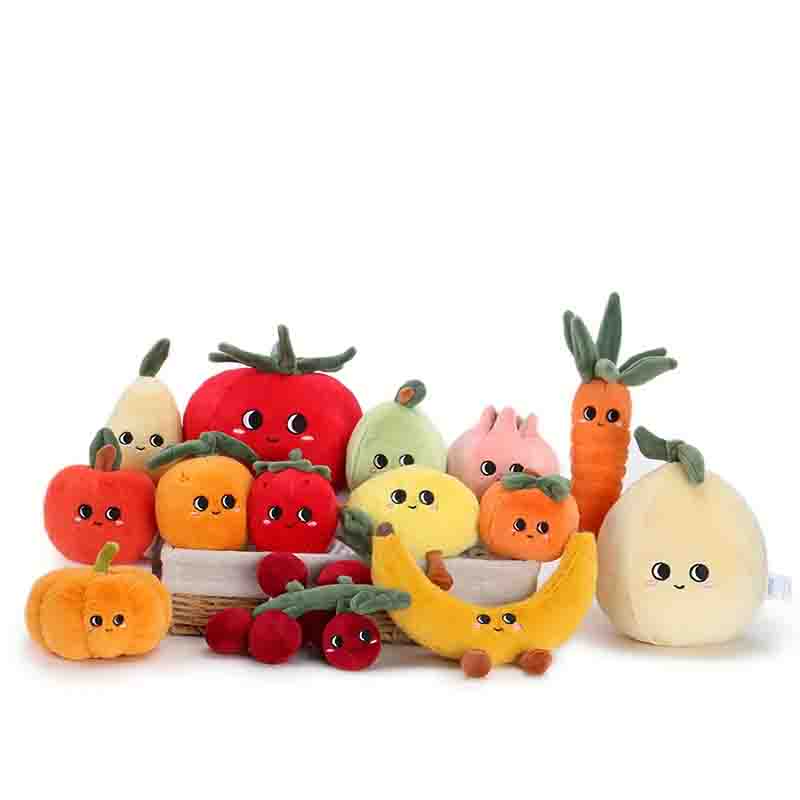
Fruit Plush Toys

Fruit plush toys feature playful and colorful designs. They are widely used for gift products, plush collections, and themed toy lines.

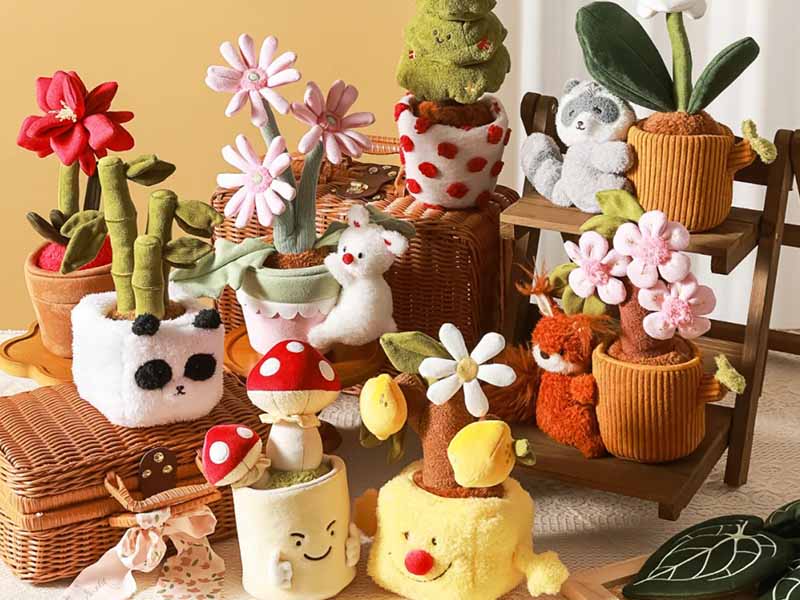
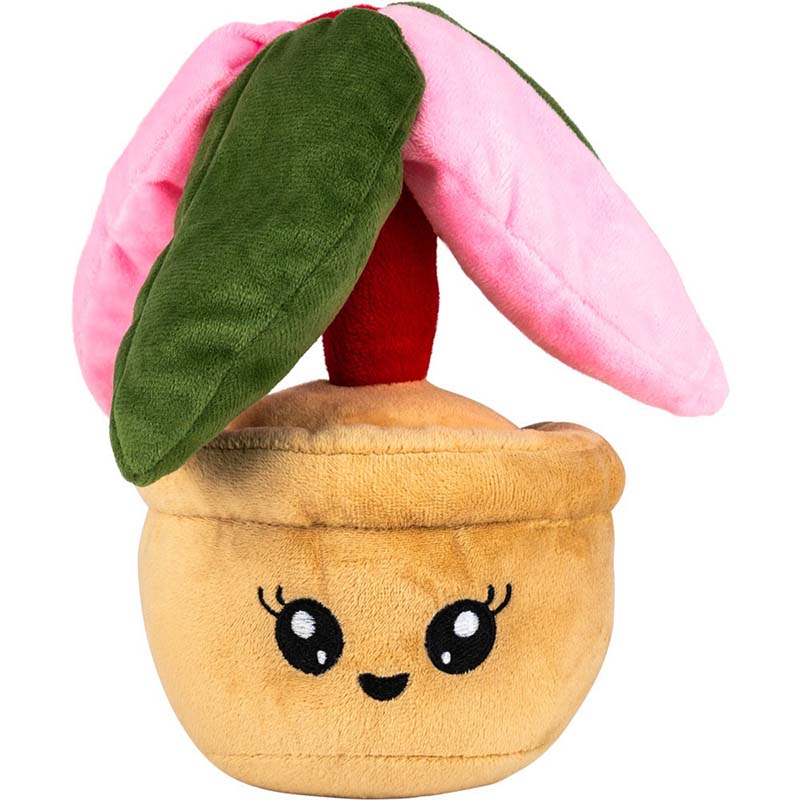
Plant Plush Toys

Plant plush toys include cactus, flowers, and other plant-inspired designs. These plush toys are often used as decorative gifts or novelty items.

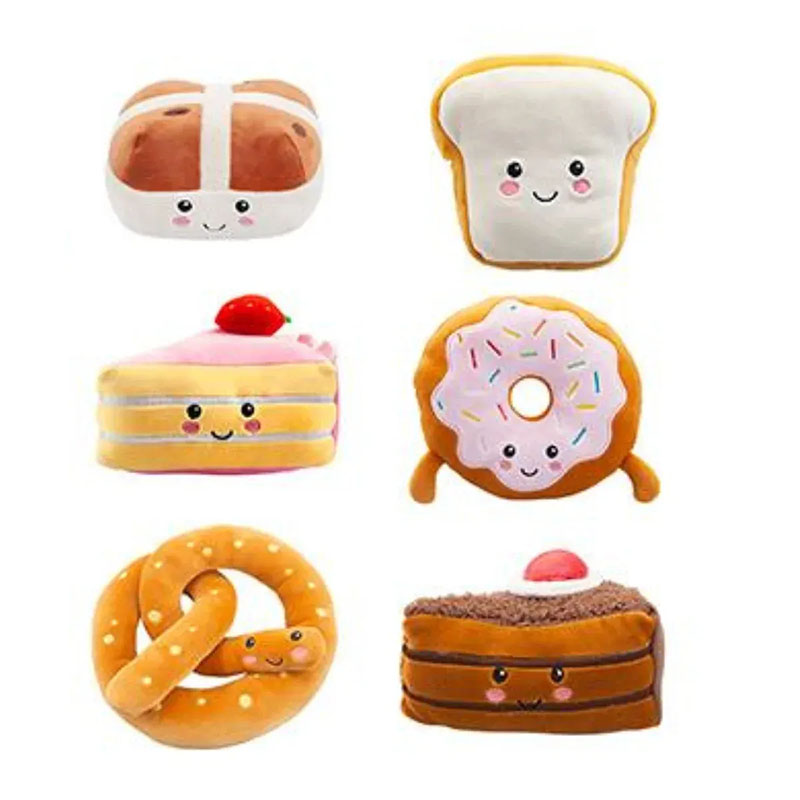
Food Plush Toys

Food plush toys such as burgers, pizza, and desserts are fun novelty products often used in retail gift stores and themed merchandise collections.

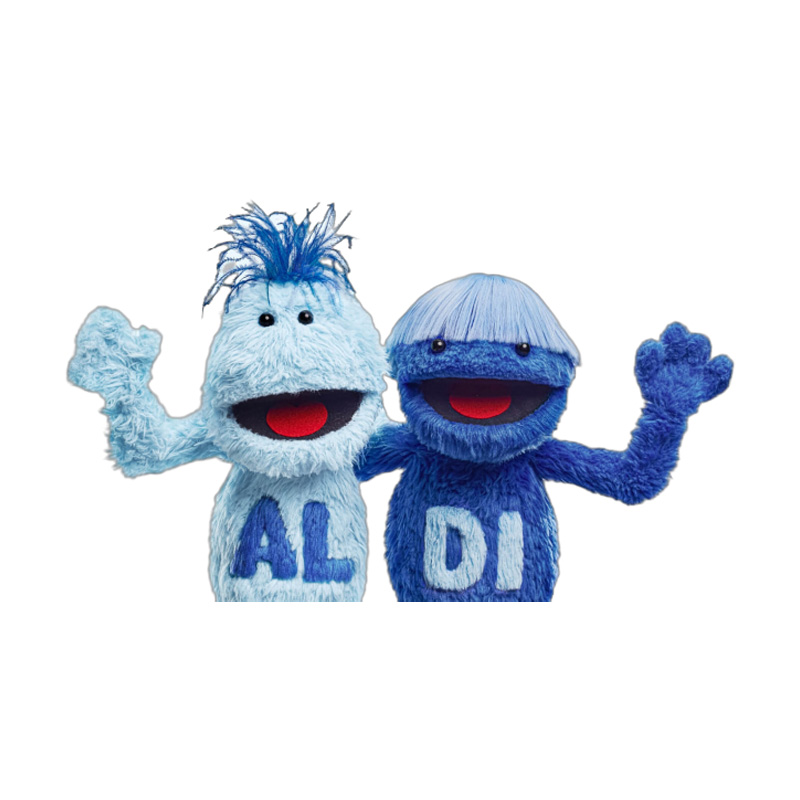
Puppet Plush Toys

Puppet plush toys allow children to control the toy using their hands, creating storytelling and interactive play experiences.

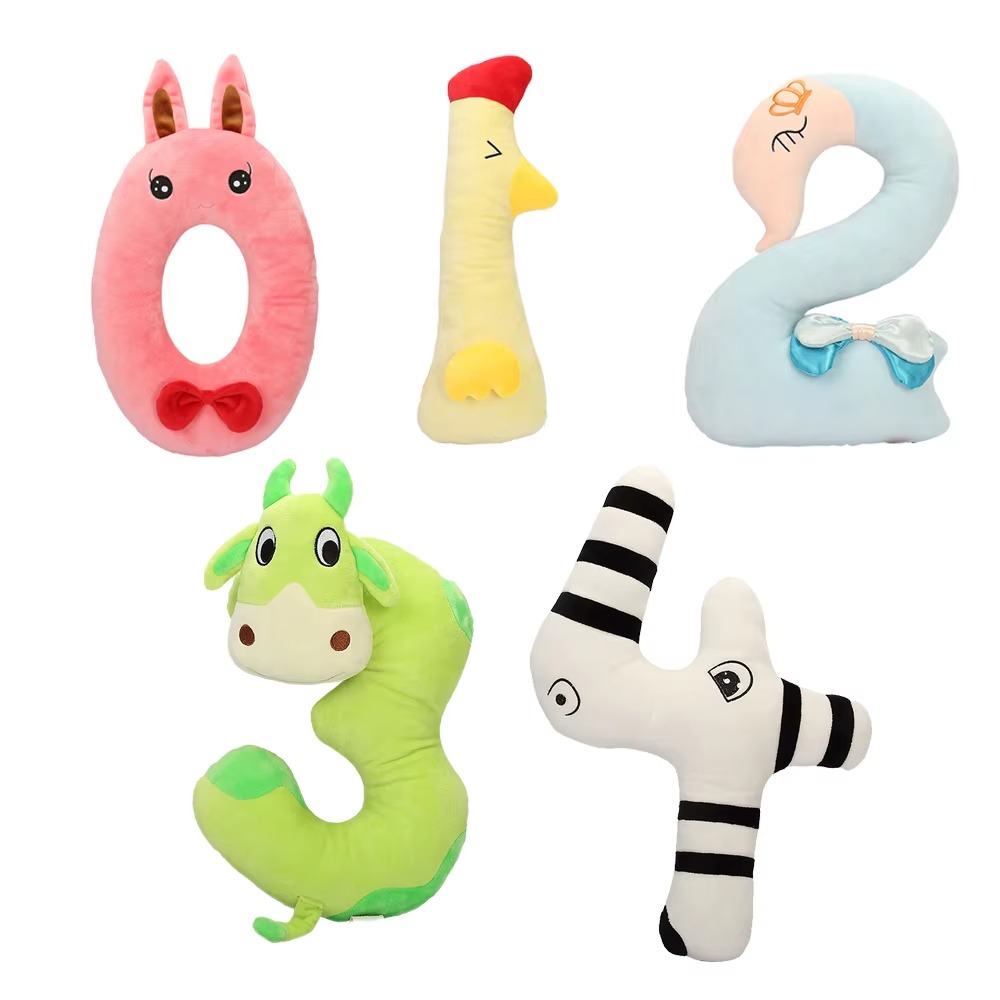
Educational Plush Toys

Educational plush toys help children learn about animals, nature, or numbers through playful and interactive designs.

Holiday Plush Toys

Holiday plush toys are designed for special seasons such as Christmas, Halloween, or Easter, making them popular gift items during festive periods.

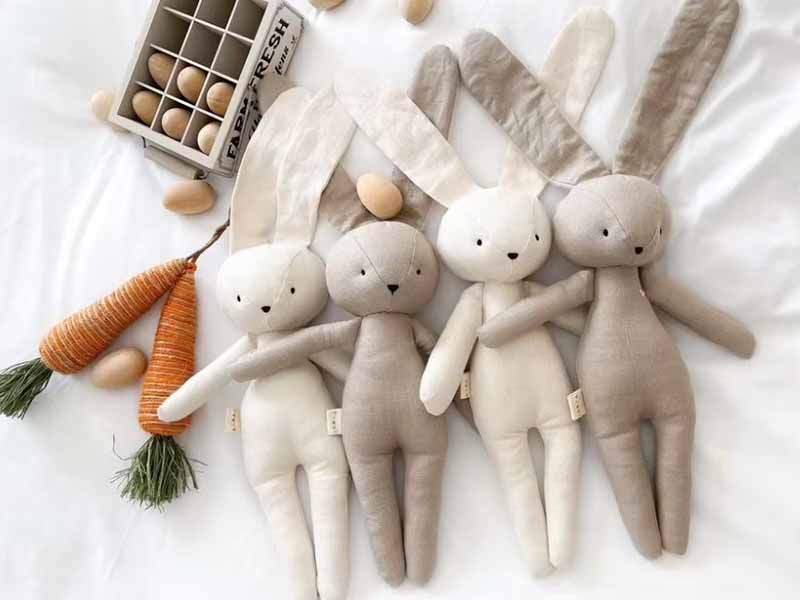
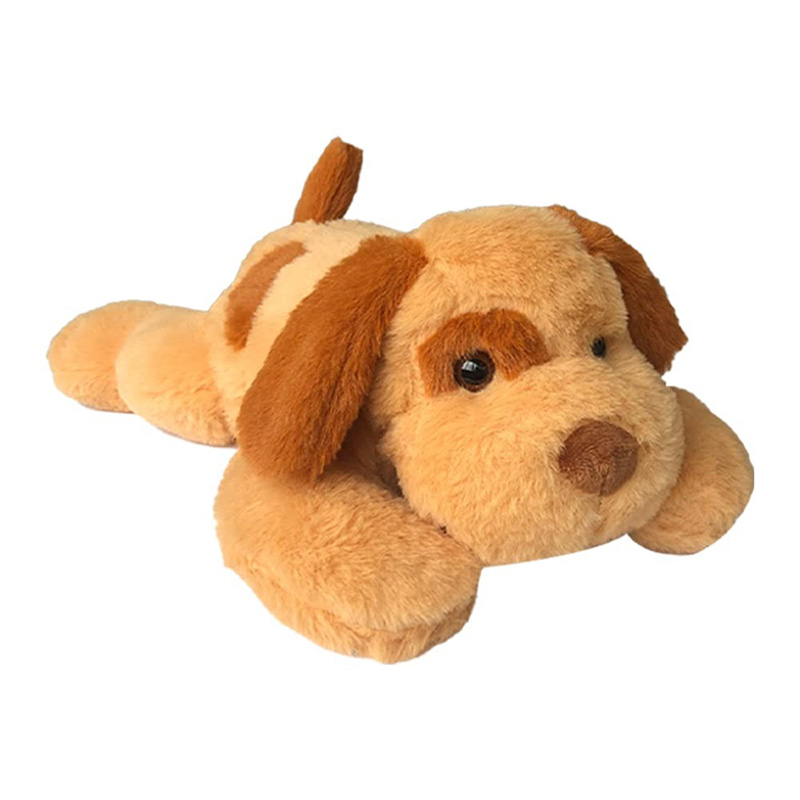
Animal Plush Toys

Classic animal plush toys such as bears, dogs, cats, and rabbits remain the most popular category in the plush toy market.

International Plush Toy Safety Standards for Global Markets

Safety is one of the most important factors when developing custom animal plush and custom stuffed animals for international markets. Plush toys must meet strict safety regulations to ensure they are safe for children and suitable for global retail channels. A professional stuffed animal manufacturer understands these requirements and uses certified materials, tested accessories, and controlled production processes. Meeting global plush toy safety standards helps brands reduce compliance risks and successfully launch plush toys in markets such as the United States, Europe, and other regions.

EN71 Safety Standard for Europe

EN71 is the primary toy safety standard required for products sold in the European market. It covers several testing areas including mechanical safety, flammability, and chemical content in materials. Plush toys must pass tests that evaluate seam strength, small parts safety, and harmful substance limits. For brands selling custom stuffed animals in Europe, meeting EN71 requirements is essential to ensure the toys are safe for children and allowed to enter retail markets.

ASTM F963 Standard for the United States

ASTM F963 is one of the most important toy safety standards in the United States. It focuses on physical and mechanical safety, small parts hazards, and material safety for children’s toys. Plush toys must undergo tests for pull strength, seam durability, and accessory safety to ensure they can withstand normal play conditions. Compliance with ASTM F963 helps brands confidently sell plush toys in the U.S. toy market.

CPSIA Compliance for Children's Products

CPSIA regulates children’s products sold in the United States and focuses on chemical safety and labeling requirements. The law sets strict limits on lead content and phthalates in materials used for toys. Plush toy manufacturers must ensure fabrics, fillings, dyes, and accessories meet these requirements. Proper product labeling and tracking labels are also required to comply with CPSIA regulations.

CE Certification for European Market

CE certification indicates that a plush toy complies with European Union safety requirements and relevant toy directives. Products that carry the CE mark demonstrate that they meet safety, health, and environmental protection standards. For brands selling custom animal plush toys in Europe, CE certification is necessary to legally distribute toys within the European Economic Area.

REACH Compliance for Chemical Safety

REACH regulates chemical substances used in materials and production processes across the European Union. Plush toy fabrics, dyes, plastic accessories, and packaging materials must comply with REACH regulations to ensure chemical safety. This regulation helps prevent the use of harmful substances in toys and ensures that materials are safe for children.

Additional Safety Testing for Plush Toys

In addition to major safety certifications, plush toys often undergo extra testing during production. These tests may include needle detection to prevent metal contamination, seam strength testing to ensure durability, and stuffing safety inspections to confirm that filling materials are secure. These additional safety checks help ensure that custom stuffed animals remain safe and reliable during everyday use.

Meeting international safety standards helps brands launch custom animal plush products in global markets with greater confidence. Experienced plush toy manufacturers can assist with compliance planning, testing coordination, and production control to ensure plush toys meet international regulations.

Custom Options for Animal Plush Toys: Design, Structure & Features

Custom animal plush toys can be customized in many different ways to match brand identities, character designs, and product positioning. From character shape to accessories and functional features, a professional stuffed animal manufacturer can help transform creative ideas into unique plush products. With proper design optimization and production planning, custom stuffed animals can maintain both strong visual appeal and stable manufacturing quality.

Plush Character Shape and Design

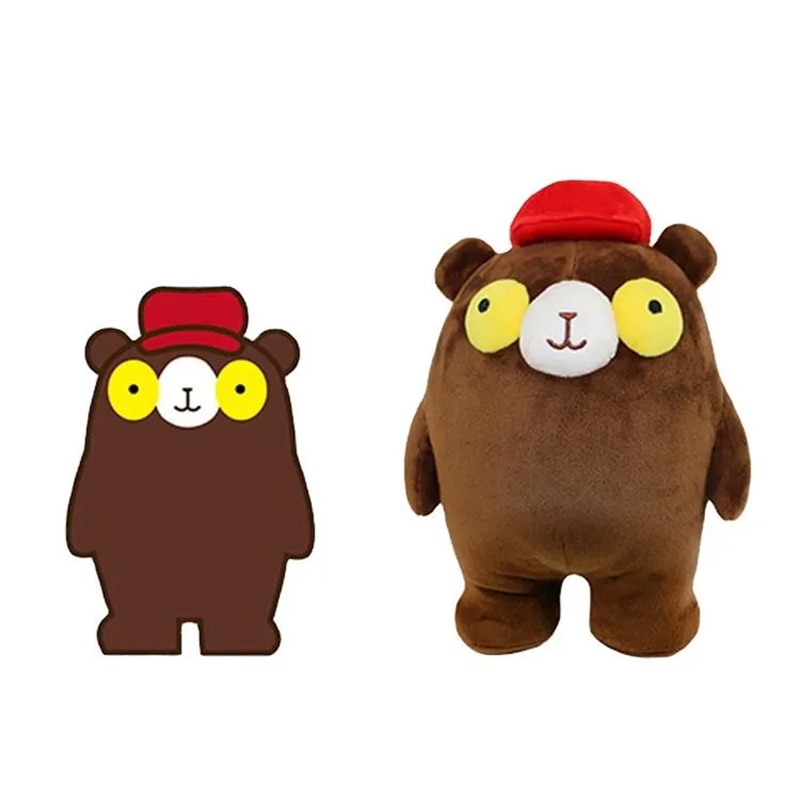
The character design is the core of custom animal plush toys. Brands can create plush toys based on mascots, illustrated characters, or creative concepts. Plush toy manufacturers can optimize proportions, simplify complex details, and refine structures to ensure the toy looks attractive while remaining suitable for manufacturing.

Animal species
Character facial expressions
Body proportions and shapes
Ear and tail design
Standing or sitting posture
Cartoon or realistic style
Special character features

Plush Toy Size and Structure

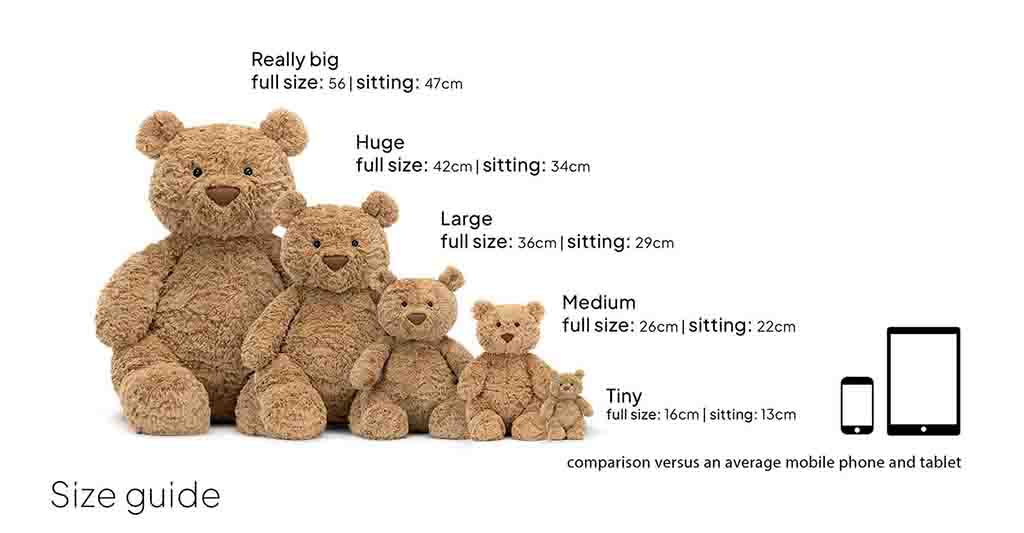
Different product sizes and structures allow plush toys to fit different markets and uses. Some plush toys are designed as small collectibles, while others are developed as large display products or functional plush items.

Mini plush toys
Plush keychain size
Medium retail plush toys
Large plush toys
Giant plush toys
Standing plush structure
Sitting plush structure

Plush Surface Details and Decorations

Surface details play an important role in defining the personality of plush toys. Through different decoration methods, plush toys can present more character features and brand identity.

Embroidery facial details
Printed patterns
Logo embroidery
Applique fabric patches
Decorative stitching
Pattern color combinations
Character markings

Plush Accessories and Character Clothing

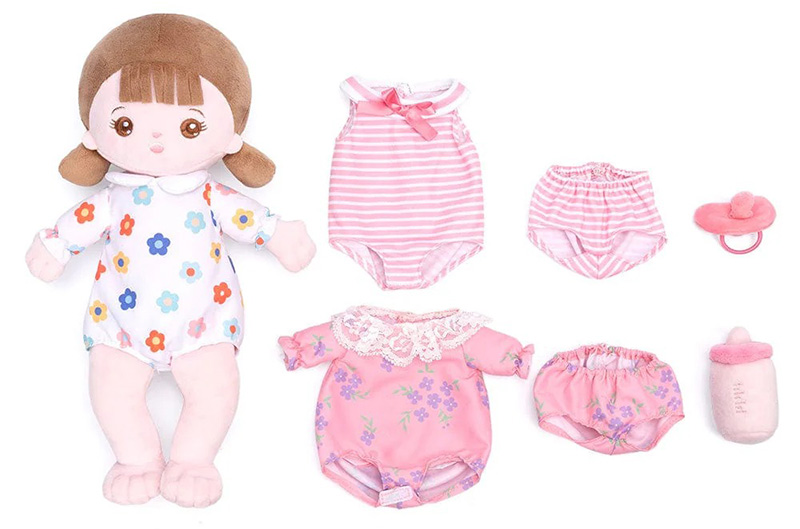
Accessories and clothing help plush toys represent different themes and stories. Custom costumes and decorative elements can strengthen brand identity and make plush toys more unique.

Character clothing
Hats and head accessories
Scarves and capes
Mini bags or backpacks
Glasses or decorative props
Shoes or character accessories
Brand labels and tags

Plush Toy Functional Features

Functional features can make plush toys more interactive and engaging. These features are commonly used in promotional products, educational toys, and children’s toy collections.

Sound modules
Light features
Interactive squeeze functions
Weighted plush structure
Hidden pockets
Removable accessories
Interactive play elements

With so many customization options available, brands can create custom animal plush toys that match their product strategy and brand identity. A professional plush toy factory can guide the design process and ensure each plush toy is ready for stable mass production.

Plush Fabrics and Filling Materials Used in Custom Animal Plush Toys

The materials used in custom animal plush toys play an important role in softness, durability, safety, and overall product quality. Different fabrics create different textures and visual styles, while filling materials determine the plush toy’s softness, shape, and comfort. A professional stuffed animal manufacturer can recommend suitable fabrics and filling materials based on the design, product positioning, and target market of custom stuffed animals.

Plush Fabrics
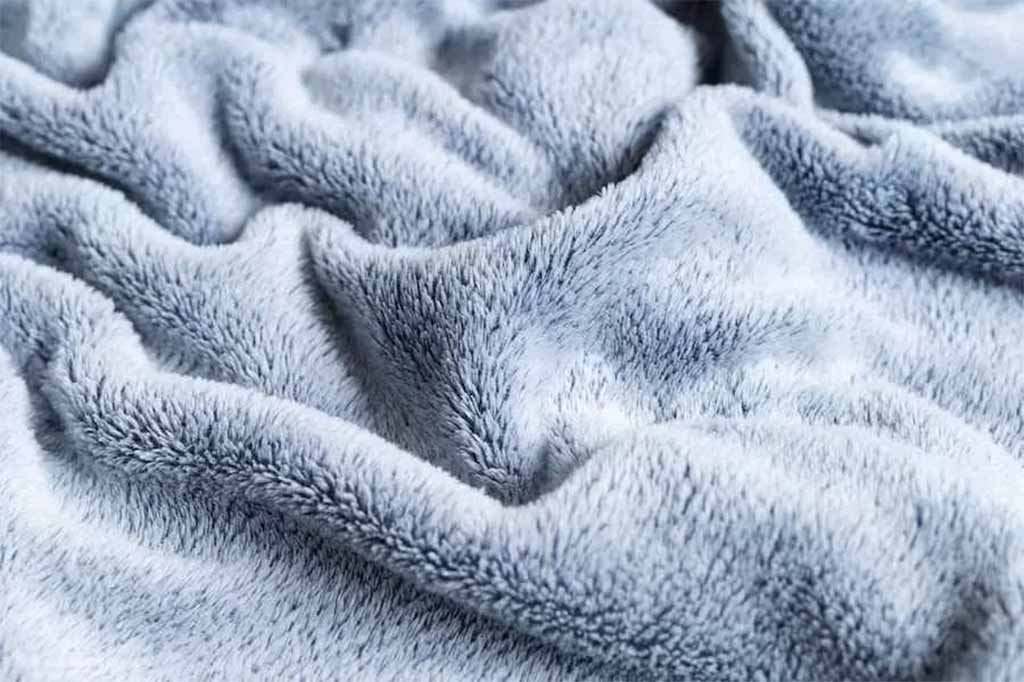
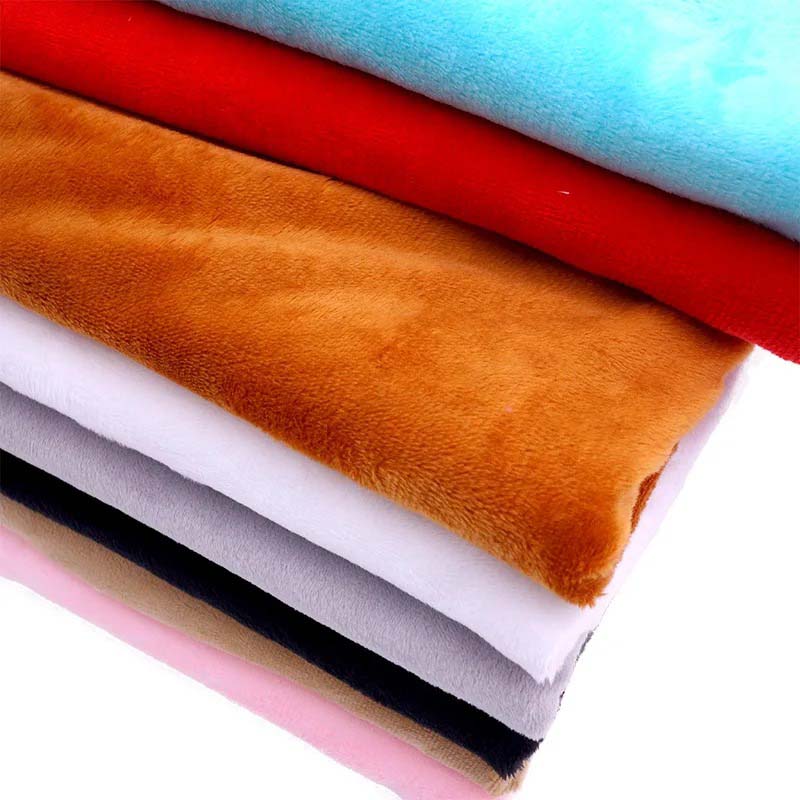
Velboa fabric for custom animal plush toys

Velboa Fabric

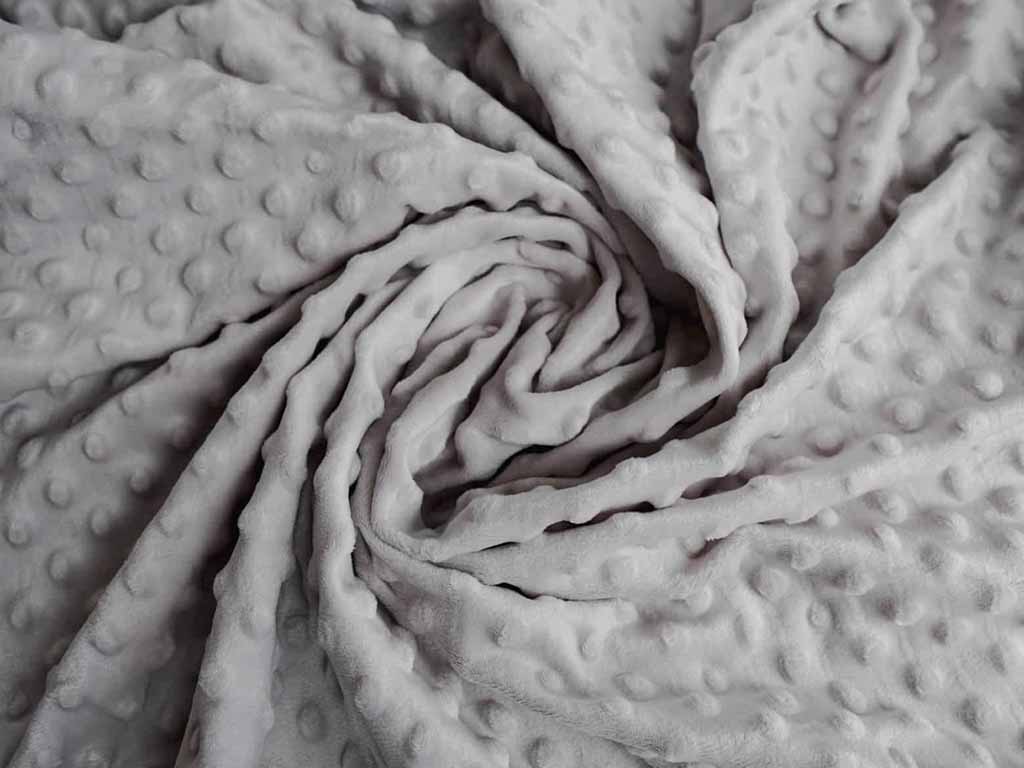
Minky plush fabric for stuffed animals

Minky Plush Fabric

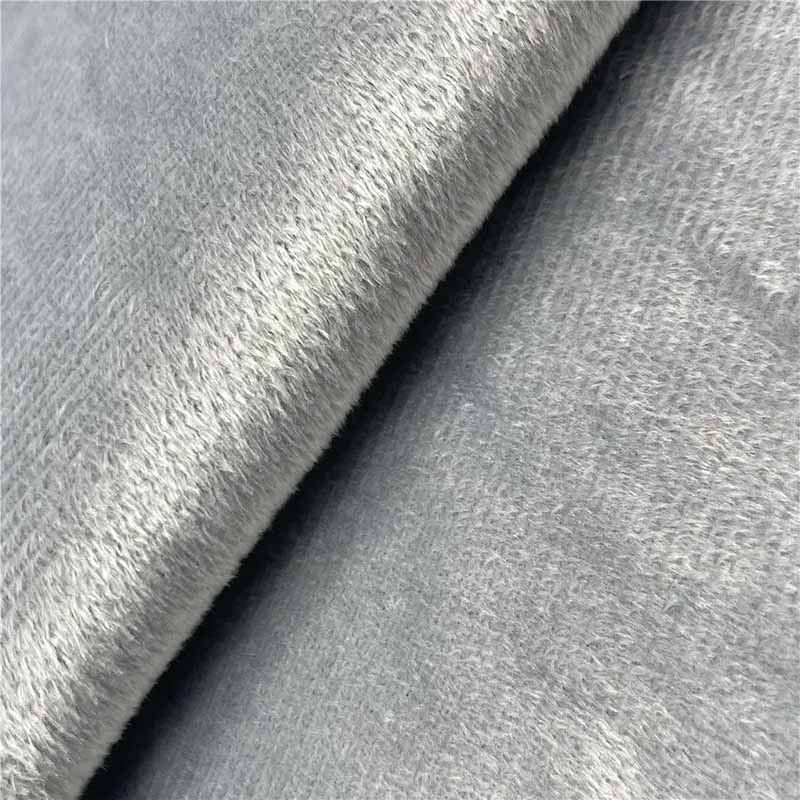
Short plush fabric for custom plush toys

Short Plush Fabric

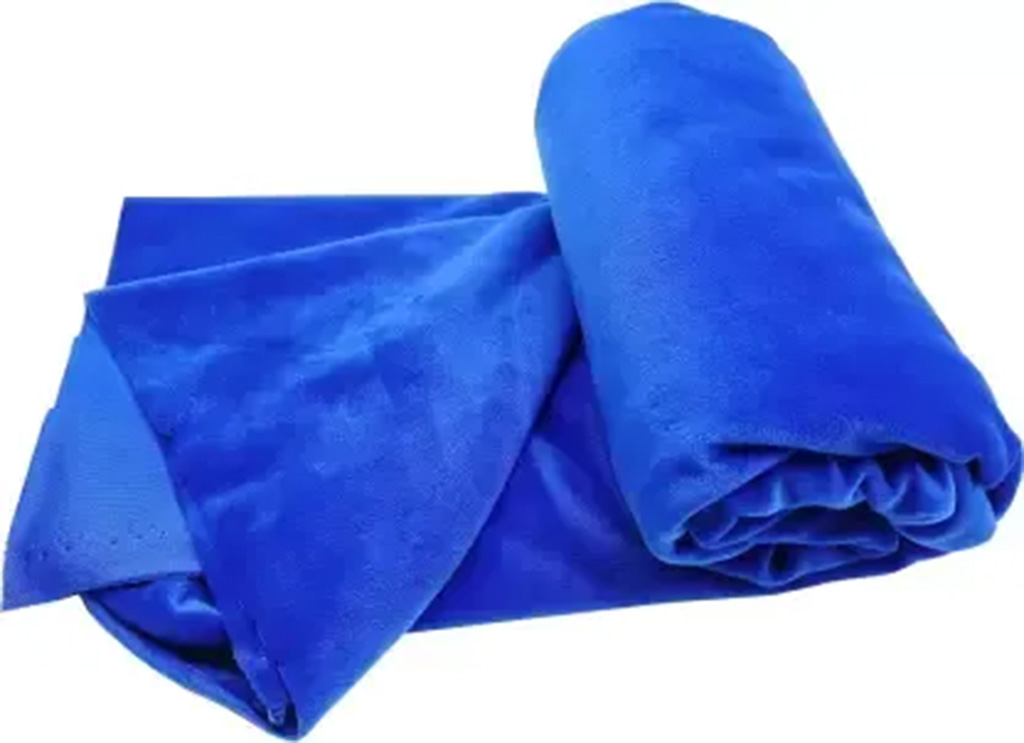
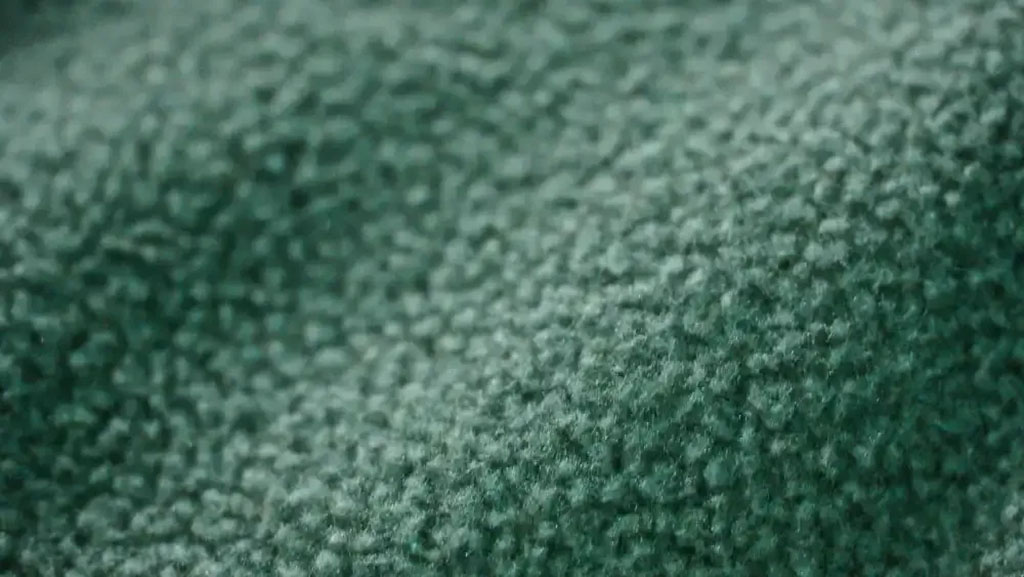
Super soft plush fabric for animal plush toys

Super Soft Plush Fabric

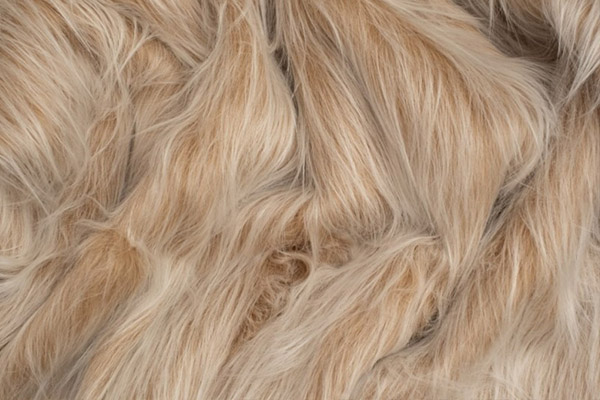
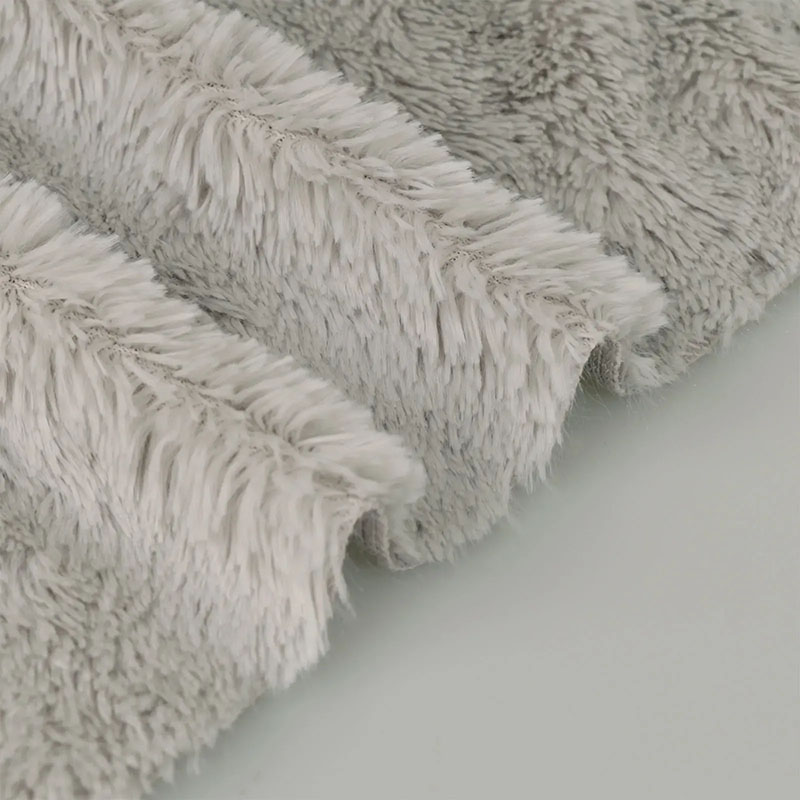
Faux fur fabric for custom stuffed animals

Faux Fur Fabric

Crystal super soft fabric for plush toys

Crystal Super Soft Fabric

Coral fleece fabric for animal plush toys

Coral Fleece Fabric

PV plush fabric for stuffed toy production

PV Plush Fabric

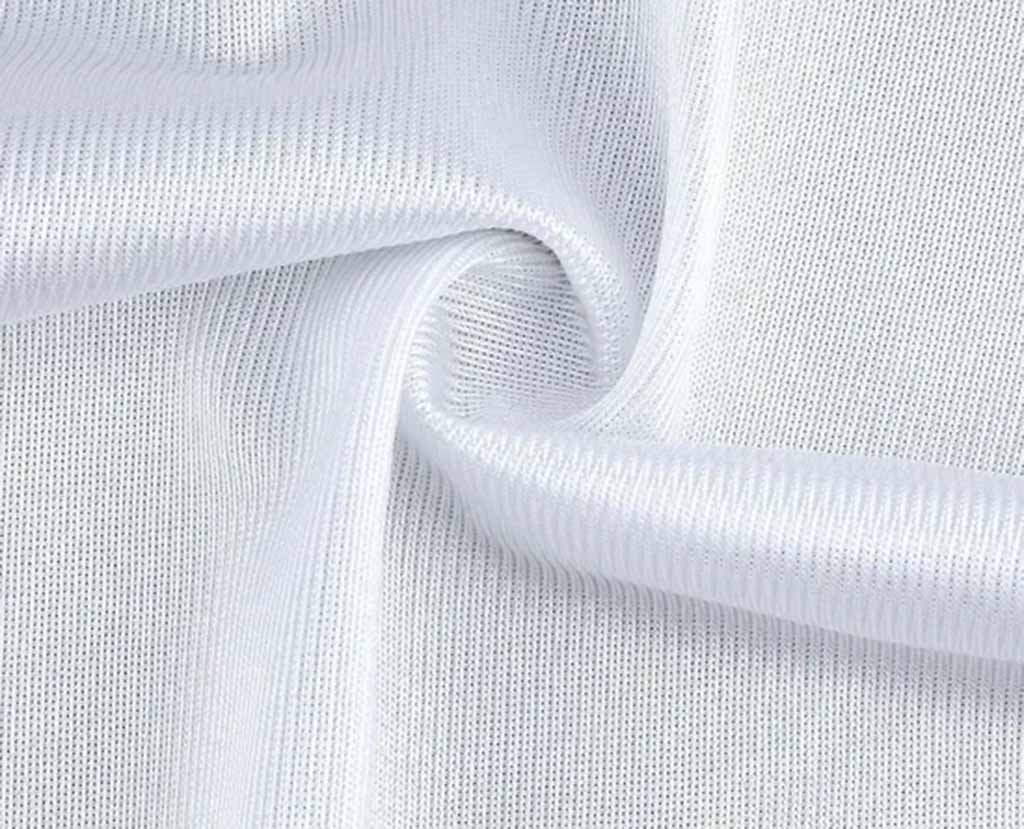
Tricot plush fabric for custom plush products

Tricot Plush Fabric

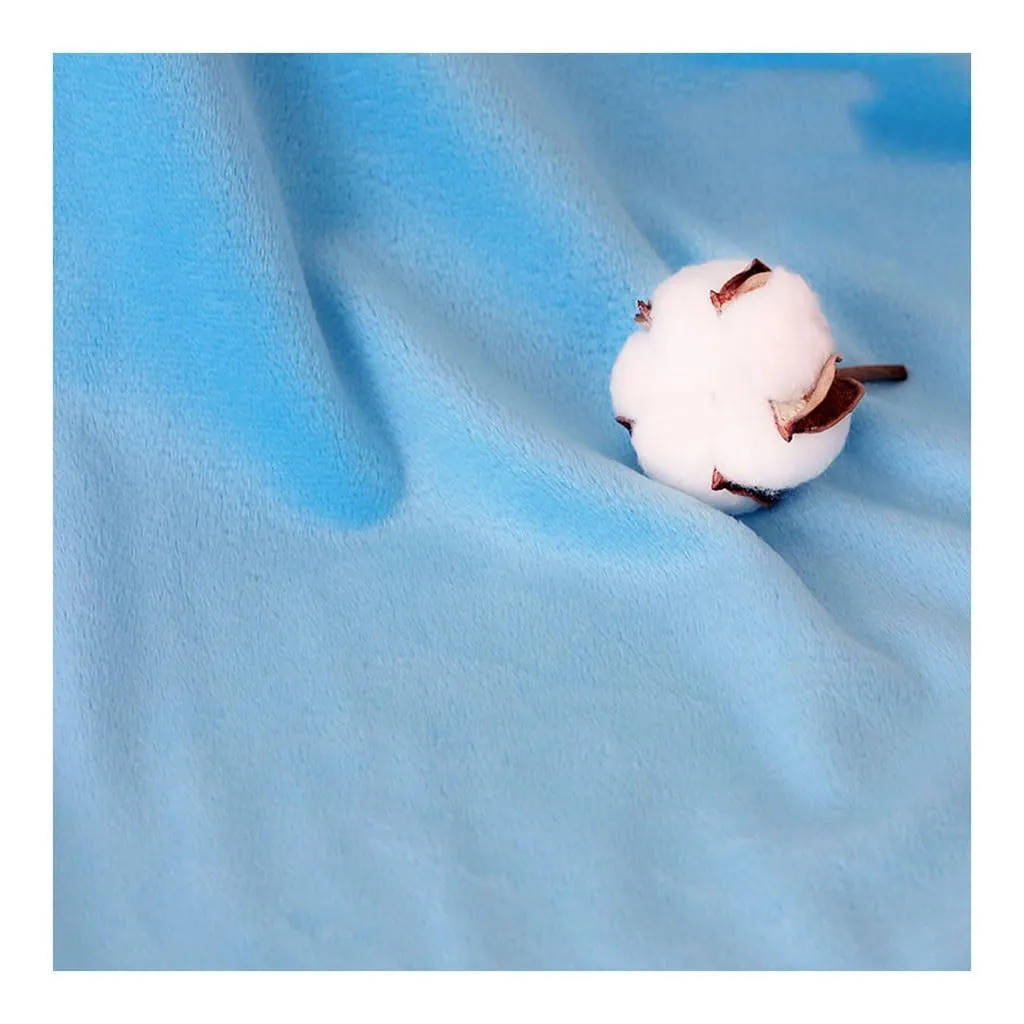
Cotton plush fabric for custom animal plush toys

Cotton Plush Fabric

Plush Filling Materials
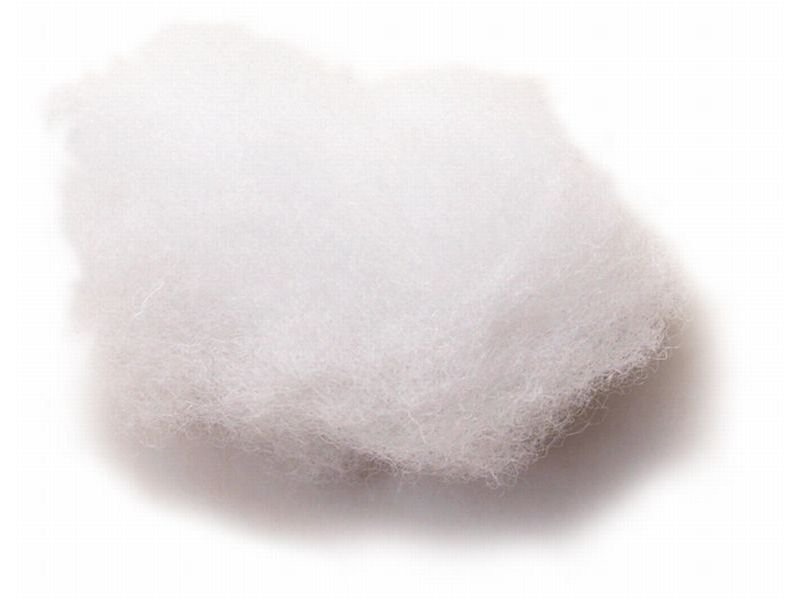
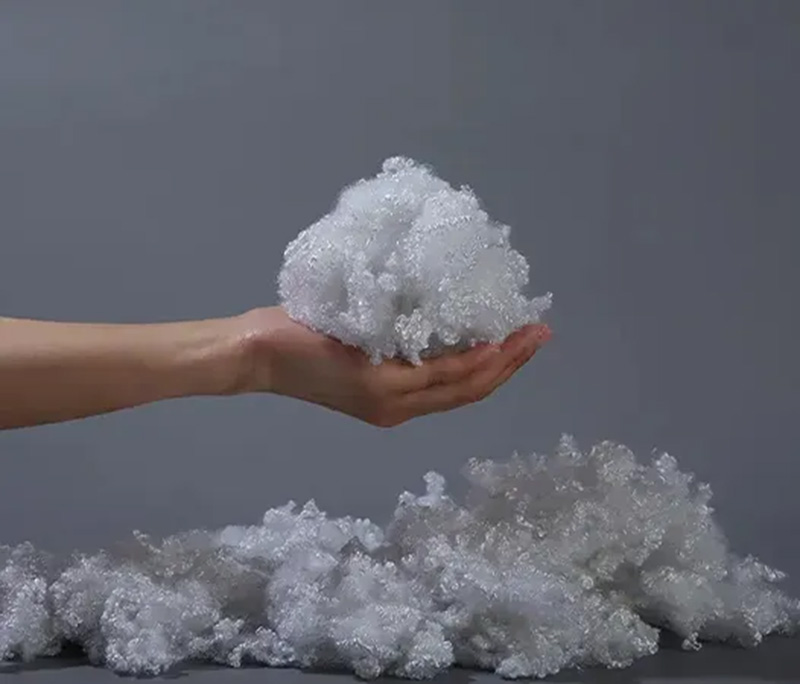
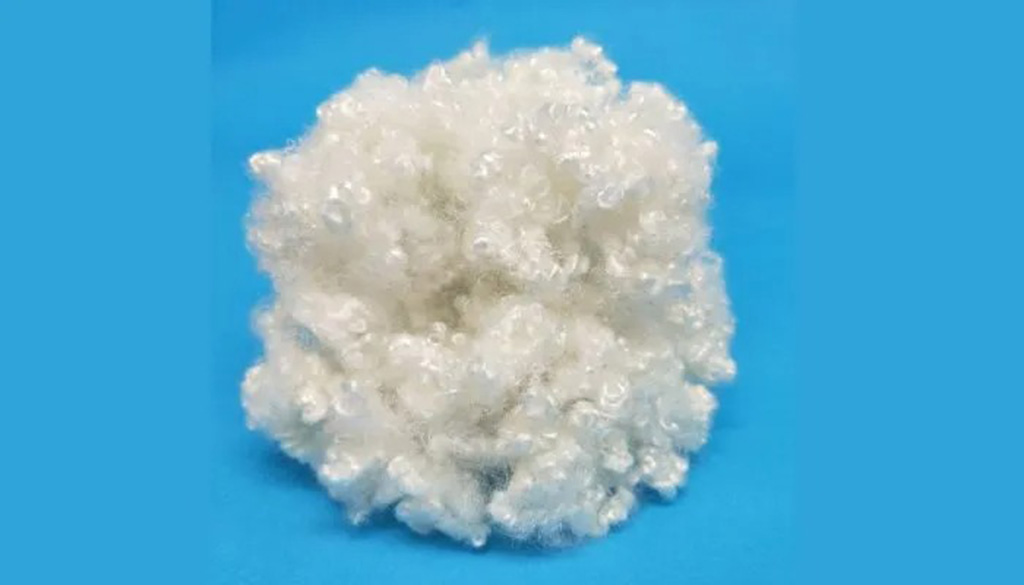
PP cotton fiberfill for custom plush toys

PP Cotton Fiberfill

Recycled polyester fiberfill for stuffed animals

Recycled Polyester Fiberfill

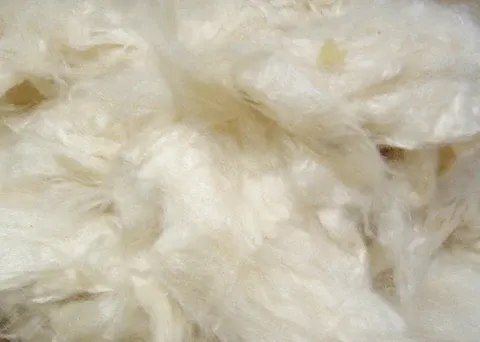
Cotton filling for animal plush toys

Cotton Filling

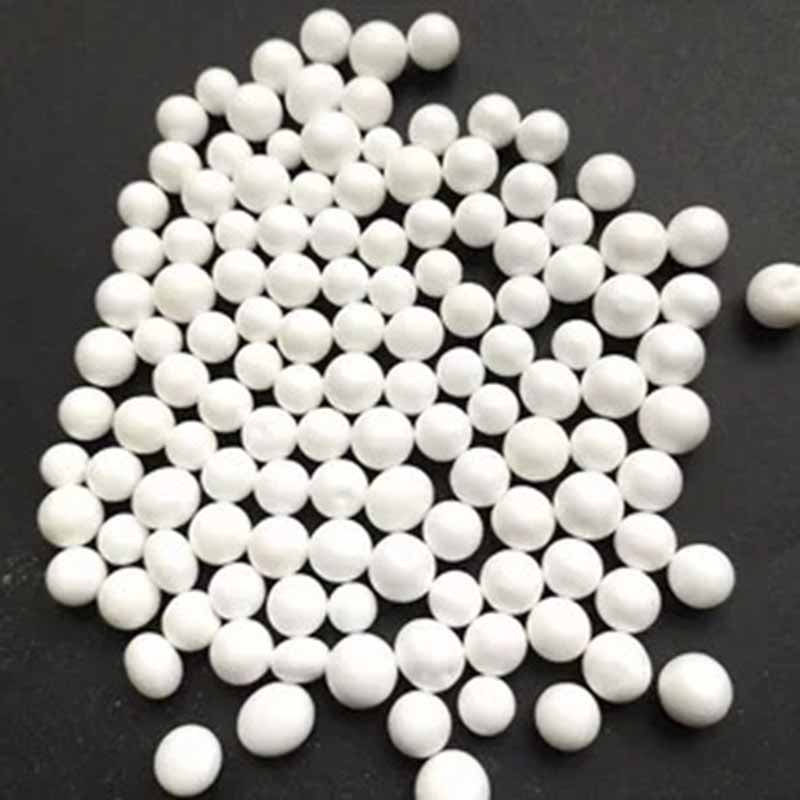
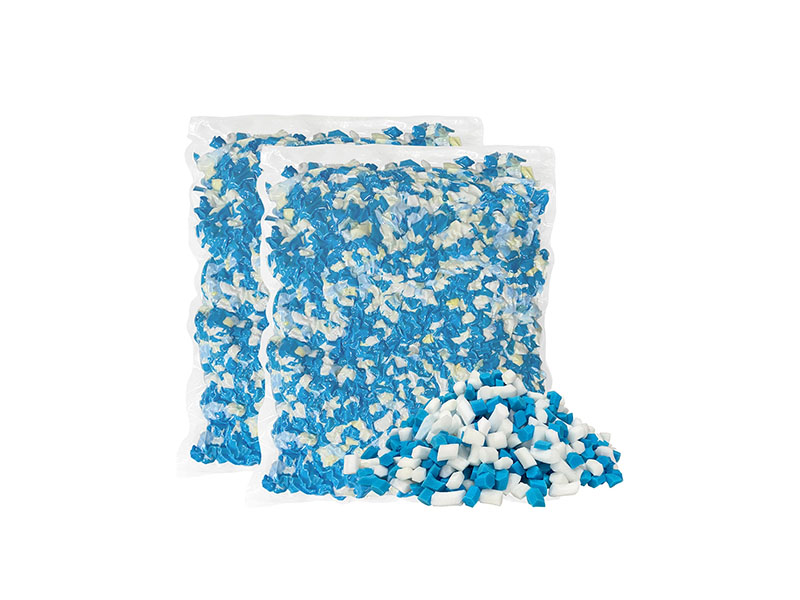
Foam particles for plush toy filling

Foam Particles

Memory foam filling for stuffed animals

Memory Foam Filling

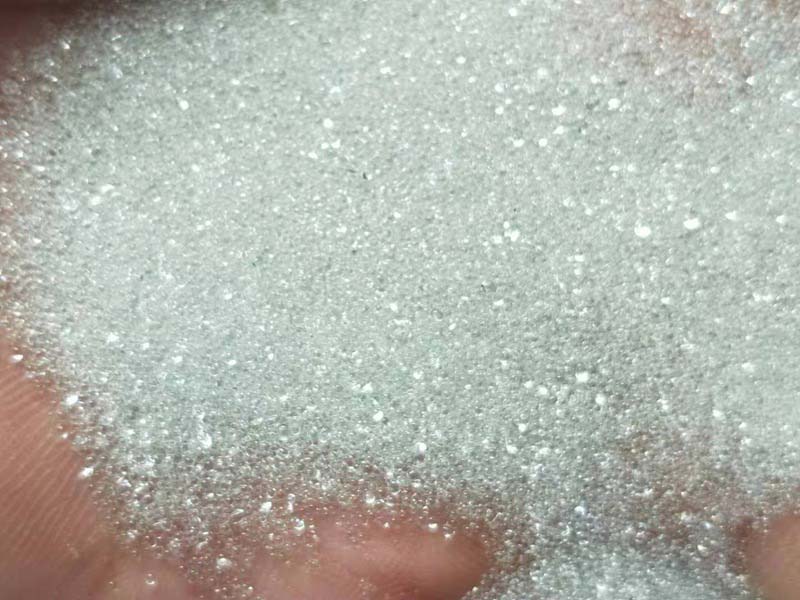
Weighted glass beads for plush toys

Weighted Glass Beads

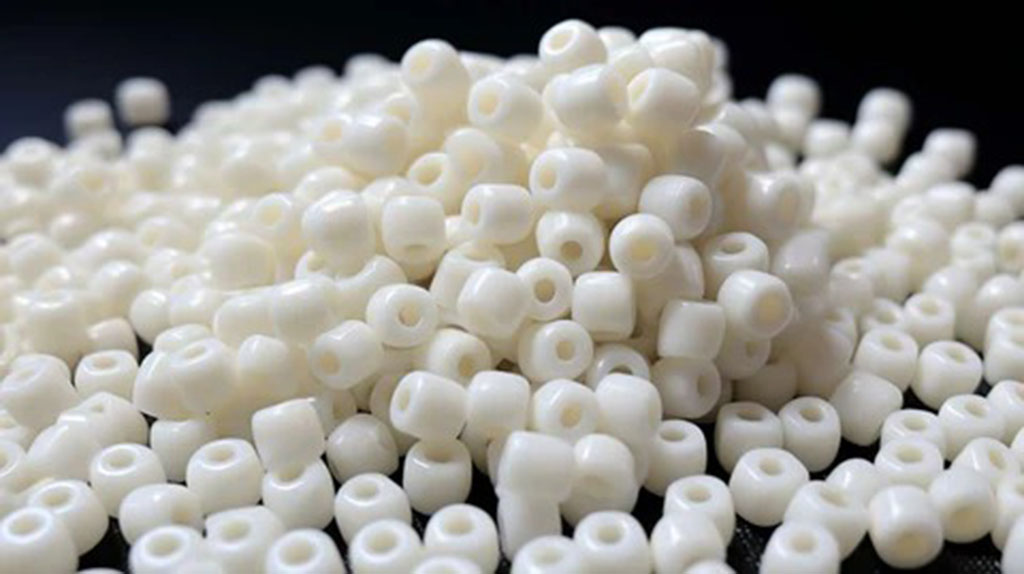
Plastic pellets for plush toy filling

Plastic Pellets

Microfiber filling for custom plush toys

Microfiber Filling

Organic cotton filling for plush toys

Organic Cotton Filling

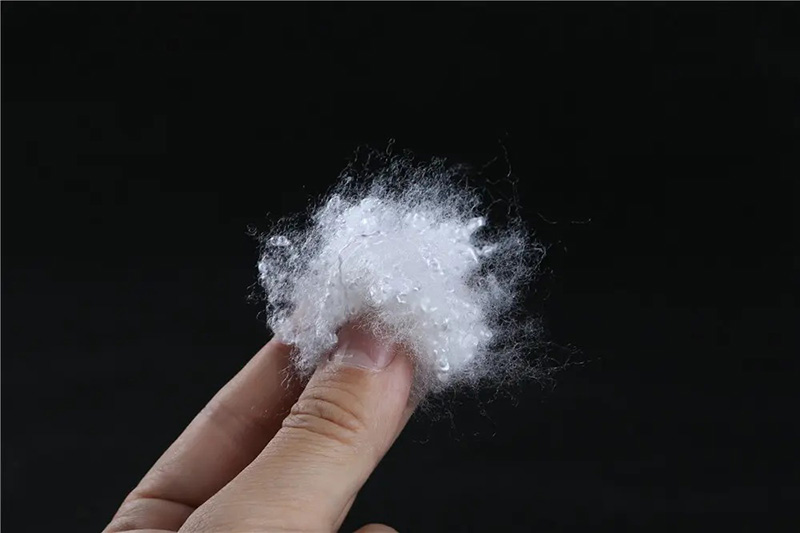
Silicone fiber filling for stuffed animals

Silicone Fiber Filling

Choosing the right combination of plush fabrics and filling materials helps ensure custom animal plush toys remain soft, durable, and comfortable. With proper material selection, plush toys can achieve better product quality and meet the expectations of different markets.

How to Achieve High Replication Accuracy in Custom Animal Plush Toys

When developing custom animal plush toys, replication accuracy is one of the most important concerns for brands. The closer the final plush toy is to the original design, the stronger the product identity and brand value. Achieving high accuracy requires careful design evaluation, precise pattern making, proper structure planning, and strict production control. A professional stuffed animal manufacturer can help ensure that custom stuffed animals remain visually consistent from sample to mass production.

Design Evaluation Before Sampling

Before creating plush samples, the design must be carefully evaluated. Factors such as proportions, character details, and structural feasibility are reviewed to determine how the design will translate into a plush toy. Early design optimization helps reduce unnecessary revisions and improves the overall replication accuracy of custom animal plush toys.

Professional Pattern Making

Pattern making is a key step in achieving accurate plush toy replication. Skilled pattern designers create plush toy patterns that match the original character shape and proportions. Accurate patterns help maintain the toy’s appearance and ensure the final product closely reflects the intended design.

Structural Optimization for Plush Toys

Some character designs contain complex shapes that may be difficult to produce directly. Structural optimization helps simplify certain elements while maintaining the overall visual identity of the character. This balance between design and manufacturability helps maintain both appearance accuracy and production stability.

Consistent Production Control

Even with a perfect sample, maintaining consistency during mass production is essential. Standardized production processes, skilled sewing teams, and strict quality inspections ensure that custom stuffed animals maintain the same proportions, details, and appearance across large production batches.

Step-by-Step Manufacturing Process for Custom Animal Plush Toys

Producing custom animal plush toys requires a structured and well-managed manufacturing process. From the first design review to the final packaging stage, each step helps ensure that the plush toy maintains design accuracy, stable quality, and efficient production. A professional stuffed animal manufacturer follows standardized procedures to transform custom stuffed animal designs into consistent and reliable products.

Design Evaluation and Development

The process begins with a review of the plush toy design. Designers evaluate proportions, character details, and structural feasibility to ensure the concept can be properly translated into a plush toy. Early optimization helps reduce revisions later.

Plush Toy Sampling

A prototype sample is created based on the approved design. This sample allows the team to test the toy’s shape, proportions, and overall appearance before moving into mass production.

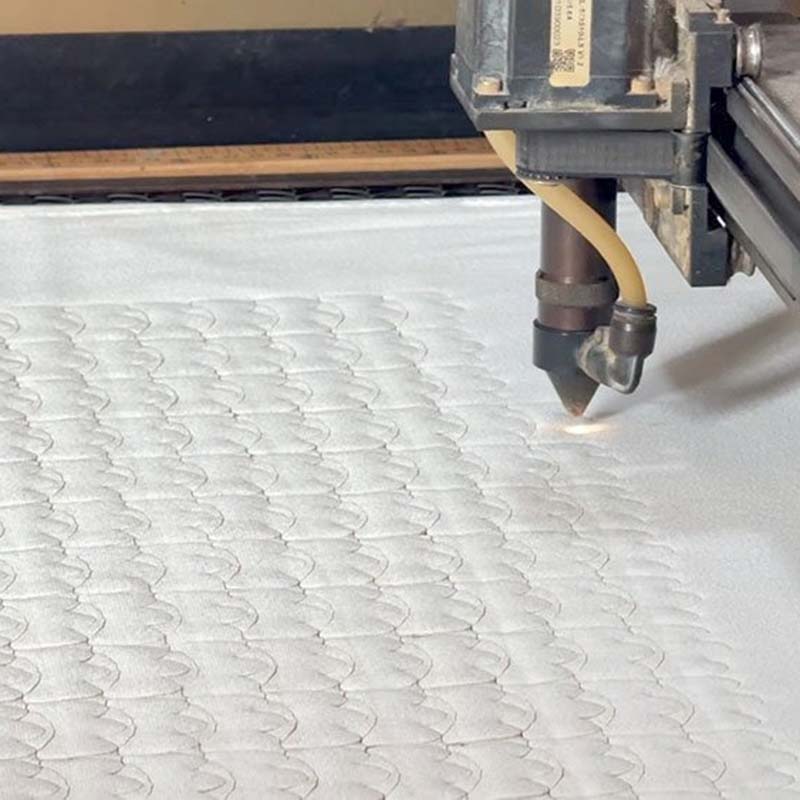
Material Preparation and Fabric Cutting

After the sample is approved, materials are prepared and fabric pieces are cut according to the patterns. Accurate cutting ensures each plush component fits correctly during assembly.

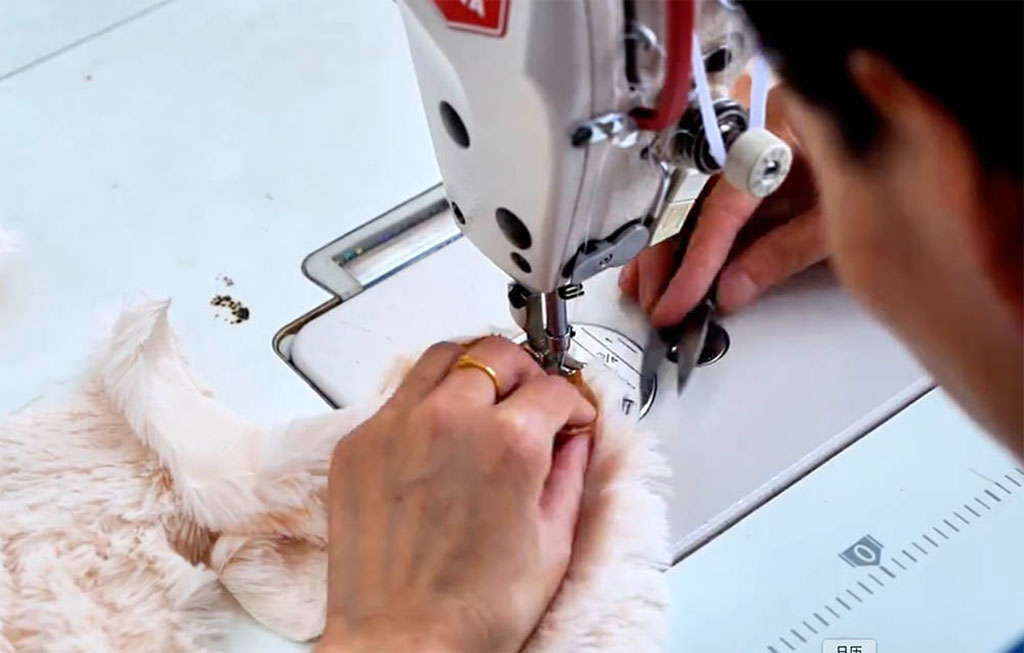
A craftsperson using a sewing machine to stitch soft plush fabric pieces together, part of the handmade plush toy production process.

Sewing and Assembly

Fabric pieces are sewn together to form the structure of the plush toy. Skilled sewing workers assemble the components carefully to maintain the correct shape and clean stitching lines.

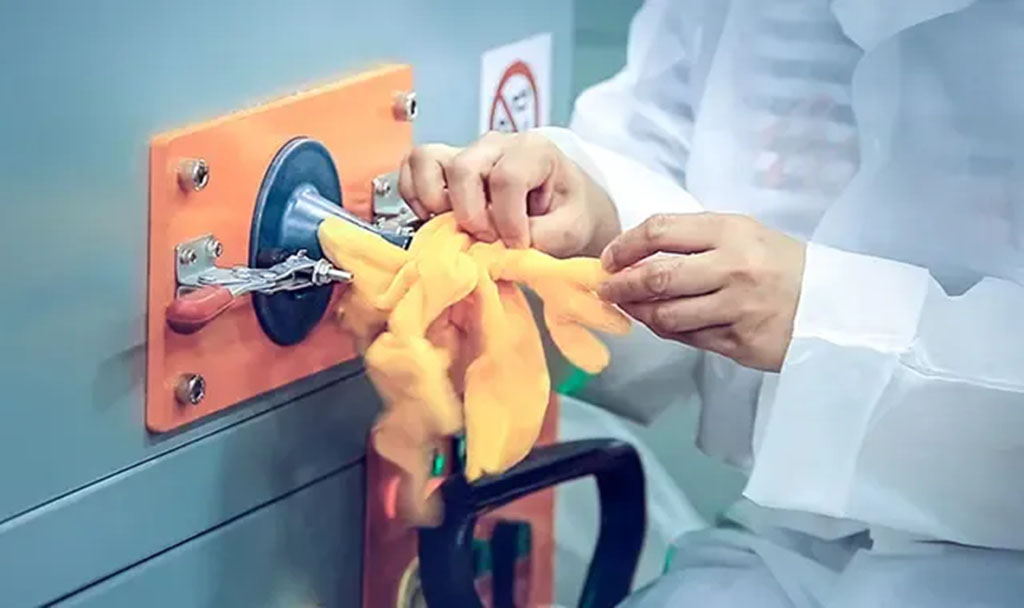
Worker using an automatic stuffing machine to fill a plush toy limb with fiber stuffing, demonstrating factory-level production in plush toy manufacturing.

Stuffing and Shaping

Once the shell structure is completed, filling materials are inserted and shaped. Proper stuffing helps the plush toy maintain softness and a balanced appearance.

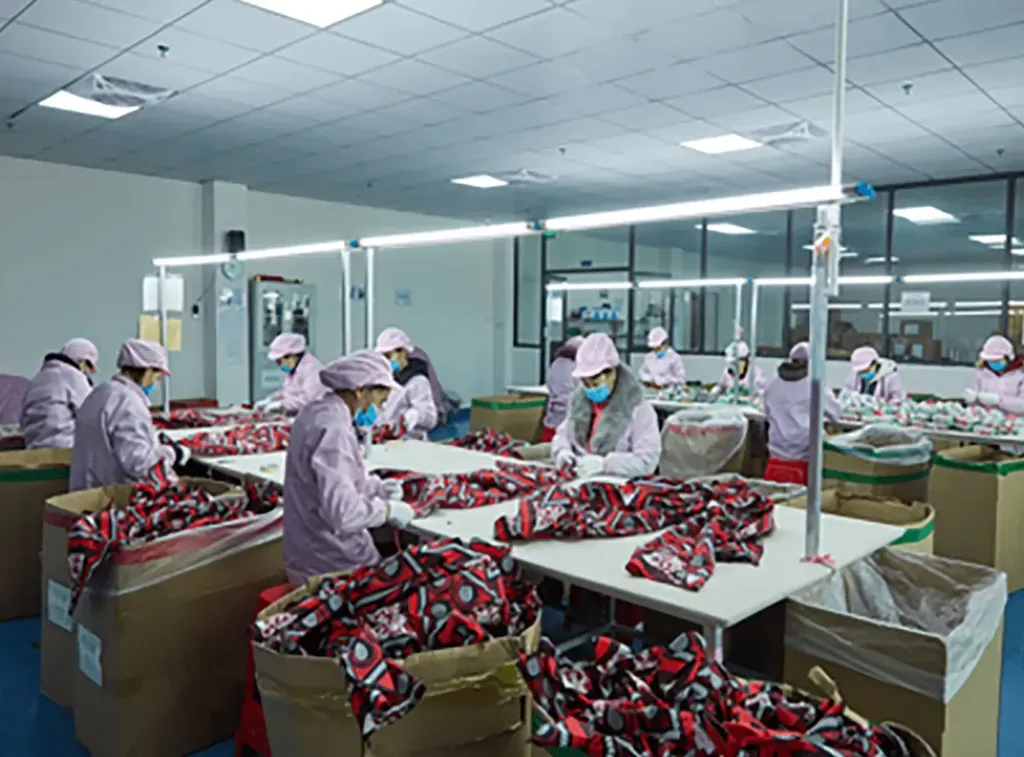
Factory workers wearing uniforms and masks conduct quality inspection on patterned plush fabric pieces under bright lighting in a clean workshop.

Quality Inspection and Packaging

Finished plush toys go through quality inspection before packaging. This step checks appearance, stitching quality, and overall consistency to ensure the toys meet production standards before shipment.

A well-organized production process helps ensure custom animal plush toys are produced with stable quality and reliable delivery timelines.

Plush Toy Quality Control System for Consistent Production

Consistent quality is critical in custom animal plush manufacturing. Brands expect every batch of custom stuffed animals to match the approved sample in appearance, structure, and safety. A professional stuffed animal manufacturer builds a structured quality control system that monitors every stage of production. From material inspection to final shipment checks, strict quality control helps ensure stable plush toy quality, reduce defects, and maintain reliable product consistency.
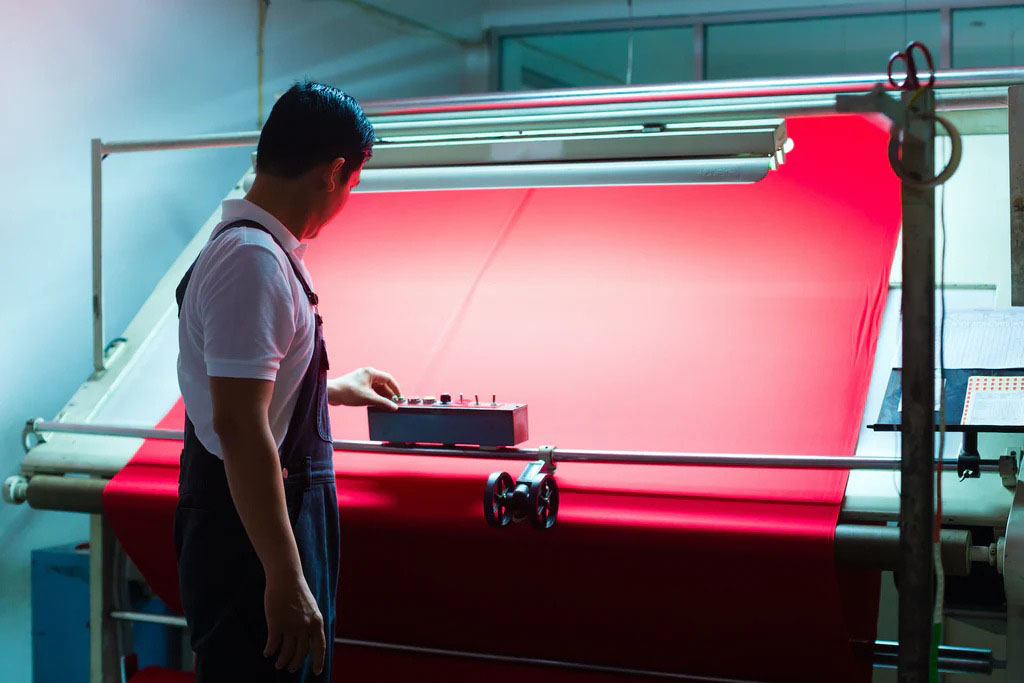
Plush toy quality control system for consistent production
1

Incoming Material Inspection (IQC)

Before production begins, all incoming materials and accessories are carefully inspected. Fabrics, filling materials, embroidery threads, labels, and accessories are checked to confirm they meet the required specifications and safety standards. Material inspection also verifies color consistency, texture quality, and component durability. By controlling materials at the beginning, plush toy factories can prevent many potential quality issues later in the production process.

2

In-Process Quality Control (IPQC)

During production, quality inspectors monitor key manufacturing steps such as cutting, embroidery, sewing, and assembly. Regular inspections ensure that patterns are accurate, stitching is clean, and structural proportions remain correct. Any issues found during production can be corrected immediately to prevent defects from continuing into later stages. This process helps maintain stable production quality for custom animal plush toys.

3

Finished Product Inspection (FQC)

After production is completed, finished plush toys undergo a comprehensive inspection. Inspectors check the overall appearance, stitching quality, stuffing balance, and accessory attachment to ensure the toys match the approved sample. Random sampling methods are often used to verify product consistency across large production batches. This step helps ensure that custom stuffed animals meet brand quality expectations.

4

Outgoing Quality Control (OQC)

Before shipment, the final inspection confirms that all products meet quality standards and order specifications. Inspectors verify packaging condition, product quantity, labeling accuracy, and overall product quality. This step ensures that plush toys are ready for export and arrive at customers in proper condition. Final shipment inspection is an important safeguard for product reliability and brand reputation.

A structured quality control system ensures that custom animal plush toys remain consistent from sampling to large-scale production. Reliable quality management allows brands to launch plush toy products with greater confidence and long-term supply stability.

Industries and Businesses That Order Custom Animal Plush Toys

Custom animal plush toys are used by many different types of businesses and organizations. From toy brands developing retail products to companies creating mascot merchandise, custom stuffed animals help build stronger brand connections and memorable products. A professional stuffed animal manufacturer can support different industries by providing design support, stable production capacity, and reliable plush toy quality.

Toy Brands
IP Licensing Companies
Retail Chains
E-commerce Sellers
Children’s Brands
Educational Product Companies
Promotional Product Companies
Gift Companies
Theme Parks and Entertainment Brands
Museums and Cultural Institutions
Animal Conservation Organizations
Corporate Brands Creating Mascot Merchandise

Custom animal plush toys allow these businesses to develop unique products that attract customers and strengthen brand identity. With the support of an experienced plush toy manufacturer, plush projects can move smoothly from design to production.

Trusted by Leading Global Brands

Strong partnerships prove strong capabilities. Over the years, Kinwin has worked with world-leading brands and retailers to deliver interactive plush toys that meet the highest standards of creativity, safety, and quality. By choosing us, you gain a supplier that is trusted by top companies worldwide—and the same reliability is available to your brand.

Common Challenges in Custom Animal Plush Manufacturing — And Professional Solutions

Custom animal plush projects often face several challenges during development and production. Issues related to sample accuracy, material consistency, production stability, and delivery timelines can affect product launches. An experienced stuffed animal manufacturer helps identify potential risks early and provides structured solutions to ensure smooth plush toy development and reliable manufacturing results.

1

Prototype Does Not Match the Original Design

Problem

Prototype does not accurately reflect the original custom plush toy design.

Cause

Complex character artwork or unclear design proportions can make it difficult to reproduce the design accurately in plush form.

Solution

Professional plush toy manufacturers review the design before sampling. Pattern makers adjust proportions and simplify complex details to improve plush toy replication accuracy.

2

Inconsistent Quality Between Production Batches

Problem

Different production batches may show visible differences in shape, stitching, or finishing quality.

Cause

Inconsistent manufacturing processes or lack of production monitoring can cause variations in shape, stitching, or finishing quality.

Solution

A structured quality control system ensures consistency. Inspections are conducted at multiple stages including material inspection, in-process checks, and final product inspections.

3

Material Differences Affect Product Appearance

Problem

Fabric or filling differences may change the appearance and feel of the finished plush toys.

Cause

Different fabric batches or material substitutions may cause color differences or texture variations.

Solution

Reliable plush toy factories control supplier selection and maintain consistent material sourcing. Approved material samples are used as references during production.

4

Production Delays

Problem

Production timing may slip and affect launches, promotions, or restocking plans.

Cause

Unclear production planning, complex designs, or unexpected production adjustments may slow down manufacturing.

Solution

Experienced manufacturers create clear production schedules and coordinate sampling, material preparation, and production capacity in advance.

5

Communication Gaps During Development

Problem

Development details may be misunderstood, causing revisions or production mistakes.

Cause

Incomplete technical information or unclear requirements may lead to misunderstandings between buyers and manufacturers.

Solution

Professional manufacturers provide clear development communication, including design confirmation, sample feedback, and production updates.

6

Compliance and Safety Risks

Problem

Products may fail to meet market entry requirements or safety standards.

Cause

Using materials that do not meet international toy safety standards may prevent products from entering certain markets.

Solution

Experienced stuffed animal manufacturers ensure materials and production processes comply with global toy safety standards such as EN71, ASTM F963, and CPSIA.

Solving these challenges requires experience, technical knowledge, and structured production management. With the support of a reliable plush toy manufacturer, custom animal plush projects can move from design to production with greater efficiency and stability.

Start Your Custom Animal Plush Project with a Reliable Manufacturer

Developing custom animal plush toys requires more than just a supplier. Brands need a manufacturing partner who understands plush toy development, design optimization, material selection, and stable production management. From the first concept to final mass production, the right stuffed animal manufacturer helps ensure that every stage of the project moves forward smoothly and efficiently.

A professional plush toy factory provides clear development guidance, accurate sampling, stable production capacity, and consistent product quality. This allows brands to reduce sourcing risks, improve development efficiency, and launch plush products with greater confidence in global markets. Whether the project is for retail collections, brand mascots, promotional campaigns, or licensed characters, custom stuffed animals can become powerful products that strengthen brand identity and customer engagement.

Working with an experienced custom animal plush manufacturer also means access to professional design support, production planning, and international safety compliance expertise. With proper manufacturing support, plush toy projects can move from concept to production faster while maintaining stable quality and reliable delivery timelines.

Explore Our Custom Plush Toy Series

We offer a wide selection of plush toys to meet different business needs. From baby-safe stuffed animals to collectible plush dolls, our product lines are designed for global brands, retailers, e-commerce, and promotional projects.

Frequently Asked Questions

1 What is the minimum order quantity for custom animal plush toys?

The minimum order quantity (MOQ) for custom animal plush toys usually depends on the design complexity, size, and materials used. For most custom stuffed animals, the typical MOQ ranges from 300 to 1000 pieces per design. Smaller plush toys such as keychains may have lower MOQs, while larger or more complex plush toys may require slightly higher quantities. Working with an experienced plush toy manufacturer can help optimize the design and production plan to achieve a reasonable MOQ while maintaining stable production efficiency.

Sample development typically takes about 10–15 days depending on the design complexity and required revisions. During this stage, pattern makers create the plush toy pattern and produce the first prototype sample. After reviewing the sample, adjustments can be made to improve proportions, details, and overall appearance before mass production begins. Efficient communication and clear design files can help speed up the sampling process.

Custom stuffed animals can be made using a wide range of plush fabrics and filling materials depending on the desired texture and product positioning. Common plush fabrics include velboa, minky plush, short plush, and faux fur. Filling materials often include PP cotton fiberfill, recycled polyester fiberfill, and other soft stuffing materials. The choice of materials affects the toy’s softness, durability, and overall quality.

Yes. Custom animal plush toys can be produced to comply with international toy safety regulations such as EN71 for Europe, ASTM F963 and CPSIA for the United States, and REACH chemical safety standards. Professional stuffed animal manufacturers use certified materials and conduct safety testing to ensure the products meet market requirements.

Mass production for custom plush toys typically takes around 30–35 days after sample approval and material preparation. Production time may vary depending on order quantity, toy complexity, and factory production schedules. Efficient production planning helps ensure reliable delivery timelines.

Yes. Custom animal plush toys can include various branding elements such as embroidered logos, printed labels, woven tags, and custom packaging boxes or bags. These details help strengthen brand identity and improve product presentation in retail markets.

To start a custom plush toy project, manufacturers typically require design references such as character artwork, sketches, or photos. Additional details such as toy size, target market, desired features, and estimated order quantity are also helpful. These details allow the manufacturer to evaluate the project and provide accurate development suggestions.

Yes. Plush toys can include interactive features such as sound modules, squeeze mechanisms, or other playful elements depending on the design requirements. These features are commonly used in promotional products, educational toys, and children’s plush collections.

Professional plush toy factories implement structured quality control systems that include material inspection, in-process monitoring, finished product inspection, and final shipment checks. These processes ensure that plush toys remain consistent in appearance, structure, and quality across production batches.

Working with a professional stuffed animal manufacturer provides access to experienced development teams, stable production capacity, and reliable quality control systems. This helps brands reduce development risks, improve product accuracy, and ensure consistent production for long-term supply.

If You Can lmagine lt,We Will Create lt!

1.Tell Us What You Need
Tell us as specific as possible of your needs and share your idea.

2.Get Solution & Quote
We will work on the best solution according to yourrequirements,the specific quote will be provided within 24 hours.

3.Approve for Mass Production
We will start mass production after getting your approval.

Ask For A Quick Quote

We will contact you within 24 Hours, please pay attention to the email with the suffix“@kinwinco.com”

For all inquiries, please feel free to reach out at:

(+86)13631795102

Ask For A Quick Quote

We will contact you within 24 Hours, please pay attention to the email with the suffix“@kinwinco.com”

Ask For A Quick Quote

We will contact you within 24 Hours, please pay attention to the email with the suffix“@kinwinco.com”

For all inquiries, please feel free to reach out at:
email:[email protected]  phone numbe:  0086 13631795102