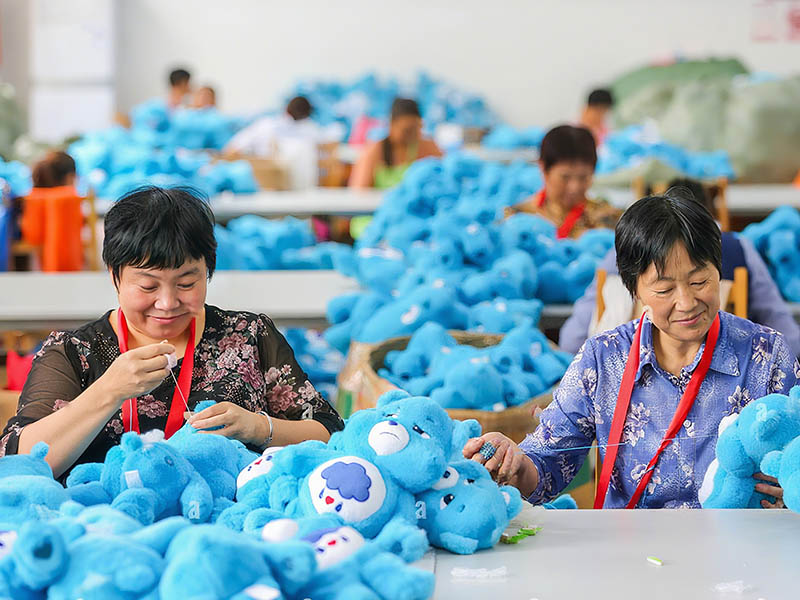
Endless sample revisions are one of the most frustrating situations in plush toy development. What starts as a simple prototype can turn into multiple rounds of adjustments, delays, and rising costs—sometimes without clear progress toward final approval.
In most cases, this doesn’t happen because the factory is incapable. It usually happens because the project lacks clear structure, stable design decisions, or effective communication.
The good news is: endless revisions are preventable.
When buyers prepare properly, define clear expectations, and work with structured processes, most plush toy projects can be completed within 1–2 revision rounds.
In this guide, we’ll break down what causes endless revisions—and more importantly, how to avoid them.
What causes endless plush sample revisions in the first place?
Endless revisions usually don’t come from one single problem. They are often the result of multiple small issues that accumulate over time—unclear design input, changing requirements, or lack of structured feedback.
When these issues are not controlled early, each revision round introduces new changes instead of refining the previous version. This creates a cycle where the sample never reaches a stable “final” state.
Understanding the root causes is the first step to avoiding this situation.
Constant Design Changes Prevent Finalization
One of the most common causes of endless revisions is ongoing design changes. If the design is not finalized before sampling begins, buyers may continue adjusting ideas after each sample.
For example:
- Changing proportions after the first sample
- Adjusting facial expression multiple times
- Switching materials mid-process
While these changes may seem small individually, they prevent the project from stabilizing and can lead to repeated sampling cycles.
Lack of Clear Revision Focus in Each Round
Another common issue is trying to fix too many things at once without clear priorities. When feedback is not structured, factories may implement some changes while missing others—or introduce unintended differences.
Each revision round should have a clear focus, such as:
- First round: structure and proportions
- Second round: visual details
- Final round: finishing and fine adjustments
Without this structure, revisions can become repetitive and inefficient.
Common Causes of Endless Revisions
| Cause | Description | Result |
|---|---|---|
| Changing Design Direction | Ongoing design updates | No stable version |
| Unclear Priorities | Too many changes at once | Confusion in execution |
| Incomplete Feedback | Missing details in instructions | Repeated corrections |
| Lack of Planning | No defined revision stages | Inefficient process |
| Poor Communication | Misunderstandings between teams | Extra revisions |
How can unclear design specifications lead to repeated changes?

Unclear or incomplete design specifications are one of the biggest drivers of repeated sample revisions. When factories do not receive detailed instructions, they are forced to interpret the design based on limited information.
Even experienced manufacturers may interpret certain elements differently than the buyer intended. This often leads to a sample that requires correction—not because the factory made a mistake, but because the expectations were not clearly defined.
Clear specifications help eliminate guesswork and reduce unnecessary revision cycles.
Missing Details Create Interpretation Gaps
If key details are missing from the design documentation, factories must fill in the gaps during development.
Common missing details include:
- Exact size and proportions
- Fabric type and texture
- Embroidery placement and scale
- Accessory construction
Each assumption increases the risk of mismatch, which then leads to additional revisions.
Vague Instructions Lead to Rework
Instructions like “make it cuter” or “adjust slightly” are difficult to interpret in a technical context. Without precise guidance, factories may implement changes that do not fully match expectations.
This results in:
- Partial corrections
- Misaligned updates
- Additional revision rounds
Providing specific, measurable, and visual instructions can significantly reduce this problem.
How Design Clarity Reduces Revisions
| Specification Issue | Problem | Impact |
|---|---|---|
| Missing Dimensions | Incorrect proportions | Requires correction |
| Undefined Materials | Wrong fabric selection | Re-sampling needed |
| Vague Feedback | Misinterpretation | Repeated revisions |
| Lack of Detail | Incomplete design understanding | Slower development |
| Changing Specs | Unstable requirements | Endless adjustments |
Should key materials and details be finalized before sampling starts?

Yes—finalizing key materials and design details before sampling is one of the most effective ways to avoid endless revisions.
When materials, colors, and decorative elements are still undecided during sampling, each new decision may require adjustments to the prototype. This creates additional work and extends the development timeline.
A stable foundation allows the factory to focus on refining the sample instead of reworking it repeatedly.
Material Changes Often Require Re-Development
Changing materials during sampling is not always a simple adjustment. Different fabrics behave differently in terms of thickness, stretch, and appearance.
For example:
- Switching from short plush to long-pile fabric may affect proportions
- Changing fabric color may require new dyeing or sourcing
- Updating accessories may require structural adjustments
These changes can require partial or full re-sampling.
Finalizing Details Creates a Stable Development Base
When key details are confirmed early, the development process becomes more focused and efficient.
Important elements to finalize include:
- Fabric types and colors
- Embroidery and printing details
- Accessories and attachments
- Target size and proportions
With these elements locked in, each revision round can focus on refinement instead of redefinition.
Benefits of Early Design Finalization
| Element Finalized Early | Benefit | Result |
|---|---|---|
| Fabric Selection | Accurate pattern development | Fewer changes |
| Color Confirmation | Consistent appearance | Faster approval |
| Embroidery Details | Clear production setup | Reduced revisions |
| Accessories | Stable construction planning | Efficient sampling |
| Size & Proportions | Accurate structure | Better first sample |
How can a technical development sheet reduce revision cycles?

A technical development sheet is one of the most powerful tools to prevent endless sample revisions. It acts as a single source of truth, combining all design, material, and construction details into one structured document.
Without this document, information is often scattered across emails, chats, and images. This makes it easy for details to be misunderstood or missed, leading to repeated corrections and extra revision rounds.
When a clear technical sheet is used, both the buyer and the factory work from the same reference—greatly improving accuracy from the very first sample.
A Technical Sheet Aligns All Teams From the Start
In plush toy development, multiple teams are involved: designers, pattern makers, sewing technicians, and quality inspectors. A technical sheet ensures that all teams understand the same requirements.
Typical content includes:
- Product size and proportions
- Fabric types and color codes
- Embroidery and printing details
- Construction notes and special features
- Accessory specifications
With all this information in one place, the development team can execute the design more accurately without needing repeated clarification.
Reduces Miscommunication and Rework
Most repeated revisions happen because something was misunderstood or not clearly defined. A technical sheet minimizes this risk by providing clear instructions that can be referenced at every stage.
Instead of asking questions repeatedly or guessing details, engineers can follow the document step by step. This reduces:
- Misinterpretation
- Missing details
- Inconsistent updates between revisions
As a result, fewer revision rounds are needed.
Benefits of Using a Technical Development Sheet
| Element | Function | Impact |
|---|---|---|
| Centralized Information | All details in one document | Clear reference |
| Defined Specifications | Precise instructions | Accurate execution |
| Visual + Text Guidance | Combines images and notes | Better understanding |
| Team Alignment | Shared understanding across teams | Fewer errors |
| Revision Tracking | Records updates between versions | Efficient improvement |
Why is it important to define revision scope for each round?

One of the biggest reasons projects get stuck in endless revisions is the lack of a clear focus in each round. When too many changes are requested at once, or when priorities are unclear, revisions become inefficient and sometimes even conflicting.
Defining a clear revision scope for each round helps structure the development process and ensures steady progress toward final approval.
Each Revision Round Should Have a Clear Goal
Instead of trying to fix everything at once, each revision round should focus on a specific set of improvements.
A typical structured approach looks like this:
- First sample: Structure and proportions
- Second sample: Visual details and materials
- Final sample: Fine adjustments and finishing
This step-by-step process allows each stage to build on the previous one, rather than restarting or overlapping changes.
Avoid Mixing Structural and Visual Changes
One common mistake is trying to adjust both structure and small visual details at the same time. Structural changes (like proportions or shape) often affect visual elements, meaning earlier adjustments may need to be redone.
By separating these stages, buyers can avoid unnecessary rework and reduce the total number of revisions.
Structured Revision Scope Planning
| Revision Round | Focus Area | Objective |
|---|---|---|
| First Sample | Structure & proportions | Confirm feasibility |
| Second Sample | Materials & visual details | Improve accuracy |
| Third (if needed) | Fine adjustments | Final refinement |
| Final Approval | Overall consistency | Production-ready |
How can buyers provide clearer and more actionable feedback?

Clear feedback is one of the most critical factors in reducing revision cycles. Even when the factory is capable, unclear or vague instructions can lead to incorrect adjustments and repeated revisions.
Buyers who provide structured, precise, and visual feedback can significantly improve sampling efficiency.
Use Specific and Measurable Instructions
Instead of general comments, feedback should be specific and actionable.
For example:
- ❌ “Make the face better”
- ✅ “Move the eyes 2 mm higher and reduce size by 10%”
Clear instructions allow engineers to implement changes accurately without guesswork.
Combine Written Feedback With Visual References
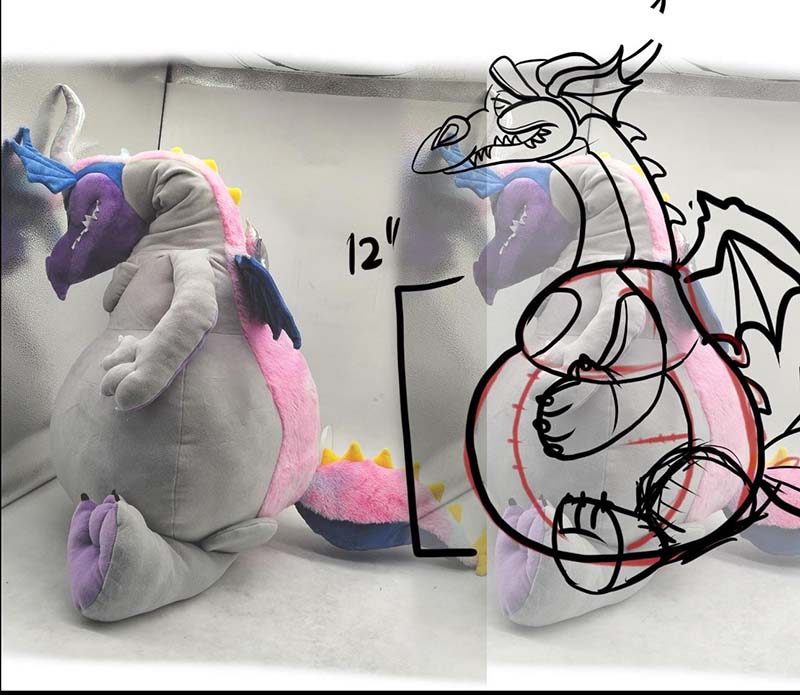
The most effective feedback combines text with visuals. Annotated photos, marked-up images, and comparison references help engineers understand exactly what needs to change.
Useful tools include:
- Annotated sample photos
- Side-by-side comparison images
- Reference product examples
These visuals reduce ambiguity and speed up implementation.
Best Practices for Effective Feedback
| Feedback Method | Purpose | Result |
|---|---|---|
| Specific Instructions | Clear change requirements | Accurate revisions |
| Visual Annotations | Highlight exact areas | Faster understanding |
| Structured Lists | Organize feedback points | Easier execution |
| Reference Images | Show desired outcome | Better alignment |
| Consistent Format | Standardize communication | Efficient workflow |
Conclusion
Endless plush sample revisions are not inevitable—they are usually the result of unclear design input, unstable decisions, and unstructured communication.
By finalizing key design elements early, using a technical development sheet, defining clear revision scopes, and providing precise feedback, buyers can significantly reduce the number of revision rounds required.
A well-managed sampling process typically reaches final approval within 1–2 revisions, saving both time and cost while ensuring high product quality.
At KINWIN, we help clients avoid unnecessary revision cycles through structured development workflows, clear technical documentation, and experienced sampling teams. From the first prototype to final approval, we focus on delivering accurate samples efficiently.
If you want to develop a custom plush toy without getting stuck in endless revisions, our team is ready to support you with a professional and streamlined sampling process.