 Skip to content
Plush Manufacturer with High Accuracy for Custom Plush Toys
When developing custom plush toys, accuracy determines whether the final product truly matches the original design. A professional plush toy manufacturer with high accuracy ensures that every stage—from prototype development to mass production—maintains consistent structure, color, embroidery placement, and overall appearance. This helps your brand launch reliable plush toy products, reduce development revisions, and achieve stable production batches for long-term supply.

Why High Accuracy Is Critical in Plush Toy Manufacturing
When developing custom plush toys, accuracy directly affects the final product quality, brand reputation, and production efficiency. In plush toy manufacturing, even small differences in pattern size, embroidery position, or fabric color can lead to noticeable inconsistencies. A professional stuffed animal manufacturer focuses on accuracy to ensure that every plush toy matches the original design and remains consistent during mass production.
Accurate Prototype Development
A precise prototype is the foundation of successful plush toy production. Accurate pattern making and sample development ensure that the stuffed animal prototype reflects the original design, including shape, proportions, and facial features. This allows brands to evaluate the product correctly before moving into mass production.
Consistent Plush Toy Appearance
High accuracy helps maintain consistent shapes, embroidery placement, and fabric colors across all plush toys. This is especially important for brands that require uniform products for retail shelves, online stores, or promotional campaigns. Consistency ensures every toy looks the same to customers.
Stable Mass Production Batches
During bulk stuffed animal production, accuracy ensures that every production batch maintains the same structure and size. Standardized sewing specifications, pattern control, and quality inspections help prevent variations that often appear in large-scale plush toy manufacturing.
Better Brand Image and Product Quality
Products with high accuracy appear more professional and reliable in the market. When plush toys match the design concept closely, brands can present their characters, mascots, or product lines exactly as intended. This strengthens brand identity and customer trust.
Lower Development Risks for Plush Toy Projects
Accurate sampling and controlled production reduce the risk of repeated revisions and unexpected issues. Brands can move from prototype approval to bulk production with greater confidence, saving time and development costs.
If you want your custom plush toys to match your design and remain consistent during production, working with a high-accuracy plush toy manufacturer can make the entire development process smoother and more reliable.
How We Ensure High Accuracy in Custom Plush Toy Manufacturing
Achieving high accuracy in custom plush toys requires strict control throughout the entire development and manufacturing process. From pattern making and fabric selection to sewing specifications and quality inspections, every step plays an important role in maintaining product consistency. A professional plush toy manufacturer follows structured systems to ensure that the final stuffed animals match the approved design and remain stable during mass production.
Professional Pattern Making
Accurate pattern making is the foundation of plush toy development. Experienced pattern makers convert 2D designs into balanced 3D plush toy structures, ensuring that proportions, curves, and panel sizes match the intended design. This step plays a crucial role in maintaining the overall shape and appearance of custom stuffed animals.
Precise Fabric Selection
Fabric texture, pile height, and color consistency can significantly affect the final appearance of plush toys. By selecting appropriate plush fabrics such as minky, velboa, or faux fur, and carefully matching colors, manufacturers can ensure that the final stuffed animals closely resemble the original design concept.
Prototype Development Process
A structured plush toy sampling process helps translate the design into a physical product accurately. During prototype development, adjustments are made to improve proportions, stitching positions, and structural balance, ensuring that the sample reflects the intended design before moving into production.
Golden Sample Control
The approved golden sample serves as the reference standard for mass production. Every production batch is compared with this confirmed sample to ensure that shape, embroidery placement, and accessories remain consistent throughout the entire manufacturing process.
Standardized Sewing Specifications
Standard sewing specifications help maintain consistent plush toy structures. Clear guidelines for seam allowance, stitch density, and reinforcement areas allow production teams to replicate the same structure across multiple batches, reducing variations in shape and size.
Multi-Stage Quality Inspection
Multiple inspection stages are implemented during plush toy manufacturing to maintain accuracy. From incoming material checks to in-line production inspections and final product evaluations, these quality control steps ensure that each plush toy meets the required standards before shipment.
By combining professional pattern making, structured production systems, and detailed quality inspections, a high-accuracy plush toy manufacturer can ensure that custom plush toys remain consistent from the first sample to the final production batch.
Popular Custom Plush Toy Styles We Manufacture
Our factory produces a wide variety of custom plush toys for different markets and brand projects. From character plush toys and mascot products to promotional plush keychains and educational stuffed animals, we help brands develop plush toys with accurate design reproduction and stable production quality. Below are some popular plush toy categories we manufacture for global clients.
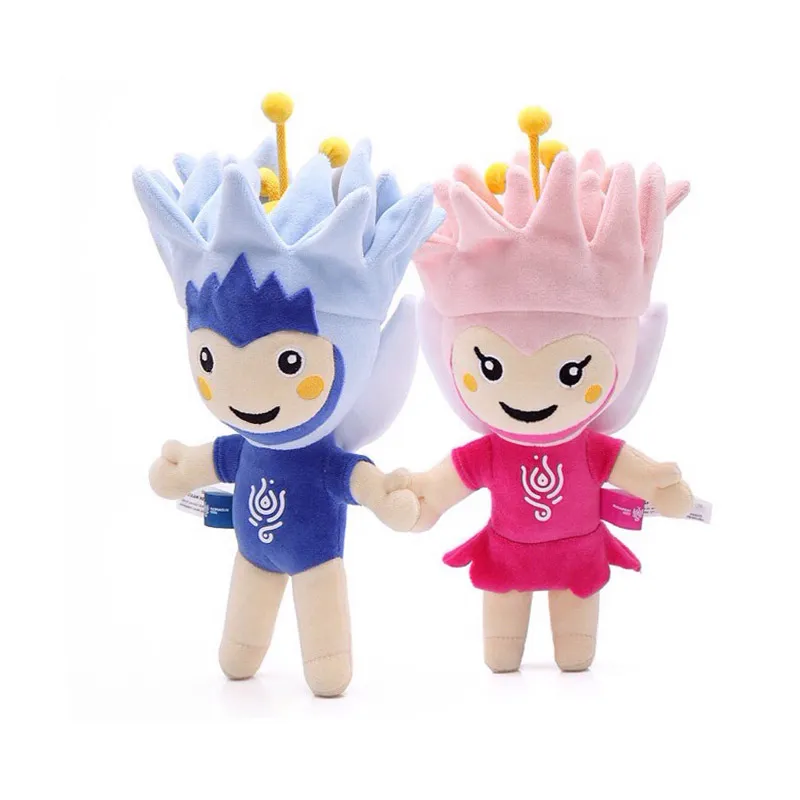
Mascot Plush Toys
Mascot plush toys are designed based on brand mascots or company characters and are widely used for branding and promotional campaigns.
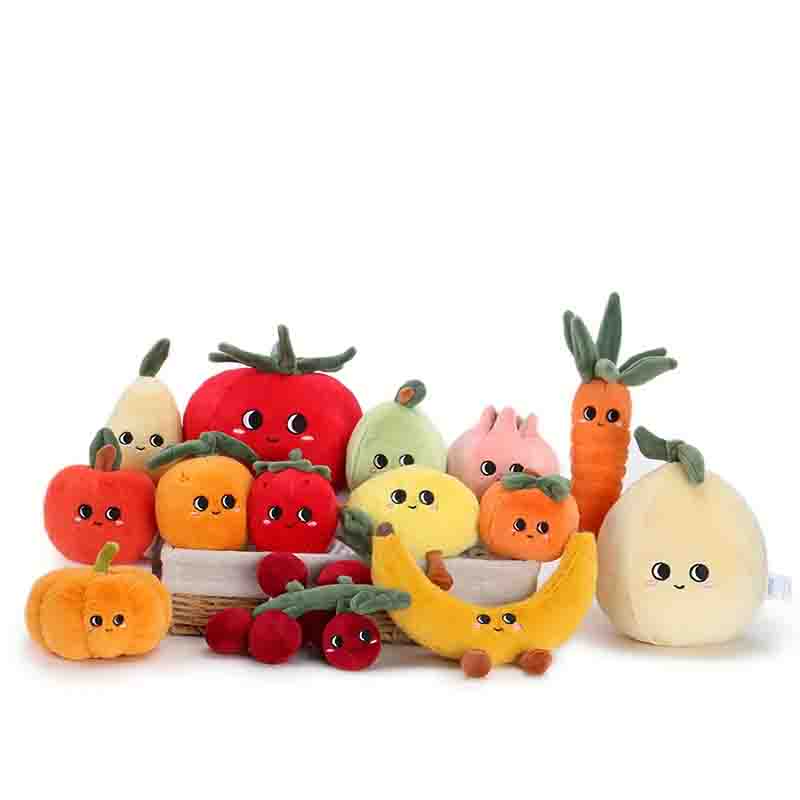
Fruit Plush Toys
Fruit plush toys feature fun shapes such as strawberries, bananas, and apples, making them popular for gifts and retail products.
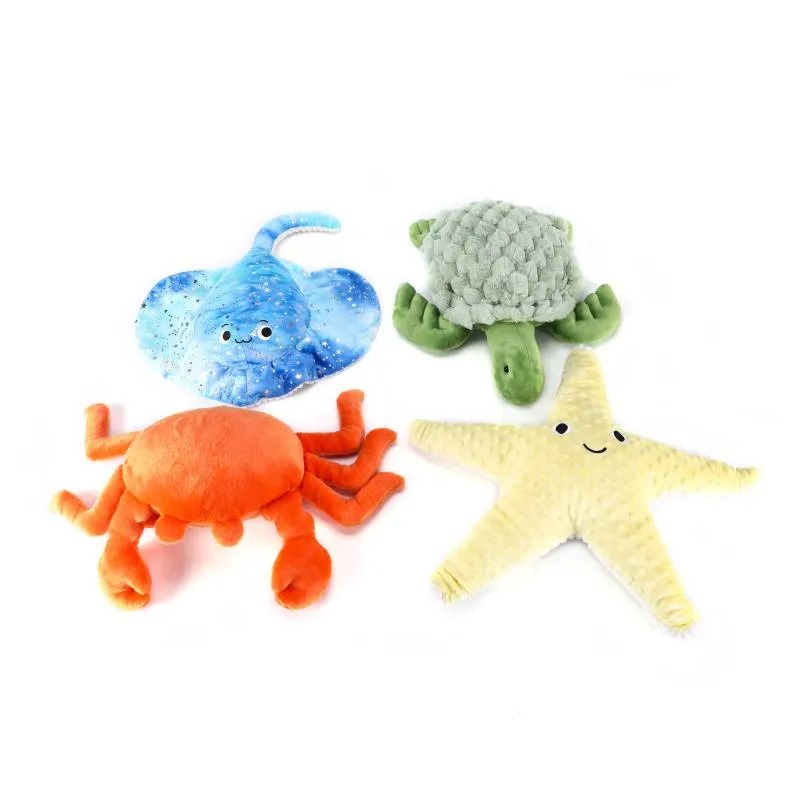
Ocean Animal Plush Toys
Ocean plush toys include dolphins, whales, turtles, and other marine animals that are popular in educational and retail markets.
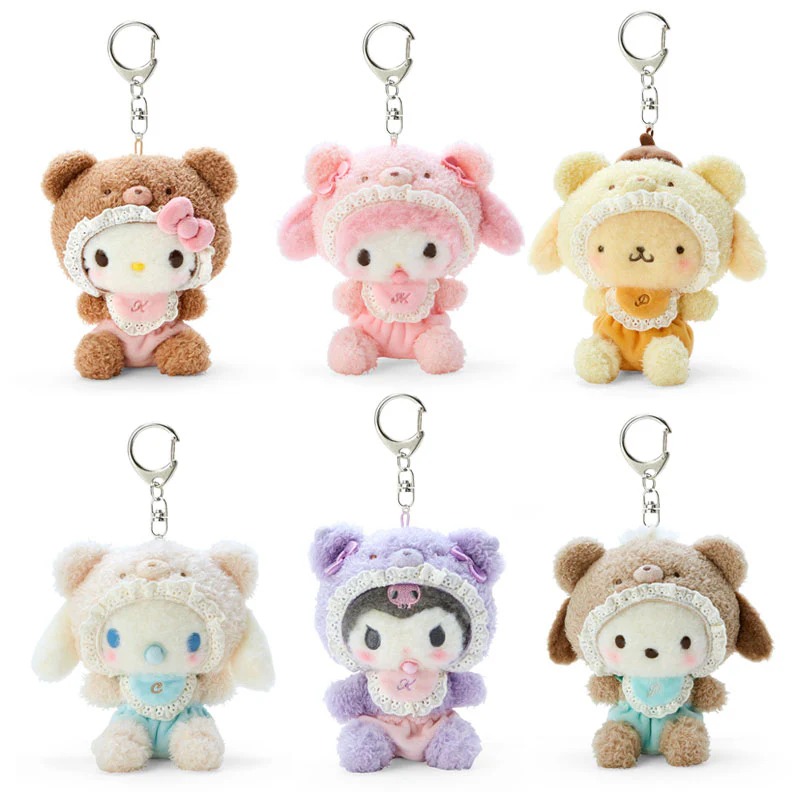
Plush Keychains
Plush keychains are small and portable plush toys often used as souvenirs, promotional gifts, or retail accessories.
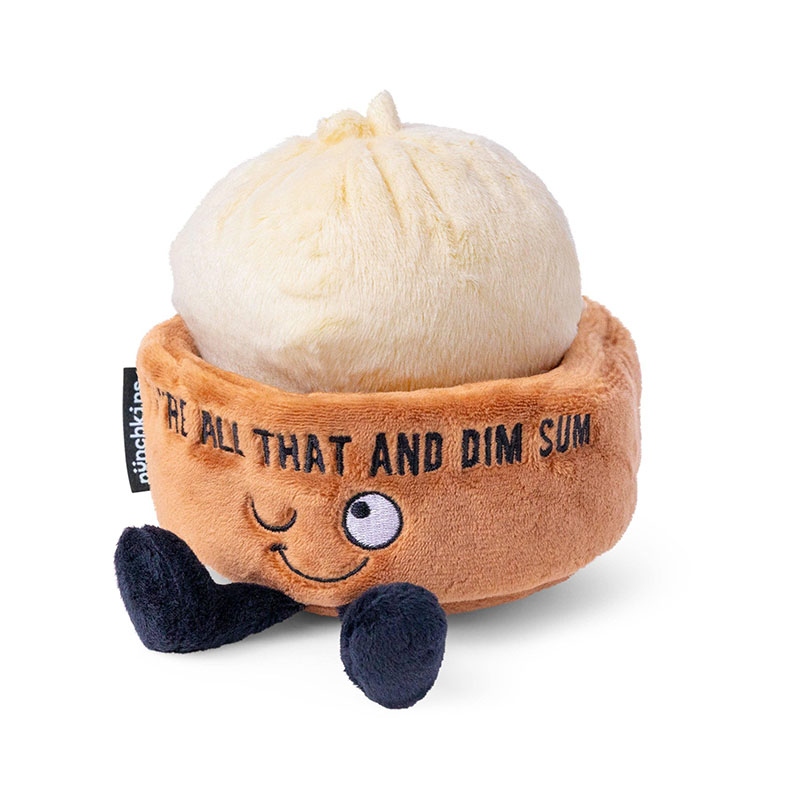
Food Plush Toys
Food plush toys are designed in the shapes of burgers, bread, cakes, or drinks and are popular in novelty toy collections.
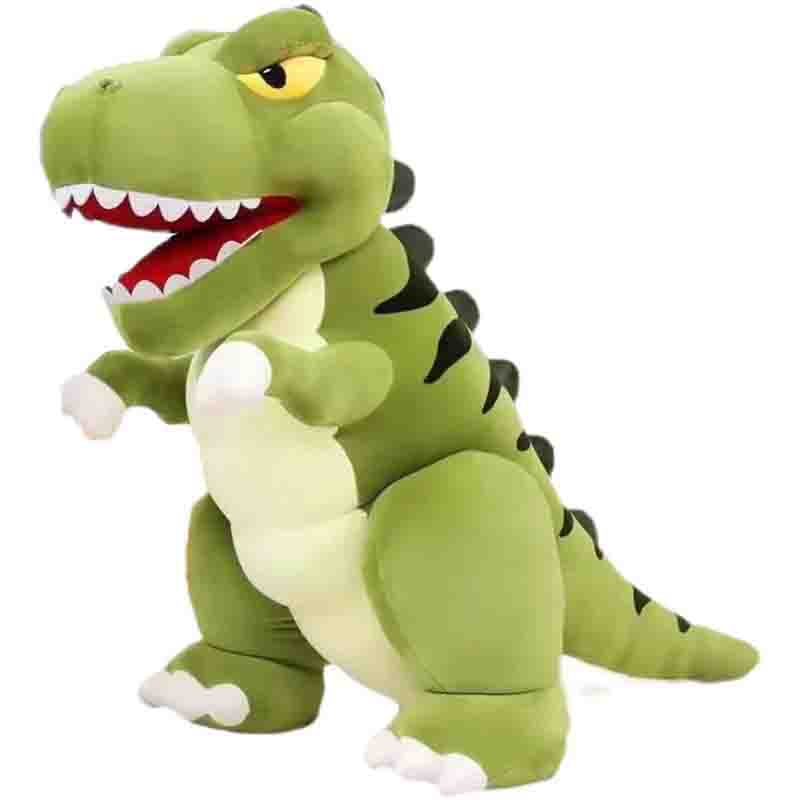
Dinosaur Plush Toys
Dinosaur plush toys are popular with children and often feature bright colors and friendly character designs.
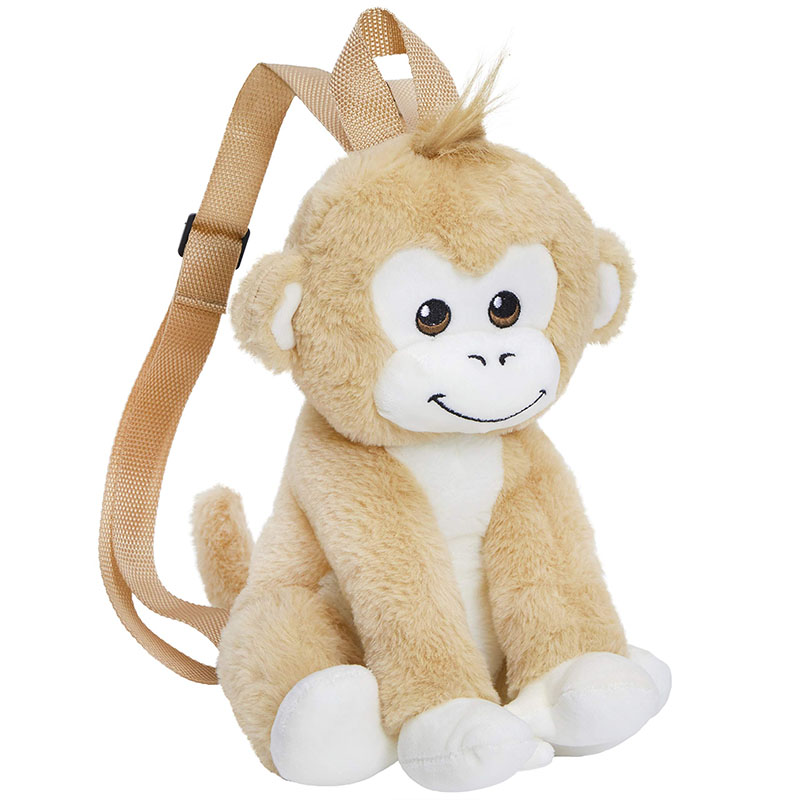
Plush Backpack Toys
Plush backpack toys combine plush characters with backpack functionality, making them attractive for children and travel accessories.
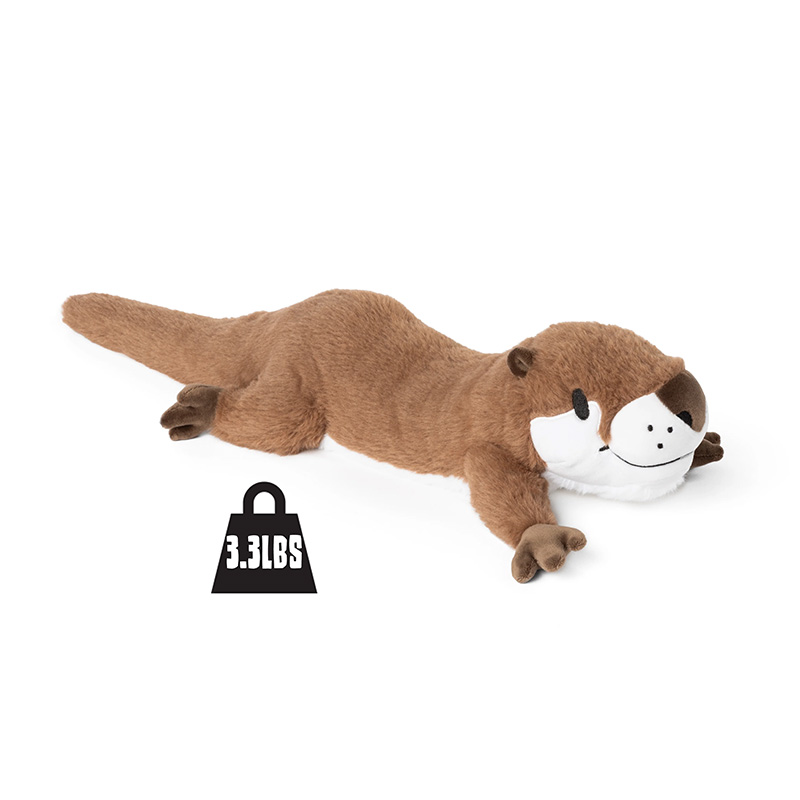
Weighted Plush Toys
Weighted plush toys include internal beads or weighted materials that provide a calming and comforting feeling.
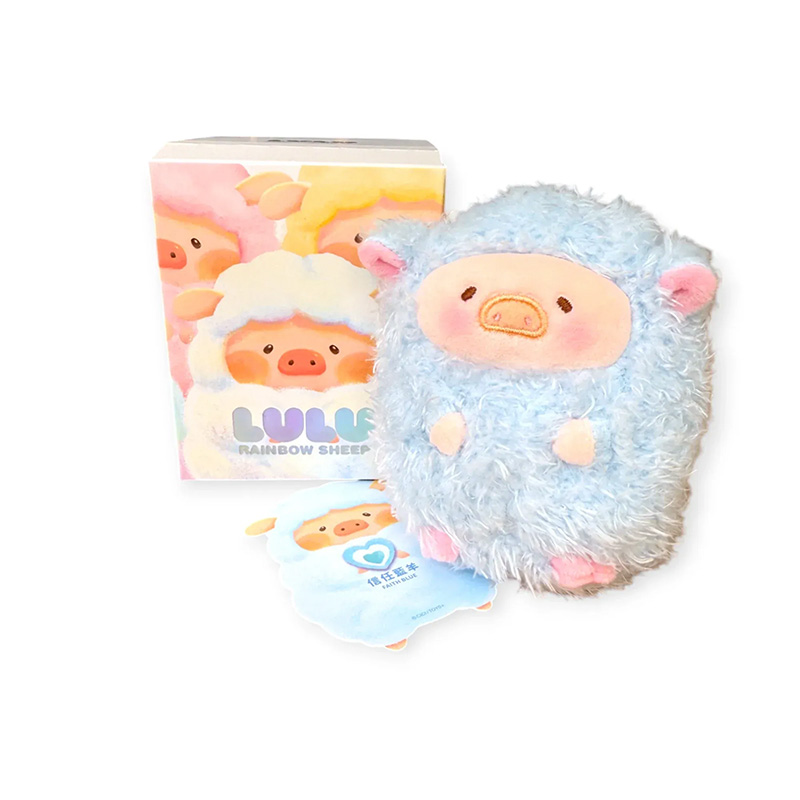
Blind Box Plush Toys
Blind box plush toys are produced in collectible series where customers receive random designs, making them popular in trendy toy markets.
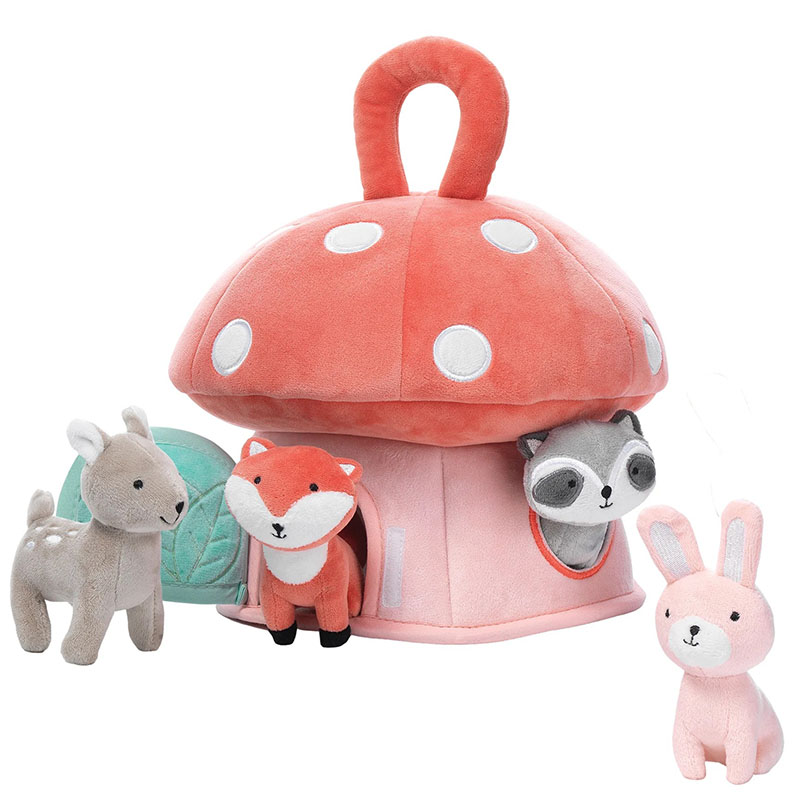
Baby Plush Toys
Baby plush toys are designed with soft fabrics and simple structures suitable for infants and toddlers.
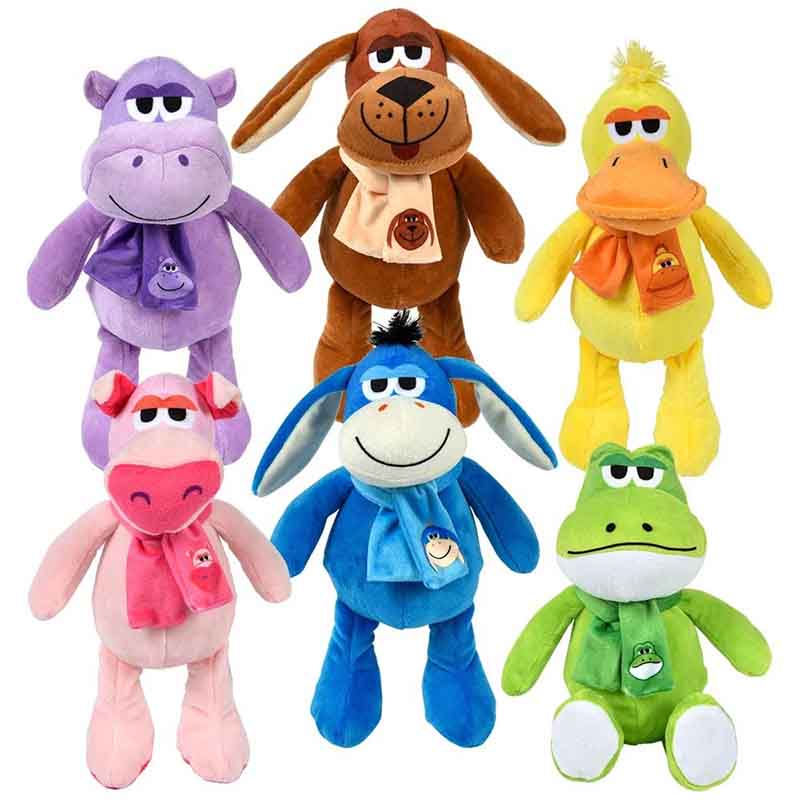
Animal Plush Toys
Animal plush toys such as bears, rabbits, dogs, and cats remain one of the most popular categories in the plush toy market.
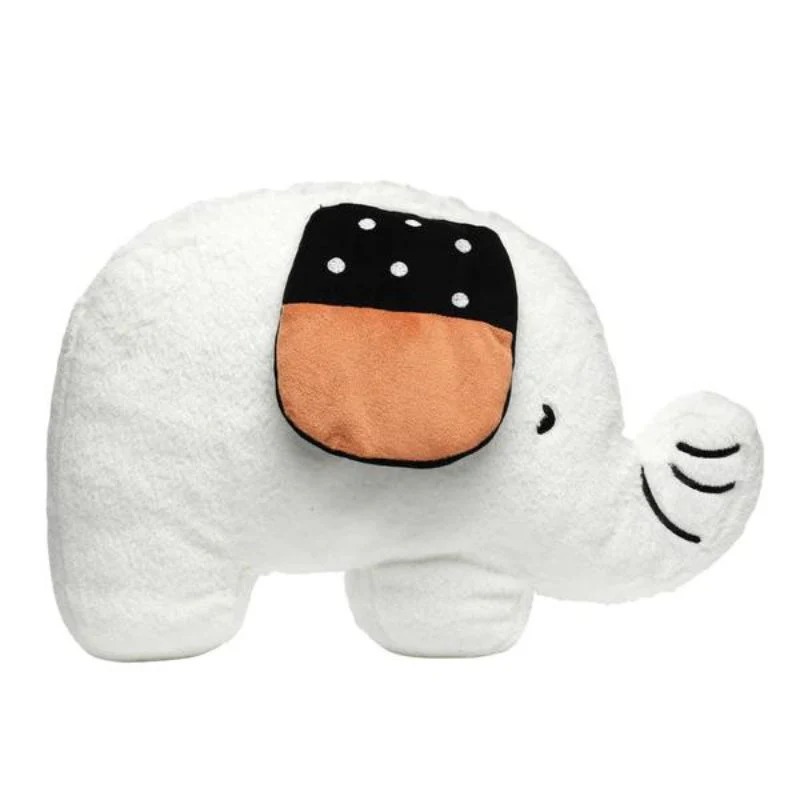
Plush Pillow Toys
Plush pillow toys combine plush toy design with pillow comfort, making them suitable for home decoration and relaxation.
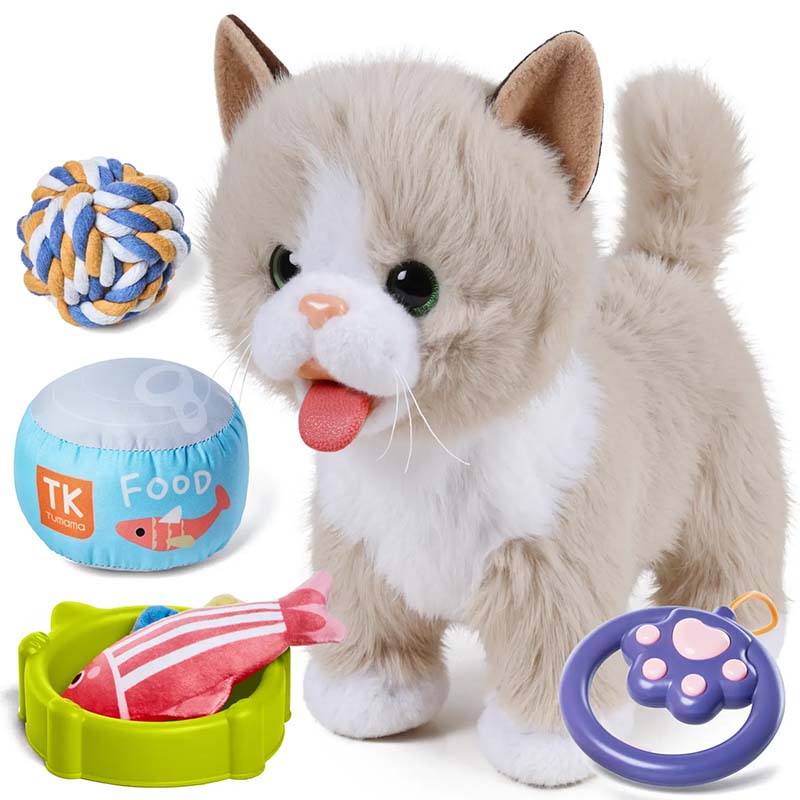
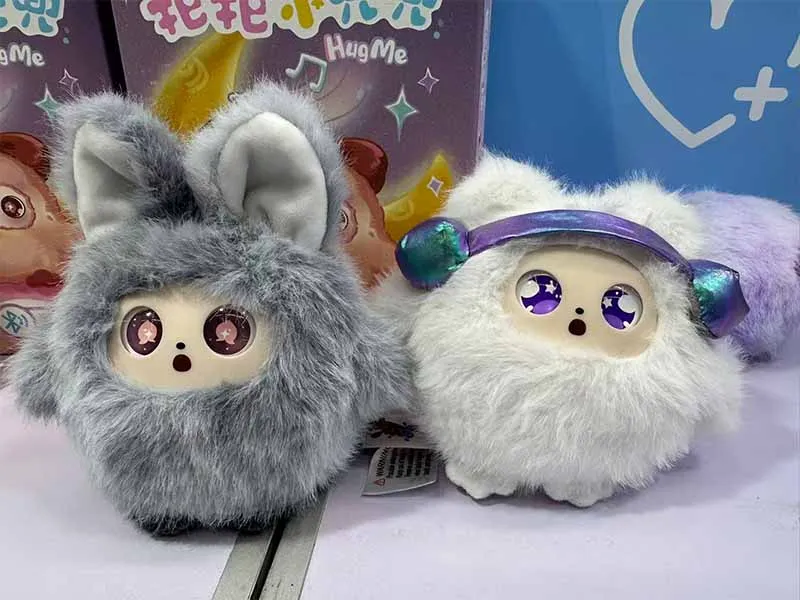
Interactive Plush Toys
Interactive plush toys may include sound modules, motion features, or other interactive components.
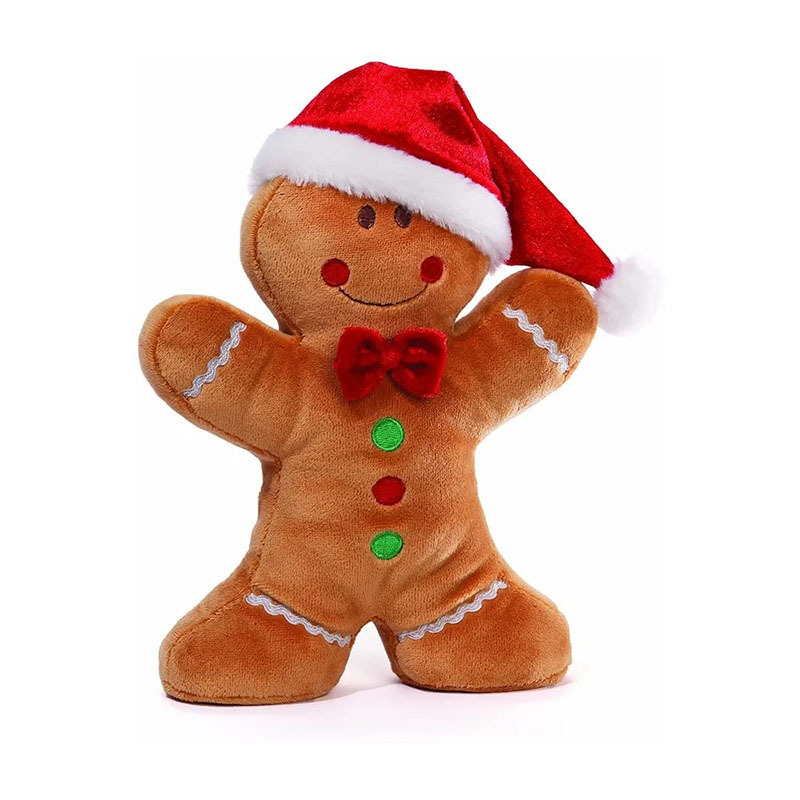
Holiday Plush Toys
Holiday plush toys are designed for seasonal celebrations such as Christmas, Halloween, or Valentine’s Day.
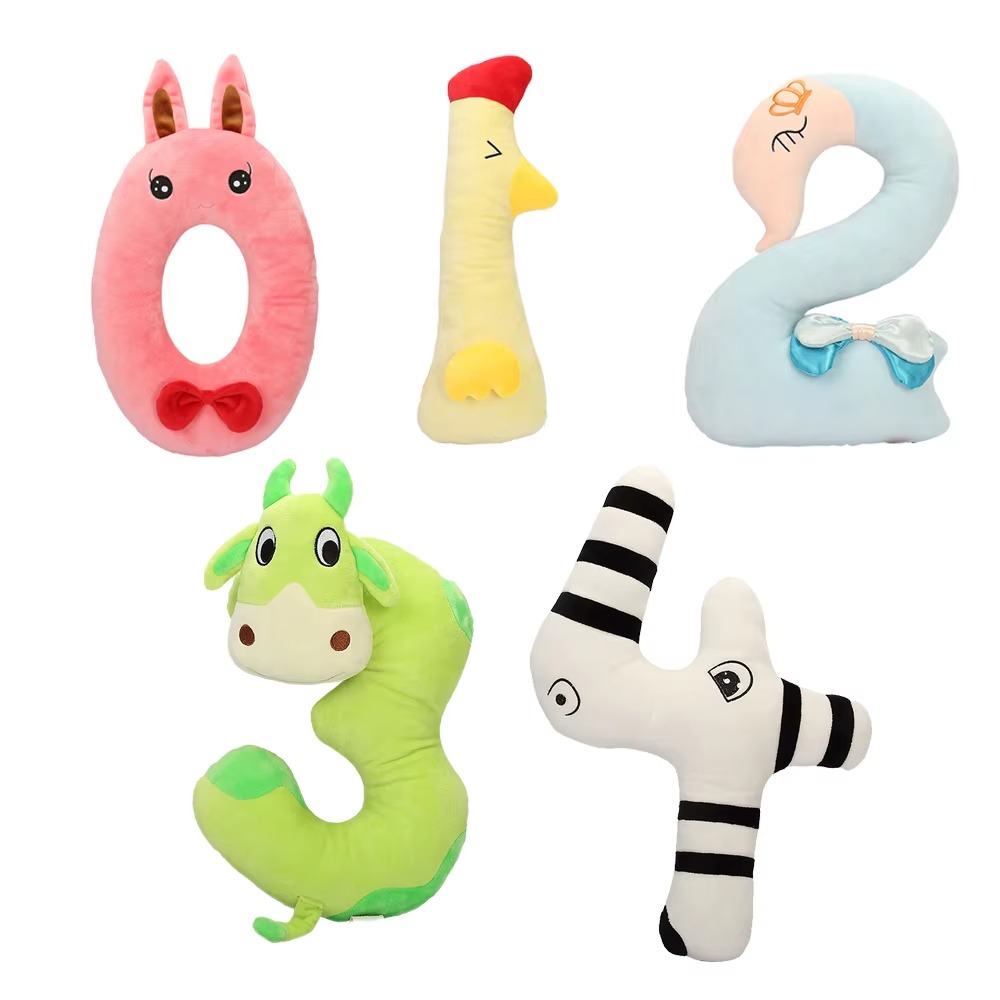
Educational Plush Toys
Educational plush toys are used in learning environments to help children explore animals, shapes, or storytelling.

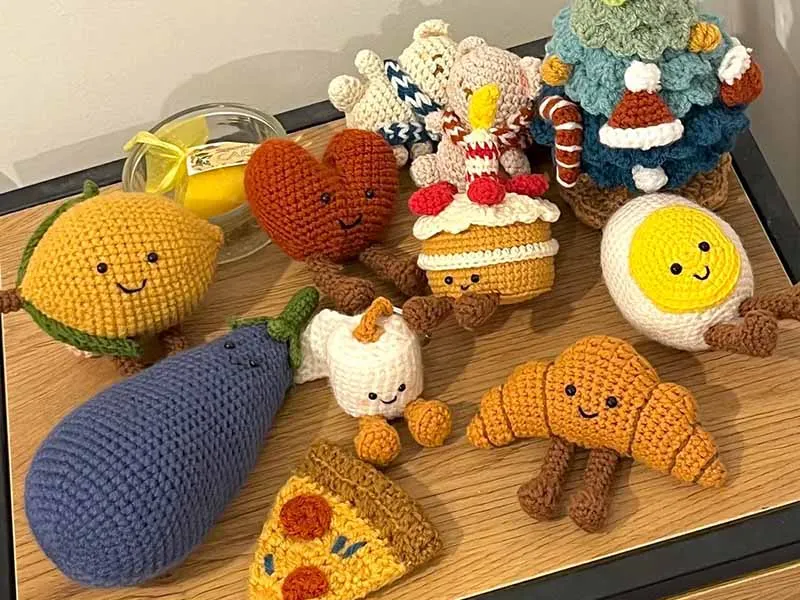
Crochet Plush Toys
Crochet plush toys feature knitted textures and handcrafted styles that create a unique product appearance.
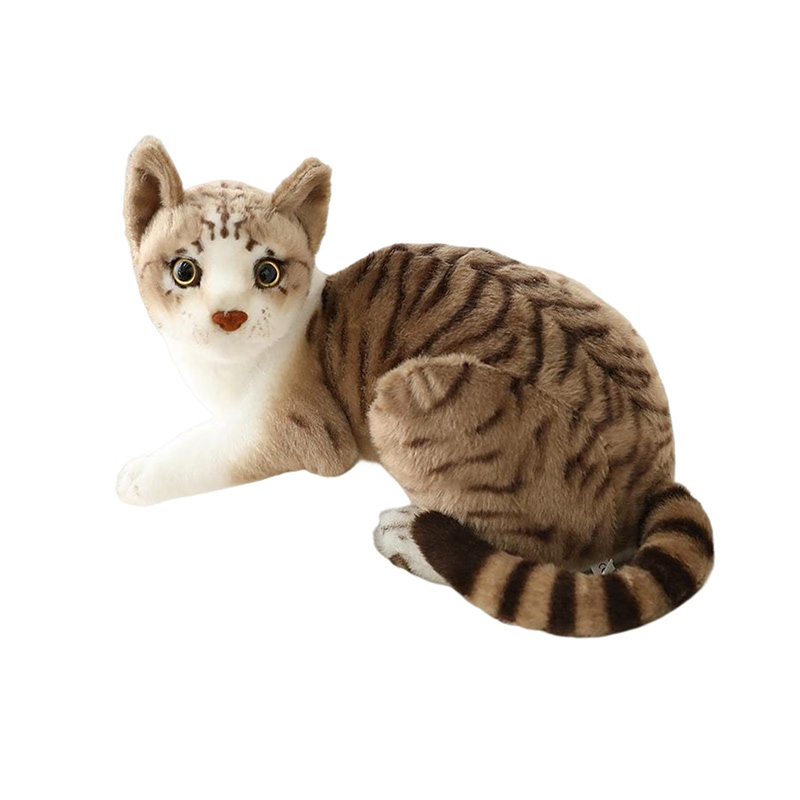
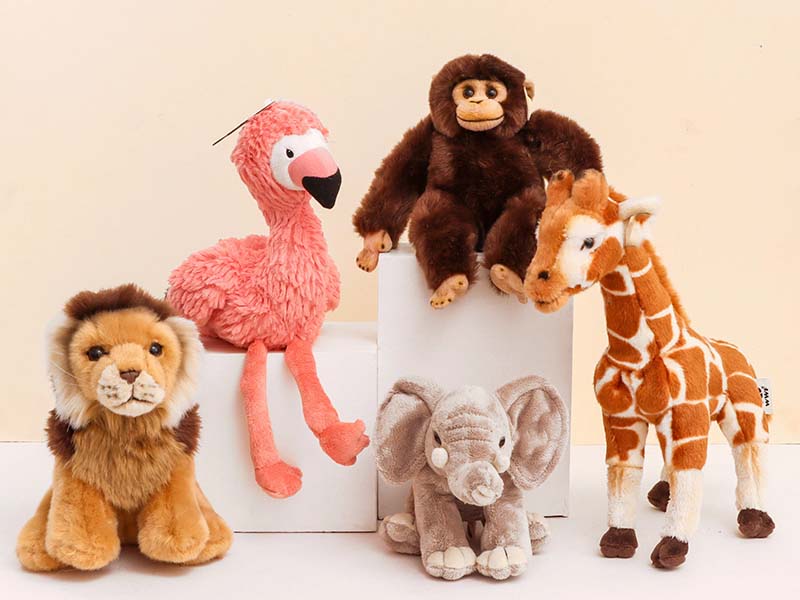
Realistic Animal Plush Toys
Realistic plush animals focus on natural colors and detailed shapes to closely resemble real animals.

Hand Puppet Plush Toys
Hand puppet plush toys are commonly used for storytelling, education, and interactive play.
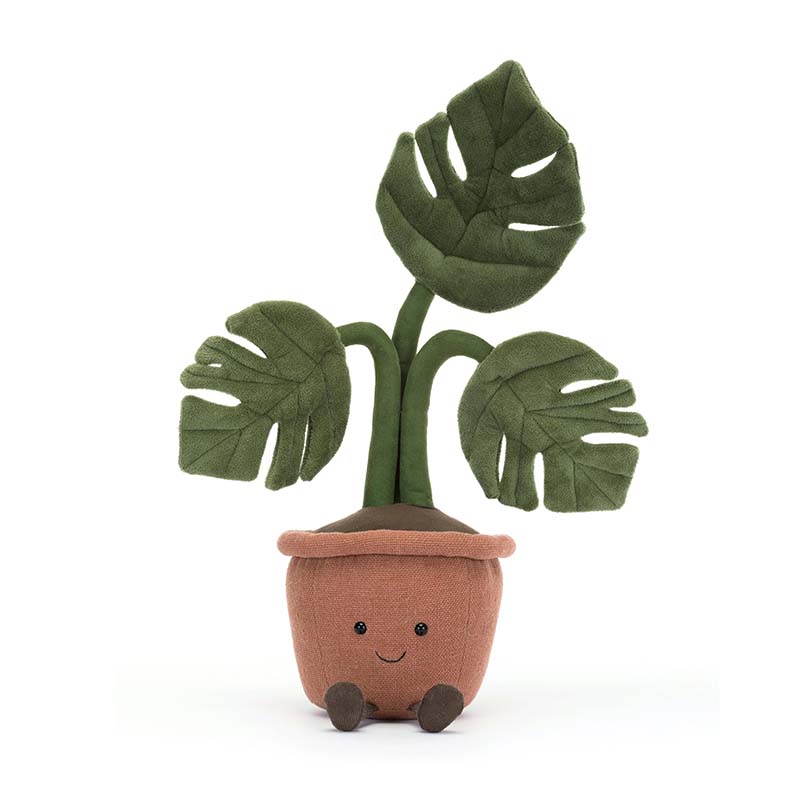
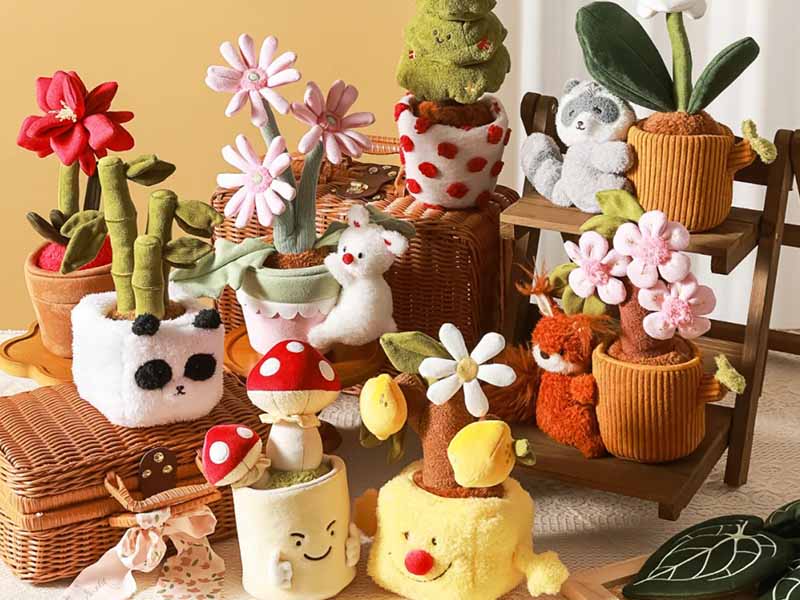
Plant Plush Toys
Plant plush toys are designed based on flowers, cactus, or other plant shapes for decorative or gift purposes.
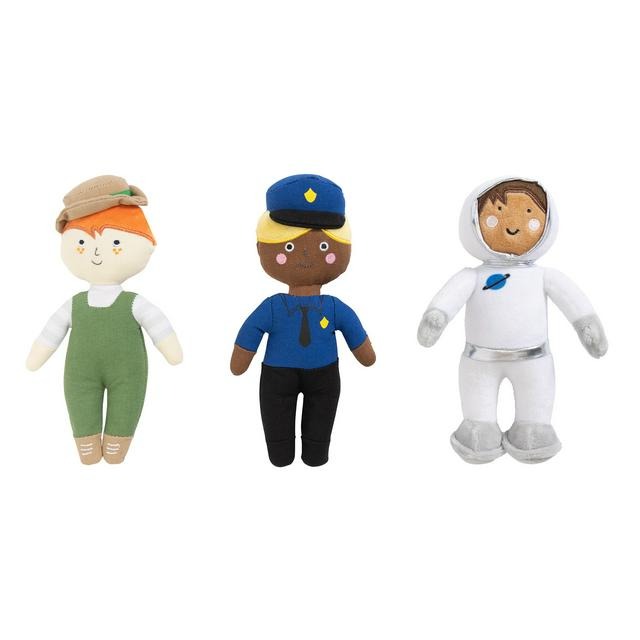
Doll Plush Toys
Doll plush toys feature human characters and are often used for storytelling toys or collectible plush series.
Professional Plush Toy Pattern Making for Accurate Stuffed Animal Structure
Accurate plush toy pattern making is the foundation of high-quality plush toy manufacturing. Before production begins, experienced pattern makers convert a 2D design into a balanced 3D plush structure. Through professional stuffed animal structure design, every panel size, curve, and proportion is carefully planned to ensure the final plush toy closely matches the original concept.
2D Design to 3D Plush Structure Conversion
Pattern makers translate illustrations, sketches, or digital artwork into a structured plush toy pattern. This step ensures that the plush toy keeps the correct proportions when transformed into a physical product.
Precise Panel Size Planning
Each panel of a plush toy must be carefully measured and adjusted during pattern development. Accurate panel sizes help maintain consistent shapes across different production batches.
Efficient Sampling Adjustments
During prototype development, pattern makers refine the plush toy pattern based on the first sample. Small adjustments improve proportions, balance, and overall appearance.
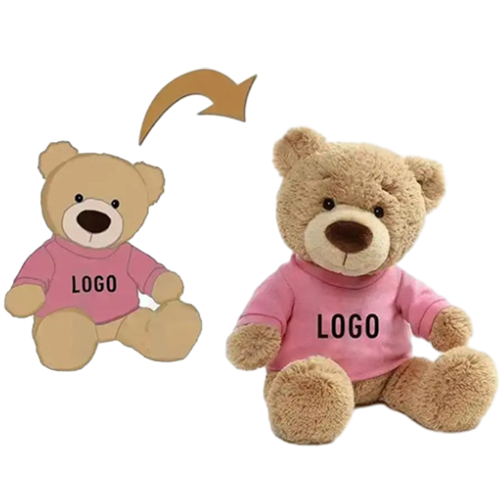
Balanced Stuffed Animal Structure Design
Proper stuffed animal structure design ensures that the plush toy maintains its shape after filling. Balanced panels and well-planned seam lines help create stable plush toy forms.
Optimized Curves and Contours
Curves and contours in plush toy patterns determine the softness and character of the final toy. Skilled pattern makers adjust these curves to create smooth and natural shapes.
Foundation for Mass Production Consistency
Well-developed plush toy patterns provide a reliable reference for mass production. Standardized patterns help ensure that every plush toy maintains the same shape and structure.
Professional pattern making ensures that your custom plush toys accurately transform from concept artwork into real plush products while maintaining stable structure during production.
Common Fabrics and Fillings Used in High-Quality Plush Toys
The materials used in plush toy manufacturing directly affect softness, durability, safety, and product appearance. Choosing the right fabrics and filling materials is an important step in developing high-quality plush toys. A professional plush toy manufacturer carefully selects suitable materials to ensure that custom plush toys maintain a soft touch, stable structure, and safe performance for global markets.
Plush Fabrics
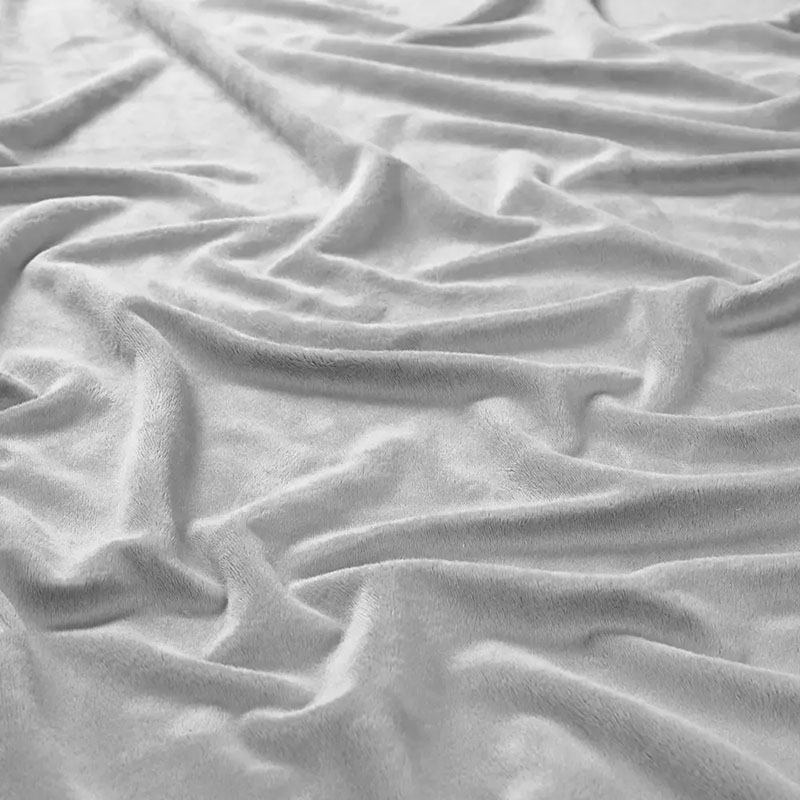
Velboa Fabric
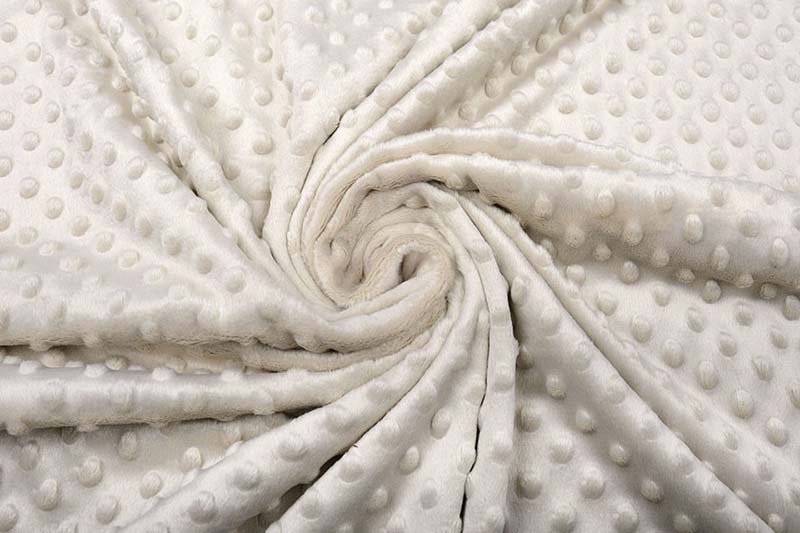
Minky Plush Fabric
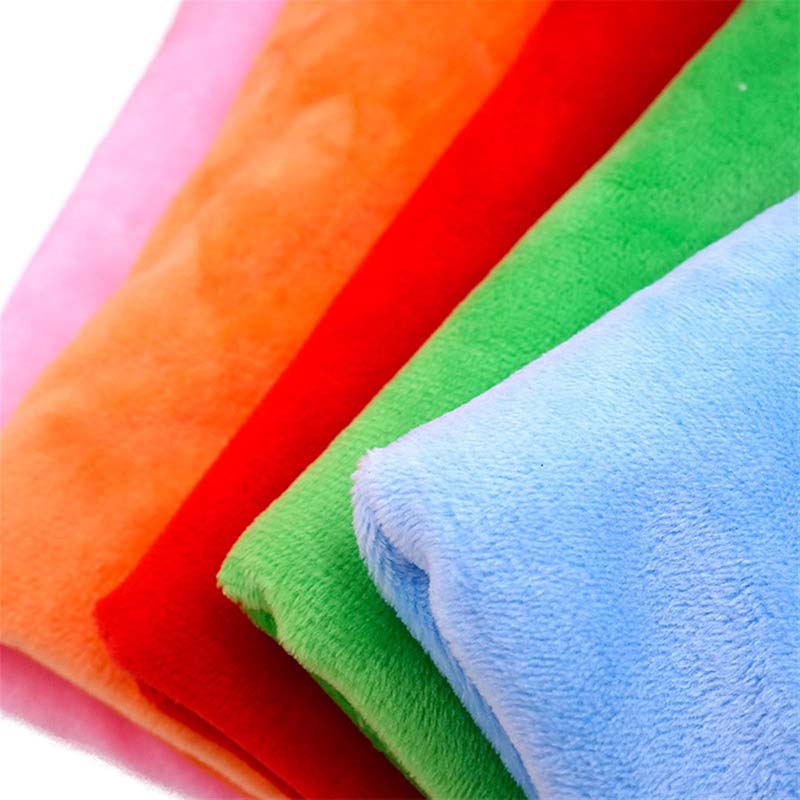
Crystal Super Soft Fabric
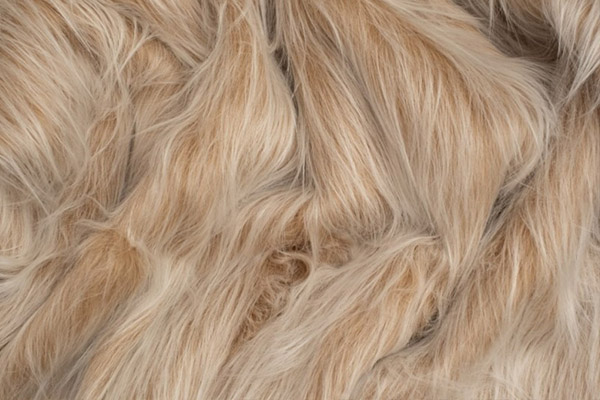
Faux Fur Fabric
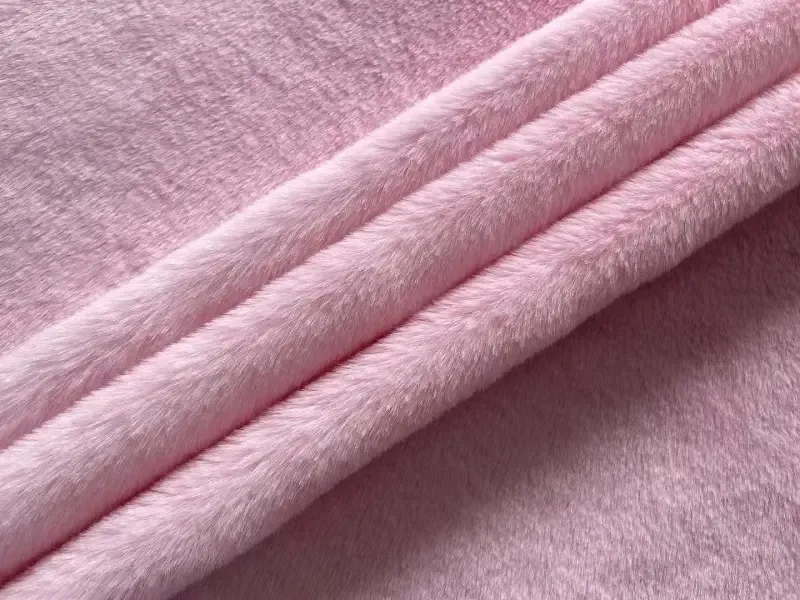
Short Plush Fabric
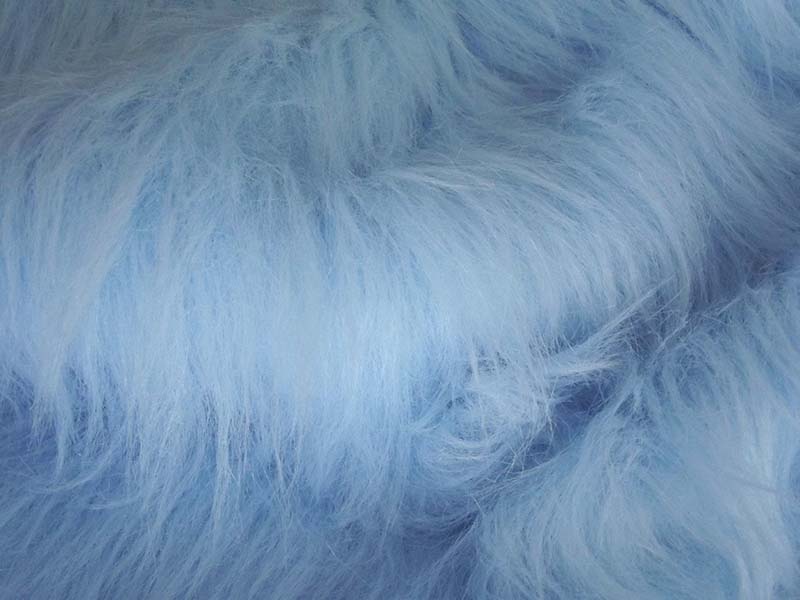
Long Pile Plush Fabric
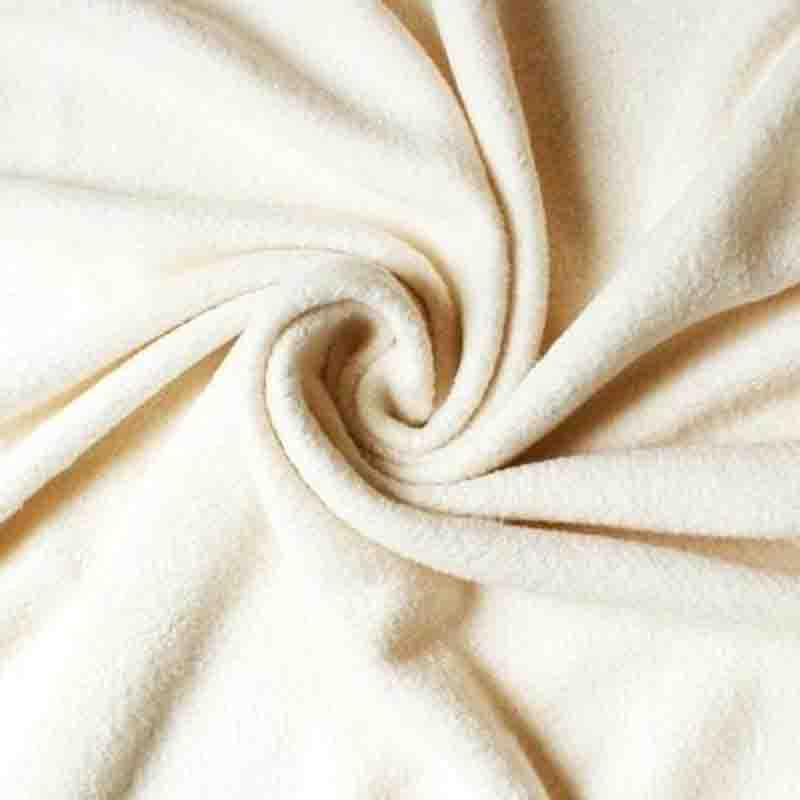
Cotton Fabric
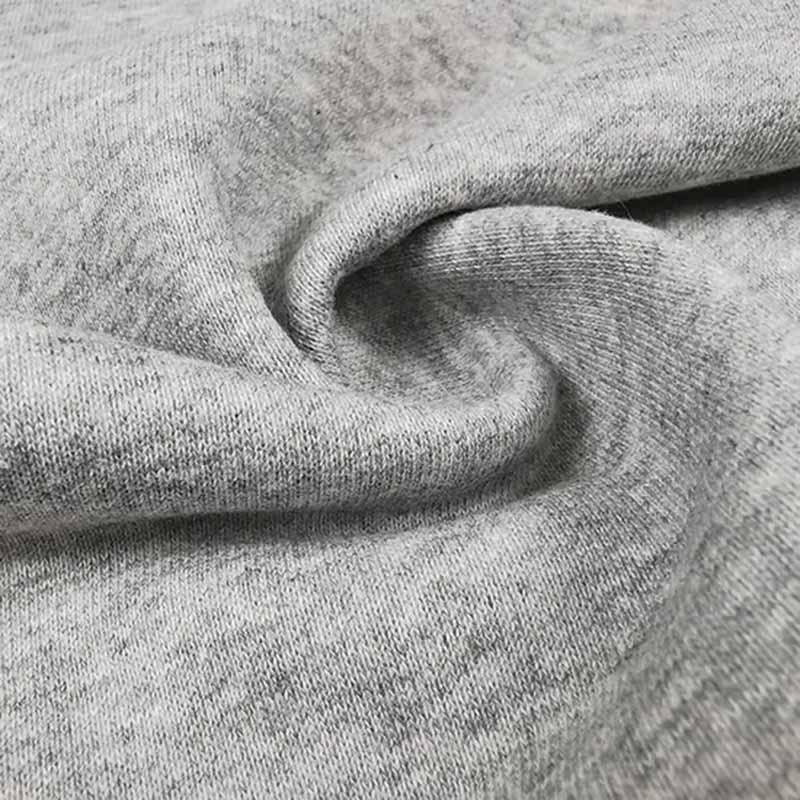
Organic Cotton Fabric
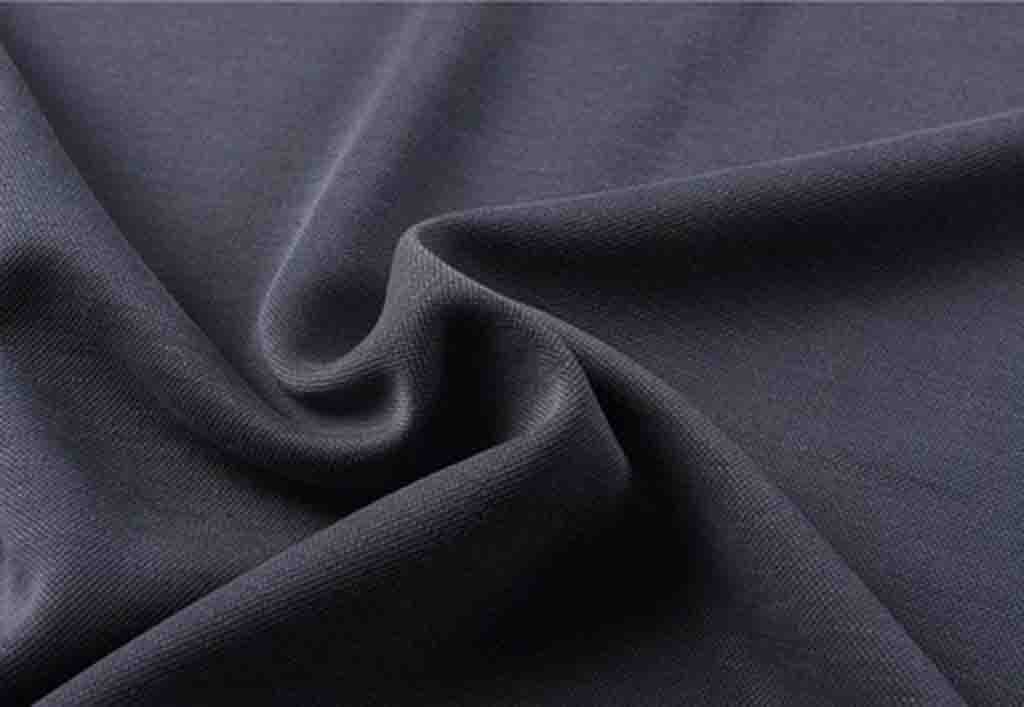
RPET Recycled Fabric
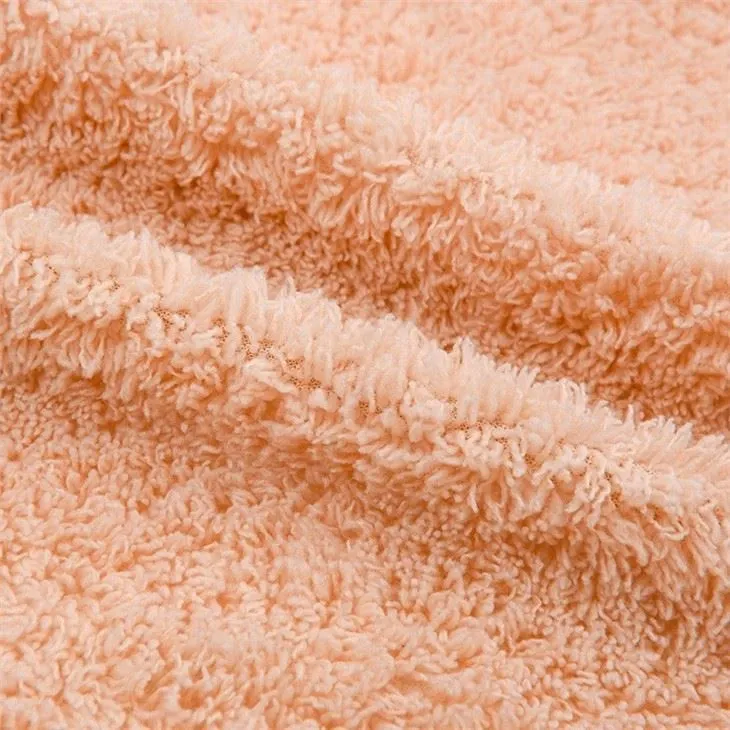
Fleece Fabric
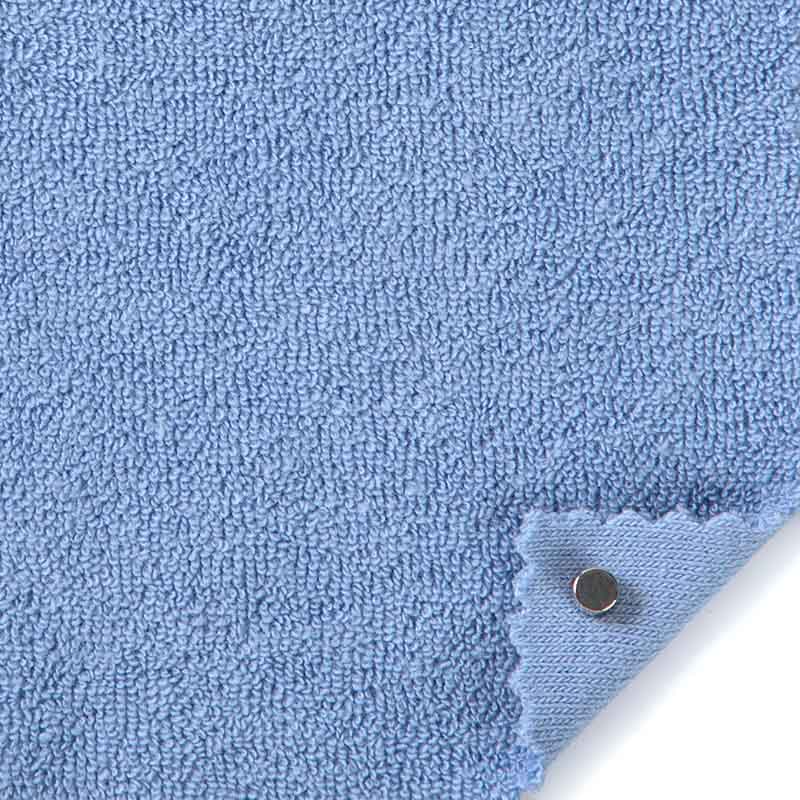
Terry Fabric
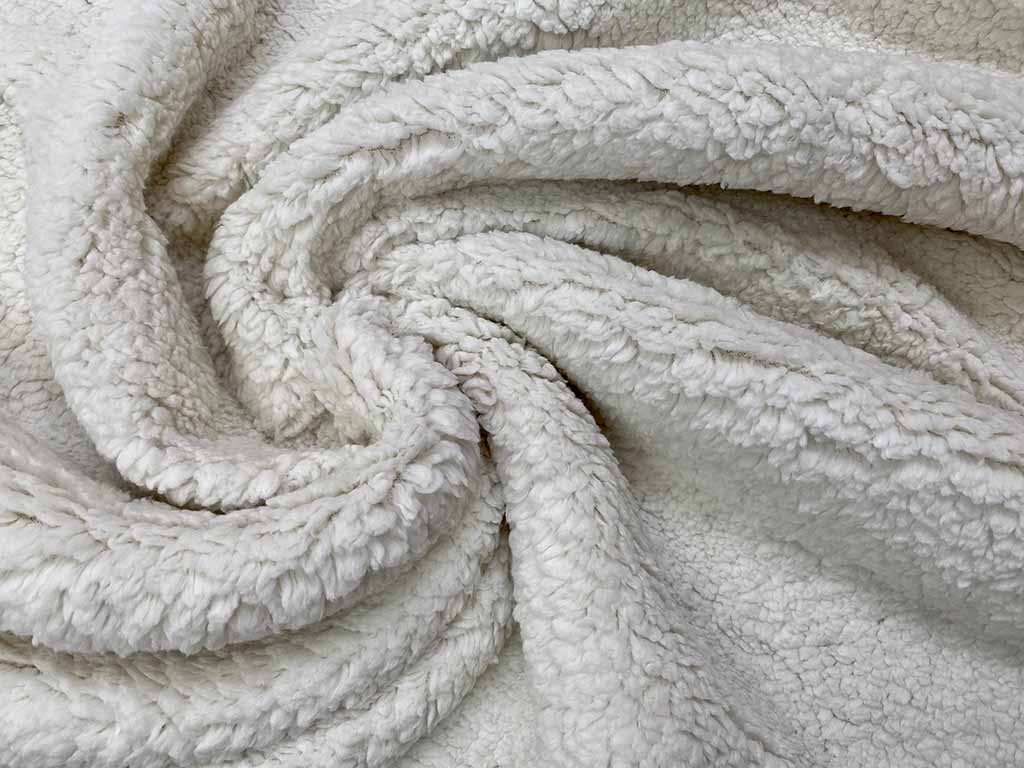
Sherpa Fabric
Filling Materials
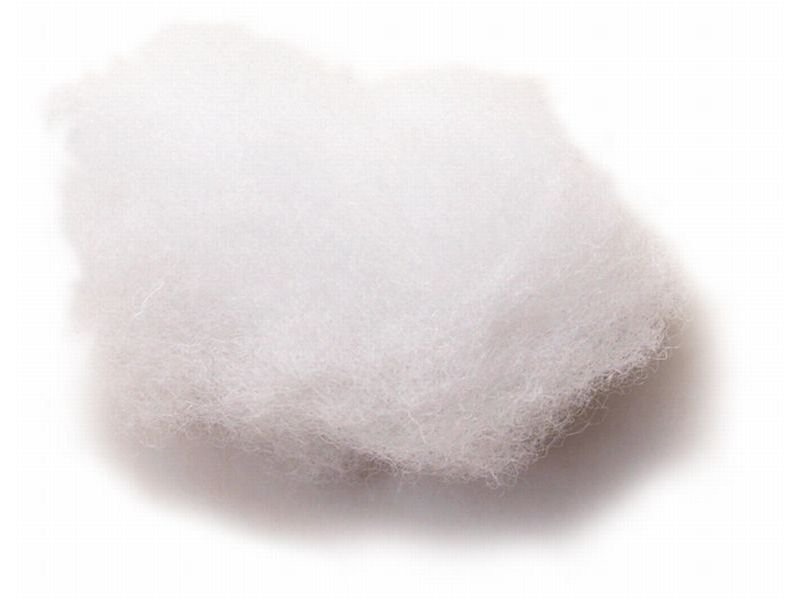
PP Cotton Fiberfill

Recycled Polyester Fiberfill
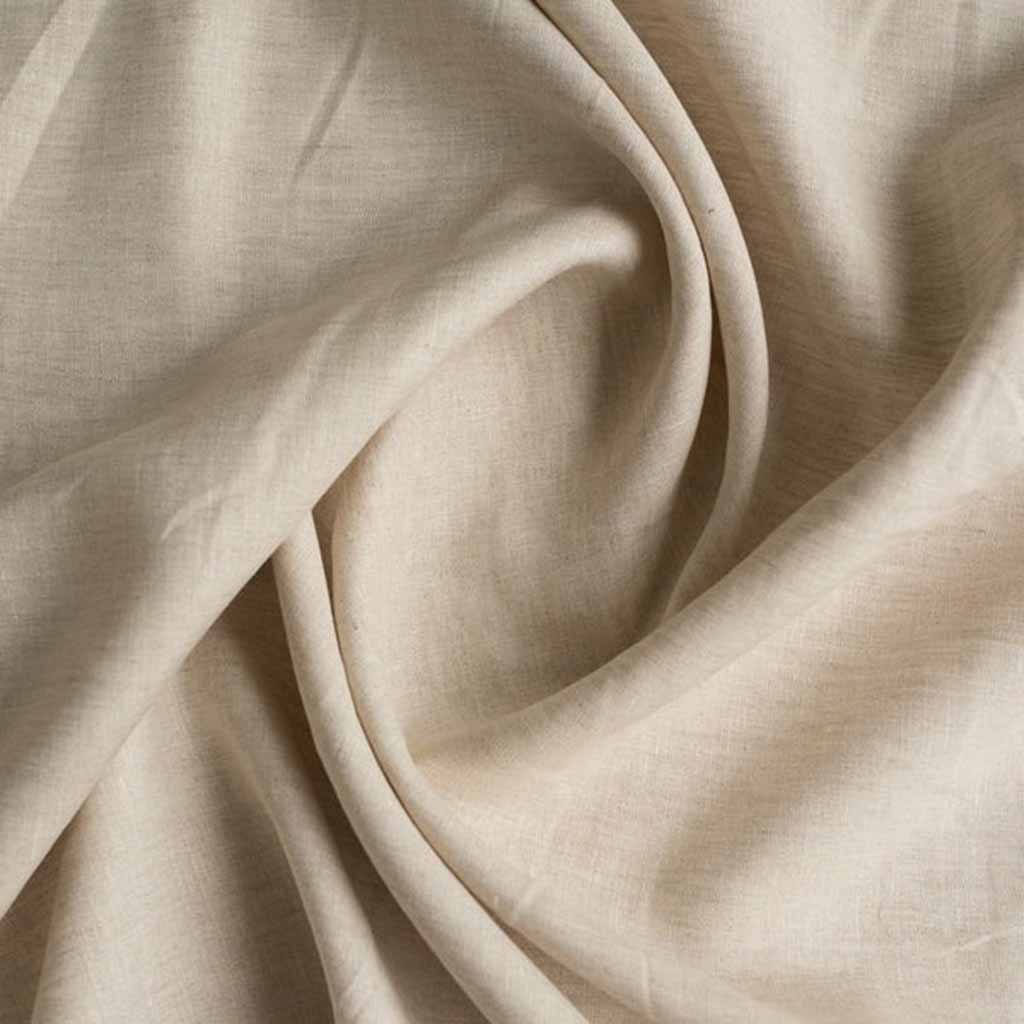
Organic Cotton Filling
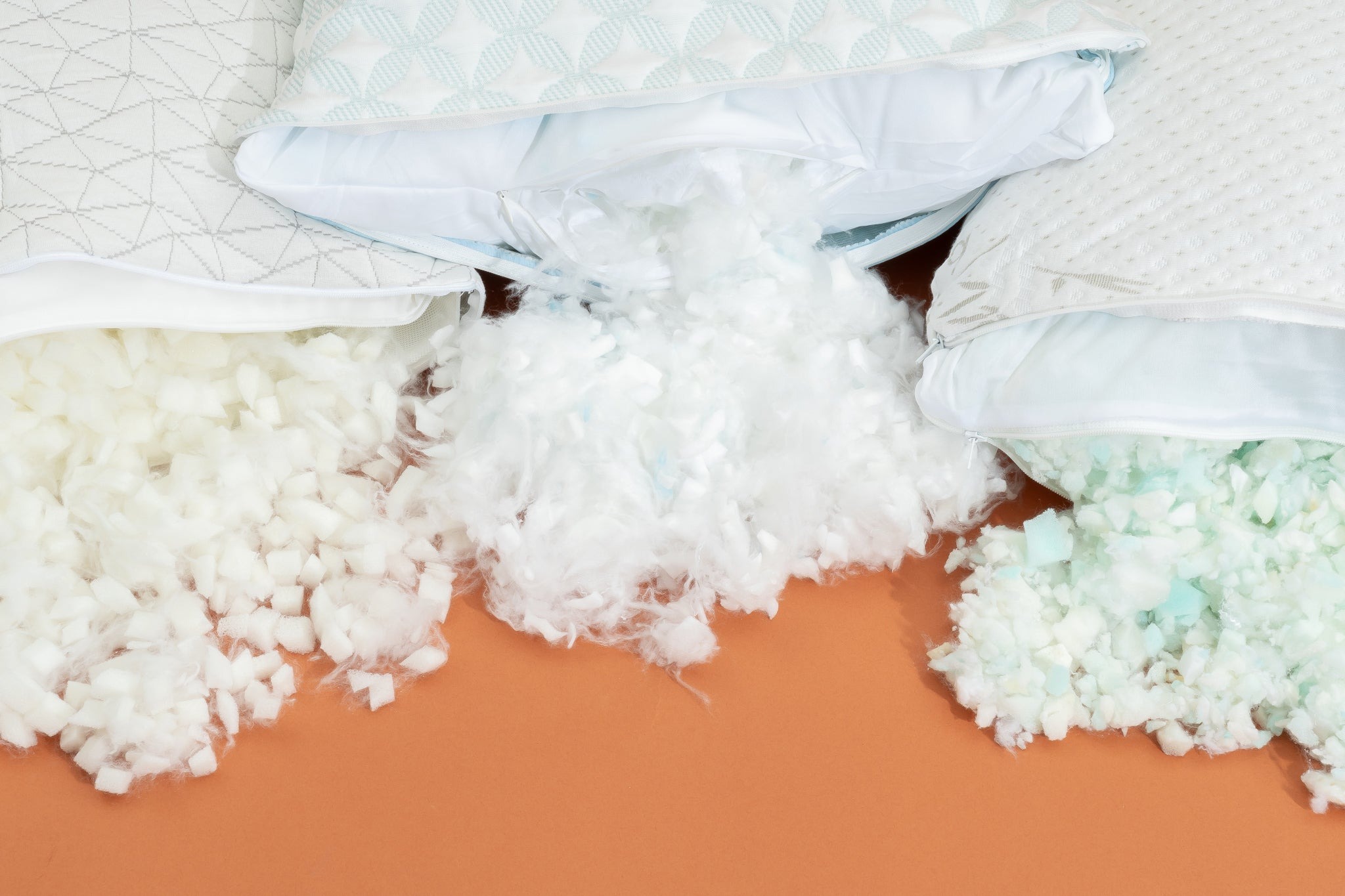
Memory Foam Filling
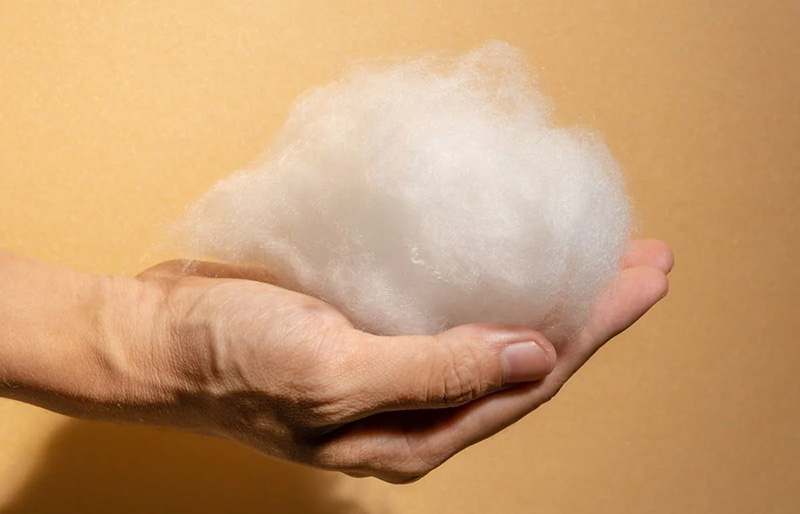
Microfiber Filling
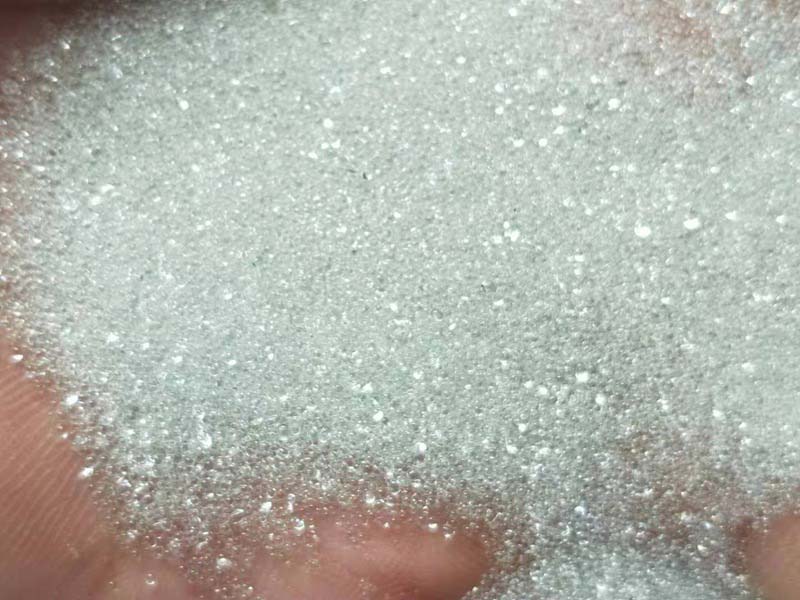
Weighted Glass Beads
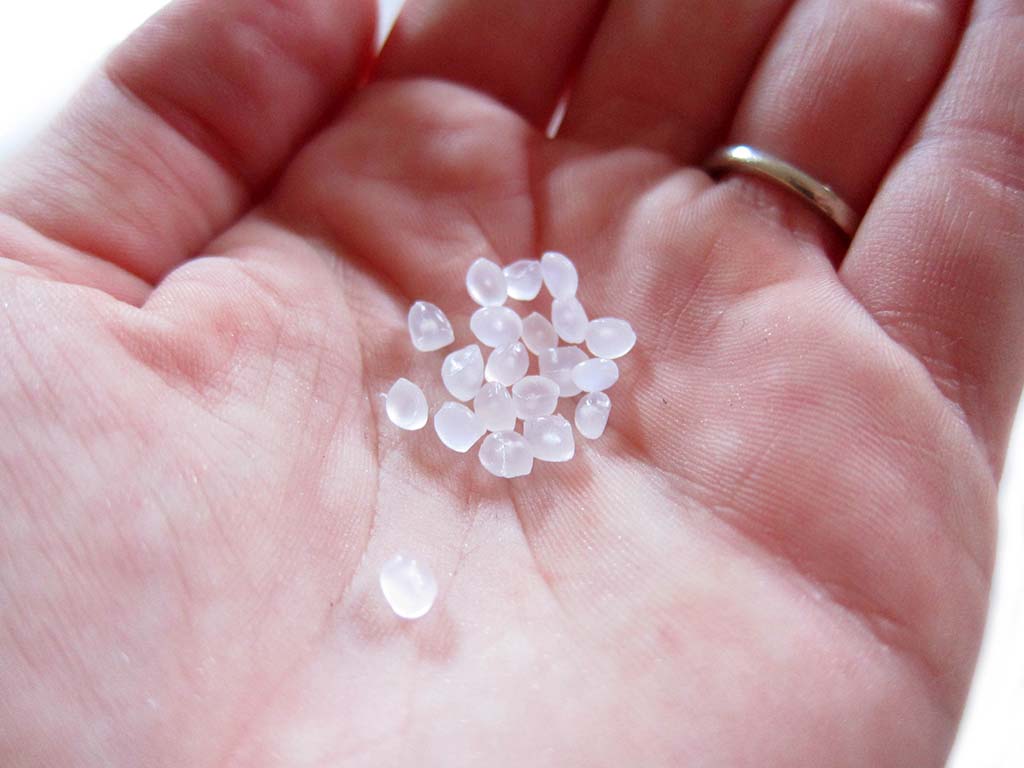
Plastic Poly Pellets
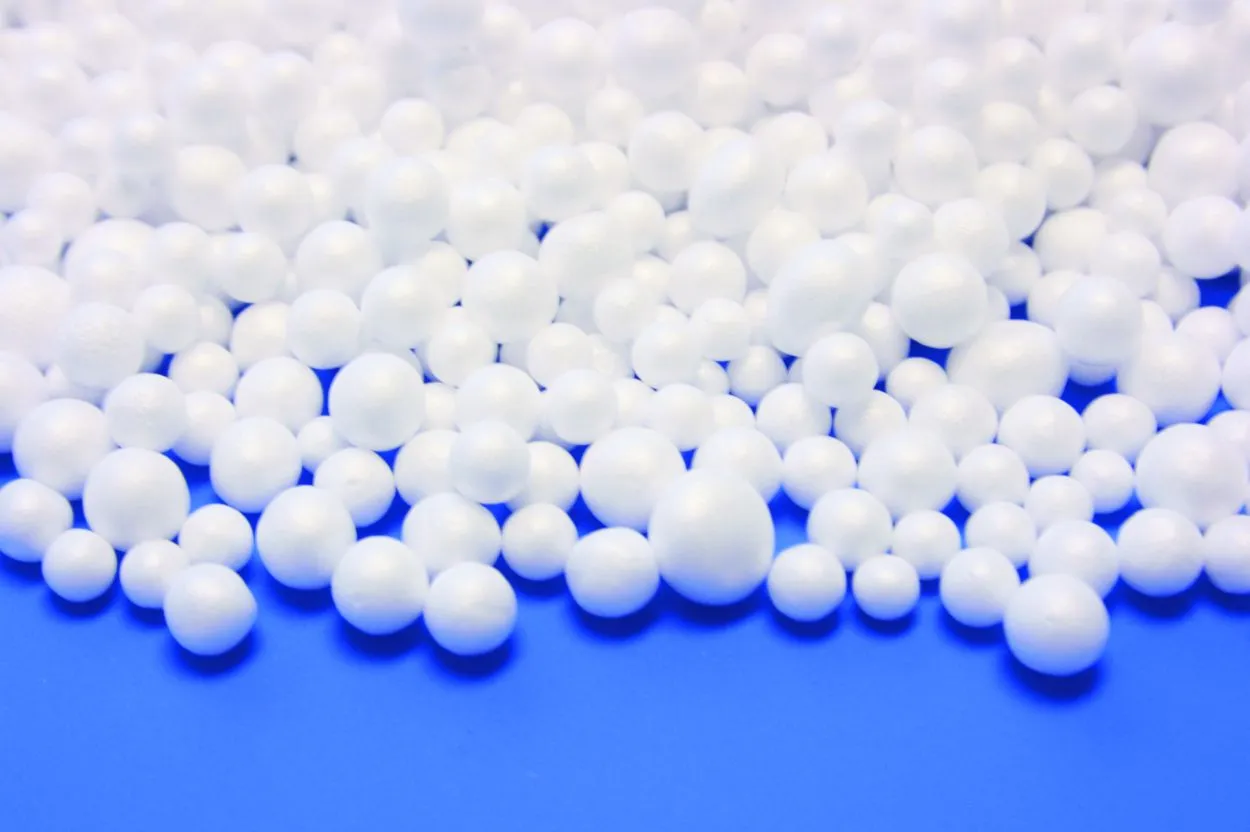
Foam Beads
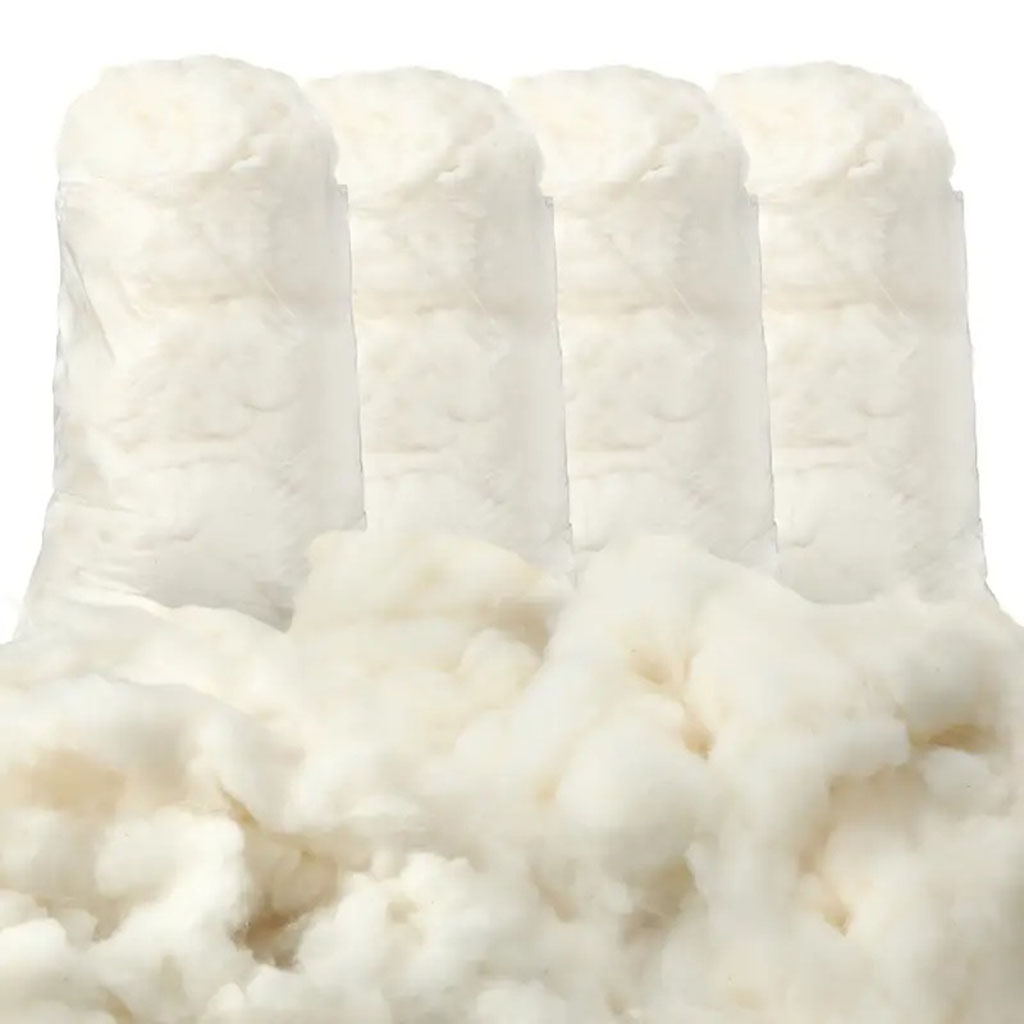
Cotton Stuffing
Selecting the right combination of fabrics and filling materials helps create plush toys that are soft, durable, and suitable for different product designs. With proper material selection, custom plush toys can achieve both attractive appearance and reliable performance in production.
Precise Fabric Matching for Accurate Plush Toy Development
Material selection plays a critical role in plush toy development. The right fabric not only determines the softness and visual appearance of a plush toy, but also affects how accurately the final product matches the original design. A professional plush toy manufacturer carefully evaluates fabric texture, pile height, and color consistency to ensure that custom plush toys maintain both aesthetic quality and structural accuracy.
Fabric Texture Matching
Different plush fabrics create different visual and tactile effects. By selecting fabrics with the right texture, manufacturers ensure that the plush toy matches the intended design style and maintains a soft, high-quality appearance.
Pile Height Selection
Pile height influences how detailed features appear on plush toys. Short pile fabrics work well for precise embroidery and printing, while longer pile fabrics create a softer and more fluffy look. Proper pile height selection helps maintain the accuracy of the final plush product.
Color Consistency Control
Accurate color matching ensures that the plush toy reflects the original design concept. Manufacturers often use color references such as Pantone standards to maintain color consistency across fabrics and production batches.
Material Compatibility with Structure
The selected fabric must work well with the stuffed animal structure design. Materials that are too stiff or too thin can affect the final shape. Proper material matching ensures that the plush toy maintains balanced proportions and smooth contours.
With precise material matching, custom plush toys can maintain consistent appearance, accurate structure, and stable quality throughout the manufacturing process.
Golden Sample Control to Ensure Consistent Plush Toy Production
In plush toy manufacturing, maintaining consistency between samples and mass production is essential. A golden sample serves as the approved reference standard for the entire production process. By using the golden sample as the benchmark, manufacturers can ensure that every plush toy produced maintains the same structure, color, embroidery placement, and overall appearance as the confirmed prototype.
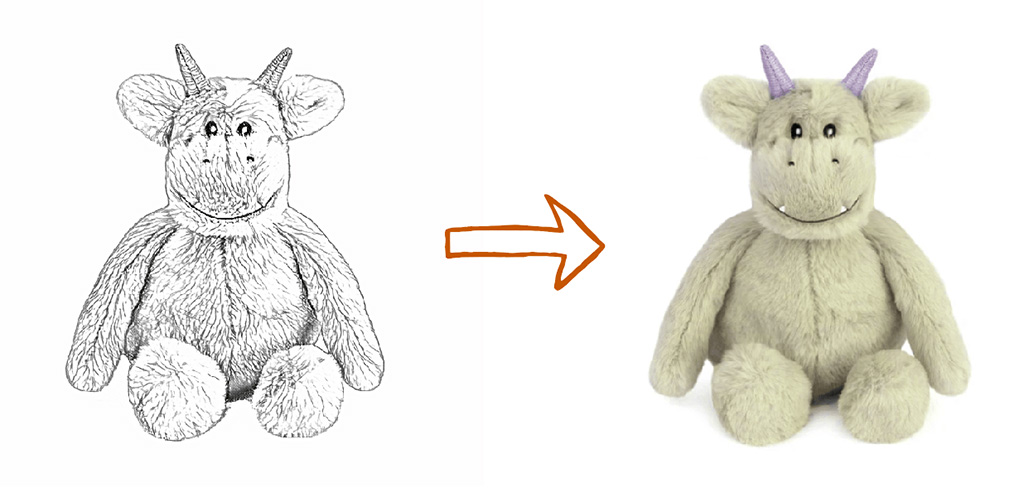
Golden Sample as the Production Standard
Once the prototype sample is approved, it becomes the golden sample that defines the final product standard. Production teams use this reference to ensure that every stuffed animal produced matches the approved design.
Reference for Material and Color Matching
The golden sample provides a clear reference for fabric type, pile height, color tone, and accessories. This helps maintain accurate material selection during bulk production.
Structure and Size Verification
Production teams compare products with the golden sample to confirm structure balance, panel alignment, and overall size. This helps maintain accurate proportions across different production batches.
Quality Inspection Reference
Quality inspectors use the golden sample as a benchmark during inspections. This ensures that embroidery placement, stitching quality, and final appearance remain consistent throughout the manufacturing process.
Advanced Equipment for High-Precision Plush Toy Manufacturing
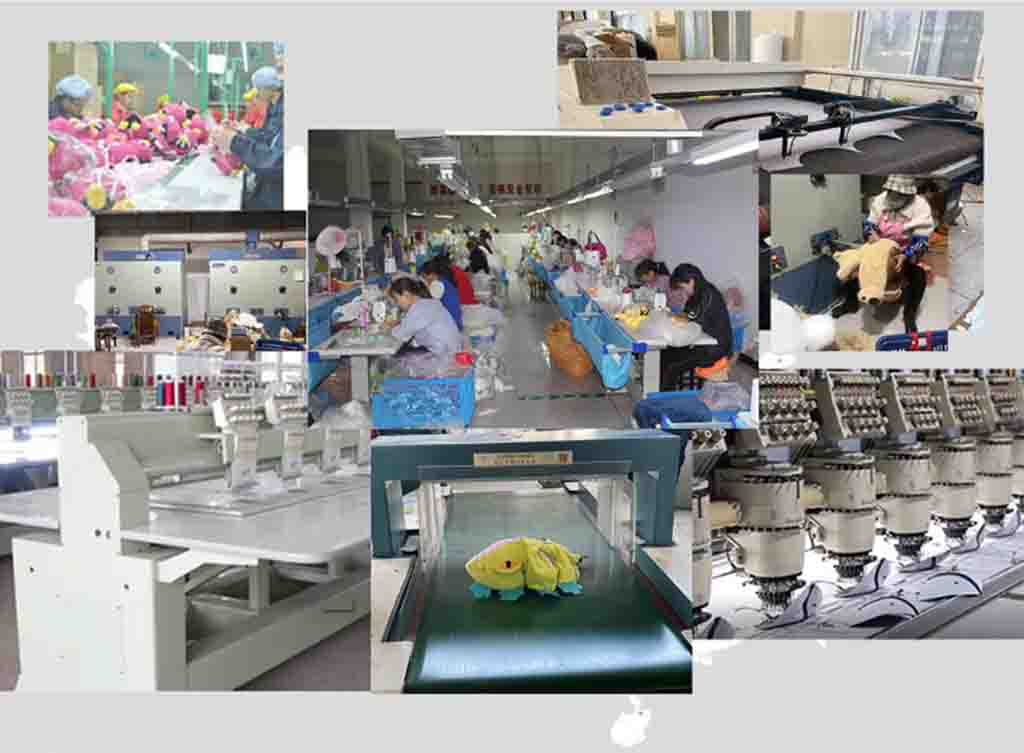
High-quality plush toy manufacturing requires not only skilled workers but also advanced production equipment. Modern machines improve production accuracy, maintain consistent product quality, and increase efficiency in plush toy factories. By using specialized equipment for embroidery, sewing, cutting, and safety inspection, manufacturers can ensure that custom plush toys maintain precise structure and stable production standards.
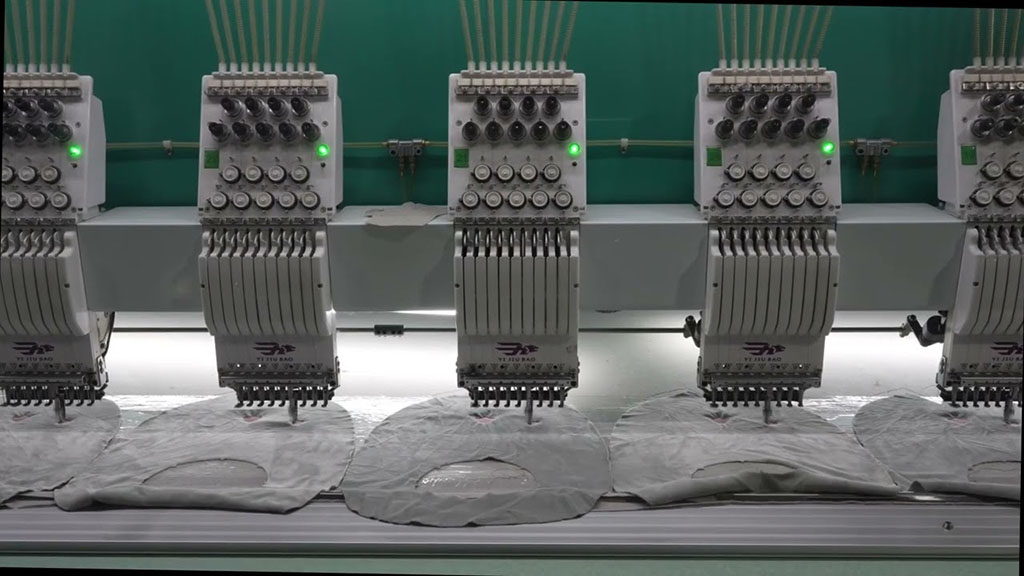
Automatic Embroidery Machines
Automatic embroidery machines ensure accurate and consistent embroidery placement on plush toys. These machines help reproduce detailed logos, facial expressions, and decorative patterns with high precision.
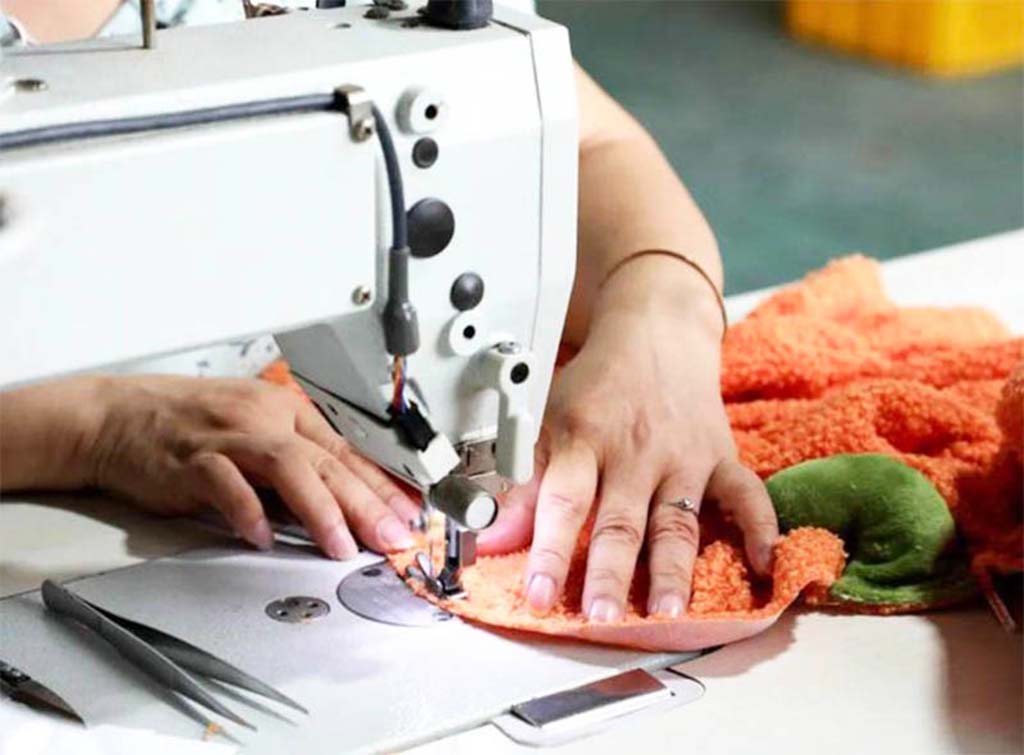
Computer Sewing Machines
Computer-controlled sewing machines maintain stable stitch density and seam alignment. This helps ensure that plush toy panels are assembled consistently across production batches.
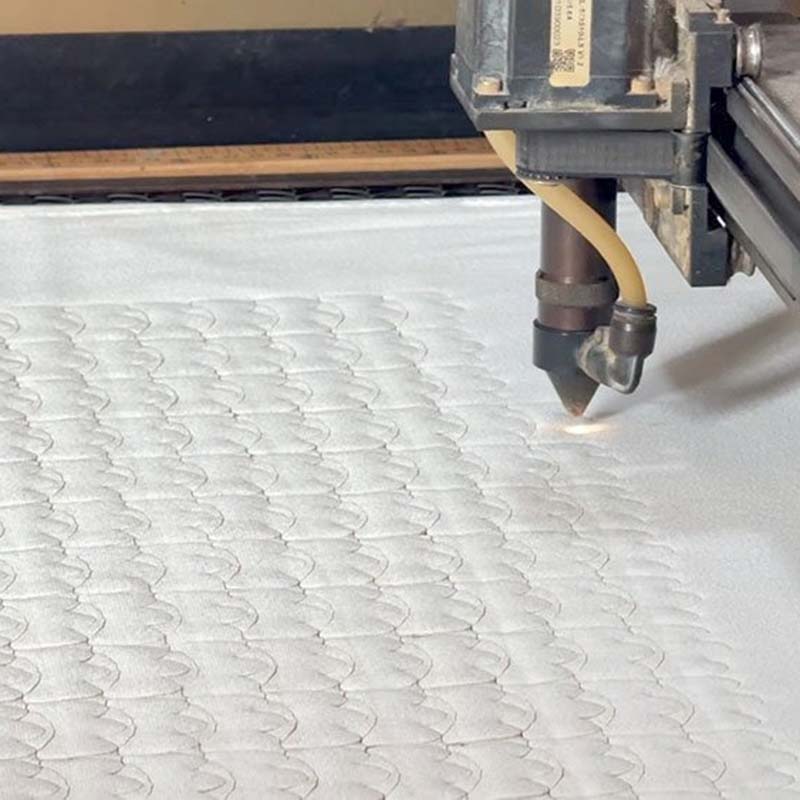
Fabric Cutting Machines
Fabric cutting machines allow precise cutting of plush fabrics according to pattern specifications. Accurate cutting helps maintain consistent panel sizes and improves overall production efficiency.
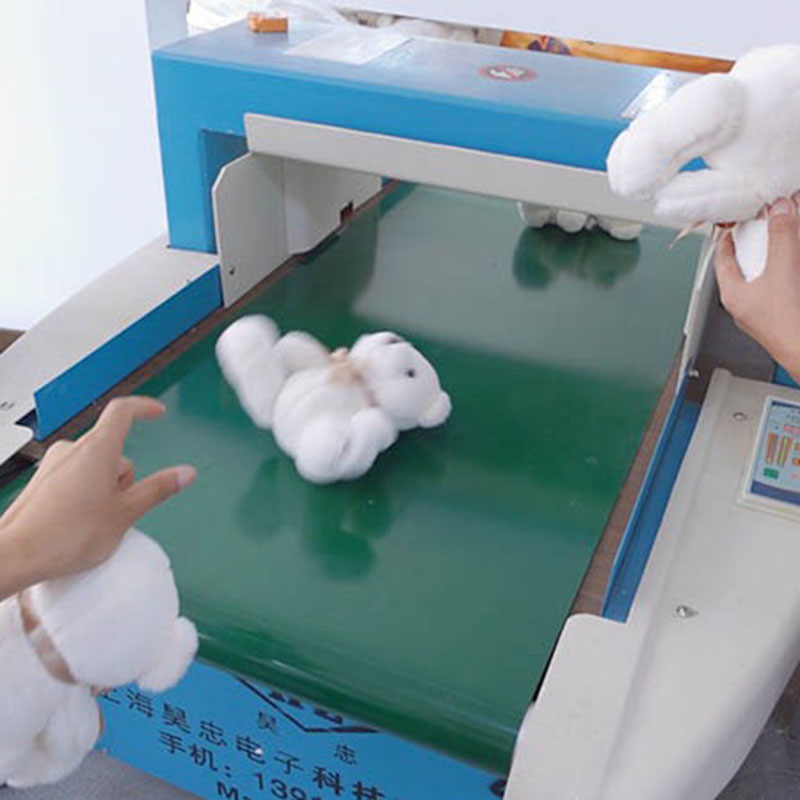
Needle Detection Machines
Needle detection machines are used to inspect finished plush toys to ensure product safety. This equipment detects broken needles or metal fragments before shipment.
With the support of advanced manufacturing equipment, plush toy factories can maintain higher production precision, stable product quality, and reliable manufacturing efficiency.
Custom Plush Toy Production Process from Design to Mass Manufacturing
Creating high-quality custom plush toys requires a structured manufacturing process. Each step, from design evaluation to final inspection, helps ensure that the plush toy matches the approved sample and maintains consistent quality during mass production. A professional plush toy manufacturer follows a clear workflow to transform a concept design into a finished plush product efficiently and accurately.

Design Review and Technical Evaluation
The process begins with reviewing the plush toy design, including size, structure, materials, and manufacturing feasibility. This step helps ensure that the design can be accurately produced in plush form.
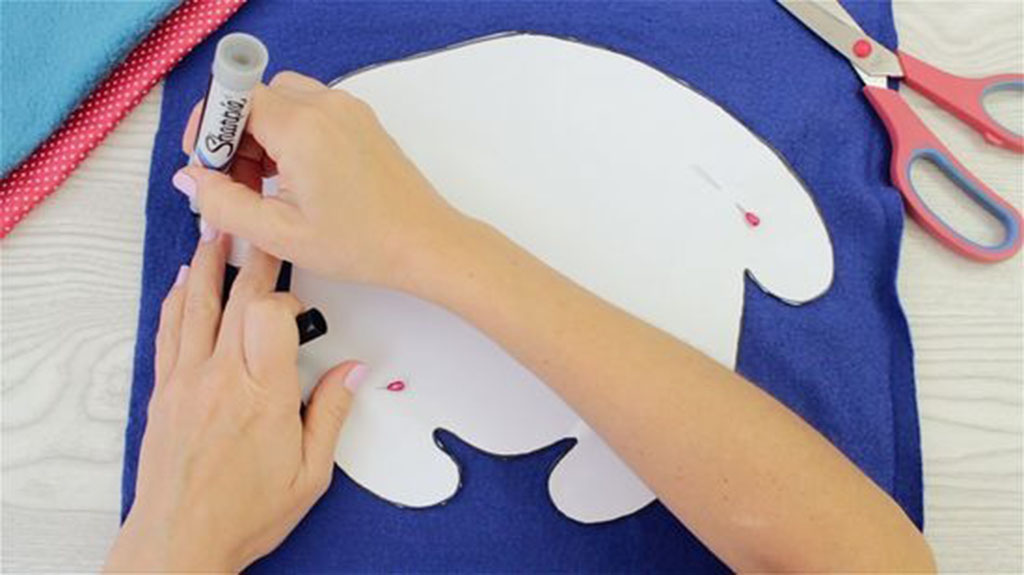
Plush Toy Pattern Making
Experienced pattern makers convert the design into a plush toy pattern. Each panel is carefully planned to create a balanced stuffed animal structure.
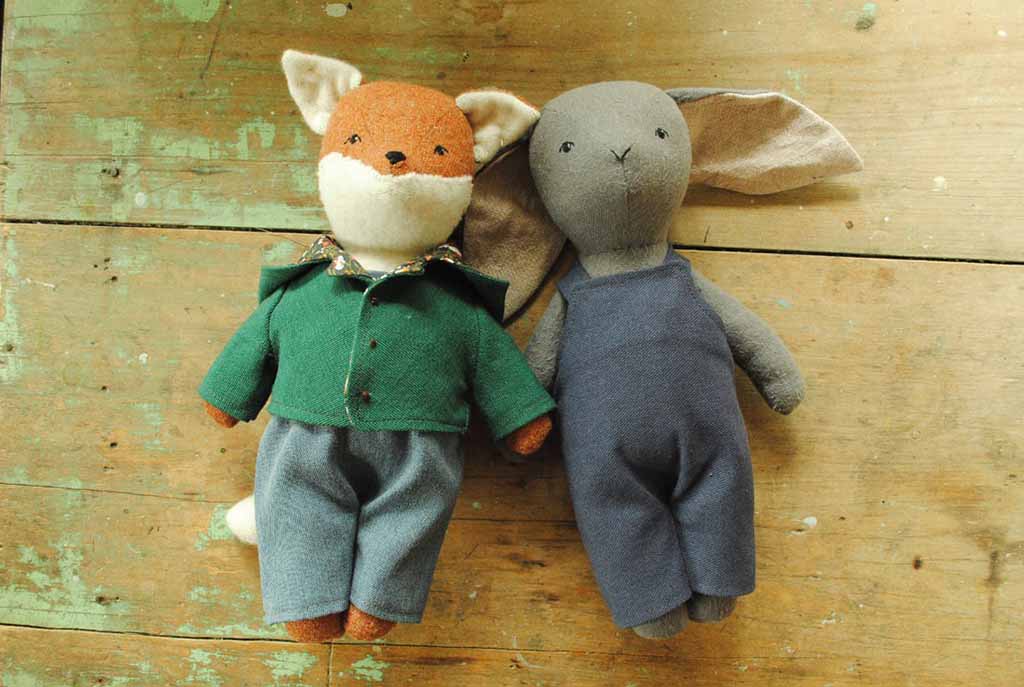
Prototype Sample Development
A prototype plush toy sample is created to test proportions, structure, and overall appearance. Adjustments can be made to improve accuracy before production begins.
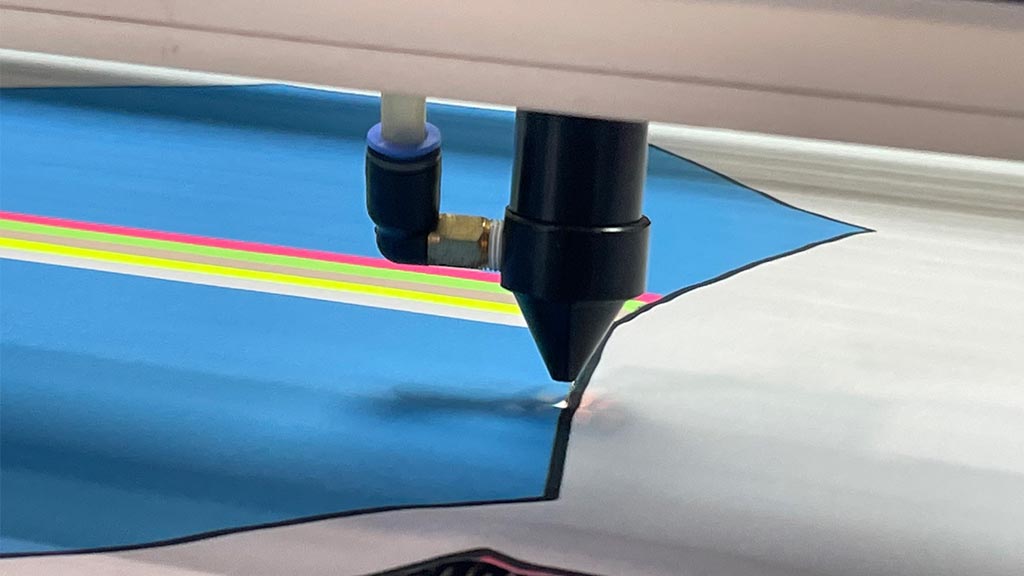
Material Preparation and Fabric Cutting
Once the sample is approved, fabrics and accessories are prepared. Plush fabrics are then cut according to pattern specifications to maintain accurate panel sizes.
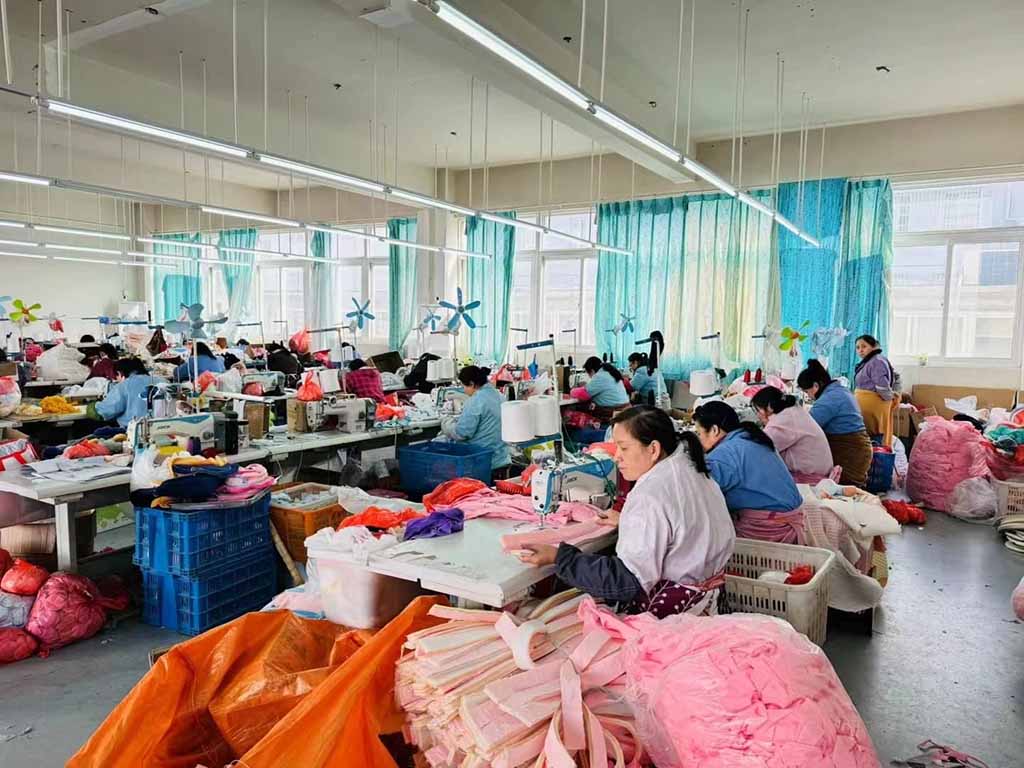
Sewing, Assembly, and Filling
Cut fabric panels are sewn together and filled with fiber materials to form the plush toy. Skilled workers ensure consistent stitching and balanced structure.
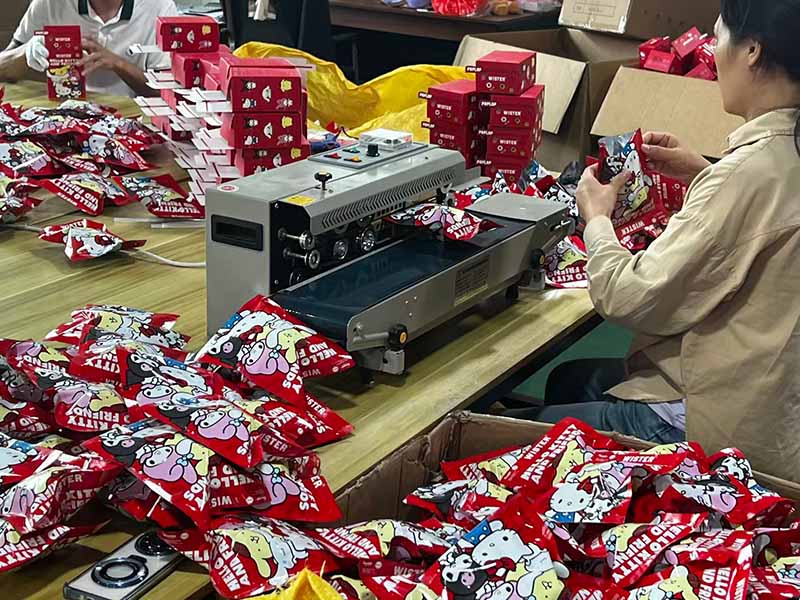
Final Inspection and Packaging
Finished plush toys go through final quality inspections to check appearance, stitching, and safety before packaging and shipment.
With a structured plush toy manufacturing process, brands can achieve accurate product development, stable production quality, and reliable delivery timelines.
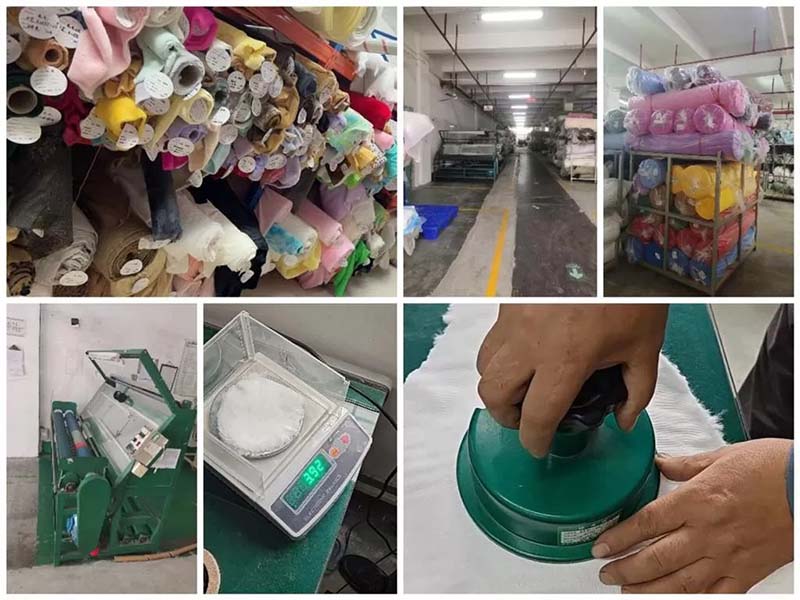
Plush Toy Quality Control System for High-Accuracy Manufacturing
Maintaining high accuracy in plush toy manufacturing requires a structured plush toy quality control system. From raw materials to finished products, each stage must be carefully inspected to ensure that every stuffed animal meets design specifications and safety standards. A professional plush toy factory implements multiple layers of stuffed toy inspection to maintain consistent quality throughout production.
IQC – Incoming Quality Control
IQC focuses on inspecting incoming raw materials such as plush fabrics, filling materials, and accessories. By verifying fabric texture, color consistency, and material safety, the factory ensures that only qualified materials enter the production process.
IPQC – In-Process Quality Control
IPQC monitors the production process while plush toys are being manufactured. Inspectors check stitching quality, embroidery placement, panel alignment, and structural balance to prevent defects during production.
FQC – Final Quality Control
FQC is performed after plush toys are fully assembled. Inspectors evaluate the overall appearance, shape, stitching, and finishing details to confirm that the products match the approved sample.
OQC – Outgoing Quality Control
OQC is the final inspection before shipment. Random sampling inspections verify packaging quality, labeling accuracy, and overall product condition to ensure that the plush toys meet export standards.
With a professional plush toy factory QC system, manufacturers can maintain consistent production quality, accurate product appearance, and reliable delivery for global clients.
Who Benefits from a High-Accuracy Plush Toy Manufacturer
When developing custom plush toys, many brands require products that closely match their original design, character artwork, or brand identity. A high accuracy plush toy manufacturer helps ensure that prototypes, samples, and mass production remain consistent. This is especially important for companies that rely on precise product appearance, stable quality, and reliable production for their business.
Working with a professional plush toy manufacturer helps these companies develop plush toys that accurately represent their designs while maintaining consistent quality in large-scale production.
Trusted by Leading Global Brands
Strong partnerships prove strong capabilities. Over the years, Kinwin has worked with world-leading brands and retailers to deliver interactive plush toys that meet the highest standards of creativity, safety, and quality. By choosing us, you gain a supplier that is trusted by top companies worldwide—and the same reliability is available to your brand.





Why Brands Prefer a High-Accuracy Plush Toy Manufacturer
When developing custom plush toys, brands want products that accurately reflect their design while maintaining stable quality during mass production. A high accuracy plush manufacturer helps reduce development risks, improve product consistency, and support long-term brand growth. With precise sampling and controlled production systems, brands can confidently launch plush toy products for global markets.
Accurate Prototype Development
High accuracy sampling ensures that the prototype plush toy closely matches the original design concept. This allows brands to evaluate structure, proportions, and details early in the development process.
Stable Mass Production Batches
A structured production system helps ensure that every production batch maintains the same shape, embroidery placement, and material consistency. This stability is essential for brands selling plush toys in retail and online markets.
Lower Development Risk
Working with a professional plush toy factory reduces the risk of repeated revisions and unexpected production issues. Accurate sampling and clear production standards make the development process more predictable.
Reliable Long-Term Cooperation
A reliable plush toy manufacturer supports brands with consistent product quality, stable production capacity, and dependable delivery schedules. This allows companies to build long-term product lines with confidence.
Explore Our Custom Plush Toy Series
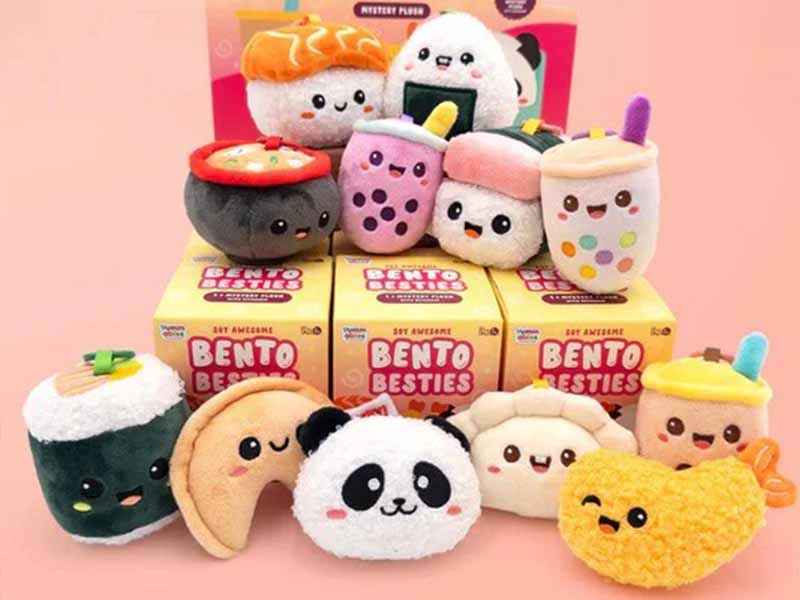
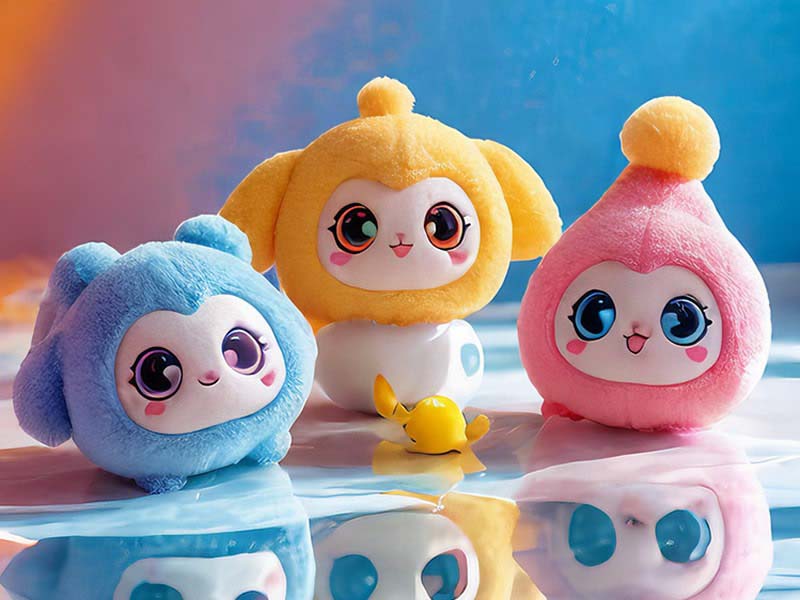
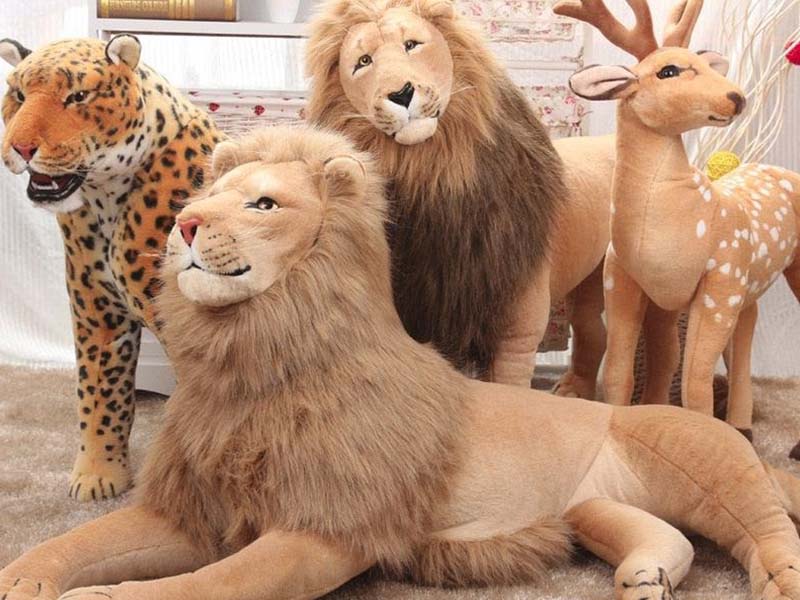
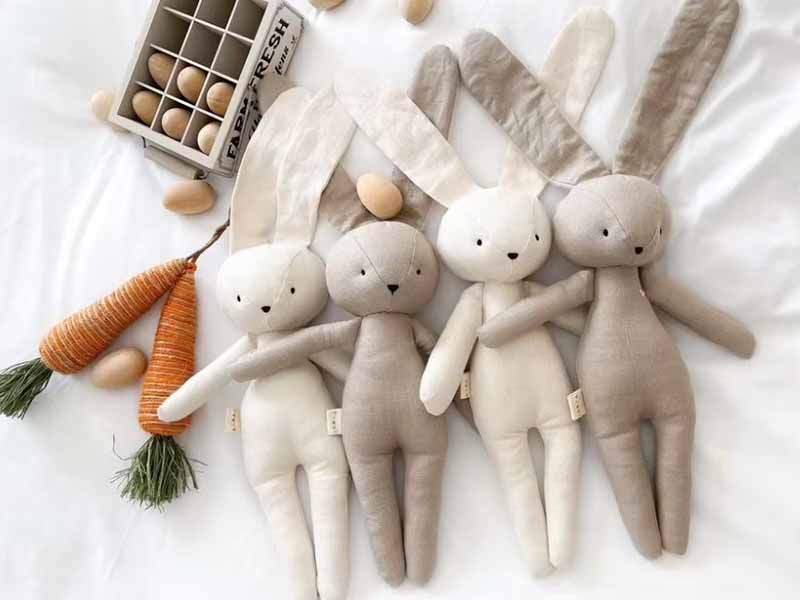
We offer a wide selection of plush toys to meet different business needs. From baby-safe stuffed animals to collectible plush dolls, our product lines are designed for global brands, retailers, e-commerce, and promotional projects.
Start Your Custom Plush Toy Project with a High-Accuracy Manufacturer
If you are planning to develop custom plush toys, choosing a manufacturer with strong accuracy control can make the entire process much easier and more reliable. From plush toy pattern making and prototype development to mass production and quality inspection, every stage requires precise management to ensure the final product truly matches your design.
A professional plush toy manufacturer helps brands turn ideas into real products while maintaining stable production results. With structured sampling systems, accurate material matching, and strict plush toy quality control, your products can move from concept to market with greater confidence.
Whether you are creating a new plush toy product line, developing promotional stuffed animals, or launching an IP character plush series, working with an experienced manufacturer ensures better product accuracy, consistent quality, and reliable production capacity. This allows your brand to focus on product design, marketing, and market growth while the manufacturing process remains stable and predictable.
Frequently Asked Questions
1. What does high accuracy mean in plush toy manufacturing?
High accuracy in plush toy manufacturing means the final product closely matches the original design in terms of shape, proportions, embroidery placement, color, and material appearance. A professional plush toy factory achieves this through accurate pattern making, controlled sampling processes, standardized sewing specifications, and strict quality control systems. High accuracy ensures that both prototypes and mass production batches remain consistent.
2. How do you ensure plush toy sample accuracy?
Sample accuracy is ensured through professional plush toy pattern making and structured prototype development. Pattern makers convert 2D artwork into balanced 3D structures, and the prototype sample is adjusted to refine proportions and details. Once the sample is approved, it becomes the reference standard for further development and production.
3. What is a golden sample in plush toy manufacturing?
A golden sample is the approved reference sample used during mass production. It represents the final product standard in terms of structure, materials, color, and overall appearance. Production teams and inspectors compare bulk products with the golden sample to ensure consistent results.
4. How long does plush toy sampling take?
Plush toy sampling typically takes around10–15 days depending on design complexity, fabric availability, and structural adjustments required. Complex designs with accessories or embroidery may require additional refinement during the prototype stage.
5.What materials affect plush toy accuracy?
Fabric texture, pile height, and color consistency are key factors affecting plush toy accuracy. Materials that are too thick, too thin, or inconsistent in color may change the final appearance. Selecting suitable plush fabrics and matching materials carefully helps maintain design accuracy.
6. How do you control embroidery placement on plush toys?
Embroidery placement is controlled through digital embroidery files and positioning references during production. Automatic embroidery machines ensure that patterns, logos, and facial details are consistently placed in the correct position.
7.What quality inspections are used in plush toy manufacturing?
Professional plush toy factories implement a multi-stage inspection system including IQC, IPQC, FQC, and OQC. These inspections cover raw material checks, in-line production monitoring, finished product inspection, and final shipment verification.
8.Can you match Pantone colors for plush toys?
Yes. Many plush toy manufacturers use Pantone color references to match fabrics and embroidery colors. Although plush materials may reflect color slightly differently from printed materials, manufacturers aim to achieve the closest possible match.
9.What is the typical production lead time for custom plush toys?
After sample approval, mass production usually takes around 30–35 days depending on order quantity, product complexity, and production scheduling. Larger orders or peak seasons may require additional planning.
10.Do you support OEM and ODM plush toy manufacturing?
Yes. Professional plush toy manufacturers typically support both OEM and ODM services. OEM allows brands to produce plush toys based on their own designs, while ODM services include design development and product concept support.
If You Can lmagine lt,We Will Create lt!
1.Tell Us What You Need
Tell us as specific as possible of your needs and share your idea.
2.Get Solution & Quote
We will work on the best solution according to yourrequirements,the specific quote will be provided within 24 hours.
3.Approve for Mass Production
We will start mass production after getting your approval.
