
Custom Plush Toy Manufacturer with Stable Quality Control
Finding a plush toy manufacturer is easy. Finding a manufacturer that delivers consistent plush toy quality across every production batch is much harder. Stable quality control is critical when your brand depends on reliable products, repeat orders, and customer satisfaction. A professional plush toy manufacturer controls materials, sewing precision, stuffing consistency, and final inspection to ensure every stuffed animal meets the same standard. With structured plush toy quality control systems and experienced production teams, your custom plush toys stay consistent from sampling to mass production. This helps your brand reduce production risks, maintain product quality, and build a reliable plush toy supply chain for long-term growth.
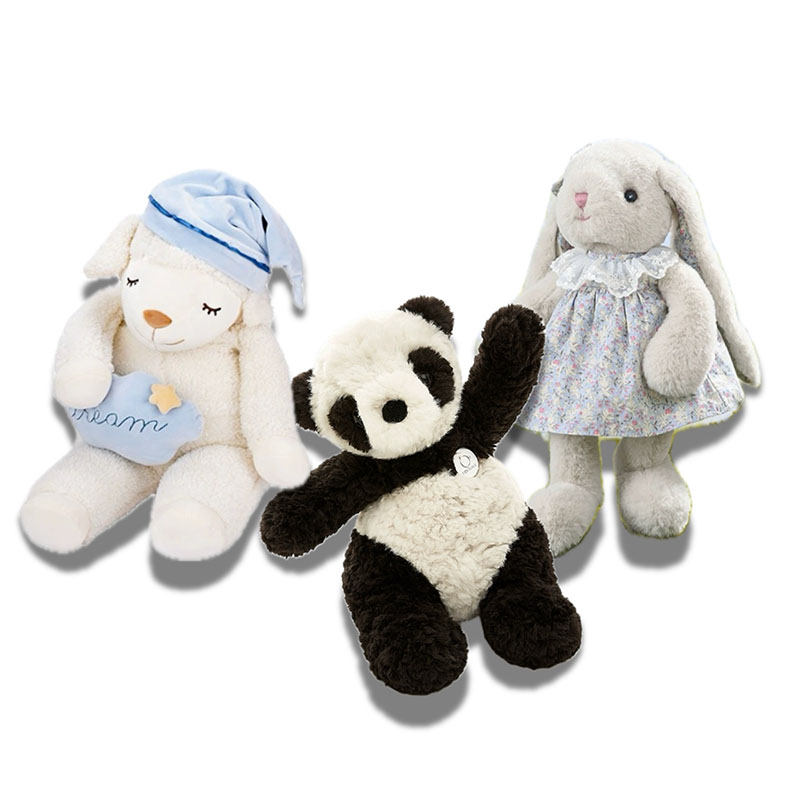
Why Stable Plush Toy Quality Control Matters for Reliable Manufacturing
Many plush toy problems do not appear during design. They appear during mass production. Without proper plush toy quality control, small variations can quickly turn into large problems across hundreds or thousands of stuffed animals. A professional plush toy manufacturer controls materials, sewing, stuffing, and inspection through a structured system to maintain stable plush toy manufacturing quality.
Facial Position Changes
Facial details define the personality of a plush toy. Without strict stuffed animal quality control, the position of eyes, nose, or embroidery may shift during production. A structured production guide ensures every plush toy keeps the same facial layout as the approved sample.
Fabric Substitution and Material Differences
Material inconsistency is a common problem in plush toy manufacturing. Fabric color, texture, or pile length may vary between batches if incoming materials are not carefully inspected. Professional plush toy quality control verifies fabrics, fillings, and accessories before production begins.
Stuffing Inconsistency
Stuffing weight directly affects the shape and feel of a plush toy. Without standardized filling control, some toys may feel soft while others appear overfilled. Consistent filling standards help every stuffed animal keep the same shape and balance.
Size Variation in Production
Small sewing or cutting variations can cause noticeable size differences. Structured plush toy manufacturing quality control sets pattern standards, sewing allowances, and measurement checkpoints to maintain consistent product sizes.
Loose Stitching and Weak Structure
Loose stitching can affect product durability and safety. A professional plush toy manufacturer defines sewing density, reinforcement points, and inspection standards to ensure strong and reliable stuffed animals.
A professional plush toy manufacturer uses a structured plush toy quality control system to control materials, production processes, and final inspection. This ensures stable batches and reliable plush toy manufacturing quality for global buyers.
Plush Toy Factory Quality Control System
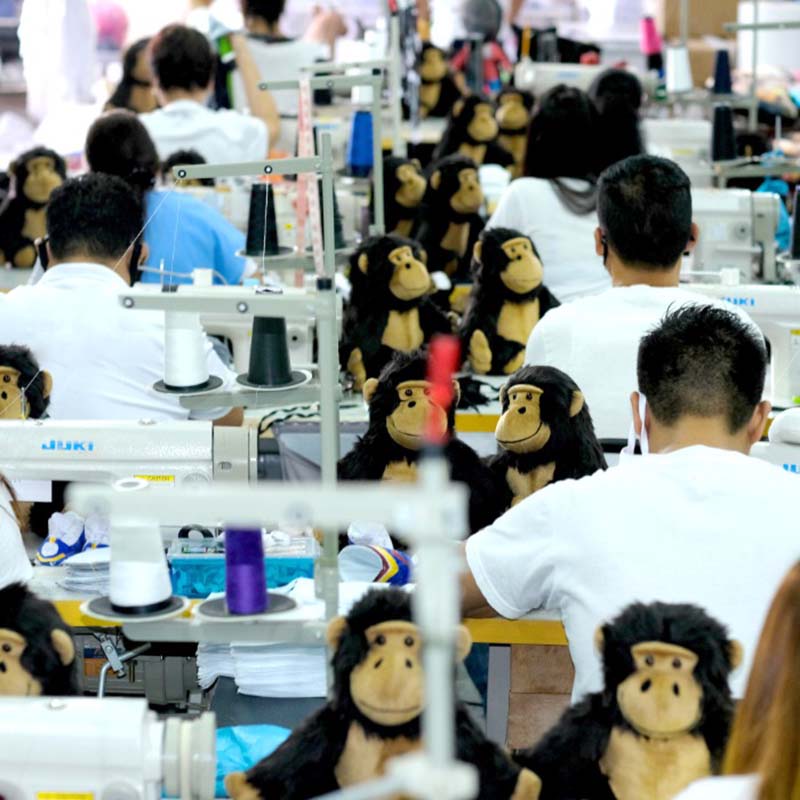
Stable plush toy manufacturing quality requires more than experience. It requires a structured plush toy factory QC system. From raw materials to finished products, every step of production must be inspected and controlled. Through a clear stuffed toy inspection process, potential problems can be detected early and corrected quickly. This helps ensure that every batch of plush toys remains consistent, reliable, and ready for global markets.
IQC – Incoming Material Inspection
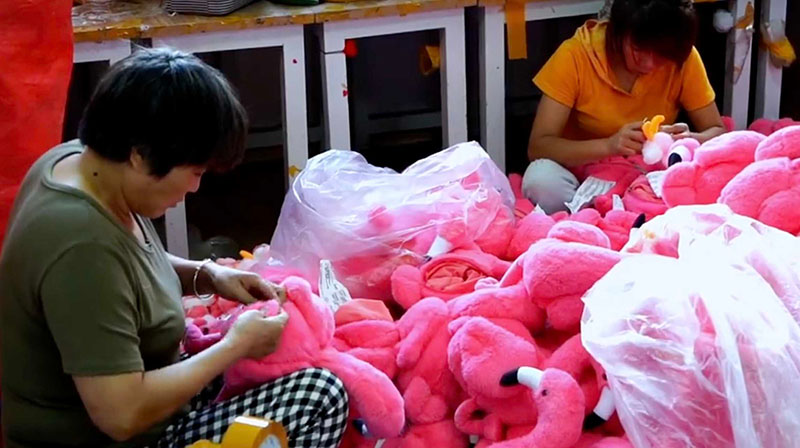
Incoming material inspection is the first step of plush toy manufacturing inspection. Fabrics, fillings, embroidery threads, and accessories are carefully checked before entering production. This ensures fabric consistency, accurate color matching, safe filling materials, and durable accessories. For customers, this means stable materials and fewer defects during production.
IPQC – In-Process Production Inspection
During production, continuous inspection ensures that sewing accuracy, stuffing consistency, and component positioning remain correct. IPQC helps detect problems early before they affect large quantities of products. For brands, this means more consistent stuffed animals and fewer production risks during mass manufacturing.
FQC – Finished Product Inspection
Finished product inspection verifies the appearance, structure, stitching strength, and overall shape of each plush toy. This step ensures that every product meets the required plush toy manufacturing quality standards before packaging. Customers receive consistent plush toys that match the approved sample and brand expectations.
OQC – Outgoing Quality Inspection
Before shipment, outgoing inspection checks packaging quality, quantity accuracy, and final product condition. This final stuffed toy inspection step helps ensure that products are ready for export and meet international buyer requirements. Customers receive reliable shipments and consistent product quality.
Custom Plush Toy Product Categories We Manufacture
Our factory manufactures a wide range of custom plush toys for different industries and markets. From promotional plush toys to retail products and licensed character toys, a professional plush toy manufacturer can develop many styles based on your design, brand concept, and target market. Stable plush toy manufacturing quality and flexible production capabilities allow brands to expand product lines while maintaining consistent quality across every order.
Mascot Plush Toys
Custom mascot plush toys designed for brands, events, and sports teams, helping create strong brand recognition.
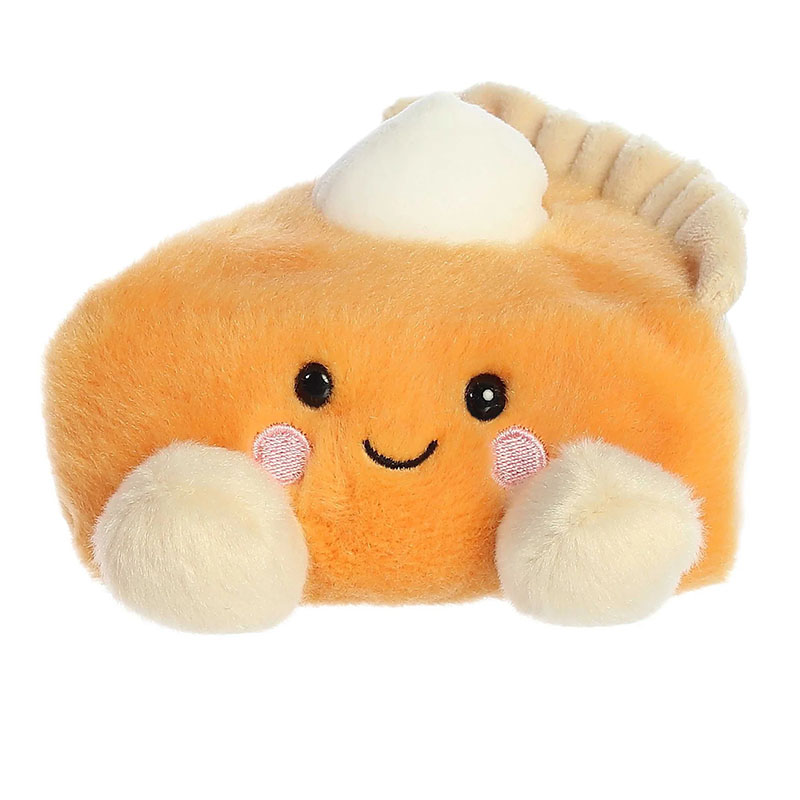
Food Plush Toys
Cute plush toys designed as burgers, pizza, sushi, or desserts, widely used for gifts and promotional products.
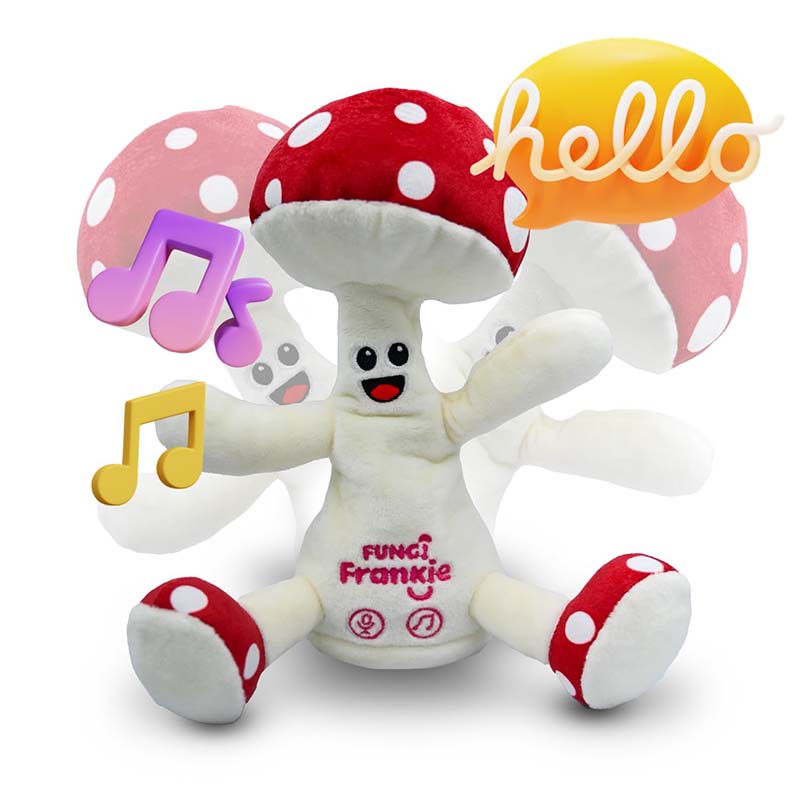
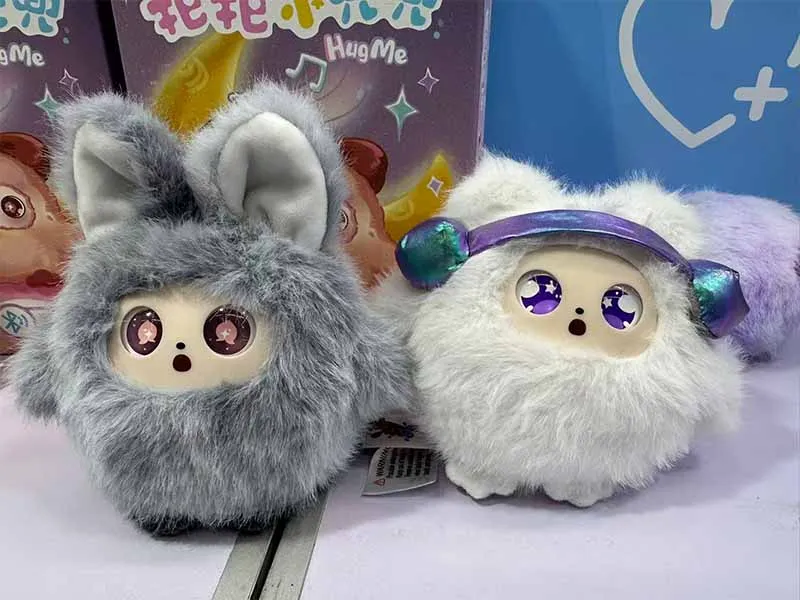
Interactive Plush Toys
Interactive plush toys with sound modules, motion features, or interactive elements to enhance play experience.
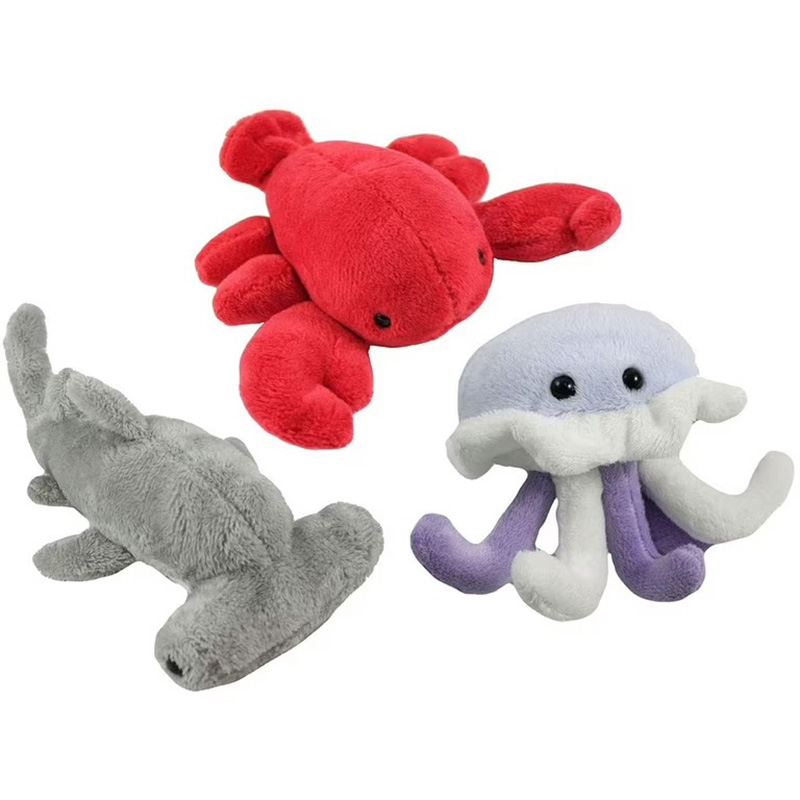
Ocean Animal Plush Toys
Plush toys inspired by marine animals such as whales, dolphins, sharks, and octopuses.
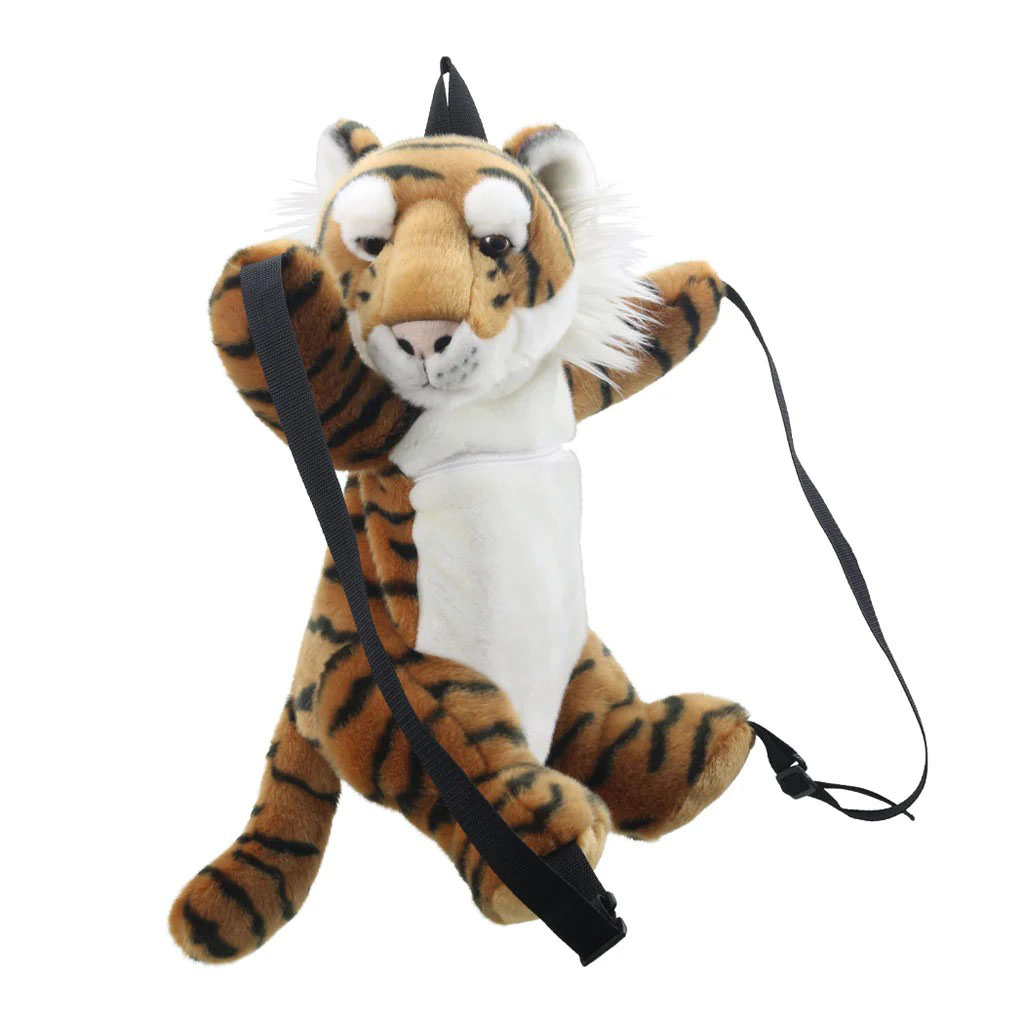
Plush Backpack Toys
Plush backpacks that combine soft toy design with practical daily use for kids and young consumers.
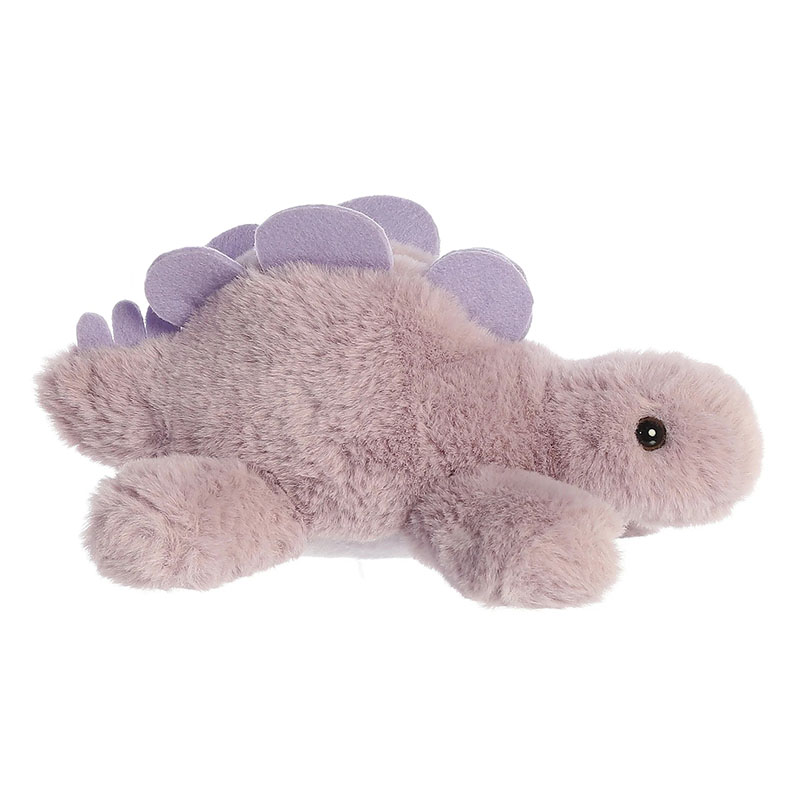
Dinosaur Plush Toys
Popular dinosaur plush toys featuring realistic or cartoon dinosaur characters loved by children.
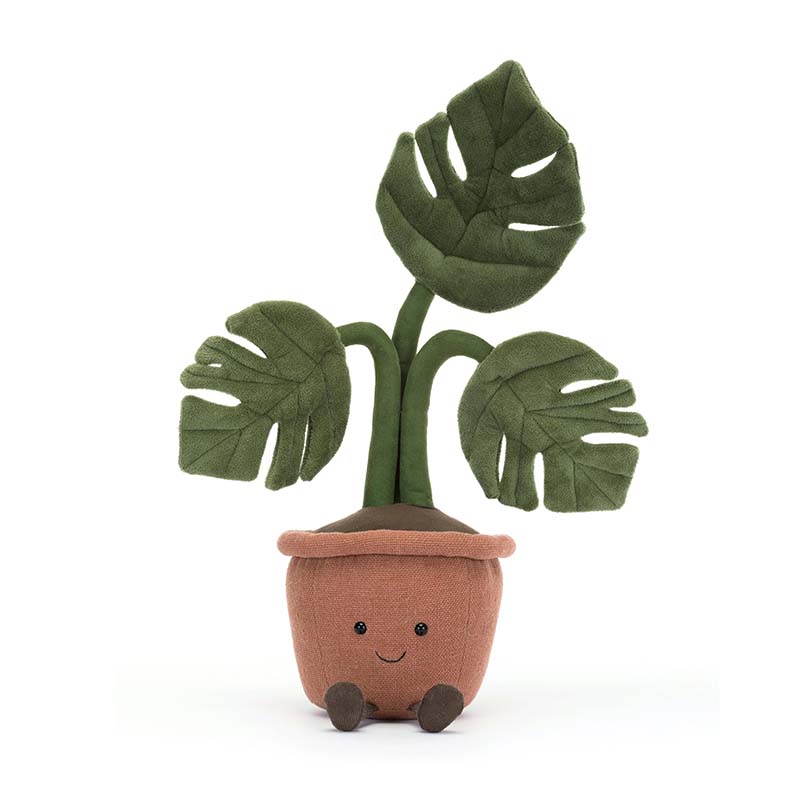
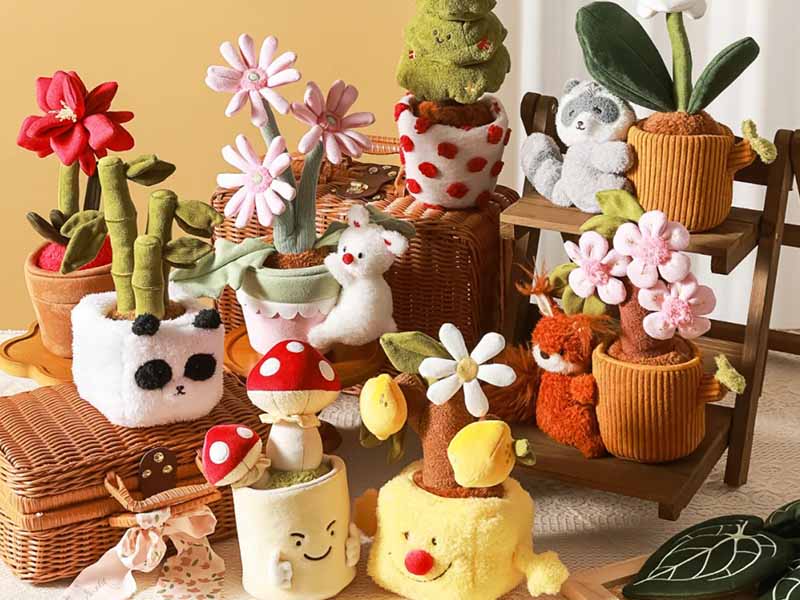
Plant Plush Toys
Creative plush toys designed as plants such as cactus, flowers, or potted greenery.
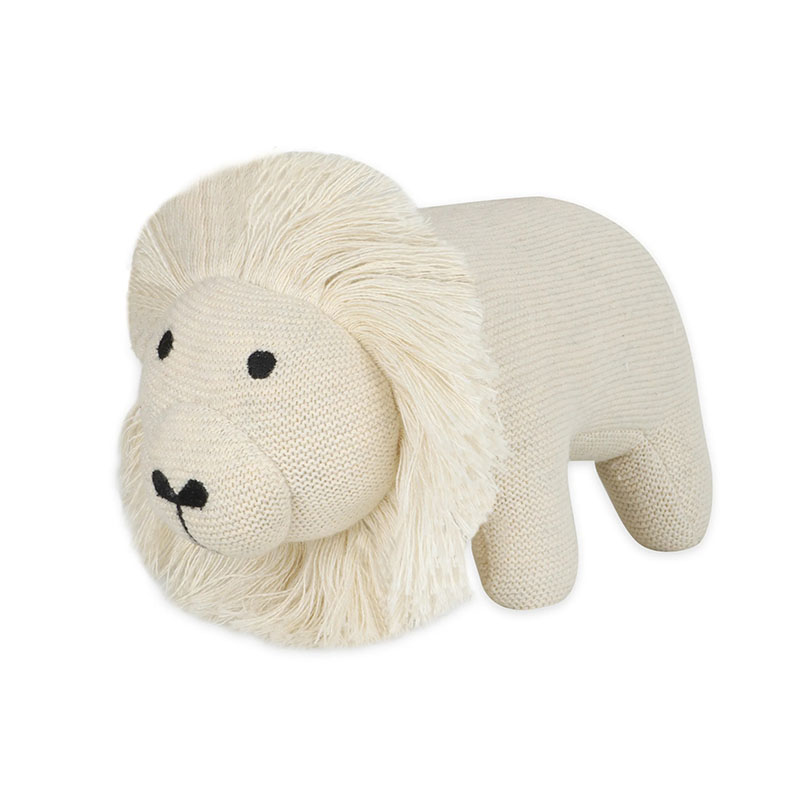
Baby Plush Toys
Soft and safe plush toys specially designed for infants and toddlers using baby-safe materials.
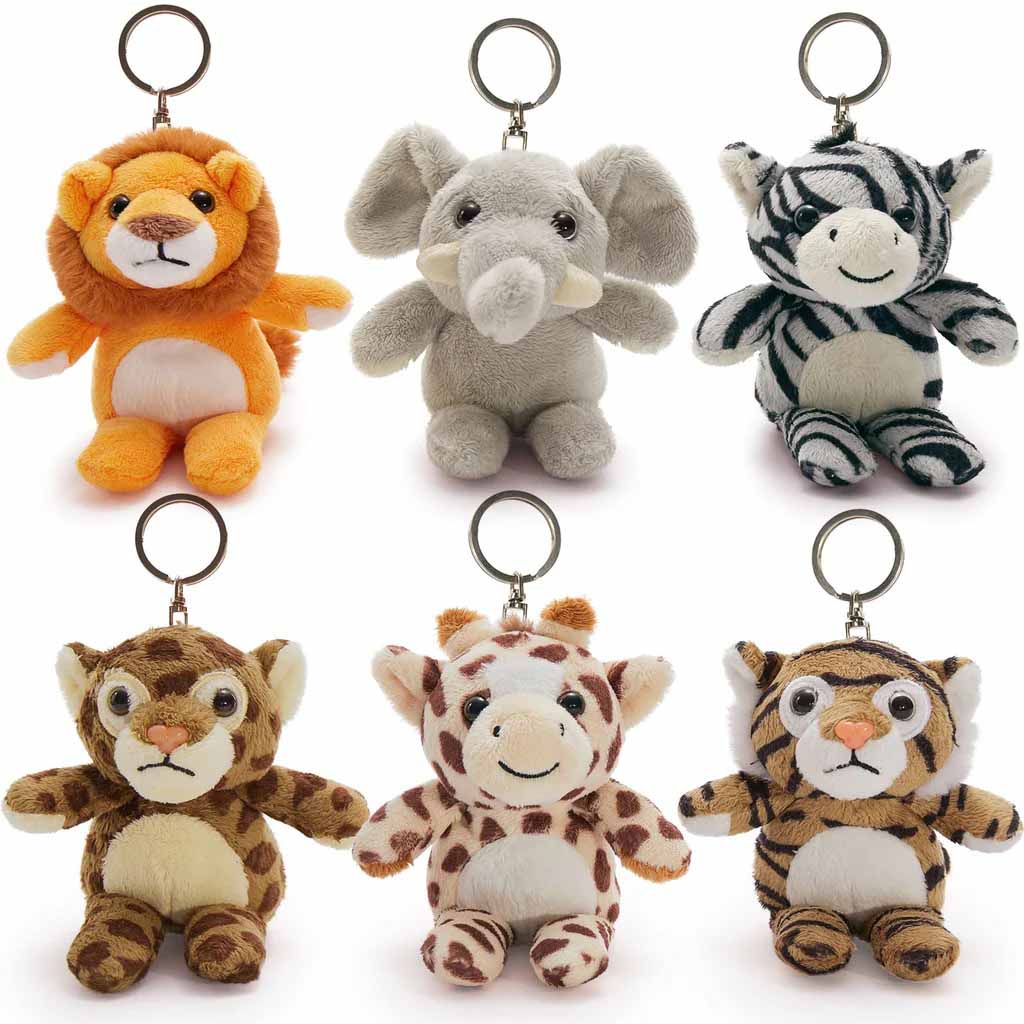
Keychain Plush Toys
Small plush toys designed as keychains, ideal for promotional gifts and collectible products.
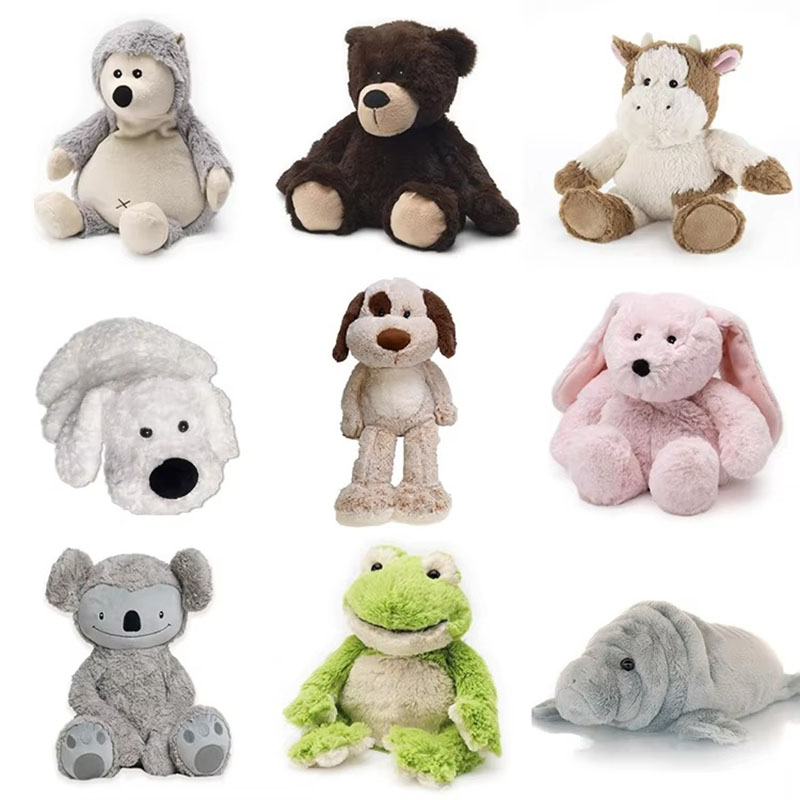
Weighted Plush Toys
Weighted plush toys designed with internal weight for comfort, stress relief, and calming effects.
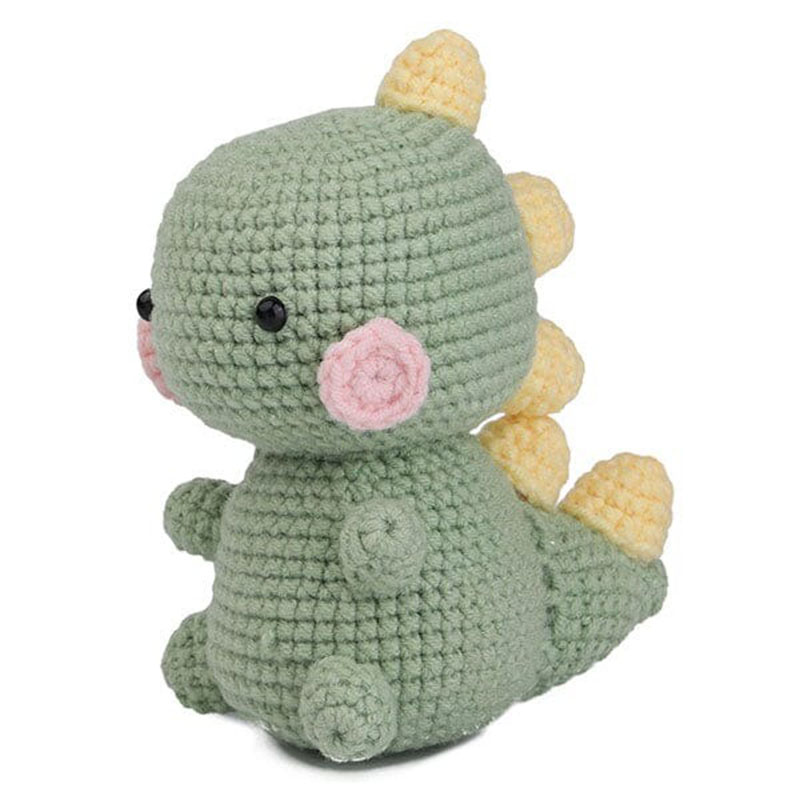
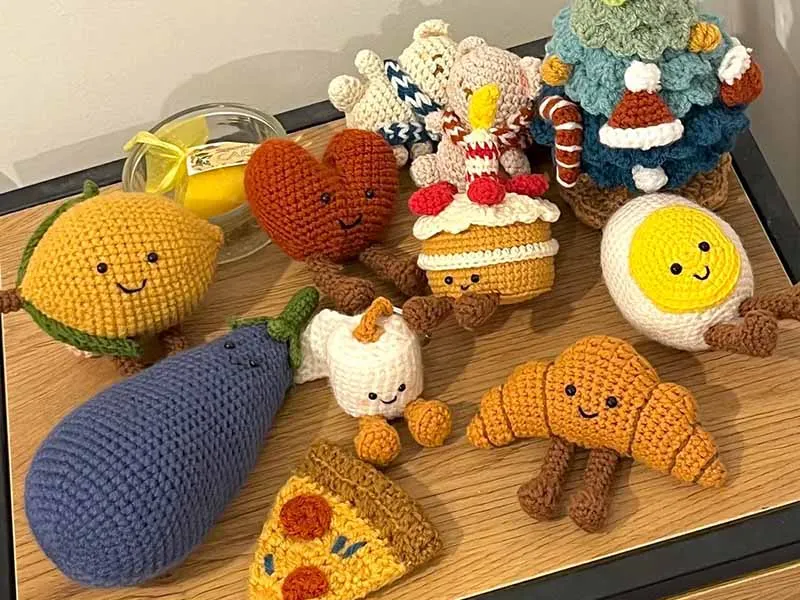
Crochet Plush Toys
Handcrafted or crochet-style plush toys offering a unique handmade appearance.
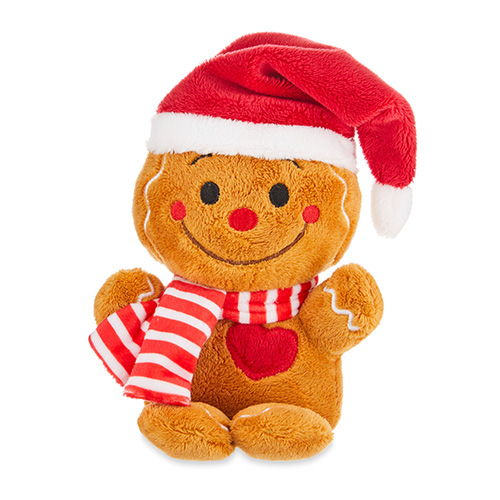
Holiday Plush Toys
Seasonal plush toys for Christmas, Halloween, Valentine’s Day, and other festive occasions.
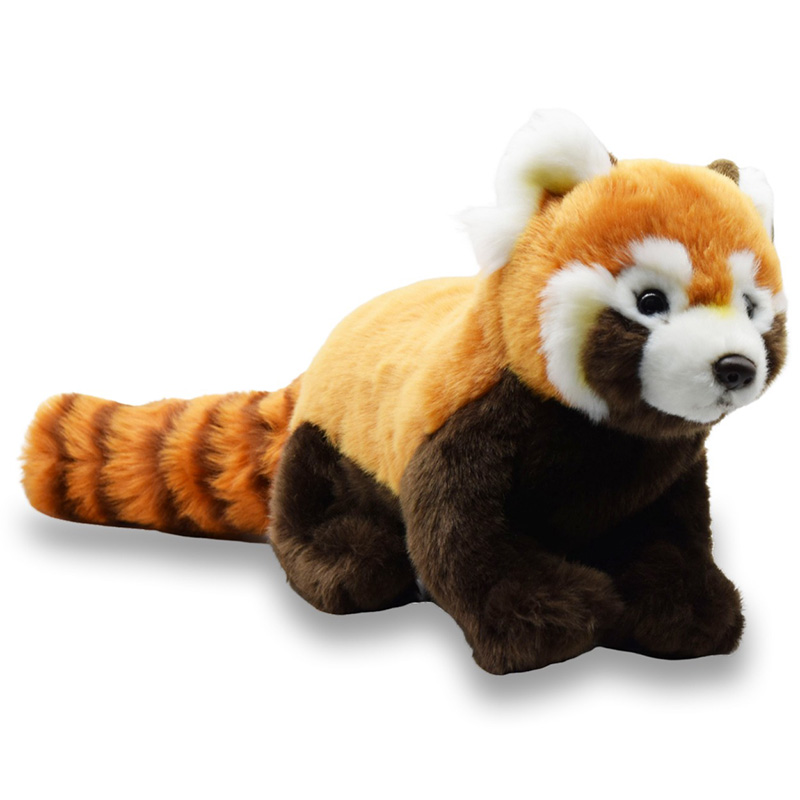
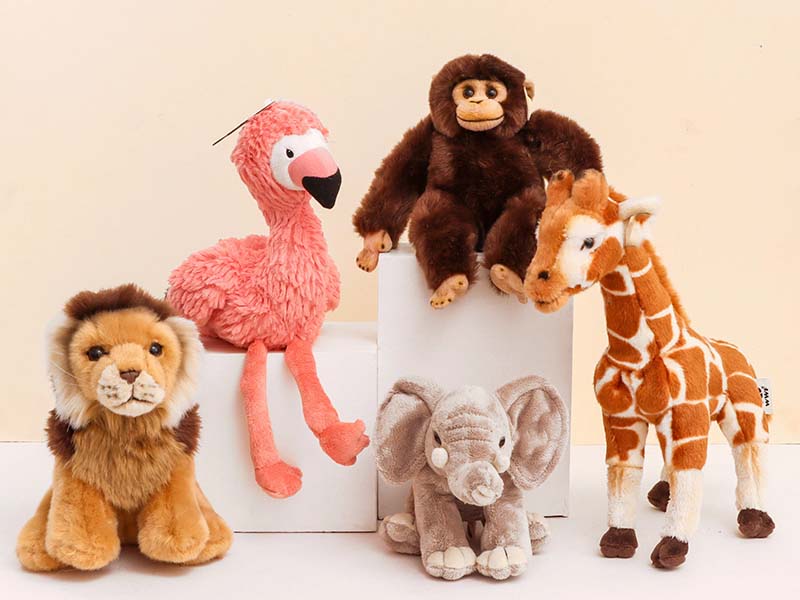
Realistic Animal Plush Toys
Highly detailed plush animals designed to replicate real wildlife and animals.
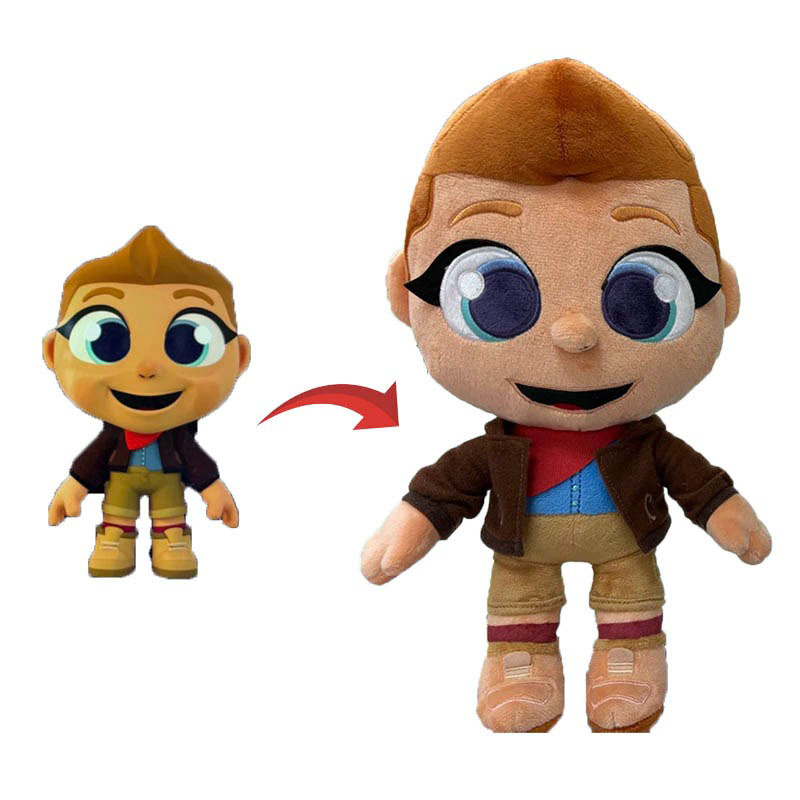
Doll Plush Toys
Plush dolls designed as human characters, cartoon figures, or branded characters.
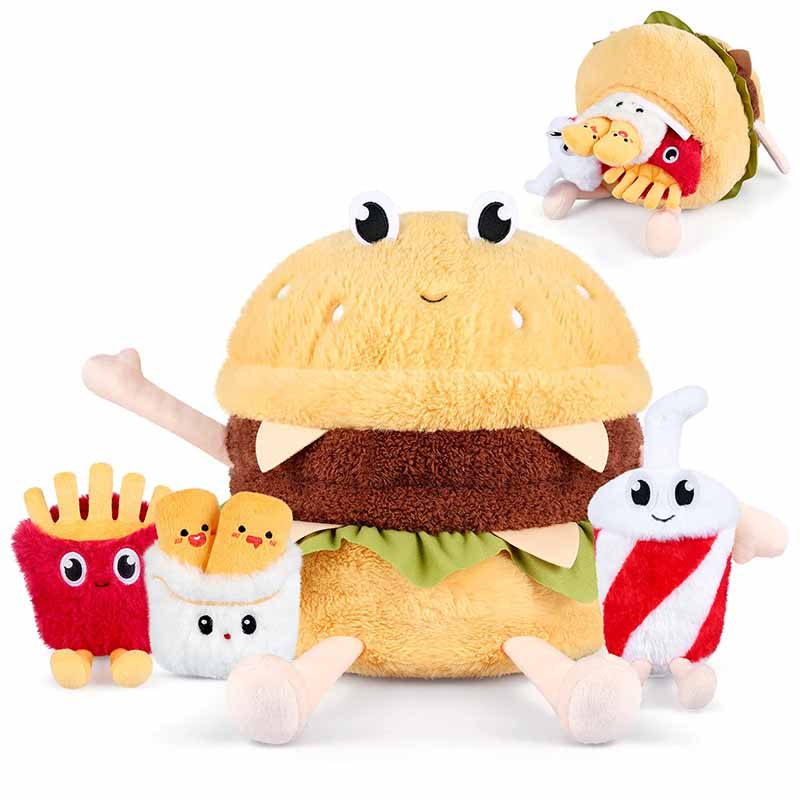
Plush Throw Pillows
Soft plush pillows designed for decoration, comfort, and home use.
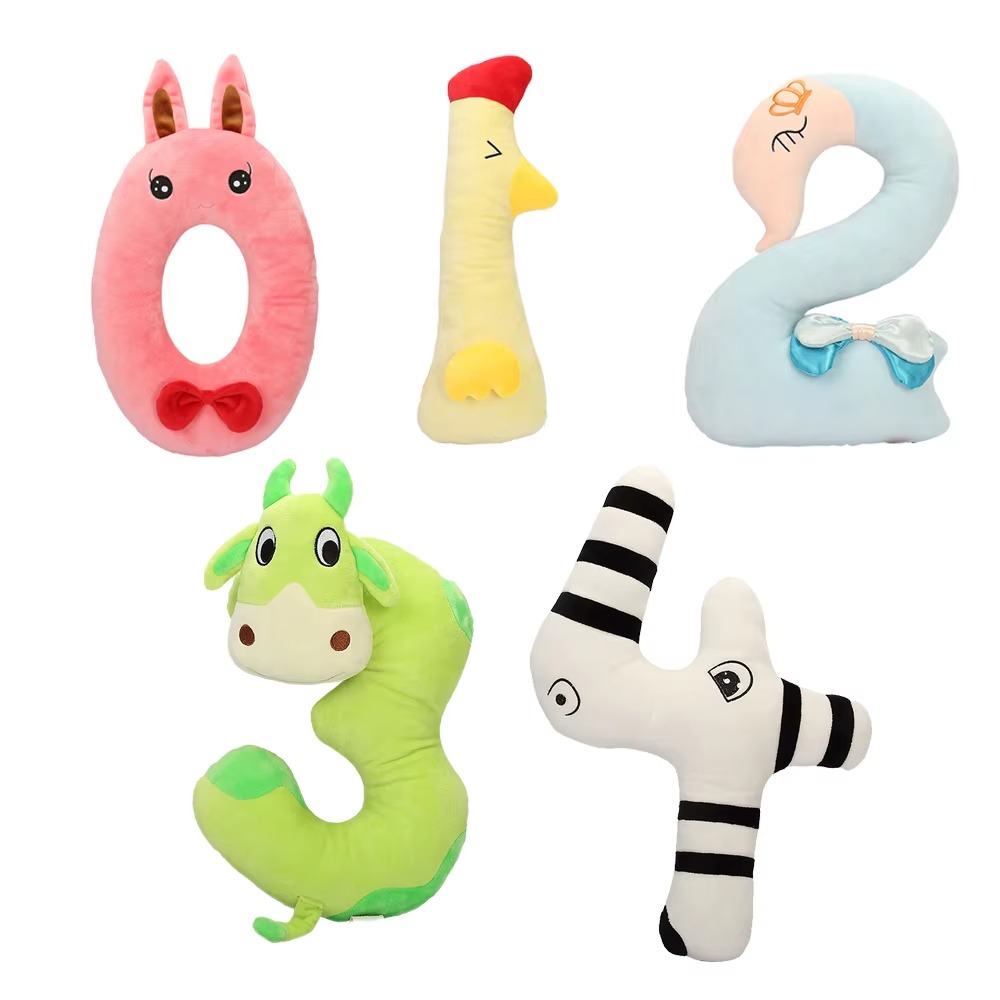
Educational Plush Toys
Plush toys designed for learning purposes such as alphabet toys, animal learning toys, and educational characters.
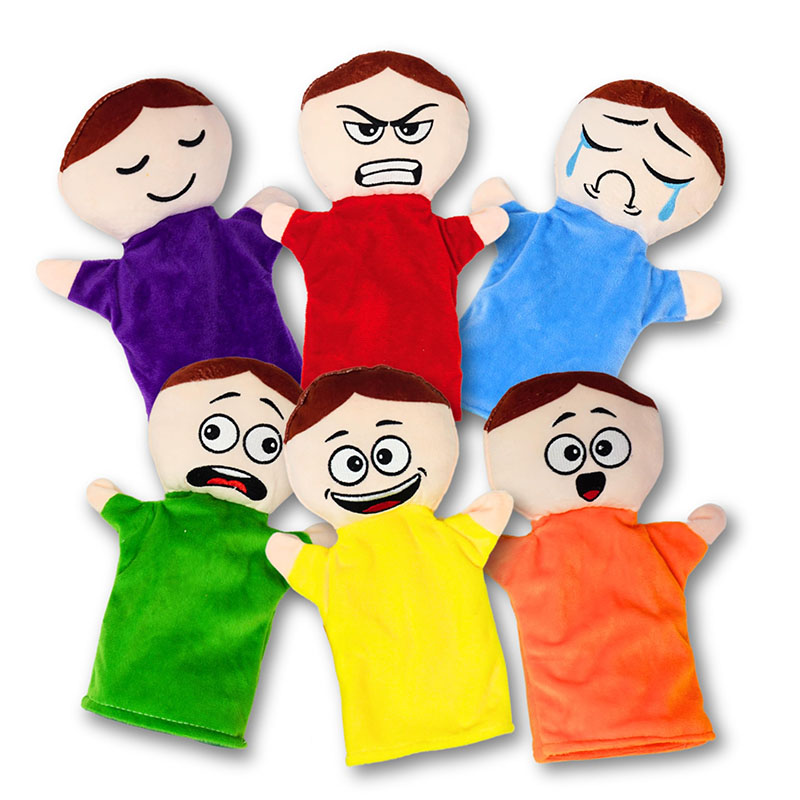
Puppet Plush Toys
Hand puppet plush toys designed for storytelling, teaching, and interactive play.
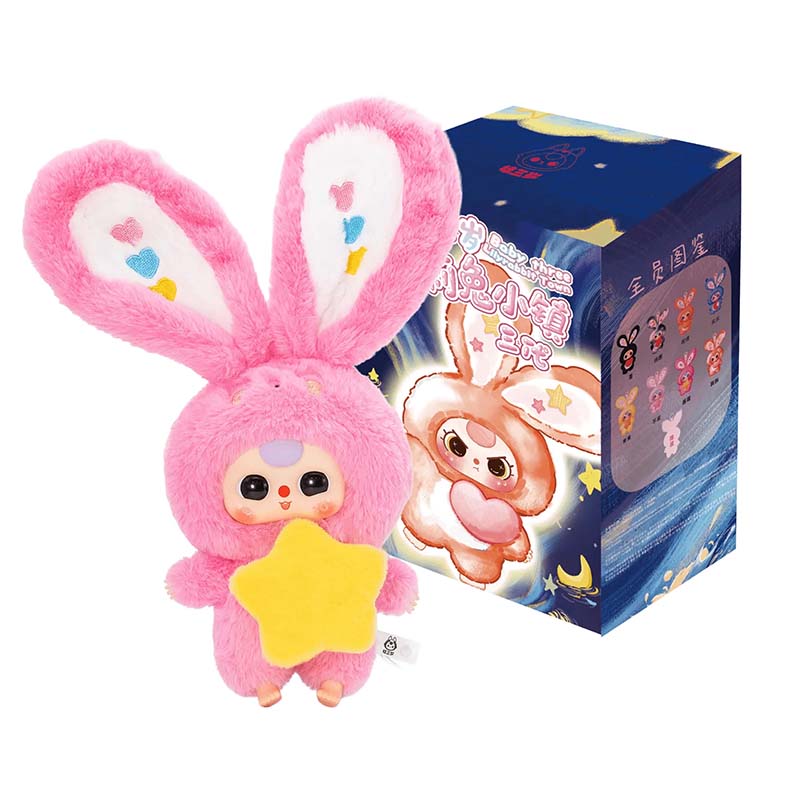
Blind Box Plush Toys
Collectible plush toys designed for blind box series and surprise toy collections.
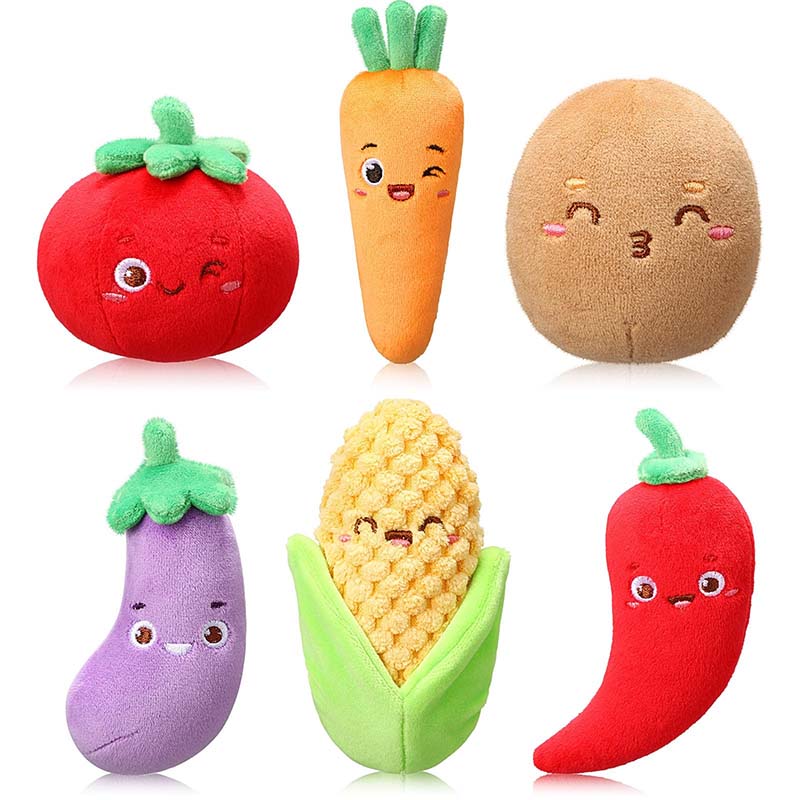
Fruit Plush Toys
Plush toys designed as fruits such as strawberries, bananas, oranges, and peaches.
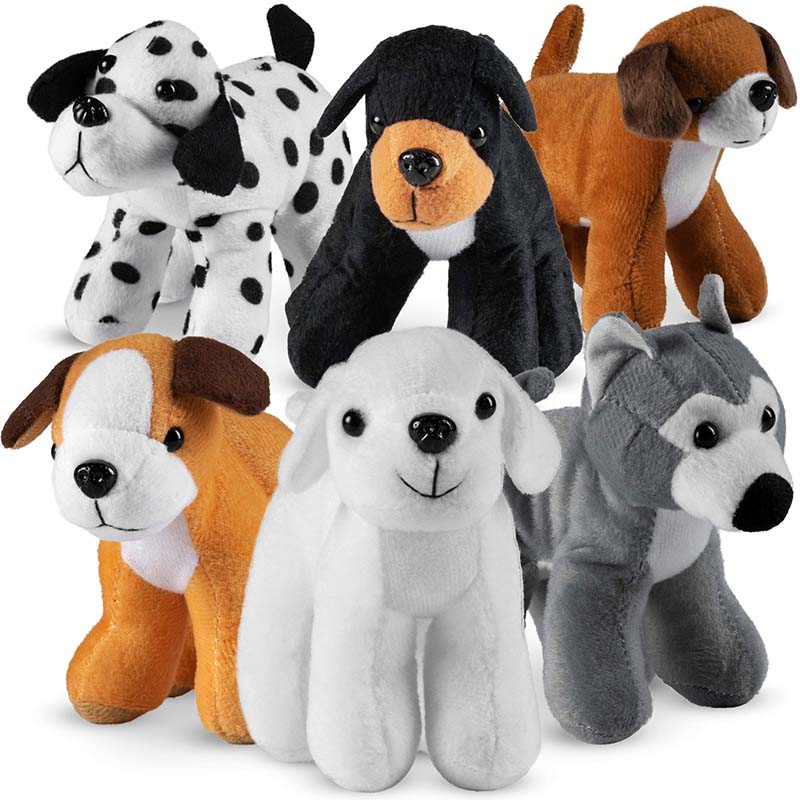
Animal Plush Toys
Classic plush animal toys including bears, rabbits, dogs, cats, and other popular characters.
How We Ensure Consistent Plush Toy Mass Production
Maintaining mass production consistency is one of the most important parts of plush toy manufacturing. A reliable plush toy manufacturer must control every production step, from sample approval to final inspection. Through clear stuffed animal production control standards, each batch of plush toys can stay consistent in appearance, size, and structure. This ensures your bulk plush toys match the approved sample and meet your brand’s quality expectations.
Golden Sample Control
The approved golden sample becomes the production reference for all manufacturing steps. Every production team follows the same approved sample for fabric, size, facial details, and stuffing level. This prevents unexpected design changes during manufacturing.
Pattern Consistency Control
Precise pattern making ensures that each plush toy keeps the same structure and proportions. Standardized cutting patterns are used across production lines to maintain accurate dimensions and prevent size variation between batches.
Sewing Specification Control
Consistent sewing specifications help maintain product durability and shape. Stitch density, seam allowance, and reinforcement points are clearly defined during production to maintain structural stability across large production volumes.
Filling Weight Control
Stuffing weight directly affects the shape and softness of a plush toy. Each product follows a defined filling standard to maintain consistent structure and balance, ensuring every stuffed animal looks and feels the same.
Final Shape Inspection
Before packaging, every plush toy goes through a final appearance inspection. Facial alignment, shape balance, stitching quality, and overall structure are checked to confirm the product meets the approved design standard.
Batch Consistency Verification
Random sampling inspections are conducted throughout production to confirm batch stability. By checking size, shape, stuffing, and stitching quality, production teams can detect and correct variations quickly.
With structured stuffed animal production control and strict inspection standards, your bulk plush toys stay consistent with the approved sample. This helps brands maintain product quality, reduce production risks, and build reliable long-term supply chains.
Custom Plush Toy Manufacturing Options
A professional plush toy manufacturer should provide flexible customization options to support different brand ideas and product strategies. From appearance design to materials and accessories, every plush toy can be developed according to your concept and target market. With strong plush toy manufacturing experience and stable production systems, custom plush toys can move smoothly from design to mass production while maintaining consistent quality.
Plush Toy Character Design Customization
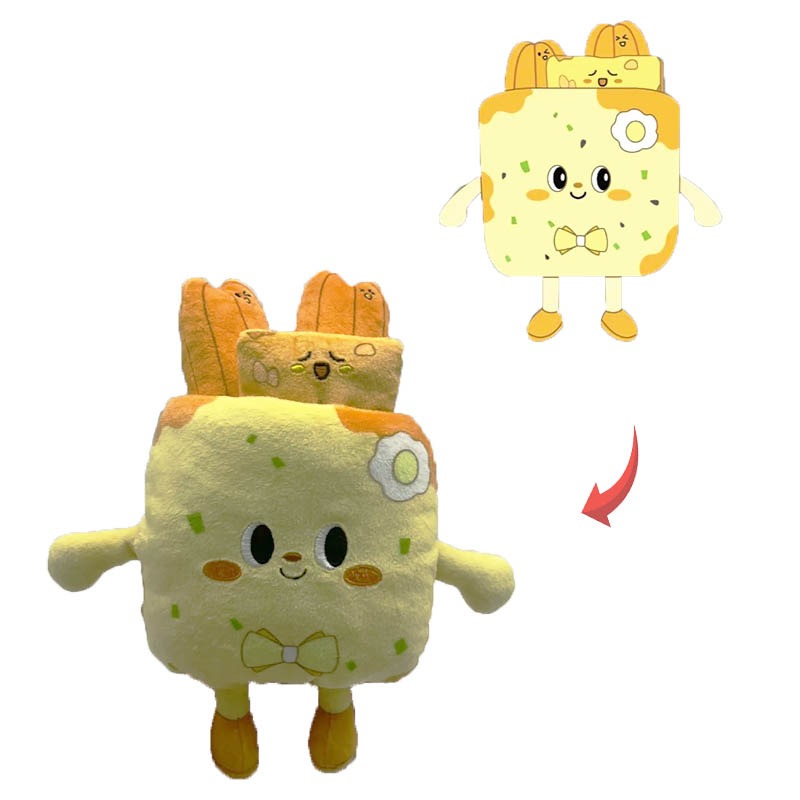
Custom plush toys can be developed based on brand characters, illustrations, mascots, or original concepts. Our design team helps convert flat artwork into three-dimensional plush toy structures while maintaining visual accuracy and production feasibility. This ensures the final stuffed animal matches your brand identity while remaining suitable for mass production.
Character body shape
Character facial expression
Character color scheme
Cartoon or realistic style
Brand logo embroidery
Character costume design
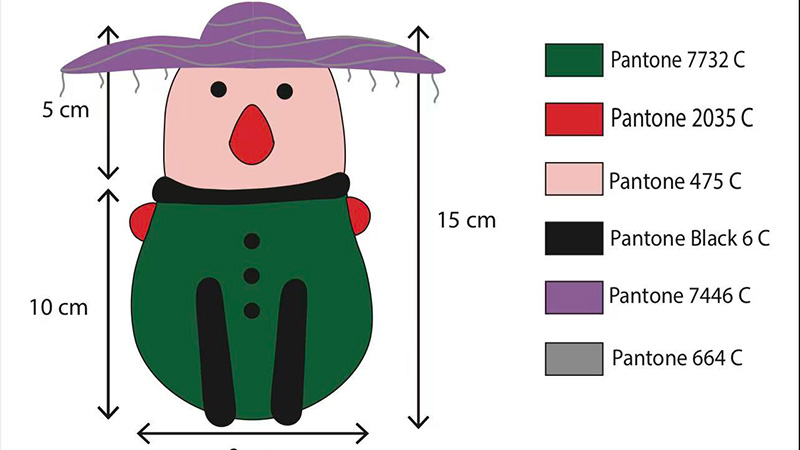
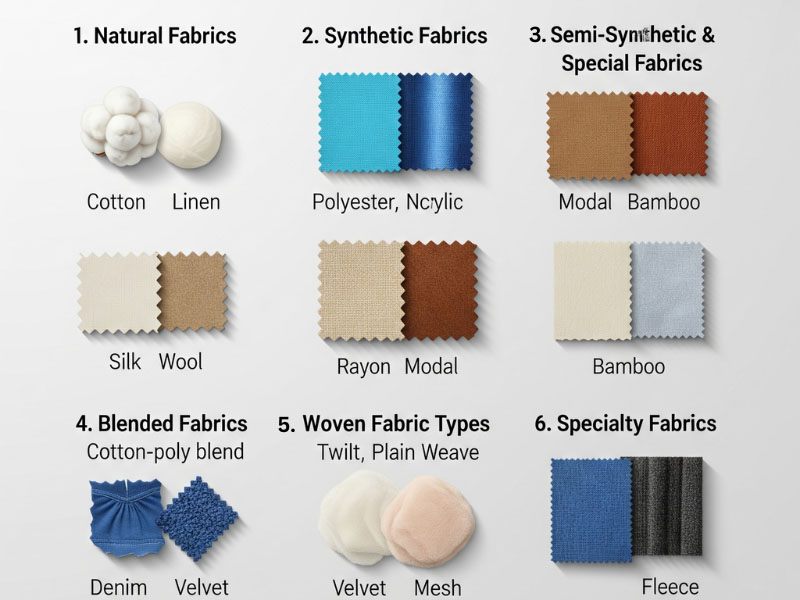
Plush Toy Fabric and Material Customization
Different plush toy products require different materials depending on the design, softness, and target market. As an experienced plush toy manufacturer, we offer a wide range of fabric and filling options to meet safety, comfort, and durability requirements. Proper material selection also helps ensure stable plush toy manufacturing quality.
Velboa plush fabric
Minky plush fabric
Faux fur fabric
Crystal super soft fabric
PP cotton filling
Recycled polyester filling
Plush Toy Size and Structure Customization
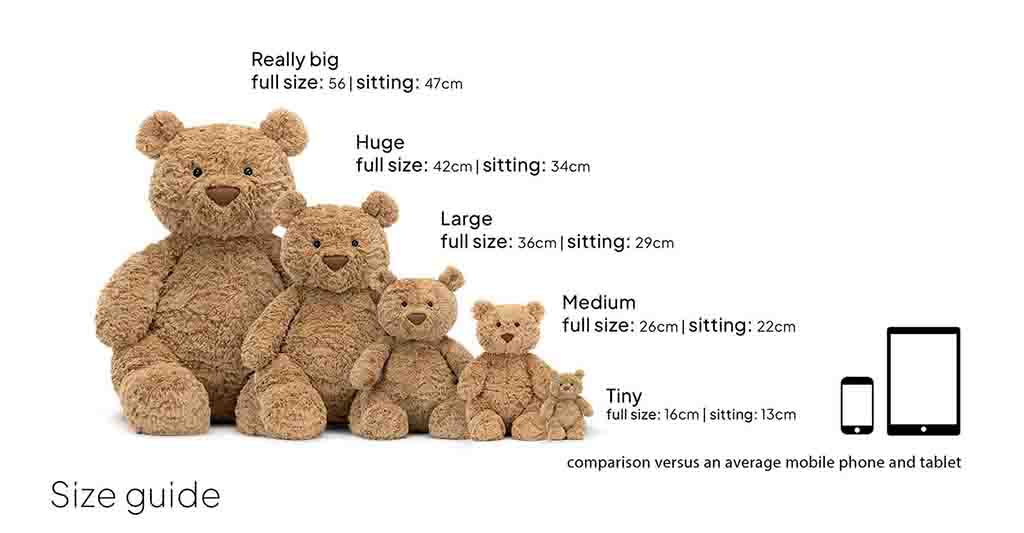
Plush toys can be customized in different sizes and structures depending on their intended use, such as retail toys, promotional items, or display products. Our pattern development team creates precise plush toy patterns to maintain shape stability and mass production consistency across all sizes.
Mini plush toys
Medium retail plush toys
Large display plush toys
Standing plush structure
Sitting plush structure
Weighted plush structure
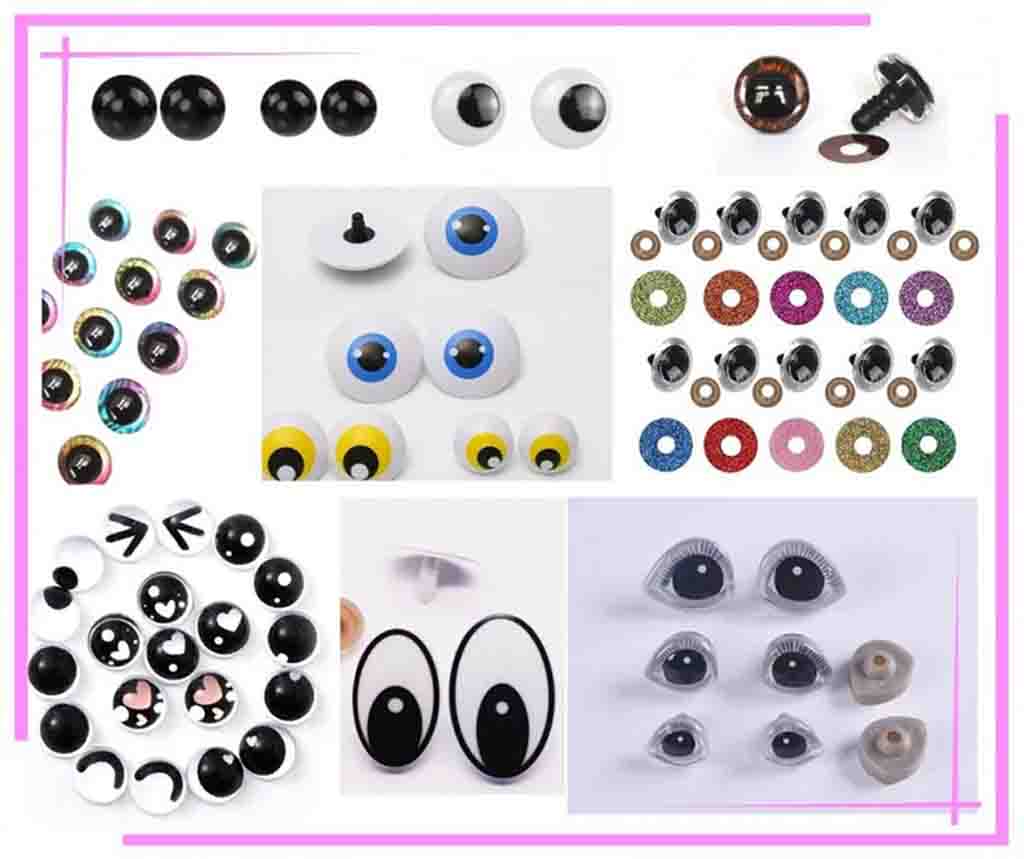
Plush Toy Accessories and Functional Features
Adding accessories or functional elements can enhance product uniqueness and user experience. These elements are often used in promotional plush toys, character merchandise, and interactive toys. Our production team ensures accessories are securely attached and suitable for mass production.
Sound modules
LED lights
Magnetic parts
Clothing accessories
Embroidery patches
Printed labels
Plush Toy Packaging and Branding Customization
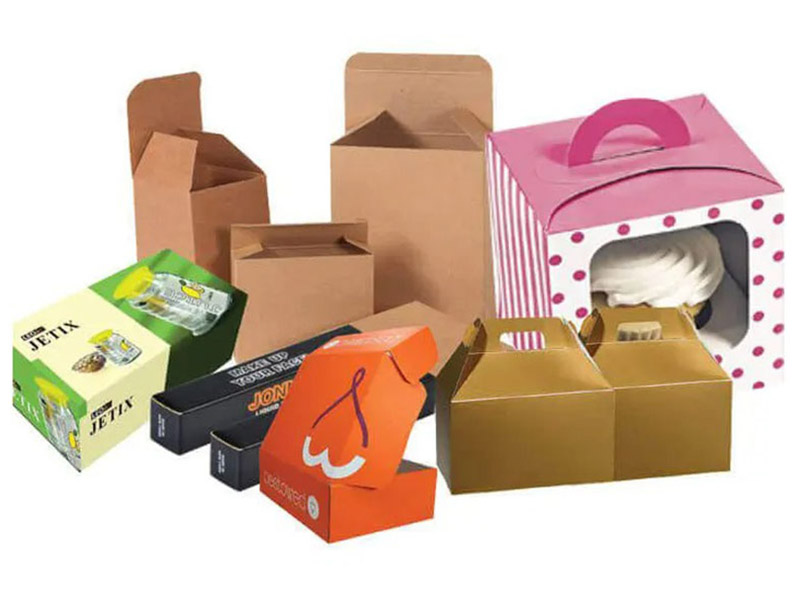
Packaging plays an important role in retail presentation and brand recognition. Custom packaging can enhance product value while protecting plush toys during transportation. A professional plush toy manufacturer can support various packaging options to match different sales channels and brand strategies.
Custom printed poly bags
Color retail boxes
Window display boxes
Gift packaging
Vacuum packaging
Hang tags and labels
With flexible customization capabilities and stable plush toy manufacturing quality, brands can develop unique plush toy products that match their market needs and brand identity.
Common Plush Toy Manufacturing Problems and How We Prevent Them
Many plush toy projects run into problems during mass production rather than during the design stage. When production control is weak, small variations can quickly turn into major quality issues across hundreds or thousands of stuffed animals. A professional plush toy manufacturer prevents these problems through structured production management, strict inspection systems, and clear manufacturing standards. This helps ensure stable plush toy quality, consistent product appearance, and reliable delivery for global buyers.
Quality Drift Between Production Batches
Problem
Different batches may show variations in shape, facial expression, stitching quality, or overall structure,
making products look inconsistent in retail displays or online stores.
Cause
Different sewing methods, uncontrolled pattern adjustments, or inconsistent inspection standards across
production lines can lead to quality drift.
Solution
Golden samples are used as the production reference. Standardized sewing specifications, pattern measurements,
and batch inspections ensure every plush toy remains consistent with the approved sample.
Material Substitution During Production
Problem
Fabrics, fillings, or accessories may be replaced with slightly different materials, affecting appearance,
softness, or durability.
Cause
Weak material verification systems or poor supplier control can lead to unauthorized material substitution.
Solution
Incoming material inspection (IQC) is performed before production. Fabrics, fillings, threads, and accessories
are verified for color, texture, durability, and safety compliance before entering production.
Loose Stitching and Structural Weakness
Problem
Loose stitching may cause seams to open, reduce durability, and affect plush toy safety.
Cause
Inconsistent stitch density, missing reinforcement points, or different sewing techniques between operators.
Solution
Clear sewing specifications are defined for each design, including stitch density, seam allowance, and
reinforcement areas. Quality inspectors verify stitching strength during production.
Stuffing Unevenness
Problem
Uneven stuffing can make plush toys look overfilled or poorly shaped, affecting product appearance and
customer satisfaction.
Cause
Inconsistent filling weight, different stuffing methods, or uneven filling distribution.
Solution
Standardized filling weight guidelines and stuffing procedures are used. Quality inspectors verify shape
consistency and filling balance during production.
Fabric Color Differences
Problem
Color differences between batches can make plush toys look inconsistent, especially for branded products.
Cause
Fabrics from different dye lots or lack of color verification before production.
Solution
Fabric color is verified against the approved sample before production. Batch verification and consistent
fabric sourcing help maintain stable color appearance.
Delivery Delays Due to Rework
Problem
Late discovery of defects may require large quantities of rework, delaying shipping schedules.
Cause
Insufficient inspection checkpoints during production.
Solution
In-process inspection (IPQC) is implemented throughout production to detect problems early and prevent
delays in the production schedule.
Preventing these common plush toy manufacturing problems helps ensure stable product quality, consistent appearance, and reliable production for every order.
Plush Toy Production Process from Design to Mass Production
A clear and well-controlled production process is essential for stable plush toy manufacturing quality. From design confirmation to final inspection, each step must follow structured production standards. A professional plush toy manufacturer uses an organized workflow to ensure your custom plush toys move smoothly from concept to mass production while maintaining consistent quality and reliable delivery.
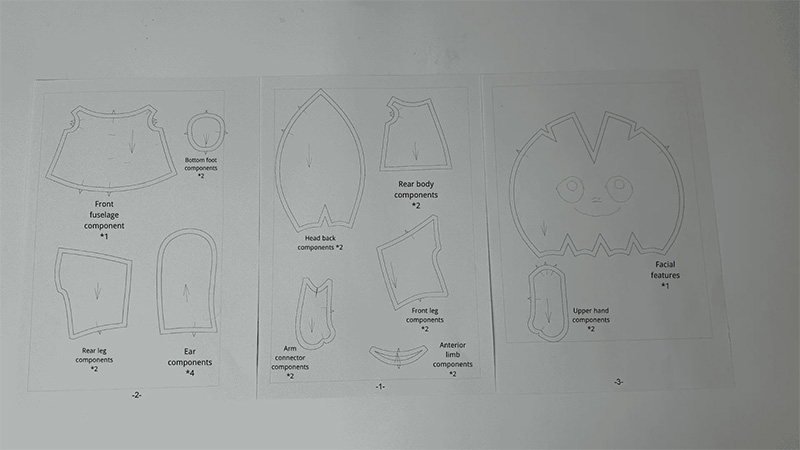
Design & Specification Confirmation
The project begins with confirming the plush toy design, size, materials, and functional requirements. Technical details such as fabric type, filling material, embroidery placement, and accessories are defined to ensure the product can be produced accurately.
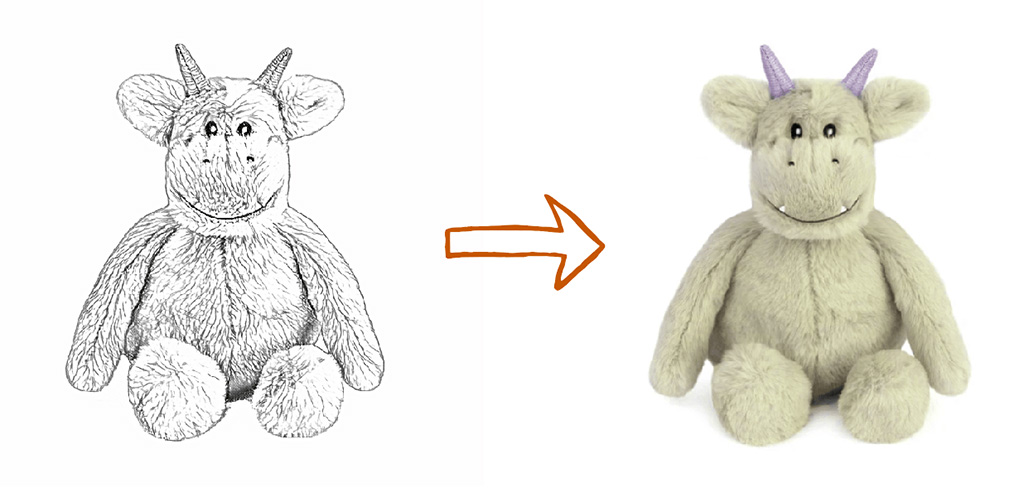
Prototype Plush Toy Sampling
Our development team creates a prototype sample based on the confirmed design. The sample allows customers to evaluate the appearance, shape, materials, and overall quality before mass production begins.
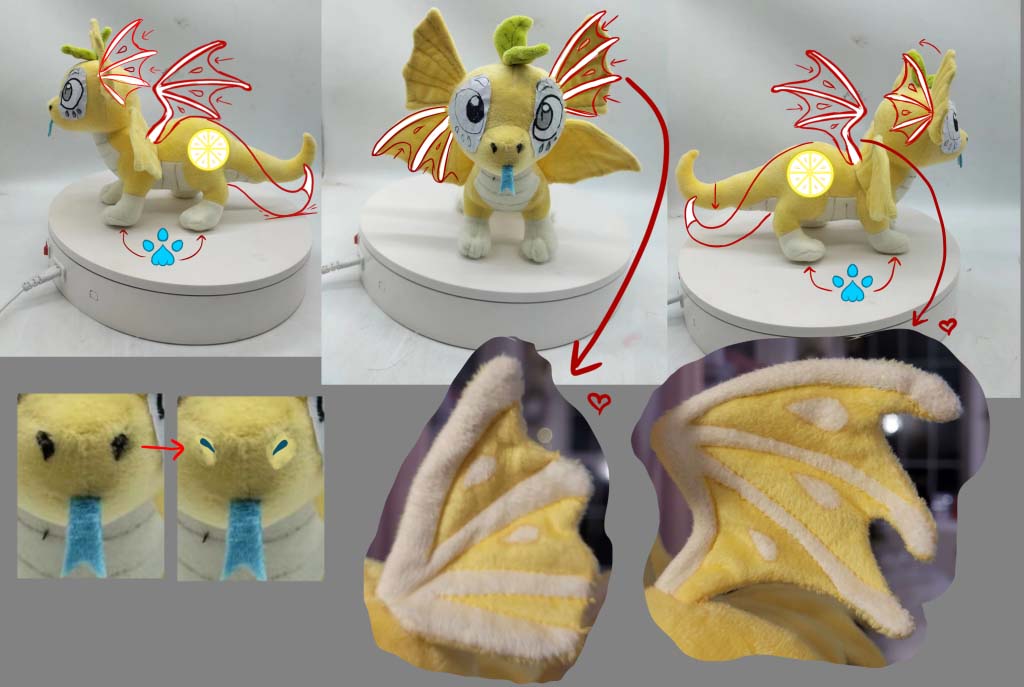
Golden Sample Approval
After revisions are completed, the approved sample becomes the golden sample for production. This reference sample is used to control product appearance, size, and construction during mass manufacturing.
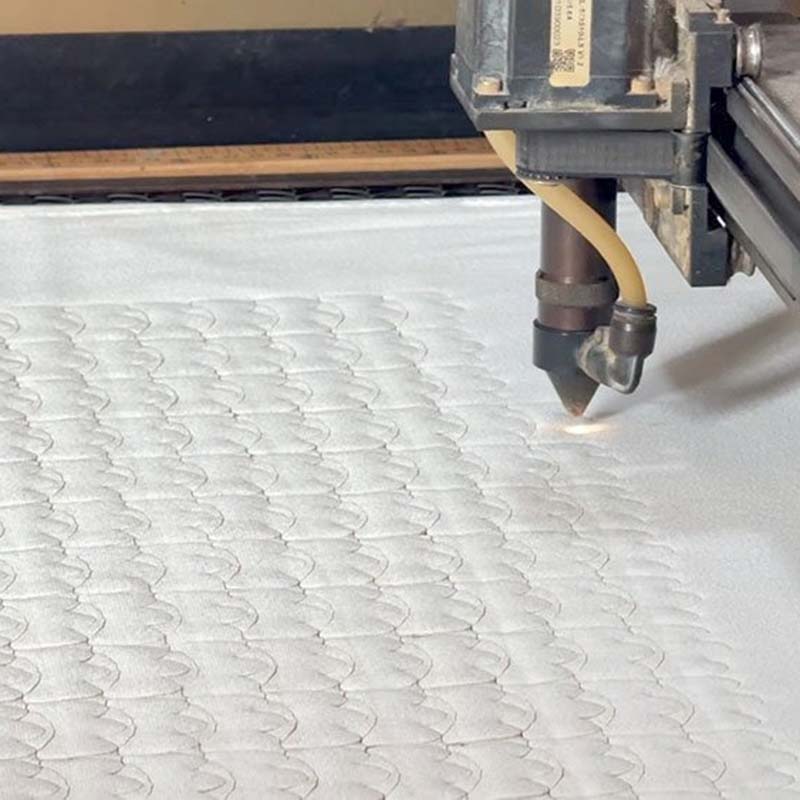
Material Preparation & Cutting
All production materials such as plush fabrics, fillings, embroidery threads, and accessories are prepared and inspected. Fabric cutting is performed according to standardized patterns to maintain size accuracy.
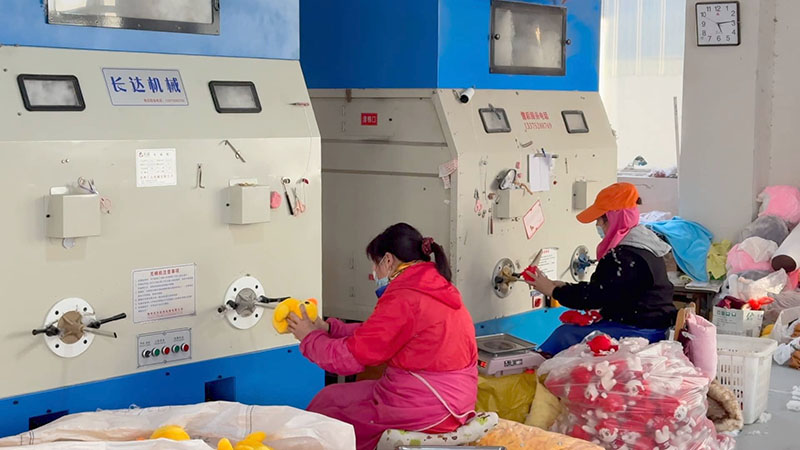
Sewing, Stuffing & Assembly
Cut fabric panels are sewn together, stuffed with filling materials, and assembled into the final plush toy structure. Production teams follow standardized sewing and stuffing specifications to maintain consistent product quality.
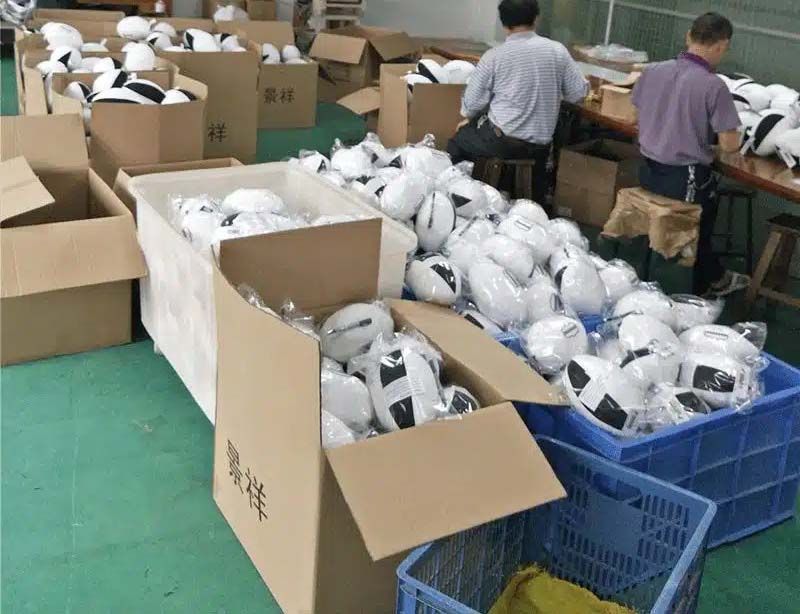
Final Inspection & Packaging
Each plush toy is inspected to verify appearance, stitching quality, and structural stability before packaging. Approved products are then packed according to customer packaging requirements and prepared for shipment.
With a structured plush toy manufacturing process, every order moves smoothly from design to delivery. This ensures consistent plush toy quality and reliable production for your brand.
Global Plush Toy Safety Standards and Compliance
Selling plush toys in global markets requires strict compliance with international plush toy safety standards. Different countries have specific safety regulations to ensure toys are safe for children. A professional plush toy manufacturer must control materials, structural safety, and product durability while following testing standards such as EN71 stuffed animals regulations in Europe and ASTM F963 plush toys requirements in the United States. By following these compliance systems, brands can safely enter international markets and reduce regulatory risks.
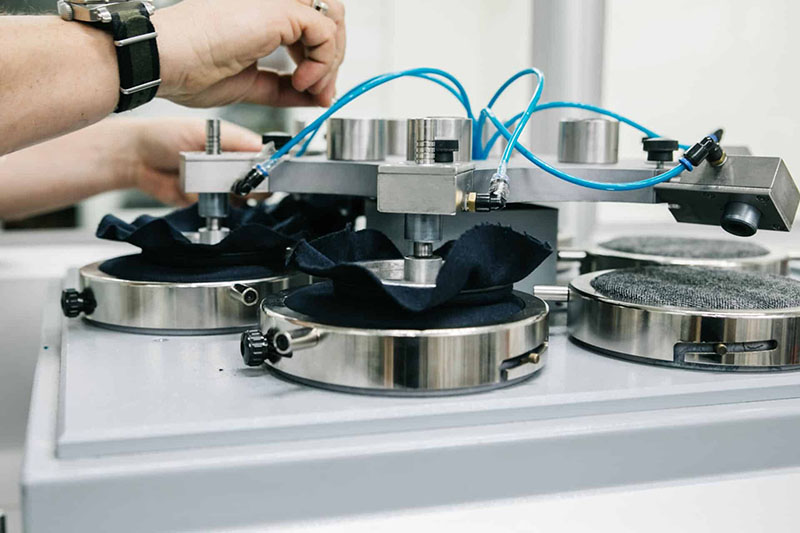
Safe Materials and Compliance Verification
Material safety is the foundation of plush toy safety standards. Fabrics, fillings, dyes and accessories must comply with safety requirements before production. Through compliant material selection and testing, plush toys can meet US CPSIA and European EN71 standards, ensuring product safety for children and eligibility for international markets.
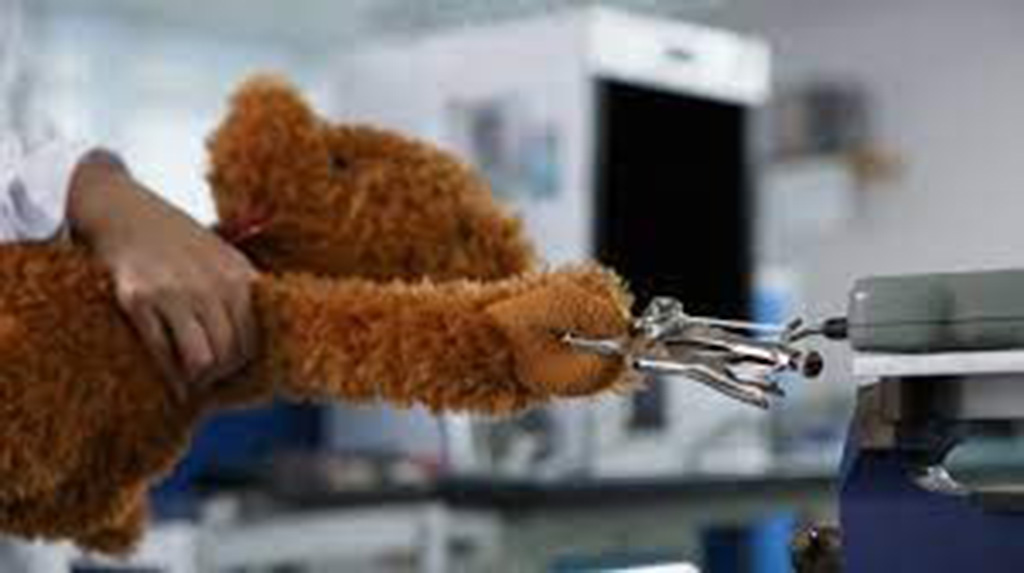
Strength and Durability Testing
Plush toys must withstand pulling, squeezing, and repeated use. Tensile strength testing is used to verify that seams, accessories, and structural components remain secure. This testing process ensures plush toys meet ASTM F963 plush toys safety requirements and reduces the risk of small parts becoming detached.
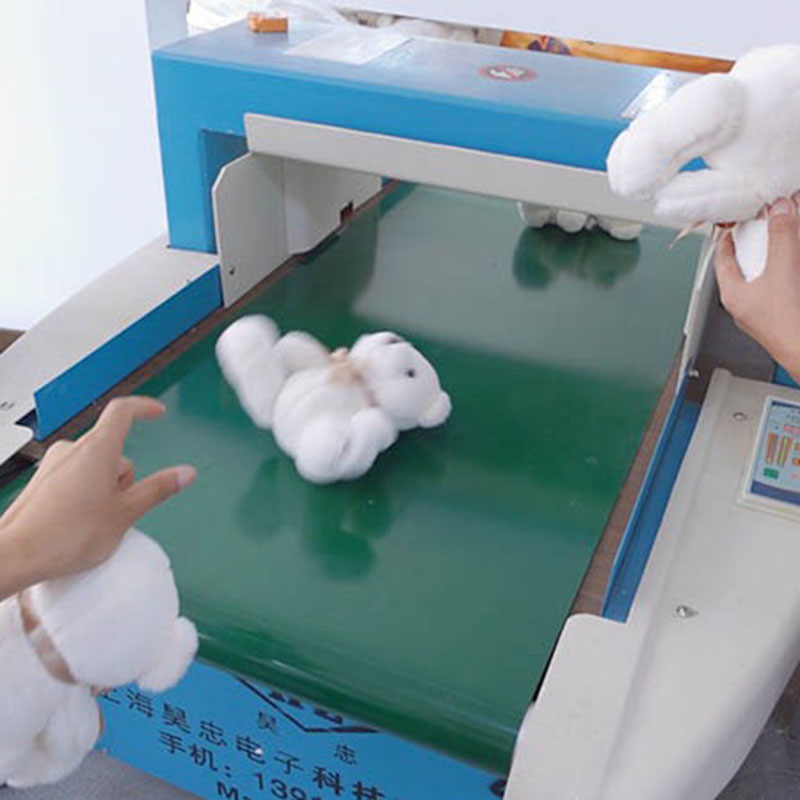
Needle Detection for Production Safety
During plush toy manufacturing, needle detection systems are used to ensure no broken needles remain inside the finished product. This is an important safety control used by professional plush toy factories to protect both product safety and brand reputation.
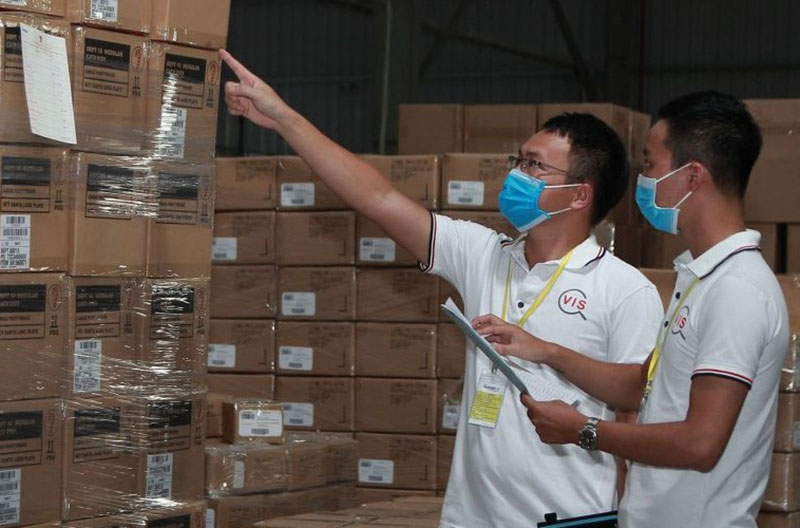
Regulatory Support for Global Markets
Different markets require different testing standards and documentation. A professional plush toy manufacturer supports certification processes and testing requirements to ensure products meet international plush toy safety standards. This helps brands enter the US and EU markets with confidence and avoid compliance risks.
Following global plush toy safety standards helps ensure that your products meet international regulations and remain safe for consumers. This allows brands to expand into global markets with confidence.
Plush Toy Factory Production Capacity and Manufacturing Strength
Stable production capacity is essential for brands that need reliable supply and consistent product quality. A professional stuffed animal manufacturer must combine efficient production systems, skilled workers, and strong production planning to support long-term cooperation. With organized plush toy factory capacity and structured production management, your orders can move smoothly from sampling to mass production while maintaining stable delivery schedules.
Multiple Plush Toy Production Lines
Our factory operates 15 production lines dedicated to plush toy manufacturing. Each production line is organized with specialized teams responsible for cutting, sewing, stuffing, and finishing processes. This structured production system helps maintain stable stuffed animal manufacturer production while supporting multiple projects at the same time.
Stable Monthly Production Capacity
With experienced workers and optimized production systems, the factory maintains stable monthly output for different plush toy projects. This organized plush toy factory capacity allows brands to plan inventory and product launches with greater confidence while ensuring consistent product quality.
Peak Season Production Planning
Seasonal demand can increase quickly, especially for retail plush toys and holiday products. Through early production scheduling and capacity planning, the factory can prepare production lines in advance to handle large seasonal orders without affecting quality or delivery timelines.
Global Export and Logistics Support
Reliable logistics coordination is essential for international buyers. The factory works with export logistics partners to support global shipping and documentation requirements. This helps ensure plush toys move efficiently from factory production to international delivery.
With organized plush toy factory capacity and reliable production planning, brands gain a stable supply chain and dependable manufacturing partner for long-term plush toy production.
Who Benefits from a Plush Toy Manufacturer with Stable Quality Control
Stable plush toy quality is essential for brands that rely on consistent products, repeat orders, and reliable supply chains. When plush toys are sold through retail stores, online platforms, or global distribution networks, product consistency becomes critical. A professional plush toy manufacturer with stable quality control helps brands reduce production risks, maintain product standards, and build long-term supply partnerships.
Choosing a plush toy manufacturer with stable quality control allows brands to maintain consistent products, reduce supply chain risks, and support long-term business growth.
Trusted by Leading Global Brands
Strong partnerships prove strong capabilities. Over the years, Kinwin has worked with world-leading brands and retailers to deliver interactive plush toys that meet the highest standards of creativity, safety, and quality. By choosing us, you gain a supplier that is trusted by top companies worldwide—and the same reliability is available to your brand.




Why Brands Choose a Plush Toy Manufacturer with Stable Quality Control
Choosing the right plush toy manufacturer is not only about price or design capability. For most brands, the biggest concern is production stability. A manufacturer with strong quality control systems helps ensure consistent product quality, smooth production, and reliable delivery. This allows brands to focus on growing their product lines and expanding their market without worrying about manufacturing risks.
Stable Plush Toy Batches
Stable quality control ensures every production batch matches the approved sample. From materials and sewing to stuffing and final inspection, structured production standards help maintain consistent product appearance and structure. This allows brands to sell plush toys confidently across different sales channels without worrying about batch variations.
Fewer Production Issues
When manufacturing processes are well organized, potential problems can be identified and corrected early. This reduces issues such as stitching defects, shape variations, or material inconsistencies. For brands, fewer production problems mean smoother projects and less time spent solving quality issues.
Lower Sourcing Risk
Working with a stable plush toy manufacturer reduces sourcing uncertainty. Clear production systems, material verification, and inspection standards help prevent unexpected changes during production. This creates a more reliable supply chain for long-term product planning.
Reliable Delivery and Long-Term Cooperation
Consistent production systems and stable factory capacity help ensure orders are completed on time. Reliable delivery schedules allow brands to plan product launches, retail distribution, and marketing campaigns with confidence. Over time, this creates a strong foundation for long-term cooperation between brands and manufacturers.
Explore Our Custom Plush Toy Series
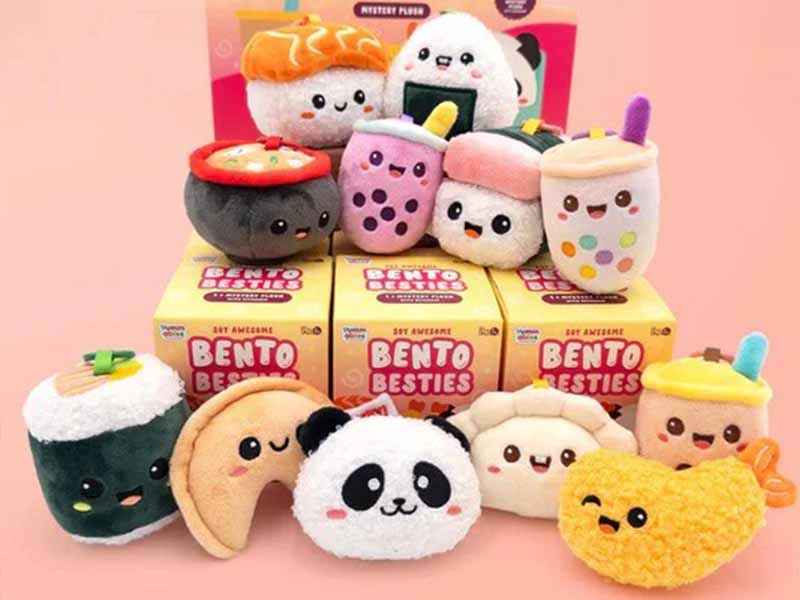
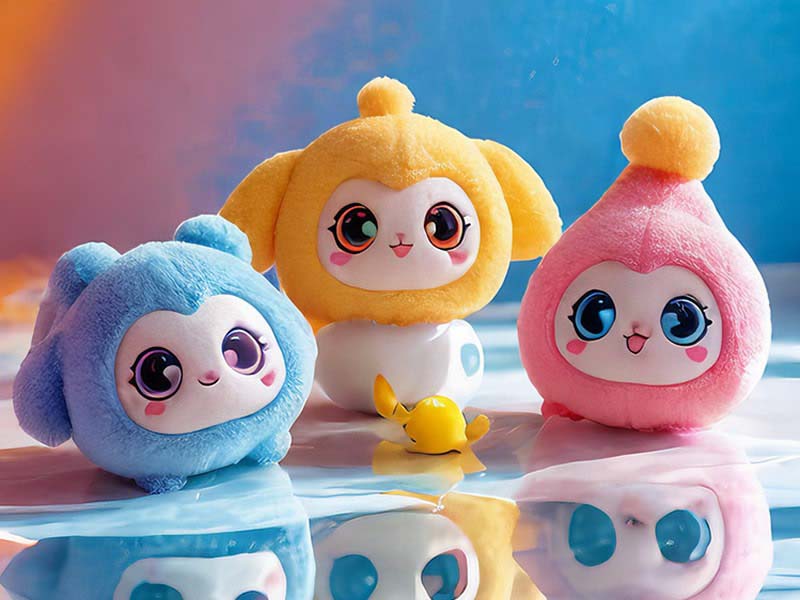
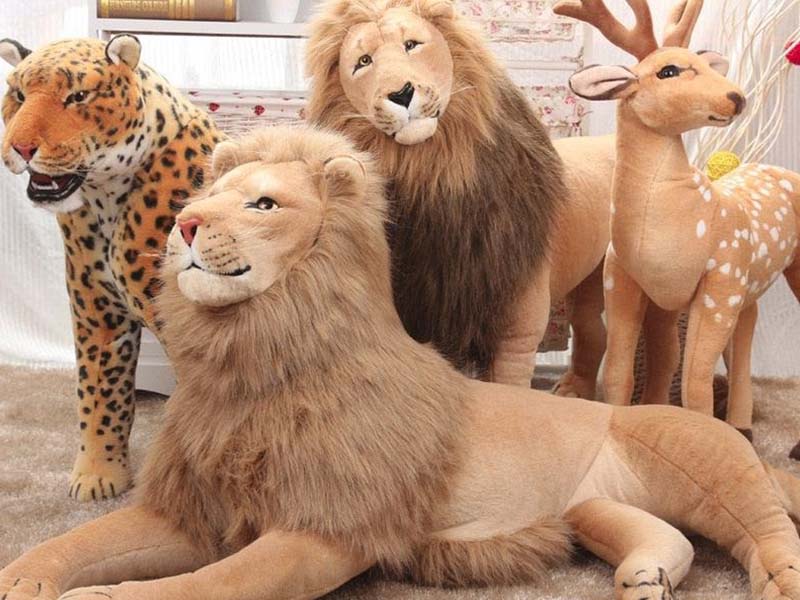
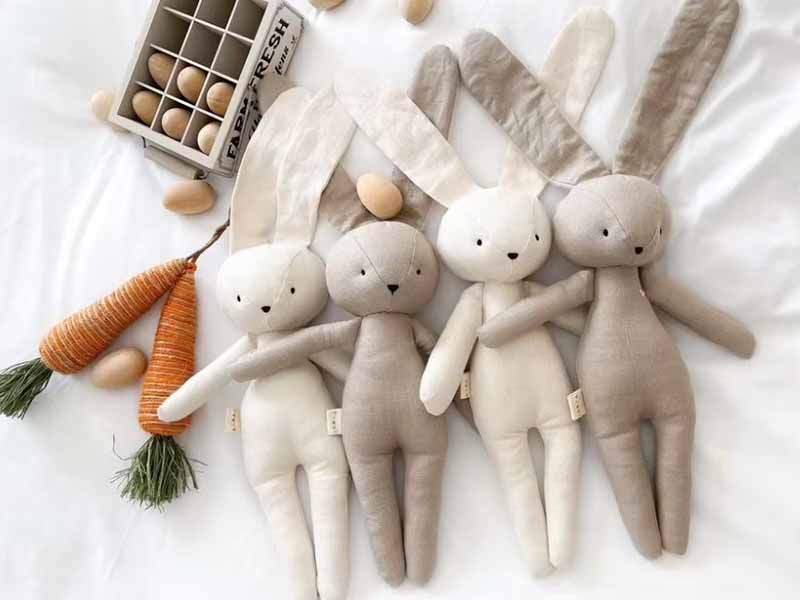
We offer a wide selection of plush toys to meet different business needs. From baby-safe stuffed animals to collectible plush dolls, our product lines are designed for global brands, retailers, e-commerce, and promotional projects.
Start Your Custom Plush Toy Project with a Reliable Manufacturer
Choosing a plush toy manufacturer with stable quality control helps ensure your products remain consistent from the first sample to large-scale production. With structured plush toy manufacturing processes, strict inspection systems, and reliable factory capacity, your brand can reduce production risks and maintain stable product quality across every order.
When working with an experienced stuffed animal manufacturer, you gain a partner who understands product development, material safety, and mass production control. This allows your plush toy projects to move forward smoothly, whether you are developing a new product line, launching a seasonal collection, or expanding your retail offerings. Stable production systems also help ensure reliable delivery timelines and consistent product standards for global markets.
For brands, this means fewer production issues, more predictable supply chains, and greater confidence when scaling plush toy products. From design development to final shipment, every step of production can be managed with clear standards and professional manufacturing support.
Frequently Asked Questions
1. What is the typical MOQ for custom plush toys?
The minimum order quantity usually depends on the size, complexity, and materials used for the plush toy. For most custom plush toy projects, the MOQ typically starts from 500–1000 pieces per design. Smaller items such as plush keychains may have lower minimum quantities, while large or complex plush toys may require higher quantities. A professional plush toy manufacturer will review your design and provide the most suitable MOQ based on production efficiency and cost control.
2. How do you ensure stable plush toy quality during mass production?
Stable quality is achieved through a structured quality control system. This includes incoming material inspection (IQC), in-process production inspection (IPQC), finished product inspection (FQC), and outgoing quality inspection (OQC). These steps help verify material quality, monitor production processes, and inspect final products before shipment. Using golden sample control and standardized production specifications also helps maintain consistent plush toy batches.
3. How long does it take to develop a plush toy sample?
Sample development usually takes 5–10 working days depending on the complexity of the design. Simple plush toys can be completed faster, while plush toys with accessories, embroidery details, or functional components may require additional development time. Once the prototype sample is completed, customers can review and request adjustments before approving the final golden sample.
4. What safety standards do plush toys need to meet for international markets?
Plush toys sold in global markets must comply with international safety standards such as EN71 for Europe, ASTM F963 for the United States, and CPSIA regulations. These standards cover material safety, small part testing, mechanical strength, and chemical safety. A professional plush toy manufacturer works with certified testing laboratories to ensure products meet these requirements.
5. Can you match our plush toy design exactly?
Yes. A professional plush toy manufacturer converts your artwork or concept into a three-dimensional plush toy through pattern development and sampling. During the sampling stage, adjustments can be made to refine shape, proportions, materials, and embroidery details. Once the final sample is approved, it becomes the golden sample for mass production to maintain design accuracy.
6. What materials are commonly used for plush toys?
Common plush toy fabrics include velboa, minky, faux fur, and crystal super soft fabric. Filling materials usually include PP cotton fiberfill or recycled polyester fiber. Depending on product positioning and safety requirements, manufacturers can also provide eco-friendly materials and baby-safe fabrics.
7. How do you control stuffing consistency in plush toys?
Stuffing consistency is controlled through standardized filling weight specifications and operator training. Each plush toy design has a defined filling weight range to maintain shape and softness. During production, random inspections verify that stuffing weight and shape remain consistent across batches.
8. How long does plush toy mass production take?
Mass production usually takes 25–40 days depending on order quantity, product complexity, and material availability. Production scheduling and peak season planning help maintain reliable delivery timelines for large orders.
9. Can plush toys be customized with accessories or functional features?
Yes. Plush toys can include various accessories and functional elements such as sound modules, LED lights, magnets, clothing accessories, or embroidered logos. These features are commonly used for promotional plush toys, character merchandise, and interactive toys.
10. Do you support global shipping for plush toy orders?
Yes. Plush toy manufacturers typically work with international logistics partners to support global shipping. Export services may include carton packaging, vacuum packing, export documentation, and shipping coordination to ensure products arrive safely and efficiently.
If You Can lmagine lt,We Will Create lt!
1.Tell Us What You Need
Tell us as specific as possible of your needs and share your idea.
2.Get Solution & Quote
We will work on the best solution according to yourrequirements,the specific quote will be provided within 24 hours.
3.Approve for Mass Production
We will start mass production after getting your approval.