 Skip to content
Custom Soft Toys Supplier for Plush Toys, Stuffed Animals & Custom Plush Manufacturing
Finding a reliable custom soft toys supplier can make product development much easier. Brands need a partner who understands plush toy design, sampling accuracy, and stable mass production. From concept drawings to bulk manufacturing, a professional supplier helps turn ideas into high-quality custom plush toys, stuffed animals, and soft toys that are safe, consistent, and ready for global markets.、
With experienced plush toy development teams, advanced production lines, and strict quality control, your project can move faster from prototype development to large-scale manufacturing. This means fewer revisions, more predictable costs, and a reliable supply chain to support your brand as it grows.
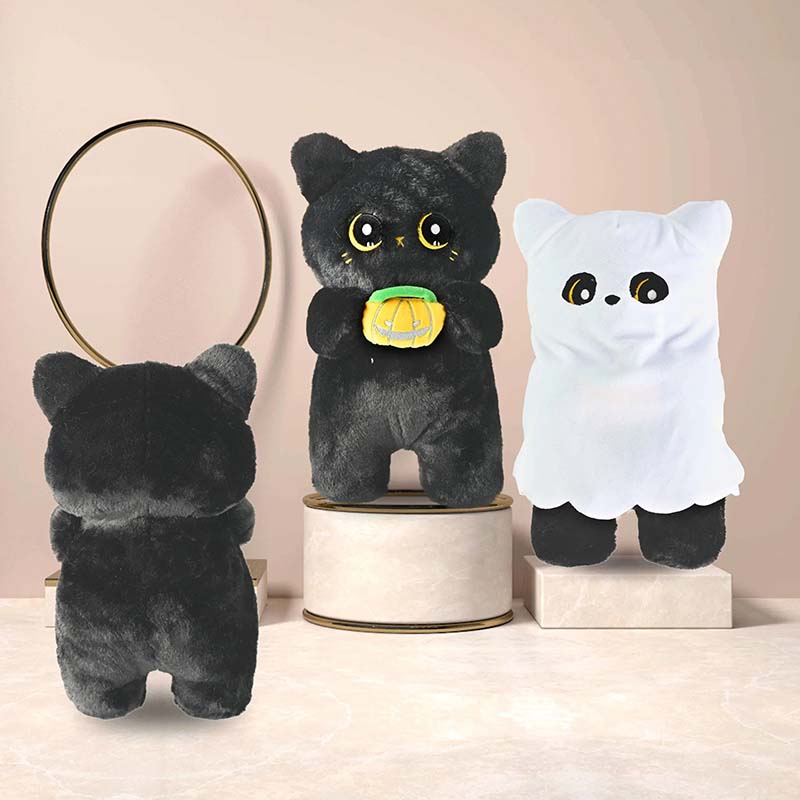
What Does a Custom Soft Toys Supplier Do for Plush Toy Brands?
A professional custom soft toys supplier helps brands turn ideas into real products. From plush toy design and prototype development to mass production and global shipping, the right supplier makes the entire process smoother. Instead of managing multiple vendors, brands can rely on one experienced partner to handle custom plush toy development, manufacturing, and quality control efficiently.
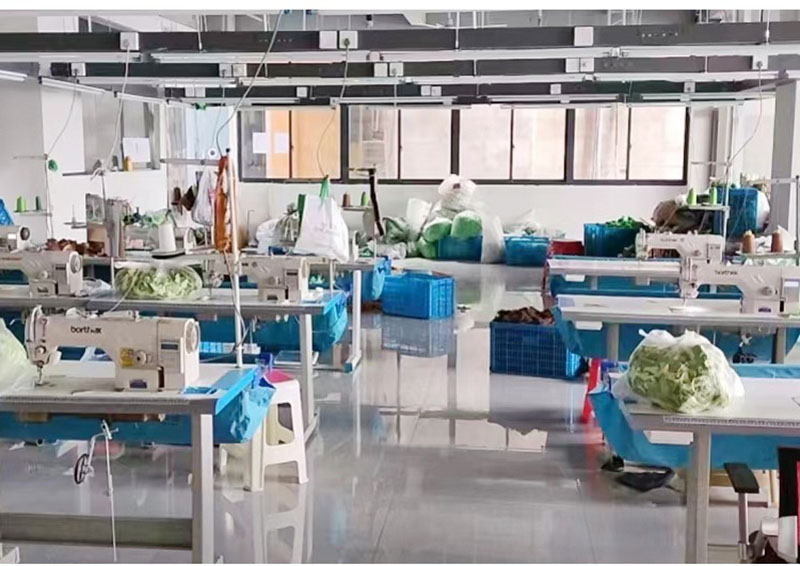
Custom Plush Toy Design & Development
A custom soft toys supplier helps transform sketches, character concepts, or brand mascots into manufacturable plush toy designs. Experienced development teams review structure, fabric choices, and sewing methods to ensure the toy looks attractive while remaining practical for mass production.
Prototype & Plush Toy Sampling
Before bulk production begins, a prototype sample is created to confirm size, shape, fabric, and embroidery details. This sampling stage allows brands to review the plush toy in real form, make adjustments, and approve a final version before entering mass production.
Custom Plush Toy Manufacturing
Once the sample is approved, the supplier organizes large-scale plush toy production. This includes fabric cutting, embroidery or printing, sewing, stuffing, shaping, and final assembly to ensure every stuffed animal meets the approved specifications.
Quality Control & Safety Standards
Reliable custom soft toy suppliers apply strict inspection processes throughout production. Material checks, in-line inspections, needle detection, and final quality reviews help ensure that every plush toy batch meets international safety requirements.
Global Export & Supply Chain Support
Experienced plush toy suppliers understand international shipping, packaging requirements, and compliance standards. This allows brands to move products smoothly into markets such as North America, Europe, and Asia with fewer supply chain risks.
A professional custom soft toys supplier does more than manufacture plush toys. The right partner helps brands develop products faster, maintain stable quality, and build a reliable supply chain for long-term growth.
Full OEM & ODM Process Support for Custom Soft Toys Manufacturing
Working with a supplier that provides OEM and ODM services for custom soft toys makes product development much easier. Instead of coordinating with different vendors for design, sampling, manufacturing, and export, brands can rely on one experienced team to manage the entire process. This integrated approach helps reduce development risks, shorten production timelines, and ensure consistent plush toy quality from concept to mass production.
Product Concept & Design Support
OEM and ODM suppliers assist in turning ideas, sketches, or character concepts into manufacturable plush toy designs. Development teams help refine proportions, select suitable fabrics, and adjust structures so the final product looks attractive while remaining practical for mass production.
Prototype Development & Sampling
During the sampling stage, prototype plush toys are created to confirm size, fabric, embroidery, and construction details. This process allows brands to review the physical product, request revisions, and finalize a golden sample before moving into large-scale production.
Material Selection & Production Planning
Professional suppliers help select appropriate plush fabrics, filling materials, and accessories based on the product design and market positioning. At the same time, production planning ensures materials are prepared in advance to support smooth manufacturing.
Mass Production & Manufacturing Management
Once the sample is approved, the factory organizes bulk production using standardized manufacturing processes. Fabric cutting, embroidery, sewing, stuffing, shaping, and finishing are carefully coordinated to maintain consistent plush toy quality across all units.
Quality Control Throughout Production
Reliable OEM and ODM plush toy suppliers implement quality checks during each production stage. Material inspections, in-line checks, needle detection, and final product inspections help ensure that every batch meets required safety and quality standards.
Export Coordination & Global Delivery
Experienced suppliers manage export documentation, packaging standards, and international logistics to ensure products reach global markets smoothly. This helps brands reduce shipping delays and maintain reliable delivery schedules.
With full OEM and ODM cooperation, brands gain a structured development process, reliable production capacity, and a stable supply chain for long-term plush toy product lines.
Popular Custom Soft Toys We Manufacture for Global Brands
A professional custom soft toys supplier can support many different plush toy categories for global brands, retailers, and promotional projects. From small plush keychains to large stuffed animals, custom plush toys can be designed in different shapes, fabrics, and functions to match your brand concept and market needs. Below are common custom plush toy products frequently developed for toy brands, retailers, e-commerce sellers, and promotional campaigns.
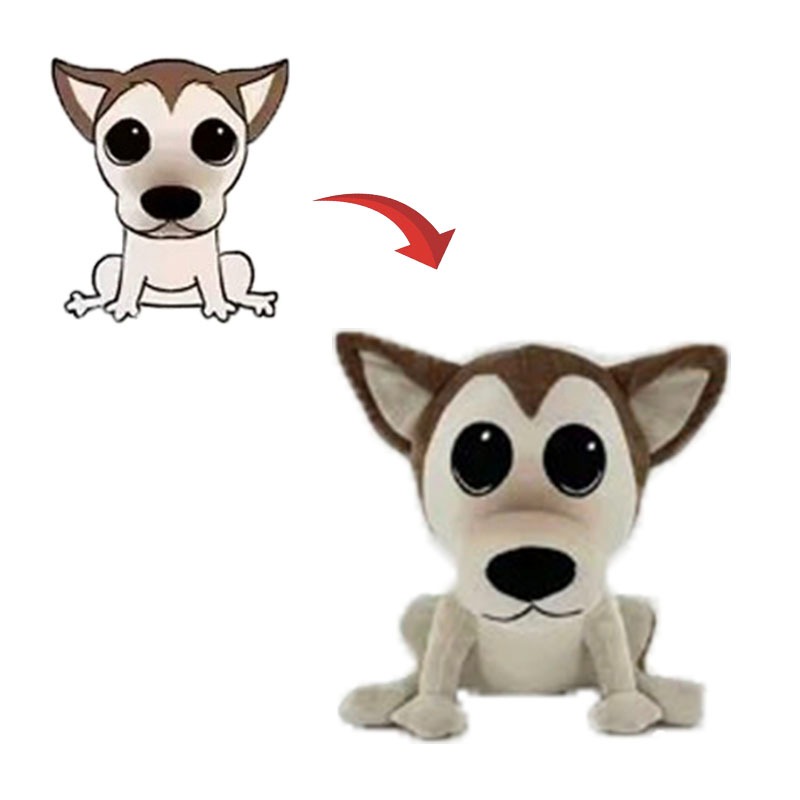
Custom Plush Animals
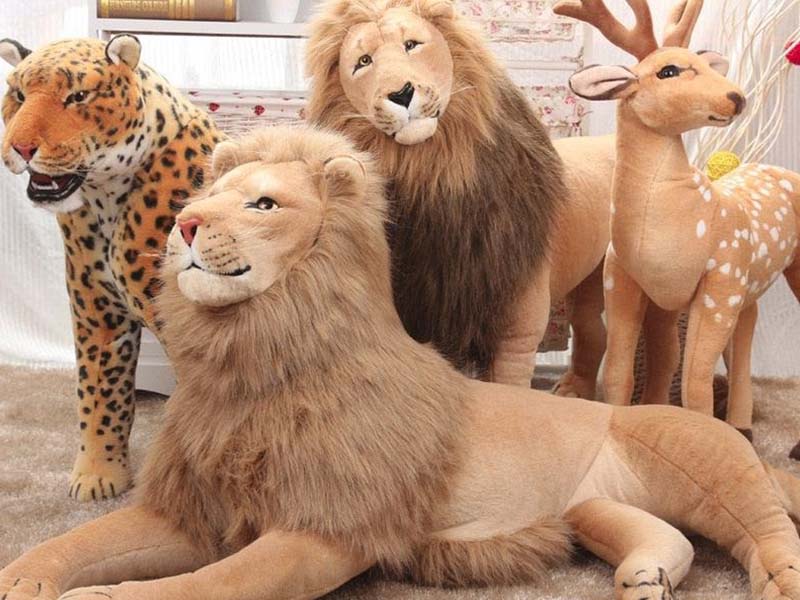
Custom stuffed animals such as bears, dogs, rabbits, lions, and jungle animals are among the most popular plush toys in retail markets.
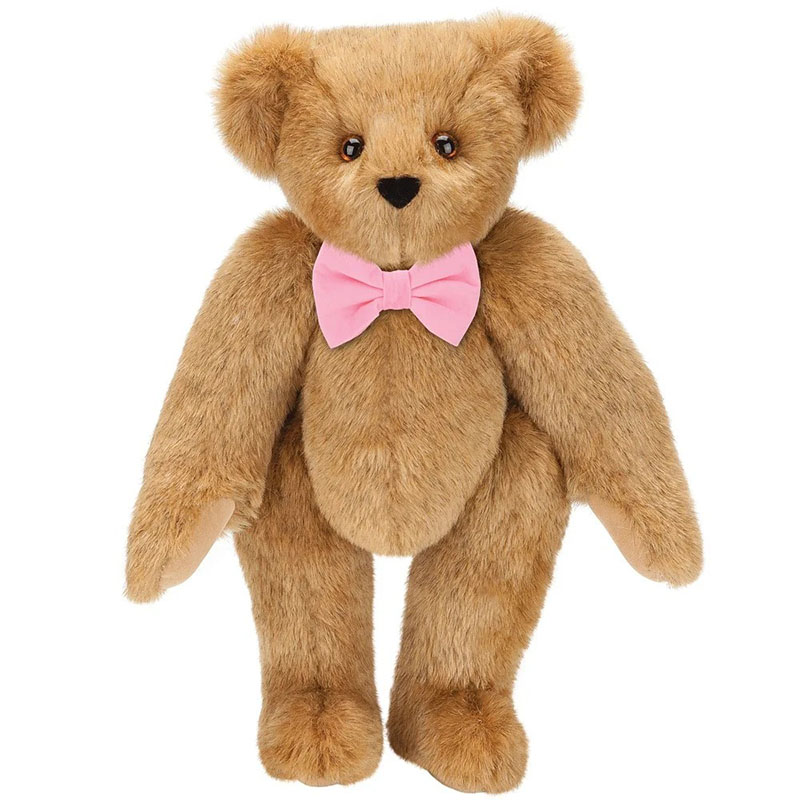
Custom Teddy Bears
Custom teddy bears are classic gift products often used for retail, promotional events, and holiday merchandise.
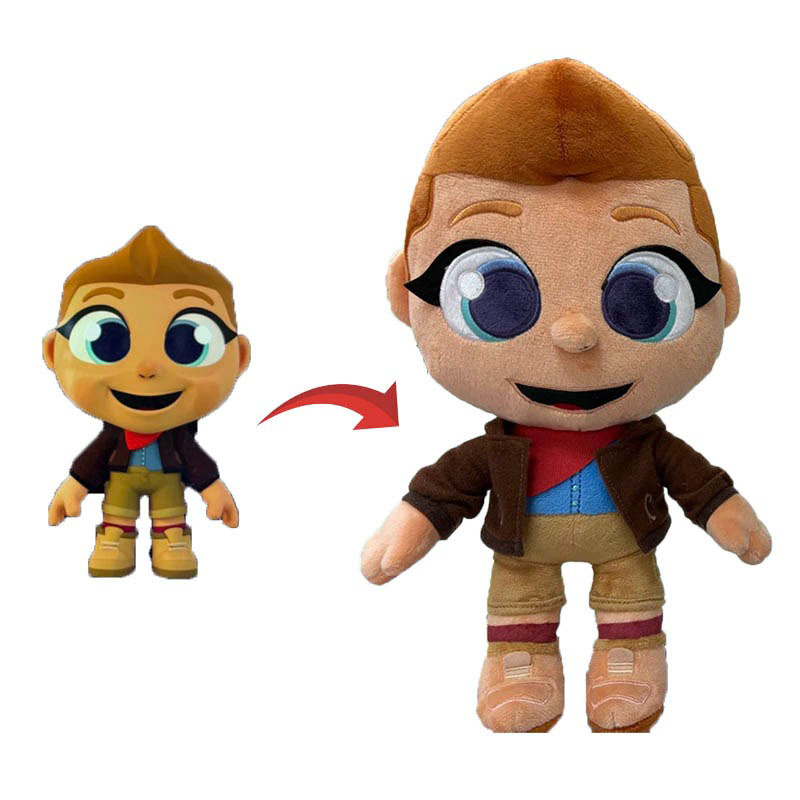
Custom Plush Dolls
Plush dolls are commonly created for cartoon characters, mascots, and children’s toy brands.
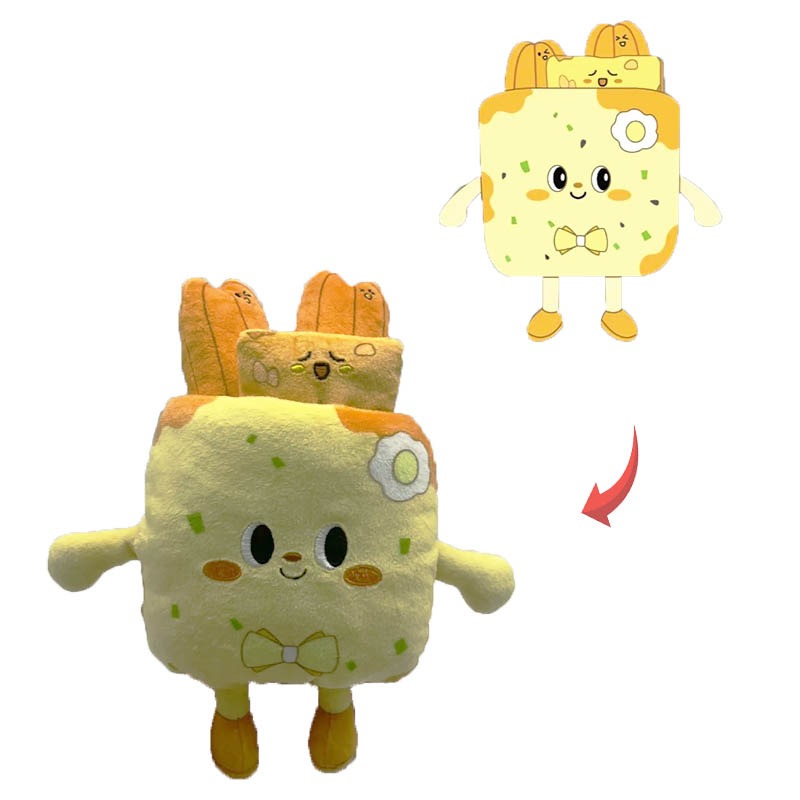
Custom Mascot Plush Toys
Many companies produce plush versions of their mascots for marketing campaigns and brand promotion.
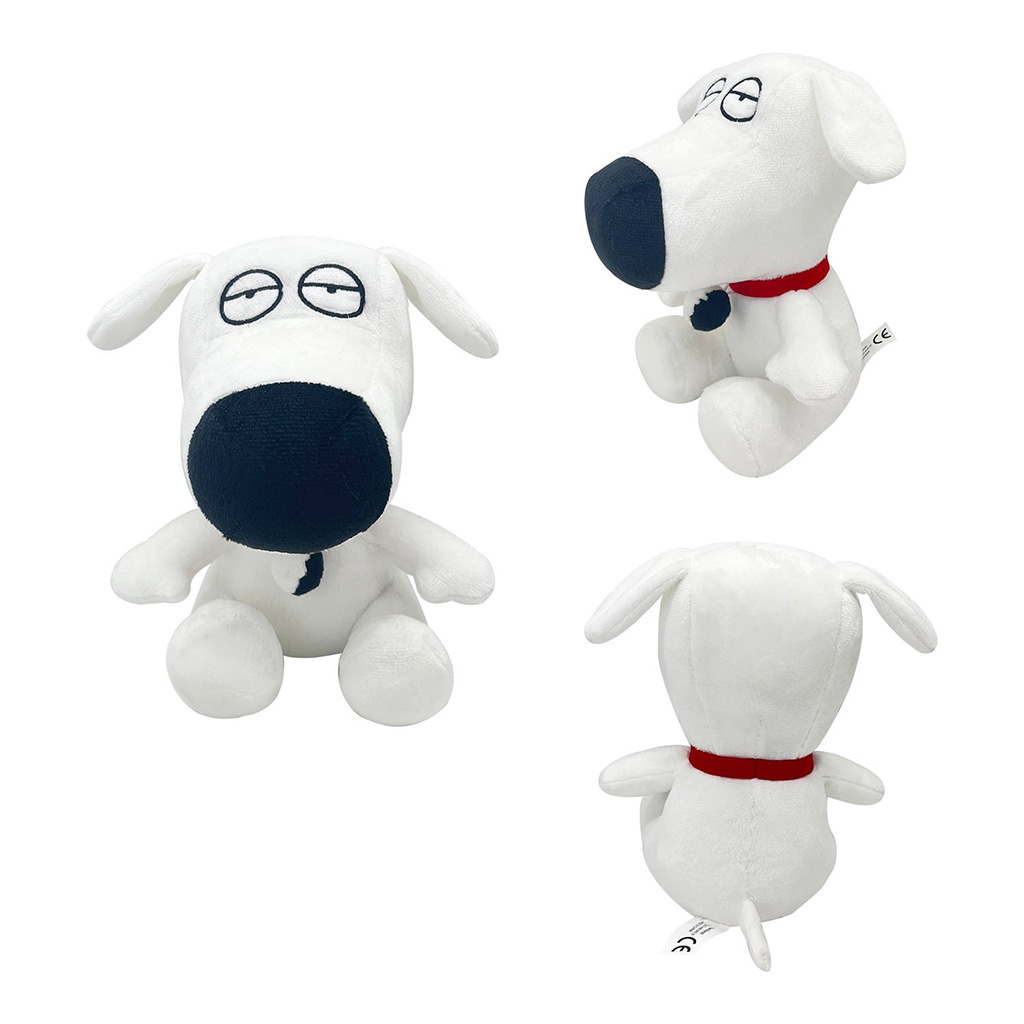
Custom Cartoon Plush Toys
Cartoon plush toys are designed based on animated characters and illustrated mascots.
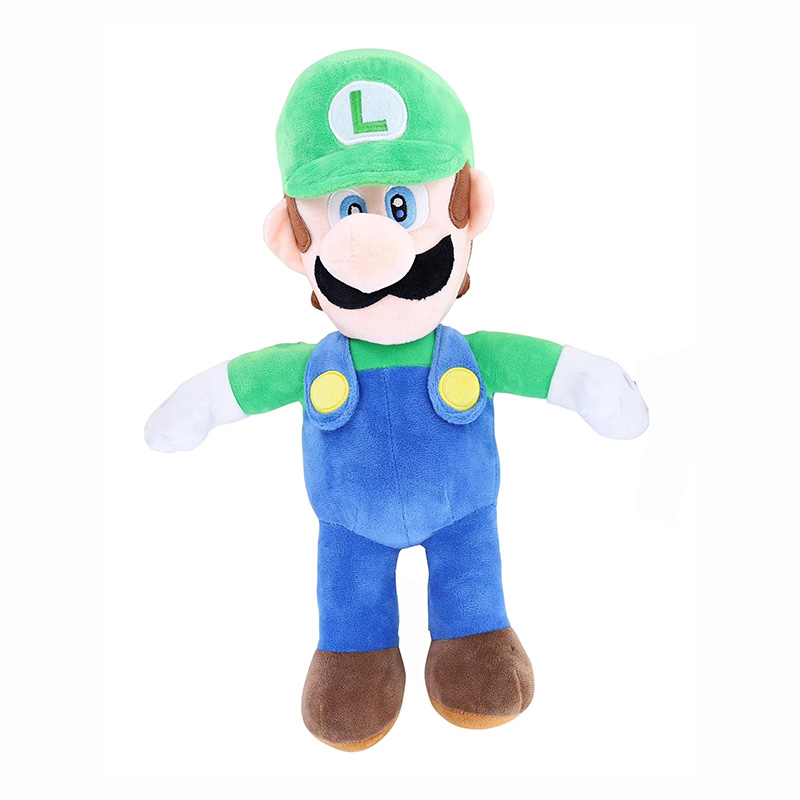
Custom Character Plush Toys
Character plush toys are often developed for licensed IP products, games, and movie merchandise.

Custom Plush Keychains
Small plush keychains are widely used as promotional gifts and retail accessories.
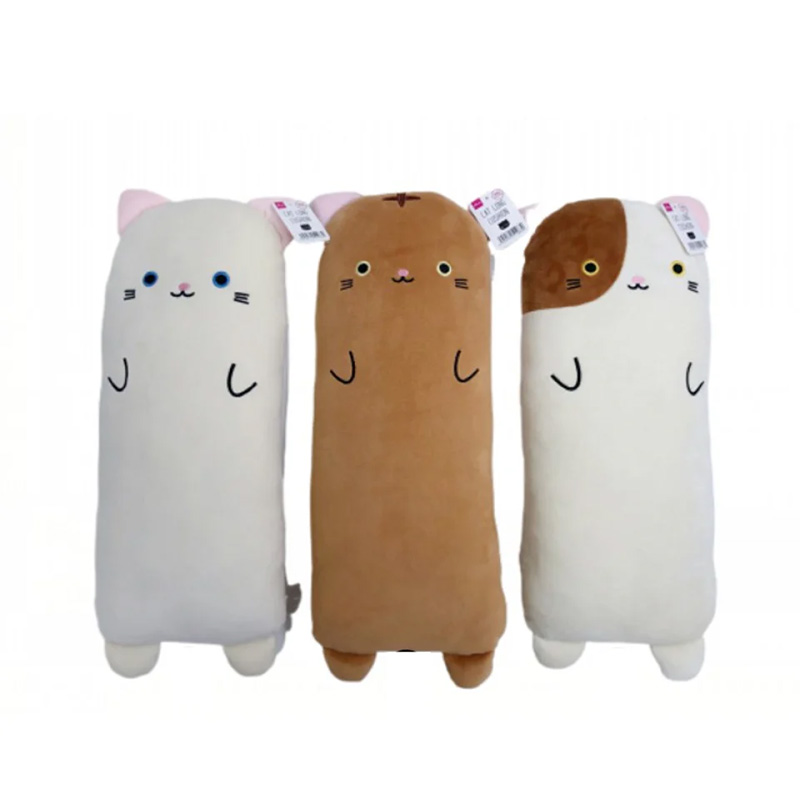
Custom Plush Pillows
Plush pillows combine decorative and functional features for home décor and gift markets.
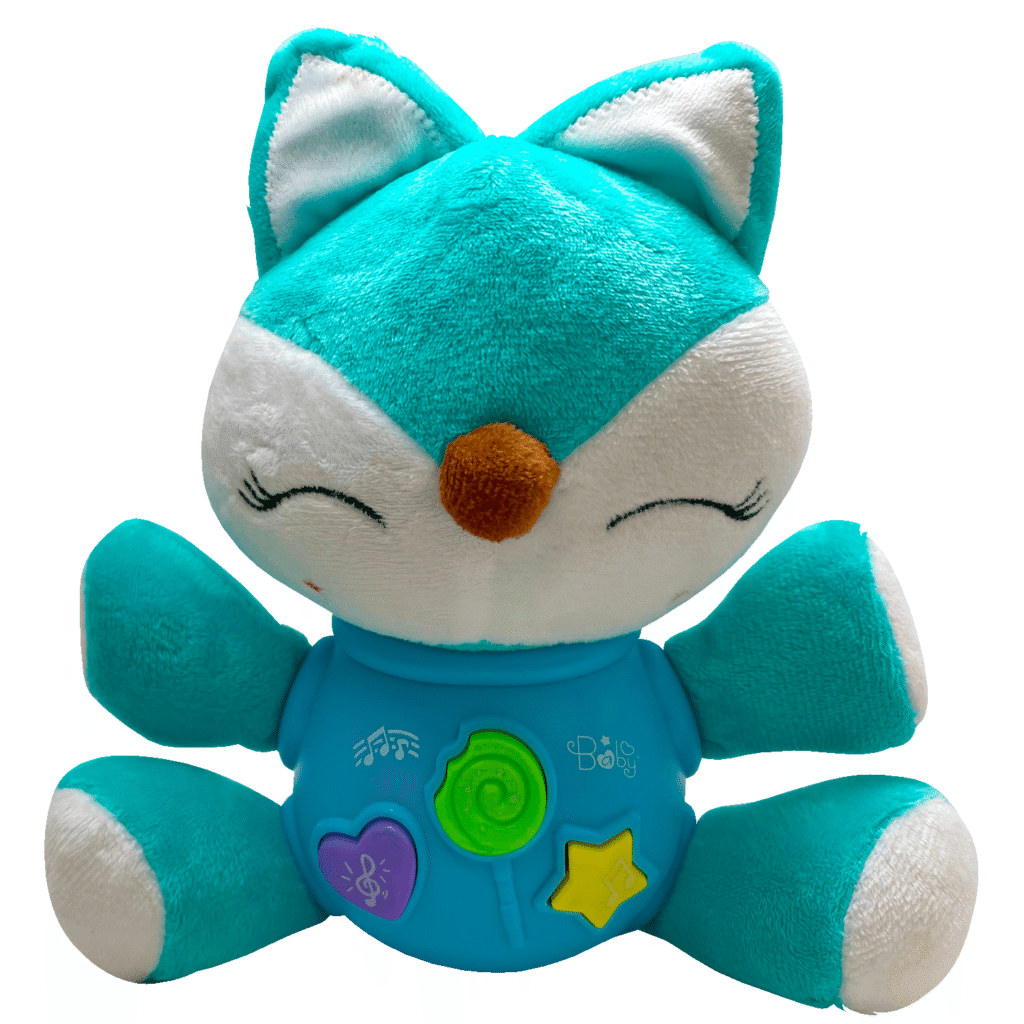
Custom Baby Plush Toys
Baby plush toys use soft fabrics and embroidered features designed for infant safety.
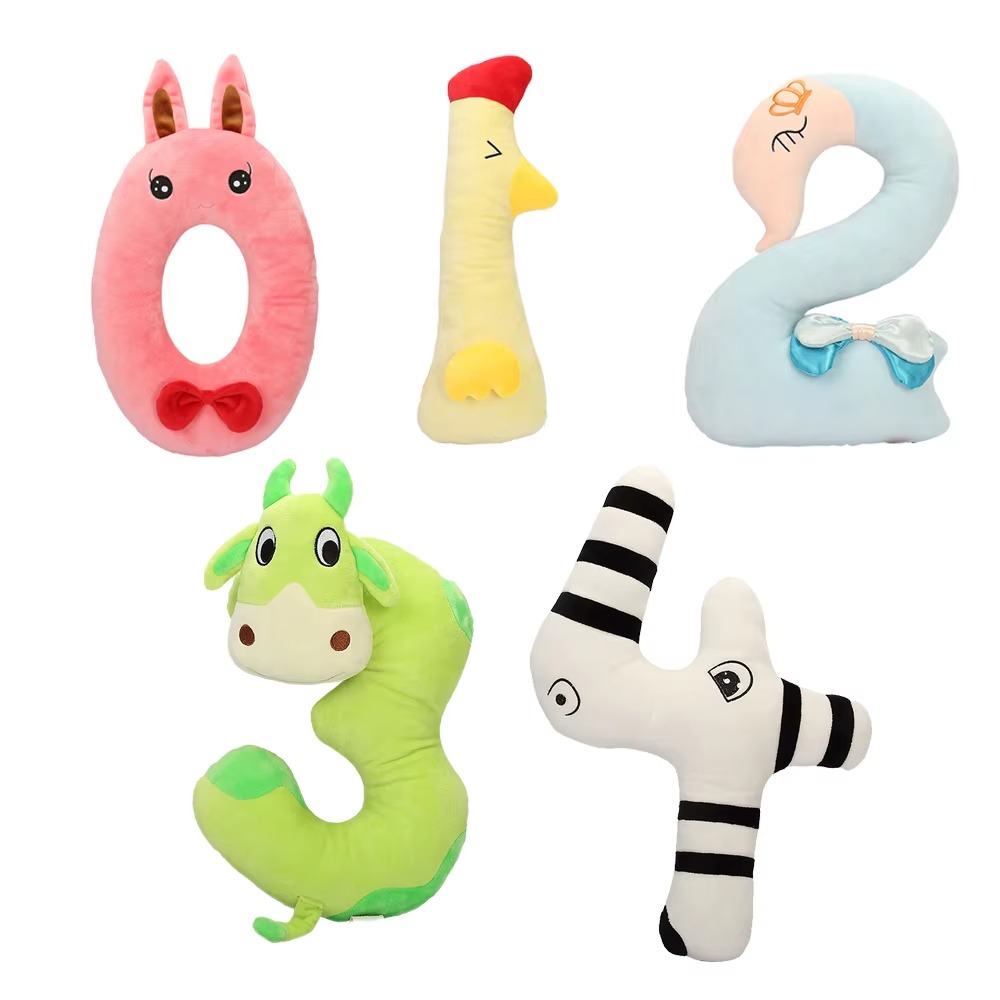
Custom Educational Plush Toys
Educational plush toys help children learn shapes, animals, or letters through interactive play.
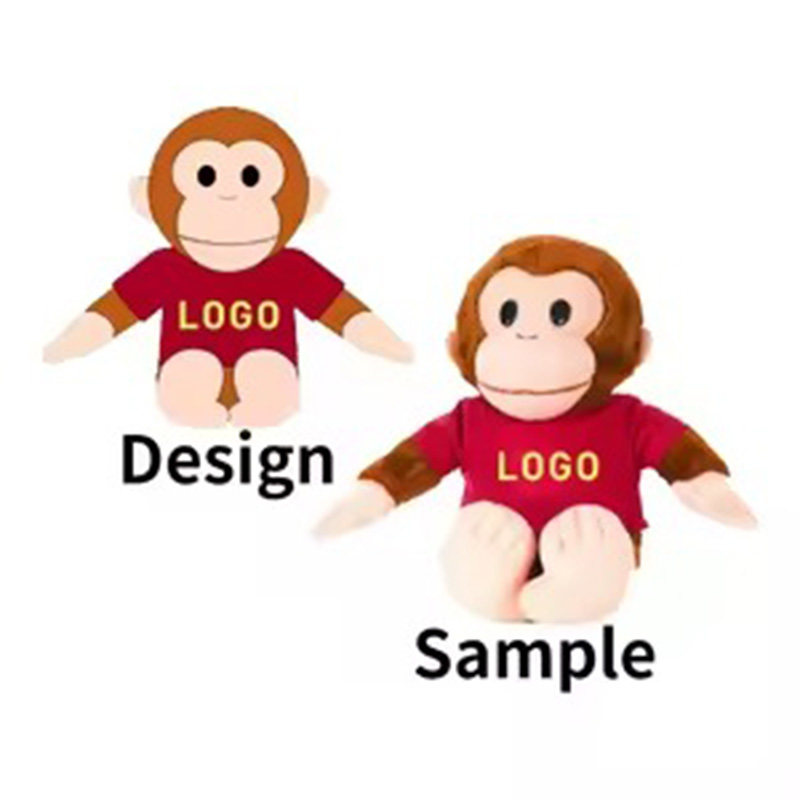
Custom Promotional Plush Toys
Promotional plush toys are popular giveaways used in brand marketing campaigns.
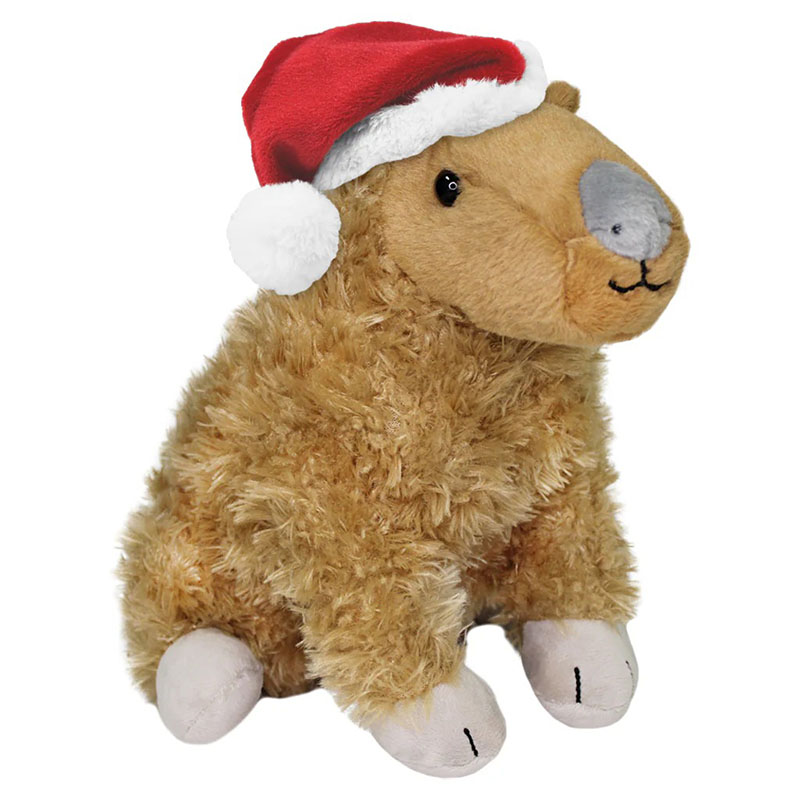
Custom Holiday Plush Toys
Holiday-themed plush toys such as Christmas or Halloween characters sell well during seasonal promotions.
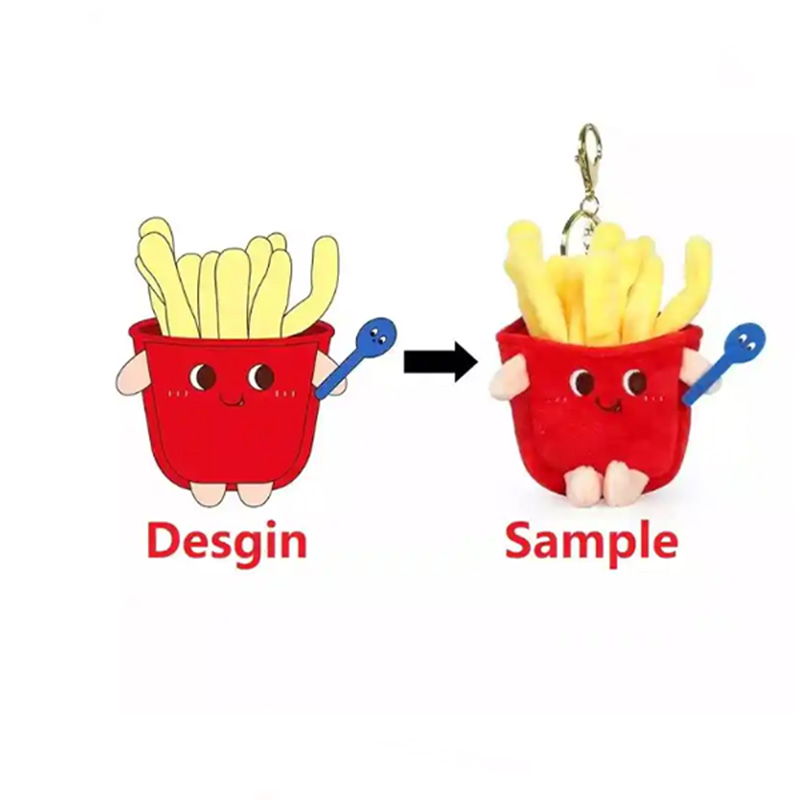
Custom Plush Food Toys
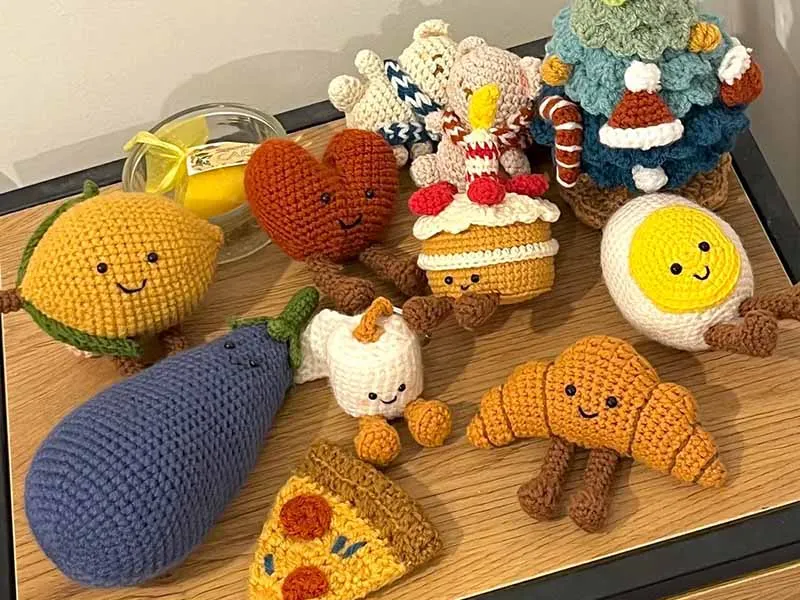
Food-shaped plush toys such as burgers, fruits, and desserts are fun novelty products.
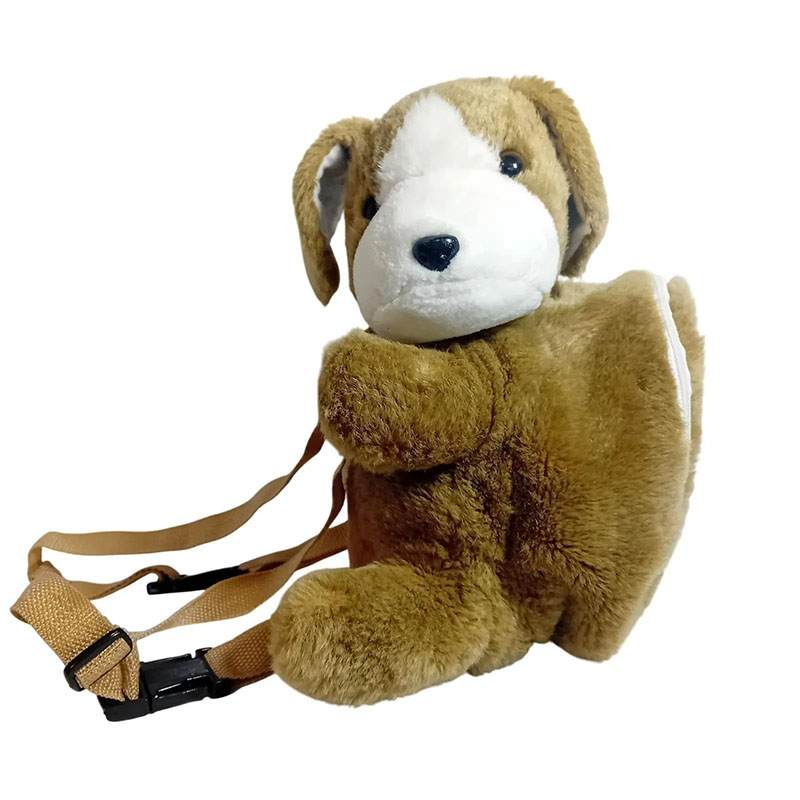
Custom Plush Backpack Toys
Plush backpacks combine toy design with practical use for children and students.

Custom Plush Cushion Toys
Large plush cushions shaped like animals or characters are used for both decoration and relaxation.

Custom Pet Plush Toys
Plush toys for pets are designed as soft play toys for cats and dogs.
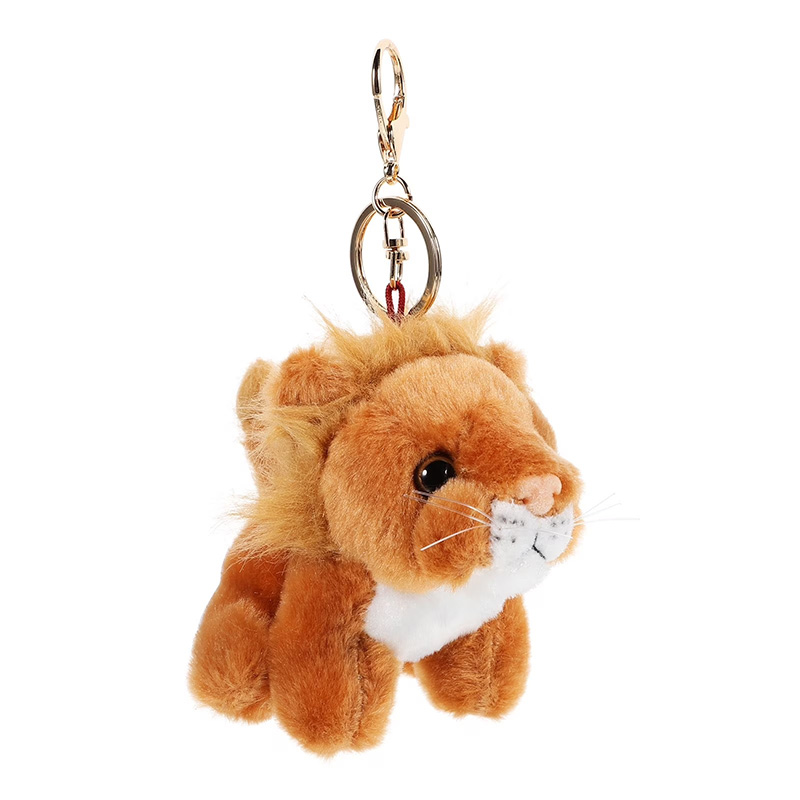
Custom Plush Bag Charms
Plush bag charms are fashionable accessories for backpacks and handbags.
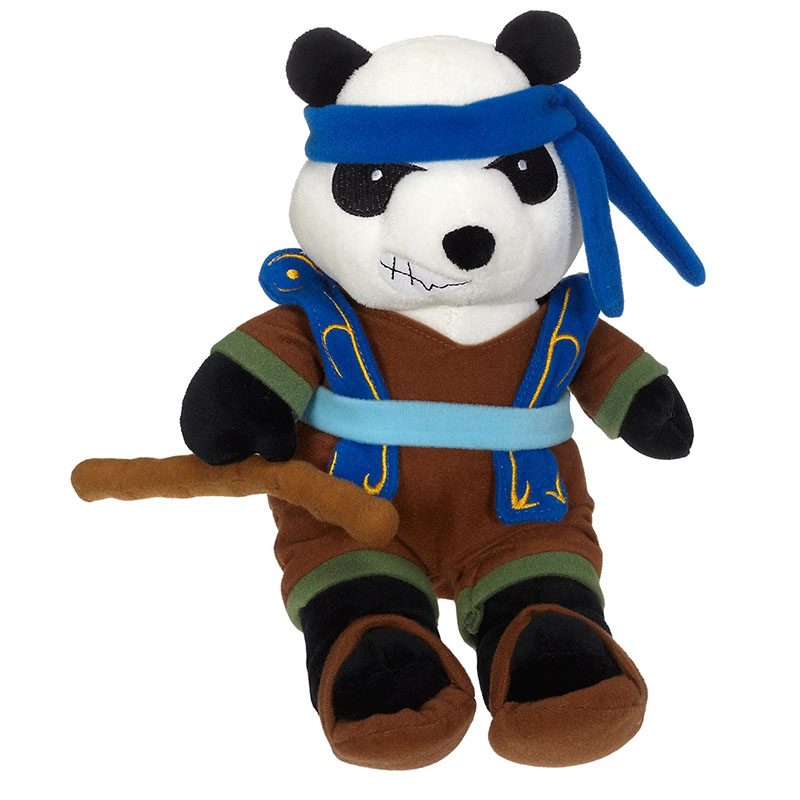
Custom Plush Collectible Toys
Collectible plush toys are often produced in limited editions for fans and collectors.
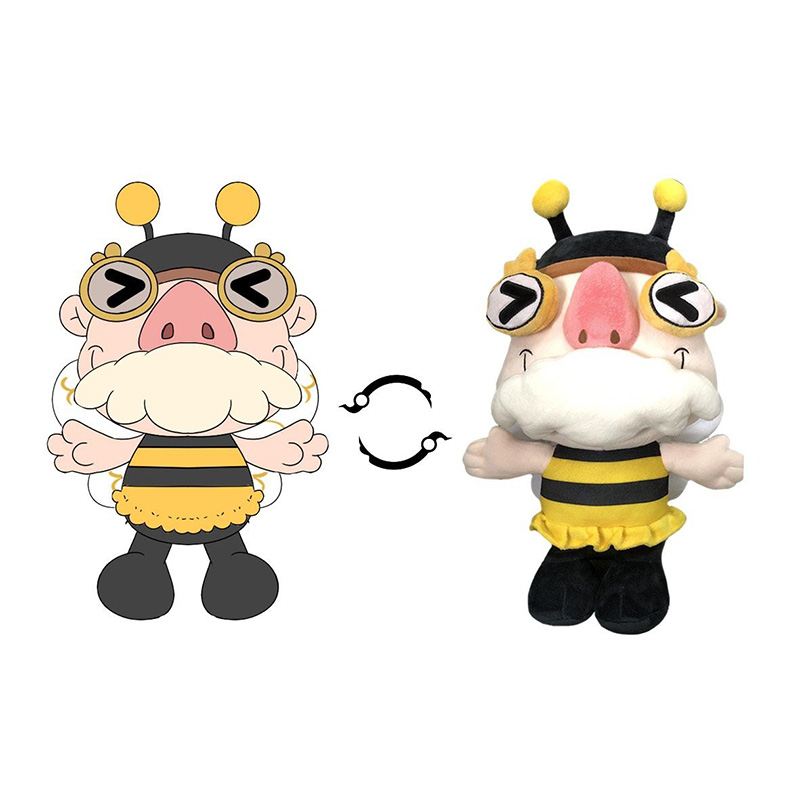
Custom Plush Brand Mascots
Brand mascot plush toys help companies create stronger brand recognition.
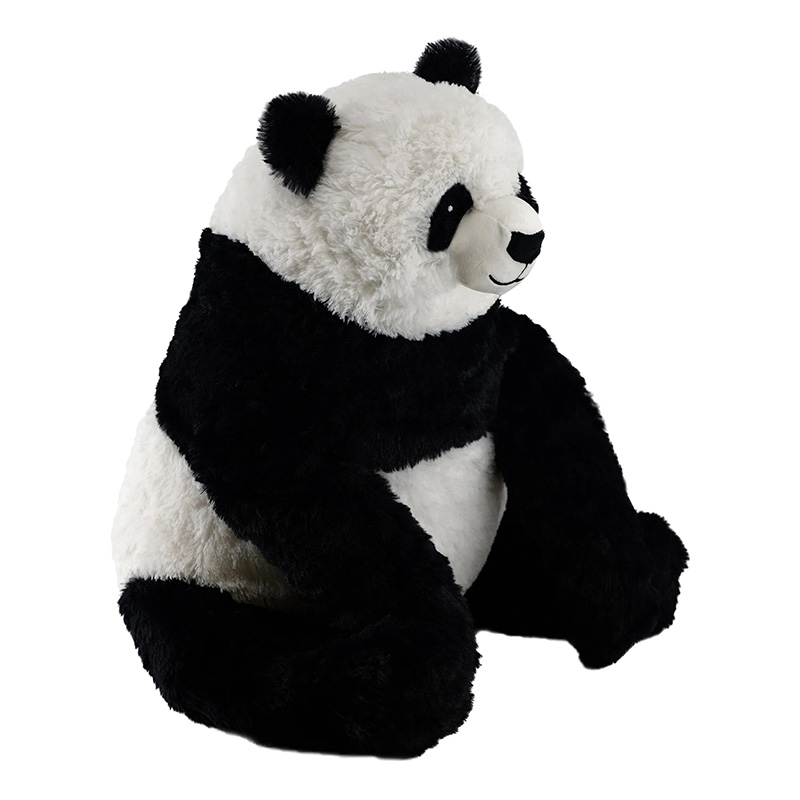
Custom Giant Plush Toys
Large plush toys are popular as decorative products, theme park merchandise, and promotional gifts.
Custom Plush Toy Sampling Process from Concept to Approved Sample
Developing a successful plush toy product starts with a clear and structured plush toy sampling process. A professional custom soft toys supplier helps transform your design idea into a physical sample that accurately reflects the final product. Through careful review, pattern development, material selection, and sample refinement, brands can confirm the toy’s appearance, structure, and quality before entering mass production.
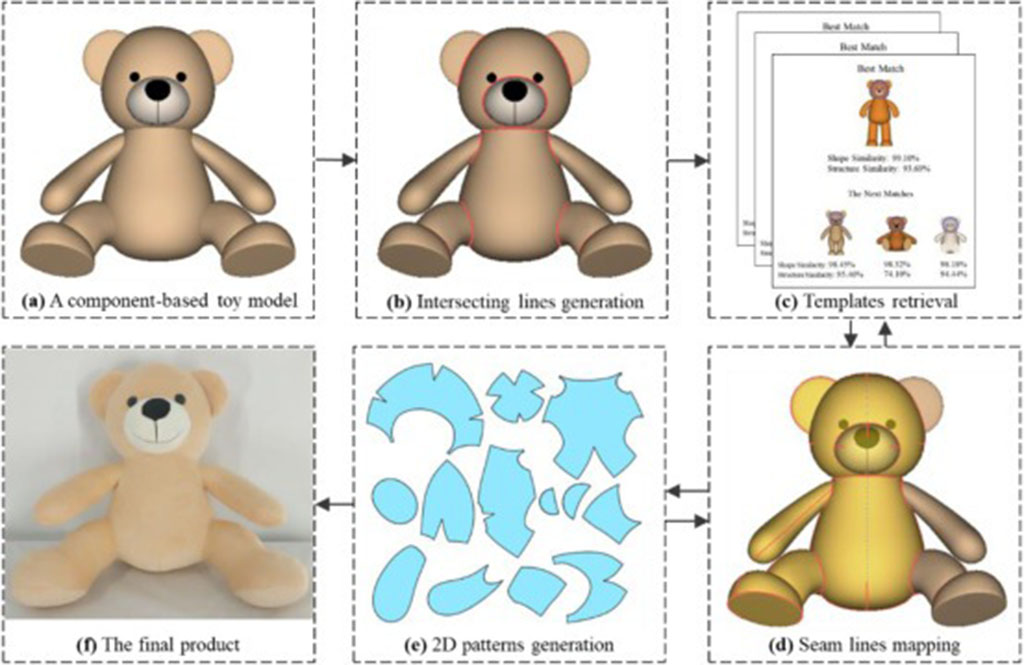
Concept Drawing Review
The process begins with reviewing the concept drawing or character artwork provided by the client. Designers evaluate the toy’s proportions, structure, and details to ensure the design can be produced as a plush toy. Necessary adjustments may be suggested to improve manufacturability and visual balance.
Pattern Making
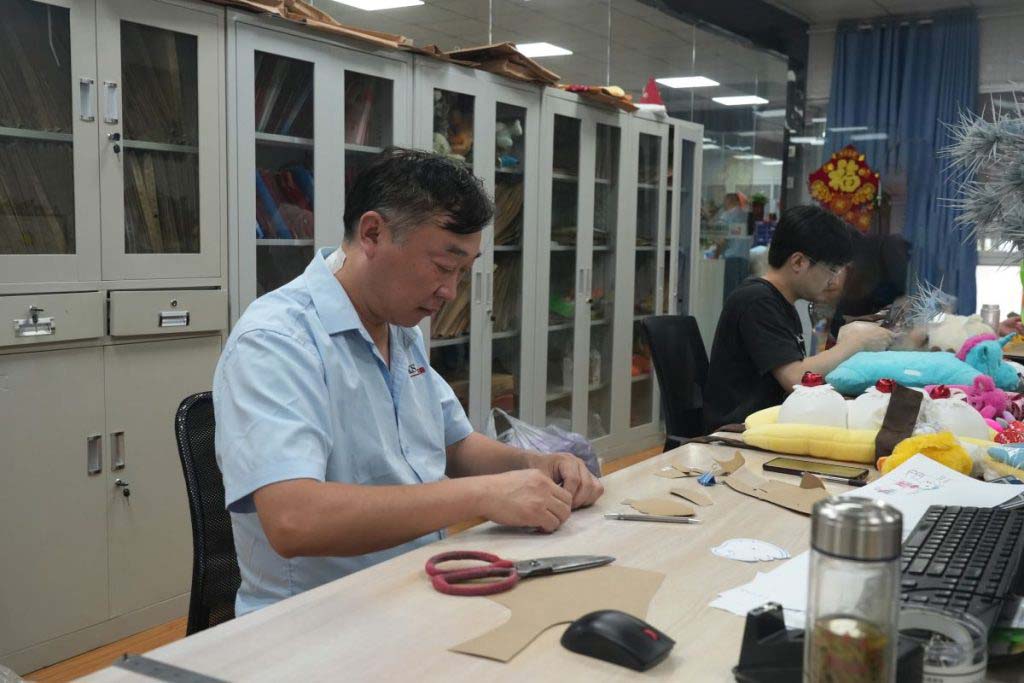
Pattern makers create the internal plush toy structure based on the approved design. Each panel of the toy is carefully designed to define the toy’s shape, size, and assembly method. Accurate pattern making is critical for achieving the correct plush toy proportions.
Material Confirmation
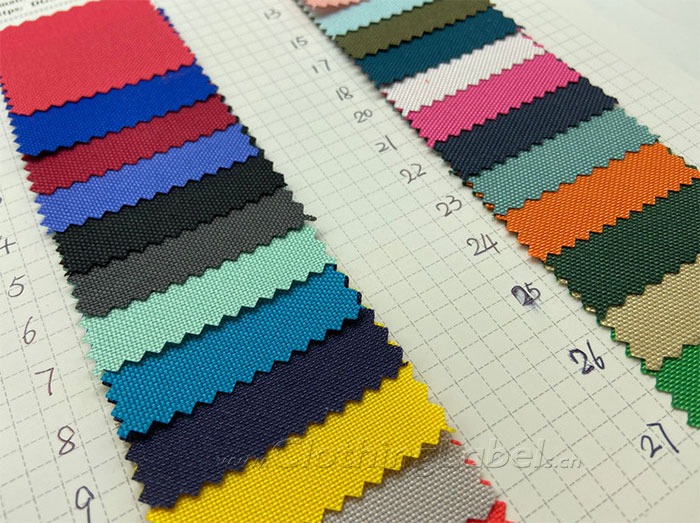
During this stage, suitable plush fabrics, filling materials, embroidery techniques, and accessories are selected. The material choice affects the toy’s texture, durability, and final appearance.
Sample Sewing
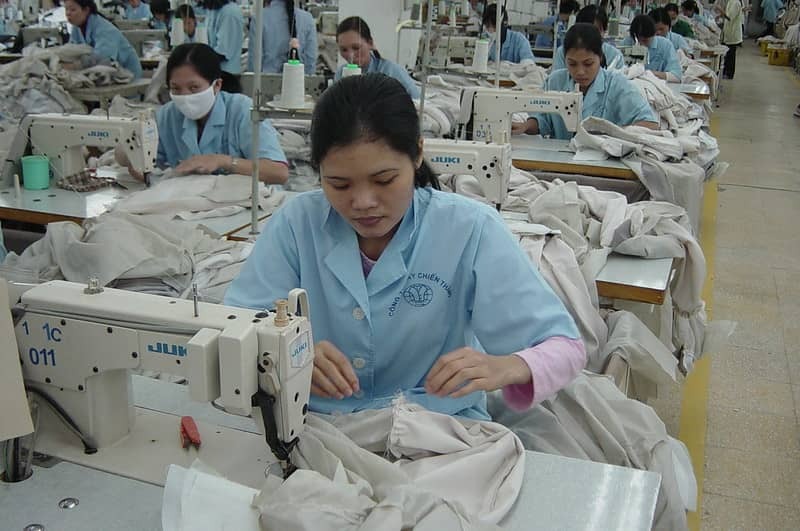
Once patterns and materials are prepared, the sample toy is sewn by experienced technicians. This step brings the design to life and allows the team to check structure, stitching, and shaping details.
Sample Revision
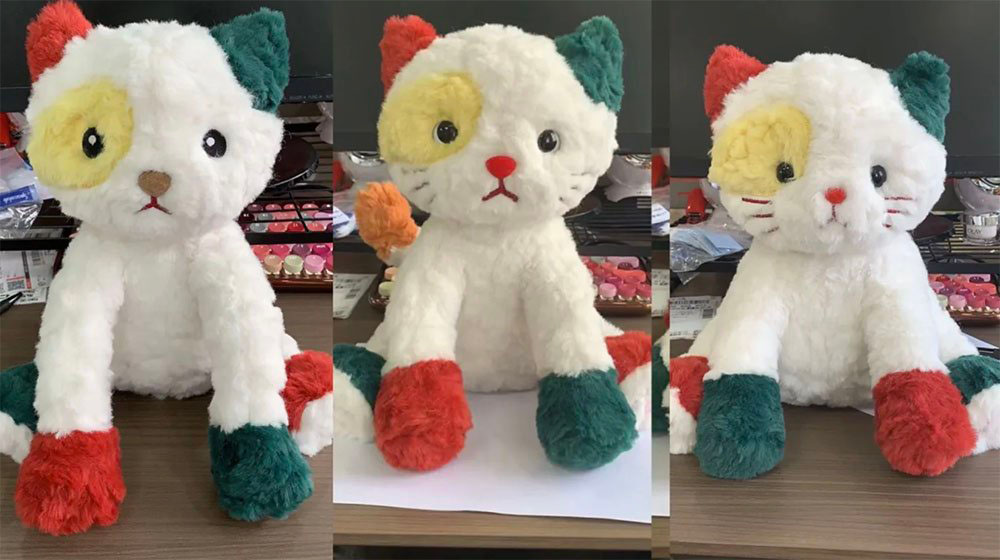
After reviewing the first sample, revisions may be made to improve proportions, facial details, colors, or accessories. This step ensures the plush toy meets the client’s expectations before final approval.

Golden Sample Approval
Once all revisions are completed, the final approved sample becomes the “golden sample.” This reference sample is used to guide mass production and maintain consistent quality across all plush toys.
A structured sampling process helps reduce development risks and ensures that custom plush toys move smoothly from design to mass production with fewer revisions.
Plush Toy Fabrics & Filling Materials for Custom Soft Toys
The materials used in custom plush toys and stuffed animals play a key role in product quality, safety, and comfort. Different plush fabrics and filling materials create different textures, durability levels, and visual effects. Choosing the right materials helps brands develop plush toys that feel soft, look attractive, and meet global safety standards.
Common Plush Toy Fabrics
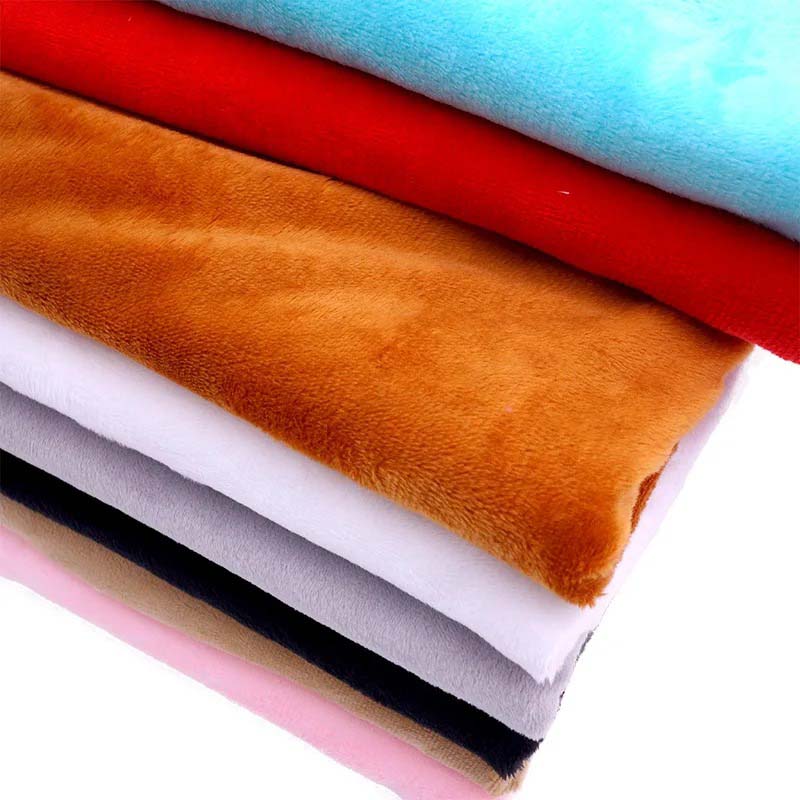 Crystal Super Soft Fabric
 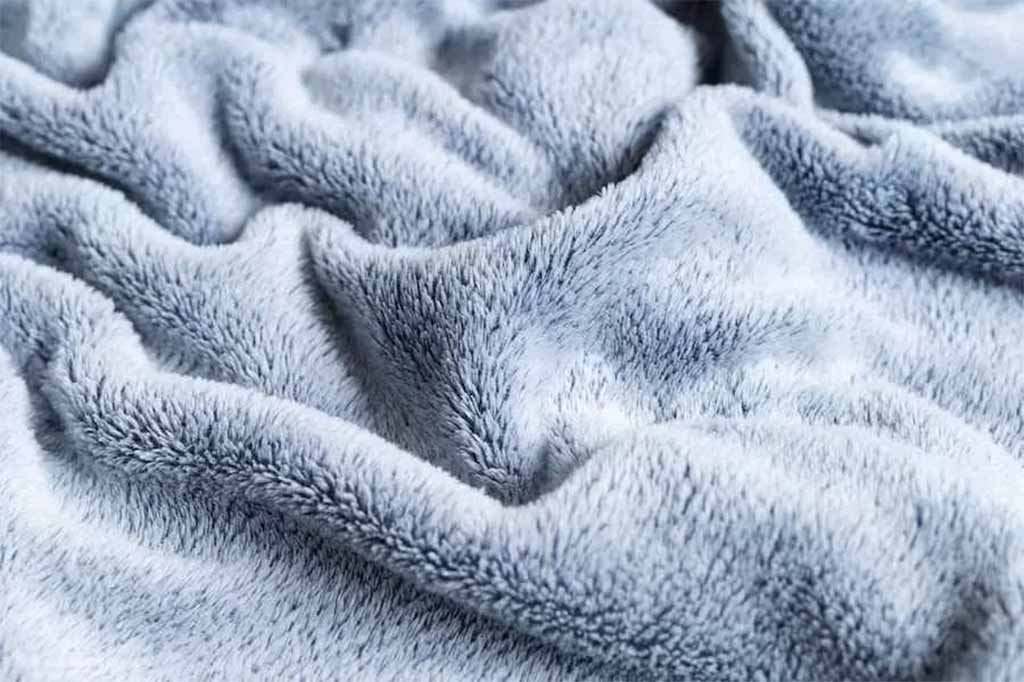 Velboa Fabric
 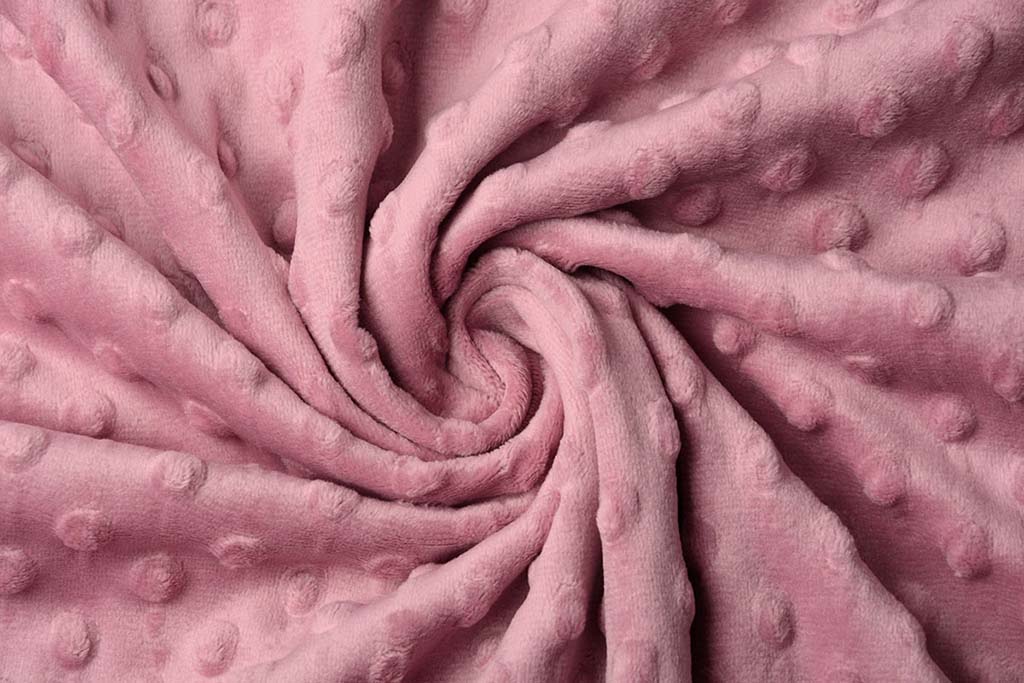 Minky Plush Fabric
 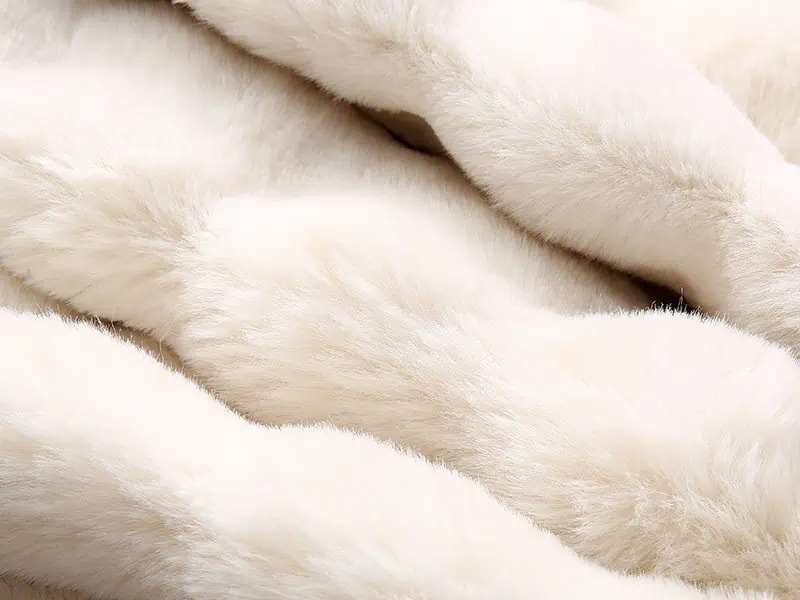 Faux Fur Fabric
 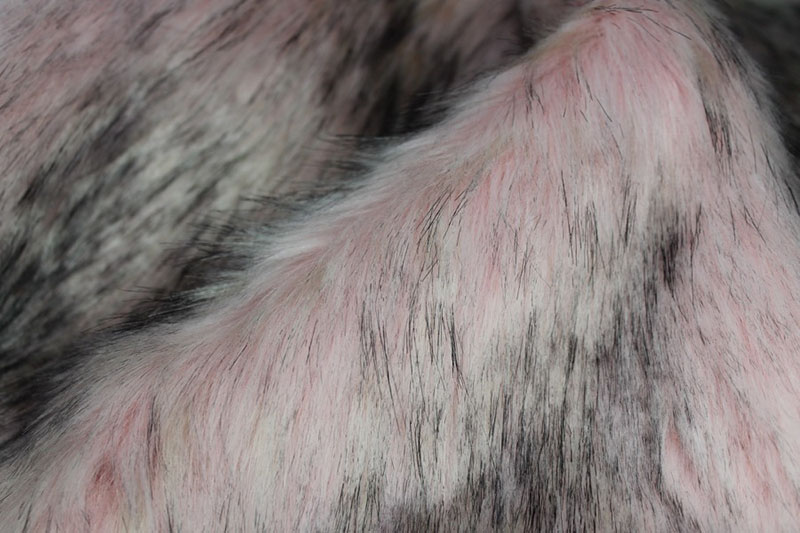 Long Pile Plush Fabric
 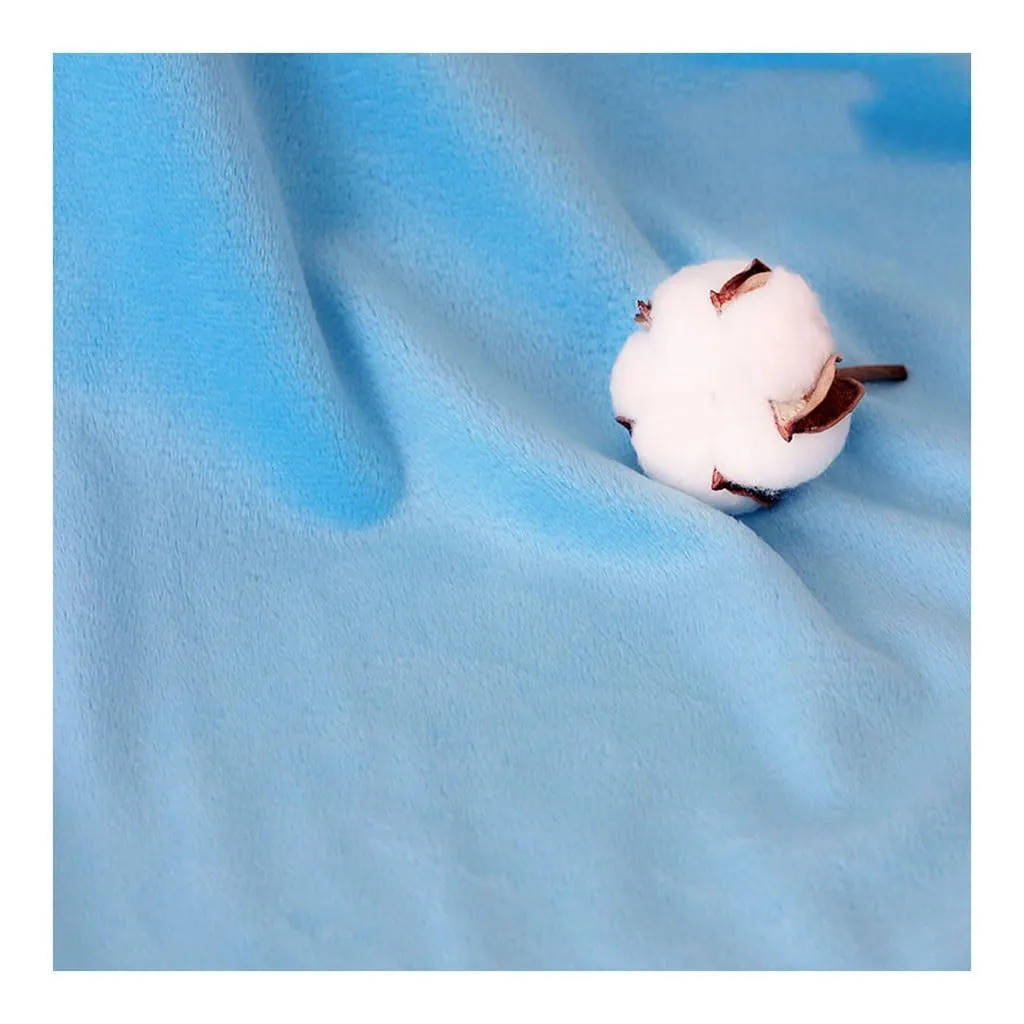 Cotton Plush Fabric
 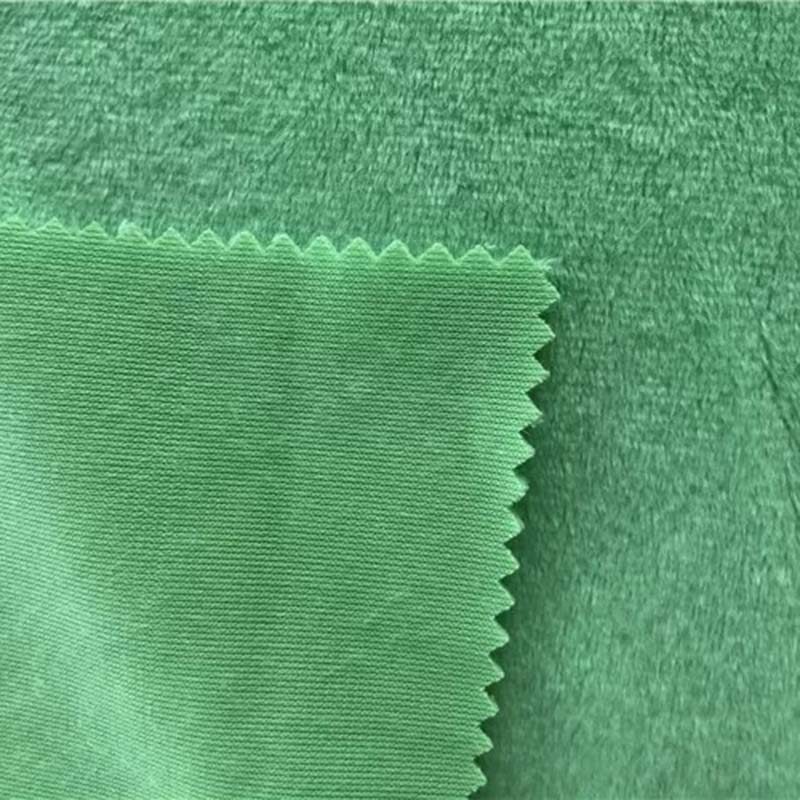 Short Plush Fabric
 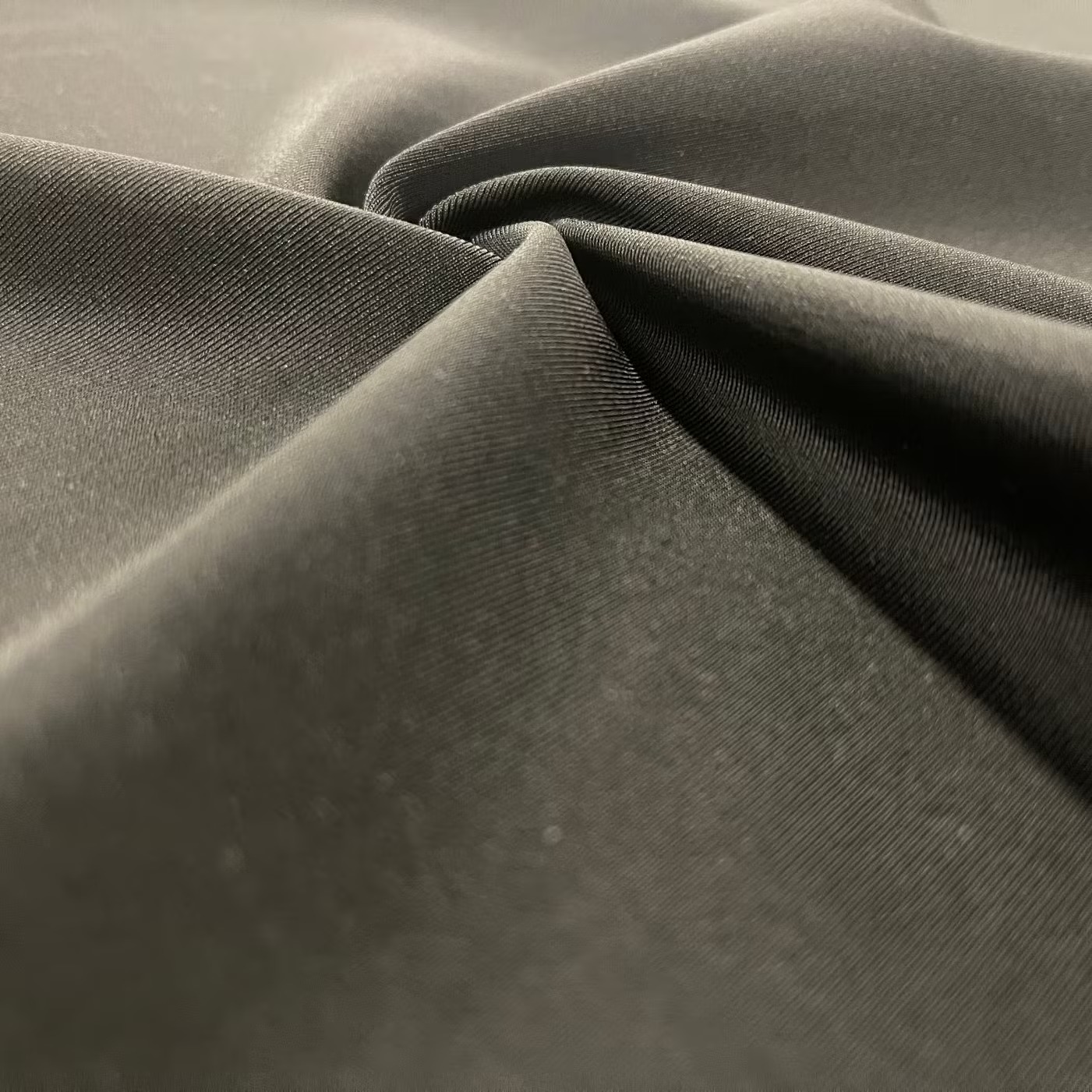 Eco-Friendly Plush Fabric
 Common Plush Toy Filling Materials
 PP Cotton (Polyester Fiberfill)
 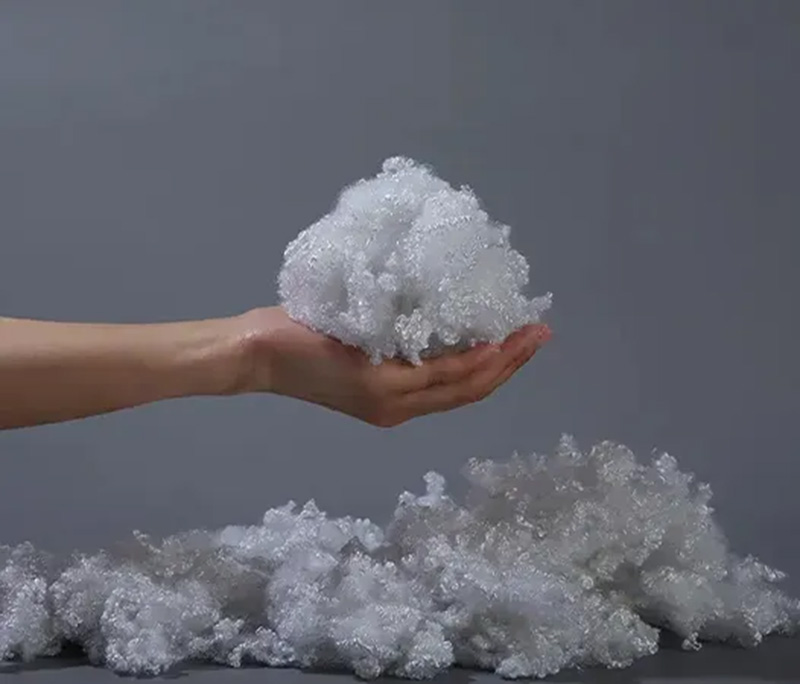 Recycled Polyester Fiber
 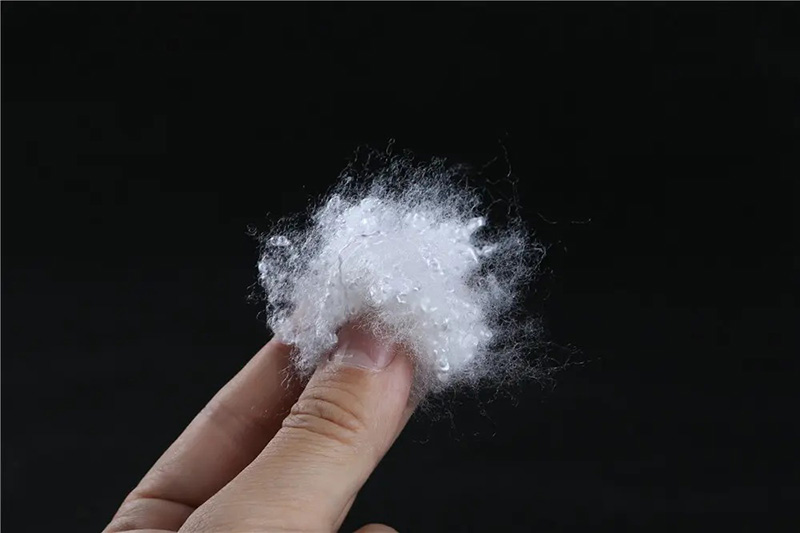 Microfiber Filling
  Foam Beads
 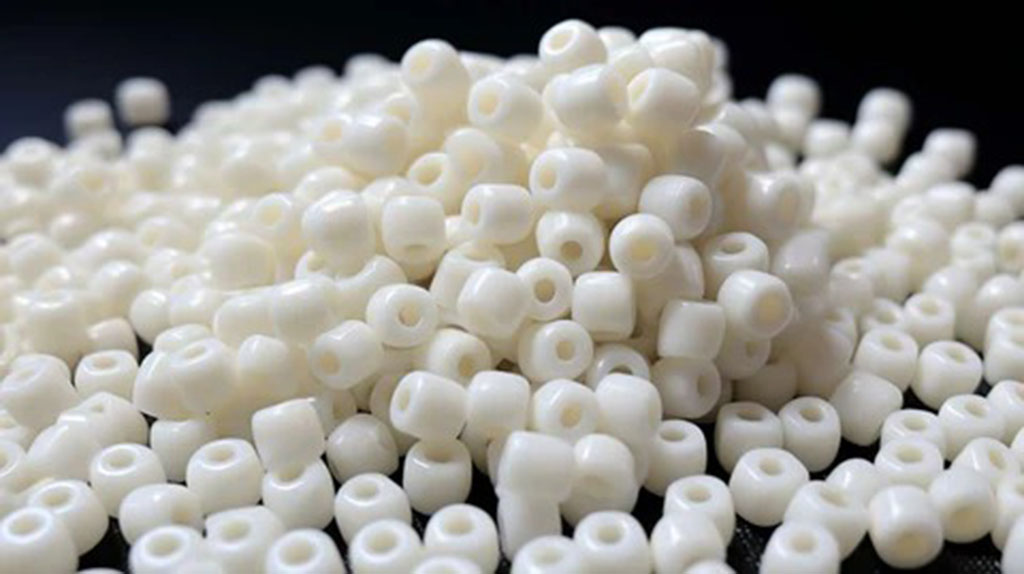 Plastic Pellets
 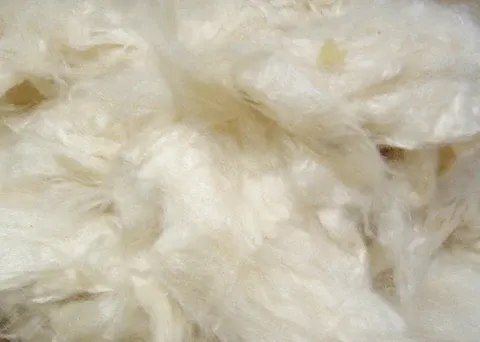 Cotton Filling
 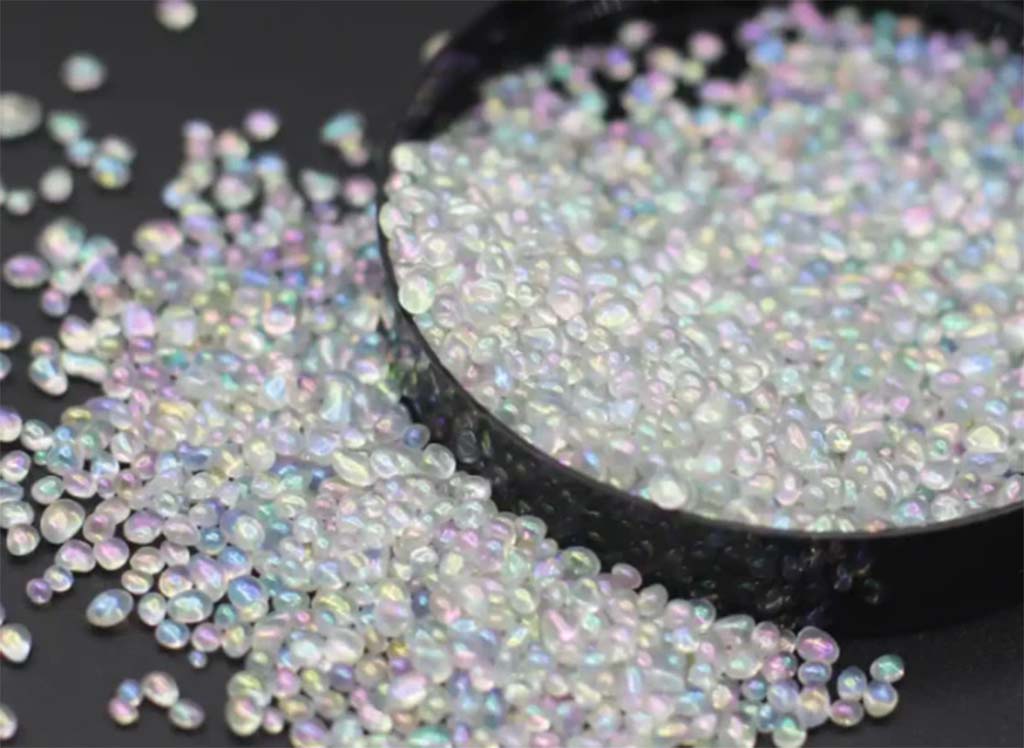 Weighted Beads
 Different material combinations allow plush toys to achieve various appearances, softness levels, and structural stability. Selecting the right fabric and filling helps ensure that custom soft toys remain comfortable, durable, and suitable for different market requirements.
Professional Quality Control System for Custom Soft Toys
Reliable quality control is one of the most important parts of custom soft toys manufacturing. For brands, retailers, and importers, product quality is not only about appearance. It also affects safety, consistency, customer satisfaction, and long-term brand reputation. A professional quality control system helps reduce production errors, avoid shipment risks, and keep every batch of plush toys closer to the approved sample.
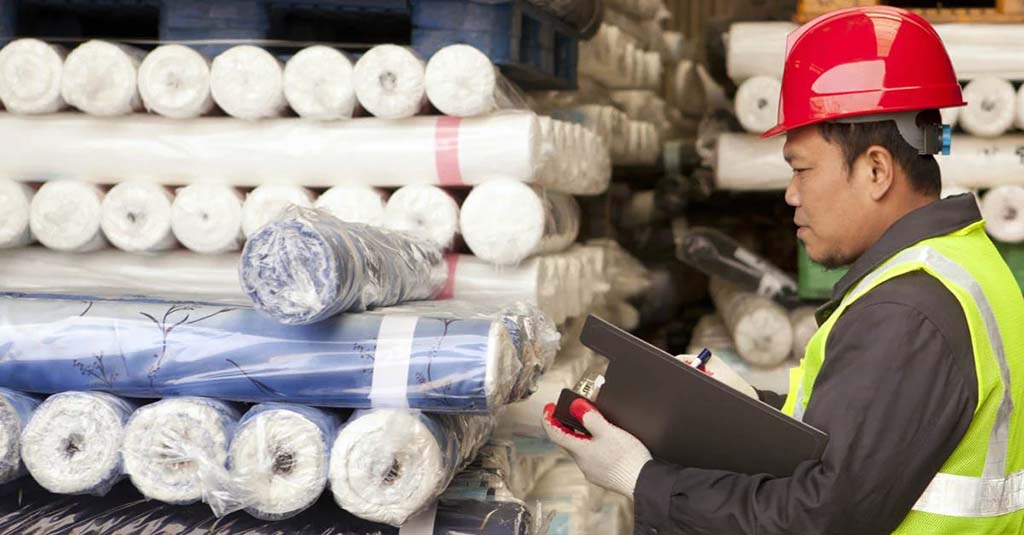
Incoming Material Inspection
Quality control starts before sewing begins. Incoming material inspection checks whether plush fabrics, filling materials, embroidery threads, printed parts, labels, accessories, and packaging materials match the approved specifications. The inspection team reviews color, texture, thickness, weight, softness, and basic workmanship to confirm that the materials are suitable for production. If any fabric shade is inconsistent, any accessory size is incorrect, or any filling quality does not meet requirements, the problem can be identified early before it affects the full order.
For custom soft toys, this step is especially important because even small material differences can change the final look and feel of the product. A slightly different plush fabric may affect color appearance. A lower-grade filling may reduce shape retention. An incorrect accessory may create safety or assembly issues. By checking materials in advance, brands can reduce the risk of sample-to-production inconsistency and avoid quality problems from the very beginning.
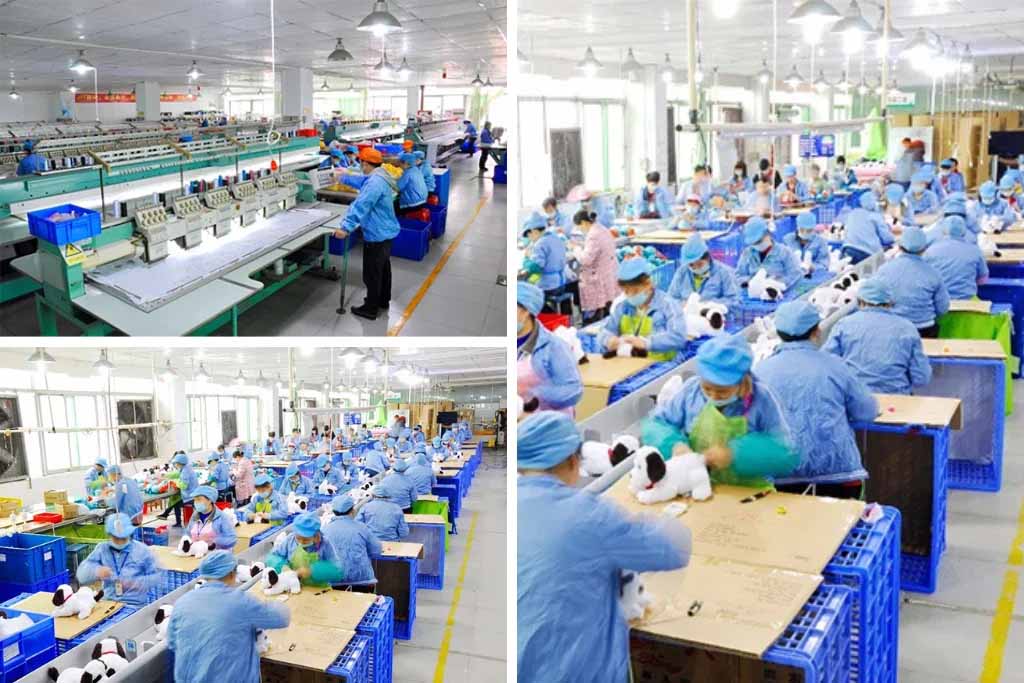
In-Line Production Inspection
In-line production inspection takes place during the manufacturing process, not only after the products are finished. Inspectors monitor key stages such as fabric cutting, embroidery, printing, sewing, stuffing, shaping, and assembly. This allows the factory to detect problems while production is still in progress, which is much more effective than waiting until the entire batch is completed.
This step helps control common plush toy production issues such as uneven embroidery, incorrect facial placement, loose stitching, poor seam alignment, unbalanced stuffing, shape distortion, or size variation. When these problems are found early, corrections can be made immediately on the line. This reduces rework, saves production time, and helps keep bulk products consistent with the approved sample. For buyers, in-line inspection means more stable quality and fewer unpleasant surprises at the final inspection stage.
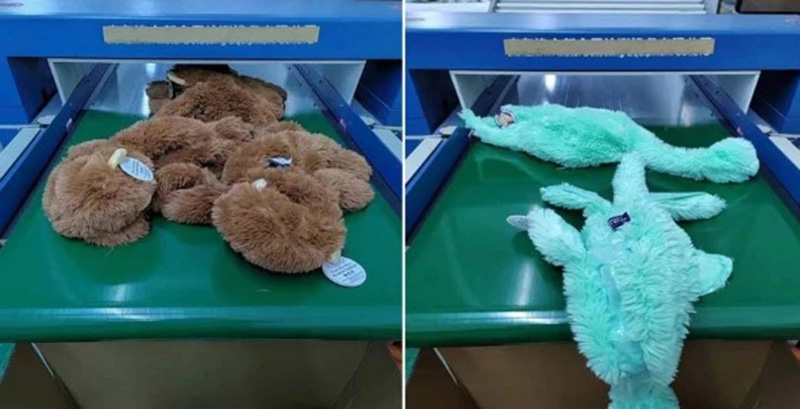
Needle Detection
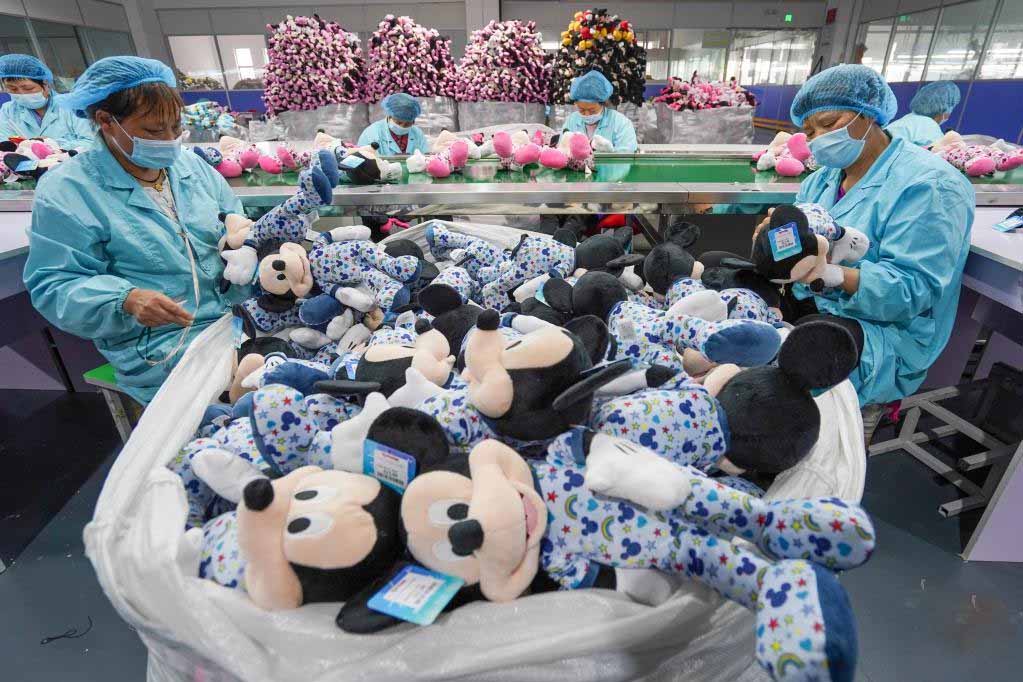
Needle detection is a critical safety control step for plush toys, especially for products intended for children, babies, and global retail markets. After sewing and assembly, finished products pass through a needle detection machine to check whether any broken metal needle fragments or sharp metal contaminants remain inside the toy. This is one of the most important procedures for reducing product safety risks.
In international plush toy manufacturing, needle detection is often part of the standard safety workflow because buyers and retailers are highly sensitive to hidden metal risks. A strong needle detection process helps protect end users and supports safer product delivery into demanding markets. For brands, this step also helps reduce compliance concerns, customer complaints, and potential product recalls. It is not only a factory control point, but also an important part of brand risk management.
Final Product Inspection
Final product inspection is the last full review before shipment. At this stage, inspectors check the finished plush toys against the approved sample and production requirements. The review usually includes appearance, size, color, embroidery quality, printing accuracy, stitching strength, stuffing balance, label placement, accessory attachment, cleanliness, and overall workmanship. The goal is to confirm that the finished products are ready for delivery and consistent across the batch.
This step is extremely important for custom soft toys because buyers usually expect the bulk goods to match the approved sample as closely as possible. Final inspection helps detect issues such as dirty surfaces, crooked features, loose seams, wrong labels, poor shaping, or missed accessories before the goods are packed and shipped. A strong final inspection process improves shipment confidence, reduces after-sales disputes, and helps buyers receive products that are closer to their expectations in real market conditions.
Packaging Inspection
Packaging inspection checks whether the finished plush toys are packed correctly according to the customer’s shipping and presentation requirements. This includes reviewing polybags, cartons, barcode labels, hangtags, warning labels, carton marks, assortment methods, quantity per carton, and packaging condition. Good packaging is not only for visual presentation. It also protects the product during transportation, warehousing, and retail handling.
For export orders, packaging inspection is especially valuable because packaging mistakes can create serious downstream problems. Incorrect carton quantities may affect inventory counting. Missing labels may create retail compliance issues. Weak outer cartons may lead to shipping damage. Wrong assortment may create confusion for distribution. By checking packaging carefully before shipment, suppliers help reduce logistics errors, improve delivery accuracy, and ensure that the products arrive in better condition and are easier for buyers to receive, store, and sell.
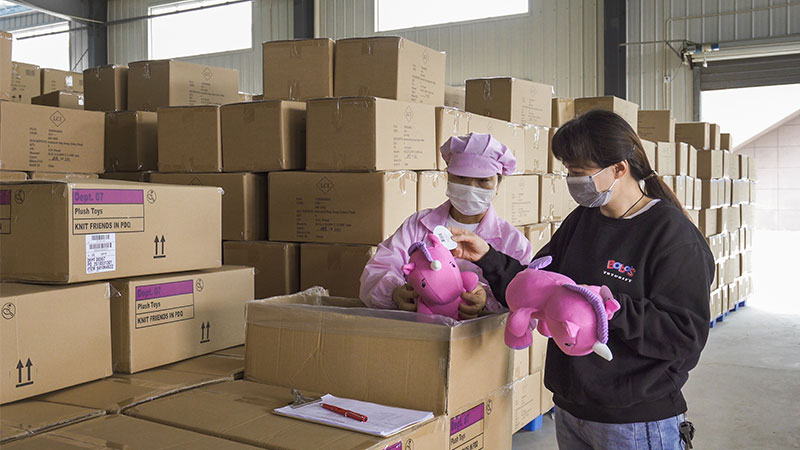
A complete quality control system helps custom soft toys move from materials to shipment with fewer risks and better consistency. For brands that care about product safety, stable batches, and long-term supply reliability, strong quality control is not an extra service. It is a necessary part of professional plush toy manufacturing.
Global Safety Standards for Custom Plush Toys
For plush toys sold in international markets, product safety and regulatory compliance are essential. Different countries require specific testing standards to ensure toys are safe for children. A professional custom soft toys supplier understands these regulations and helps brands develop plush toys that meet the safety requirements of major global markets such as North America and Europe.
EN71 Toy Safety Standard
EN71 is the primary toy safety regulation for the European market. It covers mechanical safety, flammability, and chemical requirements to ensure that plush toys are safe for children during normal use.
ASTM F963 Standard
ASTM F963 is the main toy safety standard in the United States. It includes testing requirements for materials, small parts, and mechanical safety to reduce potential hazards for children.
CPSIA Compliance
CPSIA regulations focus on chemical safety in children's products, including limits on lead and phthalates. Compliance with CPSIA helps ensure that plush toys meet the safety expectations of the U.S. market.
REACH Chemical Safety Regulation
REACH regulations control the use of chemicals in products sold within the European Union. Plush toy materials such as fabrics, dyes, and accessories must comply with these chemical safety requirements.
Understanding global safety standards helps brands develop plush toys that can enter international markets with fewer compliance risks and smoother product approvals.
Plush Toy Production Process for Custom Soft Toys
A clear and organized plush toy manufacturing process helps ensure stable product quality, consistent appearance, and efficient production timelines. From fabric preparation to final packaging, each step plays an important role in turning a design concept into a finished custom plush toy ready for global markets. Understanding the production workflow also helps brands plan product launches and manage supply chains more effectively.
Fabric Cutting
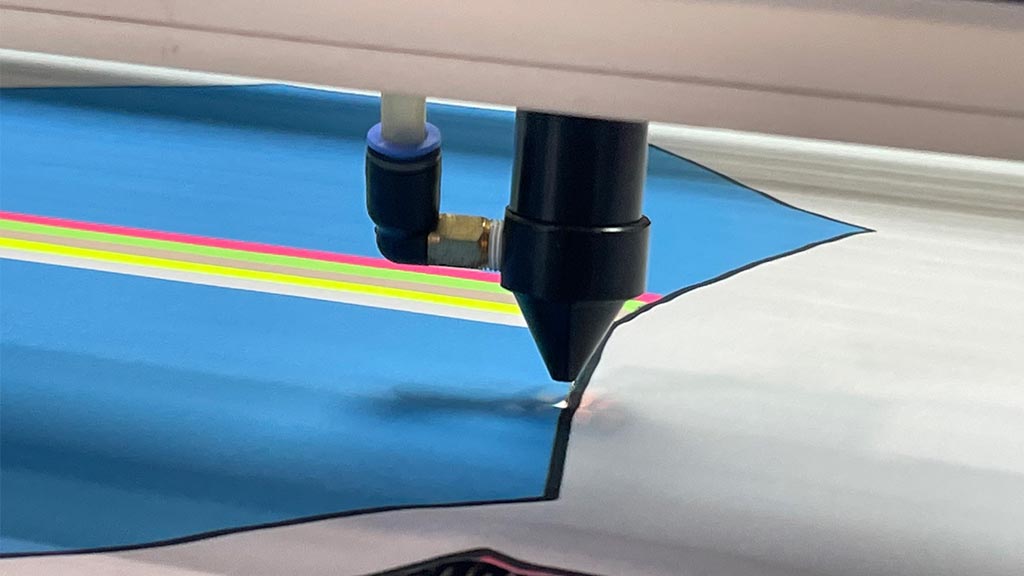
The production process begins with cutting plush fabrics according to the approved patterns. Accurate cutting ensures that each panel of the plush toy maintains the correct shape and size for later assembly.
Embroidery or Printing
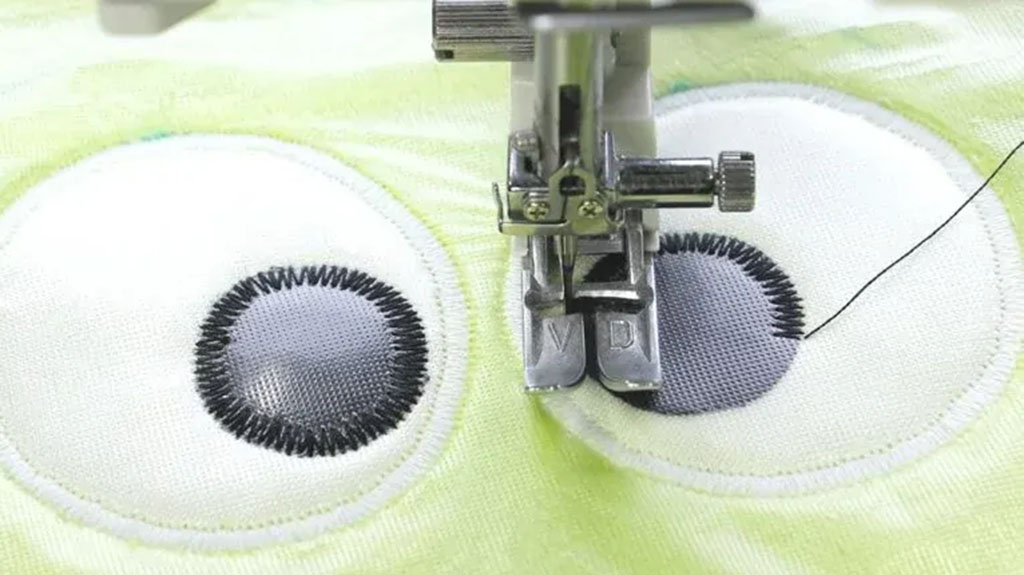
Facial features, logos, or decorative details are added using embroidery or printing techniques. This step defines the visual identity of the plush toy.
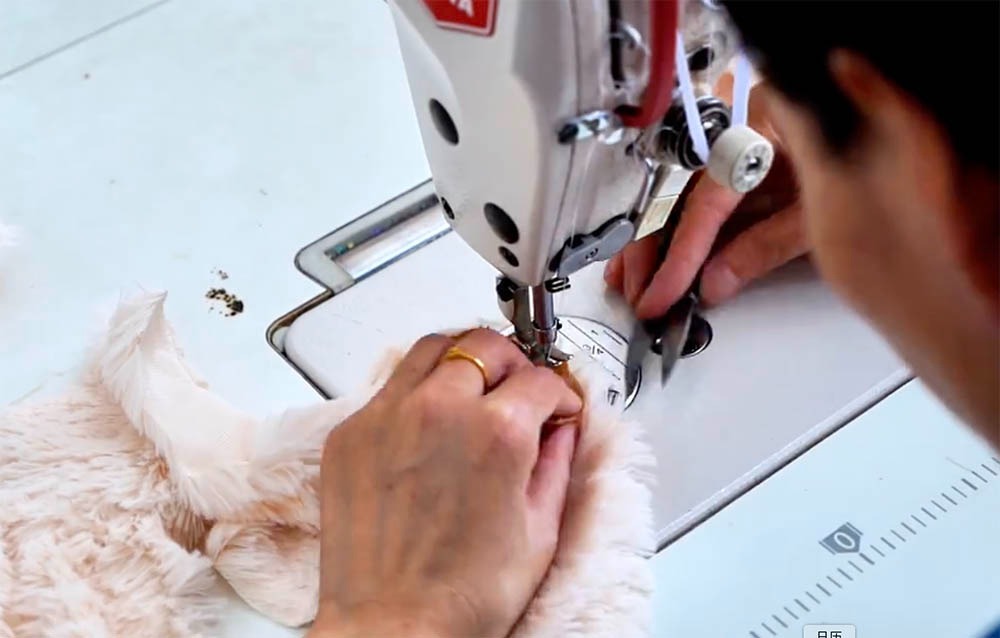
Panel Sewing
Cut fabric panels are sewn together by skilled technicians to form the structure of the plush toy. Strong stitching ensures durability and proper shape.
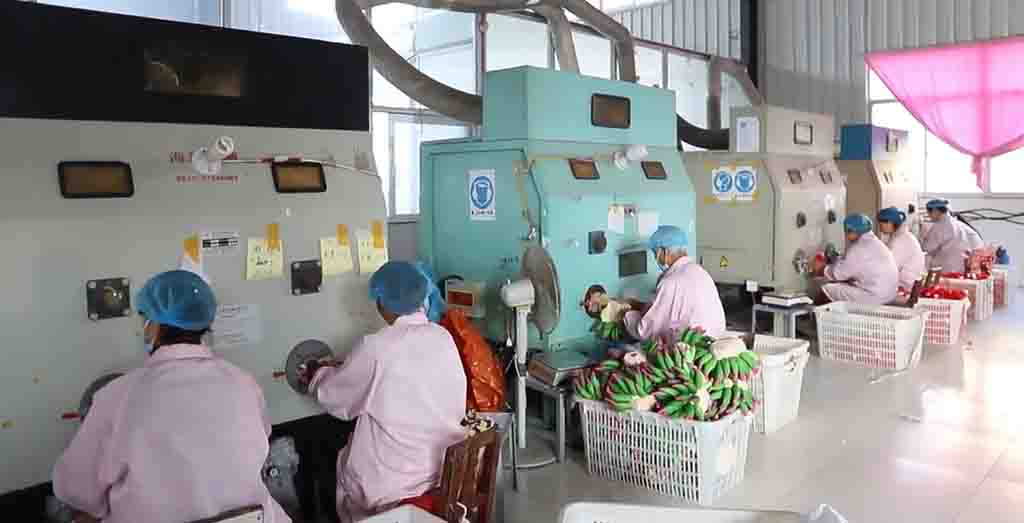
Stuffing Process
After sewing, the toy is filled with materials such as PP cotton or polyester fiber to create softness and shape. Proper stuffing ensures the plush toy feels comfortable and balanced.
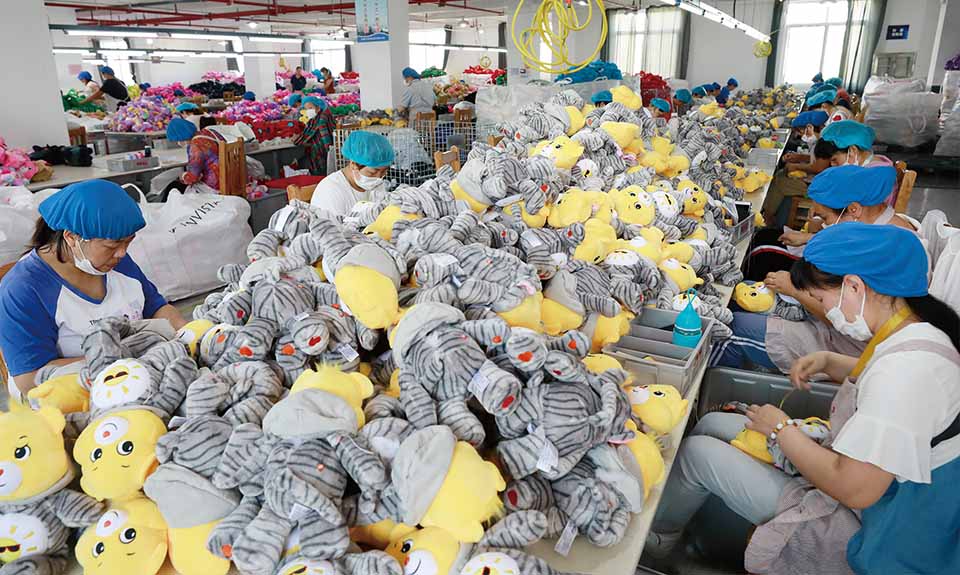
Shaping and Finishing
Technicians adjust the toy’s shape, trim loose threads, and refine details to achieve a clean and consistent appearance.
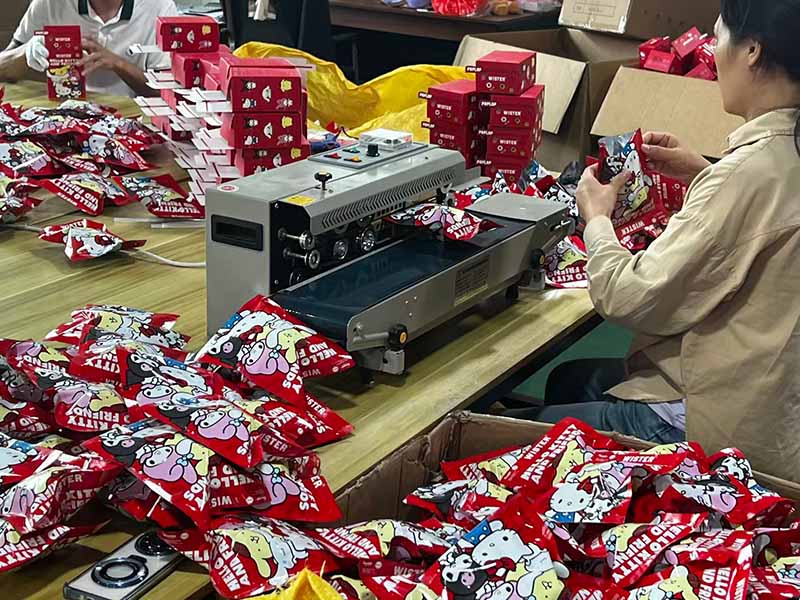
Final Inspection and Packaging
Before shipment, finished plush toys are inspected and packed according to shipping requirements to ensure safe delivery.
A well-managed manufacturing process helps brands maintain consistent plush toy quality while ensuring reliable production schedules for global distribution.
How the Right Custom Soft Toys Supplier Supports Your Brand Growth
Choosing the right custom soft toys supplier can make a major difference in how efficiently your plush toy products are developed and delivered. For brands, retailers, and importers, the right manufacturing partner not only produces toys but also supports product development, quality stability, and long-term supply reliability. A professional supplier helps reduce production uncertainty and allows your team to focus more on marketing, sales, and brand growth.
Faster Product Development
An experienced supplier can shorten the time required to move from concept design to physical samples. With established development processes and skilled pattern makers, design ideas can be converted into workable plush toy structures more efficiently. Faster development helps brands respond to market trends and launch new products more quickly.
Lower Product Development Risk
A professional custom plush manufacturer helps identify potential design or production issues early in the process. Structural adjustments, material recommendations, and manufacturing advice can reduce the risk of costly revisions later in production. This makes the overall product development process more predictable and manageable.
Stable Plush Toy Quality
Consistent quality is critical for brands that sell plush toys across multiple markets. A reliable supplier maintains stable production processes, trained workers, and quality control systems to ensure that bulk products stay close to the approved sample. Stable product quality helps build stronger customer trust and brand reputation.
Reliable Production Capacity
Large or repeat orders require suppliers that can maintain consistent production capacity. Organized production planning and efficient manufacturing lines help ensure that orders can be completed on schedule even during busy seasons. Reliable production capacity supports long-term product supply for growing brands.
Easier Supply Chain Management
Working with a professional supplier simplifies many parts of the supply chain. From material sourcing to production coordination and export logistics, an experienced partner helps reduce communication complexity and operational workload for buyers.
Better Long-Term Cooperation Potential
A reliable custom soft toys supplier is not only focused on individual orders. Long-term partners help brands continuously improve products, optimize production efficiency, and support the expansion of new plush toy product lines. Stable partnerships make future product development faster and more predictable.
Working with a dependable custom soft toys supplier helps brands reduce operational risks while building a more stable and scalable product supply system.
Who This Custom Soft Toys Supplier Is Best For
Custom soft toys are widely used across many industries, from toy brands and retail stores to promotional campaigns and entertainment projects. A professional custom soft toys supplier works with different types of clients who need reliable plush toy manufacturing, stable product quality, and flexible customization options. Whether you are launching a new plush toy line or expanding an existing product range, working with an experienced supplier can make product development smoother and more efficient.
If your business is developing plush toy products, promotional merchandise, or character-based merchandise, working with a professional custom soft toys supplier can help simplify production and ensure stable product quality.
Trusted by Leading Global Brands
Strong partnerships prove strong capabilities. Over the years, Kinwin has worked with world-leading brands and retailers to deliver interactive plush toys that meet the highest standards of creativity, safety, and quality. By choosing us, you gain a supplier that is trusted by top companies worldwide—and the same reliability is available to your brand.




Why Brands Choose Our Custom Soft Toys Supply
For brands developing plush toys, choosing the right supplier can greatly influence product success. A reliable custom soft toys supplier helps brands move from concept to finished products with fewer delays, fewer production risks, and more predictable results. With professional development support, stable manufacturing systems, and international export experience, brands can focus more on growing their product lines and reaching new markets.
High Sample Accuracy
Accurate plush toy sampling helps brands clearly see how their designs will appear in real products. A precise sampling process reduces misunderstandings between design concepts and final products, making it easier to move into production with confidence.
Stable Production Quality
Consistent product quality is essential for brands selling plush toys in retail and online markets. Standardized production processes and quality control systems help maintain consistent appearance, structure, and workmanship across different production batches.
Reliable Manufacturing Capacity
Reliable production capacity allows brands to manage larger orders and repeat orders with greater confidence. Organized production planning and experienced manufacturing teams help ensure that orders can be completed according to agreed delivery schedules.
Global Export Experience
Experienced plush toy suppliers understand international shipping, packaging standards, and product compliance requirements. This helps brands bring products into global markets more smoothly and reduces potential export risks.
Explore Our Custom Plush Toy Series
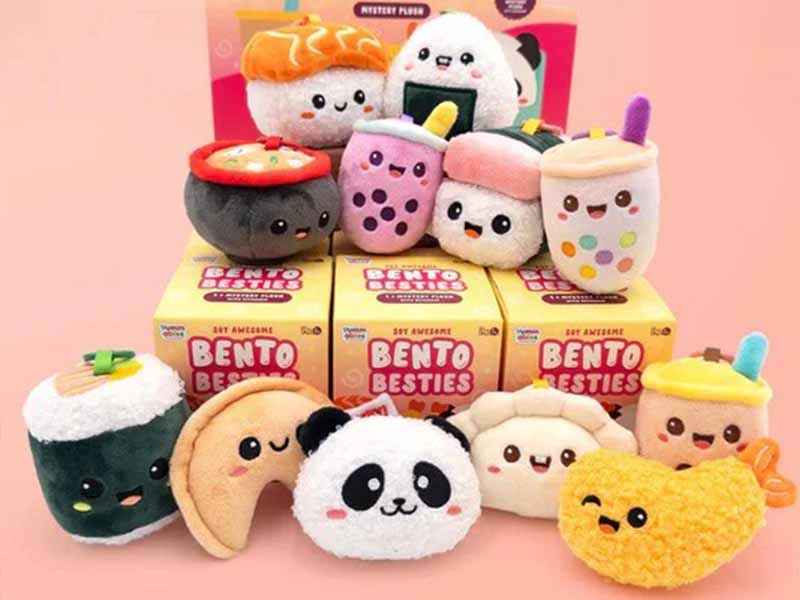
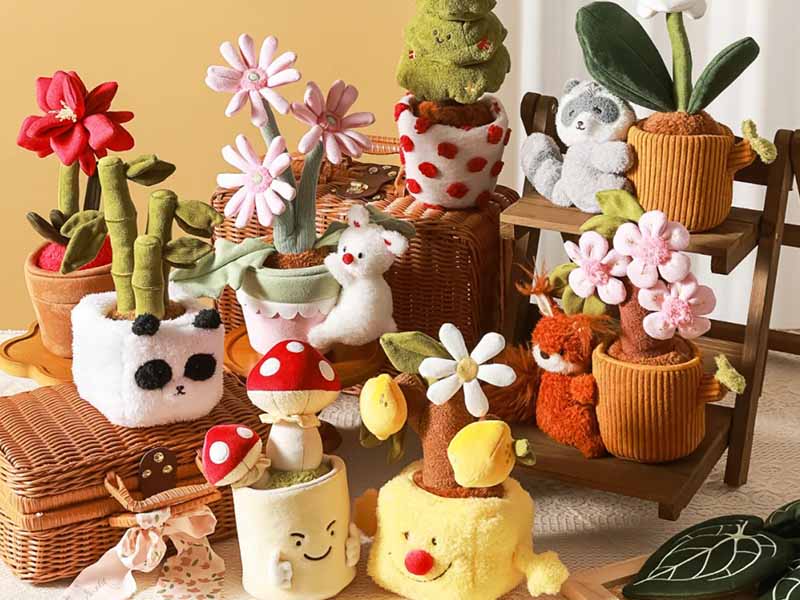
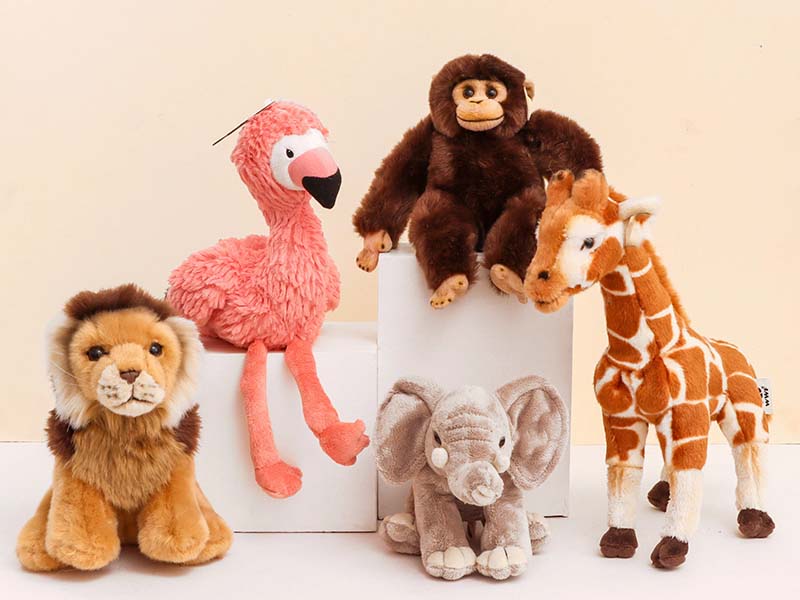
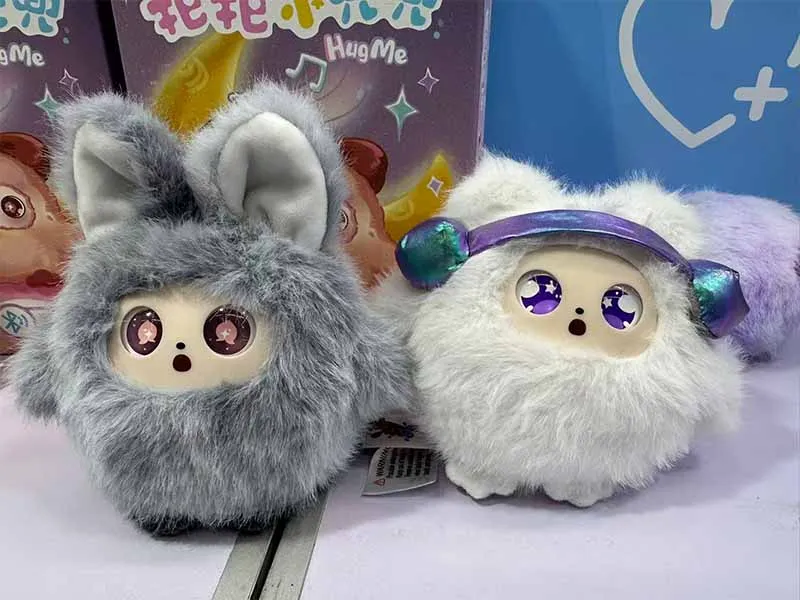
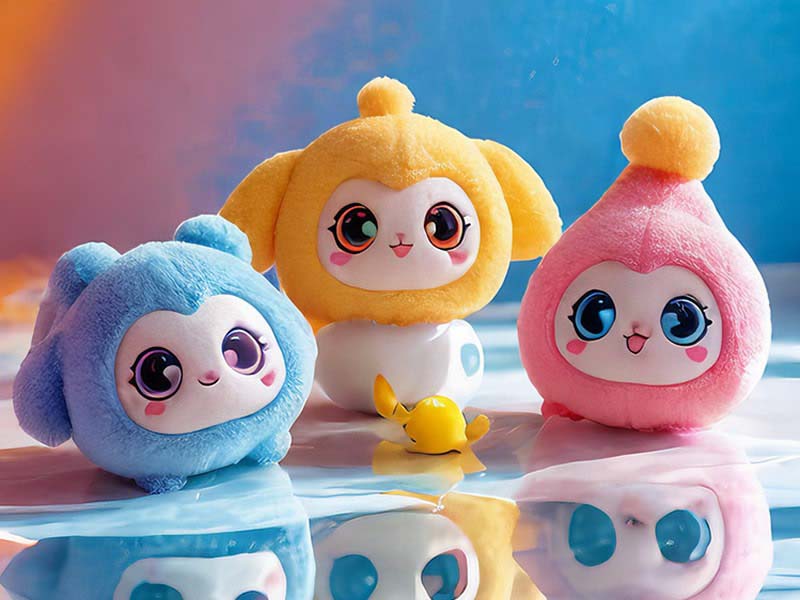
We offer a wide selection of plush toys to meet different business needs. From baby-safe stuffed animals to collectible plush dolls, our product lines are designed for global brands, retailers, e-commerce, and promotional projects.
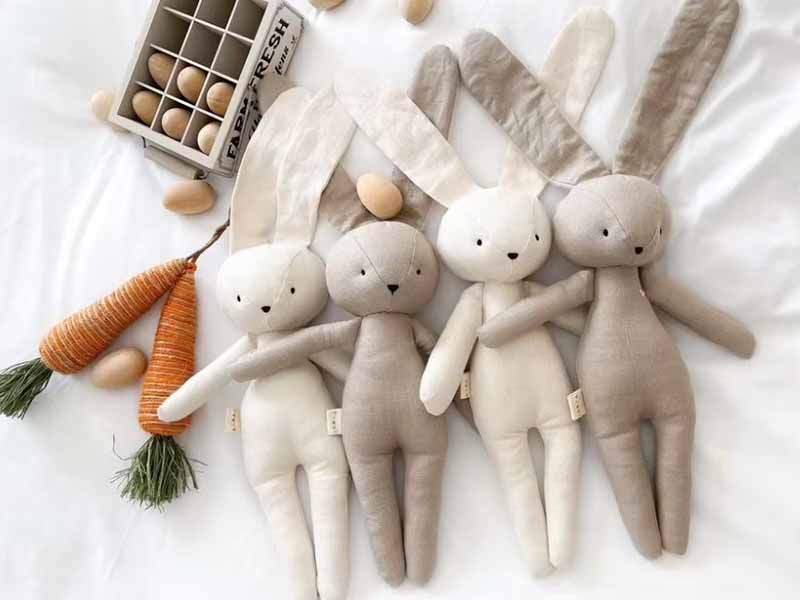
Start Your Custom Soft Toys Project with a Reliable Manufacturing Partner
Developing a successful plush toy product often requires more than just a design idea. Brands need a reliable custom soft toys supplier who can support product development, sampling accuracy, stable production, and international delivery. From the early concept stage to large-scale manufacturing, working with an experienced team helps simplify the entire process and reduce unnecessary production risks.
Whether you are launching a new plush toy brand, developing promotional merchandise, or expanding your existing toy product line, a professional manufacturing partner can help turn ideas into real products more efficiently. Structured development processes, experienced pattern makers, and organized production systems make it easier for brands to move from design concept to finished plush toys ready for retail markets.
A dependable custom soft toys supplier also helps brands maintain consistent product quality, predictable production schedules, and scalable manufacturing capacity. This allows your business to focus more on marketing, sales growth, and building stronger brand recognition in competitive markets.
If you are planning a custom plush toy project, discussing your ideas with an experienced manufacturing team is often the best first step. With the right guidance, your concept can quickly move toward sampling and production.
Frequently Asked Questions
1. What is the minimum order quantity for custom soft toys?
The minimum order quantity (MOQ) for custom plush toys usually depends on the toy size, design complexity, materials, and production process. In most manufacturing factories, the typical MOQ ranges from 500 to 1000 pieces per design. Smaller toys such as plush keychains may allow lower quantities, while larger or more complex plush toys may require higher volumes. The MOQ helps ensure production efficiency and stable unit costs during manufacturing.
2. How long does it take to develop a plush toy sample?
Plush toy sampling typically takes 10-15 working days depending on the design complexity, material availability, and revision requirements. Simple designs may be completed faster, while complex character toys with detailed embroidery or accessories may require additional time for pattern making and adjustments. After the first sample is finished, revisions may be made before final approval.
3. What materials are commonly used for custom plush toys?
Common plush toy fabrics include velboa, minky plush, crystal super soft fabric, faux fur, and cotton plush materials. Filling materials often include PP cotton (polyester fiberfill), recycled polyester fiber, and microfiber filling. The choice of materials affects the toy’s softness, durability, and overall appearance. Material selection is usually based on the product design and market positioning.
4. Can custom plush toys include logos or branding elements?
Yes. Custom plush toys can include brand logos through embroidery, woven labels, printed tags, or customized clothing. Many companies use plush toys as promotional products or brand mascots, so adding brand identity elements is a common practice. Logo placement can be adjusted depending on the design.
5.How do you ensure plush toy safety for children’s products?
Plush toys designed for children must follow strict safety standards. Manufacturers use embroidered eyes instead of plastic parts, strong stitching structures, safe fabrics, and certified materials. Products can also be tested to meet regulations such as EN71, ASTM F963, CPSIA, and REACH, depending on the target market.
6. How is plush toy quality controlled during production?
Quality control usually includes incoming material inspection, in-line production inspection, needle detection, final product inspection, and packaging inspection. These processes help ensure that every plush toy meets the approved sample and production specifications before shipment.
7.Can a custom plush toy be made from my design or artwork?
Yes. Most custom plush toy projects start from concept drawings, illustrations, or digital artwork provided by the client. The manufacturer’s development team reviews the design and converts it into a plush toy pattern and structure suitable for production.
8. How long does mass production take for custom plush toys?
Mass production usually takes 30 to 45 days after the sample is approved and materials are prepared. Production time may vary depending on order quantity, product complexity, and factory scheduling.
9.Can plush toys be shipped internationally?
Yes. Plush toy manufacturers regularly ship products worldwide. Export services usually include carton packing, shipping documentation, and coordination with international logistics partners. Products can be delivered by sea freight, air freight, or express delivery depending on urgency.
10.How can I start a custom plush toy project?
The first step is usually sharing your design concept, artwork, reference images, preferred size, and estimated order quantity. Based on this information, the manufacturer can evaluate feasibility, recommend materials, and begin the plush toy sampling process.
If You Can lmagine lt,We Will Create lt!
1.Tell Us What You Need
Tell us as specific as possible of your needs and share your idea.
2.Get Solution & Quote
We will work on the best solution according to yourrequirements,the specific quote will be provided within 24 hours.
3.Approve for Mass Production
We will start mass production after getting your approval.
