Skip to content
When developing a custom plush toy, revisions are a normal and essential part of the sampling process. The first prototype helps verify the structure and proportions of the toy, while later samples refine the visual details and improve overall accuracy. Managing these revisions effectively can significantly reduce development time and ensure that the final product closely matches the original design.
However, without clear organization, sample revisions can easily become confusing. Feedback may be scattered across emails, details may be misunderstood, and important changes might be missed during development. This can lead to unnecessary additional samples and longer timelines.
For brands and product developers, learning how to manage plush toy sample revisions properly can make the entire development process much smoother. In this guide, we will explain practical strategies that help buyers and manufacturers handle sample revisions efficiently while maintaining product quality.
What should be confirmed before starting sample revisions?

Before requesting any sample revisions, it is important to review the prototype carefully and confirm the core aspects of the design. Some elements of the plush toy may already be correct, while others may require adjustments. Clearly identifying which parts need improvement helps avoid unnecessary changes and keeps the revision process focused.
When buyers take time to evaluate the sample thoroughly, revision rounds become more efficient. Engineers can concentrate on specific improvements rather than making broad changes that may affect other parts of the design.
Preparing a clear revision plan before sending feedback to the manufacturer helps both sides work more effectively.
Confirm Which Elements Already Meet Expectations
Not every part of the plush toy needs to be revised. In many cases, certain elements of the prototype already match the design well and should remain unchanged.
For example, the following elements may already be correct:
- Overall toy size
- Basic body structure
- Fabric type and color
- General proportions
By confirming these correct elements early, buyers can avoid requesting unnecessary adjustments that might complicate the development process.
Identify Key Areas That Require Improvement
Once the correct elements are confirmed, the next step is identifying the areas that need improvement. These improvements should focus on elements that most affect the appearance or functionality of the plush toy.
Common revision points may include:
- Facial expression and embroidery placement
- Minor proportion adjustments
- Stuffing firmness
- Accessory positioning
When these revision points are clearly defined, manufacturers can address them efficiently in the next sample.
Pre-Revision Evaluation Checklist
| Evaluation Item | Purpose | Result |
|---|---|---|
| Confirm Correct Elements | Identify parts that do not require changes | Avoid unnecessary revisions |
| Review Structure | Evaluate shape and proportions | Maintain balance |
| Inspect Materials | Check fabric and texture | Ensure design consistency |
| Identify Visual Adjustments | Highlight embroidery or detail changes | Improve appearance |
| Define Revision Goals | Focus on specific improvements | Faster development |
How should buyers document feedback for each revision round?

Clear documentation is one of the most effective ways to manage plush toy sample revisions. When feedback is organized and easy to understand, manufacturers can implement changes more accurately.
Without proper documentation, revision instructions may become confusing. Important details may be missed, and engineers may interpret feedback differently than intended. This can lead to additional revision rounds that could have been avoided.
By documenting feedback carefully, buyers can ensure that each revision round moves the project closer to the final approved design.
Provide Structured Feedback Instead of General Comments
General feedback such as “make the face cuter” or “adjust the body shape” can be difficult for engineers to interpret. Instead, feedback should be specific and structured.
For example, buyers can describe:
- Exact embroidery adjustments
- Specific proportion changes
- Precise placement of accessories
Structured feedback helps engineers understand exactly what modifications are required.
Organize Feedback by Product Area
Another helpful approach is organizing feedback based on different parts of the plush toy. This makes it easier for the development team to review and implement revision requests.
For example, feedback can be grouped into sections such as:
- Head and facial features
- Body proportions
- Arms and legs
- Accessories or clothing
This clear organization reduces the risk of overlooking important revision points.
Effective Feedback Documentation Methods
| Feedback Method | Purpose | Benefit |
|---|---|---|
| Structured Written Notes | Provide clear instructions | Reduce misunderstandings |
| Organized Sections | Group feedback by product area | Easier implementation |
| Detailed Descriptions | Explain exact adjustments | Accurate revisions |
| Consistent Format | Maintain clarity across revisions | Efficient communication |
| Revision Tracking | Record changes between samples | Clear development history |
Which changes should be prioritized during early revisions?
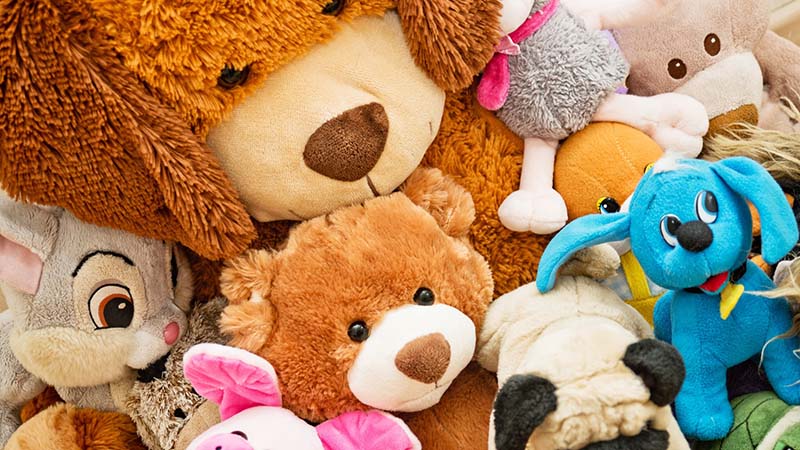
During the early stages of plush toy sampling, it is important to focus on the most critical design elements first. Not every detail needs to be adjusted immediately. Prioritizing key structural and visual features helps ensure that the development process progresses efficiently.
If minor decorative details are adjusted before structural issues are resolved, additional revisions may become necessary later. For this reason, early revision rounds usually focus on the overall structure and proportions of the plush toy.
Once these core elements are confirmed, smaller visual refinements can be addressed in later revisions.
Structural Accuracy Should Be Addressed First
The first priority during early revisions should be confirming the structural foundation of the plush toy. This includes verifying the overall shape, proportions, and stability of the design.
Key structural elements to review include:
- Head-to-body proportion
- Limb size and placement
- Balance and symmetry
- Stuffing distribution
If these structural elements are corrected early, later revisions can focus on smaller aesthetic improvements.
Visual Details Can Be Refined Later
Once the structural aspects of the toy are confirmed, attention can shift to smaller visual details such as embroidery, color matching, and accessory positioning.
These adjustments often involve fine-tuning rather than major design changes. By addressing them after the structure is finalized, the development process becomes more efficient.
This staged approach helps reduce the number of revision rounds required before final approval.
Priority Order for Sample Revisions
| Revision Stage | Focus Area | Objective |
|---|---|---|
| Early Revisions | Structure and proportions | Ensure stable design |
| Mid Revisions | Material and stuffing adjustments | Improve appearance |
| Later Revisions | Embroidery and visual details | Finalize aesthetics |
| Final Review | Overall consistency | Confirm production readiness |
How can factories track and implement revision requests clearly?
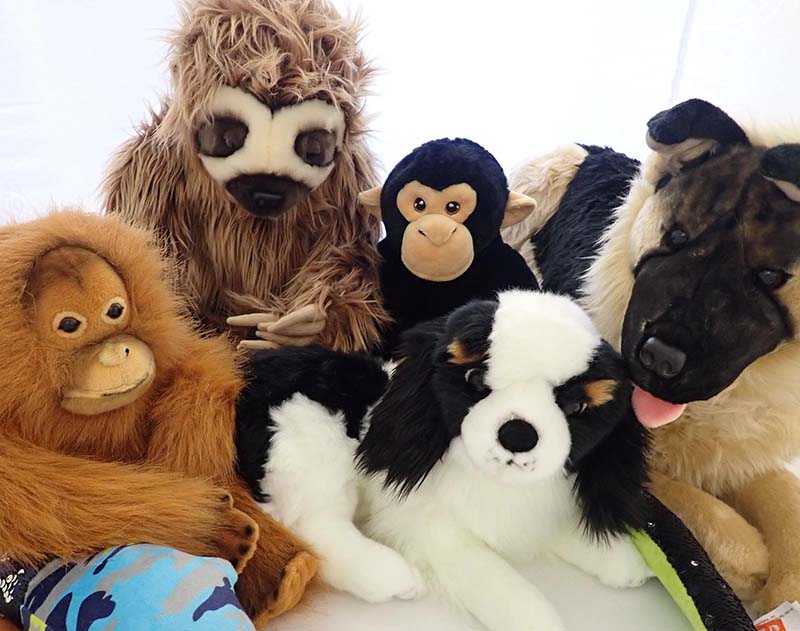
When plush toy samples go through multiple revision rounds, it becomes essential for factories to track all requested changes carefully. Without a clear system, revision instructions can easily be misunderstood or overlooked, especially when several adjustments are requested at the same time.
Professional plush toy manufacturers usually create structured revision records to ensure every change is documented and implemented accurately. These records help engineers, pattern makers, and sewing technicians understand exactly what needs to be modified in the next prototype.
By using organized revision tracking systems, factories can reduce errors and speed up the development process.
Revision Tracking Documents Keep Changes Organized
Many factories maintain a revision tracking sheet that lists all requested changes from the buyer. Each revision point is recorded along with its location on the toy, the type of adjustment needed, and the development status.
For example, a revision sheet may include information such as:
- Adjust eye embroidery position by 3 mm
- Increase stuffing firmness in the head area
- Slightly shorten the arm length
This document allows the development team to review each change systematically before starting the next sample.
Having a clear revision record also helps buyers track which adjustments have already been implemented.
Internal Communication Between Development Teams
Factories often involve multiple teams in the sampling process, including pattern makers, embroidery technicians, sewing staff, and quality control inspectors. Clear internal communication is necessary to ensure that revision instructions reach the correct team members.
Many professional factories hold short internal meetings before starting the next revision sample. During these meetings, engineers explain the requested changes and confirm how each adjustment should be implemented.
This coordinated approach helps ensure that the new sample reflects all agreed improvements.
Factory Methods for Managing Sample Revisions
| Revision Management Tool | Purpose | Benefit |
|---|---|---|
| Revision Tracking Sheet | Record all requested changes | Prevents missed adjustments |
| Internal Development Meetings | Align teams on revision goals | Clear communication |
| Sample Comparison Photos | Review differences between samples | Easier evaluation |
| Technical Update Notes | Document pattern or material changes | Accurate implementation |
| Quality Control Checks | Verify revised sample accuracy | Consistent results |
Do visual annotations and reference images improve revision accuracy?

Visual annotations and reference images are extremely helpful during plush toy sample revisions. While written descriptions explain the desired changes, visual references provide clearer guidance for engineers and technicians.
Because plush toys involve many small design details, visual communication often prevents misunderstandings that may occur when relying only on written instructions.
Providing annotated images can significantly improve the accuracy of revision implementation.
Annotated Photos Show Exactly What Needs Adjustment
When reviewing a plush toy sample, buyers can take photos of the prototype and mark the areas that need adjustment. For example, arrows or circles can highlight specific features such as the eyes, mouth, or limb proportions.
These annotations clearly show engineers where the requested changes should be applied. This visual guidance helps avoid confusion about the location or scale of the revision.
Annotated images are particularly useful when multiple adjustments are requested in a single revision round.
Reference Images Help Clarify the Intended Design
Sometimes the original artwork may not fully explain the intended change. In these situations, providing additional reference images can help clarify the design direction.
For example, buyers may share reference photos showing:
- The desired facial expression
- The correct head shape
- The intended fabric texture
These visual references give engineers a better understanding of the buyer’s expectations and help ensure that revisions match the design concept.
Visual Tools That Improve Revision Accuracy
| Visual Tool | Purpose | Benefit |
|---|---|---|
| Annotated Sample Photos | Mark specific changes | Clear revision guidance |
| Comparison Images | Show before-and-after adjustments | Easier evaluation |
| Reference Product Photos | Demonstrate desired features | Clarifies expectations |
| Close-Up Detail Images | Highlight small elements | Improves precision |
| Multi-Angle Views | Show structure clearly | Supports accurate adjustments |
How many revision rounds should be planned realistically?

Planning a realistic number of revision rounds helps buyers manage development timelines more effectively. While every plush toy project is different, most custom plush toy developments follow a predictable revision pattern.
In general, one to two revision rounds are considered typical for plush toy sampling. The first prototype focuses on confirming the structural foundation, while the second sample refines visual details and final adjustments.
By planning for these revisions in advance, brands can set realistic expectations for the development schedule.
Simple Designs May Require Fewer Revisions
Plush toys with simple structures and minimal decorative details may require only one revision round. Once the first sample confirms the basic proportions and materials, only minor visual adjustments may be needed.
In some cases, these projects can move quickly from the first prototype to final approval.
This makes simple plush toys ideal for projects with tight development timelines.
Complex Designs Often Need Additional Refinement
More complex plush toy designs may require additional revision rounds. Designs that include multiple fabrics, detailed embroidery, clothing accessories, or unusual shapes may need further adjustments during development.
These revisions help ensure that the toy remains visually accurate while maintaining structural stability.
Although complex designs may take longer to finalize, the revision process ultimately improves the quality of the final product.
Typical Plush Toy Revision Planning
| Project Type | Typical Revision Rounds | Reason |
|---|---|---|
| Simple Plush Design | 1–2 revisions | Minor visual refinements |
| Standard Character Toy | 2 revisions | Structure and detail adjustments |
| Multi-Fabric Design | 2–3 revisions | Material interaction testing |
| Plush With Accessories | 2–3 revisions | Accessory fitting and balance |
| Highly Complex Design | 3+ revisions | Structural and aesthetic refinement |
Conclusion
Managing plush toy sample revisions effectively is essential for keeping the development process efficient and organized. By reviewing prototypes carefully, documenting feedback clearly, and prioritizing the most important adjustments, buyers can help ensure that each revision round moves the project closer to the final approved design.
Clear communication between buyers and manufacturers also plays a key role in successful sample revisions. Structured feedback, visual annotations, and reference images help engineers understand exactly what changes are required and implement them accurately.
Most plush toy projects require one to two revision rounds before reaching final approval, although more complex designs may need additional refinement. Planning these revisions in advance allows brands to manage timelines more effectively and avoid unexpected delays.
At KINWIN, our development team works closely with clients to manage plush toy sample revisions through a structured and transparent process. From technical evaluation and pattern adjustments to prototype refinement, we help ensure that each revision improves both the accuracy and quality of the final product.
If you are planning a custom plush toy project and want expert support during the sampling and revision process, our team would be happy to review your design and help guide you toward a production-ready sample.