Skip to content
When developing a custom plush toy, many buyers expect the first sample to perfectly match the original design. In reality, plush toy development is a technical process that usually requires several adjustments before the final version is approved.
Sampling revisions are a normal and important part of product development. Each revision helps refine the structure, proportions, materials, and visual details of the toy. Instead of being a sign of problems, revision rounds are often the process that ensures the final product meets both design expectations and manufacturing standards.
For brands creating custom plush toys, understanding how many sample revisions are typical can help set realistic expectations and improve communication with manufacturers. In this guide, we will explain how many revisions are normal and what usually happens during each stage of the sampling process.
How many revision rounds are typical for plush toy sampling?
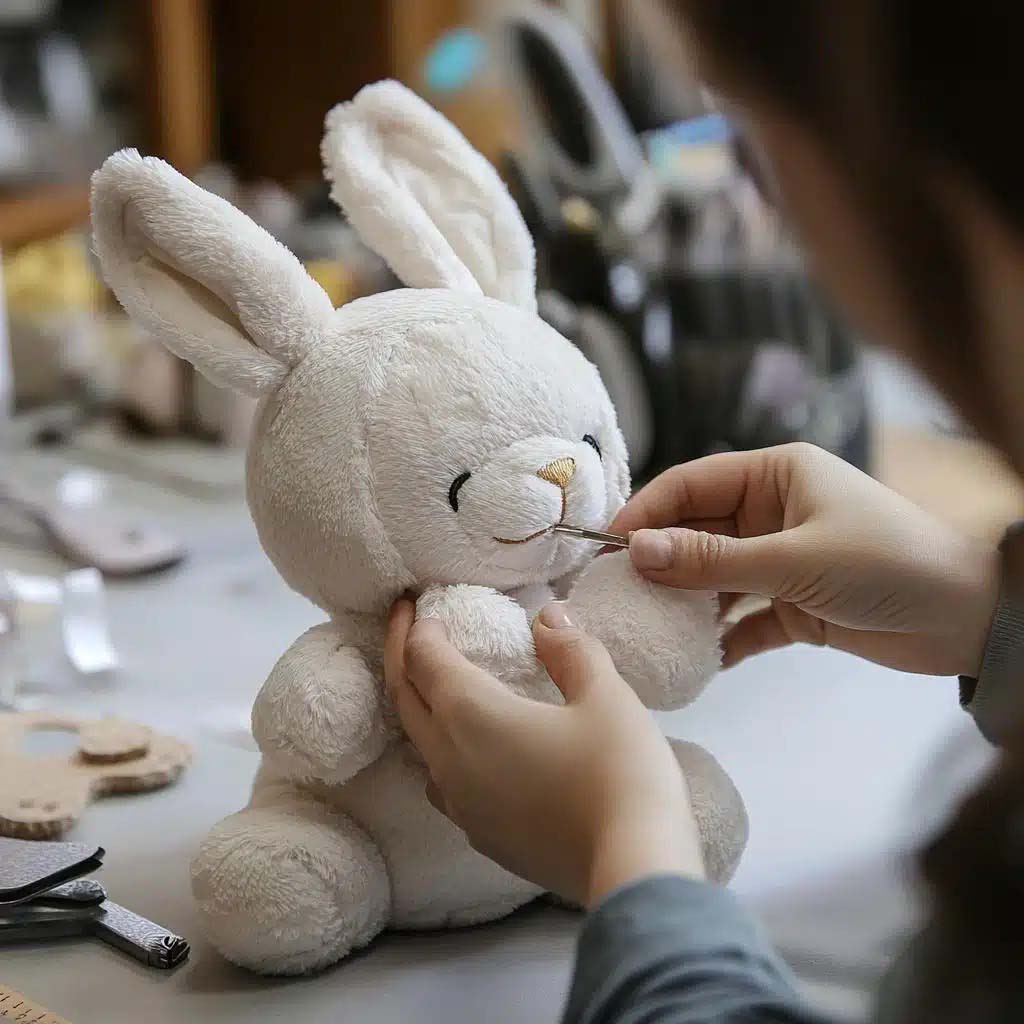
For most custom plush toy projects, one to two revision rounds are considered normal before the sample is finalized. In many cases, the first prototype focuses on confirming the basic structure of the toy, while the second sample refines visual details and minor adjustments.
Simple plush toy designs may be approved after the first or second sample. More complex designs—especially those with detailed embroidery, clothing, or unique shapes—may require additional refinement before reaching the final version.
Understanding this typical revision range helps buyers plan their product development timelines more effectively.
Most Plush Toy Projects Require 1–2 Sample Revisions
The majority of plush toy projects follow a development pattern where the first sample confirms the structural foundation of the design. Engineers and designers use this prototype to evaluate the proportions, sewing structure, and overall shape of the toy.
After reviewing the first prototype, buyers may request adjustments such as small shape modifications, embroidery refinements, or material changes. These improvements are incorporated into the second sample.
In many cases, the second prototype closely matches the intended design and can be approved as the final version.
Revision Rounds Help Improve Product Accuracy
Each revision round helps improve the accuracy of the plush toy design. Because plush toys are made from soft materials, the way fabrics behave during sewing and stuffing can influence the final appearance.
Revisions allow manufacturers to refine elements such as facial expressions, body balance, and structural stability. These adjustments help ensure that the toy not only looks correct but also maintains durability during production and use.
This step-by-step refinement process is essential for achieving a high-quality final product.
Typical Plush Toy Sampling Revision Structure
| Sampling Stage | Main Purpose | Outcome |
|---|---|---|
| First Sample | Verify structure and proportions | Identify improvements |
| Client Feedback | Review design accuracy | Define revision points |
| Second Sample | Refine visual details | Near-final design |
| Final Confirmation | Approve production reference | Ready for mass production |
Why is the first sample rarely the final version?
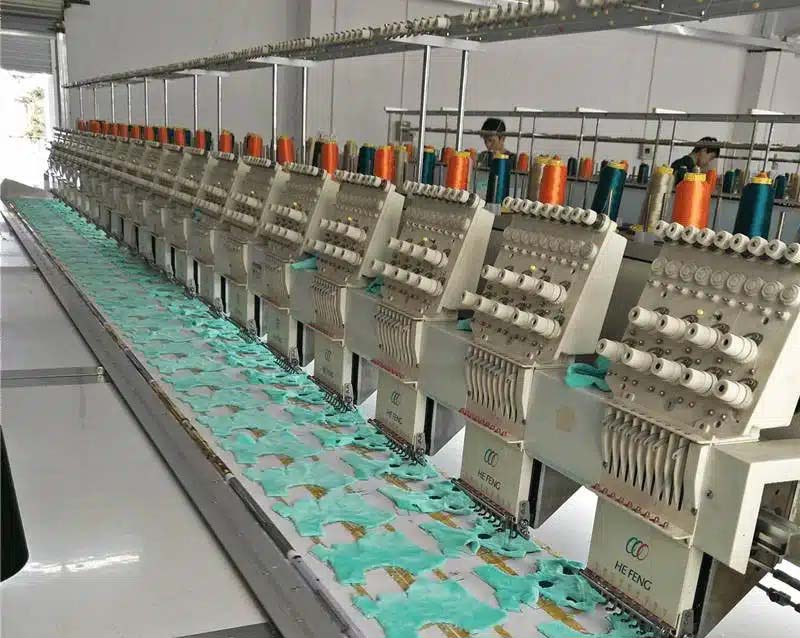
The first plush toy sample is usually created to test how the design translates from artwork into a physical three-dimensional product. While the original illustration provides the visual concept, the prototype reveals how materials, stuffing, and sewing affect the actual shape.
Because of these physical factors, the first prototype often requires adjustments before it can fully match the design. This is why the first sample is rarely considered the final version.
Instead, it serves as a valuable reference that helps guide further improvements.
Plush Toys Behave Differently Than Flat Designs
Artwork and digital designs are typically created in two dimensions. Plush toys, however, are constructed using multiple fabric panels that form a three-dimensional structure.
Once the toy is sewn and stuffed, small differences may appear in areas such as:
- Head shape
- Limb proportions
- Facial feature placement
- Overall balance
These differences are normal and are usually corrected during the revision process.
The First Sample Focuses on Structural Validation
During the first sampling stage, engineers concentrate on confirming whether the toy can be manufactured effectively. This involves evaluating the pattern design, seam placement, and structural stability of the product.
If adjustments are needed, the pattern is modified before creating the next prototype. These corrections ensure that the final toy is both visually accurate and structurally reliable.
This engineering validation step is one of the main reasons why the first prototype rarely becomes the final production sample.
Why the First Sample Is Usually Not the Final Version
| Development Factor | First Sample Purpose | Revision Outcome |
|---|---|---|
| Structure Testing | Confirm sewing feasibility | Adjust pattern design |
| Proportion Evaluation | Check body balance | Refine shape |
| Facial Placement | Test embroidery positions | Improve expression |
| Material Behavior | Observe fabric and stuffing | Optimize structure |
| Overall Design | Evaluate visual accuracy | Improve final appearance |
What issues are usually corrected in the second sample?
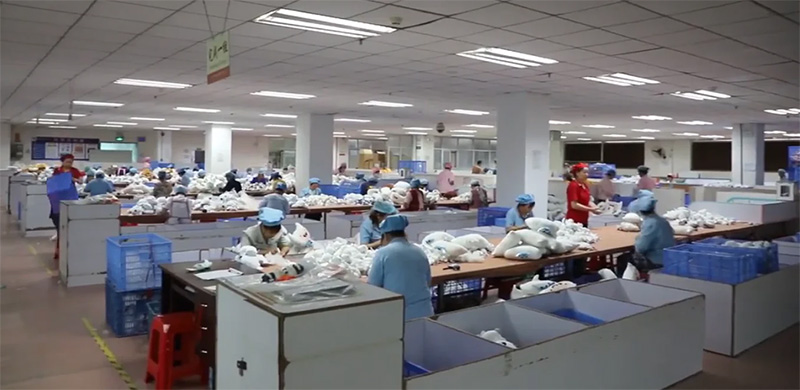
The second sample is typically where most visual refinements take place. After reviewing the first prototype, buyers usually provide detailed feedback on specific elements that need adjustment.
Because the structure of the toy has already been confirmed during the first sampling stage, the second sample focuses more on aesthetic accuracy. This stage helps ensure the plush toy matches the original design concept as closely as possible.
In many projects, the second prototype becomes the final approved version.
Facial Details and Expressions Are Often Refined
One of the most common adjustments during the second sample involves the facial features of the plush toy. Small changes in embroidery size or placement can significantly affect the character’s expression.
For example, designers may request:
- Slight repositioning of the eyes
- Adjustments to eyebrow angles
- Changes to mouth shape
- Modifications to embroidery scale
These small refinements help ensure the plush toy captures the intended personality of the character.
Proportions and Stuffing Levels May Be Adjusted
Another area that may be improved during the second sample is the overall shape of the toy. Engineers may adjust stuffing levels or modify pattern pieces to improve the toy’s proportions.
For instance, they might:
- Increase stuffing firmness to support the head
- Adjust limb thickness for better balance
- Modify body curves to match the design
These structural improvements help ensure the plush toy looks consistent and feels durable.
Common Improvements Made During the Second Sample
| Adjustment Area | Typical Change | Purpose |
|---|---|---|
| Facial Features | Embroidery size or position | Improve character expression |
| Body Proportions | Pattern adjustments | Achieve correct shape |
| Stuffing Density | Modify filling levels | Improve structure |
| Fabric Details | Material refinement | Enhance appearance |
| Accessory Placement | Adjust positioning | Ensure visual balance |
How do design adjustments influence revision rounds?
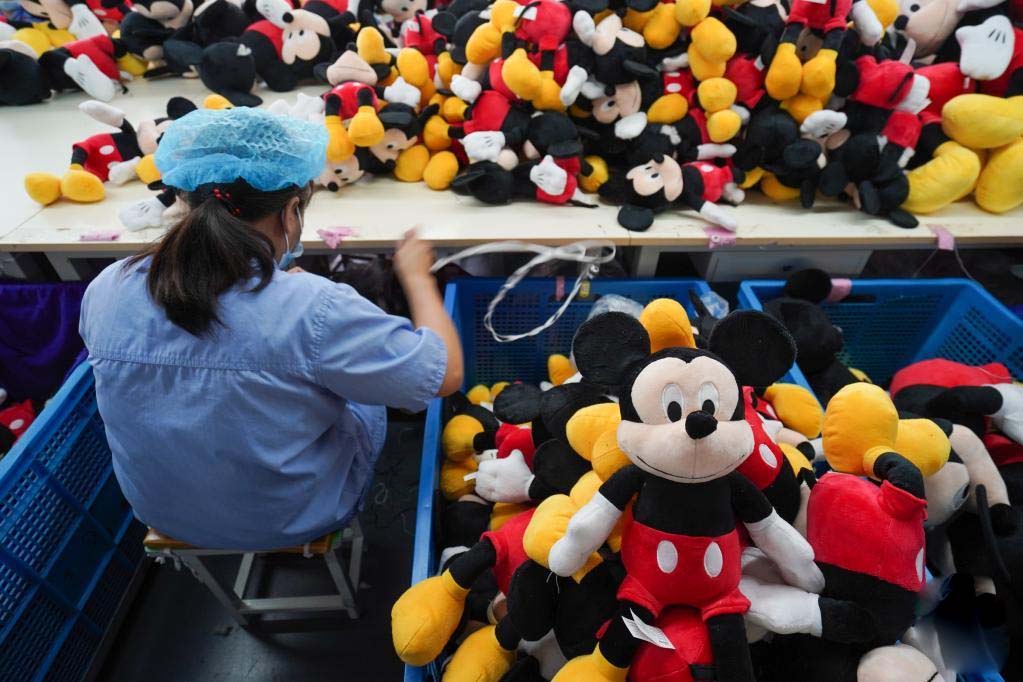
Design adjustments are one of the main reasons why plush toy samples go through multiple revision rounds. During the sampling process, both the buyer and the manufacturer evaluate the prototype and identify areas where the design can be improved.
Sometimes these adjustments are small visual refinements, such as modifying embroidery placement or adjusting stuffing firmness. In other cases, they may involve structural improvements that help the toy maintain better proportions or durability.
The more changes that are requested during development, the more revision rounds may be required. However, when design adjustments are communicated clearly and efficiently, revisions can usually be completed quickly.
Early Design Stability Reduces the Number of Revisions
When the original design concept is stable and well defined before sampling begins, the number of revisions required during development is usually lower.
For example, if the artwork clearly shows the character proportions, facial details, and material preferences, engineers can create a prototype that closely matches the intended design from the start.
On the other hand, when design decisions are still evolving during sampling, additional revisions may be necessary to accommodate these changes.
Structural Changes May Require Additional Sampling Rounds
Some design adjustments affect the internal structure of the plush toy. These structural changes may require modifications to the sewing pattern, which sometimes leads to an additional sample round.
Examples of structural adjustments may include:
- Changing the head-to-body proportion
- Adjusting limb shapes or thickness
- Modifying internal stuffing support
- Reinforcing areas that require extra durability
Although these changes may extend the sampling process slightly, they help ensure that the final plush toy is both visually accurate and structurally reliable.
How Design Adjustments Influence Sampling Revisions
| Adjustment Type | Impact on Sampling | Result |
|---|---|---|
| Minor Visual Changes | Small adjustments to embroidery or fabric | Quick revision |
| Proportion Adjustments | Pattern modification required | Additional development |
| Material Changes | Fabric replacement or testing | Slight timeline extension |
| Structural Improvements | Internal support changes | Improved durability |
| Accessory Modifications | Attachment adjustments | Enhanced appearance |
Do complex plush designs require more revisions?
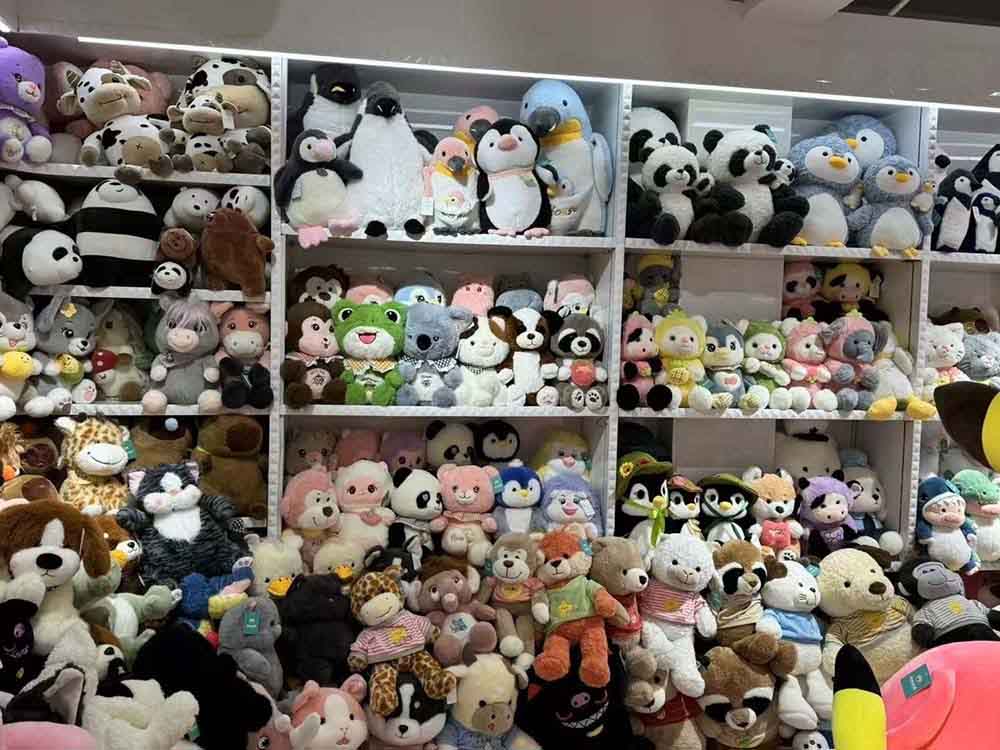
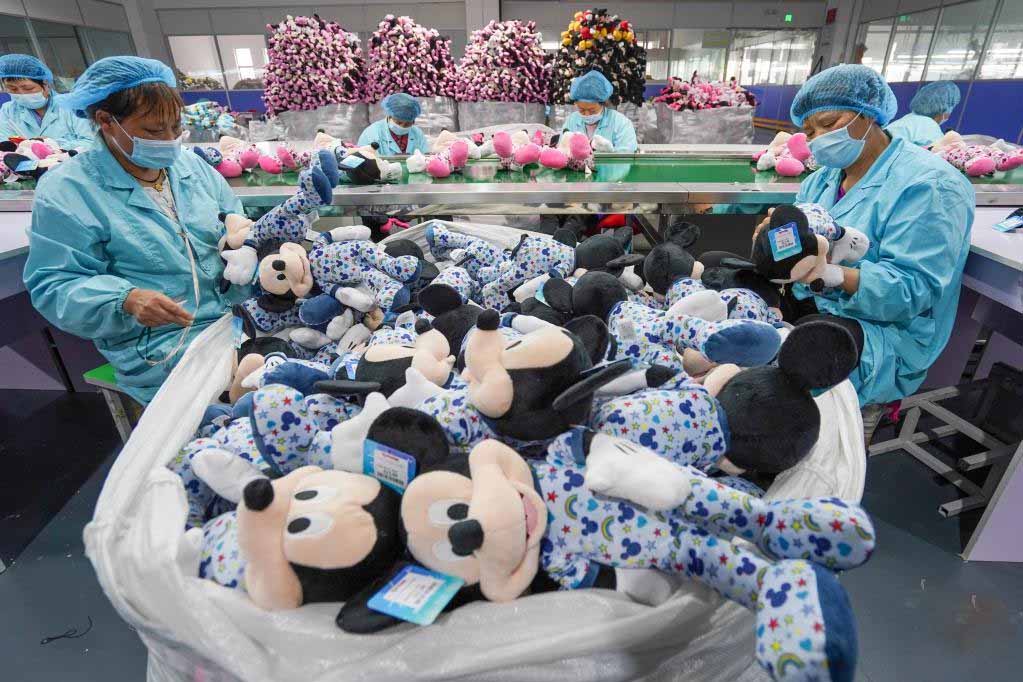
Yes, more complex plush toy designs often require additional sampling revisions compared to simpler designs. The more details and components a plush toy includes, the more elements must be tested and refined during development.
Complexity can come from many sources, including intricate shapes, layered fabrics, detailed embroidery, clothing accessories, or unusual proportions. Each of these features adds additional engineering challenges during the sampling stage.
However, with proper preparation and experienced development teams, even complex designs can be refined efficiently.
Designs With Multiple Materials Require Extra Refinement
Some plush toys use several different fabrics to achieve specific visual effects. For example, a character may have a soft body fabric, contrasting ear materials, and embroidered facial details.
When multiple materials are involved, engineers must carefully evaluate how these fabrics behave together during sewing and stuffing. Differences in fabric thickness or stretch may influence how the toy holds its shape.
Testing these combinations may require additional refinement during the sampling process.
Accessories and Clothing Add Development Complexity
Plush toys that include clothing, hats, scarves, or other accessories often require more development work than basic character designs.
Each accessory must be designed, sized correctly, and attached securely to the toy. In some cases, accessories may require their own pattern pieces or construction methods.
These additional elements can lead to extra sampling revisions as engineers refine how the accessories interact with the toy’s structure.
Design Complexity and Sampling Revisions
| Design Feature | Complexity Level | Revision Impact |
|---|---|---|
| Simple Character Shapes | Low | Fewer revisions |
| Multiple Fabric Types | Medium | Material adjustments |
| Detailed Embroidery | Medium | Visual refinements |
| Clothing Accessories | Medium–High | Additional fitting |
| Complex Structures | High | Structural testing |
How does communication speed affect the number of revisions?
Clear and timely communication between buyers and manufacturers plays a major role in determining how quickly plush toy samples can be finalized.
When feedback is delivered quickly and clearly, manufacturers can implement revisions efficiently. On the other hand, slow communication or unclear feedback may lead to misunderstandings, which can increase the number of sampling rounds required.
Effective collaboration helps both sides stay aligned throughout the development process.
Clear Feedback Helps Engineers Make Accurate Adjustments
After receiving a prototype, buyers usually review the sample and provide feedback on areas that require improvement. The clarity of this feedback greatly influences how efficiently revisions can be completed.
For example, feedback that includes annotated photos, measurements, or visual references helps engineers understand exactly what changes are needed.
Precise feedback allows the development team to implement revisions accurately during the next sampling round.
Faster Communication Shortens Development Cycles
Speed of communication is equally important. When feedback is delivered promptly, engineers can begin working on revisions immediately.
In many plush toy projects, development timelines depend heavily on how quickly both sides respond to updates and questions.
Efficient communication allows the sampling process to progress smoothly and prevents unnecessary delays.
Communication Factors That Influence Sampling Efficiency
| Communication Factor | Impact on Sampling | Result |
|---|---|---|
| Clear Feedback | Reduces misunderstandings | Accurate revisions |
| Visual References | Clarifies requested changes | Faster adjustments |
| Quick Response Time | Enables faster development | Shorter timelines |
| Organized Communication | Keeps project aligned | Efficient collaboration |
| Continuous Updates | Maintains progress visibility | Better coordination |
Conclusion
Sample revisions are a normal and valuable part of plush toy development. In most custom plush toy projects, one to two revision rounds are typically required before the final version is approved. These revisions allow engineers and designers to refine the toy’s proportions, facial details, materials, and structural stability.
The first sample usually focuses on confirming the structural feasibility of the design, while the second sample improves visual accuracy and final details. More complex plush toy designs may require additional refinement, especially when multiple fabrics, accessories, or intricate embroidery are involved.
Clear communication and well-prepared design specifications can significantly reduce the number of revision rounds required. When buyers provide detailed feedback and respond quickly, manufacturers can implement adjustments efficiently and move the project toward final approval.
At KINWIN, our development team works closely with clients throughout the sampling process. From technical design evaluation and pattern making to prototype refinement, we help ensure that each revision improves the accuracy and quality of the final plush toy.
If you are planning to develop a custom plush toy and would like guidance on the sampling process, our team would be happy to review your design and help you move smoothly from concept to production.