Skip to content
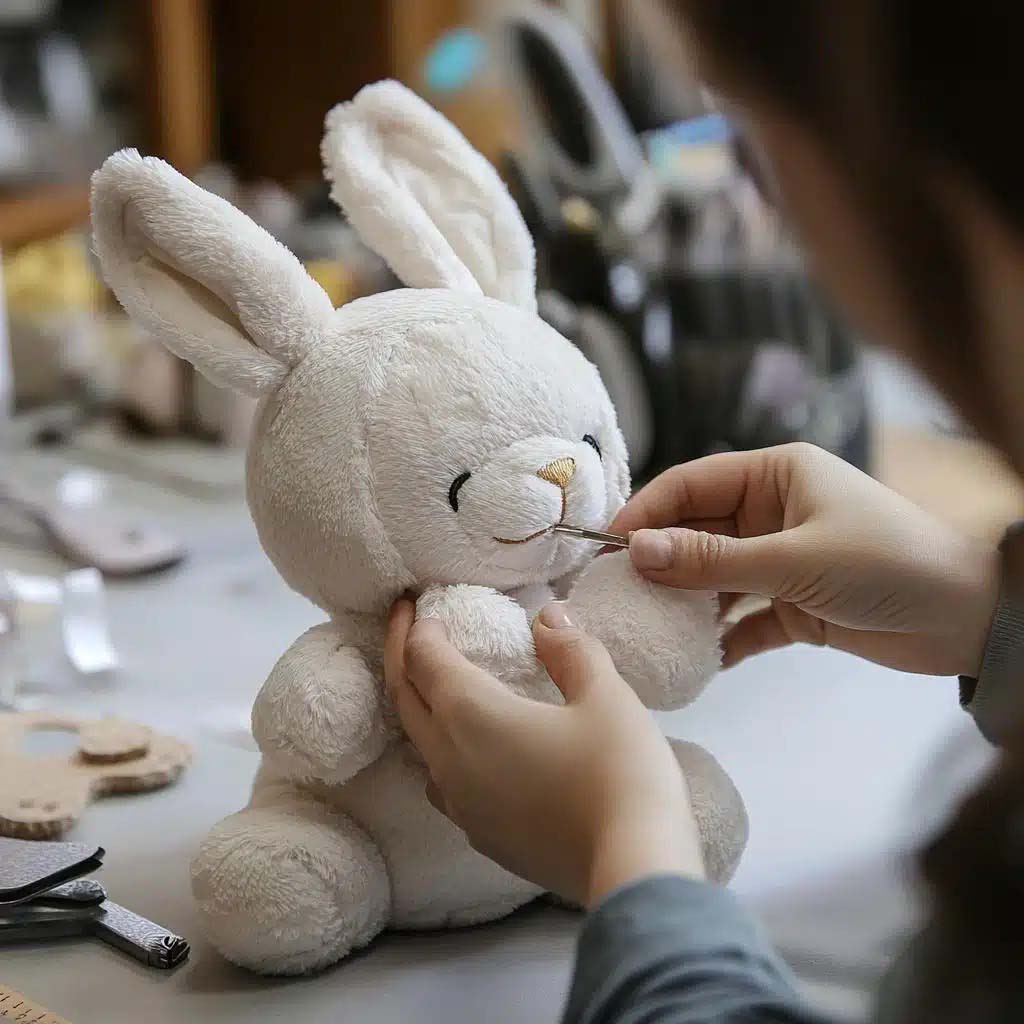
Creating a plush toy from an illustration may seem straightforward, but in reality it is a complex transformation process. A design that looks perfect on paper does not always translate exactly into a three-dimensional plush product. Many clients are surprised when the first sample looks slightly different from the original artwork.
This difference does not necessarily mean the factory made a mistake. Plush toys are soft, structured objects built from fabric, stuffing, seams, and embroidery. Each of these elements can influence how the final toy looks compared with the original design.
Understanding why plush toy samples sometimes differ from artwork helps brands, designers, and product developers prepare better design files and set realistic expectations for the sampling process. When both the client and manufacturer understand these factors early, it becomes much easier to achieve a final plush toy that closely matches the intended design.
In the following sections, we will explain the most common reasons plush toy samples may look different from the original artwork and how professional manufacturers work to minimize these differences.
Why does 2D artwork often translate differently into 3D plush form?
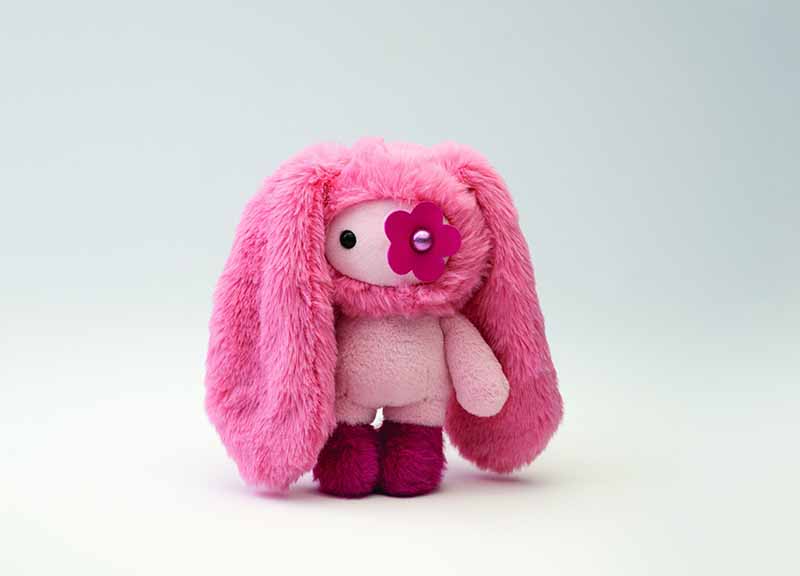
One of the main reasons plush toy samples may not perfectly match the original artwork is the fundamental difference between two-dimensional design and three-dimensional construction. Illustrations are flat images, while plush toys are soft sculptures made from fabric pieces sewn together and filled with stuffing.
When a designer creates a character in 2D, the drawing may include visual effects such as perspective, shading, or exaggerated proportions that look appealing on paper. However, once the design is converted into a plush toy, the structure must follow real physical limitations. Fabric pieces must be cut, stitched, and filled, which naturally changes how certain shapes appear.
Because of this, the process of converting artwork into a plush toy always involves interpretation by experienced pattern makers and engineers. Their job is to preserve the character’s personality while adapting the design into a stable three-dimensional form.
Flat Illustrations Do Not Show Depth or Volume
Most artwork only shows the front view of a character. Even if the drawing looks detailed, it may not provide enough information about the character’s depth, head shape, or body structure. Plush toys require a full three-dimensional structure, which means engineers must determine how the sides and back of the character should look.
For example, a character’s head may appear perfectly round in a drawing, but in reality it must be constructed from several curved fabric panels. The placement and shape of these panels determine whether the final head looks symmetrical and balanced.
Without additional reference angles—such as side or back views—pattern makers must estimate the missing dimensions. This estimation can lead to small differences between the sample and the original illustration.
Providing multi-angle artwork helps reduce these differences and improves design accuracy during development.
Some Artistic Proportions Are Not Structurally Stable
Illustrations often exaggerate proportions to create a unique style. Characters may have extremely small bodies, very thin limbs, or oversized heads. While these proportions may look appealing in artwork, they are sometimes difficult to reproduce in plush form.
For example, very thin arms may not be strong enough to hold stuffing, and extremely narrow necks may not support the weight of the head. In these situations, pattern makers usually adjust the proportions slightly to ensure the toy remains durable and visually balanced.
These adjustments are part of the normal plush toy development process. The goal is not to change the design, but to make sure the plush toy can maintain its shape during production and everyday use.
Experienced manufacturers typically explain these structural adjustments during the sampling stage so that clients understand how the plush version adapts the original design.
Factors That Cause Differences Between 2D Artwork and 3D Plush Toys
| Factor | How It Affects the Plush Toy | Why It Happens |
|---|---|---|
| Lack of Depth in Artwork | Plush toy shape may differ slightly from illustration | 2D designs do not show full 3D structure |
| Limited Viewing Angles | Engineers must estimate side and back shapes | Only front view artwork provided |
| Fabric Construction | Panels must be sewn together | Shapes must follow sewing structure |
| Stuffing Expansion | Fabric expands when filled | Changes final proportions slightly |
| Structural Stability | Thin or delicate parts may be reinforced | Needed for durability and production |
How do fabric thickness and pile length alter visual proportions?
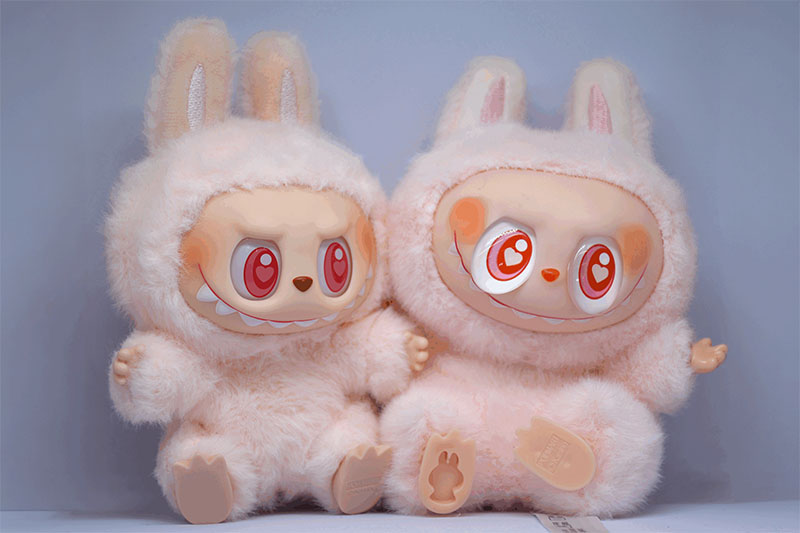
Another common reason plush toy samples differ from artwork is the influence of fabric thickness and pile length. In illustrations, surfaces are smooth and flat, but in plush toys the fabric itself adds volume and texture to the design.
Different plush fabrics vary in thickness, softness, and pile length. These characteristics affect how shapes appear once the toy is sewn and stuffed. Even small differences in fabric texture can subtly change the proportions of certain design elements.
Understanding how fabric behaves during production helps explain why plush toy samples sometimes look slightly fuller or softer than the original illustration.
Fabric Thickness Adds Volume to the Toy
Plush fabrics are thicker than the flat surfaces shown in artwork. When multiple fabric layers are sewn together and filled with stuffing, the overall shape becomes more rounded than the original drawing.
For example, a character’s face drawn with very sharp edges may appear softer and more rounded in plush form. This effect is natural because the stuffing pushes the fabric outward, smoothing out sharp angles.
Manufacturers often compensate for this effect by adjusting pattern shapes during development. However, some degree of soft rounding is inevitable when creating plush products.
This is one reason plush toys tend to have a softer and friendlier appearance compared with their illustrated versions.
Pile Length Can Hide Small Details
Pile length refers to the length of the fibers on the surface of the plush fabric. Some fabrics have very short fibers that create a smooth appearance, while others have longer fibers that create a fluffy texture.
Longer pile fabrics can sometimes cover or blur small details such as embroidery lines, printed shapes, or color boundaries. For example, small eyes or thin mouth lines may appear slightly less sharp when placed on long plush fabrics.
To maintain clarity, manufacturers may recommend adjusting the design, enlarging certain features, or using a shorter pile fabric for areas with detailed graphics.
Choosing the appropriate fabric helps preserve the character’s expression and improves overall design accuracy.
Fabric Properties That Influence Plush Toy Appearance
| Fabric Property | Effect on Design | Impact on Replication |
|---|---|---|
| Fabric Thickness | Adds volume to shapes | May round sharp design edges |
| Pile Length | Affects surface texture | Long pile may hide small details |
| Fabric Stretch | Influences how fabric expands when stuffed | May slightly change proportions |
| Surface Texture | Determines visual softness | Changes how design elements appear |
| Fabric Density | Affects structure stability | Helps maintain consistent shape |
Do stuffing density and internal structure change the final shape?
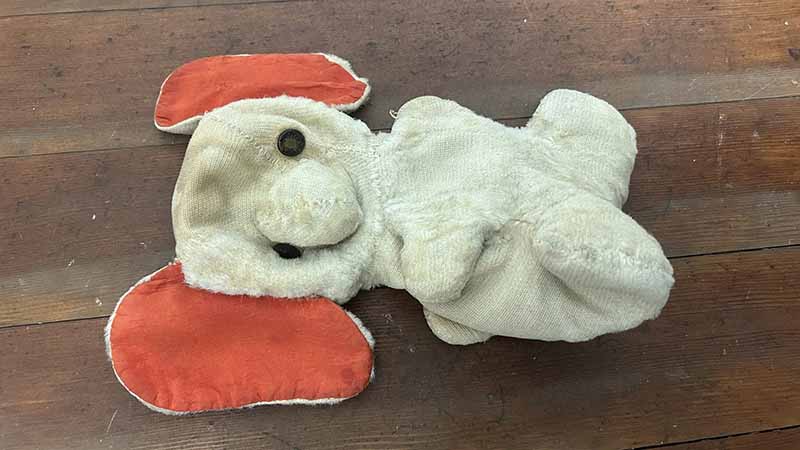
Stuffing density and internal structure are two technical factors that significantly influence how a plush toy looks after production. While artwork shows a character in a fixed shape, plush toys rely on internal filling materials to create their form.
The way stuffing is distributed inside the toy determines whether the final shape appears firm, soft, rounded, or slightly compressed. Even small variations in stuffing density can change the overall appearance of the toy.
Because of this, experienced plush toy manufacturers carefully control stuffing techniques during both sampling and mass production.
Stuffing Density Influences Shape and Proportion
When a plush toy is filled with stuffing material—usually polyester fiber—the fabric expands outward. This expansion affects how the toy’s head, body, and limbs appear.
If the stuffing is very dense, the toy may look more compact and structured. If the stuffing is softer, the toy may appear slightly larger or more rounded.
Different products require different stuffing styles. For example, decorative plush toys may use firmer stuffing to maintain precise shapes, while cuddle toys may use softer stuffing to create a gentle, squeezable feel.
Manufacturers adjust stuffing density carefully to balance appearance, comfort, and durability.
Internal Structure Helps Maintain Stability
Some plush toys include internal structures such as reinforced seams, internal supports, or weighted elements. These components help maintain the toy’s posture and prevent deformation during use.
For example, large plush toys may require reinforced neck areas so the head remains upright. Similarly, sitting plush toys may include internal supports to maintain balance.
These internal design elements may slightly modify the proportions compared with the original artwork, but they ensure that the toy maintains its intended shape over time.
Stuffing and Structural Factors Affecting Plush Toy Shape
| Structural Element | What It Controls | Effect on Final Appearance |
|---|---|---|
| Stuffing Density | Firmness of the toy | Influences roundness and size |
| Stuffing Distribution | Balance between different parts | Maintains symmetry |
| Internal Reinforcement | Structural stability | Prevents sagging or deformation |
| Material Compression | How fabric reacts to filling | Changes visual proportions |
| Structural Support | Stability of head and limbs | Maintains character posture |
Why can embroidery or printing techniques simplify artwork details?
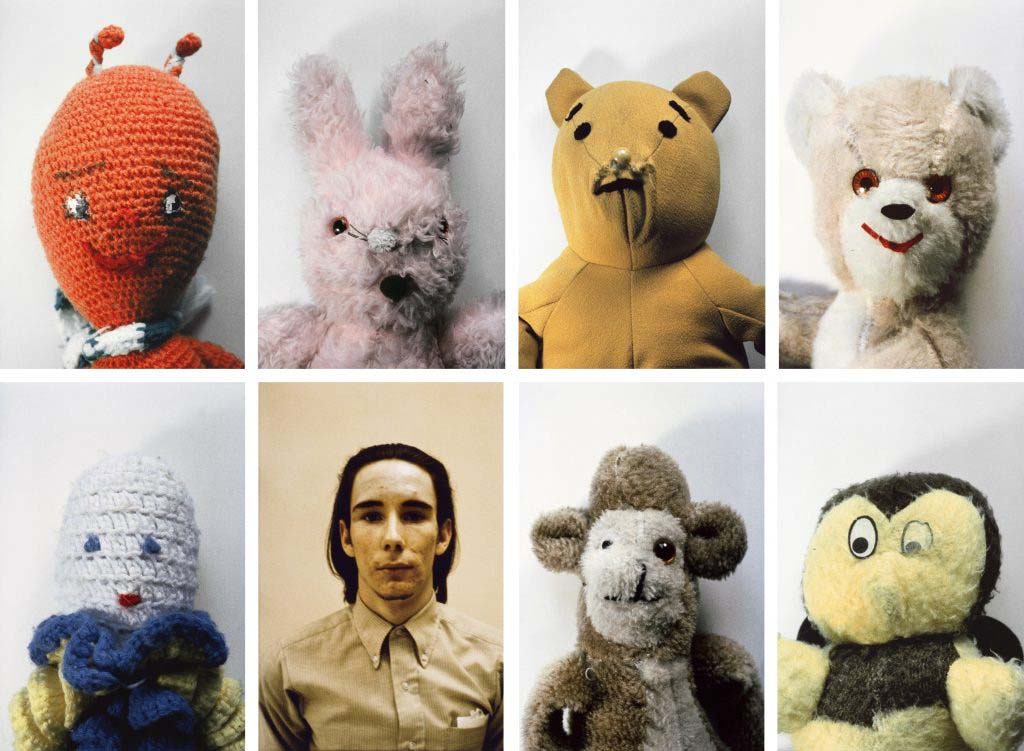
Another common reason plush toy samples differ from the original artwork is the limitation of embroidery and printing techniques. In many illustrations, facial features, patterns, and decorative elements are created with very fine lines and complex color transitions. However, when these elements are applied to plush fabric, they must be recreated using embroidery stitches or fabric printing methods.
These production techniques have practical limitations. The thickness of embroidery threads, the movement of sewing machines, and the texture of plush fabric can all affect how accurately small design details can be reproduced.
For this reason, certain parts of the artwork may need to be simplified during the development stage. This adjustment helps ensure the design remains clear and visually attractive once applied to the plush toy.
Understanding these technical constraints helps designers prepare artwork that is more compatible with plush manufacturing.
Embroidery Threads Have Minimum Thickness Limits
Embroidery is one of the most common techniques used for plush toy faces and decorative details. However, embroidery machines cannot create extremely thin lines like those seen in digital illustrations.
Each embroidery stitch requires a minimum thread thickness. If the original artwork contains very thin lines or extremely small shapes, those details may appear thicker or slightly simplified in the final embroidered result.
For example, a character’s eyelashes, eyebrow lines, or small decorative outlines may be adjusted during production to maintain clarity. Pattern makers and embroidery technicians often slightly enlarge or simplify these details so they remain visible on the plush surface.
These changes help preserve the character’s expression while ensuring the embroidery remains durable and consistent during mass production.
Printing May Blur on Soft Plush Surfaces
Printing is another technique used for plush toys, especially when designs include gradients, multiple colors, or complex patterns. While printing allows more visual flexibility than embroidery, plush fabrics can sometimes affect the clarity of printed images.
Because plush fabrics have soft fibers and uneven surfaces, printed graphics may appear slightly softer or less sharp than they do on flat materials such as paper or plastic. Long-pile fabrics can also cause printed edges to appear slightly blurred.
To maintain clear visual results, manufacturers may recommend simplifying extremely small details or slightly enlarging printed elements.
Choosing the right combination of embroidery and printing methods helps maintain design accuracy while ensuring the final plush toy looks clean and attractive.
Embroidery and Printing Factors That Affect Design Accuracy
| Technique Factor | What It Affects | Why It Happens |
|---|---|---|
| Thread Thickness | Limits how thin embroidery lines can be | Machine embroidery requires minimum stitch width |
| Stitch Density | Determines detail clarity | Very dense stitching may distort fabric |
| Fabric Surface | Influences print sharpness | Plush fibers soften printed edges |
| Detail Size | Small artwork elements may need enlargement | Prevents visual distortion |
| Technique Selection | Embroidery vs printing | Different methods suit different design styles |
How do pattern-making limitations affect curves and symmetry?
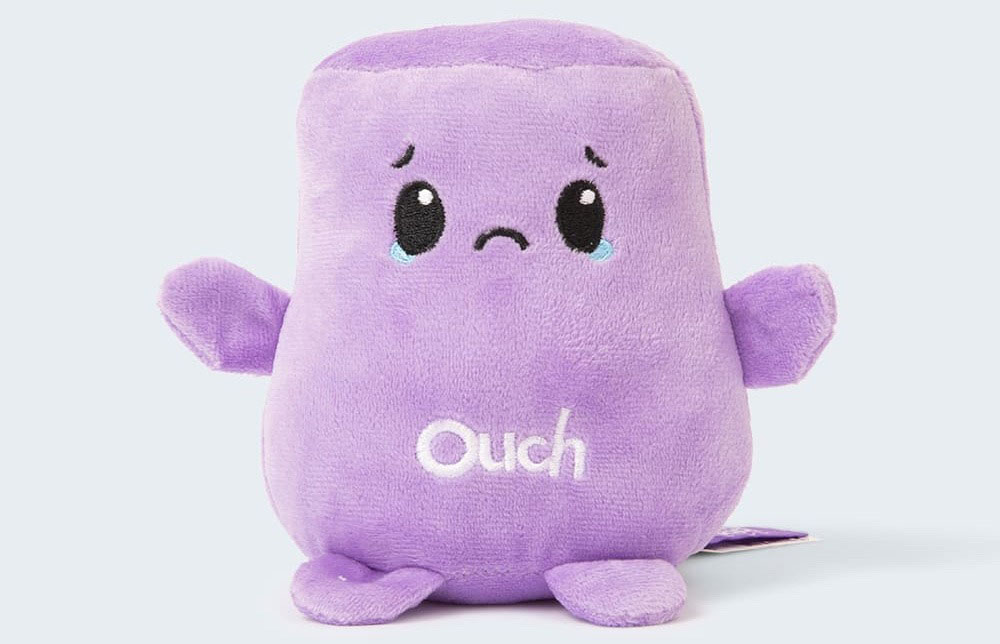
Pattern making is the technical process that converts artwork into sewing templates used to cut fabric pieces. Because plush toys are assembled from multiple fabric panels, pattern-making decisions directly influence the final shape and symmetry of the toy.
Even when artwork looks perfectly balanced, translating those shapes into fabric pieces involves certain limitations. Fabric must be cut, sewn, and filled with stuffing, which means that curved lines and symmetrical shapes must be adapted into practical sewing structures.
Experienced pattern makers work carefully to maintain the character’s appearance while ensuring the toy remains structurally stable.
Curved Artwork Must Be Converted Into Fabric Panels
In illustrations, curves can be drawn freely with smooth lines. However, plush toys cannot be built from a single piece of fabric. Instead, the curves must be recreated using multiple fabric panels sewn together.
For example, a round head shape may require several curved pattern pieces that form a sphere when stitched together. If these panels are not carefully balanced, the final shape may appear slightly flattened or asymmetrical.
Pattern makers adjust panel shapes and seam positions to reproduce the intended curves as accurately as possible. This process requires experience and multiple sampling adjustments to achieve the desired result.
Perfect Symmetry Is Hard to Achieve With Soft Materials
Illustrations often display perfect symmetry, but soft plush materials naturally introduce slight variations during production. Fabric stretch, stuffing pressure, and sewing tension can all influence how symmetrical the final toy appears.
For example, if stuffing is distributed slightly unevenly, one side of the toy’s face may appear fuller than the other. Similarly, seam tension may subtly influence the curvature of certain shapes.
Professional manufacturers manage these challenges through careful pattern design and quality control processes. By refining patterns during sampling, they can minimize visible asymmetry and maintain consistent production results.
Pattern-Making Factors That Influence Plush Toy Accuracy
| Pattern Factor | What It Controls | Impact on Final Shape |
|---|---|---|
| Panel Design | How fabric pieces form the toy structure | Determines overall shape accuracy |
| Seam Placement | Where panels connect | Influences curves and proportions |
| Pattern Balance | Symmetry between left and right parts | Maintains visual consistency |
| Fabric Behavior | How fabric stretches during sewing | May slightly affect shape |
| Sampling Adjustments | Pattern refinements during development | Improves final accuracy |
Do seam allowances and sewing methods shift design proportions?
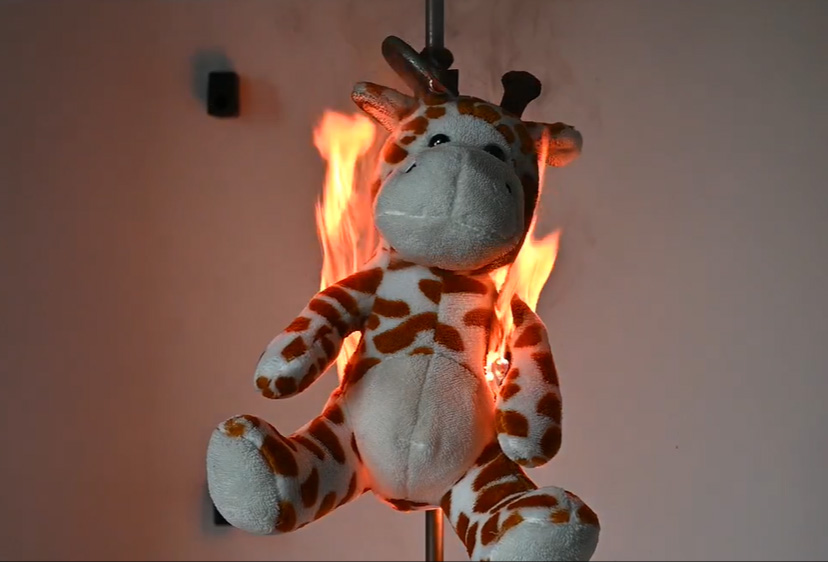
Seam allowances and sewing methods are small technical details that can have a noticeable impact on the final plush toy shape. While these elements are rarely visible in artwork, they play an important role in plush toy construction.
Every fabric piece used in plush production includes seam allowances—the extra fabric edges used to join pieces together during sewing. These allowances slightly modify the effective size of each panel and therefore influence the final proportions of the toy.
Additionally, different sewing methods and stitching techniques can subtly affect how fabric panels connect and how the toy expands when stuffed.
Seam Allowances Change the Effective Pattern Size
When pattern pieces are created, engineers must include seam allowances around each fabric panel. These allowances ensure the pieces can be sewn together securely.
However, seam allowances also slightly change how the final pieces align after stitching. If not carefully calculated, these adjustments can influence the size or curvature of certain parts of the toy.
Professional pattern makers account for seam allowances when designing patterns so that the finished plush toy maintains the intended proportions.
Sewing Tension and Stitch Methods Influence Shape
The way fabric pieces are sewn together can also influence the final shape of the toy. Sewing machines apply tension to the thread, which pulls fabric pieces together during stitching.
If sewing tension is too tight or too loose, the fabric may gather or stretch slightly along the seam line. Over multiple seams, these small variations can subtly affect the overall structure of the toy.
Experienced plush manufacturers carefully calibrate sewing methods to maintain consistent stitching and stable shapes during production.
Sewing Factors That Affect Plush Toy Proportions
| Sewing Factor | What It Influences | Result in Final Plush Toy |
|---|---|---|
| Seam Allowance | Panel alignment during sewing | Slightly affects size and shape |
| Stitch Tension | Fabric tension along seams | May influence curvature |
| Stitch Type | Strength and flexibility of seams | Affects durability and appearance |
| Fabric Compression | How seams compress fabric | Changes surface smoothness |
| Sewing Precision | Accuracy of panel alignment | Maintains symmetry and proportions |
Conclusion
It is quite common for the first plush toy sample to look slightly different from the original artwork. This difference does not necessarily mean the design cannot be replicated accurately. Instead, it usually reflects the natural adjustments required when transforming a flat illustration into a three-dimensional plush product.
Factors such as fabric thickness, stuffing density, embroidery techniques, pattern-making limitations, and sewing methods all influence the final appearance of a plush toy. Each step in the manufacturing process introduces small structural changes that help ensure the toy remains durable, safe, and suitable for mass production.
For brands and product developers, understanding these factors makes the sampling process much smoother. Providing clear artwork, multi-angle references, material preferences, and facial detail specifications can greatly improve how closely the final plush toy matches the original design.
Equally important is working with an experienced plush toy manufacturer that understands how to balance design accuracy with manufacturing feasibility. Professional development teams know how to adjust patterns, materials, and production techniques while preserving the character’s personality and visual appeal.
At KINWIN, we guide clients through the entire plush toy development process—from design evaluation and material selection to pattern making, sampling, and full-scale production. Our goal is to help transform creative artwork into plush toys that closely match the original concept while remaining stable and consistent for mass manufacturing.
If you are developing a custom plush toy and would like professional advice on improving sample accuracy, our team would be happy to review your design and discuss the best production approach.