
Plush Toy Manufacturer for Long-Term Cooperation
Long-term cooperation with a plush toy manufacturer is not just about placing repeat orders. It helps brands maintain consistent product quality, predictable production timelines, and smoother communication throughout sampling and mass production. When a manufacturing partner understands your standards and long-term goals, each new plush toy project becomes more efficient, lower risk, and easier to scale.
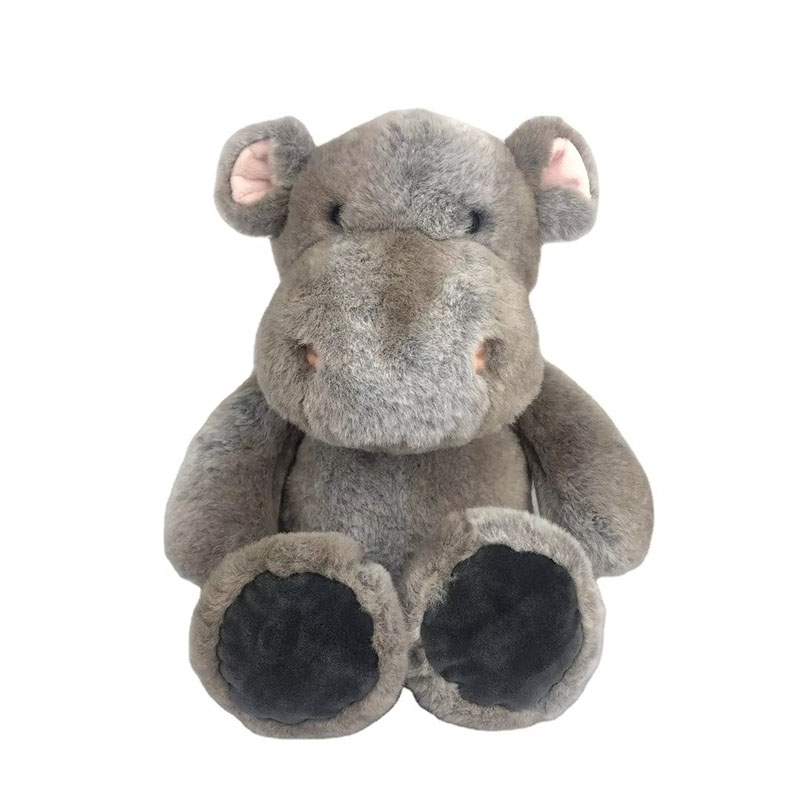
Why Brands Prefer Long-Term Plush Toy Manufacturers
As plush toy brands grow, many realize that constantly changing factories often creates more problems than solutions. Long-term cooperation helps brands reduce uncertainty, protect product consistency, and build a supply chain that supports sustainable growth instead of repeated trial and error.
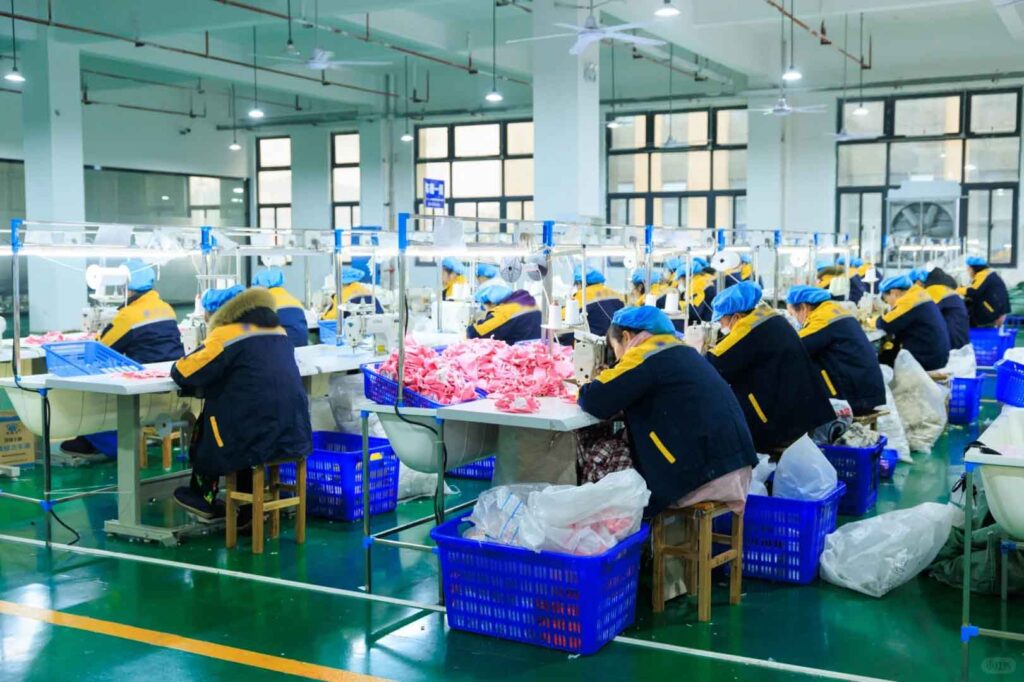
Repeated Sample Revisions
When working with a new factory each time, samples often require multiple revisions due to misunderstandings of design intent, materials, or brand standards. Long-term manufacturers already understand your expectations, which significantly reduces sample turnaround time and unnecessary revisions.
Inconsistent Mass Production Quality
Short-term suppliers may deliver acceptable samples but fail to maintain the same quality during mass production. Long-term cooperation allows manufacturers to control stitching, filling, materials, and workmanship consistently across different batches and seasons.
Supplier Changing Specifications Over Time
Without a long-term partnership, some suppliers may adjust materials, processes, or details without clear communication to control their own costs. Long-term manufacturers follow agreed specifications and treat consistency as a shared responsibility, not an optional choice.
Poor Communication After the First Order
Many brands experience smooth communication before the first order, only to face slower responses and unclear coordination later. Long-term cooperation encourages structured communication, clearer documentation, and better project continuity across multiple orders.
Rising Costs With No Clear Explanation
Unexpected cost increases can disrupt pricing strategies and profit planning. Long-term manufacturers focus on transparent cost structures and help brands plan production, materials, and volumes more predictably over time.
Choosing a long-term plush toy manufacturer is not about commitment without flexibility. It is about building a partnership that reduces risk, improves efficiency, and supports your brand as it grows.
What to Look for in a Plush Toy Manufacturer for Long-Term Cooperation
Not every plush toy factory is built for long-term cooperation. For brands, a long-term manufacturing partner must offer more than basic production. The right manufacturer supports stability, consistency, and planning across multiple orders, product lines, and seasons.
Stable Production Process
A manufacturer suitable for long-term cooperation operates with a standardized and repeatable production process. This reduces variability between orders and ensures that stitching, filling, shaping, and finishing remain consistent as volumes increase.
Clear Documentation and Tech Packs
Long-term cooperation relies on clear documentation, including tech packs, material specifications, and production notes. Well-managed records help avoid misunderstandings and ensure every order follows the same standards, even months or years later.
Consistent Materials and Trusted Suppliers
A long-term plush toy manufacturer maintains stable material sources and vetted suppliers. This consistency helps protect product feel, appearance, and safety standards across repeat orders and seasonal production.
Predictable Lead Time
Predictable lead times are critical for brands planning launches, promotions, and inventory. Long-term manufacturers provide more accurate production schedules and better capacity planning, reducing delays and last-minute surprises.
Long-Term Cost Control
Rather than short-term pricing, long-term manufacturers focus on cost stability. They help brands optimize materials, processes, and order structures over time, supporting healthier margins and better financial planning.
Proactive Communication and Continuity
Long-term cooperation requires consistent communication and project continuity. A suitable manufacturer maintains clear points of contact and follows project history closely, so each new order builds on previous experience instead of starting over.
Choosing the right plush toy manufacturer for long-term cooperation helps brands reduce risk, improve efficiency, and build a supply chain that supports growth year after year.
Plush Toy Styles We Support for Long-Term Cooperation
Brands working with a long-term plush toy manufacturer often manage multiple product styles at the same time. A stable manufacturing partner should be able to support different plush toy categories consistently, while maintaining quality, materials, and production standards across repeat orders.
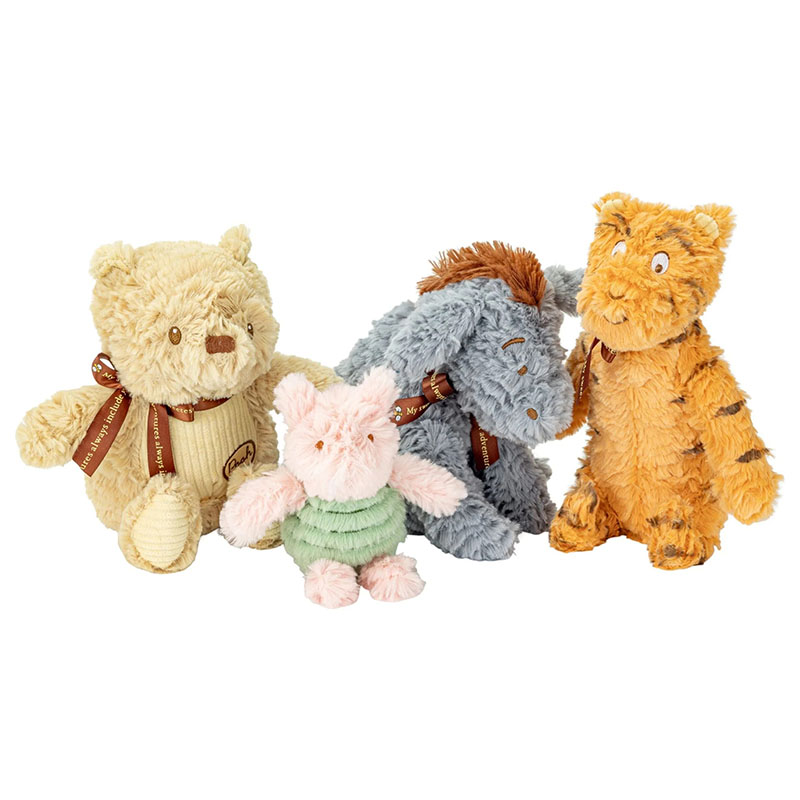
Classic Plush Animals
Traditional animal plush toys such as bears, bunnies, dogs, and cats that require stable stitching, balanced filling, and consistent proportions across multiple production runs.
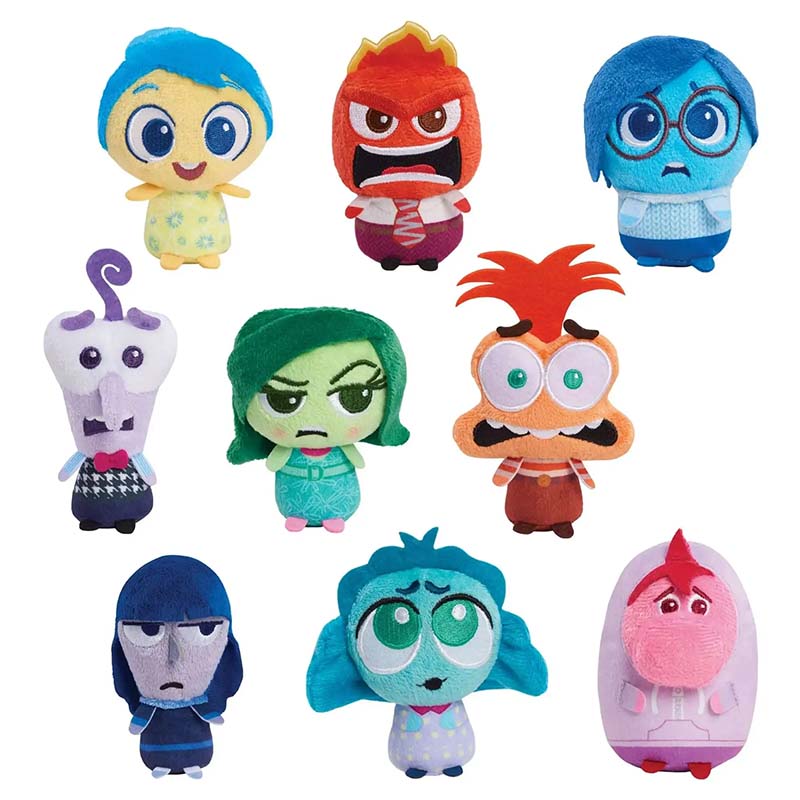
Character & IP Plush Toys
Plush toys based on licensed or original characters where shape accuracy, facial details, and brand recognition must remain consistent over time.
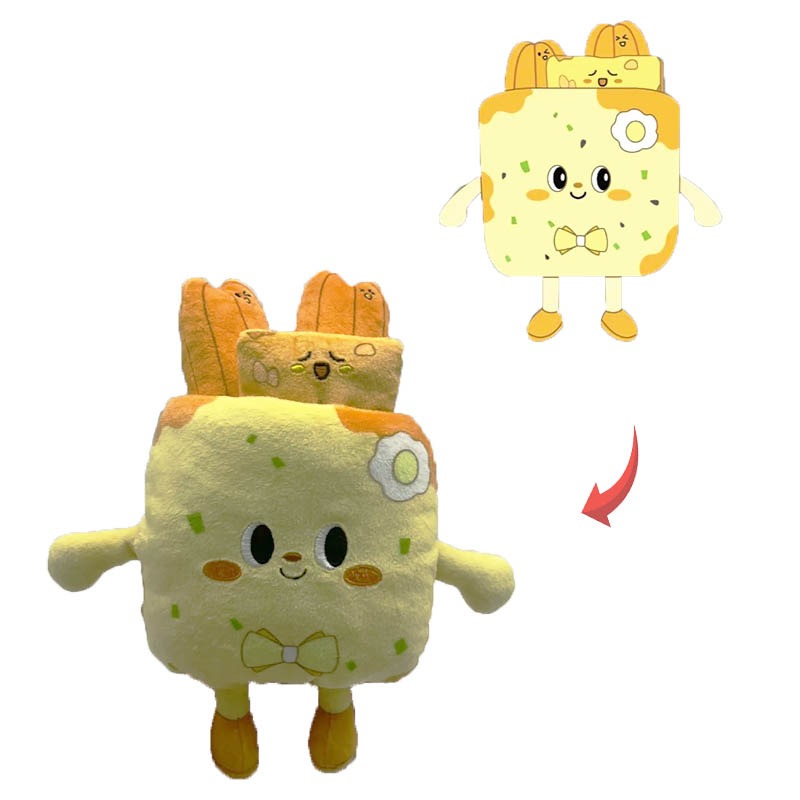
Custom Mascot Plush Toys
Brand mascots designed for promotions, events, or long-term brand identity, often requiring repeat production across different campaigns.
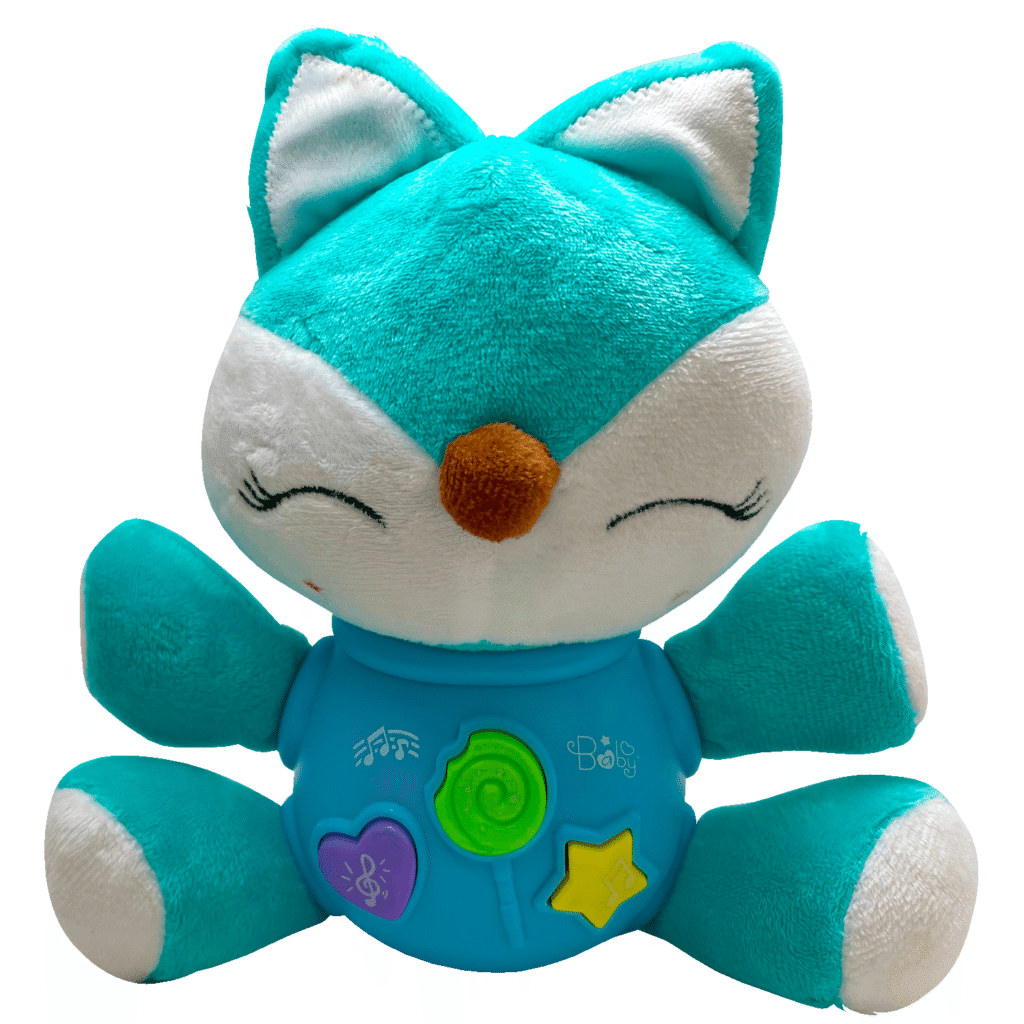
Baby & Toddler Plush Toys
Soft plush toys designed for babies and toddlers, focusing on safe materials, secure stitching, and consistent safety standards across batches.
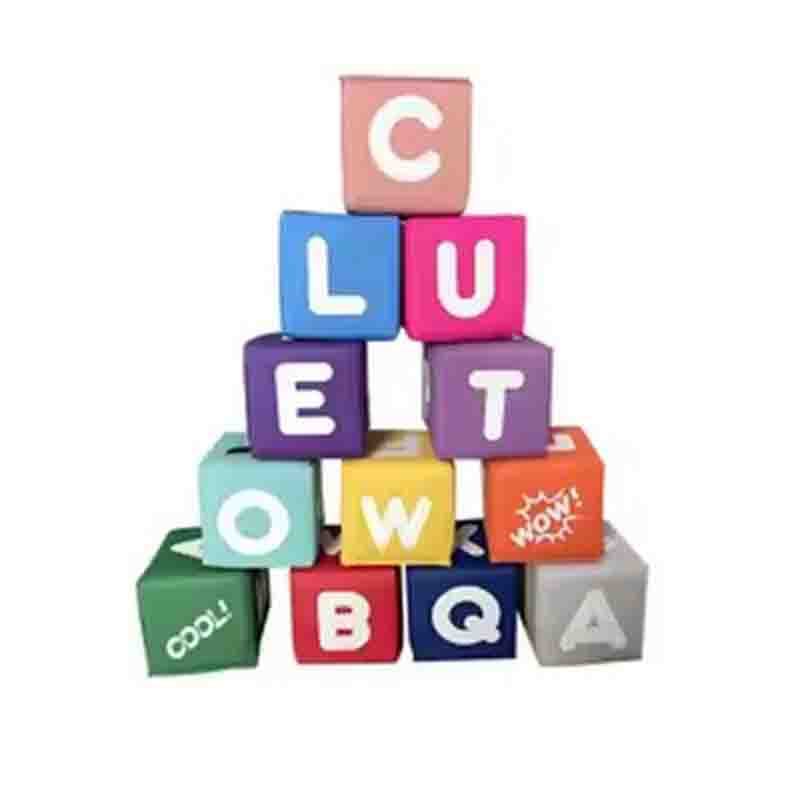
Educational Plush Toys
Plush toys used for learning, storytelling, or teaching aids, where durability and repeatability are important for long-term programs.
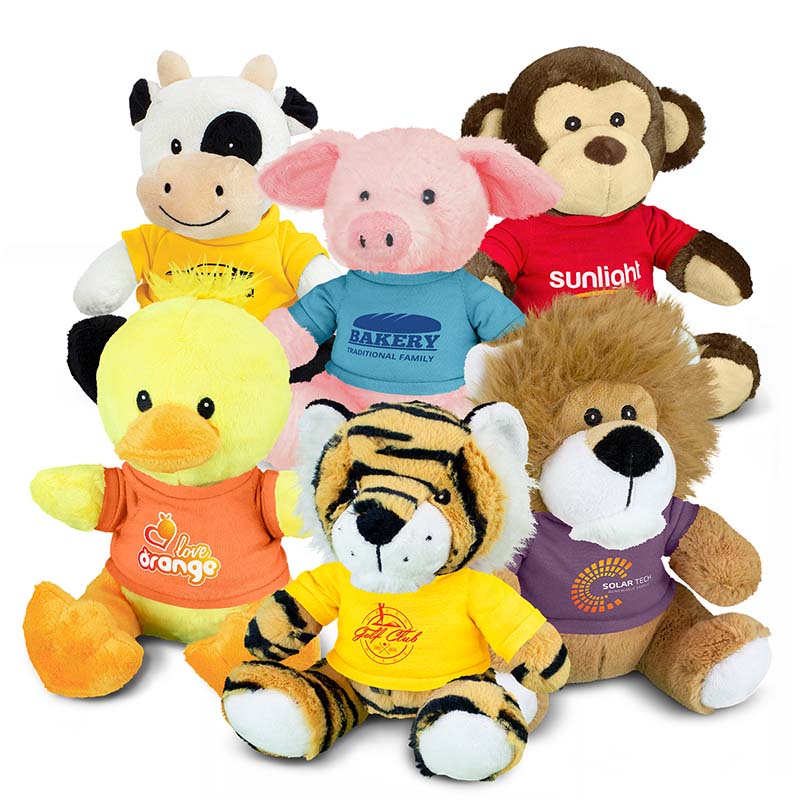
Promotional Plush Toys
Plush toys created for marketing campaigns or giveaways, often produced repeatedly with tight timelines and controlled costs.
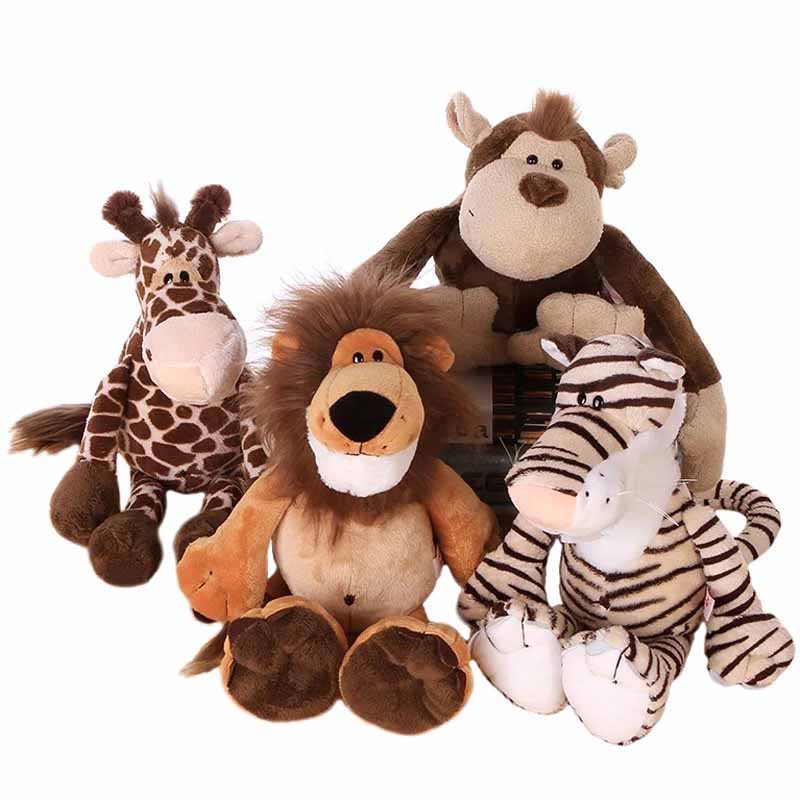
Retail Plush Toy Collections
Plush toys designed as part of a retail collection, where consistent look and feel across multiple SKUs is essential.
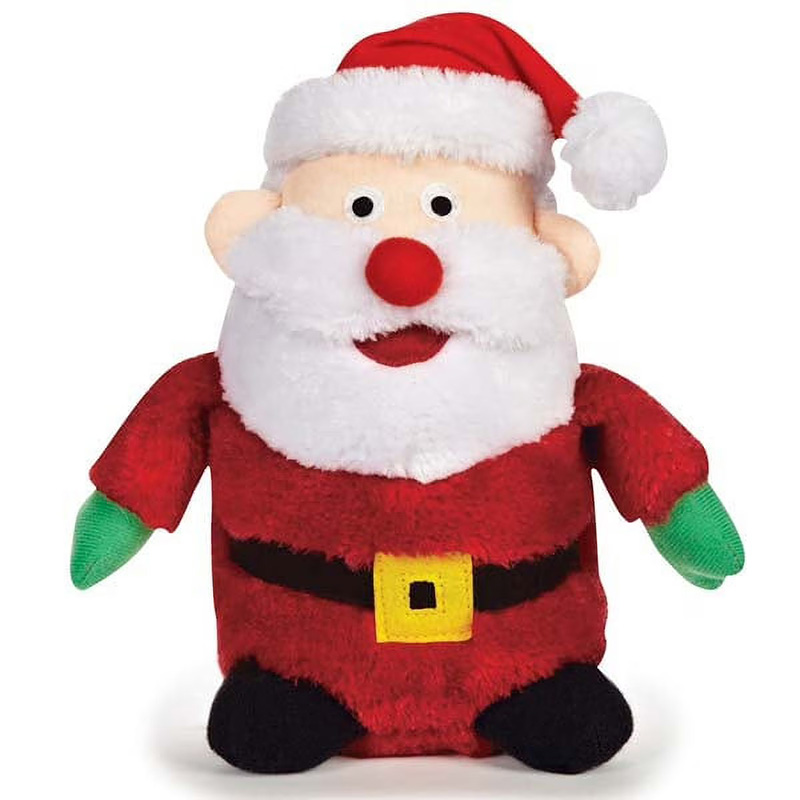
Seasonal Plush Toys
Plush toys developed for holidays or seasonal sales, requiring reliable scheduling and consistent quality year after year.
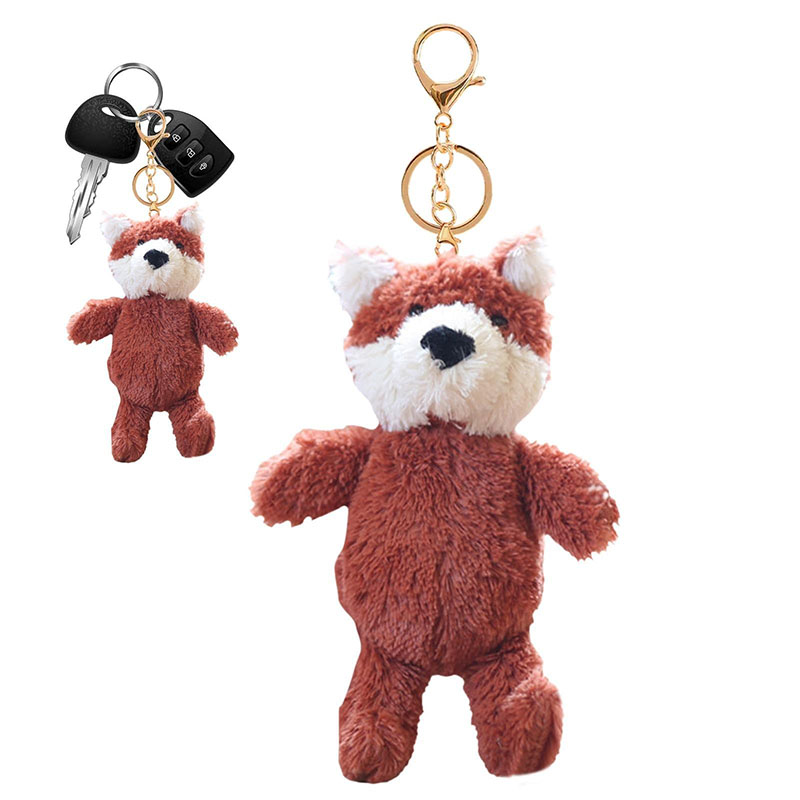
Mini Plush & Keychain Plush Toys
Small-sized plush toys that demand precise stitching and material control, especially across large repeat quantities.
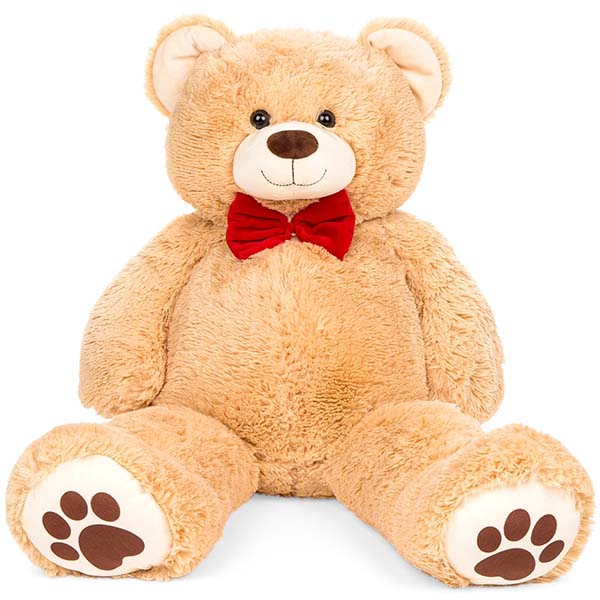
Large Size Plush Toys
Oversized plush toys where internal structure, filling balance, and long-term durability are critical.
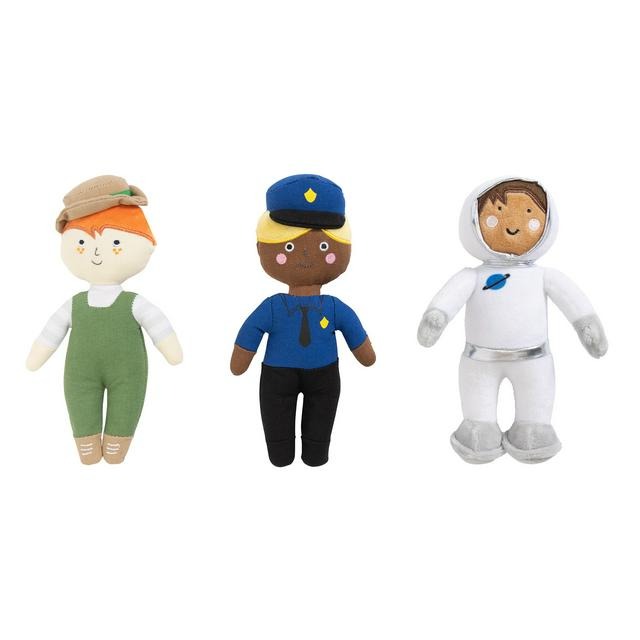
Plush Dolls
Human-style plush dolls that require stable proportions, clothing consistency, and facial detailing across production cycles.
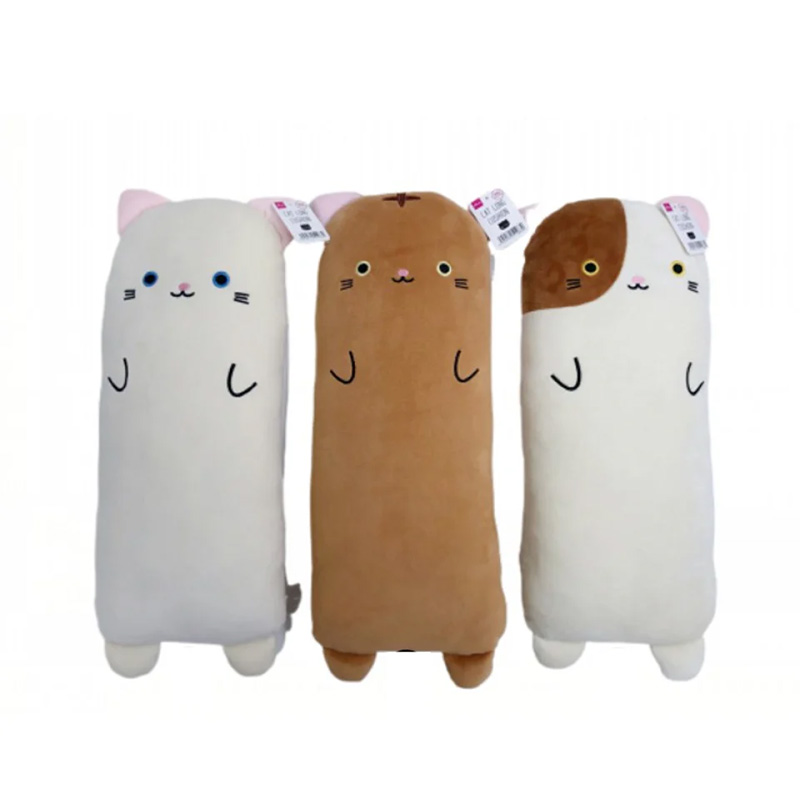
Plush Pillows & Cushions
Functional plush products combining comfort and decoration, often reordered with the same specifications over time.
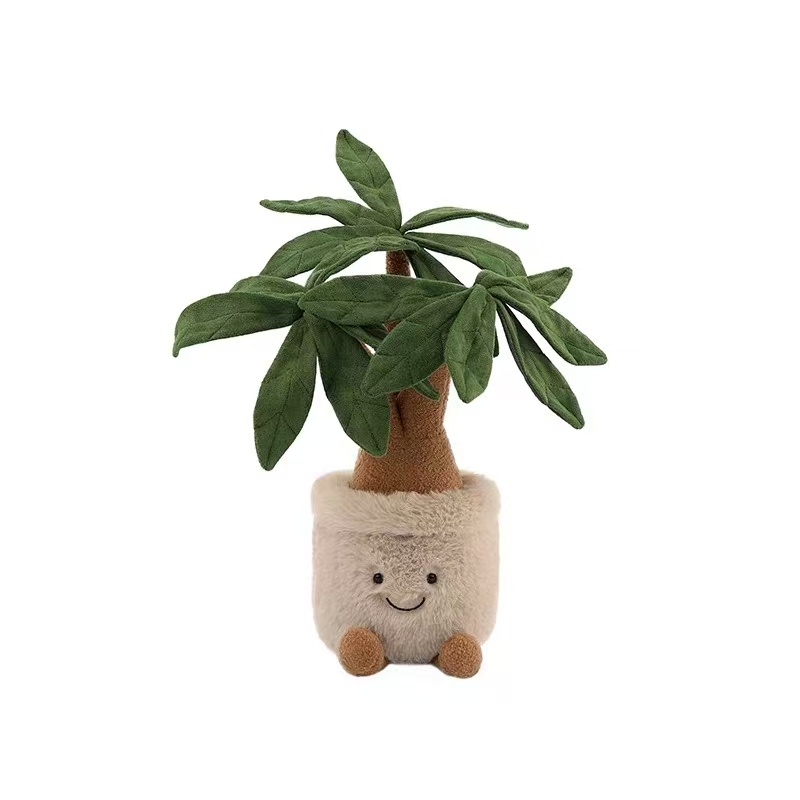
Interactive Plush Toys
Plush toys with sound, motion, or simple interactive elements that require stable assembly and quality control.
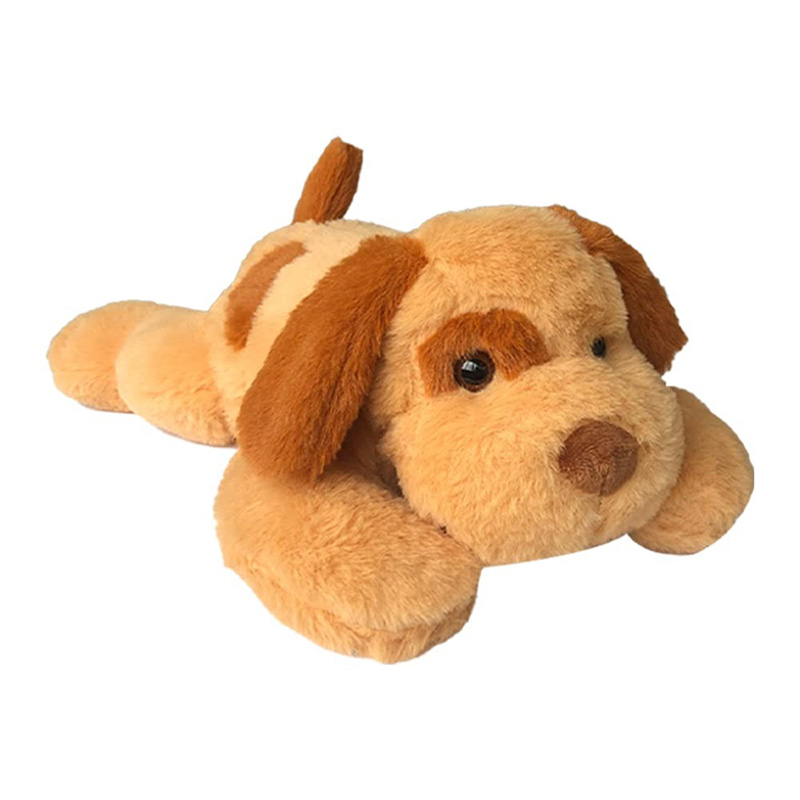
Weighted Plush Toys
Plush toys designed with added weight, requiring precise filling ratios and long-term consistency for user experience.
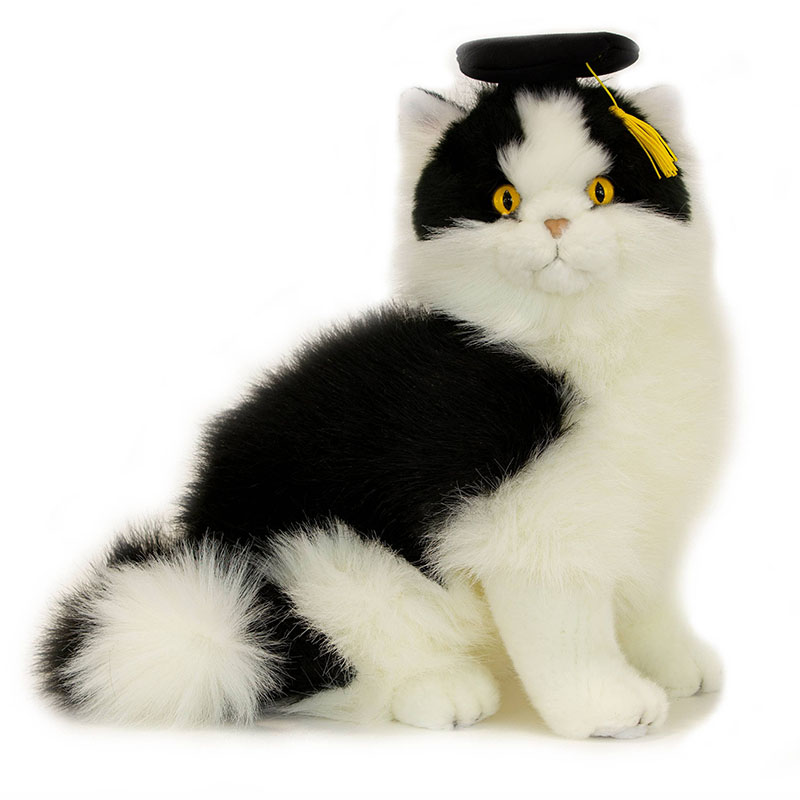
Eco-Friendly Plush Toys
Plush toys made with recycled or sustainable materials that require consistent sourcing and compliance across orders.
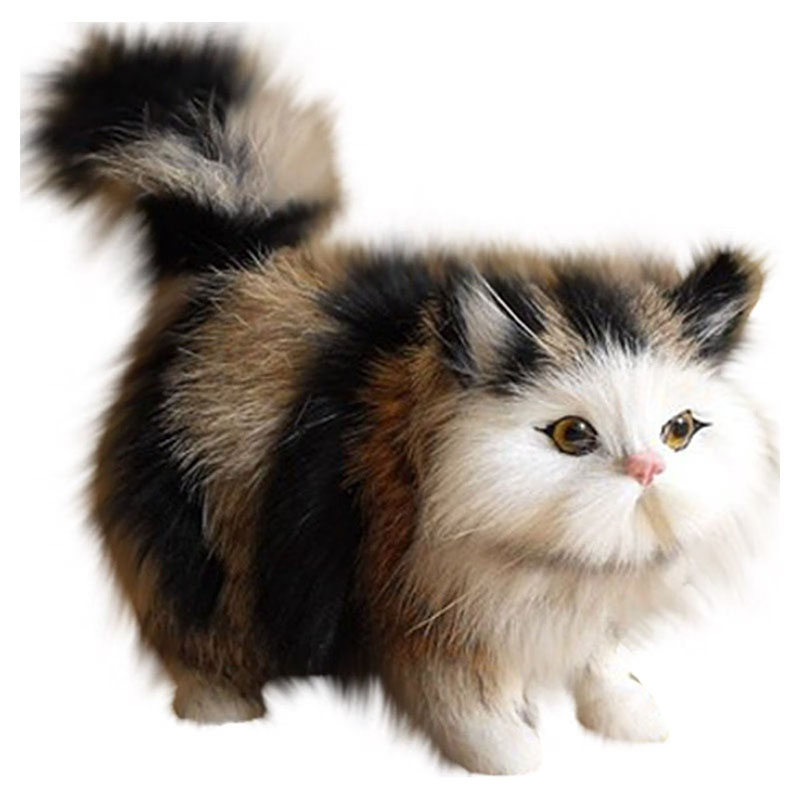
Animal Realistic Plush Toys
Highly detailed animal plush toys focusing on shape accuracy, texture consistency, and long-term quality control.
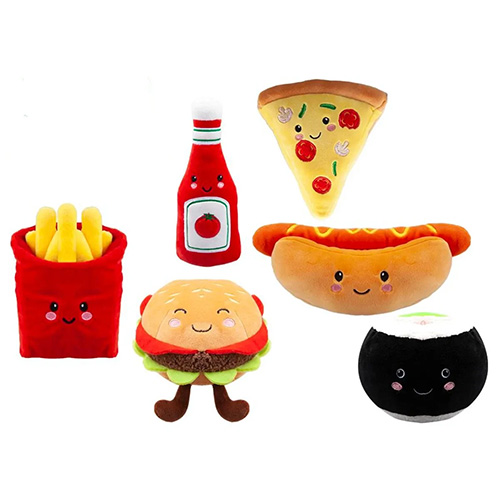
Food & Object Plush Toys
Creative plush toys shaped like food or objects, often produced as collections with consistent colors and finishes.
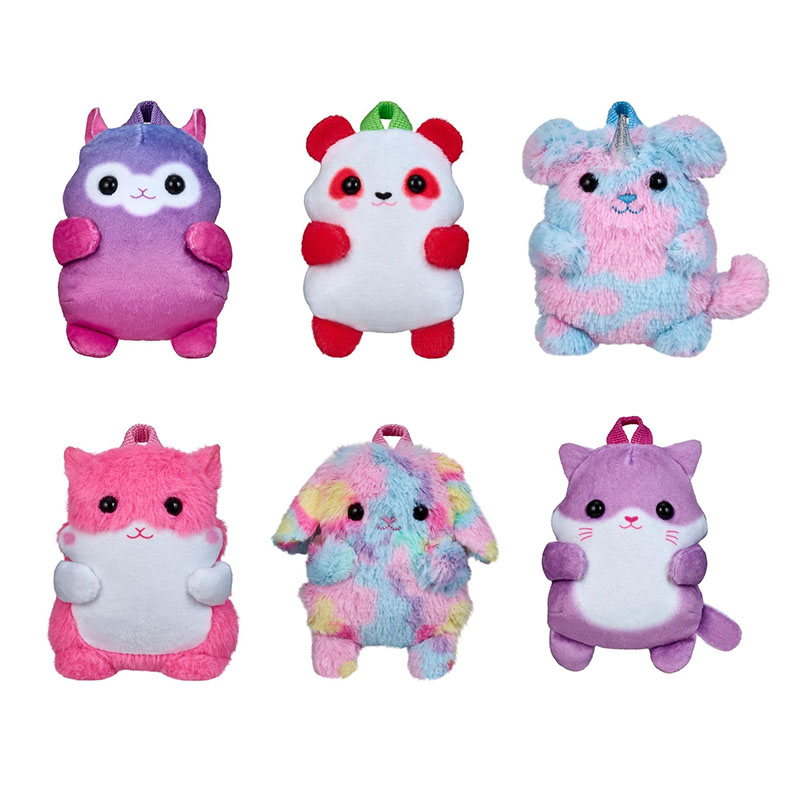
Plush Backpacks & Wearable Plush
Plush products combined with functional use, requiring stronger stitching and long-term durability.
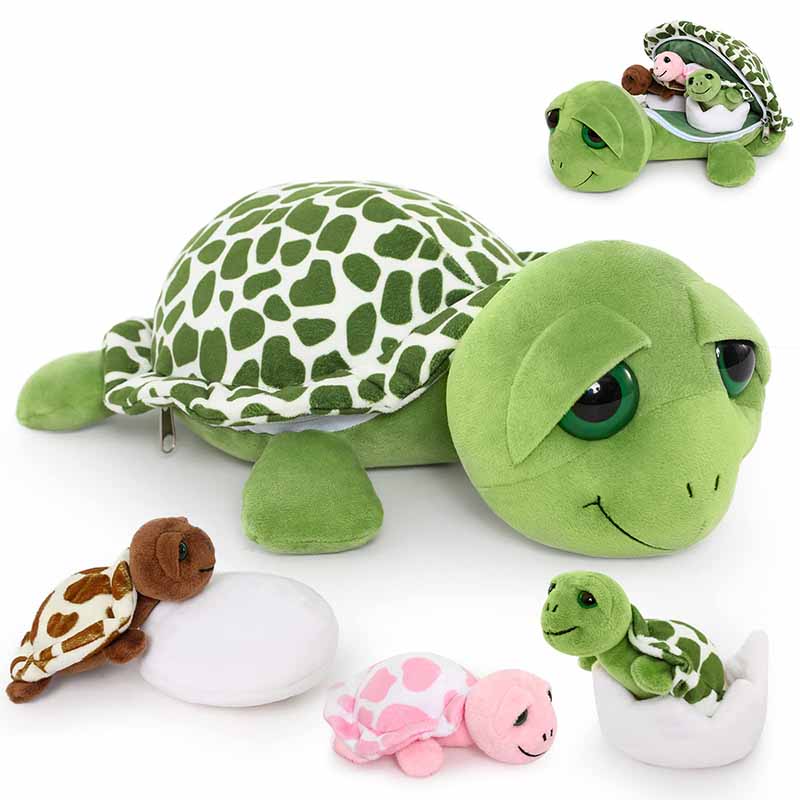
Plush Toys for Events & Exhibitions
Custom plush toys produced for repeated events, where consistent branding and reliable delivery are key.
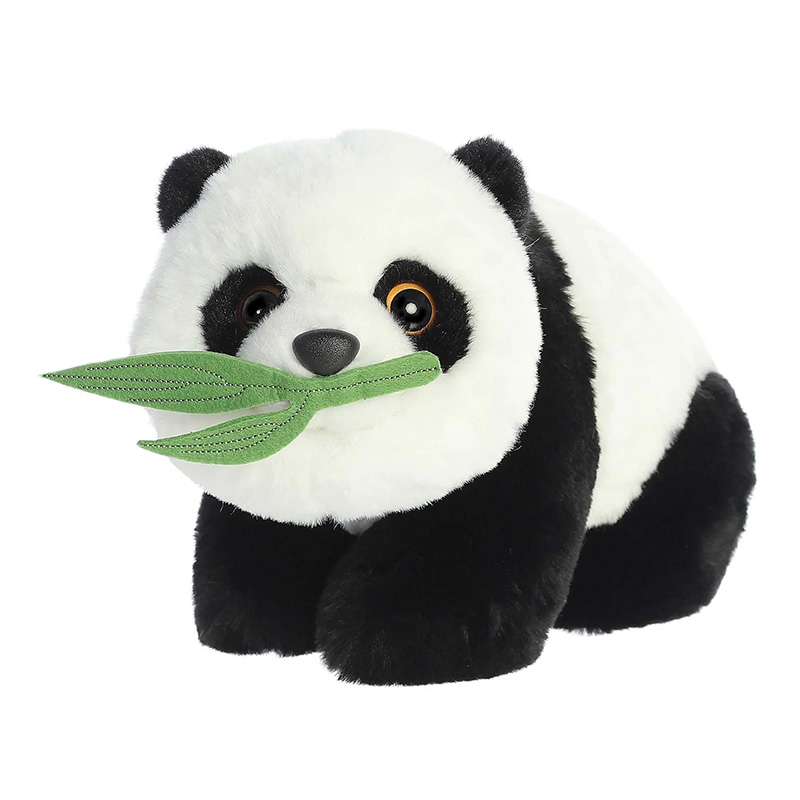
Limited Edition Plush Toys
Special edition plush toys that still require controlled quality and documentation for future reorders or extensions.
How Long-Term Plush Toy Cooperation Benefits Your Brand
Long-term cooperation is not created by promises. It is built through repeatable systems that help brands reduce uncertainty over time. Our long-term support model focuses on stability, clarity, and continuity, so your plush toy projects become easier to manage as cooperation deepens.
Stable Sampling Leads to Stable Mass Production
You receive samples that are developed based on real mass production conditions, not just visual approval. From pattern structure and material behavior to stitching methods and filling density, every sample is created to match bulk production. This approach reduces unexpected differences between approved samples and finished products, helping your brand maintain consistent quality across first orders and repeat production.
Consistent Materials Across Multiple Orders
Your plush toys are produced using controlled material specifications and stable sourcing channels. This means that fabric texture, color tone, pile length, and filling performance remain consistent over time. Even when orders are placed months apart or across seasons, your products retain the same look and feel that customers recognize and trust.
Clear Cost Structure for Long-Term Planning
Instead of unpredictable price changes, you gain visibility into cost components such as materials, labor, and production processes. This transparency allows you to plan pricing strategies, forecast margins, and adjust order volumes with confidence, especially as your product lines expand or reorder frequency increases.
Dedicated Project Communication
You work with a communication structure that preserves project history instead of restarting every order. Design notes, material decisions, and production standards are carried forward, reducing repeated explanations and minimizing misunderstandings. Over time, this continuity improves efficiency and shortens decision-making cycles.
Higher Efficiency for Repeat Orders
As designs, materials, and processes become familiar, your repeat orders require less development time and fewer adjustments. This efficiency allows you to respond faster to market demand, seasonal opportunities, and product extensions without sacrificing quality or control.
Lower Long-Term Supply Chain Risk
Long-term cooperation reduces the uncertainty often caused by changing suppliers. With stable production planning, controlled materials, and predictable lead times, your brand faces fewer disruptions related to quality issues, delays, or unexpected production changes.
Long-term cooperation is about creating a manufacturing relationship that grows more reliable over time. As systems stabilize and experience accumulates, your plush toy supply chain becomes a long-term advantage instead of a constant concern.
From First Sample to Long-Term Partnership
Long-term cooperation is not built in a single order. It develops through clearly defined stages, where each phase builds on previous experience. Our approach supports your plush toy projects across the full lifecycle, from the first sample to long-term production planning.
First Project Cooperation
At the beginning, you gain a manufacturing partner who focuses on understanding your design intent, quality standards, and production expectations. This stage is about alignment, reducing uncertainty, and setting a solid foundation for future cooperation.
Repeat Order Stage
As cooperation continues, your repeat orders become smoother and more predictable. Familiar designs, materials, and standards reduce development time, allowing production to move faster with fewer adjustments.
Cost and Efficiency Optimization
With accumulated production experience, you benefit from more efficient workflows and clearer cost structures. This stage focuses on optimizing materials, processes, and order planning to support healthier margins over time.
New Product Expansion
Long-term cooperation allows you to introduce new plush toy designs more confidently. Existing knowledge of your brand and standards shortens development cycles and lowers the risk when launching new products.
Seasonal and Volume Planning
At a mature stage of cooperation, production planning becomes proactive. You gain better support for seasonal demand, volume changes, and long-term supply scheduling, helping your brand operate with greater stability.
True long-term cooperation means working with a manufacturer that supports your brand at every stage, not just the first order. Over time, this partnership becomes a strategic advantage.
Customization Built for Long-Term Plush Toy Cooperation
Long-term cooperation requires a customization system that grows together with your brand. As your products evolve, collections expand, and market expectations change, customization must remain stable, repeatable, and easy to manage. Our customization scope is designed for long-term plush toy cooperation, helping your products stay consistent across multiple orders while allowing controlled updates over time.
Plush Toy Design & Appearance Customization
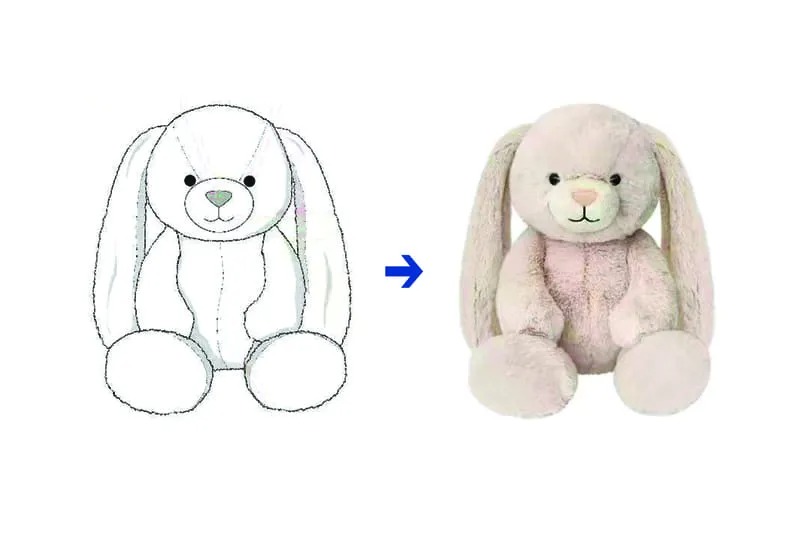
You can develop plush toys based on sketches, reference images, existing samples, or even early-stage concepts. In long-term cooperation, design customization is treated as an ongoing process instead of a one-time decision. This allows your brand to gradually refine proportions, adjust details, or refresh styles while preserving core visual identity. Over time, new versions feel familiar to customers and remain aligned with your brand image, reducing redesign risk and improving efficiency.
Design style and overall proportions
Shape and finished size
Color combinations and placement
Facial expressions and character details
Embroidery, printing, and surface decoration
Materials & Fabric Customization
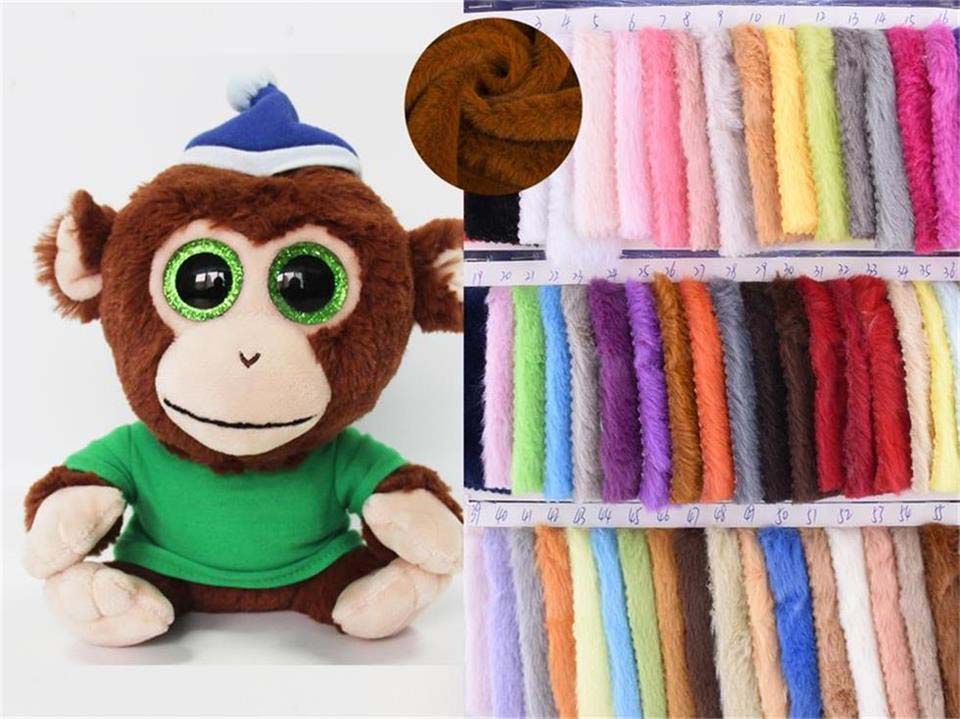
Material selection plays a critical role in long-term plush toy cooperation. Instead of frequently changing fabrics, long-term partners focus on standardizing materials that match your brand positioning. This ensures consistent texture, color tone, and durability across multiple production cycles, even when orders are placed months apart. Stable material choices also simplify quality control and reduce unexpected variations.
Plush fabric types
Pile length and hand feel
Color matching and dye standards
Filling materials and density
Eco-friendly and recycled options
Production Craftsmanship & Internal Construction
Beyond appearance, long-term cooperation focuses heavily on internal construction and craftsmanship. Stitching methods, seam strength, and internal structure must remain consistent to support durability and safety as order volumes increase. By standardizing craftsmanship details, your products become easier to reproduce accurately across different batches and production stages.
Stitching methods and stitch density
Seam strength and reinforcement
Internal structure design
Filling distribution and balance
Stress-point reinforcement
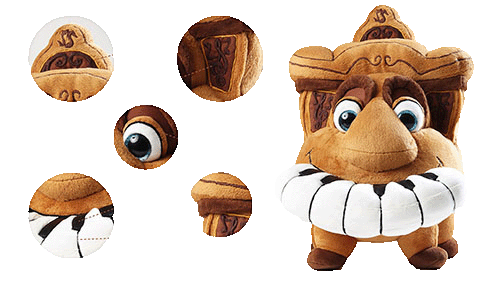
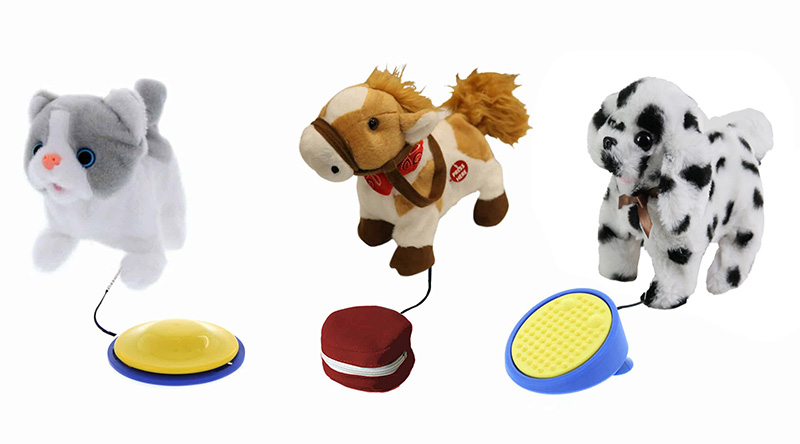
Functional & Usage-Based Customization
Plush toys often serve different purposes over time, such as play, comfort, education, or promotion. Functional customization allows products to adapt to these changing use cases without requiring complete redesigns. This flexibility supports long-term product planning while keeping development efficient and controlled.
Weighted or non-weighted structure
Interactive or non-interactive design
Comfort-focused or display-focused use
Wearable or functional elements
Special usage requirements
Packaging & Branding Customization
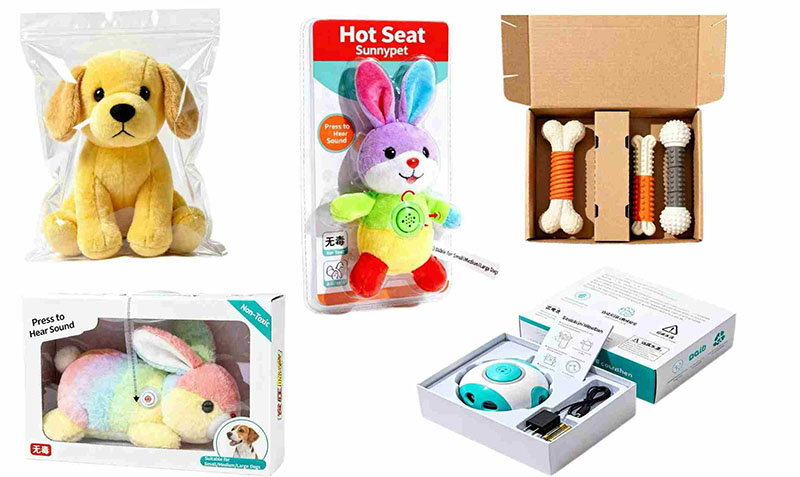
For long-term cooperation, packaging and branding must remain consistent while allowing updates when needed. Customized packaging supports brand recognition, retail presentation, and logistics efficiency. Standardized branding elements also simplify repeat orders and seasonal planning.
Packaging style and structure
Hang tags and sewn-in labels
Brand logos and instructions
Retail-ready or bulk packaging
Seasonal or market-specific packaging
Customization for long-term cooperation is about control, consistency, and flexibility. With the right customization scope, your plush toy products become easier to manage, easier to repeat, and easier to grow over time.
Common Fabrics & Fillings for Long-Term Plush Toy Production
For long-term plush toy cooperation, using a wide range of stable and proven fabrics allows brands to maintain consistency while supporting different product styles and future expansion. Below is a comprehensive list of fabrics and fillings commonly used in long-term plush toy manufacturing.
Plush Fabrics
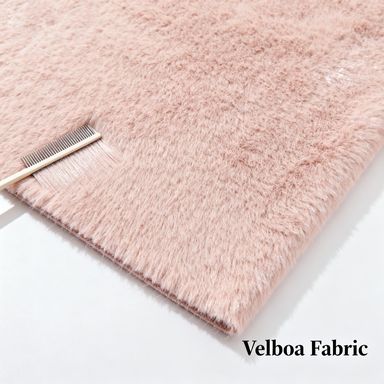
Velboa

Crystal Super Soft
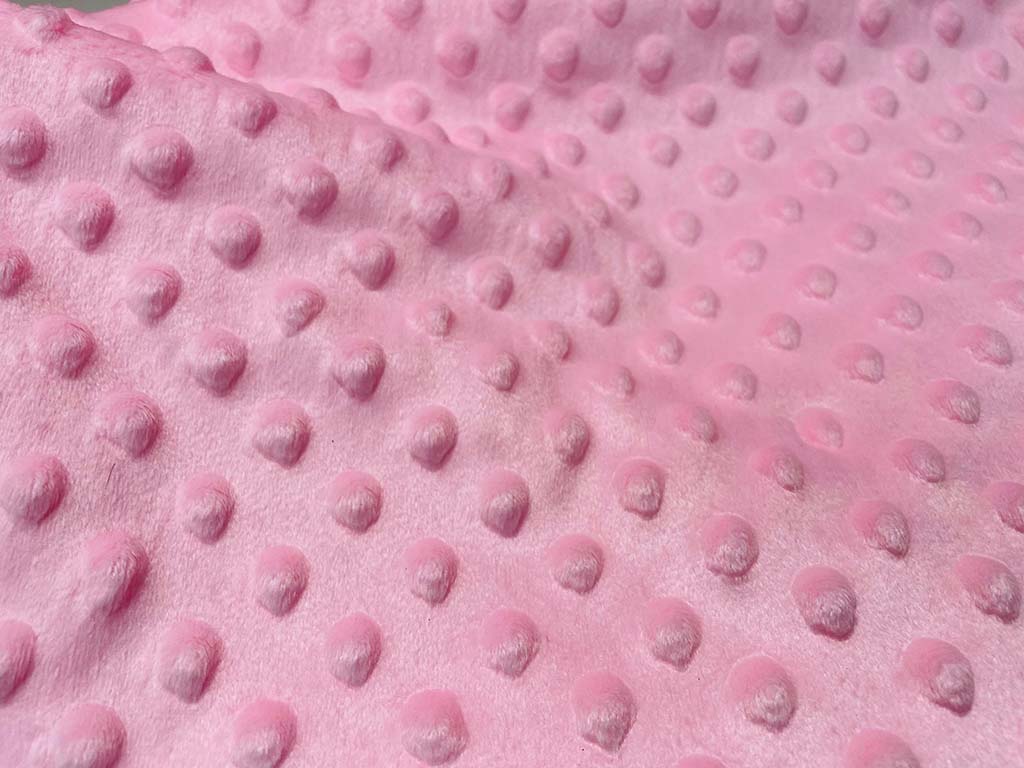
Minky Fabric
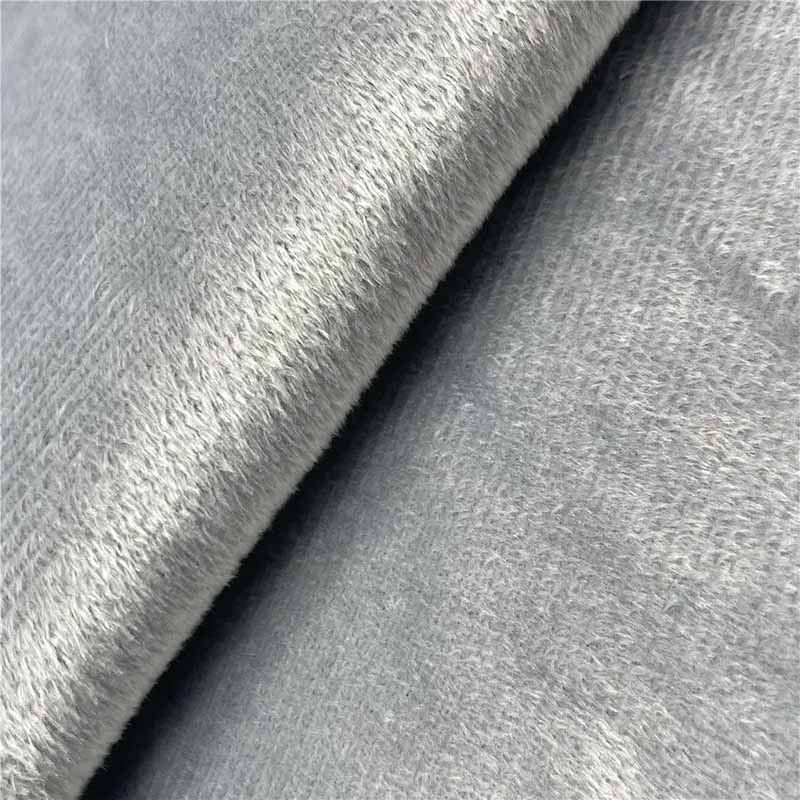
Short Plush
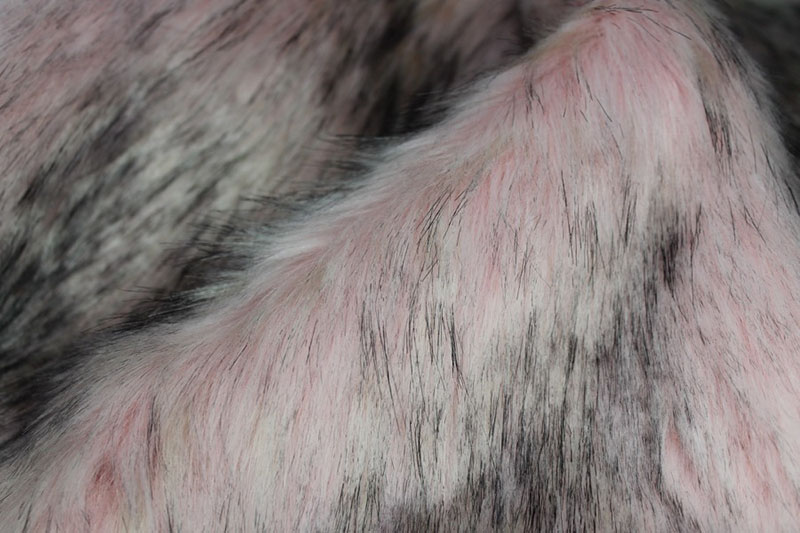
Long Plush
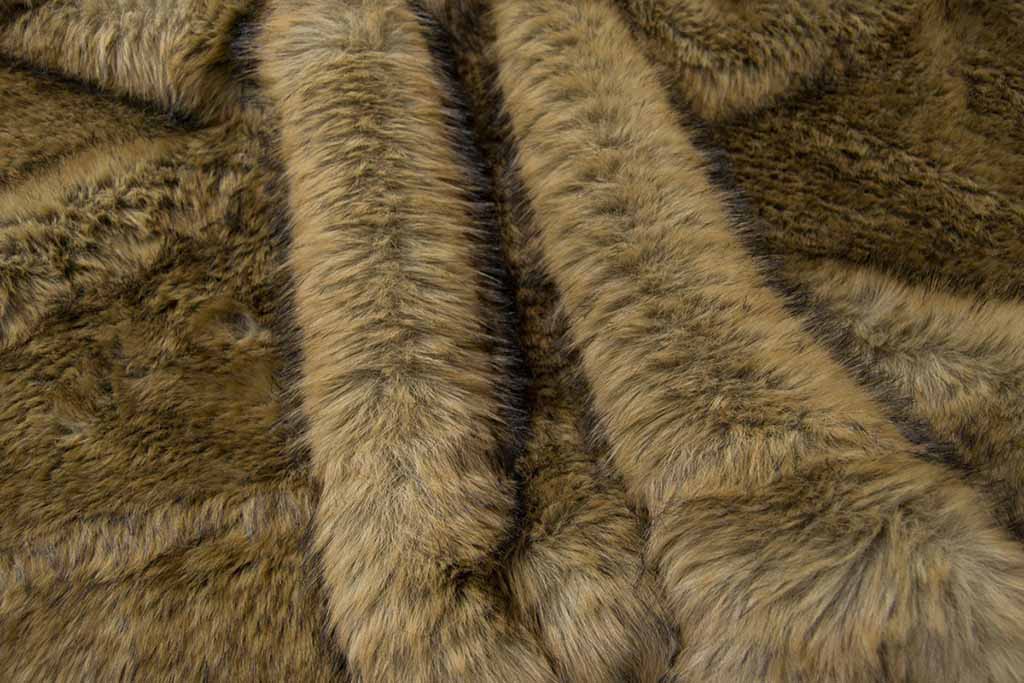
Faux Fur
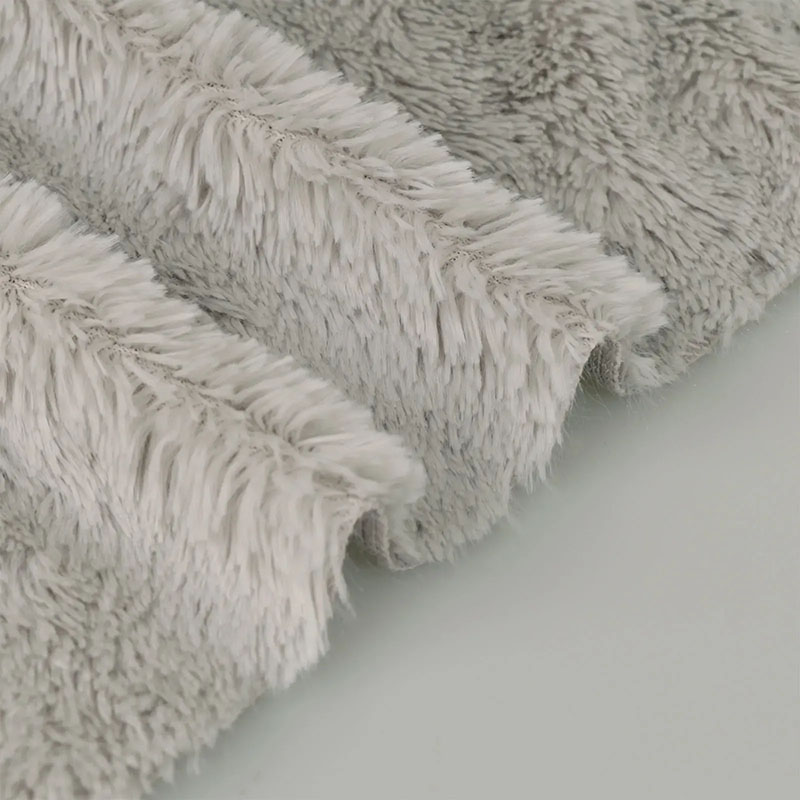
PV Plush
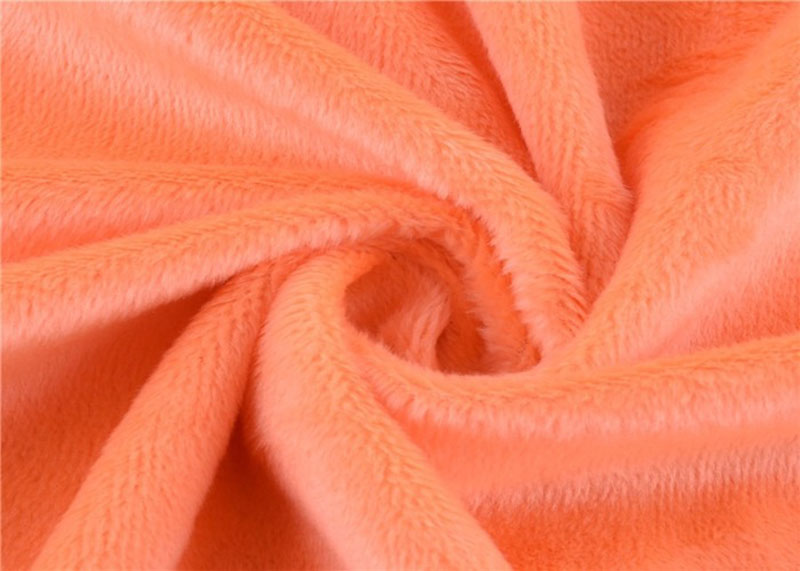
Super Soft Plush
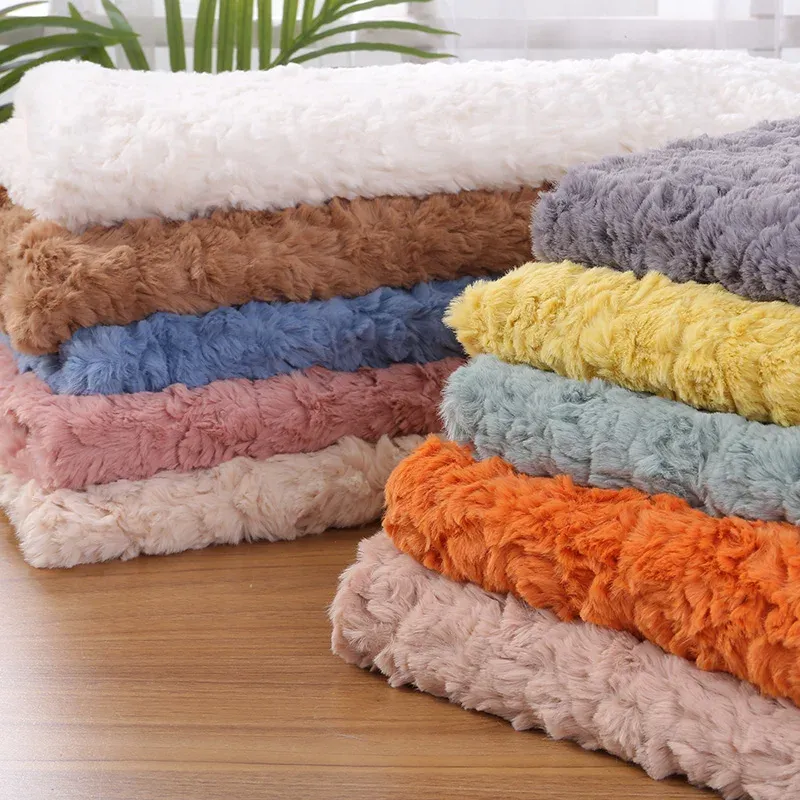
Microfiber Plush

Coral Fleece
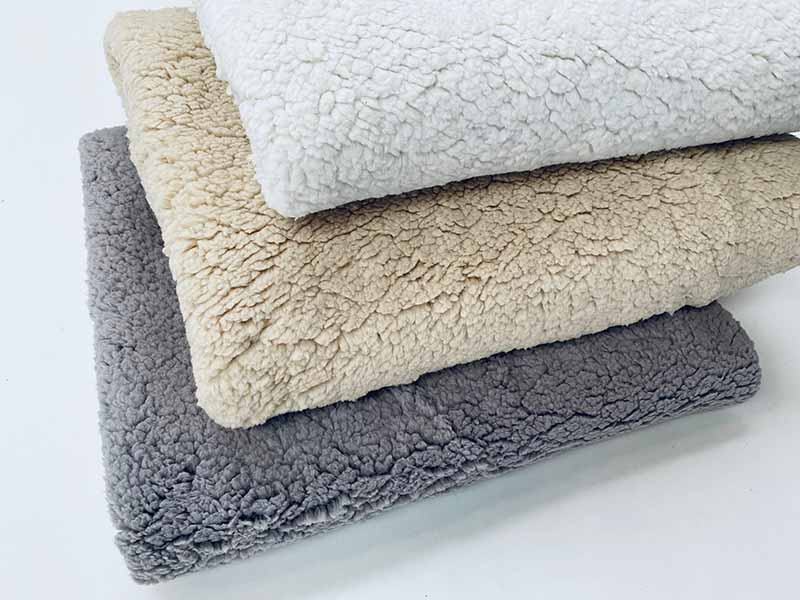
Sherpa Fabric
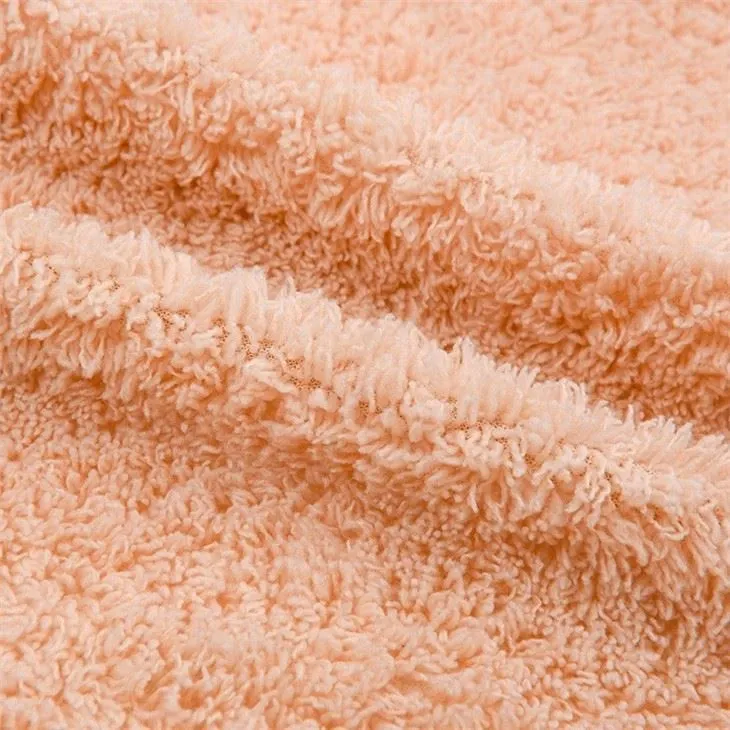
Fleece Fabric
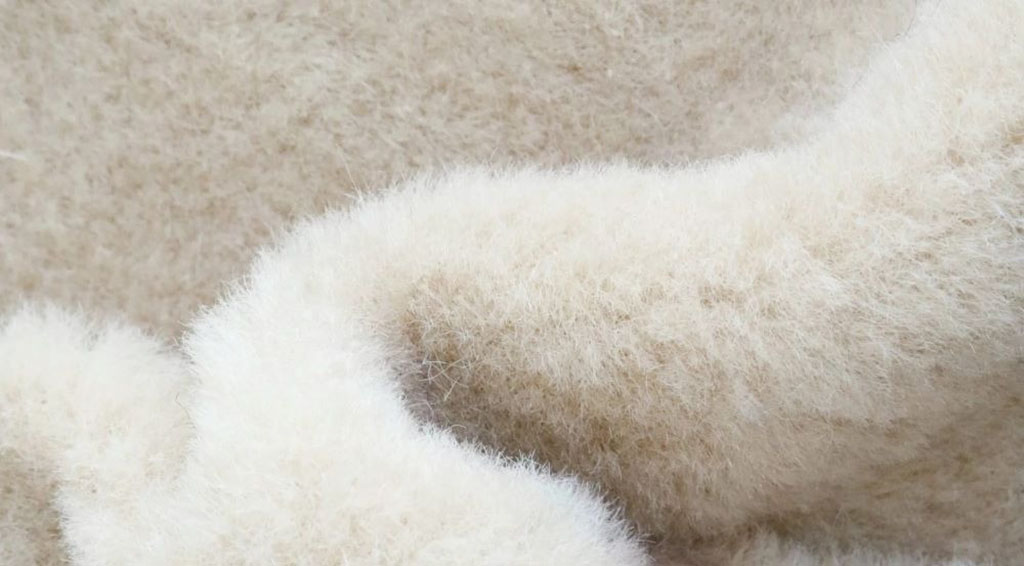
Teddy Plush
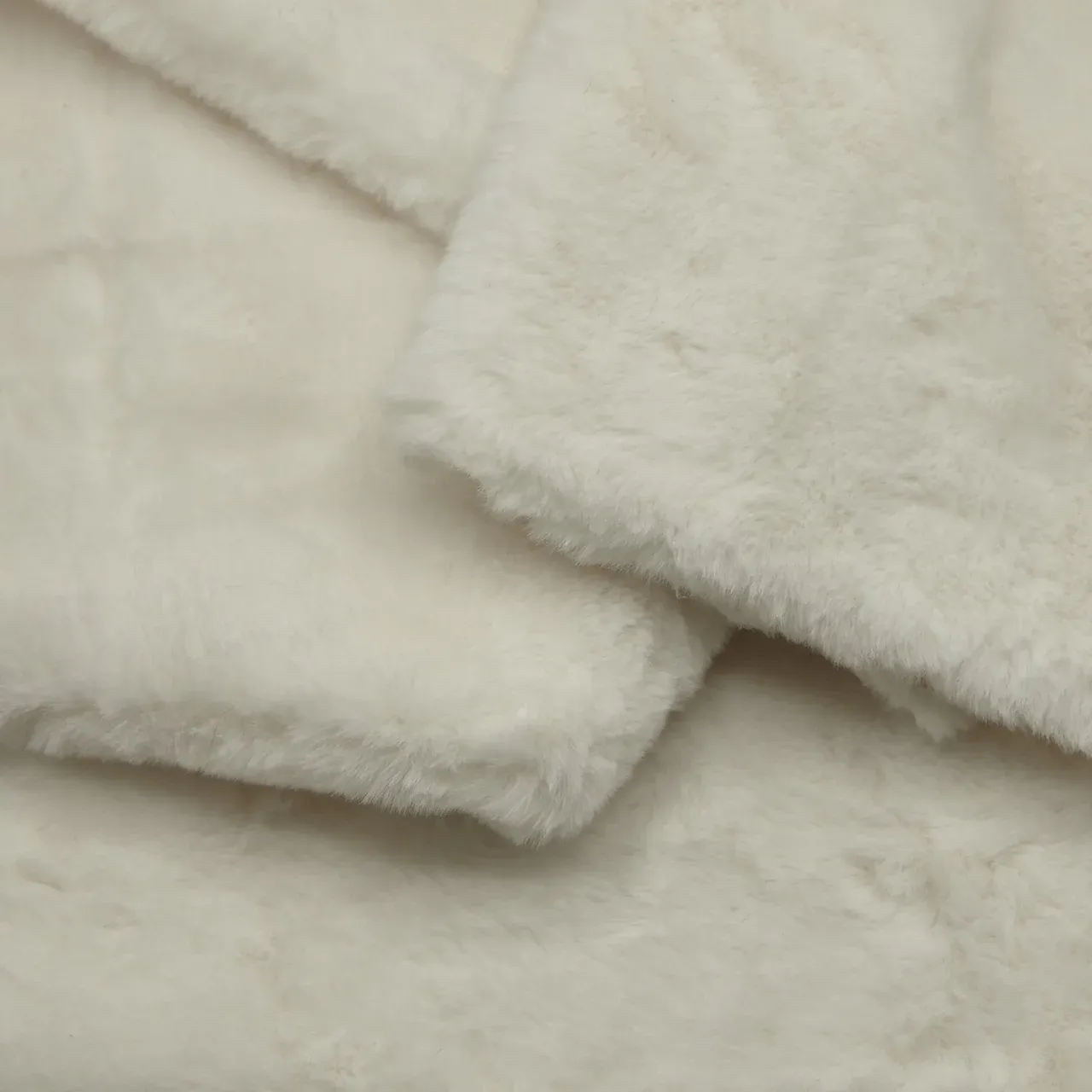
Rabbit Fur Plush
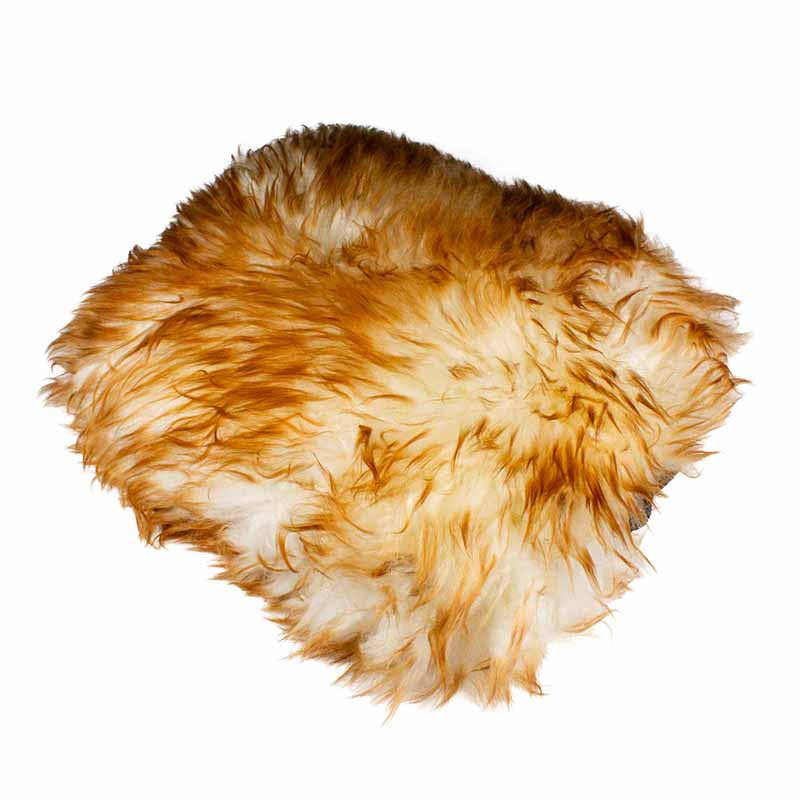
Lambswool Plush
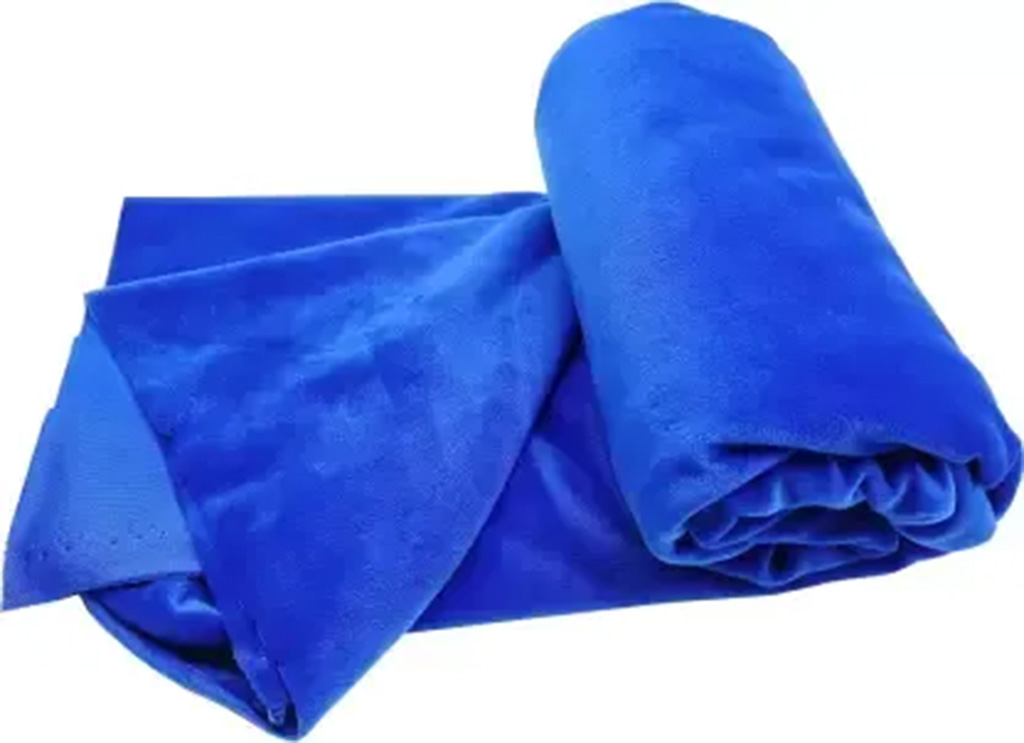
Velvet Fabric
Plush Fillings
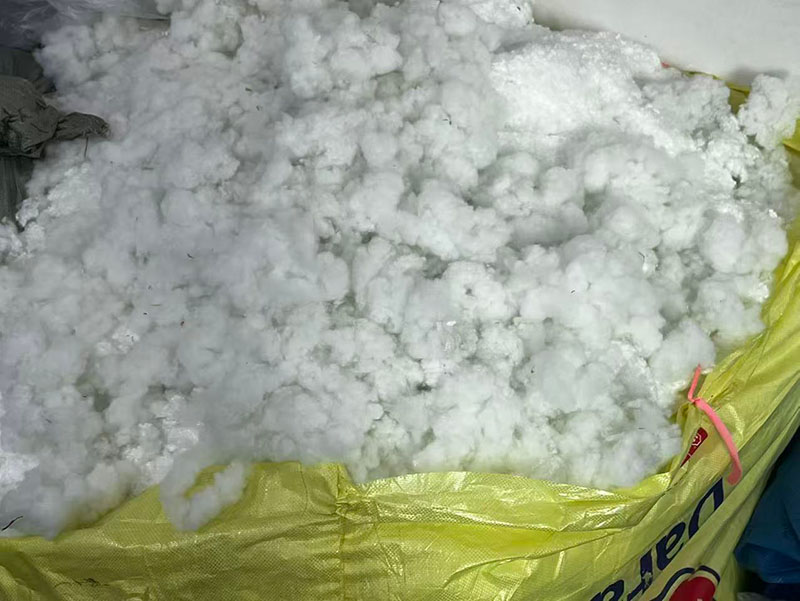
PP Cotton
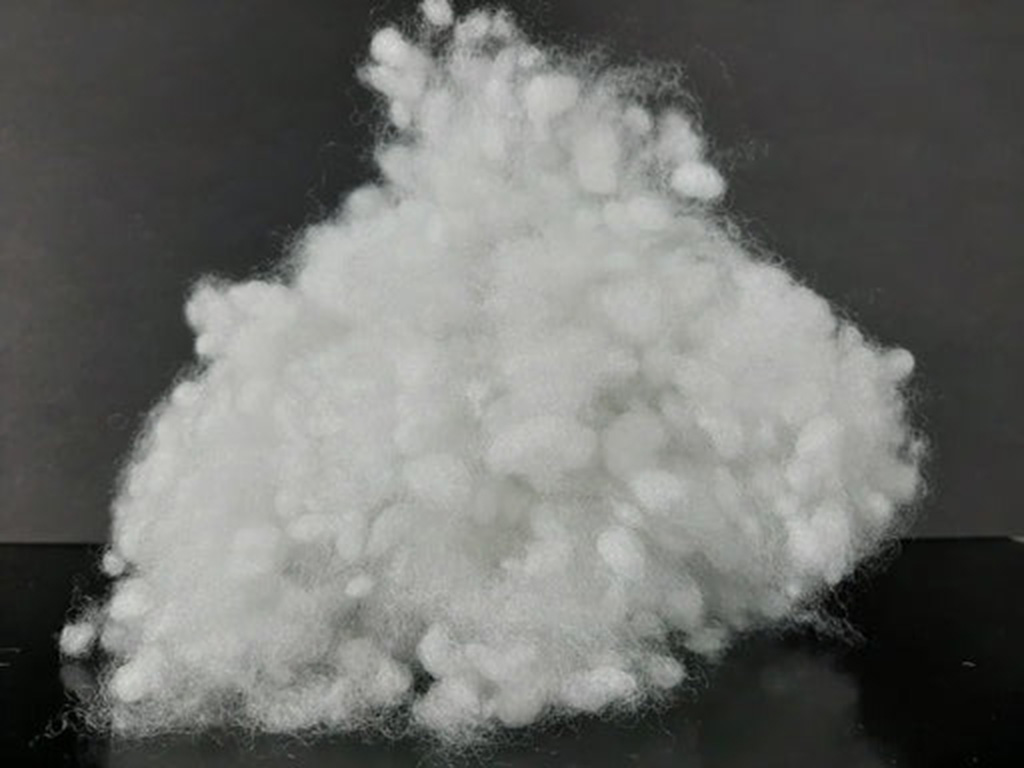
Polyester Fiber
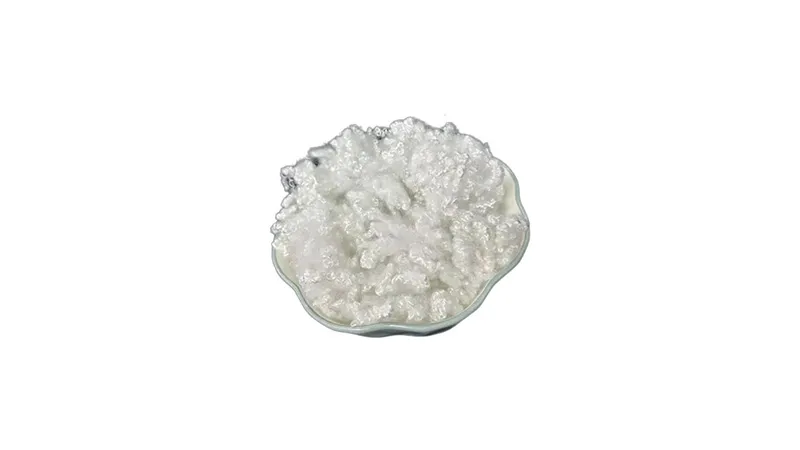
Recycled Fiber Filling
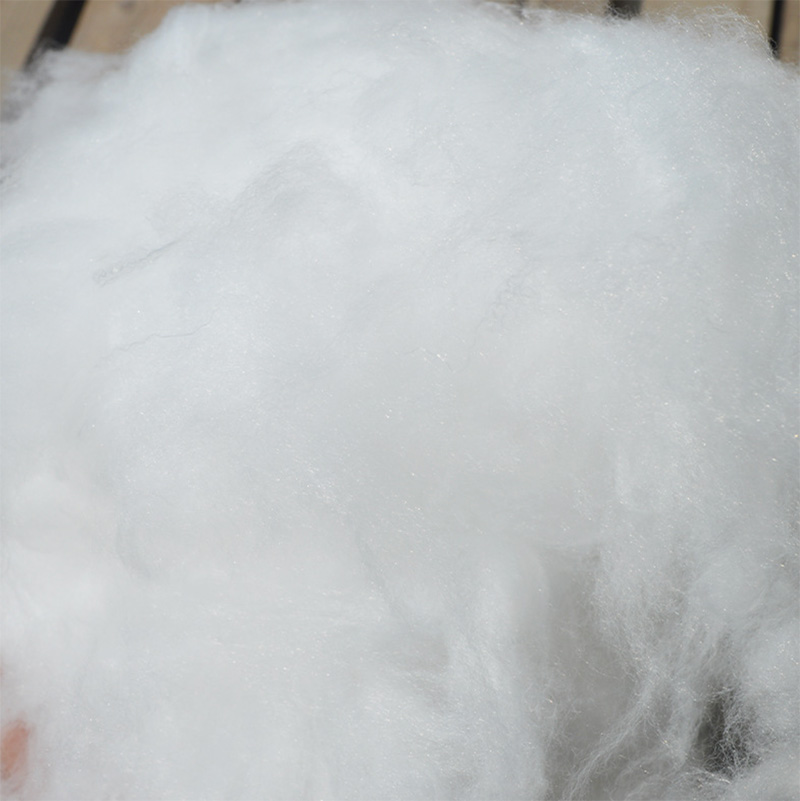
Down Cotton
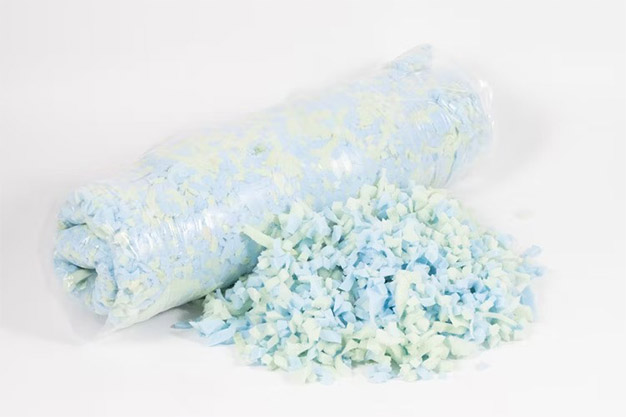
Memory Foam Pieces
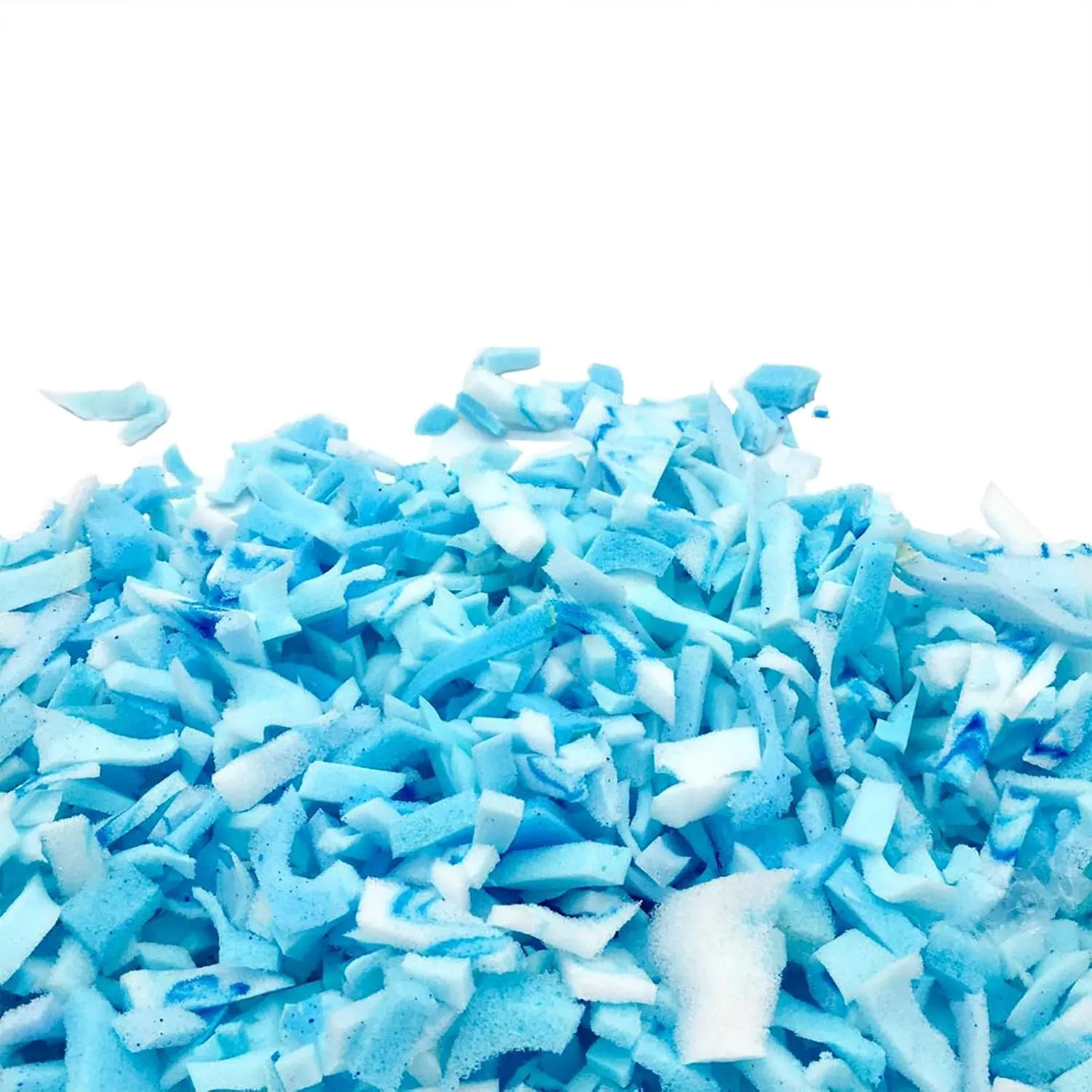
Shredded Foam
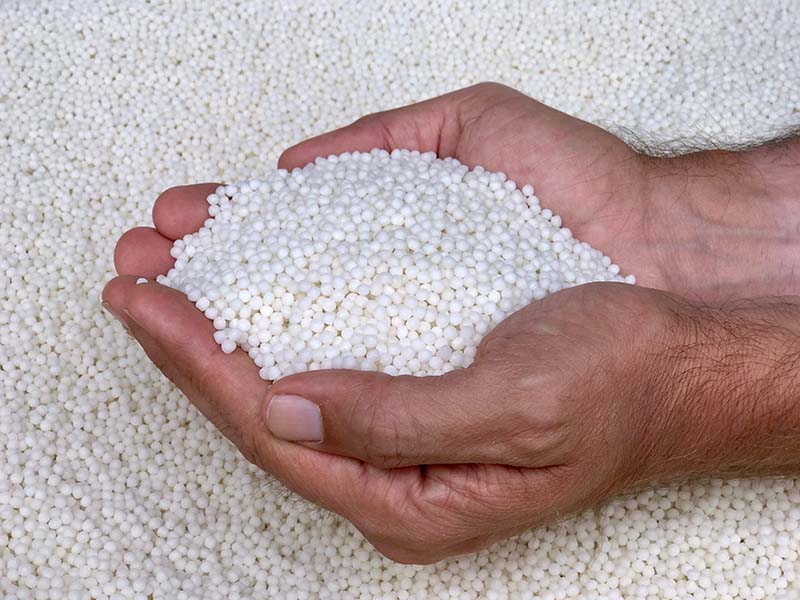
Weighted Beads
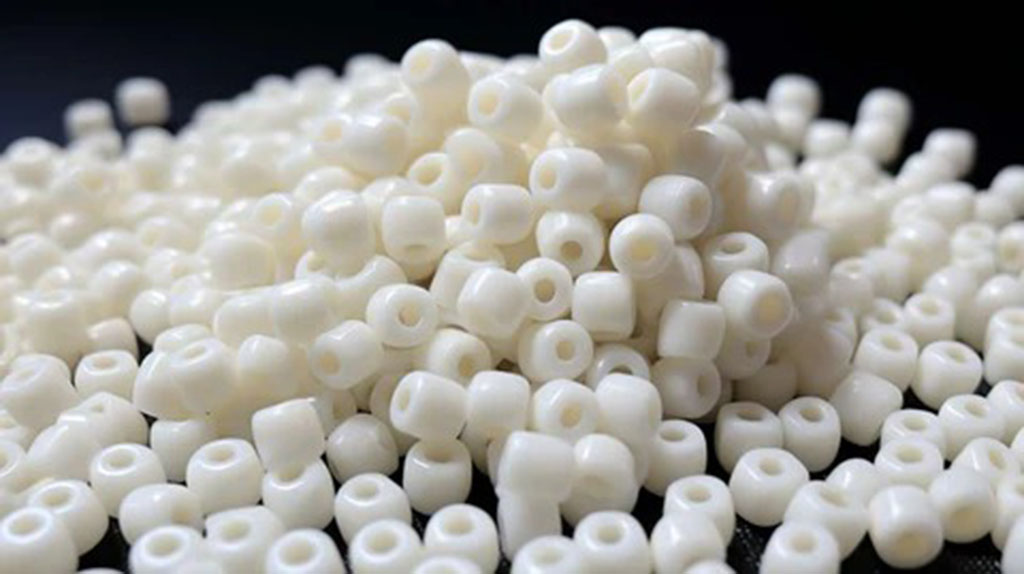
Plastic Pellets
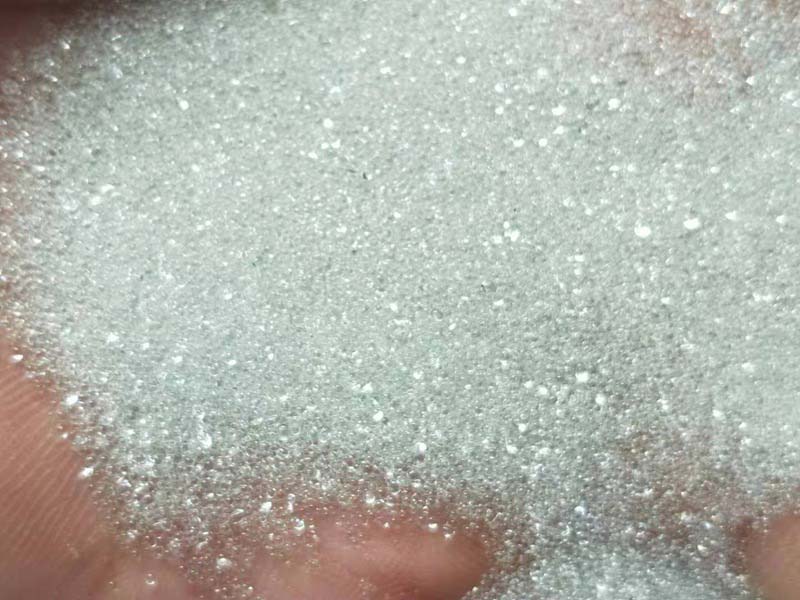
Glass Beads

Sand Beads
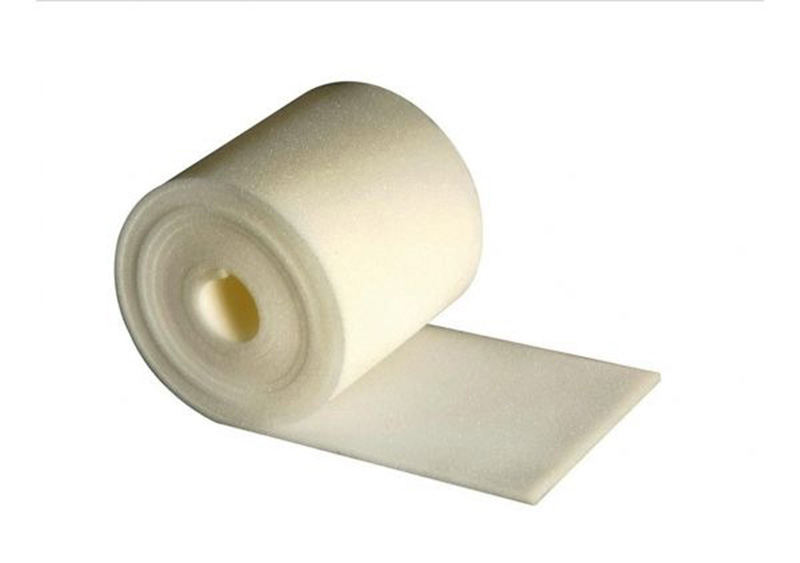
Foam Inserts
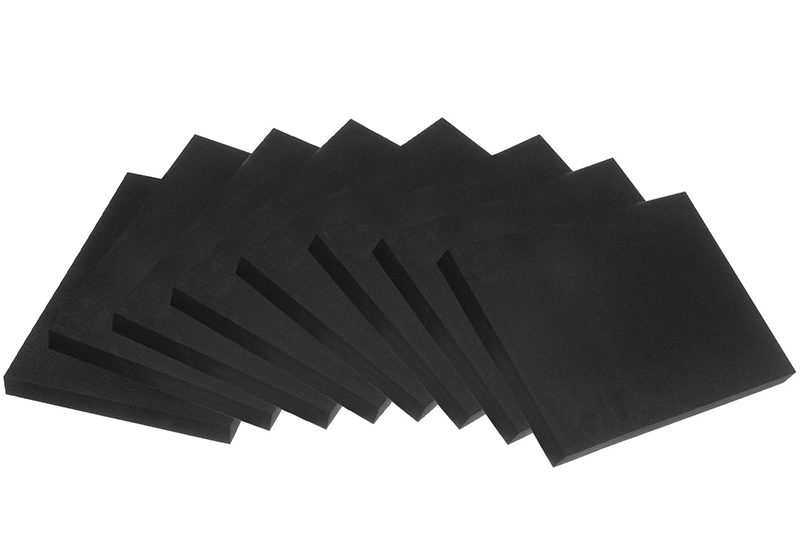
EPE Foam
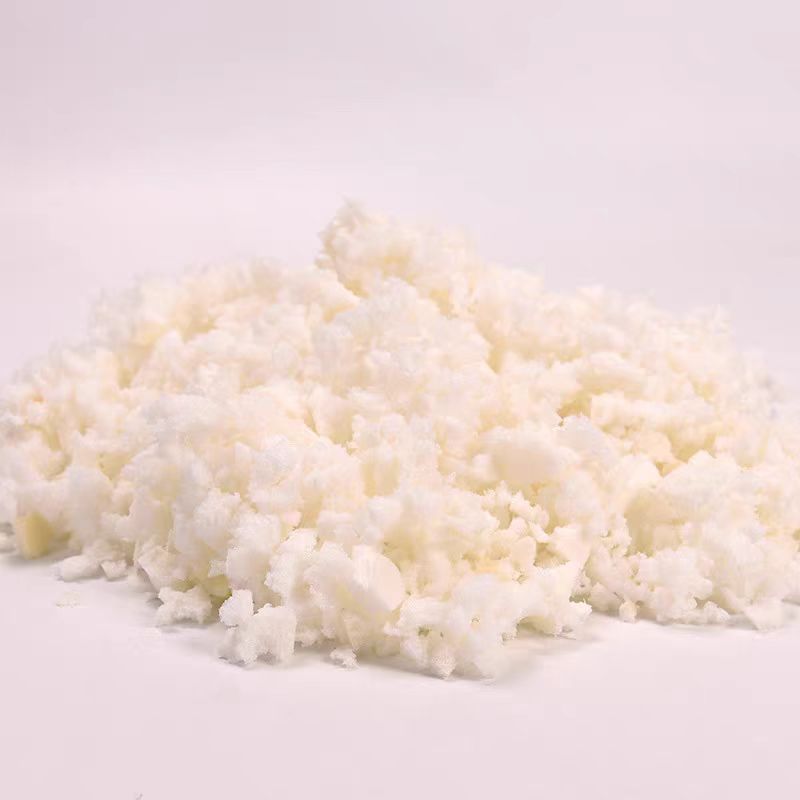
Sponge Filling
A broad and stable fabric system is essential for long-term plush toy cooperation. With flexible material options and controlled sourcing, brands can maintain consistency while expanding product lines over time.
Who Is Best Suited for Long-Term Plush Toy Cooperation
Long-term cooperation is not for every buyer, but it is ideal for brands and businesses that value stability, consistency, and scalable growth. If your business involves repeat production, brand continuity, or multi-season planning, working with a long-term plush toy manufacturing partner can significantly reduce risk and improve efficiency.
If your business relies on repeat orders, consistent quality, and long-term planning, working with a plush toy manufacturer focused on long-term cooperation can become a strategic advantage rather than a sourcing challenge.
Common Risks in Long-Term Plush Toy Cooperation and How They Are Managed
Long-term cooperation creates stability, but only when common risks are clearly understood and actively managed. Many problems do not appear in the first order. They emerge gradually as products are reordered, materials are reused, or production scales up. The key is not pretending risks do not exist, but building systems that prevent small issues from becoming long-term problems.
Sample Does Not Fully Match Mass Production
This risk is managed by developing samples based on real mass production conditions rather than visual approval alone. When patterns, materials, stitching methods, and filling ratios used in sampling are aligned with bulk production, the gap between approved samples and finished products is significantly reduced over time.
Material Changes Over Time
This risk is reduced by standardizing material specifications and tracking approved fabrics and fillings across orders. By keeping clear records of material choices and sourcing, changes caused by availability or cost pressure can be identified early and managed in a controlled way.
Gradual Quality Drift
Quality drift is avoided through consistent inspection standards and repeatable production processes. By monitoring stitching quality, filling balance, and finishing details across every batch, small deviations can be corrected before they accumulate into noticeable quality issues.
Cost Increases Without Clear Explanation
This risk is managed by maintaining transparency around cost drivers such as materials, labor, and production processes. When cost changes are communicated early and clearly, brands can adjust planning instead of reacting to surprises.
Communication Gaps Over Time
Communication gaps are reduced by maintaining continuity in project information and clear points of contact. When design decisions, revisions, and production notes are consistently recorded and referenced, cooperation remains smooth even as time passes.
Loss of Project Knowledge Across Orders
This risk is avoided by treating each project as part of a long-term timeline rather than isolated orders. By carrying forward previous agreements, standards, and production notes, later orders remain aligned with earlier expectations.
Long-term cooperation becomes reliable when common risks are acknowledged and managed systematically. Understanding how these issues are prevented helps brands build manufacturing partnerships that stay stable over time.
Quality Control and Consistency Built for Long-Term Cooperation
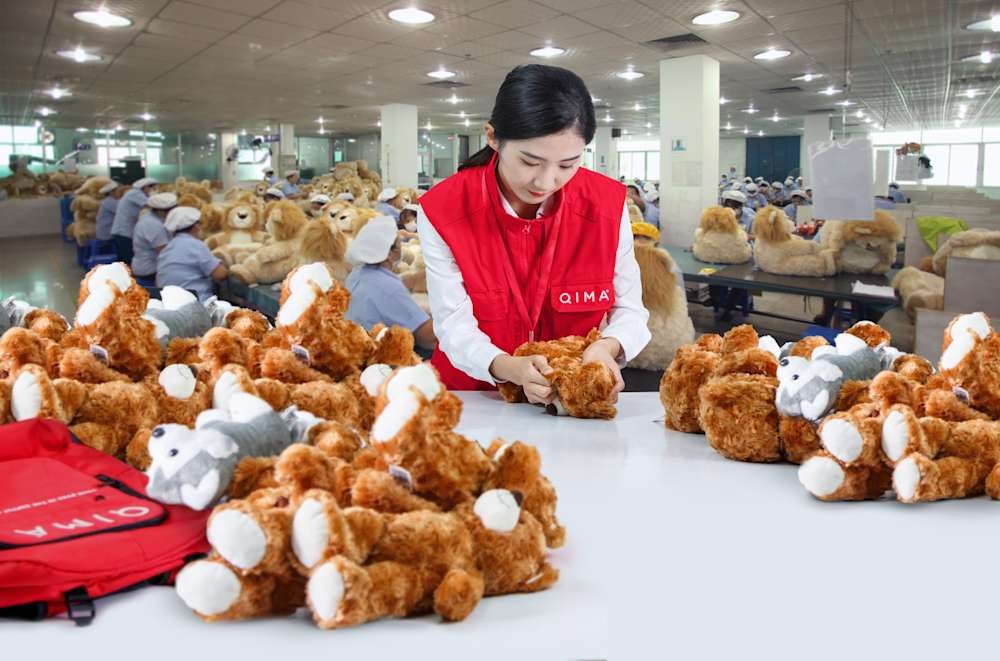
Quality control for long-term cooperation is not about checking one order. It is about maintaining the same standards across repeated production, different batches, and growing volumes. A stable quality system helps brands protect product reputation, reduce risk, and keep customer experience consistent over time.
Consistent Standards Across All Orders
Quality consistency starts with clearly defined standards that apply to every order, not just the first one. When the same expectations for stitching, filling, shape, and finishing are followed each time, products remain consistent even as production scales up.
Process-Based Quality Control
Long-term consistency depends on controlling the production process, not only inspecting finished products. By monitoring key steps during cutting, sewing, filling, and assembly, quality issues can be corrected early before they affect entire batches.
Repeatability Over Time
As cooperation continues, products should become easier to reproduce accurately. Stable patterns, materials, and craftsmanship help ensure that repeat orders match earlier production, even when they are placed months or years apart.
Ongoing Review and Adjustment
Long-term quality is maintained through regular review and adjustment. By evaluating production results over time, small improvements can be made without disrupting consistency, helping quality stay stable while processes gradually improve.
Trusted by Leading Global Brands
Strong partnerships prove strong capabilities. Over the years, Kinwin has worked with world-leading brands and retailers to deliver interactive plush toys that meet the highest standards of creativity, safety, and quality. By choosing us, you gain a supplier that is trusted by top companies worldwide—and the same reliability is available to your brand.




Dedicated Support Systems for Long-Term Plush Toy Partners
Priority Project Handling
Long-term partners benefit from priority handling across sampling, production scheduling, and repeat orders. This helps reduce waiting time, improve responsiveness, and keep projects moving smoothly during busy seasons or peak production periods.
Stable Project Team & Continuity
Long-term cooperation allows you to work with a stable project team that understands your products, standards, and history. This continuity reduces repeated explanations and helps each new order build directly on previous experience.
Early Planning & Capacity Coordination
For long-term partners, production planning can move from reactive to proactive. Early coordination on timelines, volumes, and seasonal demand helps reduce risk and supports more predictable delivery.
Continuous Improvement & Feedback Loop
Long-term cooperation works best when support is structured, predictable, and designed to grow with your business. With dedicated support systems in place, your plush toy projects become easier to manage, easier to scale, and more stable over time.
Explore Our Custom Plush Toy Series
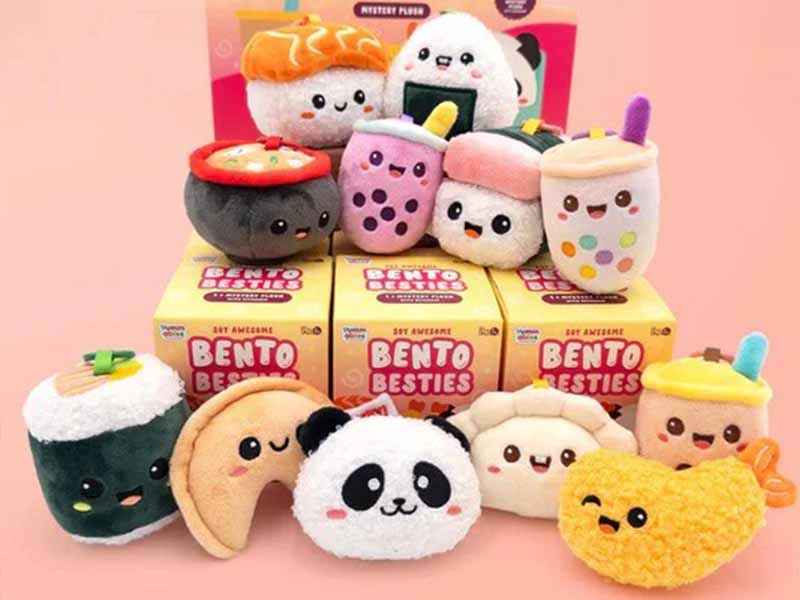
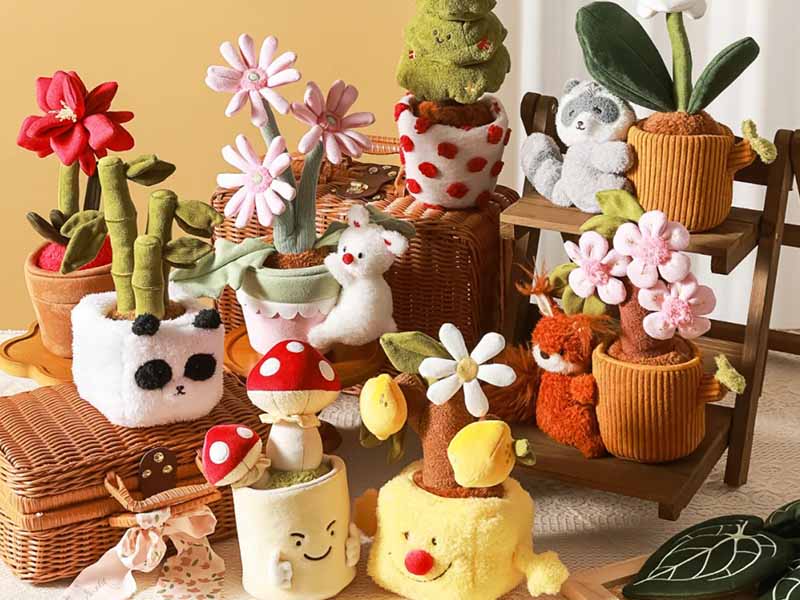
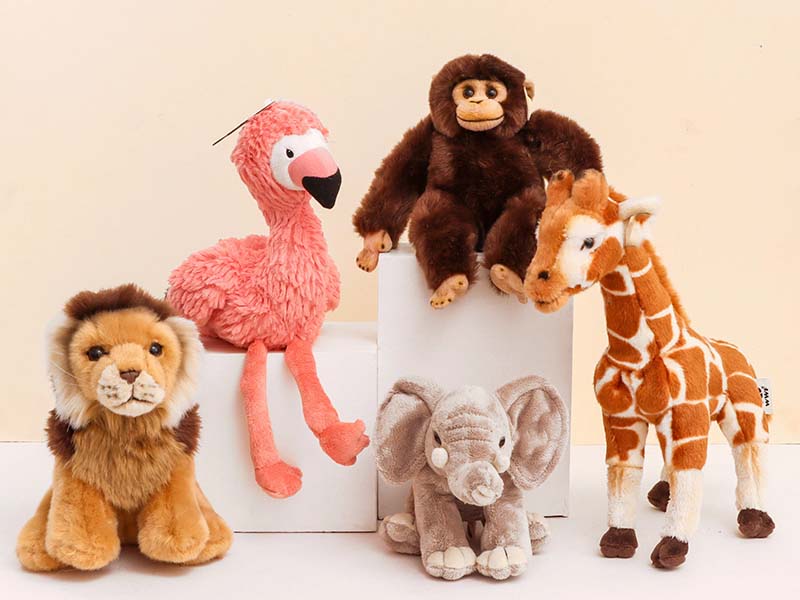
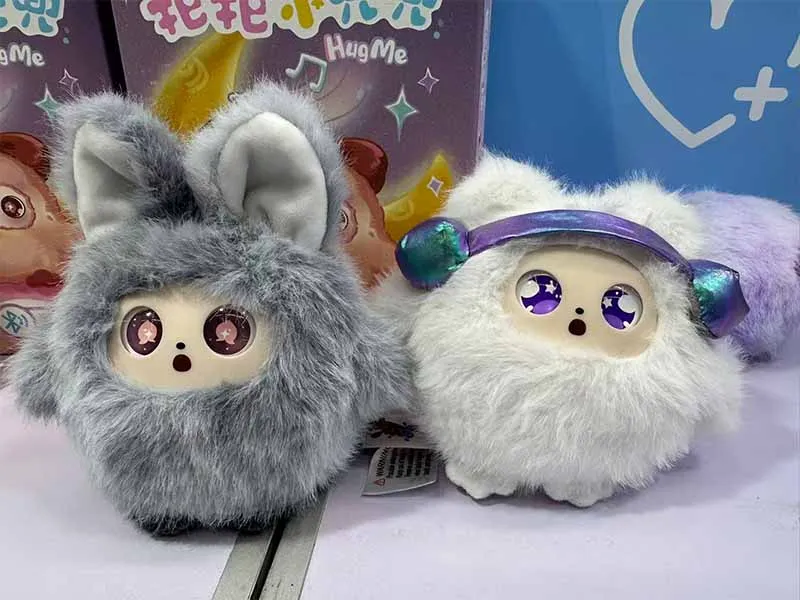
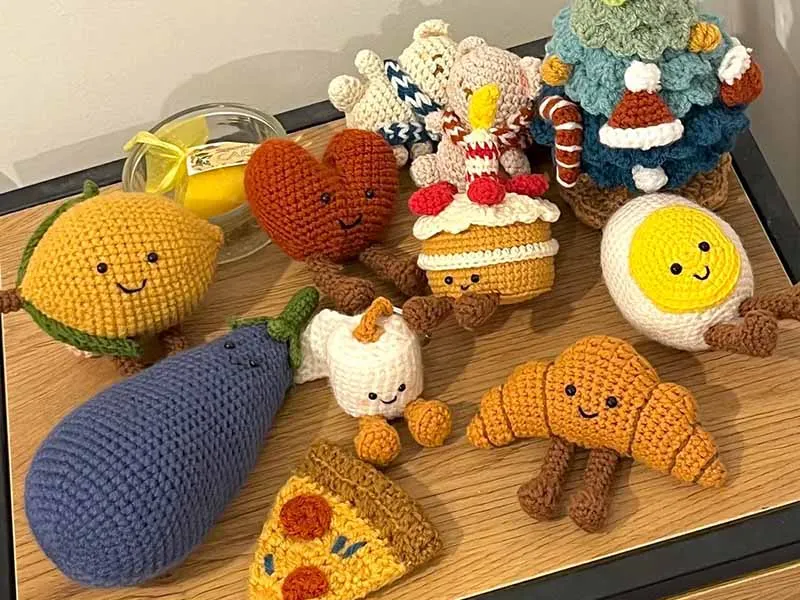
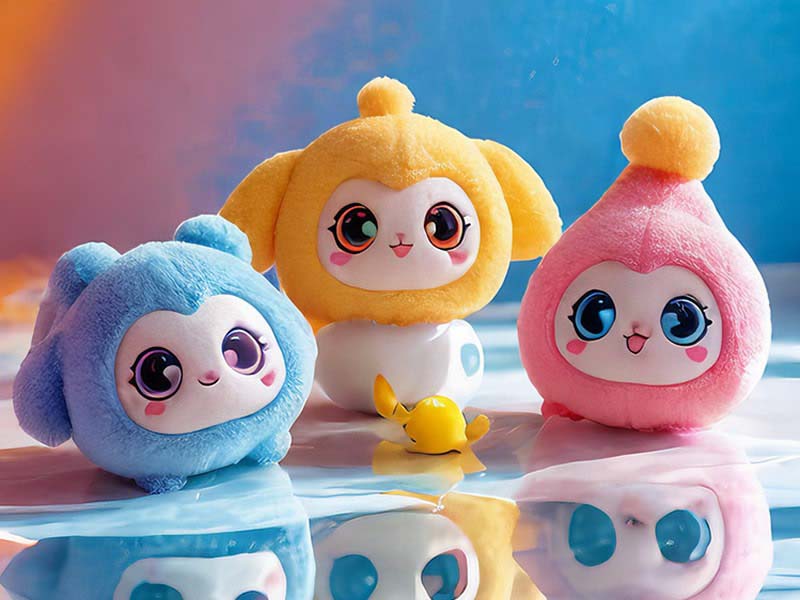
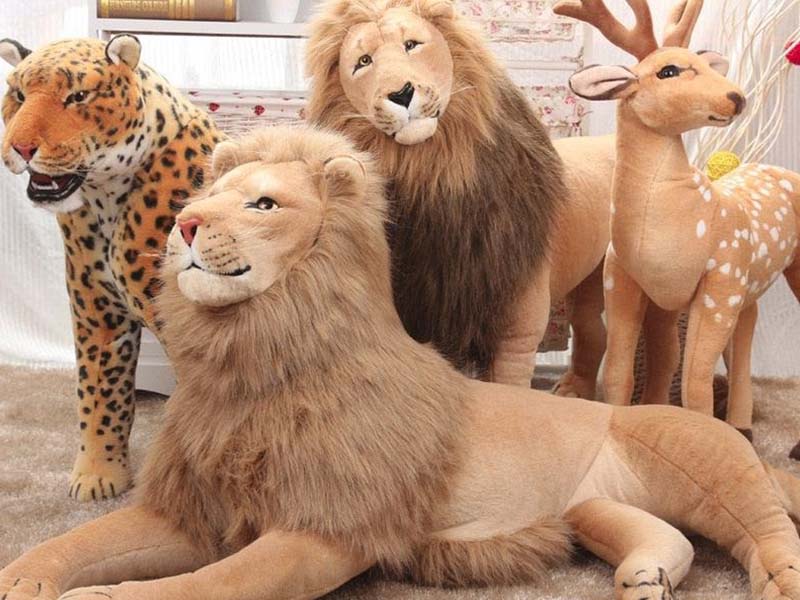
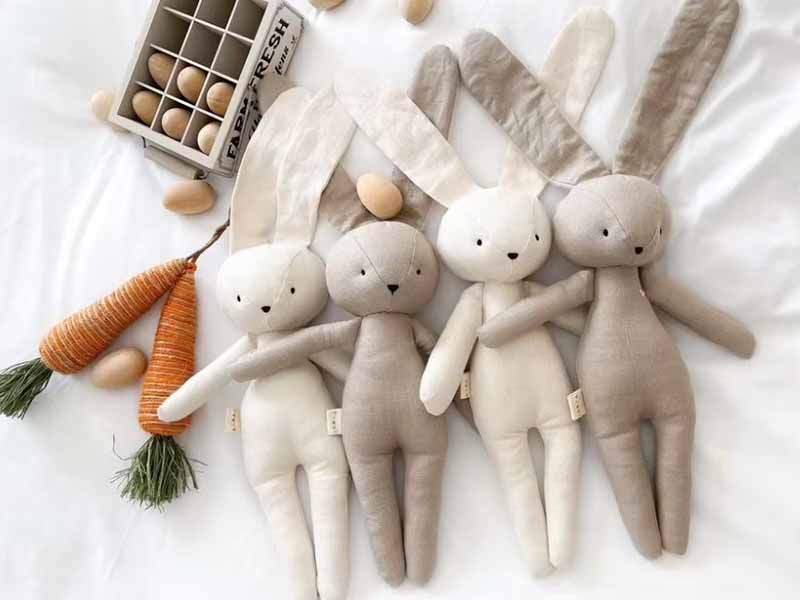
We offer a wide selection of plush toys to meet different business needs. From baby-safe stuffed animals to collectible plush dolls, our product lines are designed for global brands, retailers, e-commerce, and promotional projects.
Ready to Build a Long-Term Plush Toy Manufacturing Partnership
Choosing a plush toy manufacturer for long-term cooperation is a strategic decision, not a short-term purchase. A stable manufacturing partner helps you reduce development risk, maintain consistent quality, and plan production with confidence over time. When cooperation is built on clear systems, shared understanding, and long-term support, your supply chain becomes an advantage instead of a challenge.
Whether you are managing repeat orders, expanding product lines, or planning future collections, working with a long-term focused plush toy manufacturer allows your brand to move faster, safer, and more efficiently. The earlier this partnership is built, the more value it creates over time.
Frequently Asked Questions
1. How is long-term cooperation different from placing single orders
Long-term cooperation focuses on consistency, repeatability, and planning across multiple orders rather than optimizing a single project. It allows manufacturing processes, materials, and communication to stabilize over time, reducing development risk and improving efficiency as cooperation deepens.
2. How do you ensure consistency across repeat orders
Consistency is achieved through stable production standards, controlled materials, and project continuity. Designs, specifications, and production notes are carried forward so each repeat order follows the same baseline instead of starting from scratch.
3. Will samples still match mass production over time
This is one of the main concerns in long-term cooperation. Samples are developed based on real mass production conditions, and the same methods are applied in repeat orders. This reduces the gap between approved samples and bulk production across different batches.
4. What happens if materials become unavailable in the future
Material availability is managed through clear specifications and early communication. When changes are unavoidable, alternatives are evaluated carefully to maintain appearance, feel, and performance as closely as possible, rather than making unannounced substitutions.
5.How are costs managed in long-term cooperation
Long-term cooperation focuses on cost transparency and stability rather than short-term pricing. By understanding cost drivers and planning production more effectively, brands can avoid unexpected increases and make more accurate long-term pricing decisions.
6. Does long-term cooperation reduce lead time for repeat orders
Yes. As designs, materials, and processes become familiar, repeat orders typically move faster with fewer revisions. This helps brands respond more quickly to market demand and seasonal opportunities.
7.How is communication handled over long-term projects
Communication continuity is maintained by keeping project records and clear points of contact. This ensures decisions and standards are not lost over time, even as projects evolve or volumes change.
8. Is long-term cooperation suitable for growing brands
Yes. Long-term cooperation is especially suitable for growing brands that plan to expand product lines, manage repeat orders, or scale production gradually. It provides stability while allowing controlled growth.
9.Can new products be added during long-term cooperation
Long-term cooperation supports ongoing product expansion. Existing knowledge of brand standards and processes makes new product development faster and lower risk compared to starting with a new supplier each time.
10.How do we know if long-term cooperation is right for us
If your business relies on repeat orders, consistent quality, or multi-season planning, long-term cooperation is often a better fit than switching suppliers frequently. It helps reduce uncertainty and supports sustainable growth.
If You Can lmagine lt,We Will Create lt!
1.Tell Us What You Need
Tell us as specific as possible of your needs and share your idea.
2.Get Solution & Quote
We will work on the best solution according to yourrequirements,the specific quote will be provided within 24 hours.
3.Approve for Mass Production
We will start mass production after getting your approval.