 Skip to content
Stuffed Toys Making: From Design to Custom Manufacturing
From concept to finished plush toys, we support every stage of stuffed toys making with professional manufacturing processes, safe materials, and scalable production. Whether you have a complete design or just an idea, you can turn it into a market-ready stuffed toy with reliable quality, clear timelines, and export-ready standards.
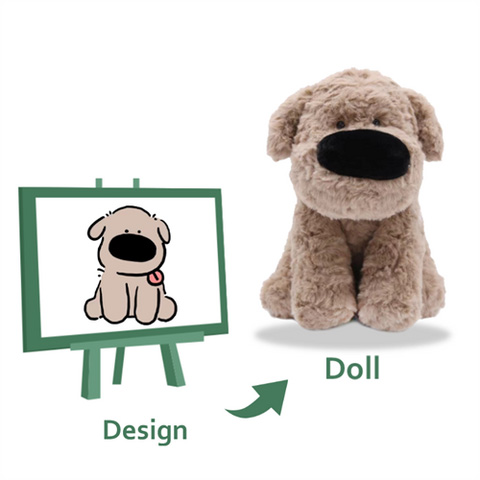
Key Advantages of Our Stuffed Toys Making Services
Our strengths are designed to help brands reduce development risks, control quality, and move from idea to production more efficiently. Each advantage focuses on what matters most during stuffed toys making and long-term cooperation.

Focused Experience in Stuffed Toys Manufacturing
We specialize in stuffed toys making and understand plush structures, materials, and production challenges. This focus helps avoid common design and manufacturing issues from the start.
Efficient Sampling & Development Support
We support sample development from both clear designs and early concepts. This allows brands to validate structure, materials, and appearance before mass production.
Consistent Quality Control System
Quality is checked across materials, sewing, stuffing, and final inspection. This helps maintain stable quality across different batches and order sizes.
Flexible Production Capacity
Our production setup supports both small trial orders and larger-scale production. Brands can test the market and scale up without changing suppliers.
Export-Ready Standards & Clear Communication
We are familiar with international safety standards and export requirements. Clear communication helps keep timelines and expectations aligned.
With the right manufacturing partner, stuffed toys making becomes more predictable and less risky. A structured process, clear communication, and consistent quality control help brands move faster, reduce uncertainty, and build plush product lines that are ready for long-term growth.
Factory-Direct Stuffed Toys Making: Cut Costs by Skipping Middlemen
Working directly with a stuffed toys making factory helps brands avoid unnecessary layers, unclear pricing, and communication delays. By cutting out trading companies and intermediaries, costs become more transparent, decisions are faster, and production risks are easier to control.
No Middleman Markups on Production Costs
Factory-direct cooperation means you pay for actual manufacturing, not added margins from agents or resellers. Costs related to materials, labor, sampling, and production are clearly broken down, helping brands control budgets and reduce overall unit prices.
Direct Access to Production Decisions
Without intermediaries, your requirements go straight to the production team. Design changes, material adjustments, and timeline discussions can be handled quickly, reducing misunderstandings and avoiding repeated revisions that increase cost.
More Efficient Sampling & Production Cycles
Direct communication with the factory shortens the sampling and production process. Faster feedback and clearer instructions help reduce delays, improve efficiency, and lower hidden costs caused by repeated corrections or extended timelines.
Better Cost Control as Orders Scale
As order quantities increase, factory-direct pricing allows brands to benefit from real production efficiencies. Material sourcing, labor planning, and production scheduling can be optimized to achieve better pricing without sacrificing quality.
Working factory-direct allows brands to manage cost, quality, and timelines with greater clarity. By removing unnecessary intermediaries, stuffed toys making becomes more efficient, transparent, and scalable, helping projects move forward with fewer surprises and better long-term control.
Stuffed Toys Making Product Types & Applications
Our stuffed toys making capabilities cover a wide range of plush styles and product categories. From classic designs to trend-driven concepts, these examples show how different stuffed toy types can be developed, customized, and produced for various markets and applications.
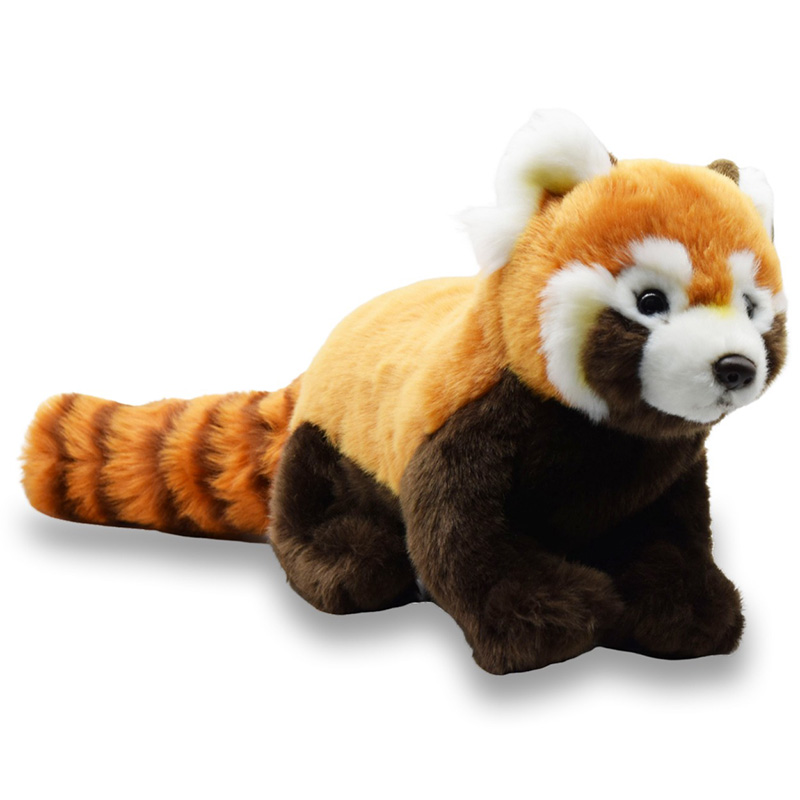
Animal Stuffed Toys
Classic animal plush toys with stable structures and soft materials, widely used for retail, gifting, and licensed character projects.
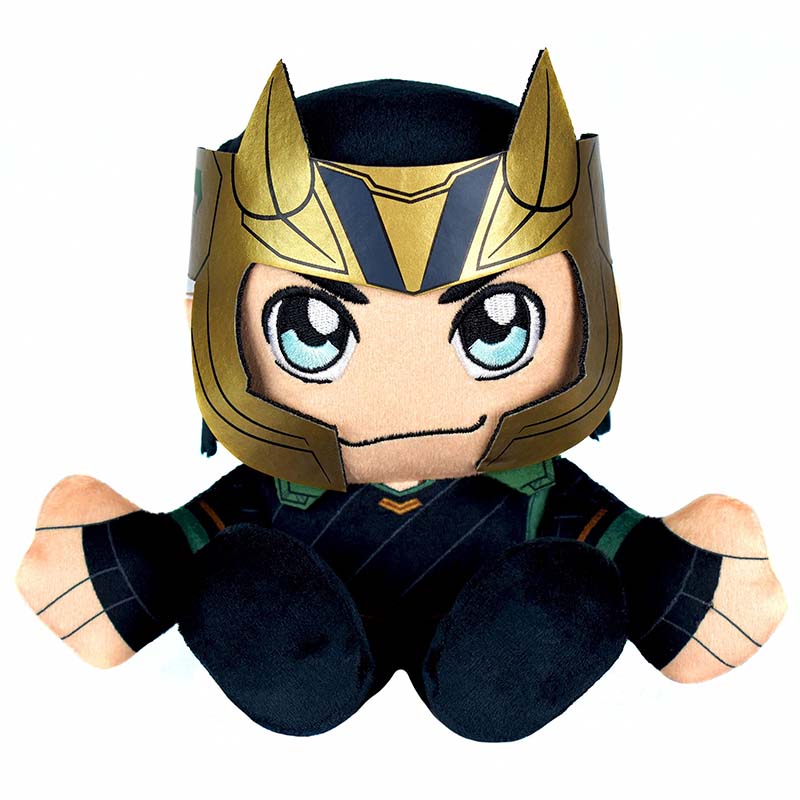
Cartoon Character Plush Toys
Custom plush toys based on original or licensed characters, focusing on shape accuracy and visual consistency.
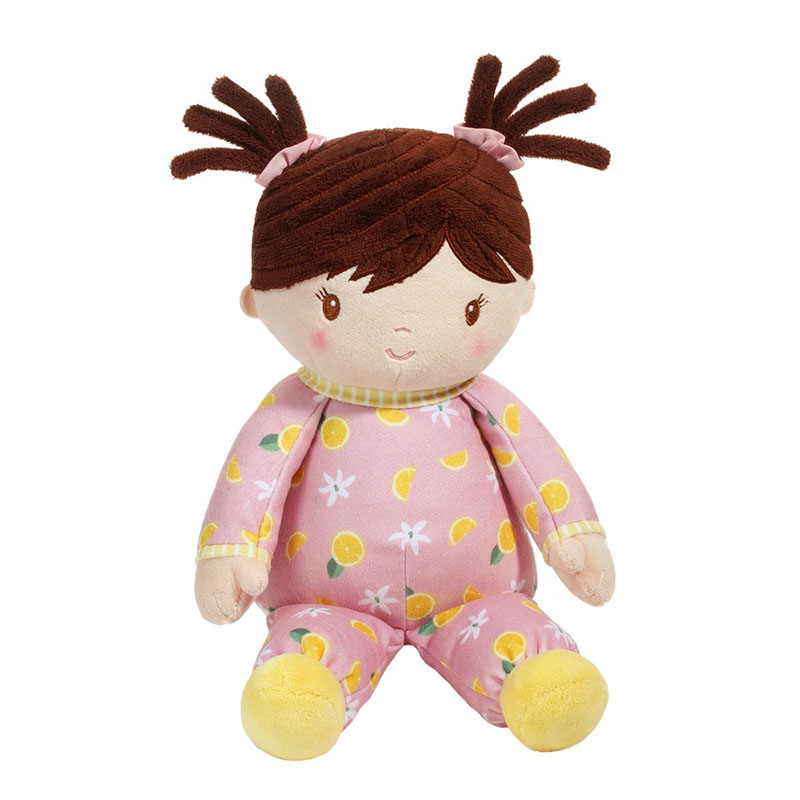
Doll & Human Plush Toys
Plush dolls with detailed facial features, hair, and clothing options, suitable for brand mascots and storytelling products.
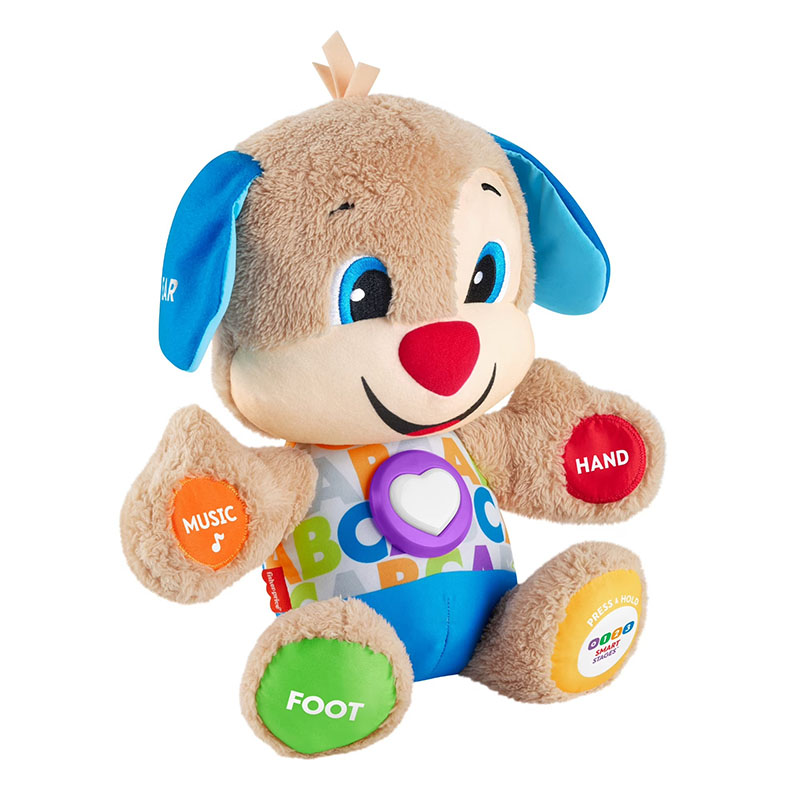
Baby & Infant Plush Toys
Soft, lightweight plush toys designed with safety, comfort, and gentle textures for younger age groups.
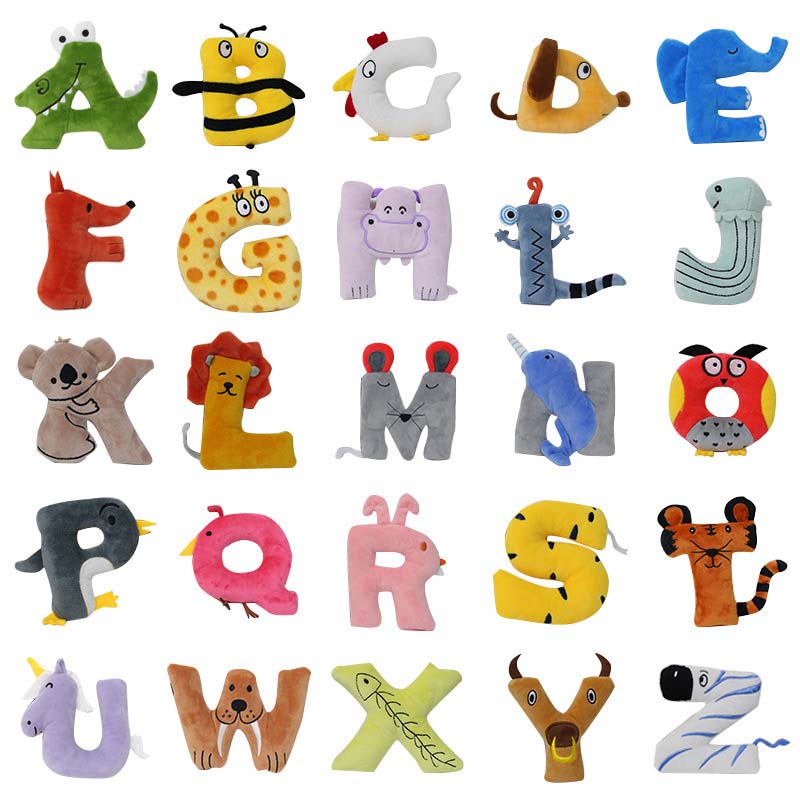
Educational Plush Toys
Stuffed toys developed for learning purposes, combining plush comfort with educational themes or functions.
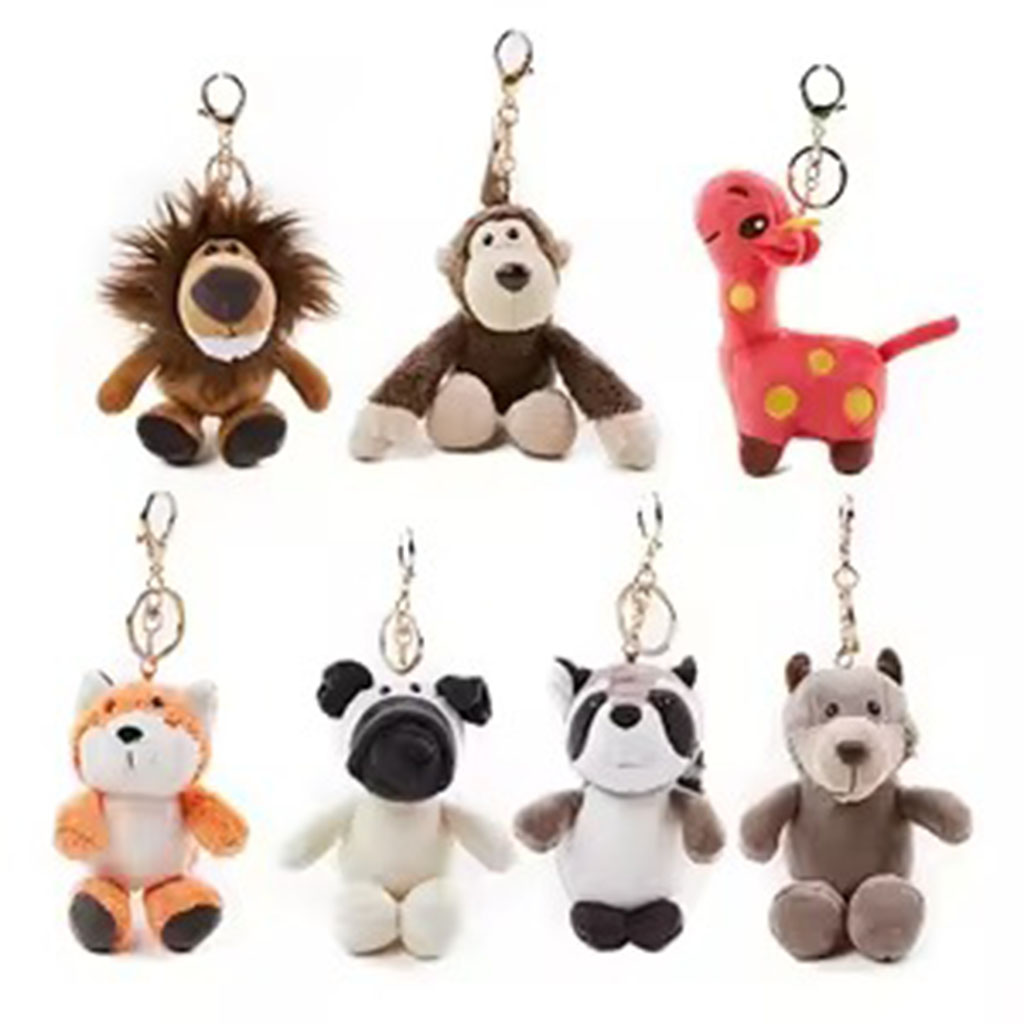
Plush Keychains
Small-sized stuffed toys designed for portability, branding, and promotional use.
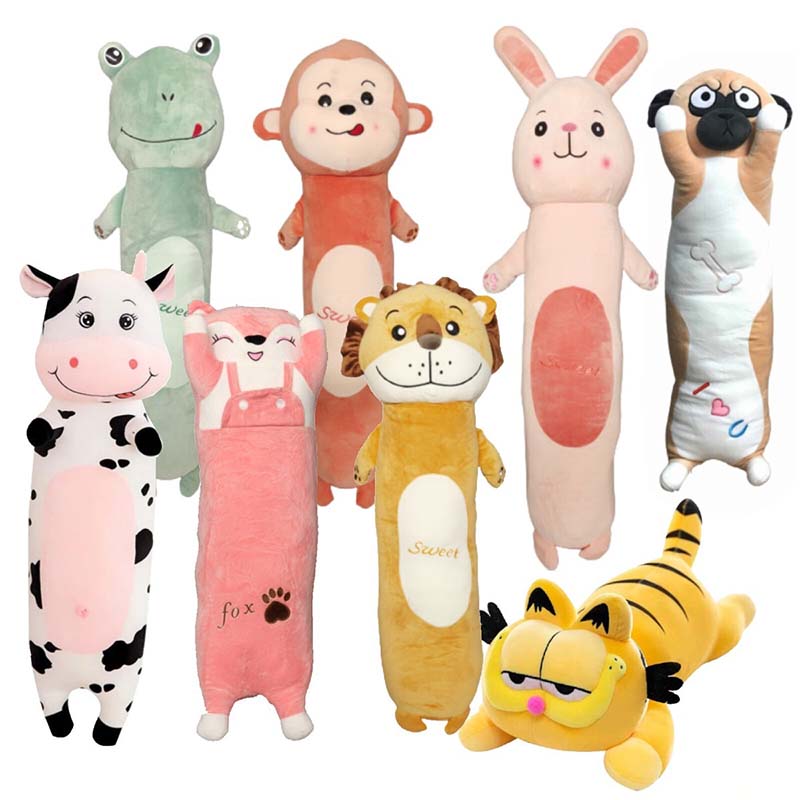
Plush Pillows & Cushions
Larger plush products focused on comfort and shape stability, often used for home or lifestyle markets.
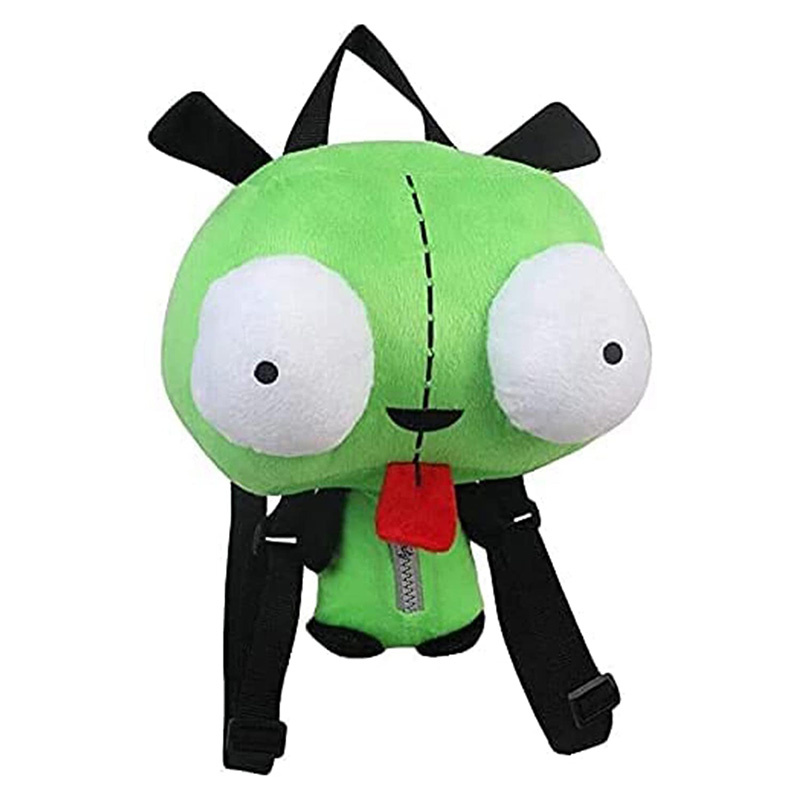
Plush Backpacks
Functional plush products combining soft materials with wearable structures for children and novelty markets.
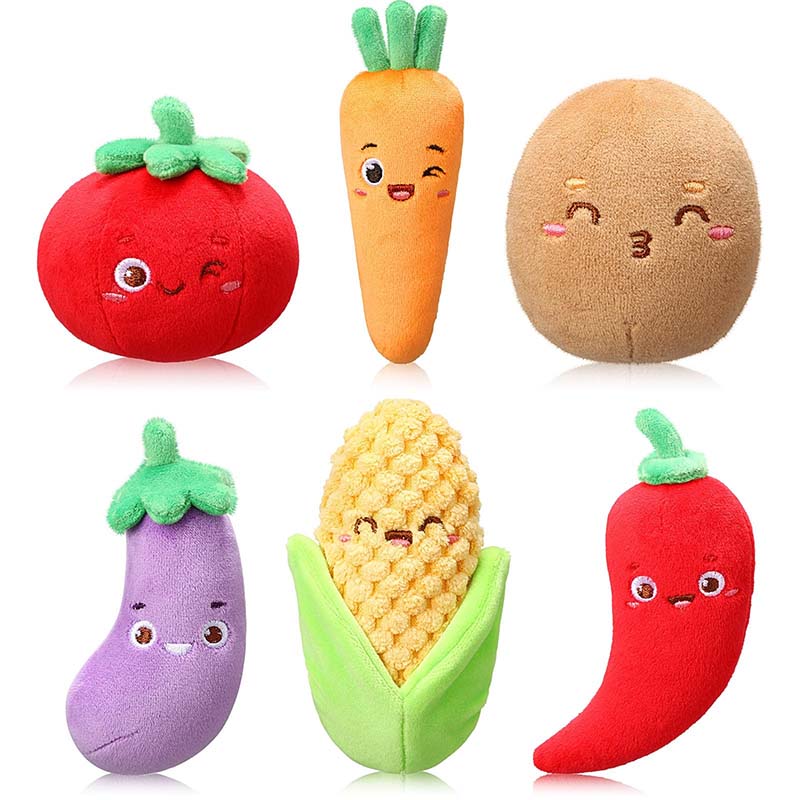
Food & Fruit Plush Toys
Creative plush toys inspired by food and fruit designs, popular in gifting and novelty collections.
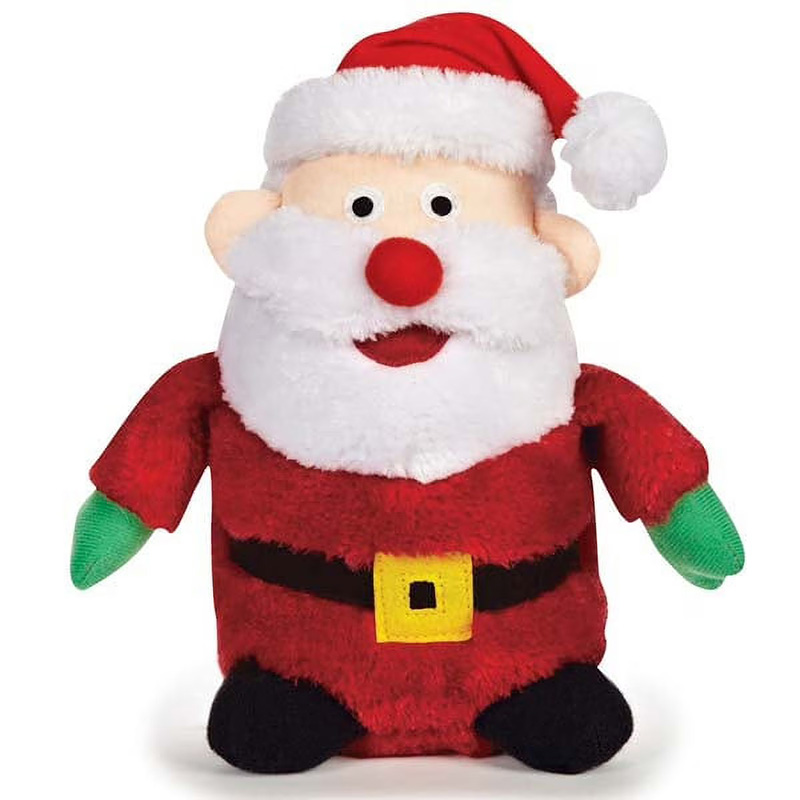
Holiday & Seasonal Plush Toys
Seasonal stuffed toys designed for holidays and special events, supporting short production cycles.
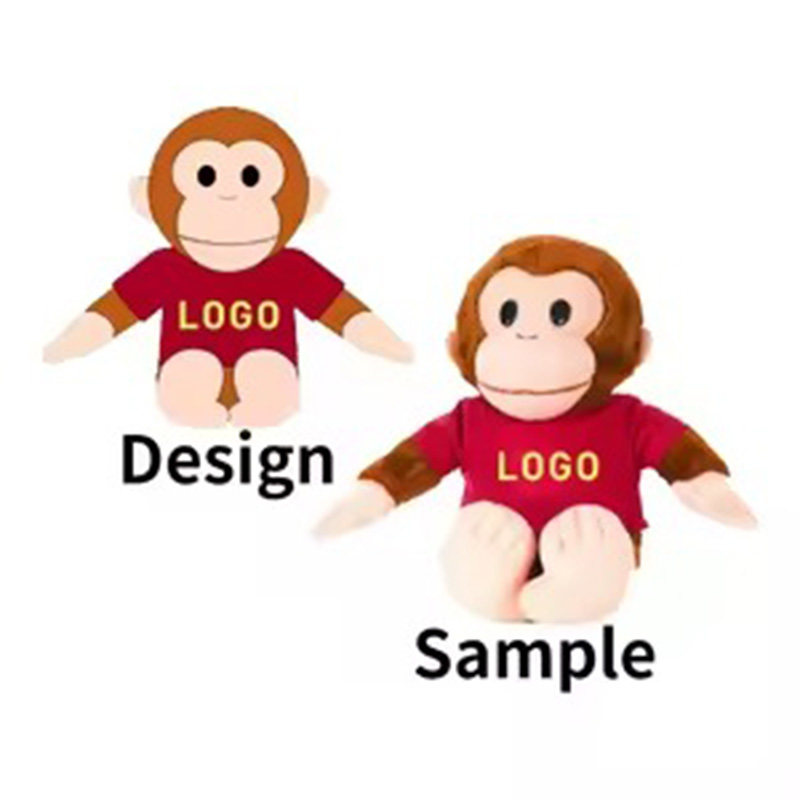
Plush Mascots
Custom plush mascots developed for brands, events, or corporate identity representation.
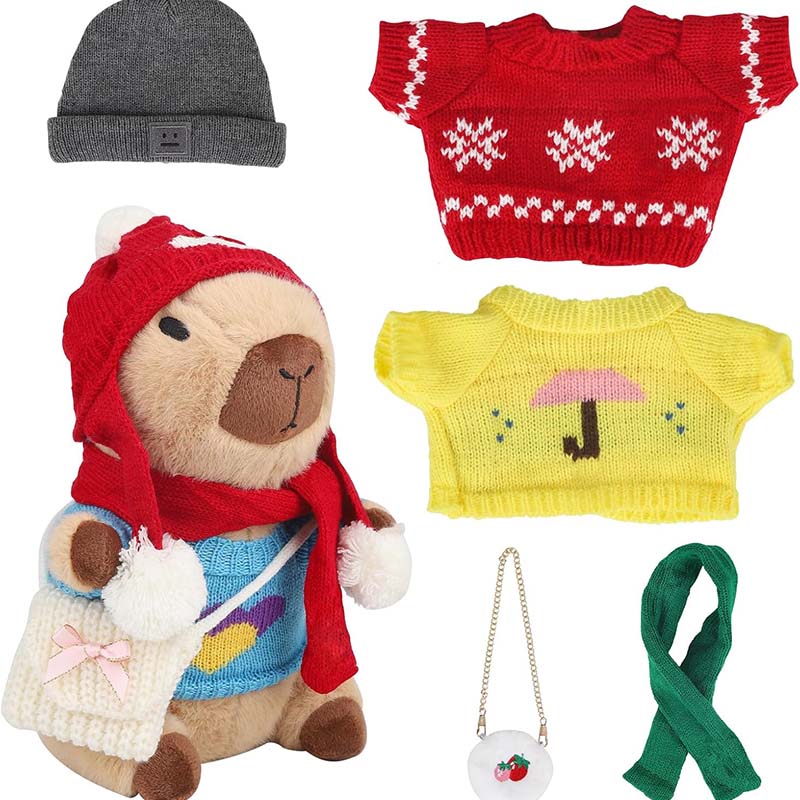
Plush Toy Sets
Multiple plush toys produced as coordinated sets, designed for collections or bundled sales.
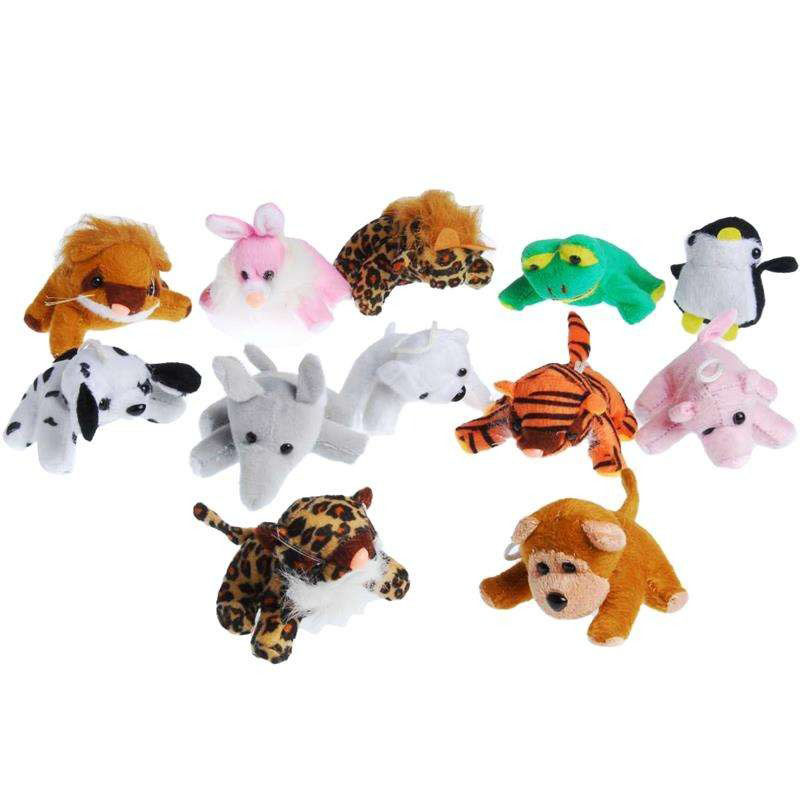
Mini Plush Toys
Compact plush toys optimized for mass distribution, promotions, or vending channels.
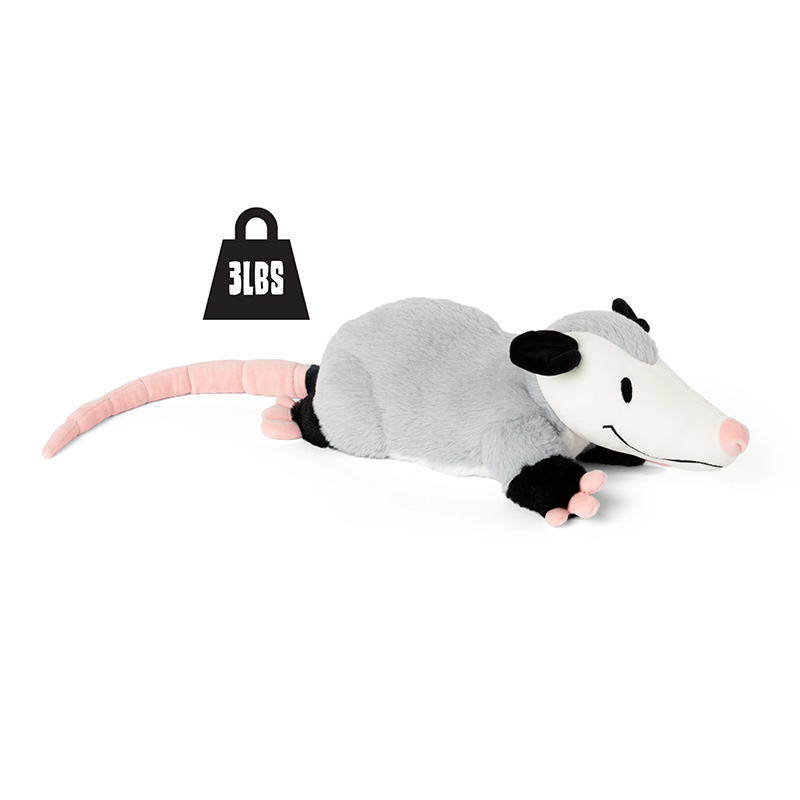
Weighted Plush Toys
Stuffed toys designed with added weight for comfort, relaxation, or sensory applications.
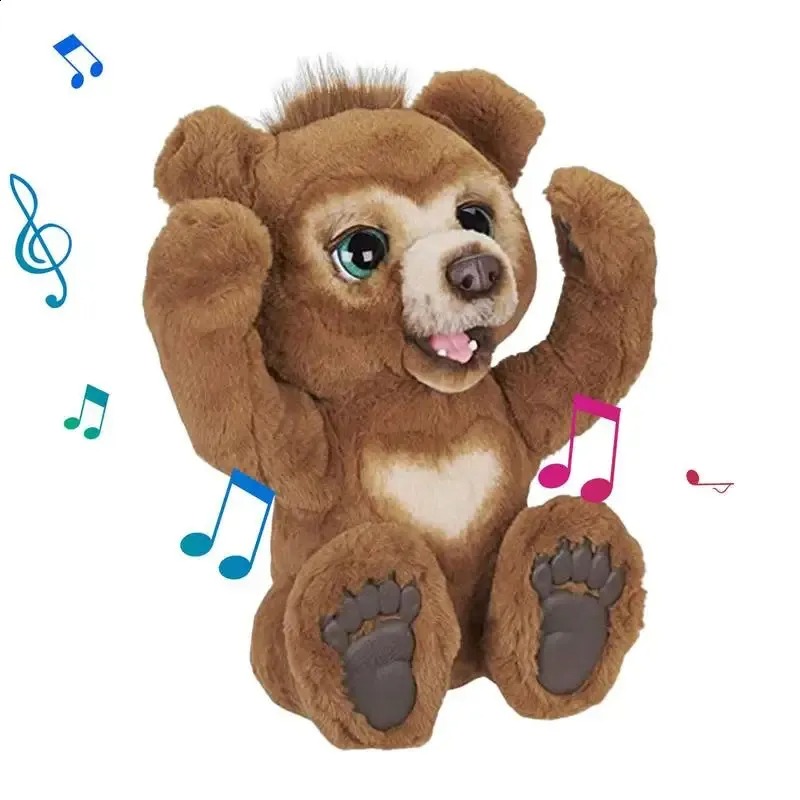
Interactive Plush Toys
Plush toys integrated with sound modules or interactive elements to enhance user engagement.
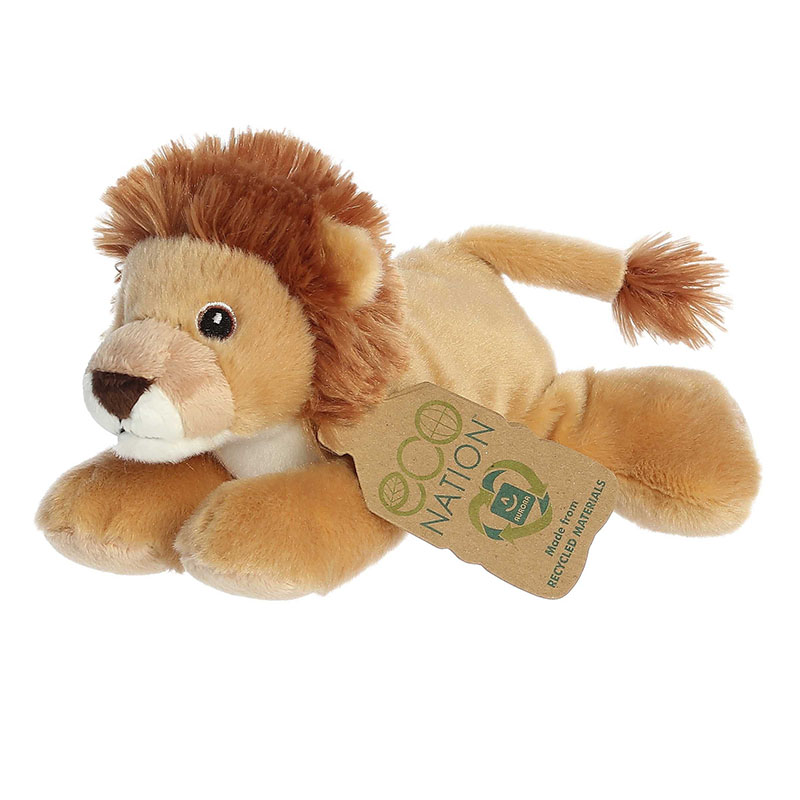
Eco-Friendly Plush Toys
Stuffed toys made with recycled or sustainable materials for environmentally conscious brands.
How to Start a Custom Stuffed Toy Project Step by Step
Starting a custom stuffed toy project may feel complex at first, especially if you are new to manufacturing. A clear step-by-step approach helps turn ideas into practical products while keeping cost, quality, and timelines under control.
Clarify Your Idea or Reference Direction
You don’t need a perfect design to begin. A rough idea, reference images, sketches, or similar products are enough to define the general direction, style, and intended use of your custom stuffed toy.
Define Size, Target Market, and Usage
Decide who the product is for and how it will be used. Size, age group, and application affect material choice, structure, safety standards, and overall production planning.
Discuss Materials and Budget Expectations
Early discussion about fabric types, filling materials, and budget range helps align expectations. This step ensures that design ideas match realistic cost and quality requirements.
Develop a Sample Before Mass Production
Sampling is a critical step to confirm shape, proportions, softness, and construction. Reviewing a physical sample helps identify adjustments before committing to larger production quantities.
Confirm Quantity, Timeline, and Standards
Once the sample is approved, details such as order quantity, production timeline, and required safety standards are finalized. Clear confirmation at this stage helps avoid delays and misunderstandings.
Move into Structured Production and Delivery
With all details confirmed, production follows a controlled workflow from manufacturing to inspection and shipment. This structured approach supports consistent quality and reliable delivery.
A clear and guided process helps first-time buyers move forward with confidence. With the right support, your custom stuffed toy project can progress smoothly from idea to sample and into production, without unnecessary delays or surprises.
Customization Scope in Stuffed Toys Making
A clear customization scope allows brands to fully understand how a stuffed toy can be developed, adjusted, and optimized during manufacturing. Instead of offering limited template-based options, our stuffed toys making process supports deep customization across design, materials, structure, functions, and packaging. This flexibility helps brands better control product positioning, cost structure, and market differentiation.
Design & Appearance Customization
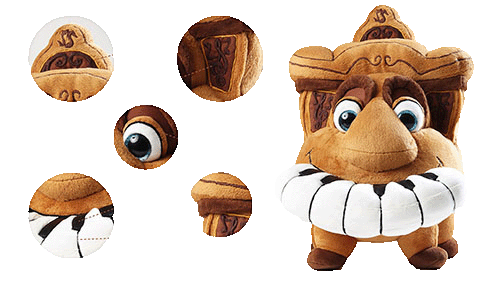
Design and appearance define how a stuffed toy is perceived by the end customer. During stuffed toys making, we help translate visual ideas into producible designs while maintaining consistency, durability, and brand identity. Adjustments are evaluated not only for aesthetics but also for manufacturing feasibility and cost efficiency, ensuring the final product matches expectations in real production.
Customizable items include:
Toy size and proportions
Overall shape and silhouette
Facial expressions and character details
Embroidery, printing, or applique techniques
Color combinations and pattern layout
Decorative accessories and add-on elements
Material & Fabric Customization
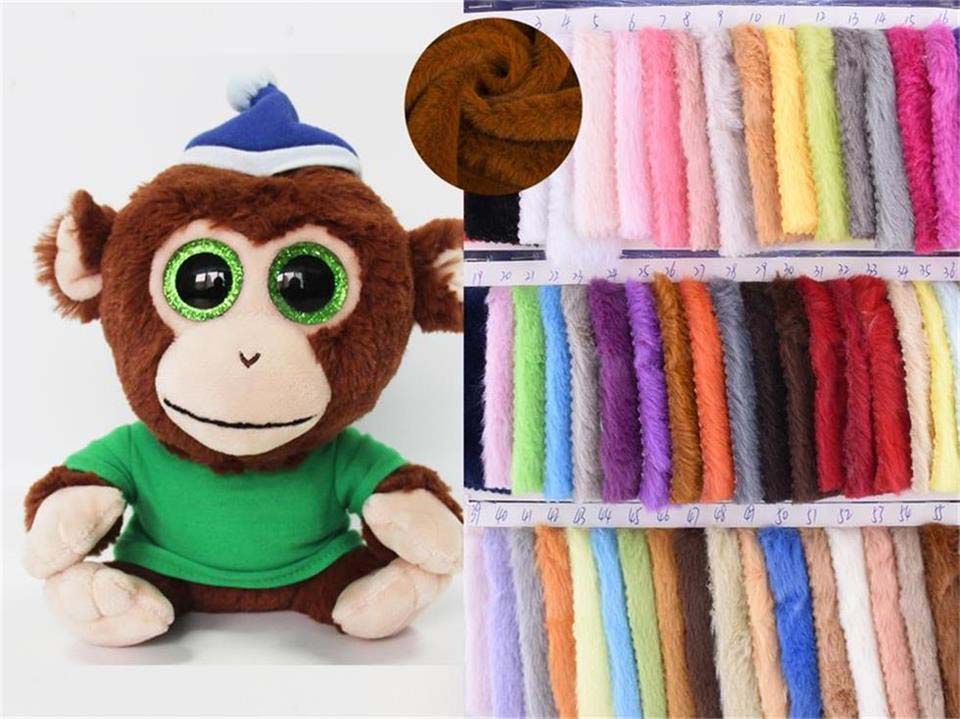
Material selection directly affects softness, durability, safety compliance, and cost. In stuffed toys making, we guide material choices based on target market regulations, age grading, and usage scenarios. This ensures the finished product meets both functional and regulatory requirements while maintaining the desired tactile experience.
Customizable items include:
Plush fabric type and surface texture
Pile length and softness level
Filling material type and density
Eco-friendly or recycled fabric options
Skin-contact safe materials for children
Fabric colors and finishing treatments
Structure & Construction Customization
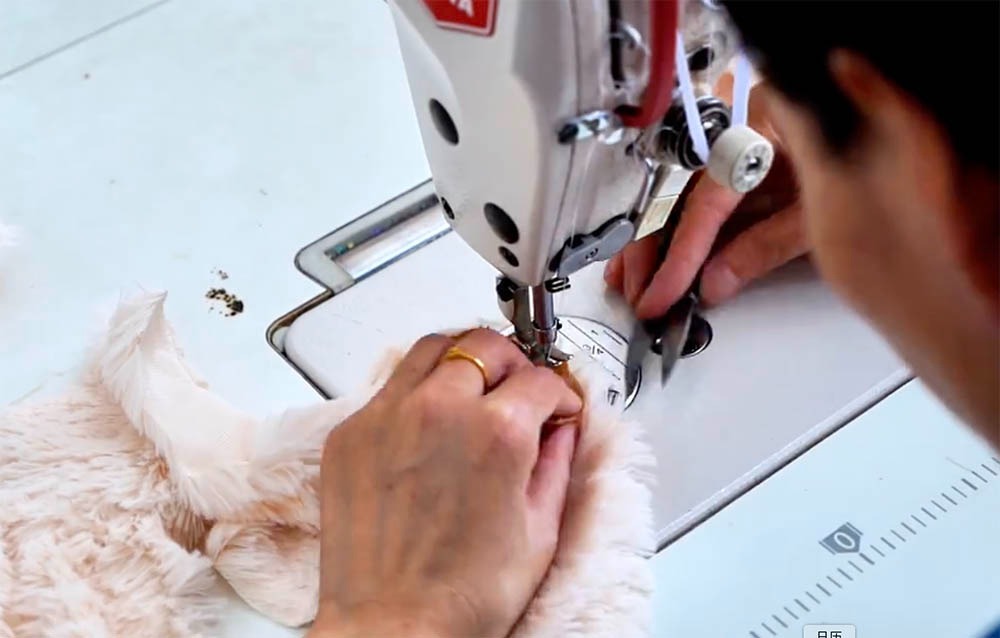
Internal structure plays a critical role in how a stuffed toy holds its shape, withstands use, and maintains long-term quality. Through structured design and production planning, construction details can be adjusted to improve durability, balance, and appearance consistency across batches.
Customizable items include:
Internal layering and construction layout
Stitching methods and seam positioning
Jointed or movable components
Reinforcement in stress-prone areas
Weight distribution and internal balance
Shape support and form stability
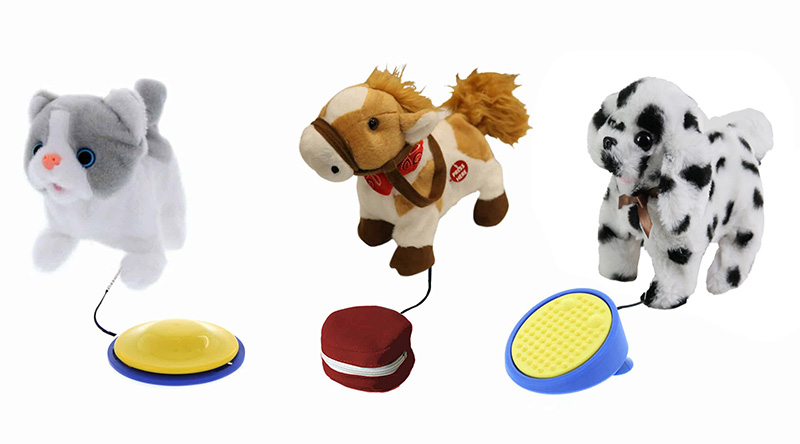
Function & Feature Customization
Beyond traditional plush toys, functional features can be integrated to enhance interaction, comfort, or product uniqueness. During stuffed toys making, these features are planned early to ensure compatibility with materials, structure, and safety standards.
Customizable items include:
Sound or voice modules
Interactive or sensory elements
Weighted or calming features
Removable or replaceable components
Hidden pockets or functional compartments
Special-use features based on application
Packaging & Branding Customization
Packaging is often the first point of contact between the product and the customer. Custom packaging solutions are developed to align with brand positioning, retail requirements, and shipping efficiency. This stage ensures that the stuffed toy is presented professionally and protected throughout logistics and distribution.
Customizable items include:
Individual or set-based packaging formats
Hangtags, labels, and care instructions
Retail-ready or gift packaging styles
Vacuum or space-saving packaging options
Brand logos and printed artwork
Packaging material and finish choices
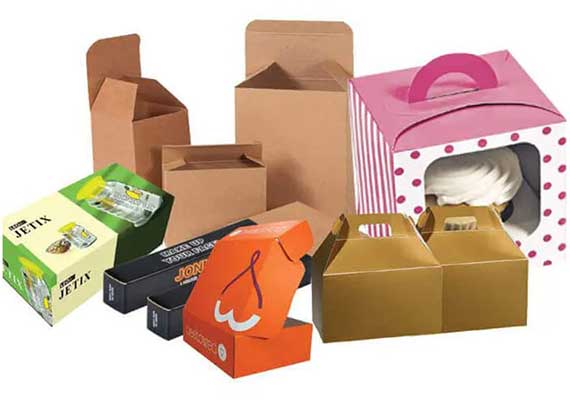
Working with a structured customization process helps brands clearly define their product requirements while keeping manufacturing efficient and scalable. With clear options across every stage, stuffed toys making becomes more predictable and easier to manage for both first-time and experienced buyers.
Unlimited Customization Capabilities in Stuffed Toys Making
You don’t need perfect files or finished designs to start a custom stuffed toy project. Our manufacturing capability is built to turn different types of inputs into production-ready plush toys, helping brands achieve high design accuracy and reliable results, even from early-stage ideas.
Design Files Ready for Production
If you already have AI, PDF, or technical drawings, we can directly evaluate and adapt them for stuffed toy manufacturing with high accuracy.
Hand Sketches or Concept Drafts
Simple sketches or rough drafts are enough to start. We help translate basic ideas into manufacturable plush toy designs.
High Design Accuracy Up to 95%
Through structured sampling and adjustment, the final stuffed toy can reach over 95% accuracy compared to the original design or concept.
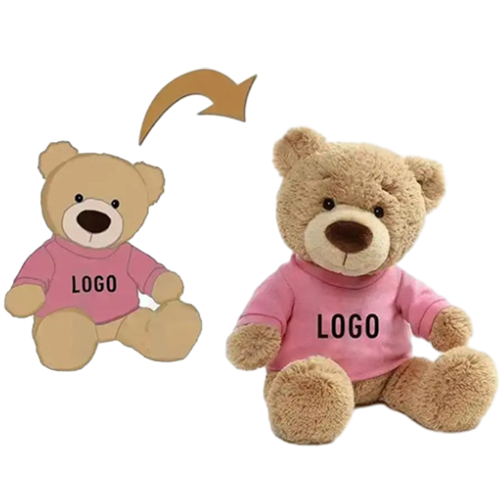
Reference Images or Similar Products
Even without design files, reference photos or similar products can be used to recreate structure, proportions, and visual details with strong consistency.
Ideas or Written Concepts Only
If you only have an idea or description, we support concept development and guide the project step by step toward a physical product.
From Sample to Mass Production
Once the sample is approved, the same standards are applied throughout production to ensure consistent results at scale.
With flexible input options and structured manufacturing support, custom stuffed toys making becomes accessible, efficient, and predictable for brands at any stage.
Common Fabrics & Fillings in Stuffed Toys Making
Material selection is a key part of stuffed toys making. Different fabrics and fillings are chosen based on softness, durability, safety standards, and target market requirements. Below are commonly used options across various plush toy projects.
Common Plush Fabrics
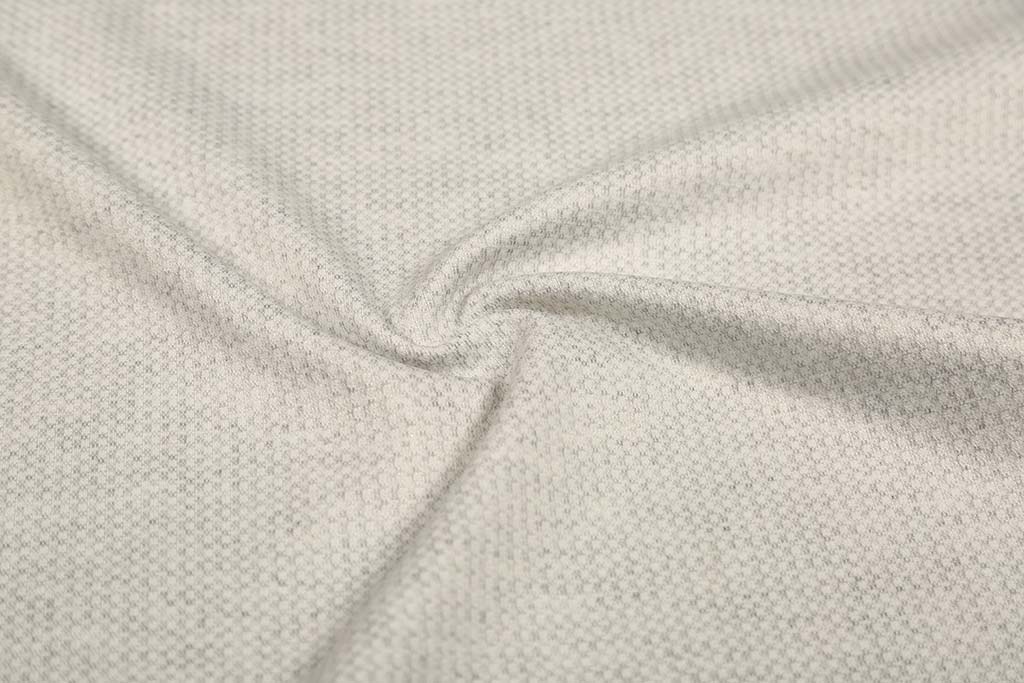 Velboa Fabric
 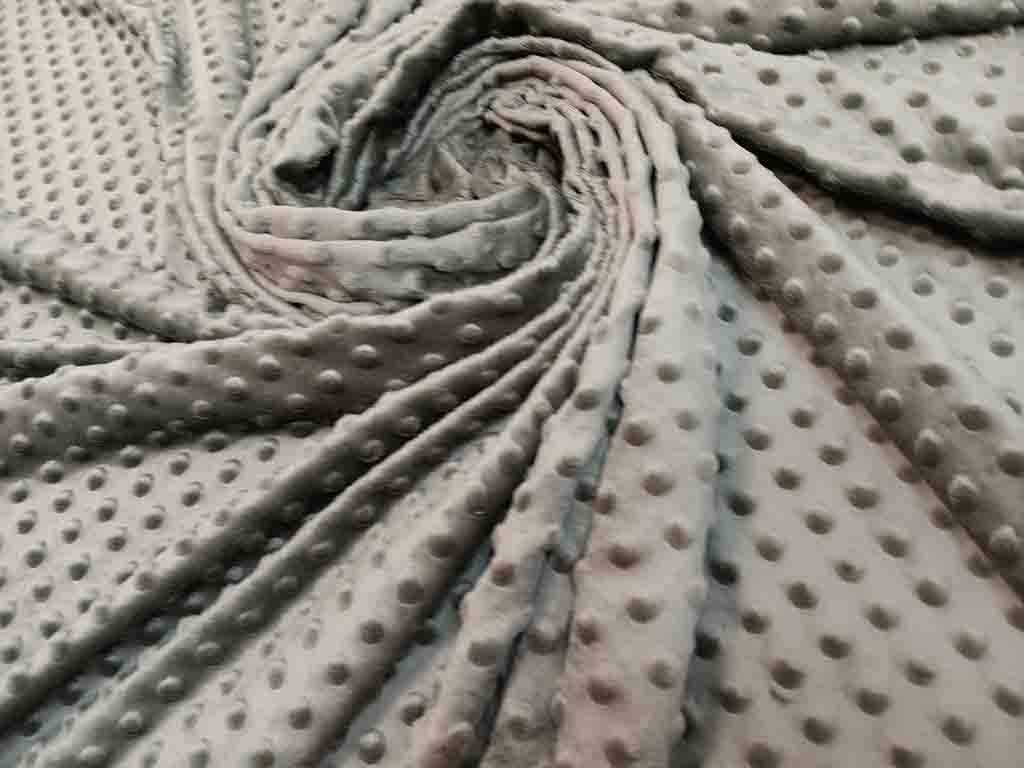 Minky Fabric (Short / Long Pile)
 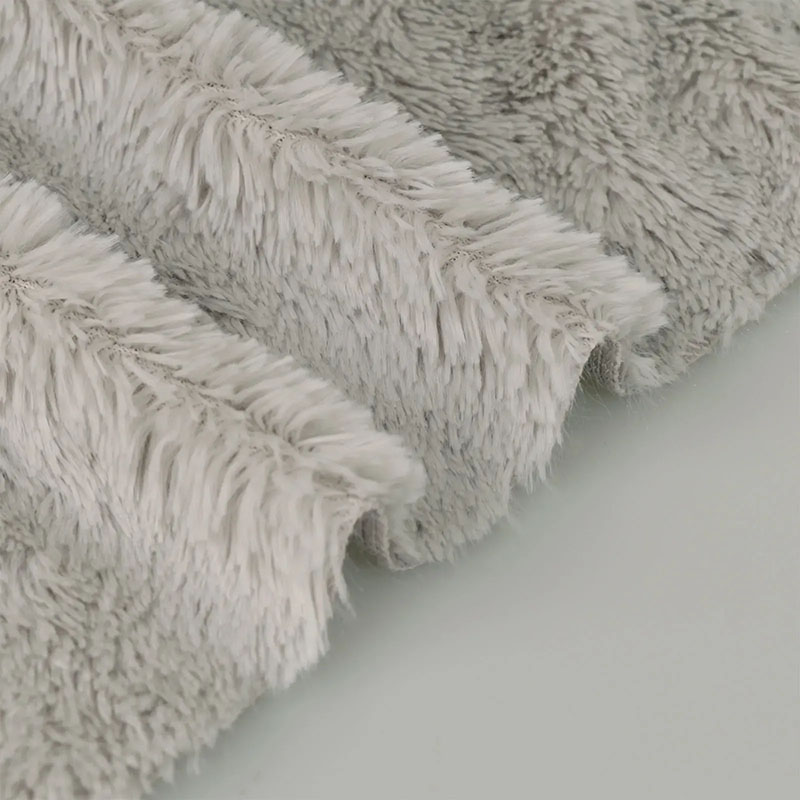 PV Plush Fabric
 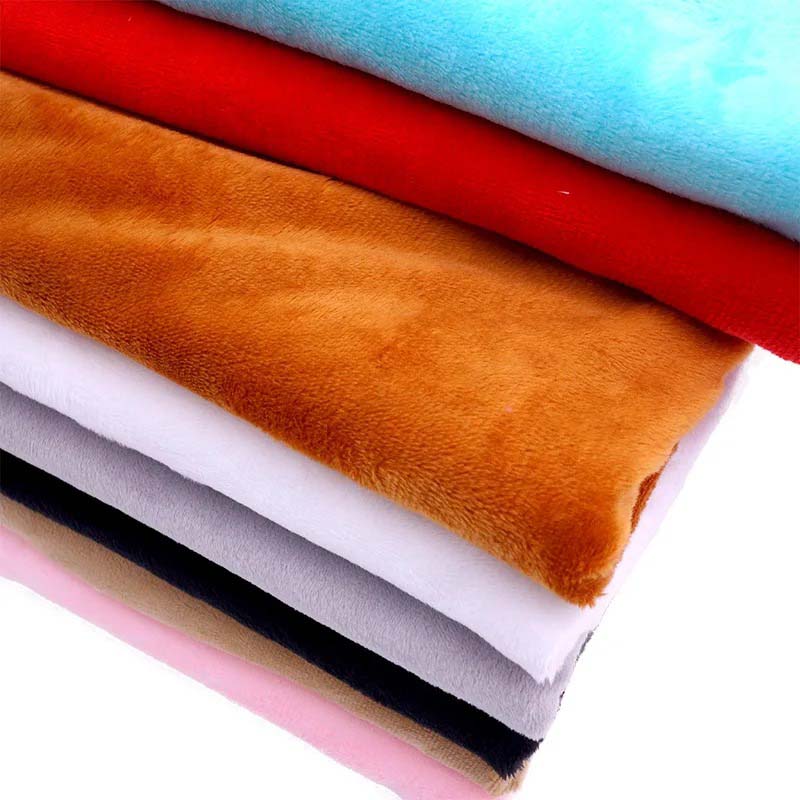 Crystal Super Soft Fabric
 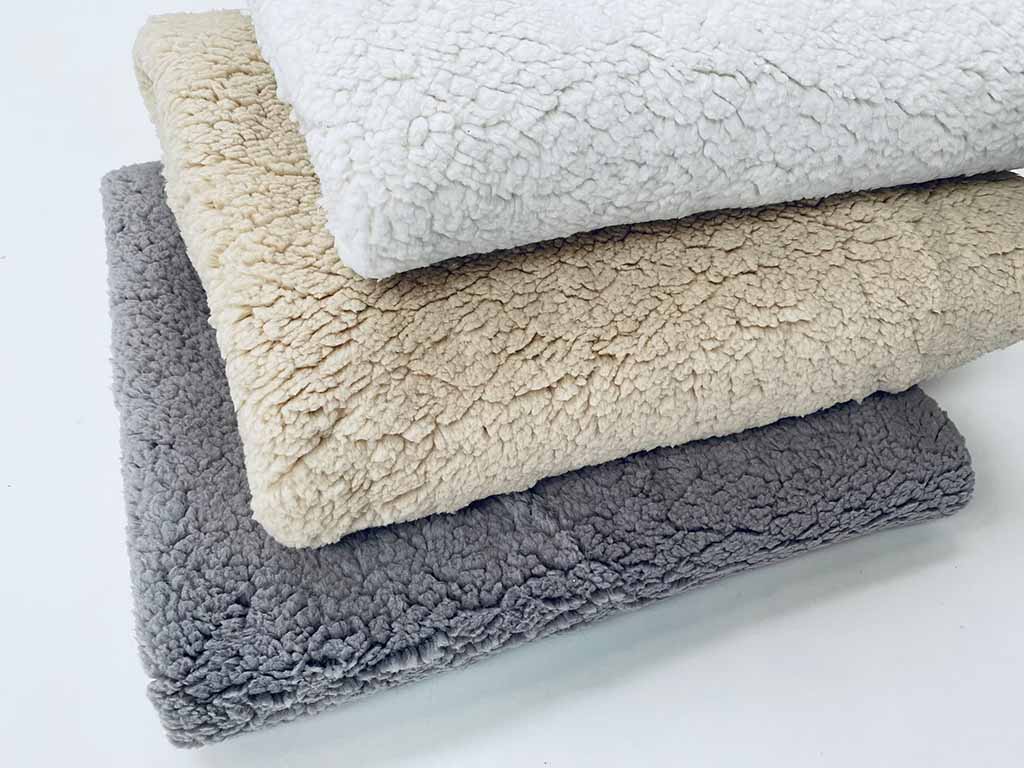 Coral Fleece Fabric
 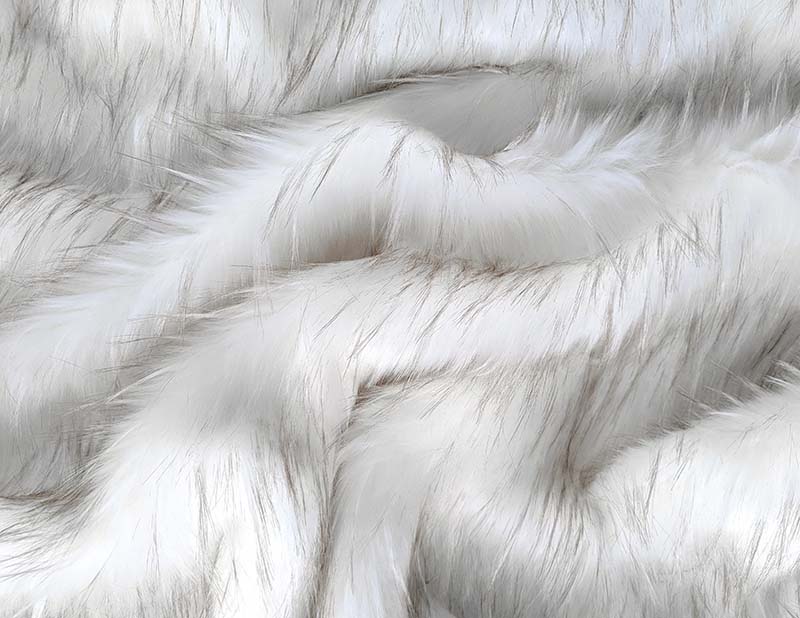 Faux Fur Fabric
 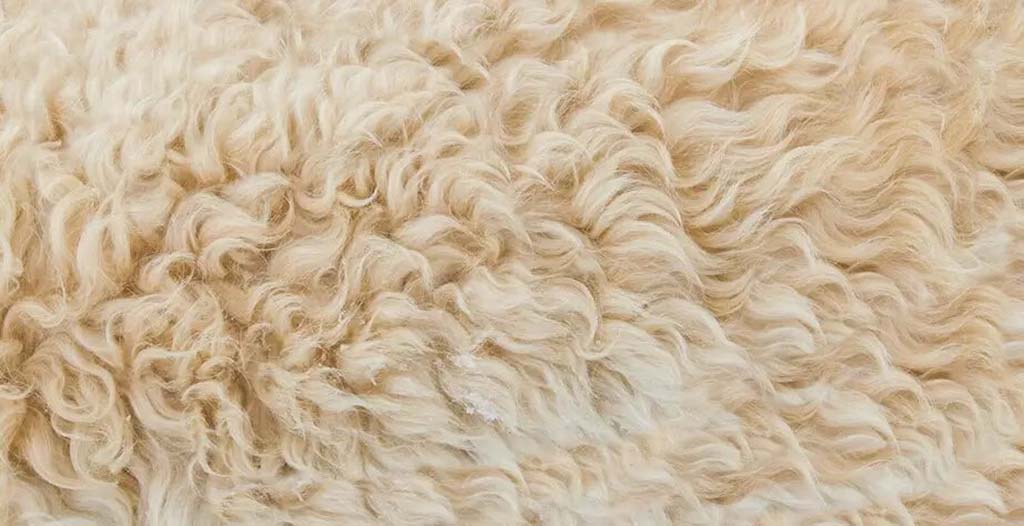 Sherpa / Teddy Fleece
 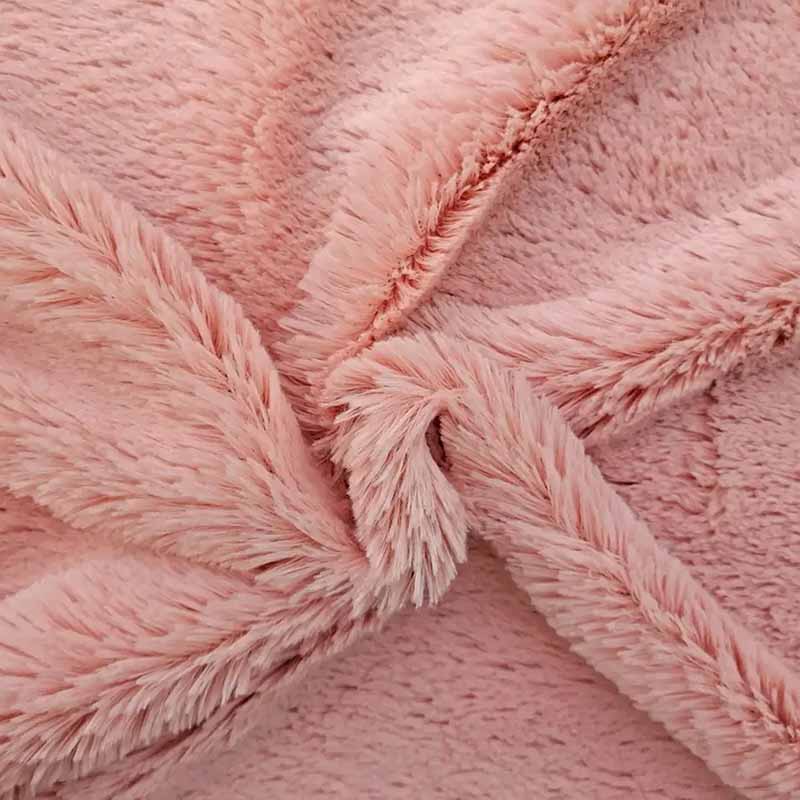 Microfiber Plush Fabric
 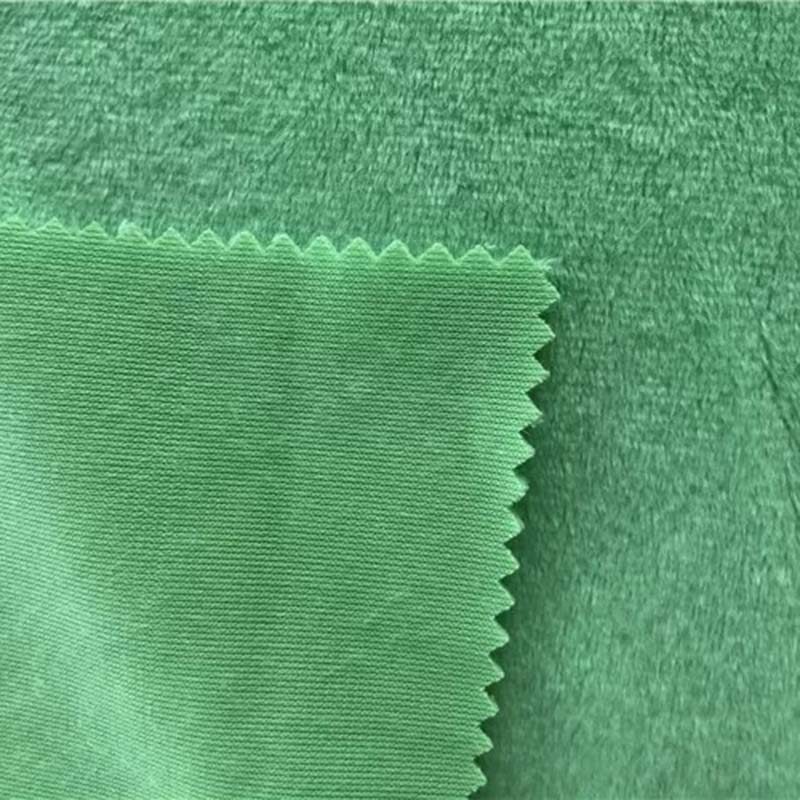 Knitted Plush Fabric
 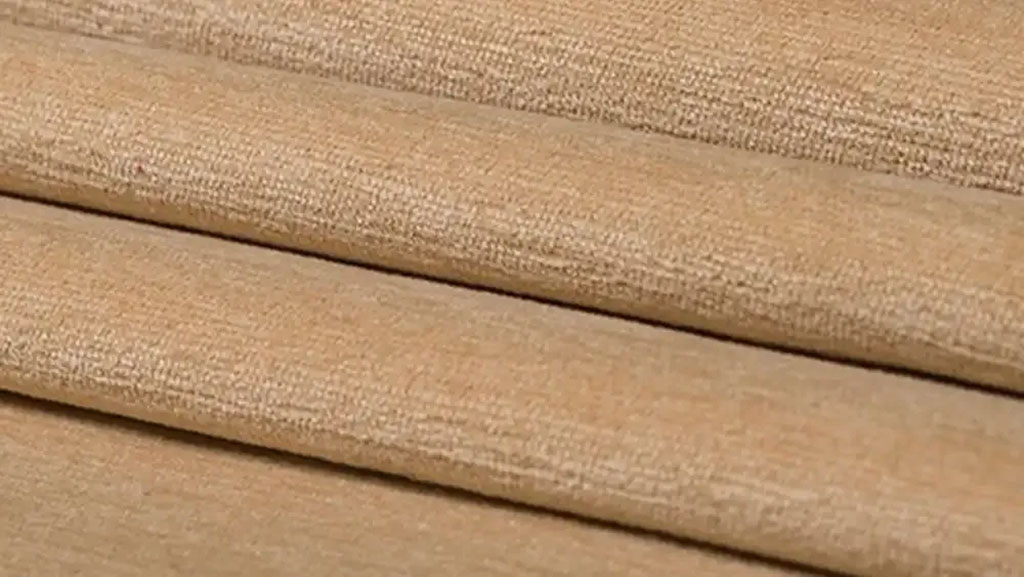 Chenille Fabric
 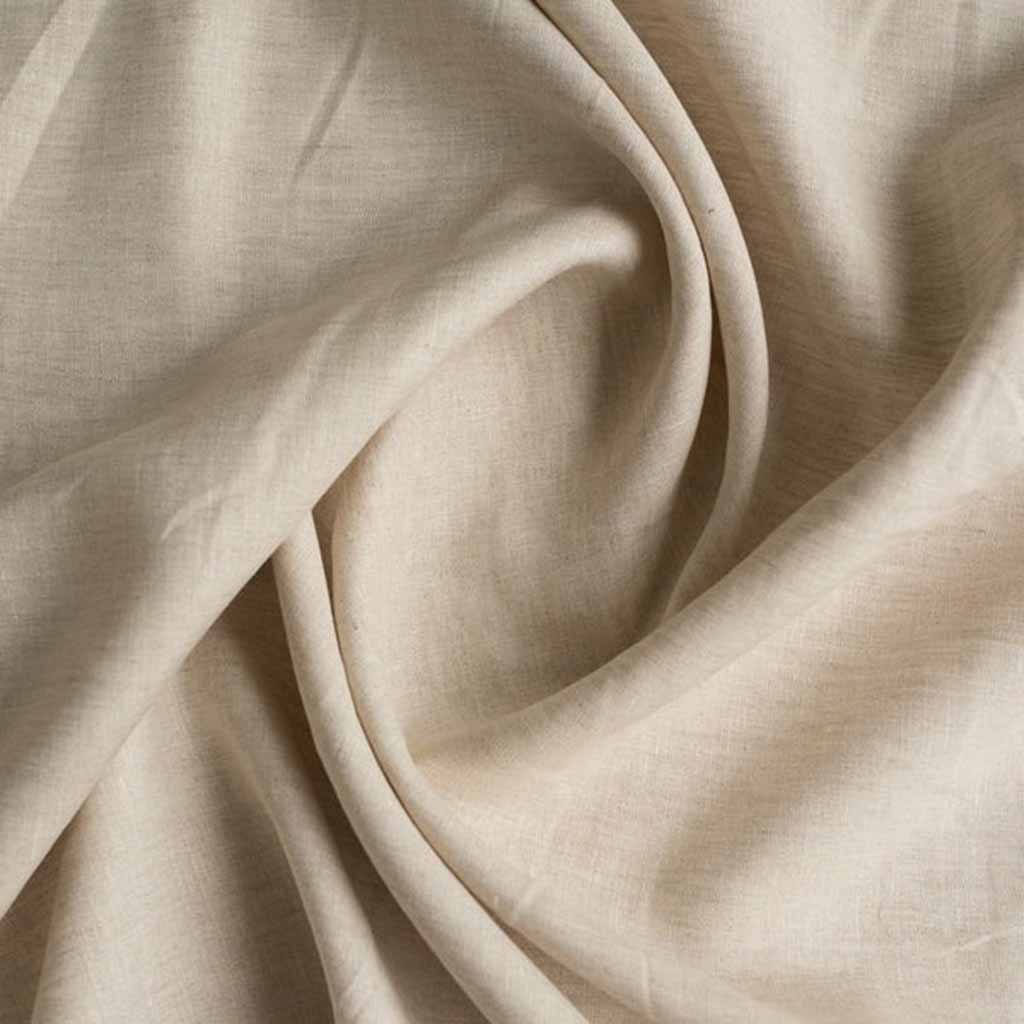 Organic Cotton Fabric
 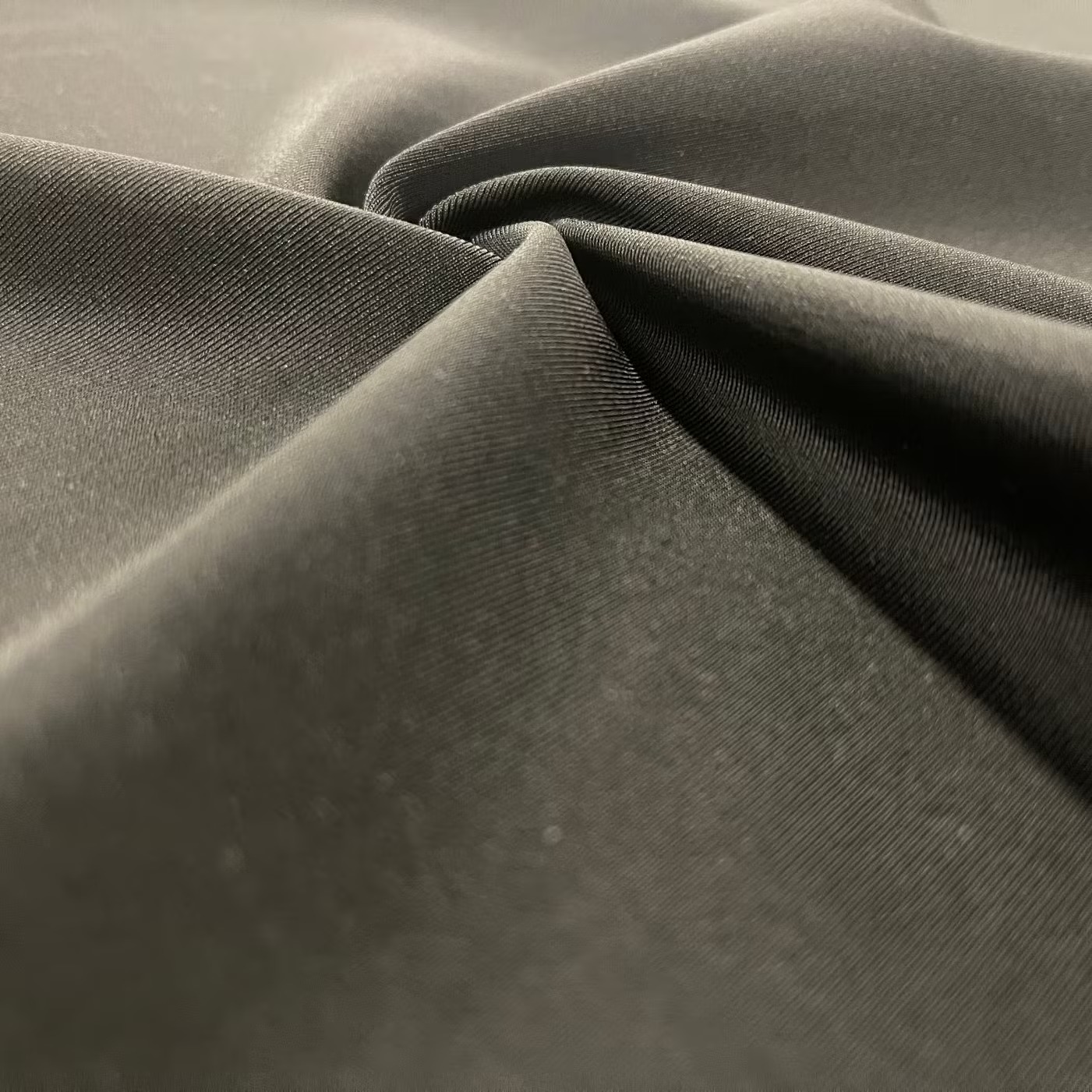 RPET Recycled Polyester Fabric
 Common Stuffing Materials
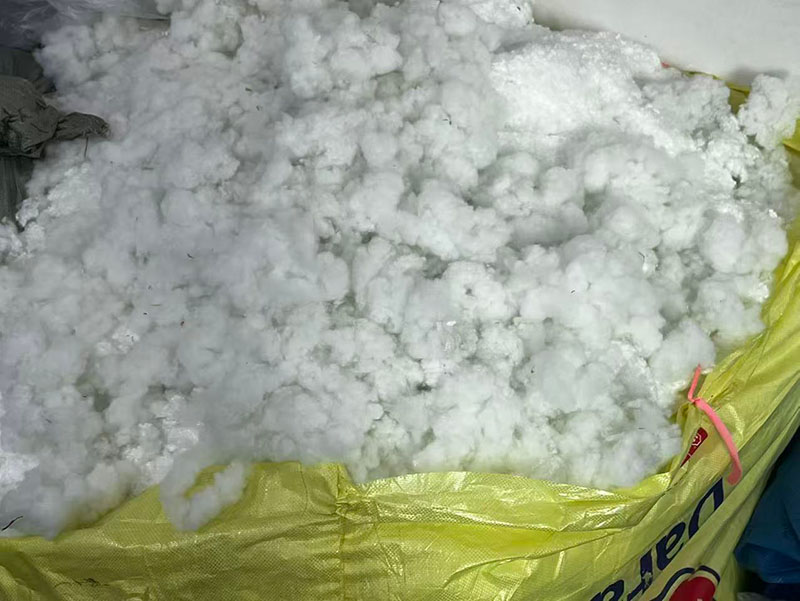 PP Cotton (Polyester Fiberfill)
 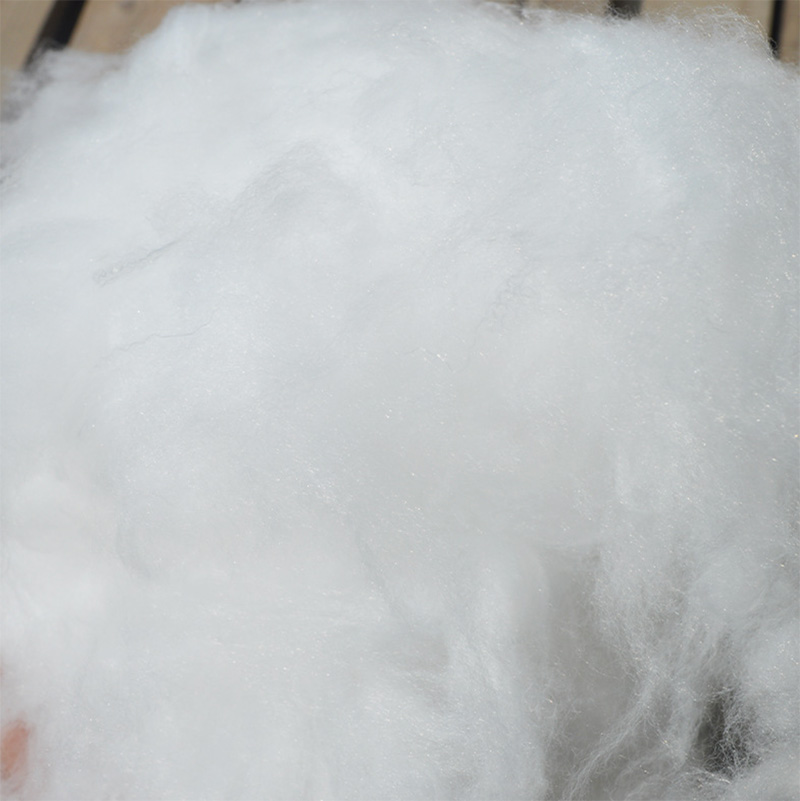 Down Cotton
 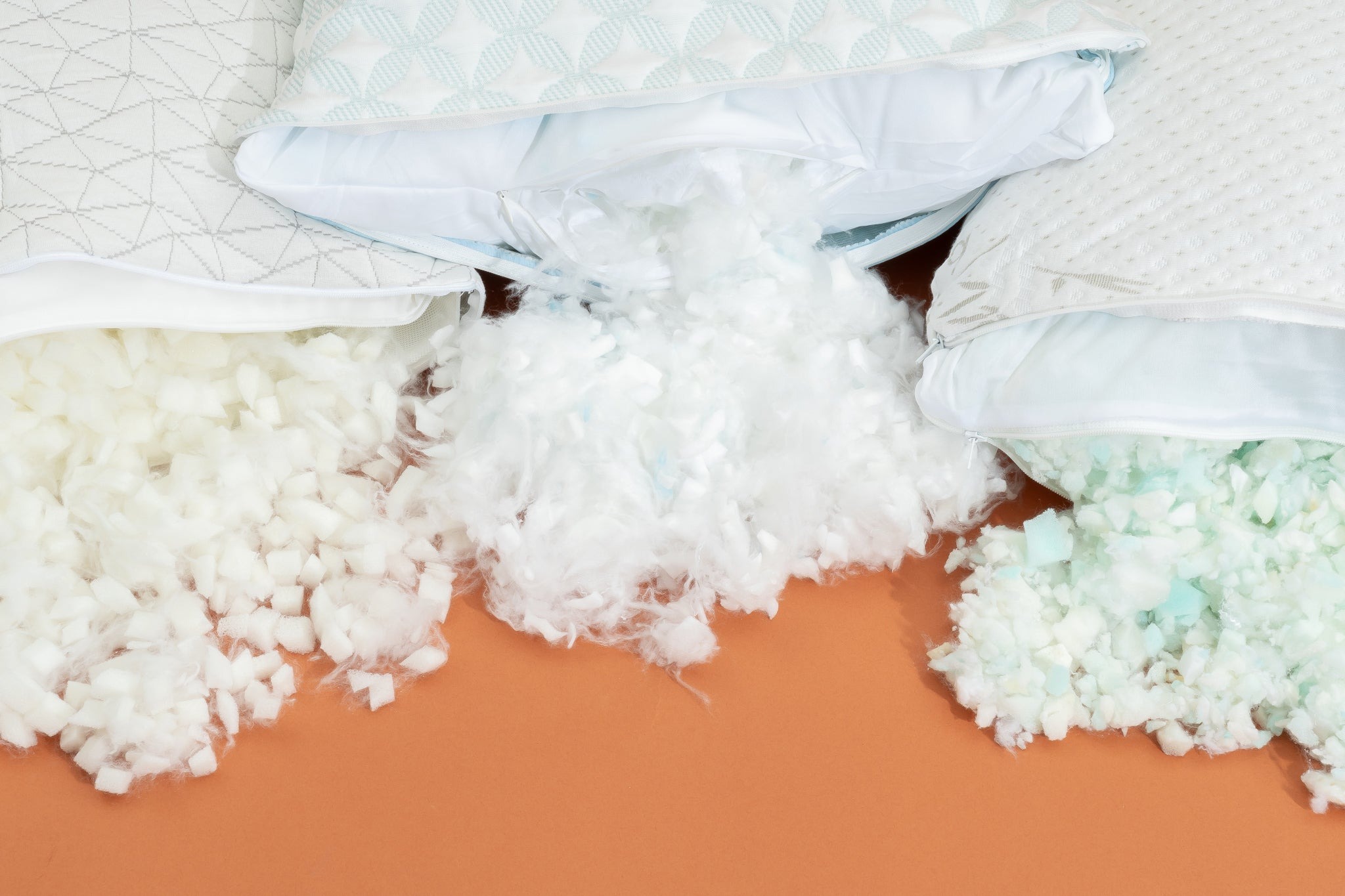 Memory Foam Filling
  Weighted Beads
 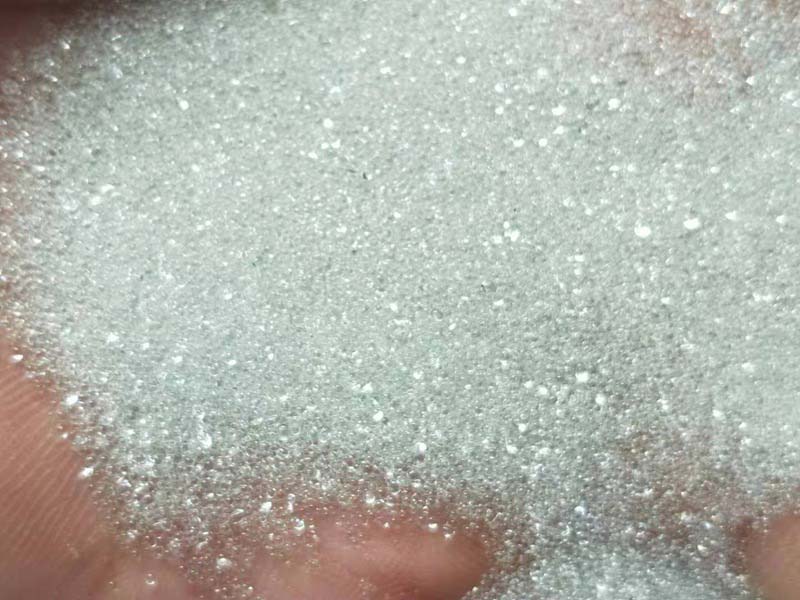 Glass Beads
 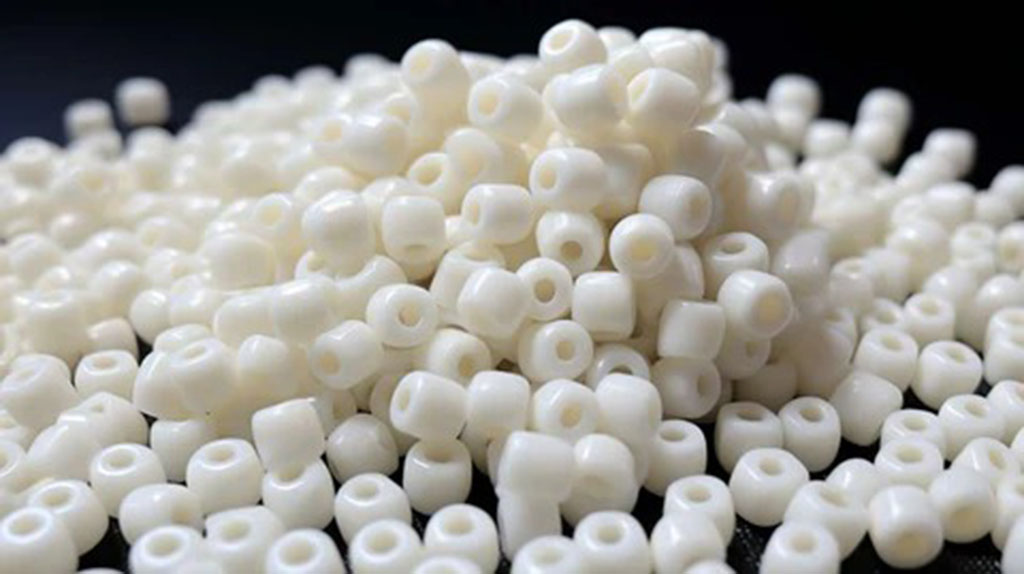 Plastic Pellets
 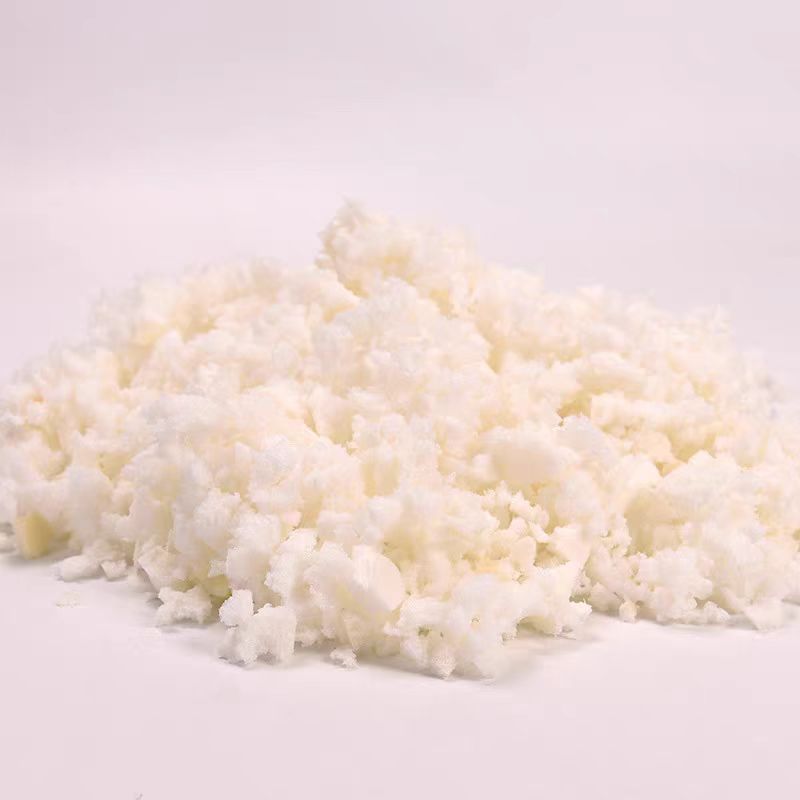 Sponge Foam
  Recycled Polyester Filling
 Working with the right fabric and filling options helps ensure comfort, safety, and stable quality throughout stuffed toys making, while also supporting different product positioning and market needs.
International Certifications for Stuffed Toys Making
International certifications are a critical part of stuffed toys making, especially for brands selling into regulated markets. These certifications help ensure that materials, construction, and labeling meet required safety standards, reducing compliance risks and supporting smooth market entry.

CE & EN71 Compliance for the European Market
CE and EN71 standards focus on mechanical safety, chemical limits, and overall toy suitability for children. Compliance helps ensure that stuffed toys sold in Europe meet mandatory safety requirements and pass market inspections more smoothly.
ASTM F963 for the United States
ASTM F963 is the primary toy safety standard in the U.S. It covers physical properties, flammability, and material safety. Following this standard helps brands meet retailer and regulatory expectations in the American market.
CPSIA & Labeling Requirements
CPSIA addresses material safety, lead content, and labeling for children’s products. Proper compliance ensures that stuffed toys are traceable, clearly labeled, and suitable for distribution in regulated retail channels.
Export-Oriented Testing & Documentation Support
Beyond individual standards, export-focused testing and documentation help align products with destination market requirements. This reduces customs delays, minimizes compliance risks, and supports smoother international shipments.
Stuffed Toys Making Production Process
A clear production process helps brands understand how a stuffed toy moves from concept to finished product. Each stage is designed to control quality, reduce risk, and ensure consistency from sampling to mass production.

Design Review & Production Planning
The process starts with reviewing design files, reference images, or concepts to confirm production feasibility. Size, structure, materials, and target standards are evaluated, and a clear production plan is created before sampling begins.
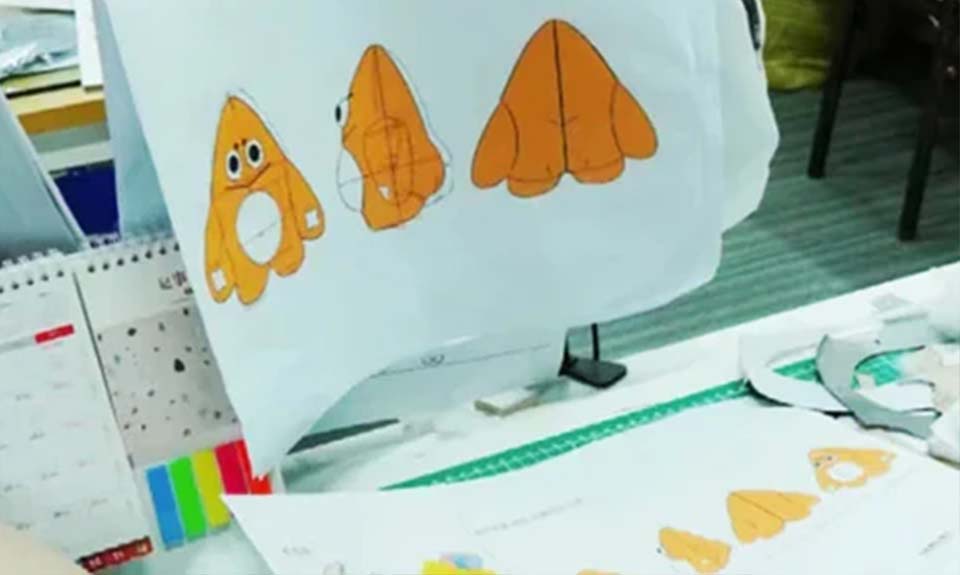
Pattern Making & Sample Development
Based on the approved concept, patterns are developed and samples are produced. This step confirms proportions, structure, softness, and appearance, allowing adjustments before mass production to avoid costly revisions later.
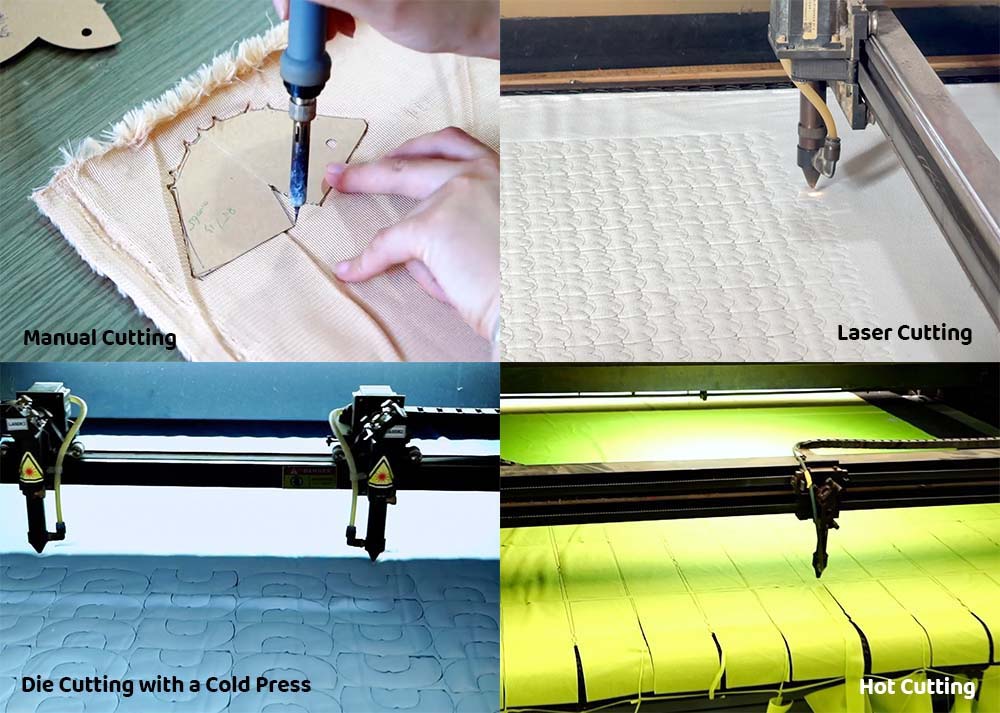
Material Preparation & Cutting
Once the sample is approved, fabrics and fillings are prepared according to specifications. Materials are cut using standardized methods to ensure accuracy, consistency, and efficient use of fabric across batches.
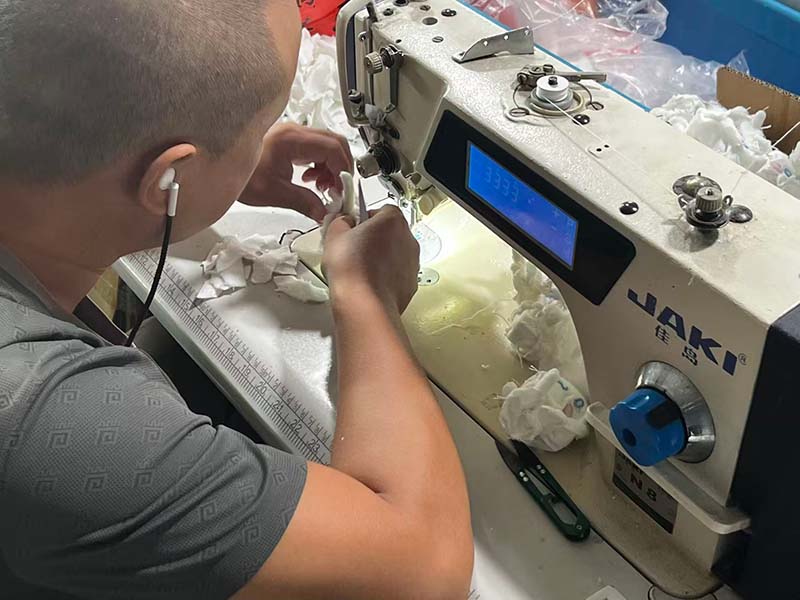
Sewing & Assembly
Cut pieces are sewn and assembled following defined construction guidelines. Stitching strength, seam placement, and overall structure are controlled to ensure durability and consistent appearance.
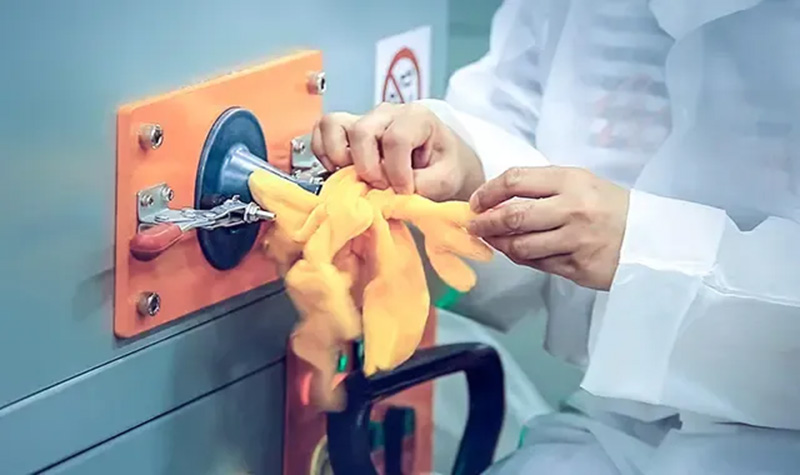
Stuffing, Shaping & Finishing
Filling is added with controlled weight and distribution to maintain shape and balance. Final shaping, trimming, and detail finishing are completed to ensure the stuffed toy matches the approved sample.
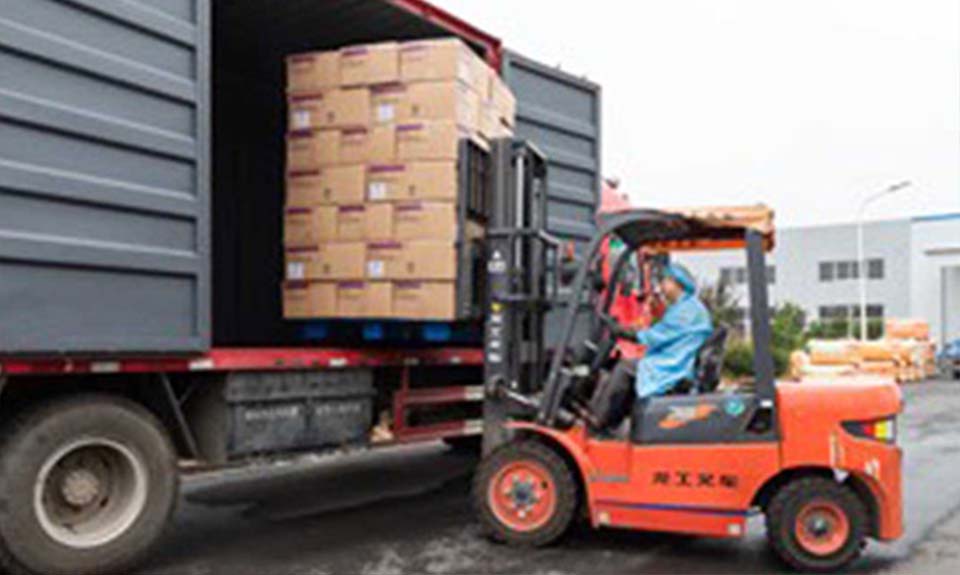
Inspection, Packaging & Shipment
Finished products undergo quality inspection before packaging. After labeling and packing according to requirements, the stuffed toys are prepared for shipment to meet delivery and export standards.
A structured production process helps reduce uncertainty and keep quality consistent from sample to mass production. With clear steps and defined controls at each stage, brands can better manage timelines, costs, and final product results throughout stuffed toys making.
Quality Control & Safety Testing in Stuffed Toys Making
Quality and safety are critical in stuffed toys making, especially for products entering regulated markets. A structured testing and inspection system helps identify potential risks early, ensure compliance with safety standards, and maintain consistent quality from sampling to mass production.
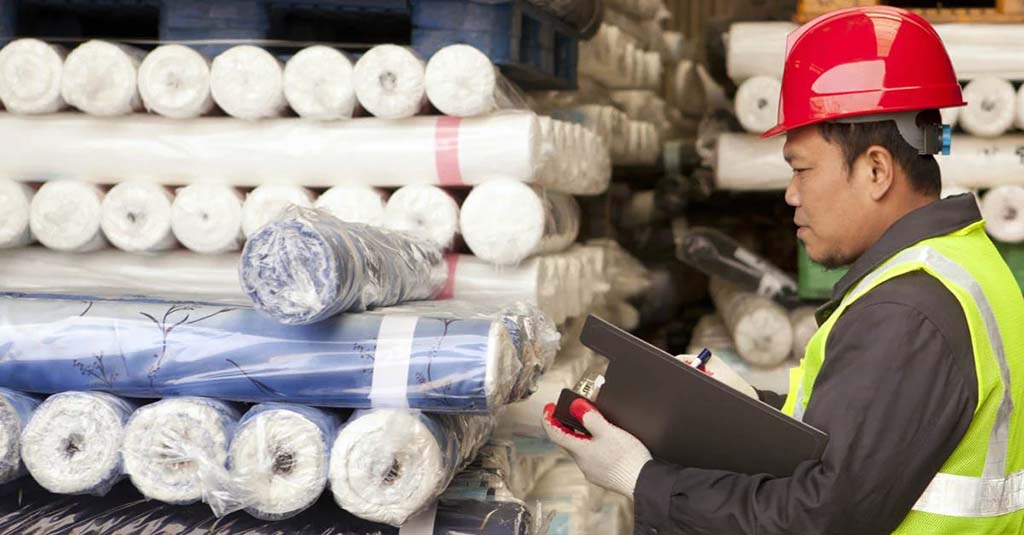
Material Safety & Incoming Inspection
All fabrics, fillings, and accessories are checked before production begins. This step verifies material specifications, safety compliance, and consistency to prevent issues caused by unsuitable or unapproved materials entering the production line.
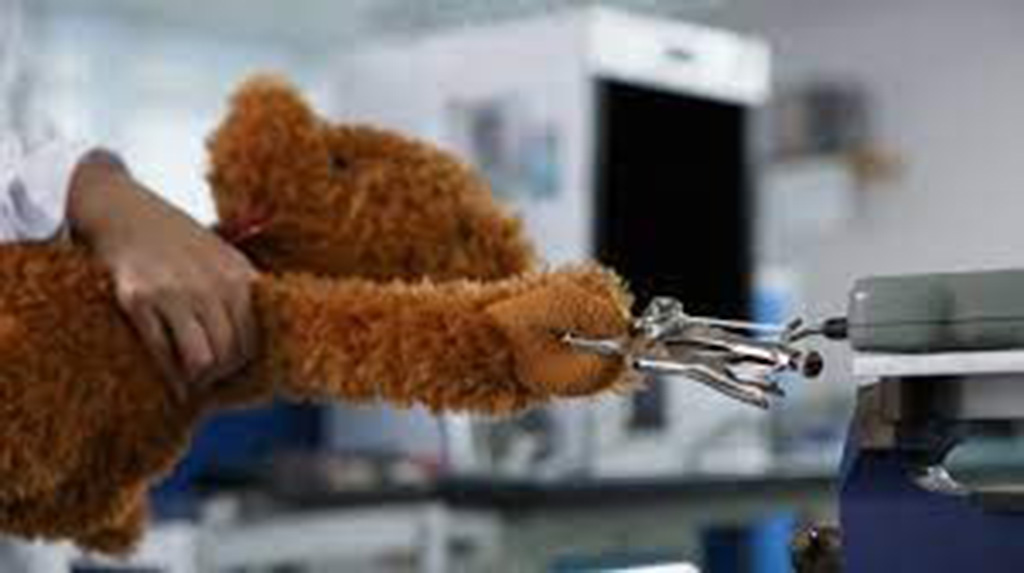
Stitching Strength & Seam Durability Testing
Stitching quality is tested to ensure seams can withstand pulling, stretching, and repeated use. Reinforcement is applied to stress areas to reduce the risk of tearing, especially for toys designed for children.
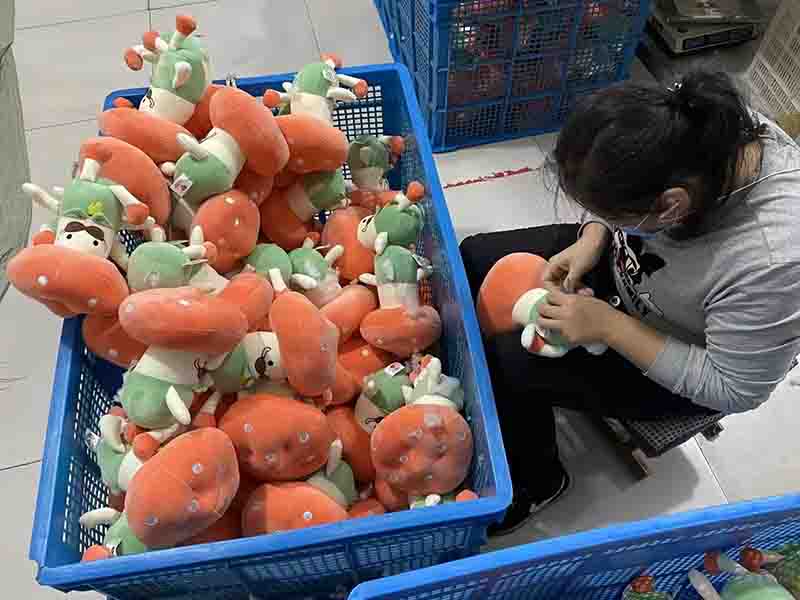
Stuffing Consistency & Shape Control
Filling weight and distribution are carefully monitored to ensure each stuffed toy maintains a consistent shape, balance, and feel. This prevents issues such as uneven softness or deformation during use and transport.
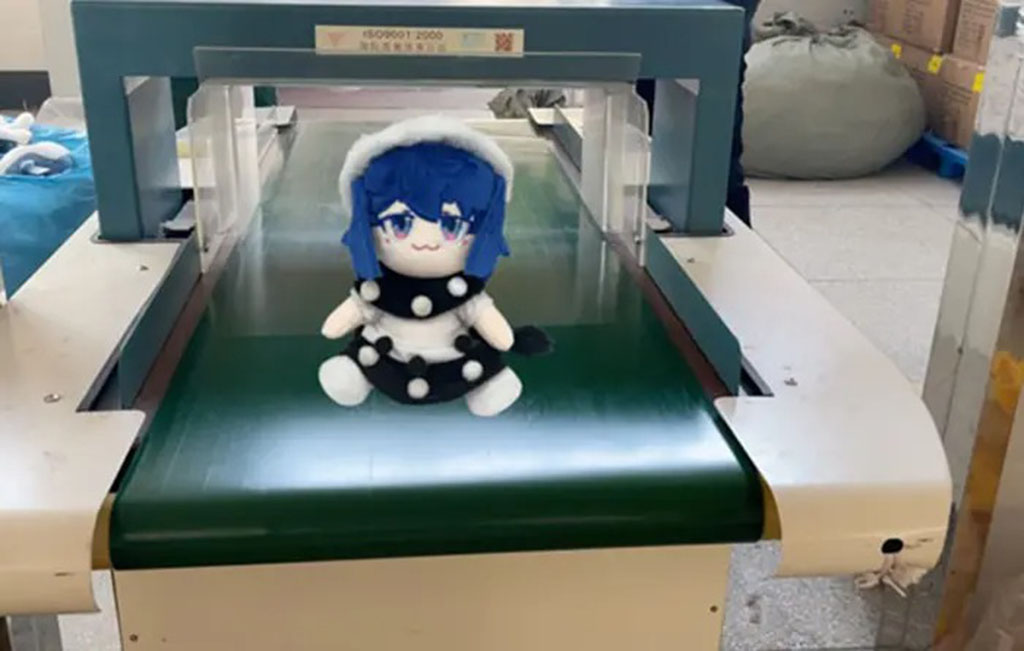
Needle Detection & Metal Control
Needle detection is conducted to identify and eliminate any metal fragments that may remain after sewing. This process is essential for preventing hidden safety hazards and meeting export safety requirements.
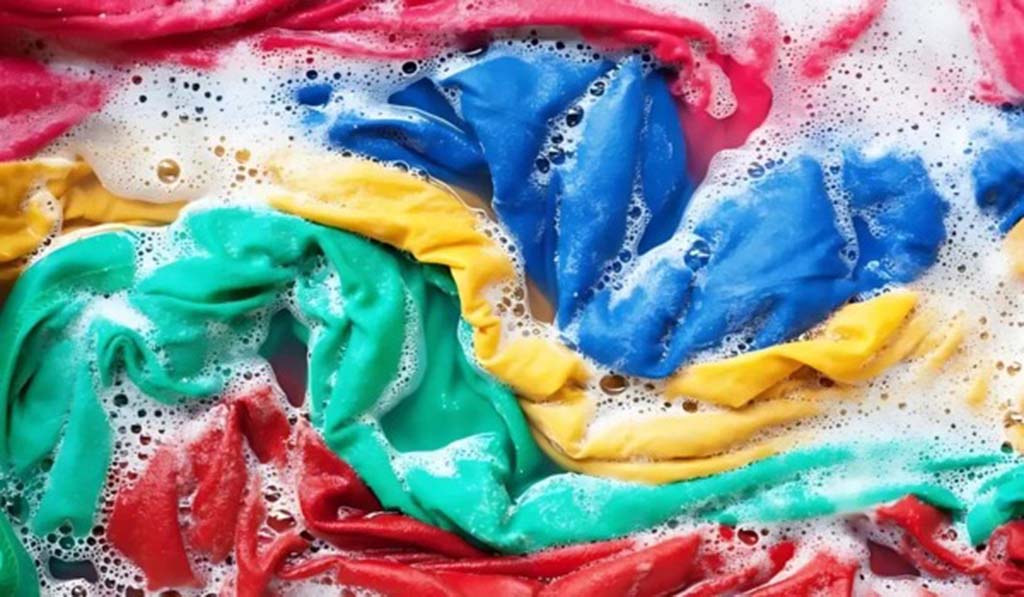
Color Fastness & Wash Testing
Color fastness tests evaluate how fabrics react to washing, friction, and moisture. This helps ensure that colors remain stable and do not bleed or fade during normal use or cleaning.
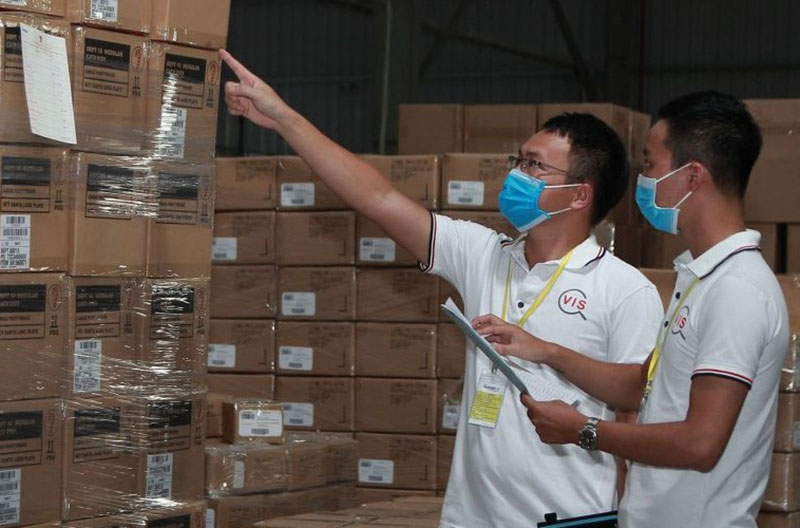
Final Inspection & Pre-Shipment Check
Before packaging and shipment, finished products undergo a final inspection covering appearance, construction, labeling, and safety requirements. Only products that meet defined standards proceed to delivery.
A comprehensive quality and safety testing system helps brands reduce compliance risks, protect their reputation, and deliver stuffed toys that meet both market and consumer expectations.
Who We Serve in Stuffed Toys Making
Our stuffed toys making services support a wide range of clients across different industries and business stages, from early concepts to large-scale production.
No matter your business size or project stage, working with an experienced stuffed toys making partner helps reduce uncertainty and move development forward more smoothly. From first concepts to repeat production, the right support makes a clear difference in speed, quality, and results.
Trusted by Leading Global Brands
Strong partnerships prove strong capabilities. Over the years, Kinwin has worked with world-leading brands and retailers to deliver interactive plush toys that meet the highest standards of creativity, safety, and quality. By choosing us, you gain a supplier that is trusted by top companies worldwide—and the same reliability is available to your brand.




Why Brands Choose Us for Stuffed Toys Making
Choosing the right manufacturing partner directly affects product quality, timelines, and long-term scalability. Our approach to stuffed toys making focuses on practical execution, risk control, and consistent results that brands can rely on as they grow.
We Turn Unclear Ideas into Manufacturable Products
Many projects start without perfect designs. We help translate rough ideas, images, or concepts into producible stuffed toys through structured development and sampling, reducing uncertainty and avoiding costly missteps early on.
High Accuracy from Sample to Mass Production
Design accuracy matters, especially for branded or character-based plush toys. Our process focuses on maintaining over 95% design fidelity from approved samples through mass production, ensuring consistency across every batch.
Controlled Quality Across Every Production Stage
Quality is managed through defined checks at material, sewing, stuffing, and final inspection stages. This structured control helps prevent variation, reduce defects, and protect brand reputation in the market.
Built for Long-Term, Scalable Cooperation
We support both first-time projects and repeat production. With flexible order handling, export-ready standards, and clear communication, brands can scale production without changing manufacturing partners.
Explore Our Custom Plush Toy Series
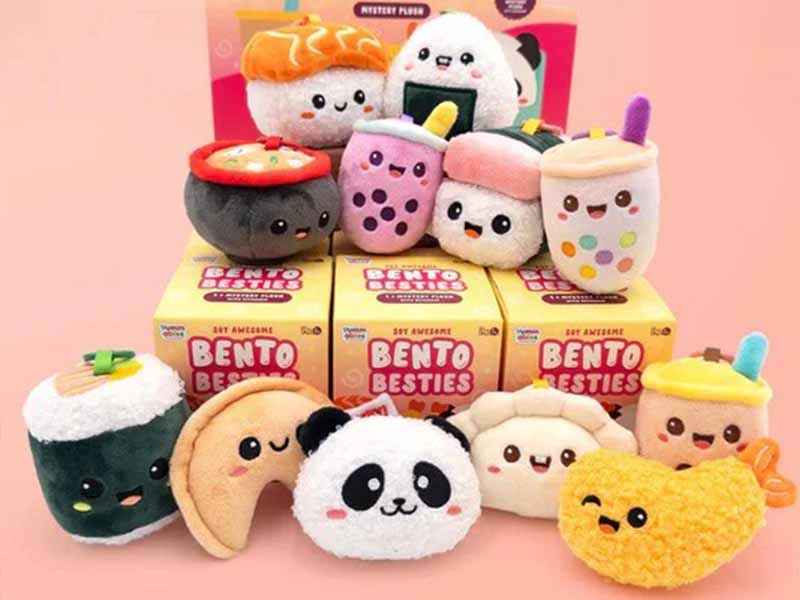
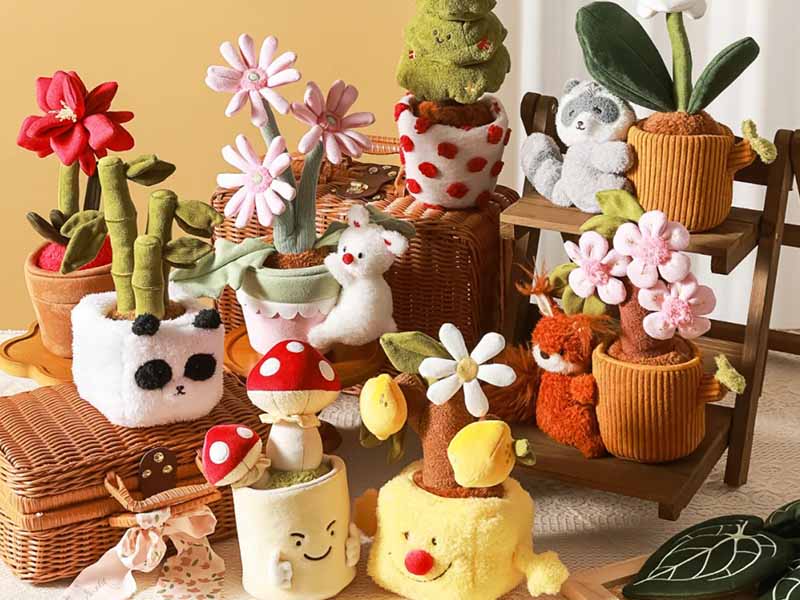
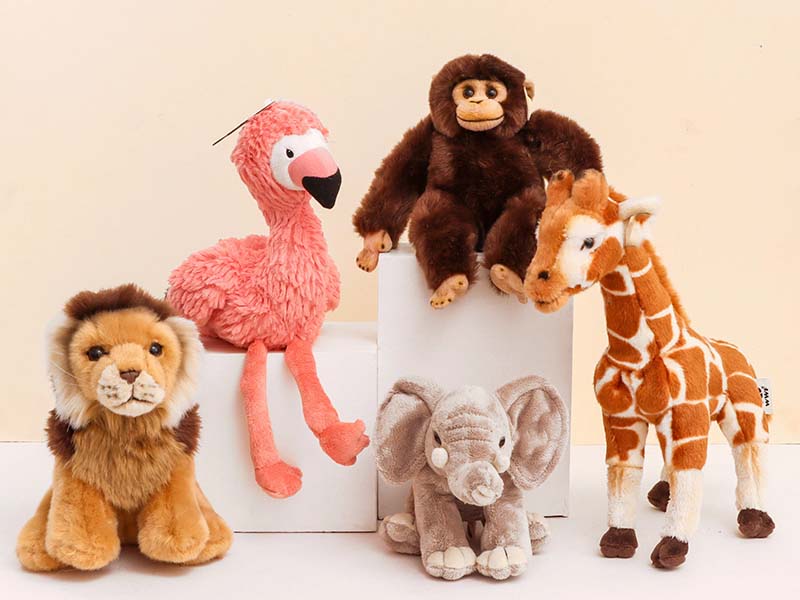
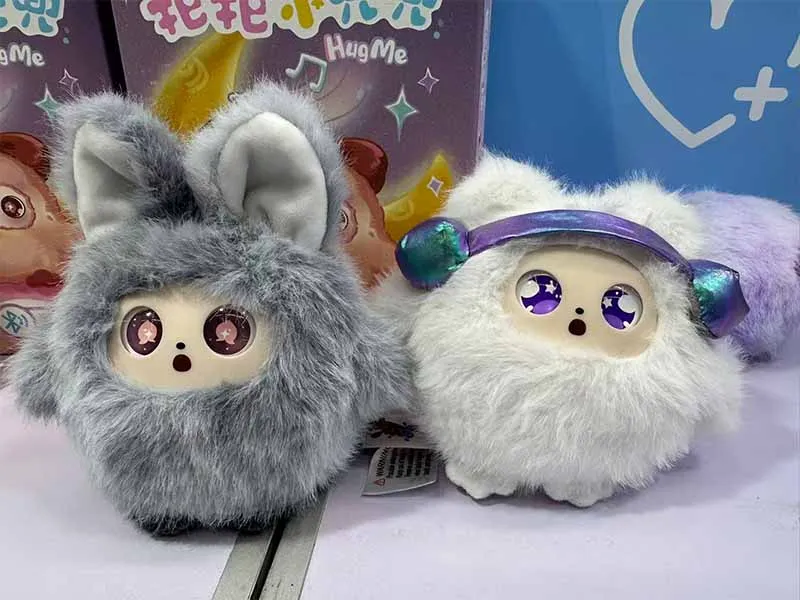
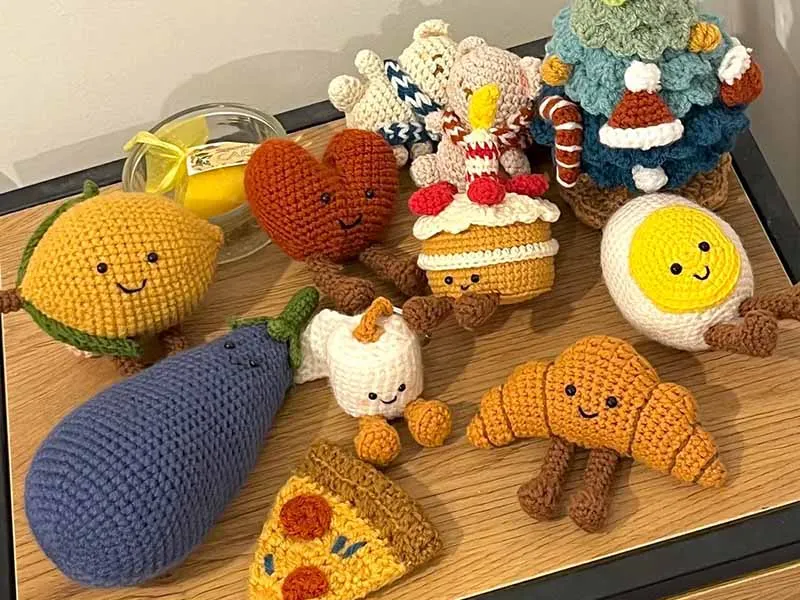
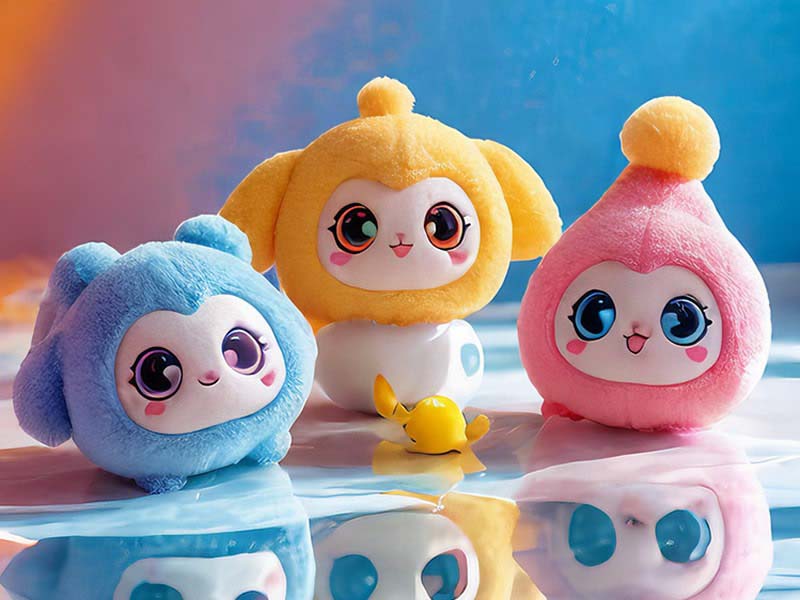
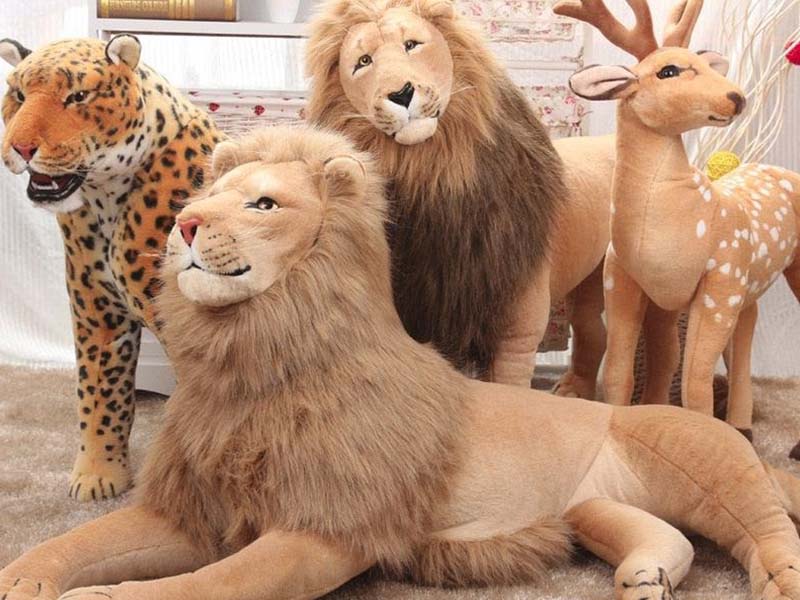
We offer a wide selection of plush toys to meet different business needs. From baby-safe stuffed animals to collectible plush dolls, our product lines are designed for global brands, retailers, e-commerce, and promotional projects.
Ready to Start Your Stuffed Toys Making Project
Whether you are developing your first custom stuffed toy or scaling an existing product line, the right manufacturing partner makes a real difference. A structured process, clear communication, and realistic guidance help turn ideas into reliable products while avoiding unnecessary delays and cost surprises.
We support projects at different stages, from early concepts and rough references to finalized designs ready for mass production. You don’t need perfect files or manufacturing experience to move forward. With practical advice on materials, structure, cost, and timelines, you can make informed decisions and progress with confidence.
If you are comparing suppliers, exploring feasibility, or preparing for production, this is a good time to discuss your project details. Clear expectations at the beginning lead to smoother development and more stable long-term cooperation.
Frequently Asked Questions
1. Can I start a stuffed toy project without a complete design?
Yes. Many stuffed toy projects start with reference images, sketches, or written concepts rather than finished design files. During stuffed toys making, these inputs are reviewed and refined into manufacturable designs through structured development and sampling. A complete technical file is not required at the initial stage.
2. What is the typical MOQ for custom stuffed toys?
Our standard MOQ is 500 pieces. For orders below this quantity, please consult with our project manager. We may offer flexible solutions depending on the product size, complexity, and customization requirements.
3. How long does the stuffed toys making process take?
Sample development usually takes from several days to a few weeks, depending on complexity and revision rounds. After sample approval, mass production timelines are confirmed based on order quantity and production scheduling.
4. Can I request changes after receiving the sample?
Yes. Sampling is designed to identify and adjust details before mass production. Feedback on size, shape, materials, or details can be incorporated to ensure the final product meets expectations.
5. How do you ensure consistent quality during mass production?
Quality consistency is maintained through material inspections, process control during sewing and stuffing, and final inspections. Approved samples serve as the production standard throughout the entire batch.
6. Are your stuffed toys compliant with international safety standards?
Yes. Stuffed toys are produced following applicable international safety standards such as EN71, ASTM F963, and CPSIA, depending on the target market. Testing and documentation support are provided as needed.
7. Can you help with material selection if I am not familiar with fabrics?
Yes. Material recommendations are provided based on product use, target age group, market regulations, and budget considerations, helping brands make informed decisions.
8. Is small-batch production possible for first-time projects?
Yes. Small batch production is supported for testing markets or launching new products, depending on design and material requirements.
9. How is pricing calculated for custom stuffed toys?
Pricing is based on design complexity, size, materials, accessories, quantity, and packaging requirements. Clear cost breakdowns are discussed during the quotation stage.
10. Can you ship internationally and support export documentation?
Yes. Export-ready packaging, labeling, and documentation support are provided to help ensure smooth international shipping and customs clearance.
If You Can lmagine lt,We Will Create lt!
1.Tell Us What You Need
Tell us as specific as possible of your needs and share your idea.
2.Get Solution & Quote
We will work on the best solution according to yourrequirements,the specific quote will be provided within 24 hours.
3.Approve for Mass Production
We will start mass production after getting your approval.
