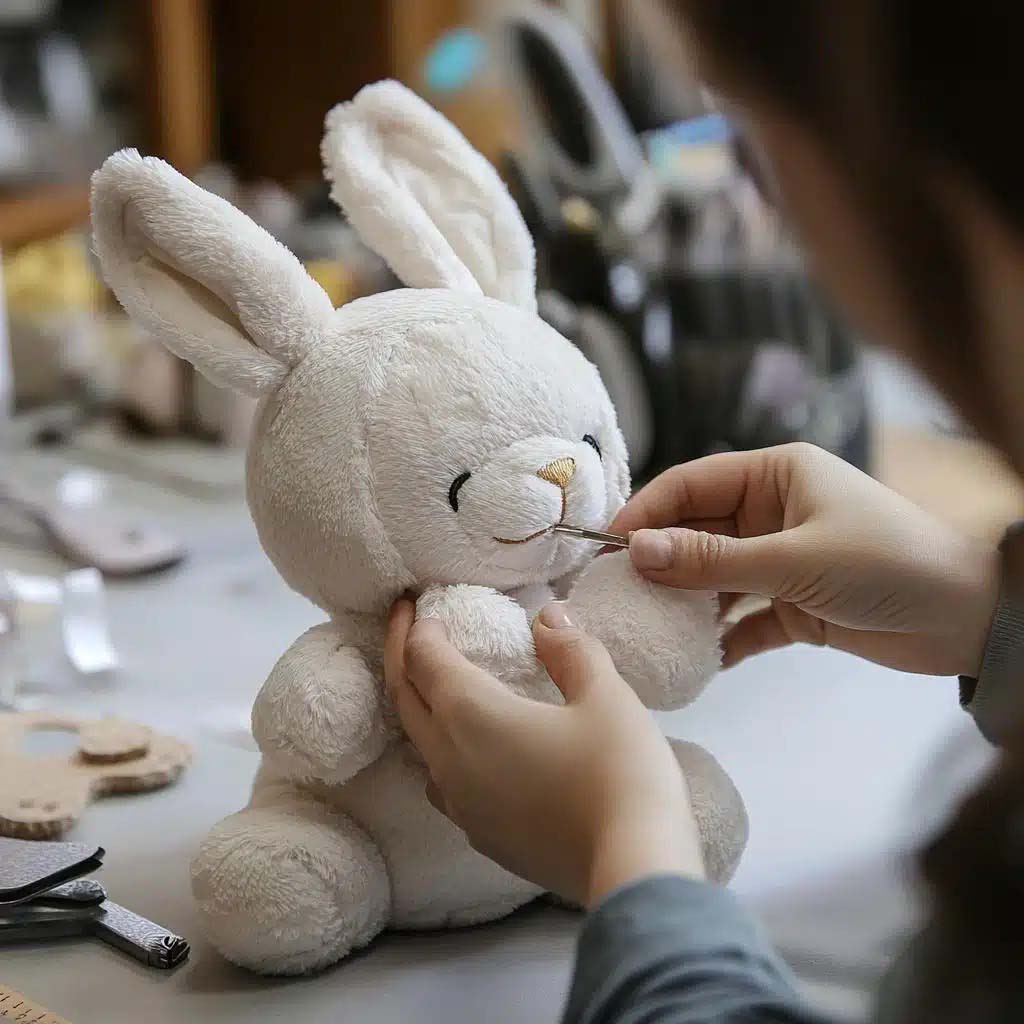
Most plush toy problems don’t appear in quotations or early samples.
They appear later—during mass production, quality inspection, safety testing, or even after products reach the market.
Hidden risks in plush toy manufacturing are often subtle. They don’t look serious at first, but once production scales up, they can cause delays, inconsistent quality, compliance failures, or brand damage.
This guide will help you identify common hidden risks in plush toy manufacturing—and understand how professional factories manage them before they turn into costly problems.
What Hidden Risks Commonly Exist in Plush Toy Manufacturing?
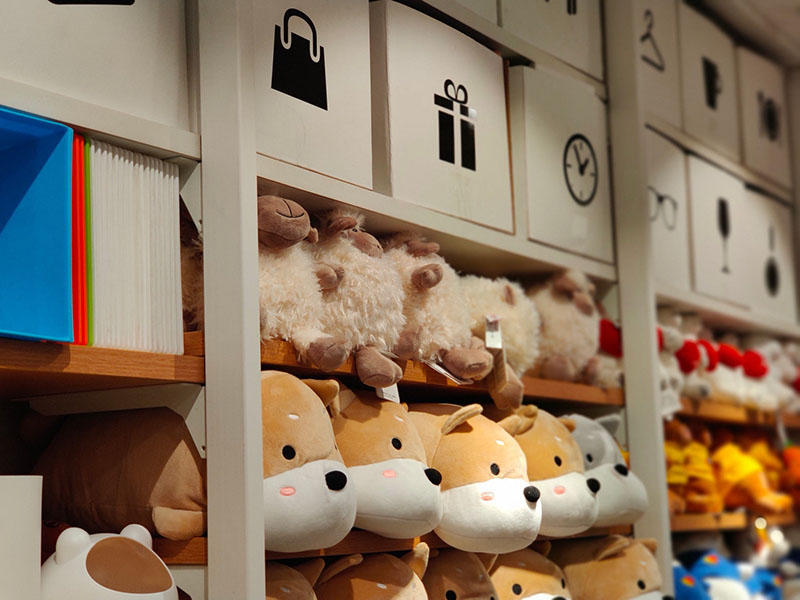
When people think about manufacturing risks, they usually imagine visible defects. But the most damaging risks are often structural, material, or process-related—and not obvious at first glance.
Are Risks Only About Final Appearance?
Many hidden risks exist behind what looks fine externally:
- Fabric stretch affecting proportion stability
- Stuffing imbalance causing shape distortion over time
- Inconsistent seam tension leading to uneven surfaces
- Slight embroidery misalignment that becomes obvious in bulk production
These risks may not show clearly in one approved sample—but can multiply during mass production.
Do Hidden Risks Increase With Volume?
Absolutely.
A minor tolerance variation in 10 pieces may not be noticeable. In 5,000 pieces, it becomes a batch-level problem.
Common volume-related hidden risks include:
- Dye lot variation between fabric batches
- Worker-to-worker stitching differences
- Inconsistent stuffing density across shifts
- Small accessory misalignment accumulating over time
Factories with strong risk control systems—such as Kinwin—usually anticipate these scaling risks and implement early controls.
Hidden Risk Overview Table
| Risk Area | Hidden Risk Example | When It Becomes Serious |
|---|---|---|
| Fabric behavior | Stretch & shrinkage | After washing or shipping |
| Stuffing control | Uneven density | During mass production |
| Embroidery alignment | Slight shift | Large batch comparison |
| Dye lots | Color inconsistency | Reorders |
| Accessory positioning | Minor offset | Retail display |
Are Material Substitutions Happening Without Clear Approval?
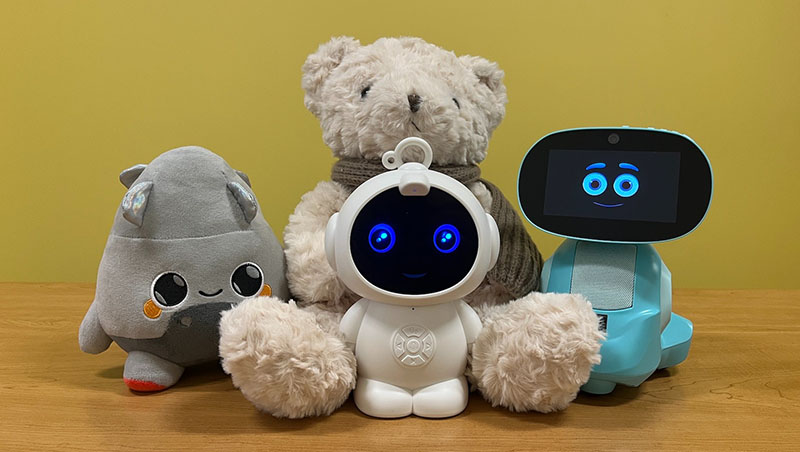
One of the most common hidden risks in plush manufacturing is silent material substitution.
At first glance, the plush may look similar. But under closer inspection—or after use—the difference becomes clear.
Do Suppliers Replace Materials Due to Cost or Availability?
Material substitutions can happen for several reasons:
- Fabric out of stock
- Dye lot differences
- Cost pressure
- Production convenience
Without clear communication and approval, substitutions can lead to:
- Texture differences
- Color mismatch
- Reduced durability
- Compliance testing failures
If substitutions are not documented and approved, risk increases significantly.
Is There a Formal Material Approval Process?
Professional suppliers usually:
- Confirm fabric type and color before production
- Lock approved materials into a specification sheet
- Seek written approval for any change
- Keep sample swatches for reference
Overpromising or loosely managed suppliers may treat substitutions as “minor adjustments.”
Reliable manufacturers—such as Kinwin—typically control material changes through structured approval systems to prevent downstream issues.
Material Substitution Risk Table
| What to Evaluate | Controlled Practice | Hidden Risk Signal |
|---|---|---|
| Material approval | Written confirmation | Verbal agreement |
| Substitution policy | Requires approval | Informal changes |
| Swatch reference | Stored & labeled | Not documented |
| Communication | Proactive | After-the-fact |
| Cost transparency | Explained | Hidden |
Do Fabric Dye Lots and Color Matching Create Consistency Risks?
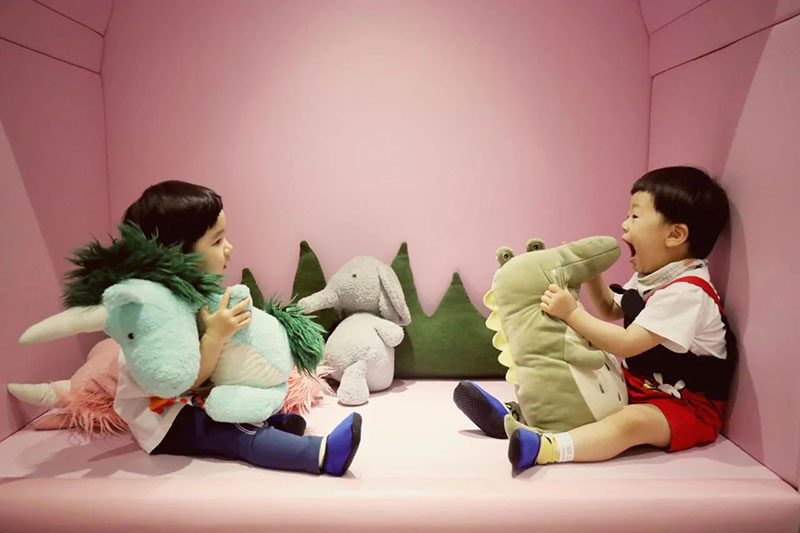
Color inconsistency is one of the most underestimated hidden risks in plush toy manufacturing.
Two fabrics may carry the same color name—but if they come from different dye lots, the shade can vary slightly. Under warehouse lighting, the difference may look minimal. On retail shelves, side by side, it becomes obvious.
Do Dye Lot Variations Affect Large or Repeat Orders?
Dye lot variation risk increases when:
- Production spans multiple fabric batches
- Orders are split across different time periods
- Reorders happen months later
Even slight differences in tone can:
- Affect brand perception
- Cause retail rejection
- Disrupt product line consistency
Professional suppliers usually track dye lots carefully and avoid mixing batches within the same production run.
Is There a Standardized Color Matching System?
Strong factories implement:
- Pantone or physical color reference confirmation
- Lab dips approved before bulk dyeing
- Fabric batch labeling and tracking
- Sample-to-bulk comparison before cutting
Suppliers without structured color control may rely on visual judgment alone.
Manufacturers experienced in long-term color consistency—such as Kinwin—typically maintain color records to reduce future reorder risks.
Dye Lot & Color Consistency Risk Table
| What to Evaluate | Controlled Practice | Hidden Risk Signal |
|---|---|---|
| Color reference | Pantone/lab dip approval | Verbal match |
| Dye lot tracking | Batch labeled | Mixed batches |
| Reorder consistency | Archived records | No reference |
| Bulk confirmation | Pre-cut comparison | Skipped |
| Communication | Proactive alert | Not mentioned |
Are Embroidery, Printing, or Accessory Attachments Potential Weak Points?
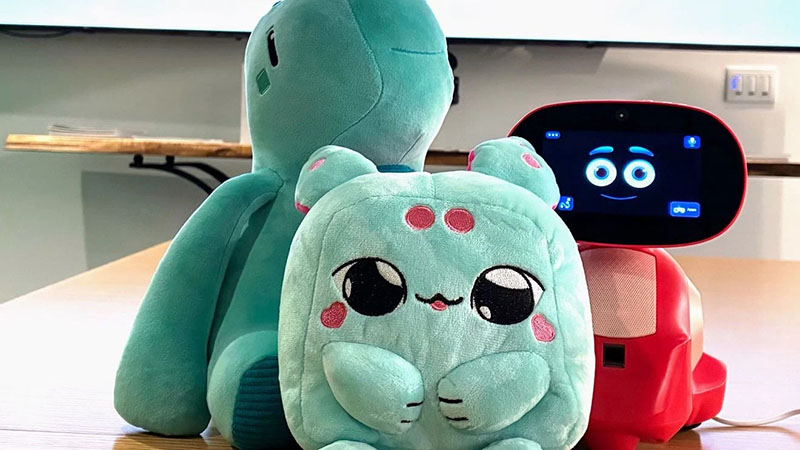
Surface details often look beautiful in samples—but they can become structural weak points during mass production.
Embroidery, printing, and accessory attachments introduce extra stress points and alignment risks that are not always obvious at first glance.
Can Embroidery and Printing Create Structural Stress?
Dense embroidery can:
- Stiffen fabric panels
- Cause puckering
- Distort facial proportions
Printing misalignment can:
- Shift expressions slightly
- Create visible shadow effects
- Reduce visual clarity
If embroidery density, thread tension, or printing alignment are not carefully calibrated, bulk production may amplify small deviations.
Are Accessories and Attachments Secure and Stable?
Accessories such as:
- Plastic eyes
- Magnets
- Keychains
- Decorative trims
…can introduce hidden risks if:
- Attachment strength is inconsistent
- Placement alignment drifts
- Reinforcement stitching is weak
Over time or during shipping, these weak points may loosen or detach.
Precision-oriented manufacturers—such as Kinwin—typically evaluate embroidery density, print calibration, and accessory reinforcement before confirming mass production.
Detail & Attachment Risk Table
| What to Evaluate | Controlled Practice | Hidden Risk Signal |
|---|---|---|
| Embroidery density | Calibrated & tested | Overly dense |
| Printing alignment | Panel-aligned | Slight offset |
| Accessory reinforcement | Reinforced stitching | Minimal support |
| Attachment strength | Pull-tested | Untested |
| Stress point review | Evaluated early | Discovered later |
How Can Stuffing Density and Shape Distortion Affect Final Appearance?

Stuffing is often invisible—but it directly determines how a plush toy looks and feels.
Even if the fabric, embroidery, and construction are correct, inconsistent stuffing density can distort proportions, weaken structure, and reduce perceived quality.
Does Uneven Stuffing Change Proportion and Expression?
When stuffing is:
- Too loose → plush appears soft, sagging, or uneven
- Too dense → fabric stretches, seams strain, embroidery distorts
For character-based plush, stuffing imbalance can:
- Shift head angle
- Change facial expression
- Distort limb alignment
In small batches, this may go unnoticed. In mass production, it becomes visibly inconsistent.
Is There a Defined Stuffing Standard?
Professional factories usually define:
- Target weight range per unit
- Filling density standards
- Position-specific stuffing control (head vs. body)
- Random weight checks during production
Suppliers without structured stuffing control often rely on worker experience alone, increasing batch variability.
Manufacturers with disciplined stuffing management—such as Kinwin—typically implement weight and proportion checks to reduce distortion risks.
Stuffing & Shape Risk Table
| What to Evaluate | Controlled Practice | Hidden Risk Signal |
|---|---|---|
| Stuffing weight | Measured & recorded | Estimated |
| Density control | Standardized | Worker-dependent |
| Head-body balance | Checked | Uneven |
| Proportion stability | Compared to sample | Visual guess |
| Batch consistency | Random inspections | None |
Are Small Parts, Magnets, or Trims Creating Safety Compliance Risks?
Some of the most serious hidden risks in plush toy manufacturing are not visual—they are regulatory.
Small parts, embedded magnets, decorative trims, or detachable accessories may look harmless. But if not properly evaluated, they can cause compliance failures, recalls, or legal exposure.
Do Small Parts and Magnets Meet Attachment Strength Standards?
Common hidden risks include:
- Plastic eyes or noses that detach under pull force
- Magnets that are not fully enclosed
- Decorative buttons or trims that loosen over time
- Zippers or hard components accessible to children
Professional factories usually:
- Conduct pull tests on attachments
- Evaluate age grading before production
- Reinforce stitching around stress points
If safety discussions only happen before shipping—or worse, after testing—risk management is weak.
Are Safety and Compliance Considered During Design?
Compliance risk should be addressed during:
- Material selection
- Structural planning
- Accessory placement
- Sampling review
Suppliers that treat compliance as a final testing formality may miss design-level risks that cannot be fixed easily later.
Manufacturers with structured compliance awareness—such as Kinwin—typically integrate safety evaluation into early development stages.
Small Parts & Safety Risk Table
| What to Evaluate | Controlled Practice | Hidden Risk Signal |
|---|---|---|
| Attachment strength | Pull-tested | Not tested |
| Magnet enclosure | Fully sealed | Loose housing |
| Age grading review | Defined early | Decided late |
| Accessory reinforcement | Reinforced stitching | Minimal |
| Compliance planning | Integrated | Afterthought |
Conclusion
Hidden risks in plush toy manufacturing are rarely dramatic at the beginning.
They are small deviations:
- Slight color differences
- Minor embroidery shifts
- Subtle stuffing imbalance
- Quiet material substitutions
- Undetected safety vulnerabilities
But when production scales—or when products enter regulated markets—these small risks can become costly problems.
Spotting hidden risks requires structured review, transparent communication, and disciplined production control.
If you want to minimize surprises and protect your brand reputation, partnering with a risk-aware and process-driven manufacturer—such as Kinwin—can significantly reduce manufacturing uncertainty.
The safest plush projects are not those without risks.
They are those where risks are identified and controlled early.