
Plush Toy Manufacturer Specialized in IP & Character Projects
We work with IP holders and brands to turn characters into market-ready plush toys. From licensed IP and original characters to brand mascots, we focus on accurate reproduction, stable mass production, and compliance for global markets. Our process helps reduce development risk, limit revisions, and keep IP plush projects on schedule.
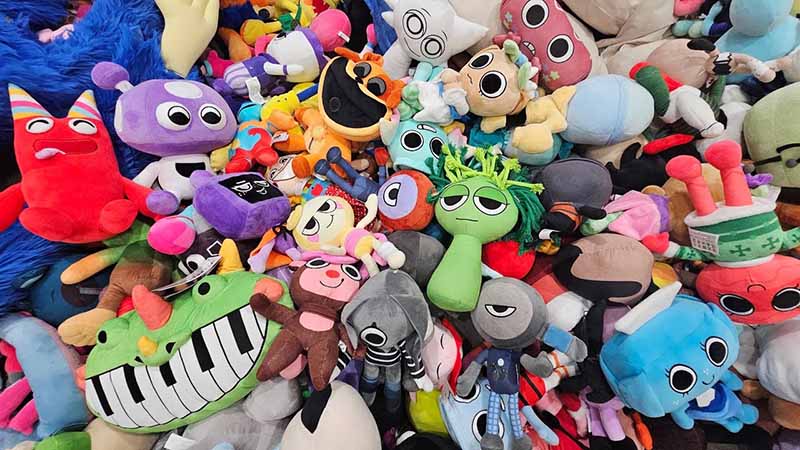
Why IP Plush Projects Require a Specialized Manufacturer
IP plush projects are fundamentally different from standard custom plush orders. They carry brand value, visual consistency requirements, licensing responsibilities, and strict market expectations. Choosing a manufacturer experienced in IP projects helps reduce development risk and protects the long-term value of your character.
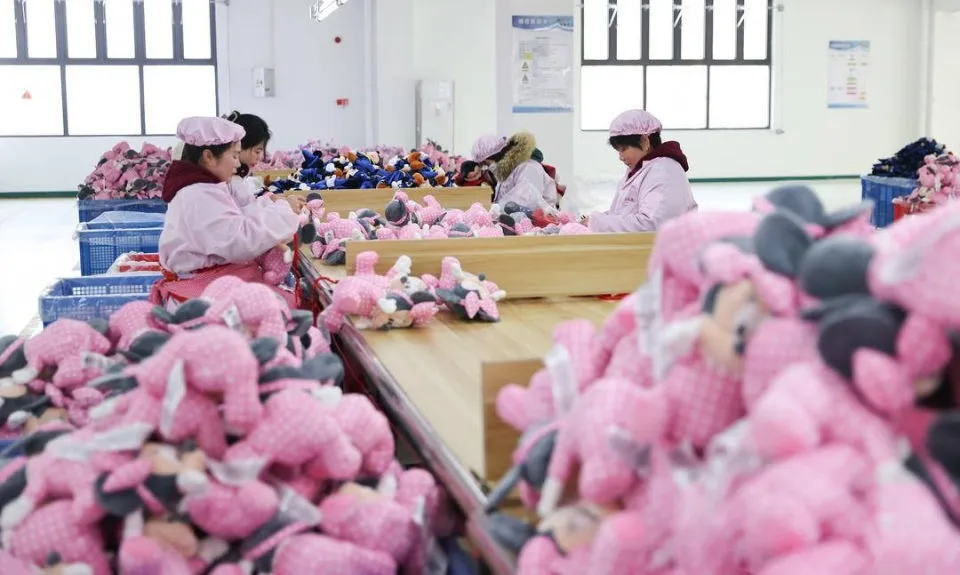
IP Projects Carry Brand Value
An IP character is a brand asset, not just a product design. Every plush toy represents your brand image in the market. A specialized IP plush manufacturer understands how material choice, stitching quality, and overall finish directly affect perceived brand value and customer trust.
IP Projects Involve Visual & Consistency Risk
Small changes in proportion, expression, or materials can significantly alter how a character is perceived. IP projects require precise control from sampling to mass production to avoid character distortion and ensure consistency across every batch.
IP Projects Have Licensing & Market Restrictions
Licensed and brand IP plush toys must meet specific safety standards, market regulations, and compliance requirements. A professional manufacturer understands how to align materials, construction, and testing with the requirements of different global markets.
IP Projects Leave Little Room for Trial and Error
Unlike generic products, IP projects usually follow fixed launch schedules and marketing plans. Delays, repeated revisions, or production instability can directly impact sales and brand reputation. A specialized partner helps streamline development and reduce unnecessary revisions.
Working with a plush toy manufacturer experienced in IP projects helps protect your character, control risk, and ensure your plush products are ready for market—on time and with confidence.
The Key Questions IP Clients Ask Before Choosing a Plush Manufacturer
When developing plush toys for IP projects, decisions are rarely based on price alone. IP holders and brands usually start by asking a few critical questions that directly affect character integrity, production risk, launch timing, and long-term brand value. These questions help determine whether a plush manufacturer is truly suitable for IP-based projects.
Can the Character Be Accurately Reproduced?
Accurate character reproduction is the foundation of any IP plush project. It is not simply about making a plush toy that “looks similar,” but about preserving the character’s identity when it is translated into a soft, three-dimensional form. For IP holders, even small deviations can weaken recognition and reduce brand value.
What matters most in character accuracy includes:
• Proportion control – Head-to-body ratio, limb length, and overall silhouette must match the original design to maintain instant recognition.
• Facial expression consistency – Eye shape, mouth placement, and expression style define the character’s personality and cannot shift between samples and production.
• Internal structure planning – The internal pattern and construction determine how the plush holds its shape over time, not just how it looks on day one.
• Fabric substitution expertise – Not all illustrated or rendered materials can be used directly in plush, so professional material choices are required to balance appearance, texture, and durability.
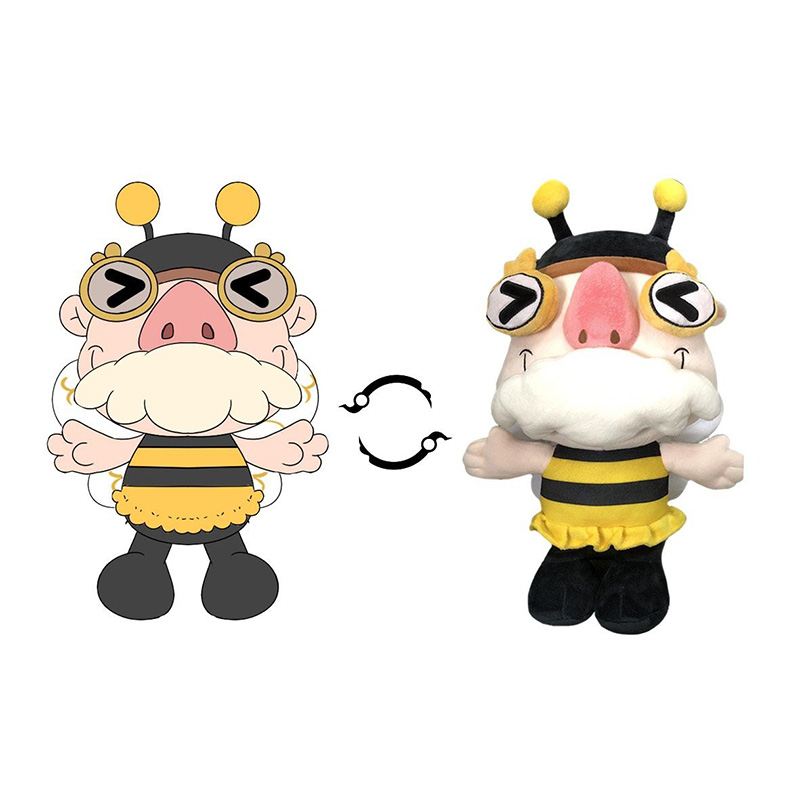
• 2D / 3D to plush translation – Converting flat artwork or digital models into plush requires experience in adjusting curves, seams, and volumes without altering the character’s core features.
For IP projects, accurate reproduction is not a cosmetic detail—it is a commercial requirement. A manufacturer experienced in IP development understands how to control these elements together, ensuring the final plush reflects the original character across sampling and mass production.
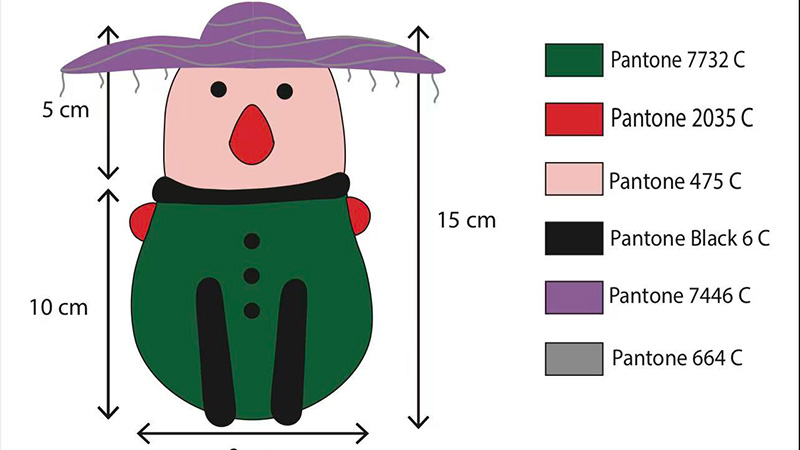
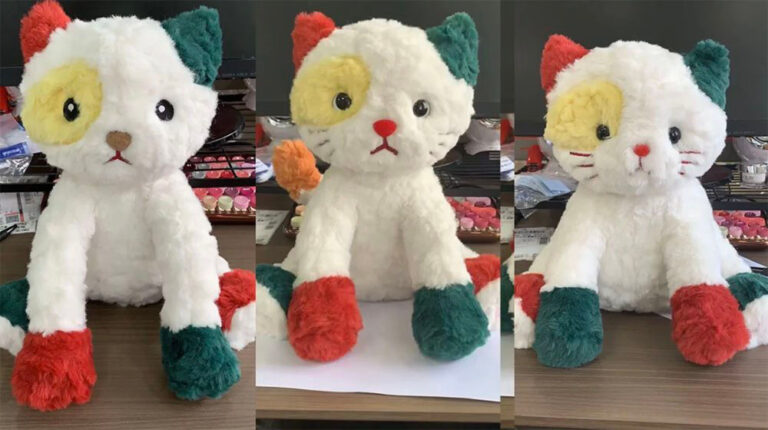
Will Mass Production Match the Approved Sample?
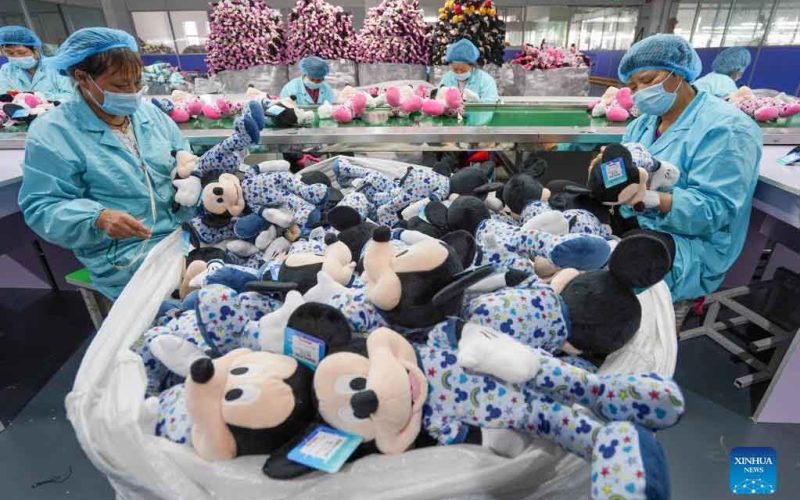
In plush manufacturing, “sample ≠ mass production” is one of the most common industry problems—and it becomes far more critical in IP projects. Samples are usually made by highly experienced technicians using carefully selected materials, while mass production involves multiple operators, larger material batches, and longer production cycles. Without proper controls, small variations can accumulate and lead to visible differences in shape, size, or overall appearance.
Key reasons this issue occurs include:
• Different production conditions – Samples and mass production are often handled by different teams with different speeds and tools.
• Material batch variation – Fabric thickness, stretch, and density can vary between batches if not strictly locked.
• Lack of defined tolerances – Without clear standards, “acceptable differences” can quickly become noticeable deviations.
For IP projects, reducing this risk requires more than experience—it requires structure. A clear production process, locked materials, defined construction standards, and a confirmed pre-production sample help ensure that what is approved at the sampling stage is exactly what reaches the market. This approach allows IP plush projects to scale with confidence, while protecting character consistency across every unit.
Can the IP Plush Enter the Target Market Legally?
For IP plush projects, market access is not determined by how many certificates are listed, but by whether the manufacturer has the ability to work in line with market requirements. Different regions apply safety standards in different ways, and IP projects often have less flexibility to adjust after production has started.
What real compliance support looks like includes:
• Material safety alignment – Selecting fabrics, fillings, and accessories that are suitable for the target market from the beginning, rather than correcting issues later.
• Pull-force and durability testing – Designing and testing seams, eyes, labels, and accessories to withstand required stress levels during normal use.
• Needle detection procedures – Applying consistent needle control and metal detection processes throughout production to reduce safety risks.
• Regulation understanding and coordination – Knowing how different markets interpret safety rules and adjusting materials, construction, and testing accordingly.
For IP clients, compliance is not a paperwork exercise—it is a production capability. A manufacturer experienced with IP projects helps align design, materials, and processes early, reducing delays, rework, and unexpected market-entry risks.
Will the Development Timeline Affect the Launch Schedule?
Most IP plush projects are developed against fixed timelines. Launch dates are often tied to marketing campaigns, product releases, or licensing agreements, leaving little room for delay. When development milestones are unclear, even small setbacks during sampling or revisions can disrupt the entire launch plan.
What keeps IP projects on schedule includes:
• A clearly defined development process – Structured steps from concept review to pre-production help prevent confusion and unnecessary backtracking.
• Efficient revision cycles – Clear feedback handling and focused revisions reduce repeated changes and shorten overall development time.
• Transparent communication – Regular updates and clear expectations allow IP clients to plan confidently around production progress.
For IP holders, timing is a strategic factor, not an operational detail. A plush manufacturer experienced in IP projects understands how to manage timelines proactively, helping ensure products are ready when the market—and the license—demands.
Will the IP Be Properly Protected?
For high-quality IP projects, confidentiality is not optional—it is a baseline requirement. IP holders are often sharing unreleased characters, new designs, or licensed assets that carry significant commercial value. Any loss of control can create serious legal and brand risks.
Effective IP protection in plush development involves:
• NDA support – Clear non-disclosure agreements that define how IP materials are used throughout development and production.
• Structured file management – Controlled handling of design files, revisions, and reference materials to avoid unnecessary exposure.
• Project separation – Assigning IP projects to dedicated workflows to prevent overlap with other client work.
• Internal access control – Limiting design and production information to authorized team members only.
For IP clients, trust is built through systems, not promises. A plush manufacturer experienced in IP projects understands that protecting intellectual property is part of professional project management, helping clients move forward with confidence.
If these five questions are clear and well managed from the start, your IP plush project becomes much easier to control. You reduce character risk, avoid “sample ≠ mass production” surprises, stay on schedule, and move into your target market with fewer delays. Share your IP design or project brief, and we’ll help you evaluate feasibility and the best next steps.
From IP Concept to Stable Mass Production
IP plush projects succeed when development is managed as a structured process, not a one-off task. A clear workflow helps identify risks early, control revisions, and ensure that what gets approved at the concept stage is exactly what reaches the market.
IP Understanding & Feasibility Review
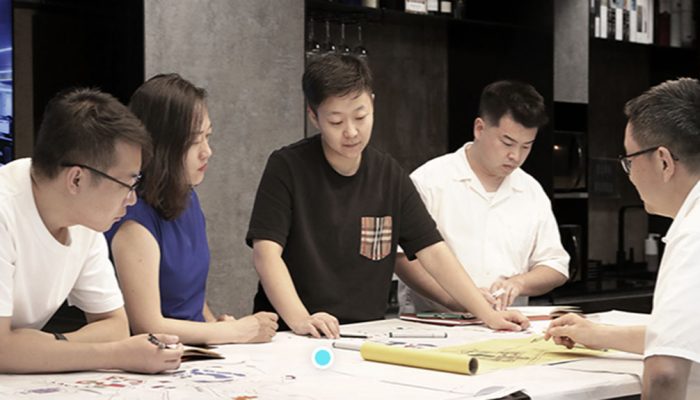
At the start, the focus is on understanding the IP itself. This includes reviewing character style, proportions, intended use, target market, and potential risks. The goal is to determine whether the design is suitable for plush production and to identify any challenges before sampling begins, so costly changes can be avoided later.
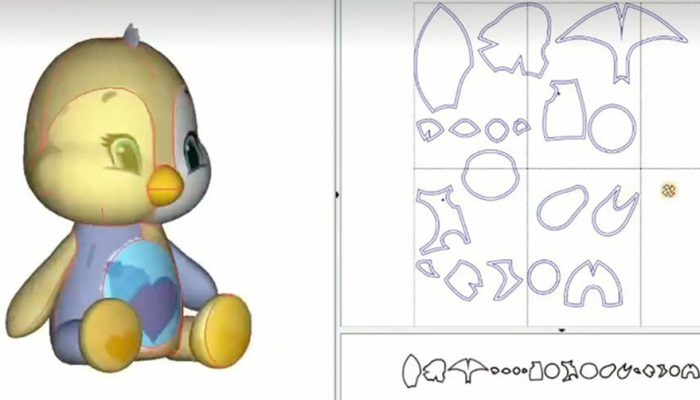
Character Structure & Proportion Planning
Before making a sample, character proportions, internal structure, and material behavior are planned in detail. This step ensures the plush can hold its shape, feel balanced, and visually match the original character. Addressing structure and fabric substitution early helps reduce repeated revisions during sampling.
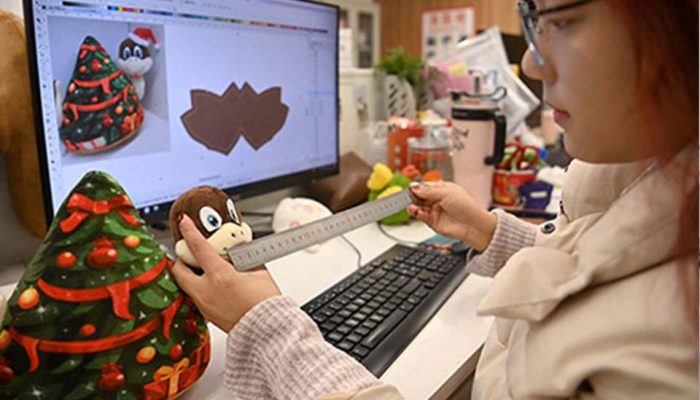
Prototype Sampling & Controlled Revisions
Sampling is handled as a guided process rather than trial and error. Each prototype is reviewed against clear criteria, with focused feedback and prioritized adjustments. This approach keeps revisions efficient, prevents unnecessary back-and-forth, and moves the project forward with purpose.
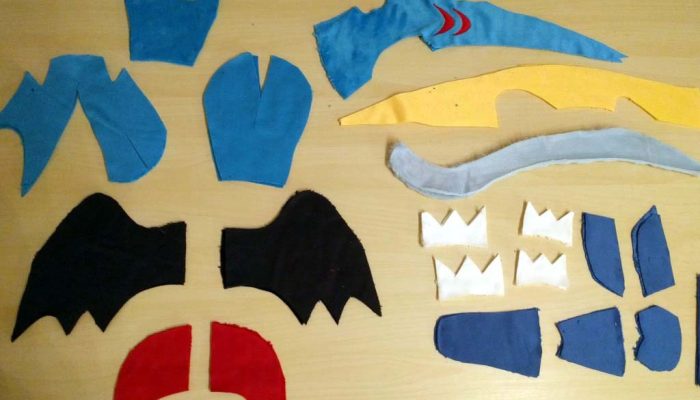
Material Lock & Pre-production Sample
Once the sample is approved, materials and key construction details are locked. A pre-production sample is then created to verify that the approved design can be reproduced under production conditions. This step is critical for preventing gaps between the final sample and mass production.
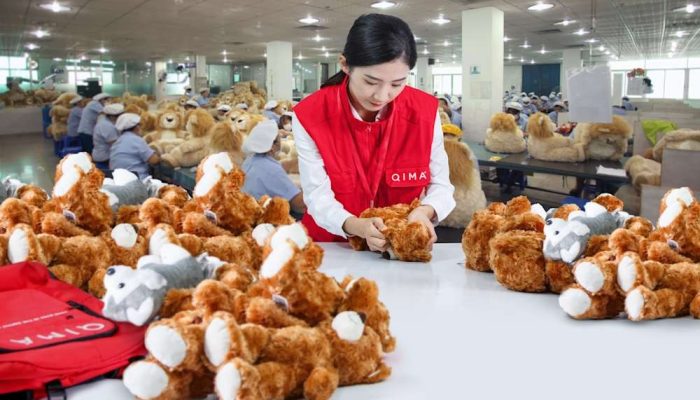
Mass Production with In-line Quality Control
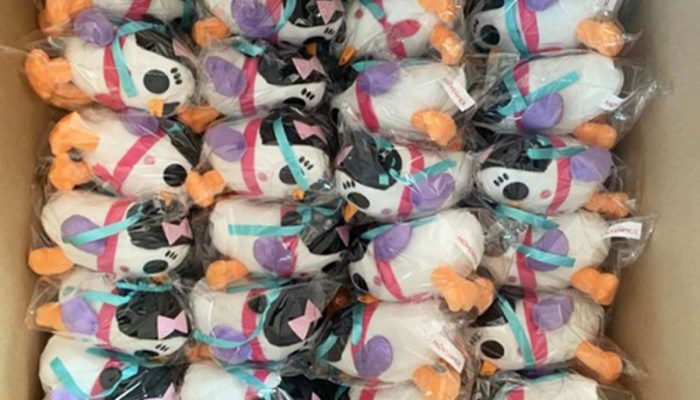
During mass production, quality control is applied throughout the process, not only at the end. In-line checks help maintain consistency in shape, stitching, and materials across all units, ensuring that the character remains uniform from the first piece to the last.
Final Inspection & Market-ready Packing
Before shipment, finished products are inspected to confirm they meet agreed standards and market requirements. Packing is prepared according to shipping and sales needs, helping ensure the plush toys arrive ready for distribution and retail.
A structured development process is what turns an IP concept into a reliable, market-ready plush product. By managing each stage with clear standards and controlled execution, IP holders can reduce uncertainty, protect character integrity, and move from idea to mass production with greater confidence.
Common Risks in IP Plush Projects & How They Are Reduced
IP plush projects face a different level of risk compared to standard plush production. Issues such as character distortion, inconsistency between samples and mass production, compliance gaps, or unclear communication can quickly impact launch plans and brand value. Understanding these common risks—and how they are controlled through structured processes and clear standards—helps IP holders make safer manufacturing decisions.
Character Distortion
In IP plush projects, character distortion is one of the fastest ways to lose recognition and weaken brand value. It often happens when proportions shift during pattern making, facial features are simplified for sewing, or fabric stretch changes the silhouette after stuffing. To reduce this risk, we treat “character accuracy” as a measurable target: we lock the key visual checkpoints (head-to-body ratio, eye position, mouth curve, signature details), confirm a reference standard from the approved sample, and keep these checkpoints consistent through controlled patterns, stitch lines, and stuffing density. This helps you keep the character’s identity stable—not only in the first sample, but also across repeated production runs.
Sample ≠ Mass Production
One of the most common risks in IP plush projects is the gap between an approved sample and the final mass-produced product. Samples are often made under ideal conditions by experienced technicians, while mass production involves multiple operators, larger material batches, and higher production speed. Without clear standards, small differences in fabric stretch, stitch tension, or stuffing density can quickly lead to visible inconsistencies. To reduce this risk, we focus on locking materials, defining key construction parameters, and confirming a pre-production sample that reflects real production conditions. This ensures the product your team approves is the product that reaches the market.
Material Substitution
Material substitution is a hidden risk in IP plush projects, especially when designs move from concept to large-scale production. Fabrics that look similar on the surface can behave very differently once cut, stitched, and stuffed, affecting texture, shape retention, and overall character appearance. Unplanned substitutions may also impact durability and safety expectations. To reduce this risk, we evaluate material behavior early, confirm suitable alternatives before sampling, and lock approved materials once the design is finalized. This helps ensure that the look, feel, and performance of the plush remain consistent from development through mass production.
Compliance Mismatch
Compliance mismatch is a common risk when IP plush toys are developed without a clear understanding of the target market. Different regions apply safety rules differently, and a plush design that works in one market may require adjustments in another. Problems often appear late in the process, leading to rework, delays, or blocked shipments. To reduce this risk, we focus on compliance coordination rather than paperwork display—aligning materials, construction methods, and testing expectations with the target market from the early development stage. This helps IP clients avoid last-minute changes and move into their intended markets more smoothly.
Who This IP Plush Manufacturing Service Is Best For
This service is designed for IP-driven projects where accuracy, consistency, and reliability matter more than simple customization. If your plush project involves brand value, licensing requirements, or a fixed launch timeline, this manufacturing approach is built to support your goals.
Licensed IP holders
Toy brands with original characters
Entertainment & media companies
Retail brands developing mascots
Crowdfunding IP projects
E-commerce brands with character IP
Brand owners planning long-term IP product lines
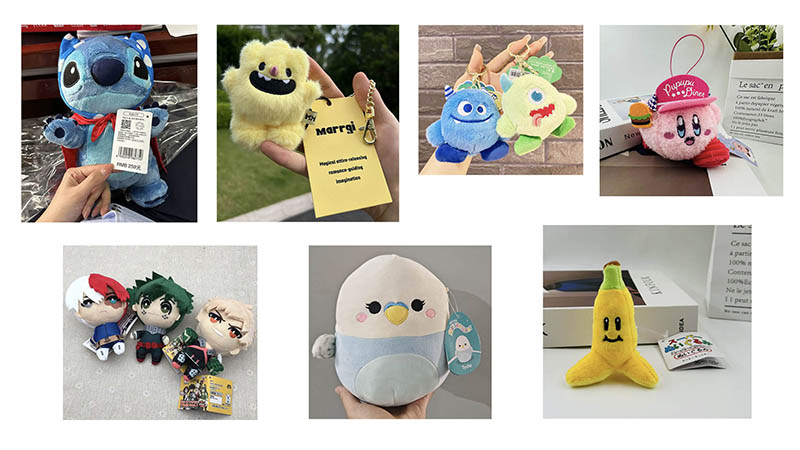
If your IP project fits any of the profiles above, working with a plush manufacturer experienced in IP development can help reduce uncertainty and keep your project on track. Sharing your design or project plan early allows potential risks to be identified and managed before production begins.
IP Plush Projects We Commonly Support
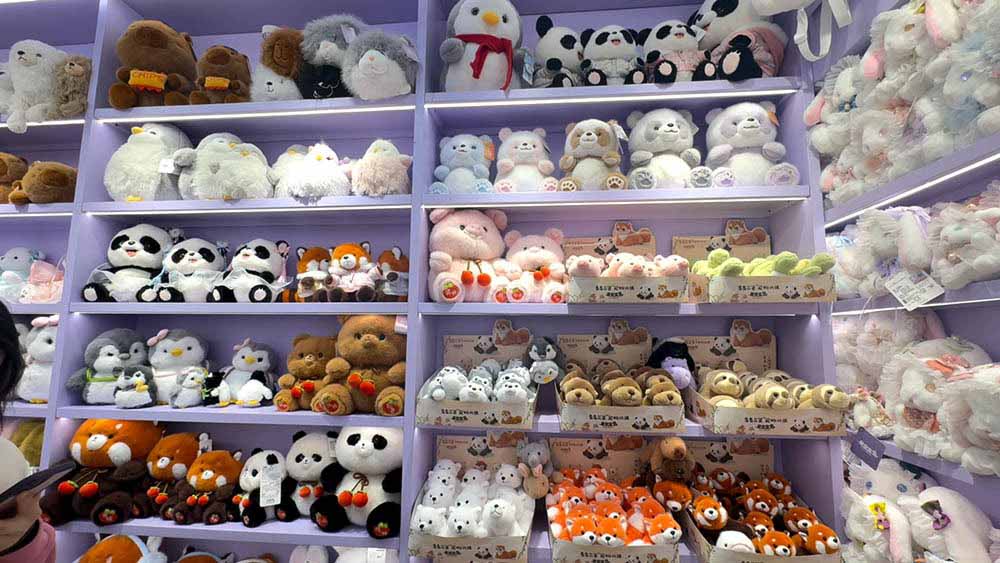
IP plush projects come in many forms, each with different development priorities, approval requirements, and market expectations. Based on real production experience, we commonly support the following types of IP-driven plush projects where accuracy, consistency, and controlled execution are critical.
Licensed character plush toys
Original IP character plush
Brand mascot plush toys
Retail-exclusive IP plush products
Promotional & campaign IP plush
Limited-edition & collectible plush
Crowdfunding IP plush projects
Multi-SKU IP plush product lines
If your IP project falls into any of the categories above, working with a plush manufacturer experienced in similar project types can help reduce uncertainty and streamline development. Sharing your project background early allows potential challenges to be identified and addressed before production begins.
How We Support Licensed IP & Approval Processes
Licensed IP plush projects often involve multiple stakeholders, approval stages, and strict brand guidelines. A smooth approval process depends on clear coordination, accurate execution, and controlled communication. Our approach is designed to help IP holders move through reviews efficiently while protecting character integrity and timelines.
Early Alignment with IP Guidelines
We review available brand guidelines, reference materials, and approval requirements at the beginning of the project. This helps ensure that sampling and development start within the correct visual and compliance framework, reducing the risk of early rejection.
Approval-Oriented Sampling
Samples are developed with approval in mind, focusing on key visual checkpoints rather than cosmetic details. This makes it easier for licensors and brand teams to evaluate character accuracy and provide focused feedback.
Structured Revision Management
Feedback from licensors is organized and prioritized before revisions begin. By grouping changes and confirming revision scope, we help avoid fragmented updates and unnecessary rework during the approval cycle.
Clear Documentation & Version Control
Each revision stage is documented and tracked to ensure everyone is reviewing the correct version. This reduces confusion when multiple parties are involved and keeps approvals aligned with the latest sample status.
Timeline Coordination for Approvals
Approval timelines are considered as part of the overall development schedule. This allows room for review rounds without disrupting production planning or launch preparation.
Consistent Execution After Approval
Once approval is granted, approved samples and specifications are used as the fixed reference for production. This helps ensure that what is approved by the licensor is exactly what is produced and delivered.
Supporting licensed IP is not just about meeting requirements, but about managing the approval process with clarity and consistency. Early coordination and structured execution help IP projects move forward with fewer delays and revisions.
What IP Clients Prepare Before Starting a Plush Project
Preparing the right information before development begins helps IP plush projects move faster and with fewer revisions. Clear inputs at the start allow feasibility to be evaluated accurately and reduce misunderstandings later in the process.

Character Design Files
Provide the most complete design references available, such as 2D artwork, 3D models, or style guides. Clear visuals help ensure character proportions, expressions, and details are interpreted correctly from the beginning.

IP & Usage Scope
Clarify whether the project involves licensed IP, internal brand IP, or original characters, as well as how the plush will be used. This helps align development decisions with approval requirements and market expectations.

Target Market & Safety Expectations
Share the intended sales markets and any known safety requirements early. Knowing where the product will be sold allows materials and construction methods to be aligned with relevant market standards from the start..

Timeline & Project Goals
Outline expected timelines, launch dates, and overall project objectives. Clear scheduling helps balance development speed, revision cycles, and production planning.
When these key points are prepared in advance, IP plush development becomes more efficient and predictable. Early clarity helps reduce revisions, control risk, and keep the project on schedule.
Why IP Clients Choose Us for Long-Term Cooperation
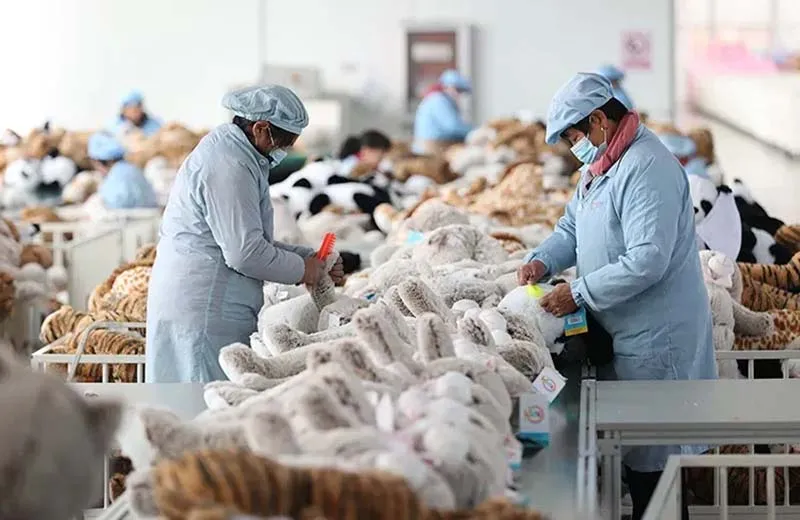
IP plush projects rarely stop at one order. As characters evolve and product lines expand, long-term manufacturing partners play a critical role in maintaining consistency, reducing risk, and supporting growth over time.
Fewer Revisions Over Time
As collaboration continues, character details, proportions, and standards become clearly defined. This reduces repeated explanations and unnecessary revisions, allowing new SKUs to move forward more smoothly.
Lower Development Risk
With accumulated project knowledge, potential issues are identified earlier. This helps avoid late-stage changes and keeps development more predictable as the IP line grows.
Stable Quality Across Batches
Long-term cooperation allows materials, construction methods, and quality benchmarks to remain consistent. This helps ensure that products released months or years apart still match in look and feel.
Easier and Faster Communication
Established workflows and shared understanding reduce communication friction. Decisions are made faster, feedback is clearer, and project timelines become easier to manage.
Scalable IP Product Development
With a stable manufacturing foundation, IP holders can expand into new designs, sizes, or product variations without rebuilding the process from scratch.
Long-term cooperation turns plush manufacturing into a stable extension of your IP operations. Consistency, efficiency, and trust built over time help support sustainable growth.
Trusted by Leading Global Brands
Strong partnerships prove strong capabilities. Over the years, Kinwin has worked with world-leading brands and retailers to deliver interactive plush toys that meet the highest standards of creativity, safety, and quality. By choosing us, you gain a supplier that is trusted by top companies worldwide—and the same reliability is available to your brand.
Licensed IP Plush Project Collaboration Process
Licensed IP plush projects involve structured coordination between IP holders, licensors, and manufacturers. A clear collaboration process helps align expectations, manage approvals, and keep development moving forward without unnecessary delays.
IP & License Scope Confirmation
The project begins with confirming the IP type, license scope, usage rights, and target markets. This ensures all development decisions stay within approved boundaries from the start.
Design Review & Feasibility Alignment
Character designs and brand guidelines are reviewed to assess plush feasibility. Potential challenges related to structure, materials, or compliance are identified early to avoid later rework.
Sampling for Licensor Approval
Samples are developed with licensor review in mind, focusing on key visual and structural checkpoints. This helps streamline approval cycles and gather clear, actionable feedback.
Approval Confirmation & Production Planning
Once approval is granted, specifications are locked and production planning begins. Timelines, quantities, and quality benchmarks are aligned to ensure smooth execution.
Controlled Production & Delivery
Production follows approved samples and standards, with quality checks applied throughout the process. Finished products are prepared for delivery in line with market and licensing requirements.
Start Your IP Plush Project with Confidence
IP plush projects involve more than production—they require accuracy, consistency, approval coordination, and long-term reliability. Whether you are working with licensed characters or building your own IP, the right manufacturing partner helps reduce uncertainty from the very first step.
By reviewing your design, understanding your market goals, and aligning development early, potential risks can be identified before they become costly problems. This allows your IP project to move forward with clearer expectations, fewer revisions, and a smoother path to market.
Explore Our Custom Plush Toy Series
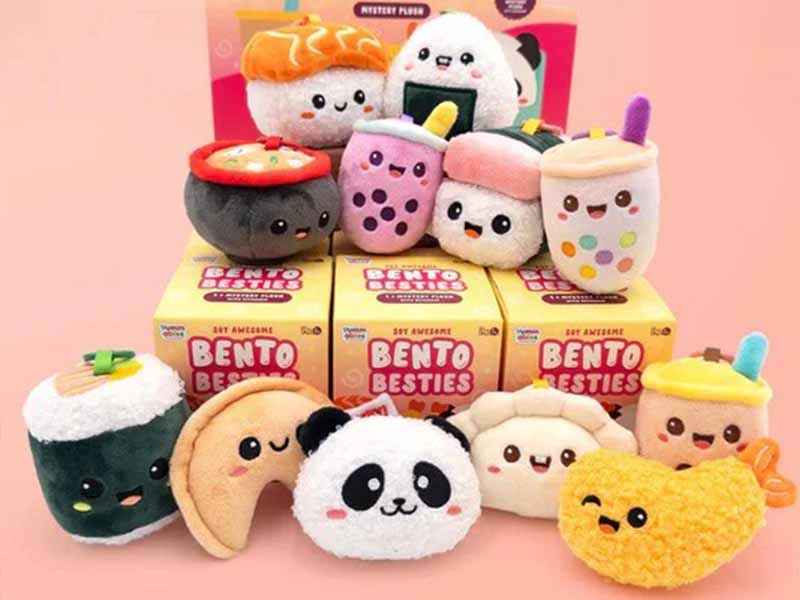
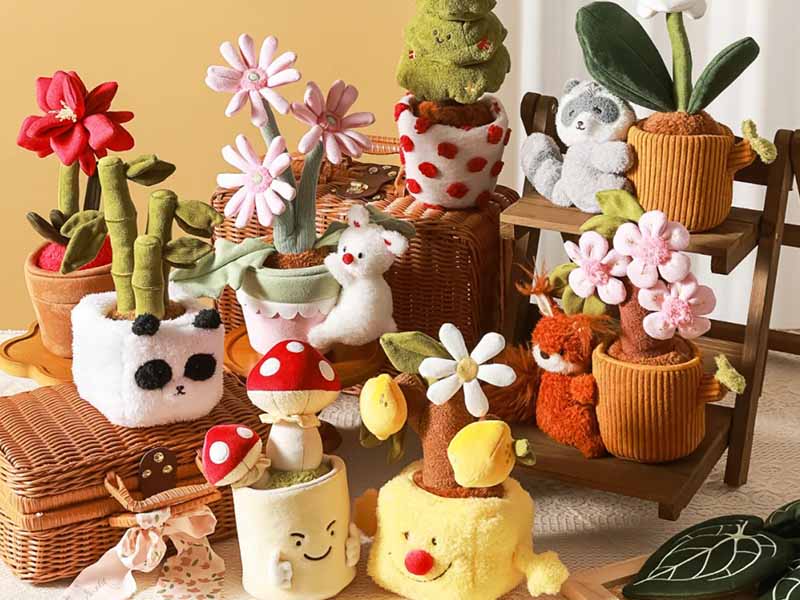
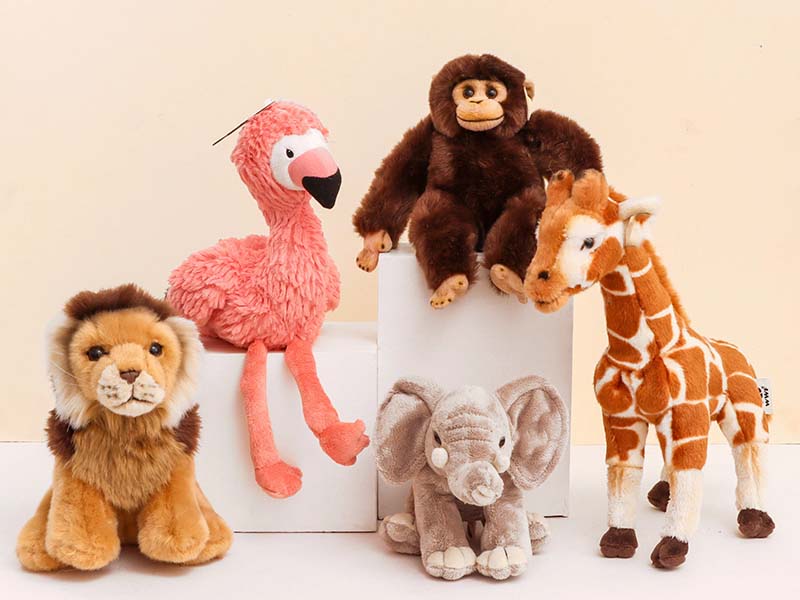
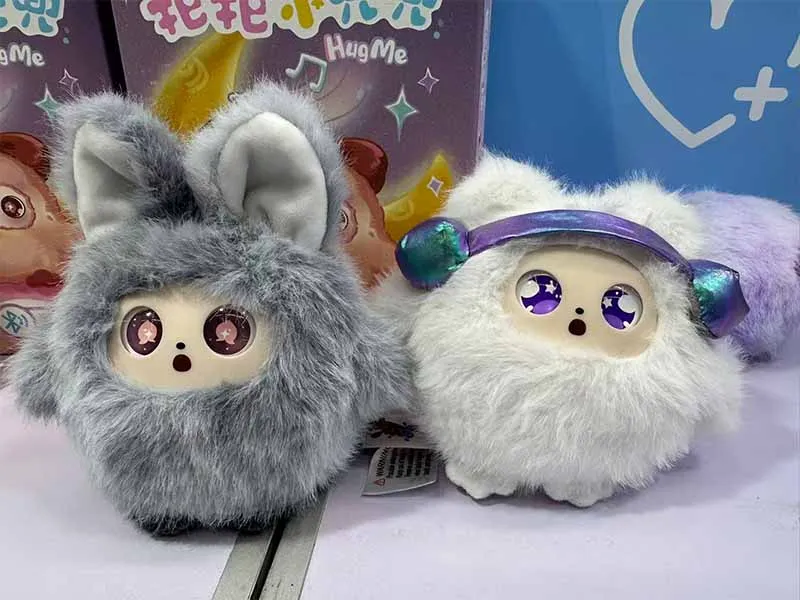
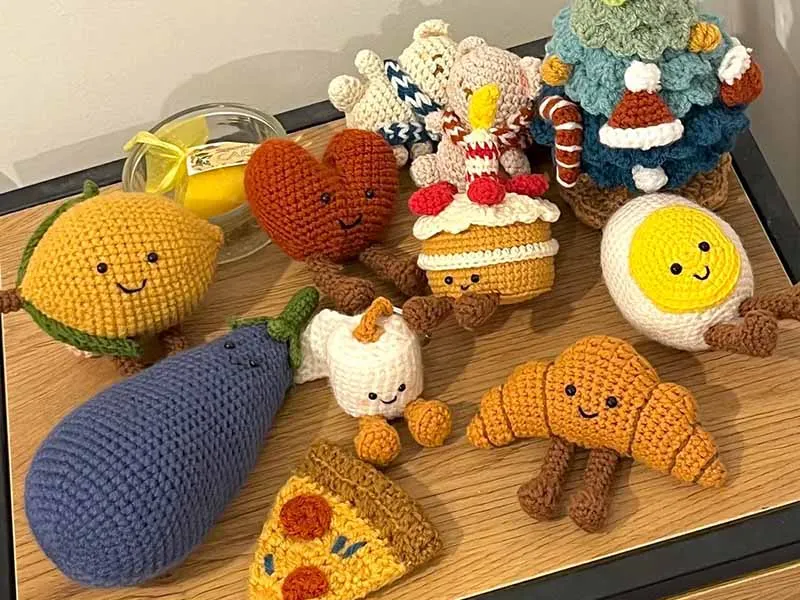
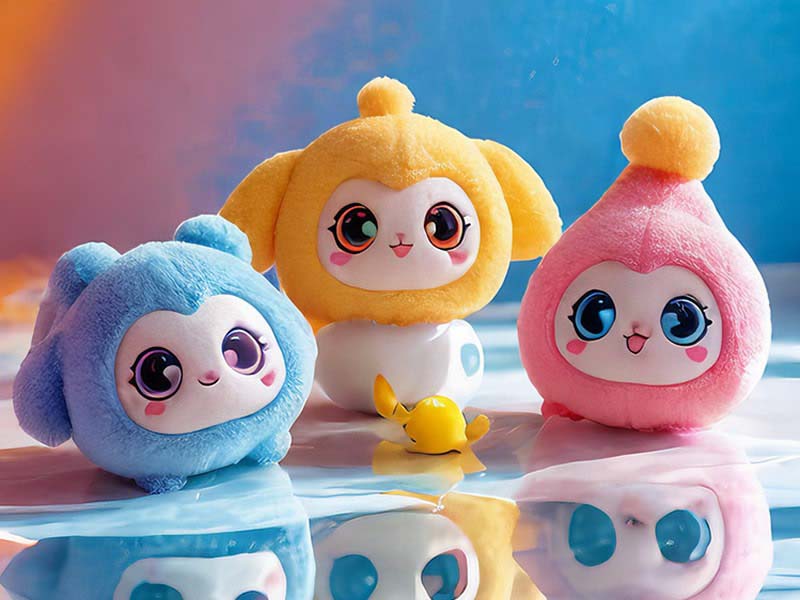
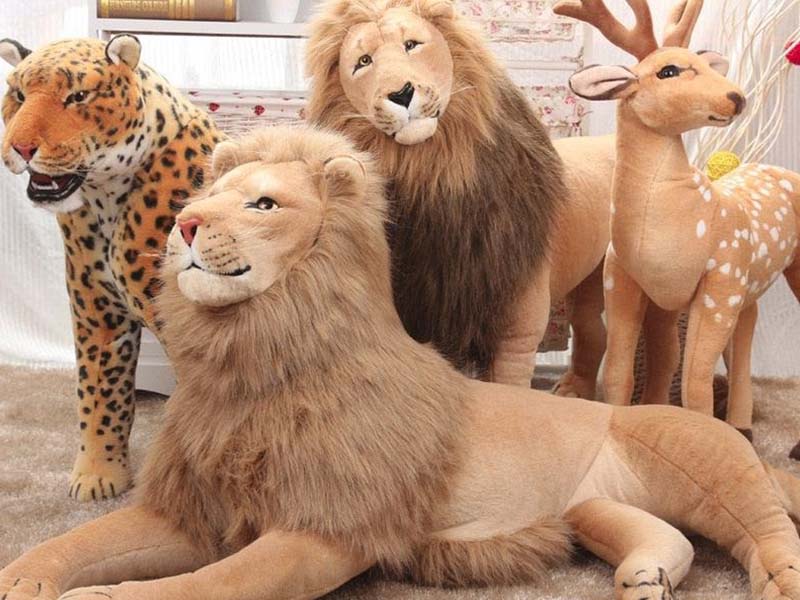
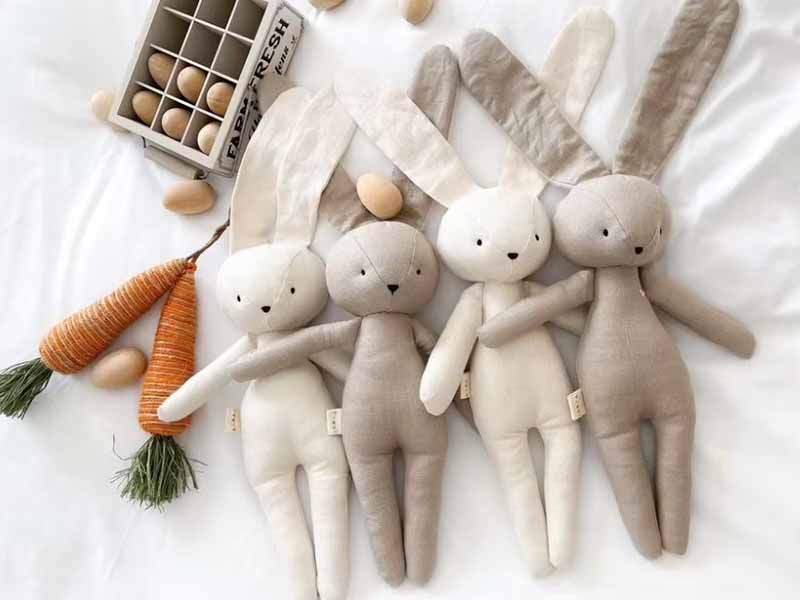
We offer a wide selection of plush toys to meet different business needs. From baby-safe stuffed animals to collectible plush dolls, our product lines are designed for global brands, retailers, e-commerce, and promotional projects.
Frequently Asked Questions
1. Can you work with licensed IP plush projects?
Yes. We regularly support licensed IP plush projects that involve brand guidelines, approval workflows, and defined usage scopes. Our role is to align sampling, revisions, and production execution with licensor expectations, helping IP holders move through approval stages with fewer delays and clearer feedback cycles.
2. How accurate can the plush be compared to the original IP character?
For IP projects, accuracy is managed through proportion control, facial expression alignment, internal structure planning, and material behavior evaluation. By locking key visual checkpoints early, the plush can maintain strong character recognition from the approved sample through mass production.
3. How do you prevent “sample ≠ mass production” issues in IP projects?
This risk is reduced through material locking, defined construction standards, and pre-production sample confirmation. Approved samples are used as fixed references, ensuring production conditions accurately reflect what was reviewed and approved during development.
4. What is the typical MOQ for IP plush toys?
MOQ depends on size, complexity, materials, and packaging requirements. For IP projects, MOQ is usually determined after a feasibility review, as stability, consistency, and approval alignment are prioritized over minimum quantity alone.
5. How long does IP plush development usually take?
Development timelines vary based on design readiness and approval speed. A typical process includes feasibility review, sampling, controlled revisions, and pre-production confirmation. Clear inputs and structured feedback help keep timelines predictable.
6. Can you support multiple SKUs under the same IP?
Yes. Many IP clients develop multiple sizes, styles, or product variations. Long-term cooperation allows shared standards and references to be reused, making it easier to expand product lines while maintaining consistency.
7. How do you support safety and compliance for different markets?
We focus on compliance coordination rather than certificate display. Materials, construction methods, and testing expectations are aligned with target market requirements early in development to reduce late-stage adjustments and delays.
8. How is IP confidentiality protected during development and production?
IP protection is managed through NDA support, controlled file handling, project separation, and internal access control. Only authorized team members have access to IP materials throughout the project lifecycle.
9. What information should IP clients prepare before starting a project?
Helpful inputs include design files or references, IP type and usage scope, target markets, expected timelines, and project goals. Clear preparation helps reduce revisions and improves development efficiency.
10. Is long-term cooperation recommended for IP plush projects?
Yes. Long-term cooperation helps reduce development risk, improve communication efficiency, and maintain consistent quality across multiple production cycles. It also makes future product expansion faster and more predictable.
If You Can lmagine lt,We Will Create lt!
1.Tell Us What You Need
Tell us as specific as possible of your needs and share your idea.
2.Get Solution & Quote
We will work on the best solution according to yourrequirements,the specific quote will be provided within 24 hours.
3.Approve for Mass Production
We will start mass production after getting your approval.