 Skip to content
Soft Toy Manufacturer | OEM & ODM Custom Plush Factory in China
We support brands, retailers, and product developers with reliable soft toy manufacturing solutions designed for global markets. As an experienced OEM & ODM custom plush factory in China, we help reduce sourcing risks, improve production efficiency, and ensure consistent quality from sampling to bulk production. Whether you are developing a new character, expanding a plush product line, or sourcing a long-term manufacturing partner, our team provides clear communication, flexible customization, and stable delivery to help your products reach the market with confidence.
Why Brands Choose Our Soft Toy Manufacturing
Choosing a reliable soft toy manufacturer is critical to product quality, cost control, delivery stability, and long-term brand growth. We focus on providing brands with dependable manufacturing, flexible customization, and consistent results, so every plush project can move forward with confidence.
Whether you are launching a new plush brand or scaling an existing product line, our manufacturing team is ready to support your project with clear communication, reliable production, and consistent quality from sample to shipment.
Bulk Production Lead Time Guarantee & Urgent Order Solutions
For brands, bulk delivery time is not just a schedule issue—it directly affects product launches, marketing plans, and retail commitments. As a professional soft toy manufacturer, we build clear lead-time control systems and emergency response plans to help clients handle both standard orders and time-sensitive projects with confidence.
Confirmed Production Schedule Before Order Placement
Before bulk production starts, we align on quantities, materials, craftsmanship, and packaging details to lock a realistic production timeline. This early confirmation reduces mid-production changes, avoids delays caused by unclear specifications, and allows brands to plan marketing and shipping schedules with higher certainty.
Dedicated Production Line Allocation for Bulk Orders
For confirmed bulk orders, we allocate fixed production lines and trained workers based on order size and complexity. This prevents production interruptions caused by line switching and ensures stable output speed throughout the manufacturing cycle.
Material Pre-Preparation to Prevent Supply Delays
Key plush fabrics, fillings, and accessories are prepared or reserved in advance once an order is confirmed. This reduces the risk of delays caused by material shortages, supplier fluctuations, or unexpected market changes.
Parallel Processes to Shorten Overall Lead Time
Whenever possible, we run multiple processes in parallel, such as packaging preparation during sewing or quality planning during early production. This overlapping workflow helps shorten total lead time without compromising product quality.
Urgent Order Fast-Track Manufacturing Option
For time-sensitive projects, we offer an urgent production option that prioritizes scheduling, manpower, and internal coordination. This solution is suitable for tight launch dates, promotional campaigns, or replacement orders caused by unexpected demand
Real-Time Progress Updates & Risk Communication
During bulk production, we provide clear progress updates and early risk alerts when needed. This transparency allows clients to adjust logistics, marketing, or inventory plans in advance rather than reacting after delays occur.
With structured lead-time control and flexible urgent solutions, we help brands stay on schedule even when timelines are tight. Our goal is not only to meet delivery dates, but to give clients predictable planning and reliable execution for every bulk plush order.
Soft Toy Product Showcase & Custom Plush Categories
Our soft toy manufacturing capabilities cover a wide range of plush categories, serving different markets, age groups, and business scenarios. From character-based plush toys to functional and promotional products, every category can be fully customized in size, materials, structure, and branding to match your project requirements and market positioning.

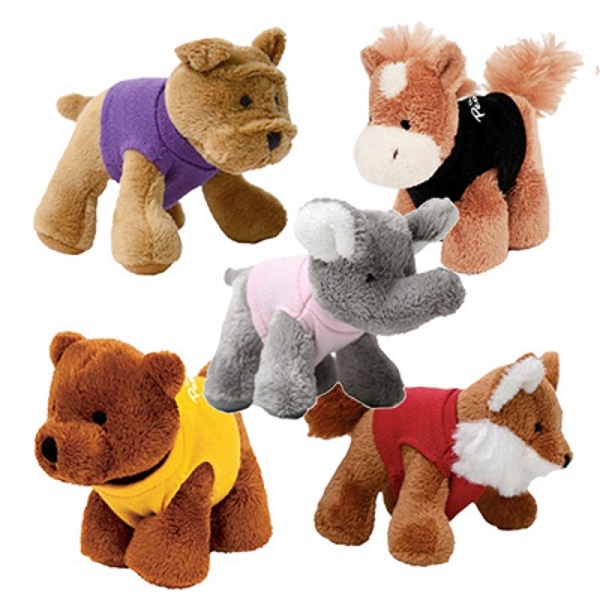
Crochet Teddy Bear
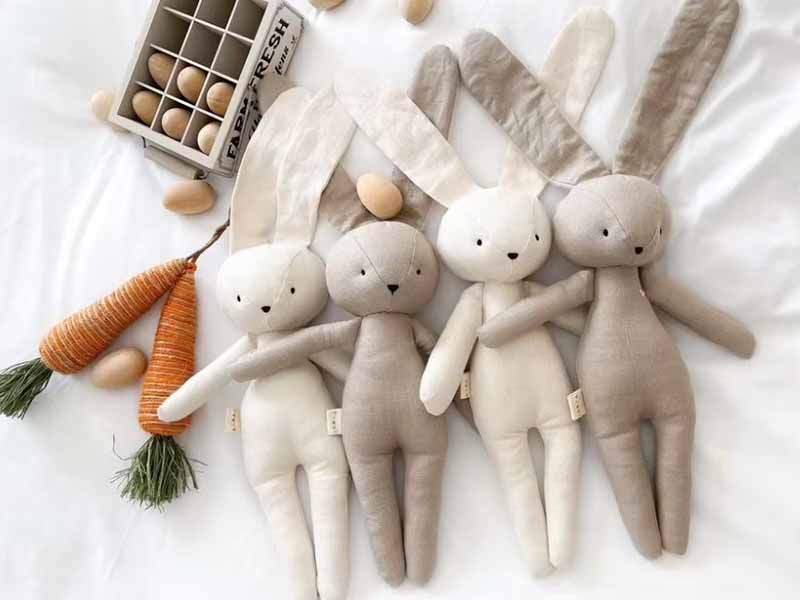
Widely used in retail and gift markets, animal plush toys can be customized in shape, size, fabric type, and facial details to match brand characters or creative concepts.
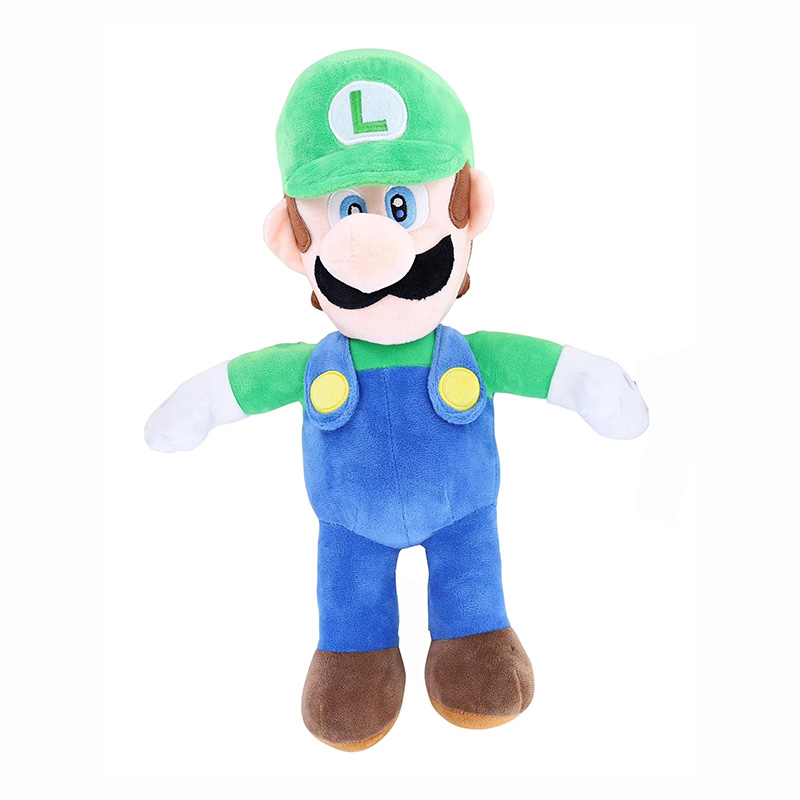
Character & IP Plush Toys
Designed for licensed brands and original IPs, focusing on high accuracy and detailed character reproduction.
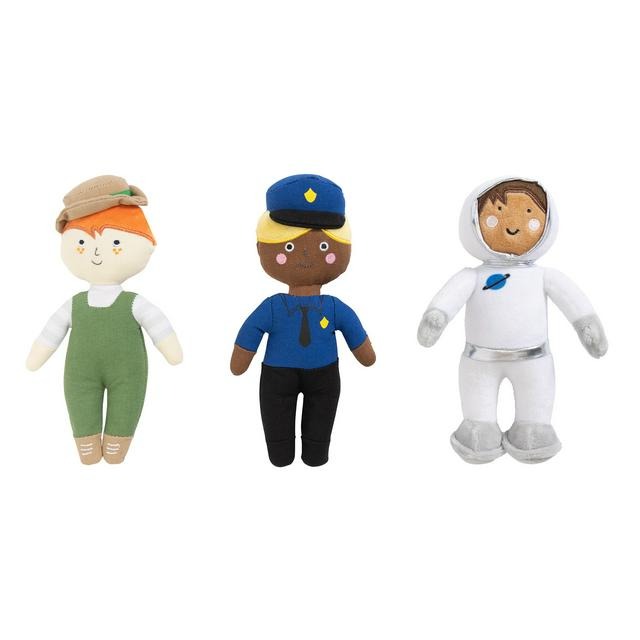
Plush Dolls
Human-style plush dolls suitable for storytelling brands, educational projects, and collectible series.
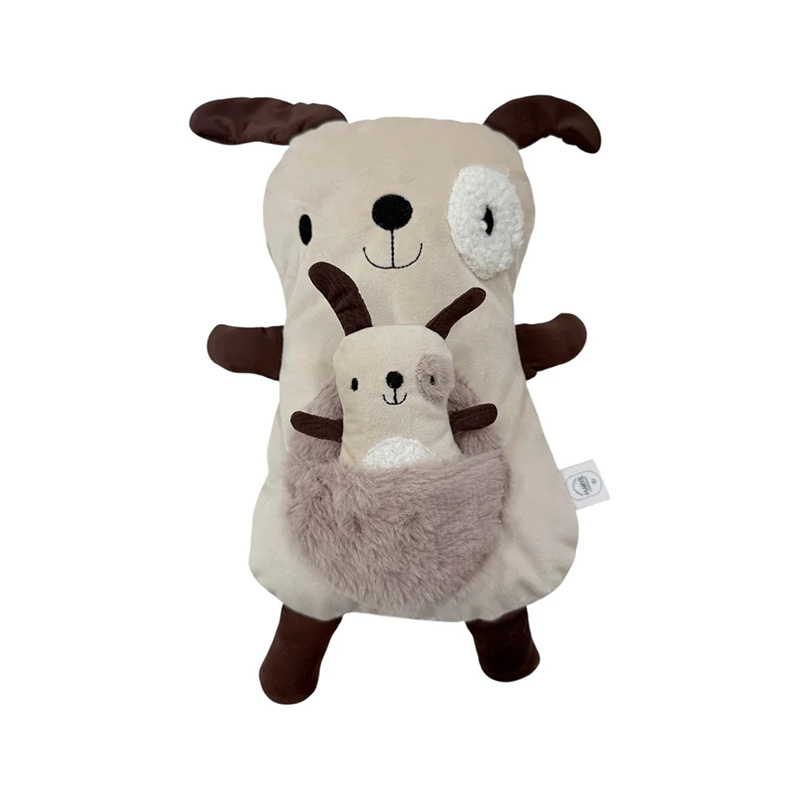
Baby Soft Toys
Developed with safety-oriented materials and structures, suitable for international baby toy standards.
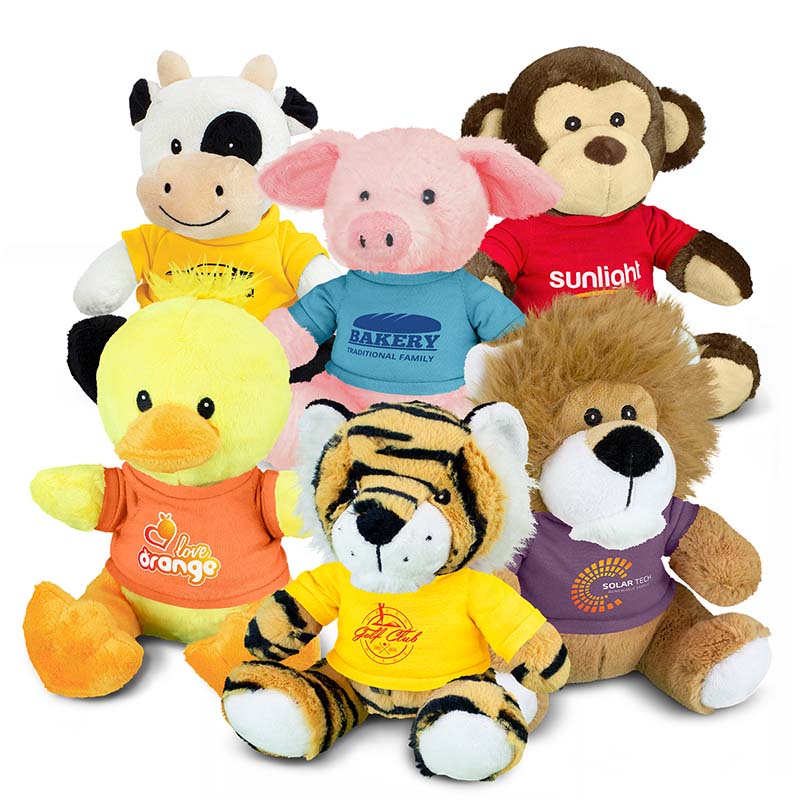
Promotional Plush Toys
Ideal for marketing campaigns, brand promotions, and giveaways, with flexible designs and cost control options.
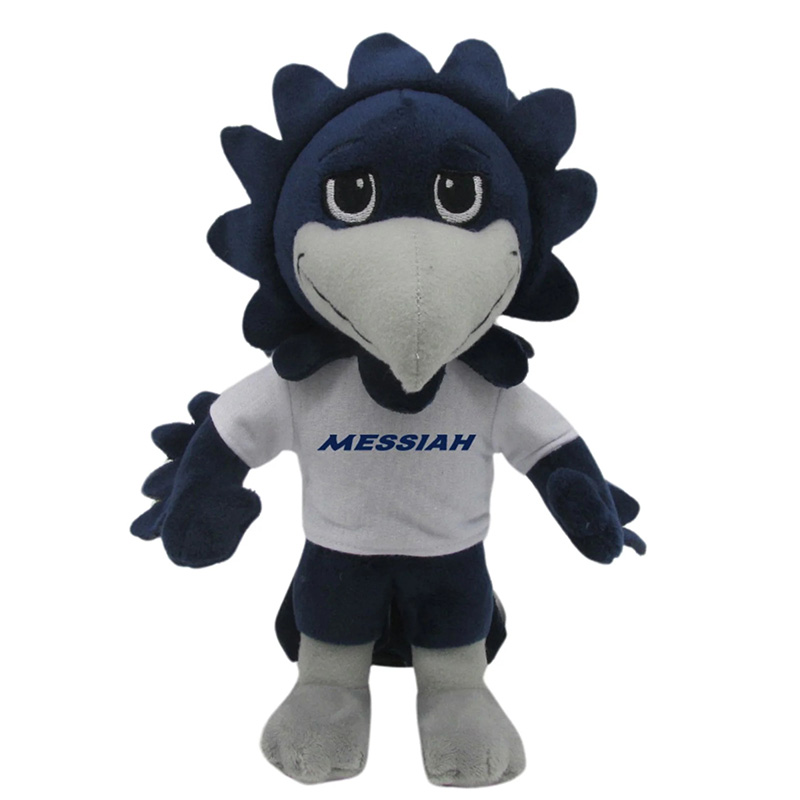
Mascot Plush Toys
Medium to large plush toys designed for brand mascots, exhibitions, and offline events.
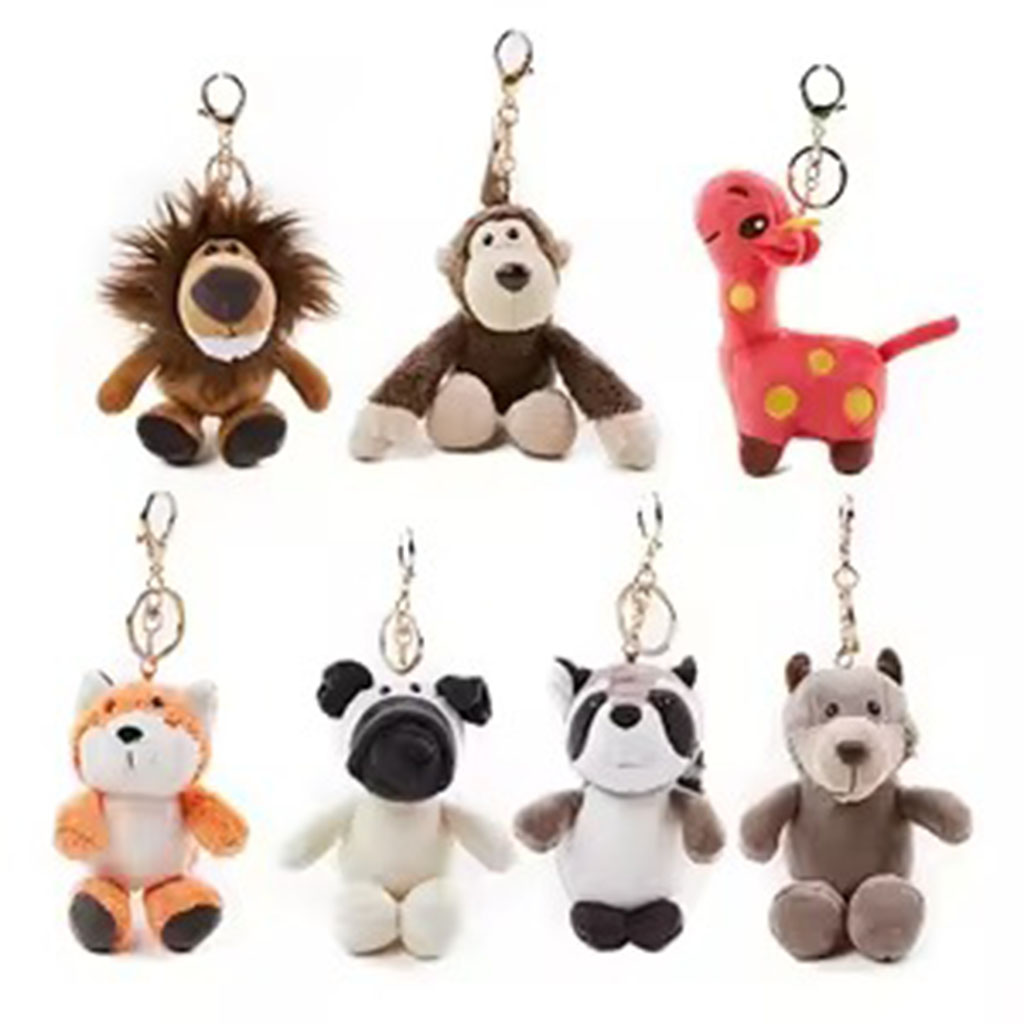
Plush Keychains
Compact plush items with metal or fabric attachments, popular as accessories and impulse products.
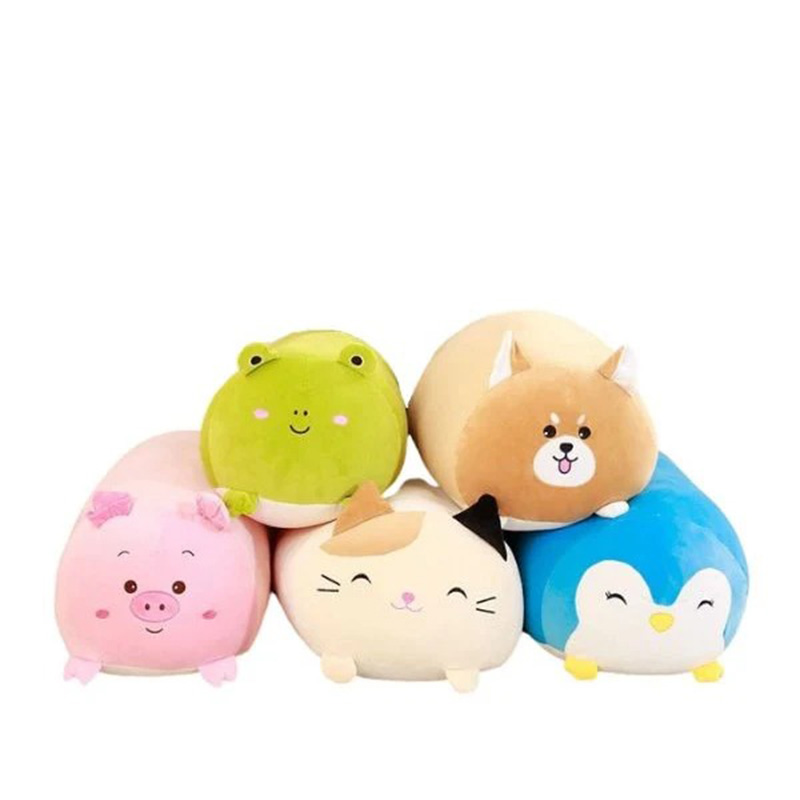
Plush Pillows & Cushions
Functional plush products combining comfort and decorative value for home and lifestyle markets.
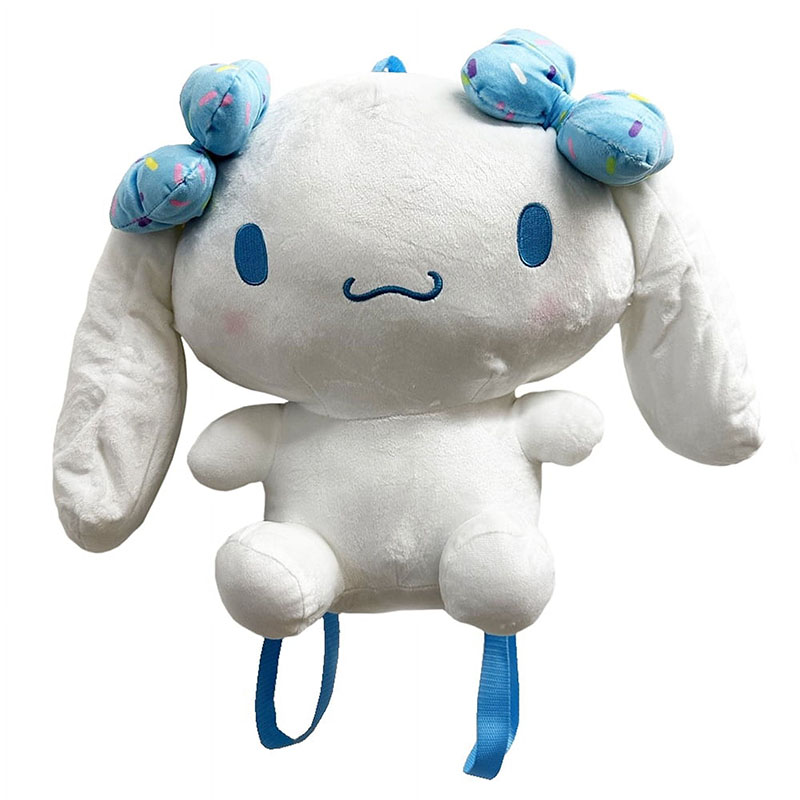
Plush Backpacks
Soft toy designs combined with backpack functions, popular among children and young consumers.
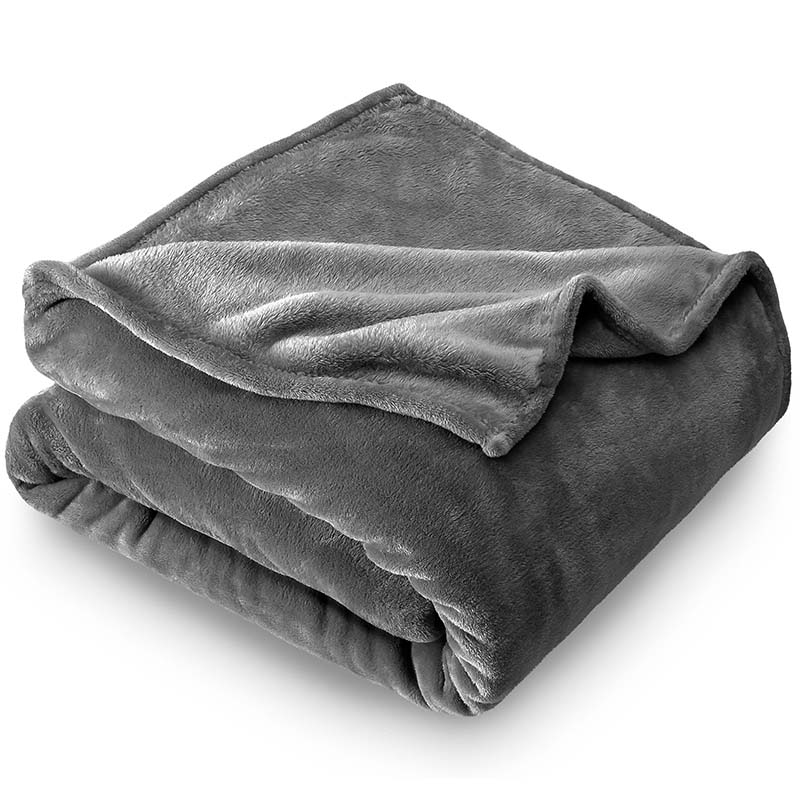
Plush Blankets & Comforters
Soft textile plush products suitable for baby lines and seasonal collections.
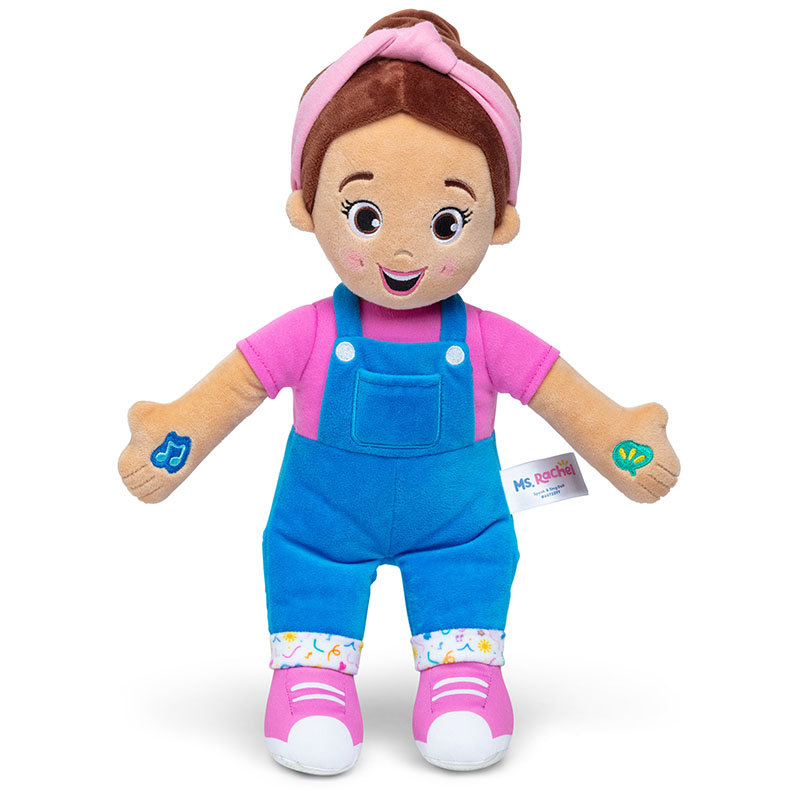
Talking Plush Toys
Integrated sound modules for storytelling, learning, and interactive play.
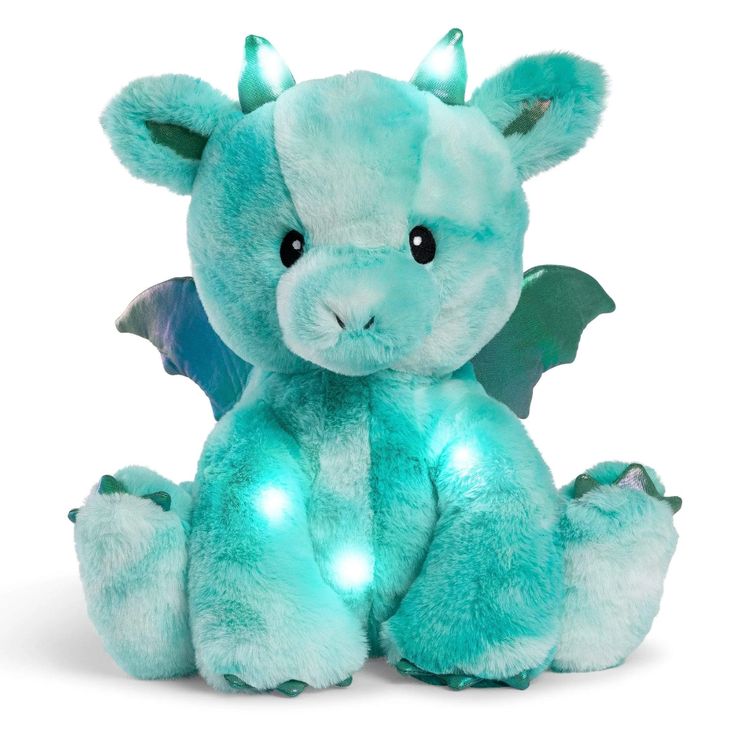
Light-Up Plush Toys
Plush toys combined with LED components for enhanced visual appeal.
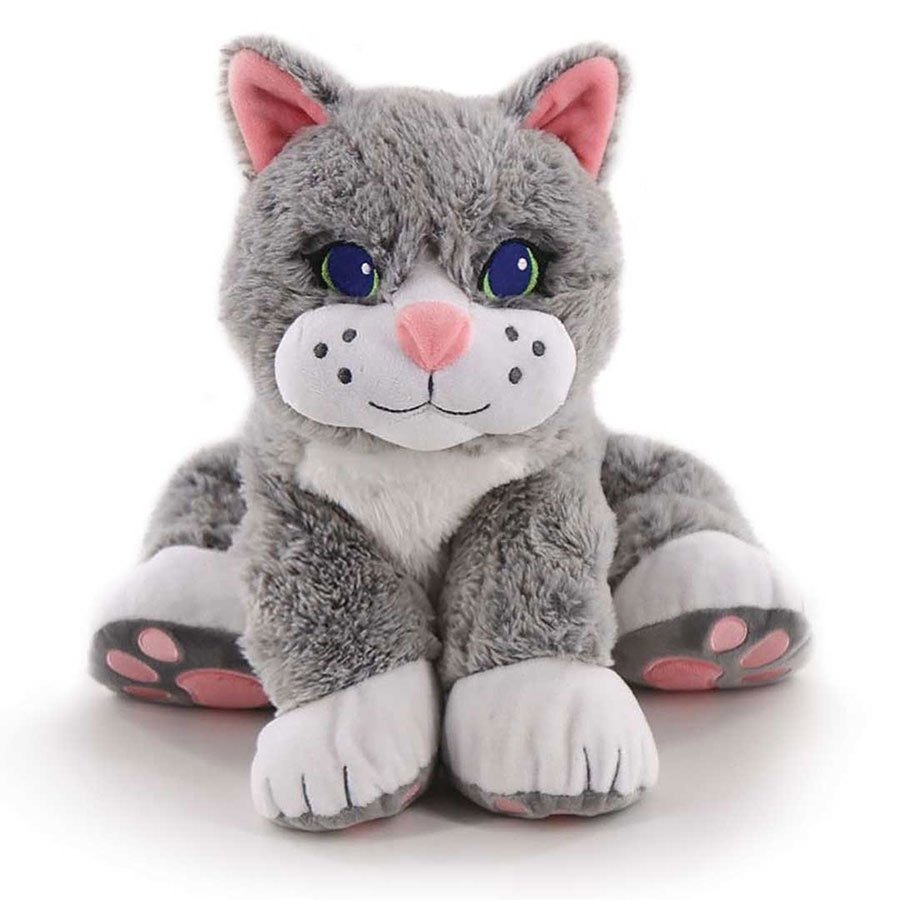
Weighted Plush Toys
Designed with internal weighted fillings, often used for comfort and sensory support.
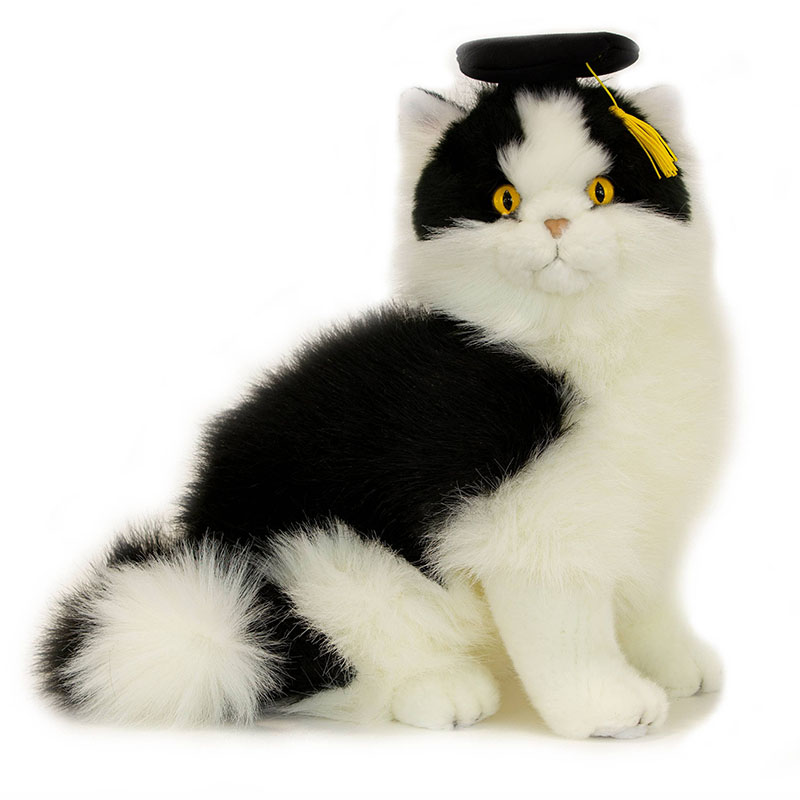
Eco-Friendly Plush Toys
Produced with recycled or sustainable materials for eco-conscious markets.
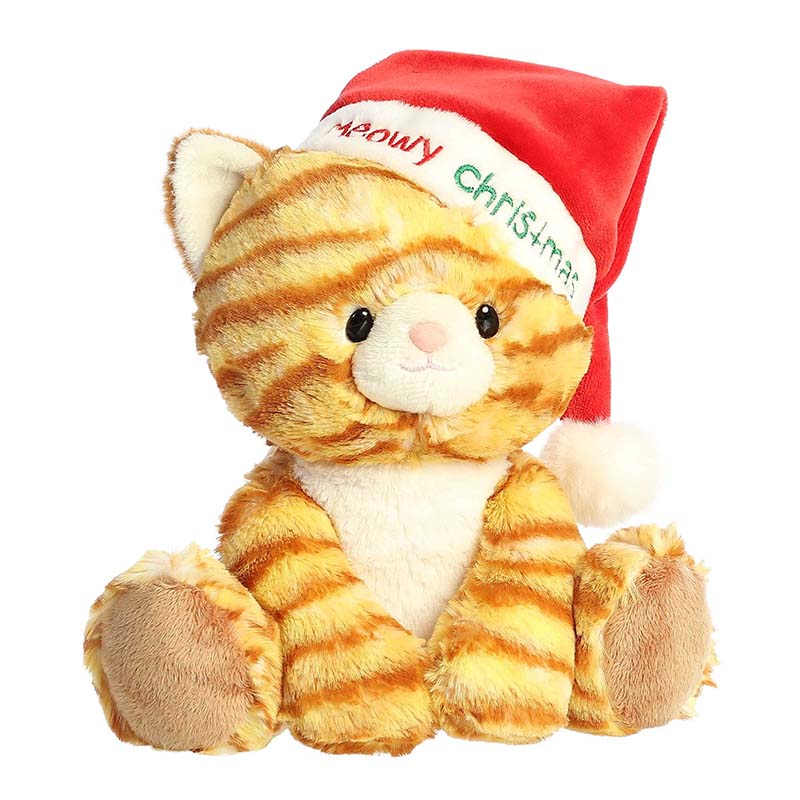
Holiday Plush Toys
Seasonal plush designs for Christmas, Halloween, Valentine’s Day, and other holidays.
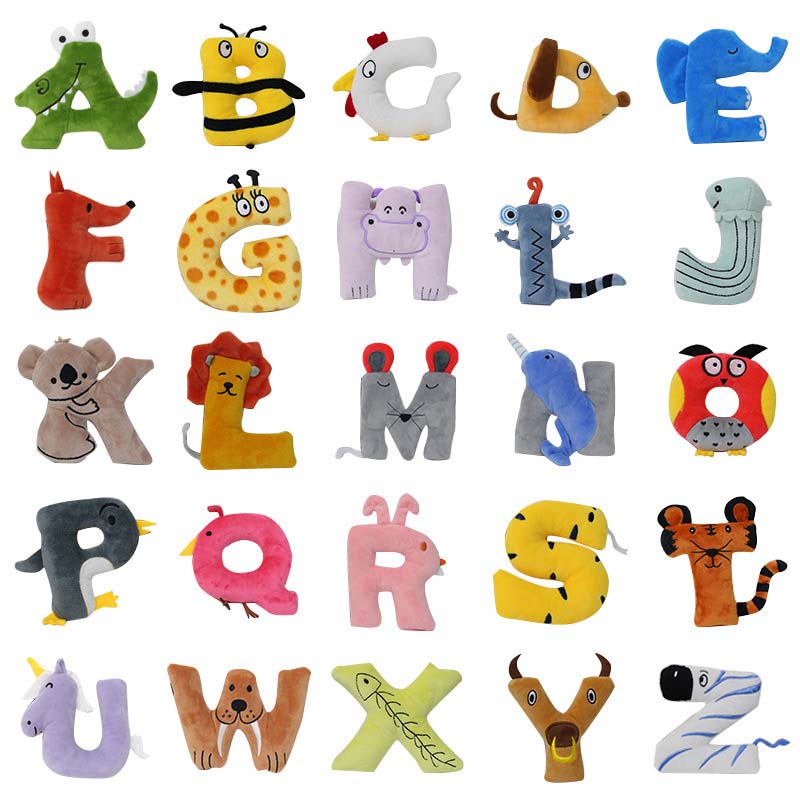
Educational Plush Toys
Plush toys designed to support learning, recognition, and early development concepts.
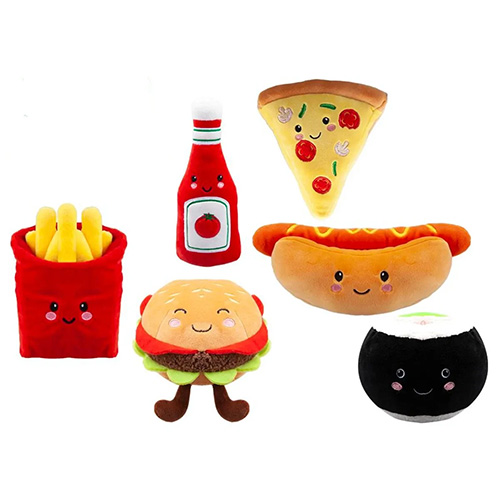
Plush Food Toys
Creative plush designs inspired by food items, popular in novelty and lifestyle markets.
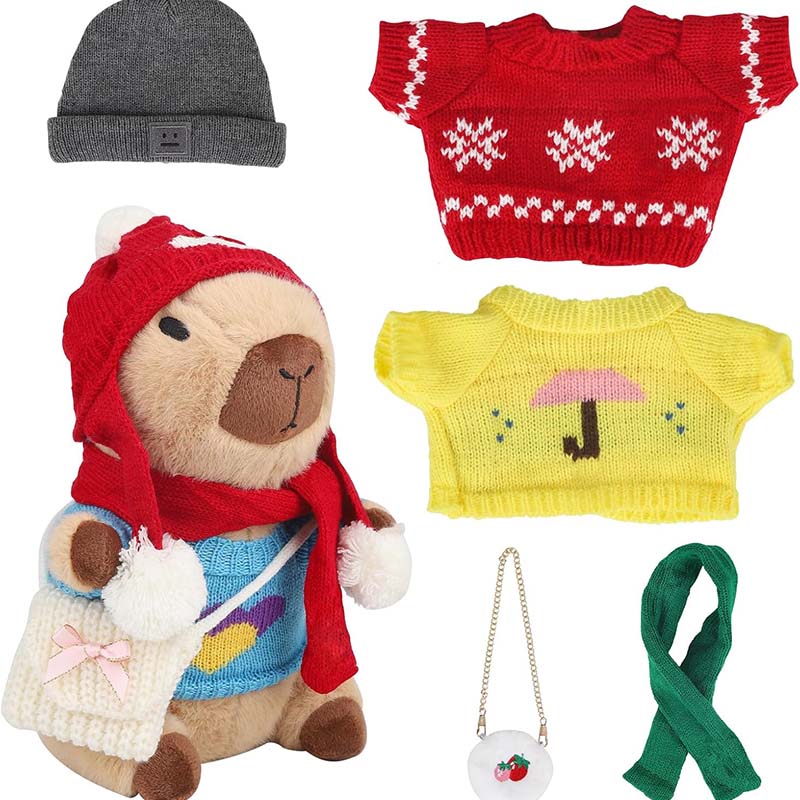
Plush Costume Accessories
Plush components used for costumes, hats, and wearable accessories.
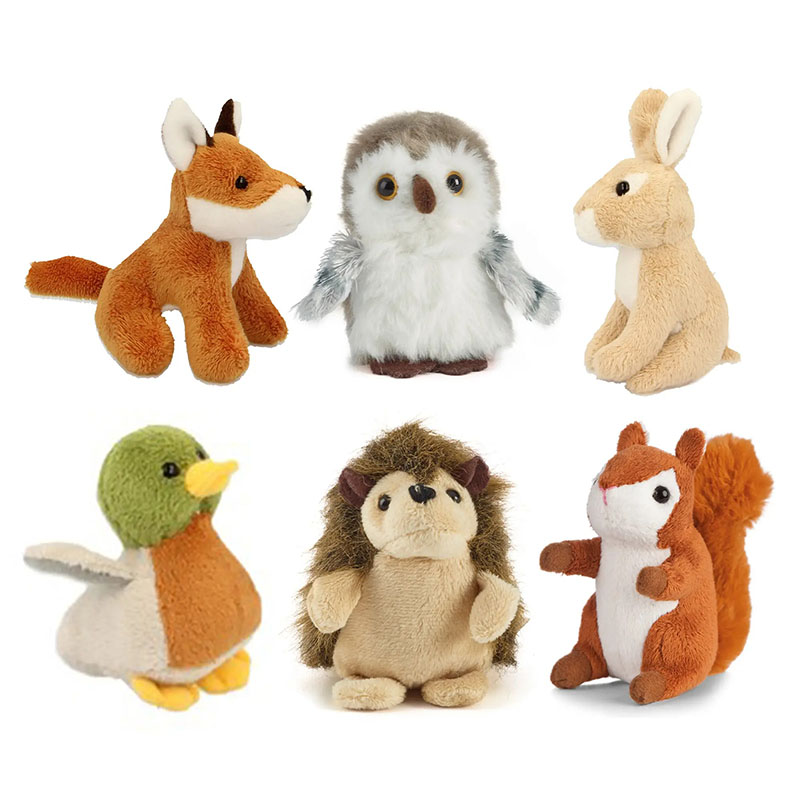
Mini Plush Collectibles
Small-sized plush toys suitable for blind boxes, collections, and series launches.
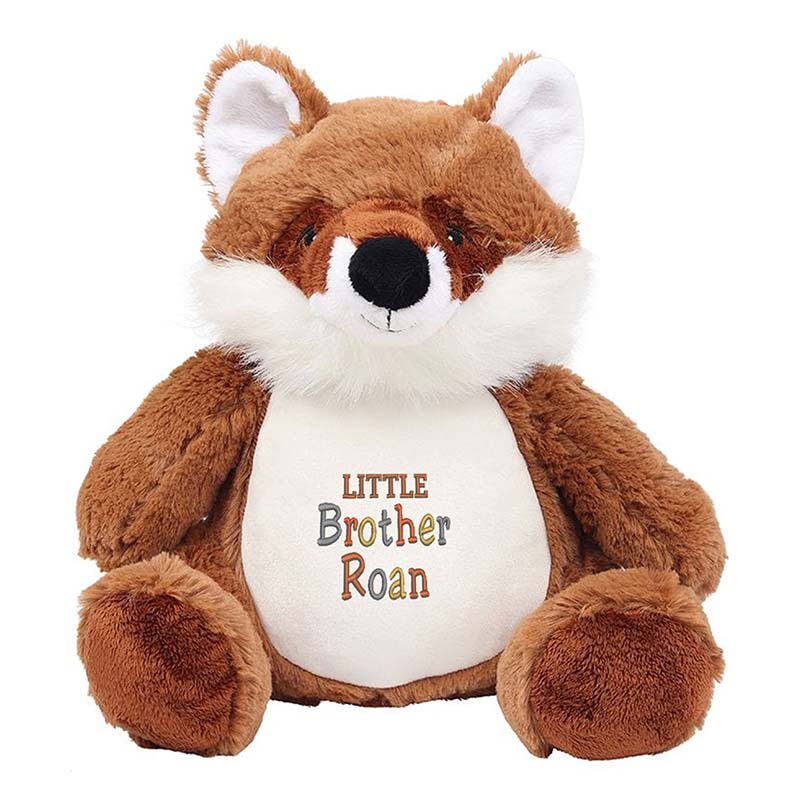
Custom Concept Plush Toys
Fully customized plush products developed from original ideas, sketches, or references.
Precision Mega Showroom with Diverse Plush Styles
This video showcases our mega factory showroom featuring a wide variety of plush toy styles developed for different brands, themes, and markets. By viewing many real, finished products in one space, buyers can quickly understand our design diversity, material flexibility, and customization depth. The showroom reflects our long-term experience and strong capability to handle complex custom plush projects at scale.
High-Efficiency Production Lines for Consistent Soft Toy Quality
For soft toy brands, true production strength is measured by how well efficiency and quality are balanced at scale. Fast output without control leads to defects, while strict quality without efficiency delays market entry. Our production lines are engineered to solve this challenge through structured workflows, skilled labor allocation, and built-in quality systems. This allows brands to move from sample approval to bulk delivery with predictable timelines and consistent results.
Structured Workflow from Cutting to Packing
Each production line operates under a clearly defined workflow that covers fabric cutting, embroidery preparation, sewing, filling, shaping, inspection, and final packing. Every step has standardized operating guidelines, which reduces dependency on individual habits and minimizes variation between batches. This structure allows new orders to scale quickly while keeping product specifications, workmanship, and appearance consistent across thousands of units.
Skilled Operators Assigned by Process Specialization
Instead of rotating workers randomly, operators are assigned to specific processes based on long-term skill development. Sewing workers focus on seam strength and detail accuracy, filling teams control plush shape and hand feel, and finishing teams ensure clean appearance. This specialization improves efficiency through repetition while significantly reducing common defects caused by unfamiliarity with complex plush structures.
Parallel Production to Eliminate Bottlenecks
To shorten overall lead time, multiple processes are scheduled to run in parallel whenever feasible. While sewing is underway, accessories, labels, and packaging components are prepared in advance. Quality planning and inspection criteria are also aligned early in production. This parallel approach prevents last-stage congestion and helps maintain stable output even during peak seasons or large-volume orders.
Quality Control Embedded in Every Stage
Quality assurance is integrated into each production step rather than concentrated at the end. In-line inspections check stitching density, seam strength, filling balance, and appearance during production. Early detection reduces rework, prevents defect accumulation, and ensures that problems are corrected before they affect large quantities.
Flexible Line Configuration for Custom Plush Orders
Our production lines can be reconfigured based on plush size, complexity, and customization level. Small accessories, medium retail plush, and oversized mascot plush require different setups, and our flexible layout allows quick adjustments without sacrificing efficiency. This flexibility enables us to support diverse product categories under one manufacturing system.
Capacity Planning for Long-Term Stability
Production capacity is planned with buffer margins to accommodate repeat orders, seasonal peaks, and urgent projects. This forward planning prevents overloading lines and protects product quality during high-demand periods. For brands, this means reliable supply continuity and fewer disruptions during critical sales windows.
By combining standardized workflows, skilled specialization, parallel execution, and embedded quality control, our production lines are built to support brands that require both speed and reliability. This system allows your soft toy products to scale smoothly while maintaining consistent quality across every shipment.
Key Factors That Influence Plush Toy Pricing
Plush toy pricing is not determined by a single element. It is the result of multiple production and customization factors working together. Understanding these key factors helps brands make better decisions on design, budget planning, and cost control without sacrificing quality.
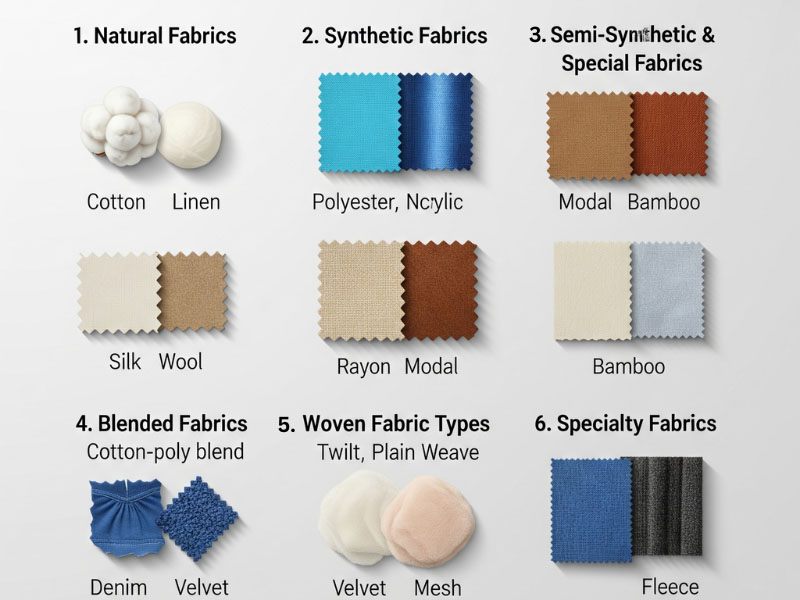
Materials & Fabric Selection
Fabric type, plush density, filling materials, and accessory quality directly influence unit cost and overall product positioning.

Product Size & Structural Complexity
Larger sizes, complex shapes, and detailed structures require more material and labor, increasing production costs.
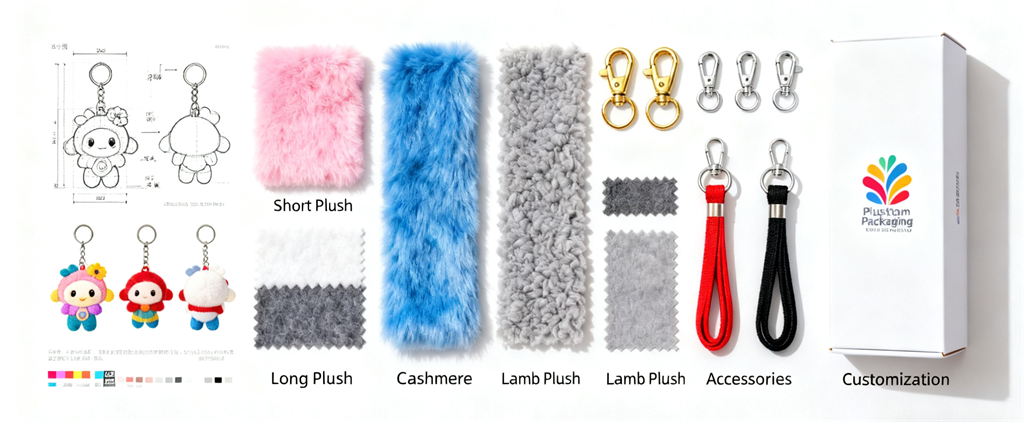
Customization Level & Craftsmanship
Embroidery, printing, special stitching, and added functions such as sound or light increase manufacturing time and cost.
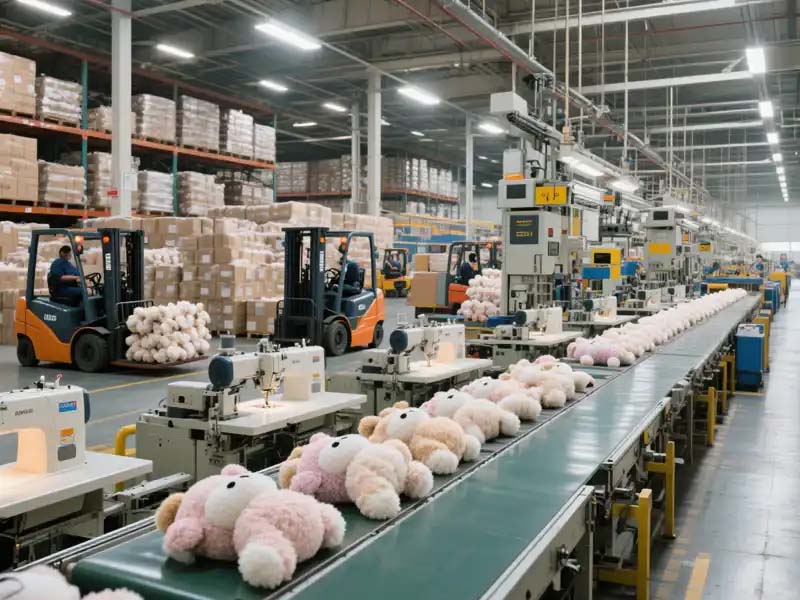
Order Quantity & Production Efficiency
Higher order volumes improve production efficiency and reduce unit cost, while small batches typically have higher per-unit pricing.
By clearly understanding the factors that affect plush toy pricing, brands can make smarter design and sourcing decisions. A well-balanced approach to materials, structure, customization, and order quantity helps control costs while maintaining product quality and market competitiveness.
Full Customization Options for Soft Toy Manufacturing
Every plush project is different. Our customization scope is designed to give brands full control over product appearance, structure, and branding, while keeping manufacturing practical and scalable. From early concepts to mass production, we support flexible customization that fits different markets, budgets, and timelines.
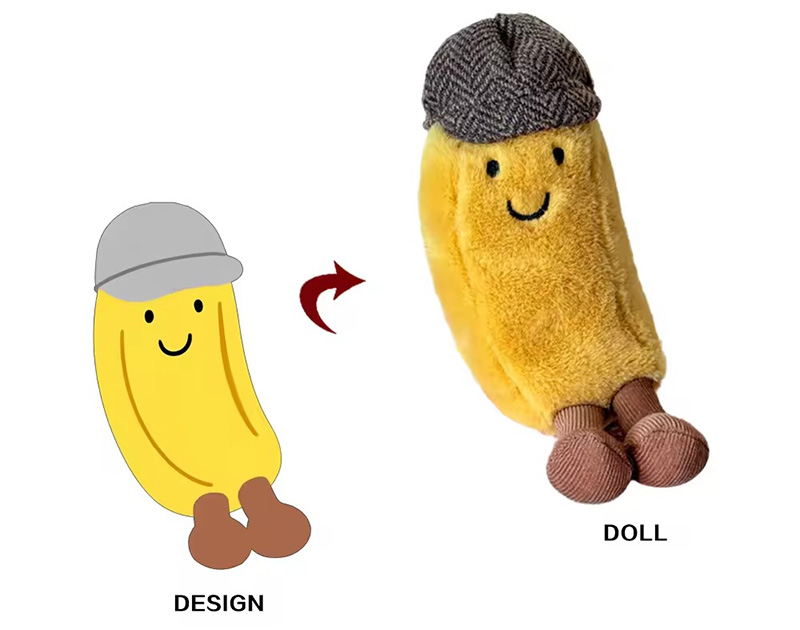
Design & Concept Customization
Character shape, proportions, facial expression, and overall style can be developed from sketches, reference images, or existing samples.
Material & Fabric Customization
Plush fabrics, fillings, textures, and color matching can be customized to meet safety standards and product positioning.
Craftsmanship & Functional Customization
Embroidery, printing, stitching methods, and optional functions such as sound, light, or special structures can be added based on project needs.
Branding & Packaging Customization
Custom logos, labels, hangtags, and packaging solutions are available to align with brand identity and retail requirements.
What to Prepare Before Plush Toy Sampling
Clear preparation before sampling helps reduce revisions, shorten development time, and improve sample accuracy. The more complete the information provided at the start, the smoother the entire plush toy development process will be.
Clear Design References or Visual Direction
Providing sketches, reference images, mood boards, or existing samples helps the factory understand the desired shape, proportions, style, and character personality. Even if the design is not final, visual direction reduces subjective interpretation and prevents major redesigns during sampling. The clearer the visual reference, the closer the first sample will be to your expectation.
Target Size, Usage & Market Requirements
Buyers should clearly define product size, target age group, usage scenario, and sales market. These factors directly affect internal structure, material selection, safety standards, and testing requirements. A plush toy for babies, retail shelves, or promotional giveaways will follow very different technical rules.
Material Preferences or Cost Expectations
Sharing fabric preferences, filling requirements, or a target cost range helps the factory propose realistic material options. This early alignment avoids designs that look good on paper but are impractical or too expensive to manufacture at scale.
Customization Details & Functional Requirements
Any special requirements such as embroidery style, printing areas, accessories, sound modules, light functions, or movable parts should be listed clearly before sampling. These details often affect internal structure and pattern design, and late changes can significantly increase sampling time and cost.
Estimated Quantity & Timeline Expectations
Providing an estimated order quantity and desired timeline helps the factory evaluate sampling complexity and production feasibility. This is especially important for projects with launch dates, seasonal sales, or promotional deadlines, allowing better planning from the start.
Well-prepared sampling information leads to faster development, fewer revisions, and a smoother path to mass production. Clear preparation allows both buyers and manufacturers to work more efficiently and confidently from the very first sample.
Precision Plush Sample Making Process
This video shows how plush toy samples are created to true production standards—not conceptual trials. From pattern confirmation and material selection to sewing, stuffing, and final detailing, every step focuses on accuracy, structure, and repeatability. Our sample-making process ensures the approved sample can be reliably reproduced in bulk production.
Common Fabrics & Fillings for Custom Soft Toys
Material selection plays a key role in plush toy appearance, hand feel, durability, safety, and cost control. Different markets and product uses require different fabric textures and filling performance. Below are the most commonly used plush fabrics and fillings we apply in custom soft toy production to balance quality, comfort, and manufacturability.
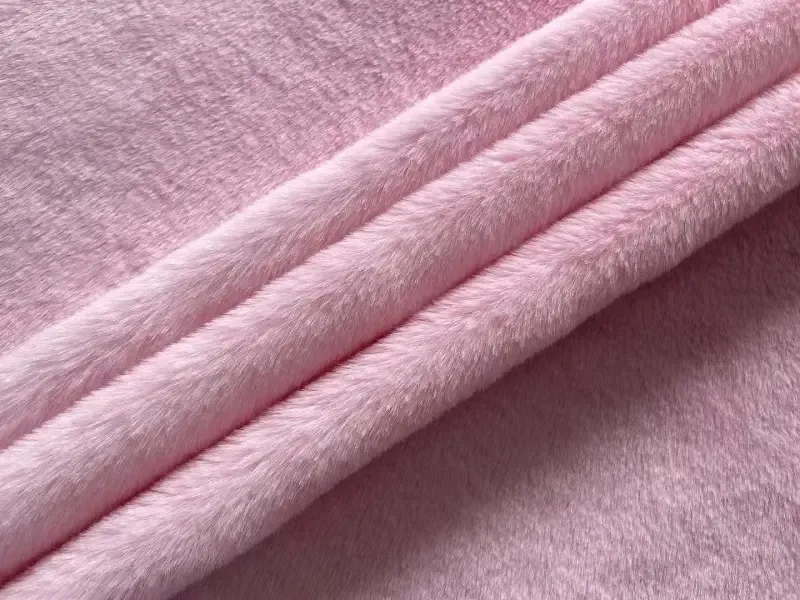
Short Plush
Short pile, smooth surface, and easy to control during production. Widely used for standard retail plush toys and character products with clear shapes and details.
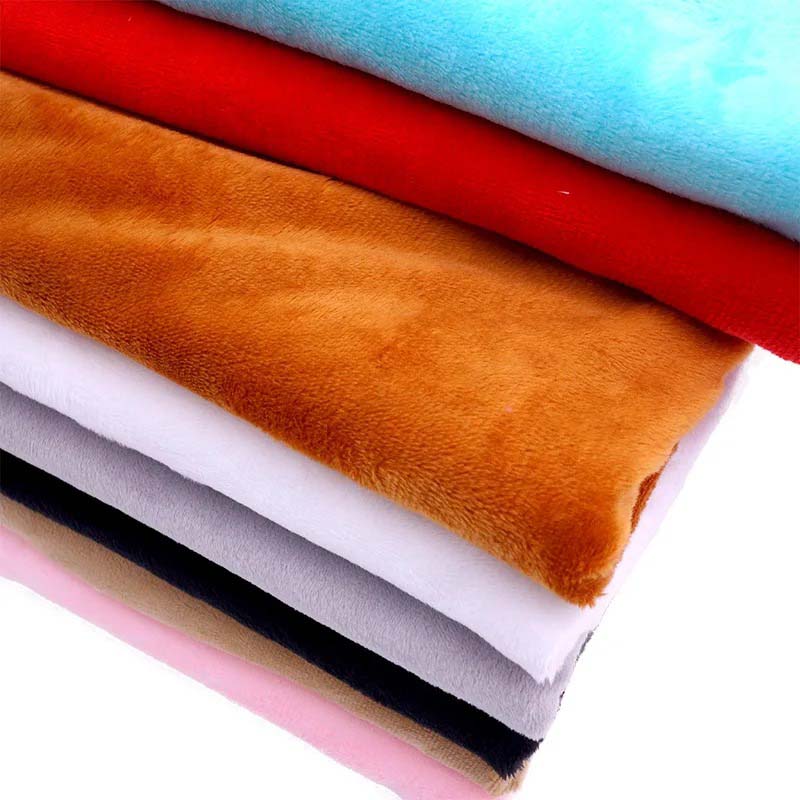
Crystal Super Soft Fabric
Very soft texture with strong color performance, suitable for products that emphasize hand feel and visual appeal.
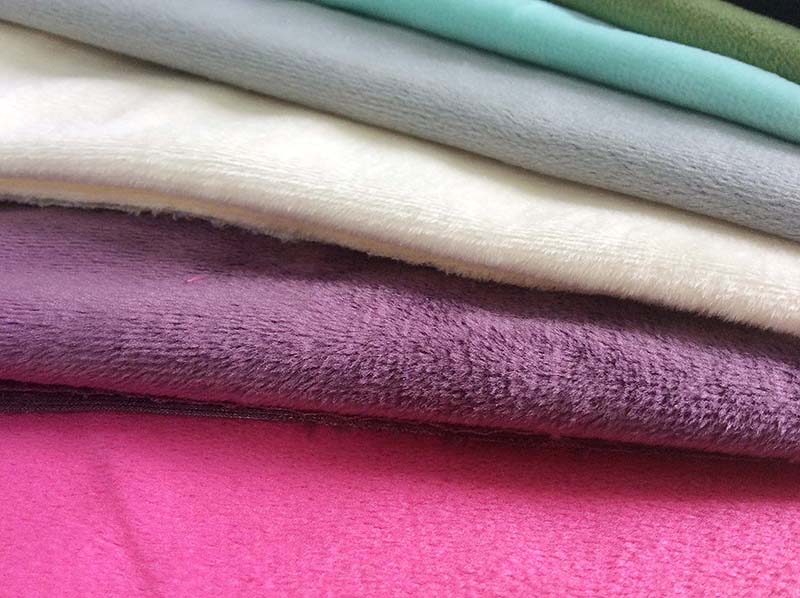
Velboa
Dense texture with good durability, often used for animal plush toys and mascot products that require structure stability.
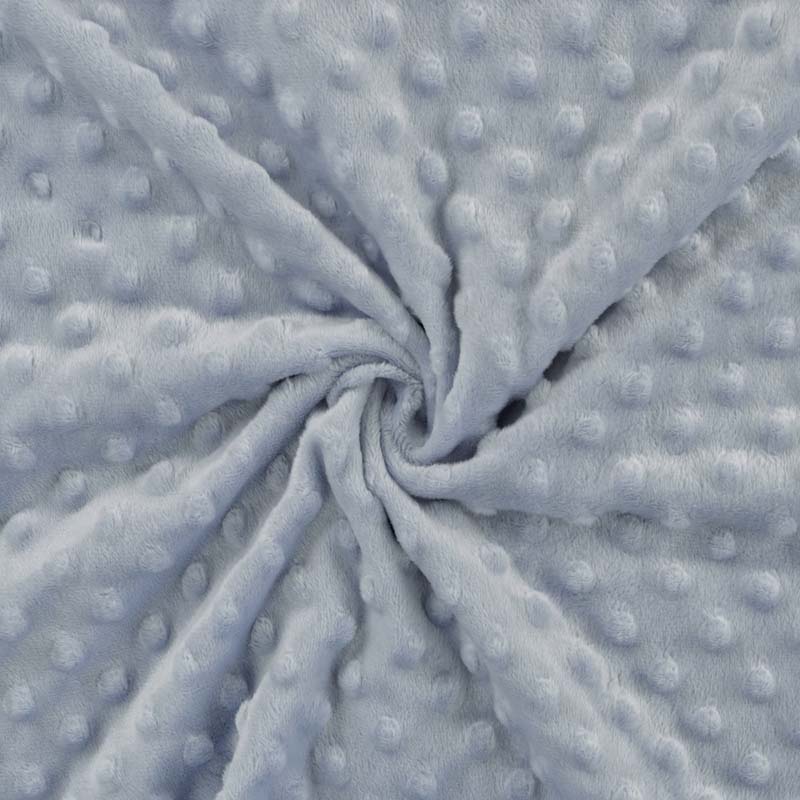
Minky Fabric
Ultra-soft and premium-feel fabric, frequently used for baby toys and comfort-focused plush products.
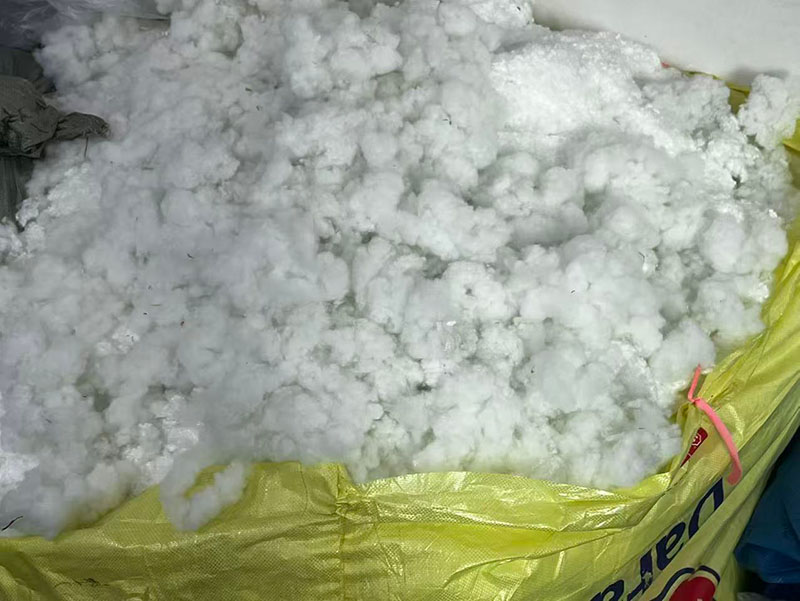
PP Cotton
Lightweight, fluffy, and cost-effective filling material, suitable for most standard plush toys.
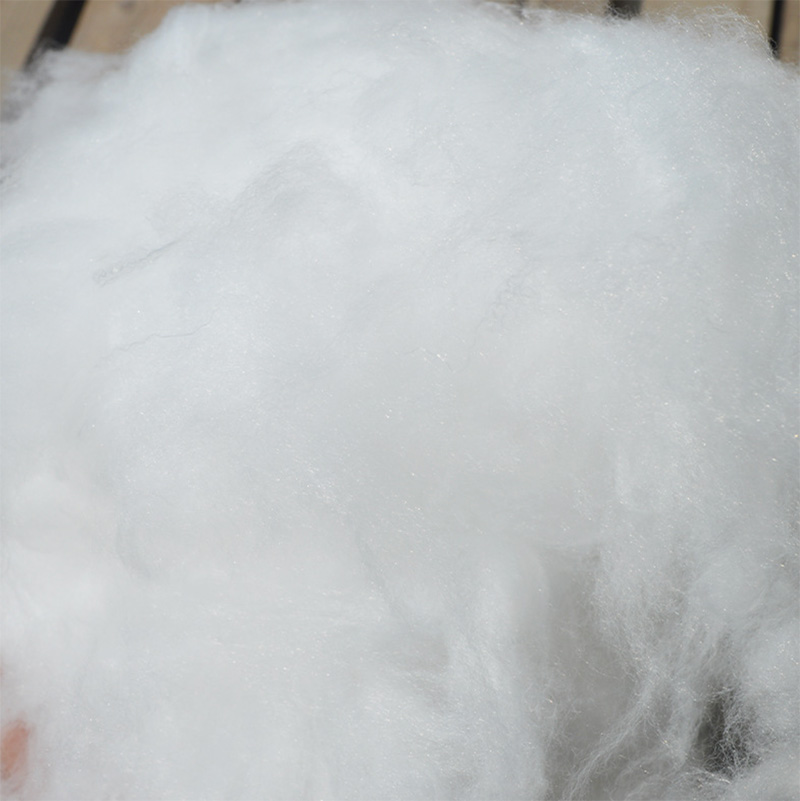
Down Cotton
Softer and more elastic than PP cotton, offering better rebound and long-term shape retention.
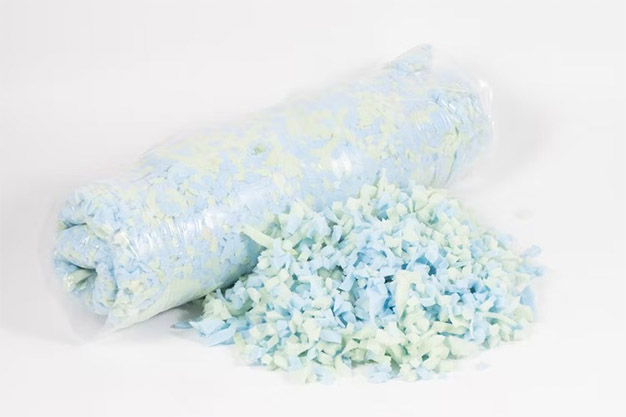
Memory Foam Particles
Provides shape support and pressure relief, commonly used in special plush pillows or functional plush products.
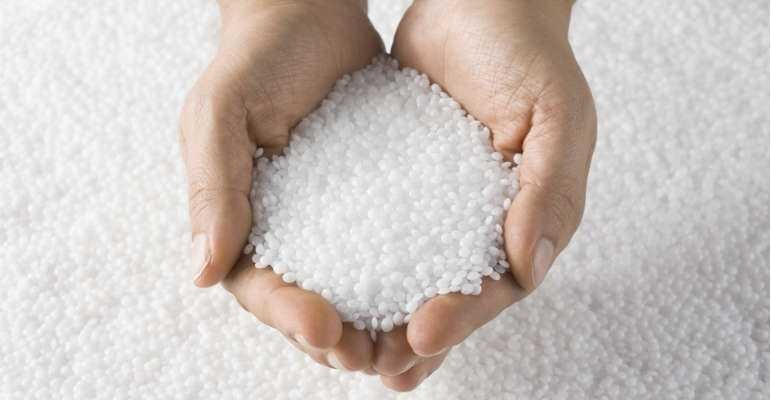
Weighted Filling Materials
Used in weighted plush toys to add weight and stability, supporting calming and sensory-focused designs.
Choosing the right combination of fabric and filling helps balance appearance, comfort, safety, and cost. Our team supports material selection based on your product concept, target market, and budget to ensure both sample accuracy and mass production stability.
Fabric Color Matching and Texture Perception in Plush Toys
In plush toy development, color and texture are closely connected. The same fabric can feel very different depending on color choice, dyeing method, and visual contrast. Understanding this relationship helps brands achieve better visual appeal, tactile experience, and overall product positioning.
Light Colors Enhance Softness Perception
Light or pastel colors often make plush fabrics appear softer and smoother. They reflect more light, reduce visual heaviness, and are commonly used in baby toys and comfort-focused plush products.
Dark Colors Emphasize Density and Structure
Dark colors tend to make plush fabrics look denser and firmer. They are suitable for products that require stronger shape definition, such as mascots or character plush with clear outlines.
Color Contrast Influences Tactile Expectations
High-contrast color combinations draw attention to specific areas, such as facial features or accessories, and can change how users perceive texture in those zones.
Dyeing Processes Affect Fabric Hand Feel
Different dyeing and finishing methods can slightly change fabric softness, elasticity, and surface smoothness. Proper color processing helps maintain both visual quality and comfortable hand feel.
By aligning color choices with fabric characteristics, brands can create plush toys that look and feel right for their target market. Thoughtful color–texture coordination improves product appeal and user experience without increasing production complexity.
Standard Plush Toy Production Process
A clear and controlled production process is essential to ensure consistent quality, stable delivery, and scalable manufacturing. Below is our standard plush toy production workflow, designed to support custom projects from approved samples to bulk shipment.
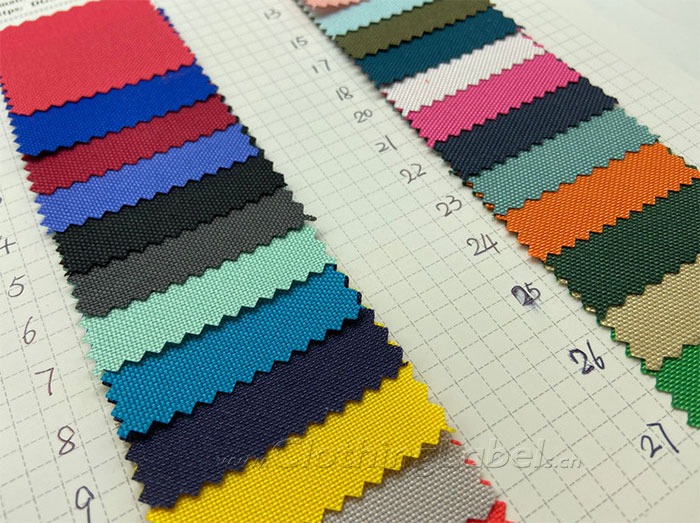
Design Confirmation & Sample Approval
All specifications, materials, craftsmanship, and structure are finalized based on the approved sample before bulk production begins.
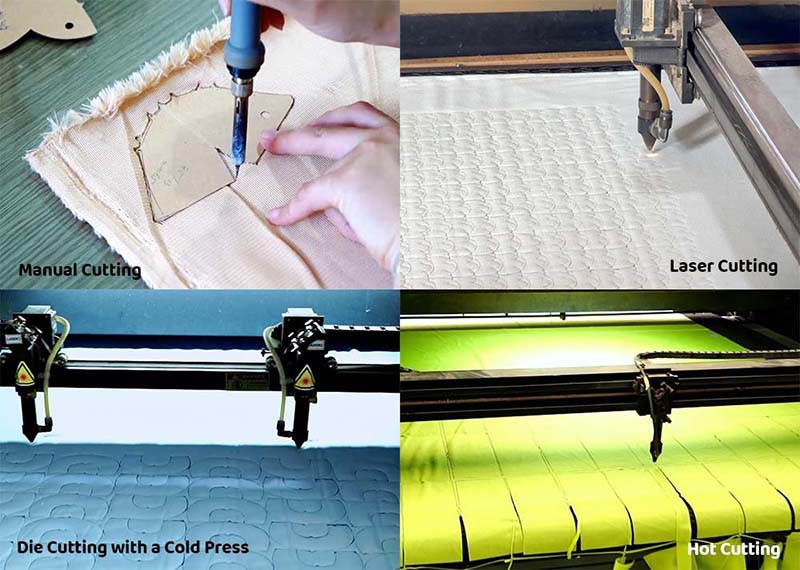
Material Preparation & Cutting
Fabrics, fillings, and accessories are prepared and cut according to production plans to ensure accuracy and consistency.
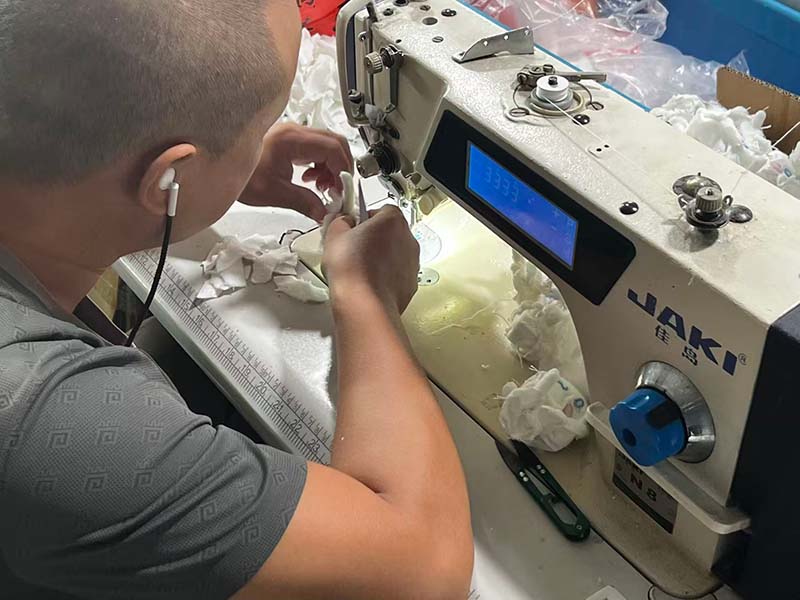
Sewing & Embroidery
Panels are sewn together, with embroidery, printing, or special stitching applied during this stage.
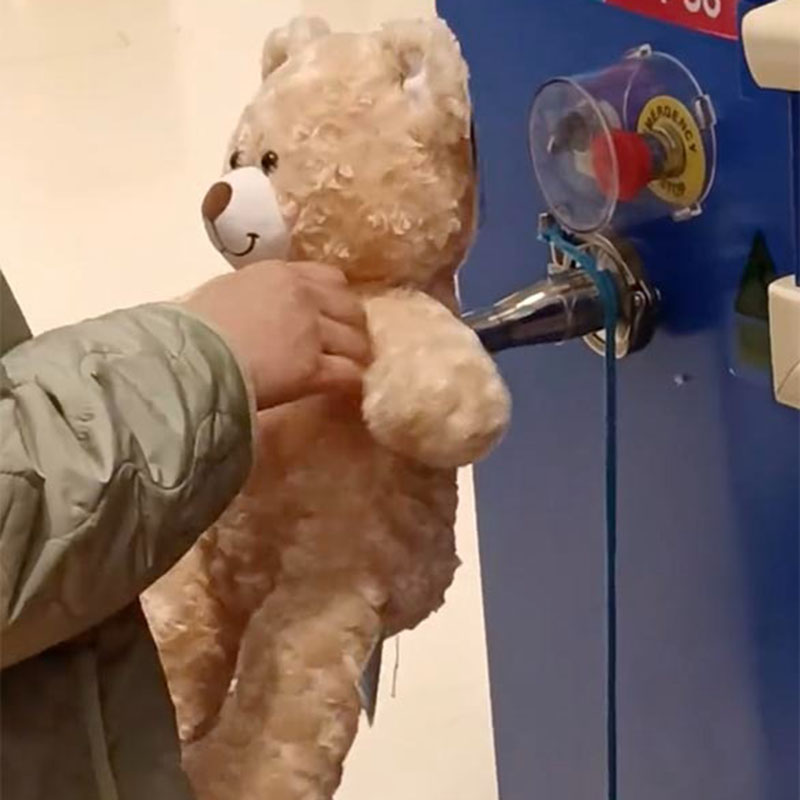
Filling & Shaping
Plush toys are filled and shaped to achieve the correct form, balance, and hand feel.

Quality Inspection & Finishing
In-process and final inspections check appearance, stitching strength, and overall quality before packing.
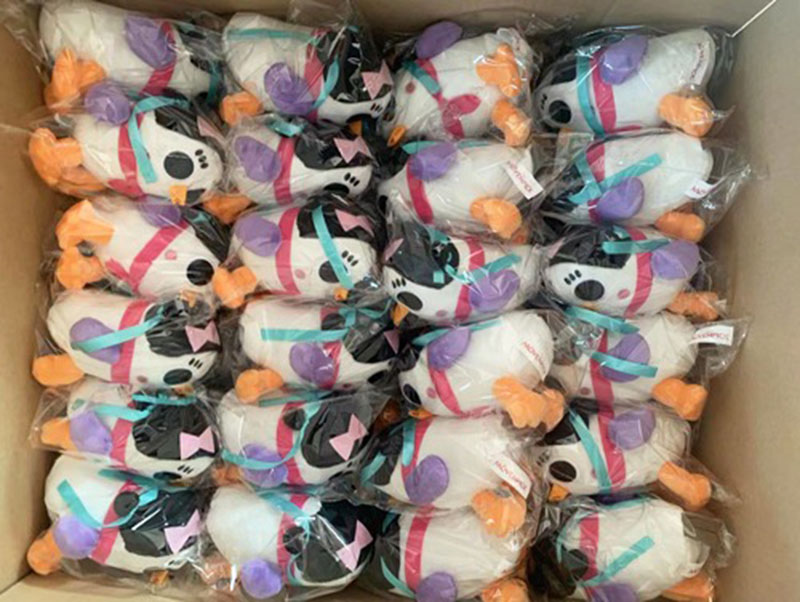
Packaging & Shipment Preparation
Products are packed according to requirements and prepared for shipment after final approval.
This structured production process helps reduce errors, maintain quality consistency, and ensure smooth delivery for every bulk plush order.
Precision Embroidery Process Video
This video showcases our embroidery process for plush toys, focusing on facial expressions, logos, and fine decorative details. By precisely controlling stitch density, thread tension, color accuracy, and placement, we deliver clean, durable embroidery that remains consistent from samples to bulk production. Precision embroidery is key to high visual accuracy and strong brand recognition.
How We Maintain Consistent Quality in Plush Toy Manufacturing
Quality consistency means every product matches the approved standard, not just the first sample. Our system is built to keep results stable across batches, timelines, and repeat orders.
Approved Sample as the Single Production Standard
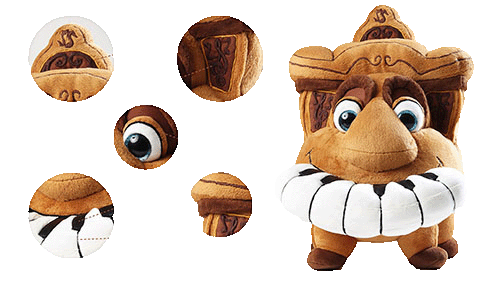
Once a sample is approved, it becomes the fixed benchmark for all bulk production. Measurements, materials, stitching methods, filling levels, and visual details are fully documented and shared across teams. This prevents personal interpretation differences and ensures every production line follows the same reference, even for long or repeated orders.
Strict Material Consistency Control
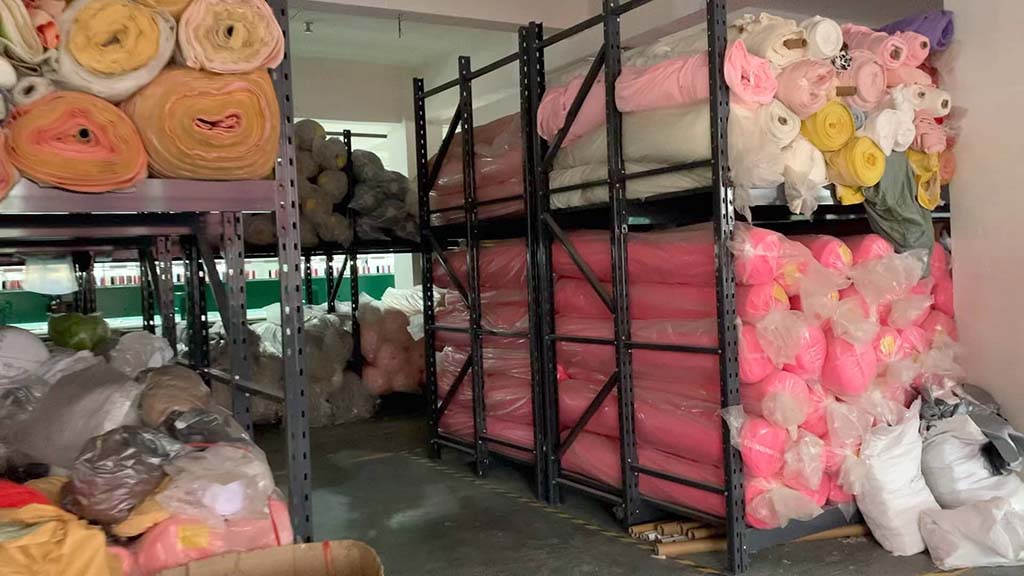
All fabrics, fillings, and accessories are sourced according to fixed specifications. Incoming materials are checked for color batch consistency, texture stability, density, and safety compliance. Only materials that pass inspection enter production, reducing quality variation caused by raw material differences.
Quality Control Built into Each Production Stage
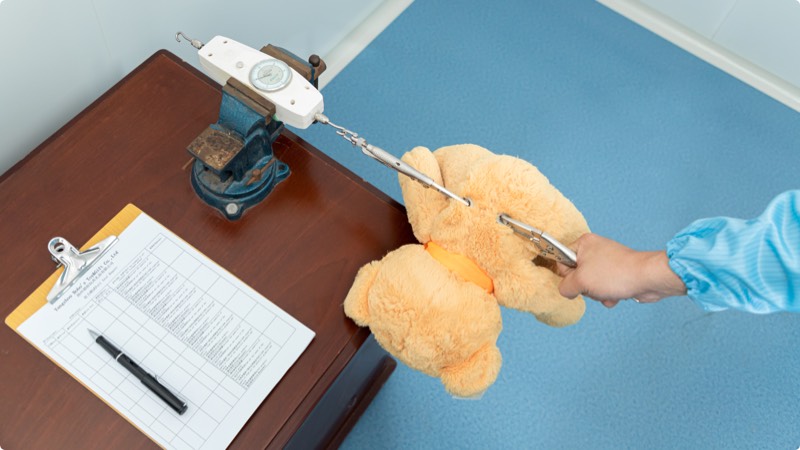
Instead of relying only on final inspection, quality checks are integrated into cutting, sewing, filling, shaping, and finishing stages. Problems such as uneven stitching, incorrect filling, or shape deviation are identified early and corrected before affecting large quantities.
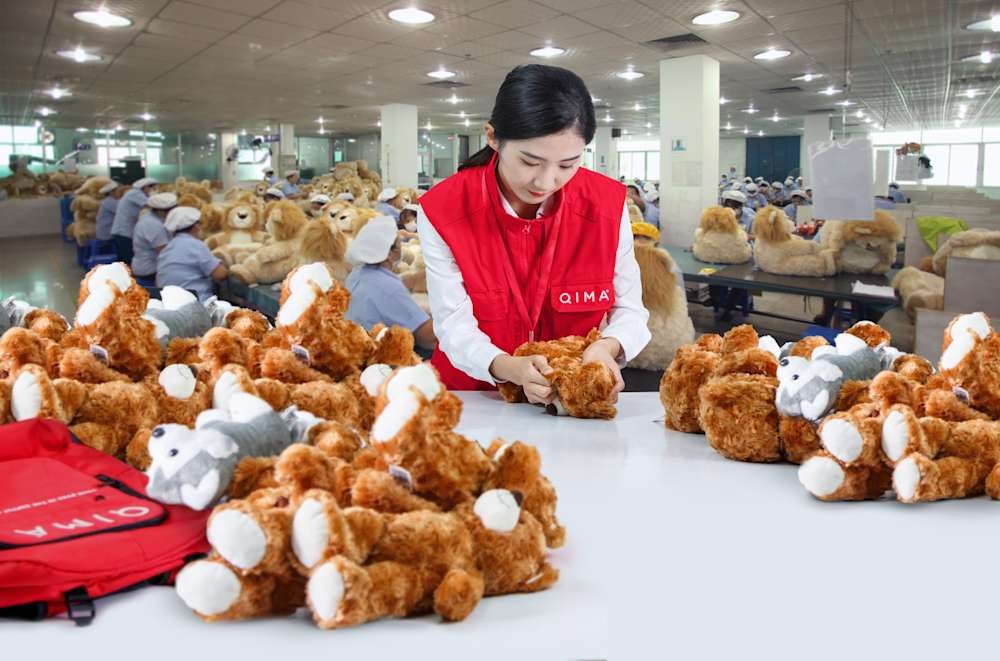
Fixed Process Assignment for Skilled Workers
Workers are assigned to specific processes based on long-term experience rather than frequent rotation. Sewing specialists focus on seam strength and detail accuracy, while filling specialists control shape balance and hand feel. This specialization greatly improves consistency in large-scale production.
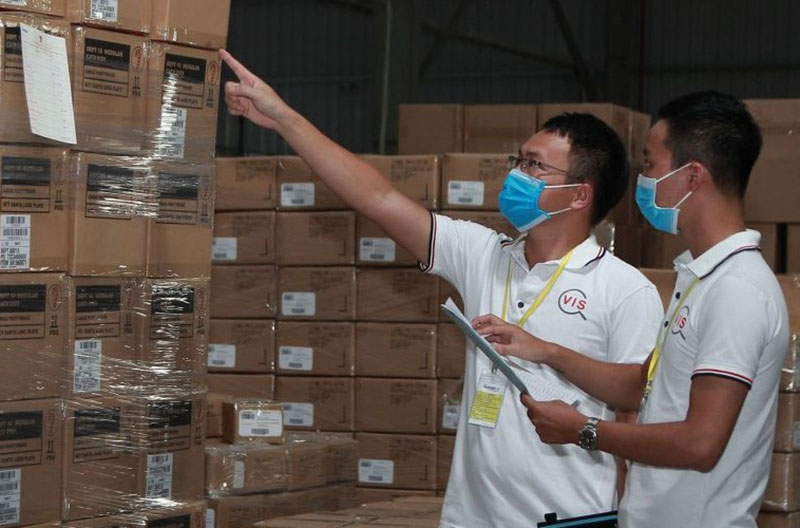
Clear Final Inspection Standards Before Packing
Before packaging, finished plush toys are checked against predefined visual, structural, and safety standards. Any product that does not meet the approved criteria is corrected or removed, ensuring only qualified items proceed to shipment.
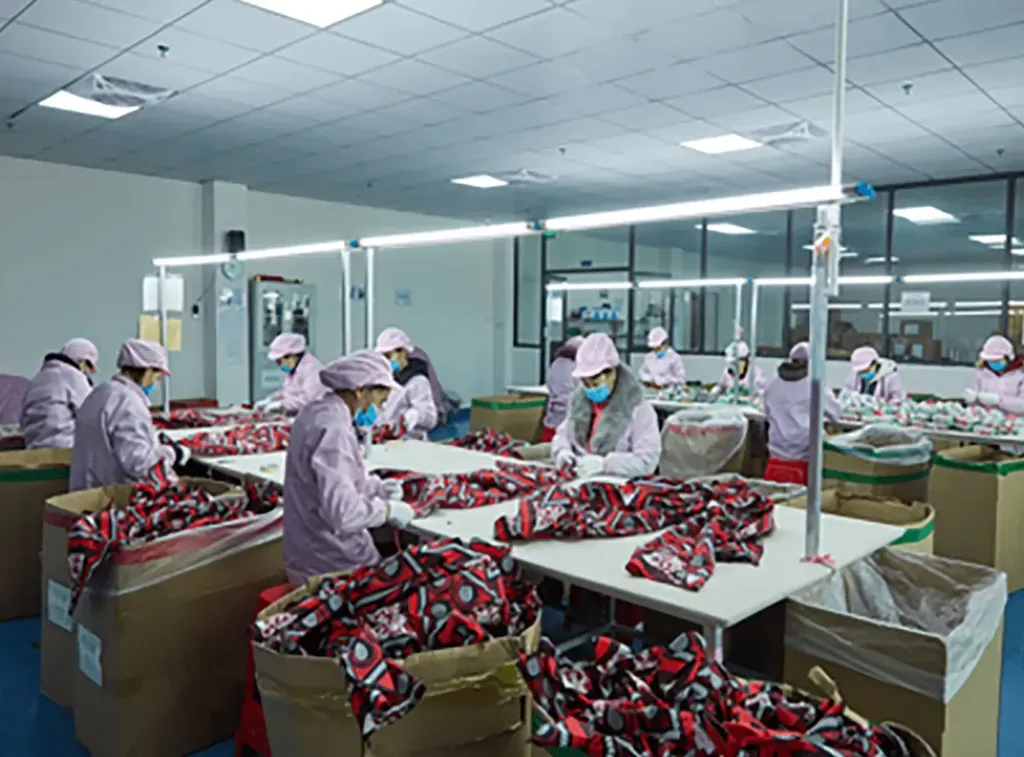
Full Record Keeping for Repeat Order Stability
All production data, material details, and process settings are archived after each order. When repeat orders are placed, the same parameters are reused, preventing quality drift over time and ensuring long-term consistency for brand partners.
Consistent quality comes from systems, not chance. By controlling standards, materials, processes, and execution, we help brands deliver reliable plush products that protect reputation and support long-term growth.
Trusted by Leading Global Brands
Strong partnerships prove strong capabilities. Over the years, Kinwin has worked with world-leading brands and retailers to deliver interactive plush toys that meet the highest standards of creativity, safety, and quality. By choosing us, you gain a supplier that is trusted by top companies worldwide—and the same reliability is available to your brand.



Client Types We Serve in Soft Toy Manufacturing
Our soft toy manufacturing services are designed to support different business models, markets, and development stages. From early-stage brands to large-scale buyers, we work with clients who need reliable quality, flexible customization, and stable long-term supply.
No matter your industry or order scale, our goal is to provide a manufacturing solution that fits your business model. We focus on clear communication, practical customization, and stable execution to support long-term cooperation.
Ready to Start Your Custom Plush Project?
Choosing a soft toy manufacturer is a strategic decision that affects product quality, development speed, cost control, and long-term brand growth. We work closely with brands, retailers, and product teams to turn ideas into manufacturable plush products with clear standards and predictable results. From early concept review and material suggestions to sampling, bulk production, and delivery planning, our team supports every step with transparent communication and practical manufacturing solutions.
Whether you already have complete design files or are still shaping an idea, we help identify potential risks early, optimize structures for mass production, and align materials and craftsmanship with your target market. Our goal is not only to make plush toys, but to help you launch products with confidence, reduce unnecessary revisions, and build a stable supply chain that supports repeat orders and long-term cooperation.
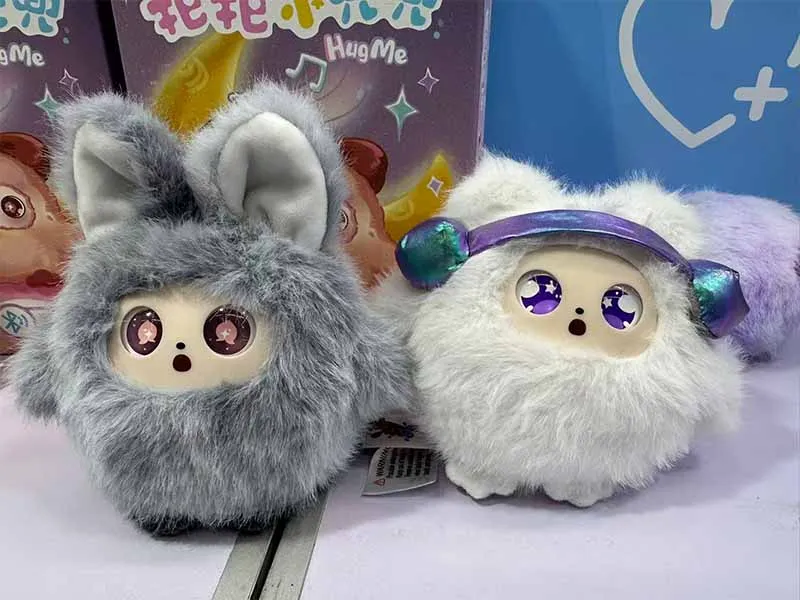
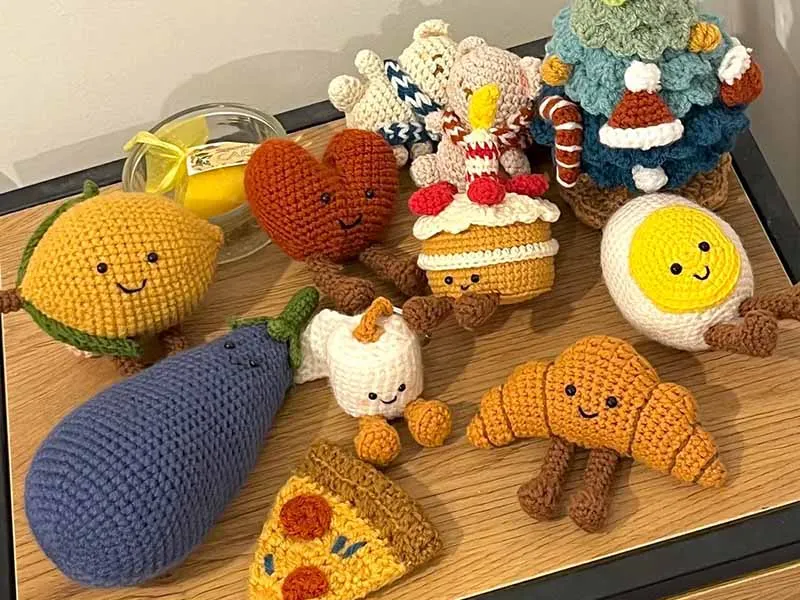
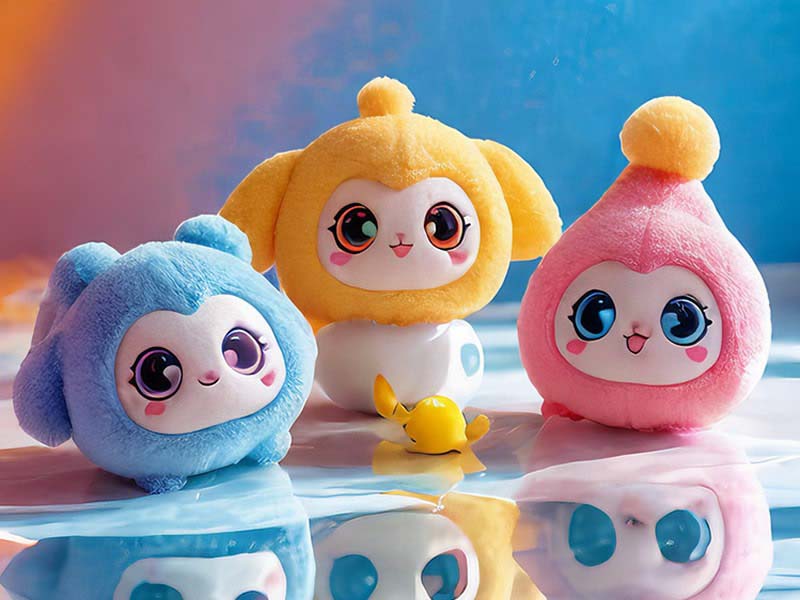
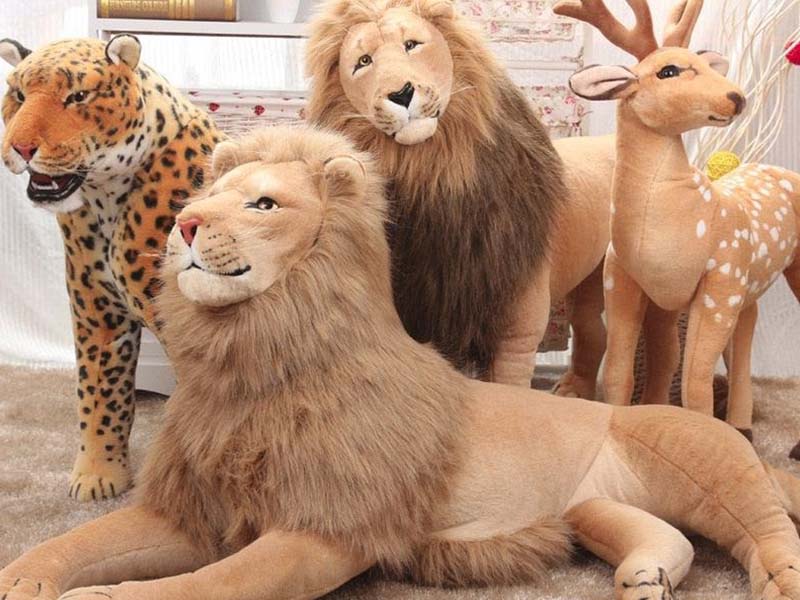
Explore Our Custom Plush Toy Series
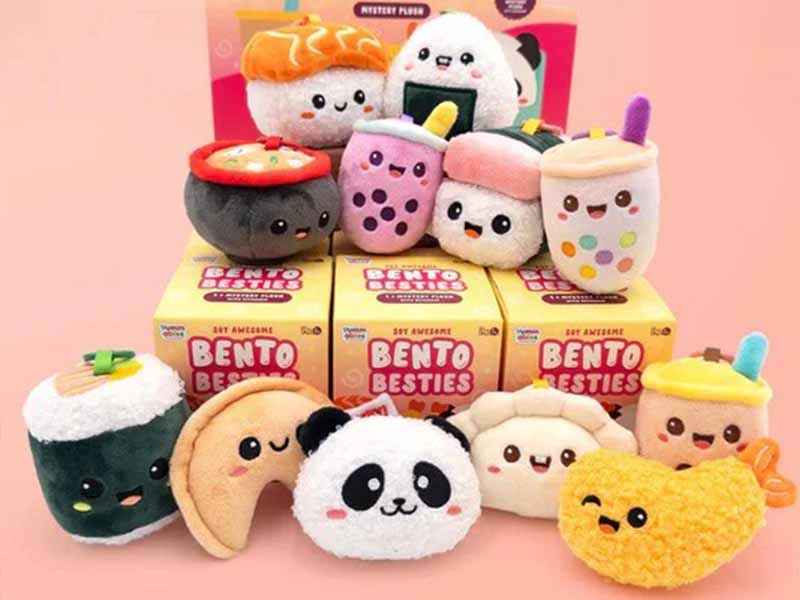
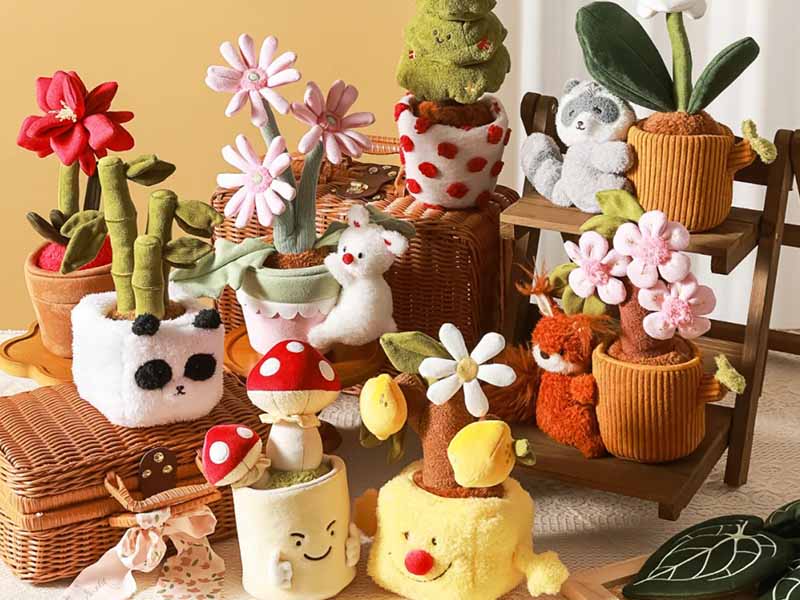
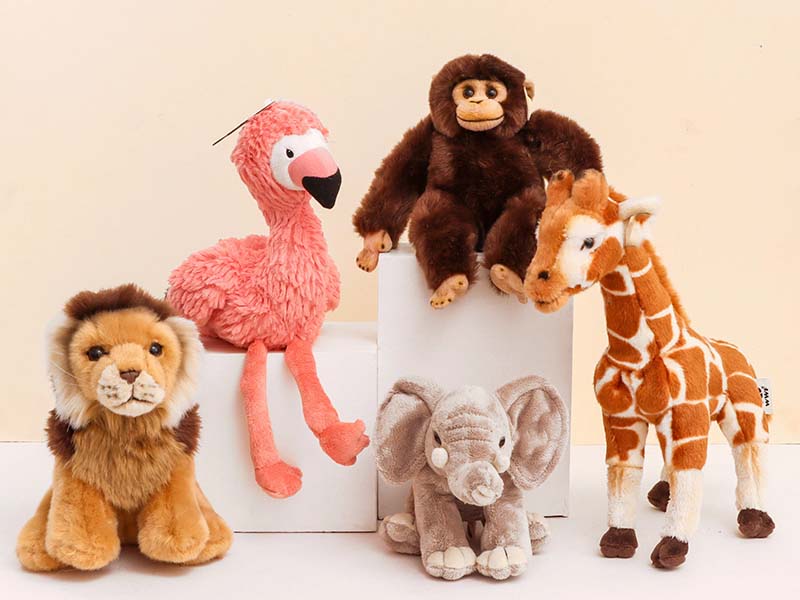
We offer a wide selection of plush toys to meet different business needs. From baby-safe stuffed animals to collectible plush dolls, our product lines are designed for global brands, retailers, e-commerce, and promotional projects.
Frequently Asked Questions
1. What is your minimum order quantity (MOQ) for custom plush toys?
Our standard MOQ is 500 pieces. For orders below this quantity, please consult with our project manager. We may offer flexible solutions depending on the product size, complexity, and customization requirements.
2. How long does plush toy sampling usually take?
Sampling usually takes around 10–15 working days after all details are confirmed. Designs with complex structures, special fabrics, or functional components may require additional time. Clear preparation before sampling helps reduce revisions and speeds up the process.
3. Can you help if we only have an idea or rough reference?
Yes. Many projects start with sketches, reference images, or basic ideas. Our team helps refine the concept, adjust structure, recommend suitable materials, and make the design manufacturable for mass production.
4. How do you ensure sample accuracy for mass production?
The approved sample becomes the sole reference for bulk production. All measurements, materials, stitching methods, and visual details are documented and strictly followed to ensure consistency between samples and mass-produced items.
5. What safety standards can your plush toys meet?
We support production in compliance with major international standards such as EN71, ASTM F963, CPSIA, and other market-specific requirements, depending on target regions and age groups.
6. Can materials and fillings be customized for different markets?
Yes. Fabrics, fillings, and internal structures can be customized to meet safety regulations, cost targets, and market preferences. We also support eco-friendly and recycled material options.
7. How do you control quality during bulk production?
Quality control is embedded throughout the entire process, including material inspection, in-line checks during production, and final inspection before shipment. This helps identify issues early and maintain consistent quality across batches.
8. What is the typical lead time for bulk orders?
Bulk lead time varies depending on order quantity, product complexity, and season. After sample approval, production usually takes several weeks. Timelines are confirmed in advance, and urgent production options are available when needed.
9. Do you support custom packaging and branding?
Yes. We offer a variety of custom packaging and branding options, including OPP bags, gift boxes, hangtags, labels, and logo applications to match retail and marketing needs.
10. How do you support repeat orders and long-term cooperation?
All production records, material details, and quality standards are archived for repeat orders. This ensures future shipments match previous batches and helps brands scale production with confidence.
If You Can lmagine lt,We Will Create lt!
1.Tell Us What You Need
Tell us as specific as possible of your needs and share your idea.
2.Get Solution & Quote
We will work on the best solution according to yourrequirements,the specific quote will be provided within 24 hours.
3.Approve for Mass Production
We will start mass production after getting your approval.
