 Skip to content
Choosing the right fabric is one of the most important decisions in plush toy development. Fabric affects how a plush toy looks, feels, wears over time, and even how safe it is for different age groups. From my experience working with global buyers, many quality issues start not with sewing or stuffing, but with the wrong fabric choice at the beginning.
A good plush fabric should match your product positioning, target market, budget, and compliance requirements. In this guide, I’ll walk you through the most commonly used plush toy fabrics, explain their real characteristics, and help you understand when each fabric works best for custom plush projects.
Let’s start with one of the most widely used fabrics in plush toy manufacturing.
Velboa Fabric
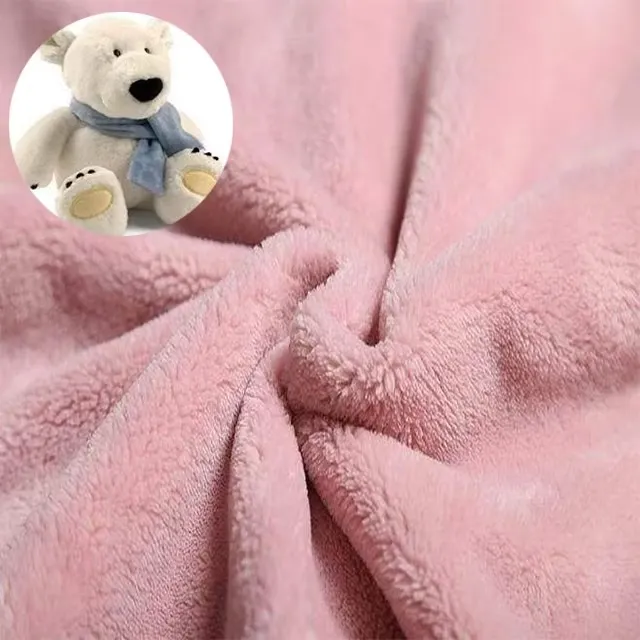
Velboa is one of the most popular and widely used fabrics in plush toy production, especially for stuffed animals and character plush. It is often chosen because it offers a good balance between appearance, durability, and cost.
From a manufacturing perspective, Velboa is a very stable fabric, which makes it suitable for both sampling and mass production.
Key characteristics of Velboa fabric include:
- Short and dense pile Velboa has a short pile surface, usually around 1–3 mm, which gives plush toys a clean and smooth look without excessive fluff.
- Durable and shape-stable The fabric holds its shape well and resists matting, making it suitable for plush toys that need to maintain appearance after handling or washing.
- Easy to cut and sew Velboa performs well during cutting and sewing, reducing fabric distortion and helping improve production consistency.
- Good color performance It supports solid colors, prints, and color matching relatively well, which is important for character plush and branded designs.
- Cost-effective for bulk orders Compared with longer-pile fabrics, Velboa is usually more affordable and easier to control in large-scale production.
Common applications for Velboa in plush toys include:
- Animal plush toys (bears, dogs, cats, zoo animals)
- Character plush with clear facial details
- Promotional plush toys
- Medium to large size stuffed animals
Things buyers should consider before choosing Velboa:
- The short pile means it feels less fluffy than minky or faux fur
- It may not create a “luxury” look for premium plush collections
- Texture is more visual than tactile compared to longer-pile fabrics
| Aspect | Velboa Fabric Performance | What It Means for Buyers |
|---|---|---|
| Pile length | Short | Clean, defined appearance |
| Durability | High | Suitable for retail and repeat handling |
| Sewing stability | Very good | Fewer production defects |
| Color matching | Good | Works well for character designs |
| Cost level | Medium to low | Budget-friendly for bulk orders |
| Best use cases | Standard plush toys | Reliable, scalable production |
For buyers looking for consistent quality, clear shape definition, and cost control, Velboa is often a safe and practical starting point. At Kinwin, we frequently recommend Velboa for custom plush projects that require stable results and smooth mass production.
Minky Fabric (Short & Long Pile)
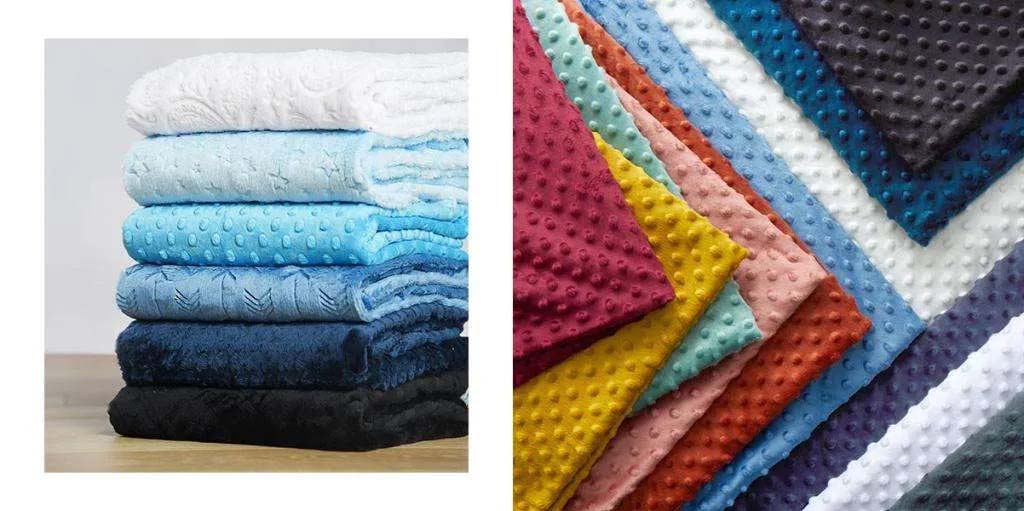
Minky fabric is known for its extremely soft hand feel and is often associated with premium plush toys, baby products, and comfort-focused designs. Compared with Velboa, Minky feels softer to the touch and gives plush toys a warmer, more comforting impression.
In plush manufacturing, Minky is usually divided into short pile Minky and long pile Minky, and each serves different product needs.
Key characteristics of Minky fabric include:
- Ultra-soft surface Minky is softer than most standard plush fabrics, making it popular for baby-safe plush toys and emotional comfort products.
- Flexible pile options Short pile Minky offers a cleaner look, while long pile Minky provides a fluffier and more luxurious appearance.
- Strong visual warmth The fabric naturally creates a cozy, friendly feel, which works well for children’s toys and gift items.
- Higher sensitivity in production Minky stretches more than Velboa, which requires experienced pattern making and sewing control to avoid shape distortion.
Short pile vs long pile Minky in plush toys:
- Short pile Minky Short pile Minky usually has a pile length of around 1–2 mm. It offers softness while keeping facial details and embroidery clear. It is easier to control in production and often used for character plush or baby toys.
- Long pile Minky Long pile Minky can range from 3–10 mm or more. It gives plush toys a fluffy, premium look but can hide seams and facial details. It requires trimming and extra handling during sewing.
Common applications for Minky fabric include:
- Baby and toddler plush toys
- Comfort plush and bedtime toys
- Premium character plush
- Plush blankets or hybrid plush products
Things buyers should consider before choosing Minky:
- Higher fabric cost compared to Velboa
- Greater production skill required to maintain shape
- Long pile Minky may increase sampling time and labor cost
| Aspect | Short Pile Minky | Long Pile Minky | Buyer Consideration |
|---|---|---|---|
| Softness | Very soft | Extremely soft | Comfort level |
| Visual detail | Clear | Softer outline | Facial visibility |
| Production control | Easier | More complex | Sampling risk |
| Premium feel | Medium–high | High | Brand positioning |
| Cost level | Medium | Medium–high | Budget planning |
| Best use cases | Baby plush, characters | Premium, fluffy plush | Design intent |
For buyers targeting softness, comfort, and emotional appeal, Minky is a strong choice. At Kinwin, we often recommend short pile Minky for baby-safe plush and long pile Minky for premium collections, depending on design detail and production goals.
Faux Fur Fabric
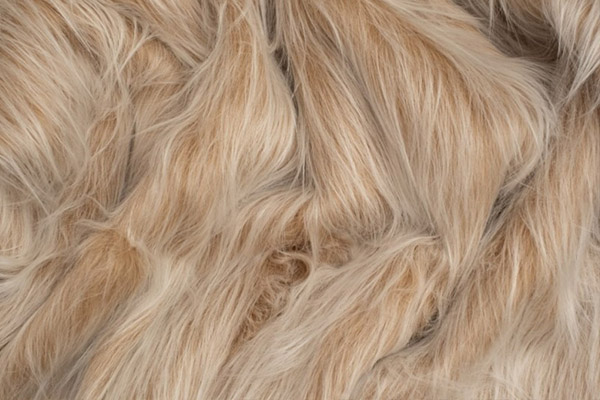
Faux fur fabric is commonly used when a plush toy needs a realistic, fluffy, or animal-like appearance. Compared with Velboa and Minky, faux fur focuses more on visual impact and texture depth rather than clean surface definition.
In plush toy manufacturing, faux fur is often chosen for designs that aim to feel more lifelike, expressive, or visually bold.
Key characteristics of faux fur fabric include:
- Long and loose pile Faux fur typically has a longer pile, ranging from 10 mm to over 40 mm, creating a rich and fluffy look that mimics real animal fur.
- Strong visual presence The fabric adds volume and texture, making plush toys appear bigger, warmer, and more expressive, even without complex shapes.
- High emotional appeal Faux fur plush toys often feel more “huggable” and visually comforting, especially for animal-themed designs.
- More complex production handling Long pile fabric requires careful cutting direction, trimming, and brushing to maintain a clean finish and consistent appearance.
Common applications for faux fur in plush toys include:
- Animal plush toys (bears, dogs, wolves, lions, etc.)
- Large-size plush toys
- Decorative or display plush
- Premium or gift-oriented plush products
Things buyers should consider before choosing faux fur:
- Facial details can be harder to define Long pile fur may cover embroidery or printed features, requiring trimming or reinforced facial design.
- Higher labor and sampling cost Faux fur often needs extra manual work, which can increase sample time and production cost.
- Shedding and safety considerations Quality faux fur should be tested for fiber shedding, especially for children’s products.
- Color consistency challenges Long pile fur may show color variation under different lighting, which should be reviewed during sampling.
| Aspect | Faux Fur Fabric Performance | What It Means for Buyers |
|---|---|---|
| Pile length | Long | Strong fluffy appearance |
| Visual impact | Very high | Eye-catching designs |
| Detail clarity | Lower | Requires design planning |
| Production complexity | High | Longer sampling time |
| Cost level | Medium–high | Budget consideration |
| Best use cases | Animal & large plush | Premium visual appeal |
For buyers aiming to create bold, fluffy, and animal-realistic plush toys, faux fur can deliver strong visual impact. At Kinwin, we usually recommend faux fur when appearance and emotional appeal are more important than fine detail clarity, and when buyers are prepared for slightly higher production complexity.
Crystal Super Soft Fabric
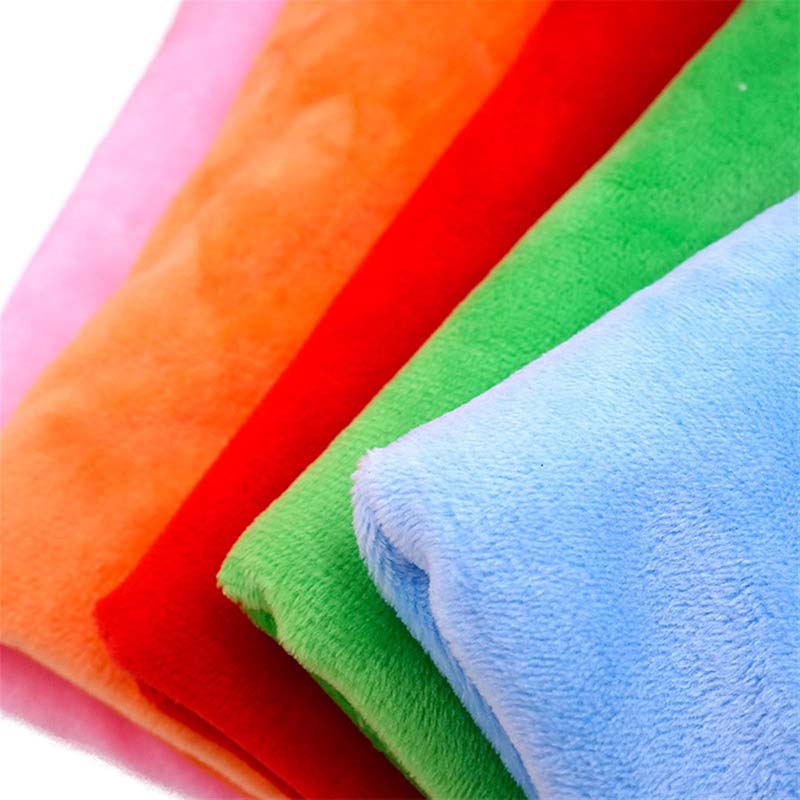
Crystal Super Soft fabric is widely used when buyers want a very smooth, soft touch with a clean and modern look. Compared with faux fur and long-pile minky, it offers softness without excessive fluff, making it easier to control during mass production.
In plush manufacturing, this fabric is often selected for designs that require uniform texture, stable appearance, and high production efficiency.
Key characteristics of Crystal Super Soft fabric include:
- Ultra-smooth hand feel The surface feels soft and silky, making it comfortable to touch and suitable for frequent handling.
- Short and uniform pile The pile is usually short and even, which helps maintain consistent appearance across large batches.
- Strong shape definition Because the pile is not long, facial details, embroidery, and seams remain clear and well-defined.
- Good production stability The fabric performs well in cutting and sewing, reducing distortion and helping maintain accuracy from samples to mass production.
- Reliable color consistency Crystal Super Soft supports solid colors very well and is easier to match to Pantone references compared to long-pile fabrics.
Common applications for Crystal Super Soft fabric include:
- Character plush toys
- Promotional and branded plush
- Medium-size stuffed animals
- Plush toys requiring clean outlines and clear details
Things buyers should consider before choosing Crystal Super Soft:
- Less fluffy appearance It does not provide the “big and fluffy” look of faux fur or long-pile minky.
- Premium feel depends on design Softness is high, but perceived luxury comes more from design and finishing than pile length.
| Aspect | Crystal Super Soft Performance | What It Means for Buyers |
|---|---|---|
| Softness | Very high | Comfortable to touch |
| Pile length | Short | Clean appearance |
| Detail clarity | Excellent | Ideal for characters |
| Production stability | High | Easier scaling |
| Color consistency | Very good | Accurate branding |
| Best use cases | Character & promo plush | Reliable mass production |
For buyers who prioritize soft touch, clear design details, and smooth scaling, Crystal Super Soft is a practical and efficient choice. At Kinwin, we often recommend it for custom character plush and promotional projects where consistency and delivery timelines matter.
Coral Fleece Fabric
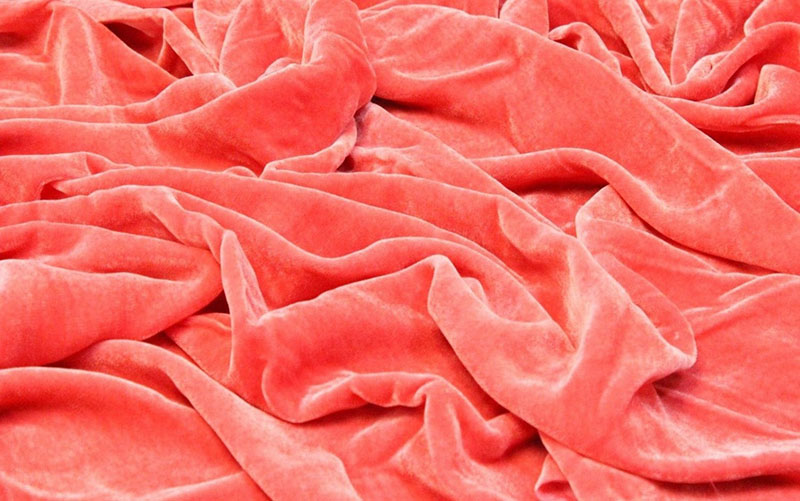
Coral fleece fabric is commonly used when buyers want a soft, warm feel at a more cost-efficient level. Compared with minky or faux fur, coral fleece offers comfort without high production complexity, making it popular for bulk and promotional plush projects.
In plush toy manufacturing, coral fleece is often selected for designs where touch comfort and price balance are more important than fine surface detail.
Key characteristics of coral fleece fabric include:
- Soft and cozy hand feel The fabric feels warm and gentle, suitable for casual plush toys and gift items.
- Medium pile length Coral fleece usually has a medium pile that adds softness without excessive fluff, helping maintain overall shape.
- Lightweight and flexible It is easy to handle during sewing and stuffing, which supports faster production cycles.
- Good cost control Coral fleece is generally more affordable than premium plush fabrics, especially for large quantities.
- Acceptable durability for everyday use While not as dense as Velboa, it performs well for normal handling and short-to-medium product life cycles.
Common applications for coral fleece in plush toys include:
- Promotional and giveaway plush toys
- Seasonal or event plush items
- Medium-size stuffed animals
- Plush accessories and soft gift items
Things buyers should consider before choosing coral fleece:
- Surface detail is softer Fine embroidery or sharp facial features may appear less defined compared to short-pile fabrics.
- Not ideal for premium positioning Coral fleece focuses on comfort and value rather than luxury appearance.
| Aspect | Coral Fleece Performance | What It Means for Buyers |
|---|---|---|
| Softness | High | Comfortable touch |
| Pile length | Medium | Balanced appearance |
| Detail clarity | Medium | Softer outlines |
| Production efficiency | High | Faster turnaround |
| Cost level | Low–medium | Budget-friendly |
| Best use cases | Promo & bulk plush | Cost-effective scaling |
For buyers looking to balance comfort, speed, and budget, coral fleece is a practical option. At Kinwin, we often recommend coral fleece for promotional plush and large-volume projects where price control and delivery speed are key priorities.
PV Plush Fabric
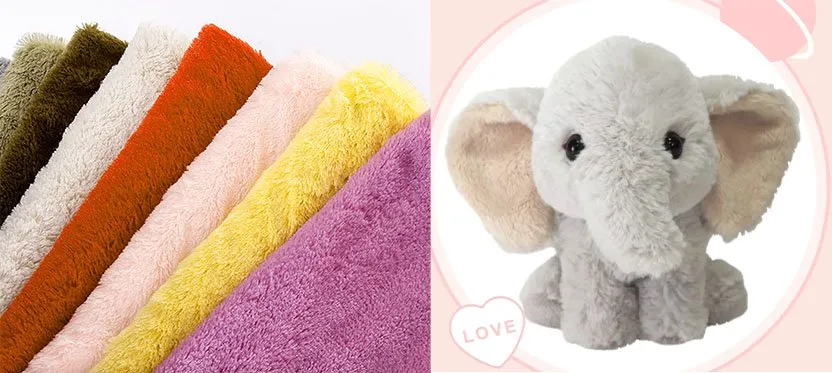
PV Plush fabric is a widely used synthetic plush fabric known for its balanced softness, durability, and production stability. In many factories, PV Plush is considered a “workhorse fabric” for retail plush because it performs consistently across large volumes.
Compared with coral fleece and crystal super soft, PV Plush sits in the middle—offering a soft feel with stronger structure and better wear resistance.
Key characteristics of PV Plush fabric include:
- Medium pile with good density PV Plush typically has a pile length of around 3–5 mm, giving plush toys a soft but not overly fluffy surface.
- Strong durability and wear resistance The fabric resists matting and flattening better than lighter fleece fabrics, making it suitable for retail handling and repeated contact.
- Stable performance in mass production PV Plush cuts and sews well, helping factories maintain consistent size, shape, and finish across large batches.
- Good balance between softness and shape definition Facial details, seams, and embroidery remain clear while still offering a pleasant hand feel.
- Broad color availability PV Plush supports a wide range of solid colors and is relatively easy to match across repeat orders.
Common applications for PV Plush in plush toys include:
- Standard retail stuffed animals
- Character plush toys
- Medium to large-size plush products
- Plush toys designed for long shelf life
Things buyers should consider before choosing PV Plush:
- Softness is not as “luxury-level” as minky It feels comfortable but not as silky as premium fabrics.
- Visual impact is more practical than decorative PV Plush focuses on reliability rather than dramatic texture.
| Aspect | PV Plush Performance | What It Means for Buyers |
|---|---|---|
| Softness | Medium–high | Comfortable for daily use |
| Pile length | Medium | Balanced appearance |
| Durability | High | Suitable for retail |
| Shape stability | Very good | Consistent batches |
| Cost level | Medium | Good value |
| Best use cases | Retail plush | Long-term consistency |
For buyers who need stable quality, repeatable results, and scalable production, PV Plush is a dependable choice. At Kinwin, we often recommend PV Plush for retail programs and long-term collections where consistency matters more than novelty texture.
Sherpa / Teddy Fleece Fabric
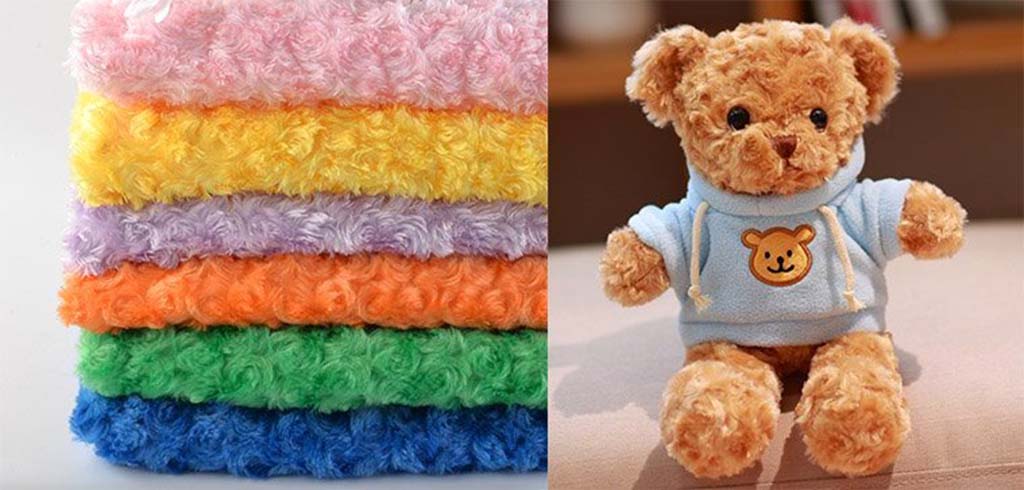
Sherpa, also known as Teddy Fleece, is a fabric that instantly creates a warm, cozy, and teddy-bear-like appearance. It is less about smoothness and more about visual softness and emotional comfort. When buyers want a plush toy that looks friendly and inviting from a distance, this fabric is often a strong option.
In plush toy manufacturing, Sherpa/Teddy Fleece is commonly used for designs that aim to feel homey, comforting, and nostalgic, rather than sleek or highly detailed.
Key characteristics of Sherpa / Teddy Fleece fabric include:
- Curly and textured surface The fabric has a looped or curly pile that gives plush toys a classic teddy bear look.
- Strong visual warmth Even simple shapes look fuller and softer because of the fabric texture.
- Medium to high thickness The fabric adds volume, which helps smaller plush toys appear more substantial.
- Softer shape definition Because of the textured pile, fine facial details are less sharp compared to short-pile fabrics.
- Comfortable touch for casual use It feels cozy and warm, making it suitable for gift-oriented or lifestyle plush products.
Common applications for Sherpa / Teddy Fleece include:
- Teddy bears and classic animal plush
- Gift plush toys
- Lifestyle or home-themed plush products
- Plush toys aimed at emotional comfort rather than precision detail
Things buyers should consider before choosing Sherpa / Teddy Fleece:
- Limited detail clarity Embroidery and facial features may appear softer and less defined.
- Not ideal for complex character designs Designs that require sharp lines or precise expressions may lose accuracy.
- Slightly higher fabric usage The thickness can increase material consumption for certain patterns.
| Aspect | Sherpa / Teddy Fleece Performance | What It Means for Buyers |
|---|---|---|
| Visual style | Cozy, classic | Strong emotional appeal |
| Texture | Curly / fluffy | Teddy-bear look |
| Detail clarity | Low–medium | Simpler designs work best |
| Thickness | Medium–high | Fuller appearance |
| Cost level | Medium | Acceptable for gifts |
| Best use cases | Teddy & gift plush | Comfort-focused products |
For buyers aiming to create classic, cozy, and emotionally warm plush toys, Sherpa or Teddy Fleece delivers strong visual identity. At Kinwin, we often recommend this fabric for teddy bear collections and gift plush lines where comfort and charm matter more than fine detail accuracy.
Chenille Fabric
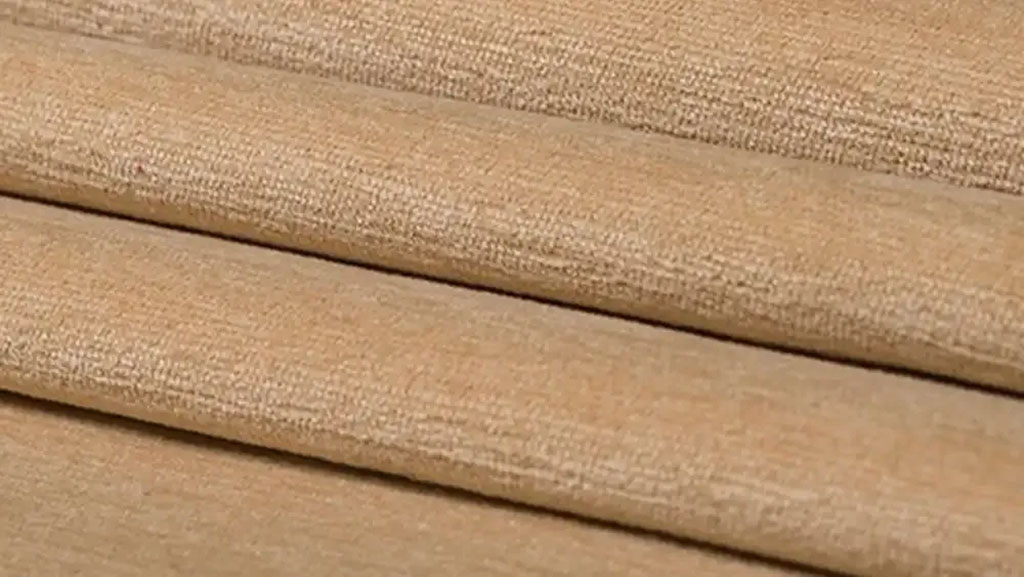
Chenille fabric is less common than Velboa or Minky, but it is often chosen when buyers want a distinctive texture and a more “fabric-forward” look. Instead of looking fluffy, chenille plush toys feel soft, thick, and tactile, which makes them stand out through touch rather than pile length.
In plush toy manufacturing, chenille is usually used for design-led or lifestyle-oriented plush products, where texture and material feel are part of the brand story.
Key characteristics of chenille fabric include:
- Thick, cord-like surface texture Chenille is made from twisted yarns that create a ribbed or velvety appearance, giving plush toys a unique tactile quality.
- Soft but structured hand feel It feels soft to the touch while maintaining more body and structure than long-pile plush fabrics.
- Strong visual identity Even simple shapes look more premium and “designed” because the fabric texture is clearly visible.
- Lower pile shedding risk Compared with faux fur, chenille generally has less loose fiber shedding when properly sourced.
- Requires careful pattern planning Direction of the fabric texture matters, and pattern alignment needs attention to maintain a clean look.
Common applications for chenille fabric in plush toys include:
- Decorative or lifestyle plush toys
- Modern or minimalist plush designs
- Plush cushions or hybrid plush products
- Brand-focused or concept-driven plush collections
Things buyers should consider before choosing chenille:
- Limited suitability for very detailed characters Facial expressions and small details may be less clear compared to short-pile plush fabrics.
- Slightly higher material and handling cost Chenille can be more expensive than standard plush fabrics and may require careful cutting.
- Not ideal for all children’s products Depending on yarn quality, chenille should be evaluated carefully for safety and durability in kids’ plush.
| Aspect | Chenille Fabric Performance | What It Means for Buyers |
|---|---|---|
| Texture | Ribbed / velvety | Strong tactile appeal |
| Softness | Medium–high | Comfortable but structured |
| Visual style | Modern, fabric-like | Design-driven look |
| Detail clarity | Medium | Simpler faces work best |
| Cost level | Medium–high | Premium positioning |
| Best use cases | Lifestyle & décor plush | Differentiated products |
For buyers looking to create distinctive, texture-led plush products, chenille offers a unique alternative to traditional fluffy fabrics. At Kinwin, we usually recommend chenille for design-focused plush lines where material feel plays a key role in product differentiation.
Organic Cotton Fabric
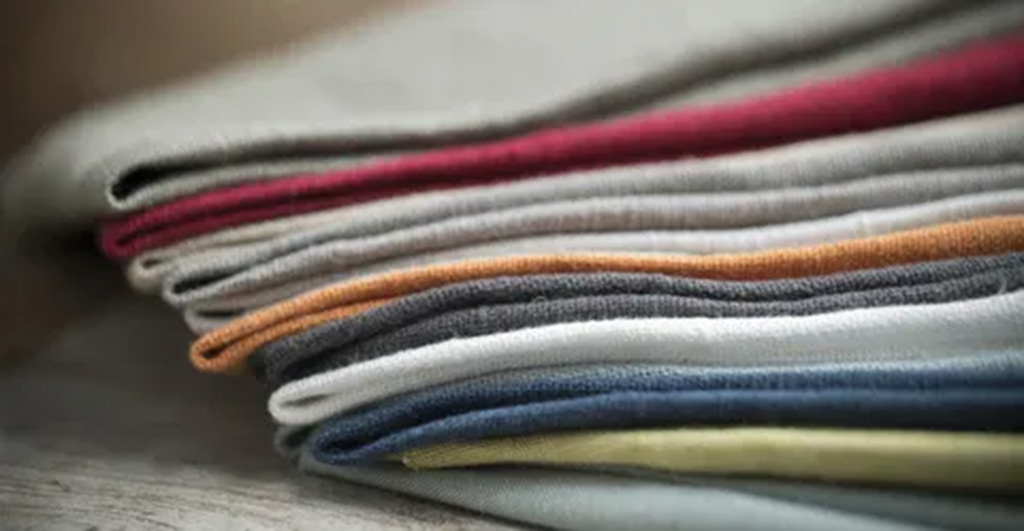
Organic cotton fabric is chosen when buyers prioritize natural materials, safety perception, and sustainability messaging. Unlike synthetic plush fabrics, organic cotton delivers a clean, breathable feel and aligns well with baby products and eco-conscious brands.
In plush toy manufacturing, organic cotton is less about fluffiness and more about material credibility and skin-friendly comfort.
Key characteristics of organic cotton fabric include:
- Natural and breathable texture Organic cotton feels soft and gentle on skin, making it suitable for close contact products and sensitive users.
- Strong safety perception Many buyers prefer organic cotton for baby plush because it avoids synthetic fiber concerns and supports a “natural” brand image.
- Matte, fabric-forward appearance The surface is smooth but not shiny, creating a simple, honest look rather than a plush-heavy aesthetic.
- Lower elasticity compared to synthetic plush Cotton does not stretch like polyester plush, which requires careful pattern design to maintain shape.
- Sustainability positioning Organic cotton supports eco-friendly narratives, especially when combined with certified sourcing and transparent supply chains.
Common applications for organic cotton in plush toys include:
- Baby and toddler plush toys
- Educational or Montessori-style toys
- Eco-friendly or sustainable plush collections
- Plush dolls with fabric clothing elements
Things buyers should consider before choosing organic cotton:
- Less “plush” appearance Organic cotton does not look fluffy like minky or faux fur, which may not meet expectations for traditional plush toys.
- Higher material cost Certified organic cotton usually costs more than standard cotton or polyester blends.
- Shape retention depends on design Proper internal structure and stuffing are important to avoid sagging over time.
| Aspect | Organic Cotton Performance | What It Means for Buyers |
|---|---|---|
| Material type | Natural fiber | Skin-friendly appeal |
| Softness | Medium | Gentle, not fluffy |
| Visual style | Clean, matte | Minimalist look |
| Stretch | Low | Requires good patterning |
| Cost level | Medium–high | Premium positioning |
| Best use cases | Baby & eco plush | Trust-driven products |
For buyers targeting baby markets, educational products, or sustainability-focused consumers, organic cotton can strengthen both product safety perception and brand values. At Kinwin, we often recommend organic cotton when material credibility matters more than traditional plush texture.
RPET Recycled Polyester Fabric
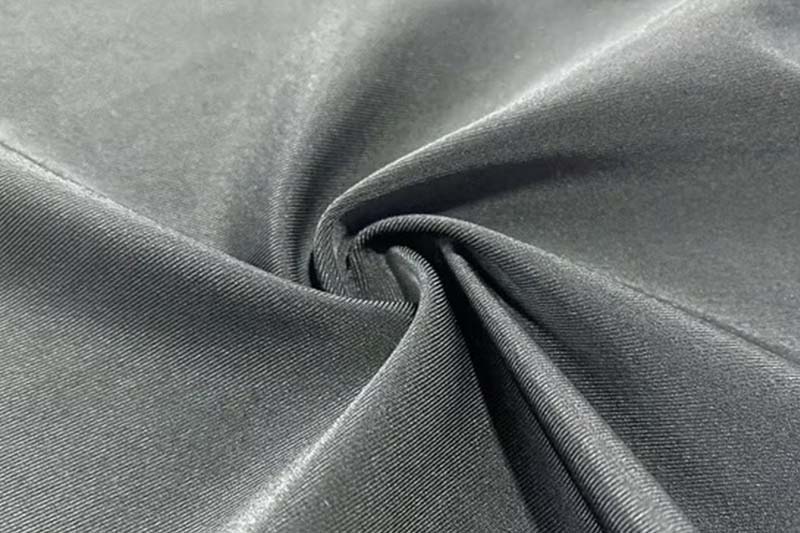
RPET recycled polyester fabric is increasingly used in plush toy manufacturing as brands place more emphasis on sustainability without sacrificing performance. RPET is made from recycled plastic bottles and processed into polyester fibers, offering a balance between eco-friendly messaging and reliable plush performance.
In practice, RPET plush fabrics behave very similarly to conventional polyester plush, which makes them easier to integrate into existing designs and production lines.
Key characteristics of RPET recycled polyester fabric include:
- Sustainable material source RPET helps reduce plastic waste by reusing PET bottles, supporting circular economy initiatives and environmental storytelling.
- Comparable softness and durability High-quality RPET plush can achieve a hand feel and wear resistance close to standard polyester plush fabrics.
- Stable production performance RPET fabrics cut and sew well when sourced properly, allowing smooth sampling and mass production.
- Compatibility with existing plush designs Most designs that use standard polyester plush can be adapted to RPET with minimal structural changes.
- Certification support RPET fabrics are often available with certifications such as GRS, which many global buyers and retailers require.
Common applications for RPET fabric in plush toys include:
- Eco-friendly plush toy collections
- Promotional plush for sustainability campaigns
- Retail plush lines targeting environmentally conscious consumers
- Licensed or branded plush with ESG requirements
Things buyers should consider before choosing RPET:
- Fabric quality varies by supplier Not all RPET fabrics feel the same. Sampling is important to confirm softness and appearance.
- Slight cost increase RPET fabrics may cost more than standard polyester, depending on certification and supply conditions.
- Certification management If sustainability claims are made, proper documentation and traceability are necessary.
| Aspect | RPET Fabric Performance | What It Means for Buyers |
|---|---|---|
| Material source | Recycled PET | Eco-friendly positioning |
| Softness | Medium–high | Comparable to polyester |
| Durability | High | Retail-ready |
| Production stability | Good | Easy scaling |
| Certification | GRS available | Compliance support |
| Best use cases | Sustainable plush | ESG-aligned products |
For buyers who want to combine environmental responsibility with practical manufacturing, RPET recycled polyester is a strong option. At Kinwin, we often help clients evaluate RPET fabric quality and certification details to ensure sustainability claims are backed by real materials and documentation.
Knitted Plush Fabric
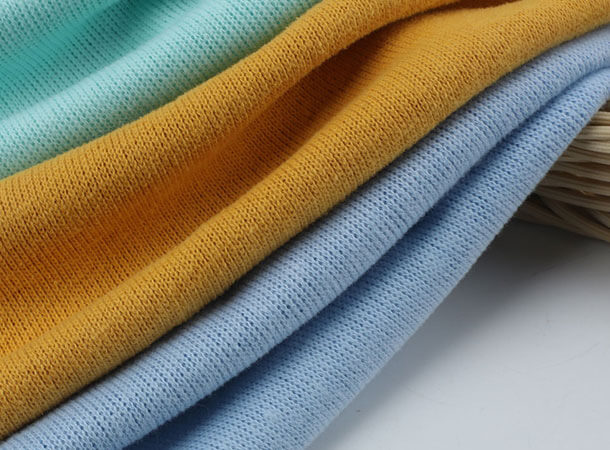
Knitted plush fabric is different from traditional woven plush fabrics. It is created through knitting structures, which gives the material natural stretch, flexibility, and a softer structural feel. This makes it especially useful for plush toys that need movement, shape adaptability, or a more casual fabric look.
In plush toy manufacturing, knitted plush is often chosen when comfort, flexibility, and form adaptability matter more than surface fluff.
Key characteristics of knitted plush fabric include:
- Natural elasticity The knitted structure allows the fabric to stretch and recover, which helps plush toys feel softer and more flexible when squeezed or hugged.
- Softer structural appearance Instead of looking fluffy, knitted plush has a fabric-like surface that feels friendly and modern.
- Good shape adaptability The fabric works well for rounded shapes, soft bodies, and plush toys that require bending or movement.
- Comfortable hand feel Knitted plush feels gentle and smooth, making it suitable for close-contact products.
- Requires careful pattern control Stretch needs to be managed during cutting and sewing to avoid shape deformation.
Common applications for knitted plush fabric include:
- Plush dolls with soft bodies
- Character plush requiring flexibility
- Educational or sensory plush toys
- Plush toys designed for hugging and squeezing
Things buyers should consider before choosing knitted plush:
- Lower surface fluff It does not create the traditional “hairy” plush look, which may not match classic stuffed animal expectations.
- Stretch-related production control Experienced pattern making is needed to maintain size and proportion consistency.
- Durability depends on yarn quality Knitted plush should be tested for seam strength and long-term wear.
| Aspect | Knitted Plush Performance | What It Means for Buyers |
|---|---|---|
| Elasticity | High | Soft, flexible feel |
| Visual style | Fabric-like | Modern appearance |
| Shape adaptability | Excellent | Comfortable handling |
| Detail clarity | Medium | Simple designs work best |
| Production control | Medium | Requires experience |
| Best use cases | Soft-body plush | Comfort-focused designs |
For buyers who want soft, flexible, and body-friendly plush toys, knitted plush fabric offers design freedom and comfort. At Kinwin, we often recommend knitted plush for plush dolls and sensory toys where movement and softness are key priorities.
Microfiber Plush Fabric
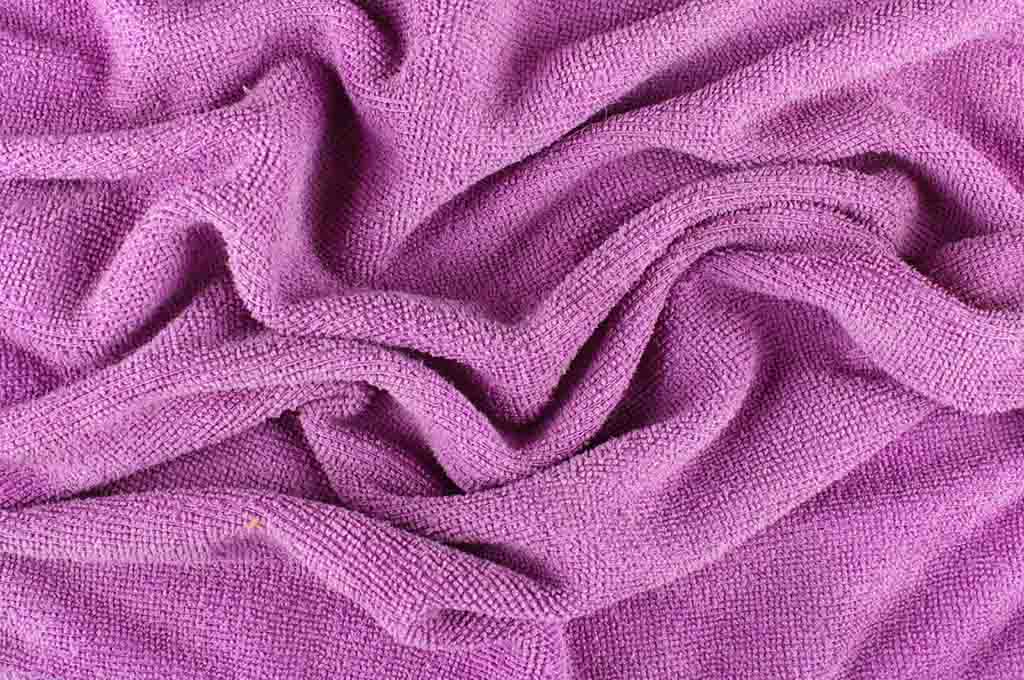
Microfiber plush fabric is used when buyers want a very fine, smooth, and clean surface with minimal visible pile direction. Compared with traditional plush fabrics, microfiber focuses more on refined touch and visual neatness rather than fluffiness.
In plush toy manufacturing, microfiber plush is often chosen for designs that require high detail clarity, modern appearance, and consistent mass production results.
Key characteristics of microfiber plush fabric include:
- Extremely fine fiber structure Microfiber uses ultra-thin fibers, which create a smooth and uniform surface that feels soft without obvious hairiness.
- Clean and modern appearance The fabric looks neat and well-finished, making plush toys appear more “designed” and less fuzzy.
- Excellent detail definition Facial features, embroidery, seams, and printed elements remain very clear, even on small or complex designs.
- Strong production consistency Microfiber cuts and sews cleanly, which helps maintain stable results from samples to large production runs.
- Easy maintenance and low shedding Compared with long-pile fabrics, microfiber produces less fiber shedding and is easier to keep clean.
Common applications for microfiber plush in plush toys include:
- Character plush toys with detailed expressions
- Promotional or branded plush
- Retail plush requiring clean finish
- Plush toys designed for frequent handling
Things buyers should consider before choosing microfiber plush:
- Less fluffy, less “traditional plush” look Buyers expecting a classic furry appearance may find microfiber too smooth.
- Premium feel depends on design execution The fabric itself is refined, but perceived value comes from overall design and finishing.
- Slightly higher fabric cost High-quality microfiber can cost more than basic plush fabrics.
| Aspect | Microfiber Plush Performance | What It Means for Buyers |
|---|---|---|
| Fiber fineness | Very high | Smooth, refined touch |
| Visual cleanliness | Excellent | Modern look |
| Detail clarity | Very high | Ideal for characters |
| Production stability | High | Reliable scaling |
| Shedding risk | Low | Cleaner products |
| Best use cases | Retail & promo plush | High-finish appearance |
For buyers who prioritize clean design lines, refined touch, and consistent production quality, microfiber plush is a strong option. At Kinwin, we often recommend microfiber for character plush, promotional items, and retail programs where appearance consistency and detail accuracy are critical.
Conclusion
Choosing the right plush toy fabric is not about finding the “softest” or “most expensive” option. It is about selecting a material that fits your product design, target market, budget, and production plan. When fabric choice is aligned early, sampling becomes smoother, quality is more stable, and large-scale production carries far less risk.
At Kinwin, we help buyers evaluate plush fabrics not only by feel, but by performance, compliance, and scalability—so your custom plush project moves forward with confidence, clarity, and consistency.
If you are unsure which fabric fits your plush toy idea best, our team is always ready to guide you through the selection process.
Contact: [email protected]
Visit: https://kinwintoys.com
