Animal Plush Toys Manufacturer | OEM & ODM Custom Plush Factory from China

We manufacture custom animal plush toys for brands, retailers, and IP owners worldwide. From early design support and fast sampling to stable mass production, our OEM & ODM services help you control quality, reduce risk, and scale production with confidence through a direct factory partnership in China.

Why Brands Choose Our Animal Plush Toys Factory

We help brands and buyers manufacture animal plush toys with lower risk, stable quality, and scalable production. Our strengths focus on practical manufacturing support, not sales language, making your project easier to manage from sample to mass production.

Reliable OEM & ODM Support

We support both OEM production and ODM development, allowing you to start from designs, samples, or concepts with flexible manufacturing options.

Consistent Sampling Accuracy

Our sampling process focuses on shape and detail accuracy, helping samples and bulk orders stay visually consistent.

Proven Materials and Construction

We use tested plush fabrics, fillings, and sewing methods to ensure durability, softness, and repeat-order stability.

Export-Oriented Quality Control

Our quality control process aligns with international toy safety and export requirements for global markets.

Direct Factory Communication

Working directly with our factory improves response speed and keeps production decisions clear and efficient.

If you need a dependable animal plush toys manufacturer for long-term cooperation, our factory is ready to support your production needs.

Custom Plush Manufacturing Experts: From Sketch to Finished Product

We provide a complete, factory-direct solution for custom animal plush toys, helping brands move from early ideas to finished products with less risk and clearer control. Our one-stop process reduces handover issues, shortens development time, and ensures your design intent is accurately delivered into mass production.
Sketch to manufacturable design process

From Sketch to Manufacturable Design

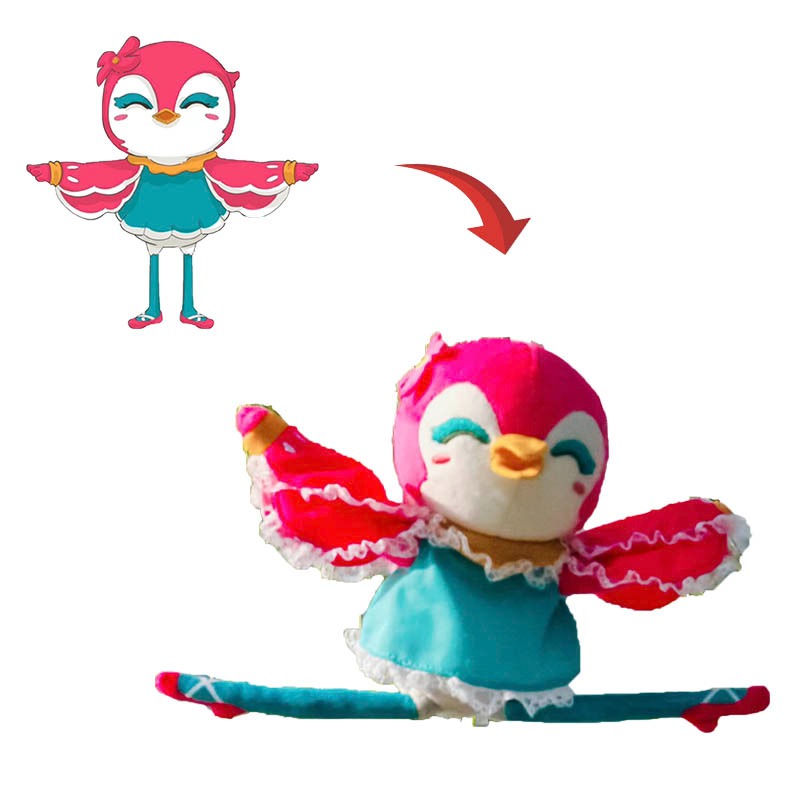
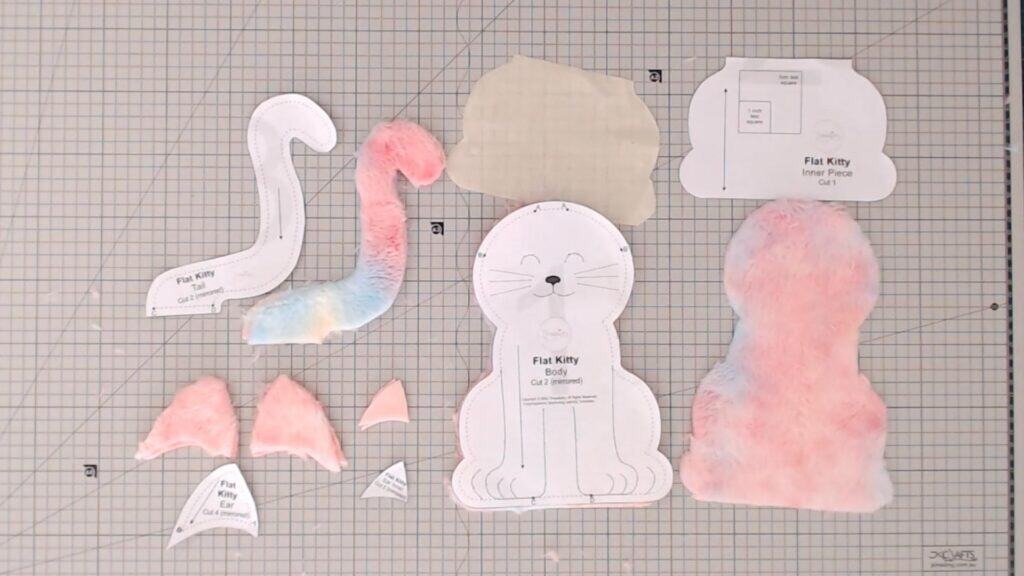
We start by reviewing sketches, reference images, or concept descriptions and translate them into a design that works for plush manufacturing. Our team evaluates structure, proportions, sewing feasibility, and material options early on, helping you avoid design changes that could delay sampling or increase cost later.
Pattern making and plush sample development

Pattern Making and Sample Development

During pattern making and sampling, we refine key elements such as shape accuracy, facial expression, fabric texture, and stitching methods. Each sample is developed with mass production in mind, ensuring the approved sample can be consistently reproduced without quality variation.
Plush material selection and construction optimization

Material Selection and Construction Optimization

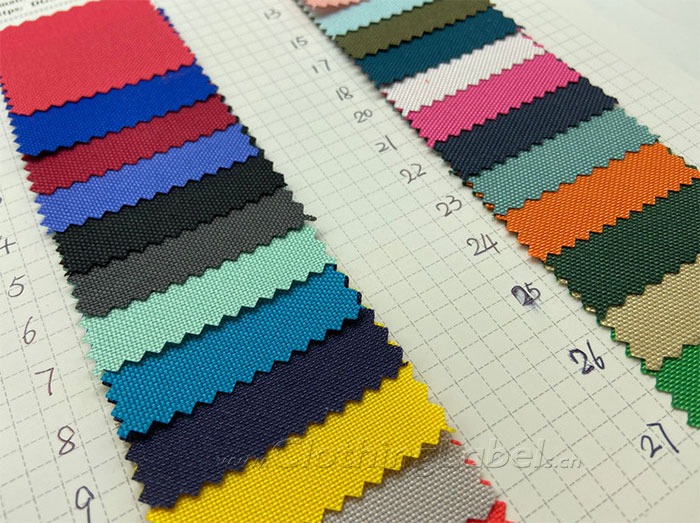
We help you select suitable plush fabrics, fillings, and internal structures based on product positioning, target market, and usage scenarios. This step balances softness, durability, safety, and cost, helping your product meet both quality expectations and commercial requirements.
Mass production and quality control execution

Mass Production and Quality Control Execution

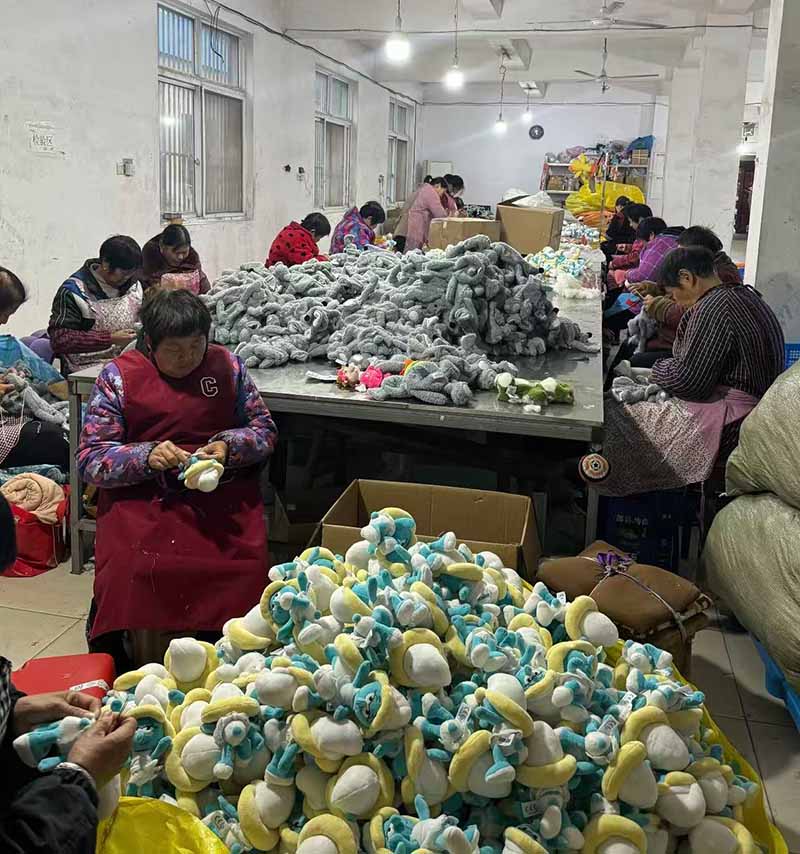
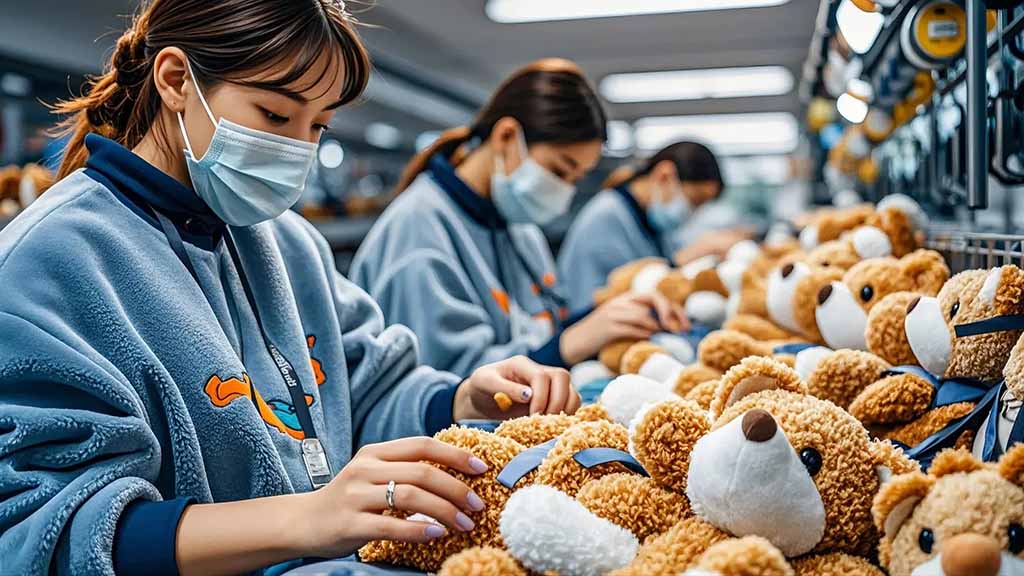
Once the sample is approved, production follows a controlled workflow covering material inspection, in-line quality checks, and final inspection. This ensures consistency across bulk orders and supports stable delivery for repeat or large-volume production.
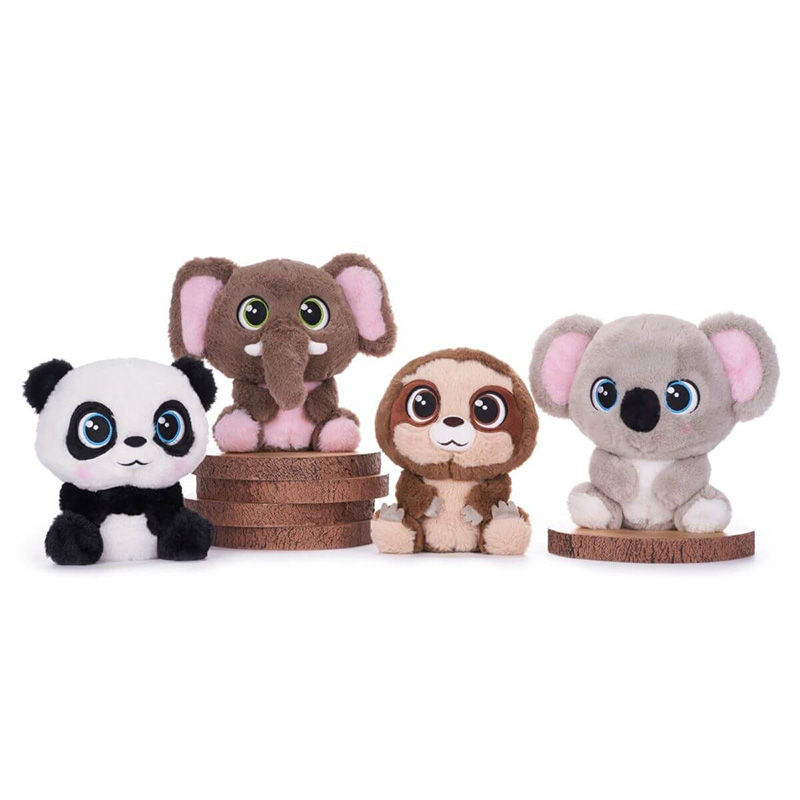
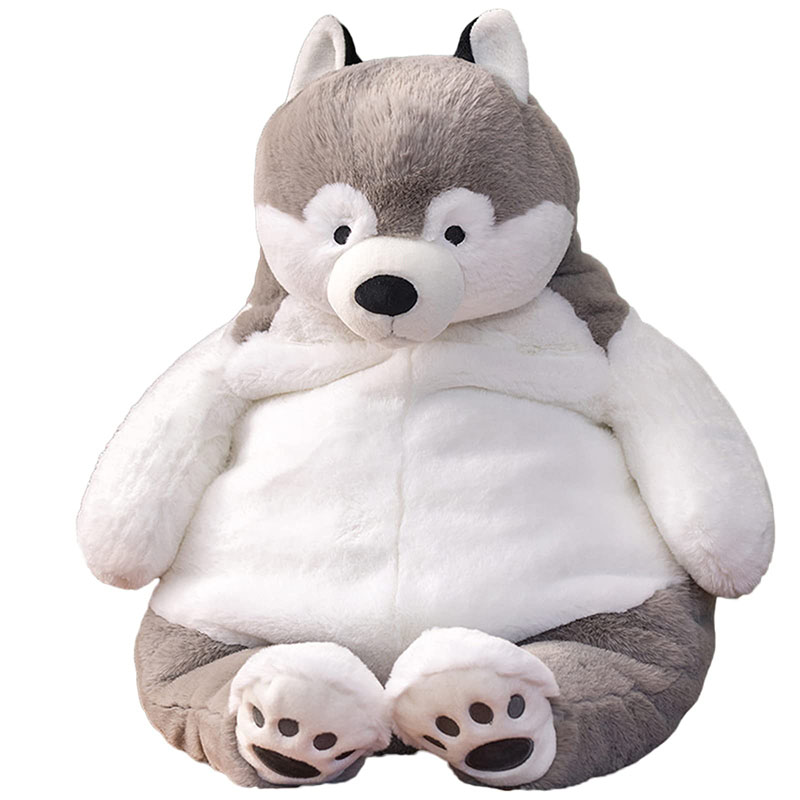
With a one-stop plush manufacturing solution, you spend less time coordinating suppliers and more time focusing on your brand and market growth.

Animal Plush Toys Product Showcase

Our animal plush toy collections cover a wide range of styles, functions, and application scenarios. From classic designs to innovative plush formats, each category is developed to support branding, retail, gifting, and promotional use.

Animal Plush Toys

Classic animal plush toys with soft textures and friendly proportions, suitable for long-term retail programs.

Weighted Plush Toys

Weighted plush toys designed to provide calming comfort, often used for relaxation and sensory support.

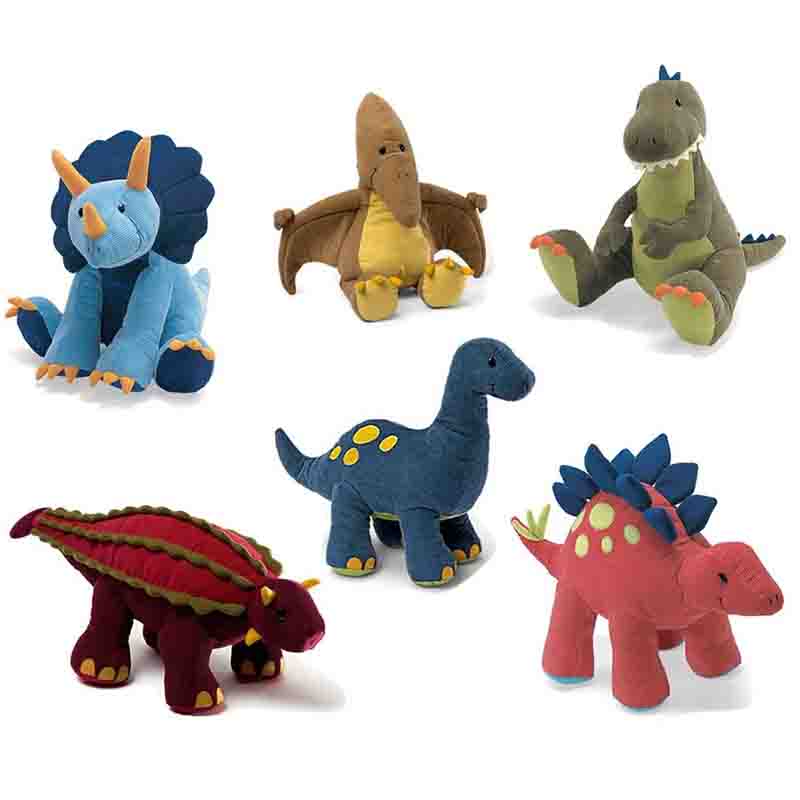
Dinosaur Plush Toys

Dinosaur-themed plush toys combining playful shapes with strong visual appeal, popular with kids and collectors.

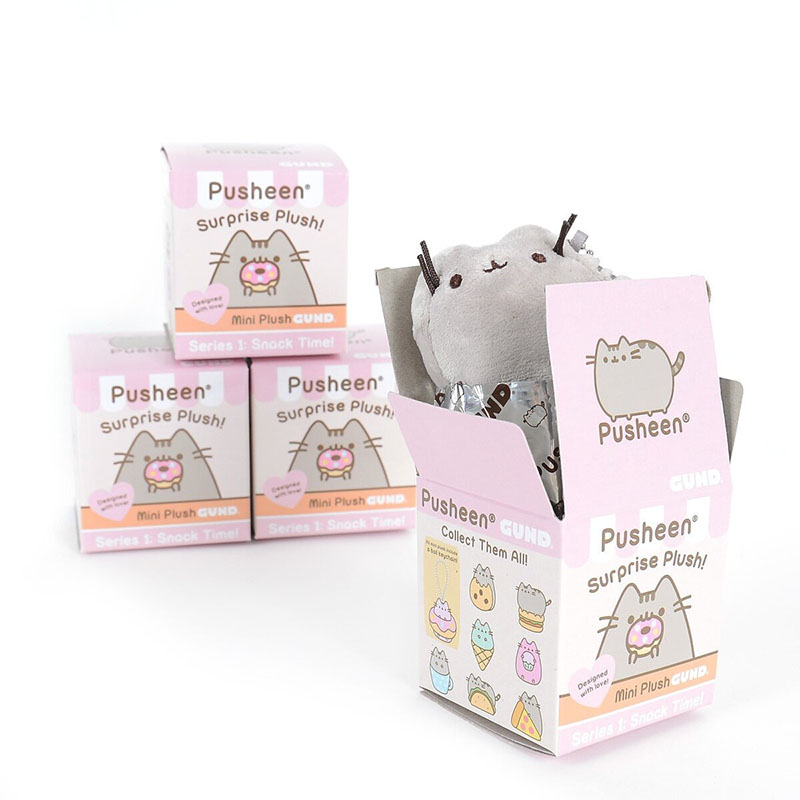
Blind Box Plush Toys

Blind box plush toys developed for collectible series, encouraging repeat purchase and brand engagement.

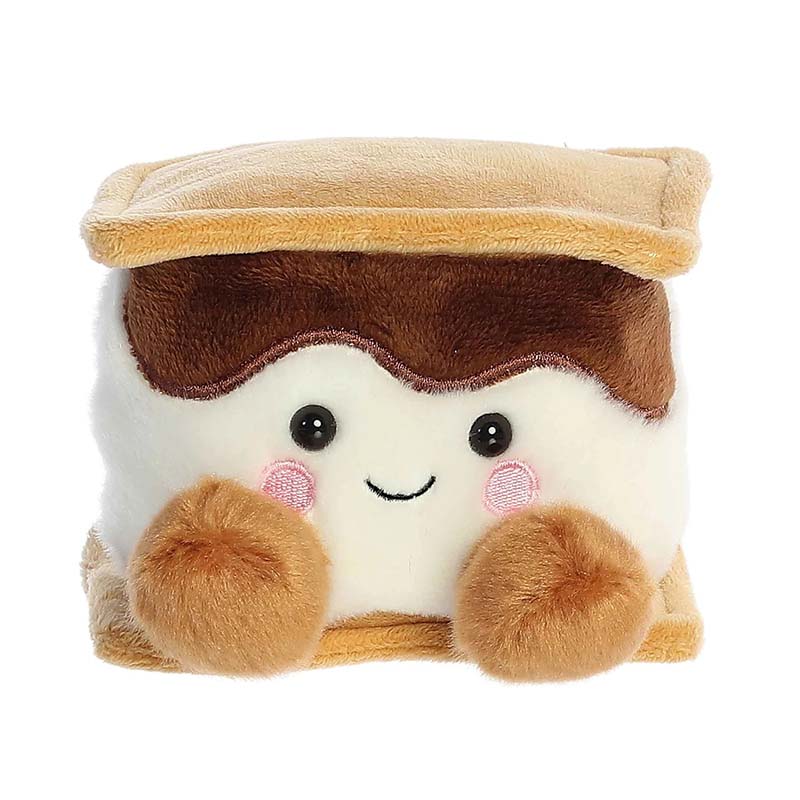
Food Plush Toys

Food-inspired plush designs that add creativity and fun, commonly used in gift and promotional collections.

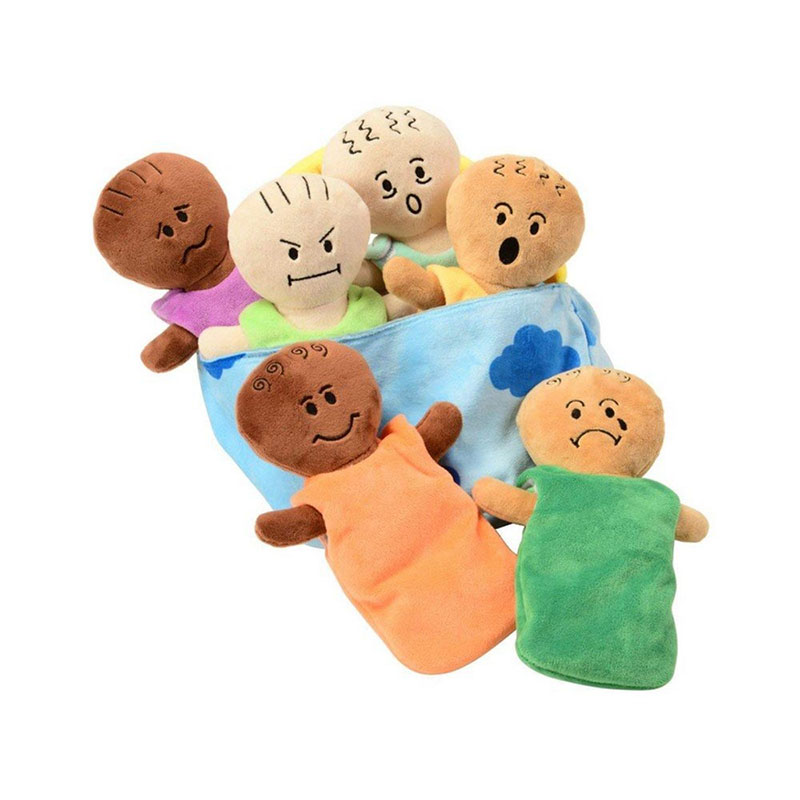
Baby Plush Toys

Soft and gentle plush toys designed for babies, focusing on comfort, safety, and soothing textures.

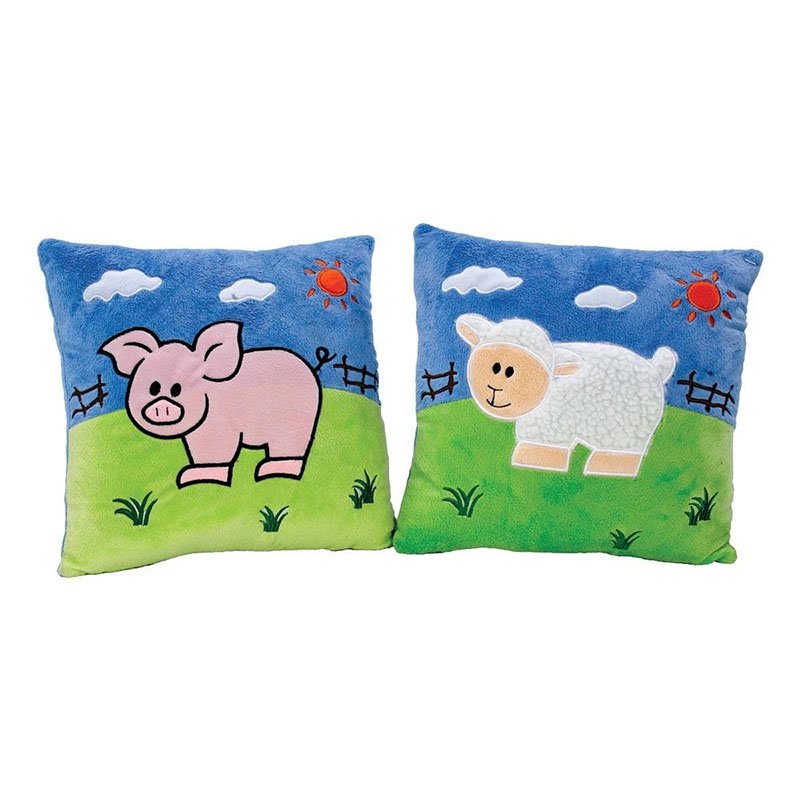
Plush Pillows

Plush pillows combining decorative appearance with practical comfort for home and lifestyle markets.

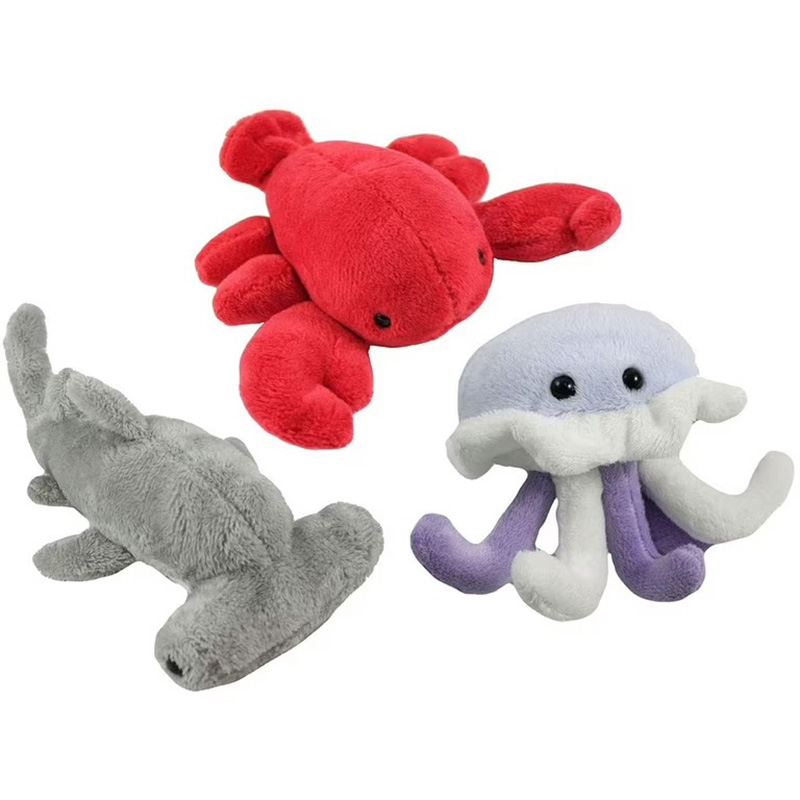
Ocean Plush Toys

Marine-themed plush toys featuring sea animals, widely used in education, gifts, and souvenir markets.

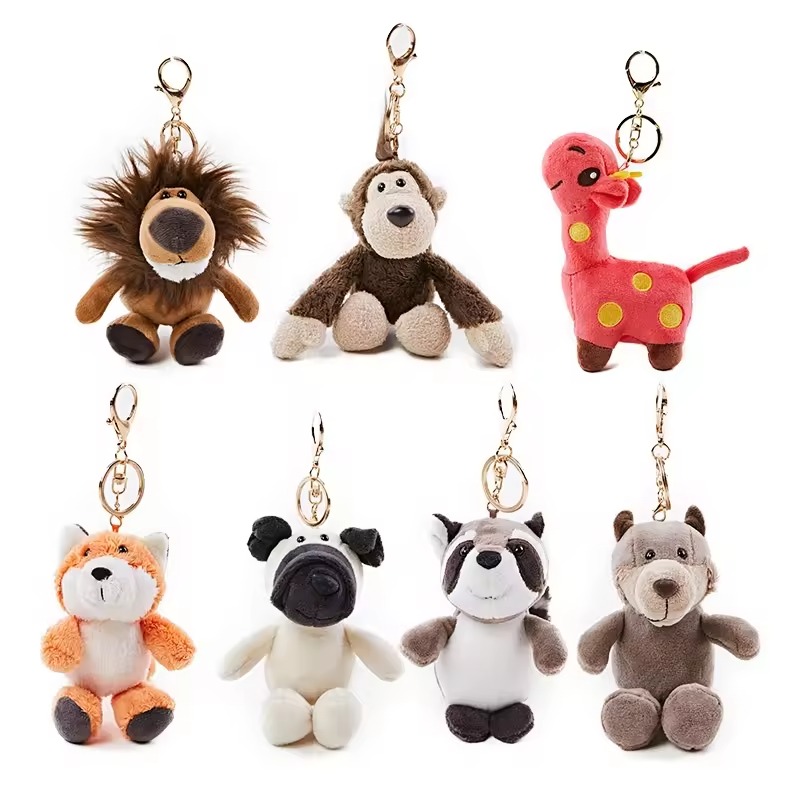
Plush Keychains

Mini plush keychains designed for accessories, giveaways, and promotional branding.

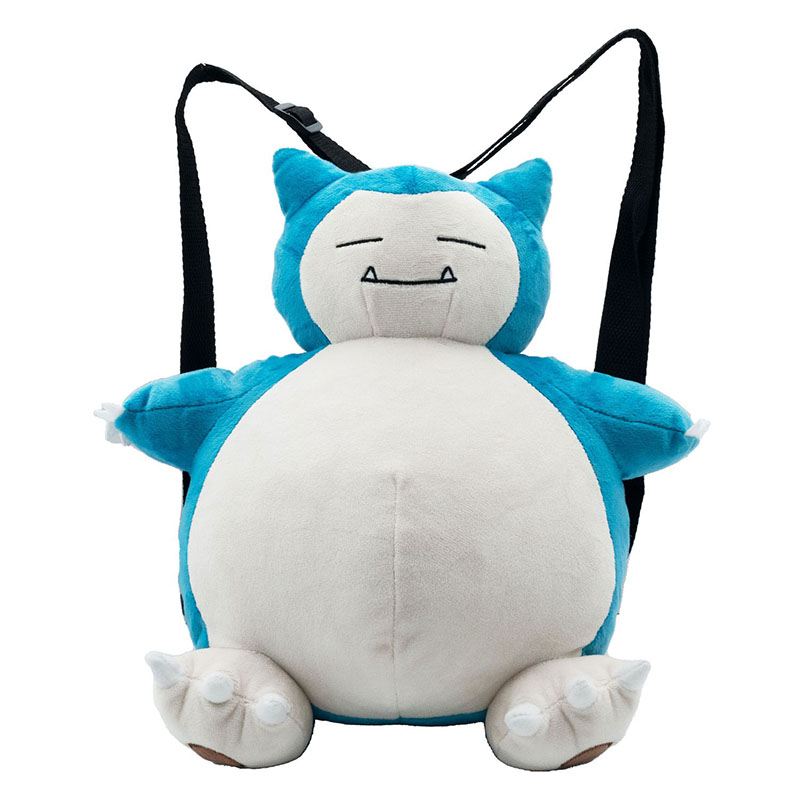
Plush Backpacks

Plush backpacks combining storage function with playful design, popular among children and young consumers.

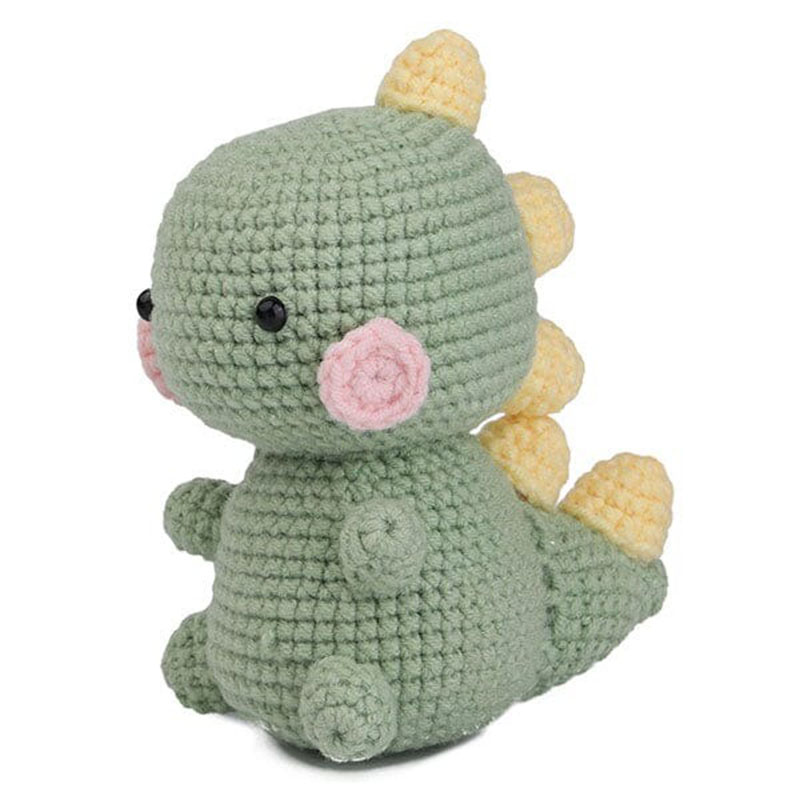
Crochet Plush Toys

Crochet-style plush toys offering a handcrafted look, suitable for niche and premium collections.

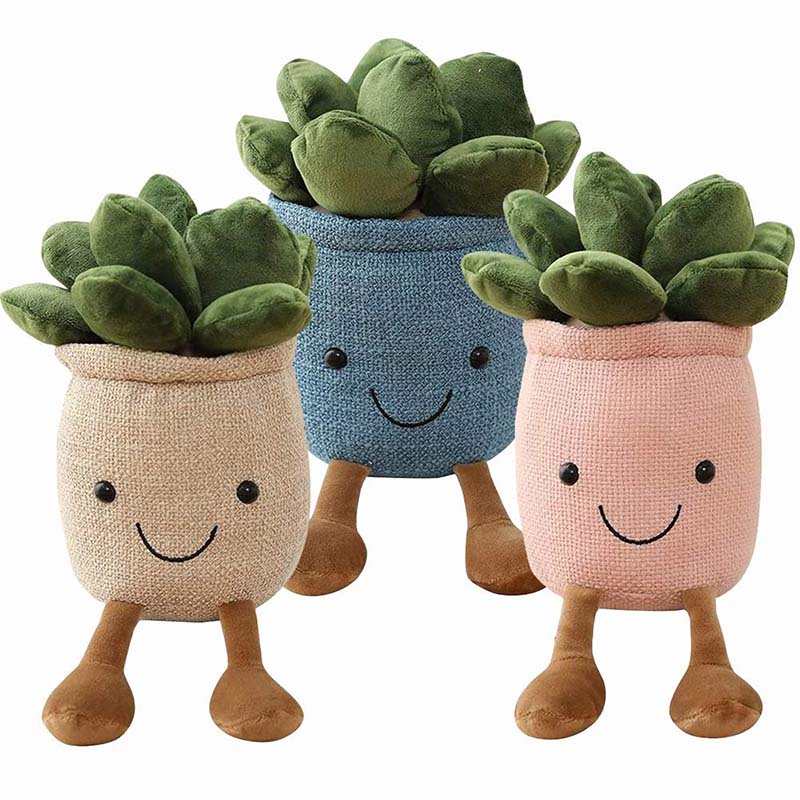
Plant Plush Toys

Plant-themed plush toys creating a fresh and decorative feeling for modern lifestyle brands.

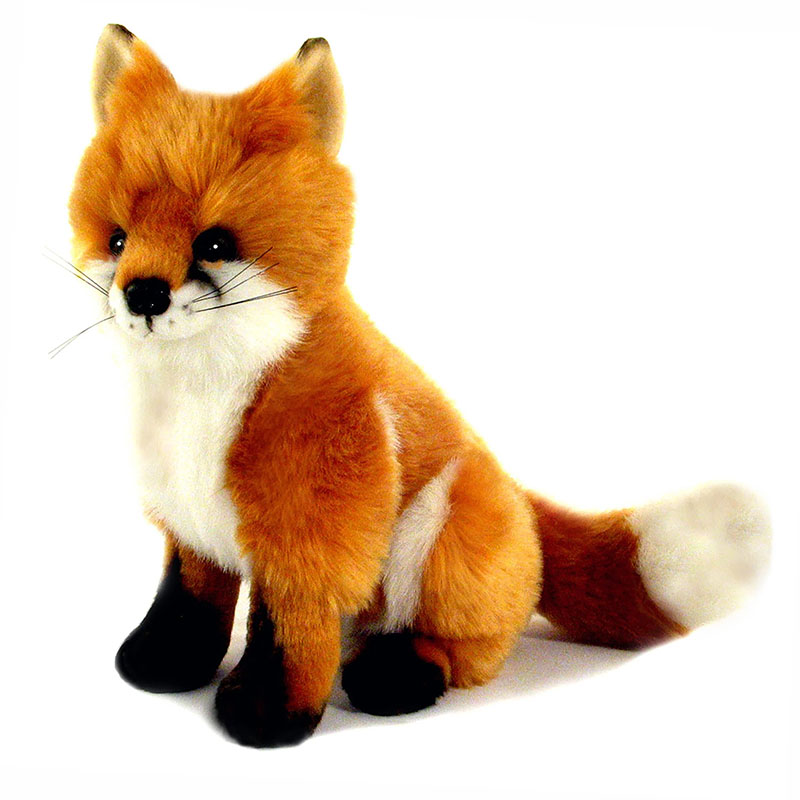
Realistic Plush Toys

Realistic plush toys focusing on lifelike details, often used for display, education, or specialty markets.

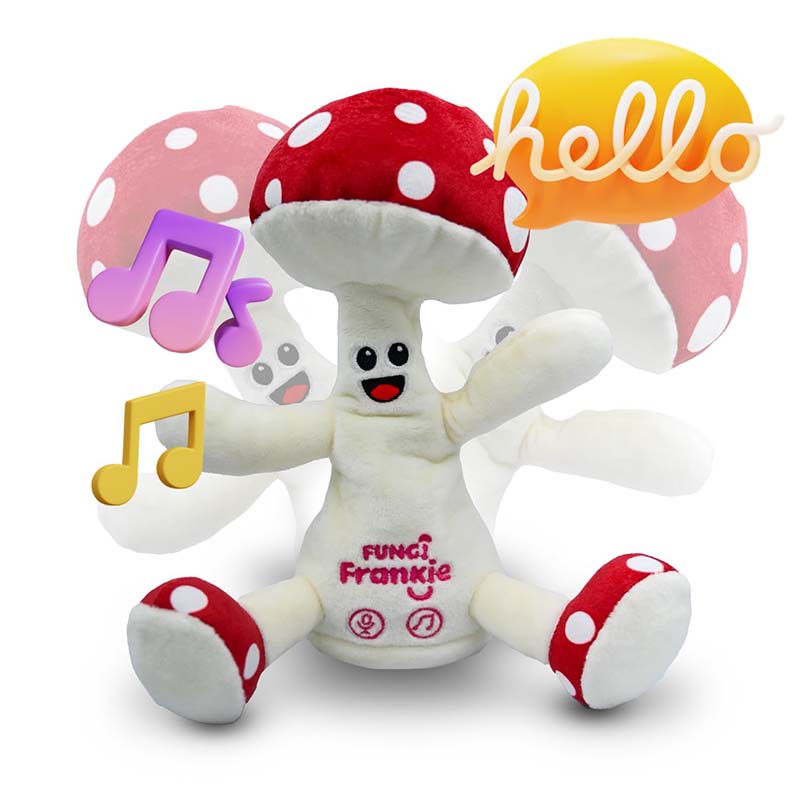
Interactive Plush Toys

Plush toys designed with interactive elements such as sounds, movable parts, or textures to enhance user engagement.

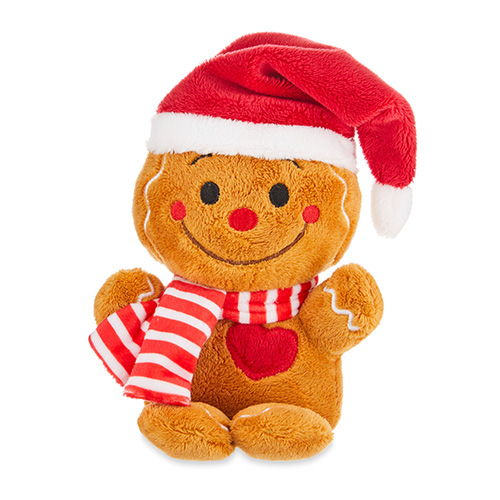
Holiday Plush Toys

Seasonal plush toys designed for holidays and festivals, supporting themed promotions and gift sales.

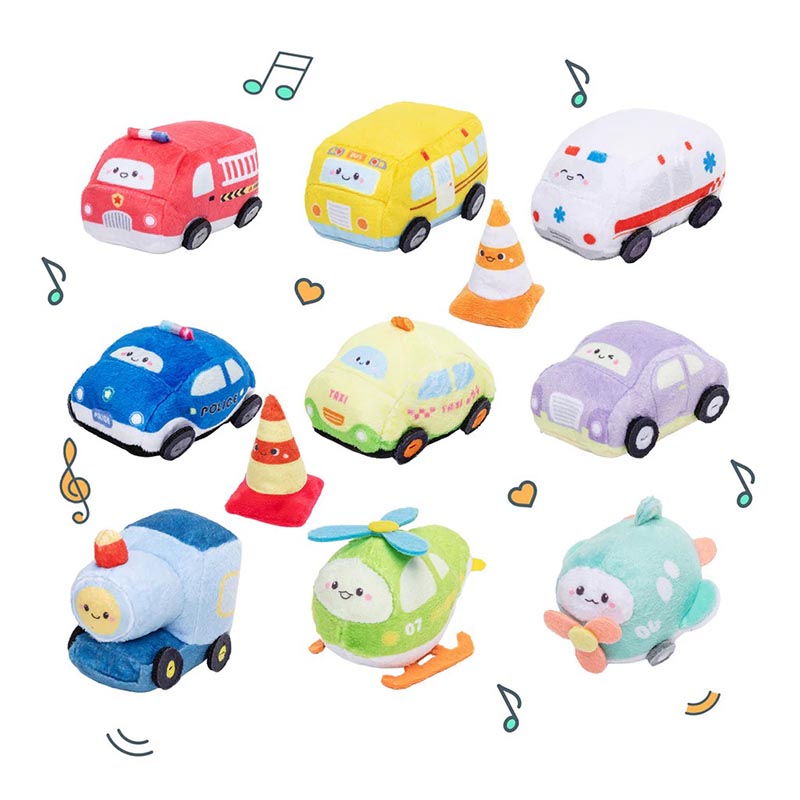
Vehicle Plush Toys

Vehicle-themed plush toys inspired by cars, trains, and transportation concepts, popular in kids’ collections.

Precision Mega Showroom with 1,000+ Plush Styles

This video showcases our large-scale factory showroom featuring over a thousand plush toy styles developed for different brands and markets. By seeing a wide variety of real, finished products in one space, buyers can quickly understand our design range, material flexibility, and customization depth. The mega showroom reflects our long-term manufacturing experience and strong capability to handle diverse custom plush projects at scale.

How to Achieve High Plush Toy Replication Accuracy in Mass Production

Replication accuracy is what protects your brand image when you move from one approved sample to thousands of units. To reach a high “same-as-approved” level, you need a repeatable system that controls design understanding, pattern structure, materials, sampling revisions, and mass production execution. When every step is measured and documented, the final plush toy stays consistent in shape, face details, and overall feel.

Lock the “Non-Negotiable Details” Before Sampling

Start by defining what must not change: silhouette, head-to-body ratio, eye placement, embroidery style, color tone range, and any signature brand features. Then identify what can be adjusted for manufacturing, such as seam positions or internal support. This early alignment avoids “direction errors” that waste time and creates a clear reference for every later check during sampling and bulk production.
Build Patterns That Control Volume, Not Just Outlines

High accuracy comes from pattern engineering that controls 3D volume: how the plush “stands,” where it curves, and how it holds expression after stuffing. Good patterns include seam allowances, turning points, fabric stretch direction, and balance marks. When the pattern is stable, sewing and stuffing can repeat the same shape across production lines, instead of relying on operator “feel.”

Match Materials to Visual Goals and Tactile Goals

Fabric type, pile length, density, and elasticity can change the face look, edge sharpness, and even the “cute” feeling. Filling fiber length, bounce, and weight influence how the toy keeps proportions over time. Set material specs with measurable ranges and confirm color under consistent lighting. This prevents the common problem where the sample looks right but bulk materials behave differently.

Use a Structured Sampling Loop With Measurable Checks

Sampling should follow checkpoints: measure key dimensions, compare profile photos, review embroidery density, stitch length, and seam alignment. Track every change request and its result in the next sample version. A structured loop turns “looks similar” into “meets target,” and it speeds up approvals because decisions are based on evidence, not opinions.

Standardize Sewing and Stuffing to Remove Operator Variance

Even with a perfect sample, bulk consistency fails when sewing tension, seam trimming, and stuffing amount vary by operator. Define sewing SOPs, stitch types, reinforcement points, and stuffing weight ranges for each section (head, body, limbs). Add in-line checks at the exact steps where shape drift happens. This makes the approved sample repeatable across shifts and lines.

Create a Golden Sample Standard and Enforce Final Verification

Keep a protected “golden sample” as the only visual and measurement reference, with a spec sheet that includes photos, dimensions, materials, embroidery files, and tolerances. During final inspection, compare random units to the golden sample and record deviations. This closes the loop and ensures the shipped product matches what you approved, not what a team “thinks” is correct.

If you want high replication accuracy that stays stable in bulk orders, the key is a controlled system—clear standards, measurable checks, and consistent execution. Share your reference design or sample requirement, and we can recommend the best path to reach your target look and feel.

How to Create Collectible Plush Toys That Hold Long-Term Value

For brands and IP owners, collectible value goes far beyond softness or basic appearance. A plush toy becomes truly collectible when it tells a story, shows clear differentiation, and maintains long-term consistency. By controlling design depth, craftsmanship details, and production logic, plush toys can move from standard products to items that customers want to keep, display, and collect.

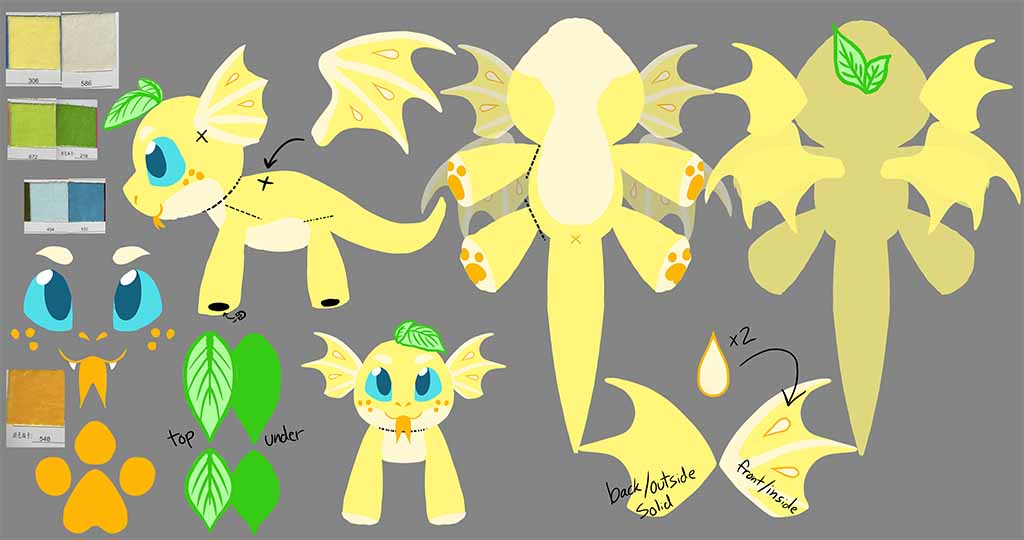
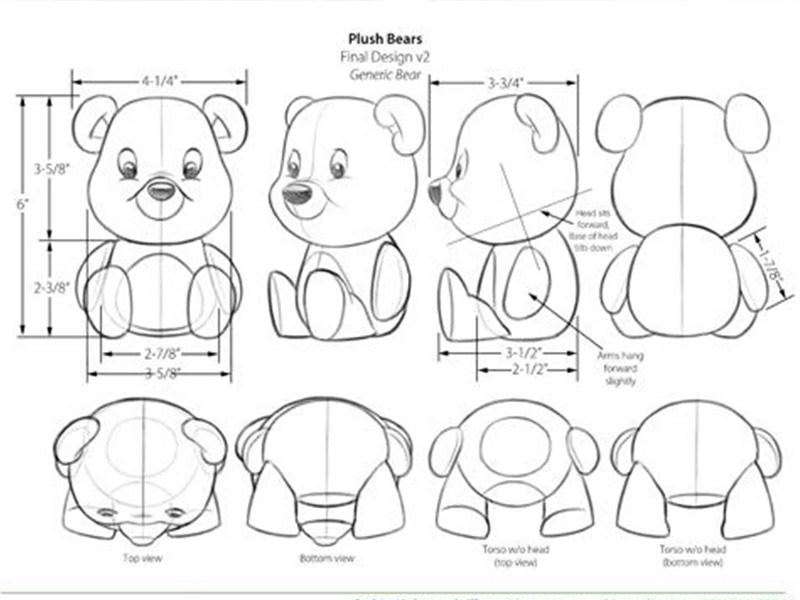
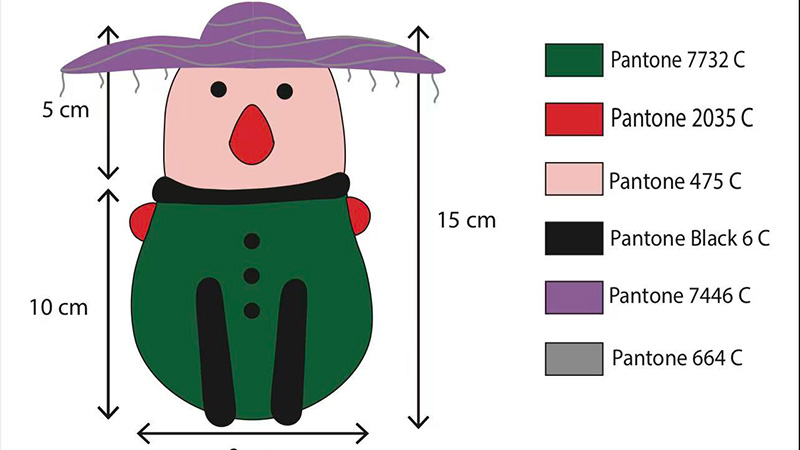
Hand-drawn plush toy design blueprint showing front, side, and back views with color swatches, fabric placement notes, seam lines, and piece breakdown, illustrating the early concept and pattern-planning stage of custom plush toy development.

Distinct Character Design and Story Background

Collectible plush toys usually have a clear character identity. This includes recognizable silhouettes, consistent facial expressions, and a defined personality supported by a backstory. When customers understand who the character is and what it represents, the plush toy gains emotional value, making it more than just a decorative item.

High-Level Craftsmanship and Detail Control

Details strongly influence perceived value. Embroidery precision, fabric texture, seam alignment, and shape stability all contribute to a premium feel. Collectors often notice small differences, so maintaining consistent craftsmanship across batches is essential to protect long-term collectible credibility.

Limited Editions and Controlled Production Quantity

Limiting production quantities or releasing numbered editions increases rarity, which is a core driver of collectibility. Clear communication about edition size, release timing, and future availability helps build trust and encourages early participation from collectors.

Packaging, Certification, and Long-Term Consistency

Packaging and documentation add lasting value. Custom packaging, certificates of authenticity, and consistent production standards across future releases help collectors verify and preserve their items. Long-term consistency ensures that early editions remain valuable rather than diluted by uncontrolled variations.

Common Fabrics and Fillings Used in Animal Plush Toy Manufacturing

The choice of fabrics and fillings directly affects the softness, appearance, durability, and production stability of animal plush toys. Using proven materials helps ensure consistent quality and smoother mass production.
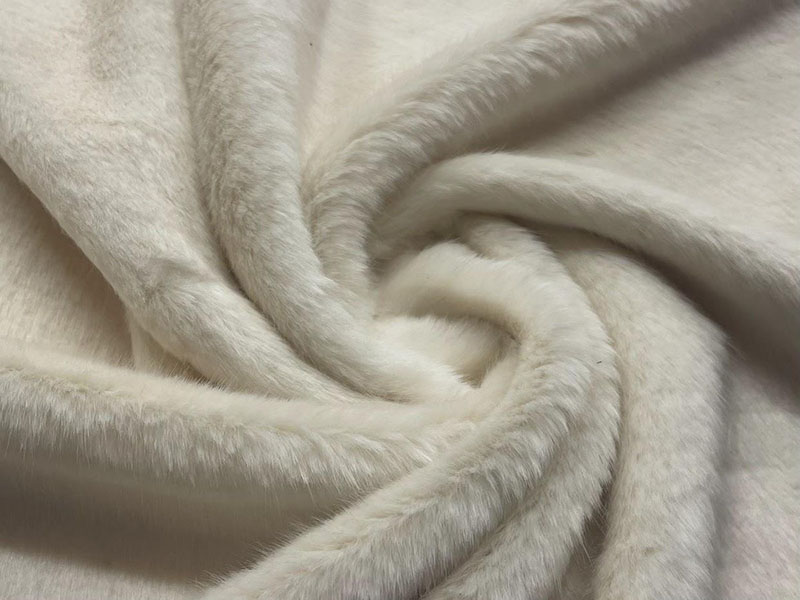
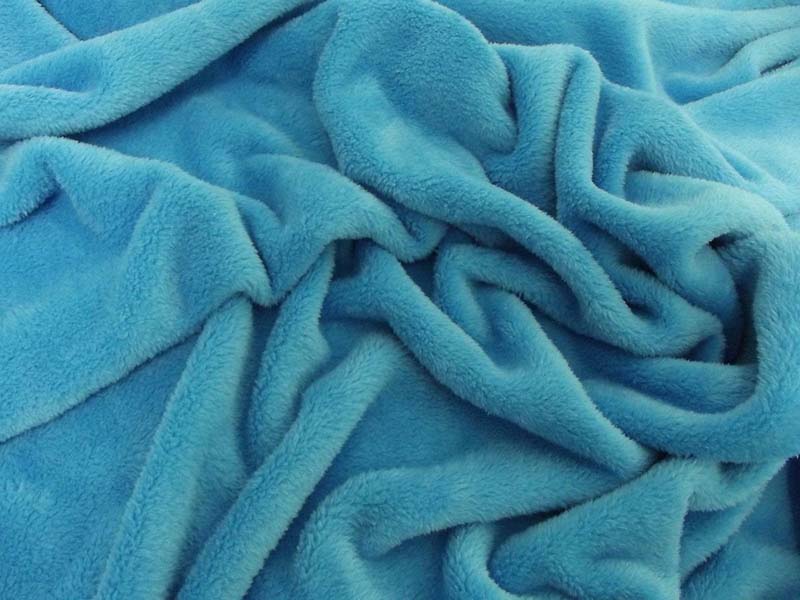
Short Plush Fabric

Short plush is widely used for animal plush toys due to its smooth surface, stable texture, and ease of cutting and sewing.

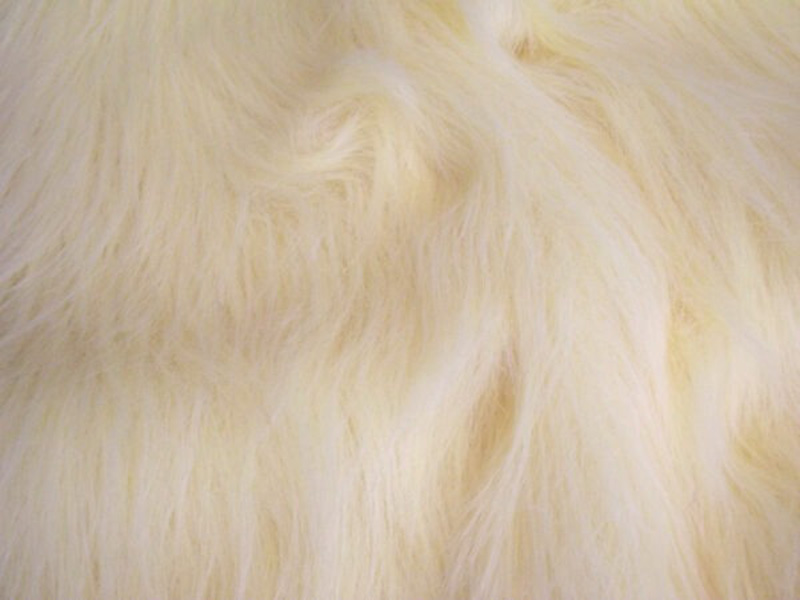
Long Plush Fabric

Long plush provides a fluffy and warm appearance, making it suitable for characters that require a softer and fuller look.

Velboa Fabric

Velboa fabric offers a fine, dense surface with clear color presentation, often used for detailed facial designs.

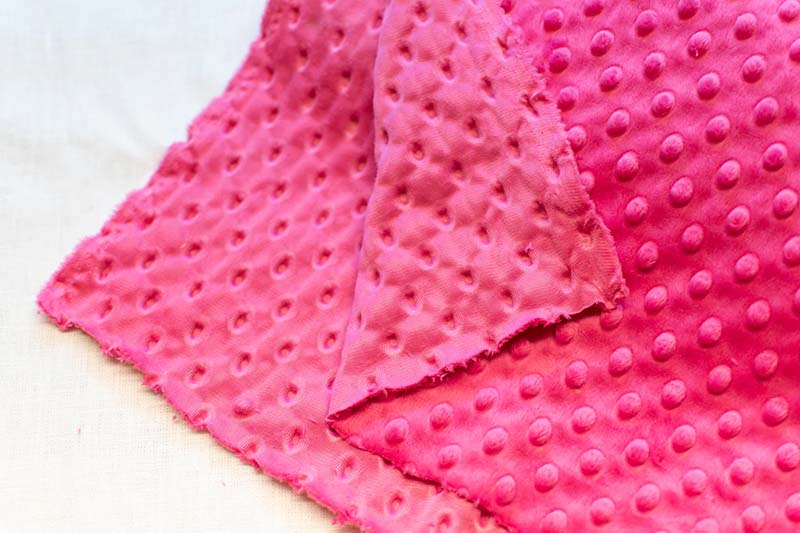
Minky Fabric

Minky fabric is known for its ultra-soft touch, making it ideal for baby plush toys and comfort-focused products.

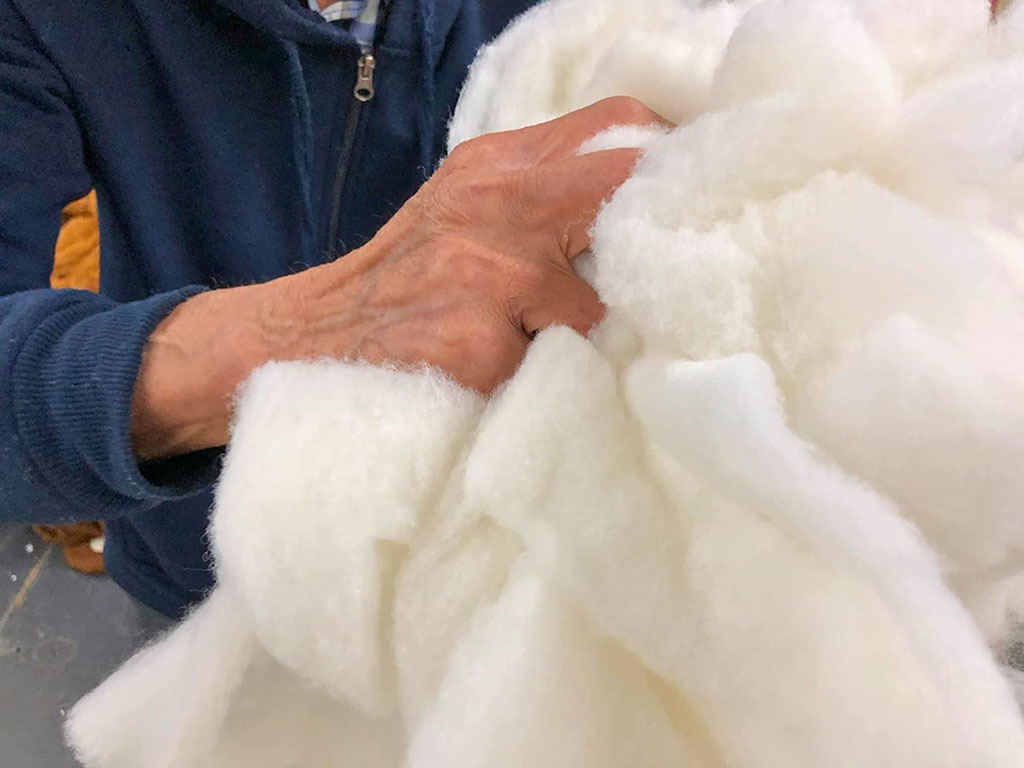
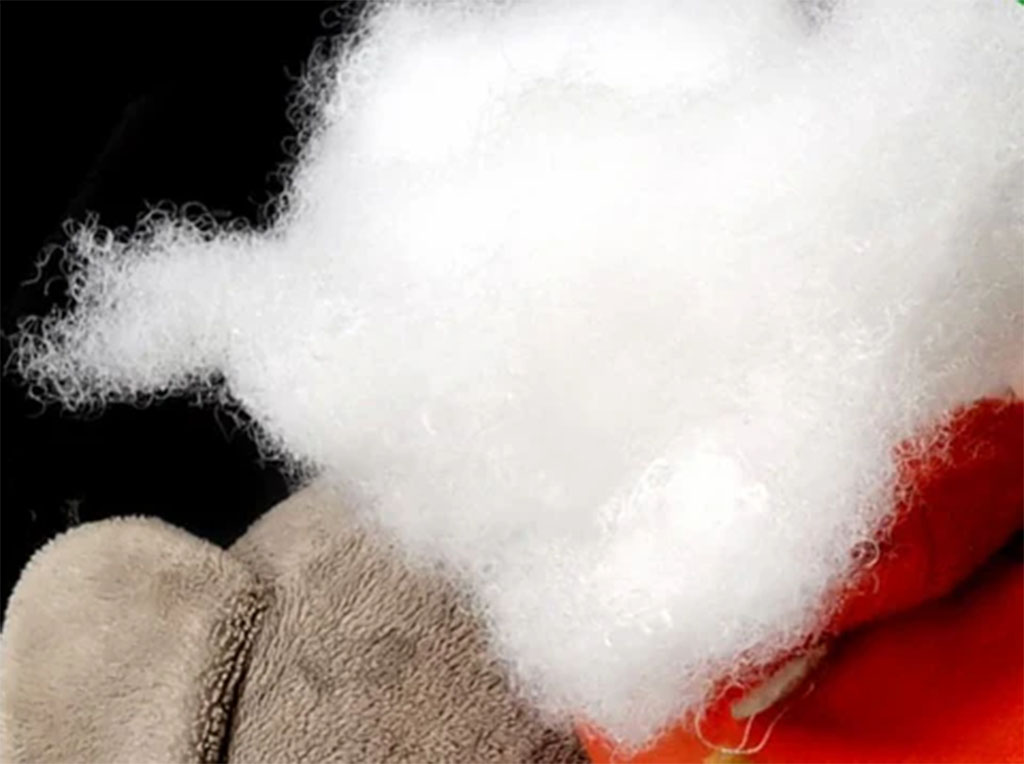
Person holding soft, white polyester fiber stuffing used for filling plush toys and cushions.

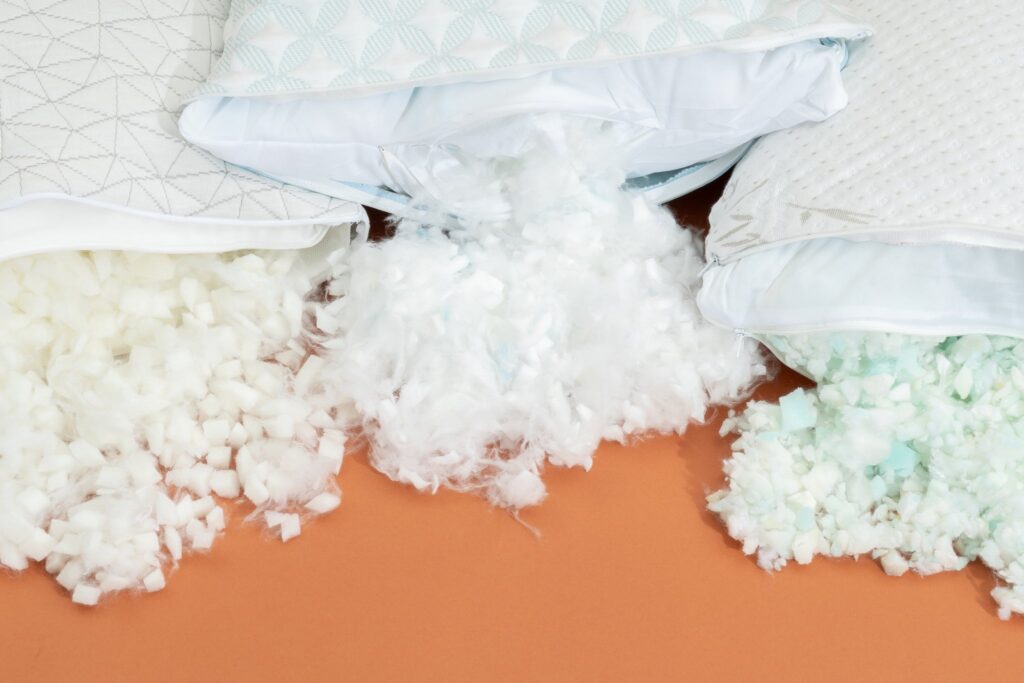
Polyester Fiber Filling

Polyester fiber is the most common filling, offering good resilience, light weight, and stable supply.

PP Cotton Filling

PP cotton provides a fluffy feel and smooth shape, helping toys maintain form over time.

Memory Foam Filling

Memory foam is used for special designs that require slow rebound and added comfort.

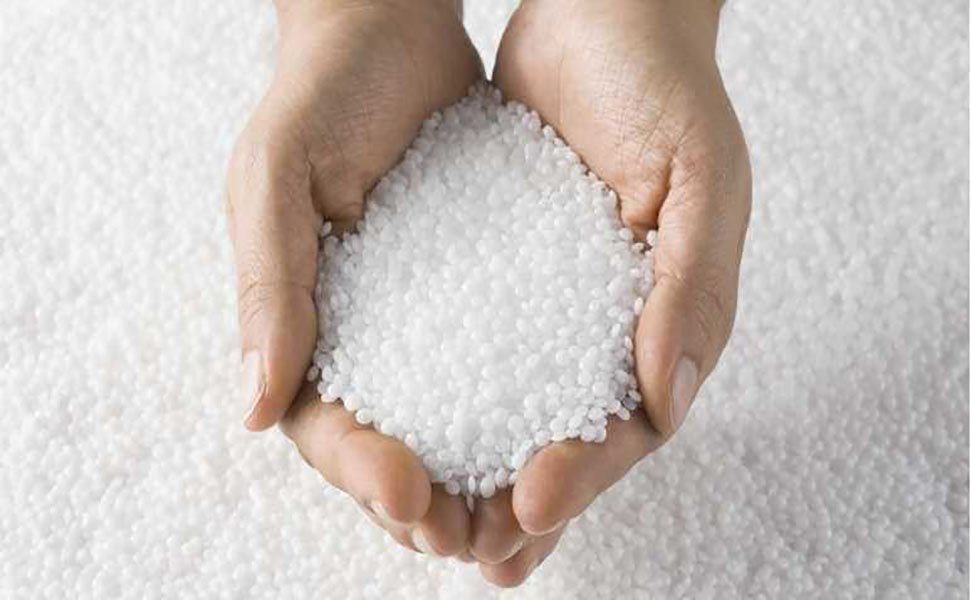
Weighted Filling

Weighted filling adds extra weight for calming or sensory plush toys.

Selecting the right fabric and filling combination helps your plush toys achieve the ideal balance between comfort, appearance, and production stability.

International Certifications for Animal Plush Toy Manufacturing

International certifications are a critical foundation for exporting animal plush toys to global markets. They demonstrate that products meet strict safety, material, and manufacturing requirements, while also helping brands reduce compliance risks, pass buyer audits, and enter regulated markets with confidence.

CE Certification – Compliance for the European Market

CE certification confirms that animal plush toys comply with European Union regulations related to safety, health, and environmental protection. This includes assessments of mechanical strength, material safety, labeling requirements, and overall product conformity. For brands selling in Europe, CE marking is often a mandatory requirement and helps ensure smoother customs clearance and retailer acceptance.

EN71 Toy Safety Standard – Child-Focused Testing in Europe

EN71 is a comprehensive European toy safety standard that focuses on risks related to mechanical and physical properties, chemical substances, flammability, and migration of elements. It is especially important for plush toys intended for children, as many European buyers and retailers require EN71 compliance before approving products for sale.

ASTM F963 – U.S. Toy Safety Standard

ASTM F963 is the primary toy safety standard in the United States, covering material composition, structural integrity, sharp points, small parts, labeling, and potential hazards. Compliance with ASTM F963 helps brands meet U.S. regulatory expectations and reduces the risk of recalls, complaints, or import delays.

ISO Quality Management System – Stable and Repeatable Production

ISO certification reflects a standardized quality management system covering production planning, process control, inspection procedures, and continuous improvement. For plush toy buyers, ISO certification provides confidence that product quality is managed consistently across samples and bulk orders, supporting long-term cooperation and repeat production.
International certifications are a critical foundation for exporting animal plush toys to global markets. They demonstrate that products meet strict safety, material, and manufacturing requirements, while also helping brands reduce compliance risks, pass buyer audits, and enter regulated markets with confidence.

How Materials, Craftsmanship, and Packaging Impact Plush Toy Pricing

Plush toy pricing is not determined by a single factor. Materials, craftsmanship, and packaging choices all play a direct role in cost structure and final unit price. Understanding how each element affects pricing helps brands balance product quality, market positioning, and budget expectations more effectively.

Material Selection and Cost Differences

Fabric type, pile length, density, and filling quality are major cost drivers. Premium fabrics such as minky or high-density velboa cost more than standard short plush, while special fillings like memory foam or weighted materials increase material expense and handling time. Consistent material specifications are also important, as unstable sourcing can lead to price fluctuation across batches.

Craftsmanship Complexity and Labor Input

More complex craftsmanship directly increases labor cost. Detailed embroidery, multiple fabric panels, layered structures, special stitching, or reinforced seams all require additional working hours and skilled operators. As design complexity increases, production efficiency may decrease, which is reflected in unit pricing, especially for small or medium order quantities.

Production Process and Quality Control Requirements

Products requiring tighter tolerance, higher replication accuracy, or additional quality inspections often carry higher costs. Extra sampling rounds, in-line inspections, and final testing add time and resource input. These steps improve consistency and reduce risk but also increase overall manufacturing expenses.

Packaging Design and Presentation Level

Packaging affects both cost and perceived value. Simple OPP bags are cost-efficient, while custom printed boxes, vacuum packaging, hangtags, or gift-ready packaging increase material and assembly costs. Brands targeting retail or gifting markets often invest more in packaging to support presentation and branding.

By understanding how materials, craftsmanship, and packaging affect pricing, brands can make informed decisions that balance quality, cost, and market positioning.

Plush Toy Production Process

A clear and standardized production process helps ensure stable quality, accurate replication, and on-time delivery. Each step is designed to reduce risk, improve consistency, and support smooth transition from sample to mass production.

Design Review and Material Confirmation

We review design files and confirm fabrics, fillings, colors, and construction details to ensure all specifications are clear before production begins.

Pattern Making and Cutting Preparation

We finalize patterns and prepare cutting layouts to control proportions, shape accuracy, and material usage before bulk cutting starts.

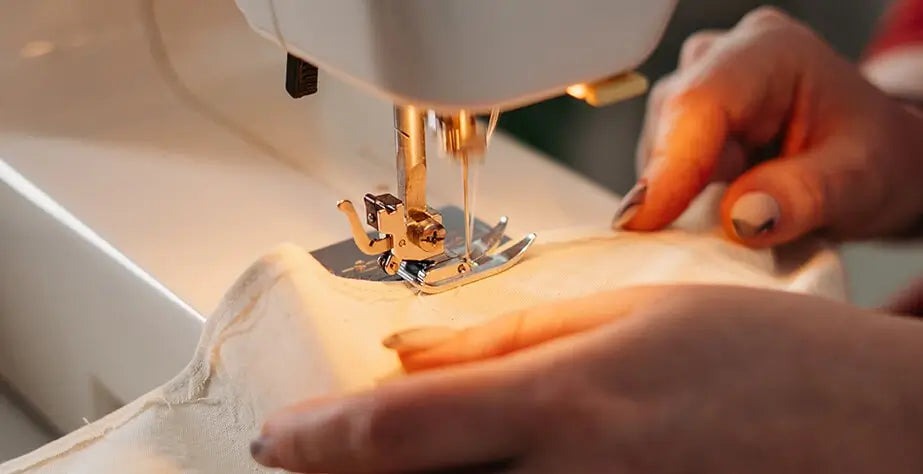
Close-up of hands guiding fabric through a sewing machine to stitch a seam for a plush toy.

Sewing and Assembly

We sew and assemble fabric panels according to approved patterns, reinforcing key areas to maintain structure and visual consistency.

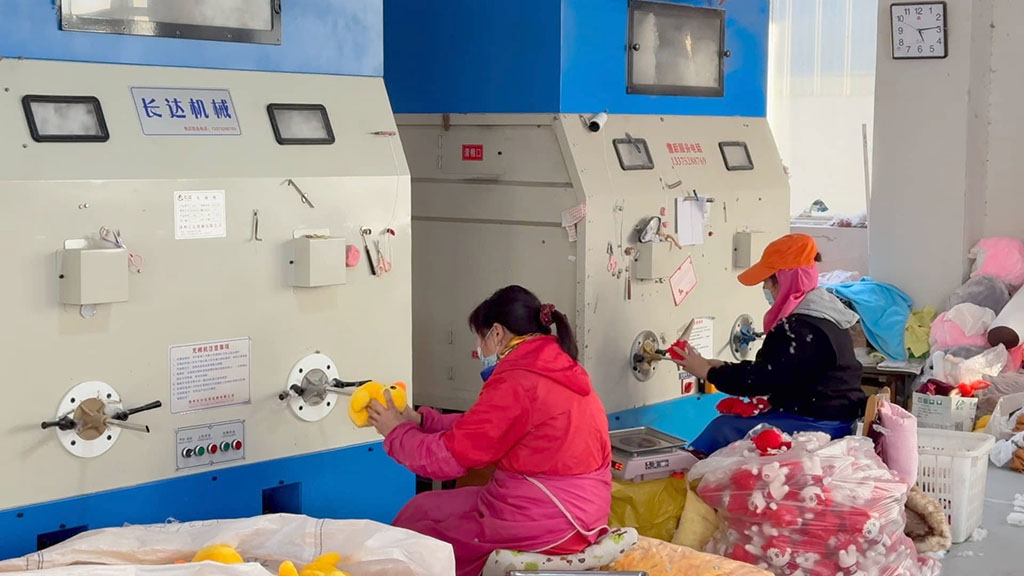
Factory workers operating stuffing machines to fill plush toy shells with cotton material in a toy manufacturing workshop.

Stuffing and Shape Adjustment

We apply defined stuffing standards and shaping techniques to achieve balanced volume, stable form, and consistent hand feel.

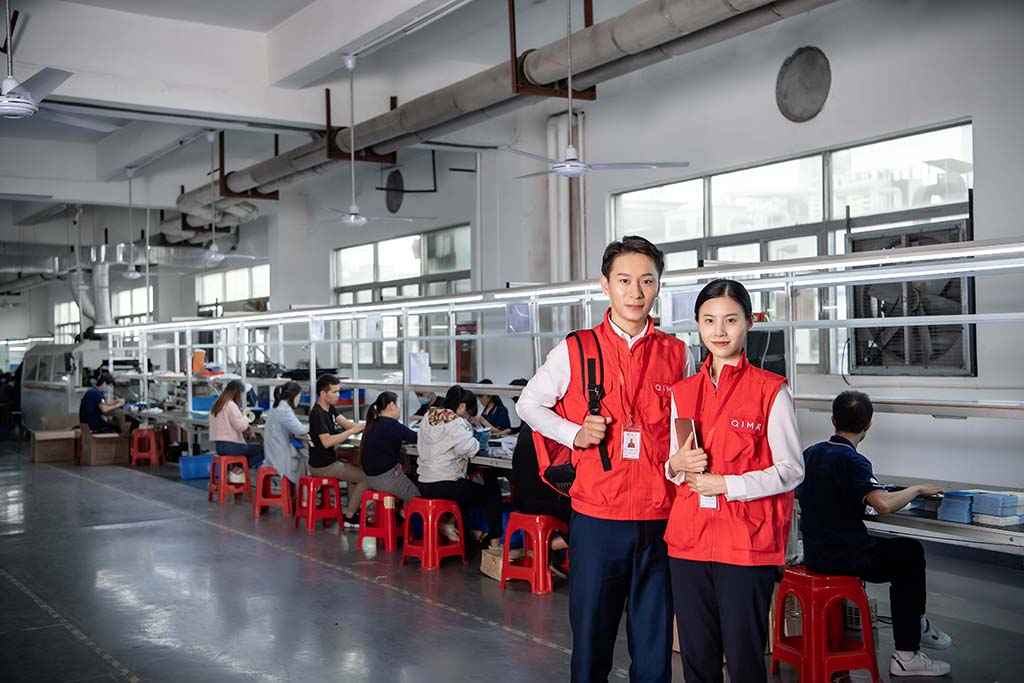
Two quality inspectors wearing red vests stand inside a plush toy manufacturing workshop, with workers on production lines assembling products in a clean, organized factory environment.

Quality Inspection and Safety Checks

We conduct in-line inspections and final checks to verify appearance, construction quality, and compliance with safety requirements.

Packaging and Shipment Preparation

We pack finished products based on confirmed packaging methods and prepare them for shipment with proper labeling and protection.

A well-managed production process helps ensure your plush toys are delivered with reliable quality and consistency.

Precision Plush Manufacturing Workflow Video

This video presents the complete plush toy manufacturing workflow inside our factory—from material preparation and cutting to sewing, stuffing, quality inspection, and final packing. Every stage follows standardized operating procedures to ensure stable quality, efficient execution, and consistent results from approved samples to bulk production. This transparent workflow gives brands confidence in capacity, quality control, and on-time delivery.

How Quality Control and Safety Standards Are Implemented in Plush Toy Manufacturing

Quality control and safety execution for animal plush toys follow a step-by-step system rather than a single inspection. By setting clear checkpoints throughout production, we ensure stable quality, safety compliance, and consistency from sample approval to bulk delivery.
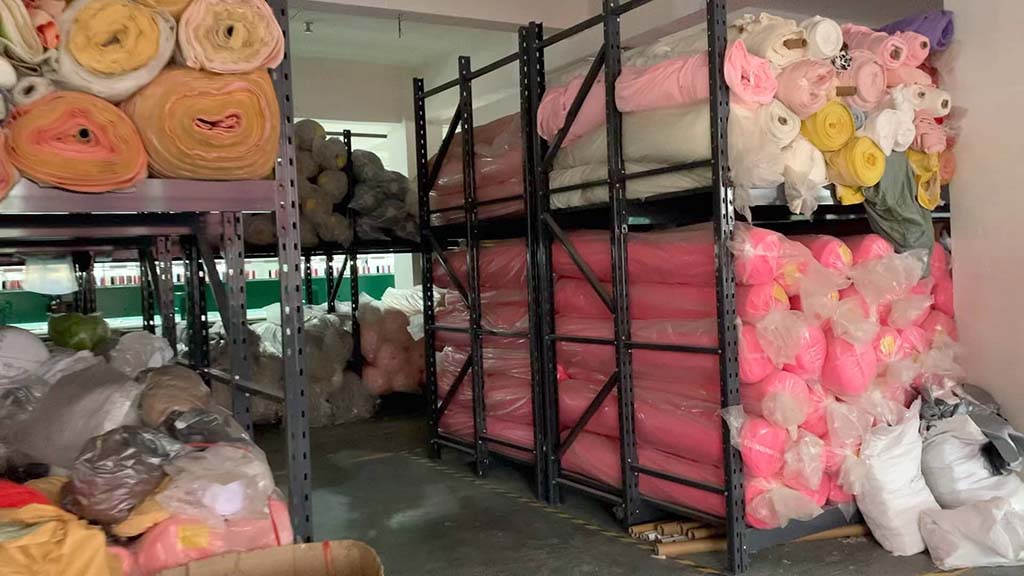
Incoming material inspection for plush toy manufacturing 01

Incoming Material Inspection (IQC)

All fabrics, fillings, and accessories are inspected before entering production to confirm they match approved specifications. Early material control helps prevent quality deviation, reduces production risk, and ensures consistency between samples and bulk orders.

In-process quality control during plush toy sewing and assembly 02

In-Process Quality Control (IPQC)

Quality checks are carried out during sewing, stuffing, and assembly to monitor workmanship quality and shape accuracy. Identifying issues during production allows immediate correction and prevents defects from moving to the next stage.
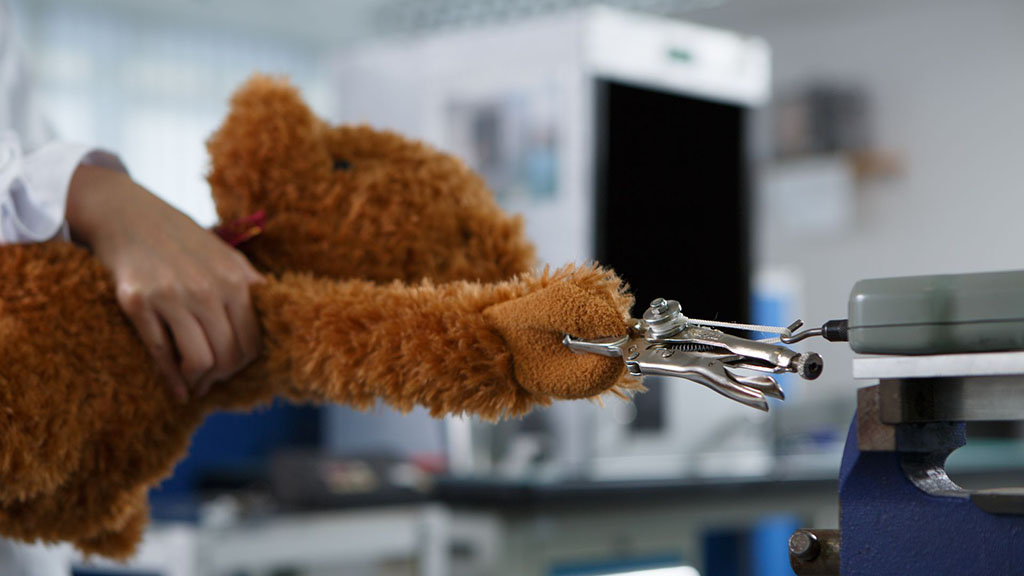
Structural strength and safety testing for plush toy parts 03

Structural Strength and Safety Testing

Key components such as seams, eyes, noses, and attached parts are tested for strength and secure fixation. This testing helps reduce safety risks during normal use and supports compliance with international toy safety standards.
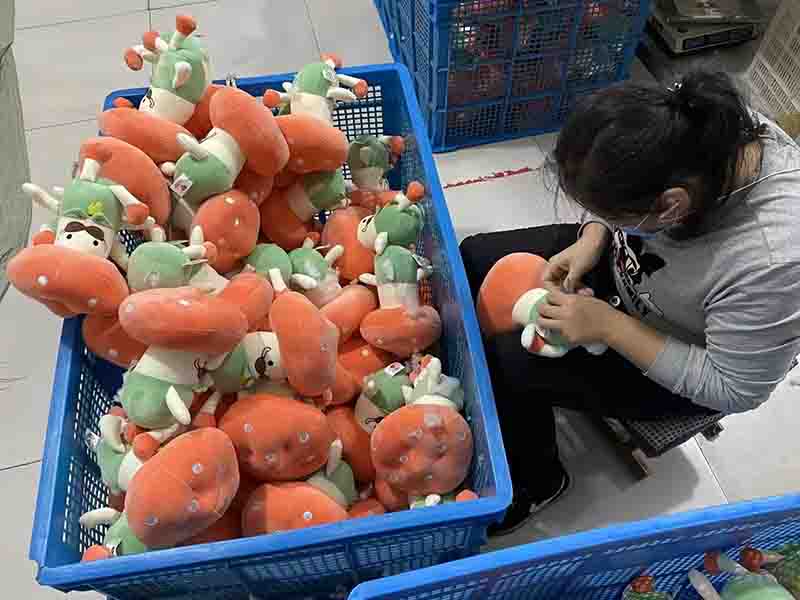
Finished product inspection for plush toy appearance and consistency 04

Finished Product Inspection (FQC)

Completed plush toys are inspected for appearance, proportion, and overall consistency against the approved sample. This step ensures bulk products meet visual and quality expectations before packaging begins.
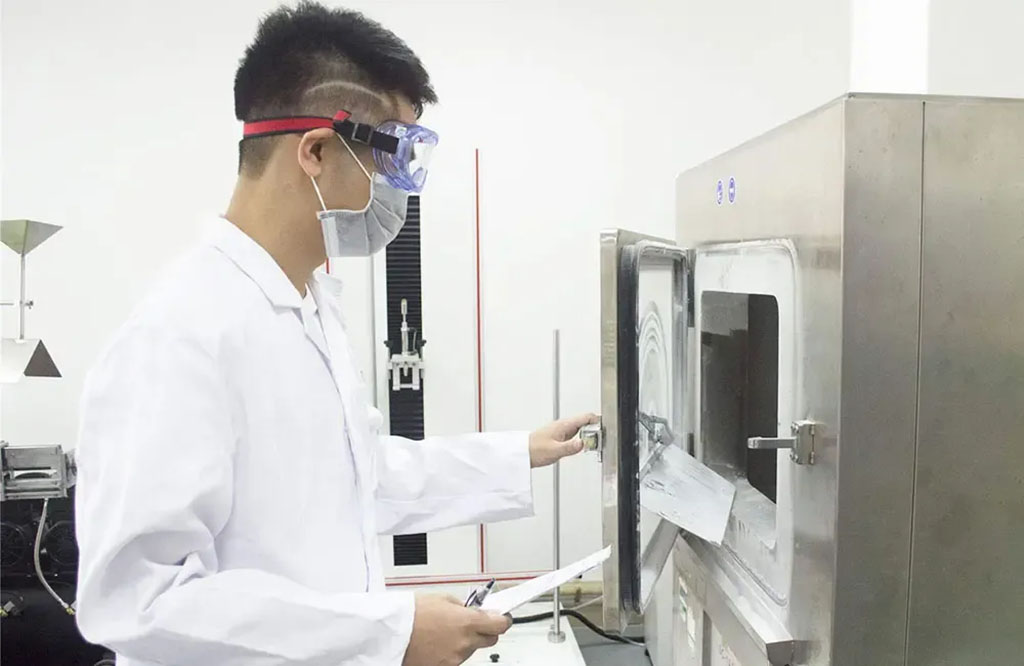
Compliance and safety standard verification for target markets 05

Compliance and Safety Standard Verification

Products are reviewed based on the safety and regulatory requirements of the target market. This verification helps reduce compliance risks and supports smoother export and market entry.
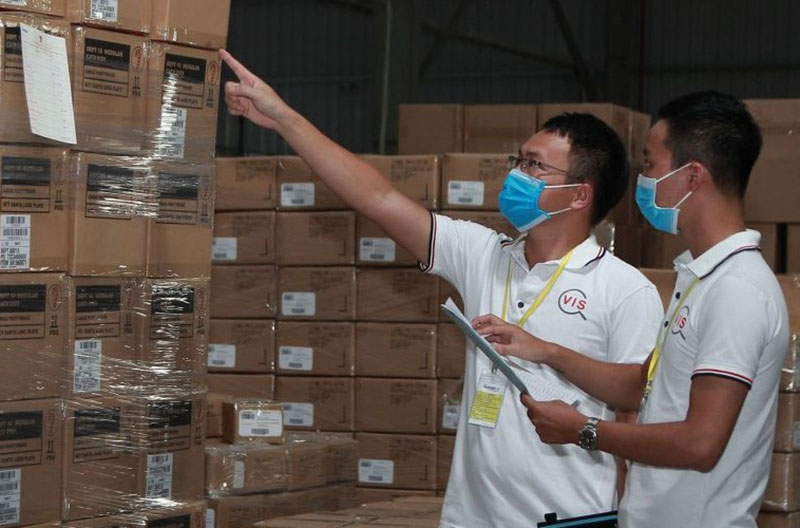
Final inspection before shipment for plush toy packaging and labeling 06

Final Inspection Before Shipment (OQC)

Before shipment, final checks confirm packaging accuracy, labeling correctness, and overall product condition. Only products that meet all requirements are approved for delivery.

By applying quality control and safety checks at every production stage, consistent plush toy quality becomes repeatable and reliable. This execution system helps brands reduce risk, maintain product consistency, and meet international safety expectations across long-term cooperation.

Precision Plush Toy Tension Testing

This video demonstrates how plush toys are tested under controlled tension to verify the strength of seams, attachments, and components. By applying standardized force levels, we ensure parts such as eyes, accessories, and stitching remain secure during use. Tension testing is essential for meeting international safety requirements and reducing risk in real-world handling.

Trusted by Leading Global Brands

Strong partnerships prove strong capabilities. Over the years, Kinwin has worked with world-leading brands and retailers to deliver interactive plush toys that meet the highest standards of creativity, safety, and quality. By choosing us, you gain a supplier that is trusted by top companies worldwide—and the same reliability is available to your brand.

5 Practical Tips for Effective Communication With Plush Toy Factories

Clear and efficient communication with a plush toy factory helps reduce misunderstandings, control costs, and speed up development. These practical tips focus on improving accuracy and cooperation throughout sampling and mass production.

Provide Clear and Visual References

Sharing sketches, reference photos, size details, and key focus points helps factories understand your expectations more accurately.

Confirm Specifications in Writing

Always confirm materials, sizes, colors, and construction details in written form to avoid confusion during production.

Ask the Right Technical Questions

Discuss feasibility, material behavior, and production limitations early to prevent delays and redesign later.

Align on Samples Before Mass Production

Make sure the approved sample clearly represents the final product and is used as the only reference for bulk orders.

Maintain Regular and Structured Updates

Consistent updates and clear feedback help both sides stay aligned and respond quickly to issues.

If You Can lmagine lt,We Will Create lt!

1.Tell Us What You Need
Tell us as specific as possible of your needs and share your idea.

2.Get Solution & Quote
We will work on the best solution according to yourrequirements,the specific quote will be provided within 24 hours.

3.Approve for Mass Production
We will start mass production after getting your approval.

Ready to Move Your Animal Plush Toy Project Forward

Launching or scaling an animal plush toy project involves many decisions—design feasibility, material selection, safety compliance, cost control, and production timelines. Delays and misunderstandings often happen when these factors are not aligned early. By discussing your project with a factory that handles sampling, quality control, and mass production in-house, you gain clearer expectations, fewer revisions, and a smoother path from concept to delivery. Whether you are developing a new product or improving an existing one, early communication helps avoid costly mistakes and shortens the overall development cycle.

What You Can Expect When You Reach Out When you contact us, our team will review your project requirements from a manufacturing perspective. We help clarify which details are critical for replication accuracy, which materials best suit your target market, and how production scale may affect cost and lead time. You will receive practical feedback rather than generic suggestions, allowing you to plan next steps with more confidence and fewer unknowns.

Frequently Asked Questions

1. What information should I prepare before starting a custom animal plush toy project?

To start a project efficiently, it is recommended to provide reference images or sketches, target size, estimated order quantity, target market, and any known requirements for materials, safety standards, or packaging. Even if some details are still open, clear direction helps the factory evaluate feasibility and provide practical suggestions early.

No. Many projects begin with rough ideas, inspiration images, or similar products. A professional plush toy factory can assist with structure optimization, material selection, and design refinement to make the concept suitable for sampling and mass production.

Once a sample is approved, it becomes the sole reference for mass production. Patterns, materials, construction methods, and key details are fixed, and quality checks are applied throughout production to ensure bulk products match the approved sample.

Our standard MOQ is 500 pieces. For orders below this quantity, please consult with our project manager. We may offer flexible solutions depending on the product size, complexity, and customization requirements.

Sampling typically takes around 10–15 working days after design confirmation. Mass production lead time depends on order quantity and complexity, and is usually around 30–45 days, excluding shipping time.

Quality control is managed through multiple stages, including incoming material inspection, in-process checks, finished product inspection, and final shipment approval. This system helps identify issues early and maintain consistent quality.

Animal plush toys can be produced to meet standards such as CE, EN71, ASTM F963, and other market-specific requirements. Applicable standards are confirmed based on the target market before production begins.

Yes. Fabrics, fillings, construction methods, and packaging options can be adjusted to balance cost, appearance, and durability. Factories can recommend alternatives that meet budget goals without compromising safety.

Professional factories follow confidentiality practices and use designs only for the agreed project. Design files and samples are handled internally and are not reused or shared without authorization.

Post-production support may include final quality confirmation, packaging verification, export preparation, and reorder assistance. For long-term cooperation, production records help ensure consistency in future orders.

If You Can lmagine lt,We Will Create lt!

1.Tell Us What You Need
Tell us as specific as possible of your needs and share your idea.

2.Get Solution & Quote
We will work on the best solution according to yourrequirements,the specific quote will be provided within 24 hours.

3.Approve for Mass Production
We will start mass production after getting your approval.

Ask For A Quick Quote

We will contact you within 24 Hours, please pay attention to the email with the suffix“@kinwinco.com”

For all inquiries, please feel free to reach out at:

(+86)13631795102

Ask For A Quick Quote

We will contact you within 24 Hours, please pay attention to the email with the suffix“@kinwinco.com”

Ask For A Quick Quote

We will contact you within 24 Hours, please pay attention to the email with the suffix“@kinwinco.com”

For all inquiries, please feel free to reach out at:
email:[email protected]  phone numbe:  0086 13631795102