
Plush Animal Toys Manufacturer | Custom Plush Animals OEM & ODM Factory from China
Turn your plush animal ideas into market-ready products with a reliable OEM & ODM manufacturer. From concept and sampling to mass production and global delivery, we help you reduce development risk, control cost, and launch plush animal toys that meet international safety standards and real market demand.
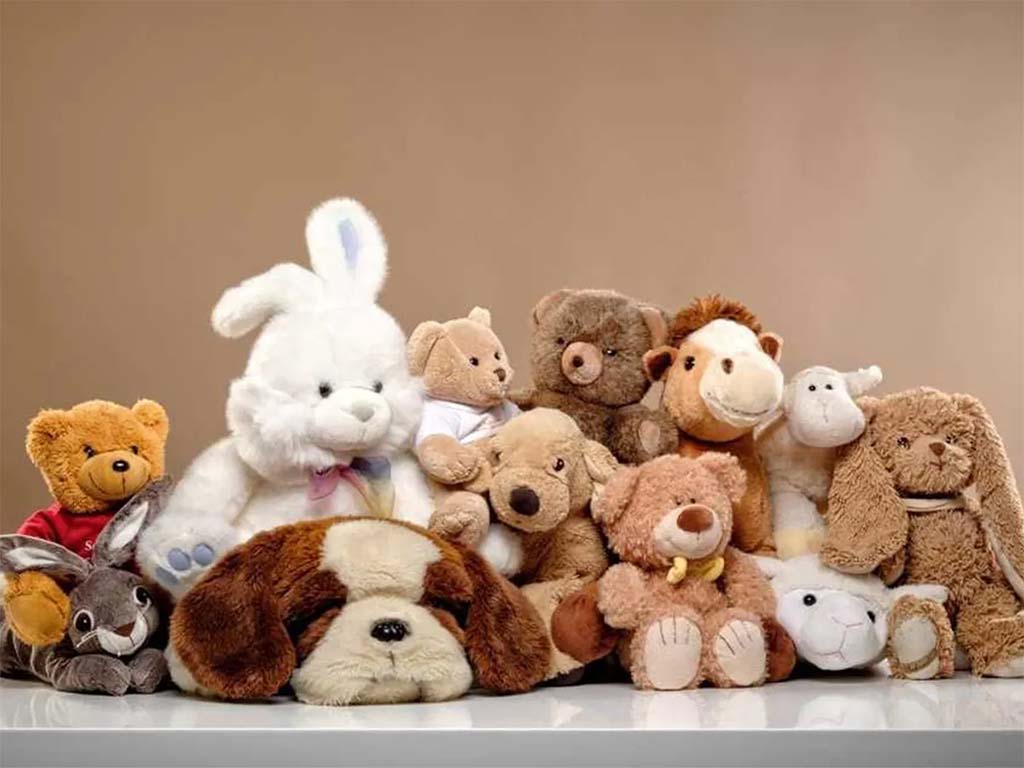
Why Global Brands Choose Kinwin as Their Long-Term Plush Animal Toys Manufacturer
Choosing the right plush animal toys manufacturer is not just about price. Global brands, retailers, and IP owners work with Kinwin because we help them scale safely, launch faster, and protect product quality across every production stage.
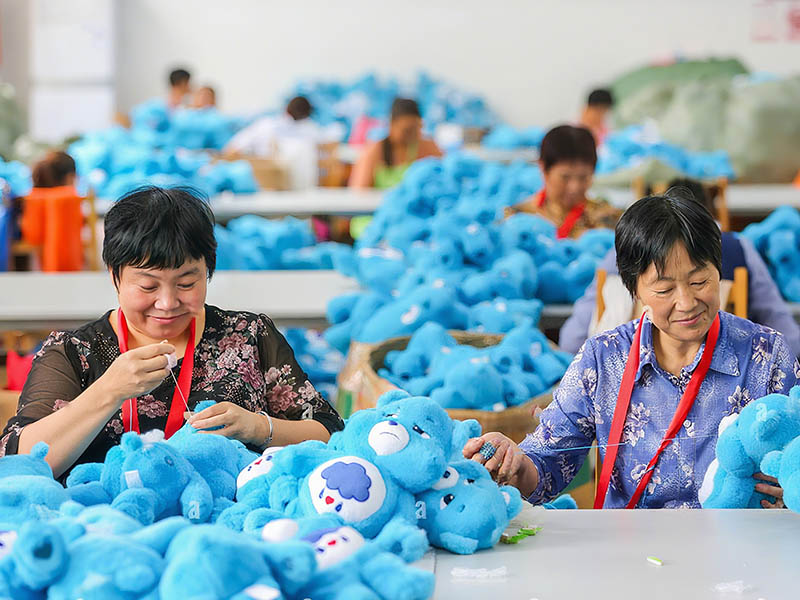
Stable OEM & ODM Production Capacity
We support consistent quality from sampling to mass production, helping you avoid delays, rework, and unstable batch results.
High Accuracy from Design to Final Sample
Our experienced pattern and sampling team ensures your plush animal toys closely match the original design, reducing costly revisions.
Strict Quality Control & Safety Compliance
Each plush animal toy is produced under controlled QC processes and aligned with international safety standards for global markets.
Cost Control without Compromising Quality
Optimized materials, processes, and production planning help you achieve competitive pricing while maintaining product durability and finish.
Reliable Communication & Long-Term Support
Clear communication, fast response, and project follow-up make large-scale and repeat orders easier to manage.
If you are looking for a plush animal toys manufacturer that grows with your brand, Kinwin is built for long-term partnership, not one-time orders.
Factory-Direct Plush Animal Toys Manufacturer | Cut Costs by 30% Without Compromising Quality
Working directly with a plush animal toys factory gives you more than a lower price. It gives you clearer costs, faster decisions, and full control over materials, quality, and production timelines. With Kinwin, factory-direct cooperation means your budget is spent on product value, not unnecessary layers.
Transparent Cost Structure Across the Entire Production Process
Factory-direct cooperation gives you full visibility into how the cost of each plush animal toy is formed. From fabric selection and filling weight to sewing complexity, accessories, packaging, and labor input, every element is clearly defined. This allows you to evaluate design decisions early, balance quality and budget more accurately, and prevent cost surprises during mass production. Instead of accepting bundled prices, you gain real control over where your money is spent and how value is created.
Direct Material Sourcing Improves Price Stability and Consistency
When you work directly with the factory, materials are sourced, tested, and approved under one system. This reduces price fluctuations caused by agents or traders and ensures consistent fabric texture, color, and filling quality across batches. If market conditions change, adjustments can be made quickly without adding extra layers of cost. This stability is especially important for long-term product lines and repeat orders in multiple markets.
Shorter Communication Chains Reduce Hidden Development Costs
Without intermediaries, communication flows directly between your team and the production side. Design feedback, sample revisions, and production adjustments are handled faster and more accurately. This reduces repeated sampling, minimizes misunderstandings, and shortens development cycles. Over time, these efficiencies significantly lower hidden costs related to delays, rework, and missed market timing, which often exceed visible manufacturing costs.
Better Cost Efficiency When Scaling Production Volumes
Factory-direct pricing becomes increasingly advantageous as order volumes grow. With optimized production planning, stable workflows, and batch material purchasing, unit costs can be controlled more effectively. This allows brands to scale plush animal toy orders confidently, maintain predictable margins, and support seasonal or promotional launches without sacrificing quality or profitability.
Factory-direct manufacturing is not just about saving money once. It is about building a cost-efficient system that supports long-term growth.
Plush Animal Toys Product Showcase
Below are our core plush product categories based on real market demand. Each product type can be fully customized in size, fabric, filling, structure, and branding to fit different sales channels and customer groups.
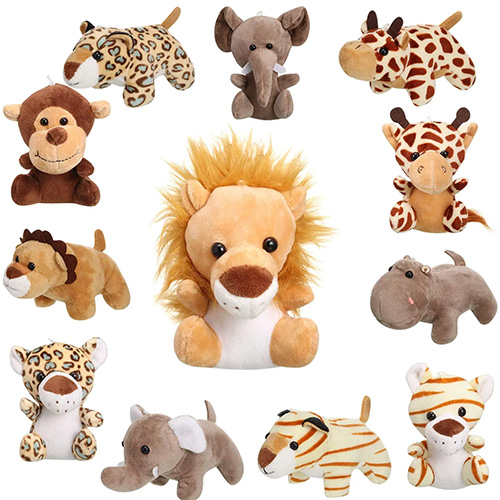
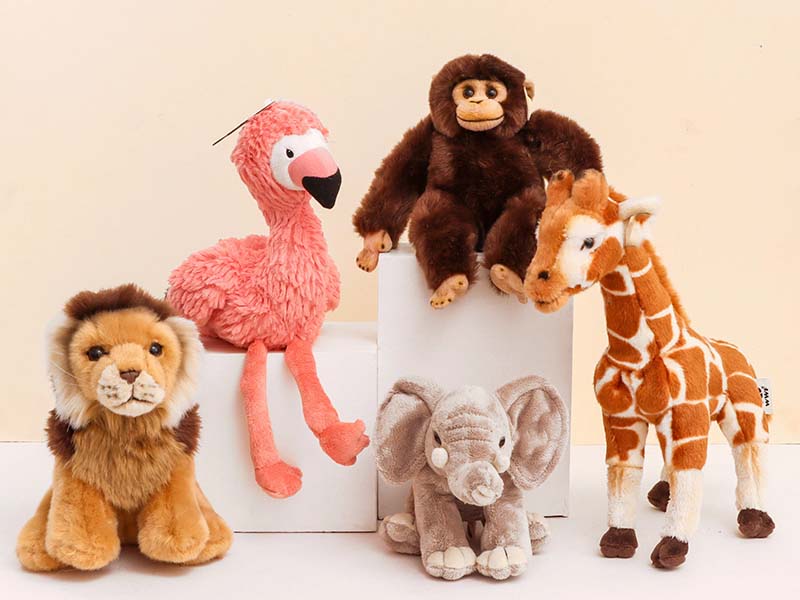
Animal Plush Toys
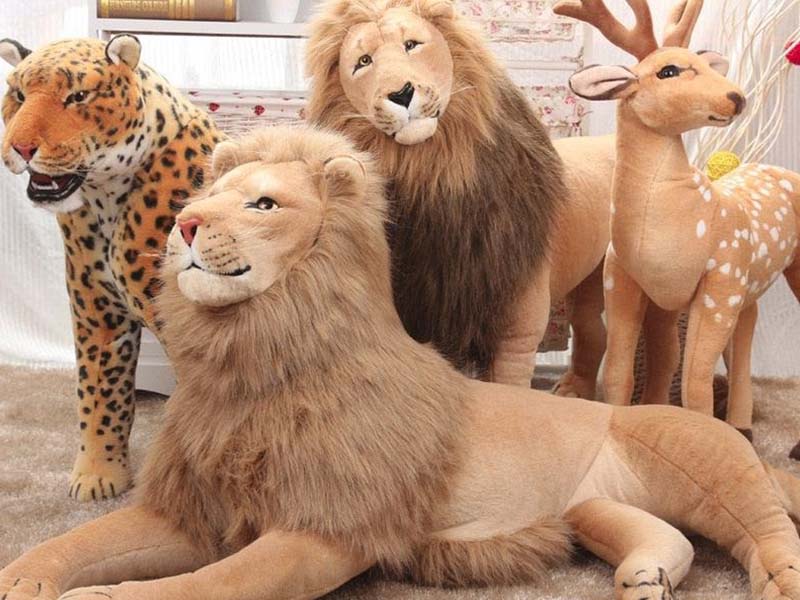
Classic and custom animal plush toys covering pets, wild animals, farm animals, and fantasy creatures, widely used for retail, gifts, and brand collections.
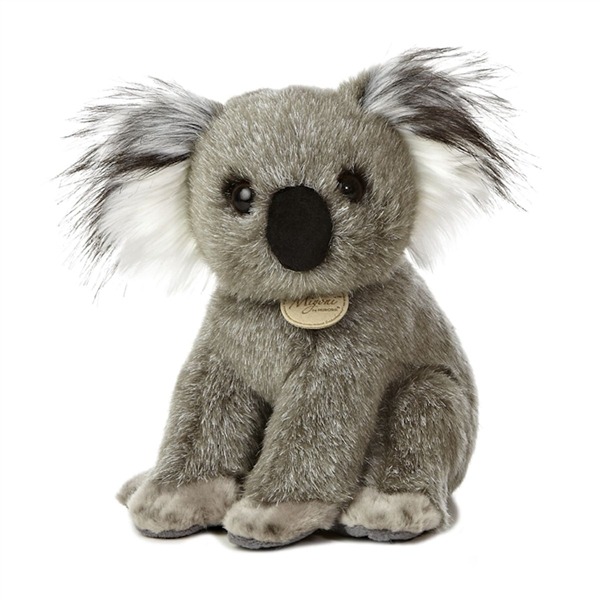
Realistic Plush Toys
Designed with lifelike proportions, textures, and color layering, suitable for premium gifts, museums, and collector-focused markets.
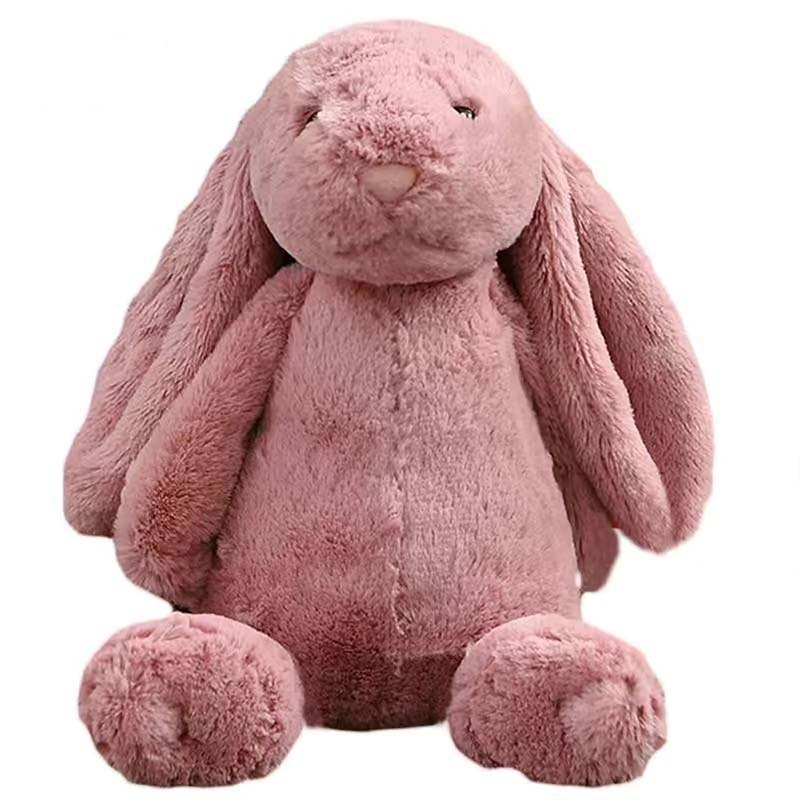
Weighted Plush Toys
Plush toys with internal weighted structures to provide calming, comfort, and emotional support functions.
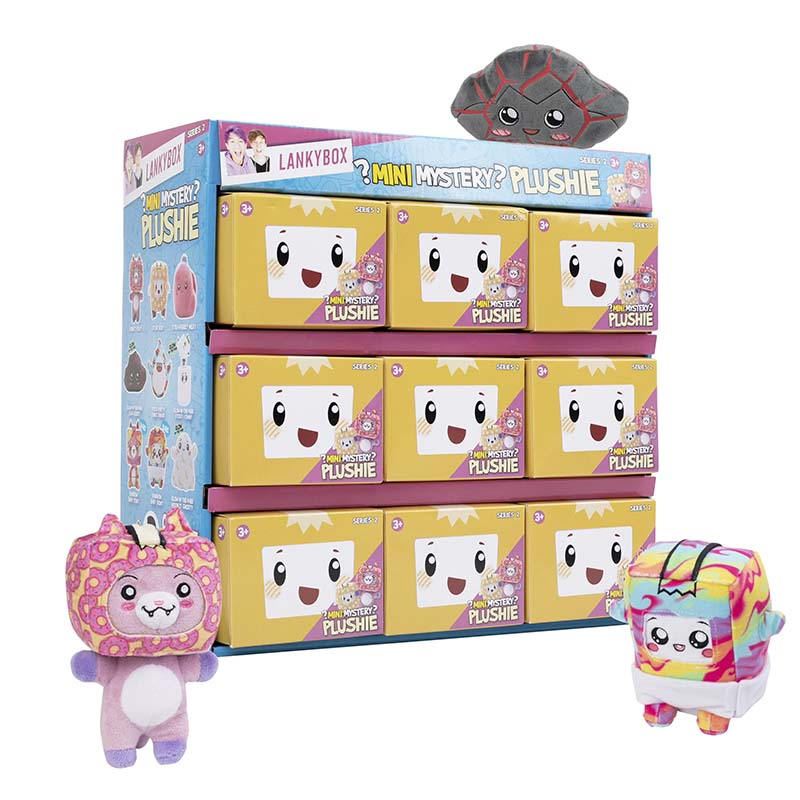
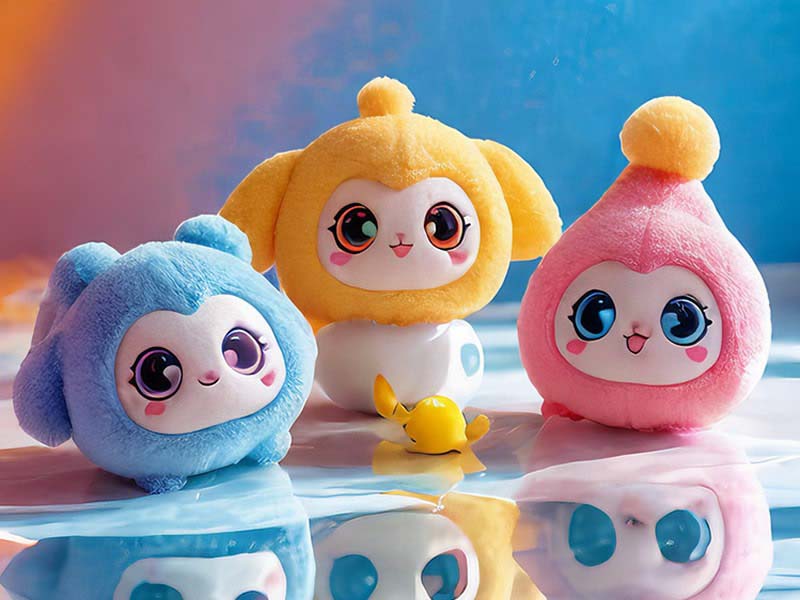
Blind Box Plush Toys
Compact plush toys designed for surprise packaging, collectible series, and repeat-purchase models.
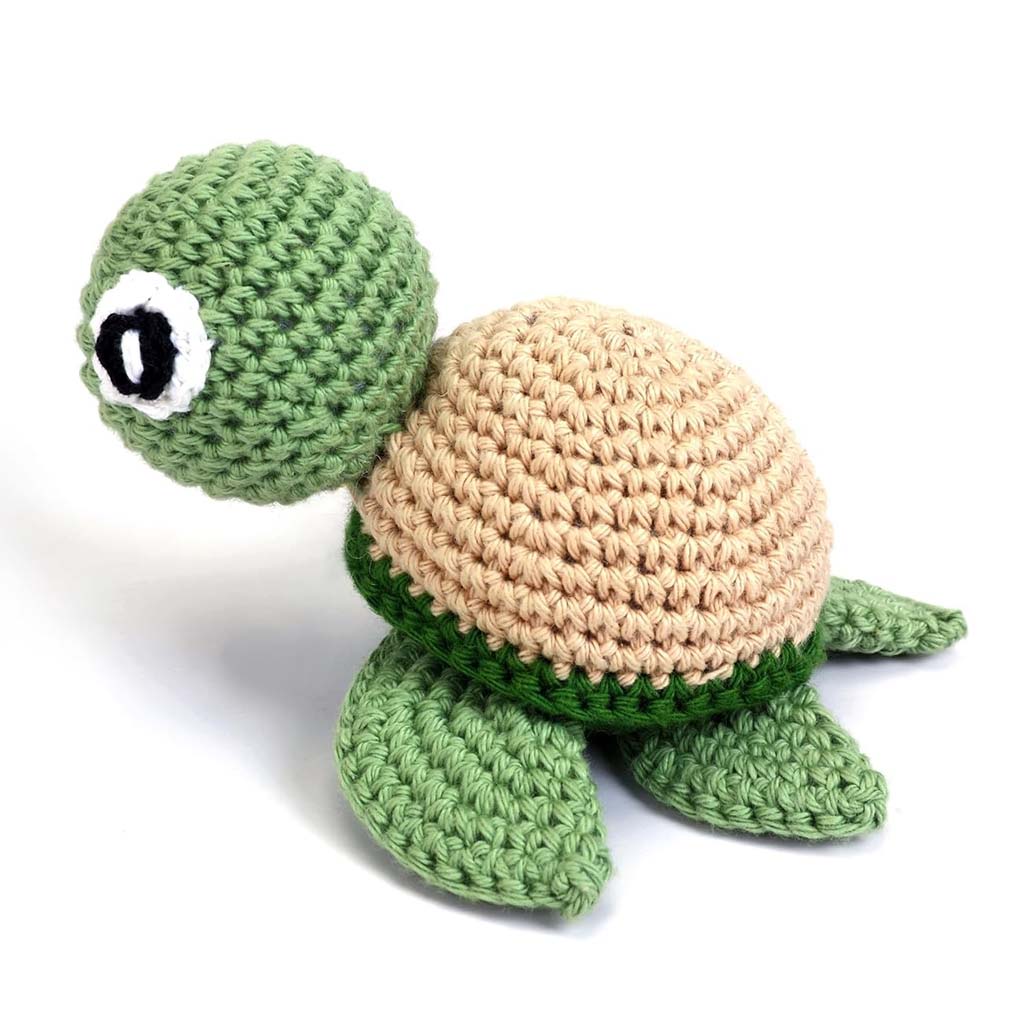
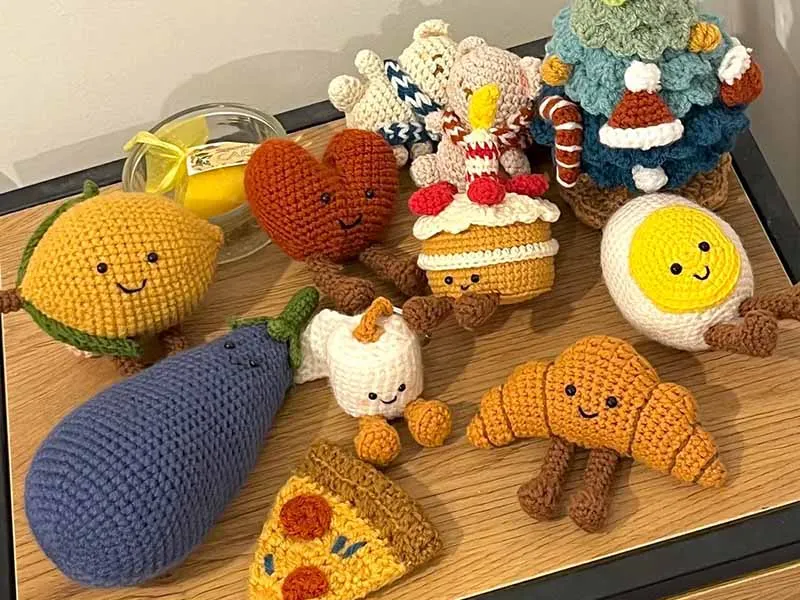
Crochet Plush Toys
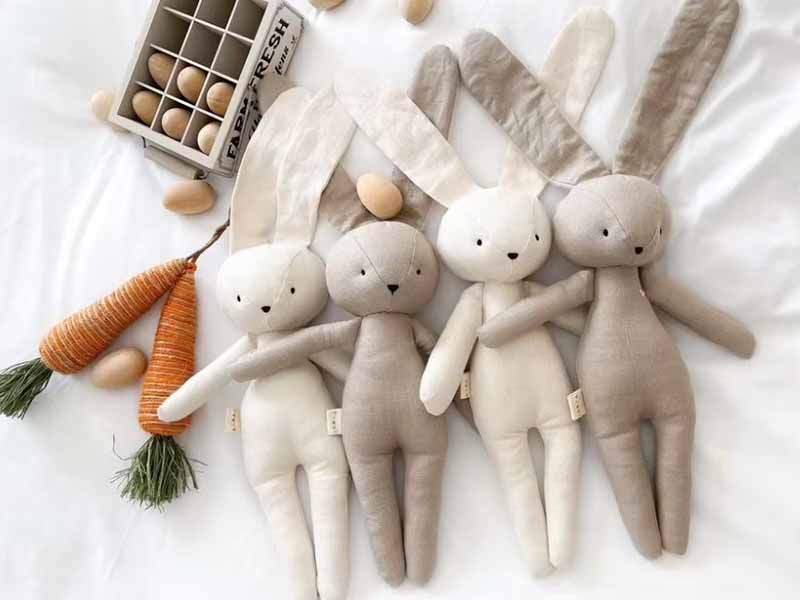
Handcrafted-style plush toys with yarn textures, offering a warm, artisanal look for lifestyle and gift markets.
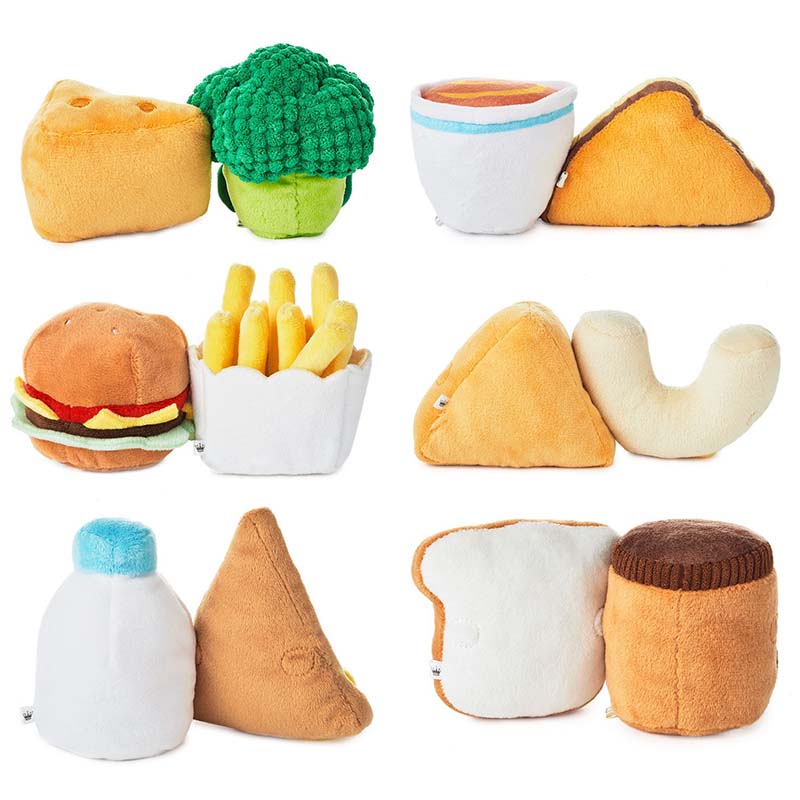
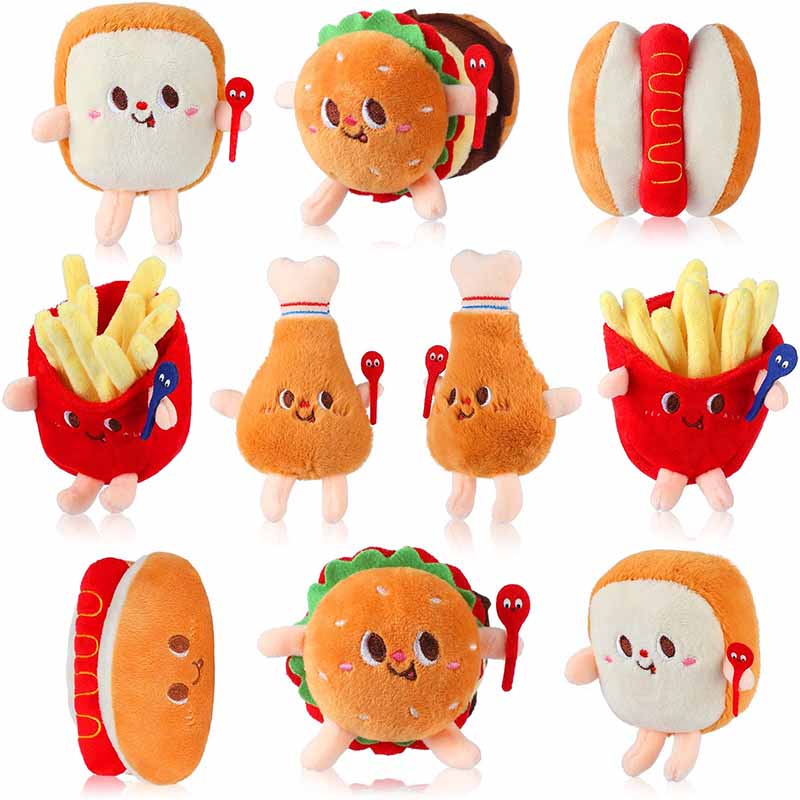
Food Plush Toys
Plush toys shaped like fruits, snacks, desserts, and drinks, popular for novelty gifts and themed collections.
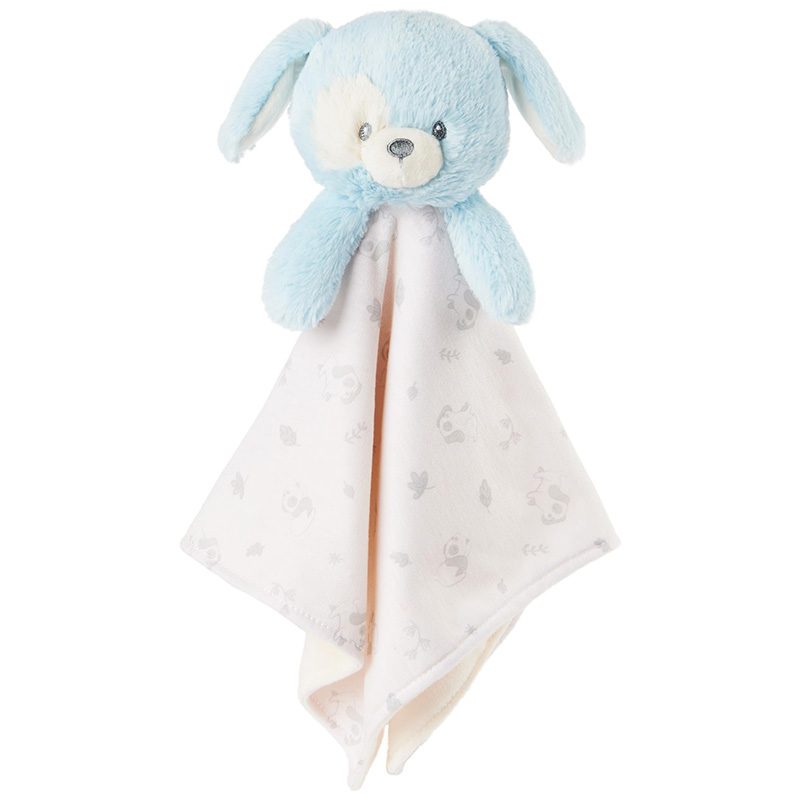
Baby Plush Toys
Soft, safe plush toys designed for infants, focusing on gentle materials and simple, friendly shapes.
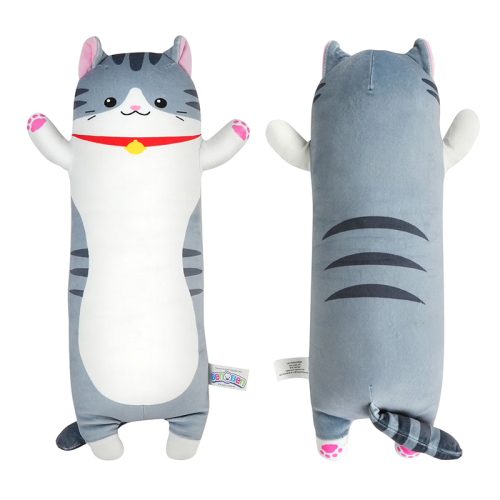
Plush Pillow Toys
Functional plush products that combine decorative appeal with cushioning and comfort.
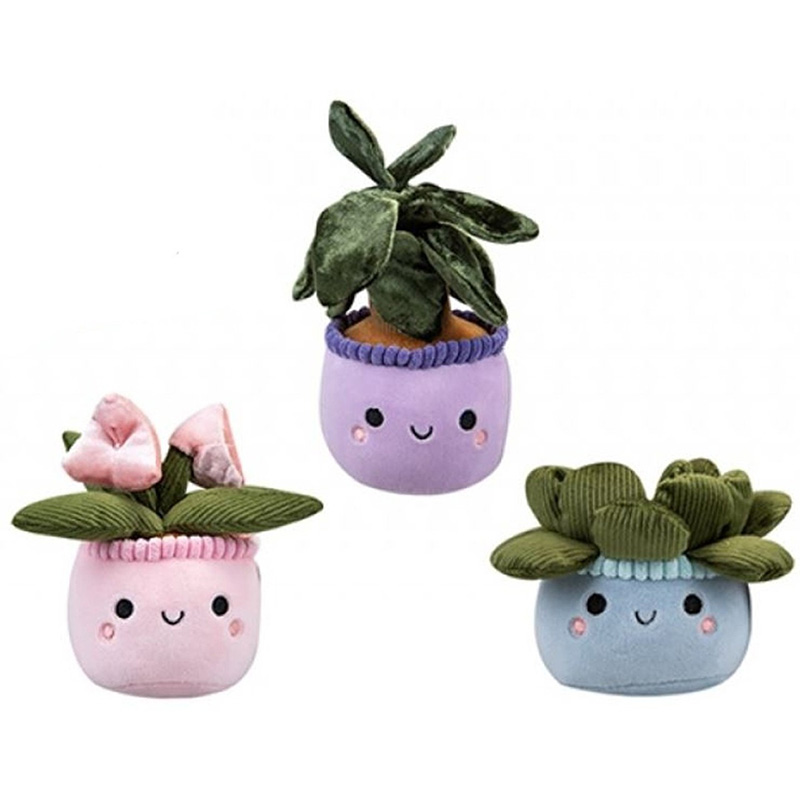
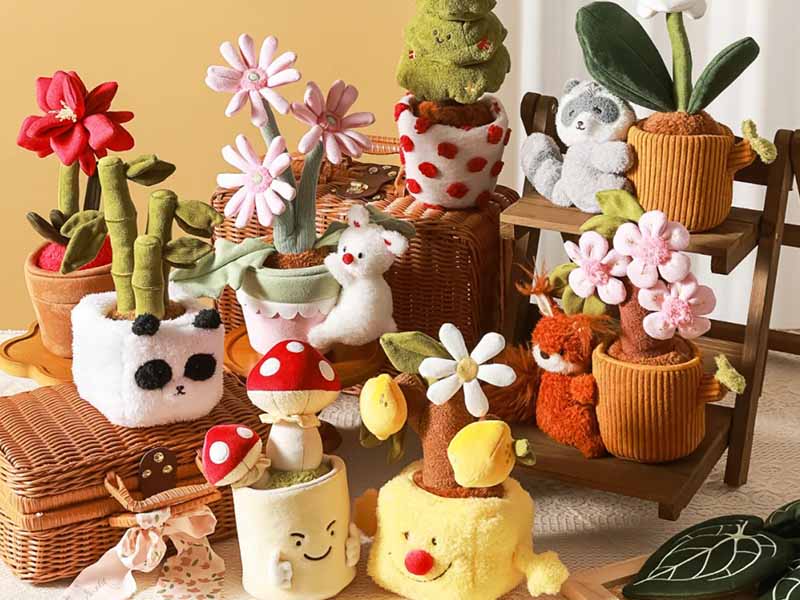
Plant Plush Toys
Creative plush designs inspired by flowers, trees, and plants, ideal for home decor and lifestyle brands.
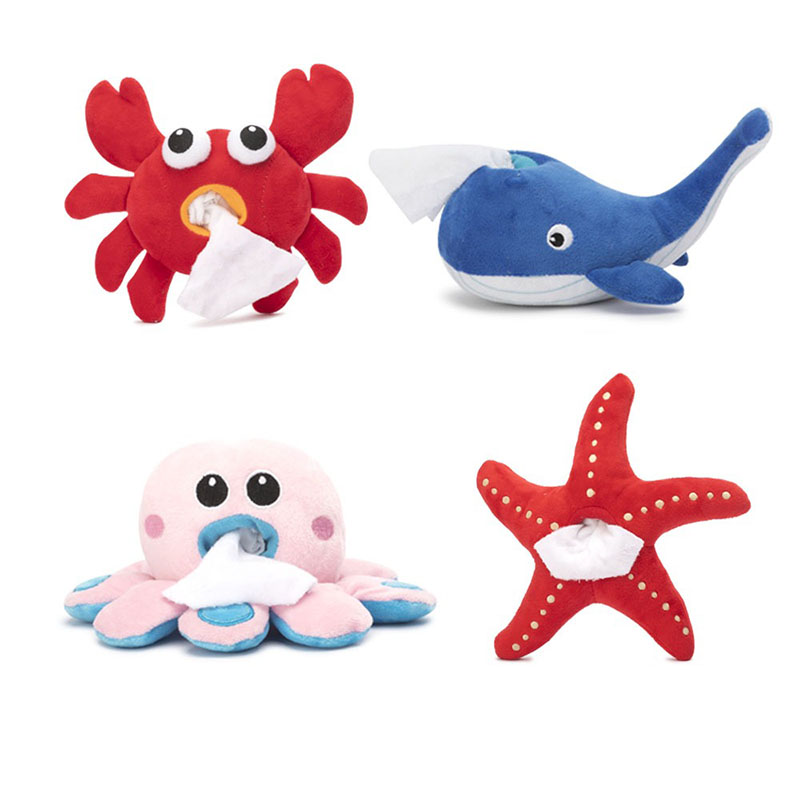
Ocean Plush Toys
Marine-themed plush toys including whales, dolphins, sharks, and other sea creatures.
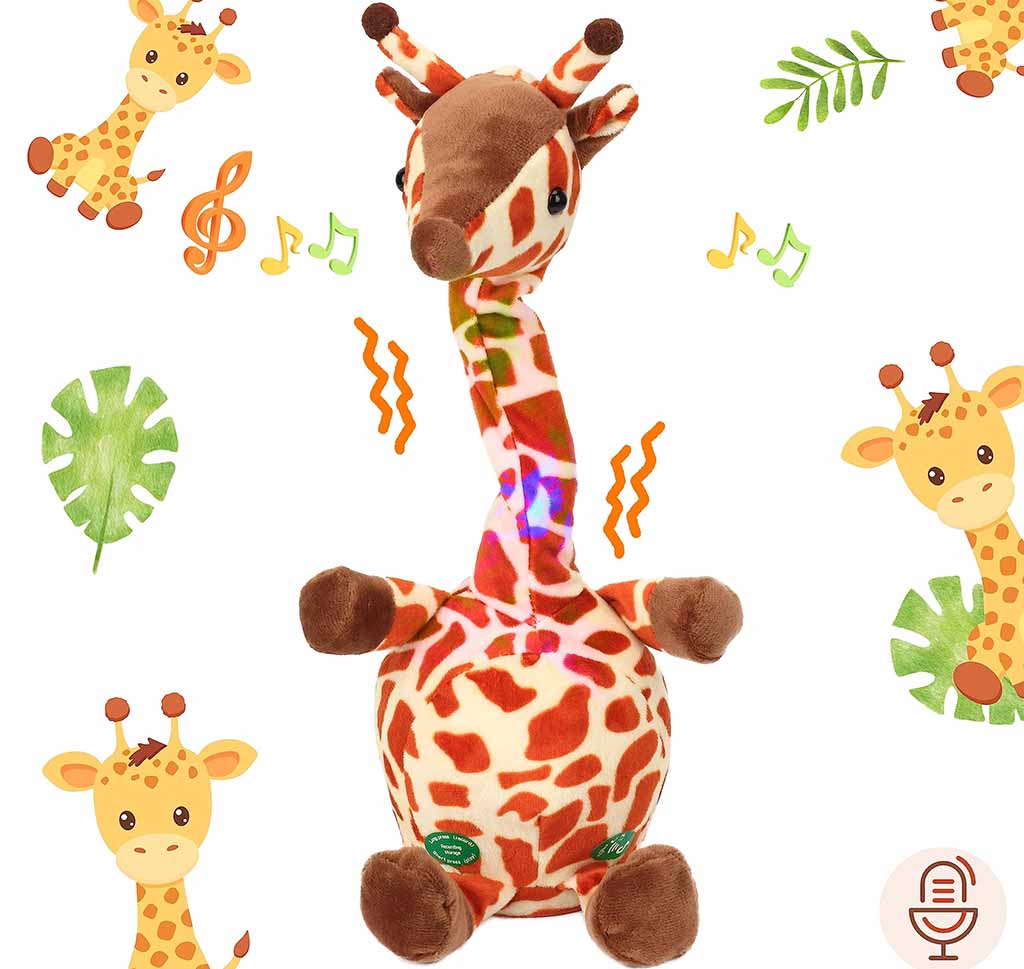
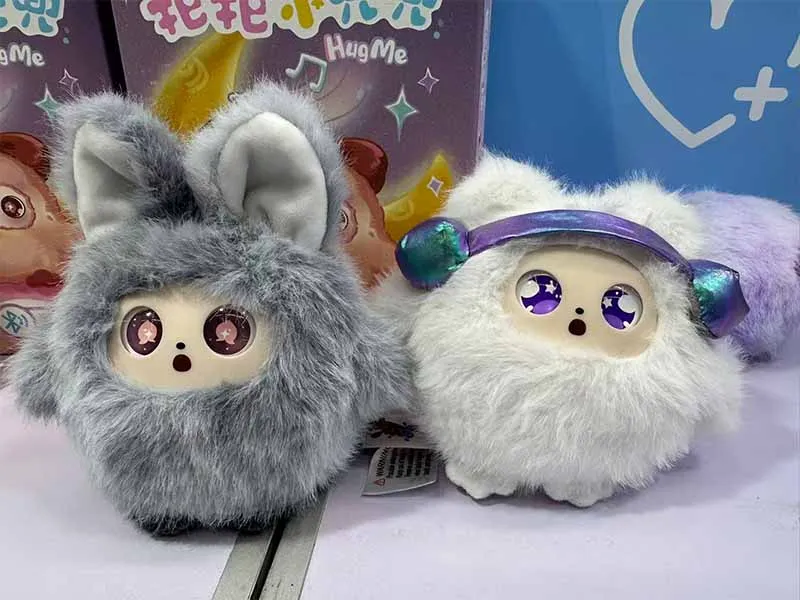
Interactive Plush Toys
Plush toys with sound, movement, or simple interactive features to enhance play value.
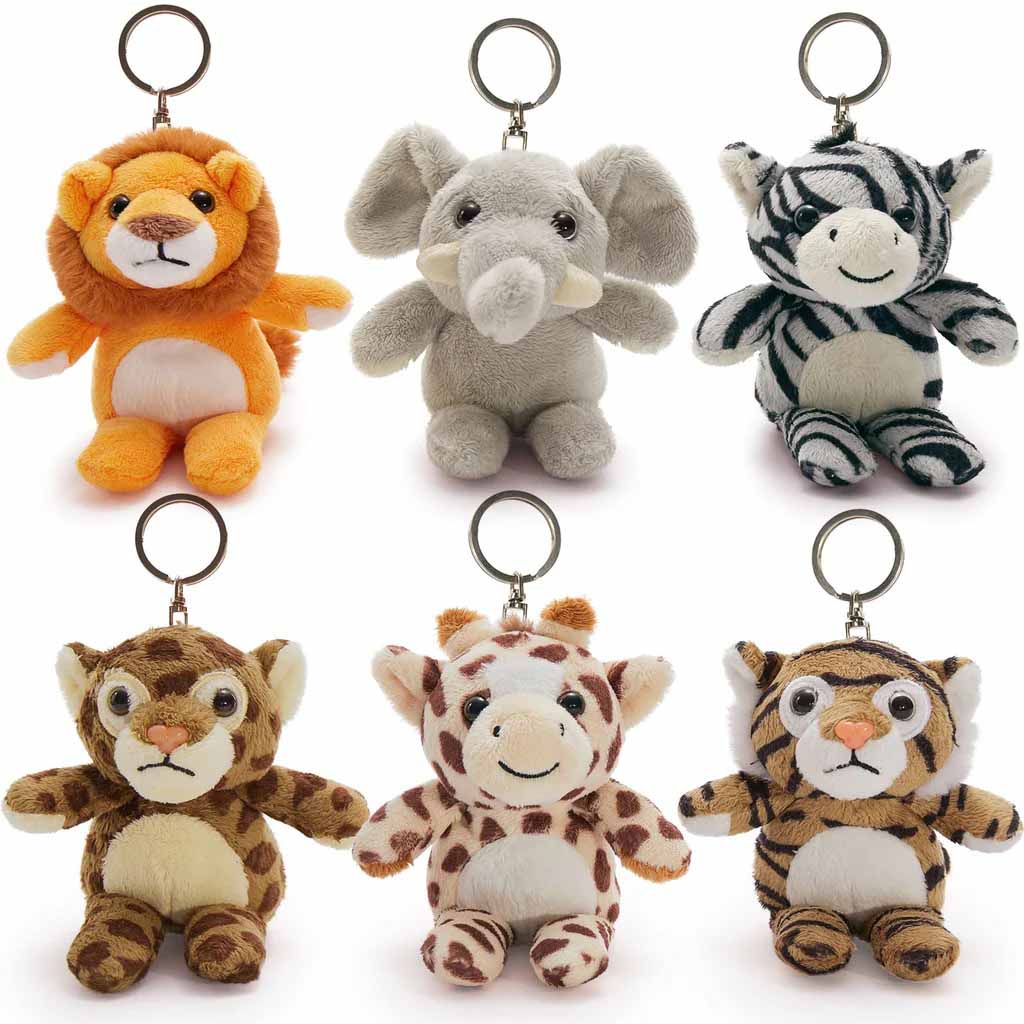
Plush Keychain Toys
Mini plush toys designed for keychains, bag charms, and promotional giveaways.
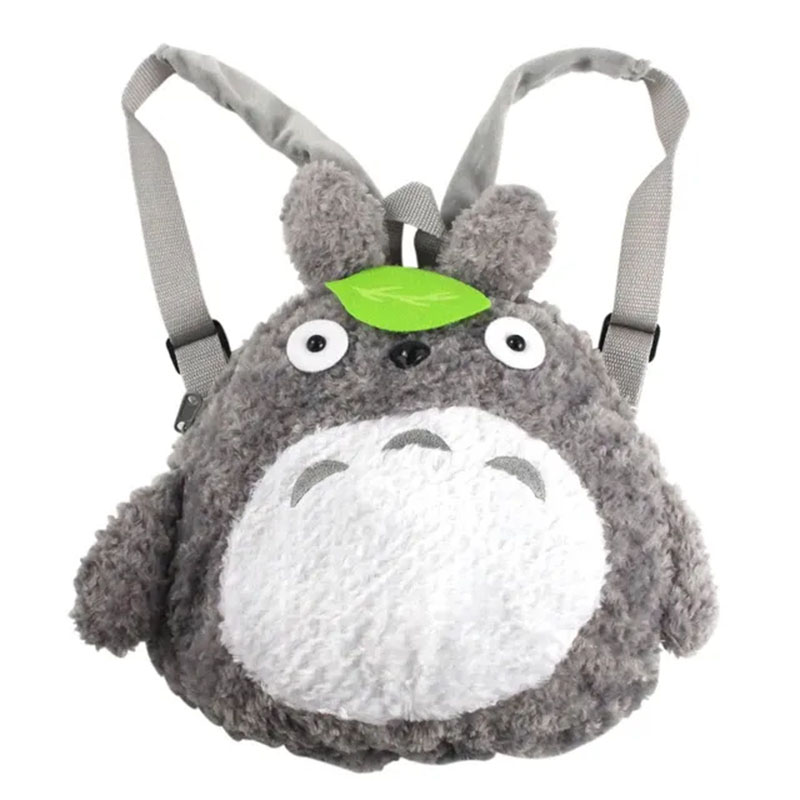
Plush Backpack Toys
Plush products combined with backpack structures, popular among kids and casual lifestyle markets.
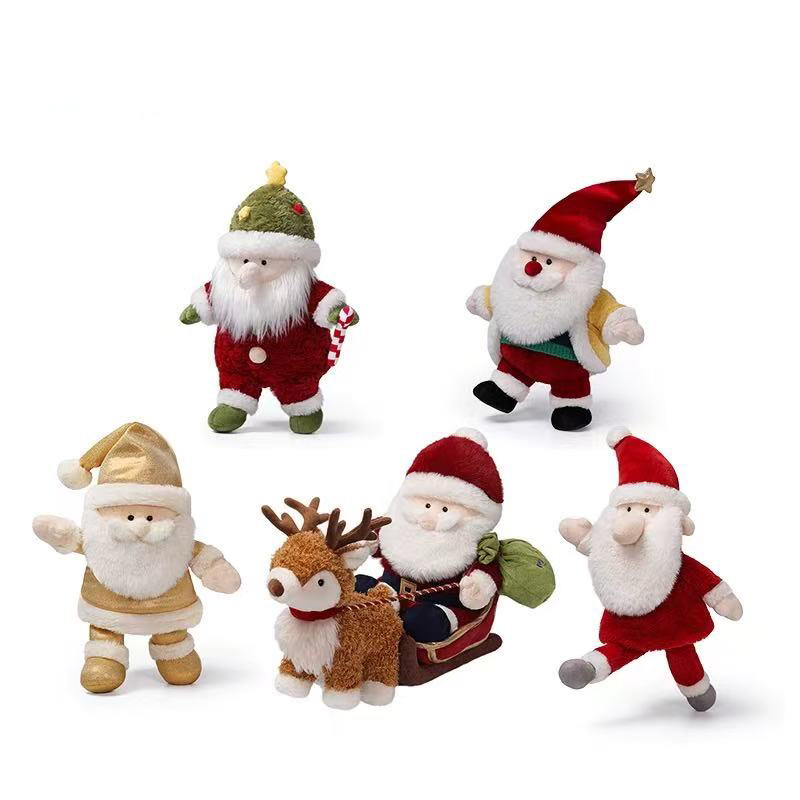
Holiday Plush Toys
Seasonal plush toys developed for Christmas, Valentine’s Day, Easter, and other festivals.
Vehicle Plush Toys
Soft plush designs inspired by cars, trains, airplanes, and other transportation themes.
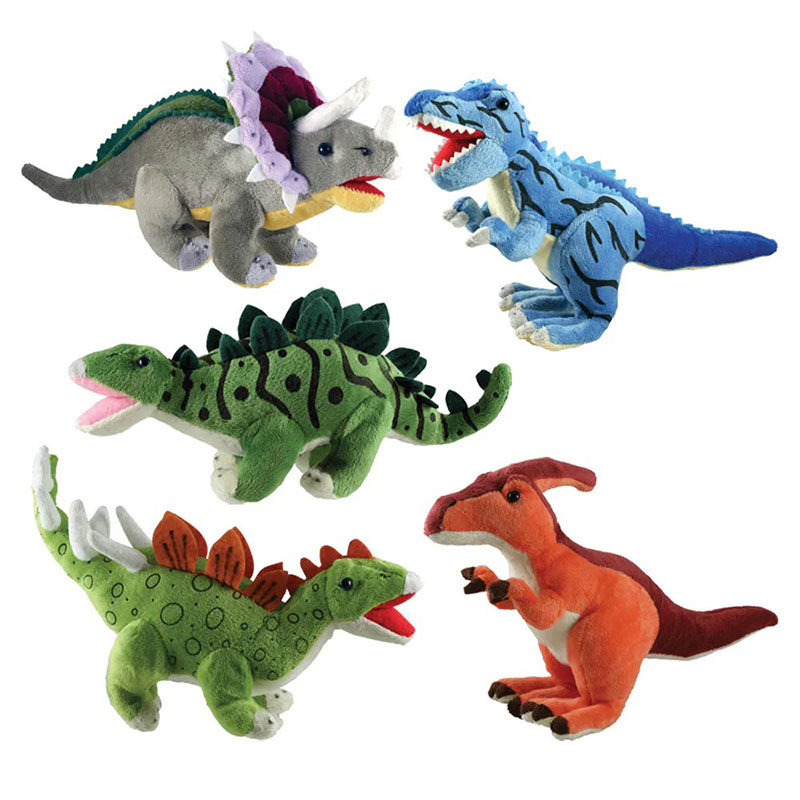
Dinosaur Plush Toys
Dinosaur-themed plush toys with playful or realistic styles, popular across age groups.
Precision Mega Showroom with Extensive Styles
This video showcases our large-scale plush toy showroom, featuring a wide variety of finished styles developed for different brands and markets. By viewing many real products in one space, buyers can quickly understand our design range, material flexibility, and manufacturing capability. The mega showroom reflects our long-term production experience and ability to handle diverse custom plush projects at scale.
OEM vs ODM: Which Custom Plush Animal Toys Solution Fits Your Brand Best?
Choosing between OEM and ODM is a key decision when developing plush animal toys. The right model can help you shorten development time, control cost, and protect your brand identity, while the wrong choice may slow you down or limit flexibility. Below is a clear comparison to help you decide.
OEM Custom Plush Animal Toys – Full Control over Design and Branding
OEM is ideal for brands that already have their own designs, sketches, or IP characters. You provide the concept, artwork, or specifications, and the factory focuses on turning them into production-ready plush animal toys. This model gives you maximum control over appearance, materials, structure, and branding details. It is especially suitable for IP projects, licensed characters, and brands that want strong differentiation. While development may take slightly longer, OEM offers higher exclusivity and long-term brand value.
ODM Custom Plush Animal Toys – Faster Launch with Optimized Development
ODM works best for brands that want to enter the market quickly or expand product lines without starting from zero. The factory provides existing designs or develops new concepts based on market trends, then customizes them with your branding, colors, and packaging. This approach reduces development time, lowers initial costs, and minimizes risk. ODM is ideal for retailers, promotional projects, and seasonal campaigns where speed and efficiency matter most.
Plush Toy Fabric & Filling Selection Guide
Choosing the right fabric and filling directly affects how plush toys feel, look, and perform in real use. The right combination improves softness, durability, safety compliance, and customer satisfaction, while also helping you control cost and production stability.
Common Plush Toy Fabrics
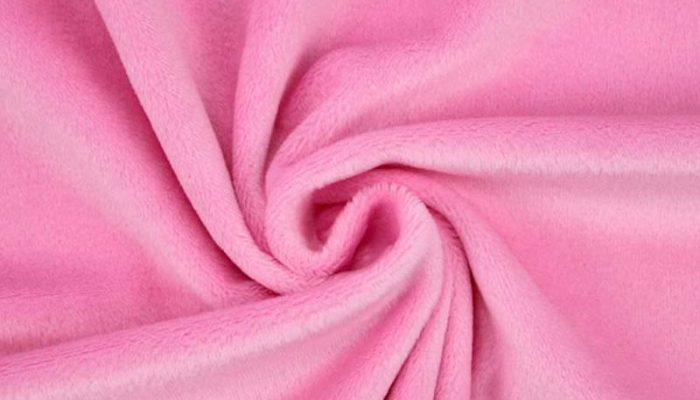
Short Pile Plush Fabric
A widely used fabric with smooth texture and clean surface, suitable for detailed shapes, embroidery, and printed designs. It offers good durability, easy maintenance, and stable color performance, making it ideal for mass-market plush animal toys and promotional products.
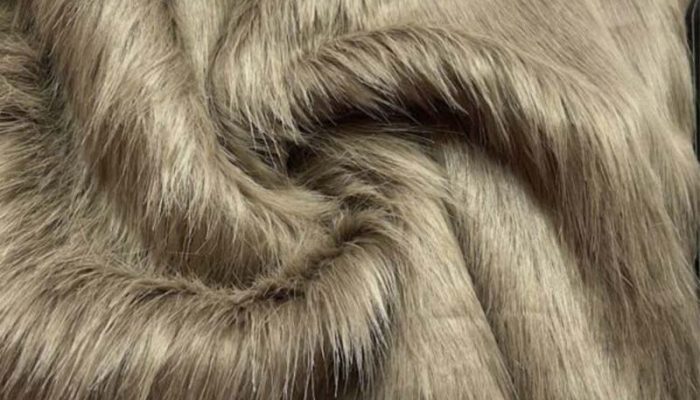
Long Pile Plush Fabric
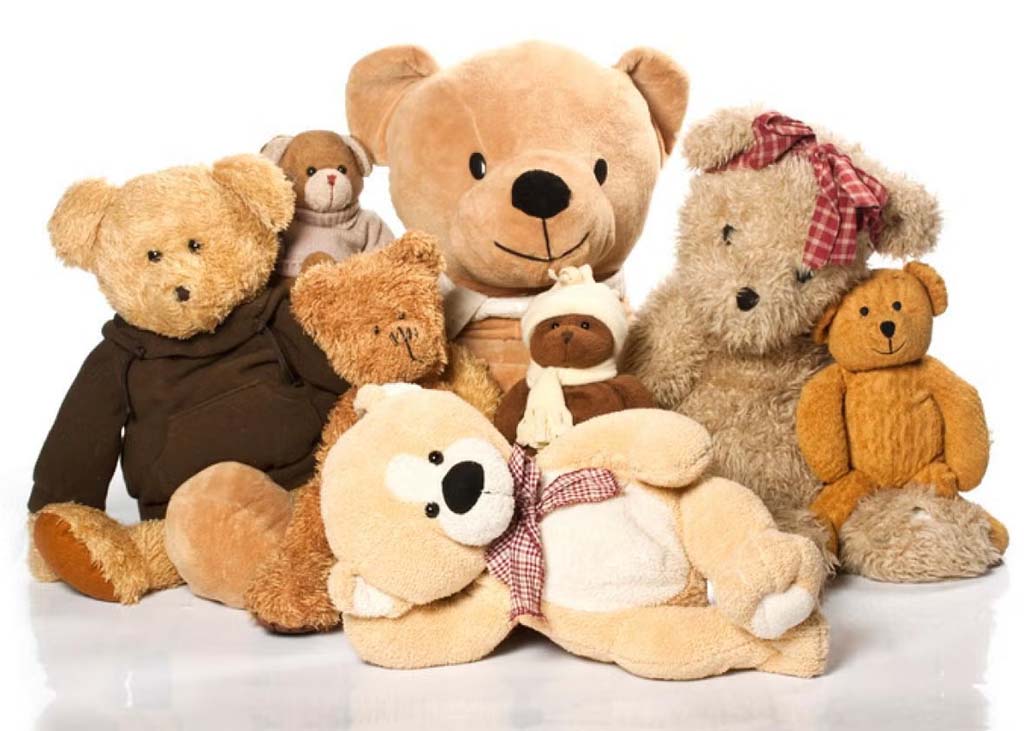
Known for its fluffy appearance and soft touch, this fabric creates a warm and premium visual effect. It is often used for teddy bears and comforting plush toys, but requires careful sewing and finishing to maintain shape and reduce shedding.
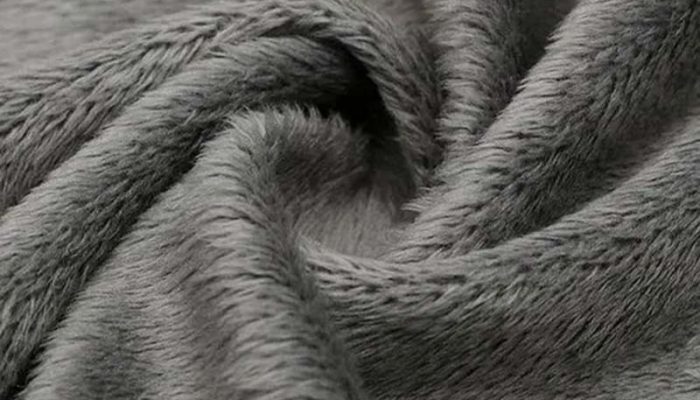
Velboa Fabric
A smooth and slightly shiny fabric that holds shape well and supports precise cutting. It is commonly used for cartoon-style plush toys and character designs that require clear outlines and consistent surface texture.
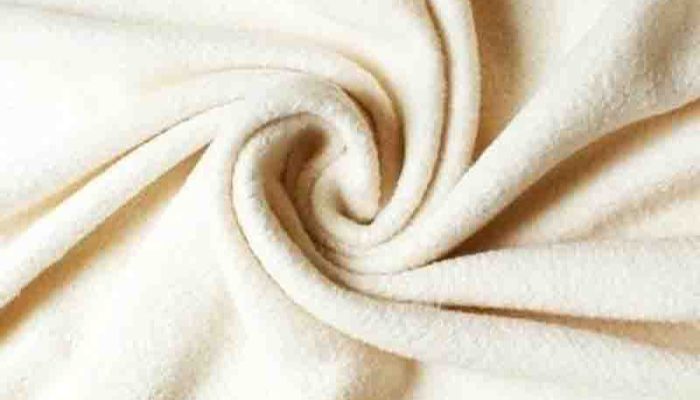
Organic Plush Fabric
Made from eco-friendly or recycled fibers, this fabric supports sustainability goals while maintaining softness and safety. It is increasingly popular among brands focused on eco-conscious markets and compliant children’s products.
Common Plush Toy Fillings
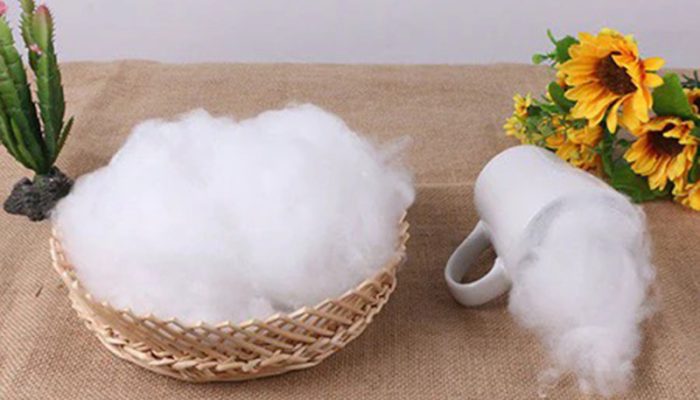
PP Cotton
The most common filling material, offering light weight, good resilience, and consistent softness. It helps plush toys maintain shape and is suitable for a wide range of sizes and product categories.
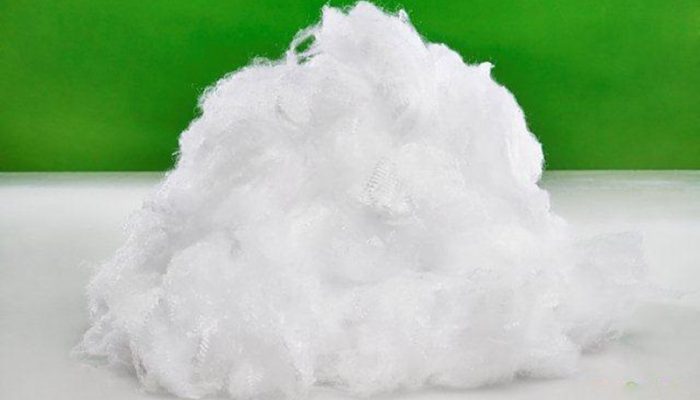
Recycled Polyester Filling
An eco-friendly alternative to standard fiberfill, made from recycled materials. It provides similar softness and resilience while supporting sustainable branding and environmental compliance.
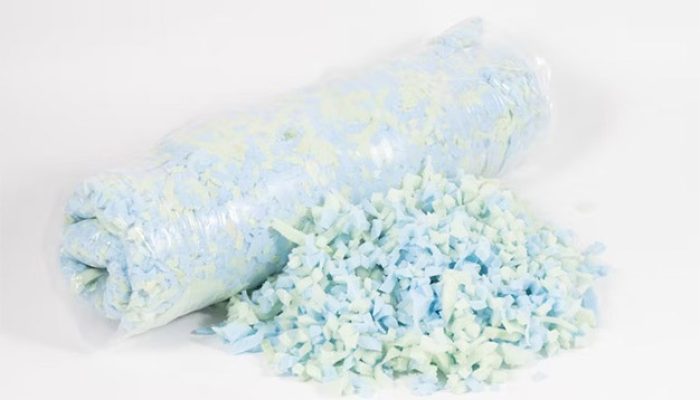
Memory Foam Filling
Used in specific plush products that require shape retention or comfort support, such as pillows or specialty toys. It offers a denser feel and controlled form but increases material cost.
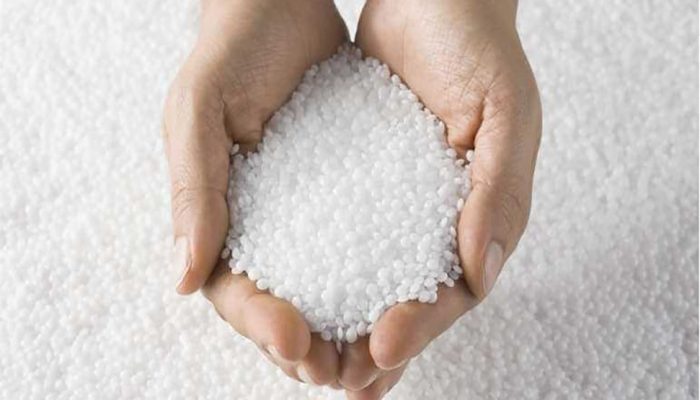
Weighted Filling Materials
Glass beads or similar materials are used to add weight for calming and sensory-focused plush toys. Proper internal structure and safety protection are essential when using weighted fillings.
The right combination of fabrics and fillings can help your plush toys achieve ideal results in terms of feel, appearance, safety, and cost control.
Smart Cost Optimization for Plush Toys Without Sacrificing Quality
Lower cost does not have to mean lower quality. With the right manufacturing strategy, brands can optimize plush toy development and production while maintaining softness, durability, and safety standards. Below are proven methods used by professional plush toy manufacturers to help you stay competitive without sacrificing product value.
Optimize Fabric Selection Based on Real Usage Needs
Instead of choosing the most expensive fabric by default, manufacturers evaluate how the plush toy will actually be used. By matching fabric density, pile length, and texture to the product’s purpose, brands can avoid over-specification. This ensures softness and appearance meet expectations without paying for unnecessary material performance.
Simplify Structure While Maintaining Visual Appeal
Complex internal structures increase labor time and raise defect risk during sewing and assembly. By simplifying pattern pieces and optimizing internal construction, production becomes faster and more stable while the final look, proportions, and key details stay the same. This reduces sewing time, improves batch consistency, and lowers rework rates—without affecting visual appeal.
Standardize Accessories and Trims Where Possible
Custom accessories can significantly increase unit cost. By standardizing eyes, labels, threads, and packaging across product lines, brands can benefit from bulk purchasing and reduced setup time. Visual differentiation can still be achieved through color and placement rather than fully custom components.
Reduce Sampling Iterations Through Early Design Validation
Frequent sample revisions are a hidden cost driver. Clear specifications, realistic designs, and early feasibility reviews help avoid repeated changes. Fewer sample rounds mean less wasted material, shorter development cycles, and faster time to market.
Leverage Batch Production and Material Planning
Producing multiple styles with similar fabrics, fillings, or colors in the same batch improves material efficiency. Bulk cutting and shared production setups reduce waste and lower unit costs while keeping product quality consistent.
Improve Quality Control to Prevent Rework and Returns
Poor quality leads to the highest long-term costs. Strong in-process quality checks reduce defects early, preventing rework, delays, and customer complaints. Stable quality control protects your brand reputation while reducing hidden operational expenses.
Effective cost reduction in plush toy production is achieved through smarter design decisions, optimized processes, and experienced manufacturing control—not by cutting corners on quality. When cost optimization is planned from the beginning, brands can maintain consistent product standards, protect long-term market reputation, and scale production with confidence.
Our Custom Plush Animal Toys Capabilities
Our customization services are designed to support brands at different stages, from early concept development to large-scale production. Each option below can be combined or adjusted to match your product goals, budget structure, and target market.
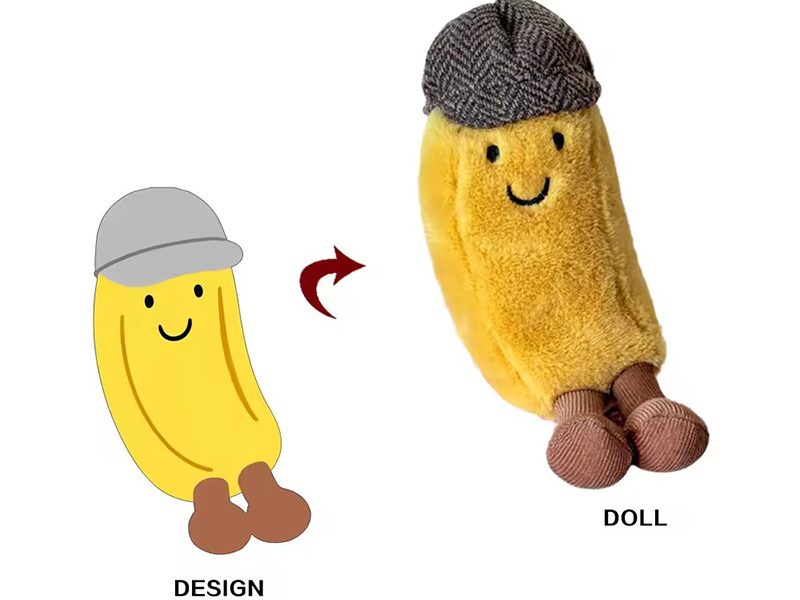
Custom Shape & Character Development
We develop plush animal toys based on your sketches, reference images, or concepts. From proportions and expressions to body structure, each design is refined for both visual appeal and mass production feasibility.
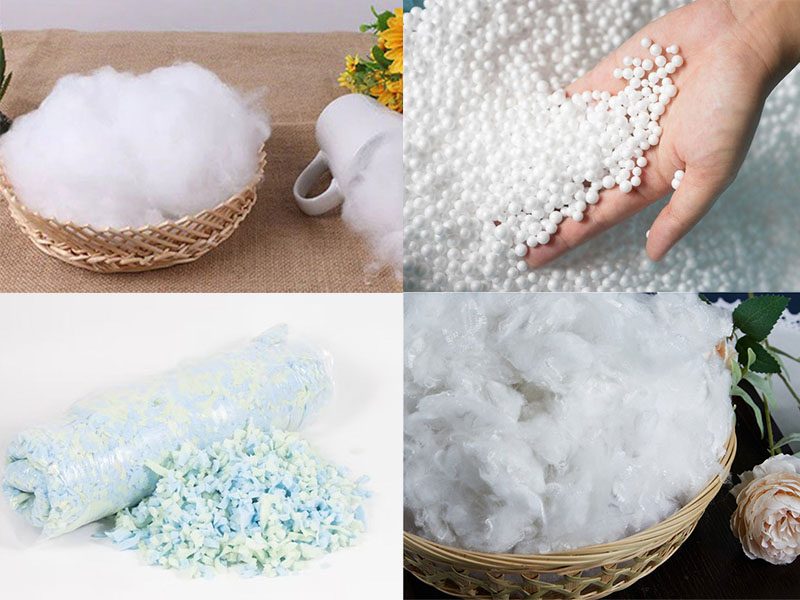
Fabric, Filling & Structure Customization
You can customize fabric types, pile length, filling density, and internal structure to achieve the desired softness, weight, and durability for different product uses and age groups.
Branding & Accessory Customization
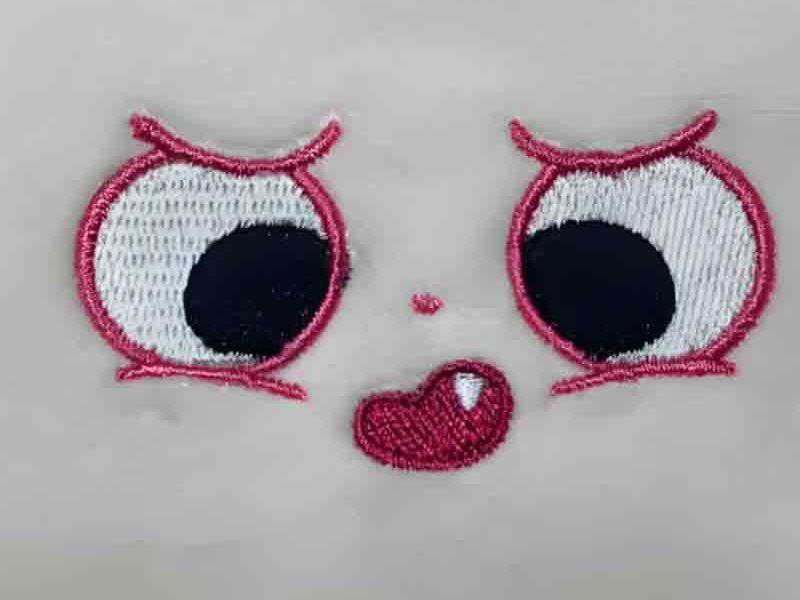
We offer logo embroidery, woven labels, hangtags, custom eyes, and packaging options to help your plush animal toys clearly reflect brand identity and product positioning.
Production Scale & Packaging Solutions
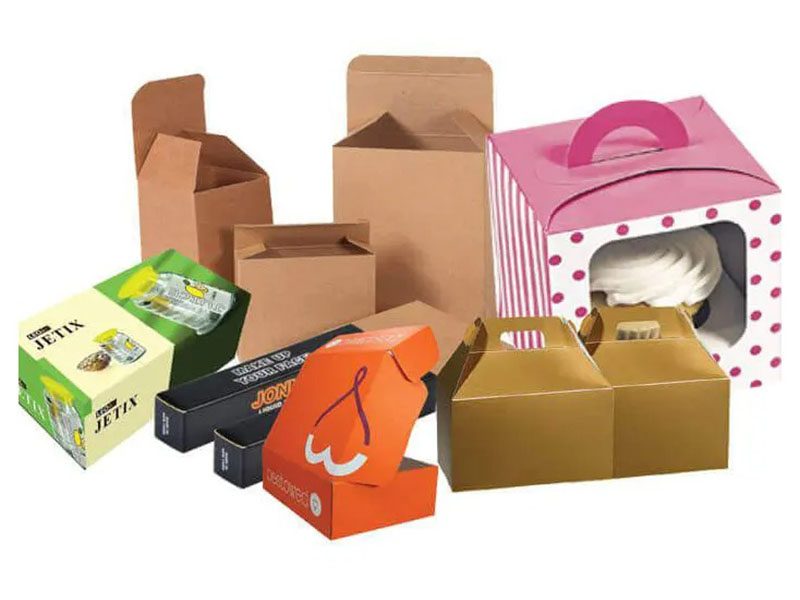
From small trial orders to large-scale production, we support flexible quantities, export-ready packaging, and logistics coordination for different markets.
Our customization scope is built to adapt to different brand stages and market strategies. Whether you are testing a new idea, expanding an existing product line, or building a long-term plush animal collection, our flexible customization options help you move forward with clearer standards, lower risk, and better control over quality and cost.
Precision Embroidery Process for Plush Toys
This video showcases the embroidery process used to create facial features, logos, and decorative details on plush toys. By controlling stitch density, thread tension, color accuracy, and placement precision, we ensure clean lines and consistent results across samples and bulk production. High-quality embroidery plays a key role in brand recognition and overall product refinement.
The Hidden Risks of “Free Samples” in Custom Plush Toy Manufacturing
Free samples may sound attractive, but in plush toy manufacturing, they often come with hidden risks that affect quality, timelines, and long-term cooperation. Understanding these risks helps brands make safer decisions and avoid costly mistakes later.

Lower Priority and Inconsistent Sample Quality
Free samples are usually produced outside the factory’s standard workflow. They may not receive the same attention, skilled labor, or material control as paid samples. As a result, the sample quality may not reflect real mass-production standards, leading to false expectations and problems when moving to bulk orders.

Hidden Costs Transferred to Mass Production
When sampling is free, factories often recover costs later through higher unit prices, material downgrades, or reduced quality control during bulk production. These hidden adjustments are difficult to detect early and can increase overall project cost.

Limited Design Validation and Technical Feedback
Free sampling usually focuses on speed rather than engineering accuracy. Key issues such as structure stability, stitching durability, or filling balance may not be fully tested. This increases the risk of redesign or defects during mass production.

Higher Risk of IP and Design Protection Issues
Factories offering free samples may lack clear IP protection processes. Without proper agreements and paid development records, your design concepts may not be fully protected, increasing the risk of reuse or imitation.
In plush toy development, “free sampling” often shifts risk rather than removing it. A professional sampling process focuses on accuracy, feasibility, and accountability, helping you avoid quality issues, cost overruns, and delays during mass production.
Plush Animal Toys Production Process
A streamlined production process helps ensure stable quality, controlled timelines, and smooth bulk production. Below is our standard workflow for plush animal toys.
Design Review & Technical Evaluation
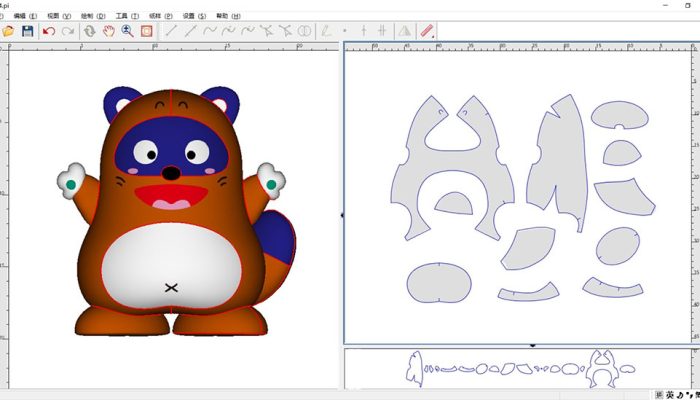
We review your design or reference to confirm structure, proportions, and production feasibility before moving forward.
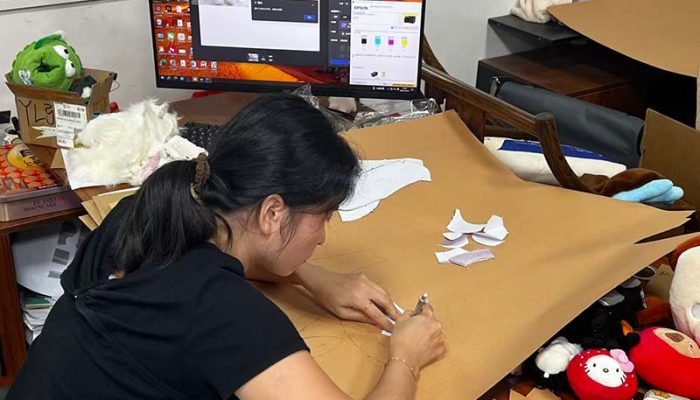
Pattern Making & Material Preparation
Patterns are created and materials are prepared according to confirmed fabrics, colors, and fillings.
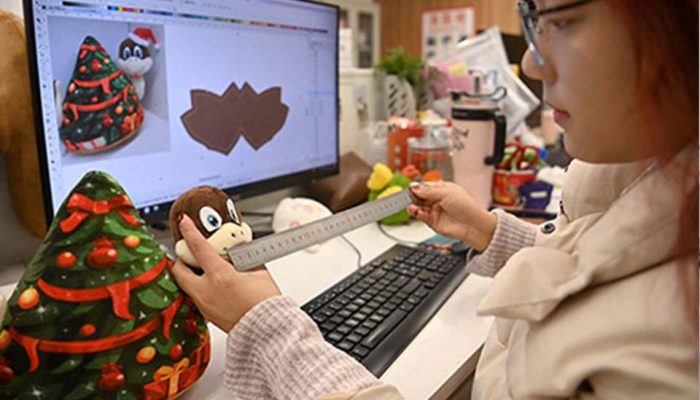
Sample Production & Approval
A sample is produced for final confirmation of appearance, hand feel, and overall quality.
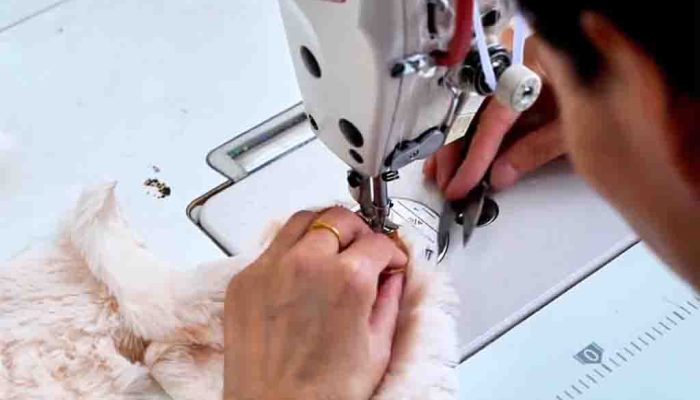
Bulk Cutting & Sewing
Approved designs move into batch cutting and sewing following standardized procedures.
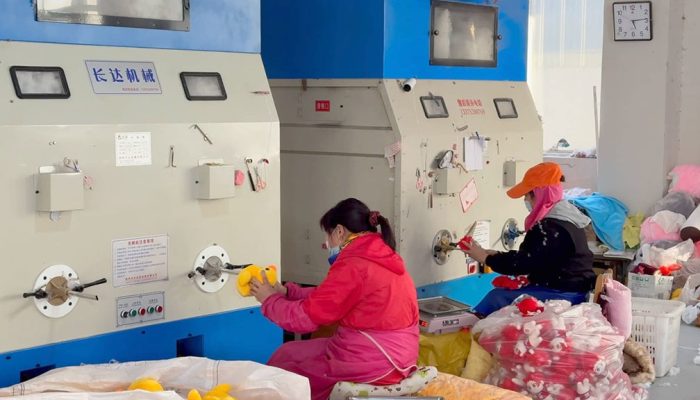
Stuffing, Shaping & Finishing
Plush toys are filled, shaped, and refined to match approved standards.
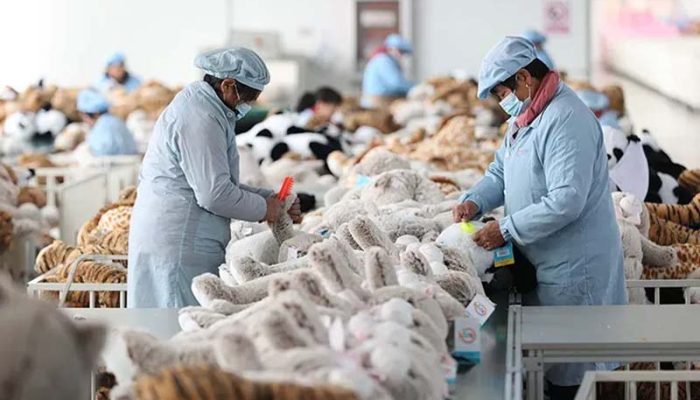
Quality Inspection & Packing
Finished products are inspected and packed according to export requirements.
A structured production process helps ensure smooth project execution, predictable lead times, and consistent product quality.
Precision Plush Production Workflow
This video presents the full plush toy production workflow inside our factory, from material preparation and cutting to sewing, stuffing, quality inspection, and final packing. Every stage follows standardized operating procedures to ensure stable quality, efficient execution, and consistent results from approved samples to bulk production. This structured workflow allows brands to move forward with confidence on both quality and delivery timelines.
Our Certification & Compliance Assurance
Certifications are a critical foundation for selling plush animal toys in global markets. A complete compliance system not only protects end consumers, but also helps brands avoid customs delays, legal risks, and product recalls. Our certification framework is built to support long-term, cross-market distribution.
International Toy Safety Standards Compliance
Our plush animal toys are developed and manufactured in alignment with major international toy safety standards. This includes requirements for mechanical strength, small parts control, chemical substance limits, and durability under normal use. By integrating these standards into product design and production stages, we help ensure that finished products meet regulatory expectations in multiple markets and reduce the risk of compliance issues after shipment.
Certified Materials and Tested Components
All fabrics, fillings, and accessories are sourced from qualified suppliers and supported by relevant test documentation. Materials are evaluated for safety, stability, and consistency to ensure they perform reliably across different production batches. This material-level control helps reduce variation, supports repeat orders, and protects brands from quality disputes or safety-related claims.
Factory Management and Social Compliance Audits
Our factory operates under structured management systems and undergoes regular audits related to quality control, workplace safety, and social responsibility. These audits demonstrate stable production capacity, ethical manufacturing practices, and reliable workforce management. For international buyers, this provides confidence in supply continuity and long-term cooperation.
Market-Specific Certification and Documentation Support
Different markets require different certification documents and test reports. We support clients by preparing relevant technical files, material reports, and compliance documentation based on destination market requirements. This support reduces the learning curve for buyers and helps plush animal toys enter new markets more efficiently.
A strong certification system does more than meet regulations. It protects your brand, shortens market entry time, and builds trust with distributors and end customers. With the right compliance foundation in place, your plush animal toys can scale across markets with confidence and stability.
Trusted by Leading Global Brands
Strong partnerships prove strong capabilities. Over the years, Kinwin has worked with world-leading brands and retailers to deliver interactive plush toys that meet the highest standards of creativity, safety, and quality. By choosing us, you gain a supplier that is trusted by top companies worldwide—and the same reliability is available to your brand.

Custom Plush Animal Toys from Any File, Image, or Idea with 95%+ Accuracy
You don’t need a finished design to start a plush animal toy project. Whether you have clear artwork, rough sketches, reference photos, or just an idea, our team can help turn it into a production-ready plush toy with high accuracy and strong feasibility.
1. Customer Artwork or Design Files
We work directly from your AI, PSD, PDF, or vector files, translating design details into plush-friendly structures while keeping proportions and key features intact.
2. Hand Sketches or Rough Drawings
Even simple sketches are enough to start. Our team interprets shapes, expressions, and details to create accurate plush patterns.
3. Reference Photos or Similar Products
You can provide reference images to explain style, size, or texture preferences. These help us align the final plush with your expectations.
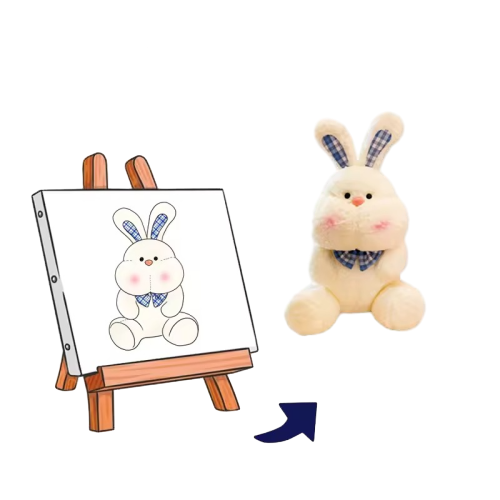
4. Idea-Based Concept Development
If you only have a concept or story, we help define the shape, structure, and materials from scratch.
5. High-Accuracy Sampling Process
Our pattern makers and sampling team focus on key visual details to achieve up to 95% accuracy between design and final sample.
6. Production-Ready Optimization
Before mass production, designs are optimized to ensure stability, durability, and consistent batch results.
No matter whether you start with a finished design, a rough sketch, reference images, or just an idea, our goal is the same: to turn your concept into a production-ready plush animal toy with over 95% accuracy and reliable mass-production quality.
Start Your Custom Plush Animal Toys Project with Confidence
Whether you are developing your first plush animal toy or scaling an existing product line, choosing the right manufacturing partner makes a real difference. We work directly with brands, retailers, and IP owners to turn ideas into market-ready plush toys with clear standards, stable quality, and predictable timelines. From early concept discussion to sampling, production, and delivery, you get professional guidance at every step—so you can move forward with fewer risks and better results.
Tell us what you have—files, images, sketches, or just an idea. Our team will review your needs, suggest practical solutions, and help you plan a plush animal toy project that fits your market, budget, and timeline.
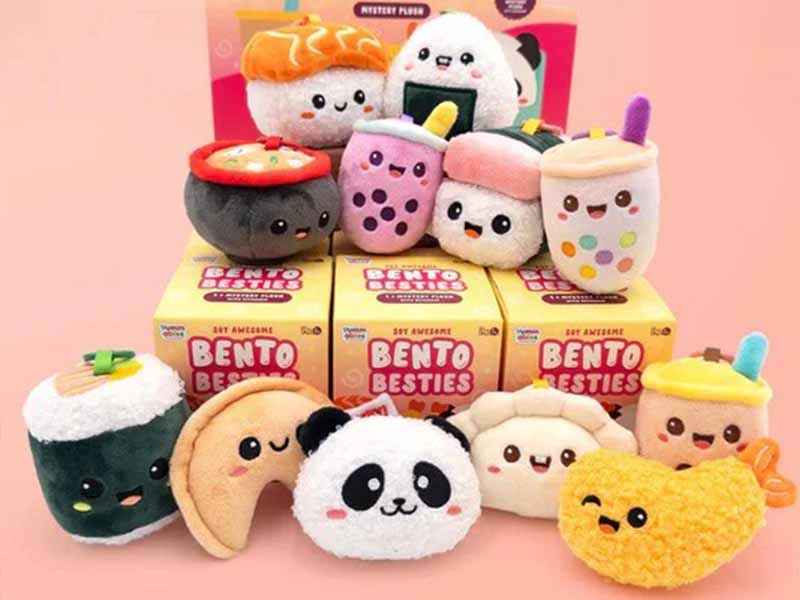
Explore Our Custom Plush Toy Series
We offer a wide selection of plush toys to meet different business needs. From baby-safe stuffed animals to collectible plush dolls, our product lines are designed for global brands, retailers, e-commerce, and promotional projects.
Frequently Asked Questions
1. What is the MOQ for custom plush animal toys?
Our standard MOQ is 500 pieces. For orders below this quantity, please consult with our project manager. We may offer flexible solutions depending on the product size, complexity, and customization requirements.
2. How long does it take to make a custom plush animal sample?
The sampling process typically takes 10–15 working days after design confirmation. This includes pattern making, material selection, sewing, filling, and detail refinement to ensure the sample matches production standards.
3. Can I customize plush animal toys with only an idea and no artwork?
Yes. You can start with a concept, description, or reference direction. The factory team will help translate your idea into a workable plush design, including shape, structure, and material suggestions.
4. How accurate is the final plush toy compared to the original design?
With professional pattern making and production-based sampling, custom plush animal toys can achieve over 95% accuracy between the approved design and final sample, especially for key visual features and proportions.
5. What materials are commonly used for plush animal toys?
Common materials include short pile plush, long pile plush, velboa fabric, and eco-friendly recycled fabrics. Fillings typically include PP cotton, recycled fiberfill, and weighted materials for specific functions.
6. Are custom plush animal toys safe for children and international markets?
Yes. Materials and production processes are selected to meet international toy safety standards. Testing and compliance support can be provided based on target market requirements.
7. What is the difference between OEM and ODM plush toy manufacturing?
OEM is suitable for brands with existing designs or IP, offering full design control. ODM is ideal for faster market entry using factory-developed concepts with brand customization.
8. How is quality controlled during mass production?
Quality control includes material inspection, in-process checks, and final inspection before packing. This ensures consistent quality across bulk orders.
9. Can packaging be customized for retail or e-commerce sales?
Yes. Packaging can be customized for retail display, e-commerce shipping, gifts, or promotional use, based on your sales channel needs.
10. How are client designs and intellectual property protected?
Client designs are used only for authorized projects. Internal confidentiality procedures are followed to protect original designs and IP.
If You Can lmagine lt,We Will Create lt!
1.Tell Us What You Need
Tell us as specific as possible of your needs and share your idea.
2.Get Solution & Quote
We will work on the best solution according to yourrequirements,the specific quote will be provided within 24 hours.
3.Approve for Mass Production
We will start mass production after getting your approval.