 Skip to content
Plush Animal China Manufacturer | OEM & ODM Custom Plush Factory
Work directly with a professional plush animal manufacturer in China that supports custom plush animals, OEM & ODM production, and stable bulk manufacturing for global brands, retailers, and importers. From material selection and sample development to quality control and international compliance, our factory helps you reduce sourcing risk, control production cost, and bring reliable plush animal products to market faster.
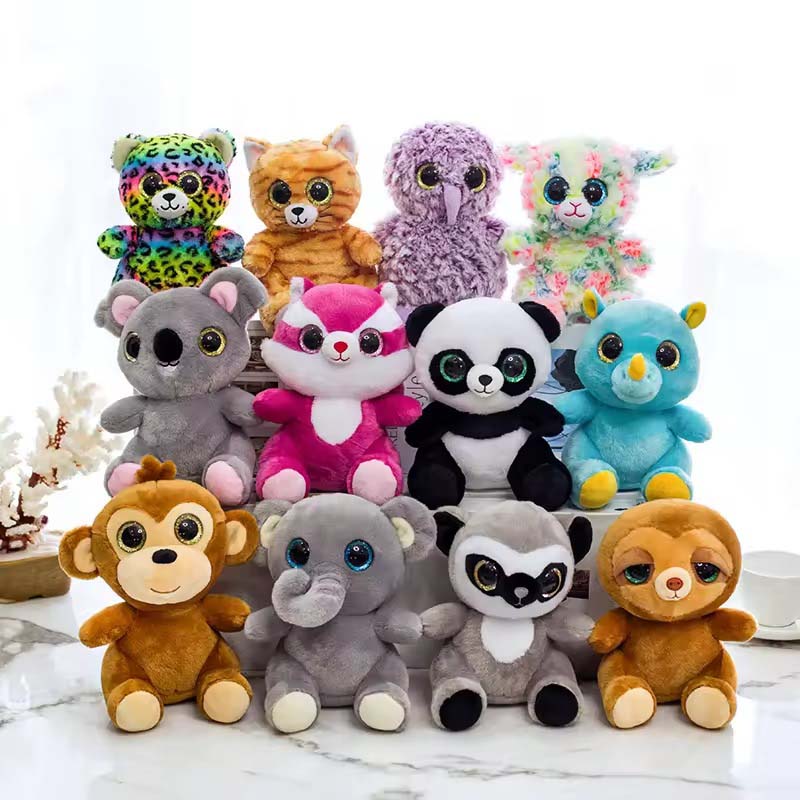
Why Global Brands Choose Kinwin as Their Plush Animal Manufacturer
Global brands choose Kinwin not only for manufacturing capacity, but for reliability, consistency, and long-term partnership. As a professional plush animal manufacturer in China, we focus on quality control, clear communication, and stable delivery to help brands reduce risk and scale with confidence.
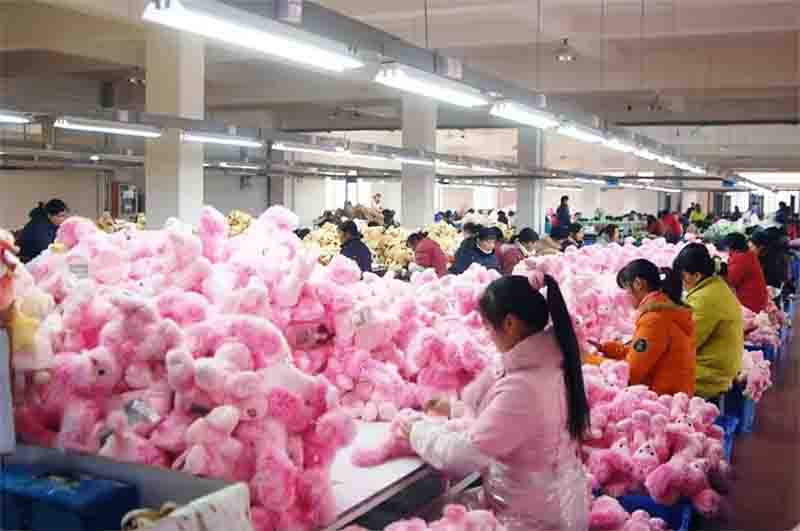
Proven OEM & ODM Experience
We support OEM and ODM plush animal projects for brands at different growth stages, from first prototypes to large-volume production, ensuring smooth development and predictable results.
Strict Quality Control System
From incoming materials to final inspection, every plush animal goes through standardized QC procedures to ensure consistent quality and reduced defect risk.
High Prototype Accuracy
Our experienced sampling team focuses on structure, proportion, and material details, helping brands achieve high visual and functional accuracy from design to sample.
Compliance with International Standards
We manufacture plush animals according to major international safety standards, supporting markets such as the USA, Europe, and other regulated regions.
Stable Production & On-Time Delivery
With organized production planning and experienced factory management, we help brands keep timelines under control even during bulk orders.
Choosing Kinwin means working with a plush animal manufacturing partner that understands your product, your market, and your long-term goals. We focus on helping your brand move forward with fewer risks and more confidence.
Exclusive Support Programs for Long-Term Plush Animal Partners
Long-term partners need more than a factory—they need a stable system. Kinwin builds structured support that keeps quality consistent, timelines predictable, and communication clear, so your plush animal projects can scale smoothly across repeat orders.
Priority Sampling & Revision Queue
Your new plush animal designs enter a priority sampling queue, so you get faster scheduling and fewer waiting gaps. Revisions are handled in a fixed loop with clear checkpoints, helping you reach an approved sample with less back-and-forth.
Dedicated Project Owner
A dedicated project owner follows your standards across materials, workmanship, and packaging, keeping decisions consistent. This reduces repeated explanations and avoids misunderstandings when you place repeat or bulk plush animal orders.
Locked Material & Color Standards
We lock your approved fabric, filling, and accessory specs, and keep color references consistent across batches. This protects hand-feel and appearance, so your plush animals stay on-brand even when volumes grow.
Repeat-Order Cost Optimization
We review BOM and process data from past orders to remove waste and improve efficiency step by step. The goal is better unit cost without lowering safety, stitching quality, or material grade for your plush animals.
Capacity Planning & Peak-Season Protection
For long-term partners, we plan capacity earlier and reserve flexible slots for urgent needs during peak seasons. This helps you control lead time and avoid last-minute delays when your plush animal sales accelerate.
Continuous Quality Feedback Loop
We record recurring issues and improvement actions across stitching, filling, and finishing, then apply updates to the next run. Over time, your plush animal quality becomes more stable, and defect risk keeps dropping.
Choosing Kinwin as a long-term plush animal manufacturing partner means you gain a repeatable system, not a one-time delivery. Tell us your yearly plan, and we’ll match the support level to your growth pace.
Custom Plush Product Showcase
As a professional plush animal manufacturer in China, we support a wide range of custom plush products for different markets and use cases. From classic plush animals to functional and themed designs, each category can be customized in size, materials, structure, and detailing to match your brand positioning.
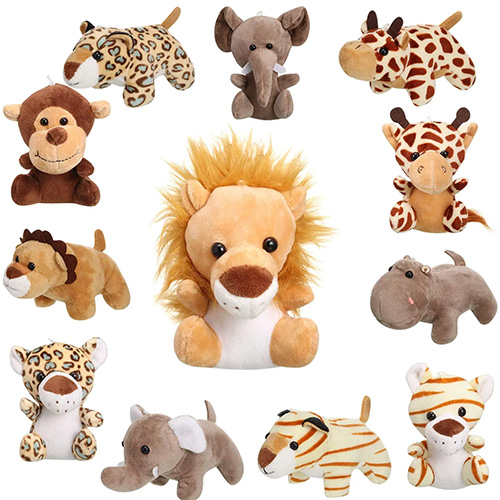
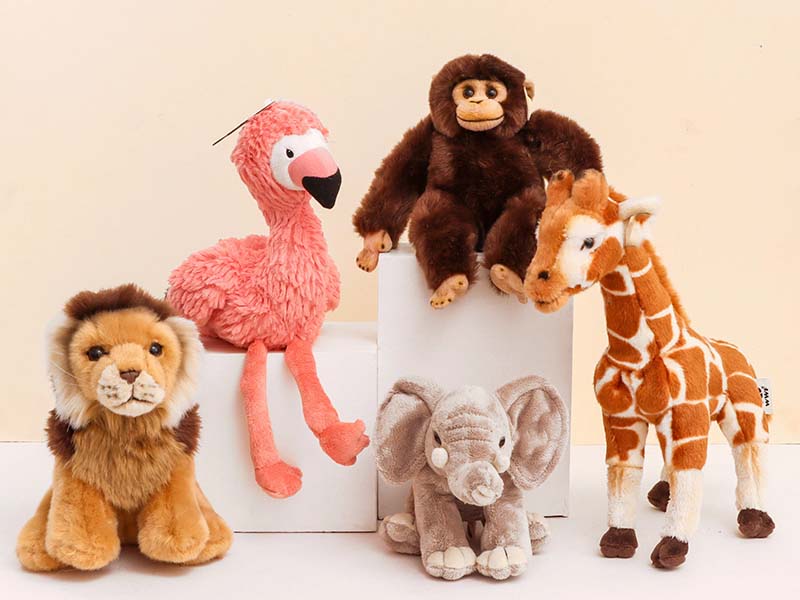
Custom Animal Plush Toys
Ideal for retail collections, brand mascots, and licensed animal characters.
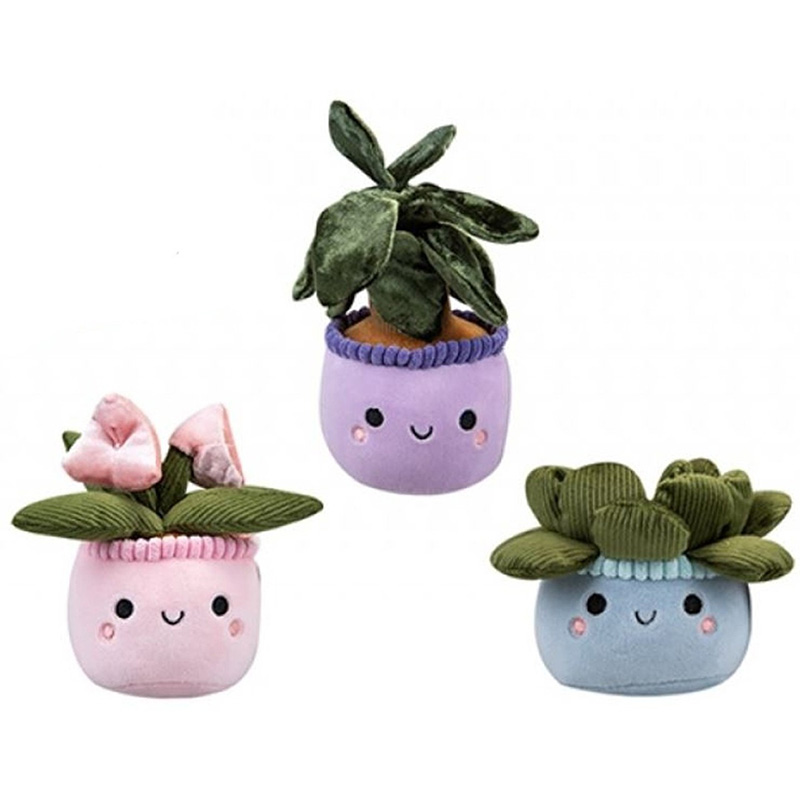
Custom Plant Plush Toys
Soft and creative designs for décor, gifts, and lifestyle brands.
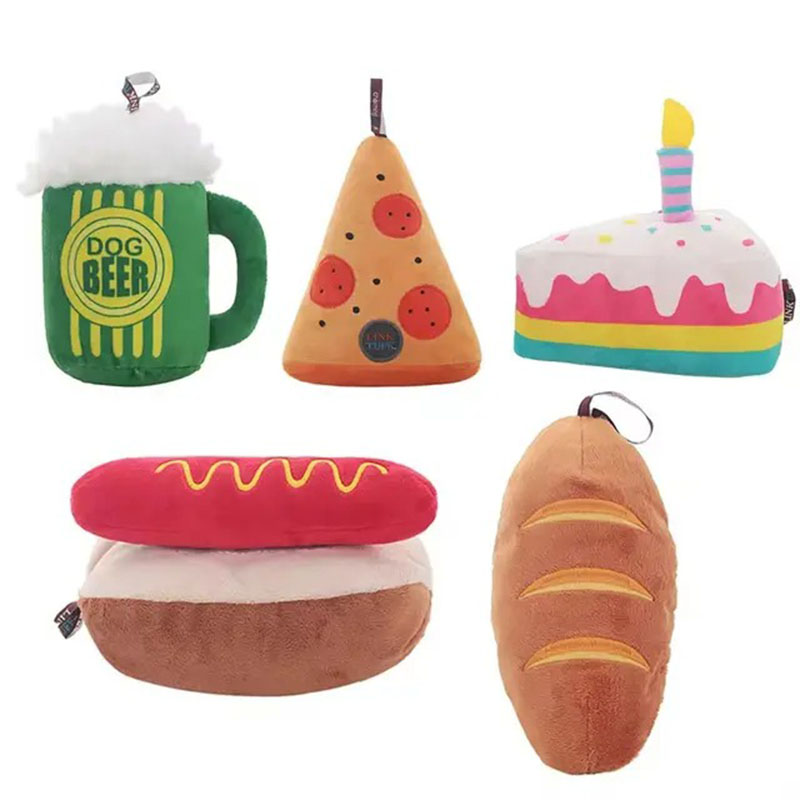
Custom Food Plush Toys
Fun plush styles used for promotions, IP characters, and novelty gifts.
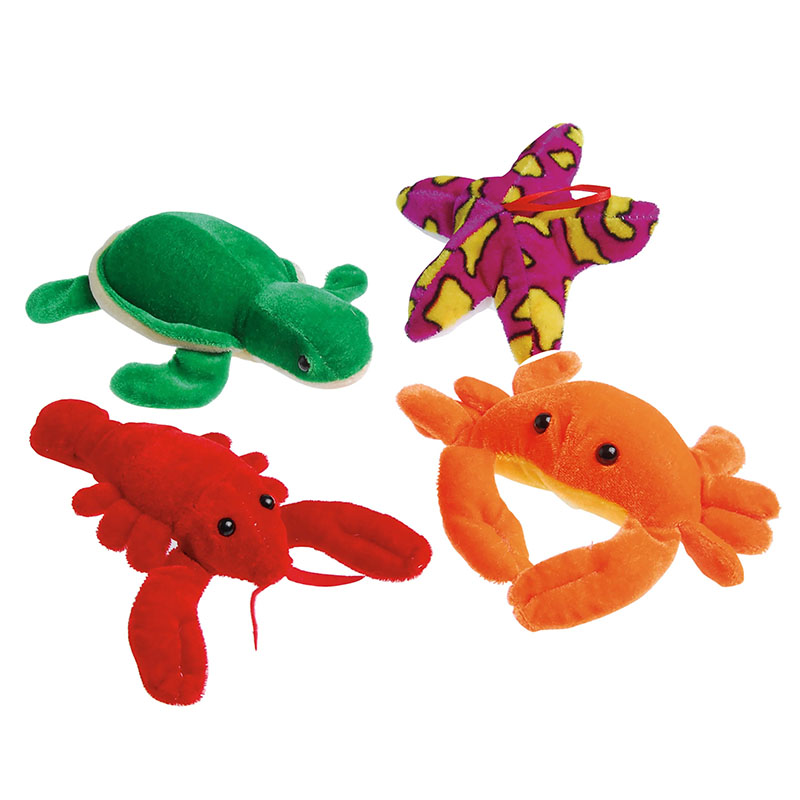
Custom Ocean Plush Toys
Popular for educational products, aquariums, and themed collections.
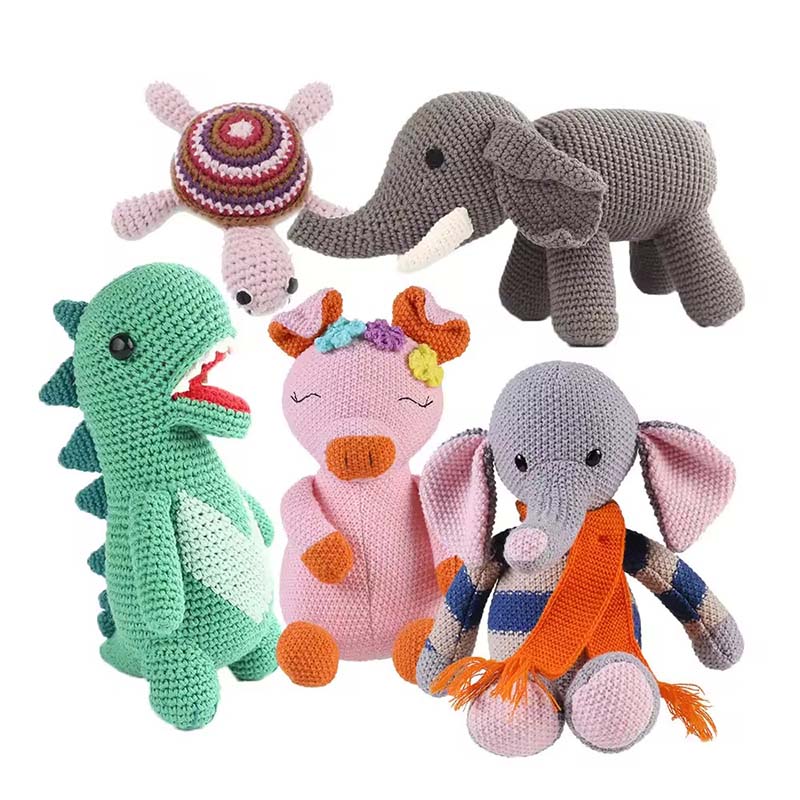
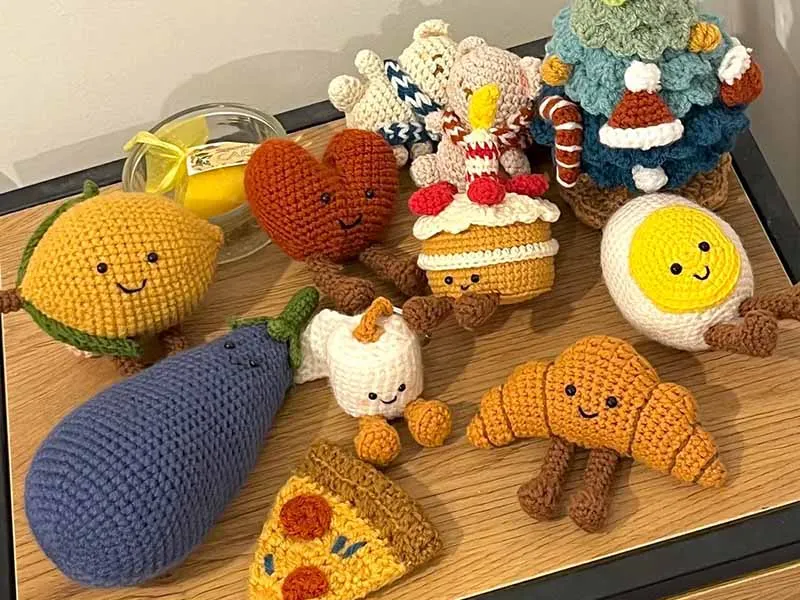
Custom Crochet Plush Toys
Handcrafted-style plush toys with unique texture and visual appeal.
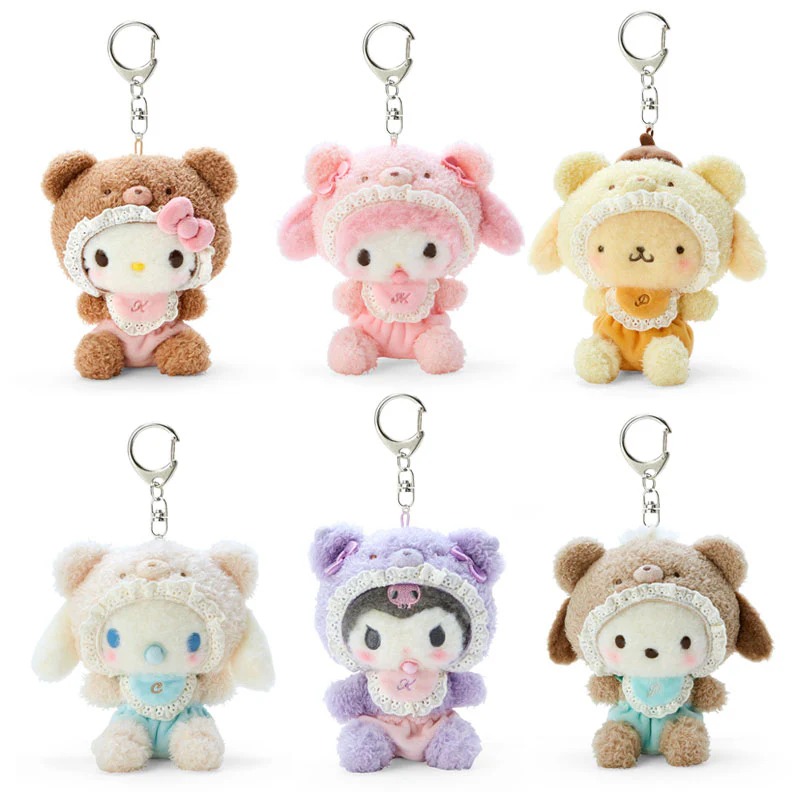
Custom Plush Keychains
Small-size plush products for accessories, giveaways, and impulse sales.
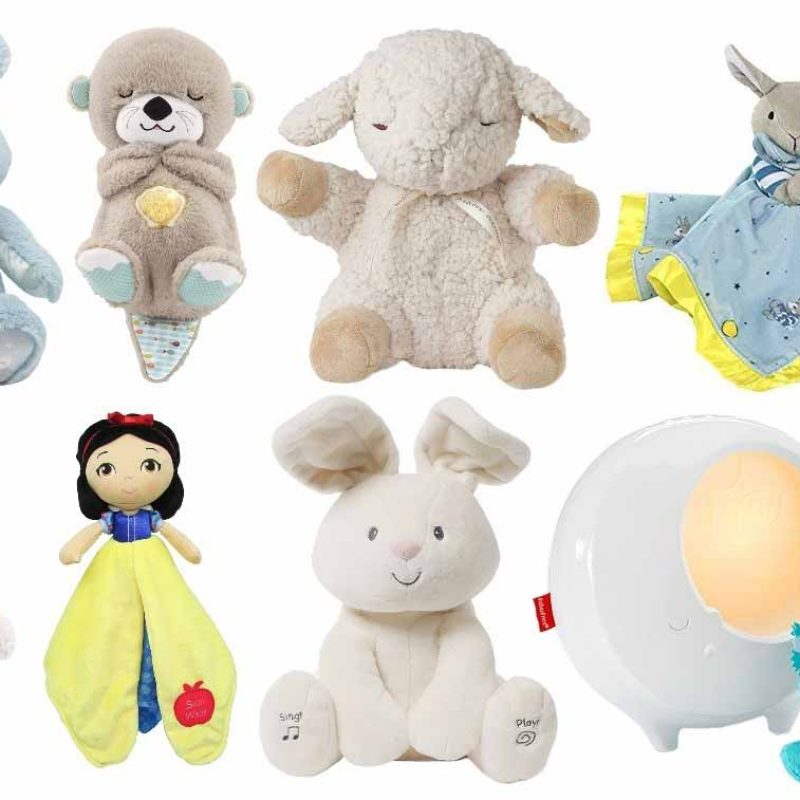
Custom Baby Plush Toys
Designed with soft materials and safety standards for infant use.
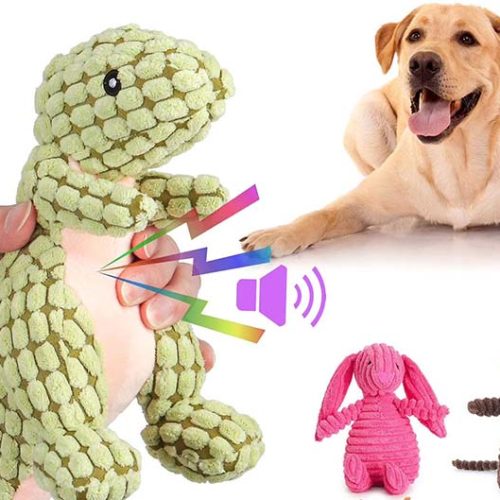
Custom Pet Plush Toys
Durable plush designs for pets, with reinforced stitching options.
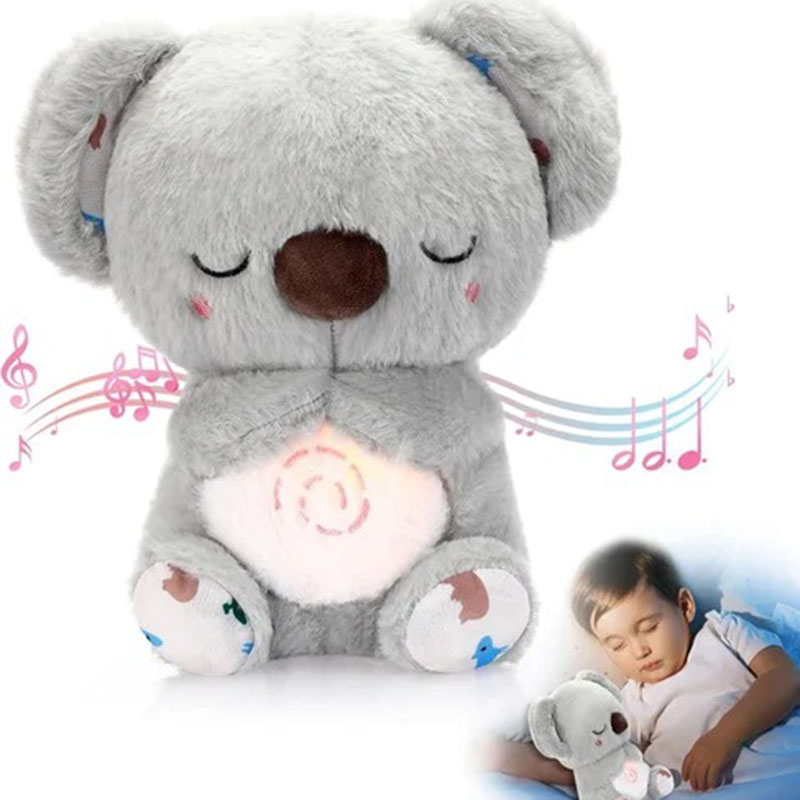
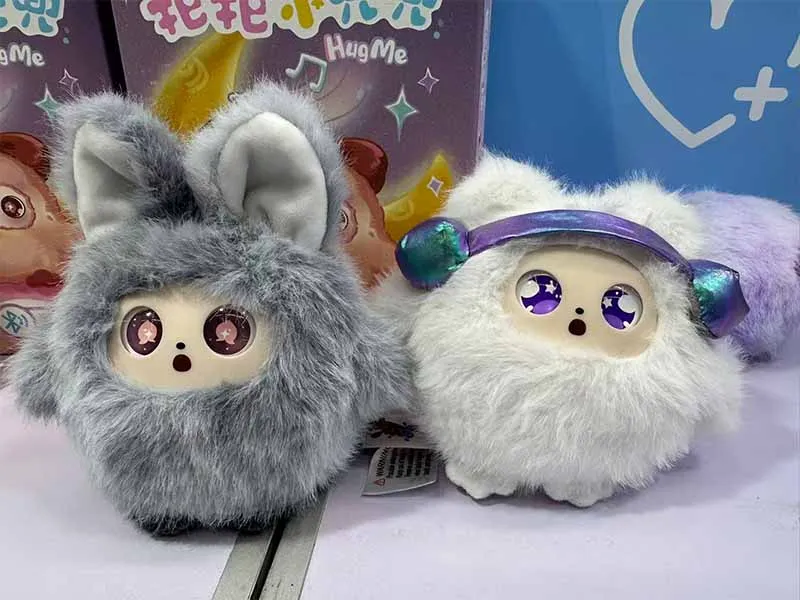
Custom Interactive Plush Toys
Plush toys with sound, motion, or sensory interaction features.
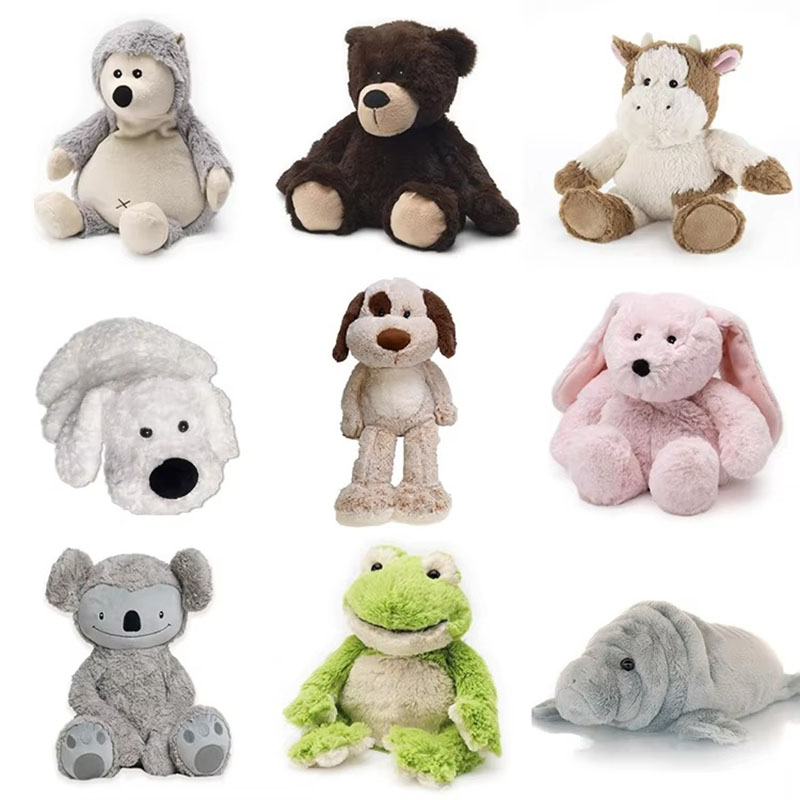
Custom Weighted Plush Toys
Designed with internal weight for calming and comfort purposes.
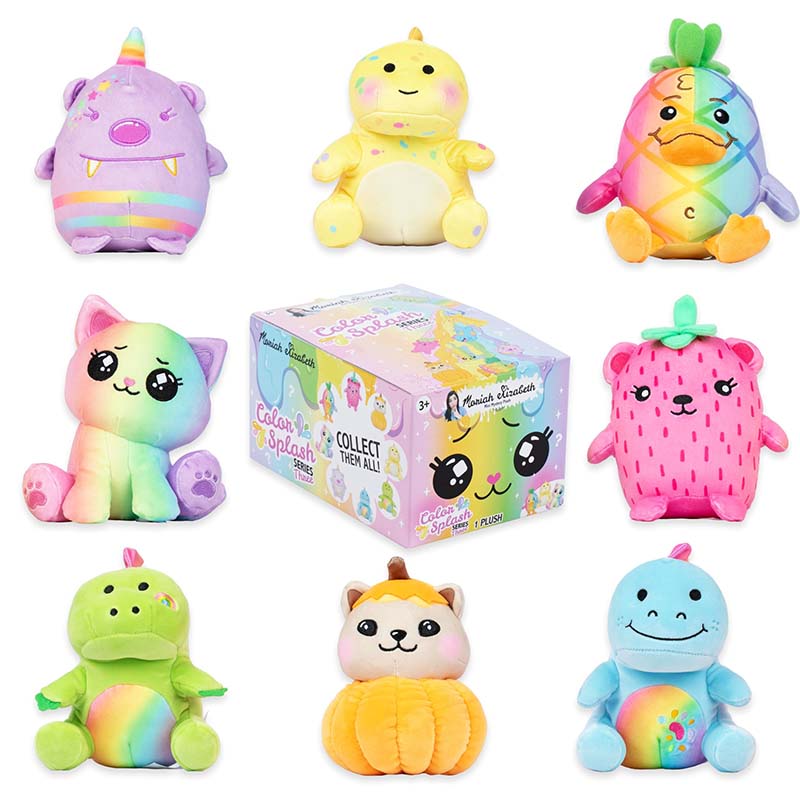
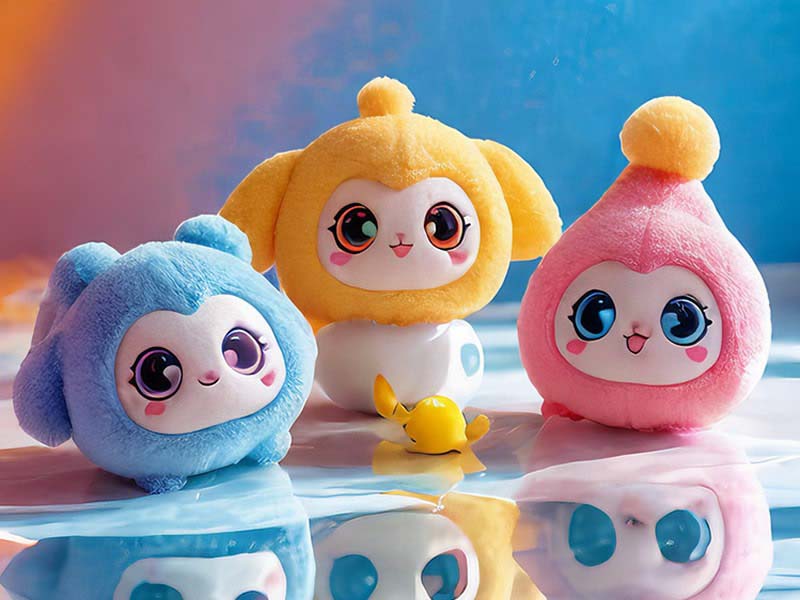
Custom Blind Box Plush Toys
Collectible plush series designed for surprise and repeat purchase.
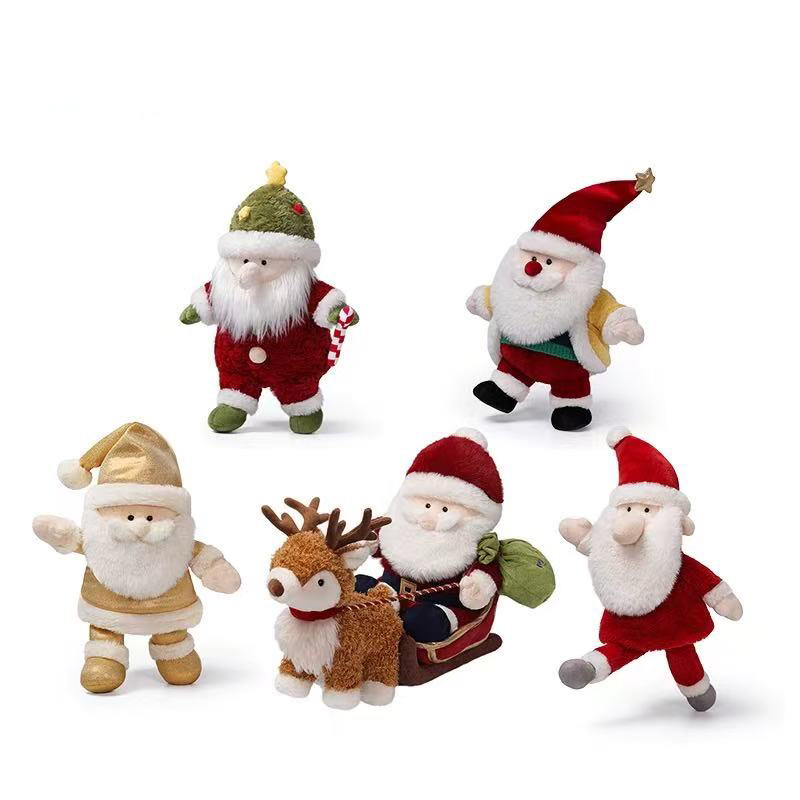
Custom Seasonal Plush Toys
Holiday-themed plush toys for Christmas, Easter, Halloween, and more.
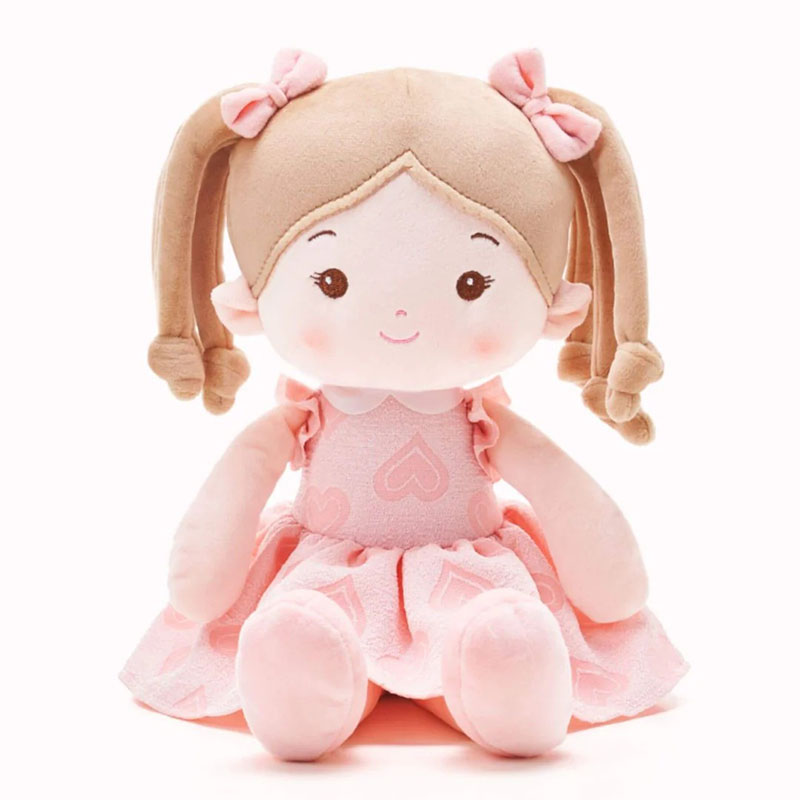
Custom Doll Plush Toys
Character-based plush dolls for brands, IPs, and storytelling lines.
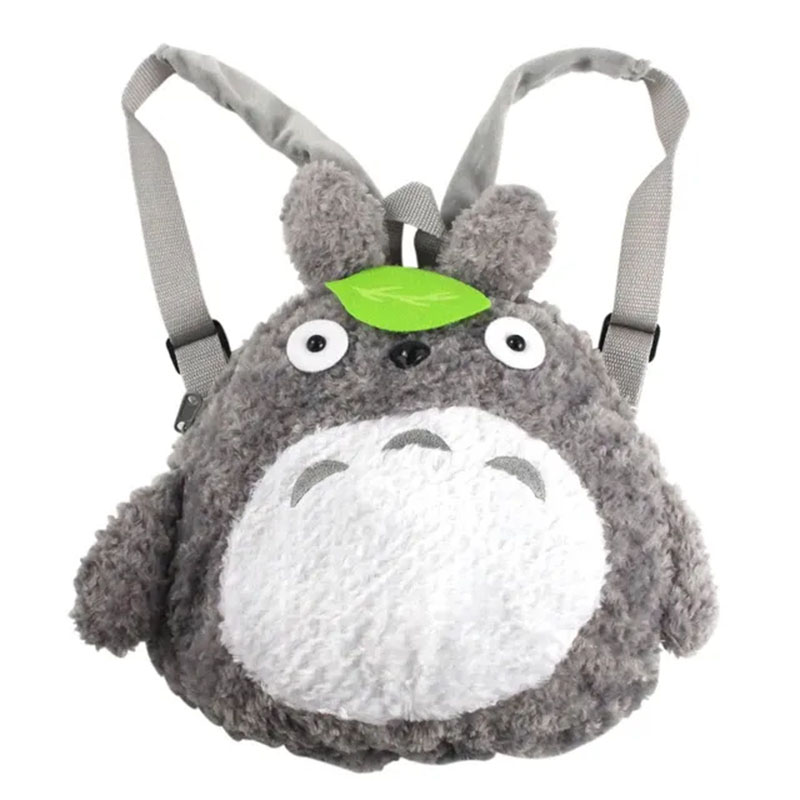
Custom Plush Backpacks
Functional plush products combining storage and visual appeal.
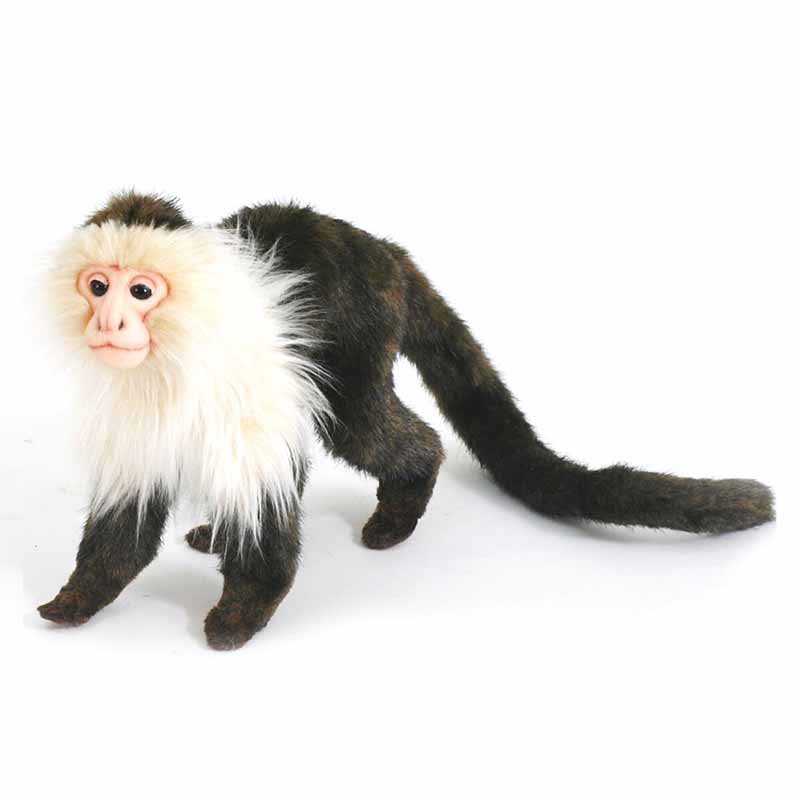
Custom Realistic Plush Toys
Focused on lifelike proportions, fur texture, and color accuracy.
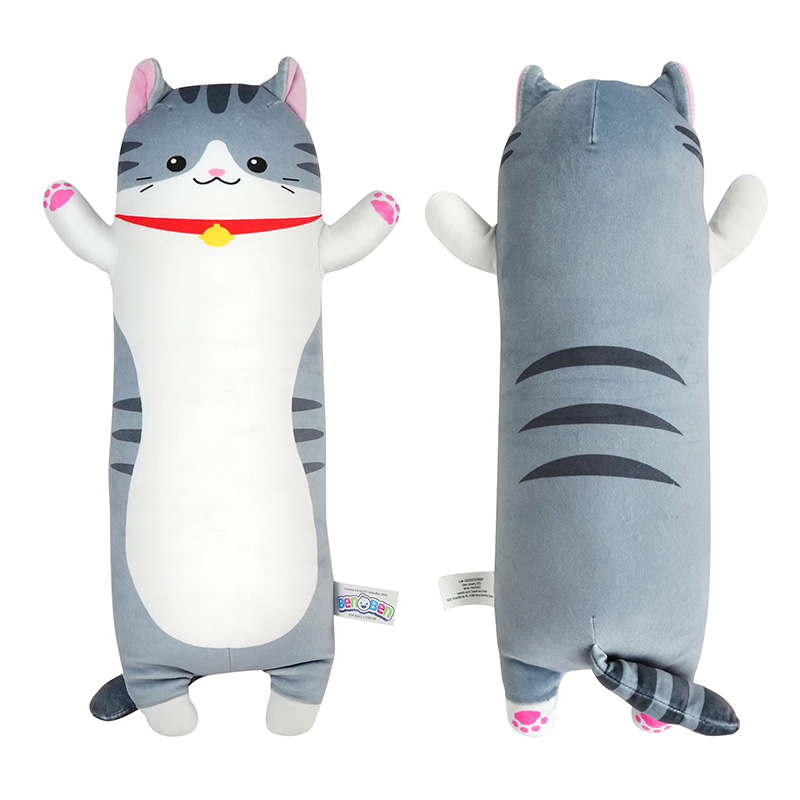
Custom Plush Pillows
Comfort-focused plush products for home, travel, and gifting.
How Our Plush Production Lines Ensure Efficiency and Consistent Quality
High efficiency means nothing without stable quality, and high quality cannot rely on slow, unpredictable production. At Kinwin, our plush animal production lines are designed to balance speed, precision, and consistency, helping brands scale orders smoothly while keeping every detail under control from start to finish.
Specialized Production Line Structure
Each production line is divided into dedicated stations for cutting, embroidery, sewing, stuffing, shaping, and finishing, allowing every step to be handled by trained workers with clear responsibility. This structure reduces bottlenecks, improves speed, and keeps quality standards consistent across different plush animal orders.
Standardized Work Instructions
Clear SOPs are applied across all production lines, covering stitching methods, seam strength, filling weight, and finishing details. These standards ensure that every plush animal follows the same quality benchmarks, even when order volume increases or production shifts between lines.
Experienced Line Supervisors
Each line is managed by an experienced supervisor who monitors quality checkpoints, workflow balance, and daily output. This allows potential issues to be identified early and corrected before they affect batch consistency or delivery timelines.
Integrated In-Line Quality Control
Quality checks are built directly into the production process rather than waiting until final inspection. Stitching accuracy, filling balance, and structural integrity are checked during each key stage, reducing rework and preventing defects from moving forward.
Flexible Capacity and Line Allocation
Our factory can adjust line allocation based on order size, product complexity, and delivery schedule, ensuring efficient use of capacity without overloading any single line. This flexibility helps brands manage peak seasons and urgent orders with greater confidence.
Continuous Process Optimization
We regularly review production data, defect records, and efficiency metrics to refine workflows and improve line performance. Over time, this continuous optimization results in faster output, fewer errors, and more predictable quality for long-term plush animal production.
A well-structured production line gives your brand more than speed—it delivers consistency, predictability, and confidence at scale. If you are planning repeat orders or preparing for larger volumes, our production team is ready to align capacity, quality standards, and timelines with your business goals.
Precision Quality Inspection Process
This video shows how every plush toy is inspected before shipment. From stitching checks and shape evaluation to tension testing, needle detection, and final appearance review, each step follows strict quality standards. By applying multi-stage inspections, we ensure every product meets safety, durability, and consistency requirements for global markets.
Custom Plush Manufacturing from Your Artwork
Whether you have a finished design or just a reference image, our team helps turn your artwork into a production-ready plush product. We focus on clarity, feasibility, and accuracy, so your design can move smoothly from image to sample and into mass production with controlled cost and quality.
1. Accept Multiple File Formats
We accept images, sketches, and digital files in common formats for evaluation and development.
2. Design Feasibility Review
Our team reviews structure, materials, and details to ensure your design fits plush manufacturing.
3. Size & Structure Adjustment
We adjust proportions and internal structure to improve stability and softness.
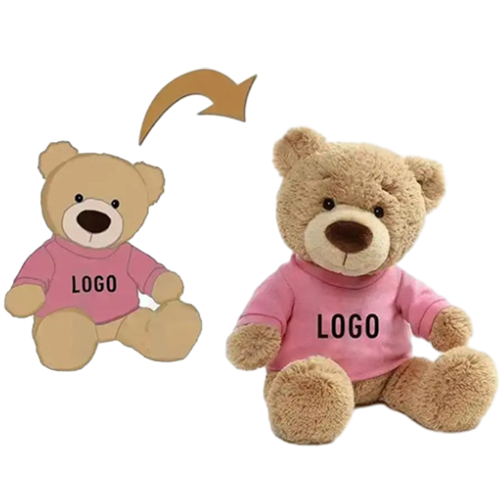
4. Material & Process Suggestions
Suitable fabrics, fillings, and techniques are recommended based on your design.
5. Prototype Development
A physical plush sample is produced for review before bulk production.
6. Approval Before Mass Production
Mass production starts only after your final approval of the sample.
A clear artwork-based process helps reduce uncertainty and avoid costly revisions later. Share your image or reference with us, and our team will evaluate feasibility, suggest improvements, and guide your plush project toward a smooth and predictable production path.
How We Achieve 95% Design Accuracy from Concept to Plush
For custom plush projects, design accuracy directly affects brand recognition, market acceptance, and repeat orders. At Kinwin, achieving 95% design accuracy is the result of a controlled development system that manages structure, materials, workmanship, and approval standards before mass production begins, ensuring what you approve is what gets produced at scale.
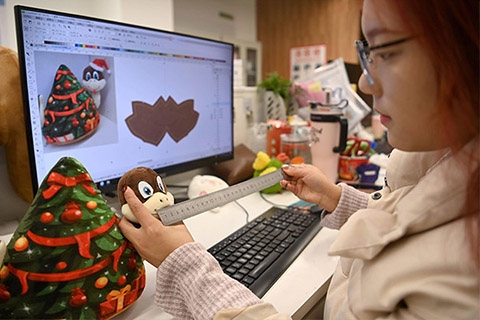

Professional Pattern Engineering
Our pattern makers convert artwork and reference images into precise plush structures, carefully defining proportions, seam placement, and internal balance. This step ensures the plush shape matches the original design intent and remains stable after stuffing and long-term use.

Material Matching Based on Visual Intent
We select fabrics, pile length, filling density, and accessories based on how they affect color, texture, and overall appearance, not just availability. Proper material matching plays a key role in maintaining the look and feel of the original design.

Controlled Sample Review & Adjustment Process
Each prototype goes through a structured review process, comparing the sample against the original design from multiple angles. Adjustments are documented and applied step by step, preventing random changes and ensuring every revision moves closer to the approved design.

Consistency Standards Before Mass Production
Before bulk production, we lock key parameters such as size tolerance, stitching method, filling weight, and finishing details. These standards allow the approved sample to be consistently reproduced across production lines and batches.
High design accuracy reduces risk, shortens development time, and protects your brand image in the market. By controlling every key step before mass production, we make sure the approved sample can be reliably reproduced at scale, giving your plush project a clear and predictable path from concept to bulk order.
Precision Design vs Final Sample Comparison
This video clearly compares the original design with the finished plush sample side by side. By aligning proportions, facial details, colors, stitching placement, and overall structure, buyers can directly see how closely the final product matches the approved artwork. This transparent comparison demonstrates our ability to execute designs accurately and gives brands confidence before moving into bulk production.
Common Fabrics & Fillings Used in Plush Production
The choice of fabric and filling directly affects how a plush product looks, feels, and performs in mass production. Different materials create different levels of softness, durability, visual quality, and cost control. Below are the most commonly used plush fabrics and fillings in the market, with practical explanations to help you choose the right combination for your target market and product positioning.
Common Fabrics
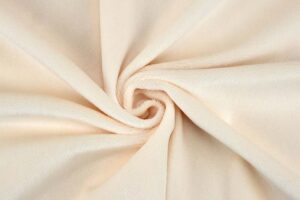
Velboa (Short Pile Plush)
Velboa is one of the most widely used plush fabrics due to its smooth surface, stable dyeing, and high sewing efficiency. It holds shape well, supports clean outlines, and performs consistently in bulk production, making it ideal for cartoon plush animals, mascots, and high-volume retail products.
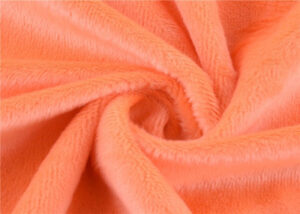
Super Soft Velboa (Crystal / PV Plush)
This fabric offers a softer and more refined touch compared to standard velboa, giving plush products a more premium feel. It is commonly used for mid-to-high-end plush animals, gift items, and products where customers judge quality immediately by hand feel.
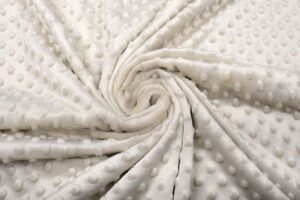
Minky (Ultra-Soft Fabric)
Minky is known for its extremely soft and comforting touch, making it popular for baby plush toys and calming products. While it delivers a luxurious feel, it requires experienced workmanship to control stretching and maintain consistent shape during production.
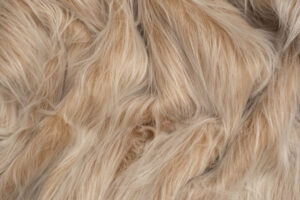
Faux Fur (Long Pile Plush)
Faux fur is used to create realistic or visually impactful animal designs, especially for manes, tails, or full-body fur effects. It delivers strong visual appeal but requires careful control of cutting direction, seam placement, and shedding management.
Common Fillings
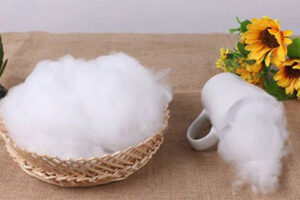
Polyester Fiberfill (PP Cotton)
PP cotton is the most commonly used plush filling due to its light weight, softness, and cost efficiency. It provides good loft and resilience, and the final hand feel can be adjusted by changing fiber grade and filling density for different product needs.
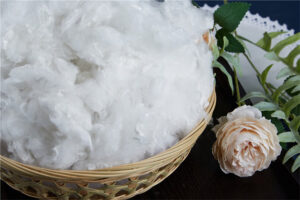
Recycled Polyester Fiberfill (rPET)
Recycled fiberfill is widely used in eco-friendly plush projects, offering similar softness and performance to standard PP cotton. It allows brands to communicate sustainability while keeping production processes and product feel consistent.
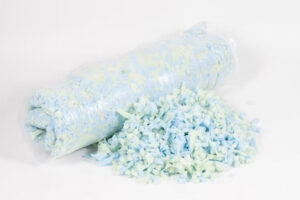
Foam / Sponge Filling
Foam filling is used when a firmer structure or stronger shape support is required, such as plush pillows or structured plush dolls. It improves durability and shape retention but needs balanced internal placement to avoid uneven surfaces.
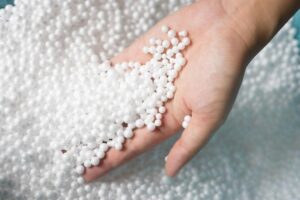
PE Pellets / Weighted Beads
These fillings are used to add weight and improve balance or calming effects in plush products. They are commonly placed in inner pouches and securely sealed to meet safety standards and maintain consistent weight distribution.
Choosing the right fabric and filling combination helps ensure your plush products meet market expectations while staying efficient in mass production. Our team can guide you through material selection based on your design, budget, and target market.
How to Match Plush Fabrics with Different Product Types
Choosing the right fabric is one of the most important decisions in plush product development. Fabric choice affects not only softness and appearance, but also durability, safety compliance, cost control, and mass-production consistency. For different plush product types, the “best” fabric is determined by how the product will be used, who it is designed for, and how it will be sold. Below are common plush styles and the fabric solutions that best support their functional needs and market positioning.
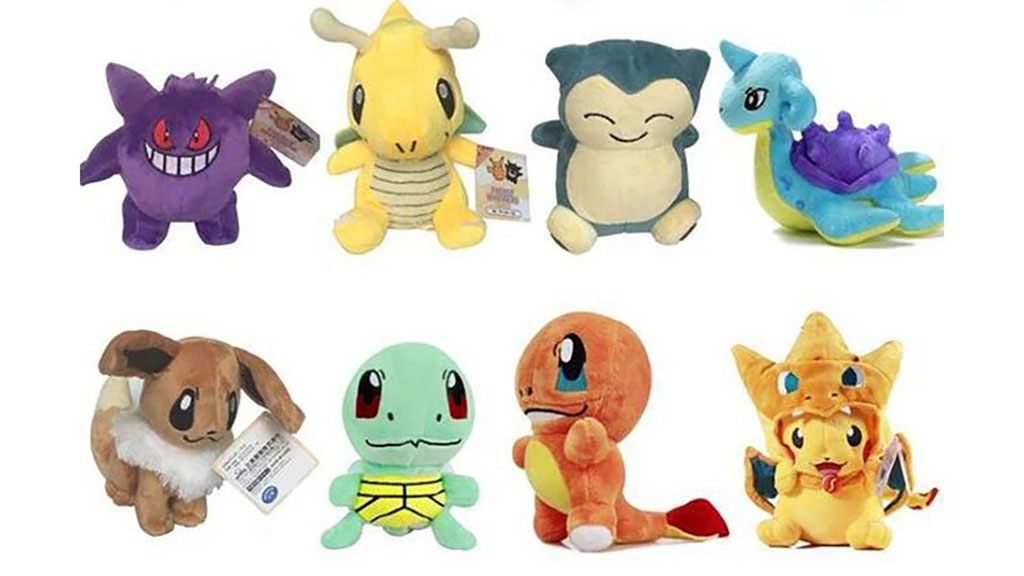
Cartoon Animal Plush Toys with Short Pile Velboa
Cartoon plush animals require clean outlines, stable proportions, and clear facial expressions to maintain strong brand recognition. Short pile velboa is ideal for this category because it holds shape well during stuffing and sewing, keeps edges crisp, and allows embroidery and printing details to remain sharp. In mass production, velboa also performs consistently across batches, helping brands avoid shape distortion or color inconsistency when scaling volume.
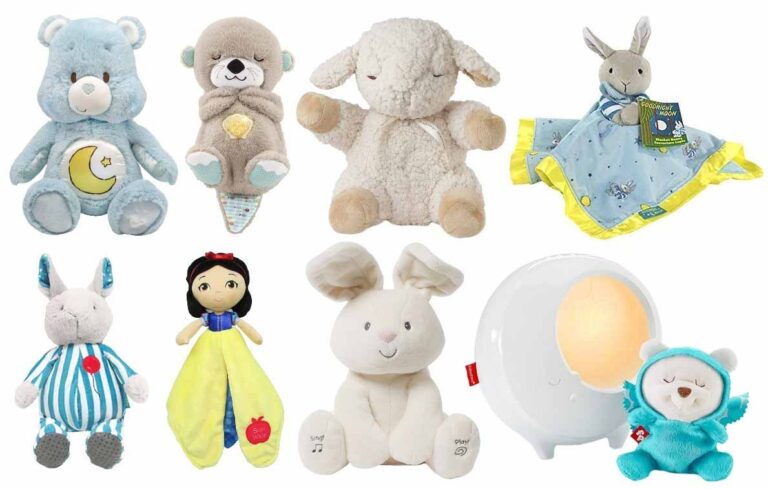
Baby Plush Toys with Ultra-Soft Minky Fabric
Baby plush toys place comfort and safety above all else. Minky fabric is widely chosen because of its extremely soft surface, low friction, and gentle touch that is suitable for sensitive skin. Beyond softness, minky also performs well when paired with certified fillings and reinforced stitching, allowing baby plush products to meet strict safety and testing standards while still delivering a soothing, premium feel.
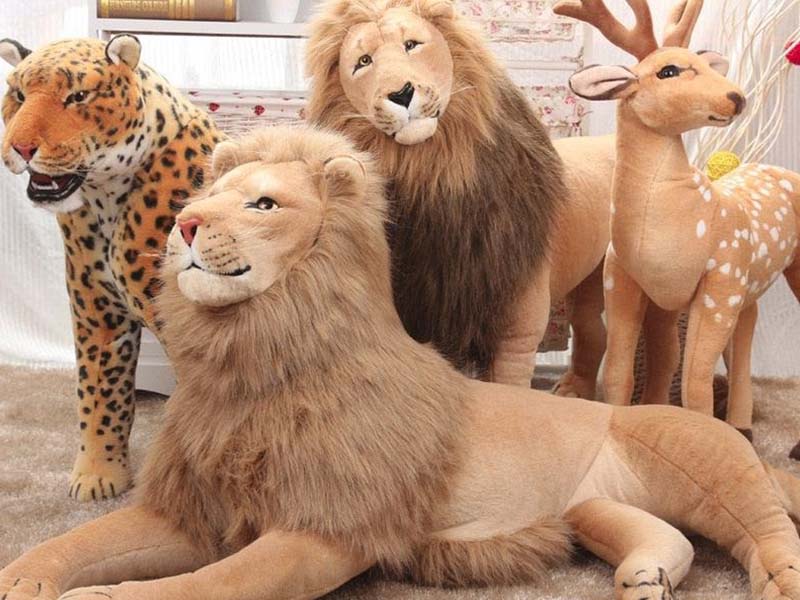
Realistic Animal Plush Toys with Long Pile Faux Fur
Realistic plush animals rely heavily on fur texture to create visual depth and lifelike movement. Long pile faux fur is used to simulate natural hair flow, especially for manes, tails, or full-body fur designs. However, achieving a premium result depends on precise control of cutting direction, seam placement, and shedding management. When handled correctly, faux fur delivers strong shelf appeal and a high-end look that standard short pile fabrics cannot replicate.

Gift & Retail Plush Toys with Super Soft Velboa (PV Plush)
For gift and retail plush products, the first touch often determines perceived quality. Super soft velboa provides a smoother surface and a more refined hand feel compared to standard velboa, making products feel more premium without dramatically increasing production complexity. It offers a balanced solution for brands that want to upgrade softness while keeping durability and cost under control for retail distribution.
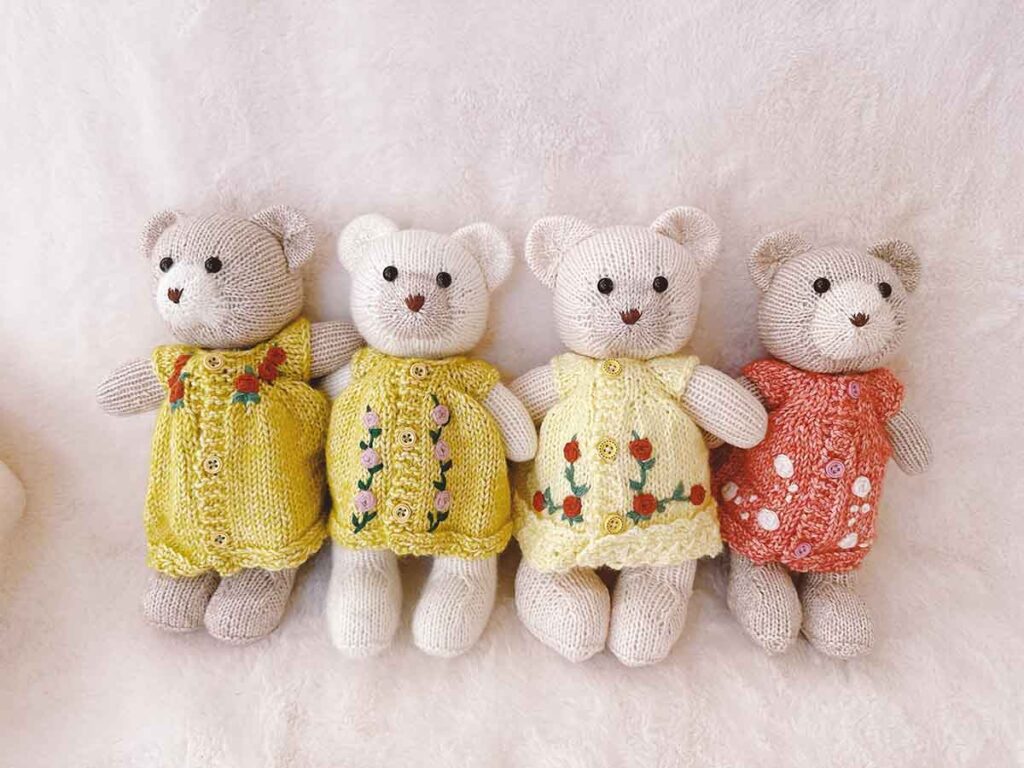
Handmade-Style Plush Toys with Knitted Fabric
Handmade-style plush toys depend on visible texture to communicate craftsmanship and uniqueness. Knitted fabric provides a clear textile surface that mimics crochet or hand-stitched aesthetics while remaining suitable for industrial production. This fabric is often chosen for boutique collections, lifestyle brands, and designs where visual storytelling and material character are more important than ultra-smooth softness.
Choosing the right fabric at the early stage helps avoid redesign, repeated sampling, and unnecessary cost increases later. Share your product type and target market with us, and our team will recommend fabric solutions that balance appearance, performance, and production efficiency.
Safety Standards & Testing for Plush Products
Safety compliance is critical for plush products sold in regulated markets. Beyond passing basic tests, proper safety standards protect your brand reputation, reduce recall risk, and ensure smooth customs clearance. At Kinwin, safety testing is integrated into material selection, production control, and pre-shipment inspection, helping your plush products meet international requirements with confidence.
Compliance with EN71, ASTM, and CPSIA Standards
We manufacture plush products according to major international toy safety standards, including EN71 for Europe and ASTM F963 / CPSIA for the U.S. These standards cover mechanical safety, chemical limits, and usage risks, ensuring products are suitable for children and general consumers.
Fabric & Filling Material Safety Testing
All fabrics and fillings are tested for harmful substances, including heavy metals and restricted chemicals. Only materials that meet safety thresholds are approved for production, reducing health risks and ensuring long-term product safety.
Small Parts & Accessory Security Tests
Eyes, noses, buttons, and decorative accessories are tested for pull strength and secure attachment. This prevents small parts from detaching during normal use, which is especially important for baby and children’s plush products.
Seam Strength & Structural Durability Testing
Key seams and stress points are tested to ensure they withstand pulling, squeezing, and repeated handling. This helps plush products maintain shape and safety throughout their intended lifespan.
Flammability & Fire Safety Considerations
For certain markets and applications, plush products are evaluated for flammability performance. We select fabrics and fillings that meet applicable fire safety requirements without compromising softness or appearance.
Pre-Shipment Inspection & Test Report Verification
Before shipment, finished plush products undergo final inspections to confirm they match approved samples and test reports. This final check reduces shipment risk and ensures documentation is ready for customs and buyers.
Strong safety standards give your plush products long-term market access and protect your brand from unnecessary risk. Our team can guide you through applicable regulations, testing scope, and documentation required for your target market.
Our Customization Scope for Plush Products
True plush customization is not limited to appearance changes—it requires coordinated control over structure, materials, functions, and brand details. At Kinwin, our customization scope is designed to support different project stages, from early concepts to scalable mass production, while keeping quality, cost, and feasibility under control.
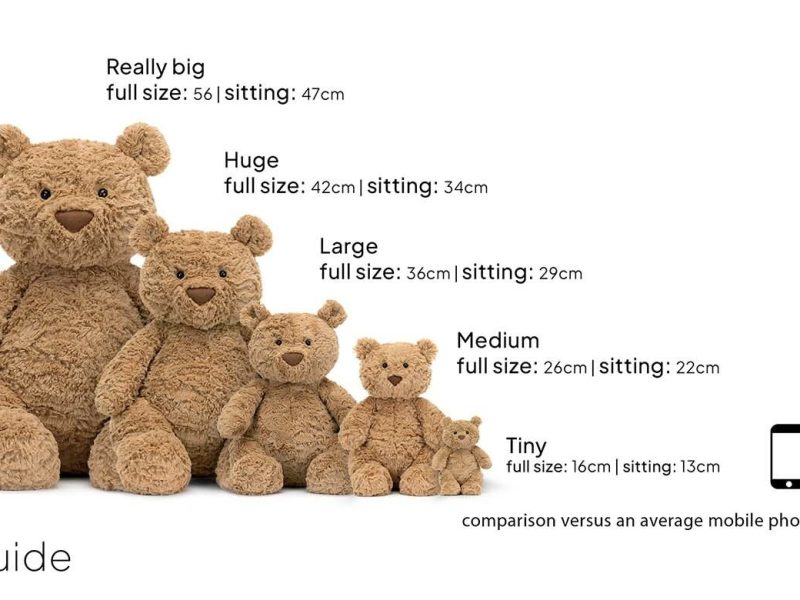
Size & Structural Customization
We customize plush shapes based on your artwork or reference designs, adjusting proportions, thickness, and internal construction to ensure visual accuracy and long-term stability. Size and structure are optimized according to usage scenarios such as hugging, display, gifting, or functional use.
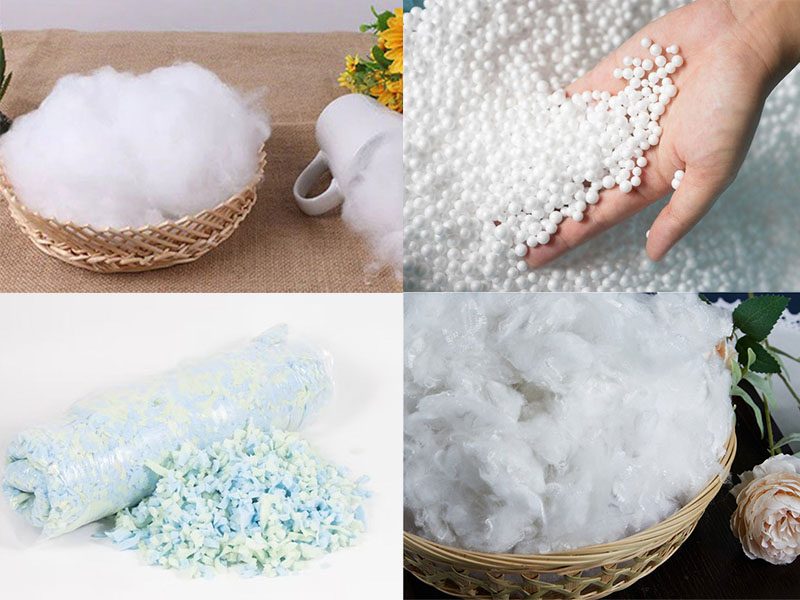
Fabric, Filling & Material Selection
Plush fabrics, fillings, and accessories can be customized based on target market, safety standards, and budget range. We recommend suitable material combinations to achieve the desired hand feel, appearance, durability, and compliance for mass production.
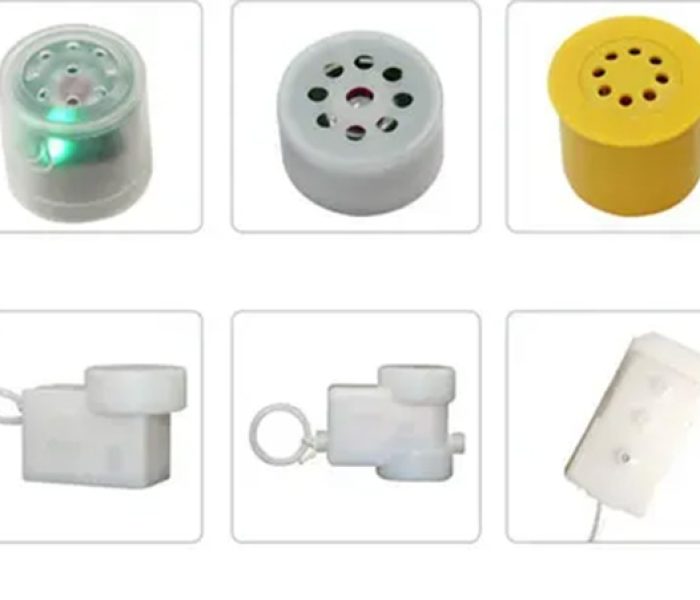
Functional & Interactive Features
Plush products can include features such as sound modules, crinkle paper, weighted components, or removable parts. Each functional element is evaluated for safety, durability, and production consistency before being applied to bulk orders.
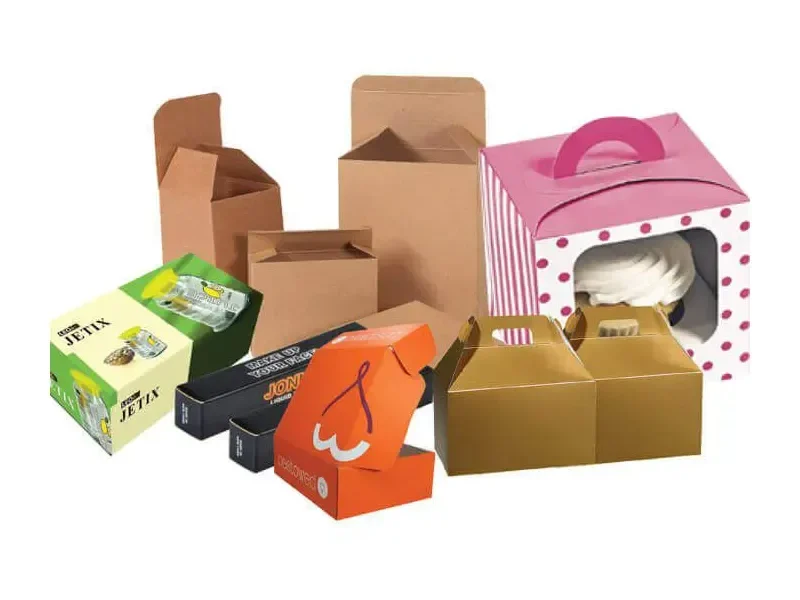
Branding & Packaging Customization
We support custom branding details such as woven labels, hang tags, embroidery logos, and retail-ready packaging. These elements help strengthen brand recognition and ensure your plush products are presentation-ready for different sales channels.
A clear customization scope helps avoid misunderstandings, delays, and unexpected costs during development and production. Share your project goals with us, and we will define the most suitable customization plan for your plush products.
Our Plush Production Process from Sample to Mass Production
A clear and structured production process is essential for controlling quality, cost, and delivery time. At Kinwin, our plush production workflow is designed to reduce uncertainty at every stage, ensuring that approved samples can be accurately and efficiently reproduced in mass production for global markets.
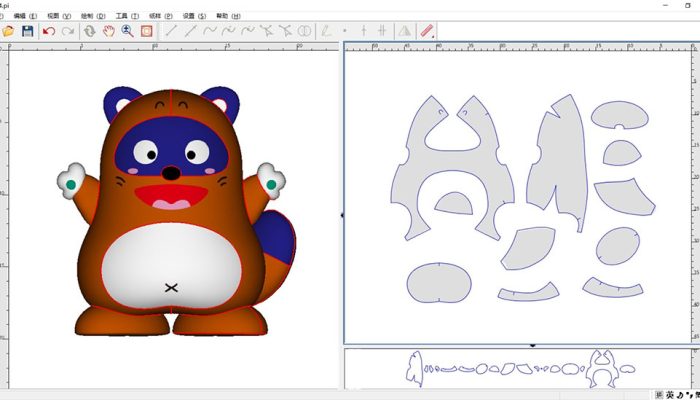
Design Review & Technical Evaluation
We review your artwork, reference samples, and requirements to evaluate structure, materials, safety standards, and production feasibility. This step helps identify potential issues early and ensures the design is suitable for stable mass production.
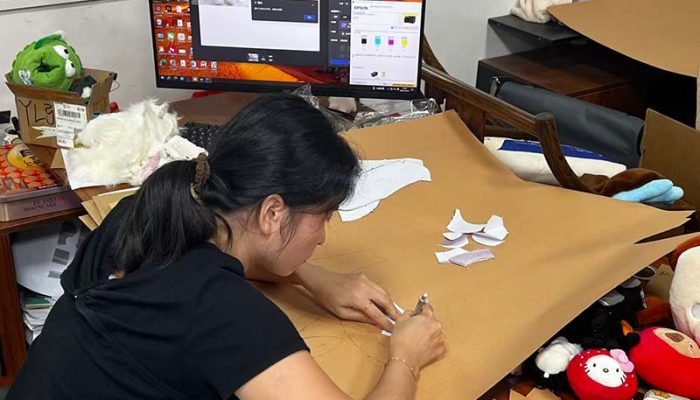
Pattern Making & Sample Development
Our pattern makers convert the approved design into a 3D plush structure and produce physical samples. Proportions, stitching methods, and materials are adjusted during this stage until the sample meets visual, functional, and quality expectations.
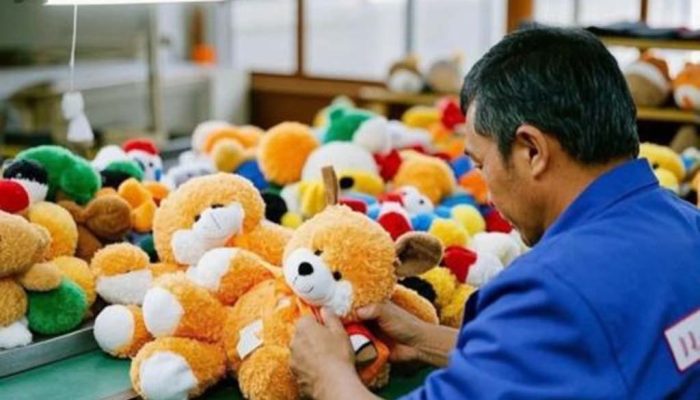
Sample Approval & Specification Lock
Once the sample is approved, we lock key specifications such as size tolerance, fabric type, filling weight, stitching details, and accessories. This ensures the approved sample becomes the exact reference for mass production.
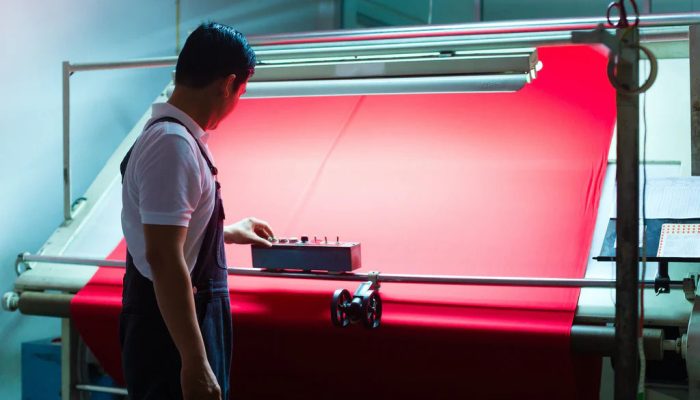
Material Preparation & Production Planning
Approved materials are prepared according to locked specifications, and production schedules are arranged based on order quantity and delivery timeline. This step ensures smooth workflow and avoids delays caused by material mismatch or poor planning.
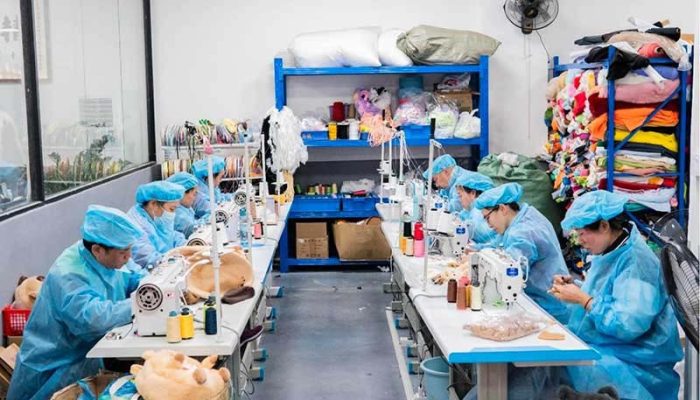
Mass Production with In-Line Quality Control
Plush products are produced across dedicated production lines with quality checks integrated into each key process. In-line inspections help detect issues early and maintain consistency across batches.
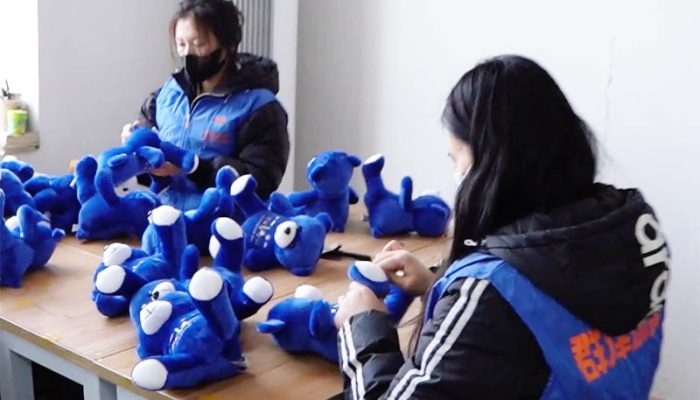
Final Inspection, Packing & Shipment
Finished products undergo final inspection to confirm quality, quantity, and compliance with approved standards. After packing according to requirements, orders are prepared for shipment with complete documentation.
A transparent production process gives you better control over timelines, quality, and risk. From sample approval to final shipment, our team keeps every step aligned with your expectations and market requirements.
Precision Mass Production for Plush Toys
This video walks through our This video shows how approved samples are translated into stable mass production. By applying standardized production workflows, fixed sewing and stuffing specifications, controlled material usage, and multi-stage quality checks, we ensure every unit matches the confirmed sample. This mass production system allows us to handle volume orders with consistent quality, controlled timelines, and reliable delivery.
Trusted by Leading Global Brands
Strong partnerships prove strong capabilities. Over the years, Kinwin has worked with world-leading brands and retailers to deliver interactive plush toys that meet the highest standards of creativity, safety, and quality. By choosing us, you gain a supplier that is trusted by top companies worldwide—and the same reliability is available to your brand.

Our International Certifications & Compliance Standards
International certifications are more than formal documents—they are proof that a plush manufacturer can meet strict safety, quality, and ethical requirements across different markets. At Kinwin, our certifications support smooth market entry, reduce compliance risk, and help global brands sell plush products with confidence in regulated regions.
CE & EN71
Our plush products are developed and tested in accordance with CE marking requirements and EN71 toy safety standards. These standards cover mechanical safety, chemical limits, flammability, and usage risks, ensuring plush products are suitable for children and compliant with European regulations.
ASTM F963 & CPSIA
For the U.S. market, we manufacture plush products according to ASTM F963 toy safety standards and CPSIA regulations. These requirements focus on material safety, small parts security, labeling, and traceability, helping brands avoid customs issues, recalls, and legal risks.
ISO Quality Management System
Our ISO-certified quality management system ensures that every stage—from material sourcing to production and inspection—is controlled through standardized procedures. This system helps maintain consistent quality across batches and supports scalable, long-term manufacturing partnerships.
BSCI / SMETA Social Compliance Audits
We undergo BSCI and SMETA audits to meet international social responsibility standards, covering labor practices, workplace safety, and ethical manufacturing. These audits are especially important for global brands that require responsible sourcing and transparent supply chains.
Clear certification coverage helps your plush products enter target markets faster and reduces compliance-related delays. Share your target countries and product types with us, and we will confirm the exact certification and testing scope required for your project.
Ready to Start Your Plush Project with a Trusted China Manufacturer?
Choosing the right plush manufacturer is a long-term decision that affects product quality, delivery reliability, and brand reputation. Whether you are developing a new plush line, expanding an existing collection, or preparing for bulk production, working with an experienced China-based plush manufacturer helps reduce risk and improve efficiency. At Kinwin, we support you from design evaluation to mass production, offering clear communication, stable quality control, and practical manufacturing guidance tailored to your market and business goals.
If you already have a design or reference, our team can review feasibility, recommend materials, and outline a clear development plan. If you are still exploring ideas, we can help you understand options, costs, and timelines before committing. Our goal is to help you move forward with confidence and clarity, not pressure.
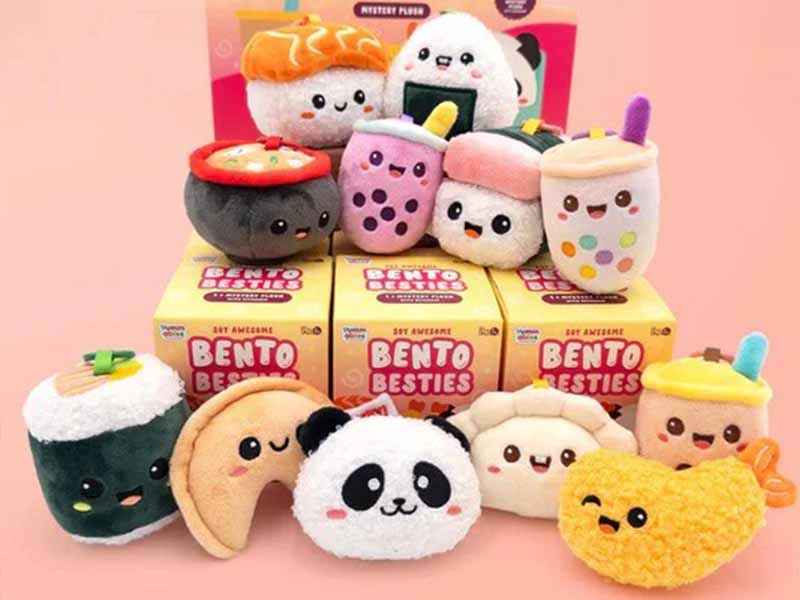
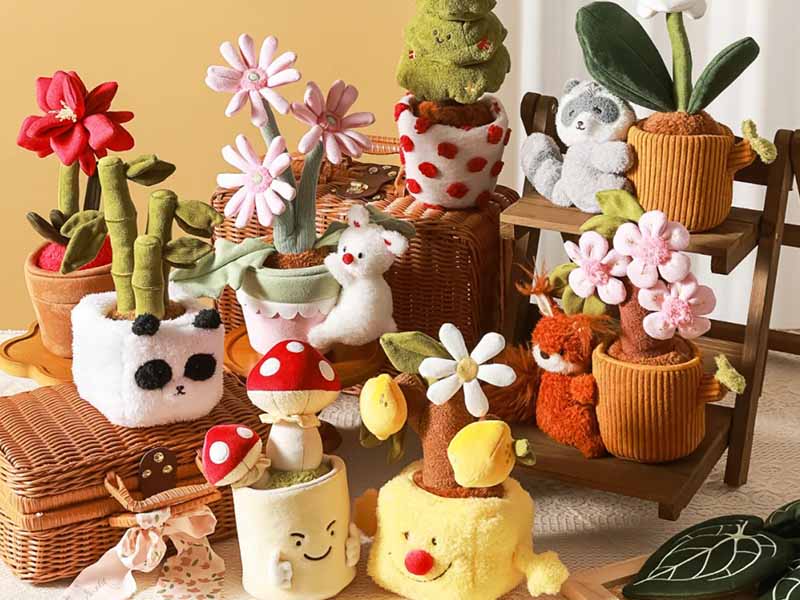
Explore Our Custom Plush Toy Series
We offer a wide selection of plush toys to meet different business needs. From baby-safe stuffed animals to collectible plush dolls, our product lines are designed for global brands, retailers, e-commerce, and promotional projects.
Frequently Asked Questions
1. What is your minimum order quantity (MOQ) for custom plush products?
Our standard MOQ depends on product size, complexity, and material selection. For most custom plush projects, the MOQ usually starts from 500 units per design. For simpler designs or repeat orders, flexibility may be possible. We always evaluate MOQ based on production efficiency and cost control, not a fixed number.
2. Can you work with my design or reference image only?
Yes. We support artwork-based customization using sketches, images, or reference samples. Our team evaluates feasibility, adjusts structure and materials if needed, and turns your concept into a production-ready plush sample before mass production.
3. How long does the sampling process take?
Sampling usually takes 10–15 working days after design confirmation, depending on complexity and revision rounds. Complex structures or special materials may require additional time, but we always provide a clear timeline before starting.
4. How do you ensure quality consistency in mass production?
Quality consistency is ensured through locked specifications, standardized production procedures, in-line quality checks, and final inspections. Once a sample is approved, it becomes the reference standard for all production lines and batches.
5. What safety standards do your plush products comply with?
Our plush products are produced in compliance with major international standards such as EN71 (Europe), ASTM F963 and CPSIA (USA). Additional testing can be arranged based on your target market and product category.
6. Can you support eco-friendly or sustainable plush materials?
Yes. We support eco-friendly options such as recycled fabrics, recycled fiberfill (rPET), and low-impact materials. Our team can advise on suitable sustainable choices while balancing cost, availability, and compliance.
7. Do you offer OEM and ODM services?
We offer both OEM and ODM services. OEM is suitable if you already have a finalized design, while ODM works well if you need development support from concept to final product. We adjust the process based on your project stage.
8. How are prices calculated for custom plush projects?
Pricing is based on size, materials, structure complexity, accessories, order quantity, and packaging requirements. After reviewing your design and specifications, we provide a transparent quotation with cost drivers clearly explained.
9. What is your typical production lead time for bulk orders?
Bulk production usually takes 30–45 days after sample approval, depending on order volume and production schedule. Peak seasons may affect timelines, but early planning helps secure capacity.
10. Can you ship products internationally and assist with export documents?
Yes. We support international shipping and can assist with export documentation such as packing lists, invoices, and compliance-related paperwork to ensure smooth customs clearance.
If You Can lmagine lt,We Will Create lt!
1.Tell Us What You Need
Tell us as specific as possible of your needs and share your idea.
2.Get Solution & Quote
We will work on the best solution according to yourrequirements,the specific quote will be provided within 24 hours.
3.Approve for Mass Production
We will start mass production after getting your approval.
