Trusted Stuffed Toy Factory in China | OEM & ODM Certified Plush Toy Manufacturer
Partner with a stuffed toy factory that helps your ideas become real plush products with stable quality and fast turnaround. Here, your brand receives professional OEM & ODM support, precise prototype accuracy, and materials that meet CE & ASTM standards—so your custom plush toys can enter global markets with confidence.
Multilingual Sales Team for Seamless Global Plush Toy Communication
A multilingual sales team helps your custom plush toy project move faster and easier. You receive clear communication, fewer misunderstandings, and a smoother experience from inquiry to mass production.
Clear Project Communication Across Languages
Our team communicates in English, Spanish, Japanese, and more, ensuring every detail of your stuffed toy design and requirements is fully understood. This reduces mistakes and keeps your project on the right track.
Fast Response to All OEM & ODM Requests
You receive quick replies to design questions, quotations, sampling updates, and production schedules, helping your plush toy project move forward without delays.
Better Support for Global Compliance Standards
Our team explains CE, ASTM, EN71, and safety testing requirements clearly in your preferred language, helping your plush toys meet global compliance standards with confidence.
Smooth Coordination From Design to Shipping
Your instructions on packaging, labeling, fabrics, accessories, and logistics are accurately delivered to each department, making the entire OEM plush production process smooth and efficient.
With clear, multilingual communication, your custom plush project becomes easier to manage and faster to complete. You get a partner who understands your needs and supports your brand at every step.
Why Global Brands Trust Kinwin as Their Plush Toy Manufacturing Partner
Global brands choose Kinwin because they get stable quality, clear communication, and a production partner who understands how to protect IP, manage deadlines, and deliver consistent results. With 17 years of OEM & ODM plush toy manufacturing experience, Kinwin offers the reliability international buyers expect.
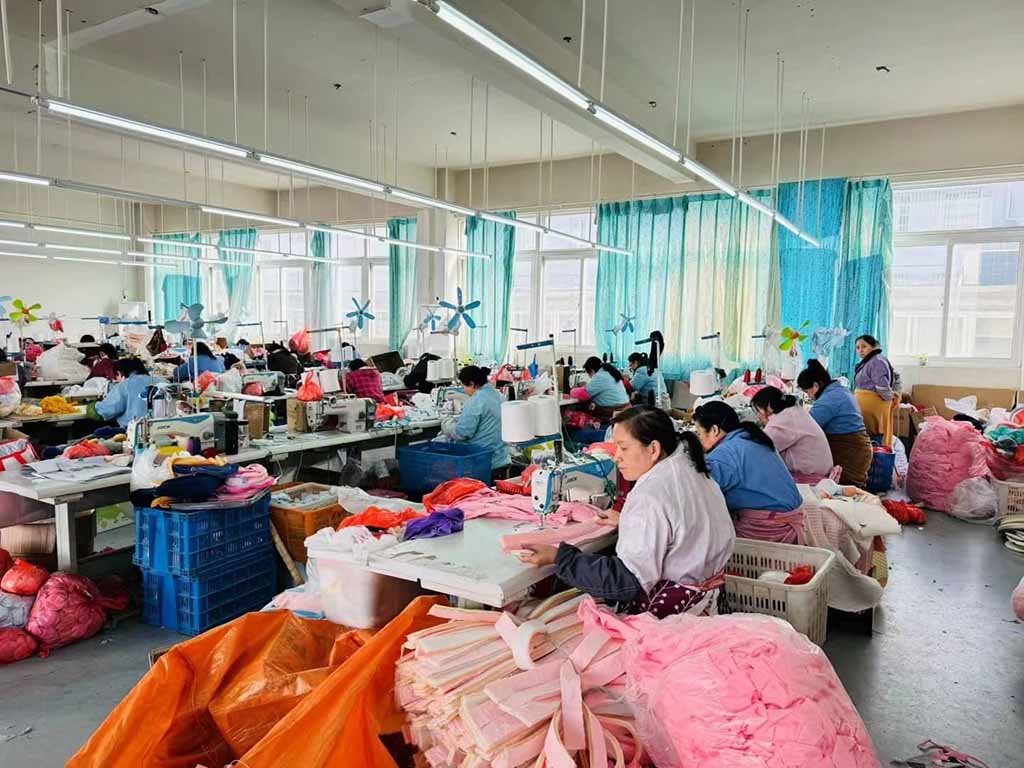
1. 17 Years of Professional OEM & ODM Expertise
Kinwin has worked with international brands for over 17 years, supporting custom plush toys from concept to mass production. This deep experience helps brands reduce development risks, improve product accuracy, and enjoy a smoother production process. You get a partner who understands global buyer expectations and industry standards.
2. High Prototype Accuracy That Protects Brand Identity
Brands trust Kinwin because prototype accuracy often reaches 90–95%. Every curve, expression, proportion, and fabric choice is carefully adjusted to match your original design. This ensures that licensed characters, mascots, and branded plush lines look consistent across all markets.
3. Certified Factory That Meets Global Standards
CE, ASTM, EN71, CPSIA, ISO, and BSCI certifications ensure that your plush toys meet global compliance requirements. Brands save time and avoid risk because every production step—from fabric selection to needle detection—is aligned with international safety standards.
4. Strong IP Protection and Confidential Development
Kinwin signs NDAs, separates project data, and controls access to design files to protect your IP. This allows global brands to develop new plush characters, prototypes, and licensed lines safely without worrying about design leakage.
5. Consistent Mass Production Quality
Each stage—cutting, sewing, stuffing, embroidery, QC, and packaging—follows a documented workflow. This ensures that every batch of stuffed toys matches the approved sample. You get fewer defects, fewer delays, and products that retailers can confidently place on shelves.
6. Fast Sampling & Reliable Lead Times
Kinwin supports 10–15 day sampling and stable mass-production scheduling. Brands trust us because projects stay predictable, even during peak season. This reliability helps you plan launches, promotions, and reorder cycles with confidence.
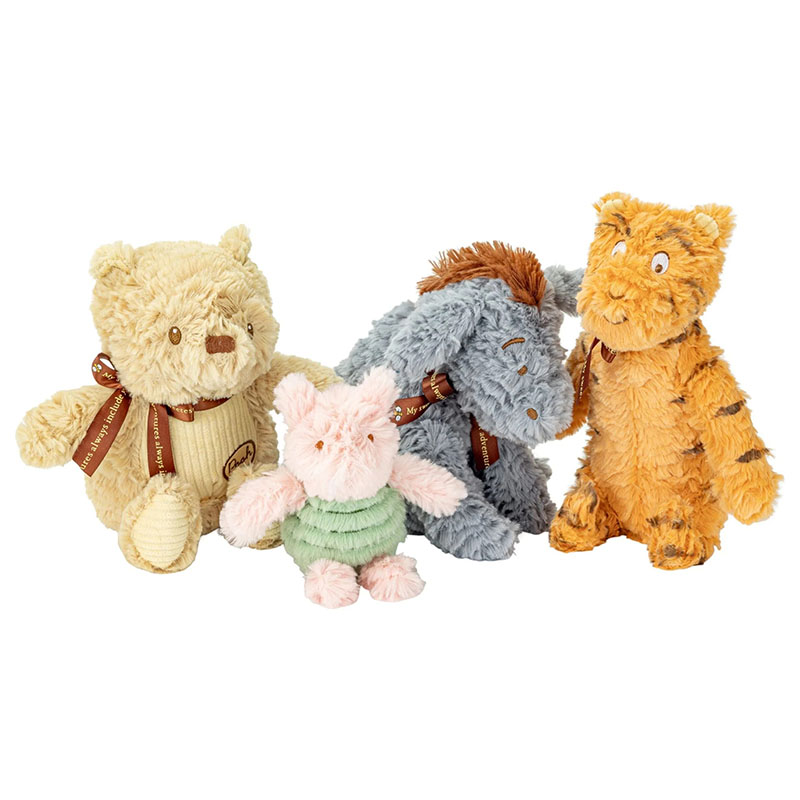
By choosing Kinwin, global brands gain a long-term partner who delivers accuracy, reliability, and safe production from start to finish. Your plush toy projects become easier to manage, faster to launch, and stronger in the market.
Product Showcase: Explore Our Best-Selling Plush Collections
Discover a wide range of custom plush toys designed for brands, retailers, and promotional projects. Each collection showcases different styles, materials, and craftsmanship options, helping you find the perfect match for your market. Whether you need lifelike animals, creative food plush, baby-safe toys, or licensed character designs, our stuffed toy factory provides stable quality and flexible OEM/ODM support.
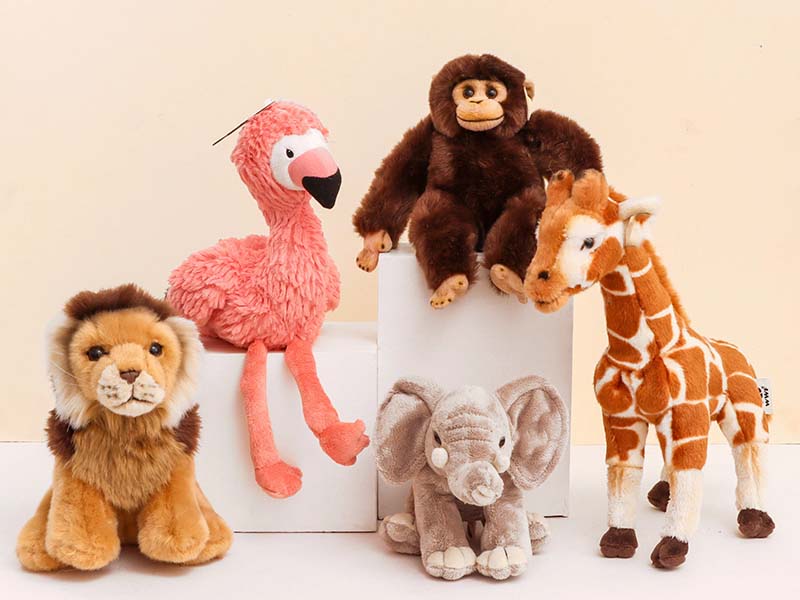
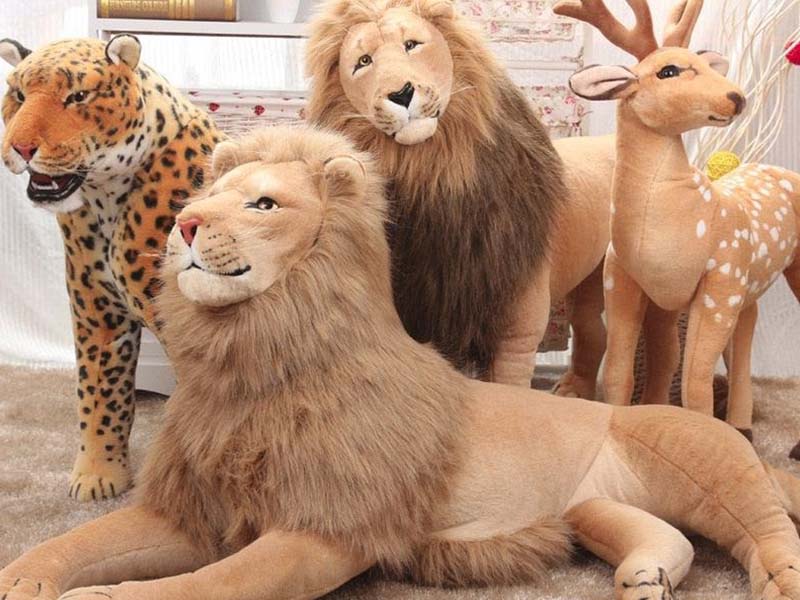
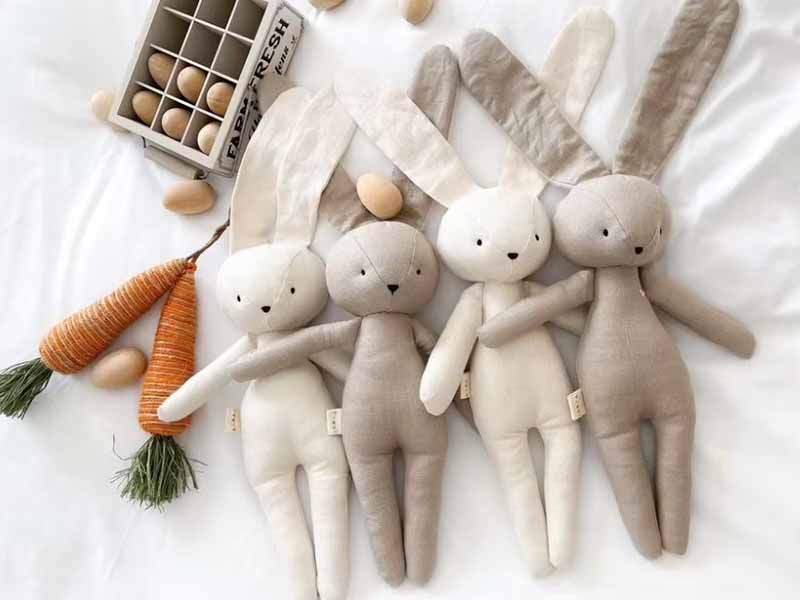
Plush Animals Serie
Ideal for brands creating lifelike plush lions, bears, rabbits, and other classic animal characters. Soft fabrics and detailed embroidery make them perfect for retail collections.
Dinosaur Plush Series
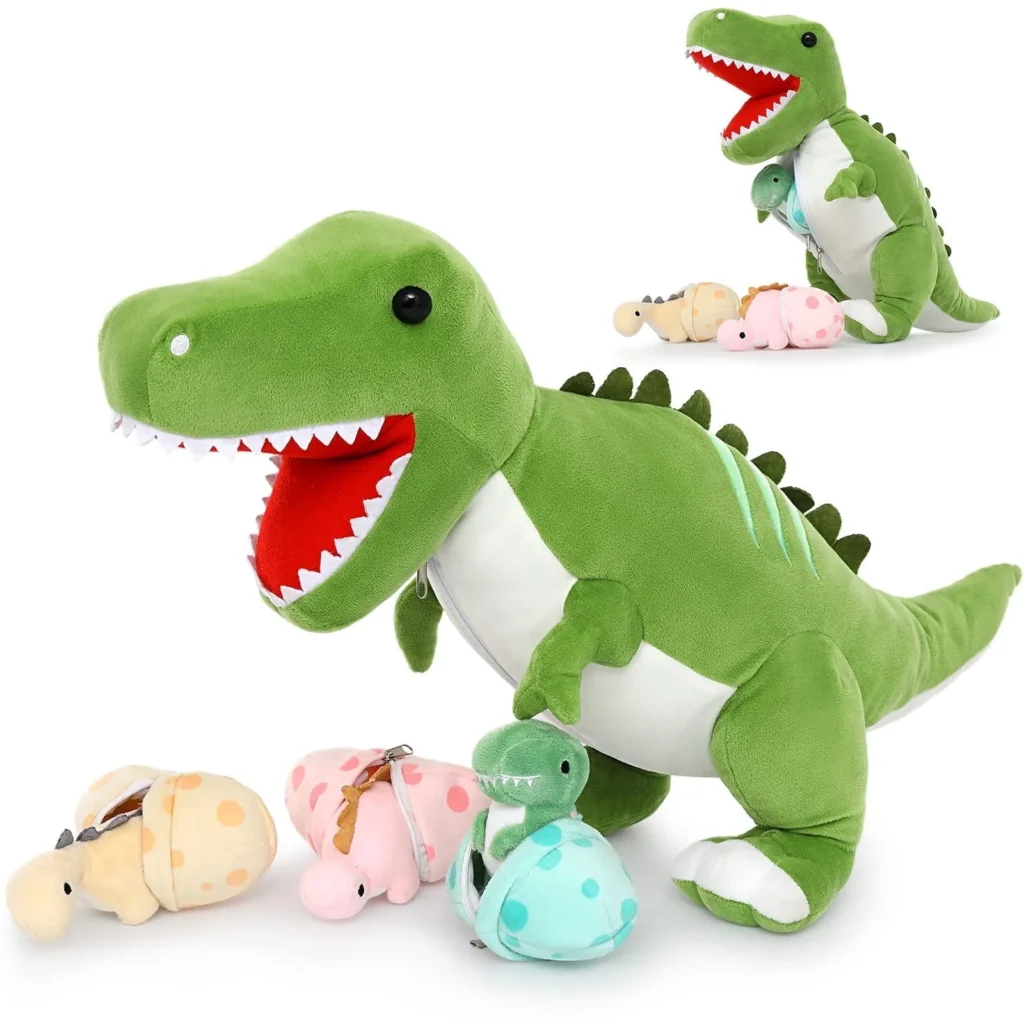
A popular choice for children’s brands. Custom shapes, colors, and textures help your dinosaur plush stand out in the market.
Food Plush Series
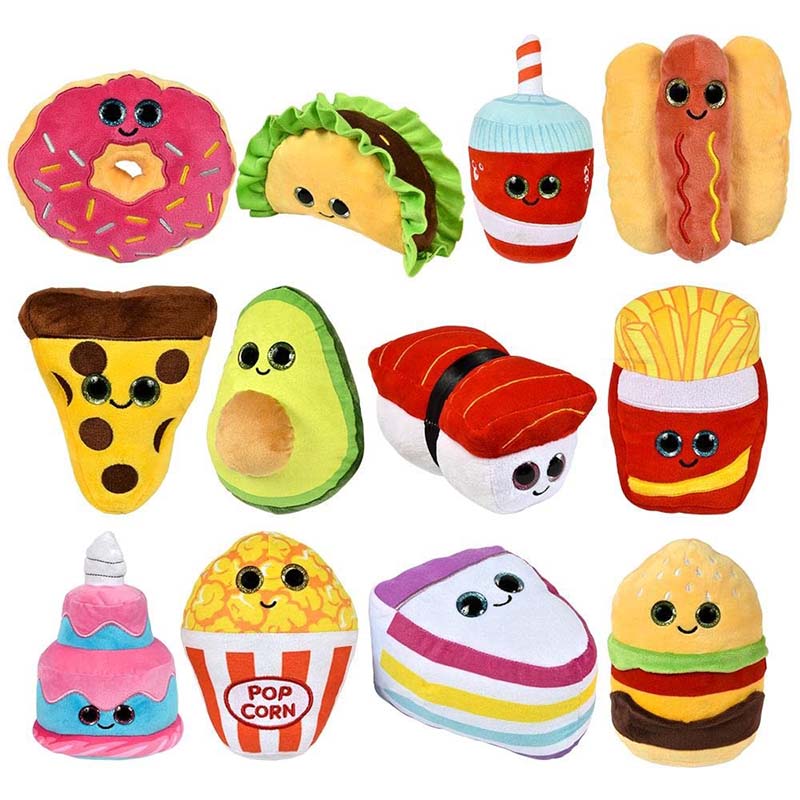
Perfect for lifestyle and gifting brands. Fun shapes like fruits, desserts, and snacks create strong visual appeal.
Marine Life Plush Series
Whales, dolphins, sharks, and other sea animals designed with soft fillings and smooth fabrics for a comforting feel.
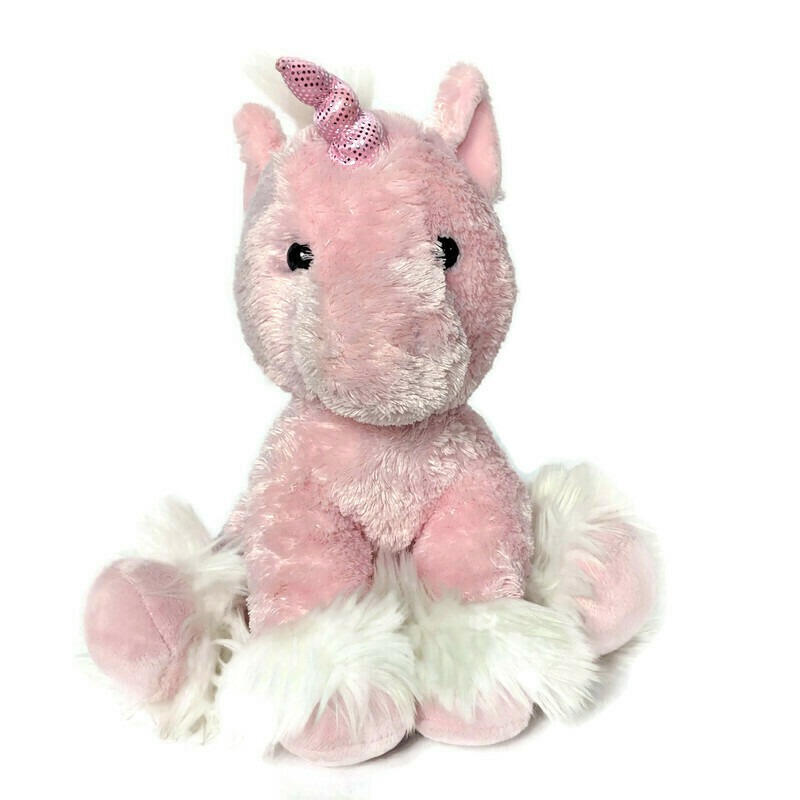
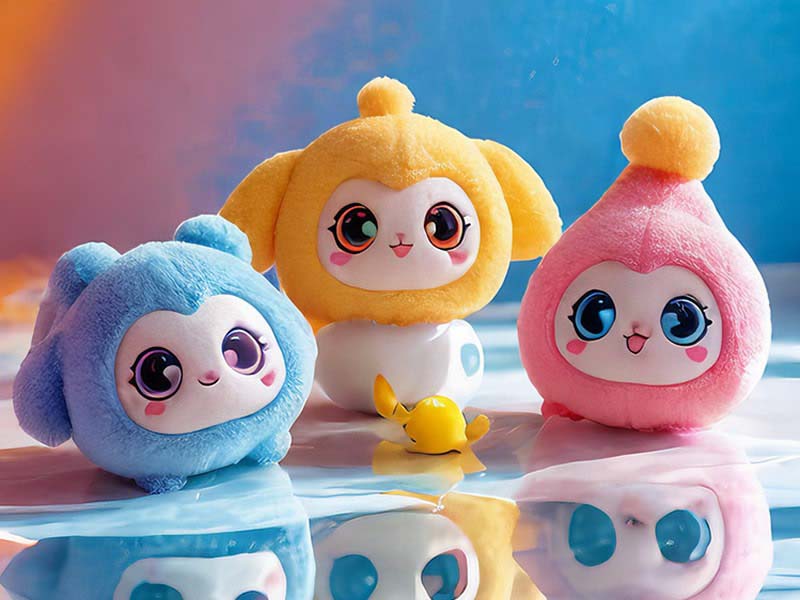
Fantasy & Monster Plush Series
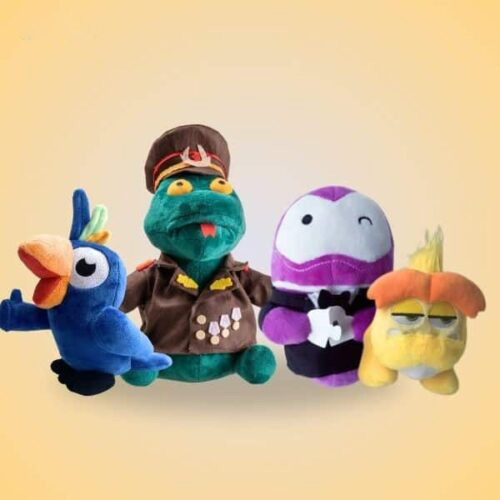
A great option for IP brands. Unique shapes and bold colors help express character identity.
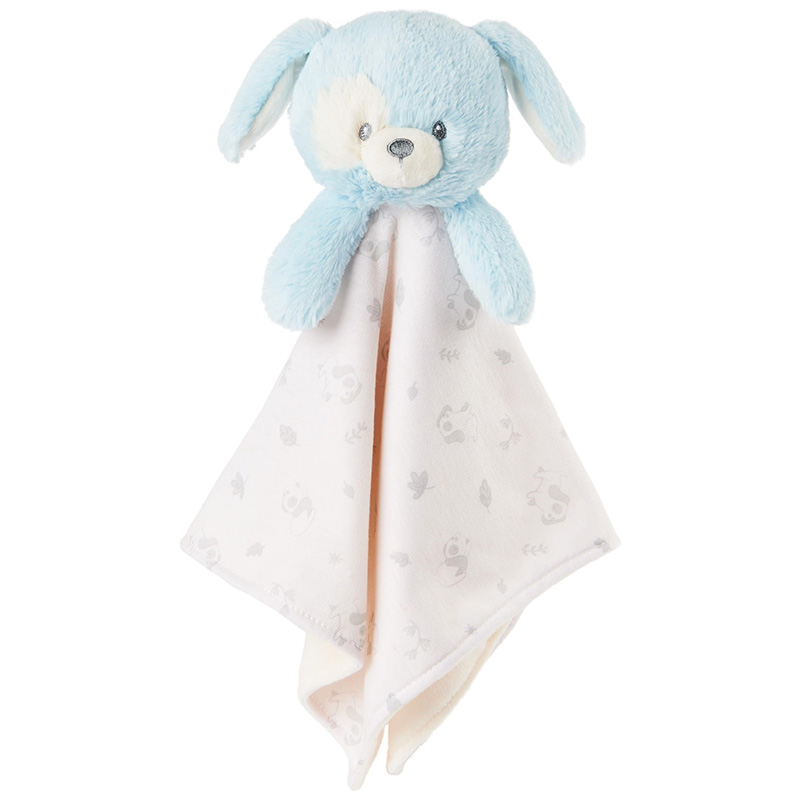
Baby Safe Plush Series
Made with safe fabrics, embroidered eyes, and soft fillings. Designed for newborn gift sets and baby product lines.
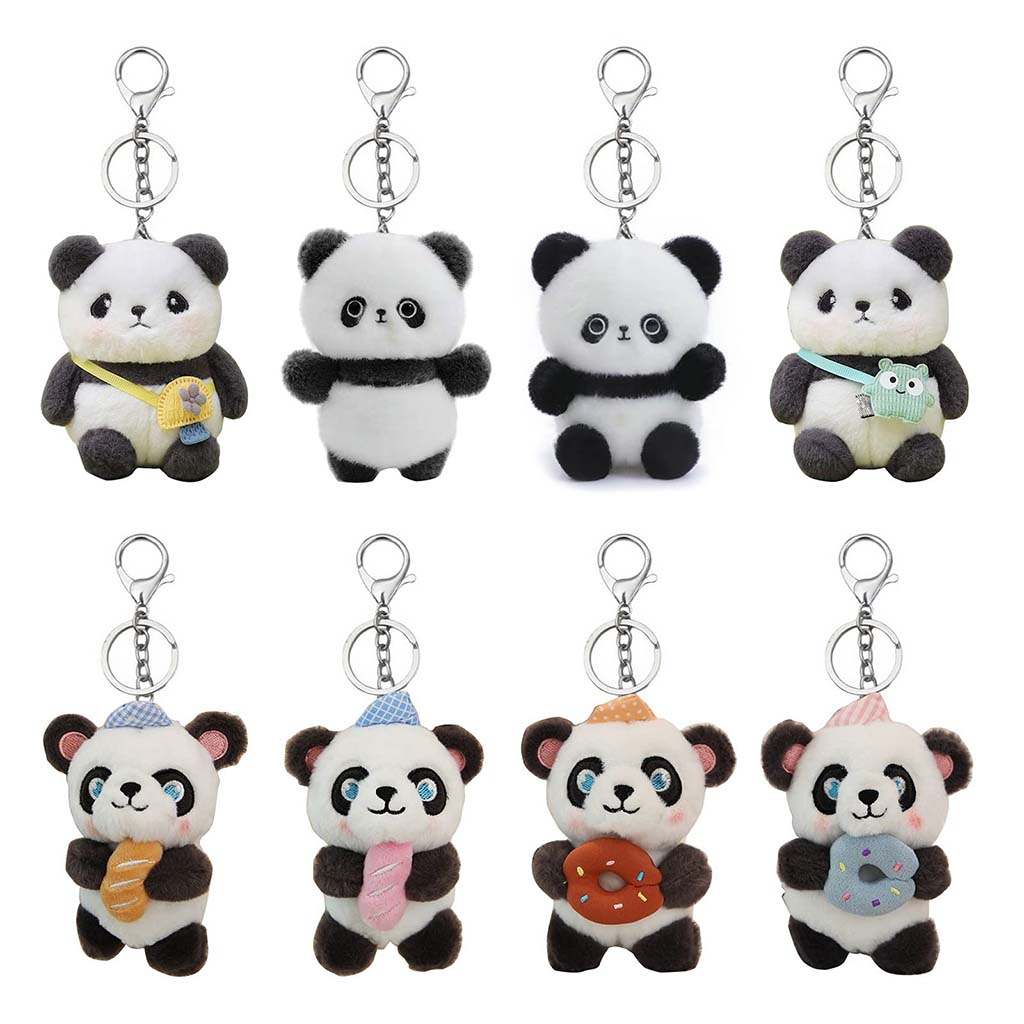
Keychain Plush Series
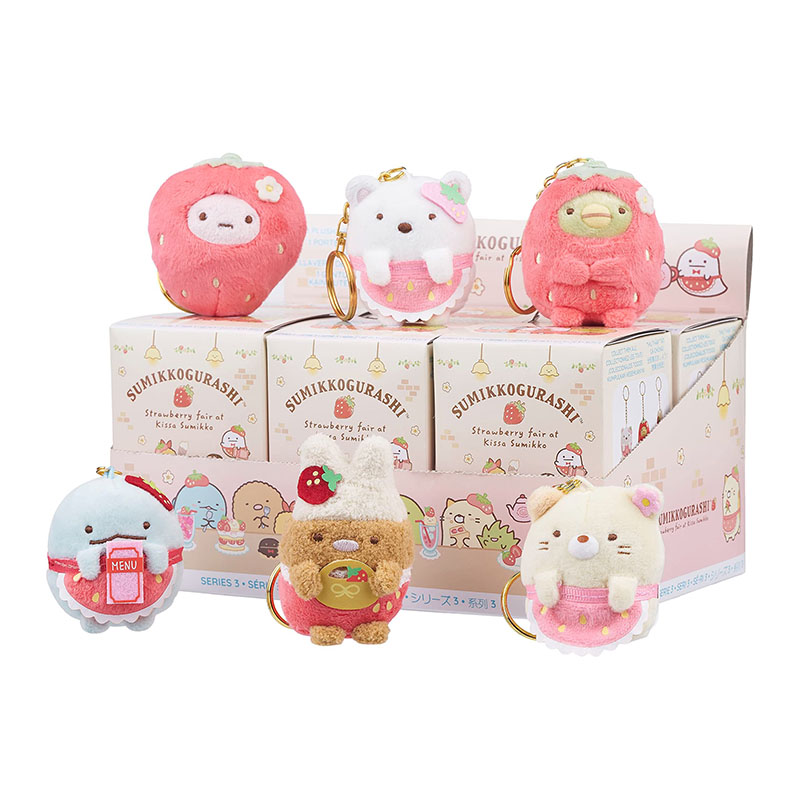
Lightweight and customizable in multiple sizes. Perfect for promotional gifts and brand merch.
Scented Plush Series
Infused with gentle fragrances that enhance the user experience. A popular option for lifestyle brands.
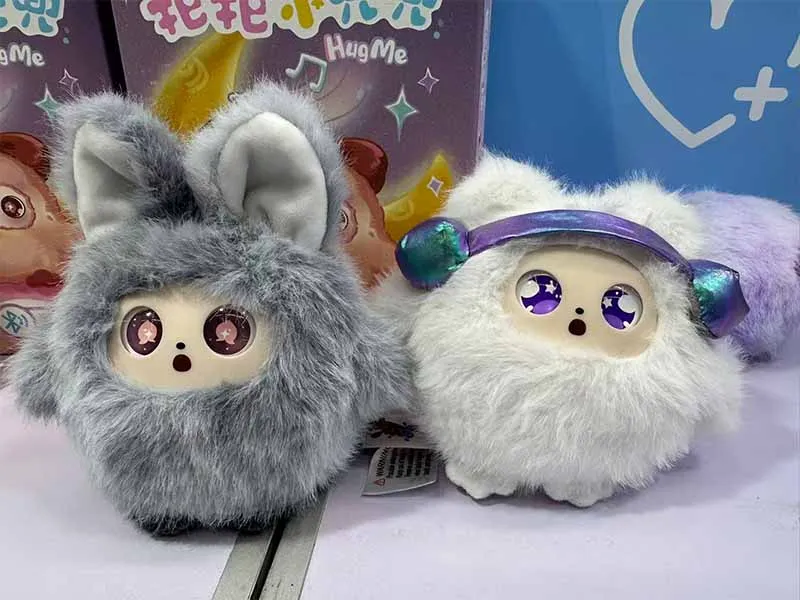
Interactive Plush Series
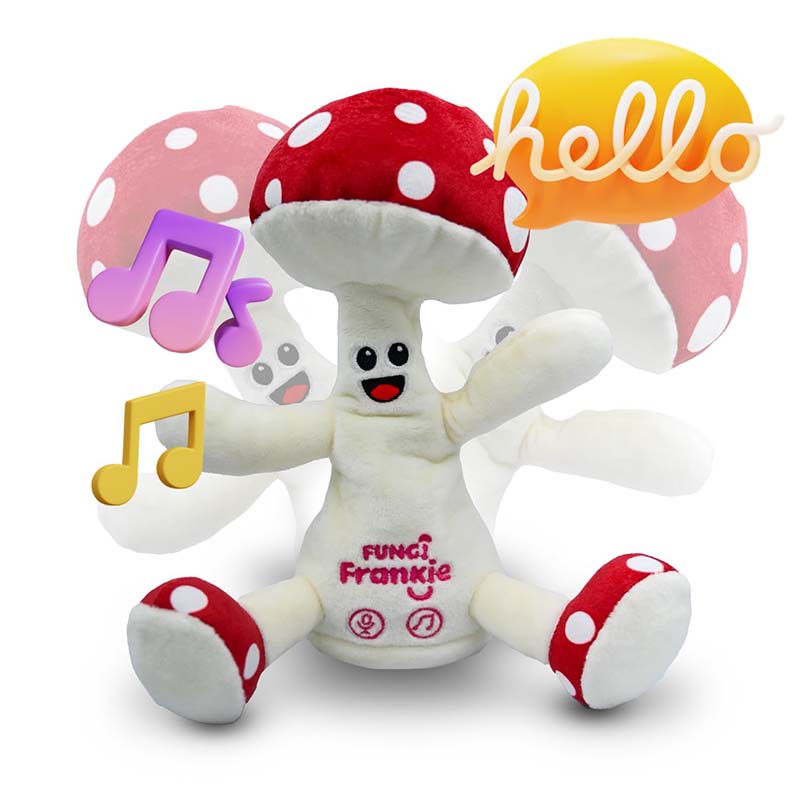
Features sound modules, lights, or vibration elements to create playful interaction. Ideal for premium product lines.
Weighted Plush Series
Designed for calming and sensory support. Suitable for therapy products and wellness markets.
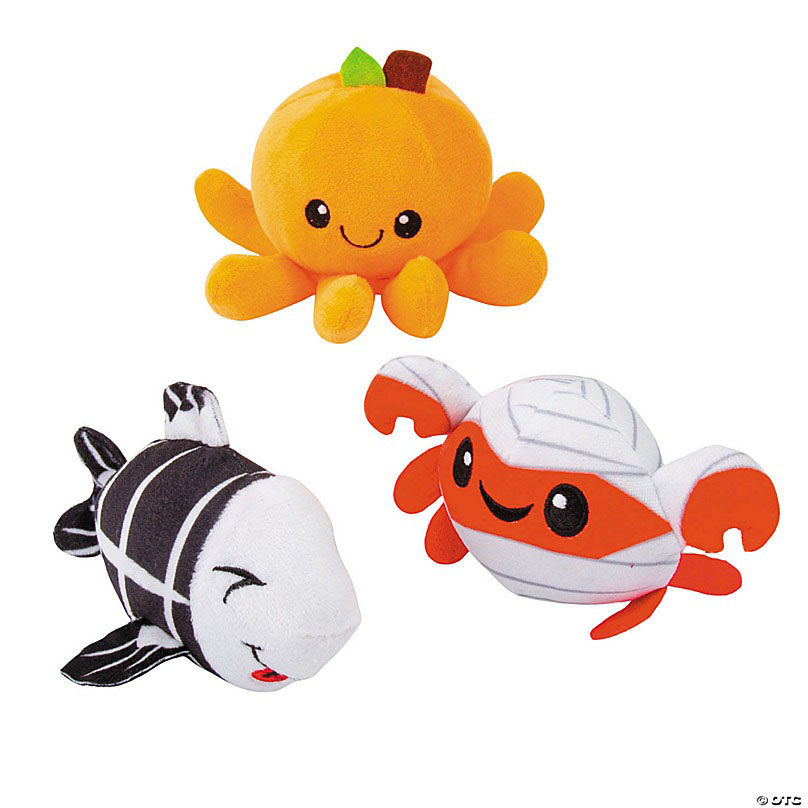
Holiday Plush Series
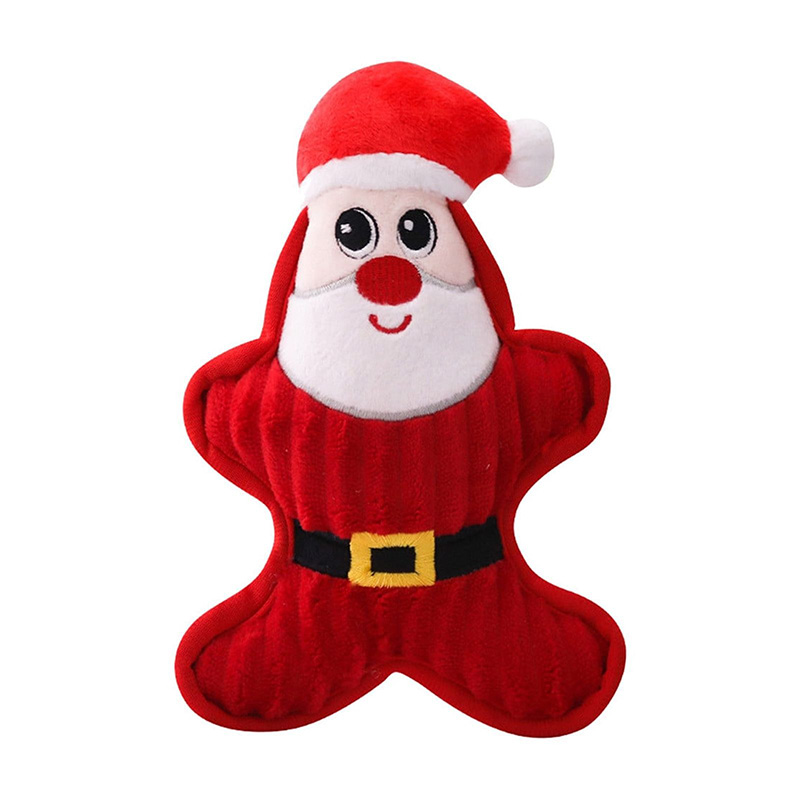
Christmas, Halloween, Easter and more. Seasonal plush toys help brands increase sales during holiday peaks.
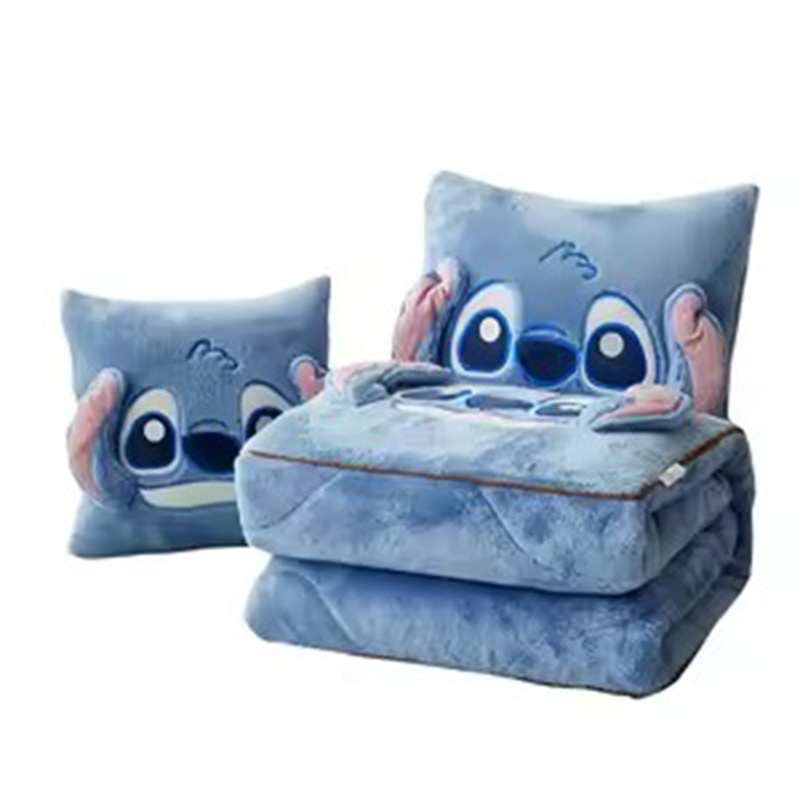
Plush Cushion & Pillow Series
Soft and functional plush cushions perfect for home decor, gifts, and lifestyle collections.
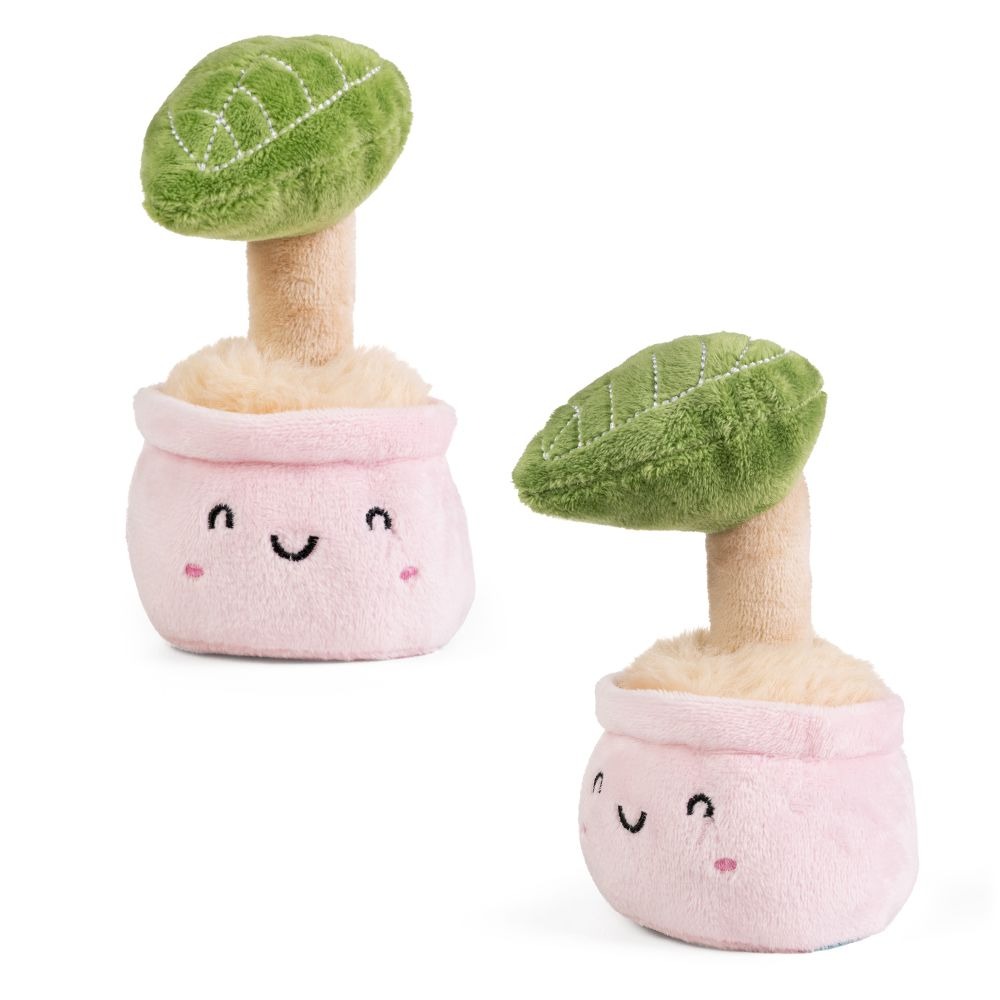
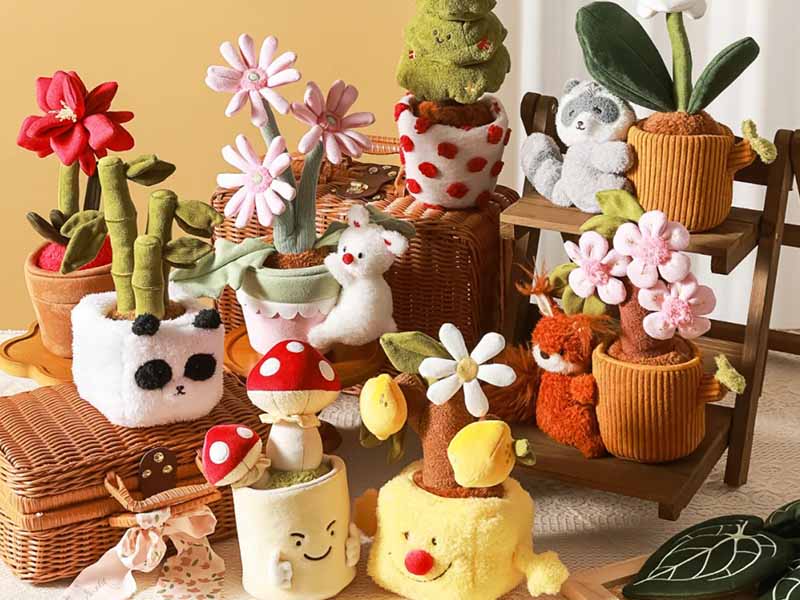
Plant Plush Series
Cute potted plants, cactus, and flower plush designs that add charm to retail and gifting categories.
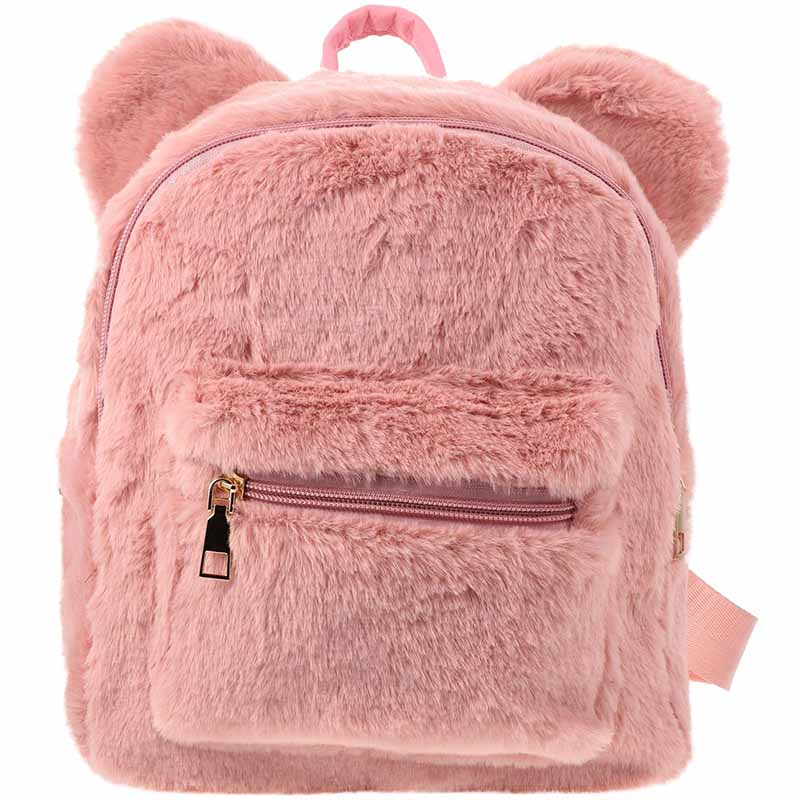
Plush Backpacks
Durable and adorable plush backpacks designed for kids’ products, promotions, and character branding.
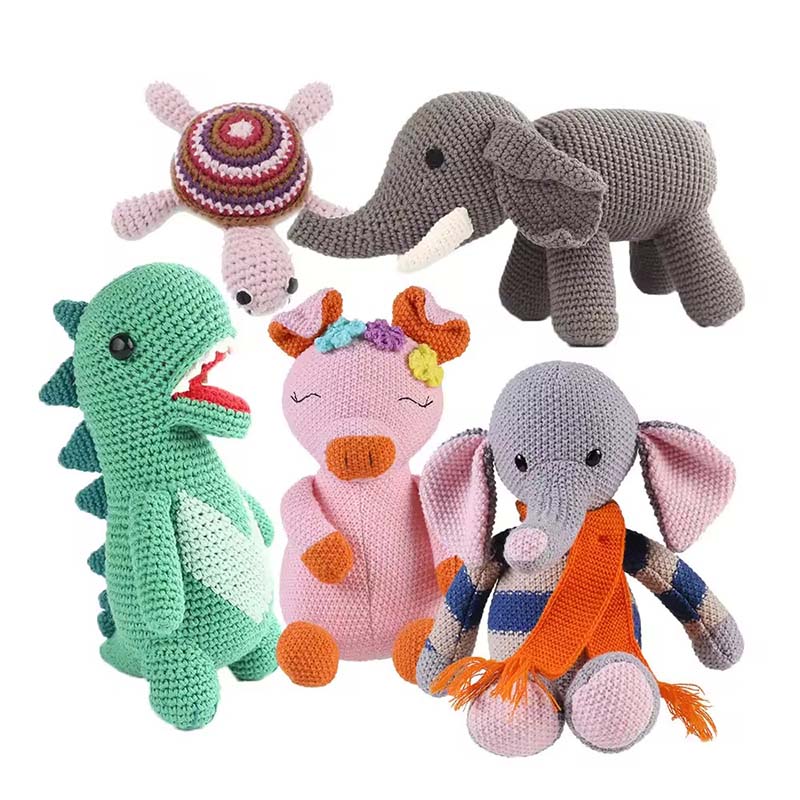
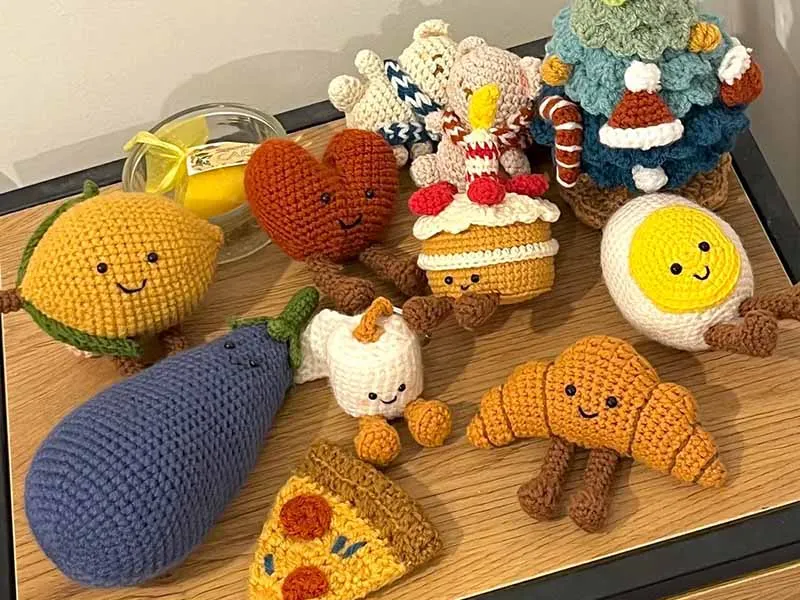
Knitted Plush Series
Handcrafted-style knitted plush toys that offer a unique aesthetic and high perceived value.
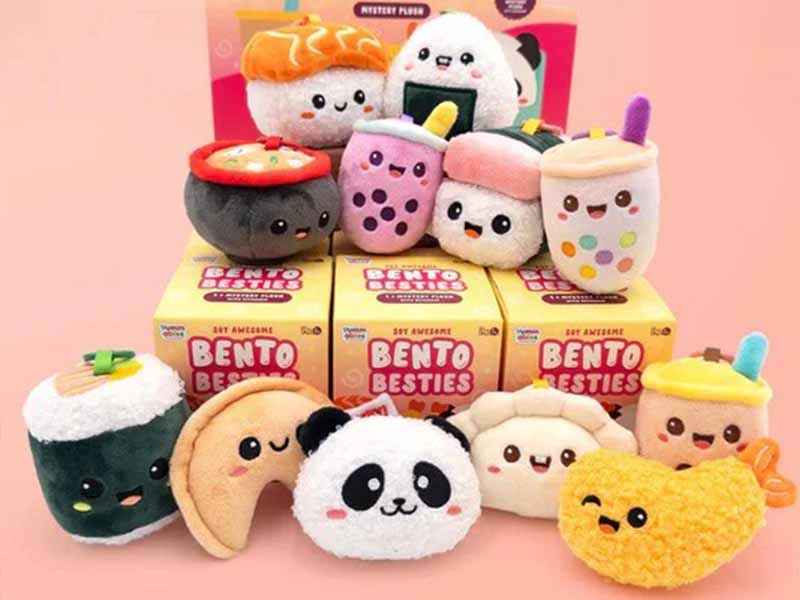
Blind Box Plush Series
Custom collections for mystery box brands. Supports multiple characters, packaging styles, and limited editions.
Precision Plush Sample Room Showcase
This video gives you a real look inside our plush sample room, where hundreds of finished samples demonstrate our design range, material options, and craftsmanship level. From animals and character plush to pillows, dolls, and complex OEM projects, each sample reflects our ability to translate ideas into production-ready results with stable quality and high accuracy.
OEM vs ODM: How to Choose the Best Plush Toy Development Model for Your Brand
Choosing between OEM and ODM can greatly influence your cost, development speed, creative freedom, and production efficiency. Understanding the difference helps your plush toy project move forward with fewer risks, lower costs, and better control over design outcomes.
1. OEM: Bring Your Original Design to Life with High Accuracy
OEM is the right choice when your brand already has a completed design, sketch, 3D model, or character concept. Our stuffed toy factory follows your artwork strictly, adjusting proportions, colors, embroidery, fabrics, and fillings to achieve 90–95% prototype accuracy. This model gives you full creative control and ensures your brand identity stays consistent across all markets. OEM also benefits brands that need confidentiality, as your IP, mold, and technical files remain protected. With OEM, you receive predictable results, strong design ownership, and a smoother approval process from sample to mass production.
2. ODM: Ready-Made Designs That Save Time and Reduce Development Costs
ODM is ideal for brands that want to enter the plush market quickly without building designs from scratch. You can choose from our existing plush toy concepts, modify colors, fabrics, facial expressions, or packaging, and launch new products faster with lower development costs. This model helps startups, retailers, gift companies, and promotional campaigns reduce design workload while still maintaining product uniqueness. ODM also shortens sampling and production cycles because the base structure is already tested and optimized. For brands seeking speed, simplicity, and budget-friendly development, ODM provides a practical and reliable solution.
Whether you choose OEM or ODM, Kinwin provides full support to help your plush toy project move forward with confidence—faster, safer, and with better results.
Meet Our Expert Team With 10–15 Years of Plush Toy Manufacturing Experience
Behind every high-quality plush toy is a professional team that understands design, structure, production, and global safety standards. Our core members each have 10–15 years of hands-on experience, ensuring your custom plush project runs smoothly from concept to mass production.
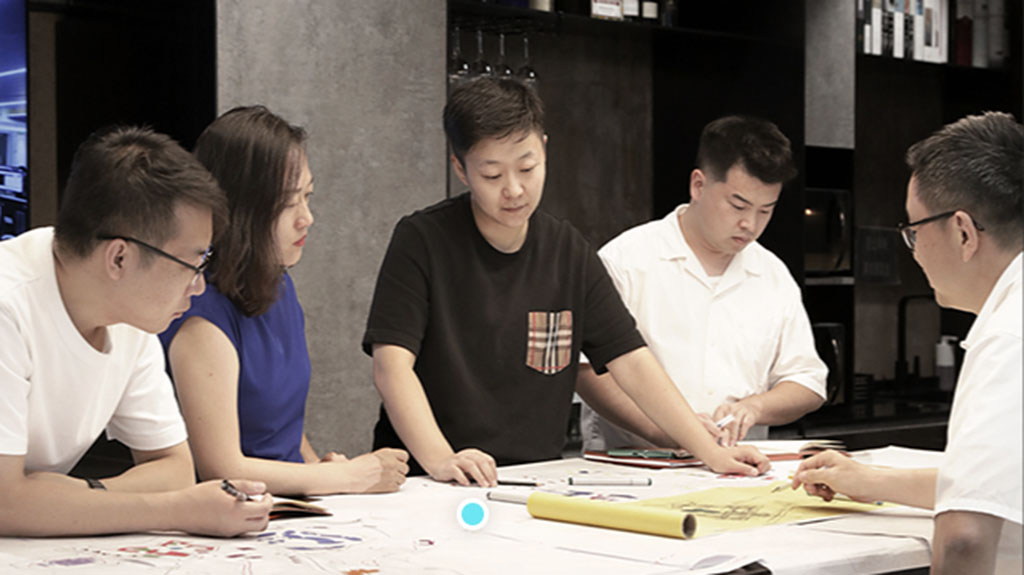
1. Design Team
Our design team specializes in turning brand concepts, sketches, and character ideas into production-ready plush toy designs. With 10+ years of experience in proportions, facial expressions, color matching, and fabric selection, they ensure your plush maintains a strong brand identity while staying feasible for manufacturing. You receive designs that look good, make sense structurally, and pass safety requirements.
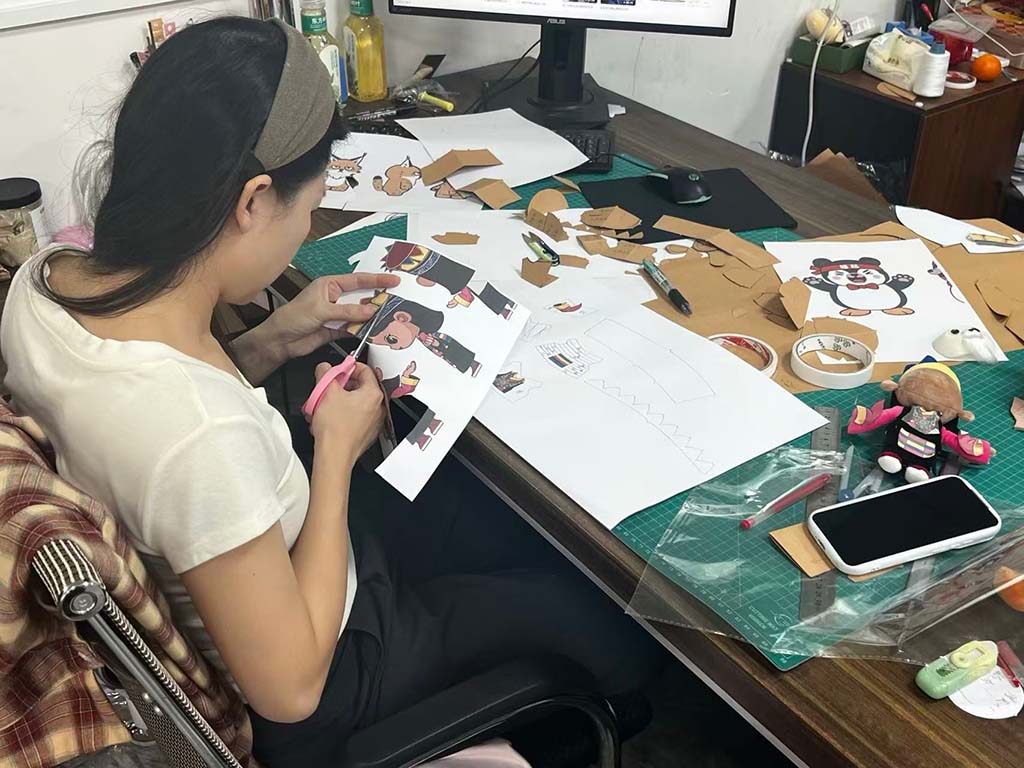
2. Pattern Makers
Pattern makers with 10–15 years of experience transform 2D artwork into accurate 3D plush structures. Every curve, angle, and seam is calculated to ensure a 90–95% prototype accuracy. This expertise is essential for IP brands, mascots, or characters requiring strict proportions. You gain samples that match your original design and reduce back-and-forth revisions.
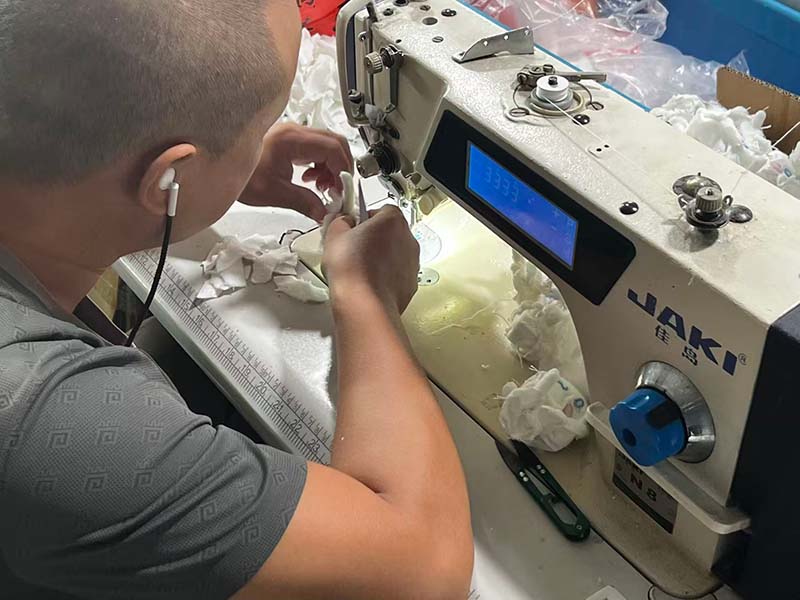
3. Sewing Team
Our sewing technicians have deep knowledge of stitching methods, tension control, stuffing density, embroidery details, and fabric behavior. Their 10–15 years of factory experience ensure each plush toy feels soft, durable, and safe. Complex shapes, tiny accessories, and delicate facial expressions are handled with precision. You get consistent mass-production quality that retailers trust.
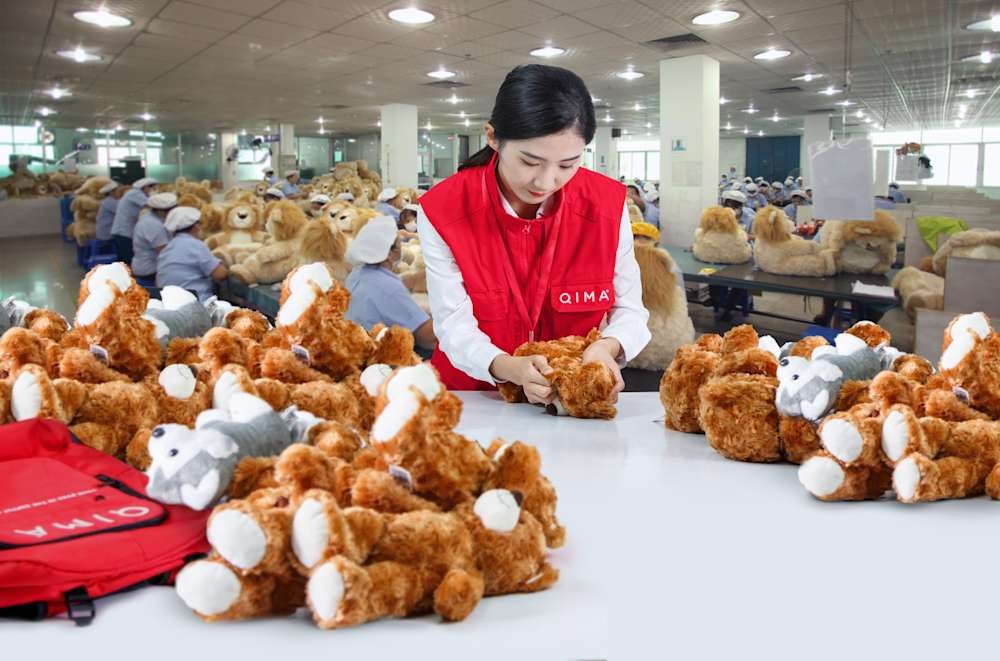
4. QC & Testing Team
The QC team performs fabric checks, needle detection, strength tests, colorfastness tests, and final inspections to ensure compliance with CE, ASTM, EN71, and CPSIA. With over a decade of testing experience, they help brands minimize risk and ensure every product is safe for global markets. You receive consistent quality with documented control at every stage.
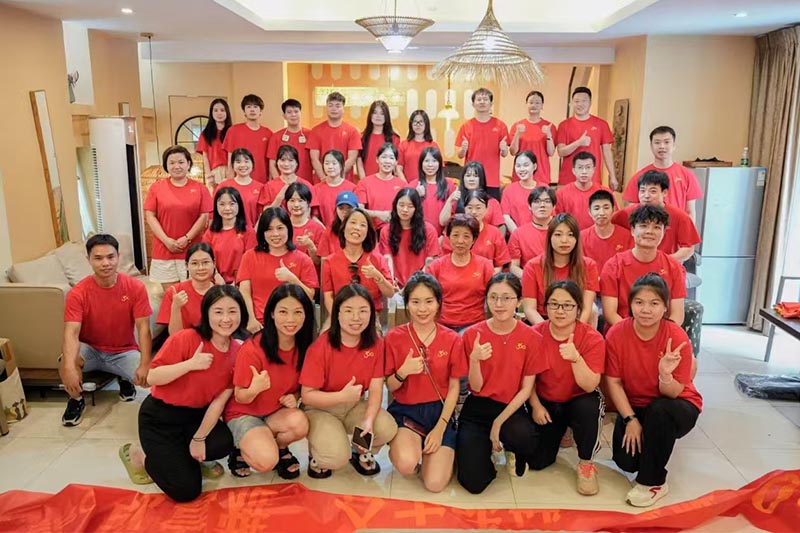
5. Sales & Project Team
With 10+ years serving global brands, our multilingual sales team provides clear communication, accurate guidance, and efficient project coordination. They help you choose materials, confirm details, monitor production stages, and solve potential issues before they occur. You get a smooth, transparent experience from sampling to shipping.
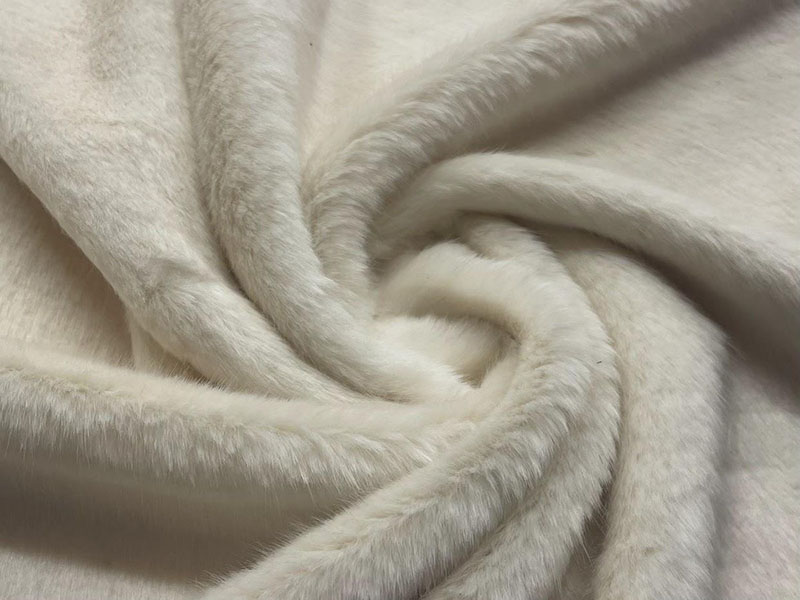
With a team of experienced specialists working together, your plush toy project gains the accuracy, efficiency, and reliability needed for global markets.
Precision Plush Sampling Workflow
This video walks through our structured plush toy sampling workflow, from design confirmation and pattern making to sewing, stuffing, and final sample review. Each step follows production-oriented standards to ensure the approved sample accurately represents what can be consistently reproduced in bulk. A clear sampling workflow helps brands validate designs faster and move smoothly into mass production.
Essential Fabrics & Fillings for High-Quality Plush Toy Manufacturing
Choosing the right fabrics and fillings is one of the most important steps in creating high-quality stuffed toys. Different materials affect softness, durability, appearance, and safety. Below are the most commonly used plush fabrics and fillings that help brands create safe, comfortable, and premium plush toys.
Short Pile Velvet
Short pile velvet is smooth, durable, and widely used in retail plush toys. It offers a clean surface and excellent embroidery compatibility, making it ideal for characters with detailed facial features or small accessories.
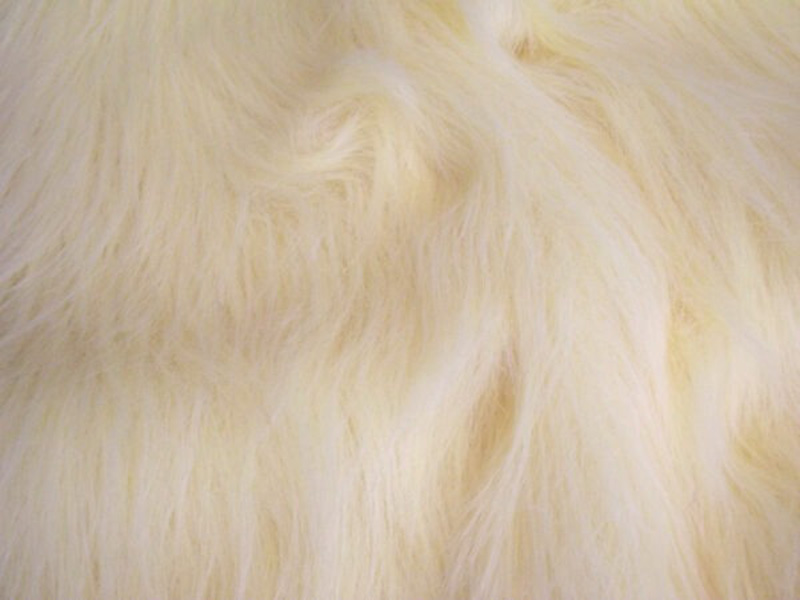
Long Pile Plush
Long pile plush provides a fluffy, soft look that works well for animals, fantasy creatures, and comfort-focused designs. It creates a cozy touch but requires skillful cutting and sewing to maintain shape.
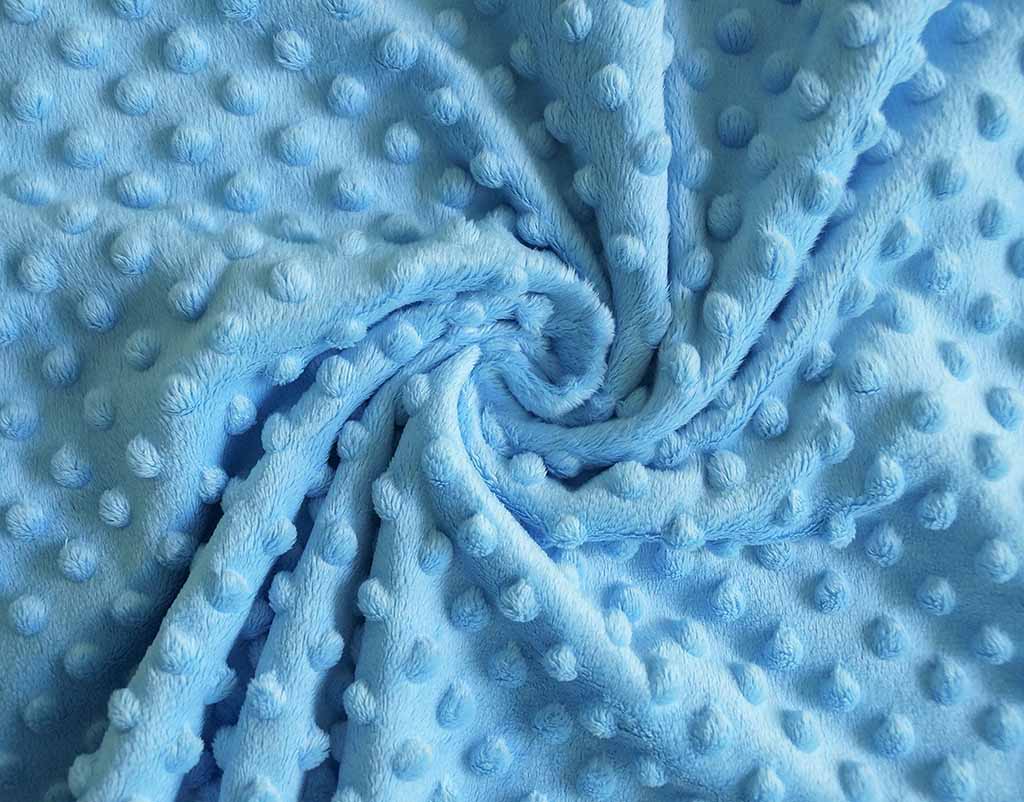
Minky Fabric
Minky fabric is extremely soft and commonly used in baby-safe plush toys. Its fine texture enhances comfort, making it suitable for pillows, blankets, and infant plush collections.
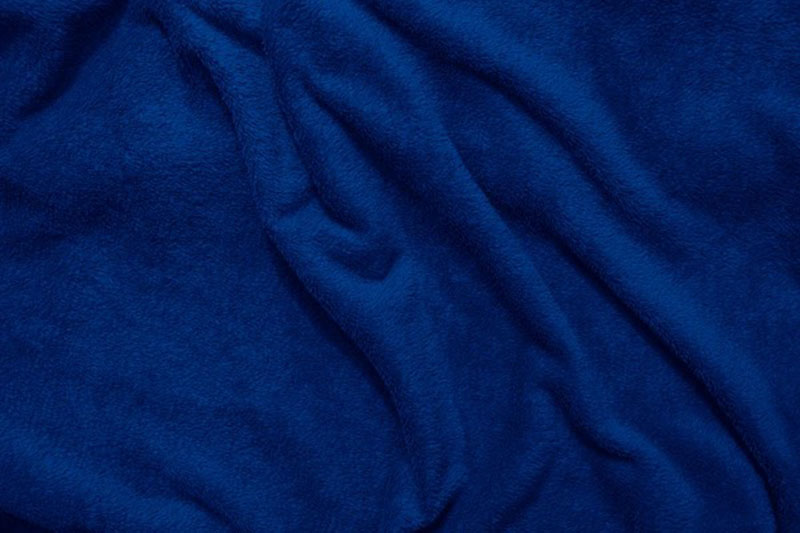
Fleece / Felt
Fleece and felt are excellent for adding texture to plush toys, such as clothing, decorations, or flat shapes. They keep their form well and support both stitching and embroidery.
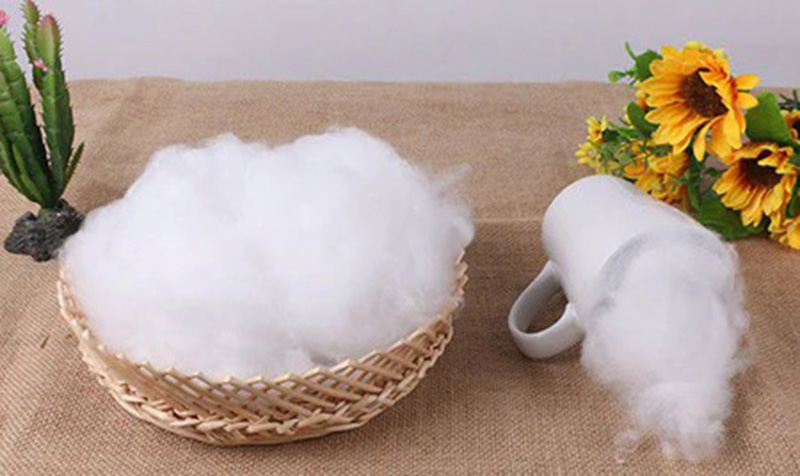
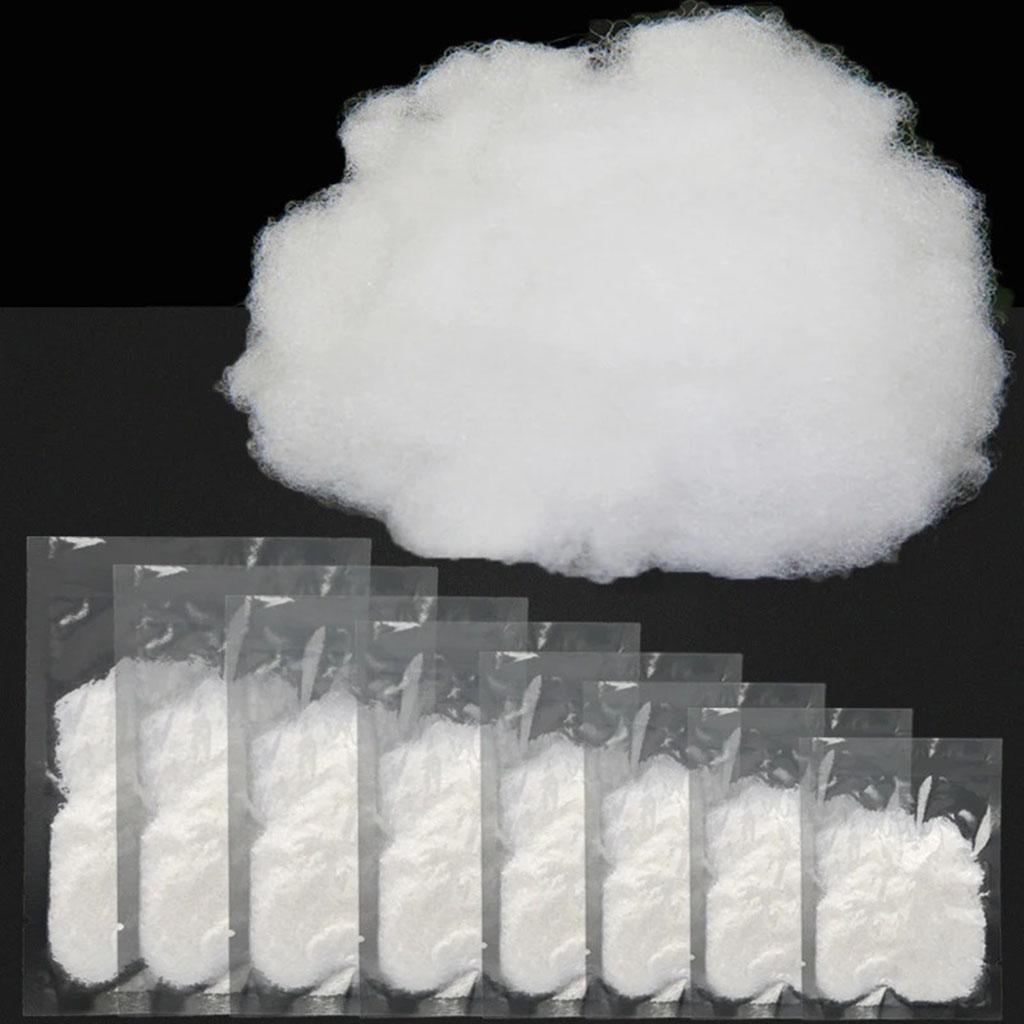
PP Cotton Filling
PP cotton is the most widely used plush toy filling. It is soft, lightweight, hypoallergenic, and provides a uniform shape. Brands choose it for retail plush, cushions, and promotional toys.
High-Elastic Cotton
High-elastic cotton offers stronger resilience and helps plush toys maintain shape after repeated squeezing. It is often used in premium plush toys and long-term use products.
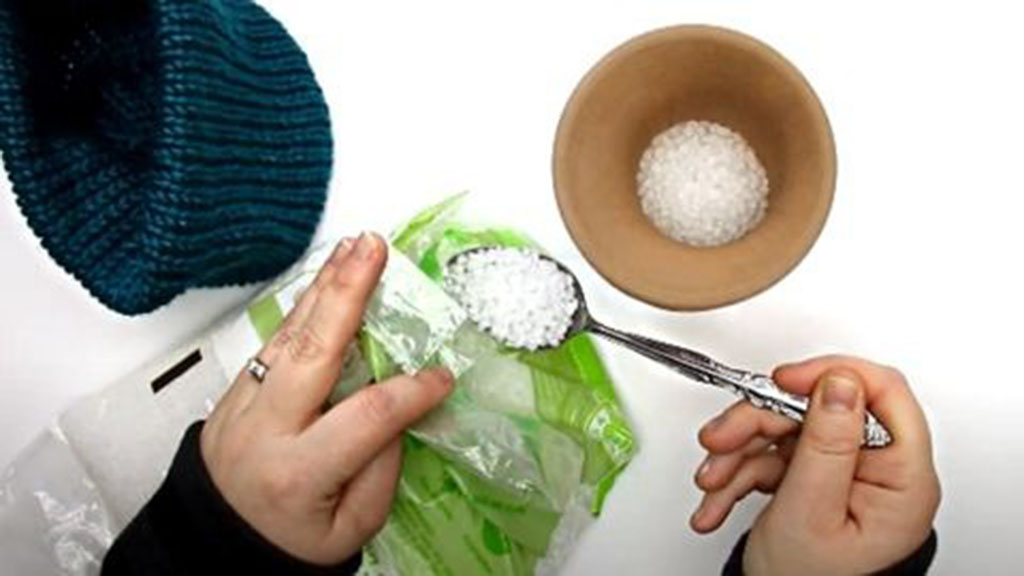
Bean Pellets / Weighted Filling
Pellet filling adds weight and stability, creating a more realistic or calming touch. Suitable for weighted plush toys, collectible plush, and therapeutic plush products.
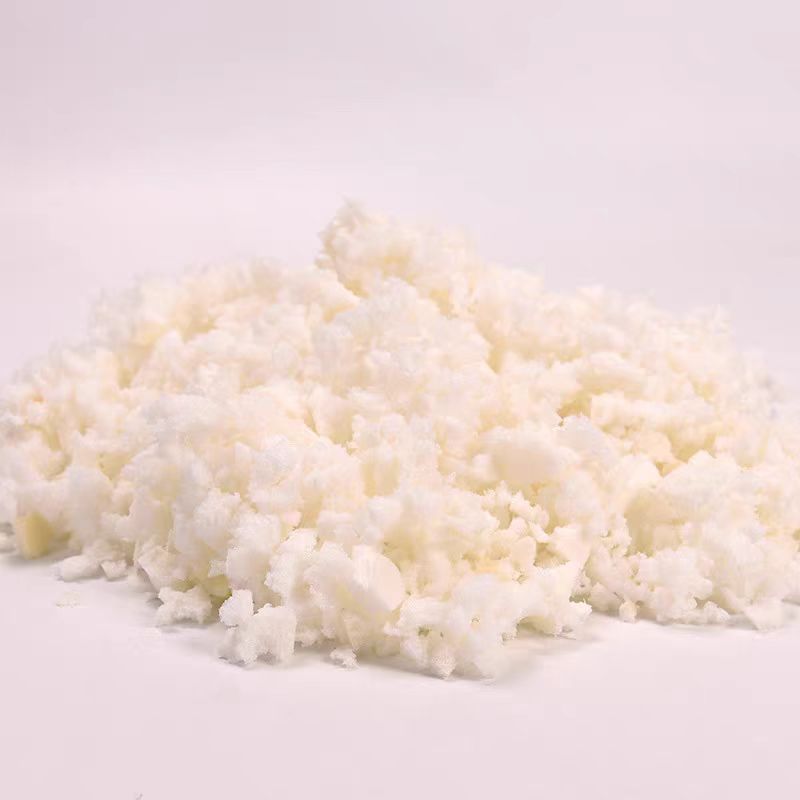
Foam or Sponge Filling
Foam filling provides firm support and is used for plush toys requiring specific shapes, such as structured parts, accessories, or plush props.
By selecting the right fabrics and fillings, your plush toy becomes safer, softer, and more appealing to customers. Our team helps you choose the best materials based on your target market and product requirements.
PP Cotton vs Pearl Cotton: A Detailed Comparison of Plush Toy Filling Materials
The filling material plays a major role in defining the softness, durability, shape stability, and premium feel of a plush toy. PP cotton and pearl cotton are two of the most widely used fillings in the stuffed toy industry, and each brings unique advantages depending on the design, size, and intended user experience. Understanding these differences helps brands choose the ideal filling for comfort, aesthetics, and long-term performance.
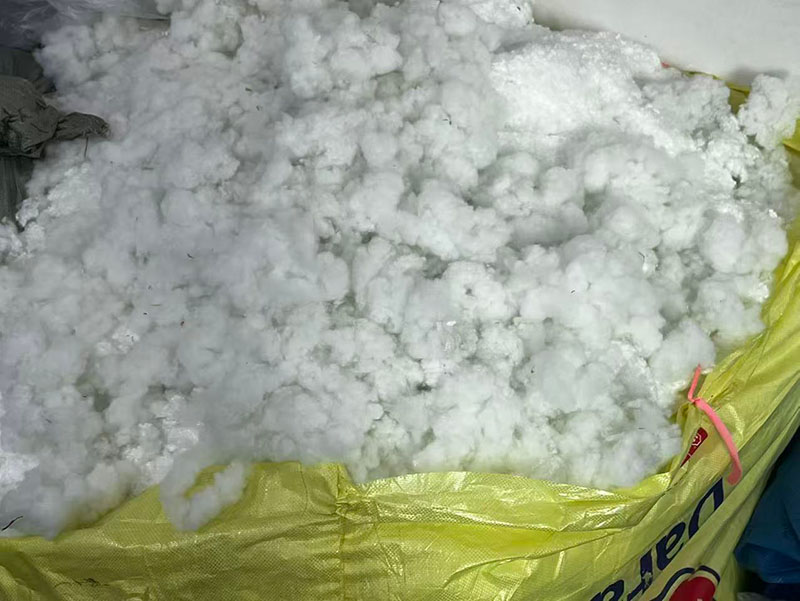
1. PP Cotton: Soft, Lightweight, and Ideal for Most Plush Toys
PP cotton is known for its lightweight, fluffy texture and is the most commonly used filling in plush toy manufacturing. Its fibers expand well, creating a soft and uniform appearance with a smooth, cuddly touch that appeals to both children and adults. Because the material distributes evenly inside the toy, it prevents lumping and helps maintain a clean, rounded shape over time. PP cotton is also hypoallergenic and breathable, which makes it ideal for baby plush toys, pillows, stuffed animals, and large plush characters. Its affordability makes it a popular choice for brands looking to balance cost and quality without sacrificing comfort. When used in faces or detailed areas, PP cotton helps create natural shaping and avoids stiff expressions. This material also performs well during compression, allowing toys to remain soft even after repeated hugs or squeezing.
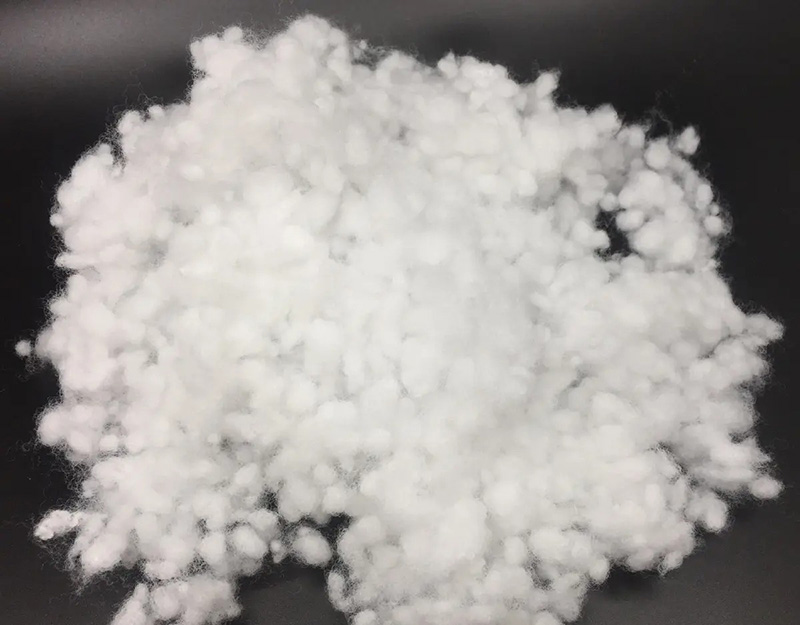
2. Pearl Cotton: More Elastic, Bouncy, and Shape-Retaining
Pearl cotton is made of small, spring-like fiber clusters that create a firmer and more elastic texture compared to PP cotton. This structure gives plush toys stronger support and improves shape retention, making the material ideal for designs requiring defined outlines, sharper body structures, or long-term durability. Pearl cotton resists deformation better than PP cotton, even after repeated squeezing, which makes it suitable for collectible plush toys, premium character lines, and toys used for decoration rather than softness alone. Because of its elasticity, pearl cotton gives the plush a fuller, bouncy feel that communicates higher perceived value. It is often used in standing plush toys, plush with weighted bases, and designs requiring structural stability. Although the material is heavier and costs more than PP cotton, the enhanced durability and premium texture make it a preferred option for brands seeking a more upscale look and longer-lasting shape integrity.
Choosing between PP cotton and pearl cotton depends on the experience you want your customers to have—soft and cuddly, or structured and long-lasting. Our team can evaluate your design, market position, price range, and usage scenario to recommend the best filling for your plush toy.
Custom Accessories for Premium Plush Toy Production
Accessories greatly influence the expression, quality, and branding of a plush toy. Well-selected accessories make your product more distinctive, durable, and market-ready. Below are five customizable accessory types frequently used in modern plush toy manufacturing.
Custom Woven Labels & Hangtags
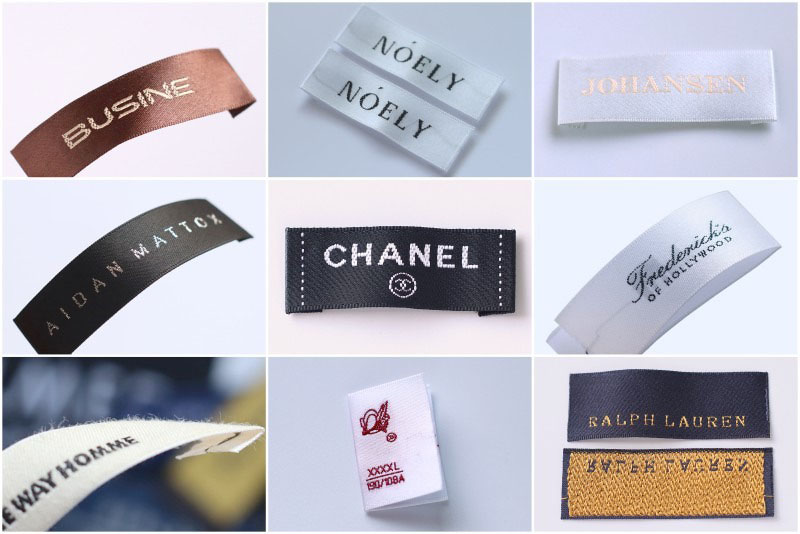
Woven labels and hangtags add professionalism and branding to your plush toys. They can be customized with different textures, thread counts, colors, and weaving styles—such as flat weave, satin, or high-density. Hangtags can include artwork, logos, QR codes, safety instructions, or character backstories. Every tag is made with durable materials to withstand global shipping and long-term handling, ensuring your brand image remains clear and premium.
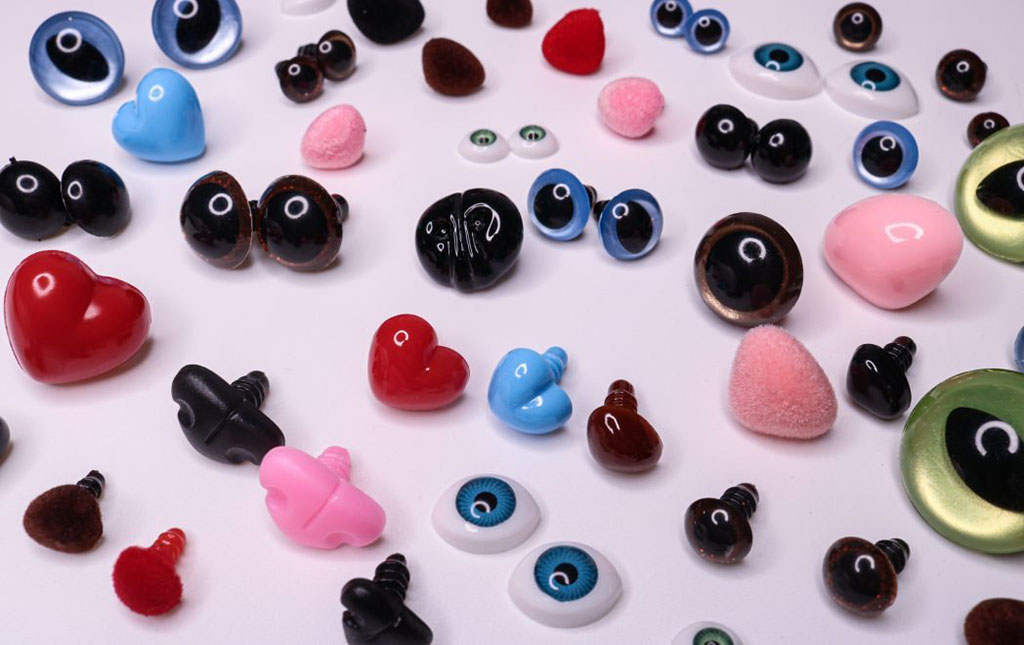
Safety Eyes & Noses
Safety eyes and noses determine character personality and must meet EN71, ASTM, and CPSIA standards. Options include embroidered eyes, plastic safety eyes, glossy 3D eyes, matte finishes, gradient effects, and custom nose shapes. Each piece is locked securely with a safety washer to prevent detachment. These accessories allow you to create expressive faces while ensuring child safety in every market.
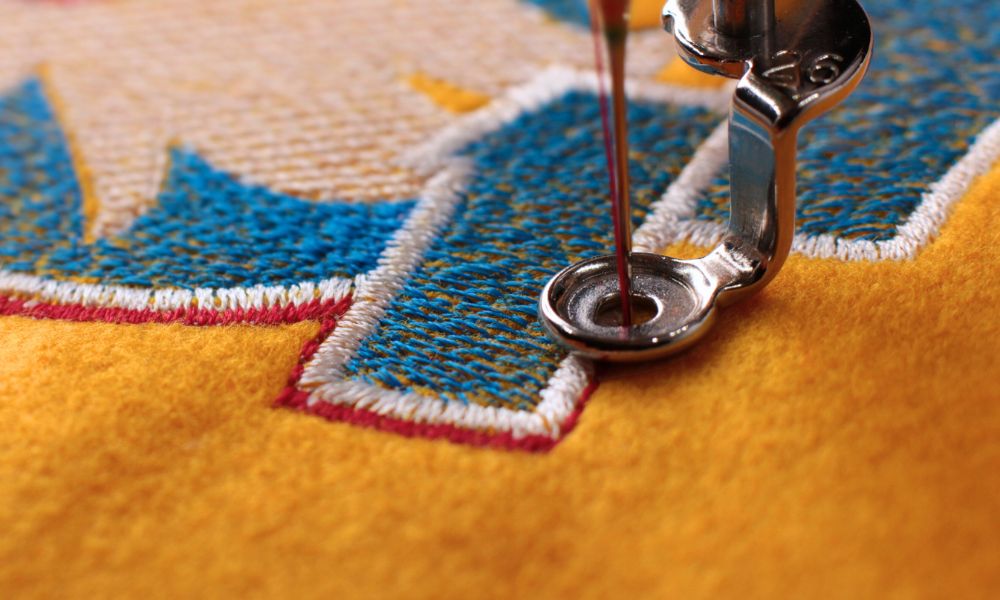
Custom Embroidery & Patches
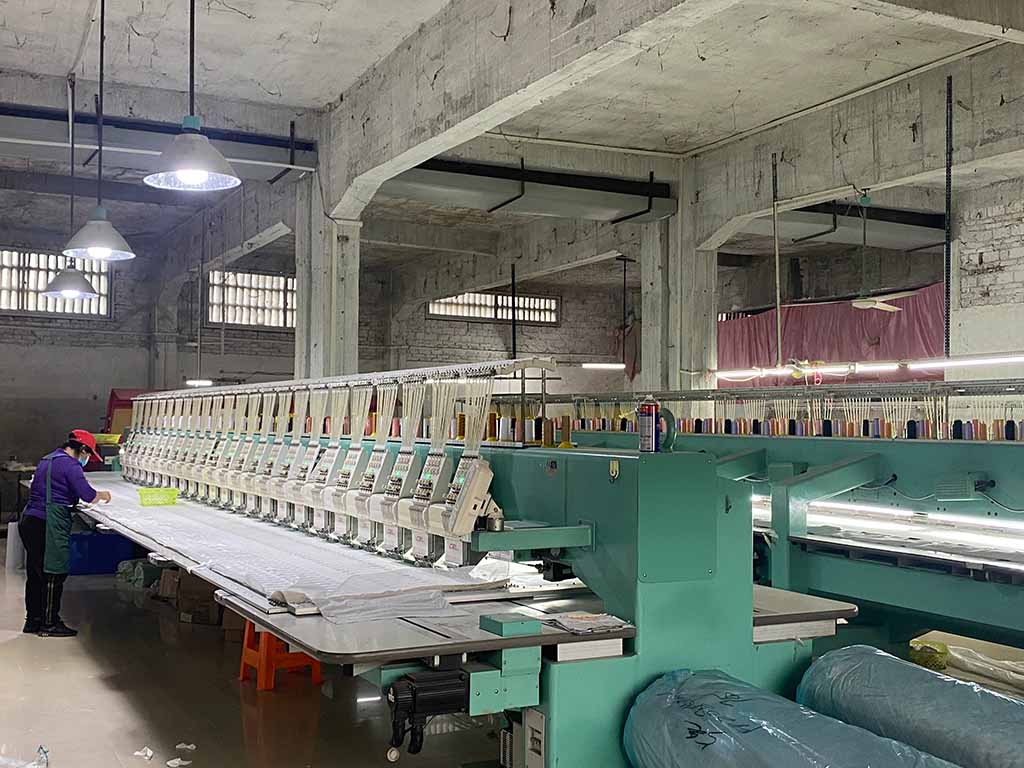
Custom embroidery allows detailed expression on plush toys, from facial features to clothing patterns and branding elements. High-precision embroidery machines ensure clean stitching lines, accurate colors, and strong colorfastness. Embroidered patches can add texture layers or premium effects suitable for collectible plush toys or licensed character lines. This accessory helps maintain consistency between prototype samples and mass-production batches.
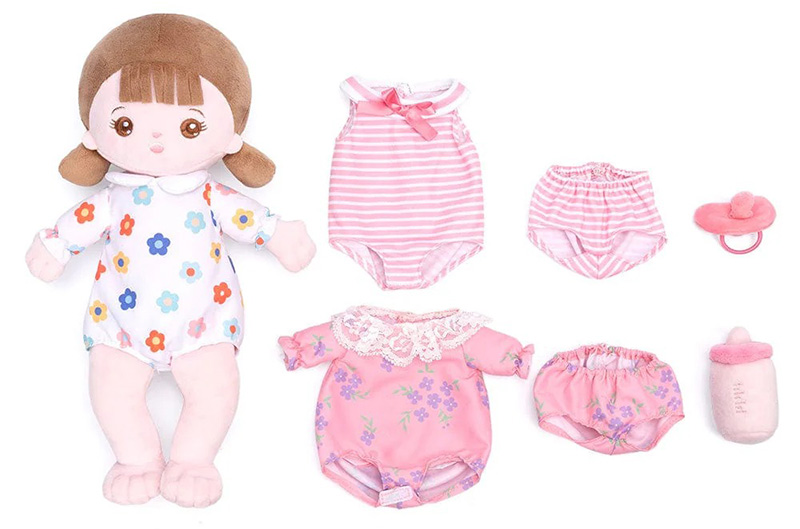
Clothing, Accessories & Props
Custom outfits and props allow your plush toy to tell a story and enhance the character’s personality. We create miniature clothing, jackets, hats, dresses, scarves, bags, glasses, wings, or themed props using materials such as cotton, fleece, mesh, felt, faux leather, and metallic fabrics. Precision sizing ensures a proper fit without restricting movement or compromising safety. These accessories are ideal for holiday editions, limited collections, or branded mascots.
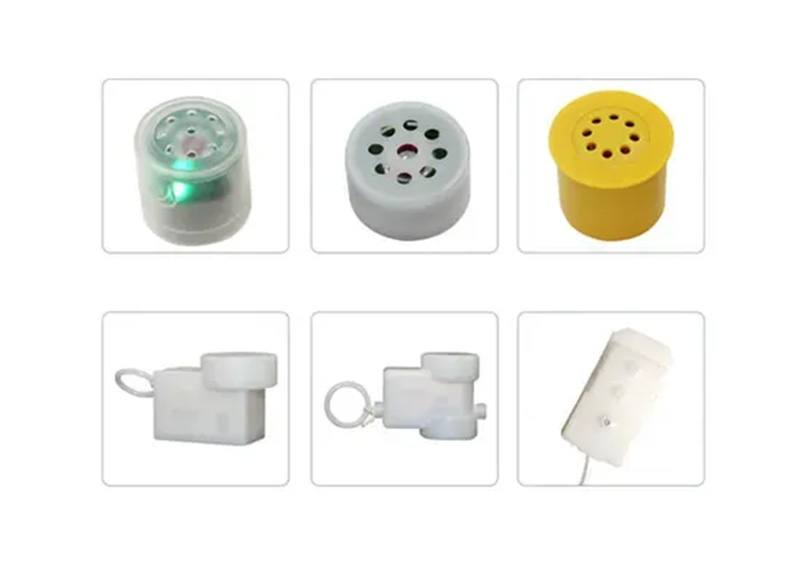
Sound Modules, Squeakers & Interactive Components
Interactive components such as sound modules, squeakers, and vibration units greatly enhance user engagement. Sound modules can play custom recordings, brand jingles, or character voices. Squeakers make toys fun for pets or children, while vibration modules add a soothing or playful effect. All electronic accessories follow safety regulations and can be placed in secure internal pockets to prevent damage. These components are often used in premium plush lines, mascot toys, and promotional gifts.
With the right accessories, your plush toys can achieve stronger character identity, better craftsmanship, and higher market value. Our team can help you match accessories to your brand style and target audience.
Safety Requirements for Eyes and Accessories in Plush Toy Manufacturing
Eyes, noses, and other accessories are critical safety components in plush toys. Every part must be securely attached and tested to meet international standards like EN71, ASTM F963, and CPSIA. Ensuring proper safety compliance helps your plush toys enter global markets with confidence.
Pull-Test Strength Requirements
All eyes, noses, buttons, and attachments must pass pull-test standards defined by EN71 and ASTM. These tests ensure that accessories do not detach even when subjected to strong force from children. Safety eyes are fixed with locking washers, embroidered features use reinforced stitching, and glued parts must go through adhesion testing. Any accessory that fails pull-test strength cannot be used in children’s plush toys. This guarantees your product will not pose choking hazards and maintains compliance in every market.
Material Safety Certification
Eyes, noses, and plastic components must use non-toxic materials that comply with CPSIA, REACH, and EN71-3 chemical standards. This includes limits on heavy metals, phthalates, and harmful substances. For baby and toddler plush toys, saliva-resistant and sweat-resistant testing may also be required. Certified materials ensure no discoloration, peeling, or harmful chemical release during use. Your brand receives documentation proving material safety for regulatory audits and customs clearance.
Secure Attachment Methods for Different Accessories
Each type of accessory requires a specific attachment method to ensure stability. Safety eyes use lock washers; plush noses may use lock plates or reinforced embroidery; decorative elements like bows, patches, or clothing must be stitched with double-reinforced seams. Electronic parts such as sound modules must be sealed in inner pockets with secure closures. These attachment methods prevent sharp edges, loose components, or internal movement, ensuring safe interaction for children of all ages.
Compliance Documentation & Traceability
Every accessory used in plush toy manufacturing must come with traceable batch information and safety certificates. Brands receive testing reports such as EN71, ASTM F963, CPSIA, and internal QC records for approval. This documentation supports global shipping, retailer audits, and long-term product safety tracking. With complete traceability, brands can confidently launch products in strict regulatory markets like the US, EU, Japan, and Korea.
From Sketch to Market Success: How Custom Plush Toys Are Created
Concept & Sketch Refinement
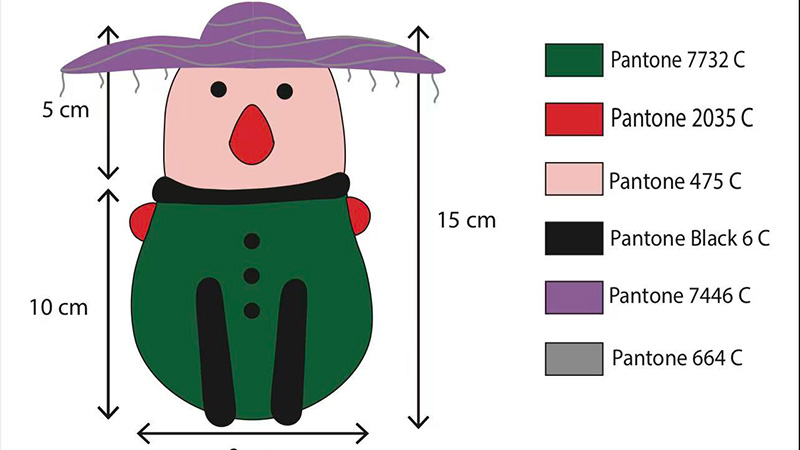
The development journey begins with your sketch, reference photo, or idea description. Our design team analyzes proportions, character personality, fabric suitability, and production feasibility, then transforms your concept into a clean, structured drawing suitable for plush toy manufacturing. During this stage, we also discuss key elements such as size, colors, accessories, safety requirements, and branding details to ensure your product has strong market potential from the very beginning.
Pattern Making & 3D Structure Building
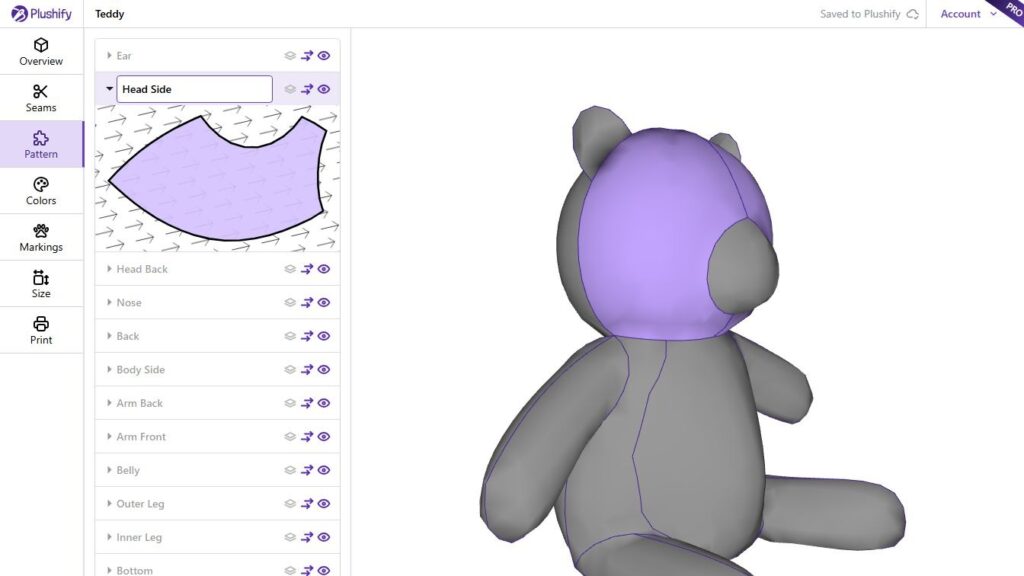
Experienced pattern makers convert the 2D drawing into a precise 3D plush structure. Every curve, seam line, and shape is calculated to ensure the toy’s silhouette and proportions match the original design. This step determines how well the final plush toy will resemble your concept. Accurate pattern making also helps avoid deformation, improves symmetry, and reduces revisions during sample approval.
Sample Production & Prototype Adjustments
Our sewing, embroidery, and filling specialists work together to create the first prototype. They adjust stuffing density, facial details, fabric combinations, and accessory placement to achieve 90–95% design accuracy. Multiple revisions may be made to refine expressions, balance proportions, and ensure comfort and durability. This stage aims to deliver a prototype that truly represents your brand vision.
Material Confirmation & Safety Compliance
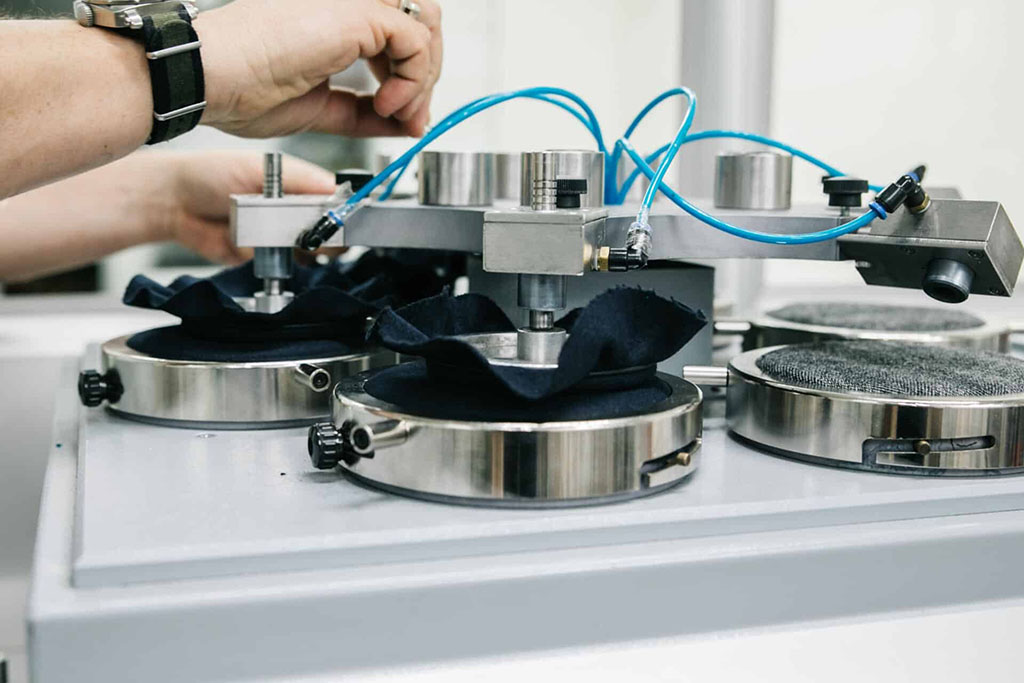
Before mass production, we confirm all materials including fabrics, fillings, accessories, packaging, and labels. Safety compliance is reviewed to meet EN71, ASTM F963, and CPSIA standards. If needed, pre-production tests such as colorfastness, pull tests, and needle checks are conducted. This step ensures your plush toy passes global regulations and avoids risk during retail distribution.
Mass Production & Quality Control
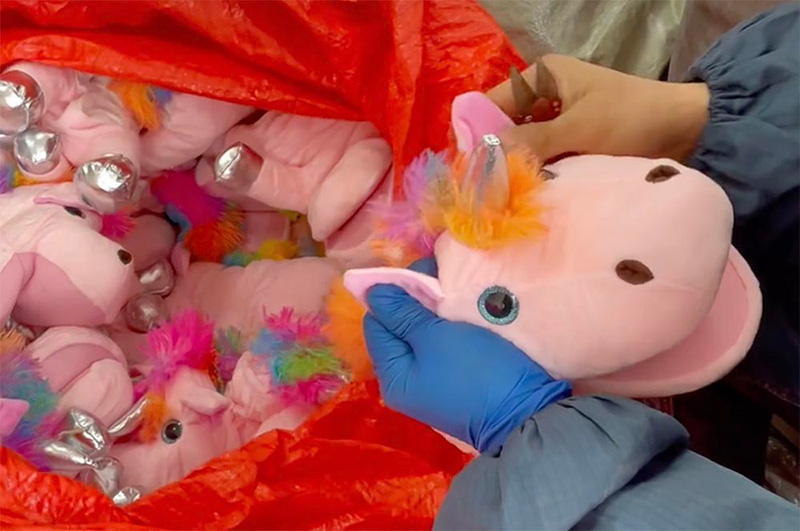
Mass production follows a standardized workflow that includes fabric cutting, sewing, stuffing, shape inspection, embroidery, trimming, and final QC. Each batch must match the approved sample in appearance, softness, and structure. Quality checkpoints ensure consistency, while needle detection ensures safety. With real-time monitoring, customers receive stable results even for large-volume orders.
Packaging, Shipping & Market Launch
Once quality checks are completed, products enter packaging—custom labels, bags, boxes, or gift packaging. Shipping options are arranged based on your delivery schedule and destination. With stable quality, accurate design reproduction, and professional presentation, your plush toy is ready for retail shelves, marketing campaigns, or e-commerce launches with strong potential to become a bestseller.
Precision Mass Production for Plush Toys
This video walks through our This video shows how approved samples are translated into stable mass production. By applying standardized production workflows, fixed sewing and stuffing specifications, controlled material usage, and multi-stage quality checks, we ensure every unit matches the confirmed sample. This mass production system allows us to handle volume orders with consistent quality, controlled timelines, and reliable delivery.
Trusted by Leading Global Brands
Strong partnerships prove strong capabilities. Over the years, Kinwin has worked with world-leading brands and retailers to deliver interactive plush toys that meet the highest standards of creativity, safety, and quality. By choosing us, you gain a supplier that is trusted by top companies worldwide—and the same reliability is available to your brand.


Plush Design Preferences Across Global Markets
Plush toy design preferences vary from country to country. Understanding these cultural and market differences helps brands create products that fit local aesthetics and increase sales potential. Below are five major markets and the plush styles that buyers commonly prefer.
United States
Consumers in the United States often prefer plush toys that are large, soft, and comforting. Designs with rounded shapes, neutral expressions, and oversized proportions perform well. Weighted plush toys and sensory-friendly designs are also popular due to the growing demand for emotional support products. American retailers value durability and safety, so fabrics like soft minky and high-elastic cotton fillings are frequently requested. Seasonal themes—such as Halloween, Christmas, and Valentine’s Day—also play a major role in U.S. plush trends.
Japan
Japanese buyers prefer kawaii-style plush toys with small bodies, large heads, and simple facial expressions. Designs with pastel colors, minimal details, and soft textures perform well. Characters inspired by food, animals, and everyday objects are popular in Japanese pop culture. Compact sizes, such as 10–20 cm plushies and keychain plush, are strong sellers because they align with Japanese lifestyle trends and gift culture.
South Korea
South Korean buyers prefer plush toys with trendy designs, modern aesthetics, and clean styling. Neutral-toned characters, fashion-inspired outfits, and minimalistic facial expressions perform strongly in the Korean market. Collaborative designs with apparel brands, influencers, and K-pop themes are common. Mini-size plush bags, plush keychains, and accessory-style plush items often trend well among younger consumers.
United Kingdom
Buyers in the UK favor plush toys with a warm, handcrafted, or vintage aesthetic. Soft color palettes, textured fabrics like knitted or wool-like plush, and classic animal characters perform well. Designs that feel nostalgic—such as teddy bears, countryside animals, and cottage-style motifs—are especially popular. Eco-friendly materials and sustainable production options also attract UK buyers due to the region’s strong environmental awareness.
Middle East
The Middle Eastern market tends to favor plush toys with vibrant colors, luxurious textures, and bold embellishments. Plush toys with gold accents, embroidered details, rich fabrics, and strong personality stand out in this region. Characters with expressive faces and themed designs—especially Ramadan, Eid, and festive collections—see high demand. Buyers also appreciate premium packaging that elevates the perceived value of the product.
Understanding cultural preferences helps your plush designs connect better with global audiences. Our team can assist you in customizing styles, materials, and features for each target market.
Explore Our Custom Plush Toy Series
We offer a wide selection of plush toys to meet different business needs. From baby-safe stuffed animals to collectible plush dolls, our product lines are designed for global brands, retailers, e-commerce, and promotional projects.
Take the First Step Toward Your Custom Plush Project
Creating a successful plush toy begins with choosing the right manufacturing partner—one that understands your brand, protects your ideas, and delivers high-quality products consistently. Whether you already have a clear design or just an early concept, our team can help you turn that idea into a safe, market-ready plush toy. From material selection and sample development to safety testing and mass production, every stage is guided by experienced professionals who ensure accuracy, reliability, and on-time delivery. No matter your target market or product category, we are here to support you with clear communication, expert advice, and flexible OEM/ODM solutions. Your plush toy project can start today with just one simple step.
Frequently Asked Questions
1. How long does it take to make a custom plush toy sample?
A standard plush toy sample usually takes 10–15 days, depending on the complexity of the design, embroidery details, and accessory requirements. More complex characters or samples requiring multiple revisions may take slightly longer.
2. What is your MOQ for custom plush toy production?
Our standard MOQ is 500 pieces. For orders below this quantity, please consult with our project manager. We may offer flexible solutions depending on the product size, complexity, and customization requirements.
3. Can you produce plush toys based on my sketch or reference photo?
Yes. Whether you have a sketch, 2D illustration, 3D model, or even a rough idea, our design and pattern teams can turn it into a production-ready plush toy.
4. Do your plush toys meet international safety standards?
Yes. Our products comply with EN71, ASTM F963, CPSIA, and other global safety standards. We also conduct pull tests, needle detection, colorfastness tests, and material safety checks before shipment.
5. What materials can I choose for my plush toy?
You may choose from minky, short plush, long plush, fleece, felt, velvet, faux wool, and more. We help you match materials to design style, target market, and budget.
6. How accurate is the prototype compared to my original design?
Most prototypes achieve 90–95% accuracy, thanks to our experienced pattern makers and close communication during development. Adjustments can be made until the sample meets your expectations.
7. Can you help with packaging design for plush toys?
Yes. We offer custom hangtags, woven labels, polybags, gift boxes, and retail-ready packaging solutions. Packaging can be tailored to your brand identity and target audience.
8. How do you ensure mass production matches the approved sample?
We use standardized patterns, controlled filling levels, skilled sewing teams, and multiple QC checkpoints. Our inspectors compare each batch to the approved sample to ensure consistency.
9. Can you ship to my country, and what shipping methods do you offer?
Yes. We ship worldwide via air freight, sea freight, express delivery, and door-to-door services depending on your budget and timeline.
10. How do I start my custom plush toy project?
You only need to send your design, reference images, or idea description. We will provide material suggestions, quotation, sampling plan, and development timeline within 24 hours.
If You Can lmagine lt,We Will Create lt!
1.Tell Us What You Need
Tell us as specific as possible of your needs and share your idea.
2.Get Solution & Quote
We will work on the best solution according to yourrequirements,the specific quote will be provided within 24 hours.
3.Approve for Mass Production
We will start mass production after getting your approval.