 Skip to content
Top Stuffed Animals Factory in China | Trusted OEM & ODM Plush Toy Manufacturer
Choosing a reliable stuffed animals factory is the key to launching safe, soft, and market-ready plush toys. With 17 years of OEM & ODM experience, Kinwin helps global brands turn ideas into certified, high-quality products through professional prototyping, stable mass-production systems, and strict CE/EN71/ASTM compliance. Your project receives full design support, material guidance, and consistent quality from sample to bulk order, ensuring every plush toy meets your brand standards and customer expectations.
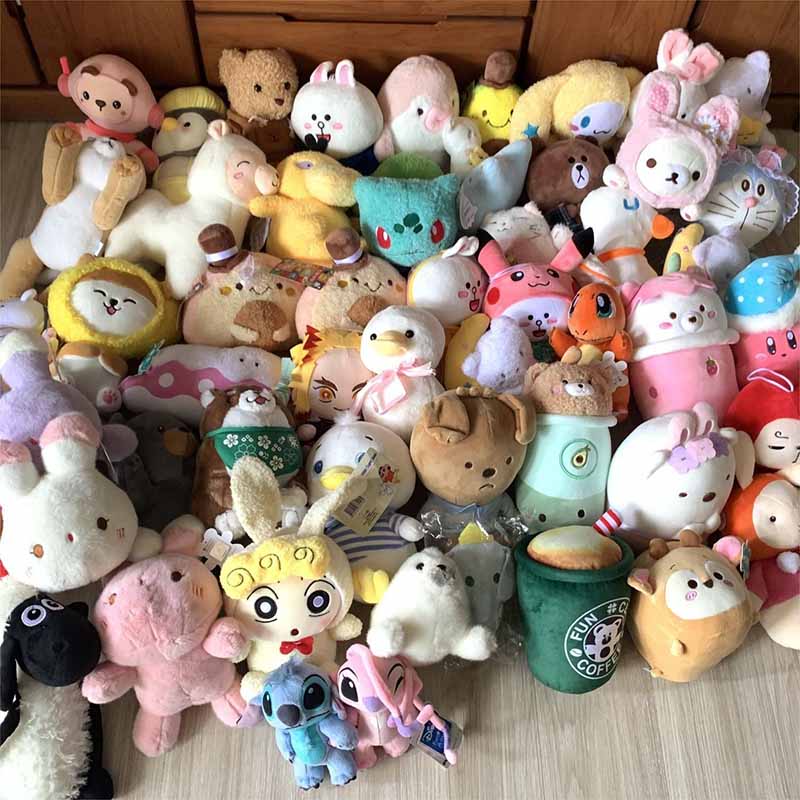
Why Top Global Brands Trust Kinwin as Their Long-Term Stuffed Animals Factory
Leading brands choose Kinwin because they receive stable quality, safe materials, and reliable long-term production support. With 17 years of OEM & ODM experience, we help buyers reduce risks, speed up development, and maintain consistent performance across every product line.
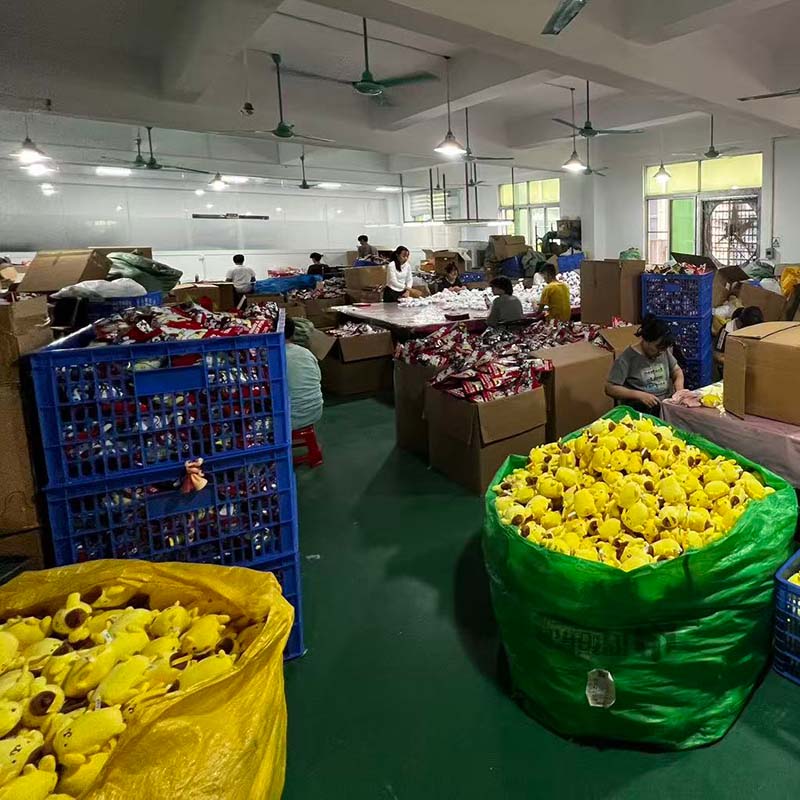
Consistent Quality for Every Order
Strict QC, needle detection, and CE/EN71/ASTM compliance ensure every plush toy meets the same high standard.
High-Accuracy Sampling
95%+ replication accuracy helps brands turn ideas into market-ready prototypes with fewer revisions.
Reliable Production Capacity
15 production lines ensure predictable lead times, even during peak seasons.
Safe and Confidential IP Protection
NDA protection and controlled production keep all characters and designs secure.
Working with Kinwin means gaining a stable, secure, and efficient stuffed animals factory behind your brand’s long-term success.
Comprehensive Quality Control System for High-Standard Stuffed Animals Production
A professional stuffed animals factory must follow a complete and reliable quality control system to ensure every plush toy is safe, consistent, and ready for global retail. Kinwin’s QC system covers every stage of production, from raw materials to final inspection, minimizing risks and ensuring every piece meets CE, EN71, and ASTM standards.
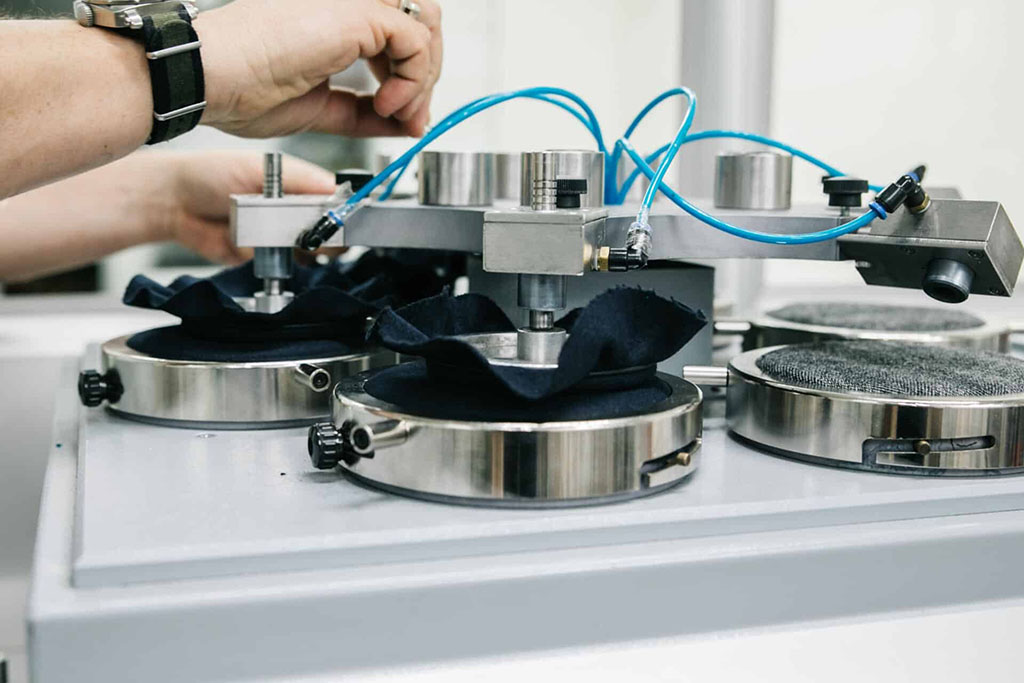
Raw Material Verification and Safety Compliance
Before production begins, all fabrics, fillings, eyes, noses, embroidery threads, and trims are thoroughly checked. Our QC team verifies softness, elasticity, colorfastness, fabric weight, and material composition. All materials must meet CE, EN71-3, and ASTM F963 safety requirements, especially for baby-safe plush toys. Only approved materials are allowed onto the production floor to prevent color inconsistencies, pilling, or chemical safety risks.
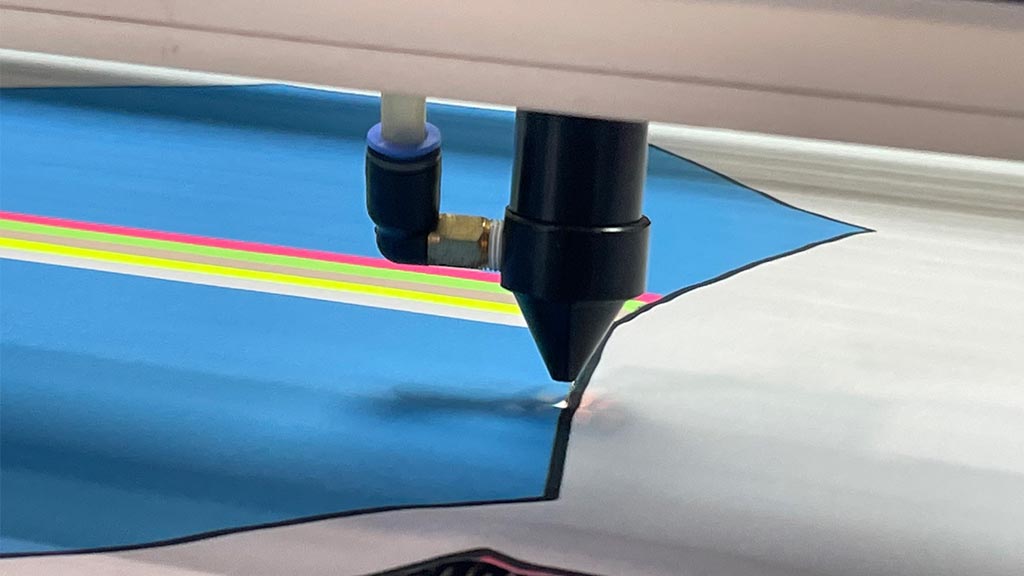
Pattern Accuracy and Precision Cutting Control
The shape of a stuffed animal depends on accurate cutting. QC checks pattern sizes, symmetry, fabric grain direction, and cutting sharpness. Even a small deviation can affect the plush toy’s form, so every batch is compared against the original sample. This step ensures each character maintains the correct shape and proportions, even in large-volume production.
Sewing Craftsmanship and Reinforcement Checks
Sewing quality determines durability. QC inspects thread tension, seam alignment, turning openings, bartack reinforcement, and hidden seam finishing. Stress areas such as arms, tails, ears, horns, and hanging loops receive additional reinforcement to prevent tearing. Surface inspections ensure there are no skipped stitches, exposed threads, or needle marks.
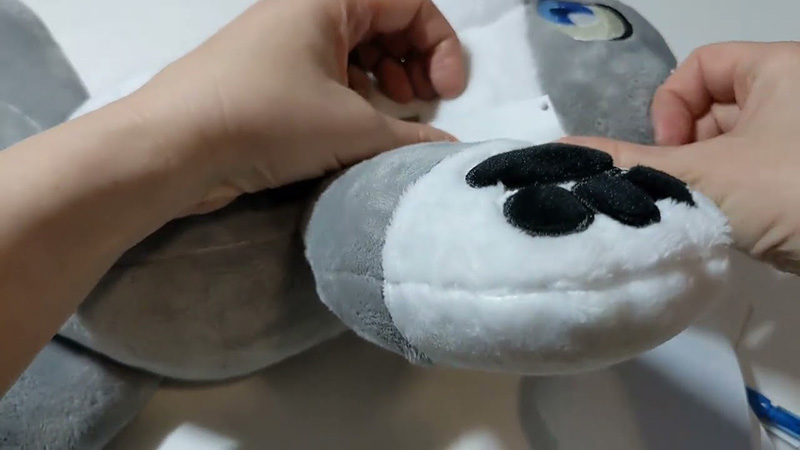
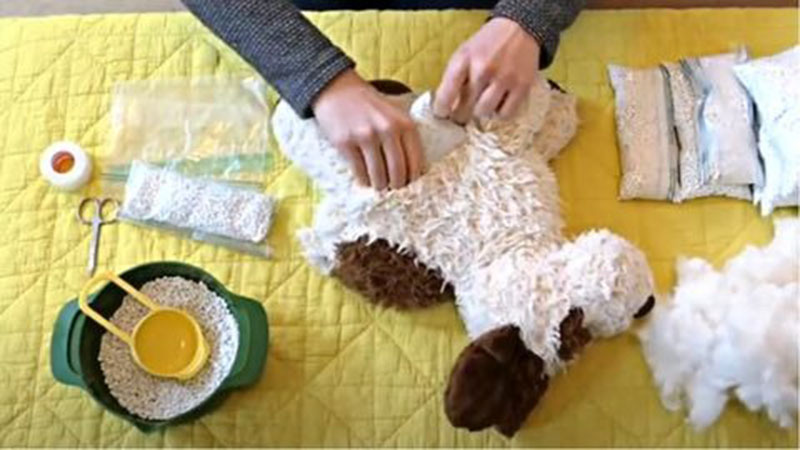
Stuffing Density, Shape Control, and Softness Testing
Stuffing determines touch, shape, and overall experience. QC evaluates filling density, symmetry, smoothness, and firmness to ensure a soft yet supportive feel. We measure softness levels and weight consistency to match the approved sample. This ensures every plush toy—from small plush keychains to large stuffed animals—feels balanced and properly shaped.
Safety Testing and Needle Detection
Every batch must pass metal detection to ensure no broken needles or metal fragments remain inside the product. We also conduct pull tests on eyes, noses, seams, buttons, ribbons, and accessories. This is especially critical for baby and toddler plush toys, ensuring all attachments remain secure during use.
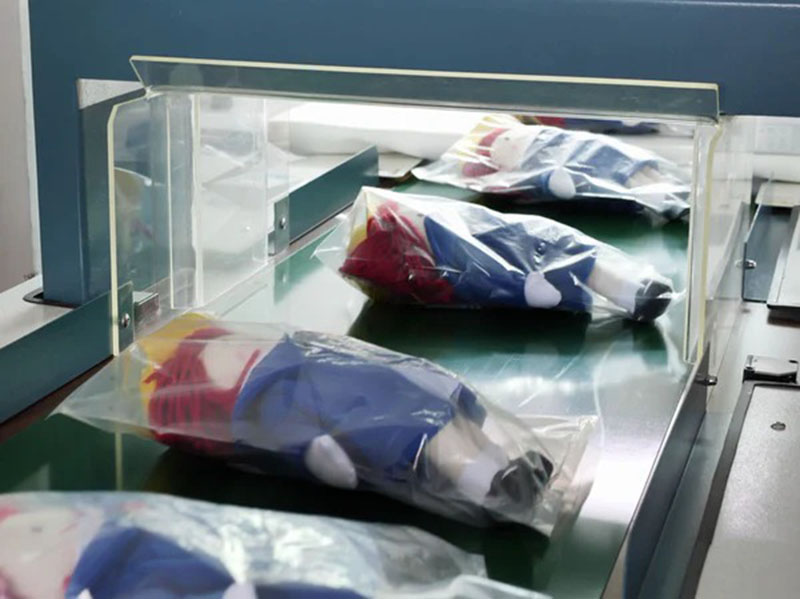

Final AQL Inspection and Packaging Verification
Before shipment, all plush toys undergo a complete AQL inspection. QC checks facial symmetry, embroidery clarity, cleanliness, color consistency, stuffing uniformity, and overall appearance. Packaging is also verified for label accuracy, barcode placement, polybag thickness, and carton strength to ensure products arrive clean, safe, and retail-ready.
With this comprehensive QC system, Kinwin ensures every plush toy meets international standards and delivers the stable quality required by global buyers.
Precision Quality Inspection Process
This video shows how every plush toy is inspected before shipment. From stitching checks and shape evaluation to tension testing, needle detection, and final appearance review, each step follows strict quality standards. By applying multi-stage inspections, we ensure every product meets safety, durability, and consistency requirements for global markets.
Popular Stuffed Animal Categories We Manufacture
Here are 16 popular stuffed animal product categories that global buyers frequently choose. Each series can be customized in size, materials, fillings, colors, and packaging, giving brands full flexibility to build unique plush collections.
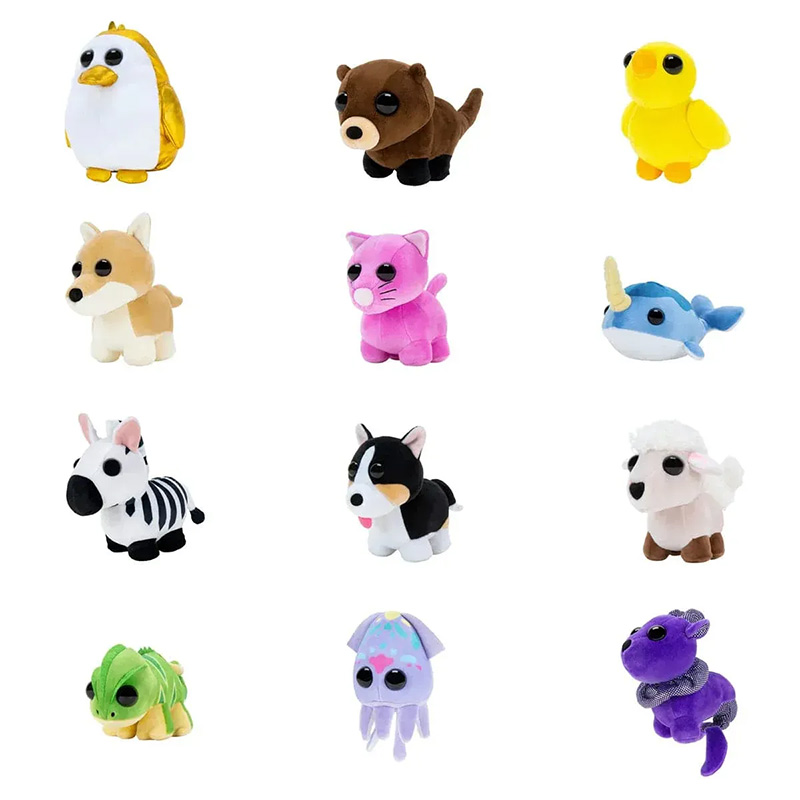
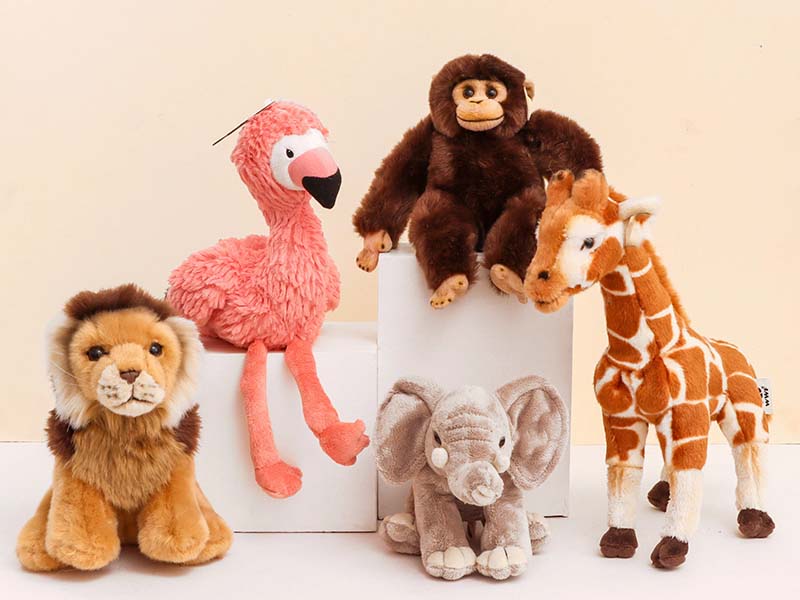
Animal Plush Series
Realistic or cartoon-style animal plush toys designed for retail brands, gift shops, bookstores, and licensed merchandise.
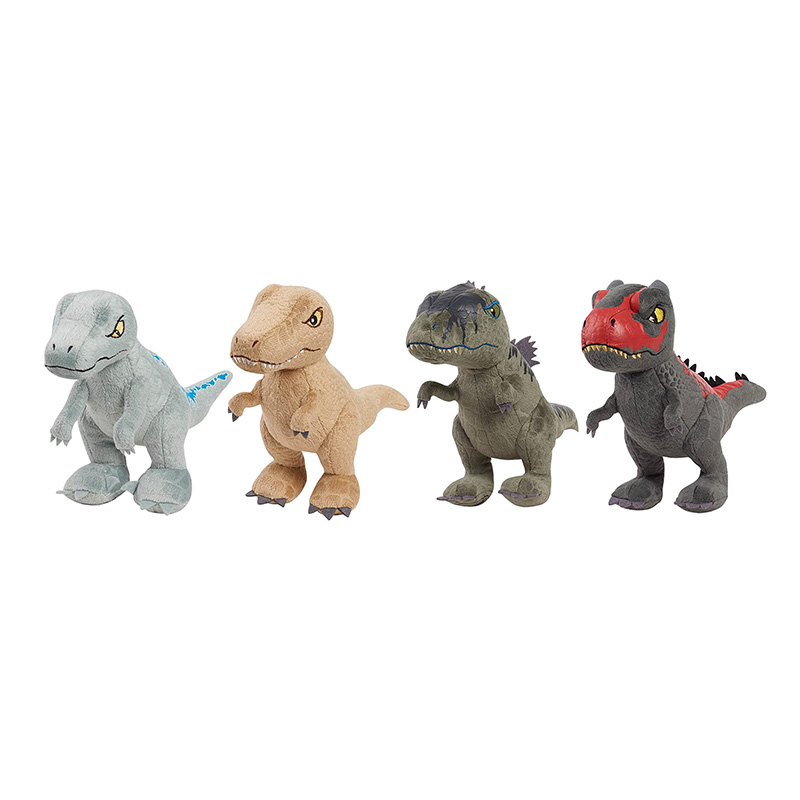
Dinosaur Plush Series
Soft, durable dinosaur plush toys loved by kids and collectors, available in various textures like long plush or short velboa.
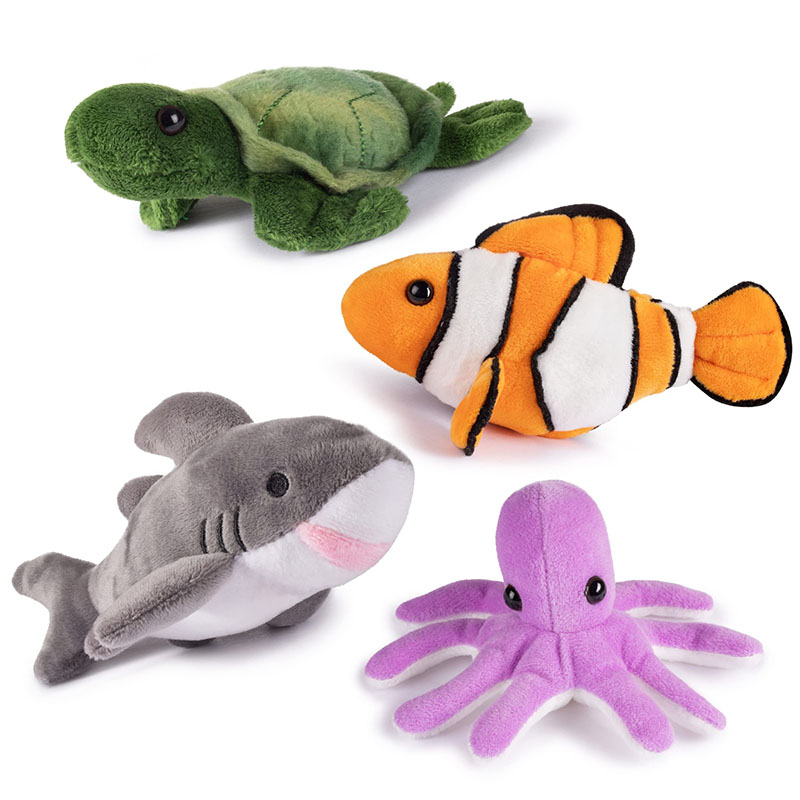
Marine Plush Series
Whales, dolphins, sharks, turtles, and more, designed with smooth silhouettes and calming color palettes.
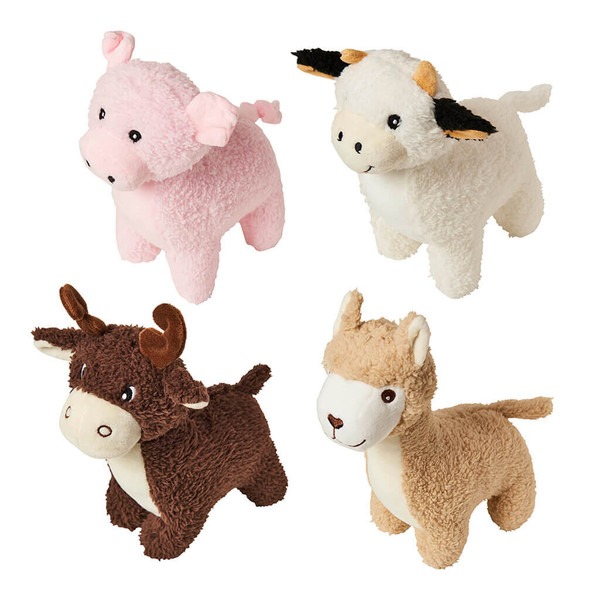
Farm Animal Plush Series
Cows, sheep, pigs, ducks, and chickens—ideal for toy stores and educational sets.
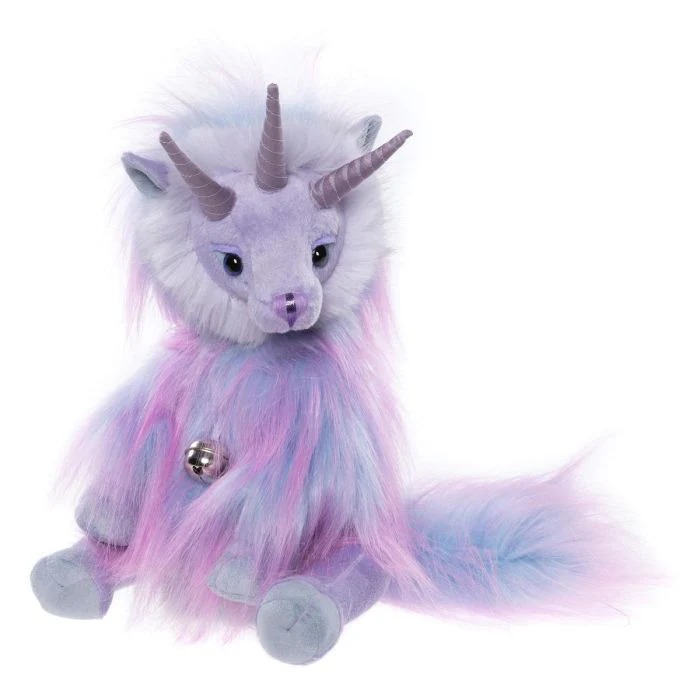
Fantasy & Unicorn Series
Colorful plush toys featuring unicorns, dragons, and magical creatures for children and lifestyle brands.
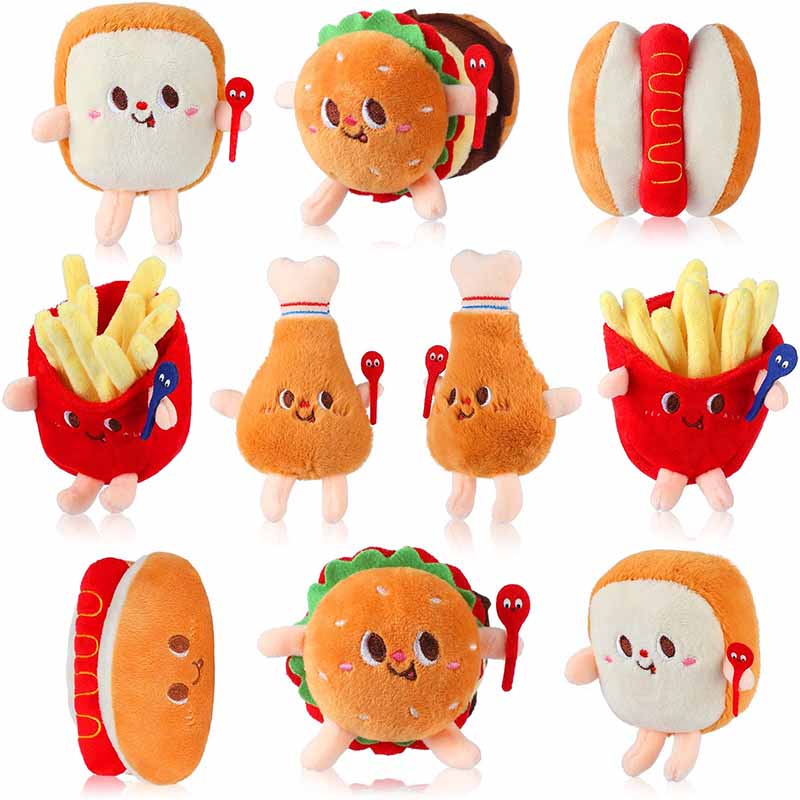
Food Plush Series
Cute plush versions of fruits, vegetables, snacks, and desserts—perfect for social media marketing and gift shops.
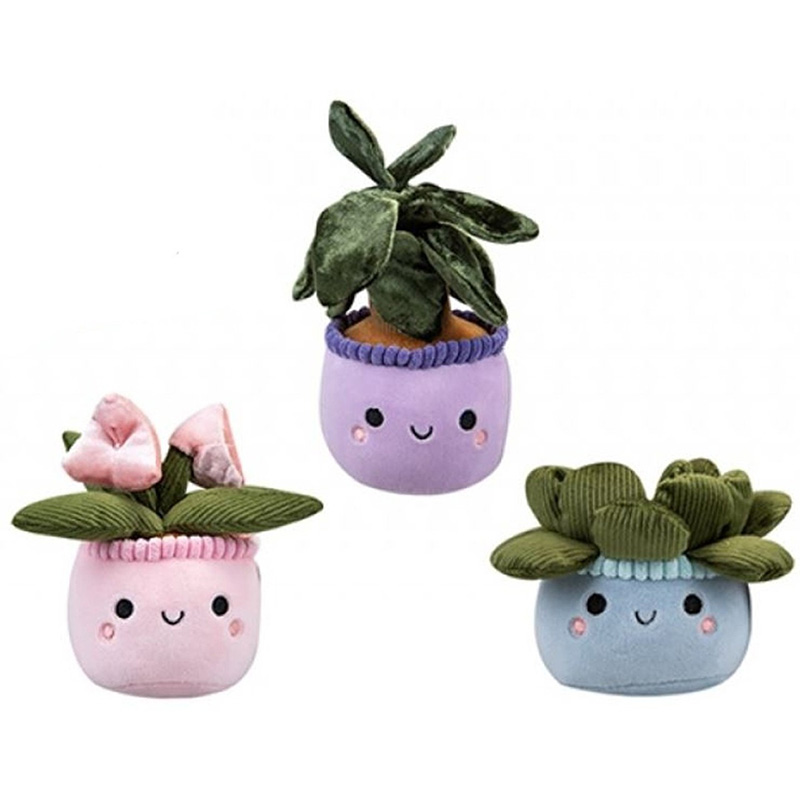
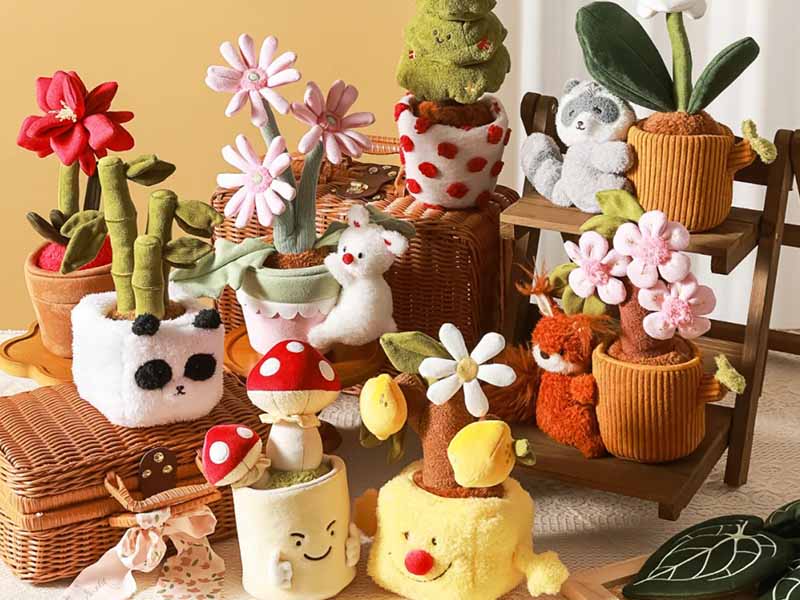
Plant Plush Series
Succulents, flowers, and nature-inspired plush toys designed for décor and themed collections.
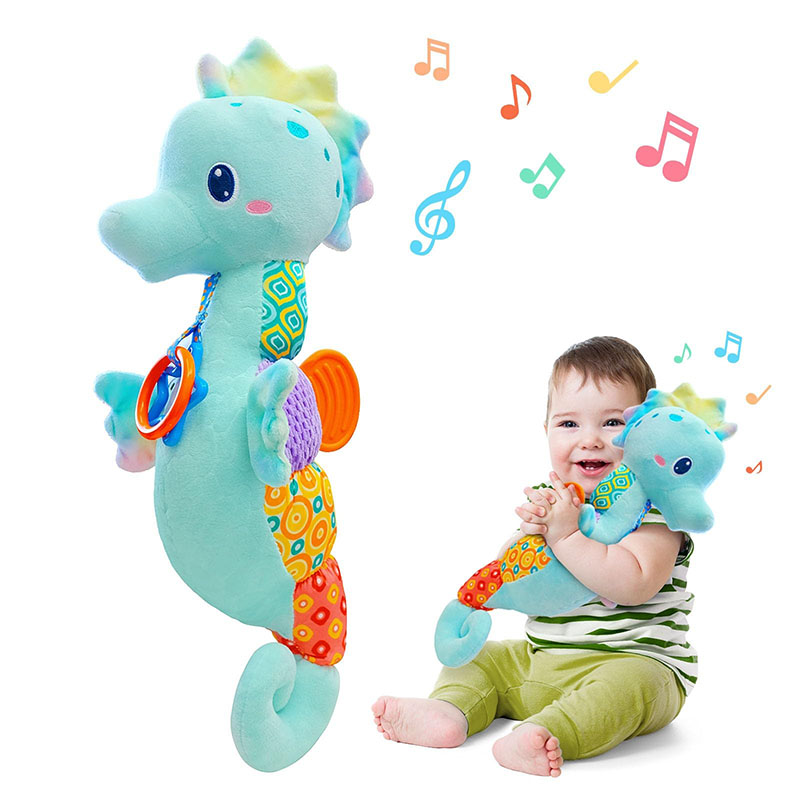
Baby & Nursery Plush Series
Baby-safe plush toys made with certified materials, soft fillings, and embroidered eyes for maximum safety.
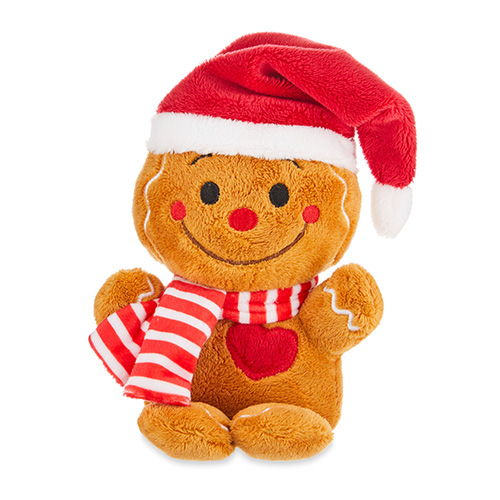
Holiday Plush Series
Christmas, Easter, Valentine’s, and Halloween plush toys ideal for seasonal retail campaigns.
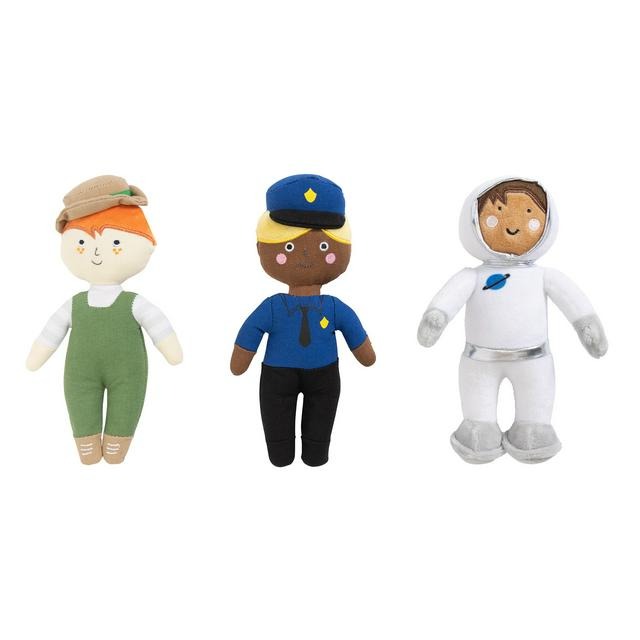
Character & Mascot Plush
Custom-made mascots for brands, schools, sports teams, events, and corporate marketing.
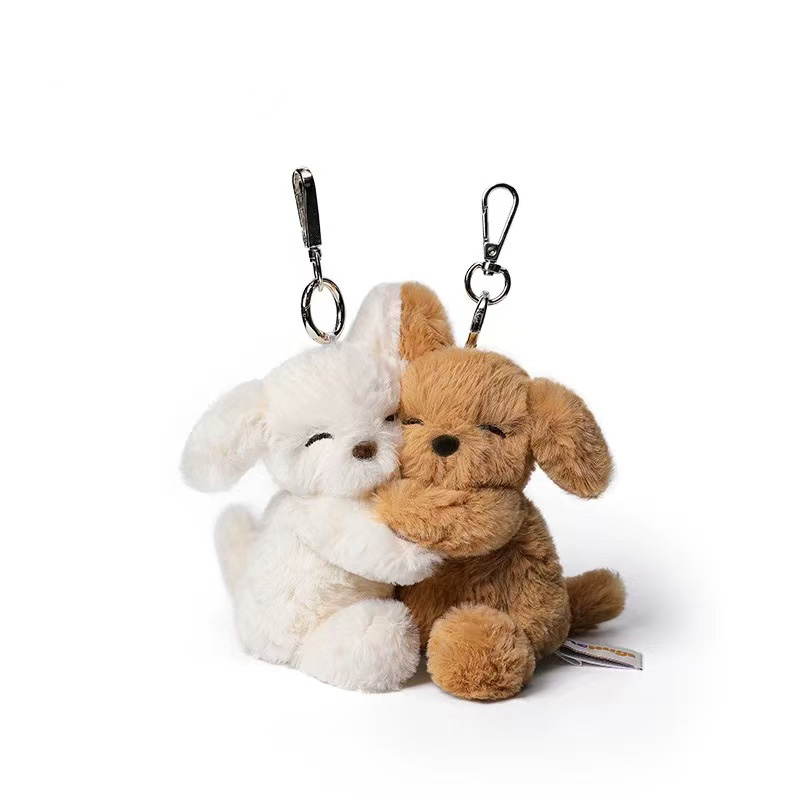
Plush Keychains
Portable plush charms perfect for retail add-ons, promotional items, and blind boxes.
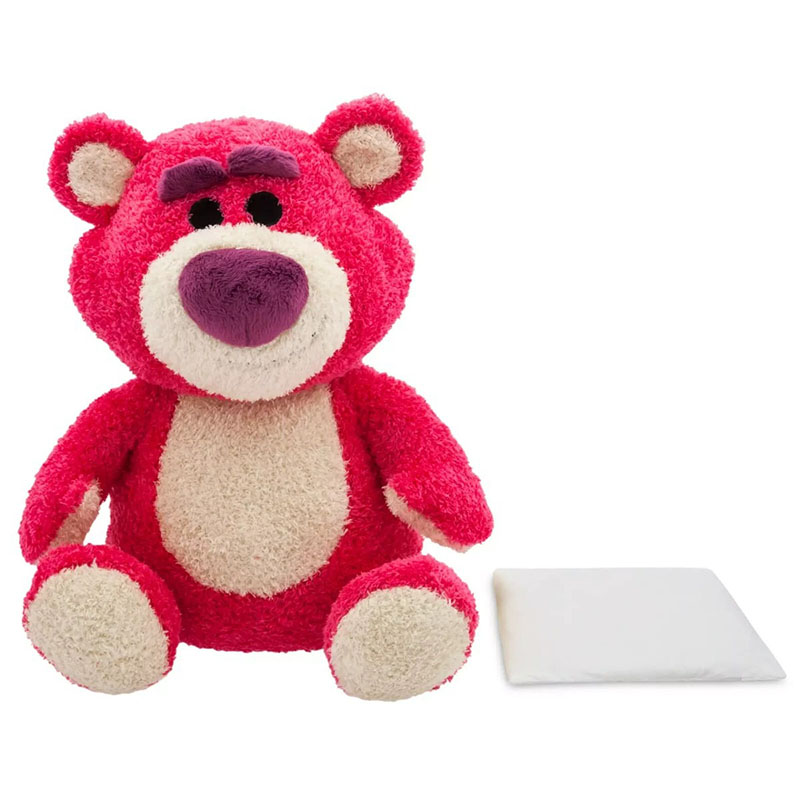
Scented & Weighted Plush
Plush toys with calming scents or weighted fillings for therapy, comfort, and sensory play.
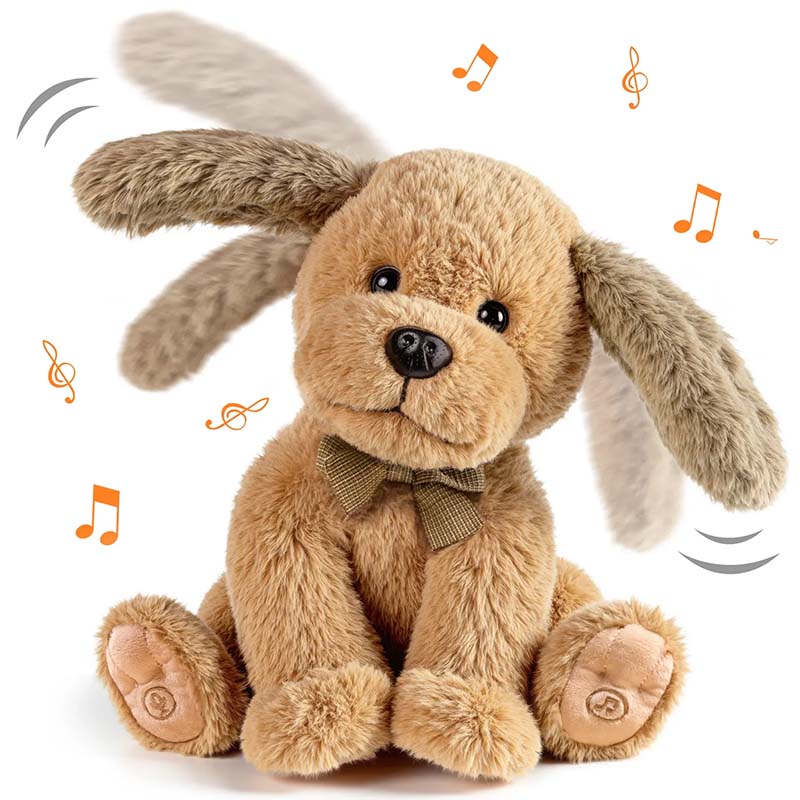
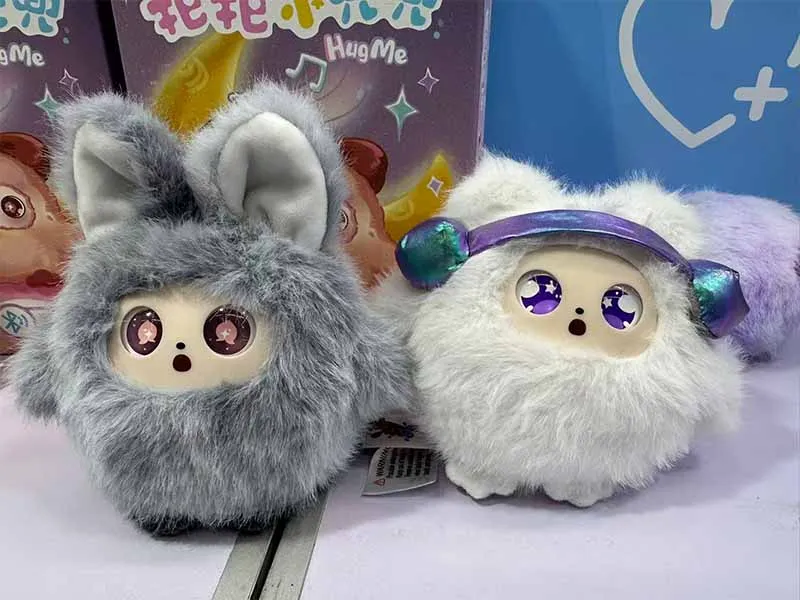
Interactive Plush Toys
Toys with sound chips, lights, vibration, or motion modules for innovative product lines.
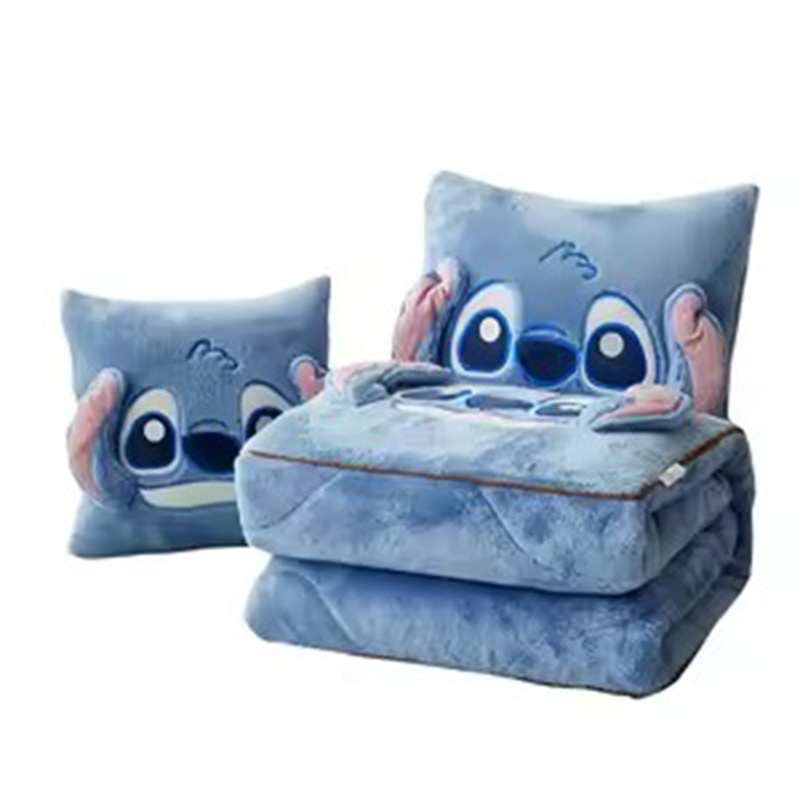
Plush Pillows & Cushions
Soft plush cushions for home décor, anime brands, and lifestyle product collections.
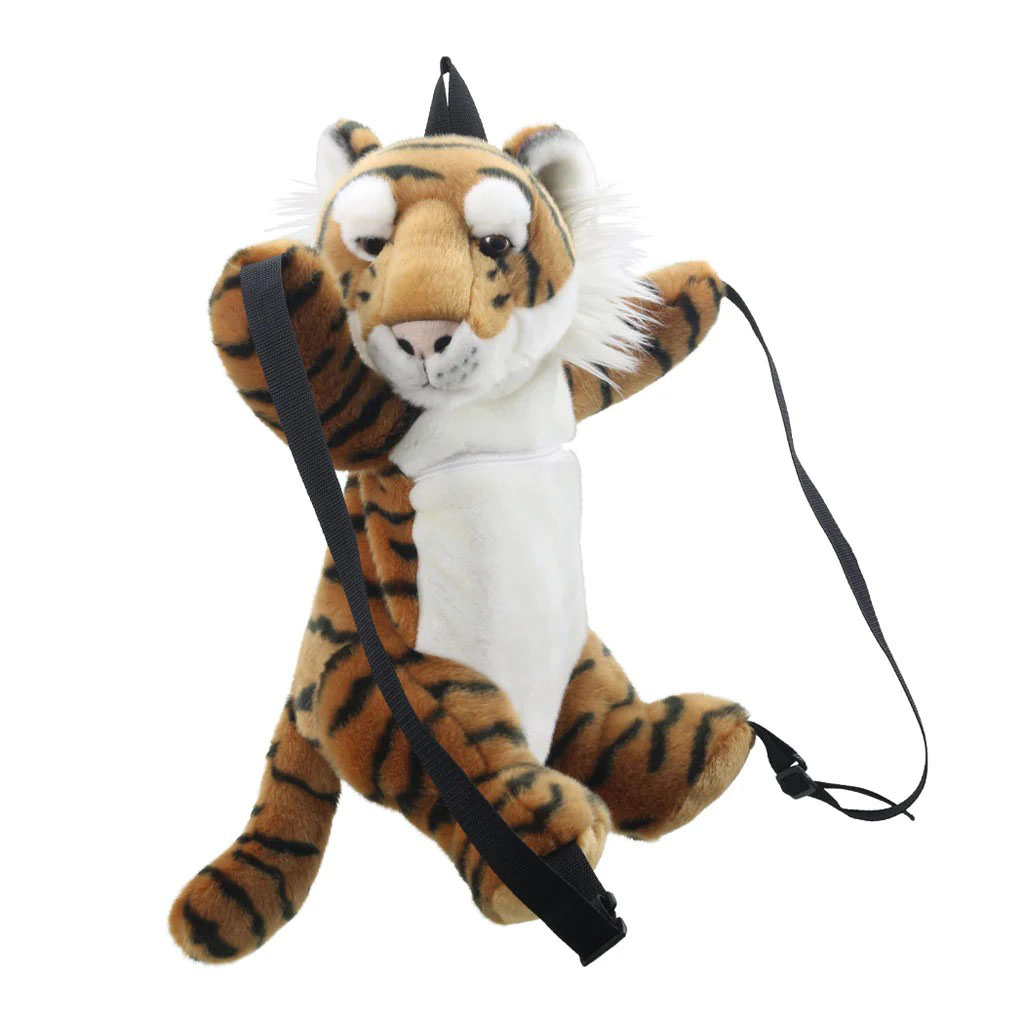
Backpack Plush & Wearables
Plush backpacks, crossbody bags, and wearable plush accessories designed for kids and themed retail.

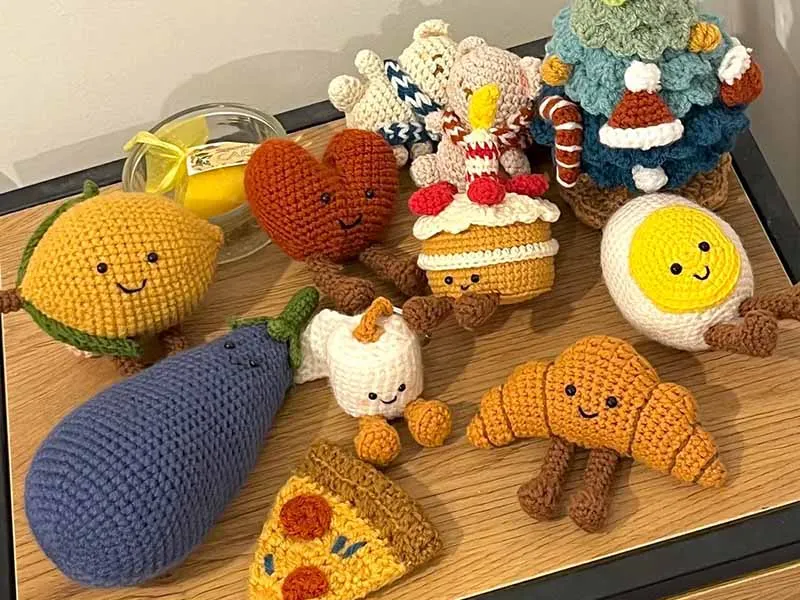
Knitted & Crochet Plush
Handmade-style crochet plush toys for boutique brands and premium collections.
5 Costly Mistakes to Avoid When Sourcing Stuffed Animals
Sourcing stuffed animals may look simple, but many buyers face unexpected risks when working with factories that lack stable quality control, transparent communication, or real production capacity. Understanding these common pitfalls helps brands avoid delays, hidden costs, and product-quality issues that can harm reputation and sales performance.
1. Choosing Factories Without Verified Certifications
One of the biggest mistakes is working with suppliers who cannot provide CE, EN71, ASTM, ISO, or safety testing documents. Without proper certification, products may fail customs checks or retailer audits, causing serious delays and extra testing fees. Always confirm that the factory’s materials, accessories, and production processes are fully compliant.
2. Approving Quotes Without Clear Material and Craft Specifications
A low price may seem attractive, but without a detailed breakdown of fabric type, filling quality, stitching techniques, and accessory grades, factories may downgrade materials during mass production. This leads to a noticeable difference between the sample and bulk order. A clear tech pack and approved specification sheet prevent misunderstandings and protect product consistency.
3. Ignoring the Factory’s Real Production Capacity
Some suppliers outsource orders or accept more production than they can handle, causing extended lead times and quality issues. Buyers should check the factory’s production lines, worker capacity, monthly output, and whether they handle all processes in-house. A stable stuffed animals factory ensures predictable delivery even during peak seasons.
4. Not Conducting Sample vs. Bulk Consistency Checks
One common sourcing pitfall is assuming the bulk order will match the sample without performing consistency checks. Material substitutions, stitching variations, and filling density changes can occur if the factory lacks strict QC. Professional manufacturers follow a documented sampling process that guarantees 95%+ replication accuracy in mass production.
5. Overlooking Packaging Standards and Drop-Test Requirements
Packaging is often ignored until problems appear during shipping. Weak polybags, incorrect barcode placement, unqualified carton strength, or missing warning labels can all cause compliance issues. For exports to the US and EU, proper packaging, drop-test performance, and shipping safety standards are essential to avoid returns and damages.
By avoiding these five pitfalls, brands can significantly reduce sourcing risks and ensure smooth, reliable plush toy production.
Key Factors That Determine Stuffed Animal Pricing
The cost of stuffed animals can vary widely depending on design complexity, materials, craftsmanship requirements, and production scale. Understanding these key pricing factors helps brands plan budgets more accurately and develop products that match their target retail price.
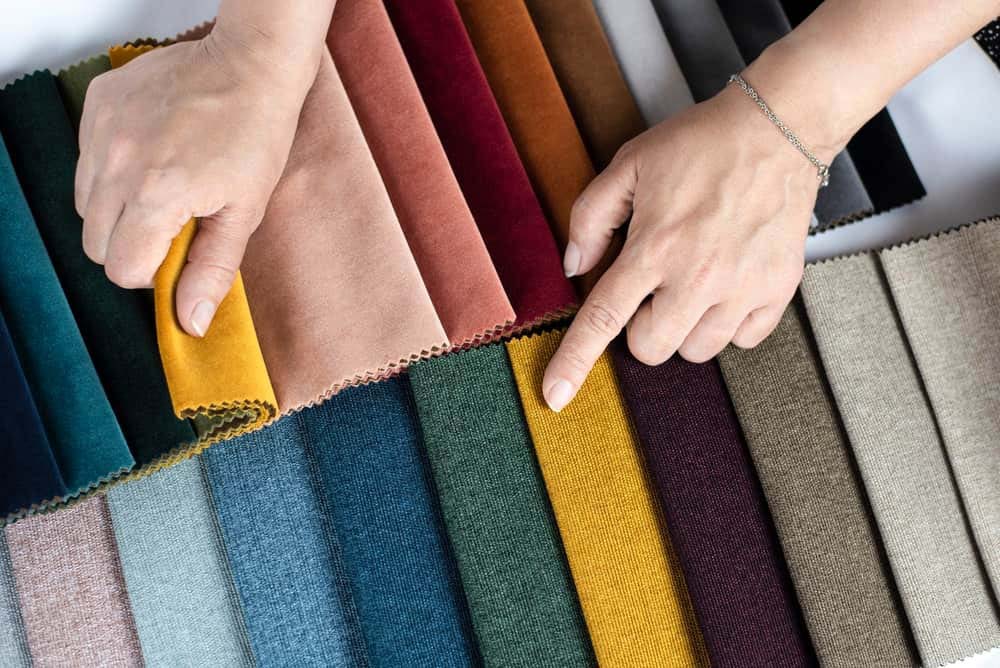
Fabric Type and Material Quality
Premium fabrics such as long-pile plush, sherpa, boucle, organic cotton, or customized dyed materials cost more than basic velboa or standard short plush. Higher colorfastness, softer textures, and certified materials will also increase pricing.
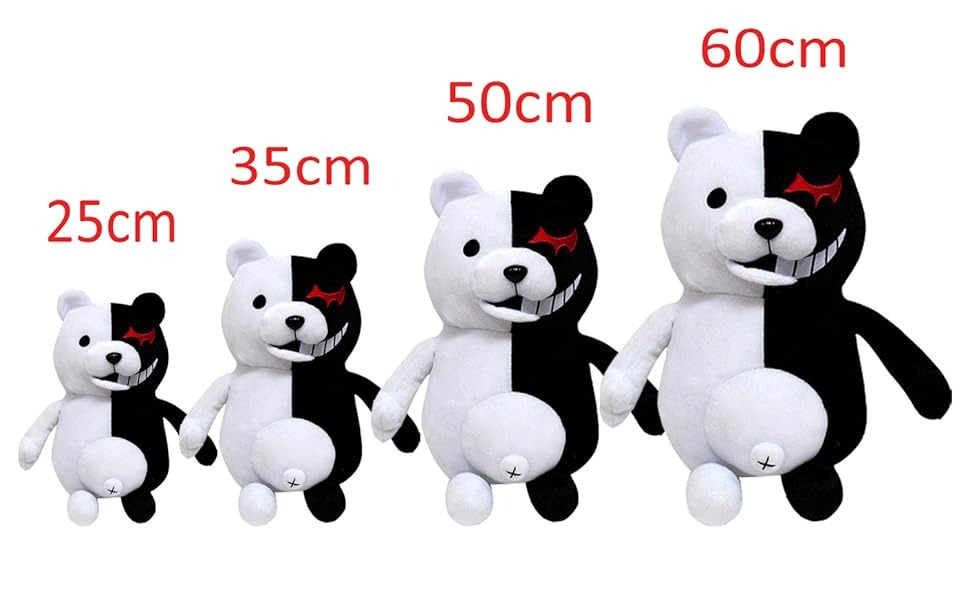
Size and Filling Density
Larger stuffed animals require more fabric and stuffing, significantly raising material consumption. Higher filling density and premium stuffing types—such as microbeads, memory cotton, weighted pellets, or PP cotton with better elasticity—will also increase costs.
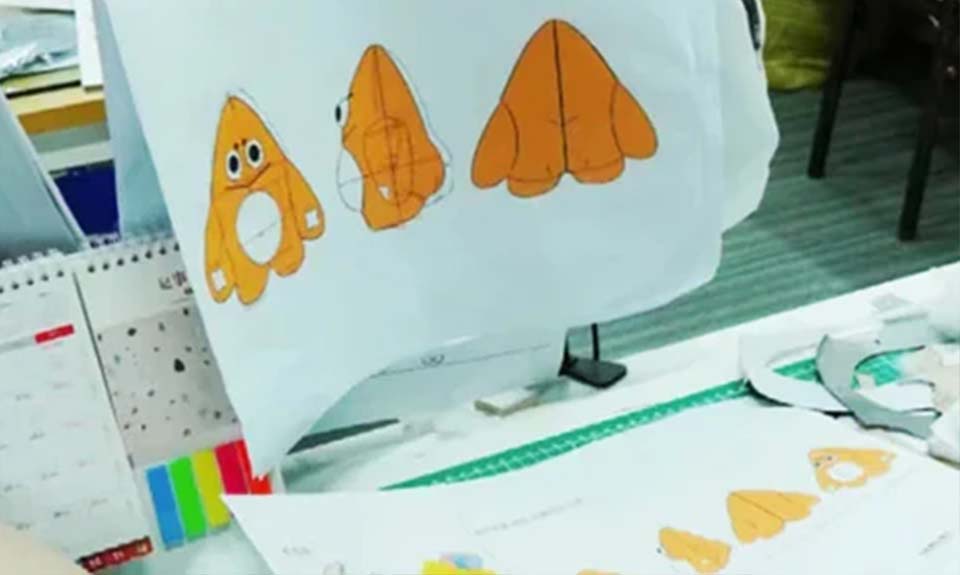
Design Complexity and Craftsmanship
More panels, detailed facial shaping, 3D structures, embroidery patterns, clothing accessories, or unique silhouettes require more labor time. Complex designs increase sewing difficulty and QC workload, resulting in higher labor costs.
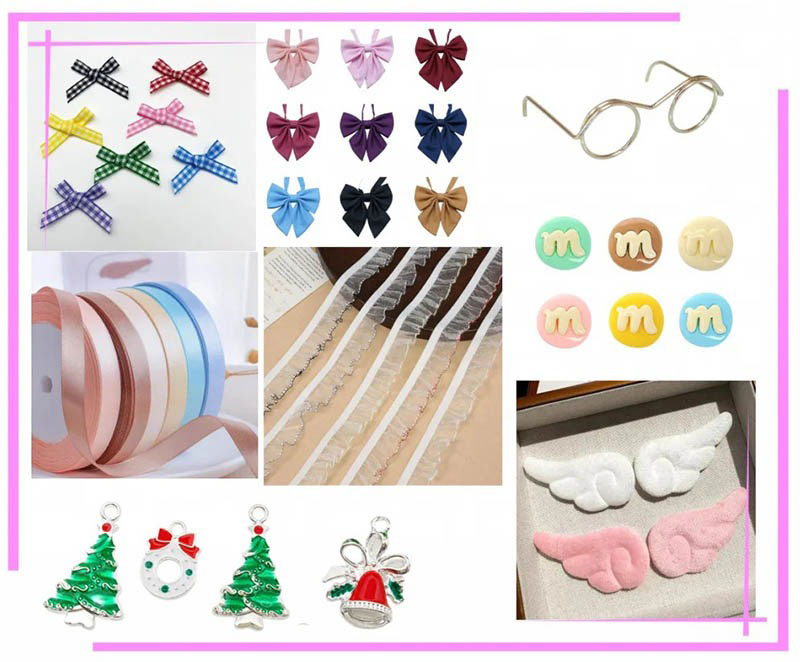
Accessories, Embroidery, and Printing
Elements such as safety eyes, noses, sound modules, ribbons, clothing, woven labels, high-density embroidery, or multi-color printing add extra production steps. Each accessory or process increases unit cost depending on its quality and quantity.
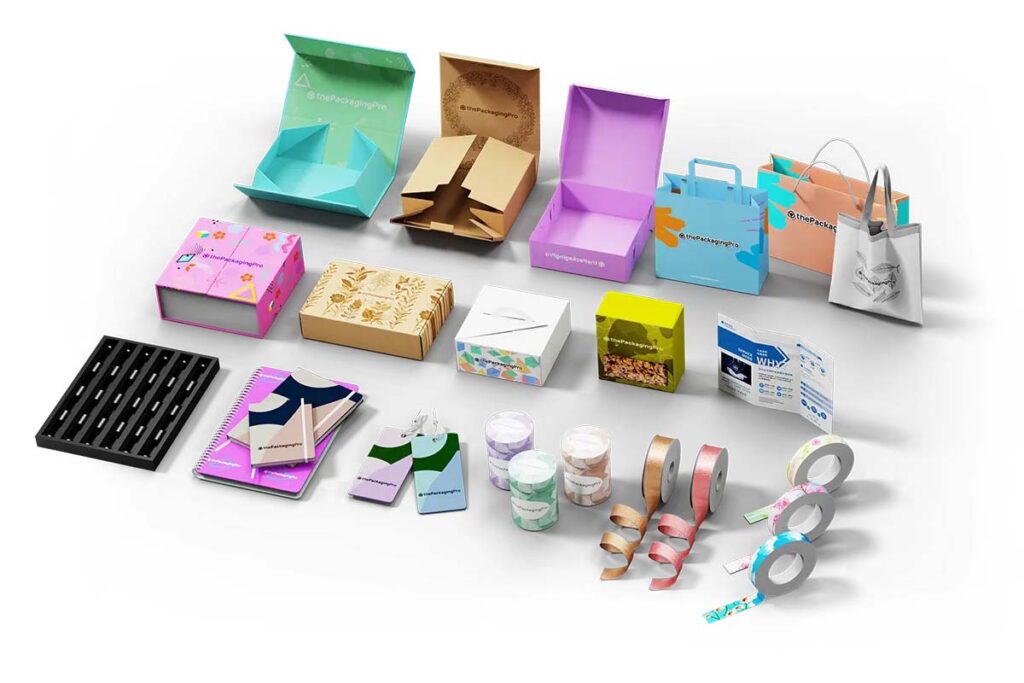
Packaging Requirements
Retail-ready packaging—such as custom boxes, printed polybags, hangtags, blister packaging, vacuum bags, or eco-friendly materials—can significantly impact pricing. Stronger export cartons or drop-test packaging will also raise costs.
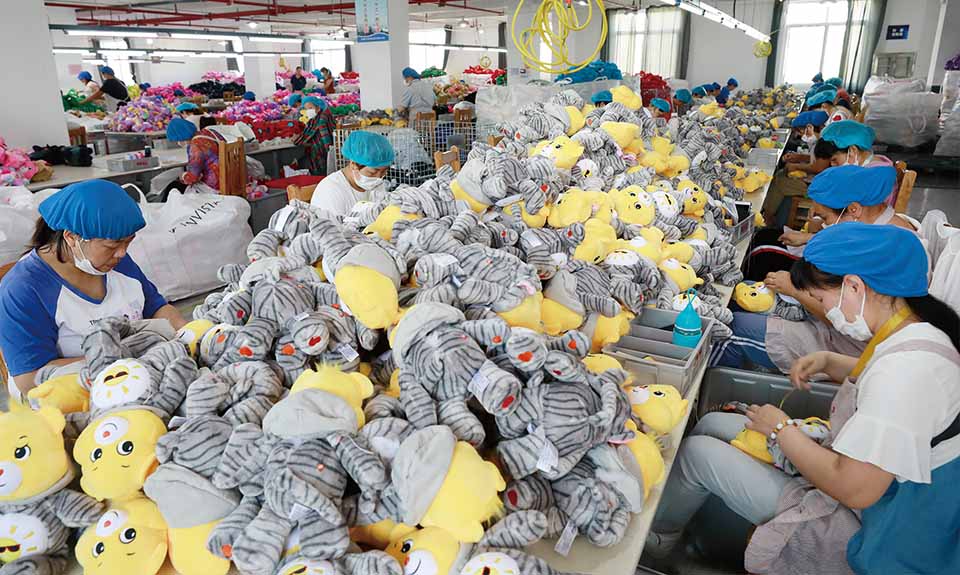
Order Quantity and Production Scale
Larger order quantities reduce unit cost due to material bulk pricing and more efficient production line scheduling. Smaller orders, especially below MOQ, require higher setup costs, resulting in higher per-unit pricing.
Understanding these pricing factors helps brands balance quality, budget, and design goals, ensuring their plush toys remain competitive in retail and wholesale markets.
Precision Sample Production Process
This video focuses on how sampling is handled with real production standards. From pattern finalization and material selection to sewing, stuffing, and finishing, every sample is made with mass-production feasibility in mind. By applying the same control logic used in bulk orders, we ensure samples are not only accurate in appearance, but also ready for stable, scalable production.
Essential Safety Features in Baby & Infant Plush Toy Design
Baby and infant plush toys require a higher level of safety because they are used during early developmental stages, where chewing, pulling, and close skin contact are common. A professional stuffed animals factory must design every detail—from materials to construction—to ensure the toys are soft, secure, and fully compliant with global infant safety standards.
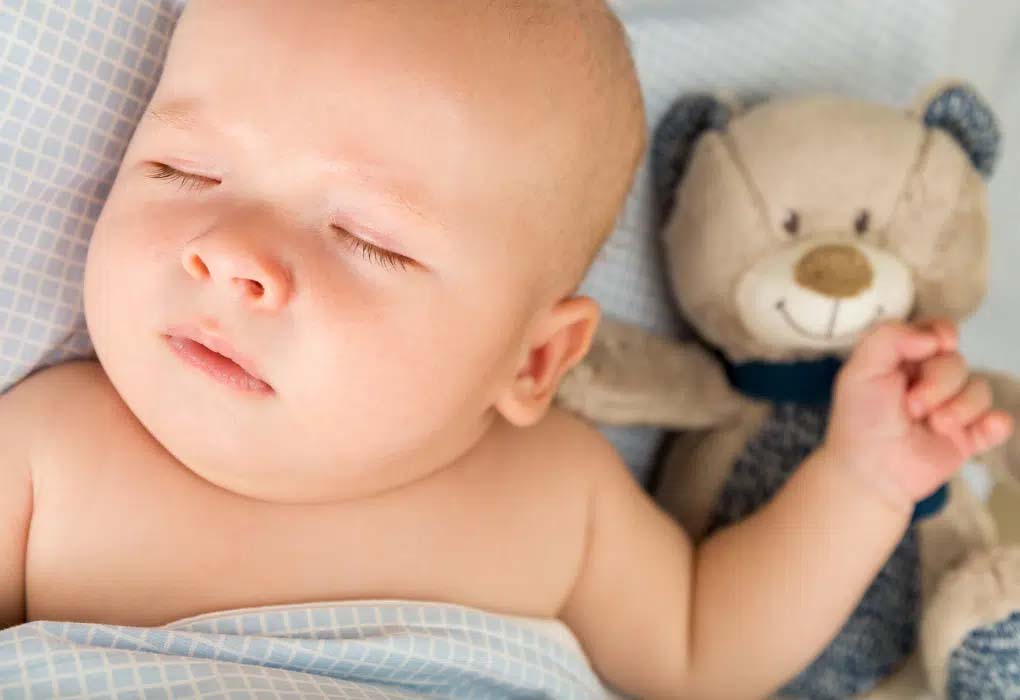
1. Use of Certified, Hypoallergenic, and Baby-Safe Materials
All fabrics and fillings used for infant plush toys must be certified, non-toxic, and hypoallergenic. Materials such as ultra-soft short plush, organic cotton, and high-purity PP cotton are preferred. Every material must pass CE, EN71-3, ASTM F963, saliva resistance tests, and chemical safety requirements to prevent irritation or allergic reactions.
2. Embroidered Facial Features Instead of Hard Accessories
Safety eyes, noses, and mouths for baby plush toys should never be plastic or glued components. Instead, embroidered details are used to prevent choking hazards. Embroidery must be dense, securely stitched, smooth to touch, and resistant to pulling so that it remains intact even under continuous chewing or rubbing.
3. No Small Parts, Loose Components, or Detachable Accessories
Baby plush toys must avoid small buttons, beads, ribbons, clothes, or anything that could detach. Even decorative elements like ears, tails, and limbs must be stitched with reinforced seams. All parts must pass strict tensile and torque strength testing to guarantee they remain securely attached during use.
4. Soft Structure with No Sharp Edges or Hard Internal Components
The entire toy must be soft and free of internal hard structures. No wires, plastic frames, beads, or sharp elements should be used. The shape must be created purely through safe stuffing and fabric pattern design to prevent injuries when the toy is squeezed or thrown.
5. Baby-Safe Stitching and Seam Reinforcement
Seams on baby plush toys must be extra strong, using reinforced stitching to prevent splitting during chewing or stretching. Areas such as the neckline, limbs, and seams with high tension must undergo double stitching. All sewing threads must be anti-pilling, secure, and without loose ends to avoid ingestion risks.
With strict materials, reinforced construction, and no small parts, baby plush toys from a professional factory ensure complete safety, comfort, and peace of mind for parents and brands.
Popular Fabrics & Fillings Used for Stuffed Animal Manufacturing
The fabric and filling directly determine how a stuffed animal feels, looks, and performs during use. Choosing the right materials helps brands achieve the ideal softness, durability, and safety level.
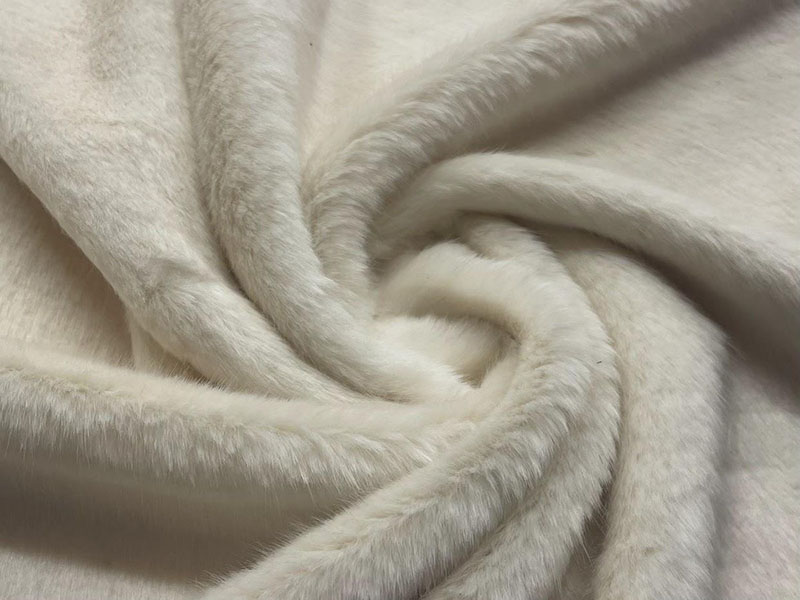
Short Plush (Velboa)
Durable, smooth, and cost-effective, ideal for everyday plush toys.
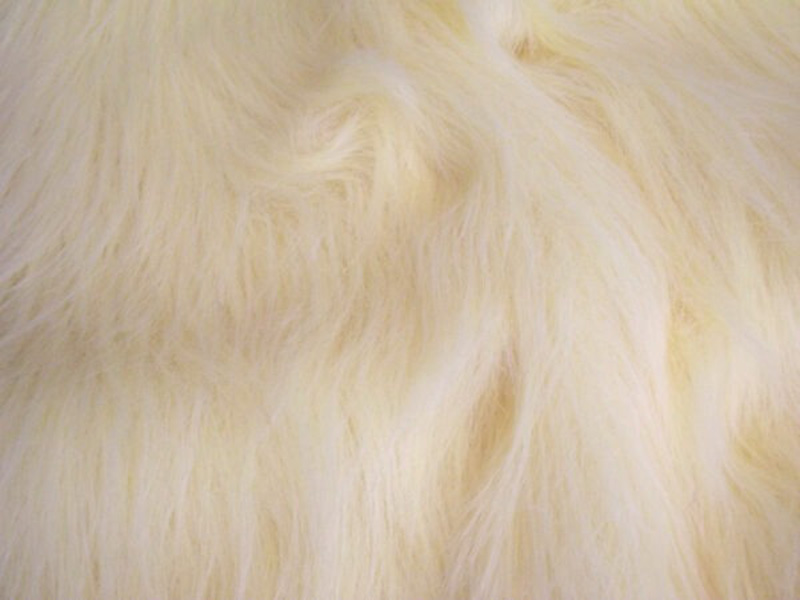
Long Pile Plush
Soft and fluffy, used for premium plush toys and cozy designs.
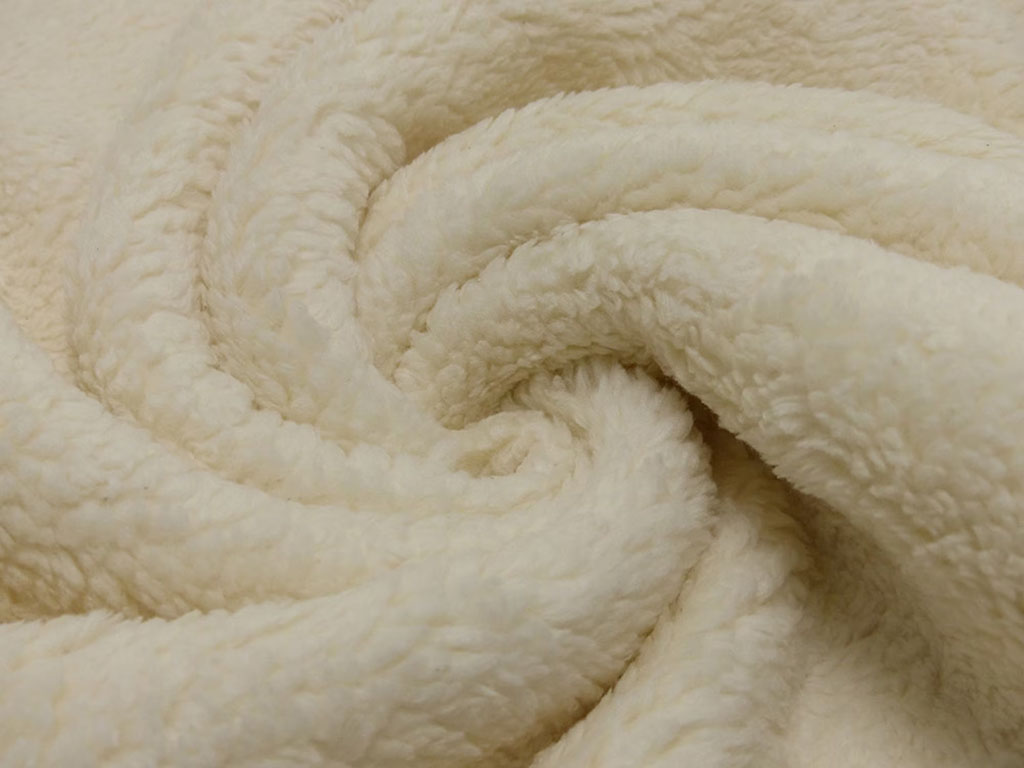
Sherpa / Teddy Fleece
Warm texture, great for lifestyle plush toys and baby products.
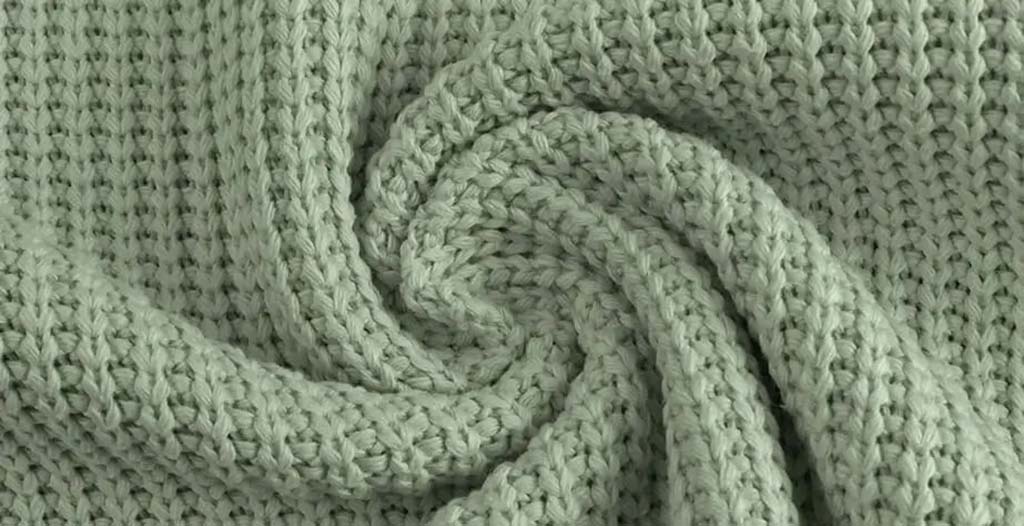
Knitted / Crochet Fabric
Creates a handmade look, ideal for boutique and premium collections.
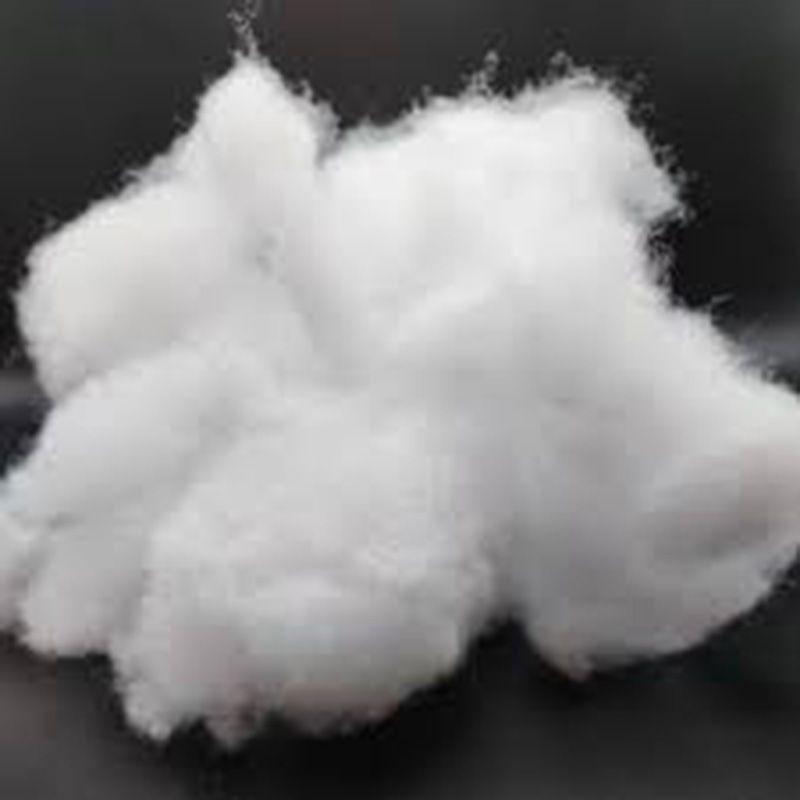
High-Elastic PP Cotton
Lightweight, fluffy, and soft; the most widely used filling.
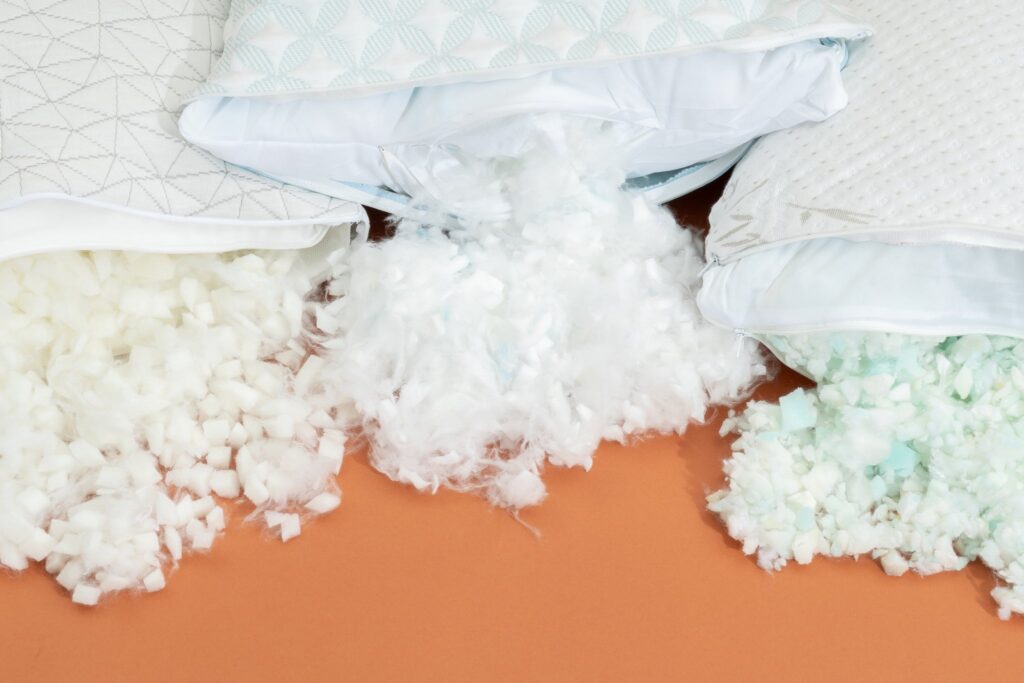
Memory Foam / Sponge Pieces
Provides structured softness for pillows and shaped plush toys.
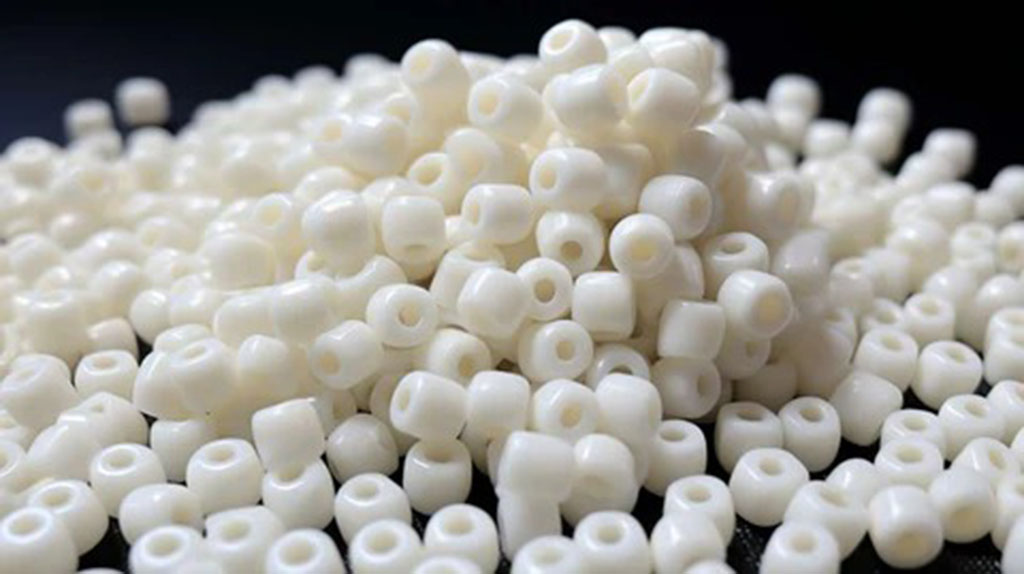
Weighted Pellets
Adds calming weight, ideal for therapy and sensory plush toys.
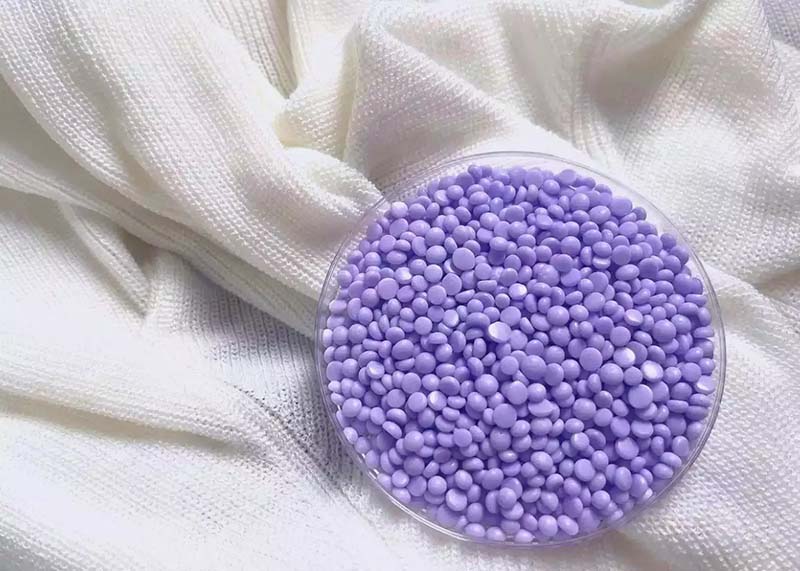
Scented or Functional Fillings
Lavender beads or cooling beads for added sensory experience.
Selecting the right materials ensures your plush toys meet performance, safety, and market expectations.
How Color Selection Shapes the Look and Feel of Plush Toy Materials
Color selection plays a major role in how plush materials are perceived. The same fabric can feel softer, warmer, or more premium depending on the color used. Understanding how color and texture interact helps brands create stuffed animals that feel more aligned with their intended style and target audience.
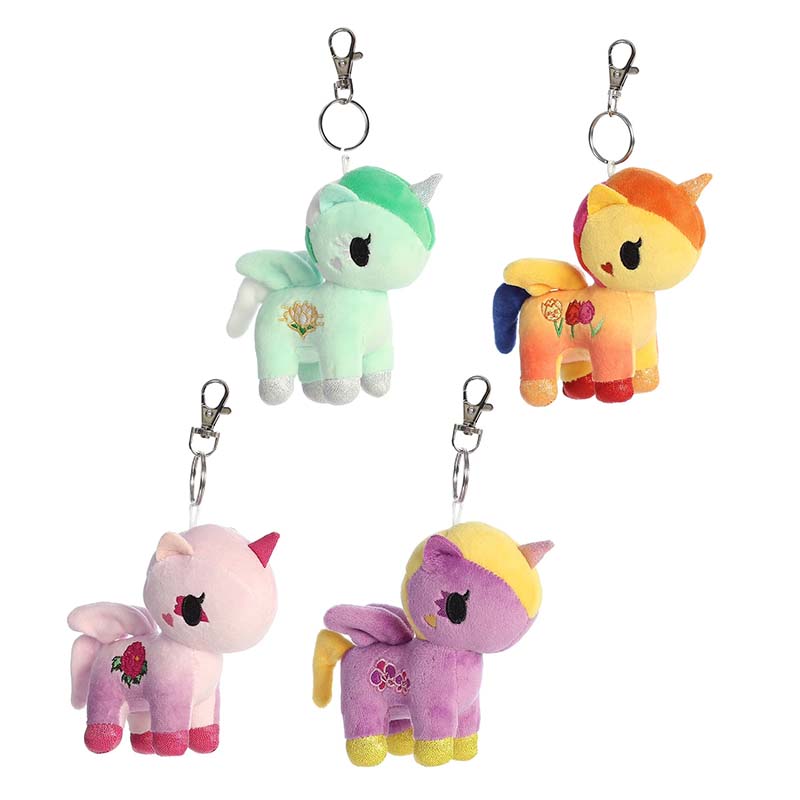
Light Colors Make Fabrics Appear Softer and More Delicate
Colors such as cream, beige, ivory, baby pink, and light gray visually enhance softness. When used on short plush or sherpa fleece, light colors make the fabric surface look finer and smoother. These tones naturally create a gentle, calming feeling, which is why they are often chosen for baby plush toys, sleep-time companions, or therapeutic plush collections.
Dark and Rich Colors Give Plush Materials a Premium, Structured Feel
Deep tones like navy, charcoal, chocolate brown, and burgundy add visual depth and weight. On long pile plush or teddy fleece, these colors make the toy look fuller, richer, and more luxurious. Dark colors also visually compress the fiber texture, making the fabric appear cleaner and more refined, ideal for premium plush lines or adult-oriented collections.
Bright Colors Increase Playfulness but Can Highlight Surface Texture
Bright colors like yellow, orange, teal, or hot pink instantly give plush toys an energetic, youthful look. They are great for children’s products and character-themed designs. However, because bright colors reflect more light, they also make the fabric’s surface texture more visible. This works well for cartoon styles but may make premium long plush appear less smooth if not properly finished.
Neutral and Earth-Tone Colors Enhance Natural Warmth and Soft Visual Texture
Colors such as sand, warm gray, olive, and soft brown pair well with boucle, sherpa, or knitted fabrics. These tones create a natural, cozy, and lifestyle-oriented feeling, making the plush toy look more comforting and aesthetically pleasing. Earth tones visually blend with the fabric fibers, softening edges and giving the toy a warm and inviting texture.
Step-by-Step Production Process for High-Quality Stuffed Animals
A high-quality stuffed animal comes from a precise and well-managed production workflow. Each step—from concept approval to final packing—is controlled by experienced teams and strict quality standards. Understanding this process helps brands feel confident about consistency, safety, and on-time delivery.
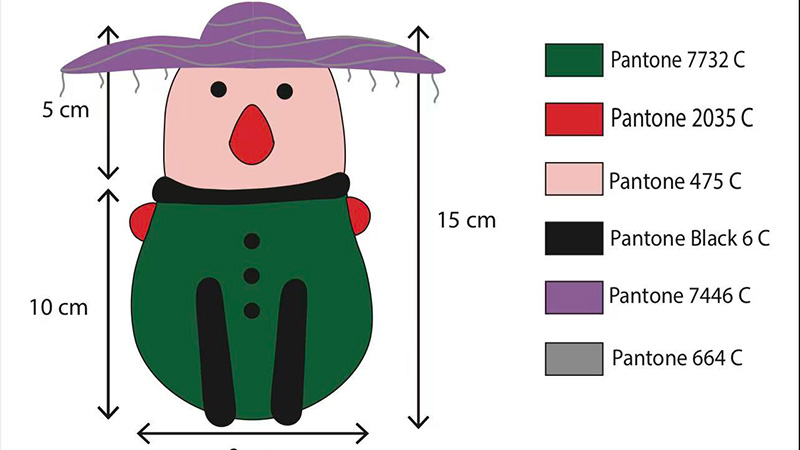
Design Review & Technical Confirmation
The process begins with reviewing the client’s artwork, photos, or concept. Pattern makers confirm size, proportions, colors, materials, and special requirements to ensure the design can be efficiently produced.
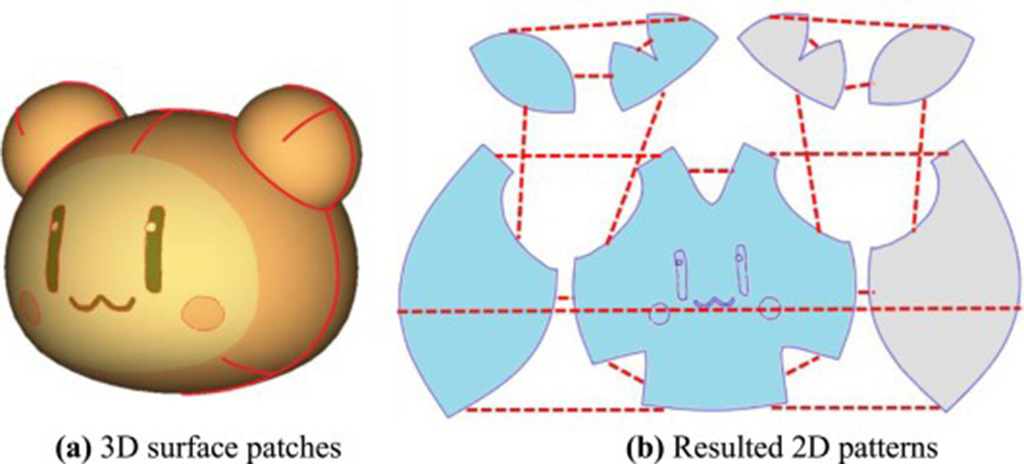
Pattern Making & 3D Shape Mapping
Experienced technicians create accurate paper patterns or digital patterns that define the plush toy’s structure. This step determines the final shape and plays a key role in achieving sample-to-bulk consistency.
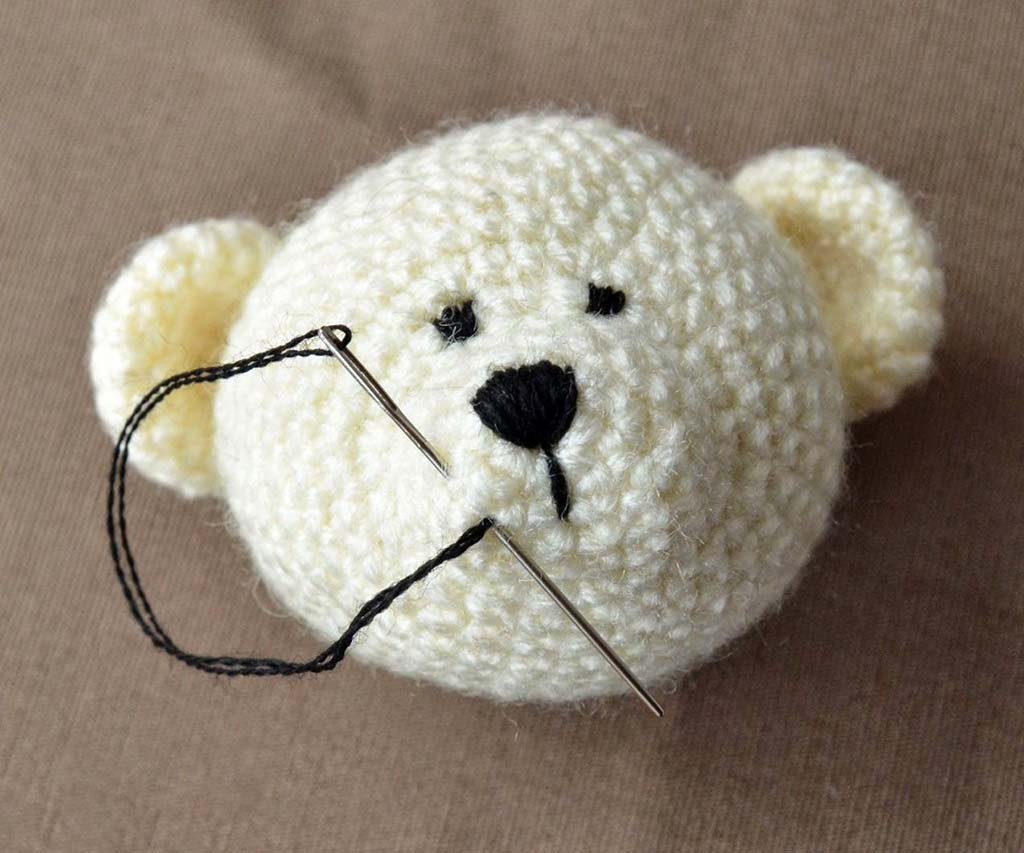
Sample Sewing & Detail Testing
A prototype is sewn to test materials, stitching strength, shape accuracy, and facial expression. Adjustments are made until the sample perfectly matches the client’s expectations.
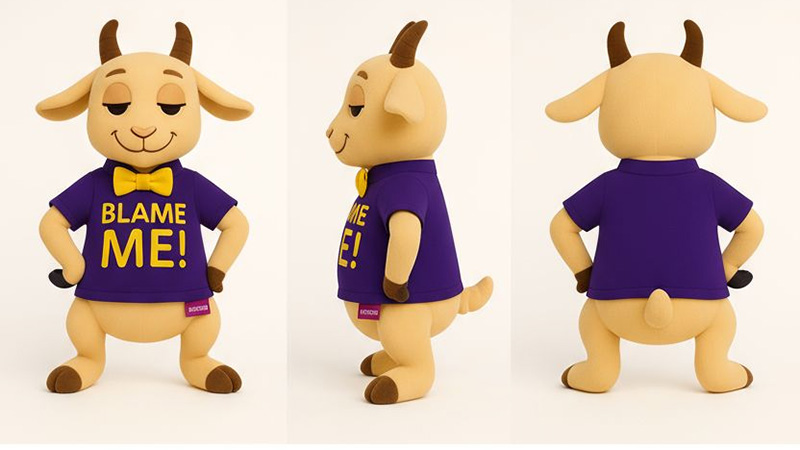
Client Approval & Production Preparation
Mass production begins only after the final sample is approved. At this stage, materials are ordered, colors prepared, and production lines assigned.
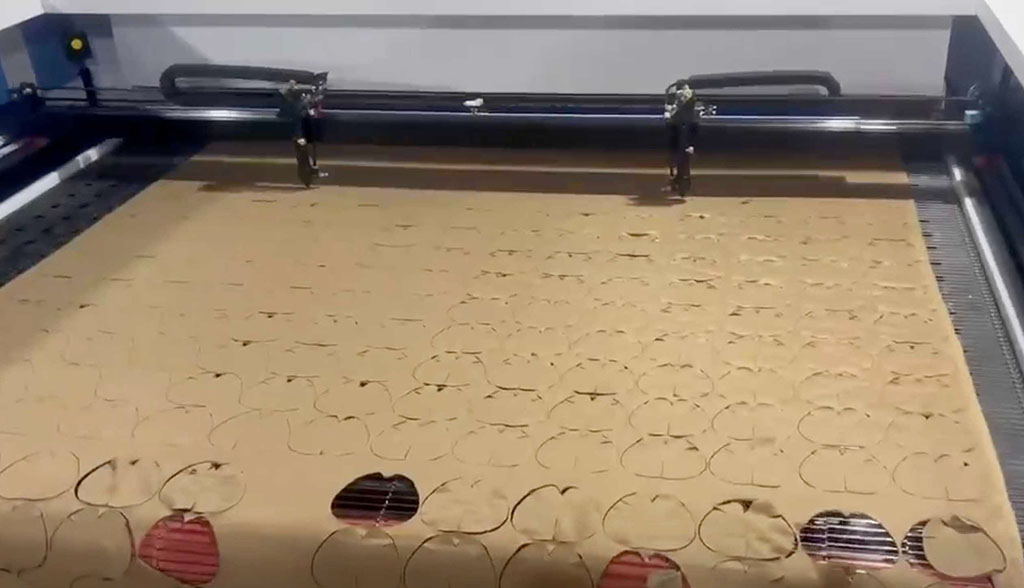
Fabric Cutting & Precision Control
Fabrics are cut according to the approved patterns. QC checks symmetry, grain direction, and size tolerance to ensure uniformity across all pieces.
Sewing, Reinforcement & Assembly
Sewing technicians assemble the plush toy step by step, reinforcing stress areas such as limbs and ears. Facial embroidery, accessories, and labels are added according to the design.
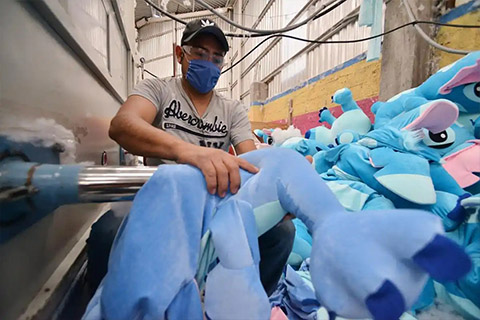
Stuffing & Shape Adjustment
High-elastic PP cotton or other fillings are added to create the correct softness and shape. The toy is then shaped manually to ensure a balanced, appealing appearance.
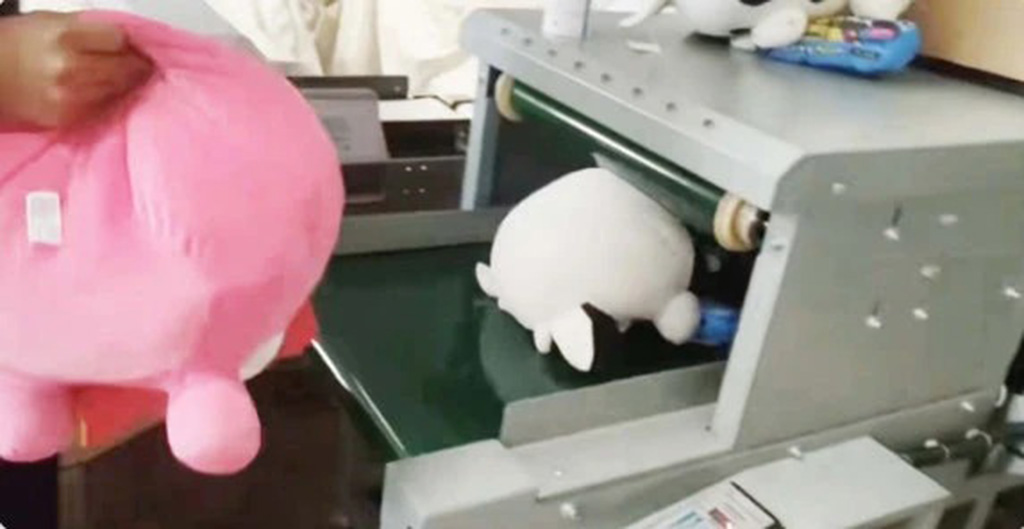
Multi-Stage Quality Inspection & Needle Detection
QC inspects stitching, stuffing density, symmetry, facial accuracy, and overall finish. All products must pass needle detection to ensure safety before entering packaging.
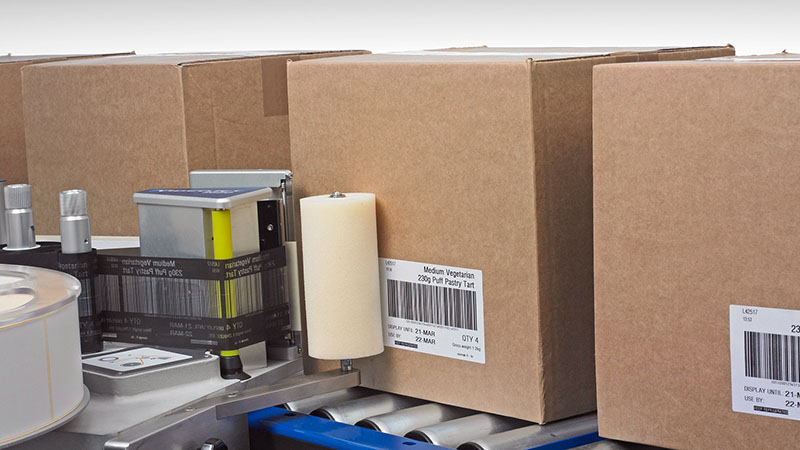
Packaging, Labeling & Shipment Arrangement
Plush toys are packed according to client requirements, including polybags, boxes, hangtags, and barcodes. After final AQL inspection, logistics arrangements are prepared for smooth export.
This structured production process ensures each stuffed animal is consistent, safe, and ready for global distribution.
Precision Stuffing Process for Plush Toys
This video shows how plush toys are carefully filled to achieve the right shape, softness, and weight. By controlling filling density, pressure, and distribution, our team ensures each plush feels balanced and consistent—whether for samples or bulk production. Proper stuffing plays a key role in comfort, durability, and overall product quality.
Trusted by Leading Global Brands
Strong partnerships prove strong capabilities. Over the years, Kinwin has worked with world-leading brands and retailers to deliver interactive plush toys that meet the highest standards of creativity, safety, and quality. By choosing us, you gain a supplier that is trusted by top companies worldwide—and the same reliability is available to your brand.




Collaborating With Supply Chain Partners to Build a Greener Production System
Sustainability in plush toy manufacturing is not achieved by a single factory—it requires the entire supply chain to move in the same direction. From material sourcing to packaging and logistics, collaborating with responsible partners helps reduce environmental impact and ensures that every stuffed animal is produced with long-term sustainability in mind.
Responsible Material Sourcing and Eco-Certifications
We work with fabric mills and accessory suppliers that provide certified materials such as rPET fabrics, organic cotton, recycled polyester, and low-impact dyes. Partners must meet standards like GRS, OEKO-TEX, and FSC to ensure raw materials are safe, traceable, and produced with reduced environmental impact.
Energy-Efficient Manufacturing and Reduced Resource Consumption
Our production partners adopt energy-saving equipment, optimized cutting systems, and water-saving dyeing methods. By reducing fabric waste, improving cutting efficiency, and using updated machinery, we help lower carbon emissions and minimize the environmental footprint of stuffed animal production.
Sustainable Packaging Solutions With Recyclable Materials
To reduce plastic waste, we collaborate with packaging suppliers that offer recyclable polybags, biodegradable paper packaging, and FSC-certified cartons. We encourage clients to adopt minimal packaging or eco-friendly alternatives without compromising safety and product protection.
Partner Logistics That Support Lower Carbon Emissions
We work with logistics partners that prioritize route efficiency, container consolidation, and optimized shipping schedules. This not only speeds up delivery but also reduces unnecessary fuel consumption. When possible, we support sea freight over air transport to minimize carbon impact for bulk shipments.
Ready to Start Your Custom Stuffed Animal Project?
Partnering with the right stuffed animals factory can significantly improve your product quality, production stability, and brand competitiveness. Whether you are building a new plush collection, optimizing your supply chain, or searching for a long-term OEM partner, our team provides full support—from design consultation and material selection to sampling, mass production, and global shipping.
We understand what global buyers value most: stable quality, reliable delivery, transparent communication, and the ability to turn creative ideas into market-ready plush toys. If you are looking for a trustworthy partner who can grow with your brand, our team is ready to assist you with professional guidance and fast responses.
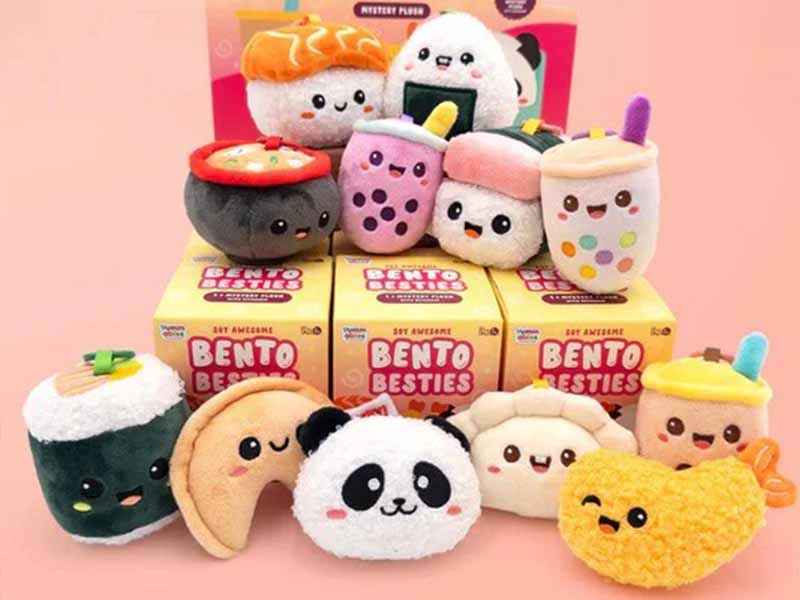
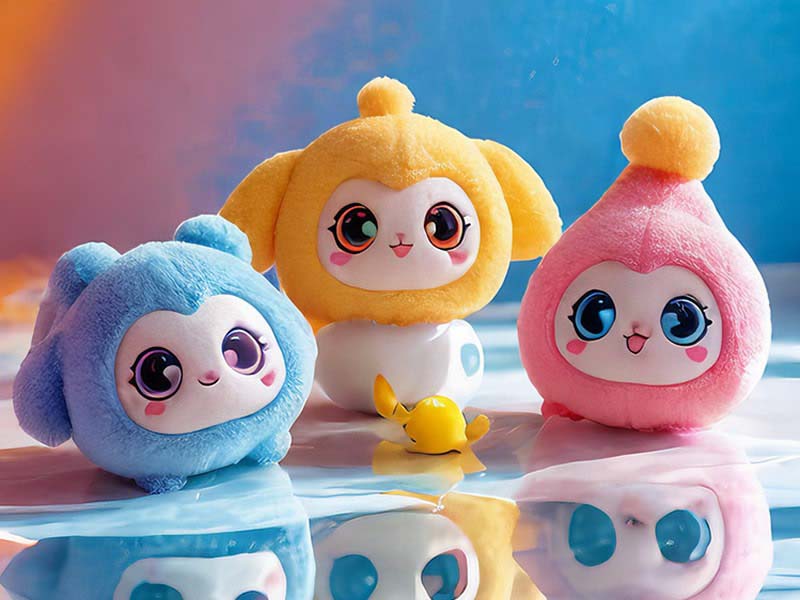
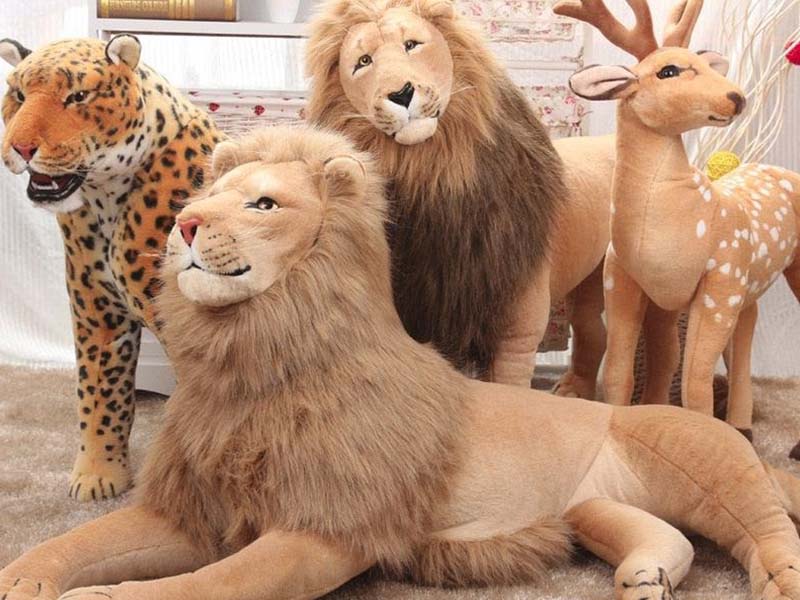
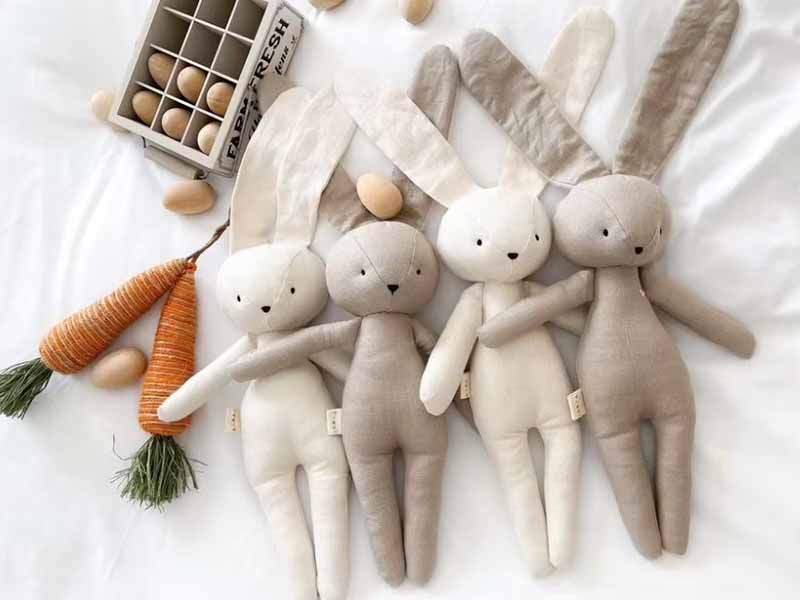
Explore Our Custom Plush Toy Series
We offer a wide selection of plush toys to meet different business needs. From baby-safe stuffed animals to collectible plush dolls, our product lines are designed for global brands, retailers, e-commerce, and promotional projects.
Frequently Asked Questions
1. What is your minimum order quantity (MOQ)?
Our standard MOQ is 500 pieces. For orders below this quantity, please consult with our project manager. We may offer flexible solutions depending on the product size, complexity, and customization requirements.
2. How long does sampling take?
Sampling takes about 10–15 days. This includes pattern development, fabric selection, sewing, and quality adjustments. Complex characters with detailed embroidery, unique shapes, or custom fabrics may require extra days. During the sampling stage, our team fine-tunes the expression, proportions, and softness to ensure the prototype accurately represents your idea.
3. What is your mass production timeline?
Mass production usually takes 25–35 days after sample approval. The exact time depends on order quantity, production line schedule, and whether custom fabrics or accessories need lead time. For urgent delivery, we offer priority scheduling and flexible manpower allocation to ensure stable and predictable timelines.
4. Can you make plush toys based on my drawing or idea?
Yes. We can work with drawings, photos, videos, concept sketches, or even simple descriptions. Our pattern makers transform your design into a 3D structure, and our sampling team refines details such as facial expression, proportion, and fabric texture. Even if you do not have a technical file, we guide you through material selection, filling options, and size proportion to achieve the look you want.
5. How accurate is mass production compared to the sample?
We achieve 95%+ accuracy thanks to standardized patterning, strict material locking, and multi-point QC. Every step — cutting, sewing, stuffing, shaping — follows the approved sample. We store production notes and measurements to ensure consistency across all batches, even months or years later.
6. What safety standards do your products meet?
Our products can meet CE, EN71, ASTM F963, CPSIA, ISO 8124, and other global standards. Materials such as fabrics, fillings, embroidery threads, and accessories are sourced from certified suppliers. Each product can undergo chemical testing, mechanical strength testing, flammability tests, and needle detection based on your market requirements. For infant plush toys, we follow saliva-resistant standards and small-part regulations to ensure absolute safety.
7. Do you protect my intellectual property?
Yes. We take IP protection very seriously. We can sign an NDA before you share any files. Your artwork, prototypes, and production files are stored securely and accessed only by authorized staff. We never share your design, use it for marketing, or reproduce it for other clients. Exclusive characters are kept confidential throughout the entire production chain.
8. What filling materials do you use?
We offer high-elastic PP cotton, memory foam pieces, weighted pellets, microbeads, organic cotton, and eco-friendly recycled fillings. Each filling type offers different softness, shape retention, and durability. We recommend suitable fillings based on your product style, size, and target market.
9. How do you ensure product safety and quality?
Every plush toy goes through multiple QC checkpoints, including material inspection, pattern accuracy checks, sewing reinforcement, stuffing density control, and full needle detection. For high-demand markets, we can also perform pull tests, torque tests, and colorfastness tests to ensure each product meets international standards.
10. What shipping options are available?
We offer sea freight, air freight, express delivery, railway transport, and door-to-door shipping. Our logistics team can help you compare shipping times and costs to choose the best method for your timeline and budget. We also assist with import documentation, customs clearance, and carton optimization to reduce shipping volume.
If You Can lmagine lt,We Will Create lt!
1.Tell Us What You Need
Tell us as specific as possible of your needs and share your idea.
2.Get Solution & Quote
We will work on the best solution according to yourrequirements,the specific quote will be provided within 24 hours.
3.Approve for Mass Production
We will start mass production after getting your approval.
