Trusted Plush Supplier for OEM & ODM Projects | China Plush Toy Manufacturer
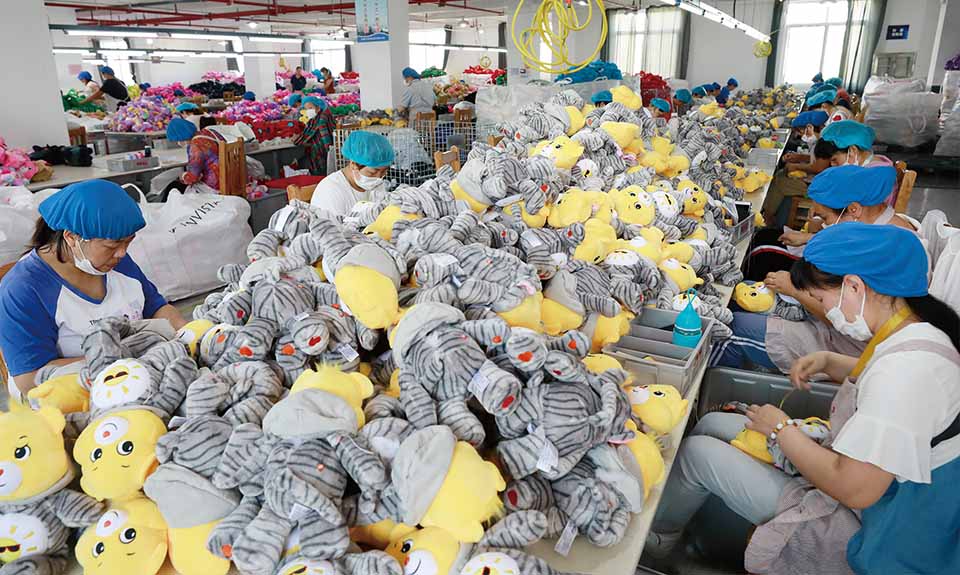
Work with a plush supplier that understands your ideas and turns them into high-quality, market-ready plush toys. With 17 years of manufacturing experience, stable production lines, and full OEM & ODM support, you get fast sampling, consistent quality, and reliable bulk delivery. Whether you need custom plush toys, brand licensing products, or private-label collections, our team helps you launch products with confidence and peace of mind.
Factory-Direct Plush Supplier: Save 30% by Cutting Out Middlemen
Working directly with a plush manufacturer helps you reduce unnecessary costs and get better value for your project. You gain real factory pricing, faster communication, and more control over quality and delivery.
Real Factory Pricing with No Extra Markups
You get transparent pricing without middleman margins, allowing you to invest more in better fabrics, fillings, and craftsmanship.
Faster Decisions and Shorter Communication Chain
Direct communication with the production team speeds up sampling, revisions, and mass production.
Flexible Material and Cost Options
The factory provides multiple material combinations so you can balance quality and budget easily.
Lower Risk and More Stable Quality
With full control of production, the factory ensures consistent standards from sample to bulk goods.
Factory-direct supply gives your brand higher value and smoother production, helping your plush products enter the market faster and more competitively.
Free Design Support for Character & Structure Optimization
Turning a creative idea into a high-quality plush toy often requires more than a reference image. Many designs look great visually but need adjustments in structure, balance, and material compatibility before entering sampling. Our team offers free design optimization to help brands reduce sampling errors, improve production accuracy, and create plush toys that look better, feel better, and last longer. By refining your concept early, you avoid unnecessary costs later and gain a toy that performs well in both appearance and durability.
Character Proportion Refinement
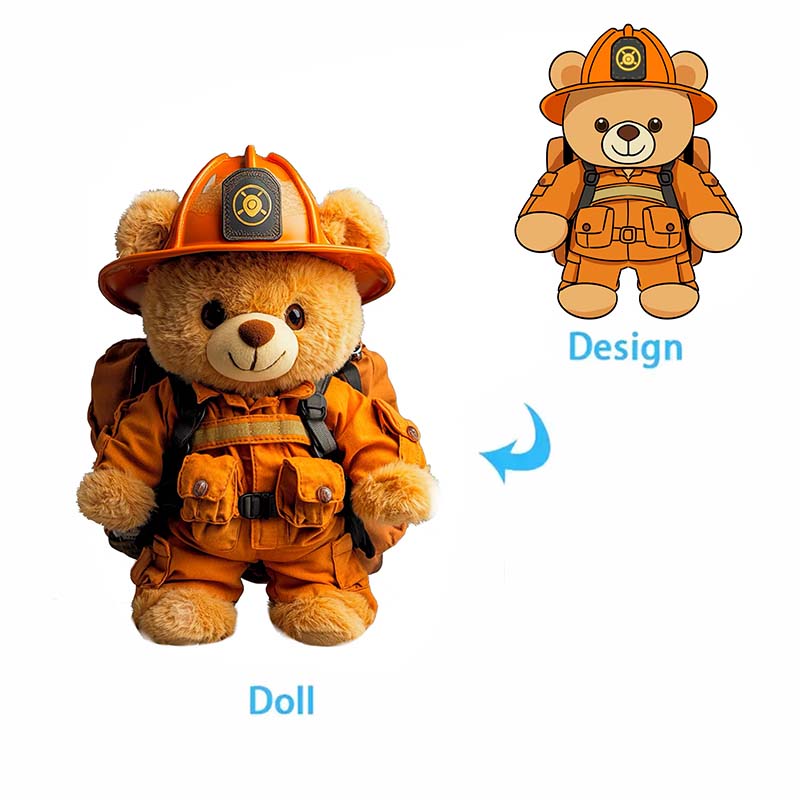
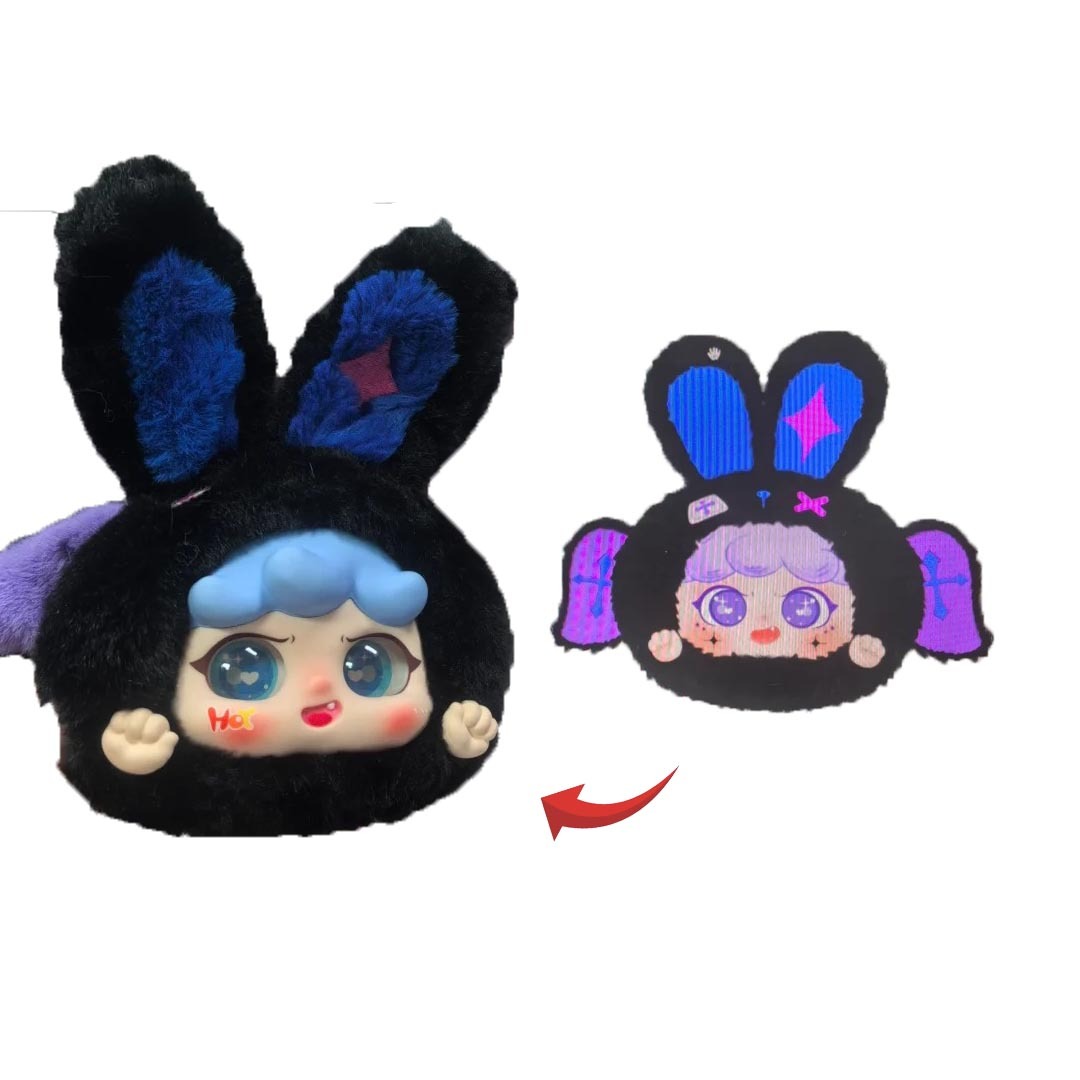
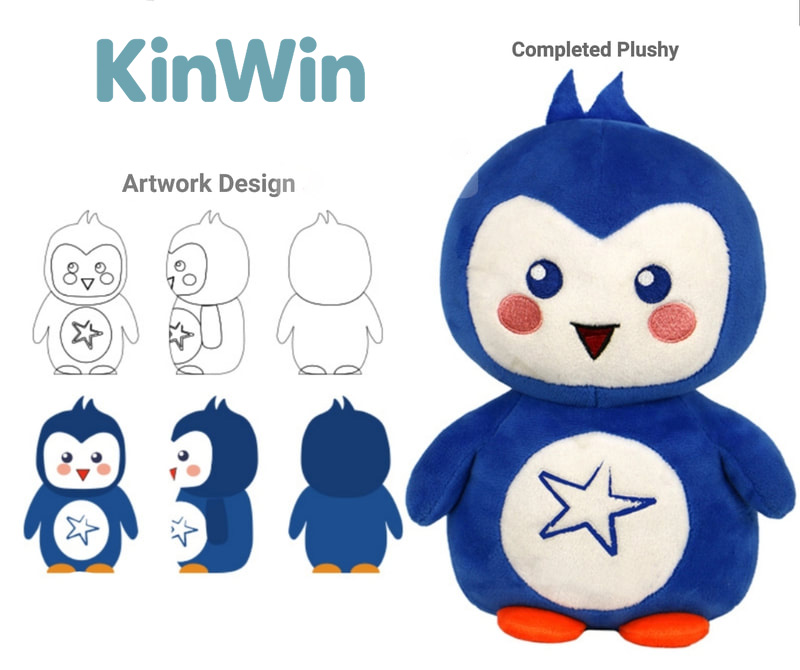
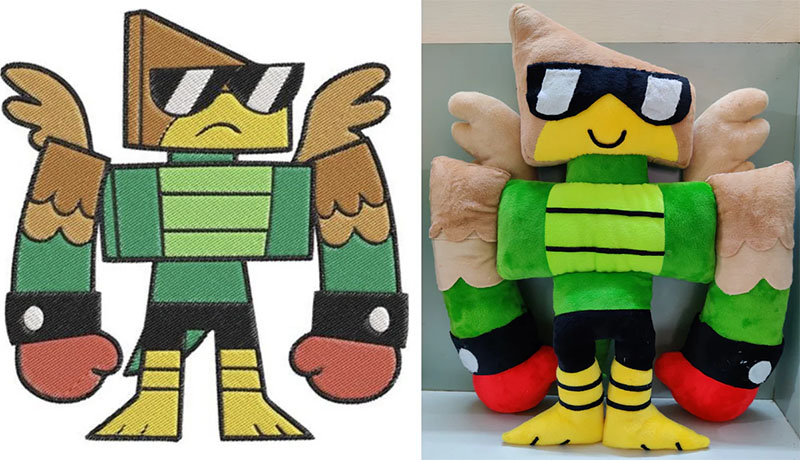
We carefully refine head-to-body ratio, limb length, silhouette curvature, and facial spacing to ensure the plush feels visually friendly and emotionally expressive. Accurate proportions also help maintain the character’s original charm when transformed from a 2D illustration into a 3D plush toy. This step is especially important for mascot plush, brand characters, and collectible plush lines, where visual accuracy directly affects market acceptance.
Structural Enhancement for Durability & Stability
Some designs collapse easily or deform after stuffing because the internal structure is not planned well. We optimize pattern segmentation, reinforce pressure points, adjust stuffing chambers, and correct weak angles to create a plush toy that remains stable and upright. This ensures the toy withstands squeezing, pulling, washing, and long-term use without losing its shape.
Improved Sewing Feasibility for Mass Production
Certain shapes, sharp corners, or complicated curves are difficult to sew in mass production. We simplify sewing paths, reduce unnecessary complexity, and redesign hidden seams to match factory equipment capability. This reduces sampling failures, shortens production time, and ensures consistent quality across thousands of units.
Material Matching & Texture Optimization
We help match the right plush fabrics, pile lengths, fillings, and accessories to make the design more realistic, soft, and comfortable. Selecting improper materials can cause a character to look stiff or different from your expectations, so our team guides you toward options that enhance both appearance and touch.
Expression & Detail Refinement
Small details such as eye placement, embroidery thickness, nose height, and smile curve dramatically affect the final personality of a plush toy. We refine these elements to ensure the character remains expressive, friendly, and aligned with your brand identity.
Function & Safety Consideration
For plush toys with sound chips, magnets, accessories, clothing, or weighted filling, we help adjust the internal structure to ensure safety and compliance. We also recommend reinforcement methods to reduce choking hazards and improve durability for children’s use.
Precision Sample Production Process
This video focuses on how sampling is handled with real production standards. From pattern finalization and material selection to sewing, stuffing, and finishing, every sample is made with mass-production feasibility in mind. By applying the same control logic used in bulk orders, we ensure samples are not only accurate in appearance, but also ready for stable, scalable production.
Explore Our Plush Toy Collection
Explore our wide collection of plush toy categories designed for brands, retailers, gift companies, and promotional projects. Each series is customizable in size, material, color, and packaging to help you build a product line that fits your market needs.
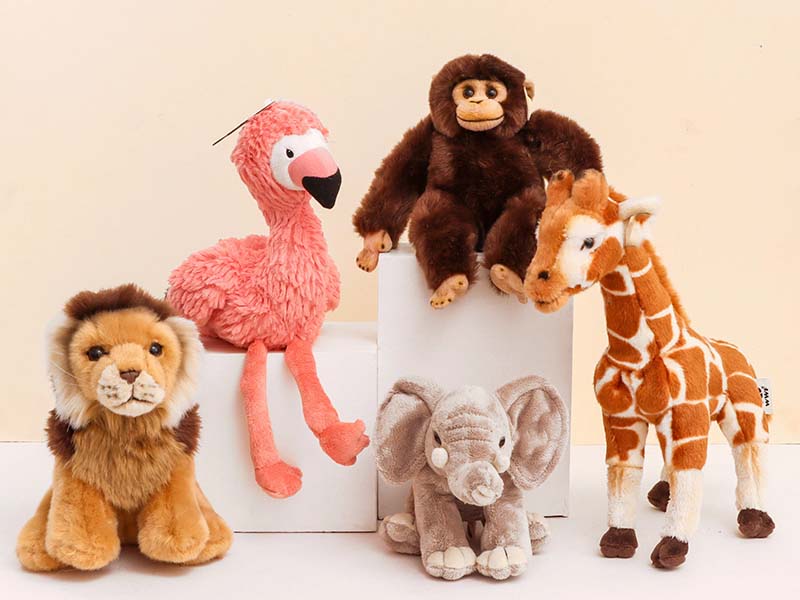
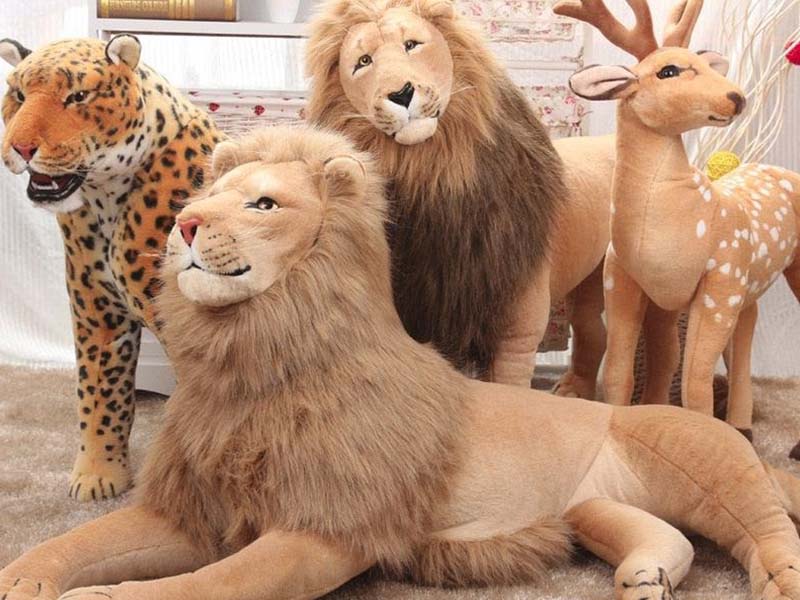
Animal Plush Series
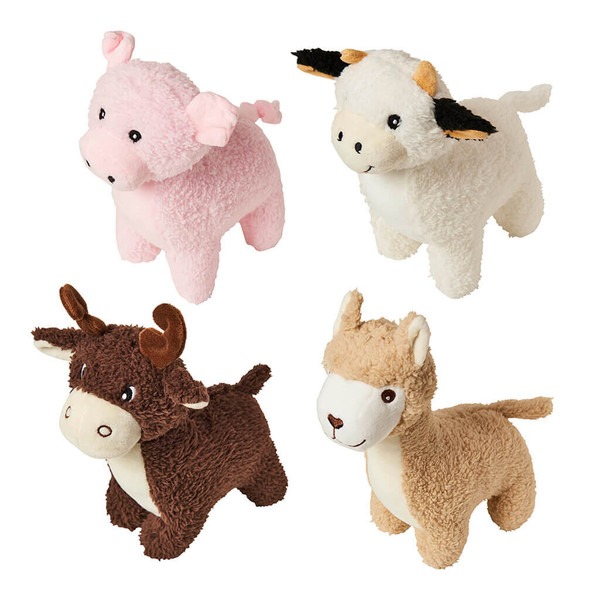
Classic and versatile designs suitable for global retail and gift markets, featuring soft fabrics and friendly expressions.
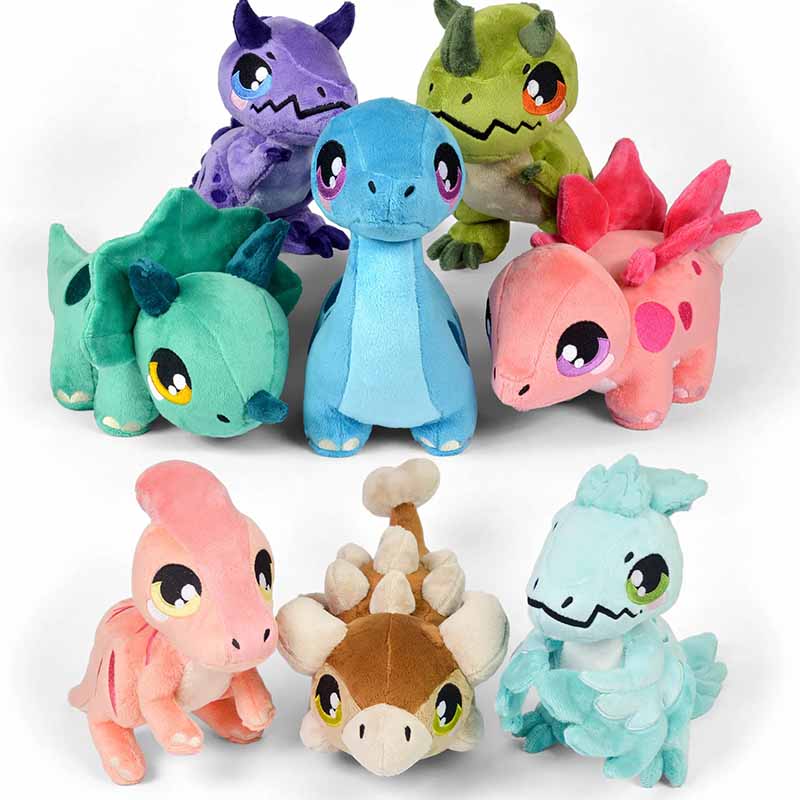
Dinosaur Plush Series
Popular among children and collectors, available in cute, realistic, and stylized designs.
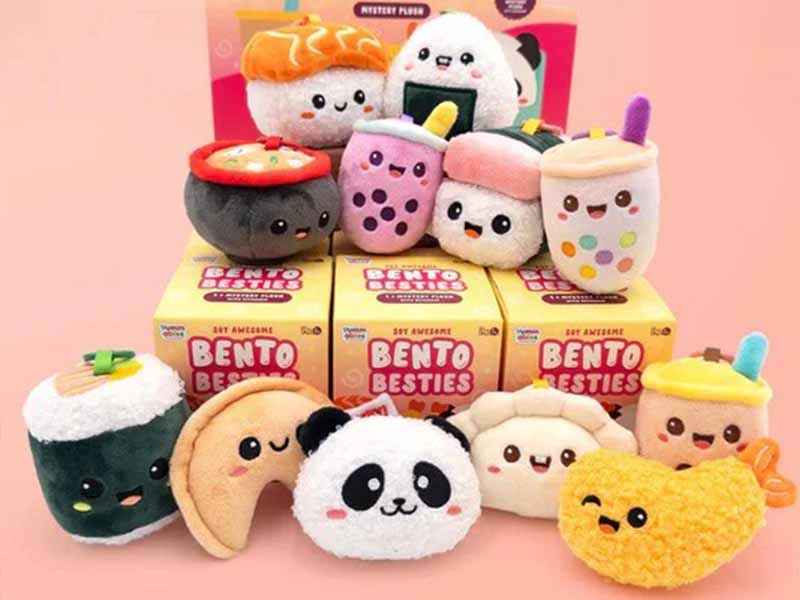
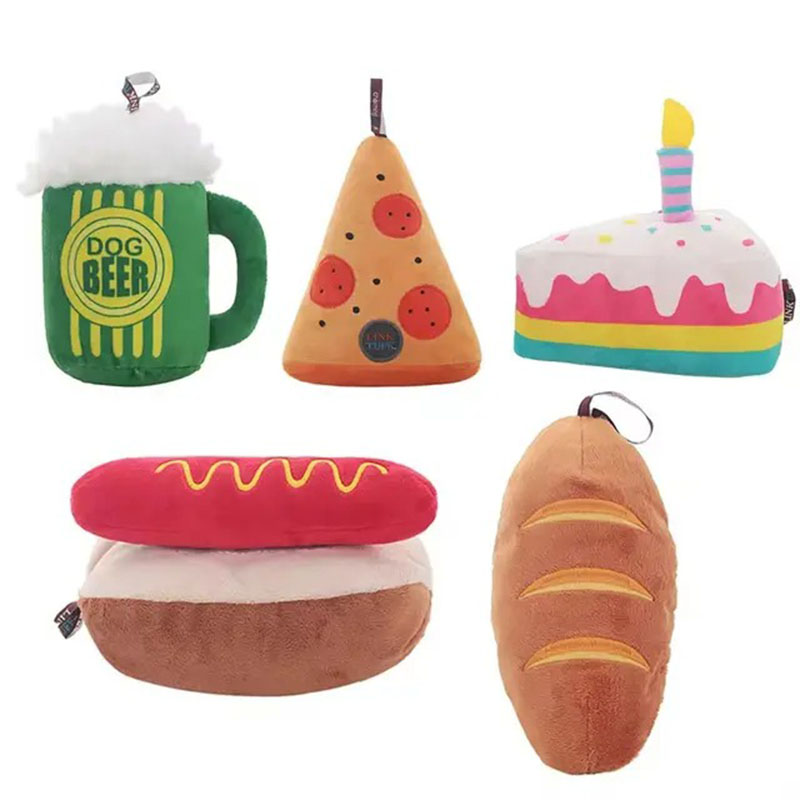
Food Plush Series
Perfect for lifestyle brands and social-media-driven products with fun and eye-catching designs.
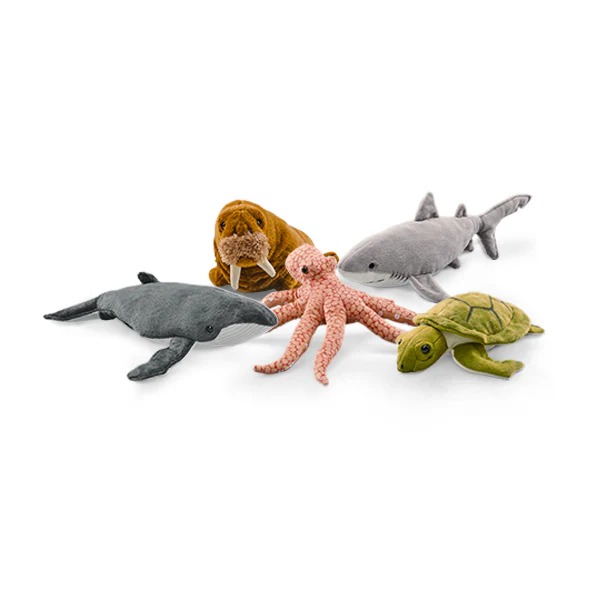
Marine Plush Series
Includes whales, dolphins, sharks, and sea creatures made with soft-touch fabrics.
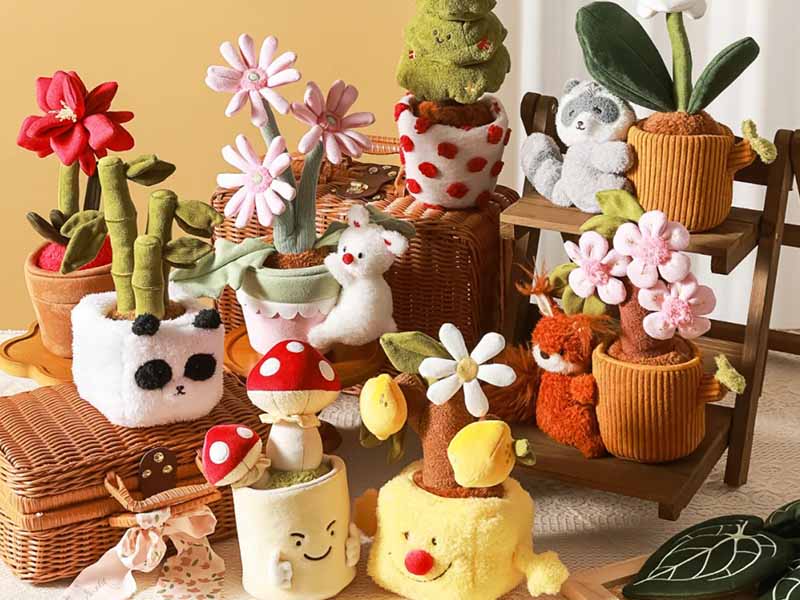
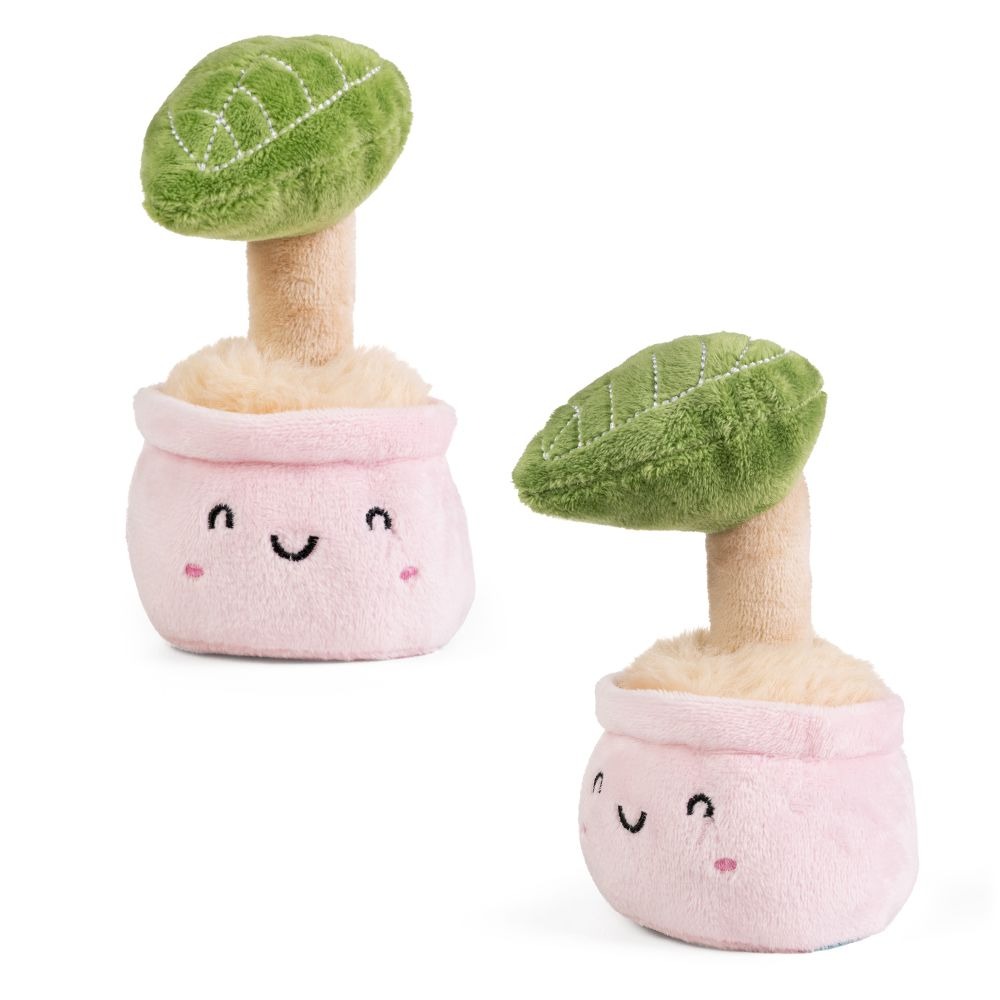
Plant Plush Series
Ideal for home décor, gifting, or aesthetic lifestyle categories.
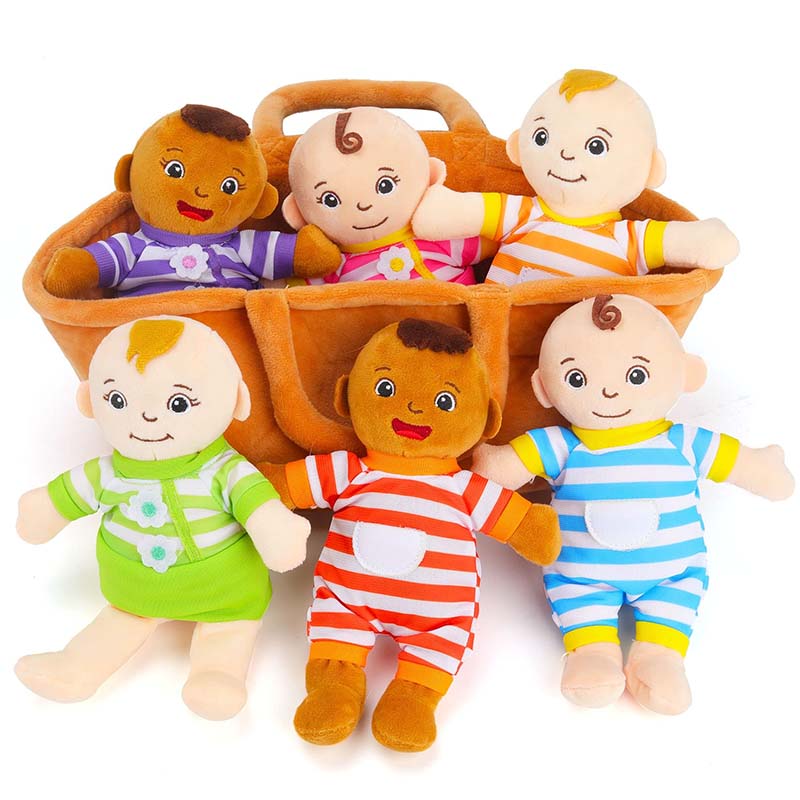
Baby Plush Series
Made with infant-safe materials, embroidered details, and gentle colors.
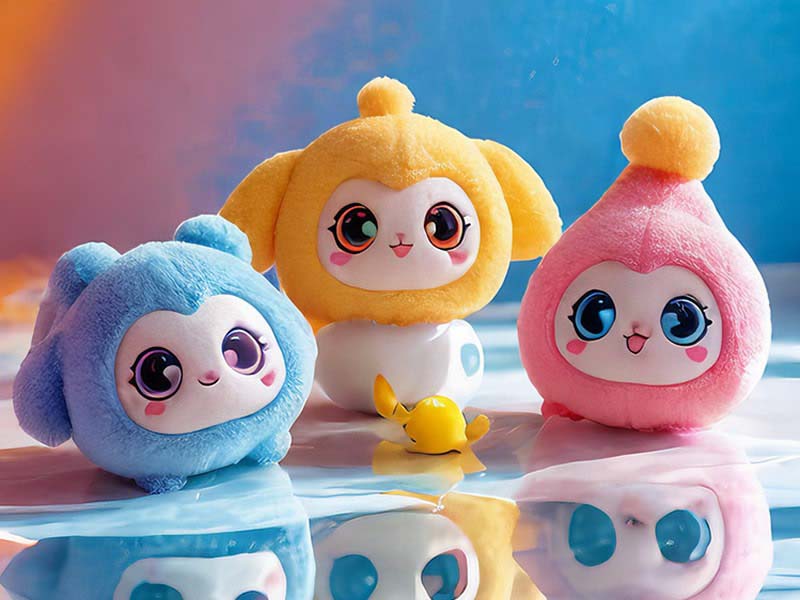
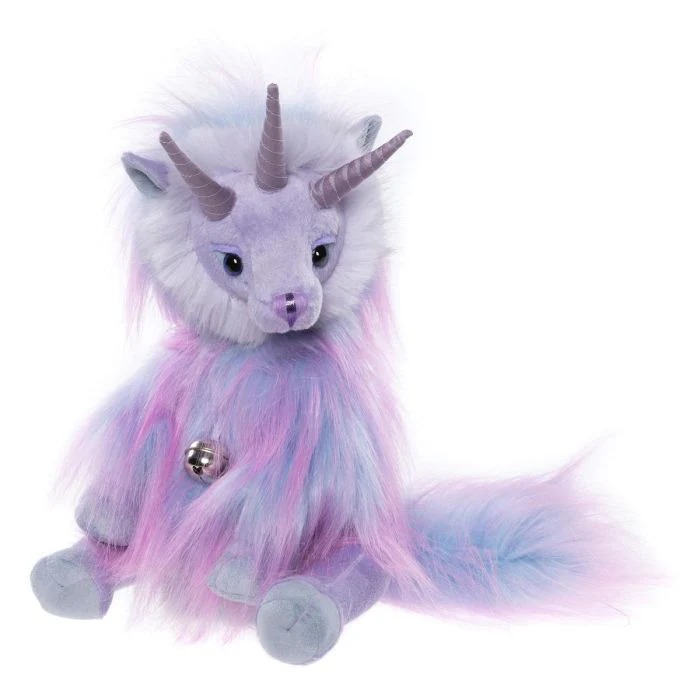
Fantasy & Mythical Creatures
Unicorns, dragons, and magical creatures designed for storytelling brands.
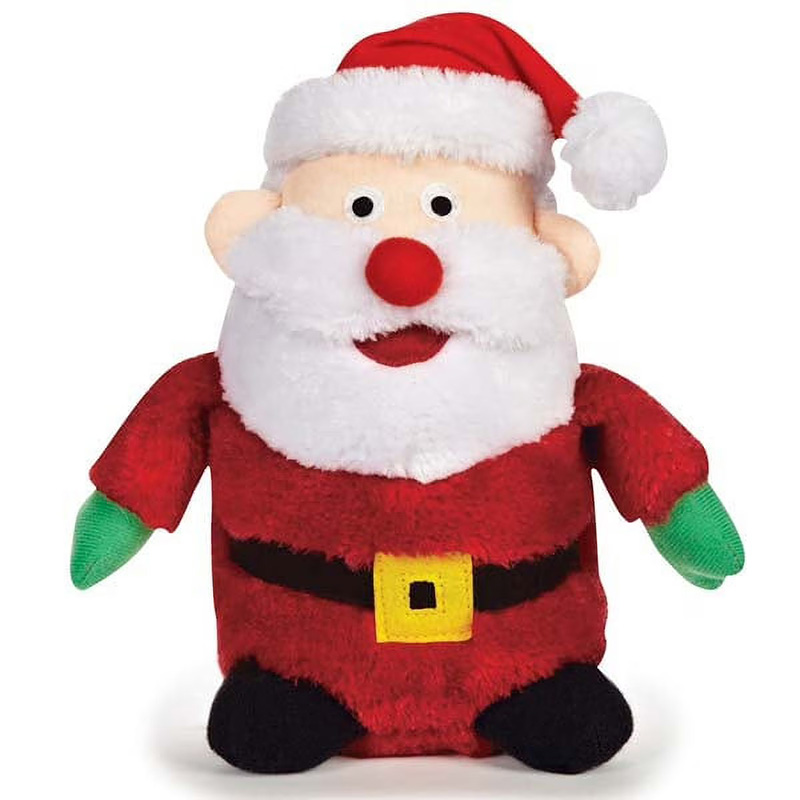
Seasonal & Holiday Plush
Christmas, Halloween, Easter styles designed for seasonal campaigns.
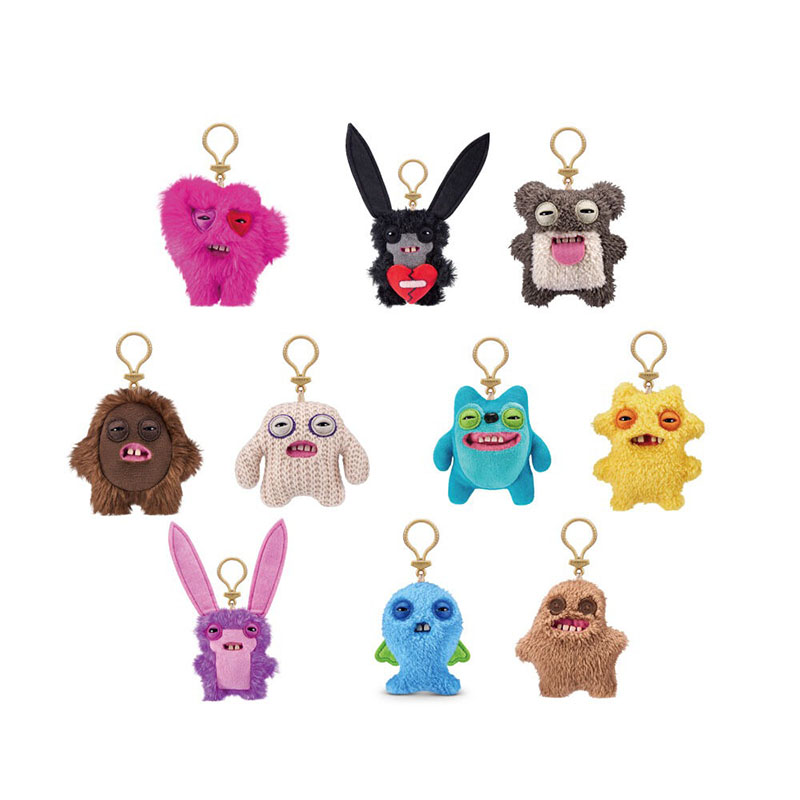
Plush Keychain Series
Lightweight and customizable, perfect for retail add-ons and giveaway programs.
Weighted Plush Series
Designed for comfort and sensory support with evenly distributed filling.
Scented Plush Series
Infused with safe fragrances for brands seeking unique sensory products.
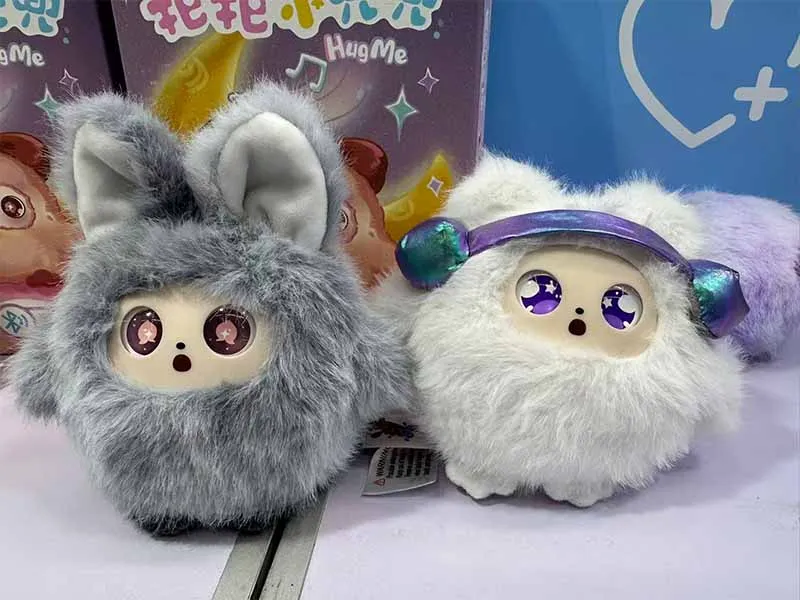
Interactive Plush Series
Sound chips, LED, vibration modules support playful and educational functions.
Plush Cushion & Pillow Series
Comfortable home products with customizable shapes, embroidery, and colors.
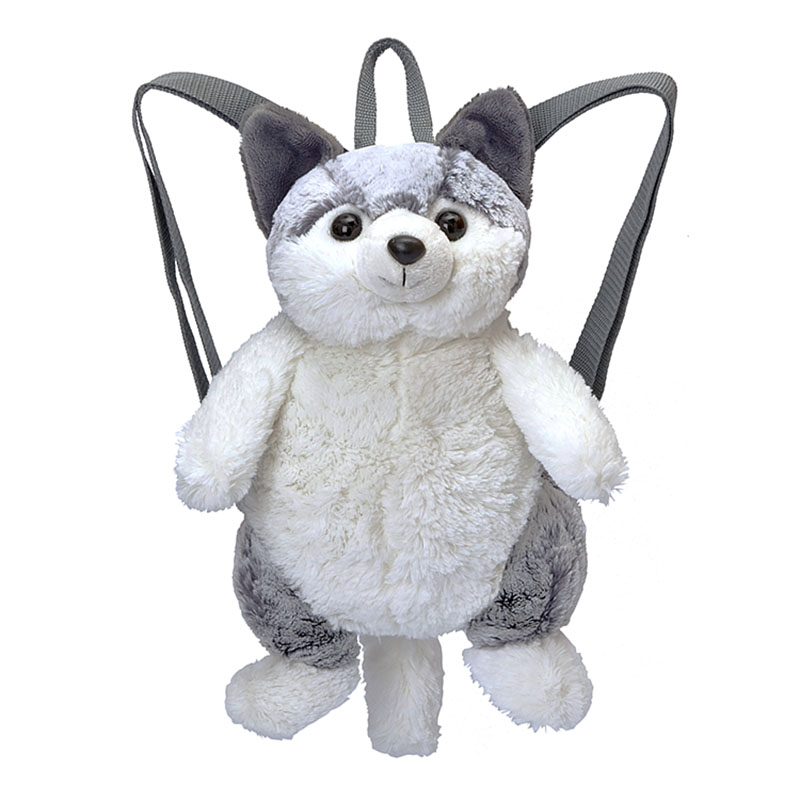
Backpack Plush Series
Fun plush designs transformed into functional children’s backpacks.
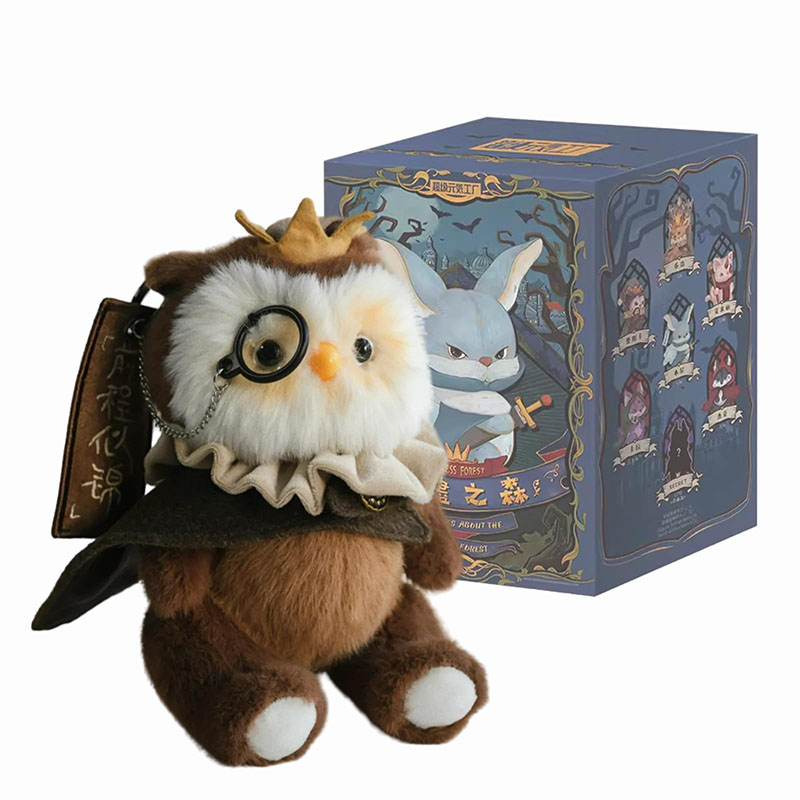
Blind Box Plush Series
Designed for collectible series with high repeat purchase value.
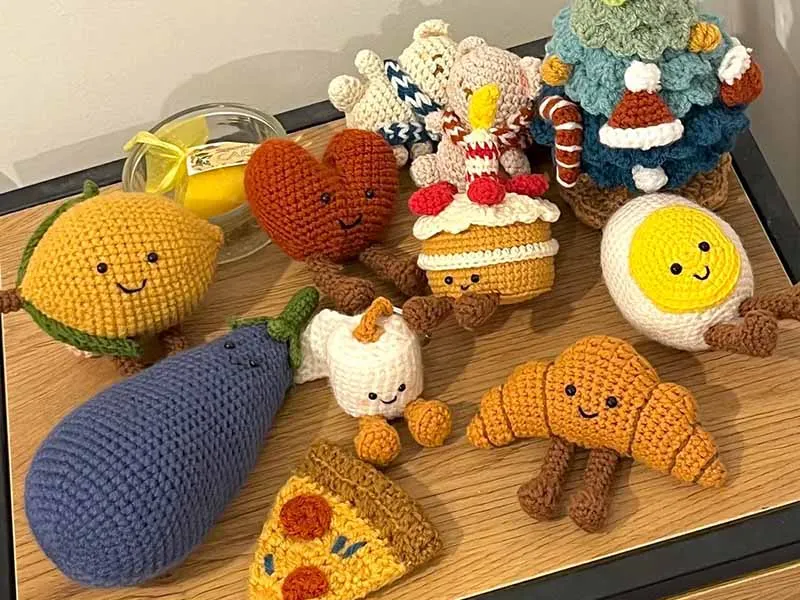
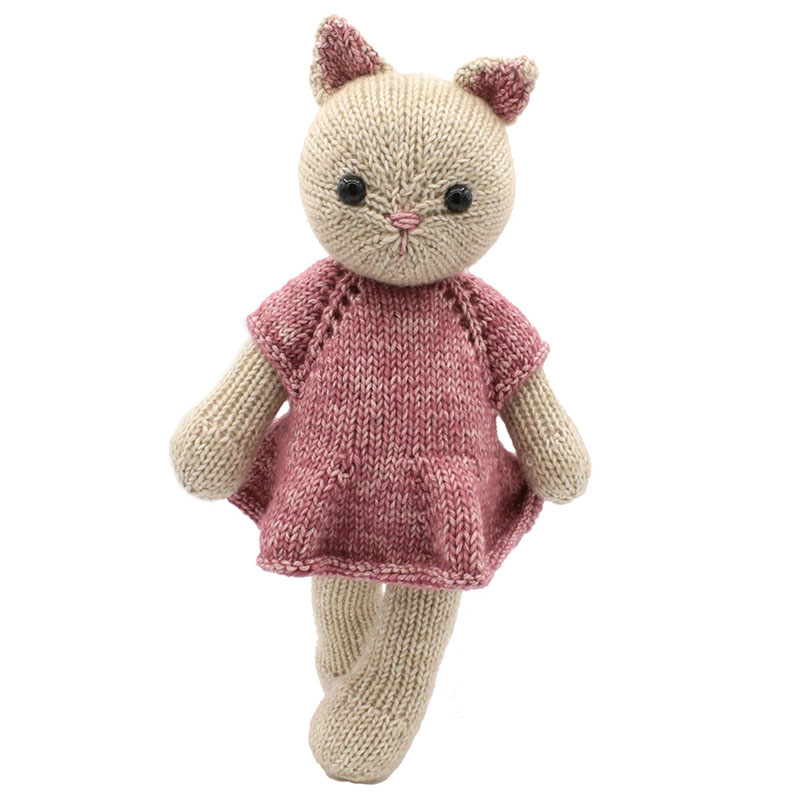
Knitted & Crochet Plush Series
Handcrafted texture with a premium, artisan-style appearance.
Key Factors in Choosing a Professional Plush Toy Manufacturer
Choosing a reliable plush toy manufacturer determines the quality, safety, cost, and long-term success of your product line. A good supplier helps you avoid production mistakes, speed up sampling, and maintain stable quality across all bulk orders.
Experienced Manufacturing Capability
A mature plush manufacturer should have years of industry experience, specialized sewing teams, pattern makers, and stable production lines. Experience reduces mistakes in sampling, improves shape accuracy, and ensures consistent quality for large orders. Factories with 10–15 years of experience understand global buyer requirements and can adapt to different materials, certifications, and complex structures.
Strong Quality Control & Safety Compliance
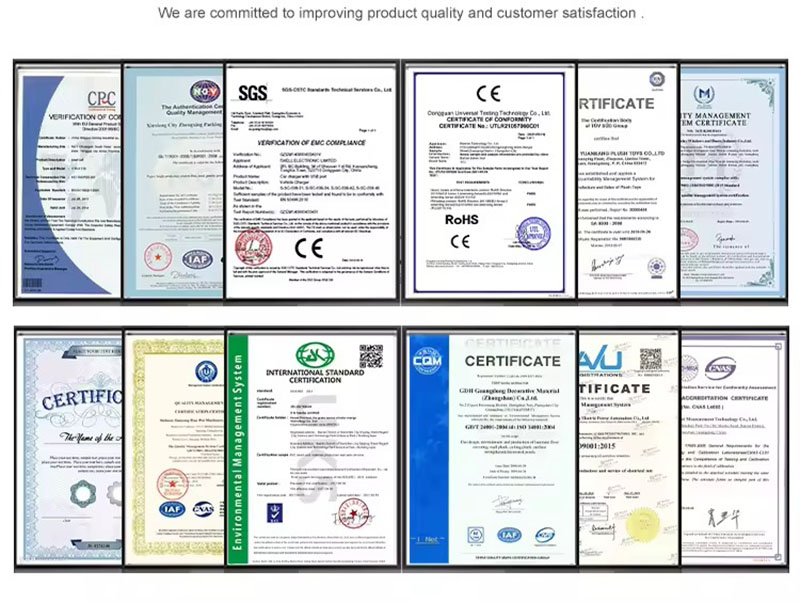
A trustworthy plush manufacturer needs strict QC at every stage: cutting, sewing, stuffing, finishing, and needle detection. They should also understand CE, ASTM F963, and EN71 testing requirements. Consistent QC prevents defects, reduces returns, and protects your brand reputation. Safety compliance is essential, especially for baby products, promotional toys, or pet plush lines.
Transparent Communication & Professional Support
Good manufacturers respond quickly, provide clear quotes, and proactively assist with structure optimization, fabric matching, or cost-saving suggestions. They help you solve problems instead of creating delays. Professional communication reduces misunderstandings and keeps projects on track.
Reliable Sampling Accuracy & On-Time Delivery
A qualified plush manufacturer should produce samples with high accuracy compared to your original design. The closer the sample matches your reference, the fewer revisions you need. On-time delivery is equally important; delays in bulk production can affect your sales season, marketing plans, and customer satisfaction.
What Determines the Cost of Custom Plush Toys
Understanding what affects plush toy pricing helps you plan your budget, choose the right materials, and avoid unexpected costs. When you know how each production element impacts the final price, you can design a product that fits both your market and your profit margin.
Material Type & Fabric Quality
Different plush fabrics come with different costs. Long-pile plush, sherpa, minky, velboa, organic cotton, and RPET recycled materials all vary in price. Higher-quality fabrics increase softness and durability but also raise material costs. Choosing the right fabric ensures a good balance of appearance, comfort, and budget.
Design Complexity & Sewing Difficulty
The more complex the design, the higher the labor cost. Extra limbs, clothing, embroidery, accessories, multi-panel patterns, or unique shapes require more sewing time and advanced craftsmanship. Simpler designs cost less, while intricate characters increase both sampling and mass production expenses.
Size & Filling Volume
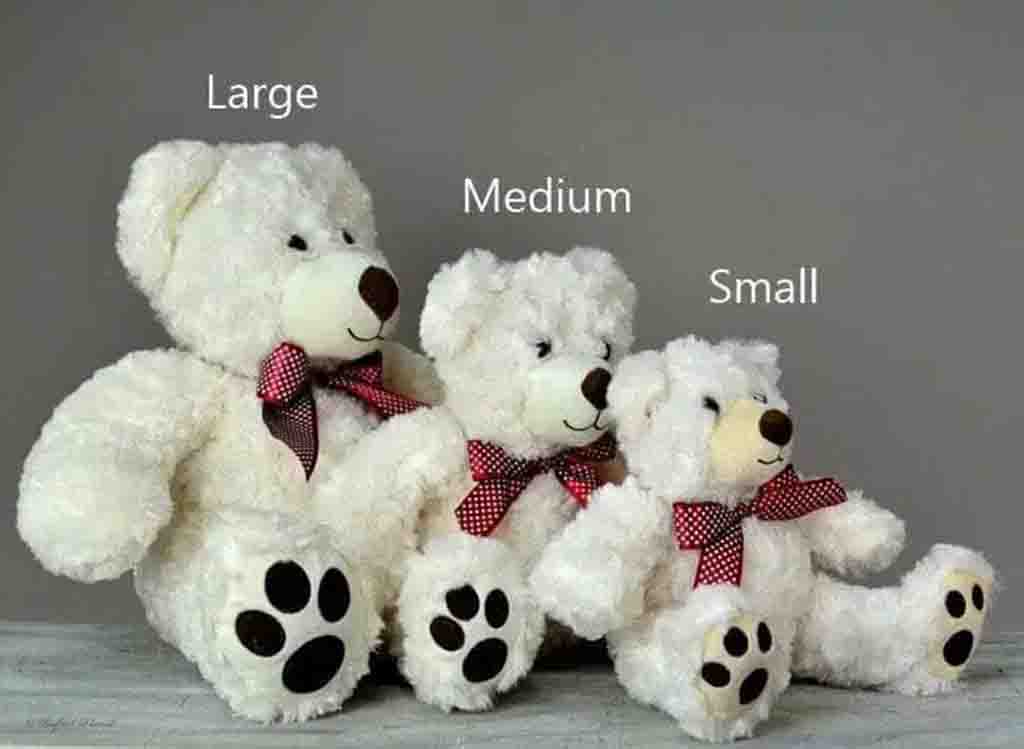
Larger plush toys use more fabric and filling, which directly raises material and labor costs. Filling type also matters—PP cotton, memory foam, beans, weighted filling, or mixed stuffing all
Customization Level
Custom embroidery, logos, printed patterns, accessories, sound chips, LED lights, magnets, or clothing all
MOQ & Production Quantity
Higher quantity reduces the price per unit because material sourcing and production become more efficient. Small batches require more manual setup, so the unit price is higher. Larger orders always result in better cost distribution and lower pricing per piece.
Safety Standards & Testing Requirements
If your plush toys need CE, ASTM, EN71, CPSIA, or chemical tests, the required materials and production steps must meet stricter standards. These compliance requirements may increase fabric costs, reinforcement steps, and testing fees.
When you understand these factors, you can create designs that fit your target budget while still delivering high-quality plush products that appeal to customers.
Precision Plush Sample Room Overview
This video offers a clear overview of our plush sample room, where completed samples from different projects are carefully stored and reviewed. Each piece represents our ability to handle diverse designs, materials, and structures while maintaining stable quality and high accuracy. The sample room serves as direct proof of our experience in turning concepts into production-ready plush toys.
Plush Toy Materials Guide: Fabrics & Accessories You Should Know
Choosing the right materials determines how your plush toy feels, looks, and performs during mass production. We help you select fabrics and accessories that are widely used in the plush toy industry so your product is stable, safe, and cost-effective.
Short Plush (Velboa)
The most common plush fabric used in mass production. It is durable, cost-effective, and works well with embroidery. Suitable for most standard plush toys.
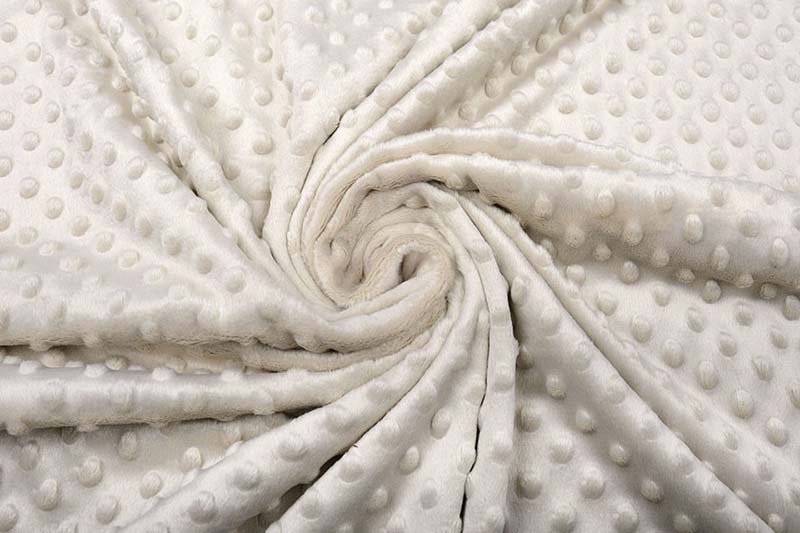
Minky / Soft Velour
Known for its soft and smooth texture. Popular for baby toys, cushions, and premium plush collections.
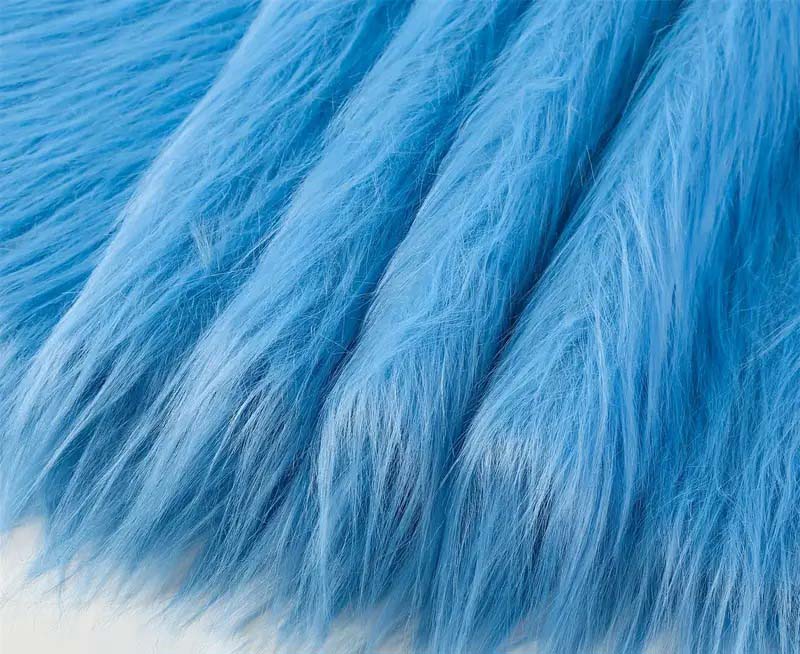
Long Plush
Commonly used for animals, costumes, fluffy characters, or oversized plush toys.
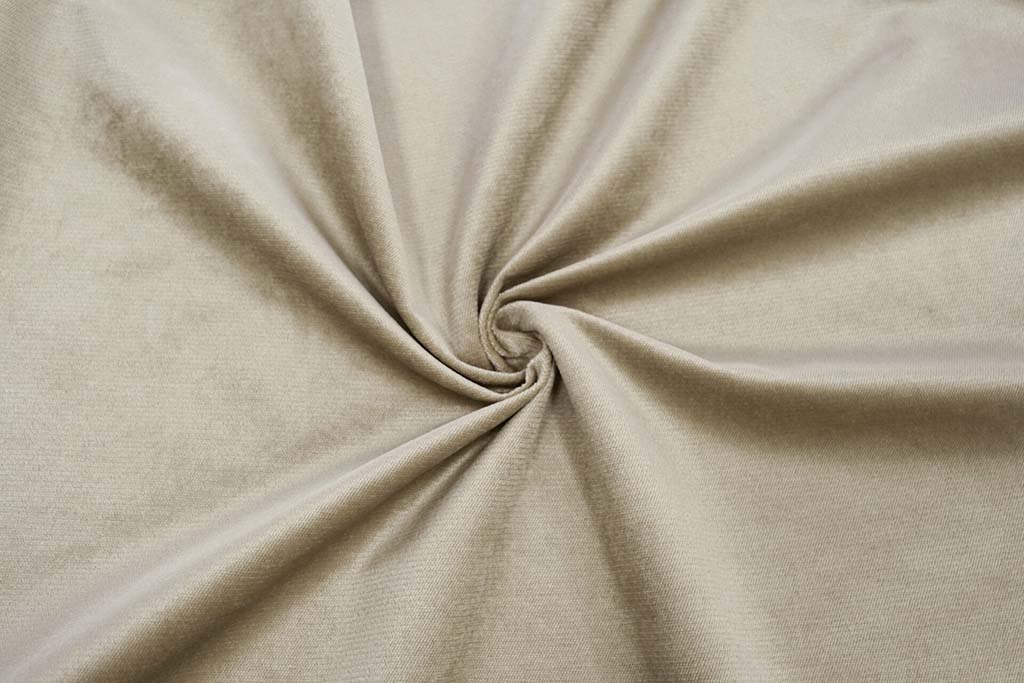
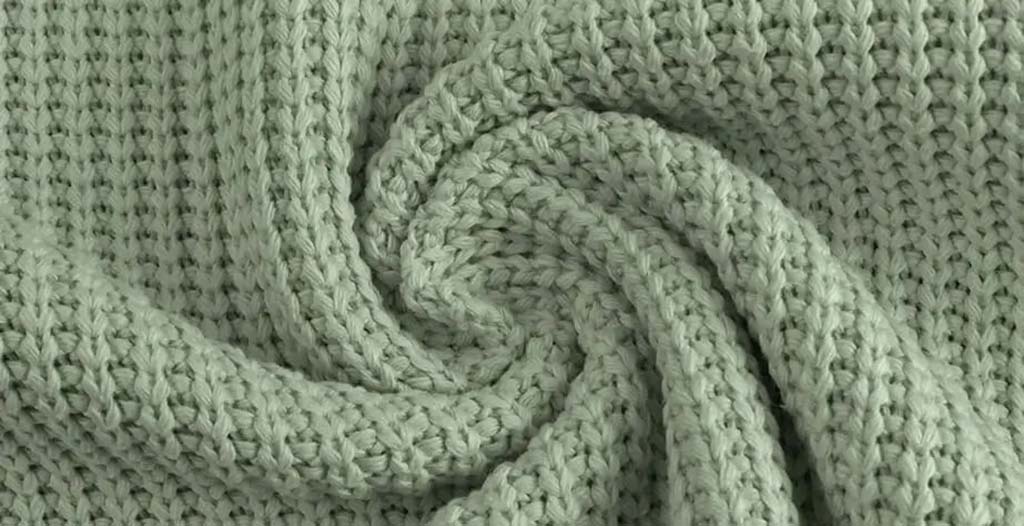
Tricot / Knitted Fabric for Faces
Used for flat surfaces such as face panels, ensuring clear embroidery and stable shaping.
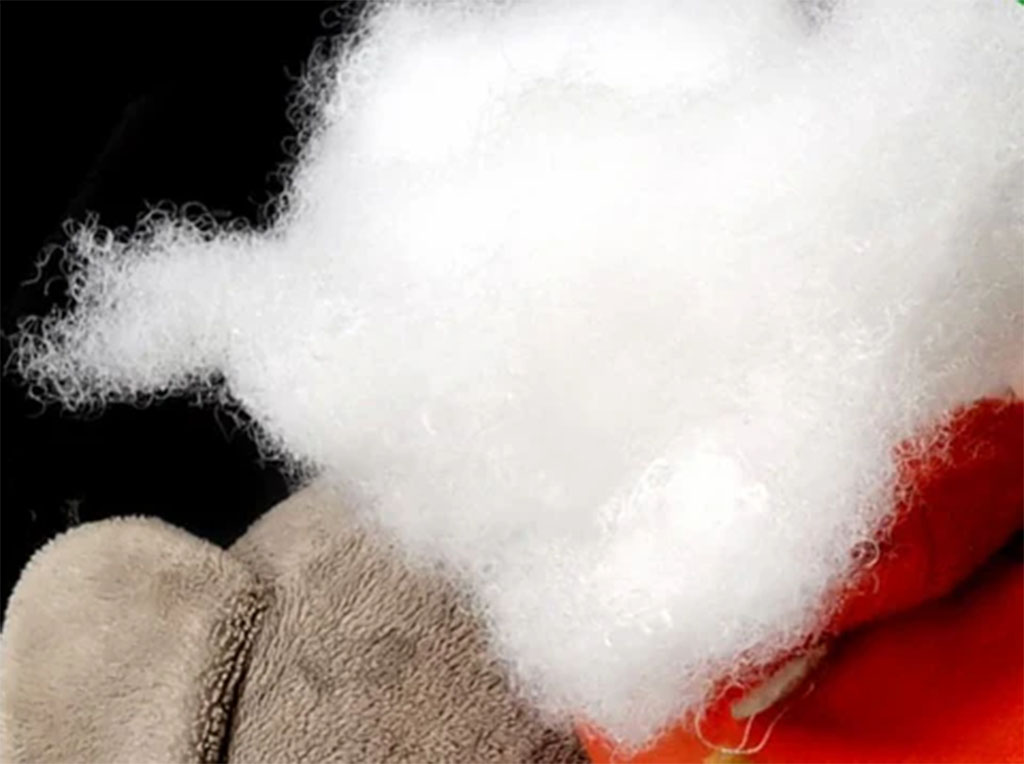
PP Cotton Filling
The most widely used filling. Lightweight, soft, and ideal for both small and large plush toys.
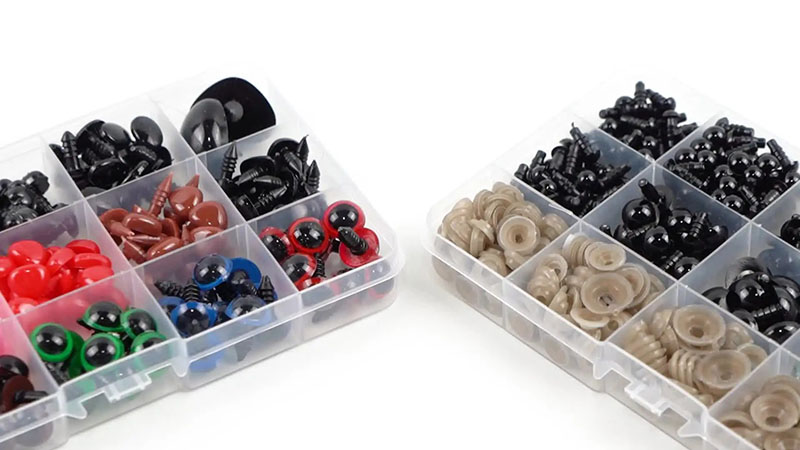
Safety Eyes & Noses
Used for most plush toys except baby series. Installed from the inside to prevent detachment.
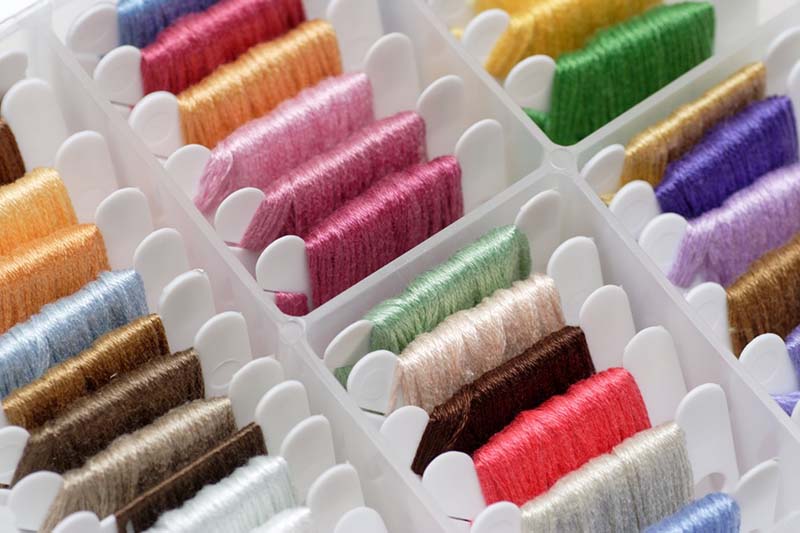
Embroidery Thread
Used for eyes, mouth, patterns, and logos. Safe, durable, and will not peel off like printing.
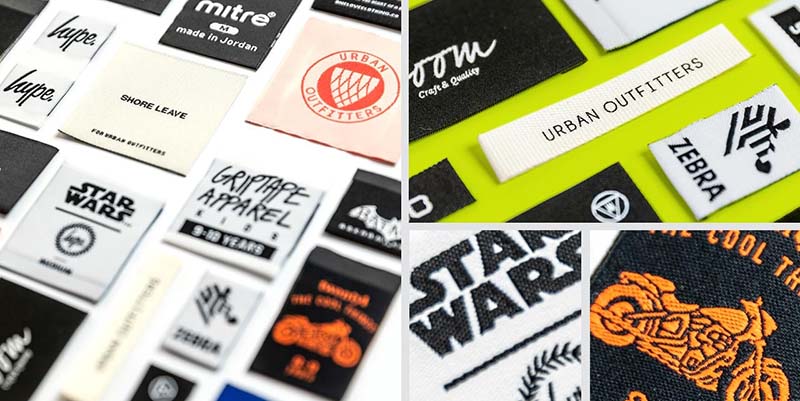
Fabric Labels & Woven Tags
Standard accessories for branding and compliance, including logo tags, size tags, and care labels.
Choosing commonly used materials ensures smoother production, stable quality, and easier cost control. Our team helps you match fabrics and accessories that best fit your design and market needs.
Essential Safety Standards for Plush Toy Accessories
Safety is one of the most important factors in plush toy development. Accessories such as eyes, noses, embroidery, magnets, sound chips, and fabric parts must meet international standards to protect users—especially children. A safe accessory not only improves product durability but also ensures the toy can pass CE, EN71, ASTM and CPSIA testing.
Secure Locking System for Plastic Eyes & Noses
Plastic eyes and noses must use internal locking washers to prevent detachment. During safety testing, these components undergo tension, pull force, and torque tests to ensure they cannot be removed by a child. Using compliant locking systems is essential for avoiding choking hazards and ensuring long-term durability.
Safe Embroidery for Facial Features
Embroidery is the safest option for eyes, mouth, patterns, and brand details. It contains no detachable parts and withstands washing and repeated use without peeling or falling off. For infant or baby toys, embroidery is the required method for presenting facial expressions.
Reinforced Stitching for Structural Accessories
Accessories such as ears, tails, limbs, ribbons, clothing, or small decorative pieces must be reinforced at connection points. These areas are tested with pulling force to ensure they do not detach during play. Reinforced stitching prevents accidents and improves product lifespan.
Safety Standards for Electronic Modules
Sound chips, LED modules, vibration devices, and battery compartments must be fully enclosed and inaccessible to children. All electronic parts must comply with chemical and heavy metal regulations. The housing must withstand pressure and drop tests to ensure it doesn't crack or expose internal components.
Chemical & Material Safety Compliance
All accessories must use non-toxic materials that meet global regulations such as REACH, CPSIA, EN71-3 (heavy metals), and phthalate limits. Paints, coatings, embroidery threads, plastics, and adhesives must not release harmful substances. This ensures the plush toy is safe even when children bite or chew on parts.
Ensuring accessory safety is essential for passing international tests and earning the trust of parents, retailers, and global partners. Safe accessories create reliable products that protect users and strengthen your brand reputation.
Common Sampling Issues & How We Solve Them
Sampling is the stage where design ideas become real products, so issues often appear when a 2D sketch is transformed into a 3D plush toy. Understanding these challenges—and knowing how our factory solves them—helps you get a more accurate first sample, reduce revisions, and shorten the entire development timeline.
Character Proportion Differences
One of the most common issues is proportion mismatch. When your sketch has stylized shapes or exaggerated features, the 3D structure may look different from your expectation. Our pattern-making team solves this by creating proportion maps based on your artwork. We also generate optional 3-view drawings if your design lacks side or back views, ensuring accurate interpretation. Before sewing the sample, we send proportion drafts for confirmation so you can adjust details in advance.
Fabric & Color Mismatch
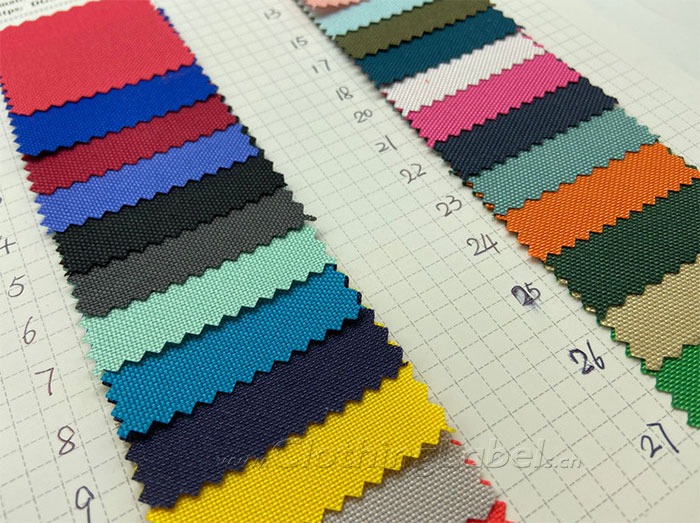
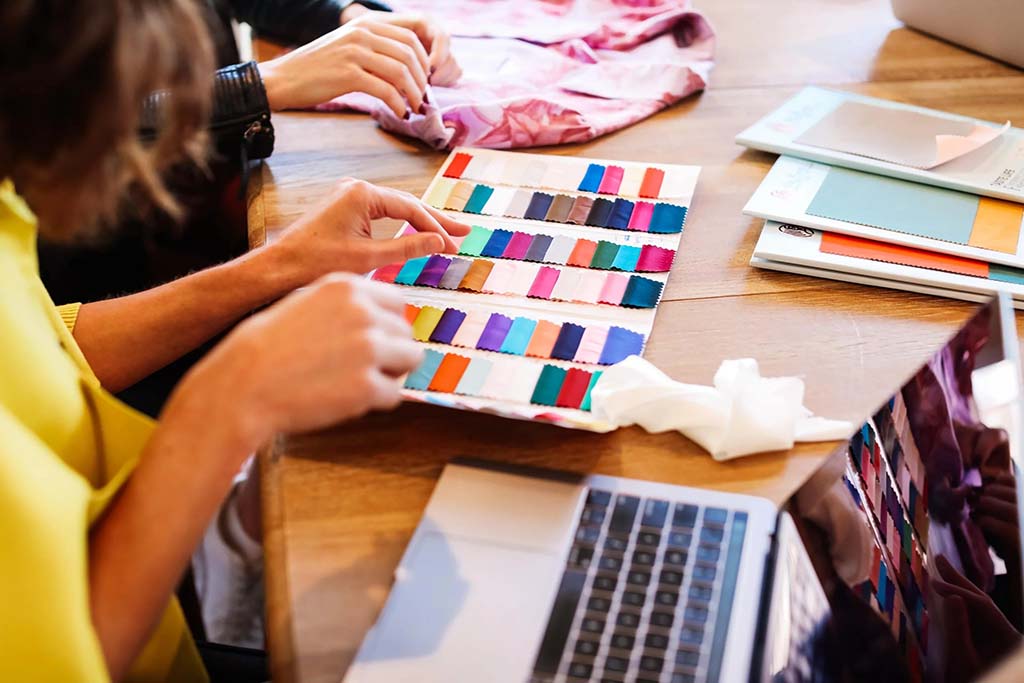
Different fabrics produce different visual volume and brightness. Some plush becomes fluffier after stuffing, creating a wider silhouette or a slightly different color under lighting. To avoid mismatch, we send fabric swatches and Pantone options before sampling. You can compare thickness, softness, and color accuracy before production begins. If the first sample still looks off, we adjust pile length, fabric density, or hue and provide a revised prototype at high speed.
Facial Expression Differences
Even a few millimeters of difference in eye placement or embroidery thickness can change a character’s personality. To avoid this, we first digitize the face embroidery according to your artwork and send you an embroidery preview file before stitching. You can adjust smile curve, thickness, and positioning in advance. During sampling, our QC team compares the sample face to the artwork one-on-one to ensure emotional consistency.
Insufficient Stuffing or Structural Instability
Some characters lean, collapse, or lose shape because the internal structure isn't reinforced or the filling density isn't balanced. Our factory solves this by adjusting stuffing chambers, adding inner support where needed, and testing different filling densities. For styles with large heads, long limbs, or narrow bases, we apply structural optimization techniques such as double-layer lining or internal stitching to make the toy stand firmly and maintain shape.
How Plush Toys Are Made: Complete Production Workflow
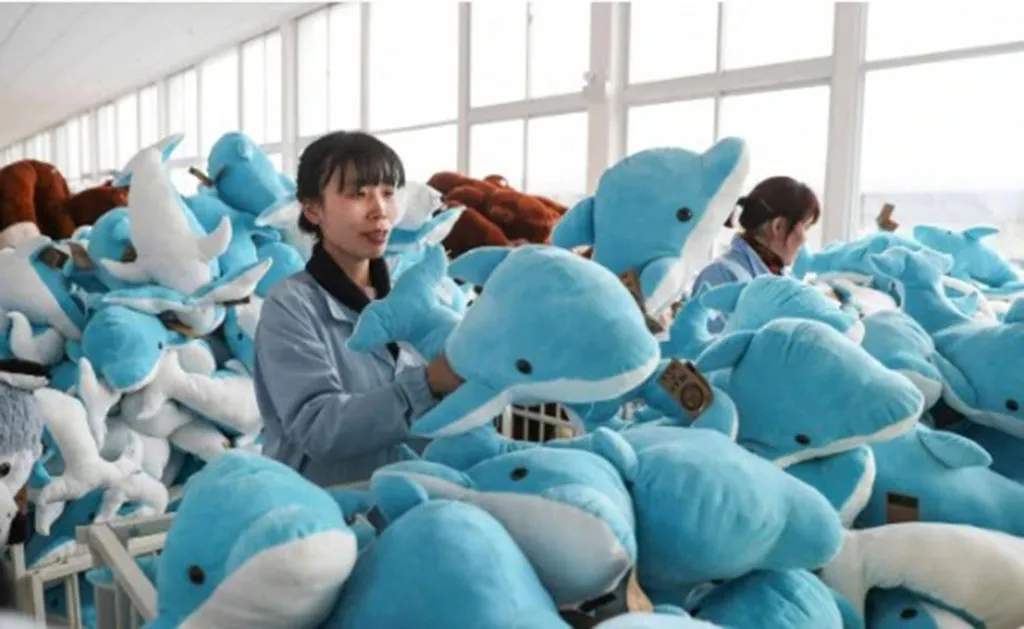
A structured and transparent production process ensures stable quality, predictable timelines, and reliable large-scale output. Our factory follows a standardized workflow that allows every project—from custom plush toys to bulk retail orders—to move efficiently from materials to final packaging.
Material Preparation & Color Confirmation
We begin by sourcing approved fabrics, fillings, and accessories according to your confirmed samples or Pantone color numbers. All materials undergo inspection to ensure they meet safety and performance standards before entering production.
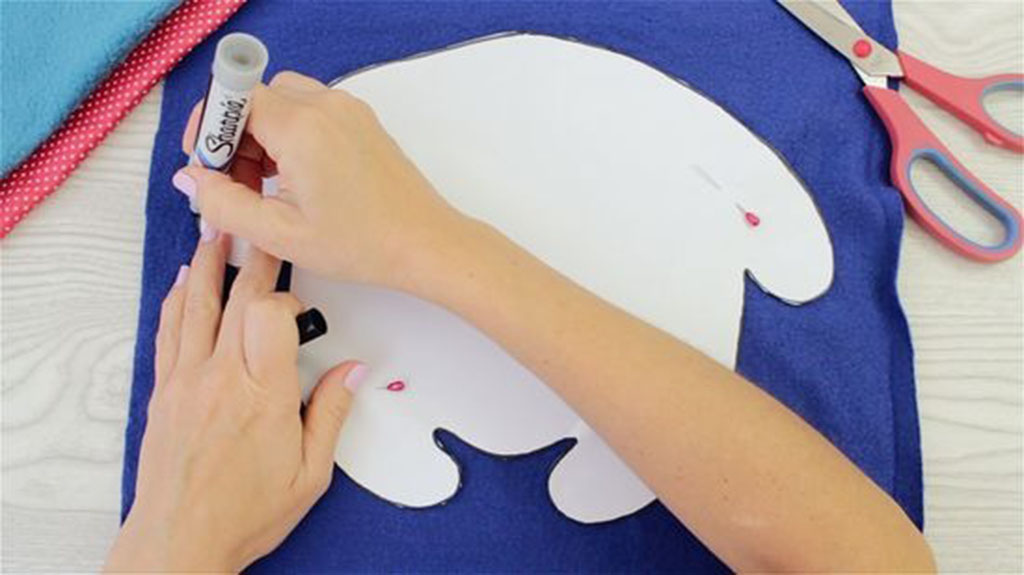
Pattern Making & Cutting Layout
Our pattern makers convert your approved prototype into production-ready patterns. Cutting layouts are optimized to reduce material waste and ensure consistent shape across all units.
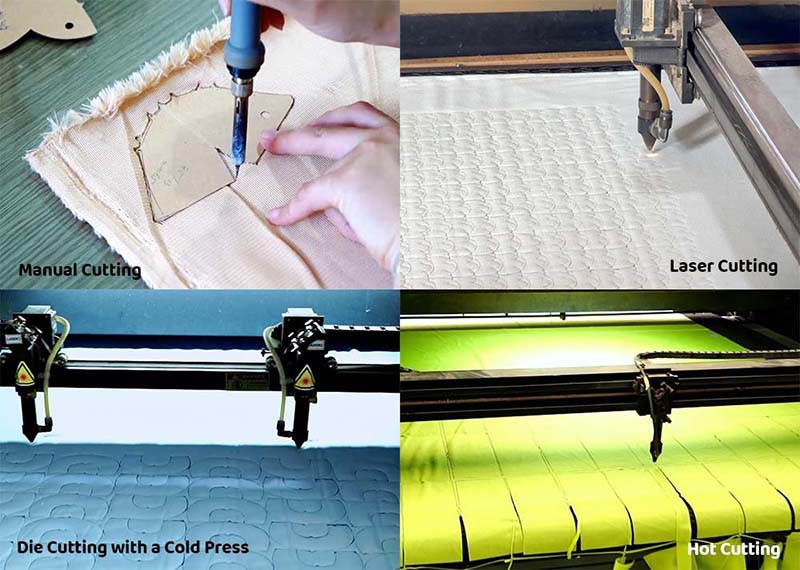
Fabric Cutting
Using manual or machine cutting depending on fabric type, each piece is accurately cut to match the pattern. This step directly influences final toy accuracy and sewing stability.
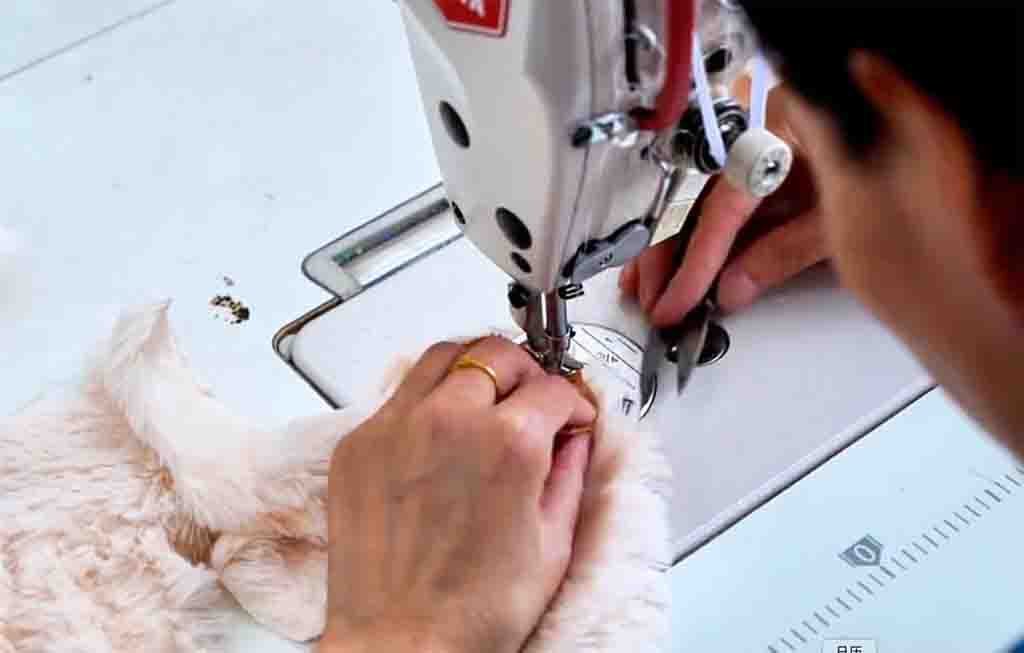
Sewing & Component Assembly
Sewing teams assemble front panels, back panels, limbs, clothing, ears, tails, and special accessories. Every piece follows a strict sequence to ensure seam strength and consistent shaping.
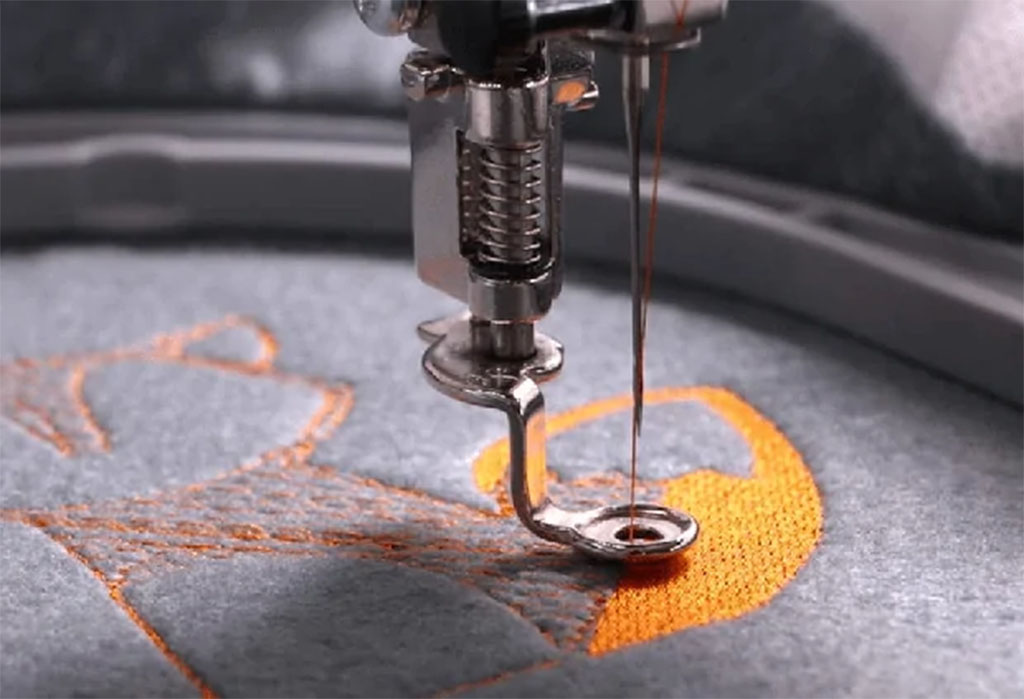
Embroidery & Detail Application
Facial features, logos, and decorative elements are added through computerized embroidery or printing. Each detail is checked to maintain character accuracy and brand identity.
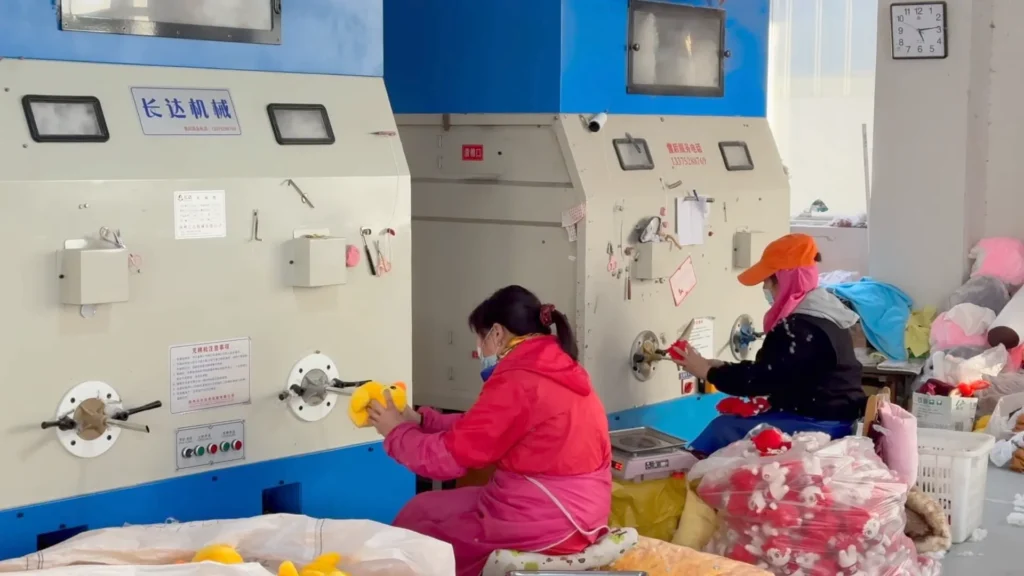
Stuffing & Inner Structure Reinforcement
Plush toys are filled according to the required density, ensuring a balanced shape. Styles with large heads, long limbs, or narrow bases receive internal reinforcement for added stability.
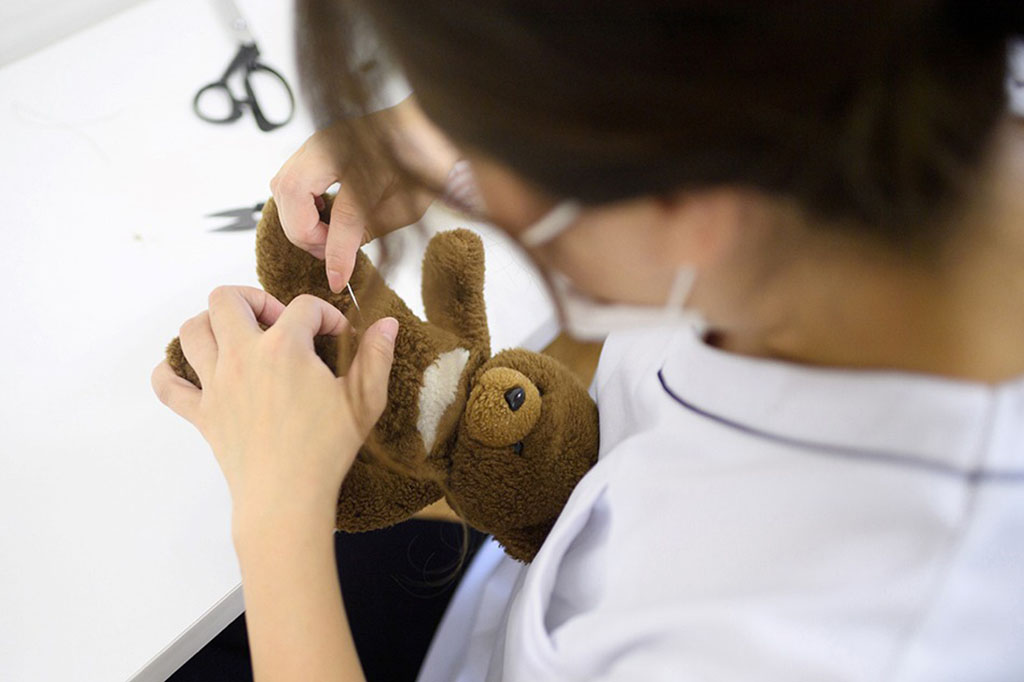
Final Sewing & Closure
After stuffing, the opening is hand-stitched or machine-closed with reinforced seams to maintain durability. The toy begins to show its final form at this stage.
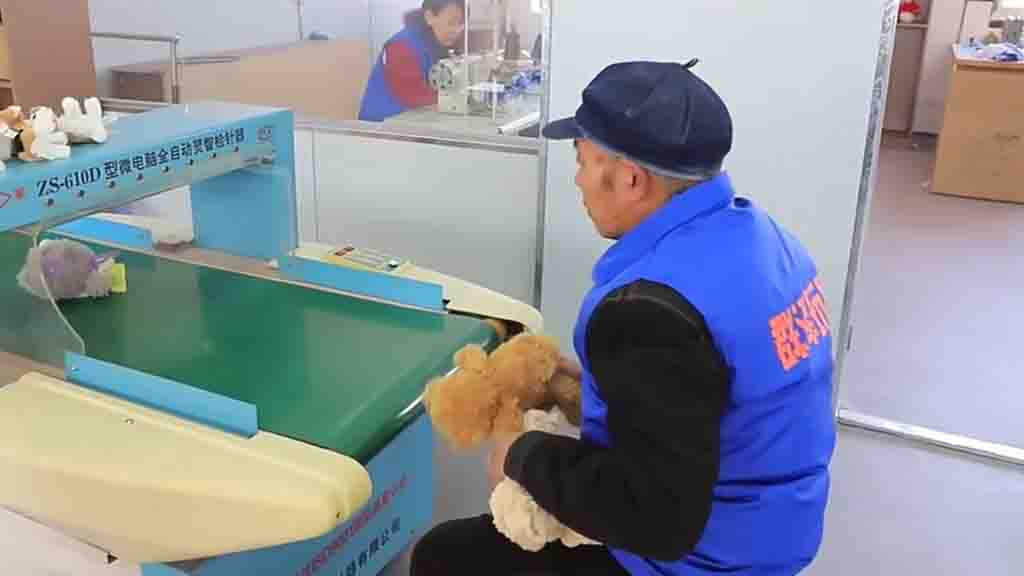
Quality Inspection & Metal Detection
Each plush toy undergoes shape inspection, sewing-strength checks, accessory safety checks, and a full metal detection scan to ensure no broken needles or metal fragments remain.
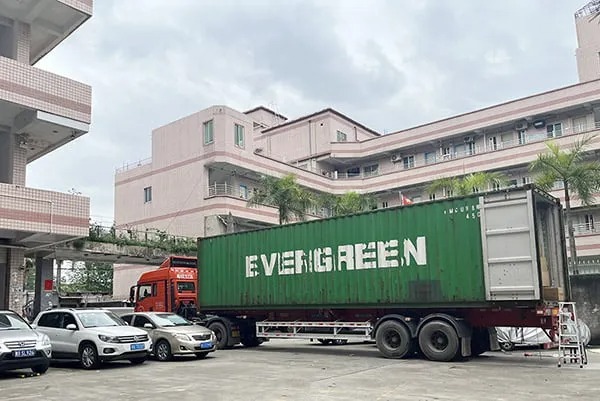
Packaging & Shipping Preparation
Products are packed with polybags, hangtags, or custom packaging based on your requirements. Outgoing cartons pass compression tests to ensure safety during transport.
A well-structured production process ensures your plush toys are manufactured consistently, safely, and on time. This gives your brand the reliability needed to scale and launch products smoothly in global markets.
Precision Plush Production Process
This video presents our standardized plush toy production process, covering material preparation, cutting, sewing, stuffing, inspection, and final packing. Each stage follows clear operating standards to ensure stable quality, controlled lead times, and consistent results from sample approval to bulk production. This structured workflow allows us to efficiently manage complex designs and large OEM orders.
How We Meet Tight Deadlines for Bulk Plush Orders
Tight deadlines are common in the plush toy industry, especially for seasonal items, promotional projects, and fast-moving retail products. To ensure your order stays on schedule, a factory must react quickly while maintaining stable quality. Our production system is designed to accelerate workflow, coordinate resources efficiently, and keep urgent orders moving smoothly.
Priority Scheduling & Flexible Production Lines
For urgent orders, we adjust production schedules immediately and assign the project to priority lines. Multiple sewing teams and flexible manpower allow us to expand capacity at any time. This ensures cutting, sewing, stuffing, and shaping begin without delay, even during peak seasons.
Pre-Stocked Materials & Reliable Supplier Network
We keep stock of commonly used fabrics, fillings, and accessories so production can begin right away. For custom colors or special materials, our long-term suppliers can arrange fast dyeing or expedited delivery to prevent material-related delays.
Rapid Communication & Accelerated Sample Approval
Urgent orders require fast decision-making. We assign a dedicated project manager who provides real-time updates and ensures samples are approved quickly. For styles that have been produced before, we can streamline steps to move directly into mass production once confirmed.
Parallel Processing & Strengthened Quality Control
To shorten the timeline, certain procedures run in parallel—for example, preparing accessories while cutting fabric or starting partial sewing before all pieces arrive. Meanwhile, QC checkpoints are increased to ensure speed does not compromise quality, including early metal detection and semi-finished inspections.
Trusted by Leading Global Brands
Strong partnerships prove strong capabilities. Over the years, Kinwin has worked with world-leading brands and retailers to deliver interactive plush toys that meet the highest standards of creativity, safety, and quality. By choosing us, you gain a supplier that is trusted by top companies worldwide—and the same reliability is available to your brand.


How to Avoid Delays When Exporting Plush Toys
Exporting plush toys involves multiple steps including production, packing, documentation, testing, and international logistics. Any issue in these steps can cause shipment delays, missed sales windows, or increased costs. By understanding the common causes of delays and applying effective solutions, you can keep your timeline predictable and protect your seasonal sales schedule.
Clear Pre-Production Planning & Material Confirmation
Many delays start at the early stage because materials, colors, or specifications are not confirmed in time. To prevent this, we prepare a full confirmation checklist that includes fabric type, Pantone colors, accessories, stuffing density, packaging method, and carton size. Once everything is approved, production proceeds without interruptions or reworks.
Compliance Testing Scheduled in Advance
If your plush toys require CE, EN71, ASTM, CPSIA or chemical testing, late submission of samples can delay shipment. We schedule testing in parallel with production, allowing factories and test labs to run simultaneously. This ensures certificates are ready before goods reach the port.
Accurate Export Documentation & Labeling
Incorrect invoices, packing lists, HS codes, or origin markings often cause customs delays. To prevent this, we prepare export documents according to destination-country requirements and verify labeling (age grading, care labels, warnings) before packing.
Production Progress Tracking & Early Risk Alerts
One major cause of delays is the buyer not knowing production status in real time. Our project manager provides updates on cutting, sewing, stuffing, finishing, and packing. If any step shows signs of delay—such as material shortage or weather issues—you receive an immediate alert and solution.
Optimized Packaging & Carton Testing
Damage during transport can trigger customs inspection, re-packing, or return-to-sender situations. We use reinforced cartons, conduct compression tests, and follow destination country packaging rules. Proper packaging reduces inspection risk and keeps goods moving smoothly.
Choosing Reliable Logistics & Booking Space Early
Shipping delays often occur due to lack of space during peak seasons or choosing carriers without stable schedules. We work with reliable forwarders and reserve space early for seasonal orders, ensuring your goods do not get rolled over at the port.
By managing materials, documentation, testing, production, and logistics with a coordinated approach, we help you avoid unnecessary delays and keep your export schedule on track for global markets.
Start Your Custom Plush Project with Confidence
Bringing your plush toy idea to life requires a reliable manufacturer, clear communication, and a team that understands both design and production. Whether you already have a finished concept or only a rough idea, we help you turn it into a market-ready product with high accuracy, stable quality, and fast delivery.
From material selection to prototyping, from mass production to export logistics, we guide you through each step to ensure your project stays on schedule and within budget. Our 17 years of manufacturing experience allow us to handle complex designs, urgent deadlines, and strict quality requirements with confidence.
If you want stable quality, accurate sampling, and a smooth production experience, our team is ready to support your project from the first sketch to the final shipment.
Explore Our Custom Plush Toy Series
We offer a wide selection of plush toys to meet different business needs. From baby-safe stuffed animals to collectible plush dolls, our product lines are designed for global brands, retailers, e-commerce, and promotional projects.
Frequently Asked Questions
1. What is your minimum order quantity (MOQ)?
Our standard MOQ is 500 pieces. For orders below this quantity, please consult with our project manager. We may offer flexible solutions depending on the product size, complexity, and customization requirements.
2. How long does it take to make a sample?
Most samples take 10–15 days, including pattern making, fabric matching, embroidery digitizing, sewing, and quality checks. Complex characters, special fabrics, or functional accessories may require a longer development period. We also offer expedited sampling for urgent projects.
3. Can you create a plush toy from a sketch or reference image?
Yes. You can provide drawings, photos, 3D models, or even simple concept descriptions. Our designers and pattern makers convert them into accurate 3D plush prototypes and suggest suitable fabrics, proportions, and construction methods for the best result.
4. How accurate will the sample be compared to my design?
Our first-sample accuracy is typically 90–95%. This is achieved through precise pattern making, digital embroidery previews, and detailed internal reviews. For high-precision characters, we provide improvement rounds with clear visual feedback to ensure the closest match possible.
5.What factors affect the price of a custom plush toy?
Key factors include fabric type, toy size, filling density, embroidery complexity, accessories, packaging requirements, and order quantity. More complex designs with clothing, sound chips, magnets, props, or multi-panel structures require more labor and materials, resulting in higher cost.
6. What certifications can your products meet?
Our plush toys comply with EN71, ASTM F963, CE, CPSIA, and REACH standards. We use certified materials and partner with accredited laboratories to ensure your products meet import regulations in Europe, the US, and other regions.
7. How do you ensure product safety and quality?
Each toy goes through multiple QC stages including cutting inspection, sewing inspection, stuffing inspection, shape review, and full-metal detection. Accessories such as safety eyes and noses follow strict pull-test standards. All details are checked against the approved sample before packing.
8. What is your lead time for mass production?
The typical lead time is 25–35 days, depending on order quantity, material preparation, and seasonal demand. For urgent orders, we can adjust production lines and arrange priority scheduling.
9.Do you offer packaging customization?
Yes. We can customize hangtags, woven labels, polybags, gift boxes, and retail packaging. Our team helps you choose packaging that fits your brand image and meets destination-country requirements.
10.Can you help arrange shipping and export documentation?
Yes. We provide support for DDP, DAP, FOB, and CIF shipments. We prepare invoices, packing lists, HS codes, COO, and any required test reports to ensure smooth customs clearance.
If You Can lmagine lt,We Will Create lt!
1.Tell Us What You Need
Tell us as specific as possible of your needs and share your idea.
2.Get Solution & Quote
We will work on the best solution according to yourrequirements,the specific quote will be provided within 24 hours.
3.Approve for Mass Production
We will start mass production after getting your approval.