
Leading Stuffed Animal Wholesale Manufacturer | Factory-Direct Plush Toys
Looking for a reliable stuffed animal wholesale manufacturer that delivers consistent quality, stable pricing, and factory-direct supply? We help brands, wholesalers, and retailers source high-quality plush toys in bulk, with flexible OEM & ODM options, strict quality control, and scalable production capacity—so you can reduce sourcing risk, control costs, and bring plush products to market with confidence.
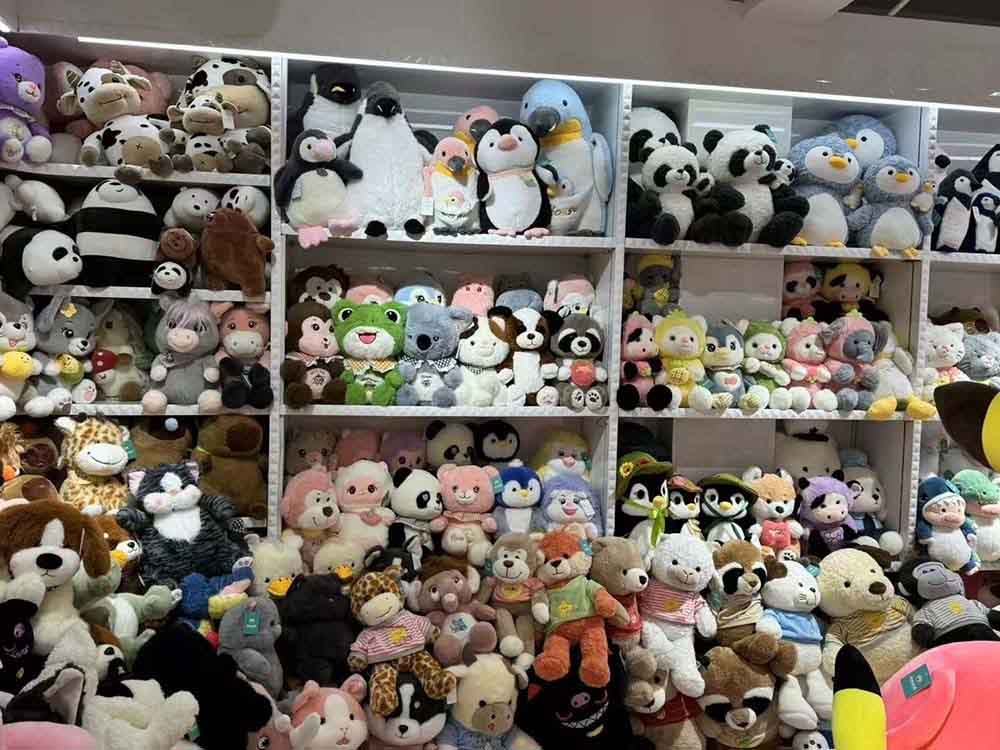
Advanced R&D & Design Innovation for Scalable Plush Toy Production
Strong R&D and design capability is the foundation of successful stuffed animal wholesale projects. Our in-house design and development team helps brands turn concepts, sketches, and references into production-ready plush toys that meet market trends, safety standards, and cost targets—without unnecessary revisions or delays.
Market-Driven Plush Design for Wholesale Success
Our designers closely follow global plush toy trends across the US, EU, and Asian markets. We help you choose the right animal styles, proportions, facial expressions, and textures—so your stuffed animals are not only cute, but commercially viable for wholesale and retail channels.
High-Accuracy Prototyping for Consistent Bulk Production
From pattern making to sample refinement, our R&D process focuses on structure, stitching, and material behavior. This ensures high similarity between samples and bulk orders, helping you maintain consistent quality across large-scale stuffed animal wholesale production.
Material & Cost Optimization Built into the Design Stage
We integrate fabric selection, filling choices, and accessory solutions early in the design phase. This allows us to balance appearance, durability, safety, and cost—so your plush toys meet both quality expectations and wholesale pricing targets.
Design Support for OEM, ODM, and Brand Customization
Whether you need exact replication, functional adjustments, or brand-focused customization, our R&D team adapts designs to fit OEM and ODM requirements. This gives you flexibility to build unique stuffed animal collections without increasing development risk.
With strong R&D and design innovation, you don’t just get a plush toy—you get a product designed for scalability, consistency, and long-term wholesale success.
Factory-Direct Plush Toy Manufacturing That Lowers Your Wholesale Costs
Working directly with a plush toy factory allows you to eliminate unnecessary markups, streamline communication, and gain better control over production costs. By sourcing stuffed animals straight from the manufacturing source, you can allocate more budget to product quality and scalability while keeping wholesale pricing competitive.
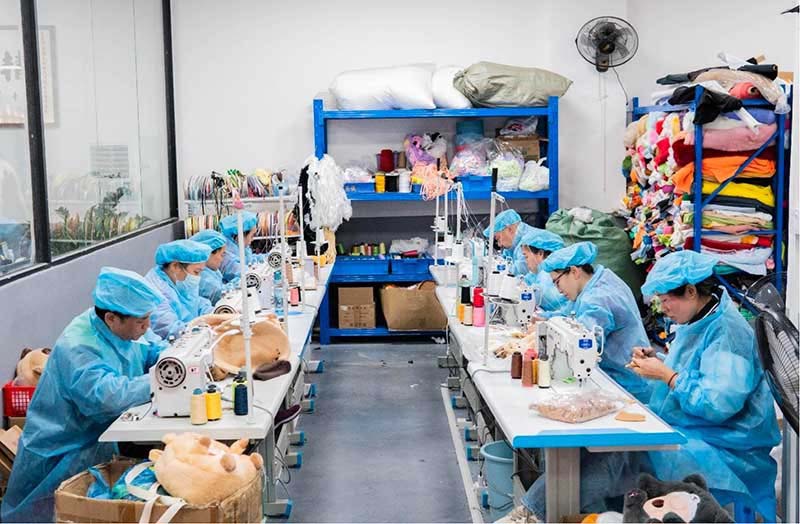
Direct Pricing from the Manufacturing Source
You work directly with the stuffed animal wholesale manufacturer, not trading companies or agents. This gives you transparent pricing based on real production costs, helping you control budgets and improve profit margins on bulk plush toy orders.
Fewer Markups, More Value per Unit
By removing middlemen markups, more of your budget goes into product quality, materials, and workmanship—so you get better stuffed animals at the same or lower wholesale cost.
Faster Communication, Fewer Costly Mistakes
Factory-direct communication shortens feedback loops between design, production, and quality control. This reduces errors, avoids rework, and helps prevent hidden costs during sampling and bulk production.
Stable Supply and Scalable Production Capacity
Working directly with the factory ensures stable material sourcing and production planning. This helps you scale stuffed animal wholesale orders smoothly without sudden price increases or supply disruptions.
Factory-direct manufacturing gives you more than lower prices—it gives you transparency, efficiency, and long-term cost stability. By working directly with the production source, you gain better control over quality, timelines, and wholesale profitability.
Inside Our Plush Toy Sample Room
This video takes you inside our plush toy sample room, where hundreds of finished samples showcase our design range, material options, and craftsmanship. From realistic animals and character plush to pillows, dolls, and complex OEM projects, each sample reflects our ability to achieve 95%+ prototype accuracy. If you have a new concept or reference, our team can quickly turn it into a production-ready sample.
Wholesale Stuffed Animal Product Range
Explore a wide range of stuffed animal styles developed for bulk wholesale, retail distribution, and long-term product programs. Each plush toy category is designed with scalability, market demand, and consistent quality in mind—helping you select the right products for different sales channels, customer groups, and seasonal needs.
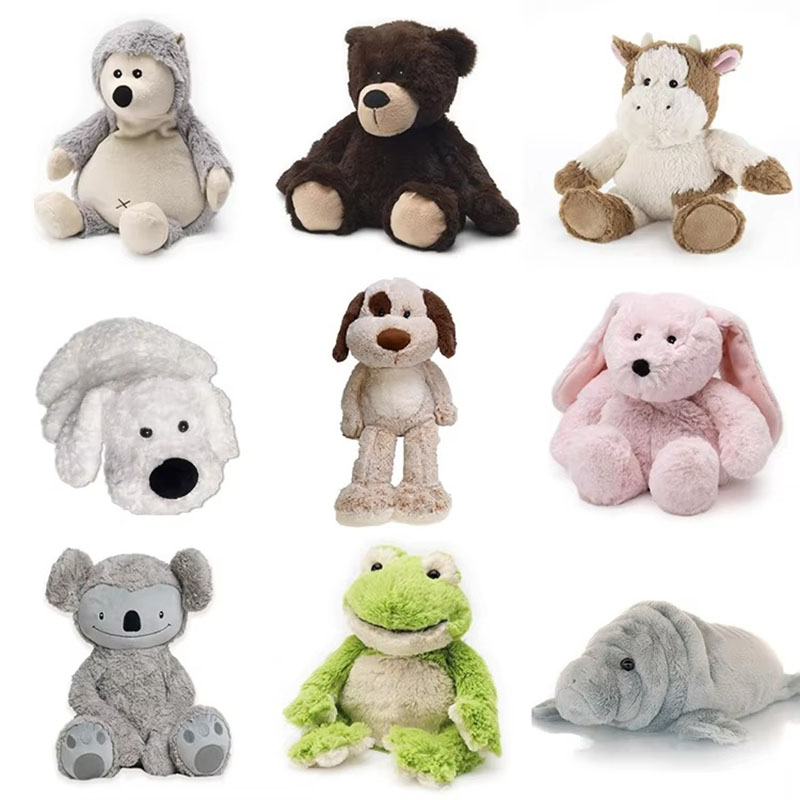
Weighted Plush Toys
Designed with balanced internal weight to provide calming comfort, ideal for therapy-focused and sensory product lines.
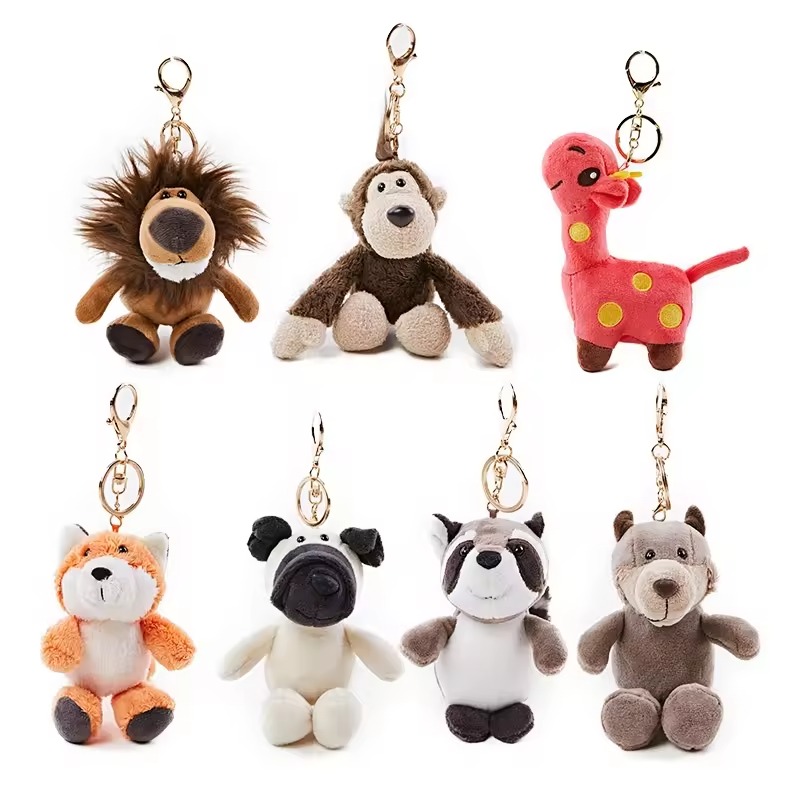
Plush Keychain Toys
Compact plush toys developed for keychains and accessories, easy to produce in bulk with strong repeat sales potential.
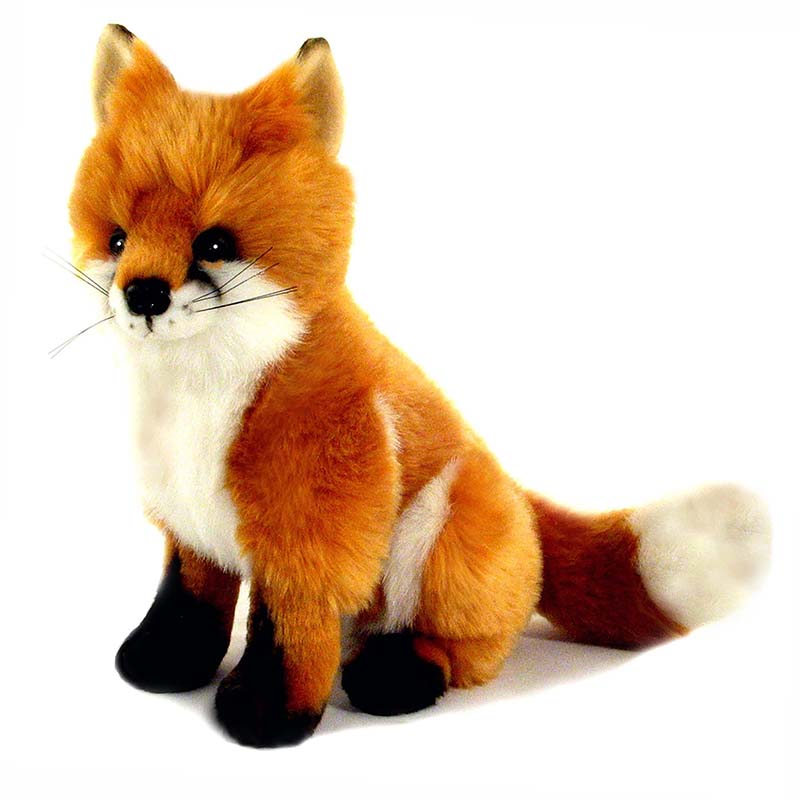
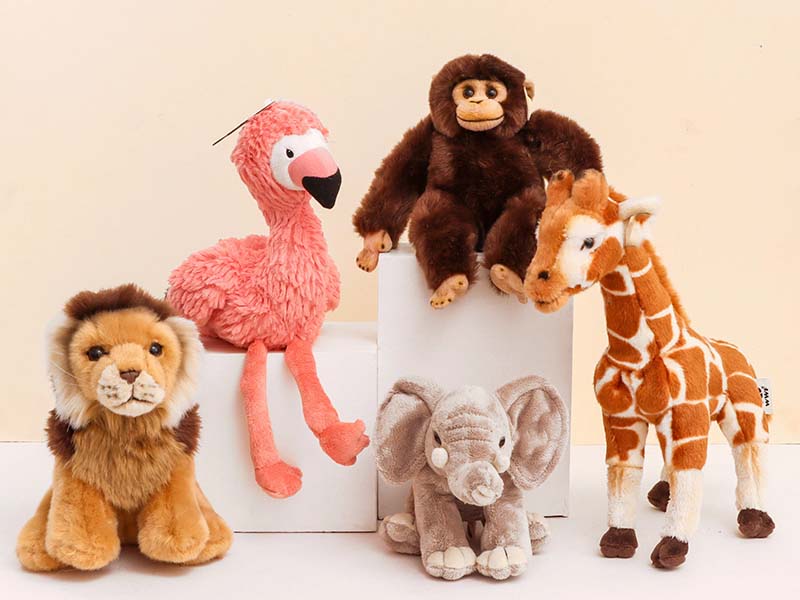
Realistic Animal Plush Toys
Highly detailed plush animals with lifelike proportions and textures, suitable for premium retail and gift markets.
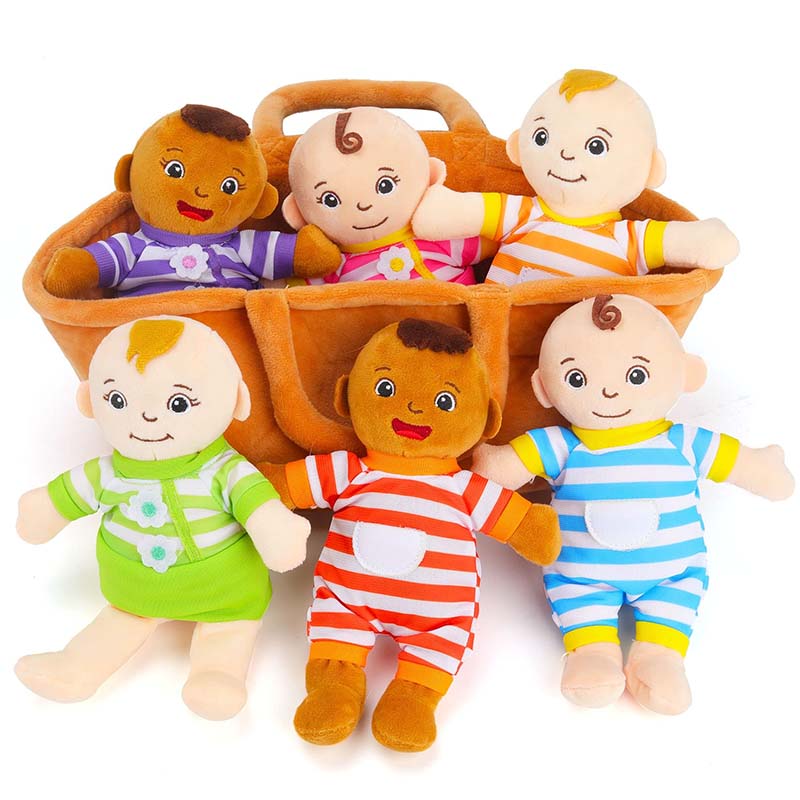
Baby-Safe Plush Toys
Plush toys developed with baby-friendly materials and structures, suitable for infant and toddler collections.
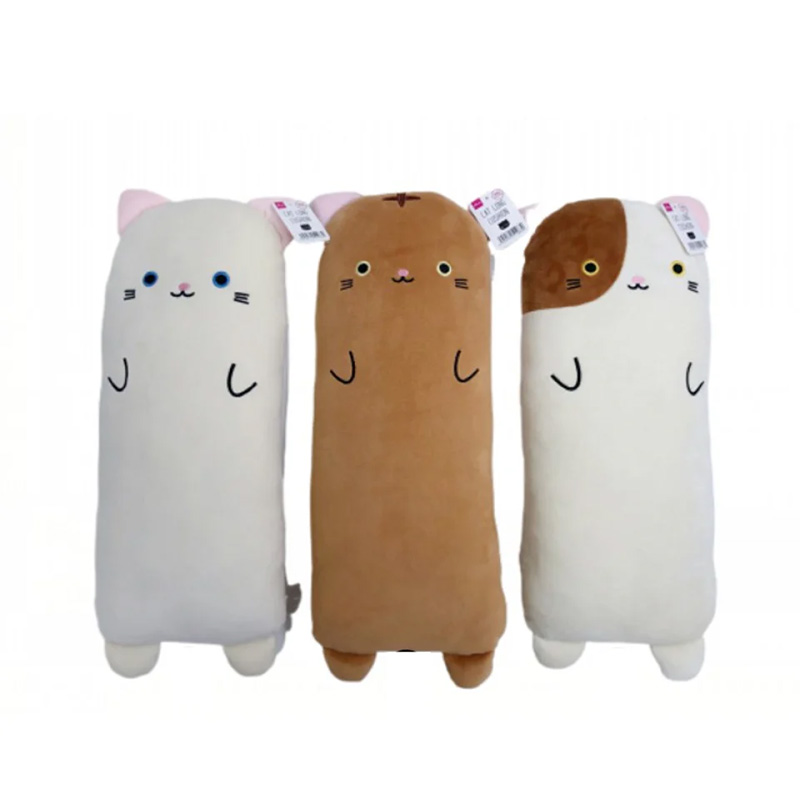
Plush Pillows & Cushions
Soft plush cushions designed for comfort-focused home and lifestyle retail channels.
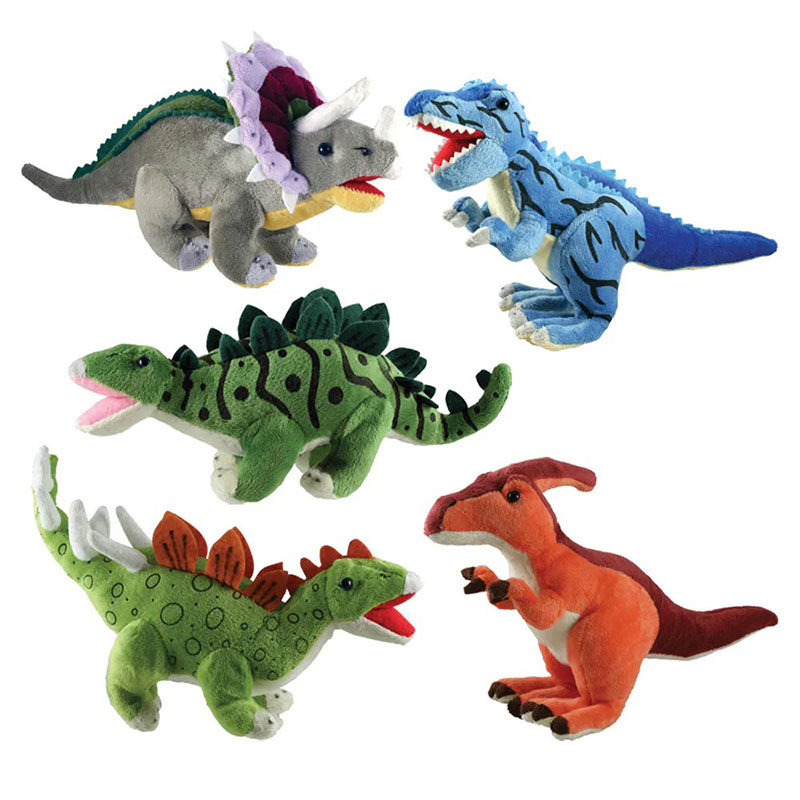
Dinosaur Plush Toys
Eye-catching dinosaur plush designs that appeal strongly to kids’ brands and themed collections.
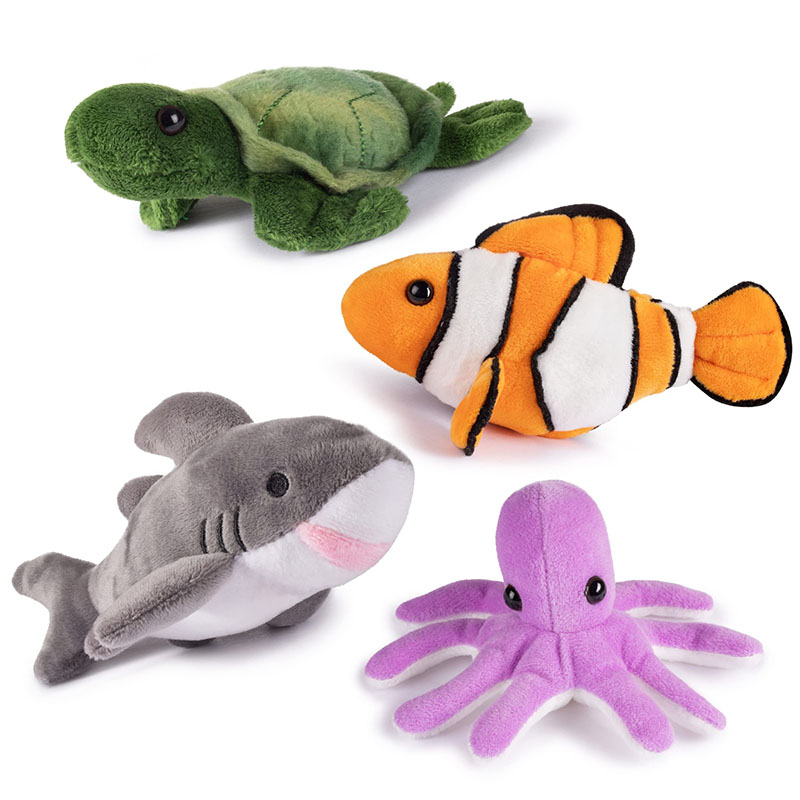
Marine Animal Plush Toys
Ocean-themed plush toys with soft textures and bright colors, popular in coastal and children’s markets.
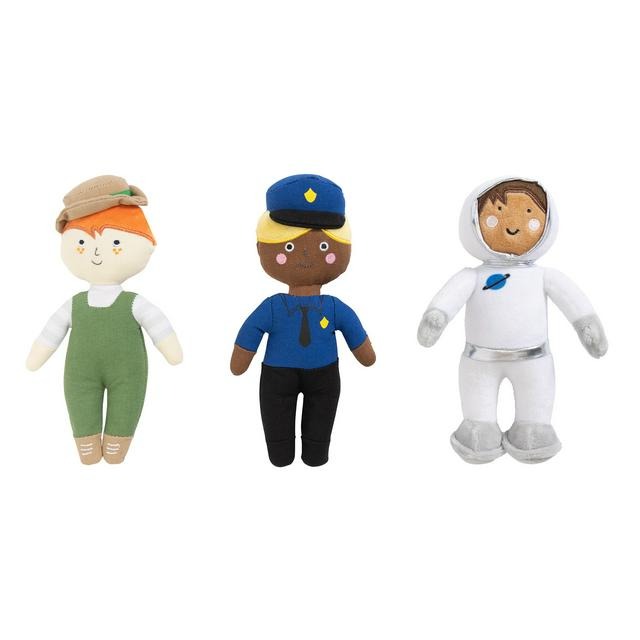
Plush Dolls
Soft plush dolls with refined facial details, ideal for brand mascots and collectible products.
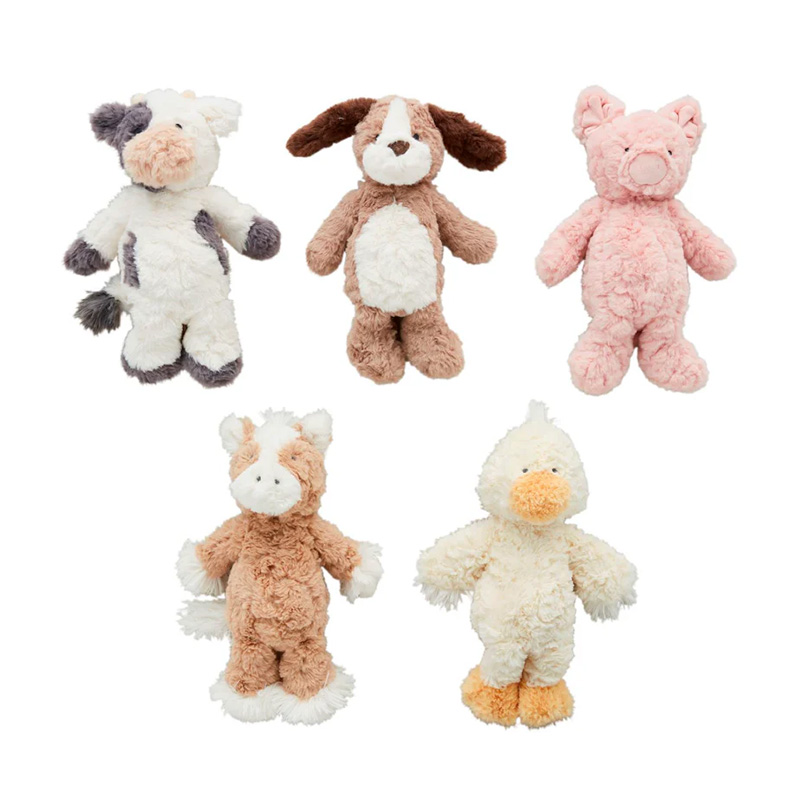
Scented Plush Toys
Plush toys integrated with safe scent solutions to enhance emotional and gifting value.
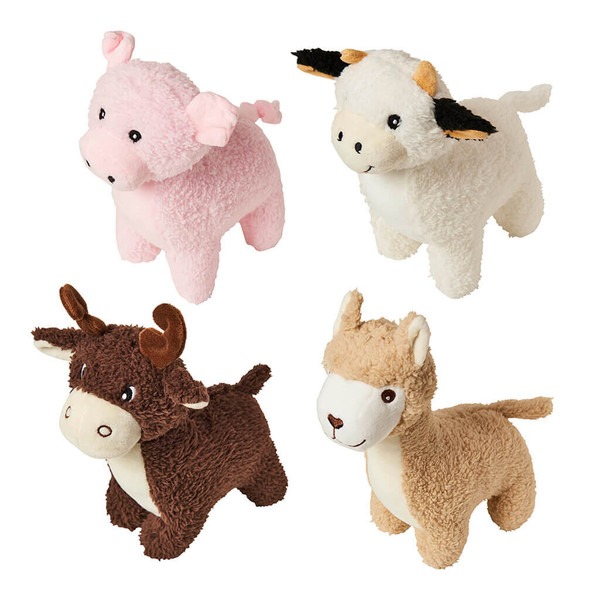
Farm Animal Plush Toys
Friendly farm animal plush designs with mass-market appeal and stable wholesale demand.
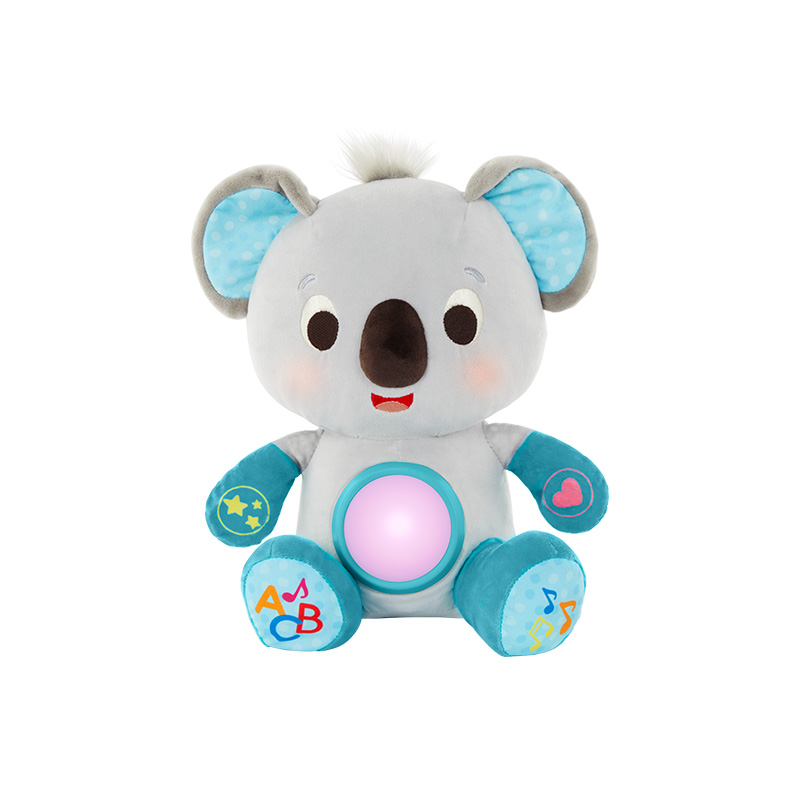
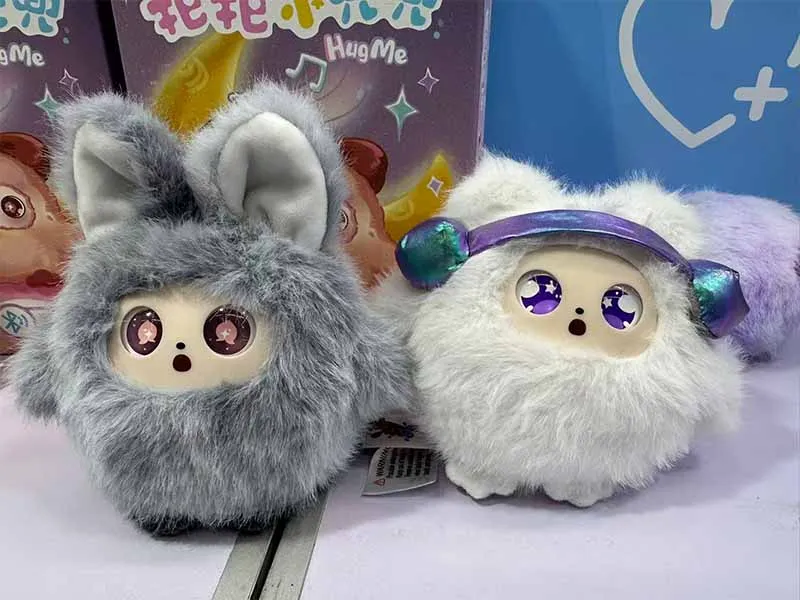
Interactive Plush Toys
Plush toys combined with sound or interactive features to increase engagement and play value.
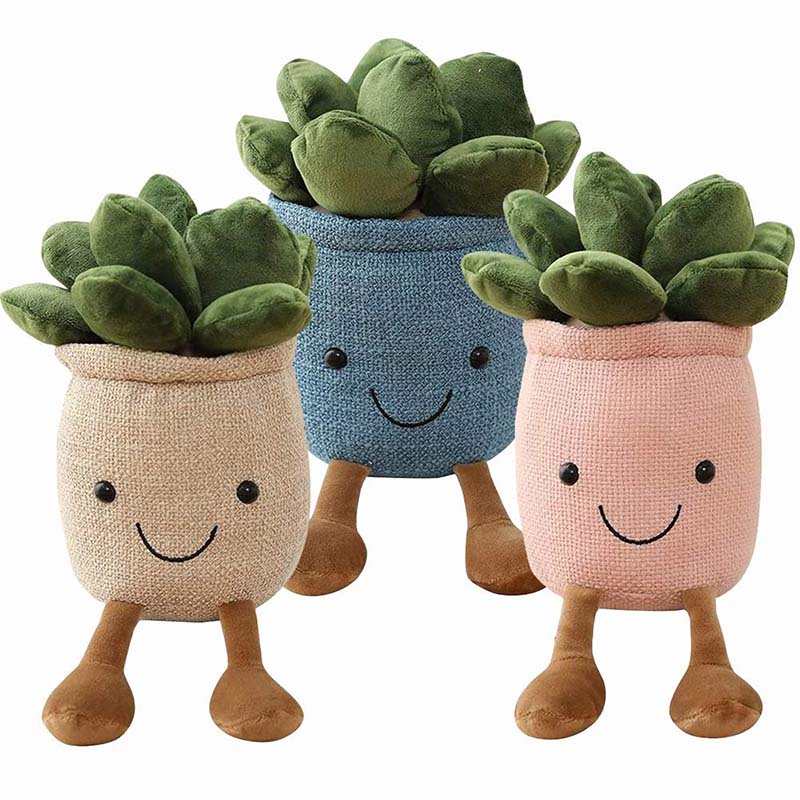
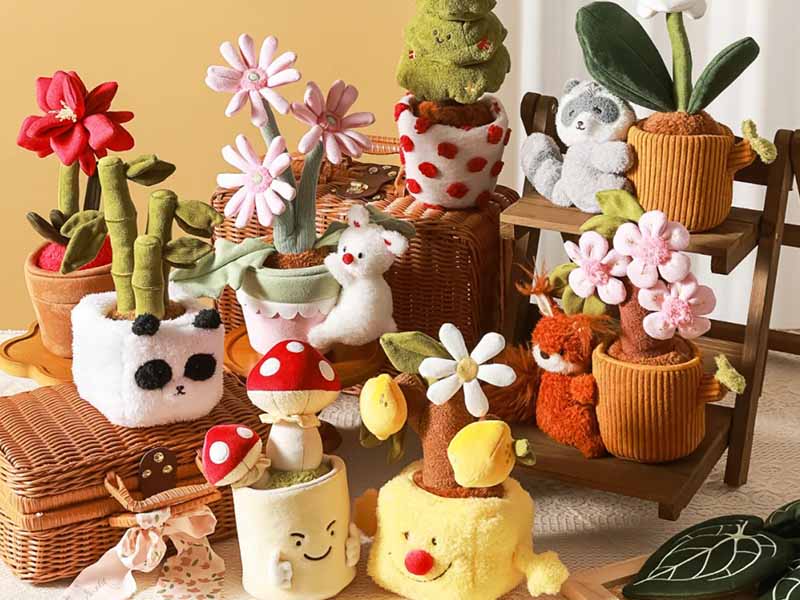
Plant Plush Toys
Creative plant-shaped plush designs for novelty gifts and lifestyle retail collections.
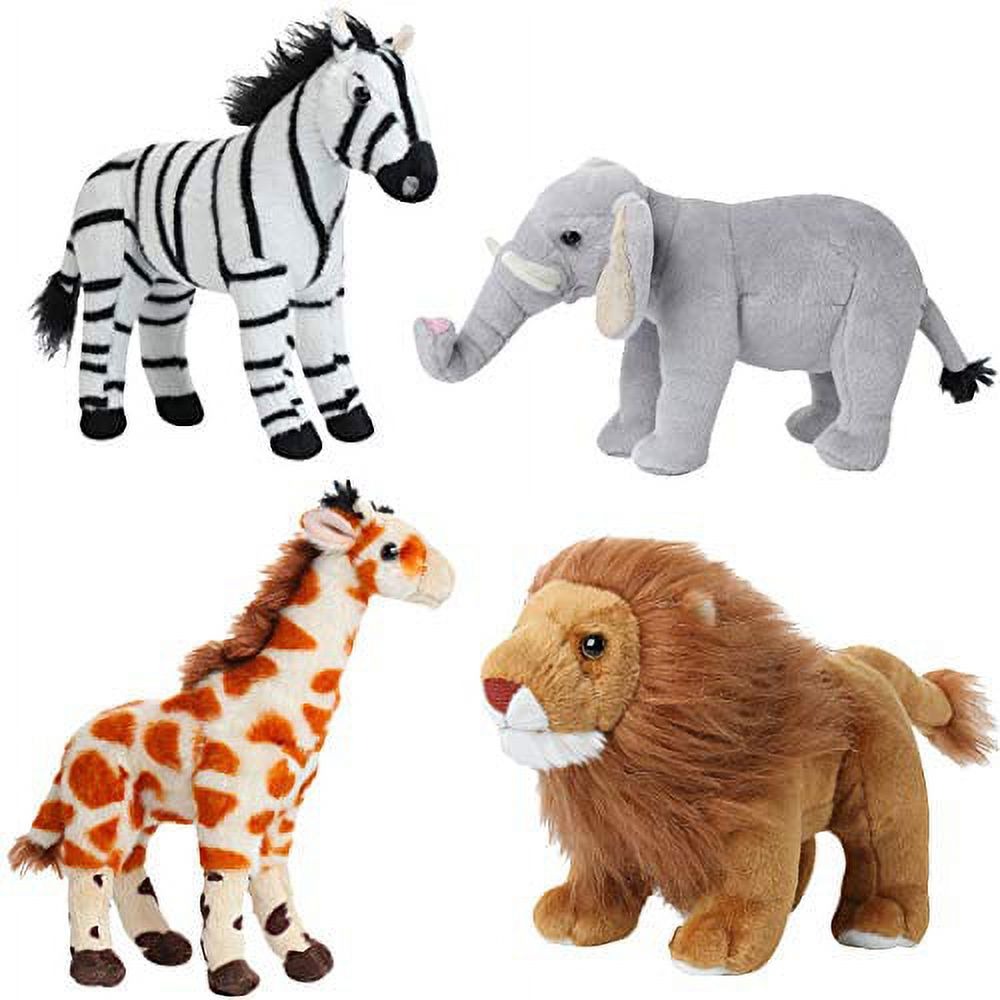
Wildlife Animal Plush Toys
Wild animal plush designs suitable for educational channels, museums, and themed retail.
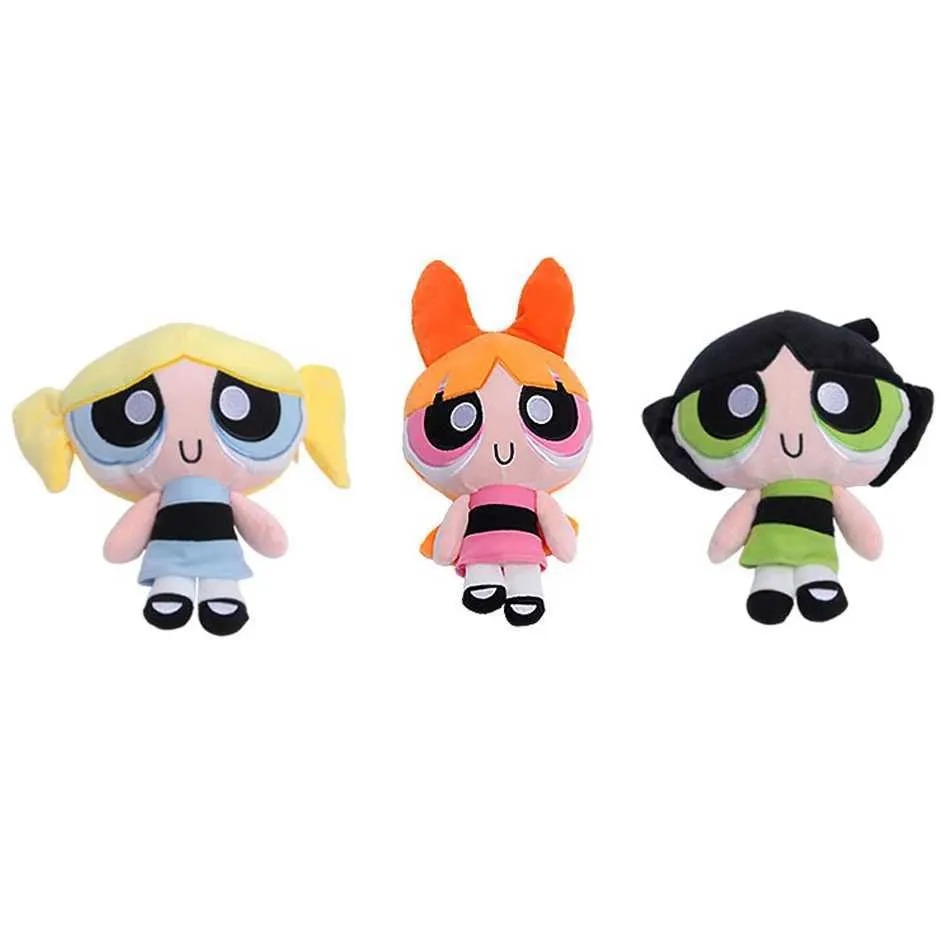
Cartoon Style Plush Toys
Cartoon-inspired plush toys designed for character-based and brand-driven projects.
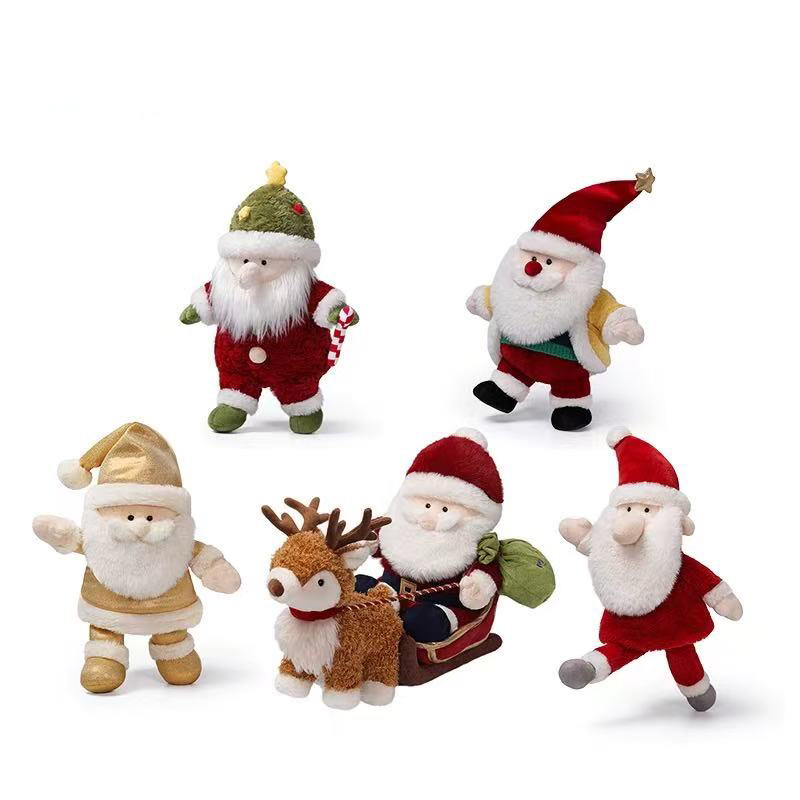
Seasonal Plush Toys
Holiday-themed plush toys developed for seasonal promotions and festive retail campaigns.
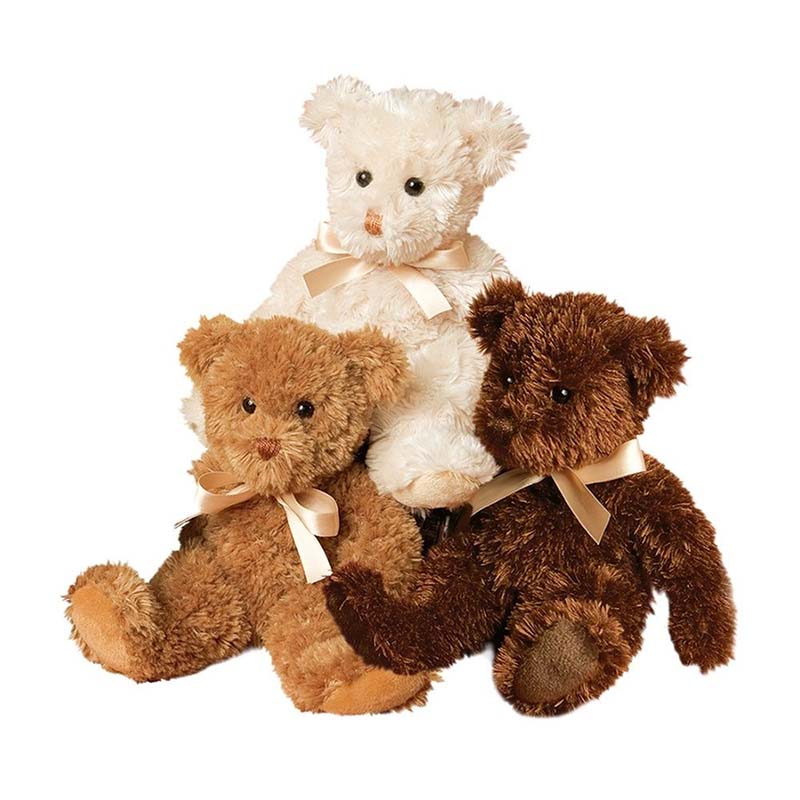
Teddy Bear Plush Toys
Traditional teddy bear plush toys with timeless appeal, suitable for gift shops, retail chains, and bulk wholesale orders.
Global Market Preferences in Stuffed Animal Design
Different markets have very different expectations when it comes to stuffed animal design. Understanding how buyers in each region evaluate shape, expression, size, and overall style helps you choose the right plush products, avoid costly redesigns, and improve wholesale sell-through across global markets.
United States Market
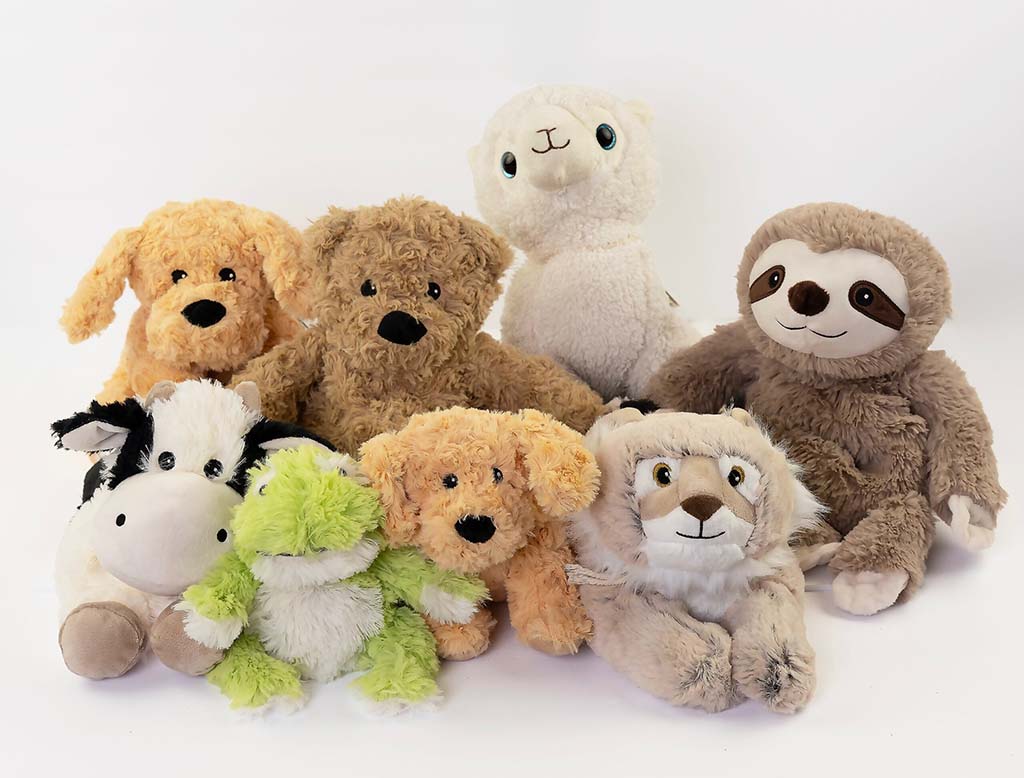
Buyers in the US market focus on emotional connection and character clarity. Plush toys with friendly expressions, soft proportions, and classic animal styles perform well across gift, retail, and promotional channels. Storytelling potential and versatility are important, making these designs easy to adapt for seasonal campaigns and brand mascots.
European Market
European buyers value balanced proportions, refined aesthetics, and material quality. Plush toys with clean silhouettes, natural color palettes, and understated expressions are preferred. Sustainability and durability also influence purchasing decisions, especially in lifestyle and cultural retail environments.
Japanese Market
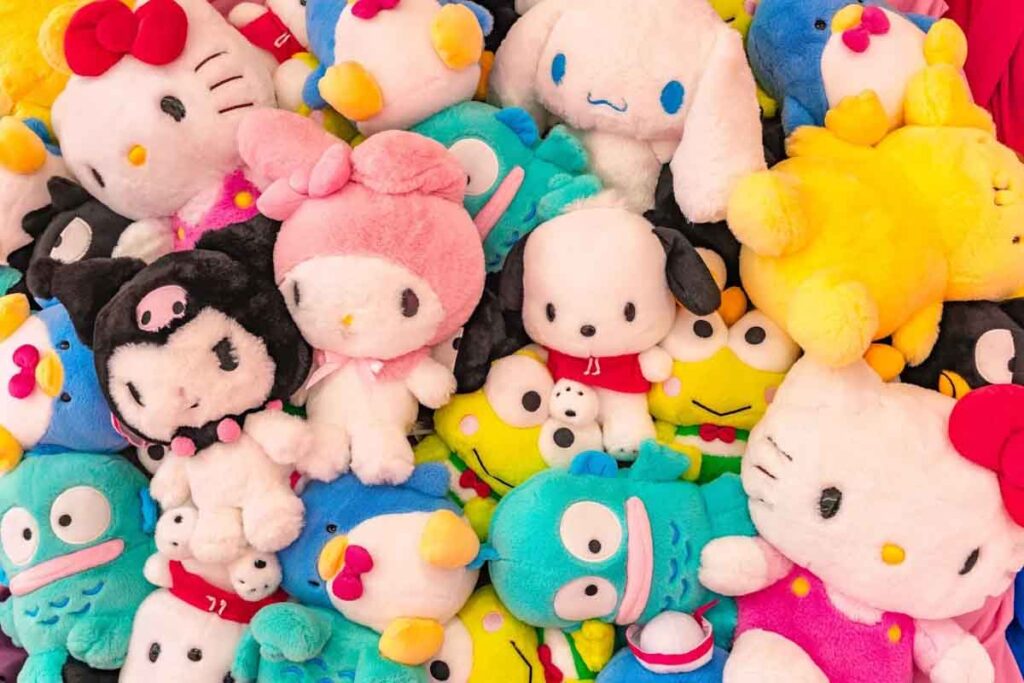
The Japanese market favors compact plush toys with rounded shapes and delicate details. Cute expressions, smooth outlines, and precise stitching are essential. High consistency in finishing quality strongly impacts buyer confidence and long-term cooperation.
South Korean Market
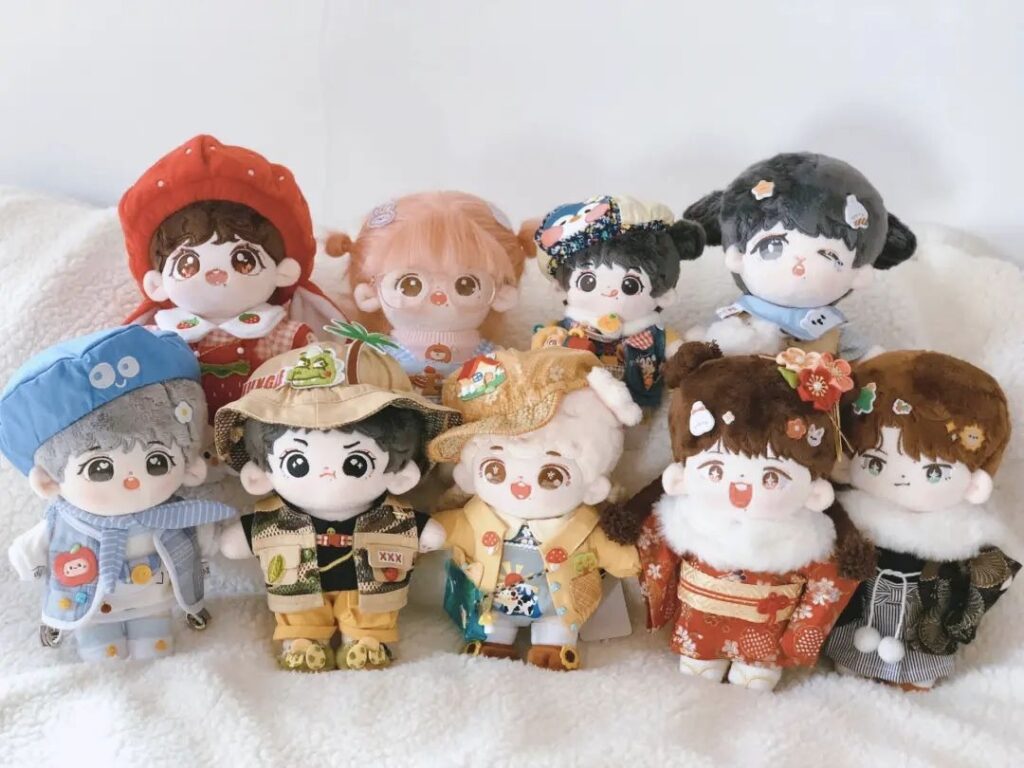
South Korean buyers are drawn to trendy, character-focused plush designs with a modern lifestyle feel. Simple forms combined with distinctive features and soft color tones work well. Plush toys are often positioned as collectible or decorative items rather than purely functional toys.
Middle East Market
Middle Eastern buyers prefer plush toys with strong visual presence, bold shapes, and vibrant colors. Larger sizes and eye-catching designs perform well for gifting and promotional use. Plush toys are commonly selected for family-oriented and festive occasions.
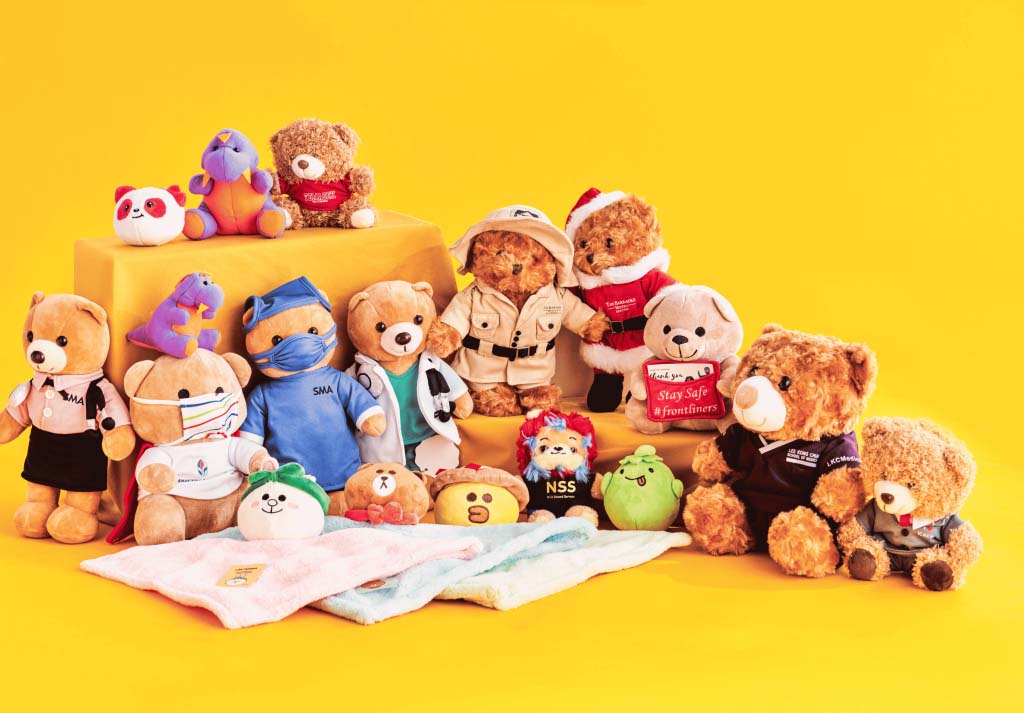
Understanding regional design preferences helps you select the right plush styles for each target market. By aligning product appearance with local buyer expectations, you can improve sell-through, reduce redesign costs, and scale your stuffed animal wholesale business more efficiently.
A Guide to Your First Custom Plush Toy Project
For many buyers, the first custom stuffed animal project comes with questions about design accuracy, cost control, timelines, and production risk. A well-structured starting process helps you avoid guesswork and miscommunication. By clarifying key details step by step, you can move from concept to sample, and from sample to bulk production, with much more confidence and predictability.
Provide Detailed Design References and Clear Expectations
You can start with almost any form of reference, including sketches, artwork, photos, existing plush toys, or similar products from the market. Beyond visuals, it is helpful to explain what you like and dislike about each reference, such as facial expression, body proportions, softness level, or overall style. This context allows the design team to understand not just what you want to make, but why, which significantly improves design accuracy from the very beginning.
Define Size, Function, and Target Market in Practical Terms
Clearly defining the intended size and function of the plush toy helps guide structural and material decisions. A plush toy designed for hugging, display, gifting, or promotion may require different internal structure, stitching strength, and finishing standards. Identifying the target market and sales channel early also helps ensure the design aligns with customer expectations and price positioning.
Confirm Materials, Touch Feel, and Compliance Requirements Early
Material decisions should consider appearance, softness, durability, and regulatory compliance at the same time. Discussing fabric type, filling density, and safety standards before sampling helps prevent redesigns later. This step also allows you to balance cost and quality based on your market requirements, rather than making adjustments after production has already started.
Start with Sampling to Reduce Bulk Production Risk
Sampling is the key step that connects design and production. Reviewing a physical sample allows you to check proportions, stitching quality, material feel, and overall finish. Feedback at this stage helps fine-tune details before bulk production begins, reducing the risk of inconsistencies, delays, or unexpected issues when scaling up to wholesale quantities.
When the first custom stuffed animal project is approached step by step, the process becomes more manageable and predictable. Clear communication, early decisions, and proper sampling help you move forward faster, control costs more effectively, and build a solid foundation for future wholesale orders.
Precision Design Accuracy in Plush Toys
This video demonstrates how we achieve high design accuracy from concept to finished plush. By carefully matching proportions, facial expressions, stitching details, and material textures, our team consistently delivers prototypes that reach 95%+ similarity to the original design. This level of precision helps brands reduce revision cycles and move to mass production with confidence.
Common Plush Toy Fabrics and Fillings for Wholesale Production
Material selection directly affects how a stuffed animal looks, feels, performs, and complies with market standards. Choosing the right fabric and filling combination helps you balance comfort, durability, safety, and cost—especially when producing plush toys at scale for wholesale and retail distribution.
Plush Fabric
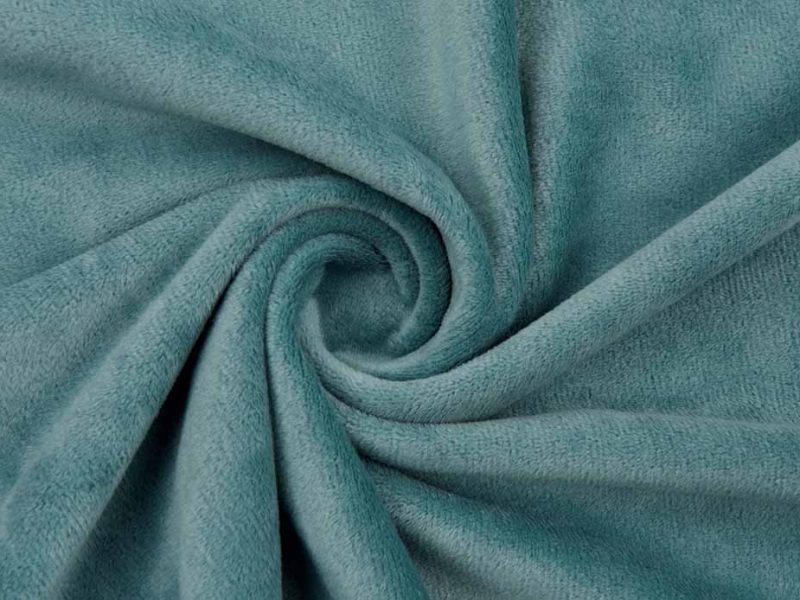
Soft and widely used for teddy bears and animal plush toys.
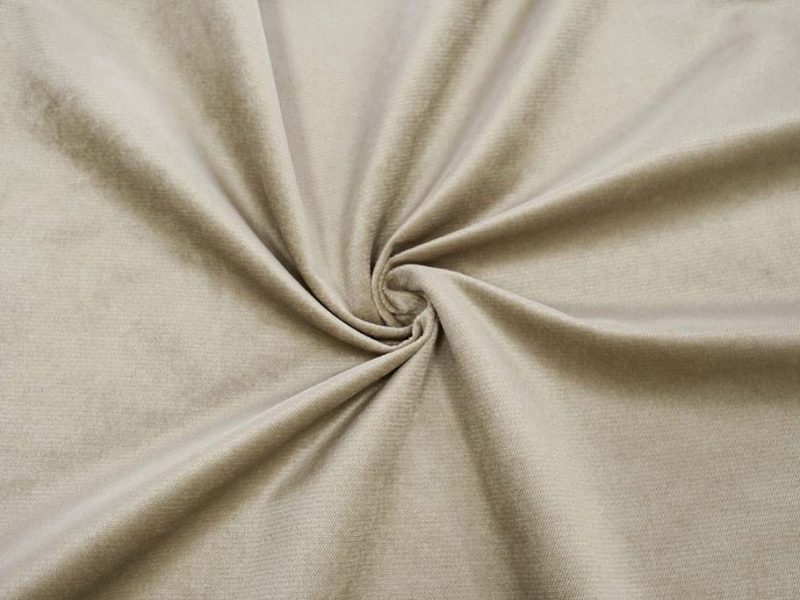
Velboa Fabric
Short-pile fabric for smooth surfaces and clear shapes.
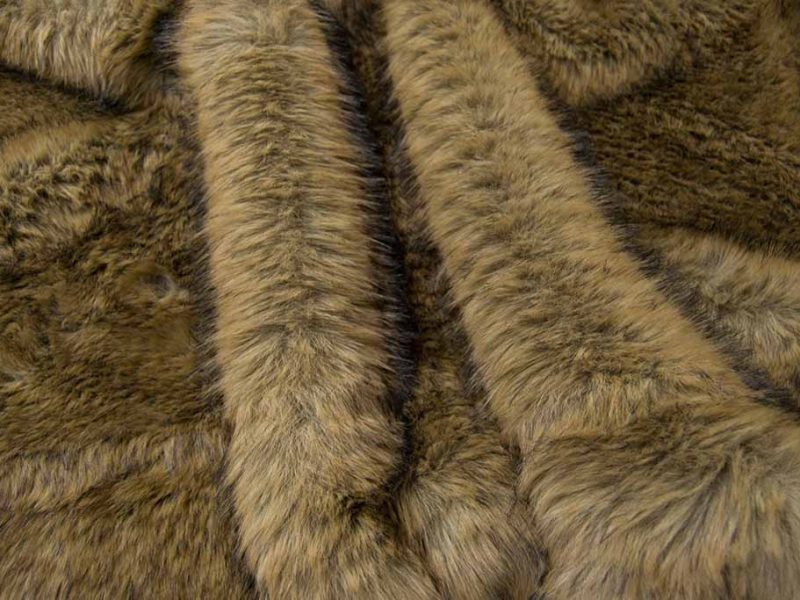
Faux Fur Fabric
Long-pile fabric for realistic or premium plush toys.
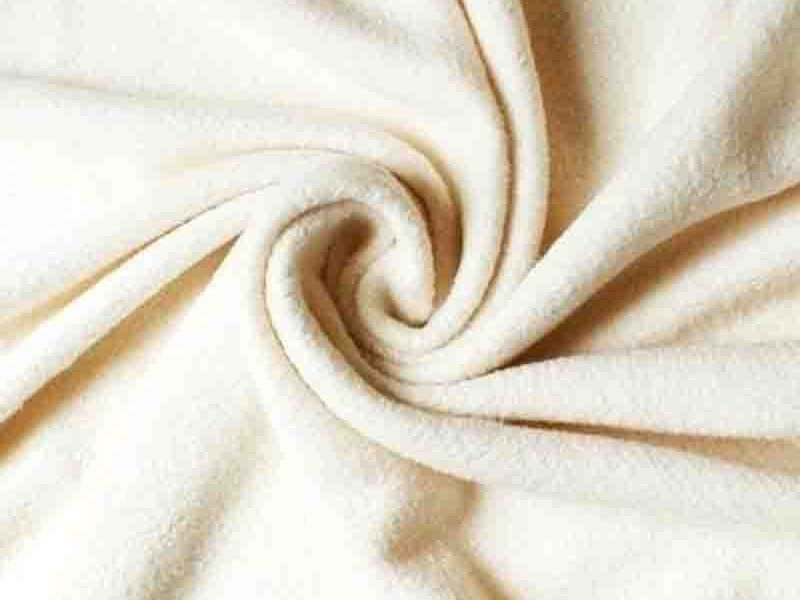
Cotton Fabric
Natural feel for baby-safe or eco-focused products.
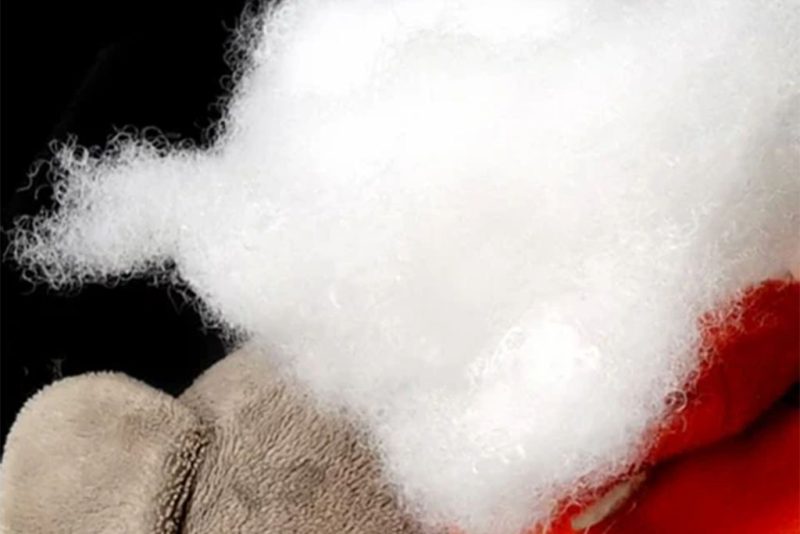
PP Cotton Filling
Lightweight and resilient, suitable for most plush toys.
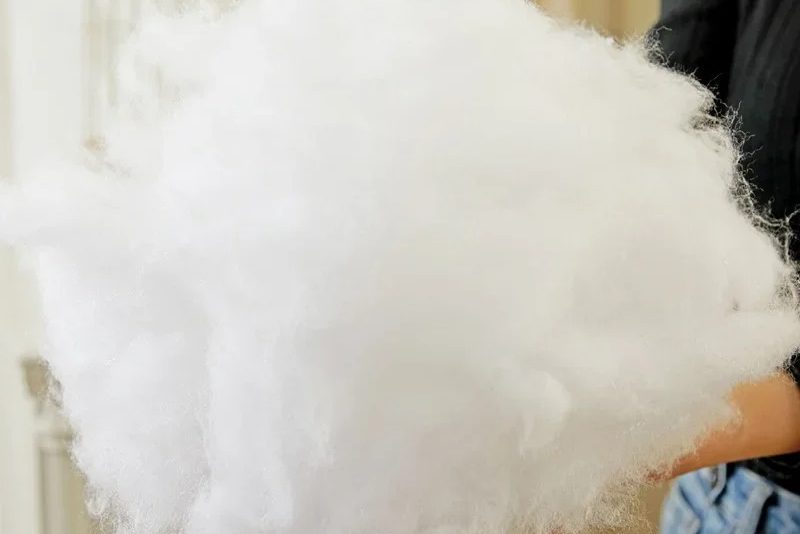
Down Cotton Filling
Softer and fuller for comfort-focused plush toys.
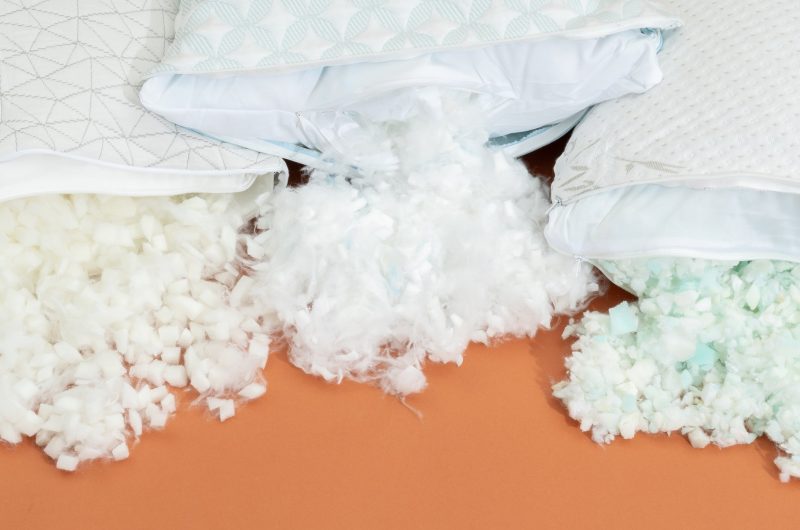
Memory Foam Filling
Slow rebound for shape support and stability.
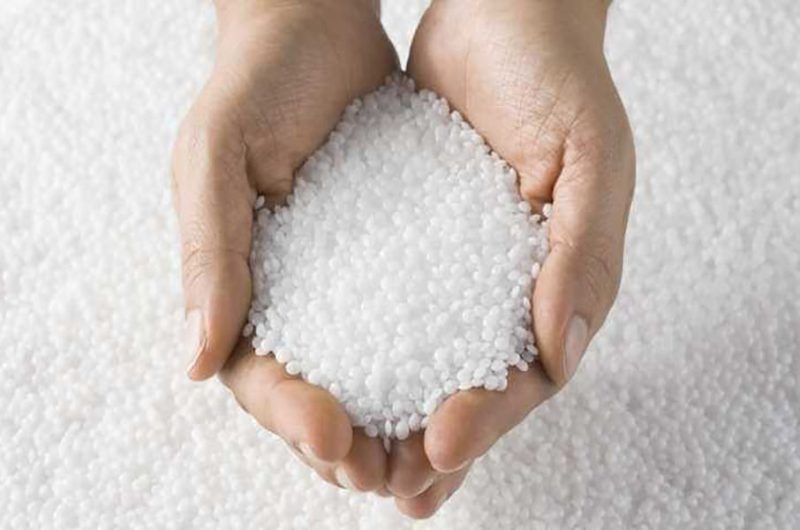
Weighted Filling
Added weight for calming and sensory plush toys.
Understanding the characteristics of different fabrics and fillings helps you choose materials that fit your product positioning and market requirements. A well-planned material solution improves product consistency and reduces risks when scaling up wholesale production.
Washable vs Non-Washable Plush Toys: Which Is Right for Your Market?
When choosing stuffed animals for wholesale or retail distribution, washability is an important factor that affects product safety, maintenance, and customer satisfaction. Understanding the differences between washable and non-washable plush toys helps you select the right option based on usage, target customers, and market expectations.
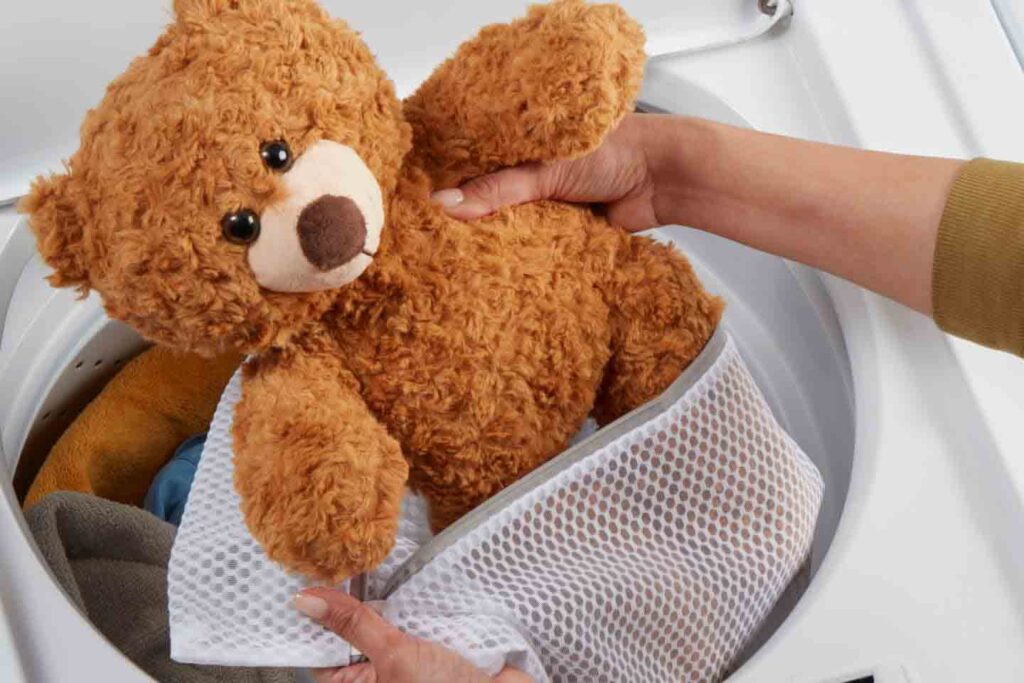
Washable Stuffed Animals
Washable plush toys are designed to withstand hand washing or machine washing without losing shape or softness. This type of toy usually uses colorfast fabrics, tightly secured stitching, and fillings that maintain structure after washing. Washable stuffed animals are highly suitable for baby products, children’s toys, and items intended for frequent use, as they help parents and users maintain hygiene easily. From a wholesale perspective, washable plush toys often face fewer objections from buyers, especially in markets where safety and cleanliness are key selling points.
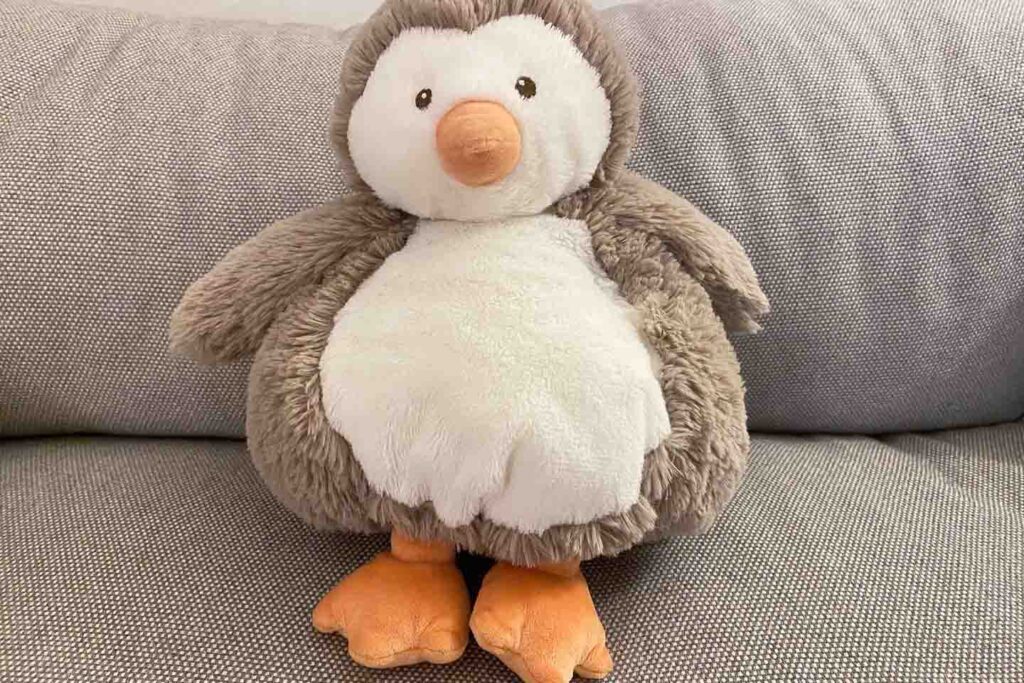
Non-Washable Stuffed Animals
Non-washable plush toys are typically designed for decorative, collectible, or special-purpose use. These toys may include delicate fabrics, long-pile faux fur, internal accessories, or functional components that are not suitable for washing. While they often deliver stronger visual impact or unique texture, they require spot cleaning or surface care instead of full washing. For wholesale buyers, non-washable plush toys are often positioned as display items, gift products, or premium collections where appearance is prioritized over frequent cleaning.
Choosing between washable and non-washable stuffed animals depends on how the product will be used and who it is designed for. By matching washability to real usage scenarios, you can reduce after-sales concerns, improve customer satisfaction, and position your plush products more effectively in the wholesale market.
Common Plush Toy Sampling Issues and How to Avoid Them
Plush toy sampling is where ideas are tested and refined before bulk production. Many issues that appear during sampling are common in the industry, especially for first-time buyers. What matters most is not whether issues arise, but how they are identified and resolved. Below are the most common sampling challenges and the practical methods we use to address them.
Design Details Are Too General
When design references lack clarity, samples may not fully match expectations in expression, proportion, or overall style. To solve this, our team reviews all references in detail and confirms key visual points before sampling. We ask targeted questions and provide feedback suggestions to clarify priorities, reducing guesswork and improving first-sample accuracy.
Size and Proportion Differences
Samples may feel larger or smaller than expected if size information is not clearly defined. We address this by confirming exact dimensions, reference measurements, and usage scenarios early. When needed, we also provide size recommendations based on market experience to ensure the proportions feel right in real use.
Material Feel Does Not Match Expectations
A fabric that looks good in photos may feel different in hand. To avoid this, we recommend confirming fabric samples or discussing touch preferences before sampling. Our team explains how different materials behave, helping clients select fabrics that match both visual and tactile expectations.
Color Differences Between Design and Sample
Color variation can occur due to fabric texture and dyeing processes. We reduce this risk by confirming color references early and adjusting colors based on actual fabric performance. This helps achieve closer color consistency between design and physical samples.
Structure or Shape Needs Adjustment
Some designs require structural changes after the first sample to improve stability or appearance. Our team evaluates samples from a production perspective and suggests adjustments to internal structure or shape, ensuring the plush toy maintains both form and durability.
Sampling Timeline Becomes Longer Than Expected
Multiple revisions or late feedback can extend sampling time. To prevent delays, we consolidate feedback, confirm changes clearly, and manage revisions step by step. This structured approach helps keep the sampling timeline under control.
Sampling challenges are a normal part of plush toy development. With a clear process and proactive problem-solving, these issues can be managed effectively. Our goal is to help you reach a production-ready sample faster and with fewer revisions.
Flexible Customization Options for Stuffed Animal Projects
Every brand and buyer has different requirements when developing stuffed animals for wholesale or retail. Our customization scope is designed to give you flexibility while keeping production practical, scalable, and cost-controlled. Below are the four main areas where we support customization to match your market needs.
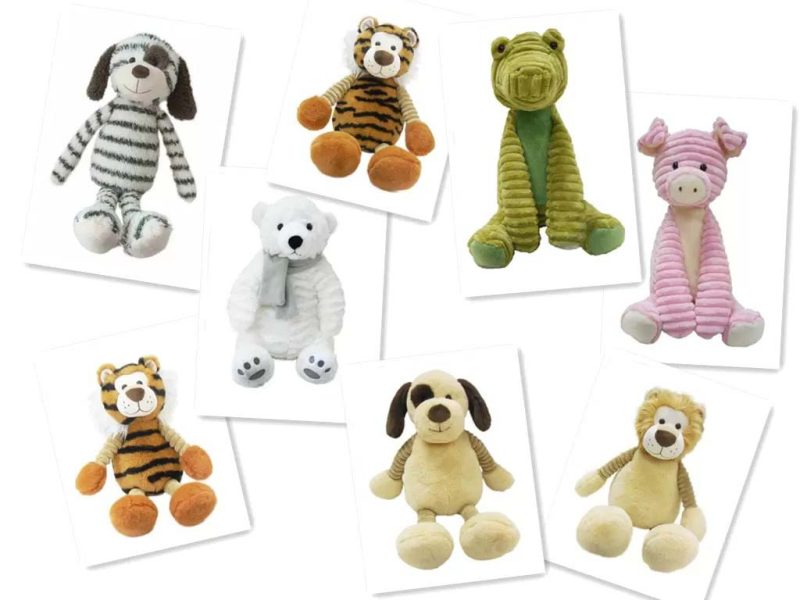
Animal Type and Character Design
You can customize the animal type, character style, facial expression, and overall personality of the plush toy. Whether you are developing realistic animals, cute cartoon characters, or brand mascots, we adjust proportions and details to match your concept and target audience.
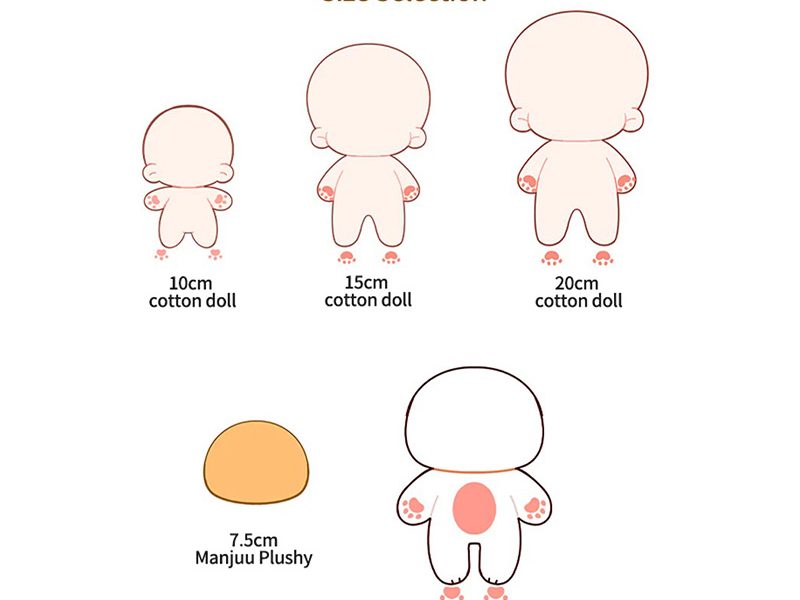
Size, Shape, and Structure
Plush toys can be customized in different sizes, body shapes, and internal structures based on usage scenarios. This includes toys designed for hugging, display, gifting, or decorative use, ensuring the final product feels right in real-world applications.
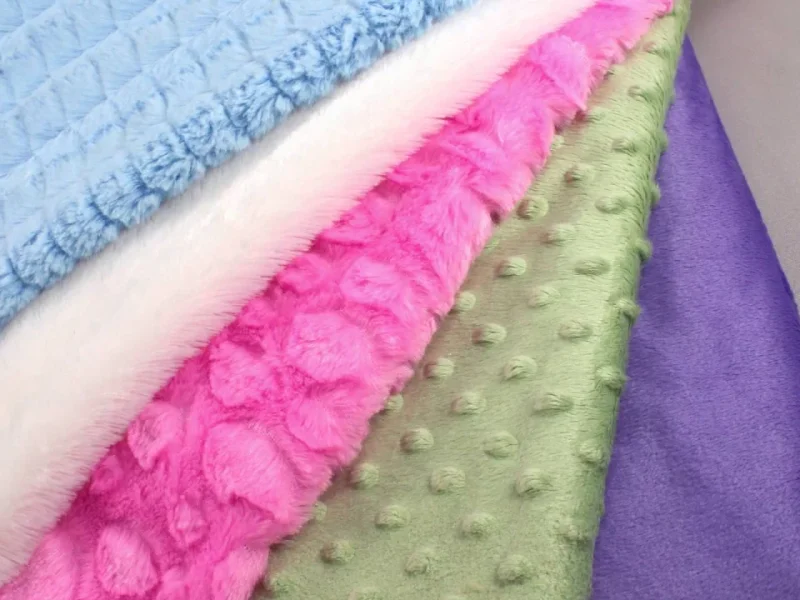
Materials and Touch Feel
Customization includes fabric type, pile length, filling density, and overall softness. By adjusting materials and filling, we help you achieve the desired balance between appearance, comfort, durability, and cost.
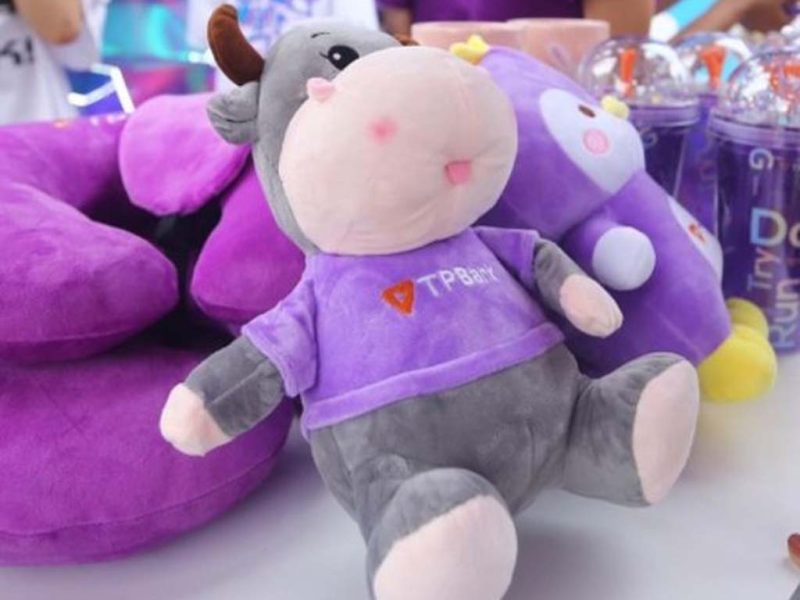
Branding and Functional Details
Brand elements such as labels, tags, embroidery, and simple functional features can be integrated into the plush toy design. These details help strengthen brand identity and enhance product value without overcomplicating production.
A clear customization scope helps ensure your plush toy project stays focused and scalable. By defining what can be customized early, you can reduce development risks and move from sampling to bulk production more smoothly.
Precision Sewing for Plush Toys
This video highlights the sewing stage where plush toy quality truly takes shape. From precise stitching and edge alignment to reinforced stress points and clean finishing, every detail reflects our skilled workers and standardized sewing techniques. Stable stitching quality ensures consistency between samples and bulk production—especially for complex shapes and high-volume OEM orders.
Transparent Sampling Fees and Refund Policy
For first-time buyers, sampling fees are often a key concern when starting a custom stuffed animal project. A clear and fair sampling fee policy helps you understand costs upfront, reduce uncertainty, and move forward with confidence. Below is how our sampling fees and refund policy work in practice.
1. Sampling Fee Covers Real Development Costs
The sampling fee covers pattern making, material sourcing, labor, and multiple internal adjustments. It reflects the real work required to turn your idea into a physical sample.
2. Fee Varies by Design Complexity
Sampling fees may vary depending on size, structure, materials, and functional details. More complex designs require additional time and resources during development.
3. One-Time Fee per Approved Sample
Each sampling fee applies to one confirmed sample version. Major design changes may require additional sampling to ensure accuracy.
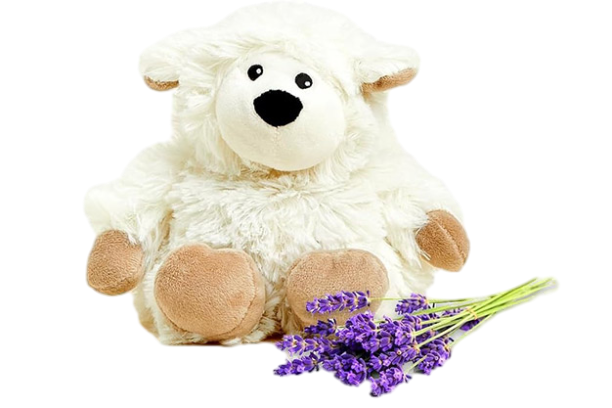
4. Refundable with Bulk Order Confirmation
Sampling fees can be refunded or deducted from the bulk order value once the order reaches the agreed quantity threshold.
5. Clear Agreement Before Sampling Starts
All sampling fees and refund terms are confirmed before work begins. This ensures there are no surprises during the project.
6.Focused on Reducing Buyer Risk
The policy is designed to protect both development quality and buyer investment, helping first-time customers start projects with lower risk.
A transparent sampling fee and refund policy allows you to evaluate designs properly before committing to bulk production. With clear expectations set upfront, you can focus on product quality and market readiness instead of hidden costs.
Trusted by Leading Global Brands
Strong partnerships prove strong capabilities. Over the years, Kinwin has worked with world-leading brands and retailers to deliver interactive plush toys that meet the highest standards of creativity, safety, and quality. By choosing us, you gain a supplier that is trusted by top companies worldwide—and the same reliability is available to your brand.




A Complete Guide to Exporting Plush Toys from China
For many international buyers, importing plush toys from China can seem complex due to documentation, compliance requirements, and logistics coordination. Understanding the full export process helps you plan timelines accurately, avoid delays, and reduce unexpected costs. Below is a clear breakdown of how stuffed animals are exported from China, from factory to your destination.
Order Confirmation and Production Scheduling
Once the sample is approved, the bulk order details are confirmed, including quantity, materials, packaging, and delivery terms. The factory then schedules production based on capacity and agreed timelines, ensuring materials are prepared and production slots are secured in advance.
Quality Inspection and Internal Testing
Before shipment, finished plush toys undergo internal quality checks, including workmanship inspection, appearance review, and basic safety checks. This step helps identify issues early and ensures products meet agreed specifications before moving to export preparation.
Export Packaging and Labeling Preparation
Products are packed according to export standards and customer requirements. This includes carton strength, inner protection, labeling information, and country-specific marks. Proper packaging reduces damage risk and helps meet destination market regulations.
Export Documentation and Customs Clearance in China
Required export documents such as commercial invoice, packing list, and customs declarations are prepared. The shipment is then cleared through Chinese customs. Accurate documentation is essential to avoid delays or inspections.
International Shipping and Logistics Coordination
After customs clearance, goods are shipped by sea, air, or rail depending on urgency and budget. Logistics partners handle transportation, tracking, and coordination until arrival at the destination port or warehouse.
Import Customs Clearance and Final Delivery
Upon arrival, the shipment goes through import customs clearance in the destination country. After duties and local requirements are completed, the goods are delivered to your warehouse, distribution center, or final address.
A clear understanding of the China plush toy export process helps you plan purchases with confidence. When each step is managed properly, you can reduce delays, control costs, and ensure smooth delivery from factory to market.
Ready to Start Your Stuffed Animal Wholesale Project?
Whether you are planning your first custom plush toy or looking to scale an existing product line, having the right manufacturing partner makes the process easier and more predictable. From product selection and sampling to bulk production and export, we support you at every key step. You don’t need to finalize every detail before reaching out—our team helps you clarify requirements, evaluate feasibility, and move forward with confidence.
If you already have designs or references, we can quickly review them and provide practical feedback. If you are still in the idea stage, our experience across different markets and product types allows us to guide you toward workable solutions. The goal is simple: help you reduce risk, save time, and bring the right plush products to market efficiently.
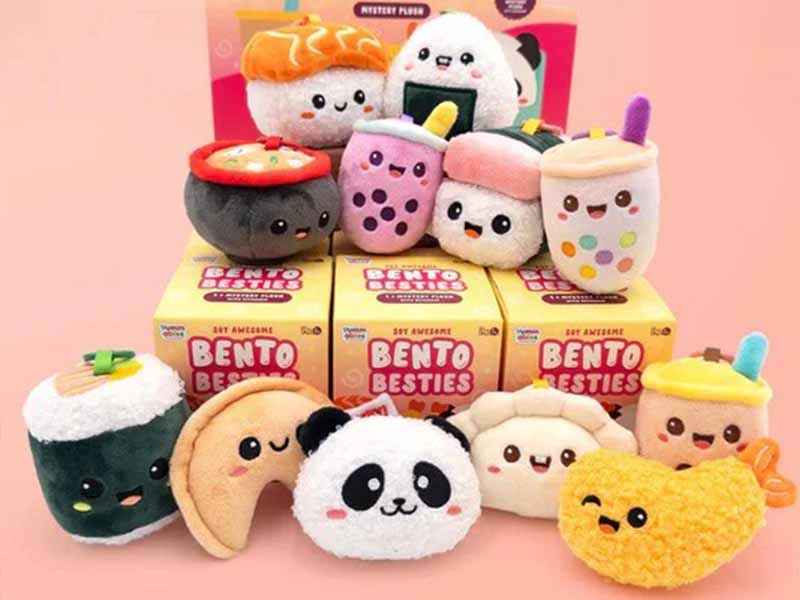
Explore Our Custom Plush Toy Series
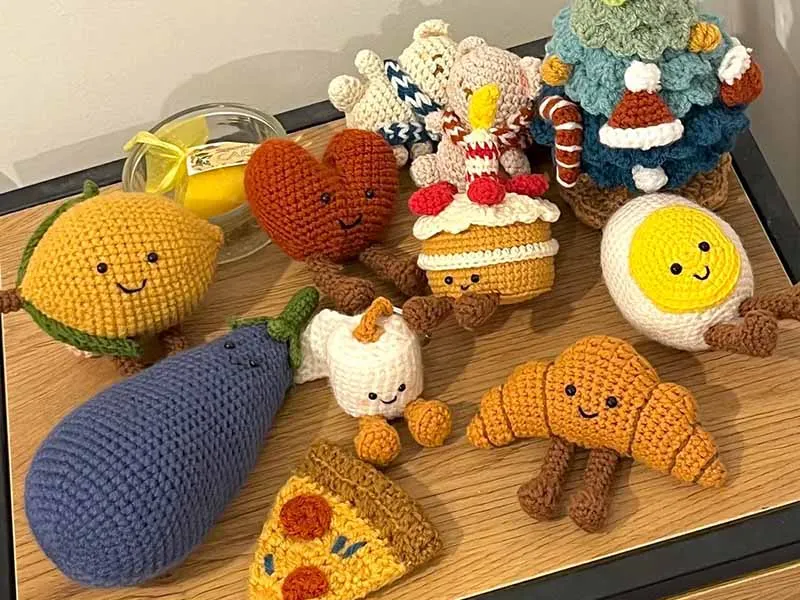
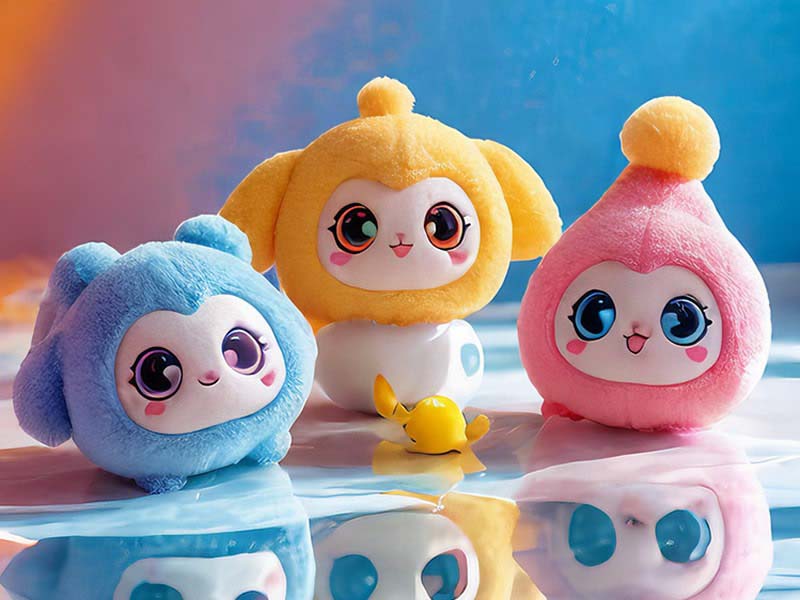
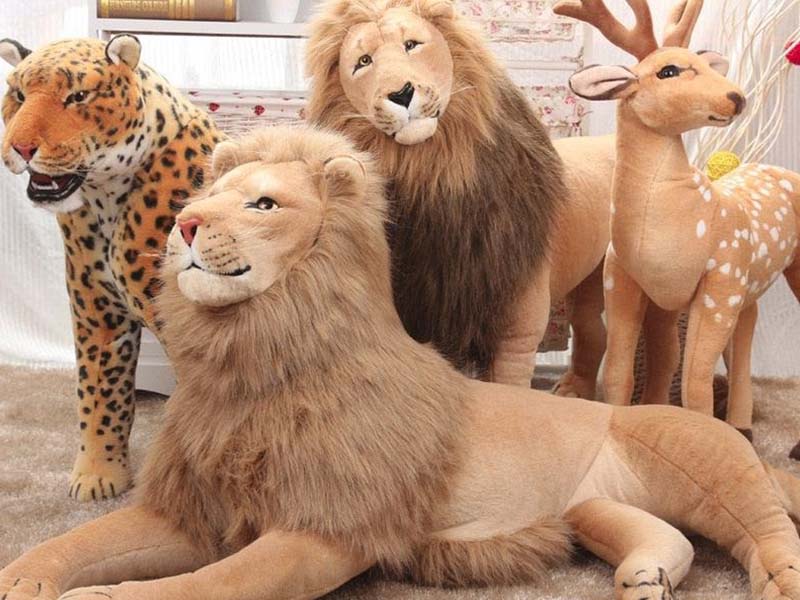
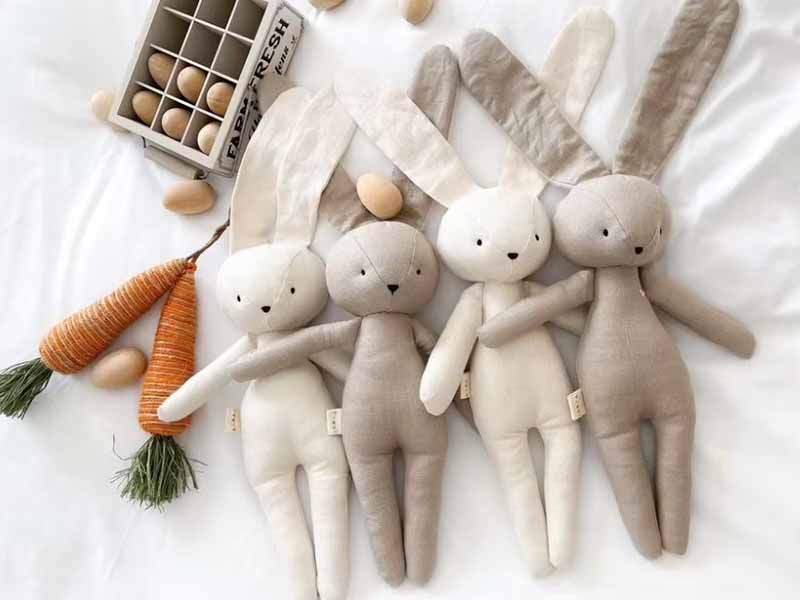
We offer a wide selection of plush toys to meet different business needs. From baby-safe stuffed animals to collectible plush dolls, our product lines are designed for global brands, retailers, e-commerce, and promotional projects.
Frequently Asked Questions
1. What is your minimum order quantity for stuffed animal wholesale?
Our standard MOQ is 500 pieces. For orders below this quantity, please consult with our project manager. We may offer flexible solutions depending on the product size, complexity, and customization requirements.
2. Can you help if I don’t have a final design yet?
Yes. You can start with sketches, reference images, or even a general idea. Our team helps refine concepts and turn them into production-ready plush toy designs.
3.How long does the sampling process usually take?
Sampling time typically ranges from 7 to 15 days, depending on design complexity and revision rounds. Clear communication helps shorten the timeline.
4. Will the bulk production match the approved sample?
Yes. Approved samples are used as the reference standard for bulk production. Our process focuses on maintaining consistency in materials, structure, and workmanship from sample to bulk.
5. What safety standards can your plush toys meet?
We support common international standards such as CE, ASTM, and EN71, depending on the target market. Safety requirements are discussed before production begins.
6.Do you offer washable plush toy options?
Yes. We offer both washable and non-washable plush toy options. The choice depends on materials, structure, and intended use, and we provide guidance based on your market.
7. Can you handle export shipping to my country?
Yes. We support international shipping and help coordinate export documentation and logistics to different regions worldwide.
8. How do I start a project or request a quote?
You can contact us with your basic idea, reference images, or requirements. Our team will guide you through the next steps and provide a clear quotation.
9. Can you add custom packaging?
Yes. We offer hangtags, woven labels, custom bags, boxes, barcode labels, and retail-ready packaging.
10. Do you offer shipping support?
Yes. We can assist with air freight, sea freight, express delivery, and we work with your forwarder if needed.
If You Can lmagine lt,We Will Create lt!
1.Tell Us What You Need
Tell us as specific as possible of your needs and share your idea.
2.Get Solution & Quote
We will work on the best solution according to yourrequirements,the specific quote will be provided within 24 hours.
3.Approve for Mass Production
We will start mass production after getting your approval.