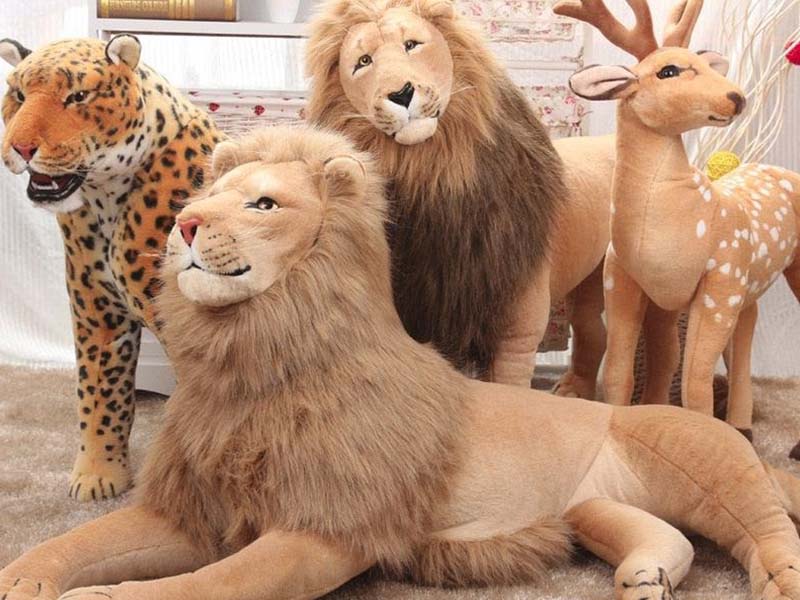
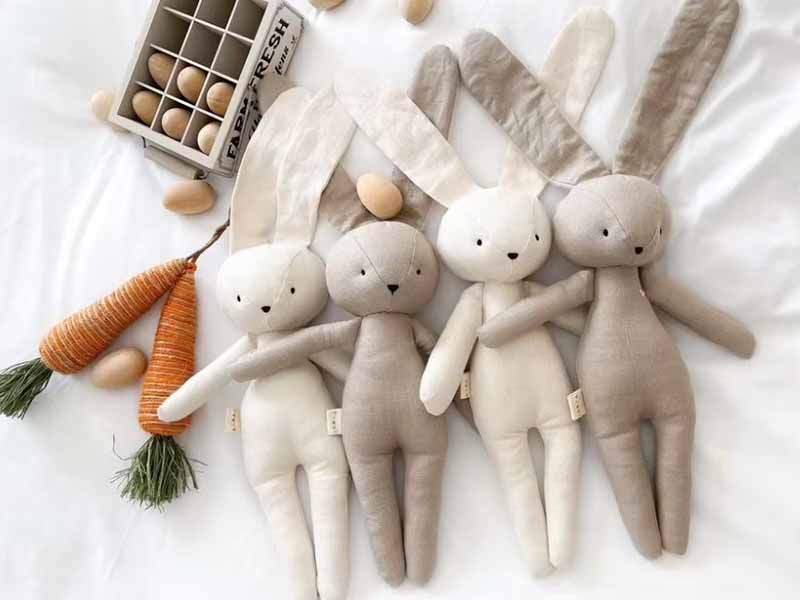
Trusted Plush Manufacturer | OEM & ODM Certified Plush Toy Factory in China
Your brand deserves a plush manufacturing partner that understands quality, safety, and fast development. With 17 years of OEM & ODM experience, our certified plush toy factory helps you turn any idea—sketch, mascot, character, or original IP—into high-quality plush toys with consistent craftsmanship and reliable mass-production standards. You gain stable quality, quick sampling, flexible customization options, and full support from design to export, ensuring your products enter the market with confidence.
OEM & ODM Plush Manufacturing Workflow Advantages
Working with a professional plush manufacturer gives your brand a smoother development experience, faster sampling, and more reliable mass-production quality. Our OEM & ODM workflow is structured to reduce risks and keep every stage clear, helping you turn ideas into stable, market-ready plush toys.
Clear Communication and Accurate Design Refinement
You receive expert guidance on artwork refinement, structural improvements, and proportion adjustments, ensuring your plush design stays accurate from sketch to prototype.
Material Selection Tailored to Your Market
You get fabric, filling, and accessory recommendations aligned with your budget and target customers, helping your product meet both quality and compliance standards.
Standardized Production to Ensure Consistent Quality
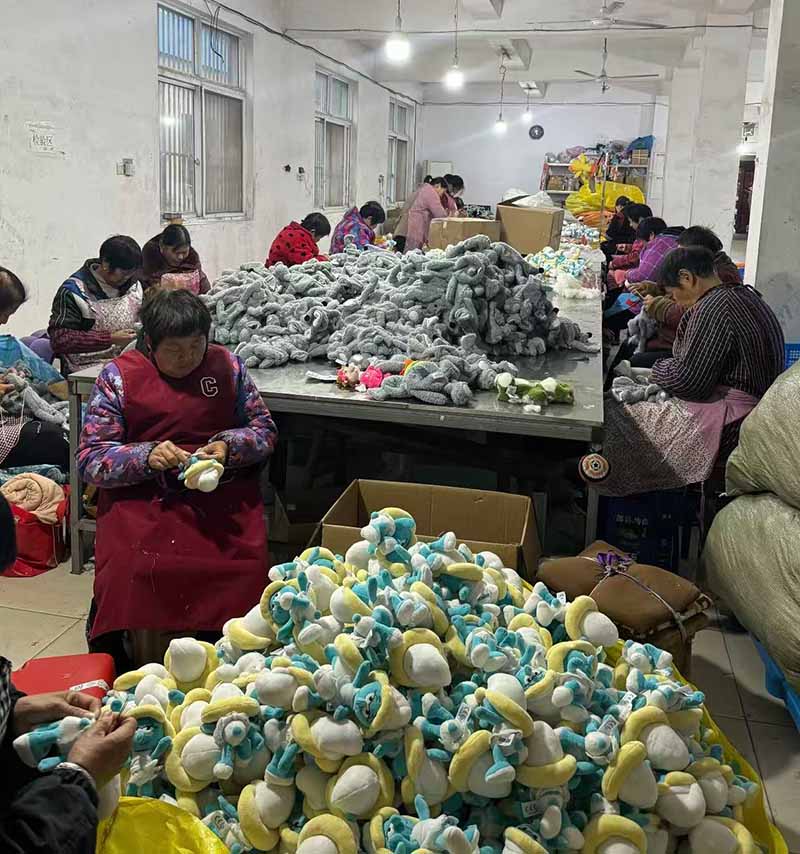
Each key step—cutting, sewing, stuffing, finishing, inspection—is strictly controlled to maintain consistent quality across all batches.
End-to-End Support From Sample to Export
You benefit from coordinated assistance through sampling, revisions, mass production, packaging, and export preparation.
With a well-structured OEM & ODM workflow, your plush project becomes easier to control, faster to launch, and more predictable in cost and quality. You gain a reliable production partner who understands global safety standards, supports long-term brand development, and helps your products stand out in competitive markets.
CE & ASTM Safety Compliance for Plush Toys
For any plush toy entering international markets, safety certification is not optional—it is a core requirement. CE (Europe) and ASTM F963 (United States) are the two most recognized safety standards in the global toy industry. When your plush toys meet these certifications, retailers feel more confident stocking your products, parents trust your brand more easily, and your business reduces the risk of recalls, delays, or customs detention. Our factory follows strict compliance workflows to ensure every custom plush toy is designed, produced, and tested according to international safety guidelines.
Certified & Traceable Materials
All plush fabrics, stuffing materials, embroidery threads, plastic accessories, and dyes are sourced from certified suppliers that comply with CE and ASTM regulations. Every batch is traceable, ensuring your products maintain consistent safety and quality across different orders.
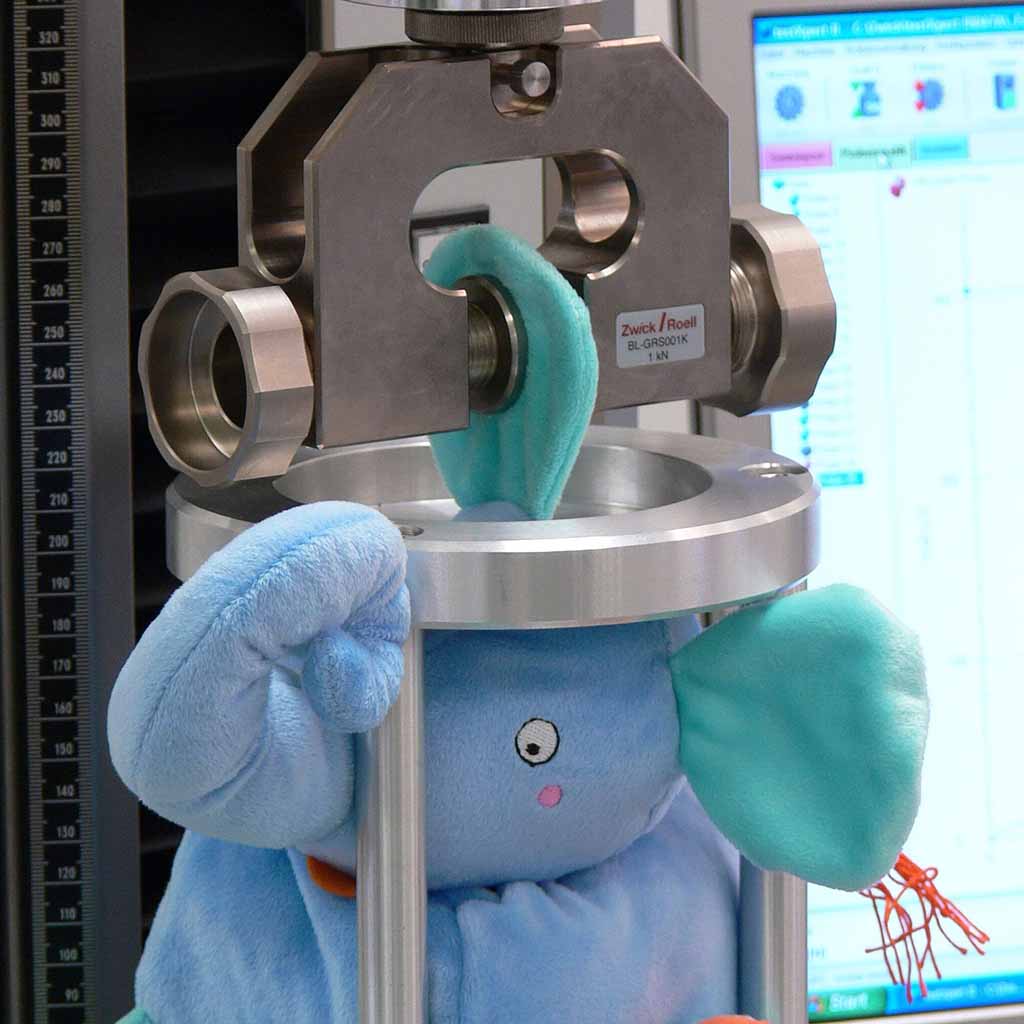
Pull-Force Testing for Secure Construction
Critical components—including eyes, noses, seams, decorative patches, accessories, and embroidered details—are tested to confirm they can withstand a child’s pulling force. This ensures no part detaches easily, reducing choking hazards and meeting global toy safety requirements.
Chemical & Dye Safety Compliance
We verify that all materials are free from harmful chemicals such as phthalates, formaldehyde, heavy metals, and other restricted substances. Dye stability is also tested to prevent color fading or transfer during washing or contact with saliva—protecting both children and your brand reputation.
Double-Layer Needle Detection
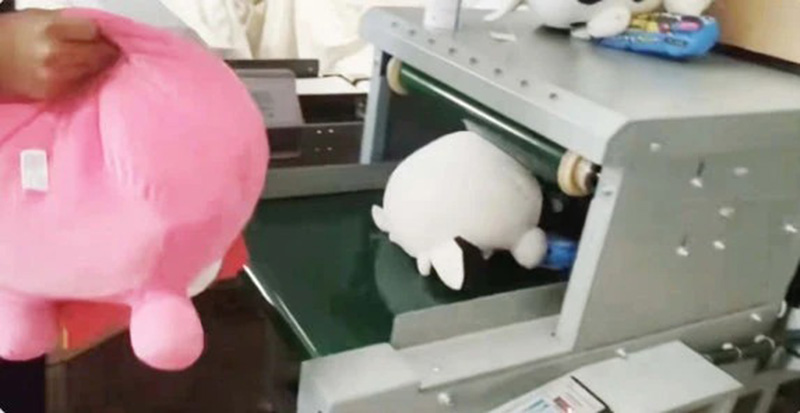
Every plush toy passes through high-sensitivity needle detectors—often twice—to eliminate any potential broken needle fragments or metal residues. This step is essential for clearance into Europe, the U.S., and Japan, protecting your shipment from being rejected or recalled.
Internal Structure & Filling Checks
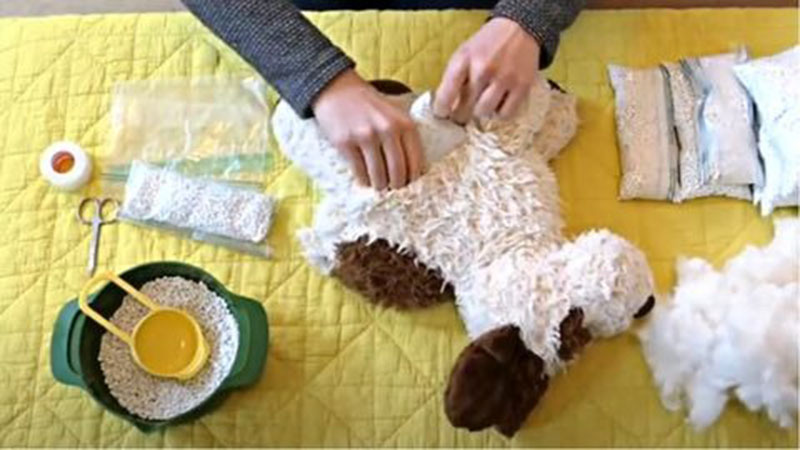
We evaluate stuffing density, internal stitching, bead compartments (if used), and the soft–hard balance to ensure the plush toy remains durable and safe. This helps prevent deformation, bursting seams, or loose filler—issues that can create serious safety concerns.
Final Pre-Shipment Safety Inspection
Before packaging, every batch undergoes a thorough inspection covering labeling accuracy, mechanical safety, stitching strength, size conformity, and overall appearance. Only products that meet CE & ASTM standards enter the shipment stage.
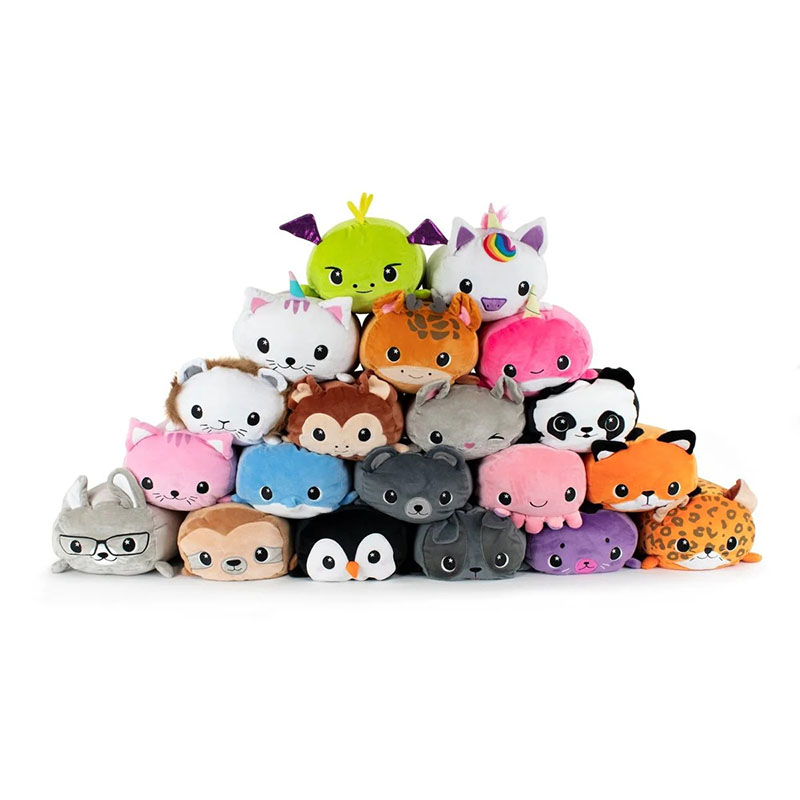
Meeting CE and ASTM standards ensures your plush toys can enter major global markets without obstacles. You gain safer products, fewer compliance risks, and stronger credibility with distributors and end consumers.
Popular Custom Plush Toy Categories
Explore our wide range of custom plush toy categories designed for brands, retailers, gift companies, and licensing partners. Each series offers flexible customization, premium materials, and stable mass-production quality, helping your products stand out in competitive markets.
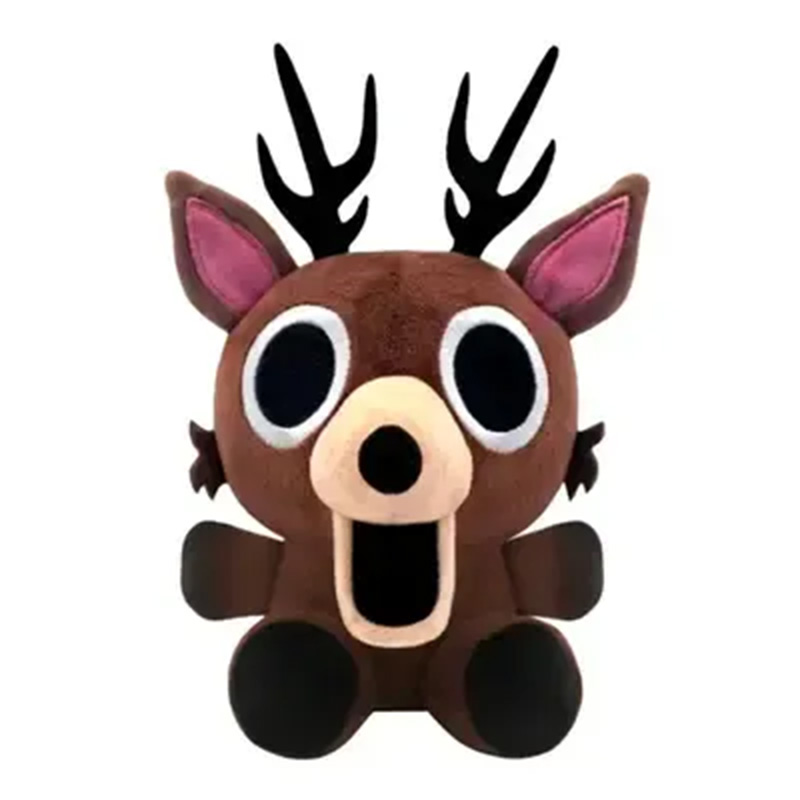
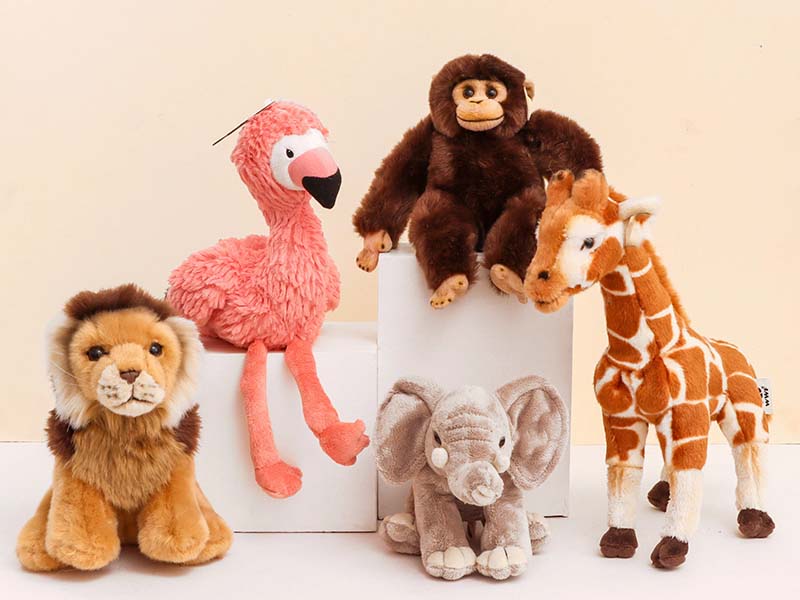
Animal Plush Series
Ideal for zoo brands, wildlife concepts, and retail collections with high realism and soft textures.
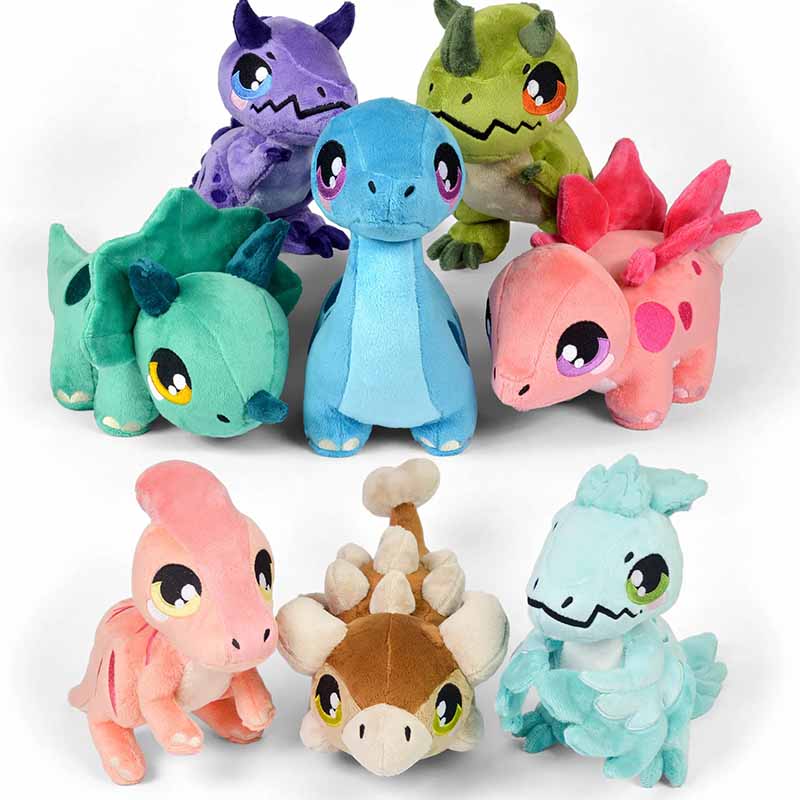
Dinosaur Plush Series
A favorite for children’s toys and themed retail, offering playful shapes and strong visual identity.
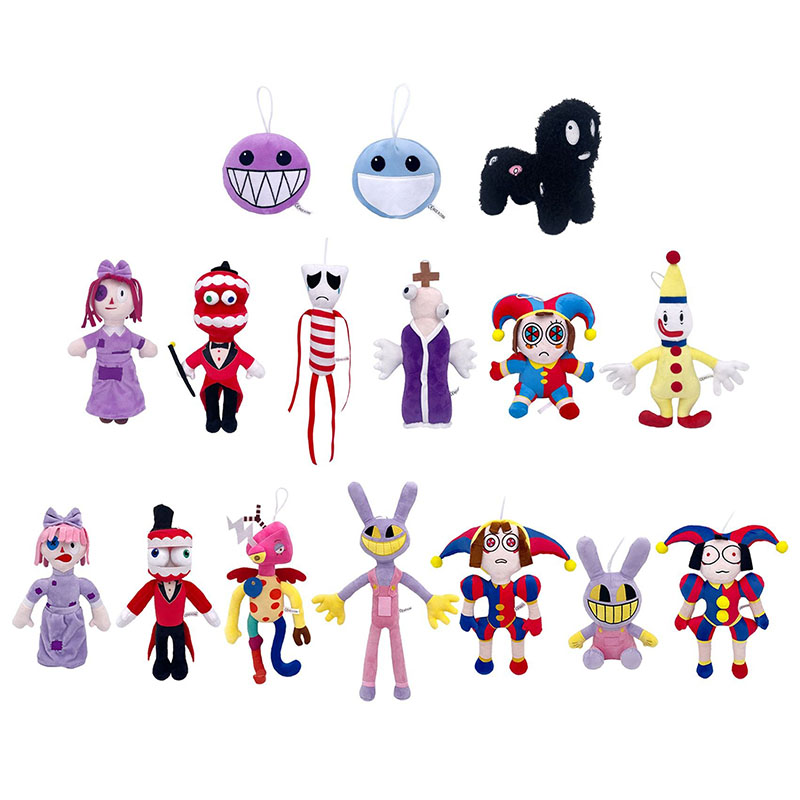
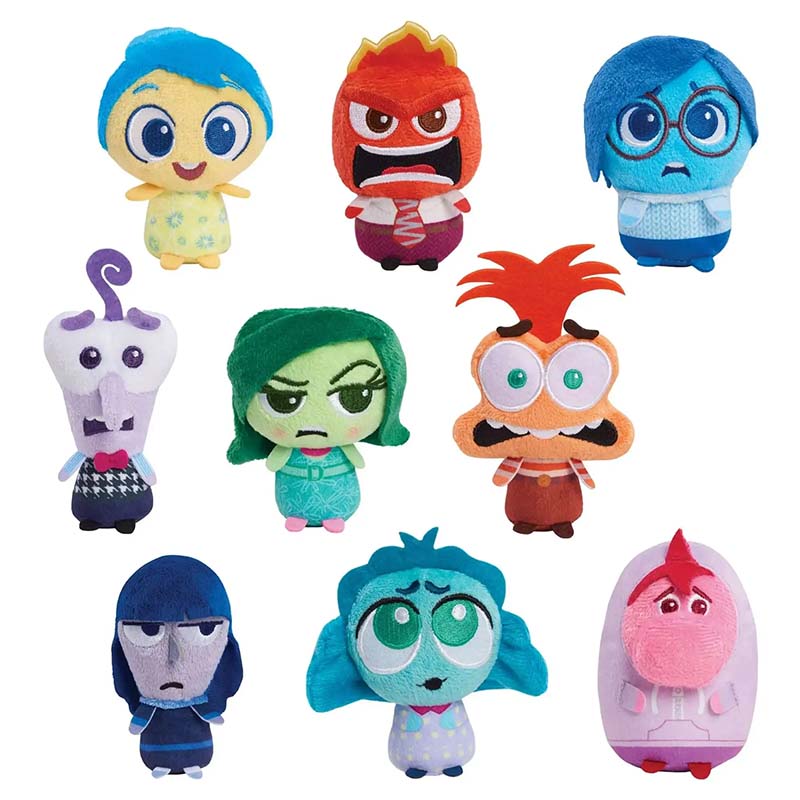
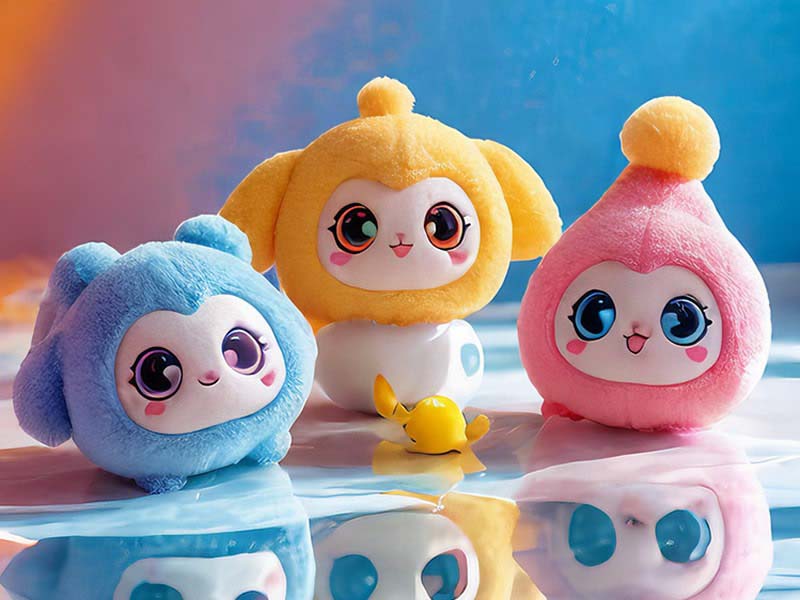
Fantasy & Character Plush
Perfect for IP brands and storytelling projects with strong character personality.
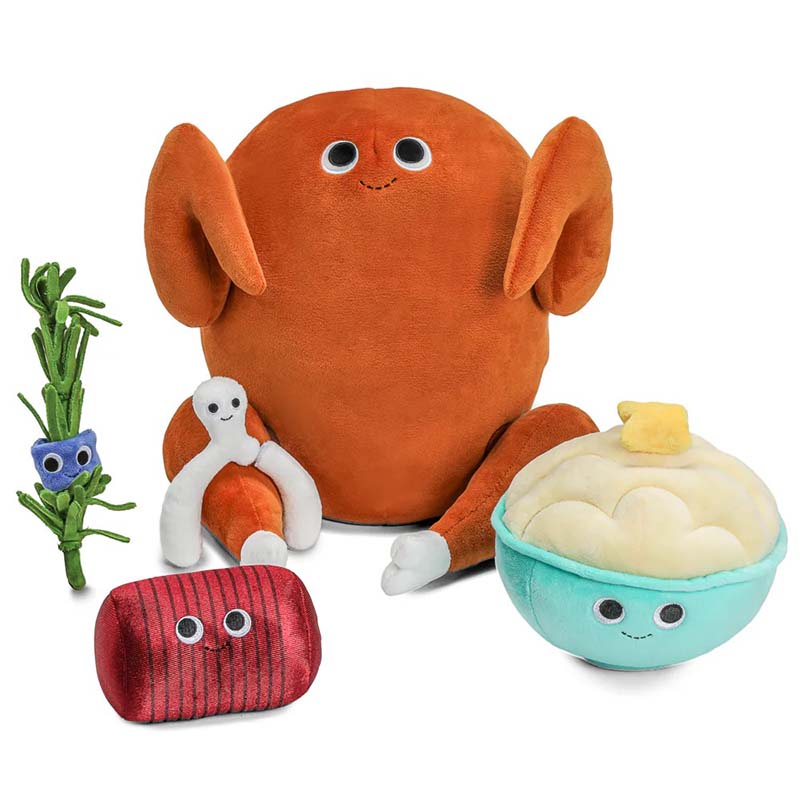
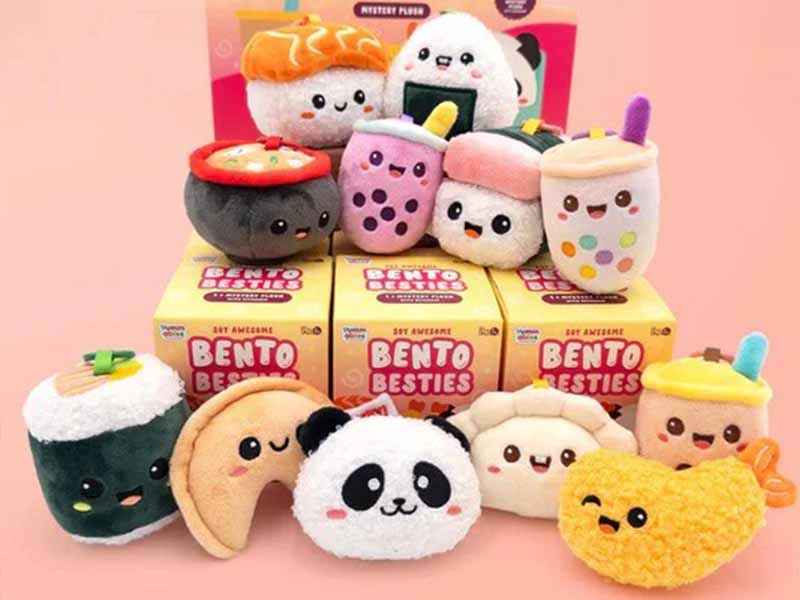
Food Plush Series
Cute, trendy, and ideal for lifestyle brands and gifting markets.
Marine Animal Plush
Designed for aquariums, coastal tourism, and educational retail with smooth shapes and rich colors.
Baby Plush & Soft Toys
Ultra-soft materials and CE/ASTM-certified safety designs for infants.
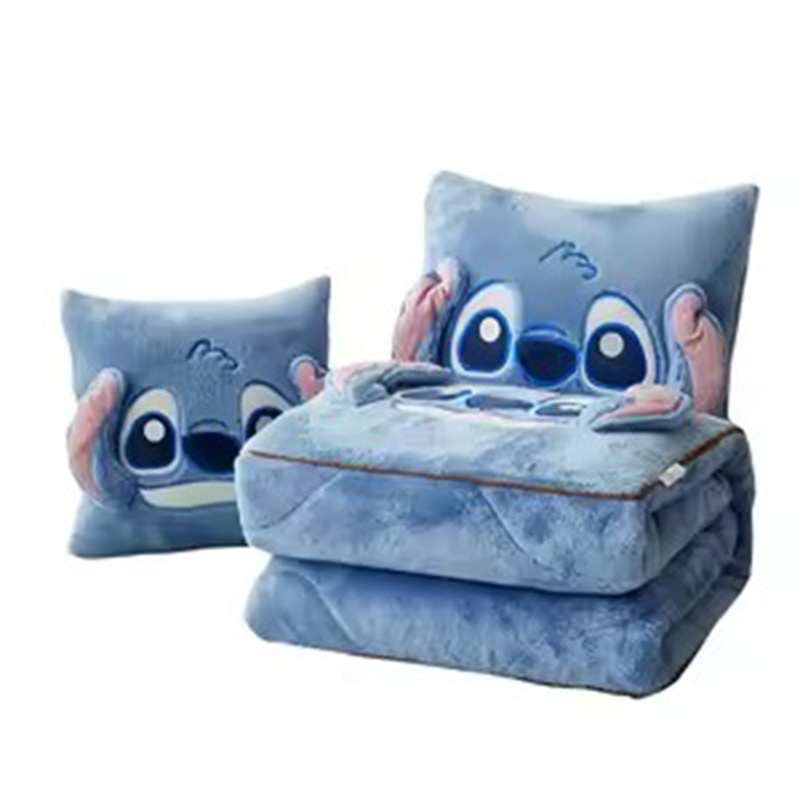
Plush Pillows & Cushions
Perfect for home décor, gifting, and comfort-themed collections.
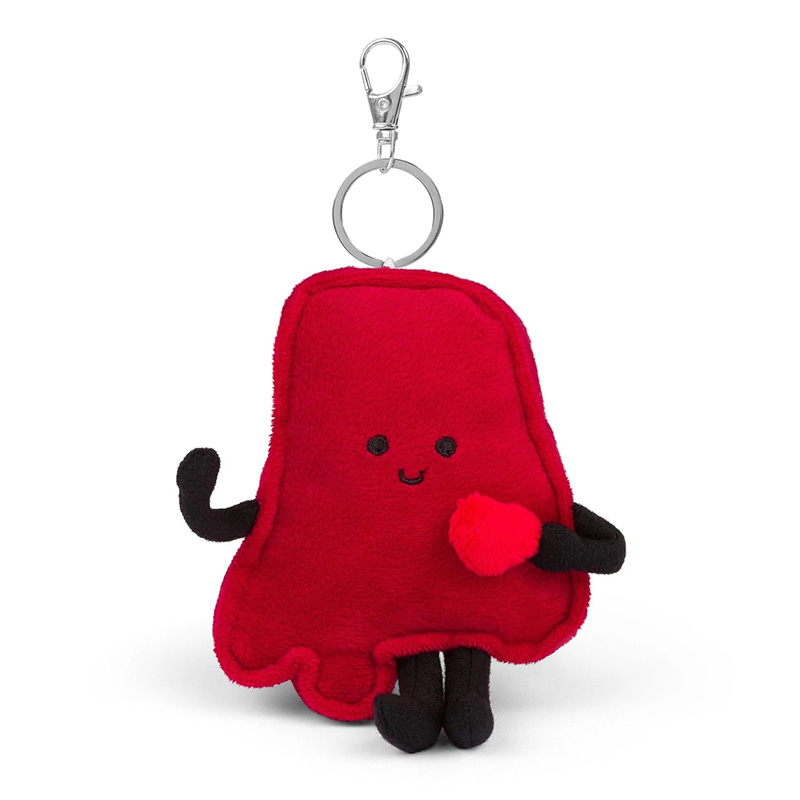
Keychain & Mini Plush
Lightweight items great for retail add-ons, blind boxes, and brand promotions.
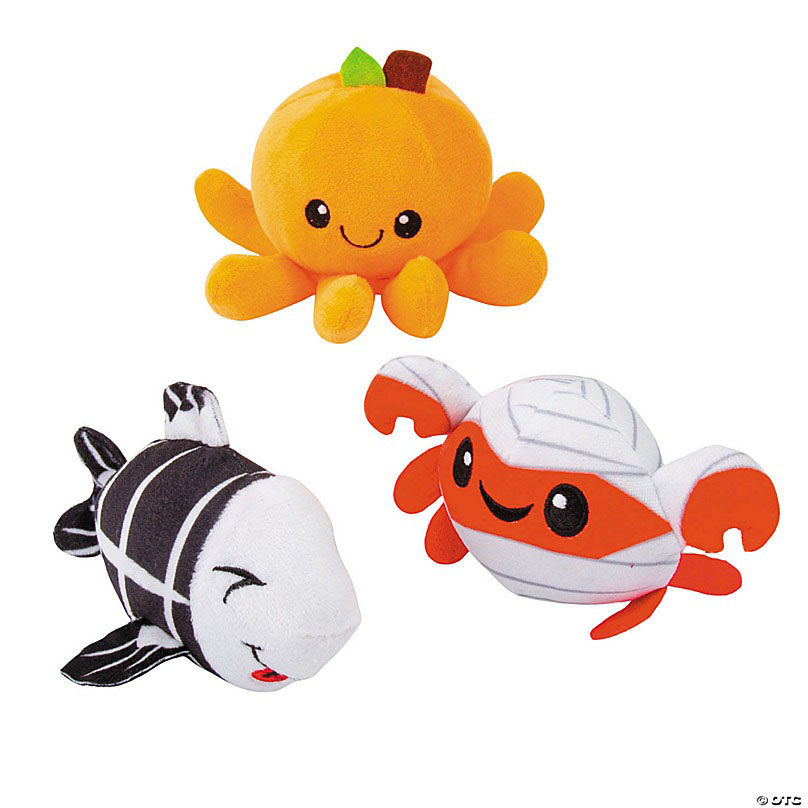
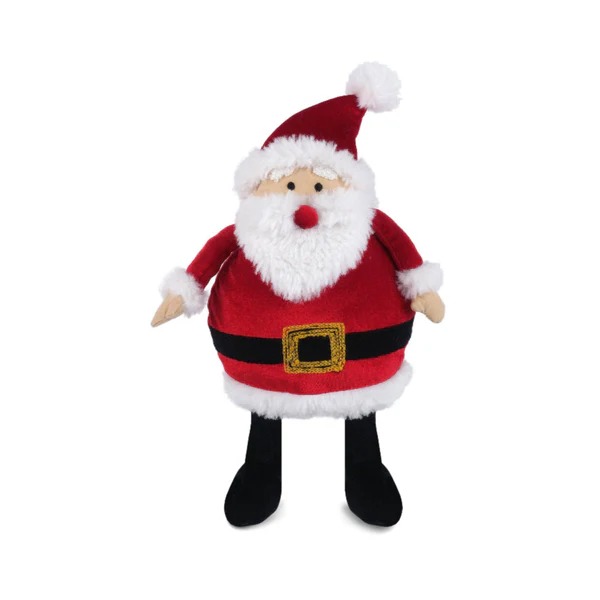
Holiday & Seasonal Plush
Designed for Christmas, Valentine’s Day, Halloween, and other seasonal sales.
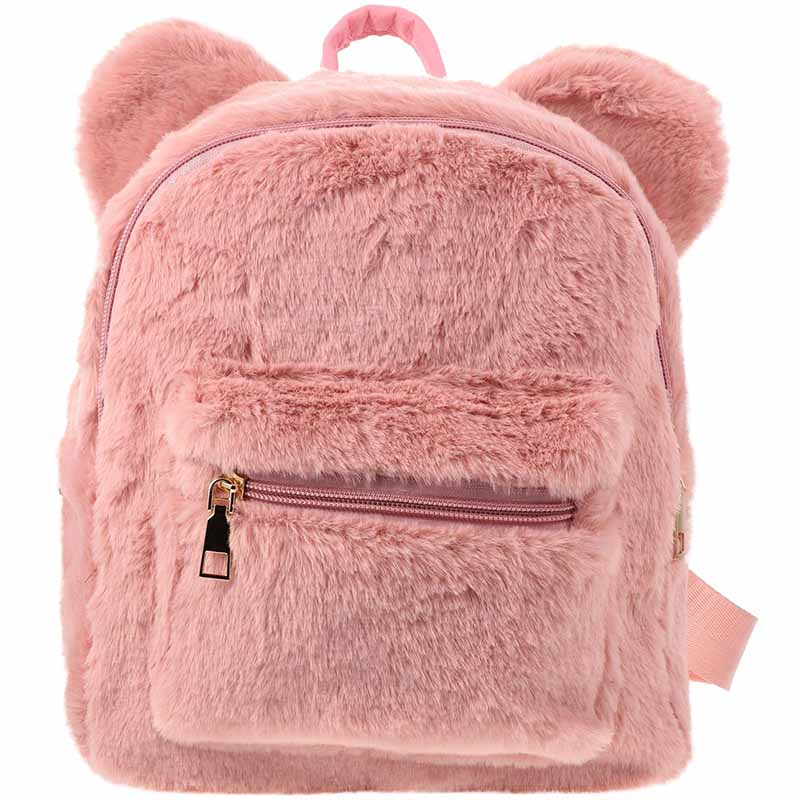
Plush Backpacks & Bags
Functional and cute products for kids’ retail and gift programs.
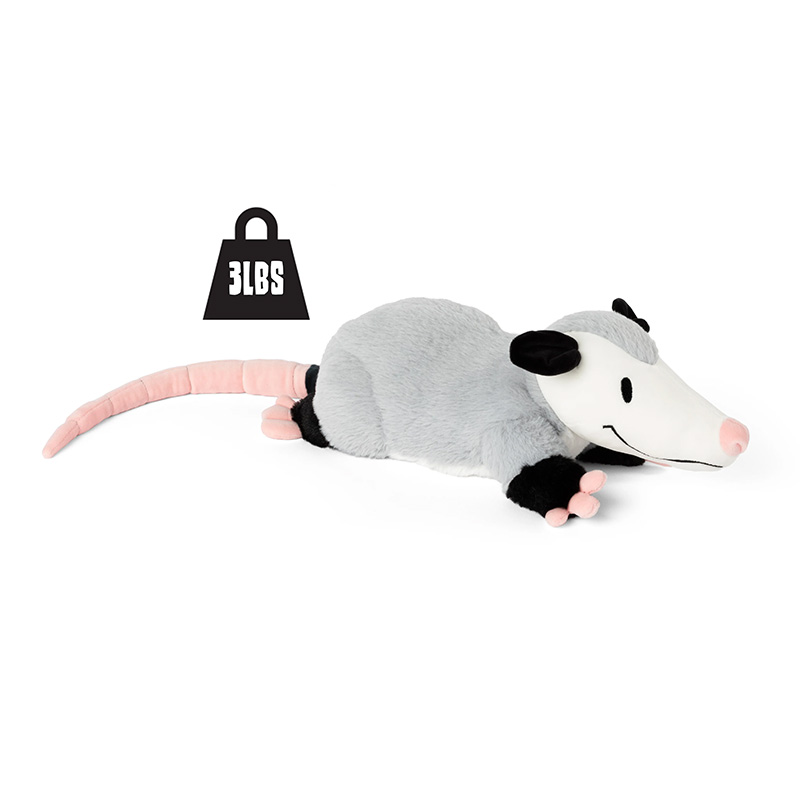
Weighted Plush Series
Designed for emotional comfort, sensory support, and therapeutic markets.
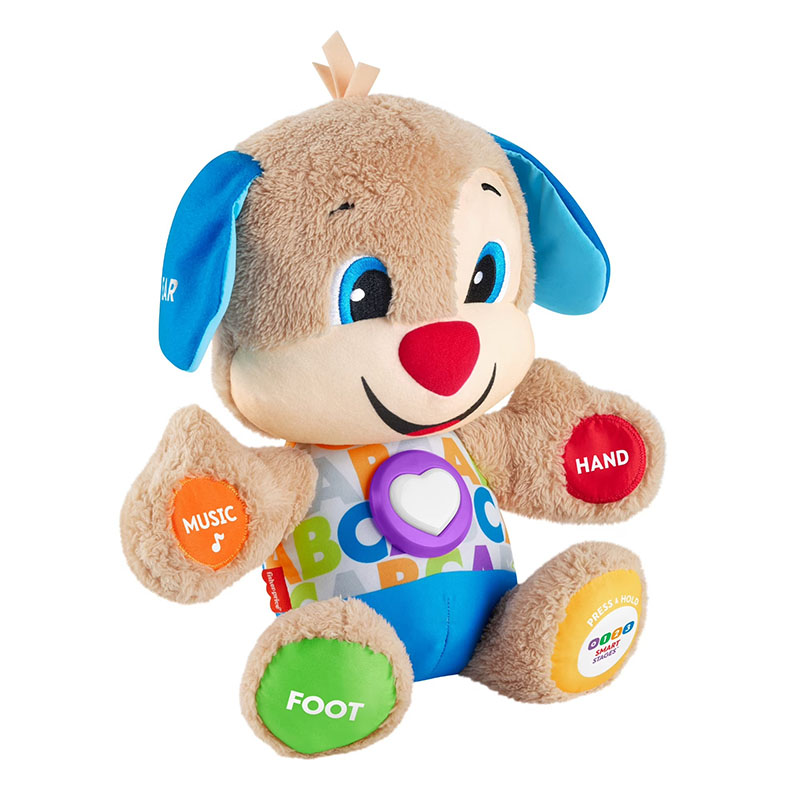
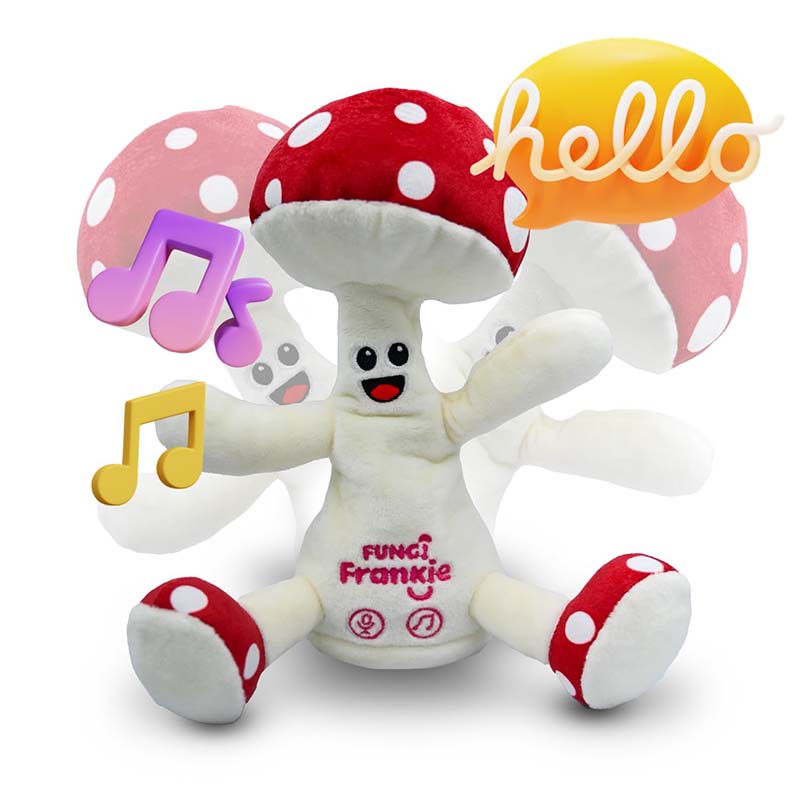
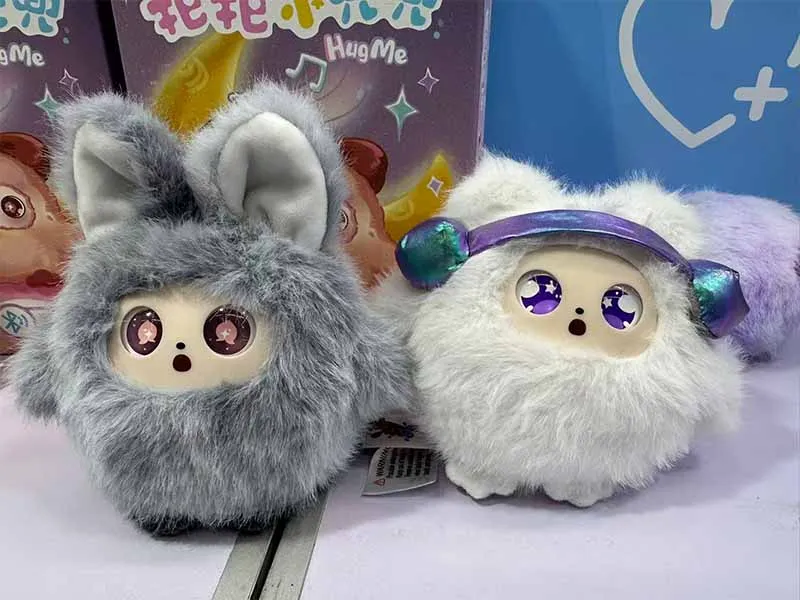
Interactive Plush Toys
Options include sound, lights, motion sensors, and talking modules.
Plush Dolls & Character Plush
Great for branding, storytelling, merchandise, and fan communities.
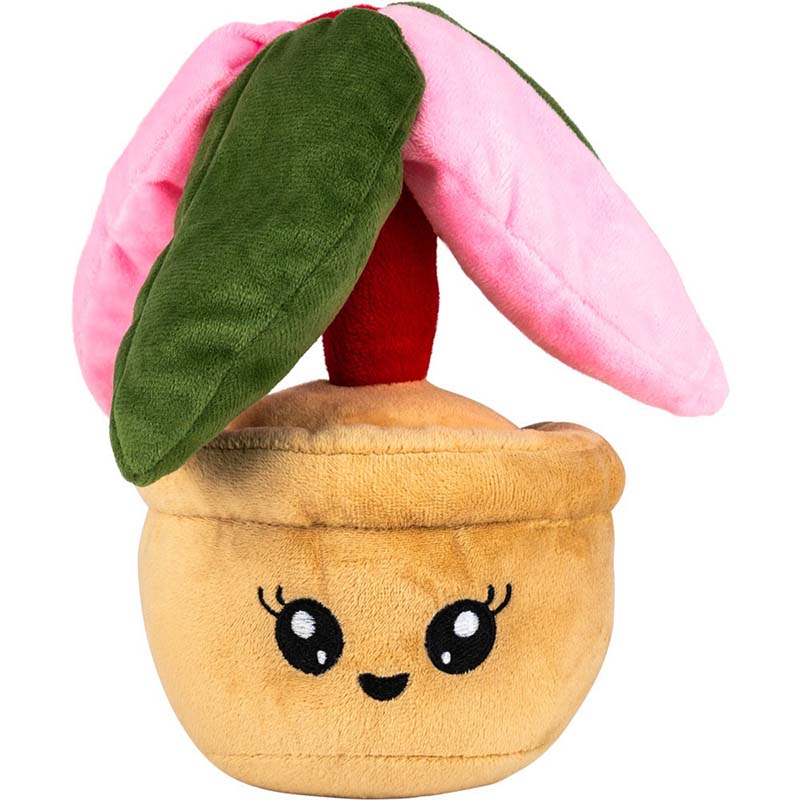
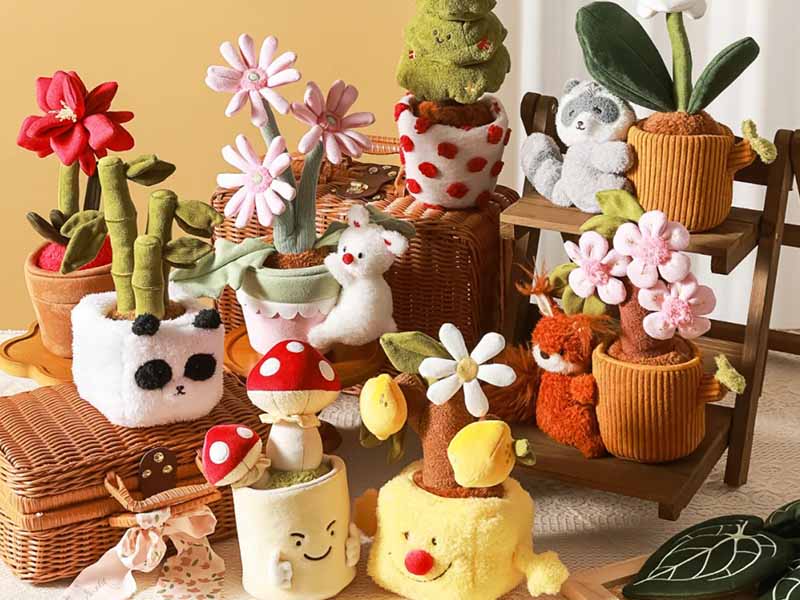
Plant & Nature Plush
Fun, educational, and visually unique for lifestyle and gifting markets.
Scented Plush Series
Customizable scents for aromatherapy, lifestyle retail, and gifting.
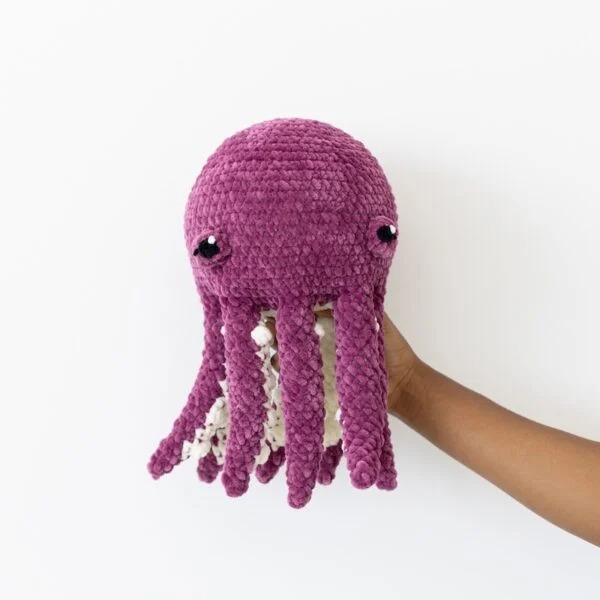
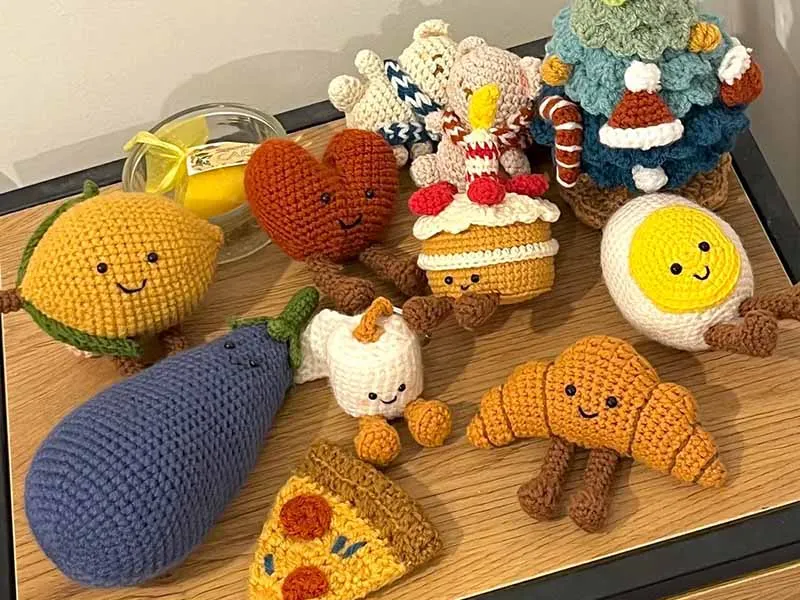
Knitted & Crochet Plush
Handcrafted style with premium textures, great for boutique retail.
Design Support: How to Create Strong Brand Identity in Plush Toys
Design is the core of a successful plush toy. A well-designed plush character helps your brand stand out, improves product recognition, and increases customer loyalty. Our design support team works with you through character development, material selection, and structural optimization to ensure your plush toy reflects your brand personality in every detail.
Character Design Refinement That Matches Your Brand DNA
Your artwork is adjusted to ensure the character’s shapes, proportions, and expressions clearly reflect your brand tone—cute, premium, realistic, minimalistic, or playful. This creates a strong emotional link between your audience and the plush.
Signature Elements That Strengthen Visual Identity
We help integrate brand elements—such as signature colors, patterns, accessories, or textures—into the plush toy. These subtle but powerful design choices create instant recognition across social media, retail displays, and product packaging.
Material Selection That Reflects Your Brand Style
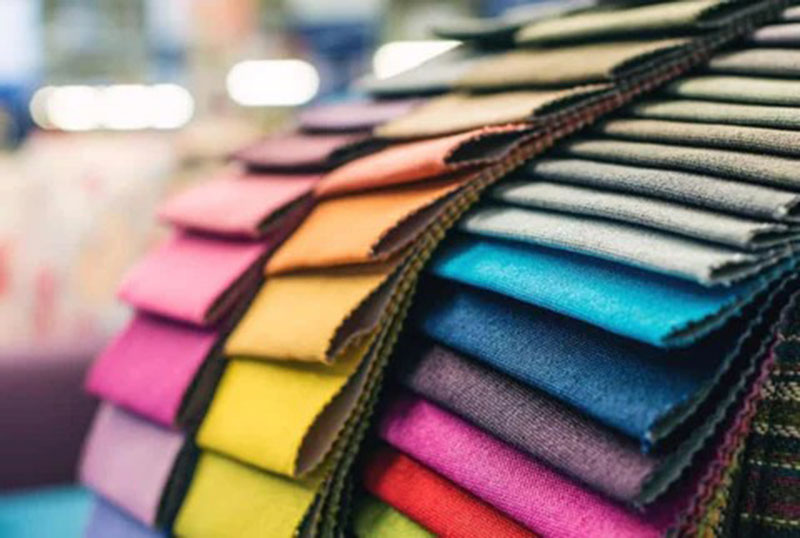
Different plush fabrics deliver different brand messages: minky for soft and cute, velboa for vibrant colors, faux fur for luxury styles, cotton for natural aesthetics. We guide you to choose materials that reinforce your brand story while ensuring safety and durability.
Structural Optimization for Consistency Across Batches
We refine internal structure, support points, and sewing methods so your plush toys look the same across mass production. This ensures stable quality and prevents distorted shapes, uneven stuffing, or inconsistent proportions.
Logo Placement & Packaging That Boost Brand Impact
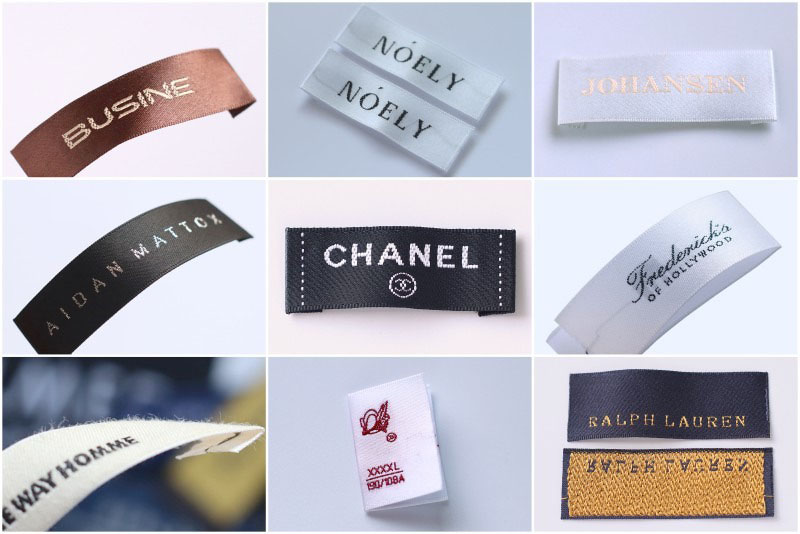
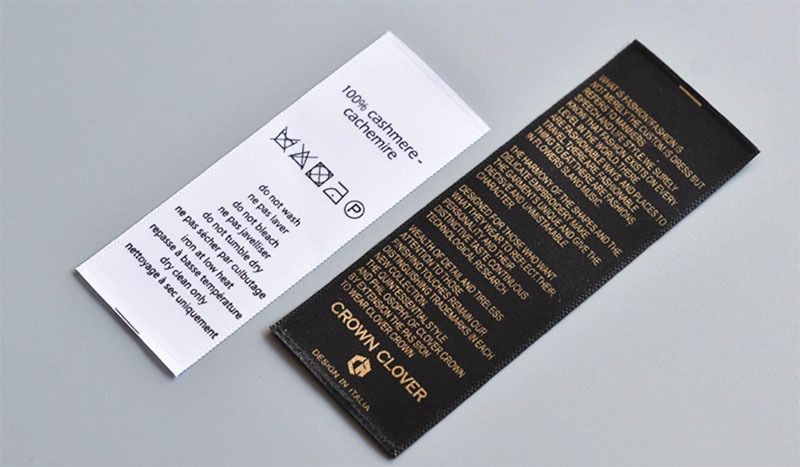
Your brand logo can be presented through embroidery, woven labels, hangtags, or custom packaging. Proper placement and visual hierarchy ensure your brand stays memorable while still fitting naturally into the plush design.
A strong brand identity makes your plush toy more recognizable, more shareable, and more valuable. With the right design support, your customers will remember your product at first glance—online and offline.
Custom-from-Image vs. Concept Development: Which Offers More Flexibility?
Choosing the right development method affects your project’s speed, creativity, and final quality. Both “custom-from-image” and “concept development” are effective paths, but they serve different goals depending on how complete your idea is. Our team supports both workflows and helps you select the option that saves time, reduces cost, and delivers the highest design accuracy.
1. Custom-from-Image: Fast, Clear, Highly Accurate
If you already have a finished character design, mascot drawing, or digital artwork, custom-from-image is the most efficient choice. You provide front, side, and back views—or even just a single clear drawing—and our pattern makers convert it into a high-accuracy plush prototype. This method is ideal for brands with fixed characters, licensing partners, pet plush projects, or creators who want maximum visual accuracy.
Key advantages:
- Faster sampling because the visual direction is already clear
- Lower development risk because fewer revisions are needed
- High consistency between drawing, prototype, and mass production
- Ideal when accuracy and brand identity are top priorities
2. Concept Development: Flexible, Creative, Ideal for New Brands
If your character is not fully defined yet—or you only have a rough idea, mood board, or brand theme—concept development gives you greater creative freedom. Our design team refines your idea step by step, creating sketches, proportions, facial expressions, and structural details until the plush character matches your brand tone. This approach is excellent for brands building a new mascot, starting a new plush line, or exploring different artistic directions.
Key advantages:
- More freedom to adjust design direction before sampling
- Ideal for building new IP characters or mascot systems
- Allows iterative development to find the best proportions and style
- Ensures the final plush visually matches brand personality
Whether you choose custom-from-image or concept development, both methods help you create high-quality plush toys that match your vision. Our team ensures the entire process stays clear, efficient, and fully aligned with your brand goals.
Materials & Accessories for Custom Plush Toys
Choosing the right fabrics and accessories directly affects a plush toy’s texture, appearance, and durability. We help you match materials with your target market, budget, and brand style, ensuring the final product feels premium and meets global safety standards.
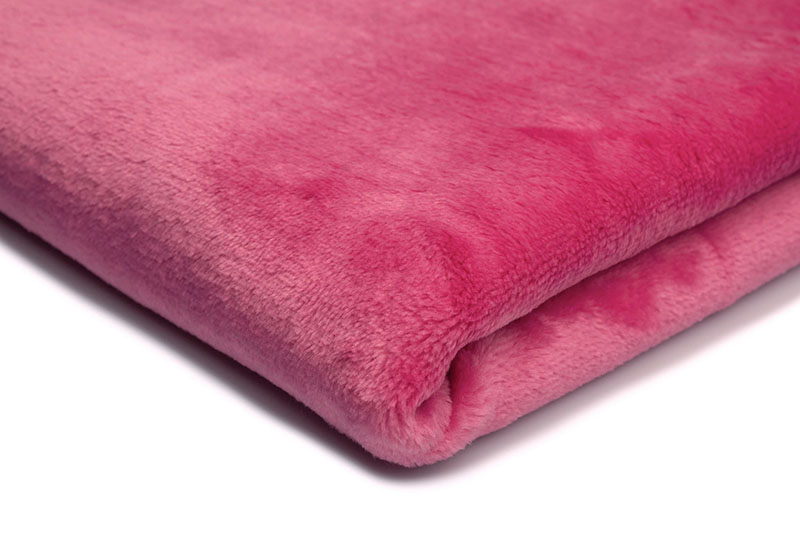
Minky / Soft Plush
Soft and velvety, ideal for baby toys, healing plush, and premium gift items.
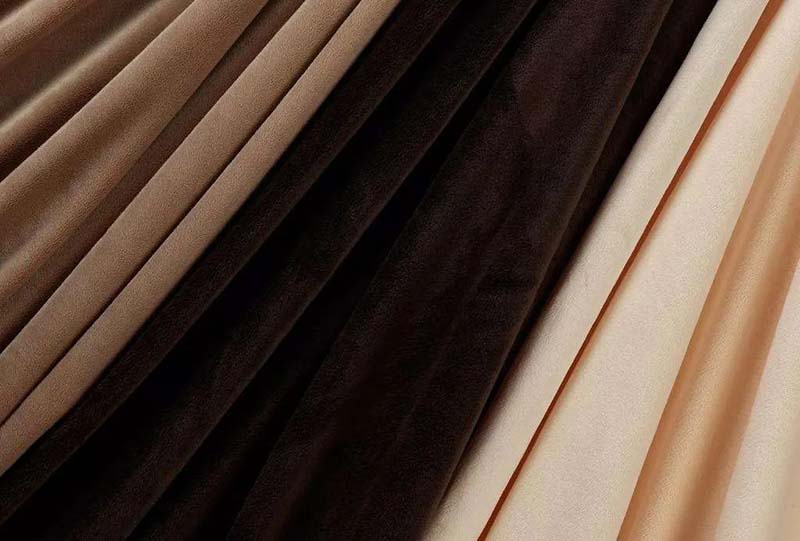
Velboa
Lightweight with bright colors, perfect for mascots and colorful characters.
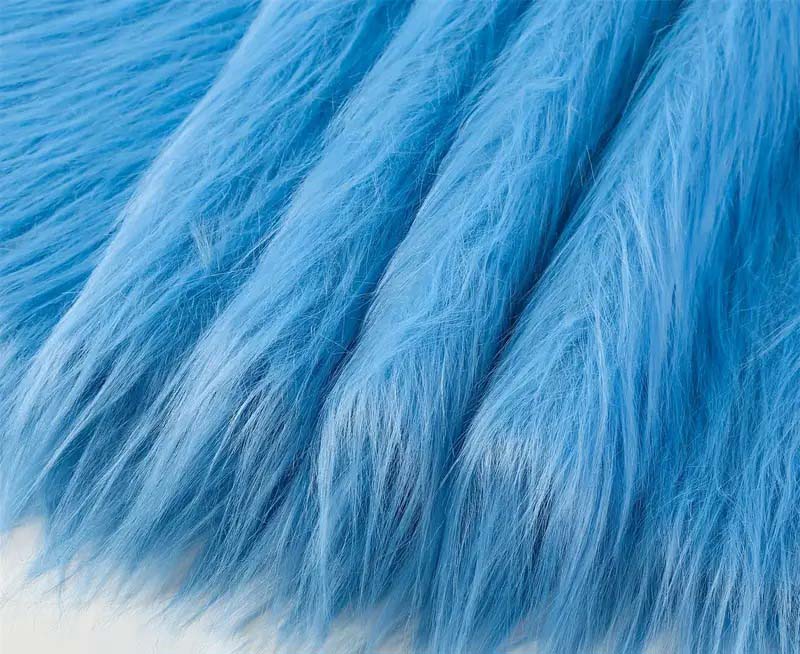
Long Pile Plush
Fluffy and textured, great for animal plush and luxury-style designs.
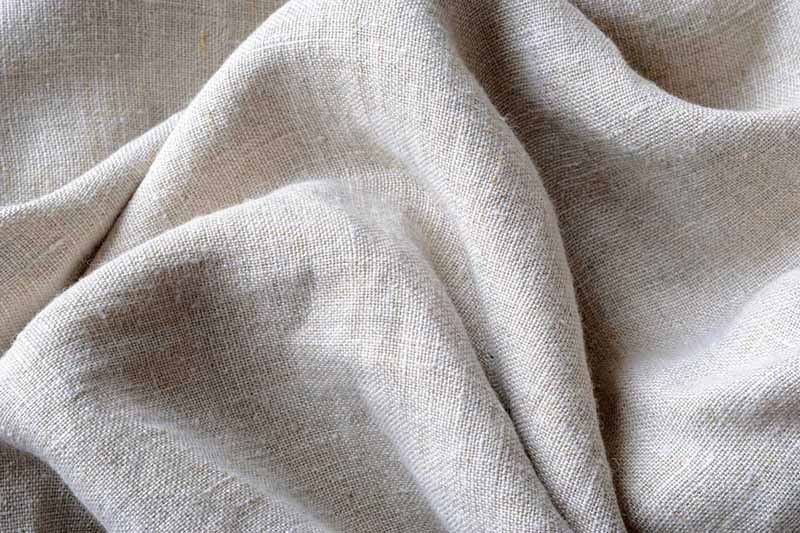
Cotton / Canvas
Natural and clean appearance, commonly used for minimal styles and plush clothing.
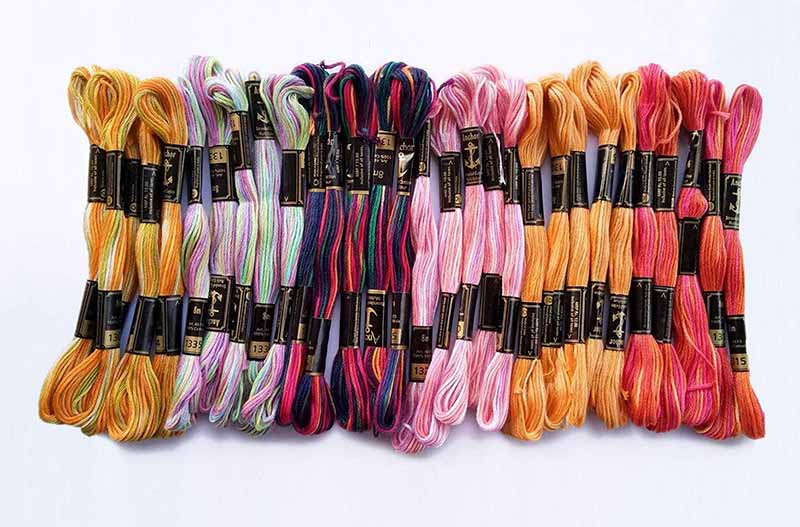
Embroidery Threads
Safe and durable for eyes, expressions, and fine details.
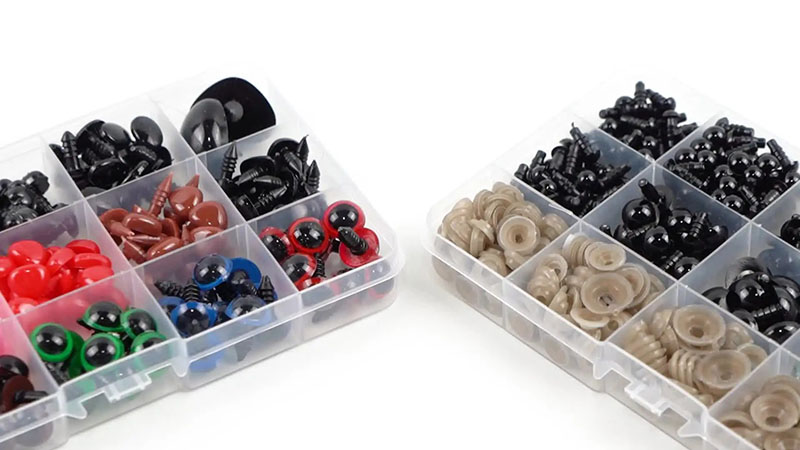
Safety Eyes
Securely locked and compliant with CE/ASTM standards.
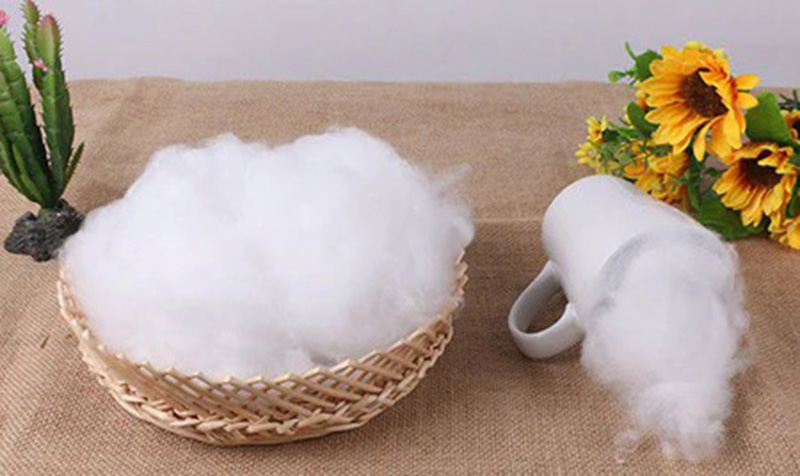
Stuffing (PP Cotton / Beads)
PP cotton for softness; beads for weight and sensory comfort.
Labels & Tags
Enhances branding and provides safety information.
Selecting the right combination of fabrics and accessories helps your plush toy achieve the ideal look, feel, and market positioning.
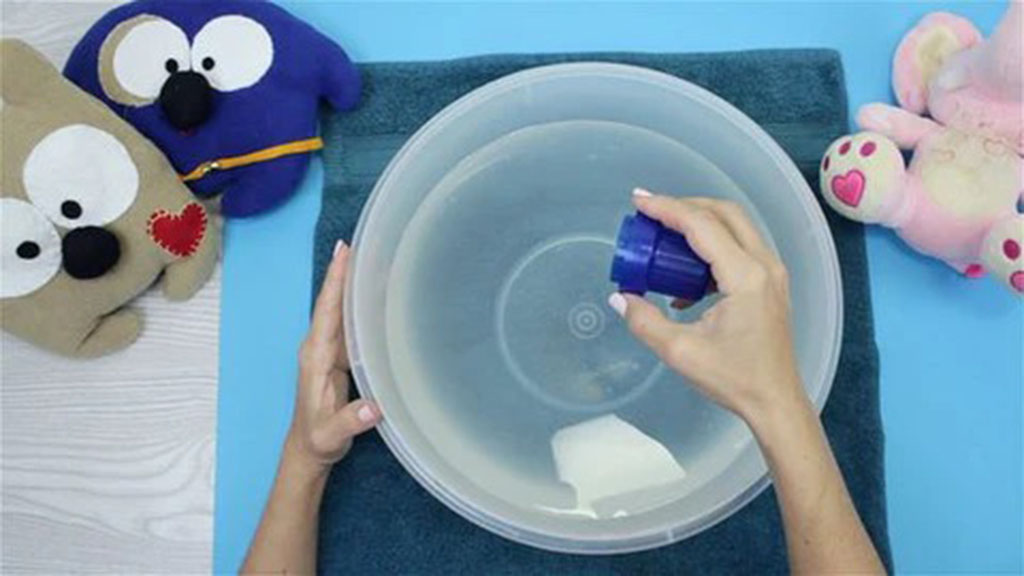
Plush Fabric Colorfastness & Wash Durability Tests
From idea to delivery, our process is clear, fast, and efficient. Whether small batch or bulk orders, everything moves smoothly here.
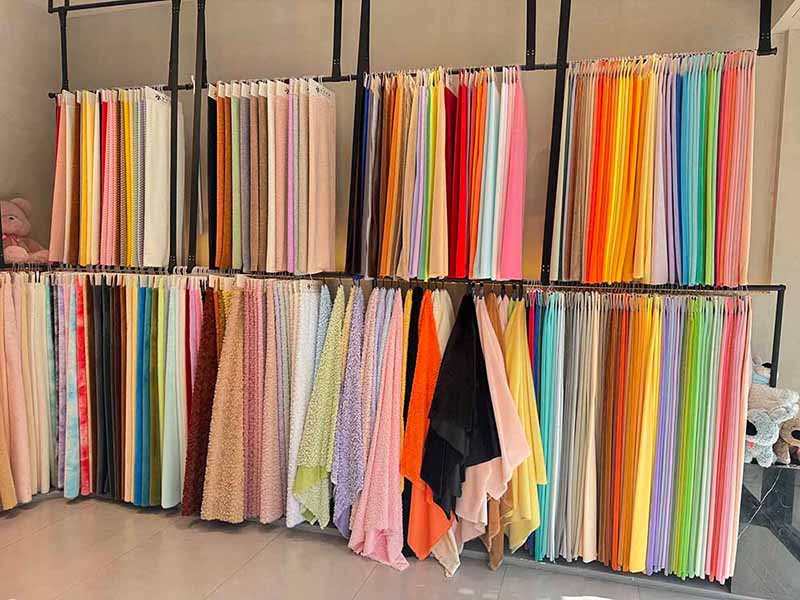
Want to see theColorfastness and washability are two of the most important indicators that determine whether a plush toy can maintain its long-term appearance, safety, and value. High-quality fabrics must remain stable when exposed to sweat, friction, water, detergents, and repeated washing. Our factory follows strict international testing procedures to ensure every plush toy retains its original color, softness, and structure throughout its lifespan. This process greatly reduces after-sales risks and ensures smoother entry into markets such as the EU, US, and Japan.
full details? Visit our How to Order Page.
Comprehensive Colorfastness Testing to Prevent Fading & Staining|
Colorfastness tests simulate real-life situations where plush toys may be exposed to moisture, sweat, rubbing, or washing. We test wet rubbing, dry rubbing, sweat resistance, and washing colorfastness to ensure that colors do not bleed or transfer onto hands, clothes, furniture, or other toys. Stable color performance is especially important for baby toys, white/light-colored plush, and retail products where aesthetics greatly influence purchasing decisions.
Washability Tests Ensure Long-Term Softness & Shape Retention
In washability tests, fabrics and finished plush toys undergo repeated washing cycles under controlled conditions. We evaluate whether the plush becomes rough, thinned, overly soft, or stiff after multiple washes. We also check for changes in filling distribution and seam stability. Fabrics with strong wash resistance maintain long-term softness and provide a better user experience—especially for child-friendly or frequently handled plush toys.
Shrinkage Rate & Surface Texture Evaluation
We measure shrinkage rates after washing to ensure the plush toy maintains its intended size and shape. Fabrics that shrink excessively can distort character proportions or cause uneven stuffing distribution. Additionally, our team evaluates surface texture changes, ensuring the plush does not pill, mat, or lose its fluffy appearance over time. This protects the toy’s aesthetic value and ensures long-term durability.
Embroidery, Labels & Accessories Durability Testing
During wash tests, all auxiliary components—including embroidery, printed patterns, woven labels, safety eyes, noses, and decorative accessories—are examined for stability. We ensure they do not fade, crack, loosen, or deform. This step is crucial for CE and ASTM compliance, helping your plush toys remain safe and visually appealing even after repeated use.
What You Can Customize With Us
Creating a fully customized plush toy means having control over every detail—from appearance to materials to branding elements. Our factory offers flexible customization options so your plush toys match your market positioning, quality expectations, and brand identity.
Shape, Structure & Proportions
You can customize head-body proportions, posture, silhouette, firmness, and internal support structure to achieve the exact look you want.
Fabric & Material Selection
Choose from minky, velboa, long plush, cotton, RPET eco-materials, and mixed fabrics to create unique textures and tactile experiences.
Filling Density & Weighted Options
You can adjust softness levels or add weighted beads for sensory comfort, therapeutic plush, or premium hand-feel.
Facial Expression & Embroidery Details
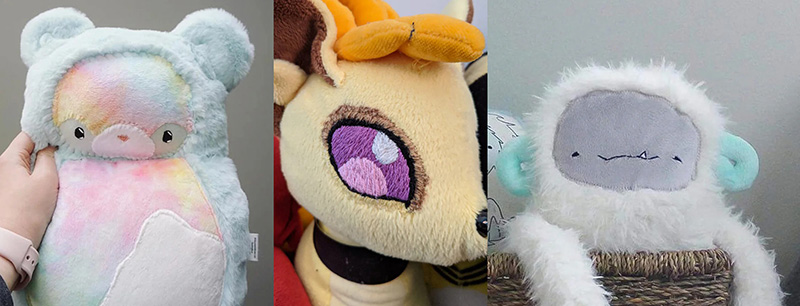
Customize eyes, mouth, patterns, and fine details using embroidery, printing, applique, or mixed techniques for stronger character identity.
Logo, Labels & Branding Elements
Add woven labels, hangtags, embroidered logos, printed logos, or custom accessories to enhance brand recognition across retail environments.
Packaging Customization
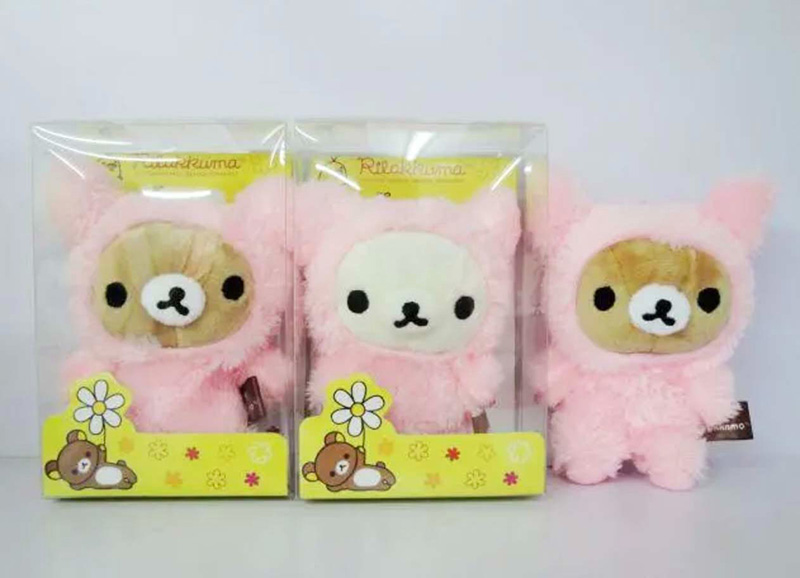
Customize polybags, boxes, display packaging, vacuum packing, or gift packaging to elevate product value and unboxing experience.
With a fully customizable system, you get plush toys that reflect your brand personality and meet your exact quality standards—without limitations.
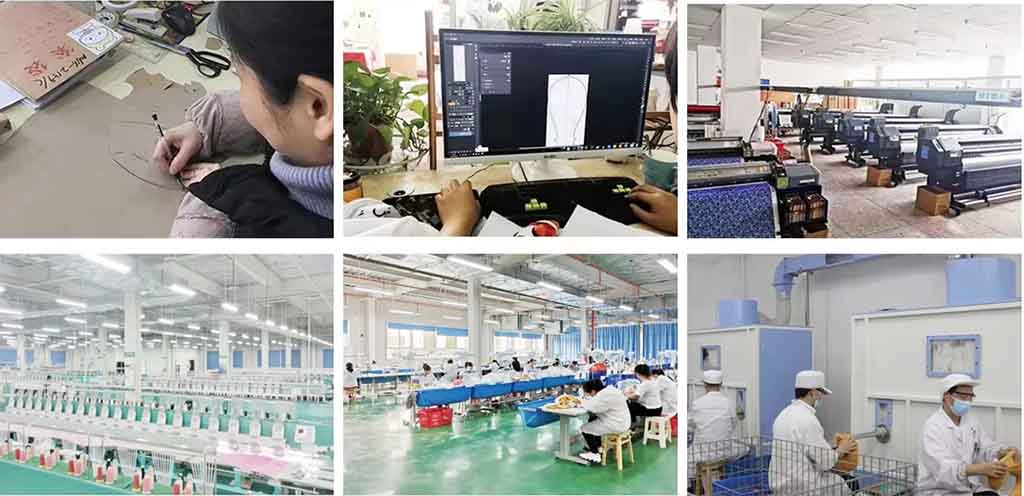
Our Plush Toy Production Process
Understanding how your plush toy is made helps you gain full confidence in product quality, stability, and delivery time. Our production process is built to ensure accuracy from design to mass shipment, giving your brand a reliable and transparent manufacturing partner.
Design Review & Material Confirmation
We review your artwork, structure, size, and intended materials to ensure the project starts with clear specifications. This step reduces revisions and ensures accurate sampling.
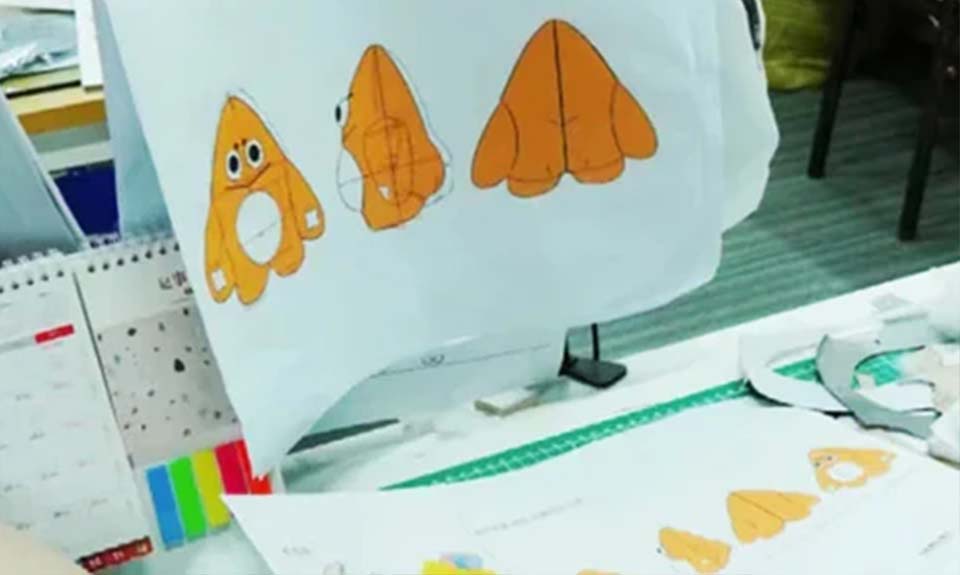
Pattern Making (Paper Pattern Development)
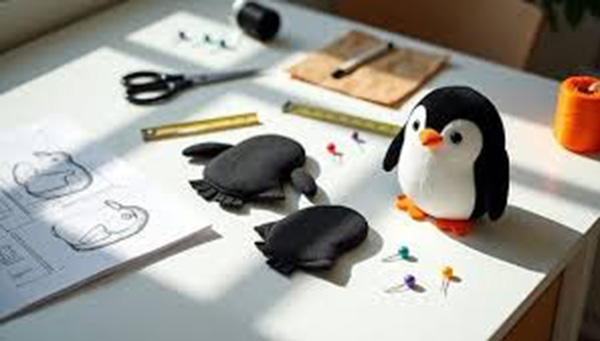
Our professional pattern masters create accurate patterns based on your character design. This determines your plush toy’s proportions, symmetry, and final appearance.
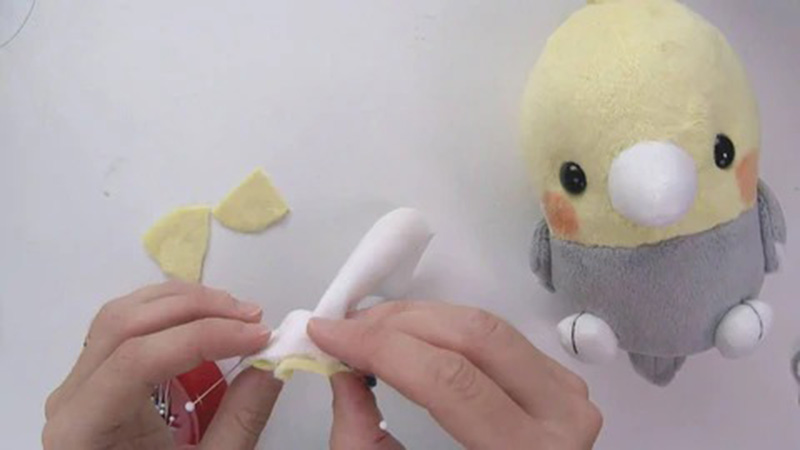
Prototype Sample Creation
Cutting, sewing, embroidery, stuffing, and assembly are completed to create the first full prototype. You receive a physical sample to evaluate design accuracy and tactile quality.
Sample Revisions & Final Approval
If adjustments are needed, we refine proportions, materials, stuffing density, expressions, or accessories until the sample meets your expectations.
Bulk Material Procurement
Once the sample is approved, all fabrics, fillings, embroidery threads, labels, and accessories are stocked according to QC standards to ensure batch consistency.
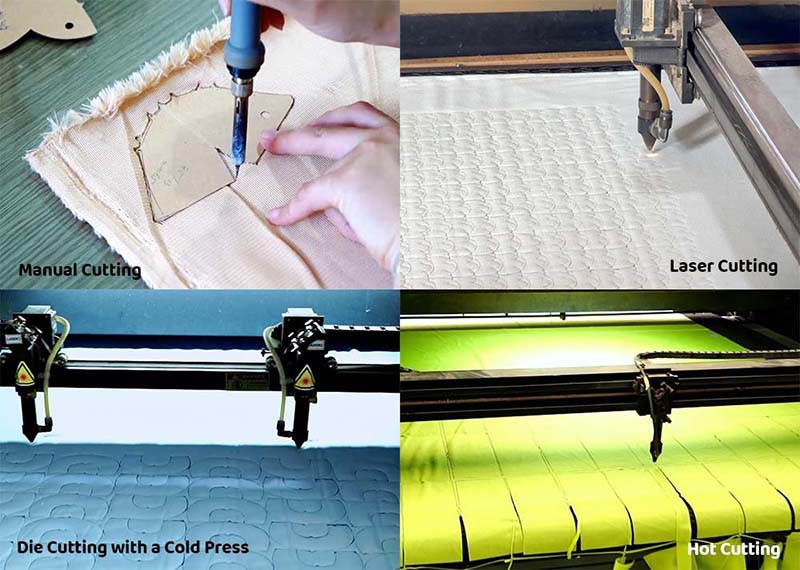
Cutting & Embroidery Processing
Fabrics are cut using templates or automated machines, followed by embroidery or printing of character details. Precision at this stage ensures the visual accuracy of all plush toys.
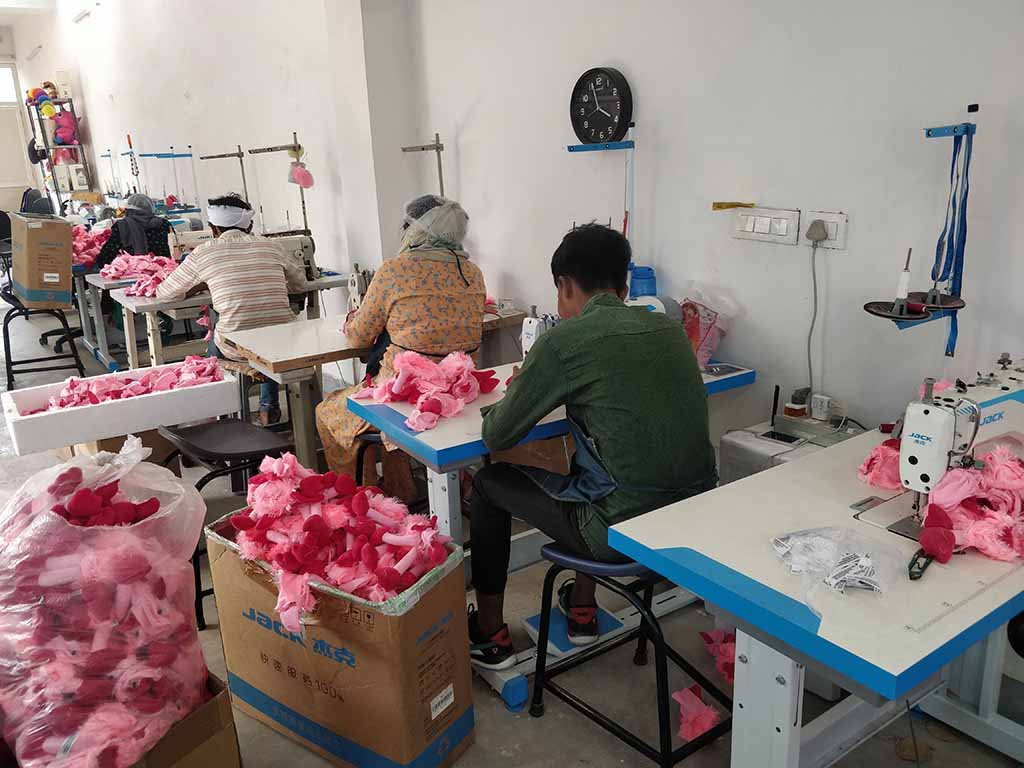
Sewing & Stuffing Assembly
Different body parts are sewn together, then stuffed to the correct density to achieve the desired firmness, shape, and comfort level.
Final Quality Inspection(Full QC)
Each plush toy undergoes appearance checks, pull-force testing, metal detection, measurements, labeling verification, and packaging inspection.
Packaging & Shipping
Products are packed according to your specifications—polybag, box, vacuum pack, or retail packaging—then prepared for domestic or international shipping.
A transparent and standardized production process helps you reduce risks, avoid delays, and ensure every batch meets your brand’s expectations. With experienced teams and strict QC systems, you gain full confidence in both quality and delivery performance.
How We Ensure Quality & Safety Compliance in Plush Manufacturing
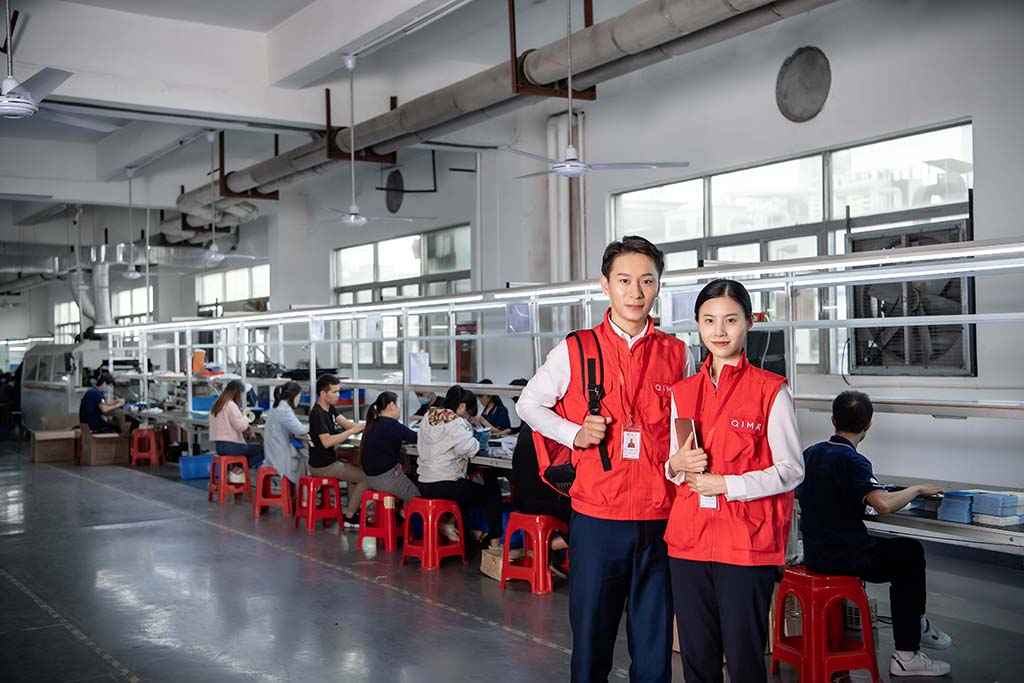
High-quality plush toys require more than good design—they must meet strict global safety standards such as CE, ASTM F963, EN71, and CPSIA. Our factory follows a complete quality-control system that evaluates every stage from materials to finished products. This process ensures your plush toys are safe, durable, and fully compliant with international regulations.
1. Certified Materials & Traceability System
We source fabrics, fillings, embroidery threads, and accessories only from certified suppliers. Every material batch is tracked and verified for safety, ensuring no harmful chemicals, heavy metals, or restricted substances are present.
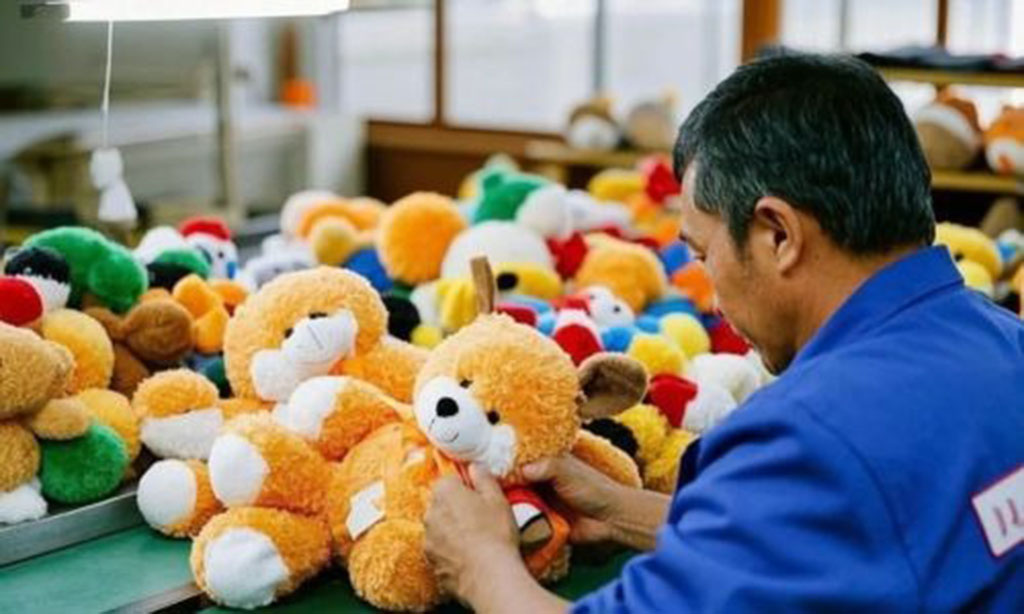
2. In-Process QC (Cutting, Embroidery, Sewing)
During production, QC teams check each stage—cutting accuracy, embroidery clarity, stitching strength, and assembly consistency. Early detection prevents shape distortion, weak seams, and facial misalignment.
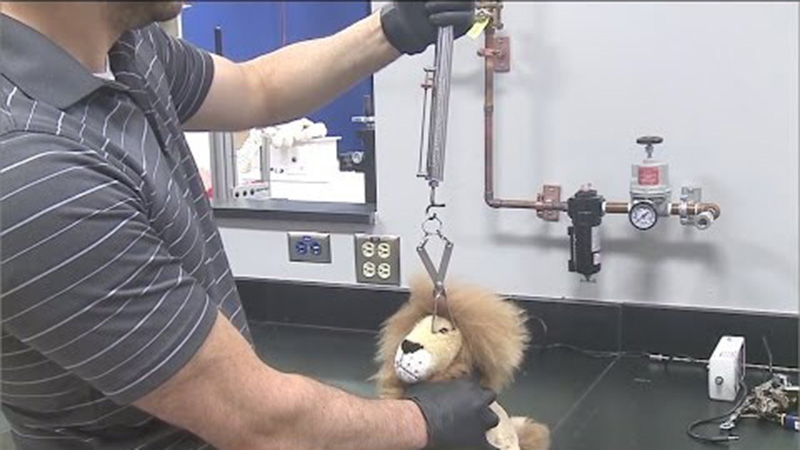
3. Pull-Force Testing for Eyes, Seams & Accessories
To meet CE/ASTM standards, all key parts—eyes, nose, embroidery areas, seams, labels, and accessories—must pass strict pull-force tests. This ensures they stay firmly attached even during rough handling by children.
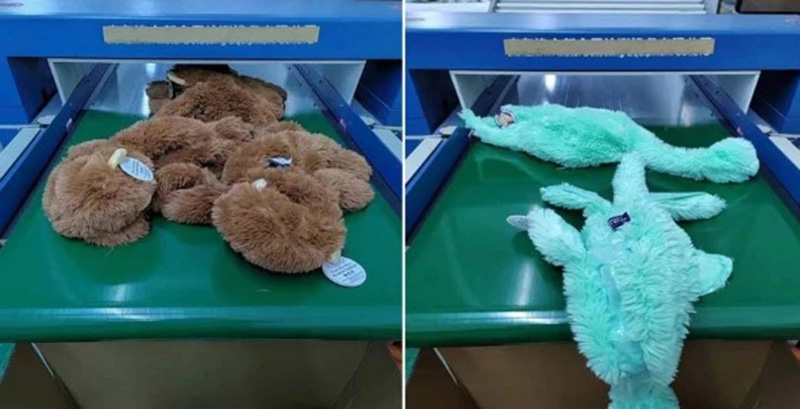
4. Metal Detection & Final Quality Screening
All plush toys pass through high-sensitivity needle detectors to eliminate metal residues from sewing needles or equipment. After that, QC performs a full inspection on shape, symmetry, stuffing, stains, facial accuracy, and measurements.
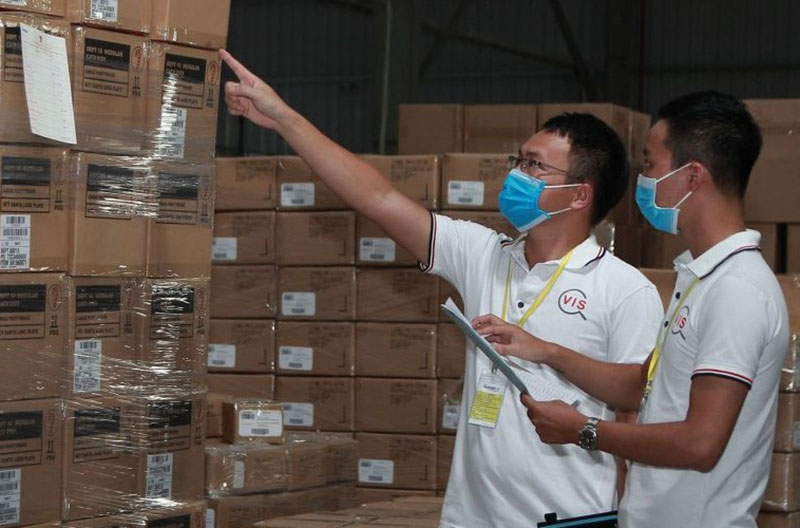
5. Safety Compliance Review & Packaging Verification
Before shipping, products undergo CE/ASTM/EN71 compliance checks, label accuracy inspection, and packaging verification to ensure safe transportation and retail readiness.

Trusted by Leading Global Brands
Strong partnerships prove strong capabilities. Over the years, Kinwin has worked with world-leading brands and retailers to deliver interactive plush toys that meet the highest standards of creativity, safety, and quality. By choosing us, you gain a supplier that is trusted by top companies worldwide—and the same reliability is available to your brand.


Common Challenges in Plush Toy Prototyping
Turning a 2D illustration into a 3D plush toy involves fabric behavior, structure building, and manual craftsmanship. Because plush materials are soft and three-dimensional shapes need to be reconstructed, the first prototype often requires refinement. Understanding these common issues helps you manage expectations, reduce unnecessary revisions, and achieve higher accuracy from the start.
3D Shape & Proportion Differences
When moving from flat artwork to three-dimensional form, some stylized proportions—such as oversized heads, thin limbs, or exaggerated silhouettes—may not translate naturally into fabric. The plush may collapse in certain areas, appear unbalanced, or lose the intended character shape. Pattern makers often need to adjust curves, redistribute volumes, or add internal support to maintain stability and visual appeal.
Facial Expression Accuracy
Facial expressions are highly sensitive to small adjustments. Slight shifts in eye spacing, embroidery thickness, nose size, or mouth curvature can dramatically change a character’s personality. Because plush surfaces are soft and sewing involves manual placement, even minor variations can affect expression accuracy. Multiple rounds of fine-tuning are often required to achieve the exact emotional feel and brand character identity.
Fabric Behavior Causing Appearance Differences
Different fabrics behave differently under stuffing, sewing, and lighting. Long plush may cover fine details, short plush may highlight seams, minky may stretch slightly, and printed fabric may shift during assembly. These variations can create differences from the original illustration, requiring fabric adjustments or visual revisions to achieve the intended aesthetic.
Stuffing Density Affecting Shape
Stuffing plays a crucial role in defining shape, firmness, and overall expression. If the plush is overstuffed, it may become too rigid and distort the original silhouette; if under-stuffed, it may appear flat, wrinkled, or lacking energy. Achieving the ideal balance requires adjusting density, layering, and internal compartments to ensure the plush remains full, stable, and comfortable while maintaining consistent quality in mass production.
Ready to Start Your Plush Toy Project?
Bringing a plush idea to life requires more than a good concept—you need a reliable manufacturing partner who understands quality, safety, materials, prototyping, and mass production. Whether you already have a complete design or are still shaping your concept, our team provides full support from the very first sketch to final shipment. By working with an experienced OEM & ODM plush factory, you gain faster development speed, fewer revisions, professional guidance, and the confidence that every product meets international standards.
When you choose to work with us, your project receives dedicated attention, transparent communication, and manufacturing solutions tailored to your brand goals. You get more than a supplier—you gain a long-term partner who helps you launch products with confidence, consistency, and competitive quality.
Explore Our Custom Plush Toy Series
We offer a wide selection of plush toys to meet different business needs. From baby-safe stuffed animals to collectible plush dolls, our product lines are designed for global brands, retailers, e-commerce, and promotional projects.
Frequently Asked Questions
1. What is your MOQ for custom plush toys?
Our standard MOQ is 500 pieces. For orders below this quantity, please consult with our project manager. We may offer flexible solutions depending on the product size, complexity, and customization requirements.
2. How long does sampling take?
Sample development usually takes 10–15 days after receiving all design files and requirements. Complex structures or special materials may require additional time.
3. How long is mass production?
Bulk production takes 25–35 days depending on order quantity and production difficulty. We also support urgent orders when scheduling allows.
4. Can you help improve my design if it’s not final?
Yes. Our design team offers free basic optimization to improve character proportions, facial details, materials, and structure before sample development.
5. Do your products meet CE/ASTM safety standards?
Yes. All materials and processes comply with CE, EN71, ASTM F963, CPSIA requirements. We can also provide testing reports upon request.
6. Can you create plush toys from just an idea or sketch?
Absolutely. We support concept development, creating characters from rough sketches, mood boards, or simple descriptions.
7. Can you match Pantone colors for fabrics?
Yes. We can match Pantone colors and provide fabric swatches before production.
8. How many revisions are included during sampling?
We provide reasonable revisions until the sample reaches an acceptable and manufacturable state. Structural redesign may incur additional charges.
9. Do you protect customer designs and IP?
Yes. We sign NDA agreements and strictly protect all client artworks, prototypes, molds, and production files.
10. What shipping methods do you offer?
We support air freight, sea freight, express delivery (DHL/UPS/FEDEX) and can assist with customs clearance if needed.
If You Can lmagine lt,We Will Create lt!
1.Tell Us What You Need
Tell us as specific as possible of your needs and share your idea.
2.Get Solution & Quote
We will work on the best solution according to yourrequirements,the specific quote will be provided within 24 hours.
3.Approve for Mass Production
We will start mass production after getting your approval.